

Simms Dry Creek Z Hip Pack | Insider Review



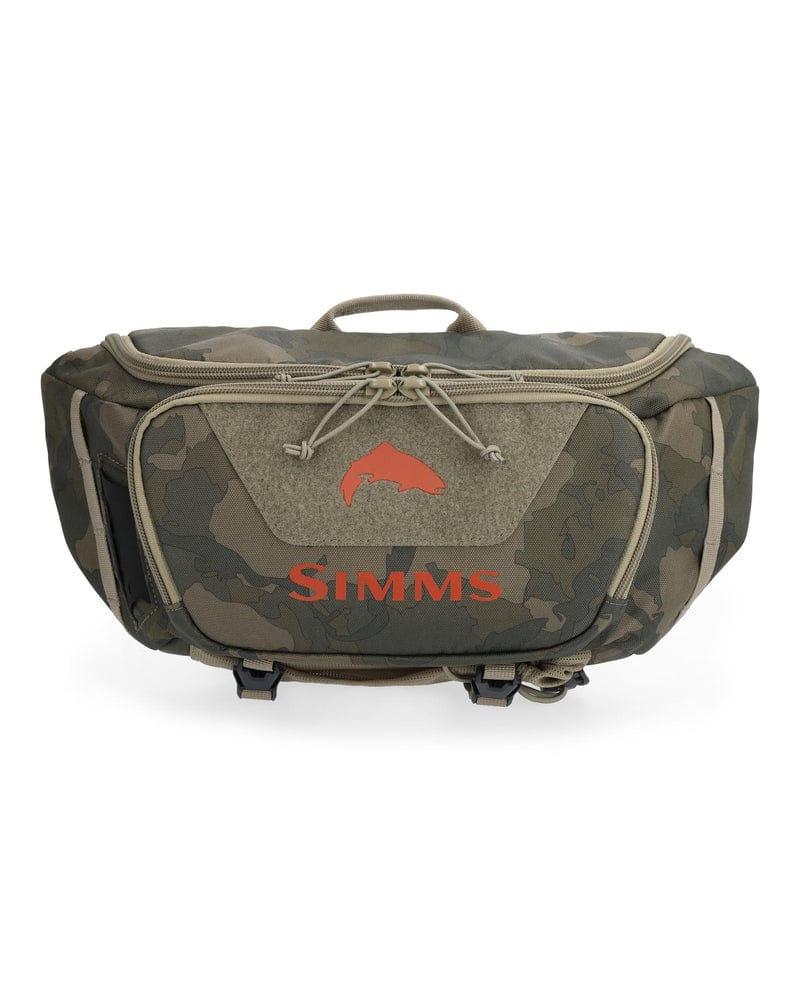


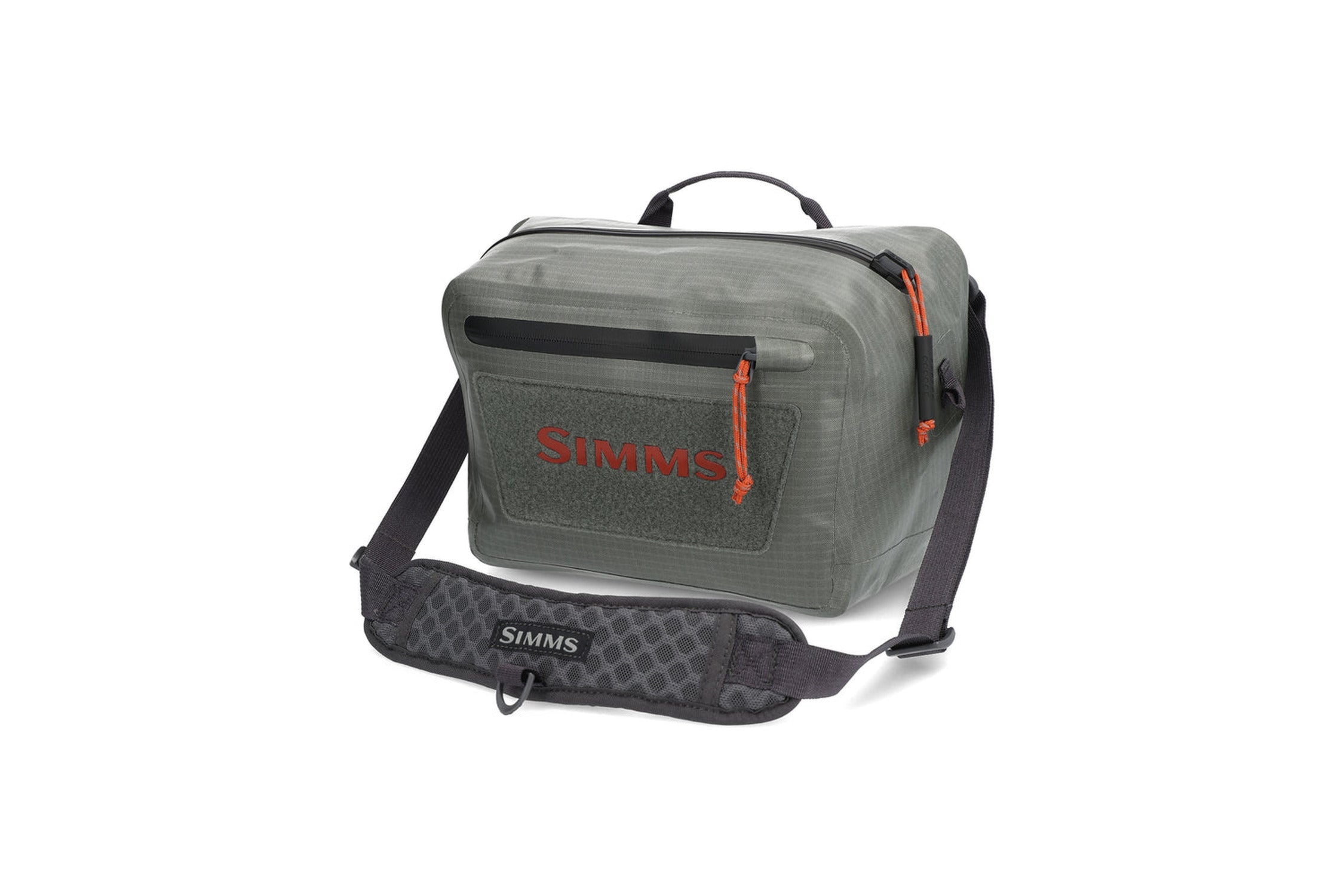
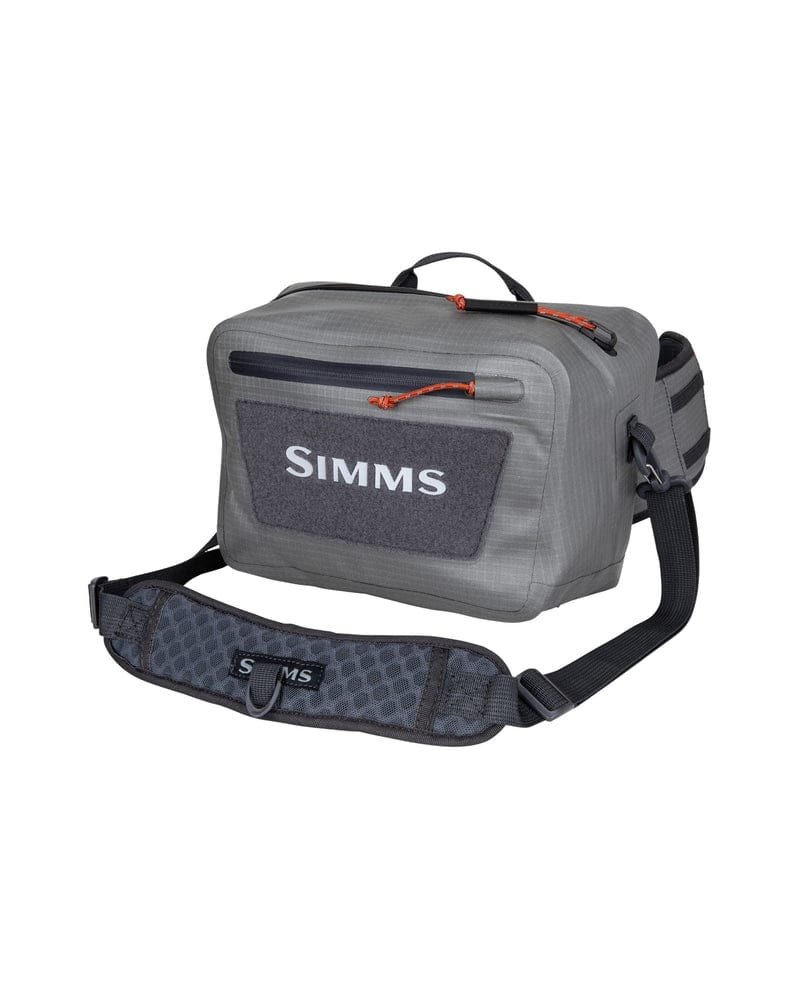

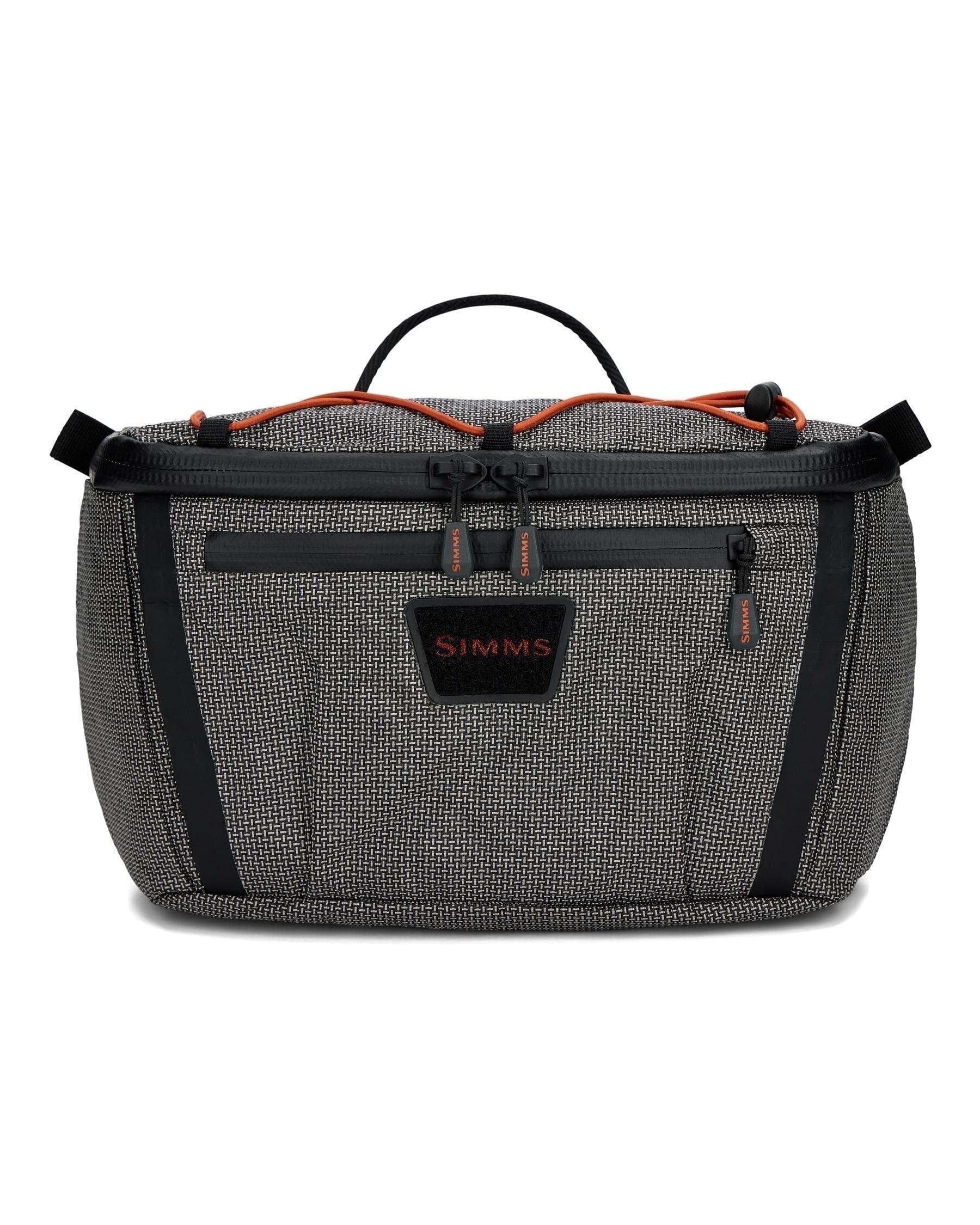


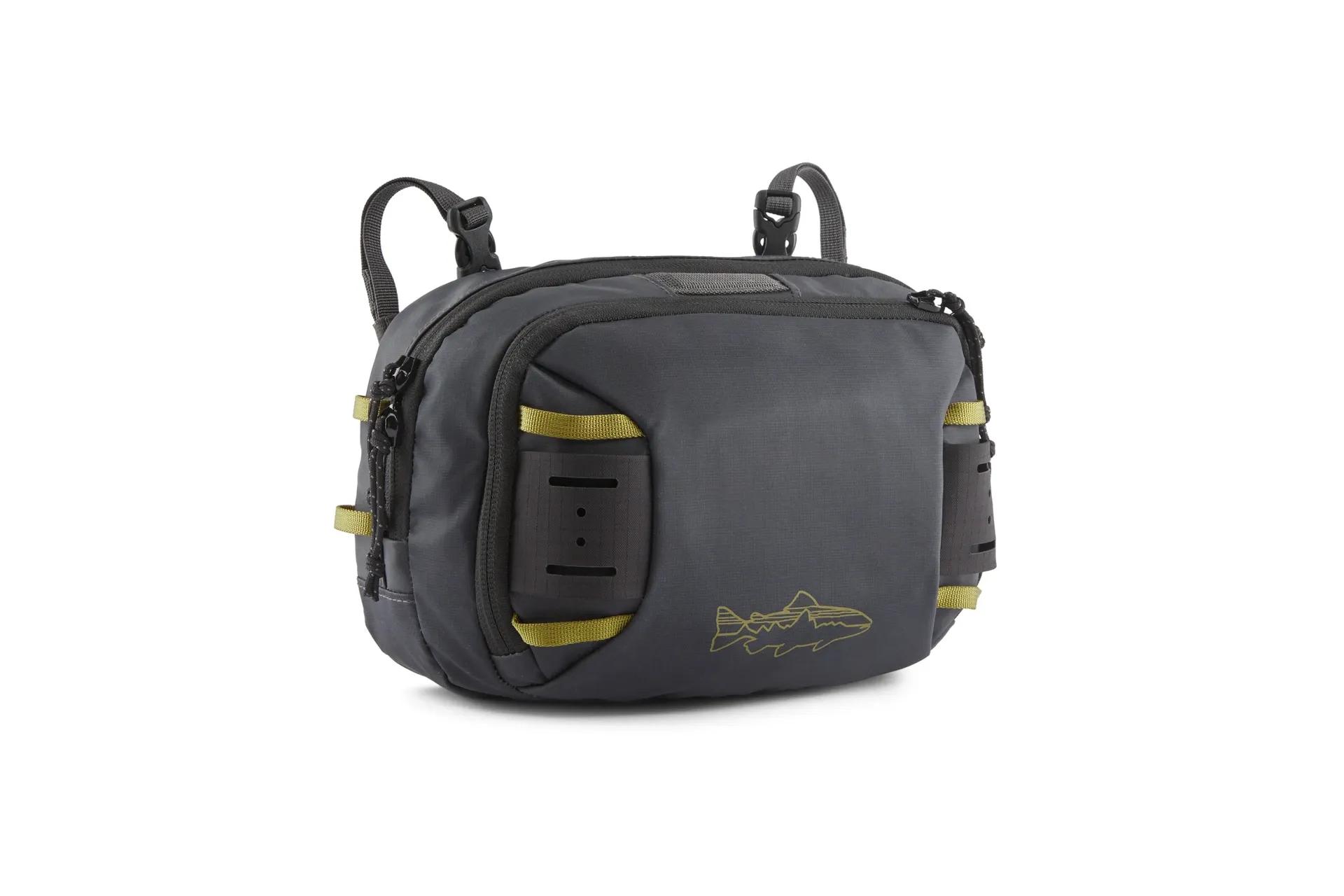
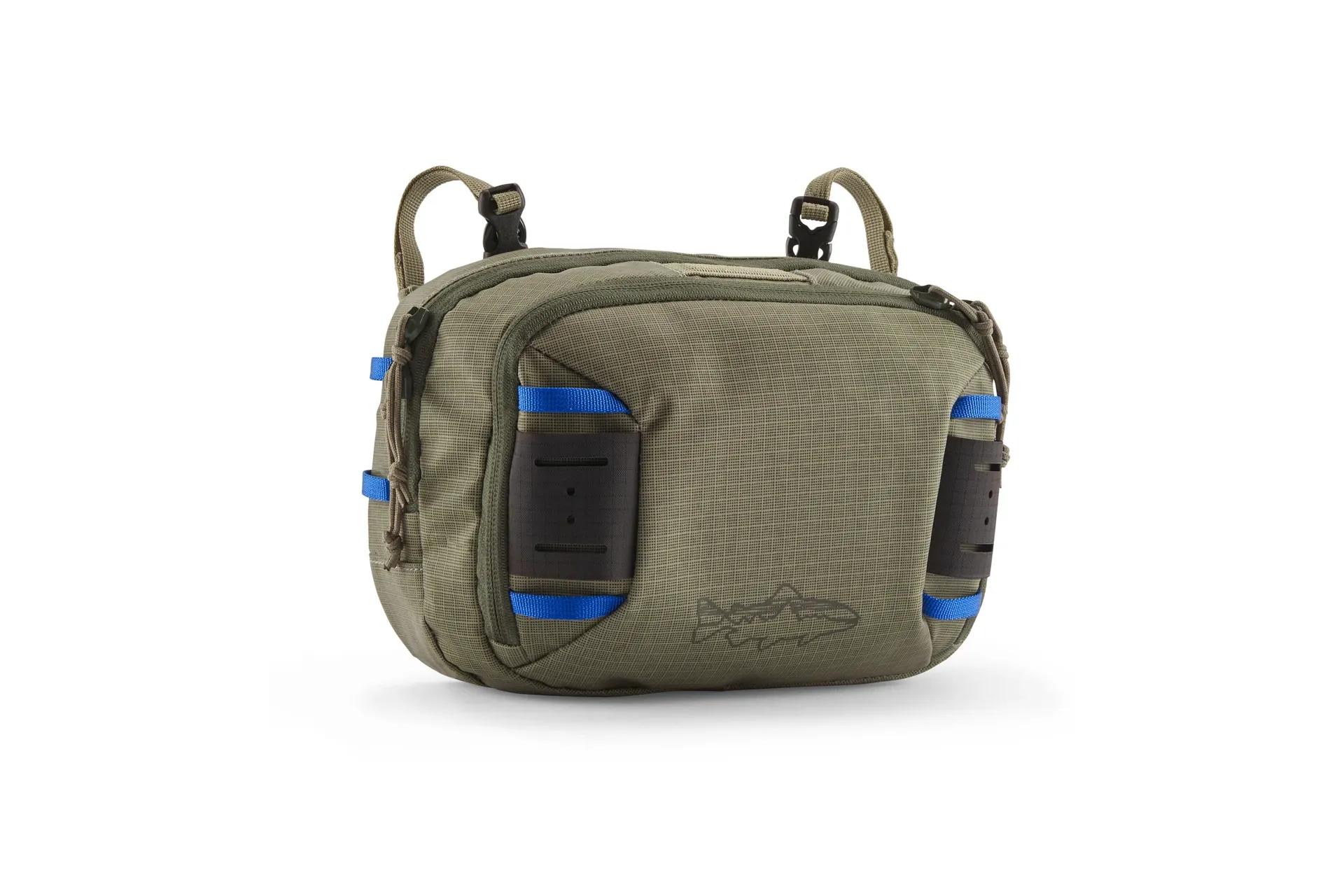
Hip Packs Quick Picks
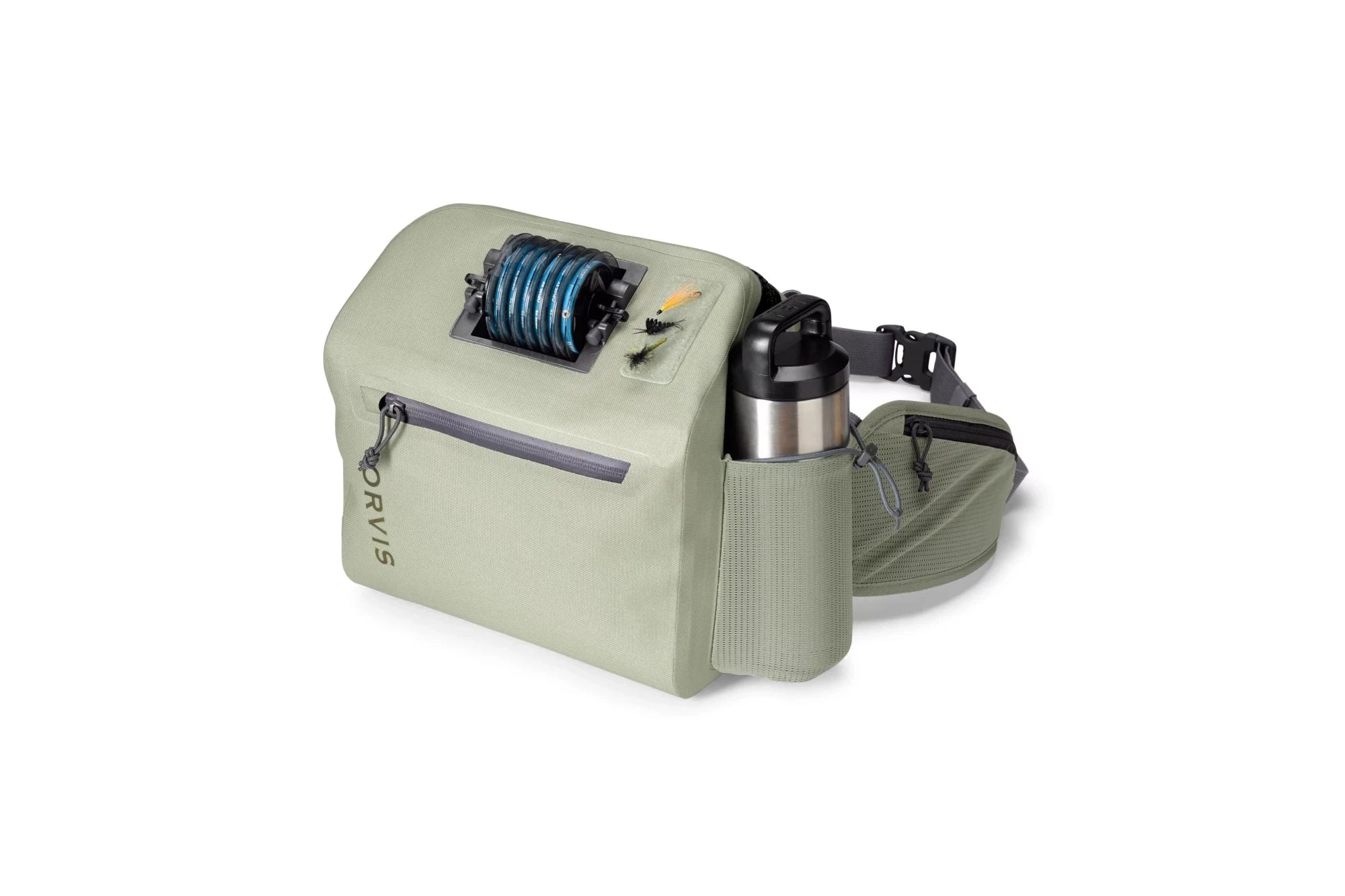
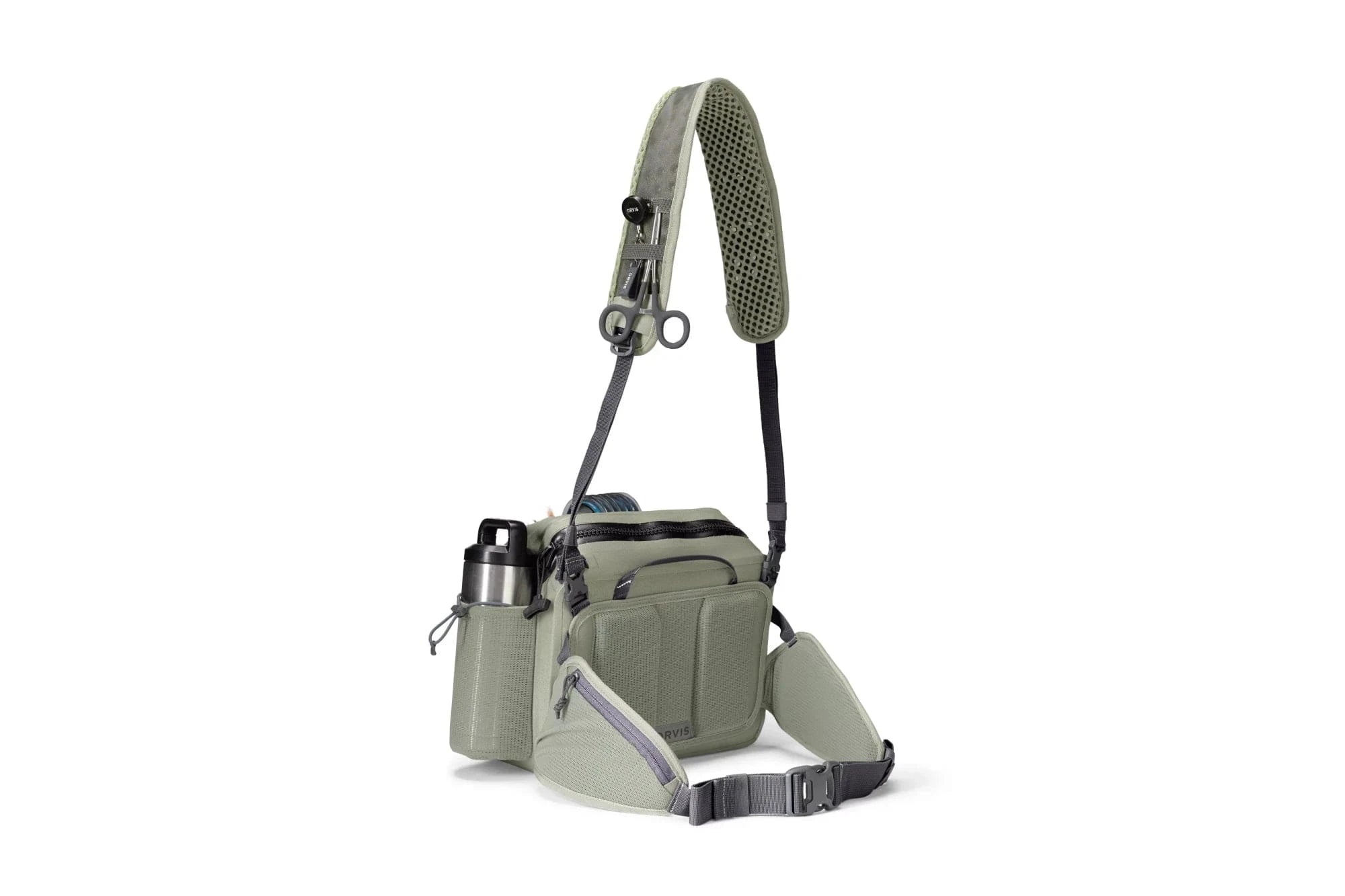
- Best Premium: Orvis Pro Waterproof Hip Pack - Built for anglers who want real waterproof protection for full-day walk-and-wade and boat use. The 10L capacity and submersible-style zipper design make it a strong choice when weather (or spray) is a constant factor.
- Best Waterproof: Patagonia Guidewater Hip Pack - A great fit for wet wading, float trips, and days when your pack may get dunked. It’s a fully submersible 9L design with a hydrophobic back panel/strap setup and a net-carry pass-through.
- Best All-Around: Simms Headwaters Hip Pack - For anglers who want lots of fishing-specific organization without going to a sling or backpack. The built-in workstation, movable divider, net storage, and water-resistant materials make it a dependable “do most things” hip pack.
- Best for Beginners: Simms Tributary Hip Pack - Ideal for getting off your pockets and onto a simple, durable carry system. It offers solid storage, smart tool attachment, and can be worn lumbar-style or as a bandolier for versatile comfort.
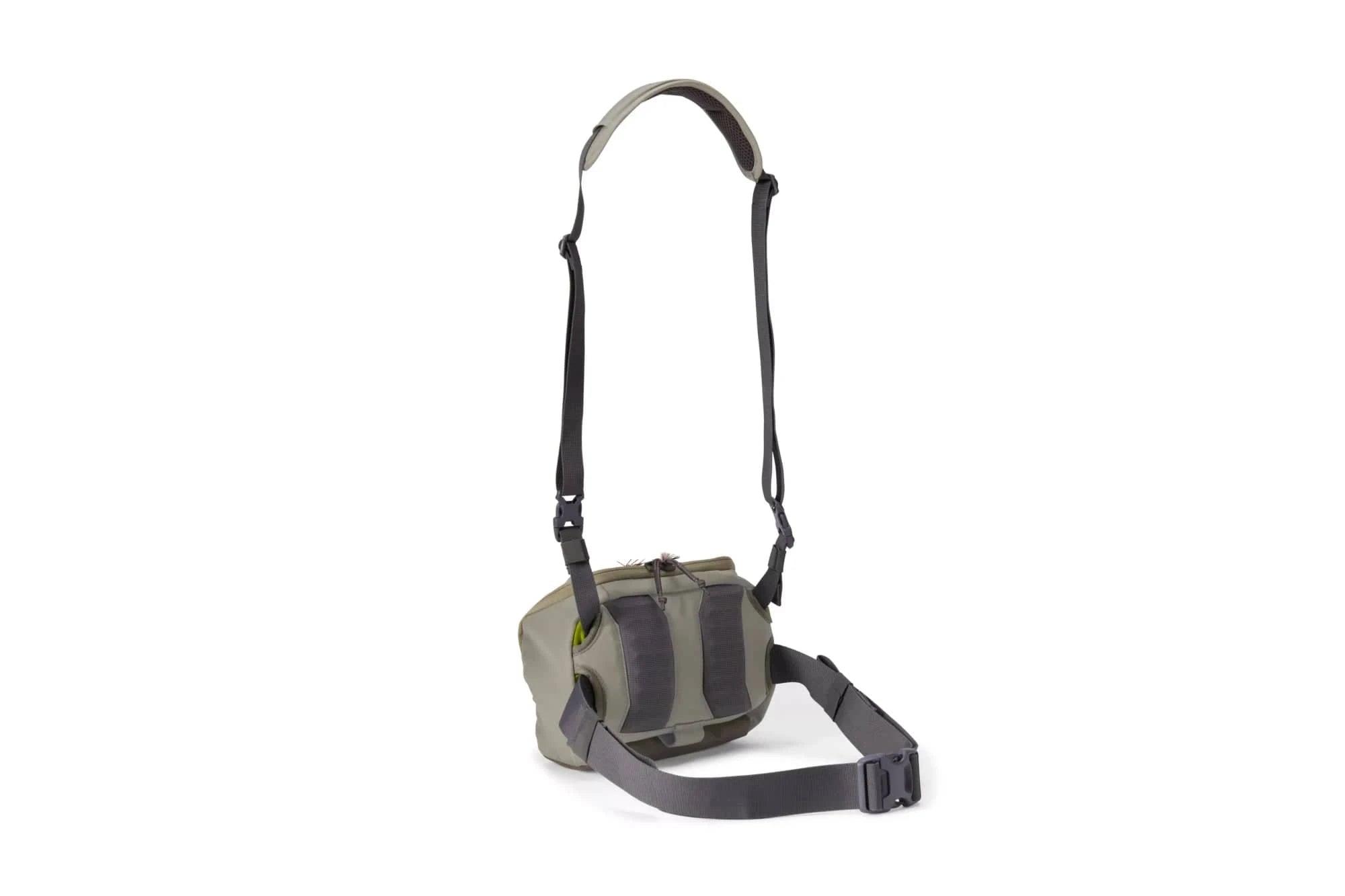
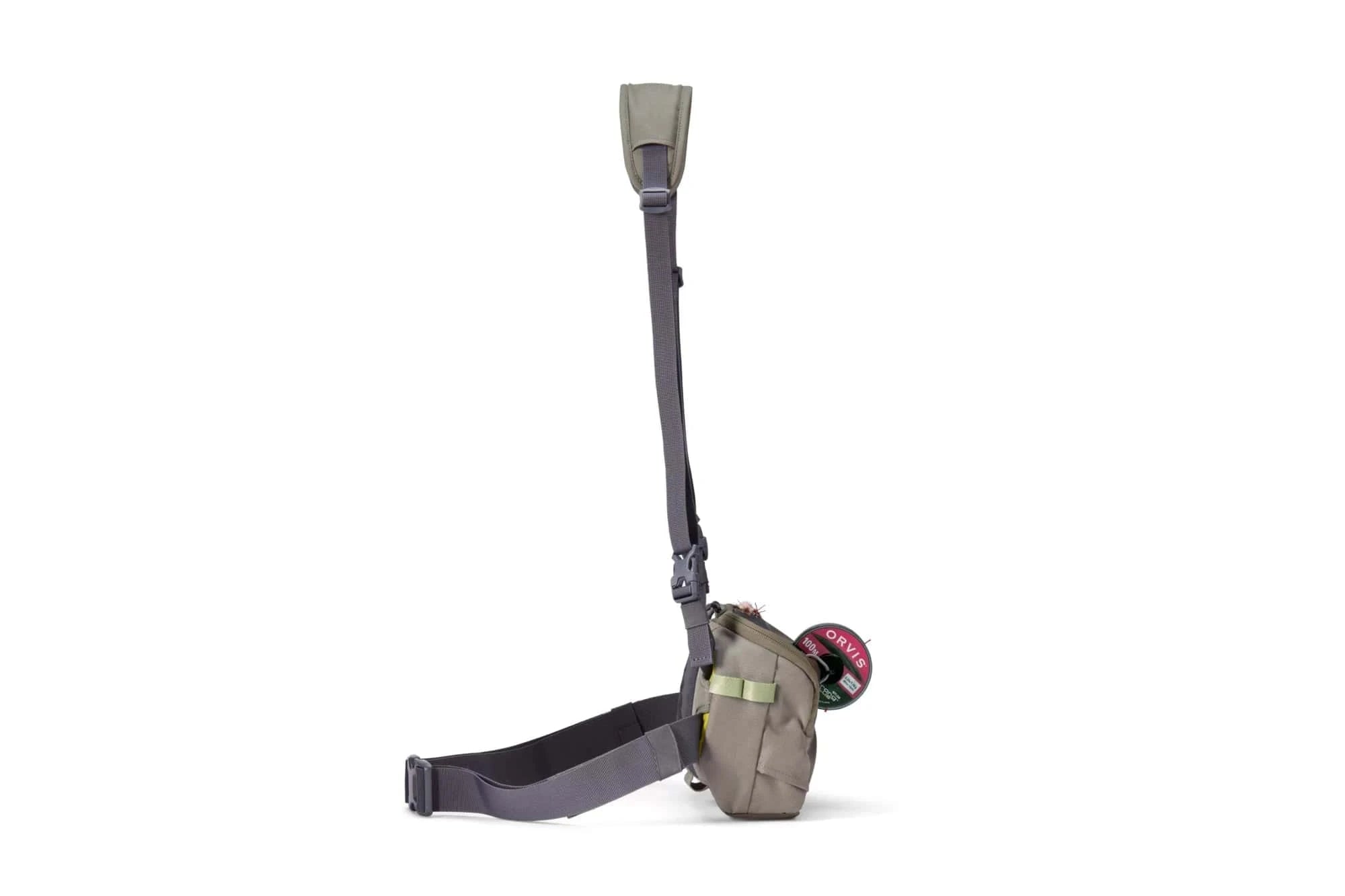
- Best Minimalist: Orvis Chest/Hip Pack - A compact, grab-and-go option when you only need the essentials. The 3L size and multi-carry design (hip, shoulder, or chest) make it a clean solution for short sessions and travel.
How to Choose Hip Packs
Capacity: what actually fits your day
Action: Decide what you must carry before you shop features. Hip packs tend to feel best when you keep “heavy and dense” items (extra water, big boxes, cameras) to a minimum and let the pack ride stable.
Best for: Smaller packs for a couple fly boxes, tippet, leaders, and tools; mid-size packs for full-day trout or light salt sessions; larger hip packs when you want water storage, extra layers, or a more structured workstation.
Water protection: water-resistant vs. truly waterproof
Action: Match the pack’s protection level to your wading style. If you rarely submerge a pack, water-resistant fabric and coated zippers are often enough. If you wade deep, fish in heavy rain, or hop in/out of boats, submersible designs keep phones, keys, and fly boxes safer.
Avoid if: You want one-handed access all day, submersible zippers can take more effort than standard zippers. In those cases, consider a water-resistant hip pack and keep valuables in a small dry bag inside.
Organization: fly boxes and “workflow” matter more than total pockets
Action: Look for a layout that matches how you change flies and rig. A molded workstation, divider system, or dedicated tool docking can speed up your fishing more than extra volume.
Best for: Anglers who swap rigs often (dry-dropper to nymphing, indicator to streamer) will appreciate packs with clear internal organization and quick-access front pockets.
Carry style and comfort: belt first, strap second
Action: A supportive waist belt is the foundation of a good hip pack. Shoulder/neck straps can help stabilize heavier loads, but the pack should still ride comfortably on your hips without sliding or bouncing.
Best for: Long walk-and-wade days, hot-weather wet wading, and anglers who dislike shoulder fatigue from sling packs.
Sizing & Fit
- Start with belt placement: Wear it slightly above your wader belt buckle so it doesn’t fight for space when you sit or bend.
- Load it, then adjust: Dial the belt with your typical fly boxes and water; an empty pack often feels “fine” but shifts once loaded.
- Keep weight centered: Heaviest items (fly boxes, water) should sit close to the small of your back to reduce swing.
- Consider layering: If you fish cold weather, leave room for a puffy or wading jacket, belt length and strap routing matter over bulk.
Complete Your Setup
Related Gear
- Chest Packs - Great when you want gear higher for deep wading or fast access without rotating a pack.
- Sling Packs - More capacity for layers, cameras, or travel, while still giving quick swing-around access.
- Wading Accessories - Add retractors, zingers, and tool storage so your most-used items stay secure and reachable.
- Packs - Compare hip packs against backpacks and full pack systems when you need more volume.
Related Guides
- Fly Fishing for Beginners: A Gear List
- How To Choose The Best Fly Reel
- How to Choose the Best Fly Line for Beginners
- How To Setup A Fly Reel
- Tropical Saltwater Fly Line Shootout & Buyer's Guide
Hip Packs FAQs
Q: What is a fly fishing hip pack?
A: A fly fishing hip pack is a waist-worn pack designed to carry fly boxes, tippet, leaders, and tools with fast access while you wade. It keeps weight on your hips instead of your shoulders, which many anglers find less fatiguing.
Q: How do I choose the right size hip pack?
A: Start with the amount of gear you truly use between walks back to the truck or boat. If you only carry one or two boxes and basic tools, go small; if you add water, layers, or multiple boxes, step up to a mid-to-larger capacity.
Q: Are waterproof hip packs worth it?
A: They can be, especially for wet wading, frequent rain, surf spray, or deep crossings where the pack might get dunked. If you don’t need submersible protection, a water-resistant hip pack plus a small internal dry bag often covers valuables well.
Q: Can I wear a hip pack with waders and a wading belt?
A: Yes, most anglers do. The key is to keep your wading belt functional and place the hip pack so the buckle and straps don’t stack uncomfortably or interfere with net carry.
Q: Hip pack vs. sling pack, what’s better?
A: Hip packs usually feel lighter and less restrictive for long wading days, and they keep your casting shoulder clear. Sling packs tend to offer more capacity and can be easier to access without twisting, especially when you’re carrying extra layers or bigger camera/boat gear.
Q: What features matter most on a hip pack for trout fishing?
A: A stable belt, a layout that fits your fly boxes, and clean tool docking are the big ones. Net carry options and a simple workstation can also speed up fly changes and reduce dropped gear.
Q: Is a hip pack good for beginners?
A: Yes, especially if you want a simple way to keep tippet, leaders, and tools organized without committing to a full vest. Beginners typically benefit from a straightforward layout and enough space to avoid overstuffing pockets.
Q: How should a hip pack fit?
A: It should ride snug and stable without bouncing when you walk. Tighten the belt with the pack loaded, keep heavier items centered, and use a stabilizer strap only if you’re carrying enough weight to justify it.
Warranty & Brand Resources
Skipped for this category collection, hip packs include multiple brands, and warranty coverage is handled by each manufacturer.


