


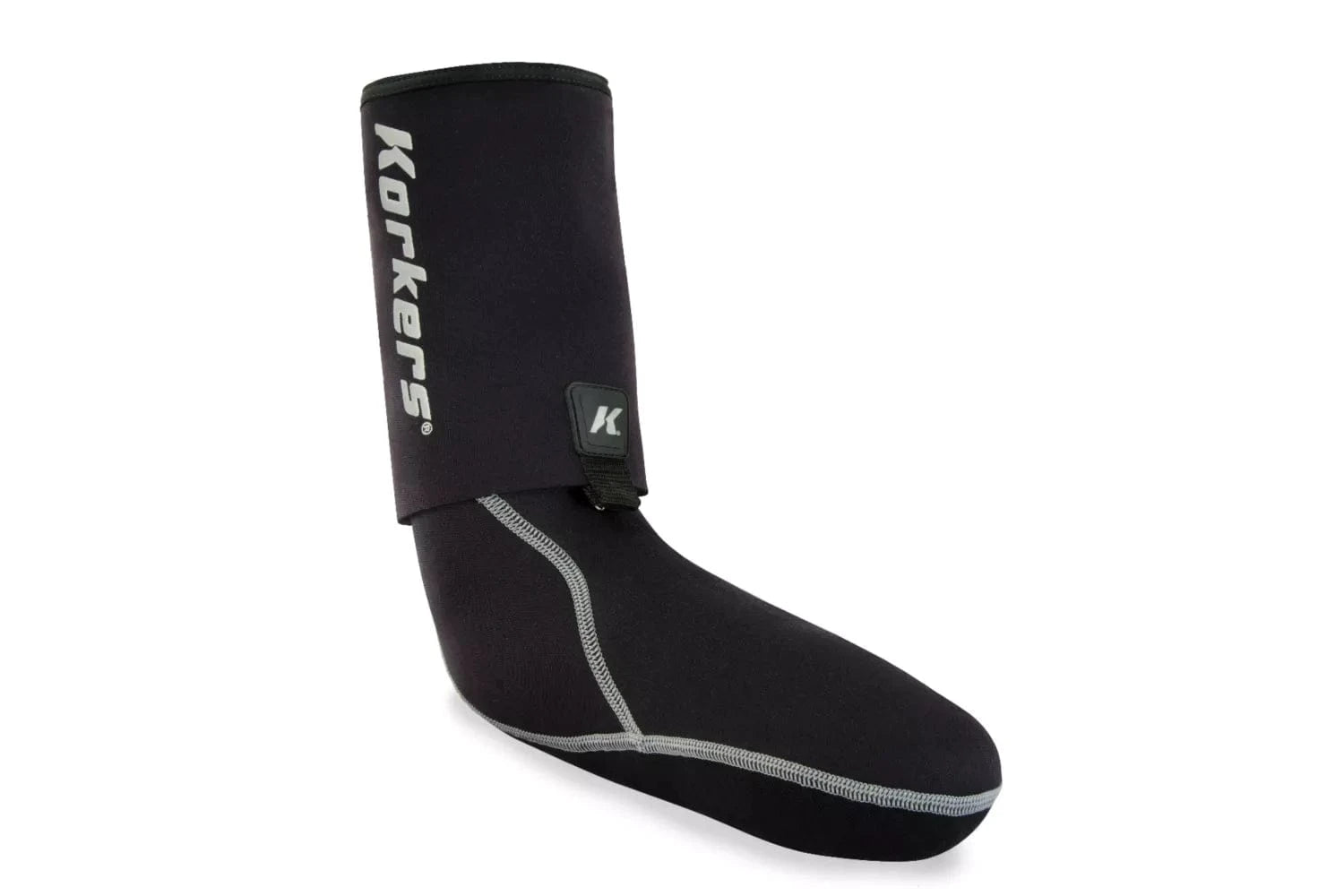
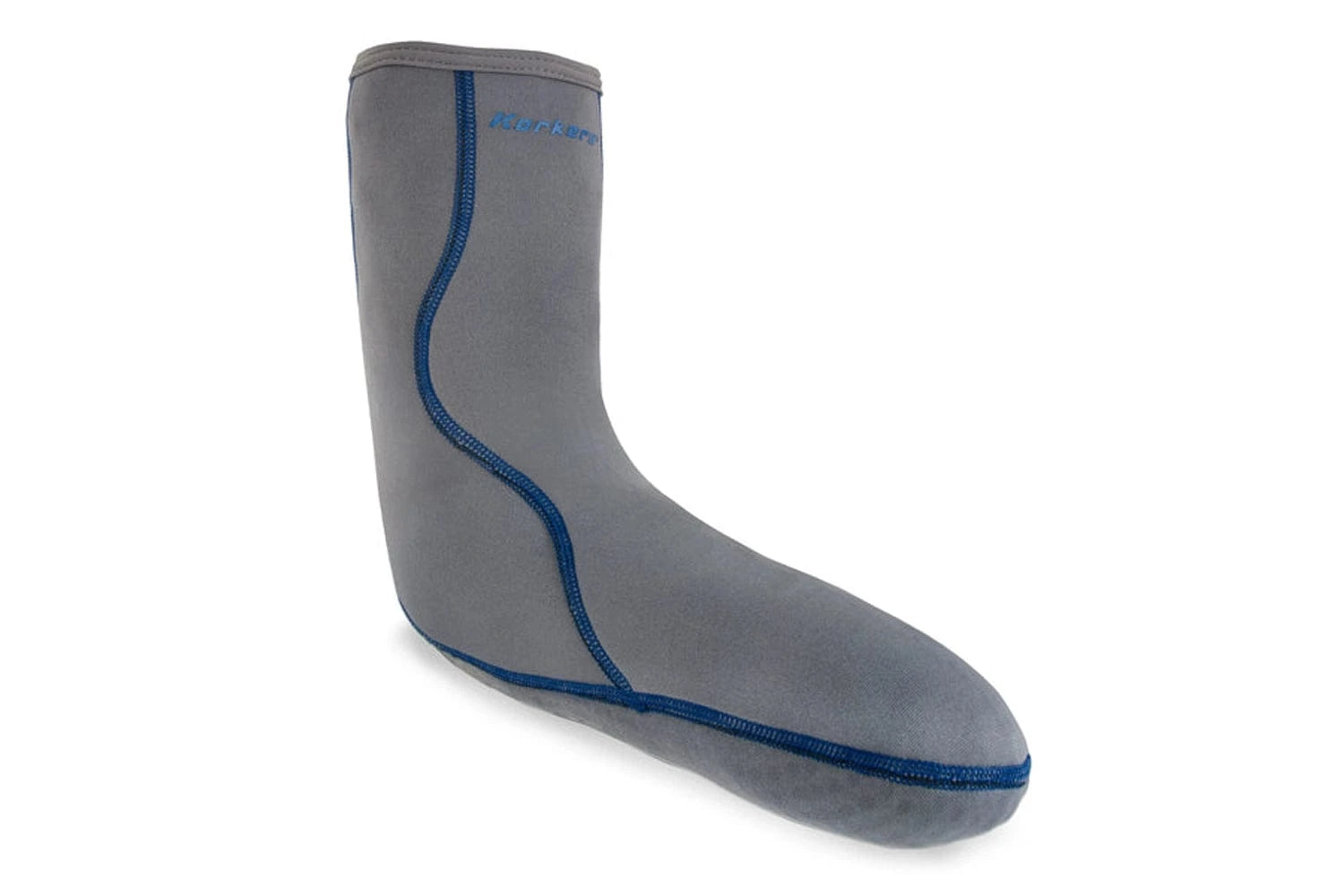
Korkers x DeYoung // I-Drain Wet Wading 3.5mm Neoprene Guard Socks









Gloves & Socks Quick Picks
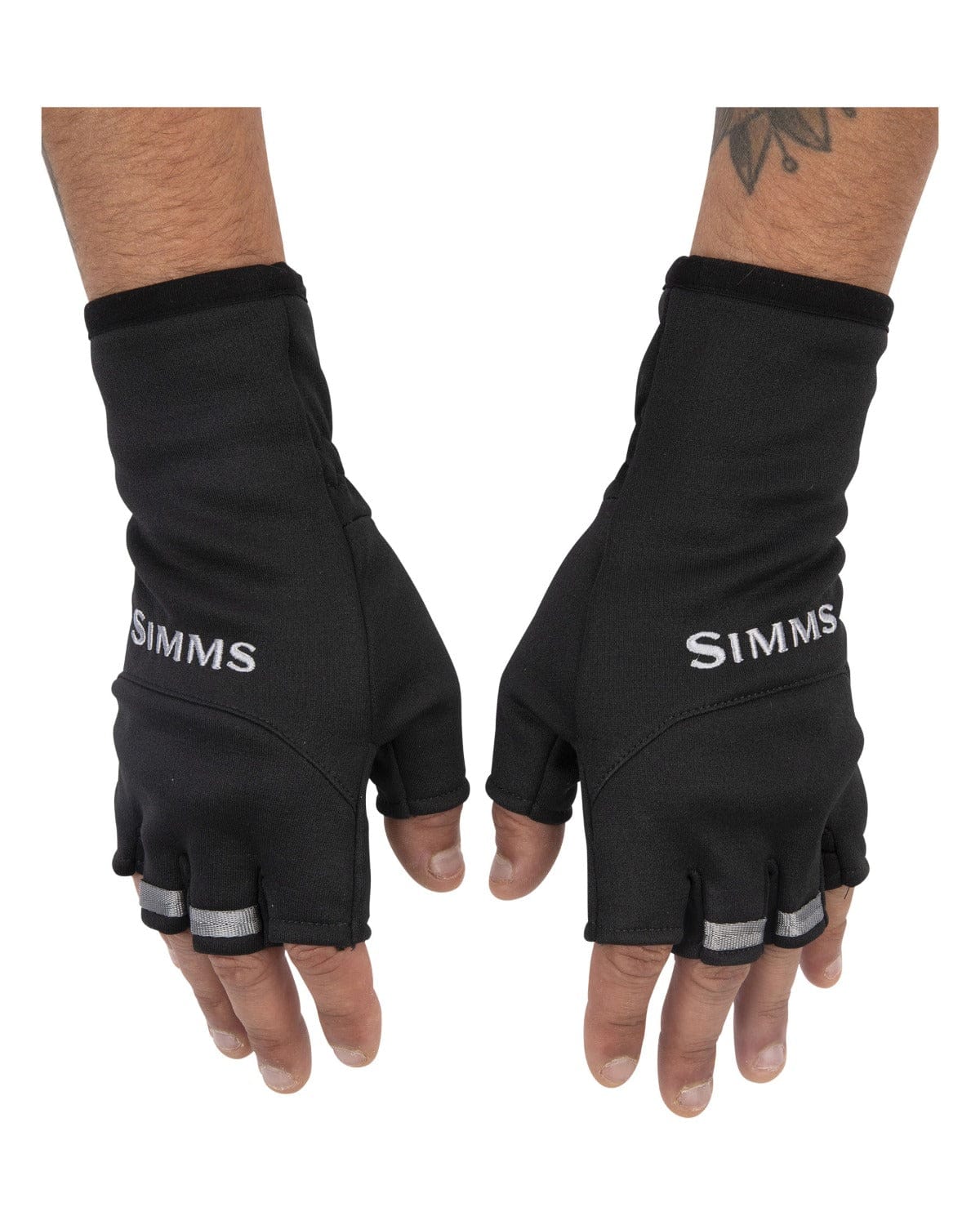
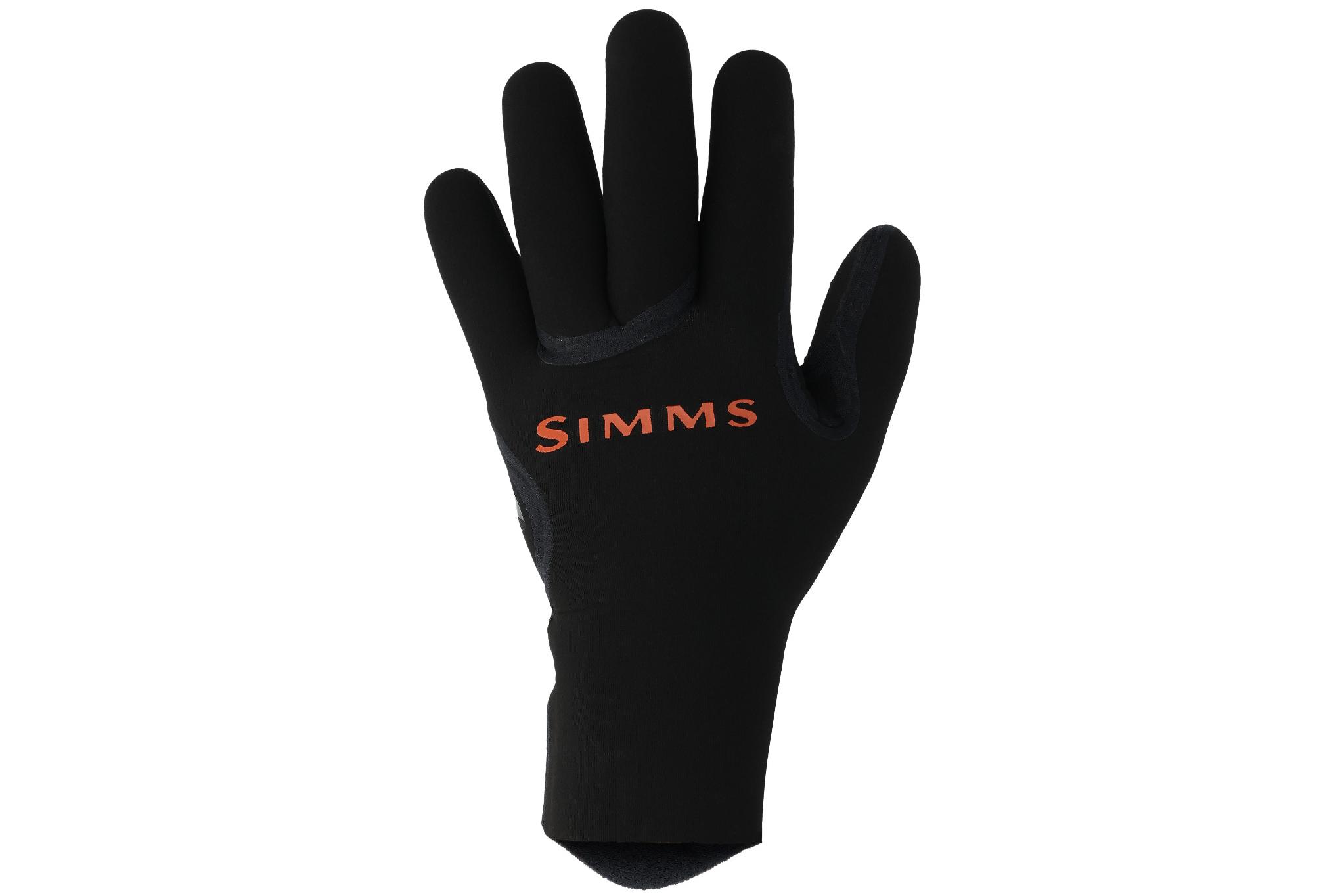
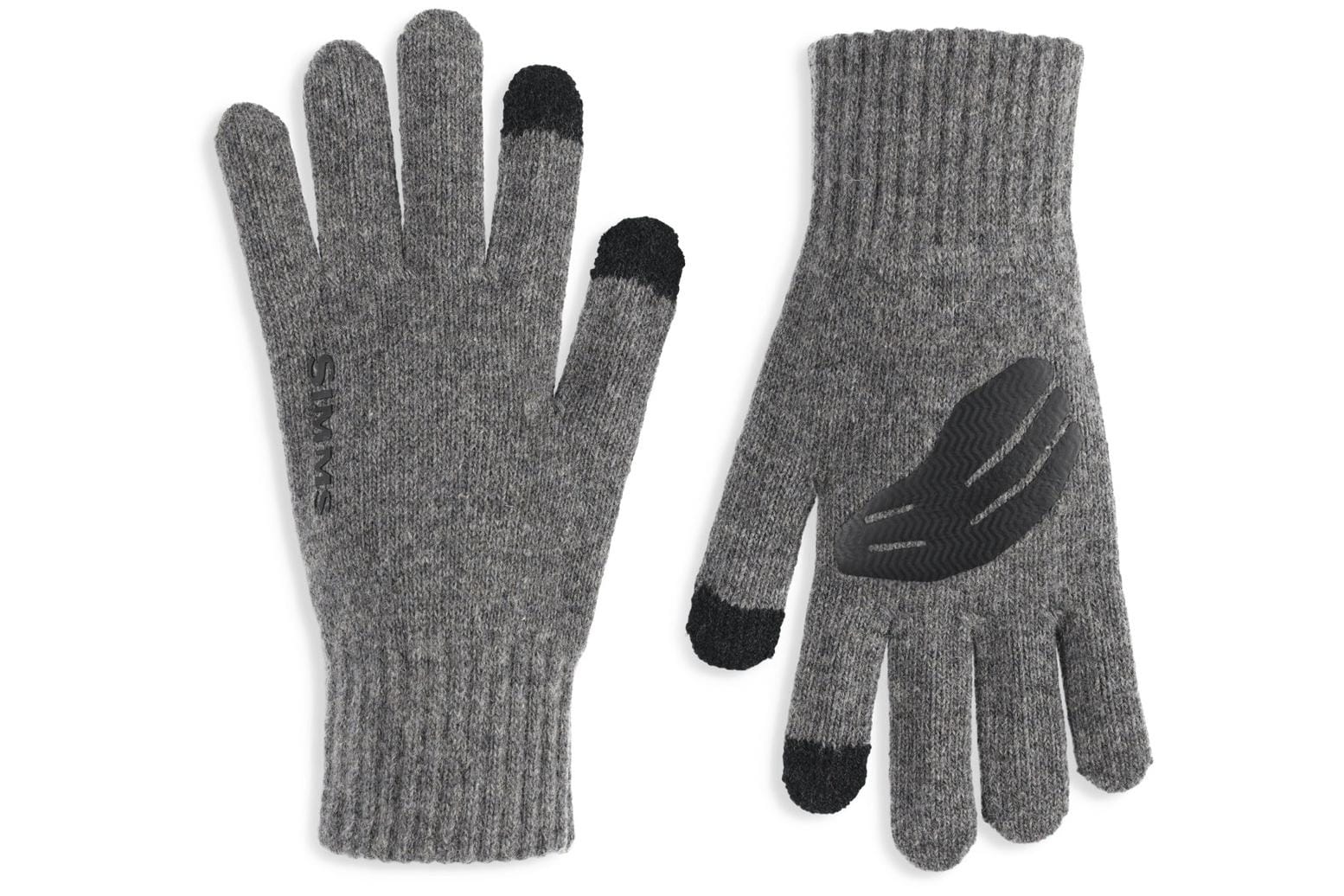
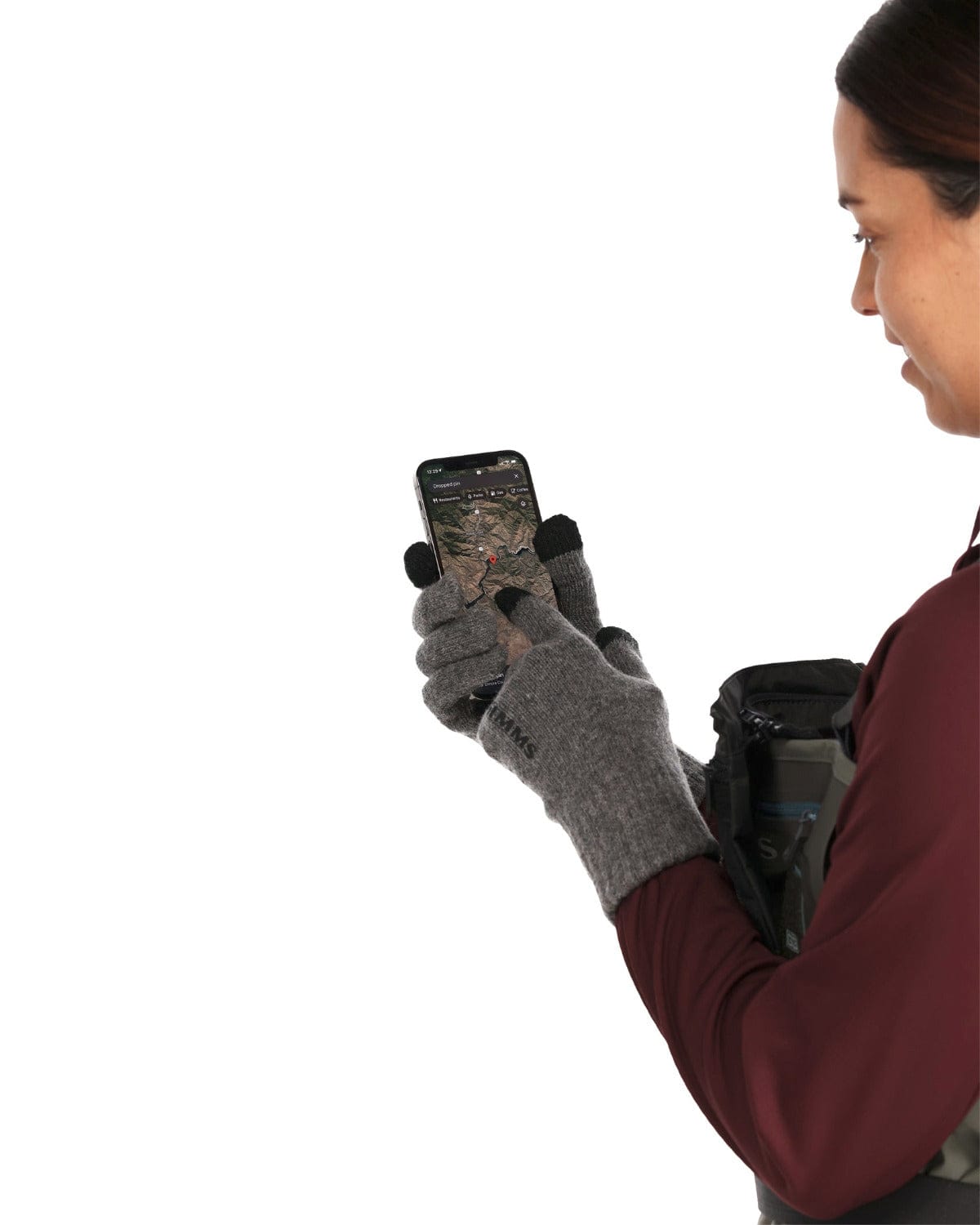
Best All-Around: Simms Windstopper Flex Fishing Glove - For cold, windy days when you still need to rig and manage line without stripping gloves off. The quick-rigging access points plus a windproof fleece build keep hands warmer without tons of bulk.
Best for Winter Warmth: Simms Guide Insulated Glove - For anglers fishing truly cold weather where warmth matters more than ultra-fine dexterity. Wind- and water-resistant protection paired with serious insulation makes it a strong choice for winter trout and steelhead days.
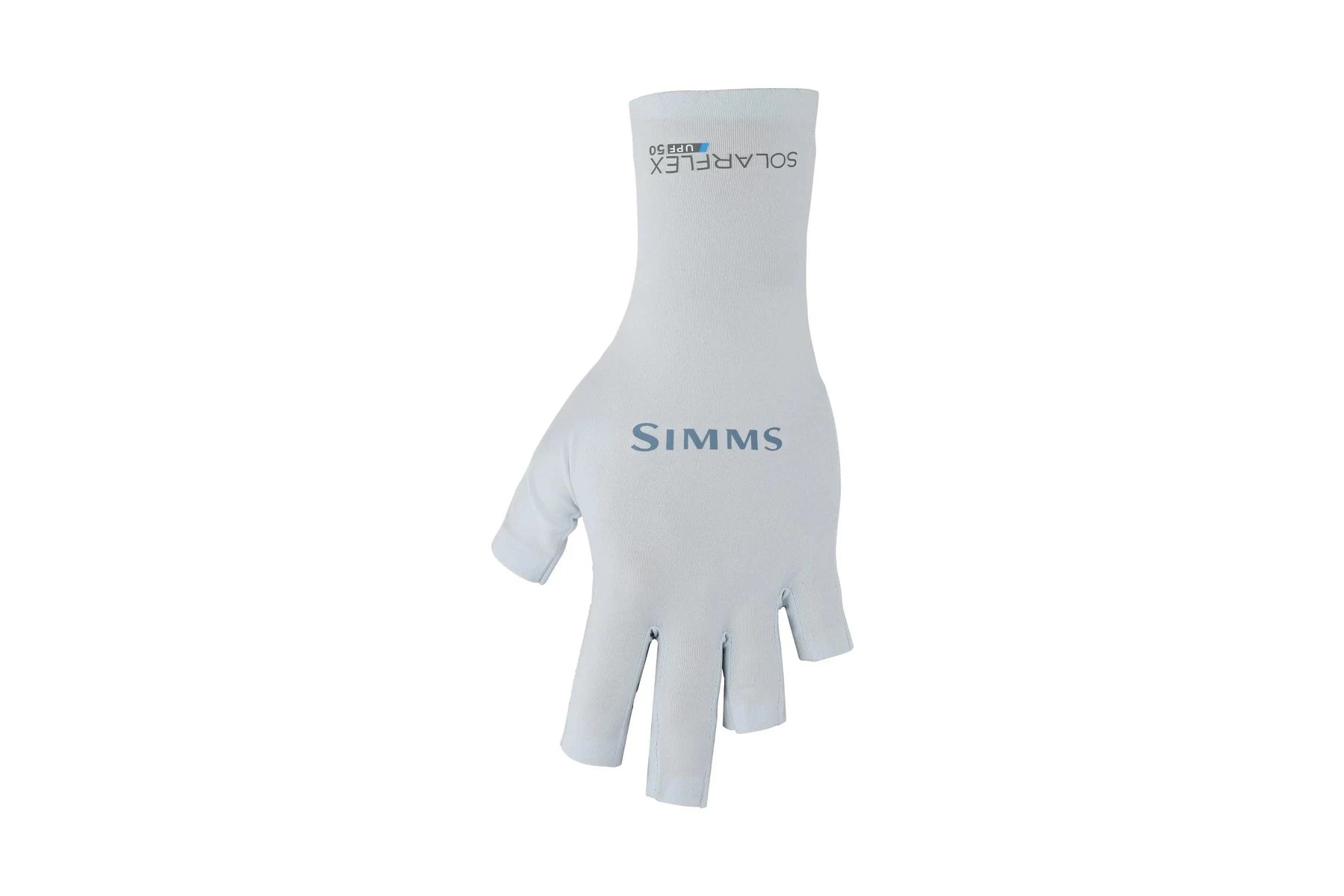
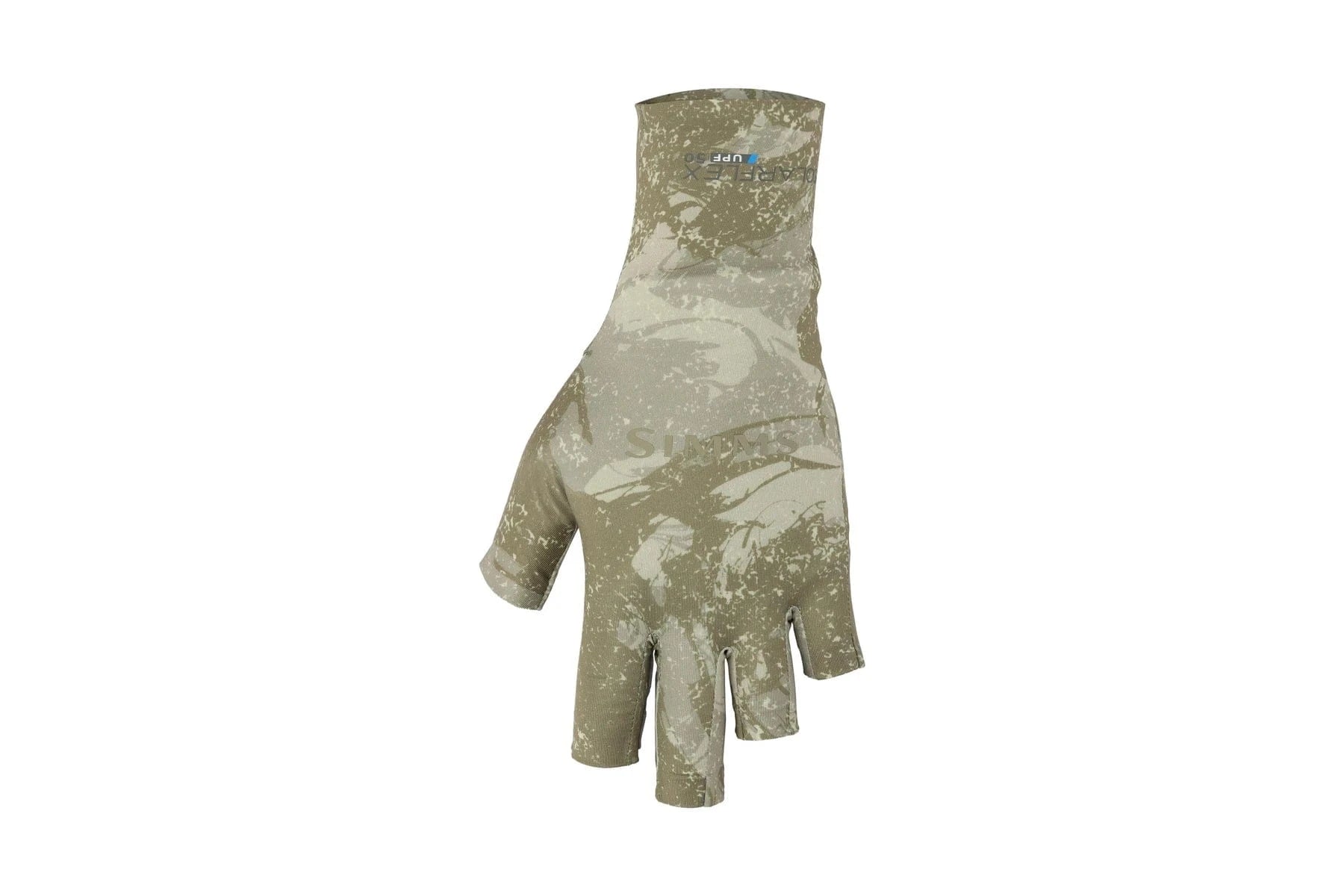
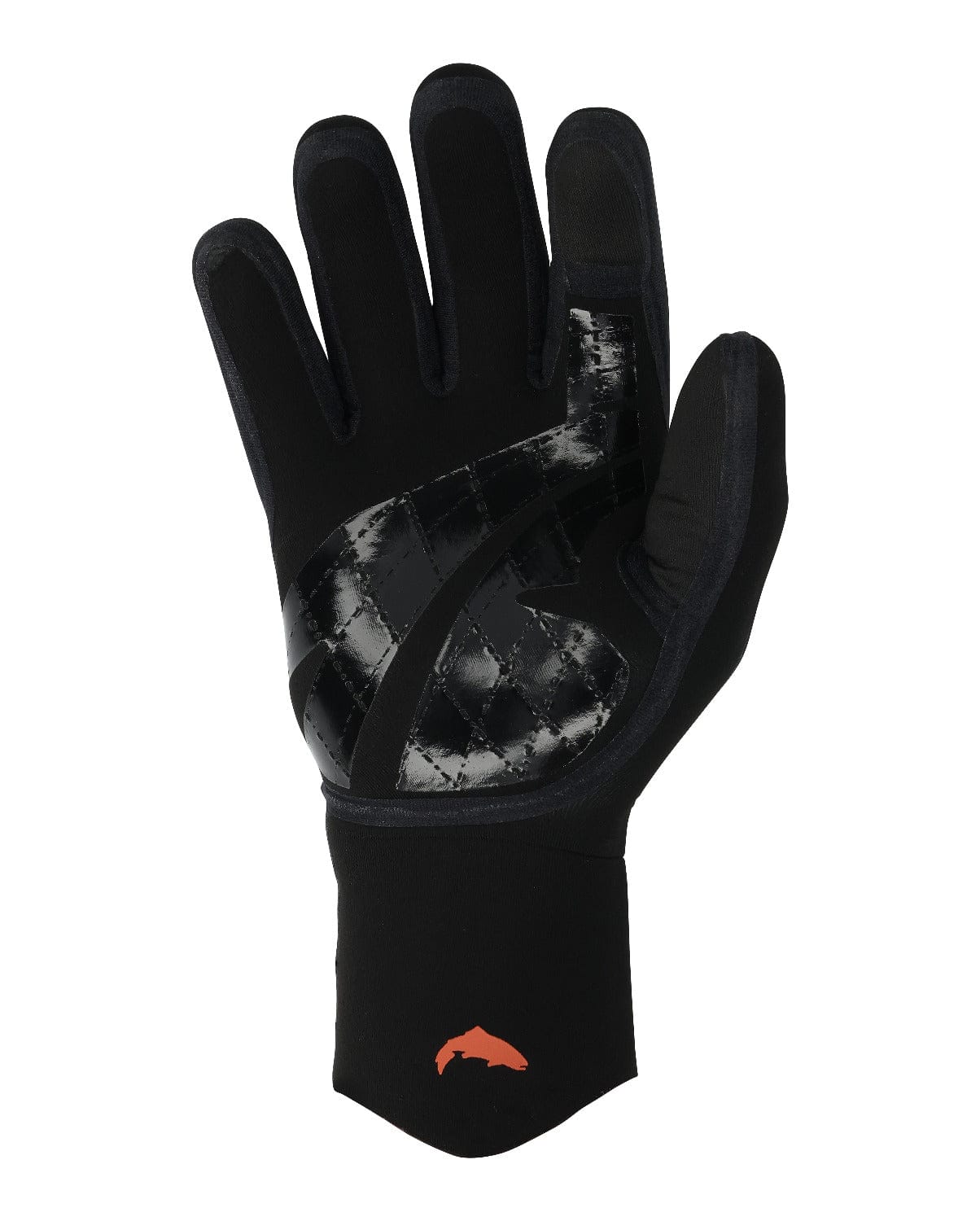
Best for Sun & Line Control: Simms SolarFlex Guide Glove - For long days in bright sun on trout rivers or saltwater flats when your hands take a beating. UPF coverage and a grippy palm help with stripping, rowing, and handling slick gear.
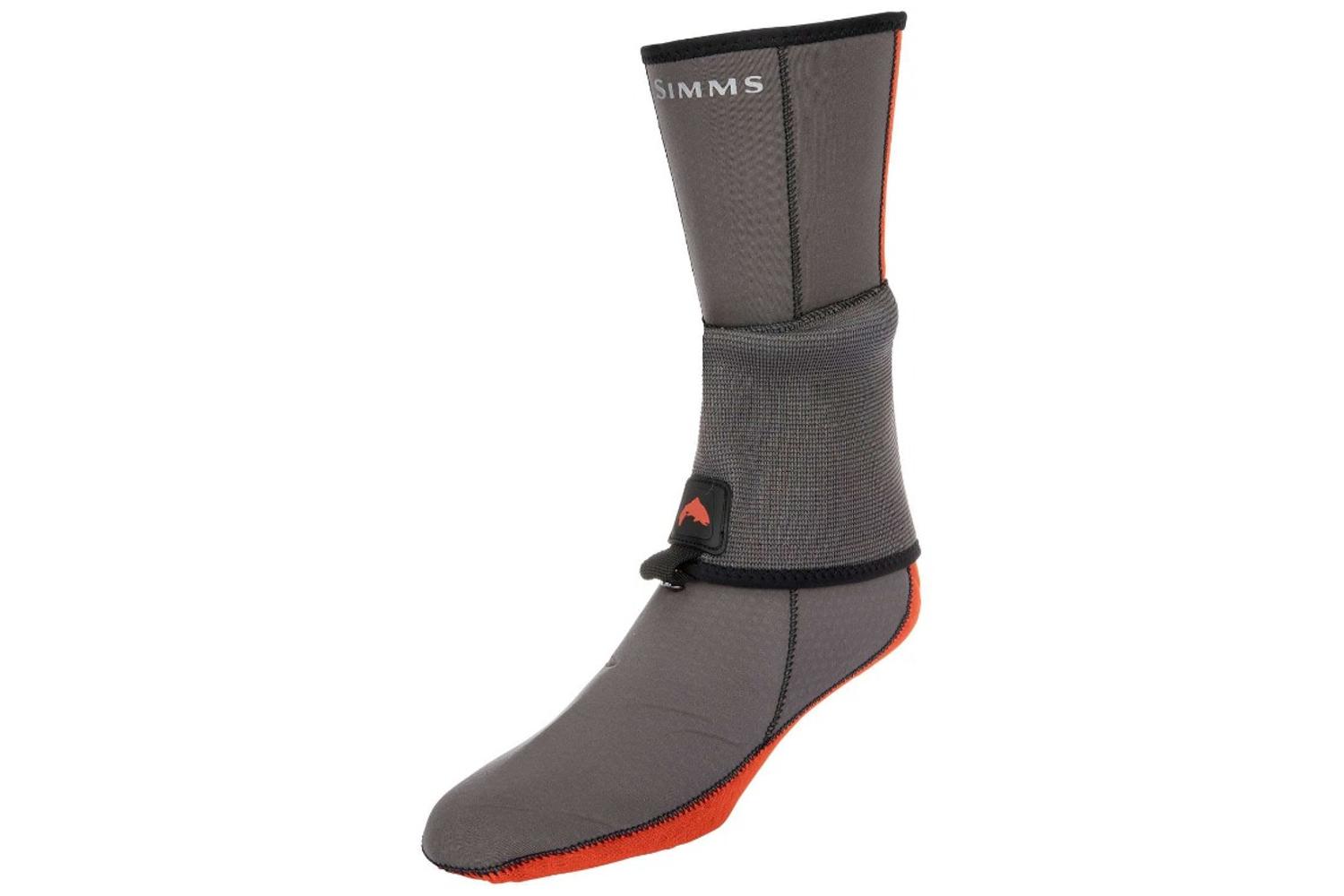
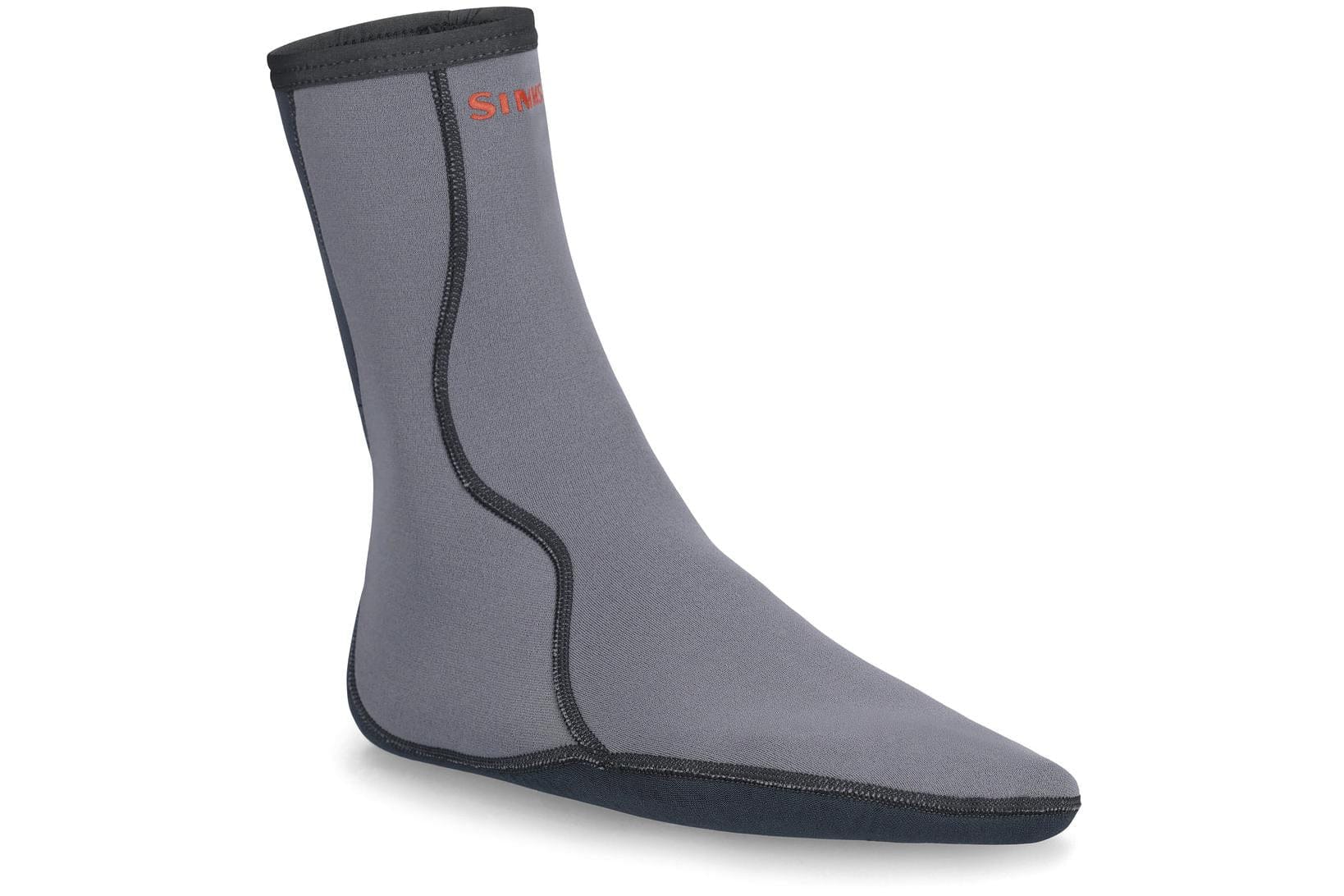
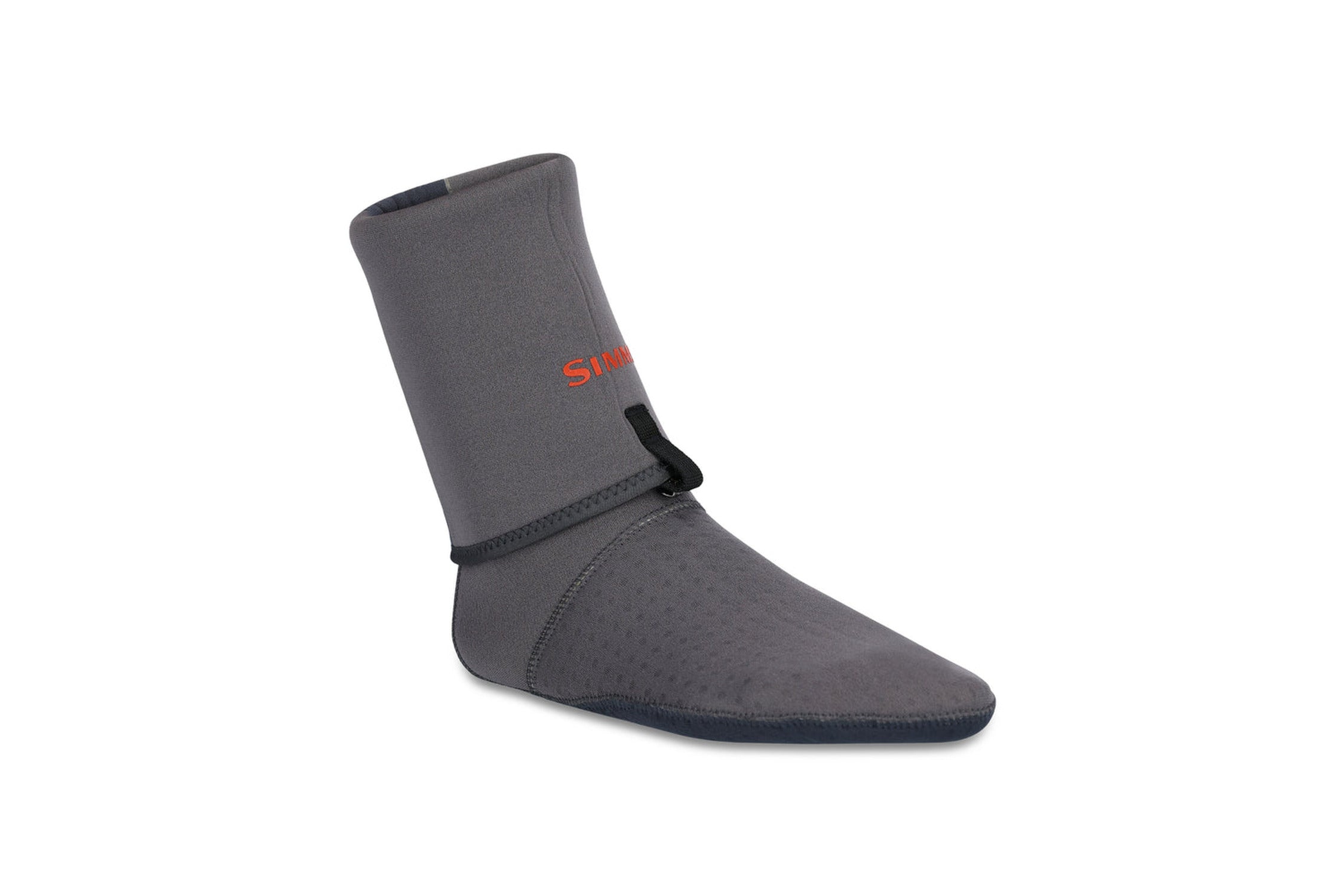
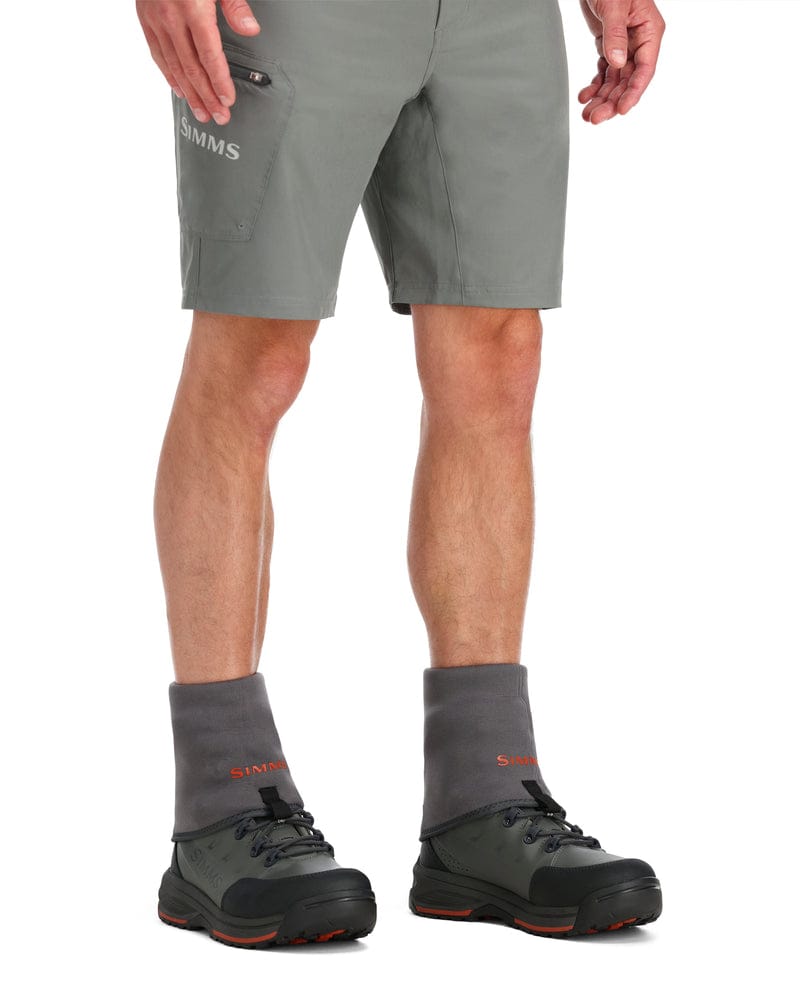
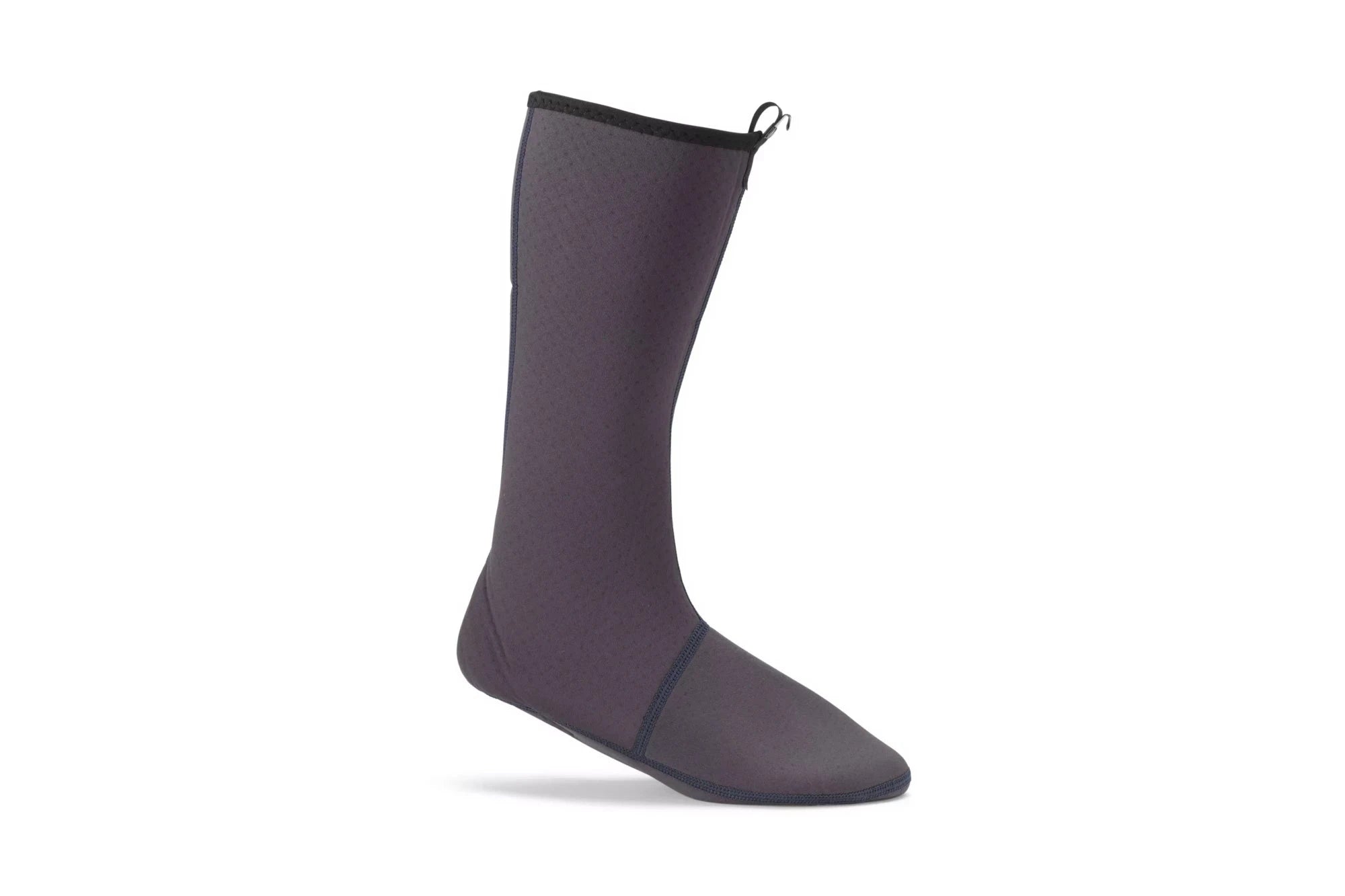
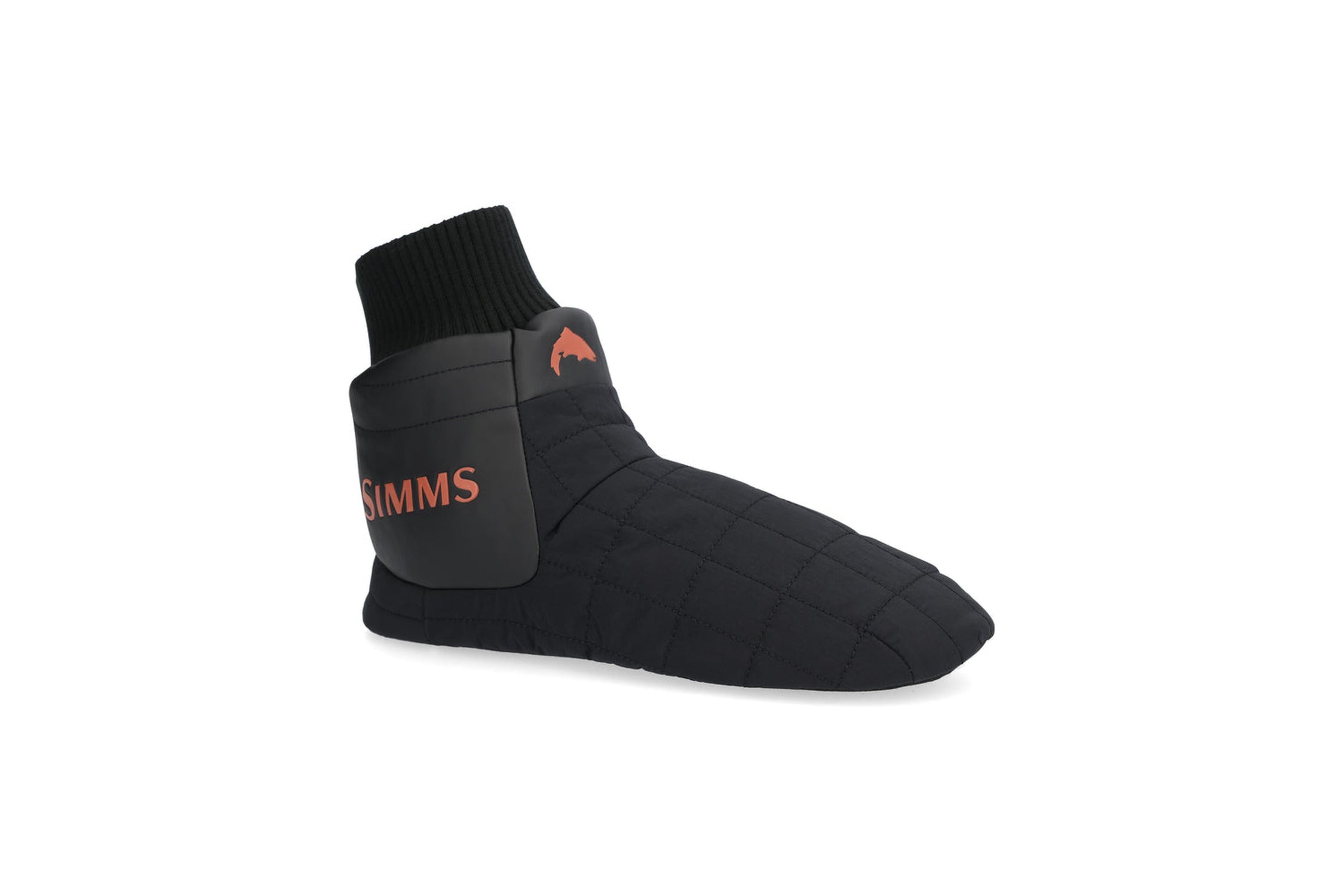
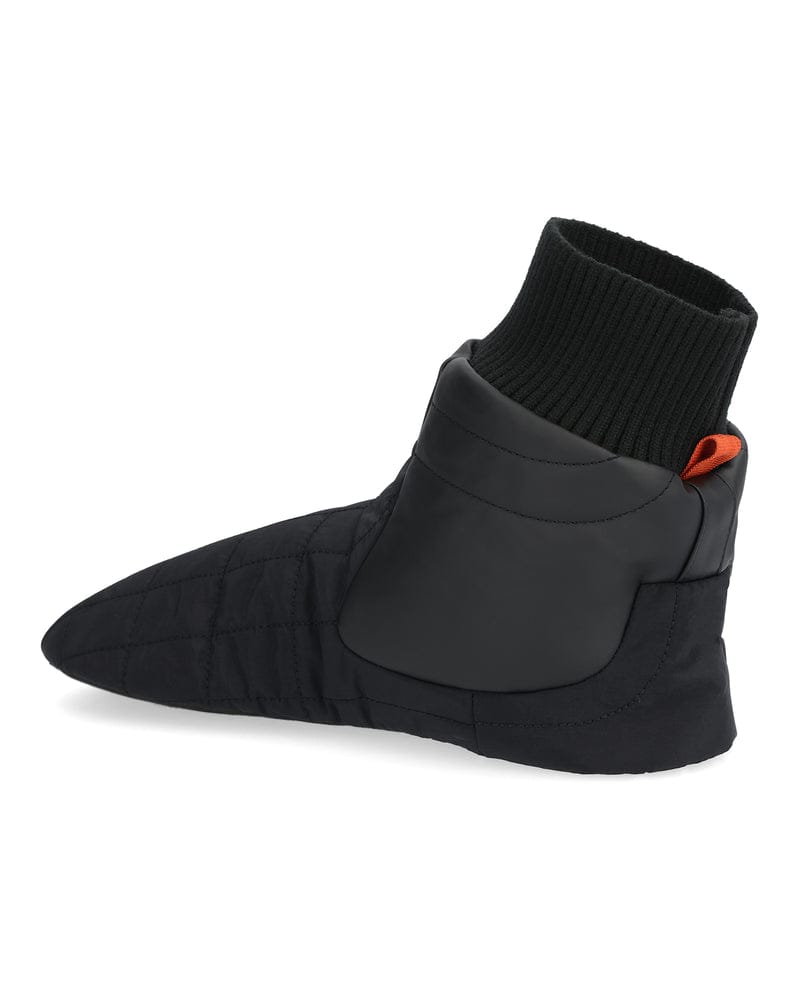
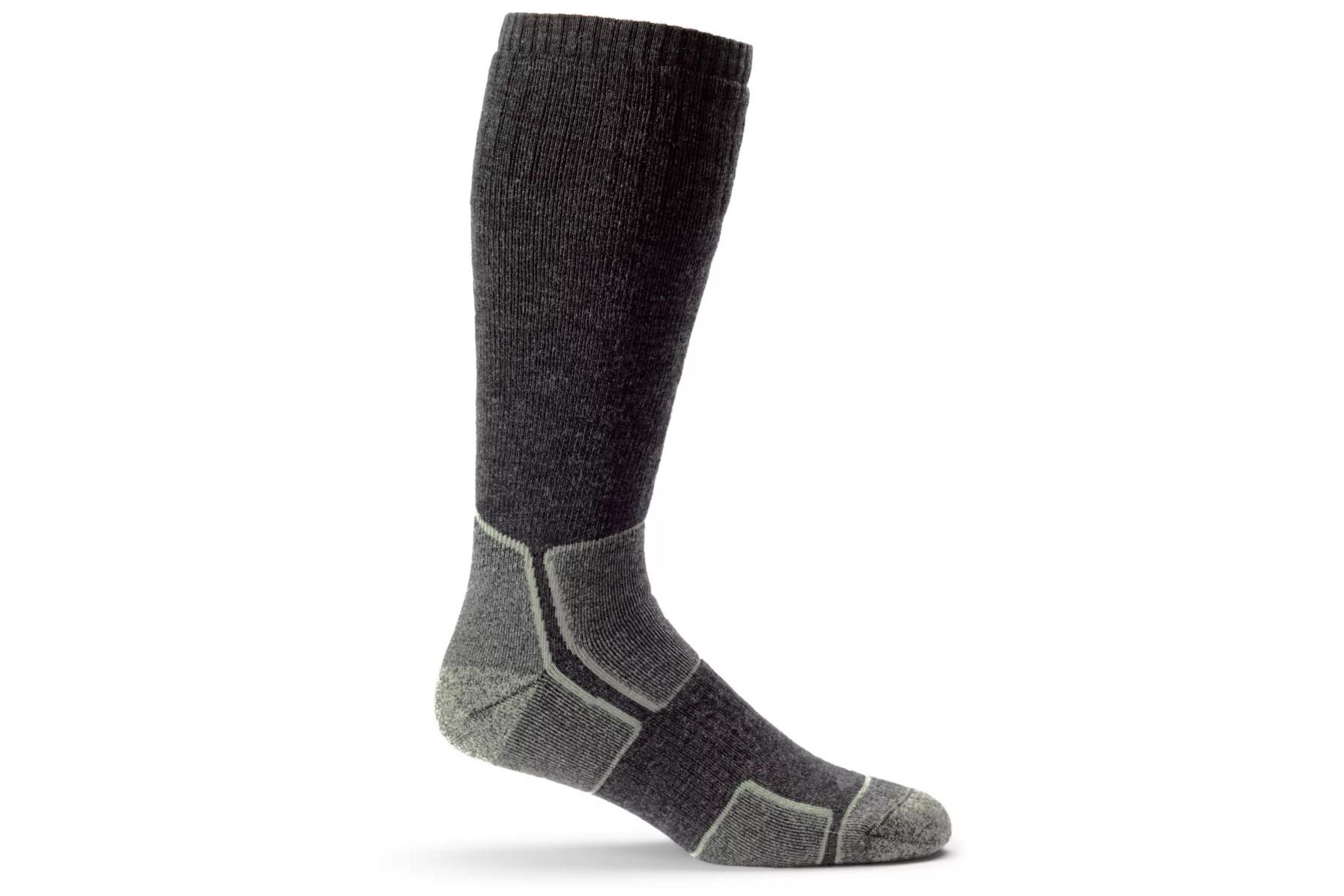
Best for Wet Wading: Simms Neoprene Flyweight Sock - For summer wet wading when you want protection inside wading boots without the bulk of full waders. The built-in gravel guard helps keep grit out, and the neoprene build adds cushion and insulation in moving water.
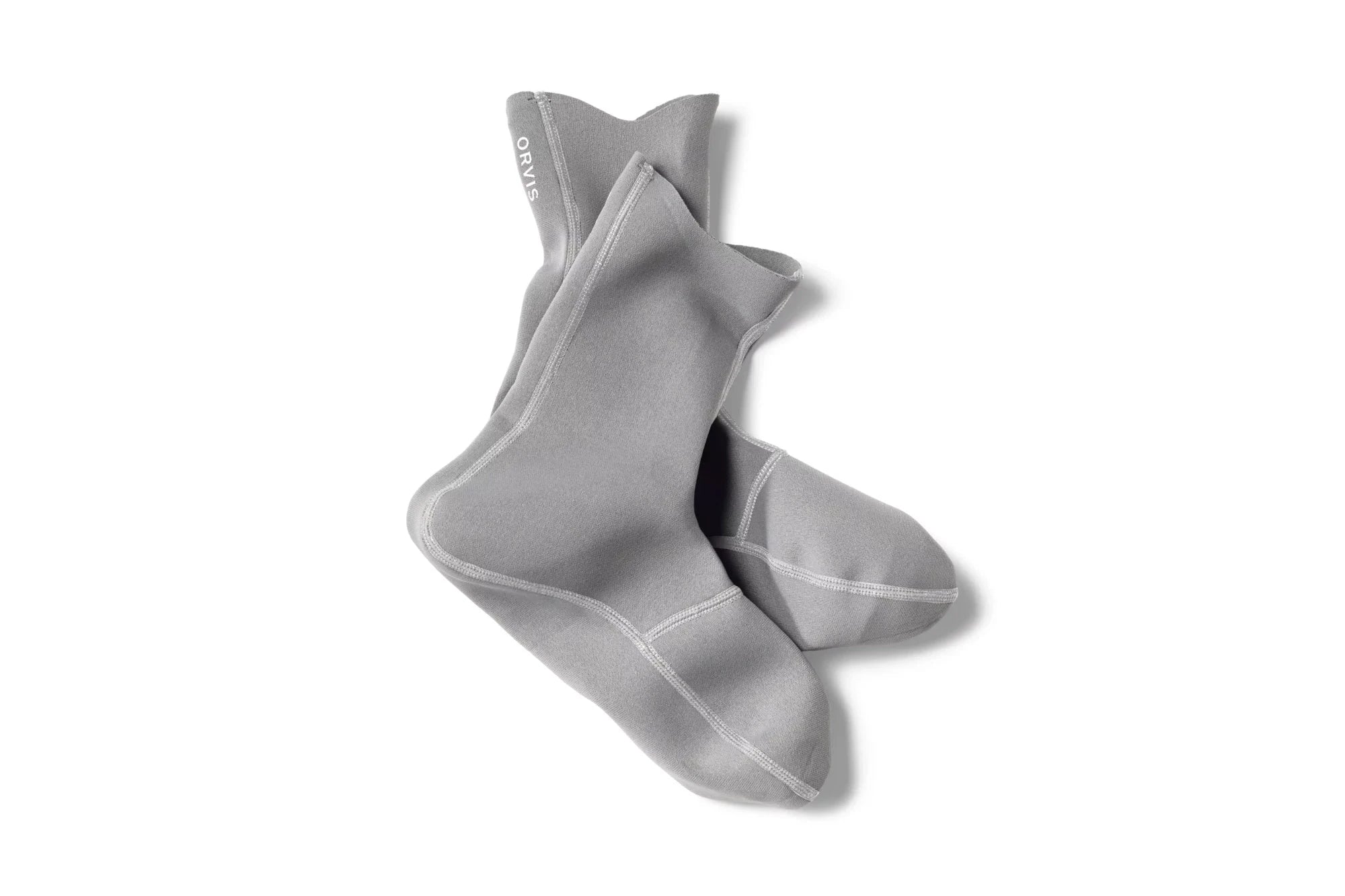
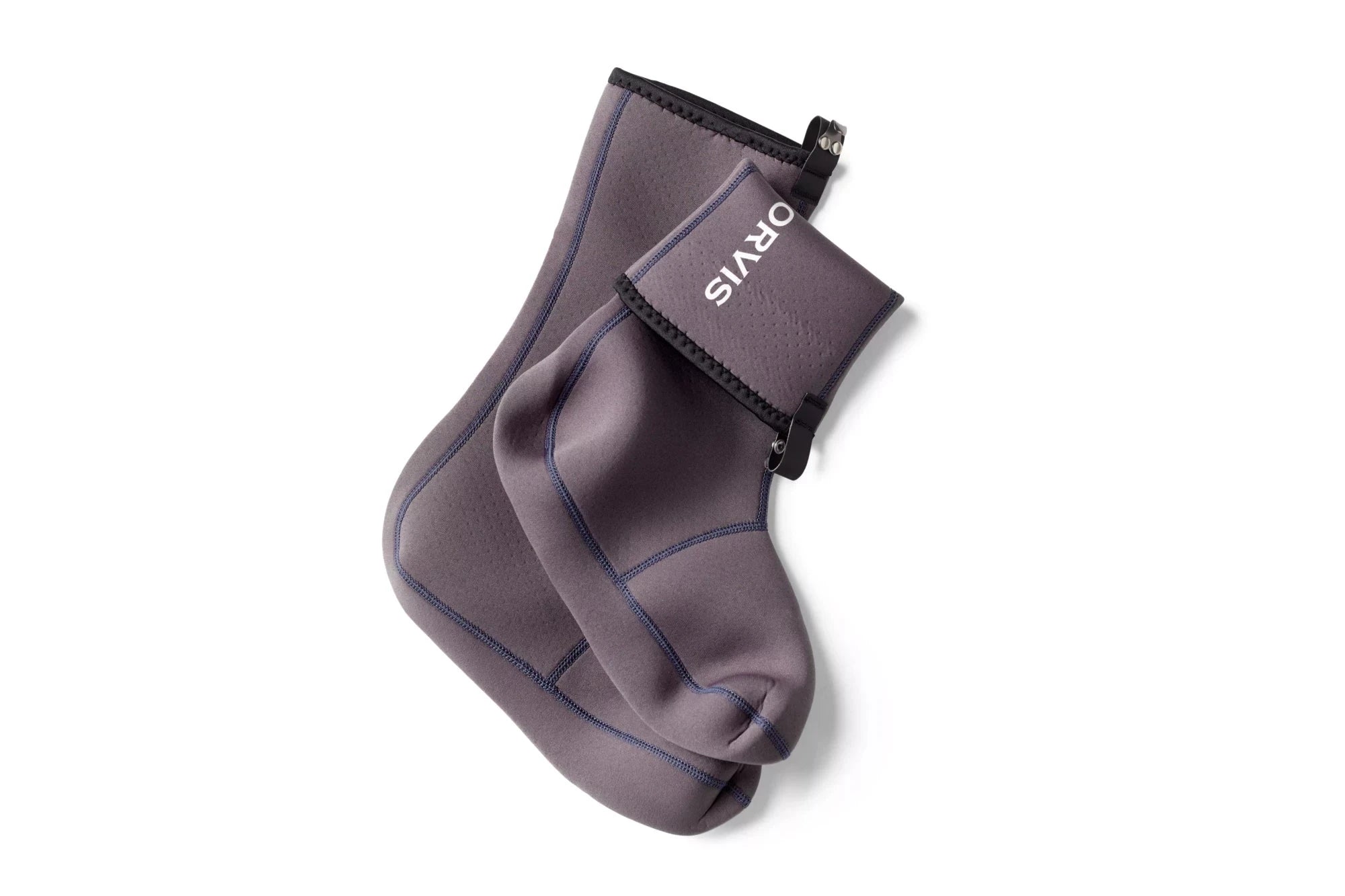
Best Value Guard Sock: Orvis Neoprene 3mm Guard Sock - For anglers who want a simple, effective wet-wading solution that pairs with standard wading boots. Perforated neoprene helps with breathability and dry time, and the rollover guard is made to block debris.
How to Choose Gloves & Socks
Gloves: match protection to the job
Cold & wind: Look for wind-blocking fabrics and insulated builds for long days on winter rivers, especially when your hands are constantly wet from fish, nets, and line management.
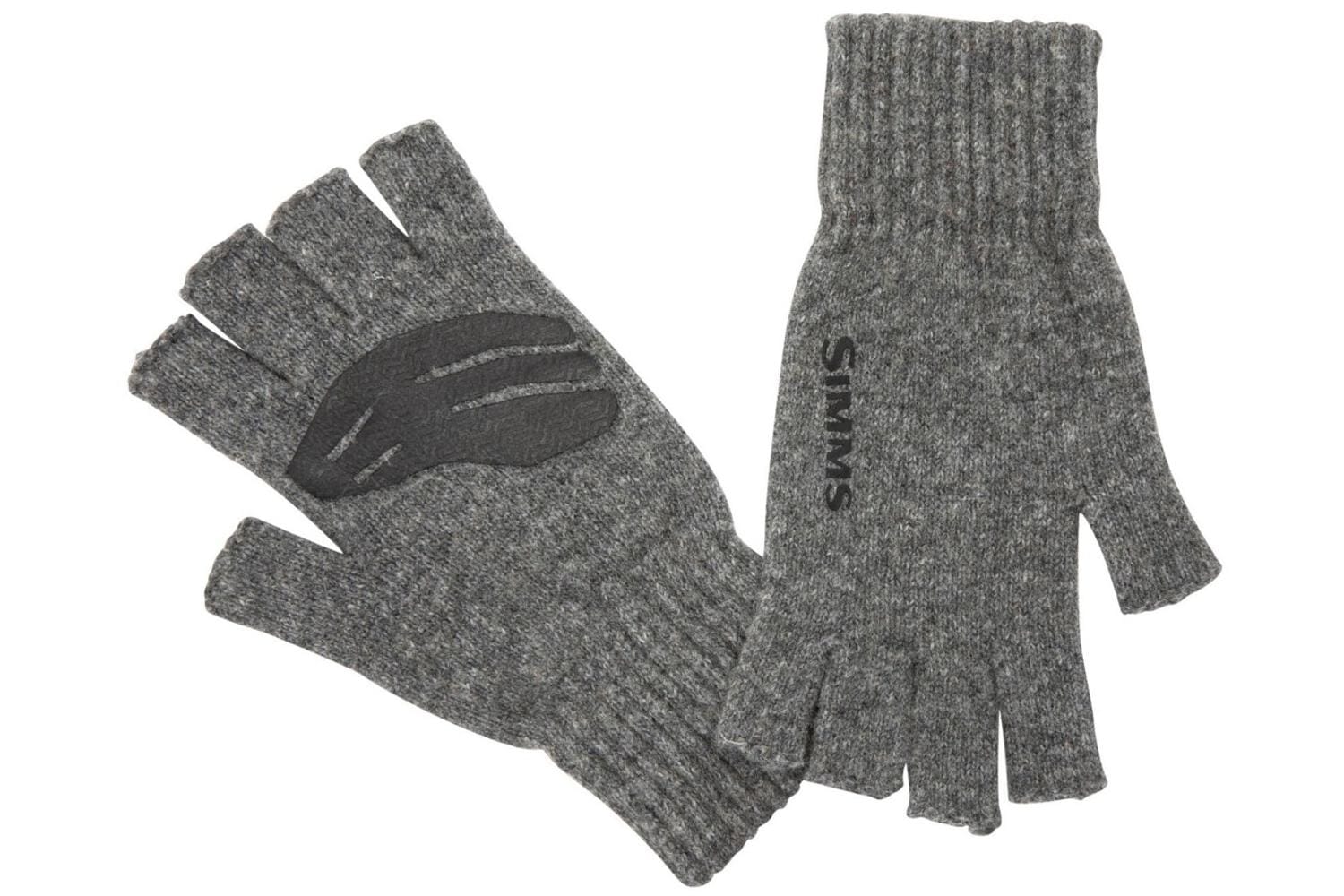
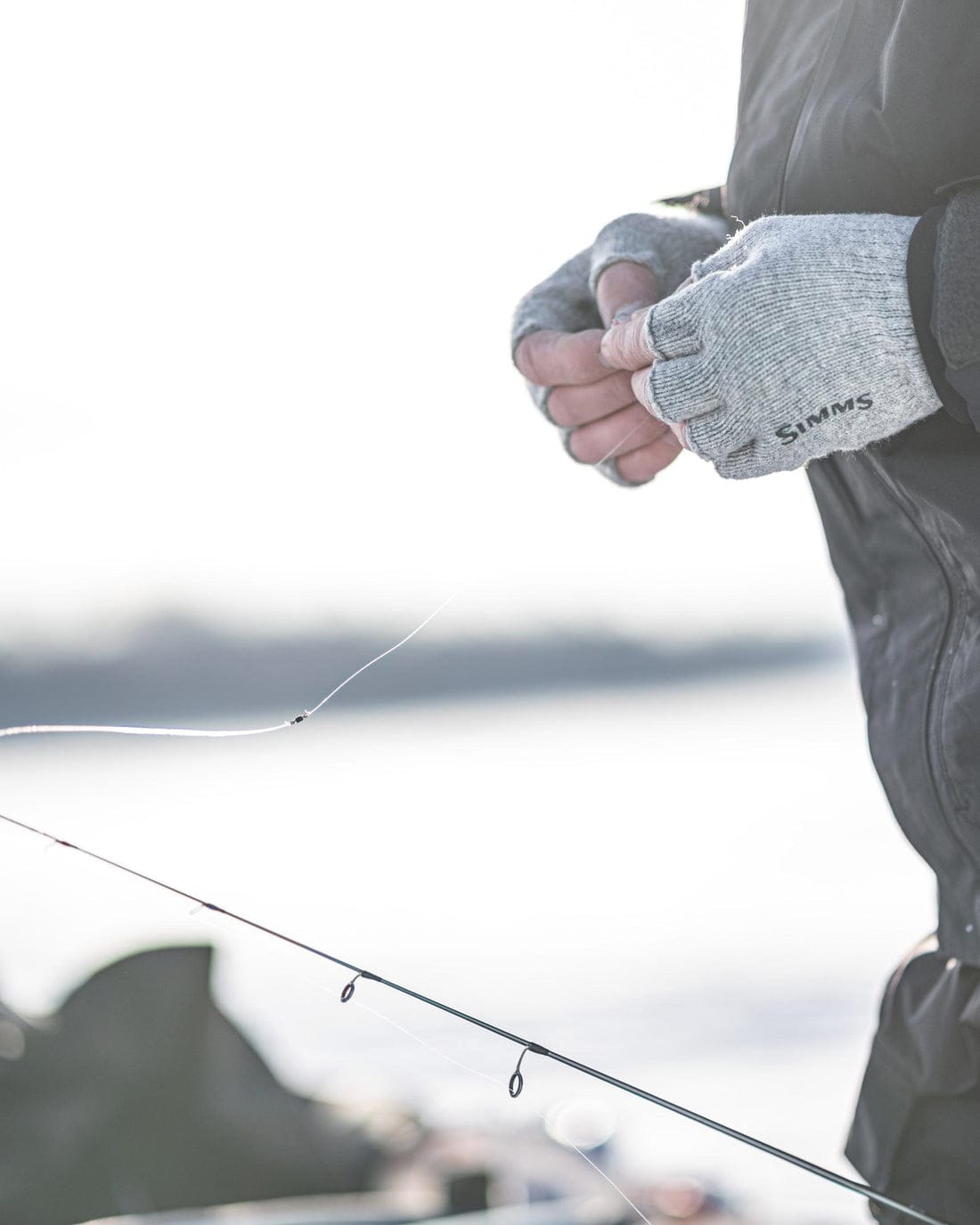
Dexterity first: Half-finger or “quick-rig” designs are popular if you’re tying knots often or running light tippet. If you hate taking gloves off to rig, prioritize convertible fingers or access points.
Sun protection: Sun gloves are underrated for flats, rowing, and summer streamer days. They help prevent line burn and sun exposure while improving grip when everything’s wet.
Socks: decide if you’re wearing waders or wet wading
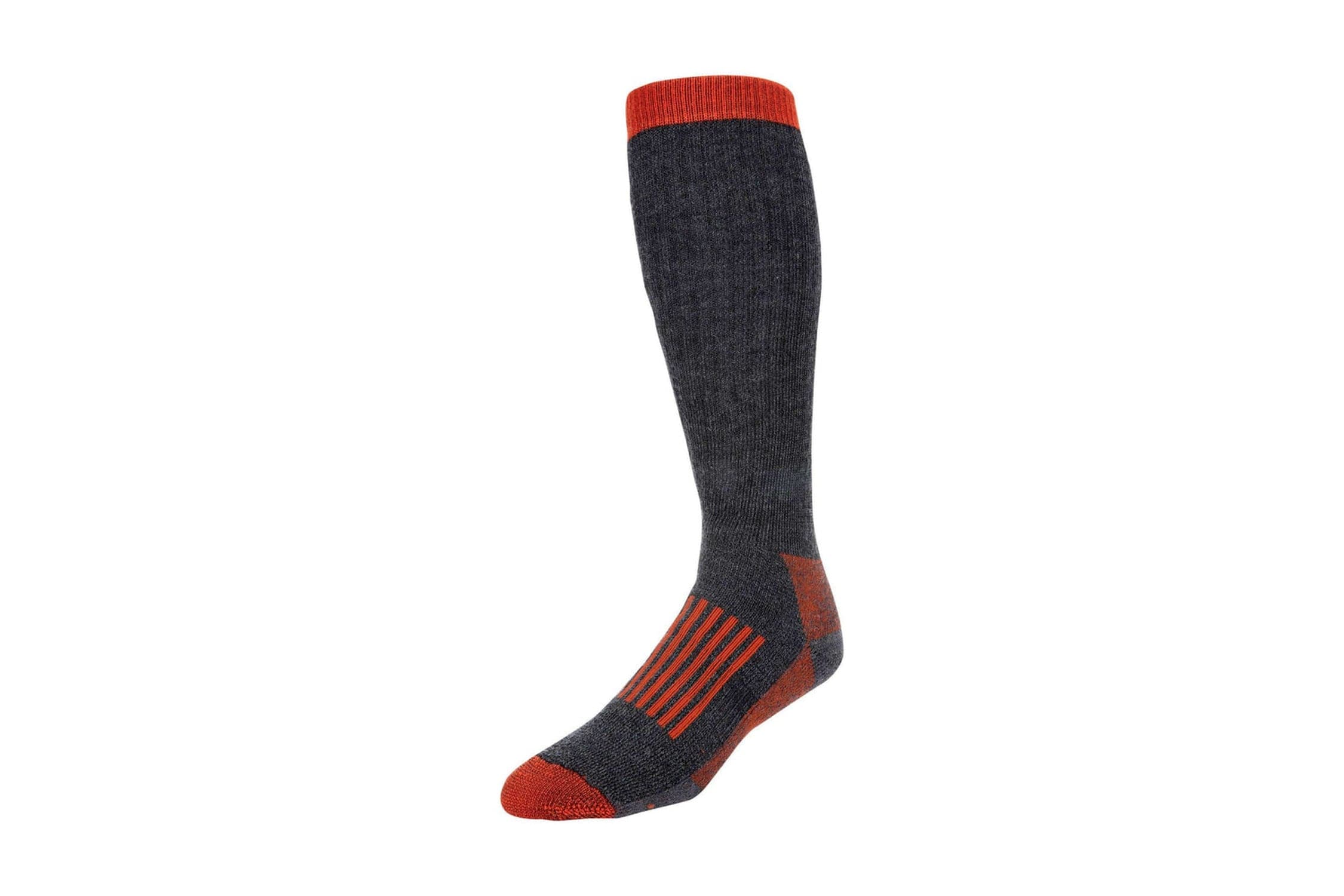
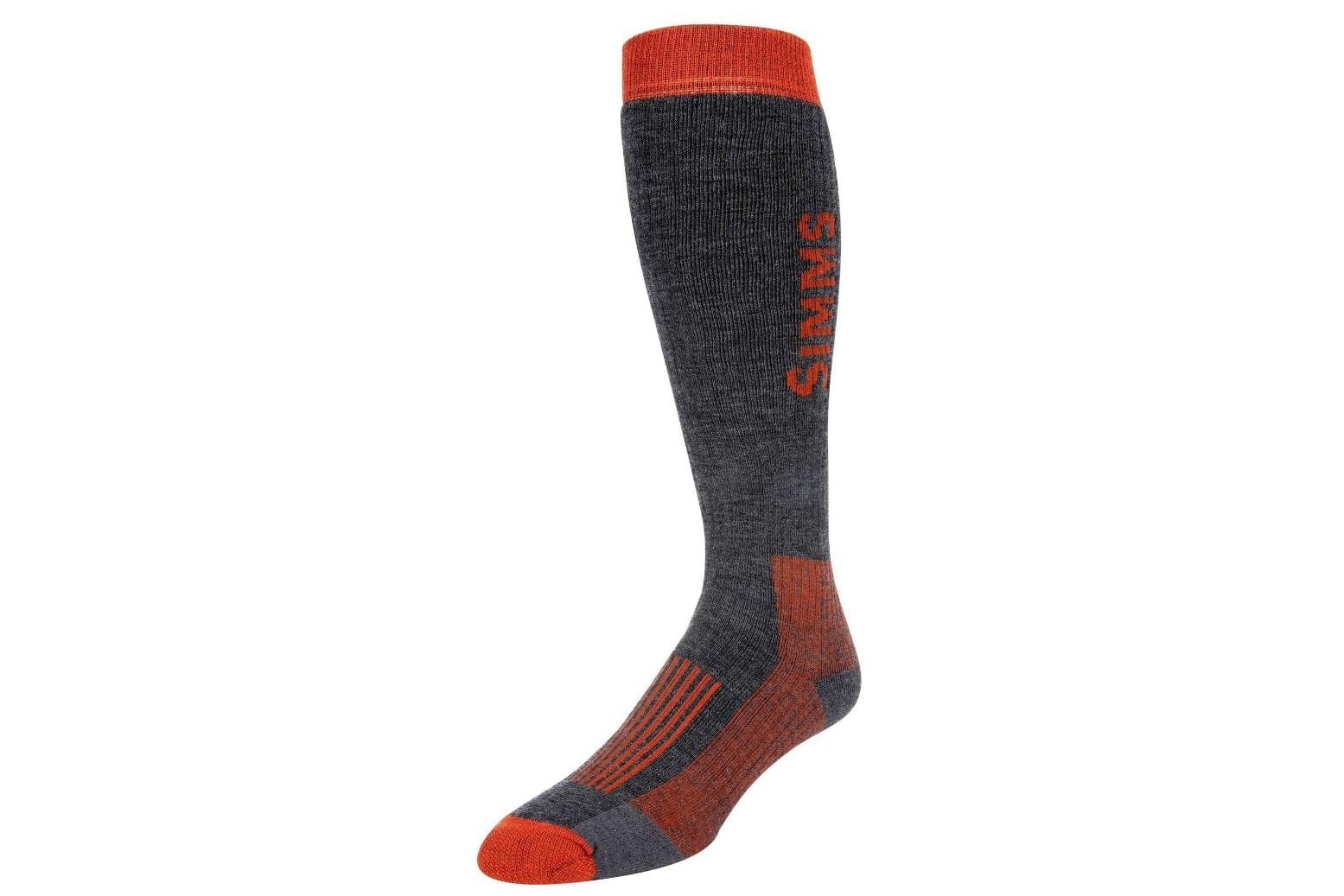
Under waders (stockingfoot): Over-the-calf wader socks or liners focus on warmth, moisture management, and reducing friction inside neoprene booties. If you get hot spots, a thin liner under a thicker sock can help.
Wet wading: Neoprene guard socks add cushion, warmth, and abrasion resistance inside your wading boots while helping keep sand and gravel out. They’re a go-to for warm weather trout, smallmouth, and many saltwater walk-and-wade situations.
Fit & boot pairing (where most issues happen)
Boot volume: Neoprene guard socks take up space. If your boots are already snug with wader booties, you may need extra room for wet-wading socks.
Blister prevention: Too-loose socks bunch and create friction; too-tight socks restrict circulation. Aim for smooth, wrinkle-free fit at the heel and toes.
Debris control: If you end every wet-wading day with sand in your boots, choose a sock with a true gravel guard and lace hook.
Sizing & Fit
Try on like you fish: For socks, test fit with the exact wader booties and wading boots you’ll wear on the water.
Don’t size gloves too big: Loose fingertips reduce knot-tying control and make it harder to pinch line; a snug, athletic fit usually works best.
Watch circulation in cold weather: If your insulated gloves feel tight, your hands can actually get colder. Leave a little room for blood flow (and optional liner gloves).
Account for neoprene thickness: Wet-wading socks are often thicker than standard merino wader socks, plan boot volume accordingly.
Complete Your Setup
Related Gear
Wading Boots - Wet-wading socks only work as well as the boot fit and traction you pair them with.
Waders - Cold-weather glove performance matters more when you’re standing deep and staying out longer.
Gloves & Socks - Dial in warmth, sun protection, and comfort for the conditions you actually fish.
Related Guides
Gloves & Socks FAQs
Q: What are fly fishing gloves used for?
A: Fly fishing gloves protect your hands from cold wind, sun exposure, and line burn. Many designs also add grip for stripping line, rowing, or handling fish.
Q: Do I need gloves for fly fishing?
A: Not always, but they can make a big difference in comfort and performance. In winter they help you stay out longer, and in summer they can prevent sunburn and improve line control.
Q: What’s the difference between sun gloves and cold-weather gloves?
A: Sun gloves prioritize UPF coverage, breathability, and grip with minimal insulation. Cold-weather gloves focus on wind protection and warmth, often using fleece, neoprene, or insulated builds.
Q: What are neoprene guard socks for?
A: Neoprene guard socks are made for wet wading inside wading boots. They add cushioning and insulation while helping keep gravel and sand from getting into your boots.
Q: Should wader socks be thick or thin?
A: It depends on water temperature and boot volume. Thick socks add warmth, but too much thickness can create pressure points, use a liner + midweight sock combo if you need warmth without bunching.
Q: Can I wet wade with my regular wading boots?
A: Often yes, many anglers use the same boots they wear with waders. The key is getting the fit right with wet-wading socks so your foot doesn’t slide or bunch up.
Q: How do I prevent blisters when wet wading?
A: Start with boots that fit snugly and socks that don’t wrinkle at the heel and toes. If you’re prone to hot spots, try a thin liner under your main sock and re-check boot lacing tension during the day.