


We found the BEST FISHING SHIRT. The Simms Bugstopper Hoody!










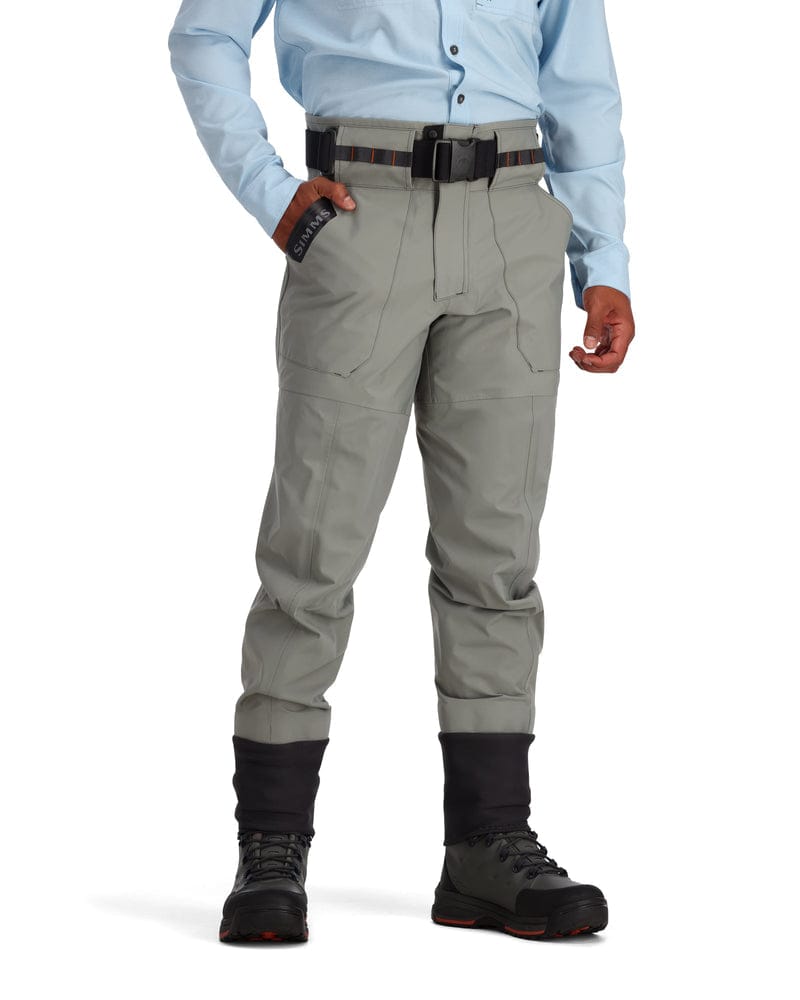
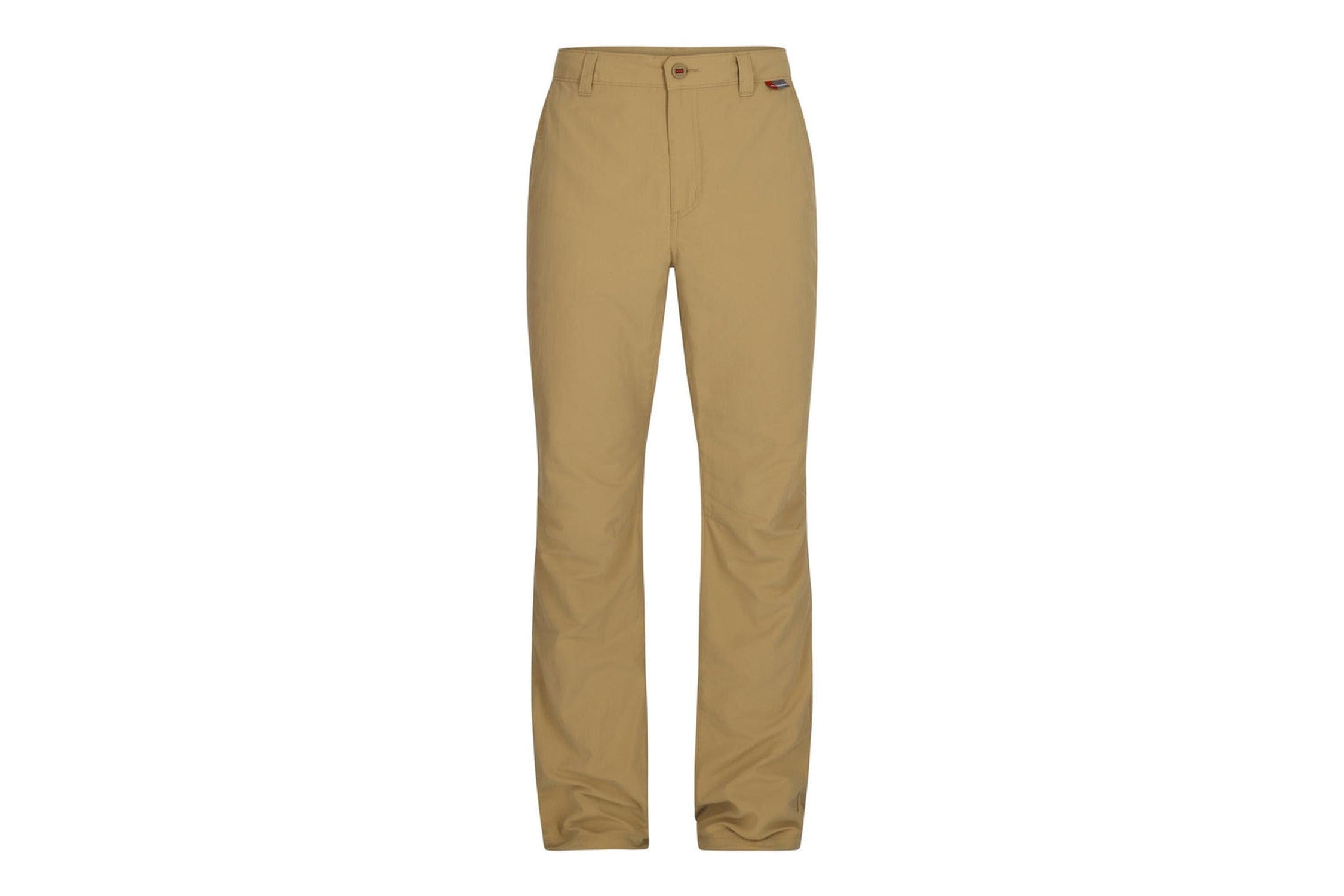

Fly Fishing Clothing Quick Picks
Best All-Around: Simms SolarFlex Crewneck Shirt - Built for anglers who live in long-sleeve sun shirts from spring through fall. It blends high-UPF coverage with quick-dry comfort for boat days, wading, and travel.
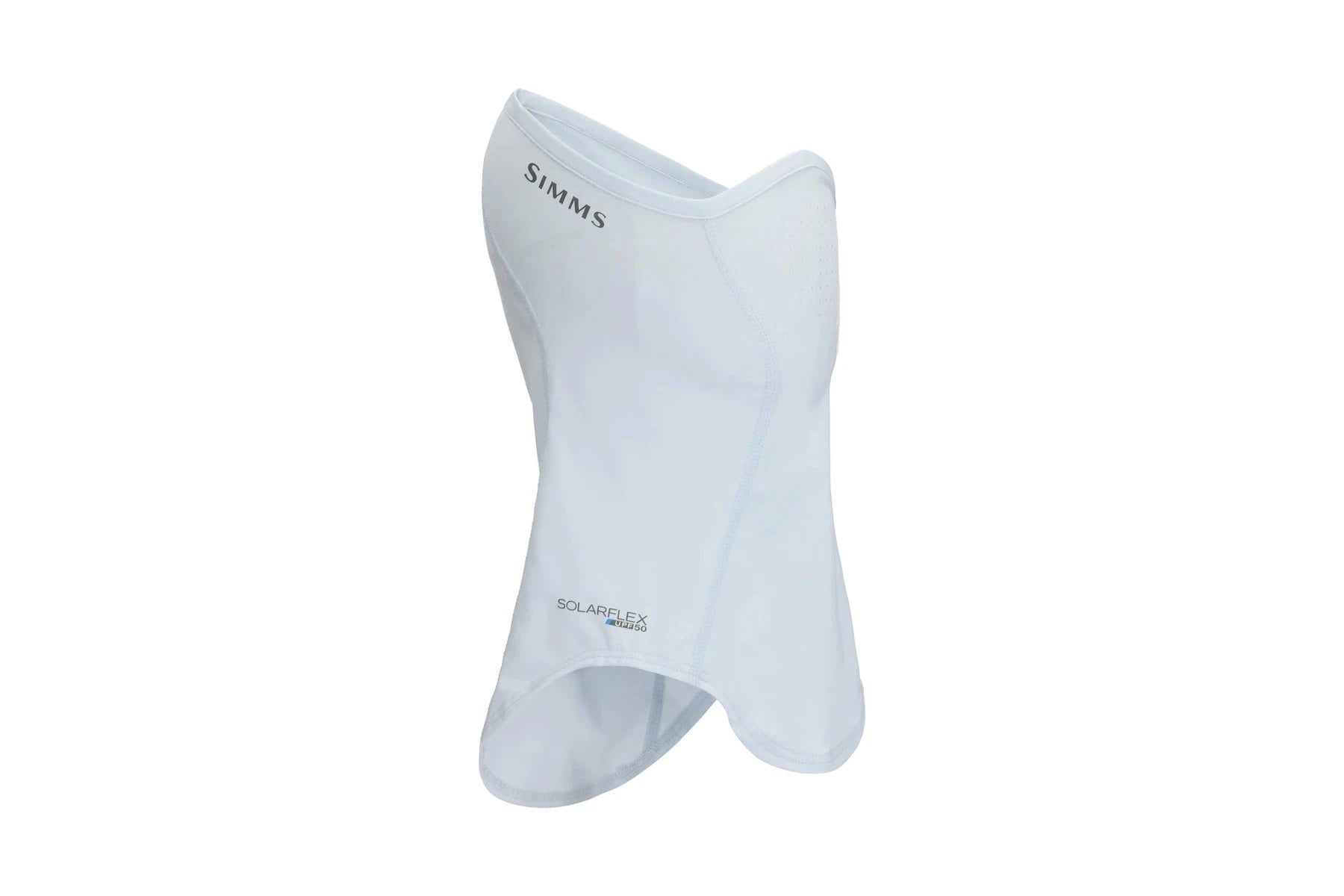
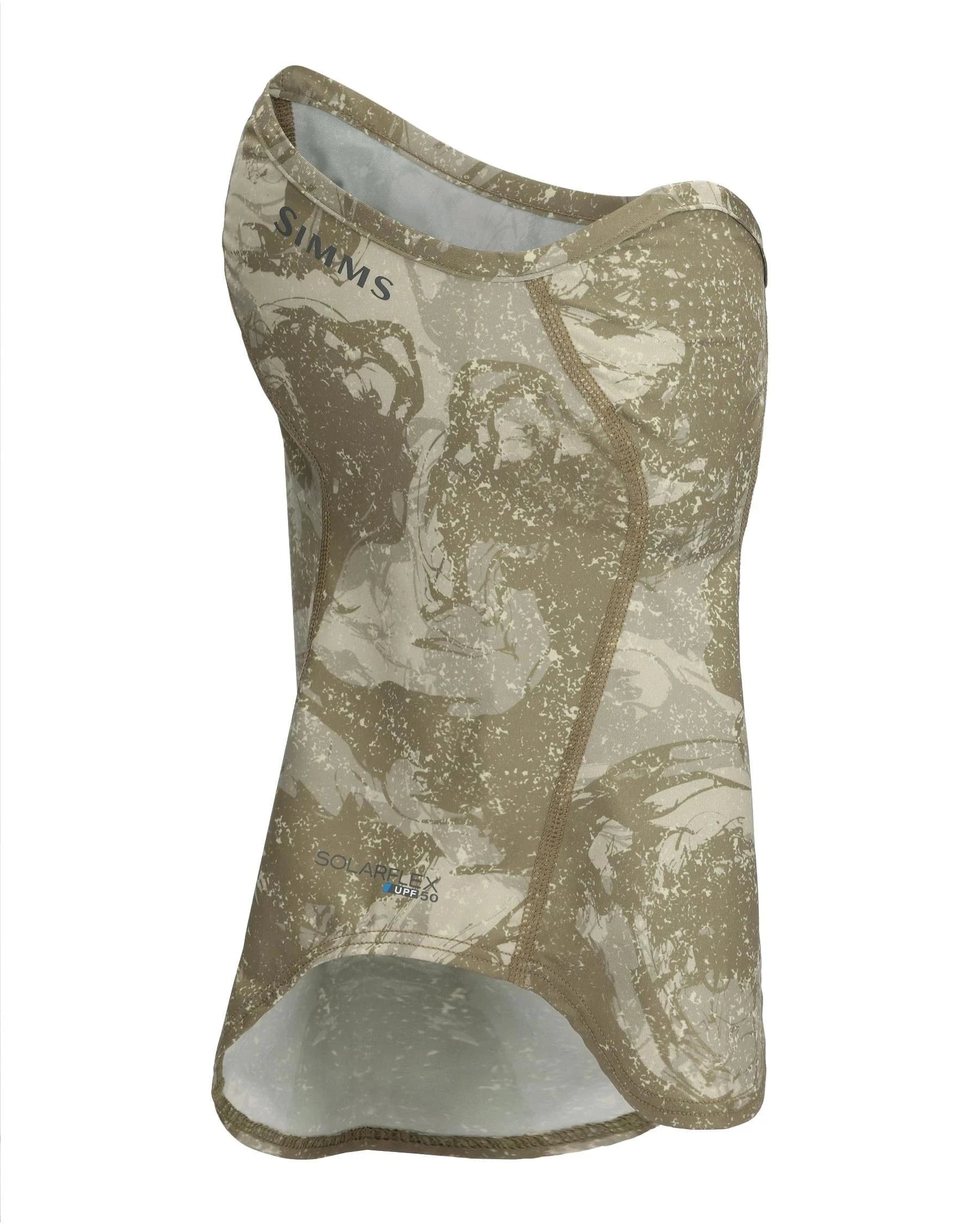
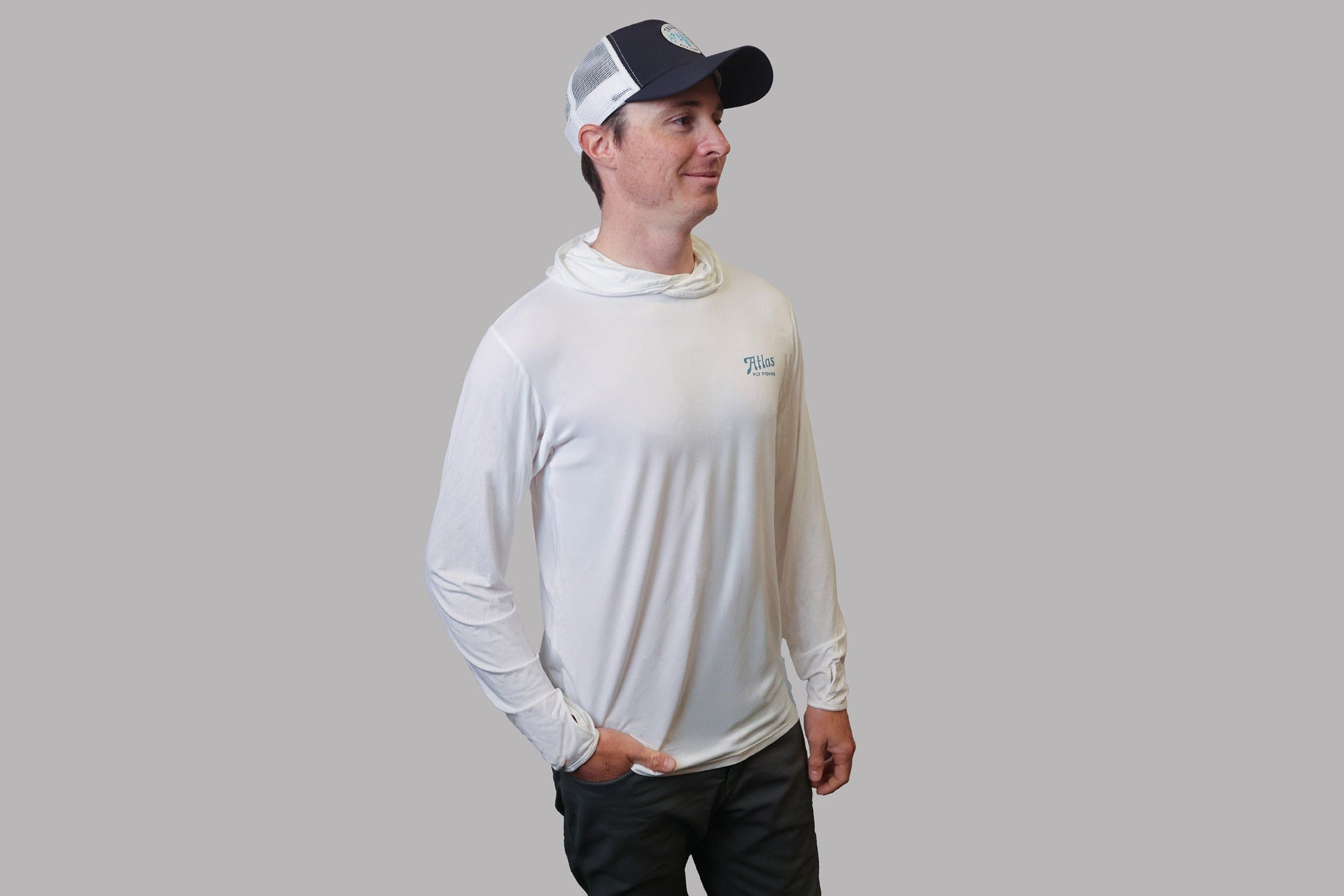
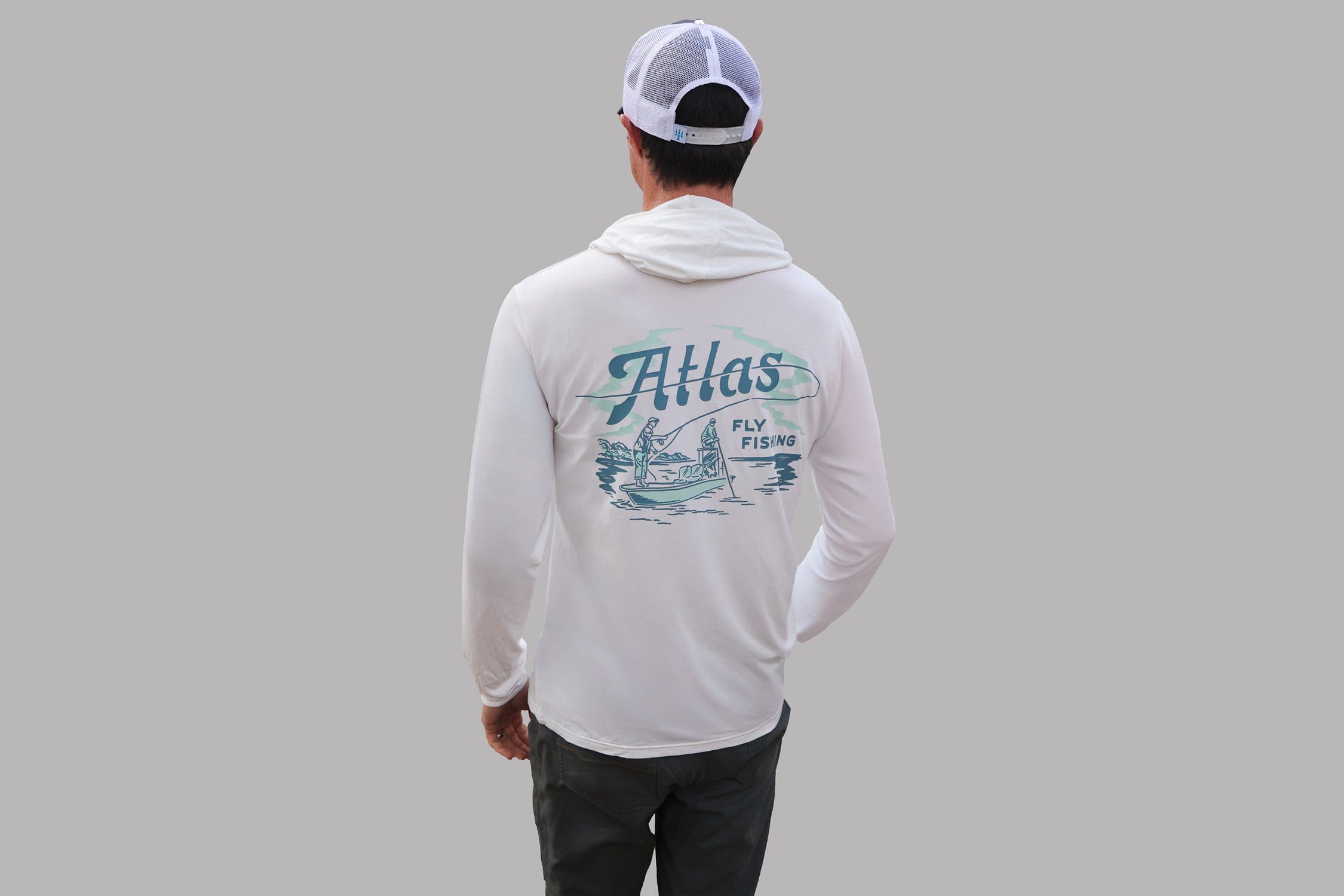
Best for Buggy Summers: Simms Bugstopper Hoody - A smart pick when mosquitoes and no-see-ums are as much of a problem as the sun. Insect-focused fabric tech and a hood keep coverage high without resorting to heavy layers.
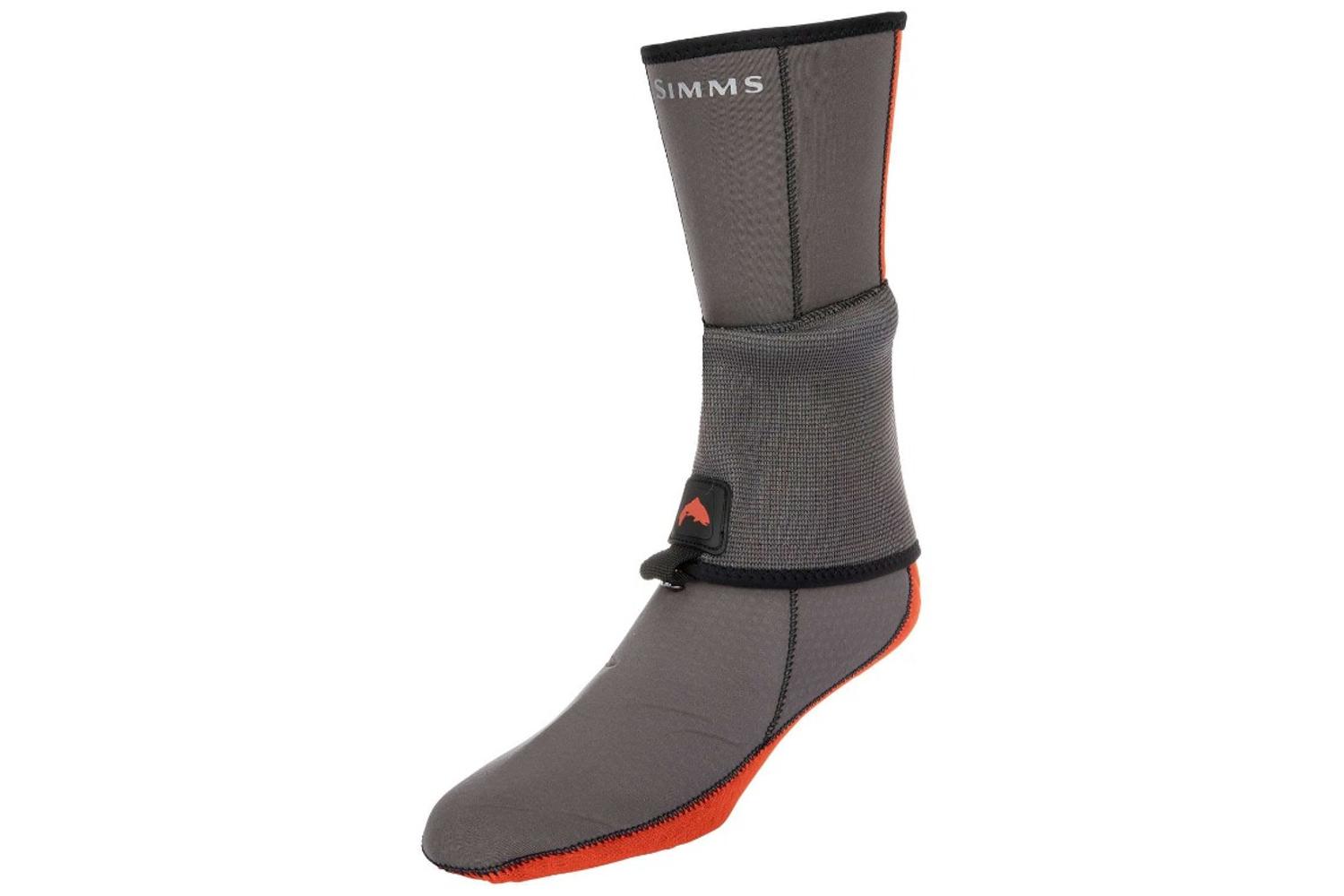
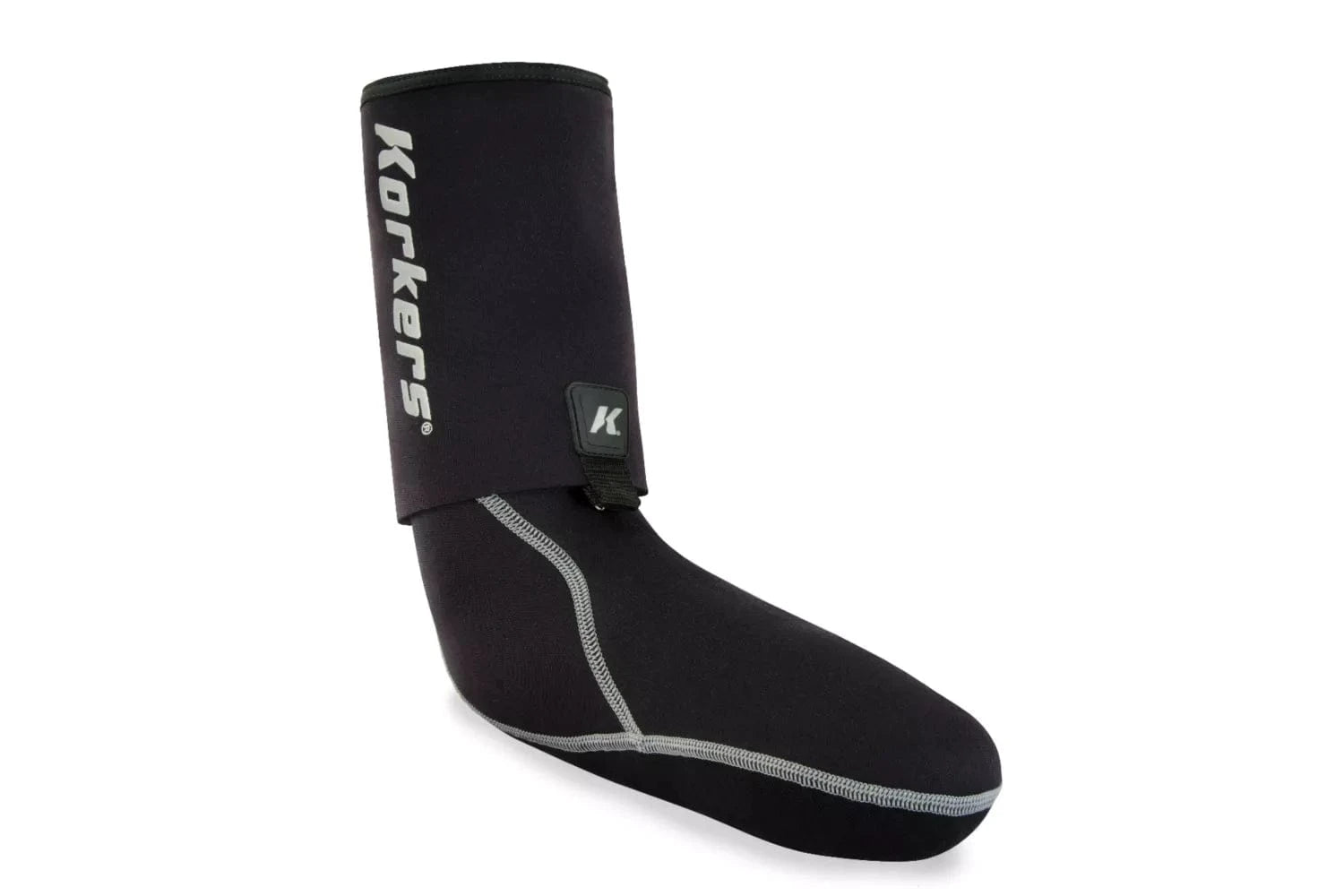
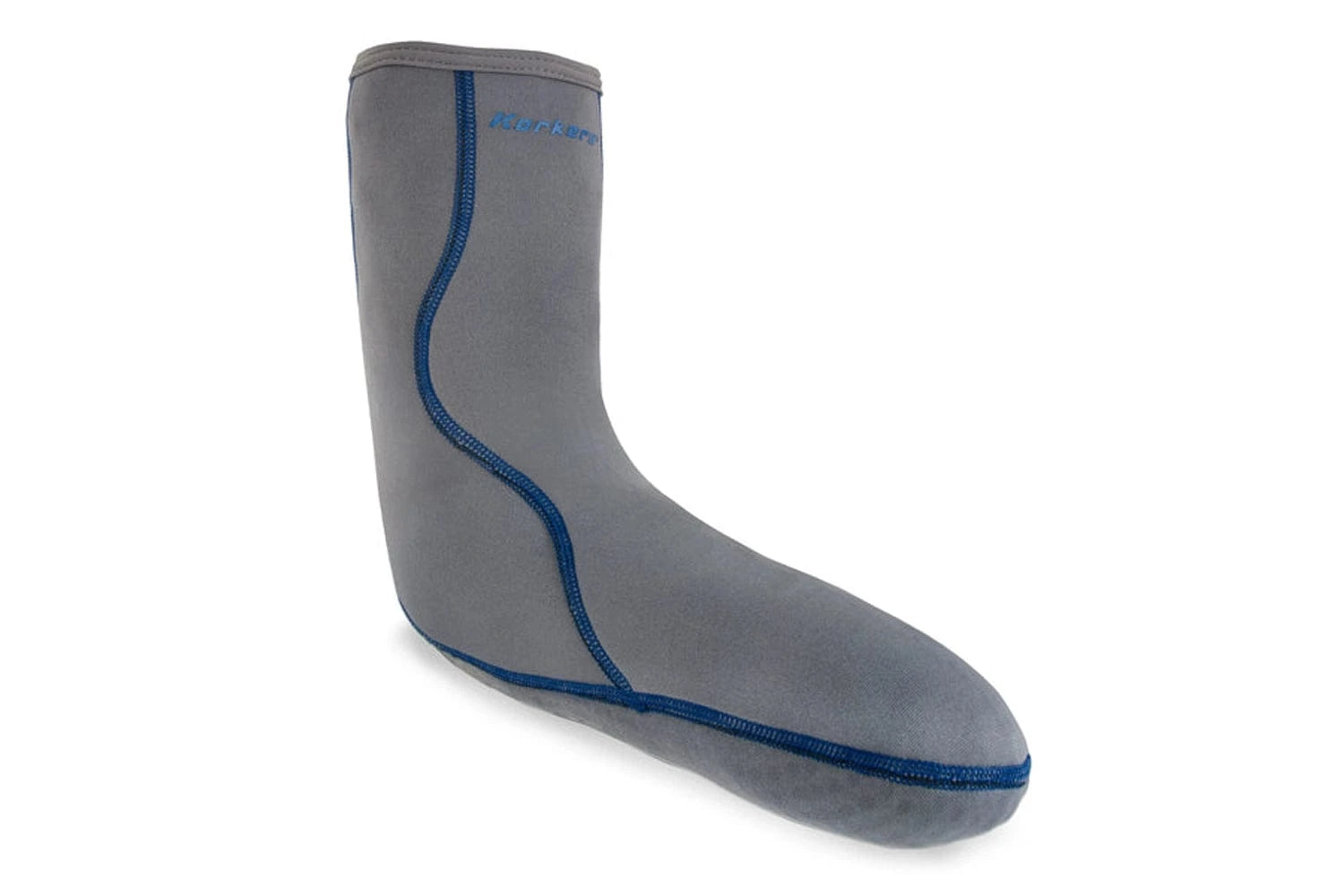
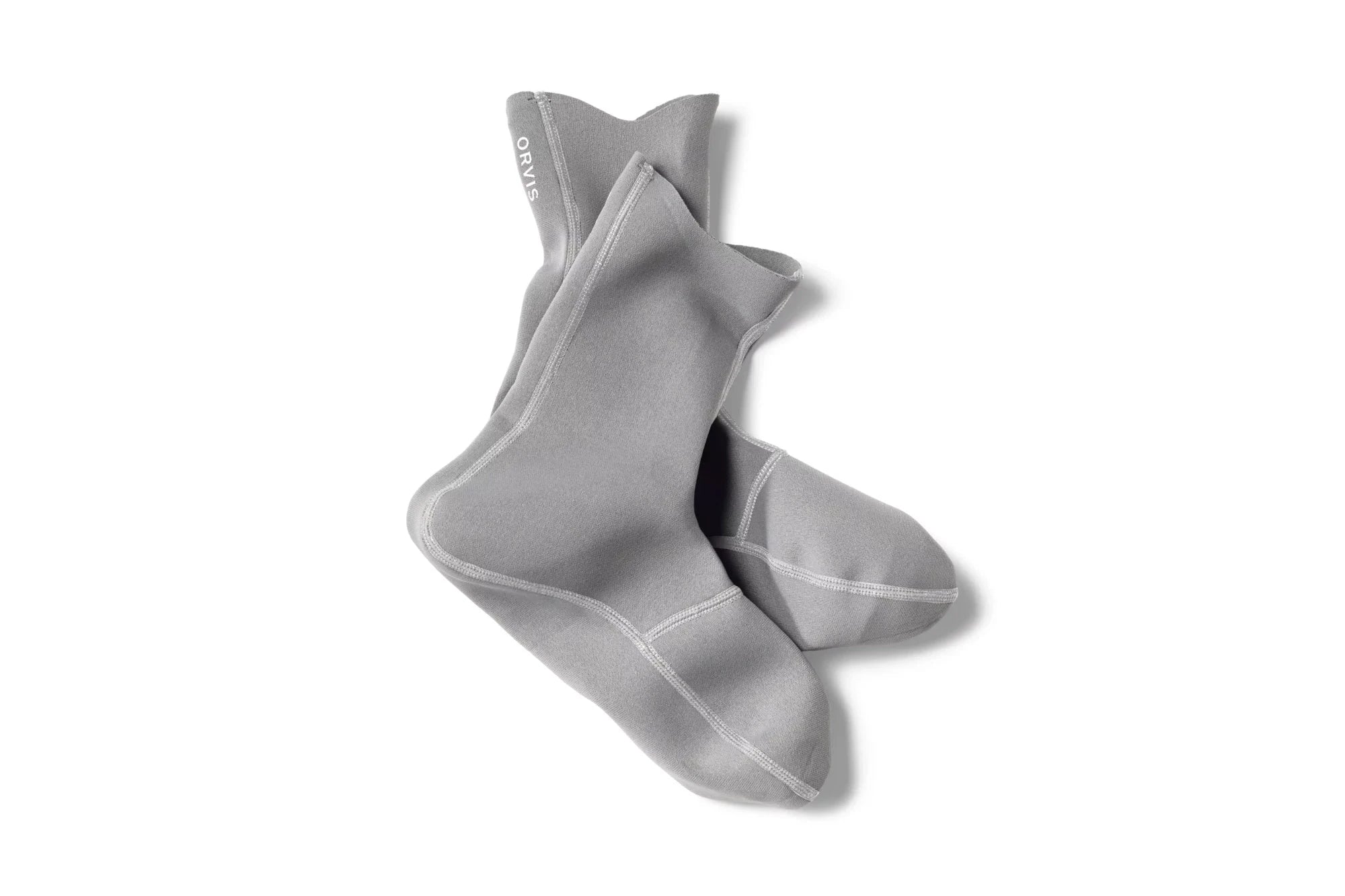
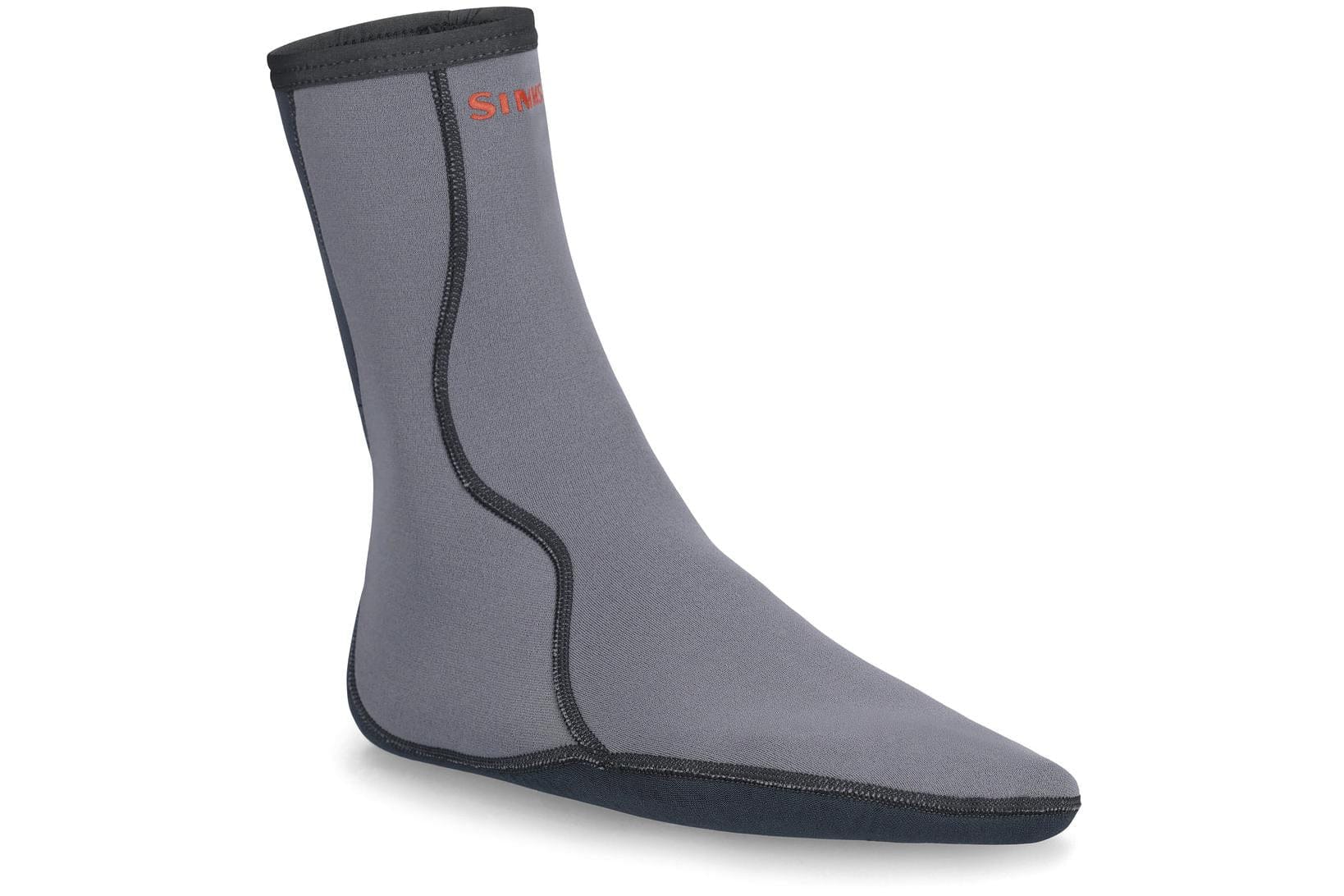
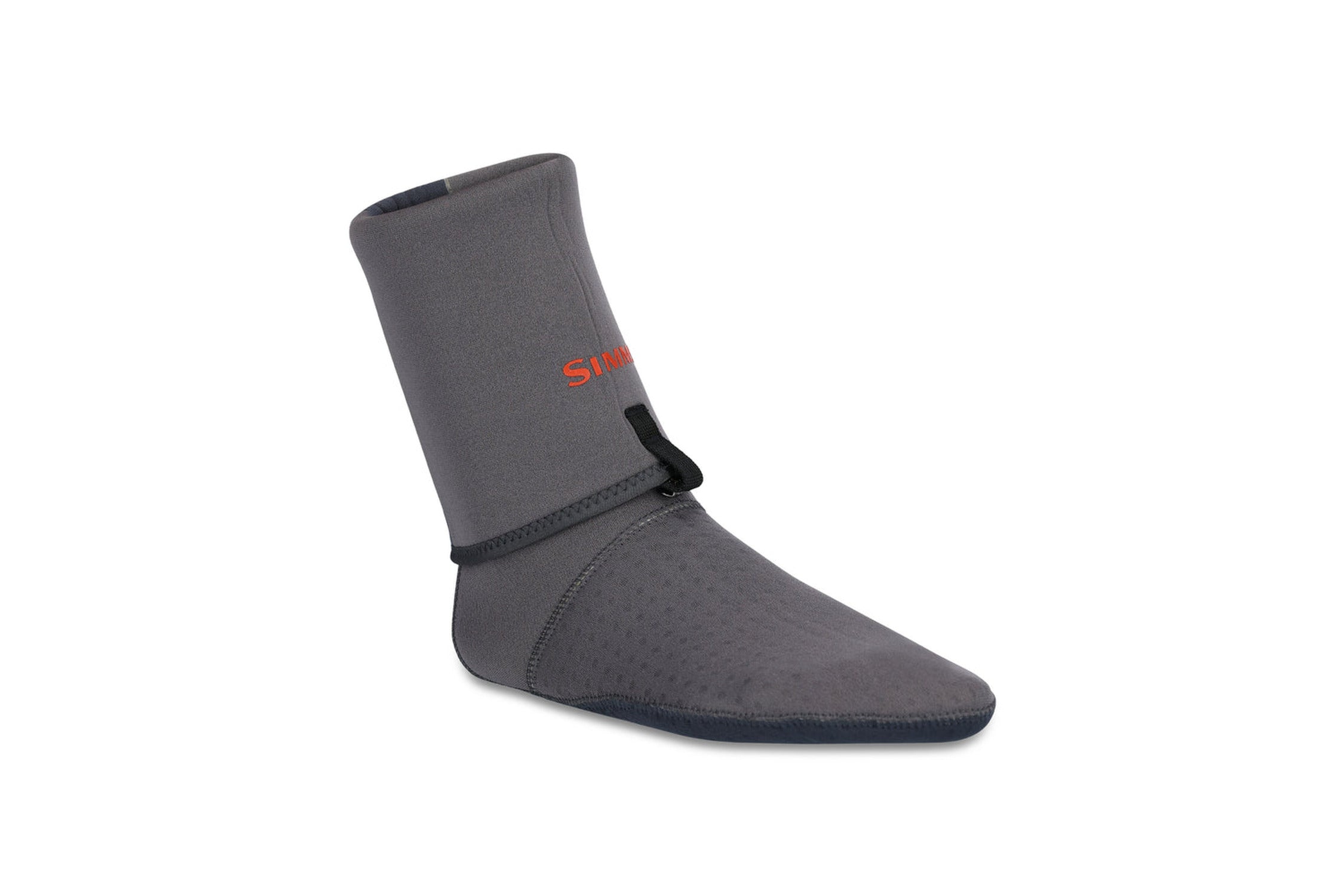
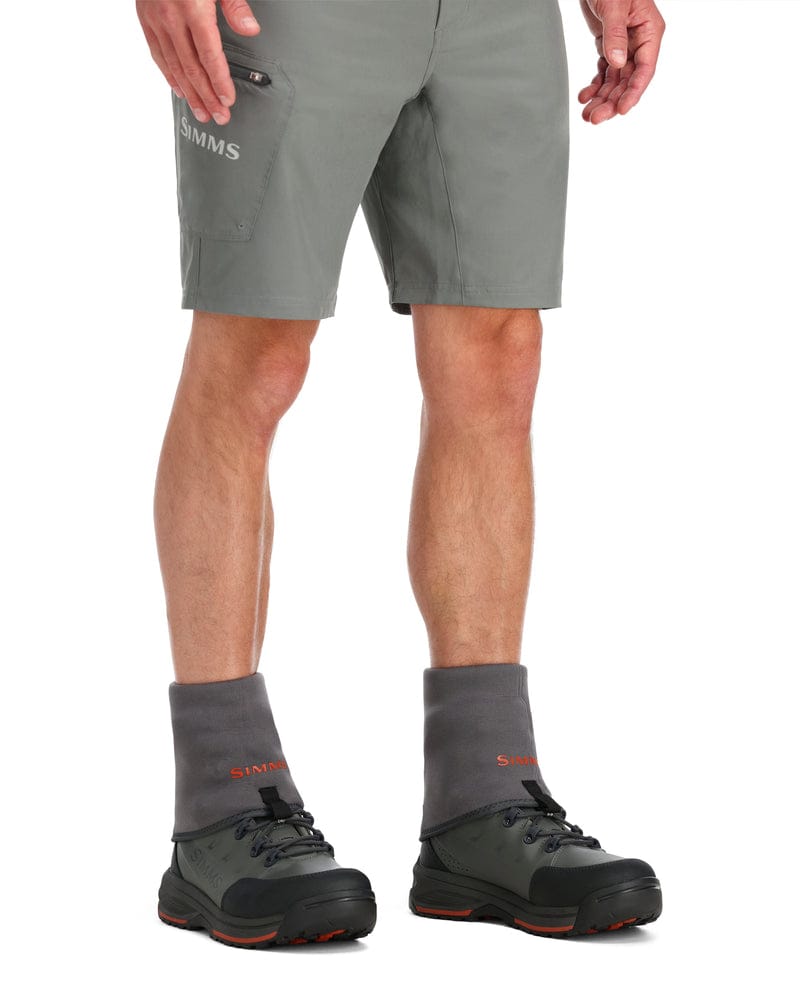
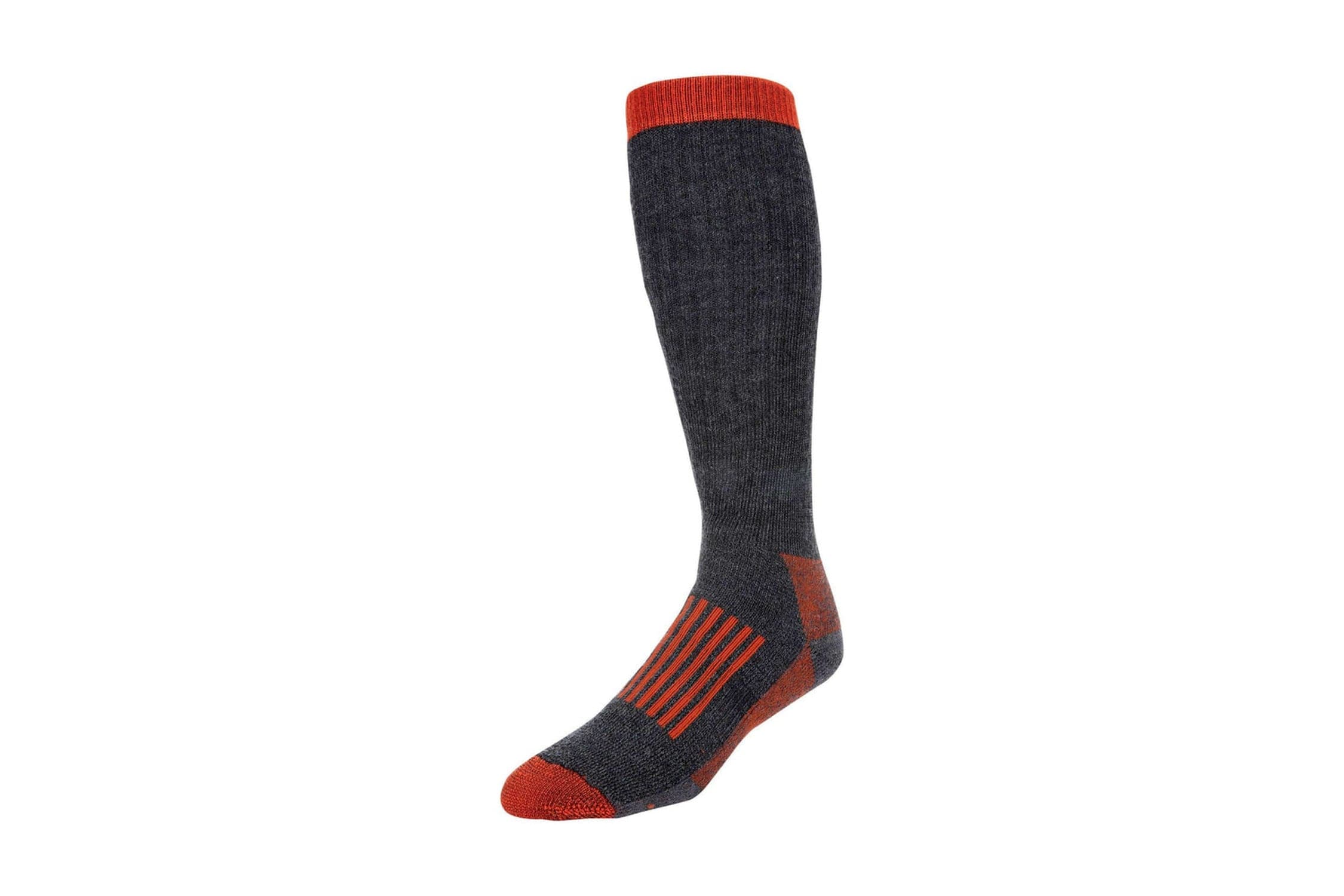
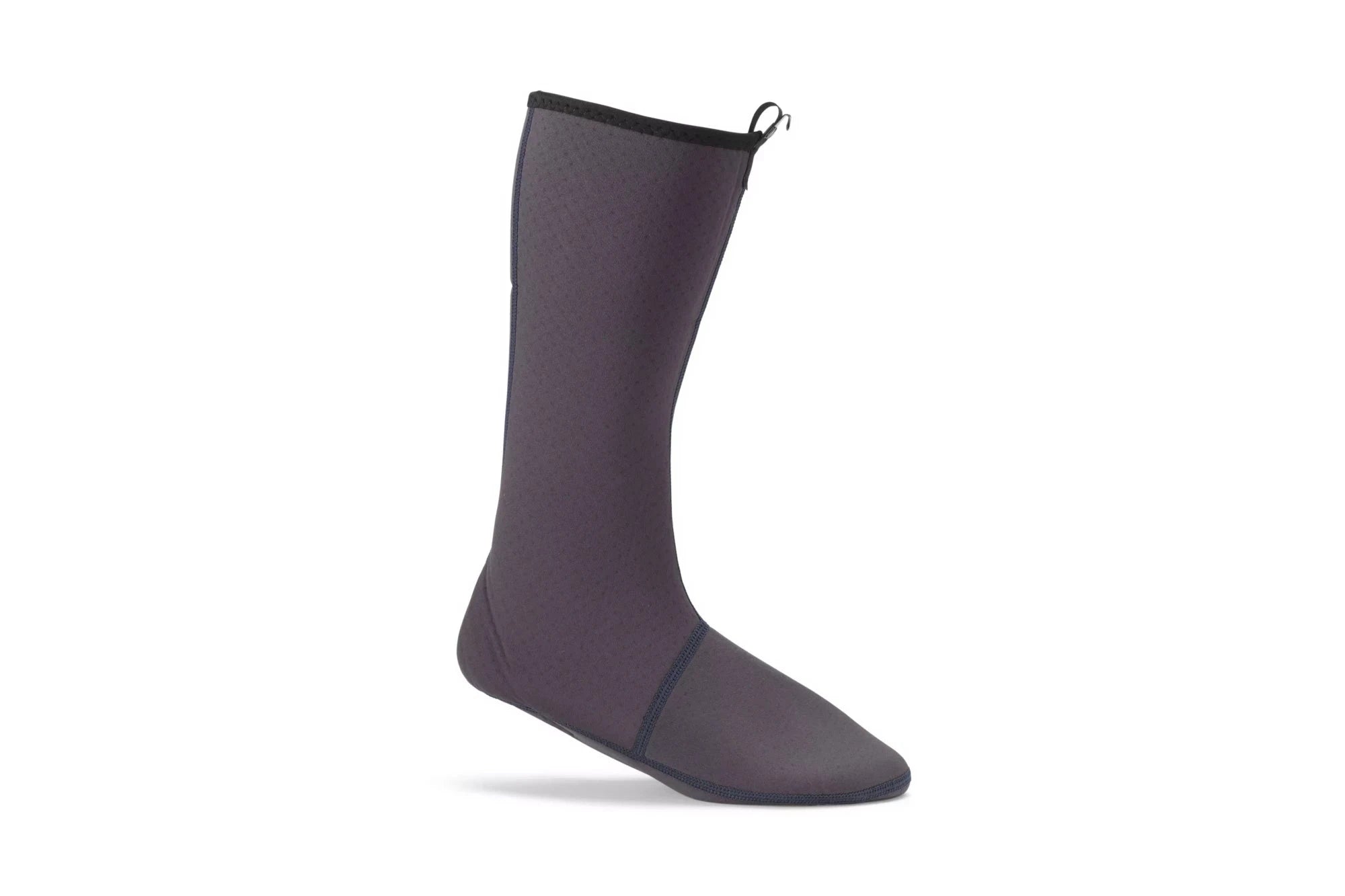
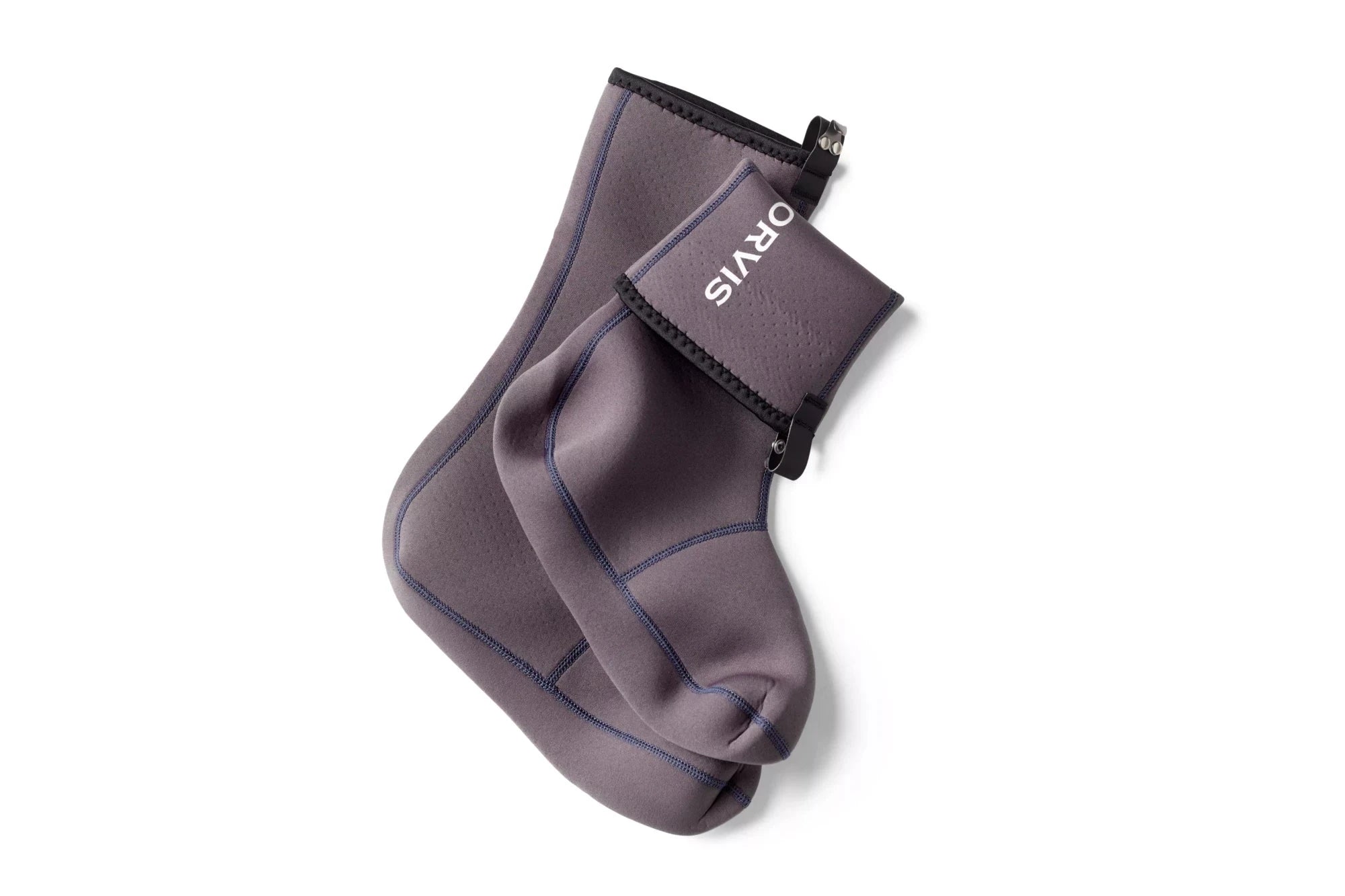
Best for Wet Wading: Simms Neoprene Flyweight Sock - Ideal for warm-weather wet wading when you want insulation, grit protection, and a secure boot fit. The built-in gravel guard helps keep sand and debris from turning a long walk into a blister factory.
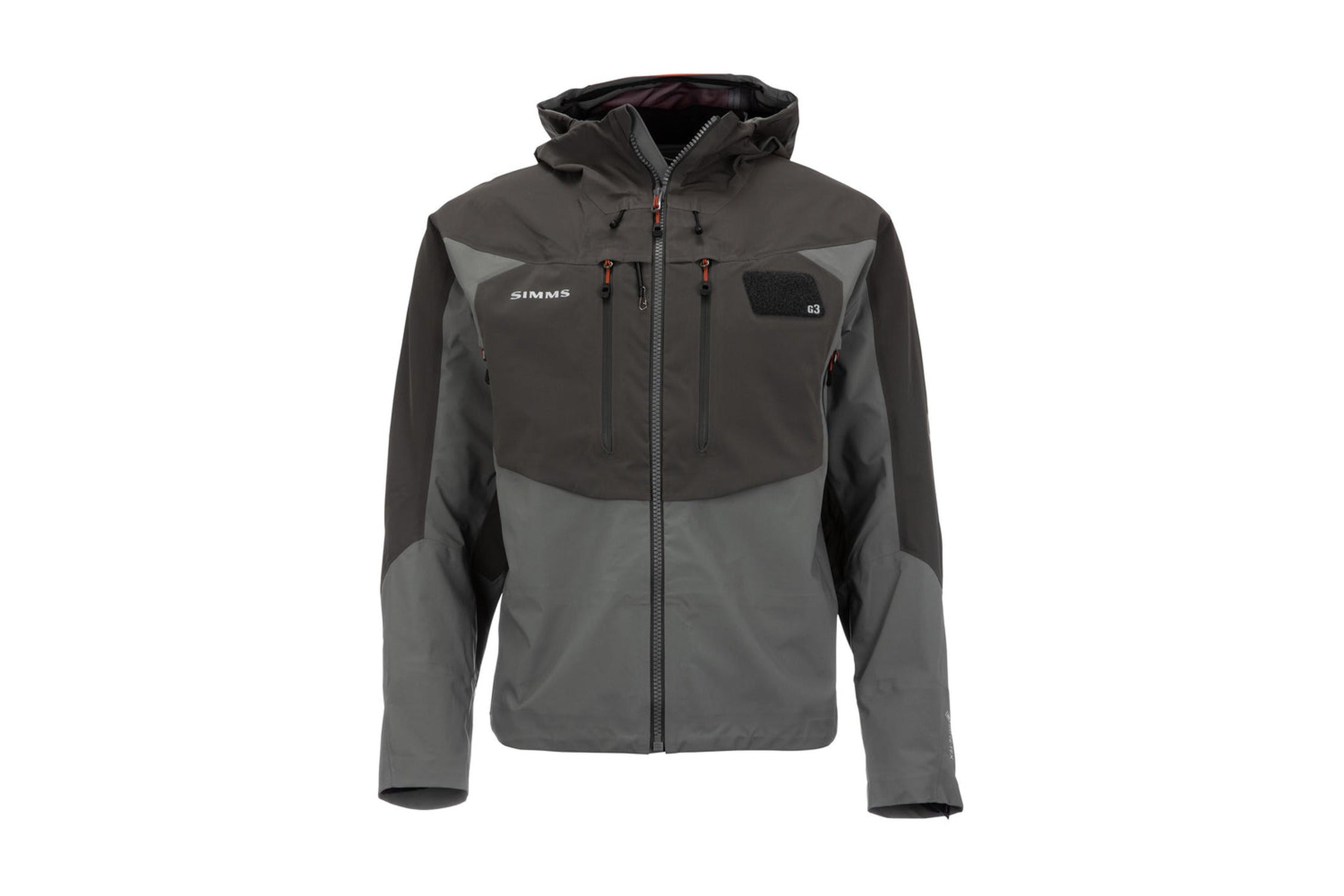
Best Storm Shell: Simms G4 Pro Wading Jacket - For serious rain, wind, and spray when you’re still fishing (or rowing) all day. A wading-specific cut and pocket layout keep it functional over waders without fighting bulk.
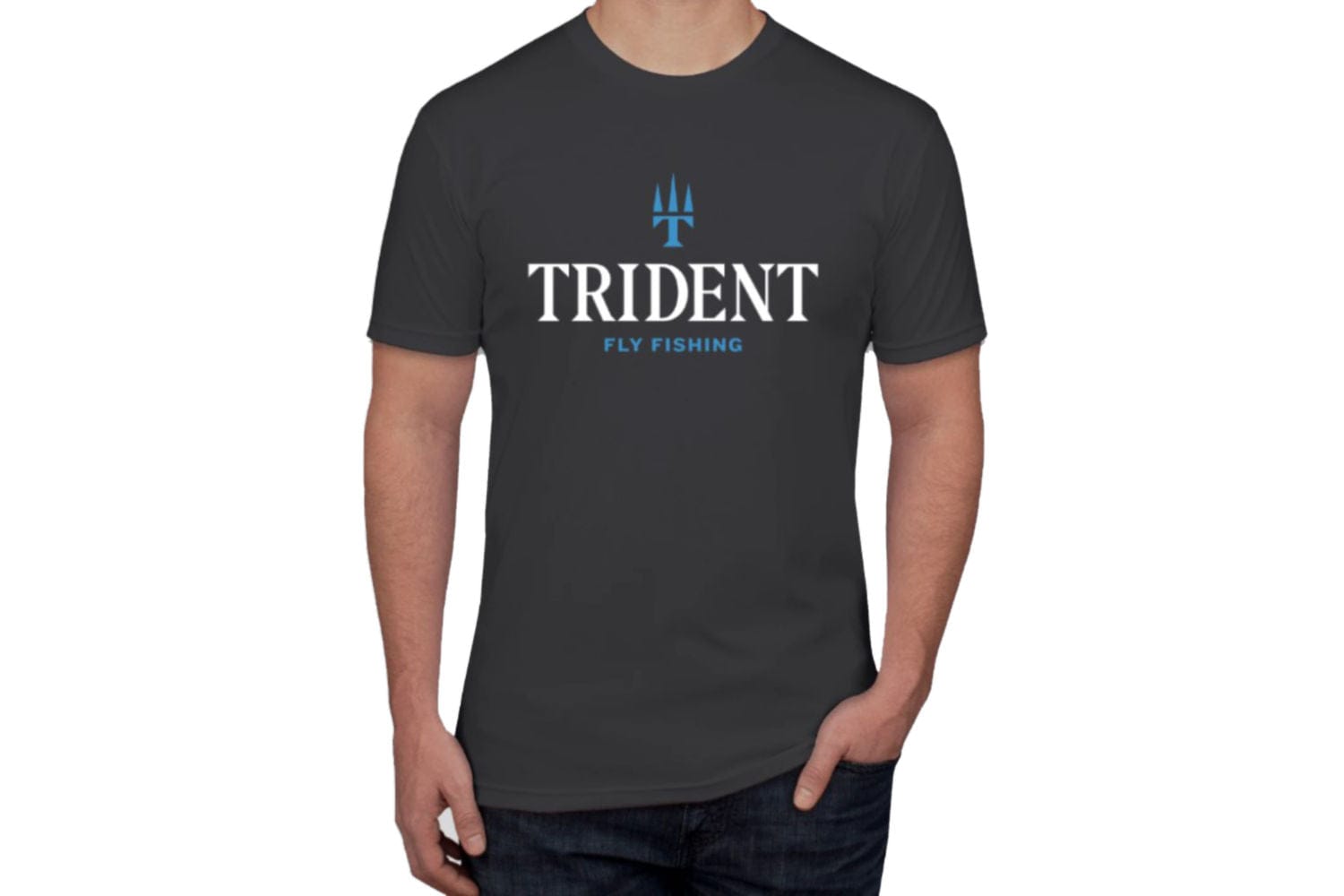
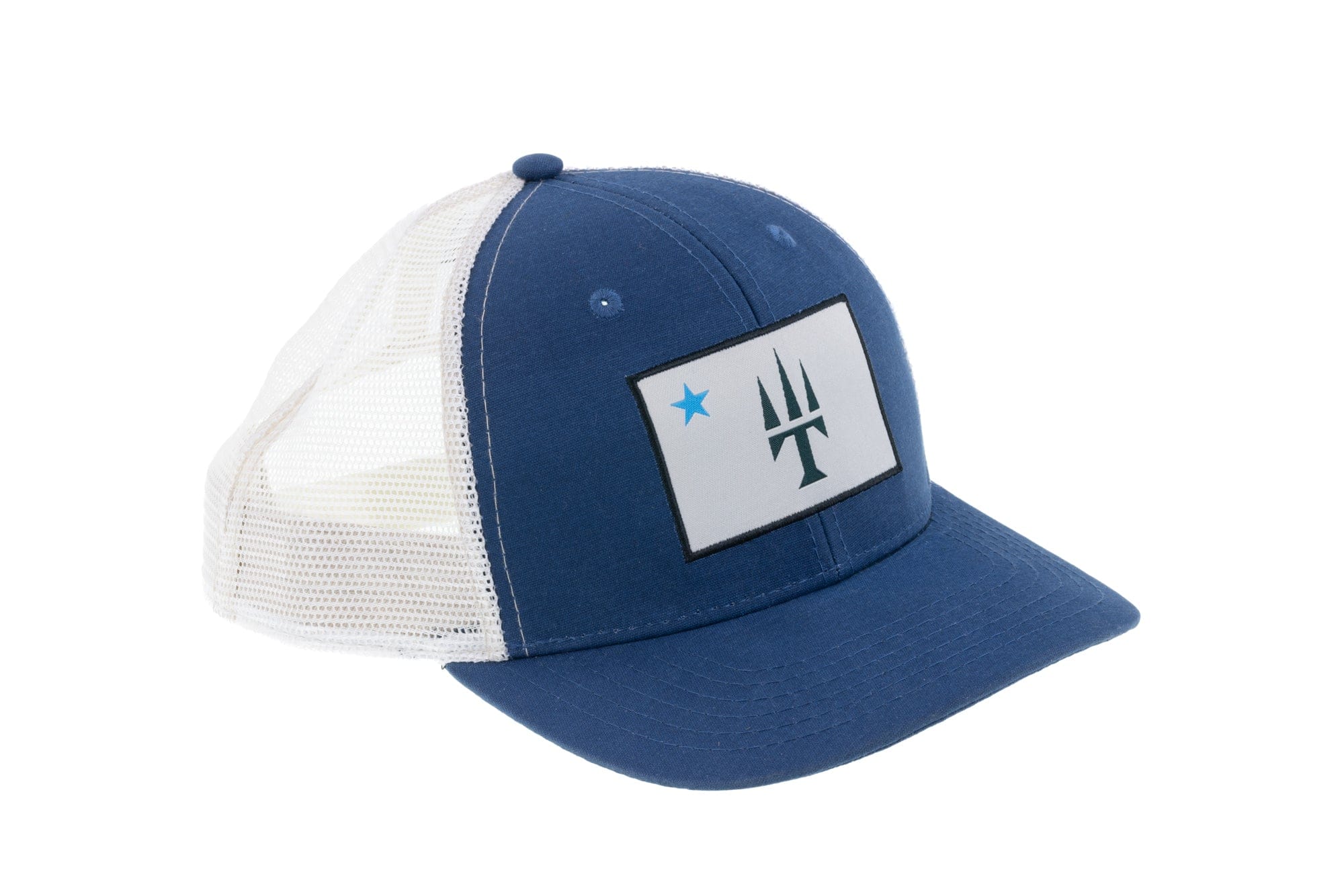
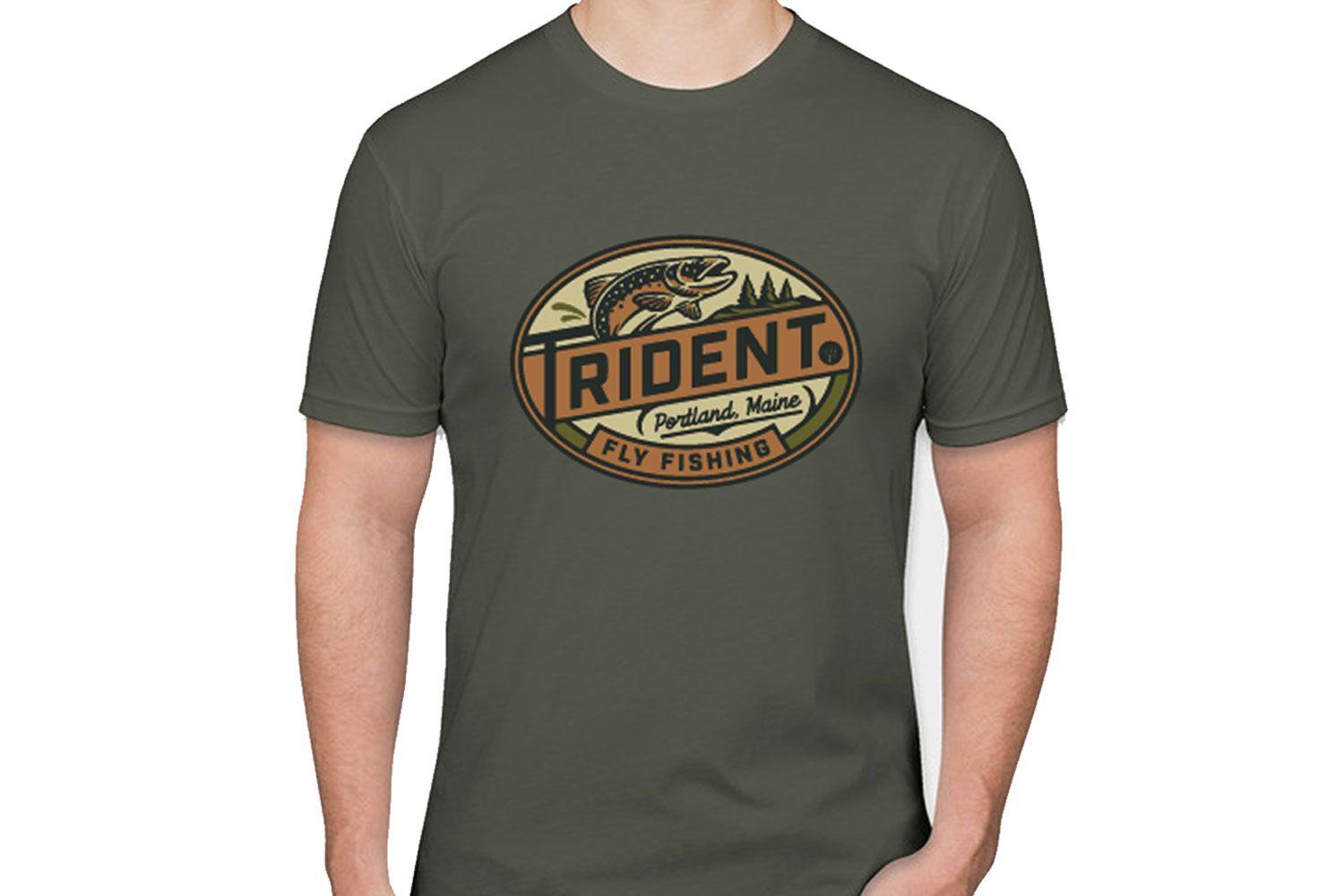
Best Value: Trident Fly Fishing T-Shirt - A simple, comfortable option for travel days, guide shack hangs, and everyday wear. Great when you want the fly-fishing look without the technical fabric price tag.
Explore by Type
How to Choose Fly Fishing Clothing
Start with the conditions (sun, bugs, rain, cold)
Action: Decide what’s most likely to end your day early: sun exposure, biting insects, getting soaked, or getting chilled. Then buy clothing that solves that one problem first, and build around it.
Best for: Trout wading days with changing weather = a true wading jacket; salt and flats days = lightweight sun protection plus gaiters and gloves; shoulder-season rivers = dialed layering under your shell.
Sun protection: coverage beats “cool”
Action: Prioritize long sleeves, hoods, and high-coverage cuffs over short sleeves. Sun shirts and sun hoodies also help with line burn, boat rash, and long casts in bright conditions.
Avoid if: You run hot and hate extra fabric around your neck, look for lighter crewnecks instead of full hoods and gaiters.
Bug protection: build a barrier without overheating
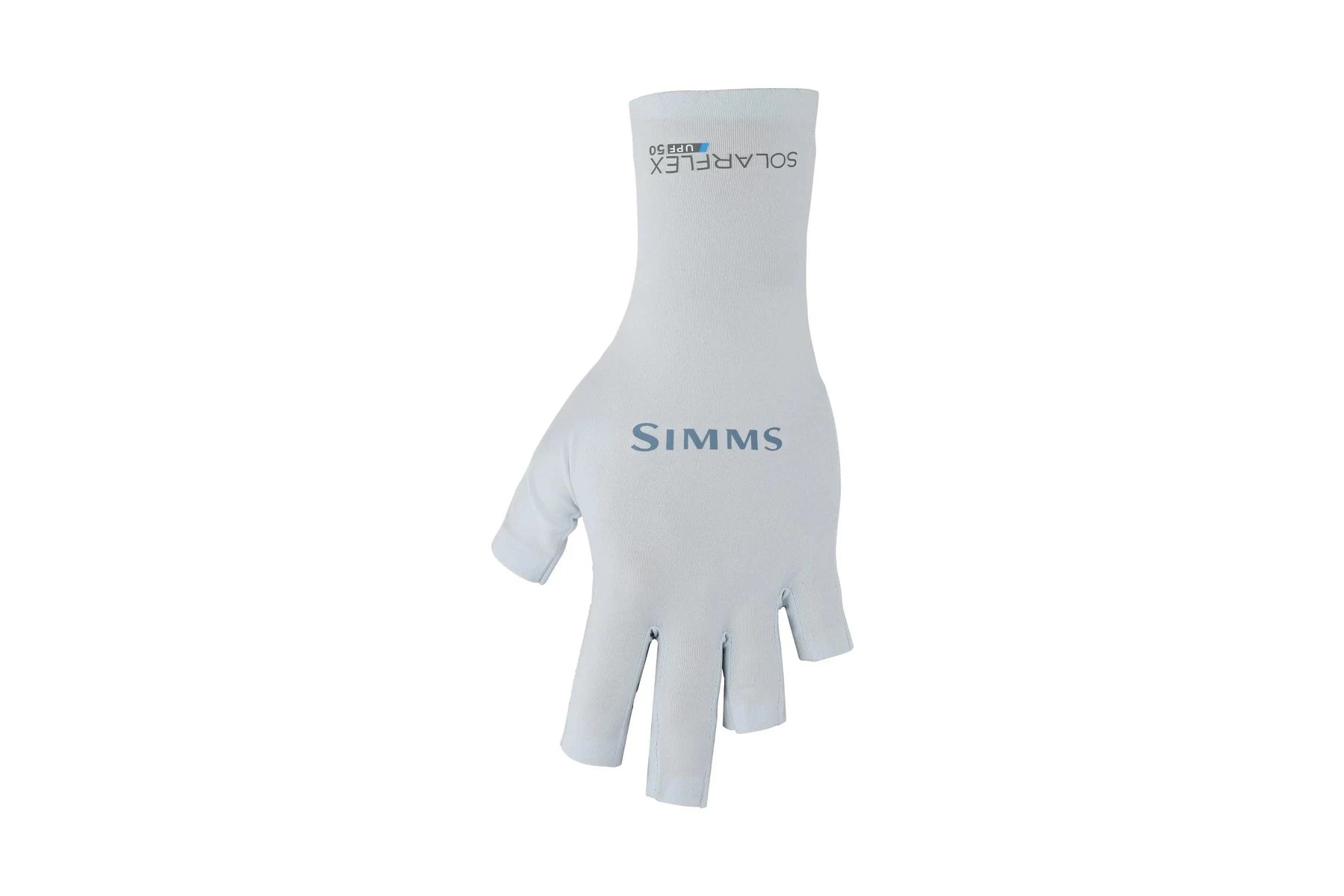
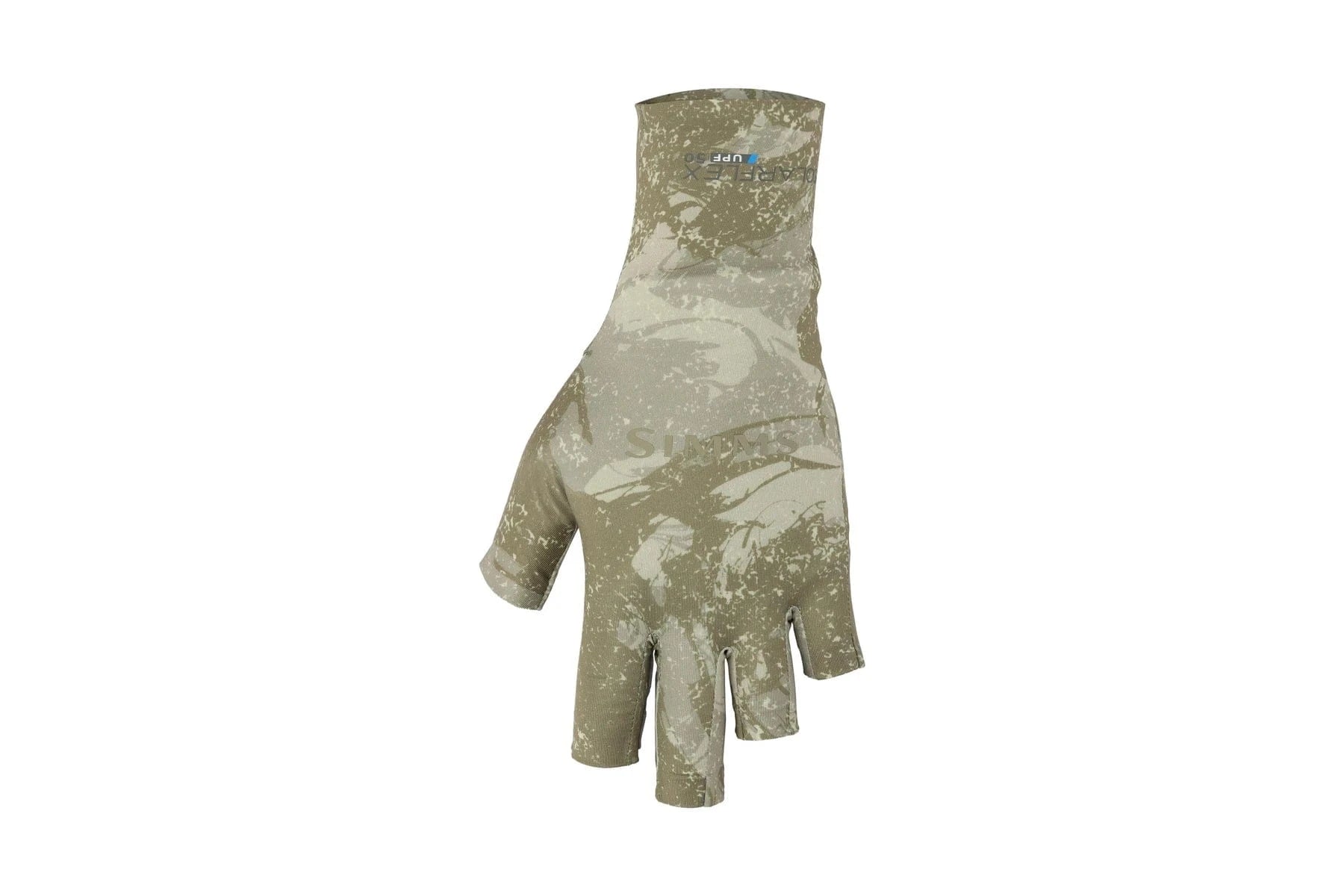
Action: In buggy water (especially summer evenings), a lightweight bug hoody can be the difference between staying focused and getting driven off the river. Pair it with a brimmed hat and consider thin sun gloves for hand coverage.
Rain shells: wading-specific features matter
Action: A dedicated wading jacket is cut shorter so it doesn’t soak in the water, and it typically places pockets higher for access while wearing waders. If you fish from boats, look for better spray protection and easy cuff sealing.
Avoid if: You only fish fair-weather summer days, spend that budget on sun and wet-wading pieces first.
Sizing & Fit
Plan for layers: If you fish spring/fall or the Great Lakes, size shells to fit over a midlayer without restricting your cast.
Wader compatibility: Shorter-hem jackets and higher hand pockets generally work better over chest waders.
Wet-wading footwear fit: Neoprene socks change boot volume, if your boots feel tight, consider sizing adjustments or thinner socks.
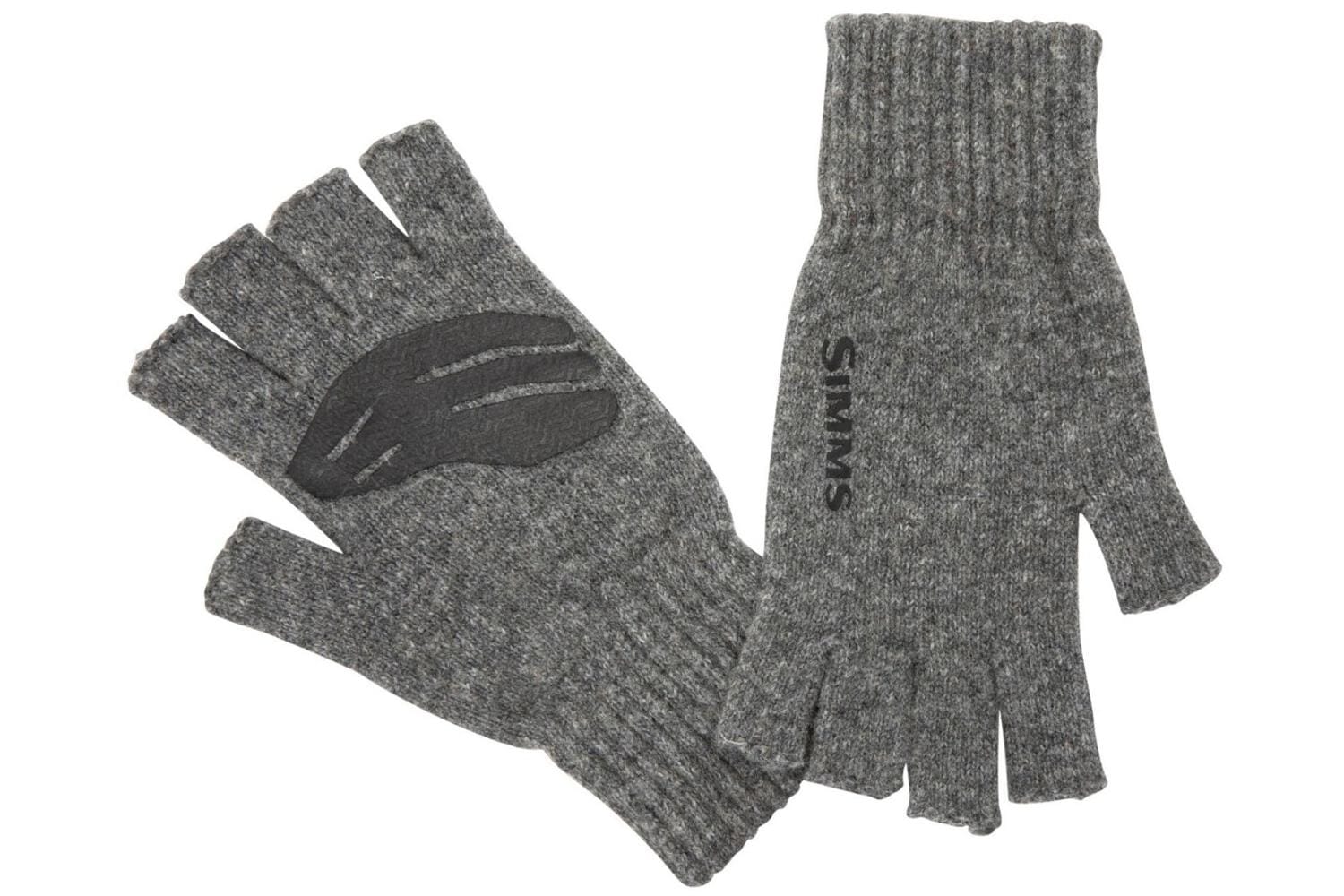
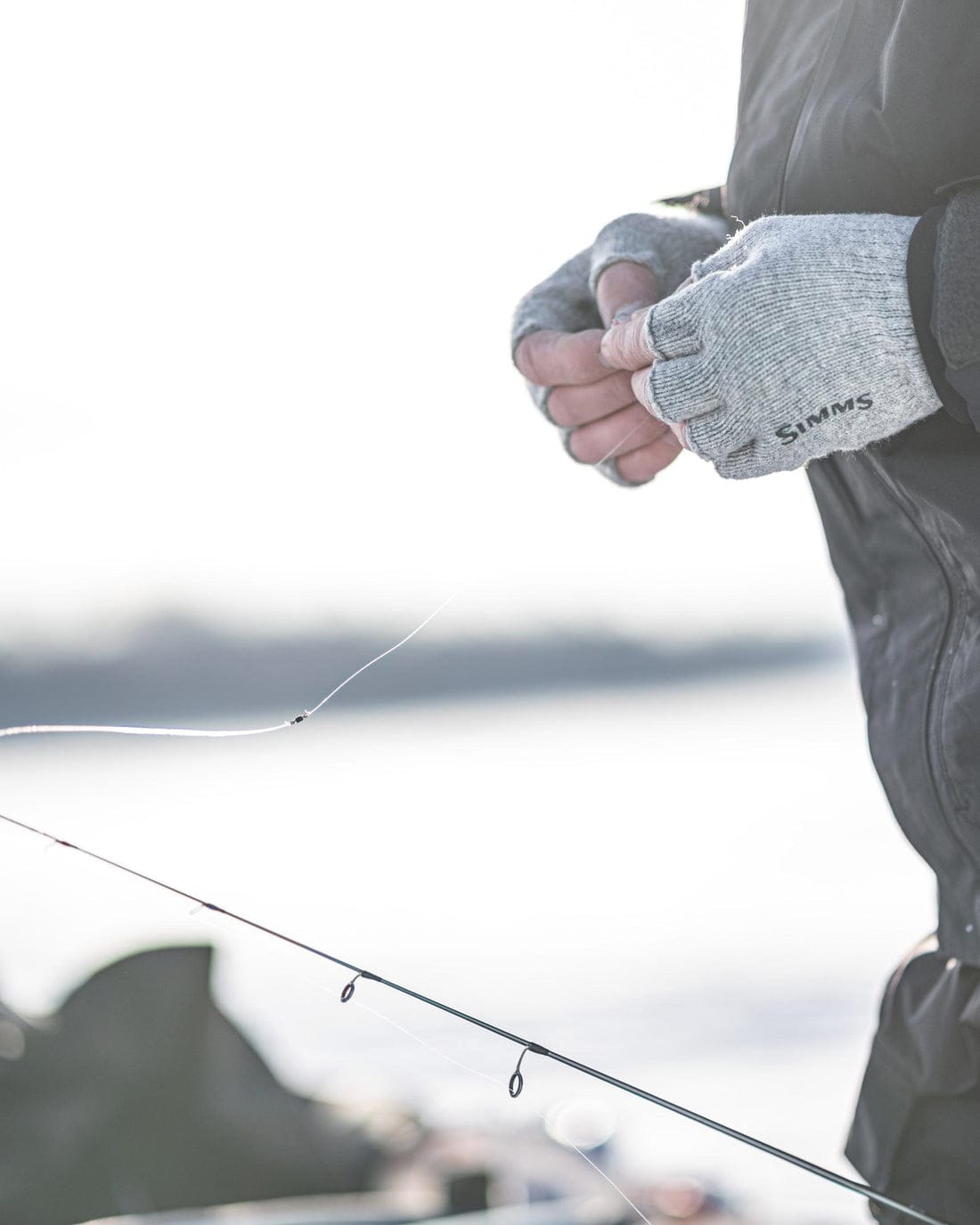
Gloves: You want tight enough for knot tying and line control, but not so tight they restrict circulation in cold wind.
Complete Your Setup
Related Gear
Fly Fishing Outerwear - Add a real shell for wind and rain when weather turns mid-day.
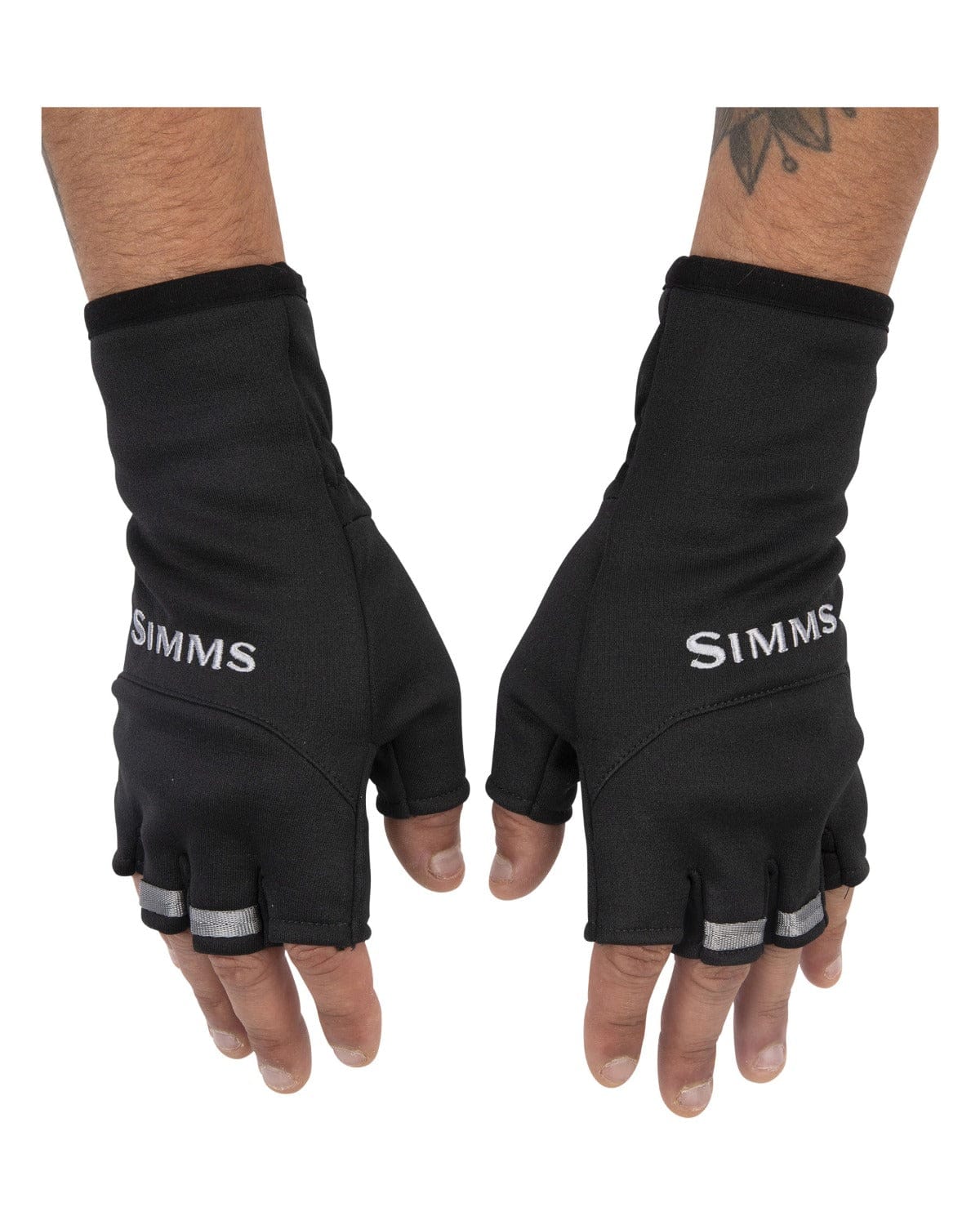
Fly Fishing Gloves & Socks - Fix cold hands, wet-wading comfort, and sun coverage without changing your whole kit.
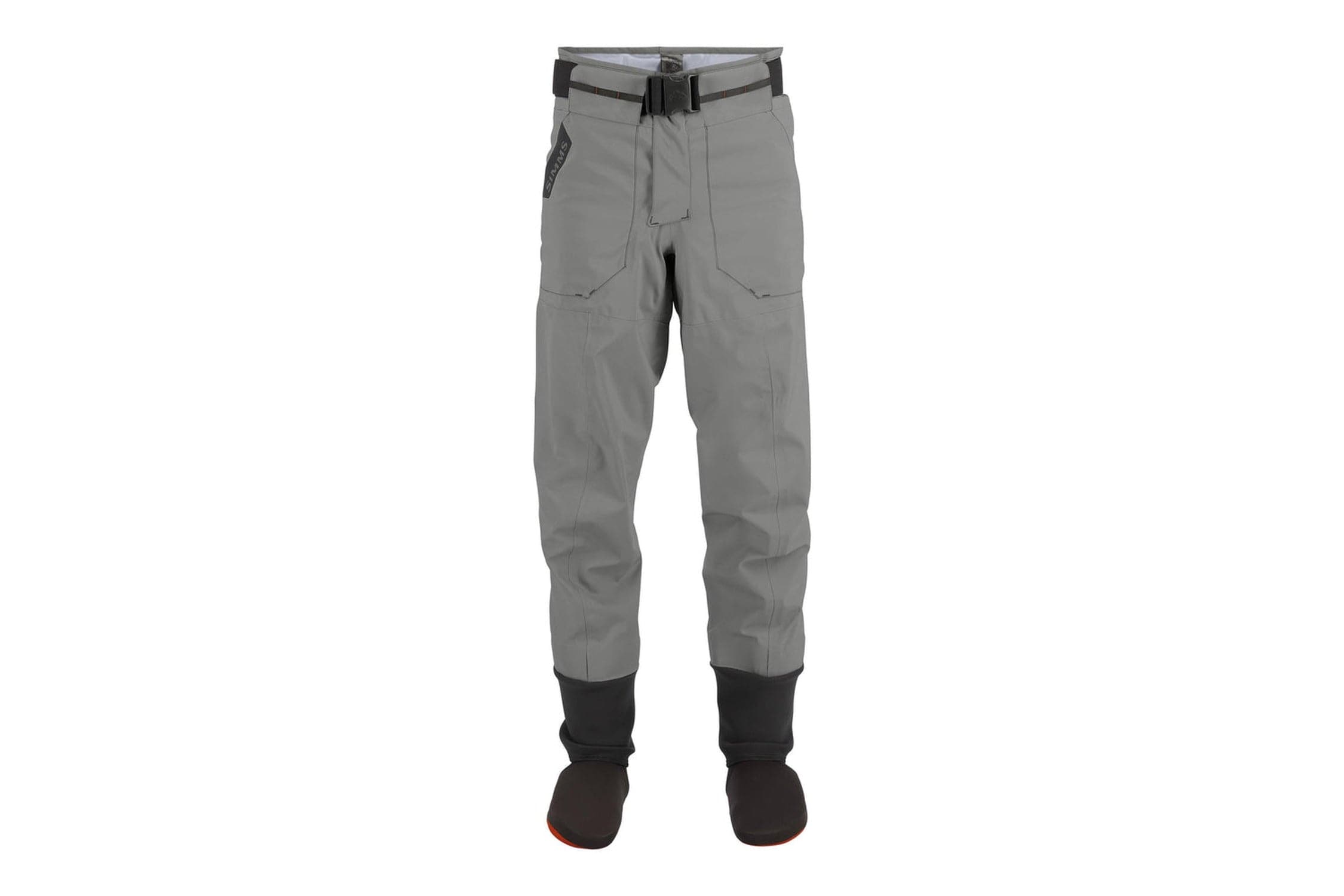
Waders - Your clothing system works best when your waders and layers fit together.
Fly Fishing Clothing - Round out your kit with sun layers, storm shells, and travel pieces.
Related Guides
Fly Fishing Clothing FAQs
Q: What counts as “fly fishing clothing” versus regular outdoor clothing?
A: Fly fishing clothing is typically built around sun coverage, quick drying, and fishing-friendly features like pocket layouts, hood design, and cuff construction. You can fish in general outdoor gear, but purpose-built pieces usually manage water, wind, and sun more comfortably.
Q: What should I wear fly fishing in hot weather?
A: A lightweight long-sleeve sun shirt or sun hoody, quick-dry pants/shorts, and sun gloves go a long way. Add a hat and polarized sunglasses, and you’re set for most summer conditions.
Q: Do I really need a wading jacket?
A: If you fish in rain, wind, or cold spray, a wading-specific shell makes life easier over waders and keeps pockets usable. If you only fish fair-weather summer days, you may get more value from sun and bug layers first.
Q: What’s the difference between wet-wading socks and regular socks?
A: Wet-wading socks are designed to add cushioning, insulation, and grit protection inside wading boots. Many are neoprene and built to pair with boots in water without getting baggy or bunching.
Q: Should I size my jacket differently if I wear chest waders?
A: Yes, plan for layering room through the shoulders and chest, and make sure you can cast and row without binding. Wading jackets are often shorter in the hem on purpose, but you still want enough room for a midlayer underneath.
Q: What are the most useful clothing upgrades for beginners?
A: Start with sun protection (long sleeves, hood, gloves) and comfortable socks. Those two upgrades improve comfort fast and help you fish longer in more conditions.