


Grey Drake Spinner Dry Fly Pattern | Fly Tying Tutorial
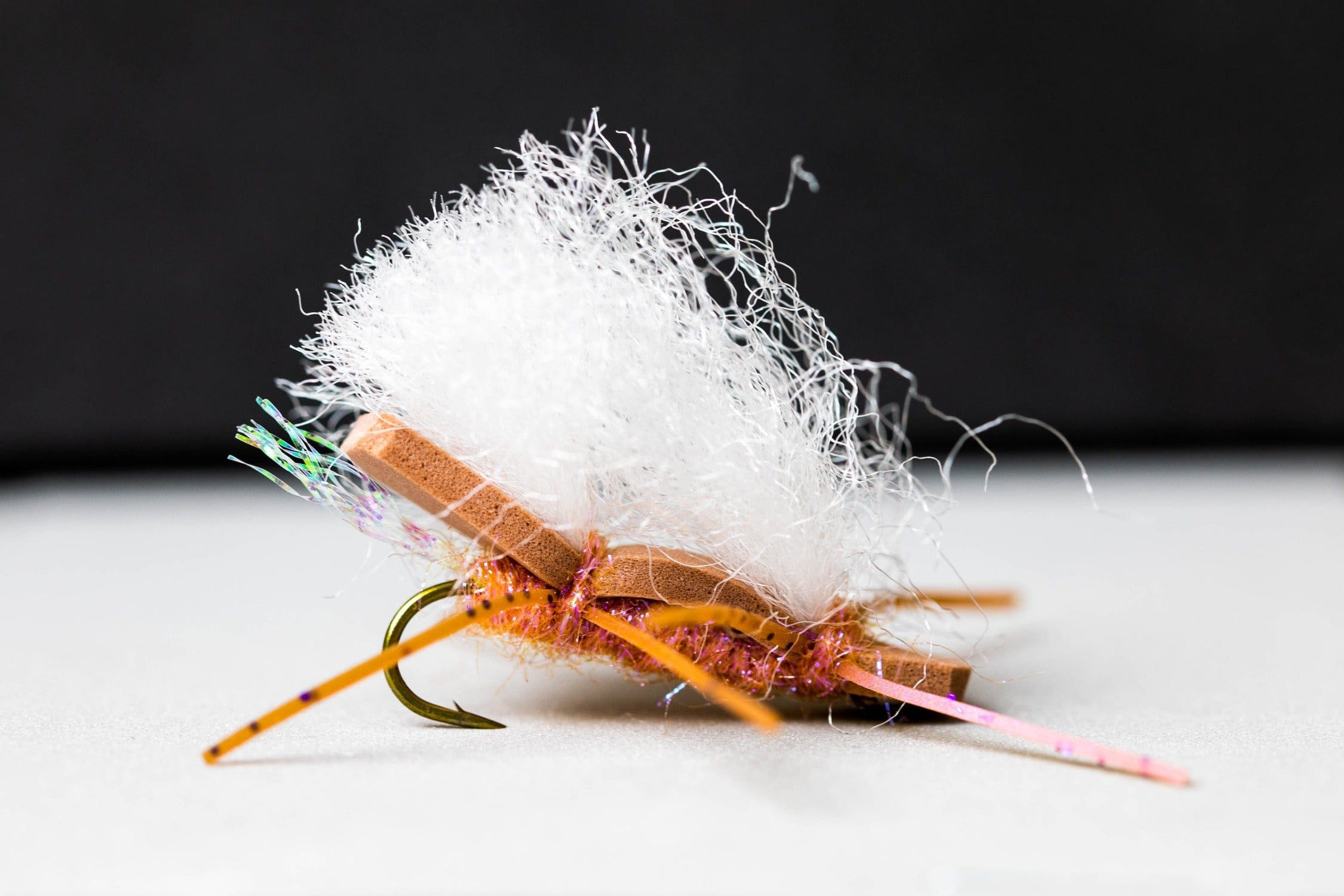
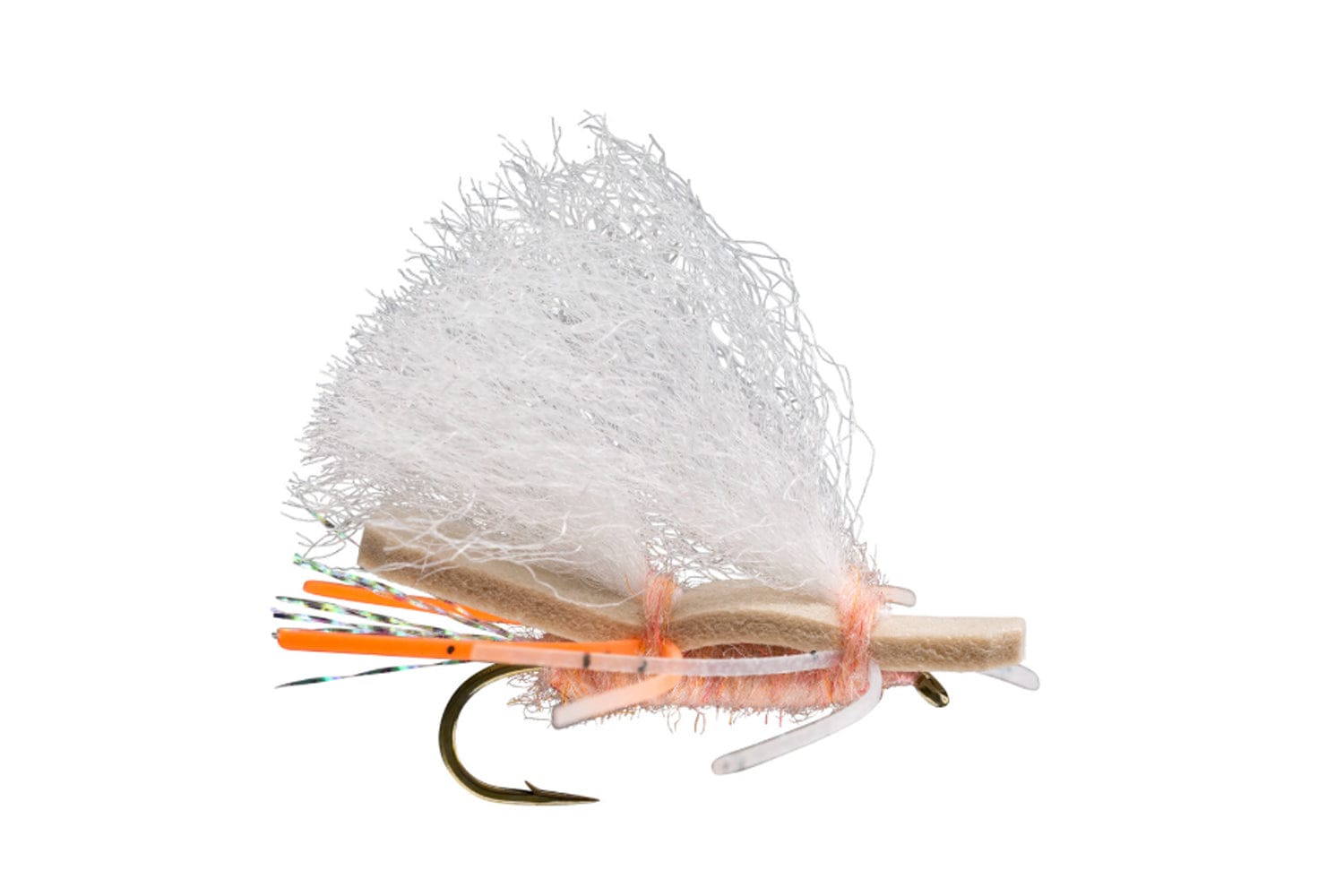
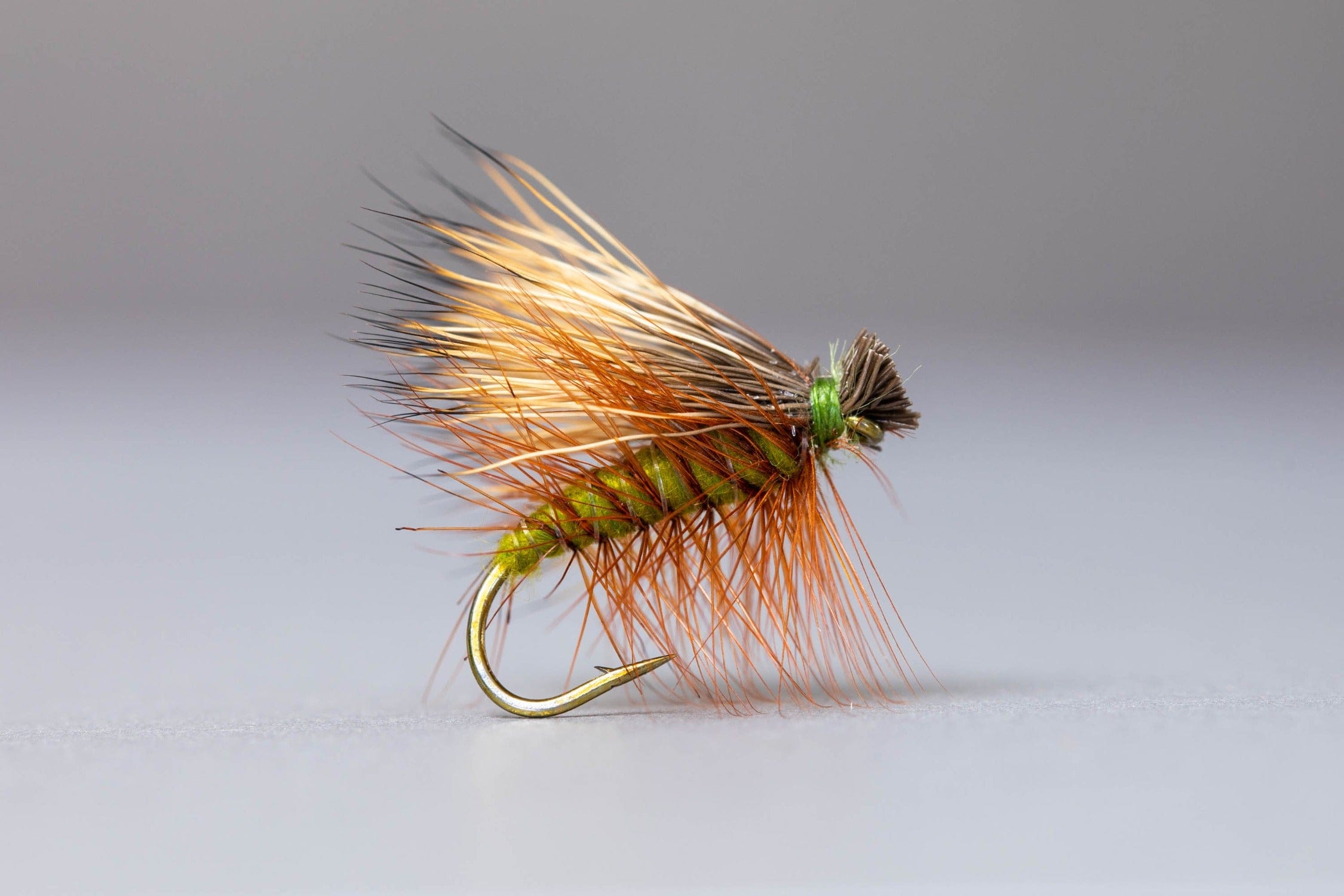
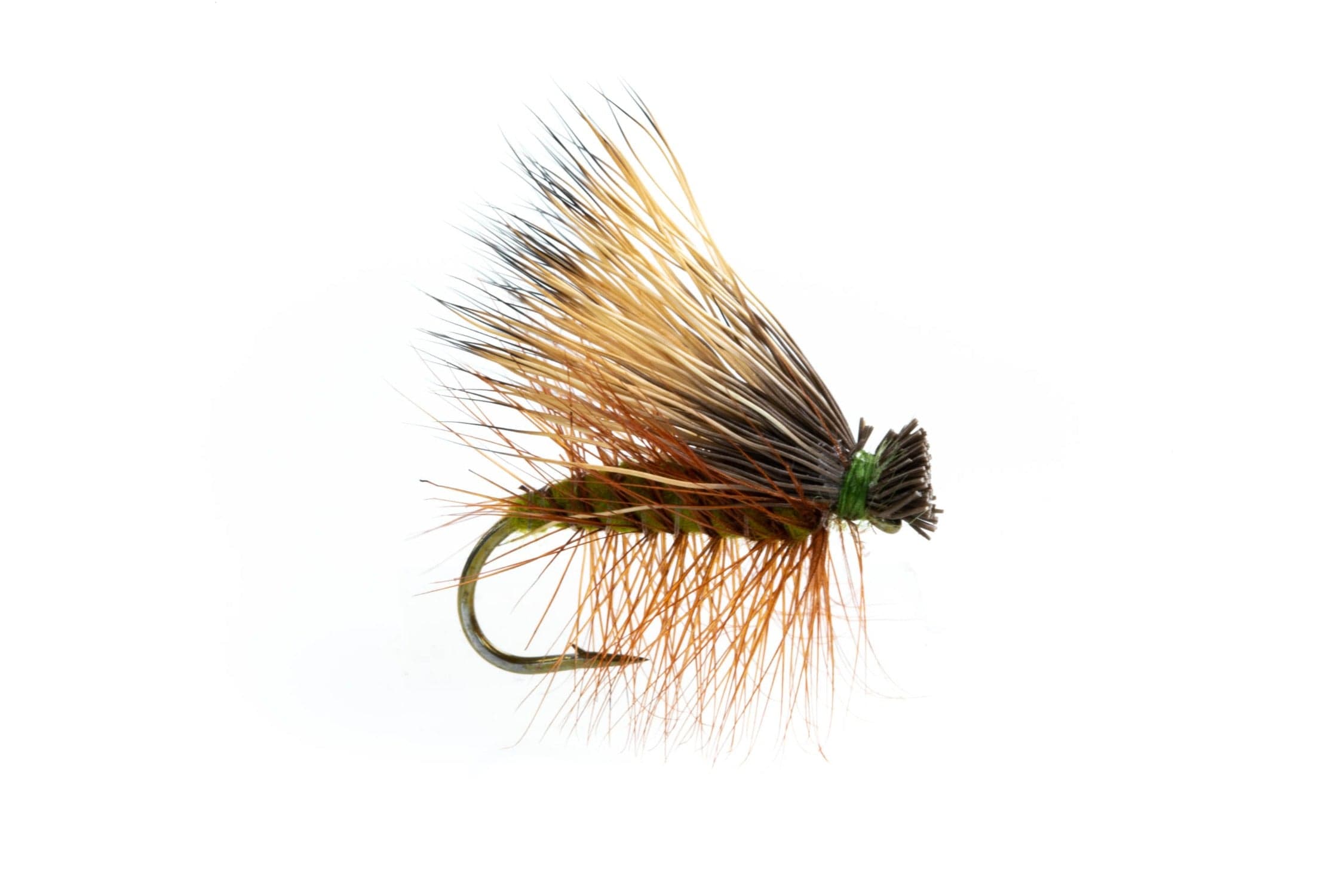
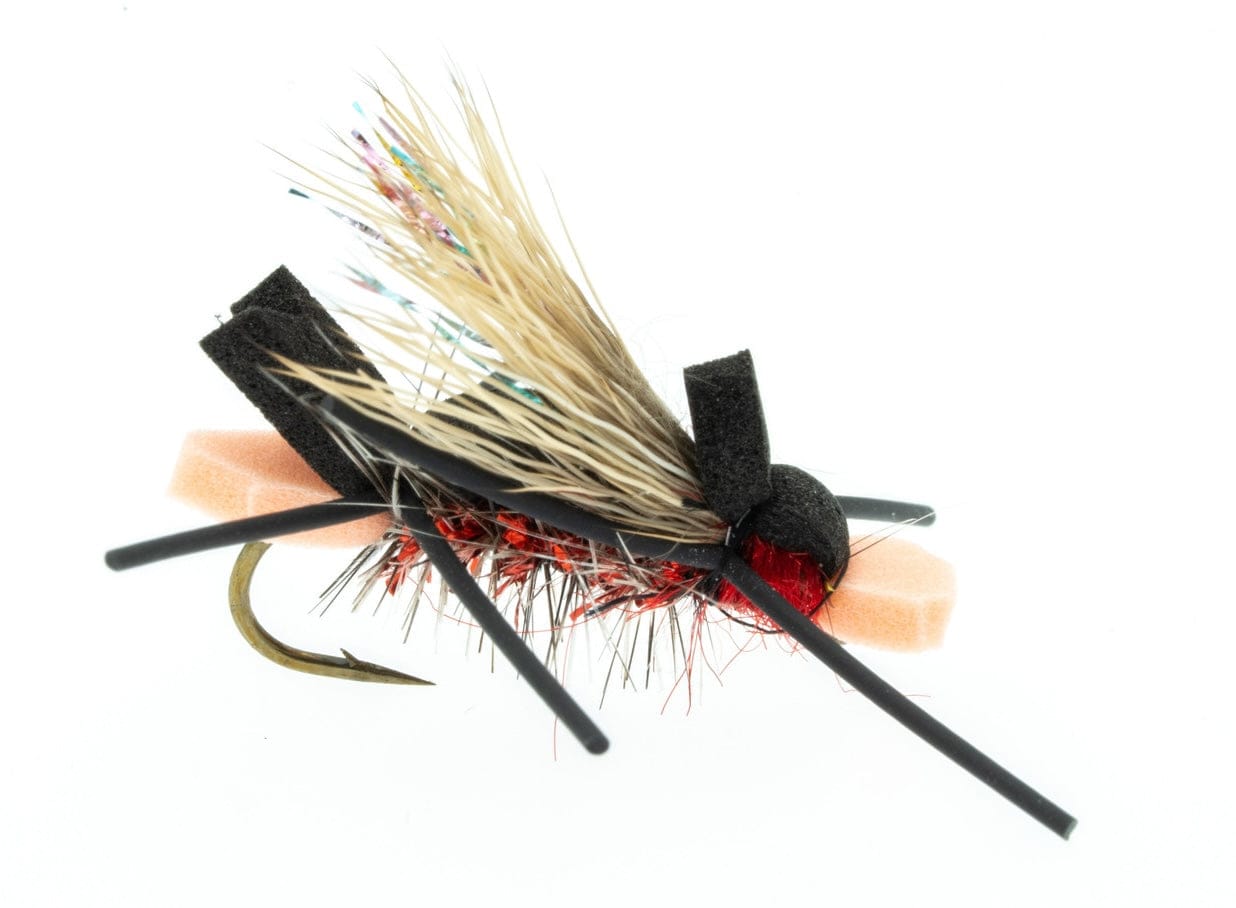
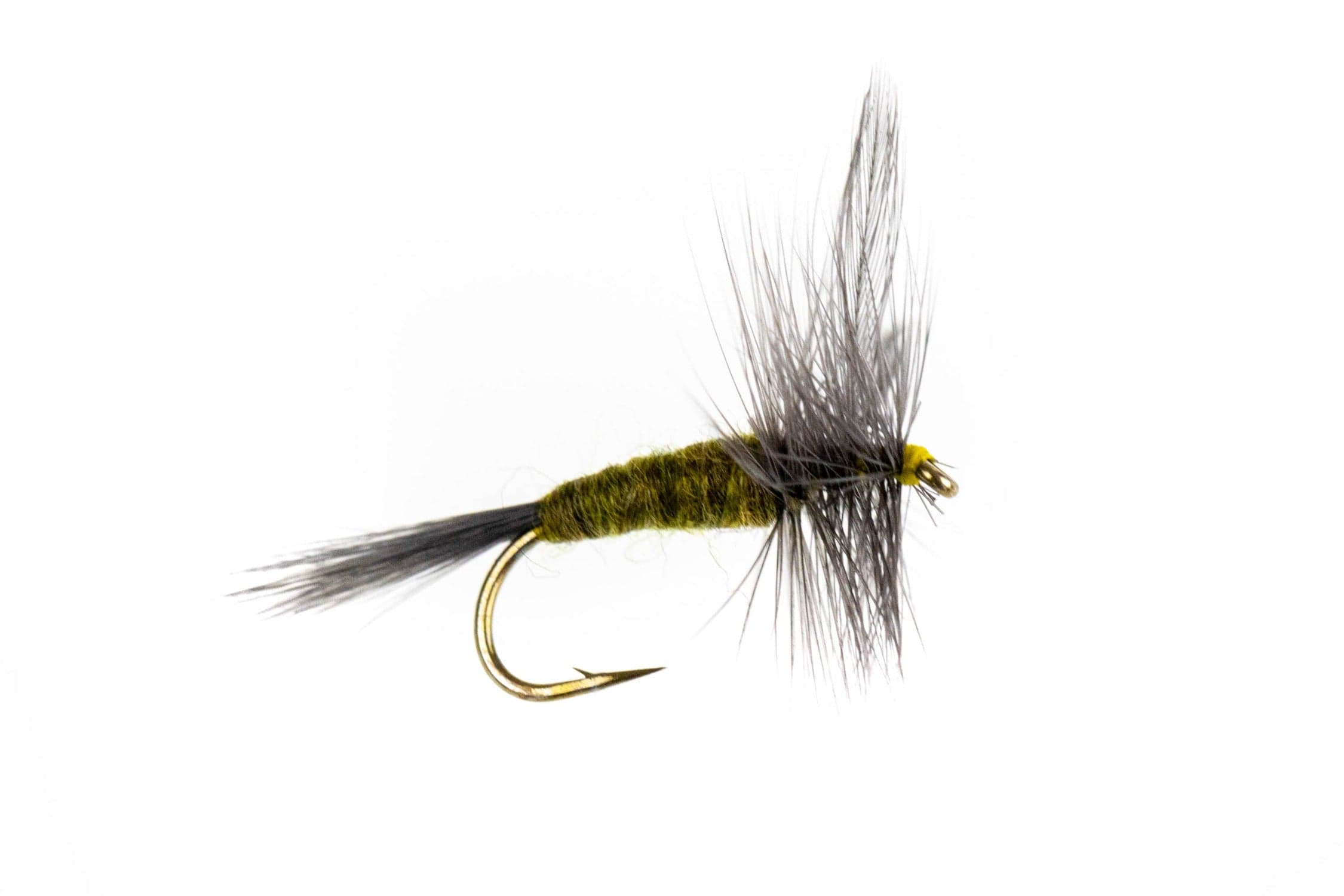
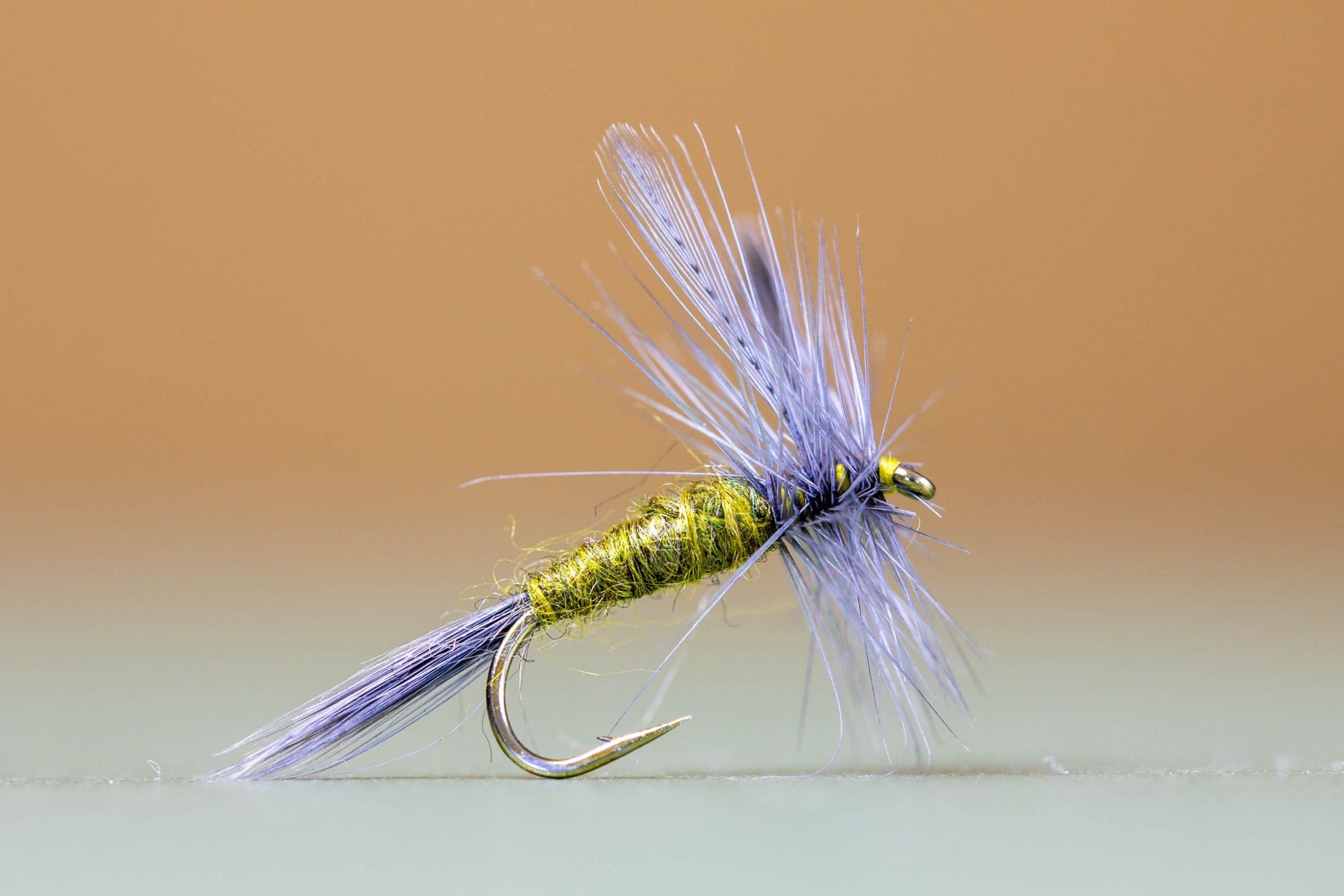
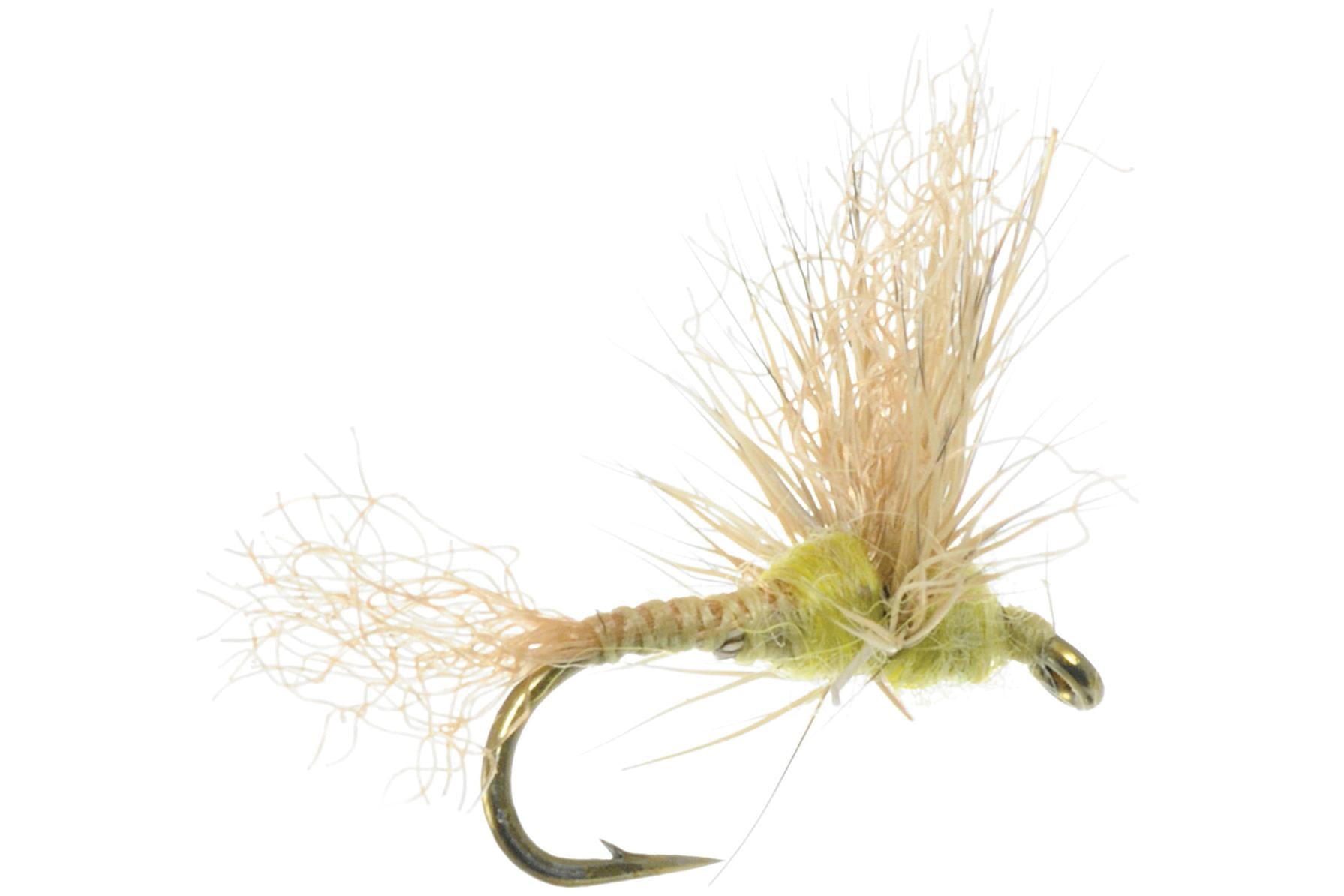
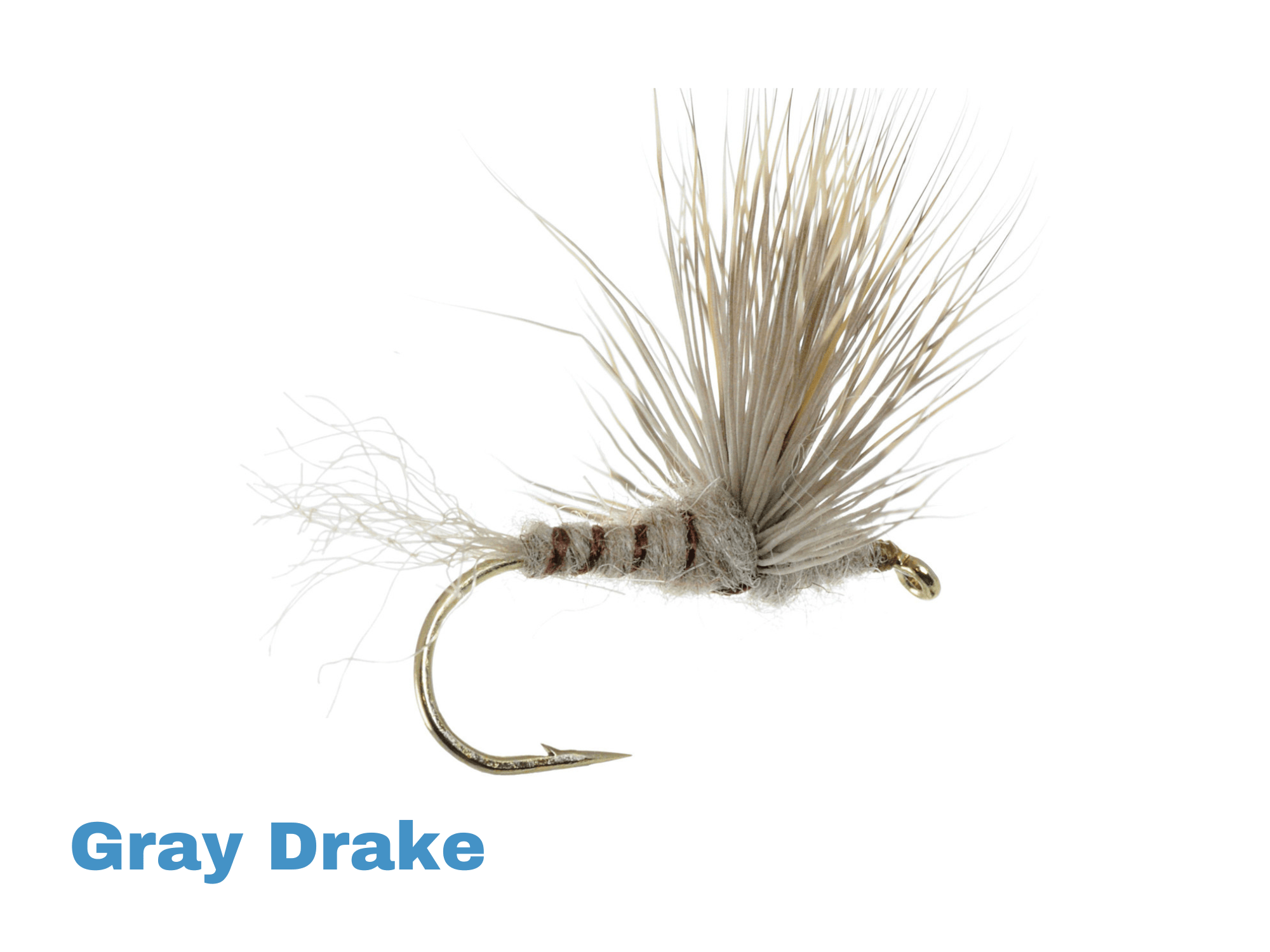
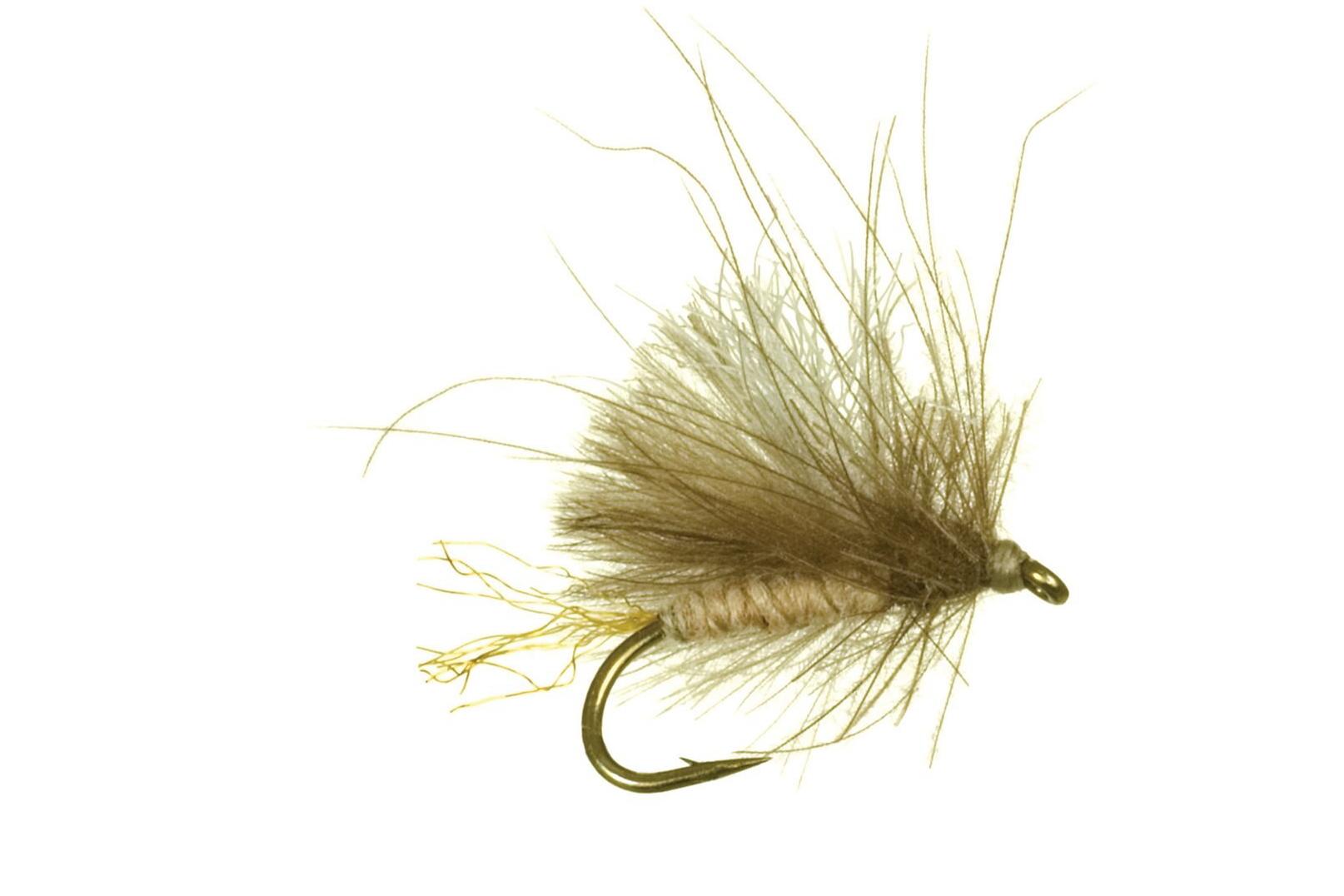
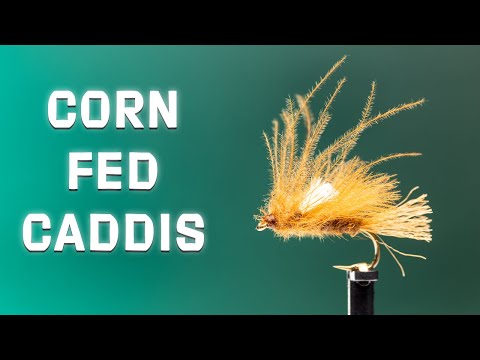
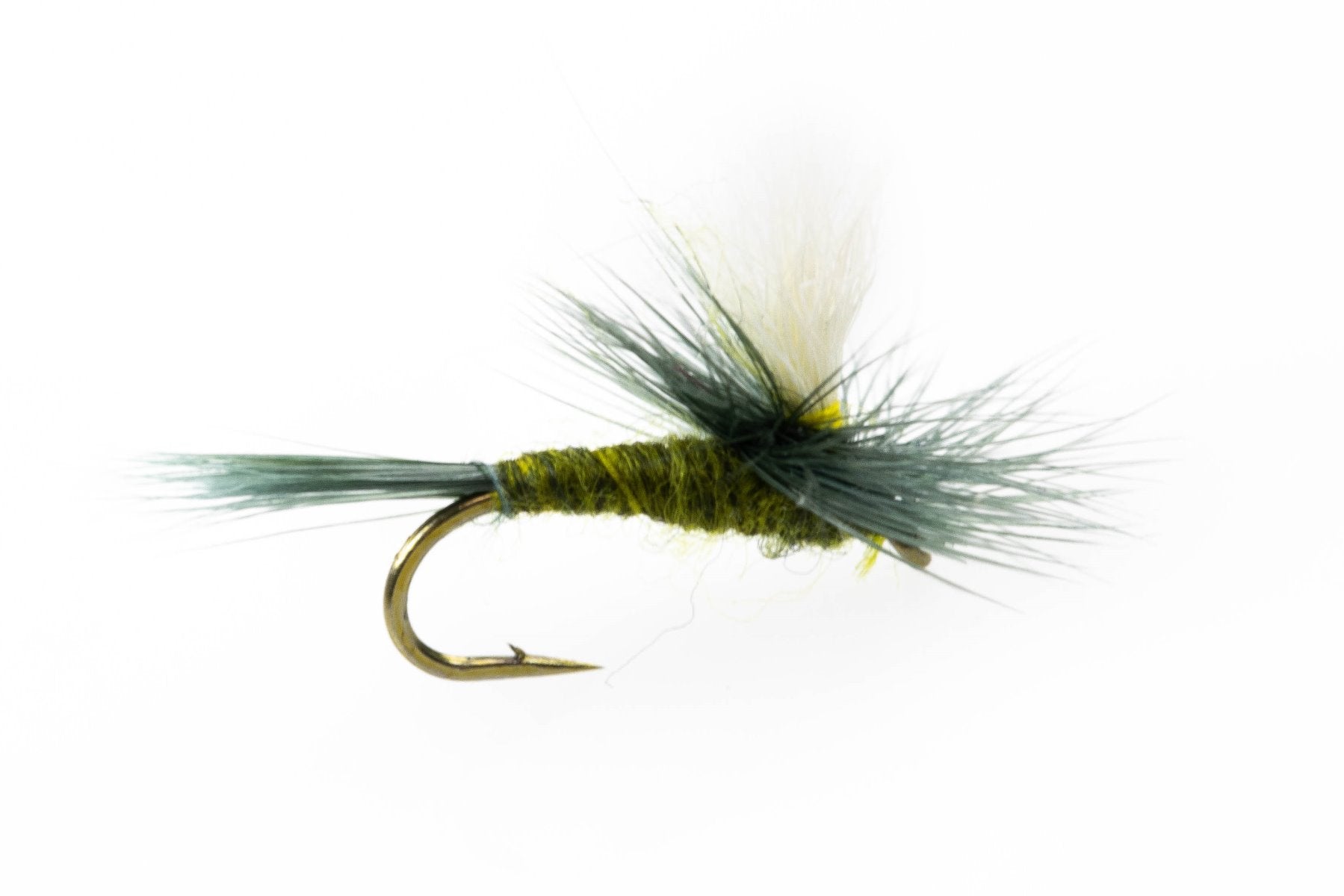
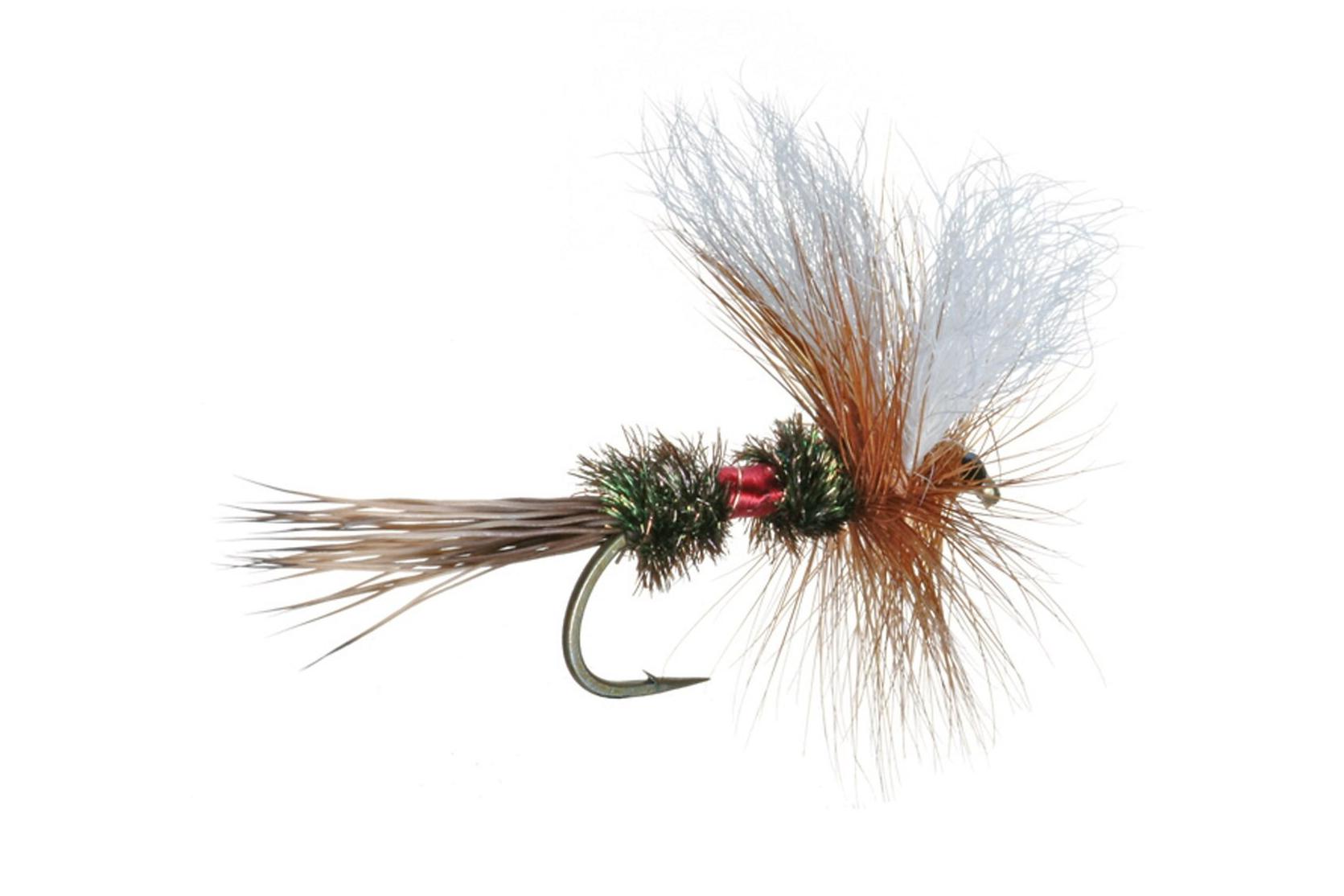
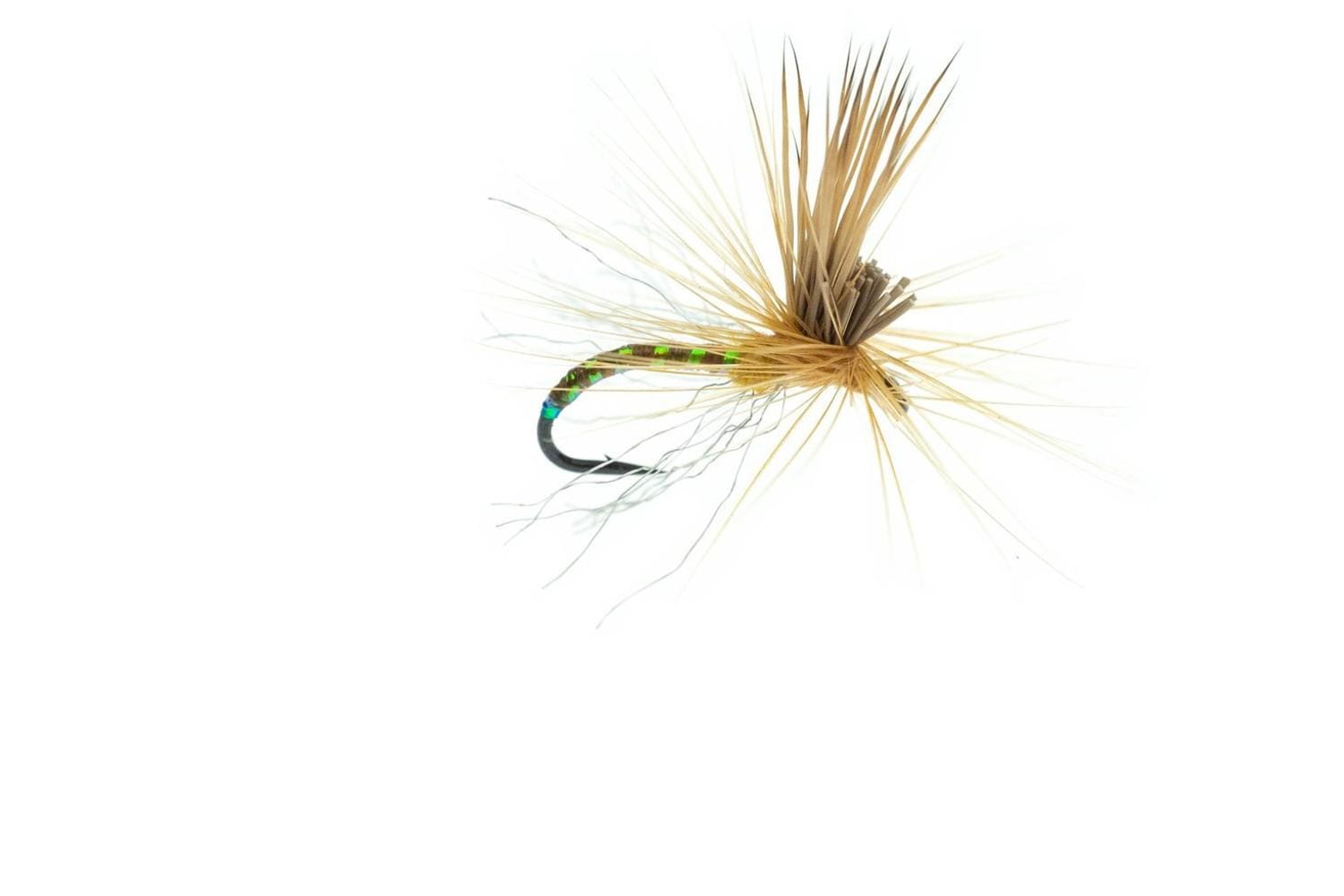
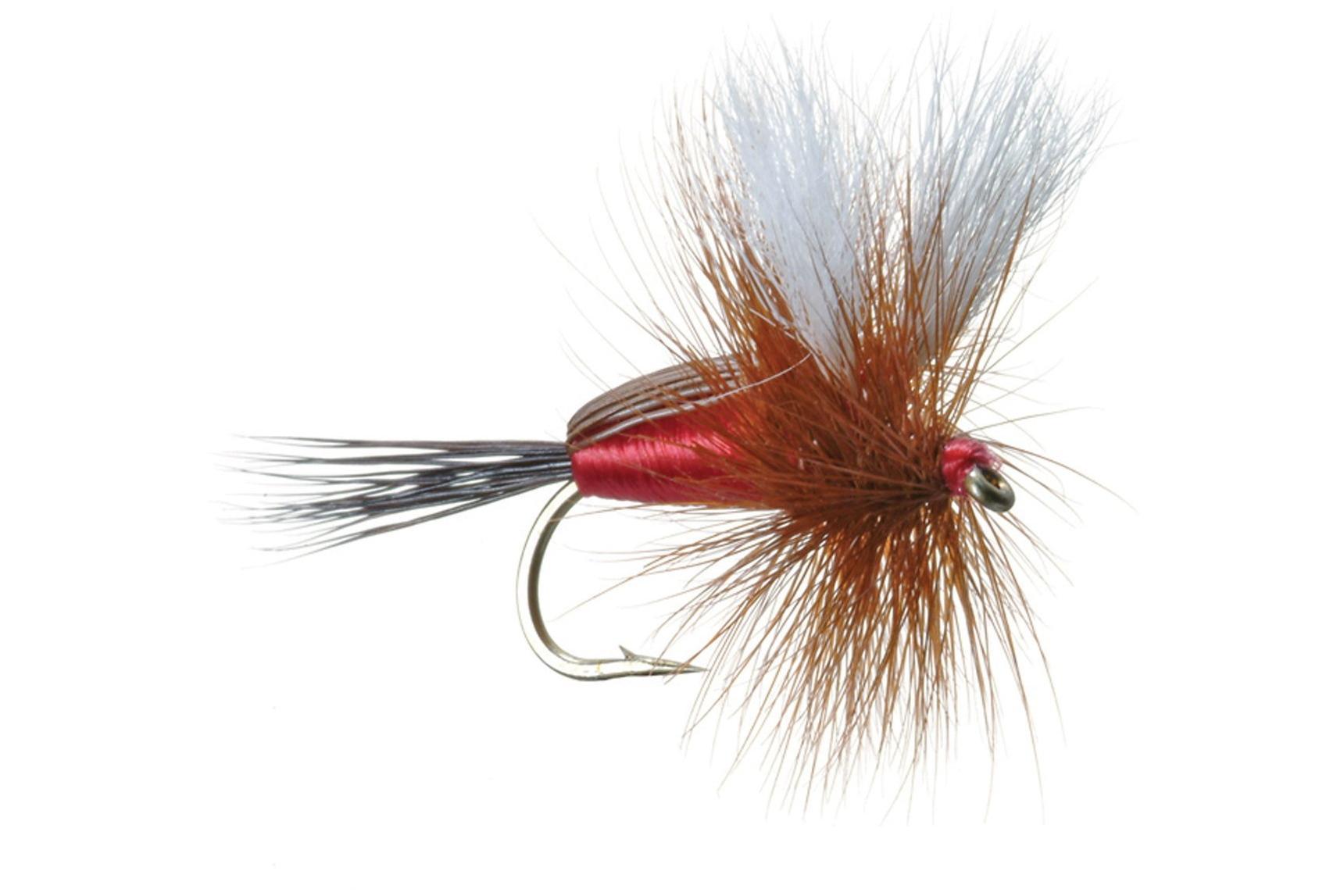
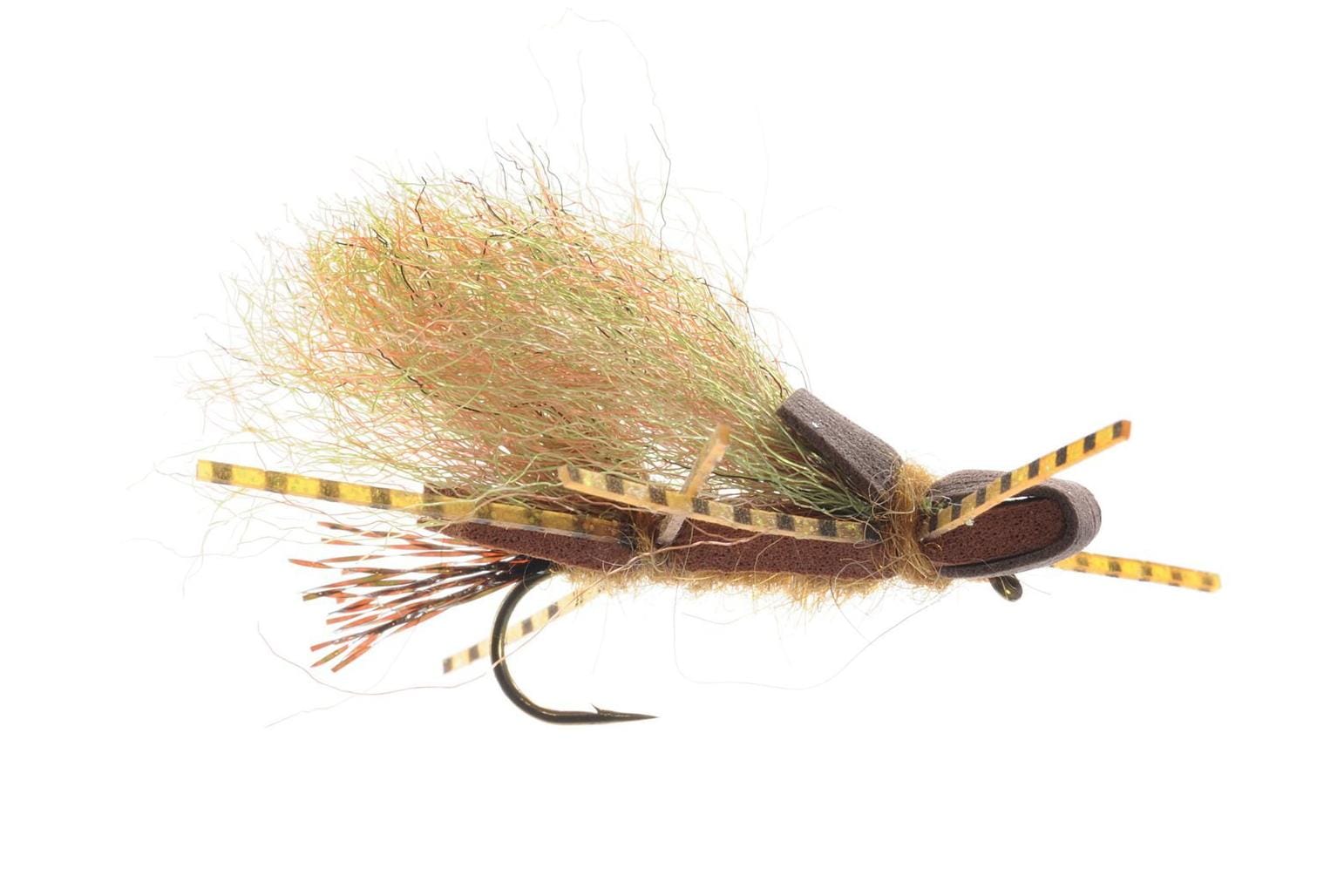
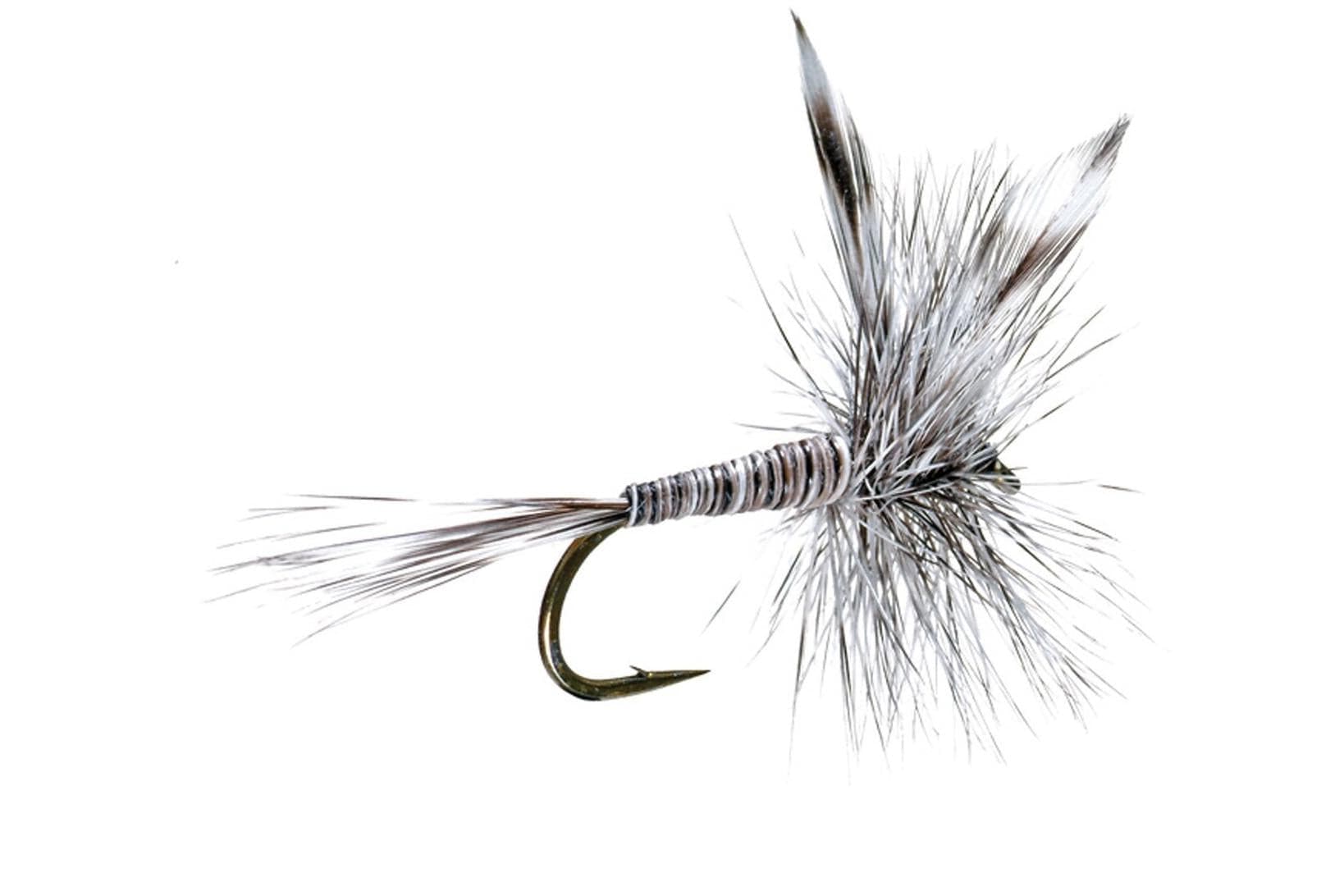
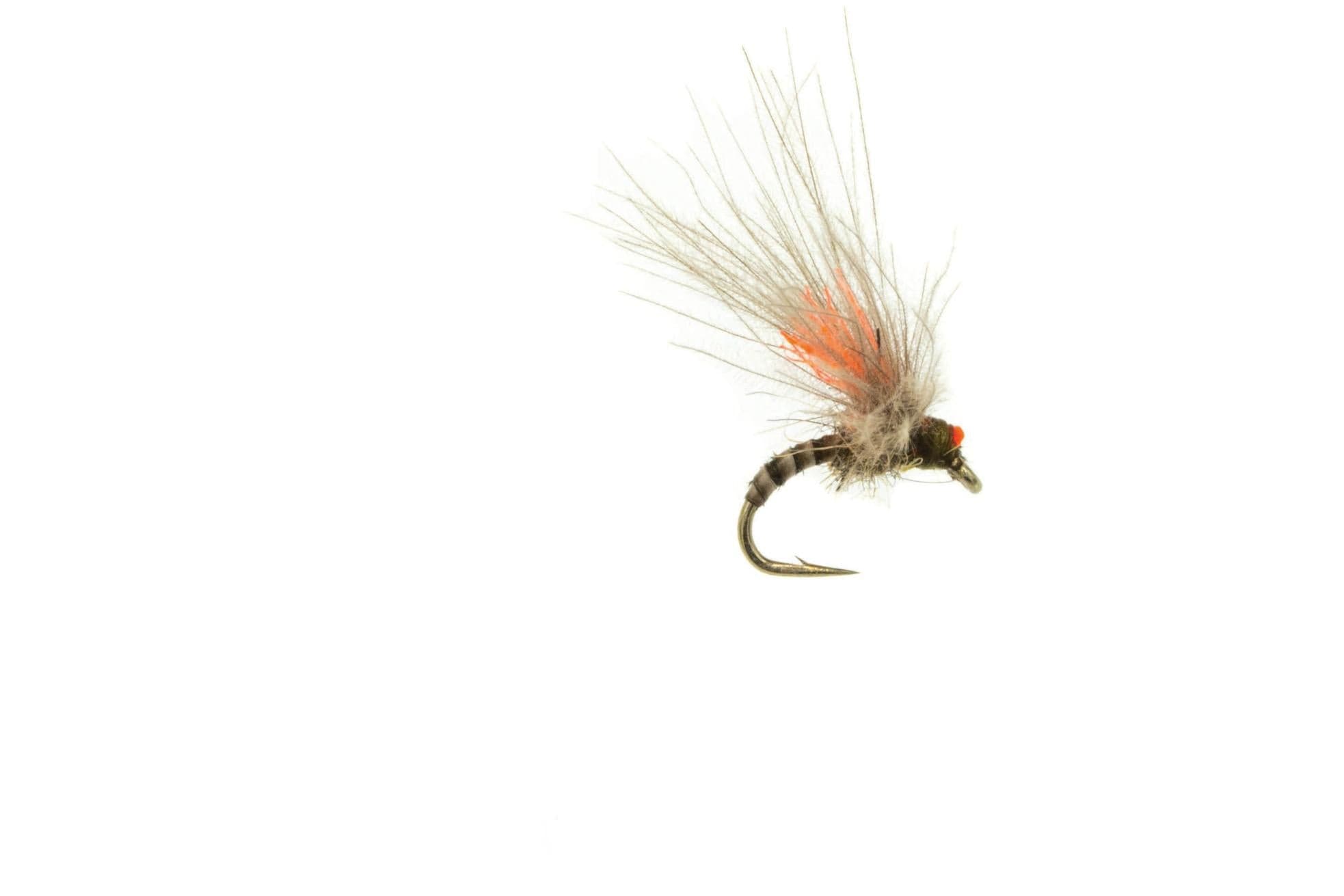
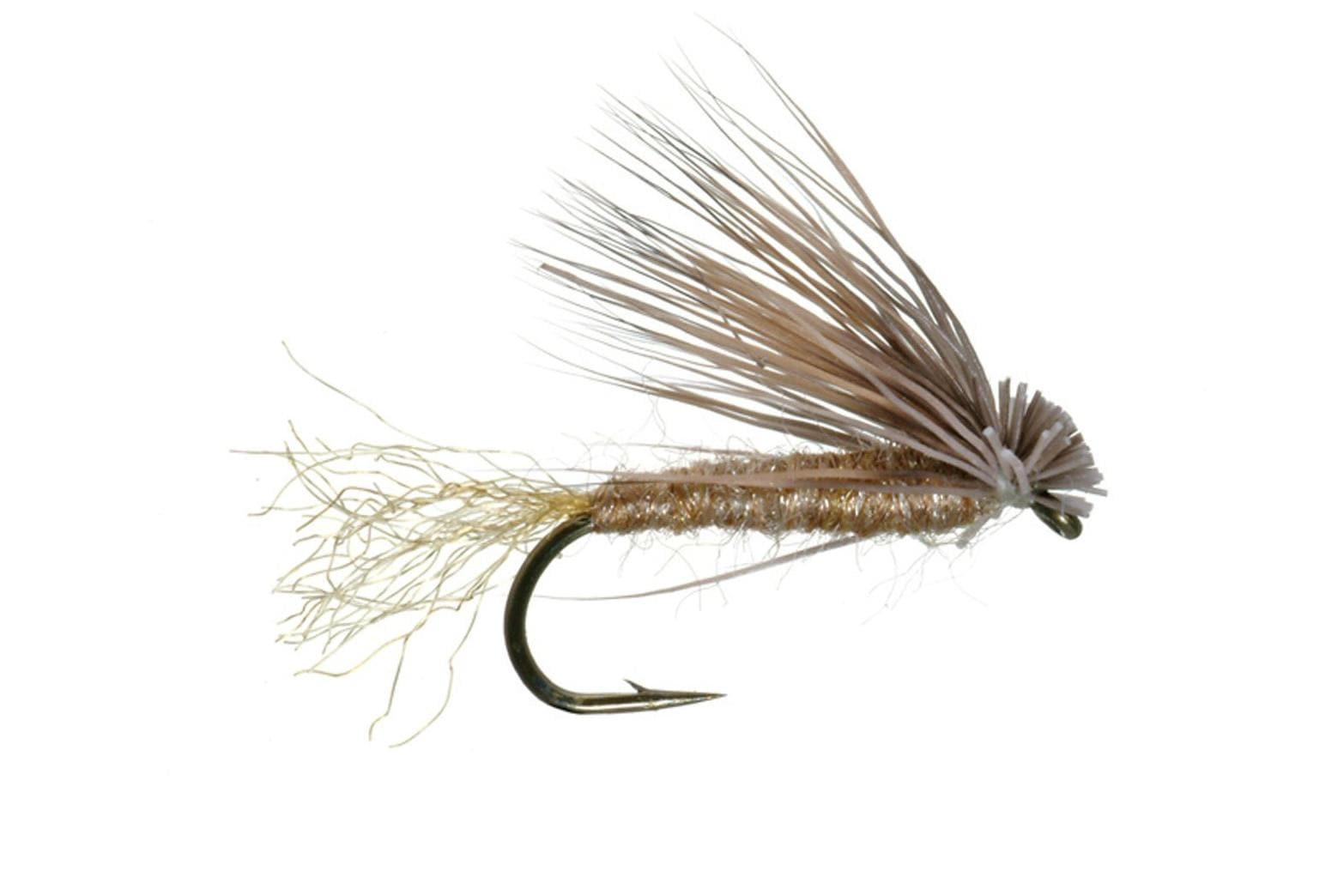
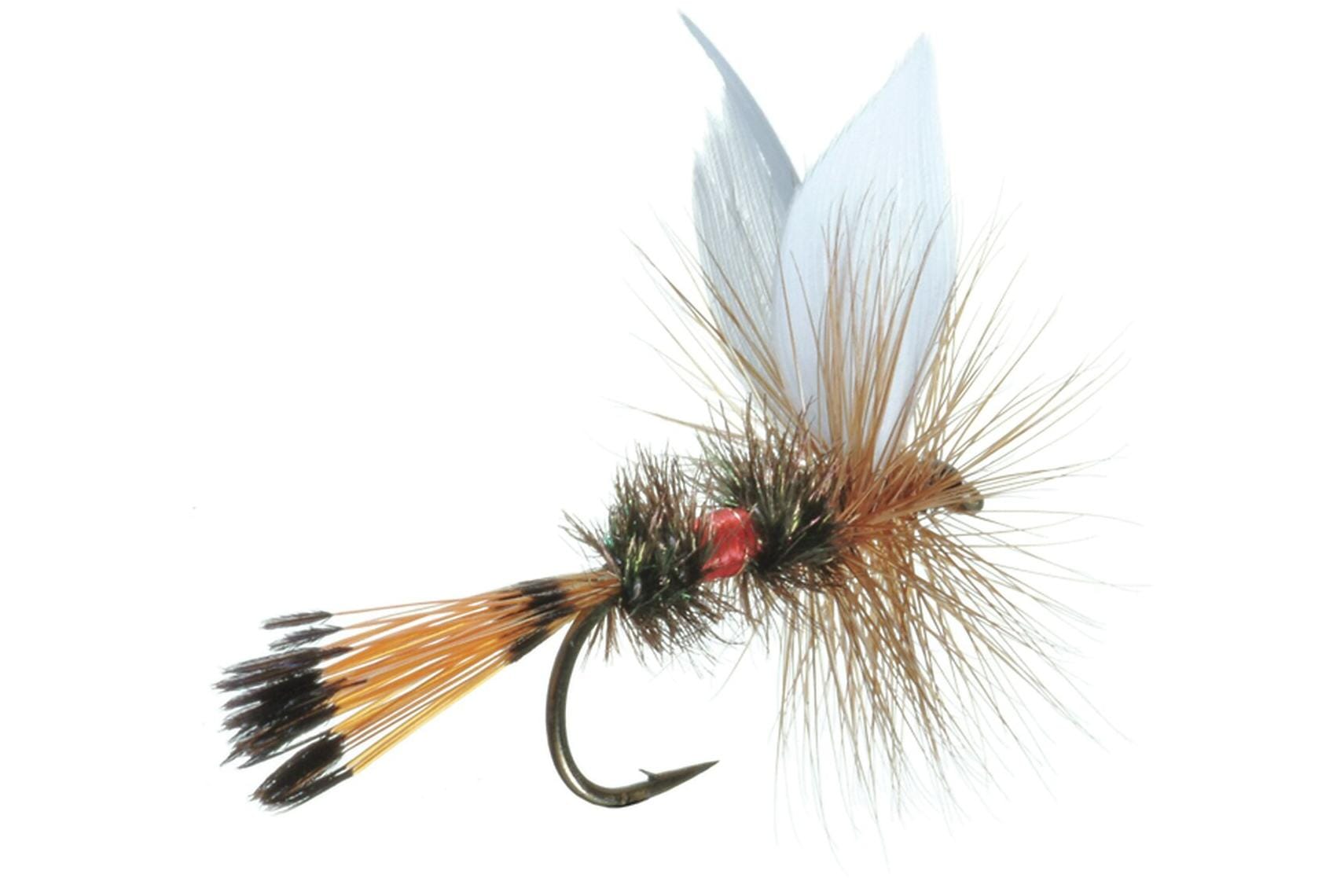
Dry Flies and Spinners Quick Picks
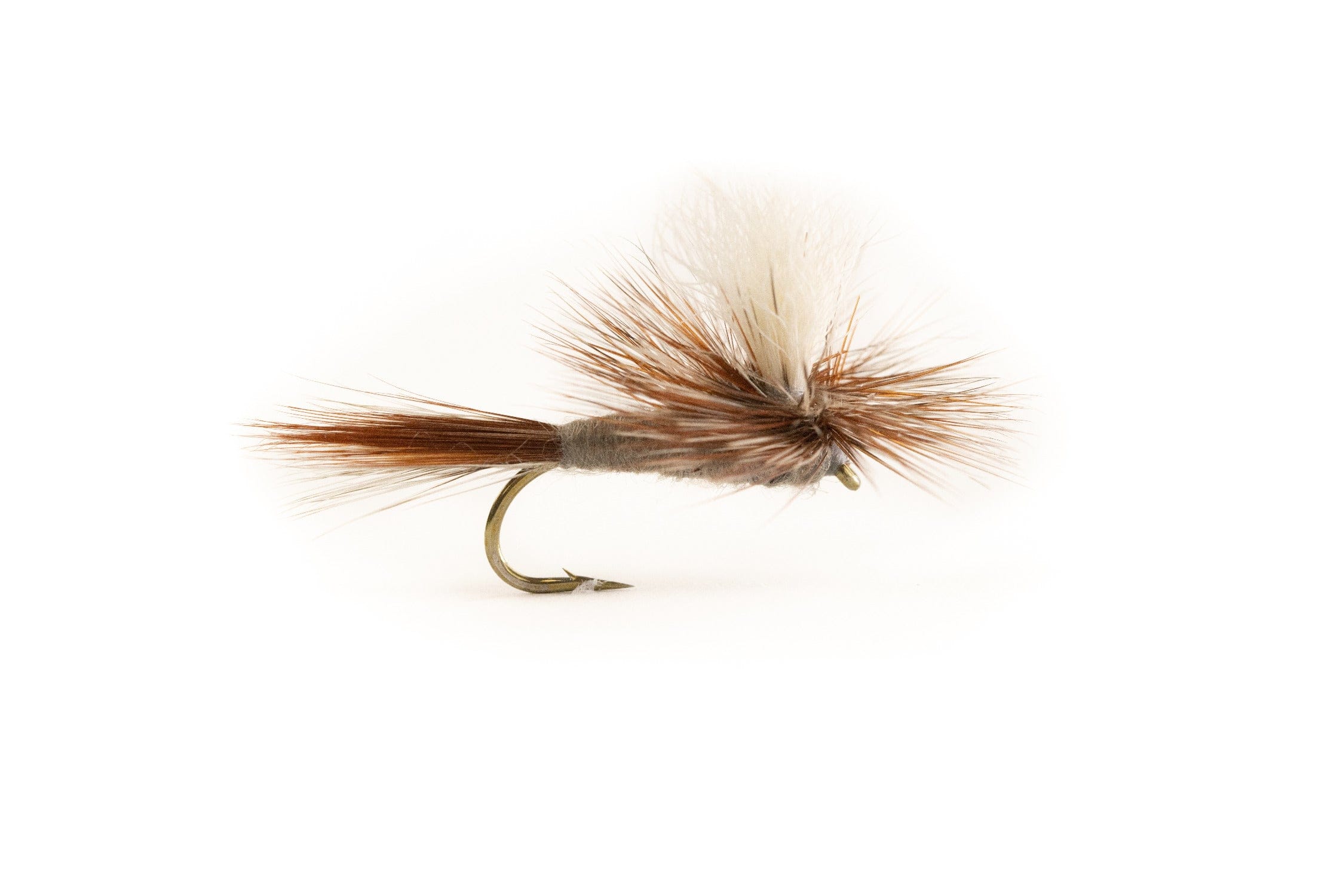
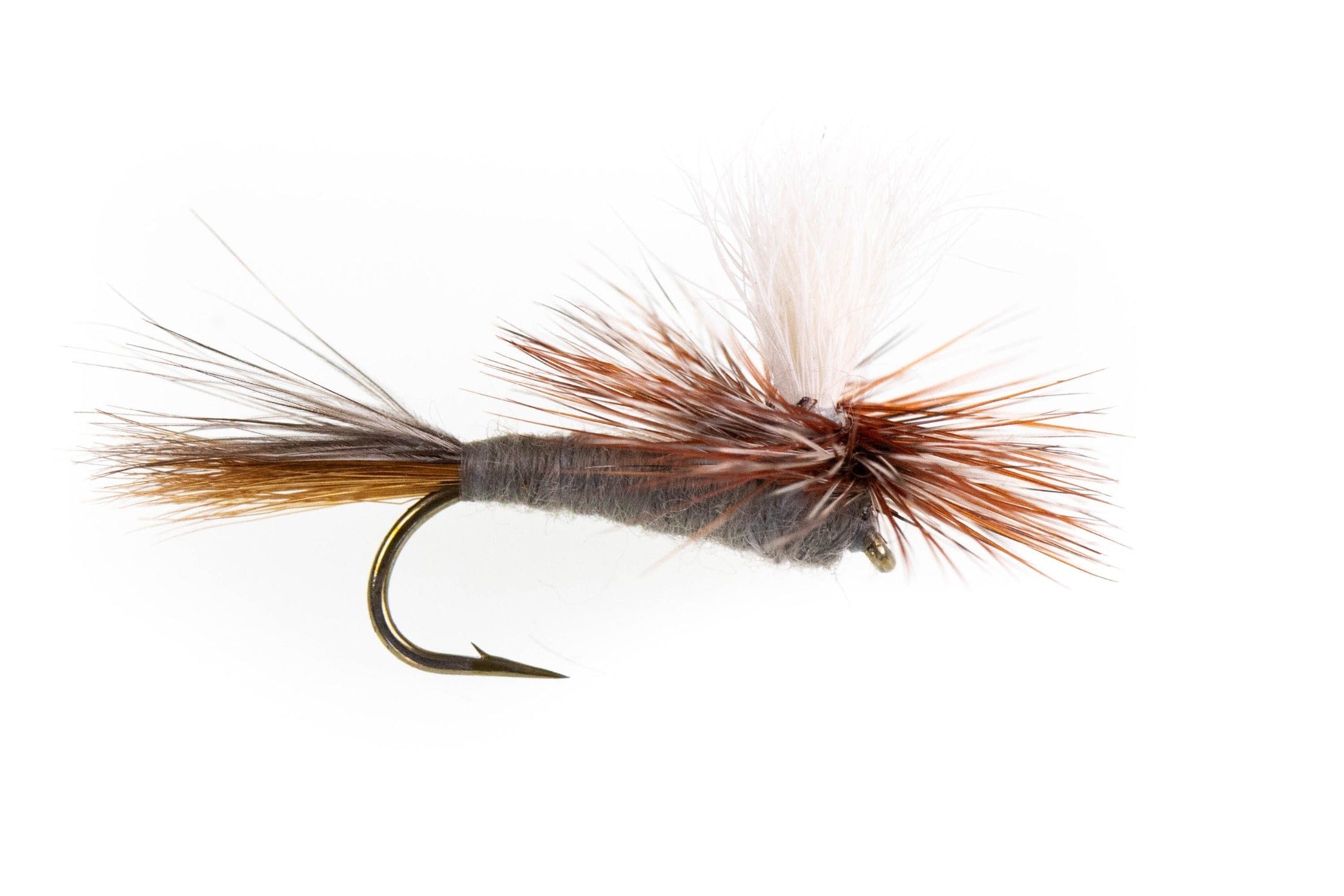
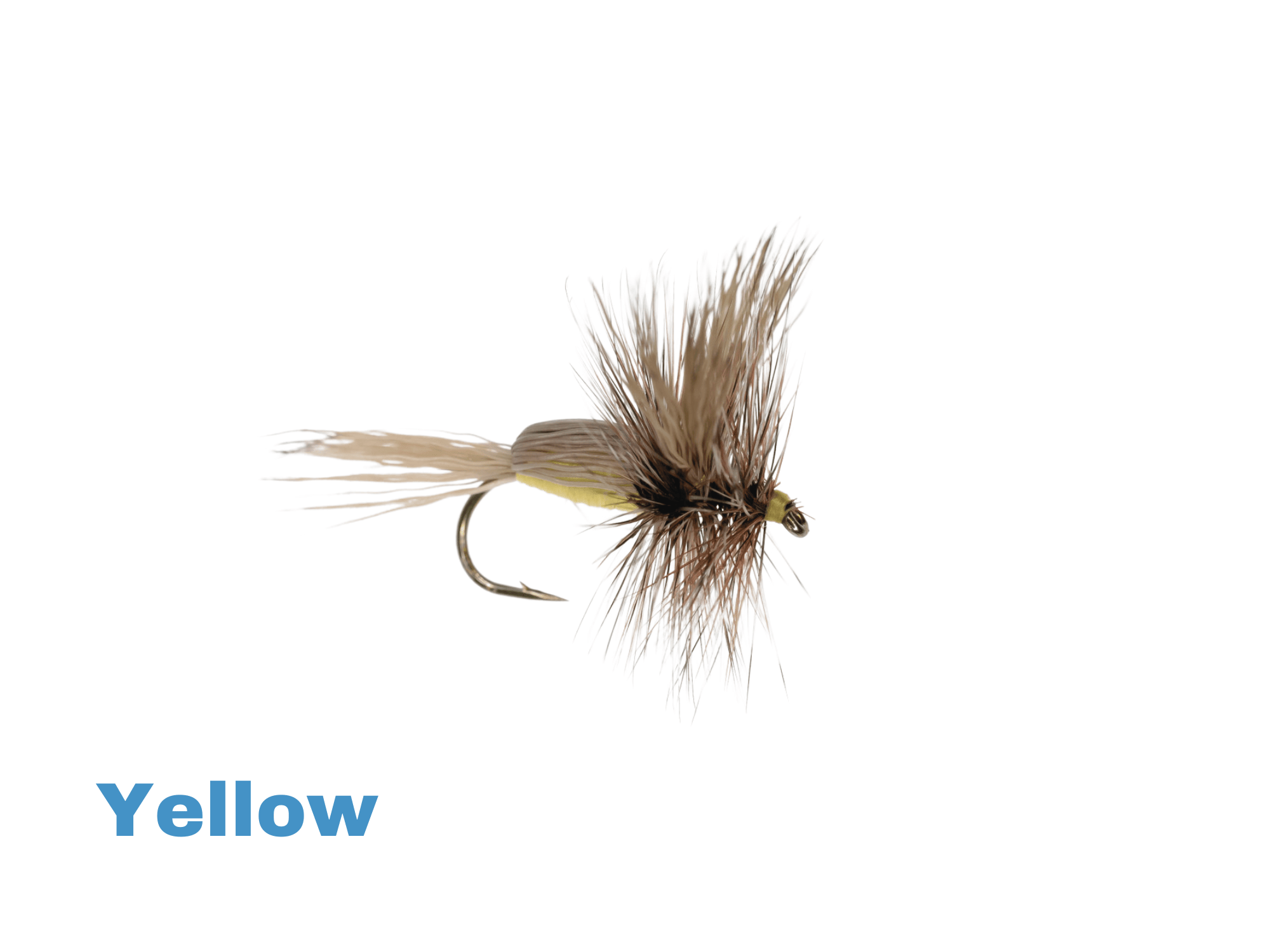
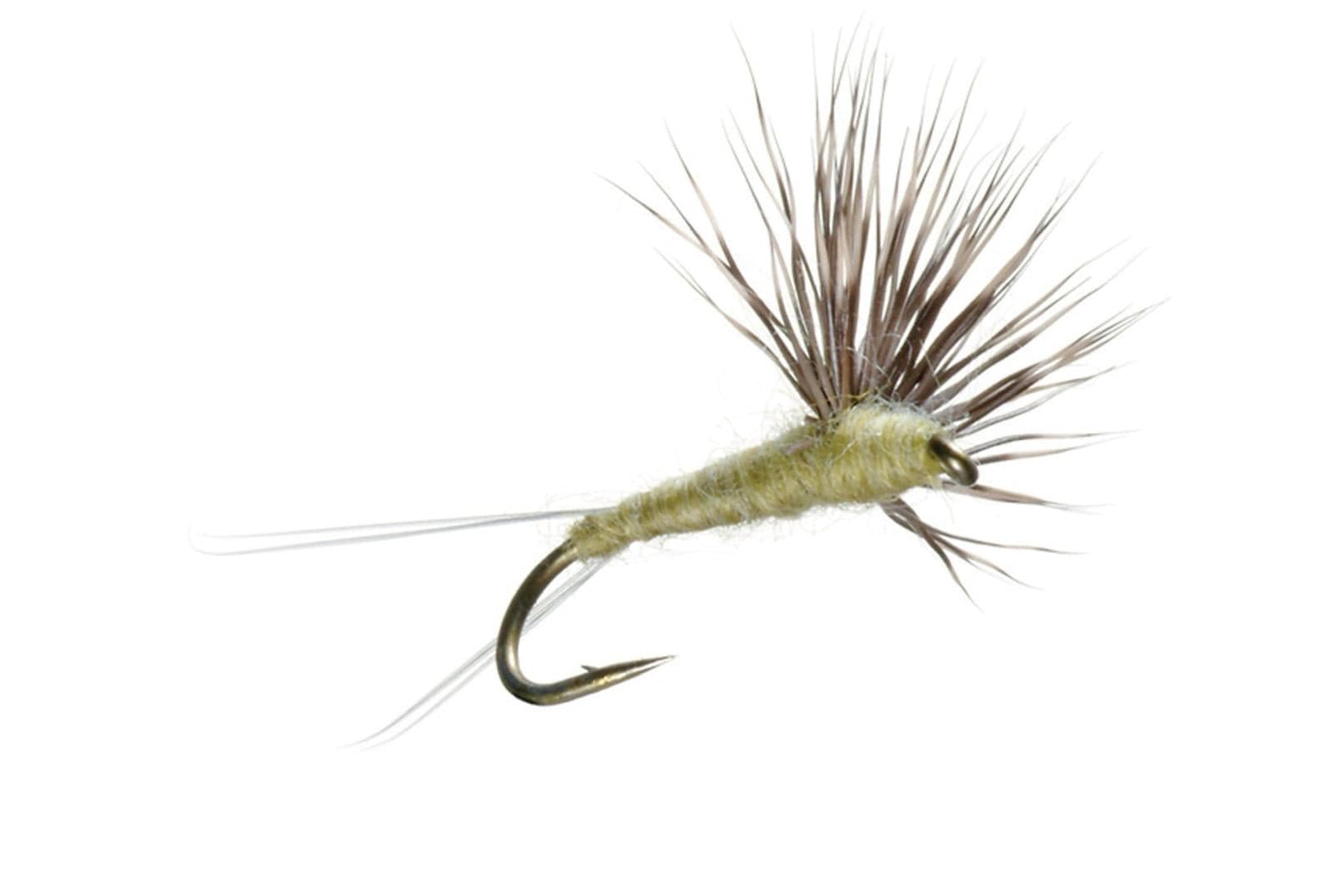
- Best All-Around: Rusty Spinner Fly - A go-to spent-wing mayfly spinner for anglers who want one pattern that covers a lot of evening water. The rusty body tone and slim profile help it pass for multiple mayfly species during spinner falls.
- Best for Technical Tailwaters: Clear Wing Spinner Fly - Built for picky trout feeding on tiny Tricos when they’re lying flush in the film. The slim thread body and obvious spread wings keep the silhouette realistic in small sizes.
- Best for Trico Mornings: Chubby Trico Spinner Fly - A strong choice when you’re seeing clouds of Tricos and consistent sipping rises. The slightly fuller profile helps match the bulkier Trico thorax while still riding right in the surface.
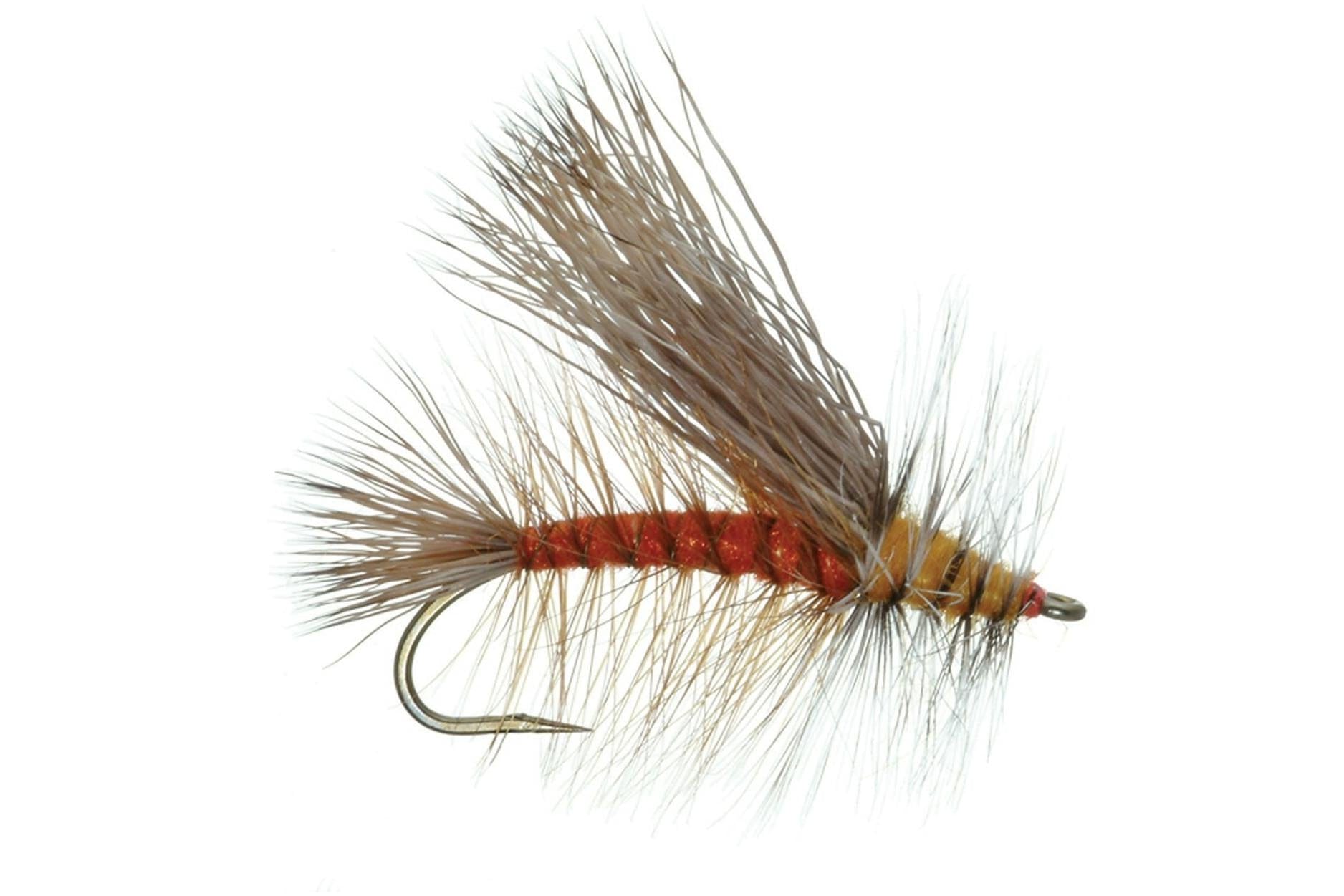
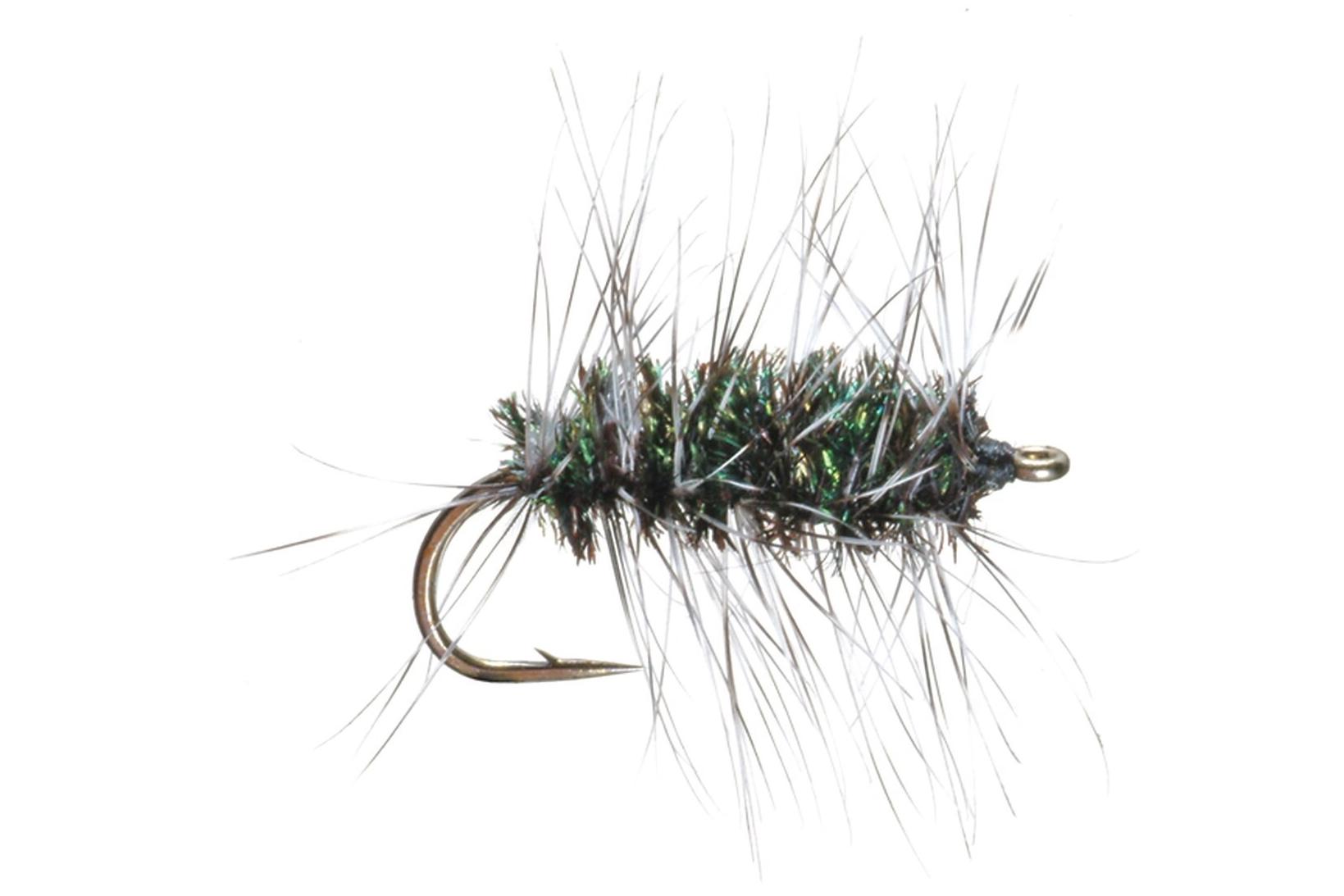
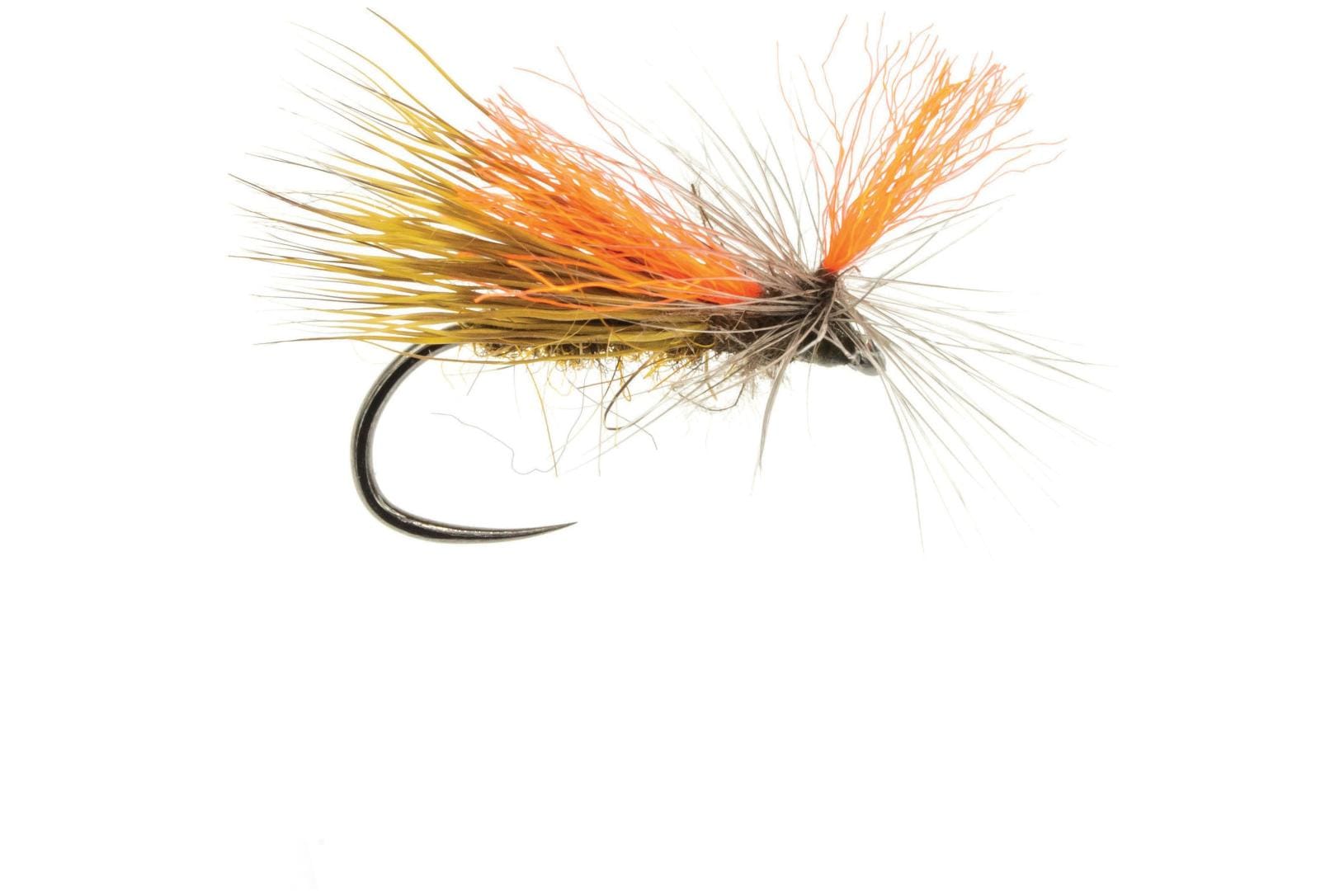
- Best Attractor Dry: Trude Dry Fly - Great when you don’t have a clean hatch to match and want to cover pocket water, riffles, and small freestones. Its buggier look and sturdy build make it a useful “searching” dry for mixed trout water.
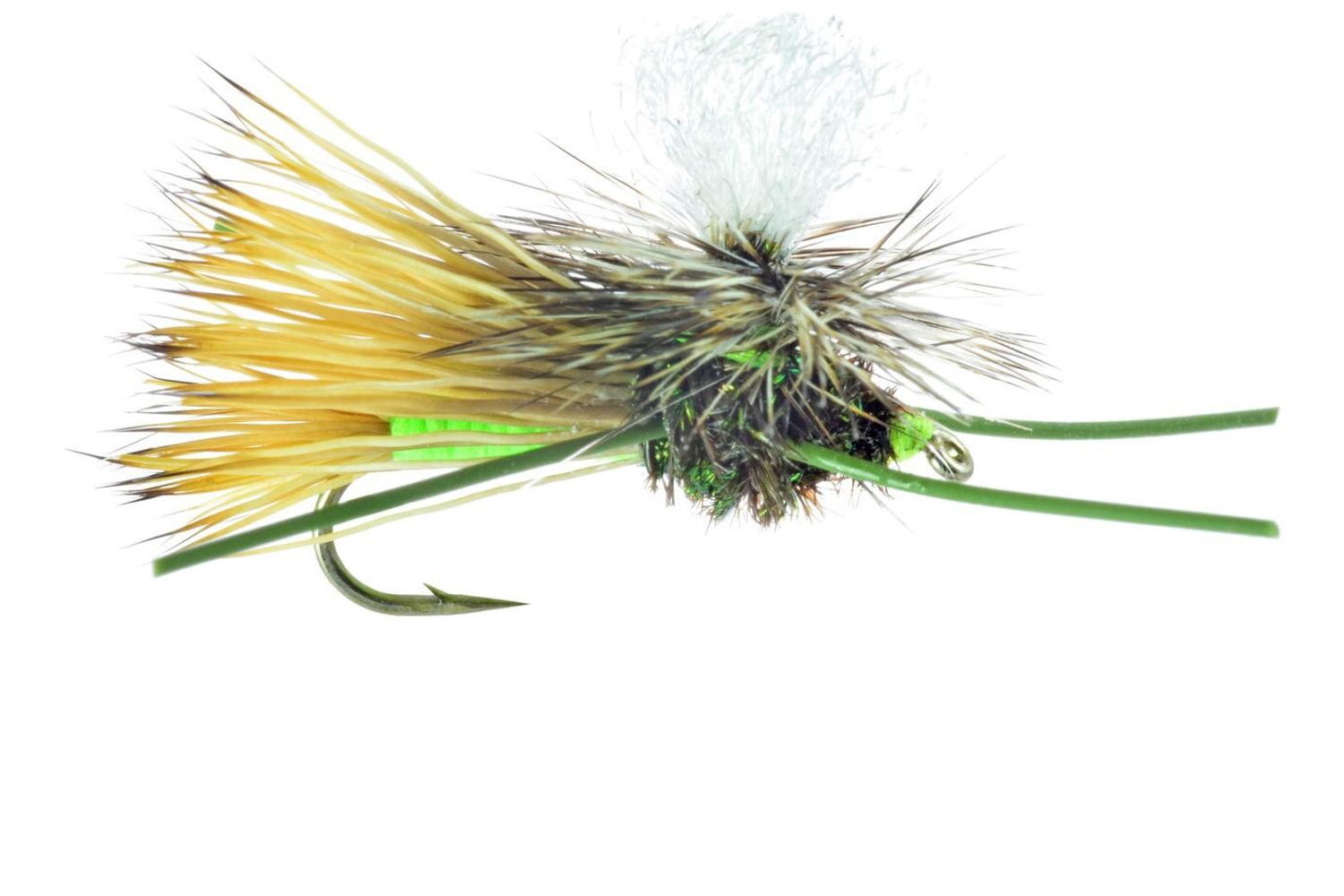
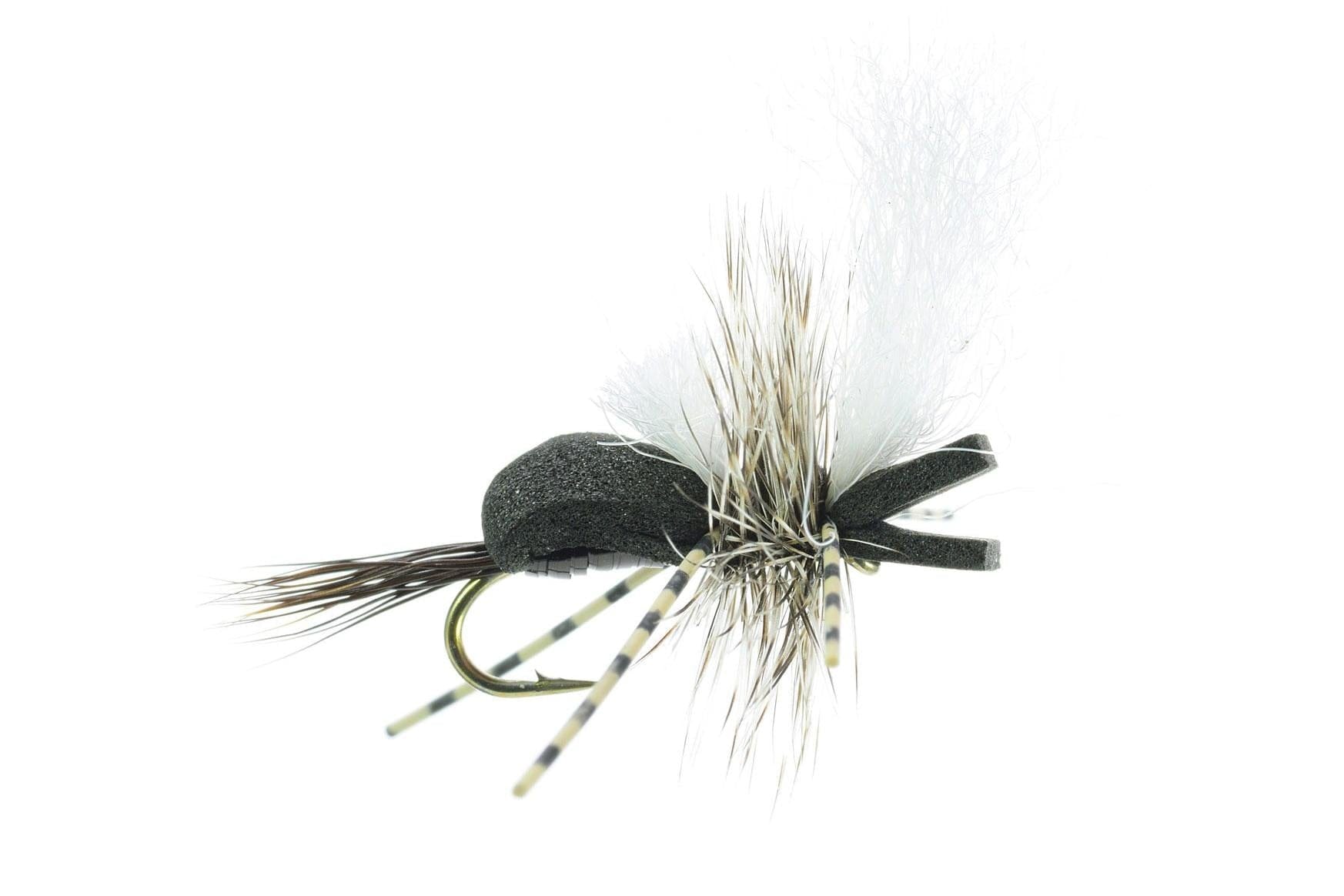
- Best Rough Water Caddis: Goddard Caddis Dry Fly - Ideal for broken water and faster currents where you need a fly that keeps floating and stays visible. The deer-hair body adds buoyancy and a strong caddis silhouette for both rivers and stillwater edges.
How to Choose Dry Flies and Spinners
Dry fly vs. spinner: when each one shines
Action: Start with standard dry flies when fish are taking adults (upright wings, skittering caddis, bigger profiles) or when you’re prospecting likely water. Switch to spinner patterns when you notice flatter “spent” wings on the water or you’re getting refusals on higher-floating dries.
Best for: Dry flies for daytime feeding windows, pocket water, and general hatch matching. Spinners for those calm, low-light, end-of-hatch periods when trout key on easy, motionless meals.
Match the profile first, then size
Action: For mayflies, focus on body length, tail length, and wing position. For caddis, prioritize a tent-wing silhouette and buoyancy. When in doubt, go a size smaller and a shade more muted in clear, pressured water.
Presentation matters more than pattern detail
Action: Plan for a drag-free drift and be ready to adjust position for the best line angle. Spinners especially tend to get eaten on dead-drift, low-ripple water, so longer leaders and cleaner mends usually out-fish constant fly changes.
Build a small “coverage” mix
Best for: Newer anglers putting together a first surface box.
- Core mayfly: a general spinner (sizes around the common mayfly range) plus a couple smaller options for midges/Tricos.
- Core caddis: one buoyant caddis you can see in chop and riffles.
- Core attractor: one searching dry that floats well and covers water when nothing obvious is happening.
Materials & Durability
- Drying your flies: Let wet dries/spinners air-dry before sealing them back into your box to reduce rust and crushed hackle.
- Floatant use: Apply floatant sparingly to keep a natural footprint; some patterns fish best riding low in the film.
- Hook care: Check points after rocks or missed eats; touch up or swap flies when they stop sticking.
- Wing/hackle protection: Store delicate patterns in slotted foam so wings aren’t bent flat between trips.
Complete Your Setup
Related Gear
- Tippet - Dial in a cleaner drift, reduce drag, and match lighter diameter to small spinners and technical dries.
- Leaders - Start with a solid taper, then fine-tune length and turnover for everything from wind-resistant dries to tiny Tricos.
- Floating Fly Lines - The foundation for nearly all dry fly and spinner presentations, especially when you’re fishing on top or in the film.
- High N Dry Gel Floatant - Helpful when you need quick, on-the-water fly treatment without overdoing it.
Related Guides
- How to Tie the Trico Spinner Fly Pattern
- How To Tie The Goddard Caddis
- How To Tie a Green Drake Dry Fly
- How to Tie The Hendrickson Dry Fly
- The Ultimate Tippet Shootout: 5x
Dry Flies and Spinners FAQs
Q: What are dry flies and spinners in fly fishing?
A: Dry flies are surface patterns that imitate adult insects like mayflies and caddis. Spinner patterns imitate spent mayflies that have mated and fallen flat on the water, often triggering selective feeding.
Q: When should I fish a spinner pattern?
A: Fish spinners when you see flat-winged naturals on the surface, calm slicks with subtle sipping rises, or refusals to higher-floating dries. Many spinner falls happen in the evening, but Trico spinners can be a morning deal on some rivers.
Q: How do I choose the right size dry fly or spinner?
A: Start by matching the insect’s length and general silhouette, then adjust size to what you see on the water. If you’re between sizes in clear, pressured water, downsizing is often a safer move.
Q: Are dry flies and spinners good for beginners?
A: Yes, dry fly fishing is one of the easiest ways to learn strike detection because you can watch the fly. Spinners can be more technical because the drift and leader control matter a lot, but they’re very effective once you can manage drag.
Q: What leader and tippet should I use for dry flies and spinners?
A: A tapered leader is the starting point, with tippet size matched to fly size, fish, and conditions. Nylon is commonly used for dries because it’s supple and floats well, while fluorocarbon is typically favored when you need faster sink and abrasion resistance.
Q: Why am I getting refusals on dry flies?
A: The most common reasons are drag, a fly that’s riding too high (or too low), or a mismatch in size/profile. Try improving your drift first, then change size, then change pattern.
Q: Can I fish a dropper under these dries?
A: Often, yes, buoyant dries can suspend a small nymph or emerger when fish are feeding just under the surface. Choose a dry that can stay afloat in the current and adjust tippet diameter so it still turns over cleanly.
Warranty & Brand Resources
This collection includes flies from multiple makers, so warranty/return policies can vary by brand and packaging. Review the return details on each product page before ordering, especially for flies that are not individually packaged.