


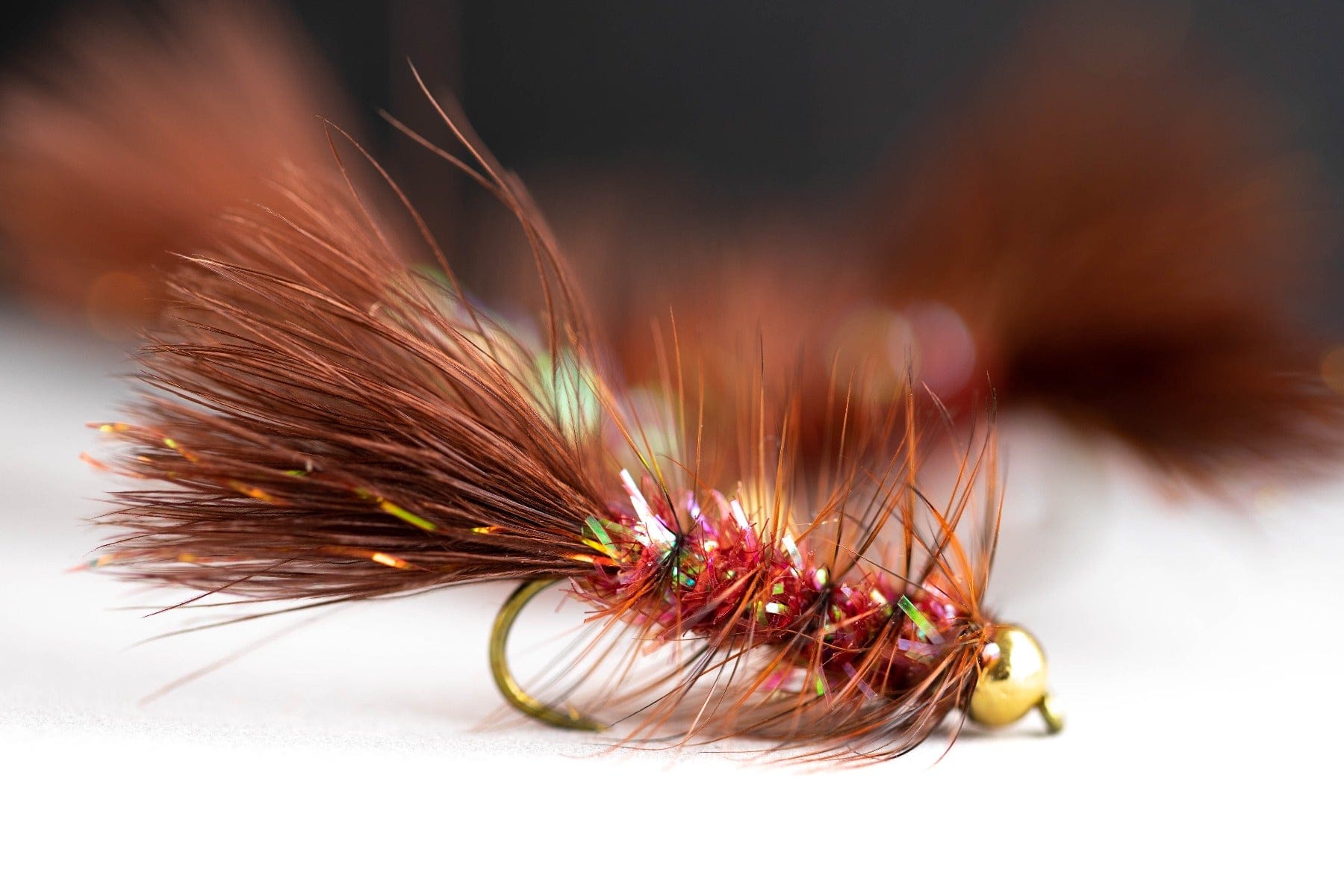
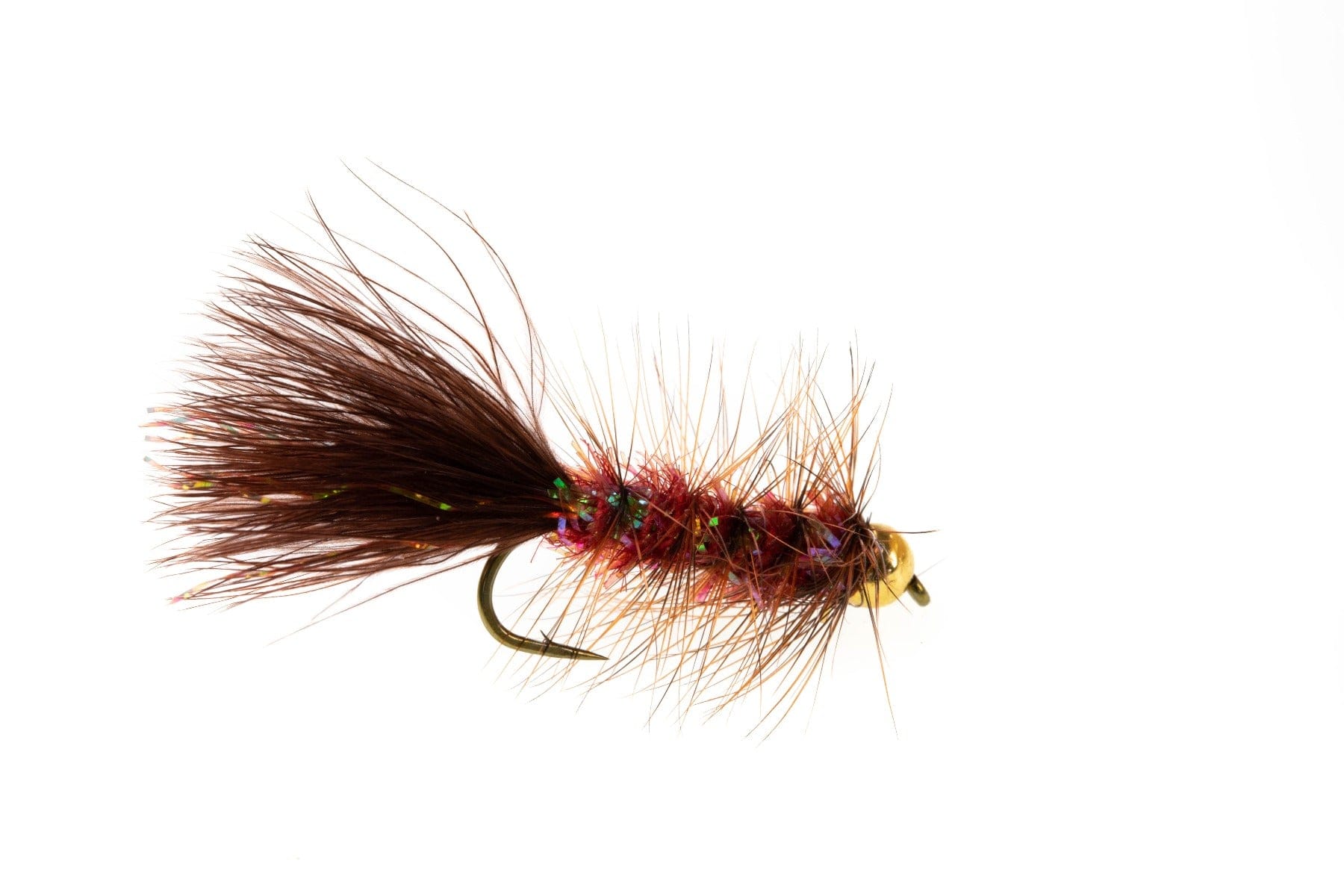
Bead Head Wooly Bugger Fly Pattern | Classic Streamer | Fly Tying Tutorial


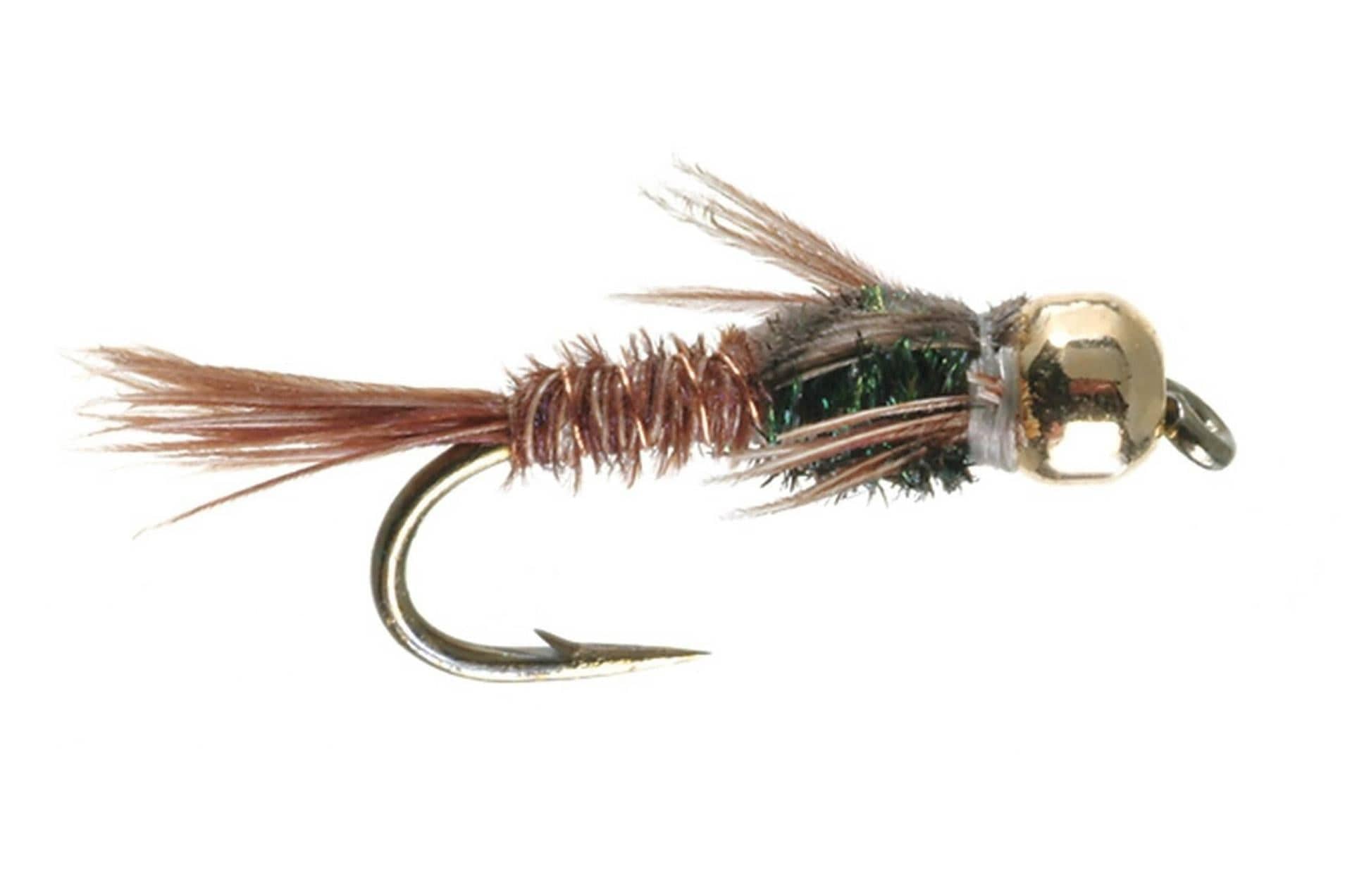
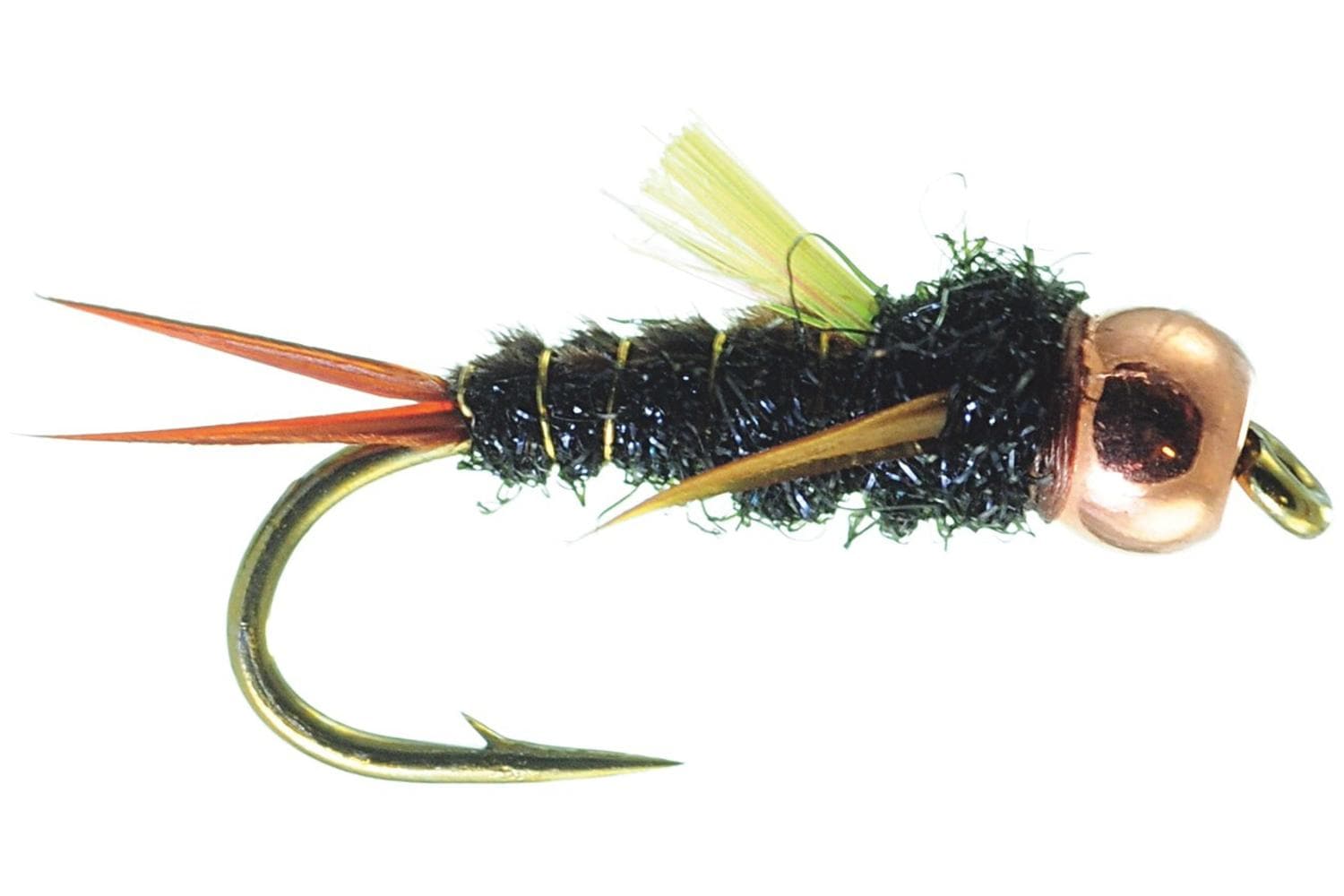
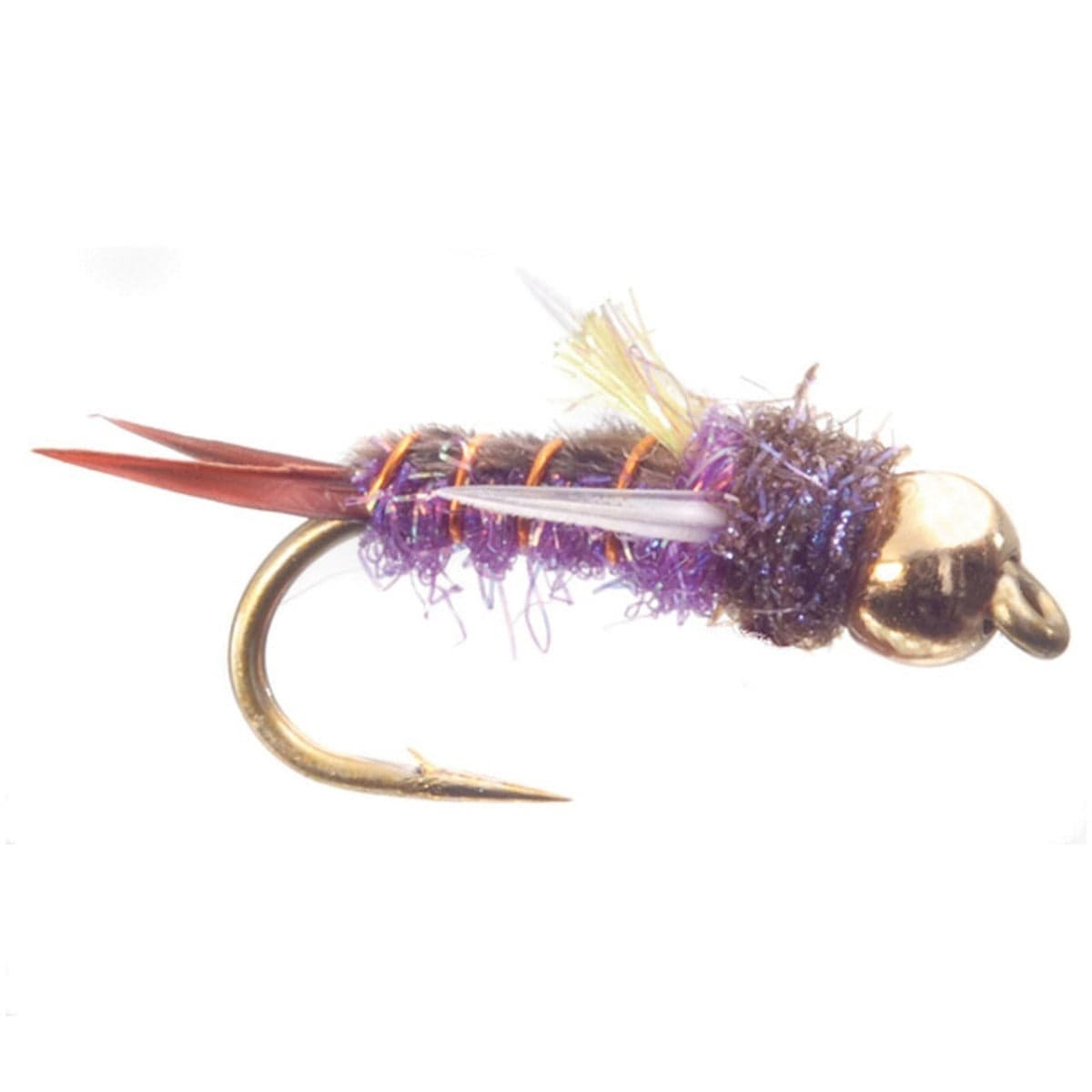
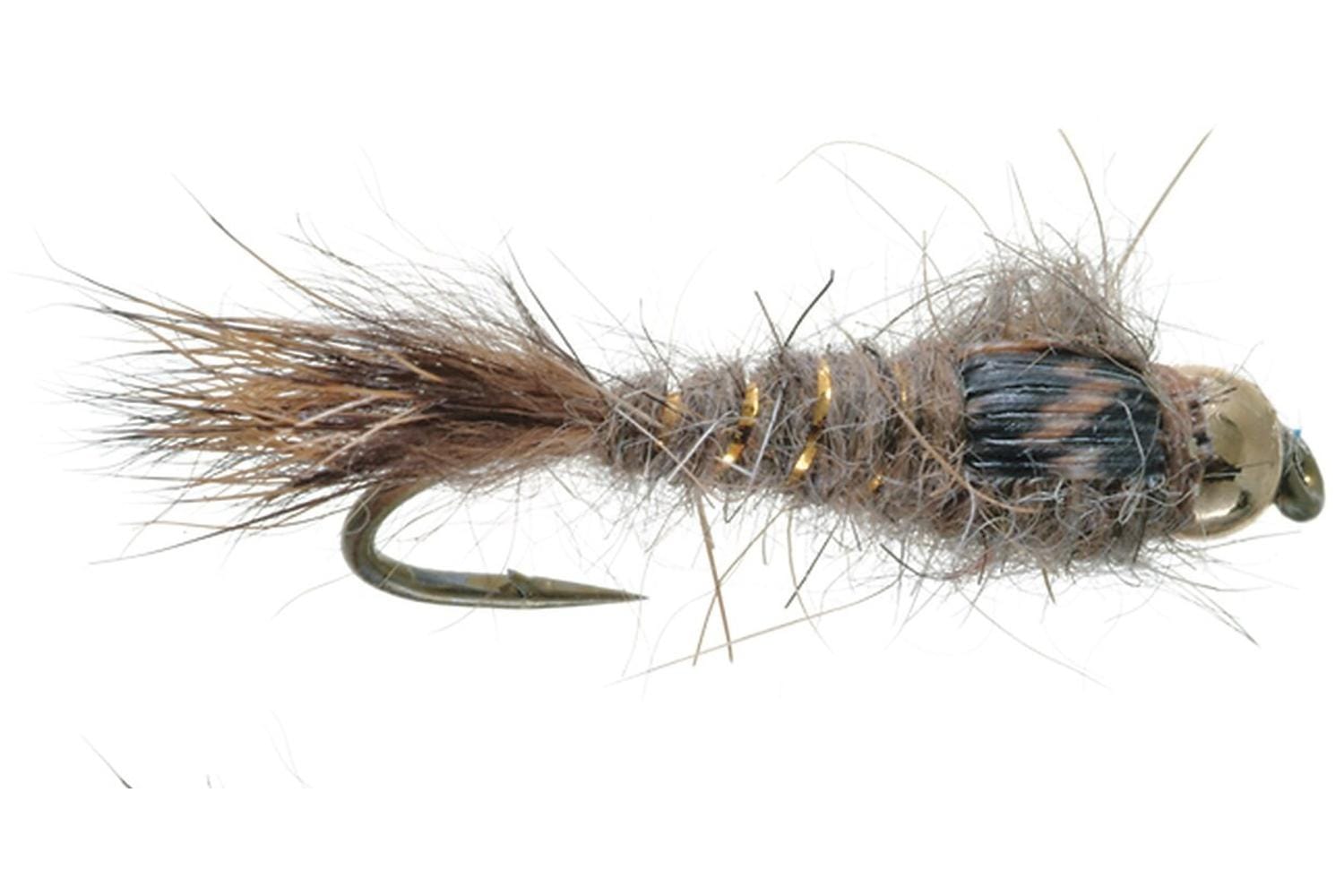
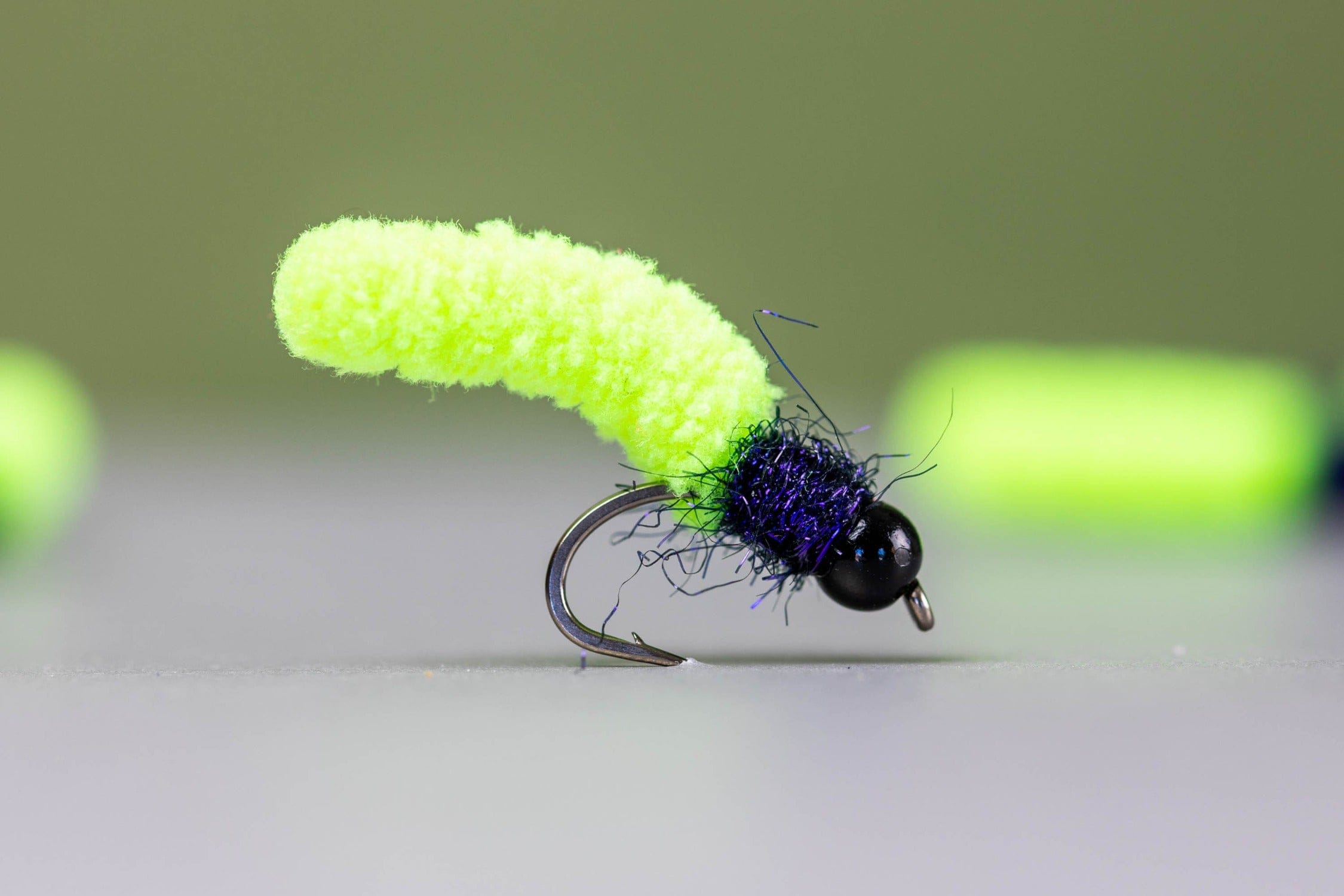
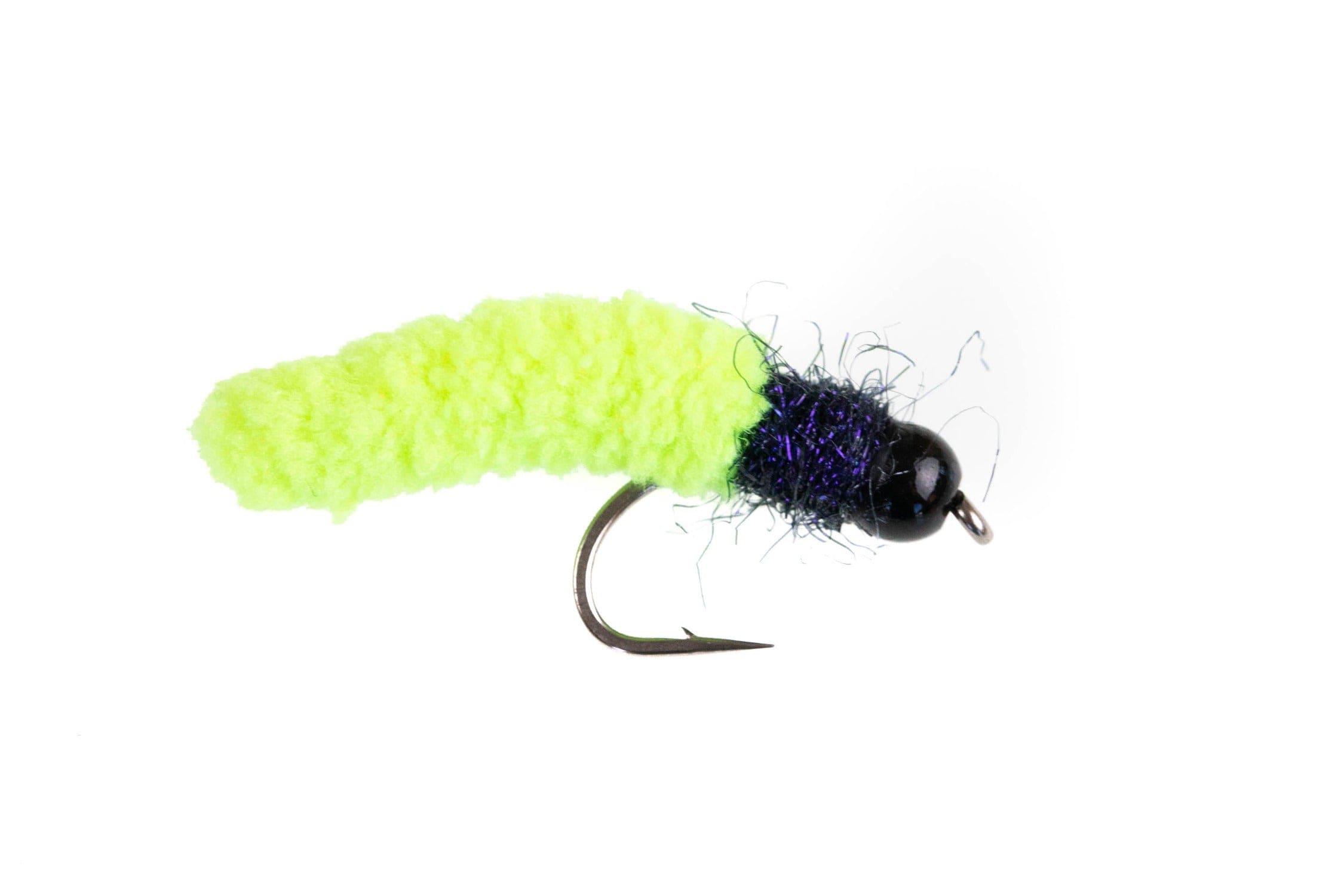
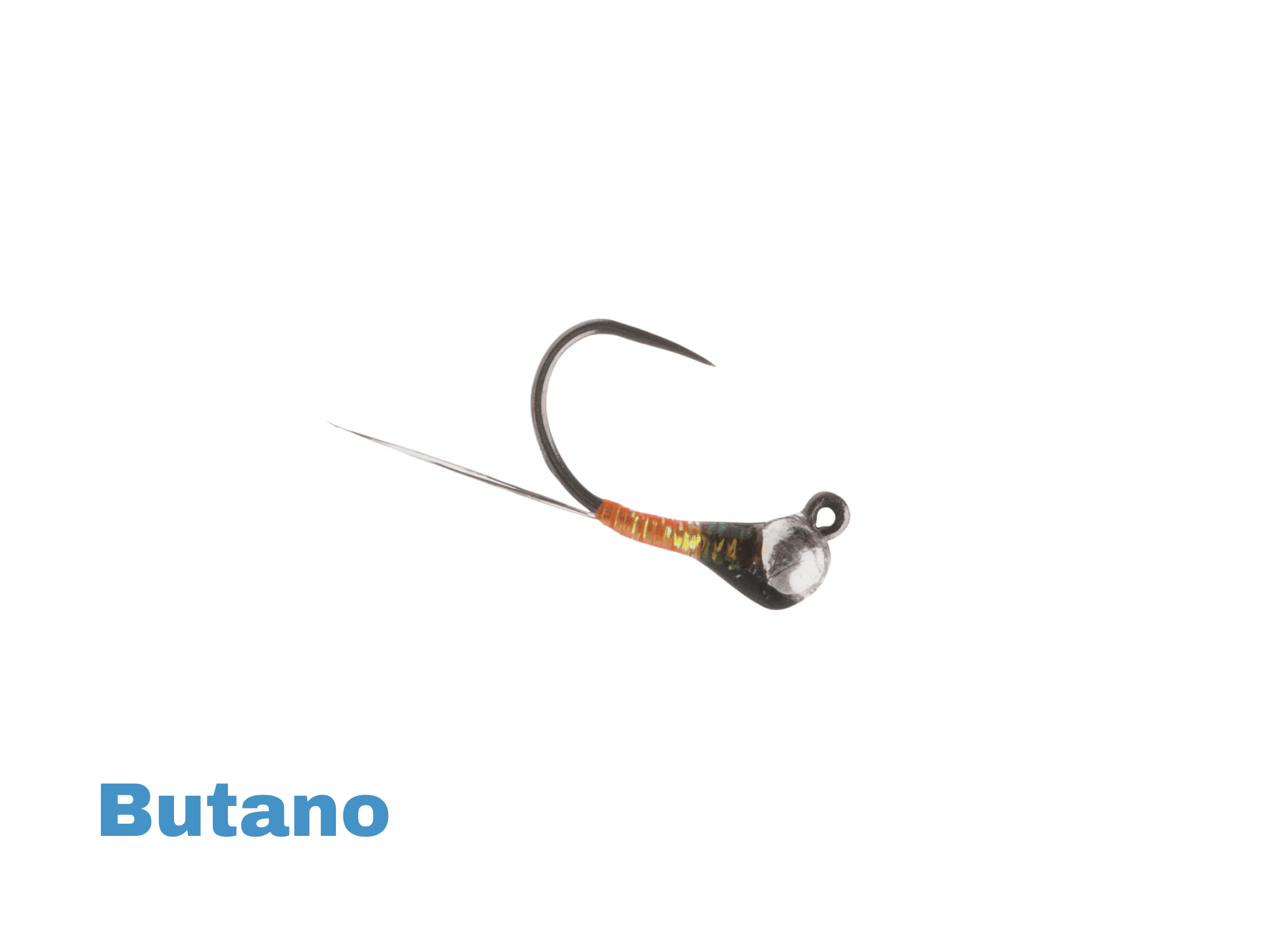
Bead Head Flies Quick Picks
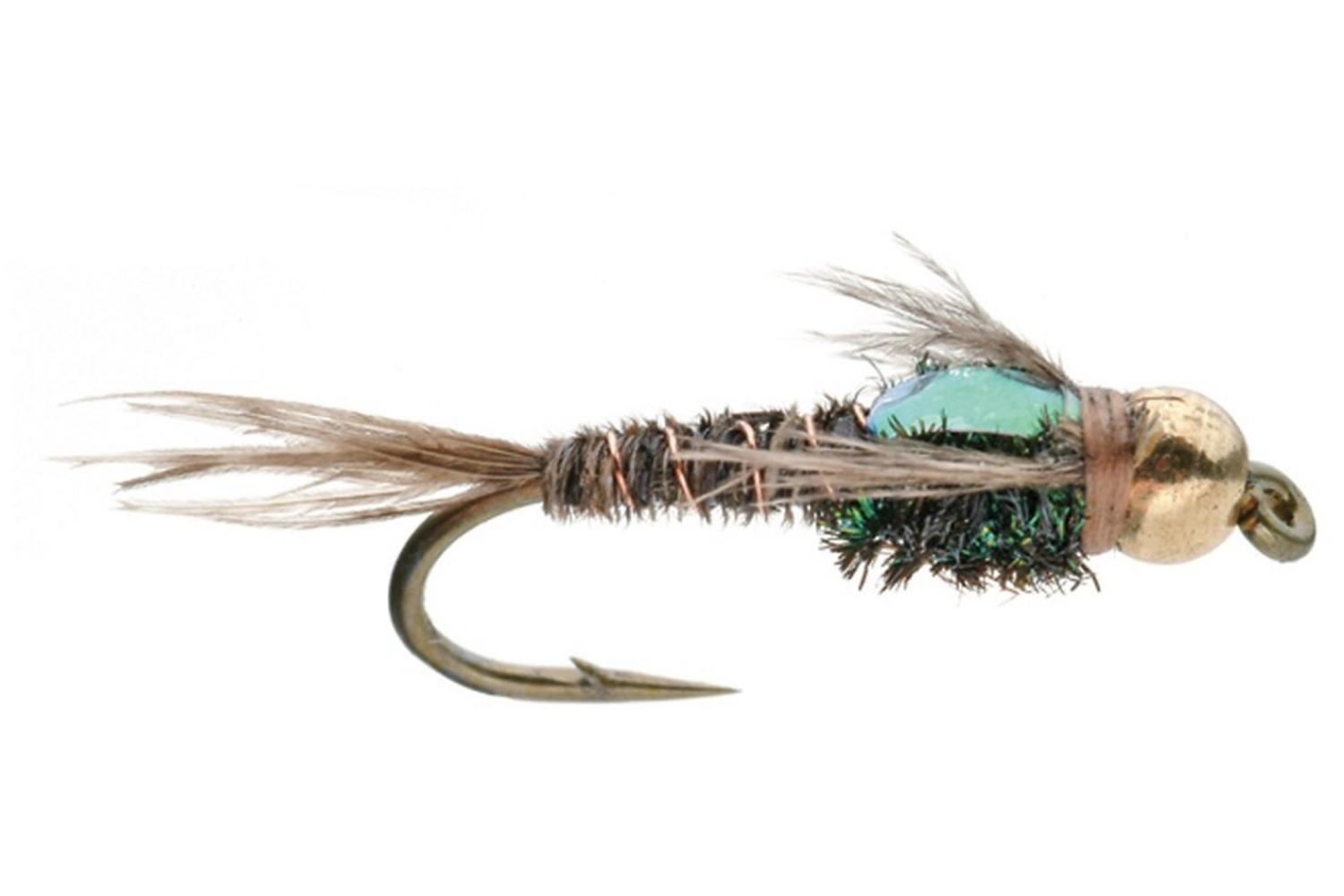
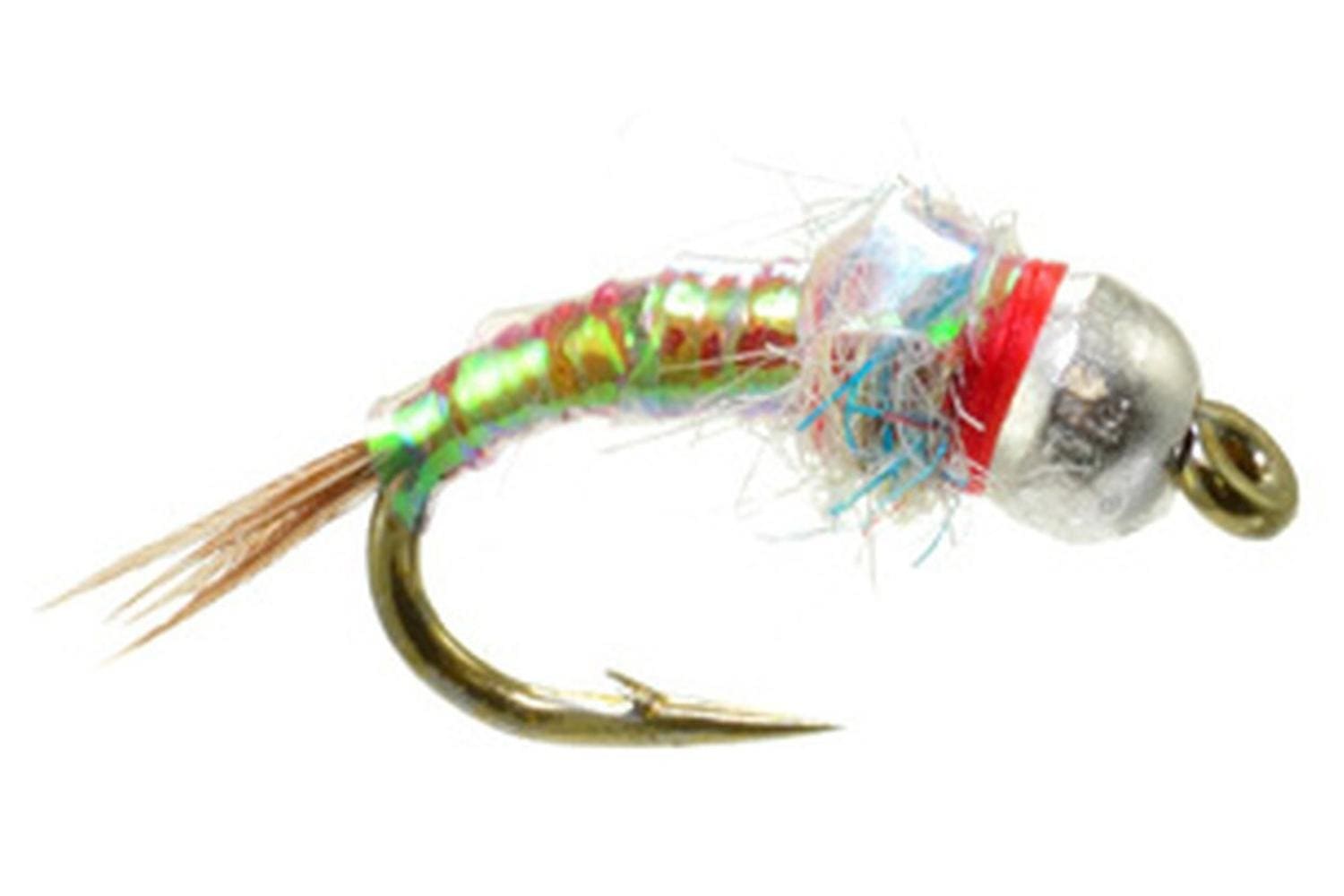
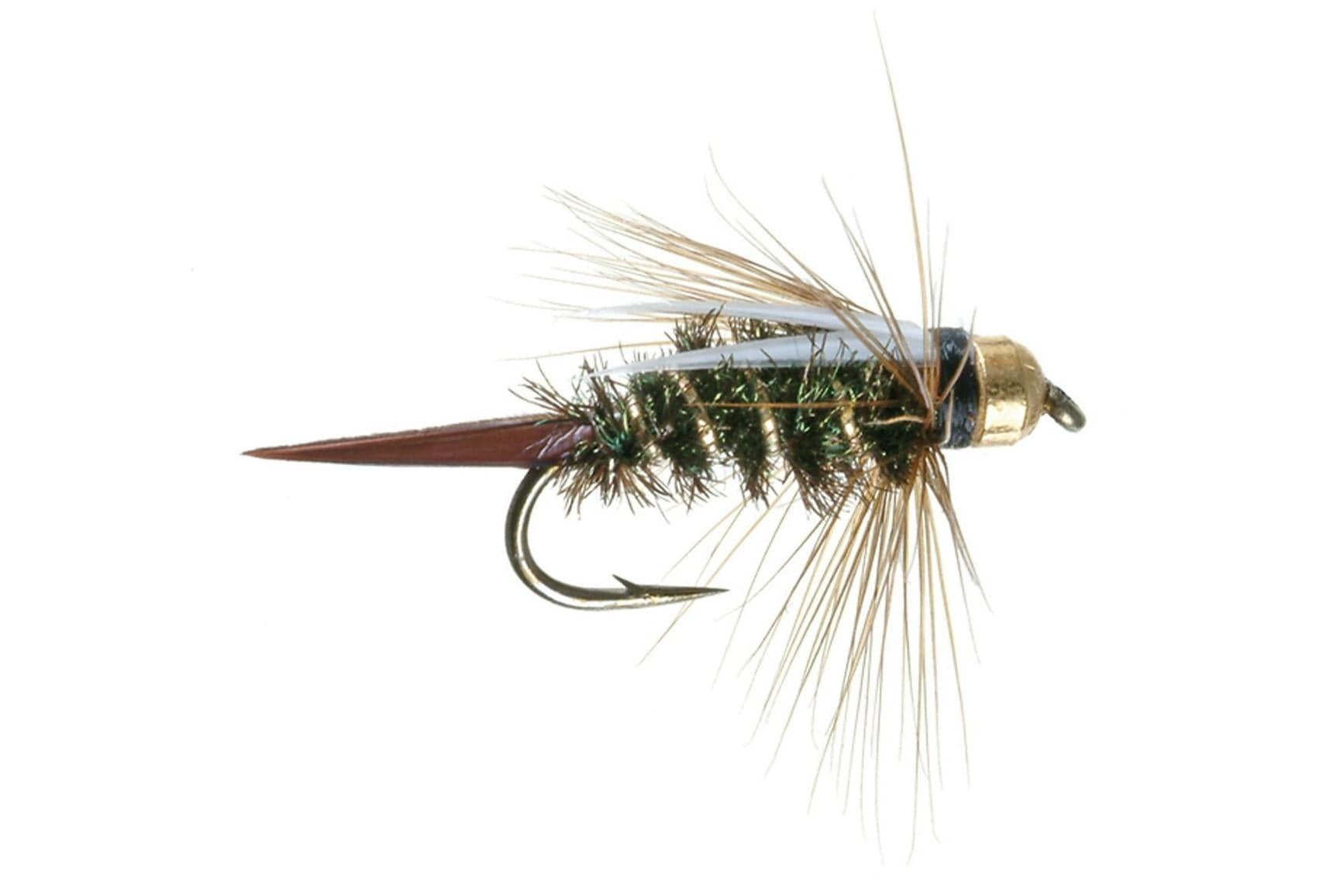
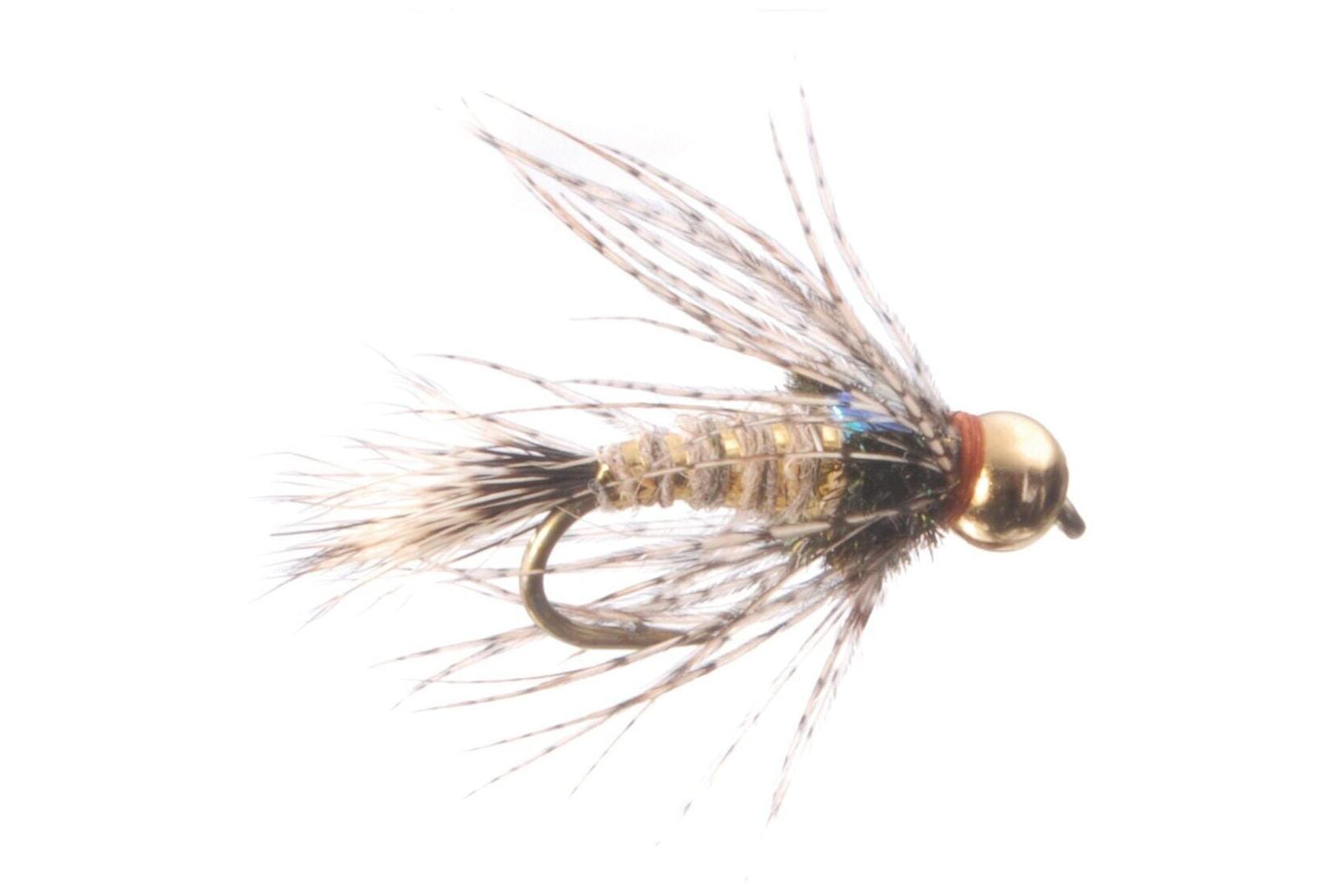
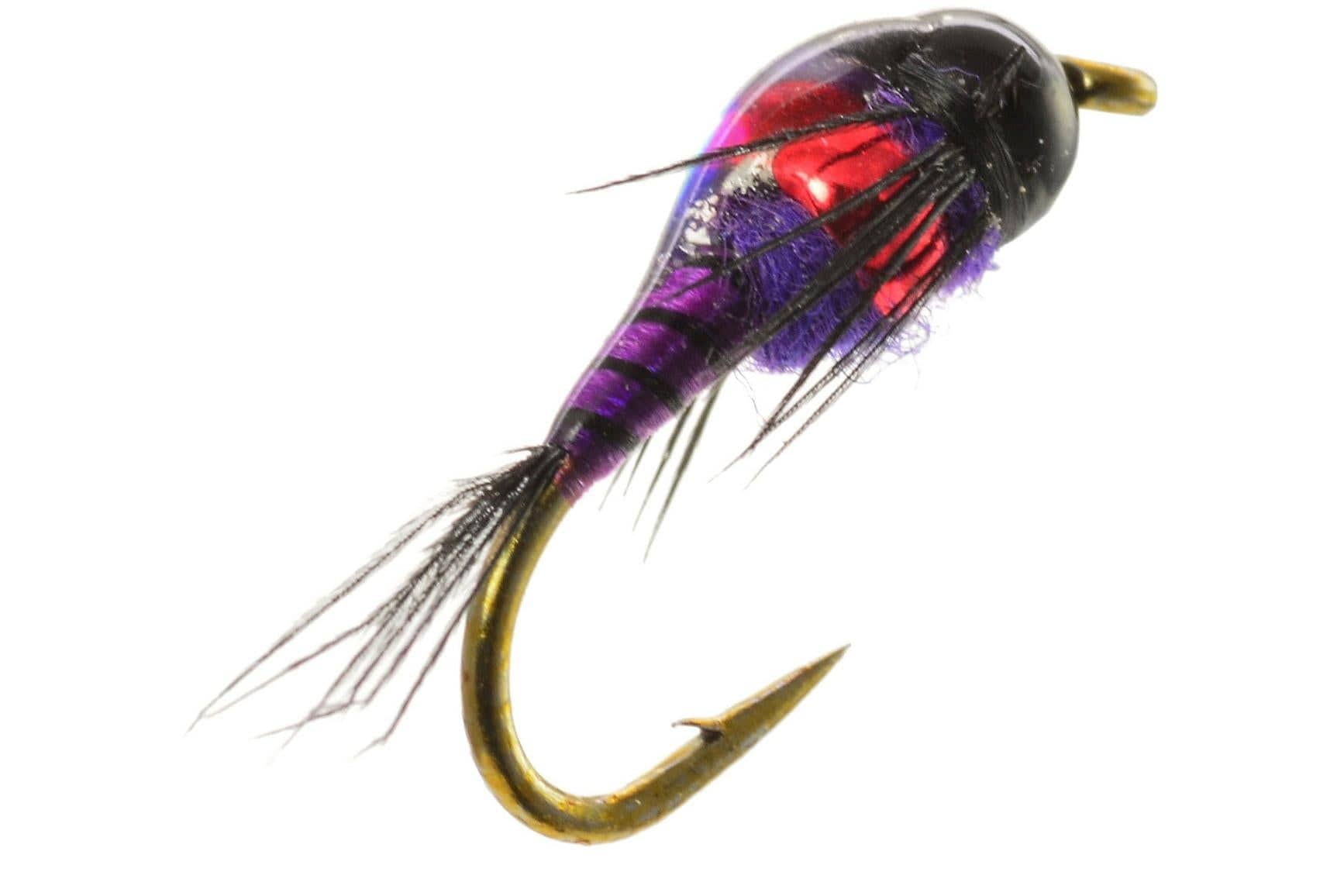
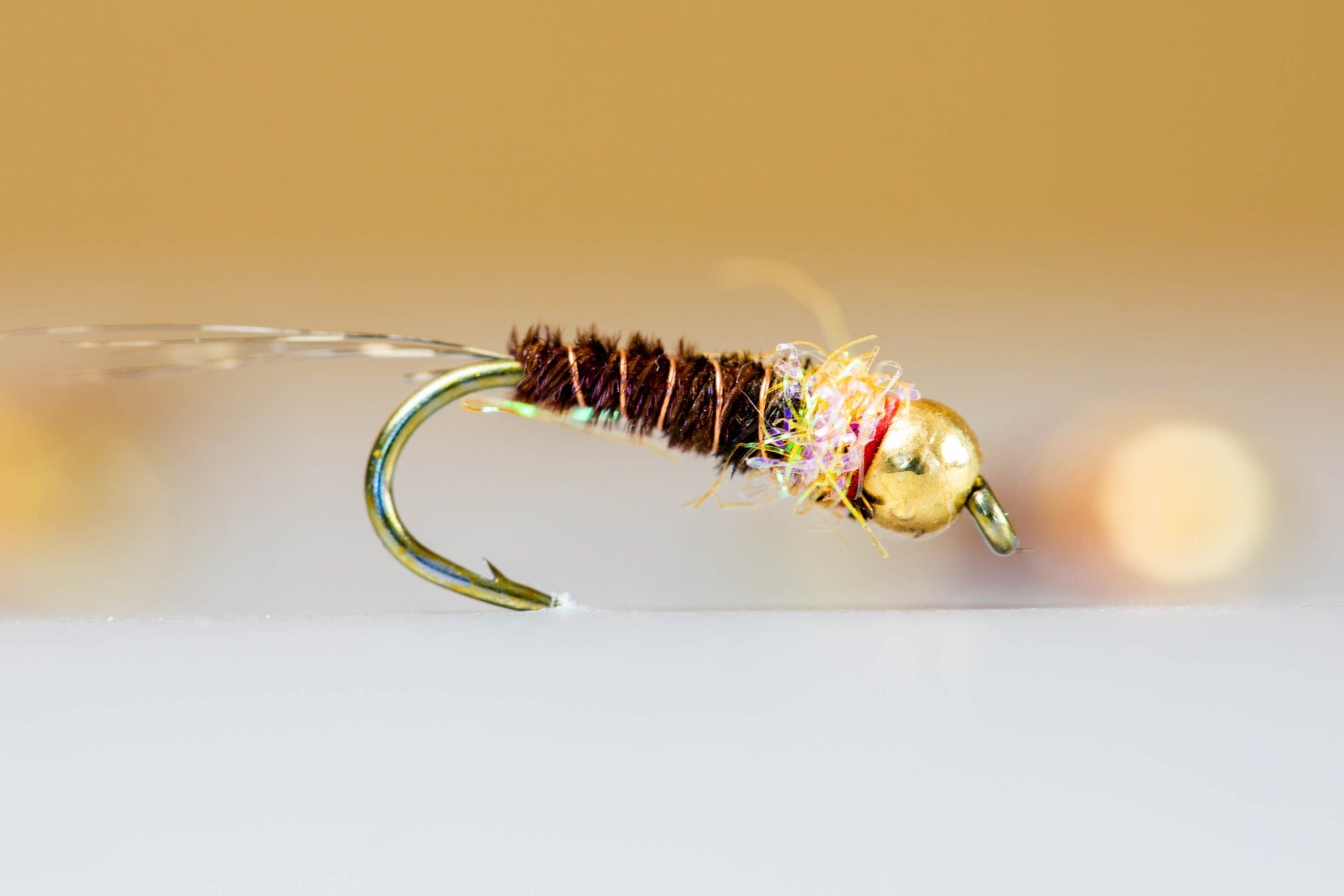
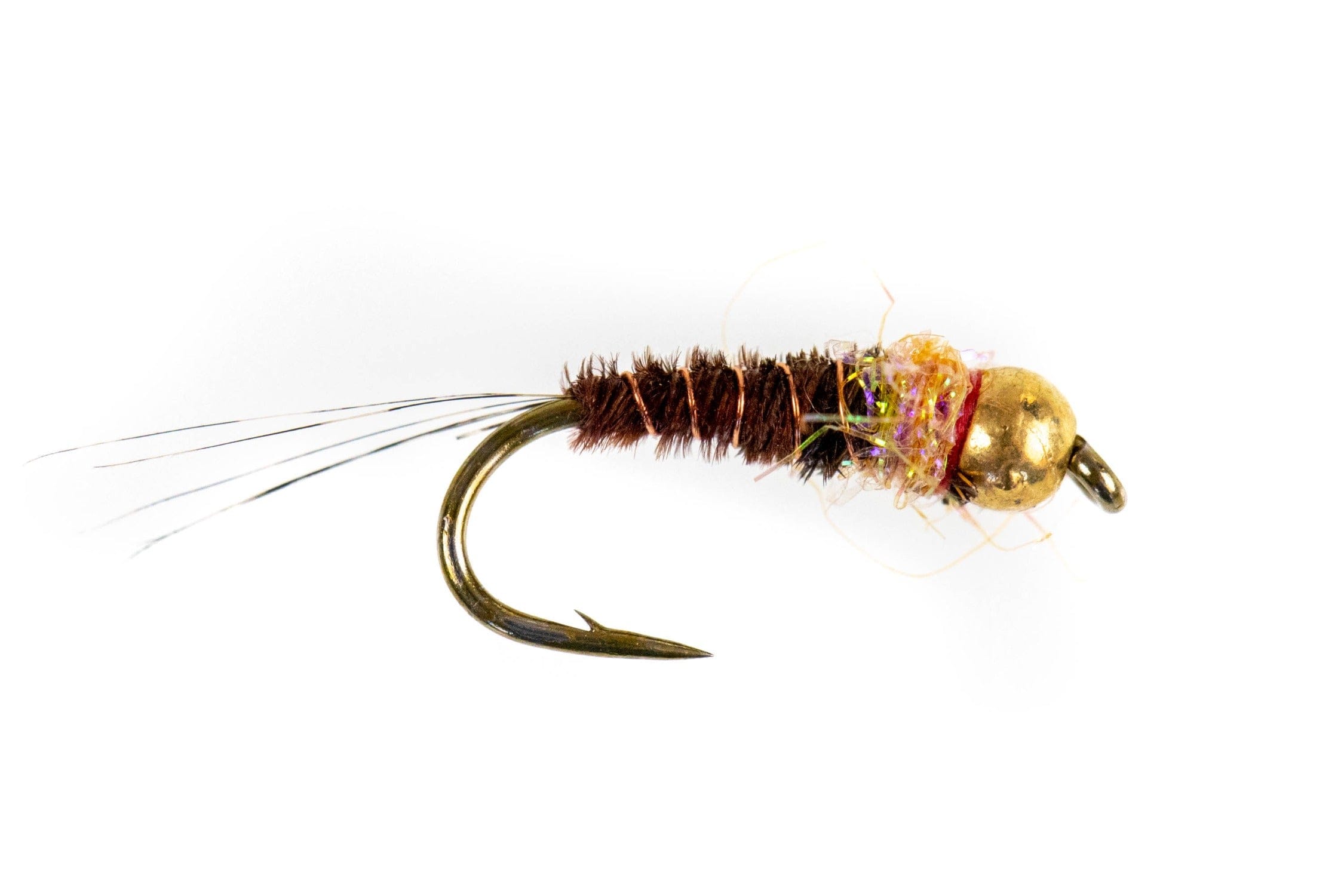
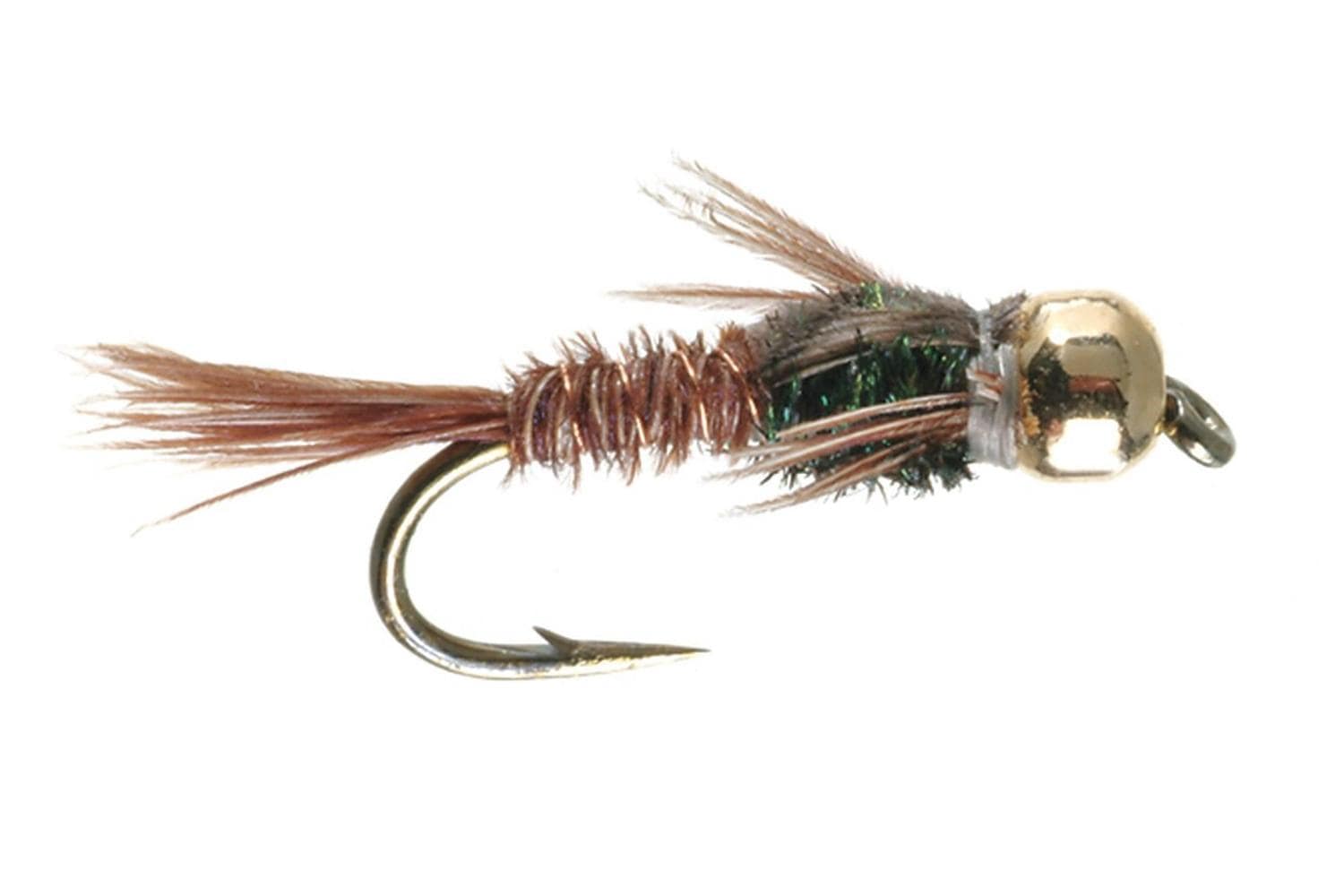
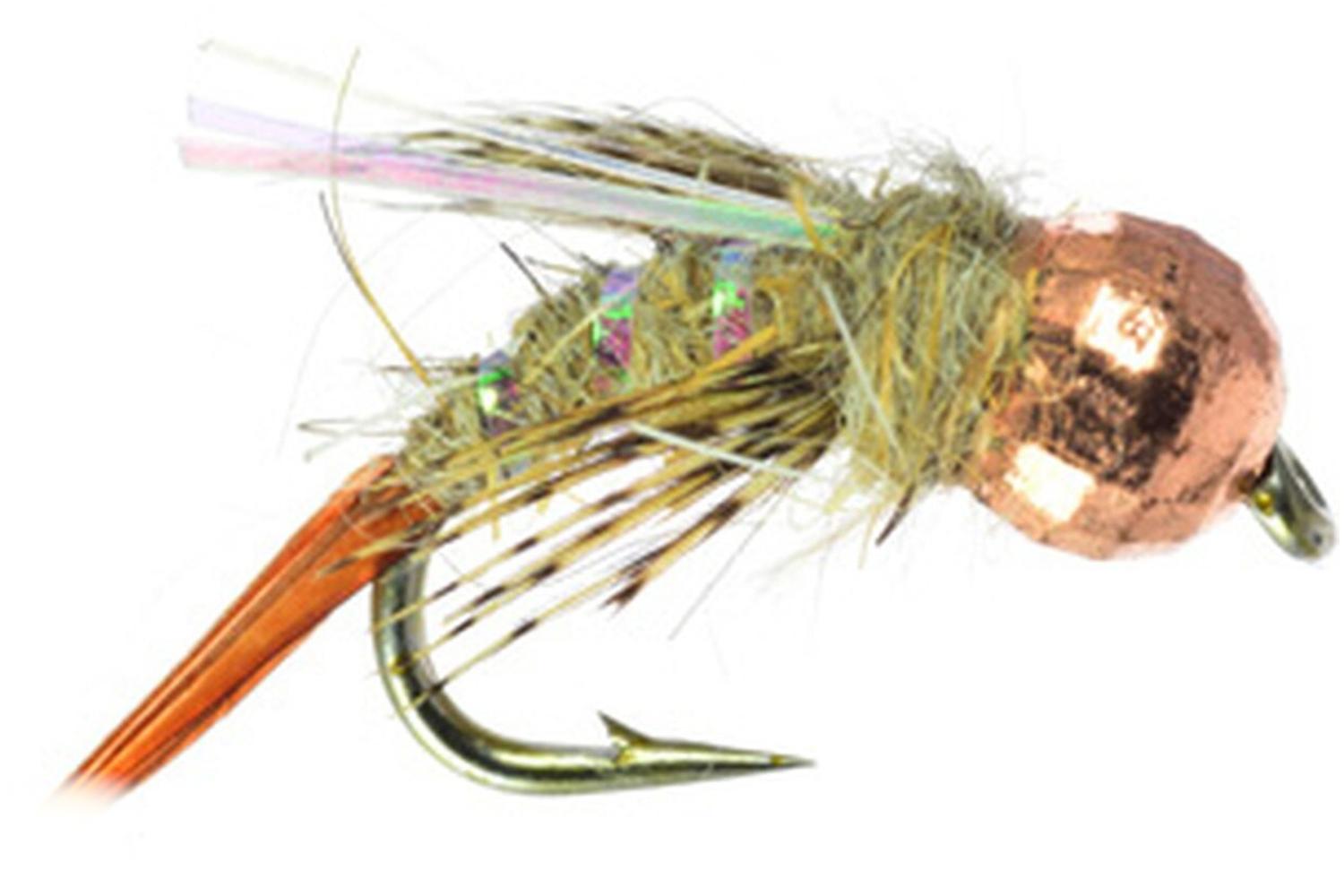
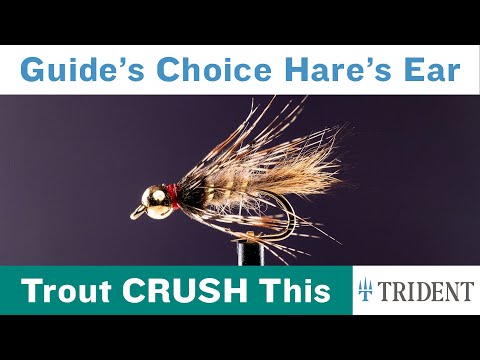
- Best All-Around: Bead Head Hares Ear Fly - Great when you need a buggy, general nymph that can pass as “something edible” on most trout rivers. The bead head helps you reach the feeding lane faster without adding extra split shot to every rig.
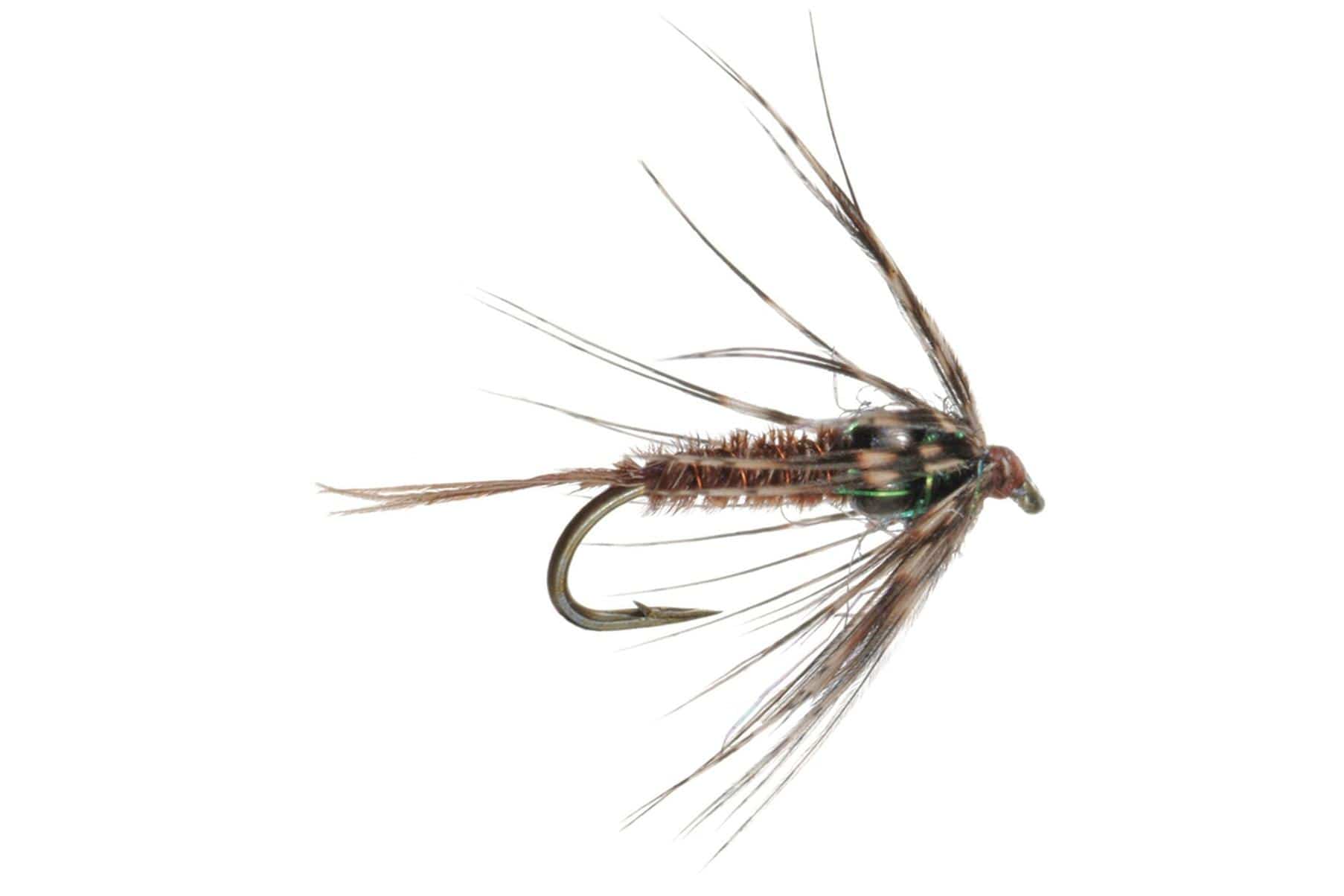
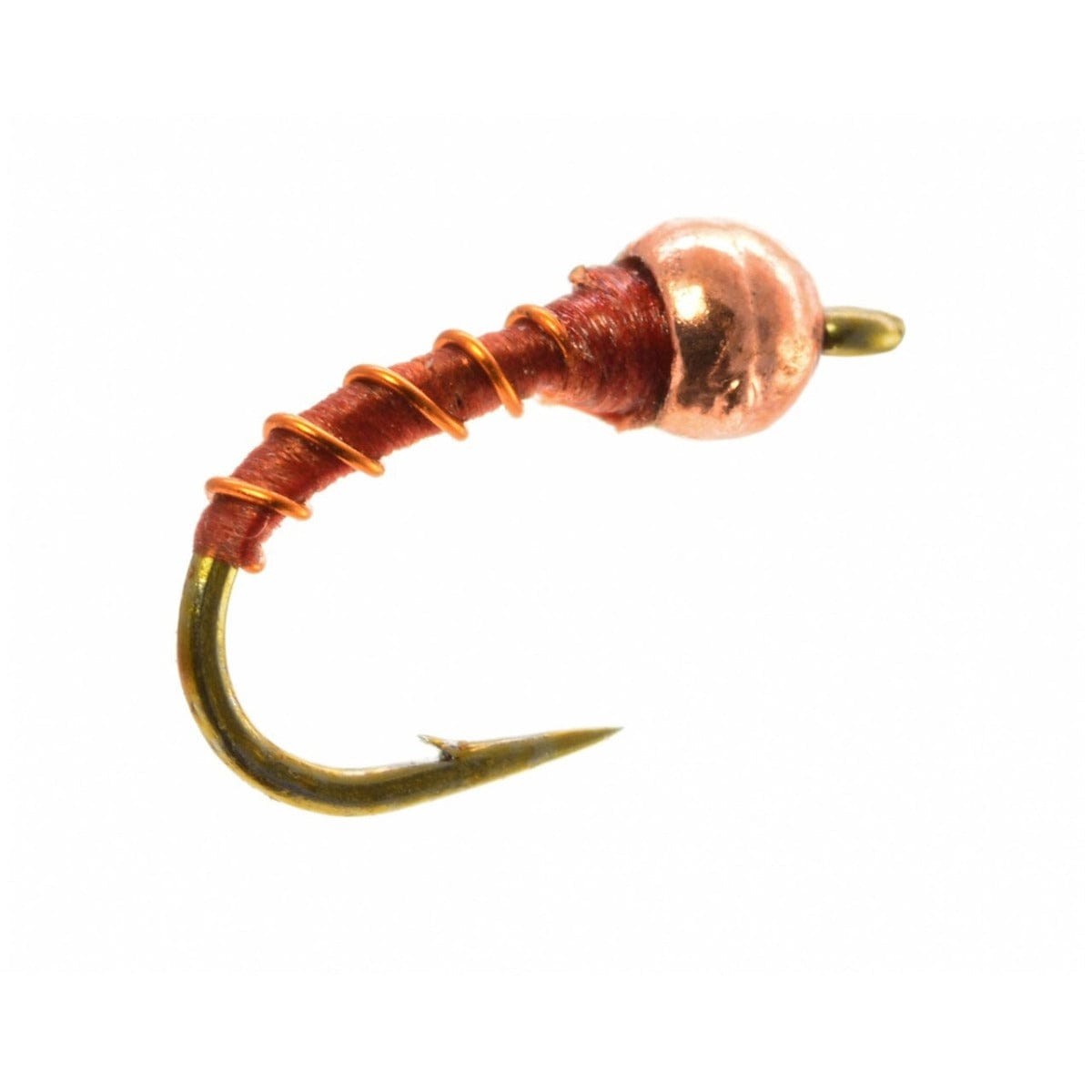
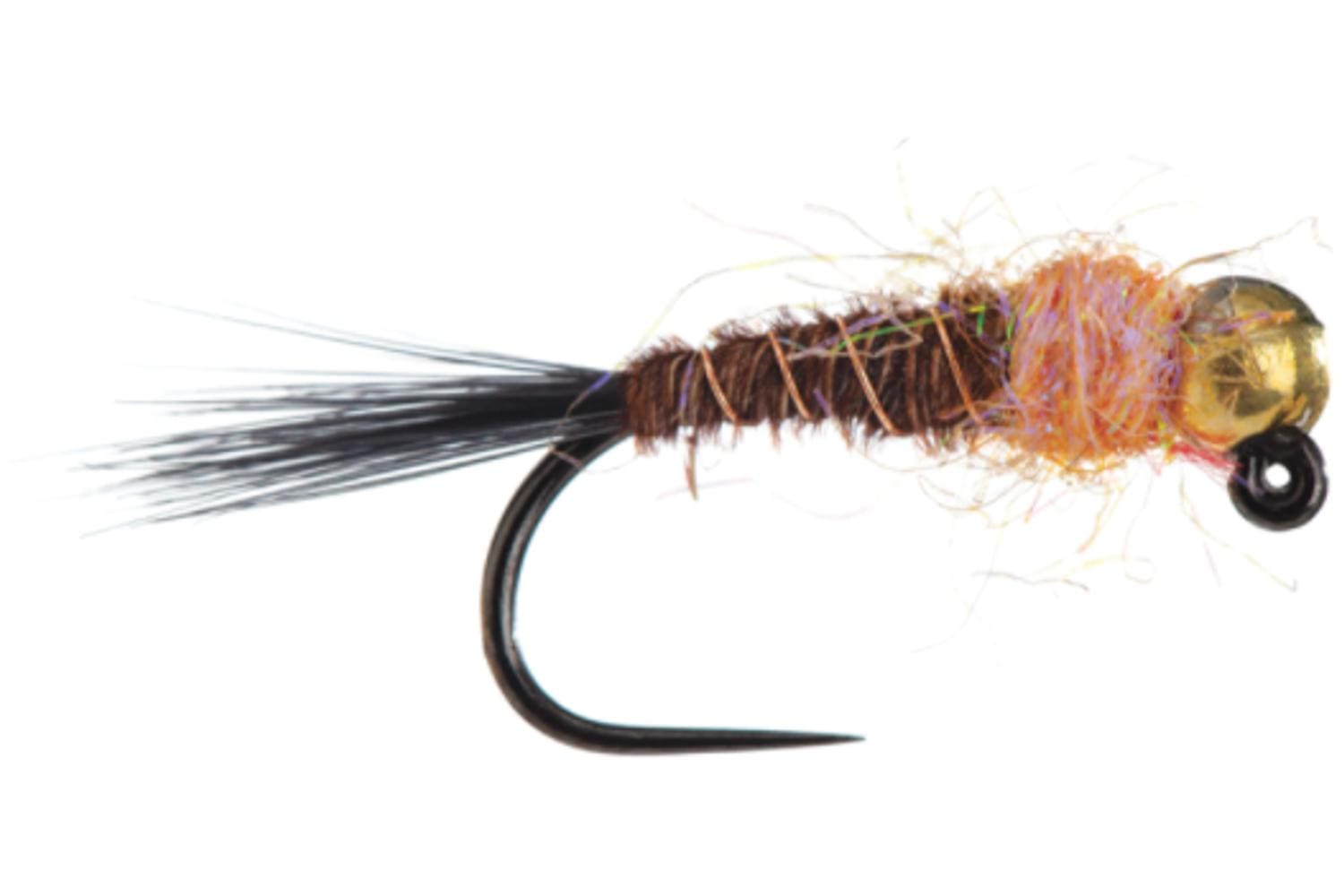
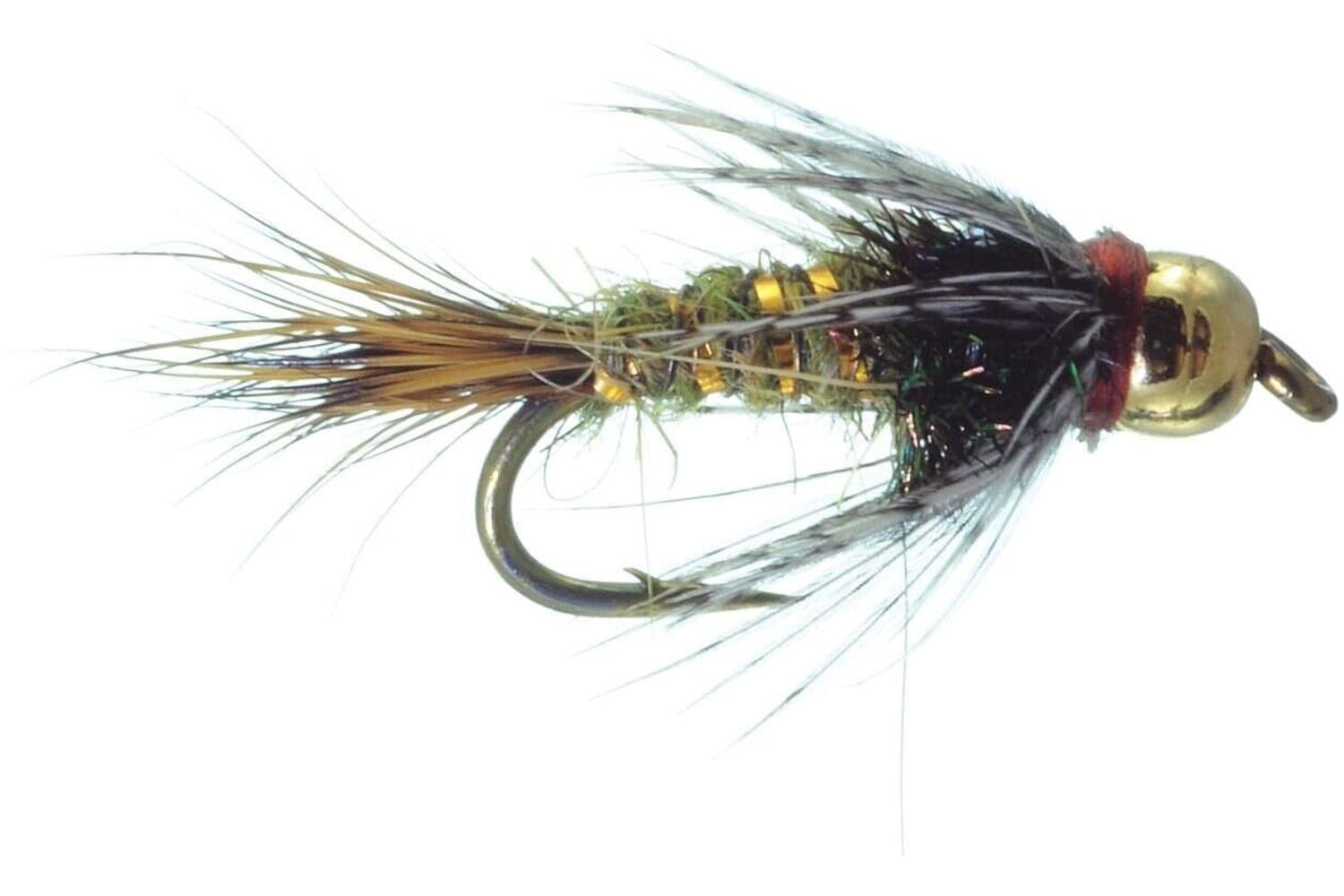
- Best for Fast Water: Bead Head Copper John Fly - A strong pick for riffles and pocket water when you want a durable nymph that gets down and stays down. The wire body adds weight and a clean, high-visibility profile that’s easy for fish to track in broken current.
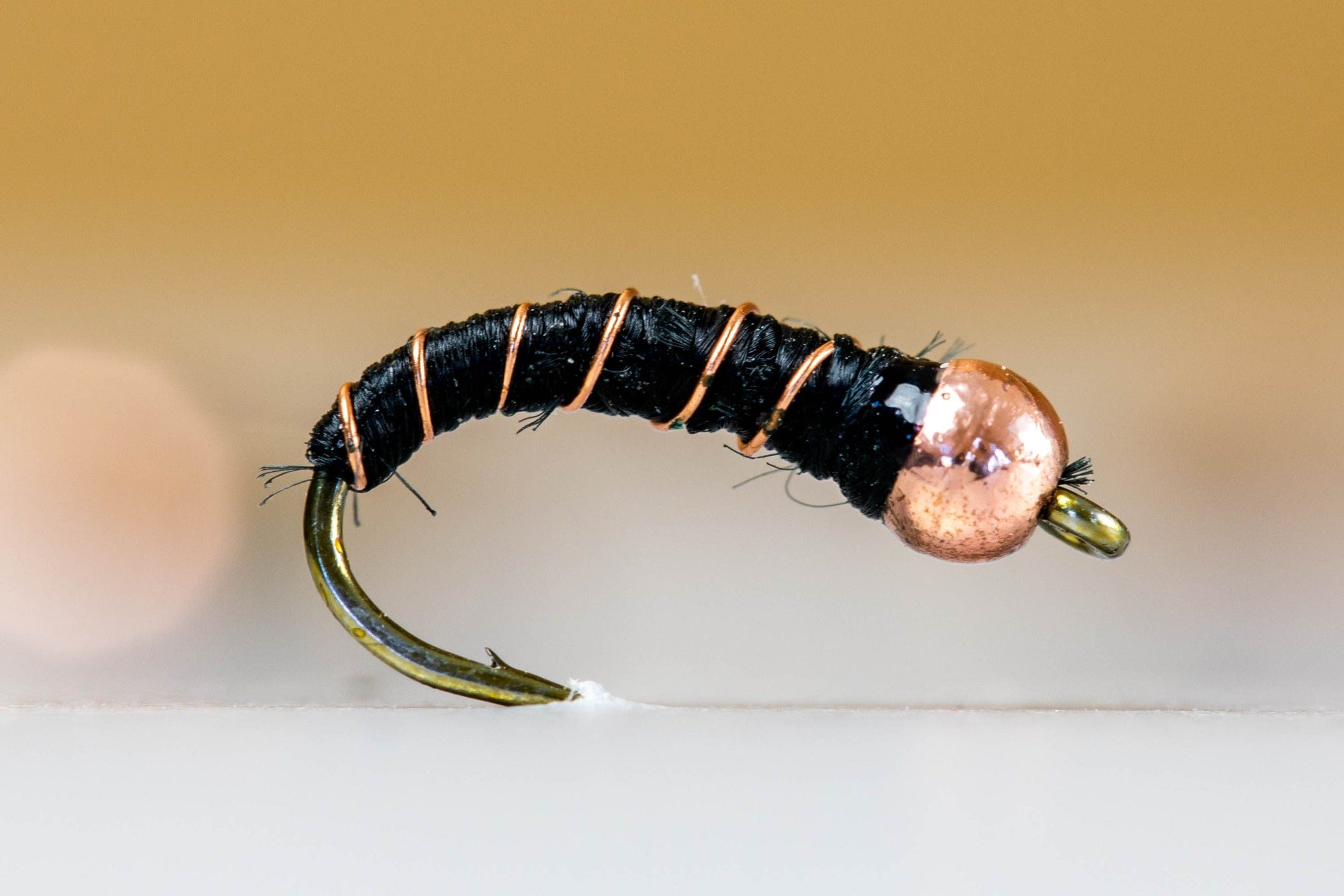
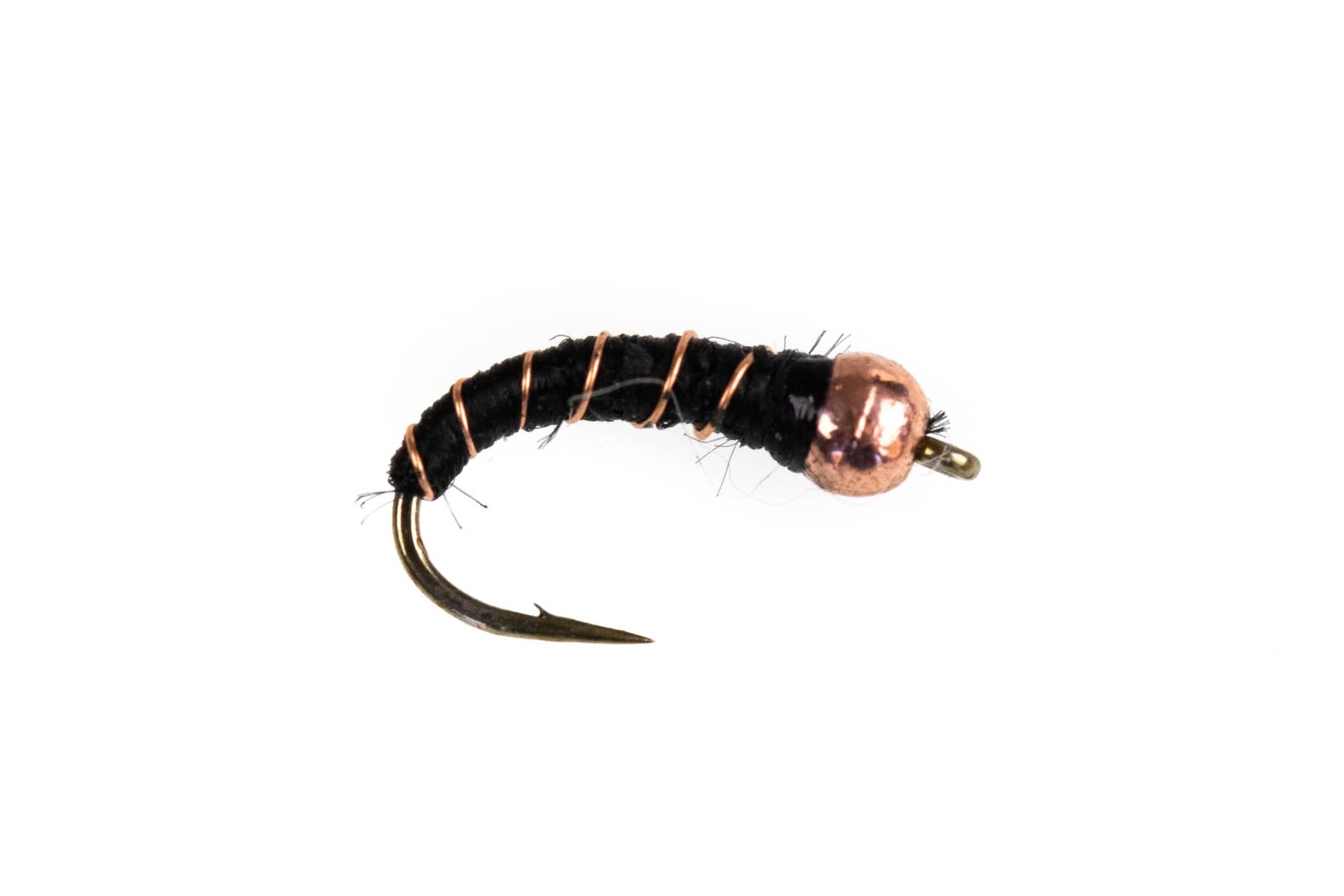
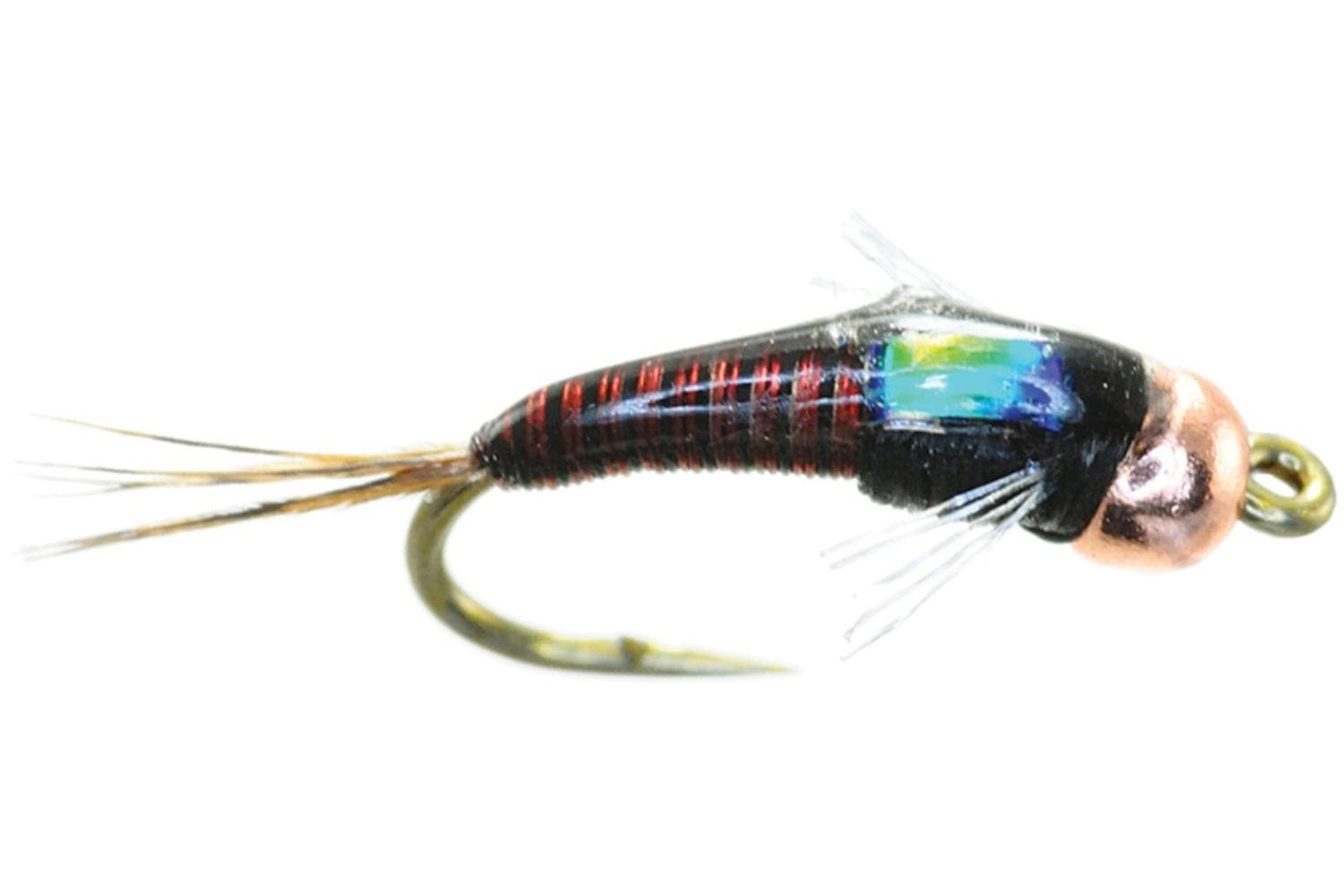
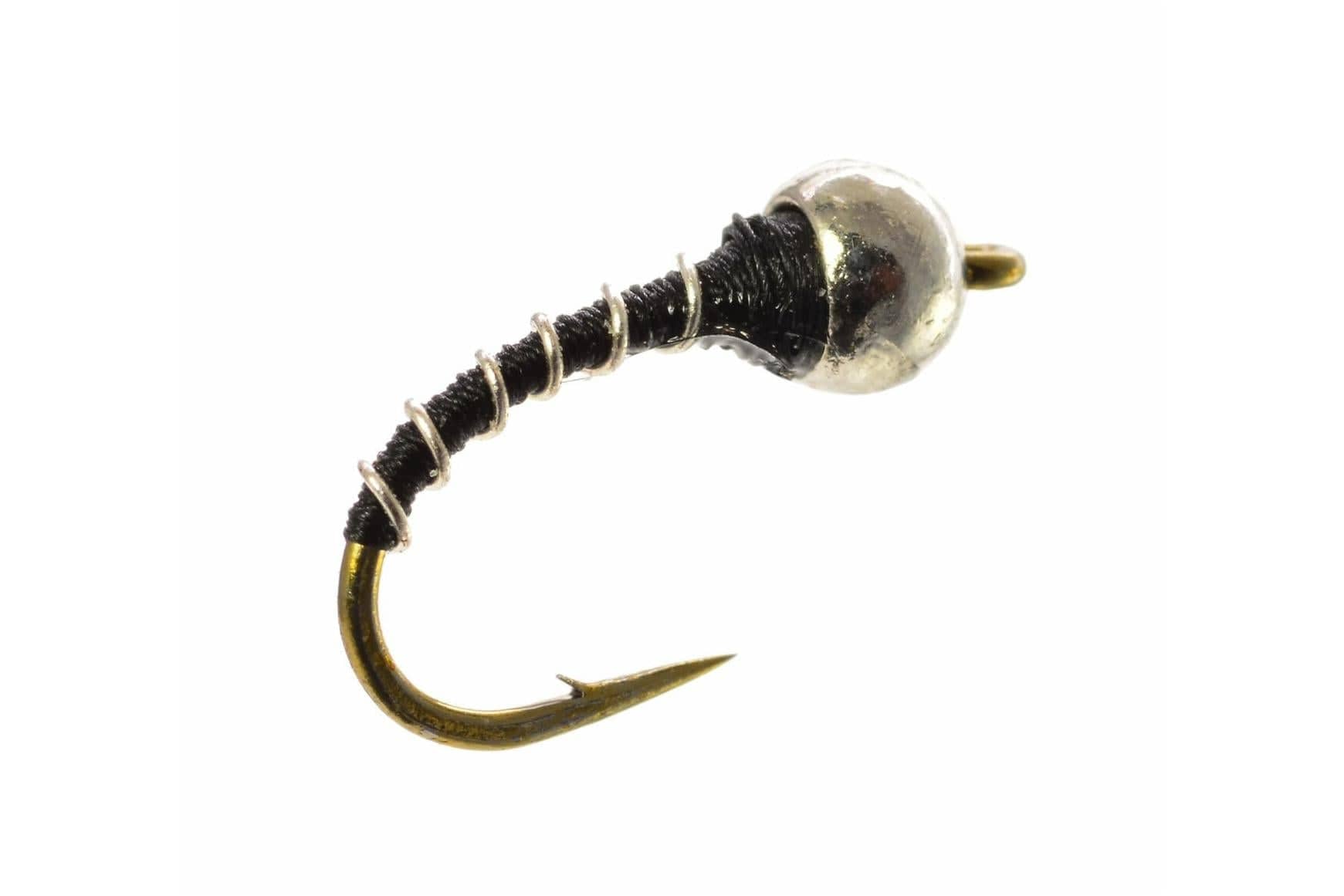
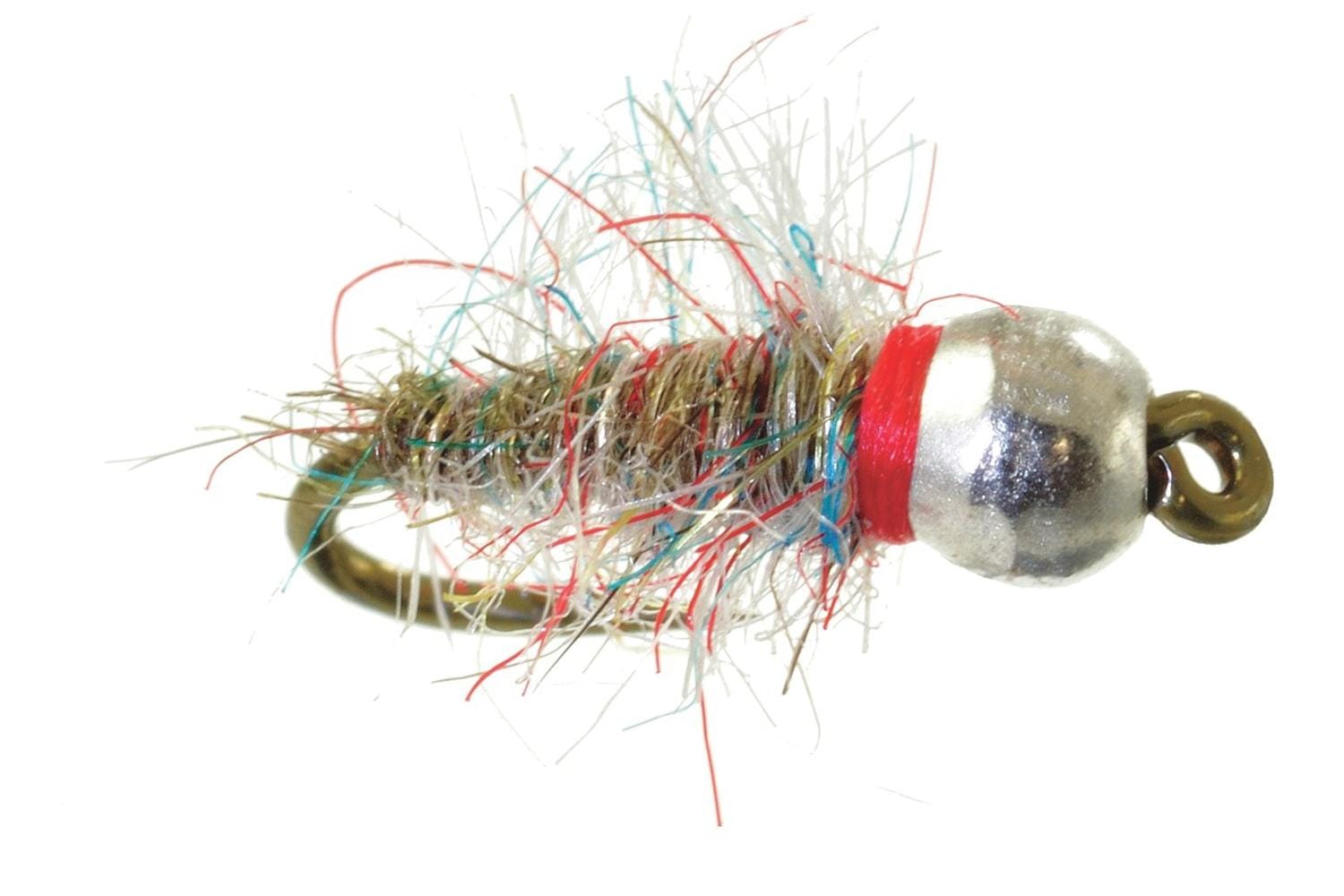
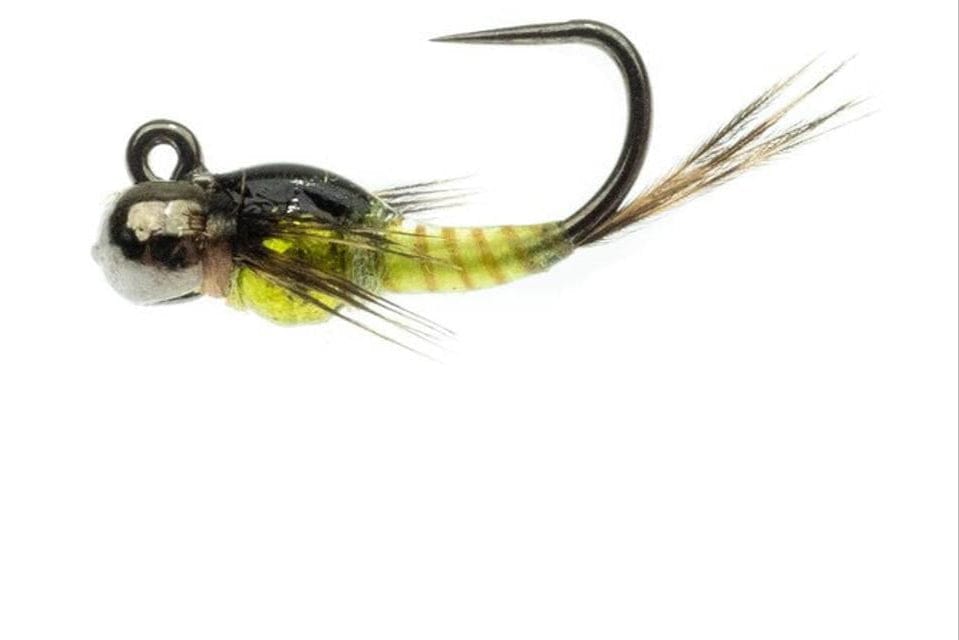
- Best for Tailwaters: Tungsten Zebra Midge Fly - A staple for clear, cold, technical water where trout key on small bugs and subtle drifts. The tungsten bead gives you depth with a compact silhouette, making it easy to fish as a dropper or part of a two-fly nymph rig.
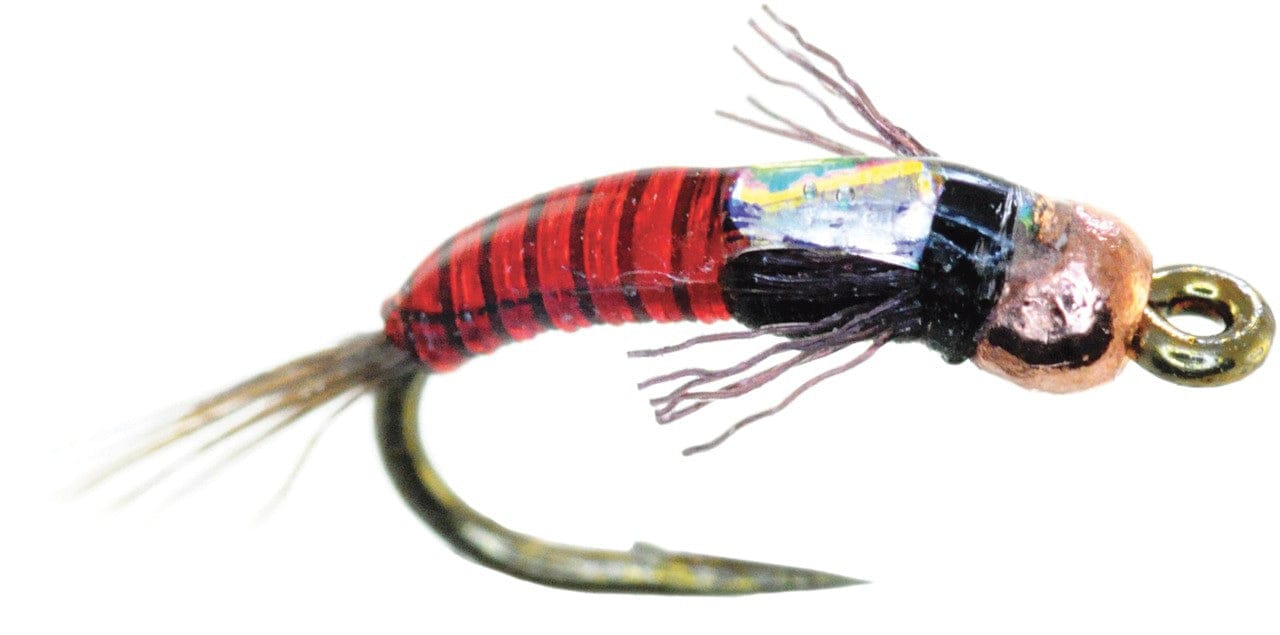
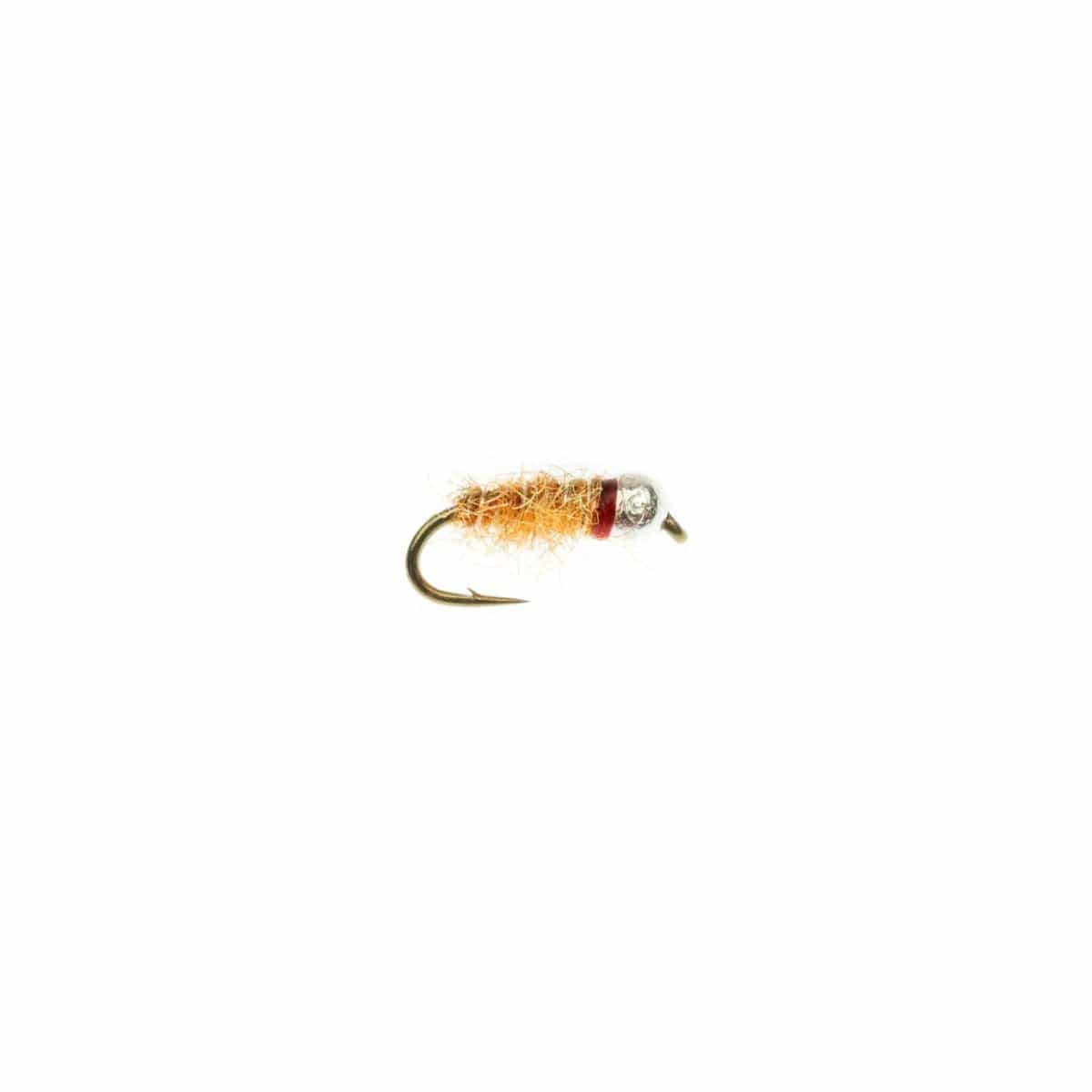
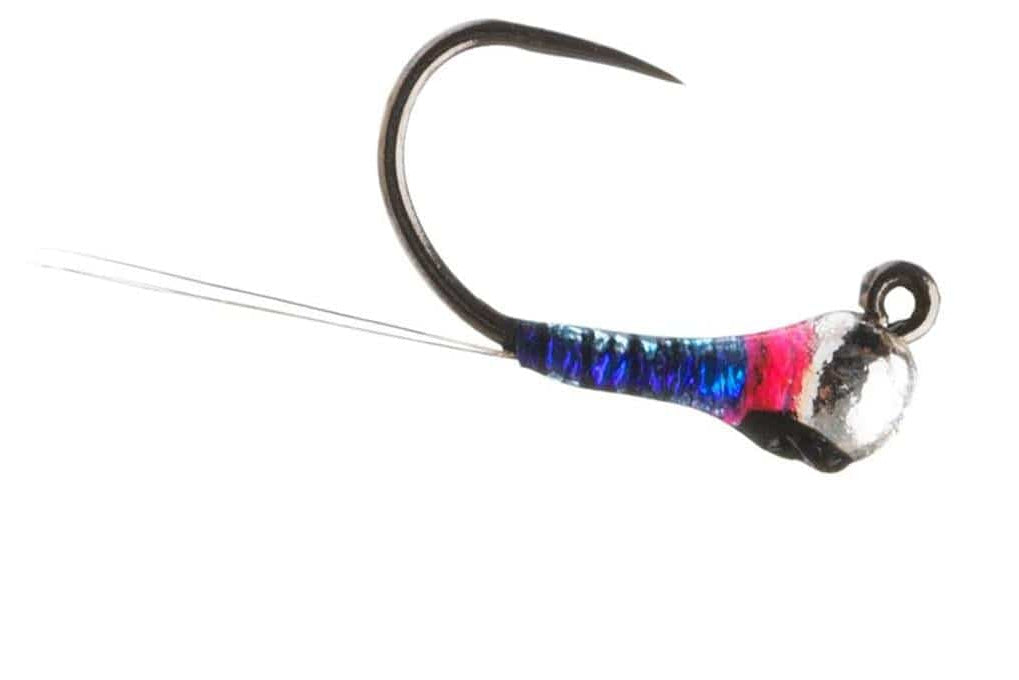
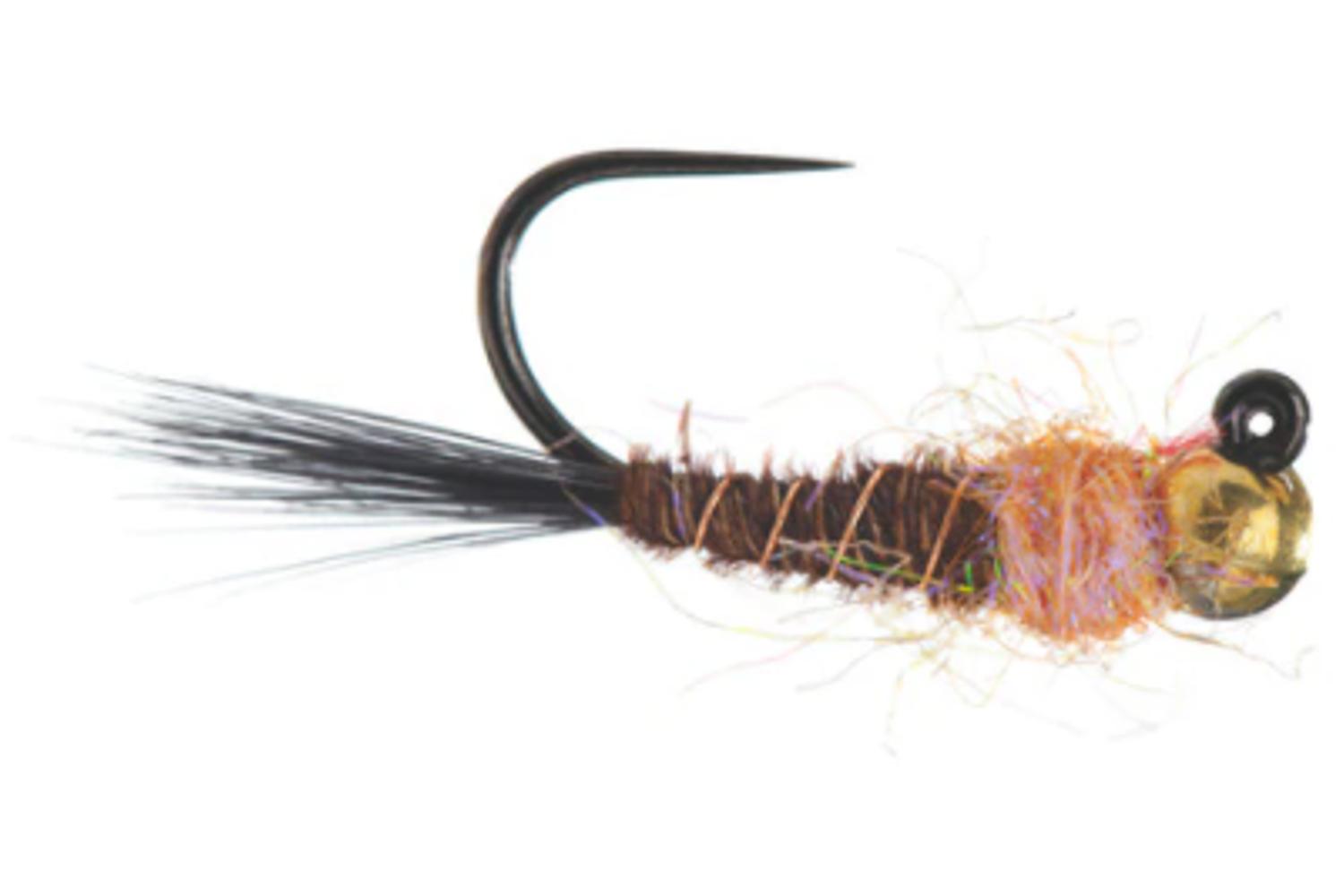
- Best for Euro Rigs: Frenchie Jig Tungsten Bead Fly - Built for tight-line presentations when you want a fly that sinks quickly and rides hook point up. The jig-style build is helpful when you’re ticking bottom and trying to reduce hang-ups while staying in contact.
How to Choose Bead Head Flies
Pick the right weight (bead material + size)
Action: Start by deciding how you’ll control depth, built-in weight (bead/tungsten) vs added weight (split shot). Brass/copper beads are a solid “middle ground,” while tungsten gets down faster with less bulk.
Best for: Deep runs, faster current, winter fishing, and any time you need a quick sink rate and consistent bottom contact.
Match the profile first, then color
Action: When you’re not seeing a specific hatch, lean on general mayfly and “buggy” nymph shapes (Pheasant Tail / Hare’s Ear styles) and adjust size before you swap colors.
Avoid if: You’re changing patterns constantly but not changing depth, most missed opportunities are drift and depth problems, not the exact shade.
Choose a rig style that fits the water
Indicator nymphing: Great for longer drifts and slower water; bead head flies help the rig settle quickly after each mend.
Tight-line / Euro: Pair a heavier point fly with a smaller dropper for contact and natural movement; jig-style bead head flies are common here.
Dry-dropper: Smaller bead head nymphs make excellent droppers when fish are feeding just under the film or in shallow riffles.
Build a small “confidence set”
Action: For most trout boxes, you’ll be covered with a mix of (1) a buggy mayfly-style nymph, (2) a heavier attractor/stonefly-style nymph, and (3) a few small midges in different weights. From there, add specialty flies when the river tells you to (caddis pupae, eggs, worms, etc.).
Materials & Durability
- Dry your flies: After fishing, open your fly box to let wet bead head flies dry out and help prevent rusted hooks.
- Check the bead-to-hook junction: If your fly starts slipping on the drift, inspect the head area for damage from rocks or fish teeth.
- Sharpen often: Bead head flies spend time near the bottom, touch up the hook point after snags or a few fish.
- Replace when bent: If a hook gap gets opened up or the fly is badly deformed, retire it, hook geometry matters.
Complete Your Setup
Related Gear
- Leaders - Build cleaner turnover for indicator rigs or longer, lighter setups for dry-dropper fishing.
- Tippet - Dial in sink rate and presentation; fluorocarbon is a common choice for subsurface durability and abrasion resistance.
- Euro Nymphing Fly Lines - Helpful if you’re building a dedicated tight-line system for bead head and jig flies.
- Fly Assortments - A quick way to round out your box with proven patterns for a trip or season.
Related Guides
- Fly Fishing Flies Explained
- How to Tie the Zebra Midge Fly
- How to Tie a Perdigon Nymph
- How to Tie a Rainbow Warrior Nymph
- How To Tie A Steelhead Nymph
Bead Head Flies FAQs
Q: What are bead head flies in fly fishing?
A: Bead head flies are patterns tied with a metal bead at the front of the hook to add weight and sometimes a bit of flash. That added weight helps the fly sink and fish effectively below the surface.
Q: When should I fish bead head nymphs?
A: Fish bead head nymphs when trout are feeding subsurface, which can be most of the year. They’re especially useful in deeper runs, faster currents, or cold water when fish hold closer to the bottom.
Q: Are tungsten bead head flies better than brass bead head flies?
A: Tungsten is denser, so it sinks faster without needing a larger bead. Brass/copper beads can be a good fit when you want a slower sink rate or a lighter dropper fly in shallow water.
Q: What size bead head fly should I start with for trout?
A: A practical starting range is mid-size nymphs for general water, plus a handful of smaller midge patterns for clear/technical conditions. If you’re unsure, adjust depth and drift first, then change size.
Q: Can I use bead head flies on a dry-dropper rig?
A: Yes, small to medium bead head nymphs are common droppers. The key is balancing the dry fly’s buoyancy with the nymph’s weight so the dry still floats and stays visible.
Q: Do bead head flies snag more on the bottom?
A: They can, because they’re designed to get down into the rocks where trout feed. Jig-style bead head flies help by riding hook point up, and careful weight selection reduces constant bottom hang-ups.
Q: What’s the best way to fish bead head flies: indicator or Euro?
A: Both work, indicator rigs shine for longer drifts and controlled depth, while Euro/tight-line excels for direct contact and feel in faster, broken water. Your water type and casting room usually decide it.
Q: Are bead head flies good for beginners?
A: Yes. They’re straightforward to fish, help you reach the strike zone faster, and work with common setups like indicator nymphing and dry-dropper rigs.