


Atlantic Salmon Fly Fishing - Restigouche River, New Brunswick
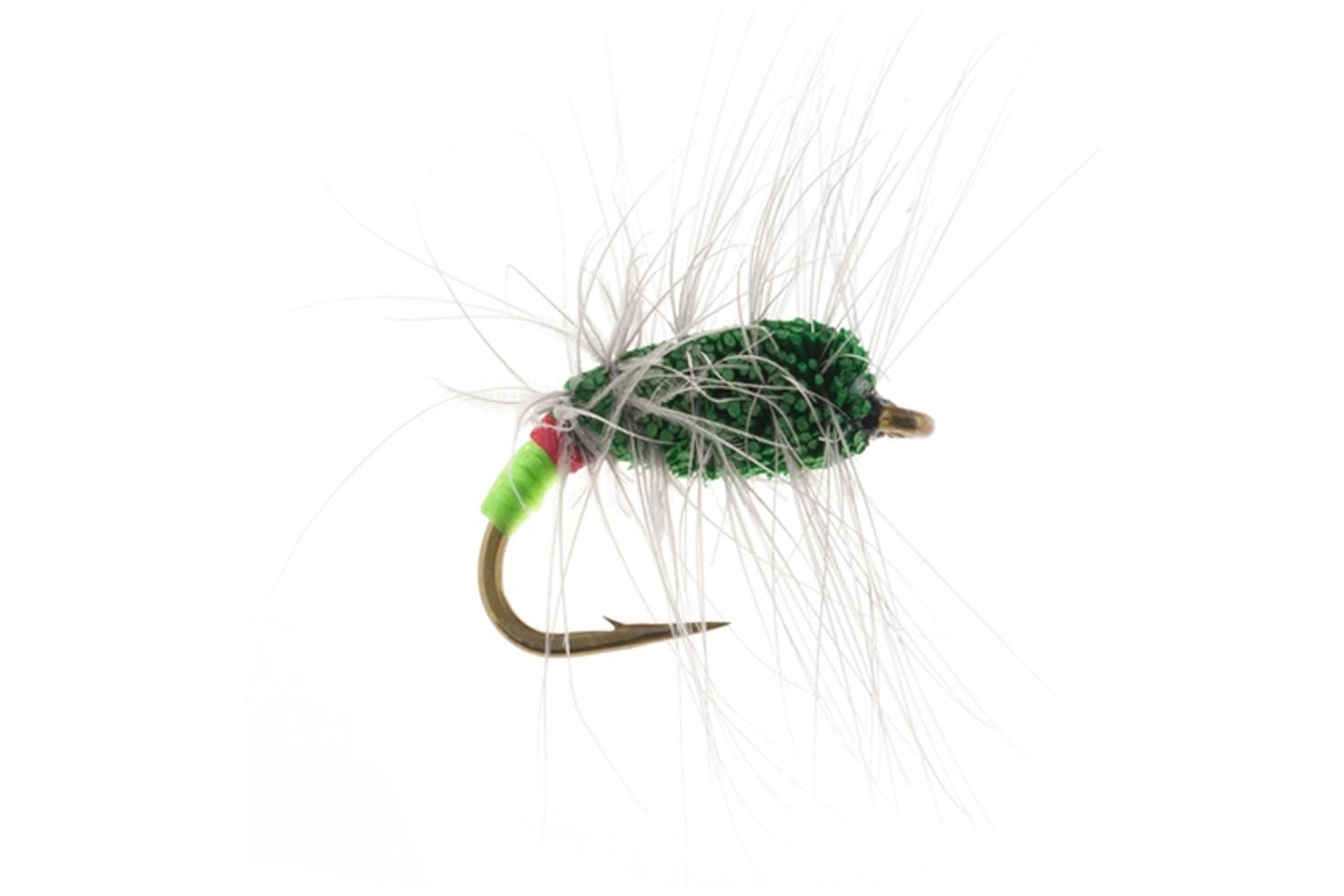
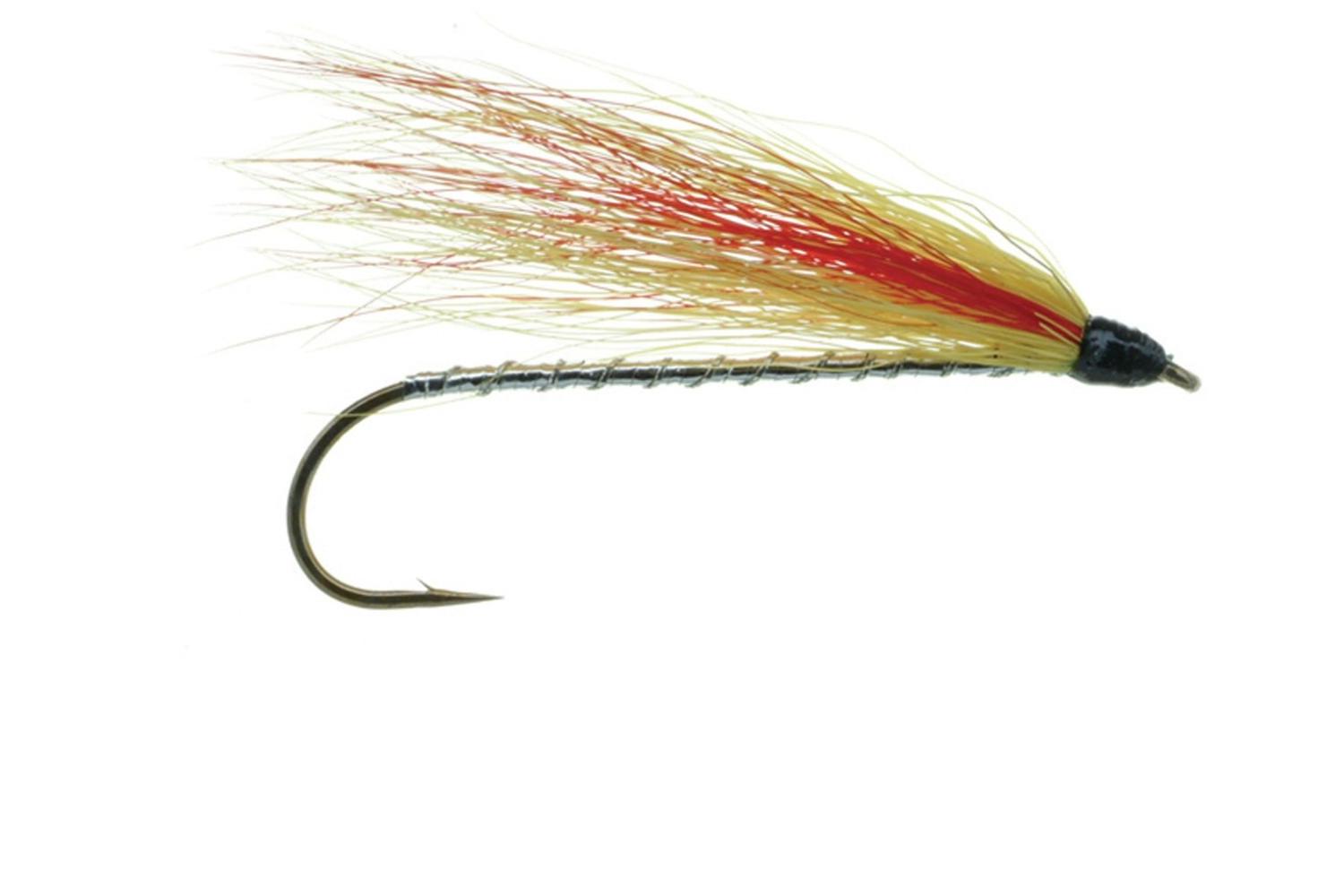
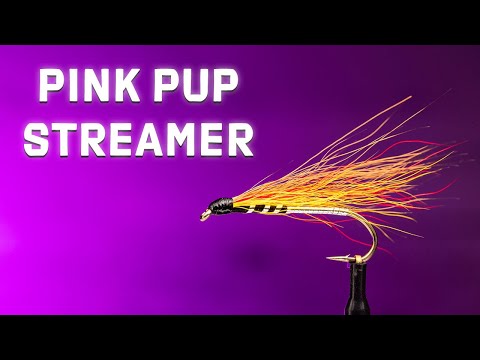
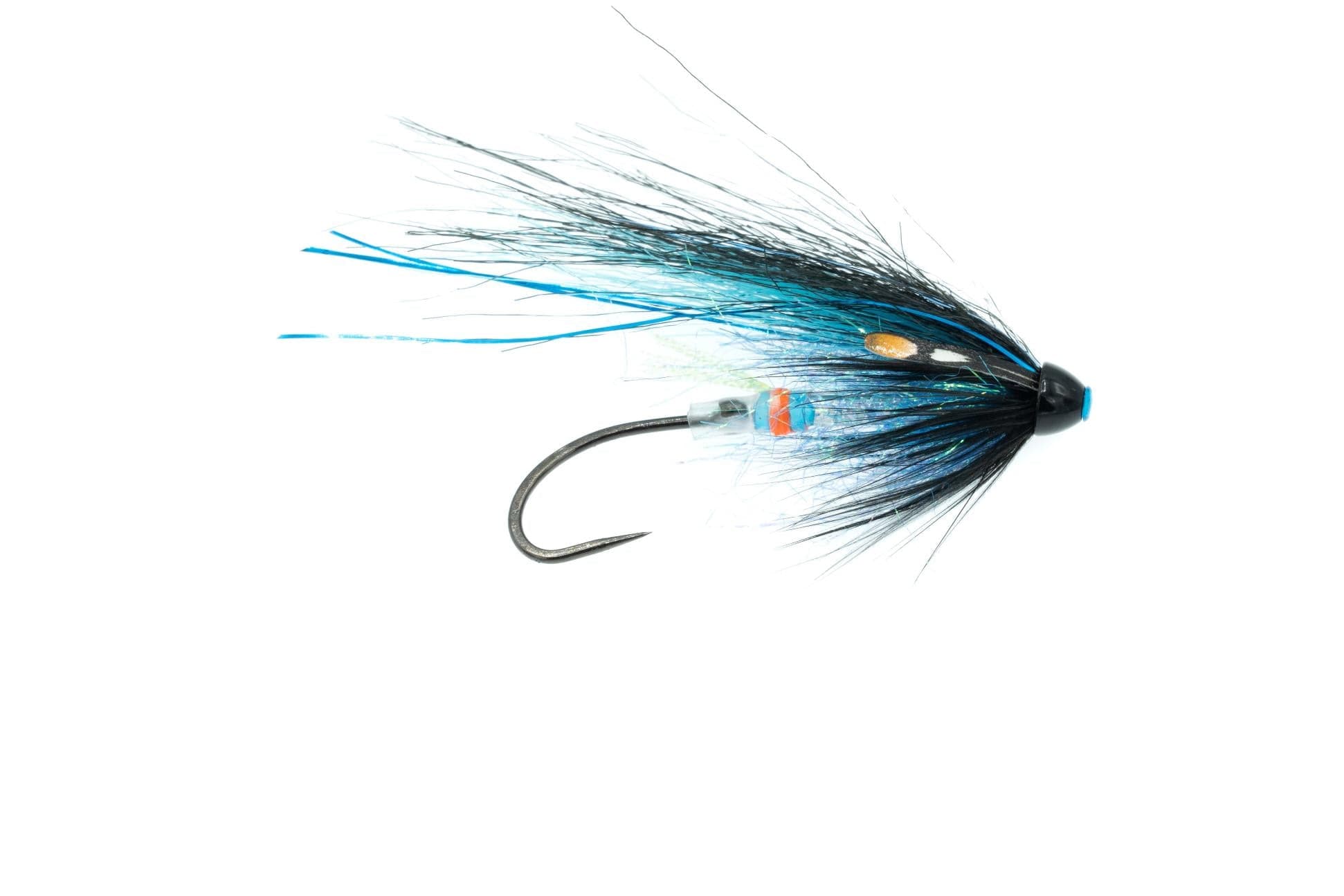
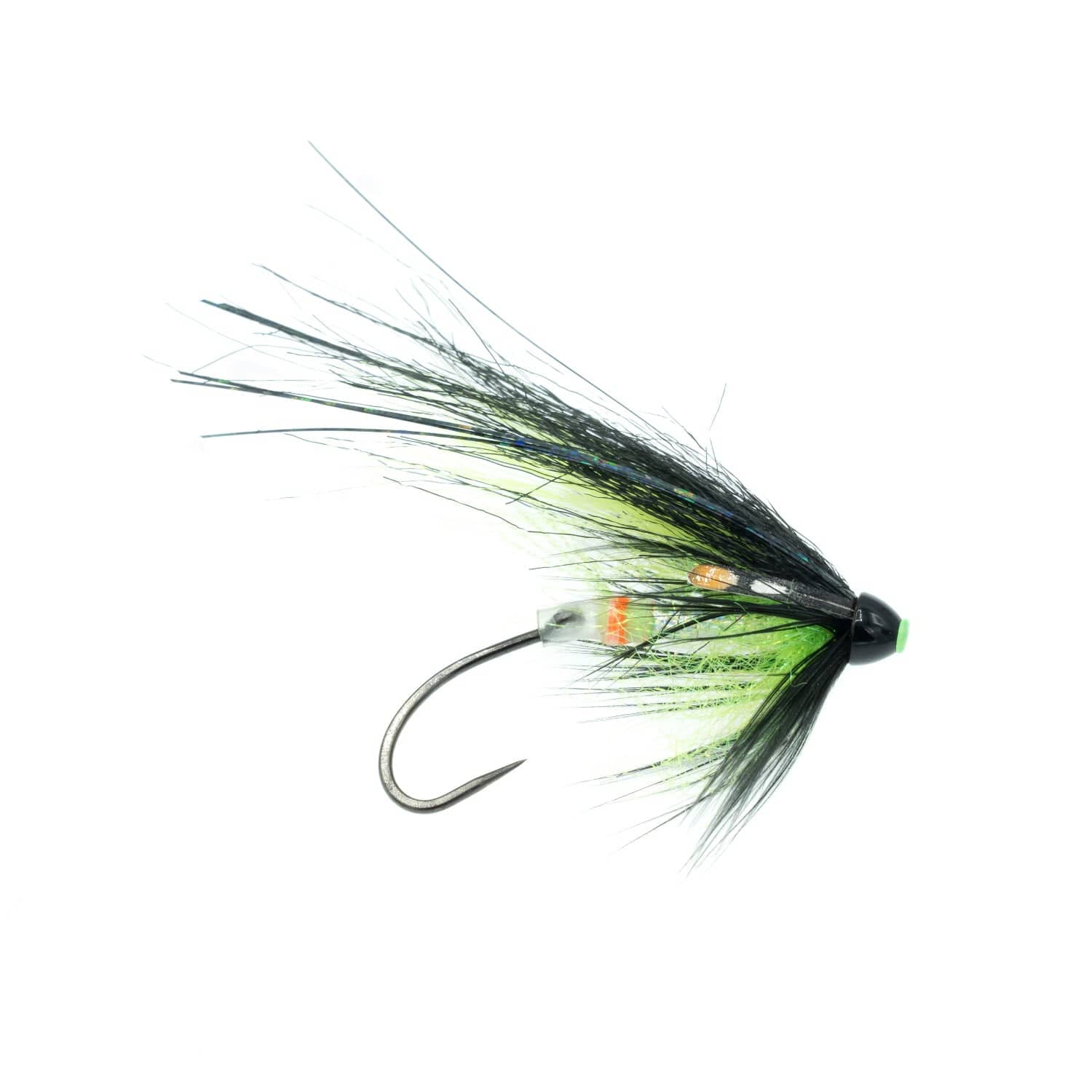
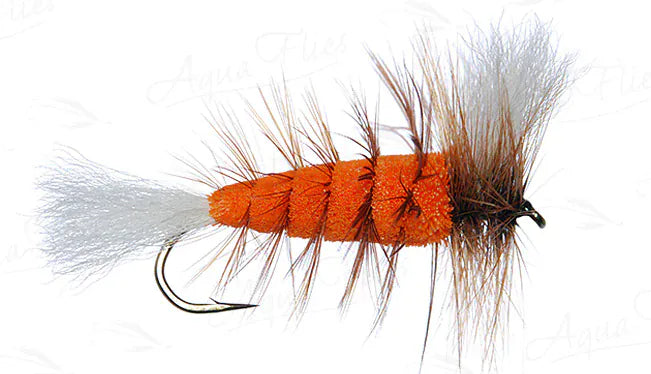
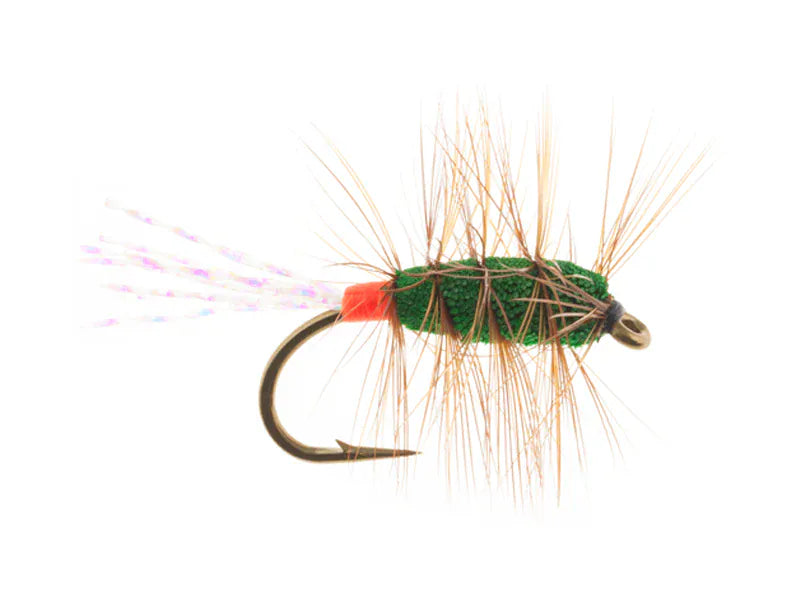
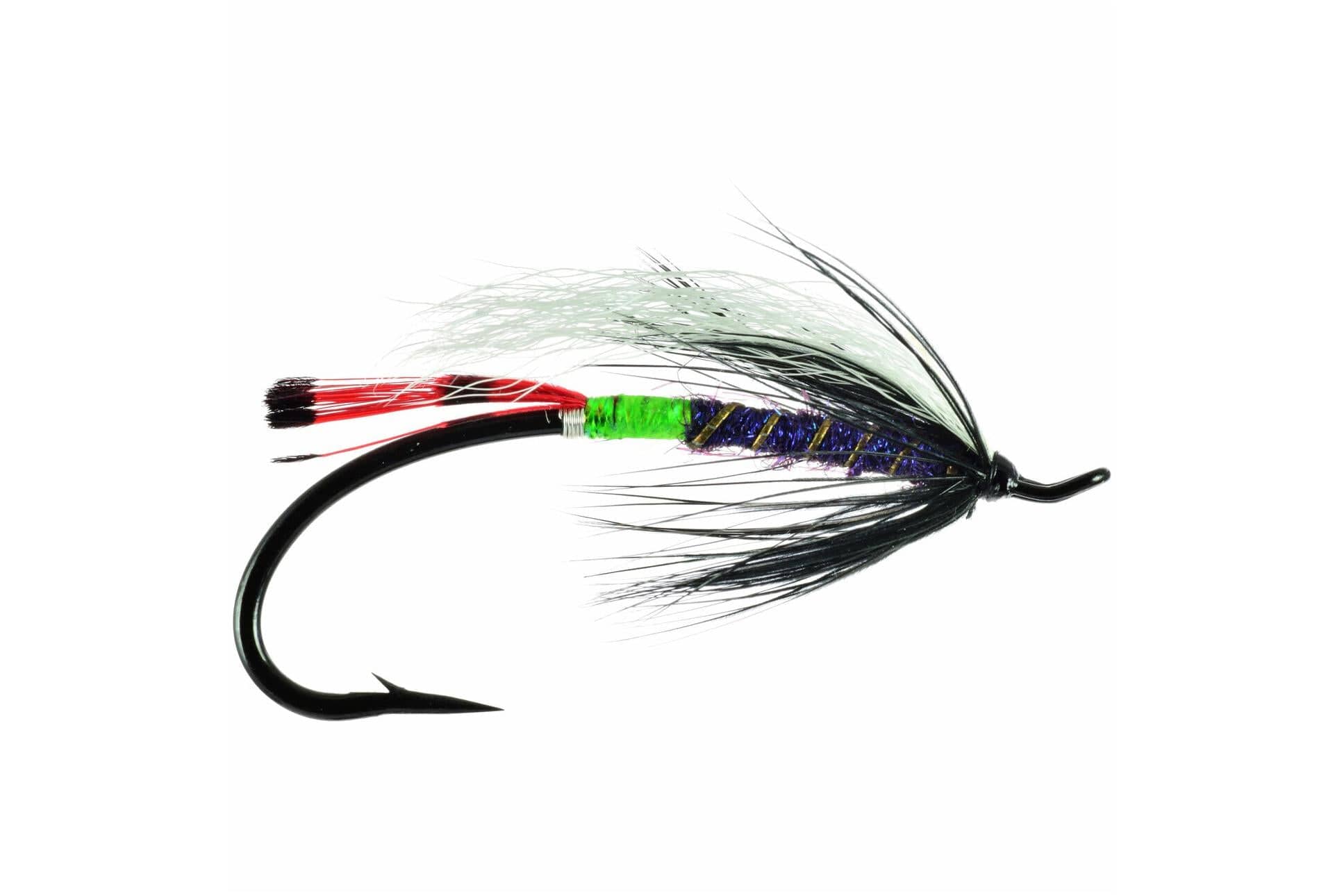
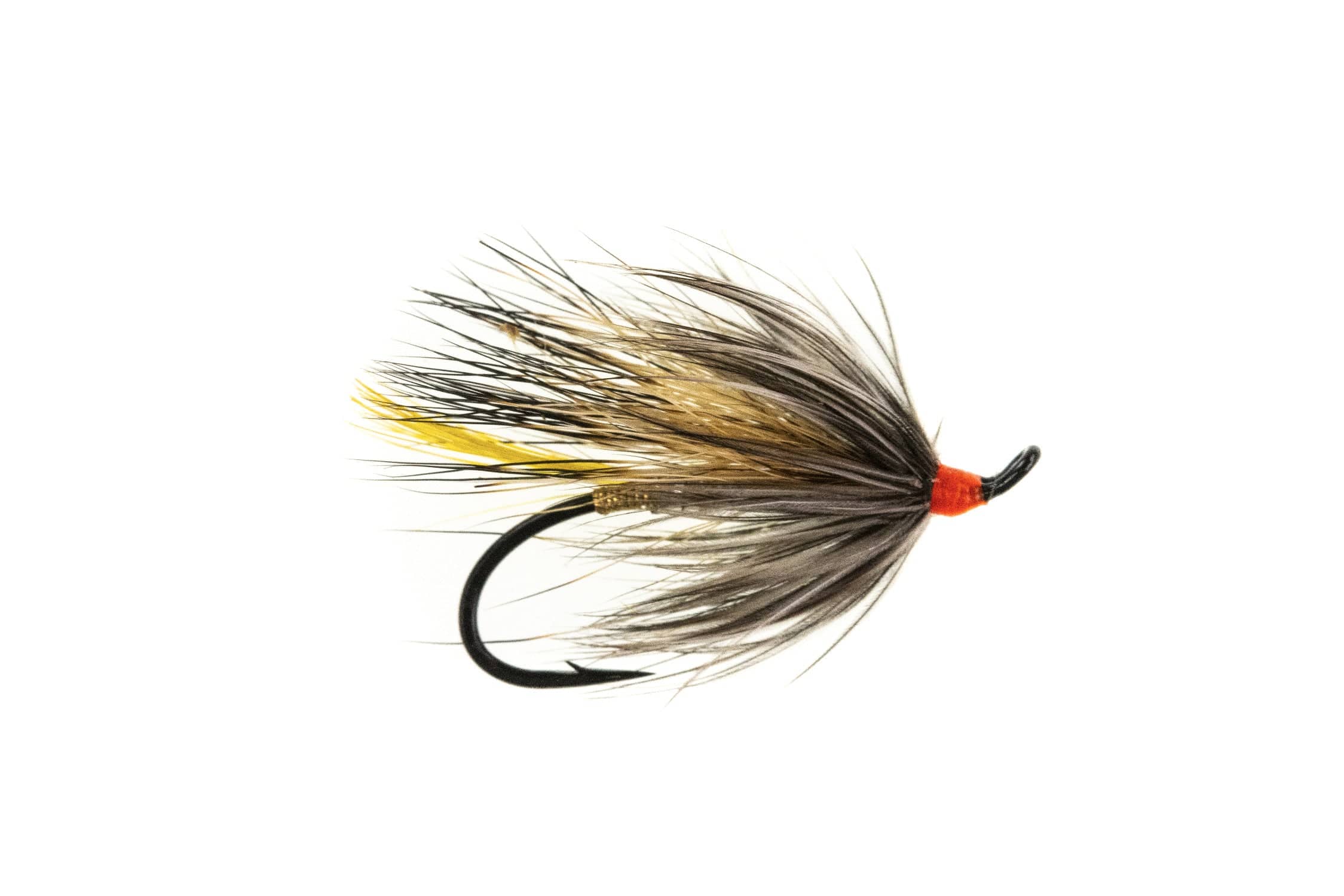
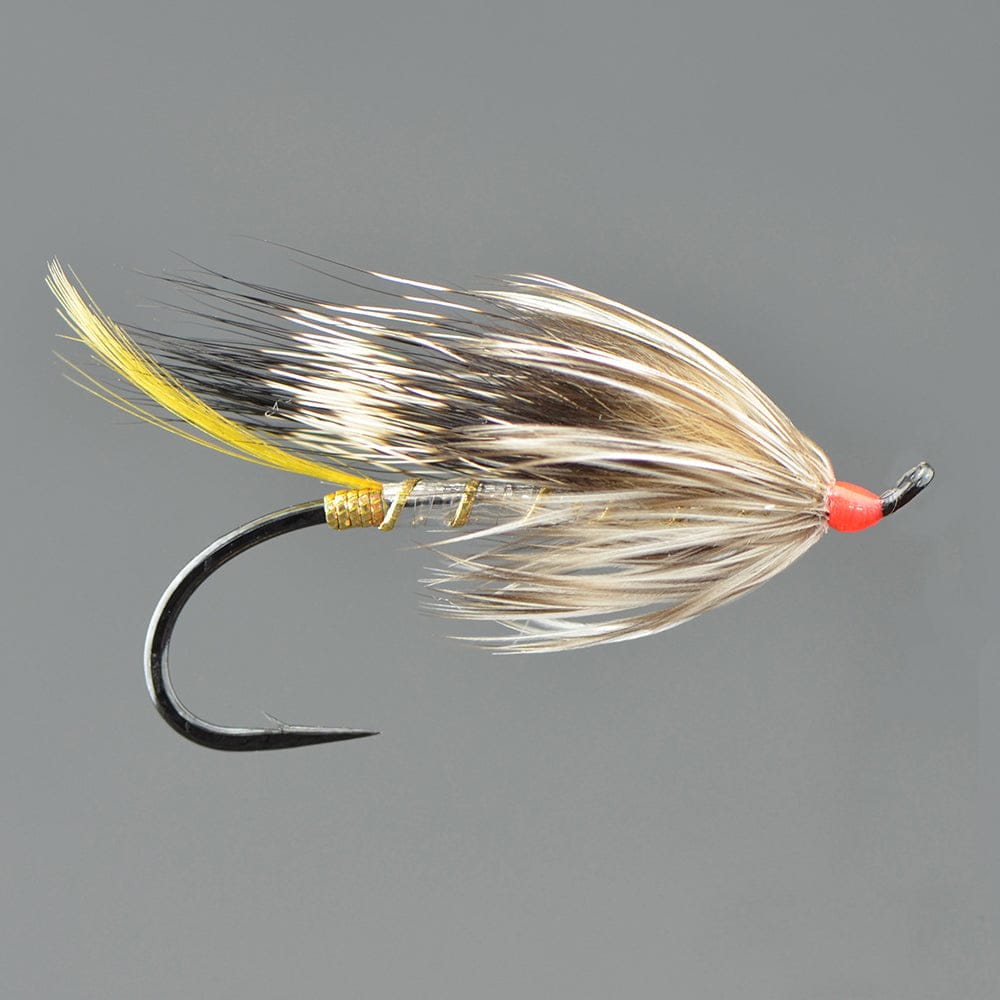
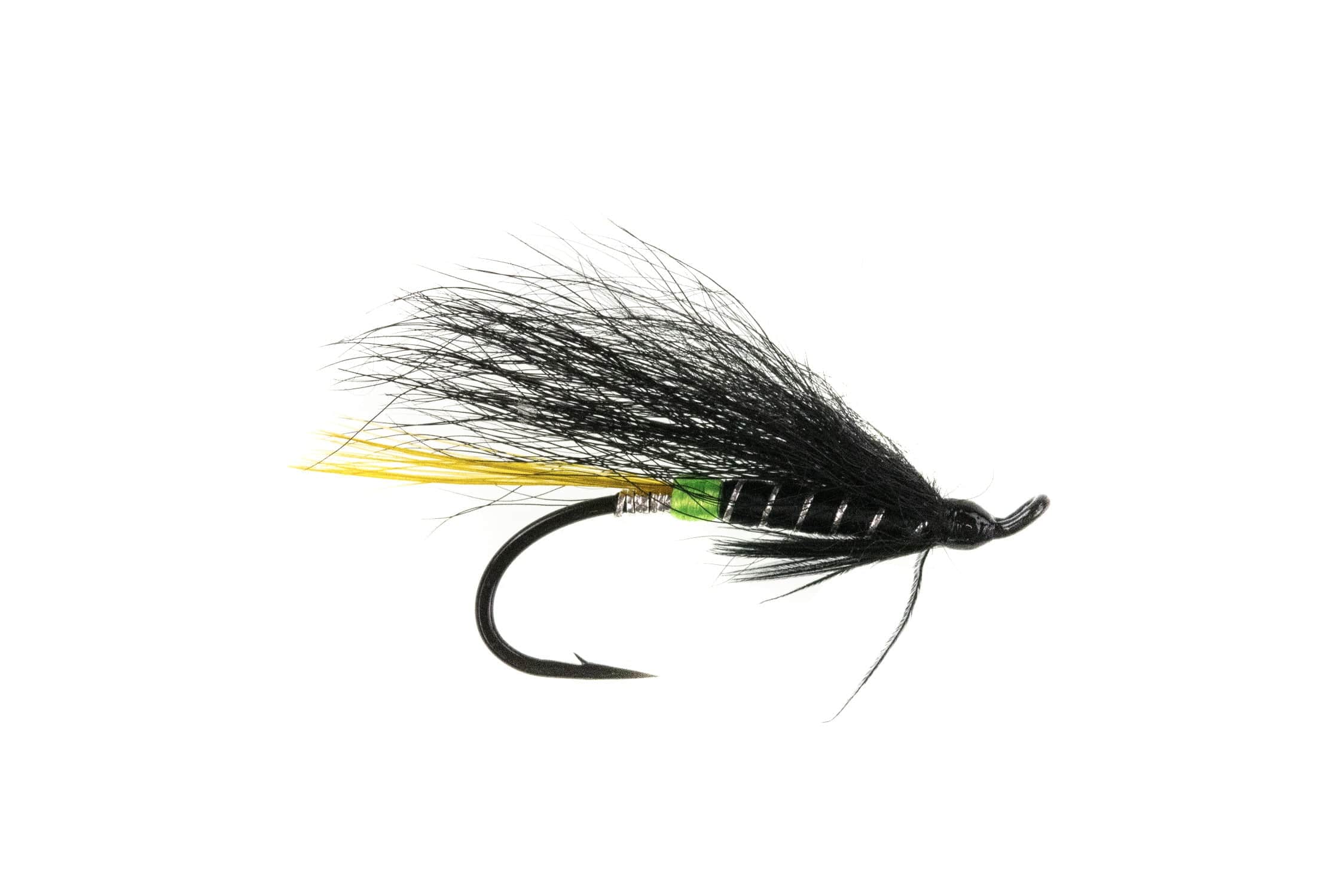
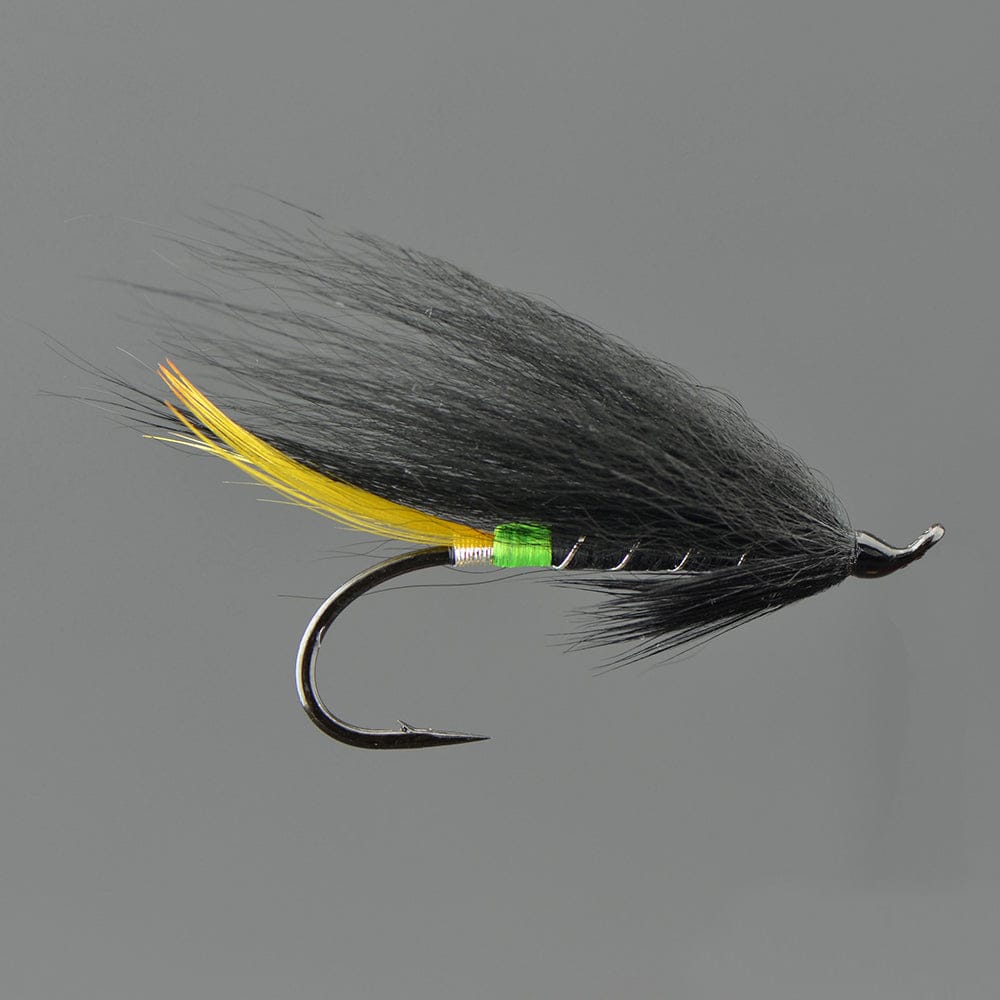
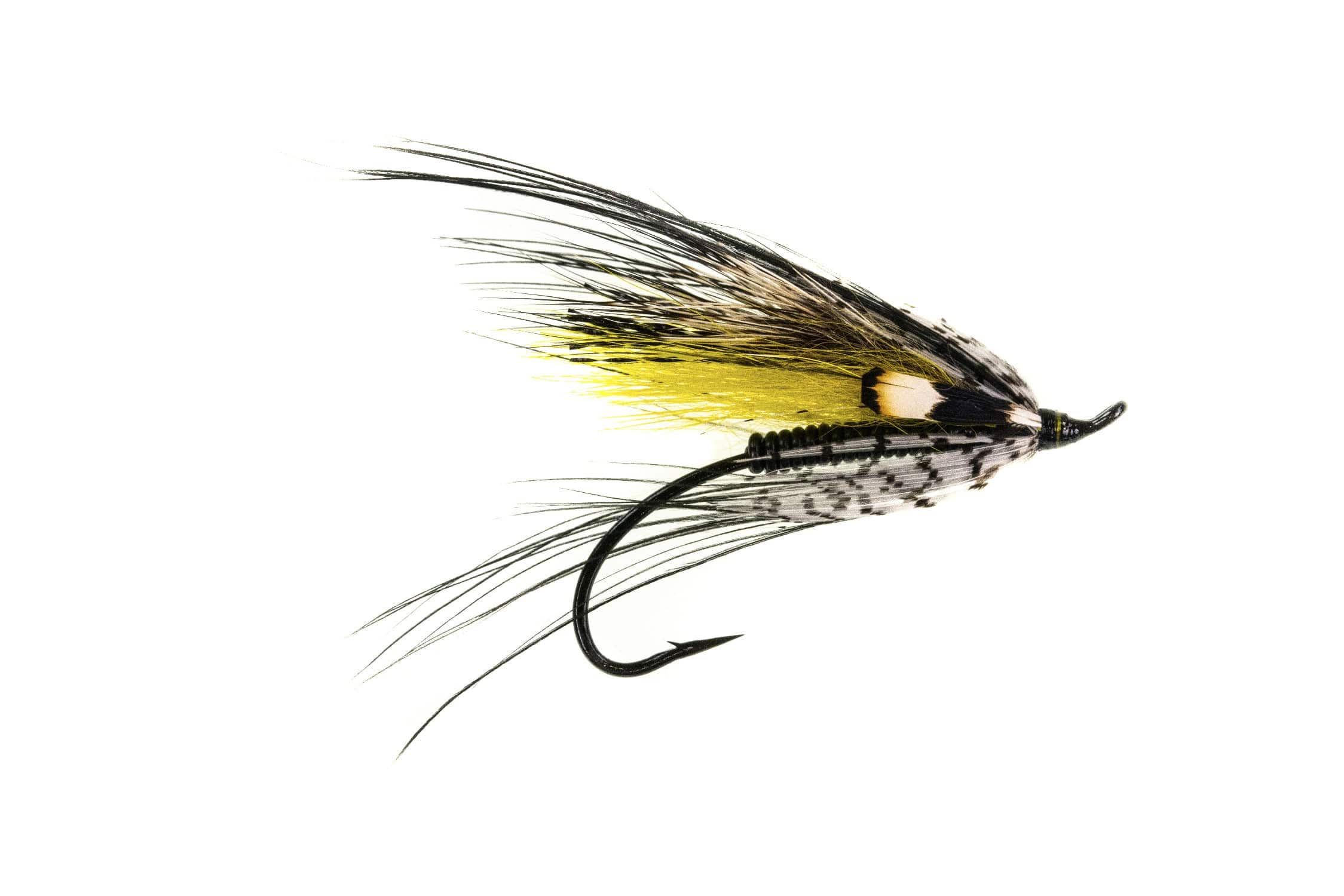
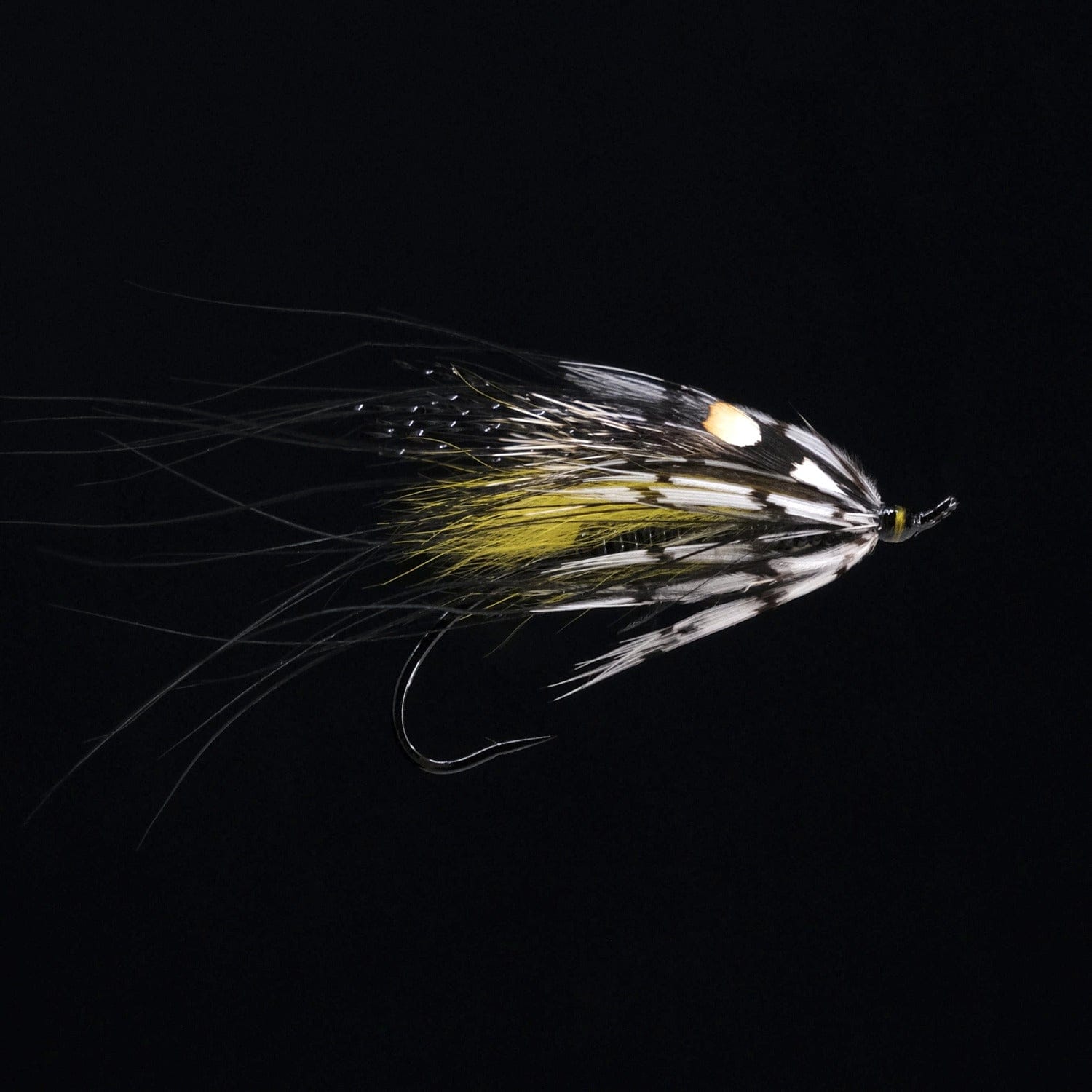
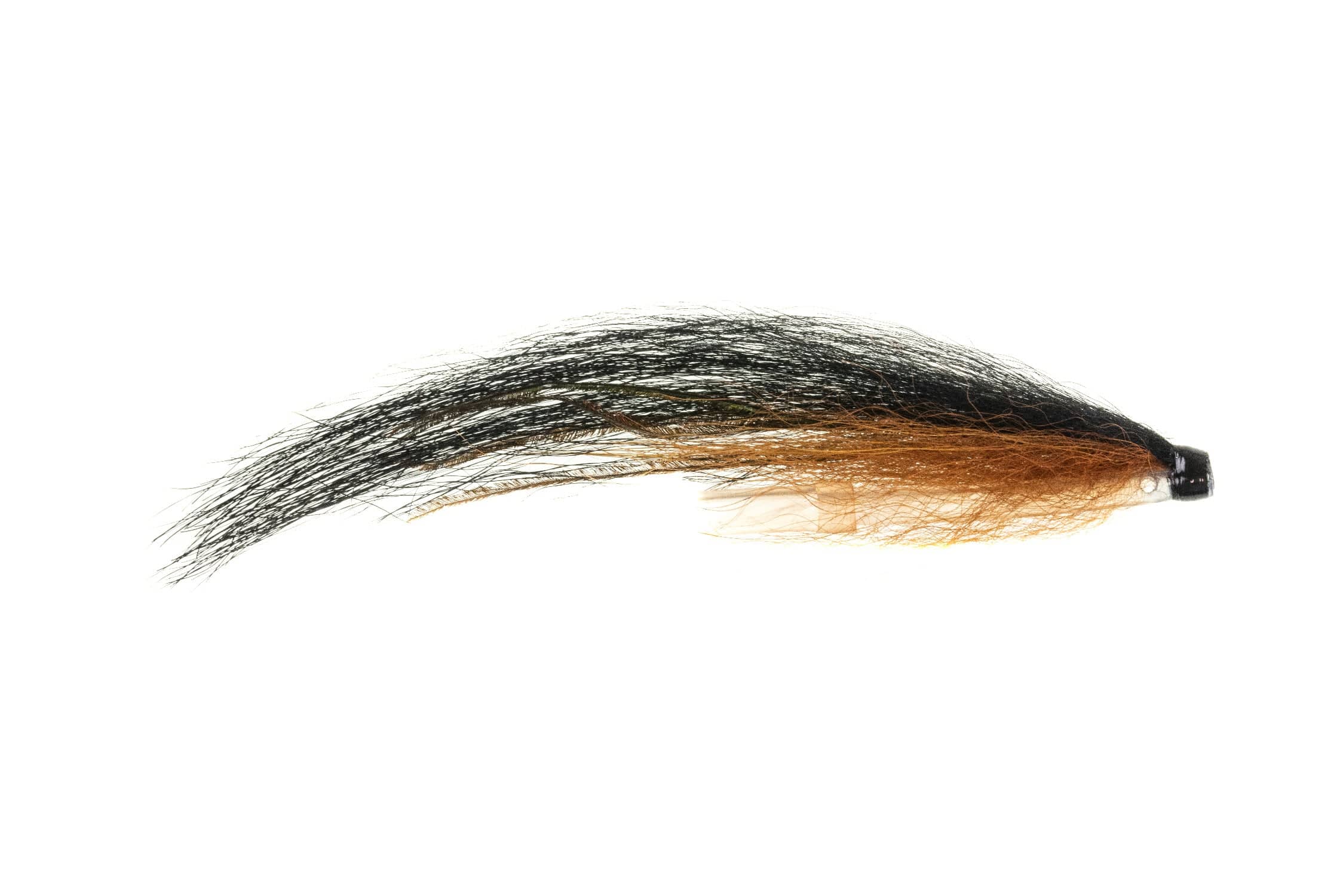
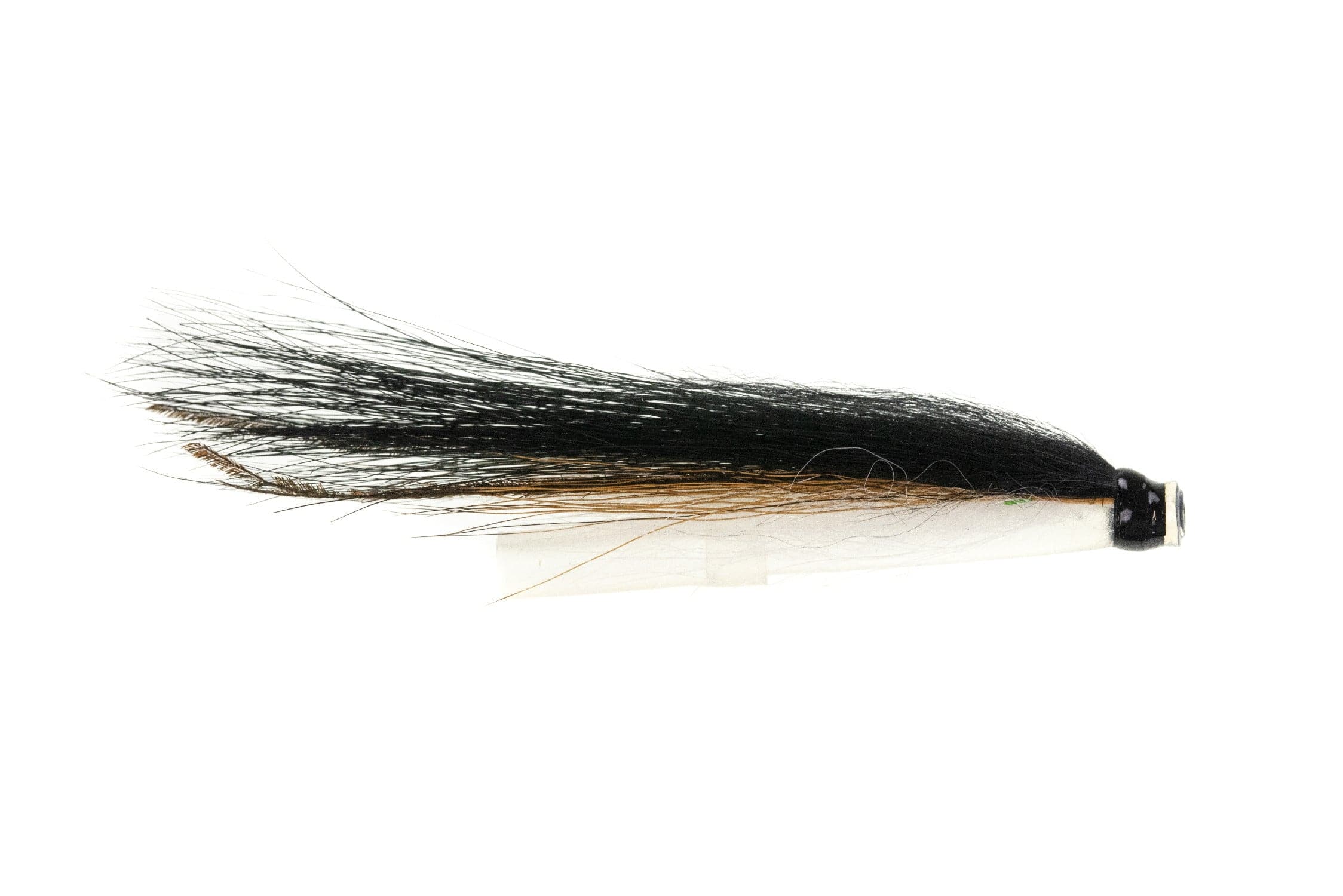
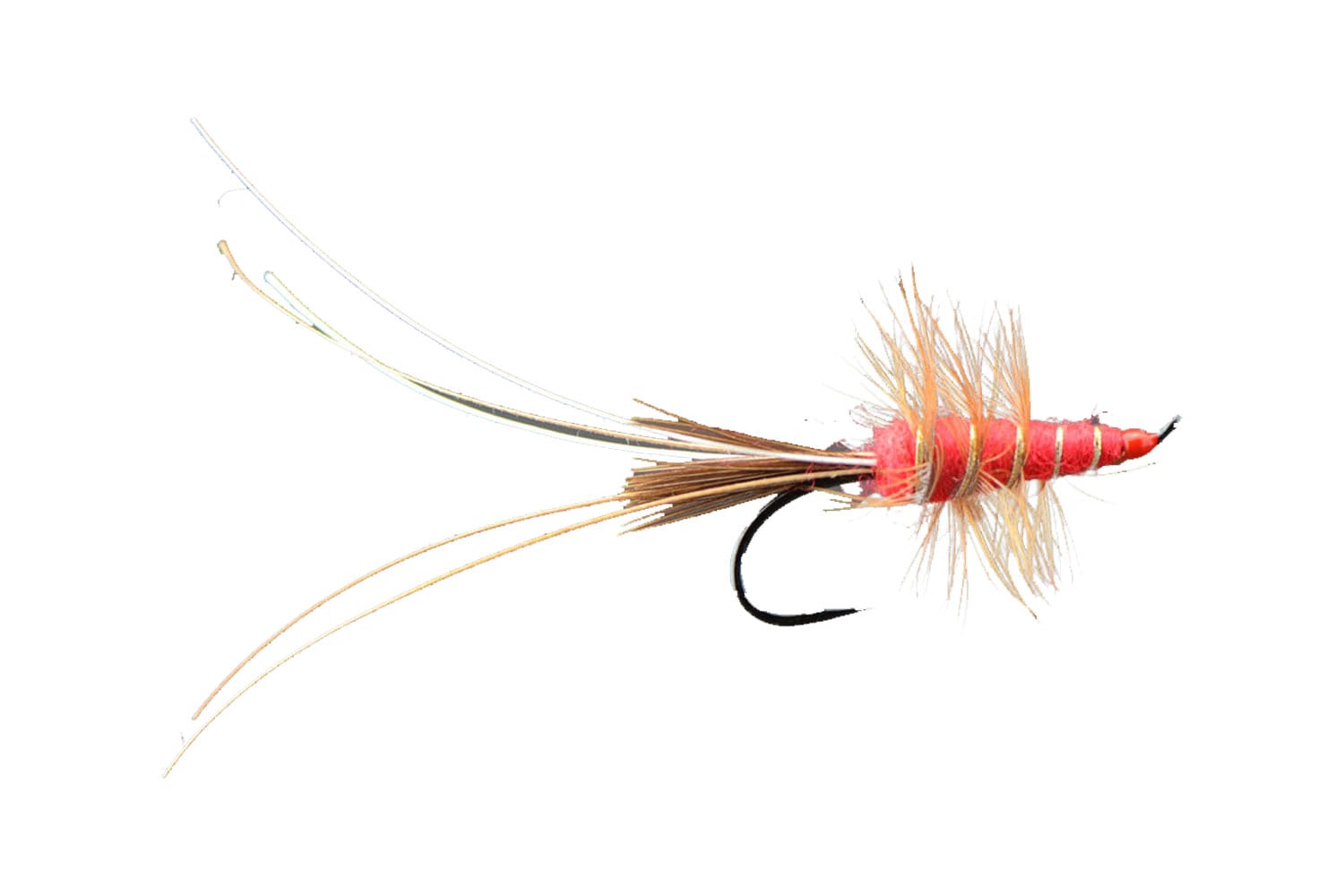
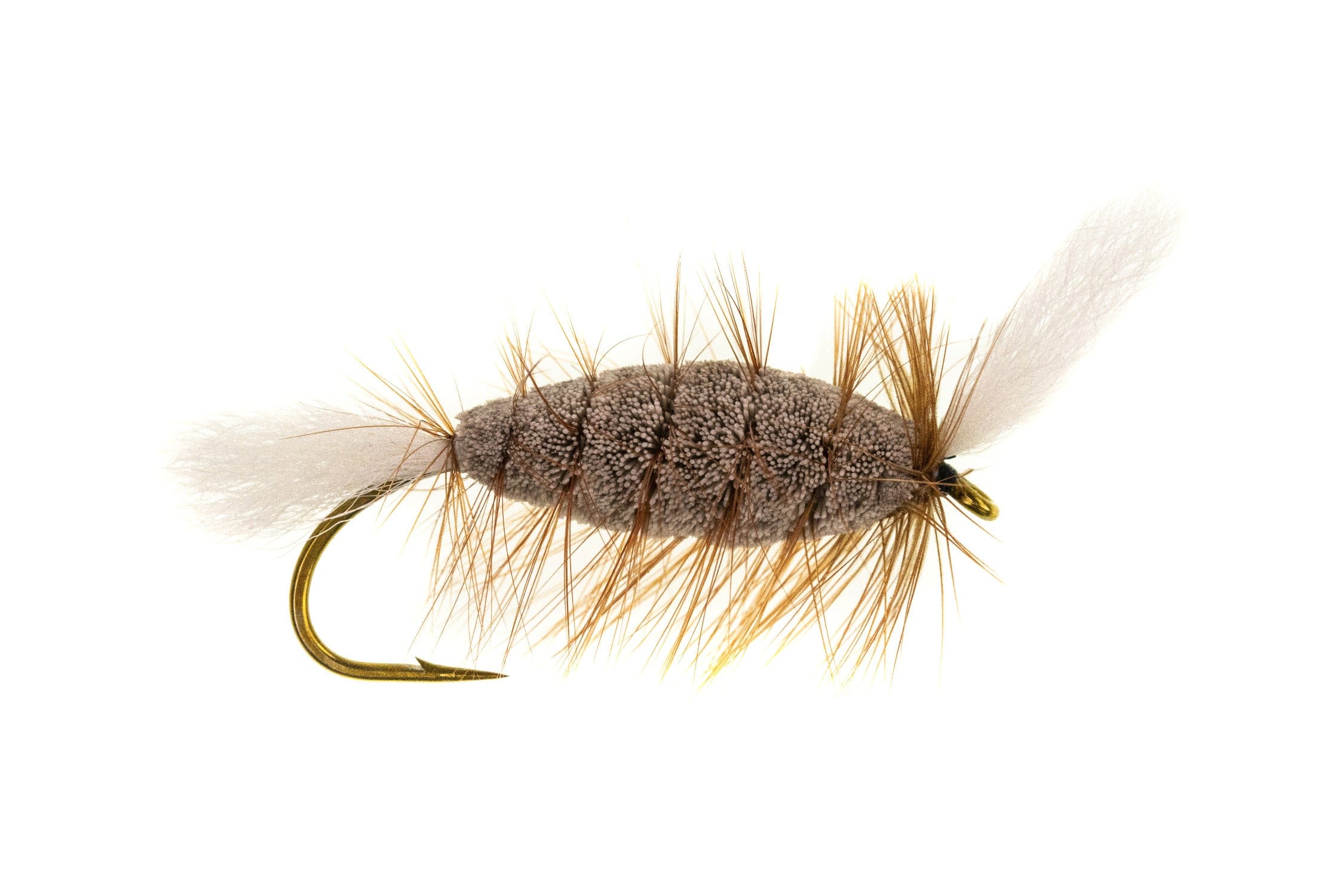
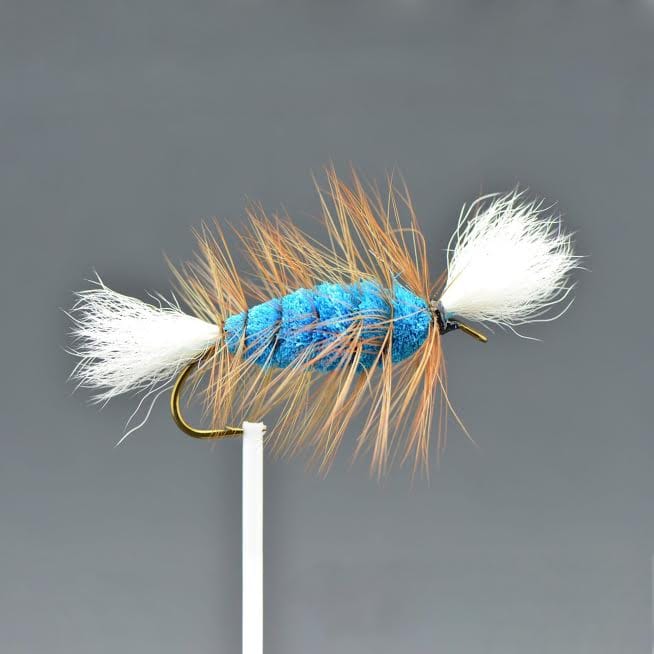
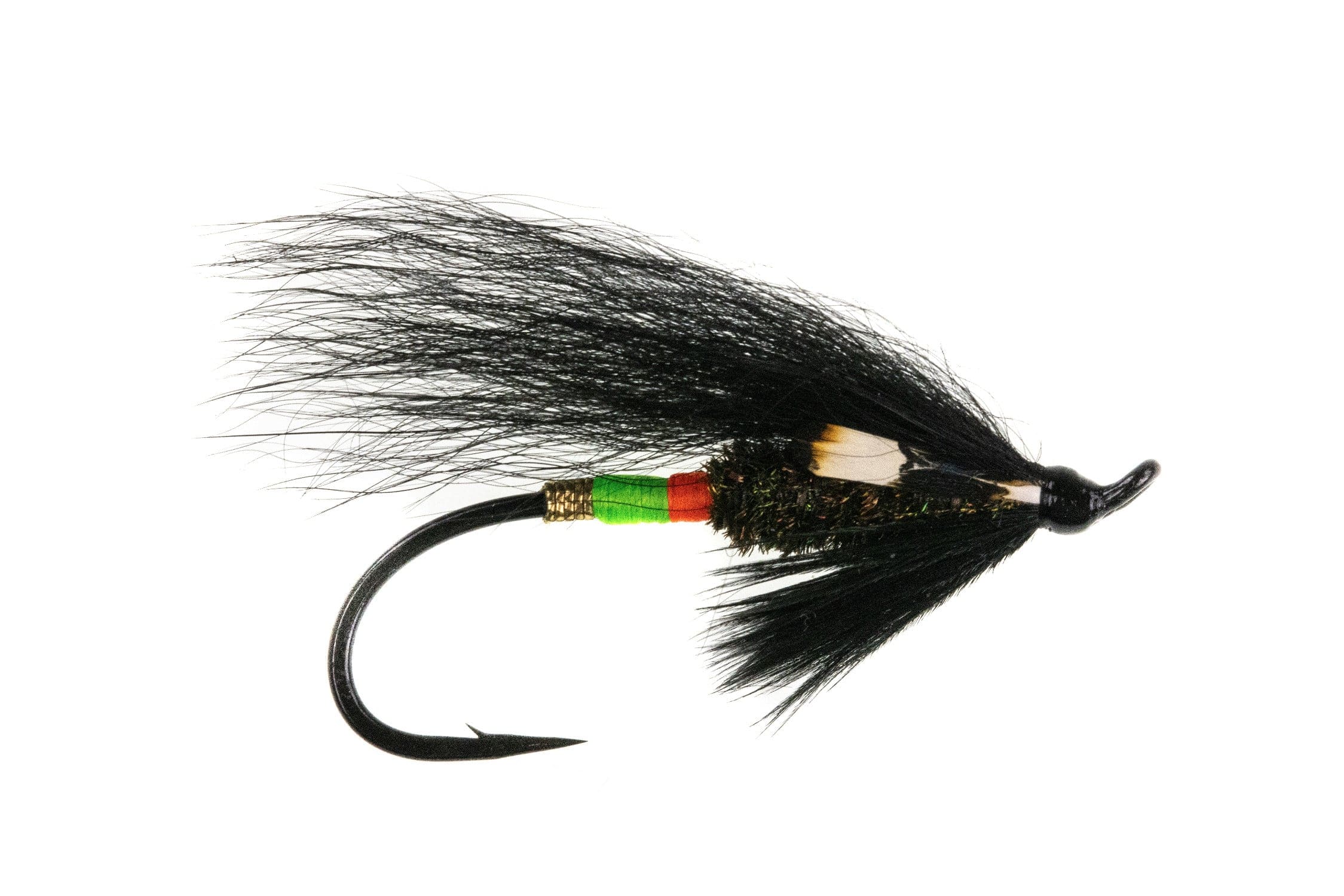
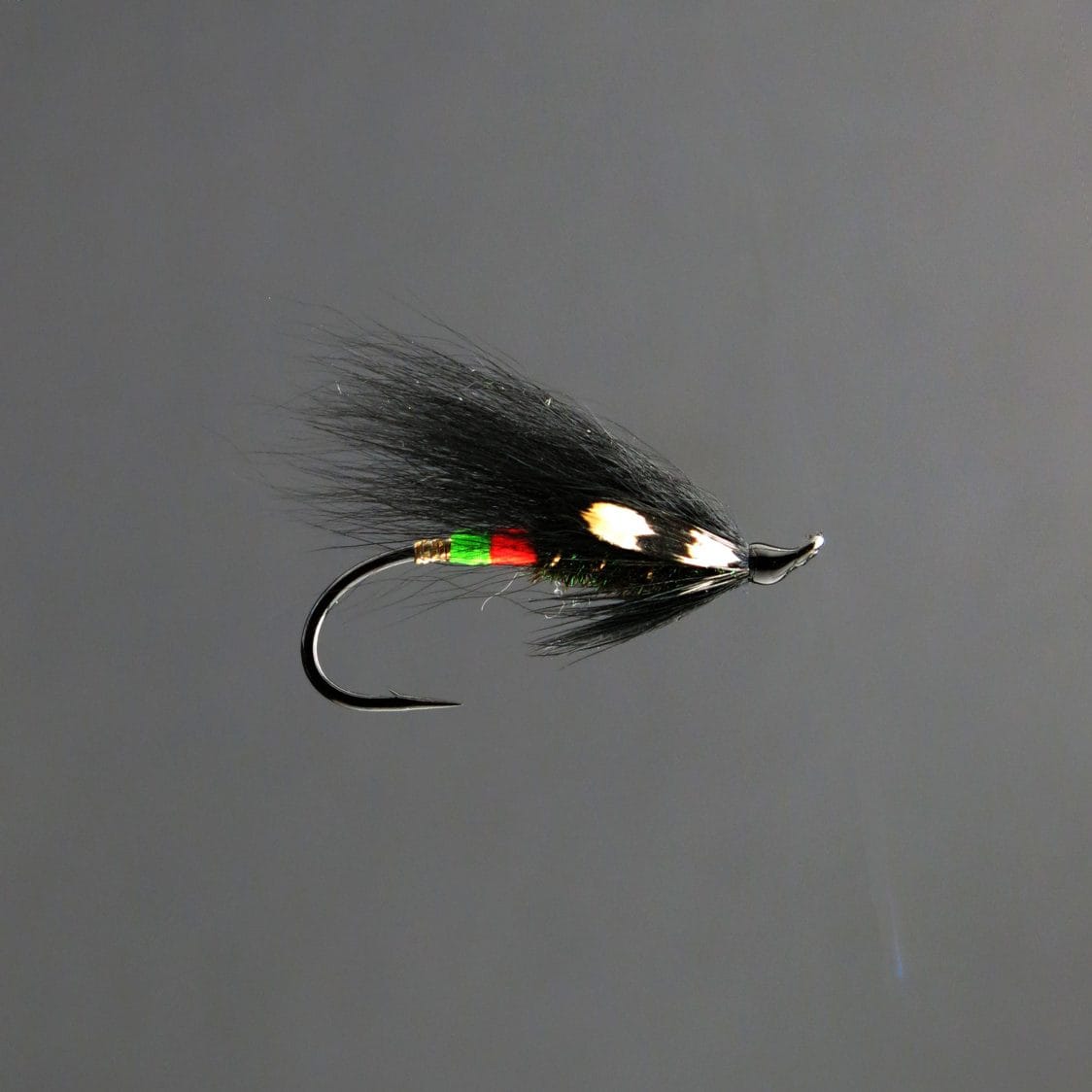
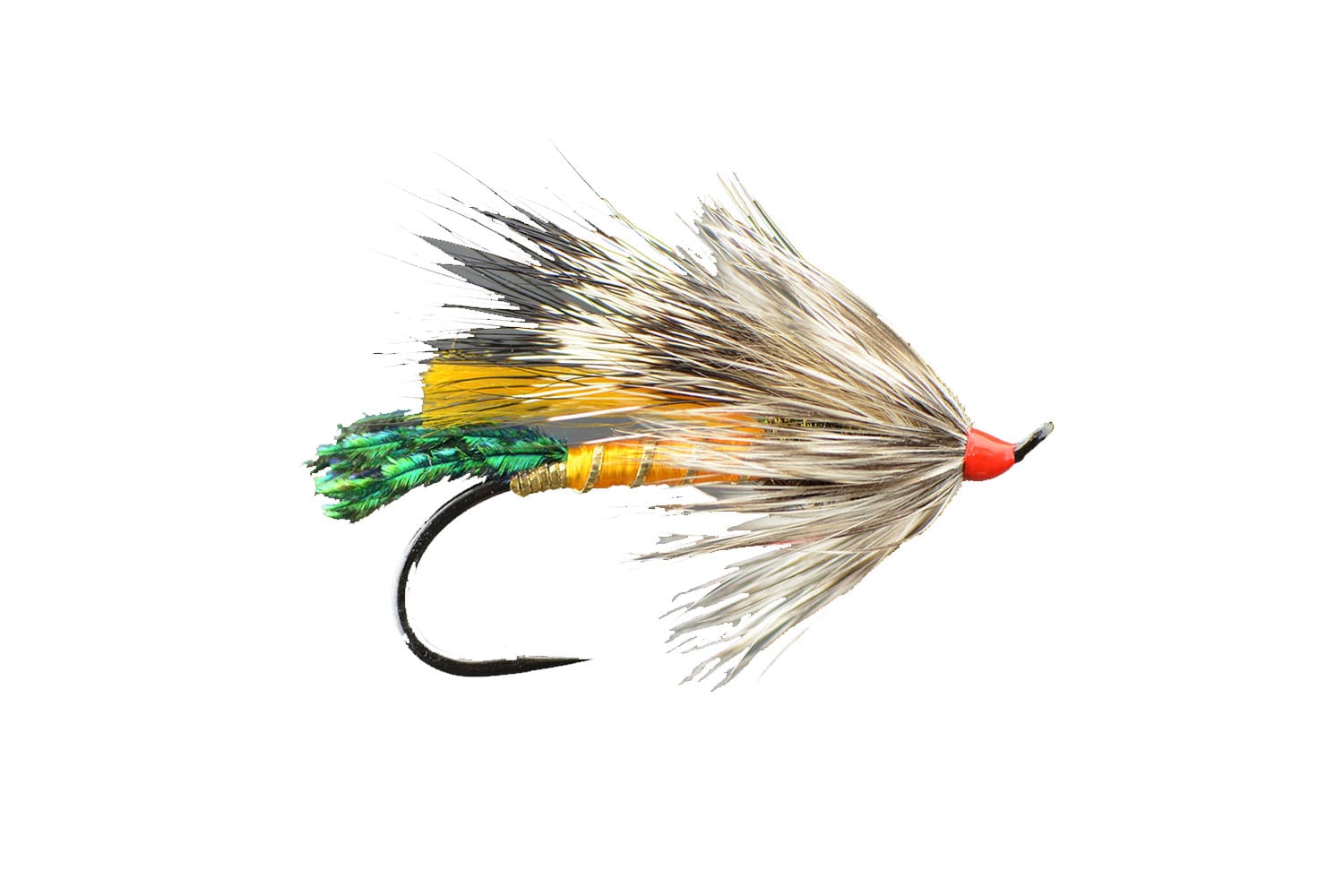
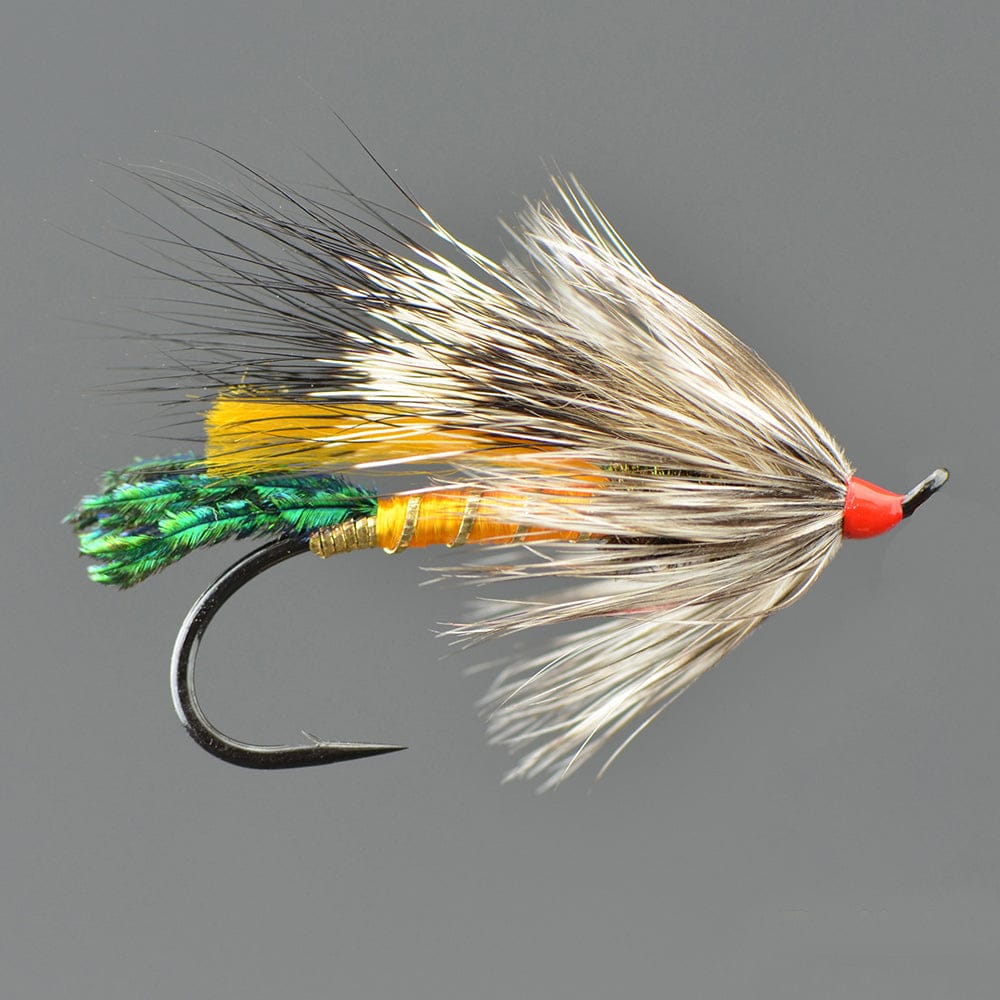
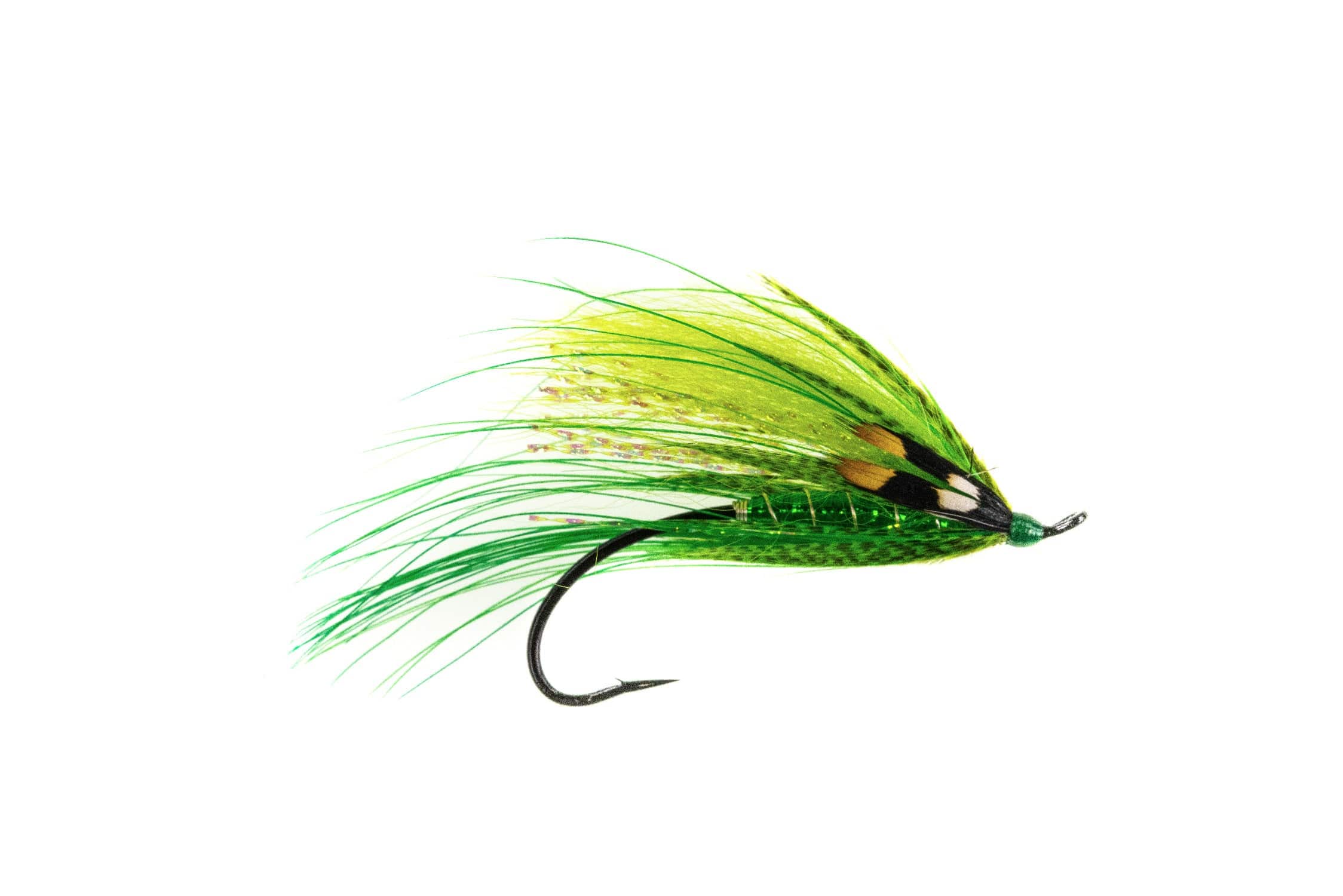
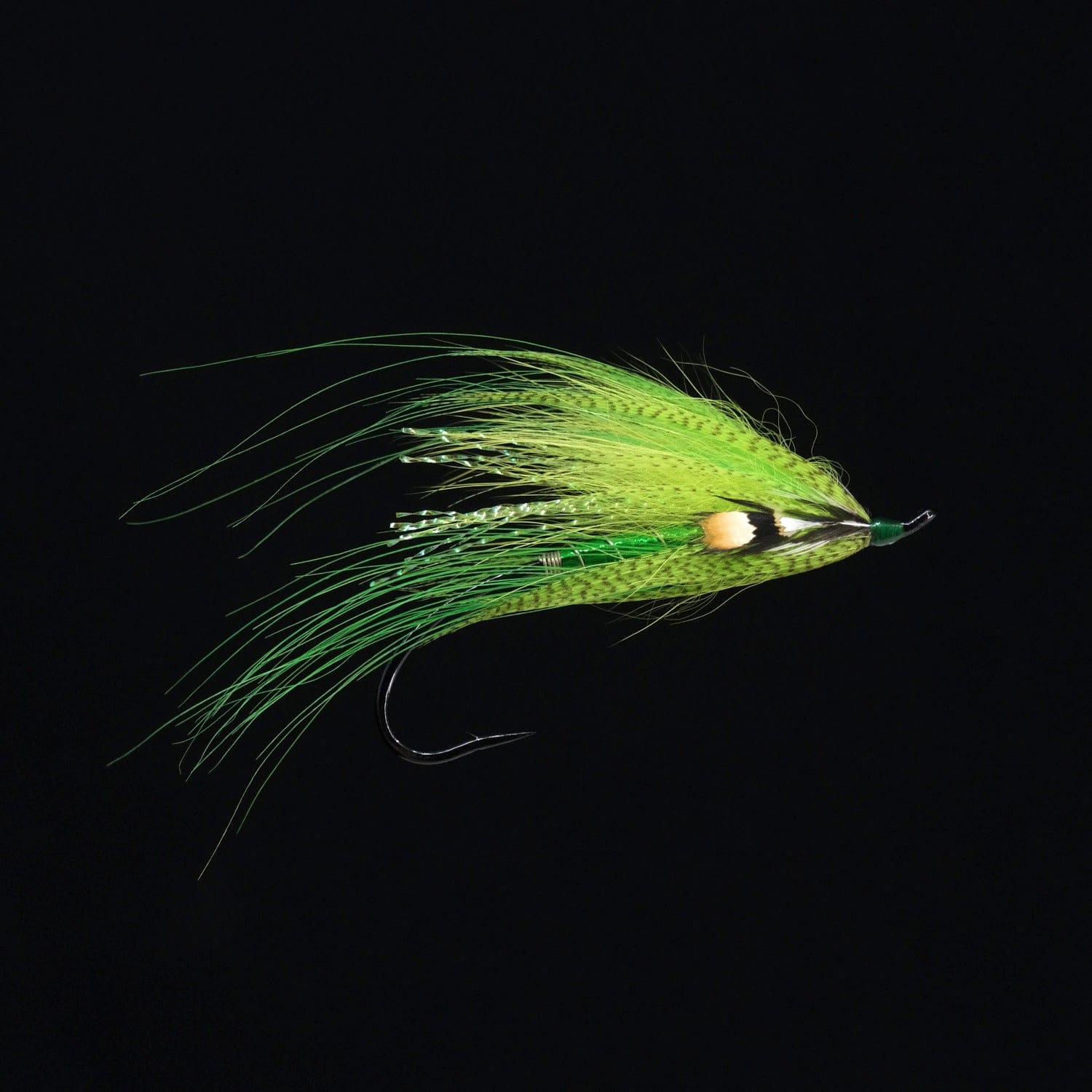
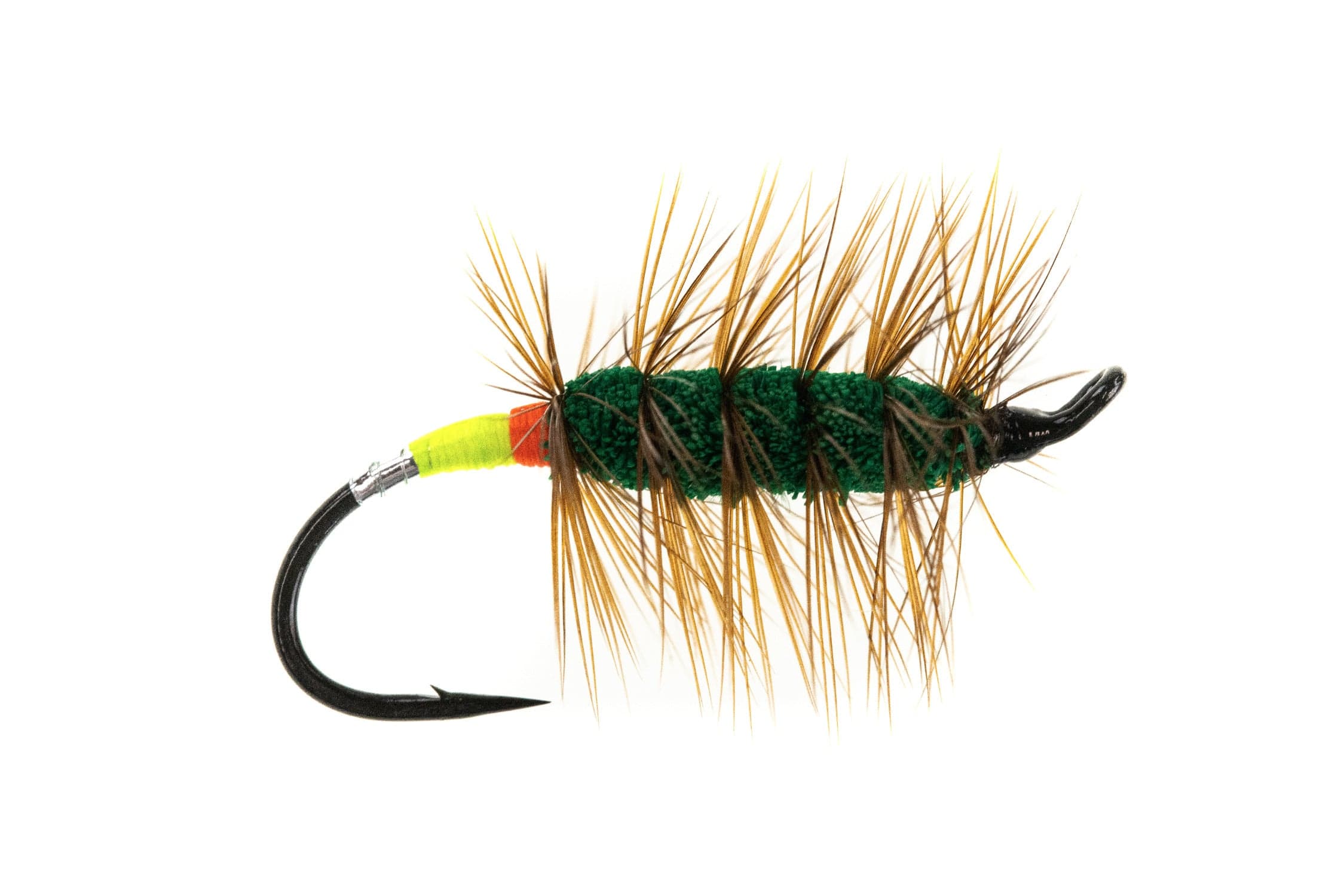
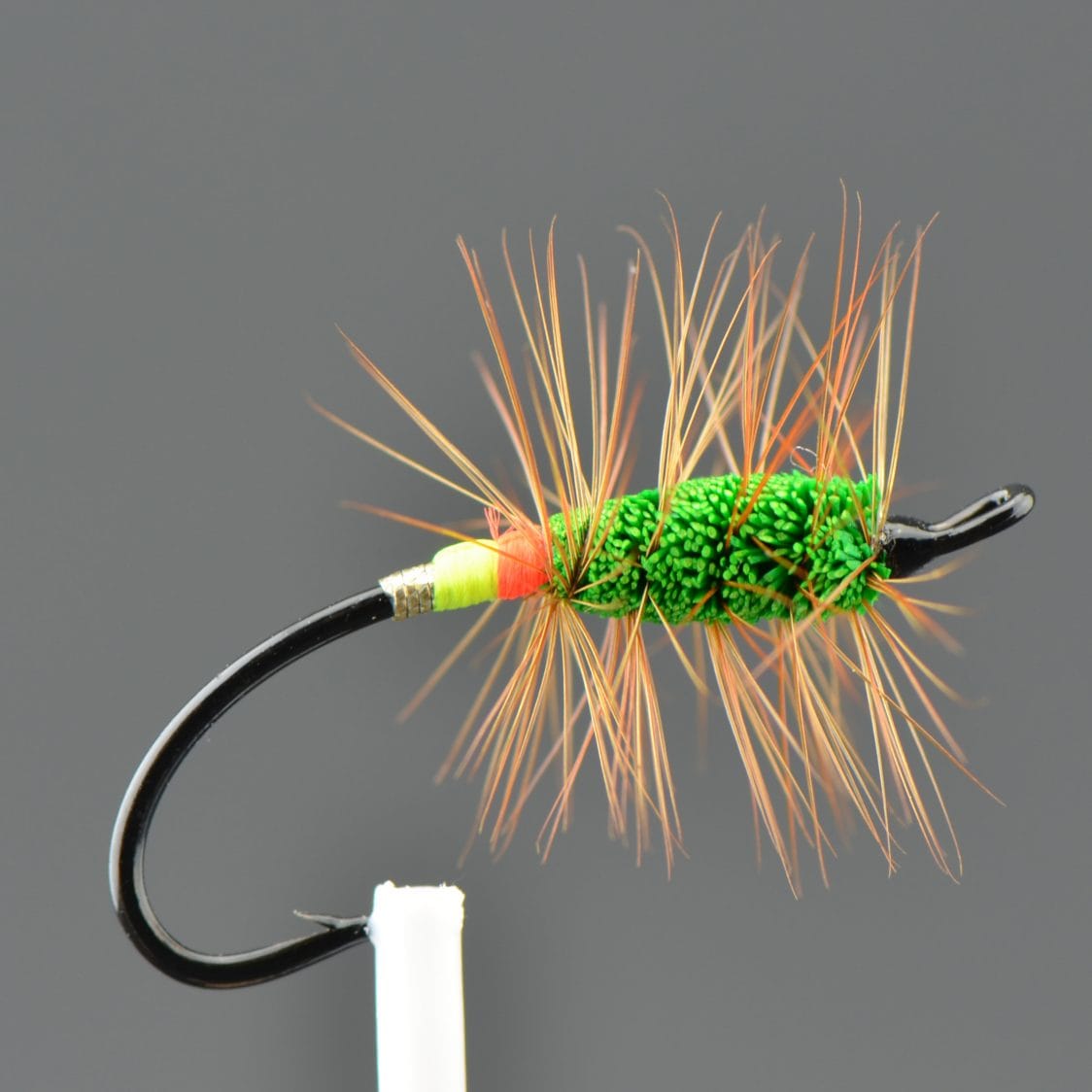
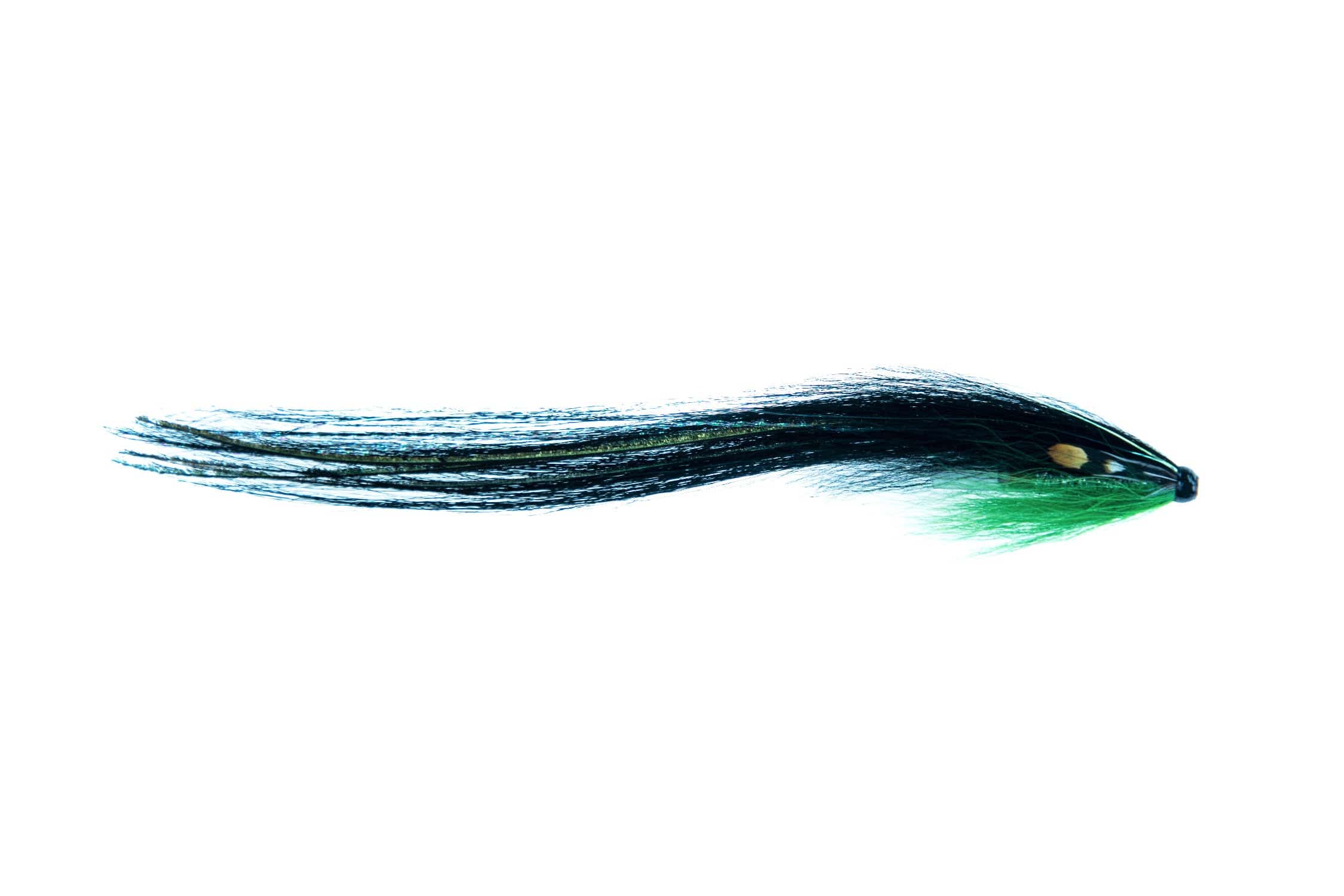
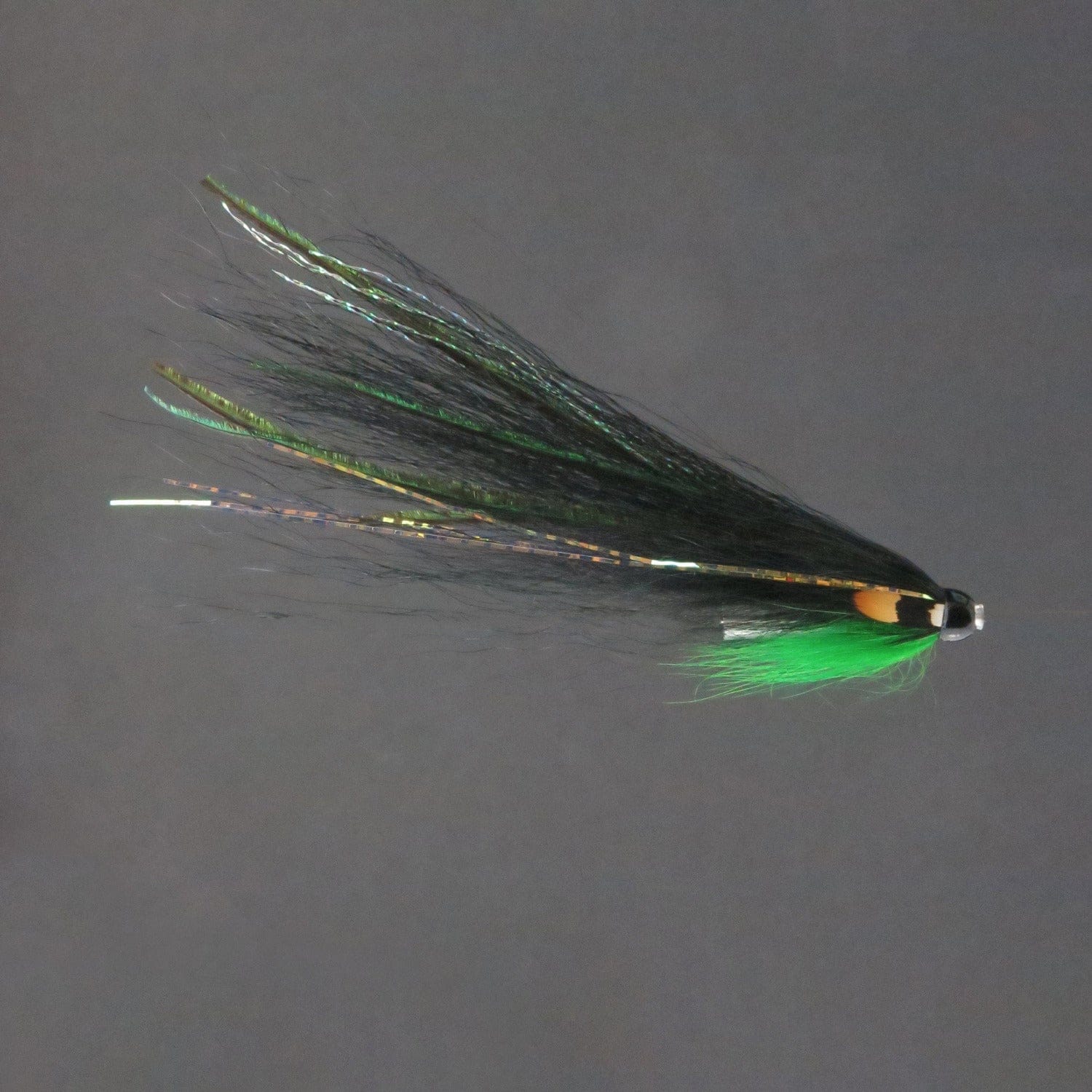
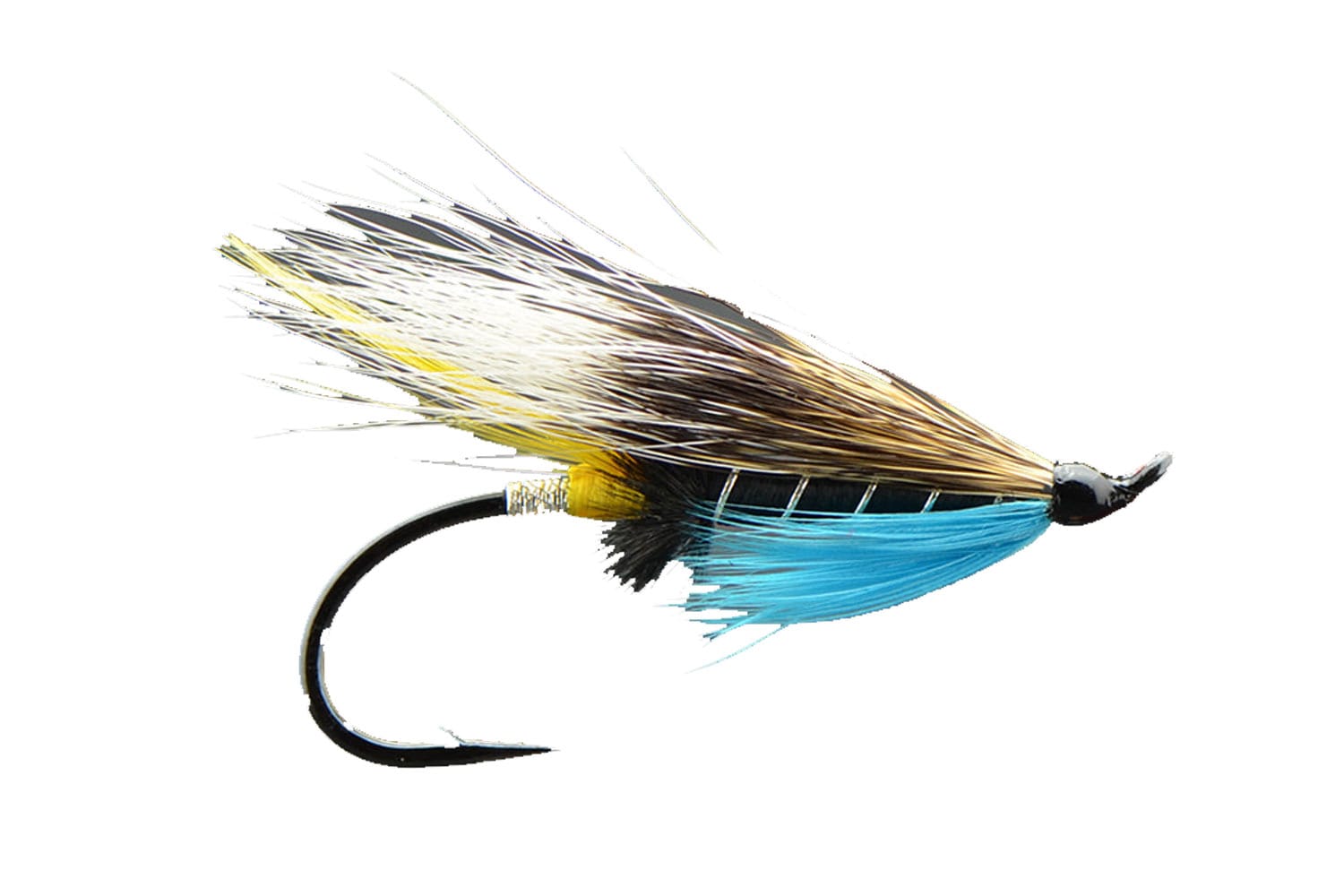
Atlantic Salmon Flies Quick Picks
- Best All-Around: Mickey Finn Fly - For anglers who want a classic, confidence-building attractor to start (or round out) a salmon box. It’s simple, visible, and fishes well swung or lightly skated depending on your swing speed and leader.
- Best for Surface Action: Cigar Bomber Fly - For summer conditions when salmon will look up and you want a waking/dry-fly presentation. The Bomber style is a go-to profile for covering water with a controlled swing and a clean surface footprint.
- Best Modern Classic: Sun Ray Shadow Fly - For low, clear water when you want a sparse silhouette that swims and “breathes” without a lot of bulk. It’s a strong choice when smaller profiles and subtle movement outperform gaudy, heavy patterns.
- Best in Stained or High Water: Green Butt Skunk Fly - For times when you need contrast and a clear target in pushy flows. The dark body plus bright hotspot stays readable in broken light and helps fish find the fly on the swing.
- Best for Contemporary Spey Style: Scandi Candy Fly - For anglers fishing Scandi-style presentations who want a pattern built to move under steady tension. It’s a compact, swing-friendly option that pairs well with floating to intermediate tips.
How to Choose Atlantic Salmon Flies
1) Start with your presentation: swing, skate, or sink
Action: Decide how you plan to fish first, then pick flies that match that job.
- Swinging subsurface: Prioritize slim, hydrodynamic flies that stay stable under tension and don’t spin. Sparse hairwing and modern Spey-style patterns are easy to cast all day and swim well on a broadside swing.
- Waking/skating: Choose buoyant, surface-oriented patterns (like bombers) and fish them on a floating line or floating tip with a leader that keeps the fly riding high.
- Getting deeper: In colder water or heavier flows, plan on heavier tips and/or more fly weight. Often it’s the tip/leader choice (not just the fly) that puts you in the right lane.
2) Match fly size and profile to water level and clarity
Best for: Building a small kit that works across changing conditions.
- High/colored water: Fish can key on contrast, bulk, and a more pronounced presence. Upsize slightly and lean toward darker bodies with bright accents.
- Low/clear water: Slimmer, sparser flies tend to look more natural and land softer. Downsize, reduce flash, and keep the swing controlled.
- Bright sun vs. overcast: Carry both dark/contrasty flies and lighter/flashier flies so you can adjust when visibility changes.
3) Consider hook style and local rules
Action: Check regulations for your river before you commit to a single hook style.
- Single vs. double: Many waters have restrictions that affect what you can legally fish. Keep a few options that cover both scenarios.
- Durability: Salmon water can be hard on hooks, rocks, wood, and repeated swings. If you’re fishing rough runs, inspect points often and replace flies that are opened up or dulled.
Materials & Durability
- Rinse and dry: After fishing, let flies dry out of the box to reduce rust and keep materials from matting.
- Check the hook point: If it drags on a fingernail instead of biting, touch it up or replace the fly.
- Protect your patterns: Keep bombers and hairwings in a box with enough clearance so wings don’t get crushed.
- Retire beat-up flies: If a fly starts twisting your leader, has a bent hook, or the dressing is slipping, it’s time for a fresh one.
Complete Your Setup
Related Gear
- Spey Lines - Dial in Skagit vs. Scandi style systems to match your fly size and how deep you want to fish.
- Spey Tips - The fastest way to adjust depth and swing speed without changing your whole line.
- Leaders - Build leaders that turn over cleanly and keep your fly tracking correctly.
- Tippet - Fine-tune breaking strength and abrasion resistance for rocks, wood, and cold-water takes.
Related Guides
- Trout Spey Lines and Tips
- Skagit vs Scandi Grain Weight
- Choosing a Fly Reel for a Spey or Switch Rod
- The Top Flies for Pacific Salmon
- How to Choose the Best Fly Line for Pacific Salmon
Atlantic Salmon Flies FAQs
Q: What are Atlantic salmon flies used for?
A: Atlantic salmon flies are patterns designed to be swung, waked, or fished just under the surface to trigger strikes from migratory salmon in rivers. Many are attractor-style patterns that rely on profile, contrast, and movement more than precise imitation.
Q: What are the best Atlantic salmon flies to start with?
A: Start with a small mix: one high-contrast dark fly, one brighter/flashier option, and one surface pattern for summer. That gives you coverage across light levels and water conditions without overcomplicating selection.
Q: How do I choose fly size for Atlantic salmon?
A: Use water level and clarity as your main guide. Go larger and more visible in higher or off-color water, and smaller/sparser in low, clear water.
Q: Should I fish Atlantic salmon flies on Skagit or Scandi?
A: Scandi-style setups are commonly chosen for cleaner turnover and finesse with smaller, lighter flies and floating/intermediate tips. Skagit systems are commonly chosen when you need heavier tips, bigger flies, or more depth control.
Q: Can I catch steelhead on Atlantic salmon flies?
A: Yes, many swing-style patterns can cross over well, especially in similar water types and temperatures. Just match the fly size and color to your river conditions and the run timing.
Q: What leader and tippet should I use for Atlantic salmon flies?
A: For swinging, many anglers fish shorter, sturdier leaders that turn over predictably and keep the fly tracking straight. Adjust tippet strength based on fly size, current speed, and the structure you’re swinging through.
Q: Do I need barbless hooks for Atlantic salmon?
A: Some rivers and regions require barbless hooks, and others strongly encourage them for easier releases. Always check the regulations for the specific river you’re fishing.
Q: Why do my salmon flies spin or twist my leader?
A: Spinning is often caused by a fly that’s overdressed, damaged, or not tracking straight under tension. Swap flies, check for bent hooks, and make sure your leader and tip setup are turning the fly over cleanly.