






























Description
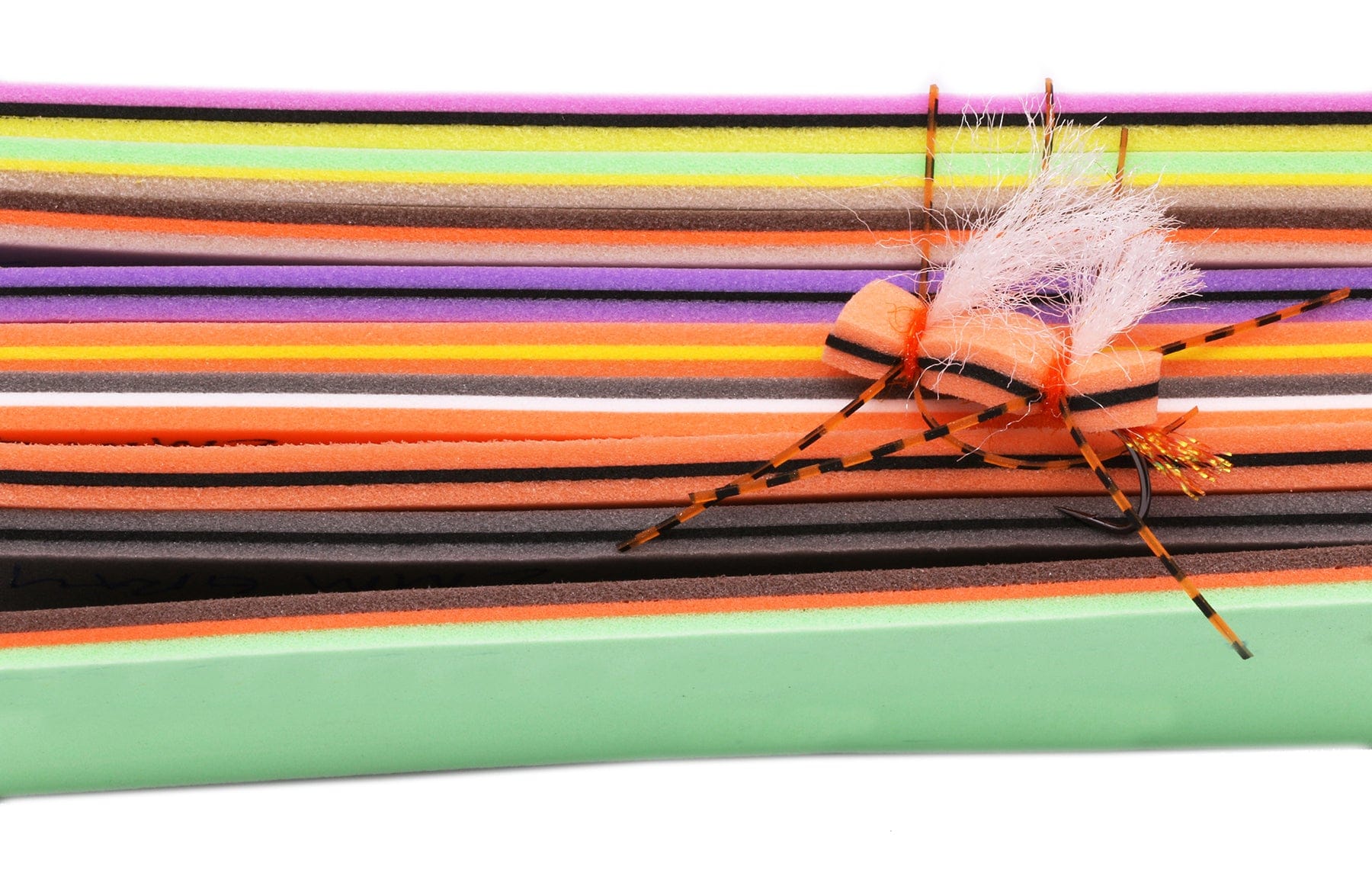
Hareline Triple Decker Stack Foam is a three-layer, laminated closed-cell foam designed to speed up tying and improve visibility on big dries and terrestrials. Each sheet stacks contrasting colors—typically a darker belly, a natural mid-tone, and a hi-vis top—so you get segmentation, silhouette, and a built-in sighter without extra materials or paint. It trims cleanly, resists water absorption, and stays buoyant under heavy droppers and fast currents.
Because the layers are factory-bonded, the foam holds its shape through repeated fish and false casts, making it a reliable choice for hoppers, stonefly adults, beetles, and attractors like the Chubby Chernobyl. The laminated profile also helps patterns sit correctly on the surface: dark down, bright up, just like the real thing.
How to Use It
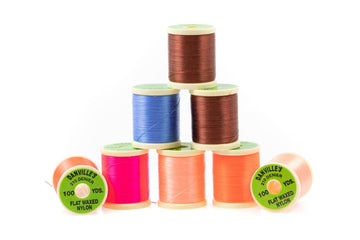
Cut strips a touch wider than the hook gap and taper the ends to reduce bulk at the tie-in points. Mount the dark belly down and the hi-vis layer on top, and bind the foam with firm, spaced turns of 140–210 denier thread (or flat-waxed nylon) to create crisp segments without cutting the material. A small dab of thin CA glue between segments locks the stack and prevents spin; avoid solvent-based cements that can eat foam. For legs, pierce with a bodkin or anchor them in the segment valleys with x-wraps to keep everything tracking straight.
When using cutters (e.g., hopper or beetle templates), cut with a single, confident press on a firm mat to keep edges square and layers aligned. Add wings (poly, Widow’s Web, or EP-style fibers) on top of the rear segment for flotation and visibility, then finish with a sparse dubbing thorax to hide wraps. If you're fishing a dropper, leave a slightly thicker rear segment and a longer tail platform to keep the rig planing flat.
Why We Like It
The three-in-one color stack saves time at the vise and on the water. You get a high-contrast belly for realism, a natural mid-tone for silhouette, and a top-layer sighter you can see in riffles and at distance. The material is buoyant enough to carry tungsten droppers yet firm enough to resist twisting around the shank, so you spend more time fishing and less time re-adjusting.
Consistency is another win: pre-laminated layers keep patterns uniform from fly to fly, and the foam takes marker accents cleanly if you want extra mottling. It’s tough, trims sharply with cutters or scissors, and doesn’t collapse after a couple of fish like softer foams can.
Example Flies
Chubby Chernobyl: Tie on a 2x-long wide-gap dry or jig-style light wire hook in sizes 6–14, use a tapered strip of Triple Decker with the dark layer down, and segment it with spaced, flat thread turns. Add a white or tan poly underwing topped with a hi-vis yarn sighter that matches or contrasts your top foam layer, then finish with barred medium rubber legs and a sparse ice-dub thorax to keep the fly from spinning. The built-in top color functions as a sighter when you’re prospecting pocket water or running a two-fly rig.
Fat Albert: For sizes 6–12, stack two short foam pads for the thorax and a longer tapered pad for the abdomen to create that chunky profile. The triple stack’s dark belly/bright top makes the fly easy to track while preserving the plump terrestrial silhouette. Anchor round rubber legs at the segment valleys, add a flash underwing if desired, and leave a slightly oversized rear platform to support a tungsten nymph dropper in chop.
Morrish Hopper: Use a hopper cutter on Triple Decker to punch matching top and bottom bodies; glue them lightly only at the head to keep the abdomen flexible, or tie one-piece to keep it simple. The dark belly reads “natural” to fish while the bright top lets you track long drifts over grass lines. Add a sparse dubbed thorax, a short deer-hair underwing plus a synthetic overwing, and medium rubber legs tied slightly swept back to keep it riding flush in wind-driven banks.
Comparable Materials
Wapsi Fly Foam (single-color sheets) and Rainy’s Evazote-style foams are the closest alternatives. Wapsi’s single-layer sheets are extremely versatile and come in many thicknesses, but you’ll add time stacking and gluing if you want multi-tone bodies or a built-in sighter. Rainy’s formulations are softer and more compressible, which can produce livelier leg motion and easier fold-overs on small terrestrials, but they can dimple faster and may not hold segmented shapes as crisply as the firmer Triple Decker Stack Foam. If your priority is speed, visibility, and rigid segmentation for big dries, Hareline’s laminated stack has the edge; if you want ultra-soft bodies or micro patterns, a single-layer, softer foam can be friendlier.
Email the travel team
How do you want to send it?
We've written the email for you. Add your dates and it's ready to send.