

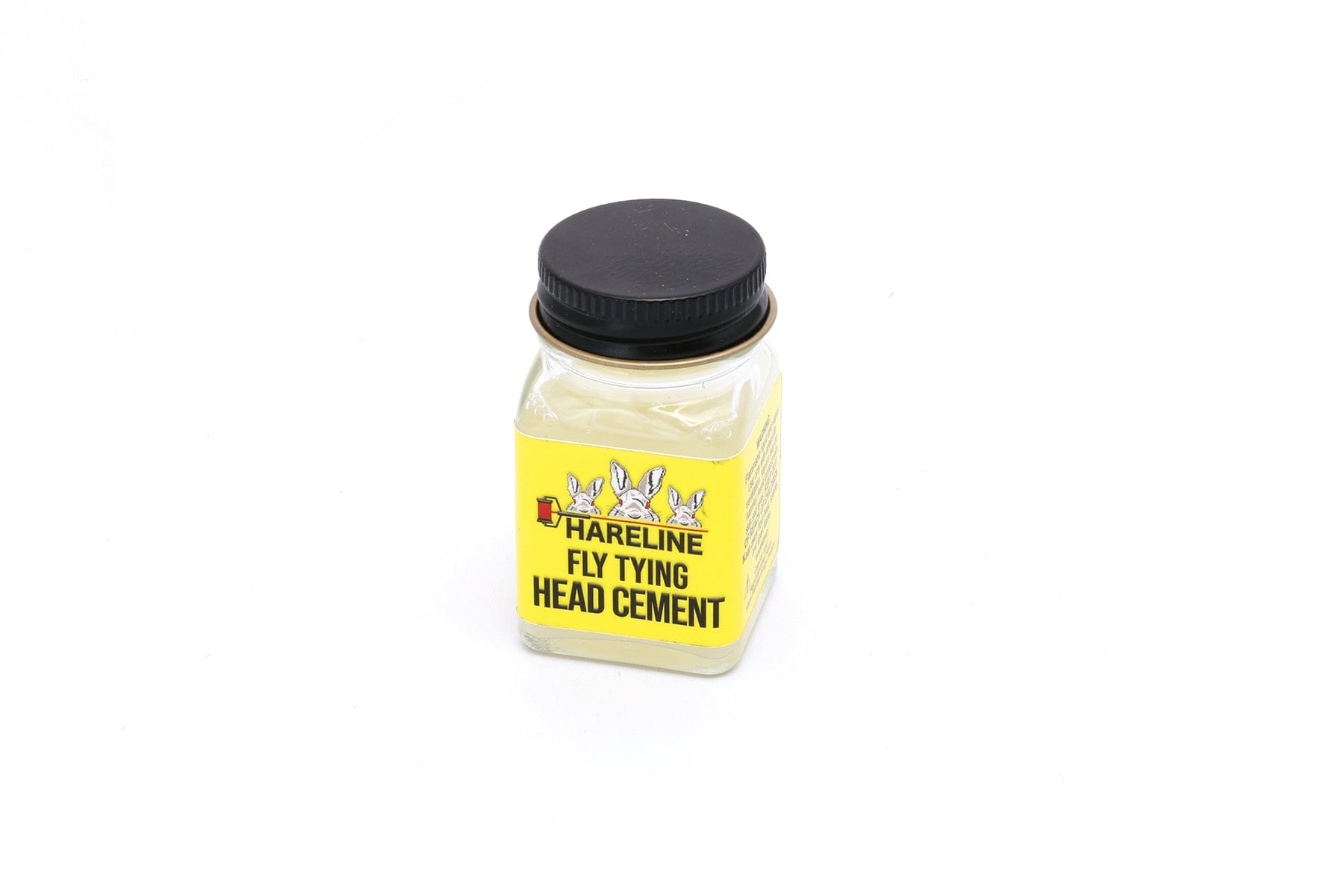

Description
Hareline Cement Thinner is a purpose-built solvent blend from Hareline designed to restore and control the viscosity of traditional head cements used in fly tying. When your cement thickens from evaporation or you want a faster-wicking, lower-viscosity finish for penetrating thread wraps, a few drops of this thinner brings bottles back to life without changing the cured finish.
It also pulls double duty for maintenance around the bench. Use it to clear clogged needle applicators, clean bodkins and brushes, and dissolve dried cement around bottle threads so caps seat properly and your materials last longer.
How to Use It
Start with a small amount—5–10 drops into your cement bottle—then cap, swirl gently, and test on a scrap wrap. Add in tiny increments until you reach the flow you want; over-thinning leads to excess soak-through on sparse heads. For tying sessions that demand precise penetration into wraps (midges, wire-ribbed nymphs, or around dumbbell eyes), aim for a watery consistency that wicks quickly but still leaves a clear, durable film.
For cleanup, decant a teaspoon into a small jar and dip clogged needles or a bodkin for a few minutes, then wipe clean. Always use in a well-ventilated area, keep away from open flames, and recap promptly to minimize evaporation and fumes.
Why We Like It
It lets you tune your cement to the job at hand. Thicker for building a glossy head on classic streamers; thinner for deep penetration that locks wraps without bulk. Instead of tossing half-cured bottles, you revive them and maintain a predictable dry time and finish from the first fly to the last.
The thinner’s solvent profile evaporates cleanly, so it doesn’t haze or soften most standard lacquer-style cements once cured. The result is a clear, durable head that resists cracking and doesn’t add unnecessary weight—critical on tiny patterns and delicate dry flies.
Example Flies
Woolly Bugger: A slightly thinned cement wicks into the collar and head wraps without flooding the hackle base. After whip finishing, touch a small drop to the thread; capillary action pulls it under the turns, locking the head while keeping the profile tight for better sink rate and durability when dredging.
Zebra Midge: Ultra-thin cement secures the fine wire rib and seals the black thread body without creating a glossy dome that spooks fish in clear water. Touch the applicator to the whip finish behind the bead and let it travel into the first few body turns for a tough, low-bulk finish.
Parachute Adams: Thinned cement stabilizes the post wraps and the final head while preserving float. A tiny drop at the base of the post keeps hackle from spinning under stress, and a second micro-drop at the head reinforces the whip finish without adding shine that can reflect on calm surfaces.
Clouser Minnow: Around dumbbell eyes, a more fluid cement flows between the crossing wraps and into the hook shank flats. This prevents twist and keeps the eyes aligned through repeated impacts on rocks and sand, extending the fly’s lifespan in salt and warmwater applications.
Comparable Materials
Wapsi Head Cement Thinner serves a similar role for solvent-based cements; performance is comparable, so availability and price often decide. By contrast, Loon WB Head Cement Thinner is formulated for water-based cements only—great if you prefer low-odor, soap-and-water cleanup systems, but it will not thin solvent or lacquer cements. Hareline’s option is the better choice when you’re using traditional, non-water-based cements and want fast wicking with a hard, clear cure.