



























Description
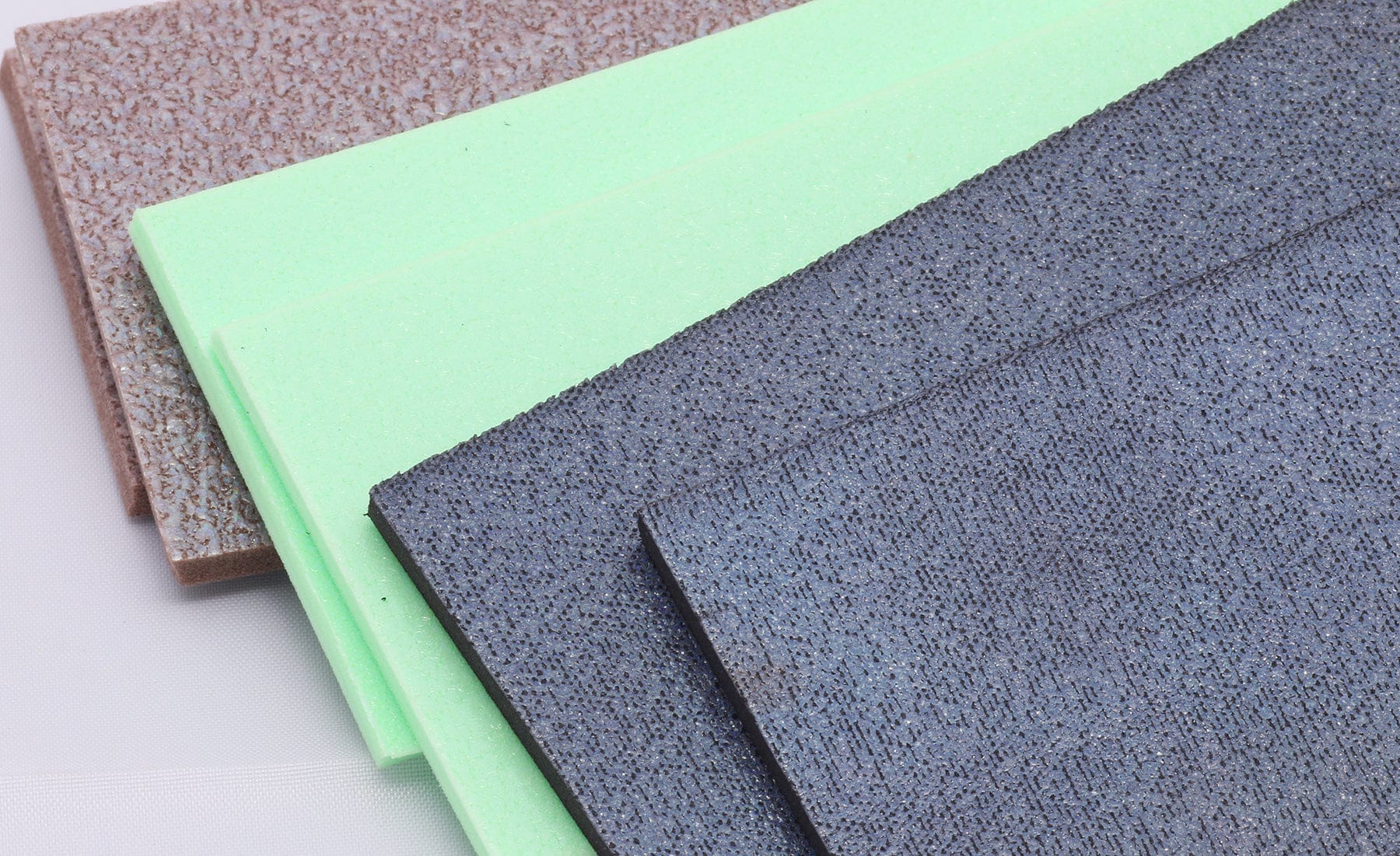
Hareline's Beetle Back Foam is a dense, closed-cell foam sheet tuned for shellbacks, carapaces, and buoyant bodies on terrestrials. It cuts cleanly, segments crisply under thread pressure, and resists tearing at tie-in points, making it ideal for compact patterns that still need to float high and take abuse.
The material accepts marker ink and light UV finishes without collapsing, so you can add mottling, hotspots, or a subtle sheen that mimics natural cuticles. Available in key terrestrial colors, it’s equally at home on delicate beetles and ants or layered up for bulkier hoppers and cicadas.
How to Use It
Cut a narrow, slightly tapered strip that’s no wider than the hook gap. After dubbing or wrapping a smooth underbody, anchor the foam at the midpoint, fold it over to form the shell, and bind down with spaced, firm wraps to create segmentation. A tiny spot of thin superglue at the first tie-down increases durability; finish with a whip behind the eye or through a small thread head and optionally seal the nose with a micro drop of UV resin.
For multi-layer builds (hoppers, cicadas), laminate sheets with a thin, even film of superglue, press flat under a book for a minute, then trim to shape with a razor for clean edges. Add rubber legs with X-wraps, a hi-vis sighter on top if needed, and use a marker to bar the legs and darken the head. Avoid overtightening wraps that could cut foam; instead, seat each wrap on a smooth thread base.
Example Flies
Hi-Vis Foam Beetle: Tie on a size 12–16 dry fly hook with a slim peacock or dark Ice Dub underbody. Fold a narrow black strip of Beetle Back Foam over the top and segment it with 2–3 evenly spaced wraps. Add a short orange sighter on the back for tracking and optional fine rubber legs. A tiny UV resin dot at the nose locks everything in place and keeps the profile compact for tight casting under overhangs.
Chernobyl Ant: On a size 6–10 2x-long hook, stack two foam strips (e.g., black over tan) and secure with alternating X-wraps to build head, mid, and tail segments. Tie barred silicone legs at each segment and add a flash or poly wing on top for visibility. The denser Beetle Back Foam keeps the fly riding high in pocket water while maintaining crisp edges that don’t mush out after a few fish.
Foam Cicada: For sizes 2–6, laminate two or three layers to get the right body height, then trim a wide, tapered silhouette. Segment the back with spaced wraps, add speckling with brown and black markers, and use long, sturdy legs for kick and stability. A thin UV coat over the head and top shell adds durability and a realistic, glossy cuticle without soaking the foam.
Why We Like It
It balances density and compressibility, so you get neat segments that don’t split under tension and a profile that stays put after repeated casts. The surface takes marker ink cleanly, giving you instant mottling or hotspots without bleeding into the foam.
Consistent thickness across sheets means predictable buoyancy and clean cuts, which speeds up batch tying. It’s durable enough for fast water and toothy takes, yet trims easily for small, low-riding beetles and ants.
Comparable Materials
Wapsi Fly Foam and Rainy’s cross-link foams are the closest analogs. Wapsi’s sheets tend to be a touch softer with broad color and thickness options, great for large, ultra-buoyant builds; Hareline’s Beetle Back Foam feels slightly denser and less prone to thread cutting, giving sharper segment lines on small to mid-size terrestrials. Rainy’s foams are very buoyant and squashy, ideal for big hoppers and cicadas, but can bulk up small beetles; Beetle Back Foam stays trimmer when you need a compact, clean shellback.
hareline beetle back foam vs wapsi fly foam
Email the travel team
How do you want to send it?
We've written the email for you. Add your dates and it's ready to send.