

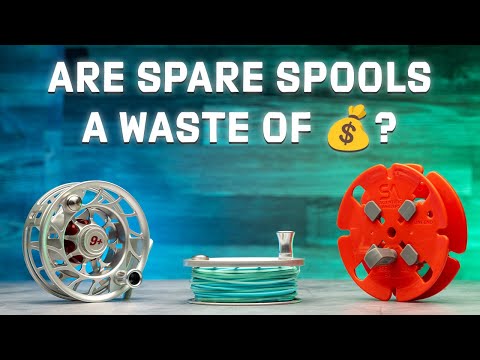
Why Smart Anglers Buy Spare Spools Over A Second Fly Reel

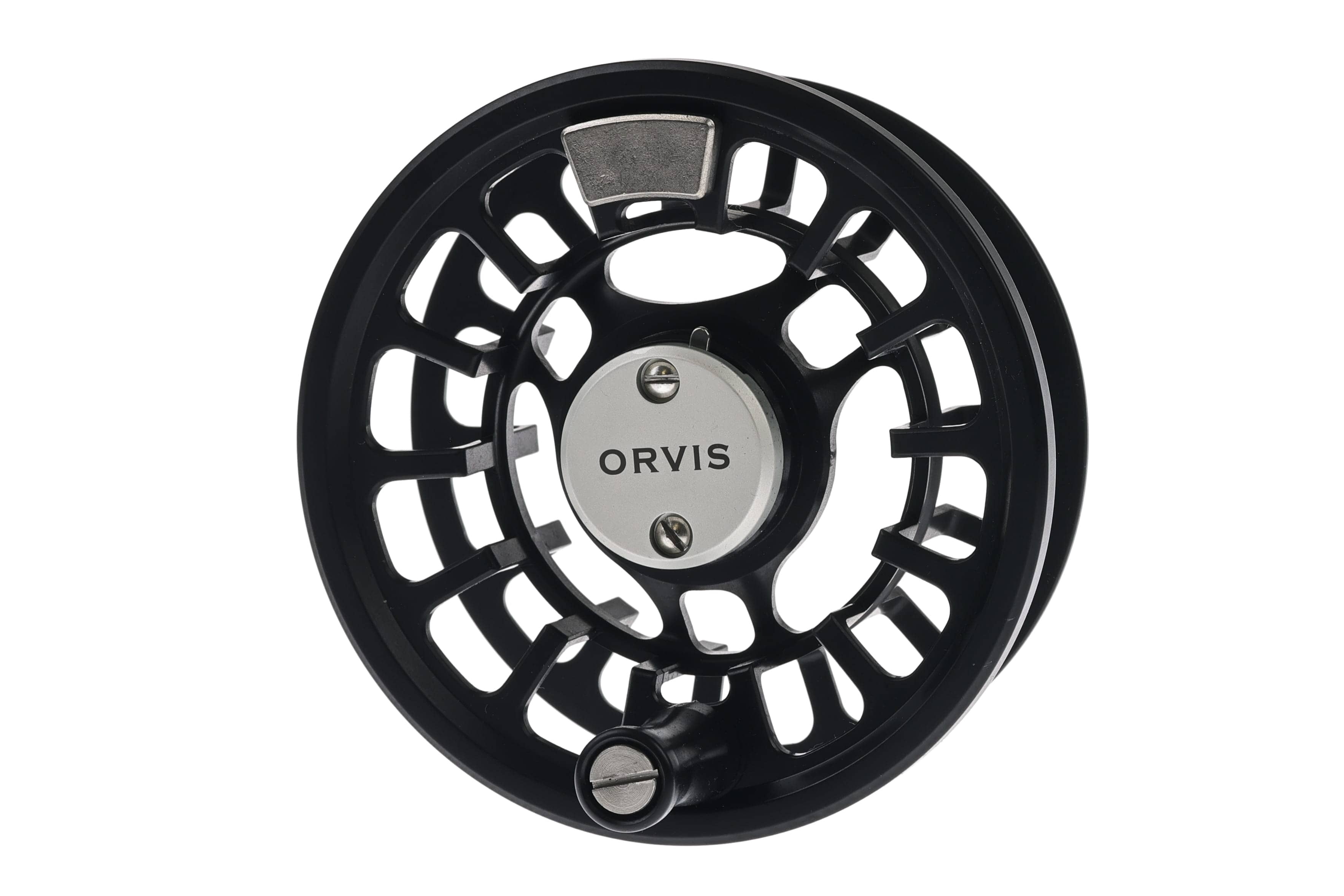
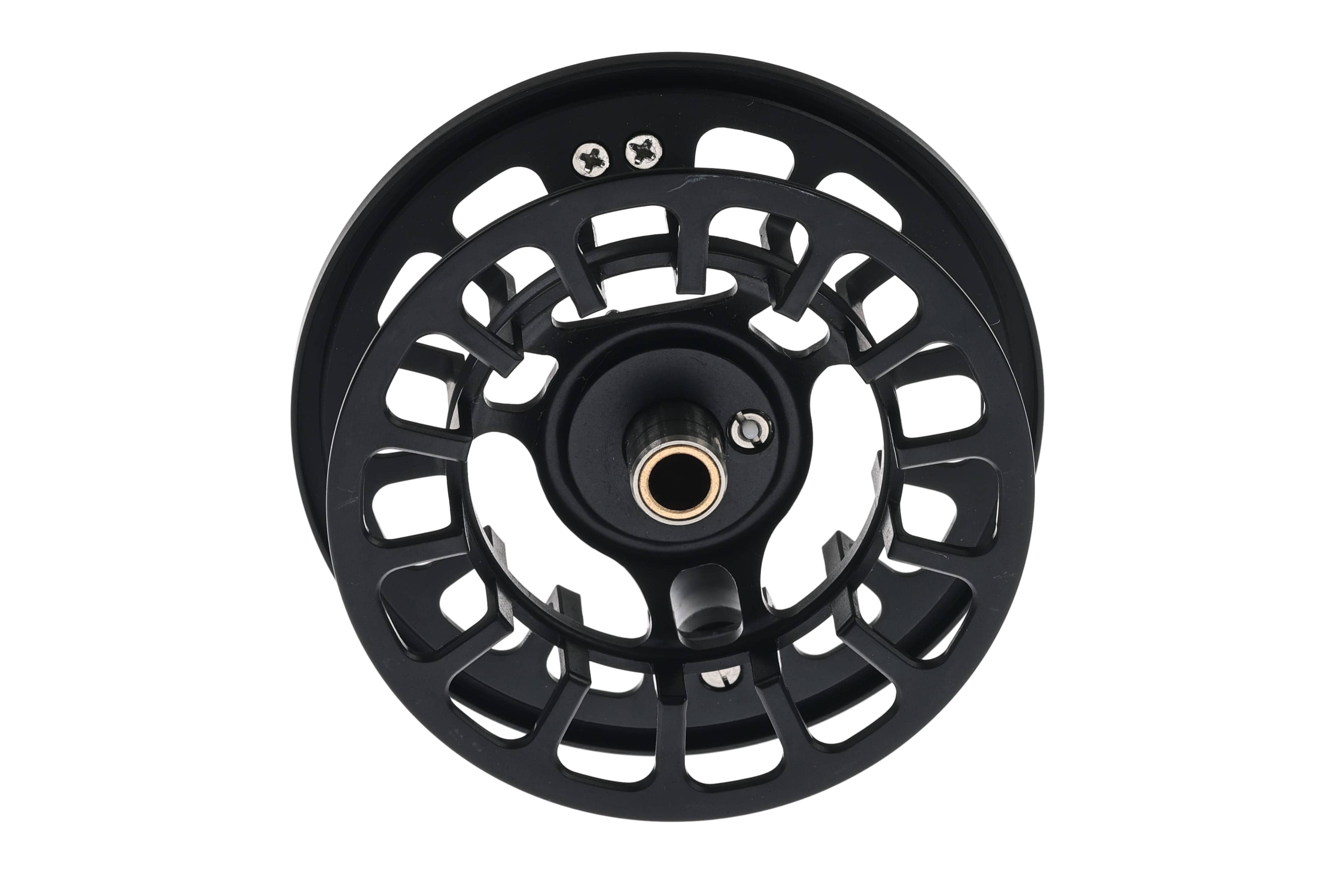
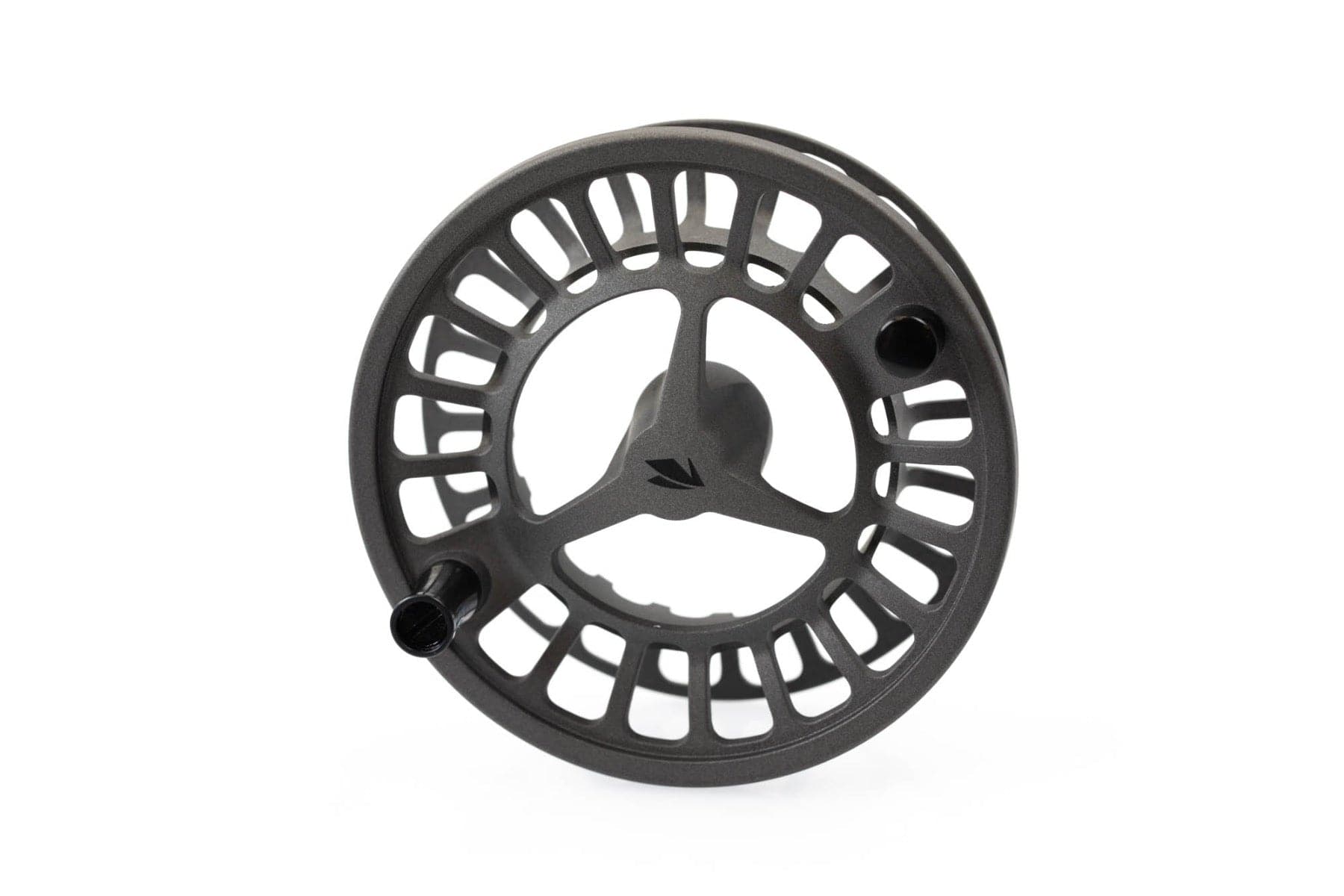
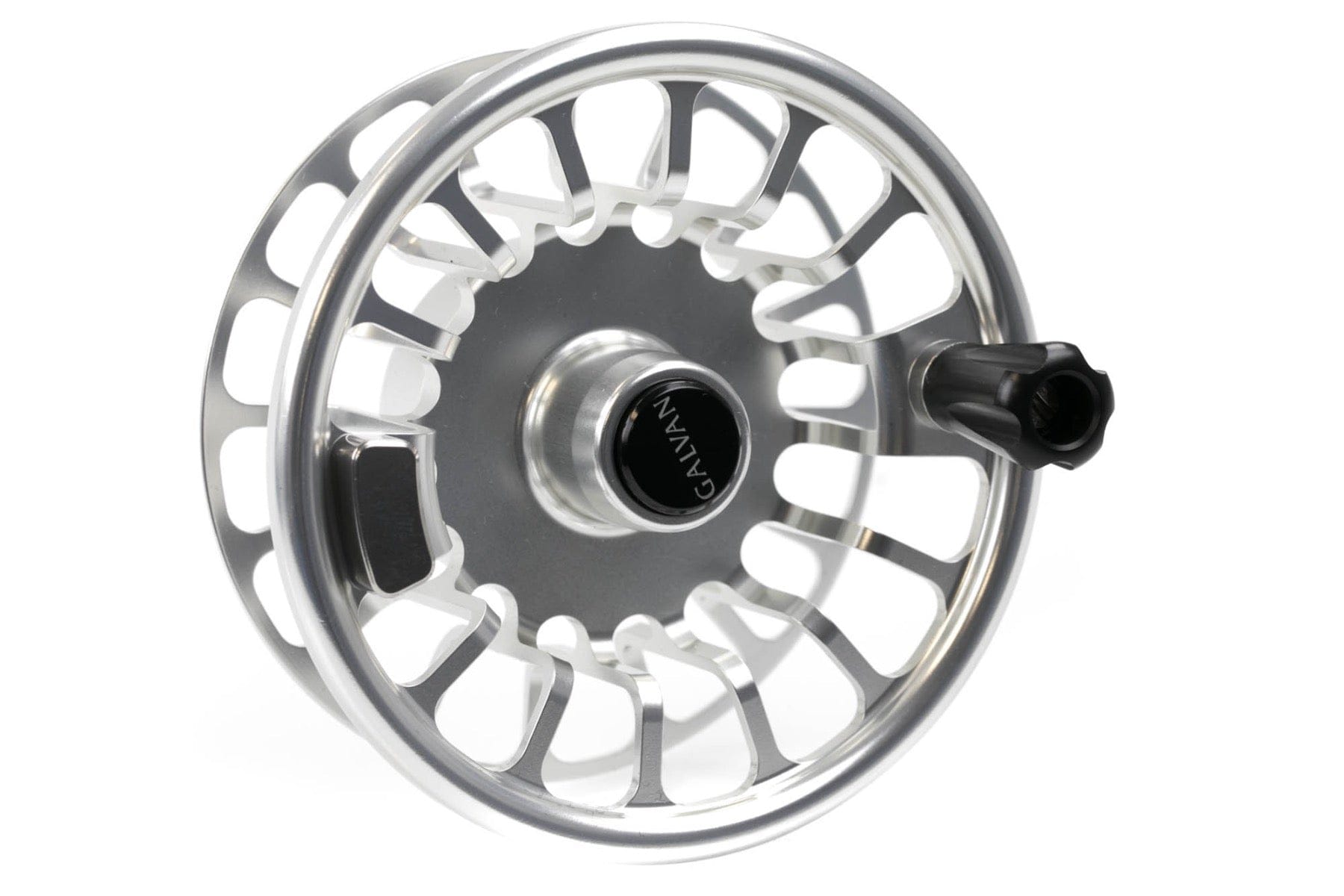
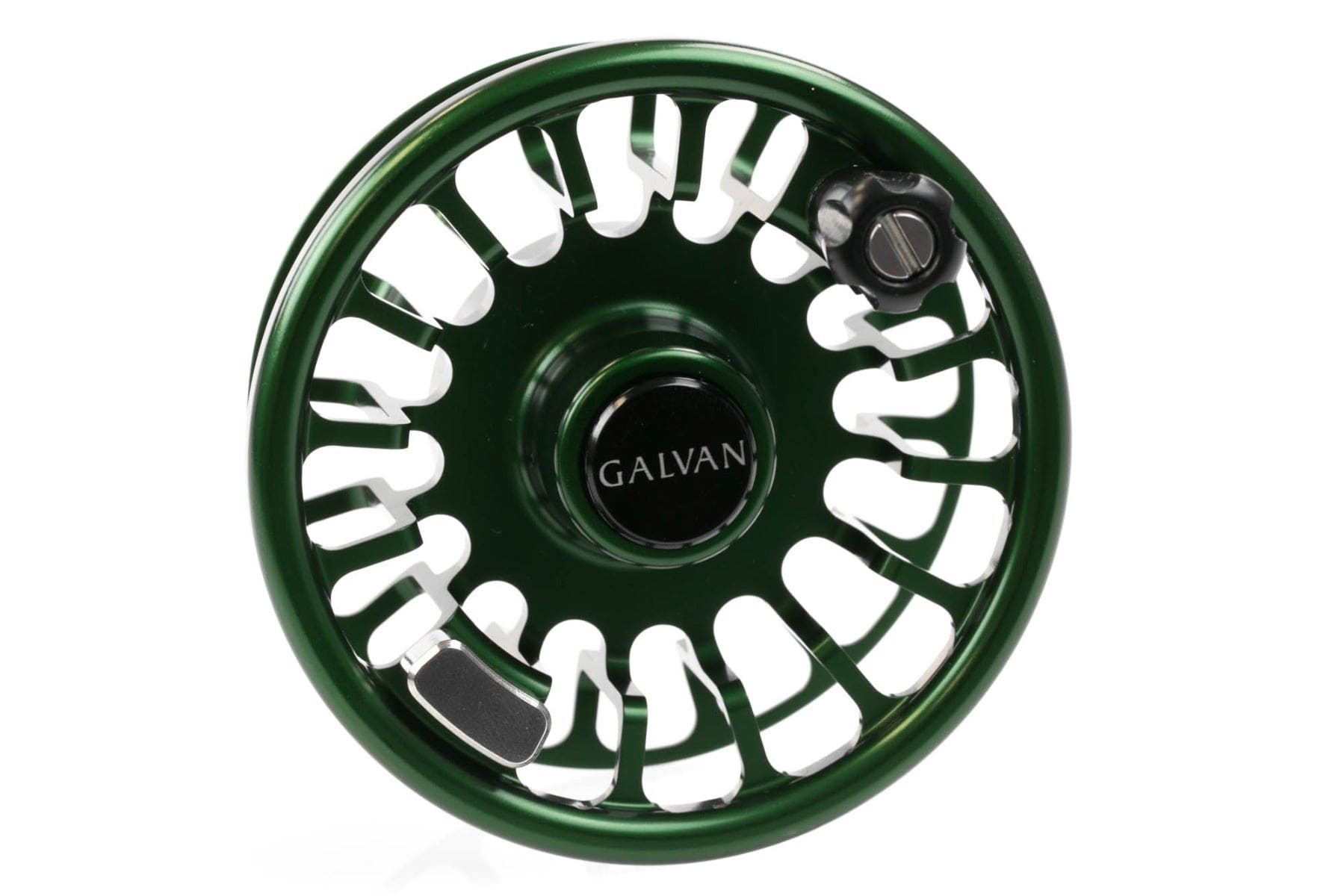
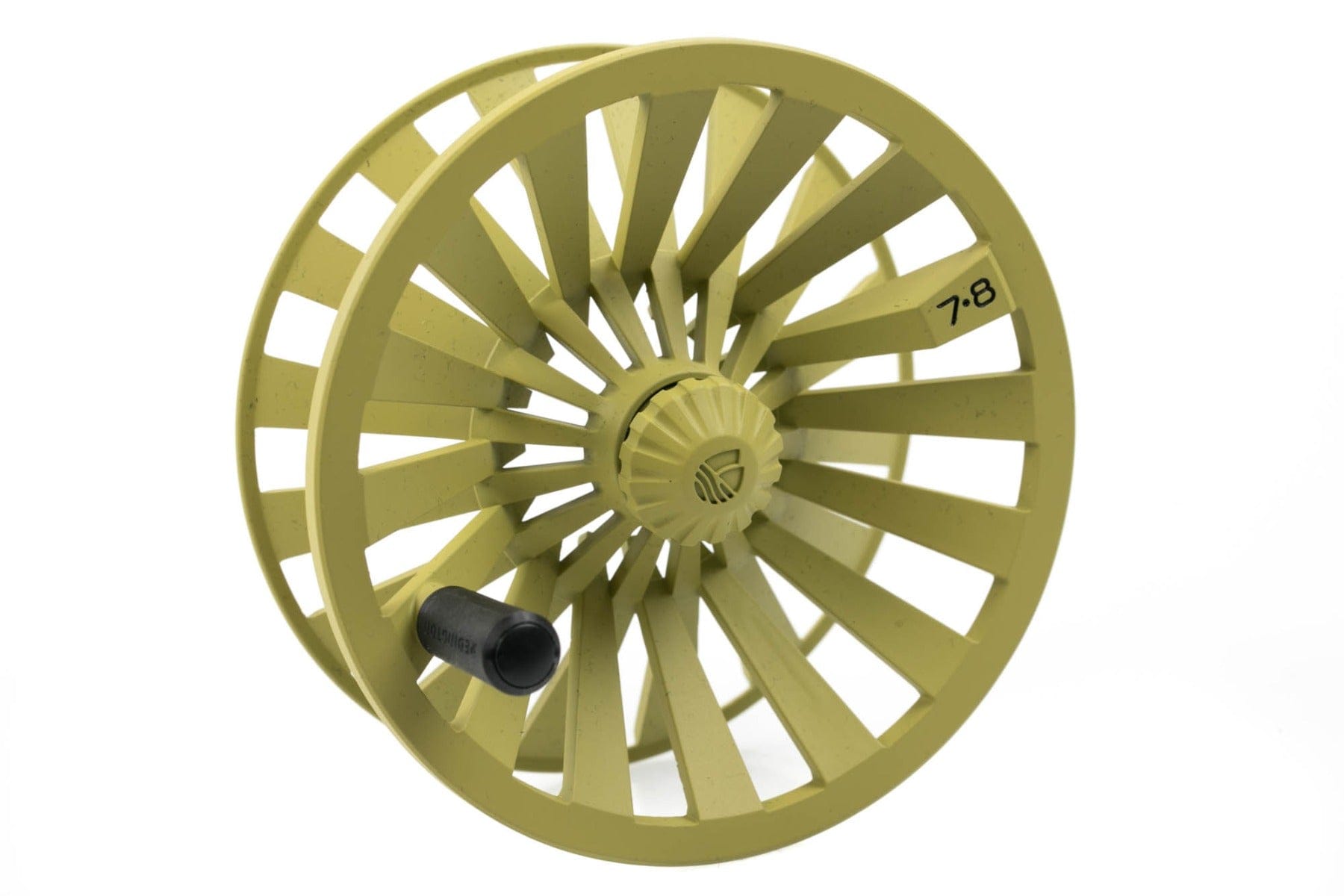
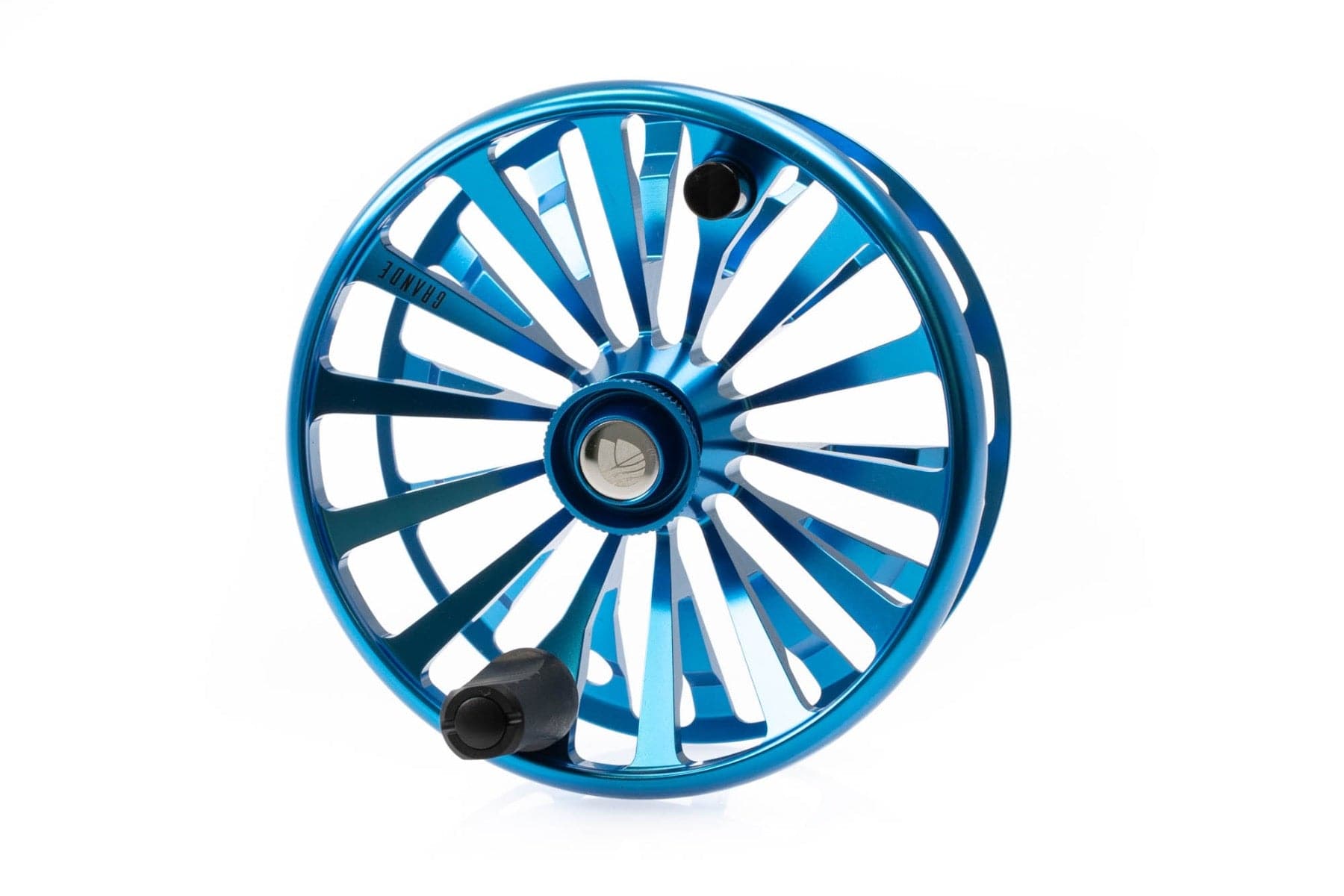
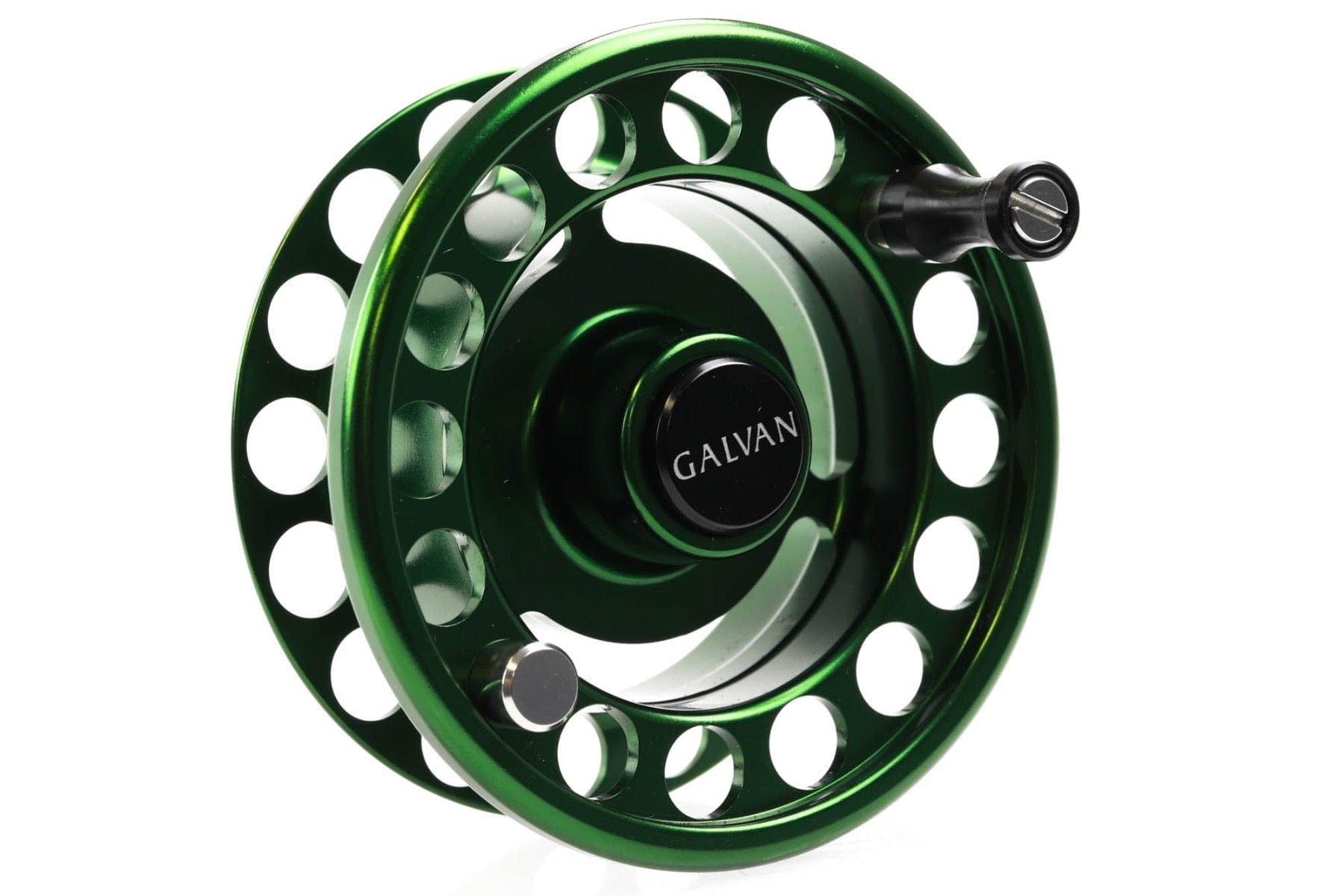


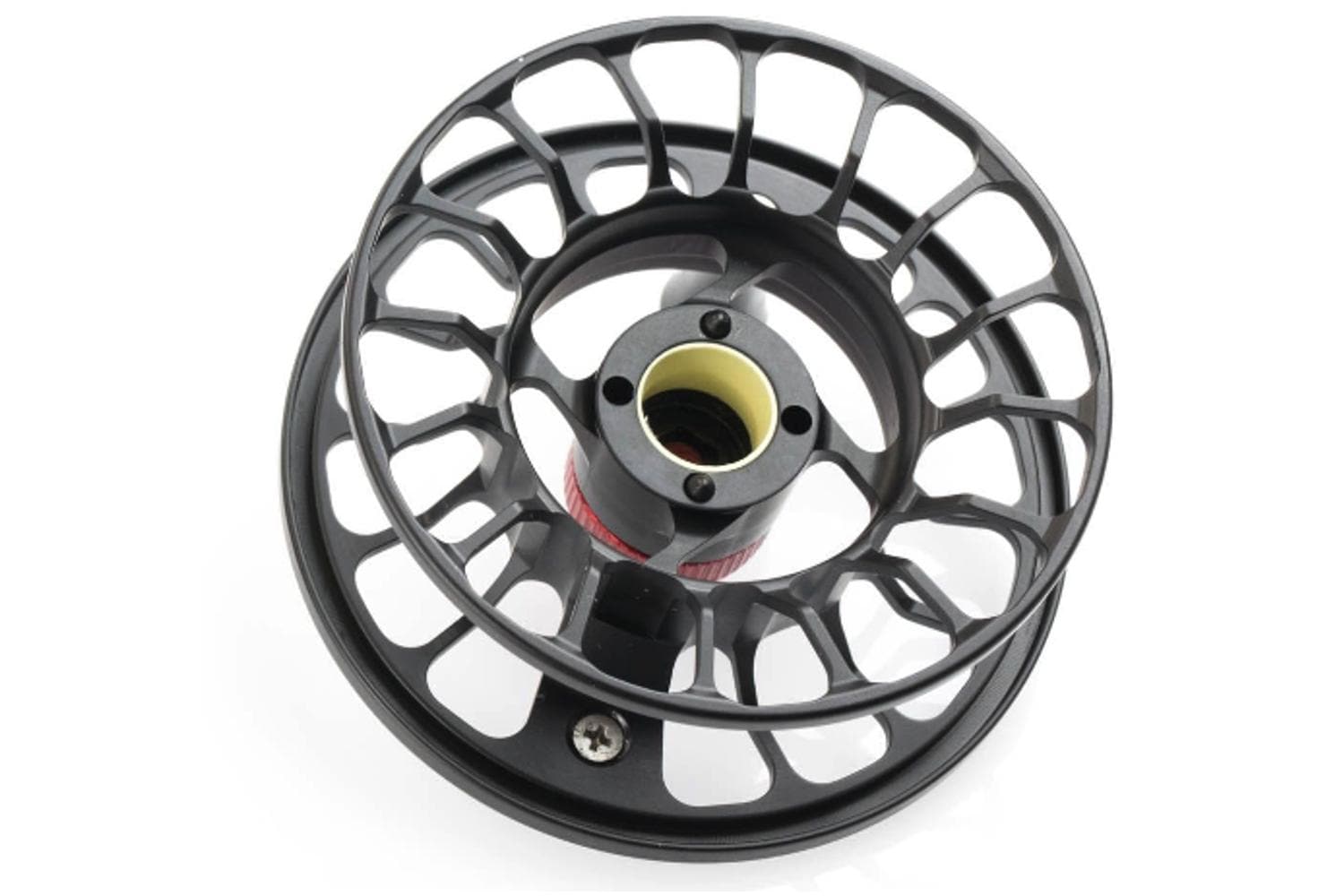
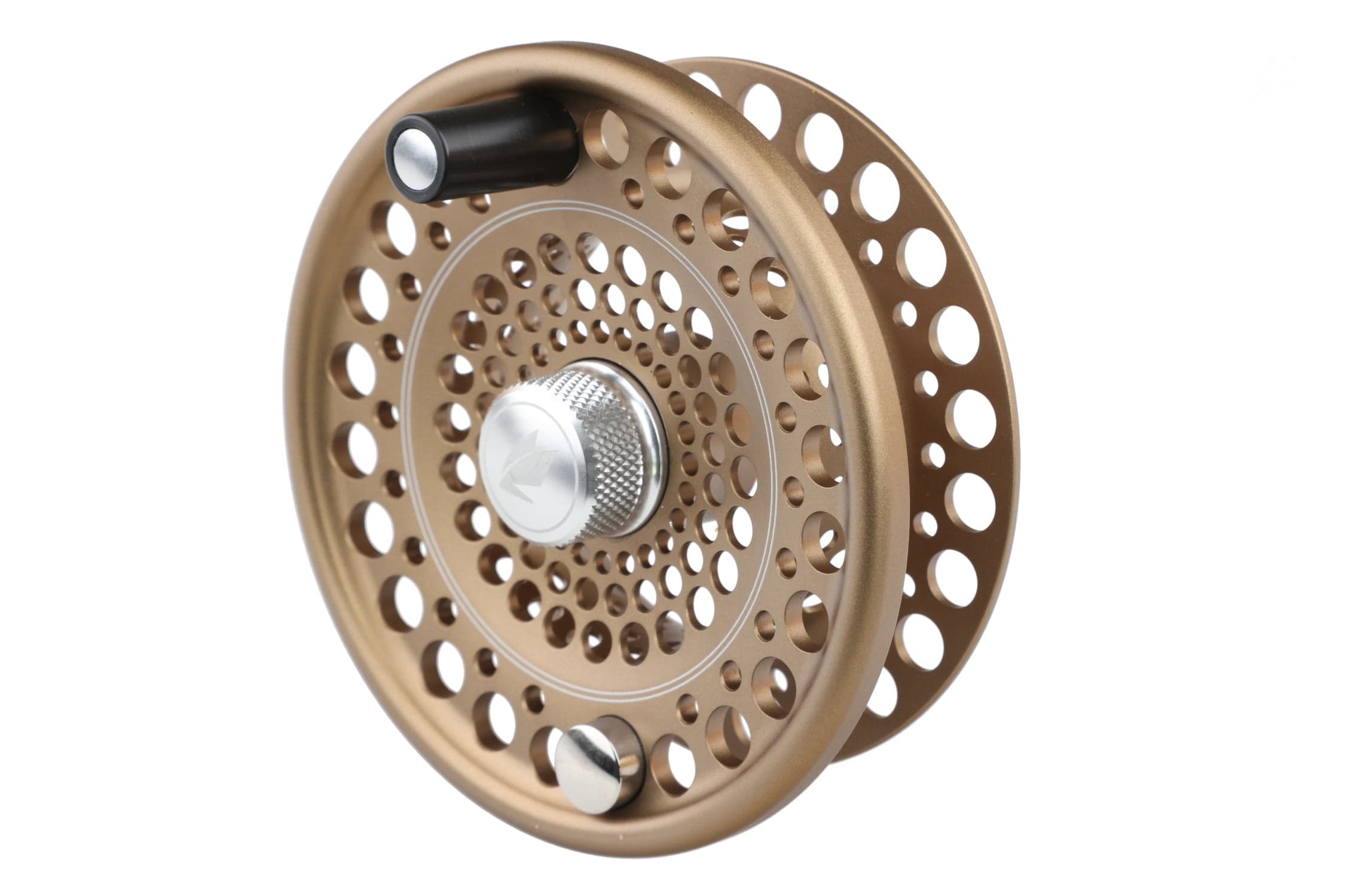
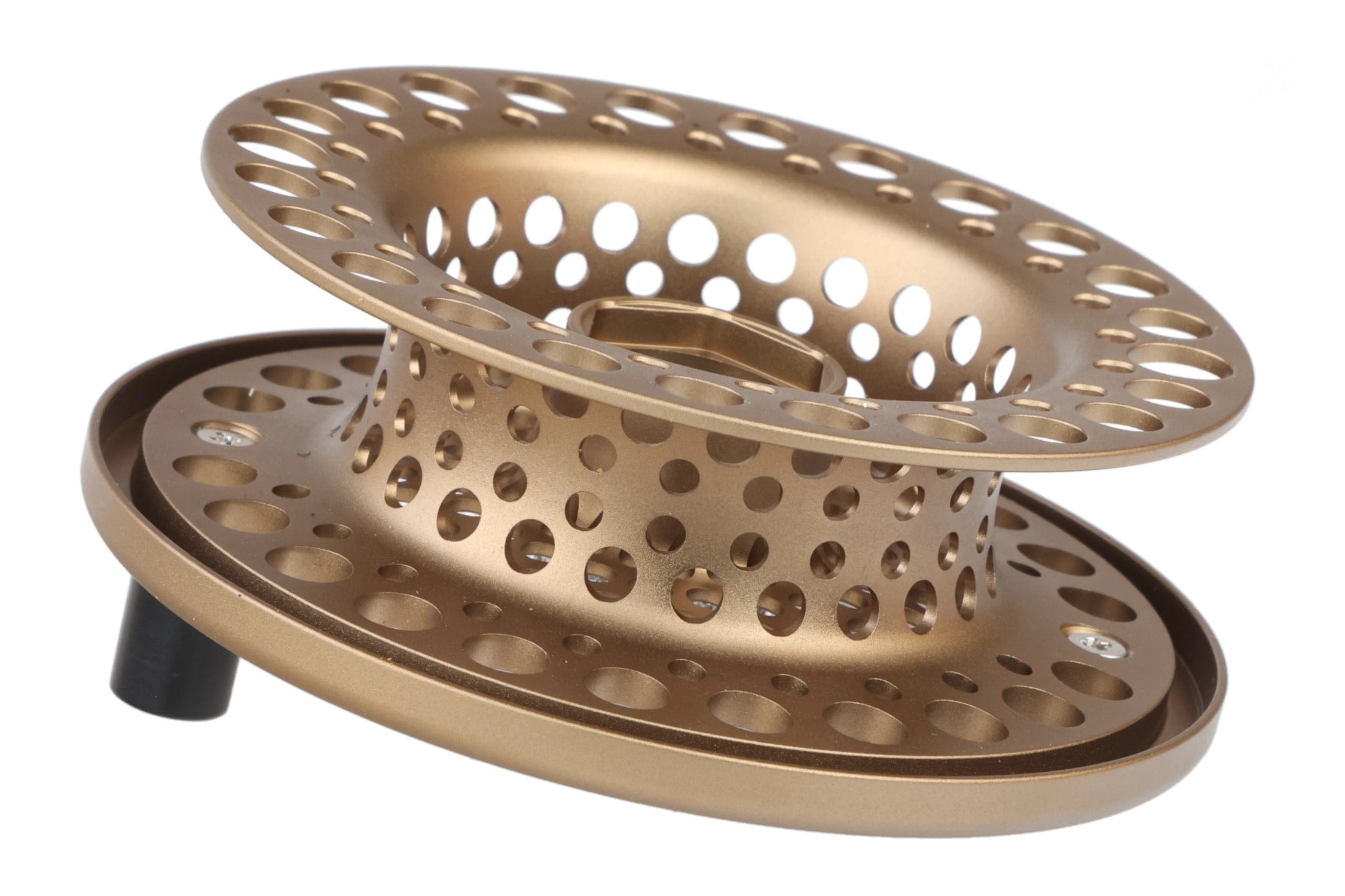
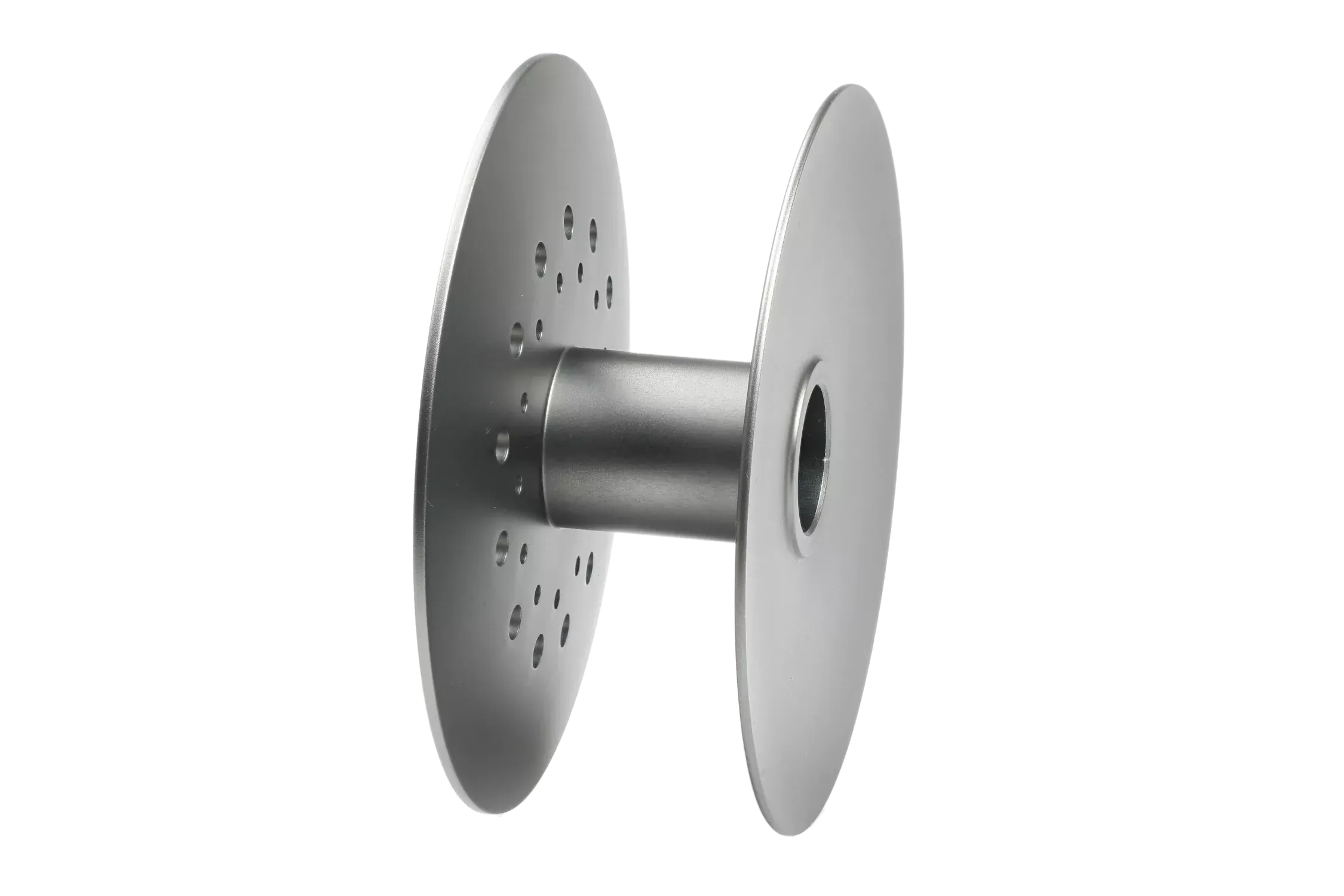
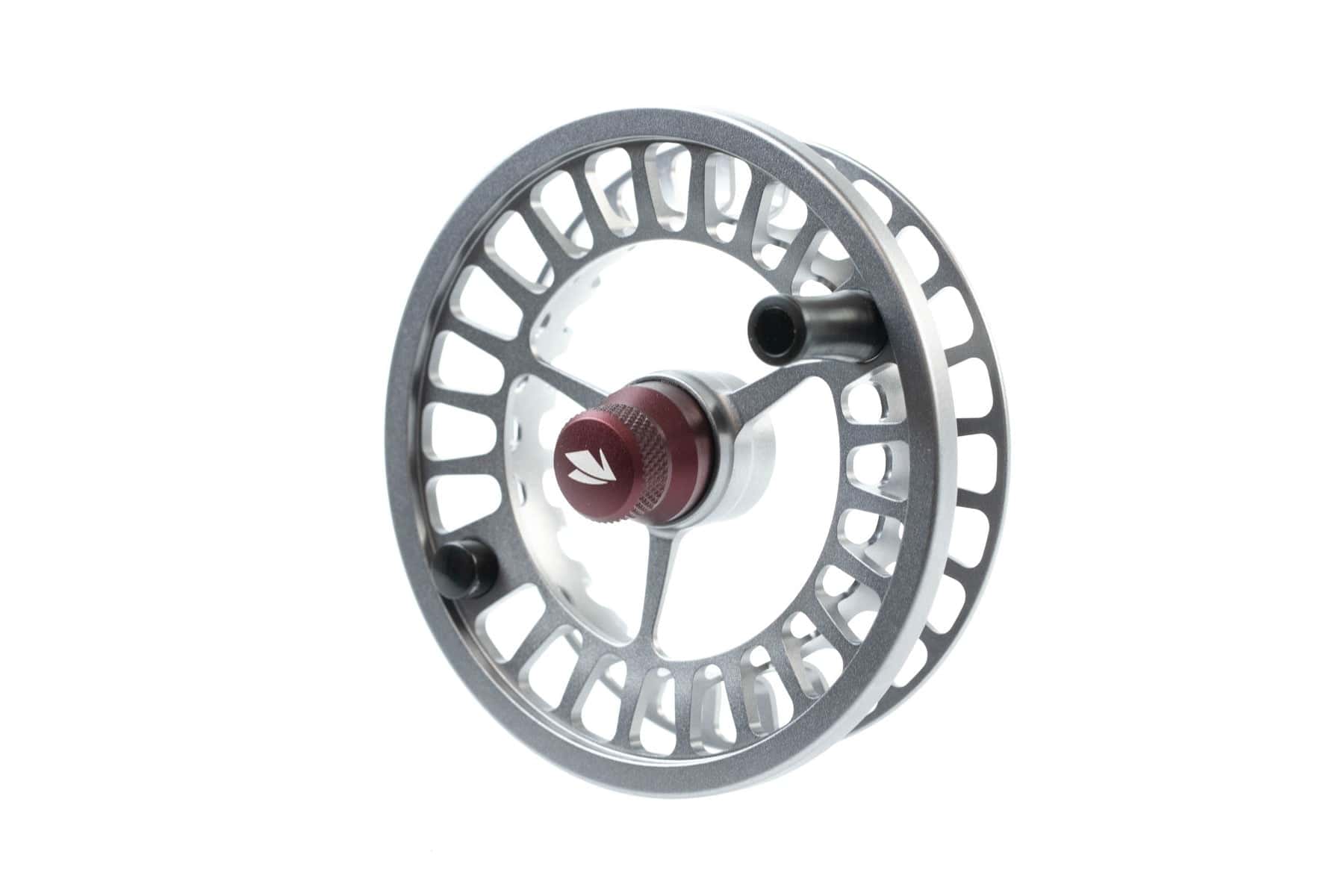
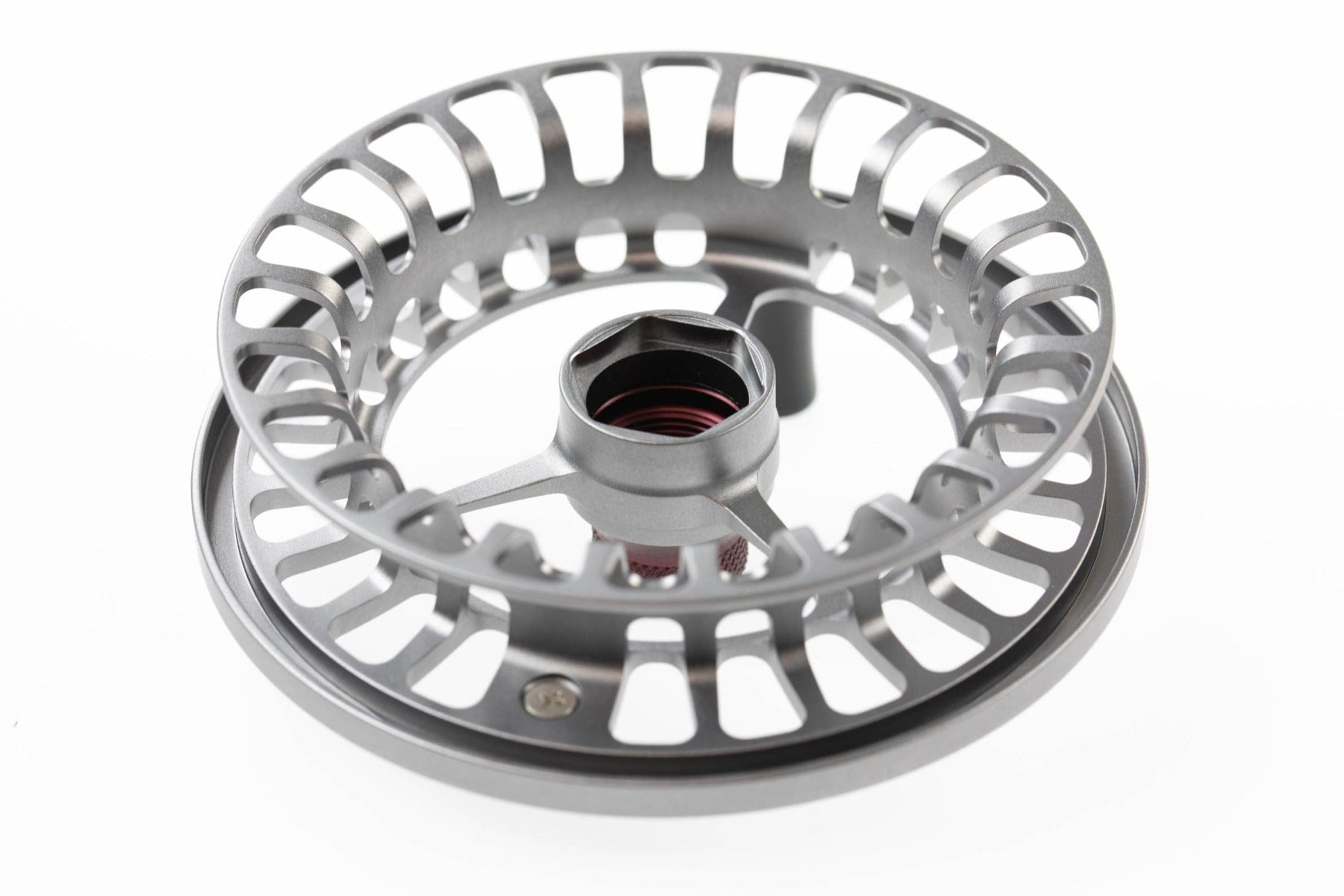
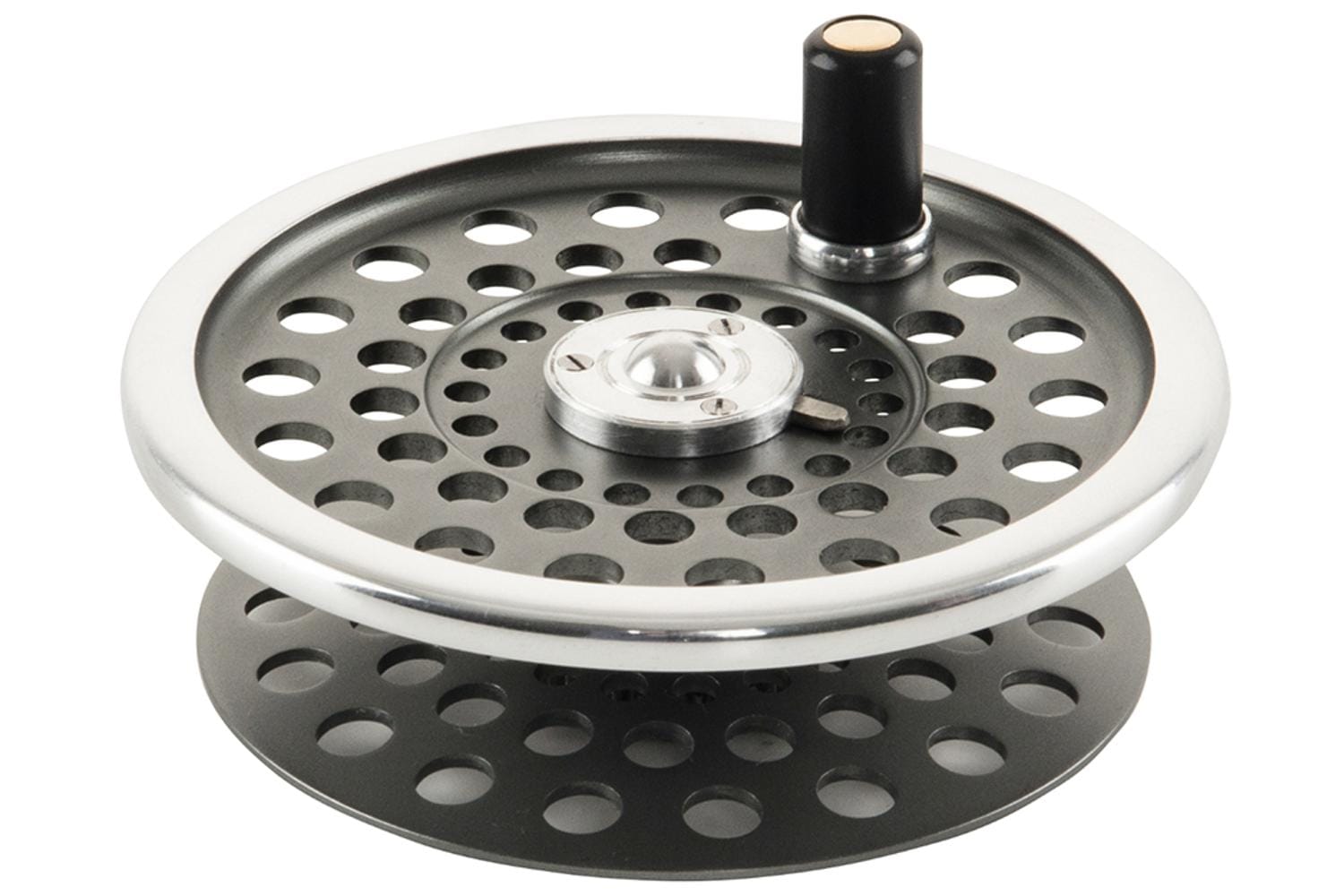
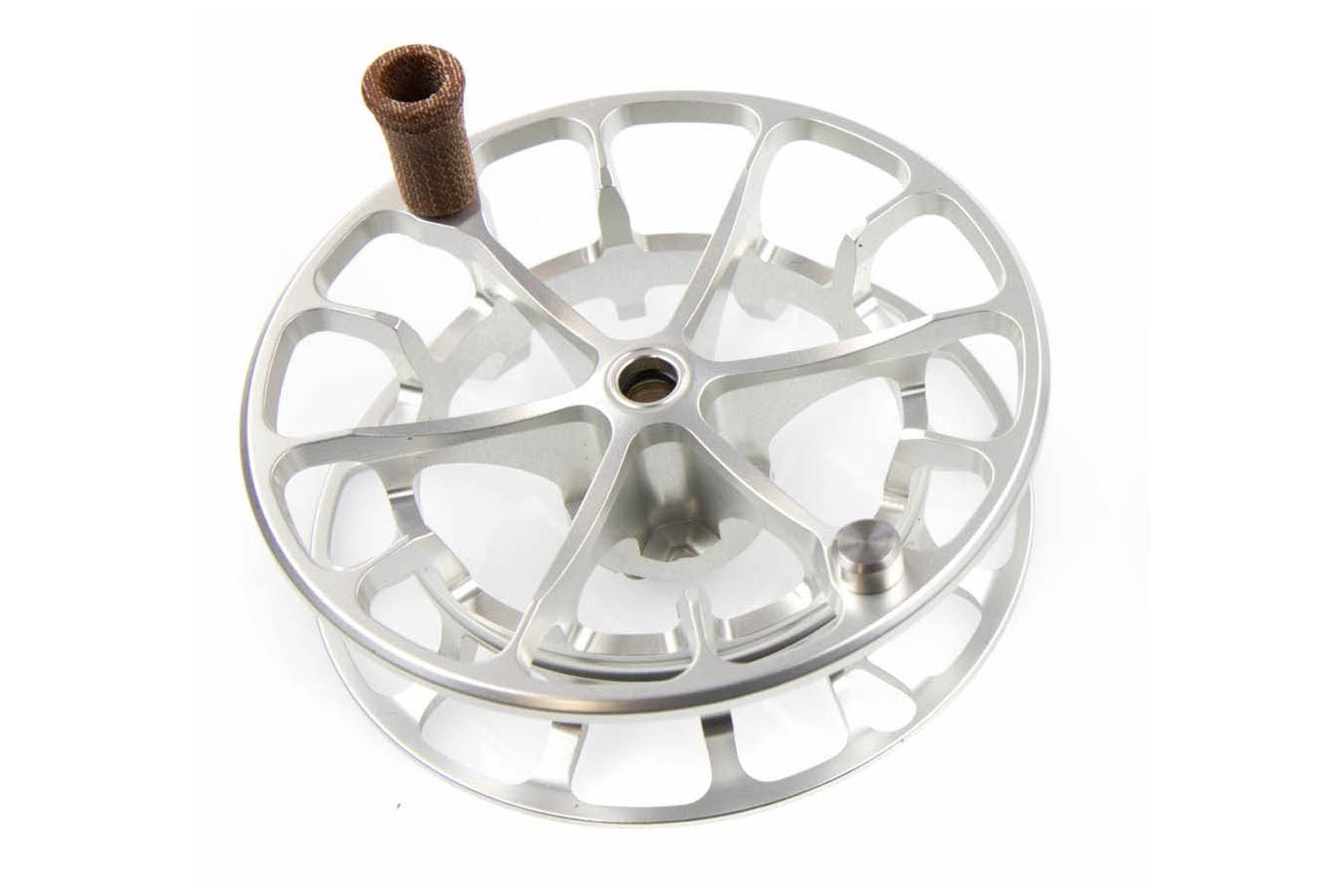
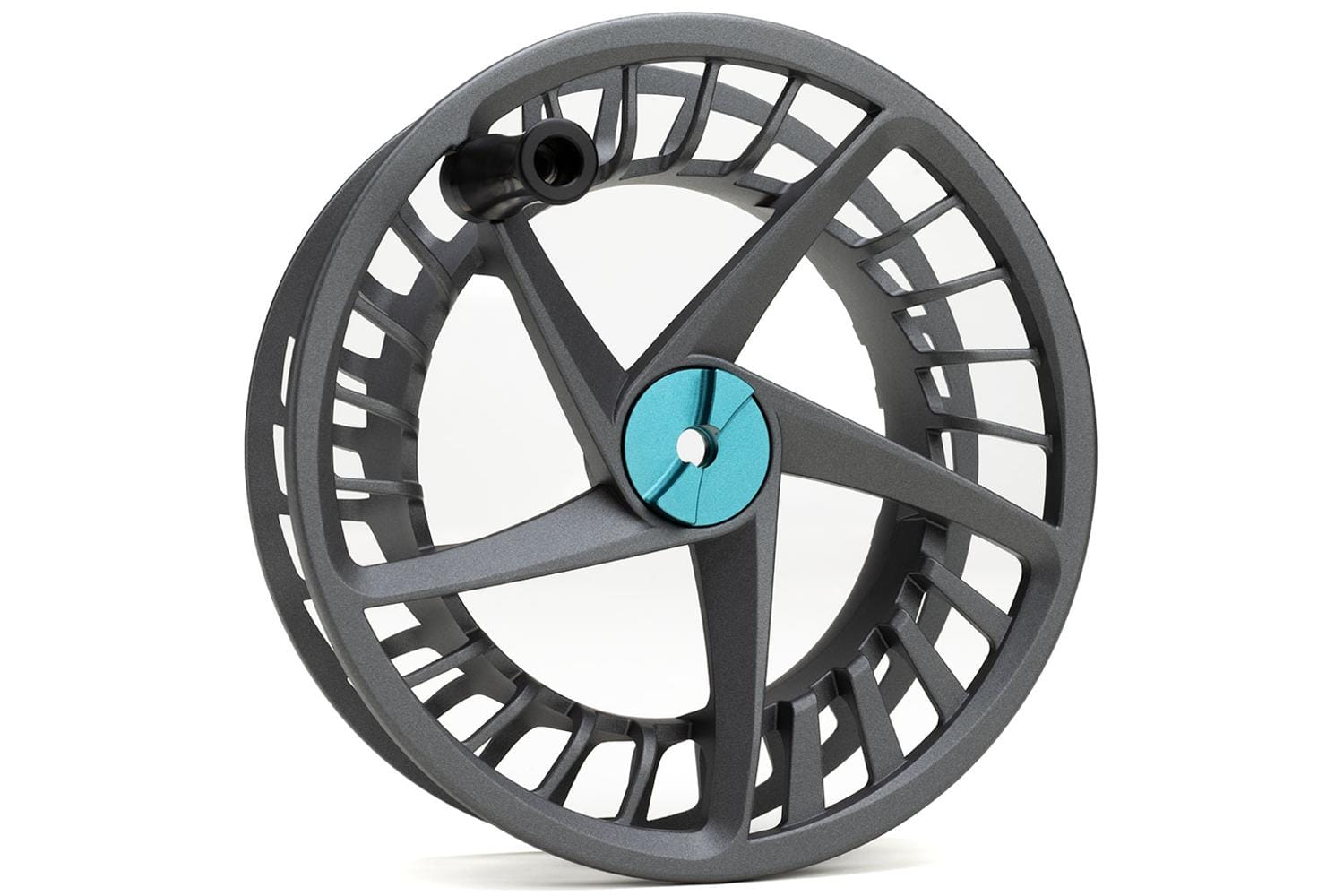
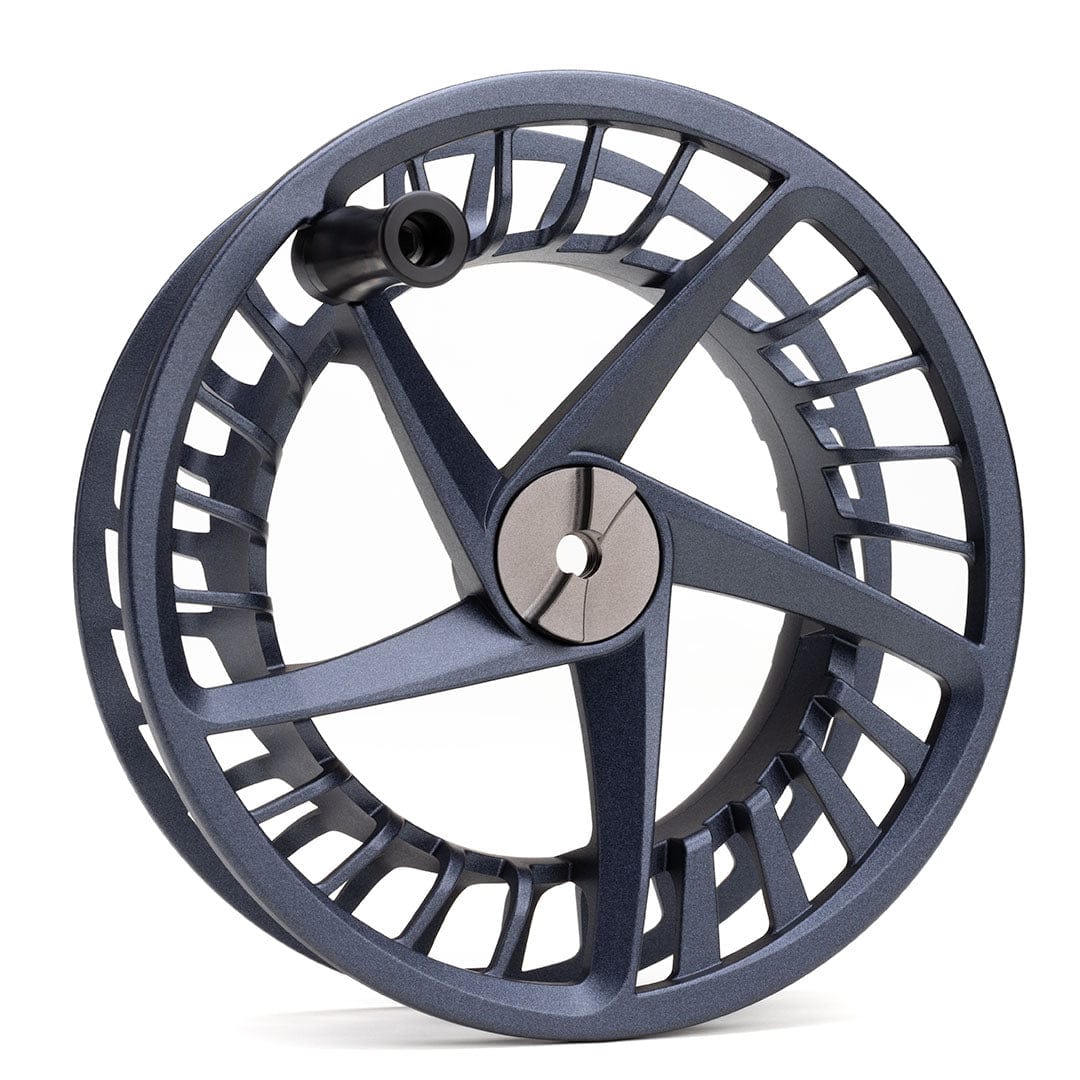
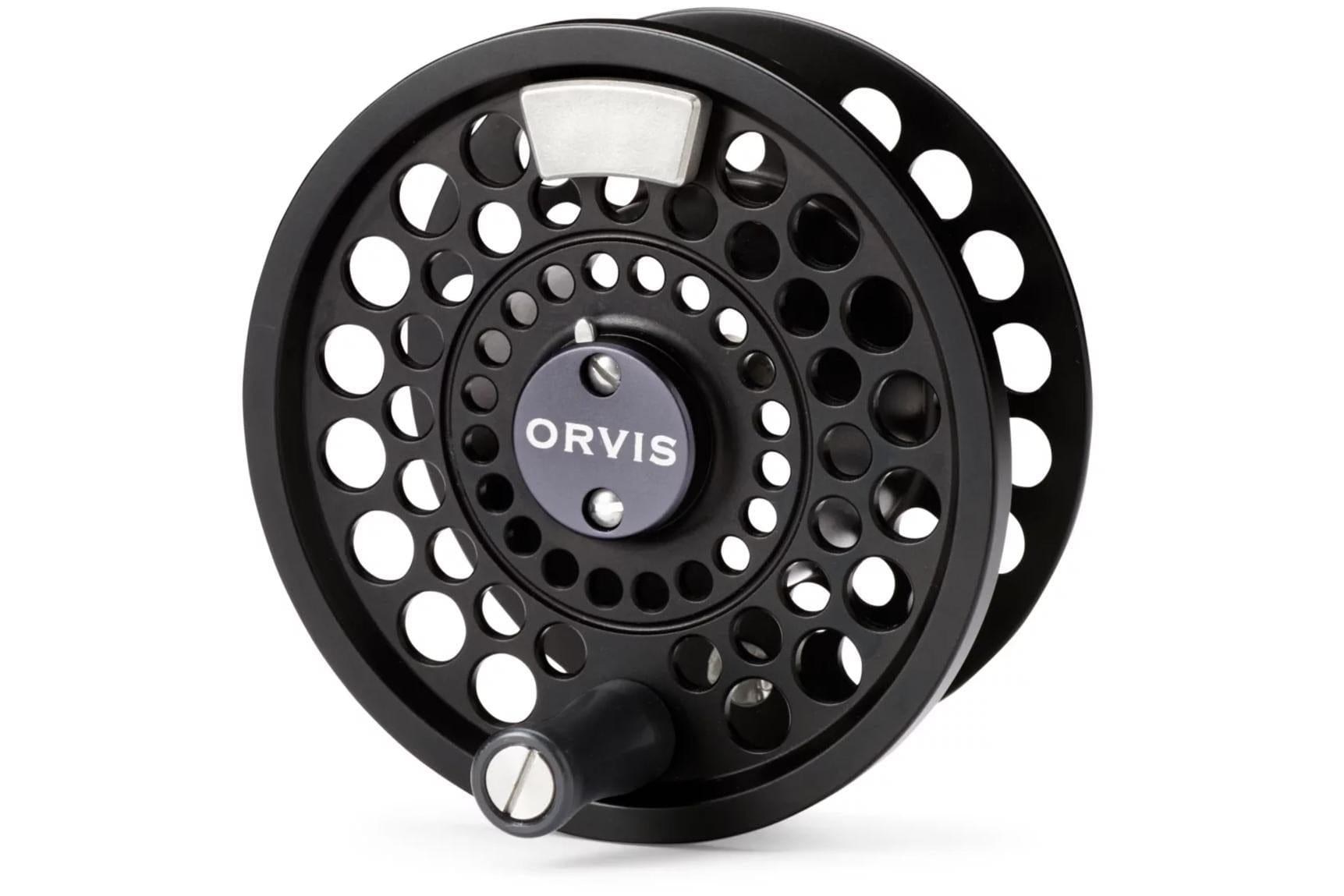
Explore by Type
Maximize the utility of your new spool by pairing it with the right line and backing for your target species.
How to Choose Spare Spools
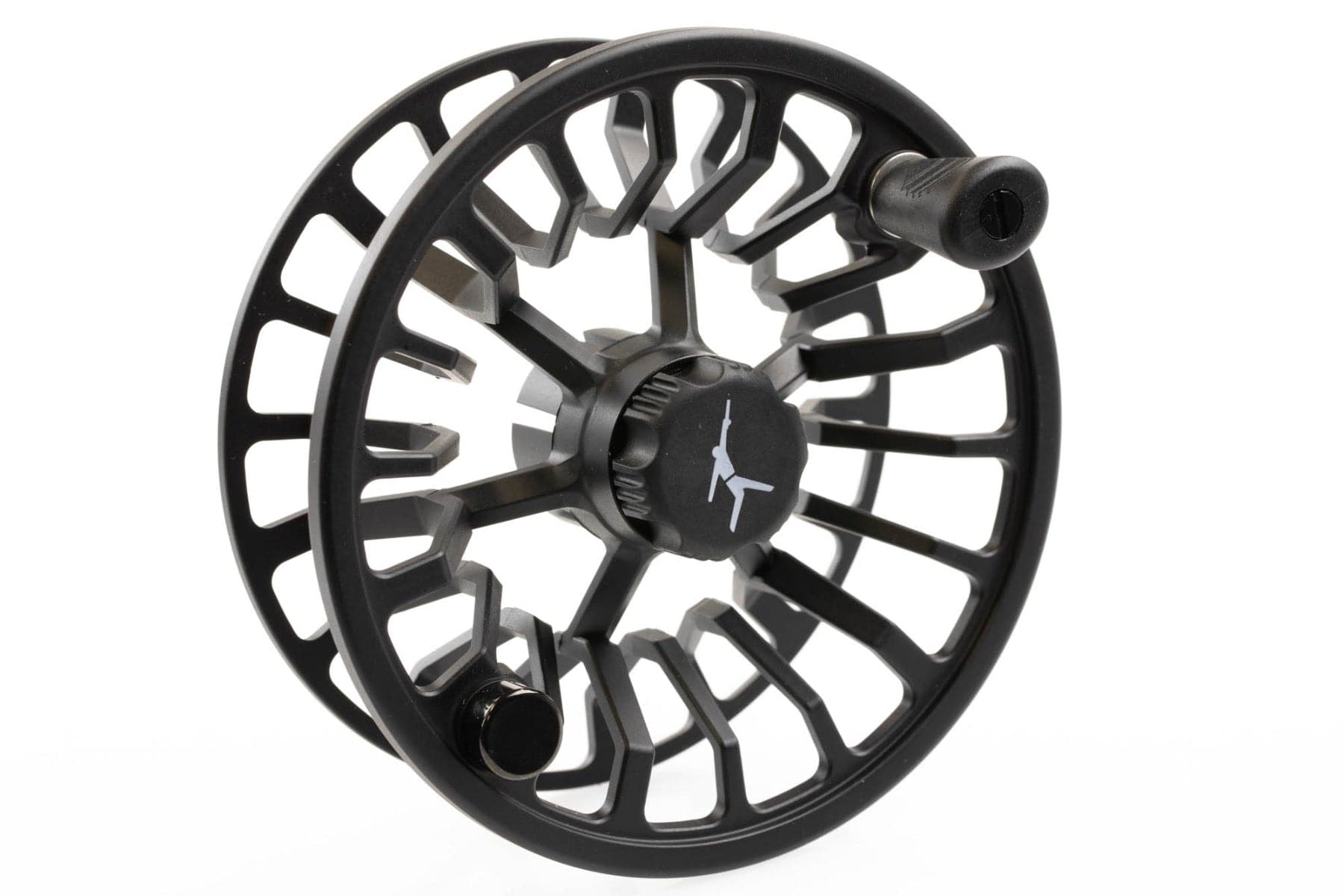
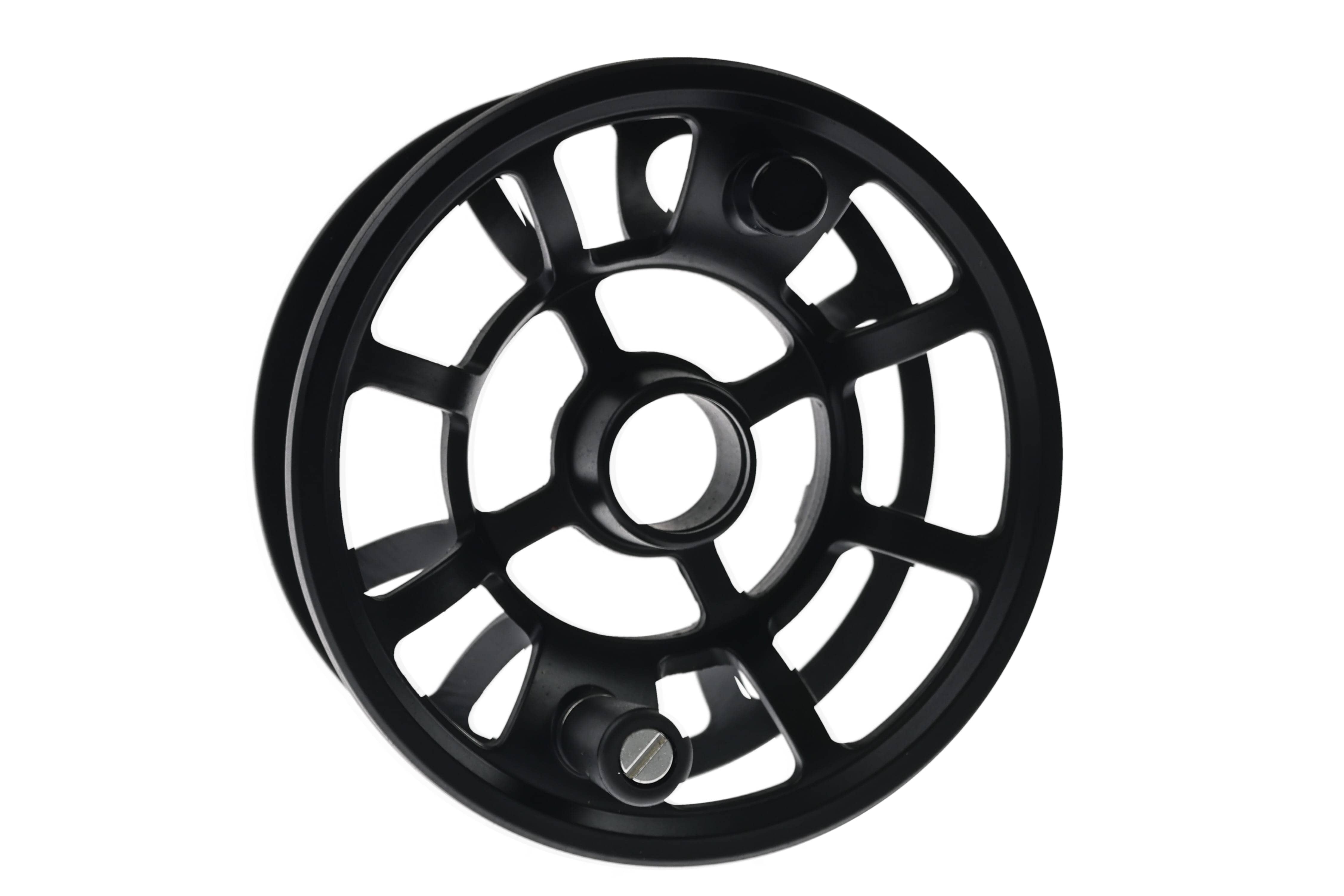
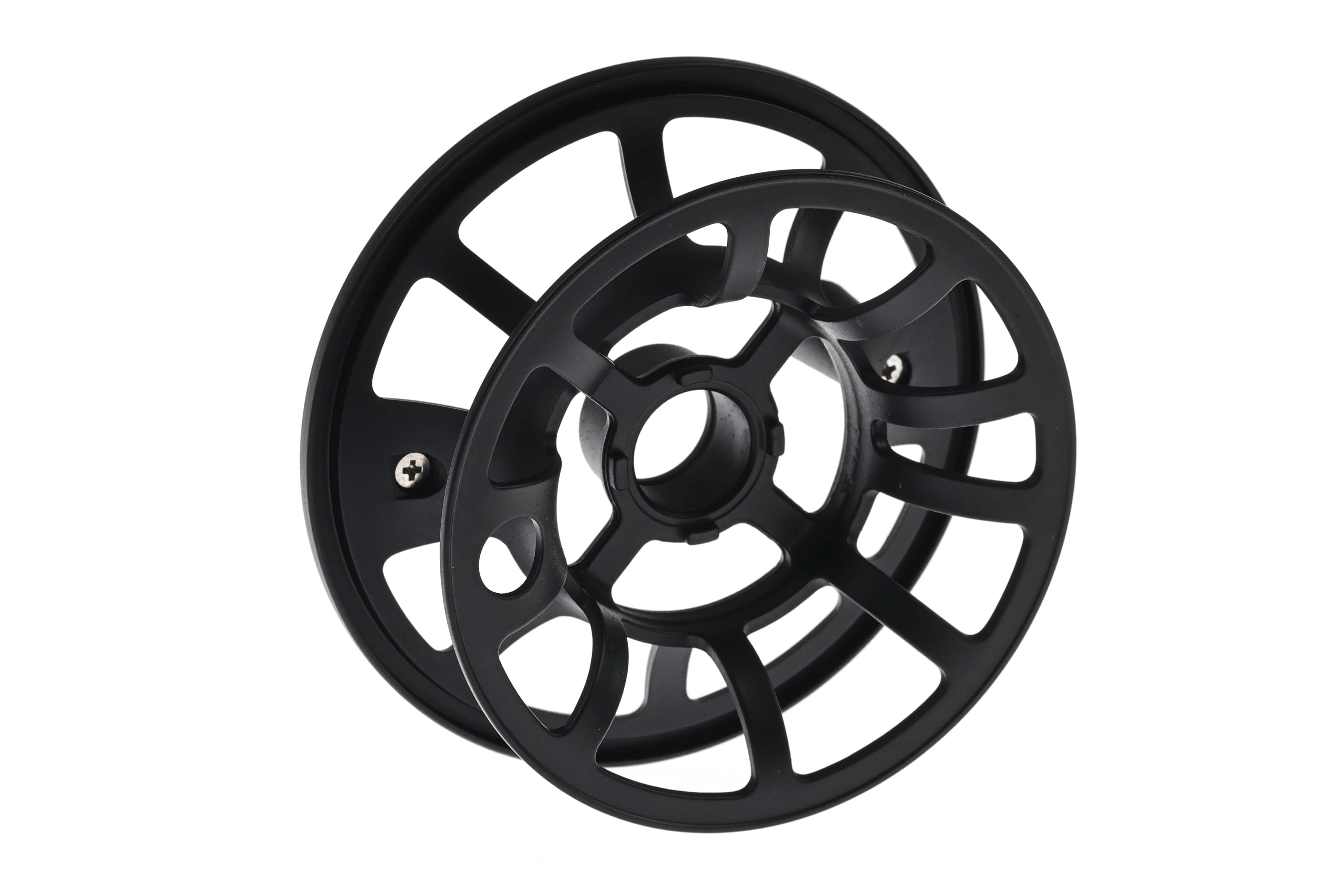
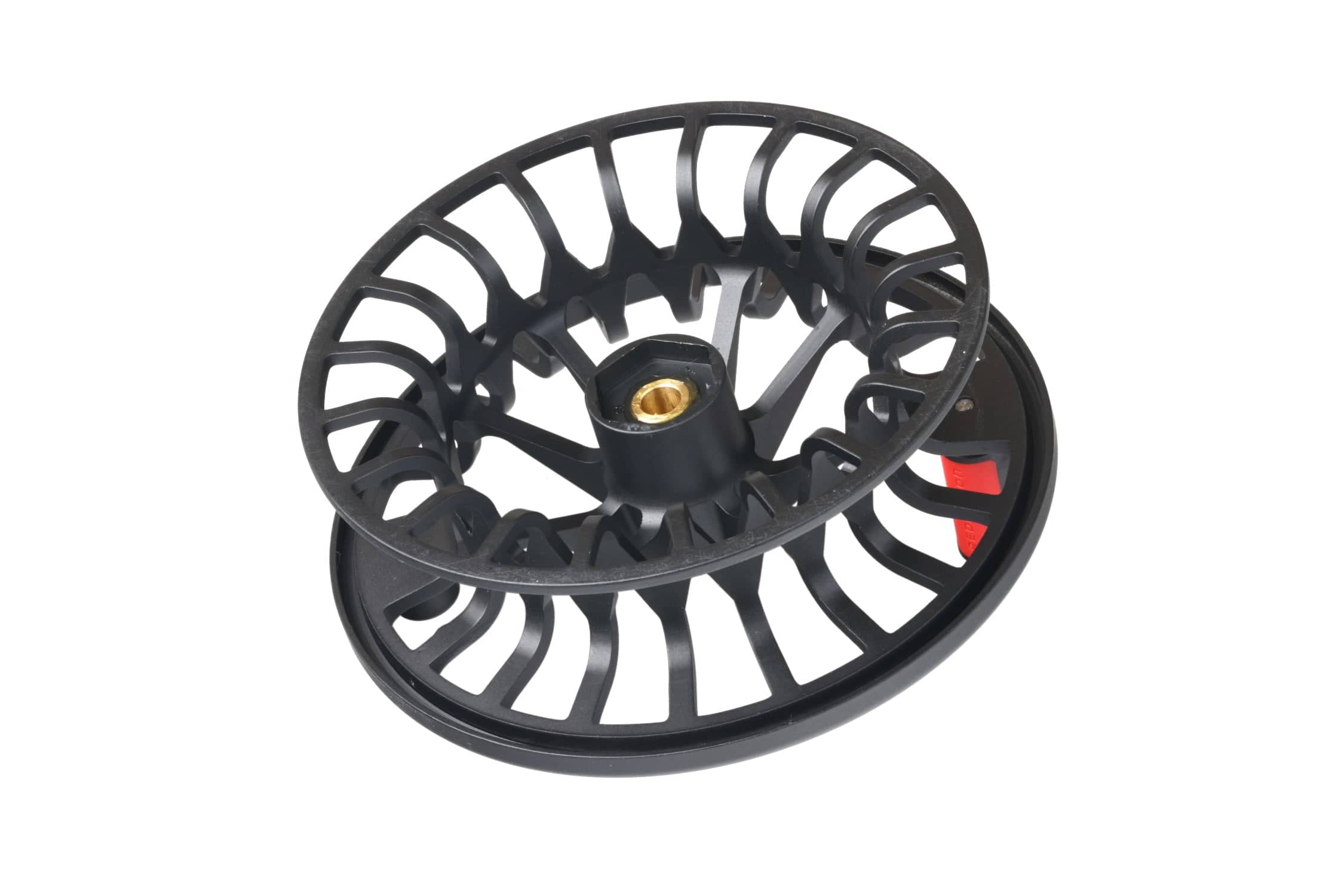
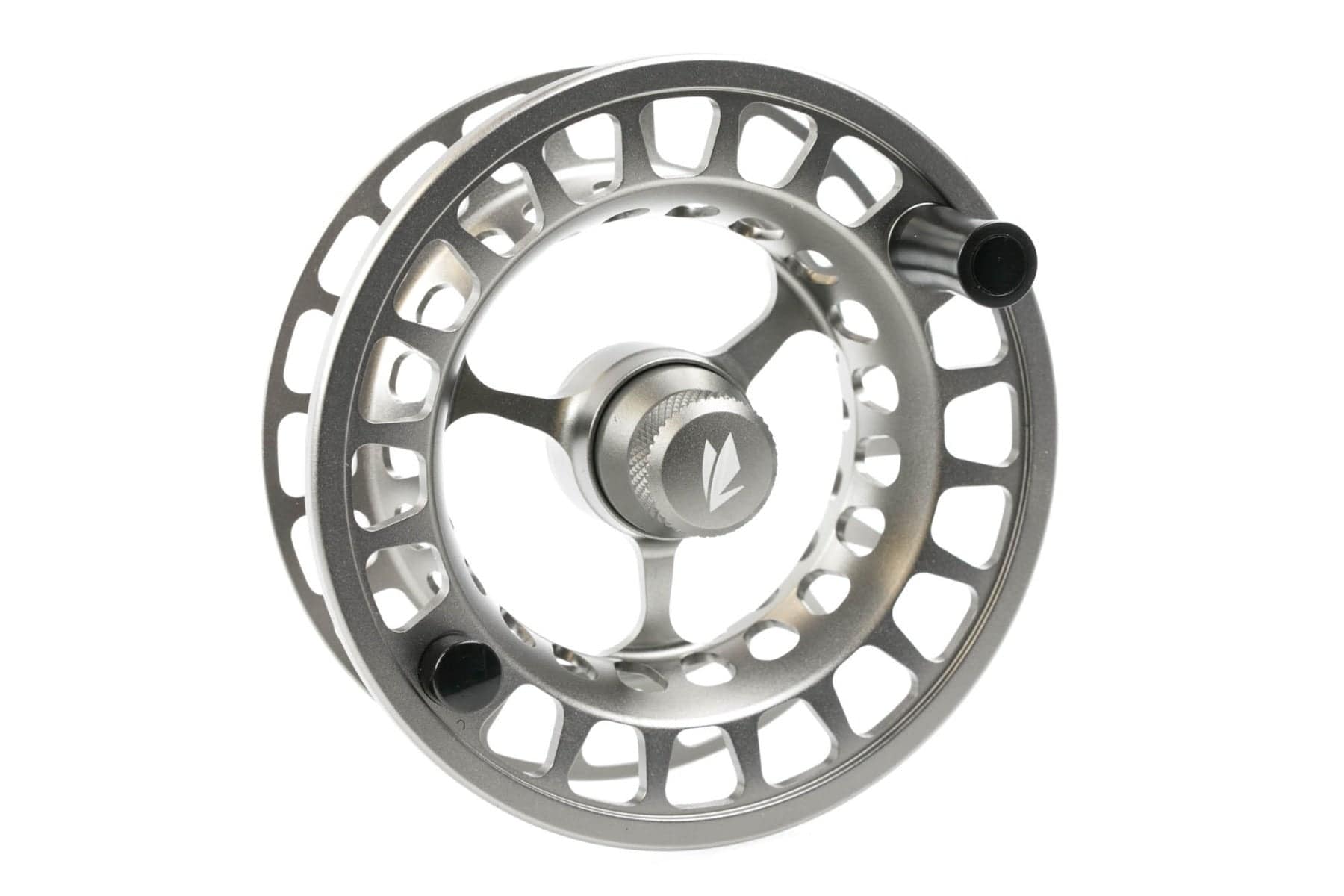
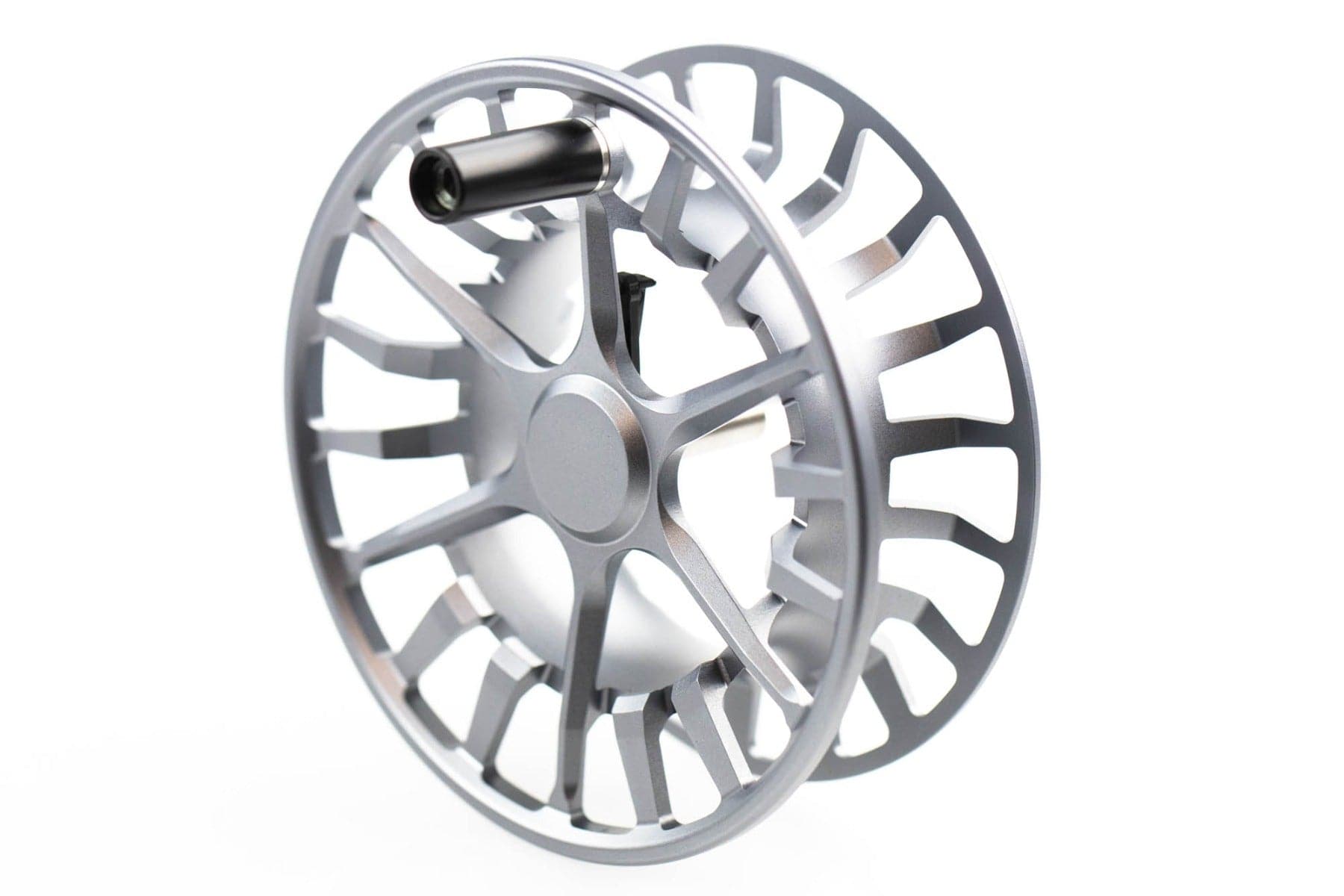
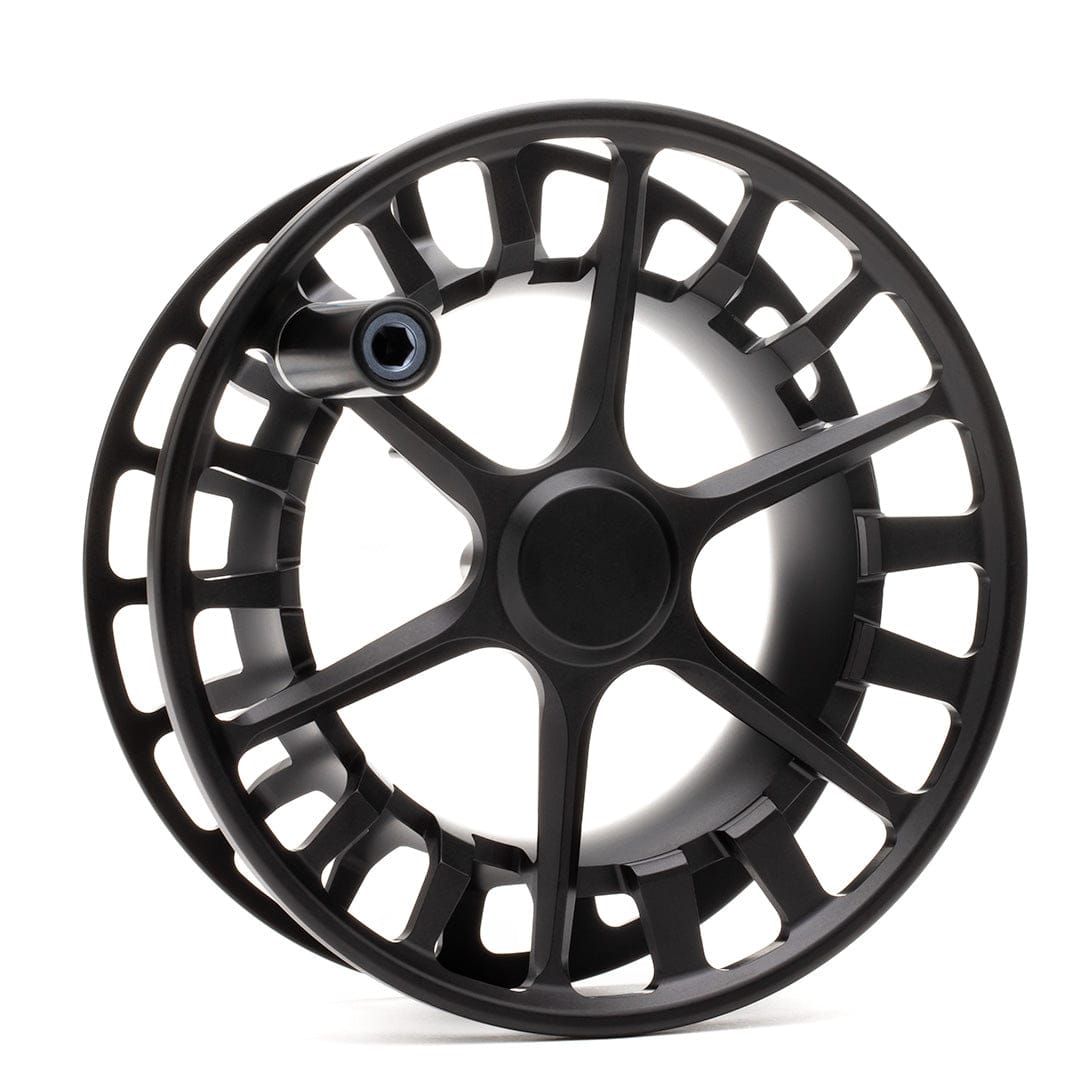
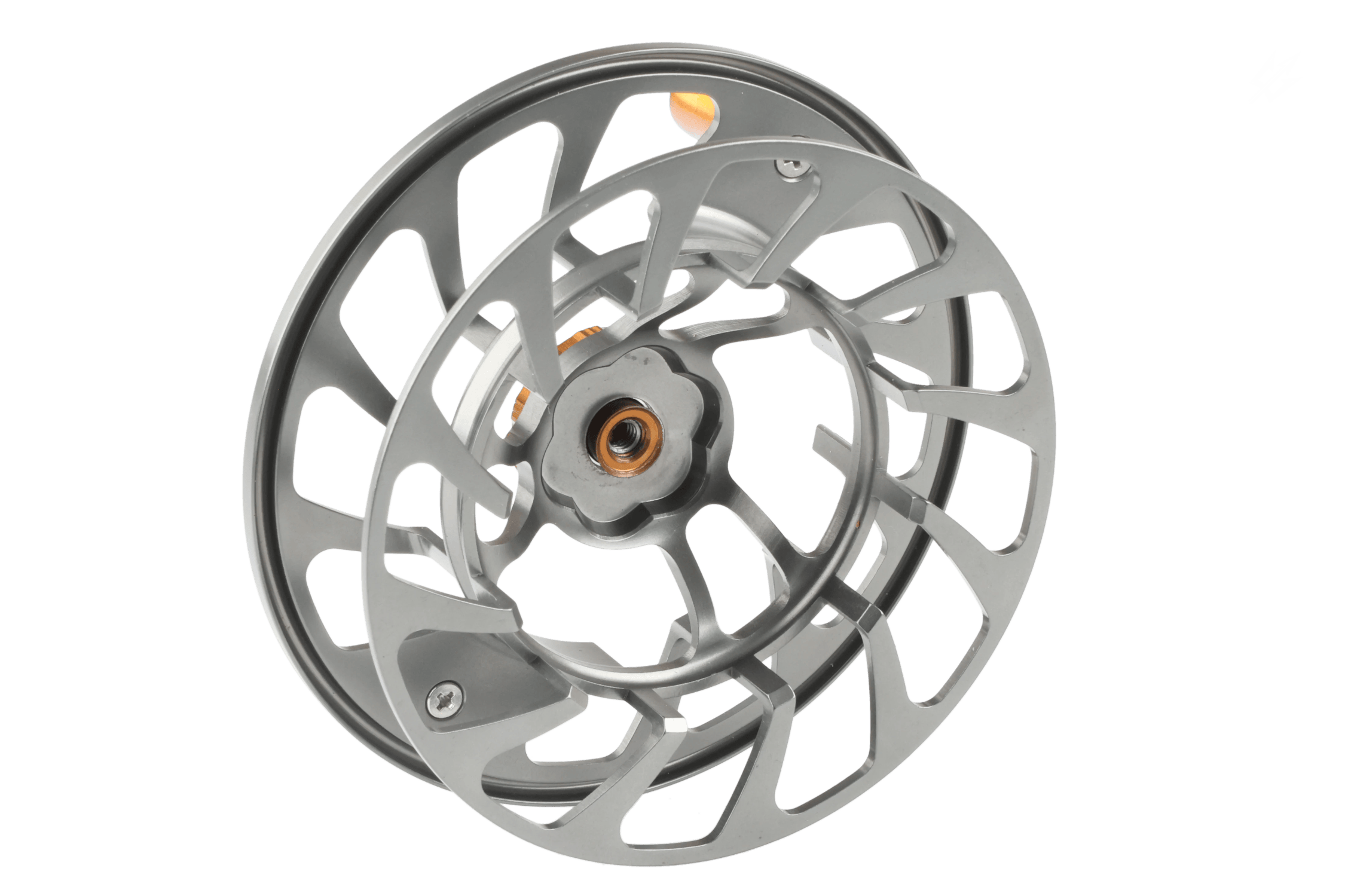
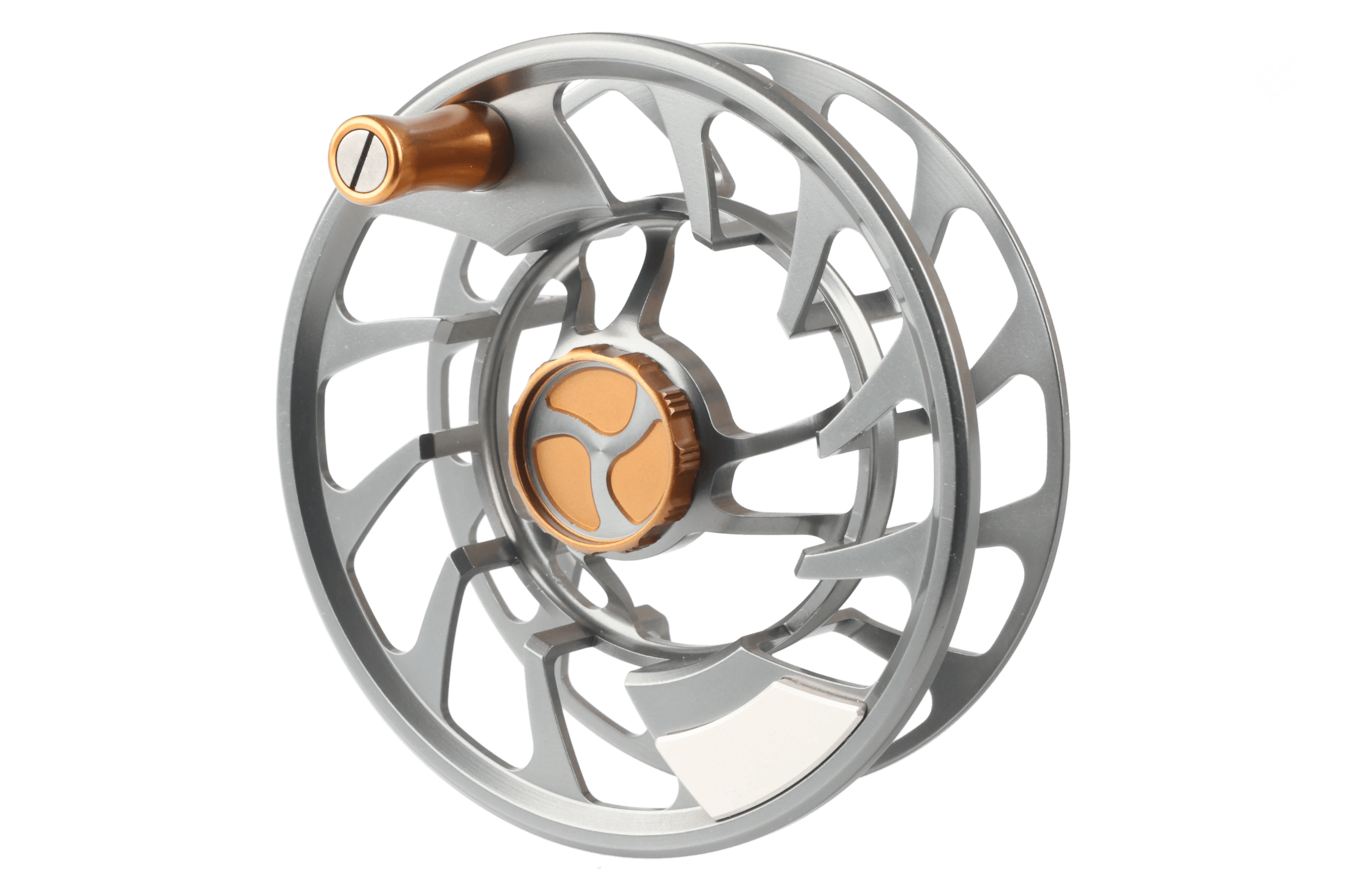
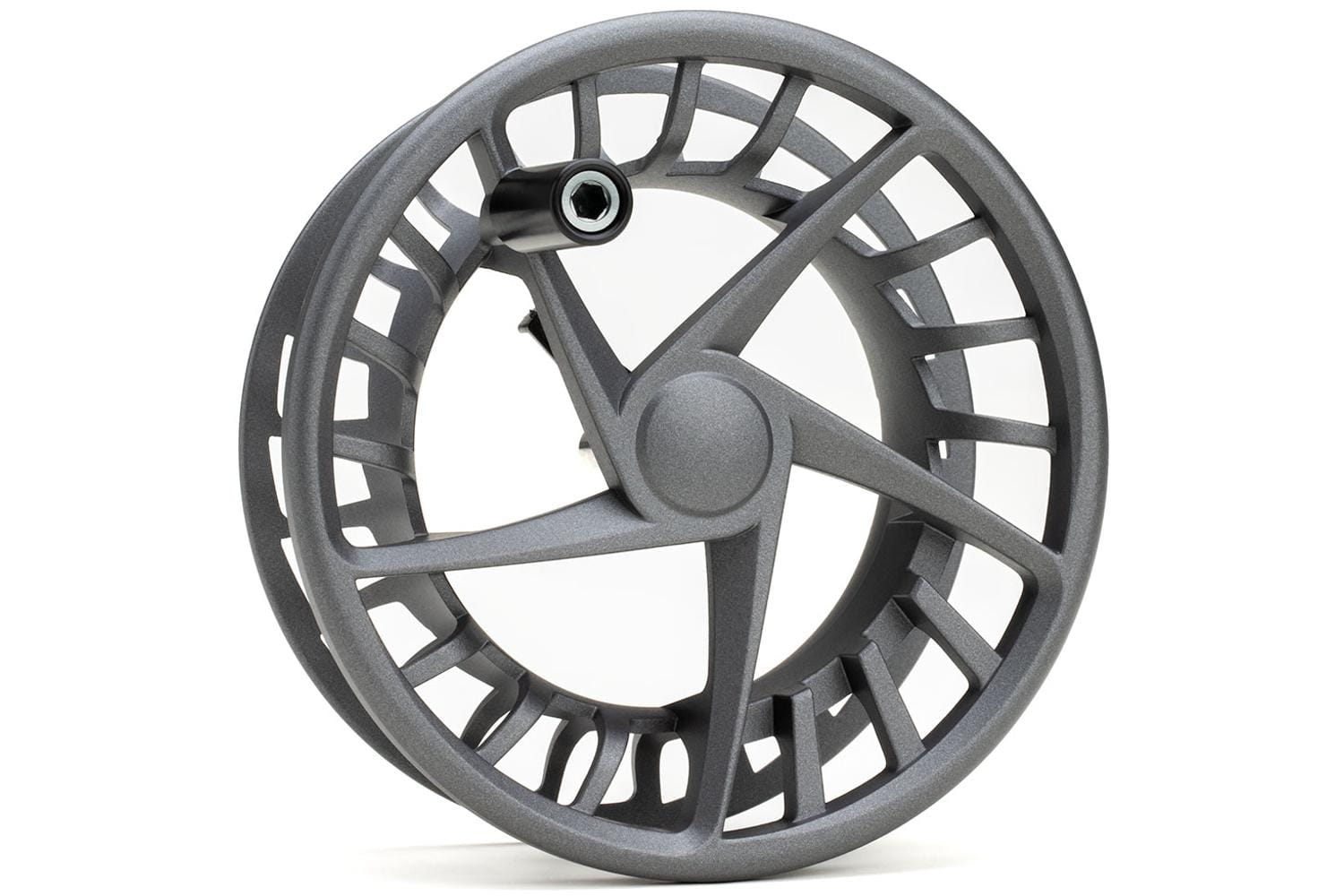
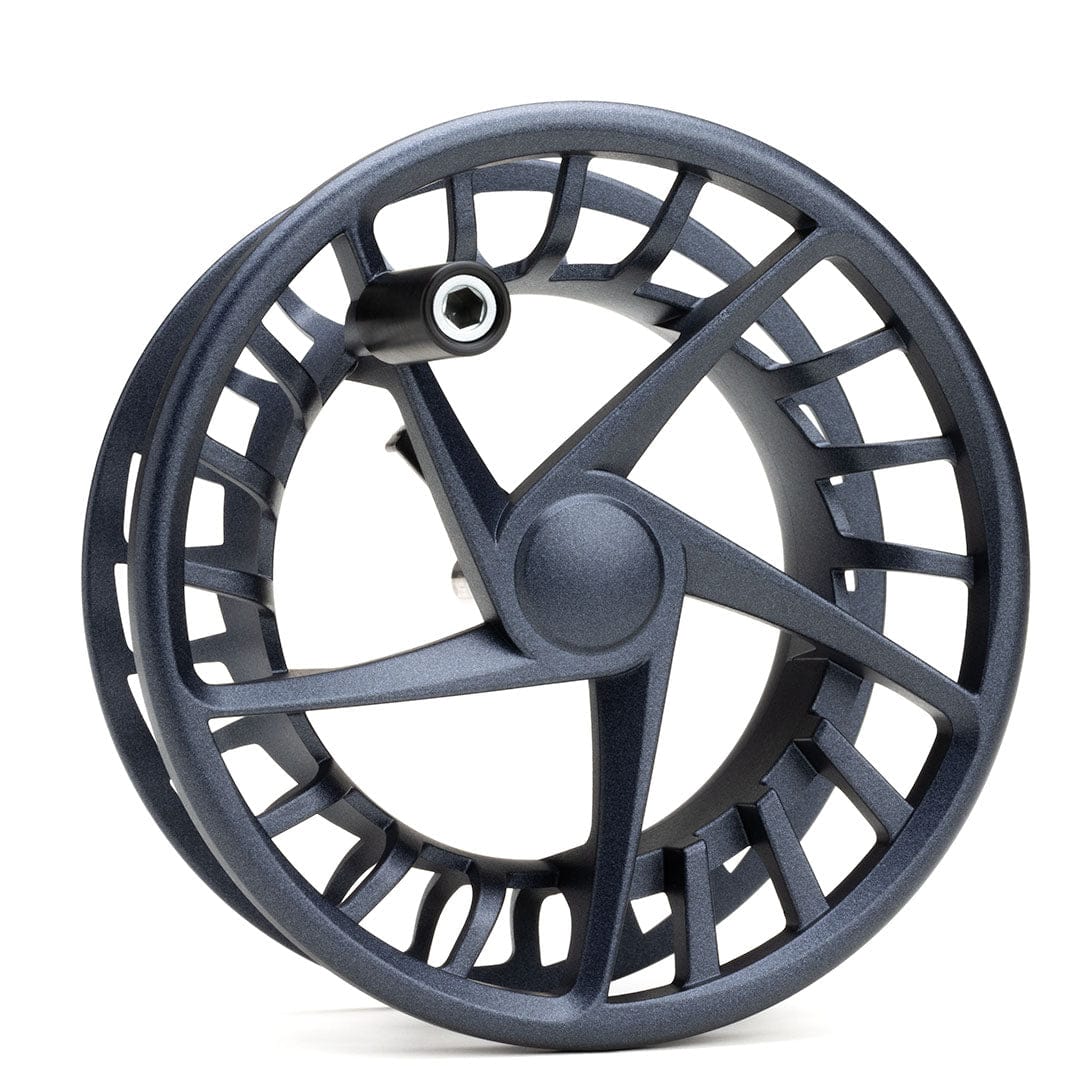
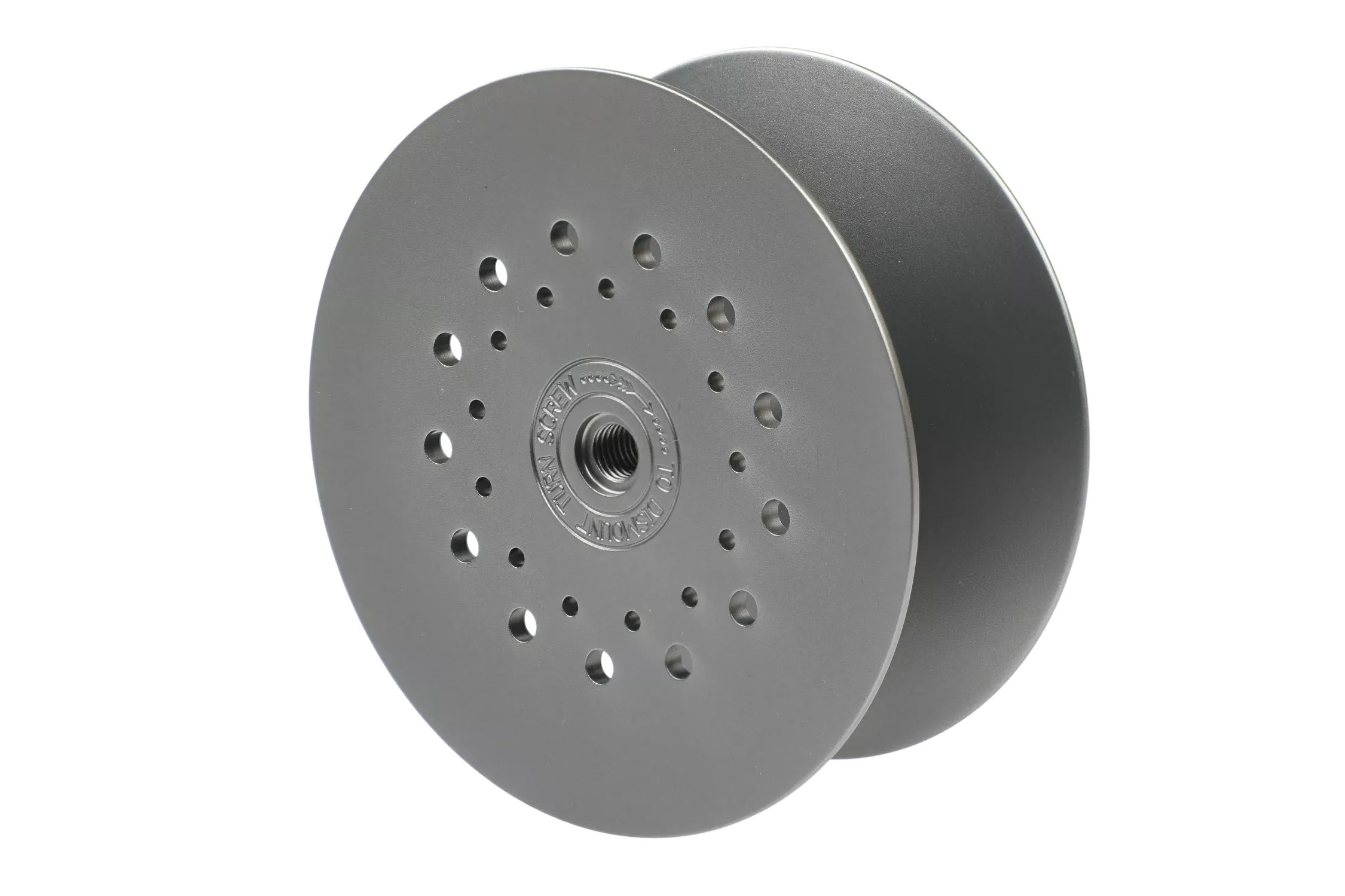
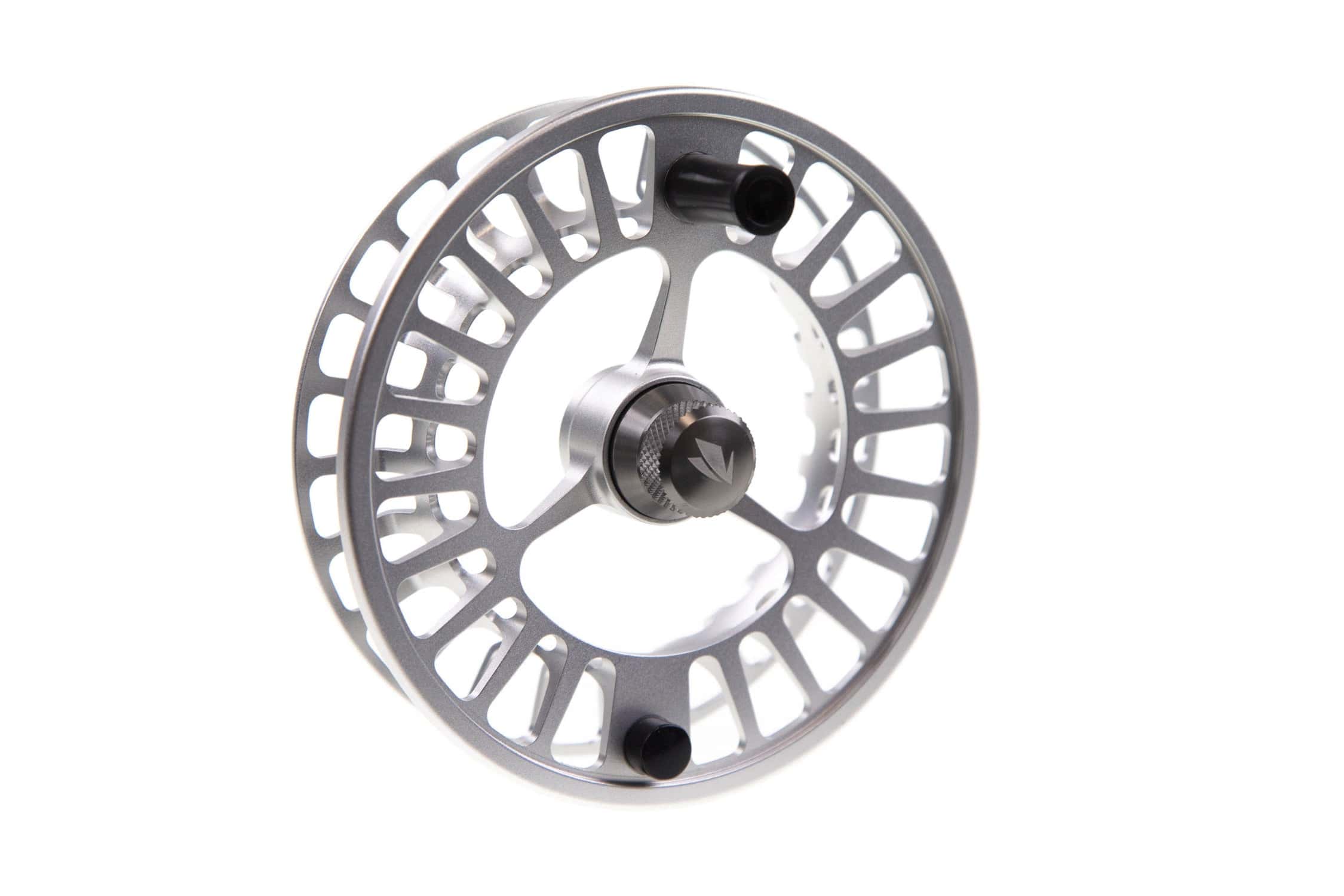
A fly reel spare spool is one of the most practical upgrades you can make— Adding a fly reel spare spool to your arsenal is one of the most practical upgrades you can make to your fly fishing setup. It allows you to carry multiple line types,such as a floating line for dry flies and a sinking line for streamers,without the expense and bulk of carrying a second reel. When selecting a spare spool, compatibility and intended use are the primary factors to consider.
Model Compatibility
Exact Match Required: Unlike fly lines or backing, spare spools are not universal. You must choose the spool that specifically matches your reel's brand, model, and size. For example, a spool for a "Sage Spectrum 5/6" will not fit a "Sage Spectrum LT 5/6" or a "Sage Spectrum 7/8." Always verify the exact model name and size printed on your reel frame before purchasing.
Arbor Size
Large vs. Standard: Many modern reels feature large arbor spools, which increase line retrieval rates and reduce line memory (coiling). If your reel offers different arbor options (like Mid Arbor vs. Large Arbor), consider your capacity needs. A Mid Arbor spool typically holds more backing, making it a better choice for saltwater species that make long runs, while a Large Arbor is often preferred for general trout fishing to pick up line quickly.
Intended Application
Versatility on the Water: The main advantage of a spare spool is adaptability. If you frequently fish waters where conditions change rapidly, such as a lake where fish might move from the surface to deep channels, having a spare spool rigged with a sinking line allows you to switch tactics in seconds. For saltwater anglers, a spare spool can save a trip if your primary line is cut by coral or a fish.
Care & Maintenance
Rinse After Use: Always rinse your spool and line with fresh water after fishing, especially in saltwater, to prevent corrosion and salt buildup.
Dry Separately: Remove the spool from the reel frame and let both air dry completely before storing them. Trapped moisture can damage the drag system and backing.
Check Your Backing: Periodically unwind your line and backing to check for rot or mold, particularly if the spool hasn't been used in a long time.
Protect the Rim: Aluminum spools can bend if dropped. Always store your spare spool in a neoprene pouch or case when not in use to ensure it seats correctly on the reel frame.
Complete Your Setup
Related Gear
Fly Lines - Load your new spool with a specific line for different fishing scenarios.
Backing - Don't forget to add high-quality backing to protect your investment during long runs.
Spare Spools FAQs
Q: Why should I buy a spare spool instead of another reel?
A: A spare spool is significantly cheaper than buying a complete reel and takes up less space in your pack. It allows you to switch between floating and sinking lines quickly using the same drag system and frame.
Q: Will a spare spool from one brand fit a reel from another?
A: No, spare spools are proprietary and only fit the specific reel model they were designed for. Even within the same brand, spools are rarely interchangeable between different reel series.
Q: Do spare spools come with a case?
A: Most premium spare spools include a protective neoprene pouch or nylon bag. This protects the exposed rim and line from damage during transport.
Q: Can I change the retrieve direction on a spare spool?
A: The retrieve direction is determined by the reel's frame and drag hub, not the spool itself. However, you must ensure you wind the line and backing onto the spare spool in the correct direction to match your reel's setup.
Q: How much backing do I need for my spare spool?
A: Backing capacity depends on the spool size and line weight. Check the manufacturer's specifications for your specific reel model to ensure you have adequate protection for fighting fish without overfilling the spool.