


Simms Headwaters Waist Pack | Insider Review
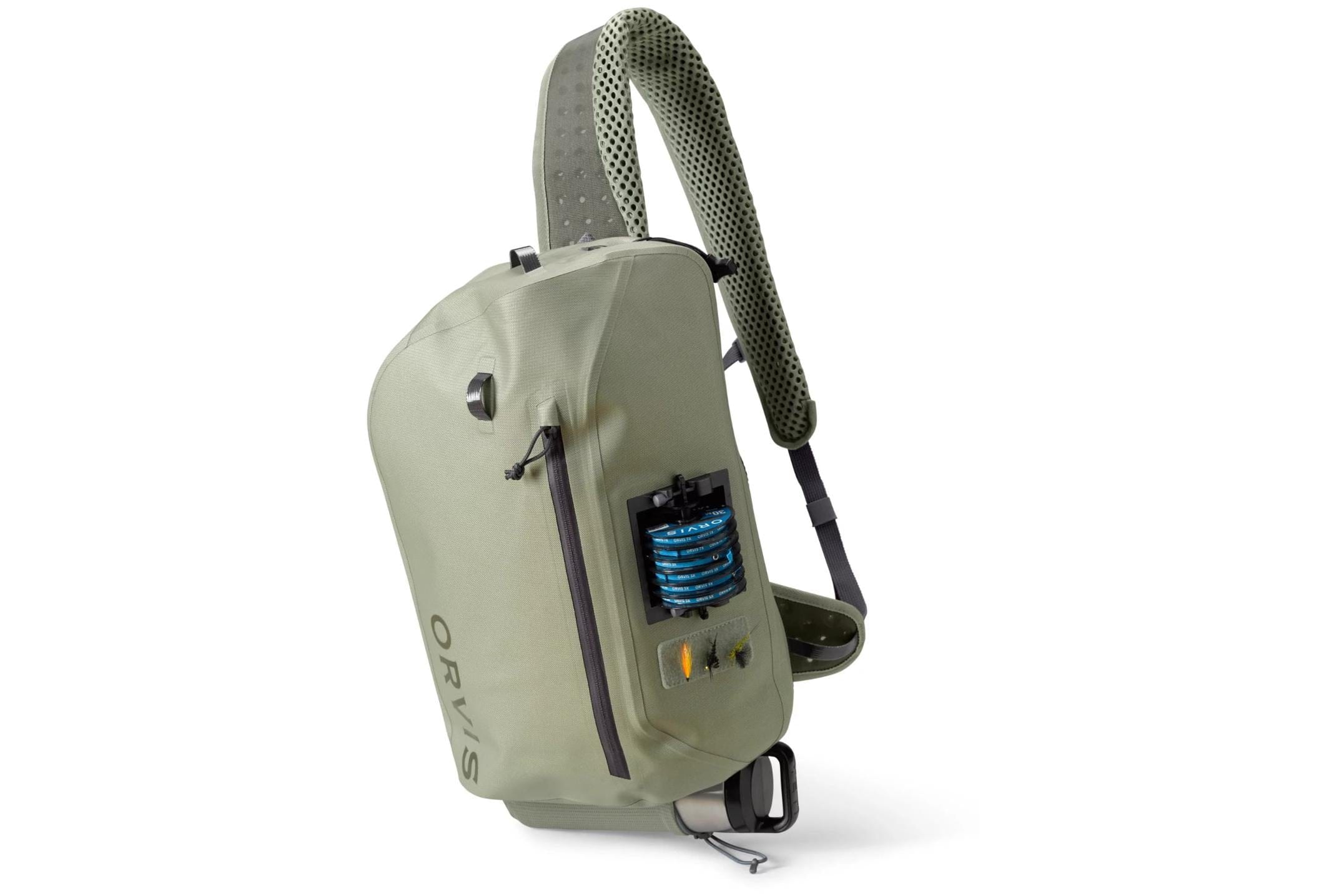
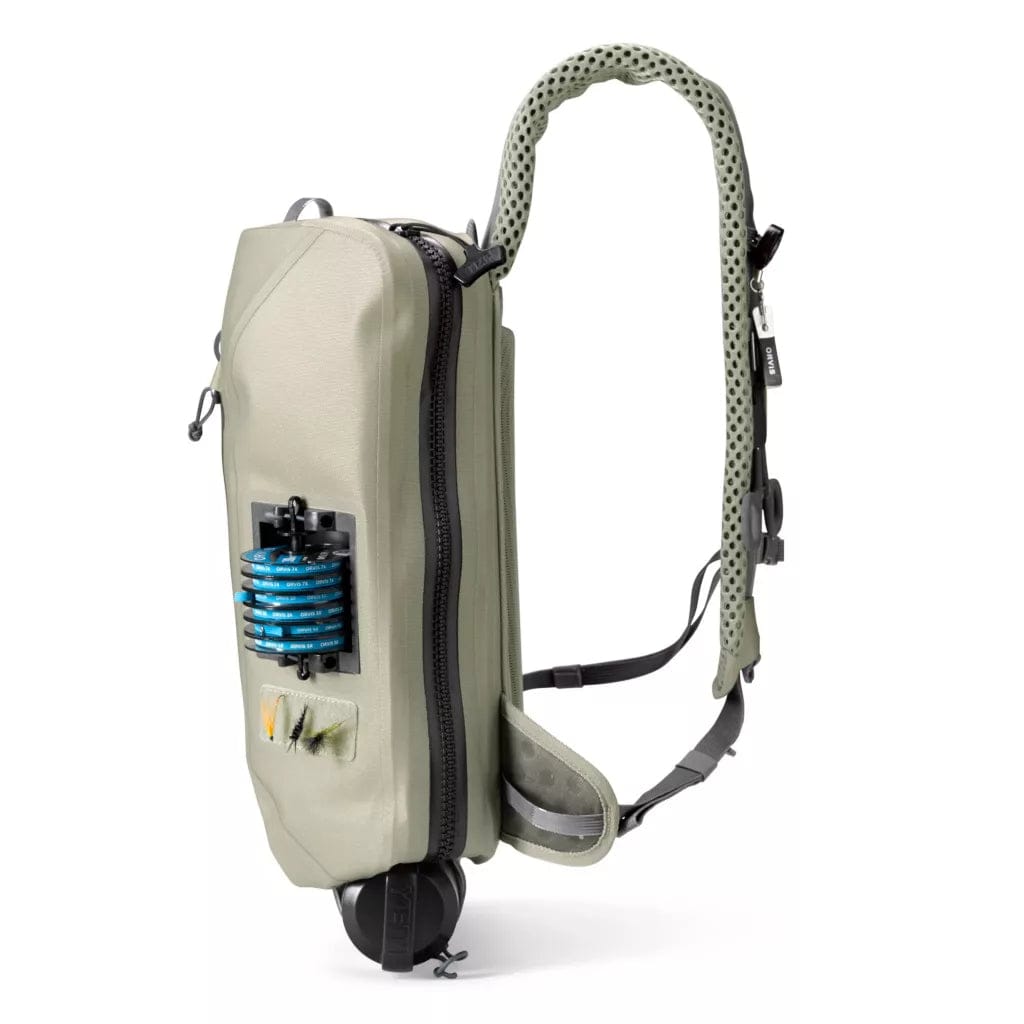
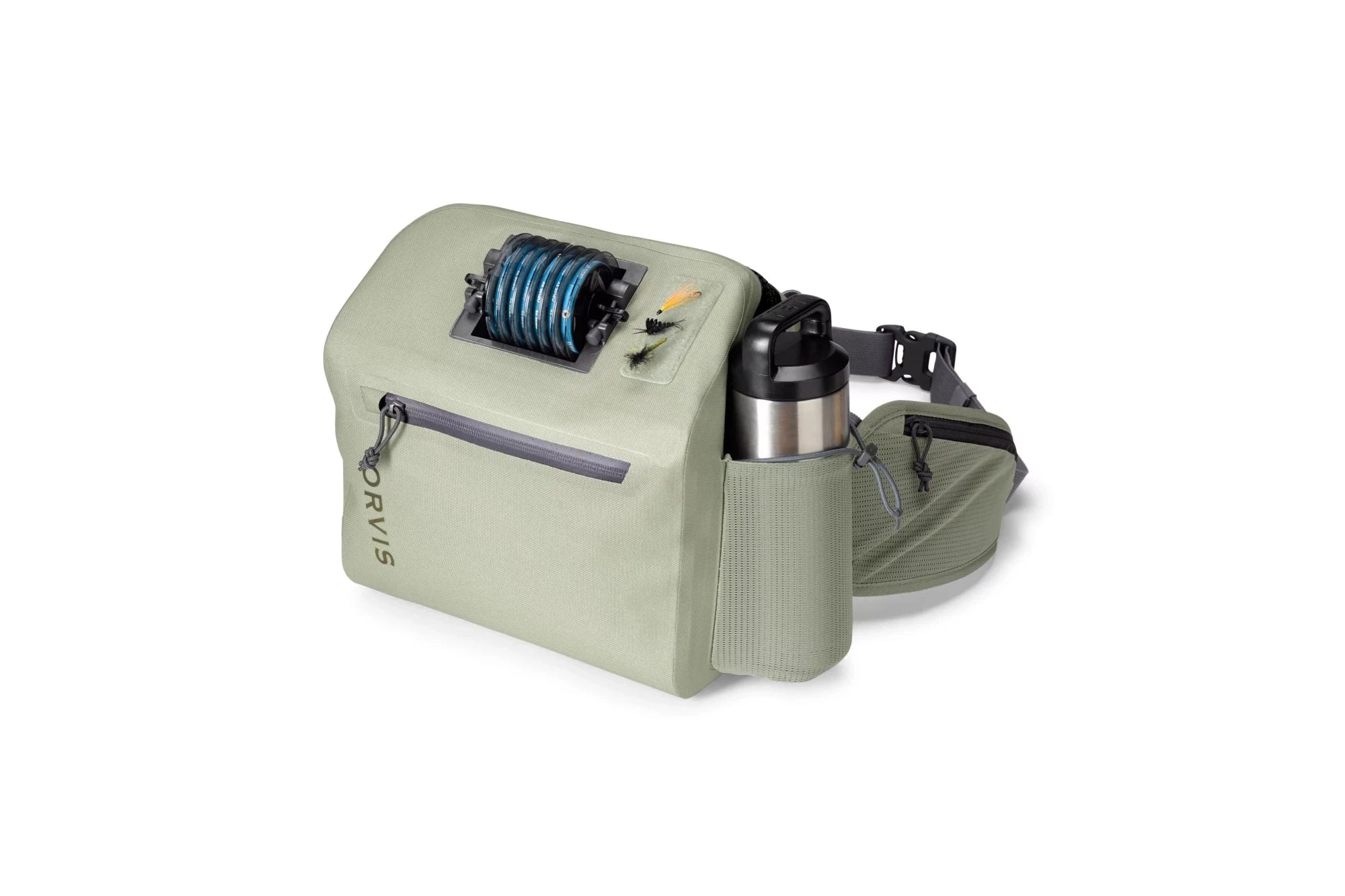
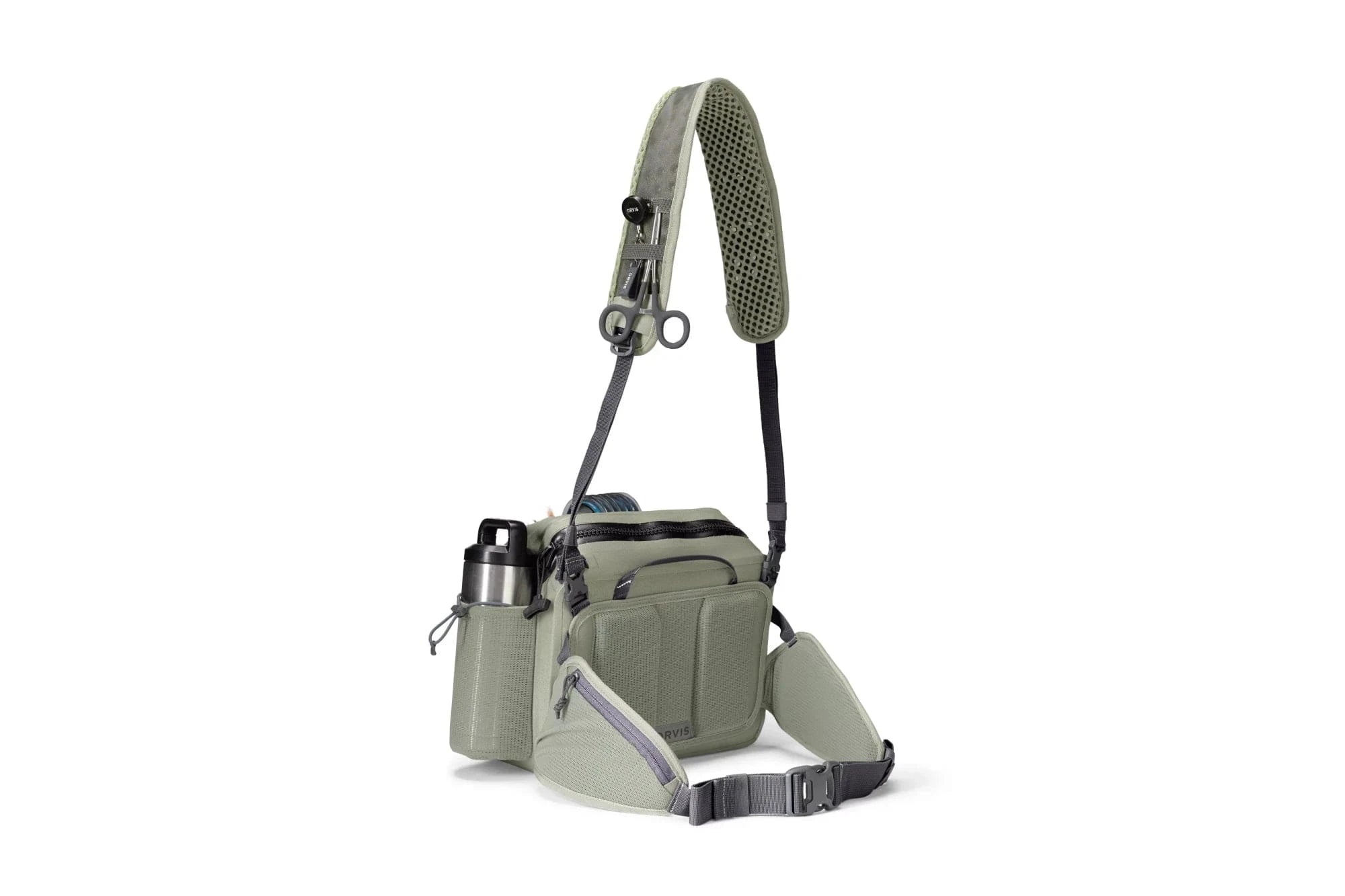

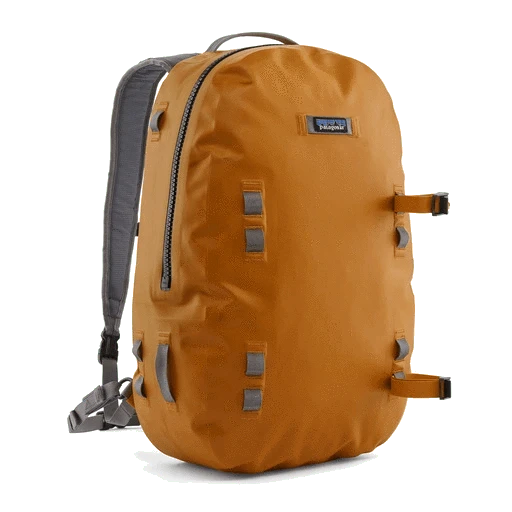
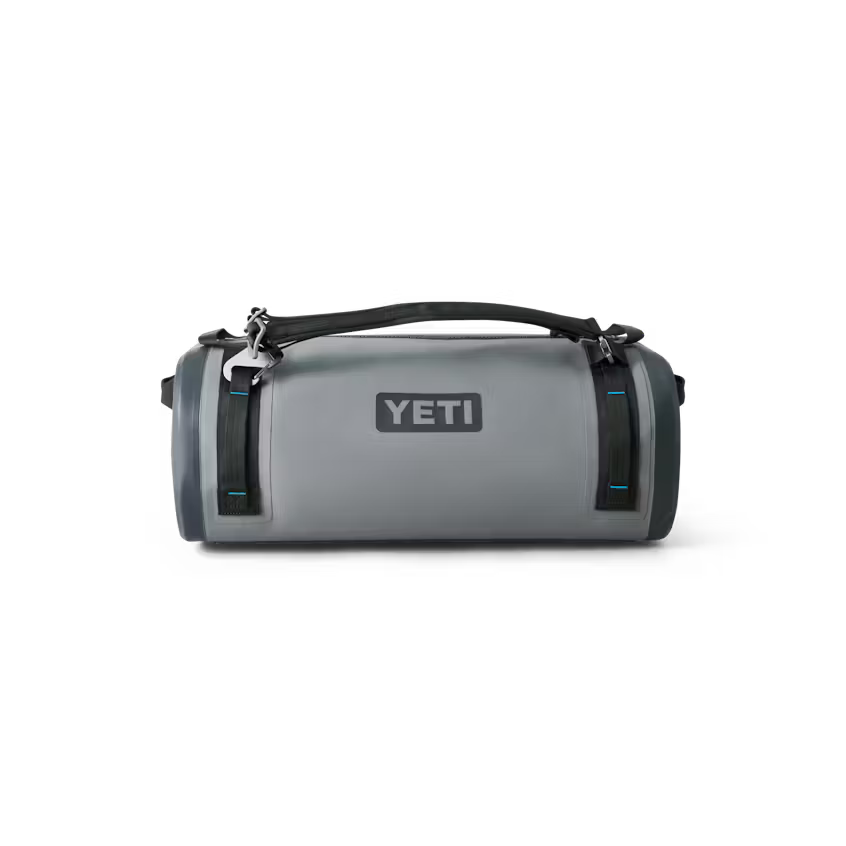
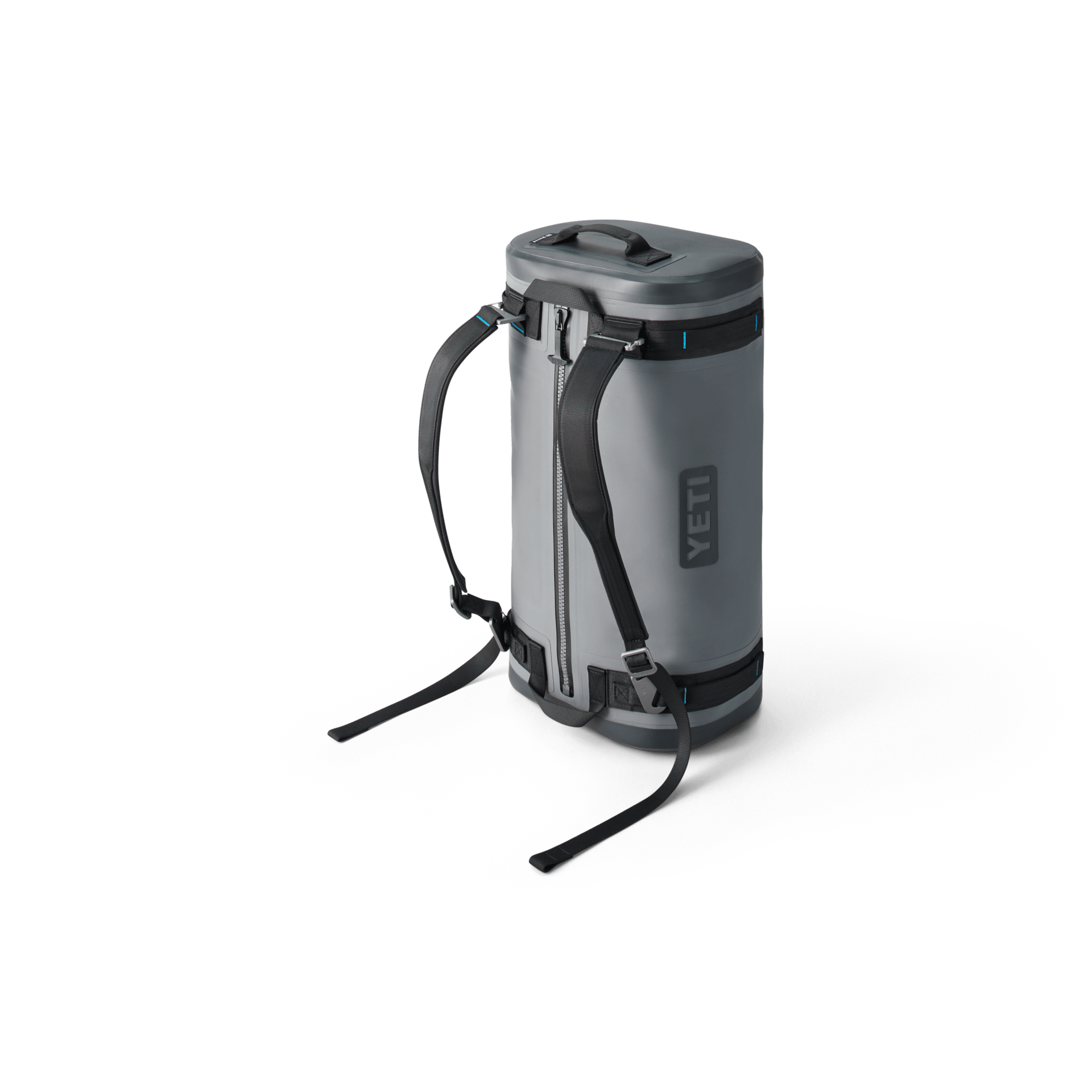
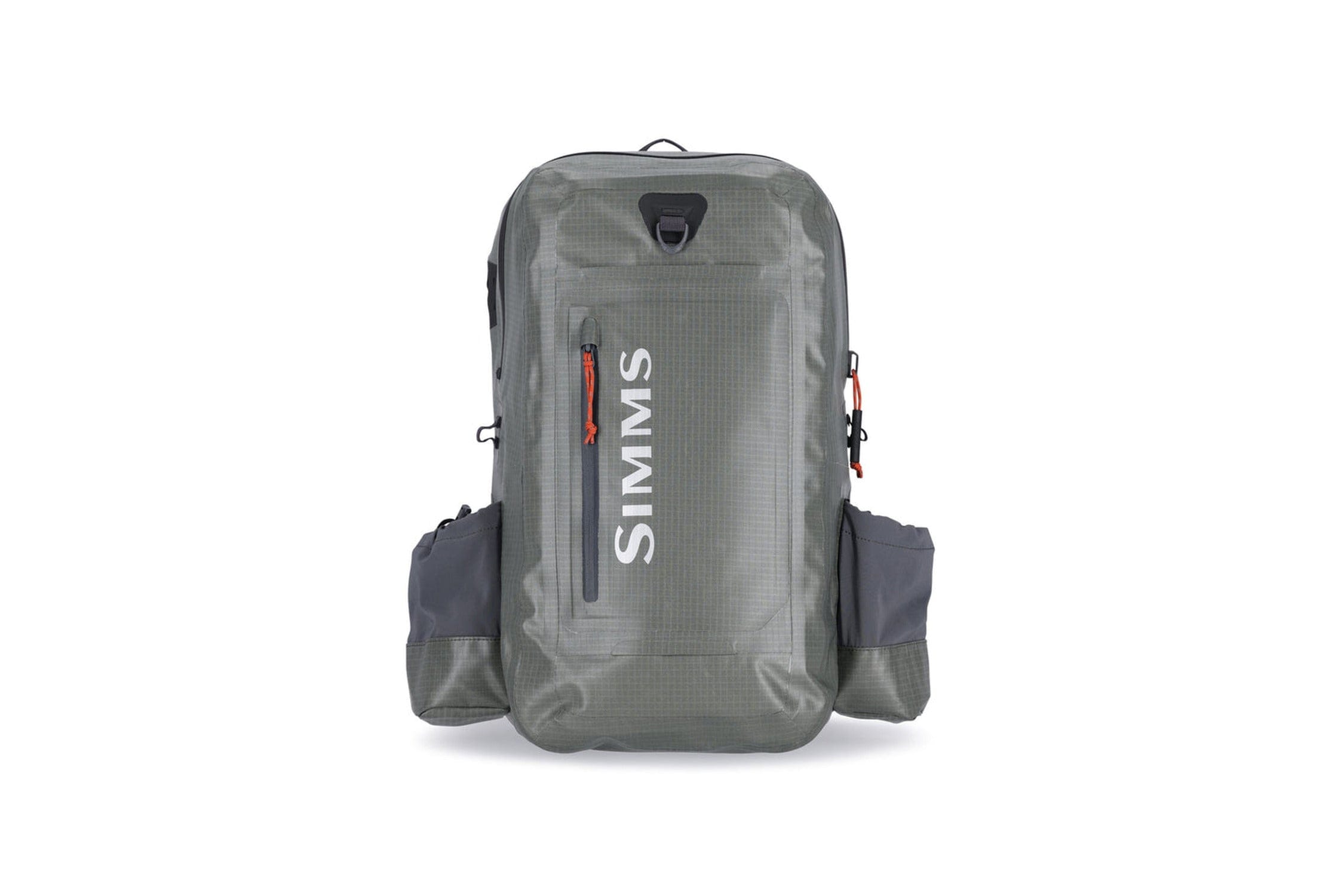


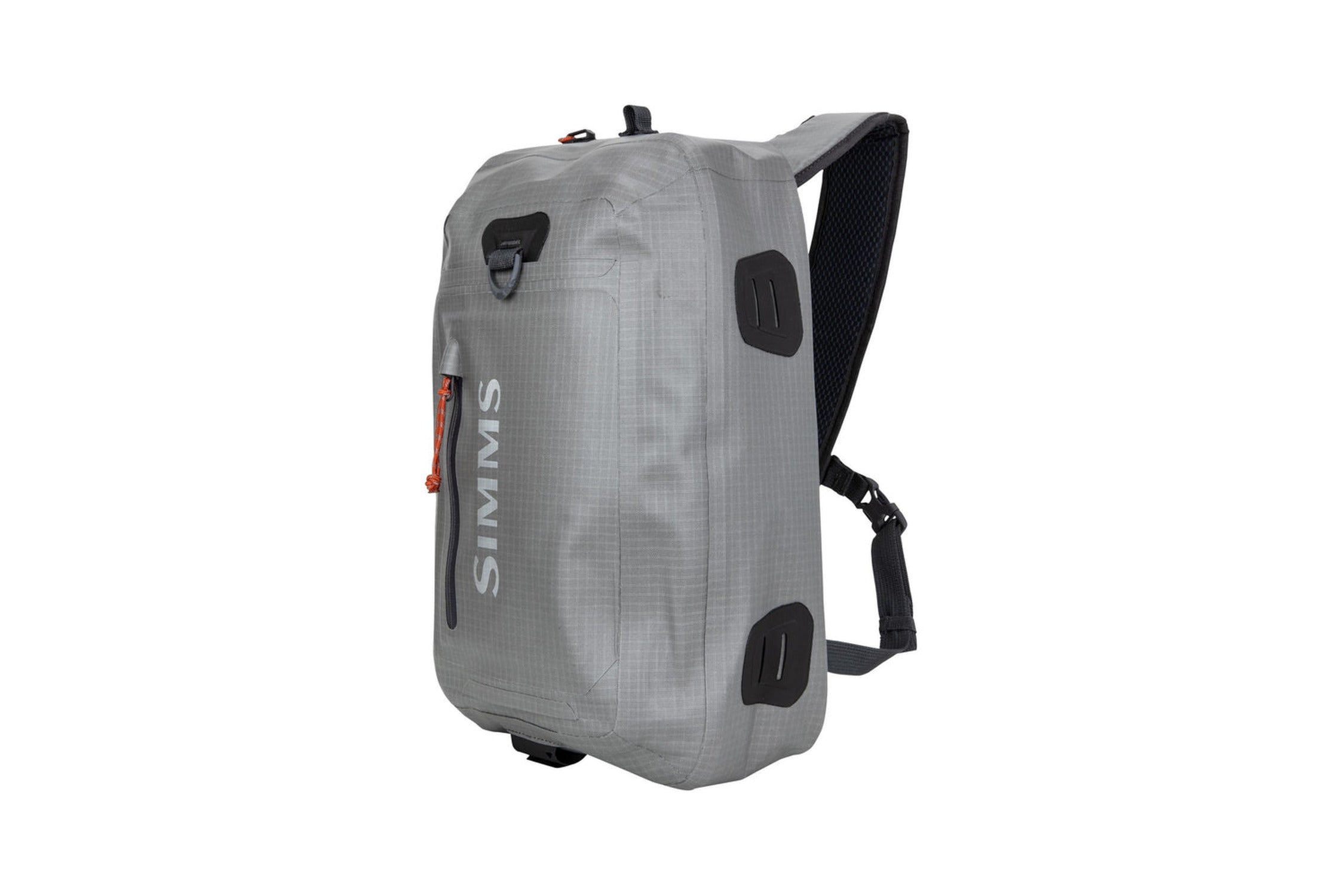
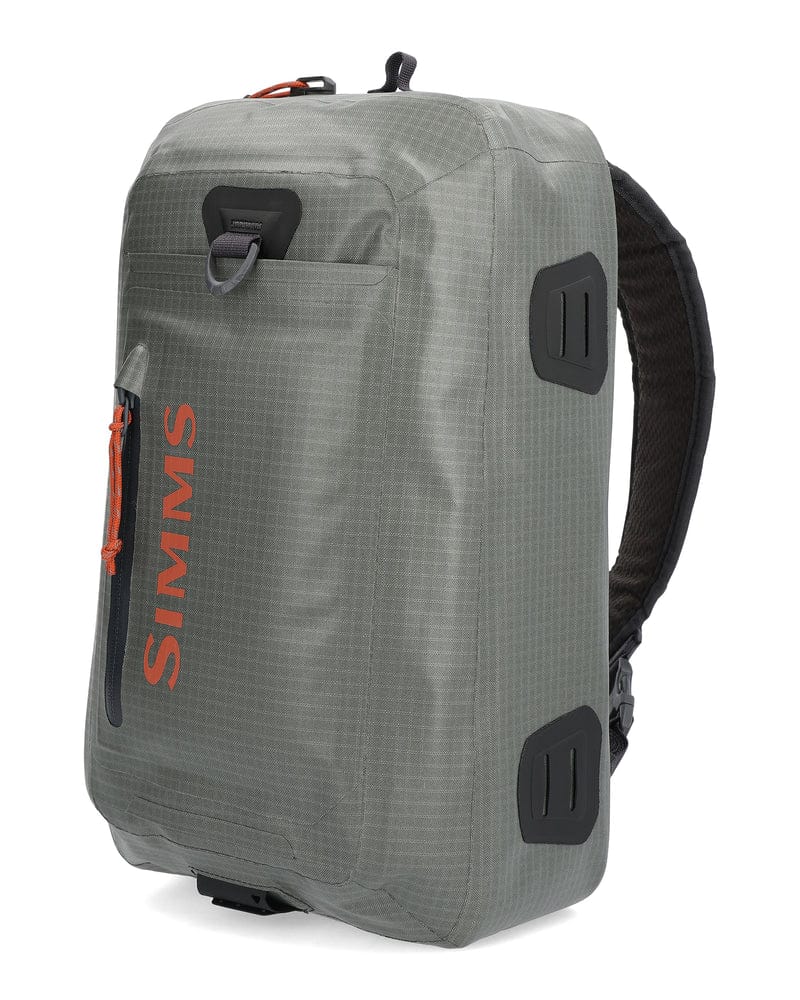

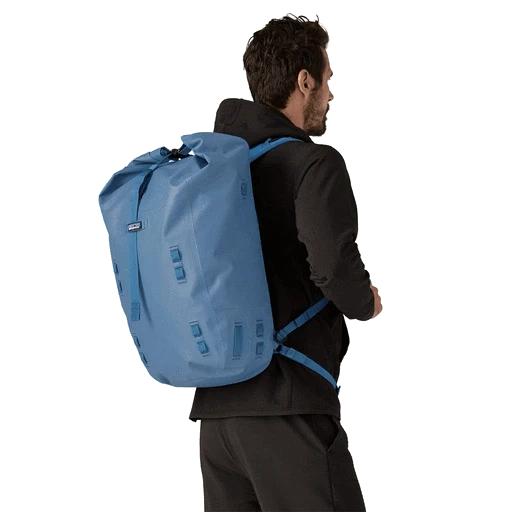
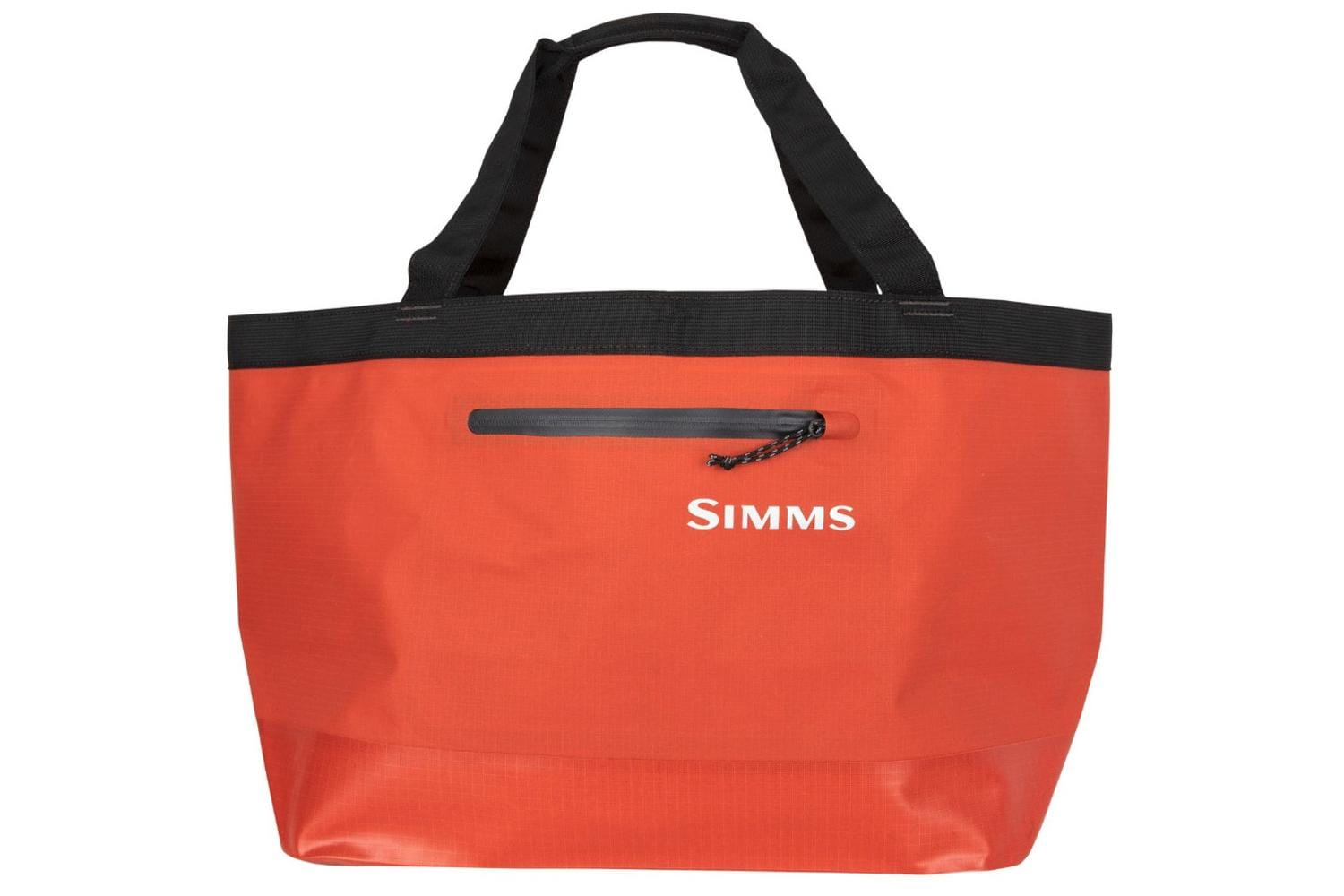


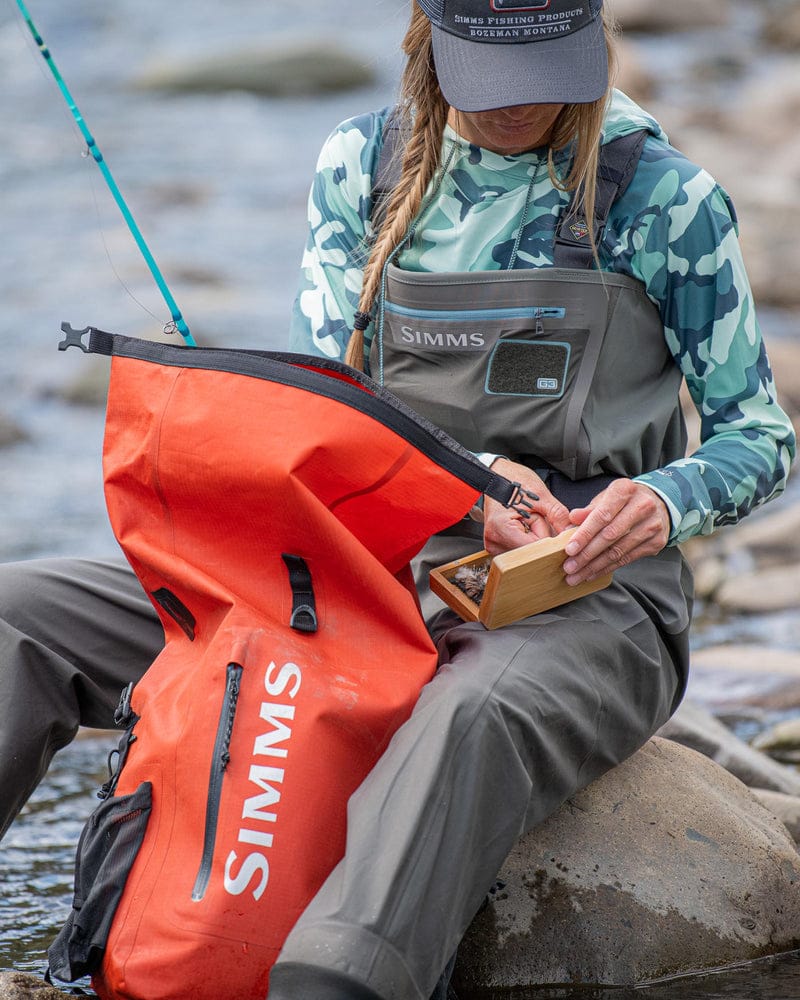
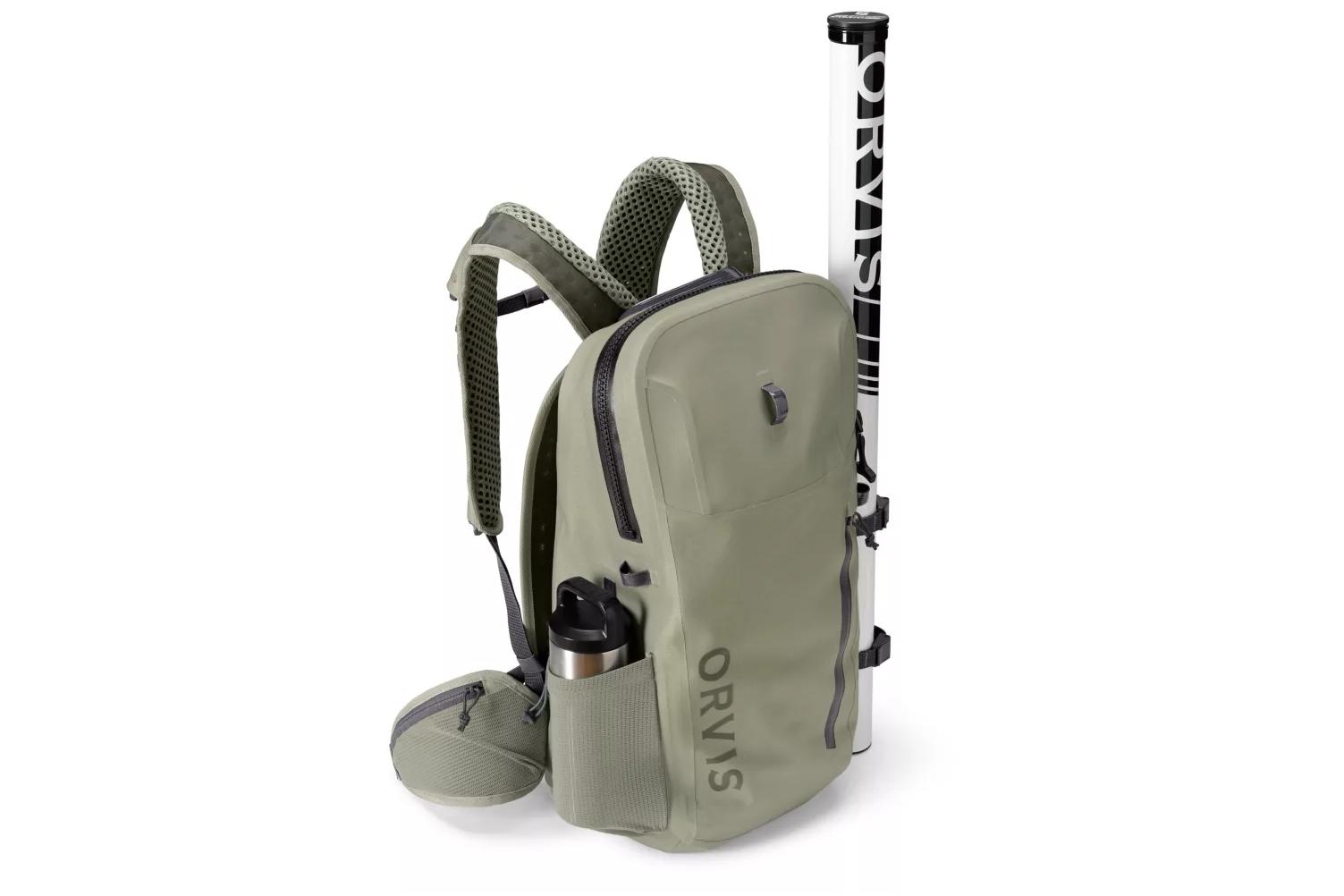
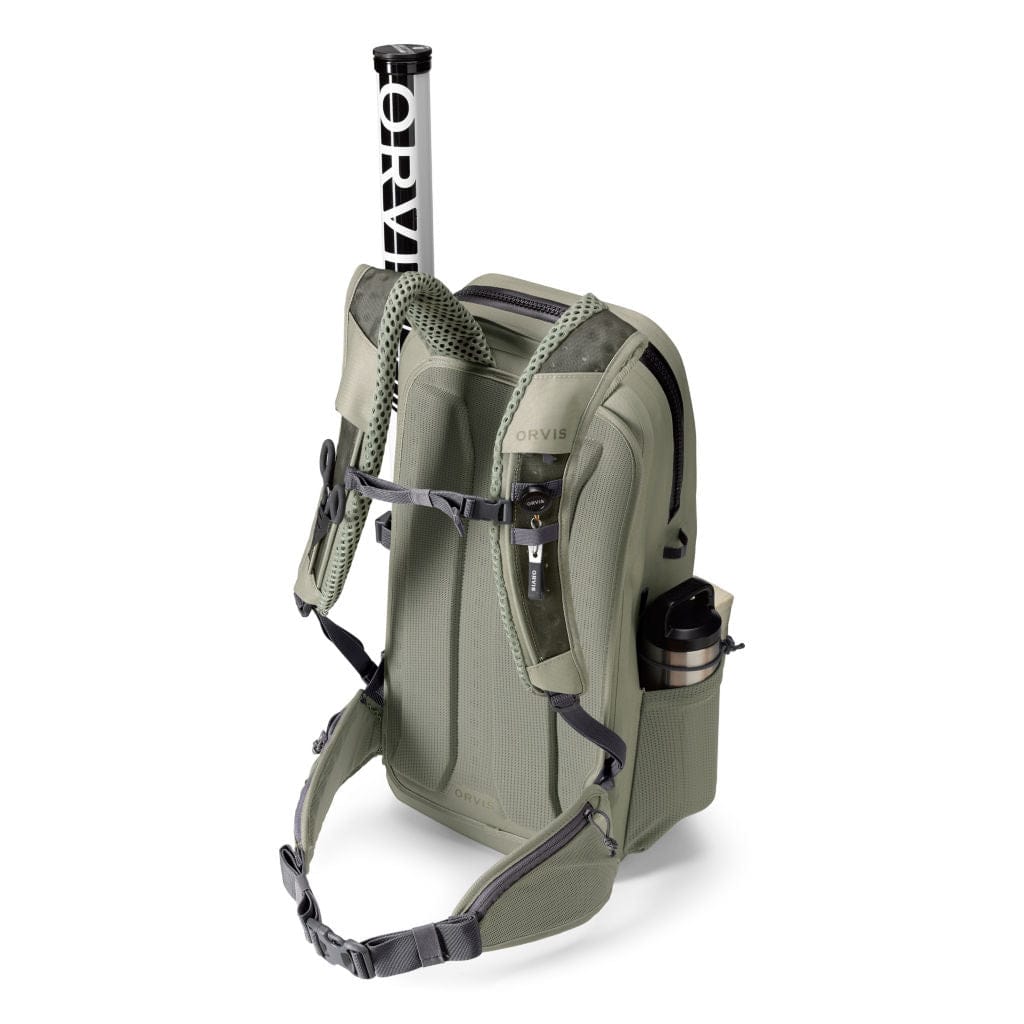
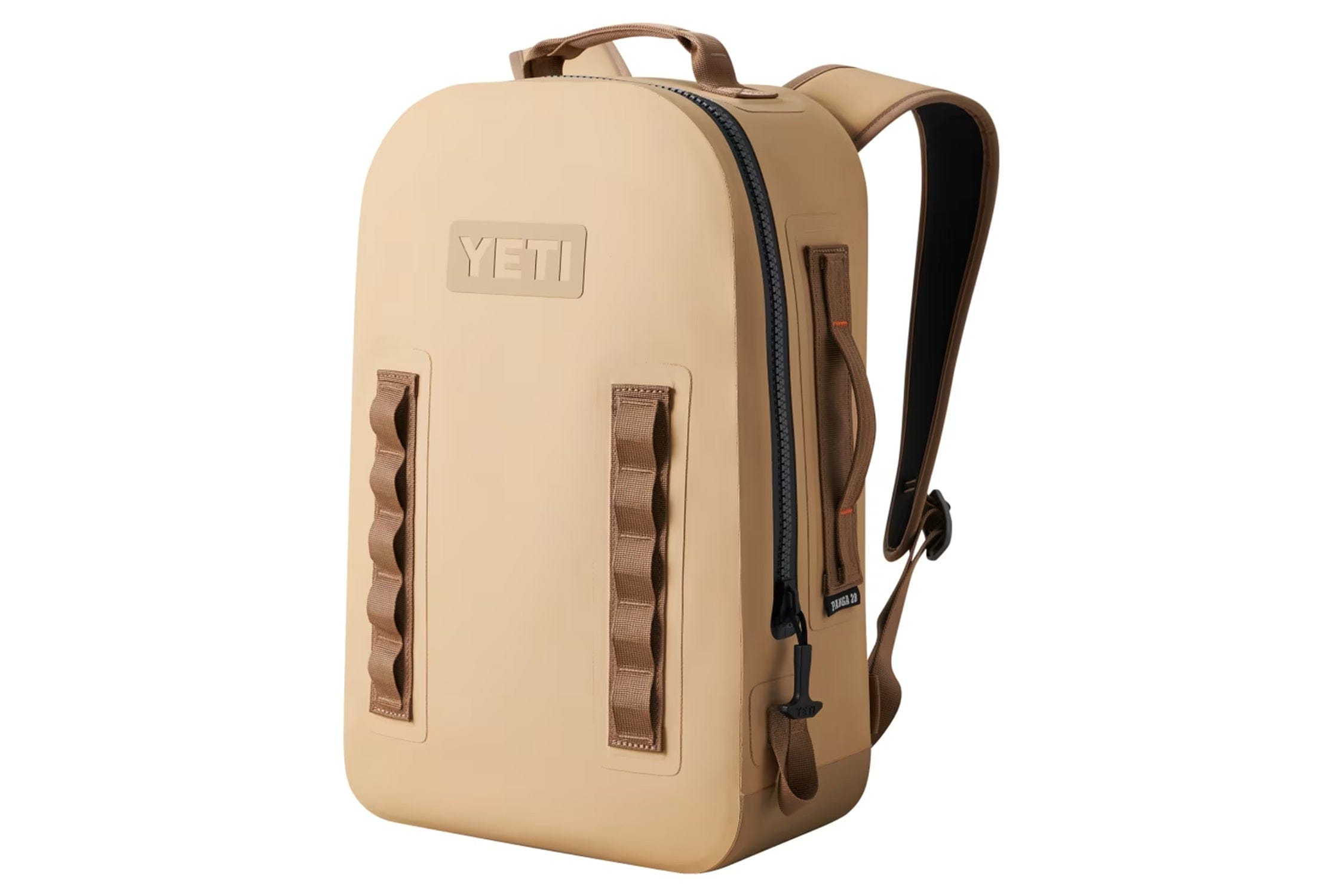

Waterproof Packs Quick Picks
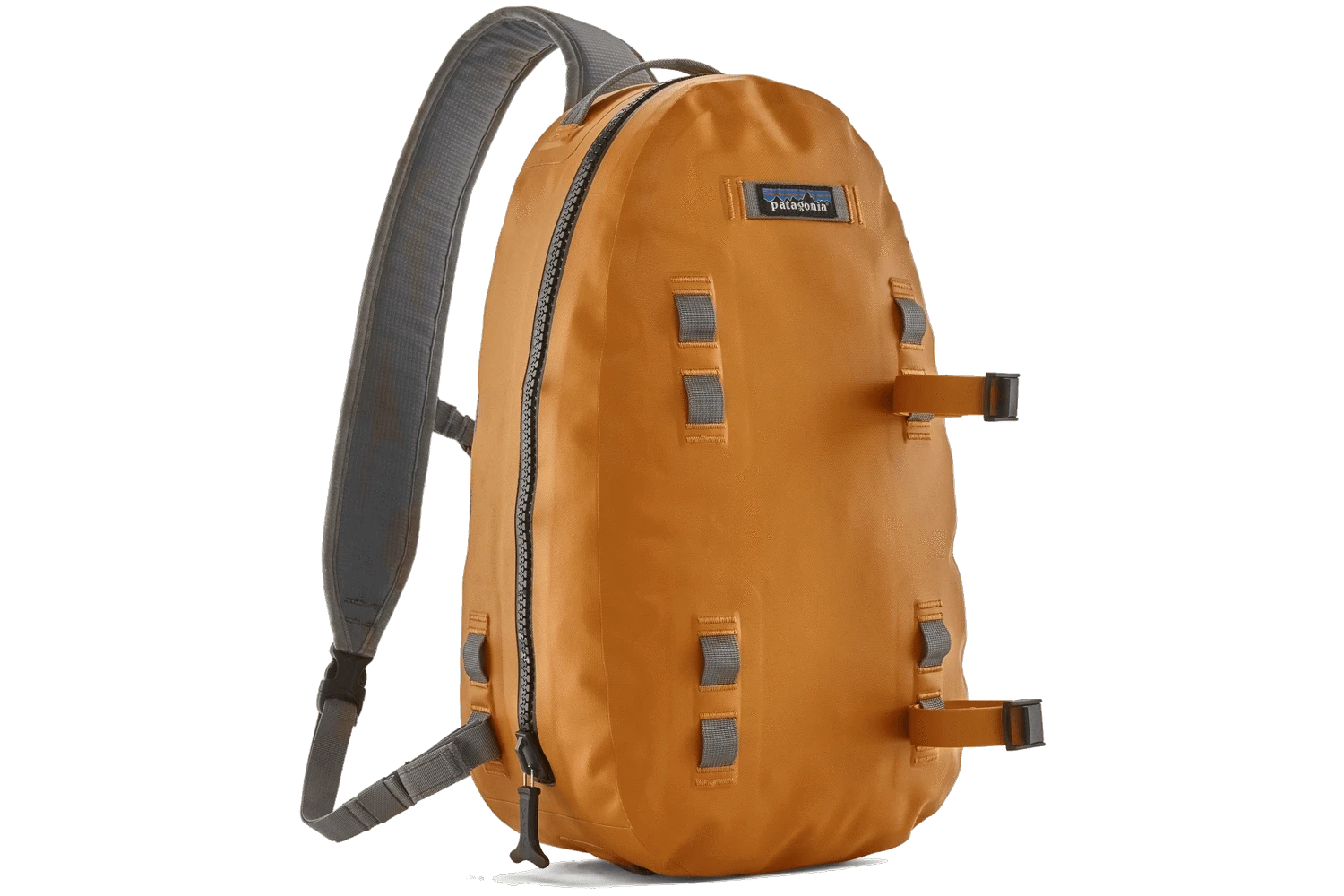
Best All-Around: Patagonia Guidewater Backpack - For anglers who hike, wade, and boat fish and want true submersible protection for a full day’s worth of gear. The IPX-7 rated build and minimalist layout keep weight and bulk down while still carrying real capacity.
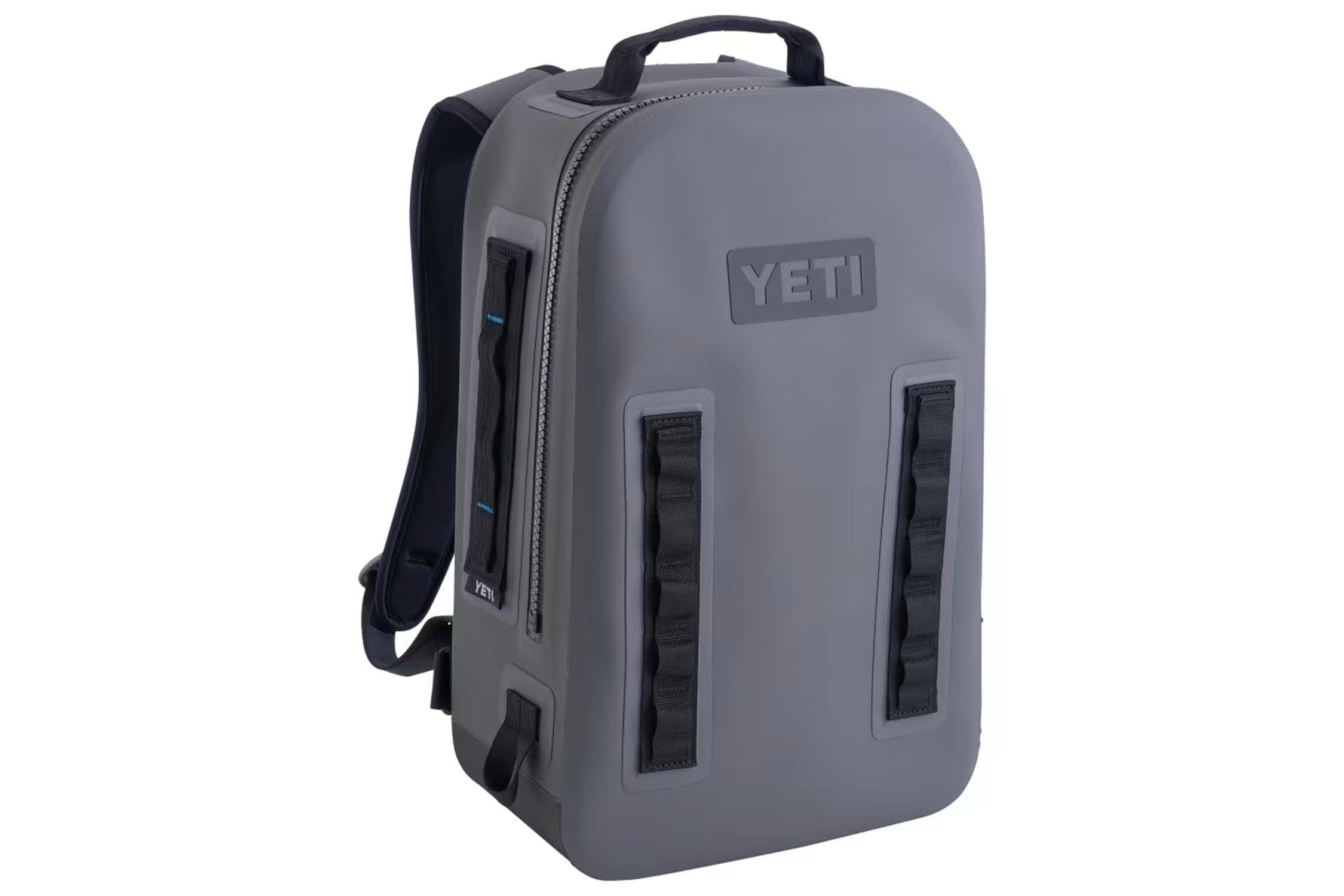
Best for Travel: Yeti Panga Waterproof Backpack - For traveling anglers who want a simple, tough, waterproof backpack that shrugs off rain, spray, and airport abuse. The RF-welded construction and waterproof zipper focus on keeping valuables dry, not adding lots of internal dividers.
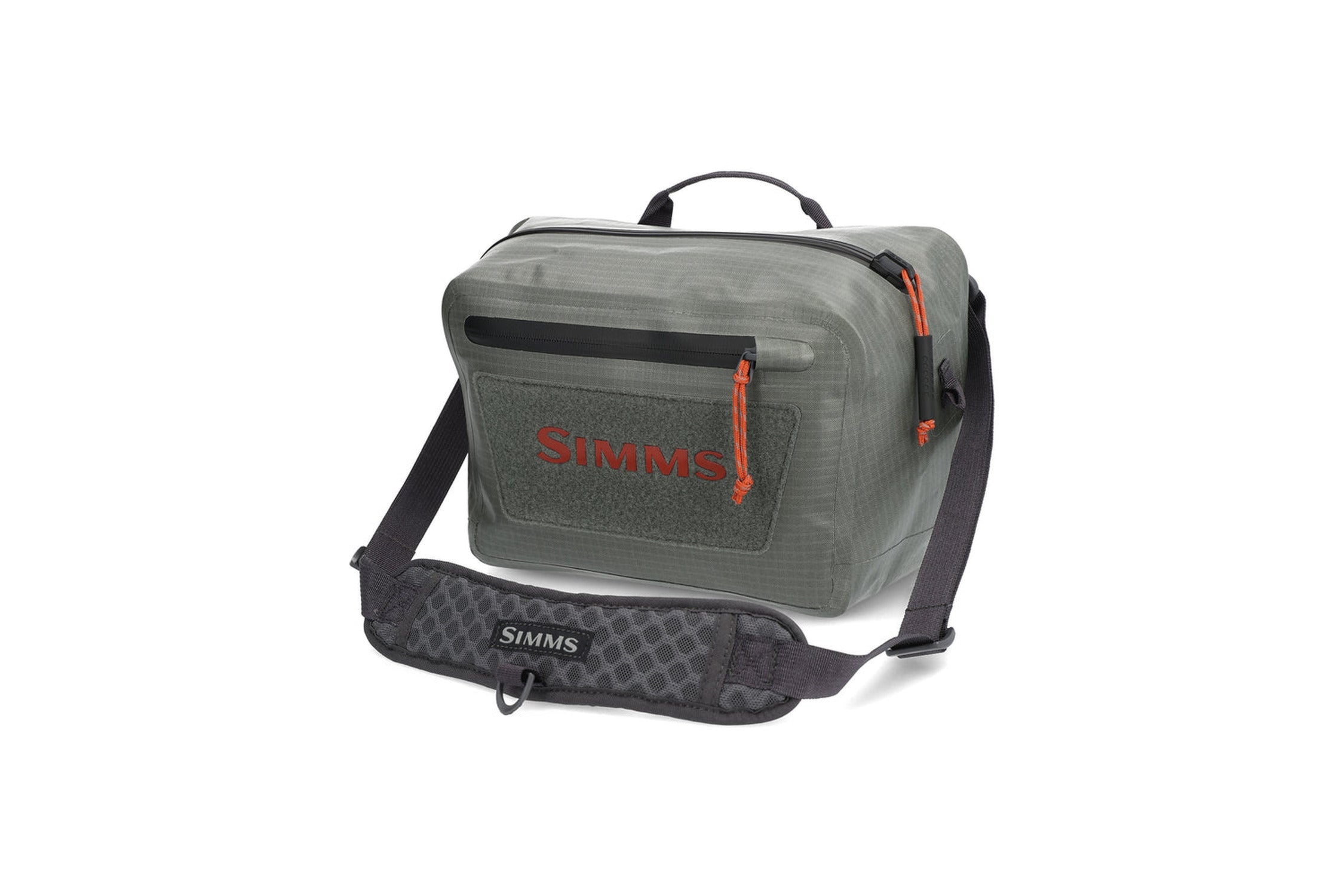
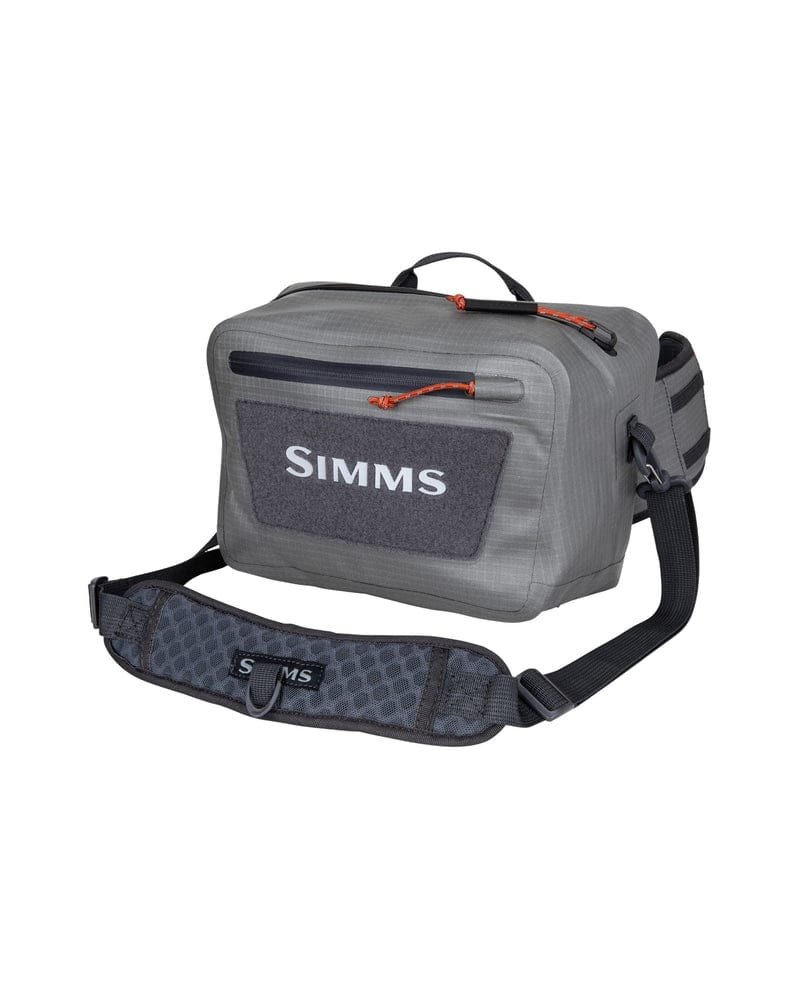
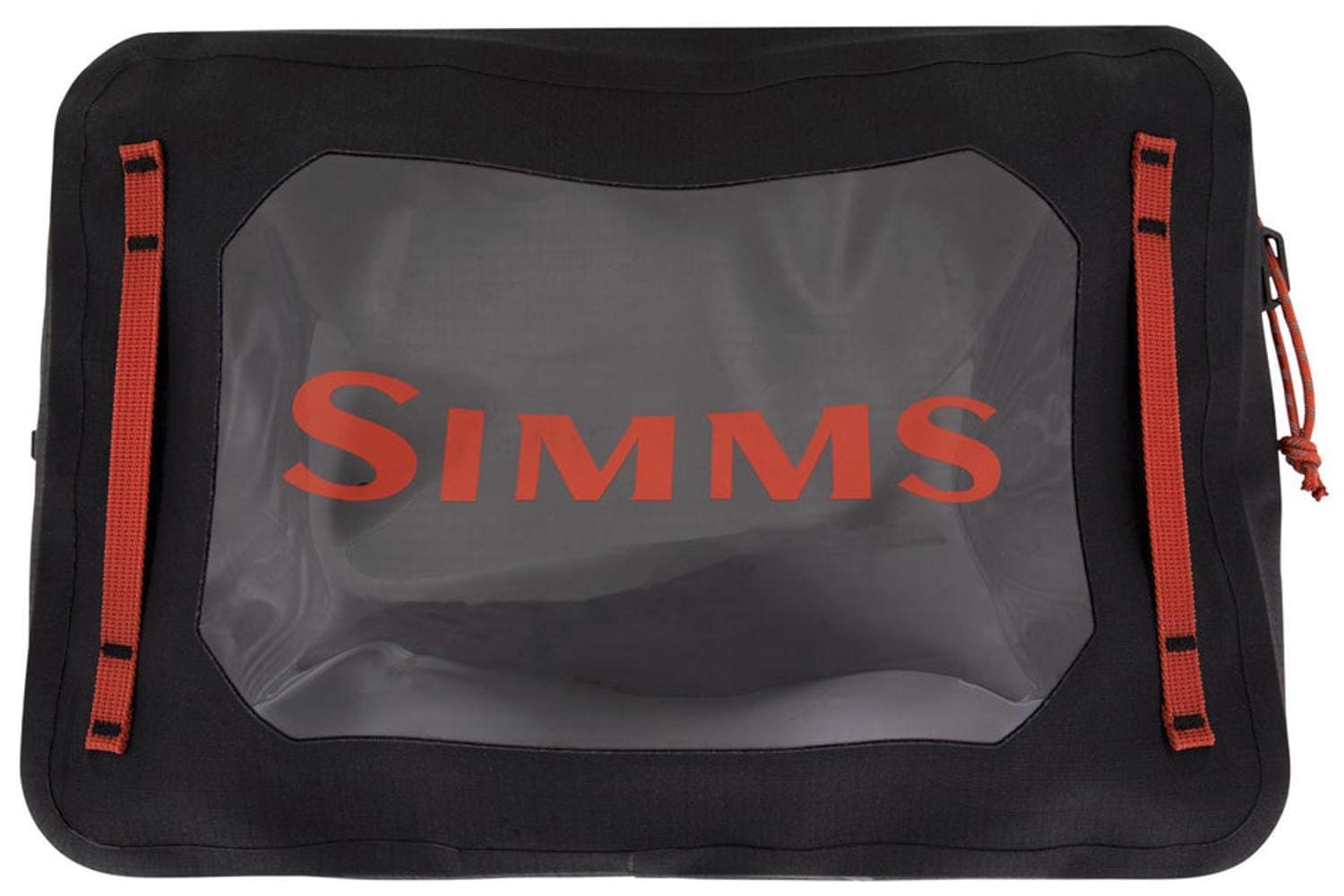
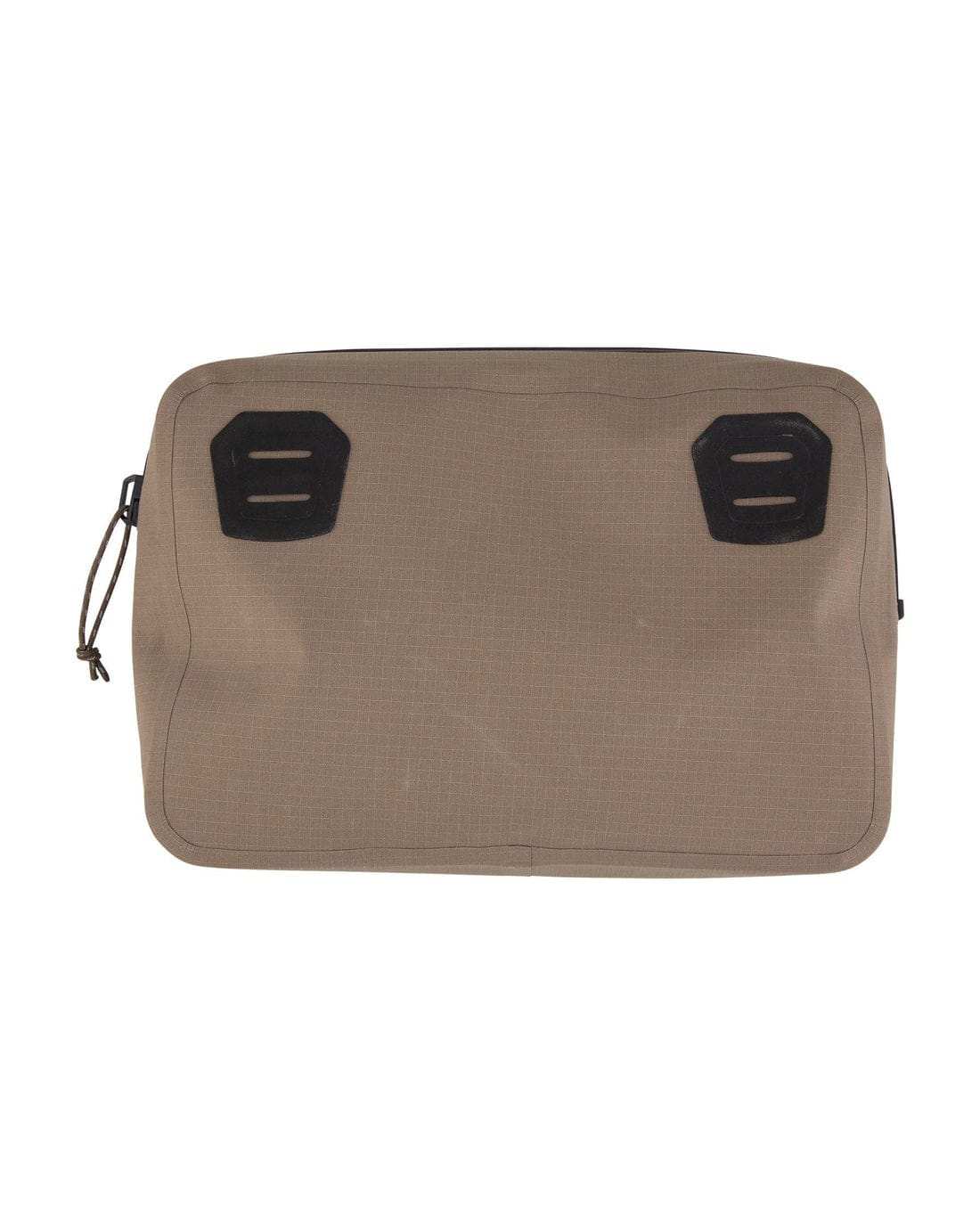
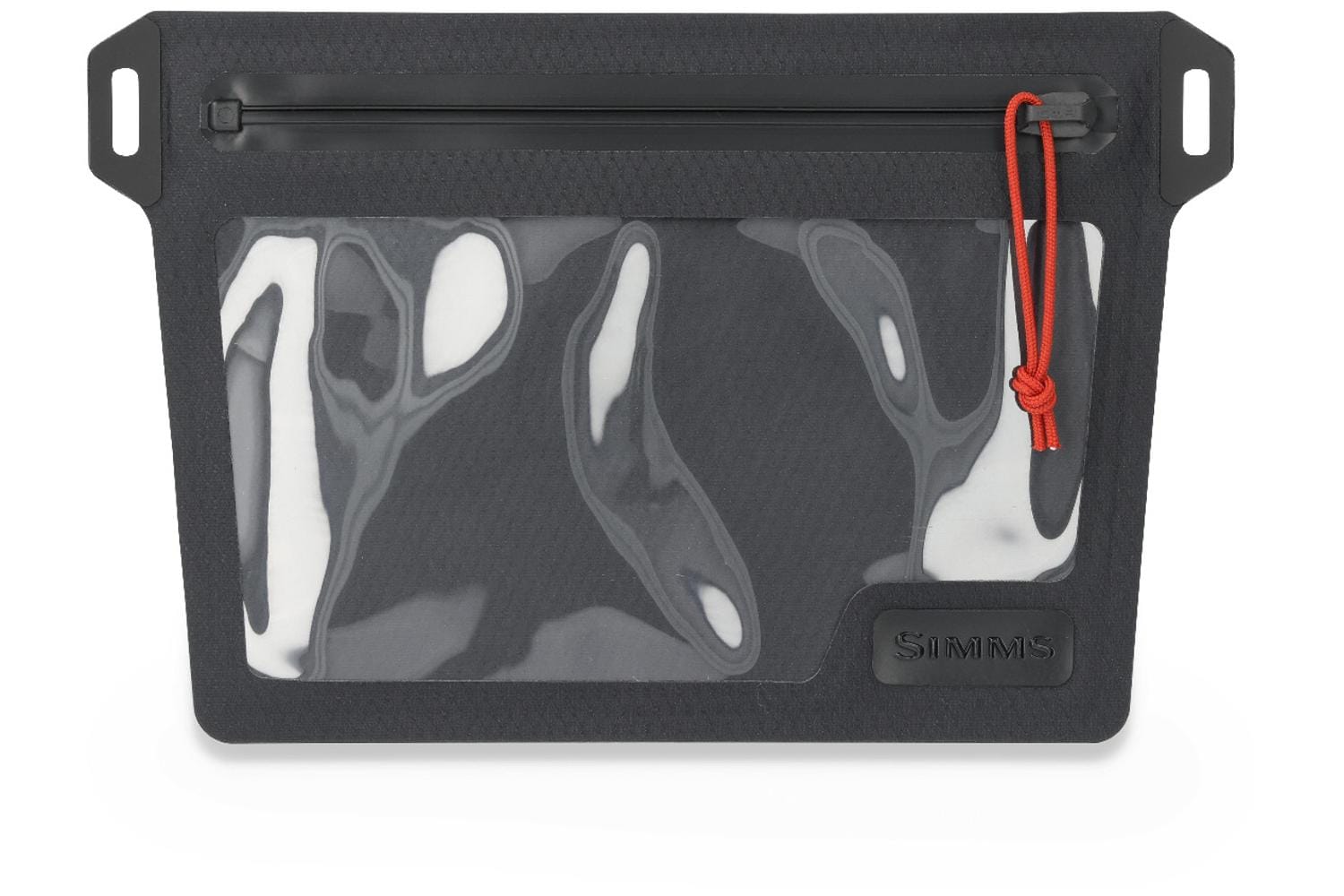
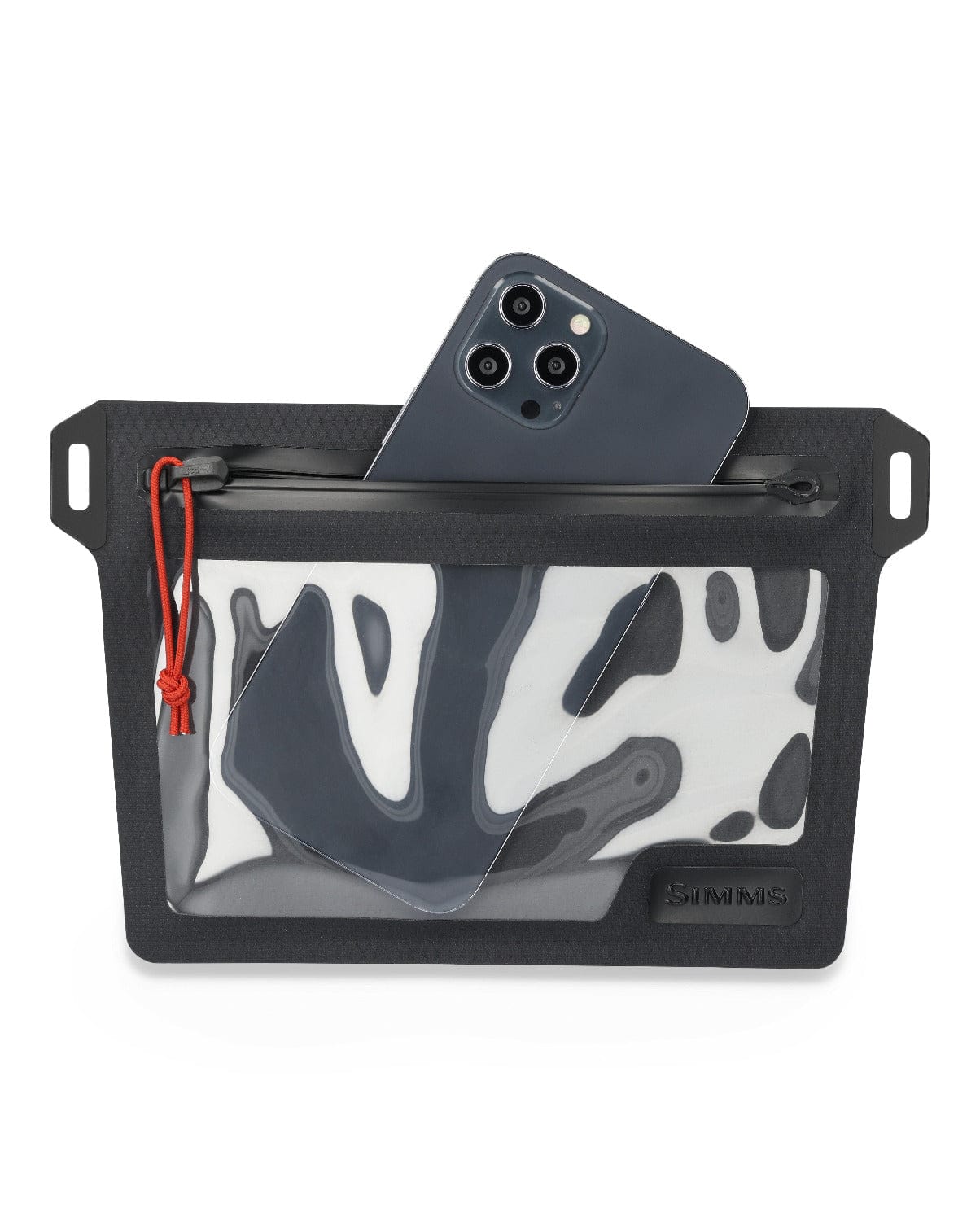
Best for Wading: Simms Dry Creek Z Hip Pack - For deep waders and wet-weather days when you want essentials on your waist and out of your casting stroke. The waterproof zipper and welded construction are designed to protect small, high-priority items like phone, keys, and fly boxes.
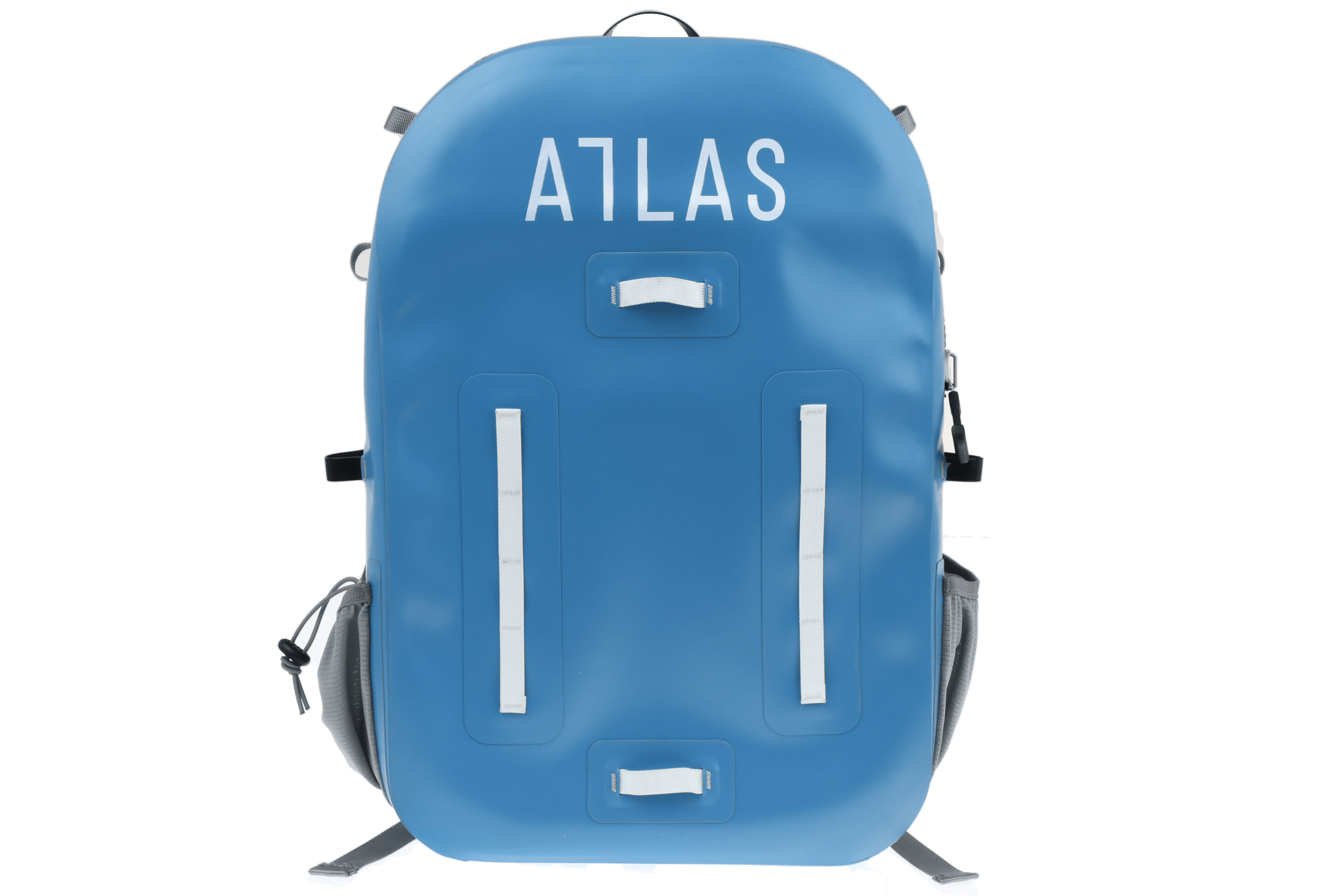
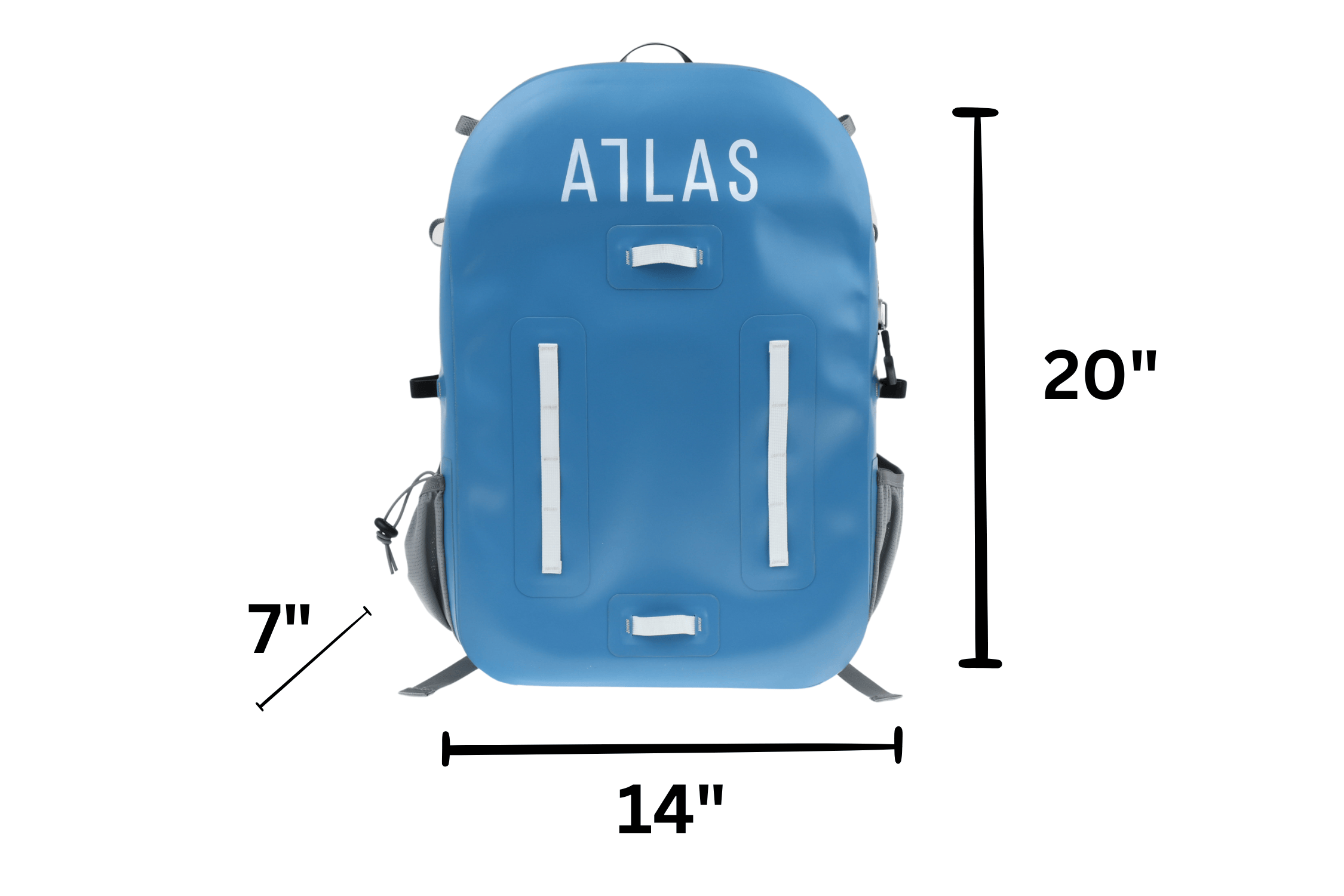
Best Value: Atlas Waterproof Fishing Backpack - For anglers who want a fully waterproof backpack with fishing-friendly attachment points without paying premium-brand pricing. The welded seams and waterproof main zipper deliver confidence for full-day missions in bad weather.
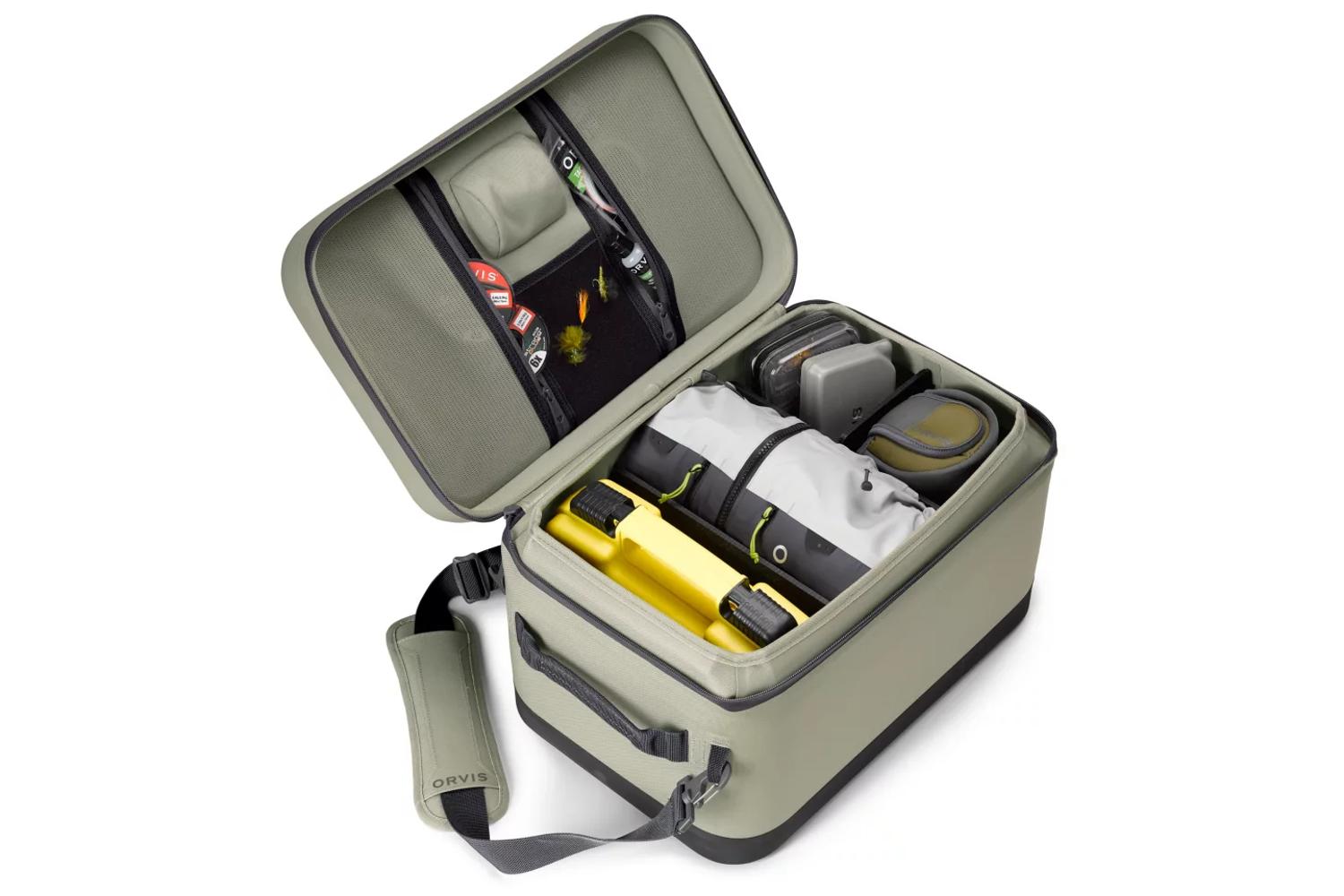
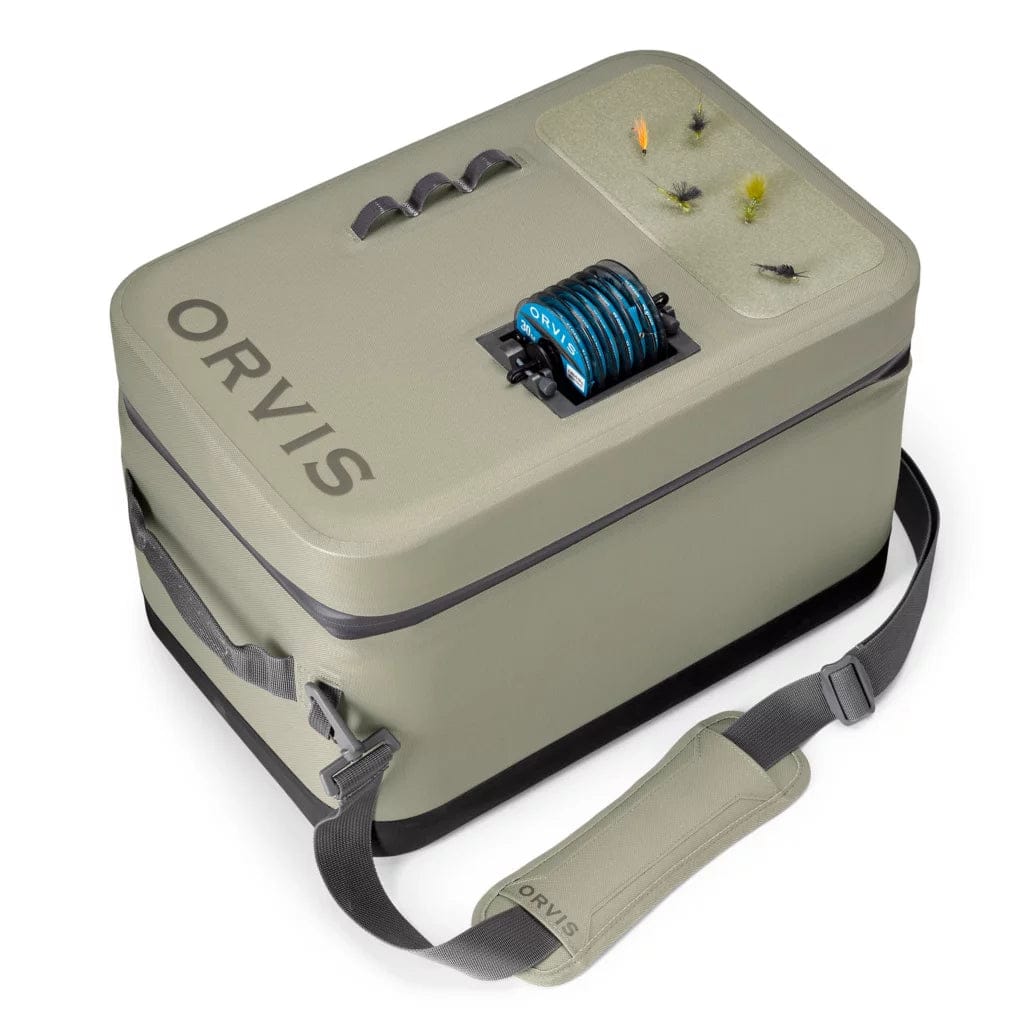
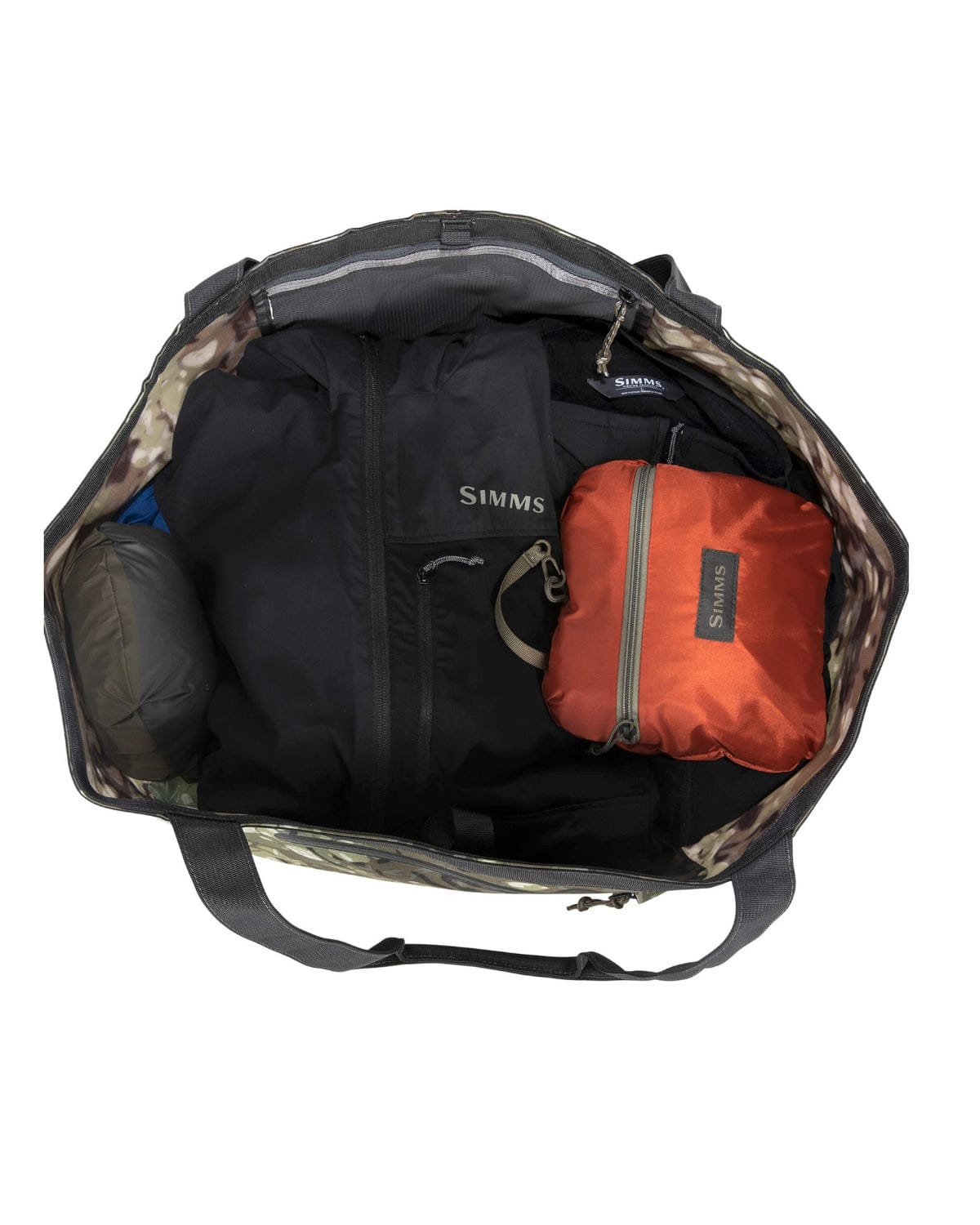
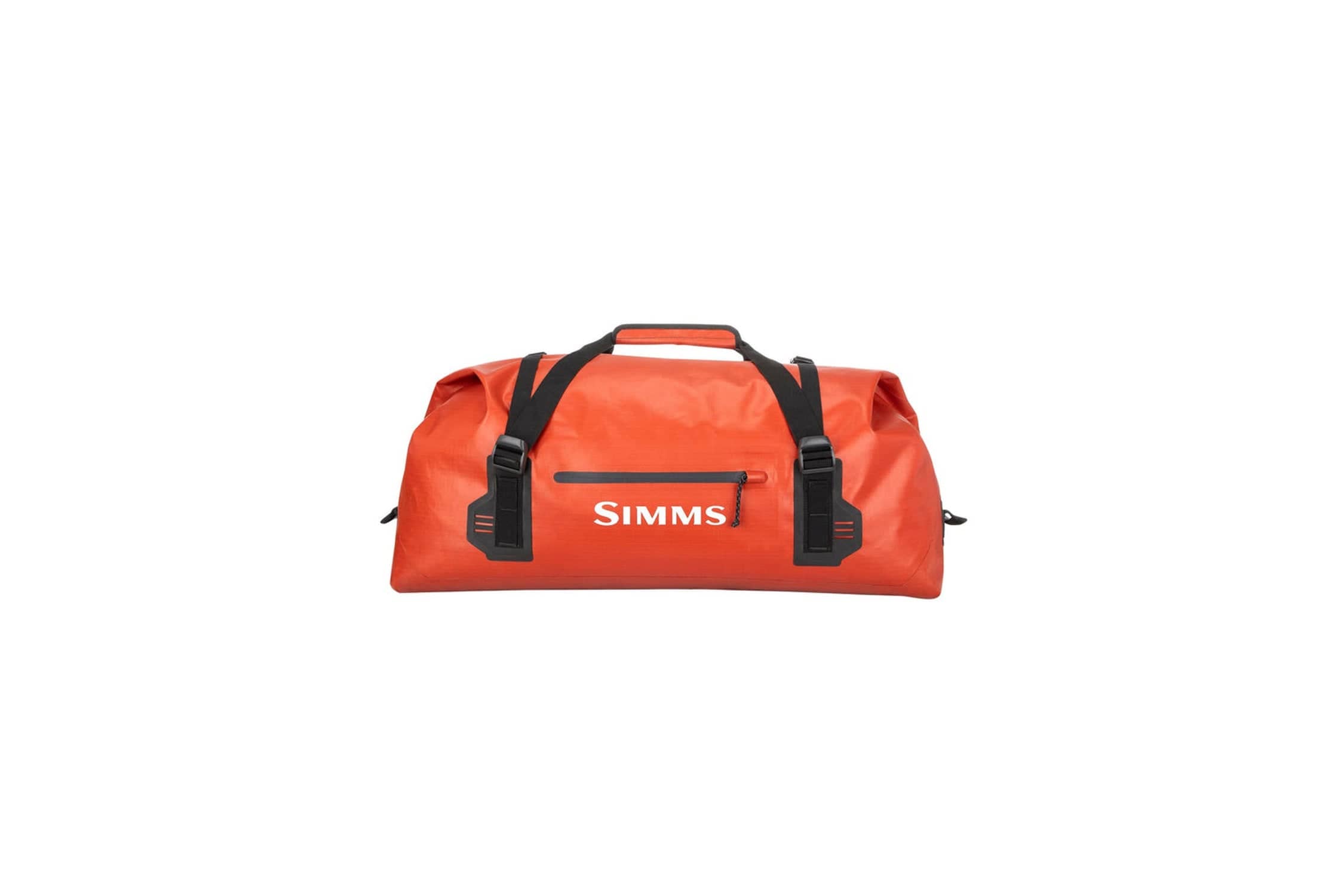
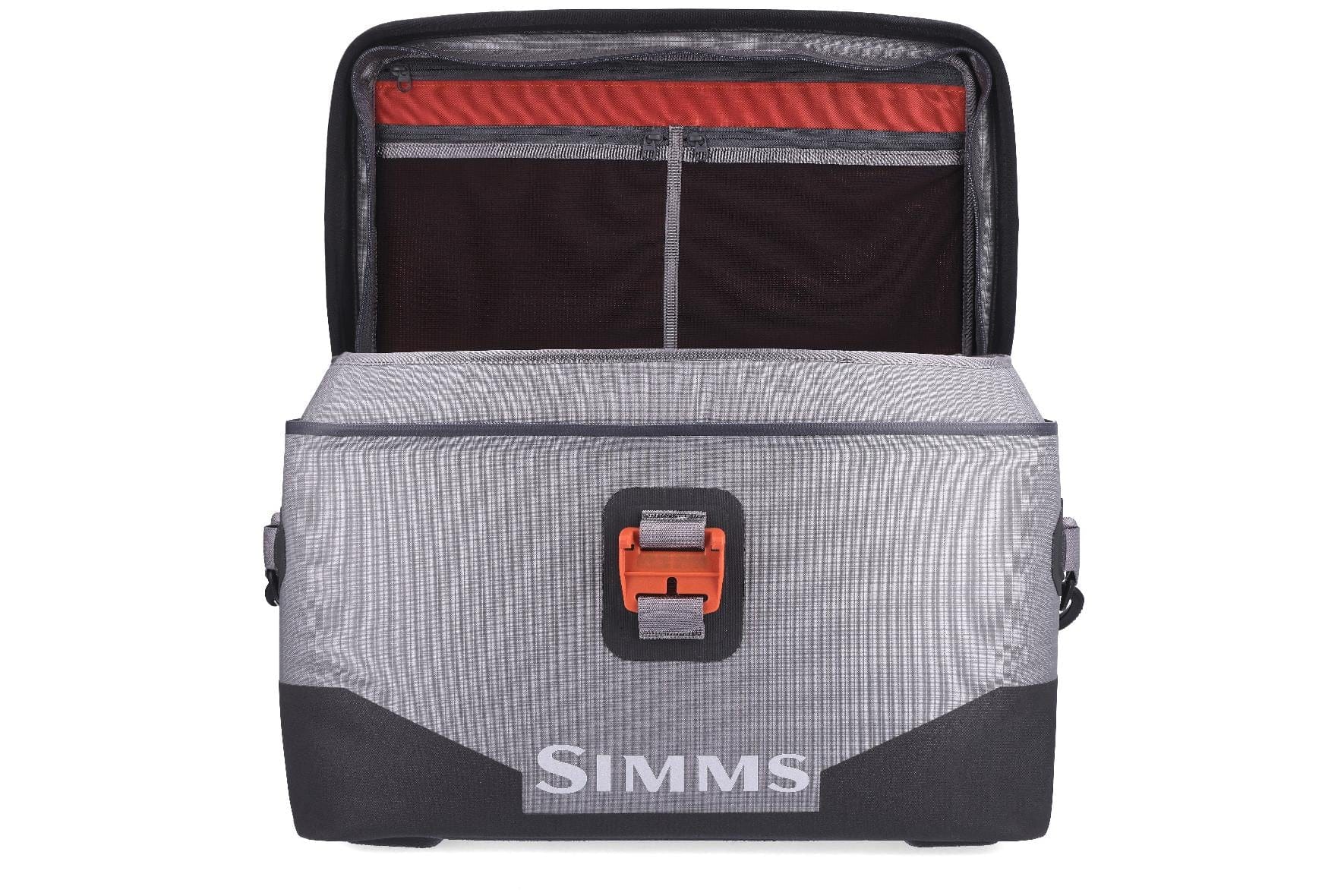
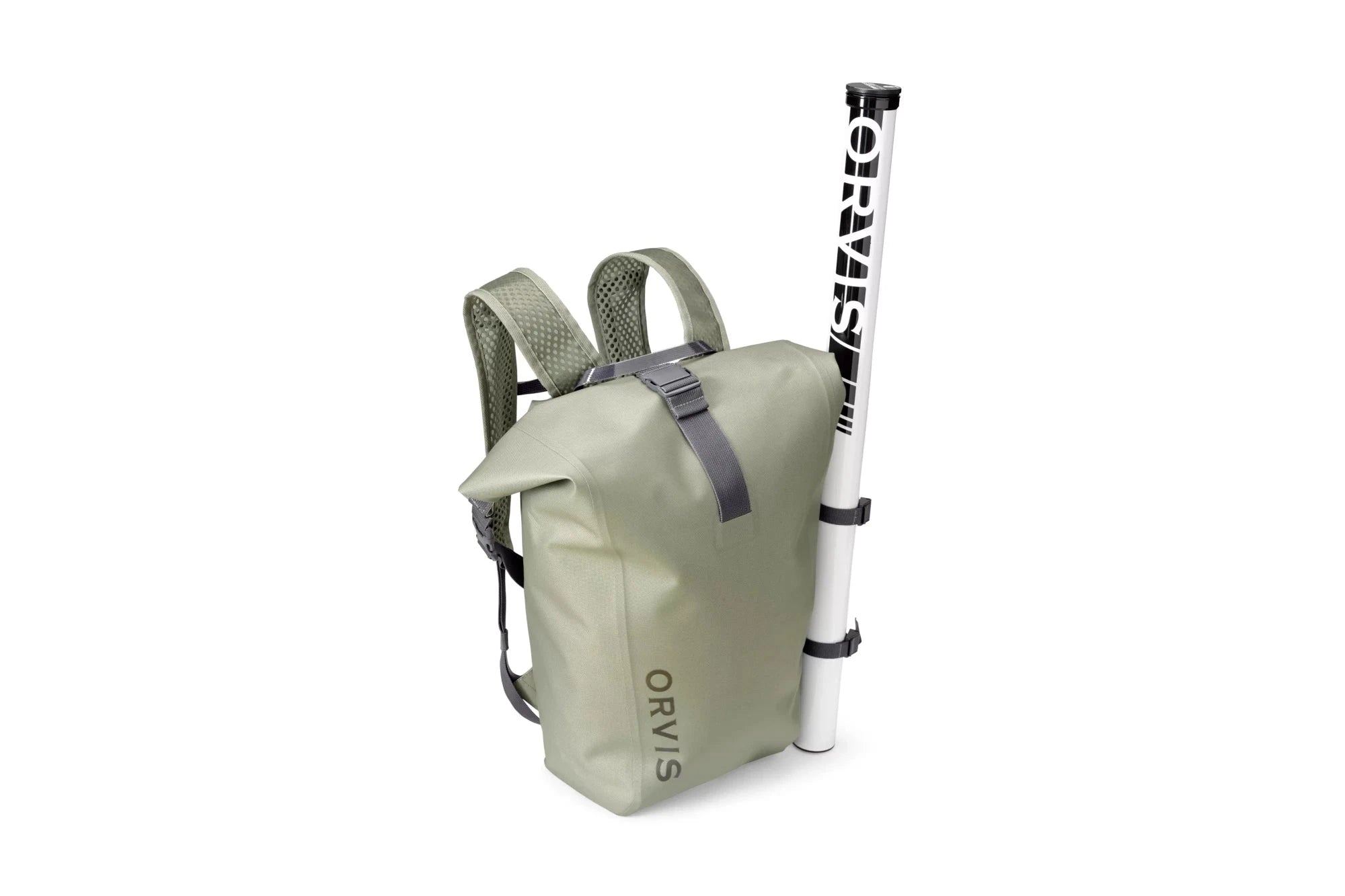
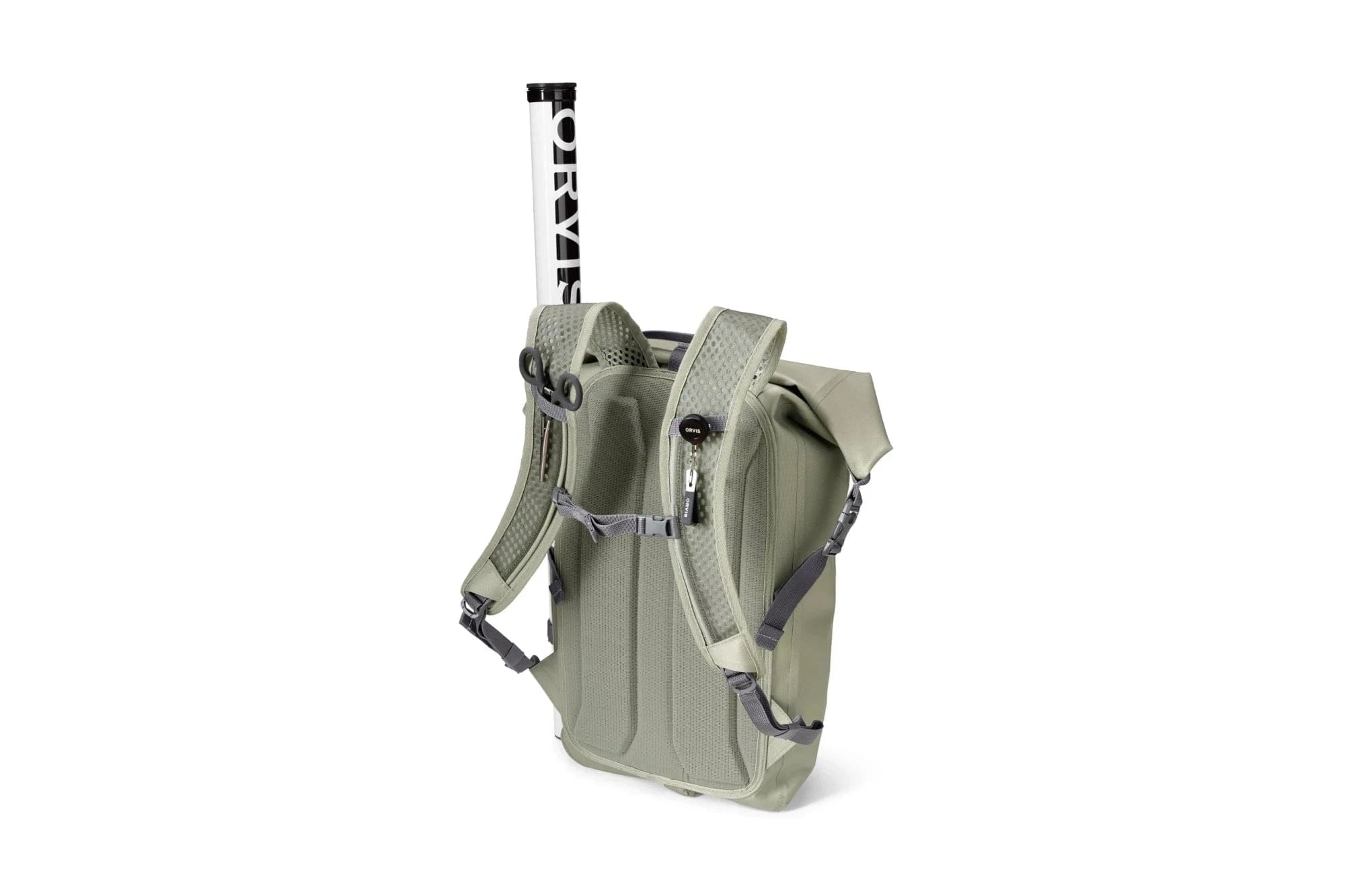
Best Boat Bag: Orvis Pro Waterproof Boat Bag - For drift boat, skiff, and beach runs when you want an open-and-go gear bin that keeps spare layers and camera gear protected from spray. The wide-mouth format is easy to live out of on the boat and quicker than a backpack for shared gear.
How to Choose Waterproof Packs
Waterproof vs. Water-Resistant (and why it matters)
Action: Decide how bad “wet” can get for your trip, rain and splashes, or actual dunkings.
Best for: Fully waterproof packs if you’re boating, surf launching, fishing from a kayak/SUP, or wading deep with electronics. Water-resistant packs are usually fine for normal trout wading and light rain, especially if you use internal dry bags.
Avoid if: You want maximum organization and easy access all day, many fully waterproof designs prioritize sealed compartments over lots of pockets.
Pick the carry style that matches your fishing
Hip packs: Great for wading and short-to-mid sessions. They keep weight off your shoulders and stay out of the way when casting.
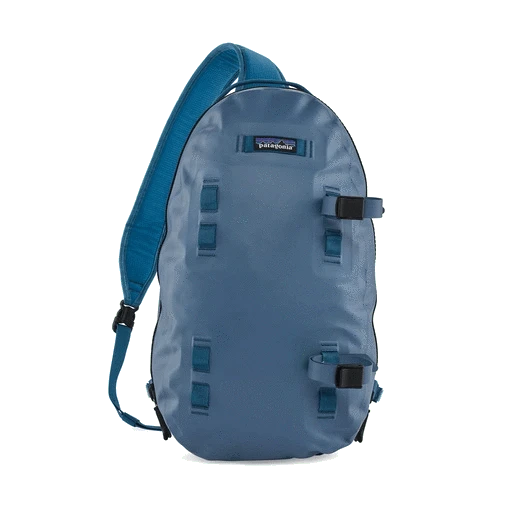
Sling packs: A strong middle ground for all-day walk-and-wade. They carry more than a hip pack, and you can swing them forward to access gear without taking them off.
Backpacks: Best when you’re hiking in, carrying extra layers/food, or packing camera gear. They’re also the easiest way to carry weight comfortably for distance.
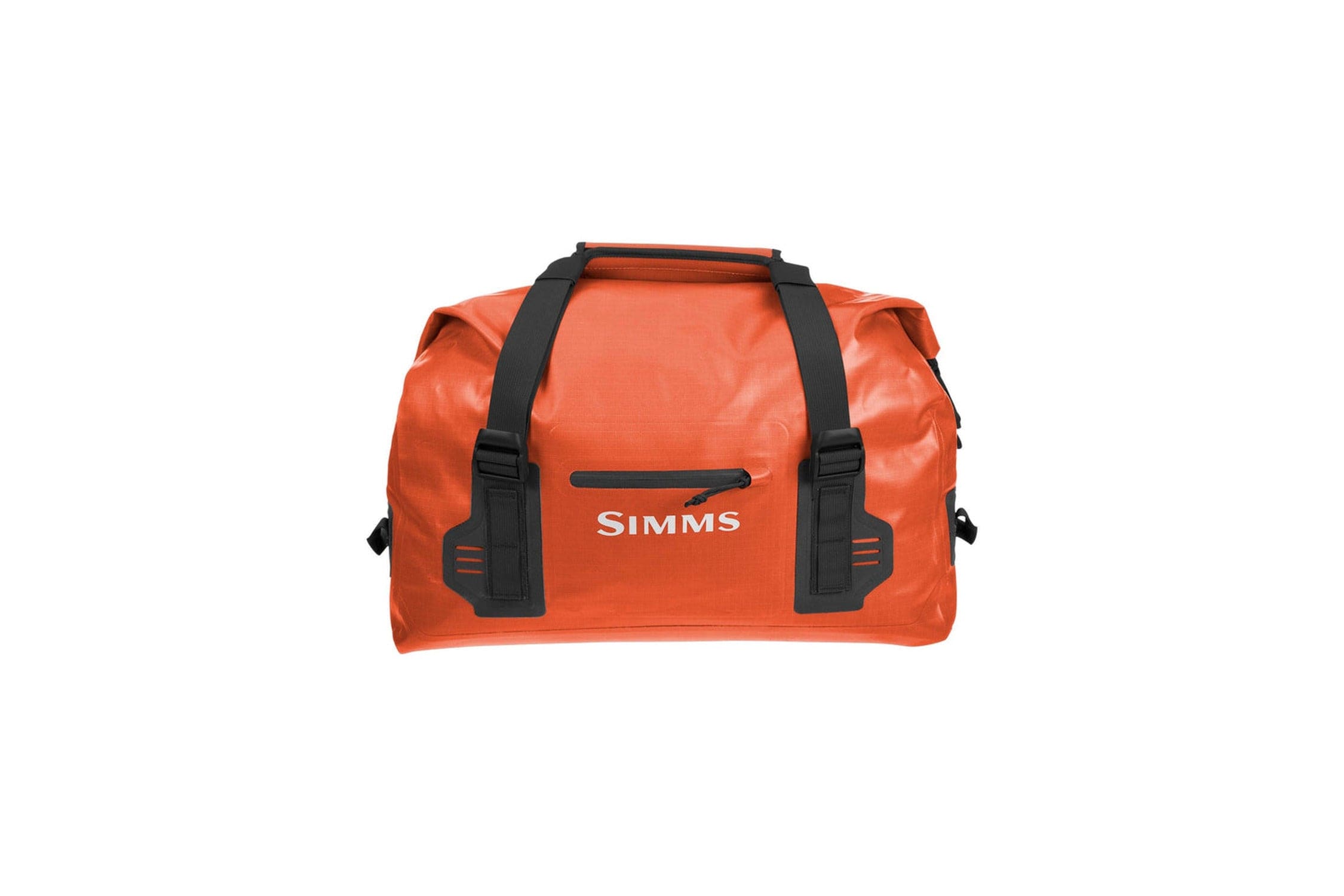
Boat bags / duffels: Best for drift boats, skiffs, and travel days when you want a “gear garage” that stays put and keeps things dry.
Closure choice: roll-top vs. waterproof zipper
Roll-top: Often simpler and more forgiving when sandy or gritty. It’s great for spare layers and general storage, but access is slower and usually more “stuff sack” than “organized pack.”
Waterproof zipper: Faster access and more pack-like usability, especially on hip and sling packs. Keep in mind that waterproof zippers can feel stiff and need to be kept clean to stay smooth.
Capacity: an easy way to sanity-check sizing
10L: Minimal to standard wading essentials, one to two fly boxes, leaders/tippet, snacks, small tools.
20L: “Real day pack” range, adds a rain jacket, water bottle, extra spools, maybe a compact camera.
35L: Full-day hike-in loads, travel carry-on duties, or guiding-style gear where you’re carrying for others.
Materials & Durability
Rinse after salt or silt: A quick freshwater rinse helps waterproof zippers and coated fabrics last longer, especially after surf or muddy wading.
Keep zippers clean: Grit is the enemy of waterproof zippers, wipe them down before you force them.
Don’t overstuff roll-tops: Leave room to roll the closure properly (tight, even rolls) so the seal can do its job.
Use internal organization: Small pouches or zip bags inside a big waterproof pack keep tools and tippet from becoming a “gear soup.”
Dry storage between trips: Store packs open and dry to prevent odor and extend coating life.
Complete Your Setup
Related Gear
Sling Packs - A great alternative when you want fast access and all-day carry without a full backpack.
Hip Packs - Perfect for walk-and-wade trout days when you want weight on your hips and gear within easy reach.
Wading Accessories - Belts, tools, and add-ons that make packs and on-body storage more efficient.
Tools & Gadgets - Nippers, floatant caddies, and small essentials that live on your pack and save time on the water.
Related Guides
Waterproof Packs FAQs
Q: What’s the difference between a waterproof pack and a water-resistant pack?
A: Waterproof packs use sealed fabrics and sealed construction (often welded seams) to prevent water entry in heavy rain, spray, and sometimes full immersion. Water-resistant packs shed light rain and splashes, but can leak through seams and zippers in sustained wet conditions.
Q: Are all “waterproof packs” fully submersible?
A: No. Some are designed for heavy rain and spray, while others are built to handle full dunkings. Look for language like “submersible” or an IP rating on packs that are meant for immersion.
Q: Should I choose a hip pack, sling pack, or backpack for fly fishing?
A: Hip packs are the go-to for wading efficiency and quick access. Slings carry more and swing forward easily. Backpacks win for hiking distance, carrying layers, and balancing heavier loads.
Q: Are waterproof zippers better than roll-top closures?
A: Waterproof zippers are typically faster for on-water access and feel more “pack-like.” Roll-tops are simple and often more forgiving around sand and grit, but you’ll trade speed and organization.
Q: What size waterproof pack do I need for a day of trout fishing?
A: Many anglers land in the 3, 10L range for essentials, or 12, 20L if you’re carrying a rain jacket, water, and extra gear. If you routinely hike in or carry camera gear, consider 25L+.
Q: Do I still need a dry bag if my pack is waterproof?
A: Often it’s still helpful. Internal dry bags or pouches keep gear organized and add a second layer of protection for things like phones, keys, and cameras, especially if the pack gets opened frequently in the rain.
Q: Are waterproof packs good for beginners?
A: Yes, especially if you fish in rainy climates or from boats. If you mostly fair-weather wade small rivers, a water-resistant pack plus a small internal dry pouch can be a simpler, less expensive starting point.
Q: What’s the best way to take care of a waterproof fishing pack?
A: Rinse it after saltwater or silty days, keep closures clean, and store it fully dry with compartments open. That keeps coatings, seams, and waterproof zippers performing as intended.