


What's the BEST 20lb Tippet? We Tested Over 30 to Find Out!








Umpqua Tippet Quick Picks
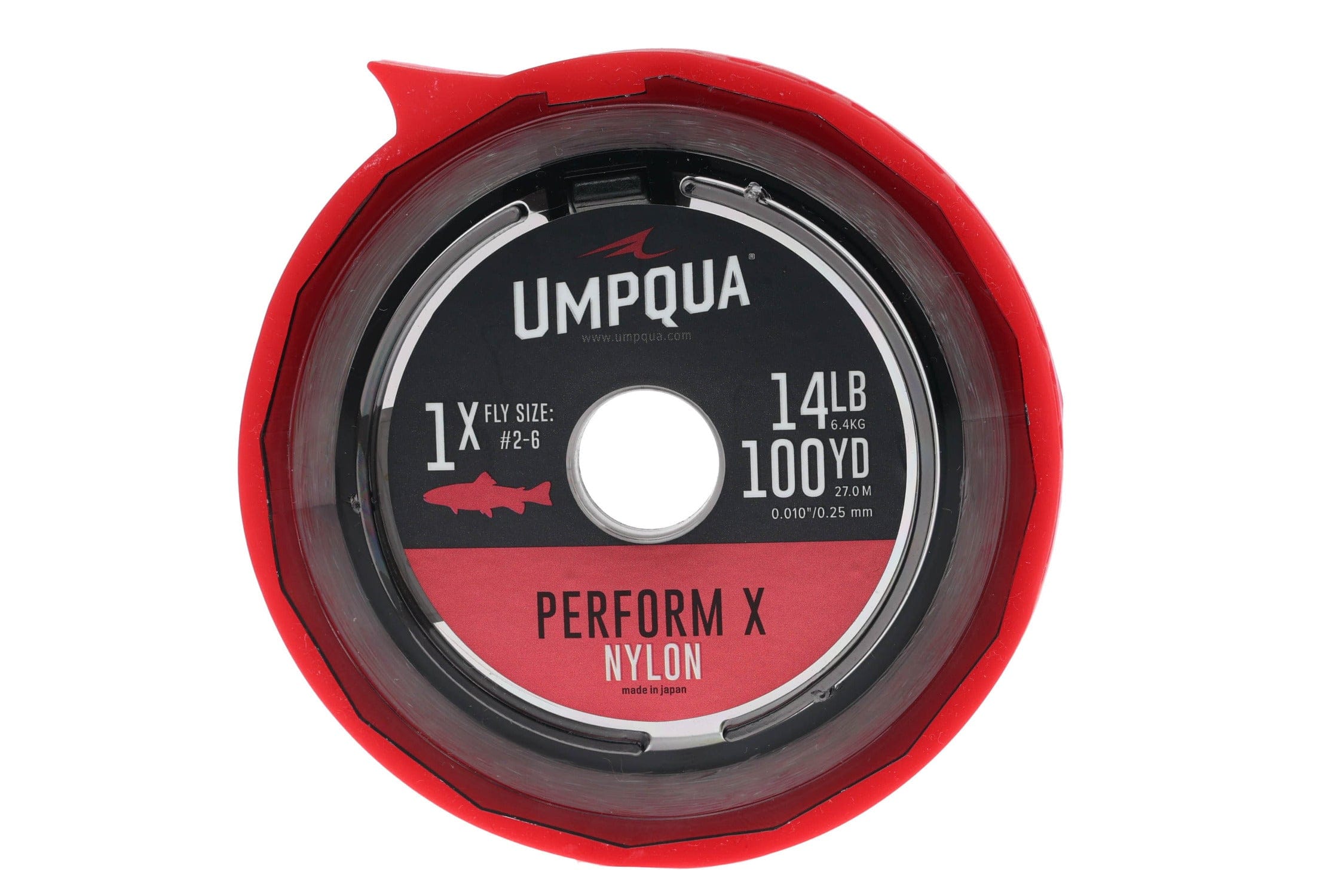
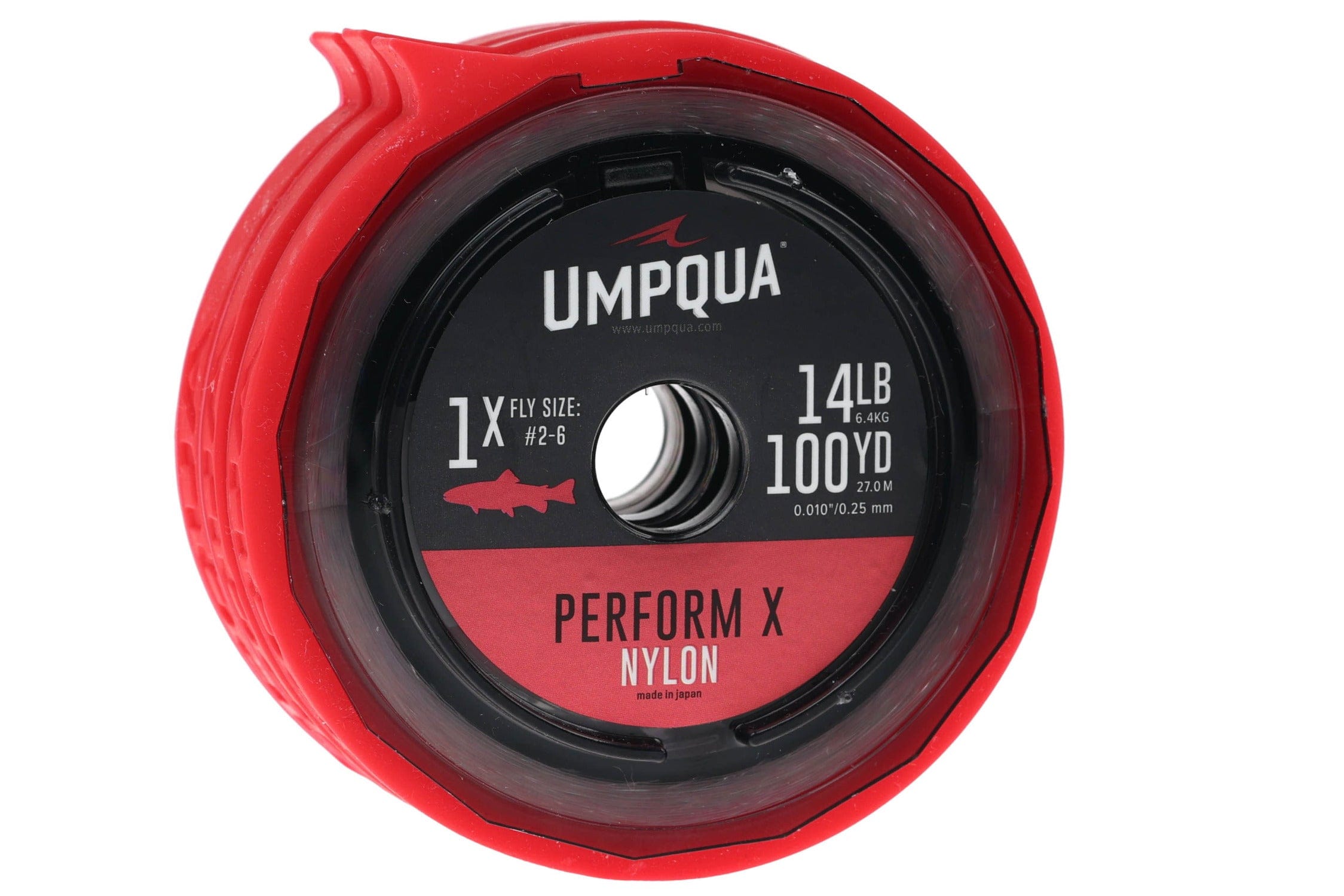
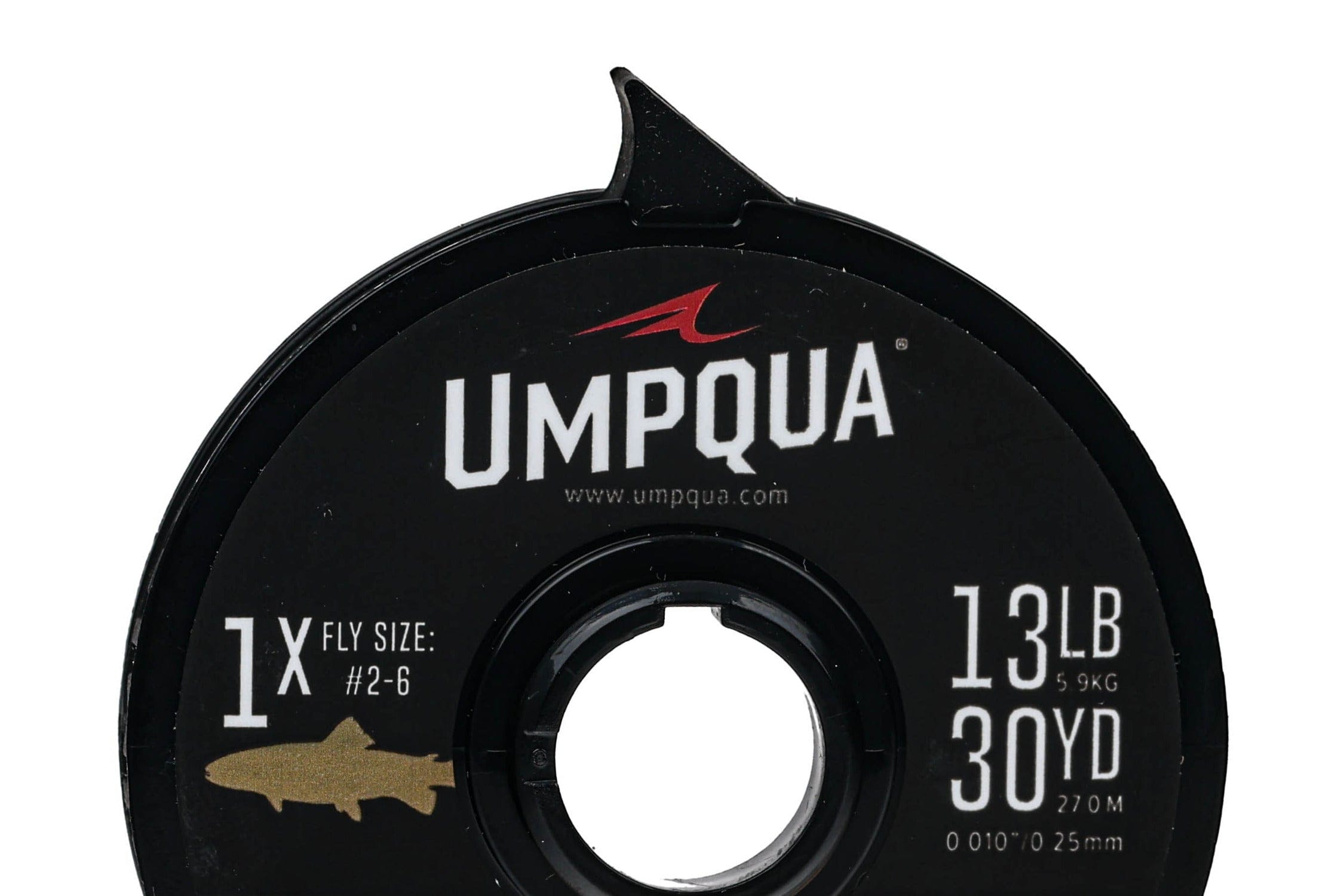
- Best for Beginners: Umpqua Perform X Trout Nylon Tippet - A forgiving, easy-handling nylon option for anglers building their first trout leaders and learning clean knots. The supple, low-memory feel helps with smoother drifts and fewer coils coming off the spool.
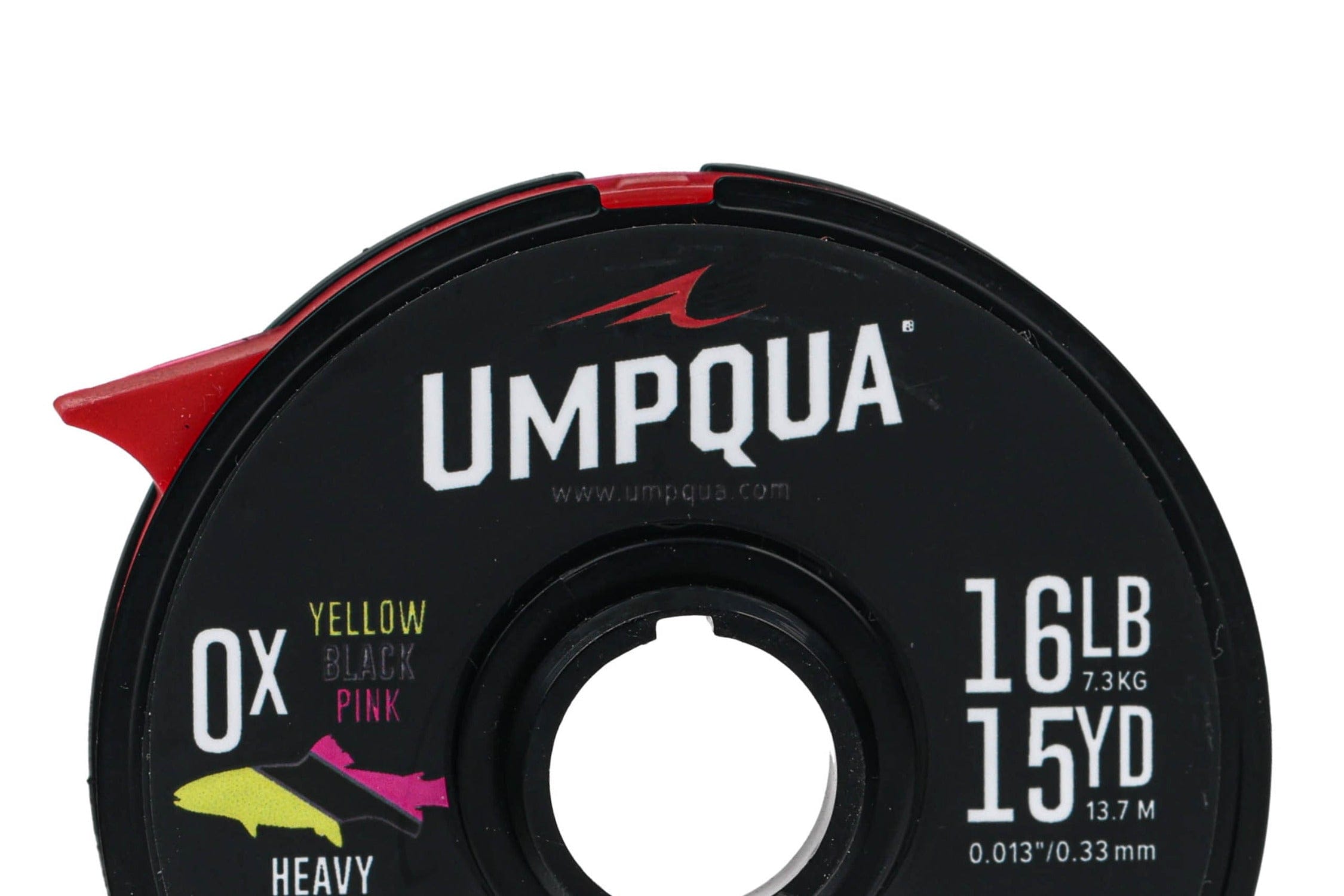
- Best All-Around Fluorocarbon: Umpqua Deceiver X Fluorocarbon Tippet - A go-to for nymphs and streamers when you want a tougher, faster-sinking connection in clear water. Its fluorocarbon construction is built for stealth and abrasion resistance around rocks and structure.
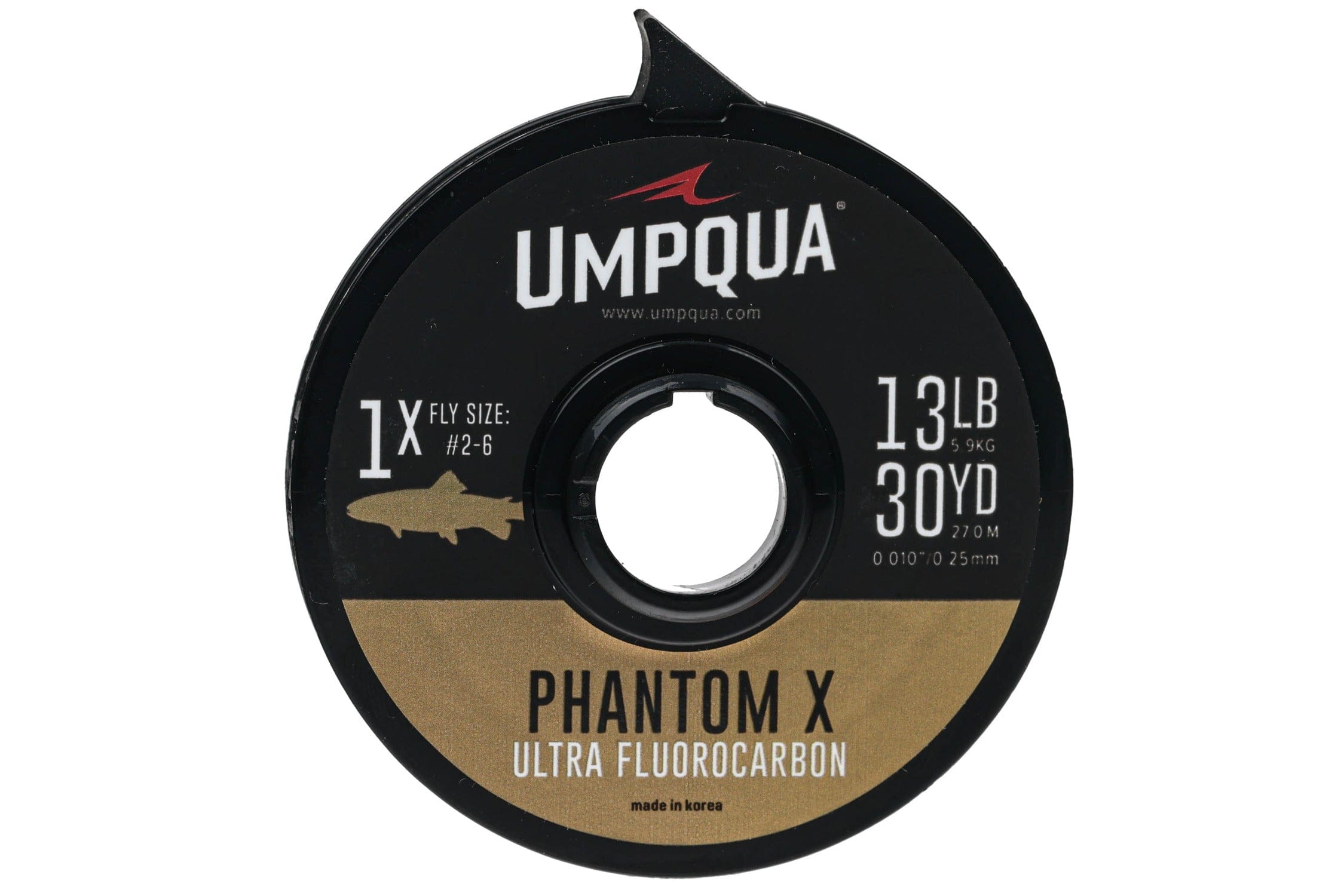
- Best Value Fluorocarbon: Umpqua Phantom X Fluorocarbon Tippet - A smart pick when you fish a lot of subsurface rigs and go through spools quickly. It’s designed to give you fluorocarbon benefits (sink, stealth, durability) without feeling like a “special occasion” tippet.
- Best for Euro Nymphing: Umpqua Tri-Tone Sighter Tippet - Built to make micro-pauses and subtle takes easier to see in a tight-line rig. The tri-color sighter layout is meant to track drift speed and direction changes fast in broken currents.
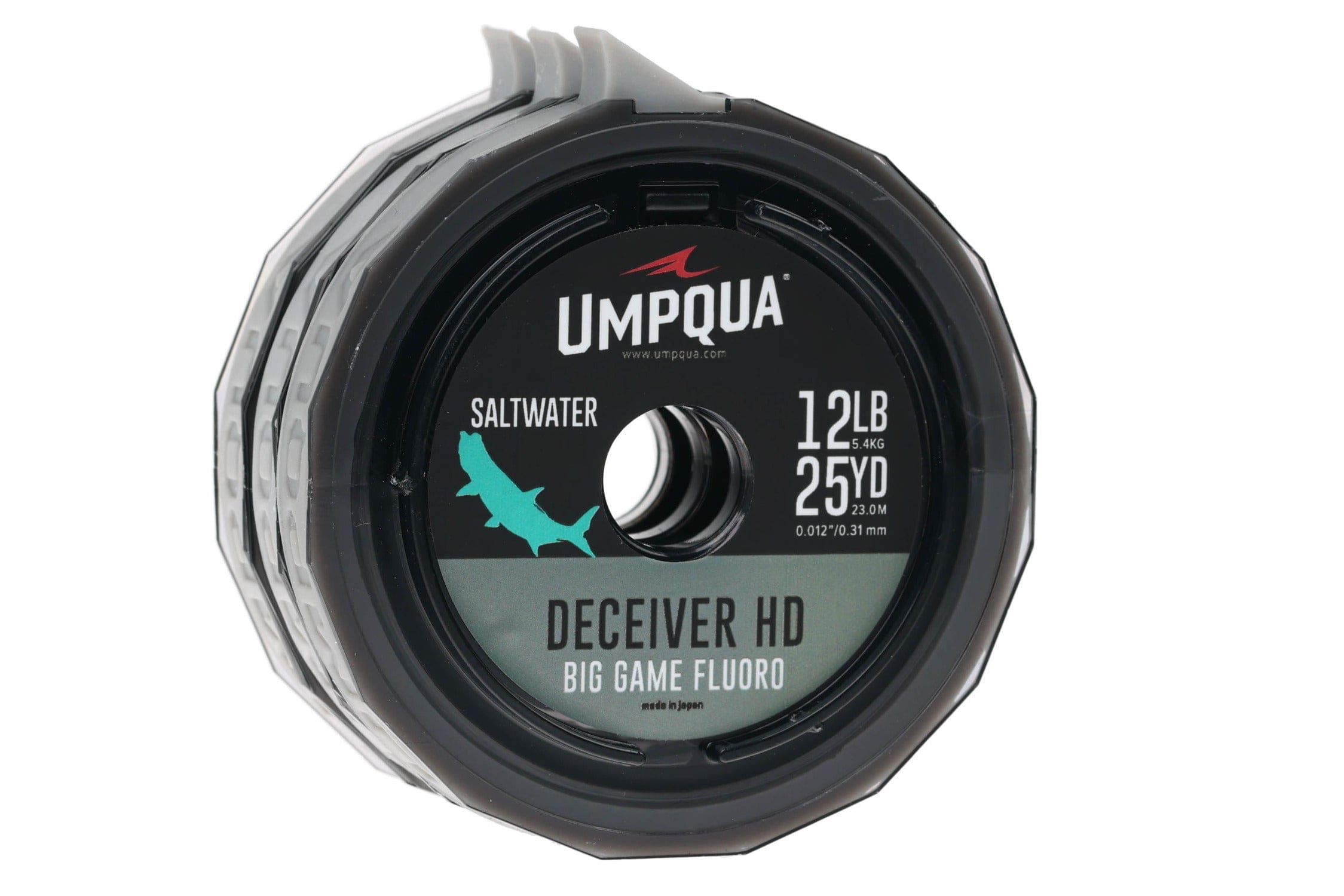
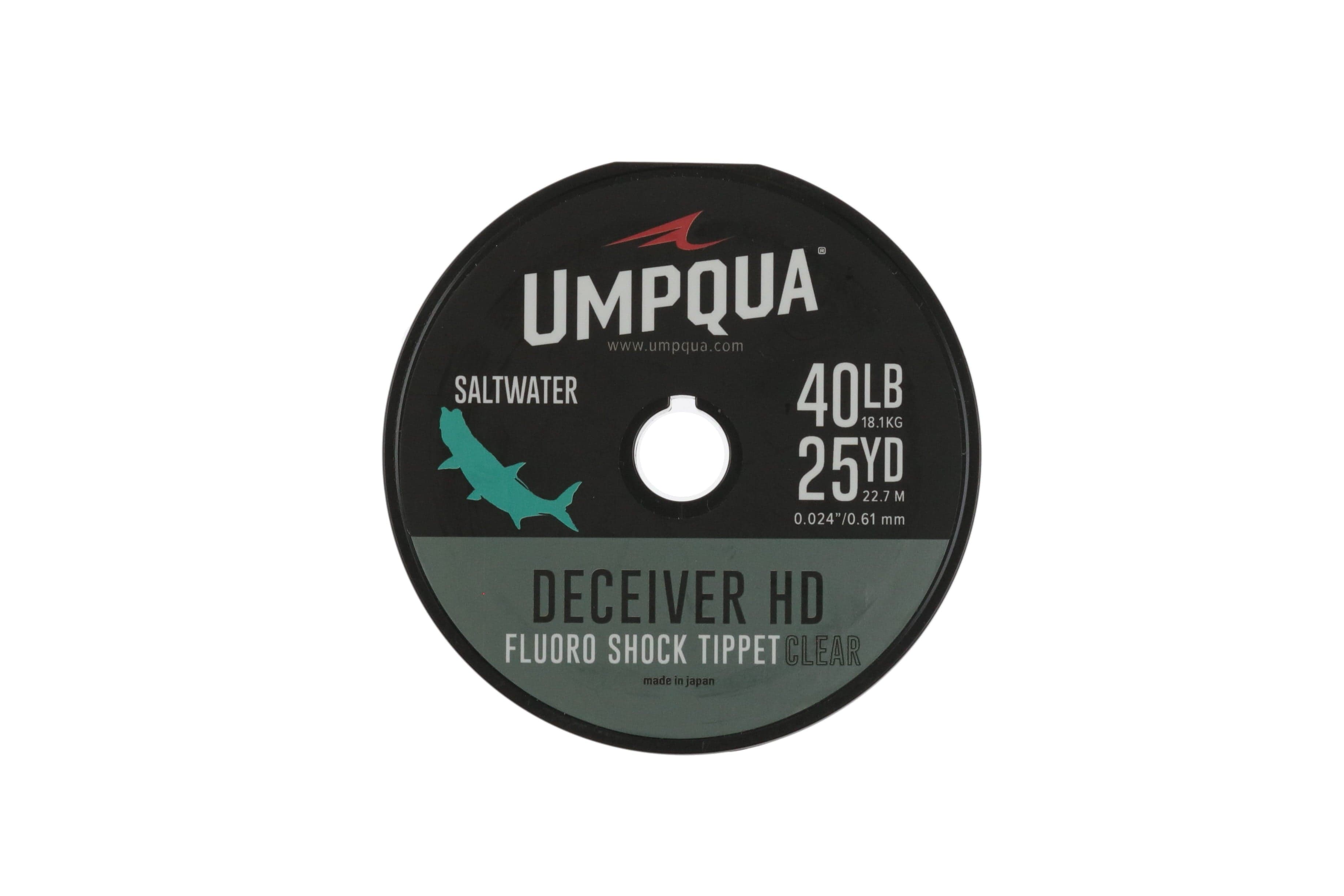
- Best for Saltwater Shock/Bite: Umpqua Deceiver HD Fluorocarbon SW Shock Tippet - The right tool when teeth, gill plates, coral, oysters, or mangroves can end a fight early. It’s made for building shock sections that resist abrasion and help turn over larger saltwater flies.
How to Choose Umpqua Tippet
Nylon vs. Fluorocarbon (what actually changes on the water)
Action: Use nylon when you want a more supple connection for dry flies and a little extra stretch for shock absorption. Use fluorocarbon when your flies need to sink efficiently, or when abrasion resistance and underwater stealth matter most.
Best for: Nylon for dries, dry-dropper, and general trout fishing; fluorocarbon for nymphing, streamers, and clear-water situations where fish track leader flash and drift.
Picking the right size (X vs. lb test)
Action: For trout tippet, start with the “Rule of 3” as a baseline: fly size ÷ 3 ≈ X size (example: size 12 ≈ 4X). Then adjust based on current speed, fish pressure, and how hard you need to pull to land fish quickly.
Avoid if: Don’t treat “5X” like a universal breaking strength, materials vary a lot by brand and formulation, even when the label says the same X size.
Match the tippet to the job (a simple way to shop this page)
- Trout dries and technical drifts: Start in nylon with Umpqua Perform X Trout Nylon Tippet, then step down in diameter until your presentation improves.
- Trout nymphs/streamers and clear water: Move to fluorocarbon like Umpqua Deceiver X Fluorocarbon Tippet or Umpqua Phantom X Fluorocarbon Tippet.
- Euro nymphing/tight-line: Add a visible sighter section like Umpqua Tri-Tone Sighter Tippet or Umpqua Two-Tone Sighter Tippet, then run your preferred tippet below it.
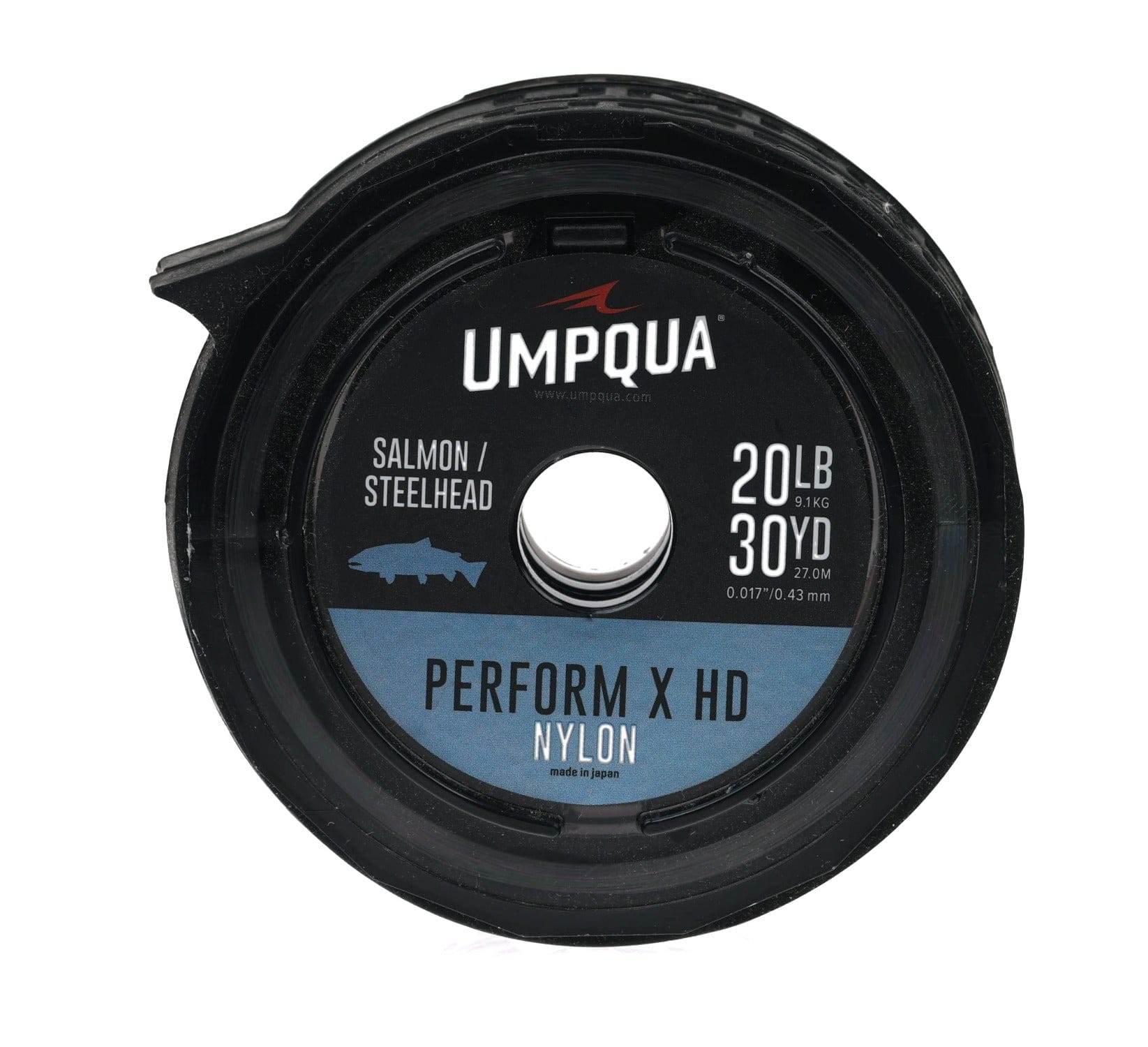
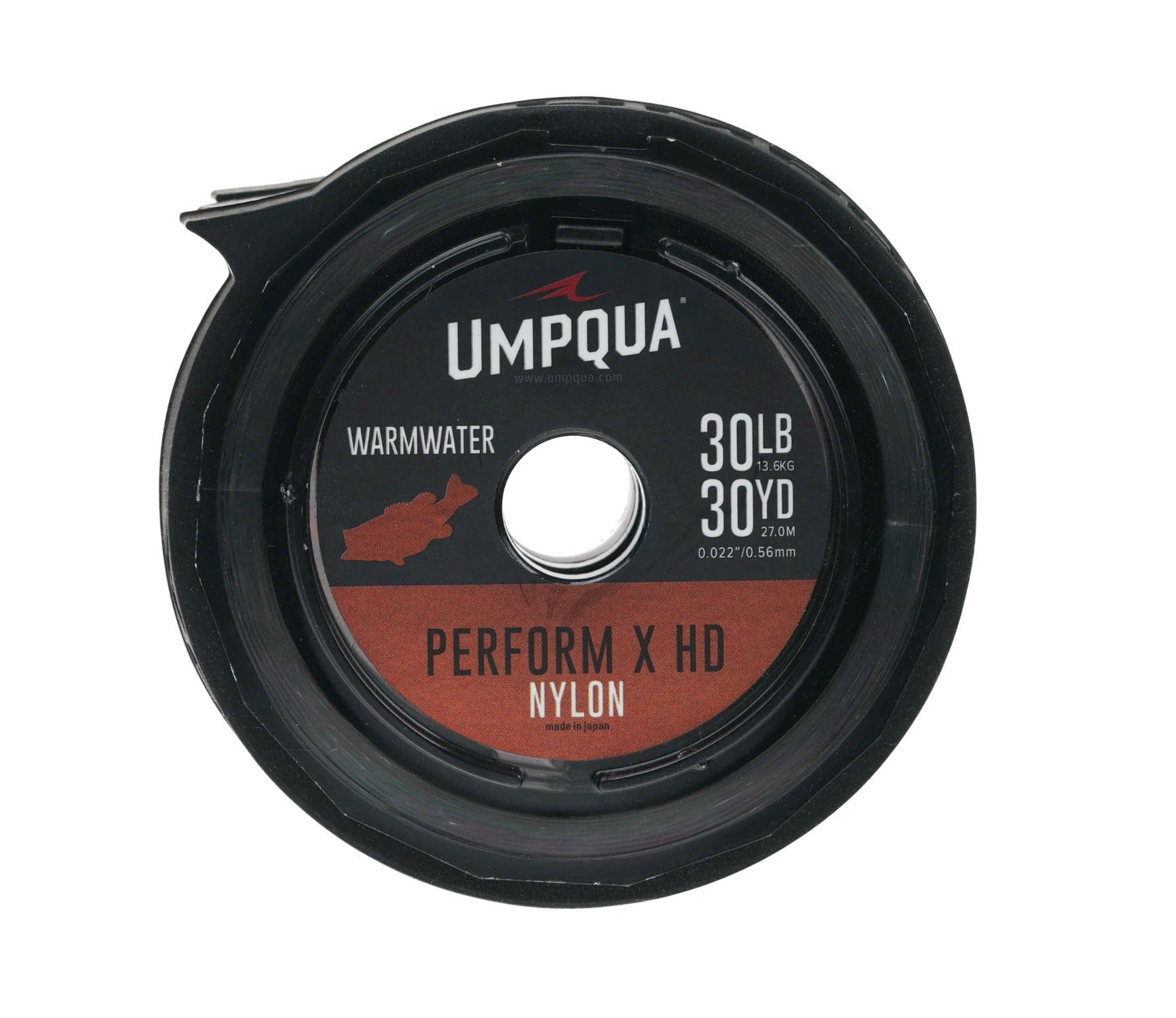
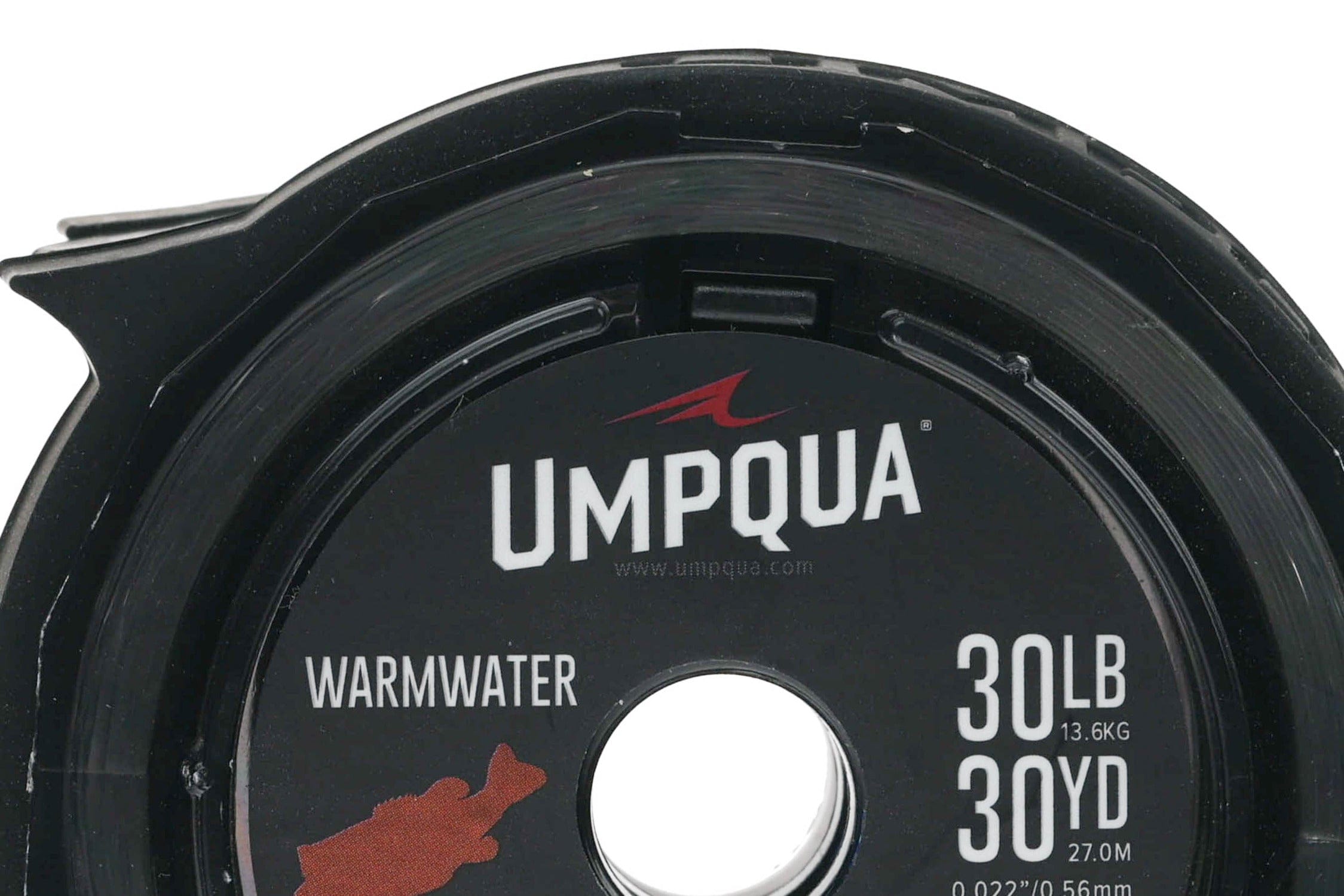
- Warmwater and heavy cover: Consider a tougher nylon like Umpqua Perform X HD Warmwater Nylon Tippet when wood, rocks, and docks are part of the game.
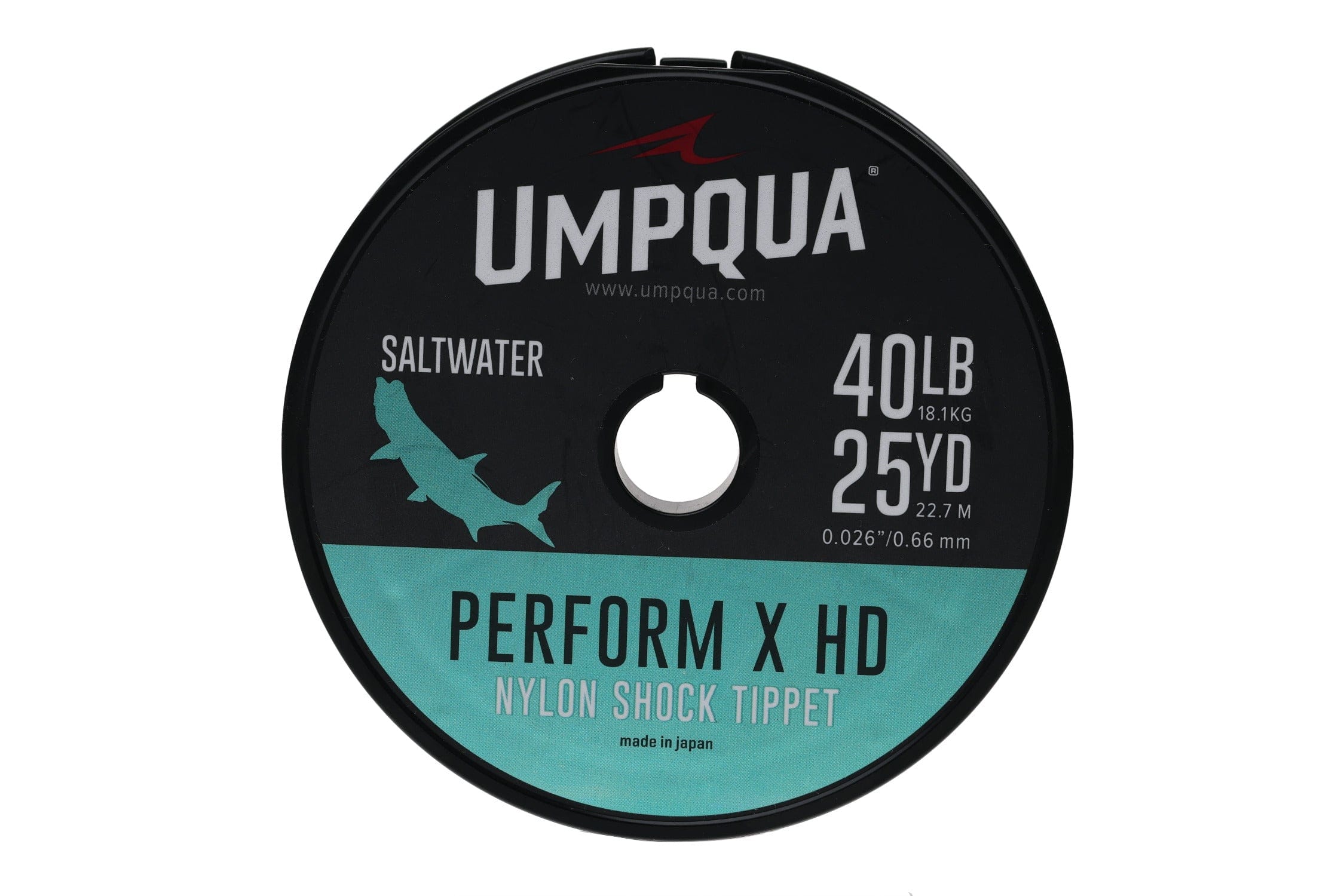
- Saltwater class and shock: For general saltwater nylon applications, look at Umpqua Perform X HD Saltwater Nylon Tippet. For bite/shock situations, step up to Umpqua Perform X HD Saltwater Shock Tippet or Umpqua Deceiver HD Fluorocarbon SW Shock Tippet.
Why Trident Carries Umpqua
Umpqua covers a wide range of real-world fishing with focused materials, trout nylon, multiple fluorocarbon options, high-vis sighters, and true heavy-duty saltwater and warmwater spools. It’s an easy lineup to stock for trips because you can build everything from a size-22 dry fly leader to a shock setup for abrasive structure.
Compatibility
- Leader connection: Match tippet diameter to the leader’s tip section for smooth turnover; abrupt diameter jumps can hinge and reduce accuracy.
- Knot choice: Use a knot you can tie cleanly every time (improved clinch, Davy, nonslip loop, etc.), and always lubricate before seating.
- Fluorocarbon handling: Fluoro can feel stiffer, seat knots slowly and test them with a firm pull before fishing.
- Check for damage: After a fish or snag, run fingers down the last few feet and retie if you feel nicks or roughness.
- Storage: Keep spools out of direct sun and heat in the car; replace old, cloudy, or brittle material.
Complete Your Setup
Related Gear
- Fly Fishing Tippet - Compare materials and sizes across the full tippet wall when you’re dialing a specific technique.
- Fly Fishing Leaders - Start with the right taper, then customize with Umpqua tippet to match fly size and conditions.
- Umpqua Tippet Rings 10 Pack - Helps you swap tippet fast and preserve the life of a tapered leader, especially on multi-fly rigs.
- Fly Fishing Nippers & Zingers - Clean cuts matter on light tippet; a sharp nipper speeds up rigging and reduces tag-end mess.
Related Guides
Umpqua Tippet FAQs
Q: What is tippet in fly fishing?
A: Tippet is the final section of line between your leader and your fly. It’s the part you change most often to match fly size, water clarity, and how strong you need the connection to be.
Q: Should I use nylon or fluorocarbon tippet?
A: Nylon is a common choice for dry flies and general trout fishing because it’s supple and knot-friendly. Fluorocarbon is popular for nymphs and streamers because it sinks more readily and holds up well around rocks and structure.
Q: How do I choose the right X size?
A: A quick starting point is the Rule of 3: divide your fly size by three to estimate X size (size 18 ≈ 6X). Then adjust for fish size, current speed, and how technical the presentation needs to be.
Q: Is Umpqua tippet good for Euro nymphing?
A: Yes, this collection includes dedicated sighter materials like Two-Tone and Tri-Tone, which are designed to improve visual strike detection in tight-line rigs.
Q: When do I need shock tippet in saltwater?
A: Add shock/bite tippet when fish have abrasive mouths or teeth, or when structure like coral, mangroves, and oysters can cut you off. It’s commonly used as the final, heavier section above the fly.
Q: What’s the difference between Deceiver X and Deceiver HD?
A: Deceiver X is a fluorocarbon tippet option aimed at stealth and durability for general use. Deceiver HD products in this collection are built for heavier-duty scenarios where abrasion resistance and shock protection are higher priorities.
Q: How often should I replace my tippet?
A: Replace it anytime you feel nicks, abrasion, or memory kinks that won’t straighten, and after hard fights around structure. If a spool has lived in heat and sun for a long time, it’s worth upgrading before an important trip.
Umpqua Warranty & Resources
Warranty coverage varies by product type, and tippet is generally considered a consumable item rather than a warrantied piece of gear. If you have a specific defect question, contact us and we’ll help you sort out the best next step with Umpqua.