


How to Tie a Tippet to Leader Knot (Step By Step)





Trouthunter Leaders Quick Picks
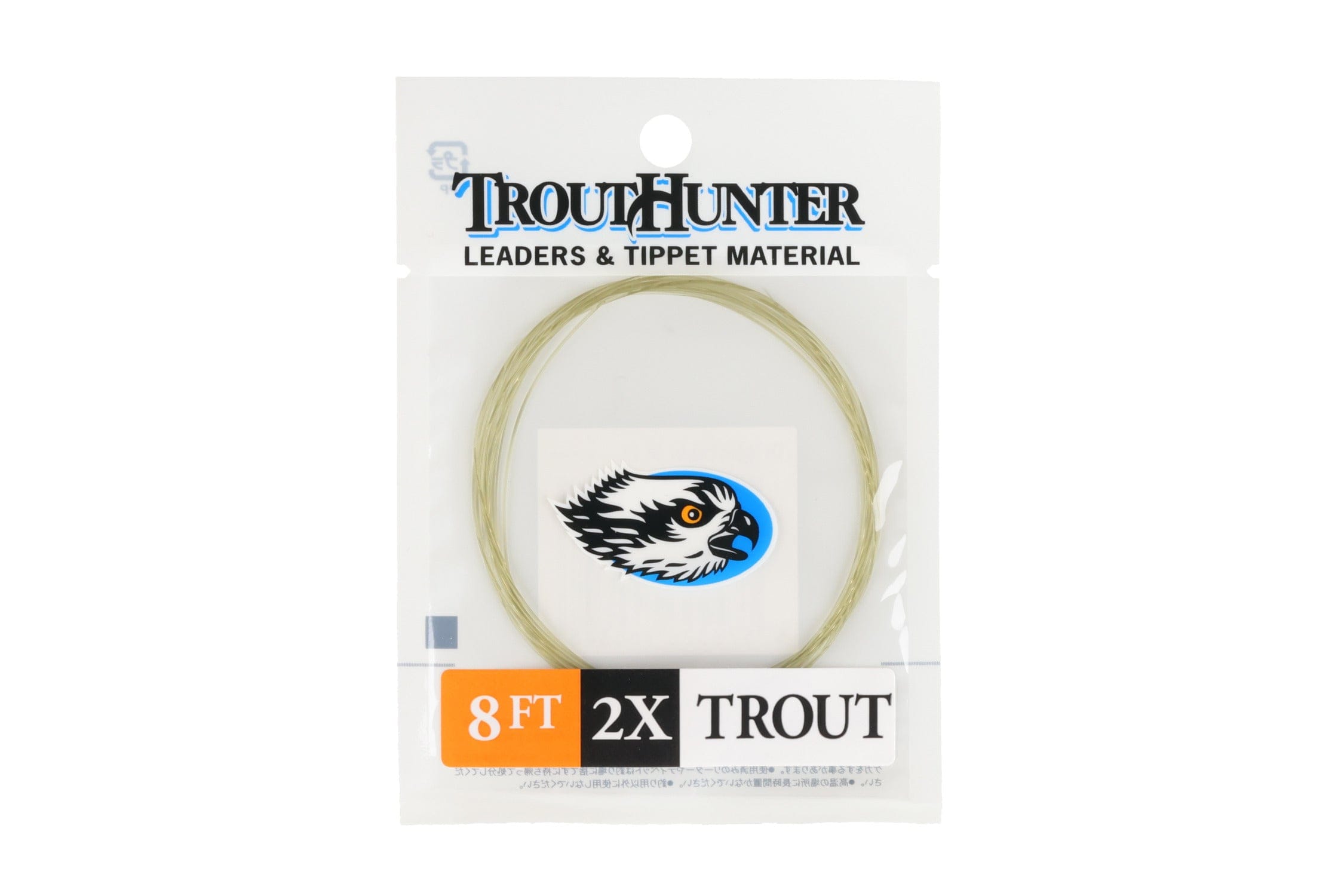
- Best All-Around: Trouthunter Trout Taper Leader With Loop - A great everyday nylon leader when you want clean turnover for most trout rigs. The built-in loop makes leader changes fast without re-tying to your fly line.
- Best for Technical Dry Flies: Trouthunter Finesse Taper Leader With Loop - A solid pick for small dries, emergers, and picky fish in clear water. The long tippet section is designed to help land flies softly and keep drifts looking natural.
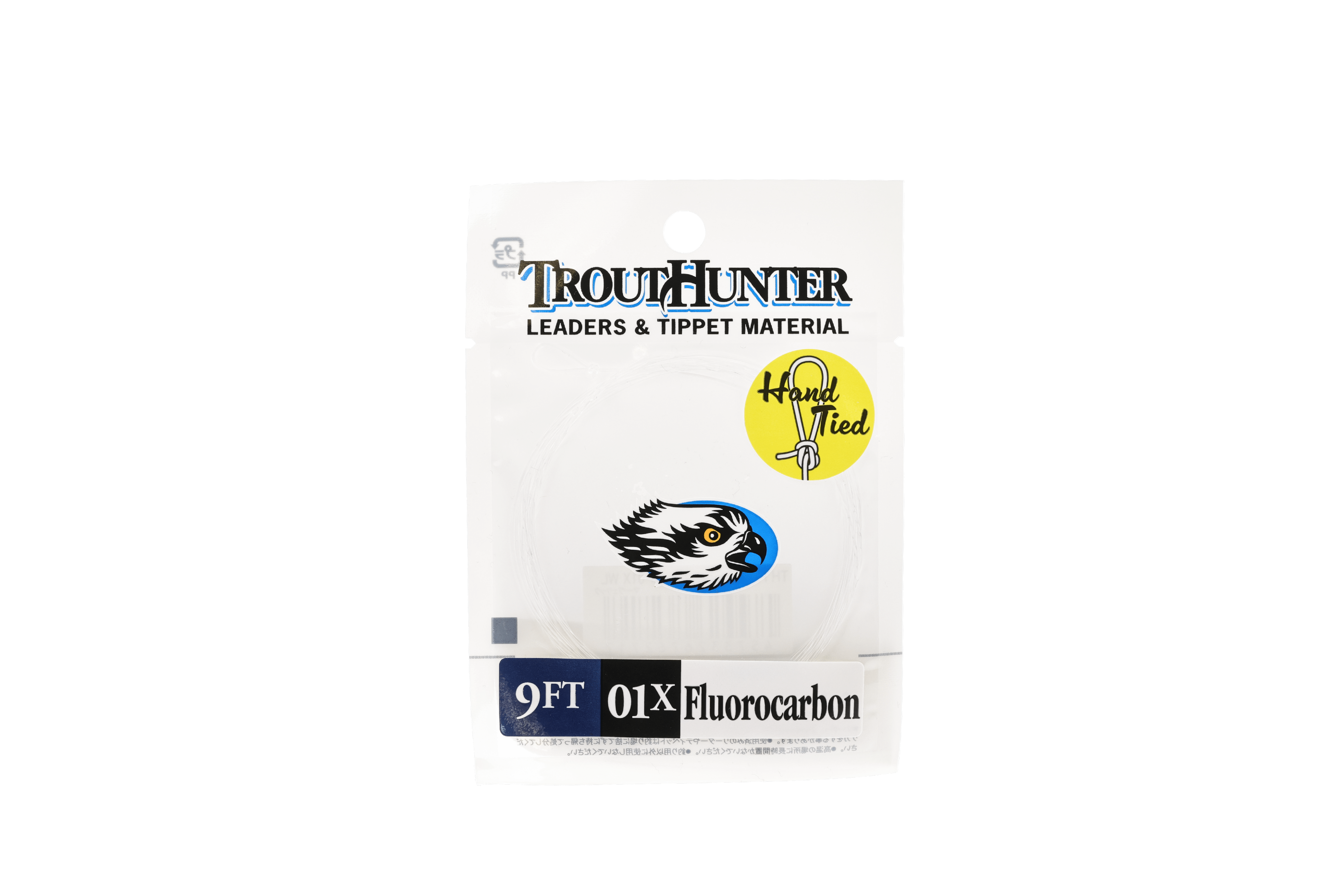
- Best for Nymphing & Streamers: Trouthunter Fluorocarbon Leader With Loop - A go-to when you want a faster-sinking, lower-visibility leader for subsurface fishing. Fluorocarbon’s abrasion resistance helps when you’re ticking rocks or fishing around structure.
- Best for Deep, Clear Spring Creeks: Trouthunter Rene Harrop Signature Leader - Built for long, refined presentations in slow water where leader control matters. The 14' length helps create separation from the fly line for wary trout.
- Best Value (Shop the Full Line): Trouthunter Leaders - If you’re not sure which taper or material fits your water, this collection makes it easy to compare options side-by-side. You can dial in length, X-size, and material based on how you fish.
How to Choose Trouthunter Leaders
Nylon vs. Fluorocarbon
Action: Pick nylon for dry flies and lighter rigs; pick fluorocarbon for subsurface fishing.
Best for: Nylon tends to be more supple and presentation-friendly for floating flies, while fluorocarbon is popular for its sink rate, stealth, and abrasion resistance. If you’re mostly indicator nymphing, streamer fishing, or fishing ultra-clear runs, fluorocarbon leaders are often the simpler choice.
Leader length: 8, 10 ft vs. 12, 14 ft
Action: Start at 9' for most trout fishing, then go longer when fish are selective or water is slow.
Best for: Shorter leaders (8, 10') help turn over bigger flies, dry-dropper rigs, or heavier indicators in wind. Longer leaders (12, 14') help with delicate landings and extra separation on spring creeks, tailwaters, and flat pools.
Choosing the right X-size
Action: Match the leader’s terminal X-size to your typical fly size, then adjust with tippet as needed.
Best for: 4X, 5X is a common range for general trout fishing; 6X, 7X is common for small dries and technical situations; heavier sizes are better for streamers and bigger water. If you like fine-tuning, add tippet in the exact size you want instead of swapping leaders constantly.
When a specialty taper matters
Action: Choose a “finesse” style taper when you’re getting refusals or struggling with drag.
Best for: Longer, finer tapers can help reduce micro-drag and soften presentations in clear water. A more general “trout taper” is usually better when you need dependable turnover across multiple rigs in a day.
Why Trident Carries Trouthunter
Trouthunter leaders are a popular choice for anglers who care about turnover, presentation, and material consistency. This collection keeps the core freshwater trout options in one place, so it’s easy to match leader style to how you’re fishing that day.
Compatibility
- Fly line connection: Loop-to-loop is quickest when your fly line has a factory loop (or you’ve added a welded loop). If your line has no loop, you can still tie direct to the leader butt.
- Adding tippet: Plan to replace tippet far more often than the full leader. Add 18, 30 inches at a time to extend leader life and keep your taper consistent.
- Knot choice: Use simple, reliable knots you can tie consistently (and test them with a firm pull before fishing).
- Turnover balance: If your cast collapses, go shorter/stouter or step up one X-size. If your presentation feels splashy, go longer/finer.
Complete Your Setup
Related Gear
- Fly Fishing Tippet - Dial in diameter and material without changing your full leader.
- Trouthunter Tippet - A clean match if you like keeping leader and tippet materials consistent.
- Fly Fishing Leaders - Compare Trouthunter to other tapers and materials if you’re experimenting.
- Floating Fly Lines - A good leader starts with the right line taper for your rod and fishing style.
Related Guides
Trouthunter Leaders FAQs
Q: What are fly fishing leaders used for?
A: Leaders connect your fly line to your fly and help transfer casting energy into a controlled, accurate presentation. The taper also helps you land the fly more naturally and keep fish focused on the fly, not the line.
Q: Are Trouthunter leaders nylon or fluorocarbon?
A: This collection includes both nylon (copolymer) trout leaders and fluorocarbon leaders. Nylon is a common choice for dry flies, while fluorocarbon is often chosen for subsurface fishing and abrasion resistance.
Q: What length leader should I use for trout?
A: A 9' leader is a reliable starting point for many trout situations. Go shorter for wind and big rigs, and longer (12, 14') for slow, clear water and technical dry-fly fishing.
Q: What does the “X” size on a leader mean?
A: X-size describes the diameter at the tip of the leader (where you tie on tippet or the fly). Higher X numbers are thinner for more stealth and smaller flies; lower X numbers are thicker for strength and turning over bigger patterns.
Q: Should I use fluorocarbon leaders for dry flies?
A: Many anglers prefer nylon for dry flies because it tends to float and is easy to manage. Fluorocarbon can still work, but it’s most commonly chosen when you want a subsurface presentation or extra abrasion resistance.
Q: When should I replace my leader?
A: Replace it when it’s shortened enough to hurt turnover, when it’s badly coiled, or when abrasion and nicking make it unreliable. If you routinely add tippet and avoid cutting deep into the taper, one leader can last many trips.