


























Fly Fishing for Steelhead in BC | Skeena River Lodge


Steelhead Flies Quick Picks
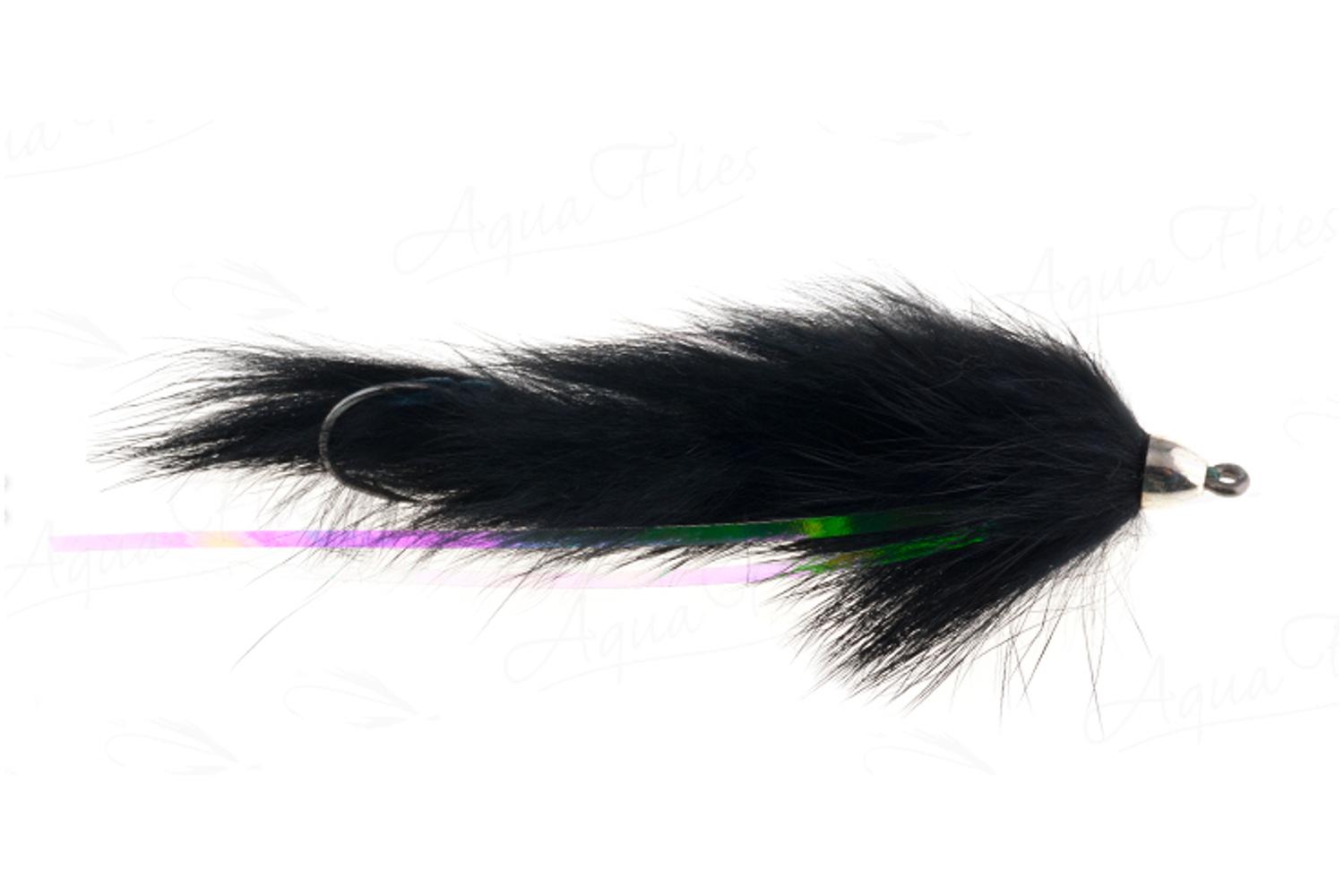
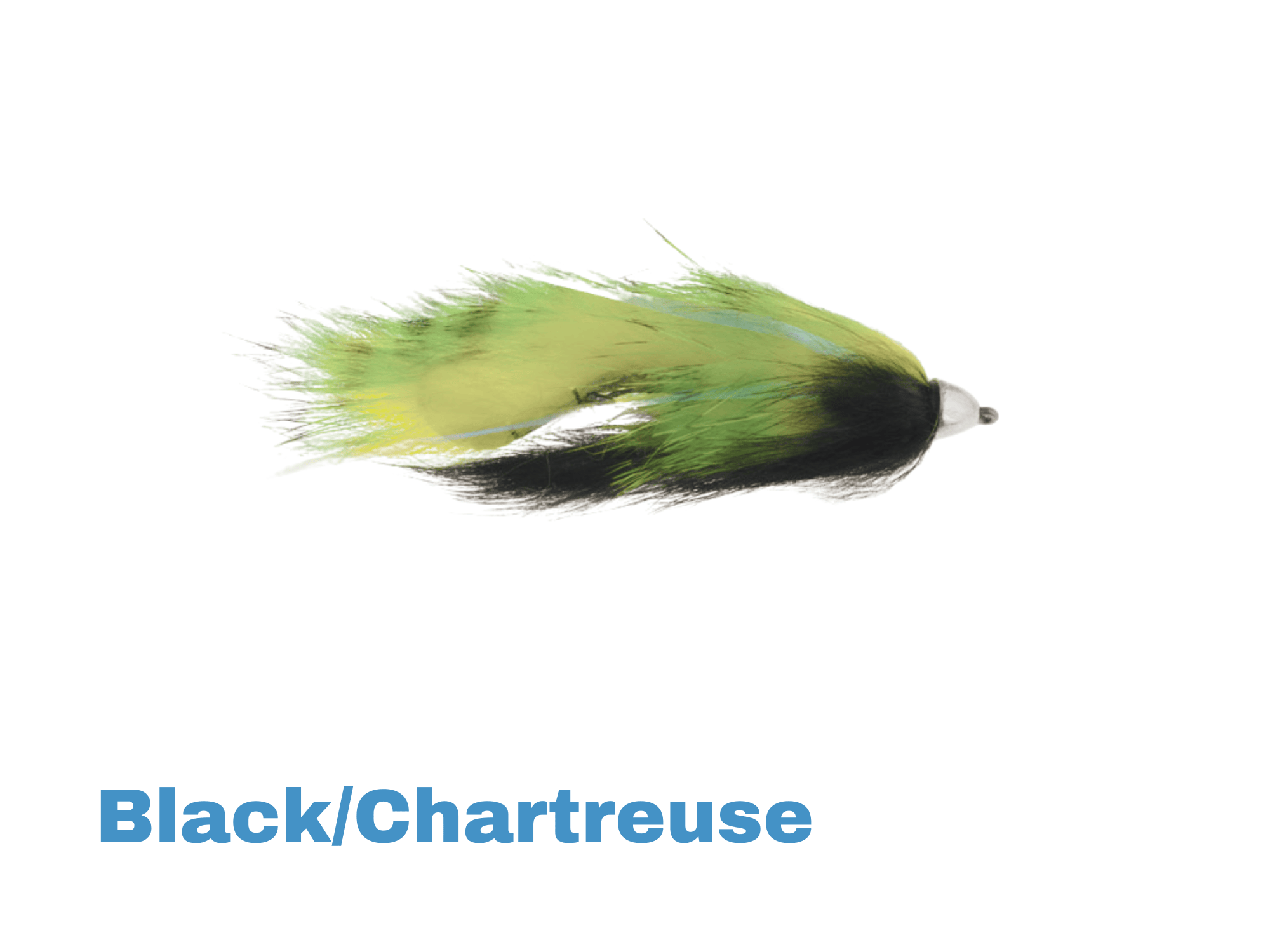
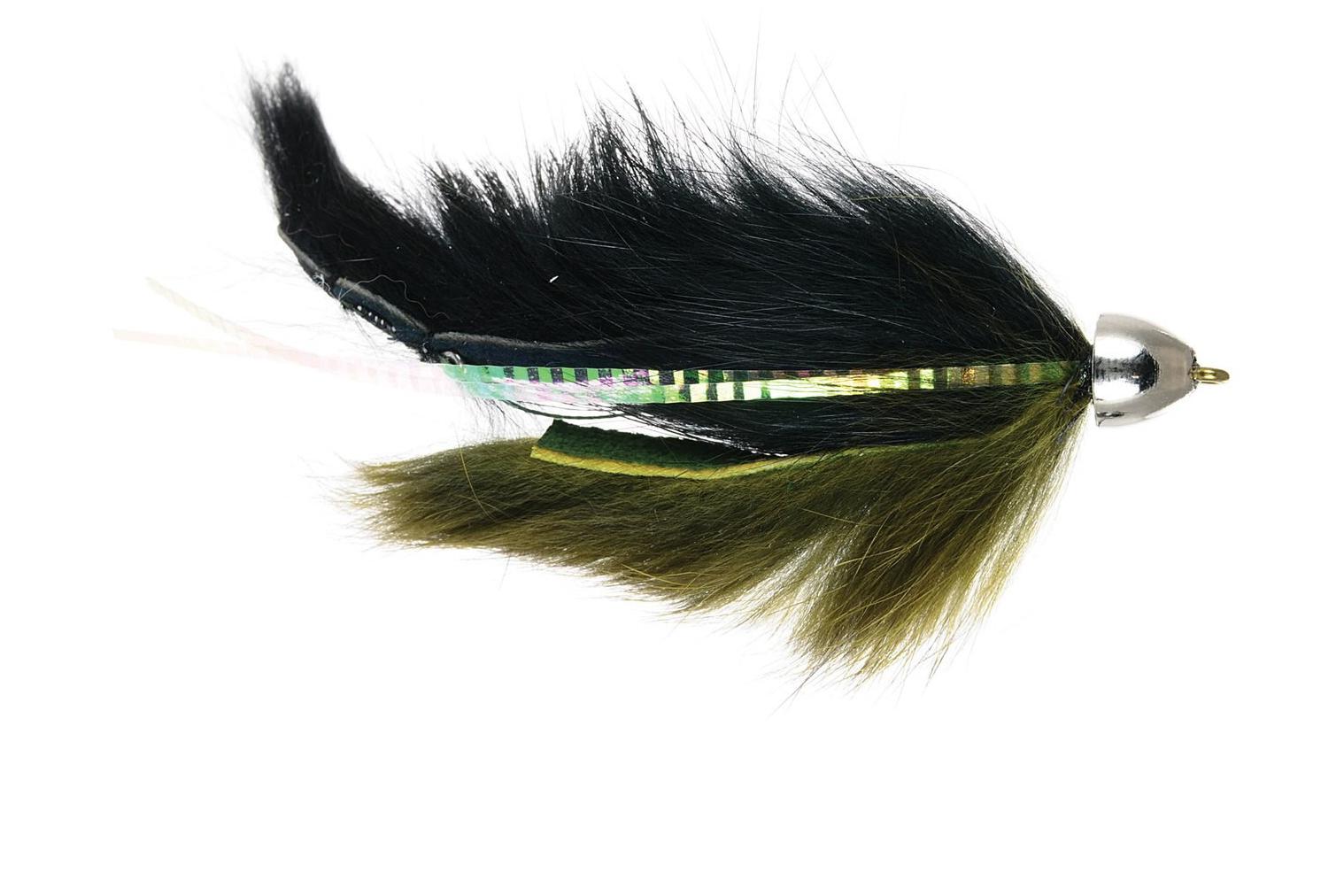
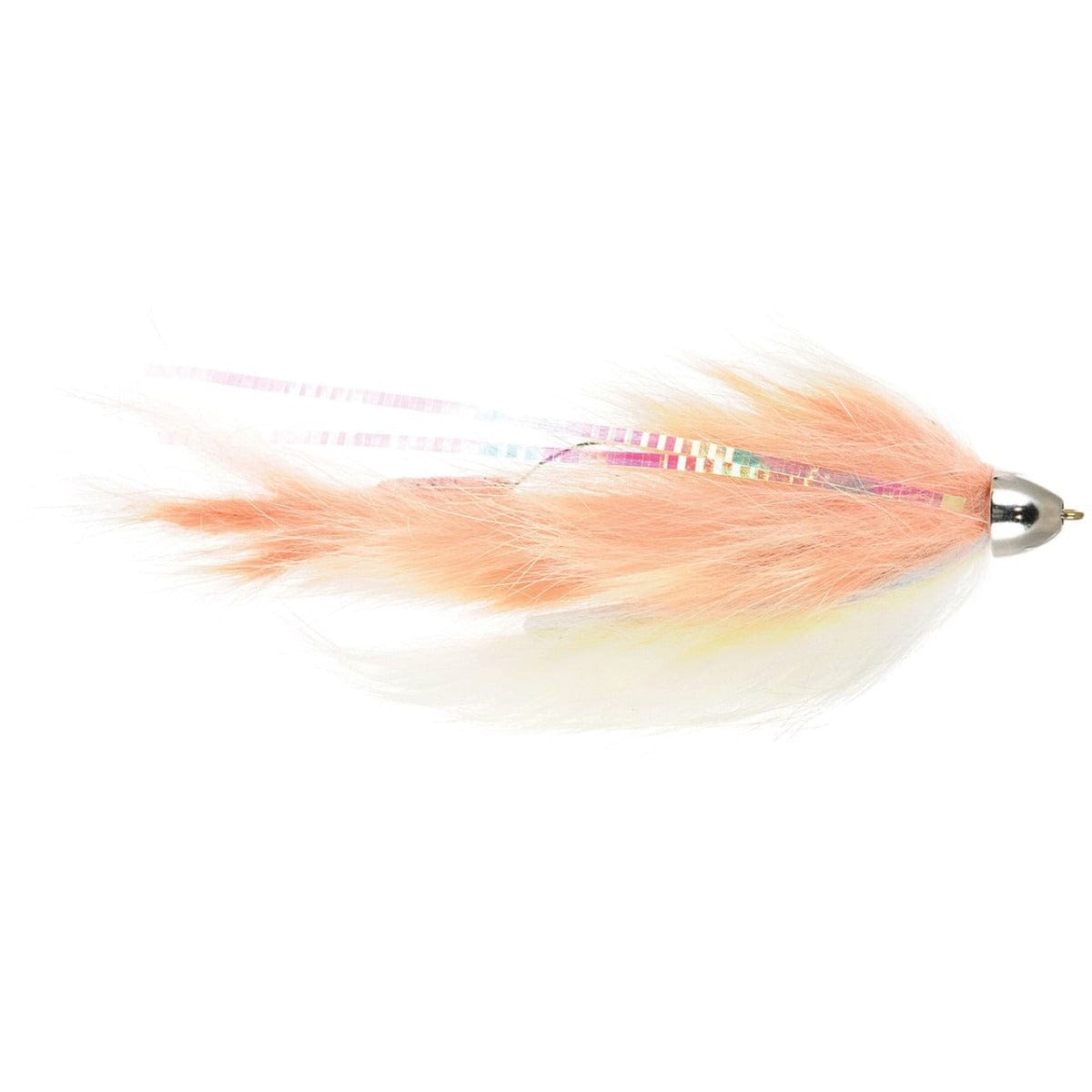
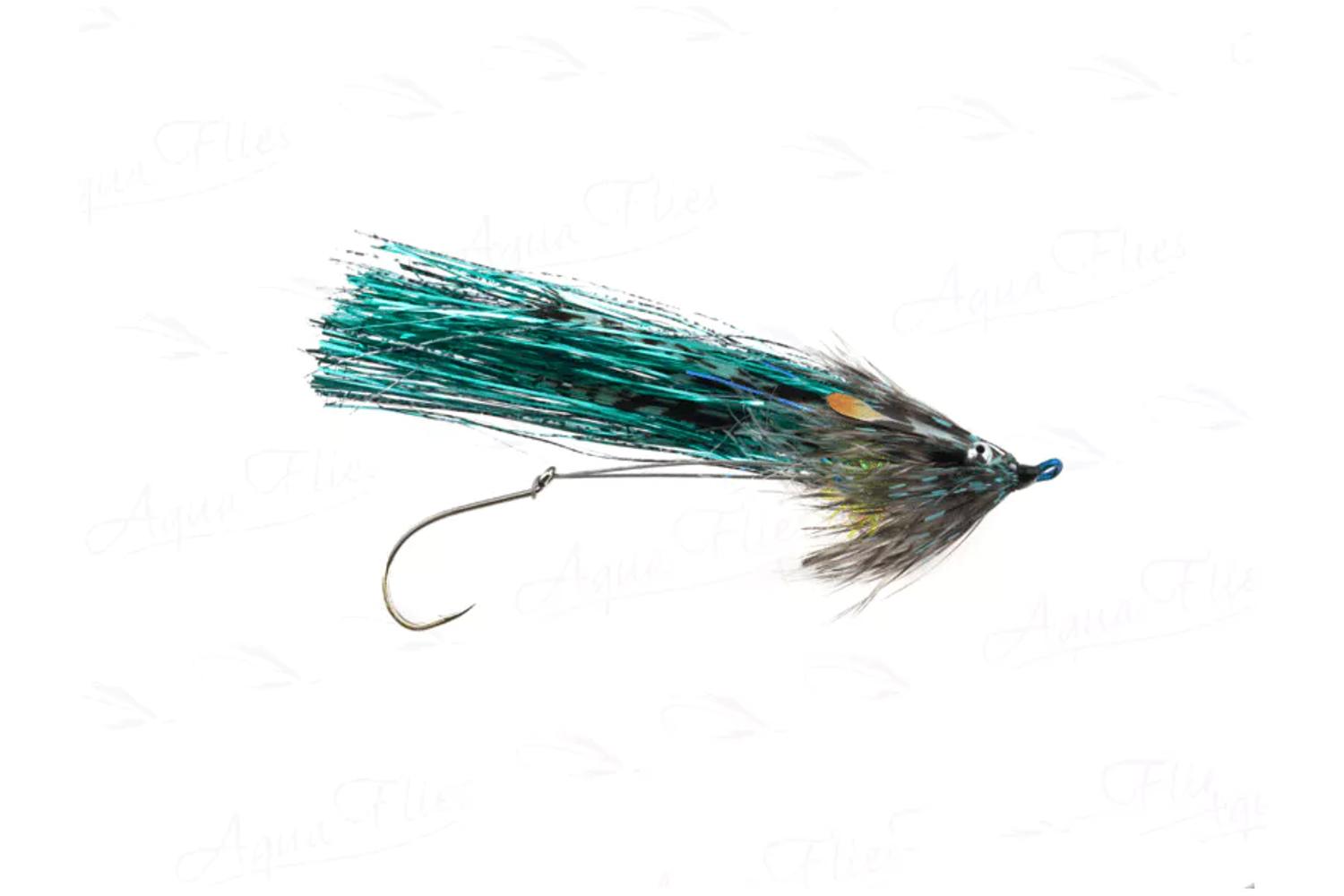
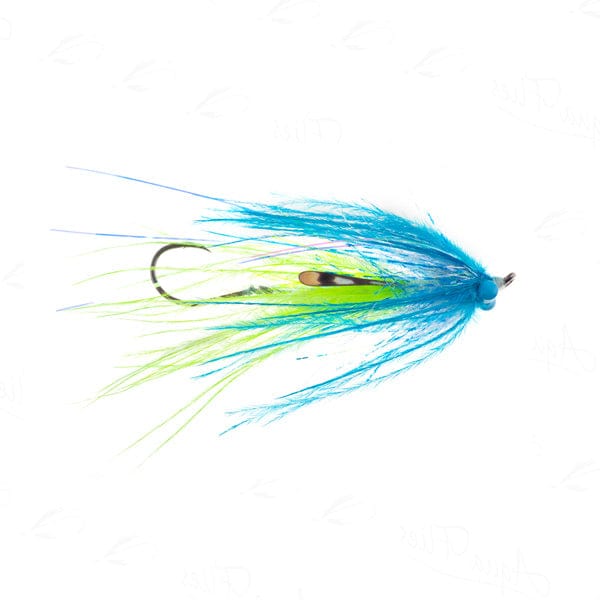
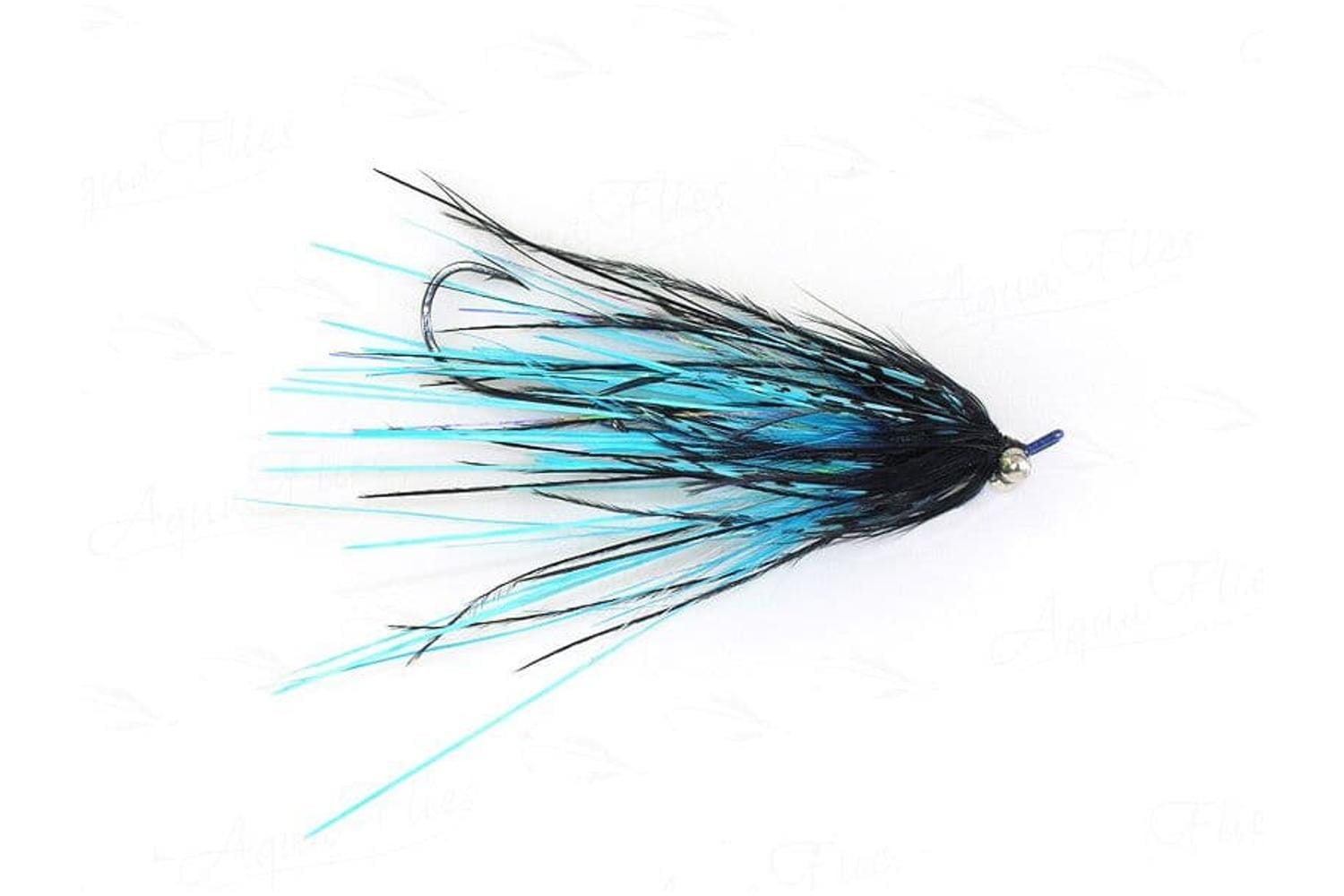
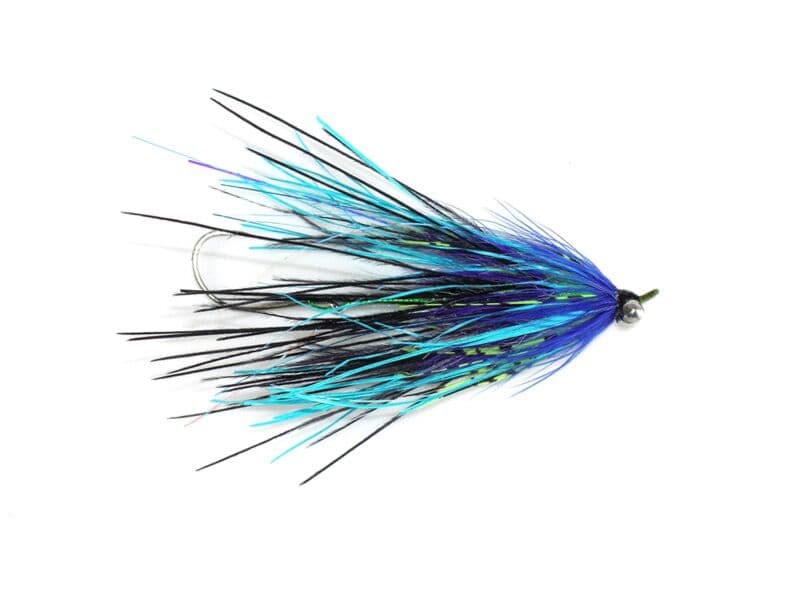
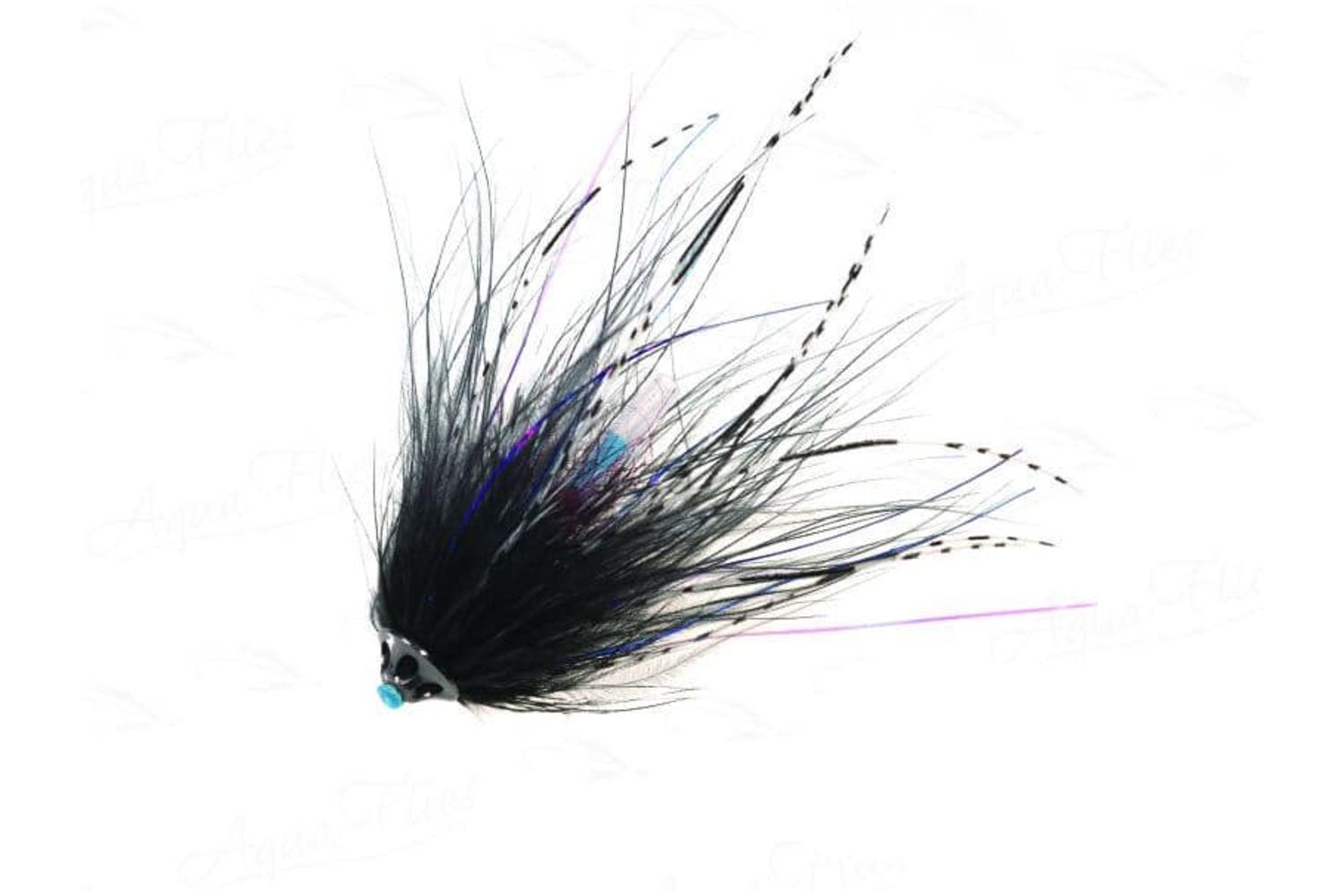
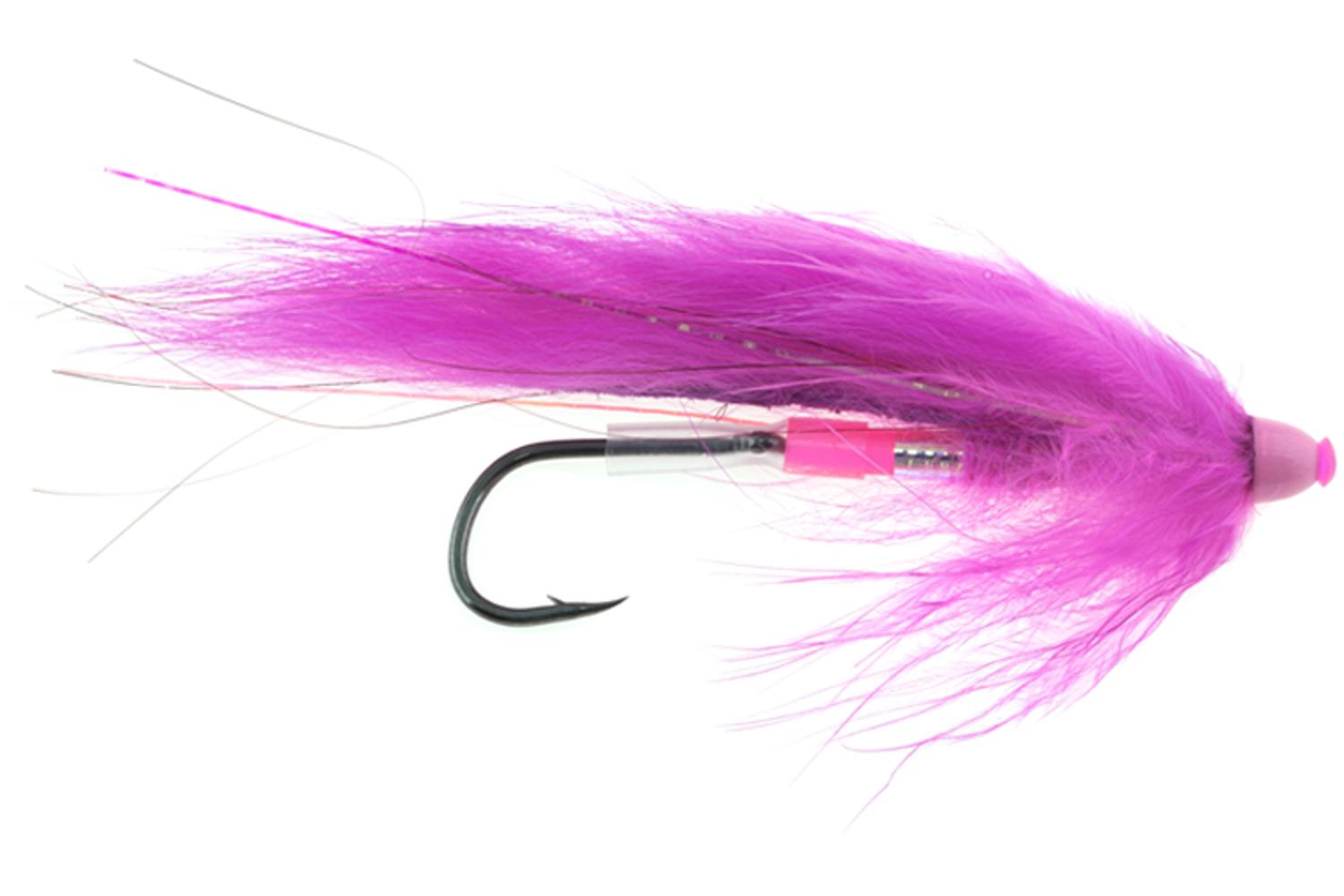
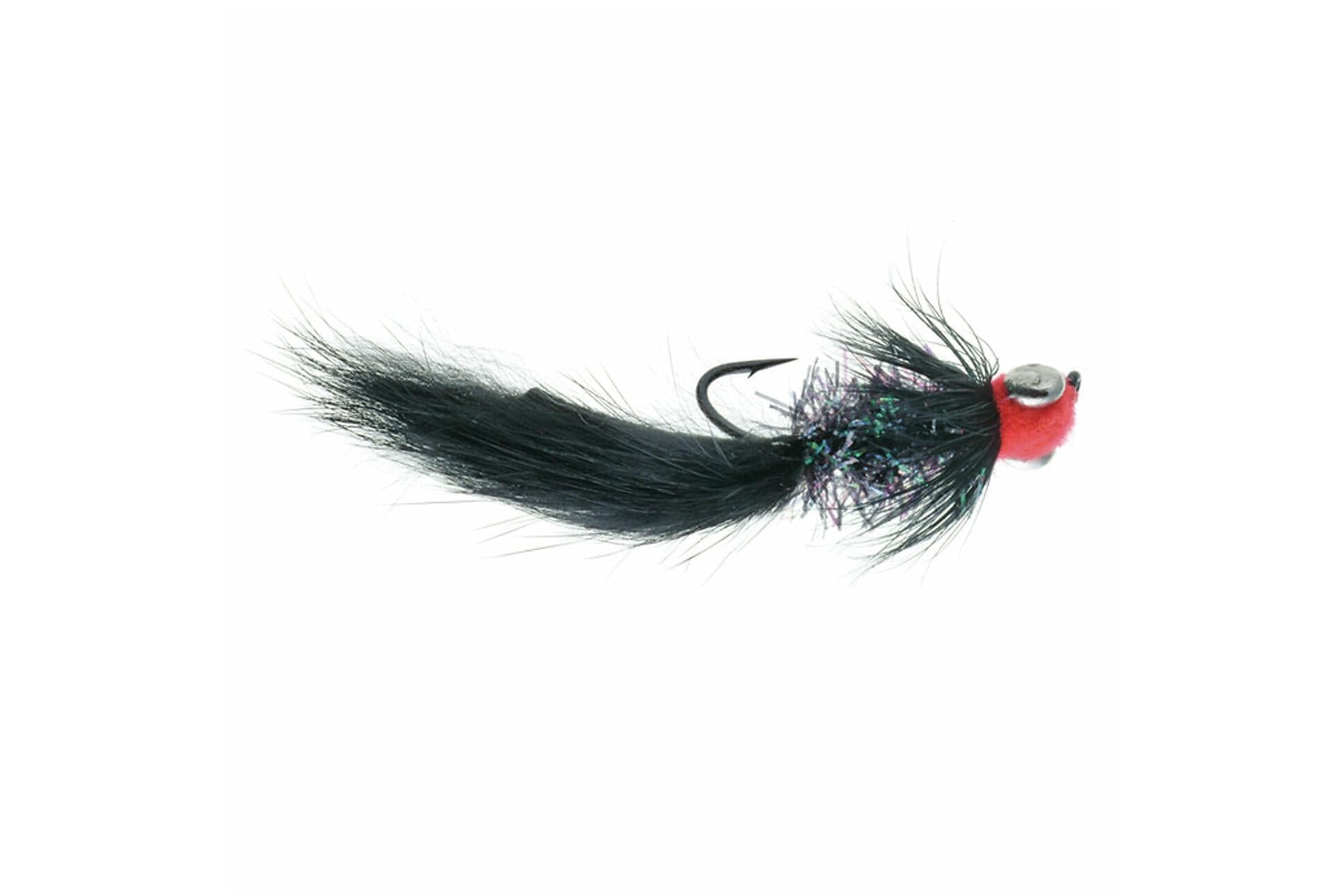
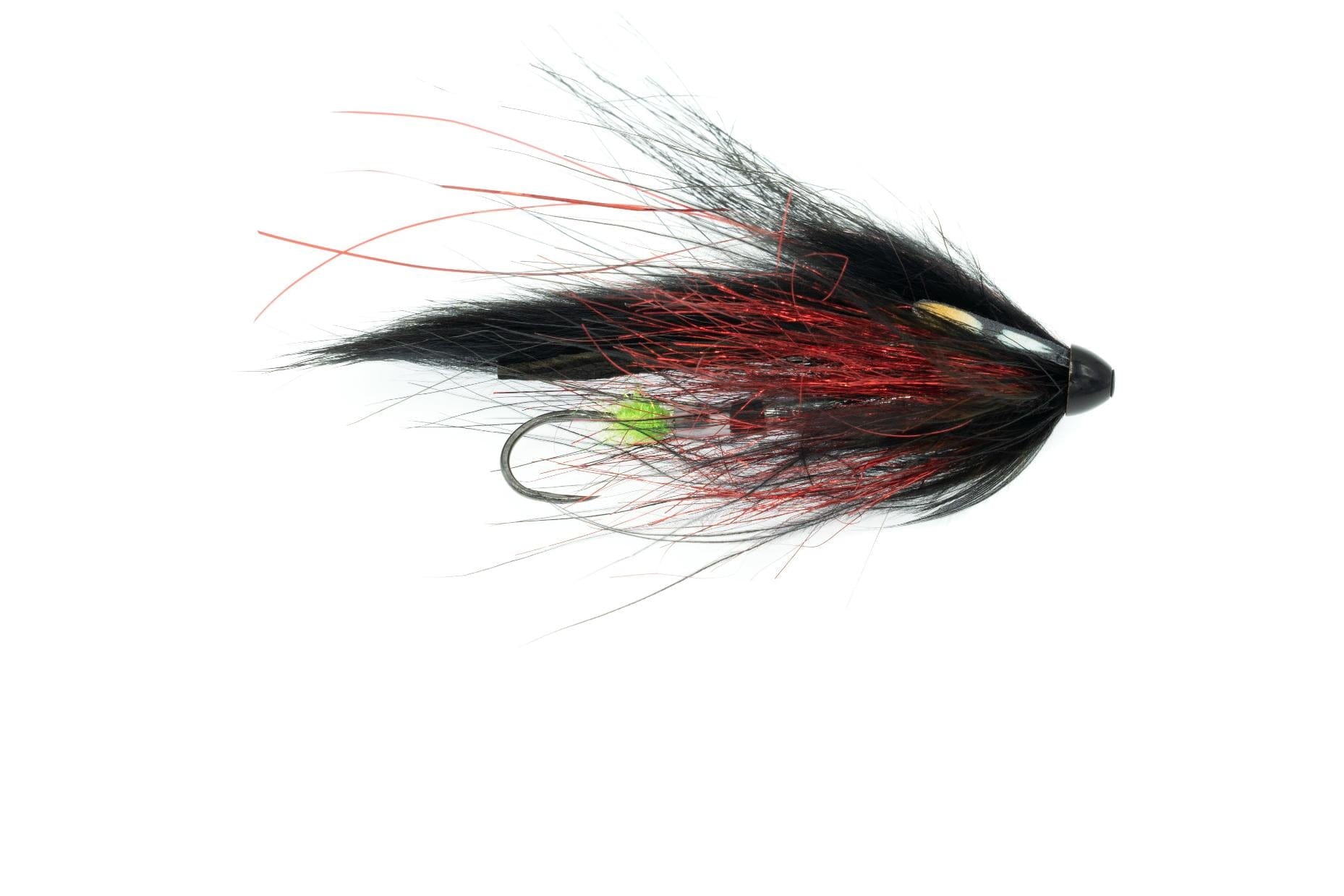
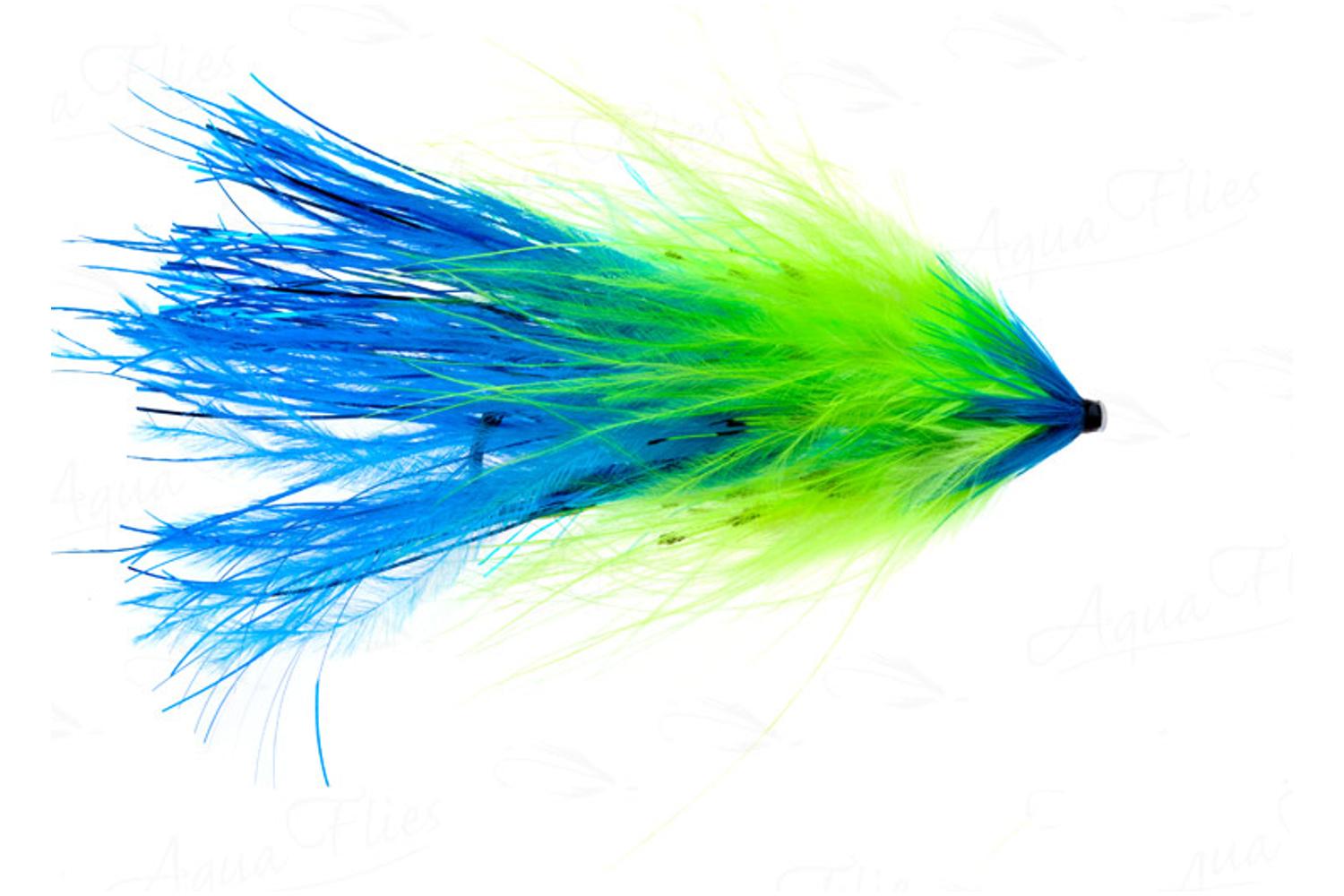
Best All-Around: Aquaflies Dolly Llama Fly - For anglers who want one big-profile streamer that can be swung or stripped. The conehead and rabbit-strip style body help it push water and get noticed in deeper runs.
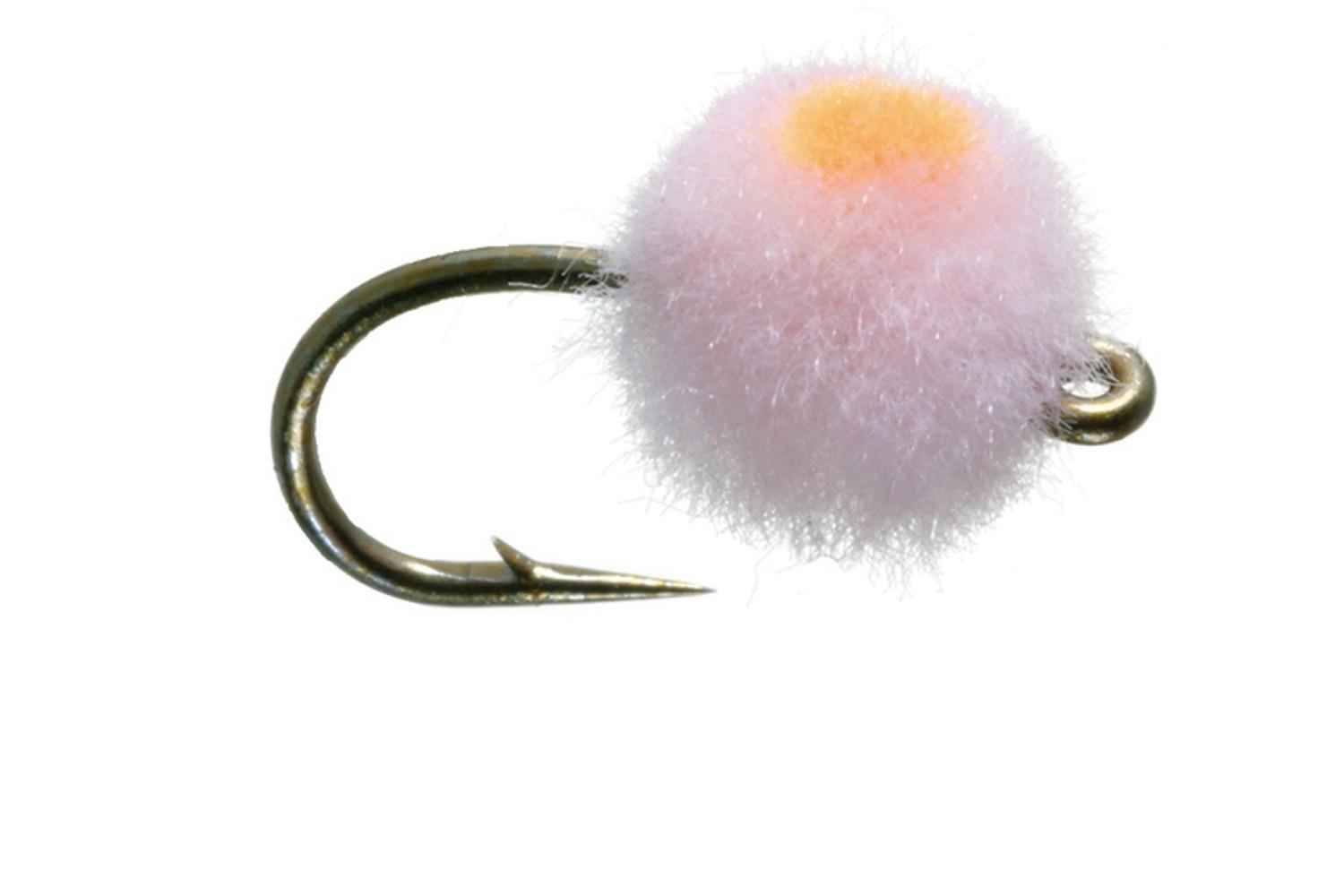
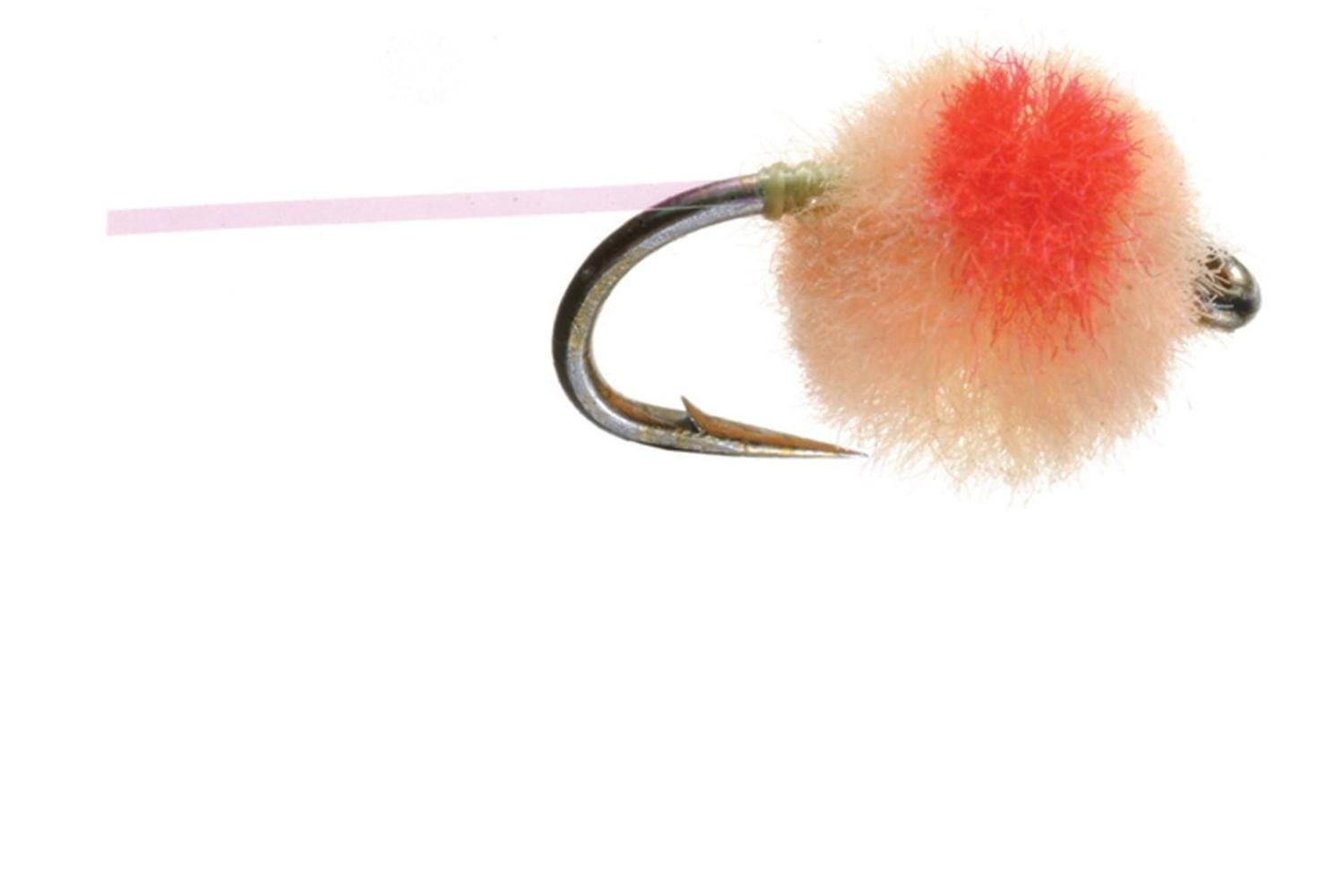
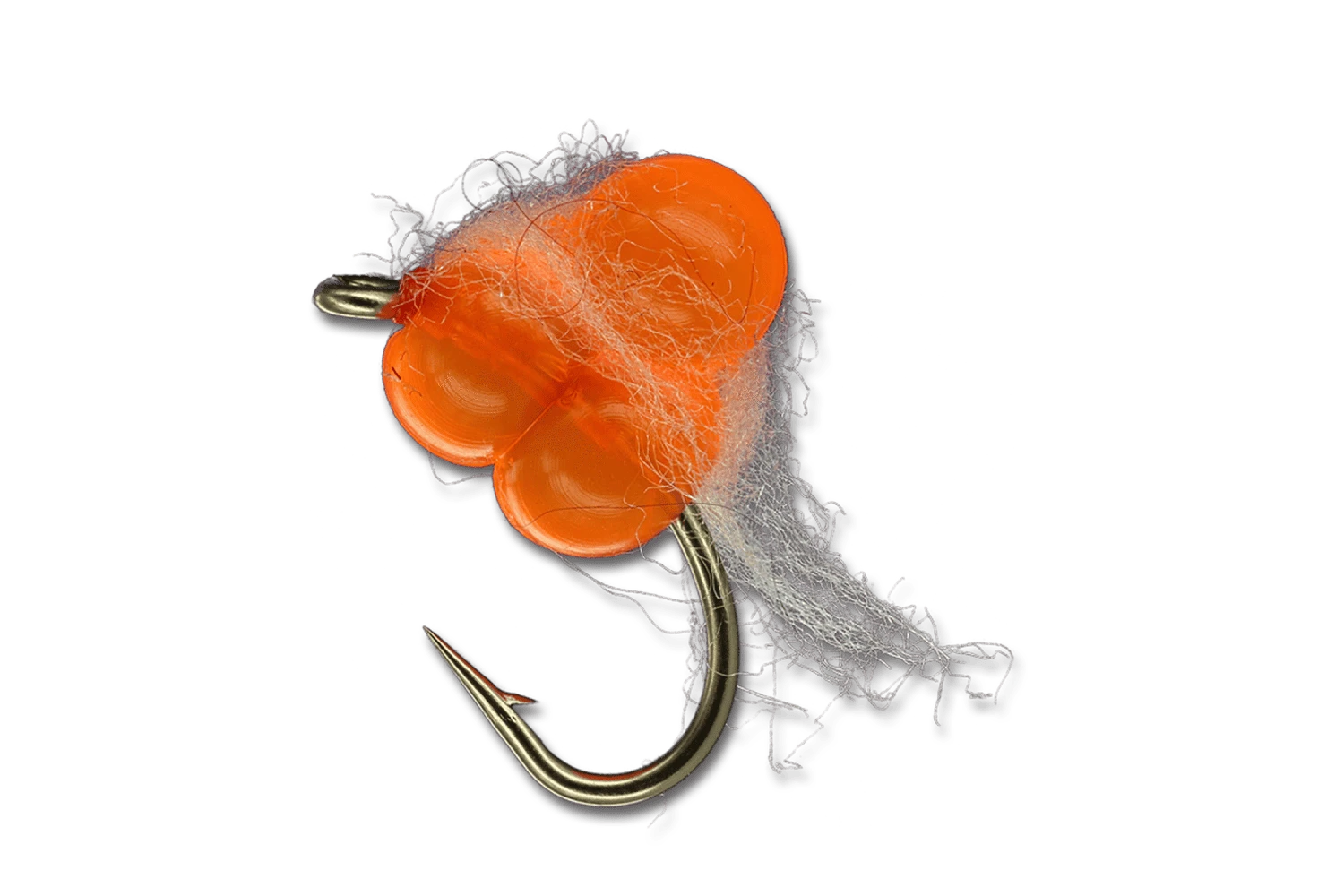
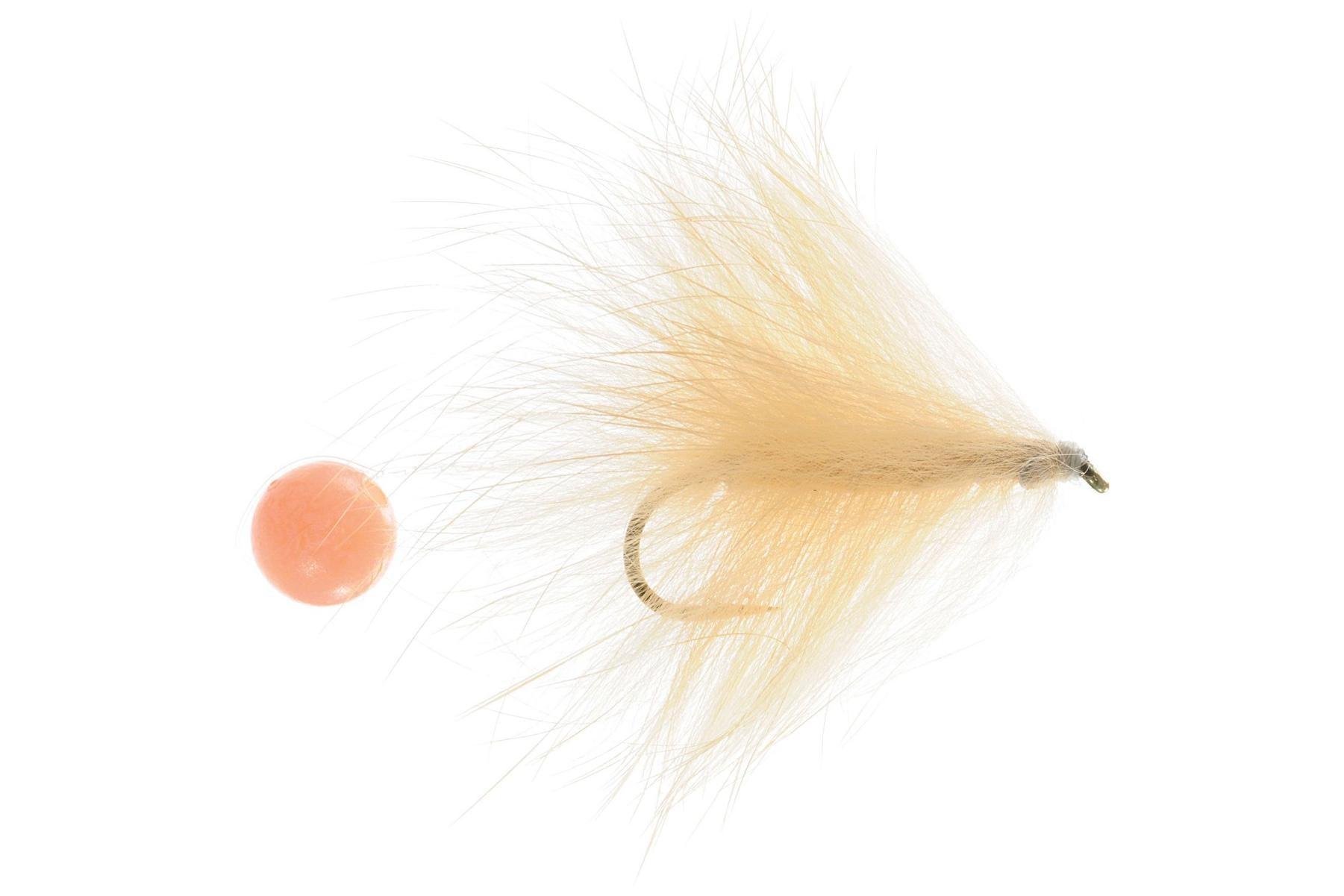
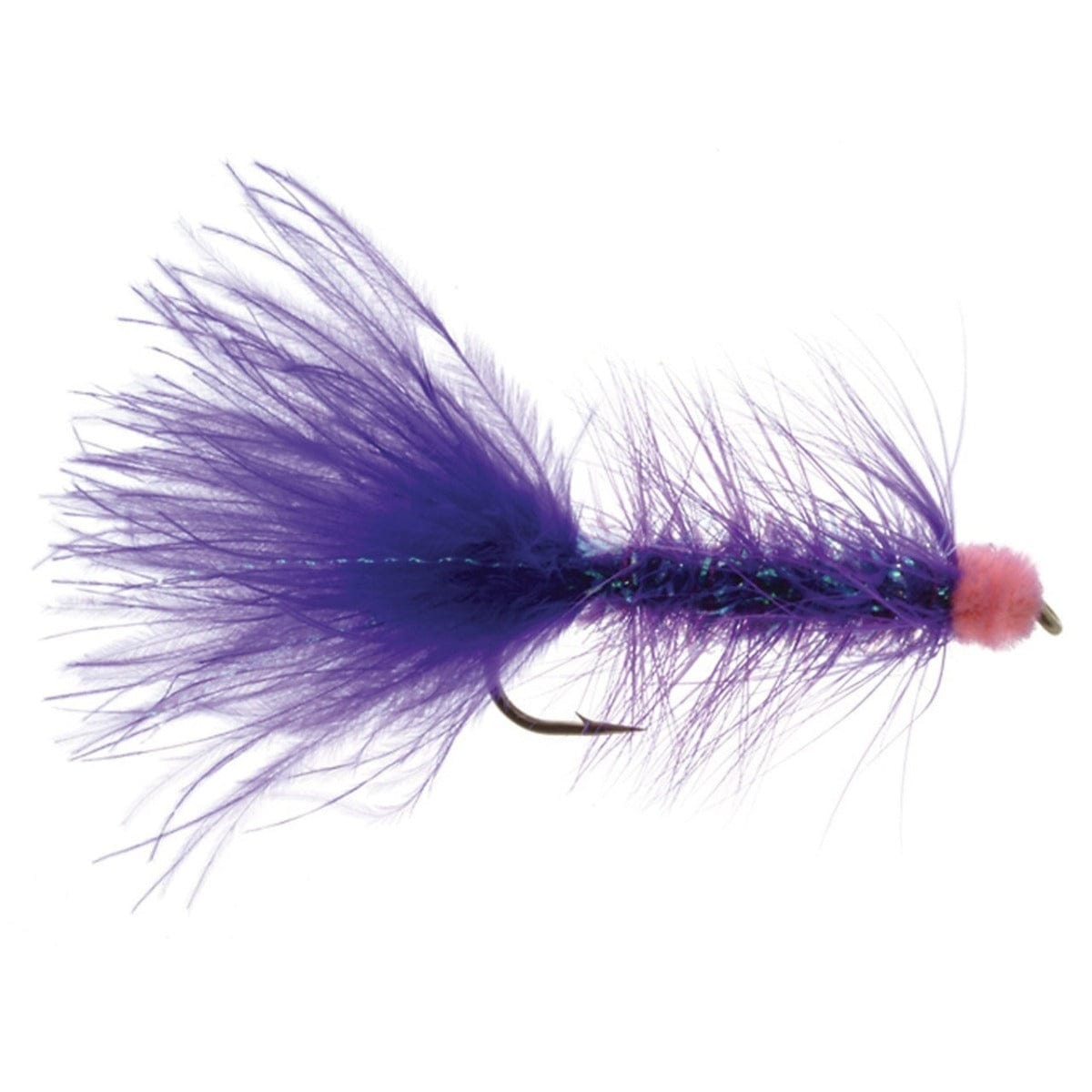
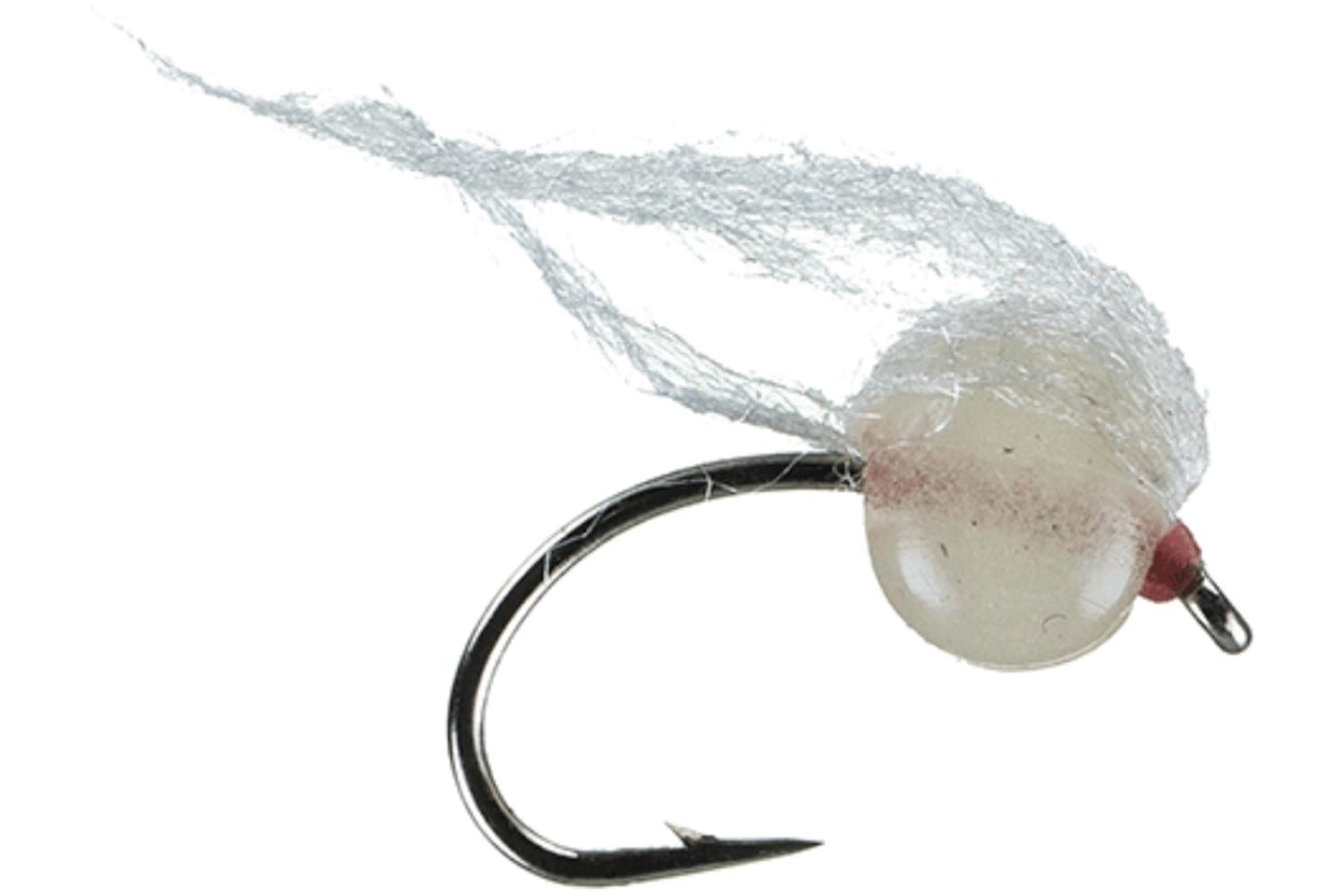
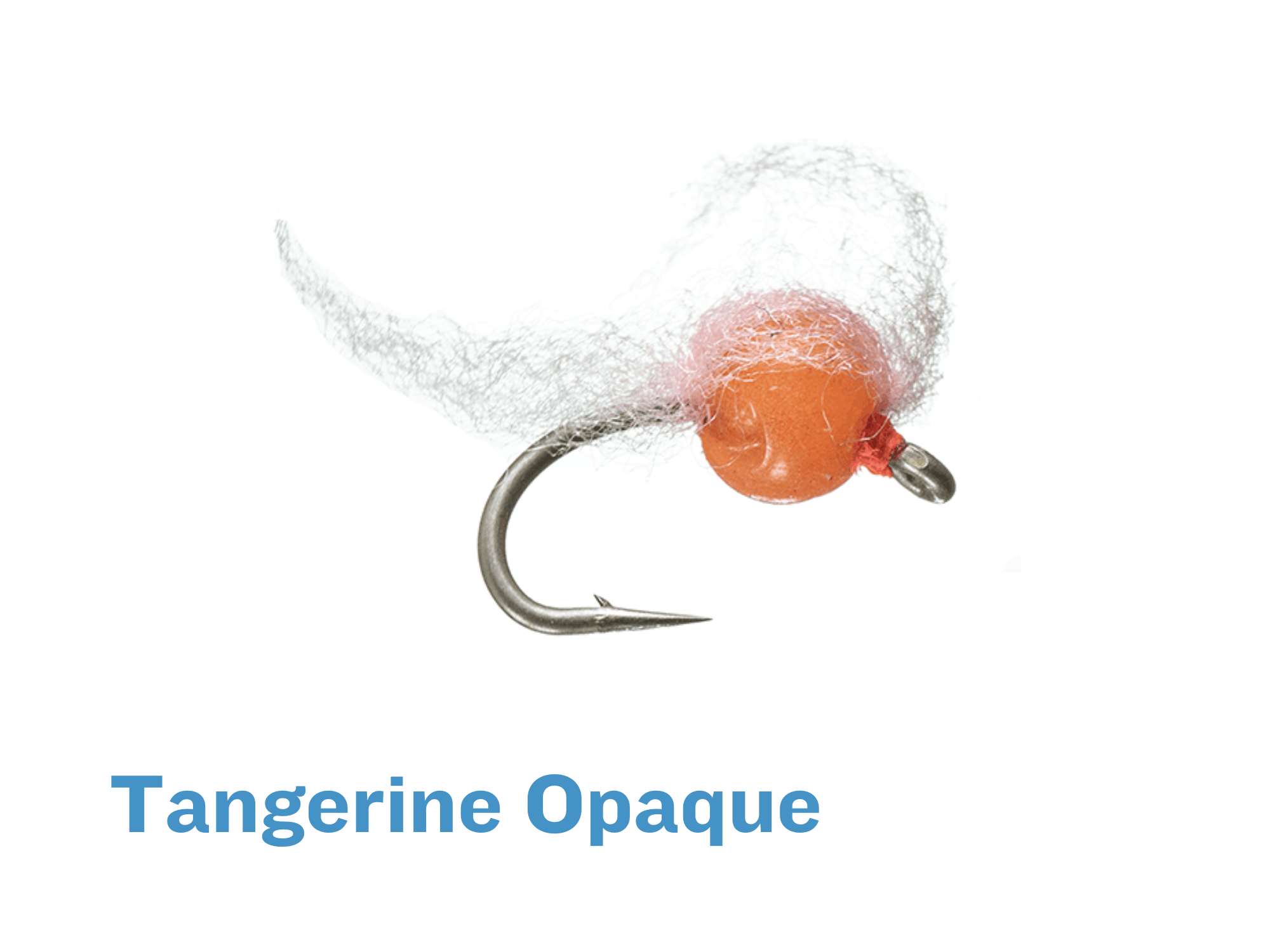
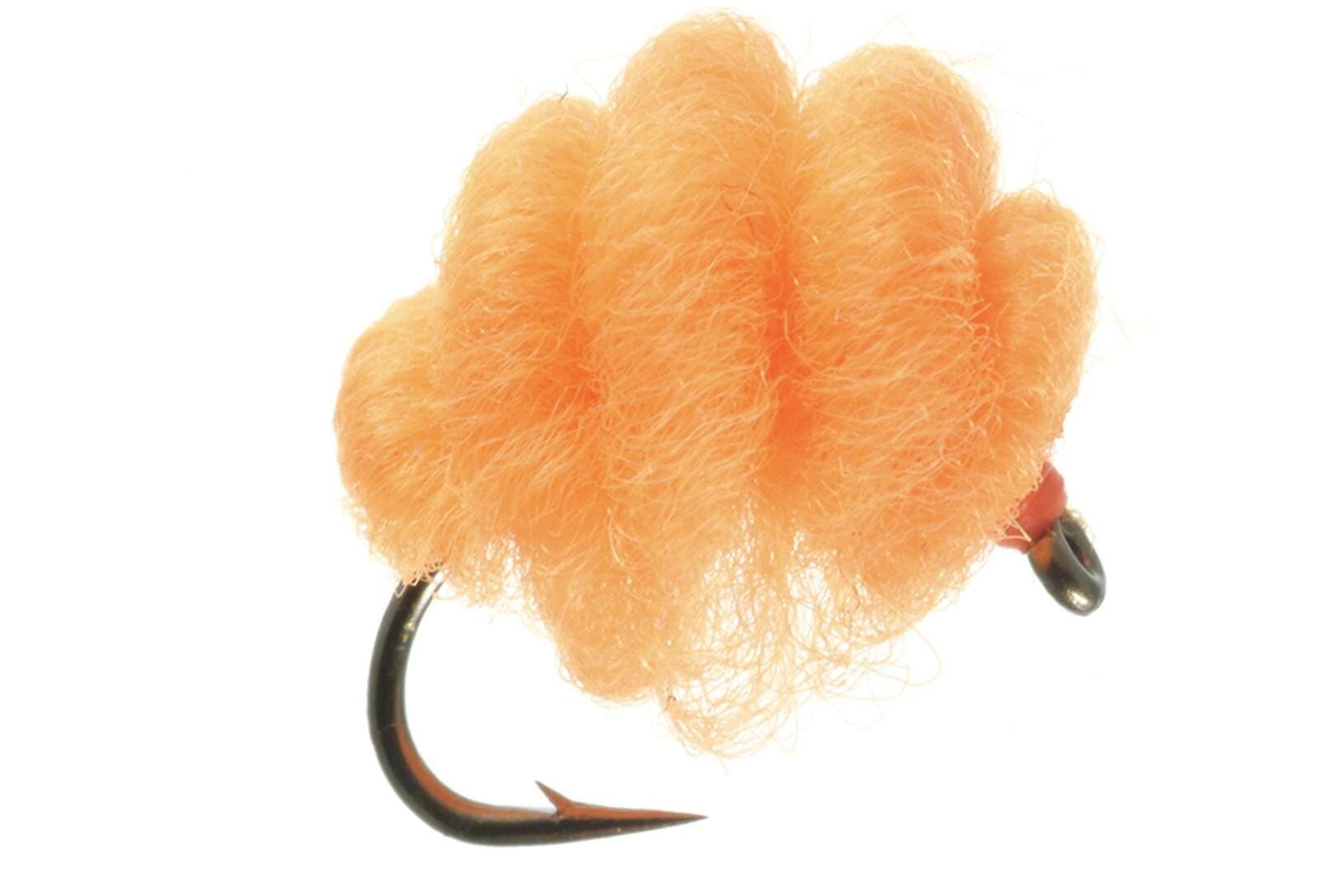
Best Value: Soft Egg Fly - For anyone fishing Great Lakes tribs, Alaska, or any river with spawning salmonids. It is a simple, compact pattern that pairs well with an indicator and a dead drift.
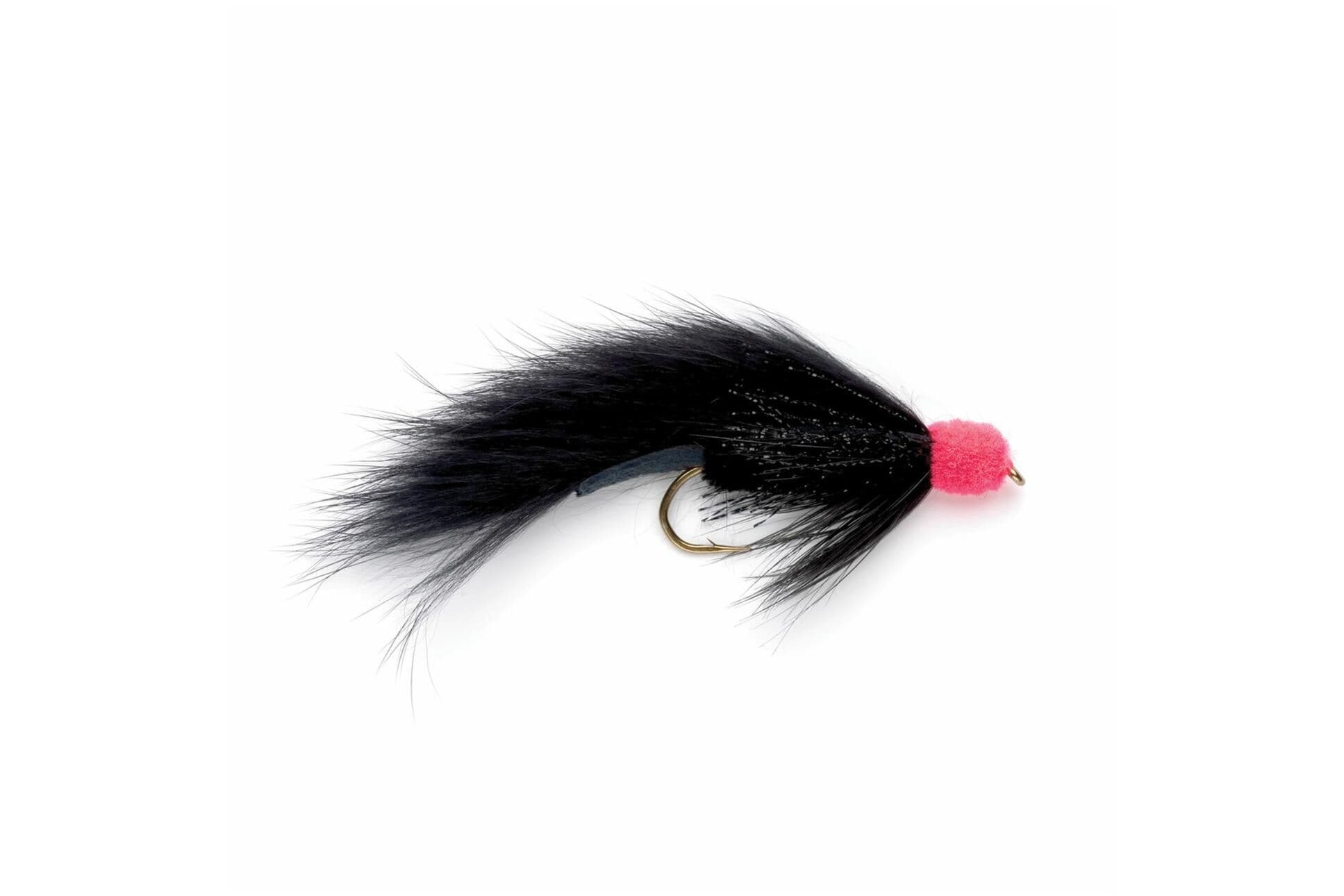
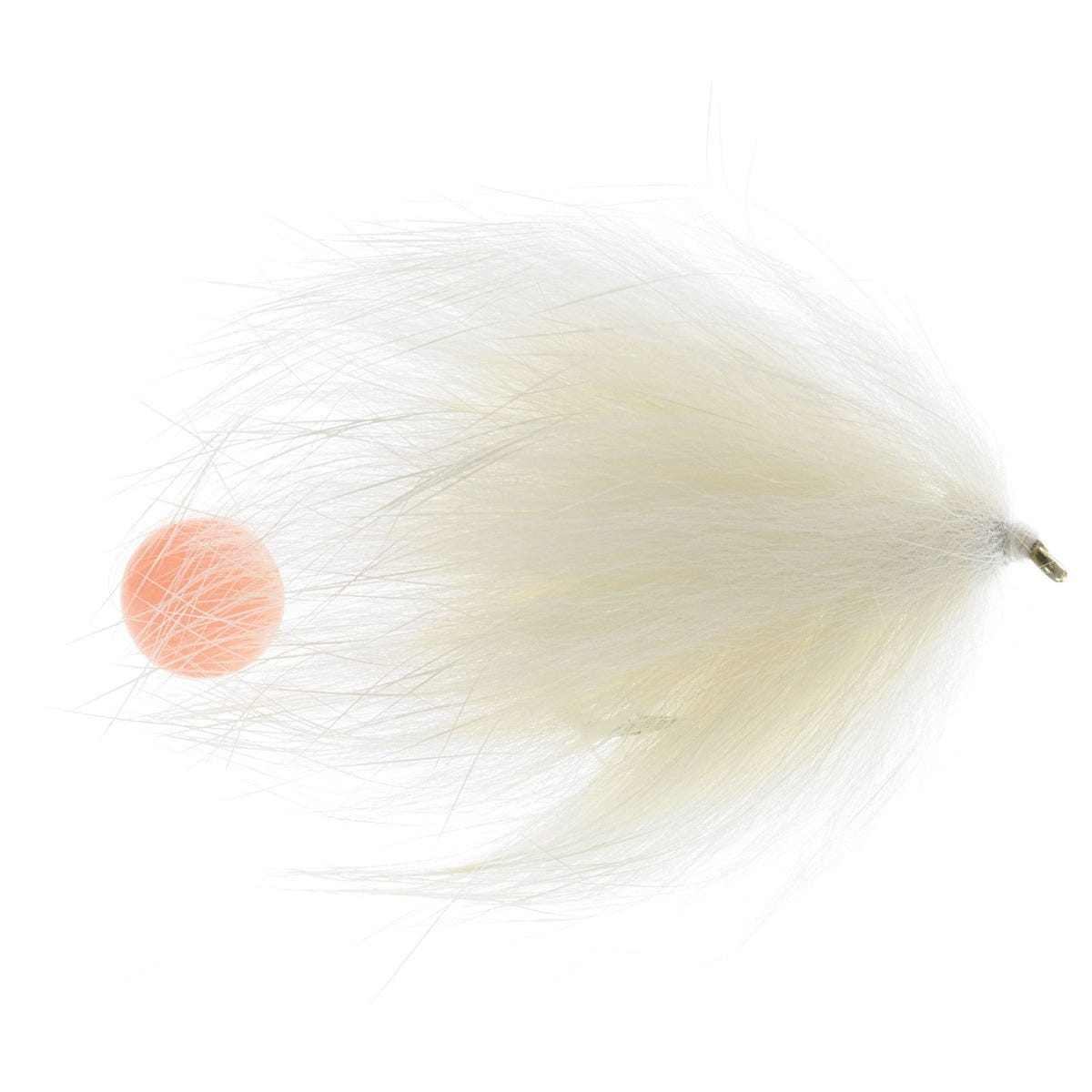
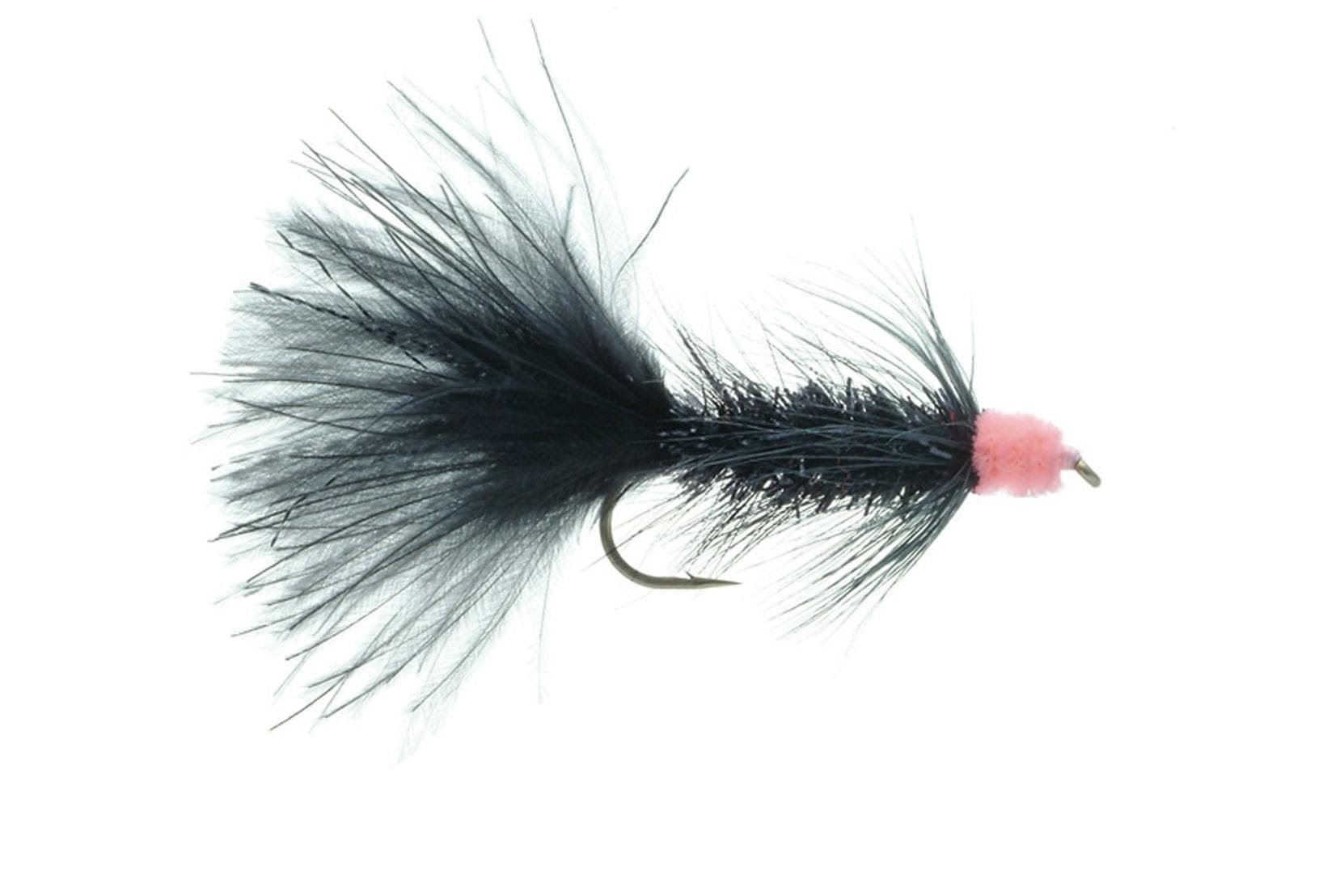
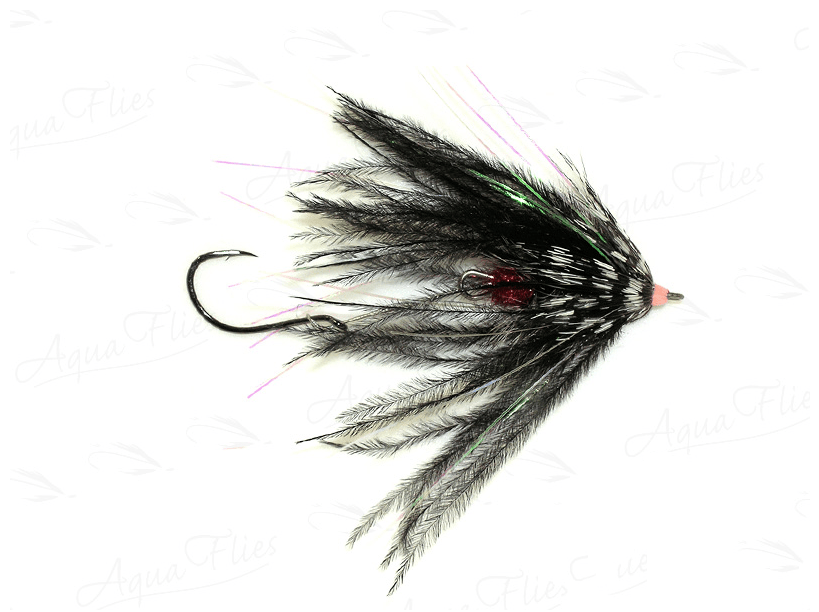
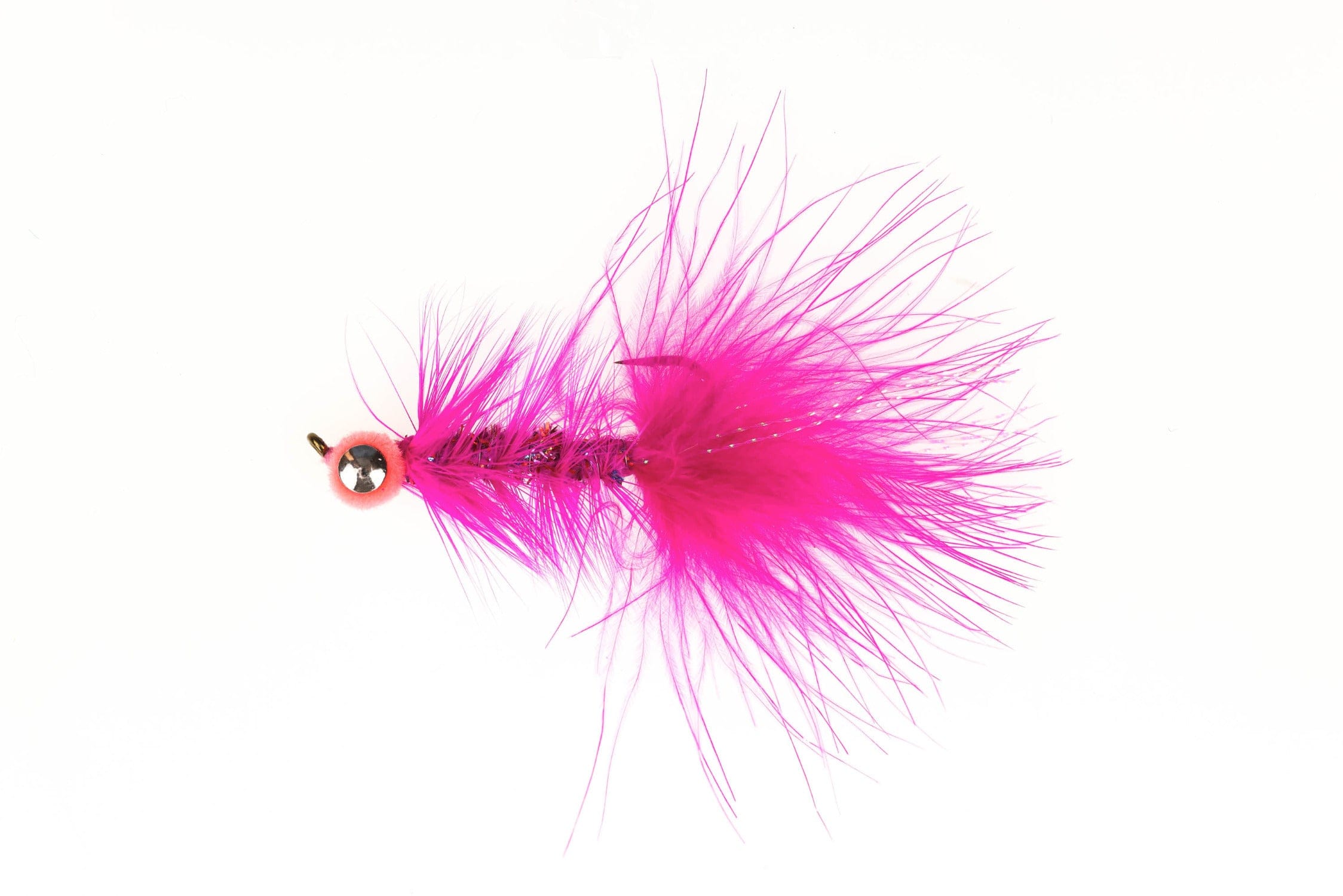
Best for Spawning Season: Umpqua Egg Sucking Leech Fly - For times when fish are keyed on eggs but still want a dark leech profile. The egg-style hot spot gives steelhead a clear target in green or slightly stained water.
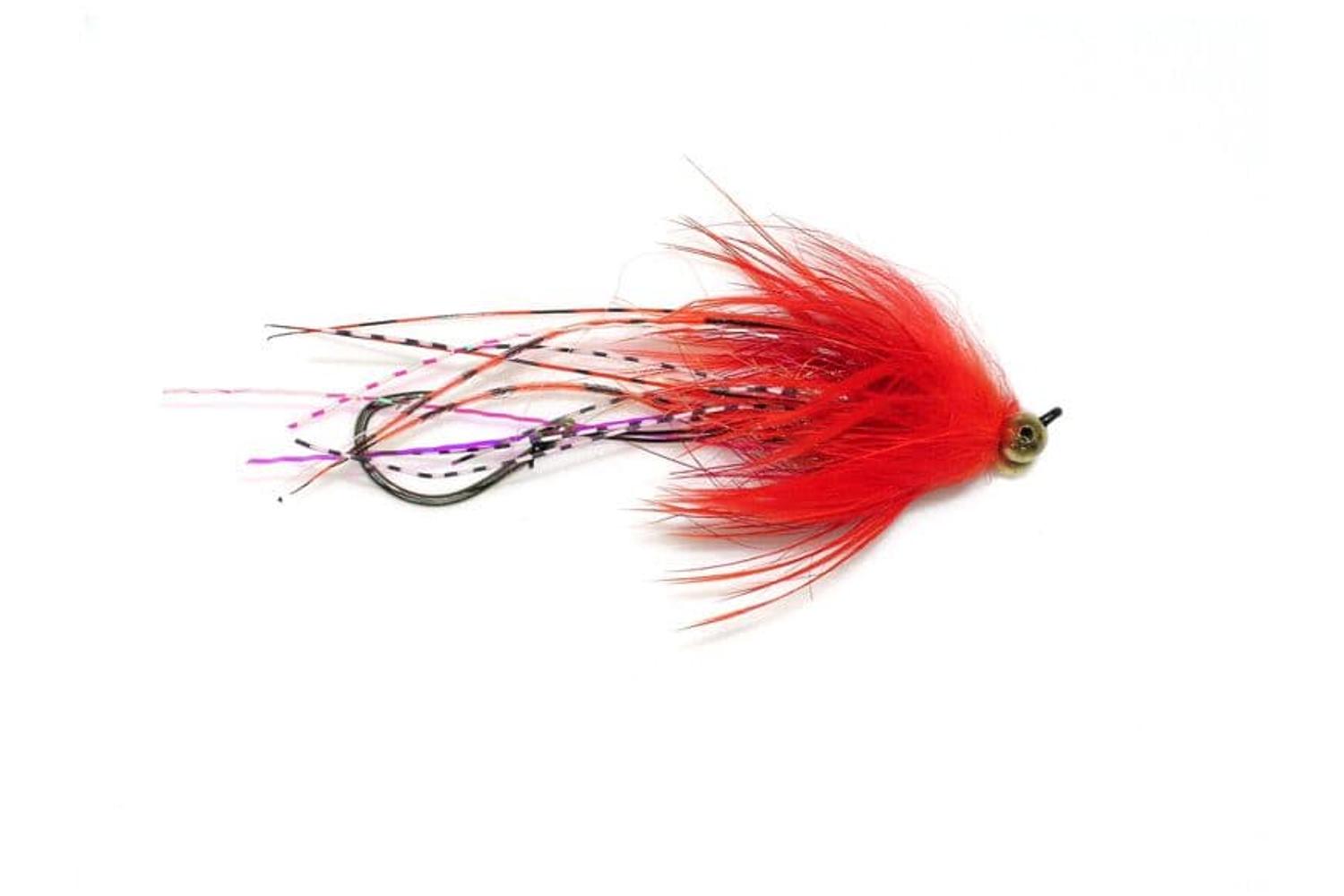
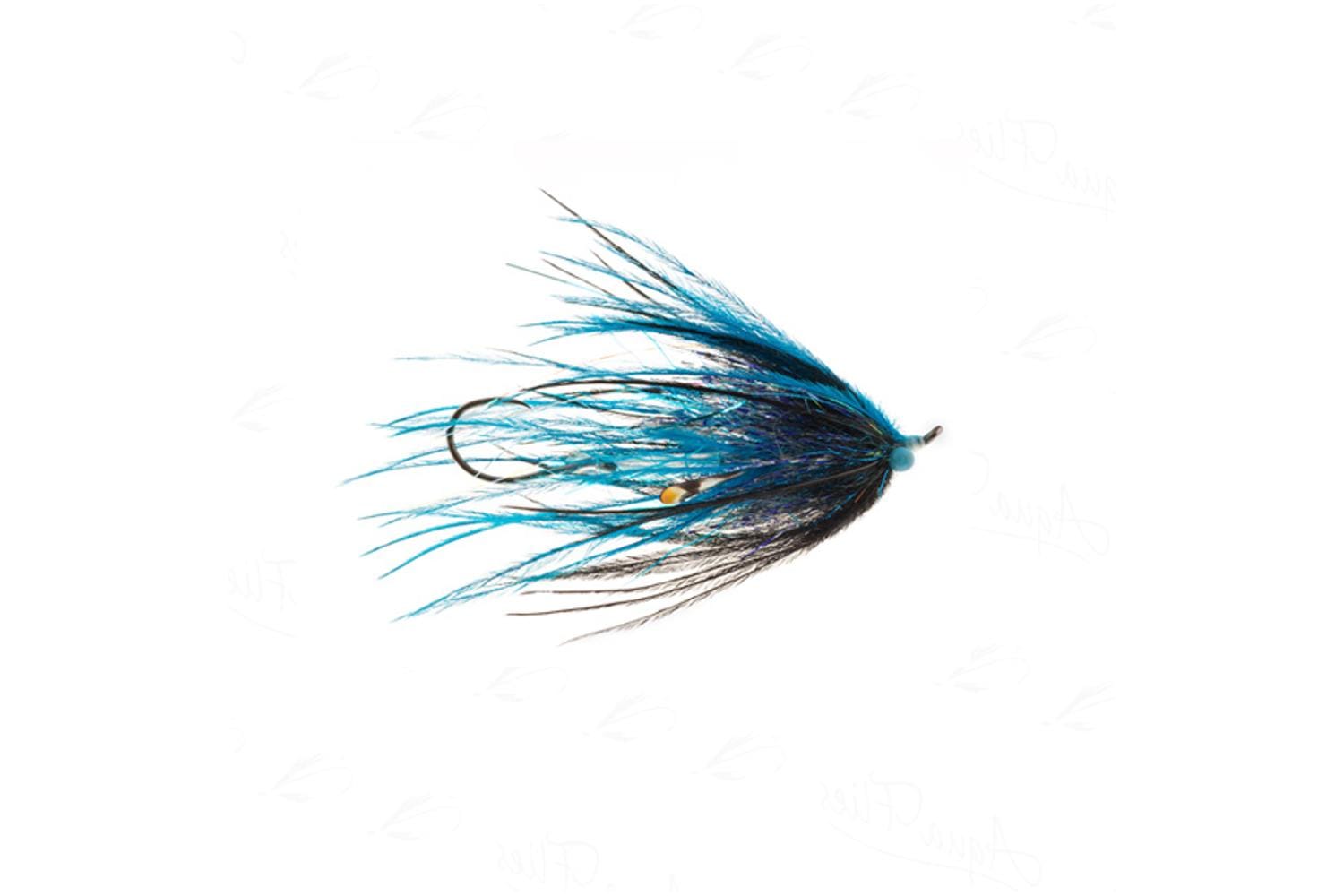
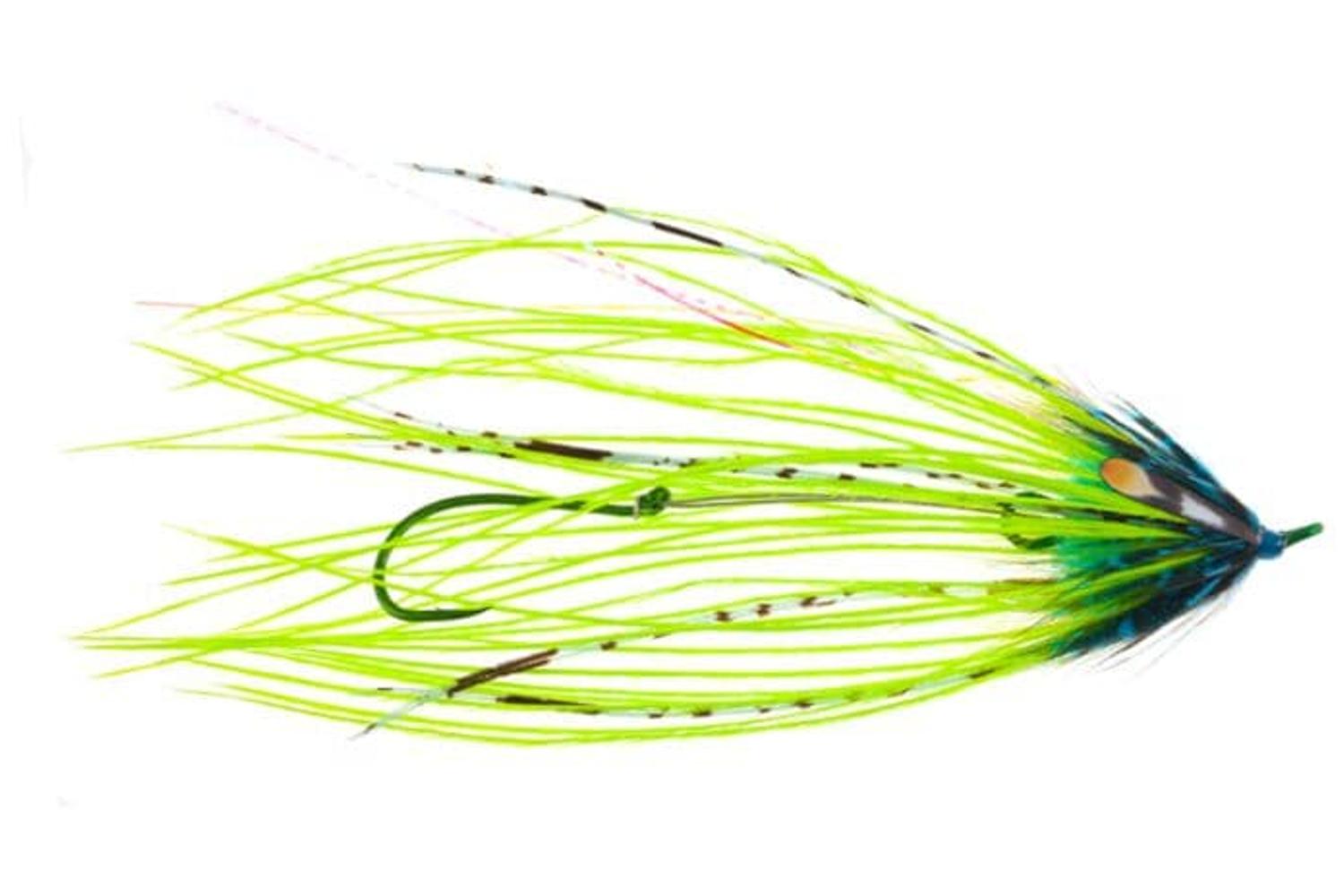
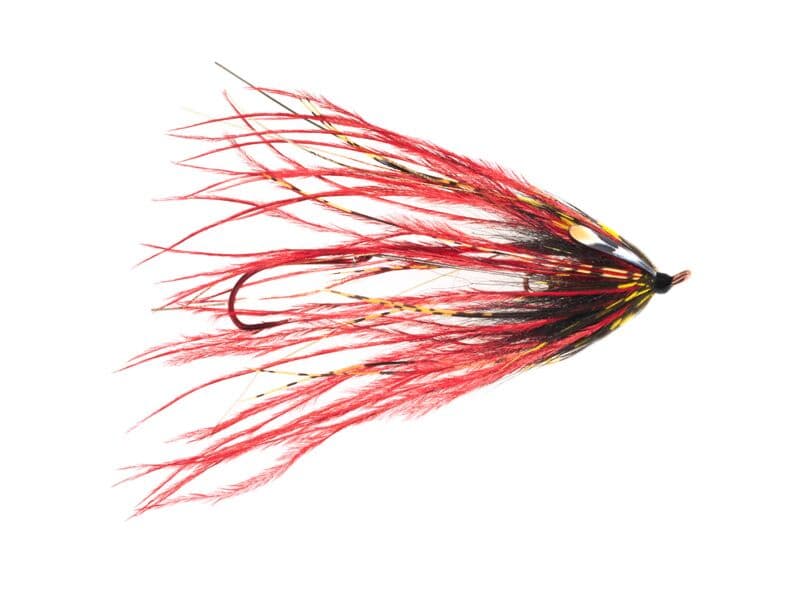
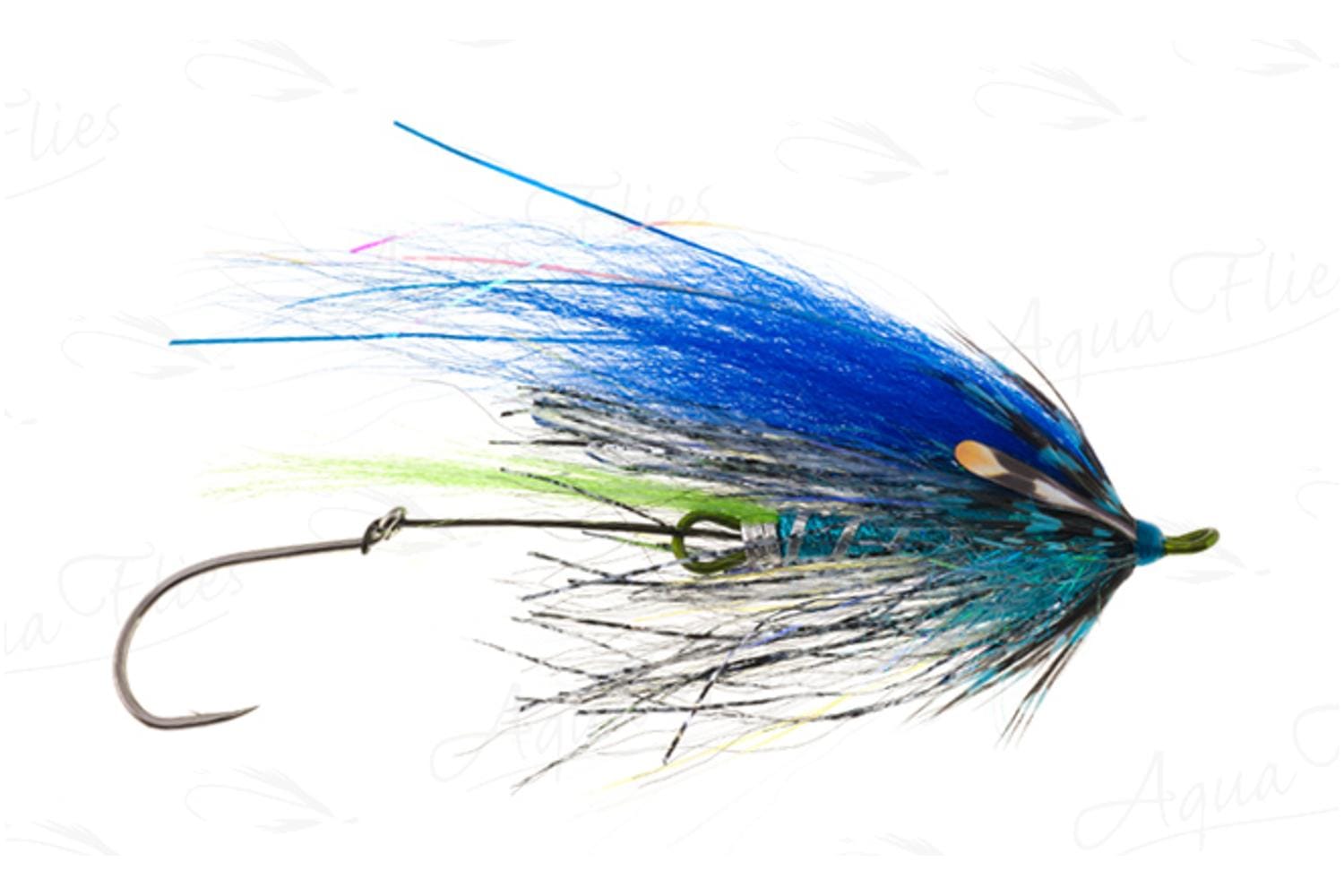
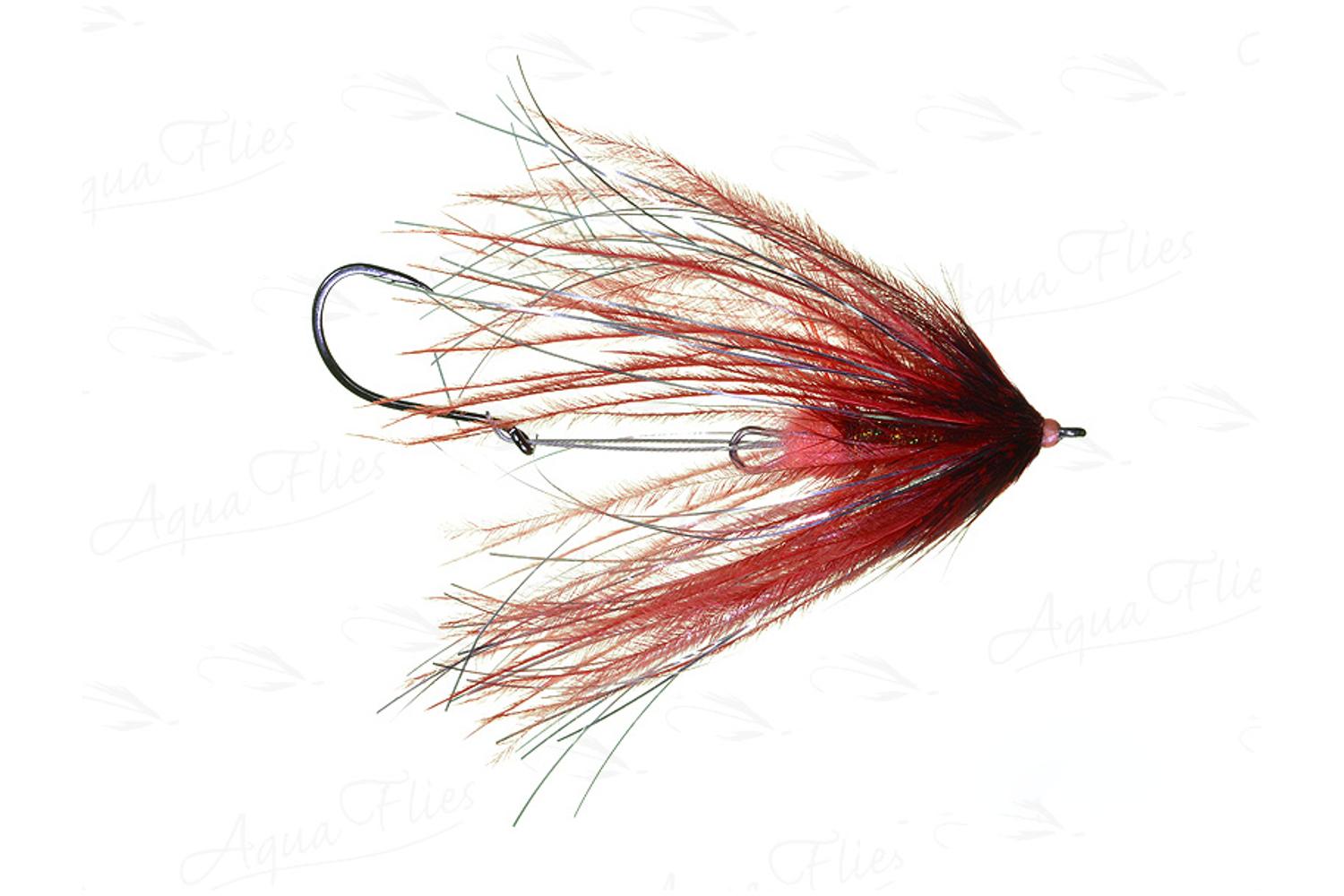
Best Big Water Swing: Brett's Klamath Intruder Fly - For two-hand anglers covering classic swing water with a bigger, flowing silhouette. The shank-and-stinger style setup is built for fish that short-strike large flies.
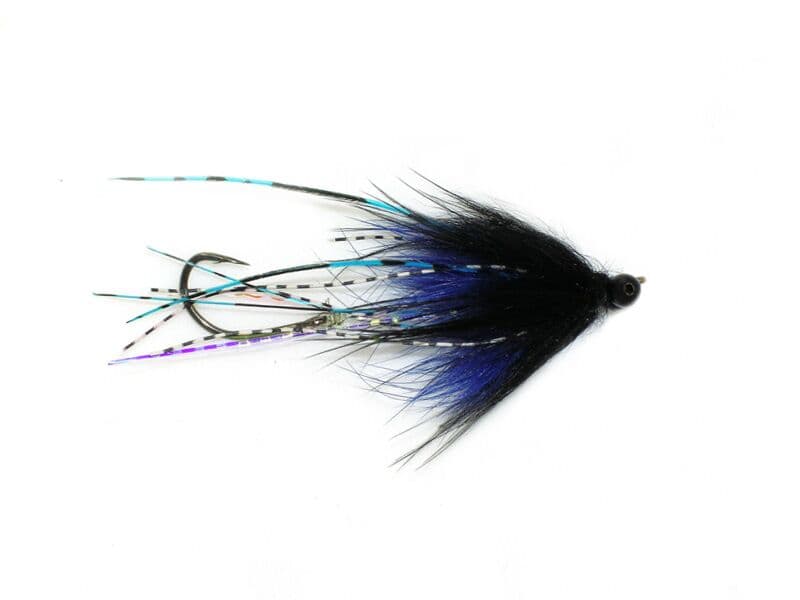
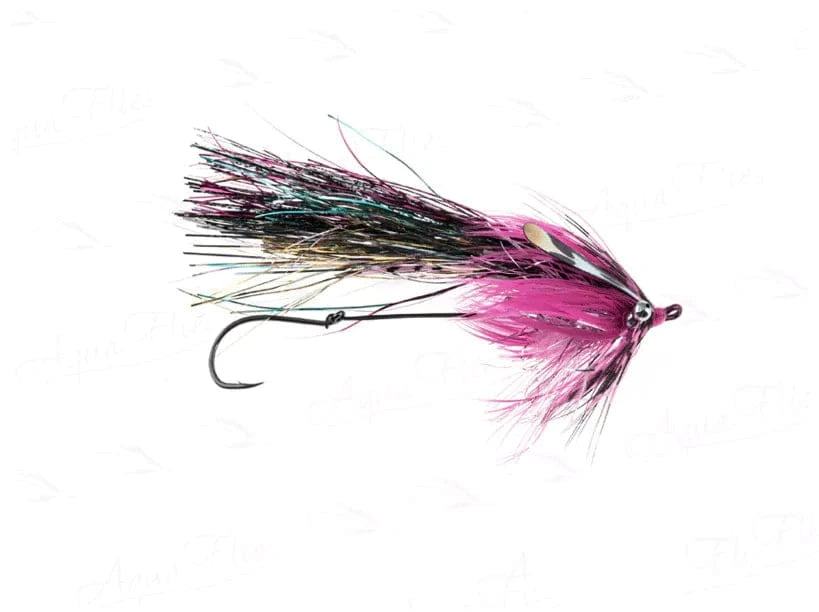
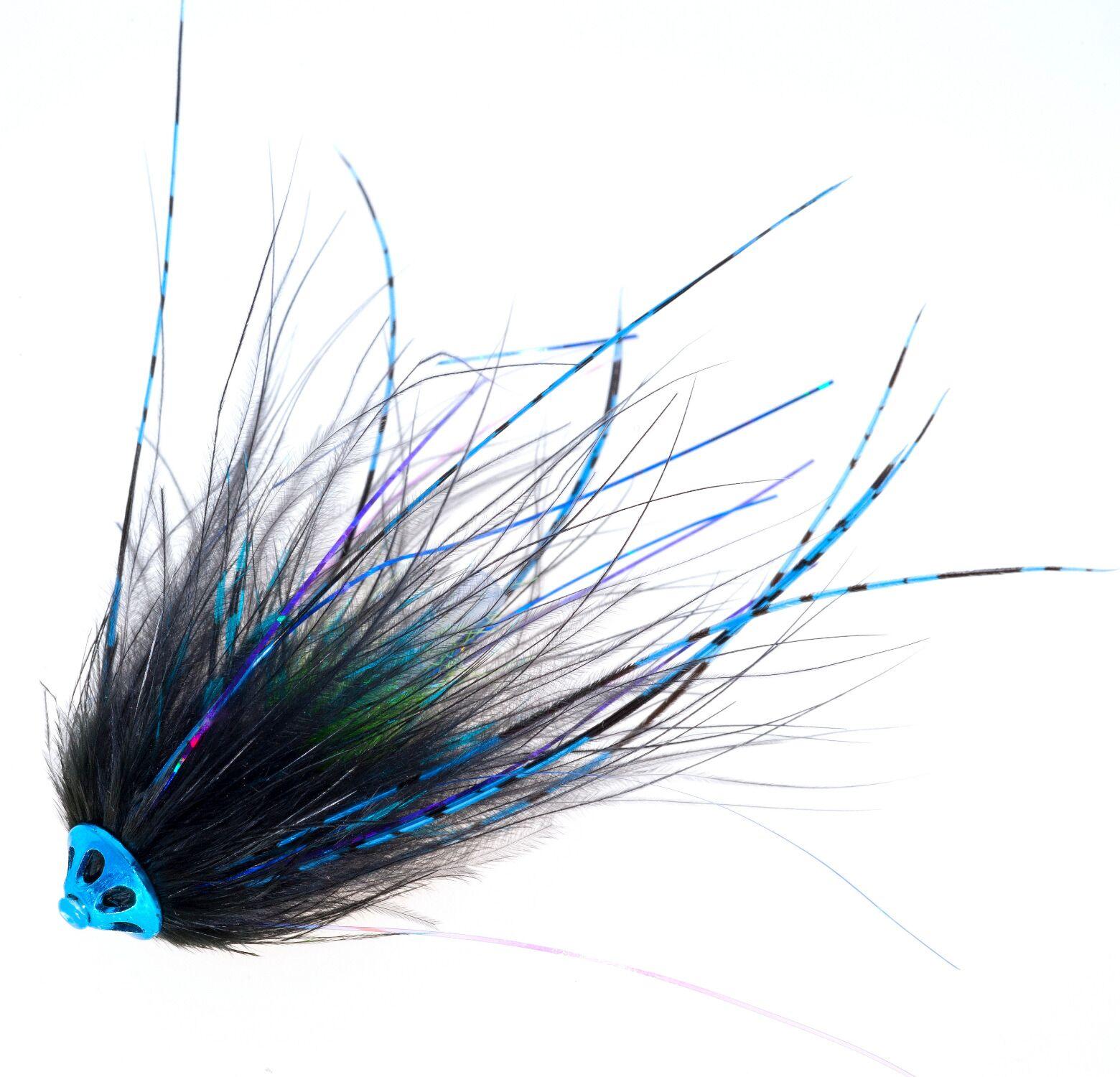
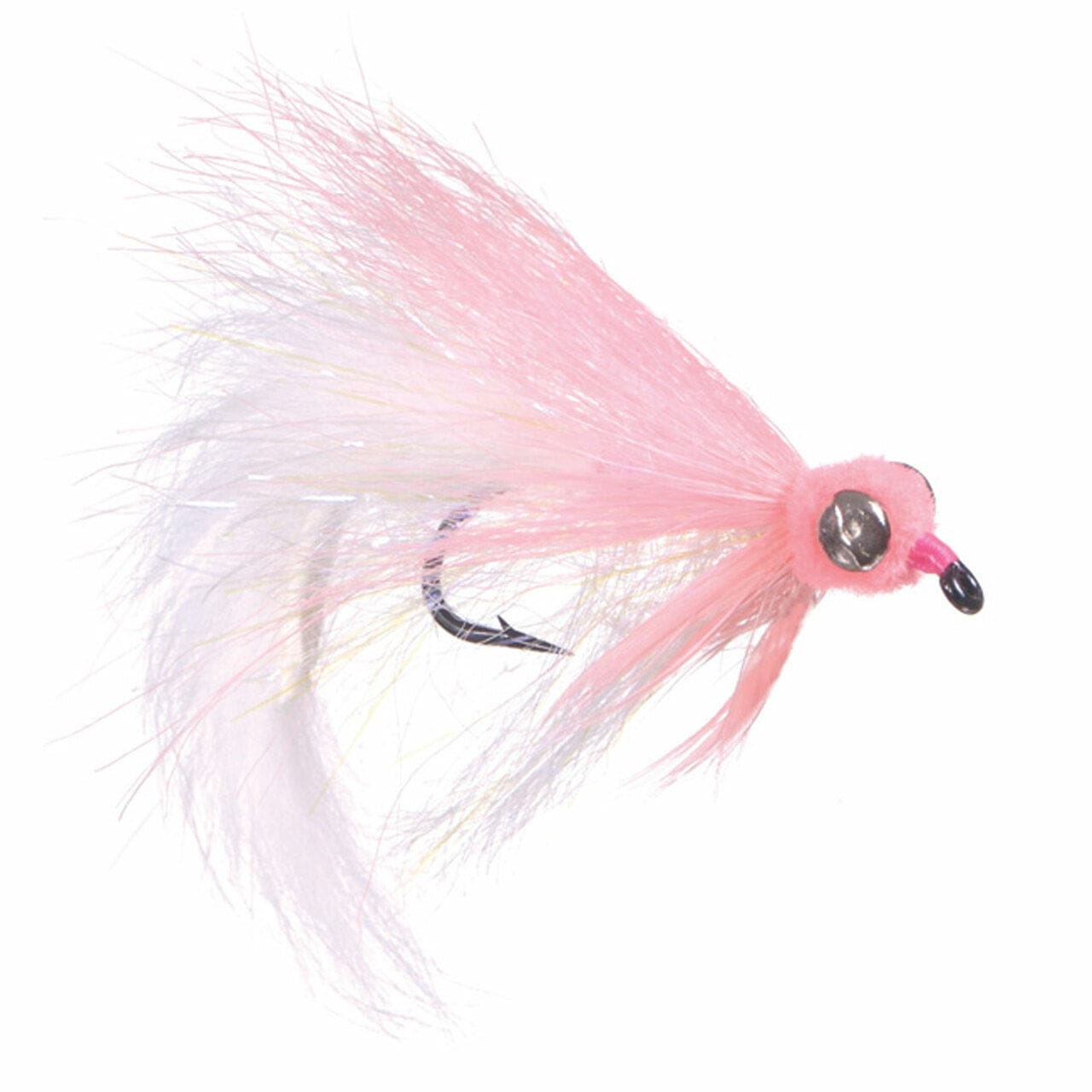
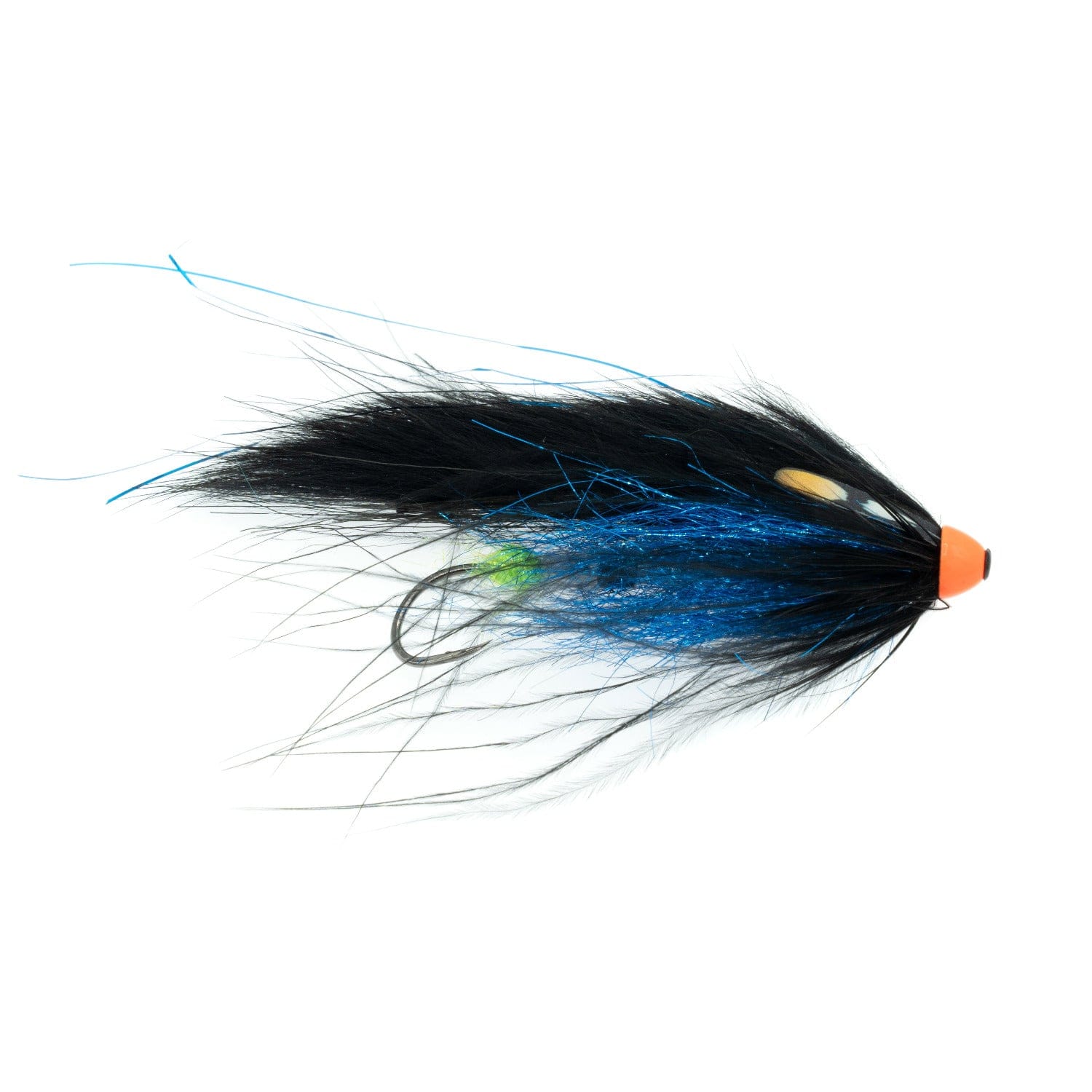
Best Flashy Option: Senyo's Artificial Intelligence Fly - For anglers who like a brighter, flash-forward profile for Great Lakes and Pacific salmon and steelhead rivers. It is a strong pick when light and glare make subtle patterns harder to see.
How to Choose Steelhead Flies
1) Match the presentation to your water
Action: Decide how you plan to fish first, then pick flies that match that job.
Swinging: Look for intruders, tubes, and larger streamers that move well under tension.
Dead drifting: Egg patterns and steelhead nymphs are go-to choices when you are fishing under an indicator.
Skating: Surface flies are a specialty play for warmer water and summer-run behavior.
2) Use size and profile to solve the problem
Best for: Big, pushy water and fresh fish, start with a larger profile that fish can track. In low, clear flows, downsizing often helps, especially for fish that have seen pressure.
Avoid if: Your fly is hard to cast cleanly, or it is dragging bottom every swing, it is probably too heavy or too big for the setup.
3) Think in simple color buckets
Carry a small range that covers most situations. Dark colors for low light and green water. Bright options for dirty water or when you need a strong trigger. Natural tones for clear water and cautious fish.
4) Use the filters to narrow fast
This collection includes flies from brands like Aquaflies, Umpqua, Solitude, Montana Fly Company, and Rio. Use the on-page filters for brand, pack size, and target species to build a box that matches your river and season.
Materials & Durability
Dry your flies: After fishing, open your fly box so hooks and materials can dry, this helps prevent rust.
Check hook points: If a hook point is rolled or dull from rocks, swap the fly out or touch it up before the next run.
Separate big flies: Keep intruders and bulky streamers in their own section so materials do not get crushed.
Inspect loops and stingers: On shank and stinger-style flies, check junctions for frayed mono or loose wire after fish.
Complete Your Setup
Related Gear
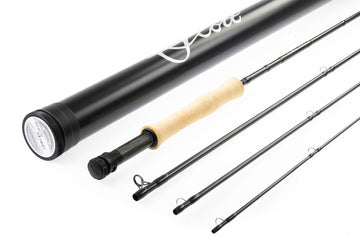
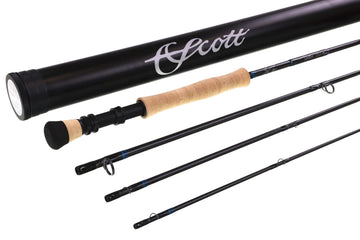
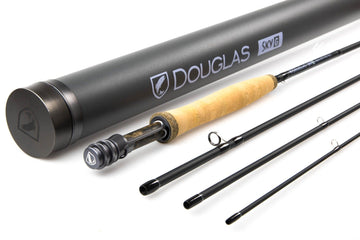
Spey & Switch Fly Rods - Built for covering water and controlling the swing on larger rivers.
Spey Lines - Match Skagit or Scandi style to your fly size and how deep you need to fish.
Spey Tips - Change depth fast without re-rigging your whole line system.
Leaders - Build cleaner turnover and better fly control, especially when swinging.
Related Guides
Steelhead Flies FAQs
Q: What are steelhead flies used for?
A: Steelhead flies are patterns used to target migratory rainbow trout in rivers and tributaries. They are commonly fished on the swing with Spey and switch setups, or dead drifted under an indicator.
Q: Should I swing or dead drift steelhead flies?
A: Swinging covers water fast and is a classic way to fish for steelhead in broad runs. Dead drifting is common in Great Lakes-style fishing and anytime fish are holding tight to the bottom.
Q: What size steelhead flies should I start with?
A: Start with a mix of small egg and nymph patterns plus a few larger streamers or intruders. If the water is low and clear, lean smaller, if it is high or off-color, lean bigger and brighter.
Q: Do I need weighted flies for steelhead?
A: Not always. Many swing flies fish well with sink tips and unweighted patterns, while dead-drift rigs often use split shot or tungsten beads to reach depth.
Q: What colors should I carry for steelhead flies?
A: A simple spread is usually enough: dark (black, purple), bright (pink, chartreuse, orange), and a few natural tones. Rotate colors based on water clarity and light.
Q: Are steelhead flies good for beginners?
A: Yes, especially egg patterns and simple leeches, because they are easy to fish and cover common food and trigger cues. For swinging, start with flies that cast cleanly and do not require extreme sink tips.
Q: How many steelhead flies should I bring for a day?
A: For most trips, a small box with a few eggs, a few nymphs, and several swing flies in different colors is plenty. Bring extra if you are fishing snaggy runs or sharp rocks that beat up hooks.