


The Best Fly Lines For Beginners | How to Choose


Sinking Fly Lines Quick Picks
- Best All-Around: Airflo Depthfinder Fast Sinking Fly Line - Built for anglers who need to get down quickly in lakes, reservoirs, and deeper runs. It’s a simple, full-sink option when depth control matters more than mending.
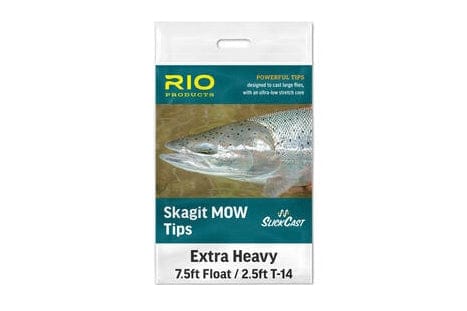
- Best for Skagit Spey: Rio Skagit Mow Medium Tip - A strong fit for two-hand anglers dialing in swing depth without jumping straight to the heaviest tips. It’s a practical “middle of the road” choice for matching water speed and run depth.
- Best for High Water & Heavy Tips: Rio Skagit Mow Heavy Tip - Designed for when you need more sink and more bite to keep flies tracking deep. Great for faster current, colder water, and heavier intruders or leeches.
How to Choose Sinking Fly Lines
Full-sink vs. sink-tip: pick based on where you fish most
Action: Choose a full-sinking line when you need consistent depth in stillwater or deep, uniform runs. Choose a sink-tip when you need to mend, control the swing, or fish mixed depths without dragging the entire line under.
Best for: Full-sink for lake trout, deep stillwater presentations, and dredging structure; sink-tips for swinging streamers, steelhead runs, and river fishing where line control matters.
Sink rate (IPS) is your depth and speed control
Action: Slower sink rates help keep flies tracking higher in the column; faster sink rates get you down quicker in deep water or stronger current. If you’re constantly snagging bottom, slow down your sink rate or shorten your countdown.
Avoid if: Don’t default to the fastest sink you can find, too much sink can pull your fly out of the “follow-and-eat” zone, especially in shallower rivers.
Match line style to your casting style (single-hand vs. two-hand)
Action: Single-hand anglers usually benefit from an integrated sinking line for stripping streamers or working banks. Two-hand anglers typically fish interchangeable tips on Skagit systems, which makes it easier to adapt to changing flows and depths without re-spooling.
Temperature rating matters more than most anglers think
Action: Use coldwater lines for trout, steelhead, and most freshwater fishing where water temps are cooler. A line that’s too stiff can coil and handle poorly; a line that’s too soft can feel sticky or sluggish in heat.
Compatibility
- Line weight: Match the fly line weight (or grain window, on two-hand systems) to your rod’s recommendation before anything else.
- Connections: Loop-to-loop is fast and clean, but check your loops for cracks and wear, especially on tips that get swapped often.
- Leader setup: For sinking lines, many anglers prefer shorter, stouter leaders to help turnover streamers and maintain depth.
- Retrieve and depth: Your countdown plus retrieve speed controls running depth, test it early in the day and adjust before you commit to a spot.
- Managing tangles: Stretch your line before fishing and keep coils organized in a stripping basket or at your feet.
Complete Your Setup
Related Gear
- Backing - Spool your reel correctly and keep enough capacity for longer runs.
- Leaders - Dial in turnover and presentation for sinking lines, sink tips, and streamer rigs.
- Tippet - Add abrasion resistance and the right diameter for your flies and target species.
- Spey Tips - A smart add-on for two-hand systems when you want more depth options without changing heads.
Related Guides
- How to Choose the Best Fly Line for Beginners
- How to Choose the Best Fly Line for Streamers in 2025
- Fly Line Temps: Tropical vs. Coldwater
- Tropical Saltwater Fly Line Shootout & Buyer's Guide
- Fly Line Shootout, Review, & Buyer’s Guide
Sinking Fly Lines FAQs
Q: What do sinking fly lines do?
A: Sinking fly lines help get subsurface flies into the strike zone faster than floating lines. They’re most commonly used for streamers, deep nymphing in stillwater, and fishing structure where fish hold below the surface.
Q: Should I buy a full-sinking line or a sink-tip?
A: Full-sinking lines are usually best when you want steady depth (especially in lakes). Sink-tips are often easier in rivers because you can mend and manage the swing while still getting the fly down.
Q: What sink rate should I choose?
A: Pick sink rate based on water depth and current speed. Slower sinking lines fish higher and snag less; faster sinking lines reach depth quickly in deep water or strong current.
Q: Are sinking fly lines good for beginners?
A: They can be, especially for simple streamer retrieves in lakes and ponds. The learning curve is mostly about controlling depth (countdown + retrieve speed) and managing slack so you stay in touch with the fly.
Q: Can I use a sinking line for streamers in a river?
A: Yes, but many anglers prefer a sink-tip in moving water for better line control and mending. A full-sink can be effective when you need to stay deep and don’t need to mend much.
Q: Do sinking lines need a different leader setup?
A: Often, yes. Shorter and stouter leaders help turn over bigger flies and keep the system tracking at depth; longer leaders can ride higher and feel less direct.
Q: Why does my line feel coily or sticky?
A: Temperature mismatch is common, lines designed for colder conditions can feel soft or sticky in heat, and warm-water lines can coil badly in cold. Stretching the line before fishing also helps reduce memory.
Sinking Fly Lines Warranty & Resources
This collection includes multiple brands, and warranty coverage varies by manufacturer. If you have a warranty question, check the specific brand’s policy or contact the shop for help matching the issue to the right warranty channel.
