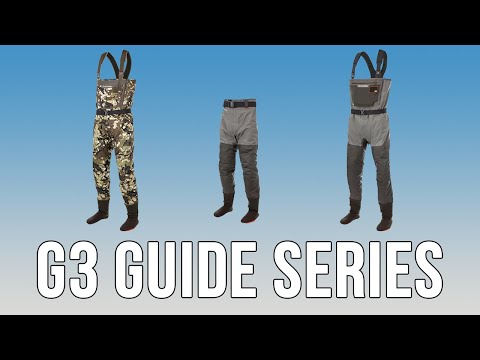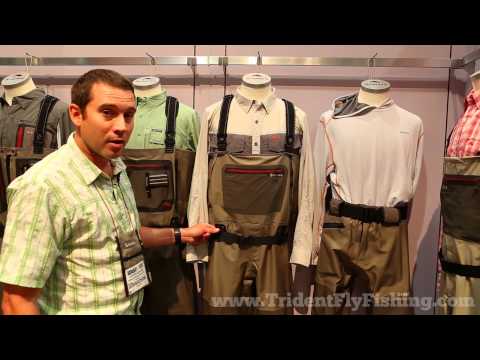
Reviewing EVERY Wader in the Simms Lineup (Tributary to G4Z)
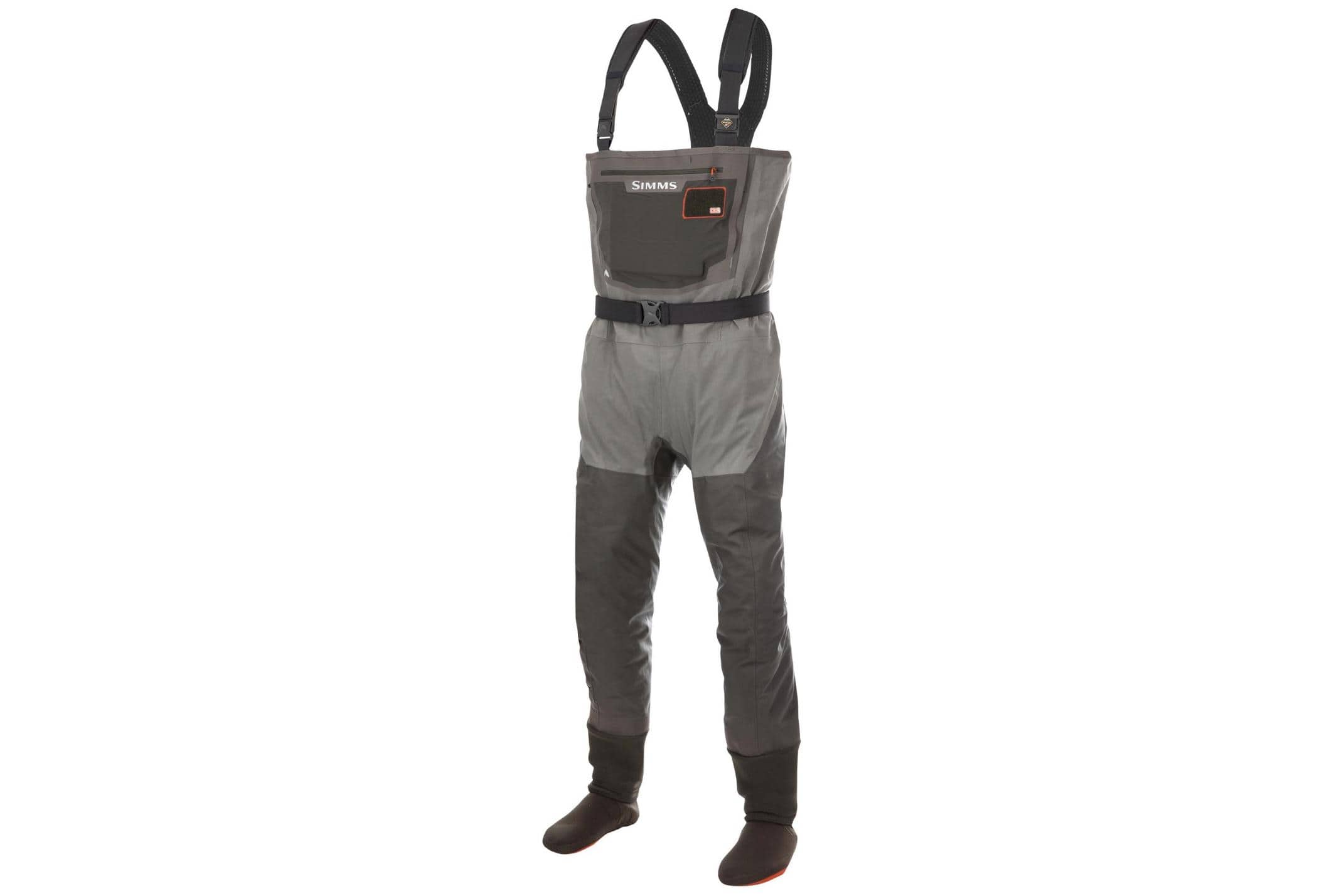
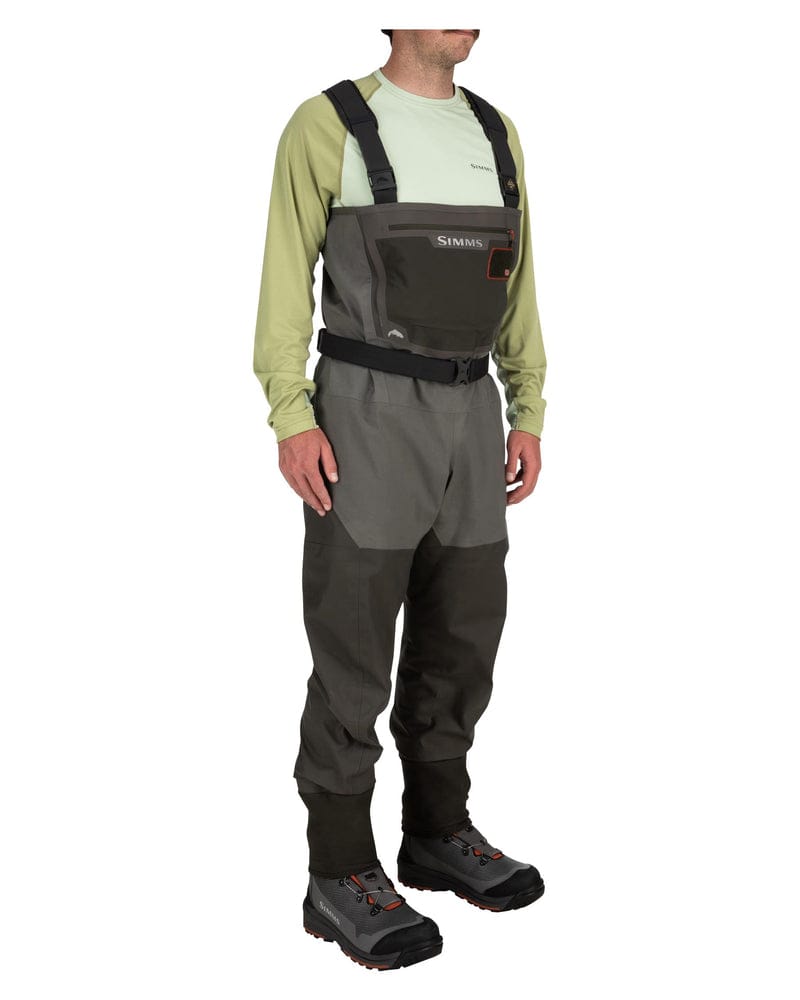


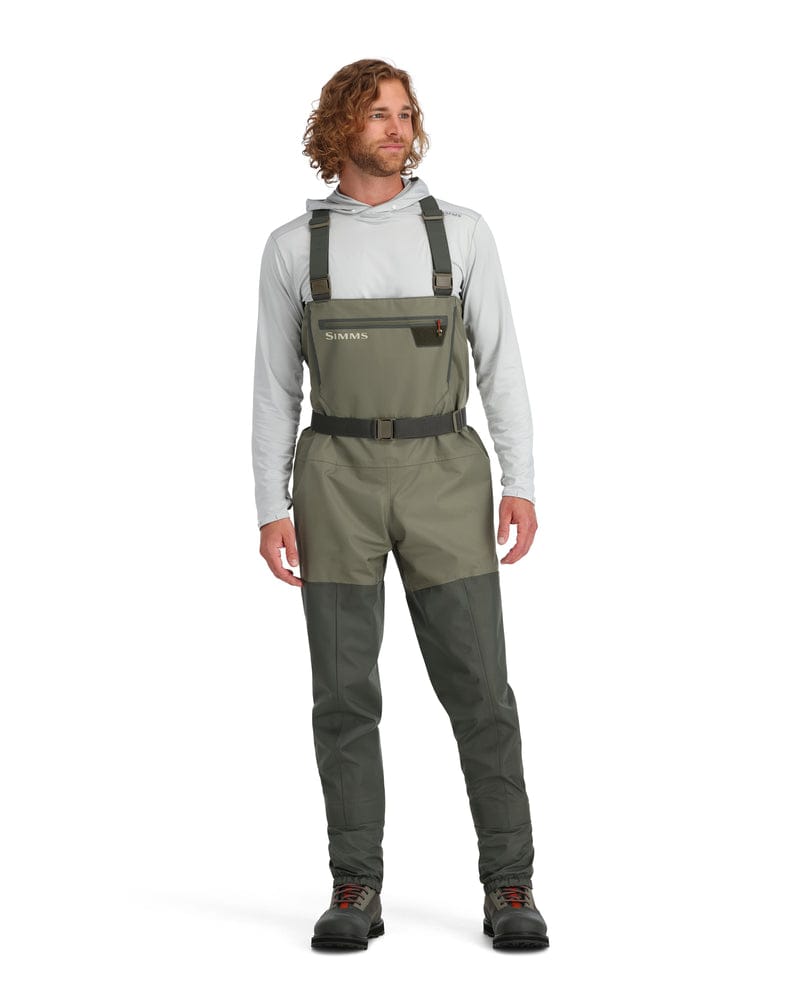
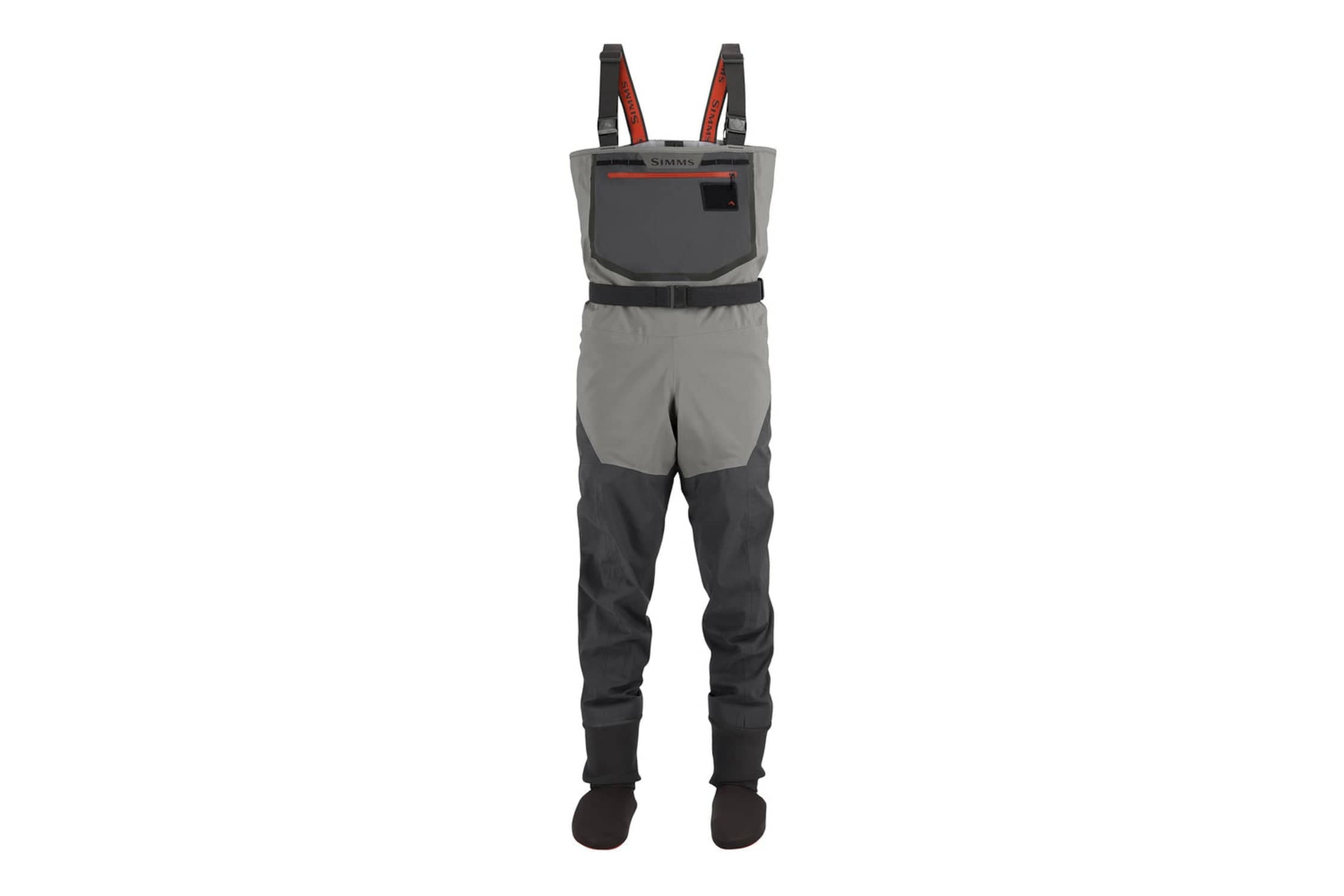

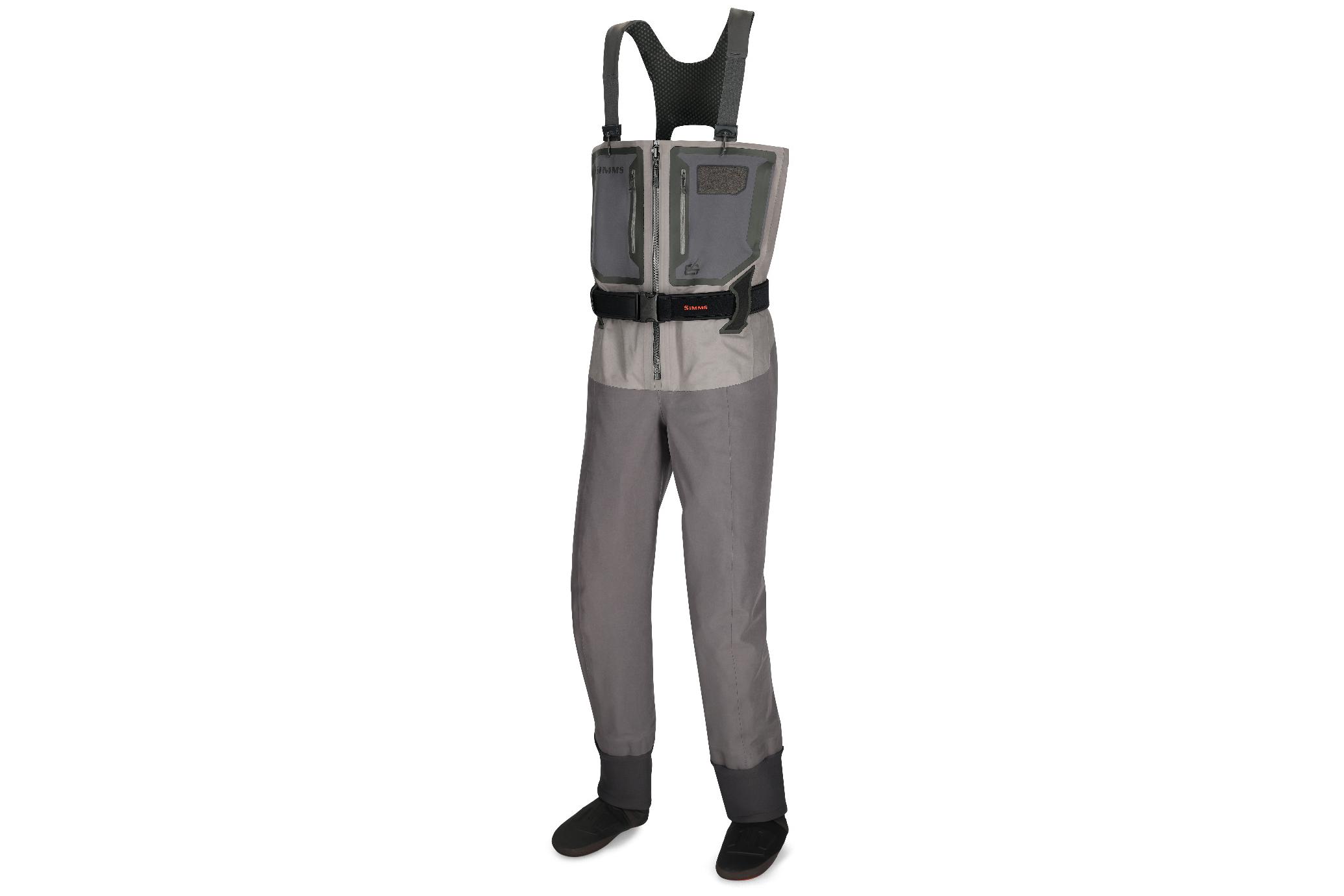






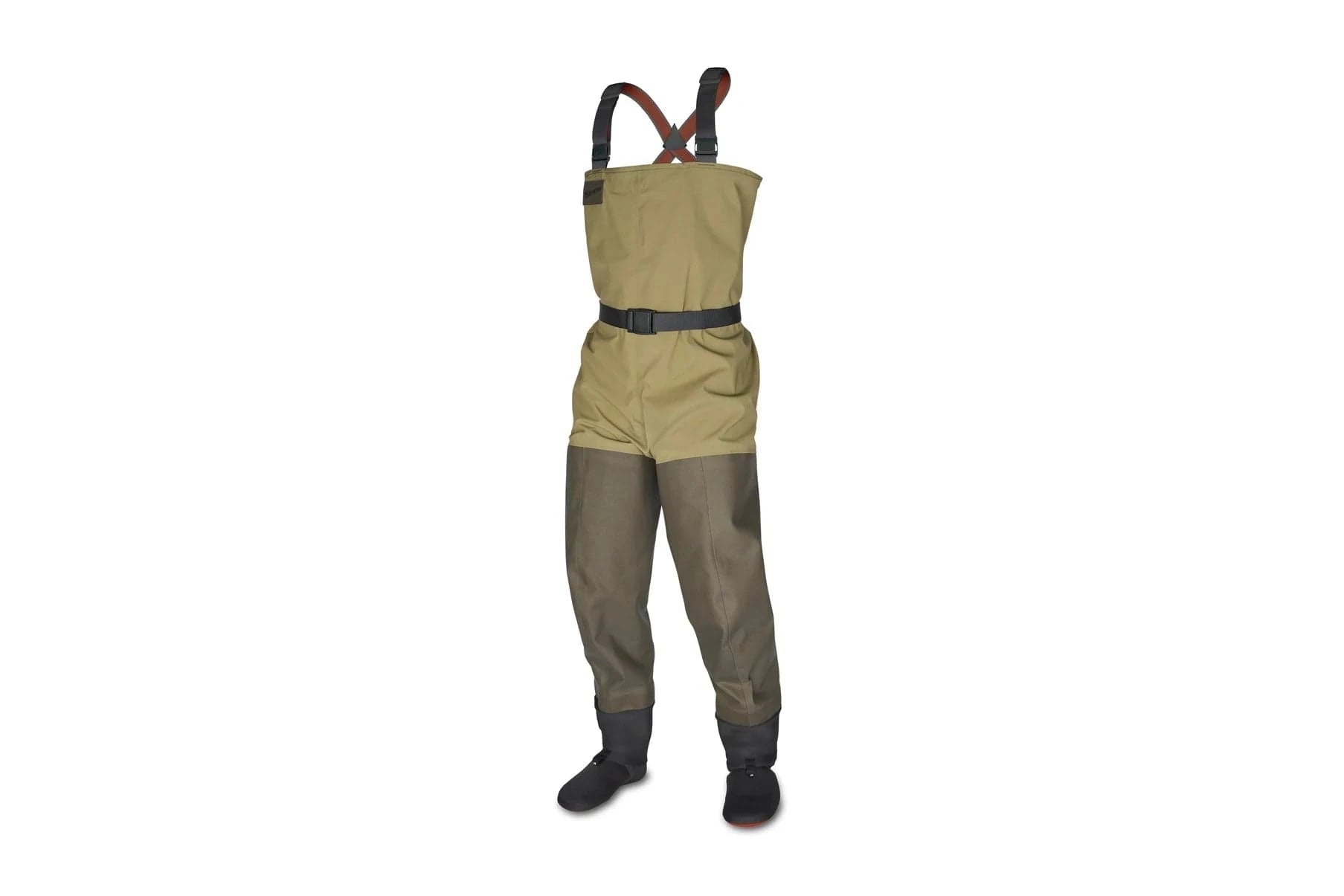
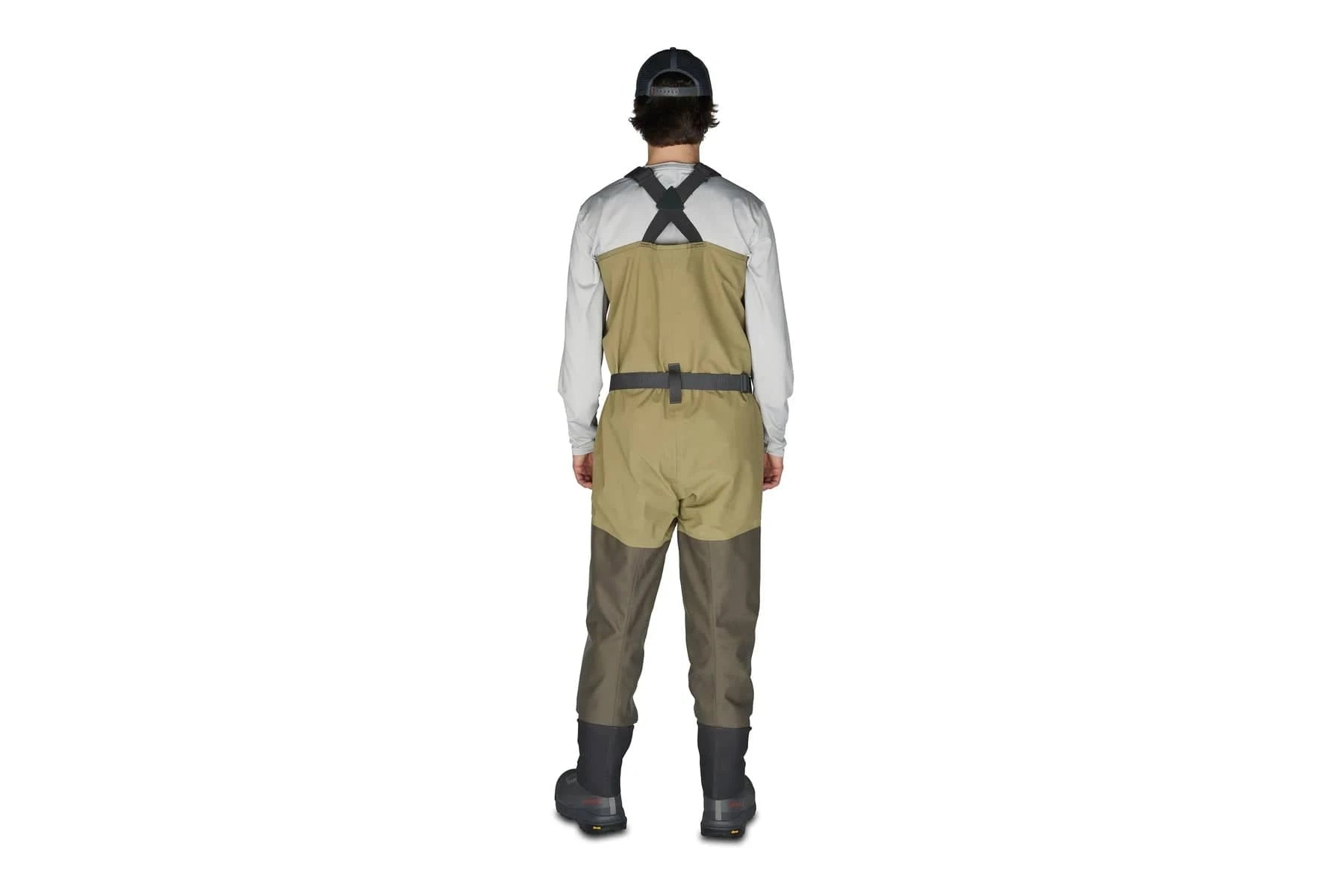
Simms Waders Quick Picks
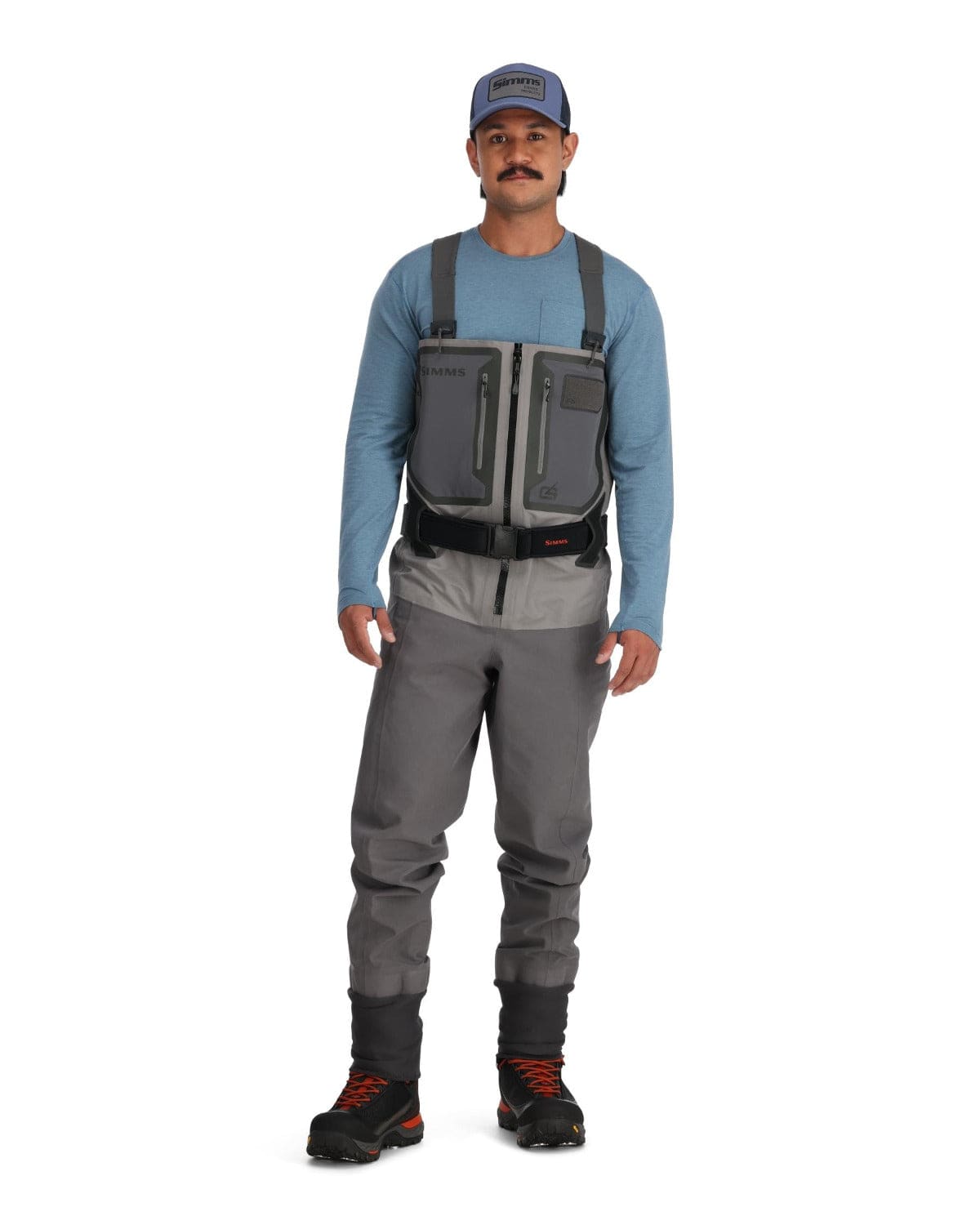
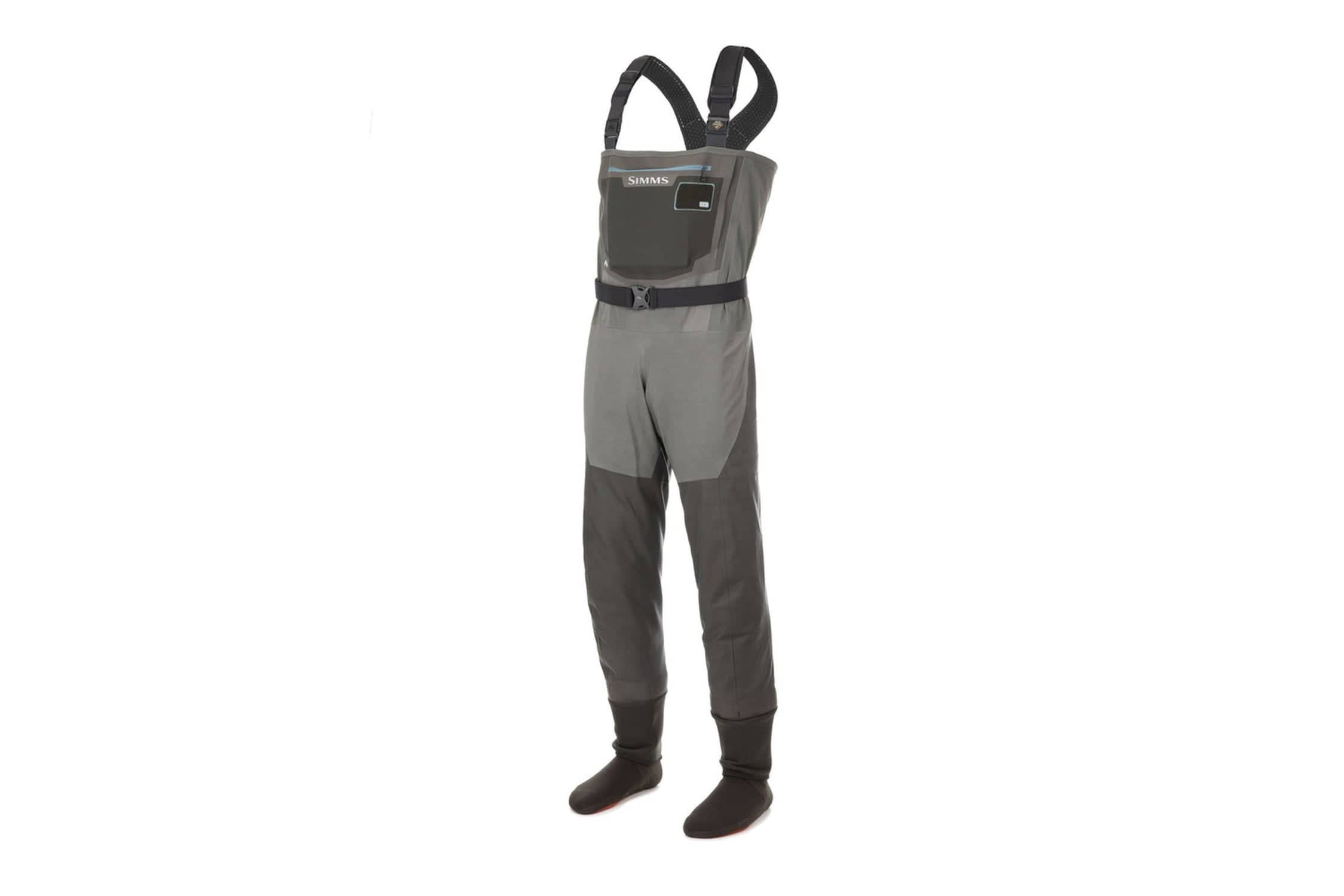
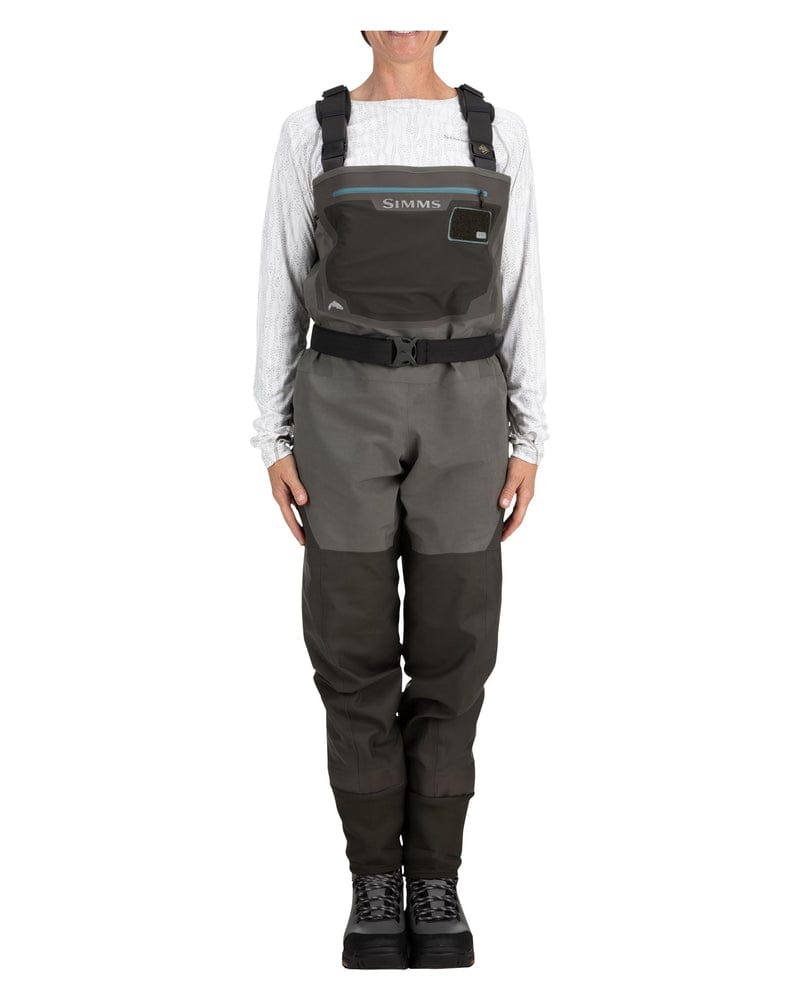
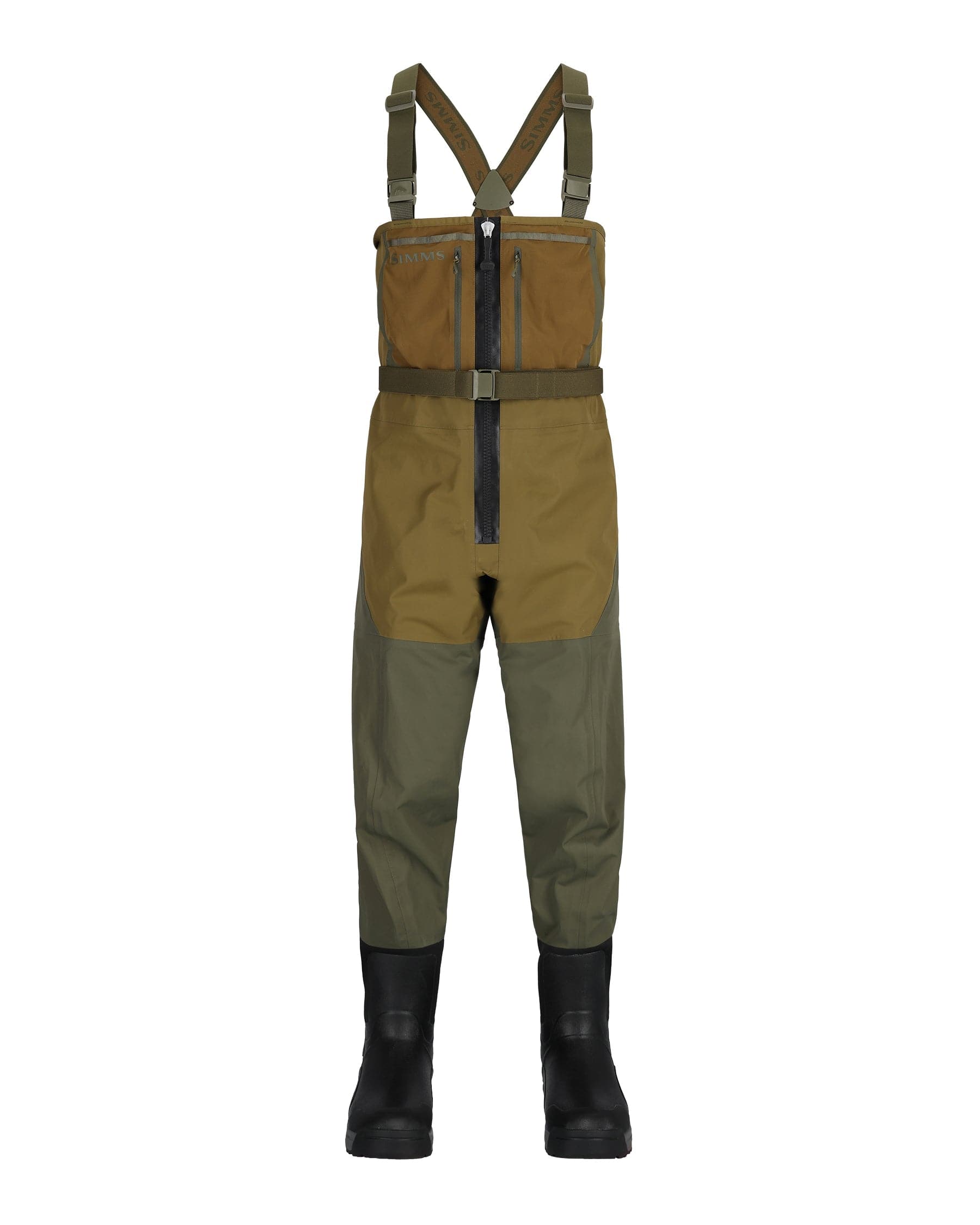
- Best Premium: Simms G4Z Stockingfoot Waders - Built for anglers who fish hard, fish often, and want a zip-front wader for quick on/off. A GORE-TEX Pro upper/lower package plus a waterproof front zipper and upgraded suspender system make it a top-end workhorse.
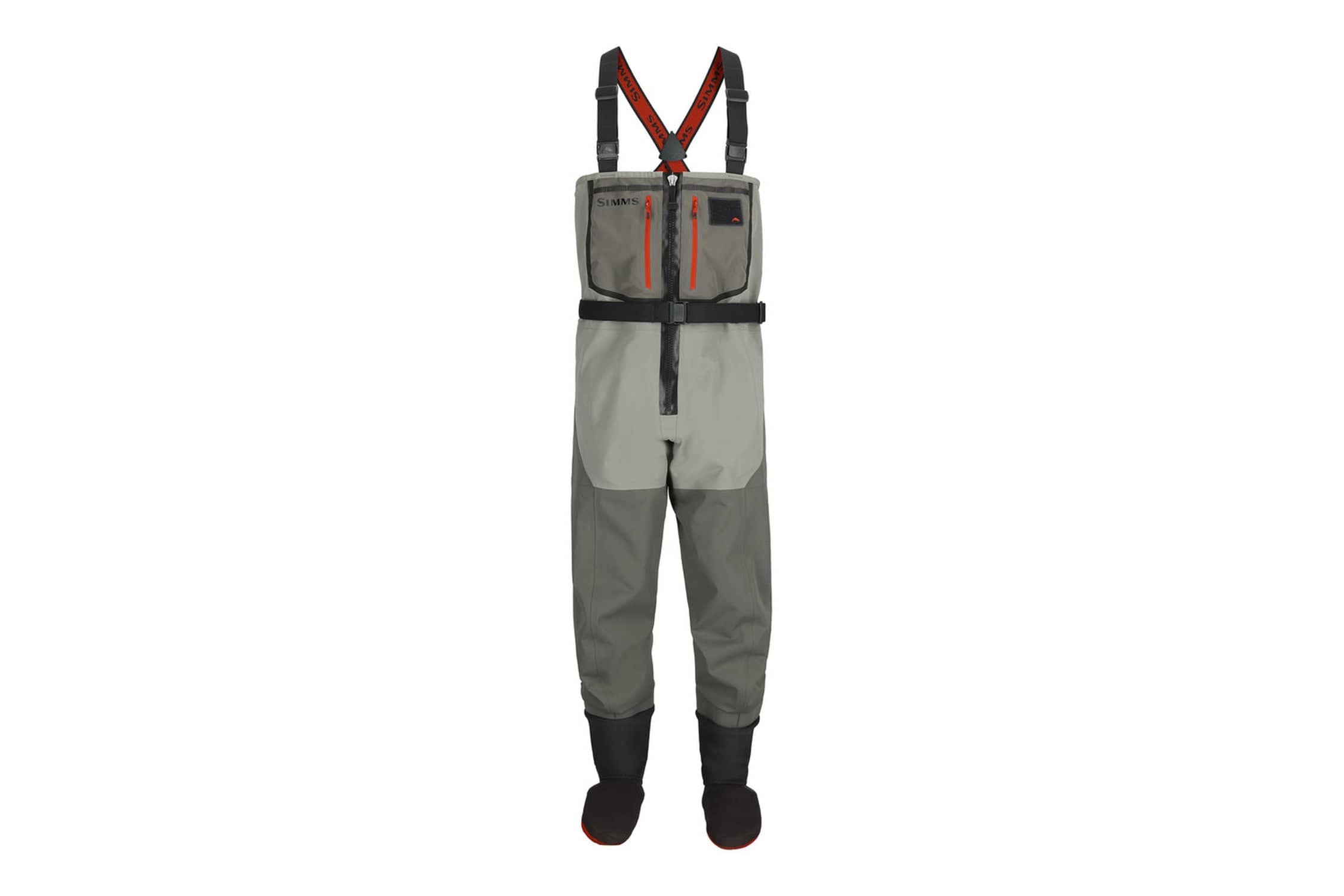
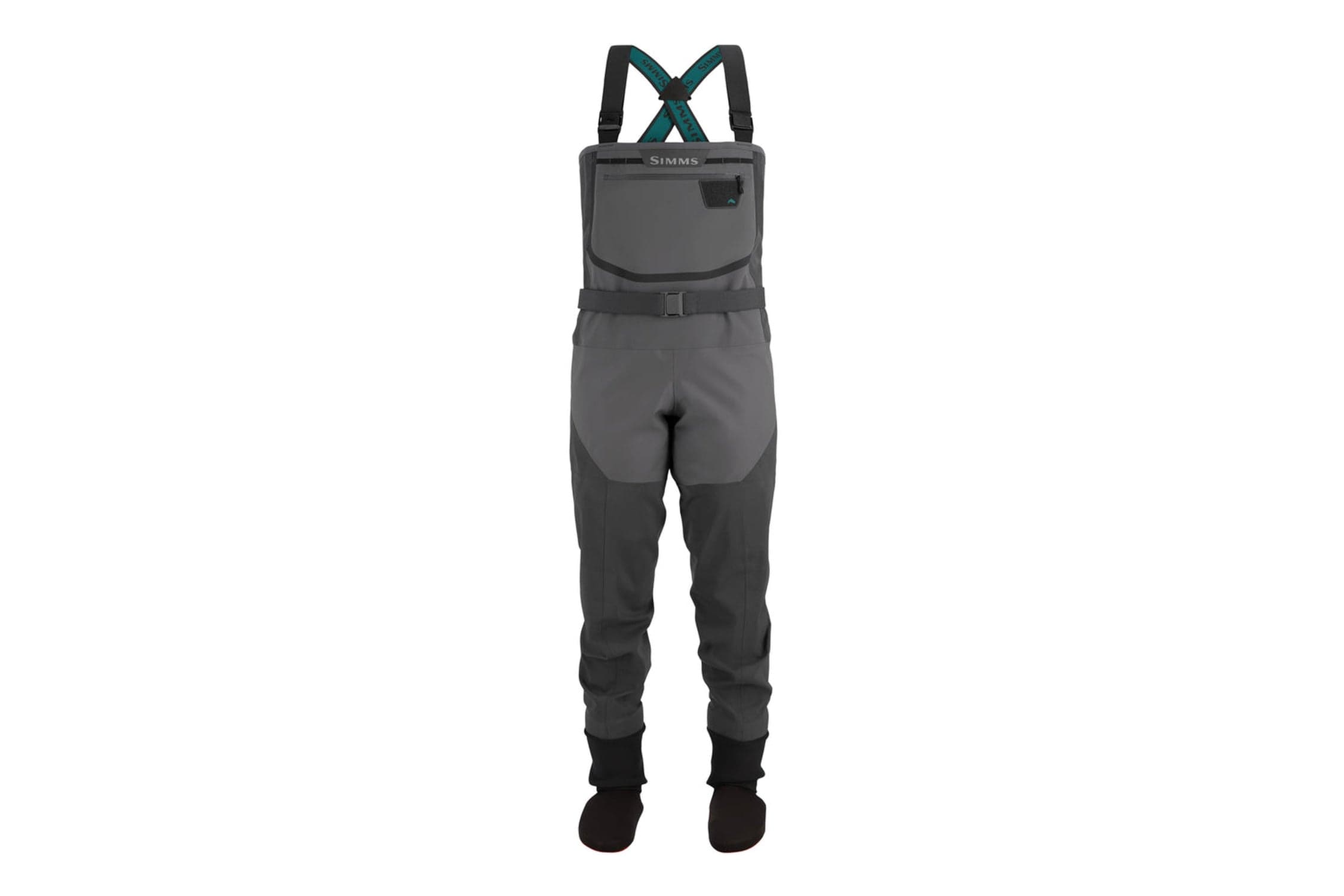
- Best All-Around: Simms G3 Guide Stockingfoot Waders - A strong fit for serious trout, steelhead, and guide-style day-in/day-out use when you want premium materials without a front zipper. You get a proven GORE-TEX build, dialed storage, and a feature set that covers most river fishing.
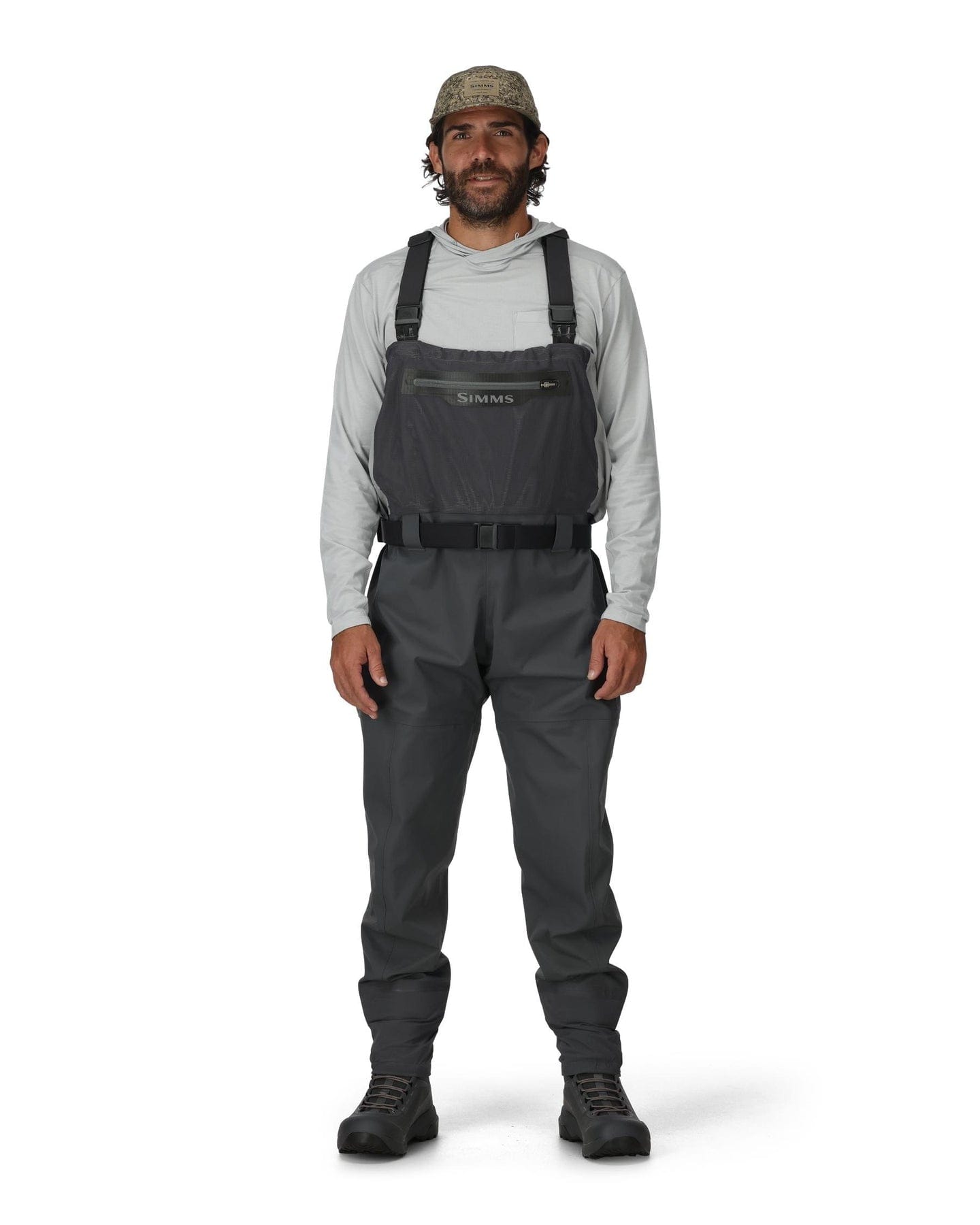
- Best Value: Simms Freestone Stockingfoot Waders - Great for anglers who want a durable breathable wader under the premium tier. The Toray QuadraLam 4-layer construction, handwarmer pocket, and practical tool storage hit the sweet spot for regular weekend fishing.
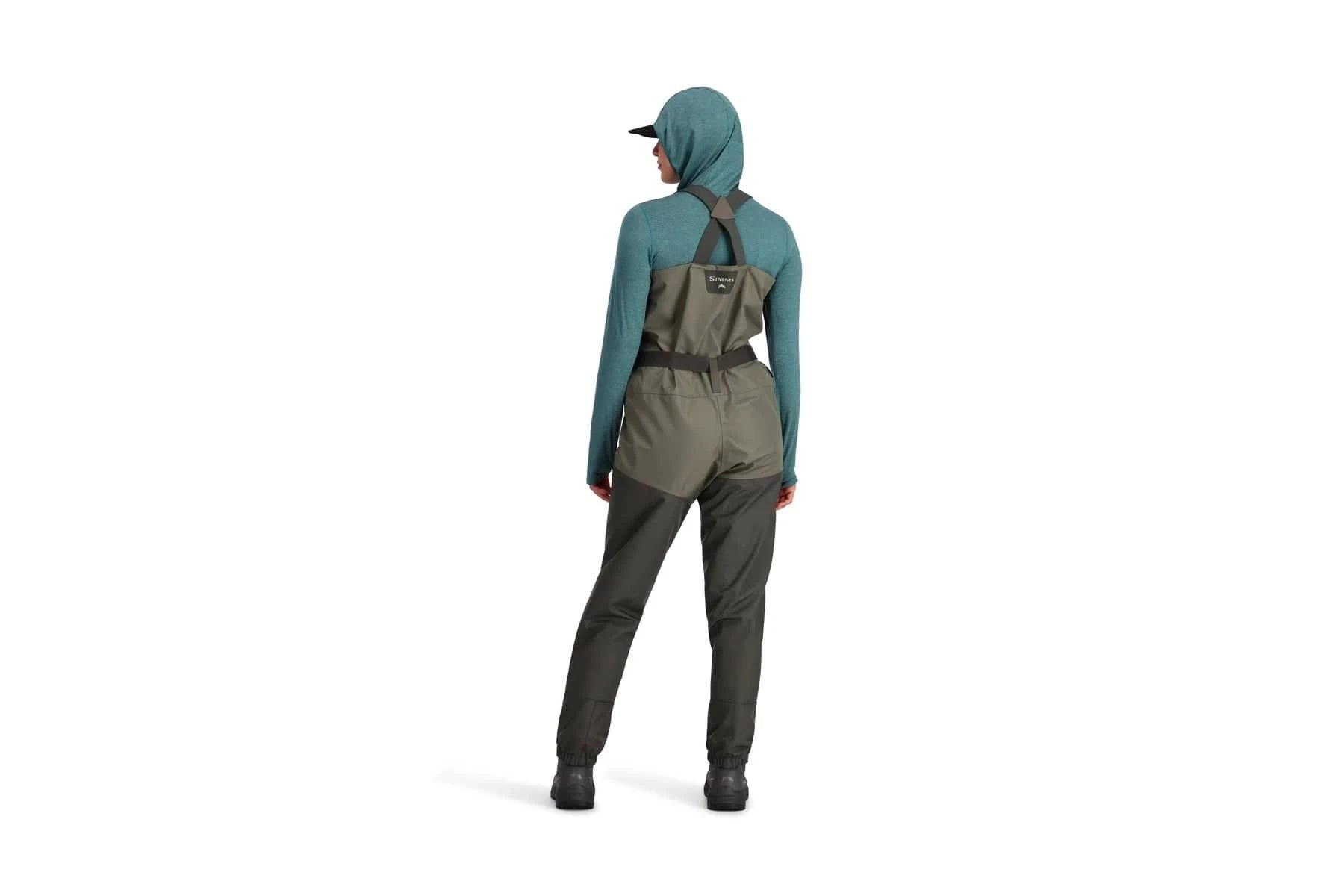
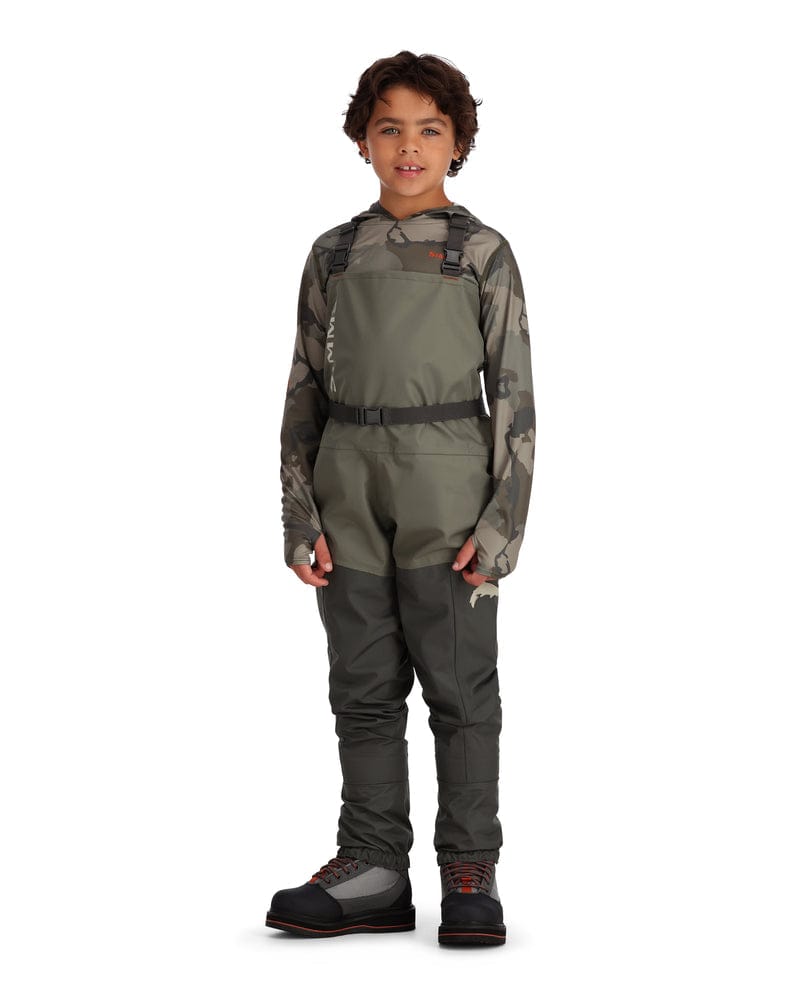
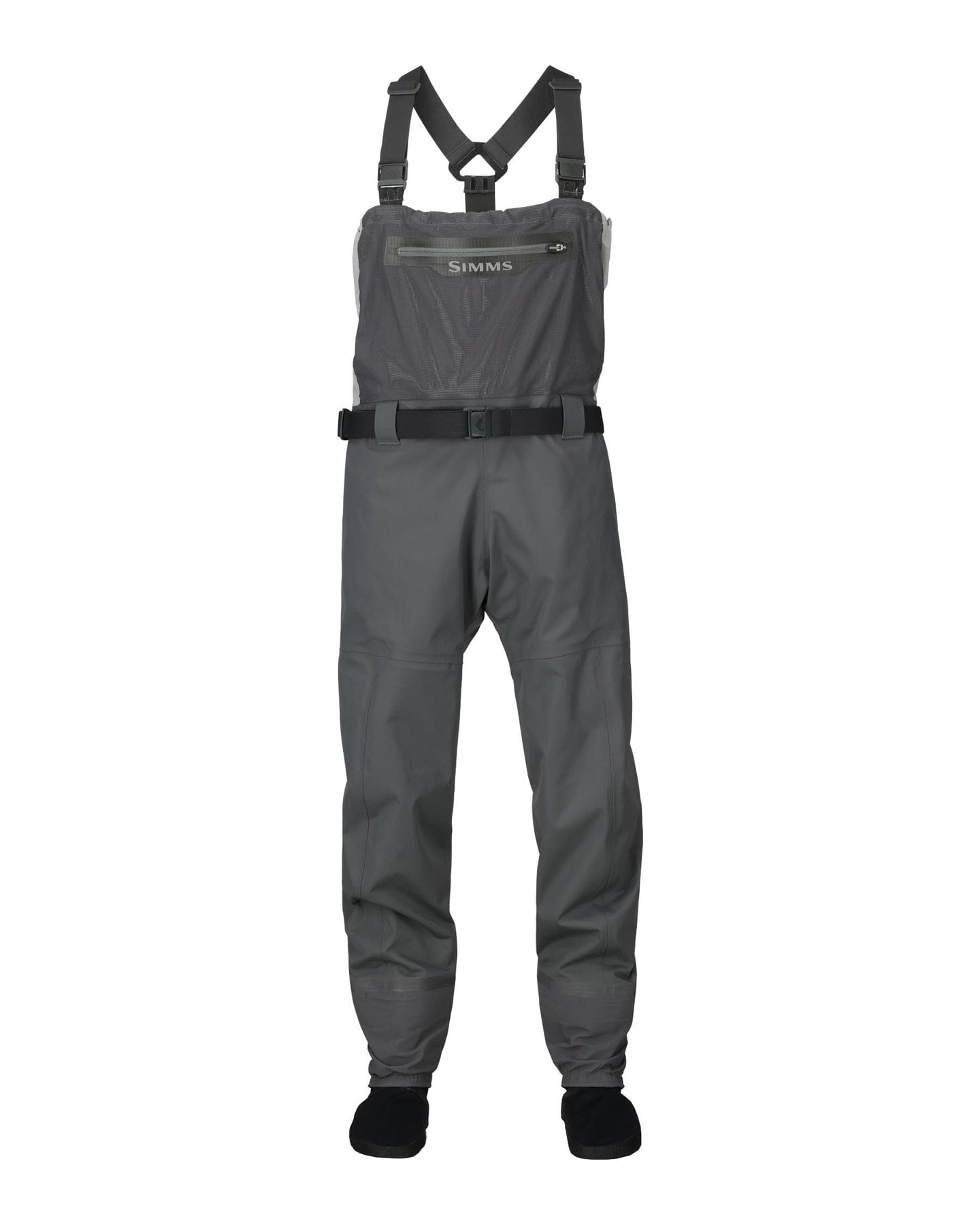
- Best for Beginners: Simms Tributary Stockingfoot Waders - Ideal if you’re getting into wading or building a full kit on a tighter budget. A 3-layer upper / 4-layer lower build and straightforward pocket layout keep things simple without feeling stripped down.
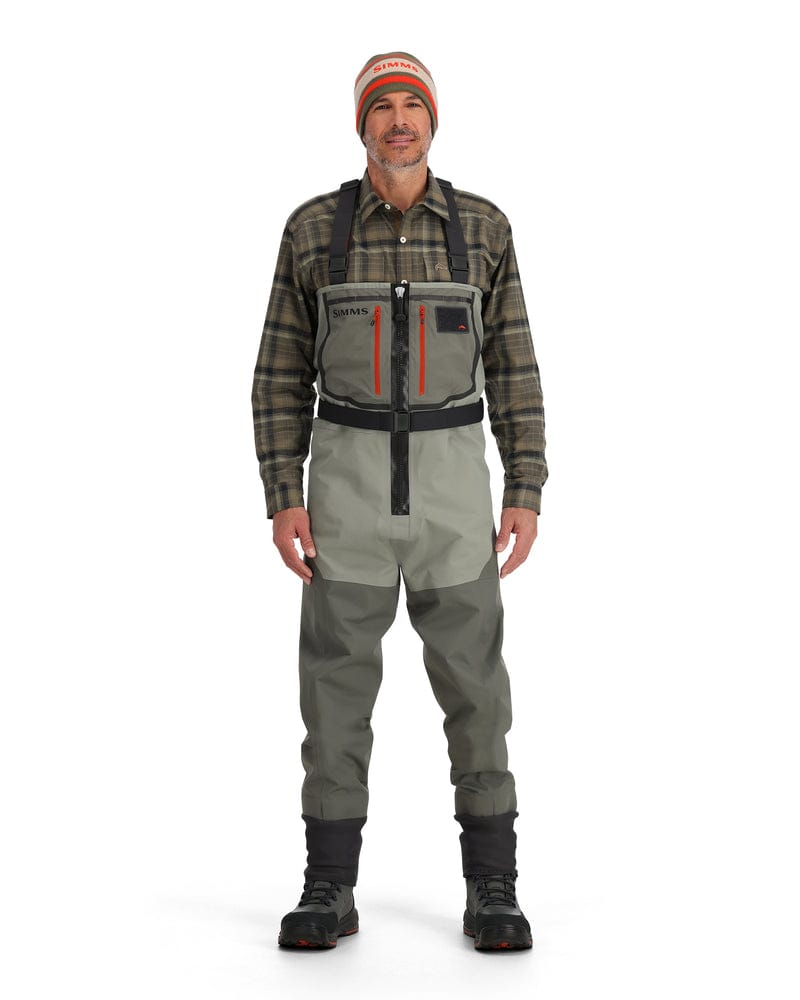
- Best for Mobility (Zip-Front): Simms Freestone Z Stockingfoot Waders - A smart choice if bending, layering, or booting up is the hardest part of your day. The zip-front design makes entry/exit easier while keeping the same general Freestone platform and price tier.
How to Choose Simms Waders
Start with where (and how often) you fish
Action: If you’re wading weekly, bushwhacking, or guiding, prioritize premium laminates, reinforced lower legs, and a suspender system that stays comfortable all day. If you fish a handful of trips per season, it usually makes more sense to focus on fit and comfort first, then durability.
Best for: Cold tailwaters, big western rivers, and shoulder-season steelhead fishing where you’re standing in water for long stretches. Avoid if: You mostly wet-wade in summer or rarely need chest-high coverage, wading pants can be a better match.
Choose your “tier” by fabric + build
Premium (G-series): If you want Simms’ most feature-forward waders and top material packages, start here. These are the models anglers usually pick when “failure is not an option” on long trips or long seasons.
Mid-tier (Freestone family): Designed for solid durability and day-in/day-out fishing at a more approachable price. You still get the essentials, breathability, useful pocketing, and gravel-guard/bootie integration that works with most wading boots.
Entry (Tributary): Best when you want to get in the water now and upgrade later. Expect fewer premium details, but you still get the core comfort and coverage that makes breathable stockingfoot waders so versatile.
Zip-front vs. standard front: it’s mostly about convenience
Zip-front waders: Easier on/off, better for layered clothing, and helpful if you fish from a boat or take lots of short sessions. They can also be a big quality-of-life upgrade for anglers with mobility limits.
Standard front waders: Slightly simpler and often lighter/cleaner in front. If you’re hiking a lot or want fewer components to think about, a non-zip front can still be the right call.
Dial in the fit (it matters more than most people think)
Action: Use your measurements (girth, inseam, and wading-boot size) and plan around your cold-weather layers. Too small restricts movement and can stress seams; too big feels baggy and can make long wades more tiring.
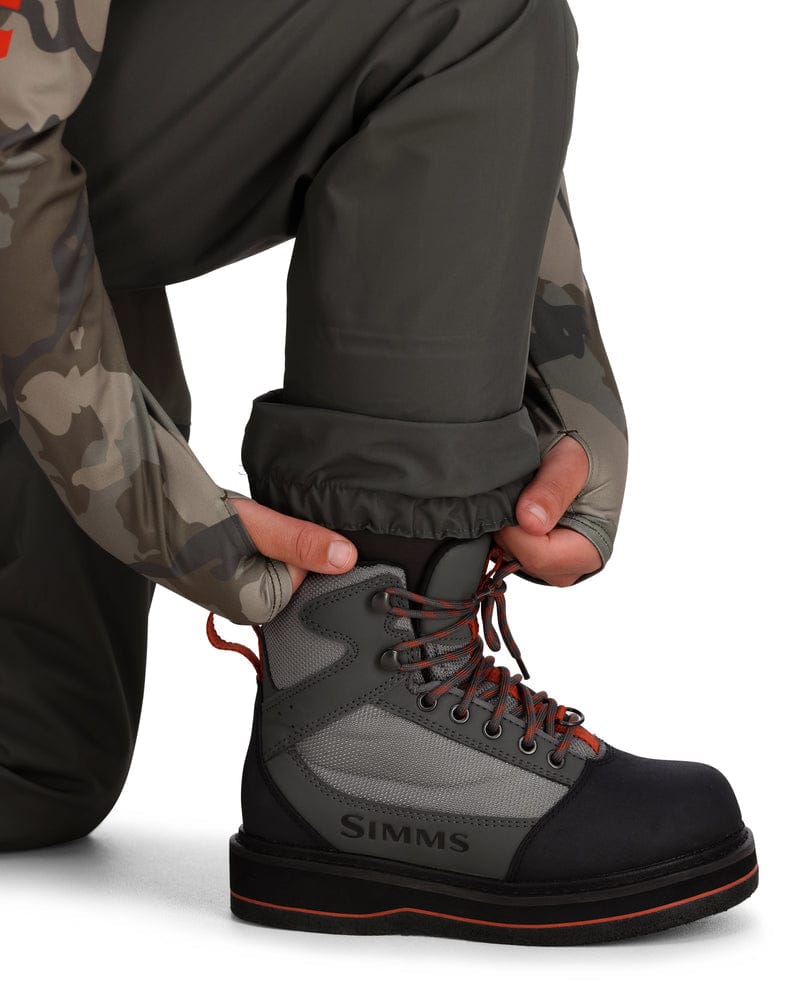
Common mistake: Buying by street-clothes size alone and ignoring bootie size, your wading boot needs to fit the neoprene bootie with your preferred socks.
Why Trident Carries Simms
Simms waders cover a wide range, from entry-level stockingfoot options to fully featured guide-grade builds, so it’s easier to match your fishing style and budget without guesswork. We stock the core models and sizes anglers ask for most, and our team can help you sort out fit, layering, and boot pairing before you hit the river.
Care & Maintenance
- After each trip: Rinse off sand/mud and let waders dry completely (inside first, then outside) before storage.
- Zippers (if applicable): Keep zipper tracks clean and free of grit; rinse after dirty or silty days, and avoid forcing the slider.
- Storage: Hang or store loosely in a cool, dry place, avoid leaving waders crumpled in a hot vehicle.
- Leak checks: Address small pinholes early (especially around lower legs and inside ankles) before they grow into bigger problems.
- Boot pairing: Try boots on with your waders and fishing socks; proper boot fit reduces lace bite and protects your booties.
Complete Your Setup
Related Gear
- Wading Boots - Proper traction and ankle support make wading safer and help your stockingfoot booties last longer.
- Wading Accessories - Belts, wading staffs, repair kits, and packs keep you safer and more organized on the water.
- Fly Fishing Waders - Compare Simms to other top brands if you’re still narrowing down the right fit and feature set.
- Simms Fishing Clothing - Build a layering system that matches your season, water temps, and weather.
Related Guides
Things to Know About Simms Waders
Price Range
Simms waders range from approximately $200 for entry-level Tributary models to $900+ for premium G4Z waders. Mid-range Freestone models typically fall in the $350–$500 range. Zip-front versions add roughly $50–$100 to comparable non-zip models.
Types
Simms offers stockingfoot chest waders (most versatile), zip-front variants for easier entry/exit, and waist-high wading pants for warmer conditions. Chest waders come in premium (G-series with GORE-TEX), mid-tier (Freestone with Toray fabric), and entry-level (Tributary) options.
Sizing
Simms uses height/weight charts combined with specific measurements (inseam, girth) to determine fit. Most models come in regular, short, and long inseams. Always account for layering needs and bootie size—your wading boot must fit the neoprene bootie with your preferred socks.
Manufacturing Location
Simms waders are designed in Bozeman, Montana, but manufactured overseas (primarily in Asia). The company maintains quality control standards and specifications across production facilities.
Care and Maintenance
Rinse after each trip, dry completely inside-out before storage, and hang or store loosely in a cool, dry place. Address small leaks early, keep zippers clean, and pair with properly fitted boots to extend wader life. See the Care & Maintenance section above for full details.
Simms Waders FAQs
Q: Are Simms waders worth the price?
A: For anglers who fish frequently, Simms waders often justify their price through durability, comfort, and warranty support. Premium models are built for heavy use over multiple seasons. If you fish occasionally, entry-level or mid-tier options deliver solid performance without the top-end investment.
Q: How long do Simms waders last?
A: With proper care, Simms waders can last 3–10+ years depending on the model, frequency of use, and fishing conditions. Premium GORE-TEX models typically outlast entry-level options. Regular maintenance and prompt leak repairs significantly extend lifespan.
Q: Are Simms waders made in China?
A: Simms waders are designed in Bozeman, Montana, but manufactured overseas, primarily in Asia. This is standard across most major wader brands today. Simms maintains design control and quality specifications from their Montana headquarters.
Q: Are any waders made in the USA?
A: Very few waders are fully manufactured in the USA due to production costs. Some smaller or specialty brands offer domestic production, but most major wader manufacturers produce overseas while keeping design and quality control US-based.
Q: What company makes the best waders?
A: "Best" depends on your budget, fishing style, and fit preferences. Simms is consistently ranked among the top wader brands for durability and feature sets. Other well-regarded brands include Patagonia, Orvis, and Korkers. Try on multiple brands if possible—fit matters as much as brand reputation.
Q: Why don't people like neoprene waders?
A: Neoprene waders are warm but don't breathe, which makes them uncomfortable during active wading or warmer weather. Modern breathable waders have largely replaced neoprene for fly fishing, though neoprene still has its place in cold-water hunting and stationary fishing where insulation matters more than mobility.
Q: What are Simms waders best used for?
A: Simms waders are built for staying dry and comfortable while wading rivers, tailwaters, and coastal estuaries. They’re especially useful when water temperatures or depth make wet-wading impractical.
Q: How do I choose between Simms GORE-TEX waders and non-GORE-TEX models?
A: If you fish frequently or in rough terrain, the premium laminates and reinforcements can be worth it for long-term use. If you’re fishing occasionally or want a budget-friendly option, non-GORE-TEX models still give you the core benefits of breathable stockingfoot waders.
Q: Are zip-front waders worth it?
A: Many anglers like zip-front waders for easier on/off and better comfort when layering. If you change frequently, fish from a drift boat, or have mobility considerations, a zip-front can be a meaningful upgrade.
Q: How should Simms waders fit?
A: You want enough room for movement and seasonal layers, without excess bagginess in the legs and seat. Always factor in your bootie size and the socks you’ll wear most often.
Q: What’s the difference between chest waders and wading pants?
A: Chest waders offer maximum coverage for deeper wading and colder conditions. Wading pants are lower-profile and can be more comfortable in boats or during warm weather when you don’t need chest-high protection.
Q: Can I use Simms waders in saltwater?
A: Yes, but rinse them thoroughly with fresh water after each saltwater day and dry completely. Pay extra attention to zippers, buckles, and gravel-guard areas where salt and sand can build up.
Q: How do I prevent leaks and extend wader life?
A: Dry them fully between trips, avoid storing them hot or crumpled, and fix small punctures early. Good boot fit and clean gravel guards also reduce wear on booties and lower legs.
Simms Warranty & Resources
Simms outlines a wader warranty with a 60-day leak replacement window and 365 days of repairs on them for qualifying claims, with claims typically started through their repairs/warranty process. Keep your proof of purchase and start the claim through Simms or your authorized dealer, depending on where you purchased.
Learn More from Simms