


Tying a Dirty Bug Caddis with Semperfli Dirty Bug Yarn

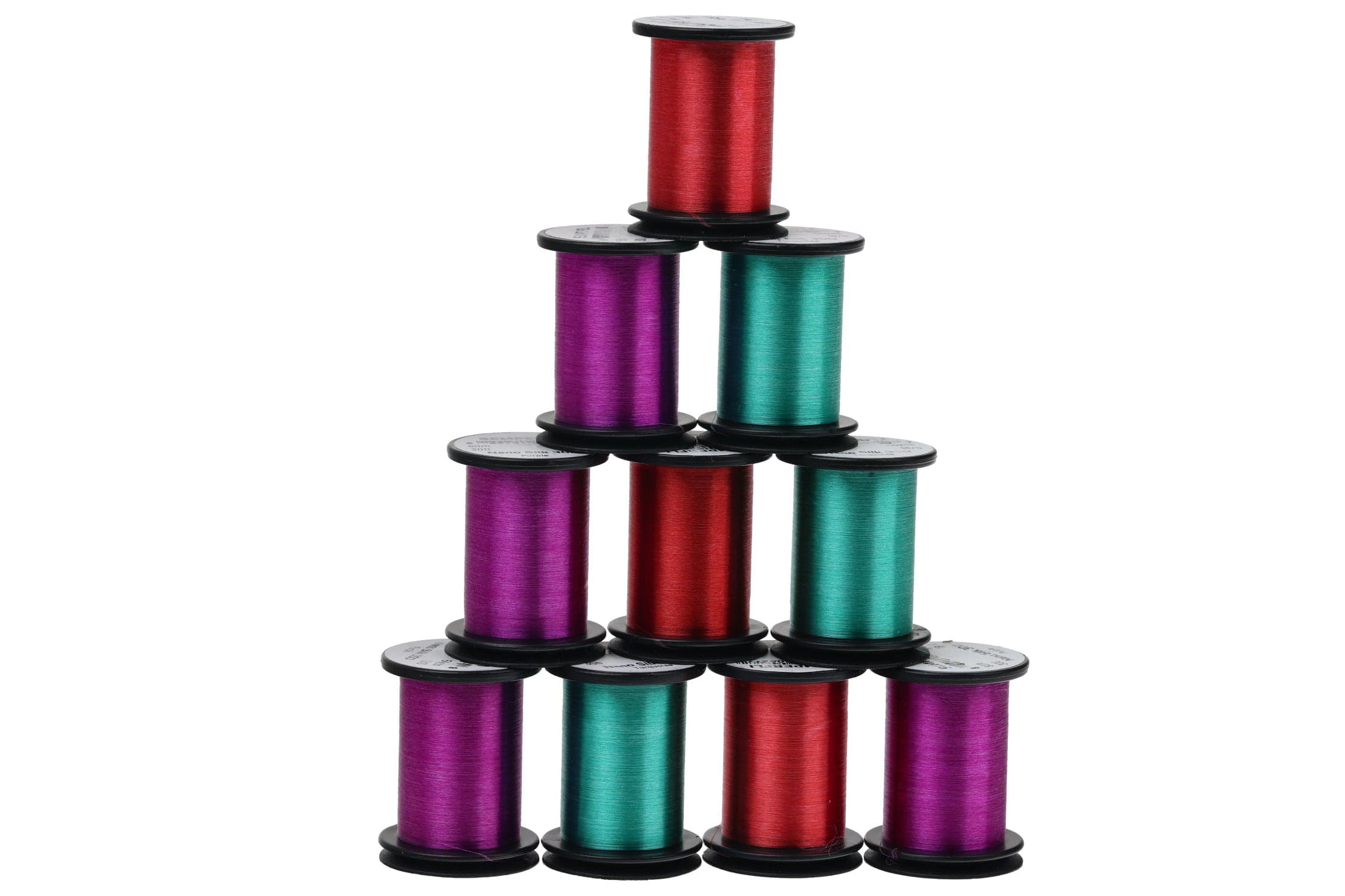
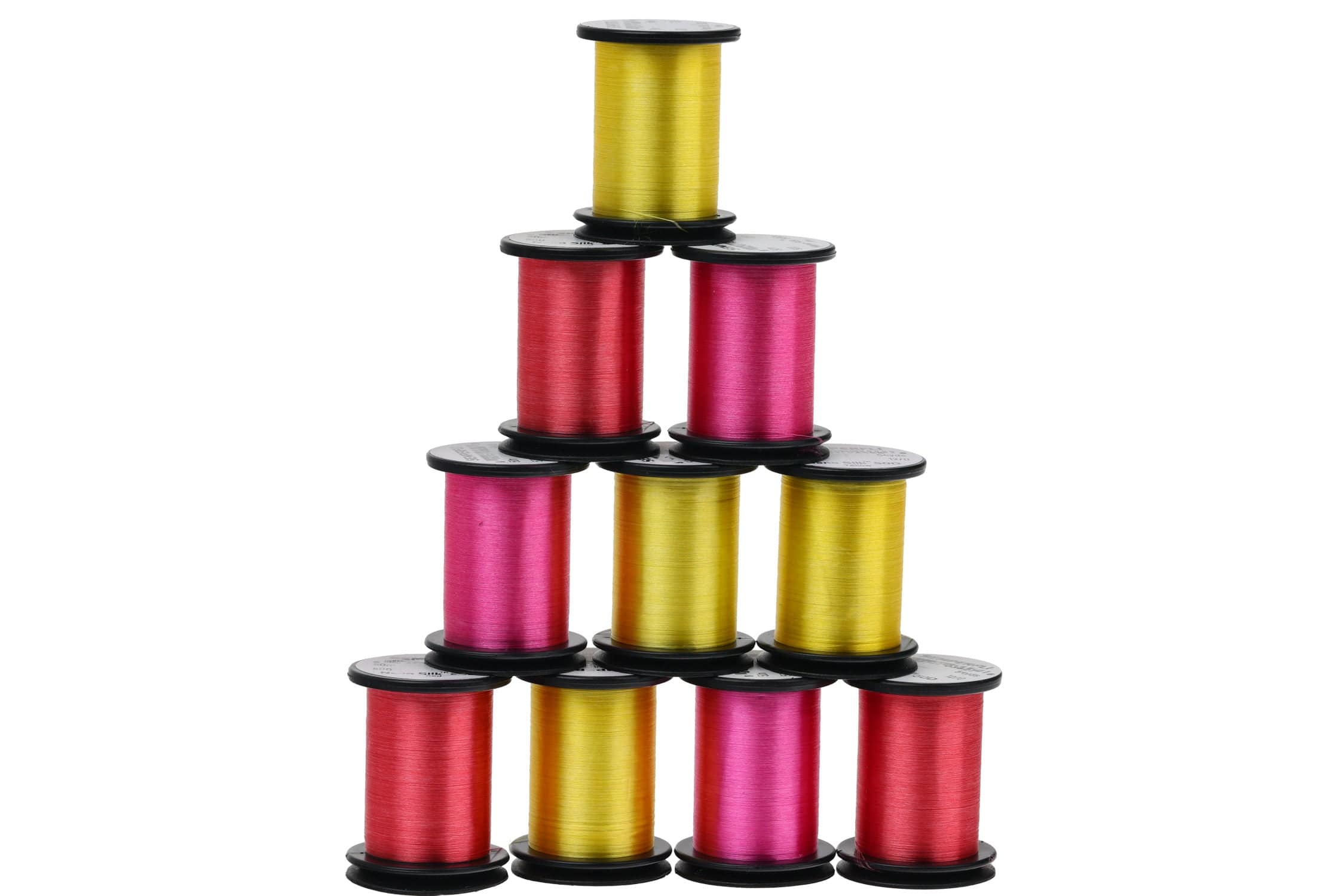
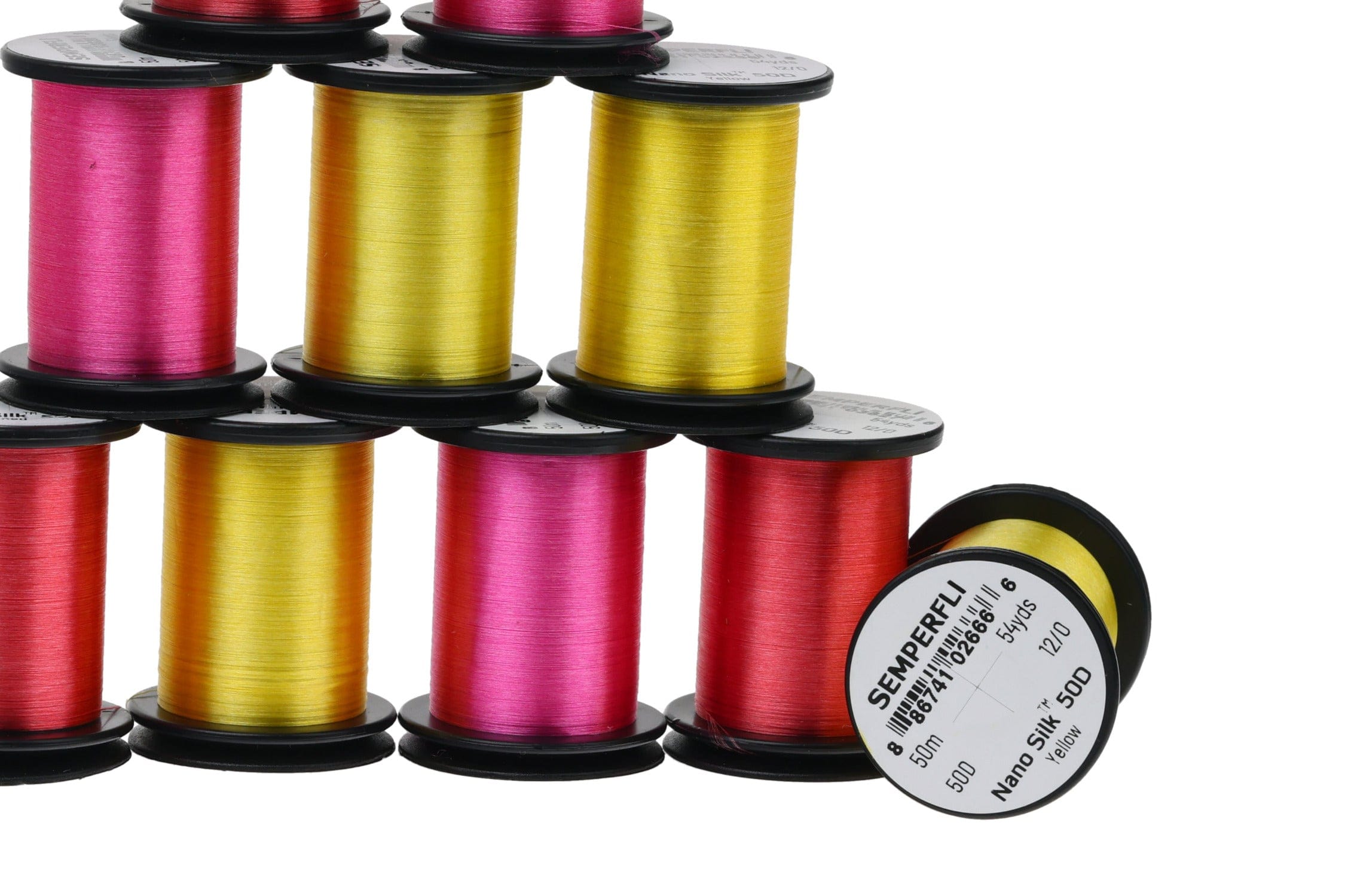
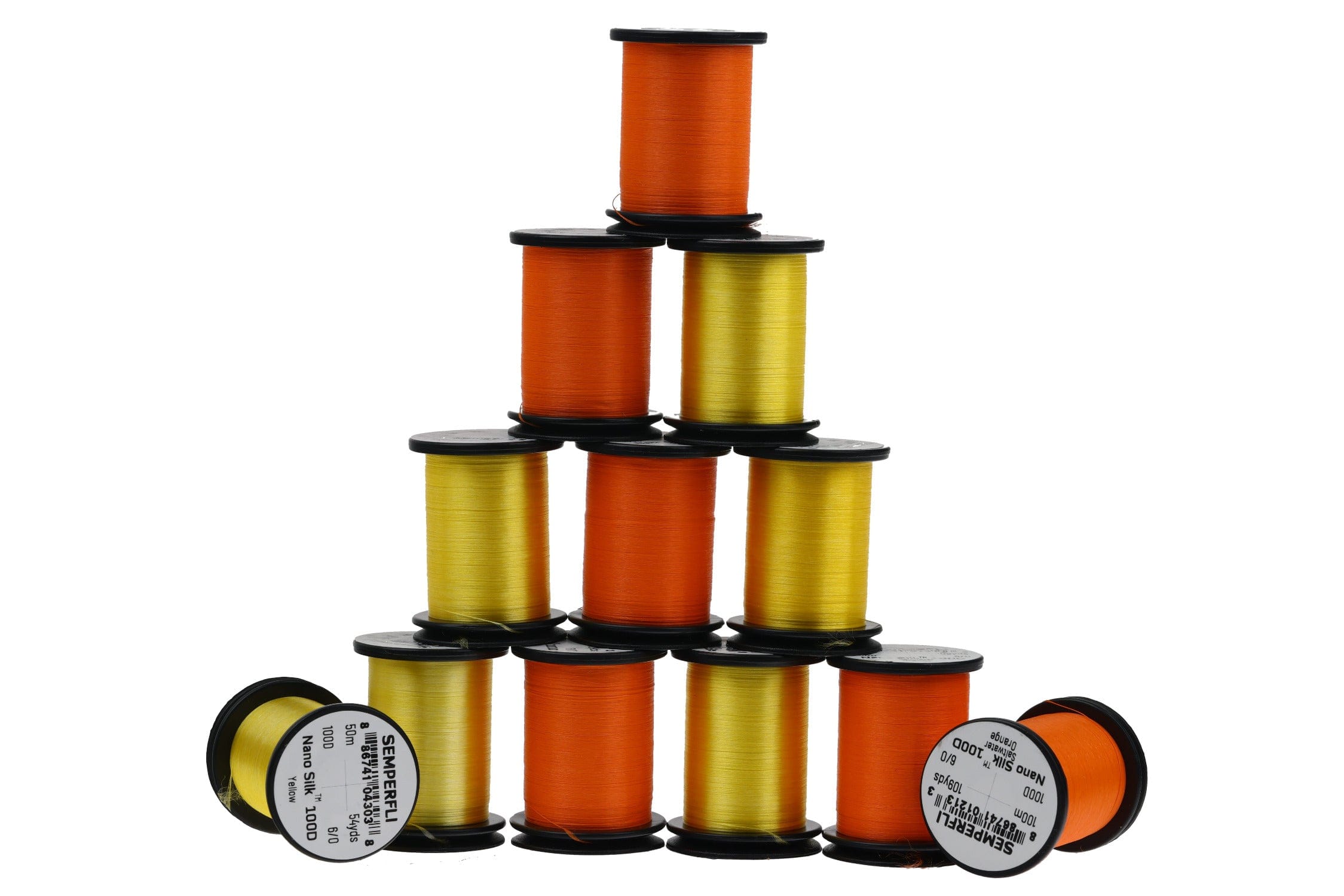
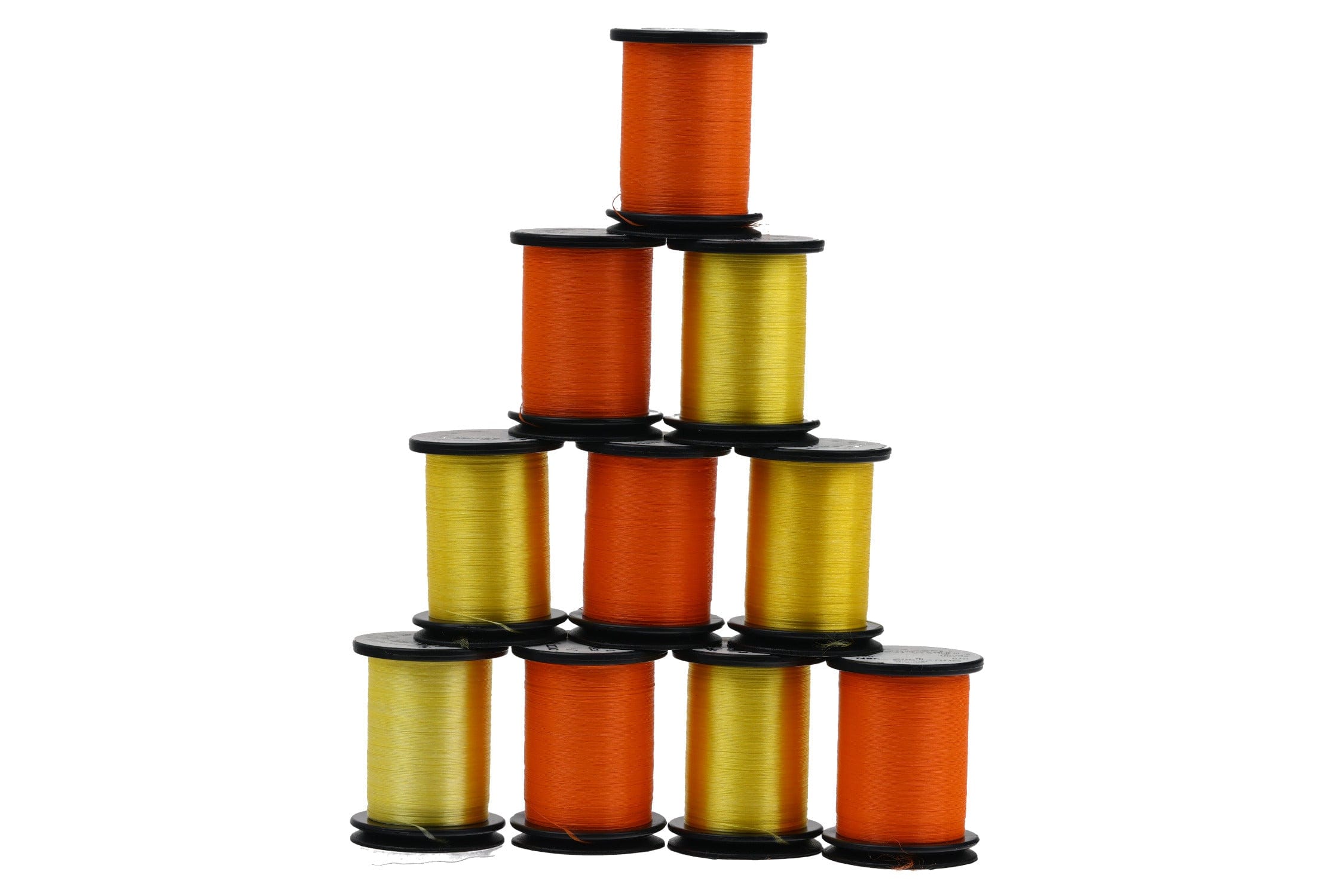
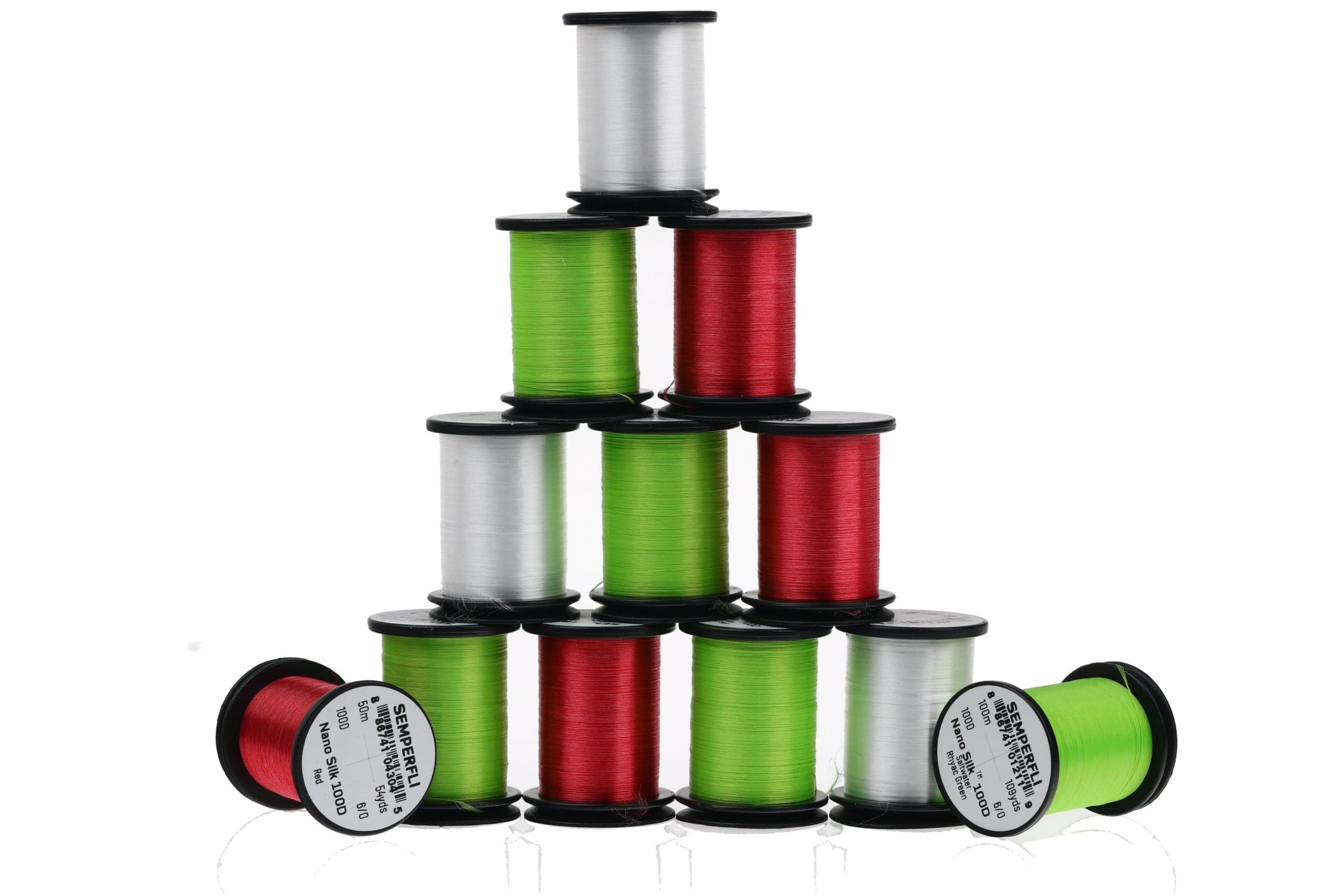
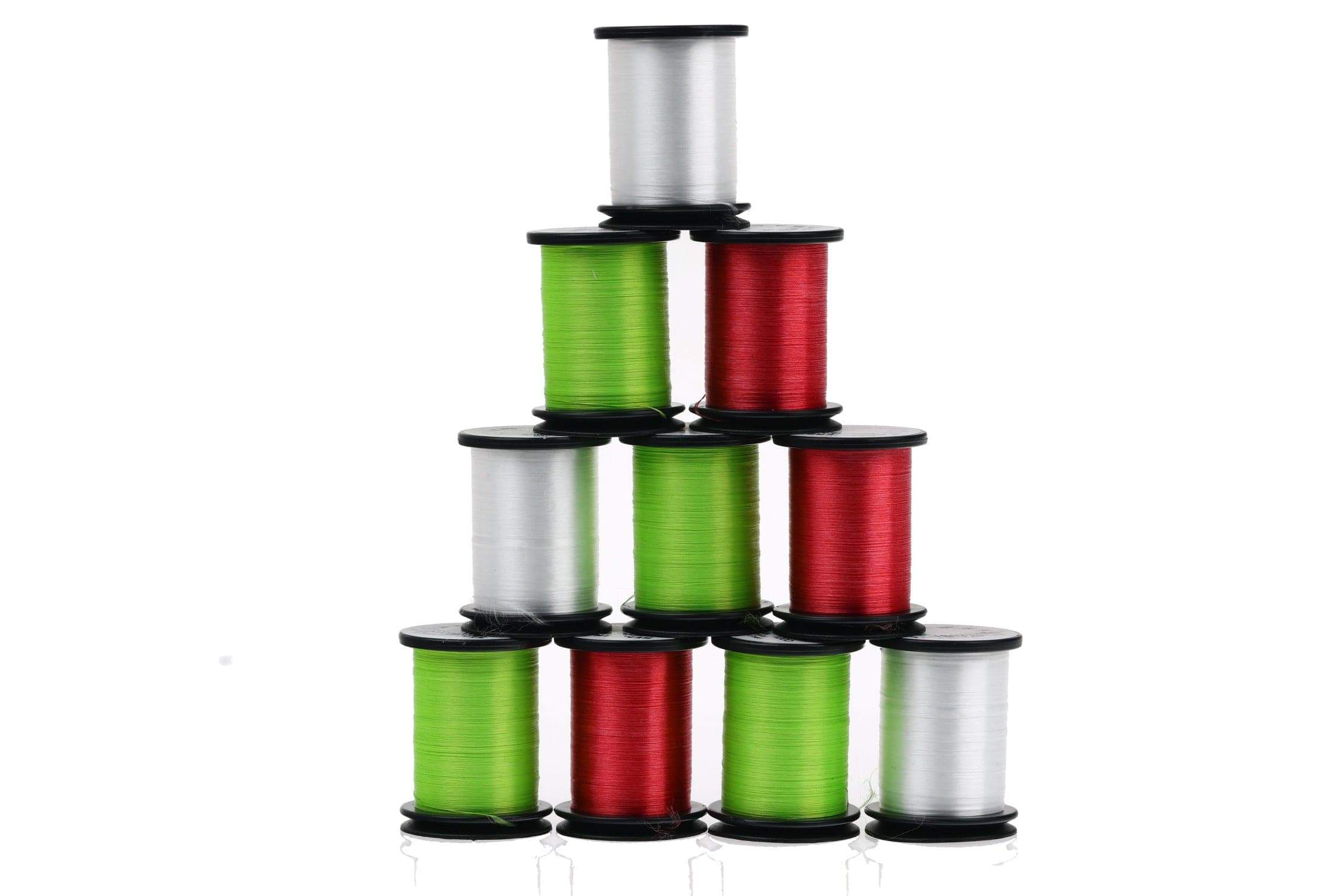
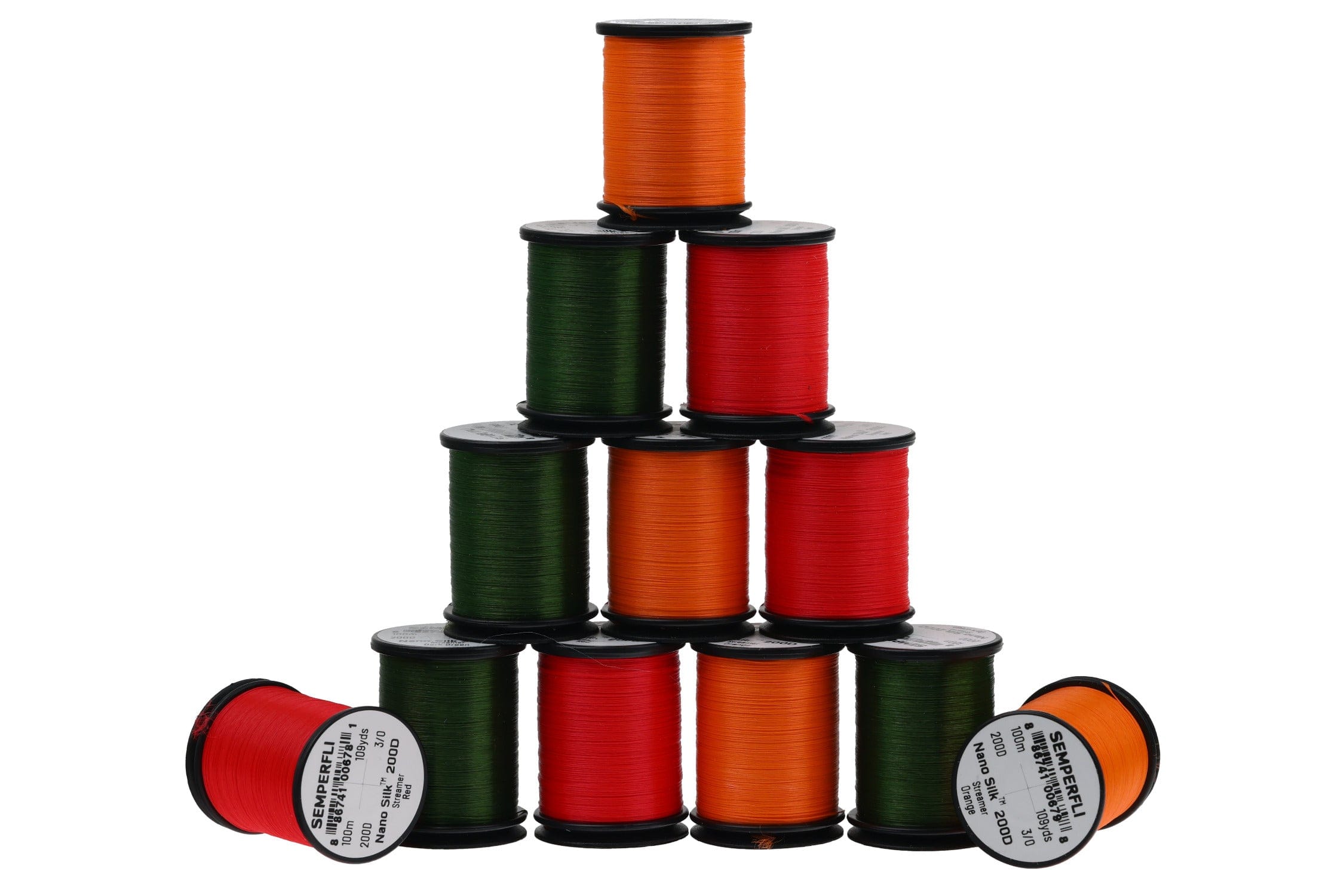
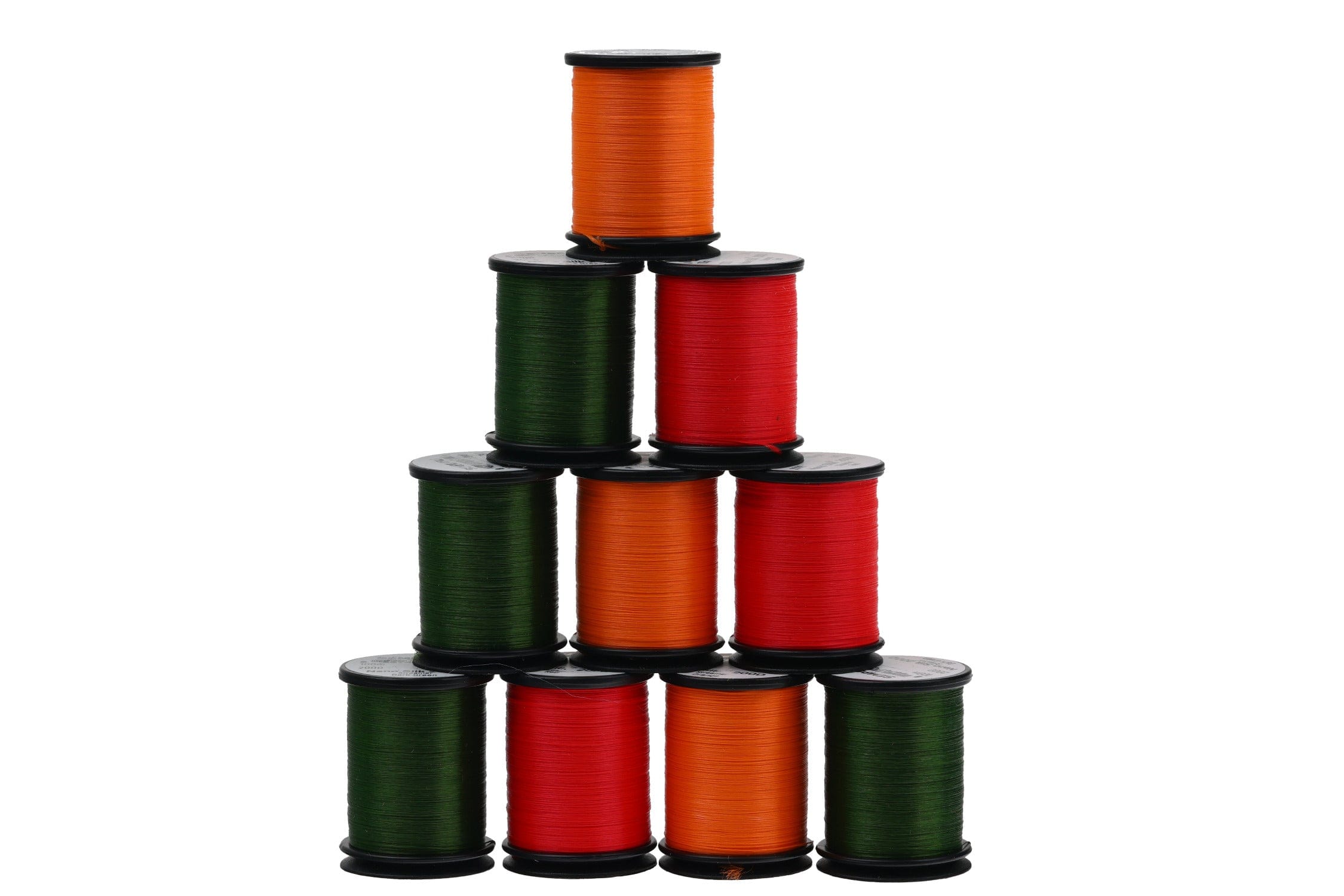
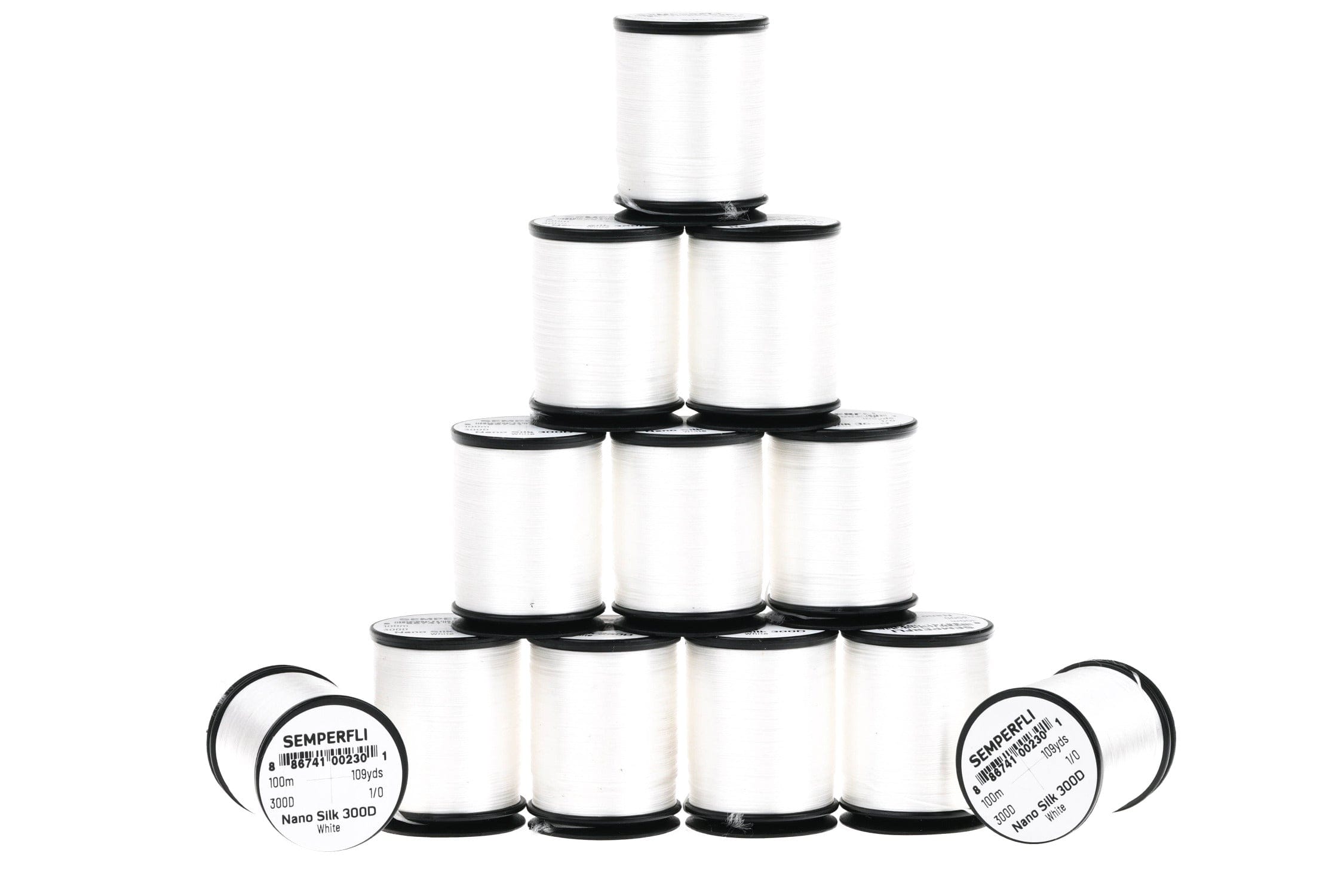
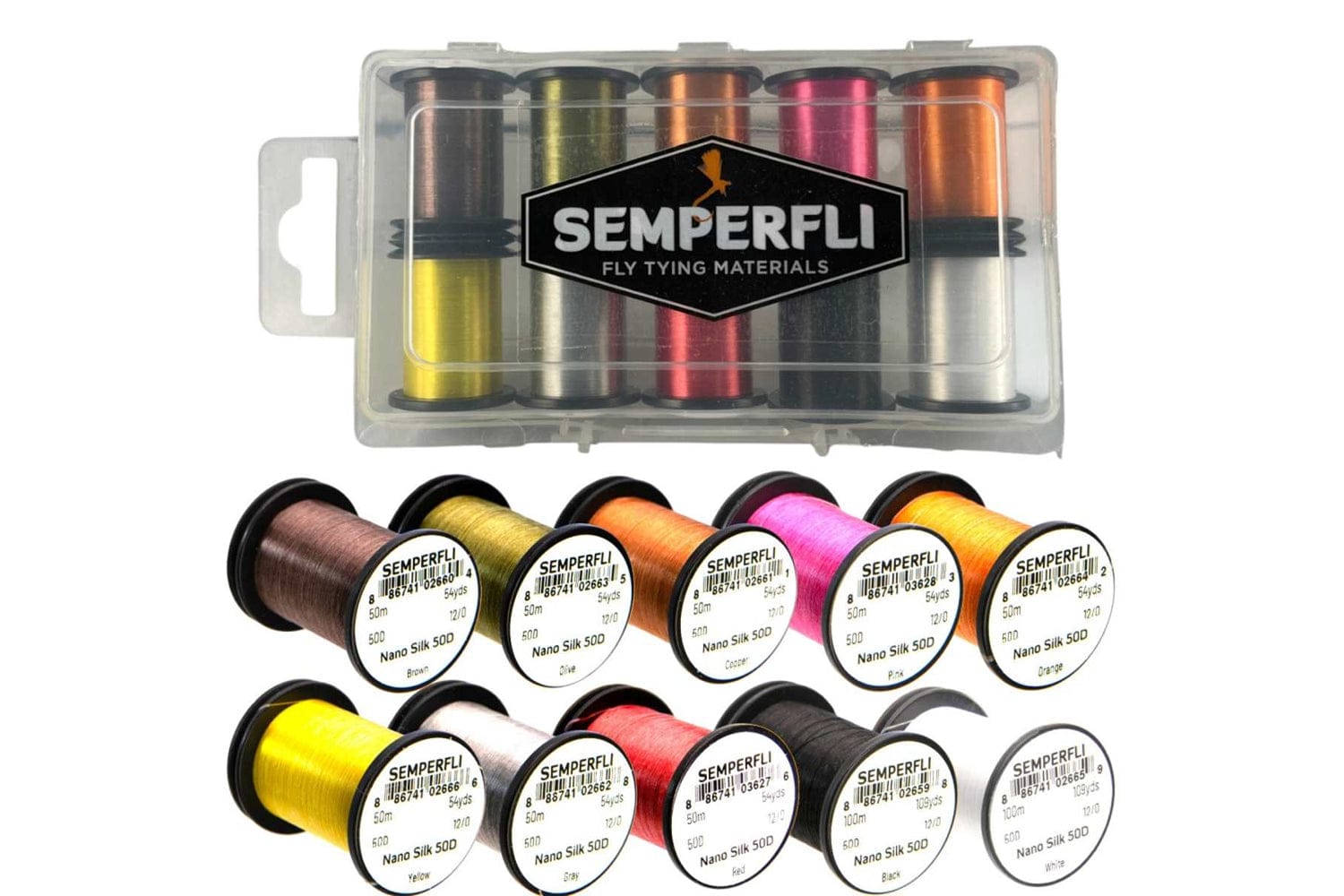


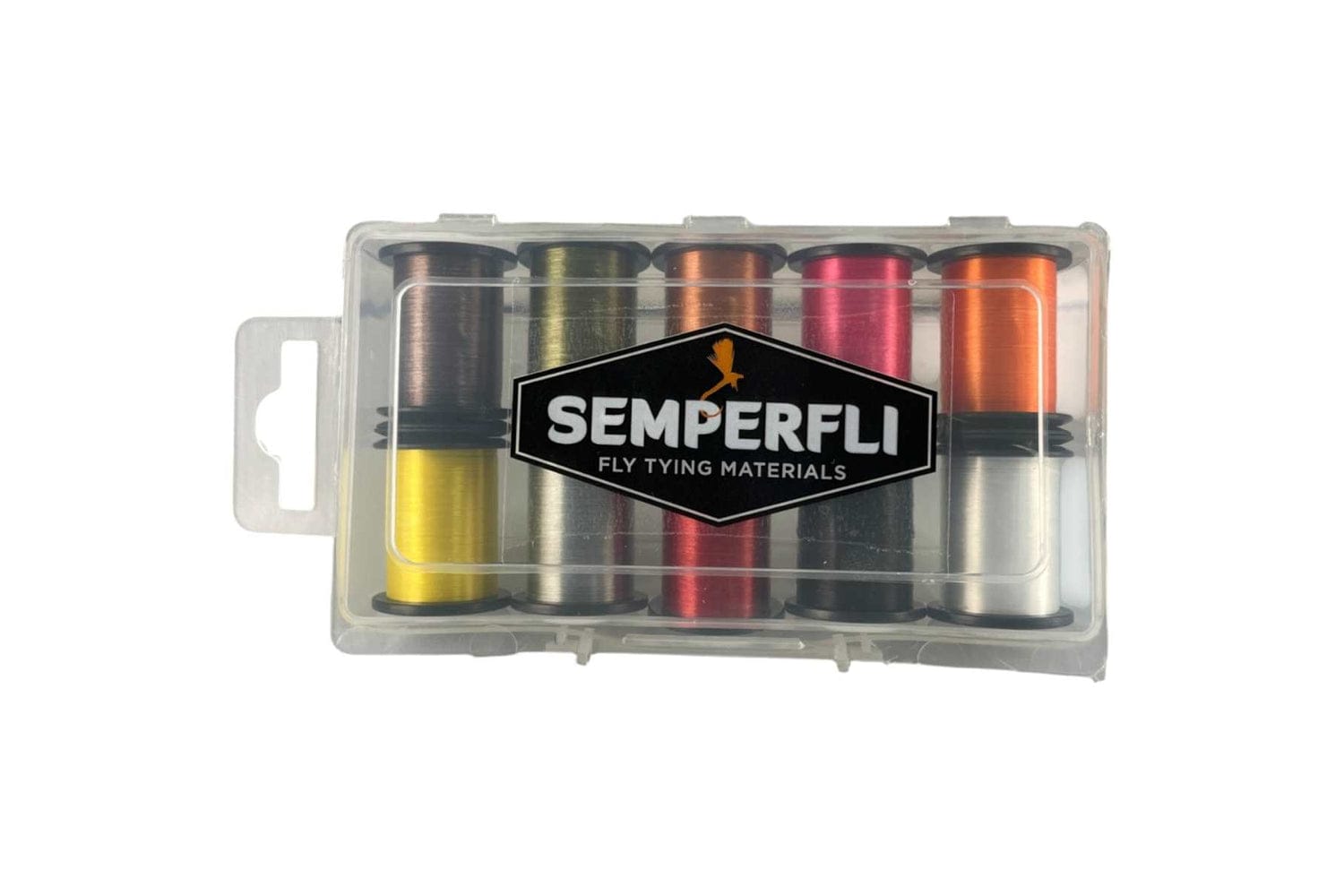
Semperfli Quick Picks
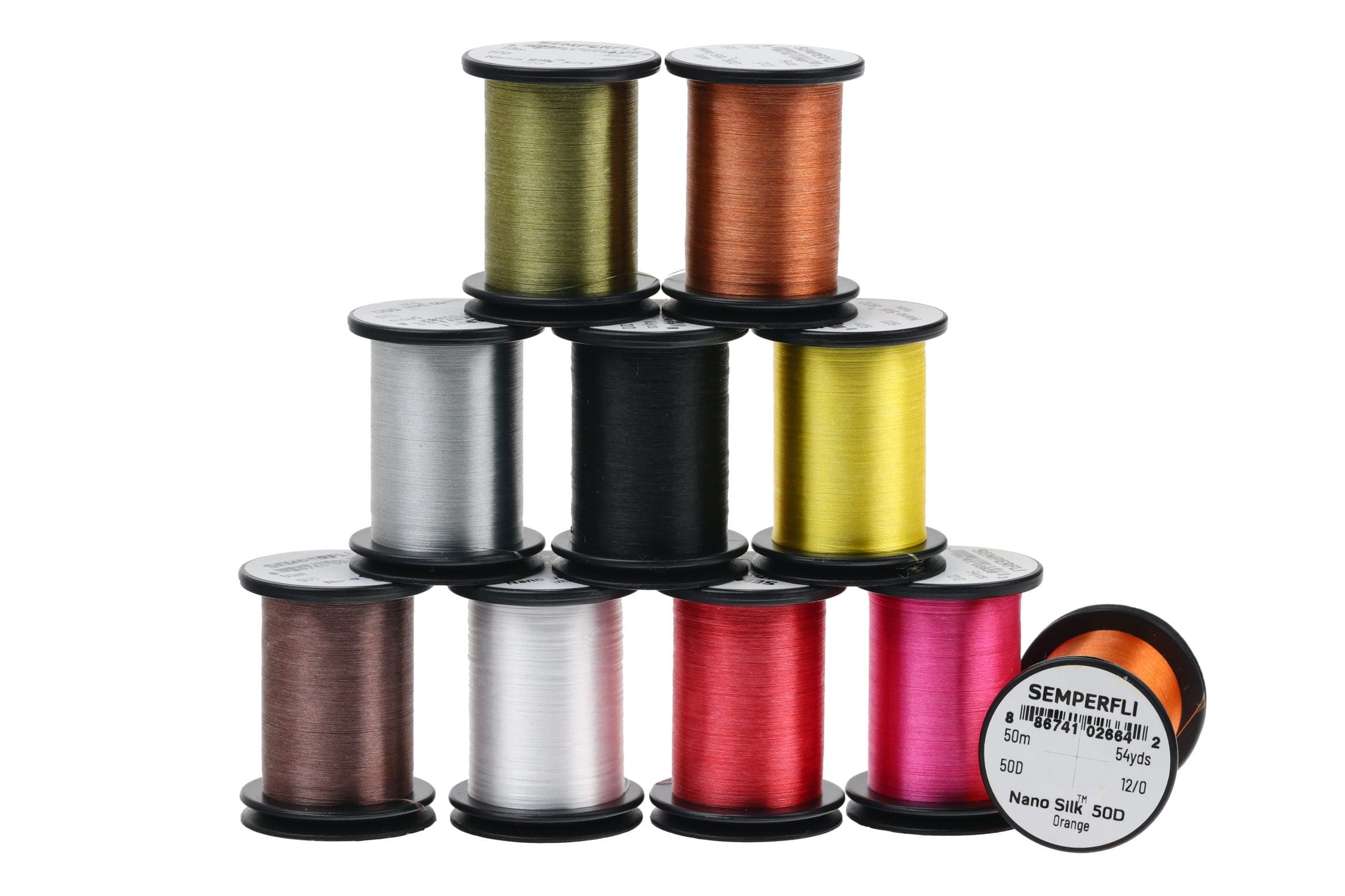
Best All-Around: Semperfli Nano Silk 50D 12/0 Thread - A go-to for most trout patterns when you want a clean, low-bulk head without babying your thread. It’s a flat-laying GSP option that keeps bodies slim and helps you really lock materials down.
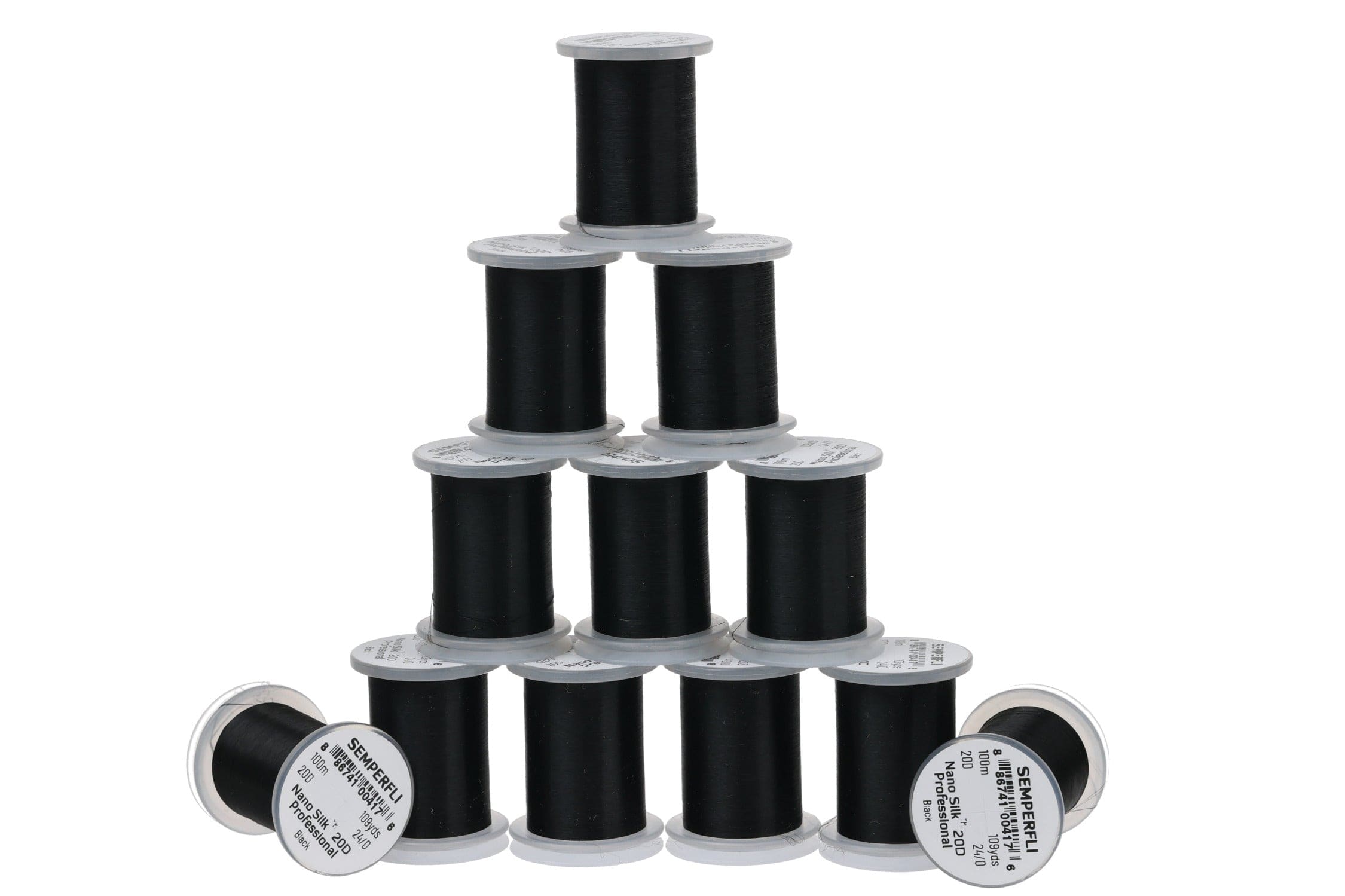
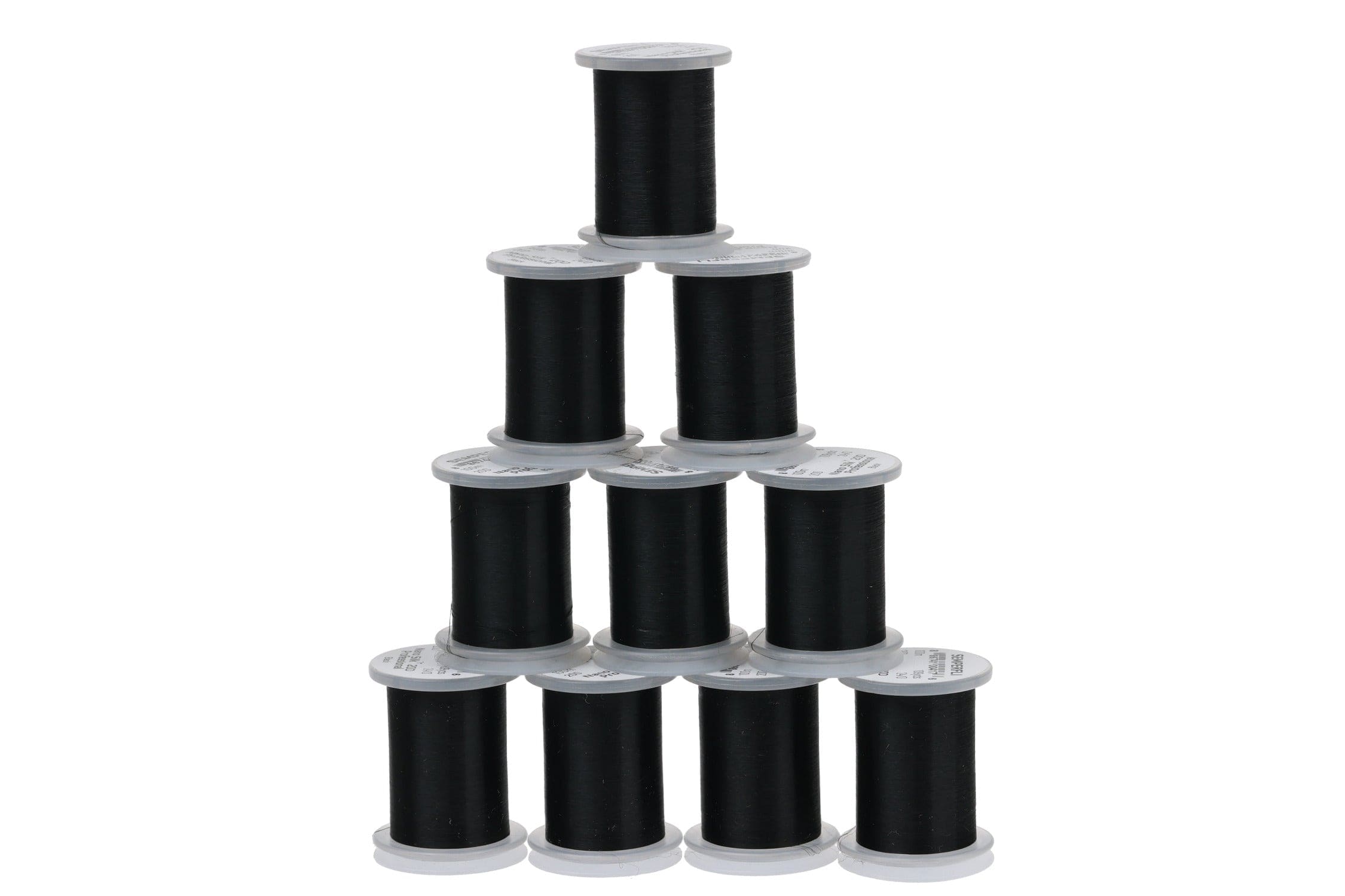
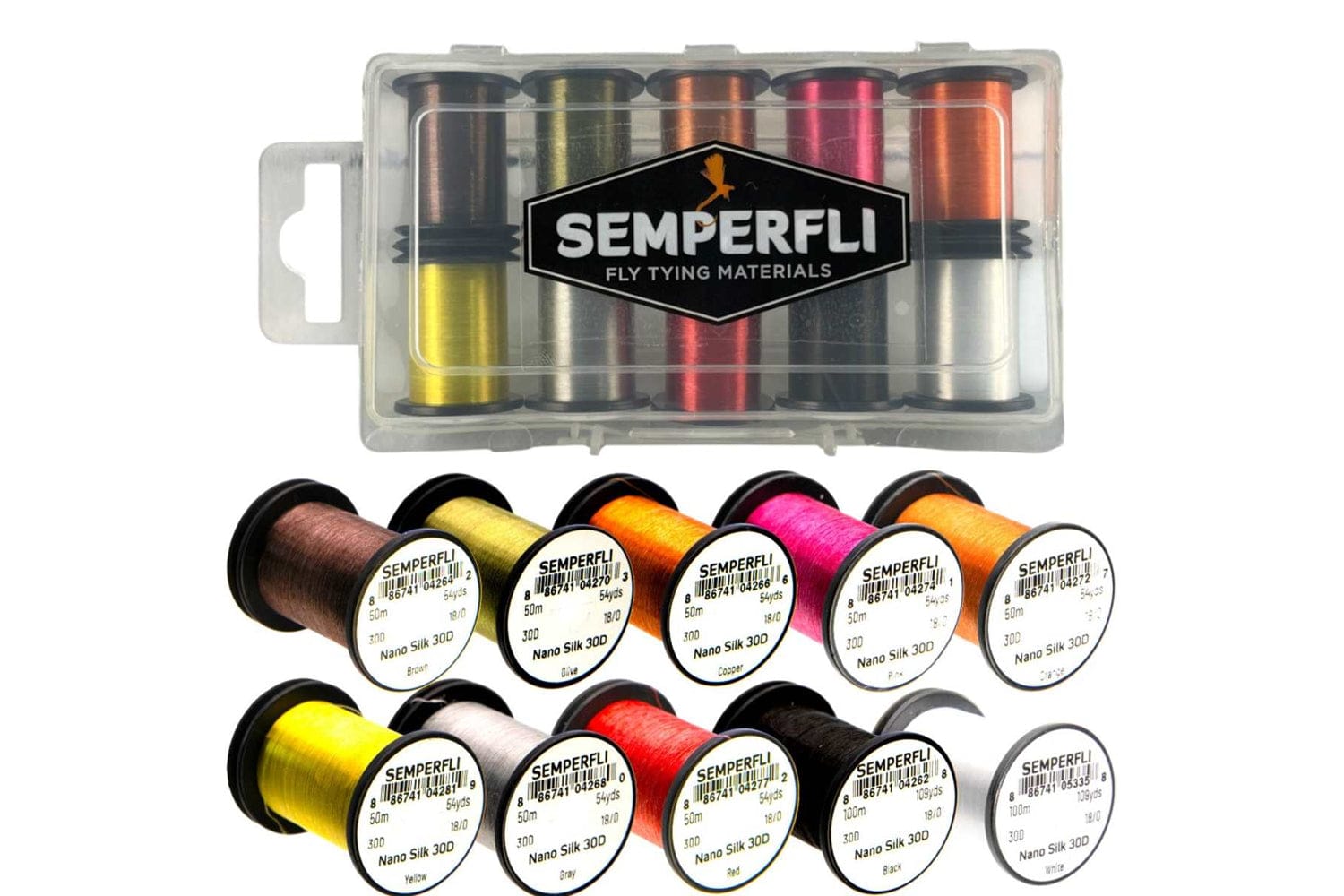
Best for Tiny Flies: Semperfli Nano Silk 30D 18/0 Thread - Built for midges, emergers, and micro patterns where bulk ruins proportions fast. It gives you a super-fine diameter while still letting you pull tight wraps for durable flies.
Best for Streamers: Semperfli Nano Silk Streamer 200D Thread - Ideal when you’re tying bigger trout streamers, predator patterns, or bulky synthetic wings. The heavier denier helps you muscle down materials while staying relatively low-profile for its strength.
Best for Saltwater: Semperfli Nano Silk Saltwater 100D Thread - A strong, color-stable option for saltwater flies and hard-fished baitfish patterns. The dope-dyed colors are designed to resist fading and bleeding when you’re finishing flies with UV resin or epoxy.
Best for Deer Hair: Semperfli Nano 300D Saltwater & Hair Stacker - Made for aggressive thread pressure when stacking and spinning deer hair or building tough saltwater heads. It’s the confidence pick when you’re tired of threads popping mid-spin.
How to Choose Semperfli Fly Tying Thread
Match the denier to the hook size and materials
Action: Choose the lightest thread that still lets you cinch materials down securely.
20D,30D (micro): Best for size 16,32 patterns, sparse bodies, and tiny heads where every wrap matters.
50D (all-around trout): A sweet spot for many dries, nymphs, and small streamers where you want strength with minimal build.
100D,200D (big materials): Better for deer hair, stacked bucktail, large synthetics, saltwater, and predator flies where you’re pulling hard.
Understand what GSP does differently
Best for: Low bulk, high strength-to-diameter, and clean bodies on everything from midges to streamers.
Avoid if: You strongly prefer the “grip” of a traditional waxed nylon/polyester thread for learning tension control.
Simple tips that make Semperfli easier to use
Use the right bobbin: A ceramic-tube bobbin helps protect strong GSP thread from abrasion.
Control twist: Let your bobbin hang to untwist for a flatter lay, or add twist when you want a rounder cord.
Cut smart: GSP can be tough on fine scissors; a razor blade is a clean, consistent option at the vise.
Why Trident Carries Semperfli
Semperfli fills a very practical role on the tying bench: strong, flat-laying threads that help you build slimmer, cleaner flies without constantly breaking thread. We especially like having multiple deniers on hand so you can tie everything from micro midges to stacked-hair streamers with one consistent thread family.
Materials & Durability
Storage: Keep thread spools out of direct sun and away from head cement/solvent fumes to preserve color and strength.
Thread tension: Start with moderate pressure to position materials, then increase tension to lock them down.
Finishing flies: When using UV resin or epoxy heads, keep wraps neat and flat so you don’t trap air or create bumps.
Tool wear: Strong threads can groove metal bobbins and dull scissors faster; check your tools periodically.
Complete Your Setup
Related Gear
Thread/Tinsel/Wire - Build out ribbing, flash, and wire options that pair naturally with strong GSP thread bodies.
Fly Tying Hooks - Match your thread size to the hook style and wire gauge you’re tying on.
Fly Tying Materials - Stock up on the core materials (dubbing, chenille, flash) to put your thread to work.
Related Guides
Semperfli FAQs
Q: What is Semperfli best known for?
A: In this collection, Semperfli is best known for Nano Silk fly tying thread in multiple deniers, built around high strength with a flat, low-bulk wrap.
Q: What does “denier” mean on Semperfli Nano Silk thread?
A: Denier is a measurement that helps indicate thread thickness/strength class. Lower denier is generally better for tiny flies and minimal bulk; higher denier is better for bigger hooks and tougher materials.
Q: Which Semperfli thread is best for small dry flies and midges?
A: Look at the lighter options like 30D or 50D when you need fine control and slim heads. They’re popular for small dries, emergers, and midges where thread buildup shows quickly.
Q: Which Semperfli thread is best for streamers and deer hair?
A: Step up to heavier threads (like 100D, 200D, and 300D) when you’re stacking/spinning hair or locking down bulky synthetics. The extra strength helps you pull hard without popping thread.
Q: Do I need a special bobbin for GSP tying thread?
A: It’s a good idea to use a ceramic-tube bobbin with strong GSP threads. It helps reduce abrasion and makes thread tension smoother and more consistent.
Q: Is Semperfli thread beginner-friendly?
A: Yes, especially if you’re tying patterns that benefit from strength and low bulk. Like most GSP, it can feel slick compared to waxed threads, so consistent tension control matters.
Q: What’s the difference between Semperfli Nano Silk and standard nylon/polyester thread?
A: Nano Silk is designed to offer very high strength for its diameter and to lay flatter for less bulk. Traditional threads can feel grippier and may be easier when you’re learning, but they usually build bulk faster at similar strength levels.
Semperfli Warranty & Resources
This collection focuses on consumable fly tying materials (threads). Warranty terms can vary by retailer and product type, and Semperfli’s official warranty/registration resources weren’t clearly verifiable during this research pass. If you need help with a specific issue, contact Trident and we’ll point you to the correct manufacturer channel.