


Scandi vs Skagit Lines: The Difference You NEED to Know
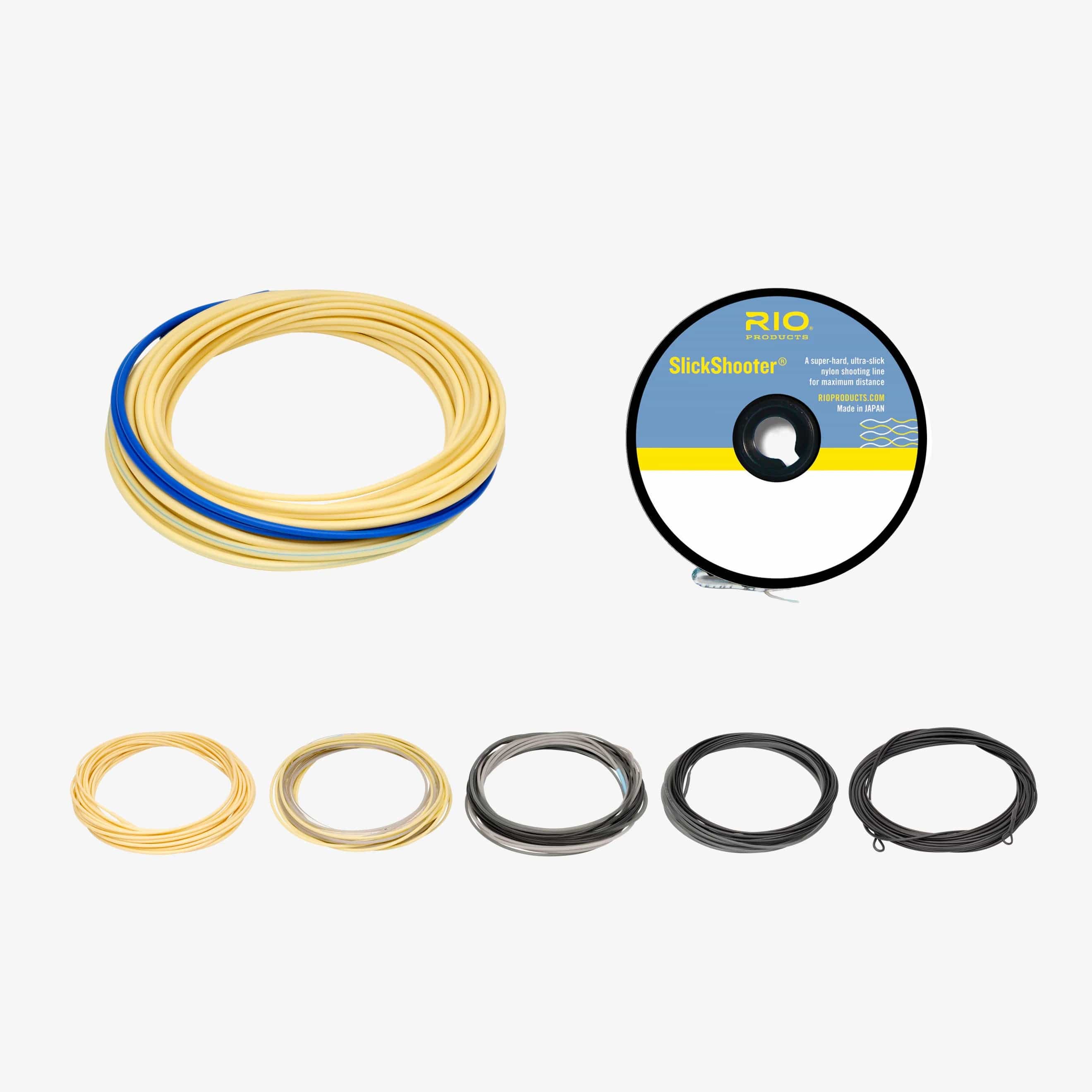
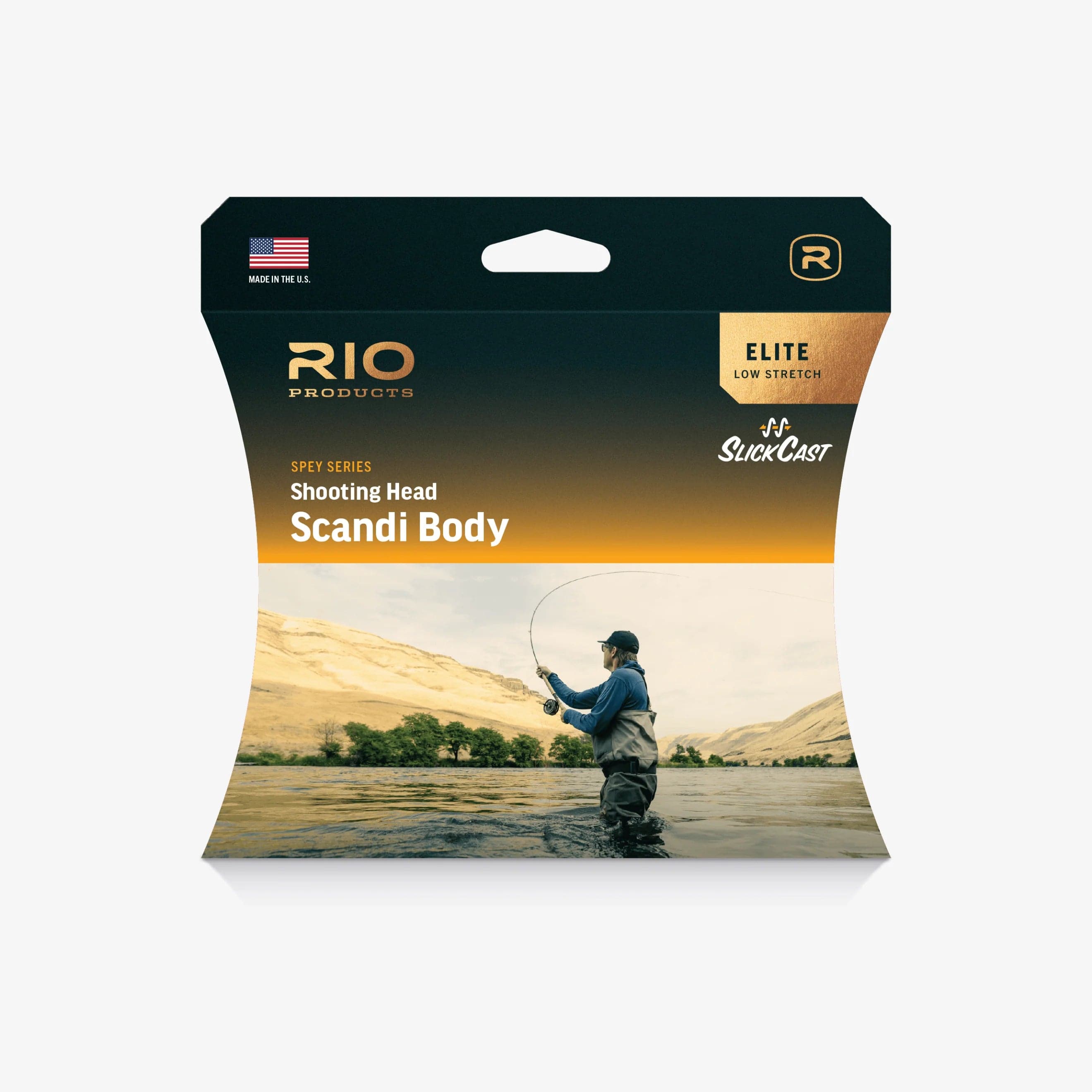
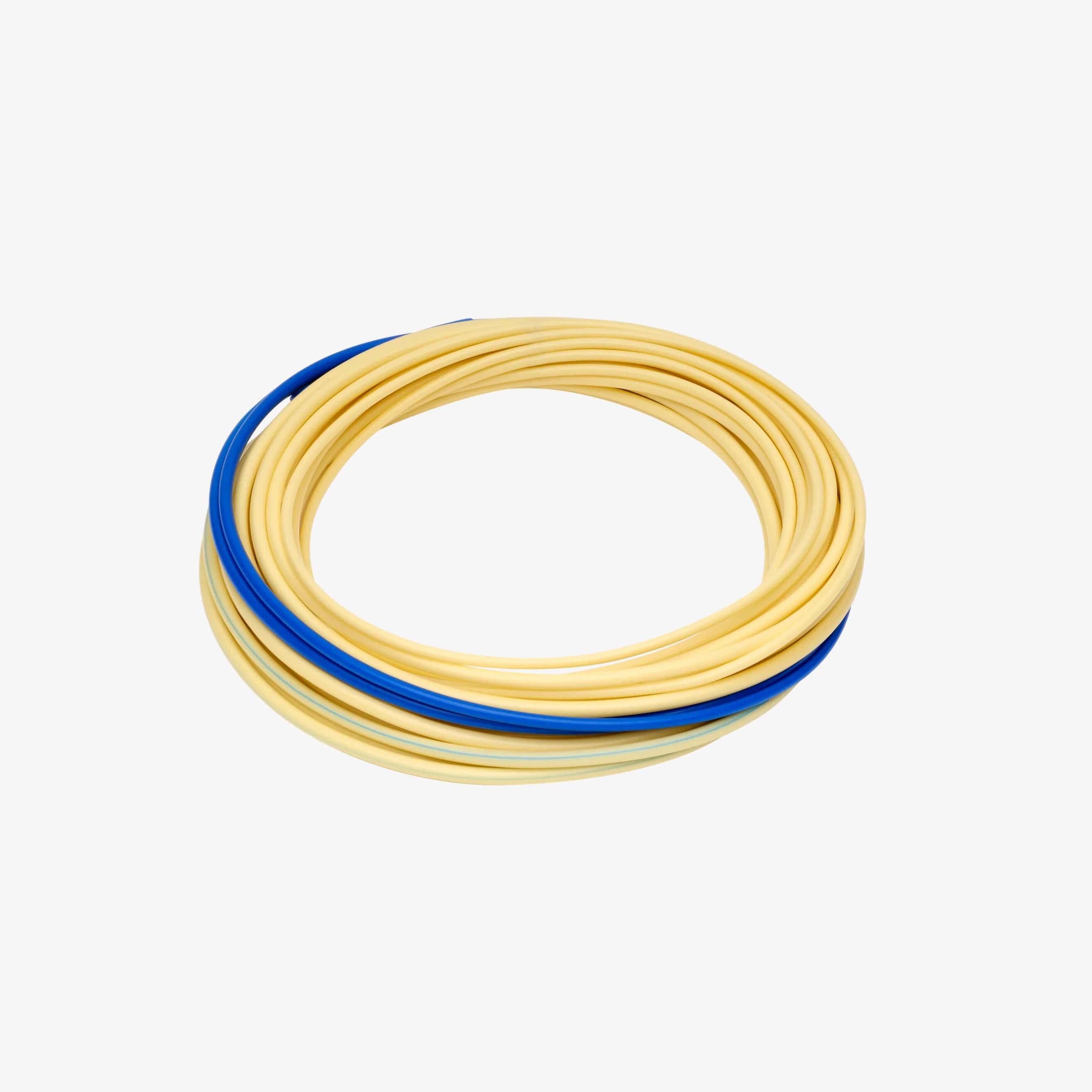
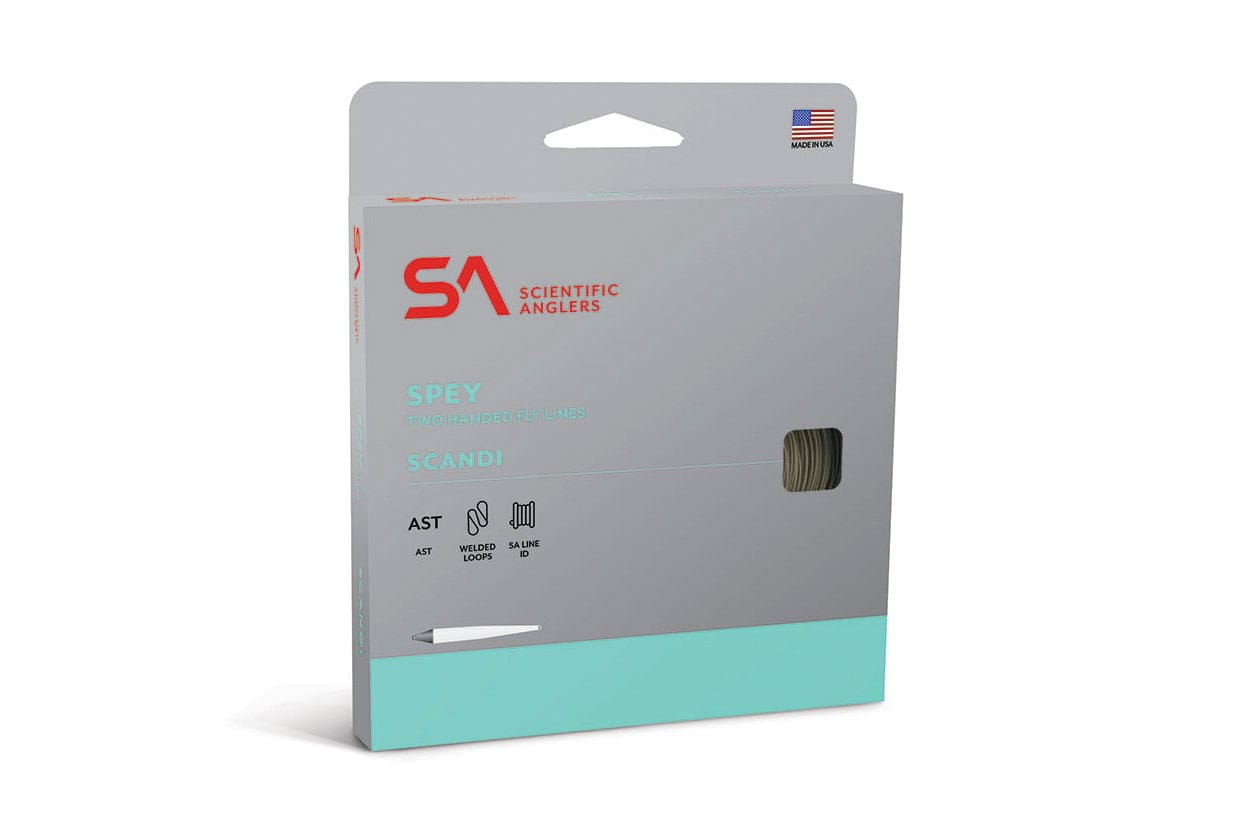
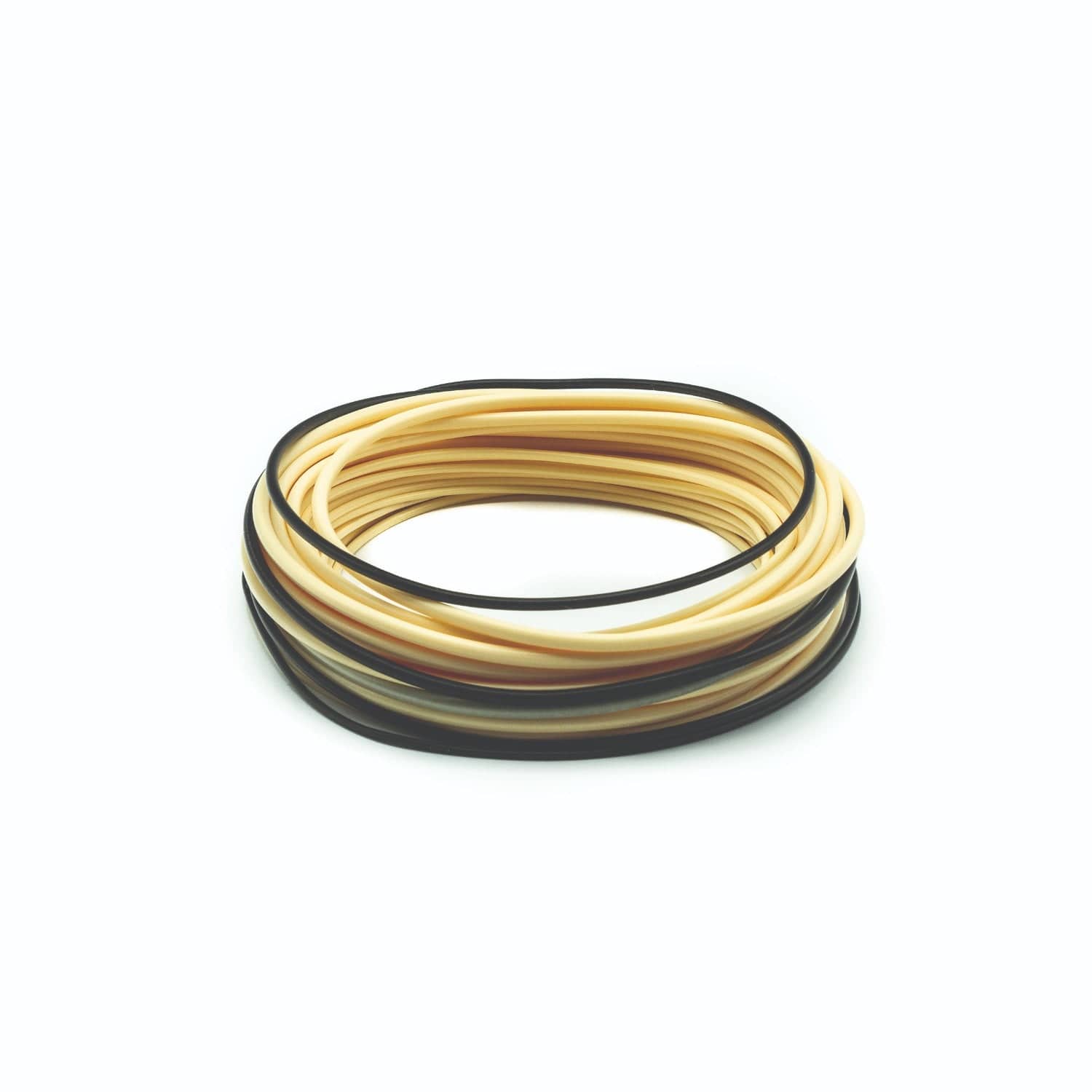
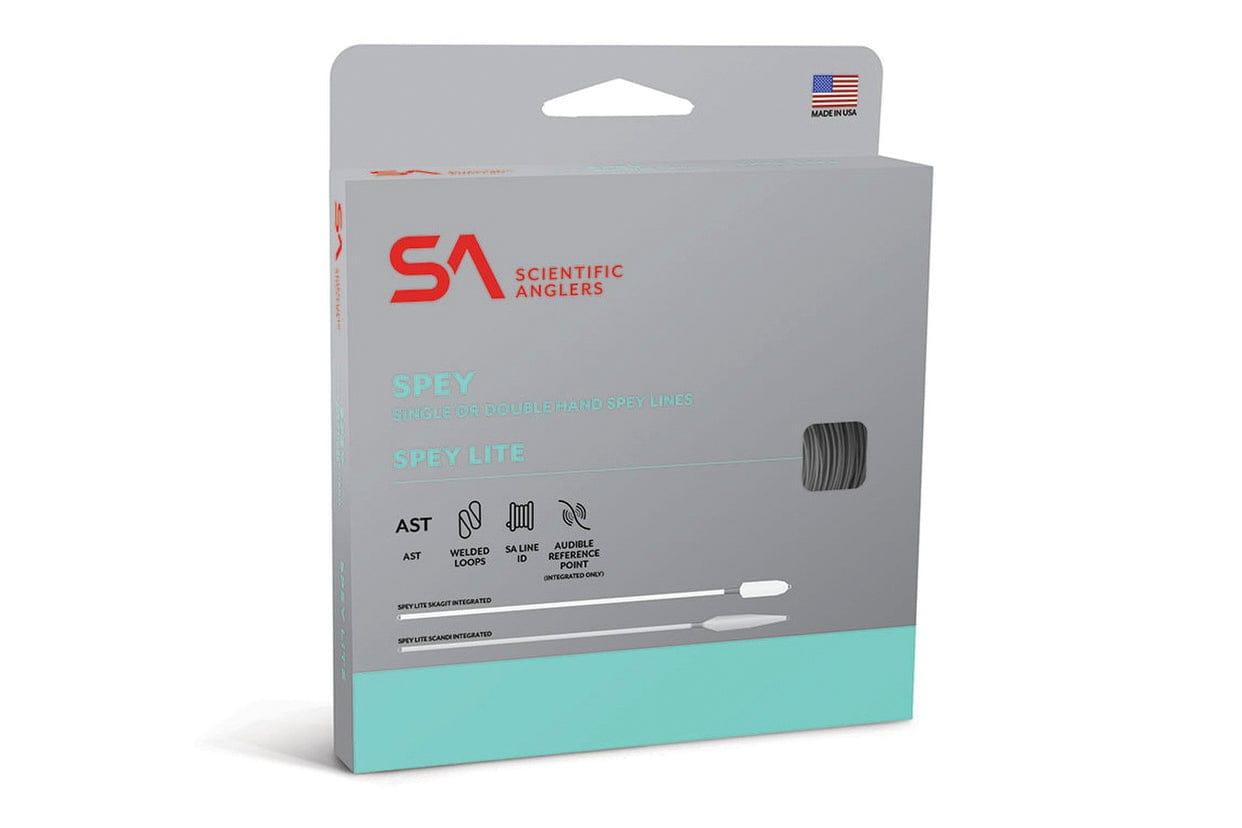
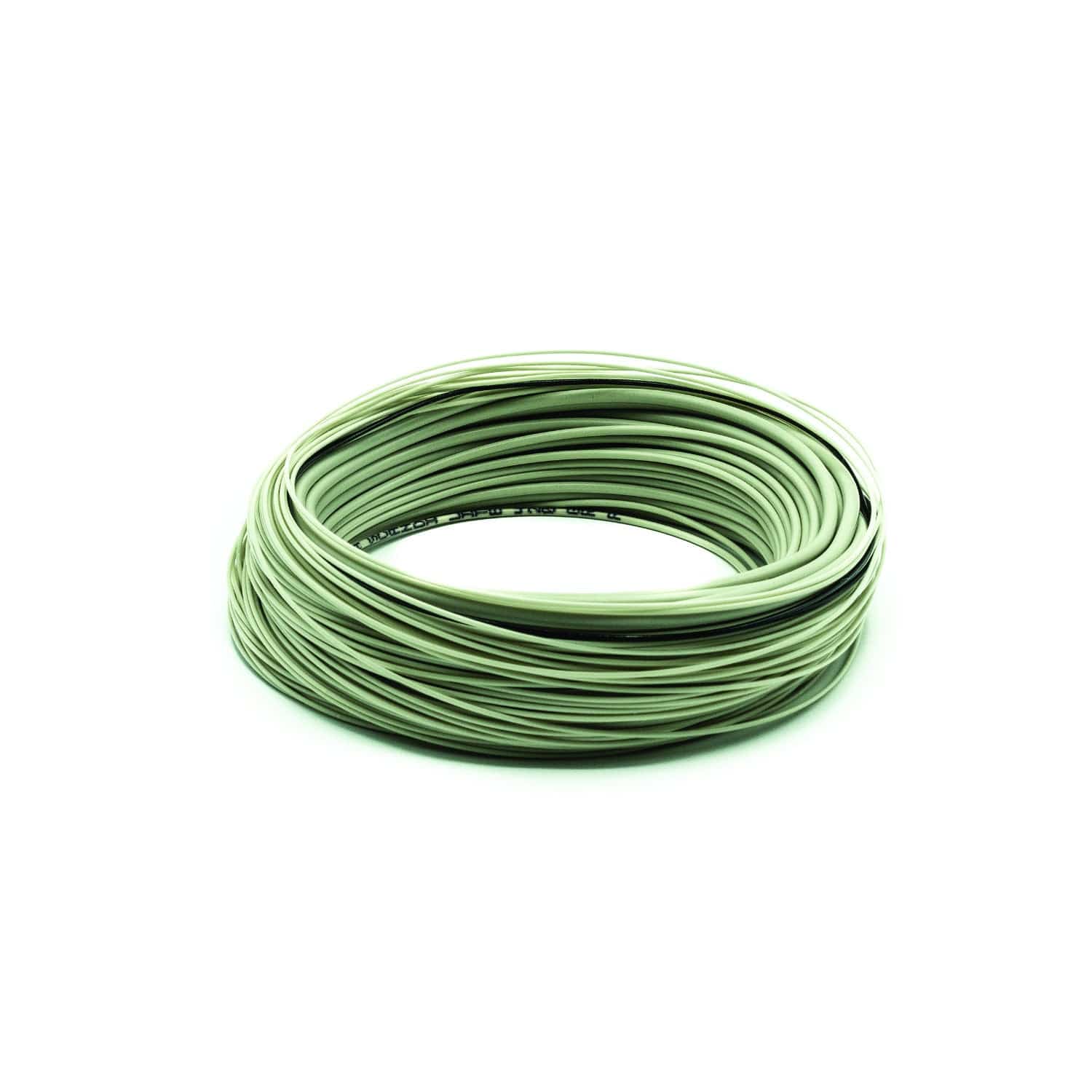
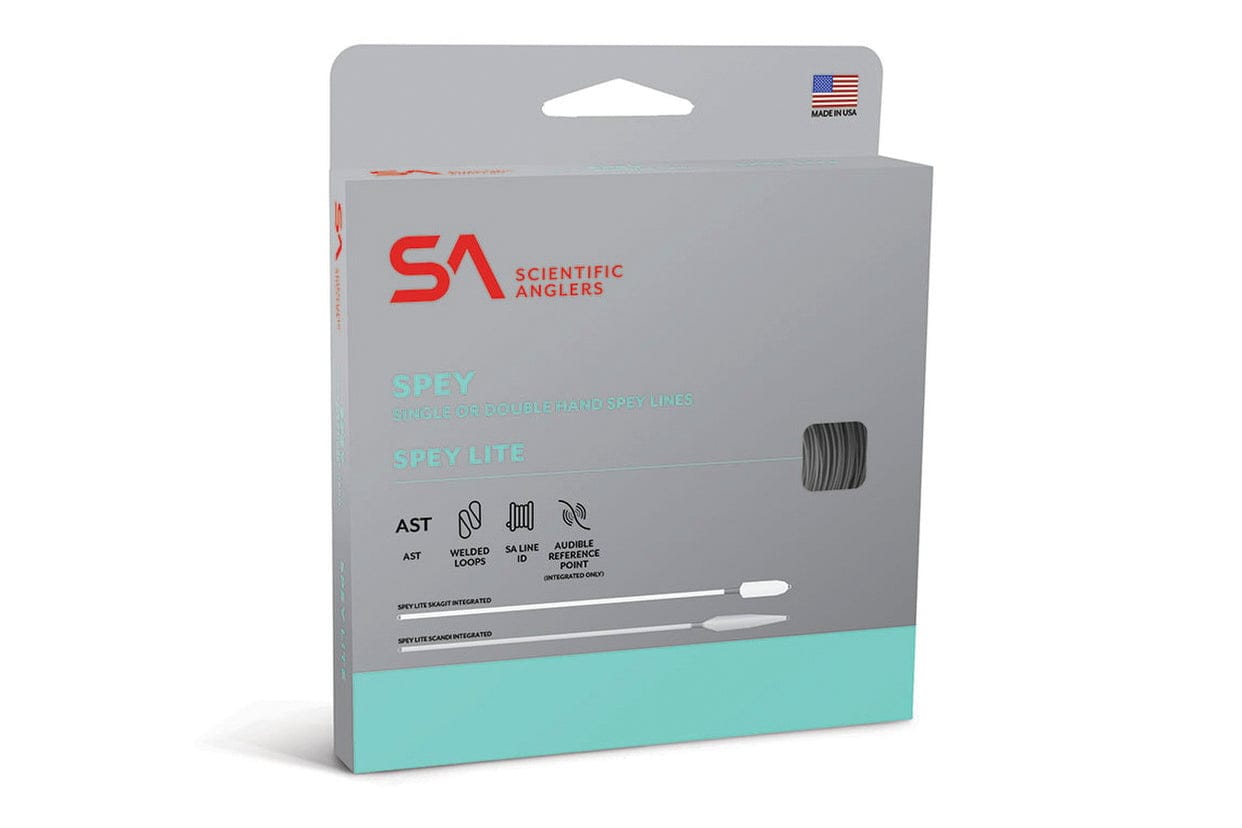
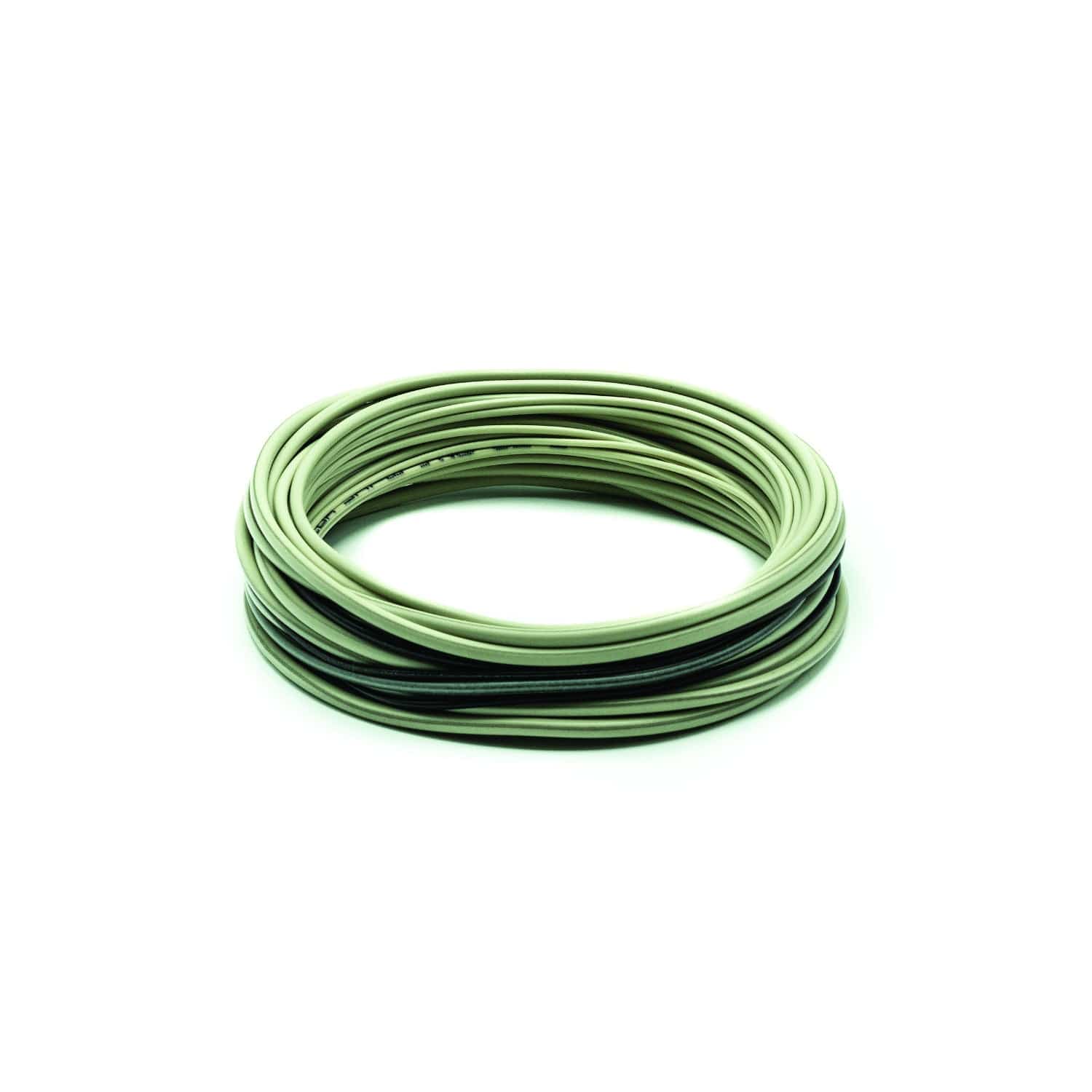
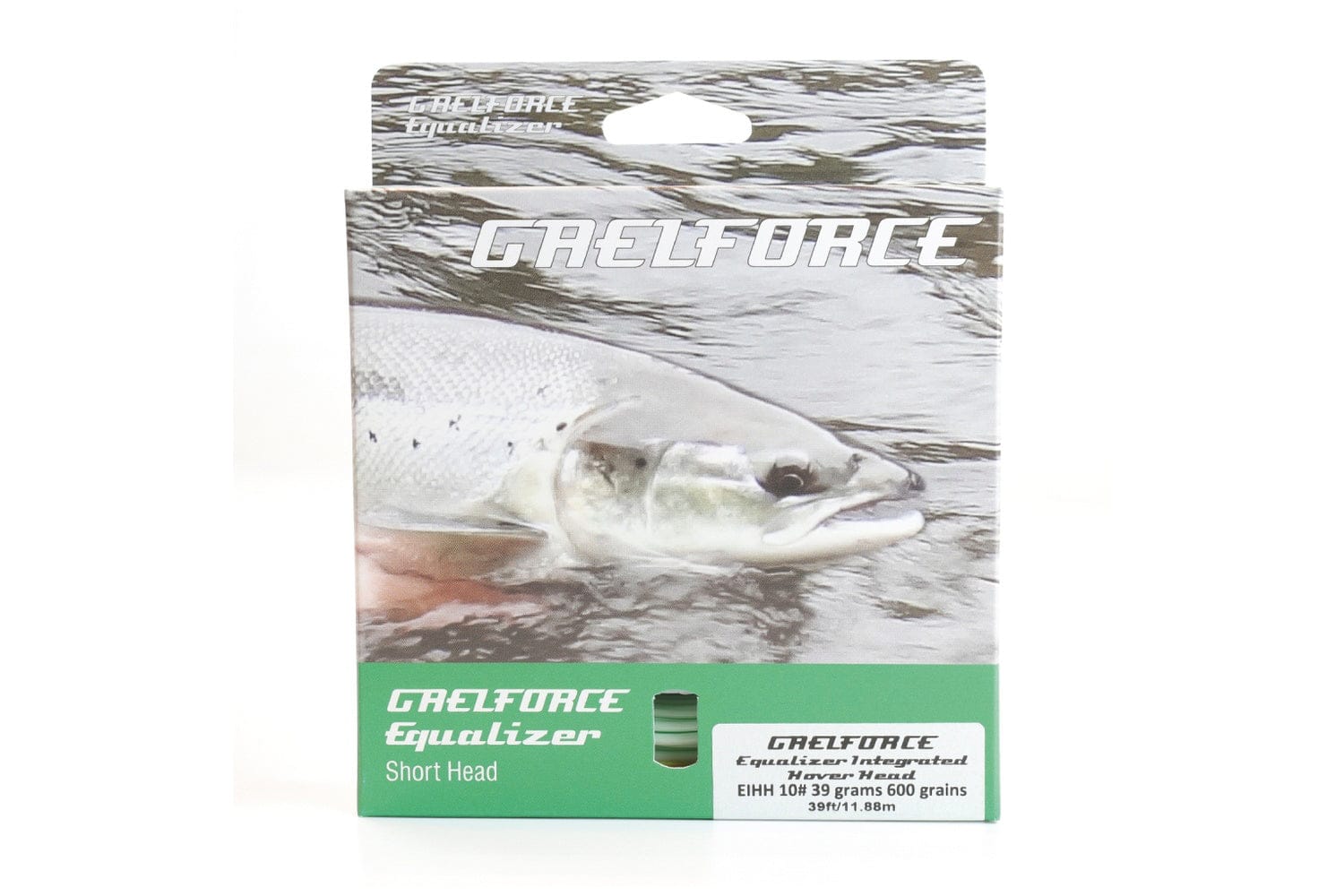
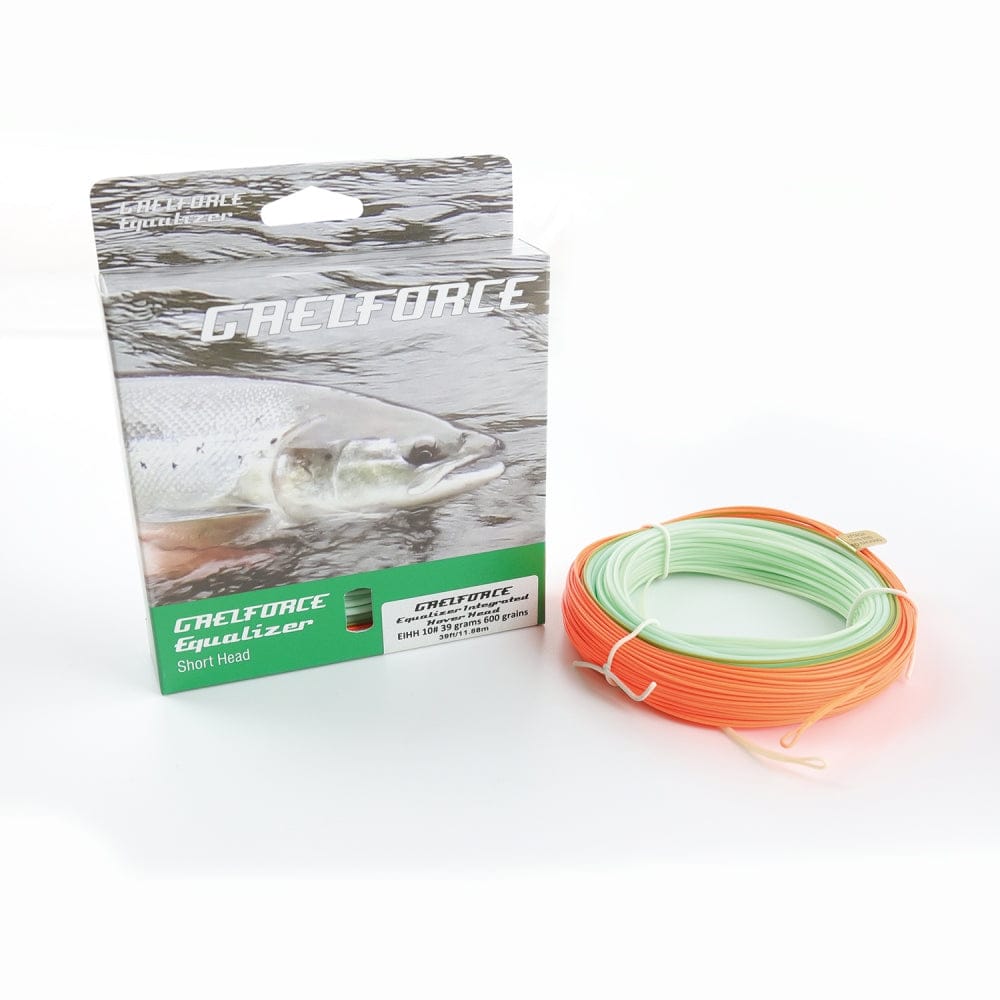
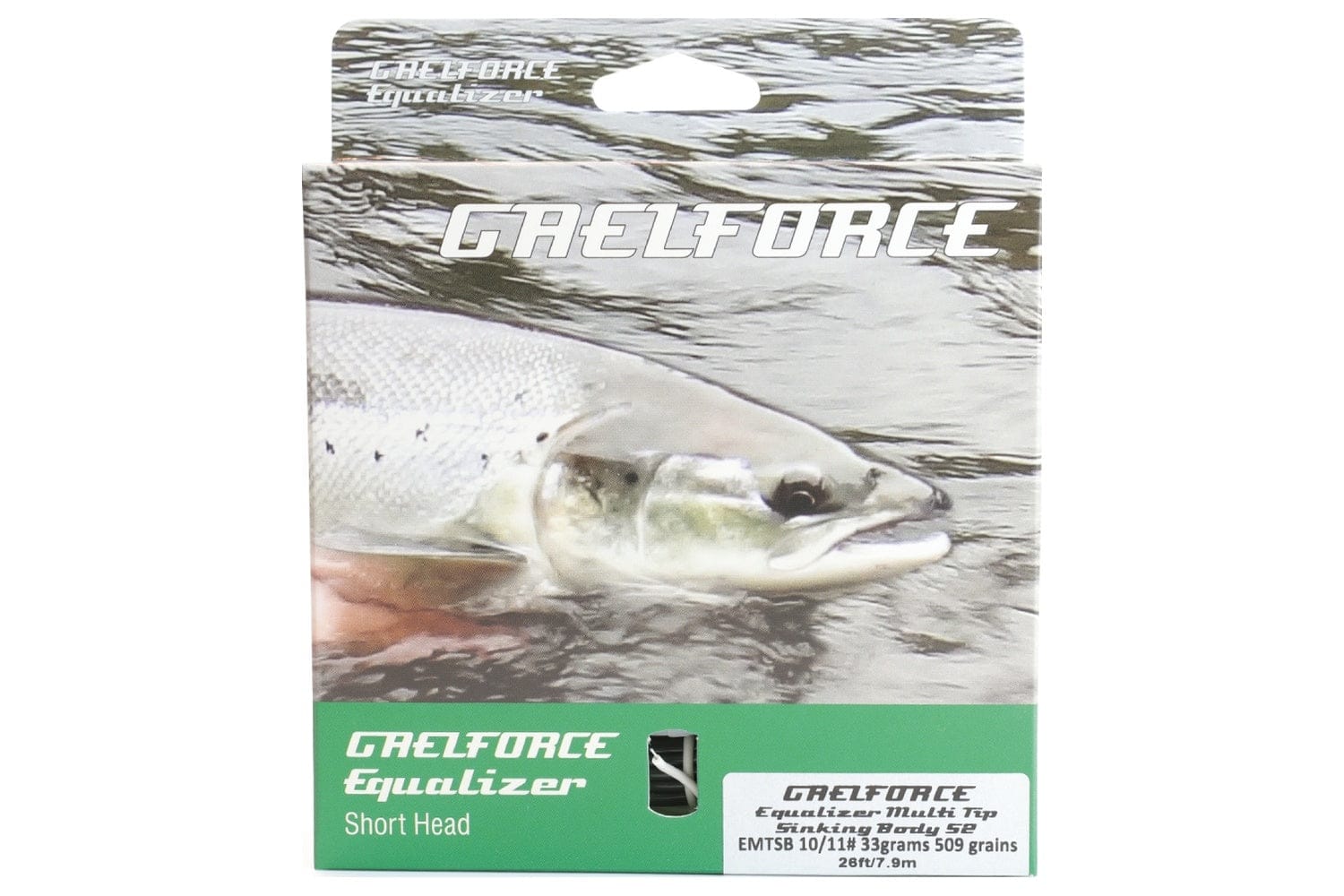
Scandi Fly Lines Quick Picks
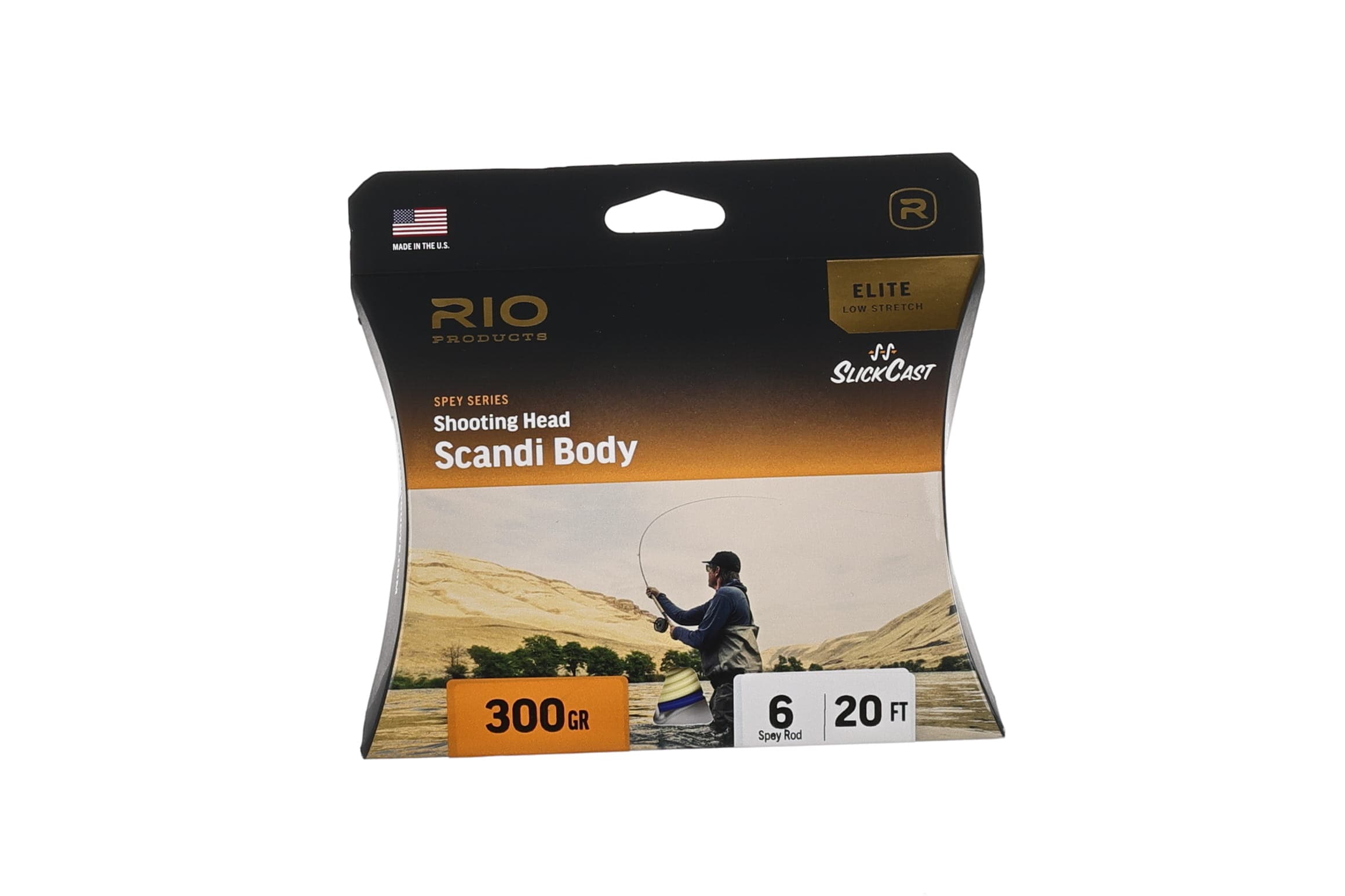
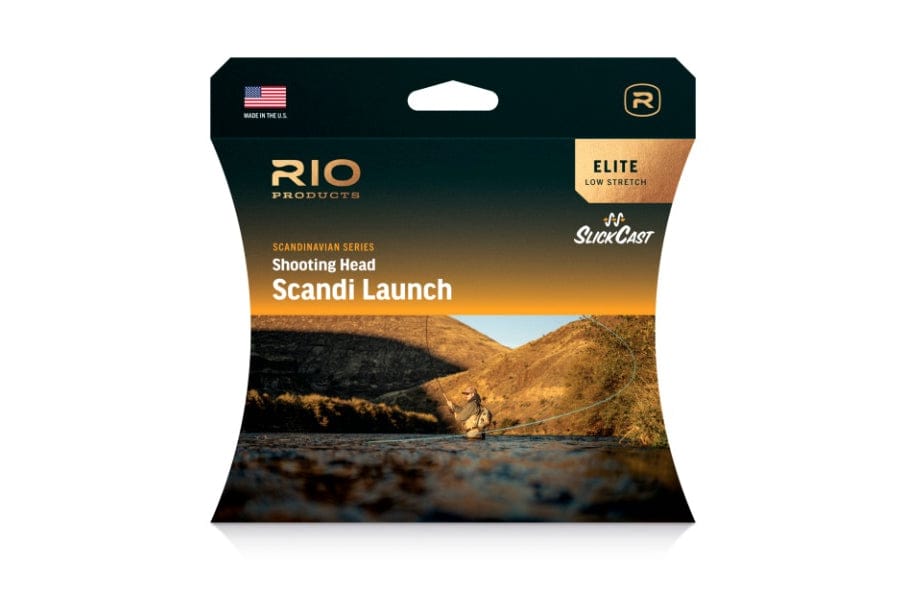
- Best All-Around: Rio Elite Scandi Launch Fly Line - Great for anglers swinging soft hackles, classic wets, and smaller-to-medium flies on spey/switch rods. It’s a Scandi-style head built around smooth turnover and a refined presentation without feeling “under-gunned.”
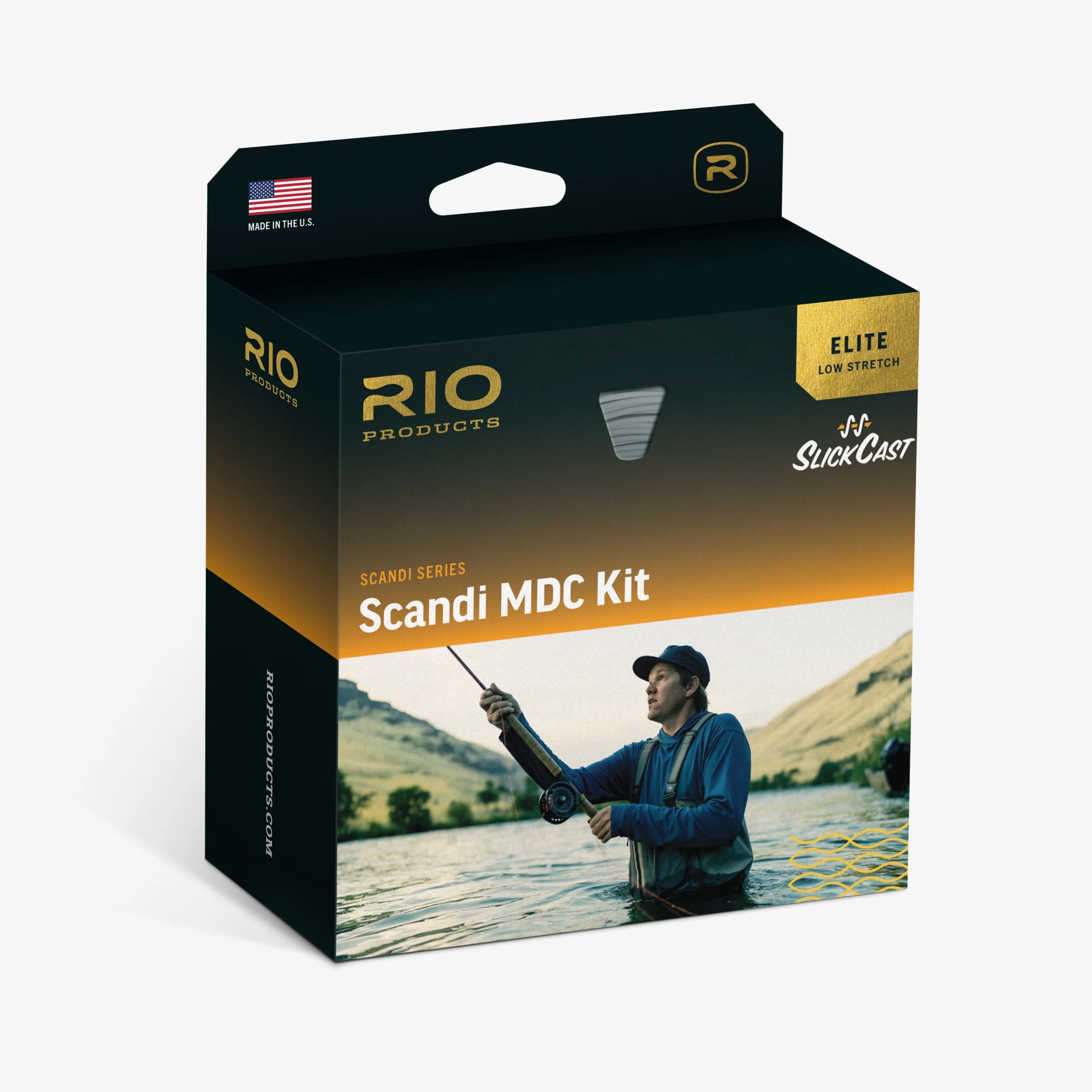
- Best Premium: Rio Elite Scandi Long MDC Kit - Best for two-hand anglers who want a complete, modular system for changing depth without rebuilding the whole rig. You get the convenience of a matched kit (body + tips) that’s built for covering everything from summer swings to deeper, colder runs.
- Best Value: Scientific Anglers Scandi Floating Line - A strong pick if you want an effective, straightforward Scandi head for steelhead, salmon, or trout spey without spending into full “kit” territory. It’s a clean casting head that pairs well with polyleaders/VersiLeaders when you need a little depth control.
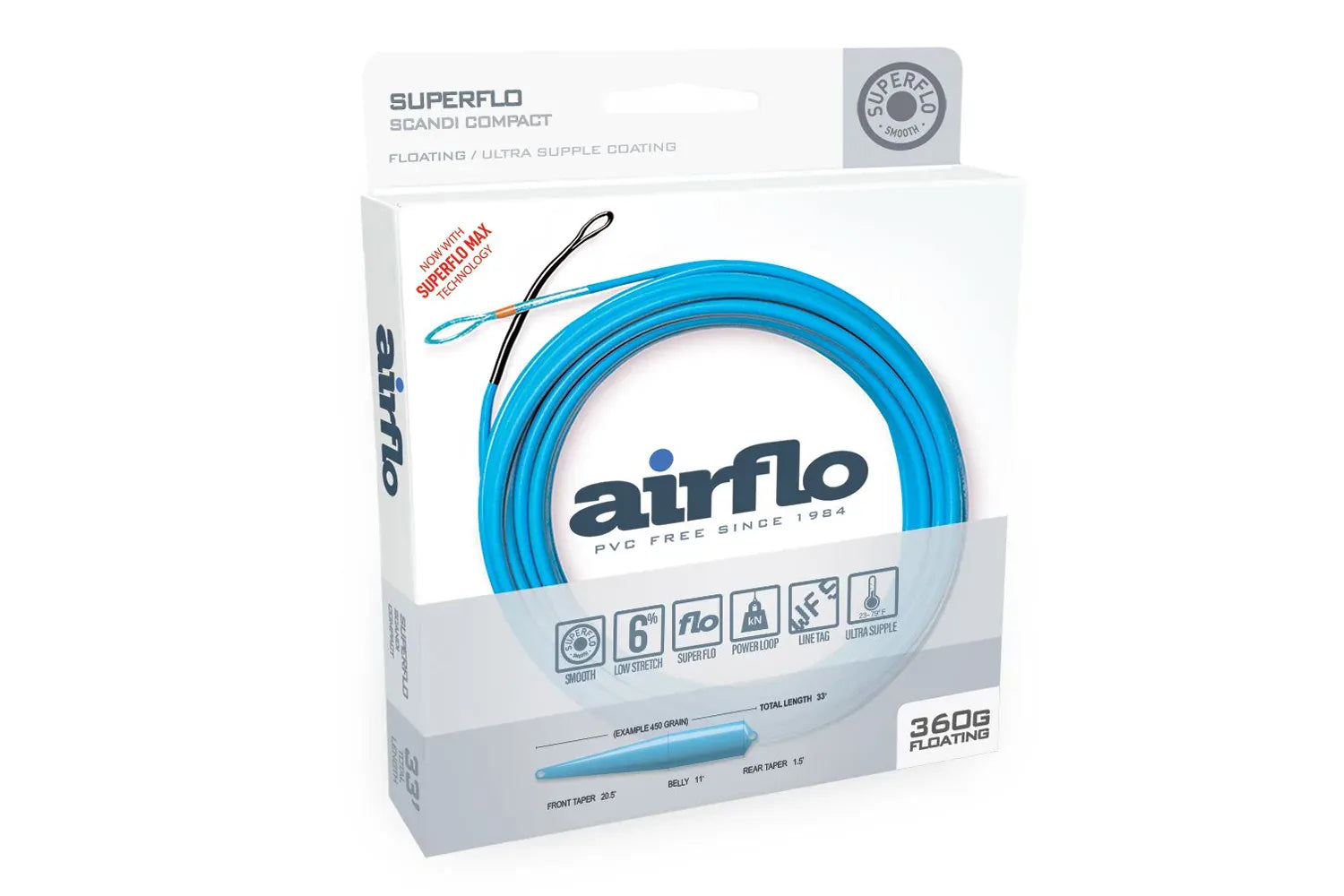
- Best for Compact Heads / Tight Quarters: Airflo Superflo Max Scandi Compact Floating Line - Ideal for shorter casts, tighter banks, and anglers who like a quicker-loading Scandi feel. The compact profile helps you form tight loops and keep your cast efficient when space is limited.
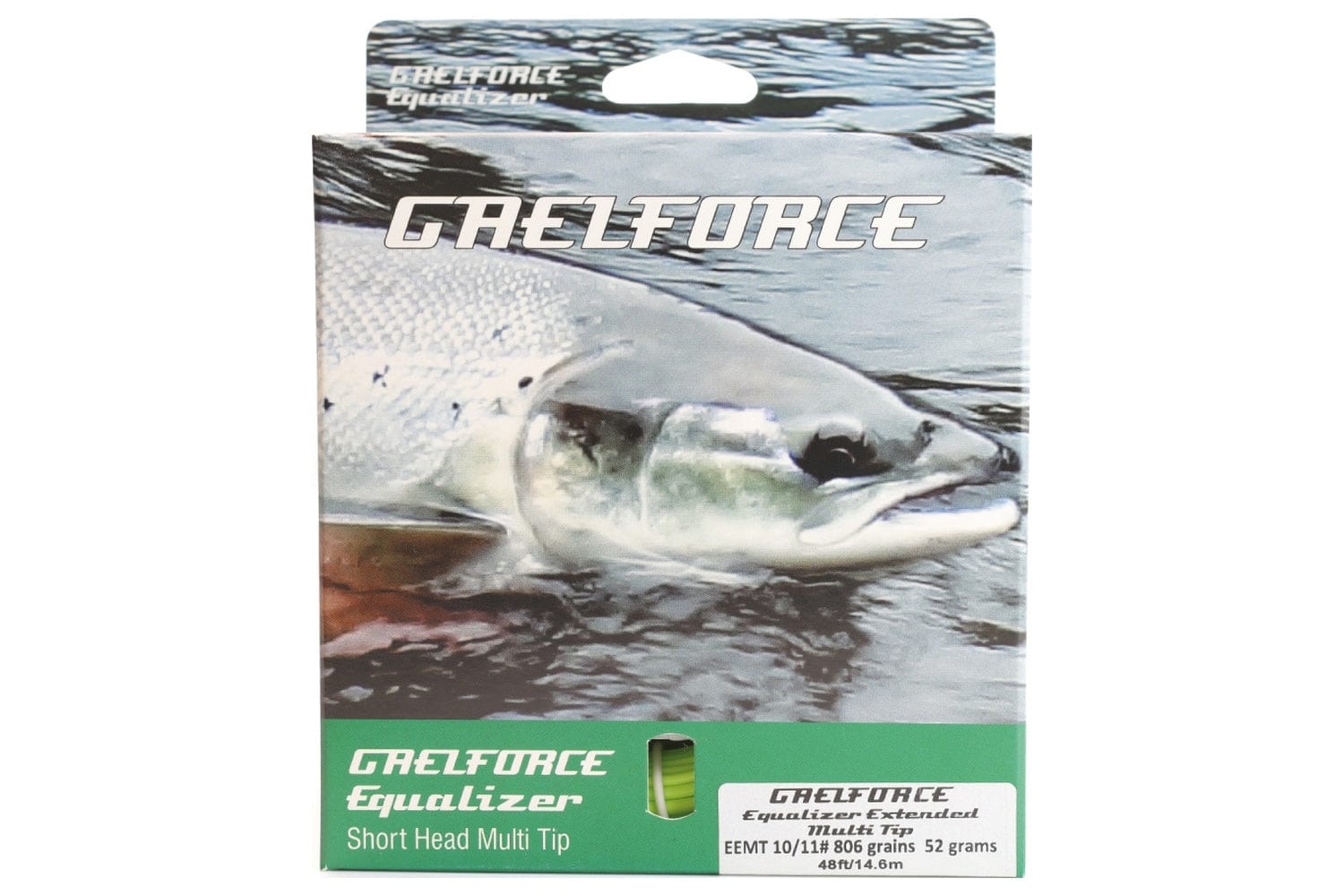
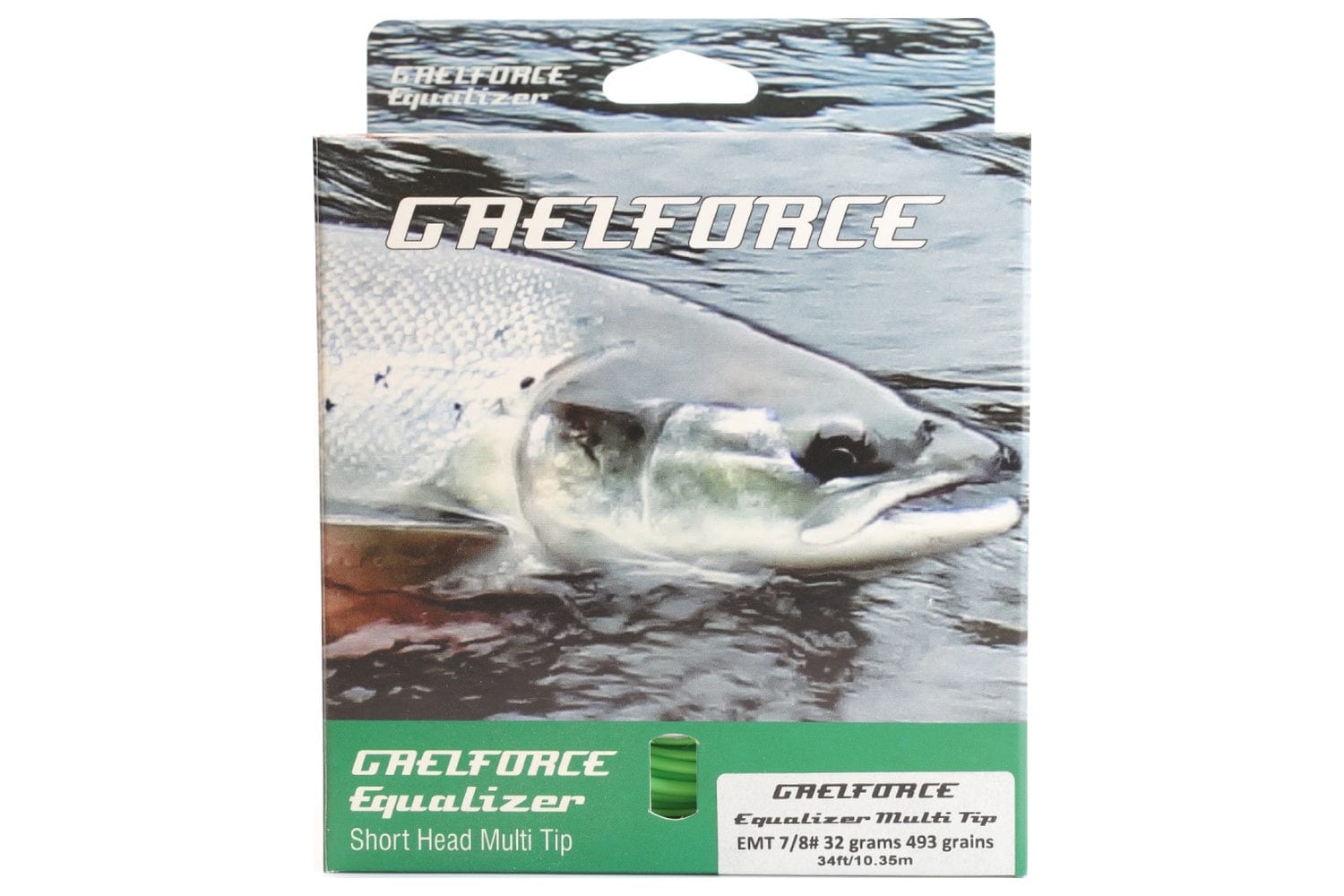
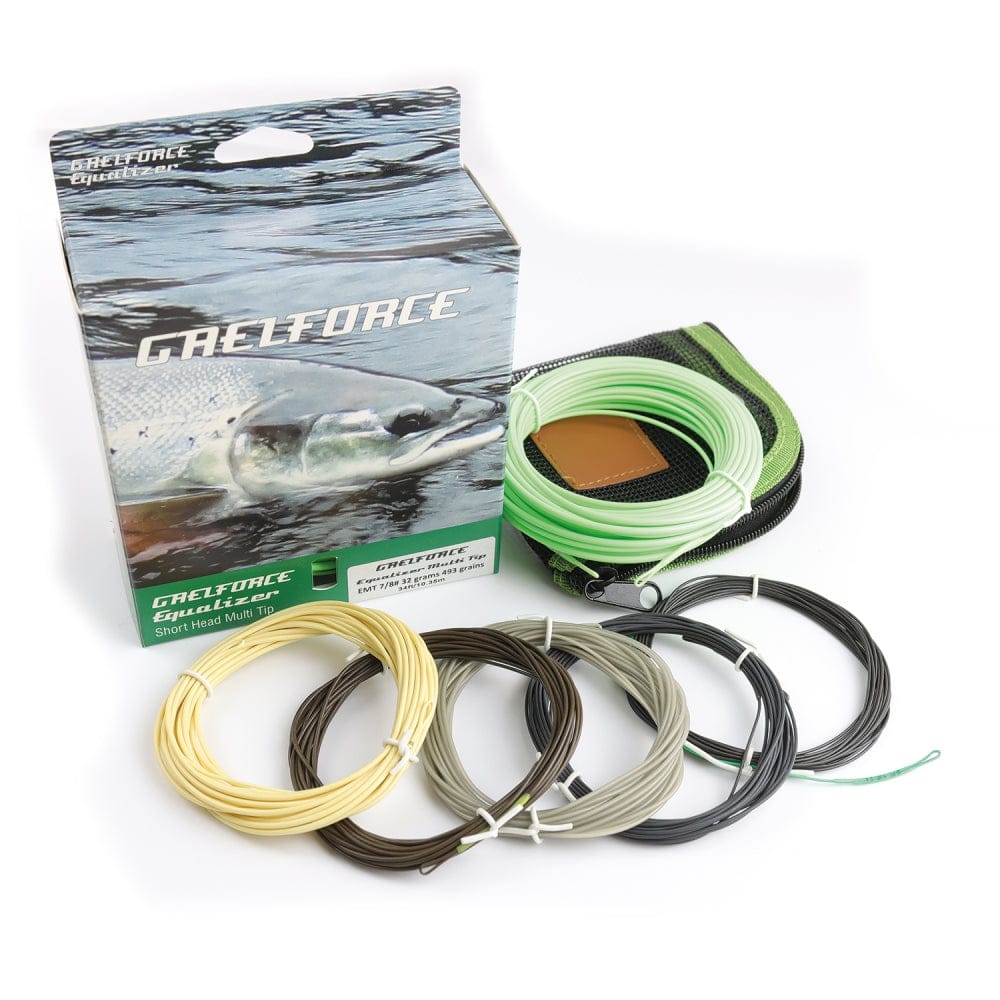
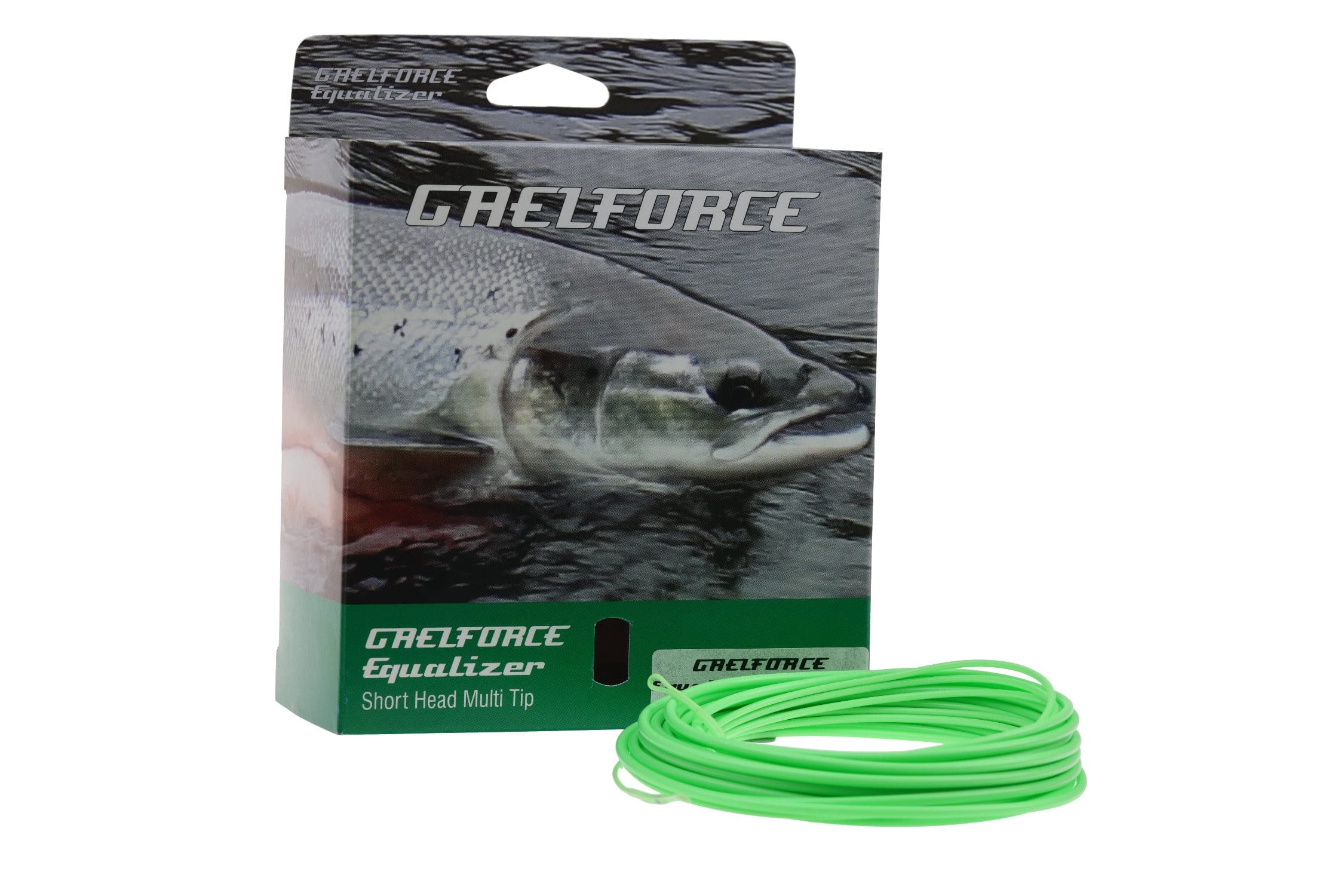
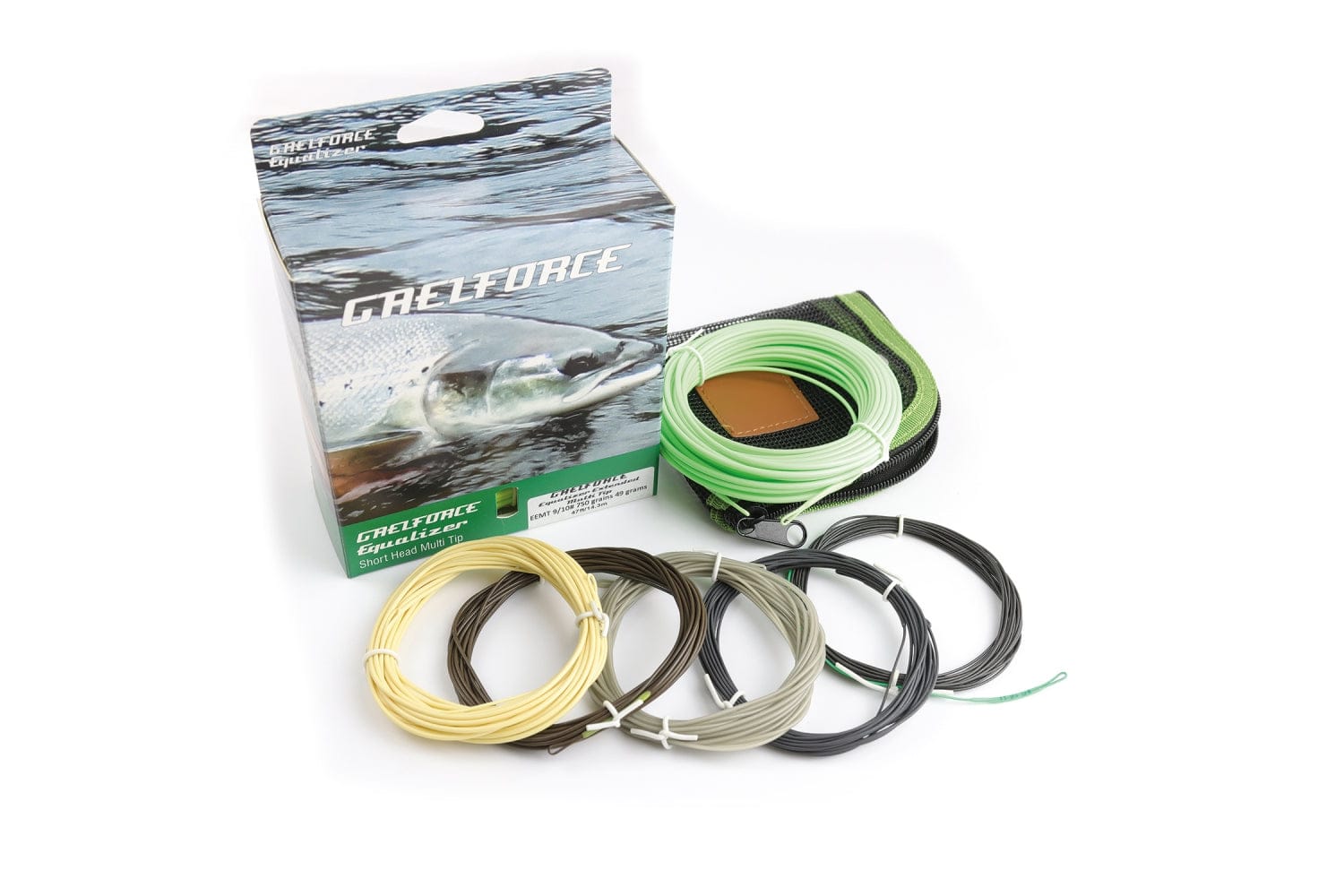
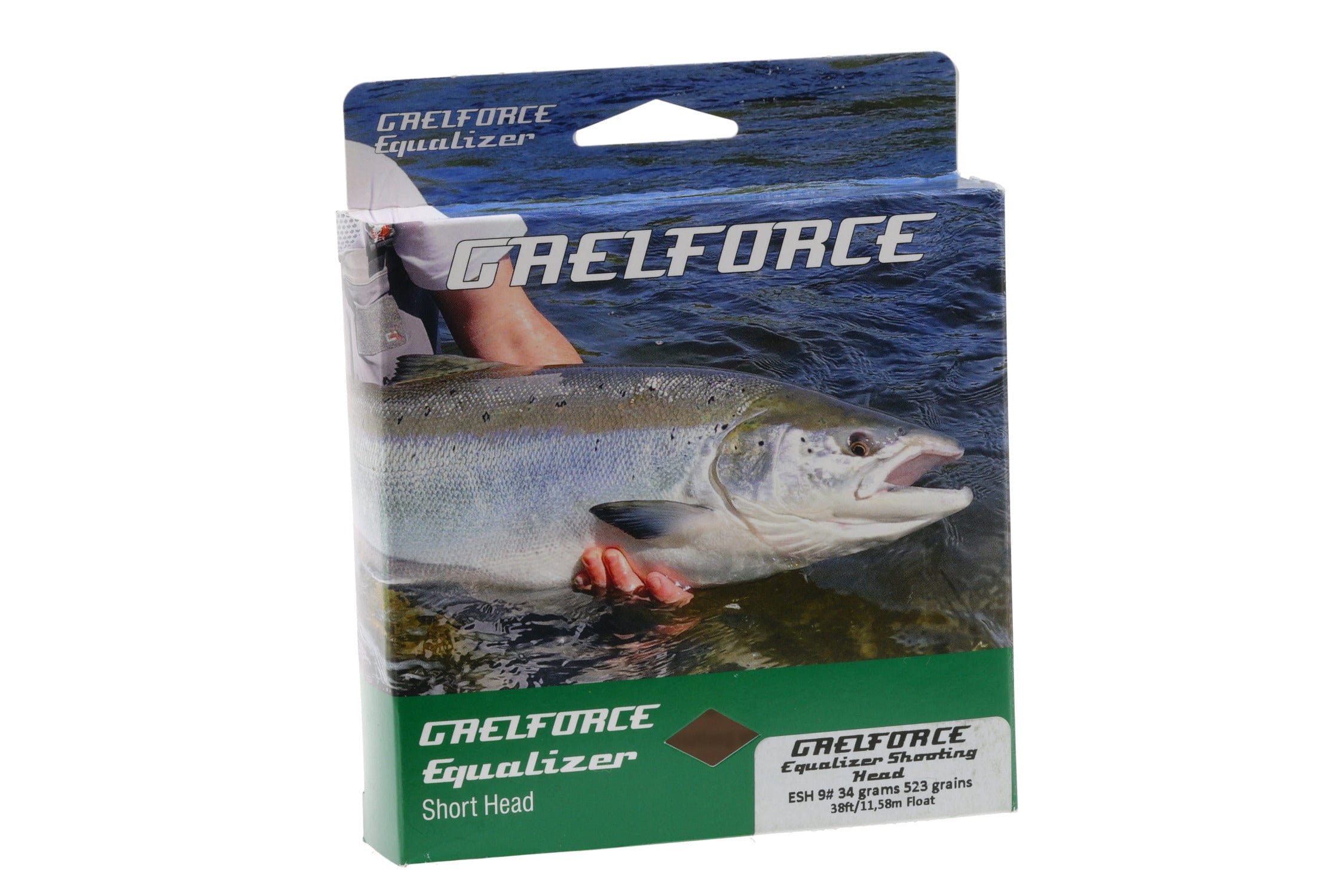
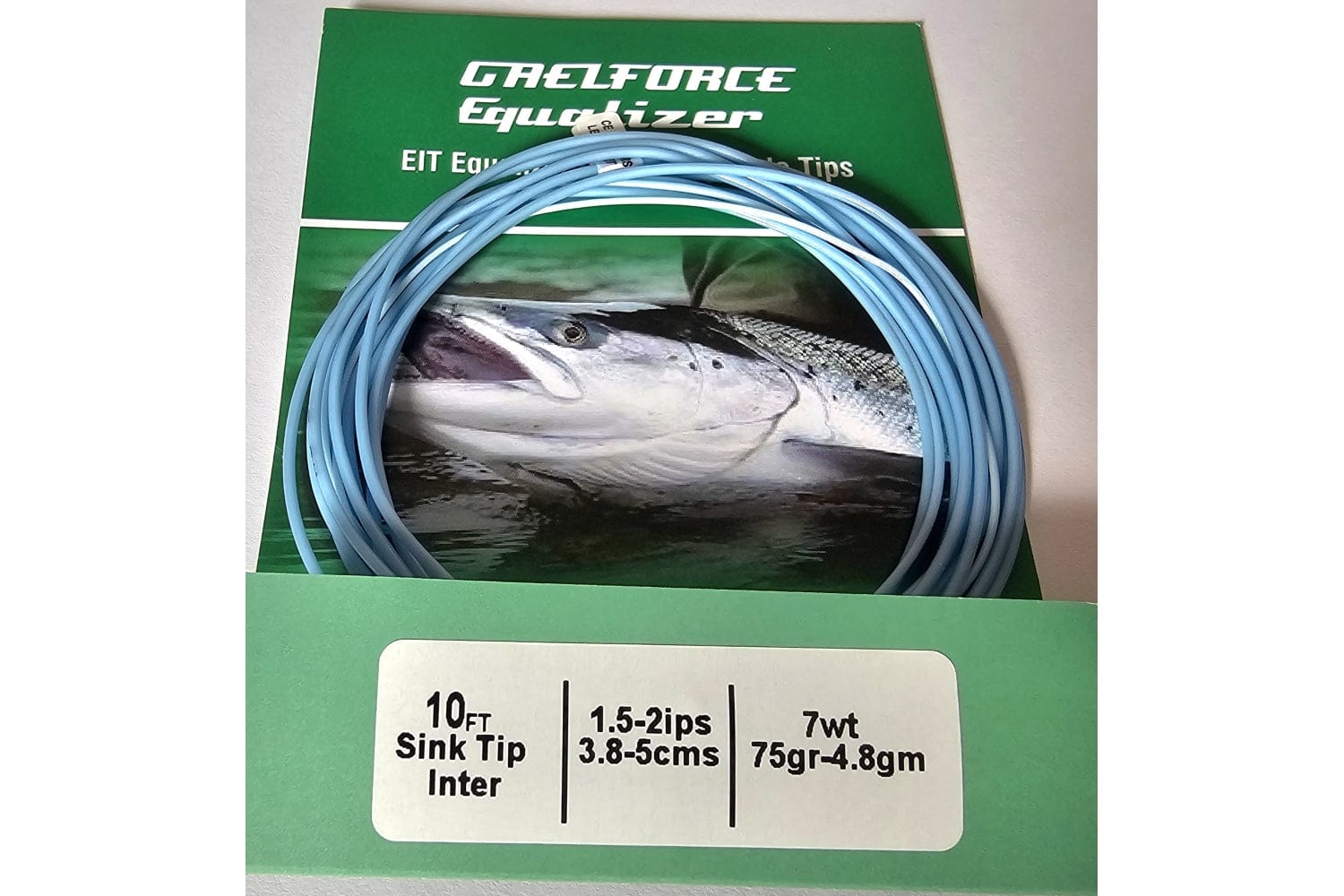
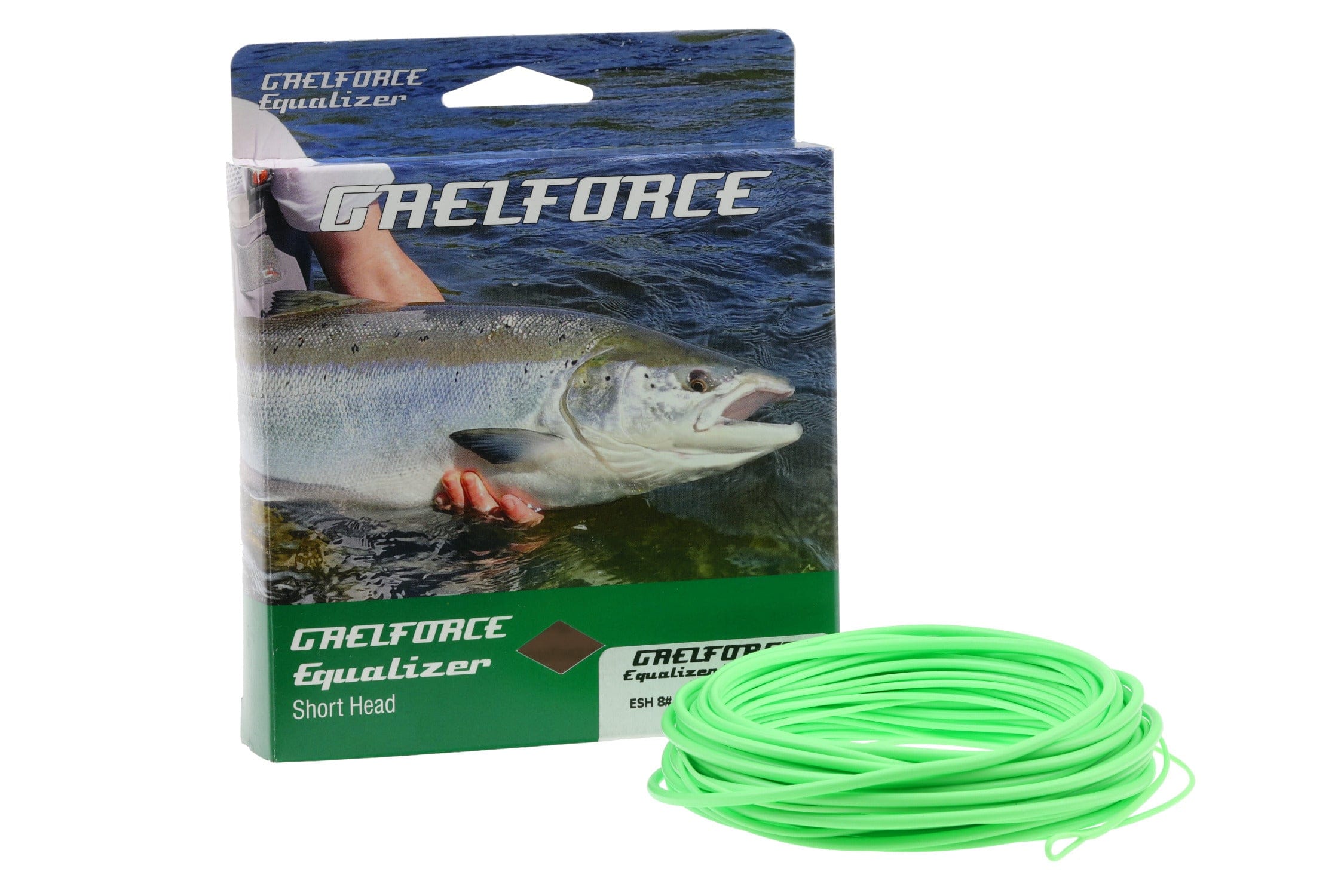
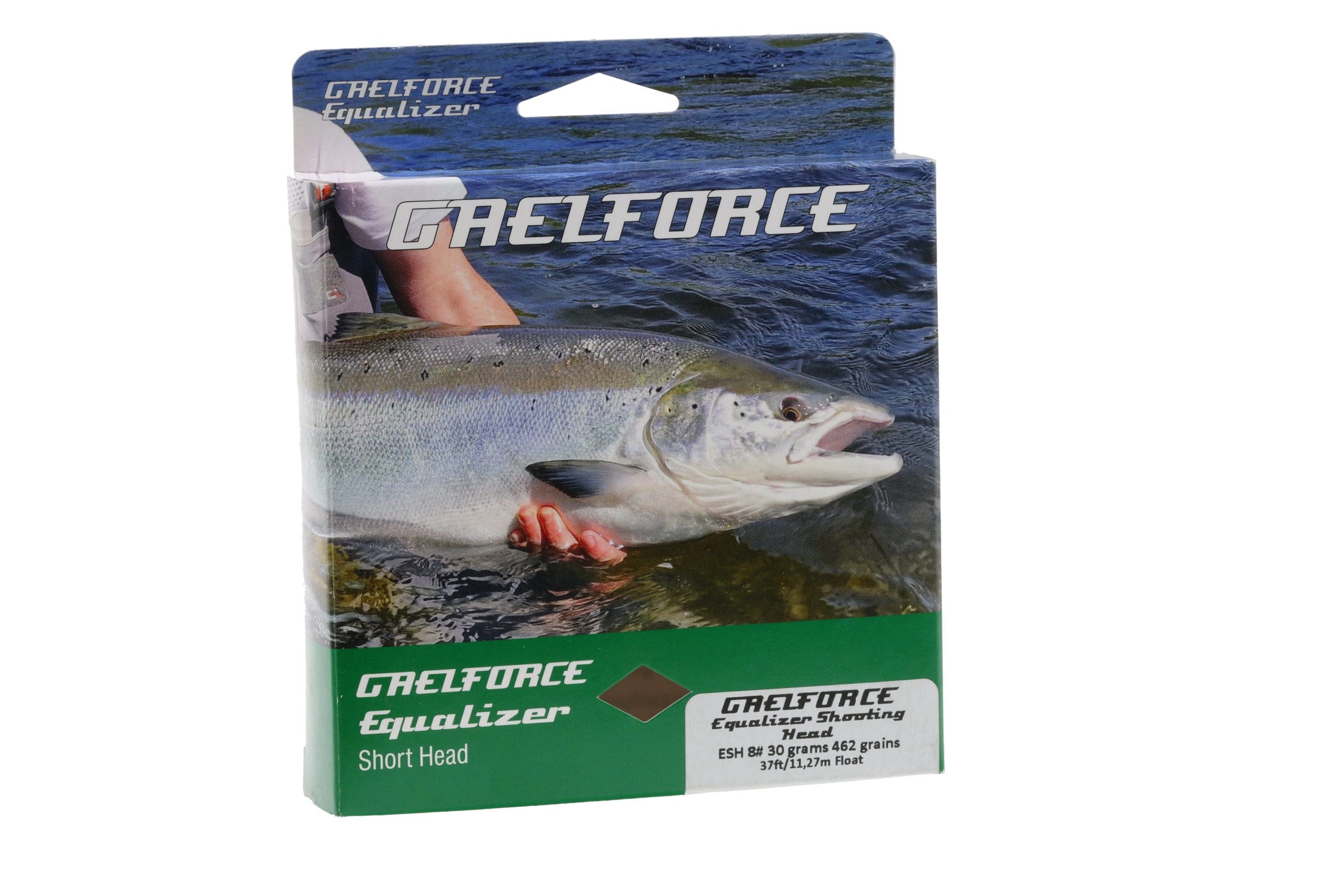
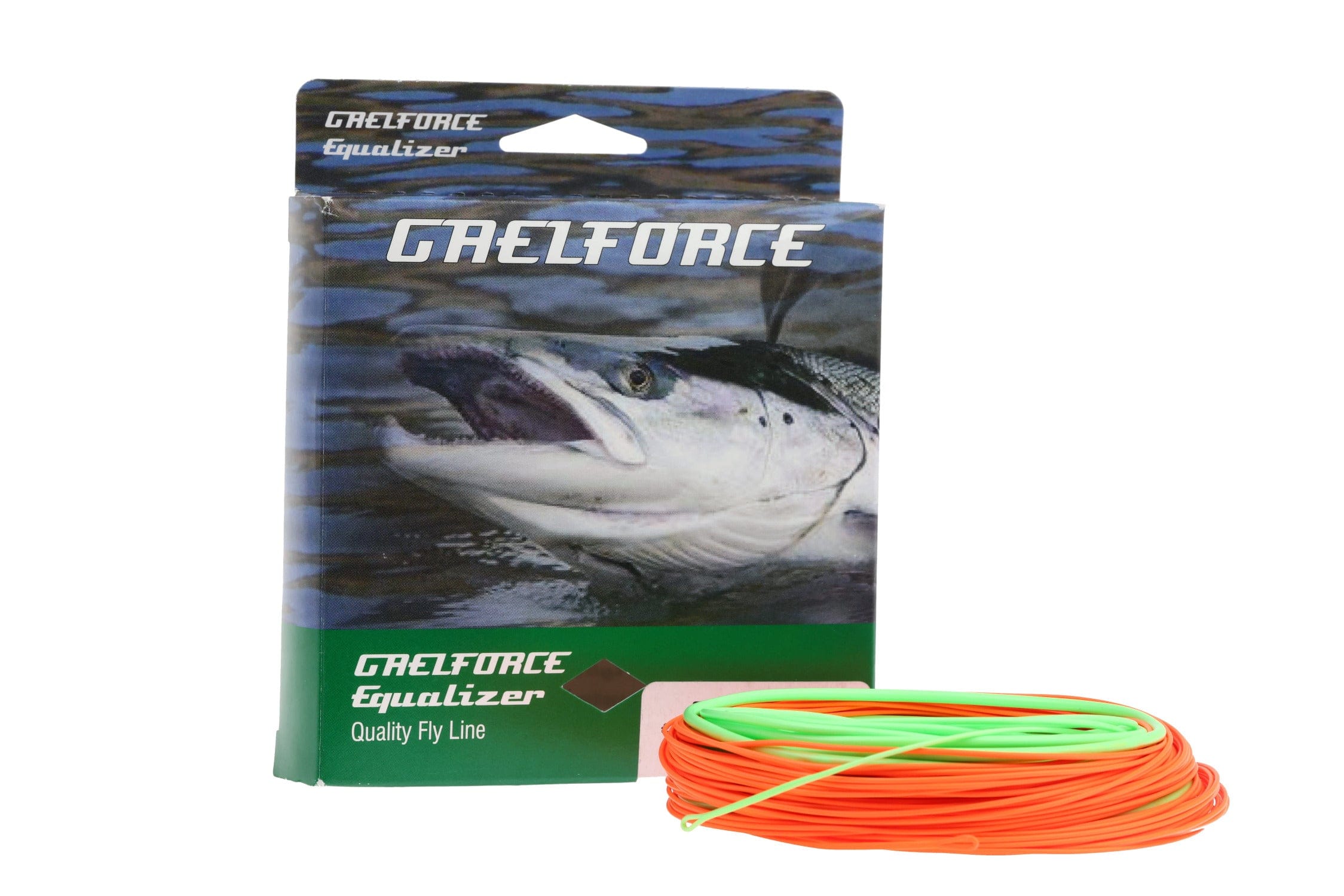
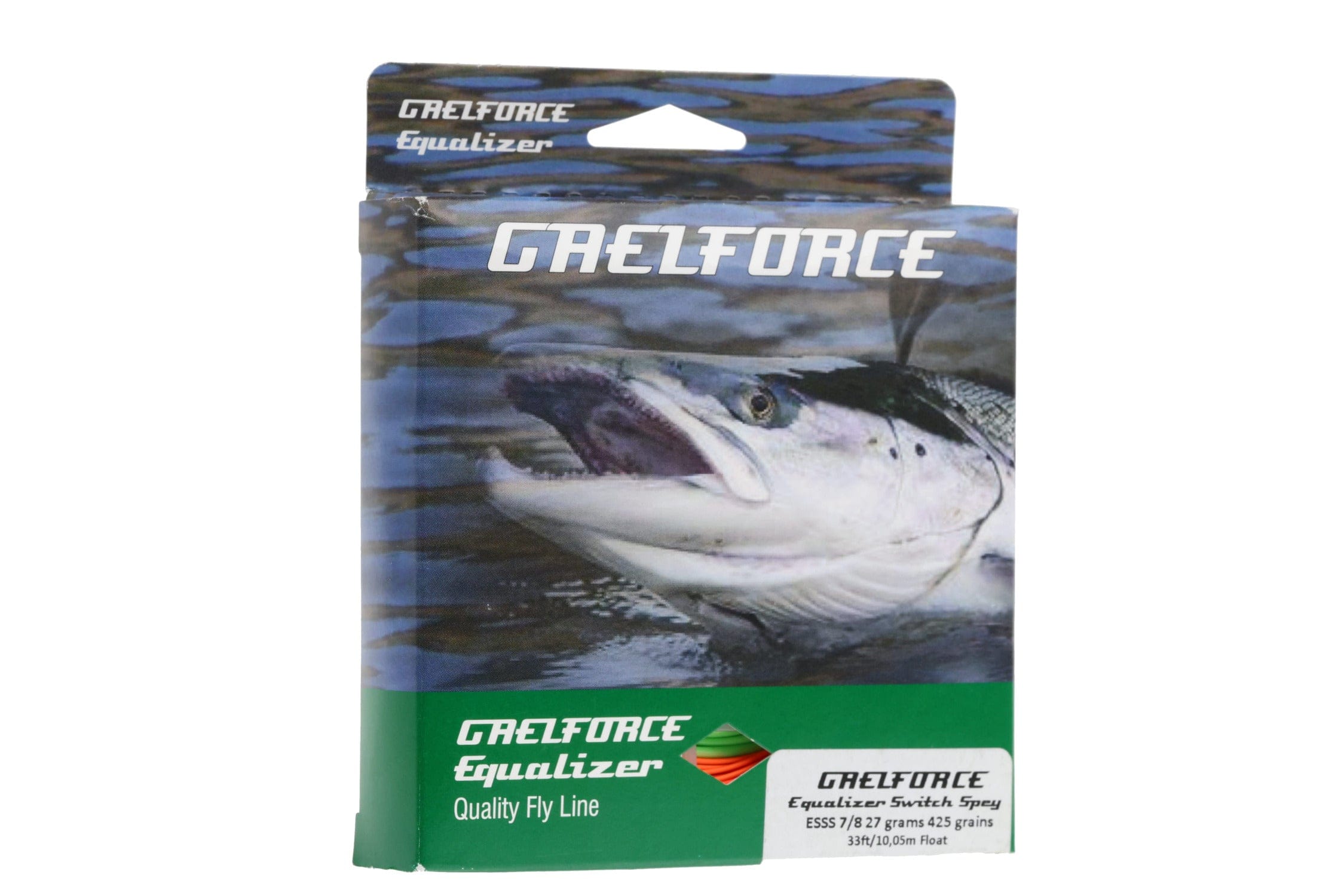
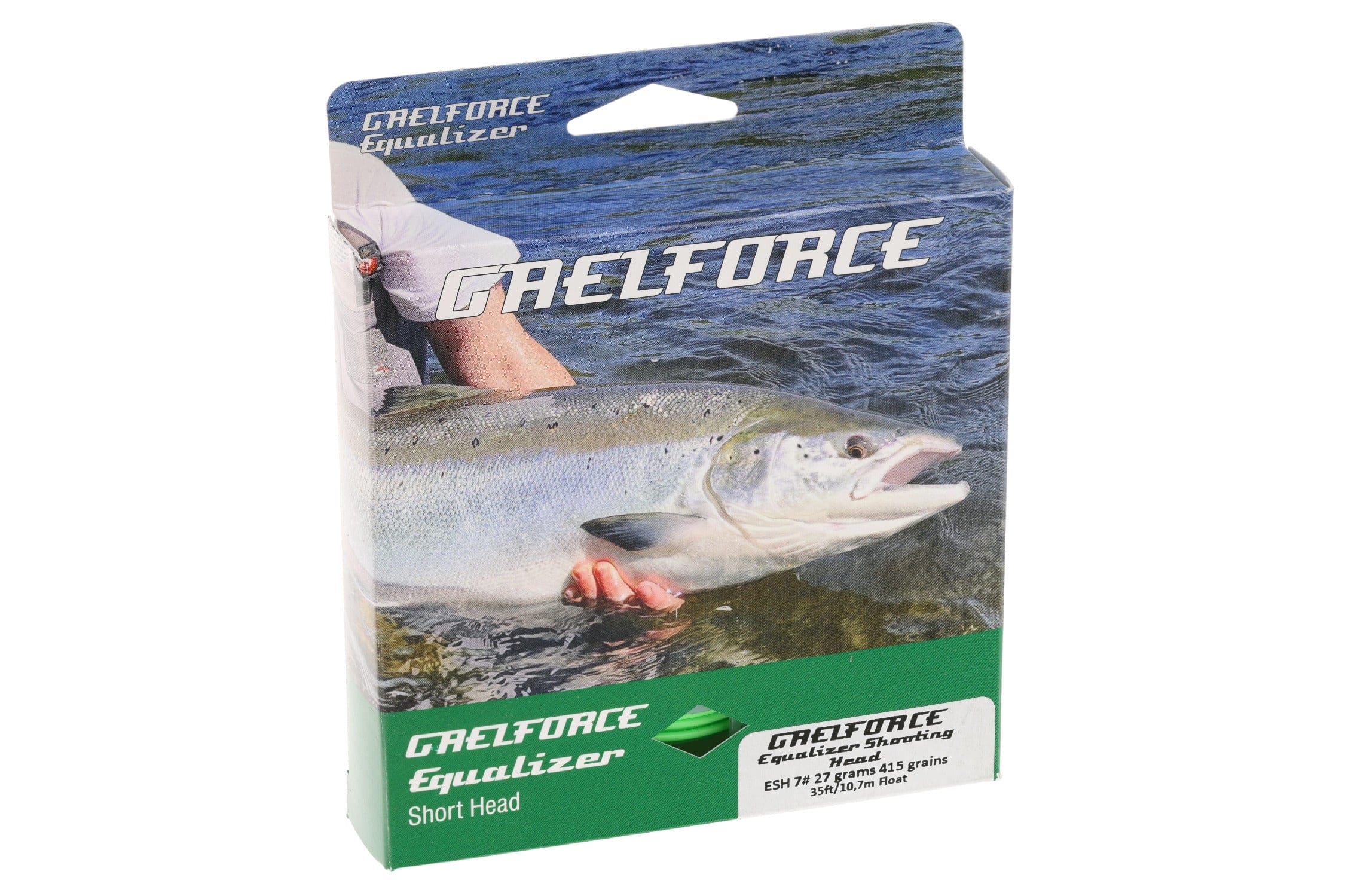
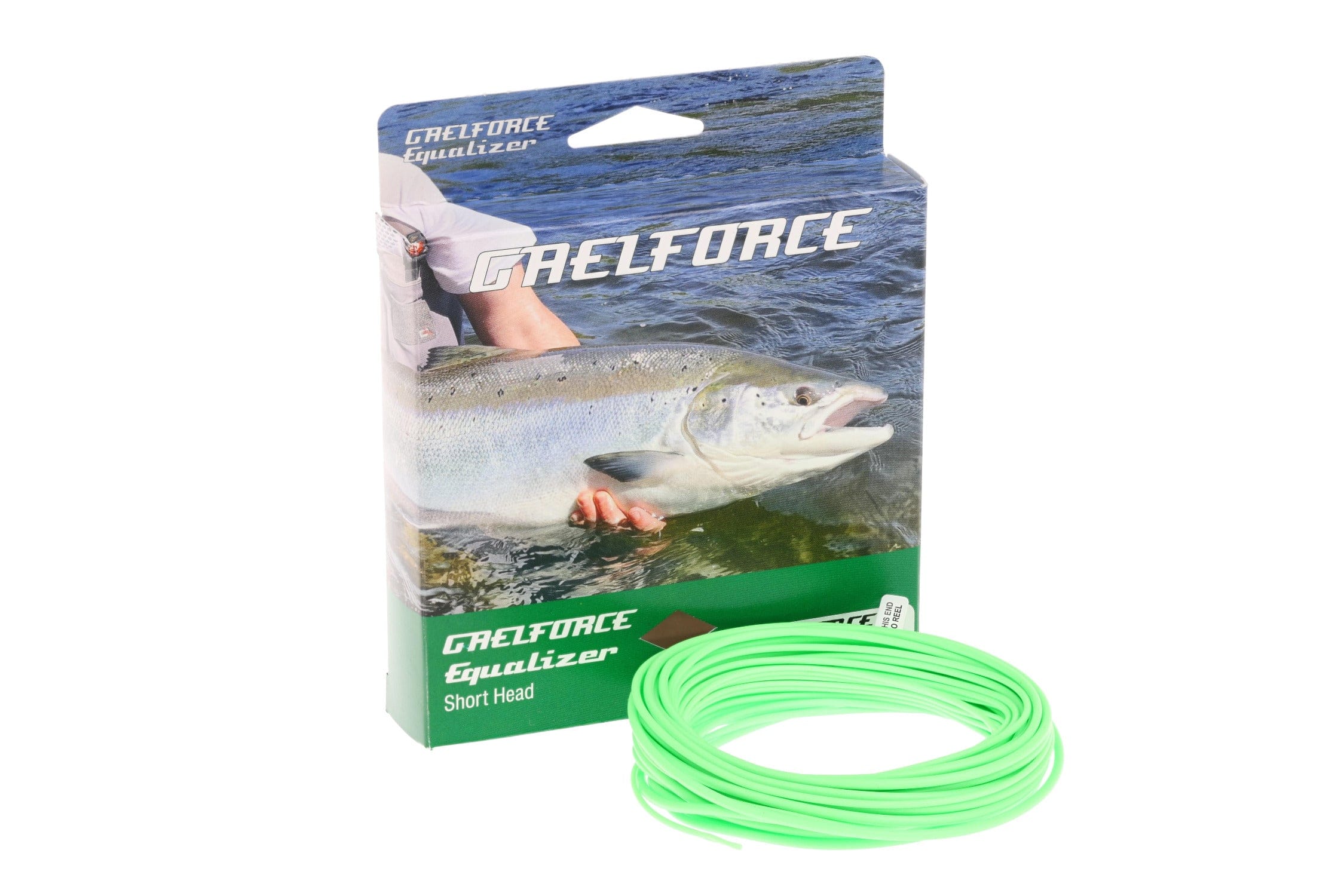
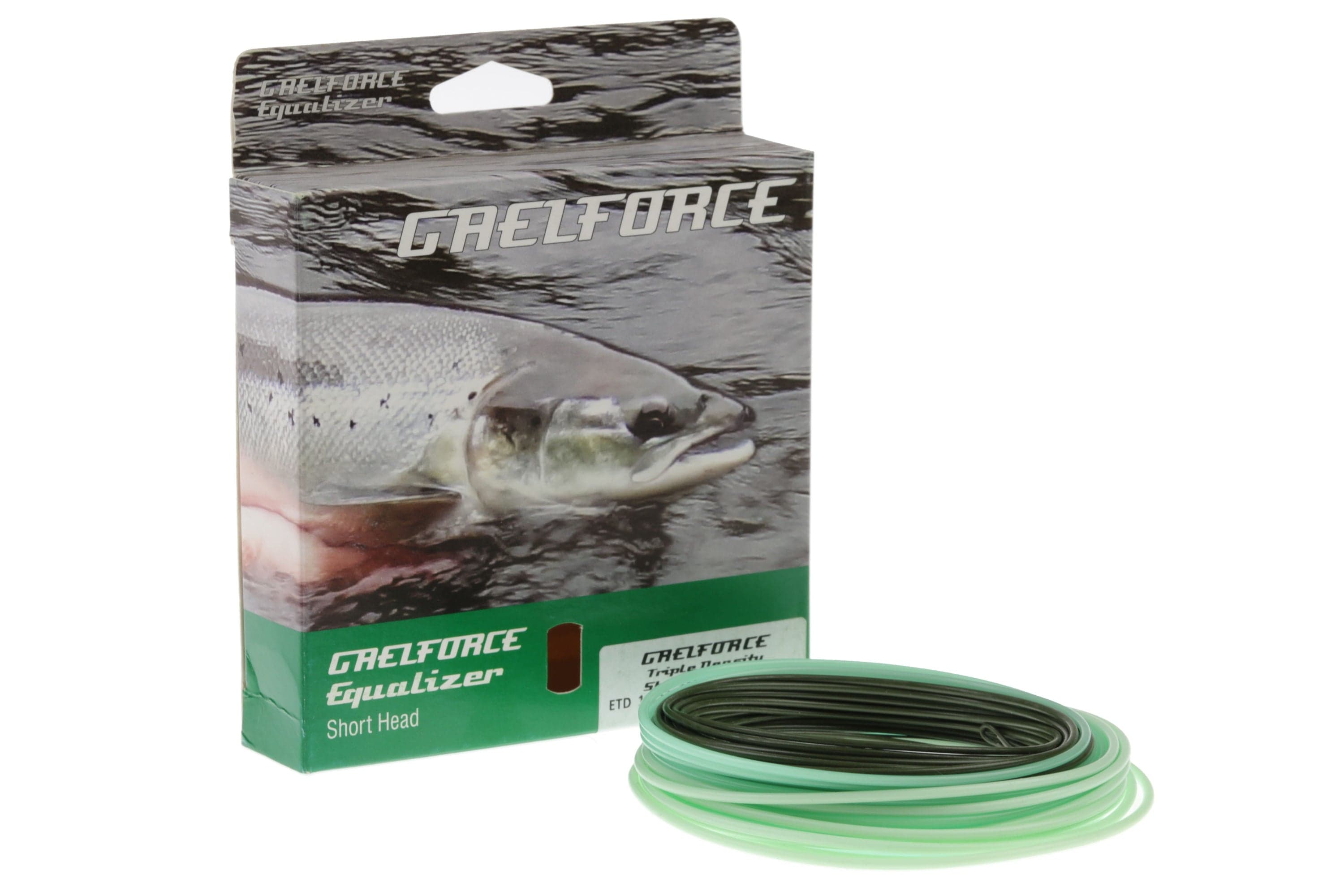
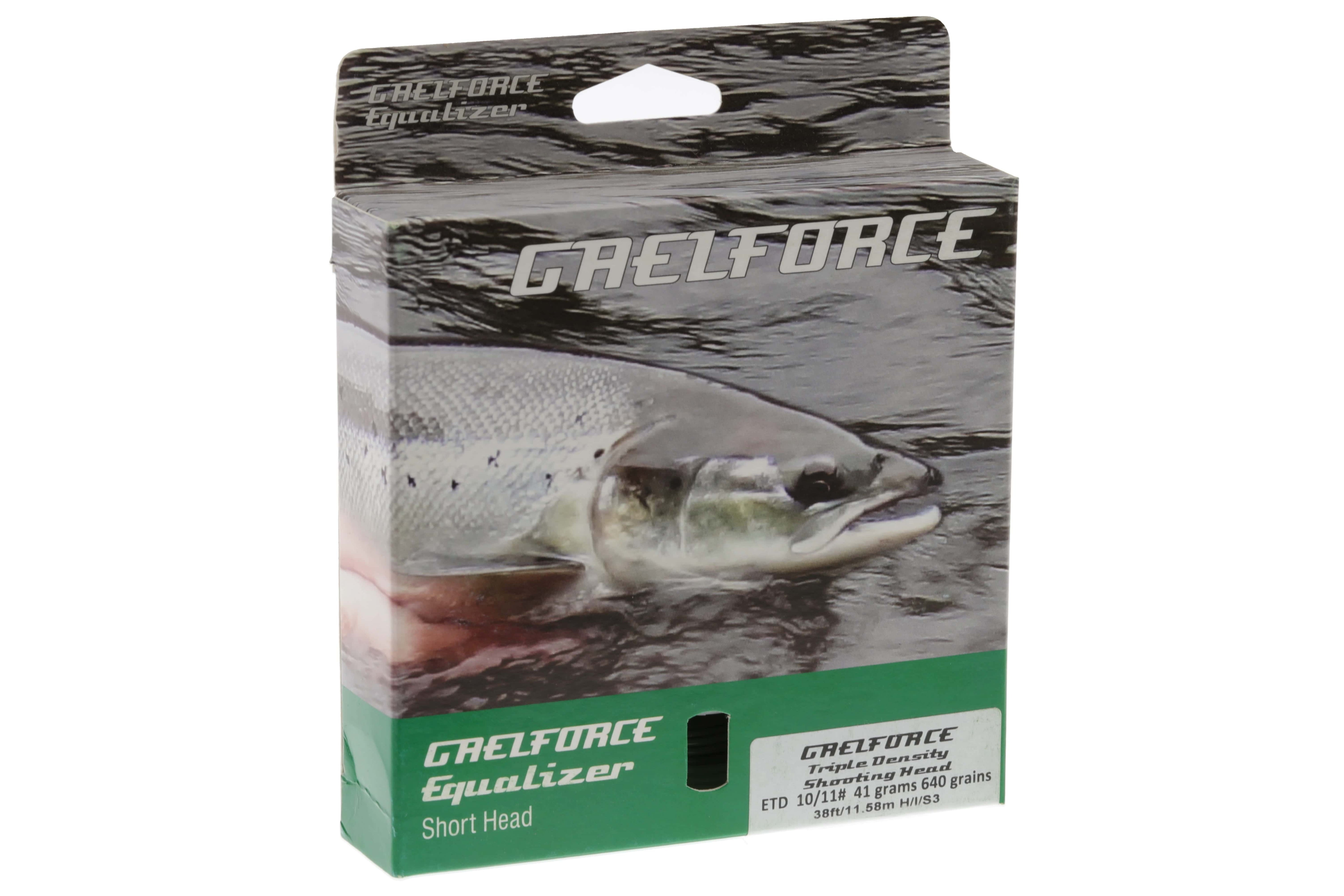
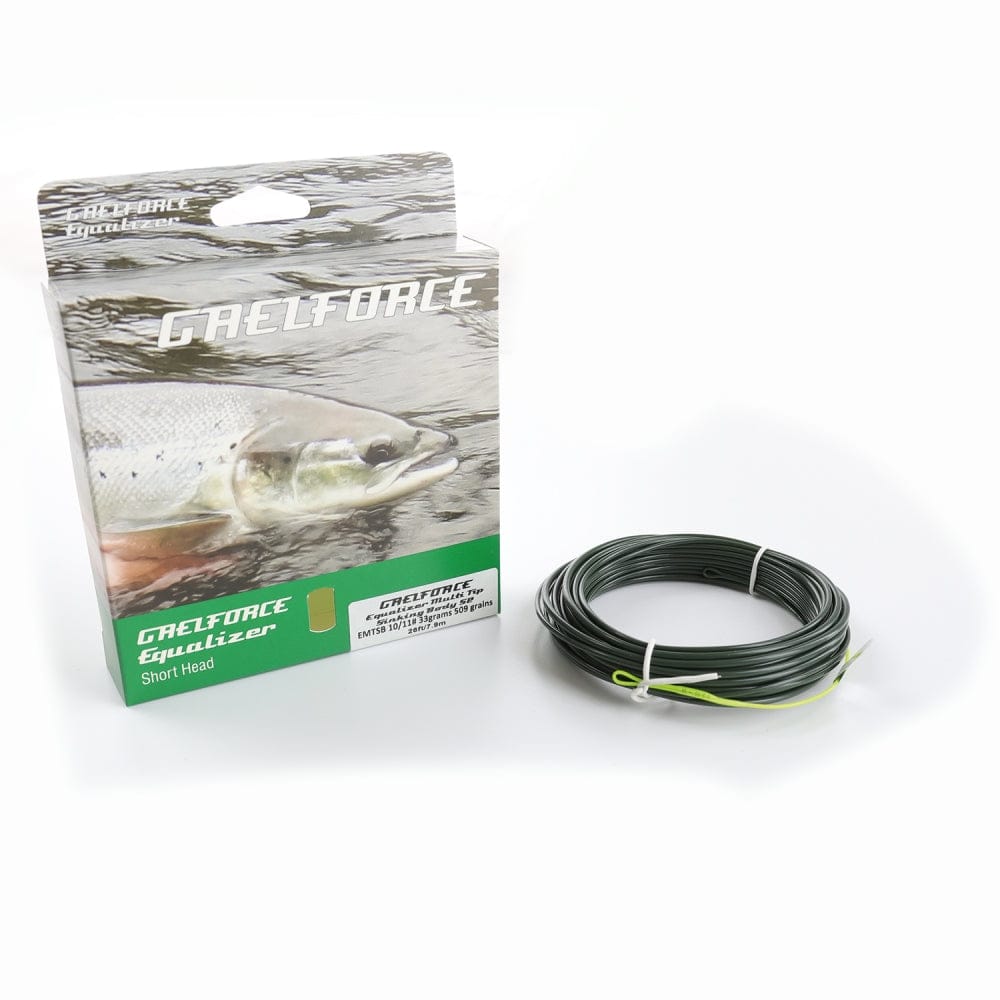
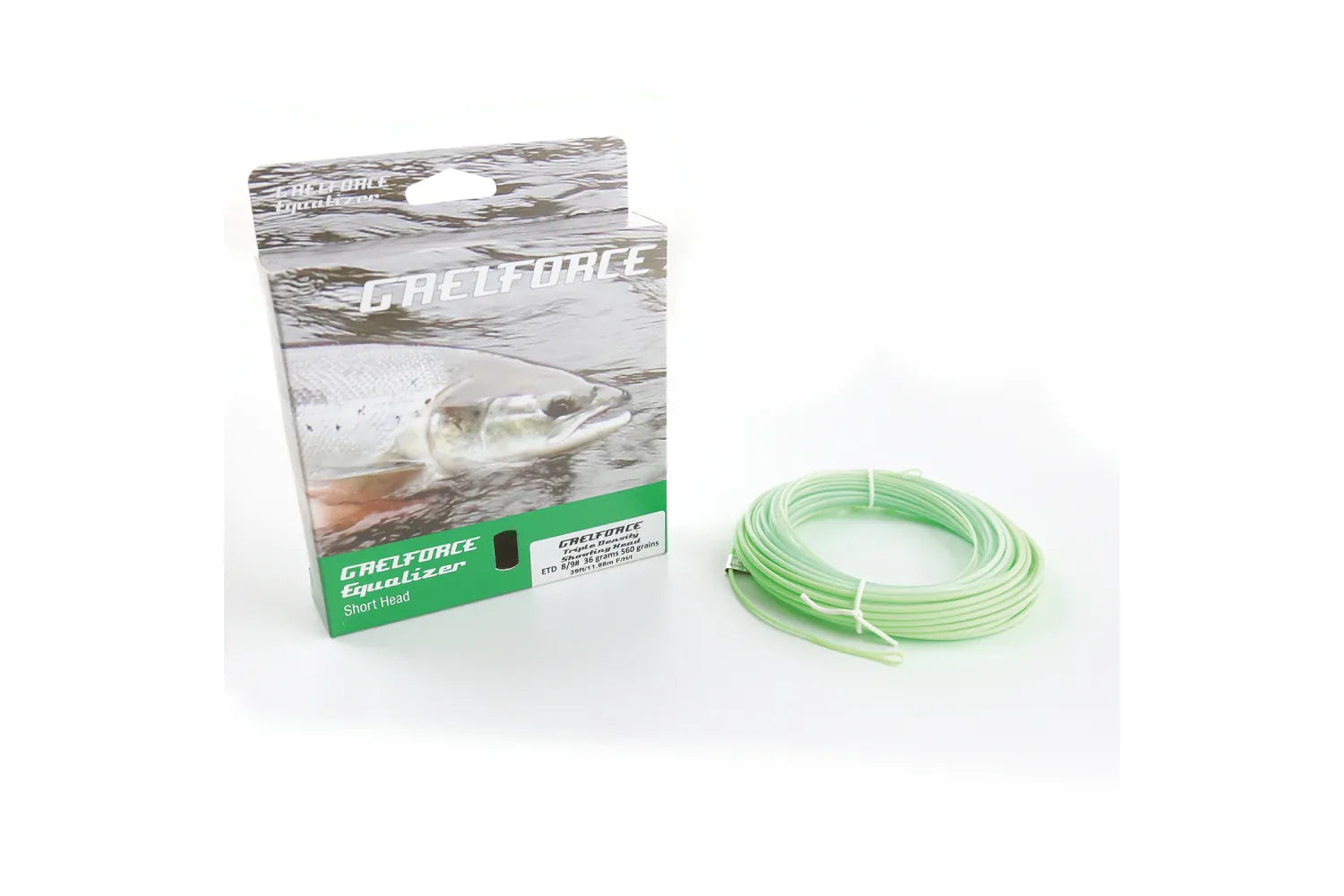
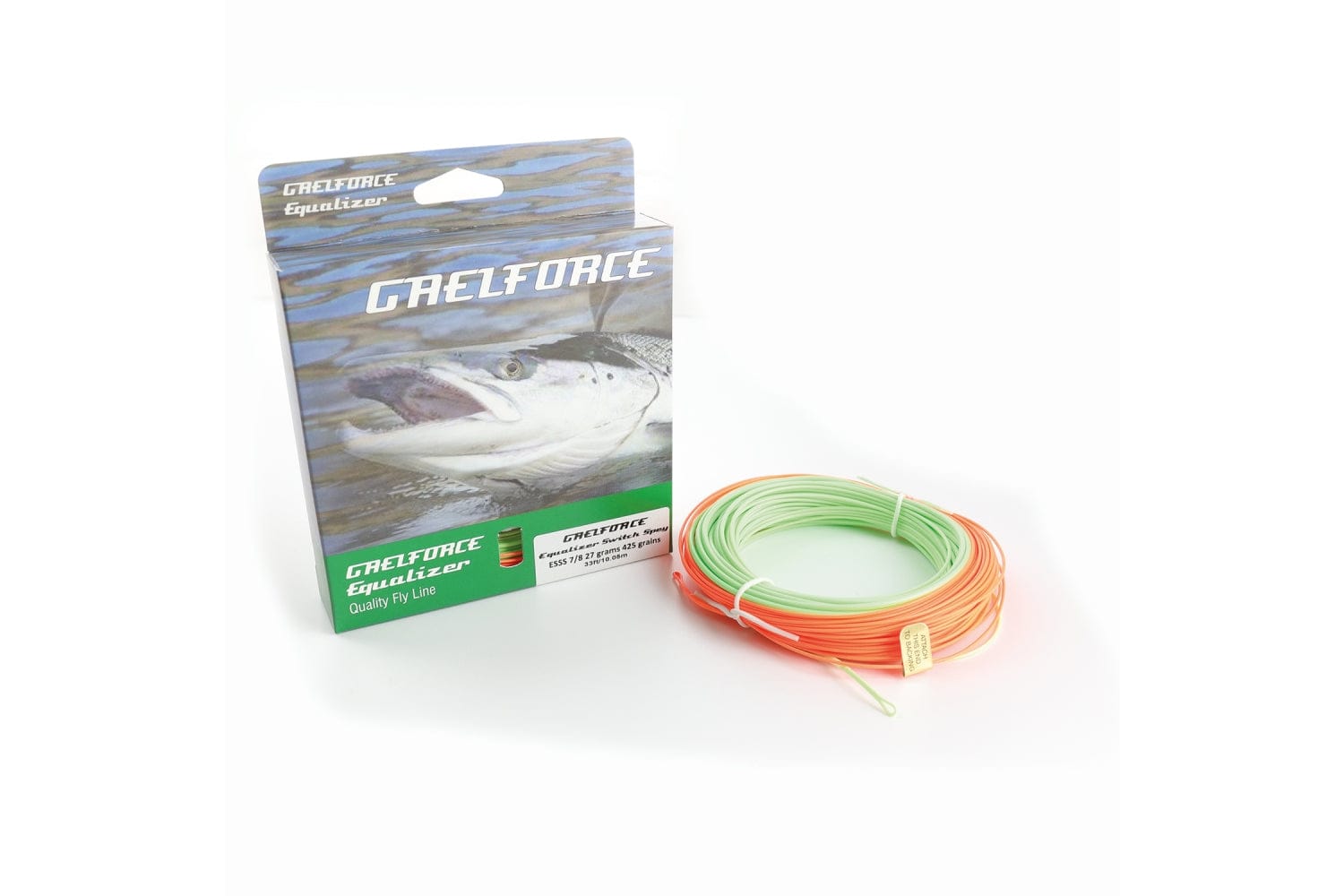
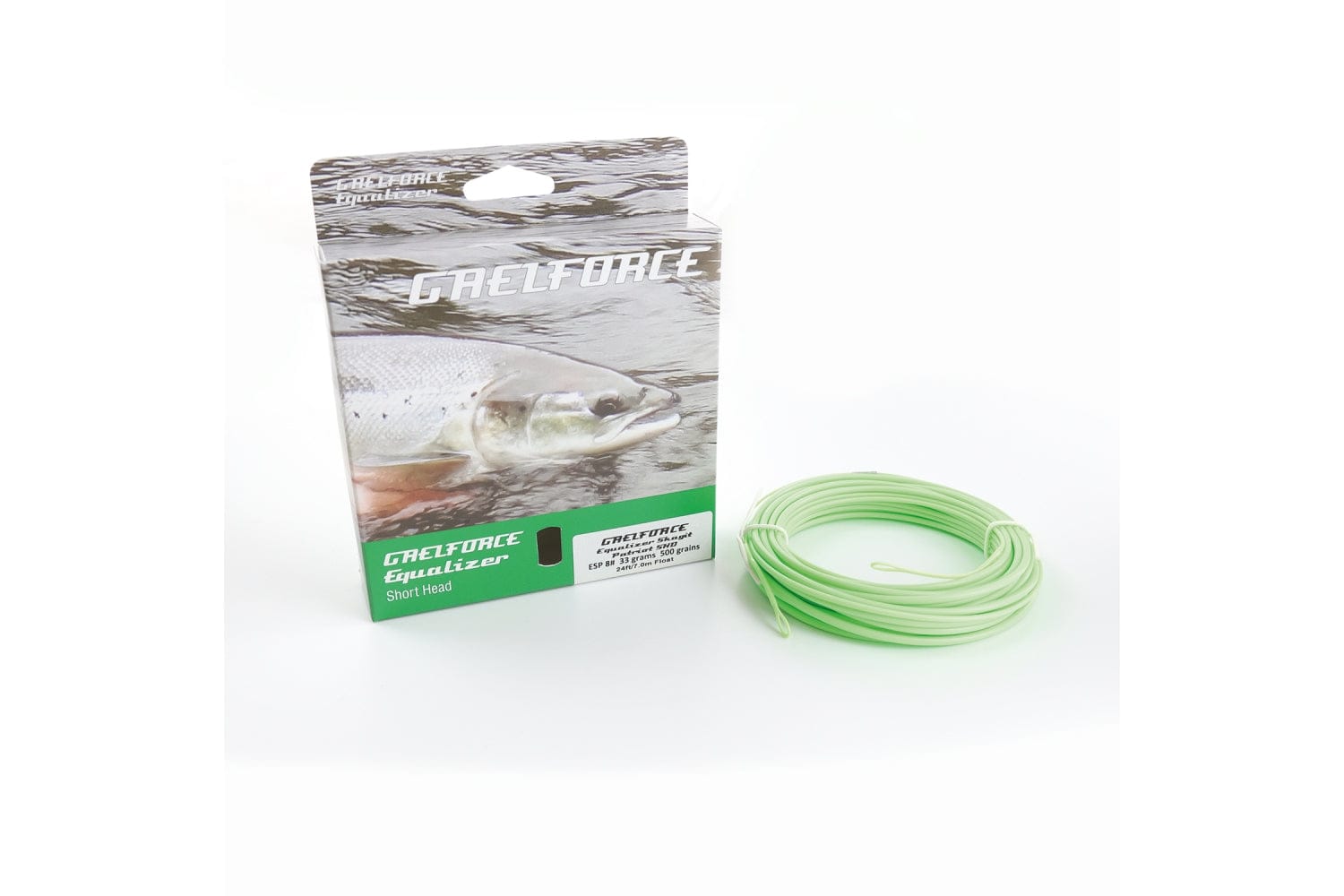
- Best for Hover/Intermediate Presentation: Gaelforce Equalizer ESHH Hover Shooting Head Fly Line - Built for anglers who want a Scandi-style approach that tracks just subsurface for controlled swings. It’s a solid option when a full floater rides too high but you don’t want to commit to heavier tips.
How to Choose Scandi Fly Lines
What a “Scandi” head does (and when it shines)
Best for: Touch-and-go spey casting, smooth loop formation, and a controlled swing with smaller to medium patterns. Scandi heads are commonly chosen for summer steelhead, Atlantic salmon, and trout spey situations where finesse and speed matter more than turning over heavy sink tips.
Avoid if: Your day is built around big weighted flies and heavy T-material tips. That’s typically where Skagit systems are the simpler tool.
Integrated line vs. shooting head system
Action: Decide if you want a single integrated line (head + running line together) or a shooting head that connects to separate running line.
- Integrated: Cleaner handling and fewer connections to manage, great if you want simplicity.
- Shooting head: Easy to swap heads/bodies and fine-tune your setup, great if you fish varied conditions or travel with multiple rods.
Match grain weight to your rod (don’t guess)
Action: Start with your rod’s recommended grain window (or known line pairing) and choose the Scandi head in that range.
- Common mistake: Assuming Scandi is always lighter than Skagit. Head length and taper design change what “feels right,” so use your rod’s window and adjust from there.
- Tip: If the head feels “light” and struggles to maintain anchor stability, bump up incrementally. If it feels clunky and collapses, step down.
Pick a density that matches your presentation
- Floating Scandi: The default for classic swung flies, dry-line presentations, and pairing with polyleaders/VersiLeaders.
- Hover/Intermediate-style heads: Useful for controlling swing depth and speed without heavy tips, especially in moderate flows.
Compatibility
- Running line: If you’re buying a Scandi shooting head/body (not integrated), pair it with an appropriate running line that matches your handling preference (coated vs. mono-style).
- Front end setup: Scandi systems typically fish best with longer tapered leaders, polyleaders, or VersiLeaders for smooth turnover and controlled depth.
- Loops & connections: Use loop-to-loop where applicable and keep junctions clean to help them pass guides smoothly.
- Temperature rating: Choose a line built for the water temps you actually fish to reduce memory in the cold and softness in the heat.
Complete Your Setup
Related Gear
- Running Line - Essential if you’re building a shooting head Scandi system and want easy shooting and clean line management.
- Spey Tips - Helps you fine-tune depth and swing speed when conditions change through the day.
- Skagit Fly Lines - A better match when you’re throwing heavier tips and larger, weighted flies.
- Spey Lines - Browse the full spey lineup if you’re comparing Scandi, Skagit, and other two-hand styles.
Related Guides
- Trout Spey Lines and Tips
- Skagit vs Scandi Grain Weight
- Fly Line Temps: Tropical vs. Coldwater
- Choosing a Fly Reel for a Spey or Switch Rod
- How to Choose the Best Fly Line for Beginners
Scandi Fly Lines FAQs
Q: What is a Scandi fly line?
A: A Scandi fly line is a two-hand line style with a longer, more refined taper designed for touch-and-go casts and smoother turnover. It’s commonly used for swinging smaller to medium flies with a more delicate presentation than Skagit setups.
Q: Scandi vs Skagit, what’s the practical difference?
A: Scandi systems are typically chosen for finesse, tighter loops, and lighter tips/leaders. Skagit systems are typically chosen when you need to turn over heavier tips and bigger, weighted flies.
Q: Do I need a running line with a Scandi head?
A: If you’re buying a Scandi shooting head/body, yes, you’ll need a separate running line behind it. If you choose an integrated Scandi line, the running line is built in.
Q: What leaders work best with Scandi fly lines?
A: Many anglers use longer tapered leaders for smooth turnover, and add polyleaders/VersiLeaders when they need a little more depth. The goal is clean energy transfer without overpowering the front taper.
Q: How do I pick the right grain weight for a Scandi head?
A: Start with your rod’s recommended grain window and choose a head that falls inside it. Then fine-tune based on feel: heavier can stabilize anchor and load, while lighter can feel quicker and more touch-and-go friendly.
Q: Are Scandi fly lines beginner-friendly?
A: They can be, especially if you’re focused on floating-line swing fishing with smaller flies. If you’re brand-new to spey casting and need maximum “turnover help” with heavier tips, a Skagit setup can be simpler to learn first.
Q: When should I choose a hover/intermediate Scandi-style head?
A: When you want the swing to track just under the surface and control speed without adding heavy tips. It’s a nice middle ground between a pure floating Scandi and deeper tip-driven systems.
