


Top 10 Best Permit Flies You CANNOT Fish Without
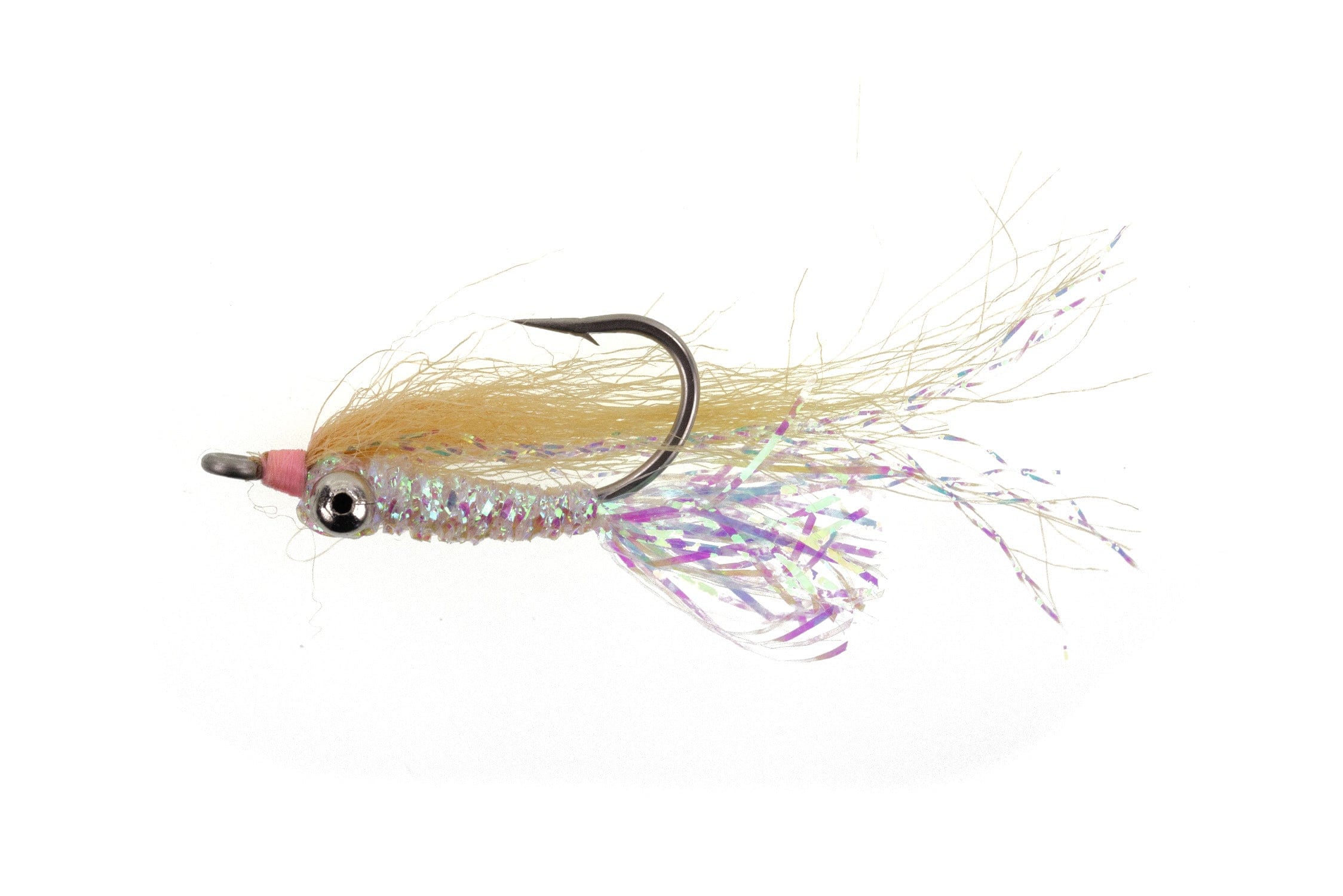
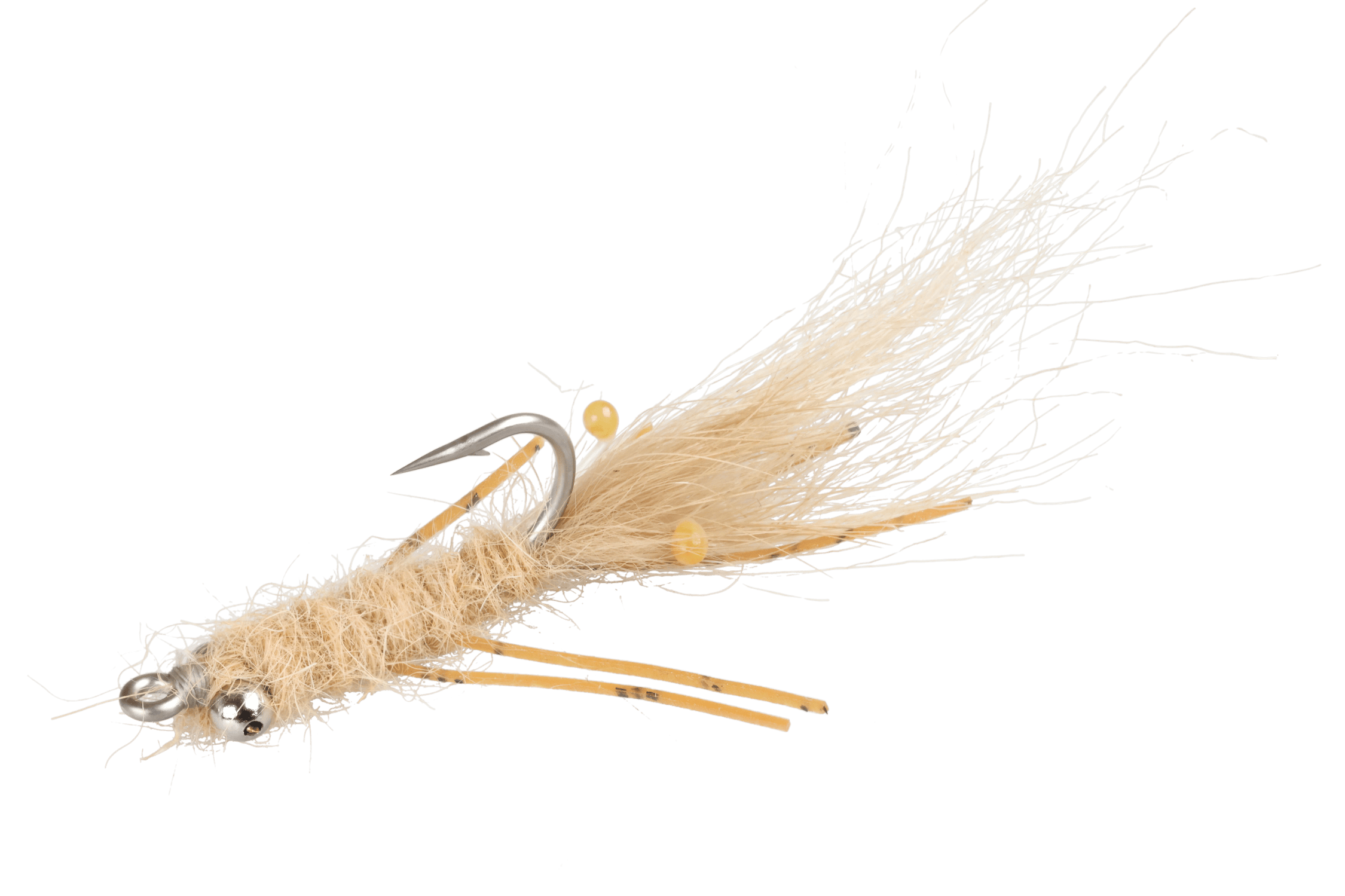
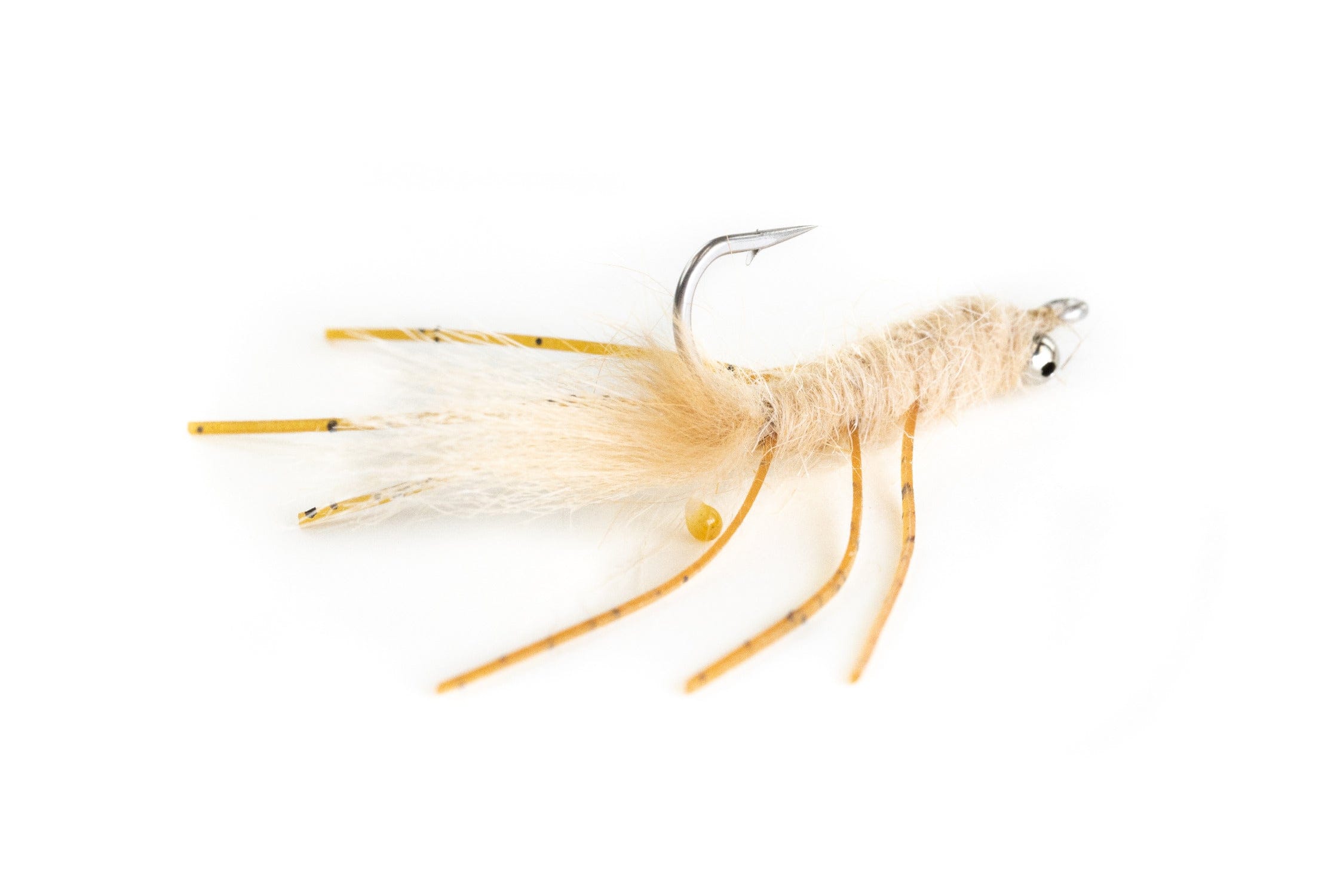
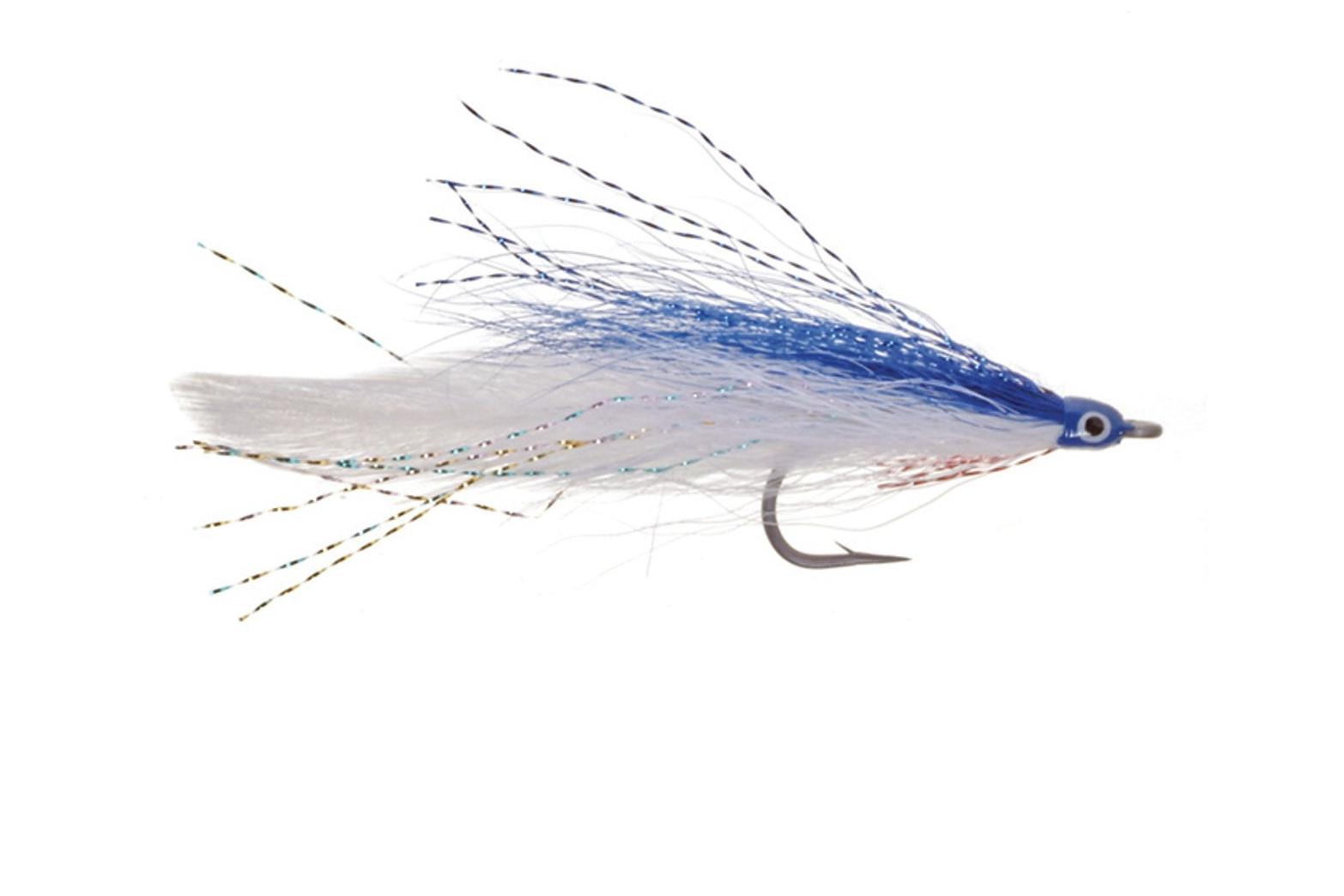

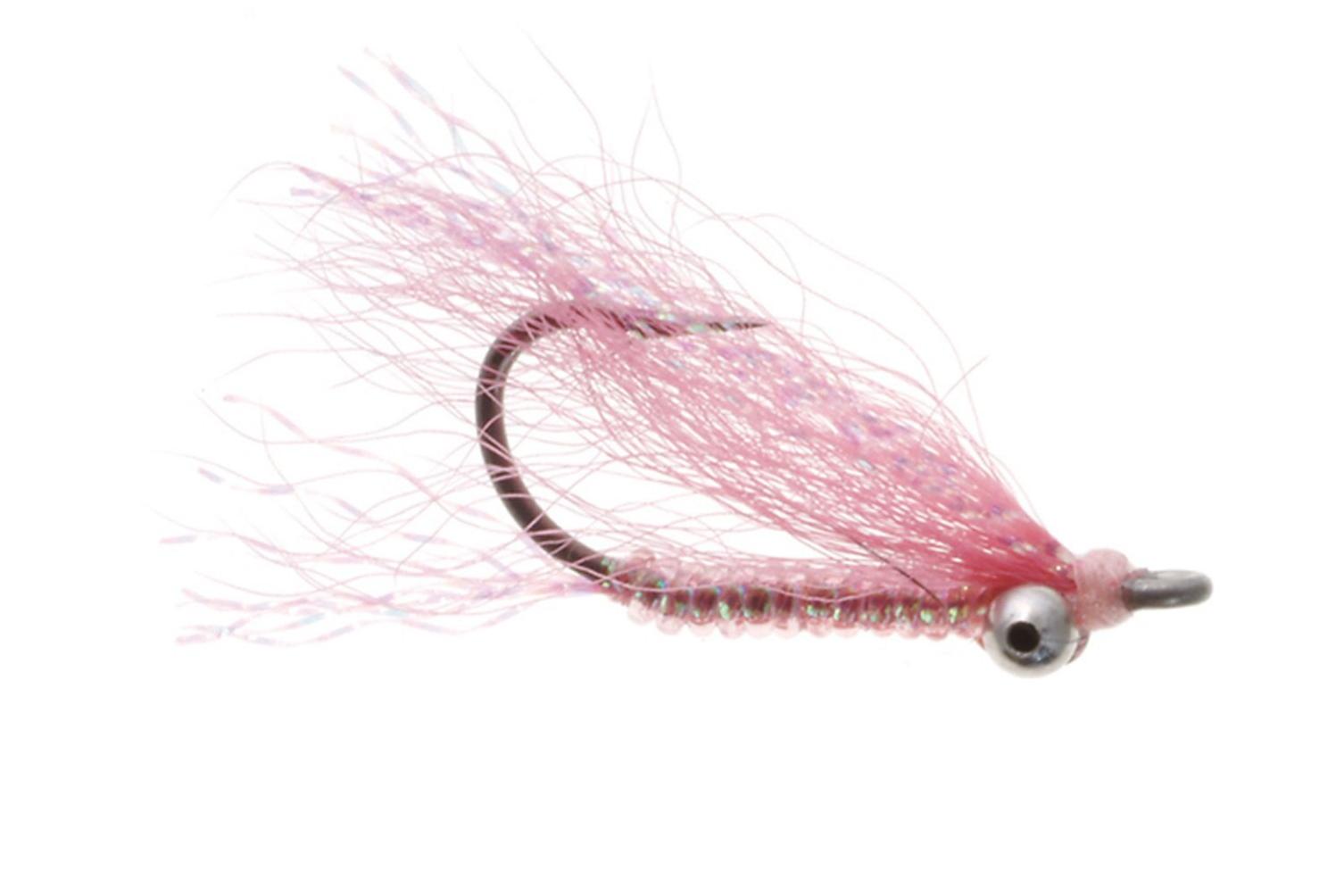

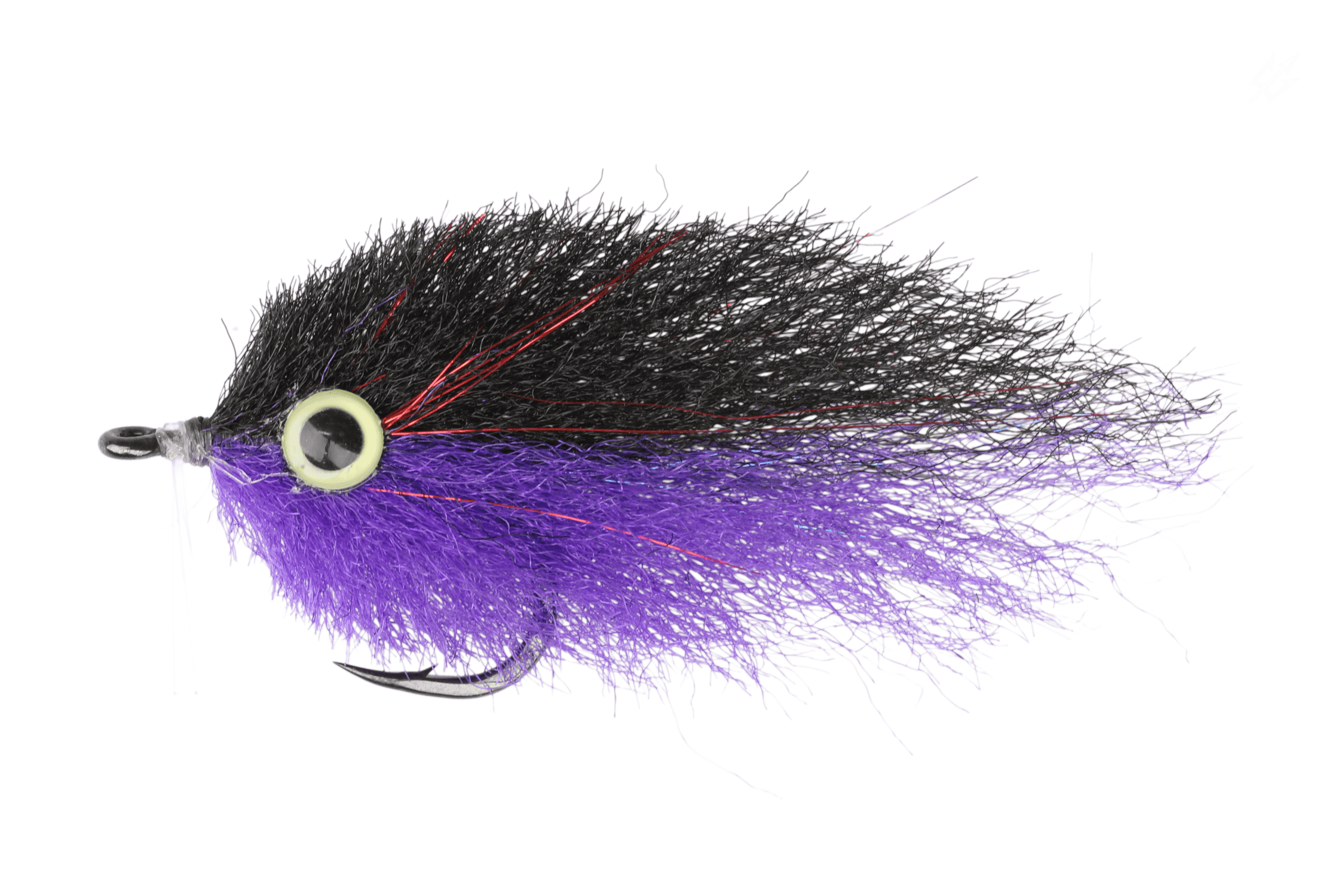
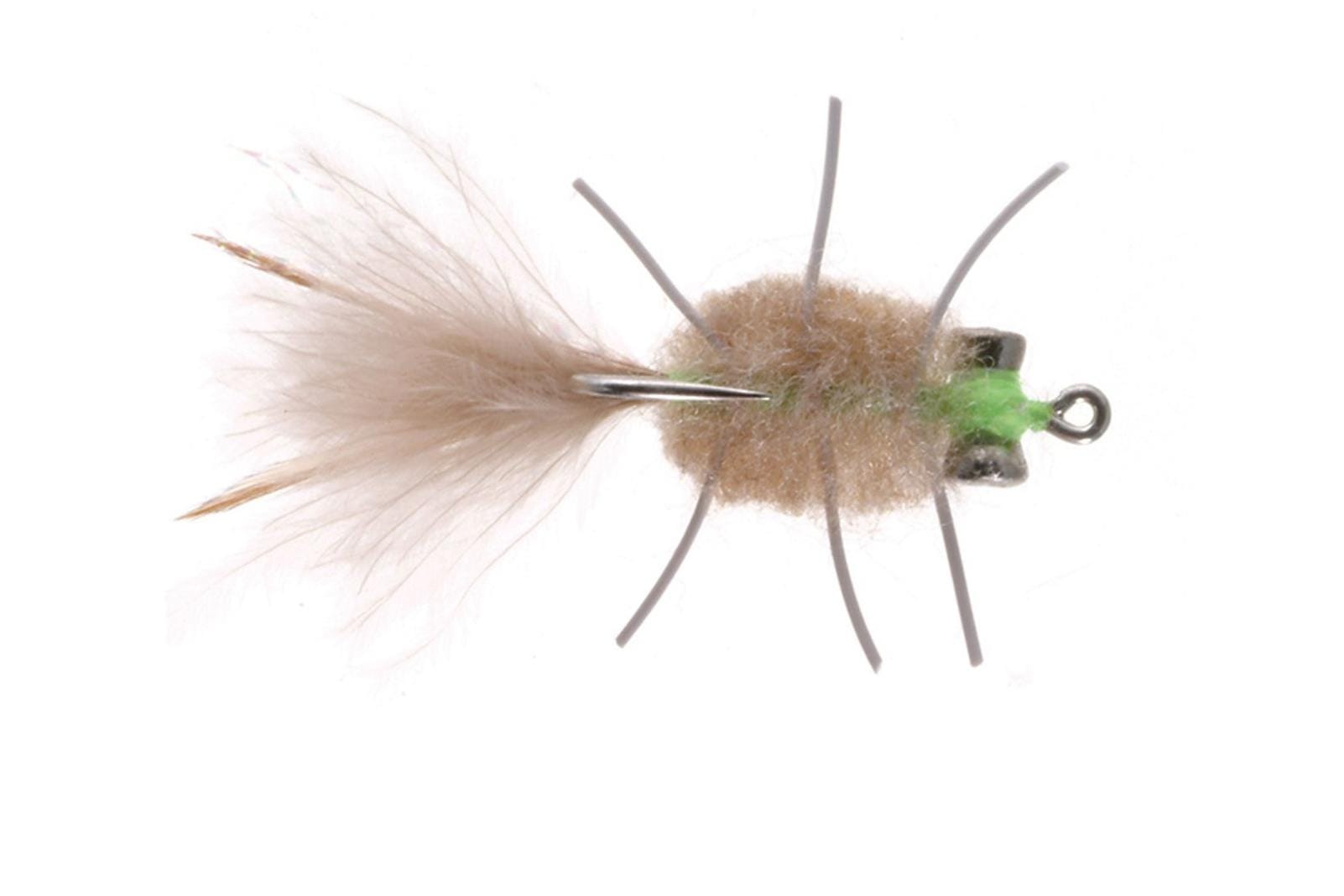
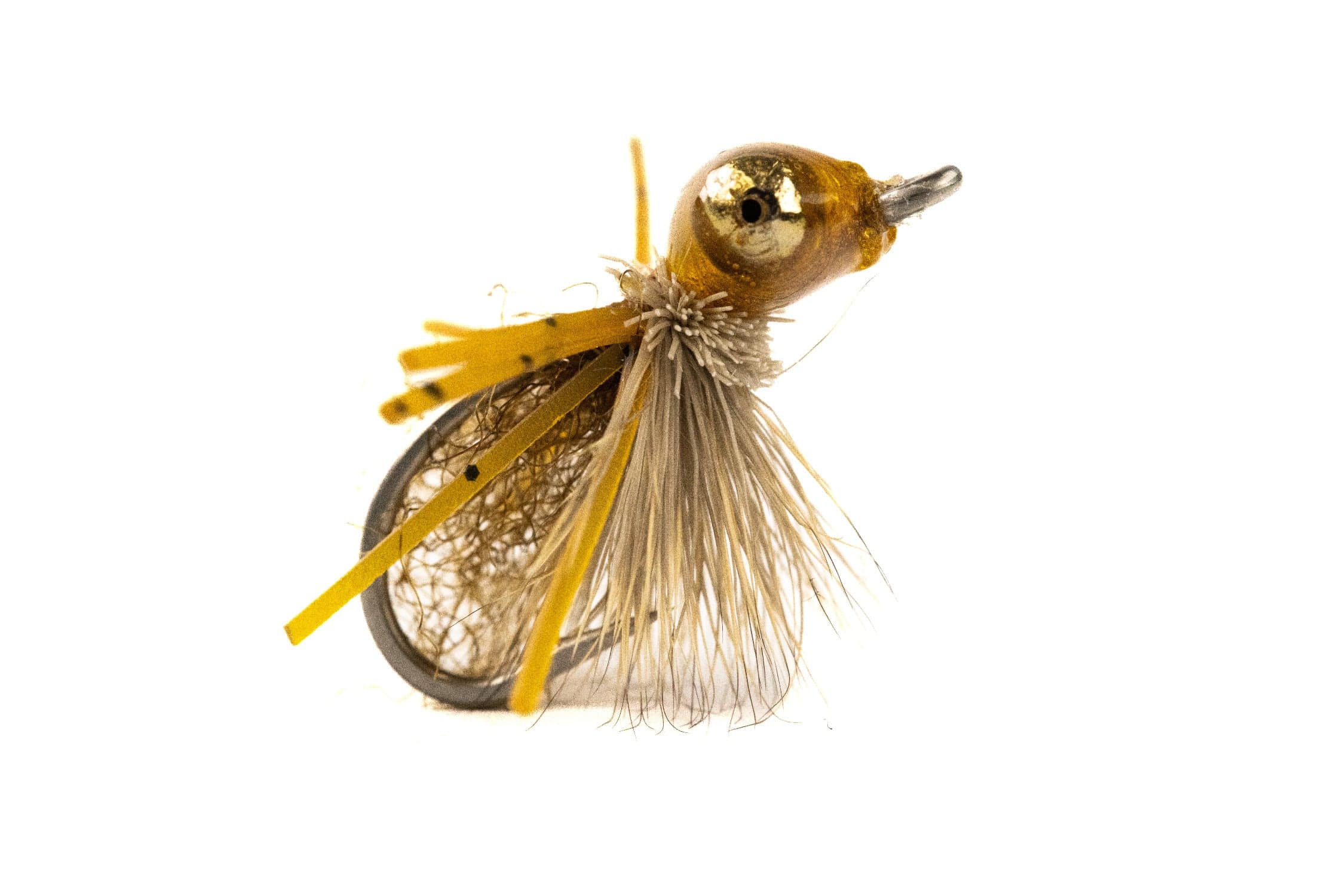
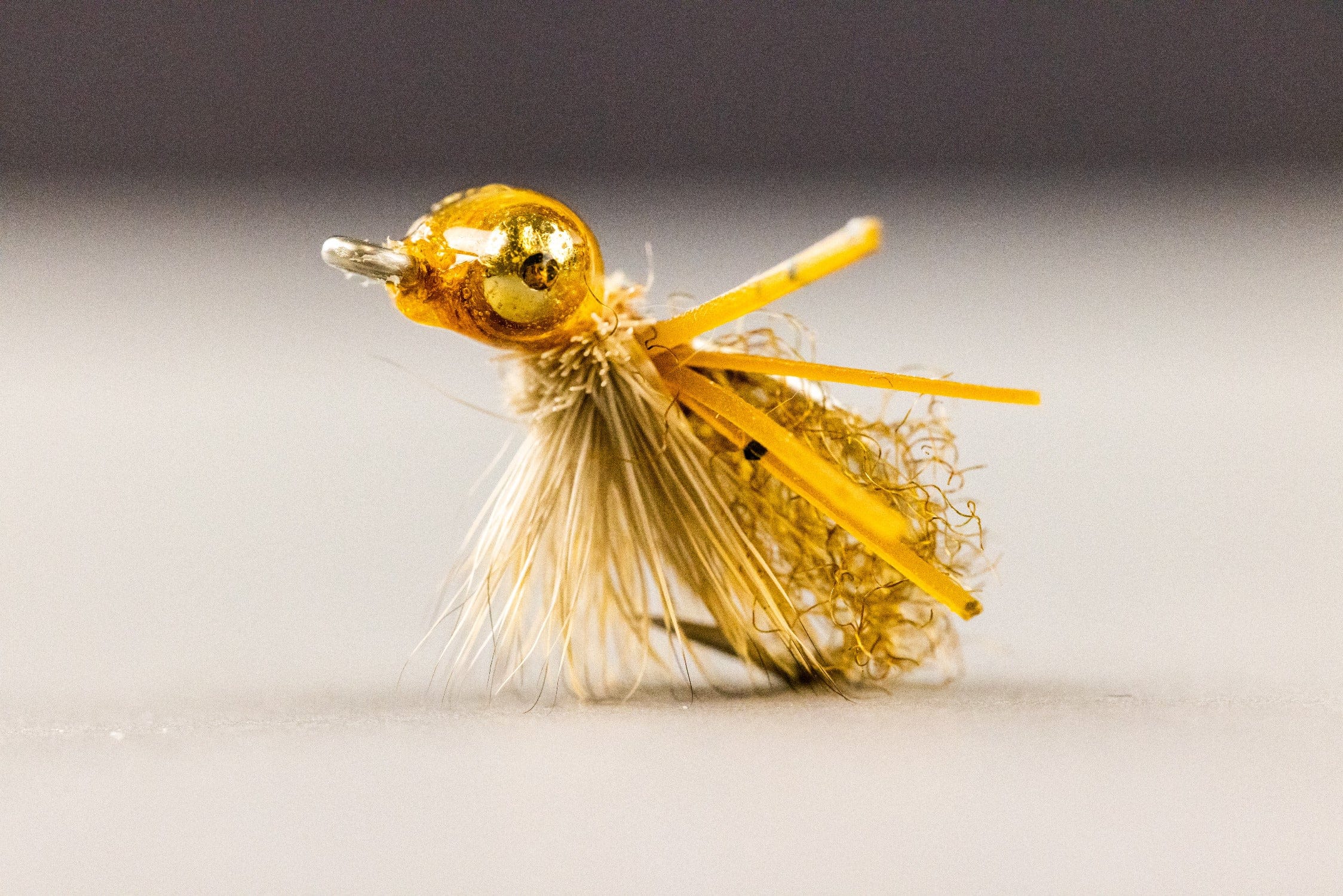
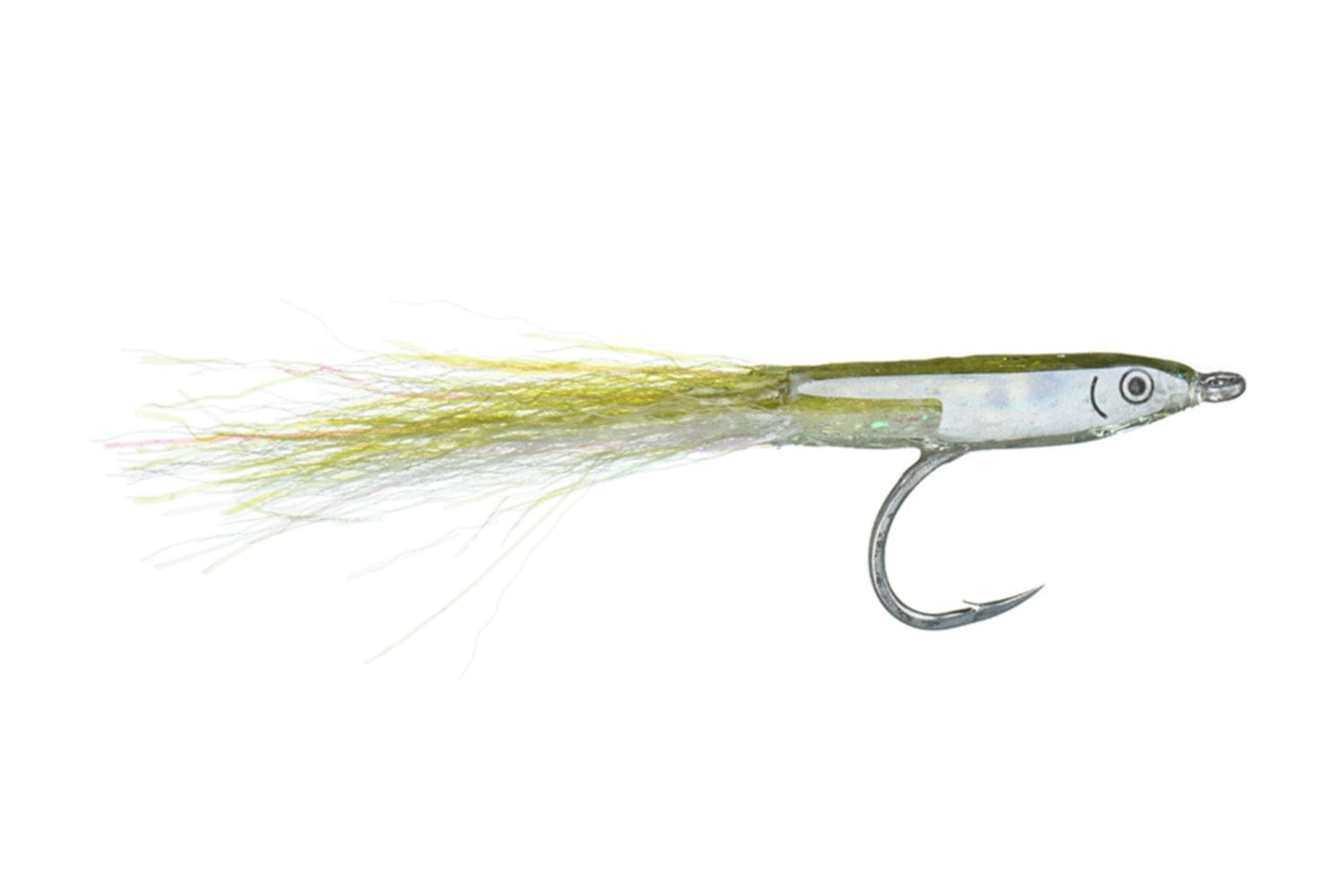
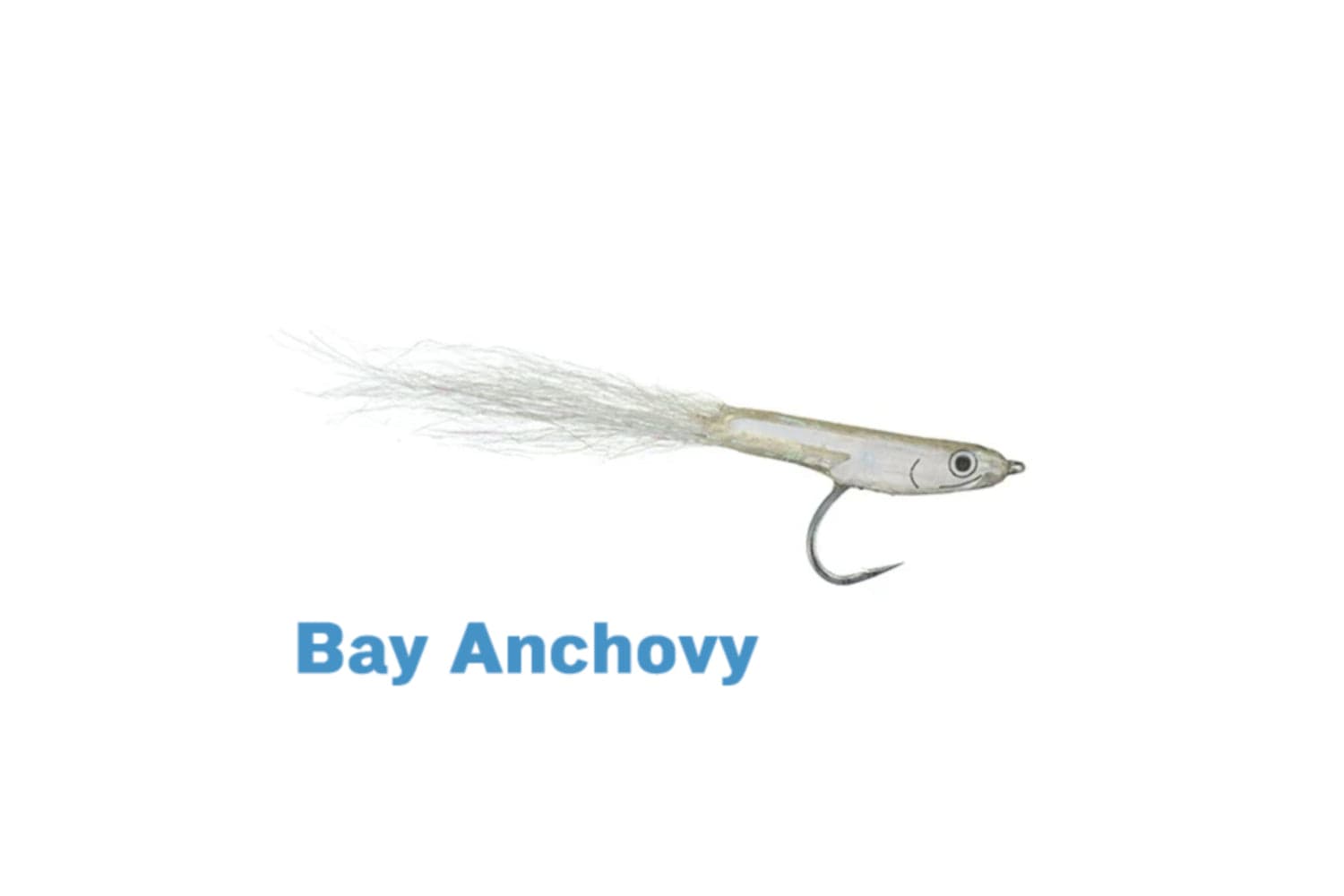
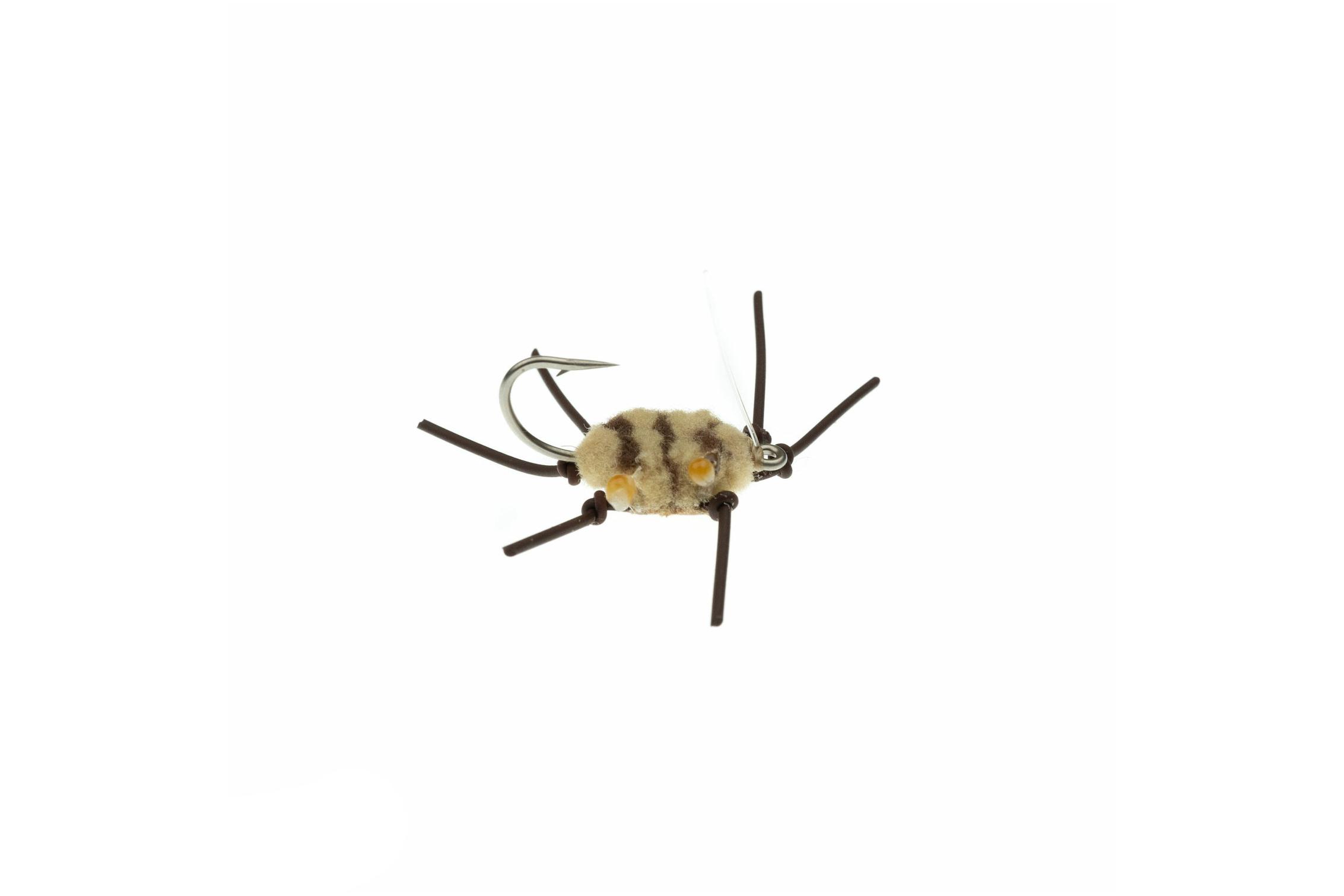
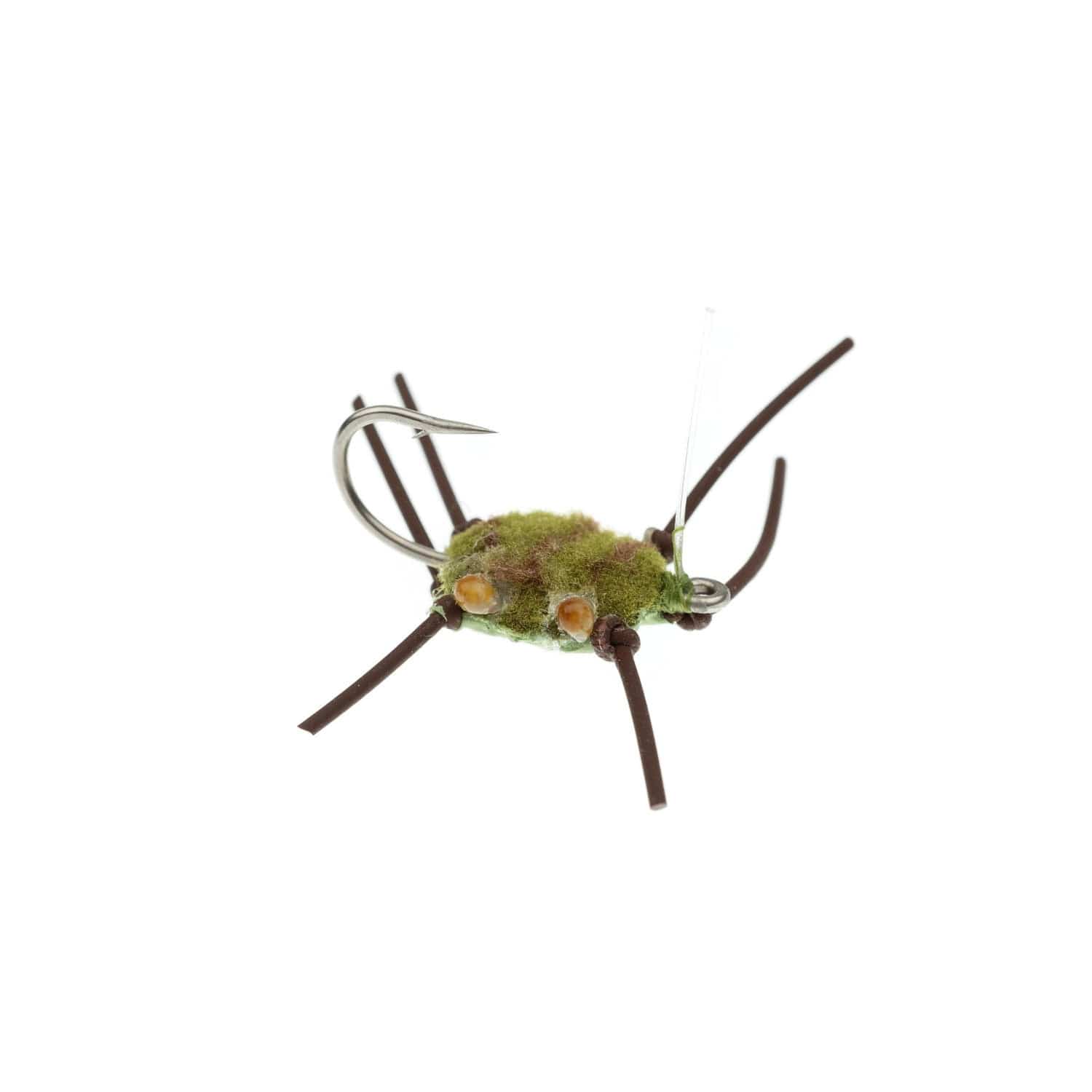
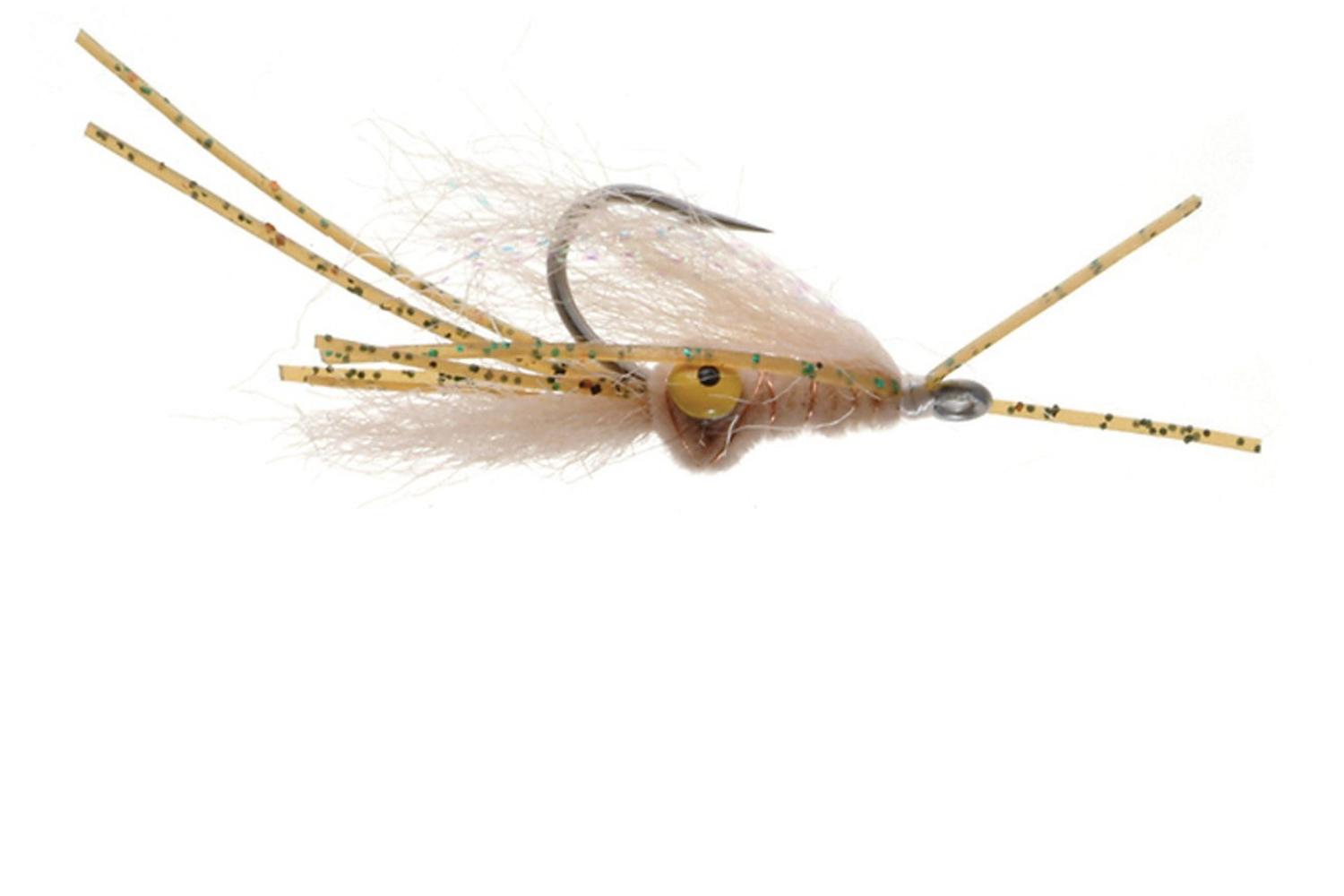


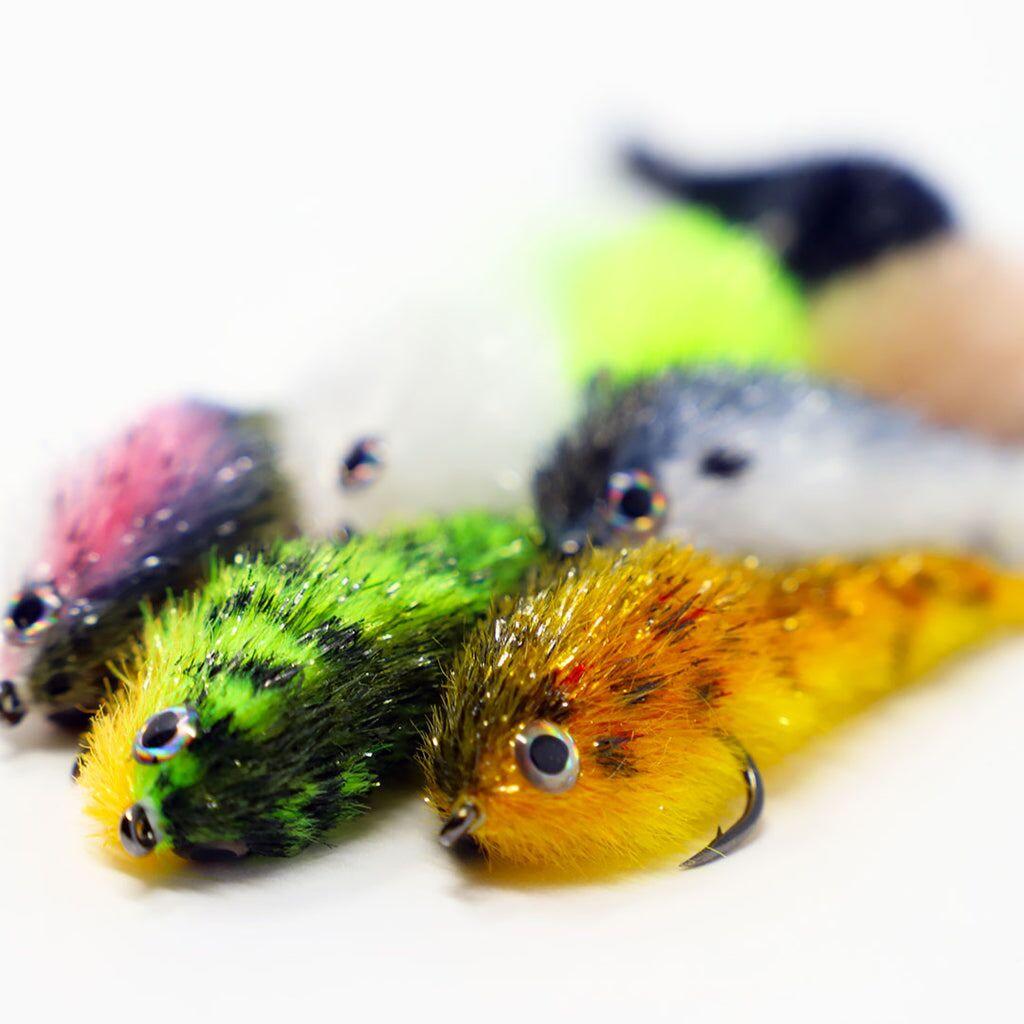


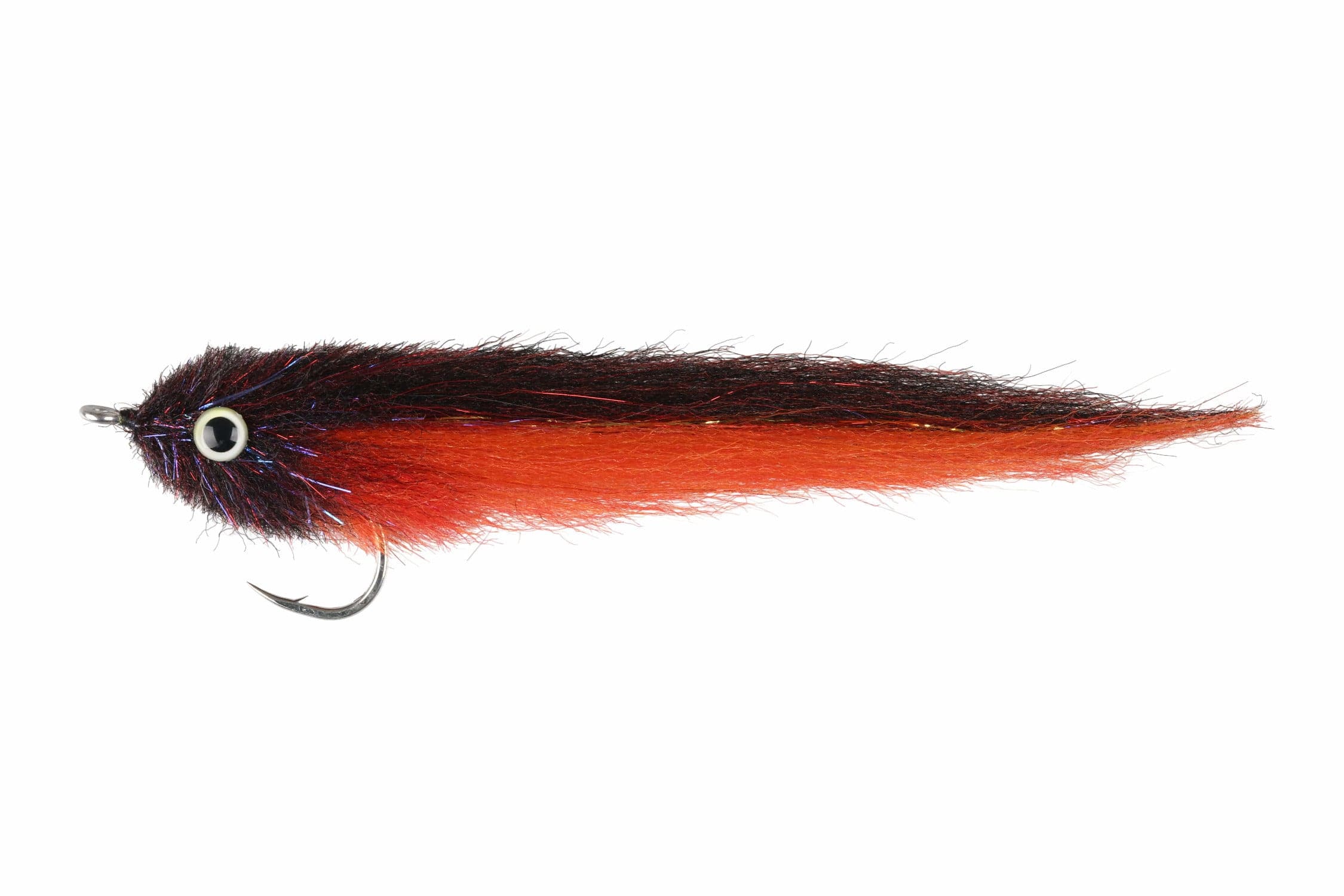
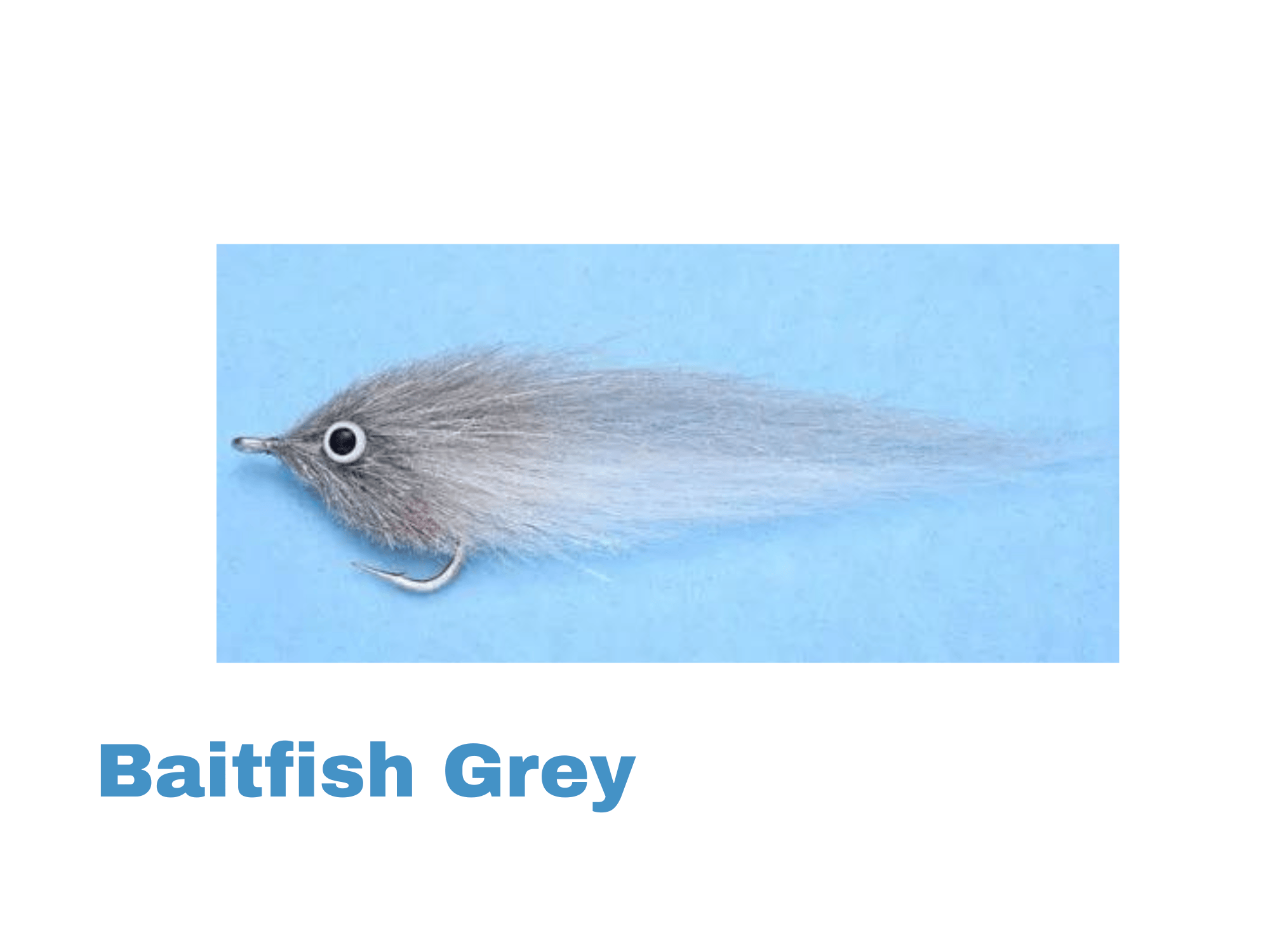
Saltwater Flies Quick Picks
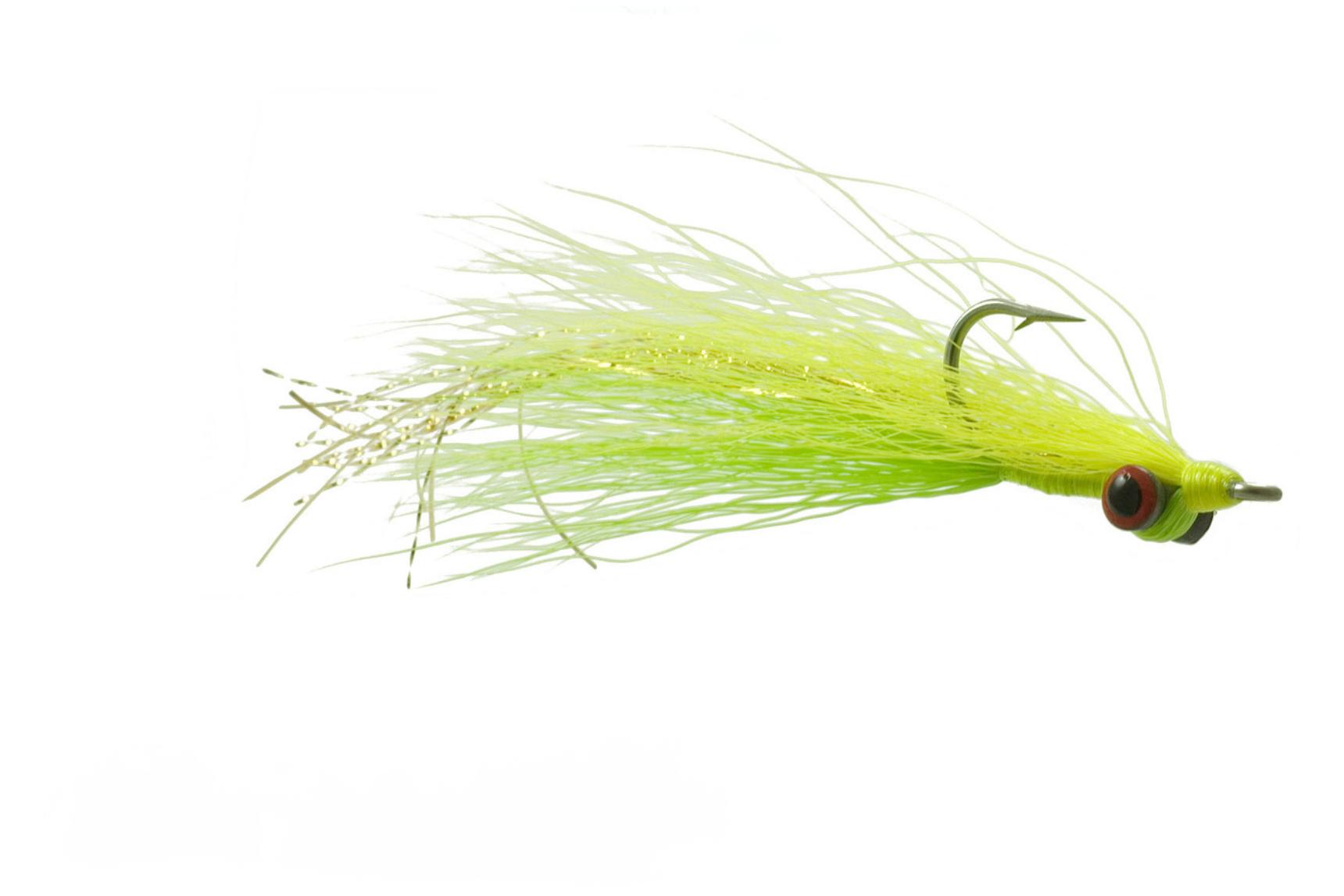
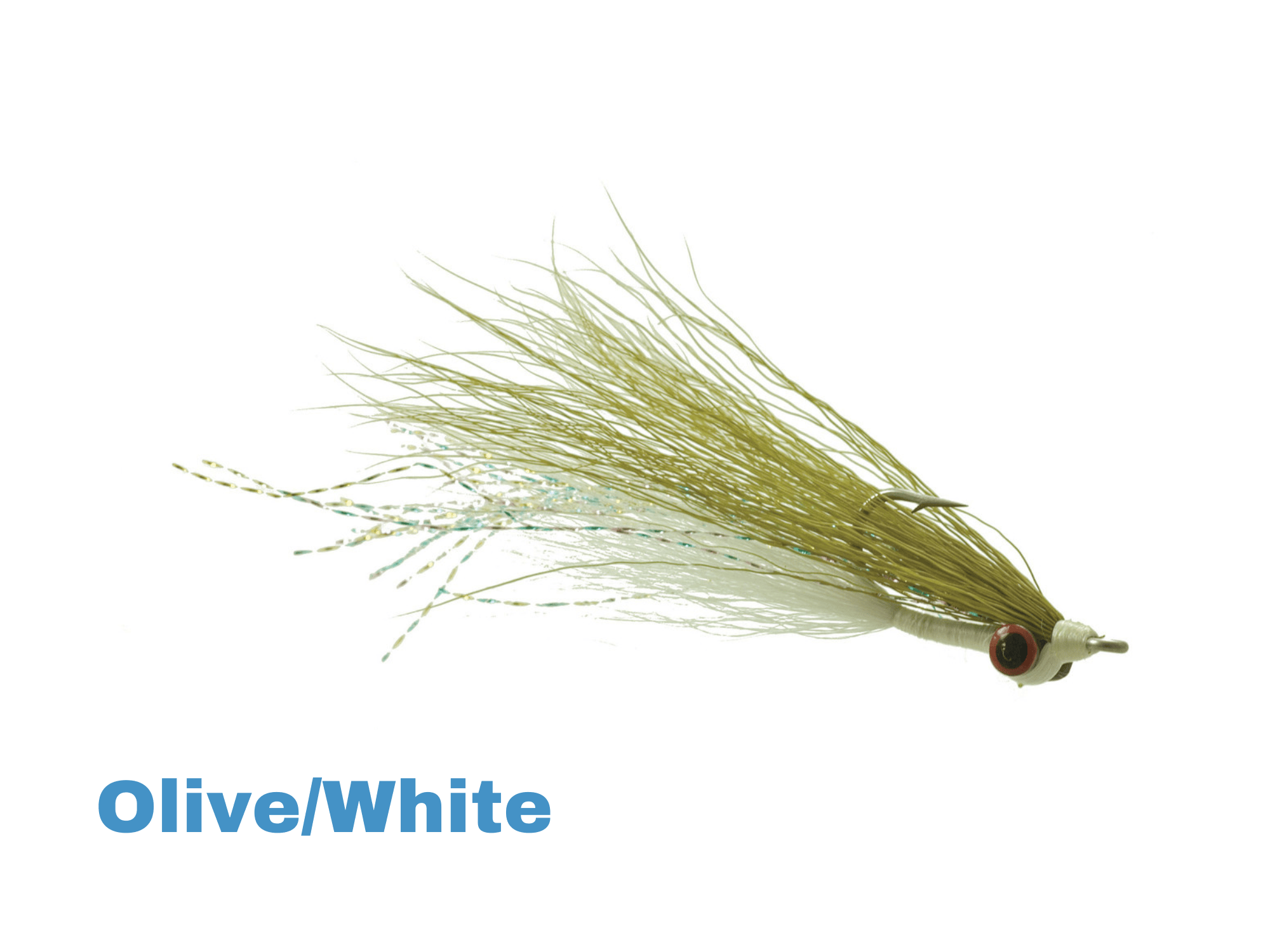
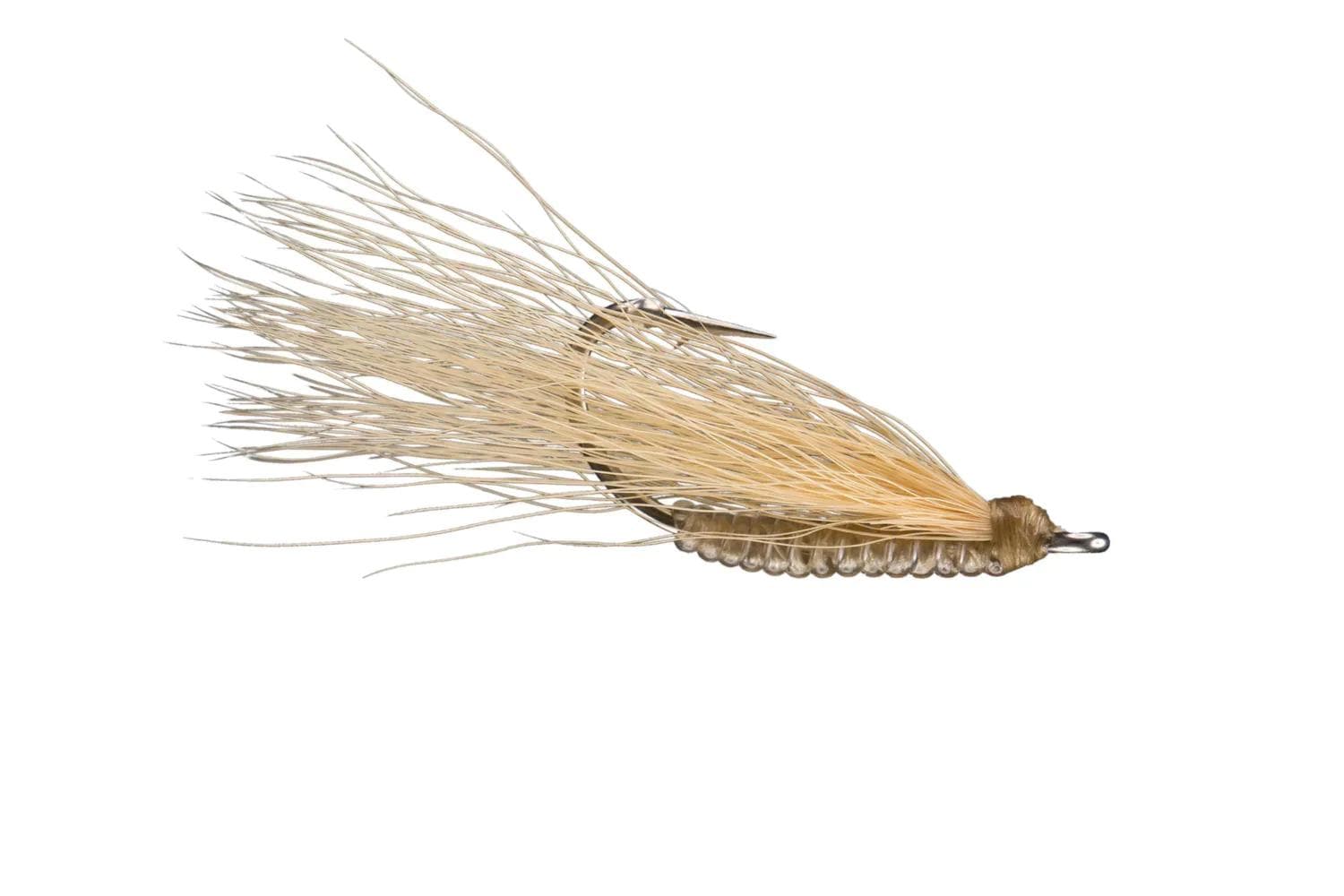
Best All-Around: Clouser Minnow - A versatile jigging pattern that catches everything from bonefish to stripers. Its lead eyes get the fly deep quickly where fish feed.
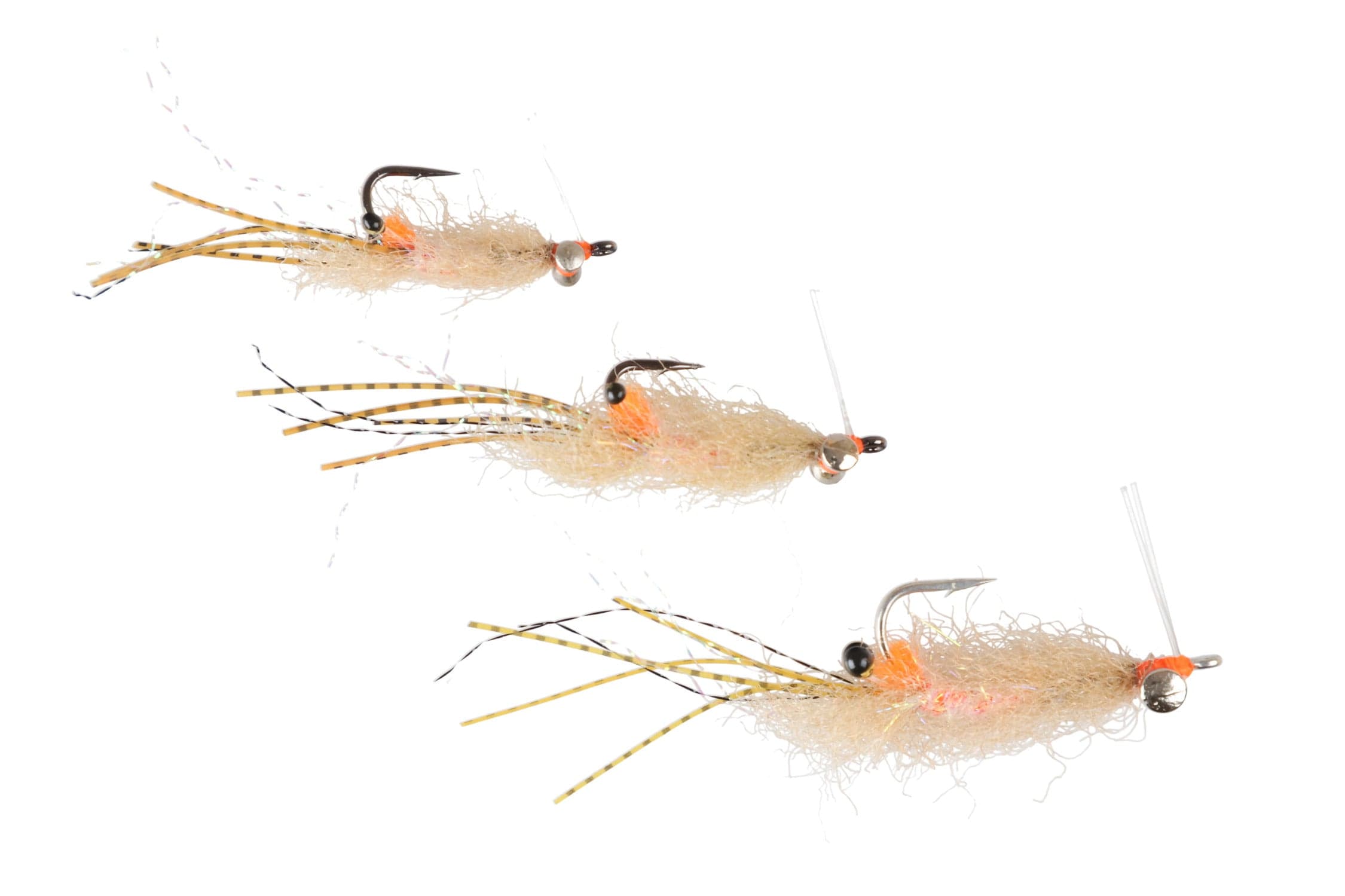
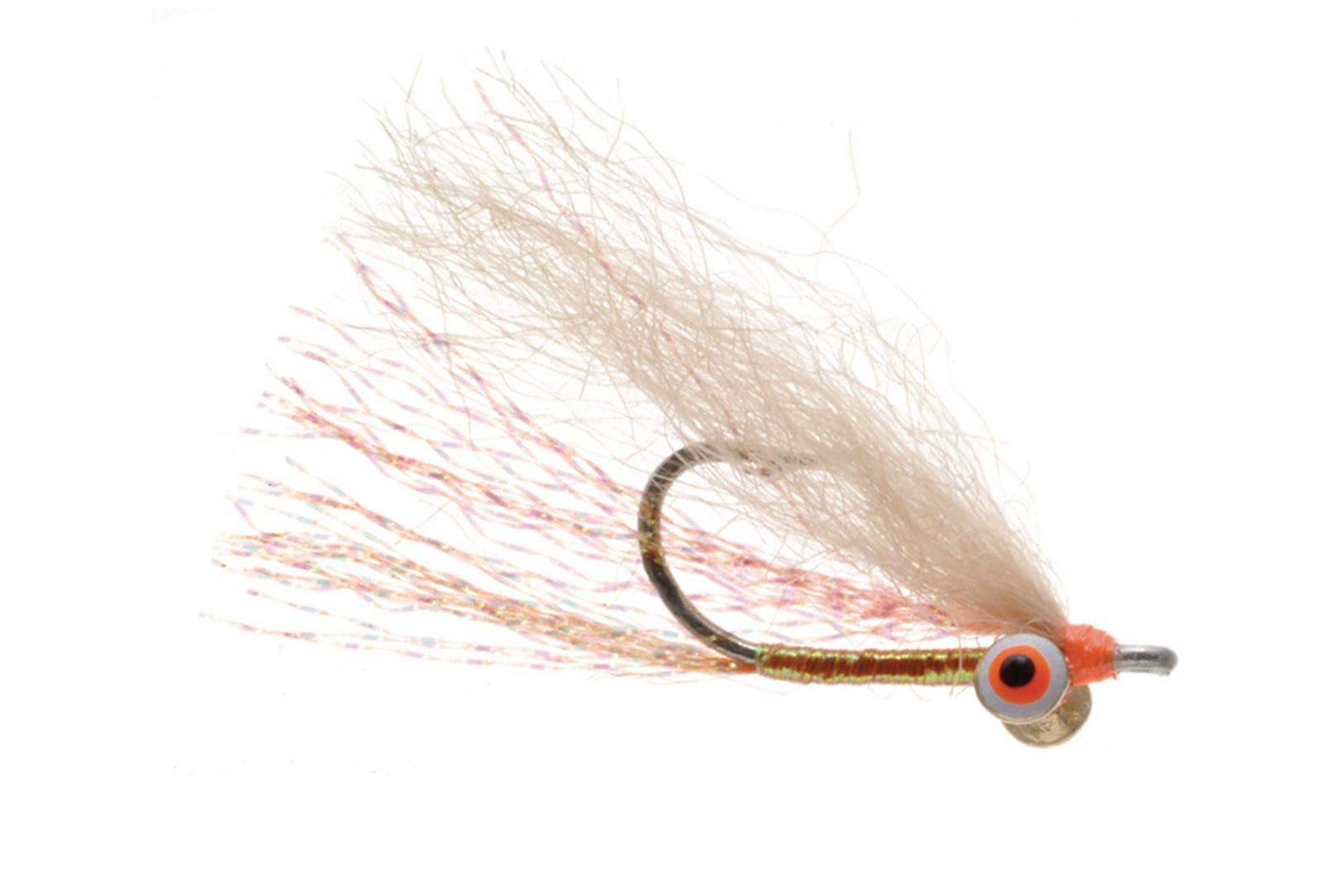
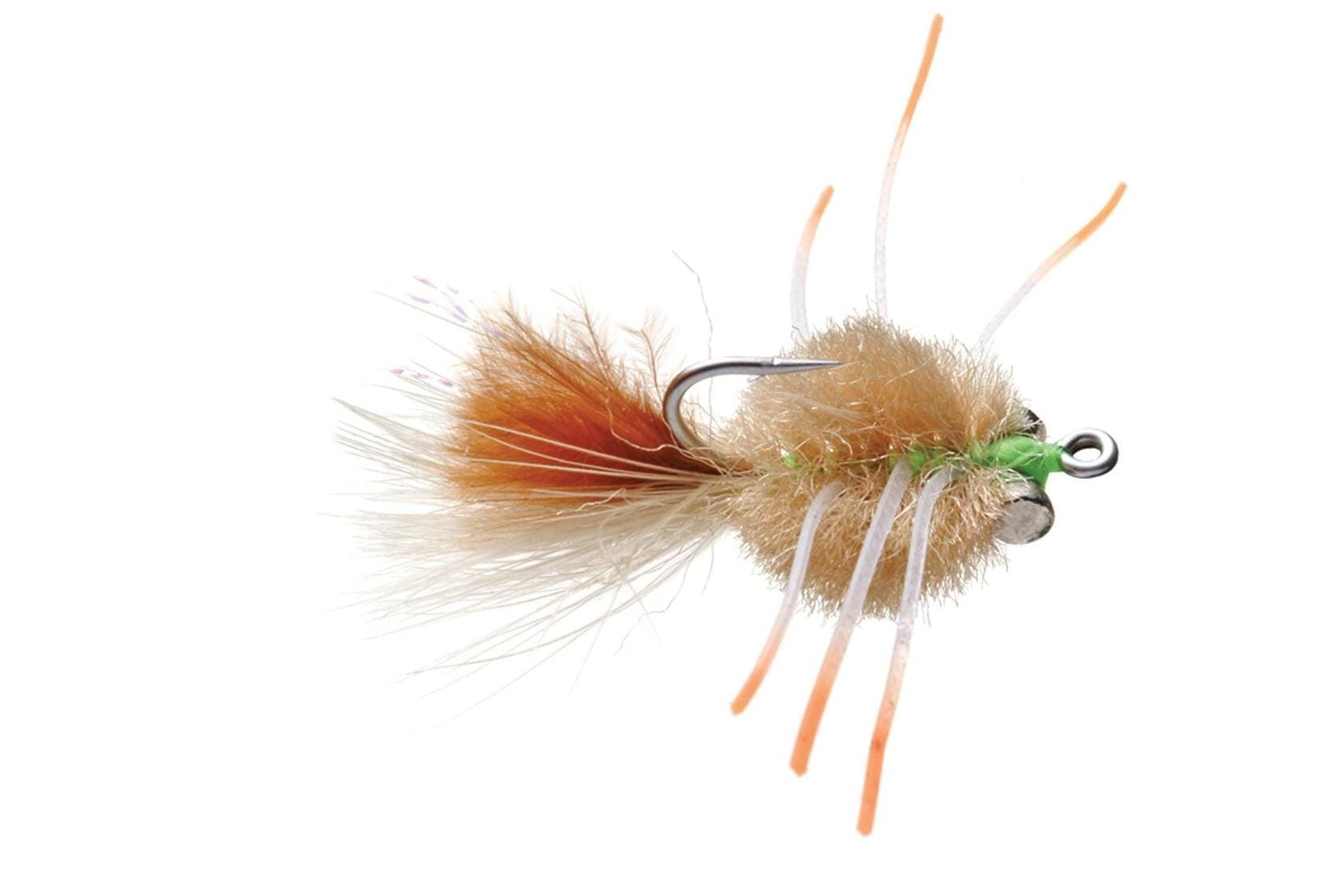
Best for Bonefish: Crazy Charlie - The gold standard for flats fishing, designed to imitate shrimp without spooking wary fish. Essential for shallow water wading.
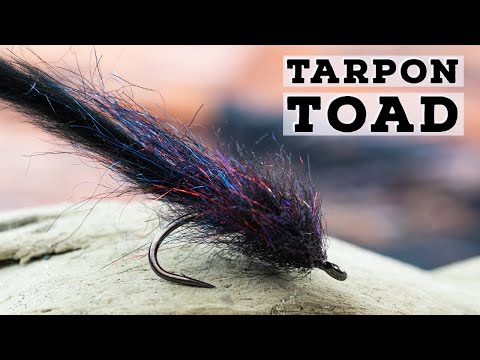
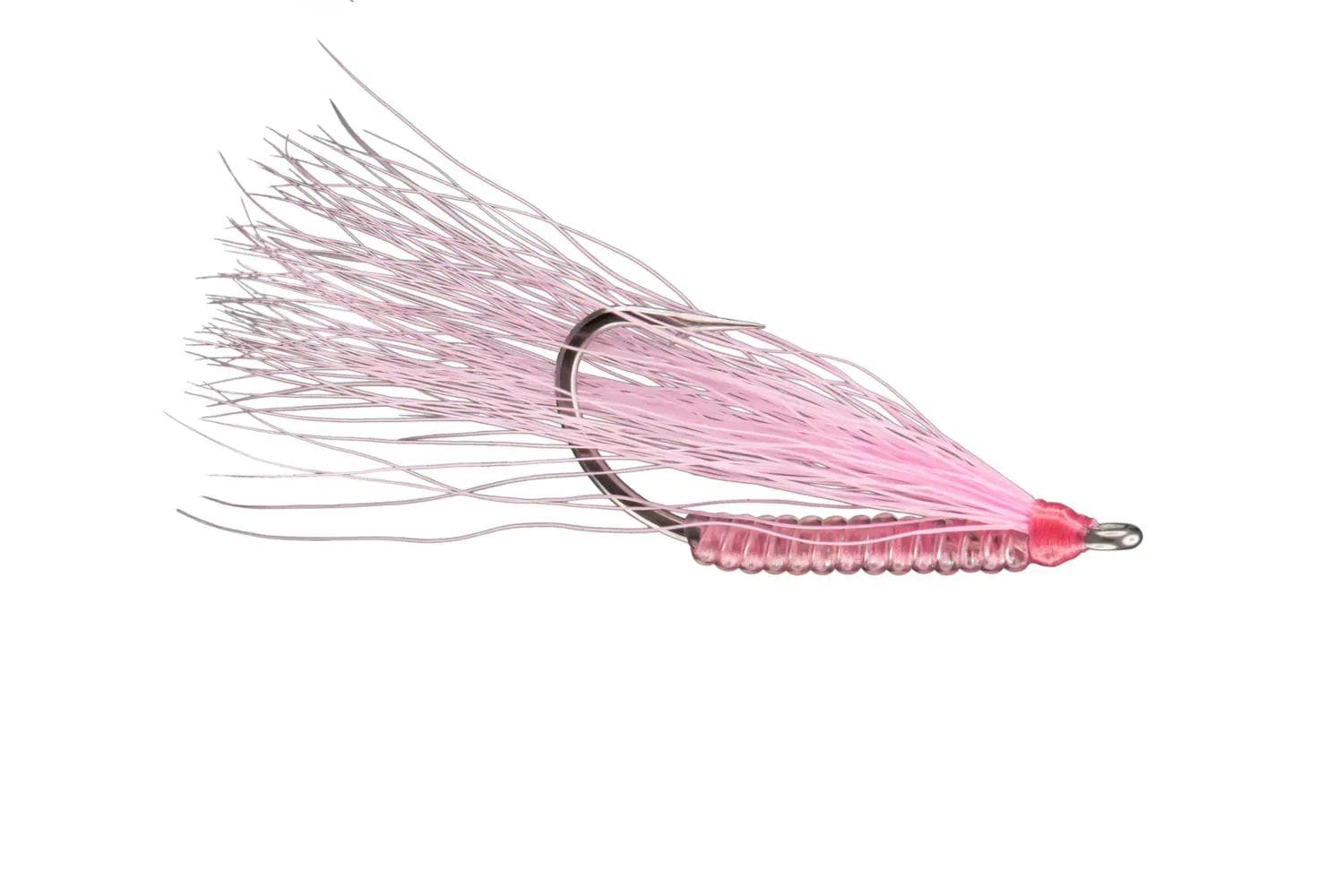
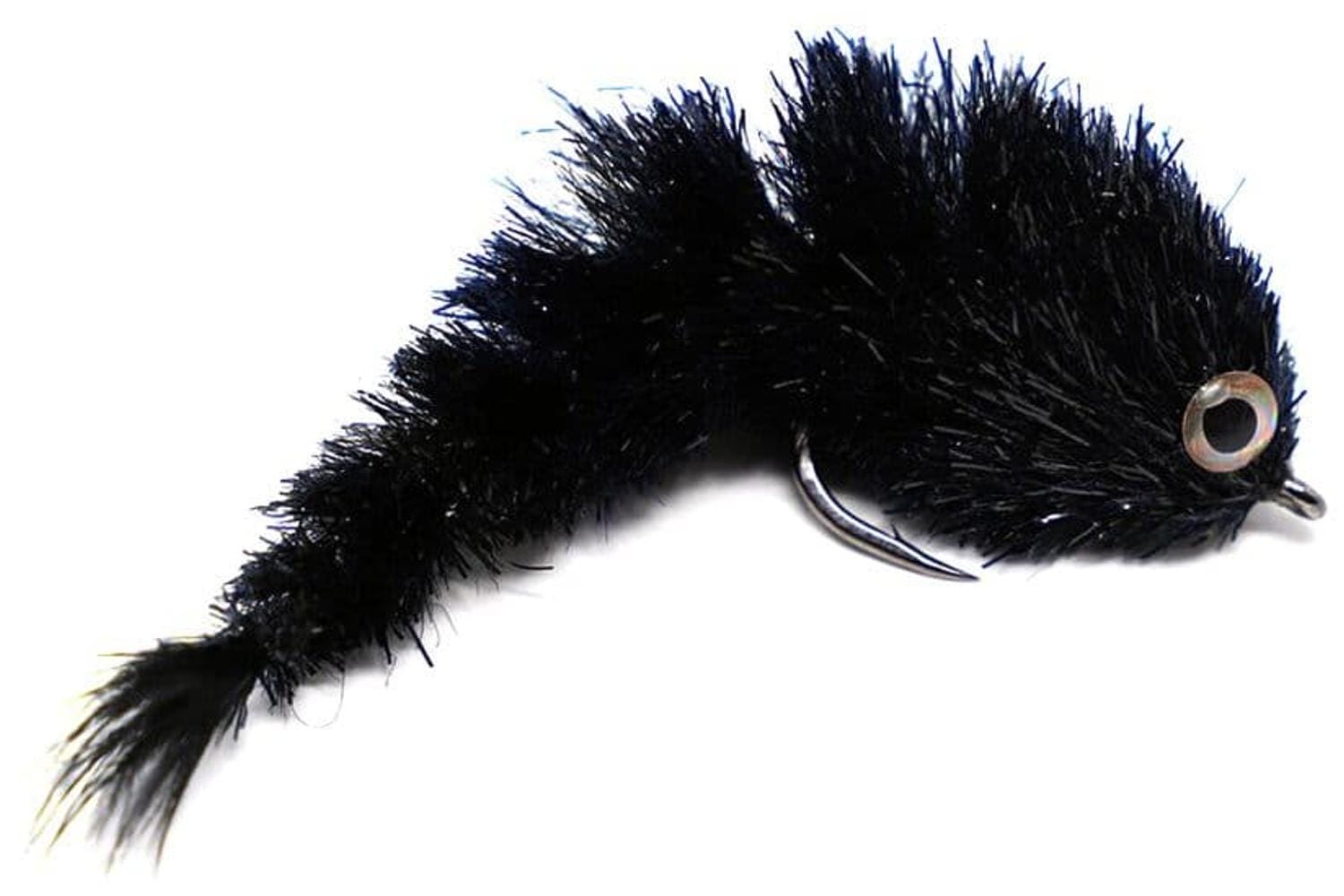
Best for Tarpon: Tarpon Toad - A lightweight pattern that lands softly and suspends in the water column. Perfect for presenting to laid-up tarpon in clear water.
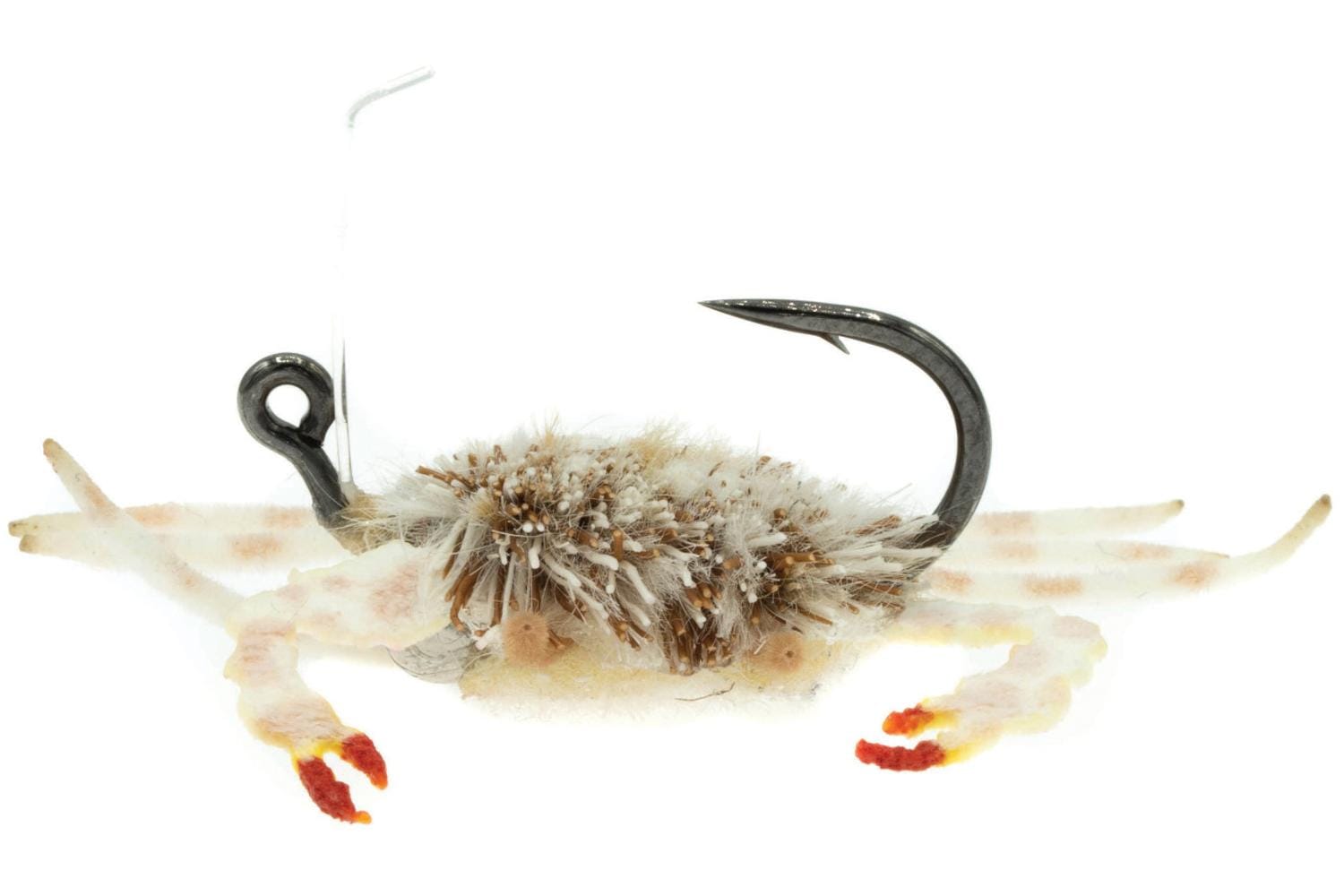
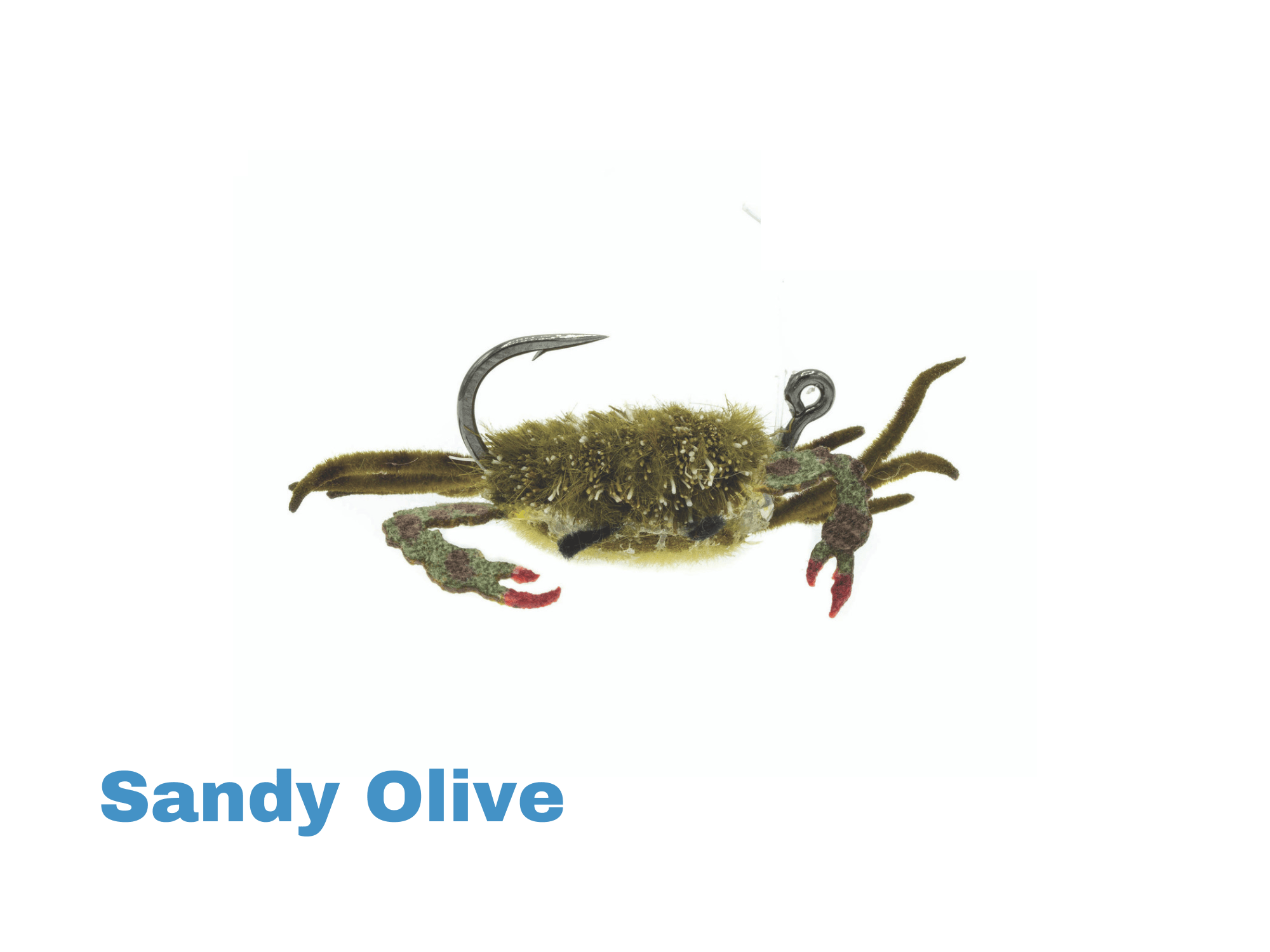
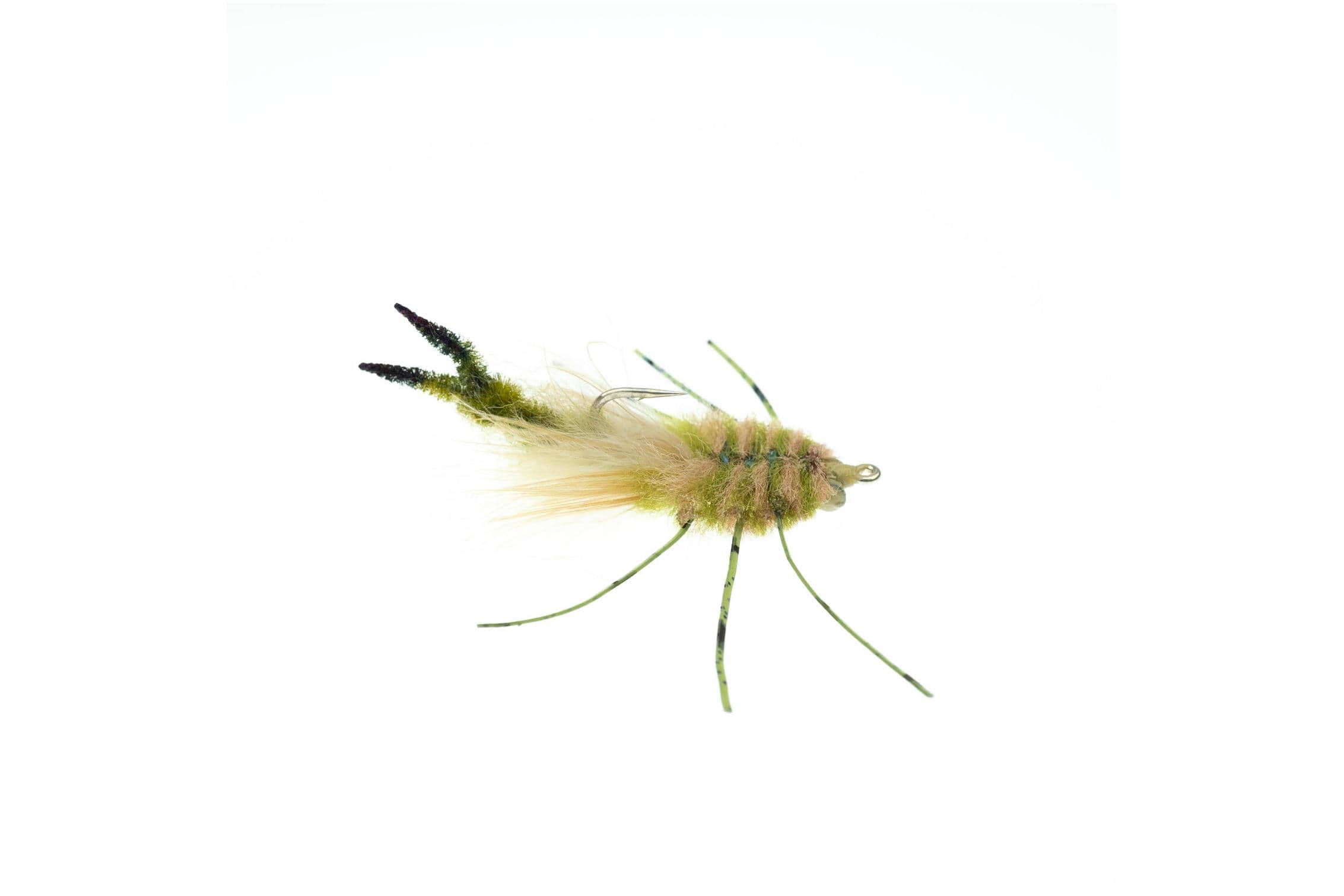
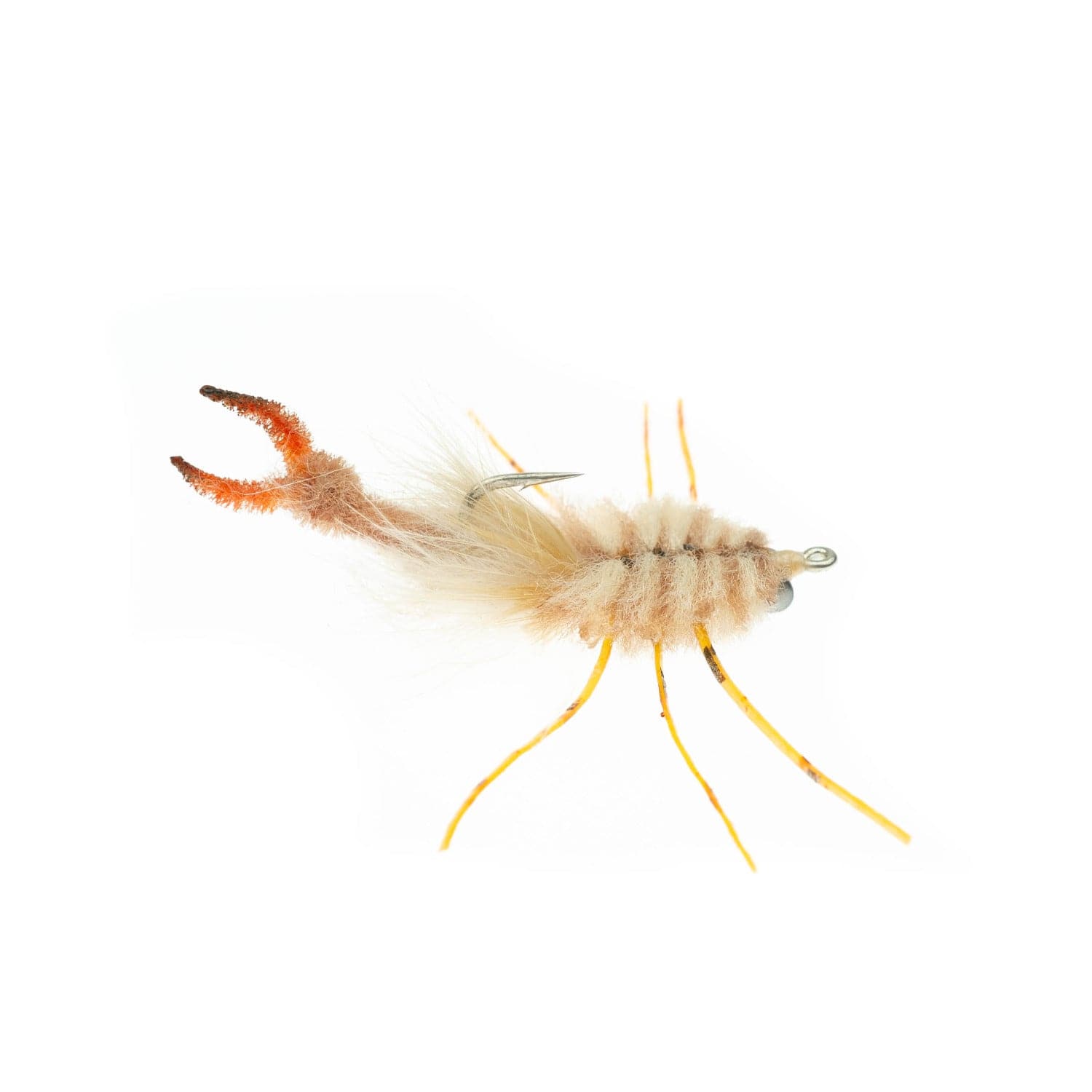
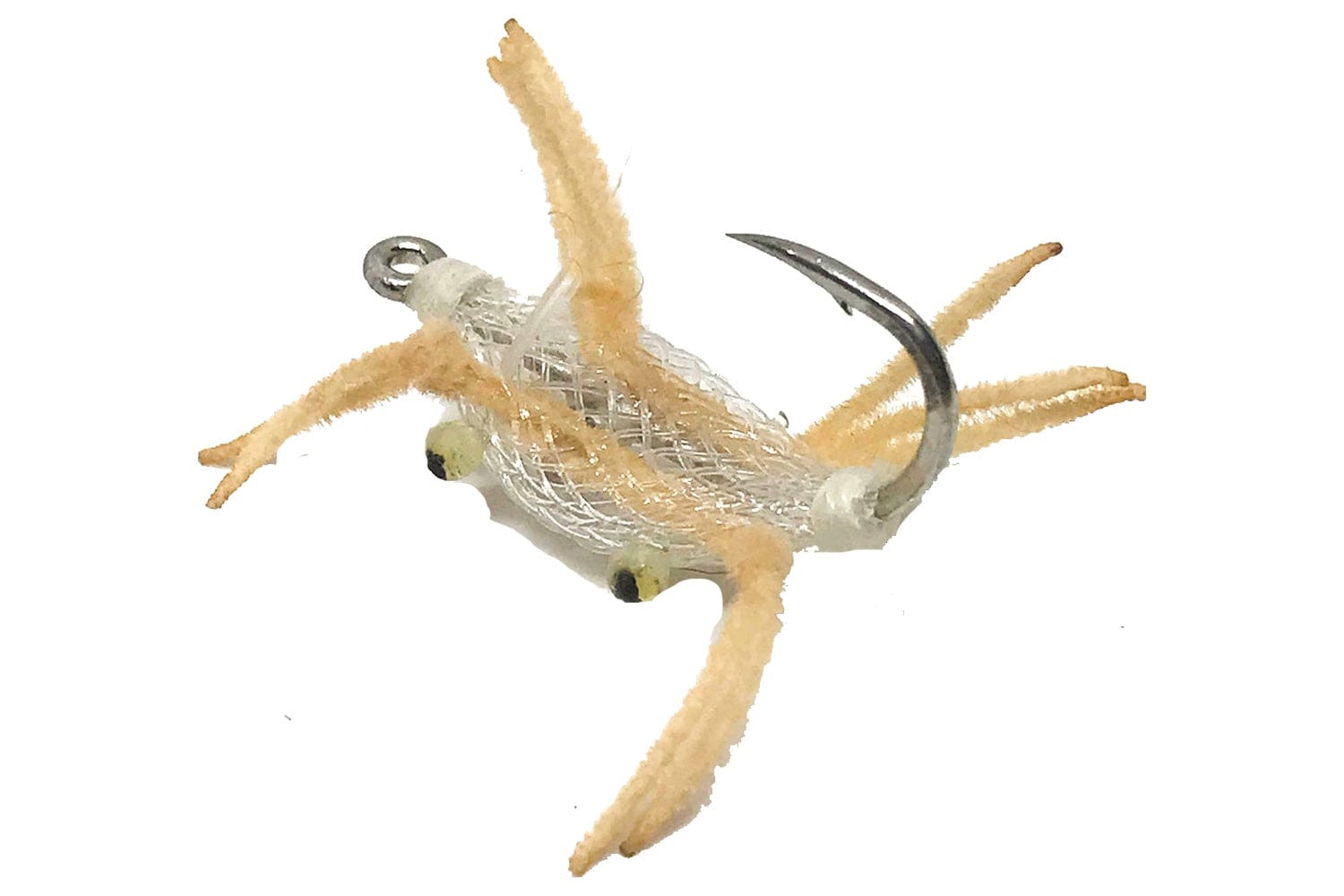
Best for Permit: Alphlexo Crab - A realistic crab imitation with a flex body that mimics natural movement. Built on heavy-wire hooks to withstand crushing jaws.
Explore by Type
How to Choose Saltwater Flies
Match the Prey
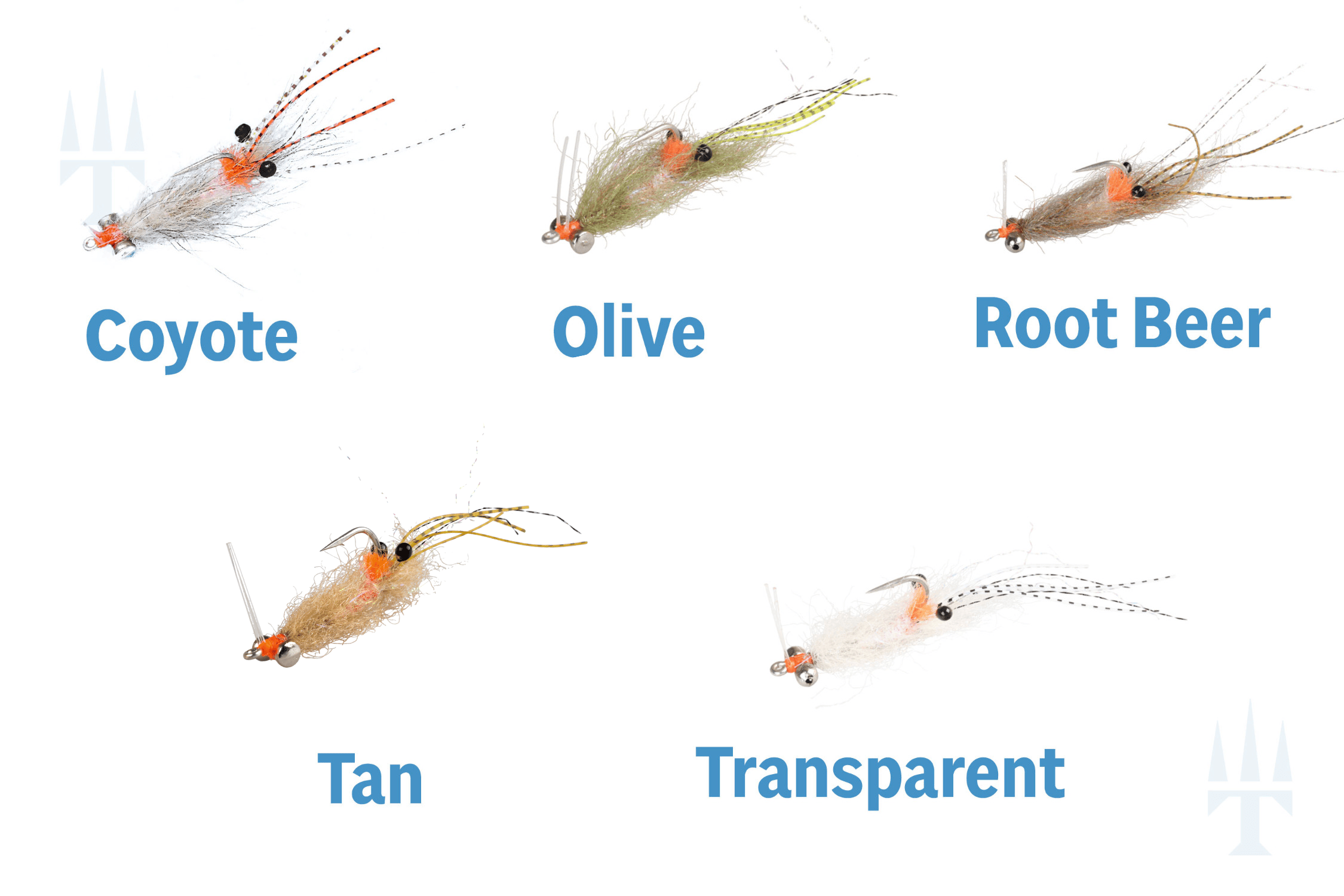
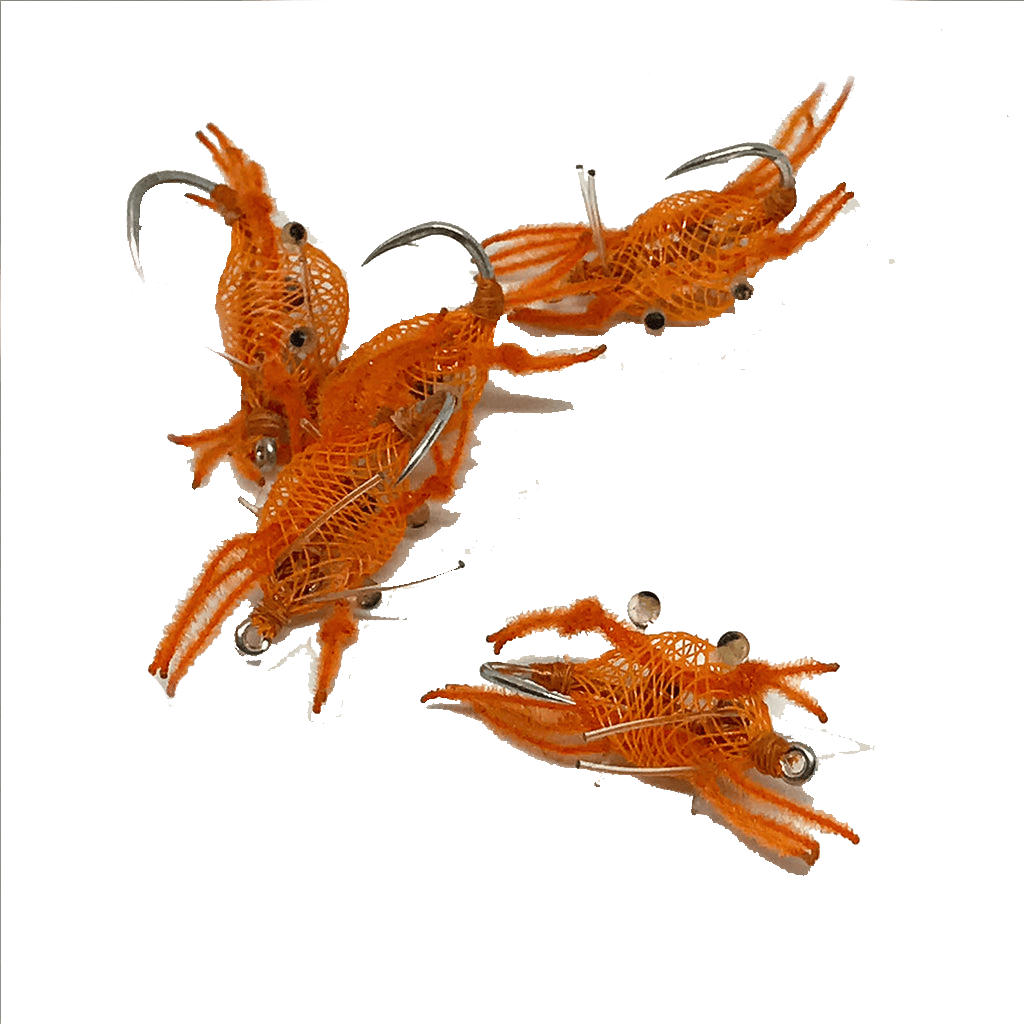
Saltwater predators are often focused on specific food sources. In the tropics, this usually means shrimp and crabs. For bonefish and permit, choose patterns like the Gotcha or Avalon Fly that mimic these crustaceans. For predatory fish like tarpon, snook, and striped bass, baitfish imitations such as the EP Peanut Butter or Deceiver are the standard. Always carry a mix of topwater poppers and subsurface streamers to cover different feeding zones.
Weight and Sink Rate
Shallow Flats: When fishing skinny water (1-3 feet), use lightly weighted flies with bead chain eyes or unweighted patterns. Heavy flies land with a loud splash that scares fish in these depths.
Deep Channels and Surf: For water deeper than 4 feet or strong currents, choose flies with lead dumbbell eyes (like the Clouser Minnow) or tungsten beads. These get your fly down to the strike zone quickly before the current sweeps it away.
Color Selection
Clear Water: In high-visibility conditions, stick to natural tones like tan, sand, olive, and white. These blend with the bottom and look realistic to inspecting fish.
Murky Water: In stained or low-light water, contrast is key. Black, purple, and chartreuse patterns create a distinct silhouette that helps fish locate the fly.
Care & Maintenance
Rinse Thoroughly: Saltwater corrodes hooks quickly. Rinse every fly with fresh water after your trip, even if it didn't touch the ocean.
Dry Completely: Never put wet flies back into a closed foam box. Let them air dry completely to prevent rusted hooks.
Check Hooks: Inspect hook points frequently. Saltwater fish have hard mouths, and a dull hook often results in lost fish. sharpen or replace as needed.
Complete Your Setup
Related Gear
Saltwater Fly Rods - Fast-action rods built to punch flies through the wind.
Saltwater Fly Lines - Specialized tapers for turning over heavy flies and leaders.
Saltwater Tippet - Abrasion-resistant fluorocarbon for coral and sharp teeth.
Related Guides
Saltwater Flies FAQs
Q: What is the best all-around saltwater fly?
A: The Clouser Minnow is widely considered the most versatile. It imitates a variety of baitfish and shrimp, and its weighted eyes give it a jigging action that triggers strikes from almost any predatory species.
Q: Do I need weed guards on my flies?
A: Yes, especially for species like redfish and snook that hunt in grass or mangroves. A simple monofilament weed guard helps prevent your fly from snagging on vegetation without interfering with the hookset.
Q: What hook size should I use for bonefish?
A: Sizes #4, #6, and #8 are standard for bonefish. Use #4 for deeper water or larger fish, and size down to #8 for spooky fish in shallow, calm water.
Q: Why do some saltwater flies cost more?
A: Saltwater flies are tied on premium, corrosion-resistant stainless steel hooks which are more expensive than freshwater hooks. They also often use durable synthetic materials and complex tying techniques to withstand aggressive fish.
Q: How many flies should I bring on a trip?
A: For a week-long trip, bring at least 3-4 dozen flies. You want a variety of weights and colors, and you need backups for break-offs. It is better to have too many than to run out of the one pattern that is working.