


Costa Del Mar vs Smith Optics Fishing Sunglasses
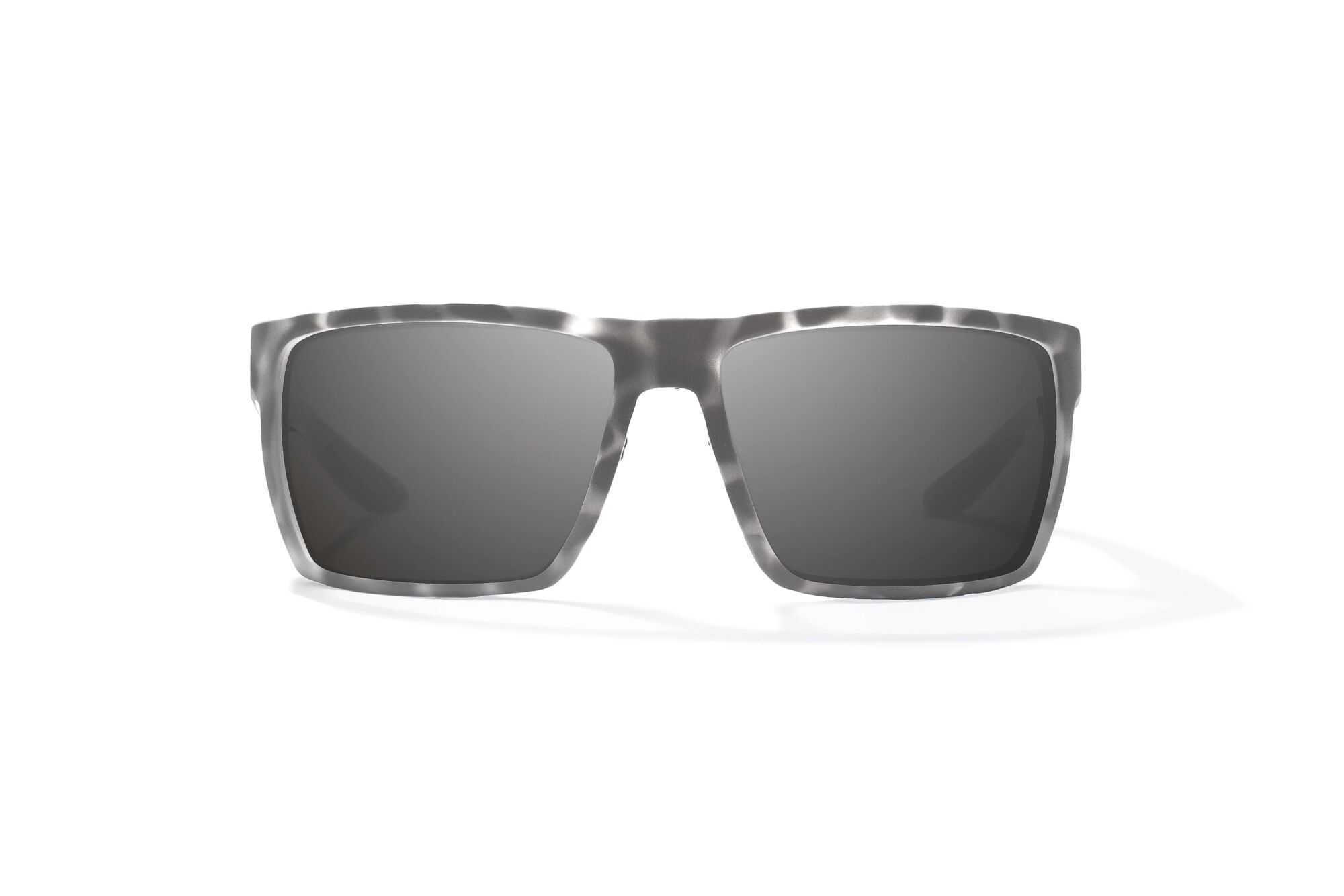
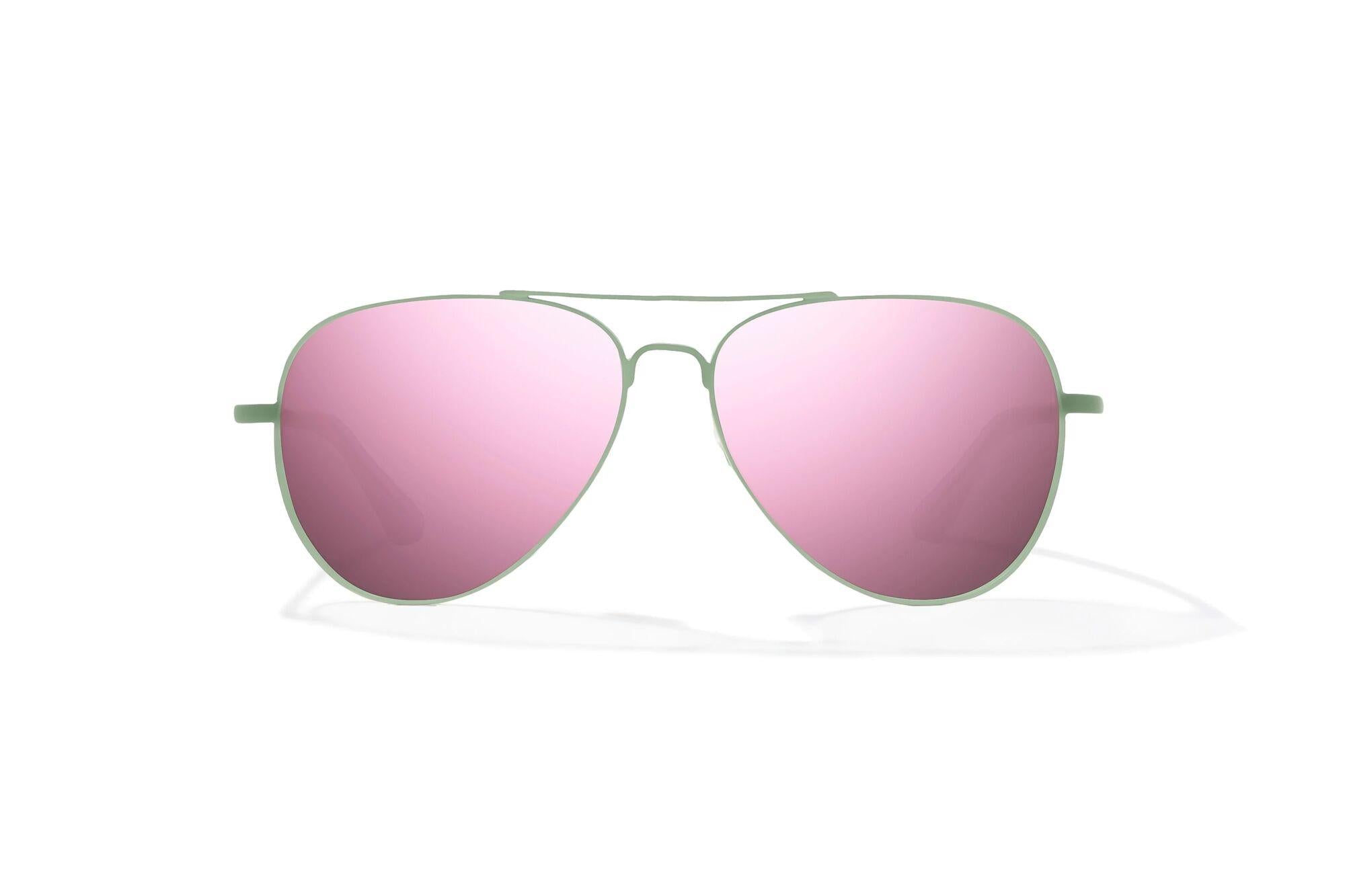
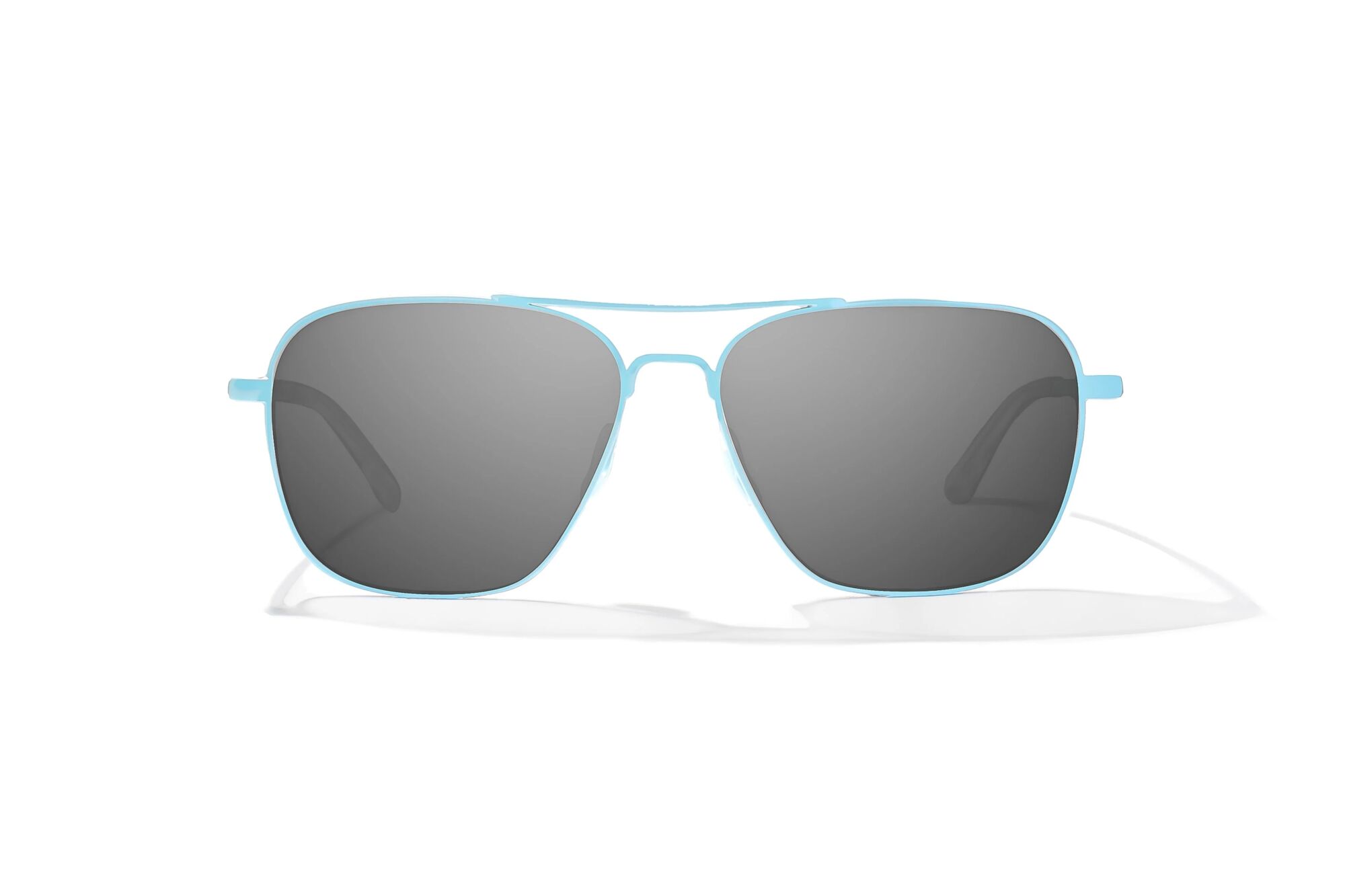
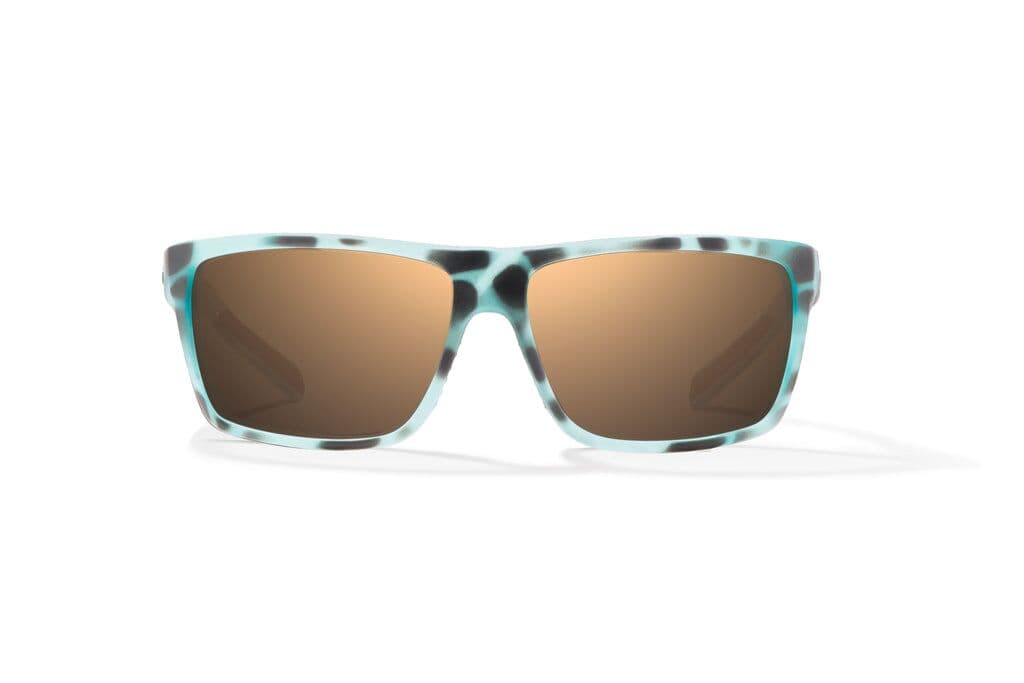
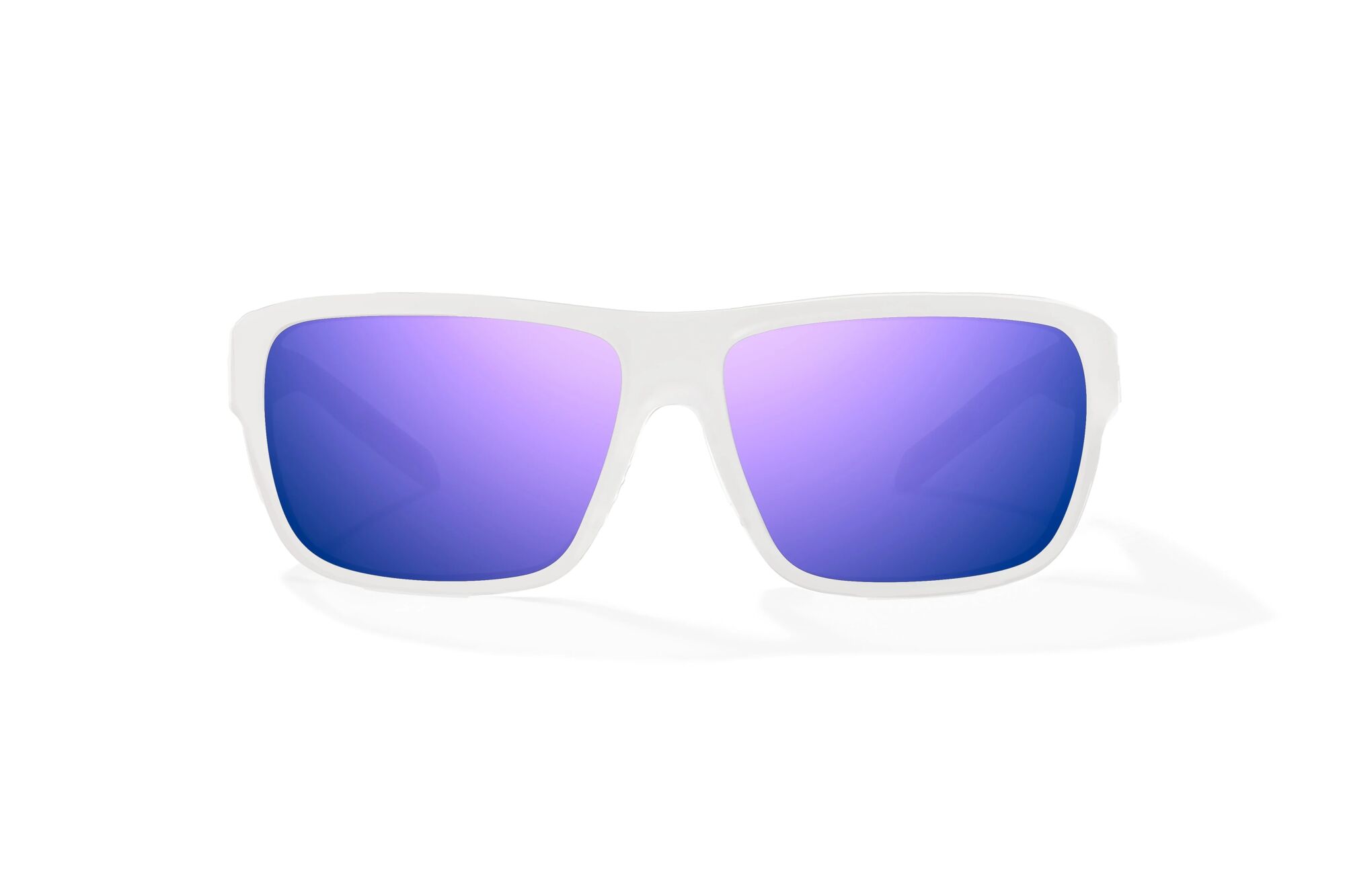
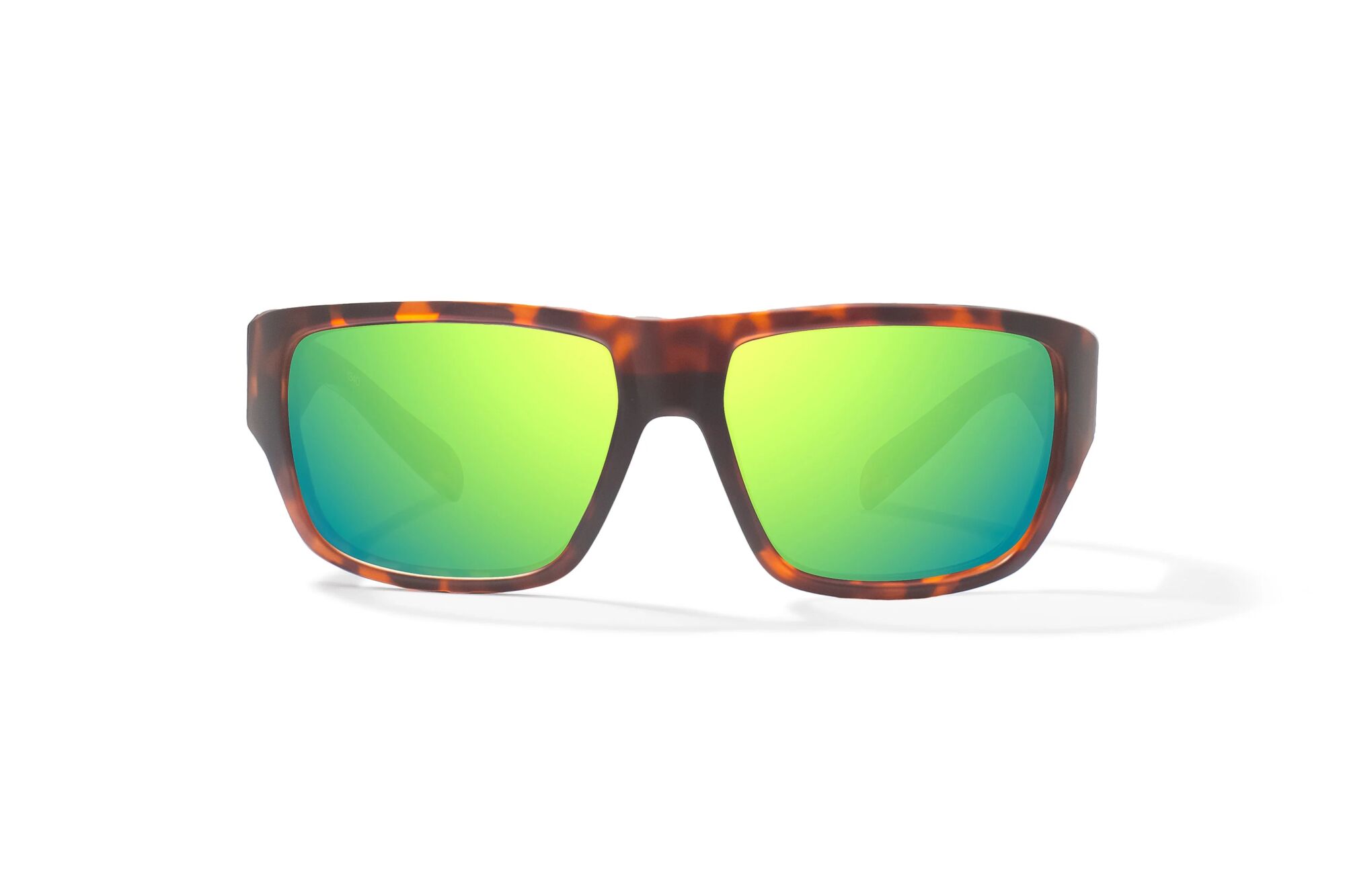
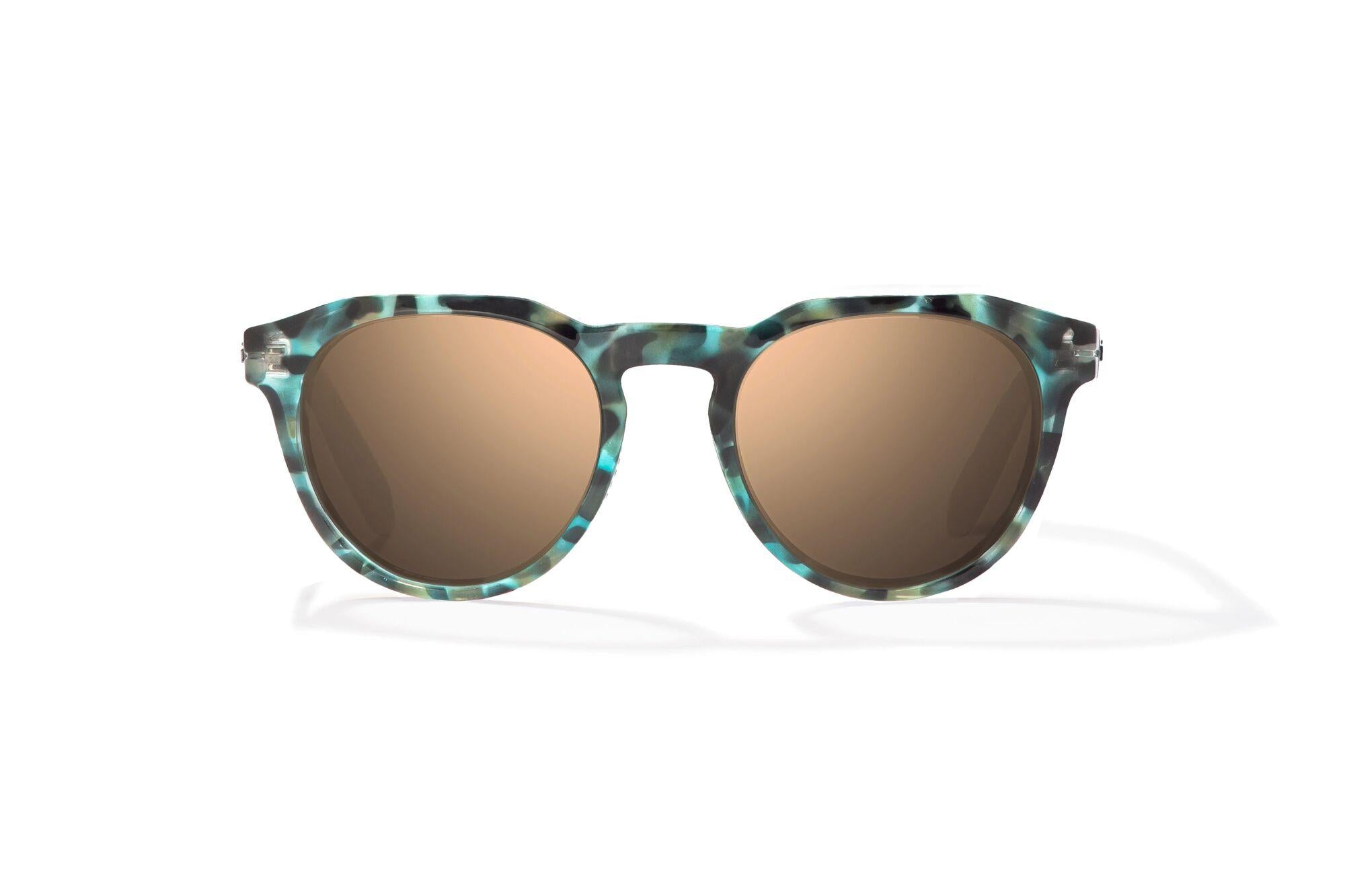
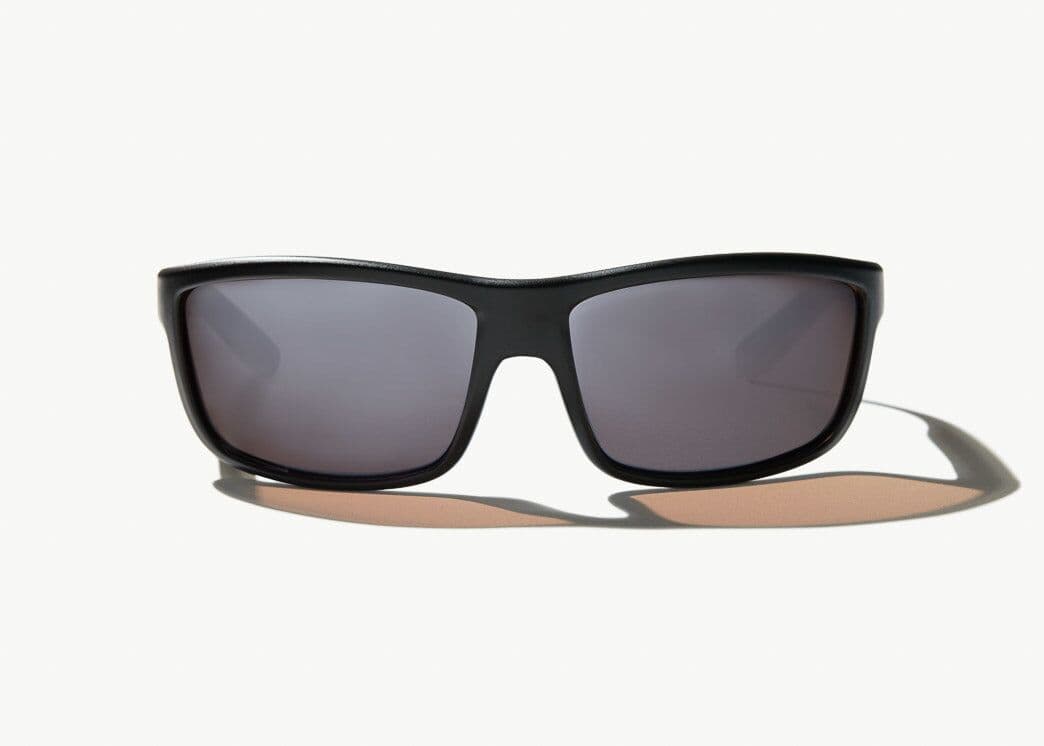
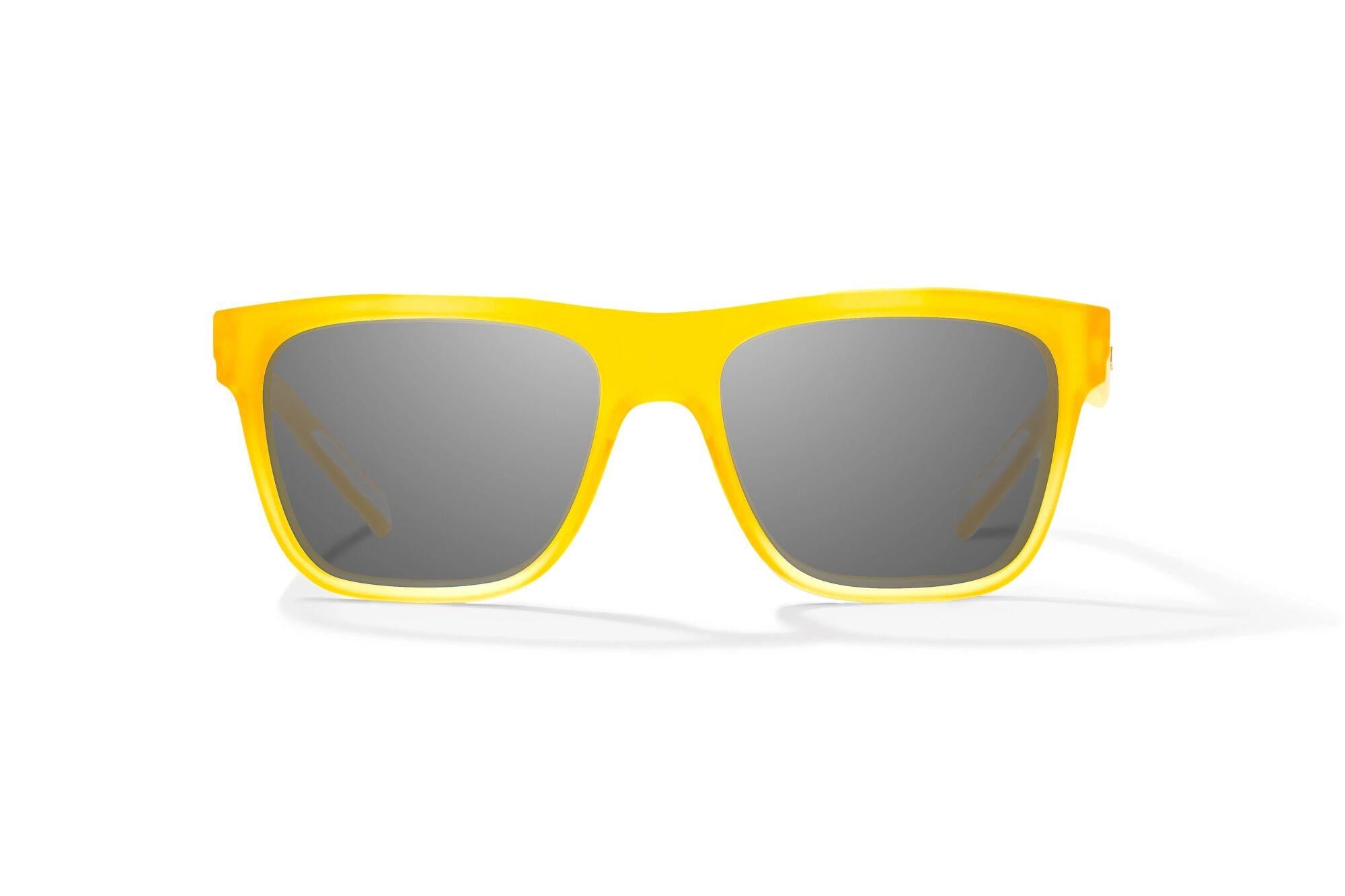
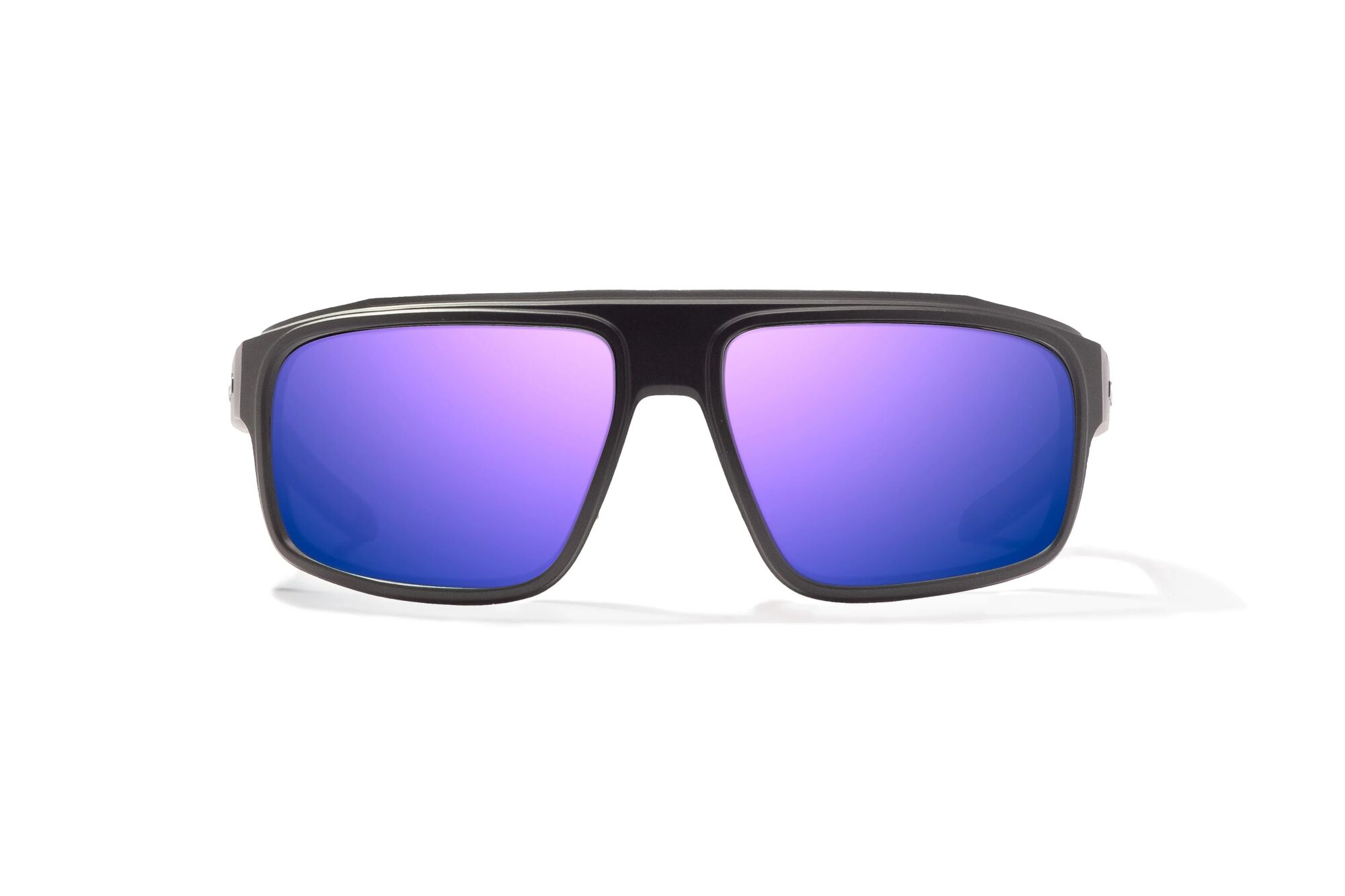
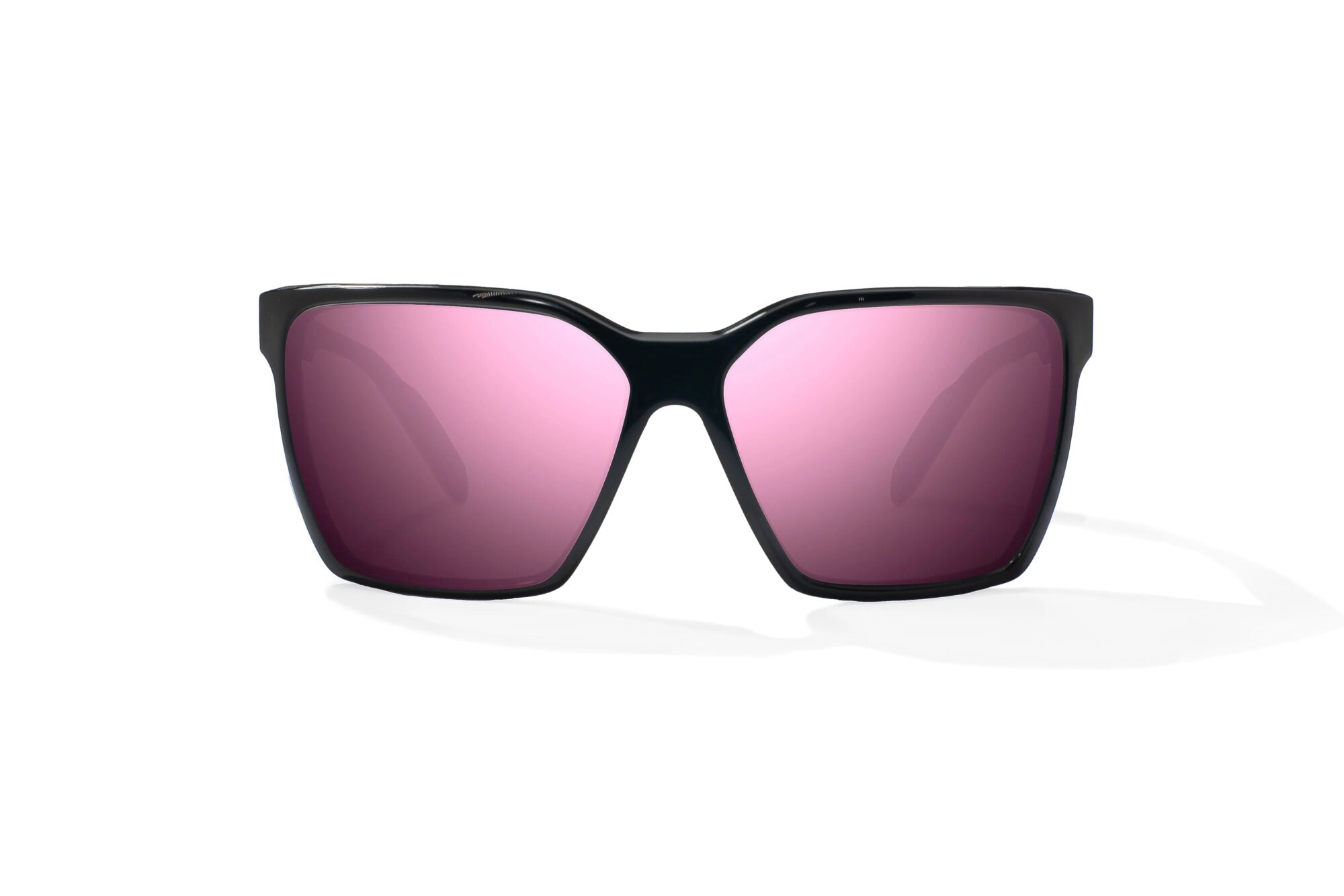
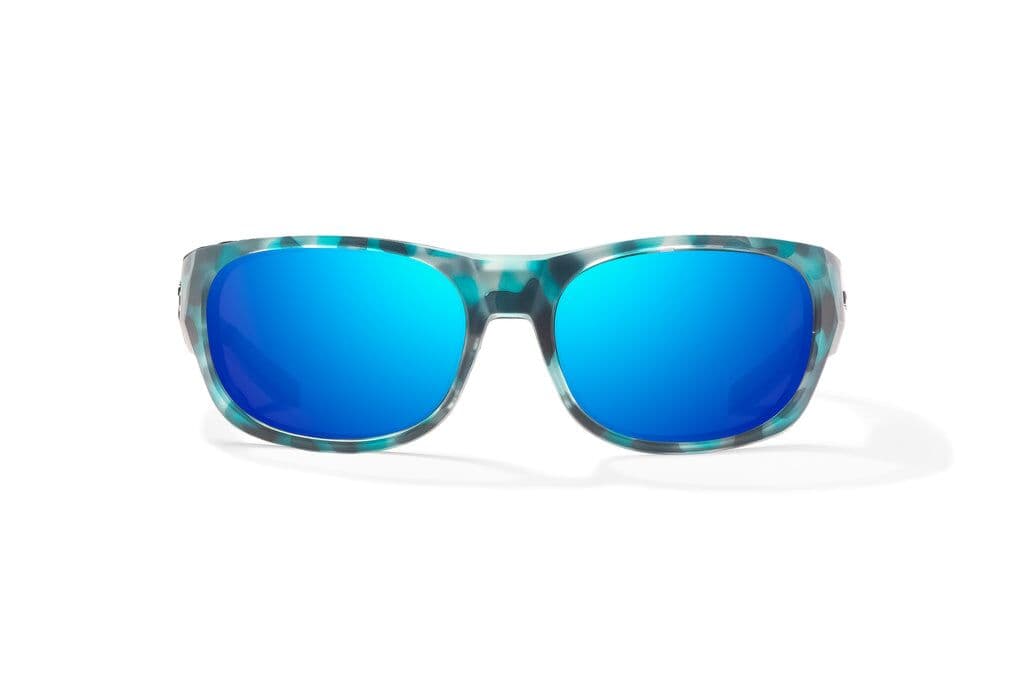
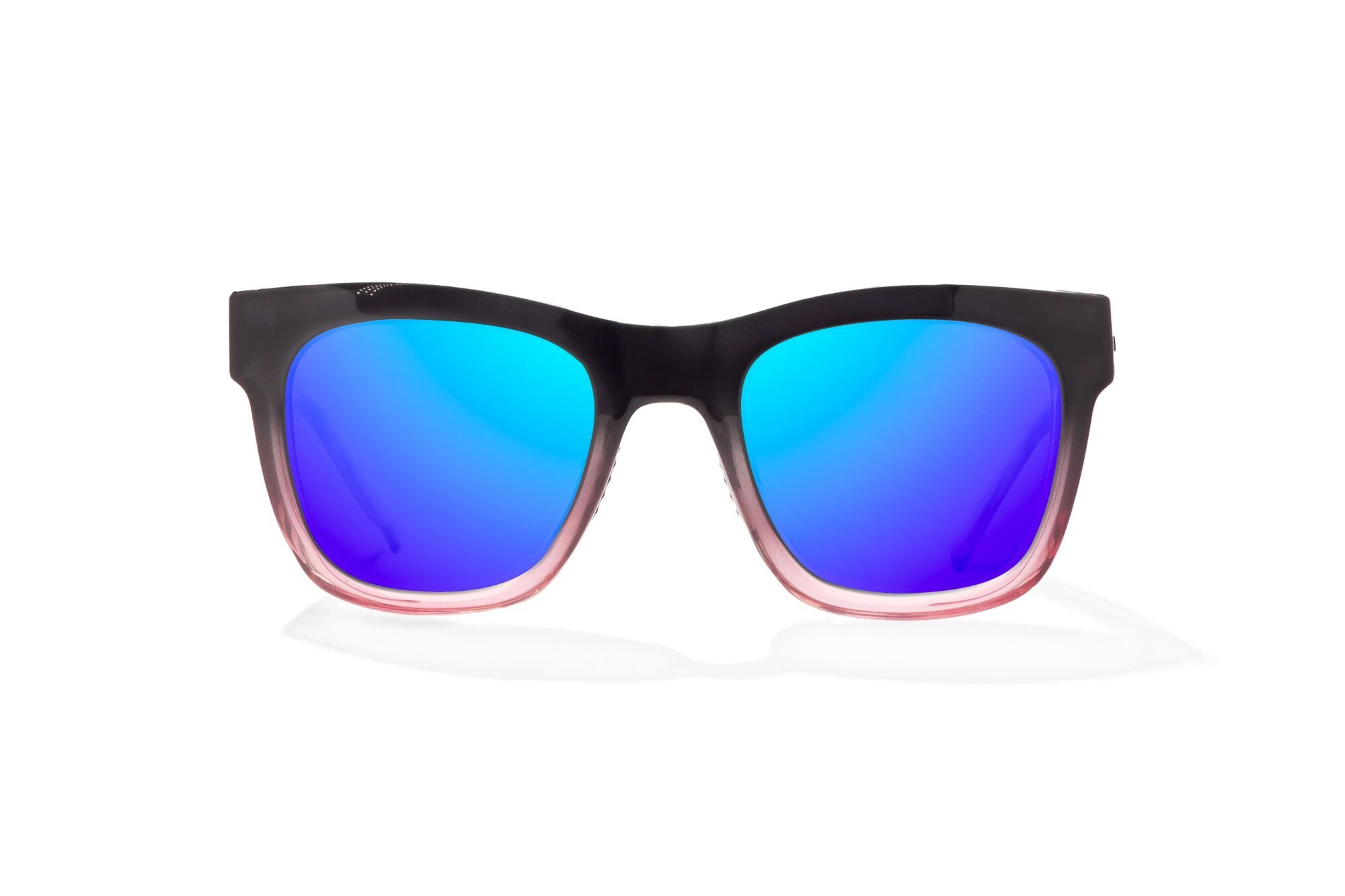
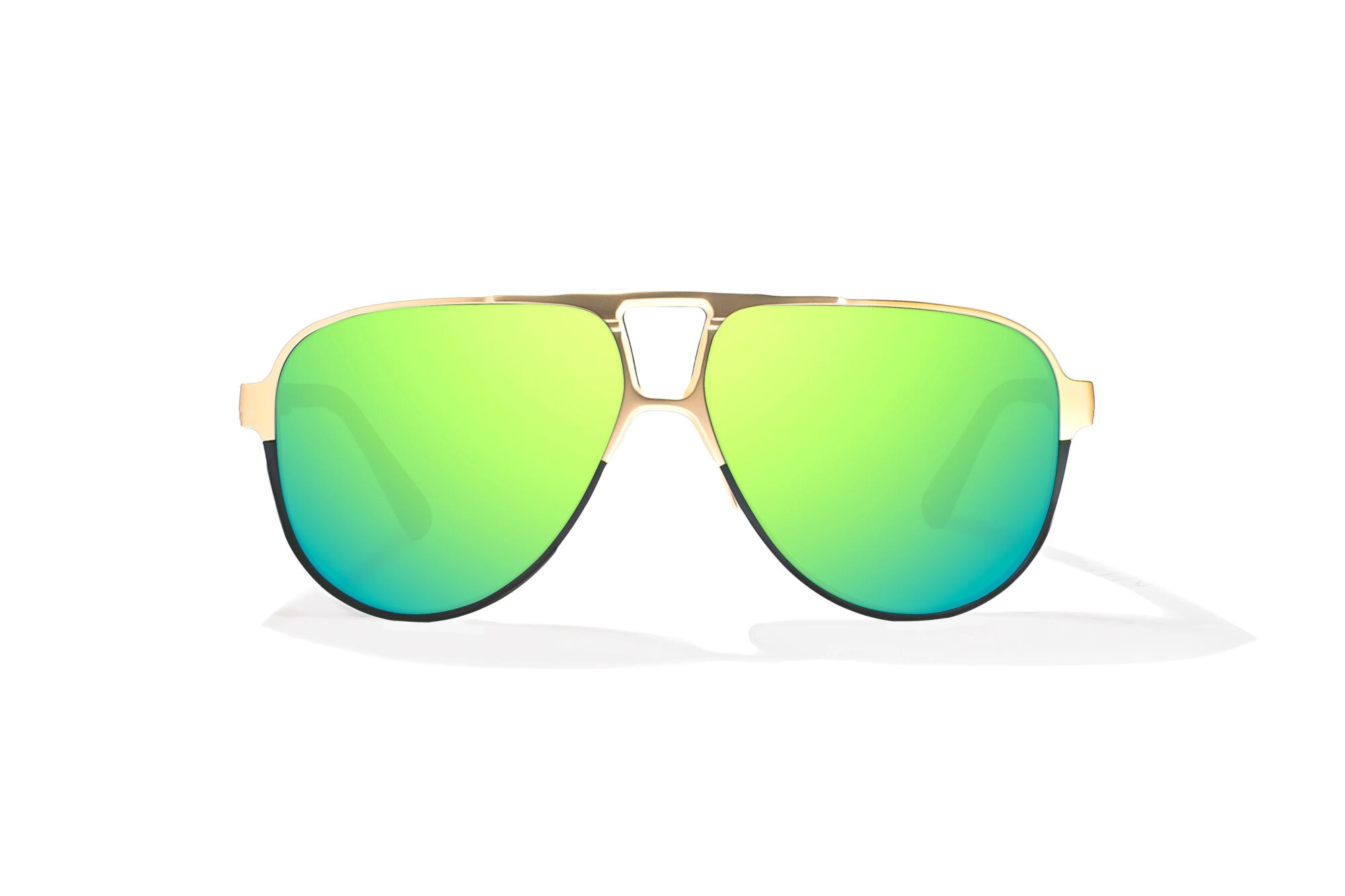
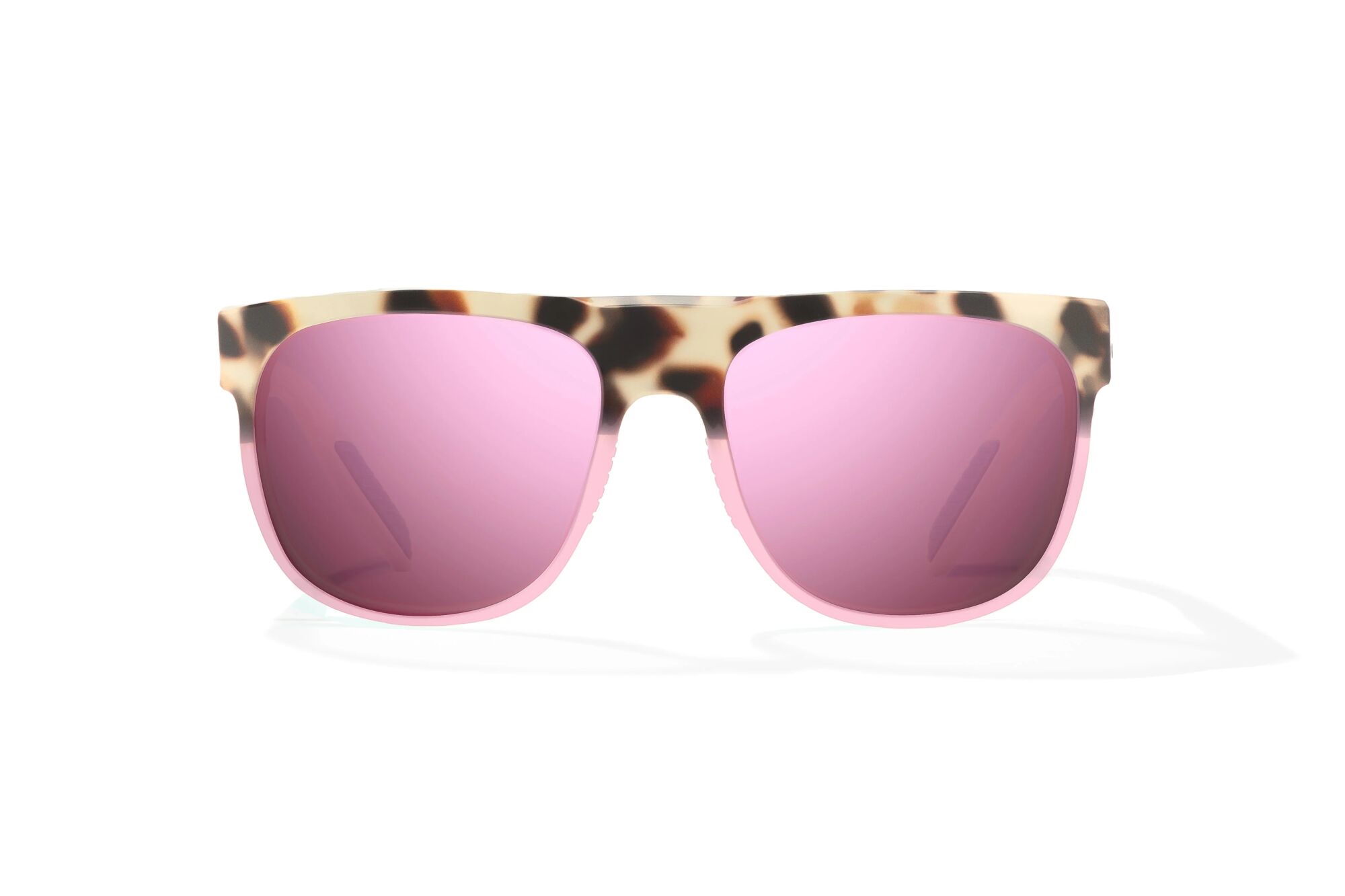
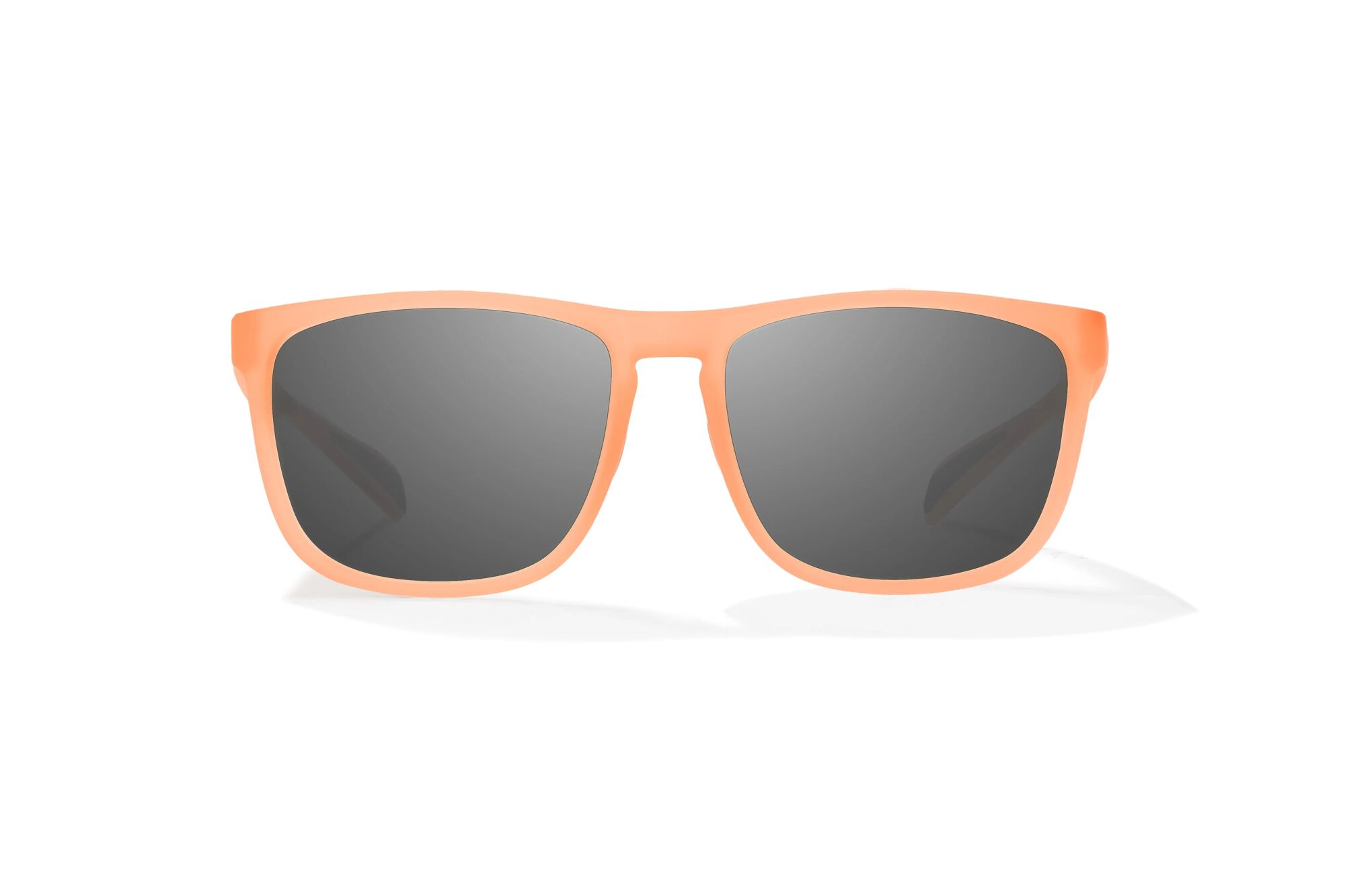
Sunglasses Quick Picks
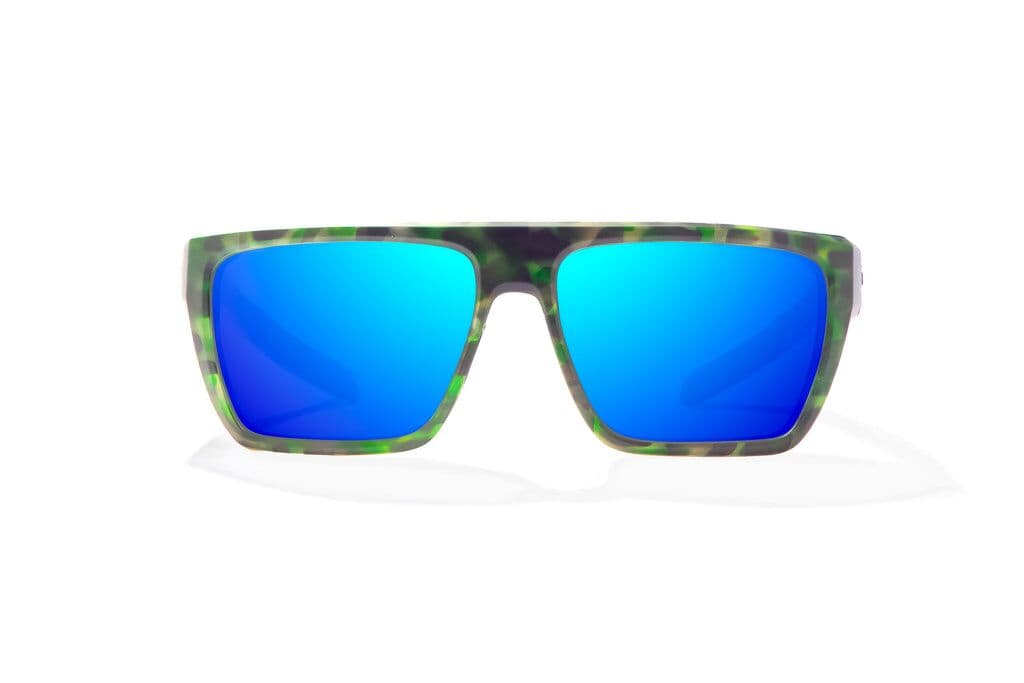
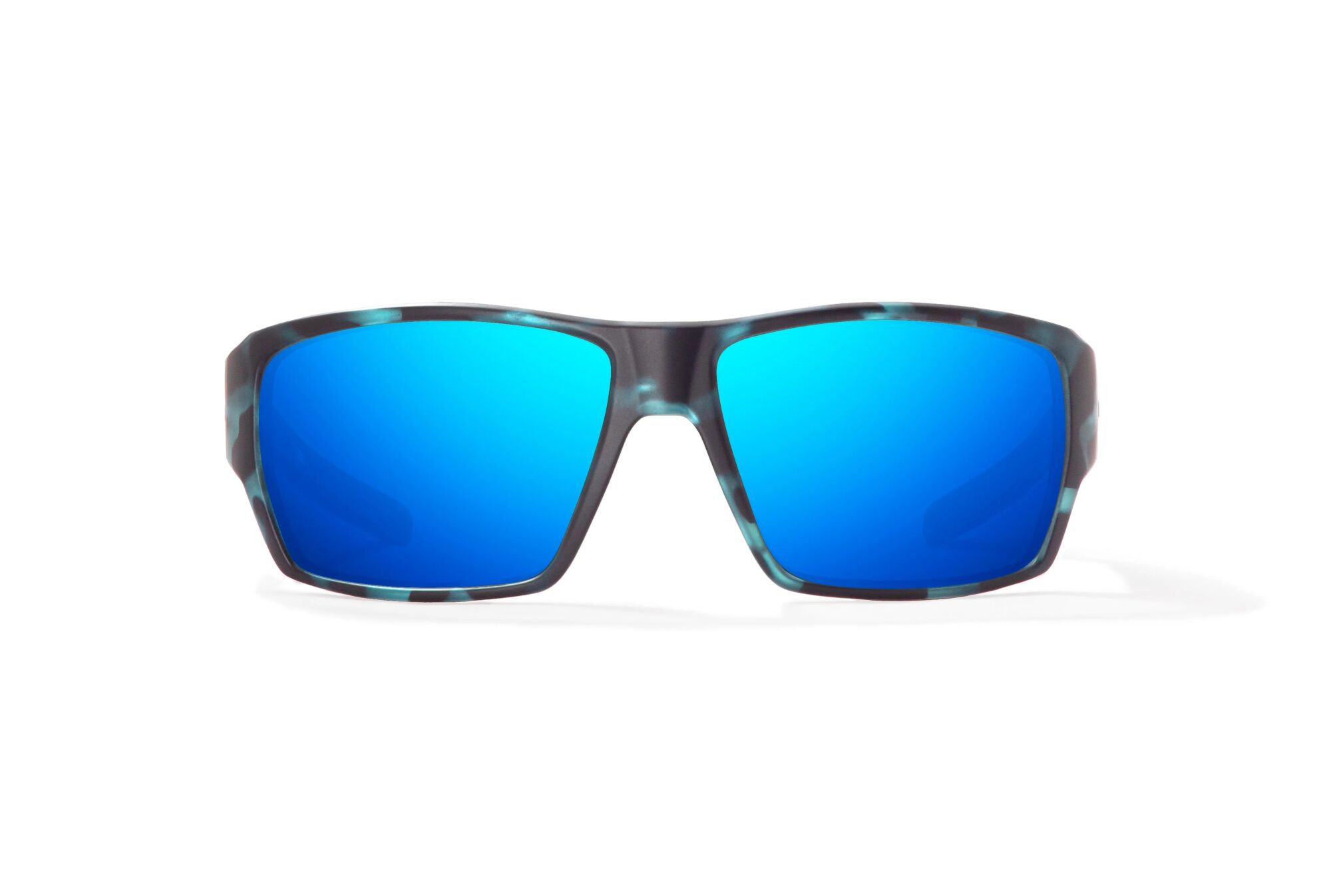
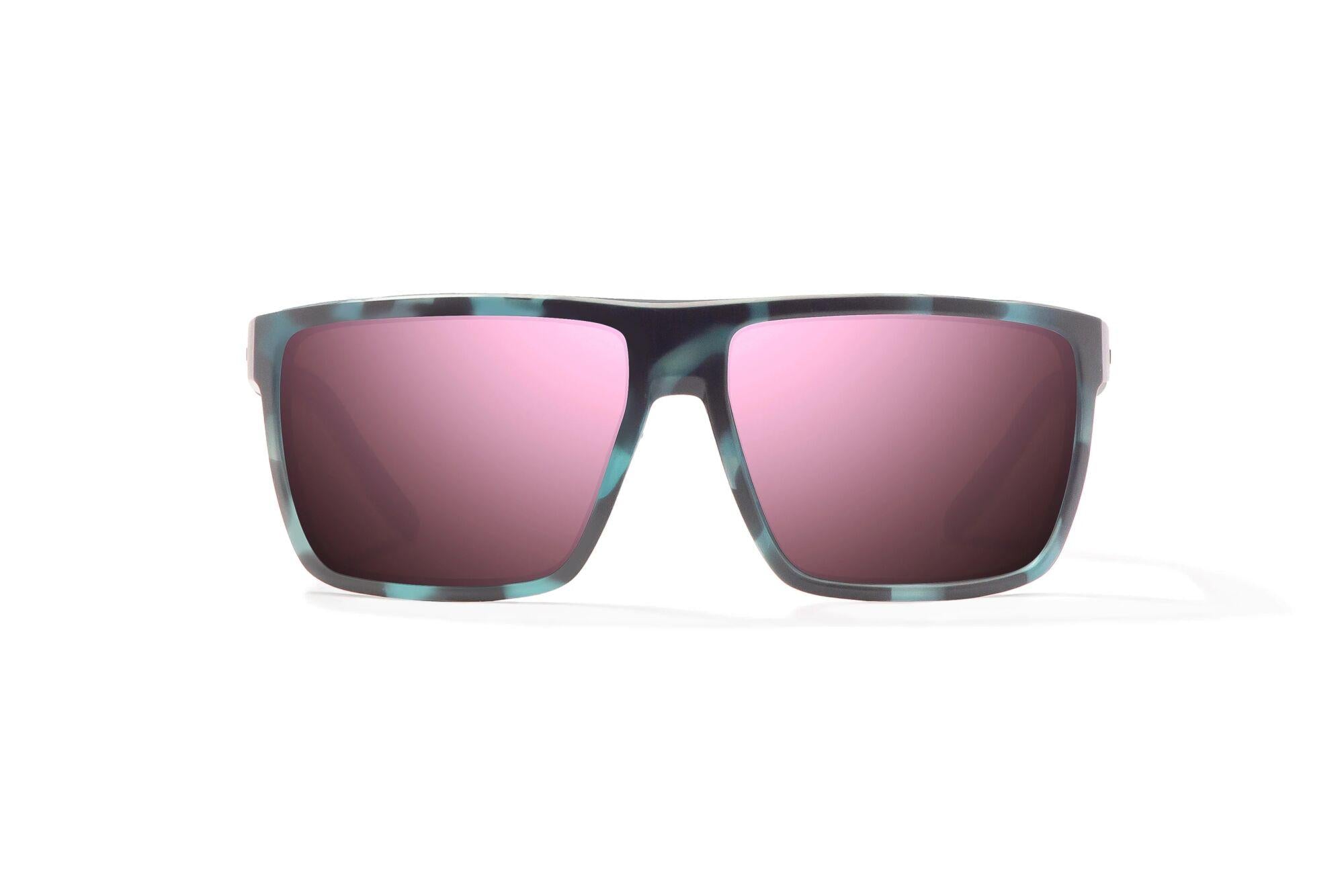
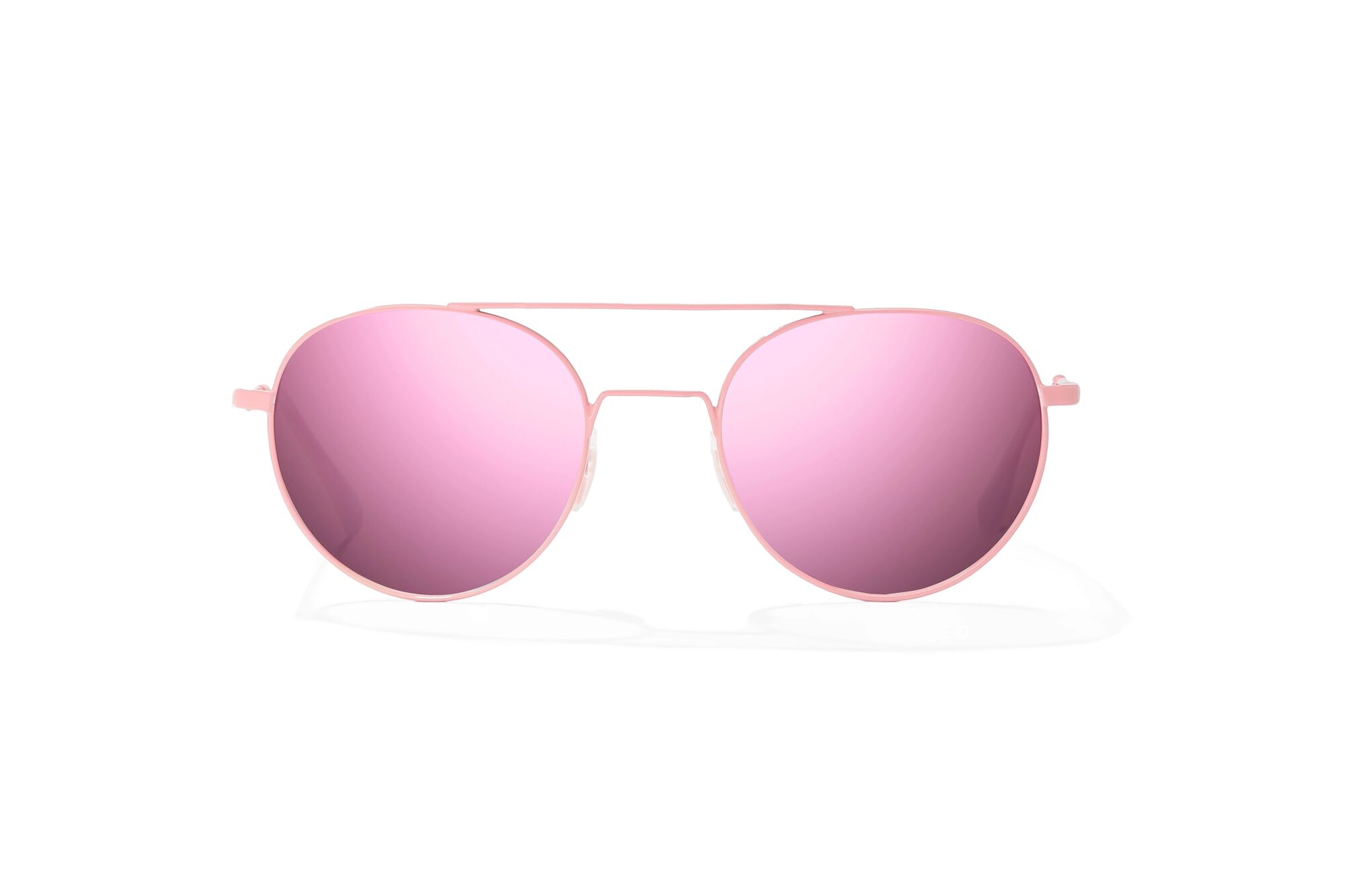
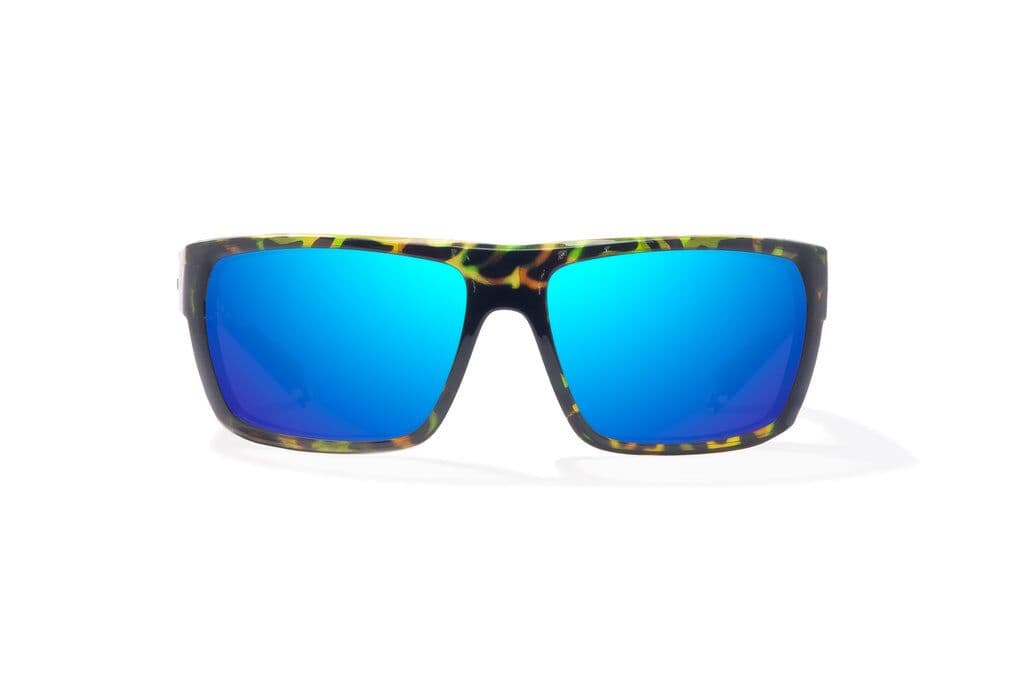
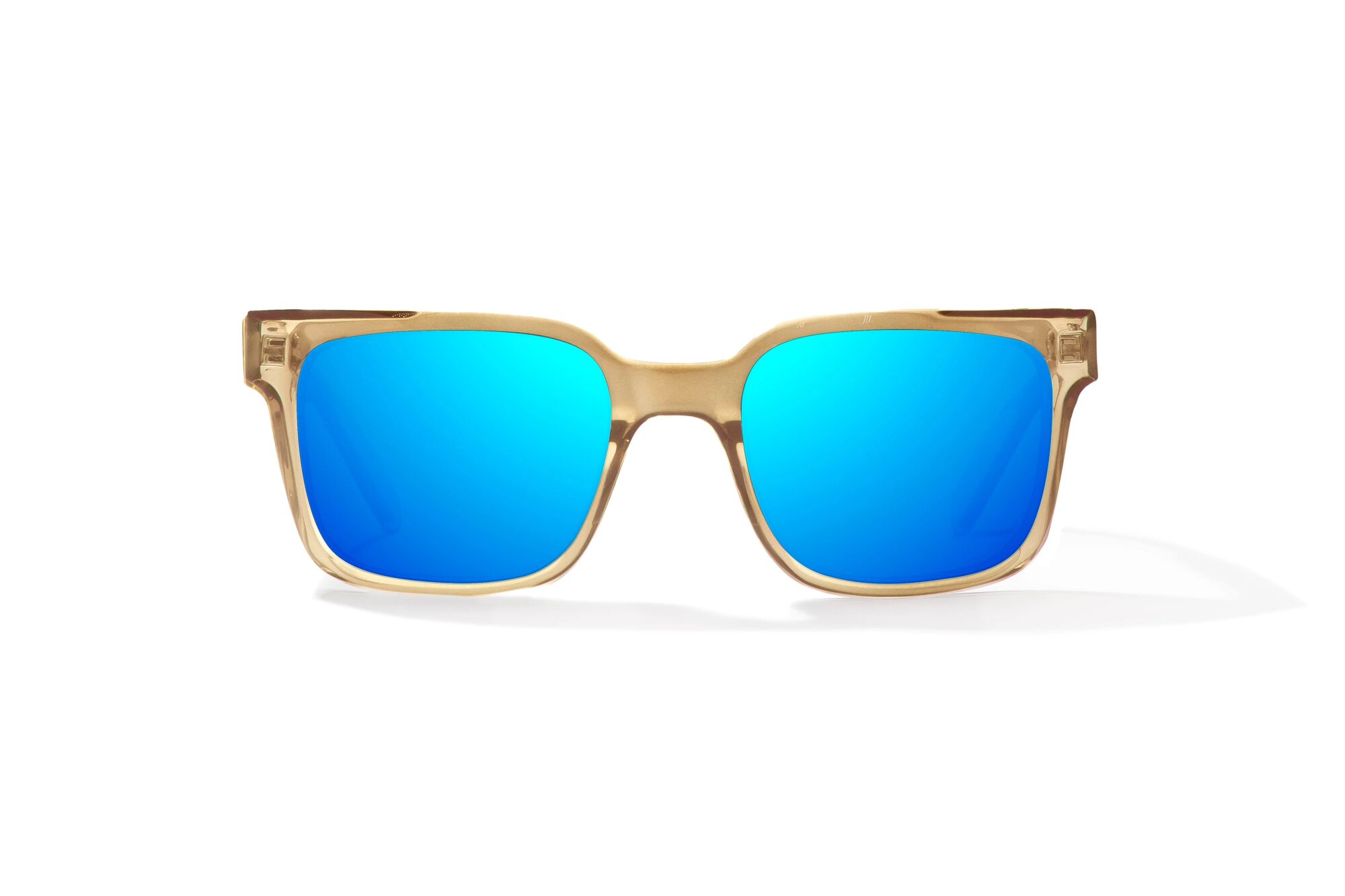
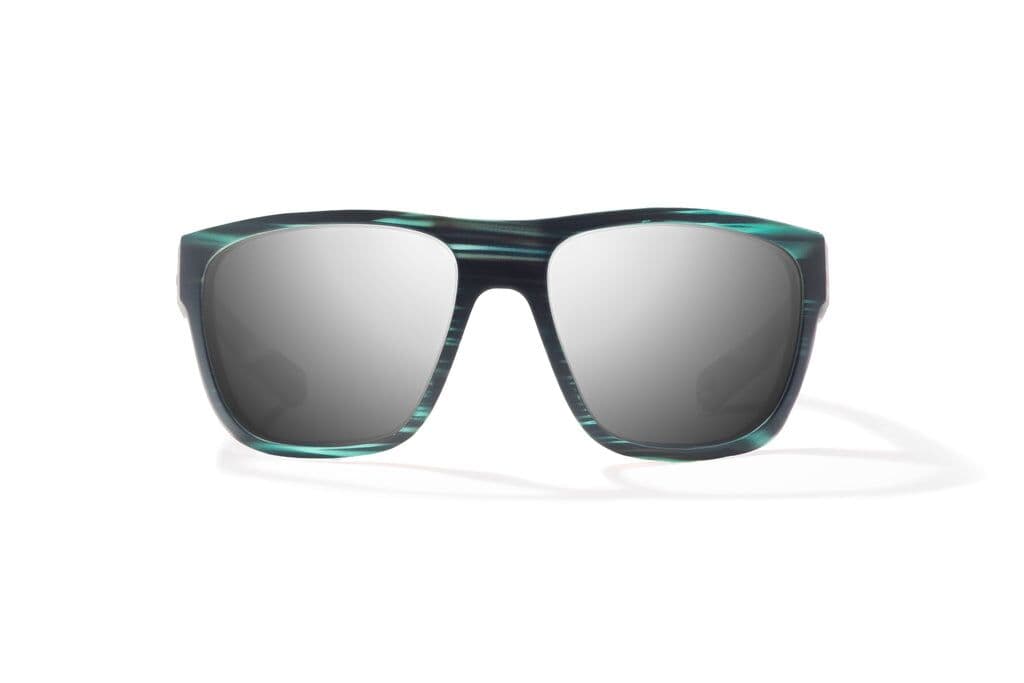
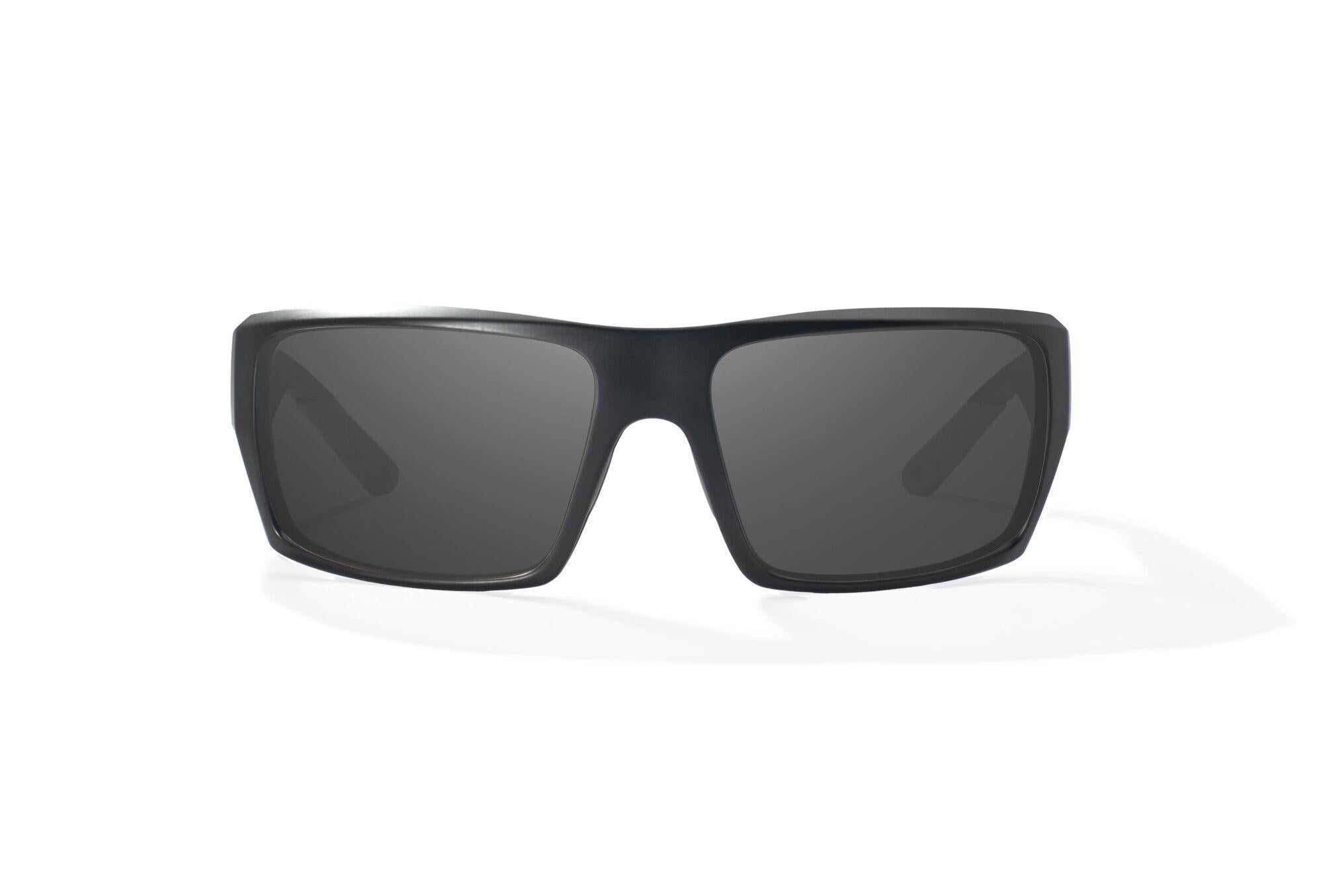
- Best All-Around: Bajio Toads Sunglasses - A great fit for anglers who want a secure, fishable wrap for trout rivers, inshore, and light surf work. The 8-base design adds side protection and helps cut peripheral glare when you’re scanning water all day.
- Best for Flats & Bright Sun: Bajio Vega Sunglasses - Built for long, high-glare days where spotting fish and reading bottom changes matters most. The large fit and Bajio’s LAPIS lens tech are designed to reduce eye fatigue and sharpen what you see on the water.
- Best for Wide Coverage: Bajio Zapata Sunglasses - A solid choice if you prefer a bigger frame with more face coverage for boat spray, open water, and windy days. The 6-base curve keeps things comfortable while still blocking a lot of unwanted side light.
- Best for Flatter Face Profiles: Bajio Tionia Sunglasses - Ideal for anglers who struggle with wrap frames that pinch or sit awkwardly. Wide temples help reduce side glare, and the medium fit is easy to wear from first light to last cast.
How to Choose Sunglasses
Polarization: the non-negotiable for fishing
Action: Start by choosing polarized lenses, this is what cuts surface glare so you can see fish, seams, depth changes, and structure. It’s also key for eye protection around hooks, especially when the wind kicks up.
Lens material: glass vs polycarbonate
Best for: Glass lenses if you prioritize optical clarity and scratch resistance for lots of boat time or all-day sight fishing. Best for: Polycarbonate lenses if you want impact resistance and lighter weight for hiking, wading, or travel days where drops happen.
Avoid if: You’re hard on gear and tend to toss sunglasses in a pack, any lens will suffer without a case and a little care.
Frame fit & coverage: block the side glare
Action: Pick the frame shape around how you actually fish. Full-wrap and wider temples help reduce side glare and wind-driven spray; straighter, medium-wrap frames can be more comfortable for flatter face profiles and everyday wear.
Lens color: match it to your water and light
Best for: Copper/brown-style tints when you want more contrast for spotting fish in shallow water and reading subtle currents. Best for: Gray-style tints when you want truer color in varied conditions. Mirrored options are a strong move for intense, open-sun environments like beaches, flats, and offshore.
Materials & Durability
- Rinse after saltwater: Use fresh water to flush salt and grit before wiping lenses, especially around hinges and nose pads.
- Clean safely: Rinse first, then use a microfiber cloth. Dry-wiping dusty lenses is a common way to add fine scratches.
- Use a case: A hard or semi-rigid case prevents crushed frames in boat bags, packs, and glove boxes.
- Heat check: Don’t leave sunglasses on a hot dash, high heat can stress frames and lens coatings over time.
- Keep them on you: If you fish from boats, rocks, or surf, a retainer or lanyard saves expensive lessons.
Complete Your Setup
Related Gear
- Lanyards - A simple way to keep small essentials handy and reduce the odds of losing tools and accessories on the water.
- Fly Fishing Clothing - Round out sun protection with hoodies, hats, and layers that make long days more comfortable.
- Trident Gear - Easy add-ons like hats and sun hoodies that pair well with fishing sunglasses.
- Wading Accessories - Helpful extras for staying organized and comfortable when you’re moving a lot or fishing in current.
Related Guides
- Fly Fishing for Beginners: A Gear List
- Bonefishing Gear Guide
- How to Choose the Best Fly Line for Stripers
Sunglasses FAQs
Q: Why are polarized sunglasses important for fly fishing?
A: Polarization reduces surface glare so you can see through reflections and read water more clearly. They also add essential eye protection when casting weighted flies or fishing in wind.
Q: Should I choose glass or polycarbonate lenses for fishing sunglasses?
A: Glass is often chosen for optical clarity and scratch resistance, while polycarbonate is popular for lighter weight and impact resistance. If you’re rough on gear or hike/wade a lot, polycarbonate can be a practical pick.
Q: What lens color is best for sight fishing?
A: Many anglers prefer contrast-enhancing tints (often copper/brown families) to help fish and structure stand out in shallow water. Gray-style lenses can be better when you want truer color in varied light.
Q: Do wraparound fishing sunglasses really help?
A: Yes, more wrap and wider temples can reduce side glare and block wind-driven spray. That usually means less squinting and less eye fatigue during long sessions.
Q: Can I wear fishing sunglasses for everyday use?
A: Absolutely, especially if you pick a medium-wrap frame that’s comfortable for driving and walking around. If you choose a very aggressive wrap, just make sure it fits your face and doesn’t distort your peripheral view.
Q: How do I keep my sunglasses from falling in the water?
A: Use a retainer/lanyard system and make it a habit to store glasses in a case when they’re not on your face. Most “lost sunglasses” happen during netting, leaning over the gunwale, or bending down in current.
Warranty & Brand Resources
This collection includes products from multiple manufacturers, and warranty coverage varies by brand and model. For the smoothest warranty experience, keep your proof of purchase and register your sunglasses when the brand offers registration.