

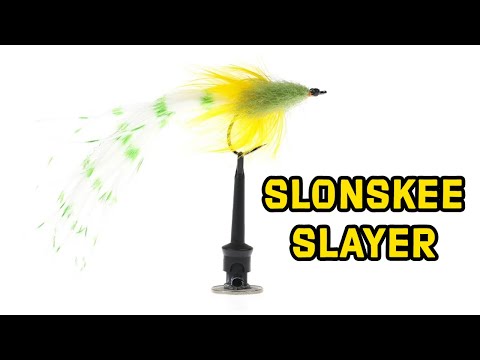
The MOST Effective Pike Fly Pattern? (Step-By-Step)
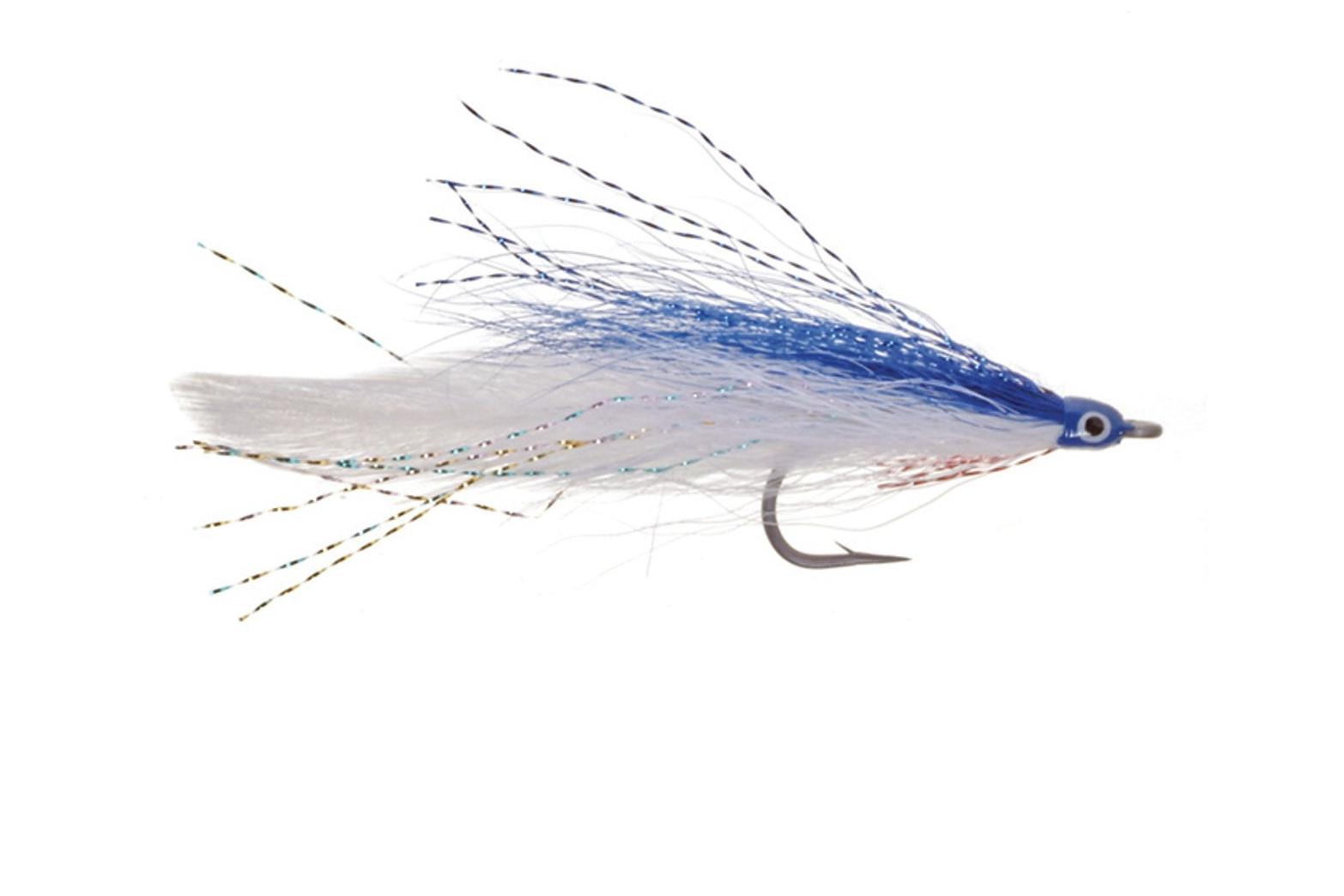

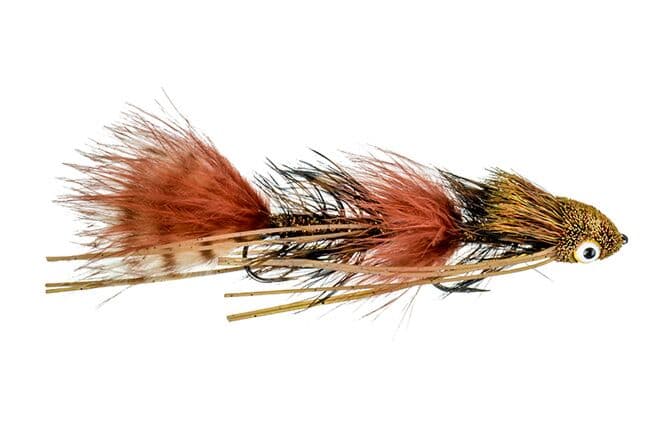
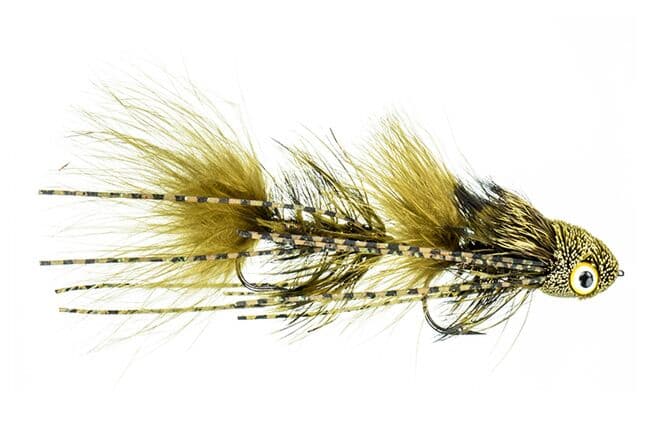


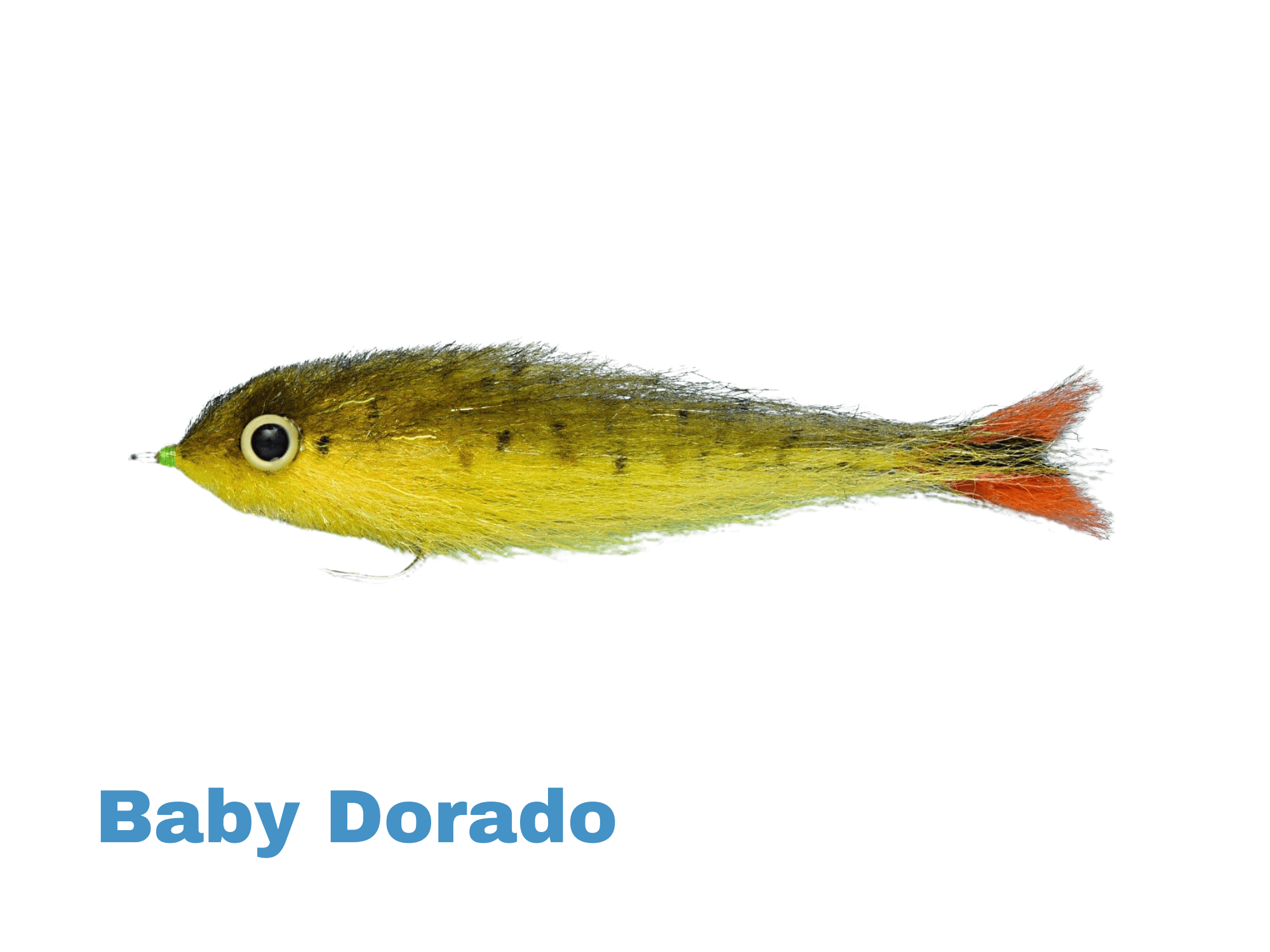
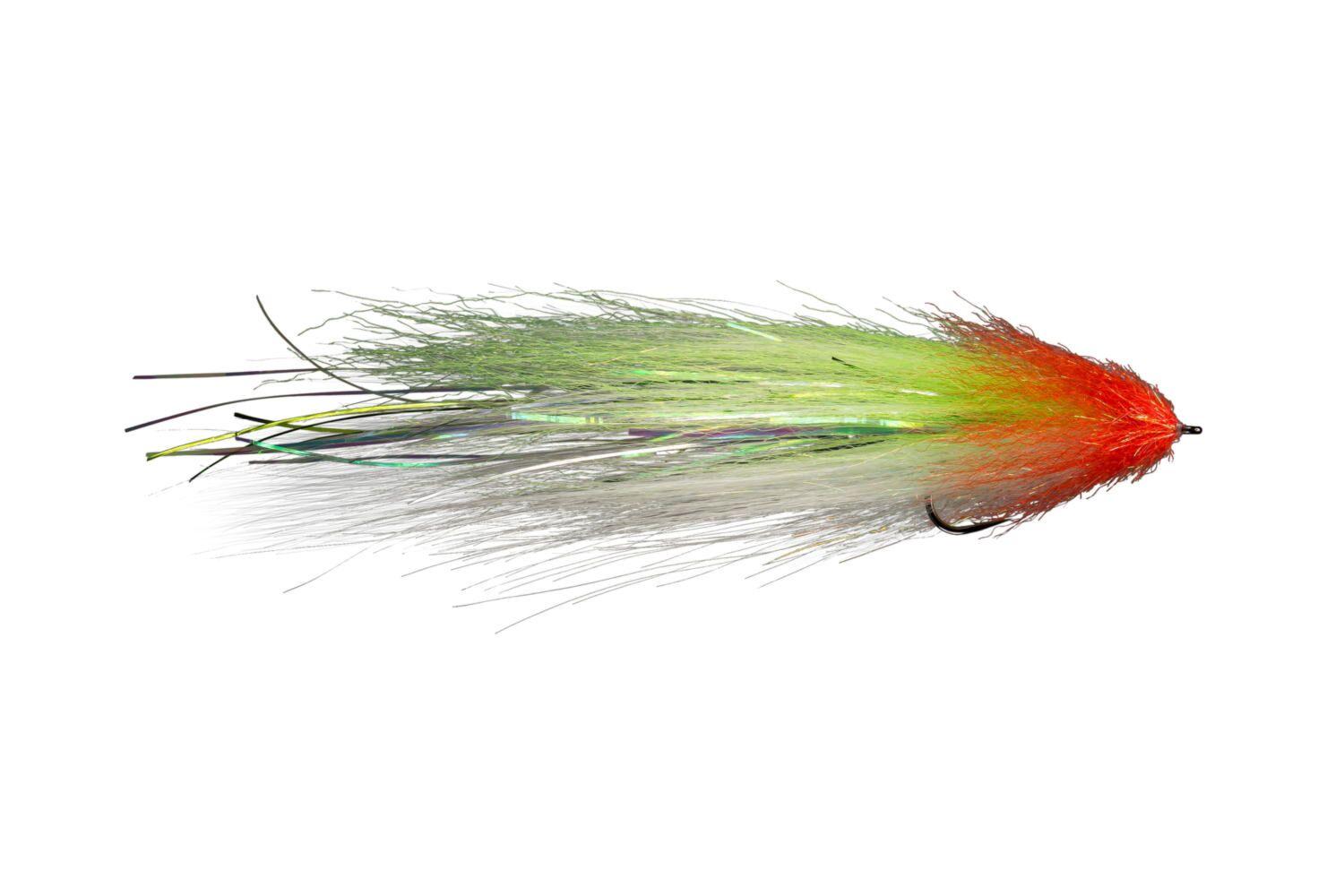
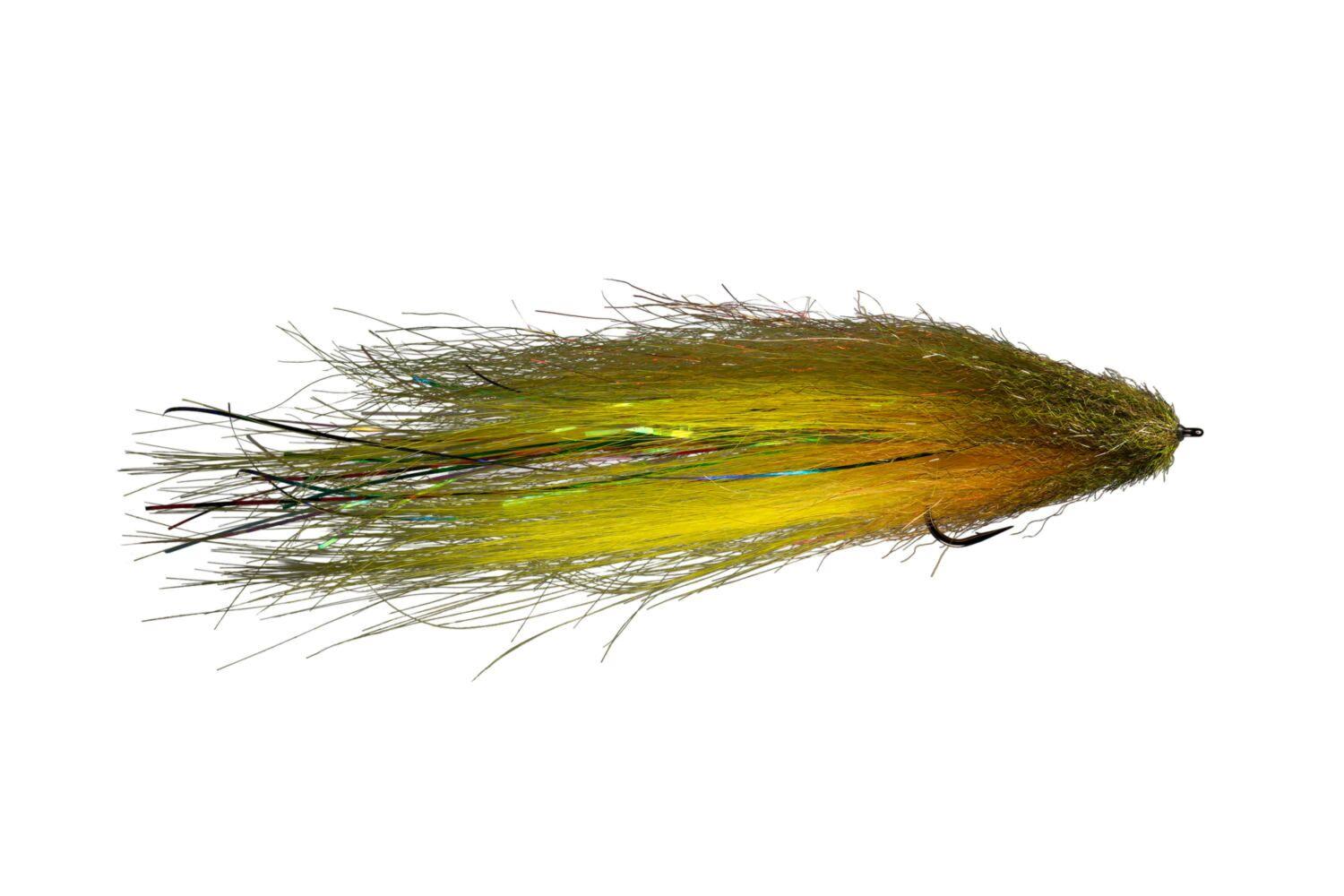
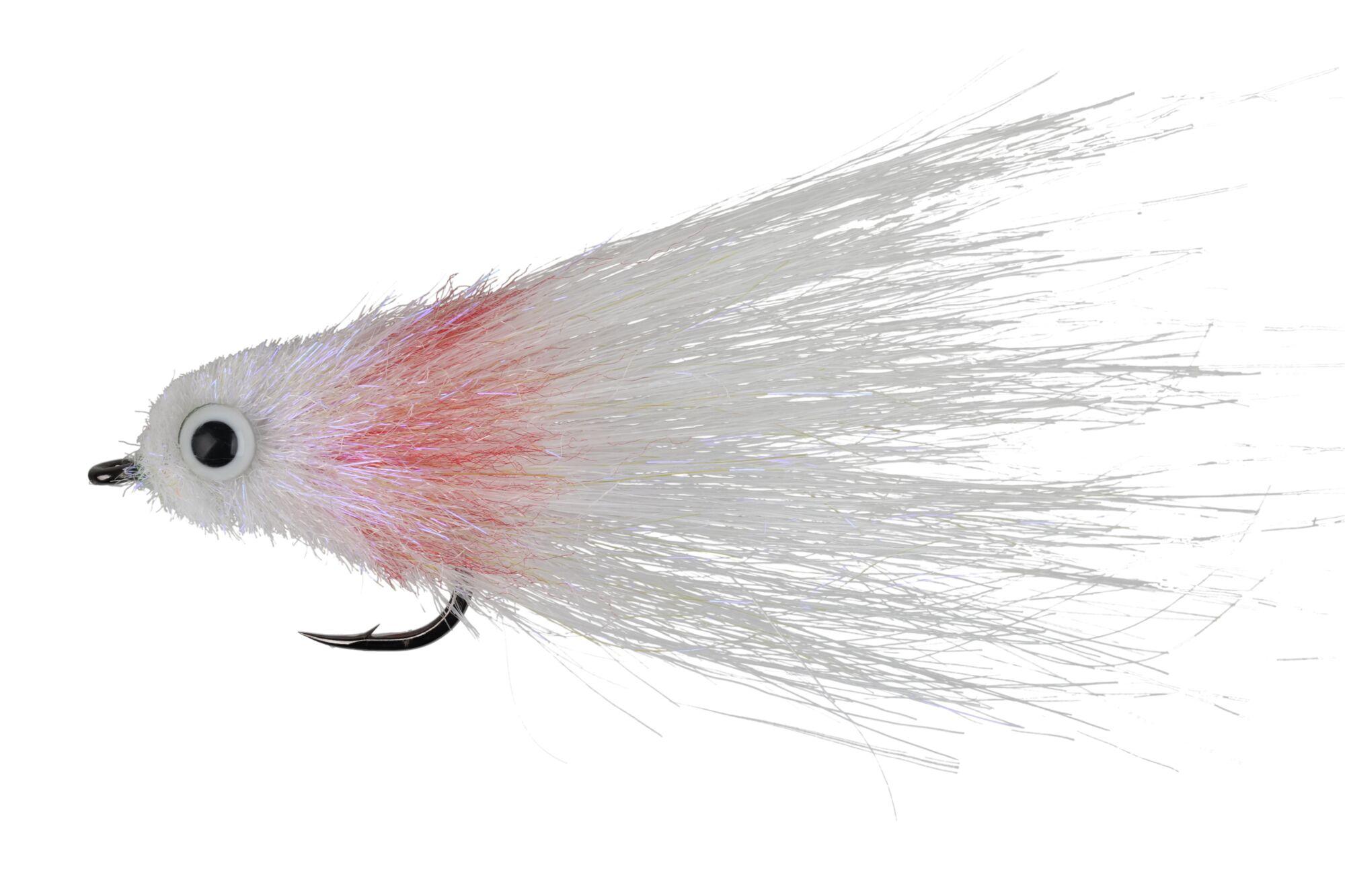
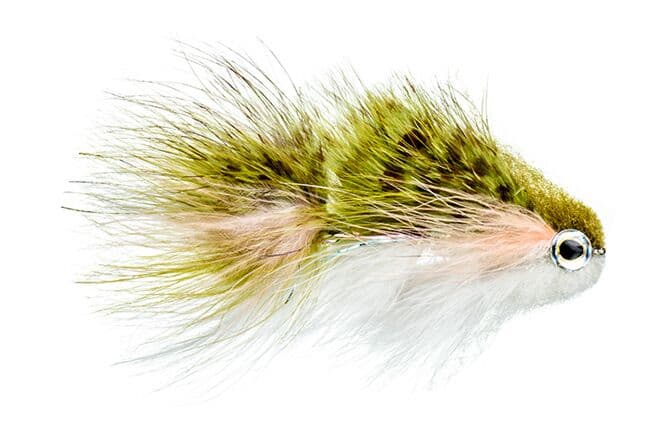
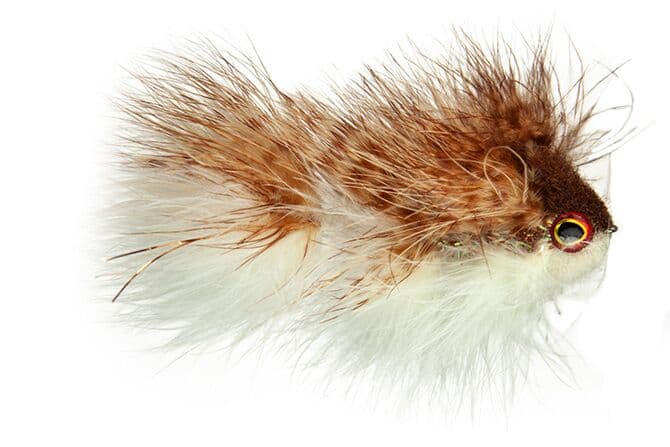
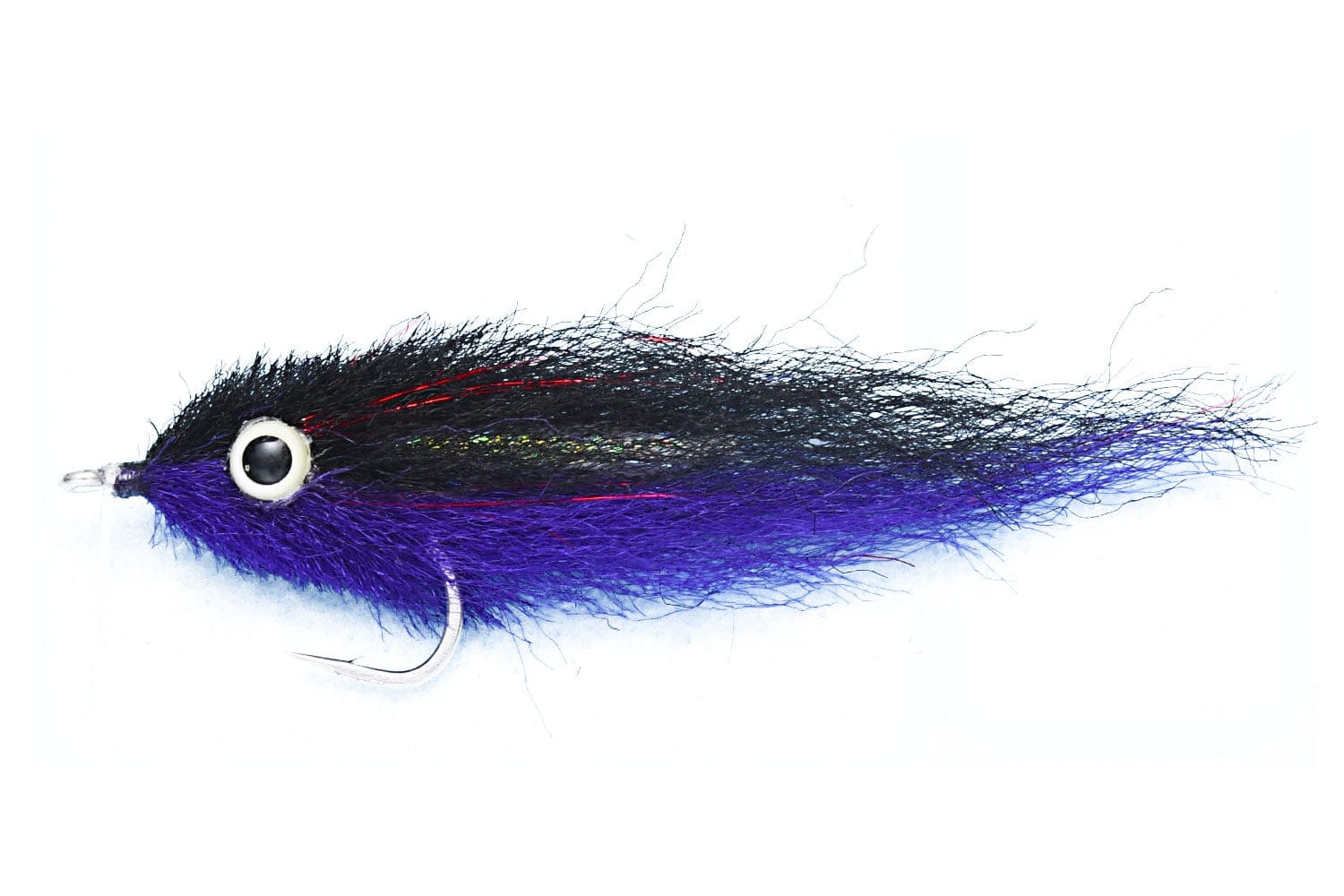
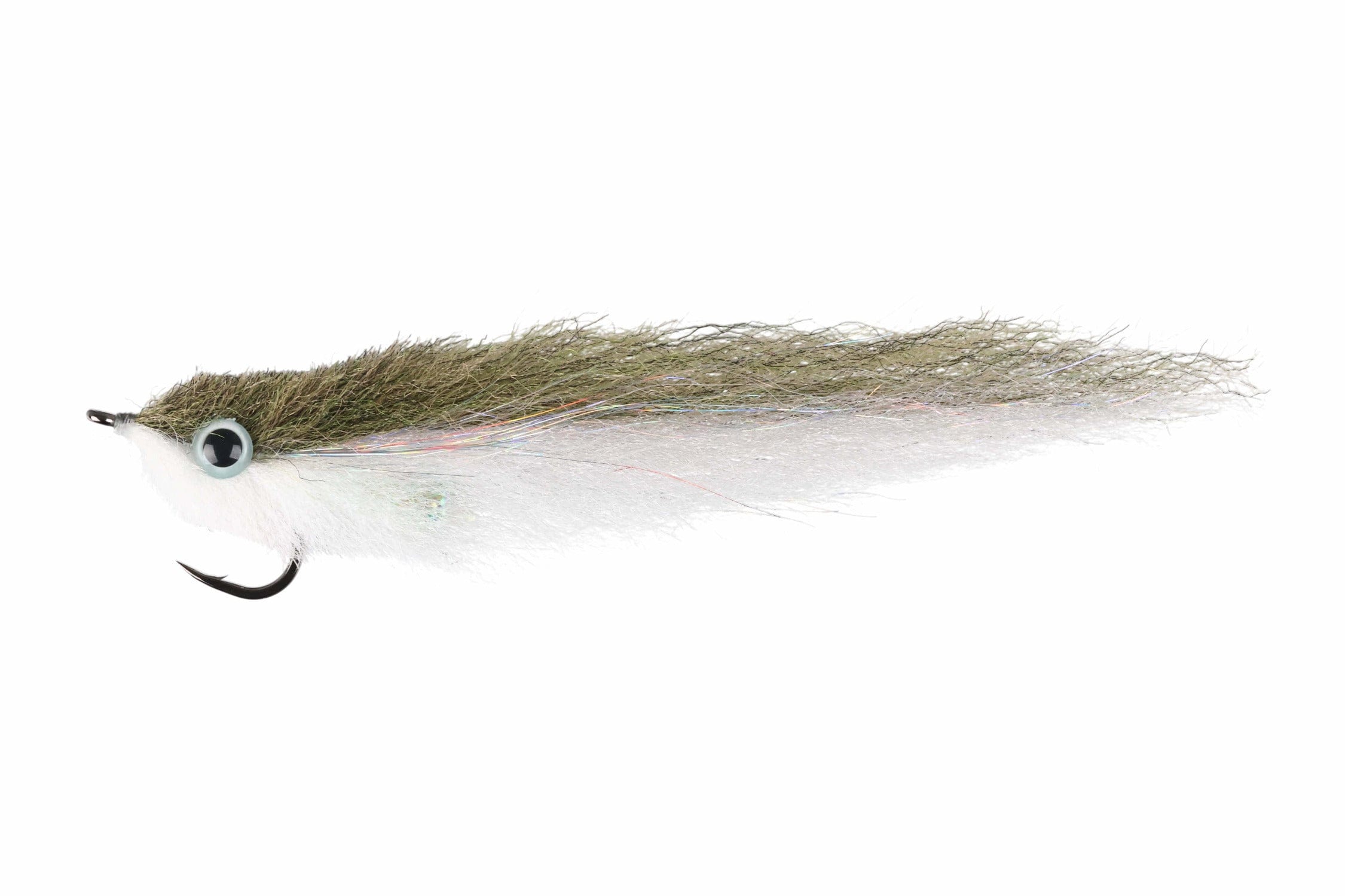
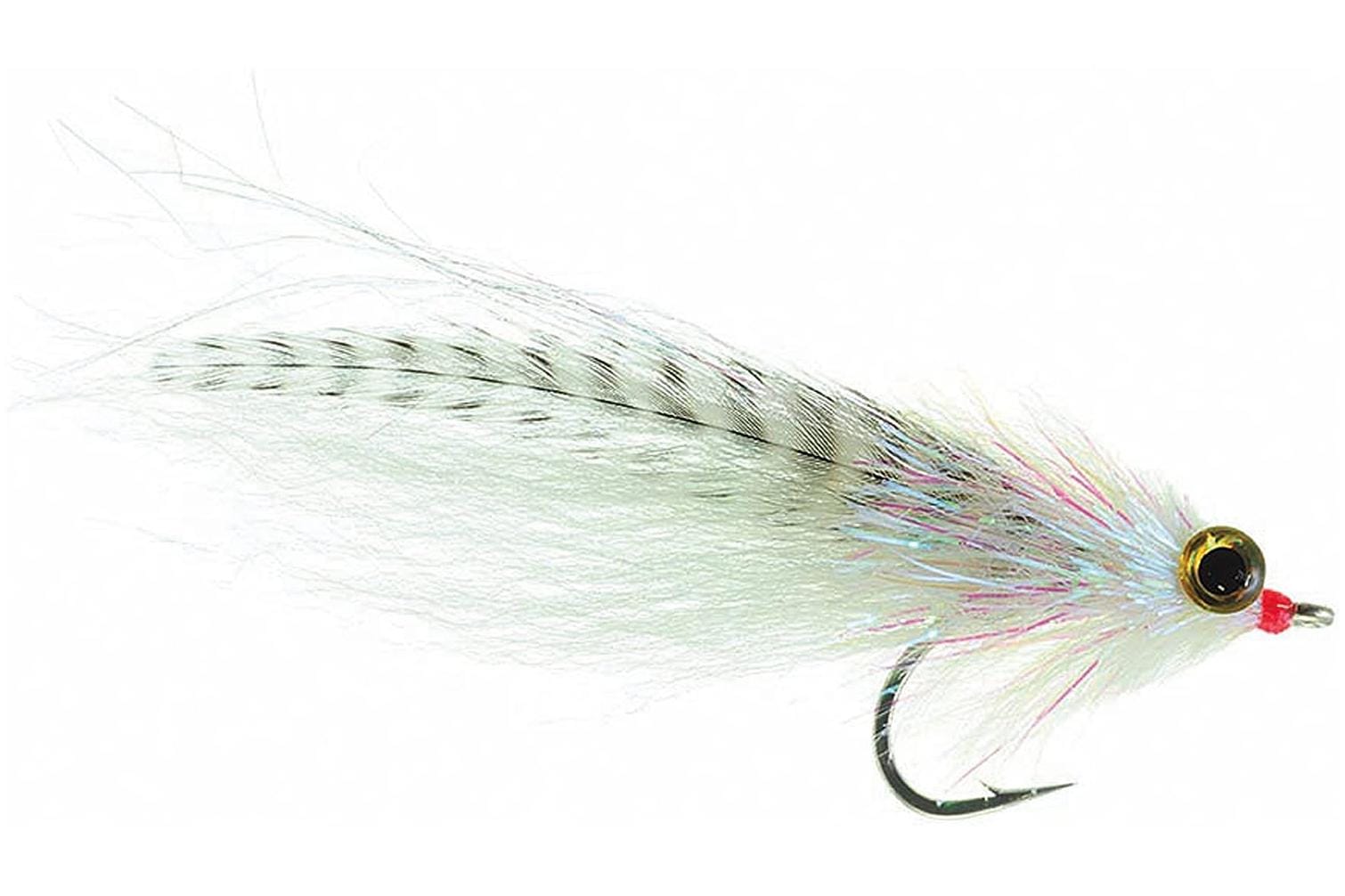
Pike & Musky Flies Quick Picks
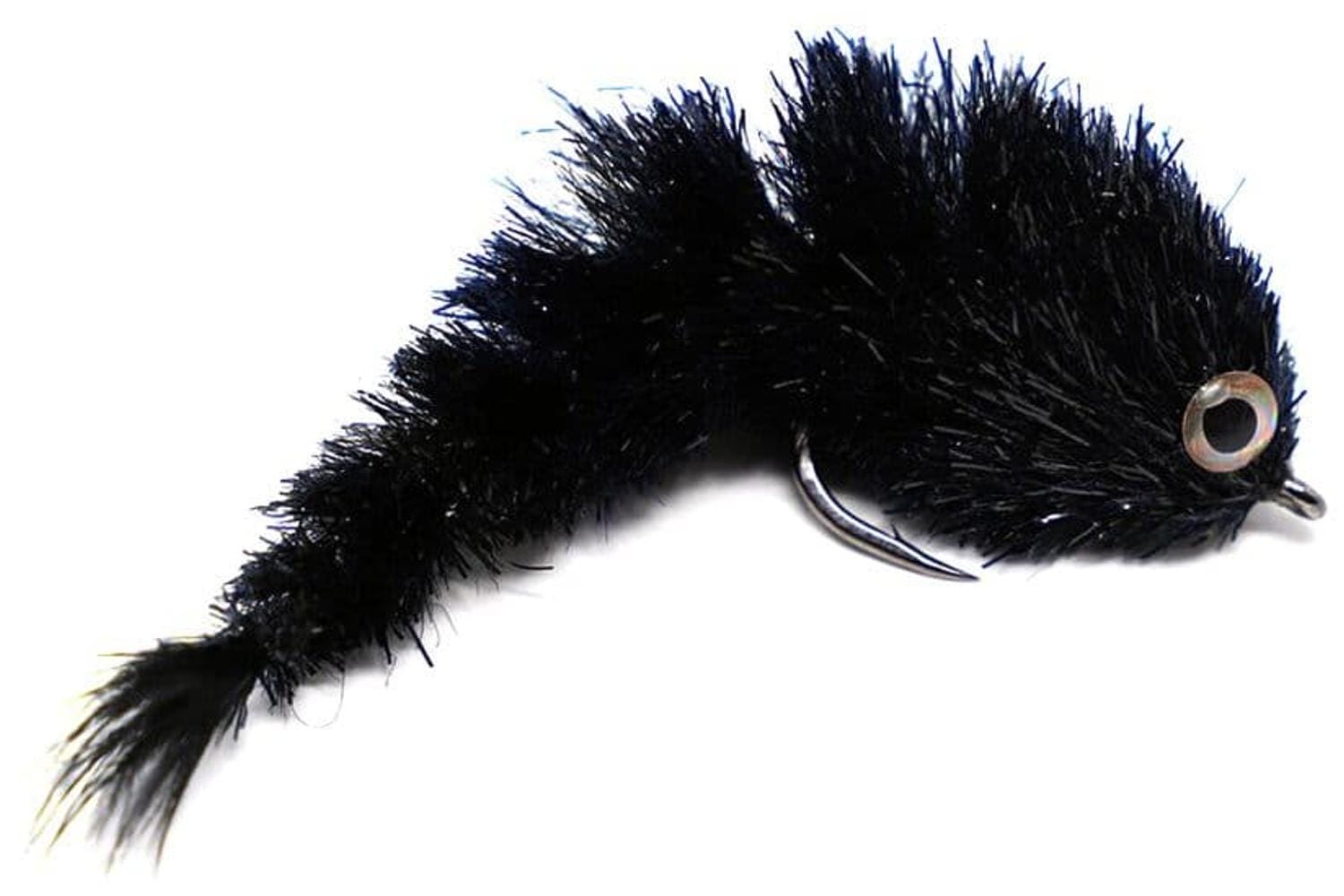
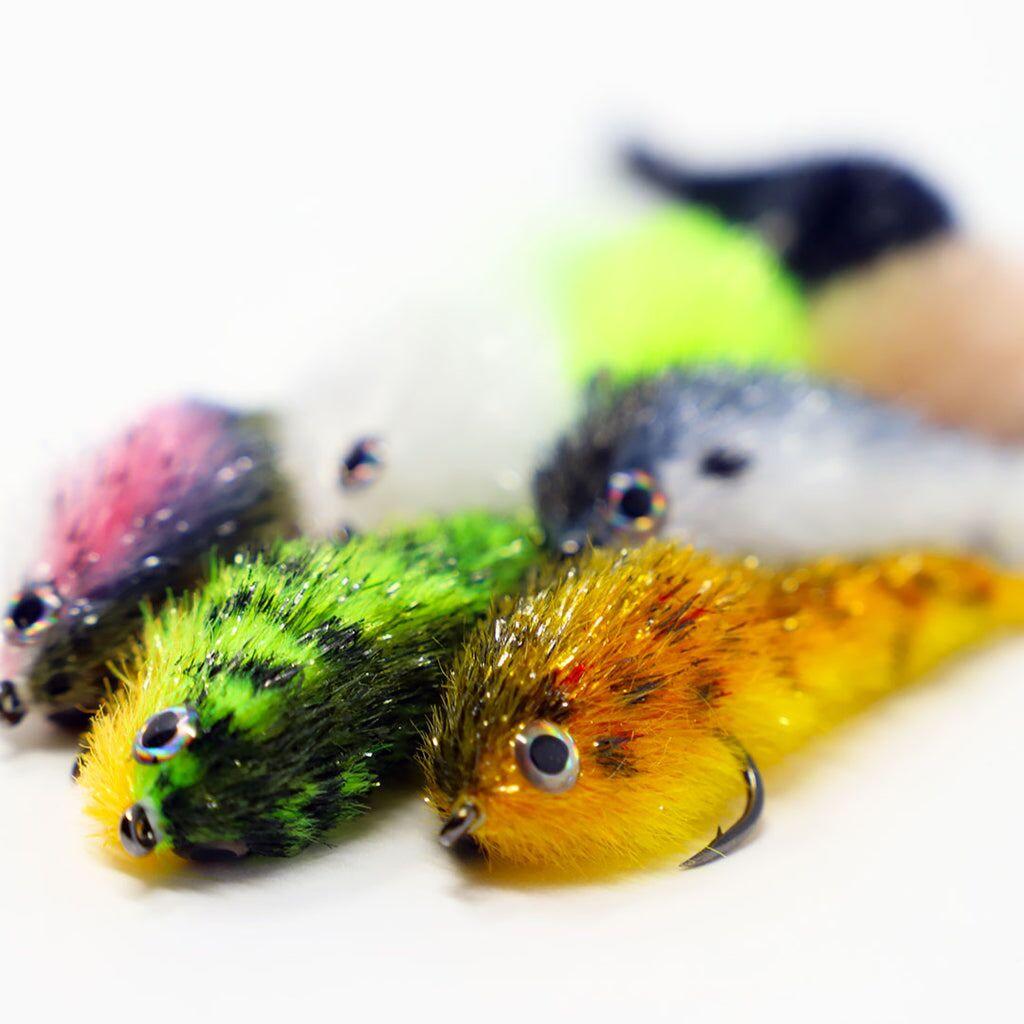
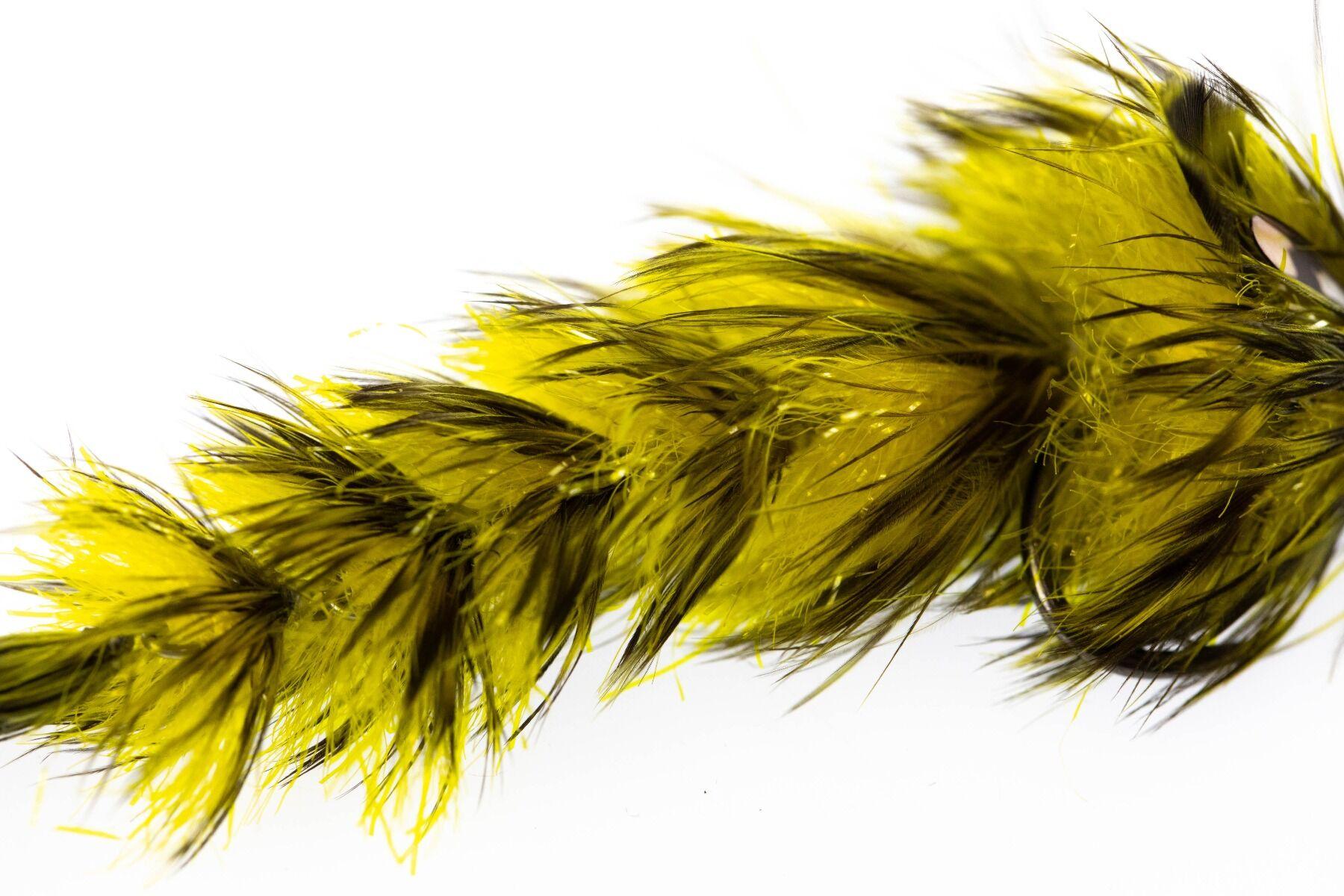
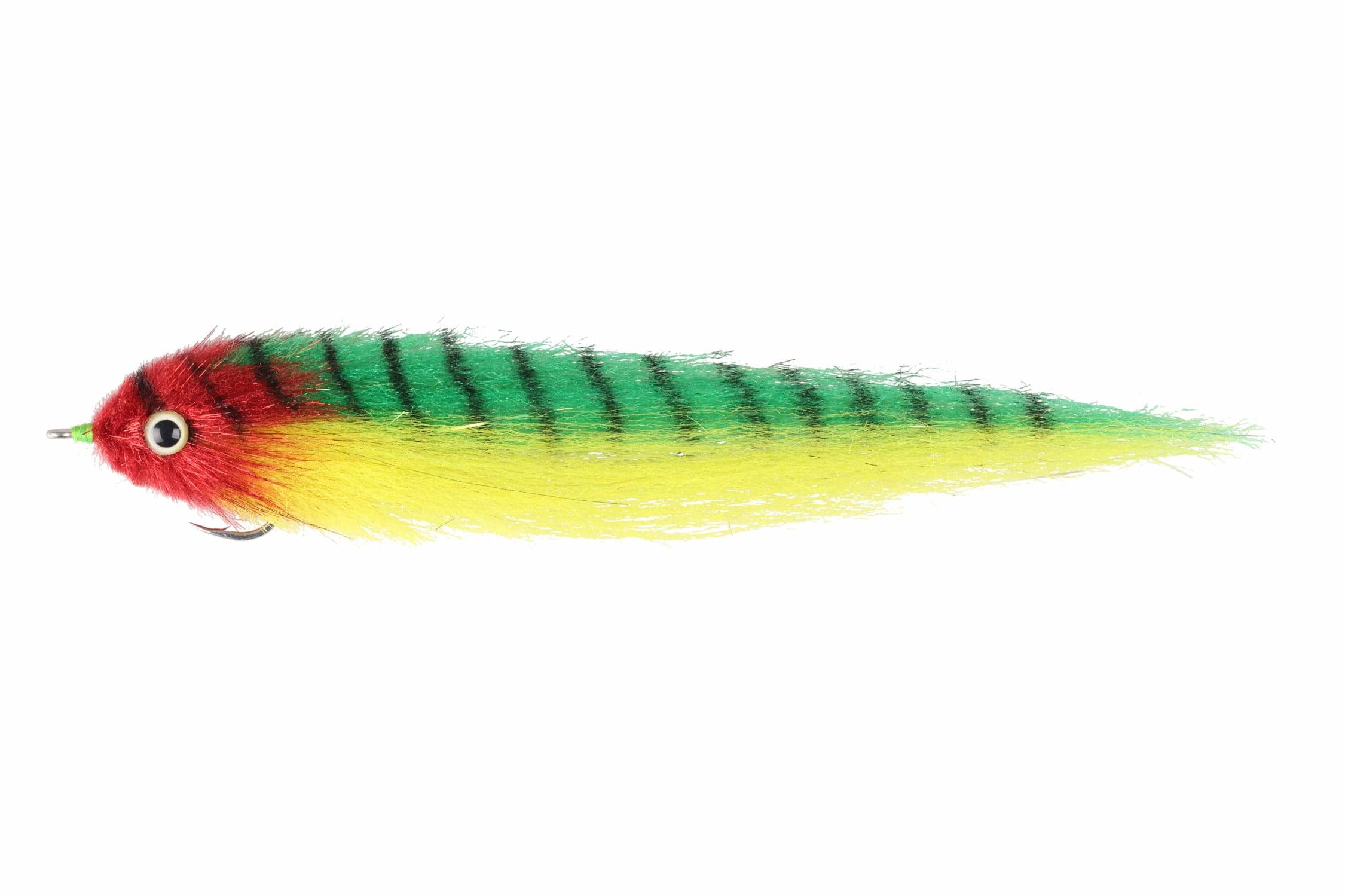
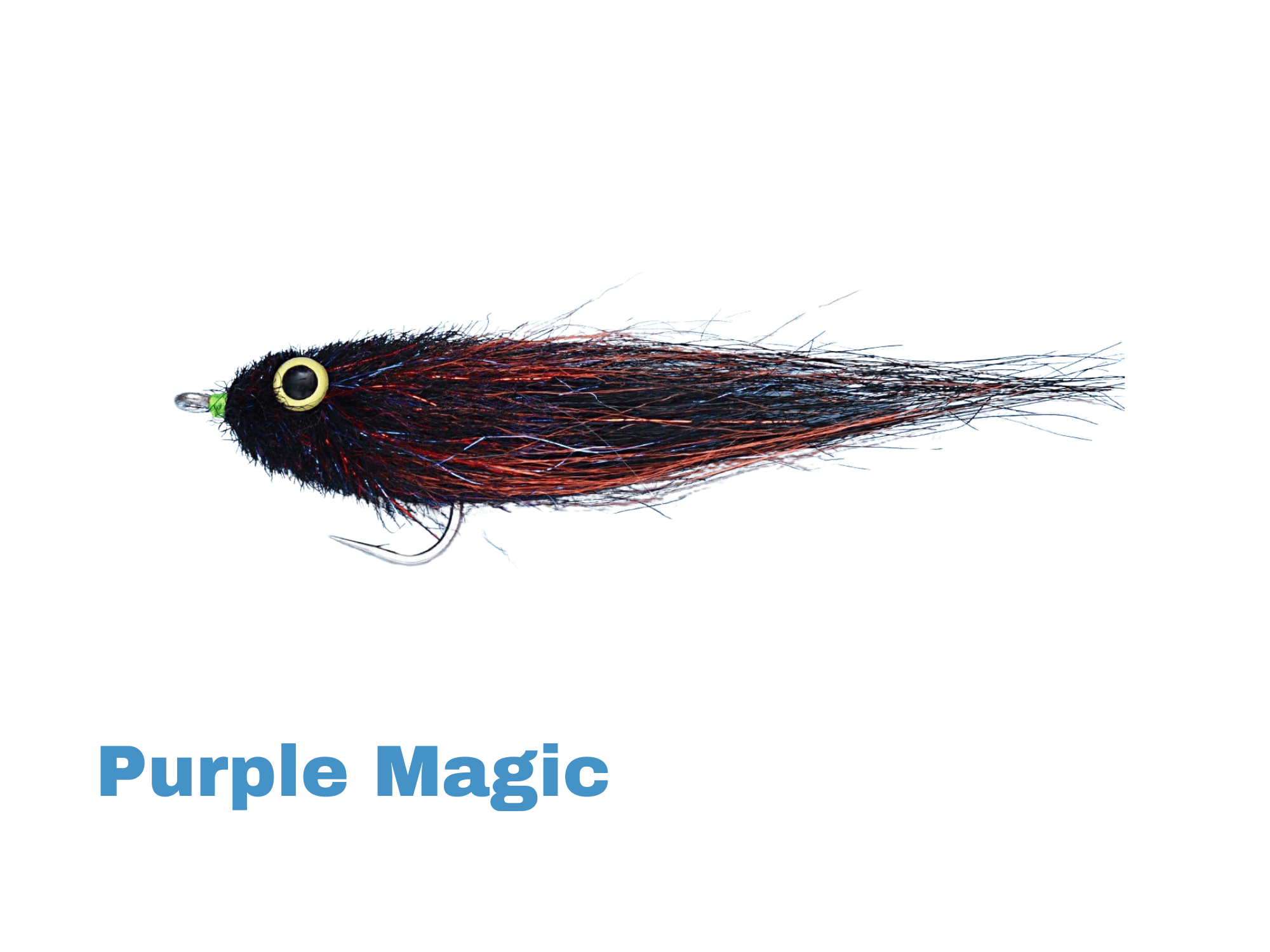
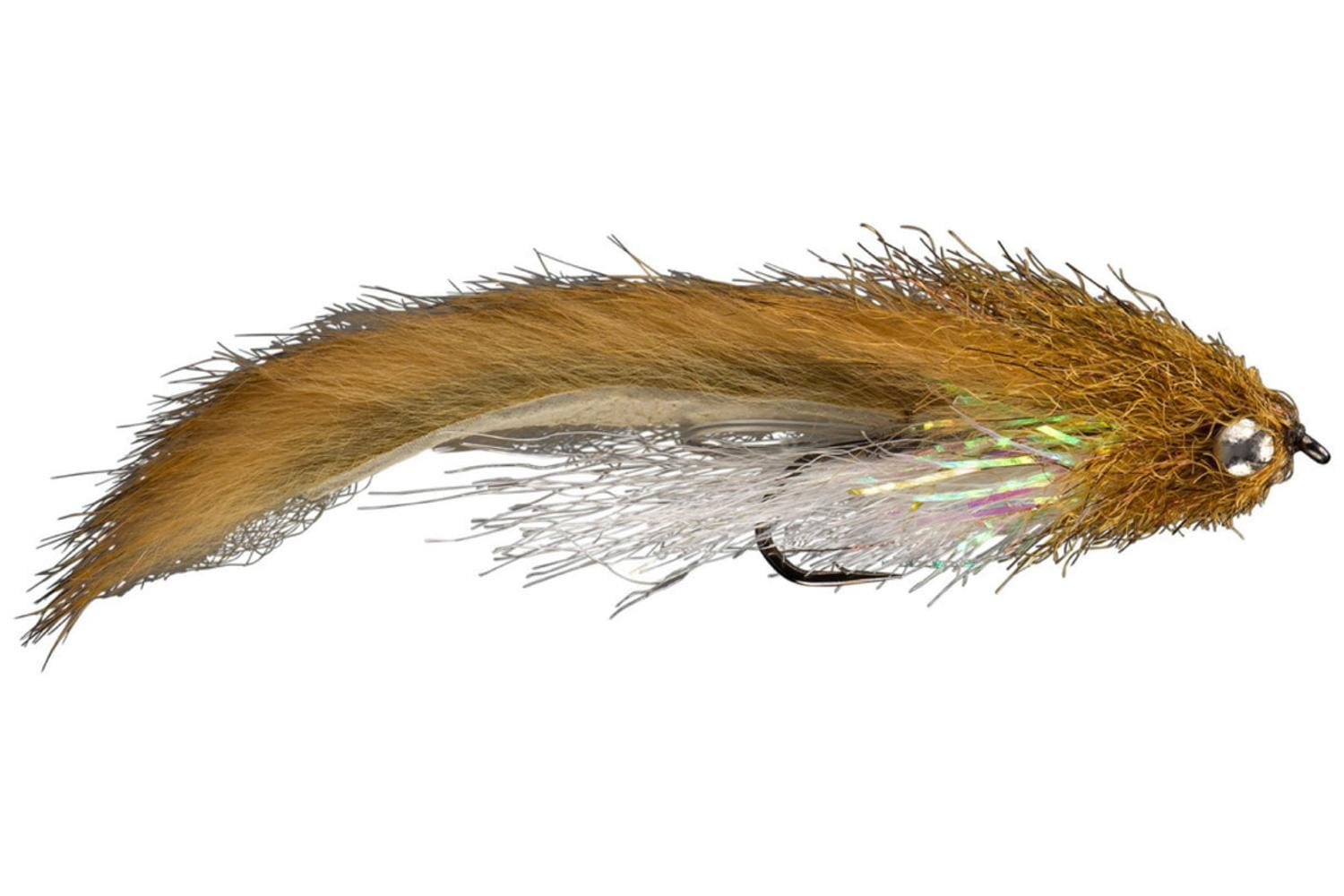
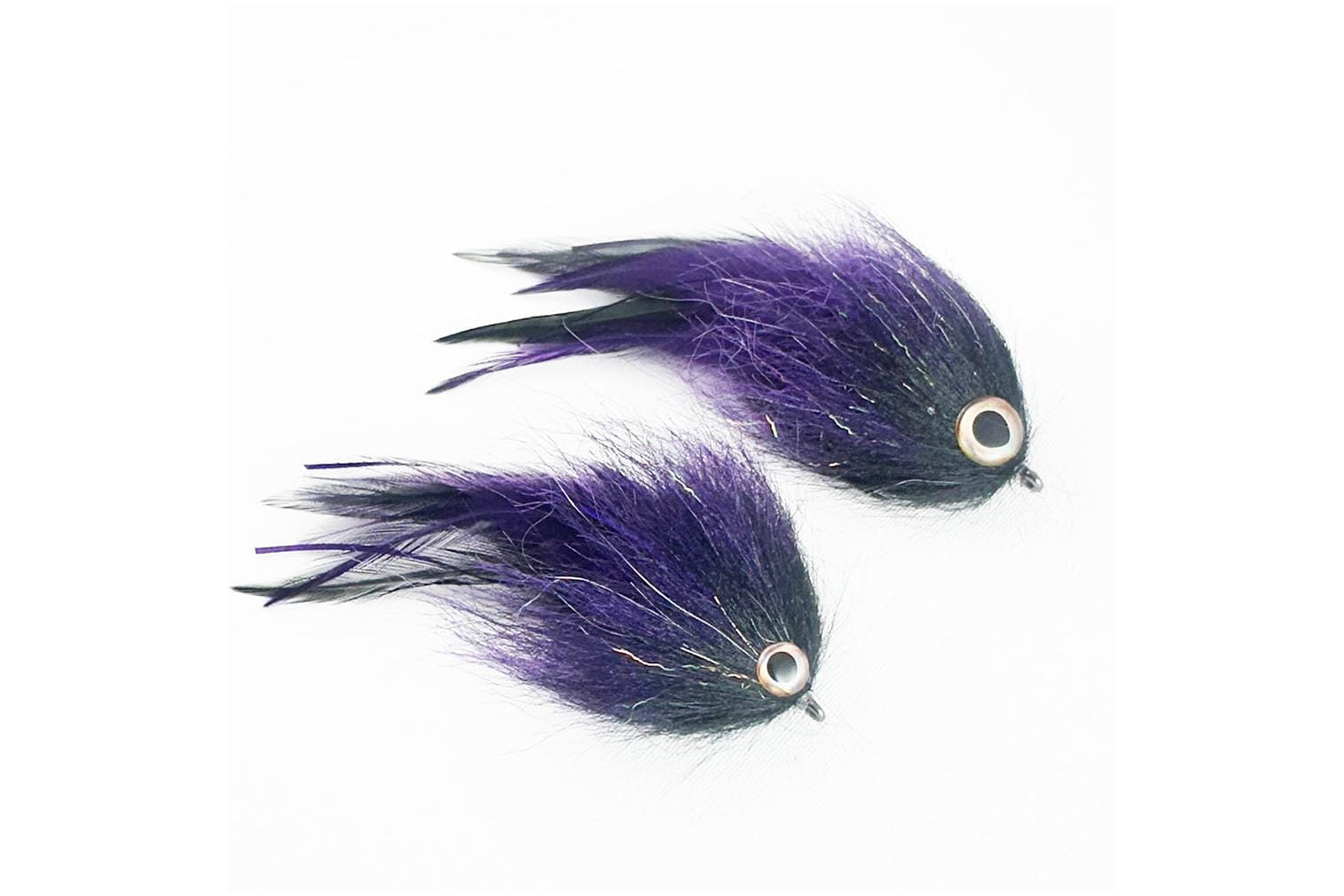
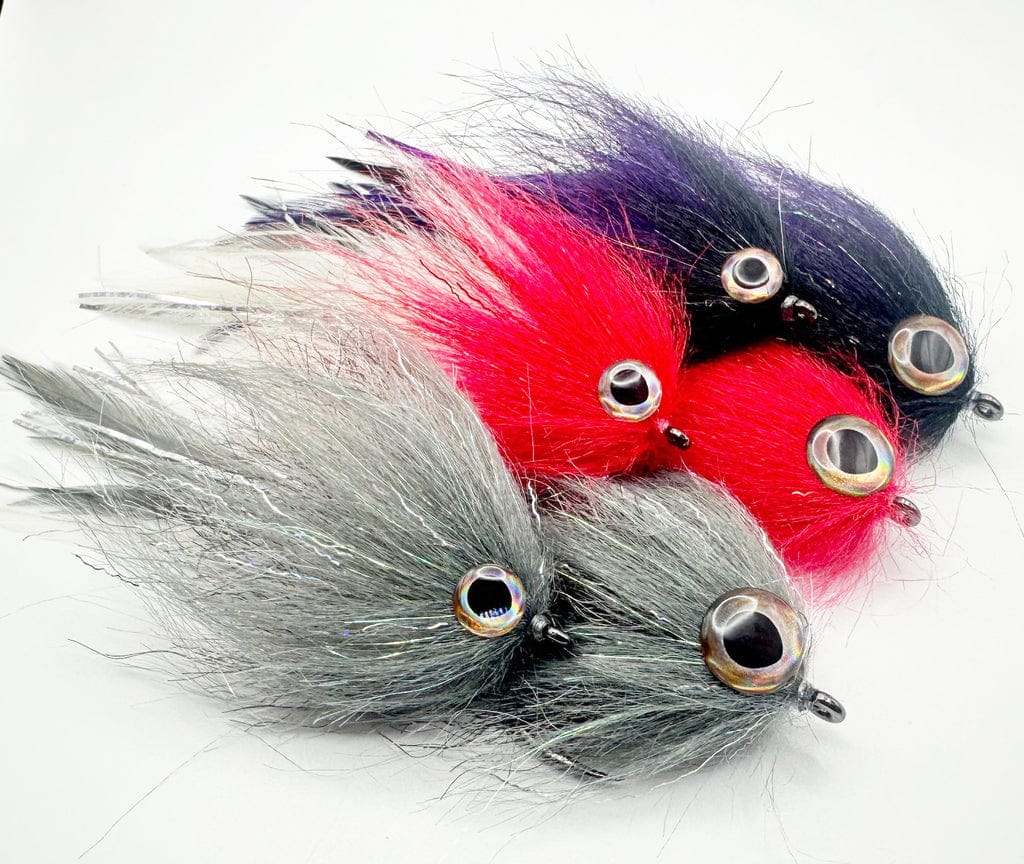
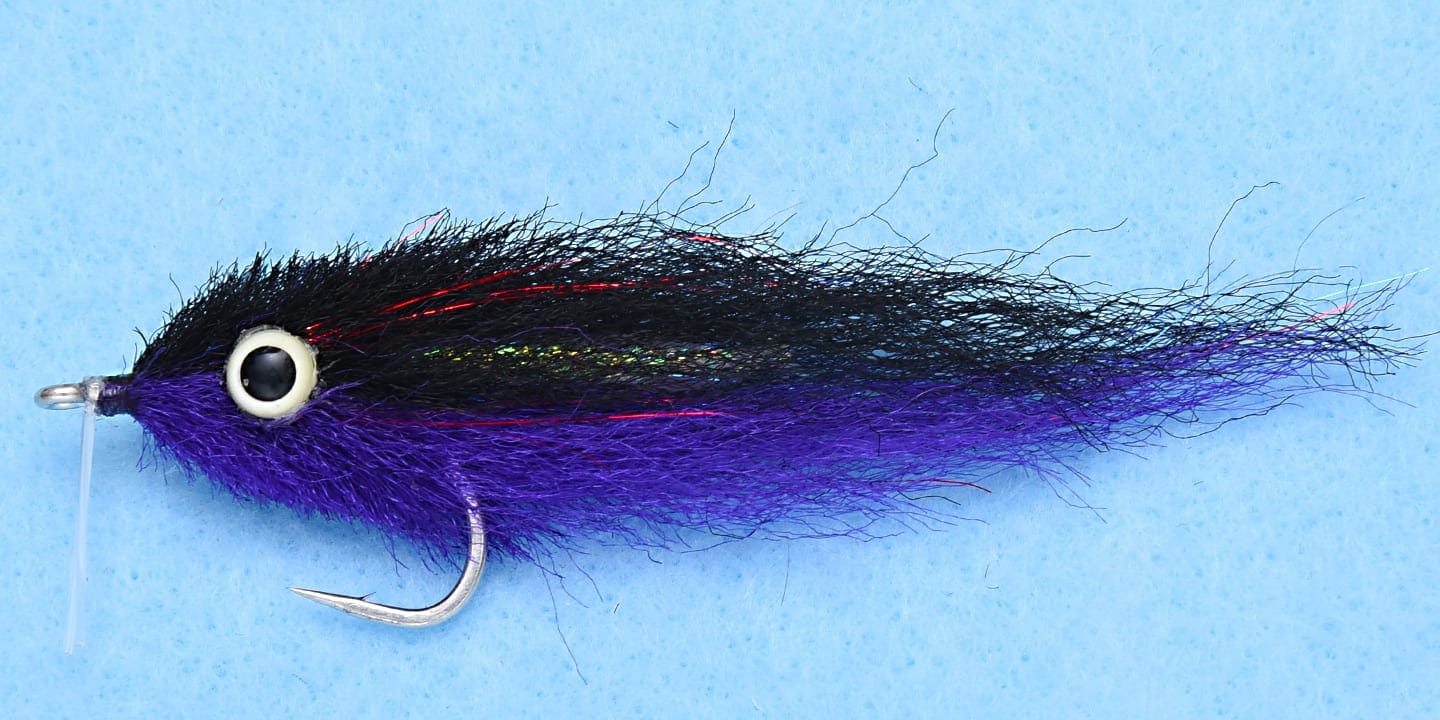
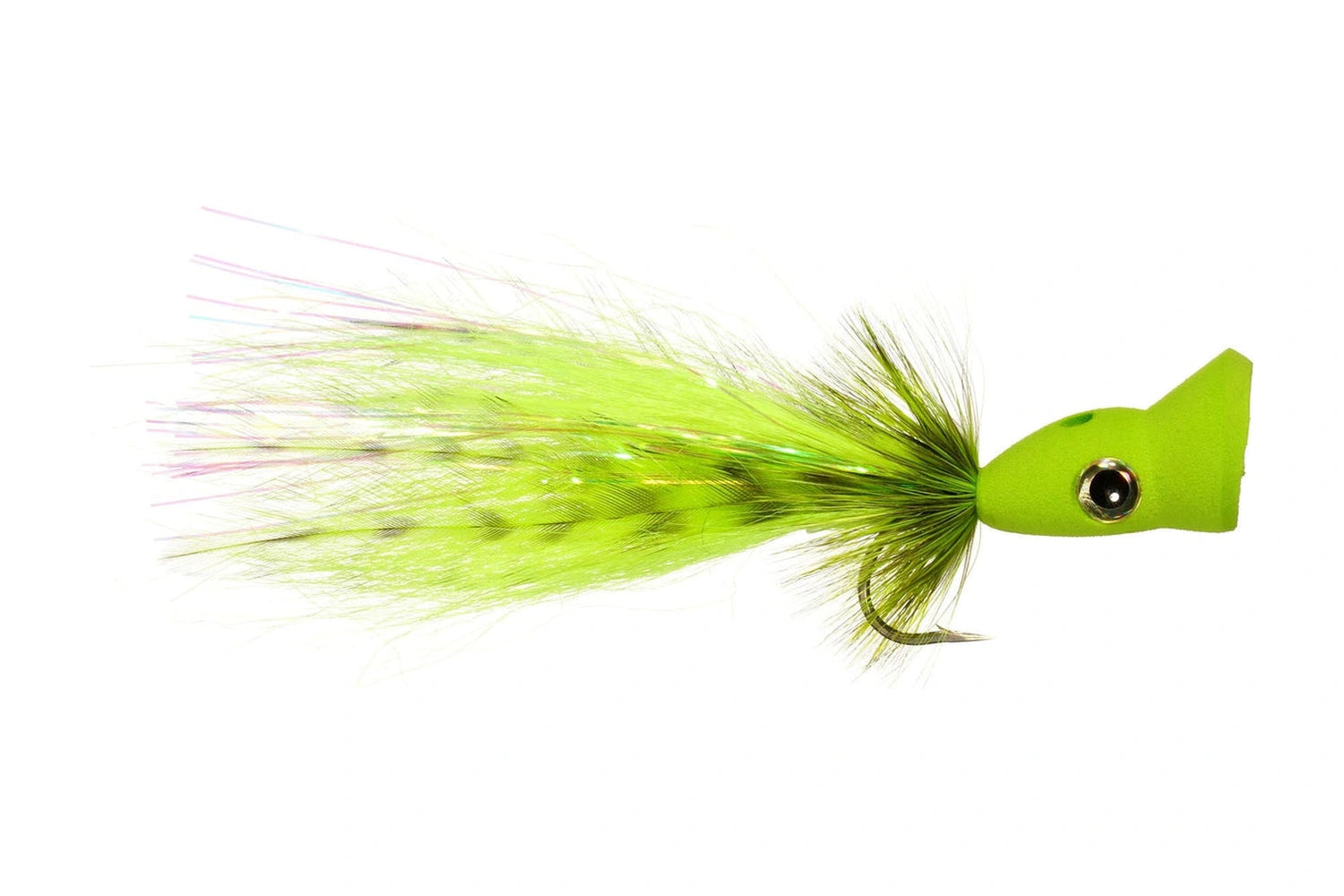
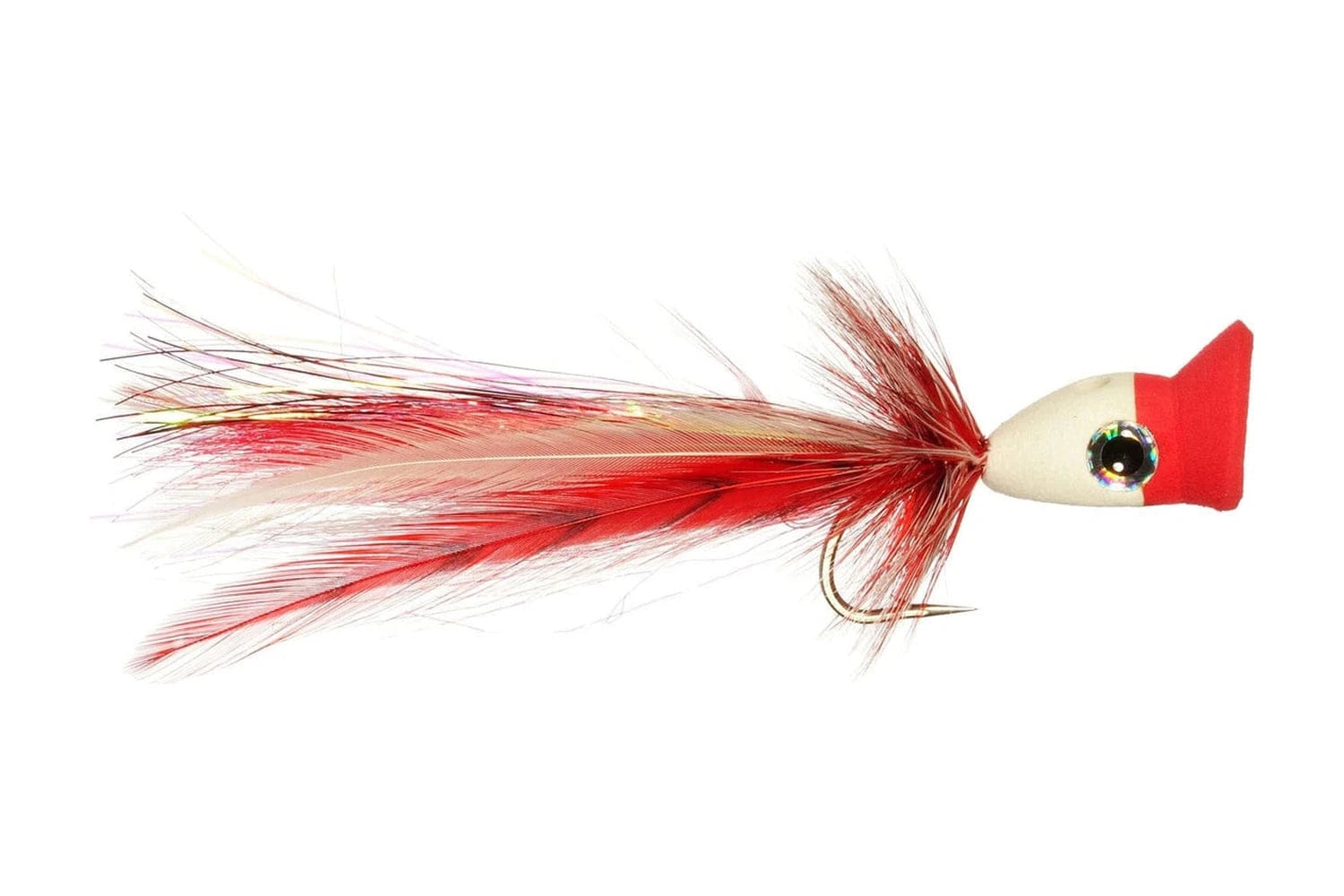
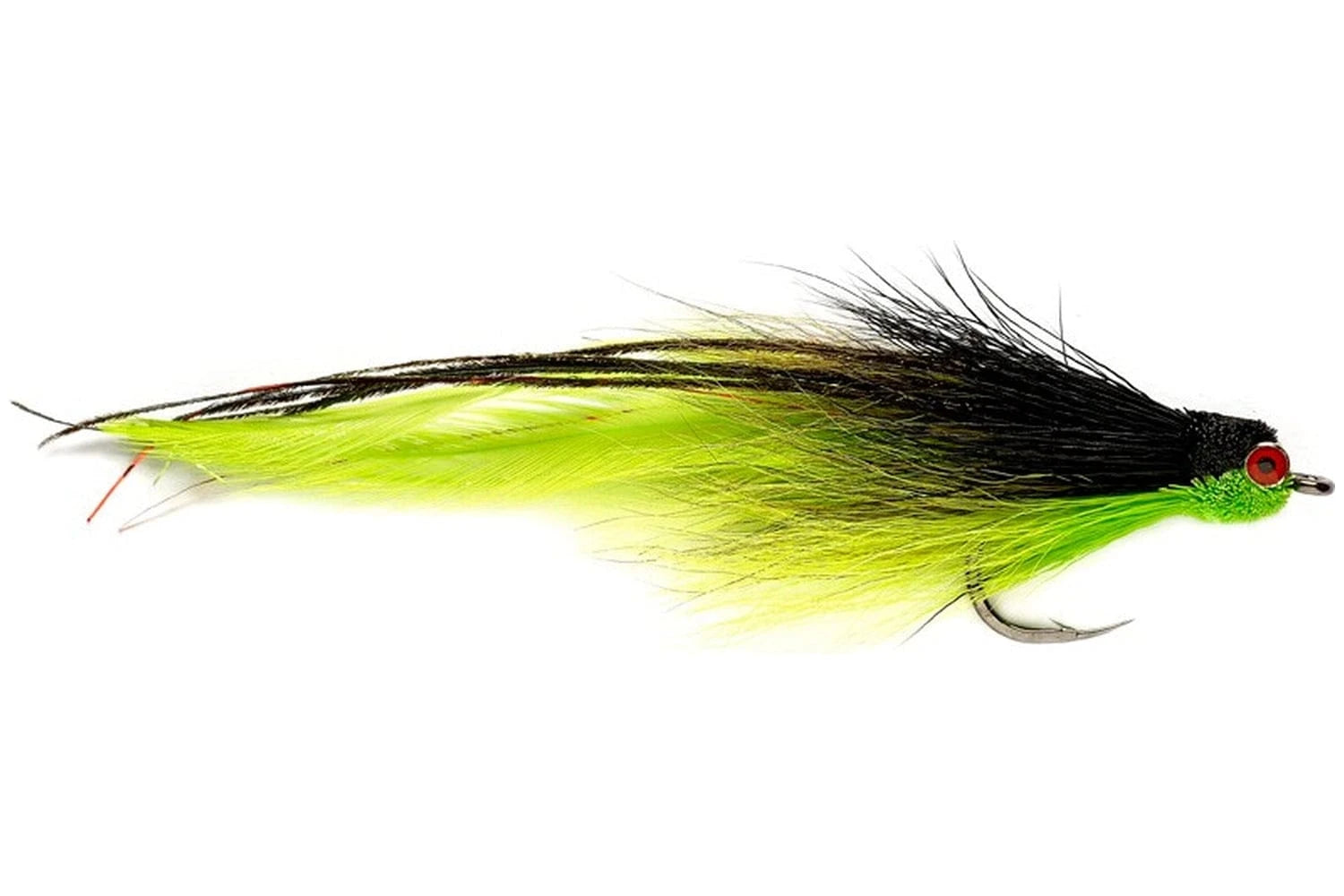
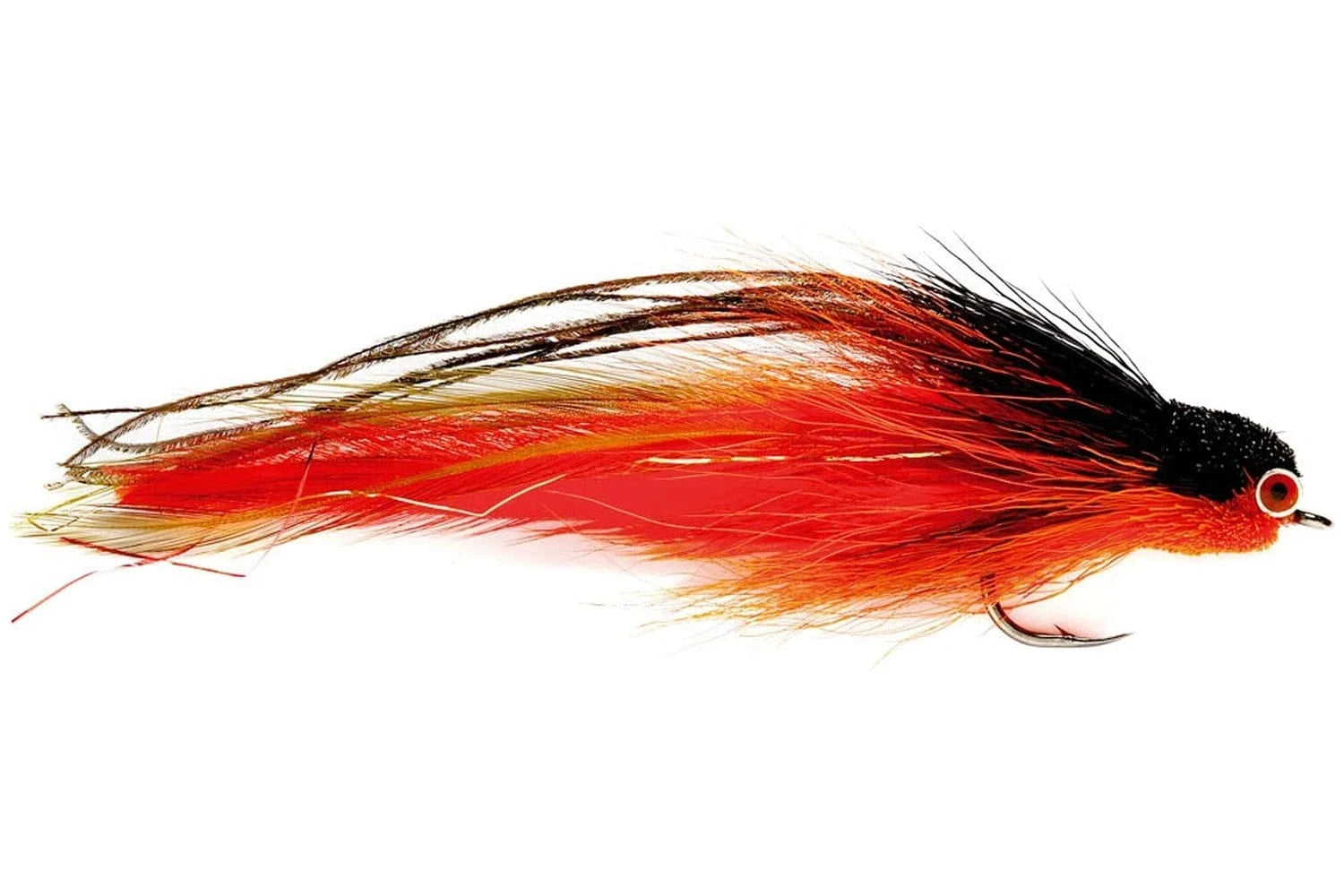
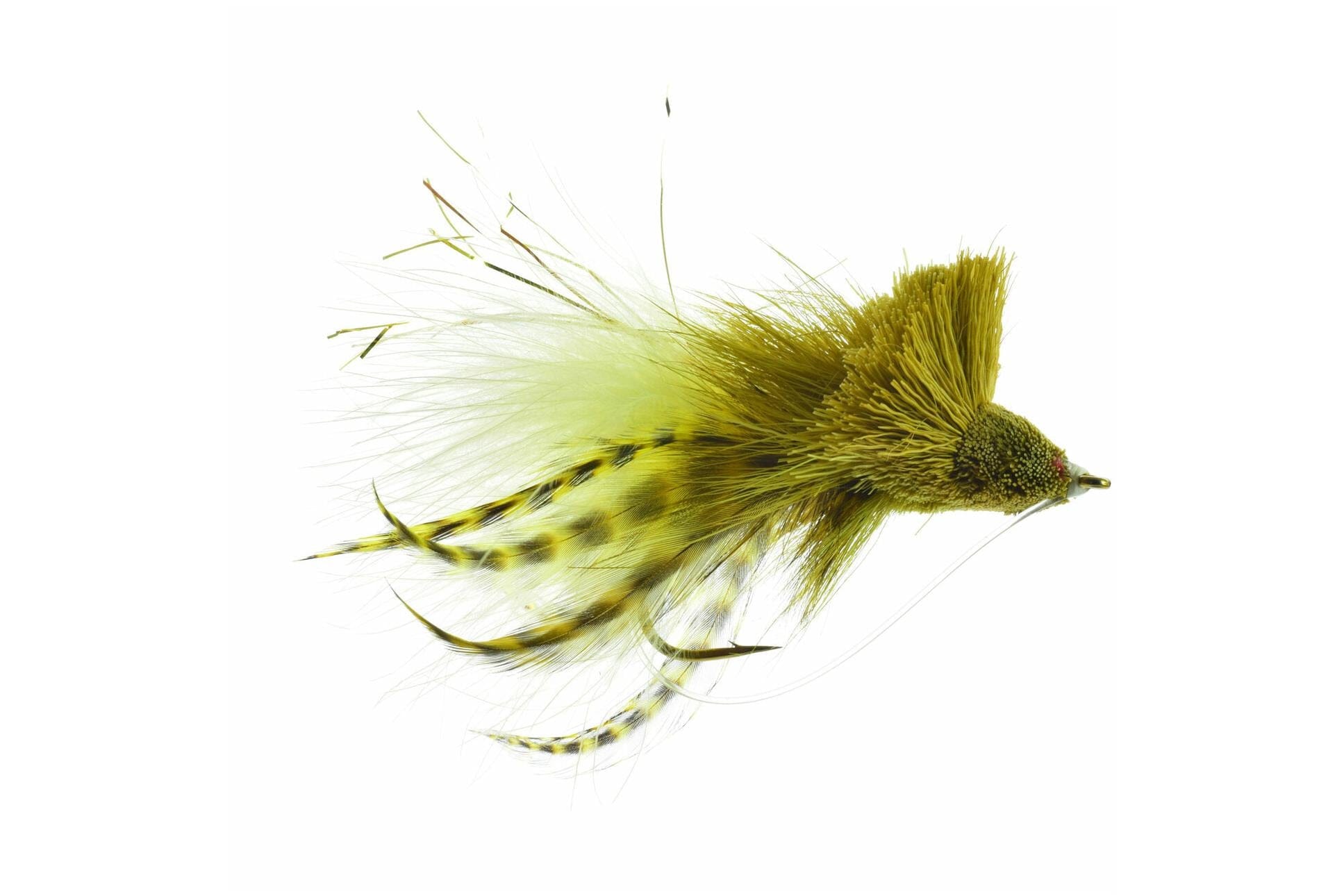
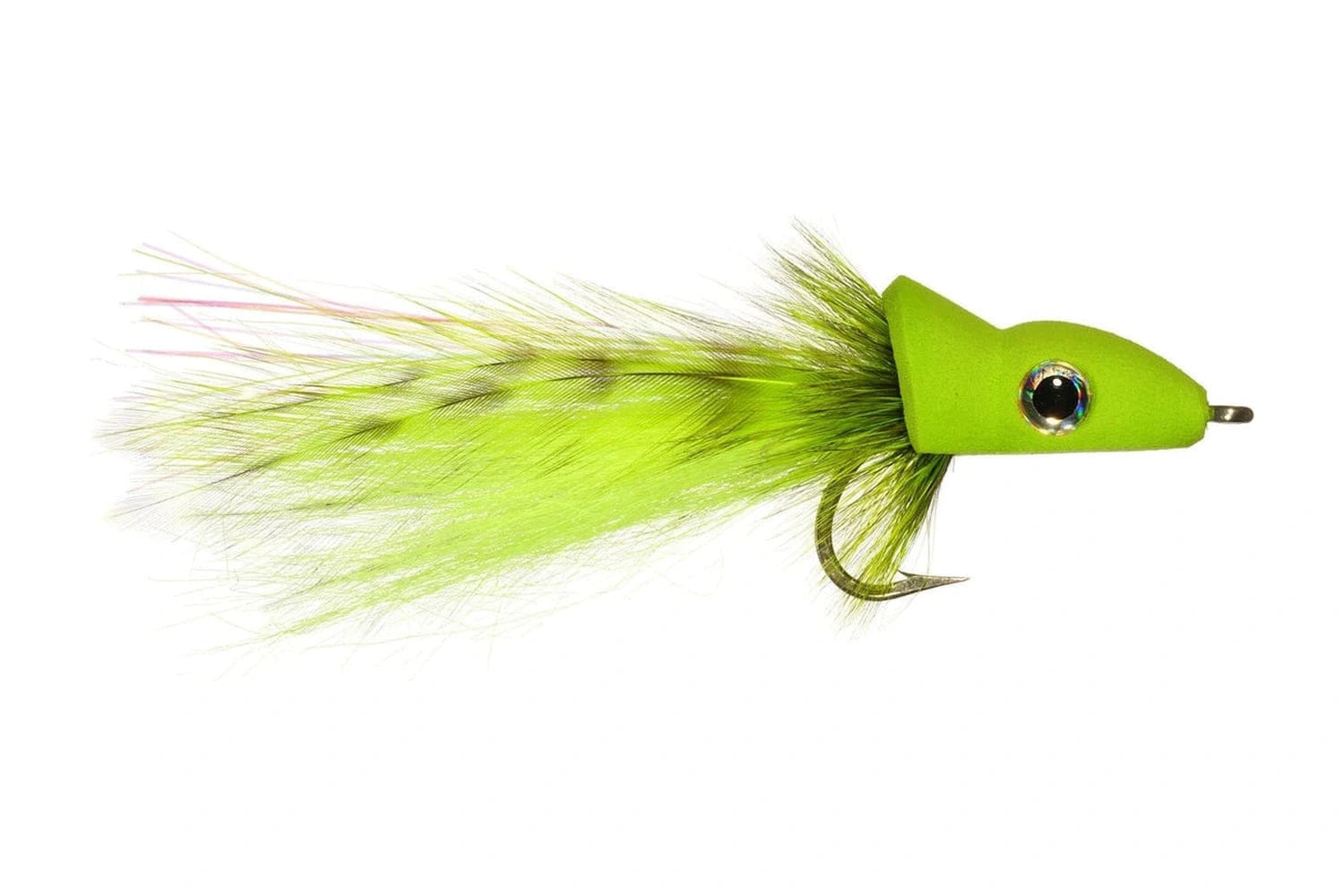
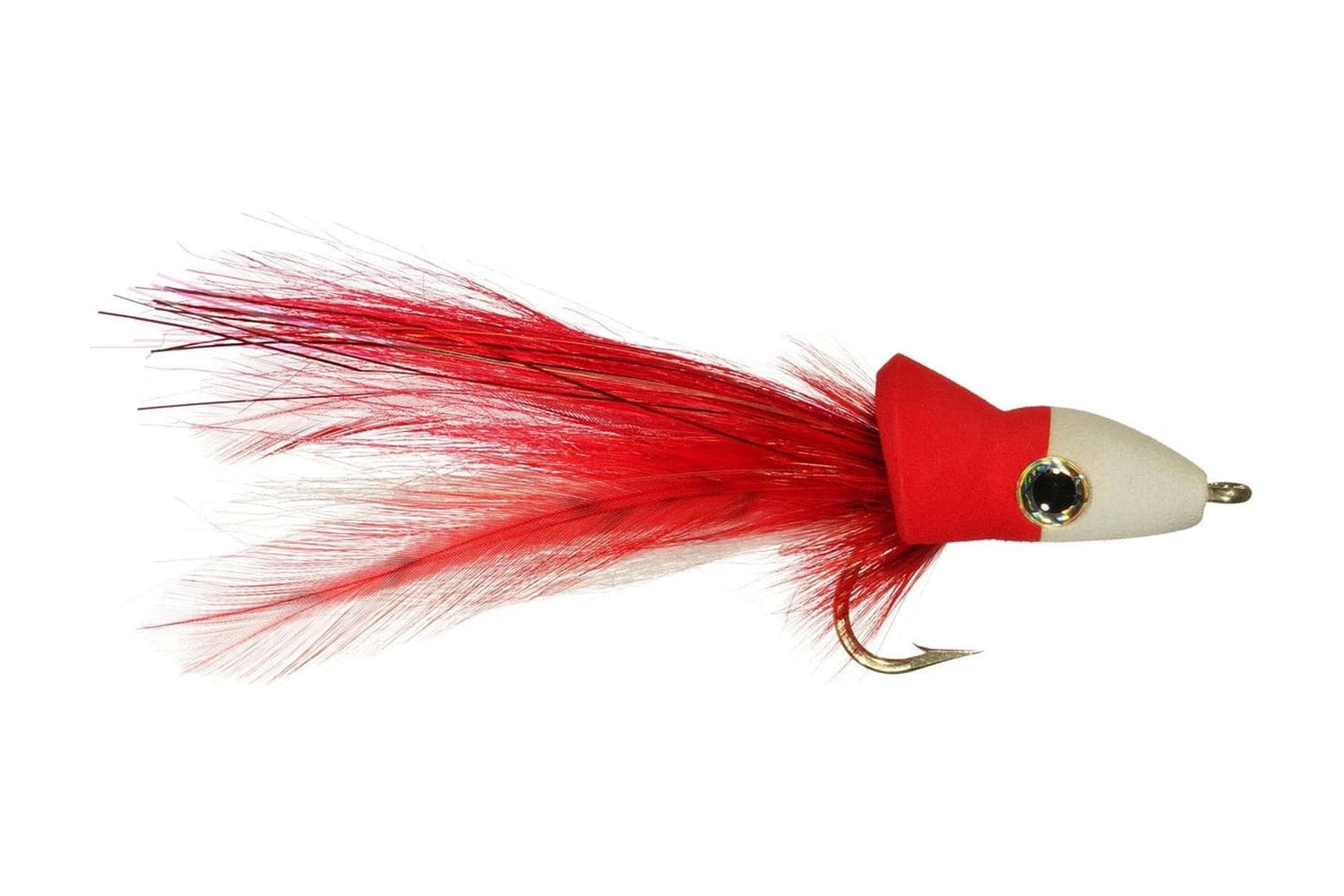
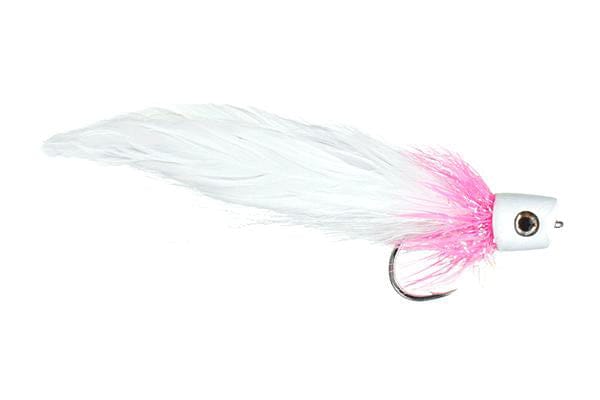
Best Value: Umpqua Deceiver Fly - Great for anglers building a first pike box or needing a proven baitfish look. It has a clean profile, lots of color options, and it fishes well on many retrieves.
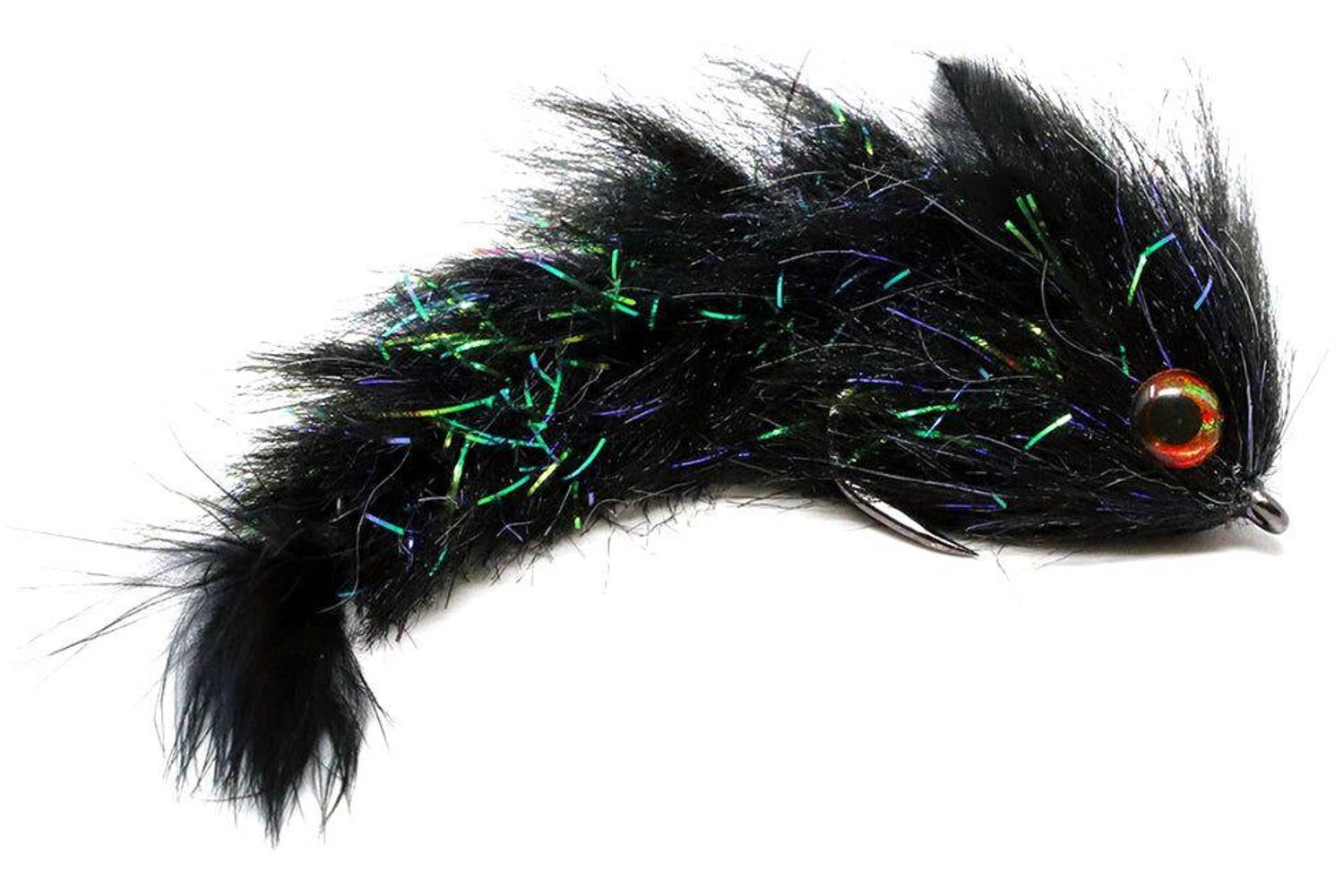
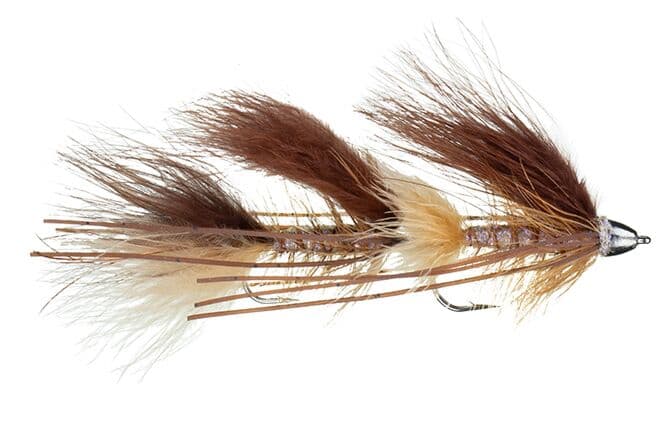
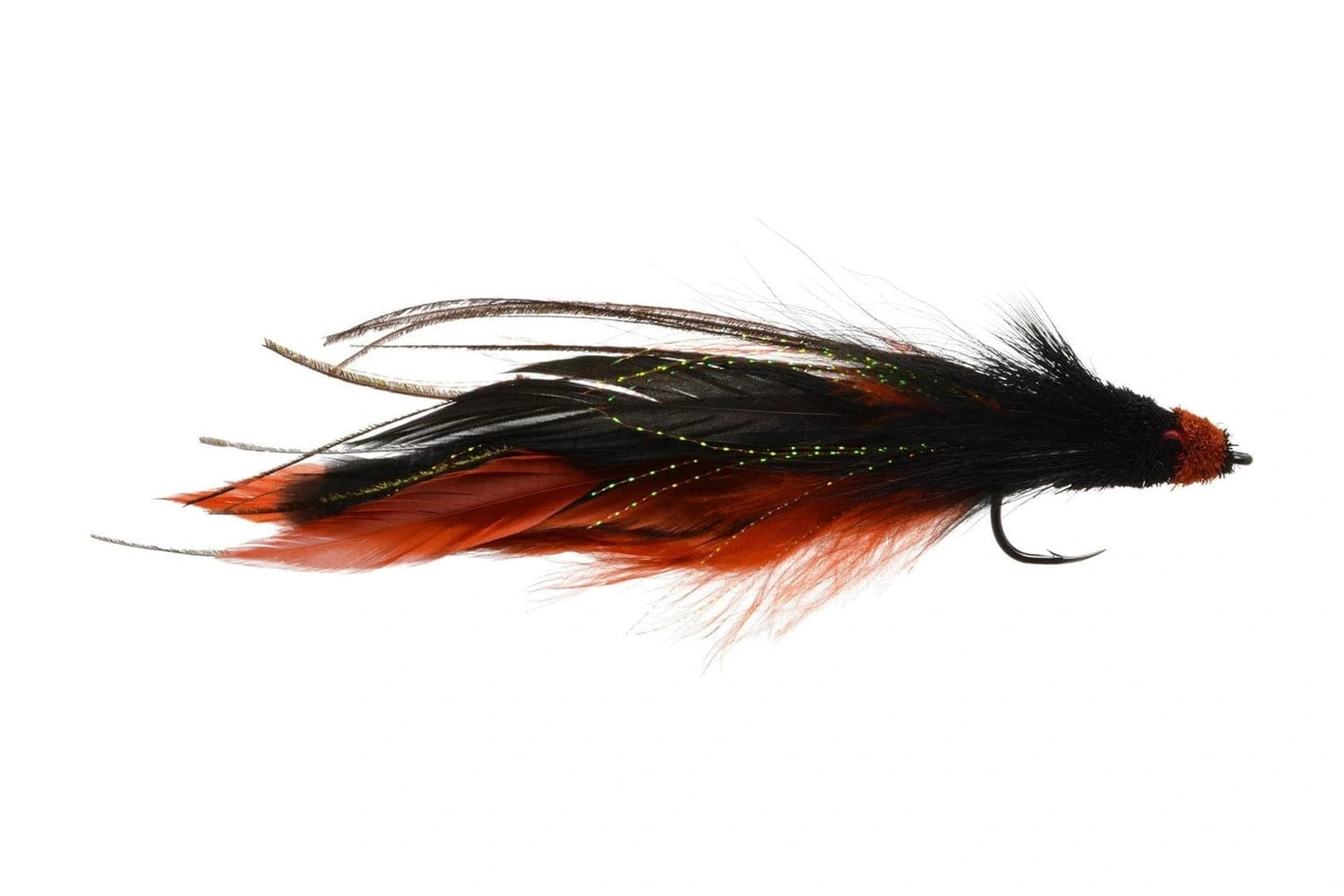
Best All-Around: Montana Fly Company Galloup's Sex Dungeon Fly - A strong pick when you want one fly that covers lakes, rivers, edges, and structure. The articulated build and bulky head move water and give it a big, easy-to-track silhouette.
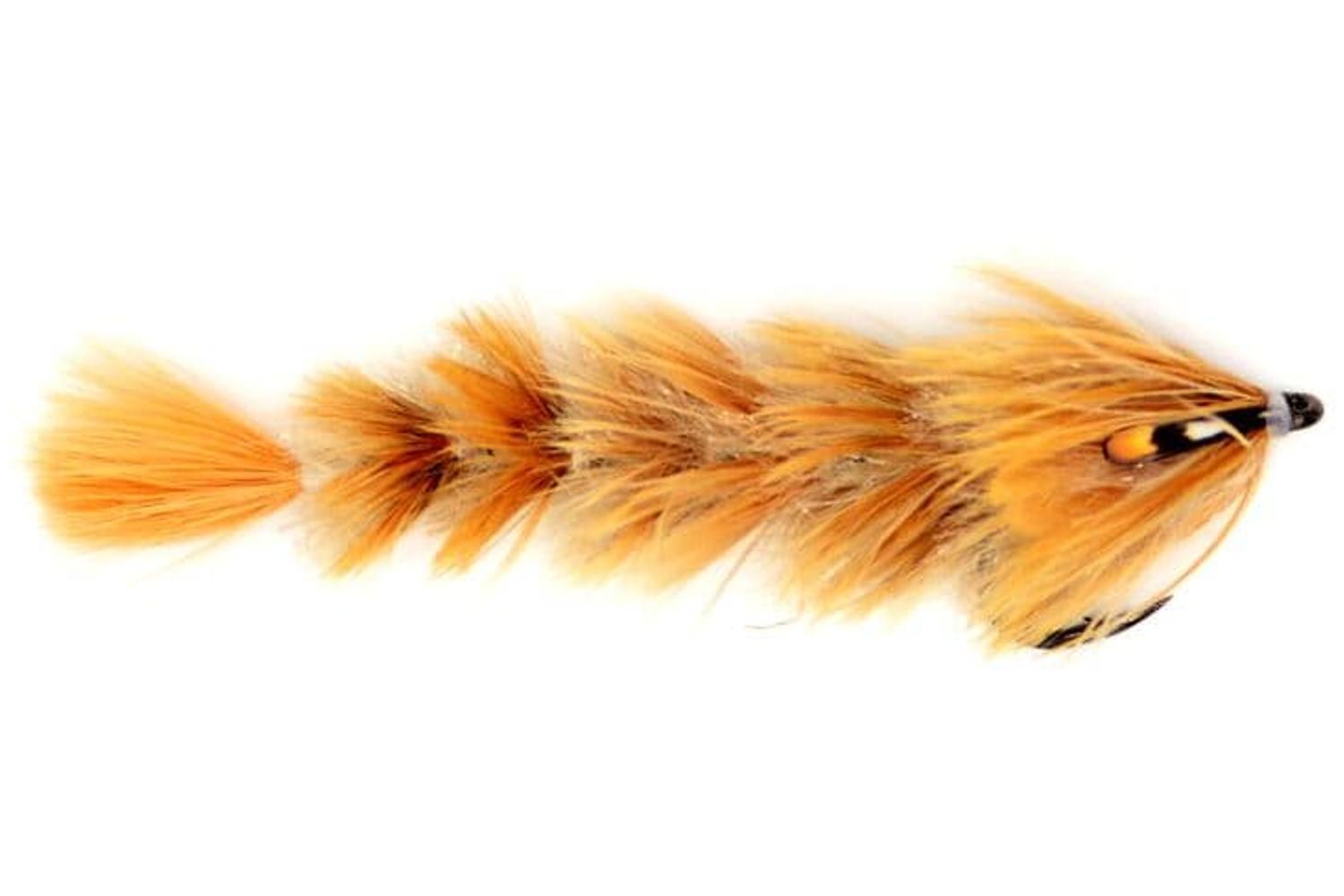
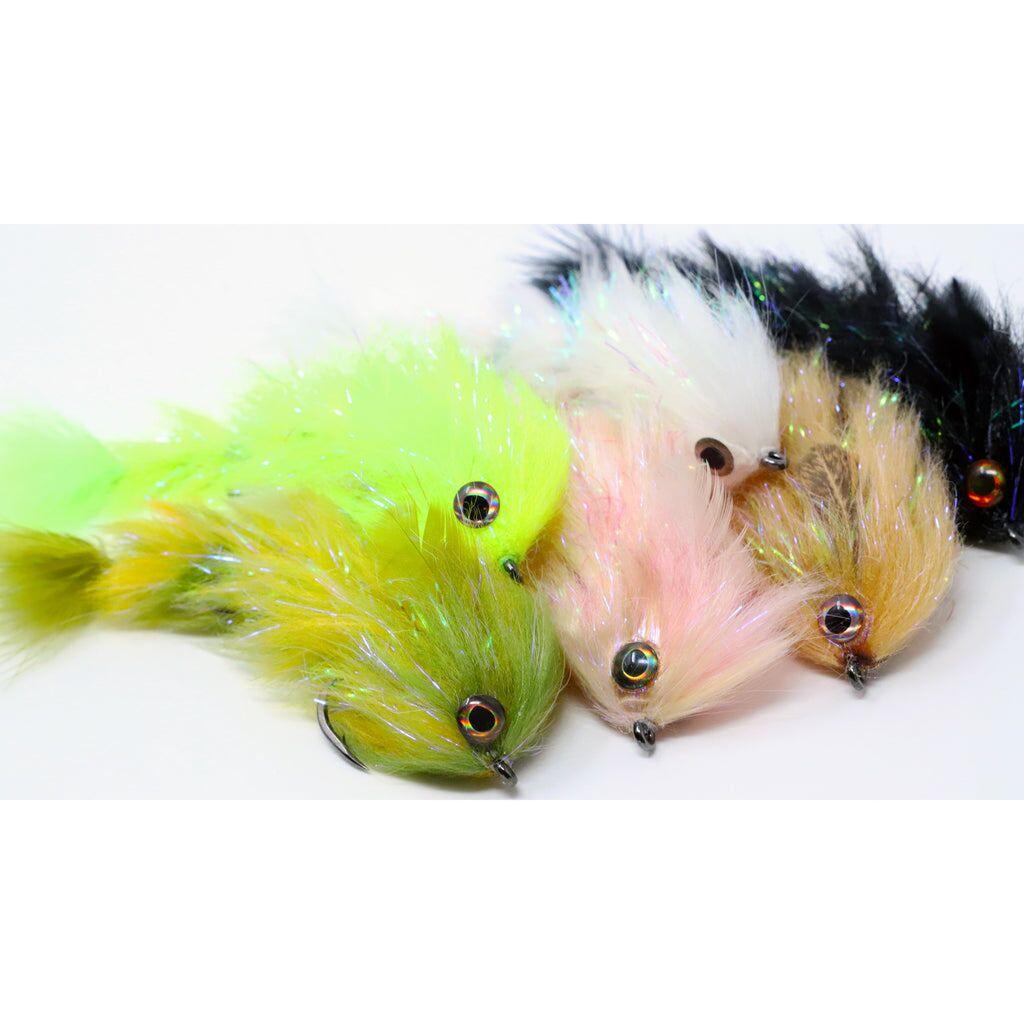
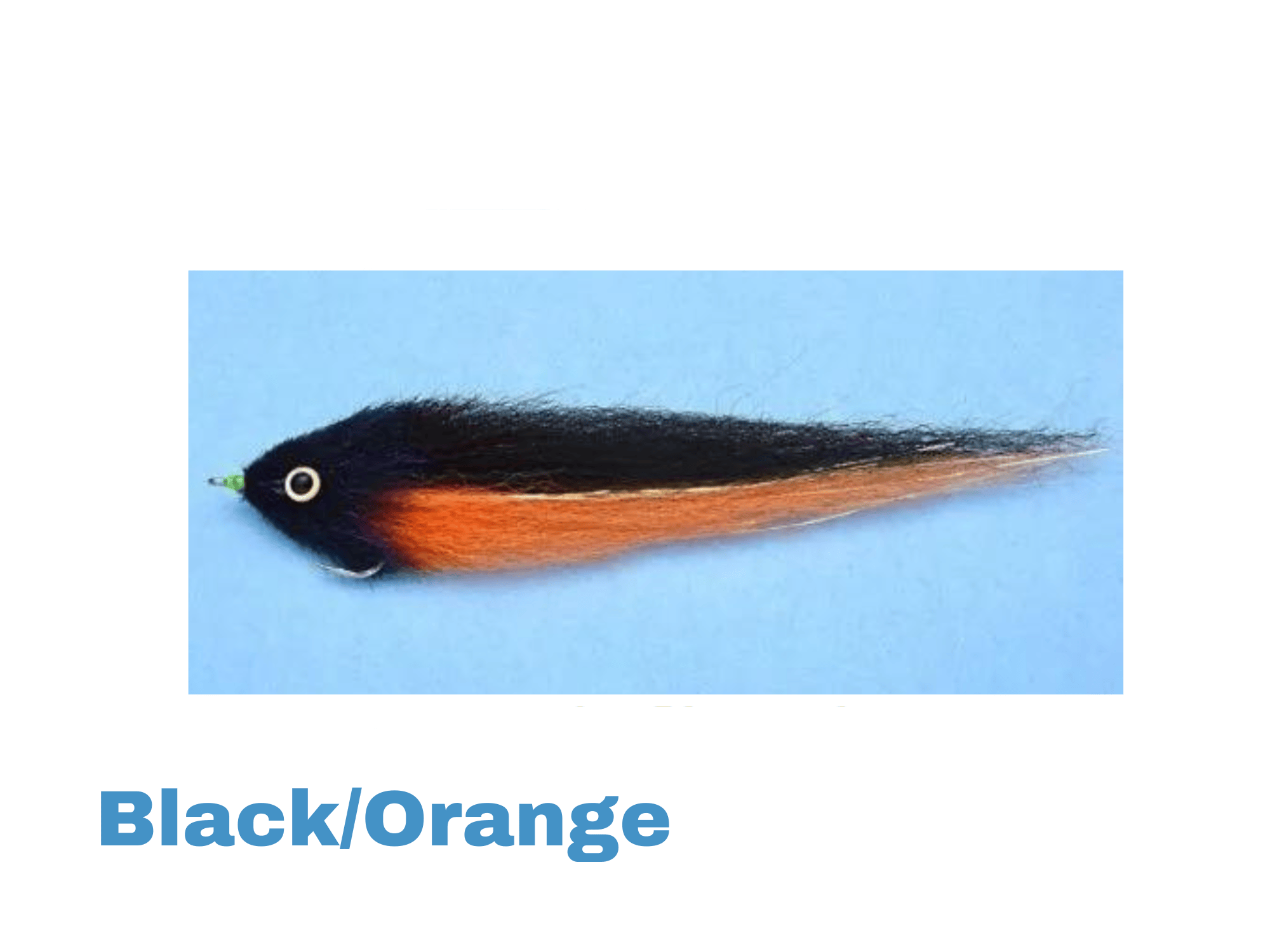
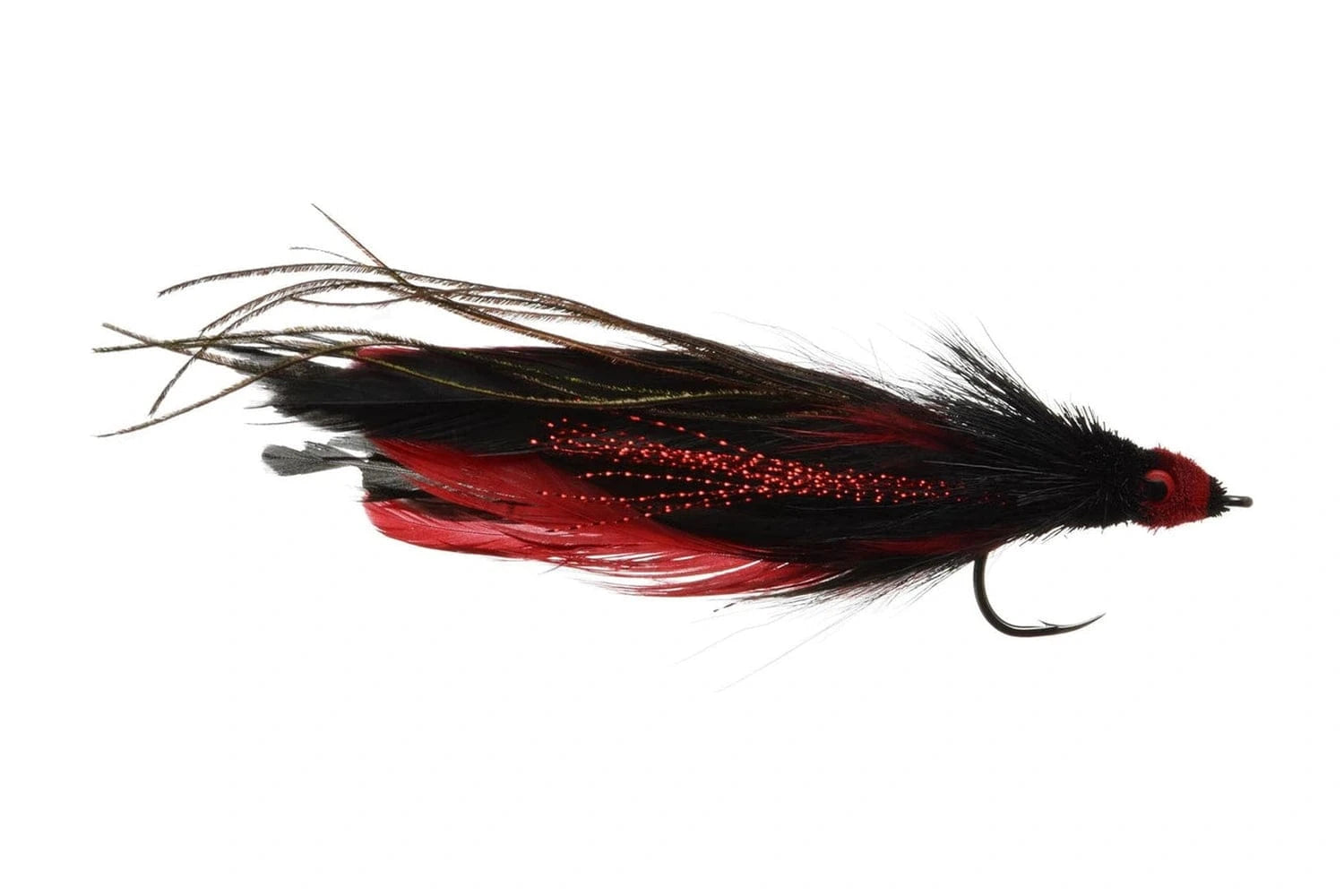
Best Premium: RIO Brammer's Imposter Fly - Built for anglers targeting bigger fish with bigger meals on the menu. It is a fully synthetic, large-profile fly designed to push water and hold its shape over a long day of casting.
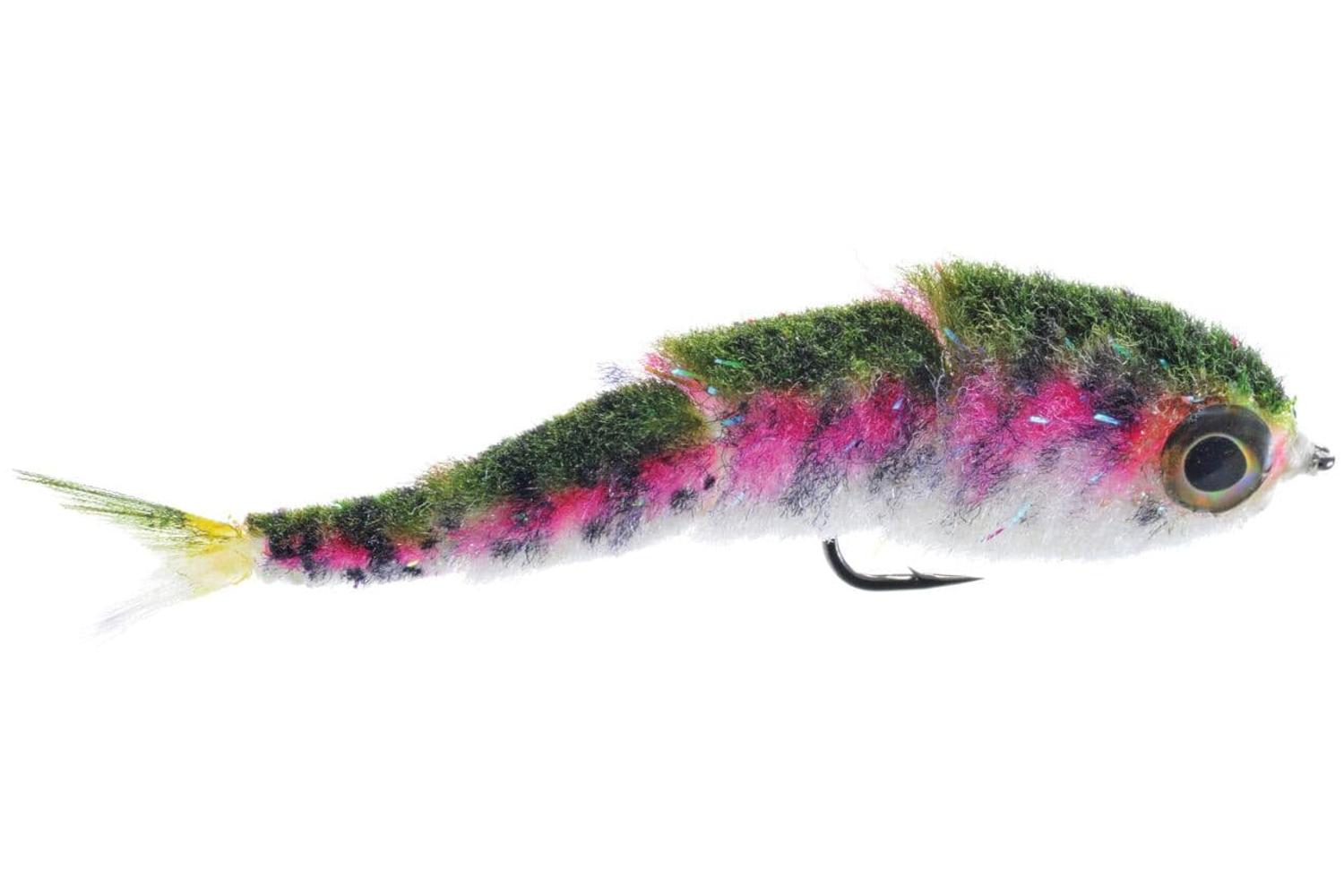
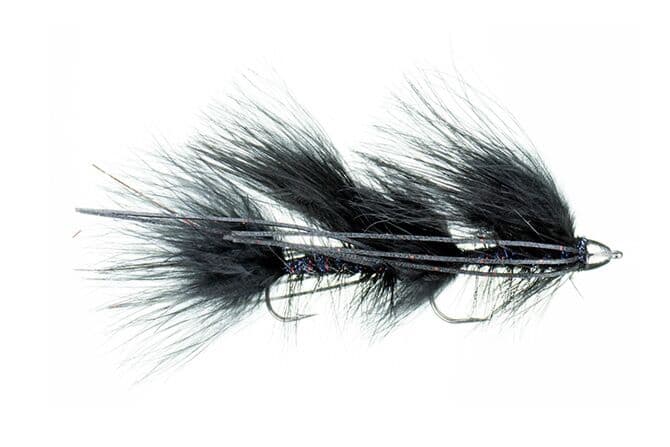
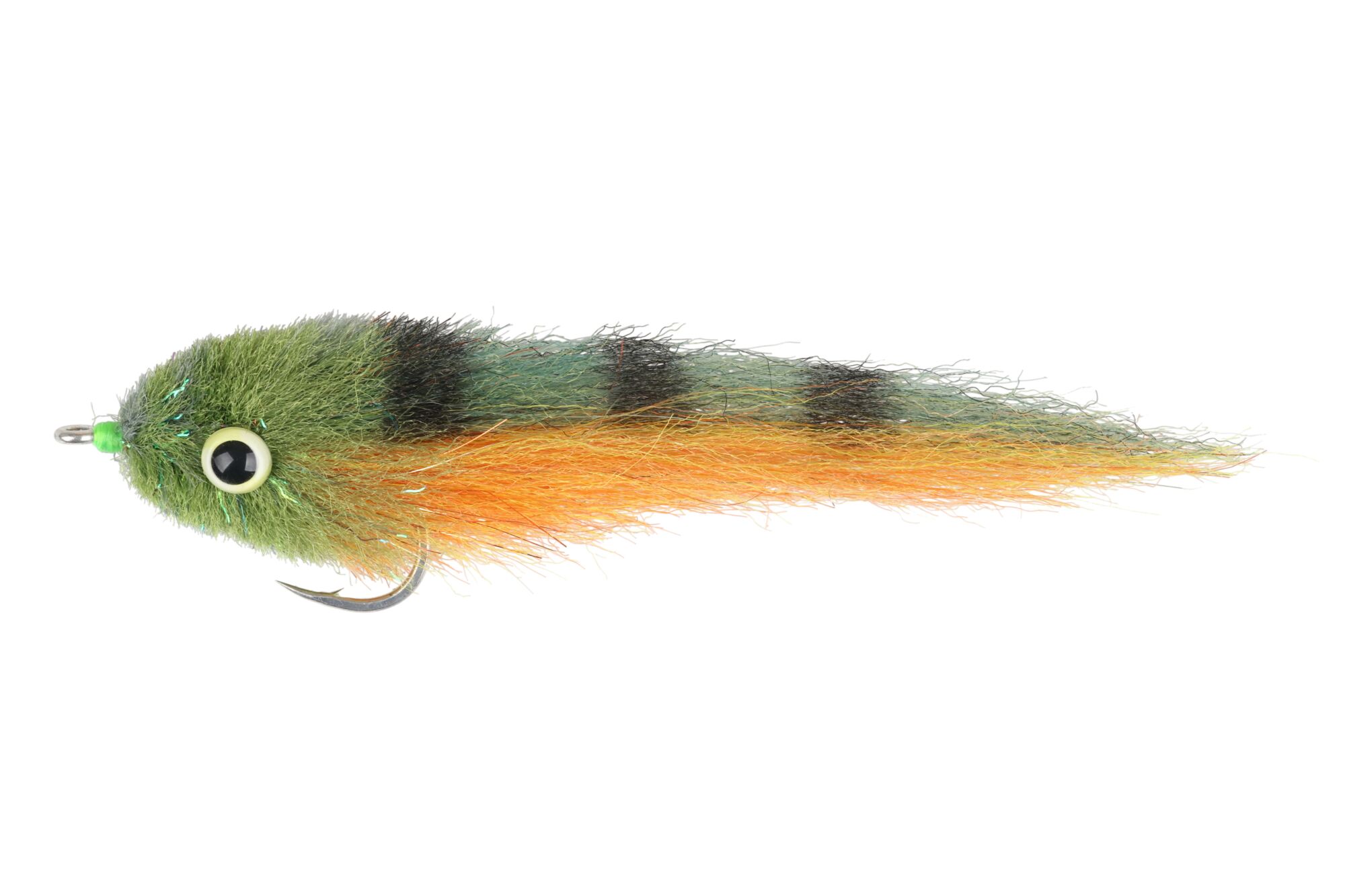
Best for Clear Water: Flymen Chocklett's Finesse Changer Fly - A smart choice when fish are tracking the fly for a long time in clear water. The articulated spine and water-shedding materials help it swim naturally without feeling overly heavy to cast.
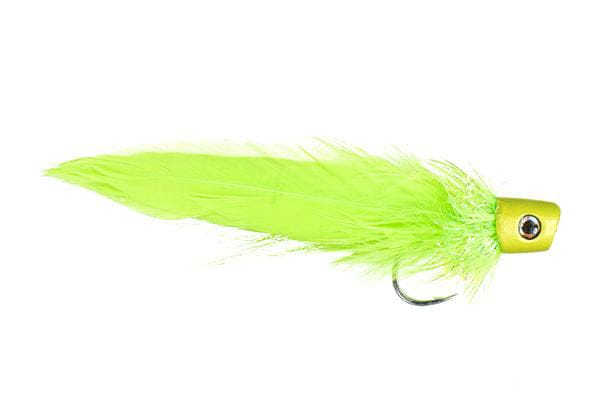
Best Topwater: Rainy's PSP Diver Fly - For anglers who want loud eats in shallow bays, weed edges, and over cover. The foam diver head floats high on the pause, then dives and pushes a lot of water on the strip.
How to Choose Pike & Musky Flies
Pick the job first, shallow, mid-depth, or deep
Shallow weeds and flats: Start with divers, sliders, and lighter patterns that ride up and can be worked over weeds.
Edges and mid-depth: Medium-size baitfish and articulated streamers are good for covering water and triggering follow-up eats.
Deep breaks and ledges: Choose heavier flies or pair your fly with a sinking line so you can get down and stay down.
Size and profile matter more than fancy details
Action: In stained water or low light, a bigger profile helps fish find the fly. In clear water, slimmer baitfish shapes can look more natural on a longer follow.
Best for: Carry a mix of large and medium patterns so you can match local forage and how aggressive fish are that day.
Articulated flies vs. single-hook streamers
Articulated: Changer-style flies swim with a lot of built-in motion and can shine on slow strips and long pauses.
Single-hook: Classic streamers are simple, track straight, and are easier to manage when you are blind casting all day.
Avoid if: If your fly is fouling on the cast, shorten your leader, slow your casting stroke, or step down in fly size.
Don’t skip bite protection
Pike and musky have teeth, and they will find your leader. Start with a purpose-built leader like the Rio Pike/Musky Leader, then adjust length and strength based on your flies and how pressured the water is.
Why Pike & Musky Flies Matter
Pike and musky flies are built to cast big, move water, and take repeated abuse from sharp teeth. Compared to most trout streamers, these patterns lean on tougher hooks, bulkier materials, and profiles that trigger a chase response.
Materials & Durability
Dry them out: Let flies air-dry after fishing so hooks and materials do not hold moisture in your box.
Fix the shape: After a few fish, comb out or pinch materials back into a clean baitfish profile.
Check hook points: If the point is rolled or dull, sharpen it or replace the fly.
Protect the box: Store big flies in deeper boxes so tails and heads do not get crushed.
Complete Your Setup
Related Gear
Leaders - Build stout, turnover-friendly rigs that help you cast big flies.
Tippet - Keep extra material on hand for re-tying and rebuilding bite sections.
Sinking Fly Lines - Get your flies down when fish slide deeper off weed edges or ledges.
Trident Basics - Simple storage and tools that are handy when you are carrying bulky flies.
Related Guides
Pike & Musky Flies FAQs
Q: What size flies should I use for pike and musky?
A: Start with medium to large baitfish profiles and adjust based on local forage and water clarity. Bigger flies can help in stained water, while slimmer patterns can shine in clear water.
Q: Do I need a wire leader for pike and musky?
A: Many anglers use wire or heavy bite protection because teeth can cut standard leader material fast. If fish are pressured or water is very clear, some anglers switch to heavy fluorocarbon style bite sections.
Q: Are articulated flies harder to cast?
A: They can be, especially in wind or with a soft rod and light line. A shorter, more aggressive fly line taper and a stout leader usually help turn them over.
Q: Should I fish pike flies on a floating, intermediate, or sinking line?
A: Floating lines are common in shallow weeds and for topwater. Intermediate and full-sink lines help when fish slide deeper, or when you need to keep the fly tracking below surface chop.
Q: What colors should I start with?
A: White and light baitfish tones are reliable in clear water and bright conditions. Dark colors can stand out better in low light, stained water, or when you want a strong silhouette.
Q: How do I keep big pike flies from tangling?
A: Use a shorter leader and avoid overpowering the cast with a fast, tight stroke. Some flies also fish cleaner with a loop knot, which lets the fly track straight without grabbing the leader.