

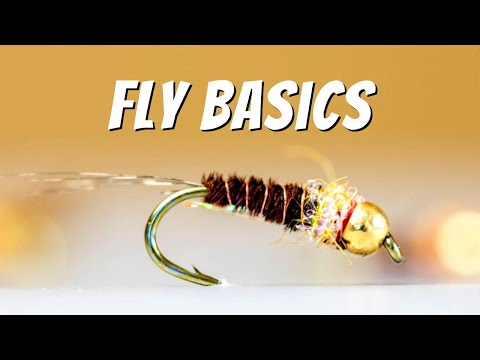
Fly Fishing Flies Explained (Streamers, Nymphs, Dry Flies & More)


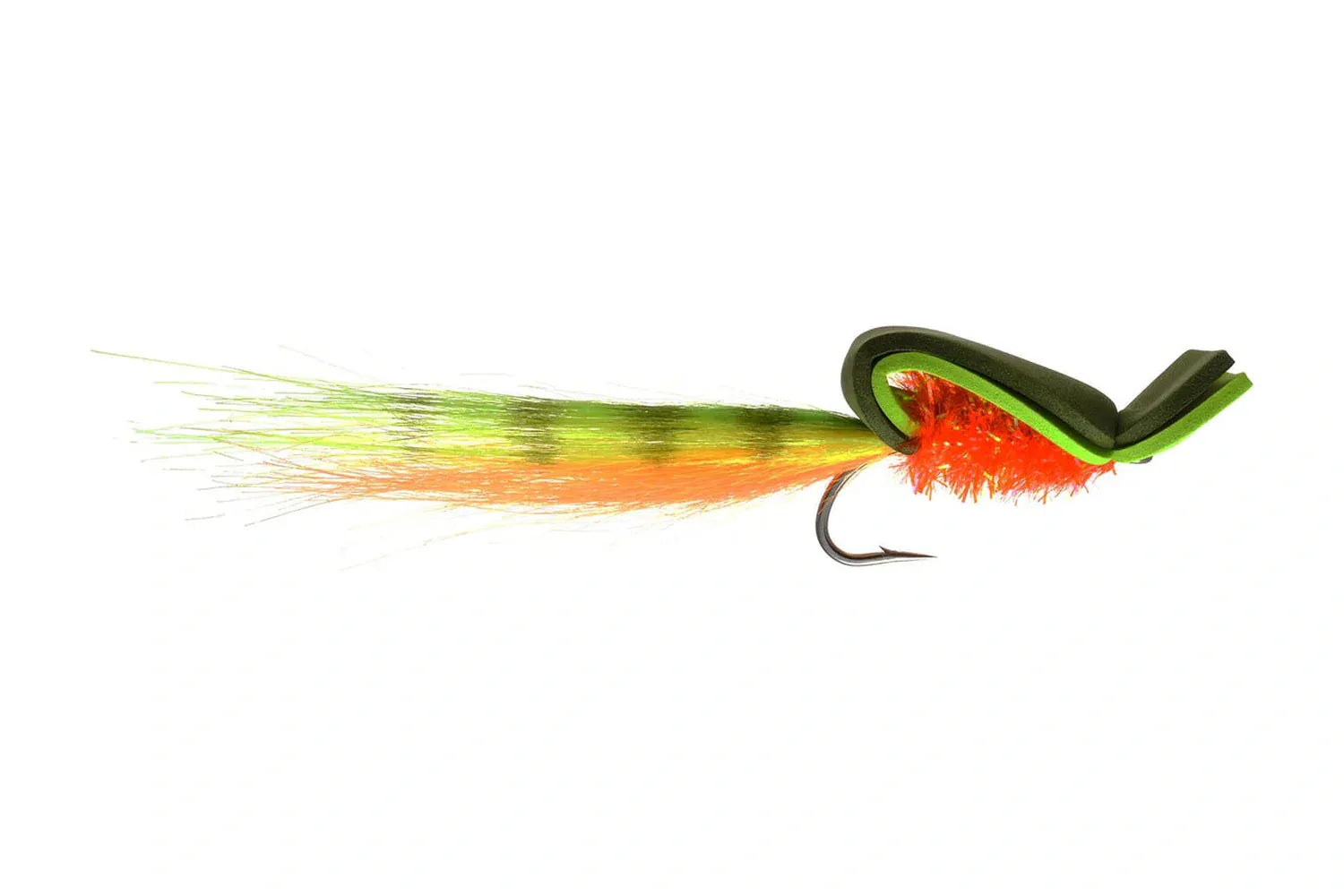
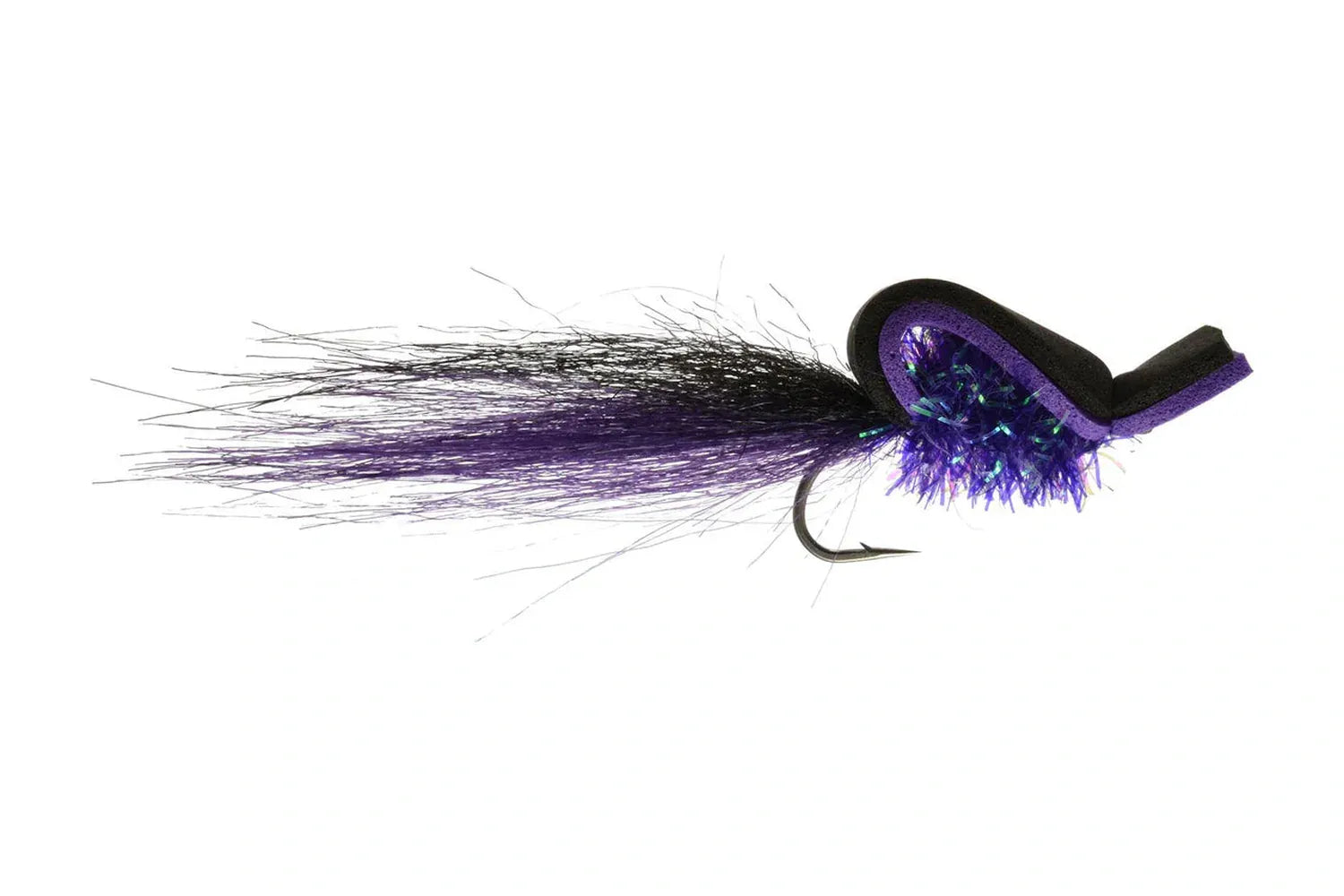
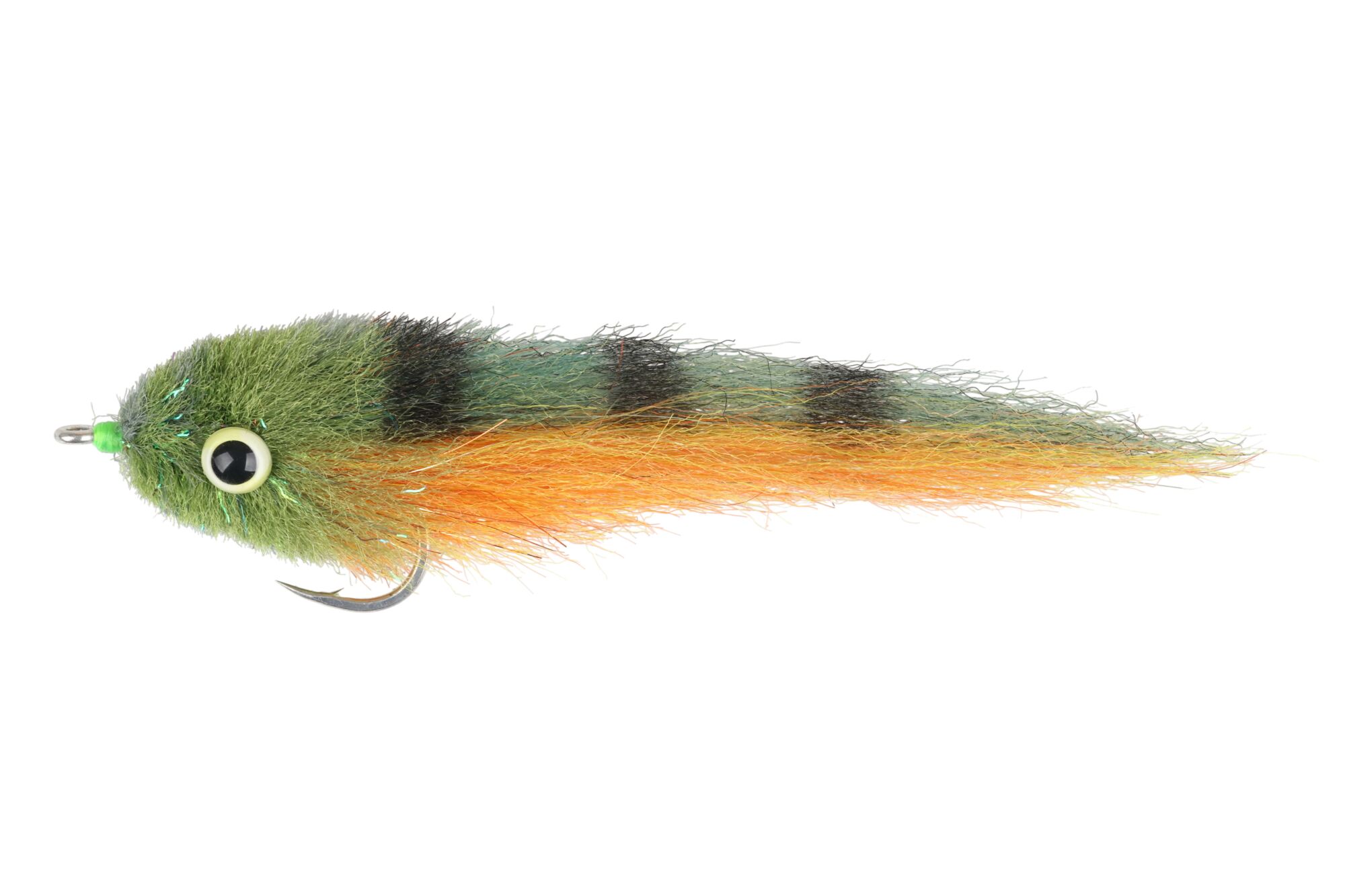
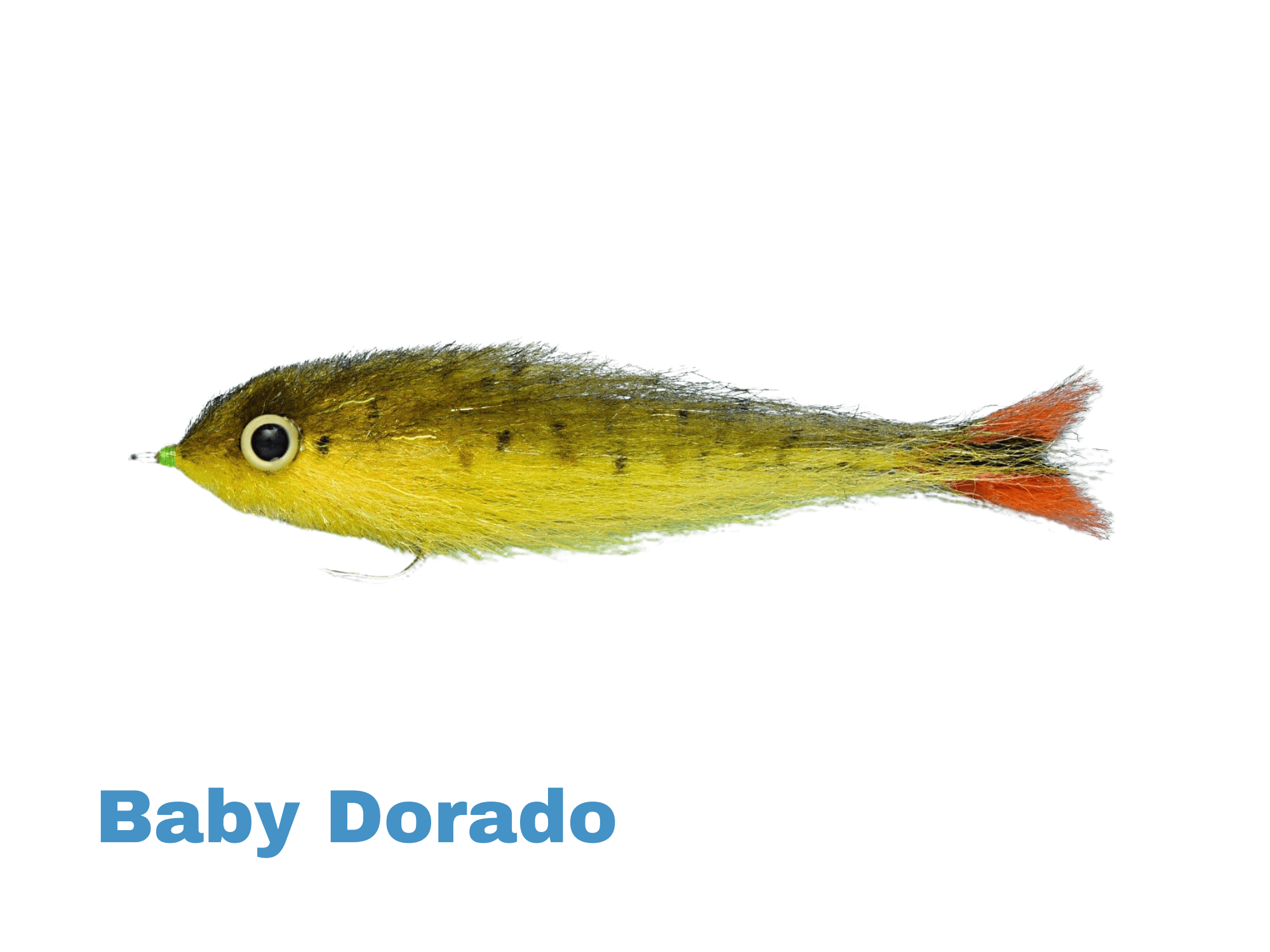
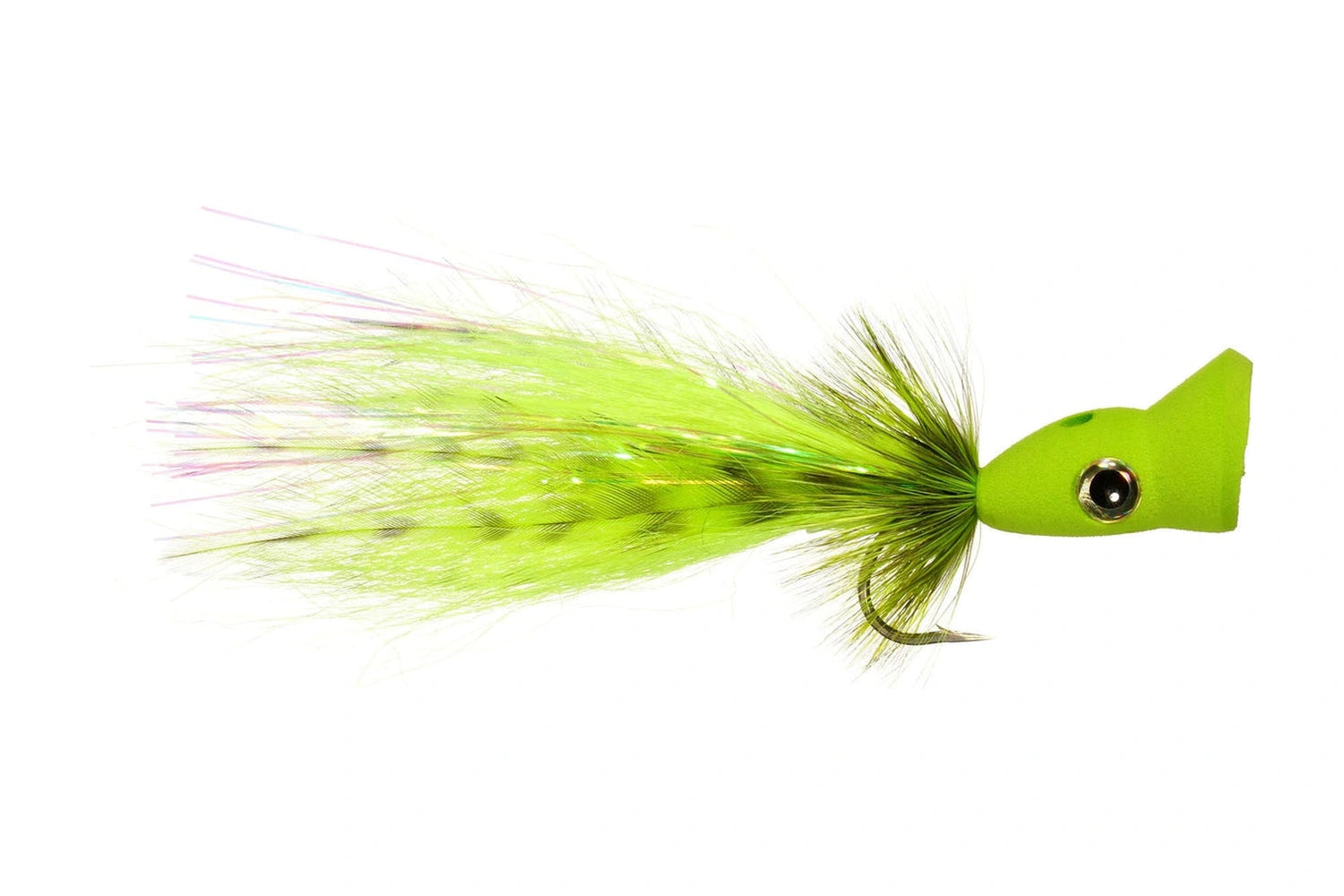
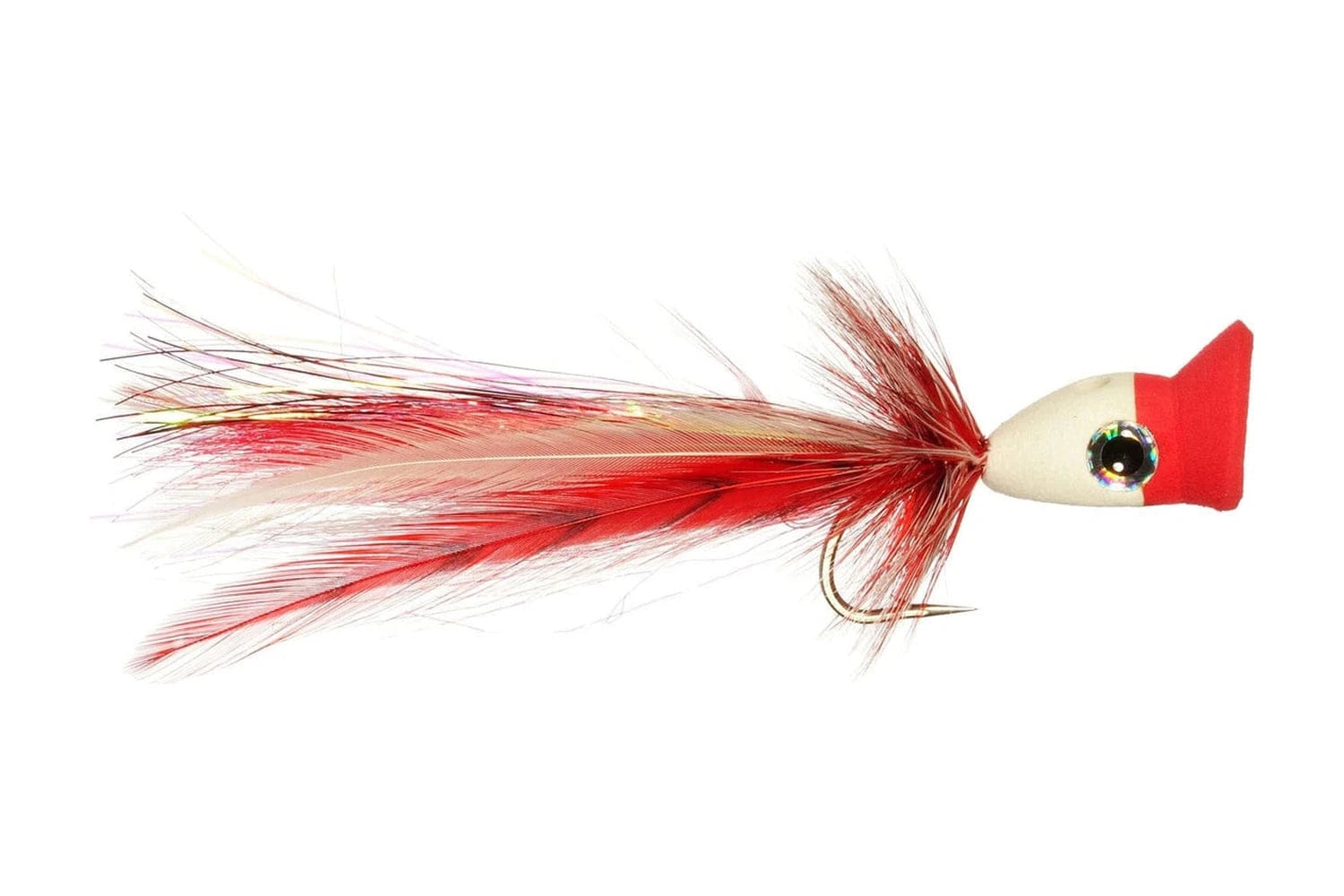
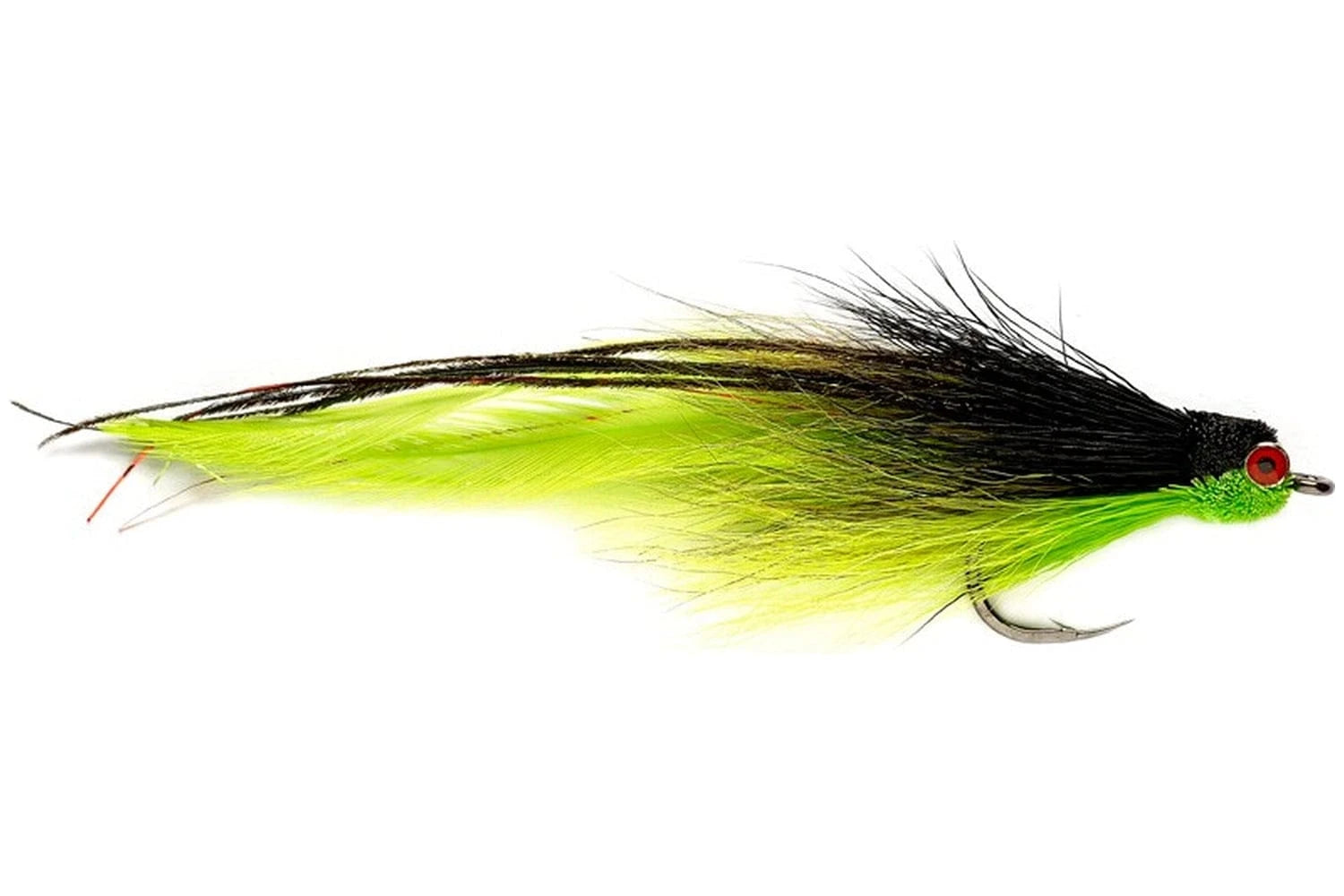
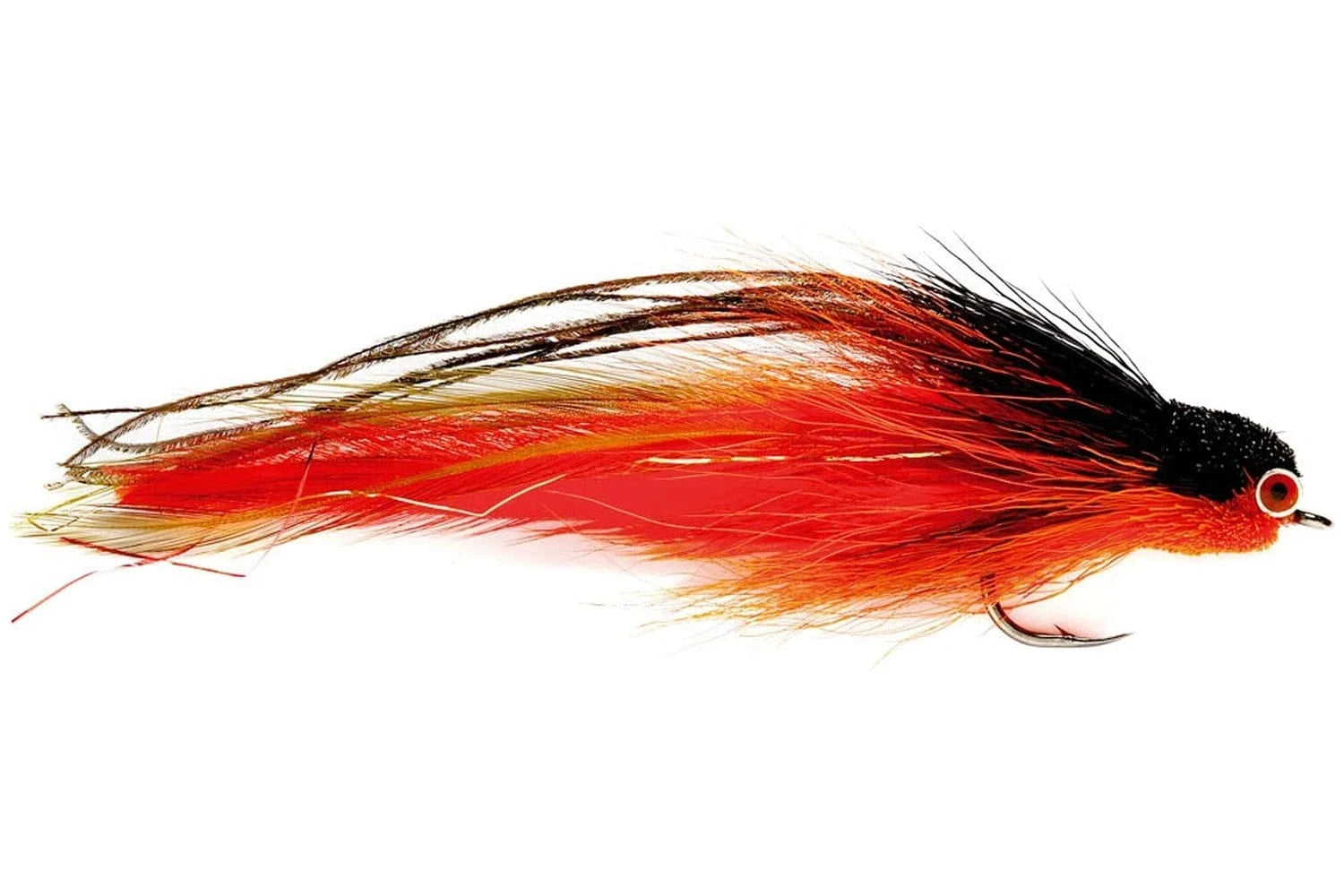
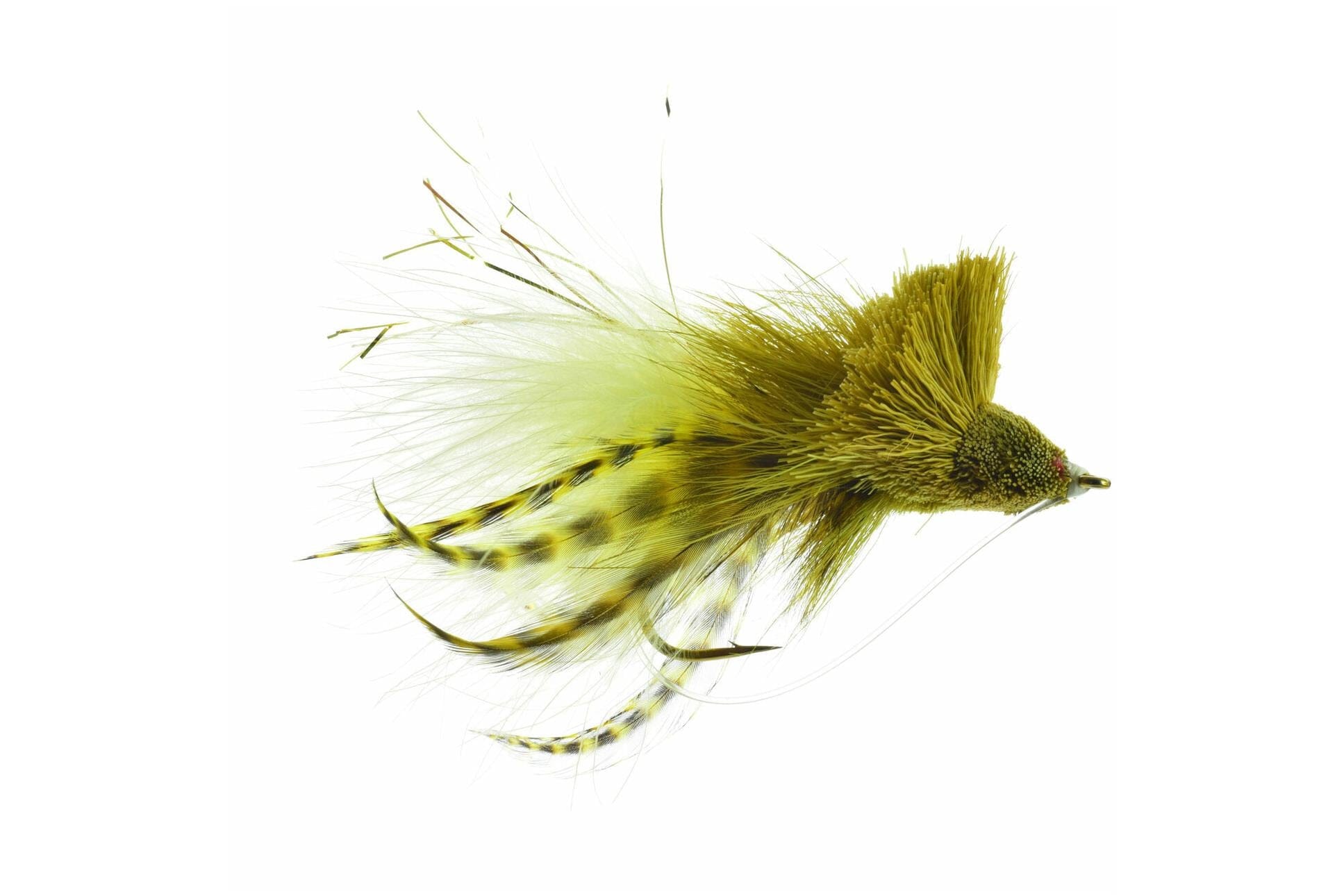
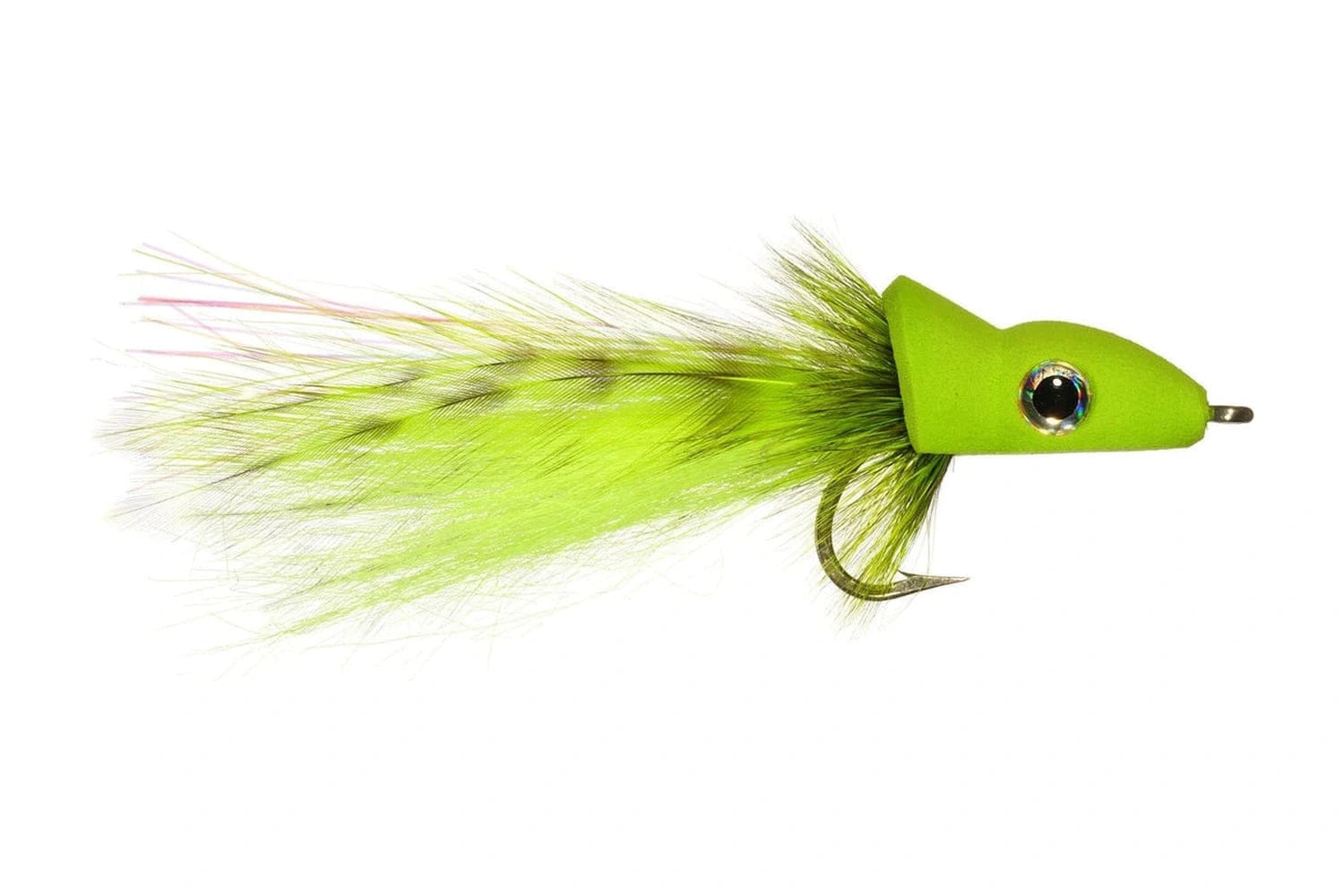
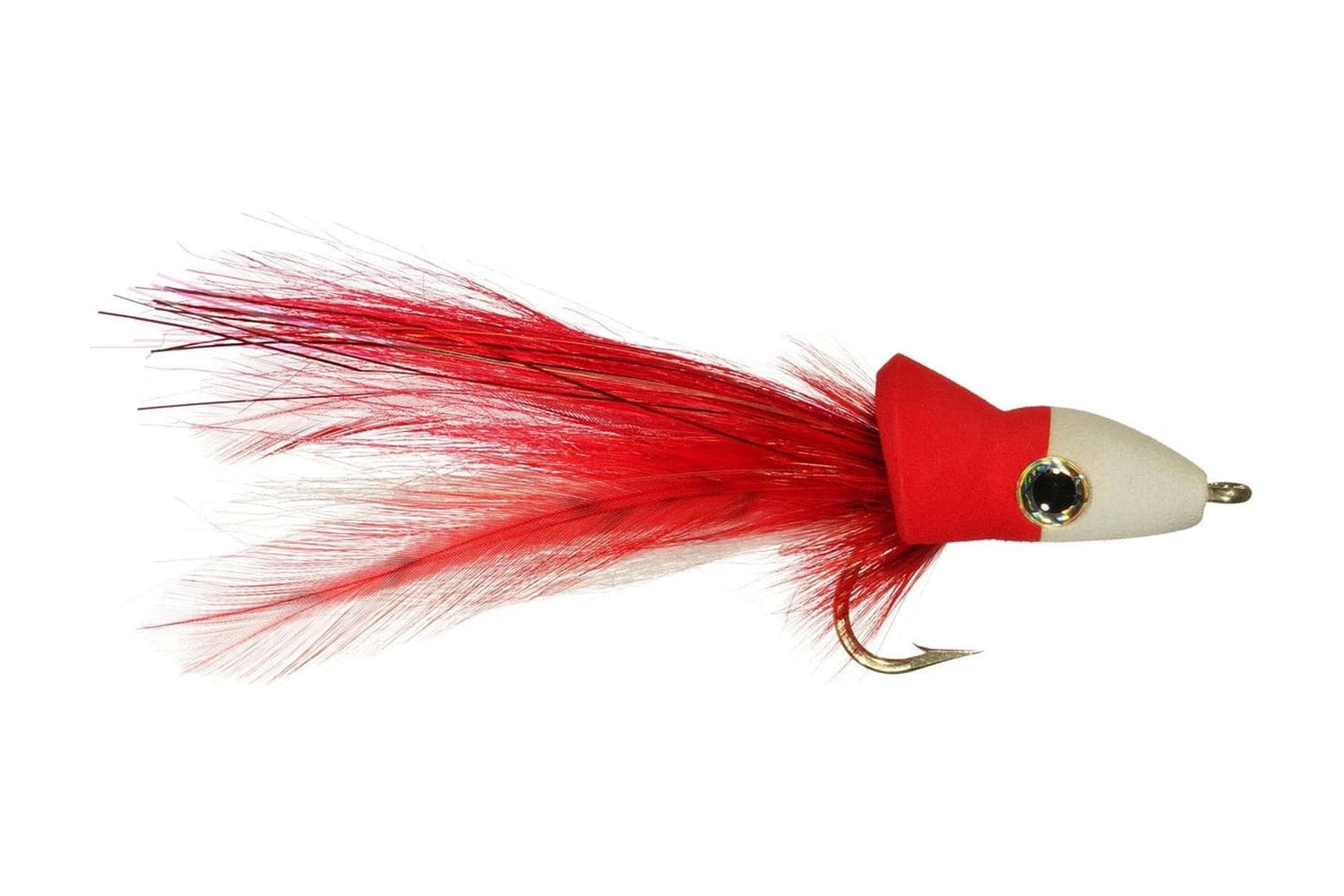
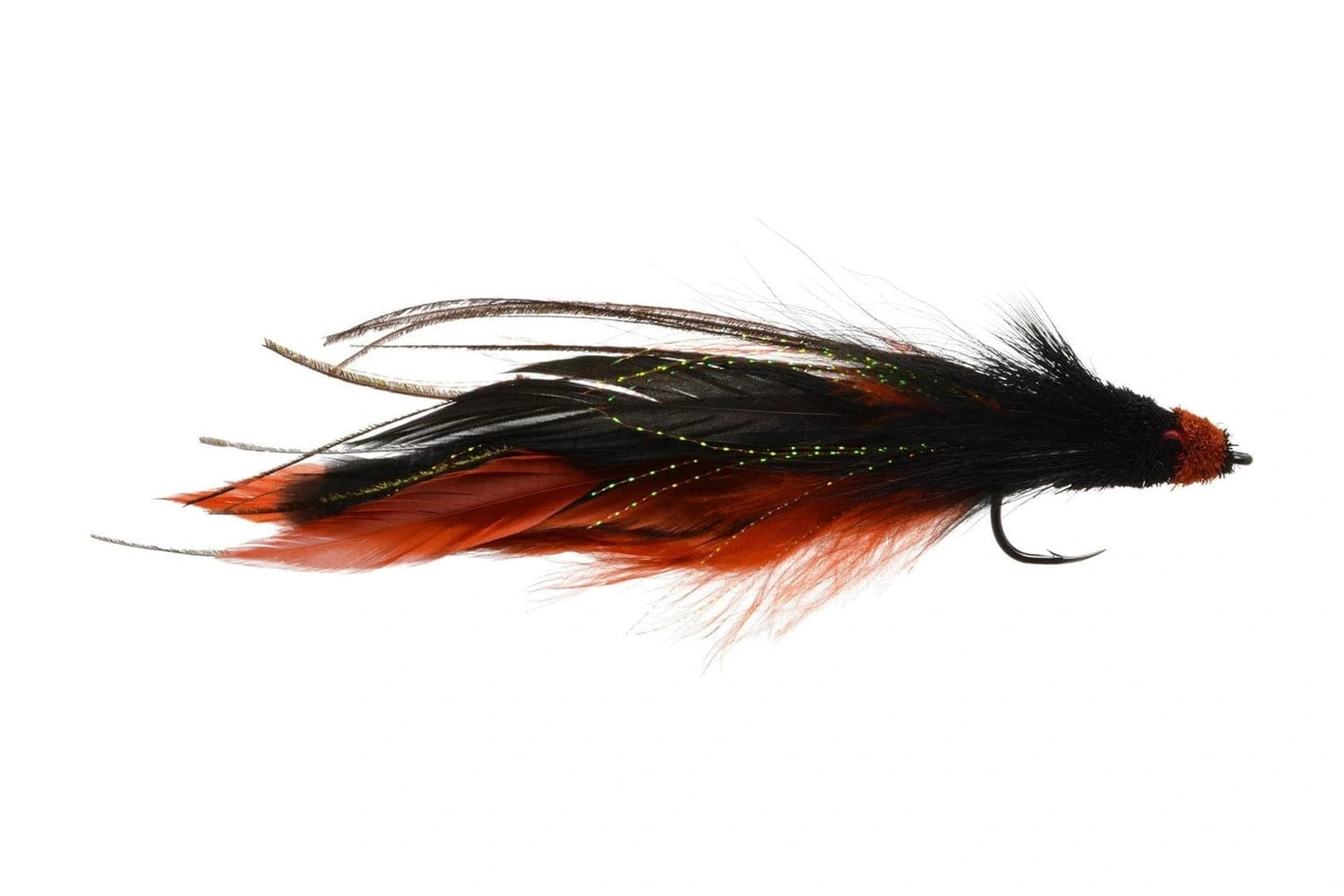
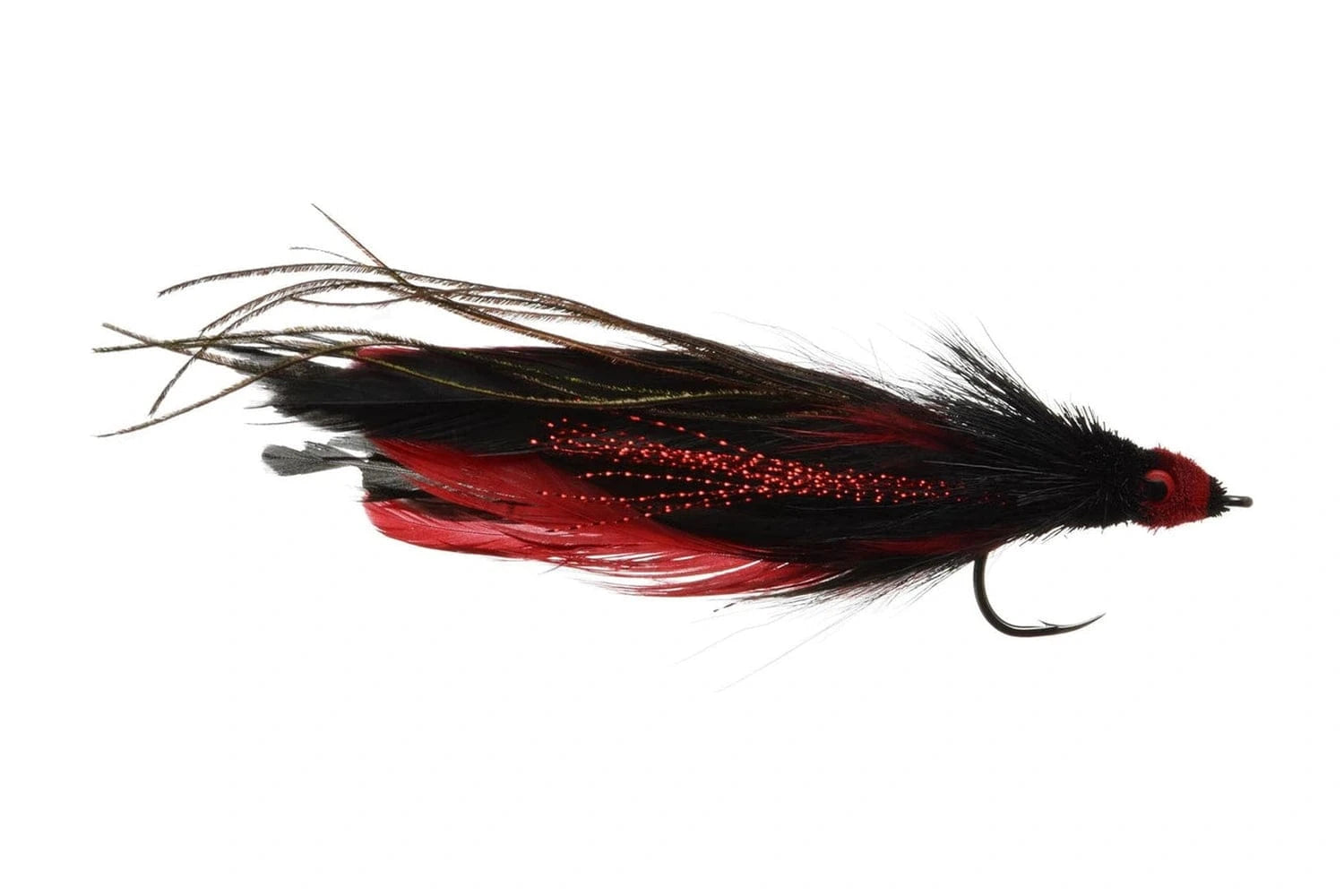
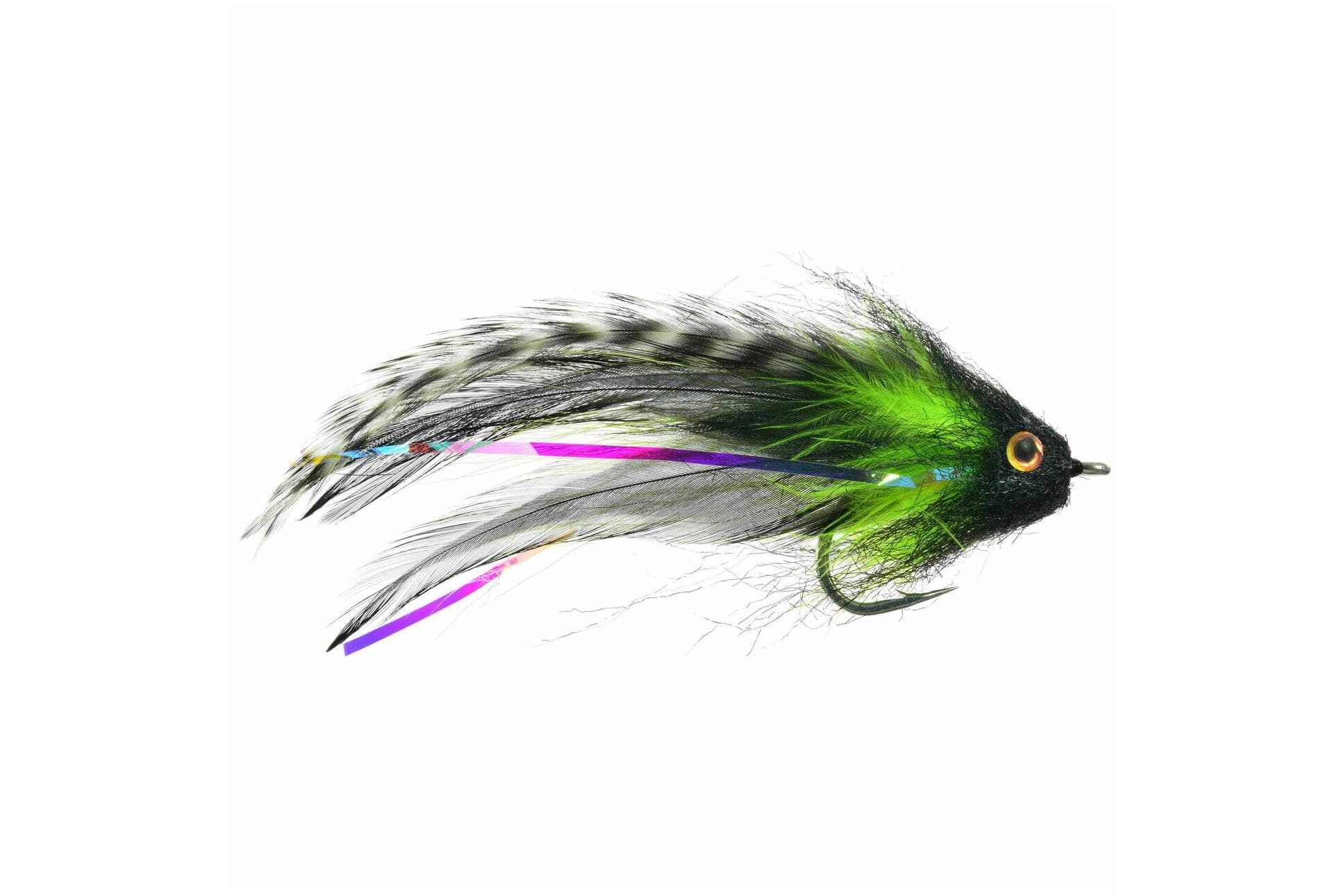
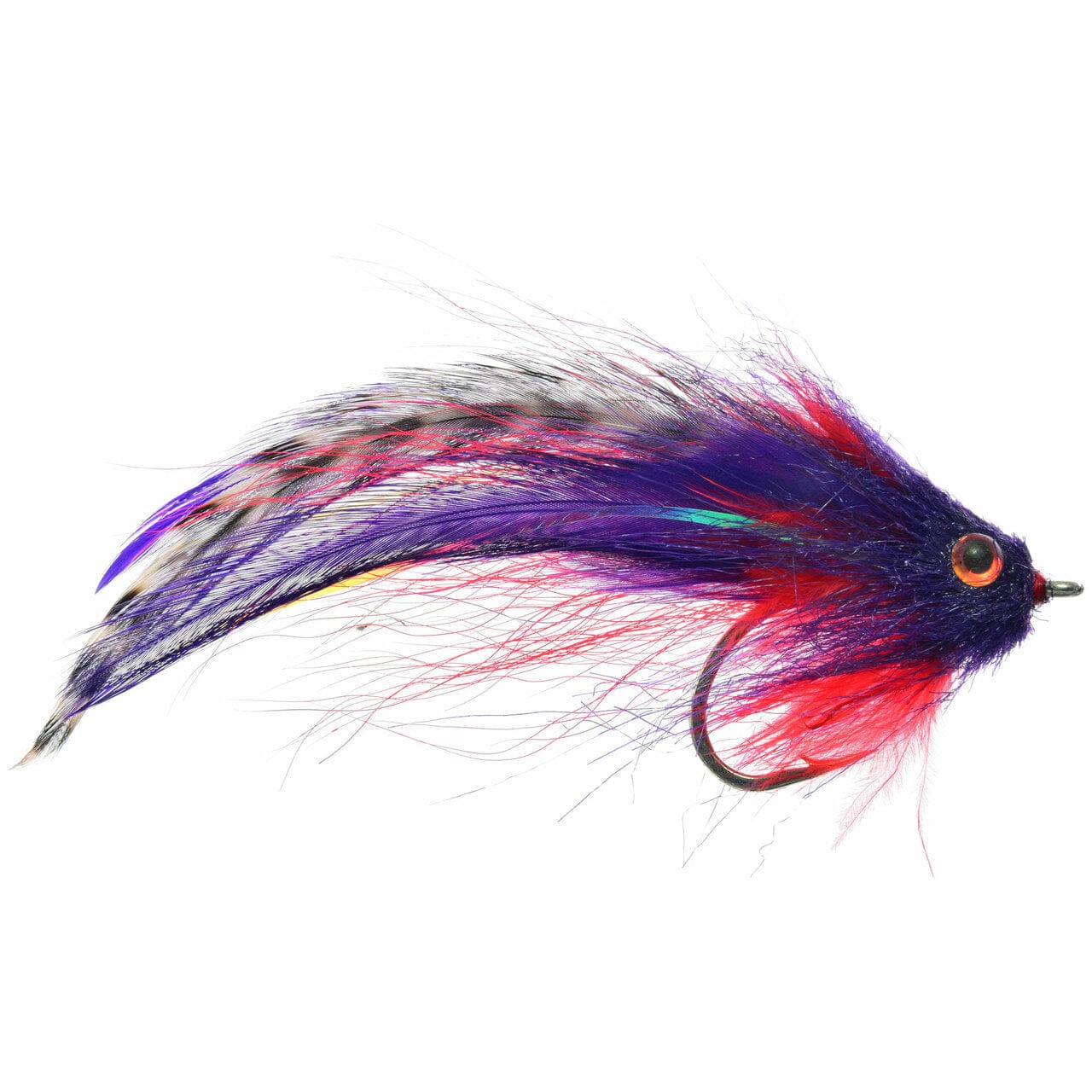
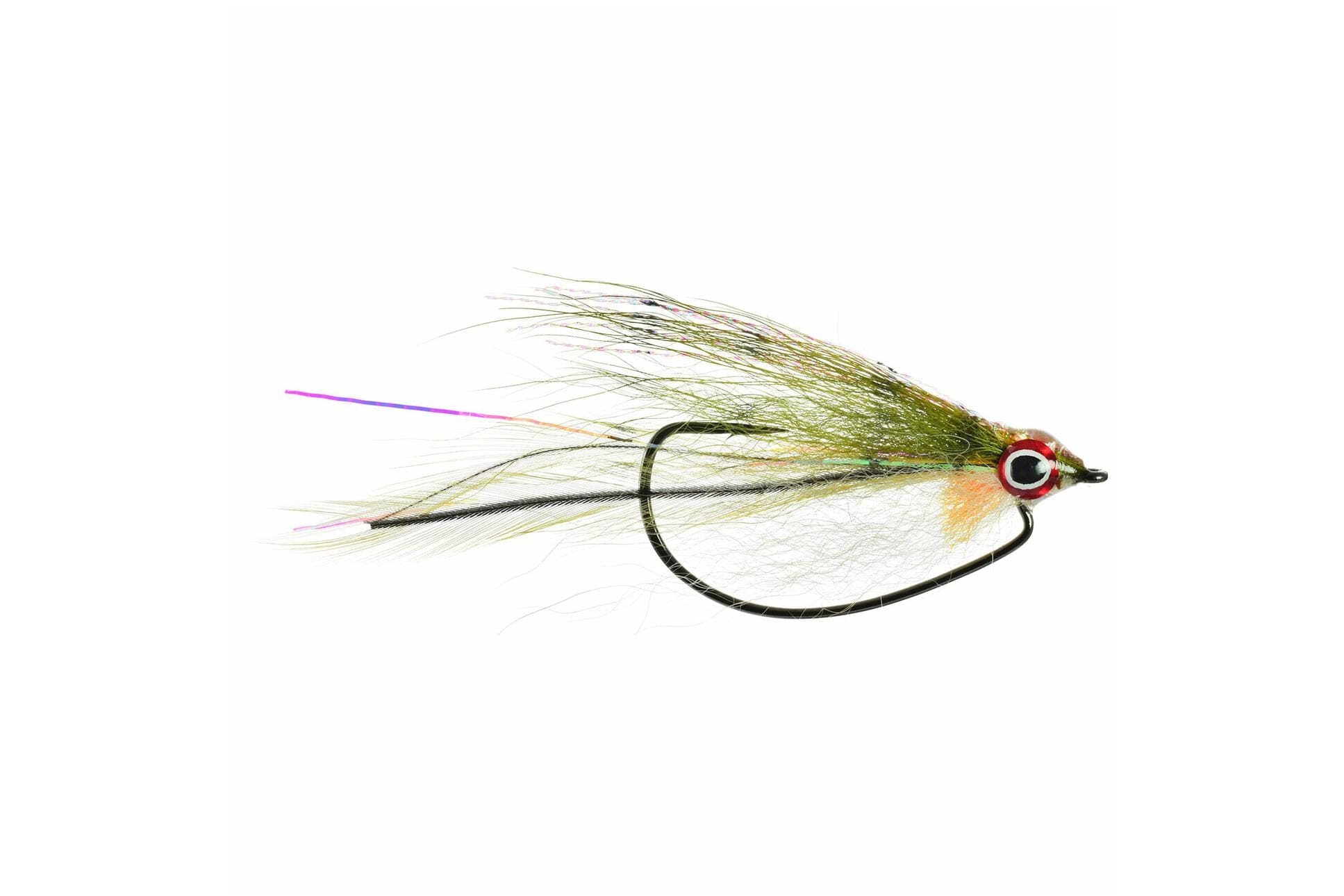


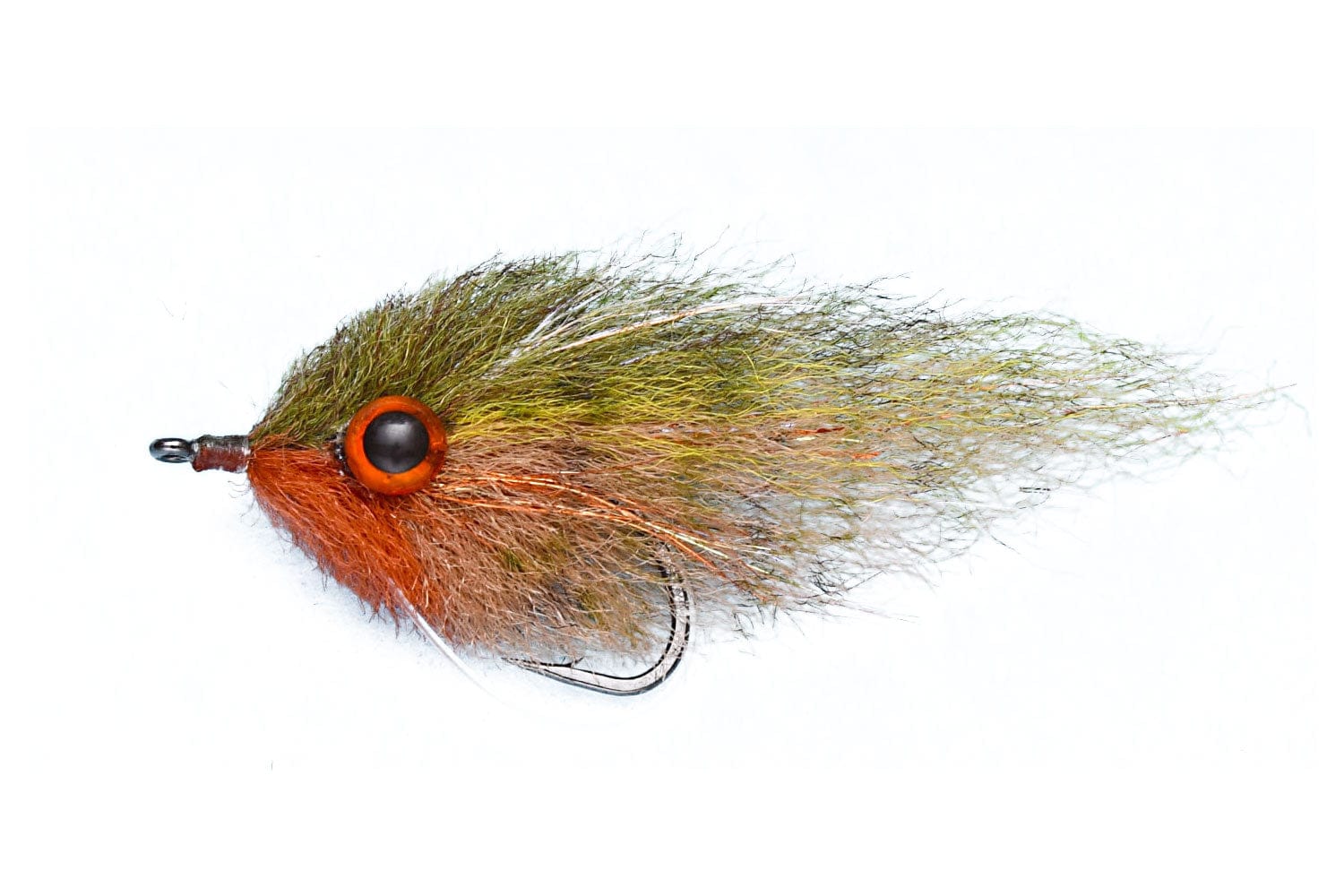
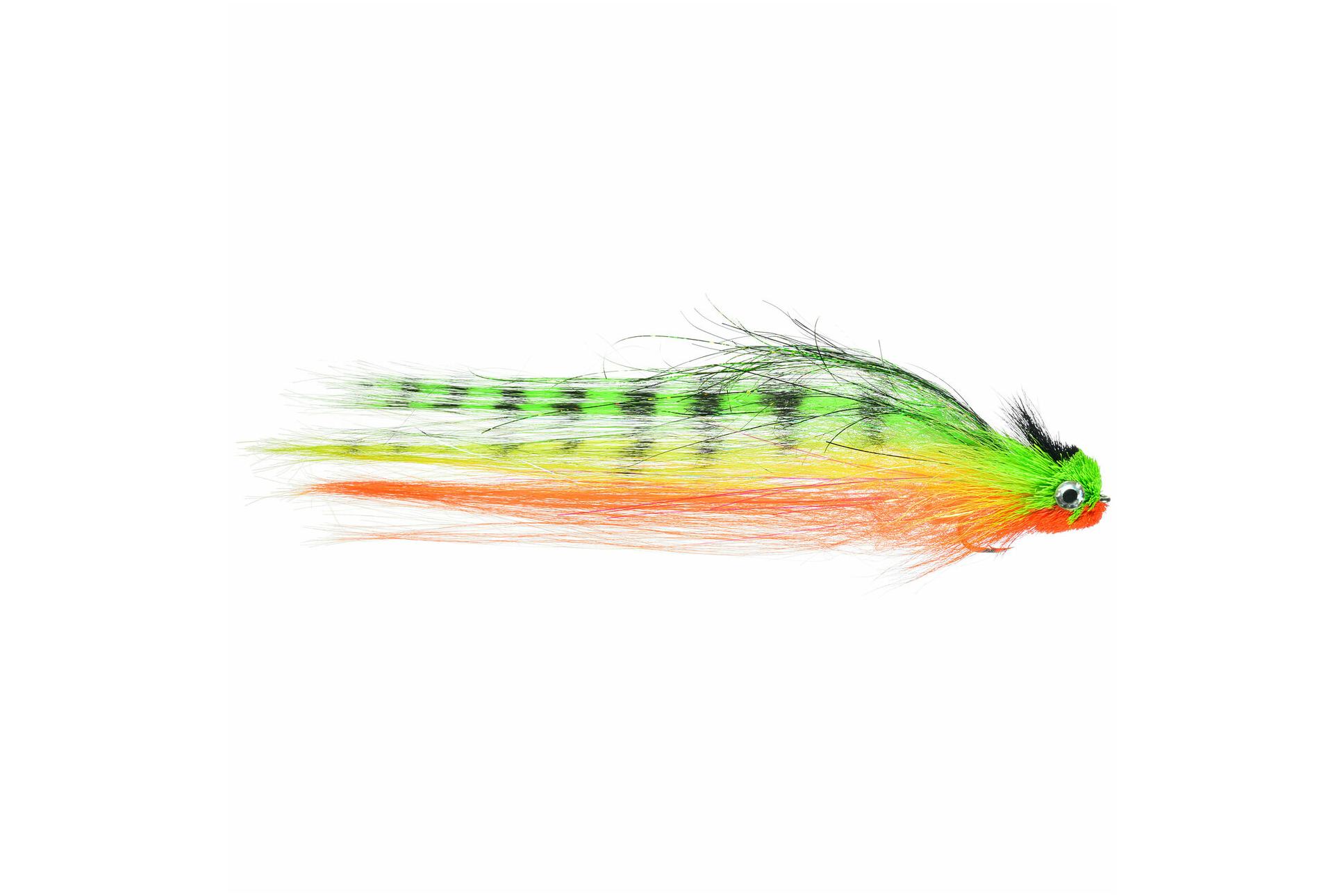
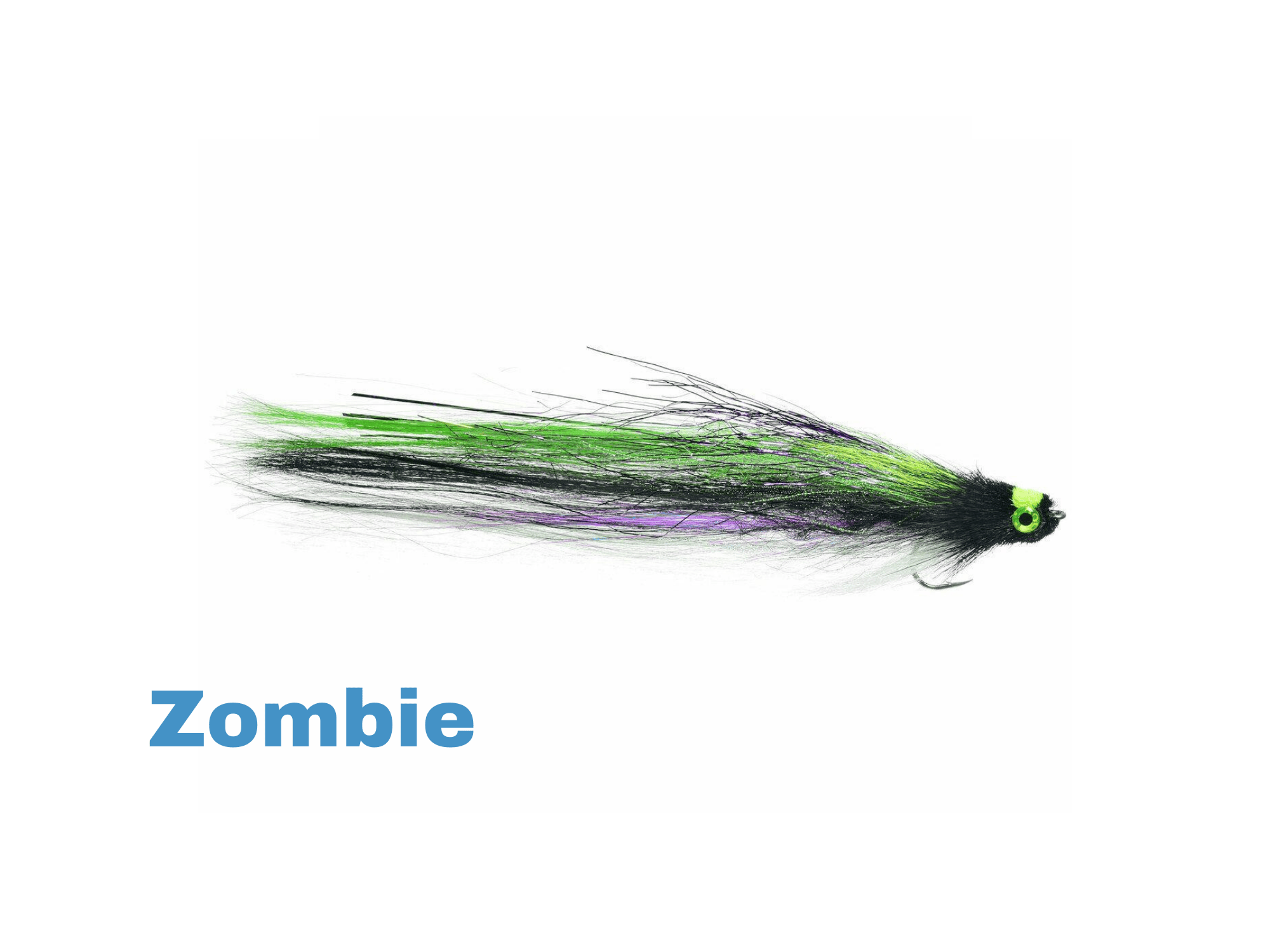
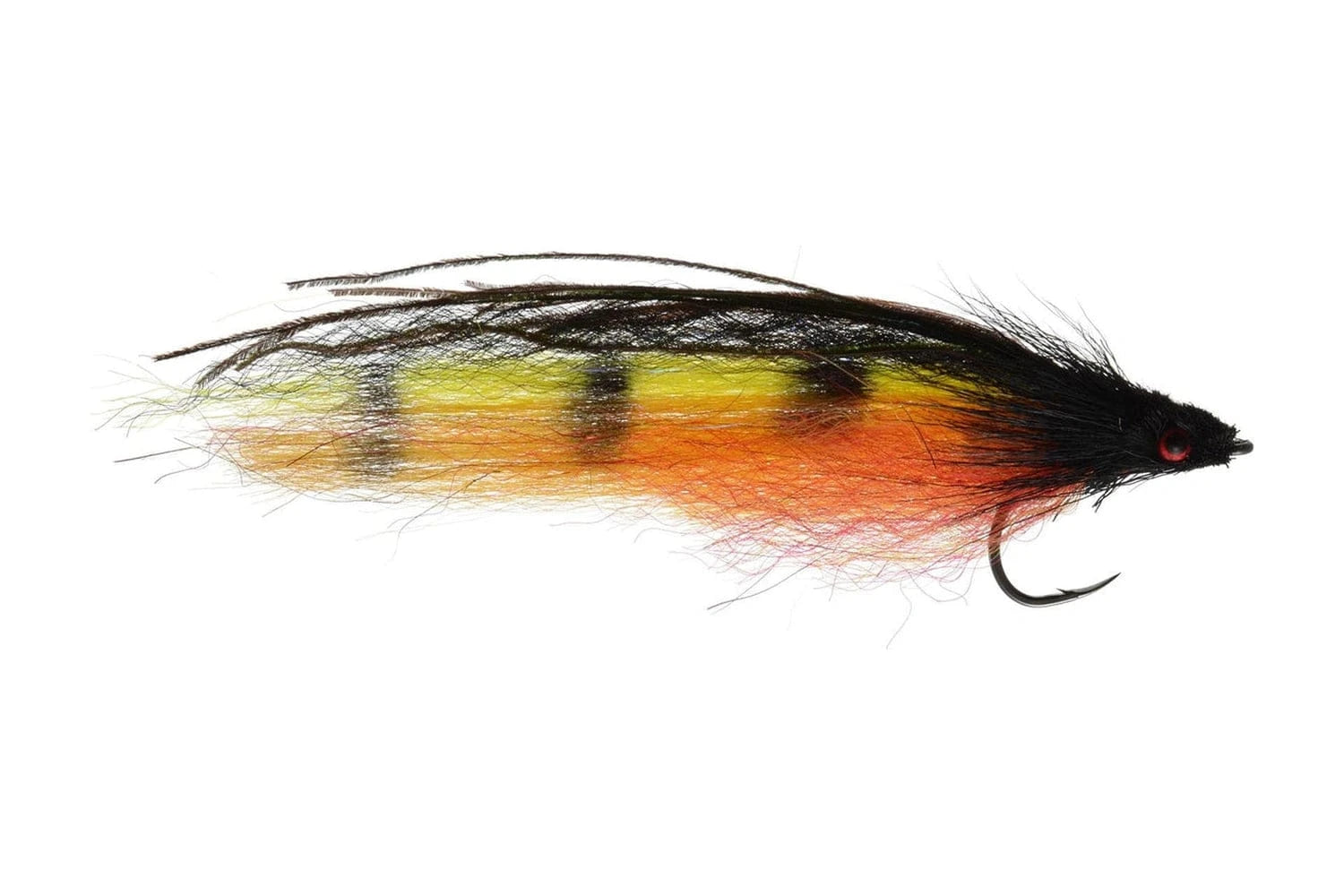
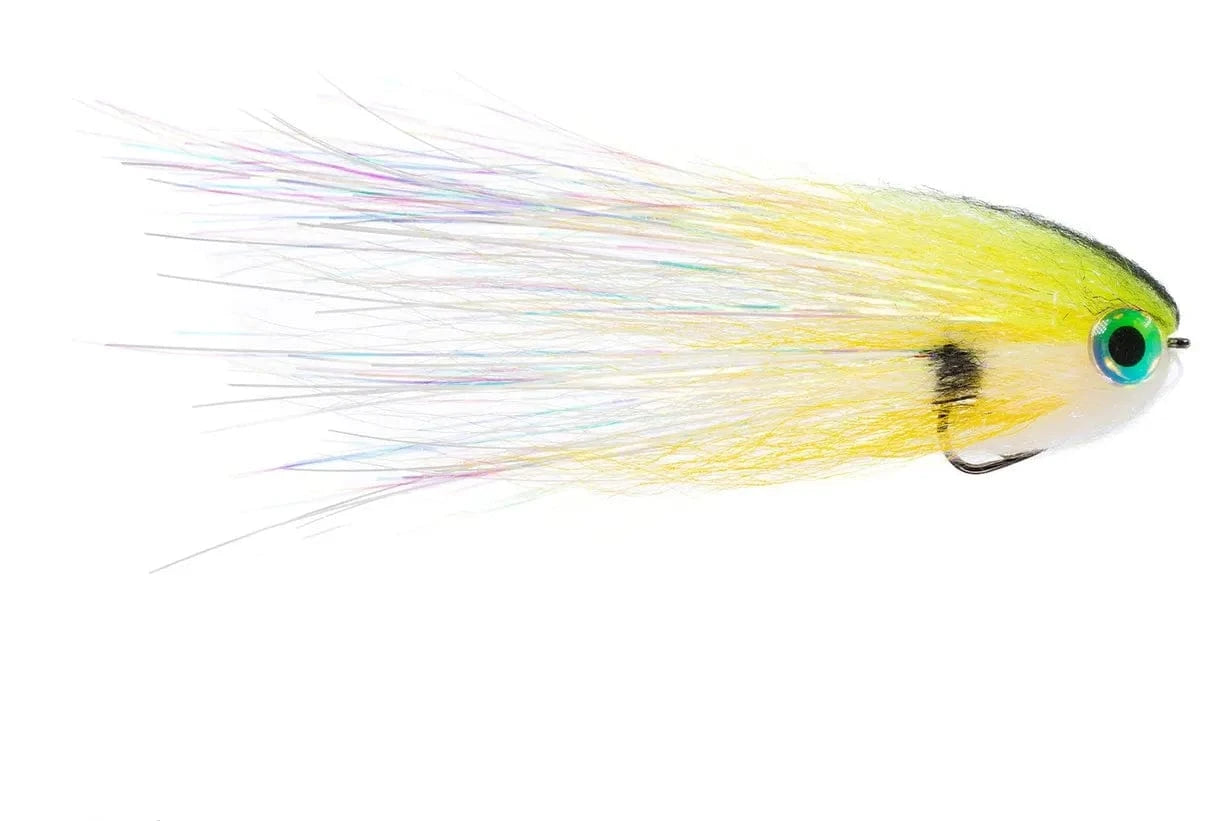
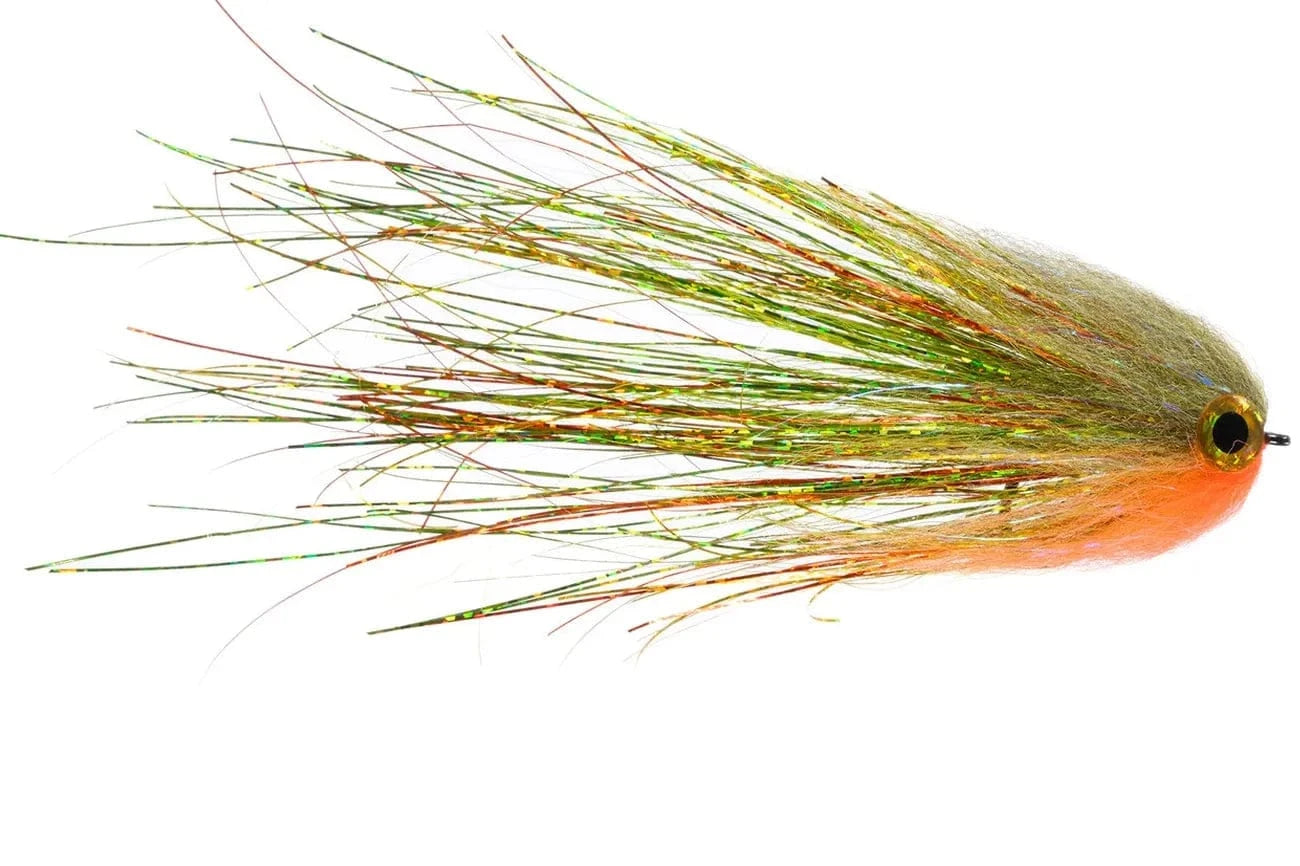
Peacock Bass Flies Quick Picks
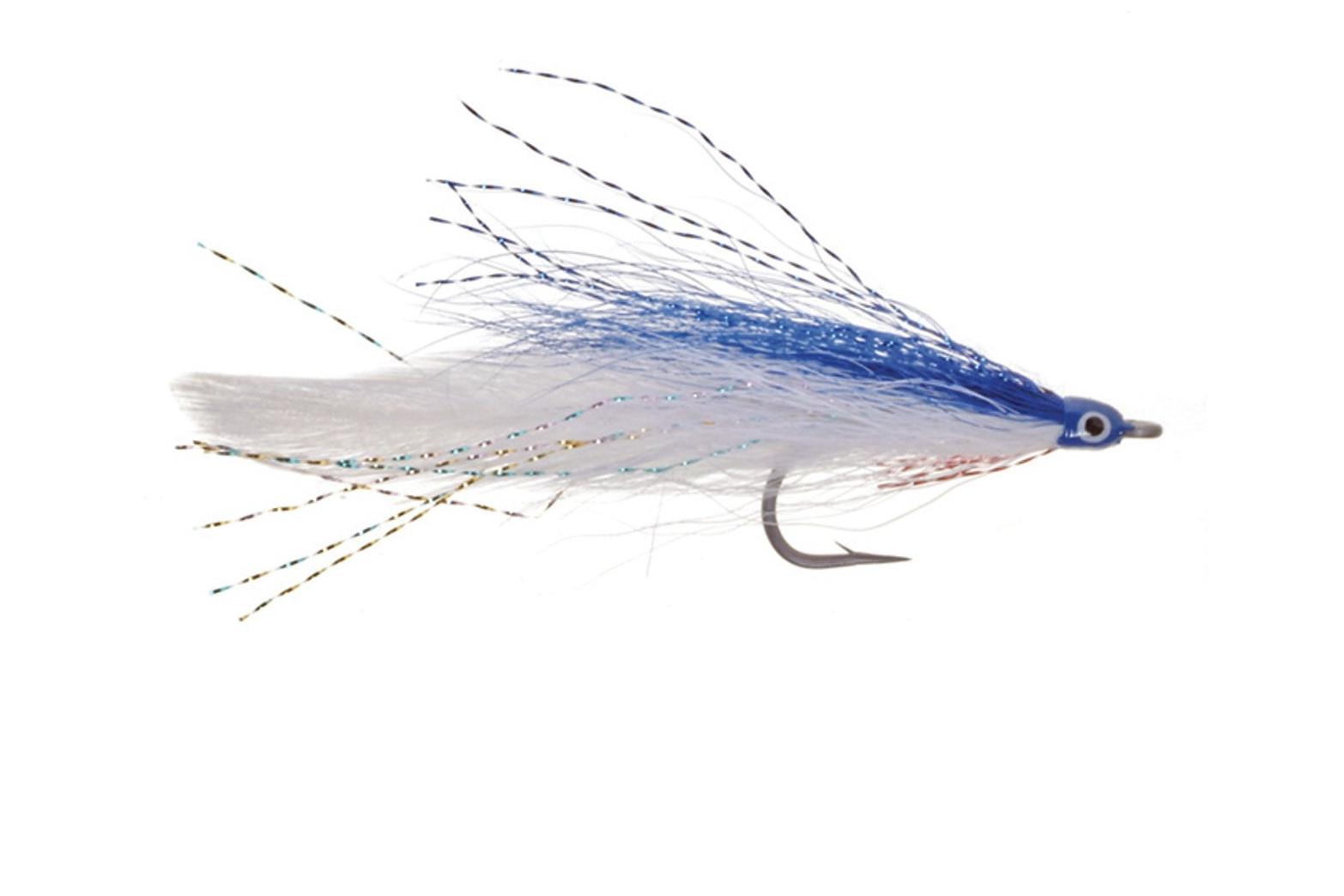
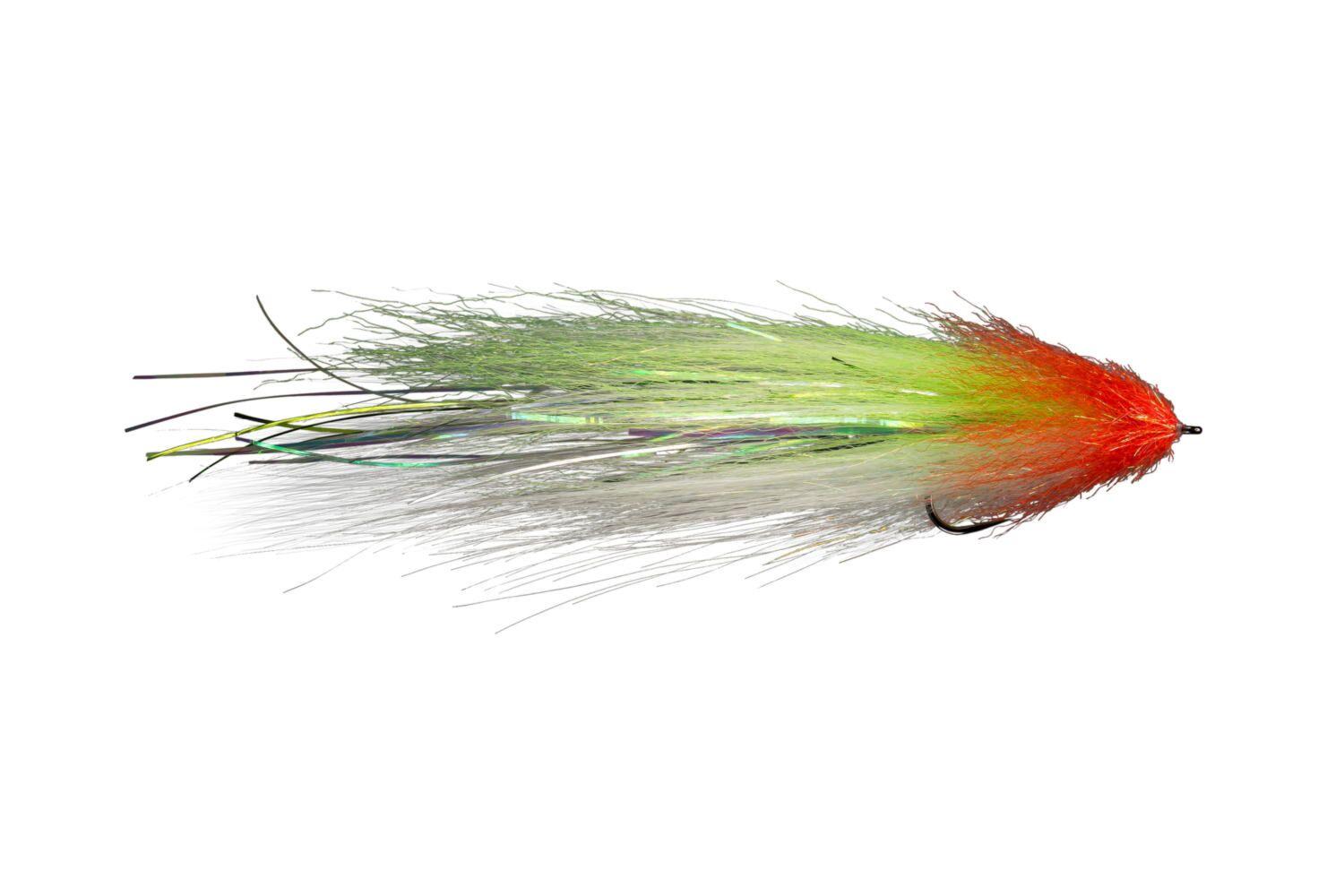
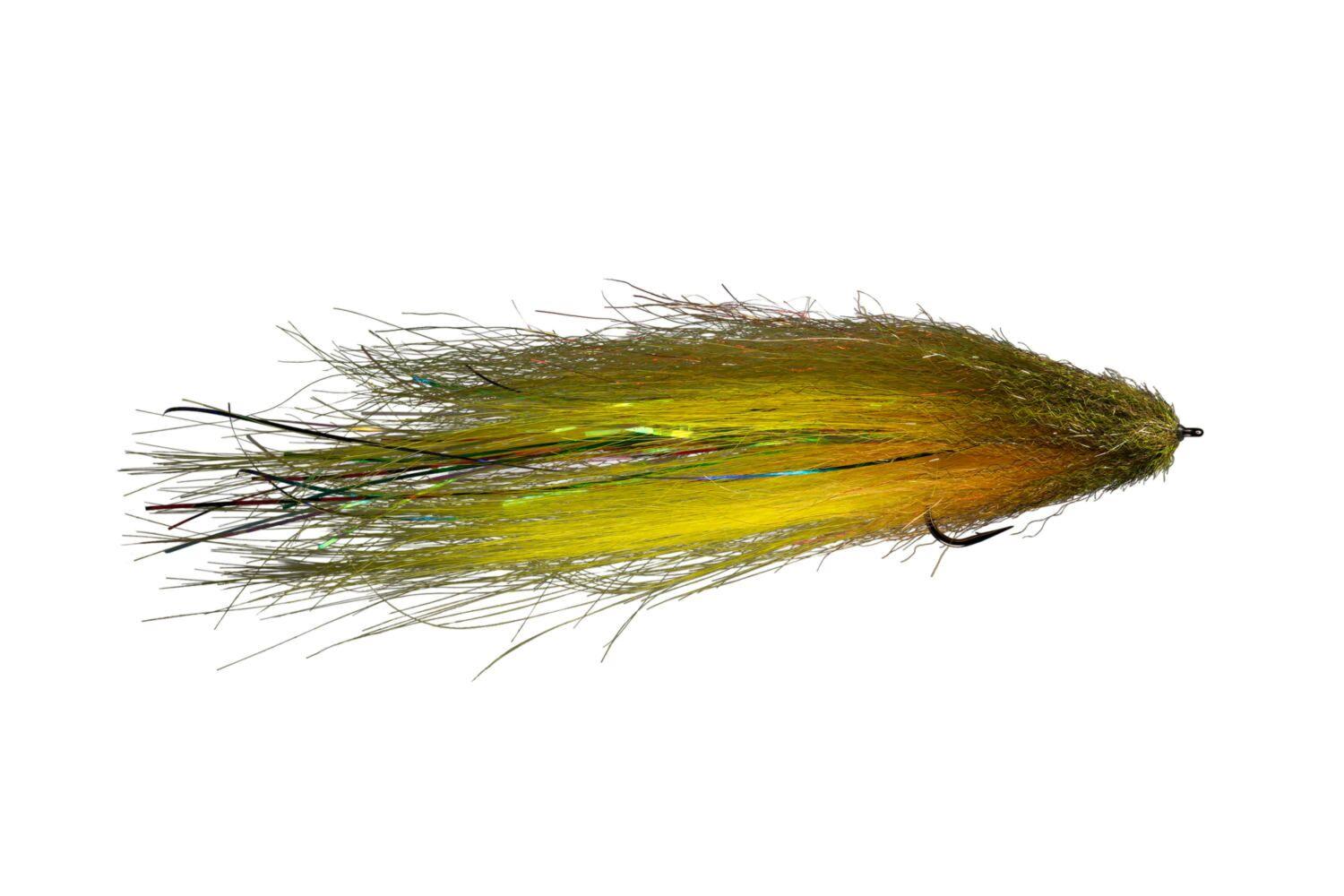
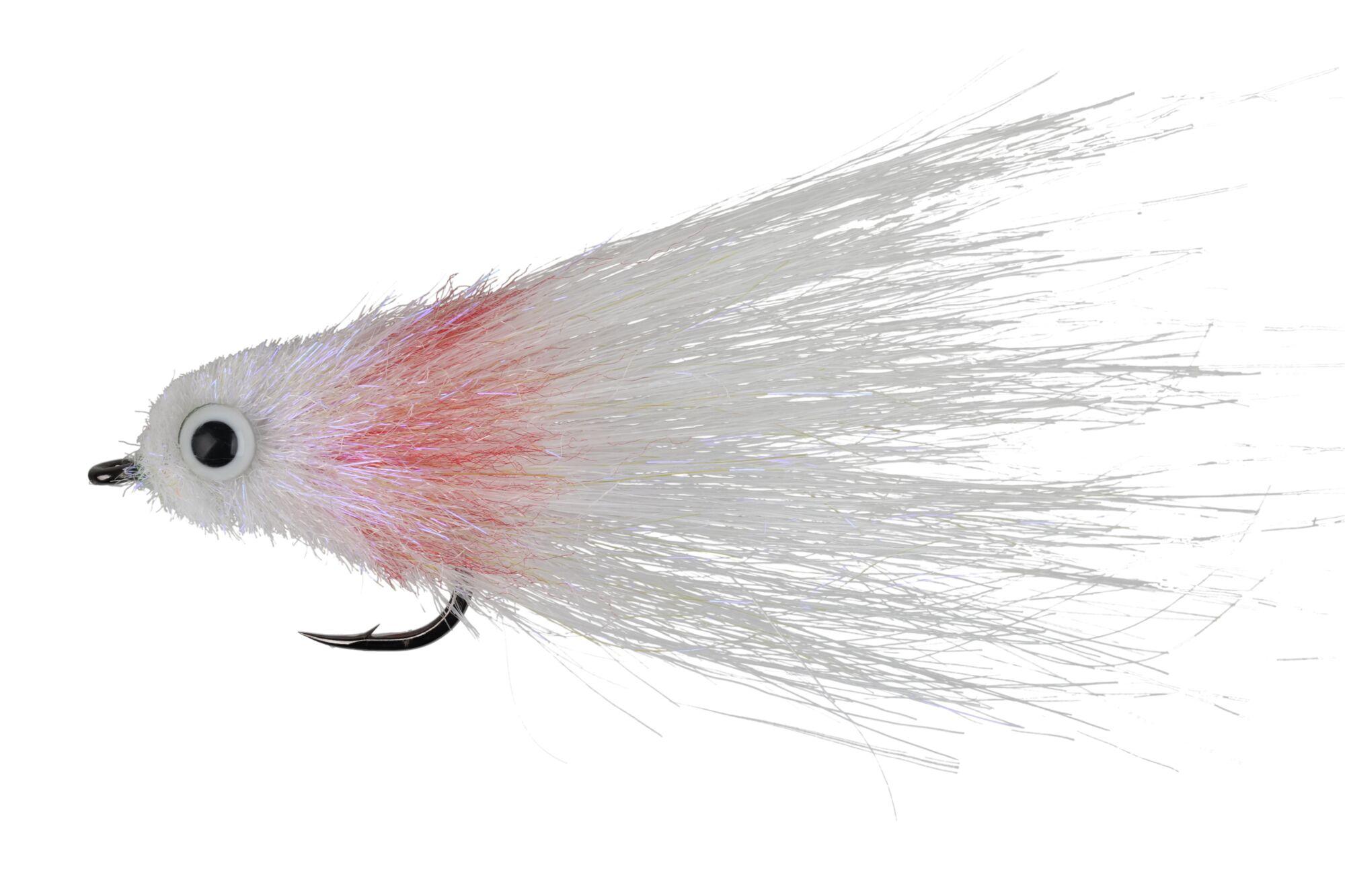
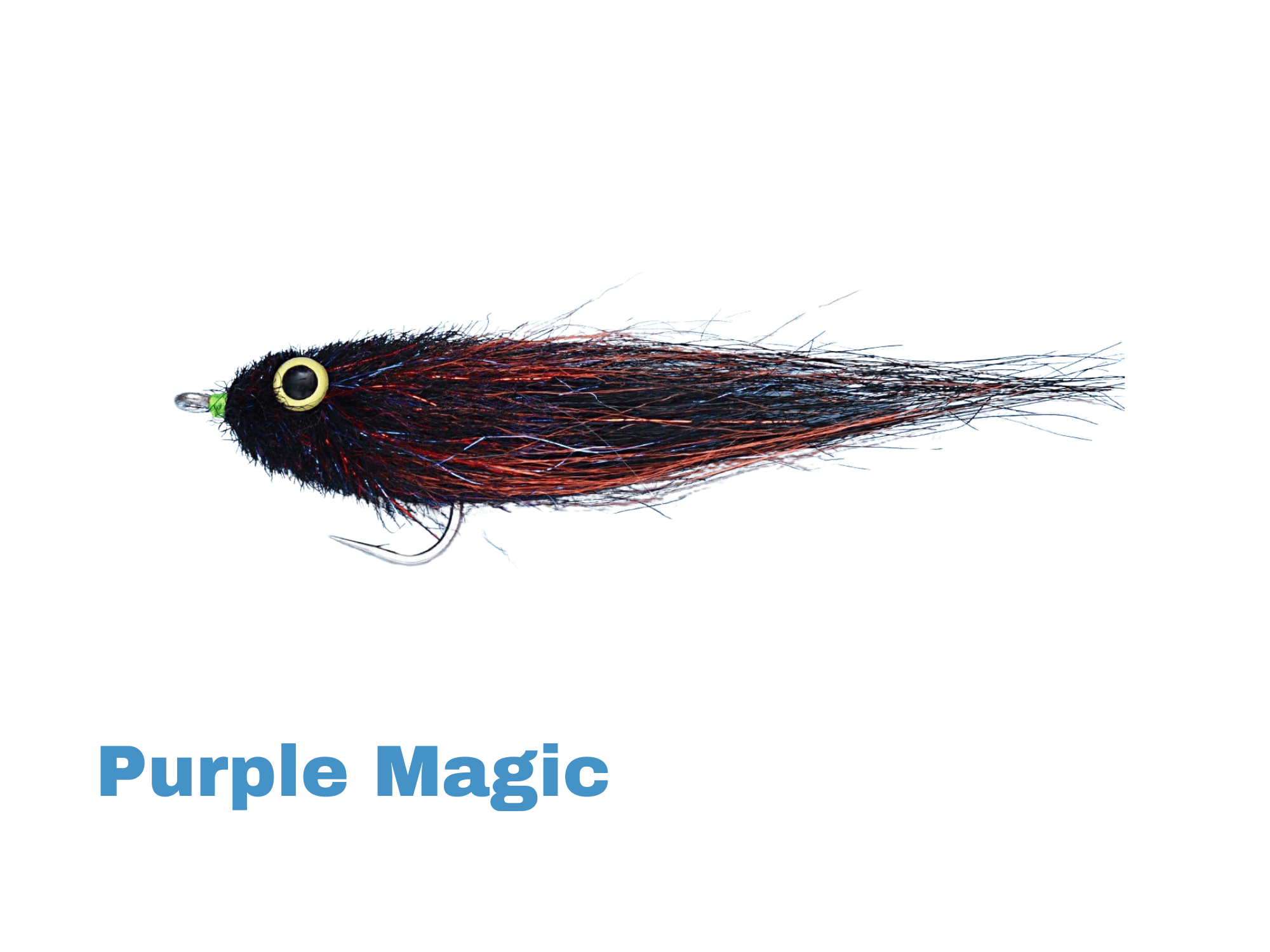
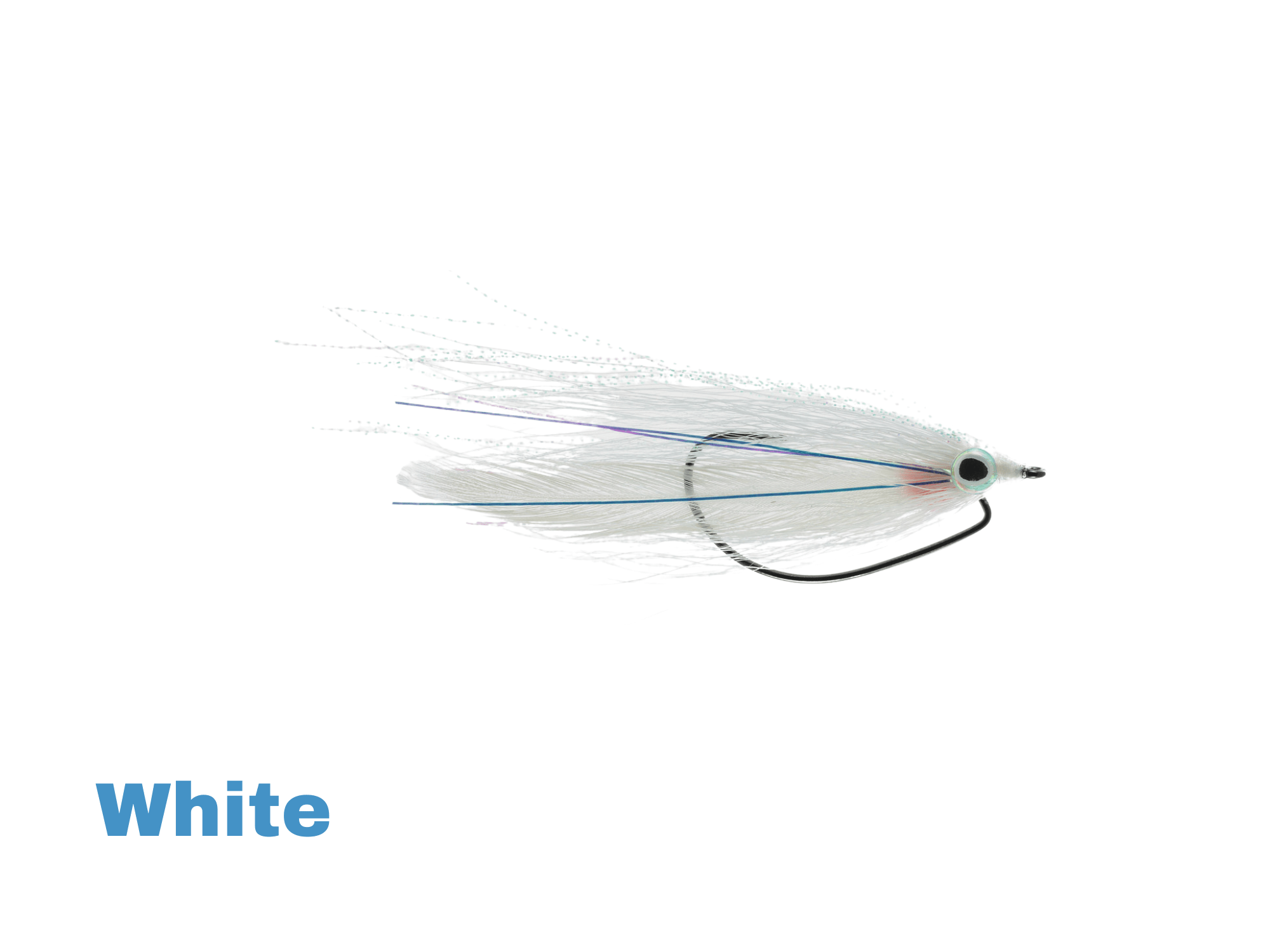
- Best All-Around: Deceiver Fly - Great when you need a classic baitfish profile that works in a wide range of water types and retrieves. Multiple sizes and colorways make it easy to match local forage and dial in sink rate with your leader and line.
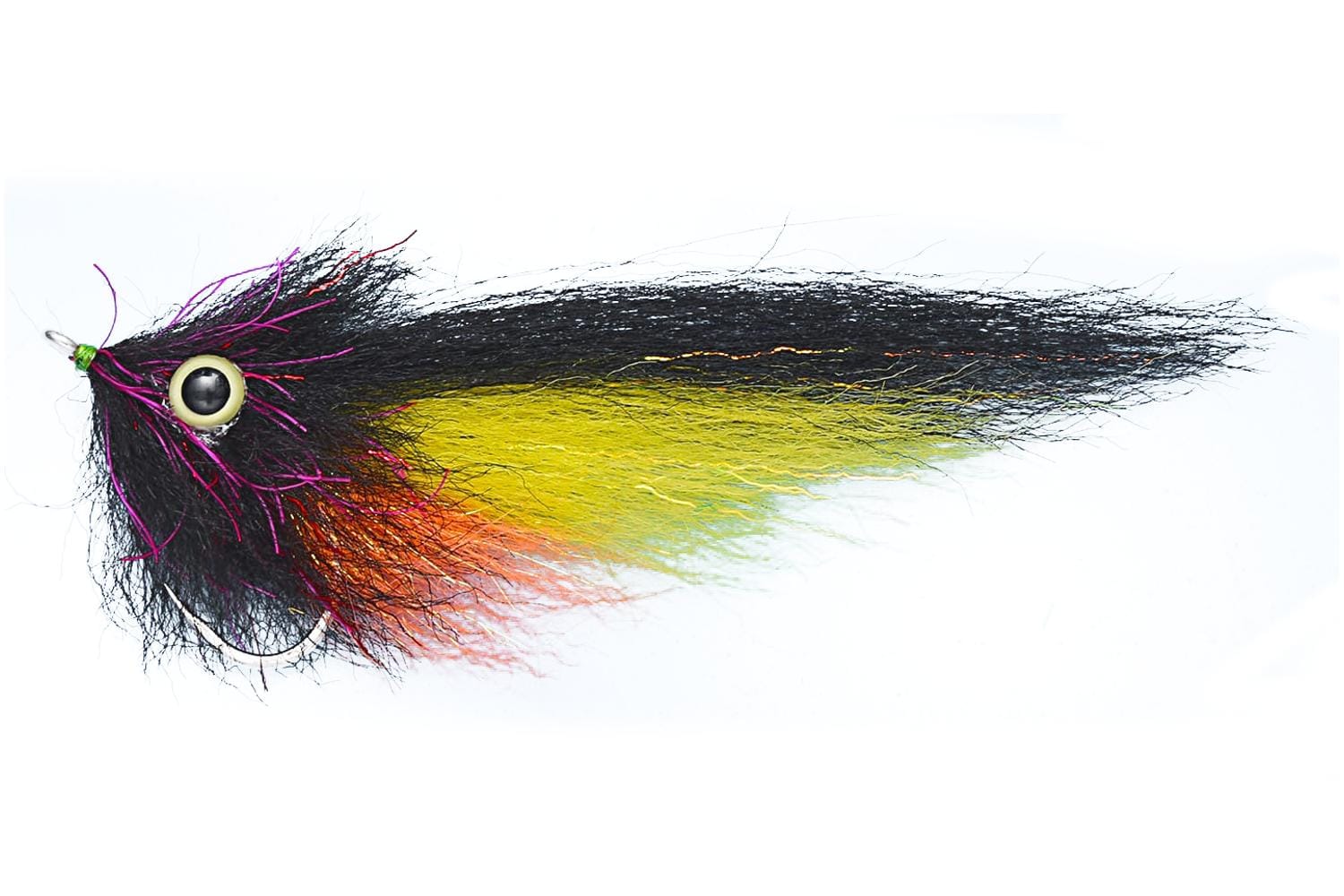
- Best for Big Meals: Big Fish Deceiver Fly - A strong choice when you’re hunting bigger fish or fishing places where peacocks want a larger silhouette. The upsized profile, flash accents, and big-fish hardware are made for aggressive eats and hard fights.
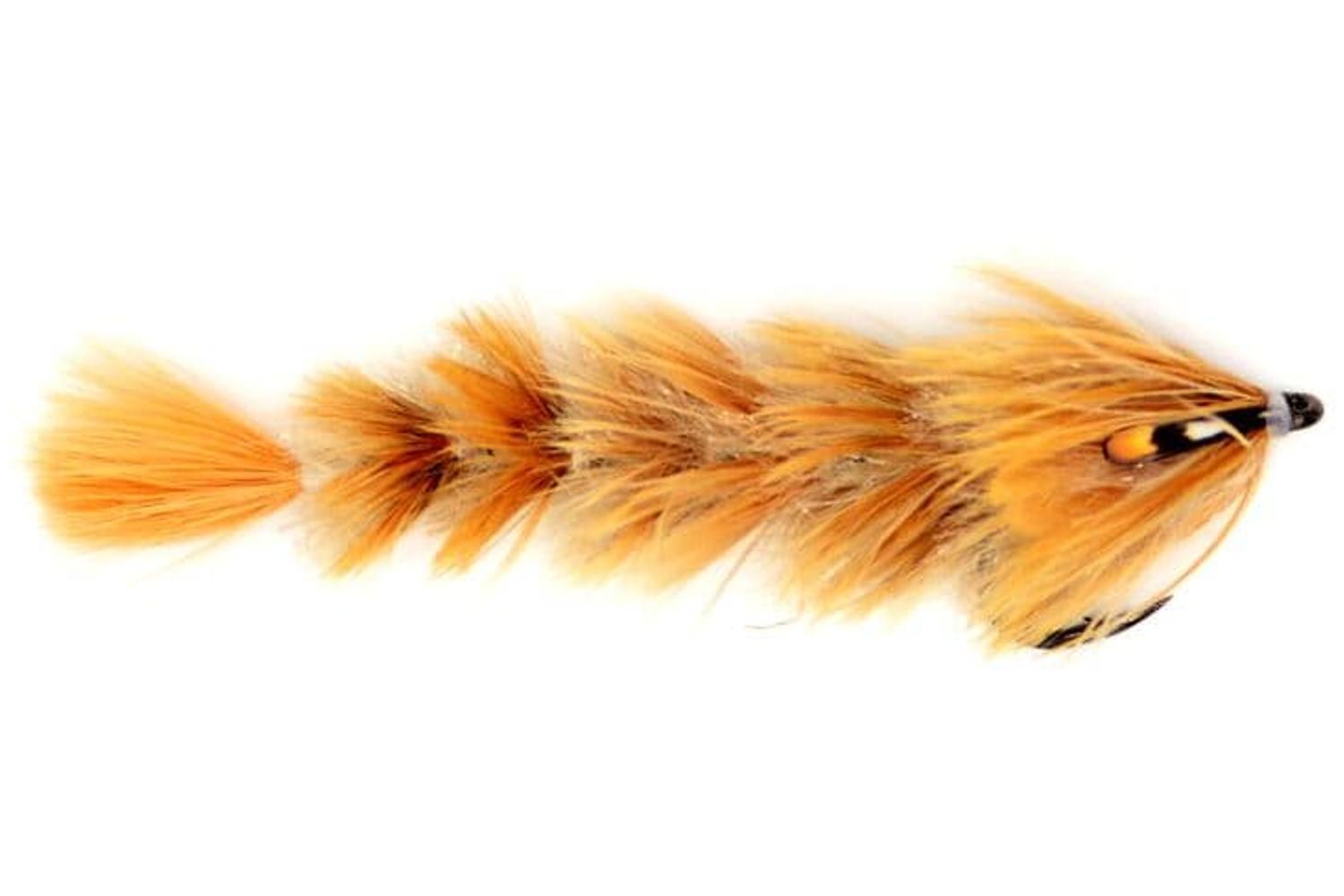
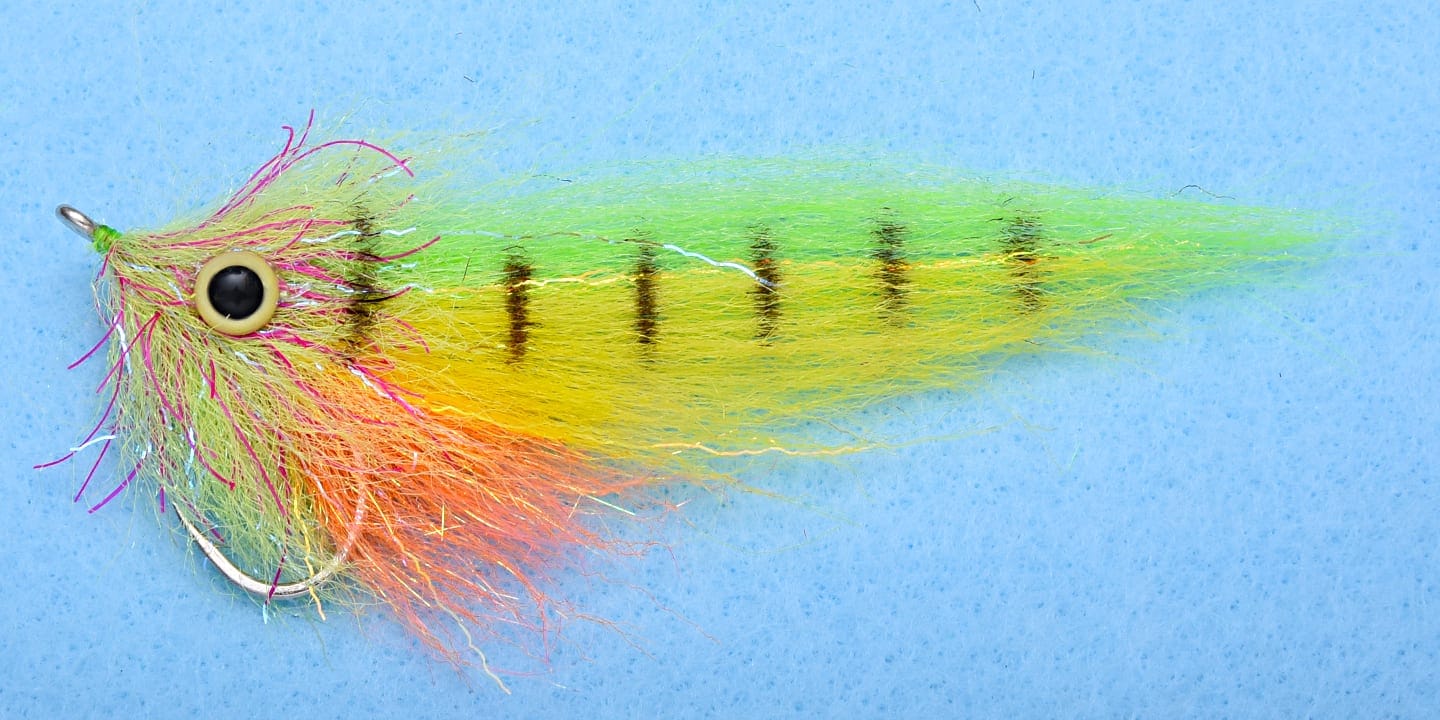
- Best Premium: Chocklett's Feather Changer Fly - Built for anglers who want a modern, high-movement baitfish that keeps swimming on the pause and during direction changes. It’s available in multiple hook configurations, helping you match the fly to your typical cover and fish size.
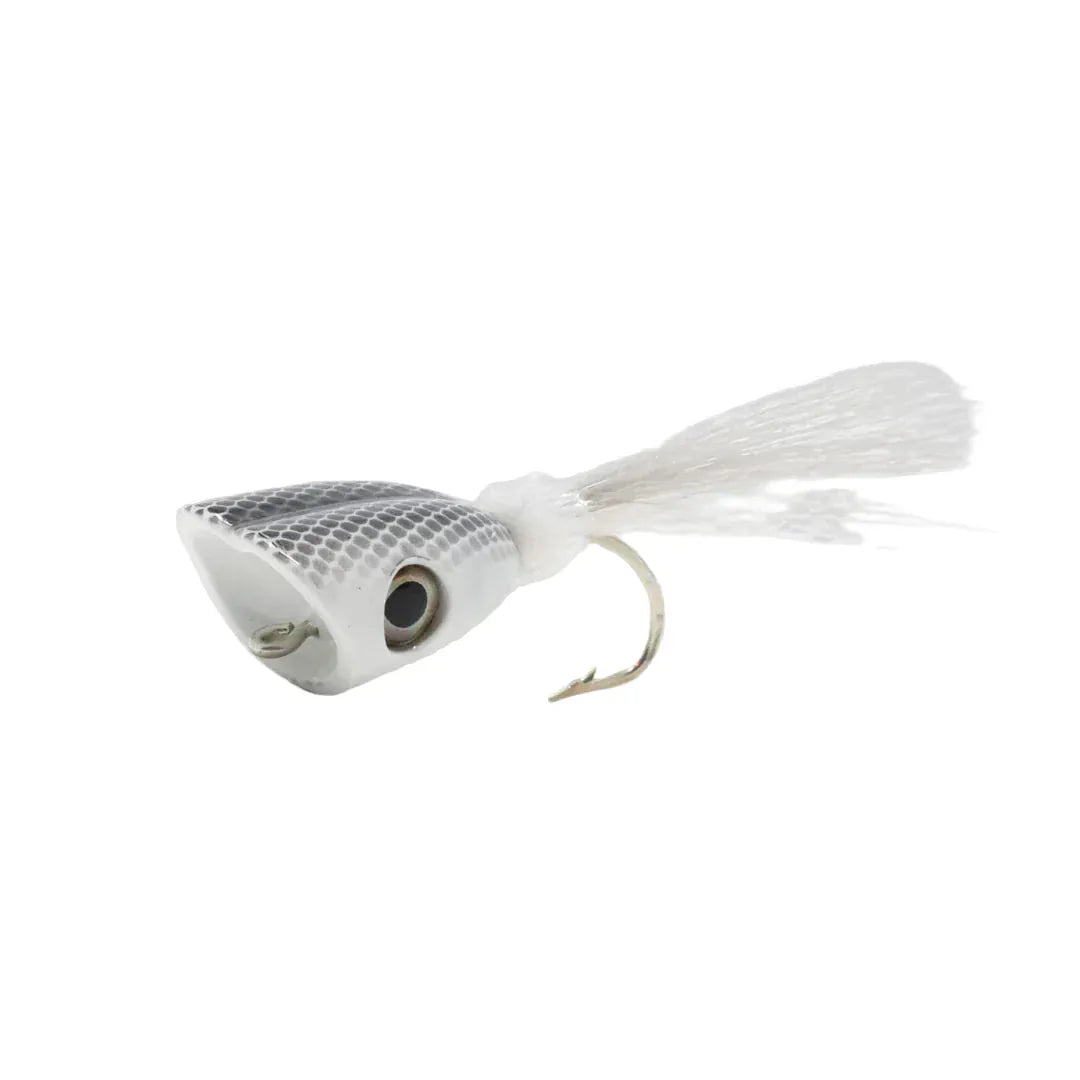
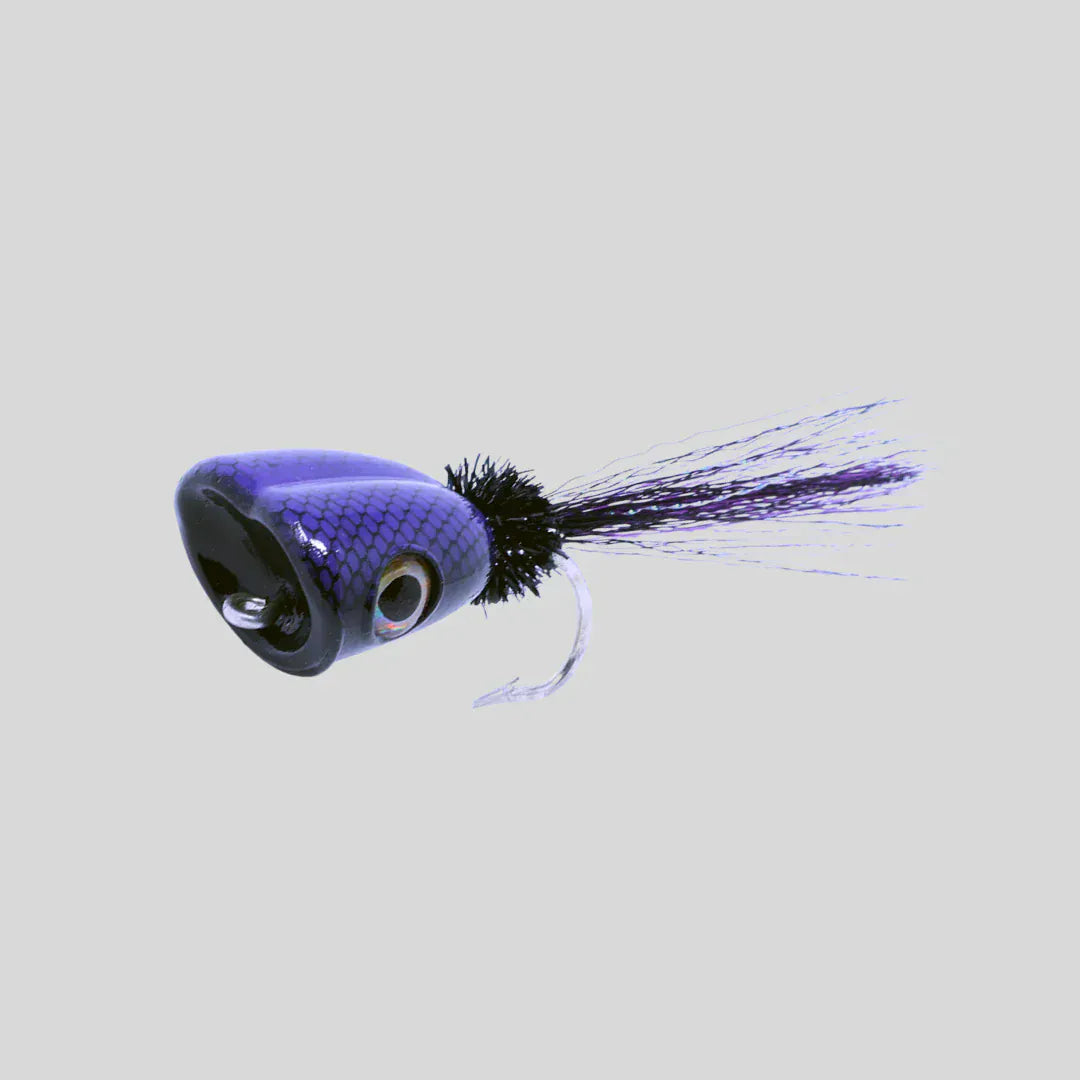
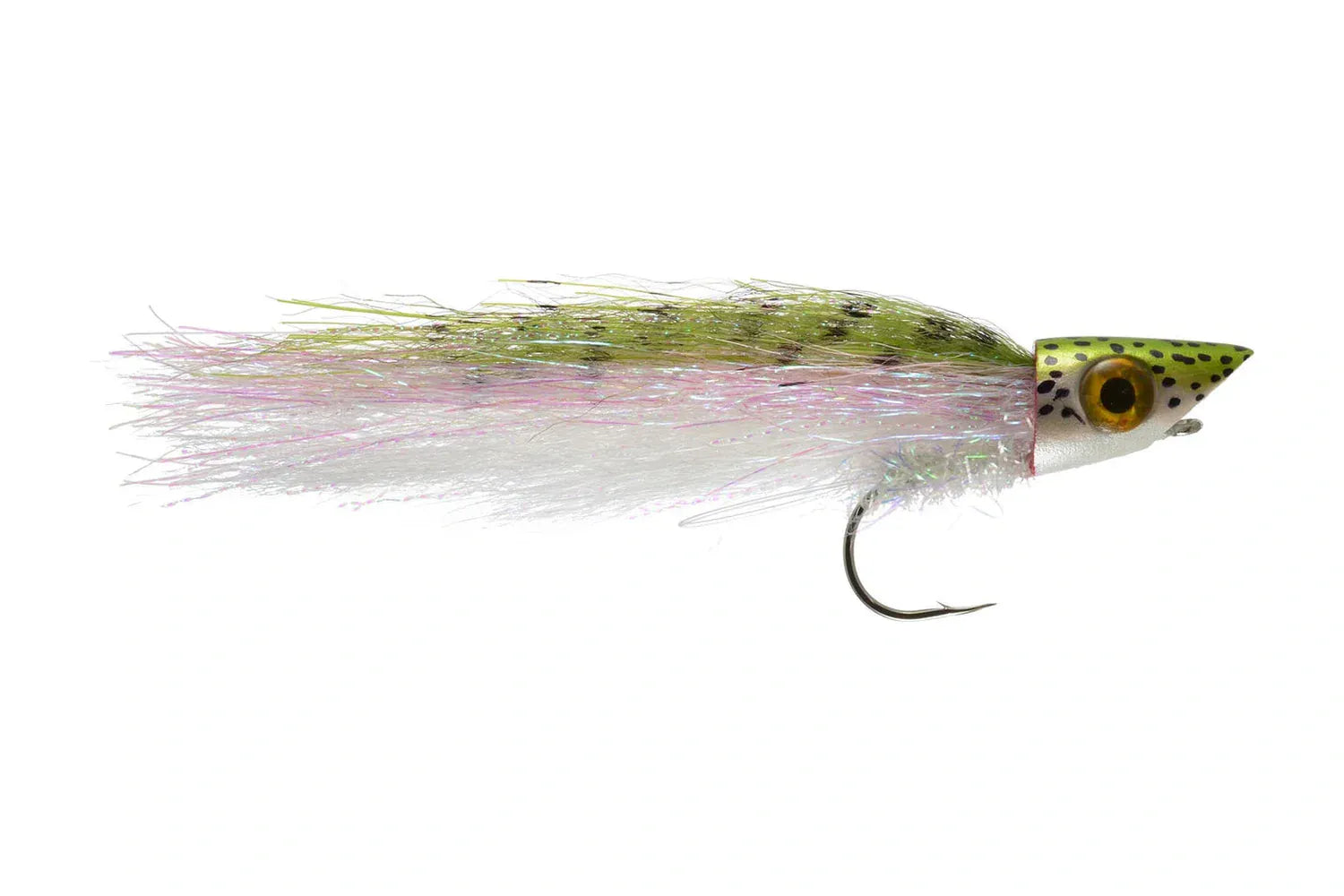
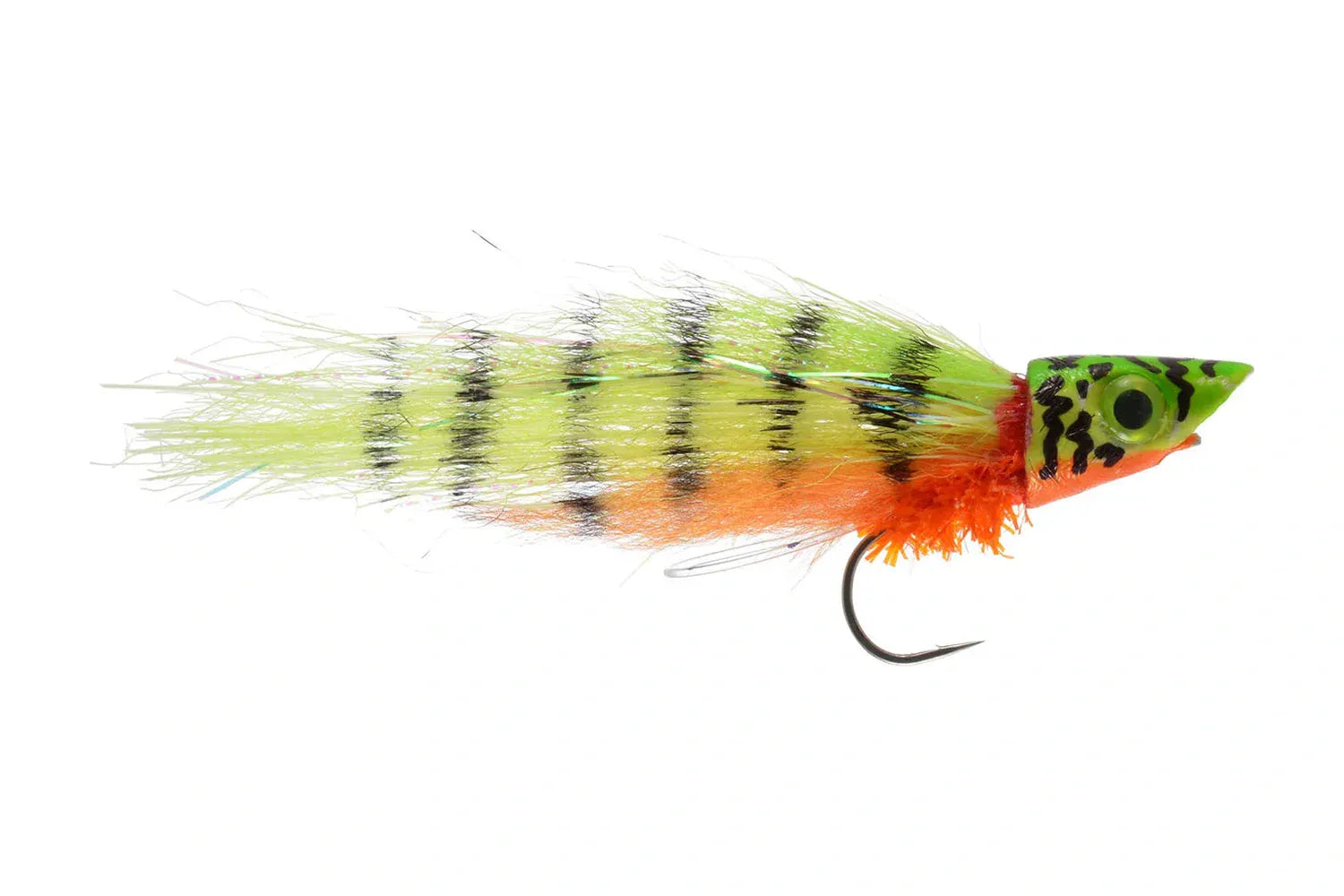
- Best Topwater: CF Gurgler Fly - Ideal when peacocks are hunting shallow and you want loud surface commotion without the bulk of a giant popper. The foam-backed gurgler style is easy to cast for its size and excels with short strips and pauses.
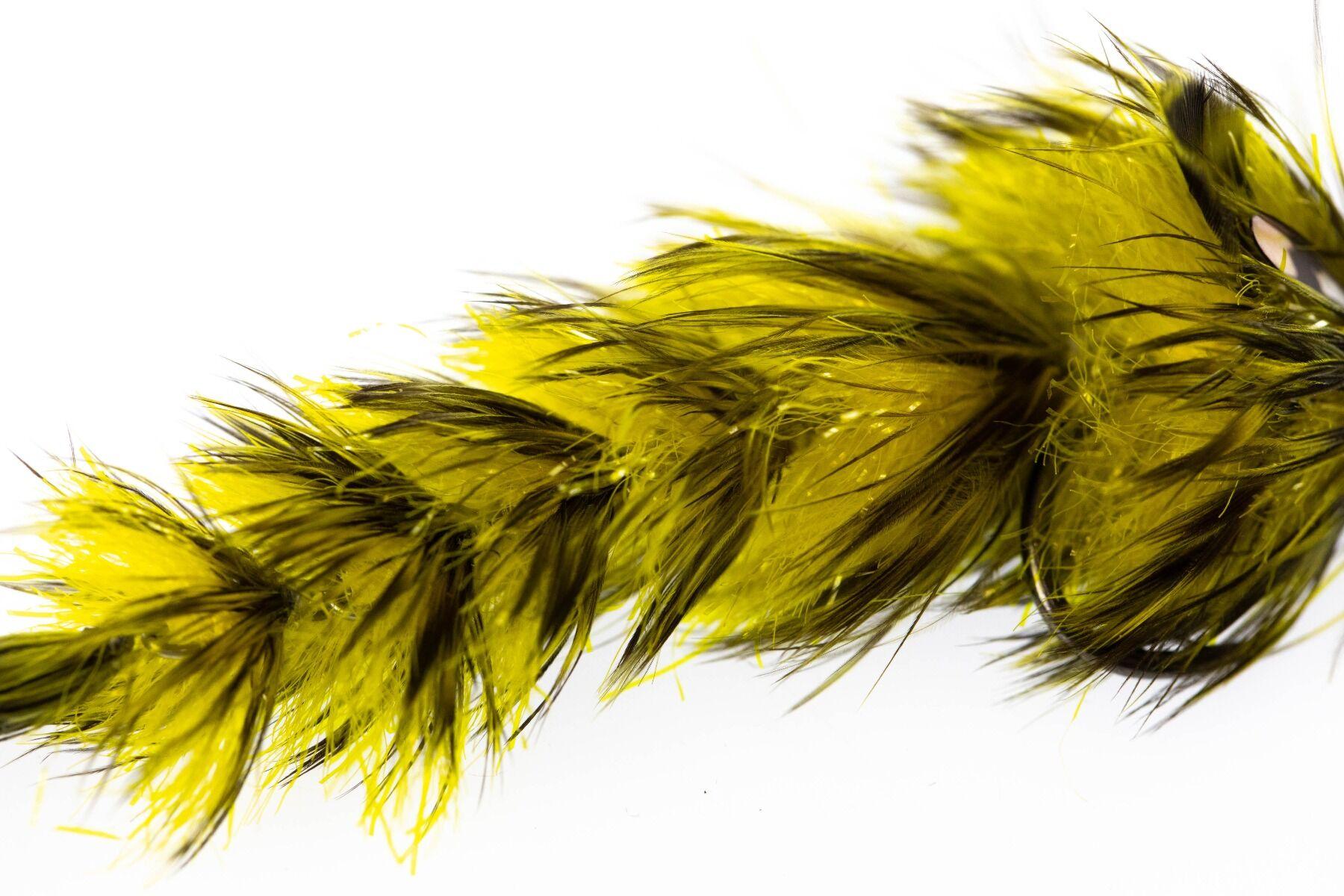
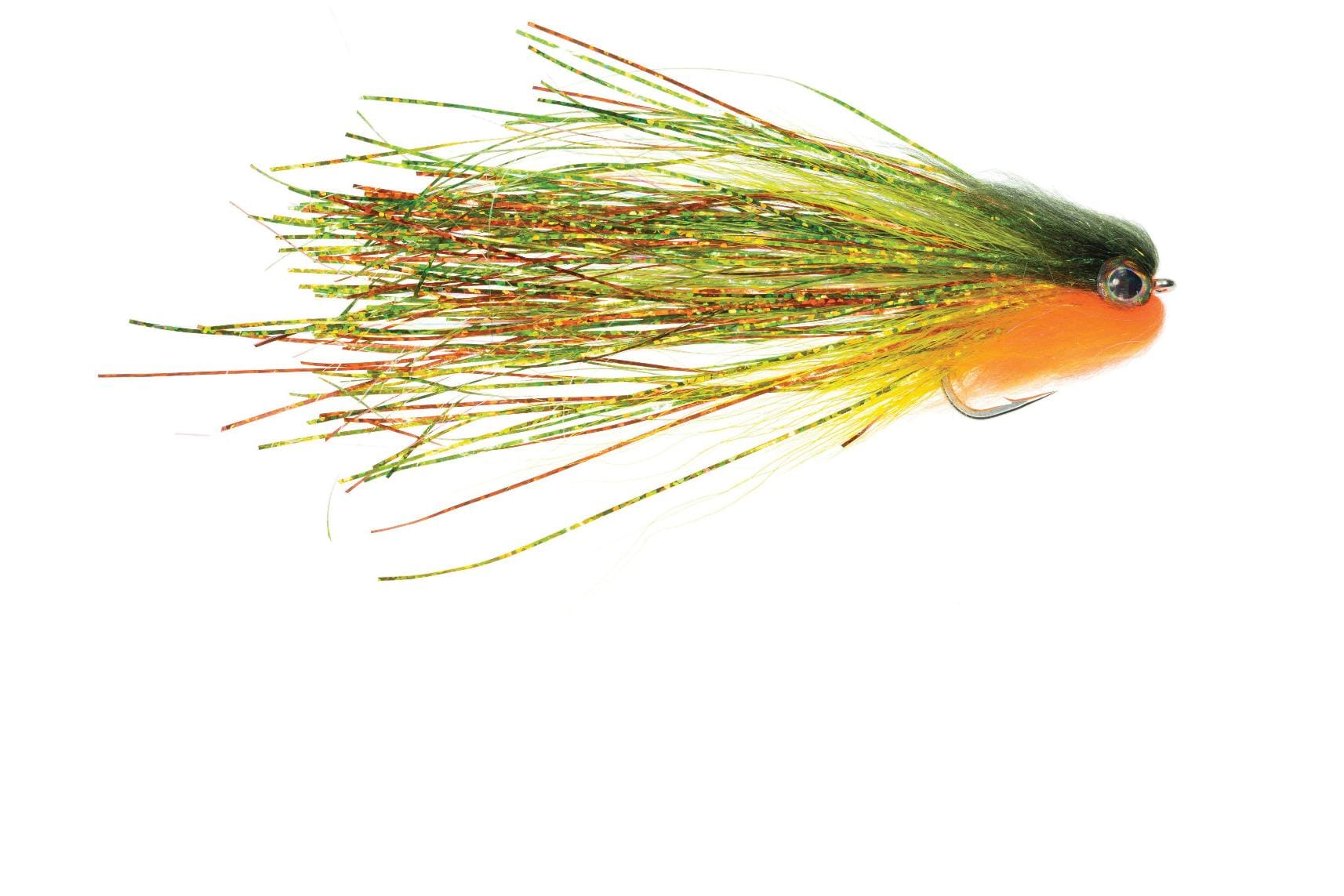
- Best for Getting Down: Crystal Bugger Jig Fly - A go-to when fish slide deeper, tuck tight to cover, or you need a fly that sinks efficiently. The jig hook helps ride point-up and can be a practical choice around wood, rock, and other snaggy structure.
How to Choose Peacock Bass Flies
Choose the “lane”: topwater vs. subsurface
Action: Start your day (or start a new spot) with a topwater fly when fish are shallow and aggressive, especially along shaded banks, laydowns, and current seams. If eats are short or fish won’t commit, switch to a subsurface baitfish pattern and keep the fly in their face longer.
Best for: Peacock Bass flies that either push water on top (gurglers/poppers) or swim with a full baitfish profile (Deceivers, Changers, and similar streamers).
Match profile first, then fine-tune color
Action: Peacock bass are ambush predators, so a bold baitfish outline and movement usually matter more than an exact match. Then adjust color for contrast: light/bright for stained water and low light, more natural tones for clear water.
Avoid if: You’re only carrying one “confidence color.” Bring at least one bright option (like chartreuse/white) and one natural option (like olive/white or gray/white) so you can react to water clarity.
Pick a weight that fits your depth and cover
Action: Unweighted or lightly weighted flies shine when you’re fishing over shallow cover, working the fly high, or you want a slower sink for a longer hang-time. Heavier patterns and jig-style flies help you probe deeper edges, holes, and thicker structure with fewer extra shots.
Don’t overlook hook size and hardware
Action: Peacock bass hit hard and fight with short, violent runs, so use flies tied on strong hooks and choose sizes that let you drive the point home. If you’re fishing tight cover or getting short strikes, sizing down or switching hook styles can help.
Materials & Durability
- Dry them out: After fishing, open your fly box and let flies fully dry to reduce rust and keep materials from matting.
- Check hooks and eyes: Inspect hook points, eyes, and any rattles/eyes for damage after fish or snags; touch up points or swap flies when needed.
- Maintain shape: Streamers with long fibers can foul; a quick rinse and a gentle comb/straighten keeps them fishing correctly.
- Carry spares: Peacock bass chew flies up, bring duplicates of your top producers, especially your primary baitfish pattern and favorite topwater.
Complete Your Setup
Related Gear
- Bass Flies - A wider warmwater selection when you want more popper styles, baitfish profiles, or alternative colors.
- Streamers - Great for expanding subsurface options when fish want bigger, slower, or more articulated movement.
- Leaders - Shorter, stouter leaders help turn over wind-resistant flies and improve accuracy into cover.
- Floating Fly Lines - The workhorse choice for topwater and shallow subsurface presentations where line control matters.
Related Guides
- How to Choose the Best Fly Line for Bass
- How to Choose the Best Fly Rod for Bass
- How to Choose the Best Fly Line for Streamers in 2025
- How To Tie the Big Junk Streamer Fly
- How To Tie the Low Fat Minnow Streamer
Peacock Bass Flies FAQs
Q: What are peacock bass flies?
A: Peacock bass flies are typically baitfish-style streamers and topwater patterns designed to trigger reaction strikes from aggressive, ambush-feeding fish. They’re usually tied on stout hooks and built to handle hard hits and repeated fish.
Q: What size flies should I use for peacock bass?
A: Most anglers lean toward larger profiles than typical trout streamers, then adjust based on the forage and the size of fish you’re targeting. If you’re getting follows but no commits, downsizing one step often helps.
Q: Are topwater flies good for peacock bass?
A: Yes, topwater can be excellent when fish are shallow, active, or pinned to the bank and cover. Gurglers and poppers work best with short strips and pauses to keep the fly in the strike window.
Q: When should I fish a weighted fly for peacock bass?
A: Go weighted when fish aren’t willing to come up, when you’re working deeper edges, or when you need the fly to drop quickly next to structure. A jig-style pattern can also help around snaggy cover by riding point-up.
Q: What colors work best for peacock bass flies?
A: Carry at least one bright, high-contrast option for stained water and one more natural baitfish tone for clear water. If you’re unsure, a light belly (often white) with a darker back is a reliable starting point.
Q: Do I need wire or bite tippet for peacock bass?
A: Wire is more common for toothy predators like pike, but abrasion resistance still matters around wood, rocks, and fish mouths. Many anglers prefer a short, stout leader/tippet setup that turns over big flies and holds up to repeated strikes.
Q: How should I retrieve peacock bass flies?
A: Mix fast strips with pauses to trigger reaction bites, especially with baitfish patterns. If fish are tracking without eating, change cadence first (pause longer, strip shorter) before changing flies.
Q: Are peacock bass flies only for the Amazon?
A: They’re designed around peacock bass behavior, but many of these patterns also overlap with other aggressive species. If you already fish streamers for bass, pike, or other predators, the same profiles and retrieves often translate well.