


The Best Fly Lines For Beginners | How to Choose
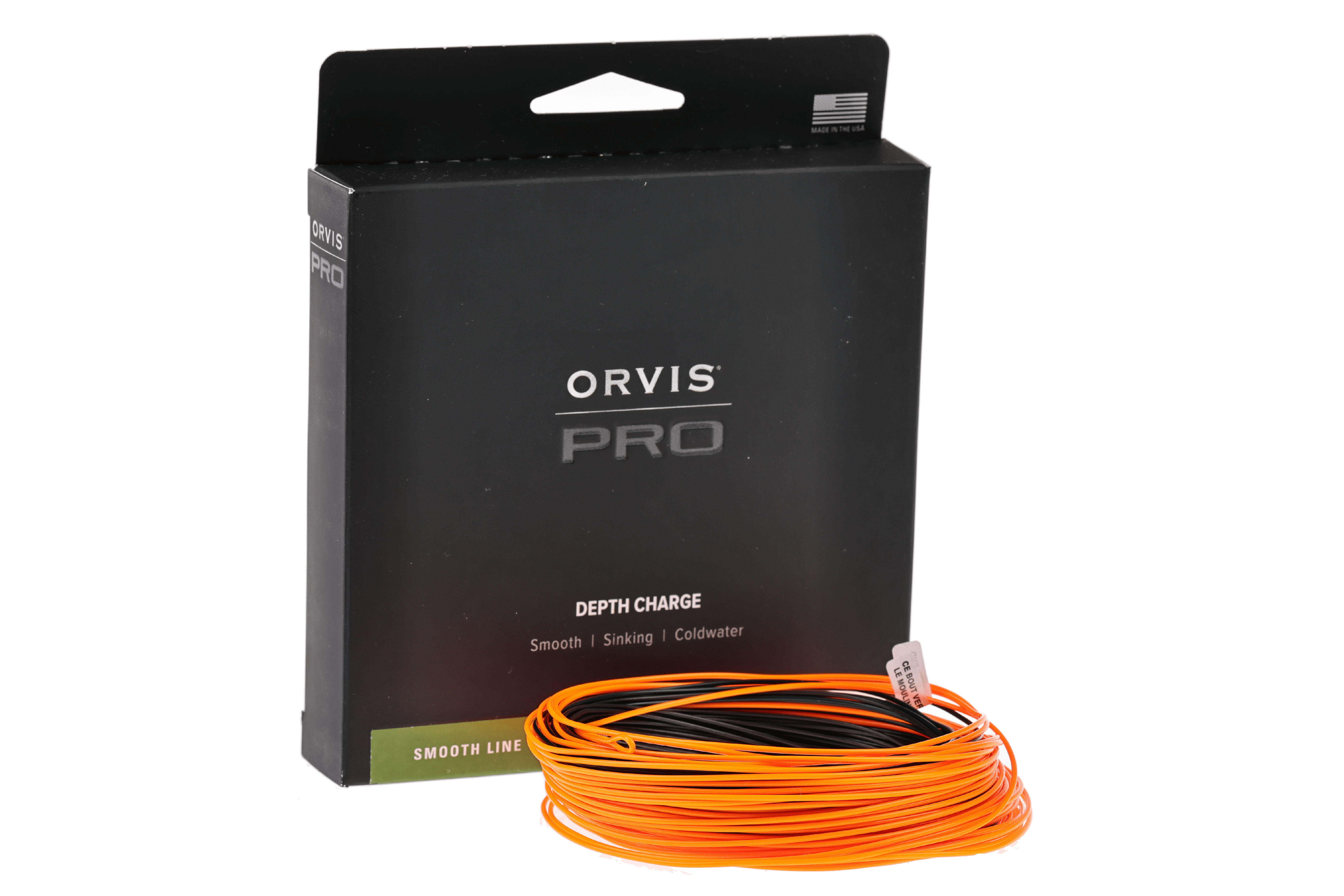
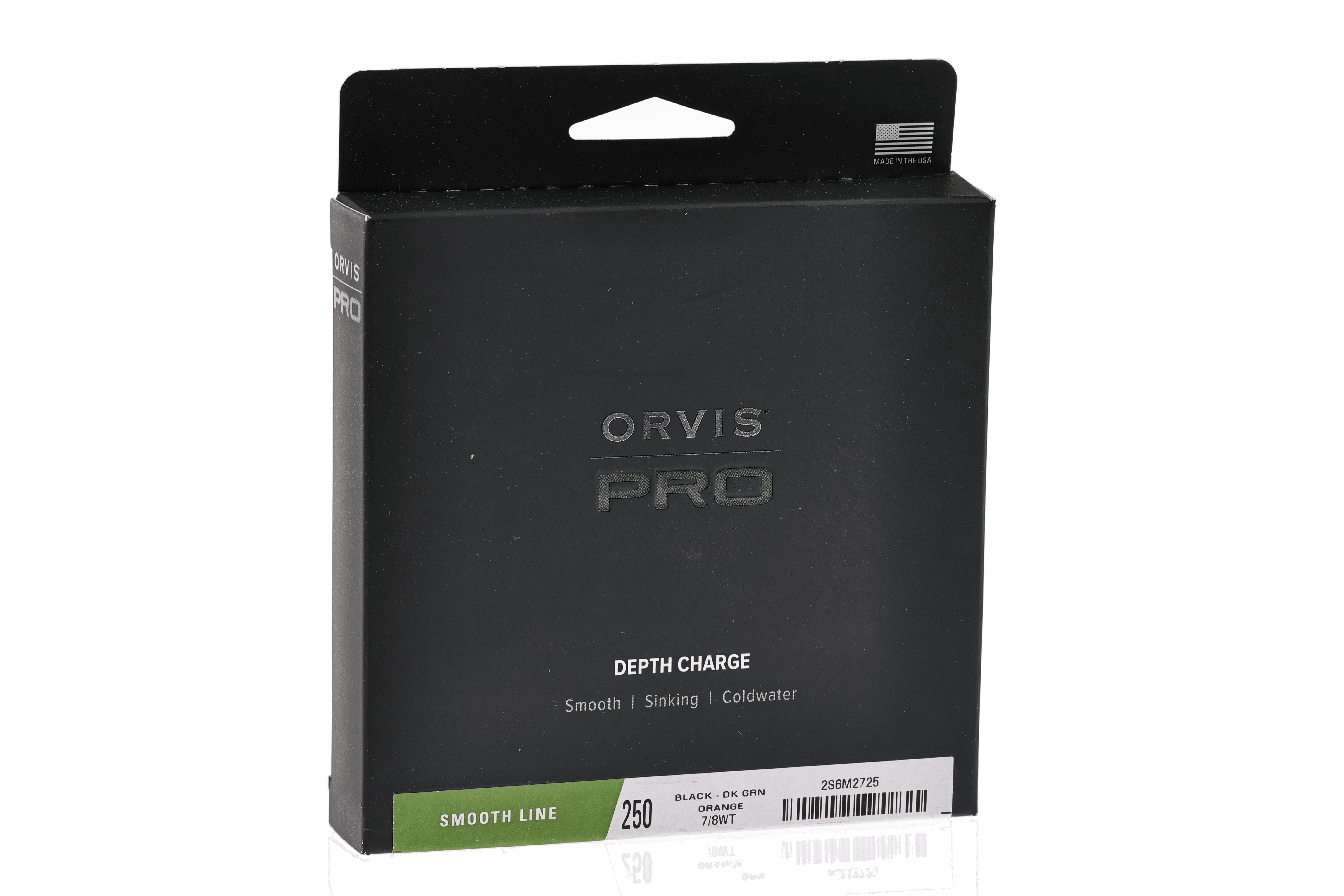
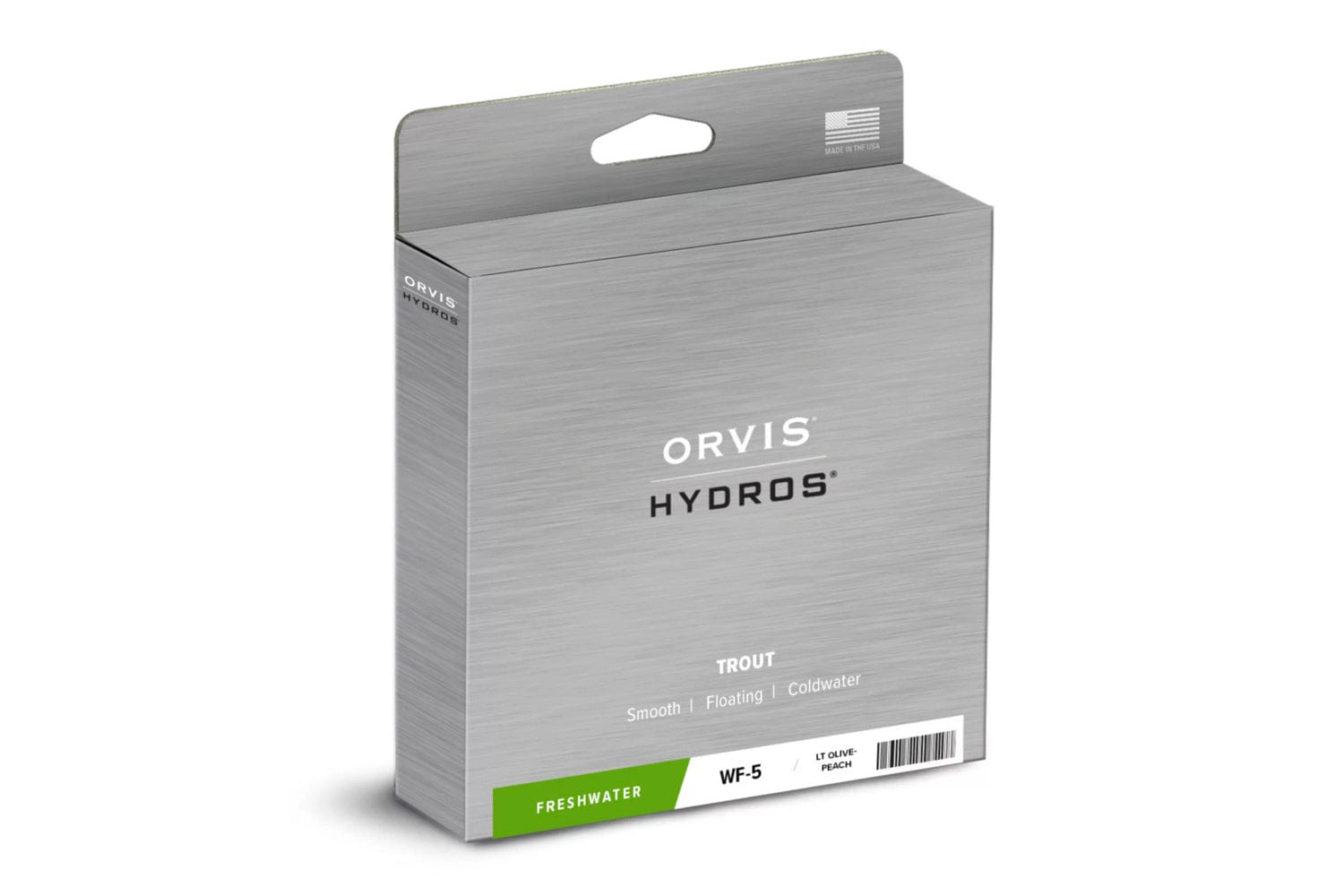

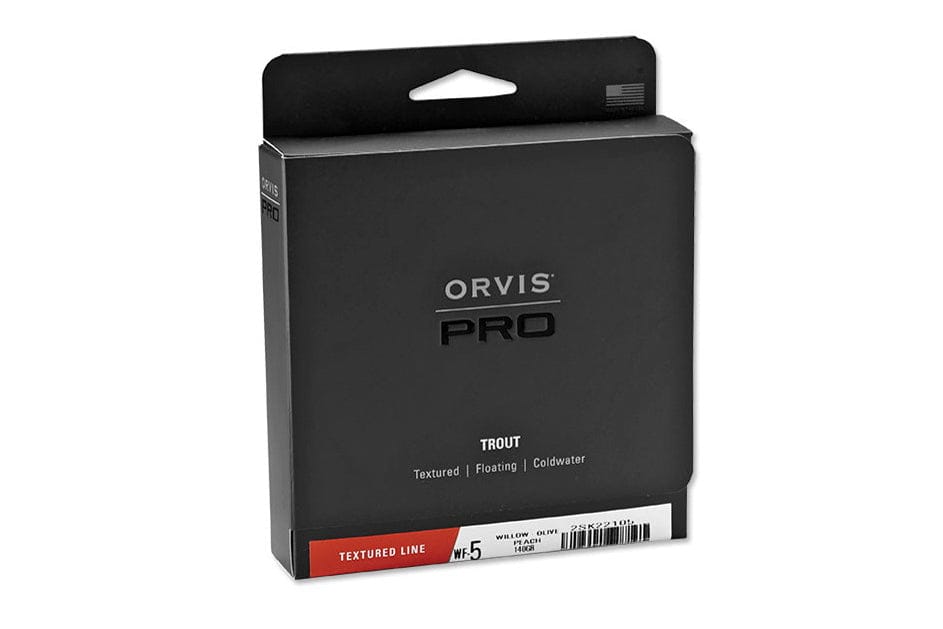
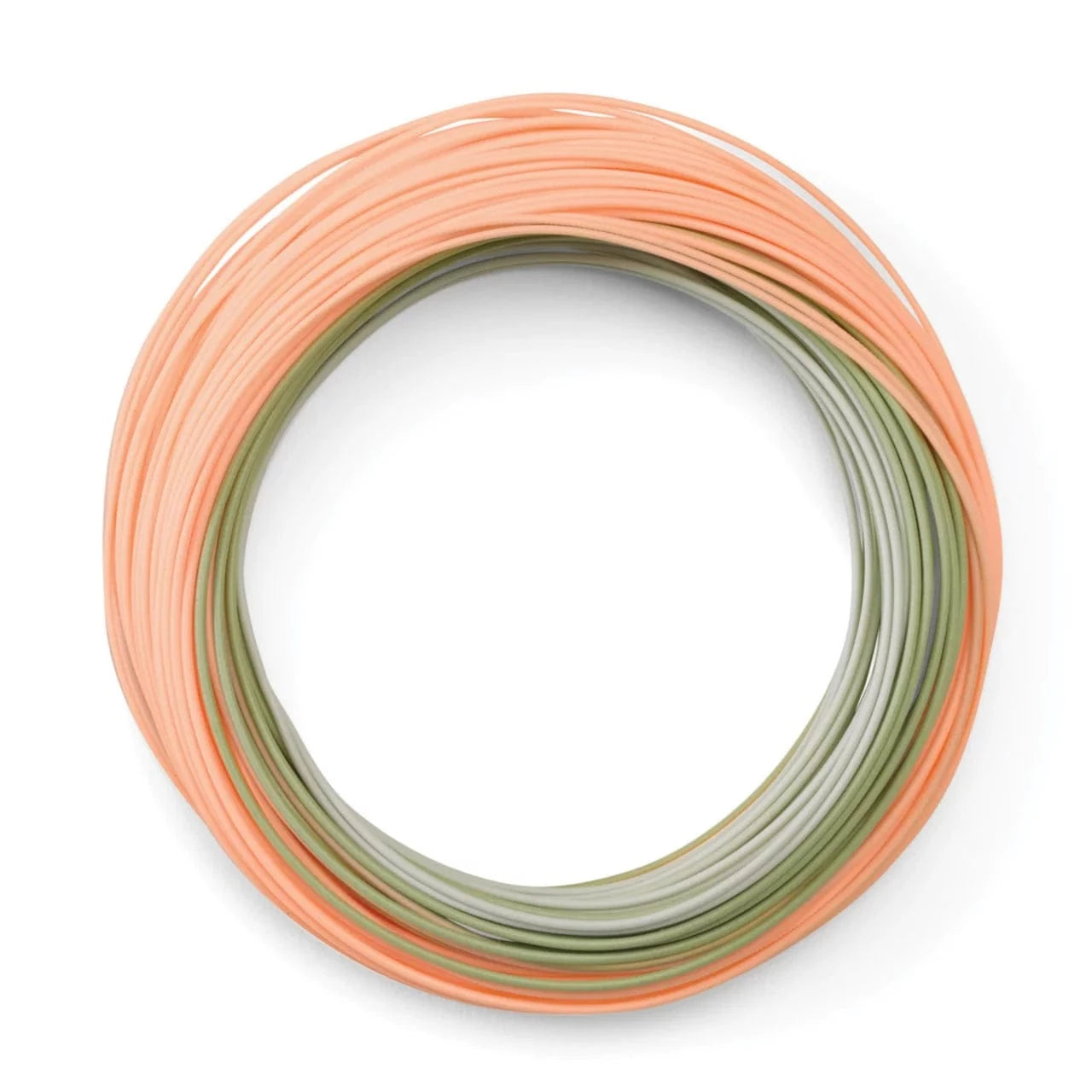
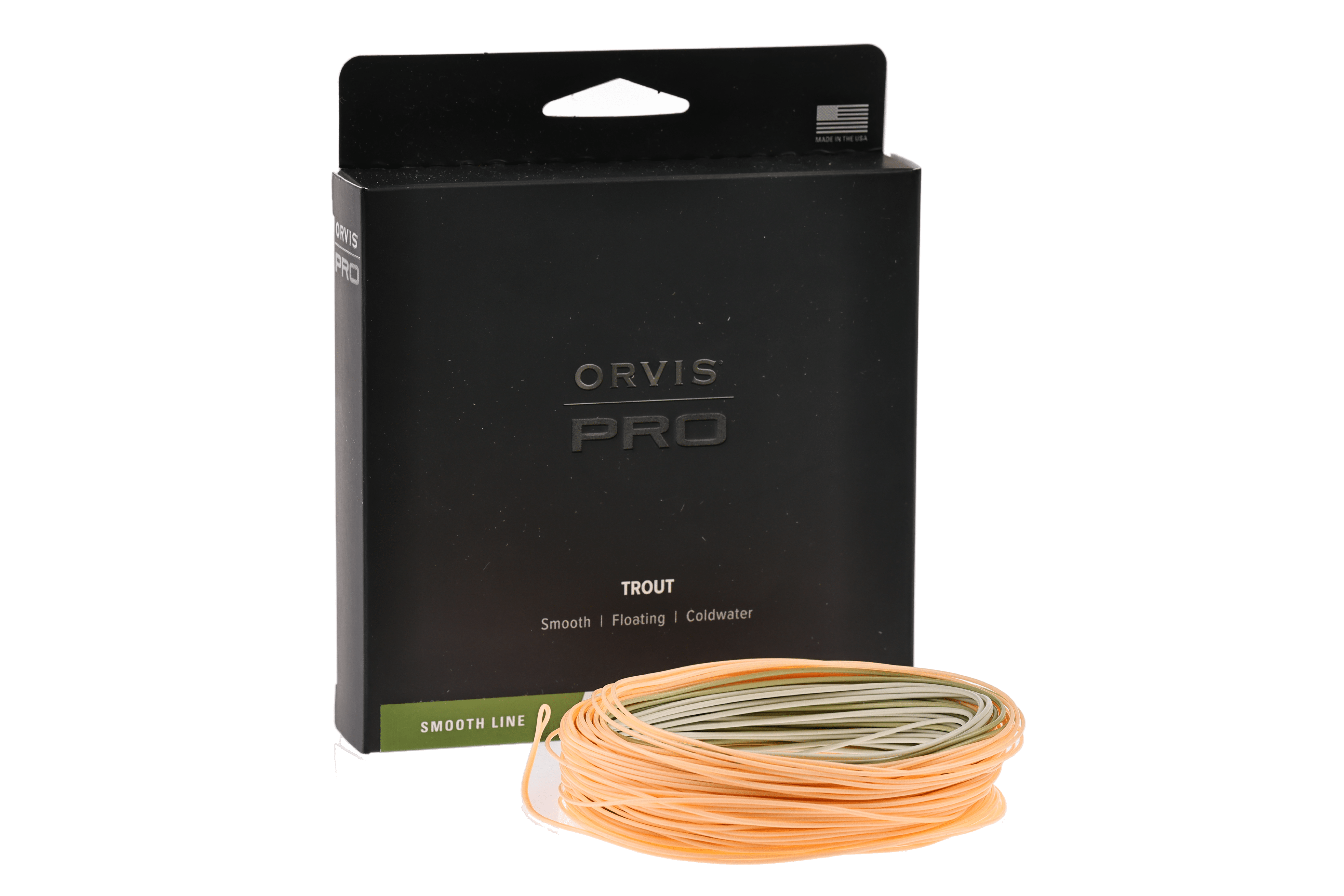
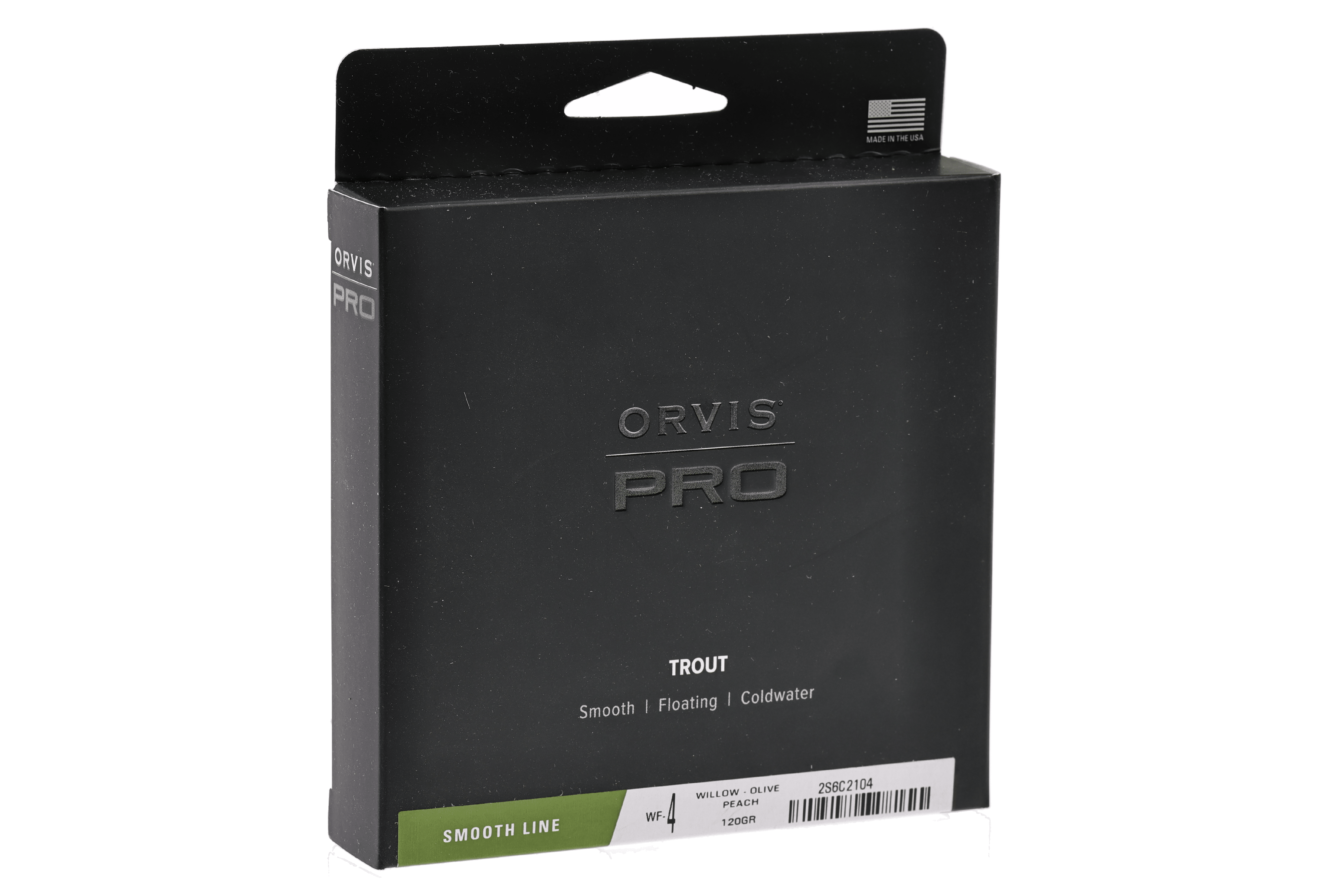
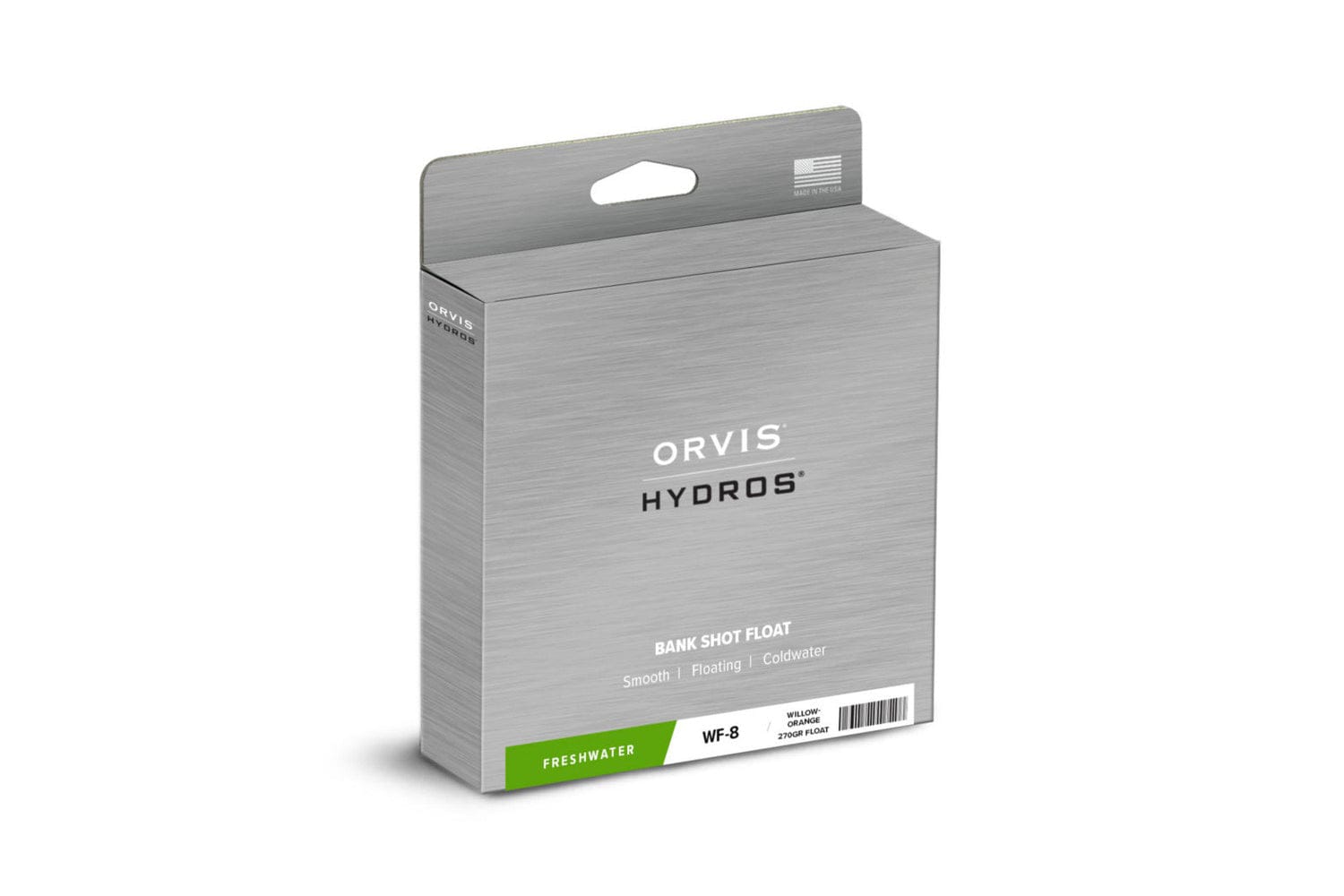

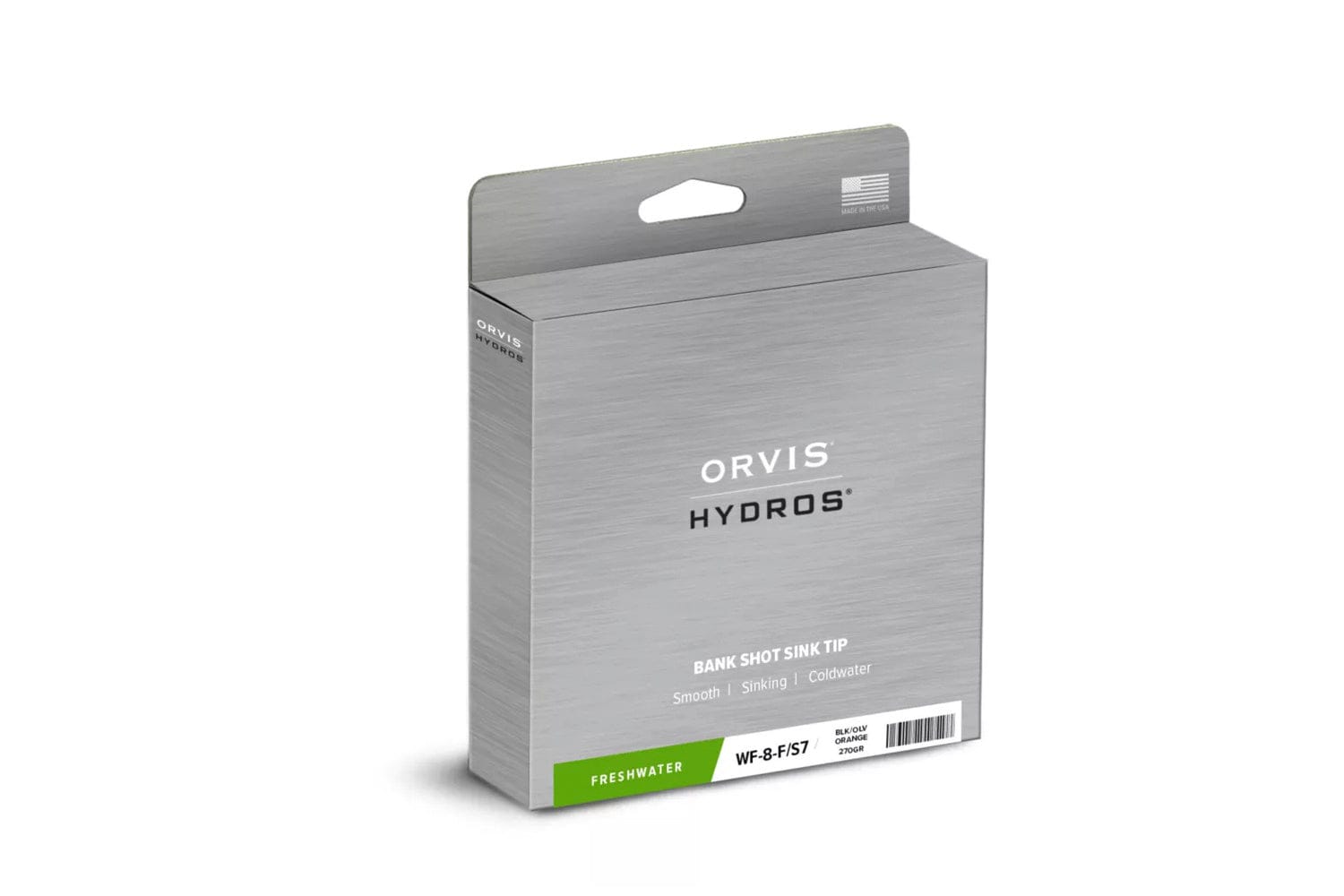


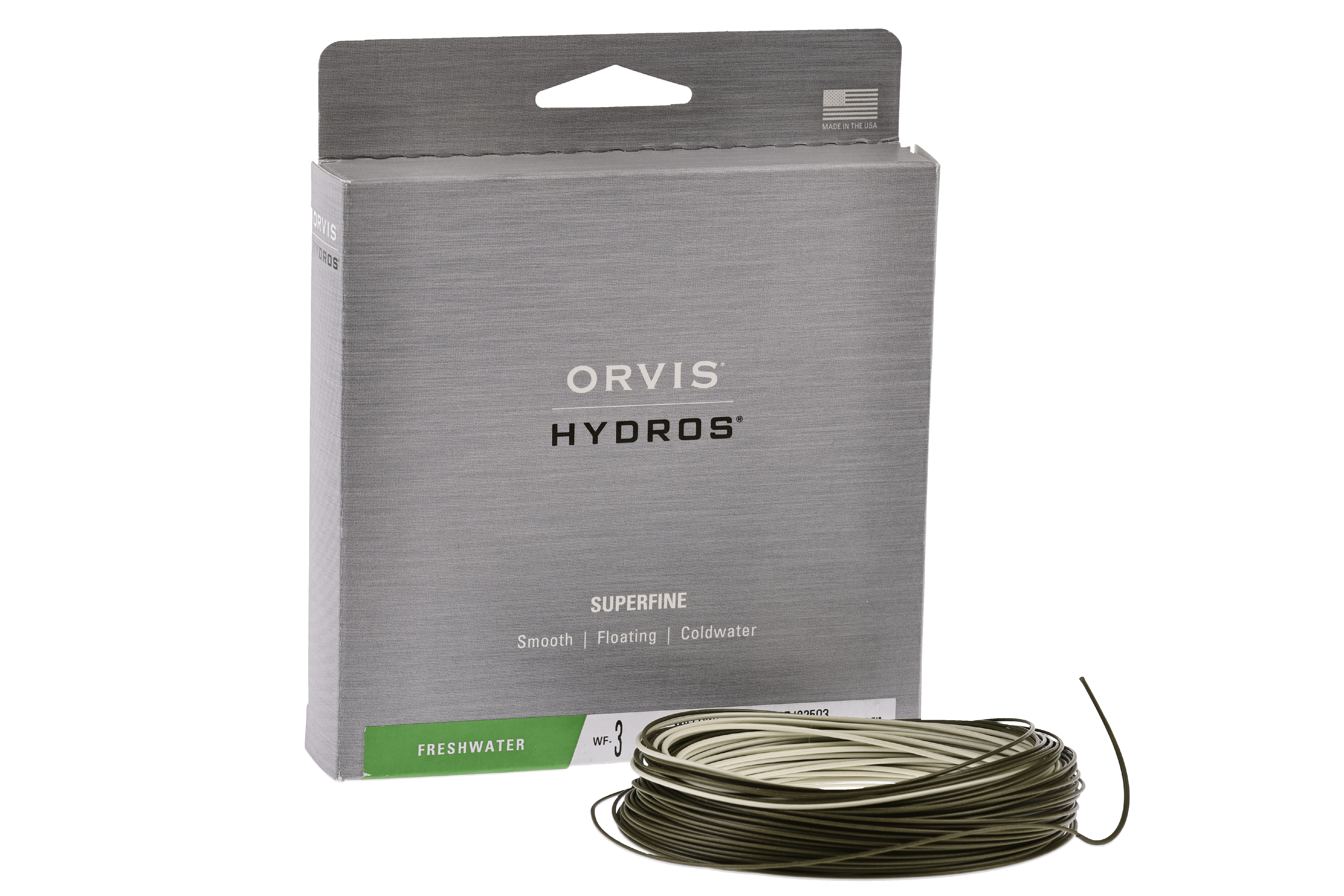
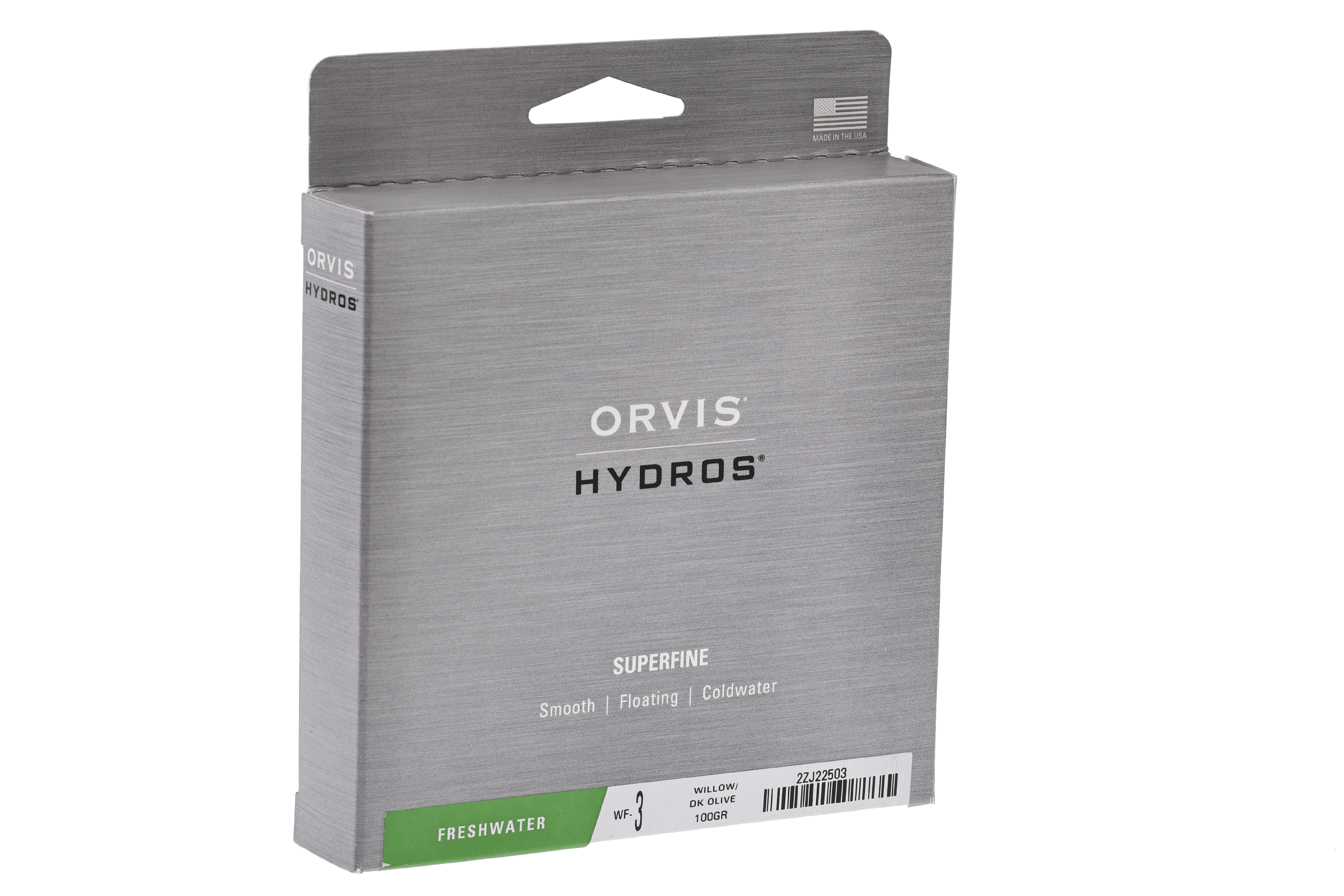

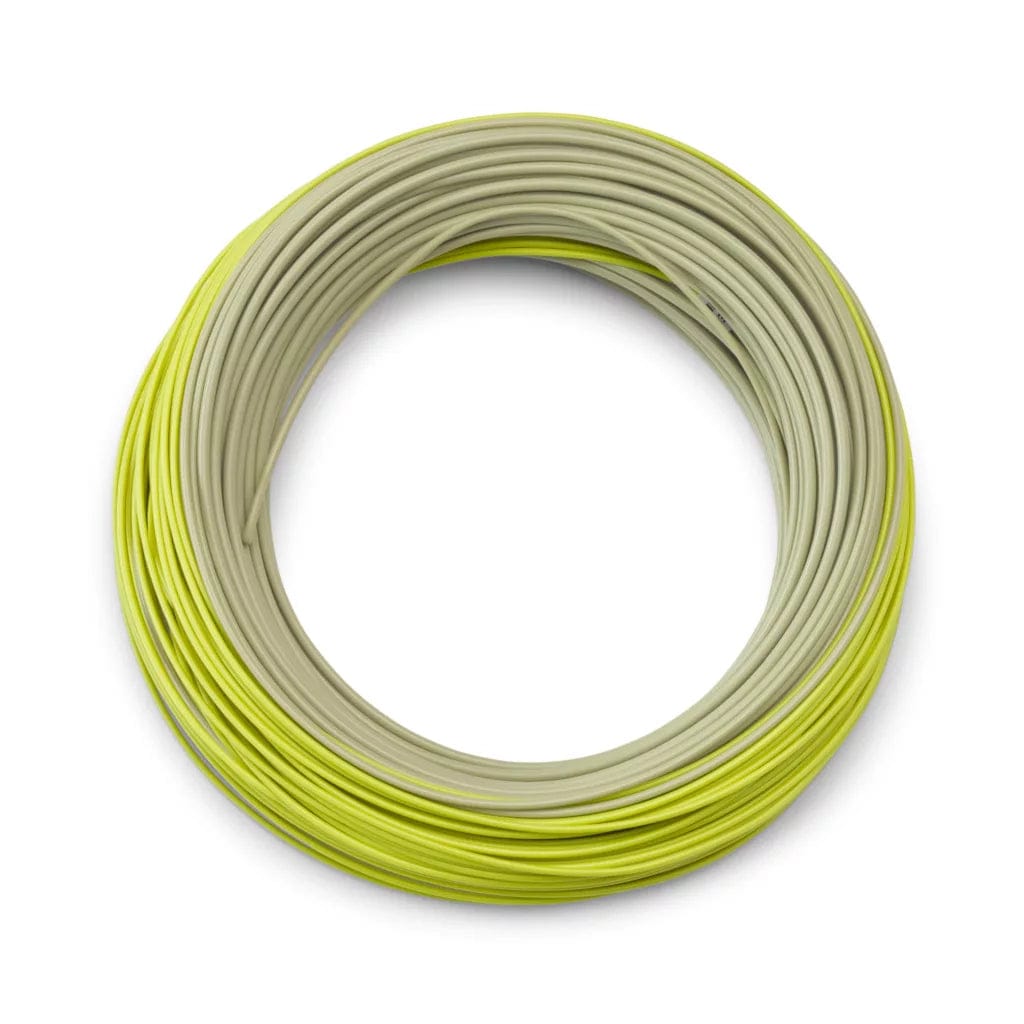


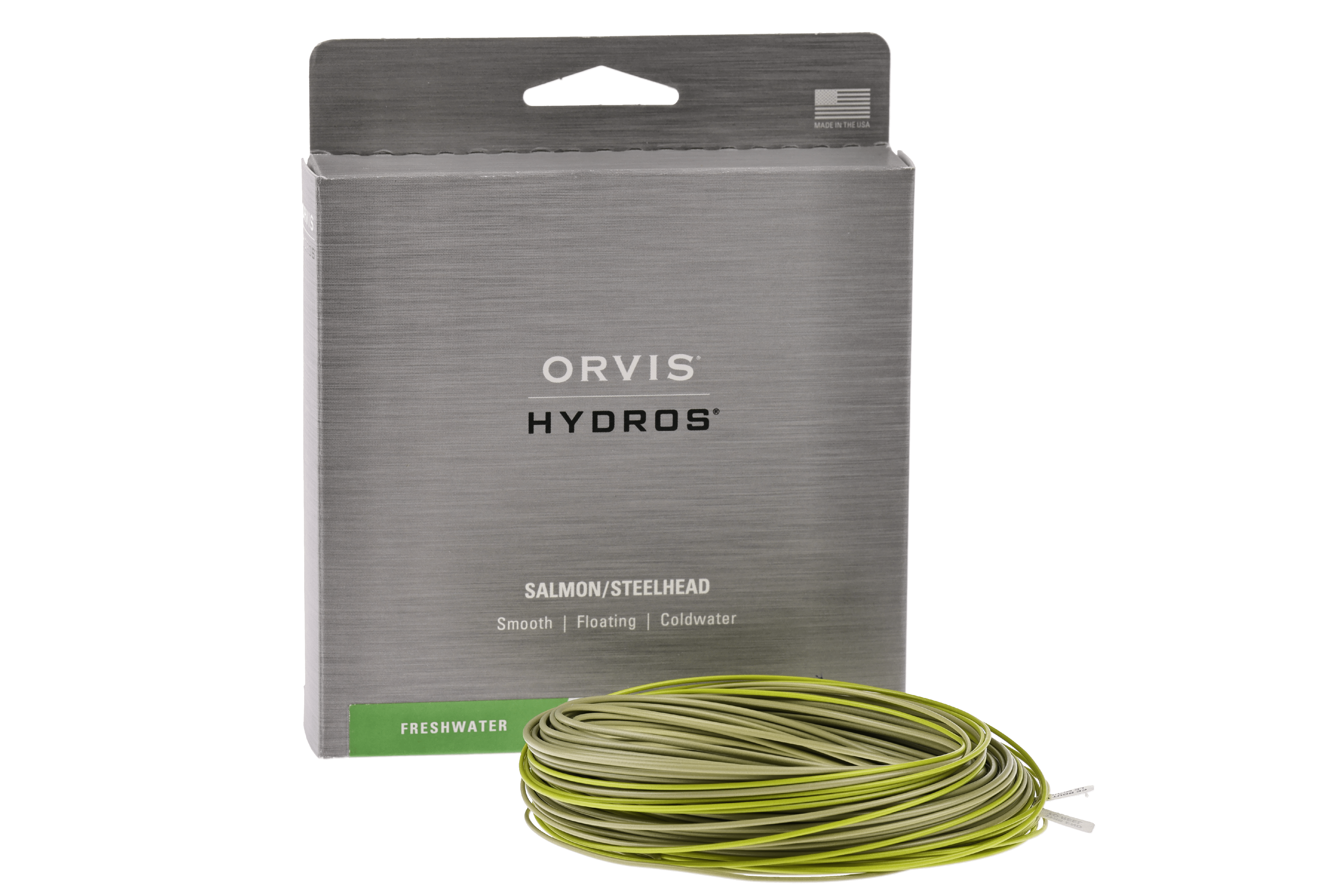
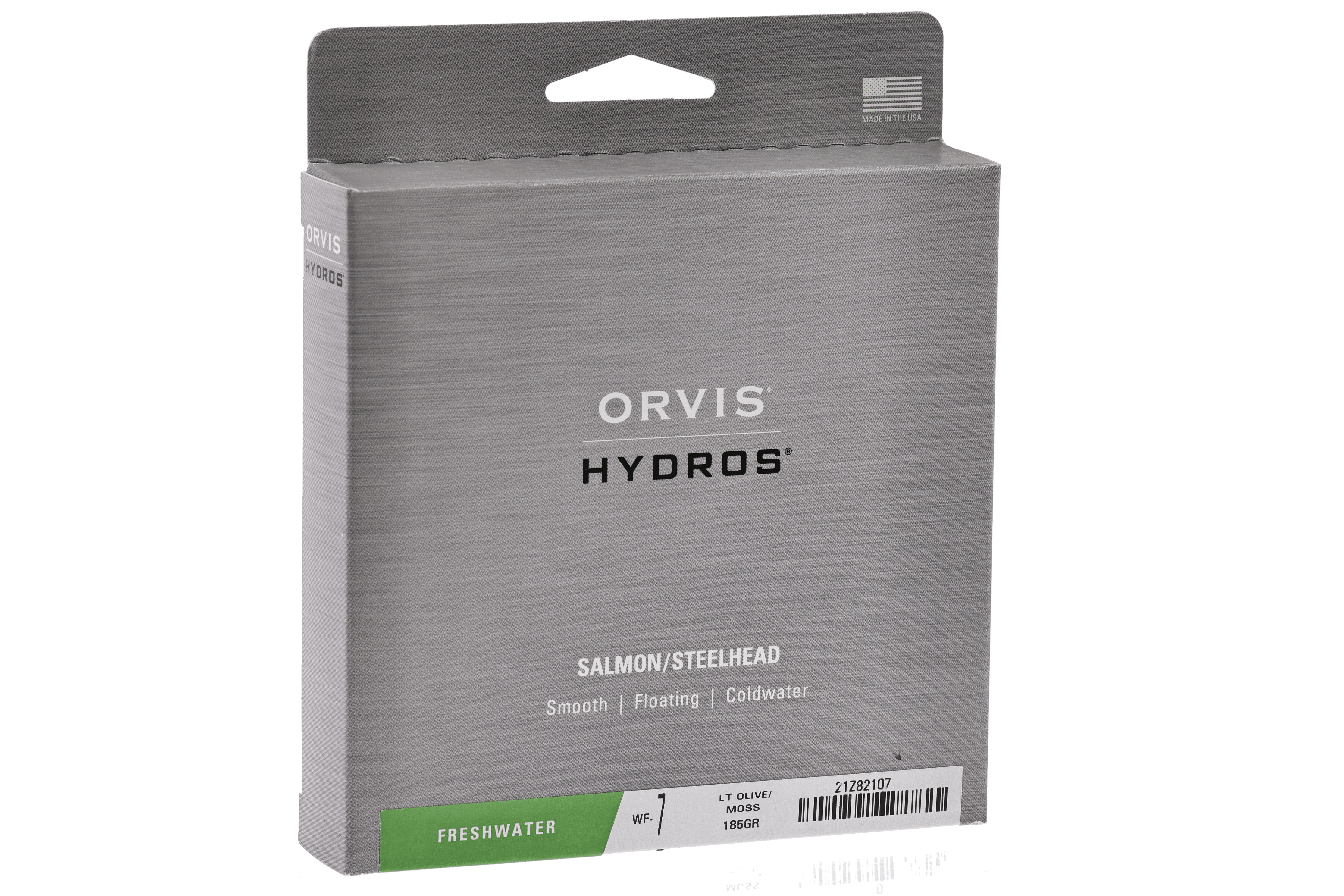


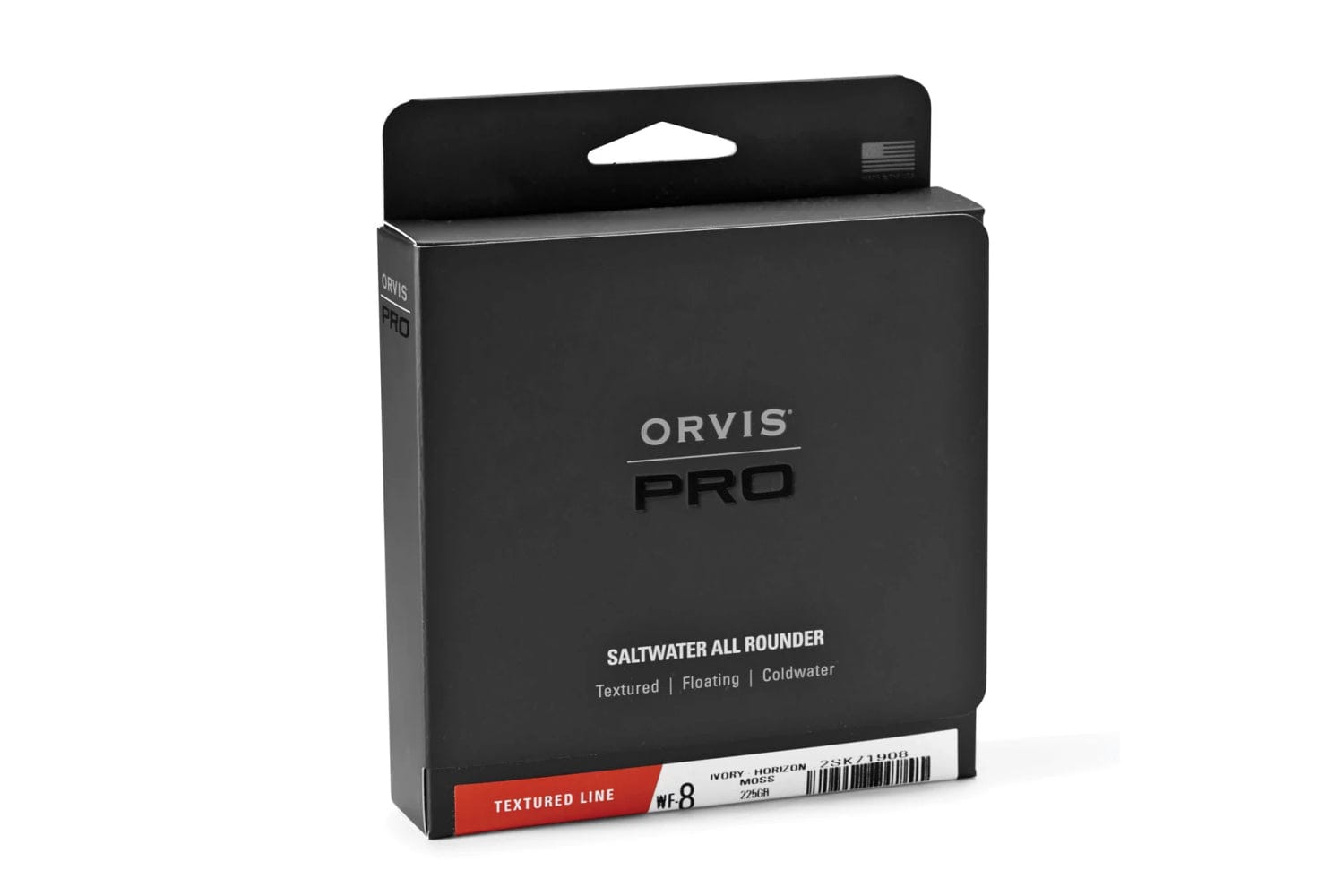
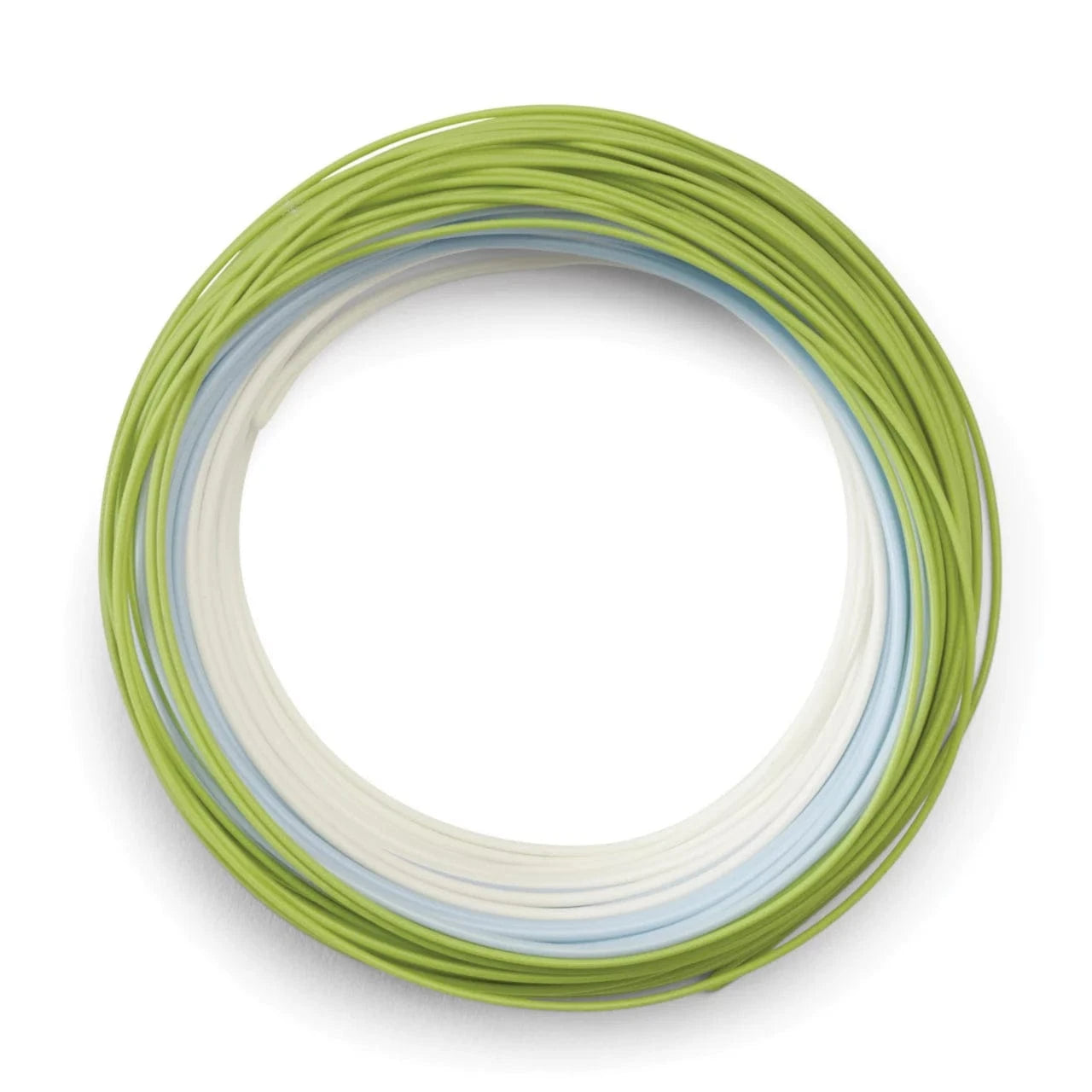
Orvis Fly Lines Quick Picks
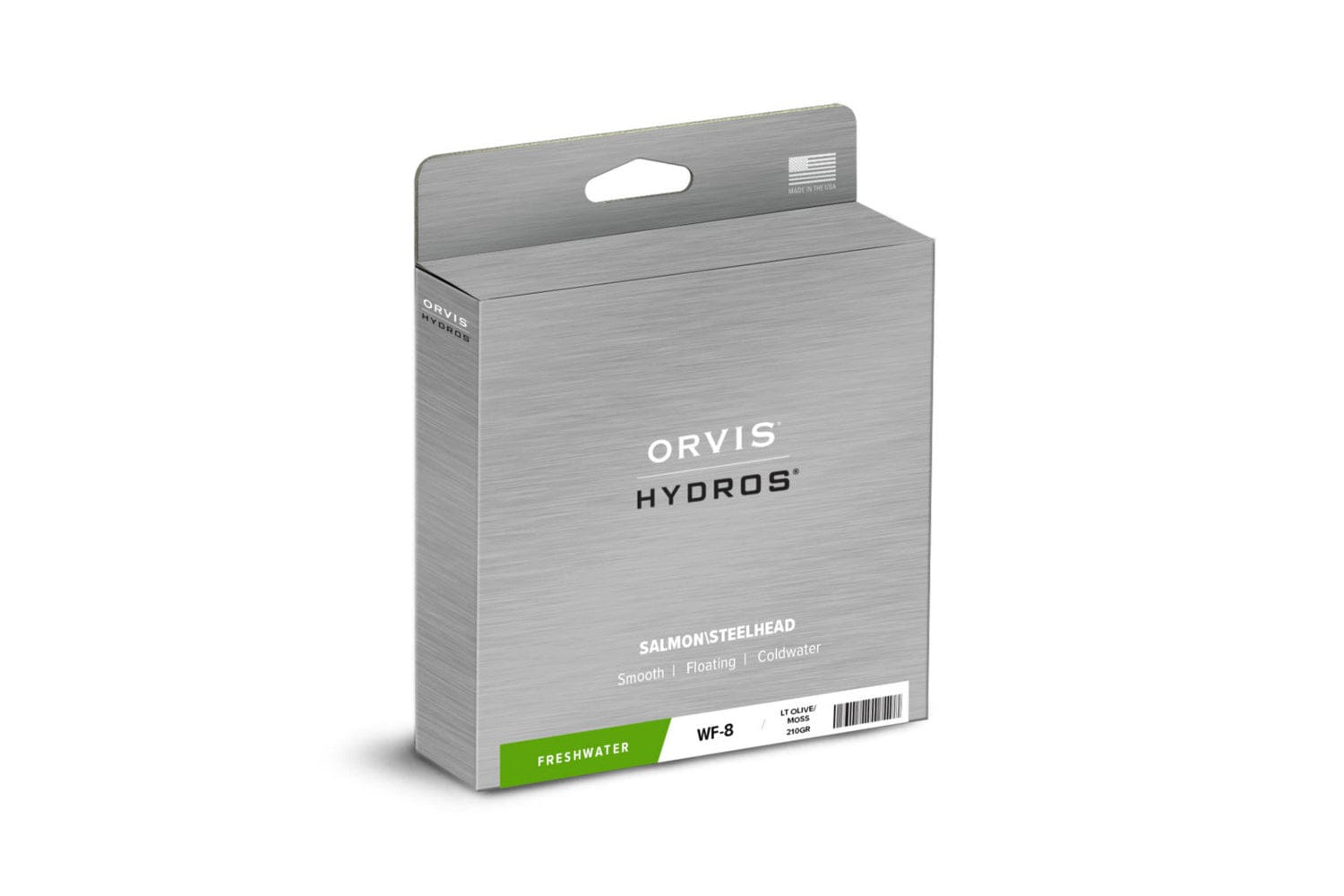
Best All-Around: Orvis Hydros Trout Fly Line - Built for anglers who want one trout line that can cover dries, nymph rigs, and smaller streamers. The longer head and AST slickness focus on loop stability and easier mending for real-world river fishing.
Best Premium: Orvis Pro Trout Textured Fly Line - A strong fit for frequent trout anglers who want extra line control and efficient shooting with a wide range of techniques. The micro-textured build and AST Plus slickness are designed to reduce friction and help the line stay performing longer.
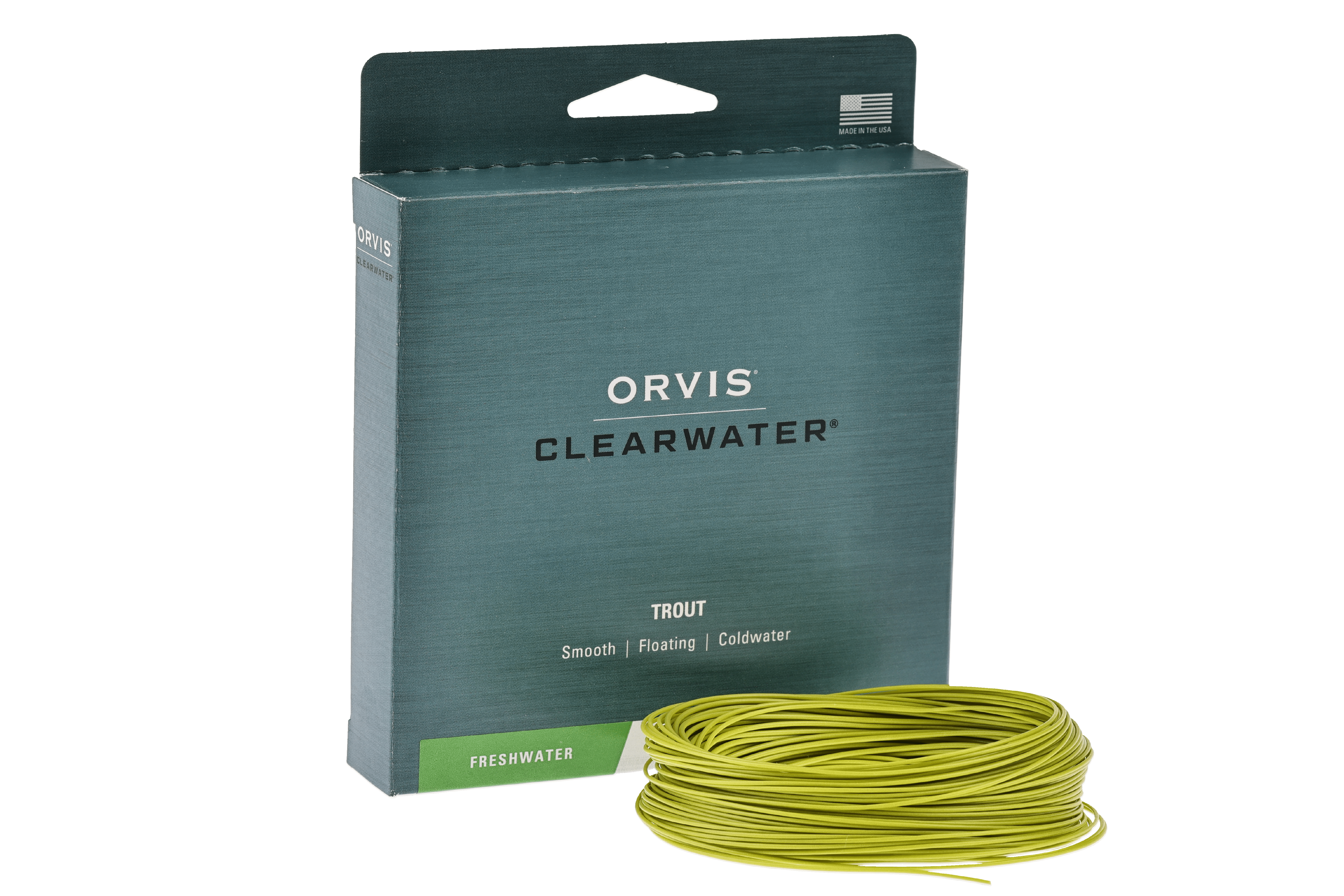
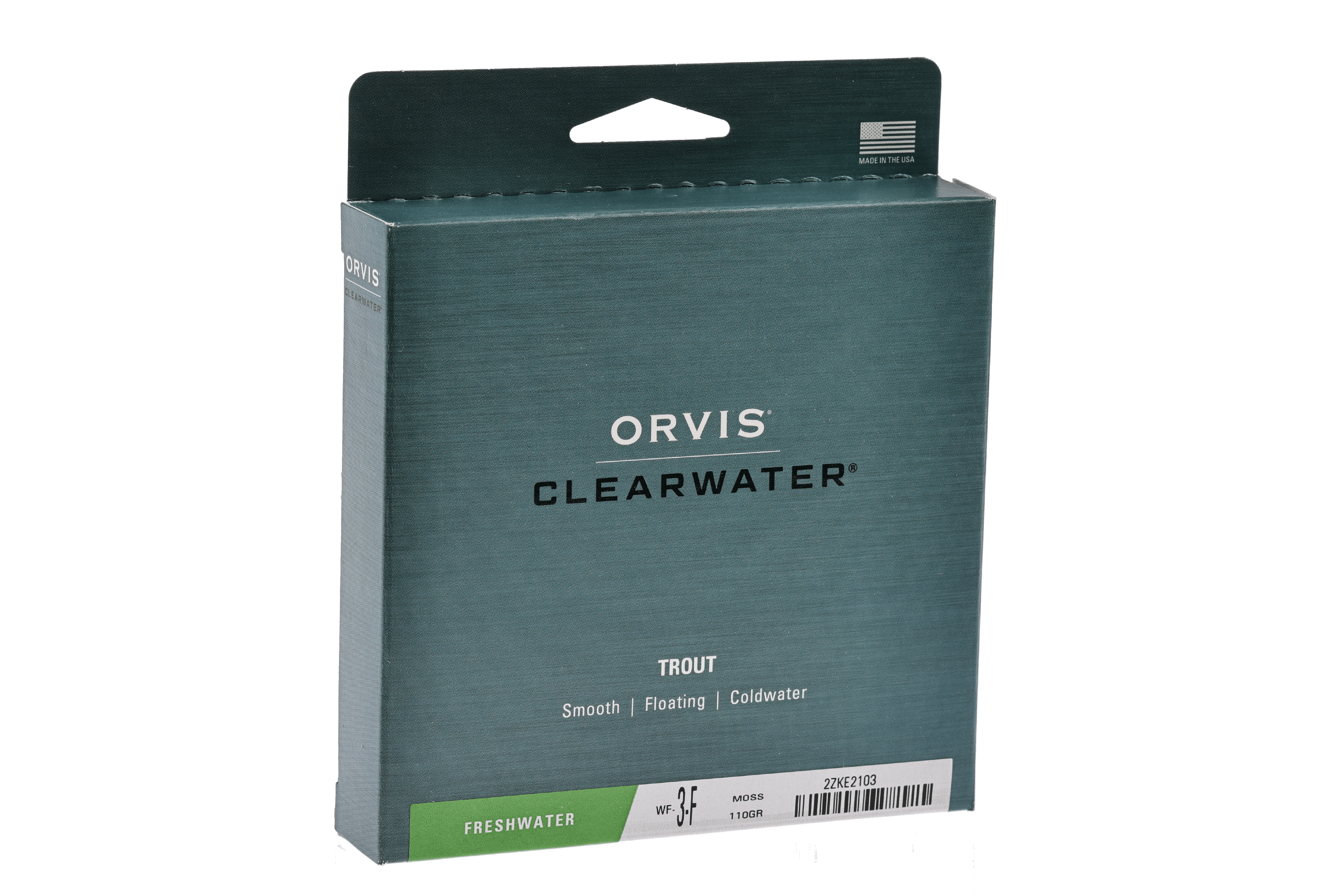
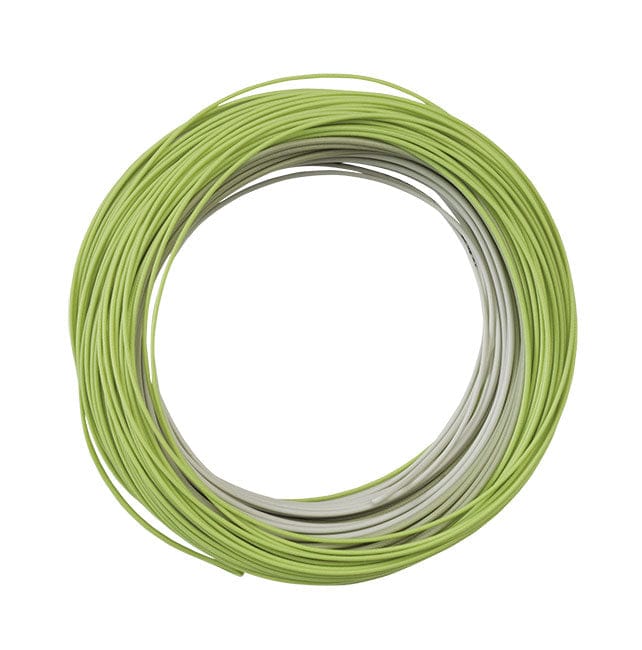
Best for Beginners: Orvis Clearwater Trout Fly Line - Ideal if you’re building your first setup or refreshing an older outfit on a tighter budget. The weight-forward taper and easy handling help shorten the learning curve without jumping straight to premium pricing.
Best for Streamers & Heavy Rigs: Orvis Hydros Bank Shot Floating Fly Line - Great for turning over bigger flies, indicators, and weighted rigs where you want the rod to load quickly. The short, heavy head is built to reduce false casts and help you make quick shots in tight windows.
Best Tropical Saltwater: Orvis Pro Saltwater Tropic Textured Fly Line - The right call for warm-weather flats fishing when you need stable performance in heat and wind. The taper is tuned for windy casts with enough finesse up front for presentations to skittish fish.
How to Choose Orvis Fly Lines
Start with water temperature (it matters more than most people think)
Action: Pick a line family that matches your fishing temps first, then choose the taper. Coldwater lines stay manageable in cooler water; tropical lines are built to keep their shape and shoot cleanly in heat.
Best for: Trout rivers, tailwaters, and spring creeks typically call for cold-to-moderate lines, while flats trips and tropical destinations call for tropical lines.
Match the taper to what you actually throw most
All-around trout: A longer-headed, versatile trout taper helps you mend, control drifts, and cover mixed days (dry flies, nymphs, and occasional streamers). That’s the lane for the Hydros Trout and the Pro Trout series.
Heavy rigs and quick shots: If your “average” cast is an indicator rig, a big dry-dropper, or a weighted streamer, an aggressive front taper that loads fast is usually easier to fish. That’s exactly what Bank Shot-style lines are designed around.
Textured vs. smooth: pick based on feel, noise, and conditions
Textured: Often chosen for shooting performance and reduced friction through the guides, especially when you’re carrying or shooting more line.
Smooth: A common preference for anglers who want a quieter, more traditional feel and less “zip” through the guides.
Dial in your line weight (don’t overthink it, but don’t ignore it)
Action: Start by matching line weight to rod weight (5wt rod = 5wt line). If your rod is very fast and you mainly throw bigger flies, you may prefer a more aggressive taper designed to load quickly at typical fishing distances.
Avoid if: Don’t buy a saltwater/tropical line for coldwater trout fishing (or vice versa). Even a great taper won’t feel right if the line’s core and coating are built for the wrong temperature range.
Why Trident Carries Orvis
Orvis fly lines cover the practical tapers most anglers actually need: dependable all-around trout lines, specialty tapers for heavy rigs, and purpose-built saltwater options. The lineup is also consistent about angler-friendly details like welded loops and clear line identification.
Compatibility
Line weight: Match the line weight to your rod weight first (ex: 6wt rod → 6wt line), then fine-tune taper based on what you cast most.
Backing: Most trout reels pair well with 20 lb backing; saltwater and big-game setups often use higher-test backing for capacity and strength.
Leader connection: Many modern lines include welded loops; loop-to-loop is quick and clean, but a nail knot is still a solid option if you prefer it.
Warm vs. cold: If your line feels overly coiled (“memory”) or overly soft/sticky, it’s usually a temperature mismatch,not a casting problem.
Complete Your Setup
Related Gear
Fly Line Backing - The foundation under your fly line; it helps with capacity and fish that run.
Fly Fishing Leaders - The tapered connection that helps your fly turn over and land correctly.
Fly Fishing Tippet - Lets you match diameter and abrasion resistance to the fly and conditions.
Floating Fly Lines - Browse other floating options if you’re comparing tapers across brands.
Related Guides
Orvis Fly Lines FAQs
Q: What do Orvis fly lines change compared to a stock line?
A: Fly line taper, coating, and core construction affect how easily the rod loads, how well the line mends, and how cleanly it shoots. A purpose-built line is often the fastest way to improve casting feel and on-water control.
Q: How do I choose the right Orvis Fly Lines for trout?
A: Start with a cold-to-moderate water line, then pick a taper based on your most common rig. Versatile trout tapers cover dries and nymphs well; aggressive tapers make heavy rigs and quick shots easier.
Q: Should I pick textured or smooth?
A: Textured lines are often chosen for reduced friction and efficient shooting, while smooth lines offer a more traditional feel. If you fish a lot and want maximum performance, textured is worth considering; if you prefer quiet handling, go smooth.
Q: Is the Orvis Clearwater line good enough for beginners?
A: Yes, if you’re learning to cast, an easy-handling weight-forward line is usually the right move. You can always upgrade later once you know whether you need more mending control, more turnover power, or better warm-weather performance.
Q: What’s the difference between a trout taper and a “Bank Shot” style line?
A: Trout tapers typically prioritize control and presentation across varied distances. Bank Shot-style lines use a shorter, heavier head to load quickly and turn over heavier rigs with fewer false casts.
Q: Can I use a tropical saltwater line for trout?
A: It’ll cast, but it usually won’t feel right in cold water because tropical lines are built to stay stiff in heat. For trout water temperatures, a cold-to-moderate line generally handles better and is easier to straighten and manage.
Q: Do I need to match the fly line to my rod brand?
A: Not necessarily, matching line weight to rod weight is the key. After that, choose the taper and temperature rating that fit your fishing, regardless of rod brand.
Q: How long should a fly line last?
A: It depends on how often you fish and how well you clean it. Regular cleaning and proper storage away from heat and UV can noticeably extend performance and reduce cracking or sticky handling.
Orvis Warranty & Resources
Orvis backs products with a long-standing satisfaction guarantee, and their customer care team can help with returns, exchanges, and repairs based on the item and situation.
Learn More from Orvis
Fly Line Tips for Beginners - Practical guidance on line choice and casting efficiency.
Orvis Guide to Fly Fishing - Technique and gear education for building better setups.