


Watch BEFORE You Buy KORKERS Wading Boot Soles!




Korkers Soles Quick Picks
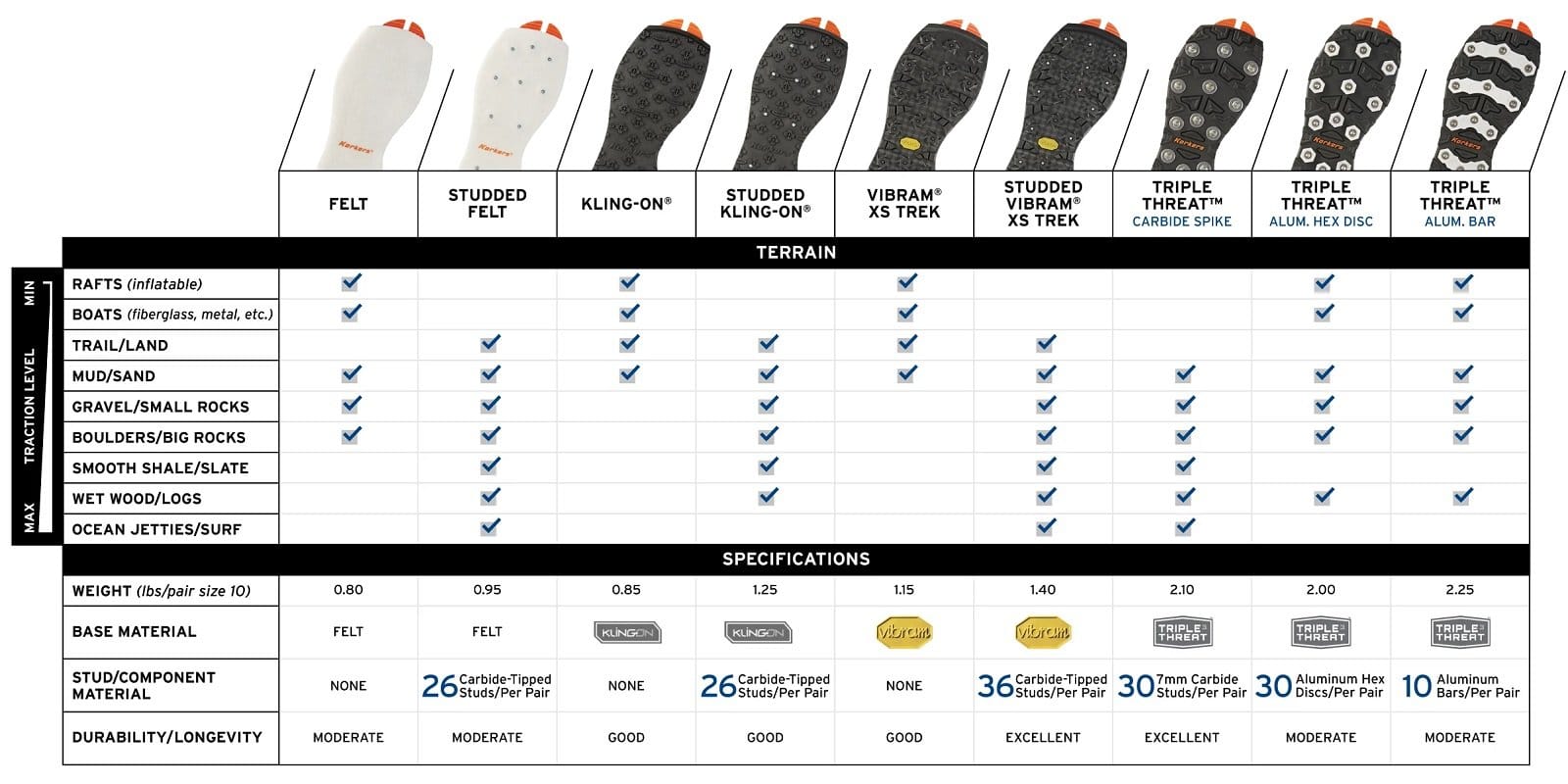
Best All-Around: Korkers OmniTrax v3.0 Studded Felt Soles - For anglers who want extra confidence on slick, algae-covered rocks. Felt plus carbide studs gives you bite in the water when footing is sketchy.
Best for Felt-Restricted Waters: Korkers OmniTrax v3.0 Studded Vibram Idrogrip Soles - For anglers who need a rubber option but still want added grip in current. Studded rubber balances traction in the river with better performance on trail and bank than metal-bar soles.
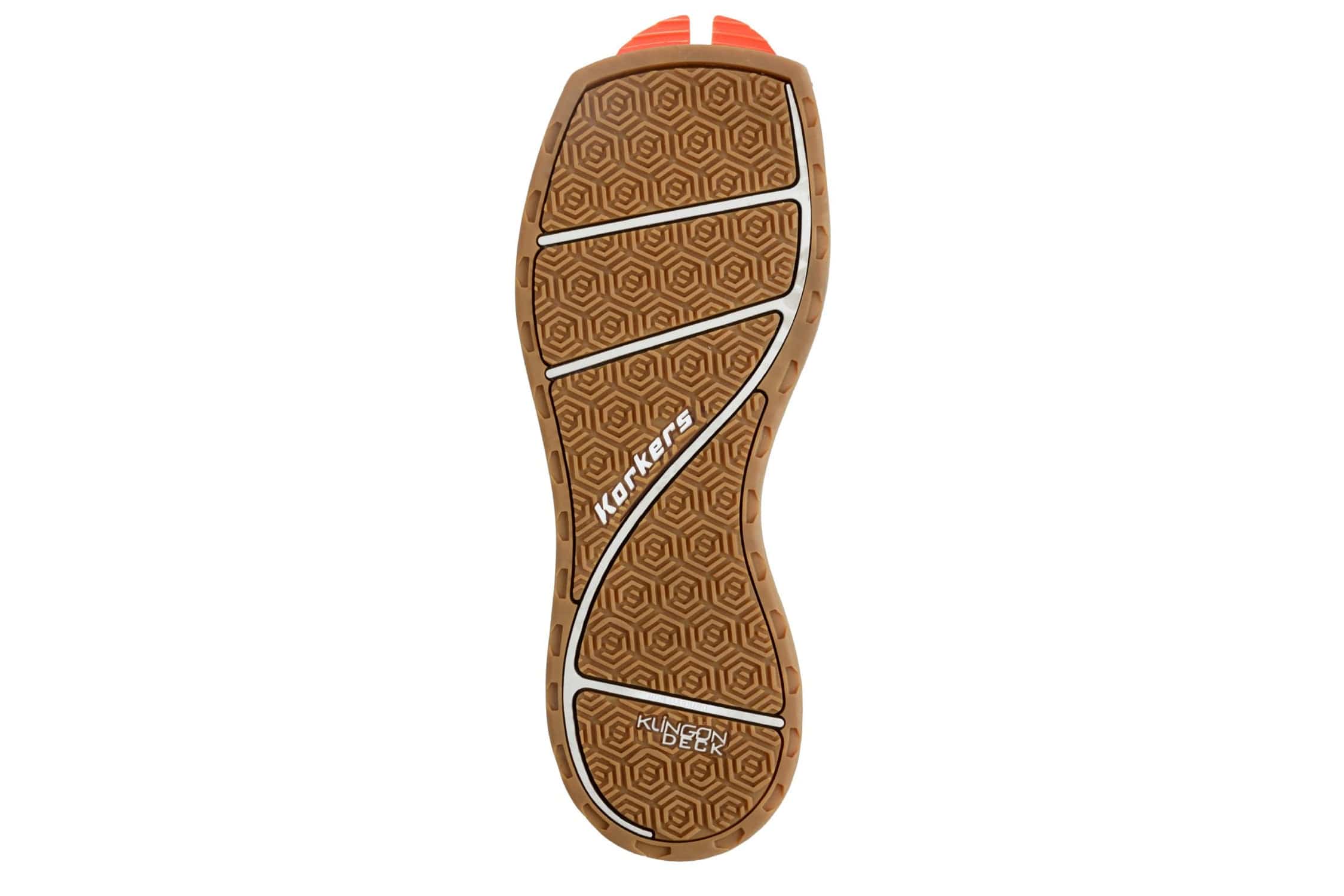
Best for Boat Decks: Korkers OmniTrax v3.0 Kling-On Sticky Rubber Soles - For drift boat days, travel, and mixed walking where you are in and out of the water a lot. The rubber tread is designed to be more comfortable topside than studs or spikes.
Best for Freestone Rivers: Korkers OmniTrax v3.0 Triple Threat Sole - Aluminum Bar - For anglers who wade boulder rivers and want a more aggressive, “metal edge” style of traction. Aluminum bars can help grab rock texture where rubber lugs can skate.
Best for Maximum Bite: Korkers OmniTrax v3.0 Triple Threat Sole - Carbide Spikes - For anglers dealing with steep banks, icy edges, or very slick river bottoms. Carbide spikes are built to dig in, but they can be noisy and harsh on hard surfaces.
How to Choose Korkers Soles
1) Confirm your boot system
Action: These soles are made for Korkers boots that use the OmniTrax interchangeable sole system. If your boots are a different brand, or an older non-OmniTrax model, these soles will not attach.
2) Match the sole to where you fish most
Felt: Many anglers still like felt for greasy rocks, especially on freestone rivers. It can be restricted in some areas, so check local rules before you rely on it.
Rubber (with lugs): A solid choice when you hike a lot, fish from a boat, or travel between watersheds. Rubber is also simpler to rinse and dry at the end of the day.
Studded soles: If you already have good wading technique but want more grip, studs can add bite on slick rock and steep terrain. They can be louder, and they can feel rough on long walks.
Metal bars or spikes: Built for demanding footing and hard-wading rivers. These options can be overkill for mellow wading, and they are not ideal on boat decks.
3) Think about how often you want to swap
Best for: Anglers who fish a mix of boat days, small streams, and bigger rivers through the season. Keeping a rubber and a river-focused sole in your kit lets you change traction in minutes.
Avoid if: You want a “set it and forget it” setup and never plan to carry extra soles. In that case, choose the tread style that matches your home water and stick with it.
Why Boot Traction Matters
Good traction helps you wade with more control, which can reduce falls and keep your focus on fishing. Swapping soles is also a simple way to keep one pair of boots working across different rivers, boats, and seasons.
Compatibility
Boot system: Confirm your boots use the Korkers OmniTrax interchangeable sole platform before ordering.
Sizing: Match the sole size to your boot size so the attachment points seat correctly.
Before each trip: Press the sole into place and double-check the toe and heel are fully locked in.
After each trip: Rinse mud, sand, and plant debris off the tread, then dry completely before traveling to a new watershed.
When to replace: If the tread is rounded off or studs are worn down, it is time to swap in a fresh pair.
Complete Your Setup
Related Gear
Korkers Wading Boots - If you are upgrading your whole system, start with an OmniTrax-compatible boot.
Wading Boots - Compare other boot options if you are still deciding on fit, support, and materials.
Wading Boot Soles - Shop other sole styles, studs, and traction add-ons across brands.
Wading Accessories - Add a wading belt, staff, and other safety gear for tougher crossings.
Related Guides
Korkers Soles FAQs
Q: What are Korkers replacement soles?
A: They are interchangeable outsoles that attach to compatible Korkers boots. The idea is to switch traction styles instead of buying multiple pairs of boots.
Q: Are all Korkers soles compatible with all Korkers boots?
A: No. You need a boot that uses the OmniTrax interchangeable sole system, and you need to match the sole version and size to your boot.
Q: Should I choose felt, rubber, or studded soles?
A: Felt is commonly chosen for slick rocks where it is legal. Rubber is a strong pick for travel, hiking, and mixed use. Studded soles add bite on slippery bottoms but can feel harsh on long walks.
Q: Do I need studs if I already have felt soles?
A: Not always. Many anglers start with felt or lugged rubber and only add studs when they fish steep, fast water or very slick rock consistently.
Q: How long do wading boot soles last?
A: It depends on how often you fish, what you walk on, and the tread style. If you notice rounded lugs, worn studs, or reduced grip, it is time to replace the soles.
Q: Can I use aggressive soles in a drift boat?
A: Some aggressive treads and metal options can be rough on boat decks and can feel slippery on wet fiberglass. If you spend a lot of time in a boat, a softer rubber deck-style sole is usually the safer call.

