

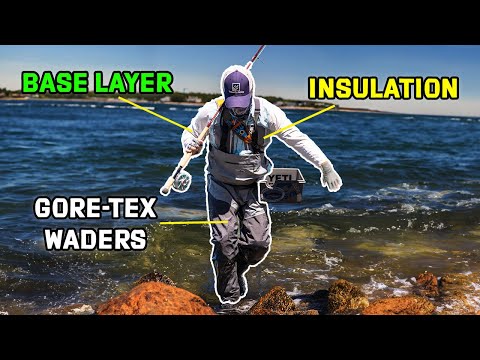
What To Wear Under Fishing Waders (Summer & Winter)

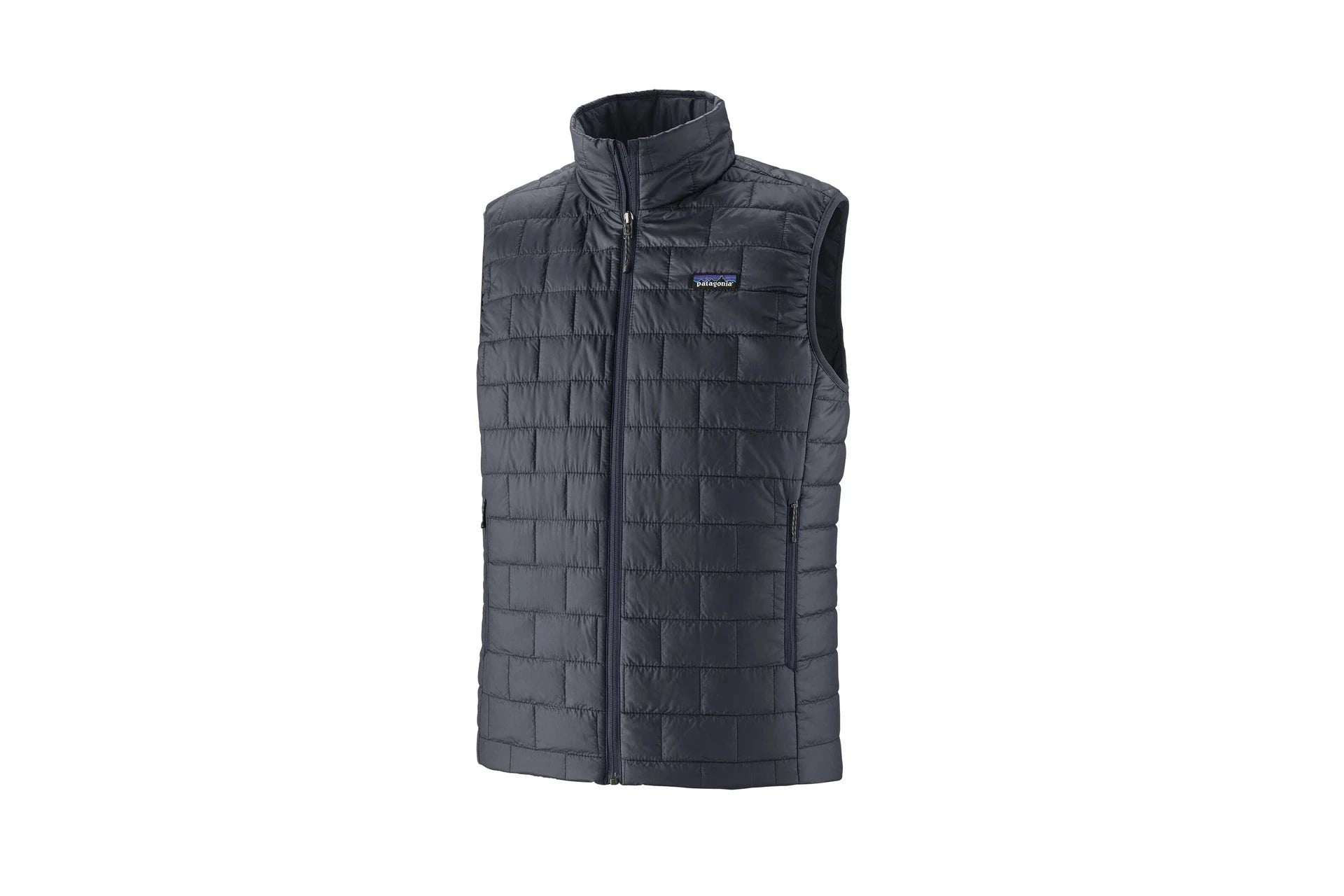
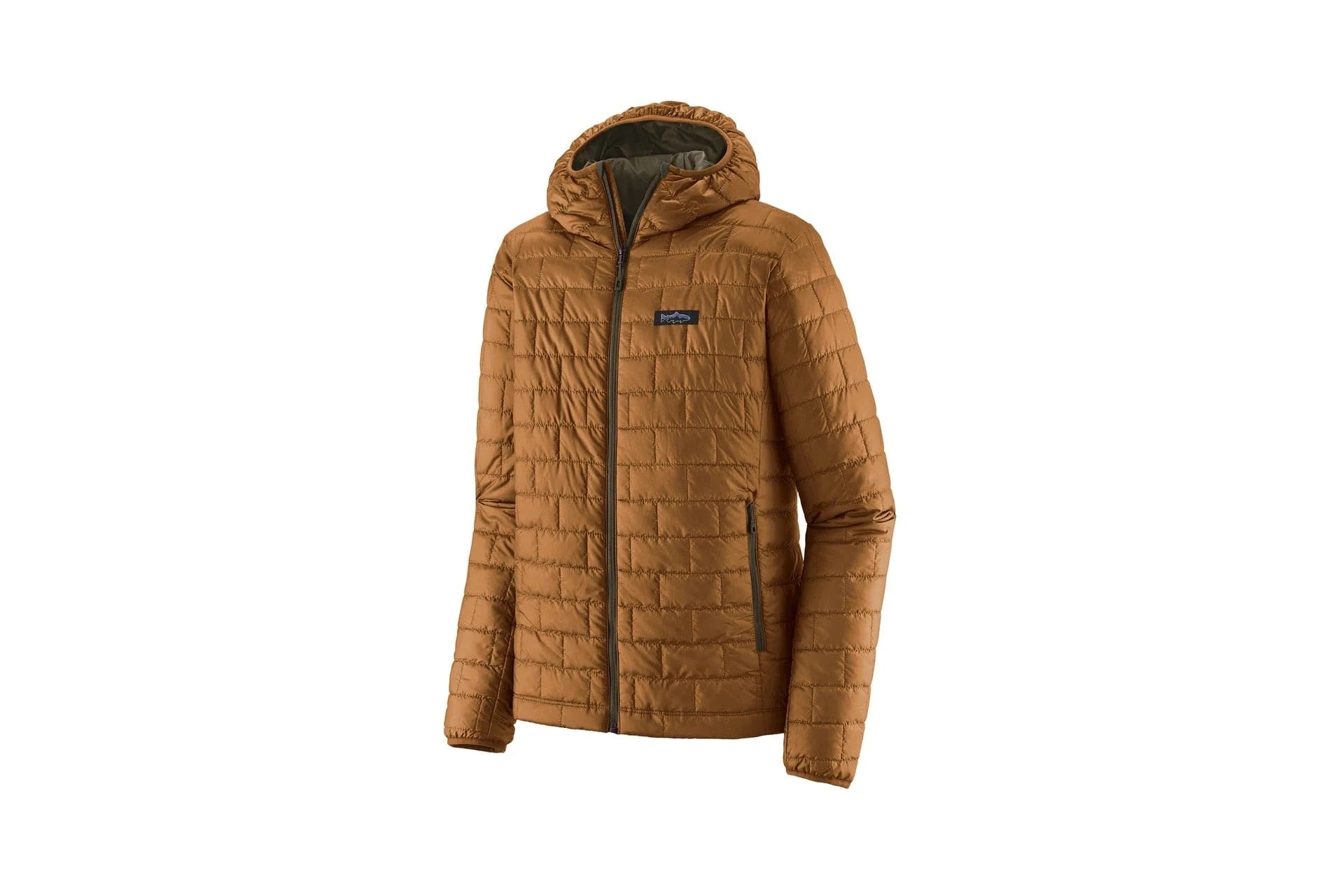
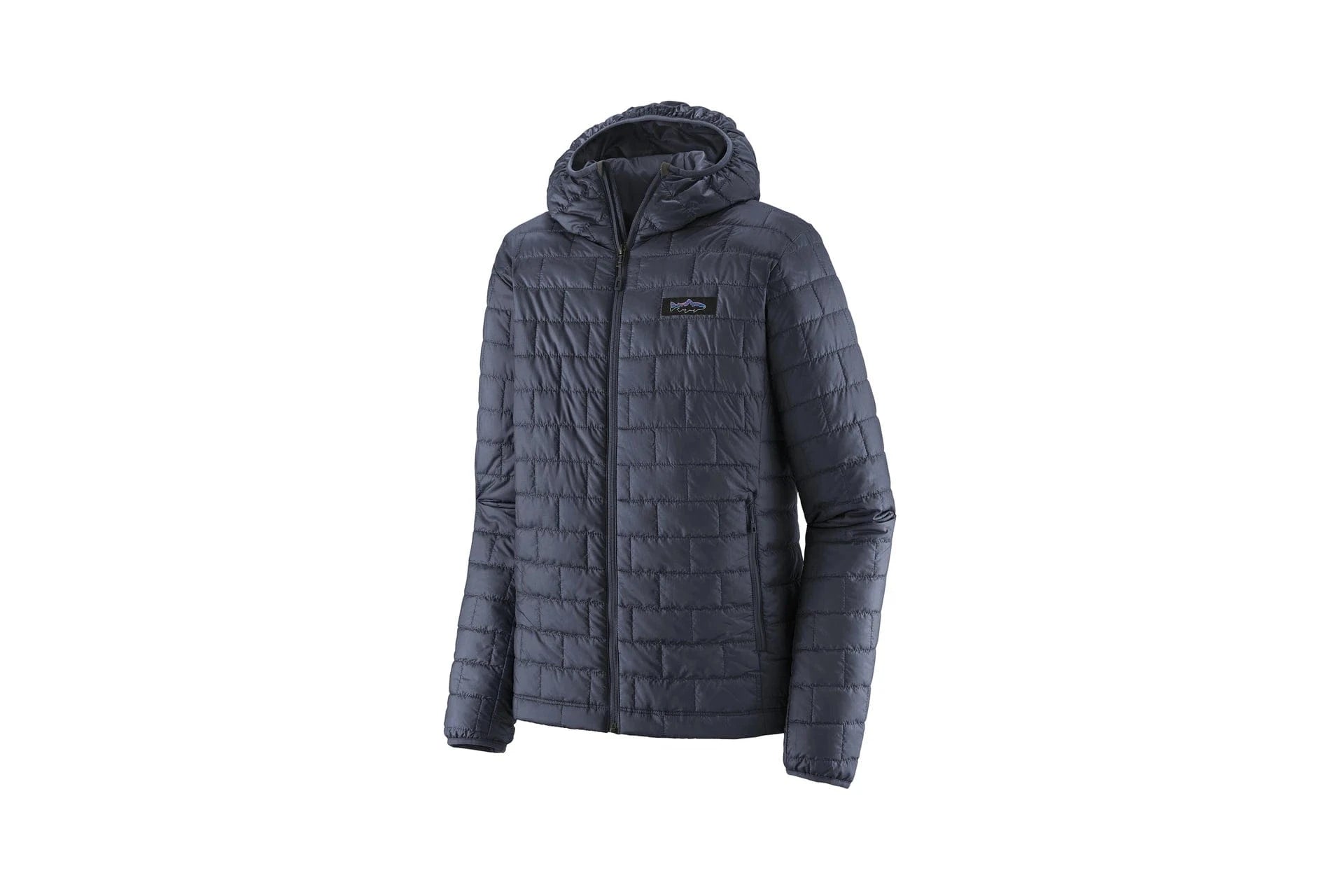
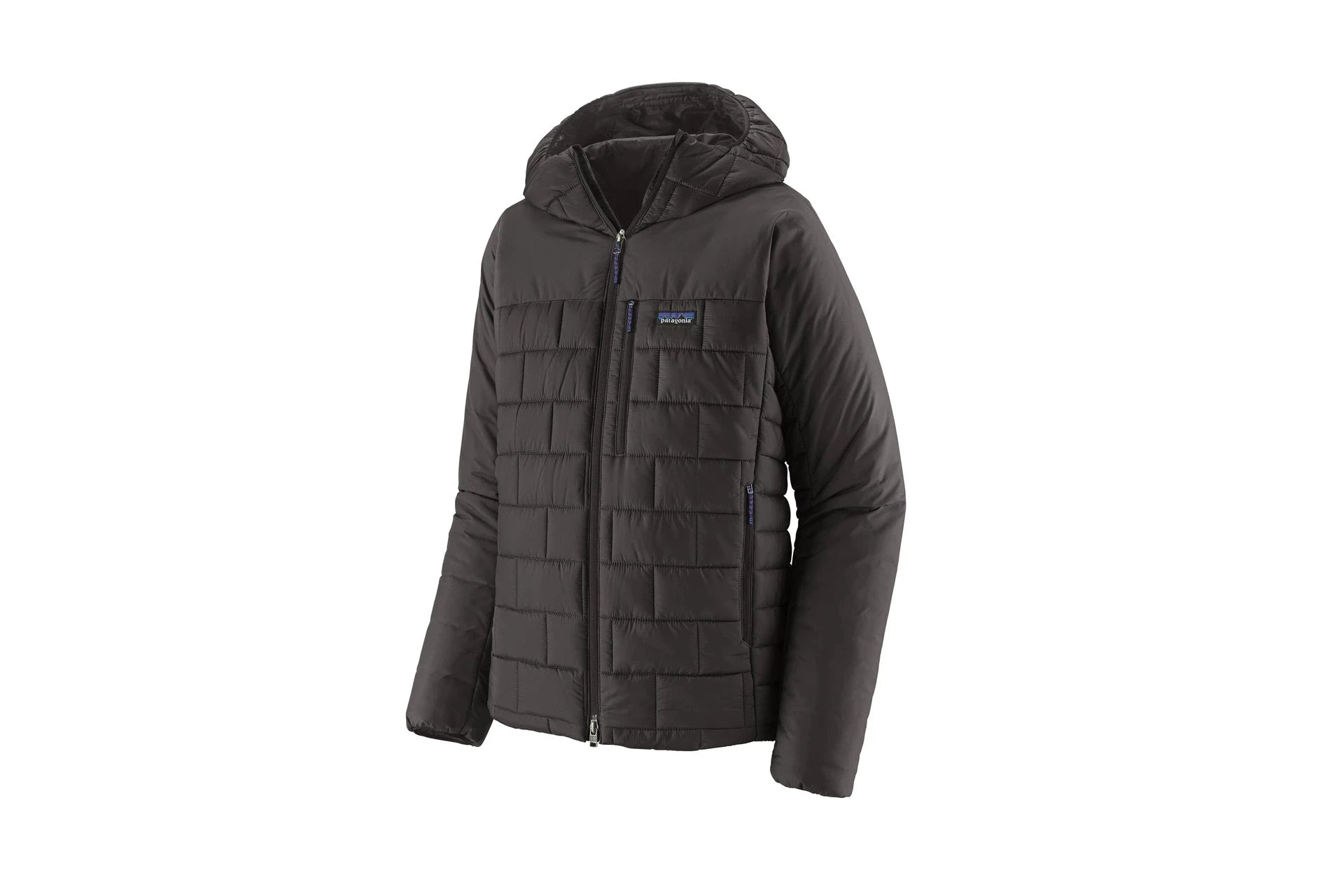
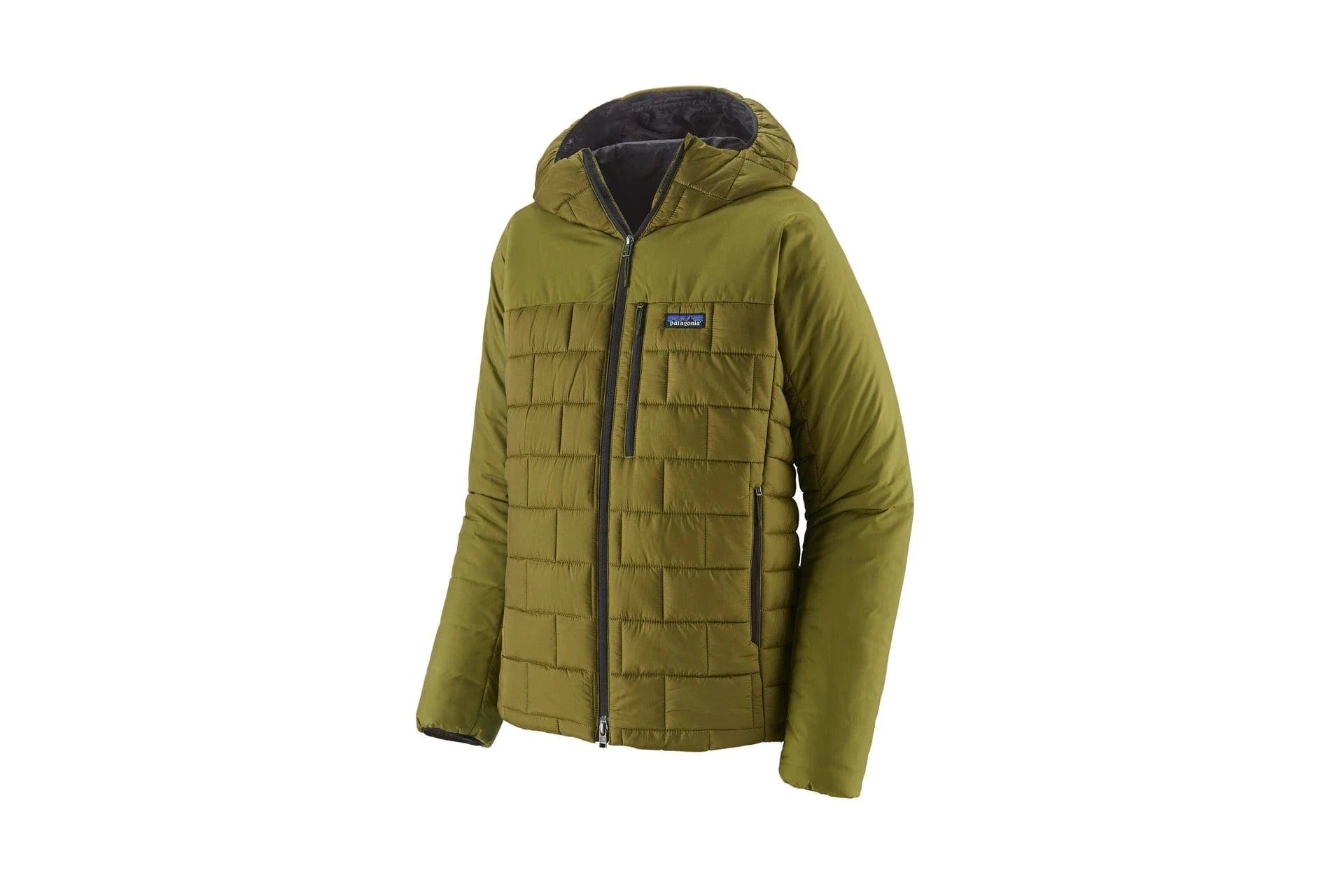
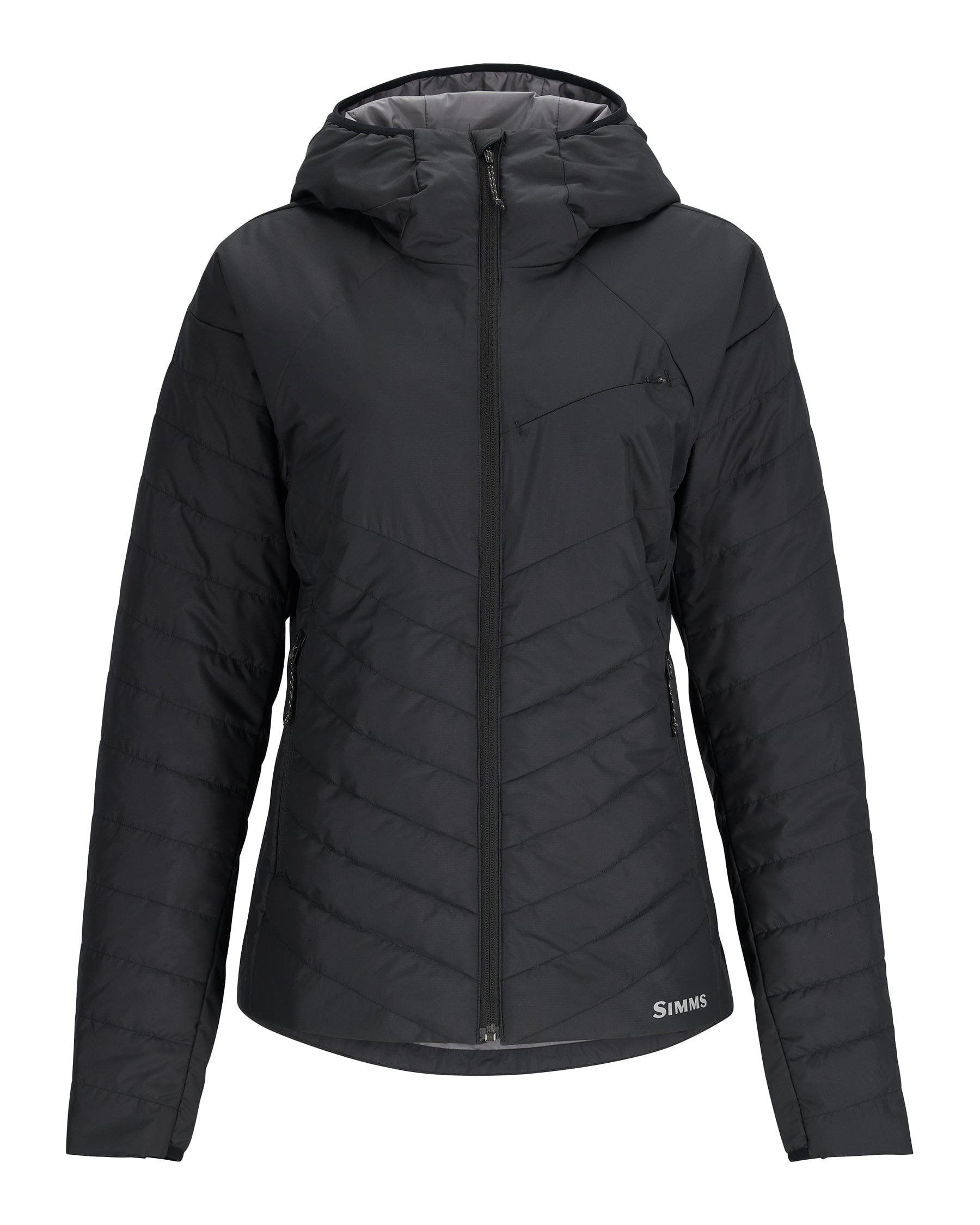


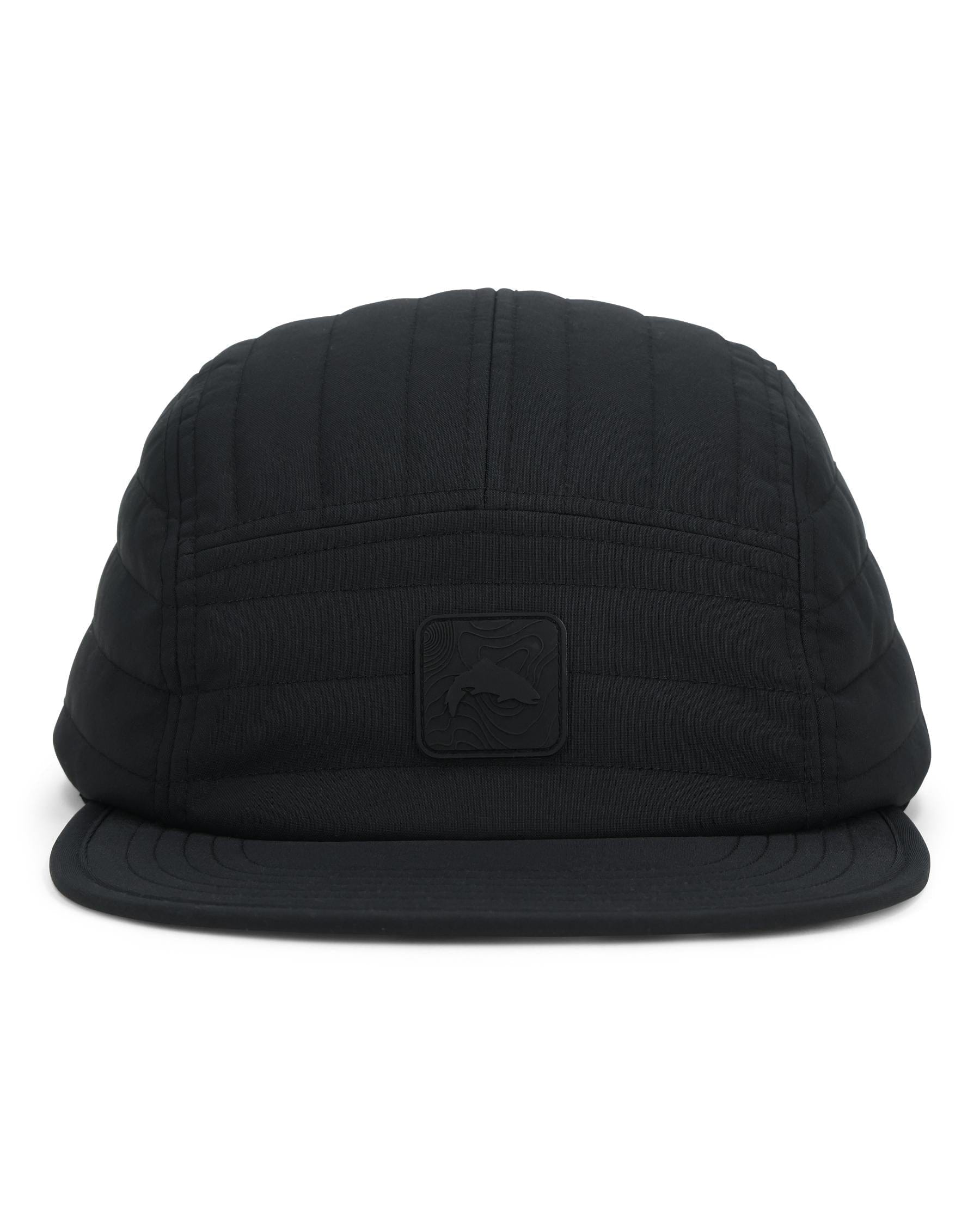
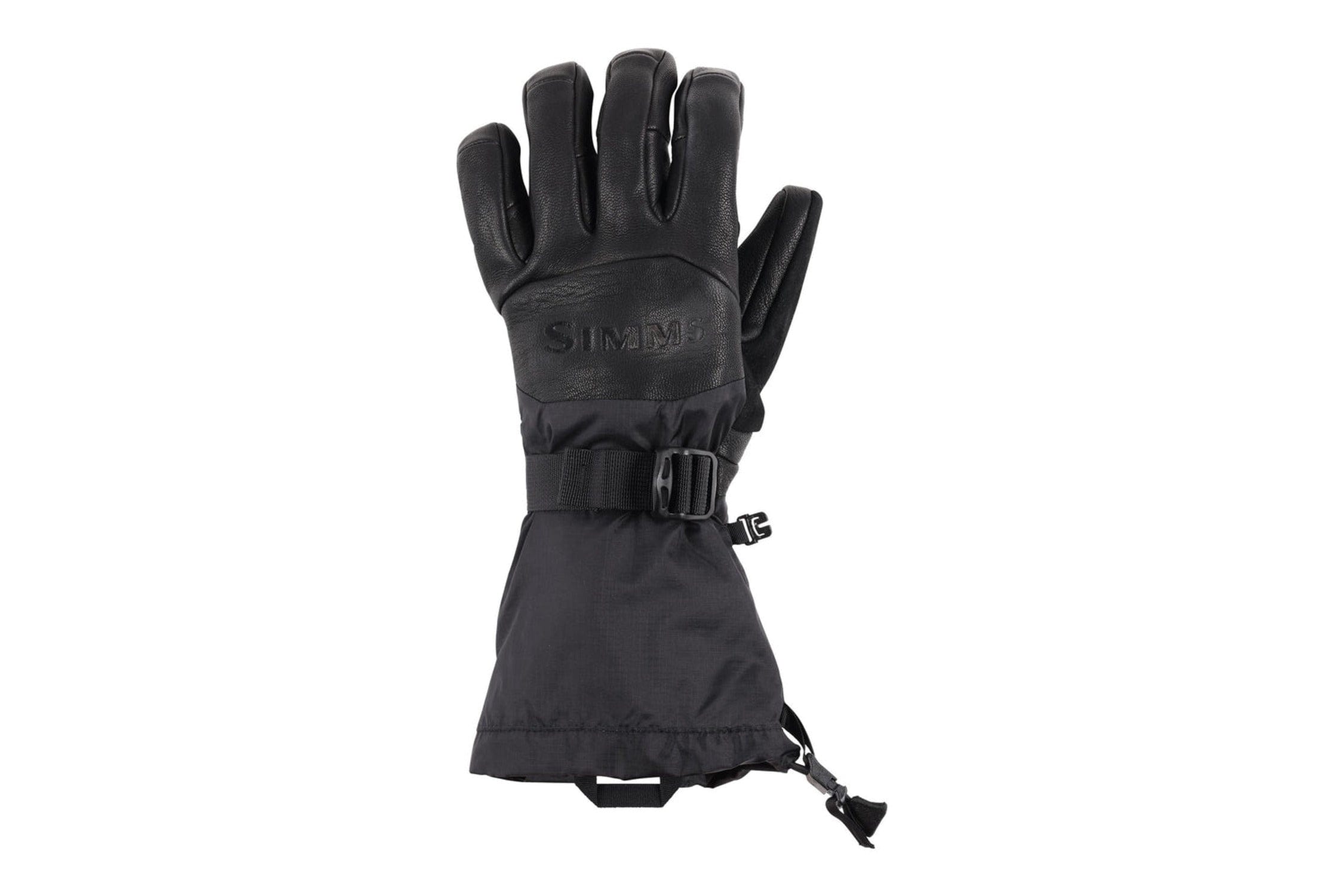
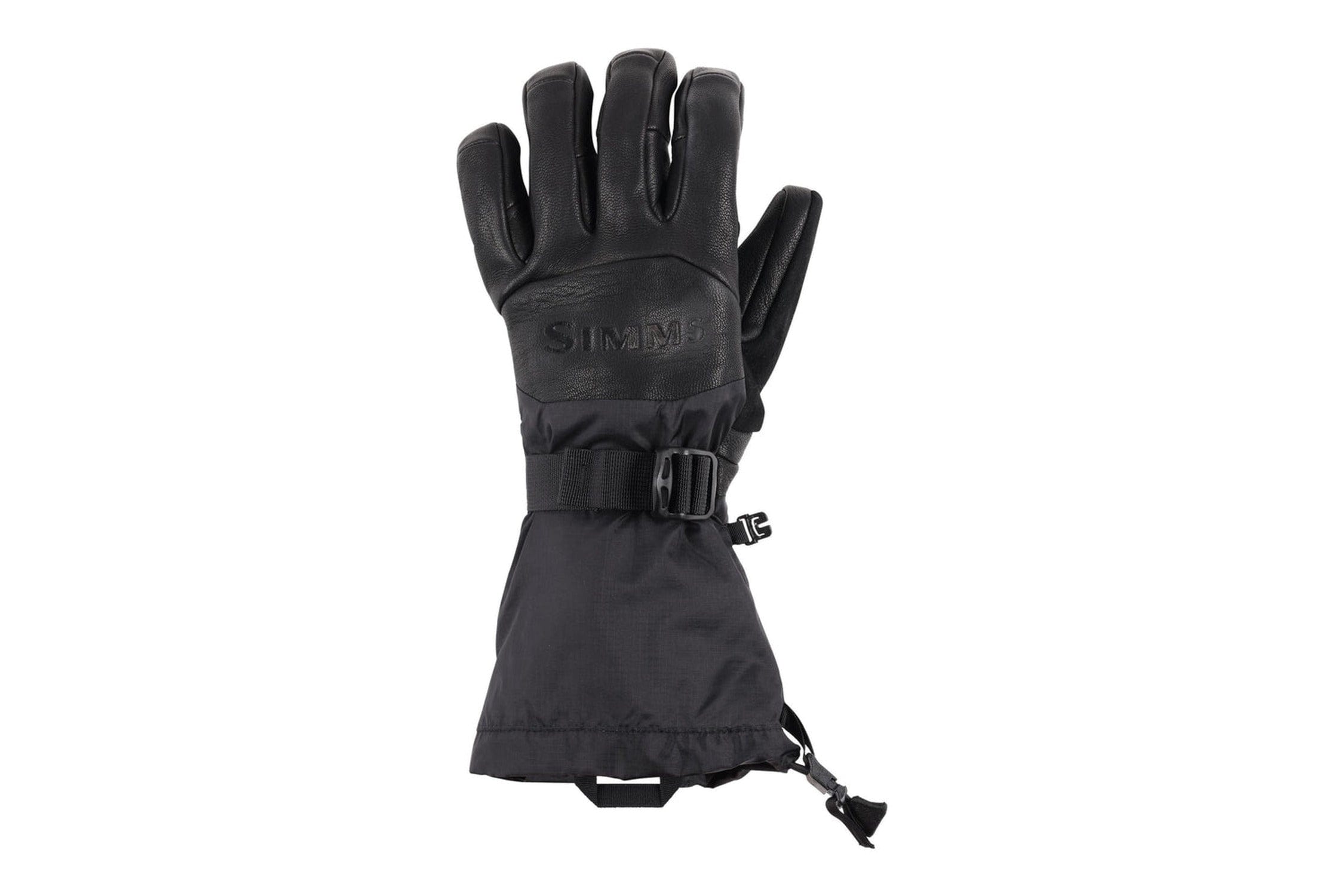

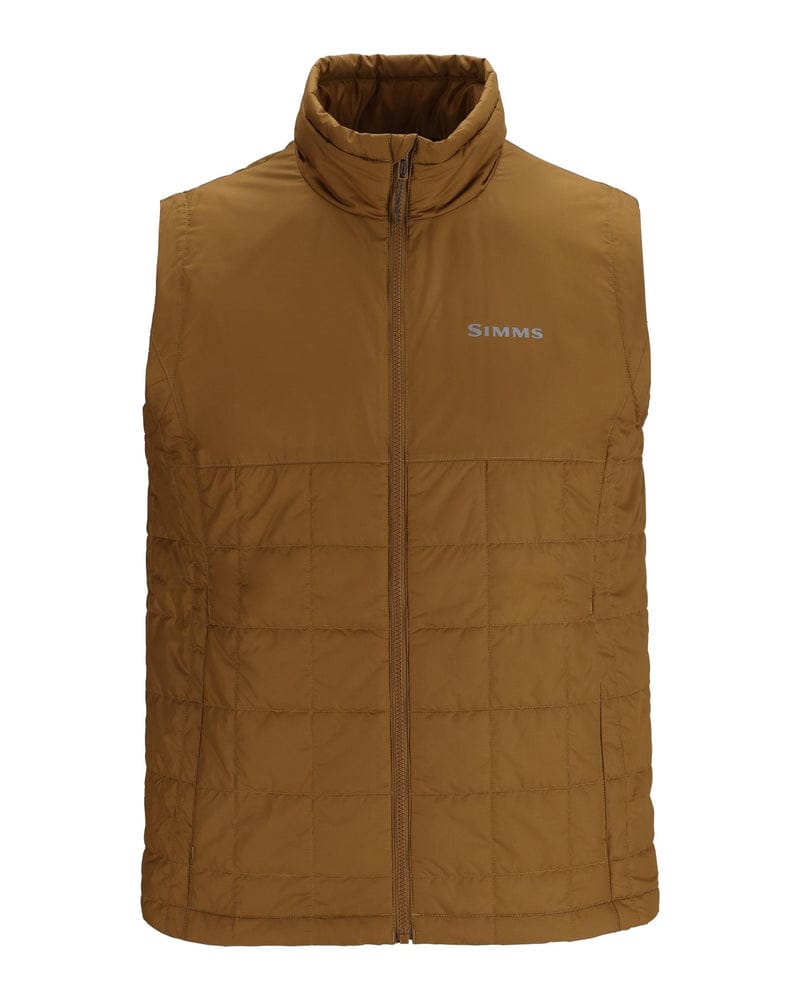
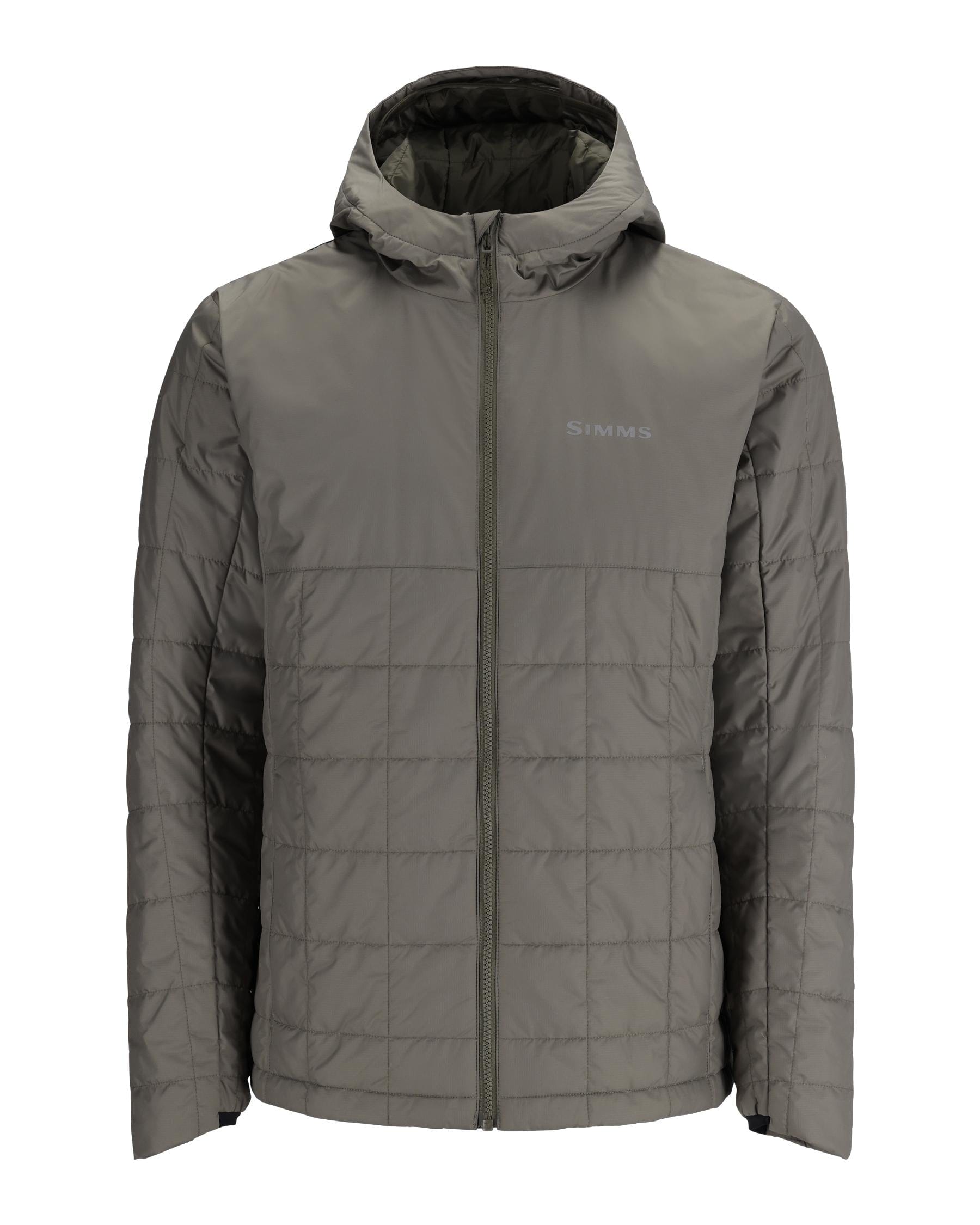
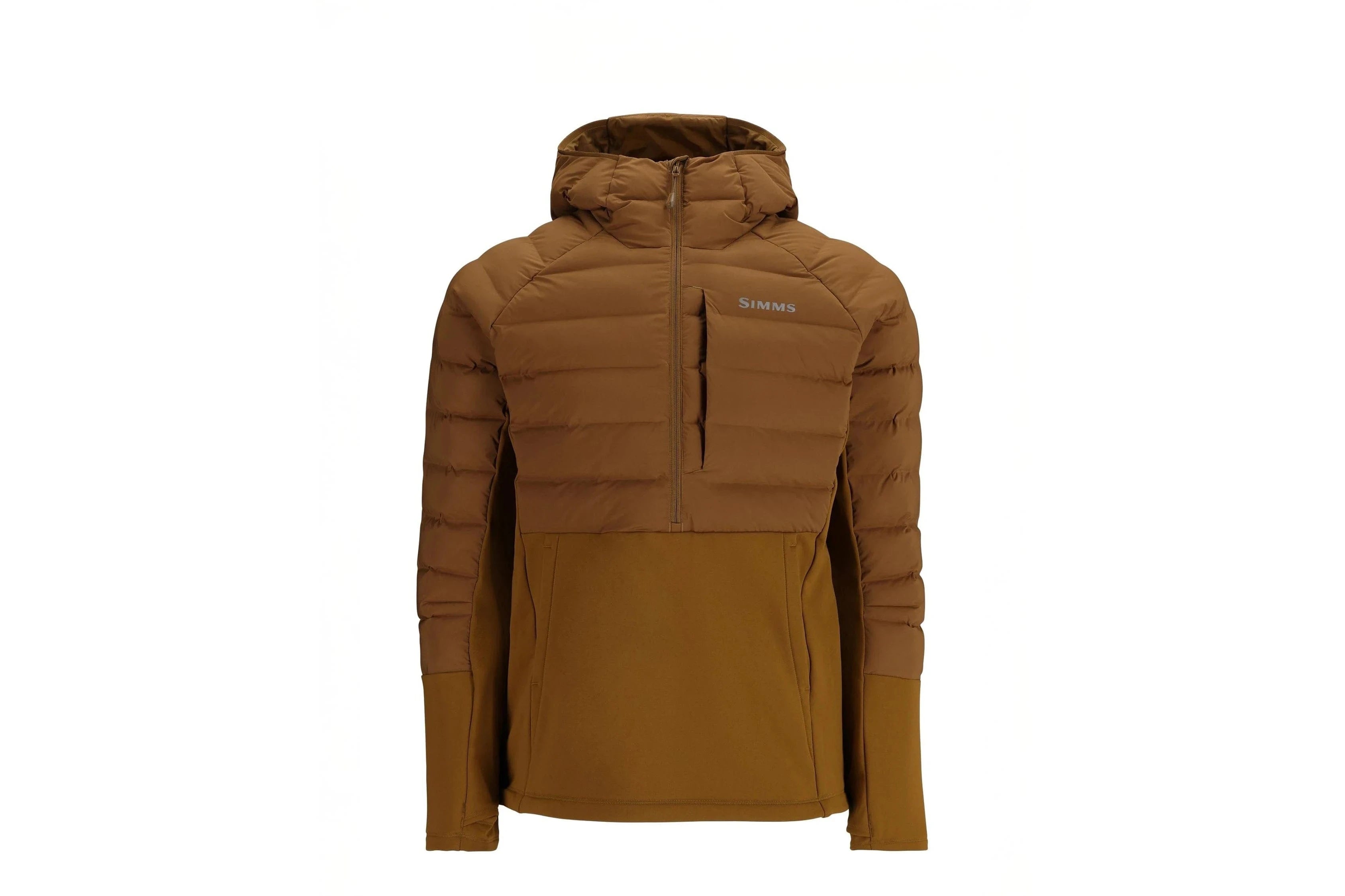
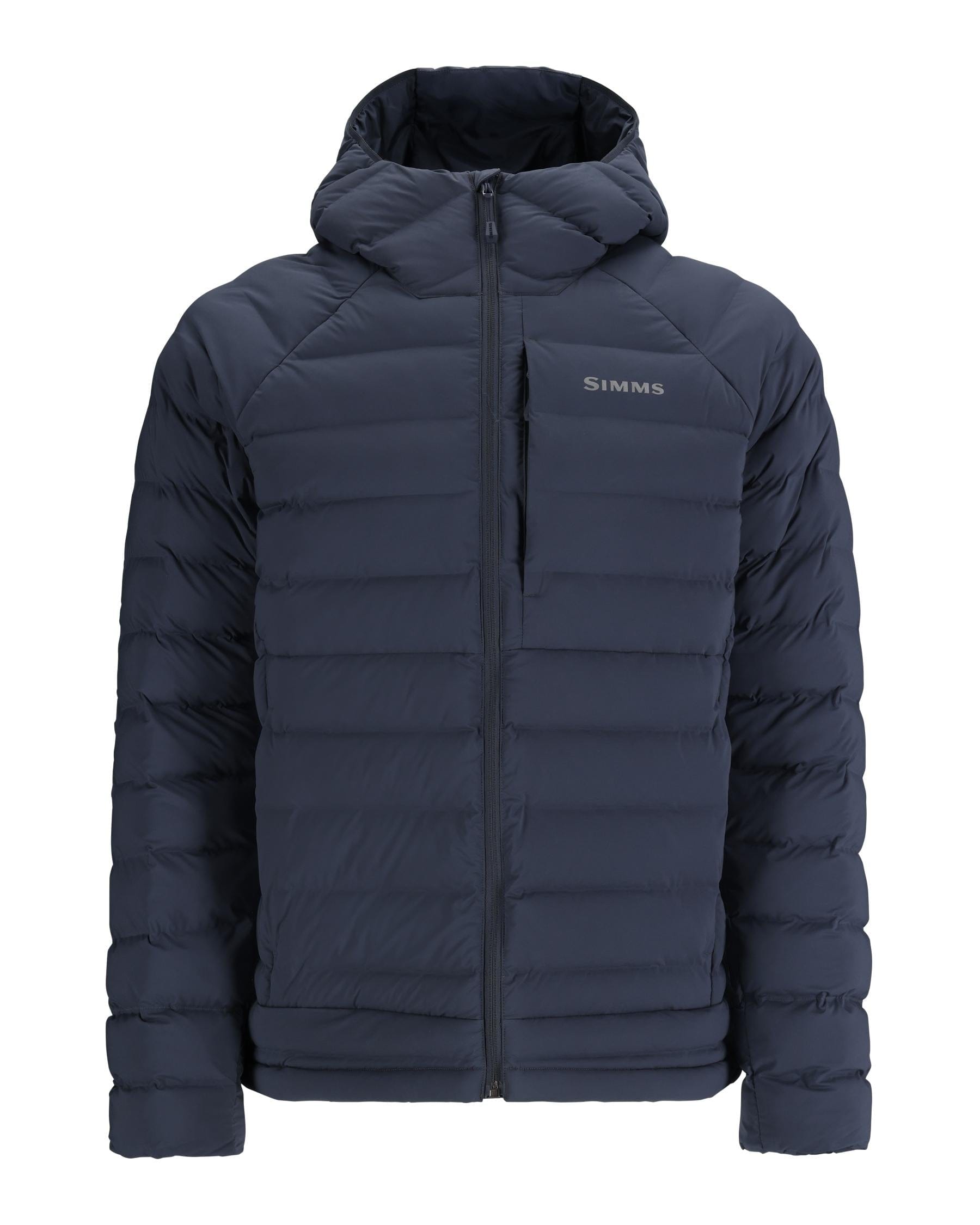
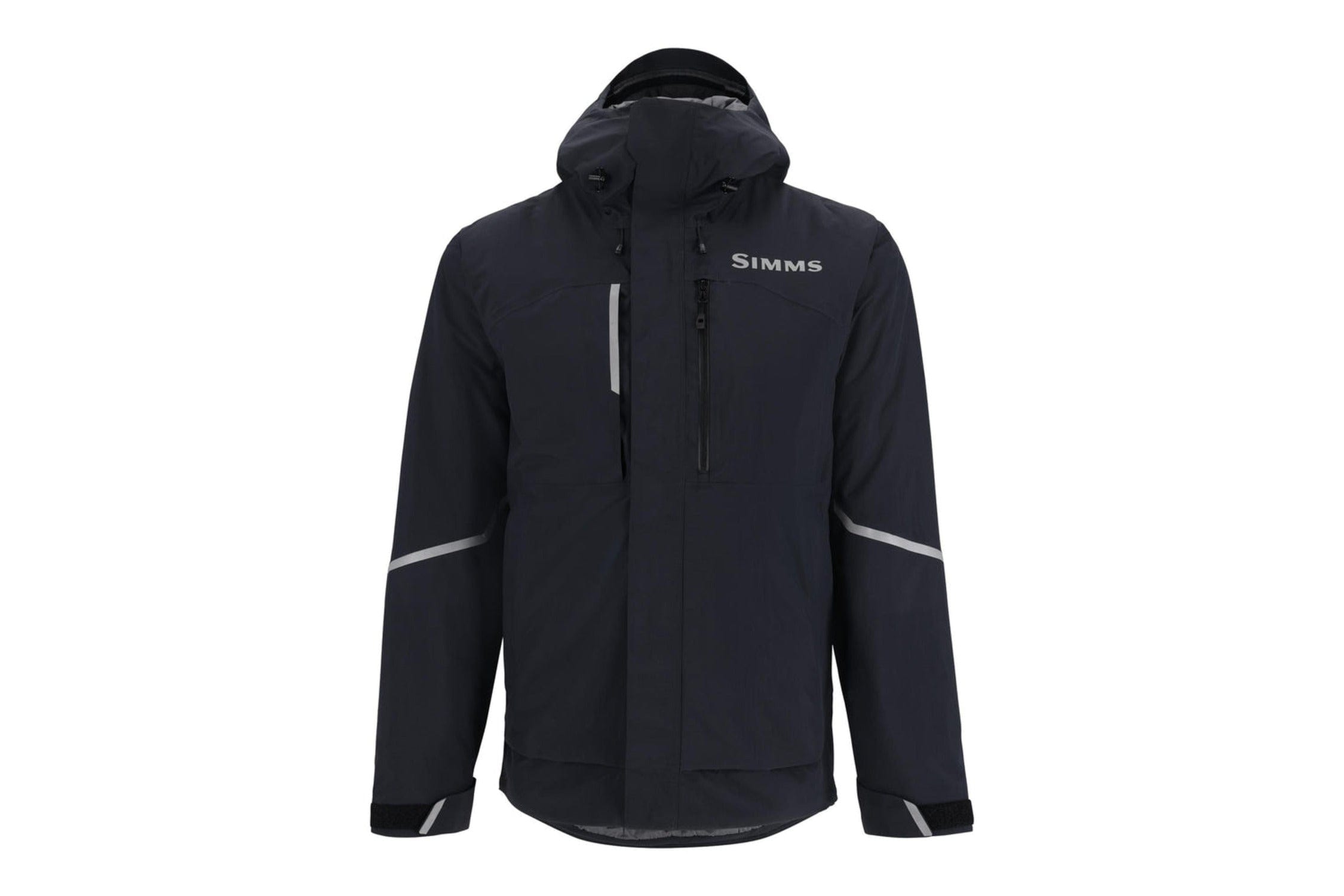
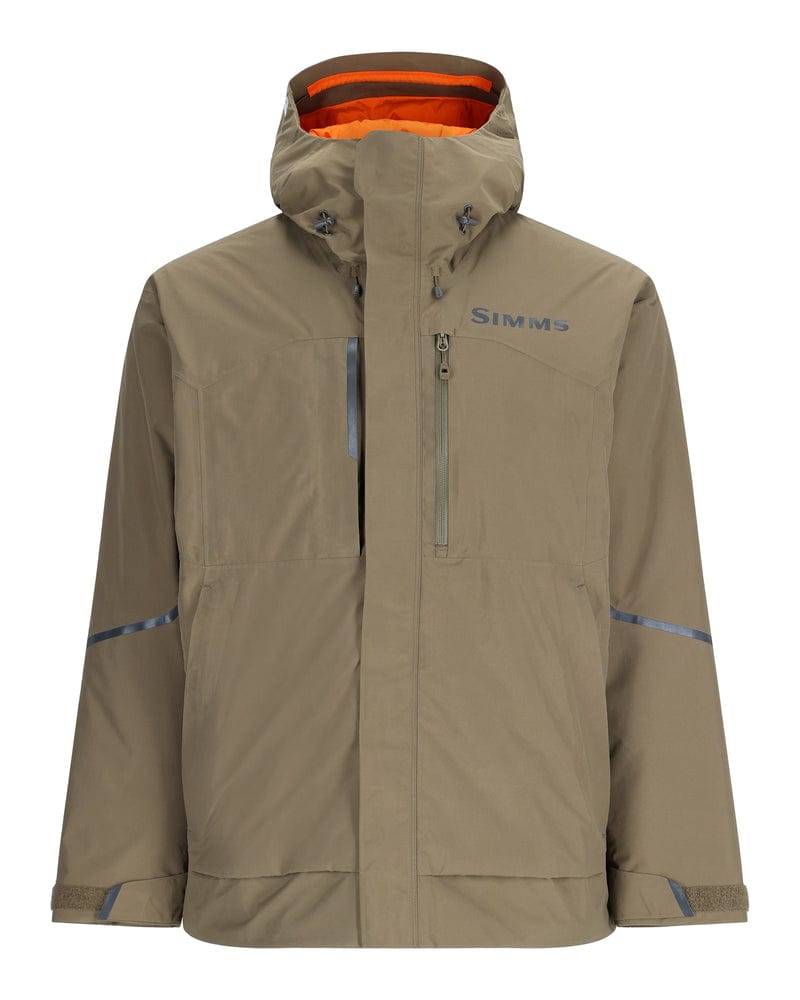
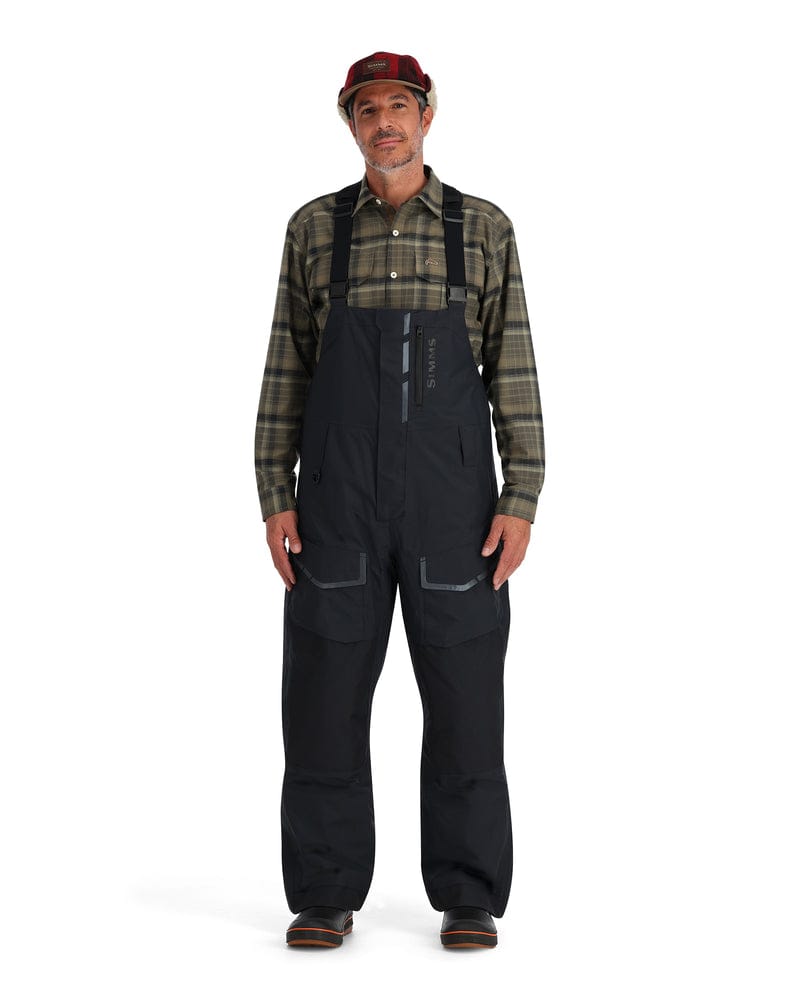


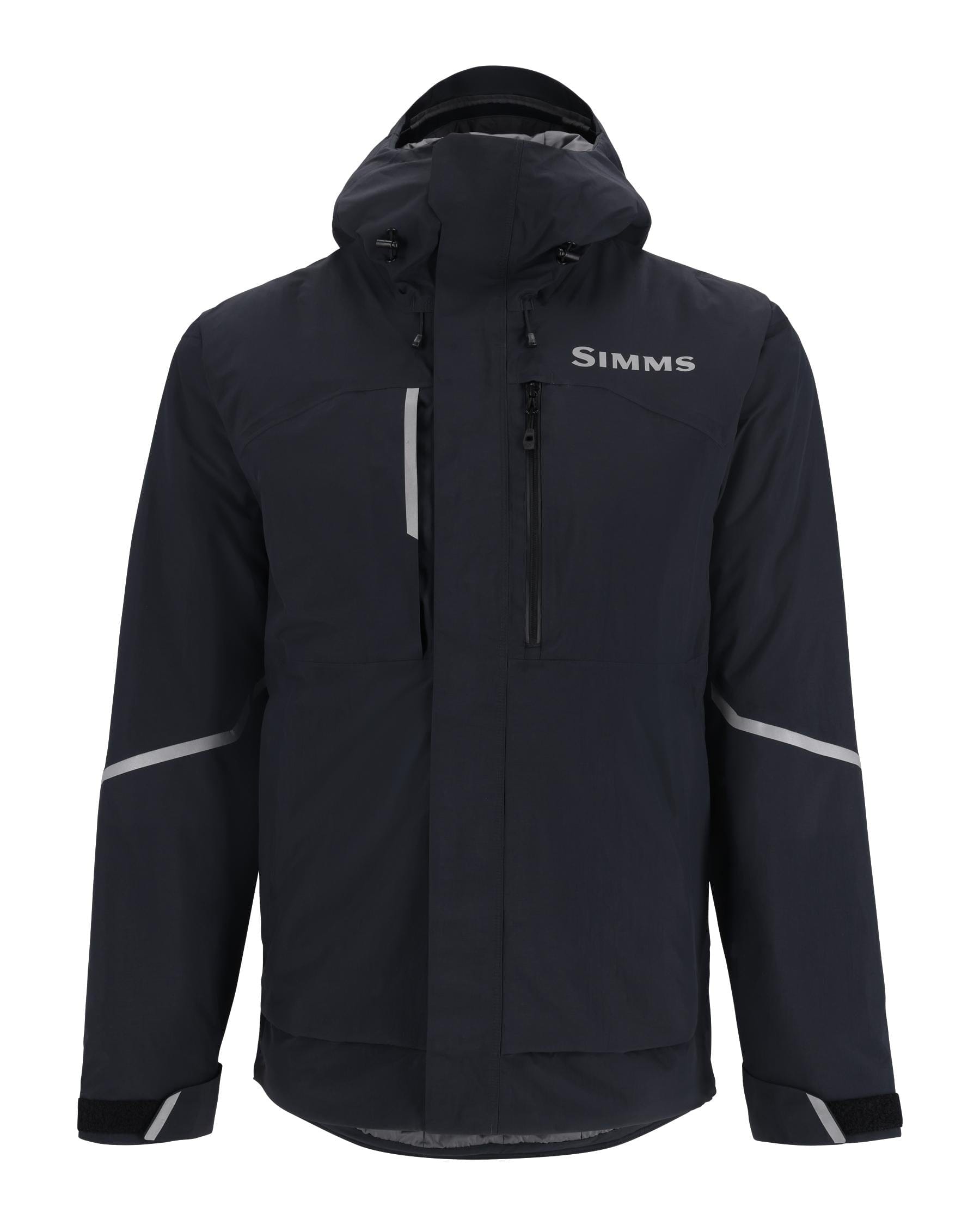
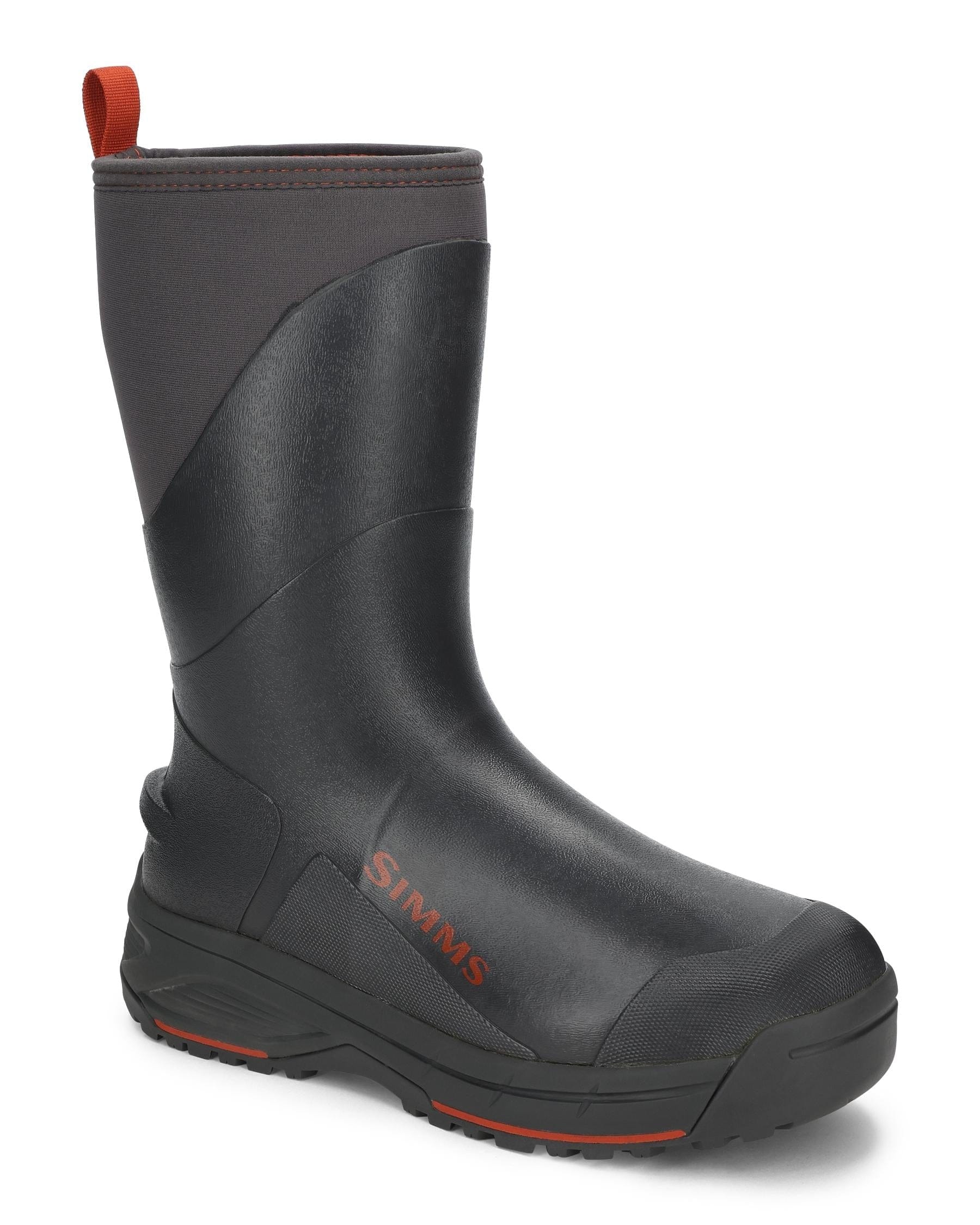
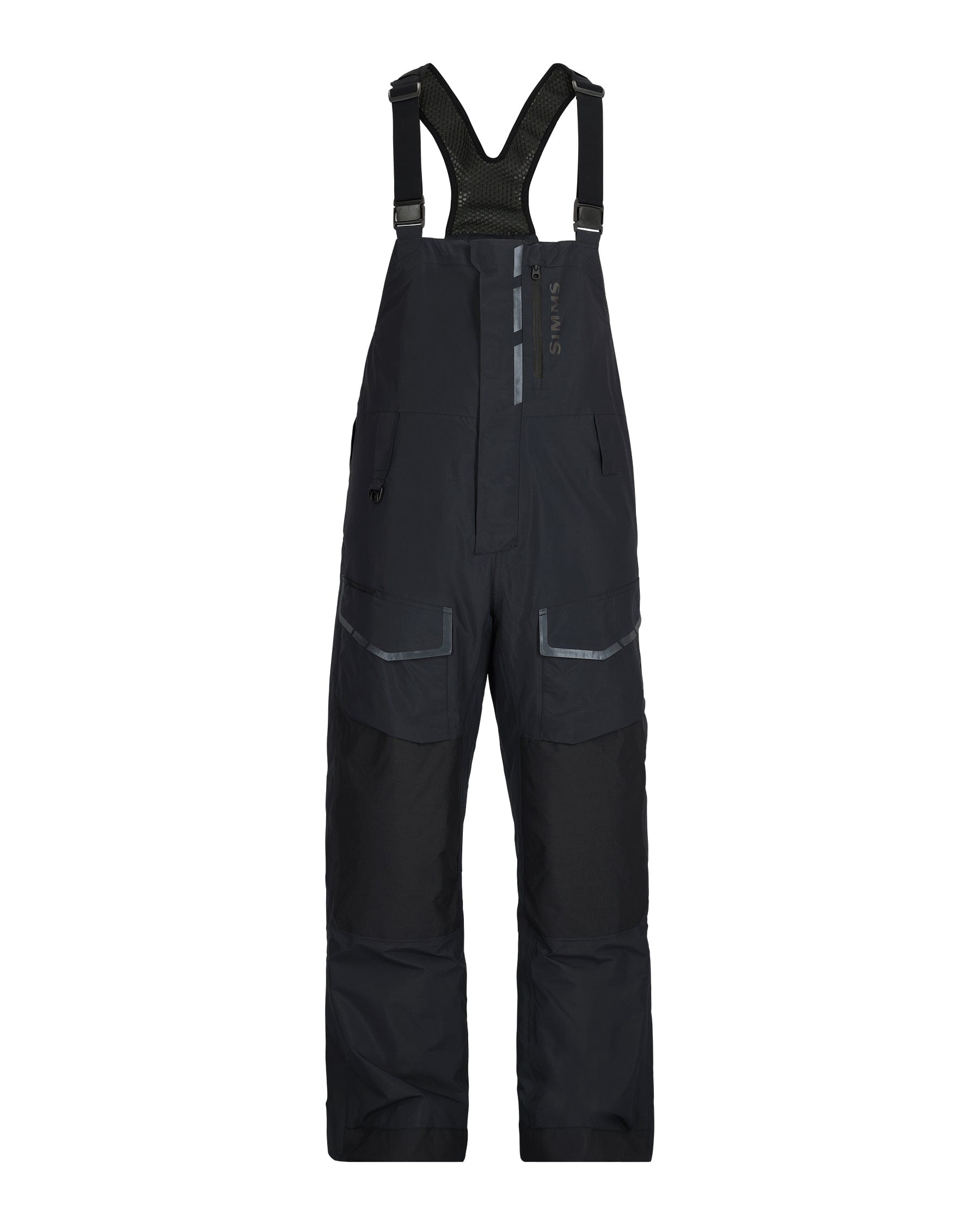
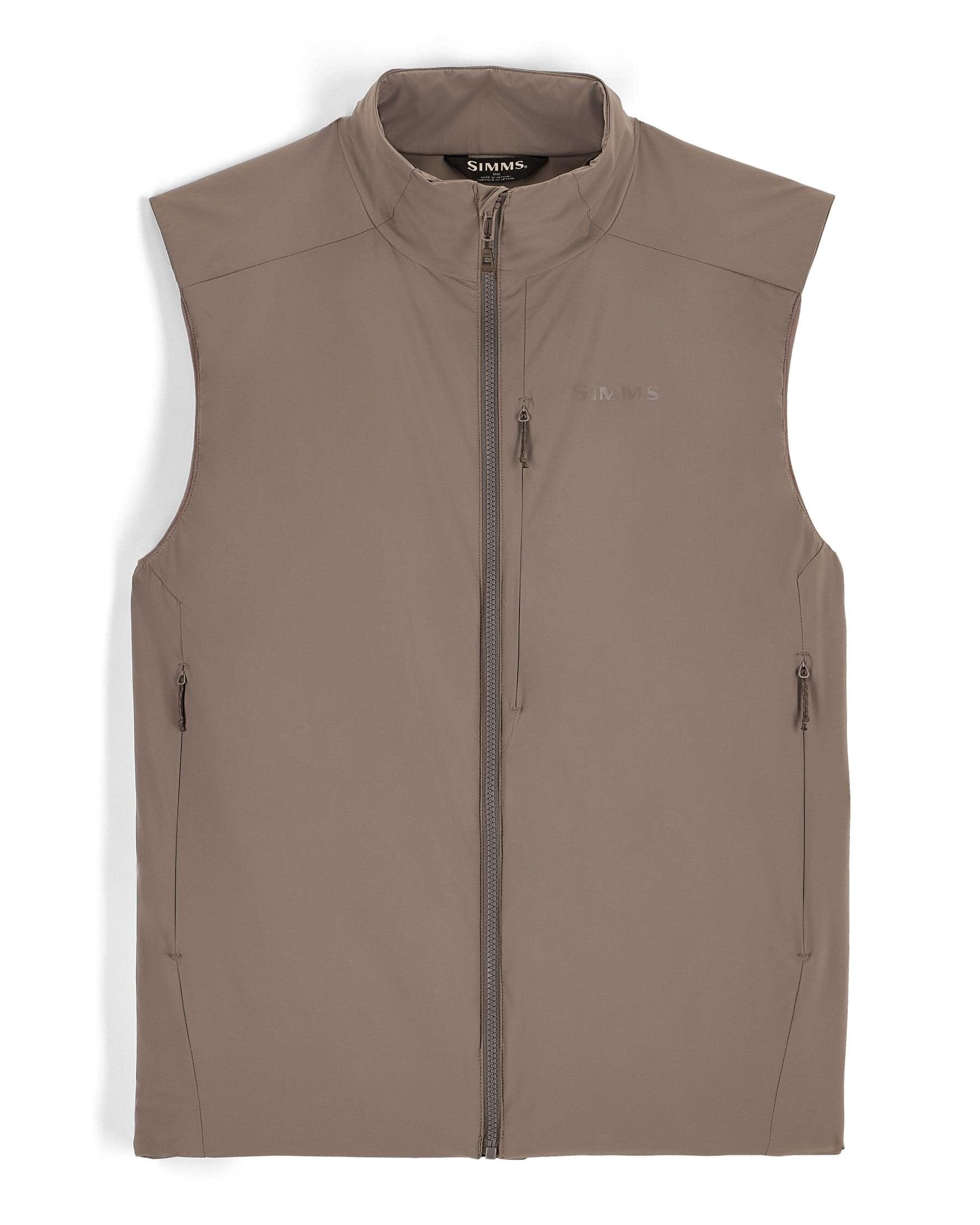
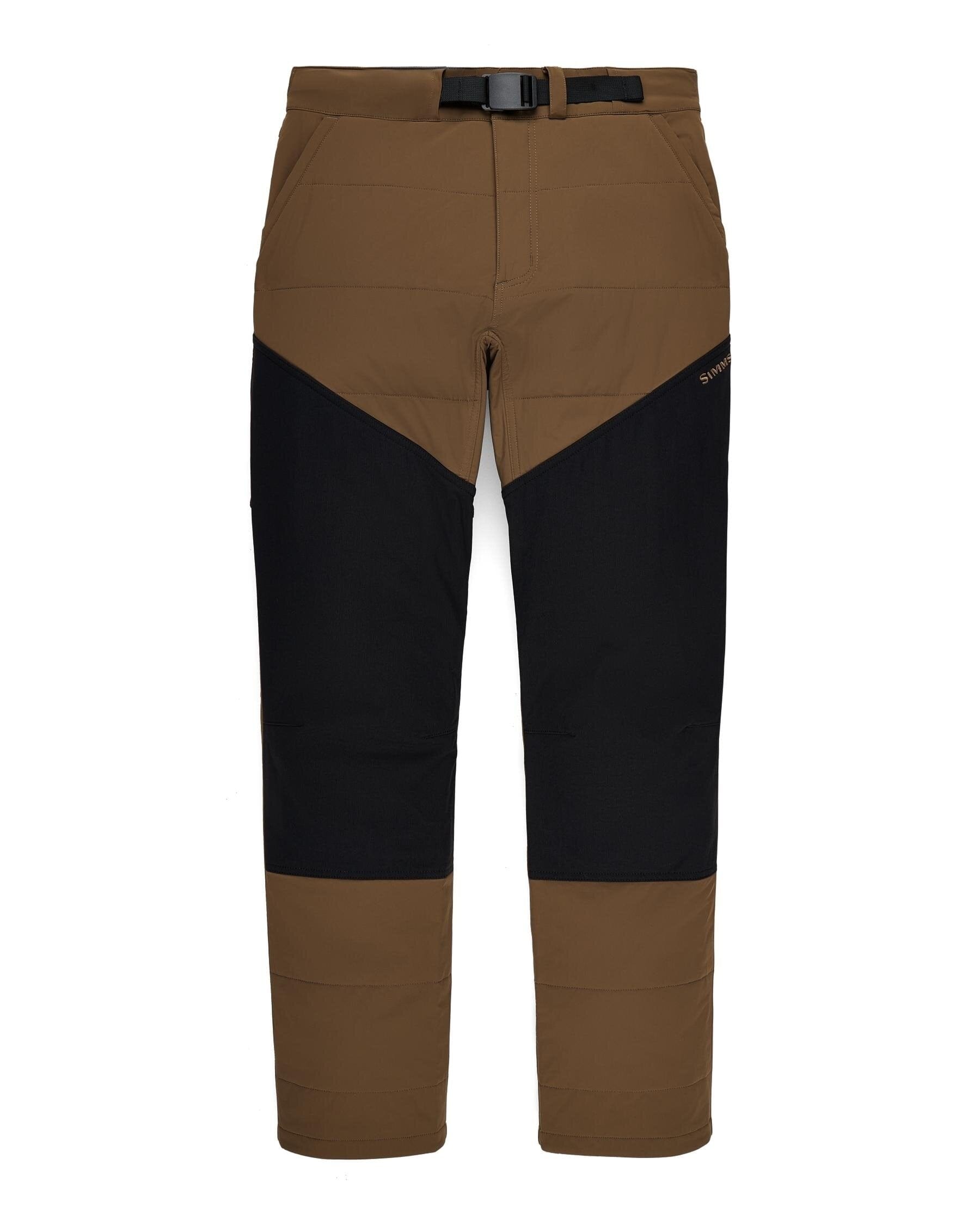
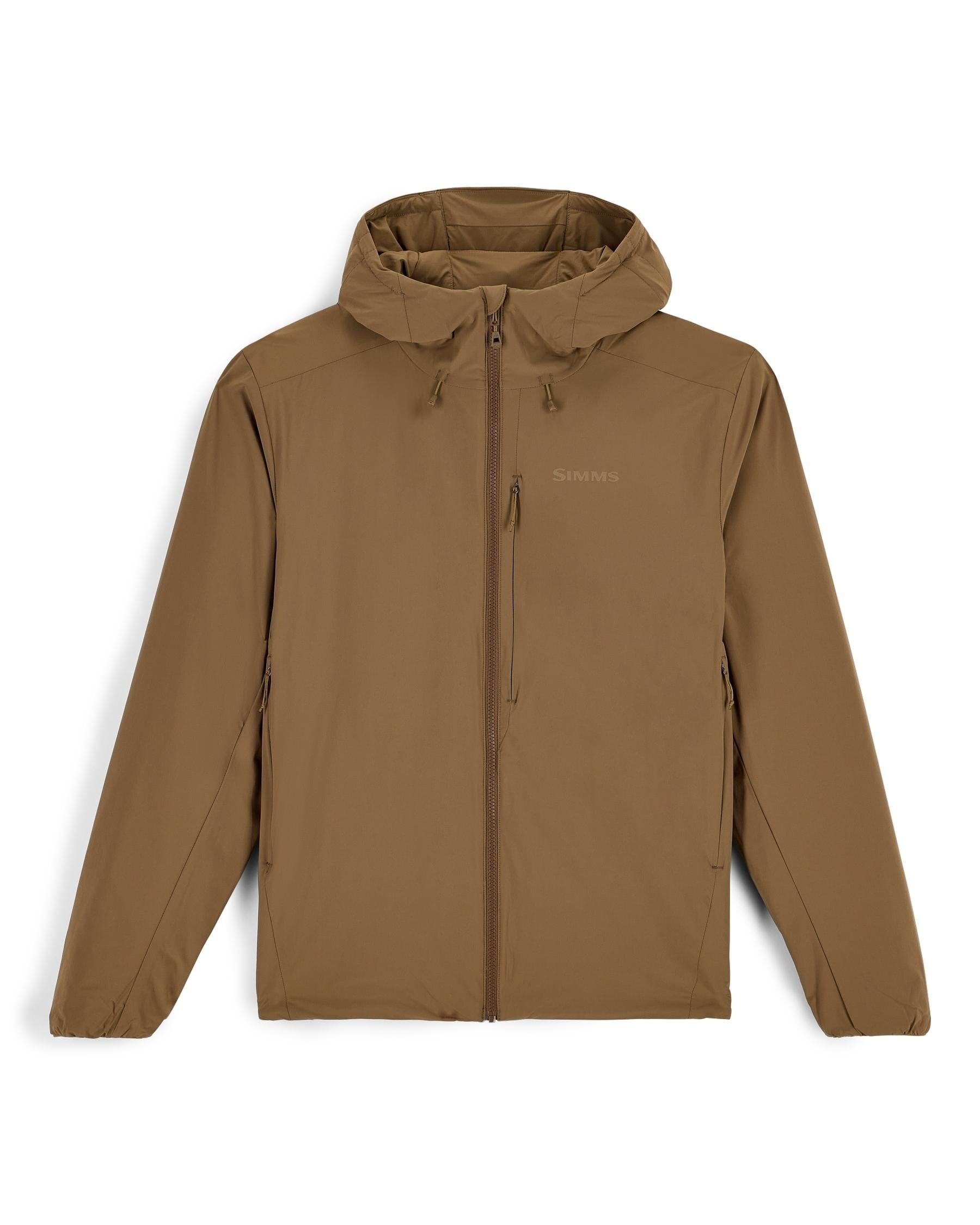
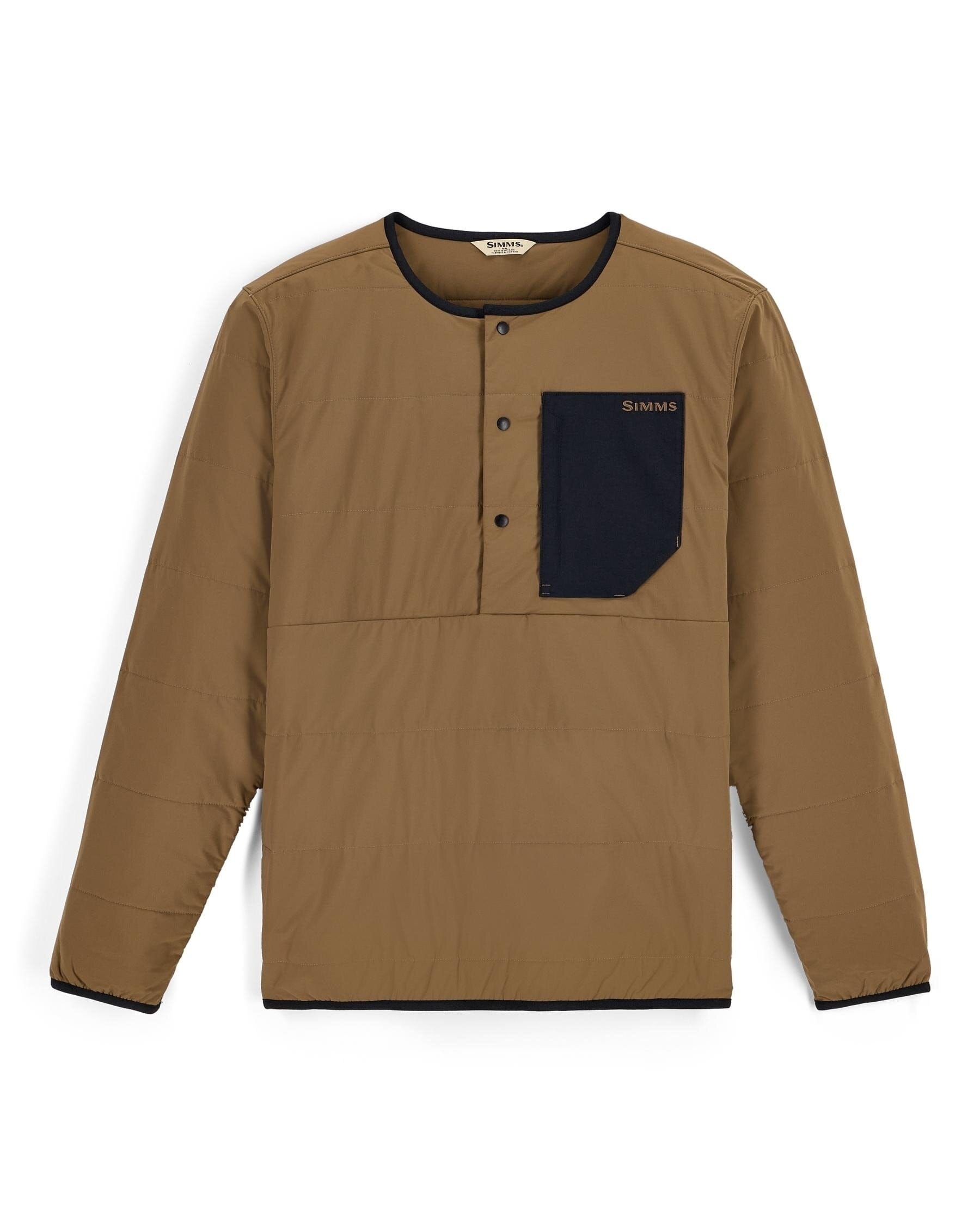
Insulation Quick Picks
- Best All-Around: Simms Exstream Pull Over Insulated Hoody - For anglers who want a low-bulk, under-wader insulated layer that still casts and rows comfortably. PrimaLoft insulation and stretch fabrics make it warm, mobile, and easy to layer.
- Best Wet & Windy: Simms Bulkley Insulated Wading Jacket - For late-season days when you want an insulated jacket that’s also built to fish hard in harsh weather. It combines a waterproof shell with synthetic insulation for a true cold-and-wet solution.
- Best Packable: Patagonia Men's Nano Puff Fitz Roy Trout Hoody - For travel, backcountry approaches, and “stuff it in the pack” warmth that comes out fast when temps drop. Lightweight synthetic insulation makes it a reliable midlayer under a shell.
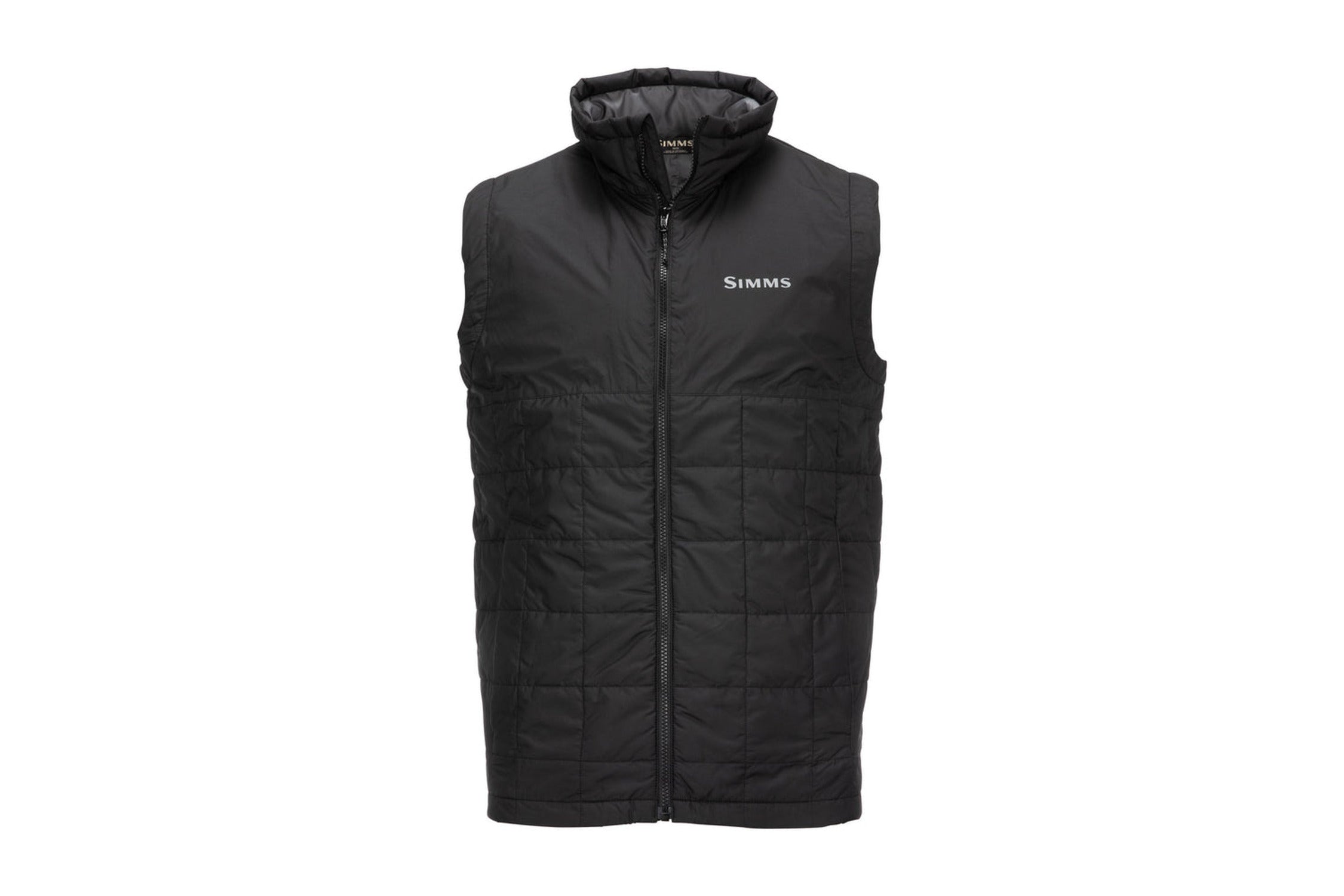
- Best Value: Simms Fall Run Insulated Vest - For core warmth without bulky sleeves when you’re actively wading and casting. A vest layers cleanly under rain gear and stays out of the way in boat seats and wader suspenders.
- Best Off-Water Crossover: Simms Cardwell Jacket - For anglers who want a warmer, lifestyle-styled insulated piece that still works for cold launches and post-float hangouts. Durable fabrics and insulation make it a solid “one jacket” option for fishing towns and daily wear.
How to Choose Insulation
Down vs. synthetic insulation
Action: Start by deciding whether you need maximum packability or better wet-weather reliability. Down typically offers excellent warmth for its weight and compresses small, while synthetic insulation keeps insulating when damp and dries faster.
Choose your warmth level (and don’t overdress)
Best for: Most anglers do better with a system that can vent and adjust than a single, ultra-warm piece. If you hike to water, row hard, or cover lots of riverbank, pick a lighter insulated layer and rely on a shell to block wind.
Avoid if: If you commonly fish in steady rain or heavy spray, avoid relying on a down-only insulating layer as your primary warmth.
Fit for fishing: under waders and shells
Action: Make sure your insulation fits under your waders (or bibs) without bunching at the shoulders and elbows. Look for low-bulk sleeves, smooth-faced fabrics that slide under shells, and cuffs that seal without getting in the way of stripping line.
Fishing-focused features that matter
- Wind resistance: A lightly weather-shedding face fabric can make a “medium warm” layer feel much warmer on open water.
- Hood design: Insulated hoods are great for early mornings and boat runs, but make sure it layers cleanly under a rain hood.
- Pocket layout: Handwarmer pockets are nice, but chest pockets tend to be more usable with waders and packs on.
Care & Maintenance
- After each trip: Hang insulation to fully dry (inside and out), especially if it got rained on or worn under waders.
- Washing: Use a gentle cycle and follow the garment label; avoid fabric softeners which can hurt wicking and DWR performance.
- DWR upkeep: If the face fabric starts “wetting out,” a wash and low-heat tumble dry often helps re-activate DWR.
- Storage: Don’t store insulated pieces compressed long-term; hang or store loosely to preserve loft.
Complete Your Setup
Related Gear
- Layering - Build a base/mid/shell system so you can adjust through the day.
- Outerwear - Pair insulation with a waterproof shell for cold rain, snow, and wind.
- Gloves & Socks - Warm hands and feet often matter more than adding another torso layer.
- Fly Fishing Clothing - Round out the rest of your kit for sun, bugs, and changing seasons.
Related Guides
- Fly Fishing for Beginners: A Gear List
- How to Choose the Best Fly Line for Beginners
- Fly Tying Essentials: The Basics for First-Time Tyers
Insulation FAQs
Q: What does insulation do for fly fishing?
A: Insulation traps heat so you can stay comfortable during cold starts, boat rides, and low-activity periods. It also helps you fish longer by reducing fatigue caused by cold and wind.
Q: Should I choose down or synthetic insulation for fishing?
A: If you prioritize packability and fish mostly cold, dry conditions, down can be a great choice. If you expect rain, spray, or lots of sweat from hiking, synthetic insulation is usually the safer, more versatile option.
Q: How warm should my insulated layer be under waders?
A: Aim for “warm enough while standing still,” but not so warm you can’t vent when walking or rowing. Many anglers do better with a lighter insulated piece plus a shell, rather than one very heavy puffy.
Q: Are insulated hoodies good as a midlayer?
A: Yes, especially smoother, low-bulk insulated hoodies designed to slide under waders and rain shells. They’re a practical choice for cold trout days because they combine warmth, mobility, and quick on/off comfort.
Q: Can I wear insulation as an outer layer while fishing?
A: In dry conditions, absolutely, especially for dawn patrol and shoulder seasons. In steady rain or heavy wind, you’ll usually be happier adding a waterproof shell over your insulation.
Q: What’s the most common mistake when buying insulation?
A: Buying a layer that’s too bulky to comfortably fit under waders or a shell. Prioritize freedom of movement at the shoulders and elbows, and make sure it layers cleanly with the outerwear you actually fish in.