

Fly Fishing Flies Explained (Streamers, Nymphs, Dry Flies & More)
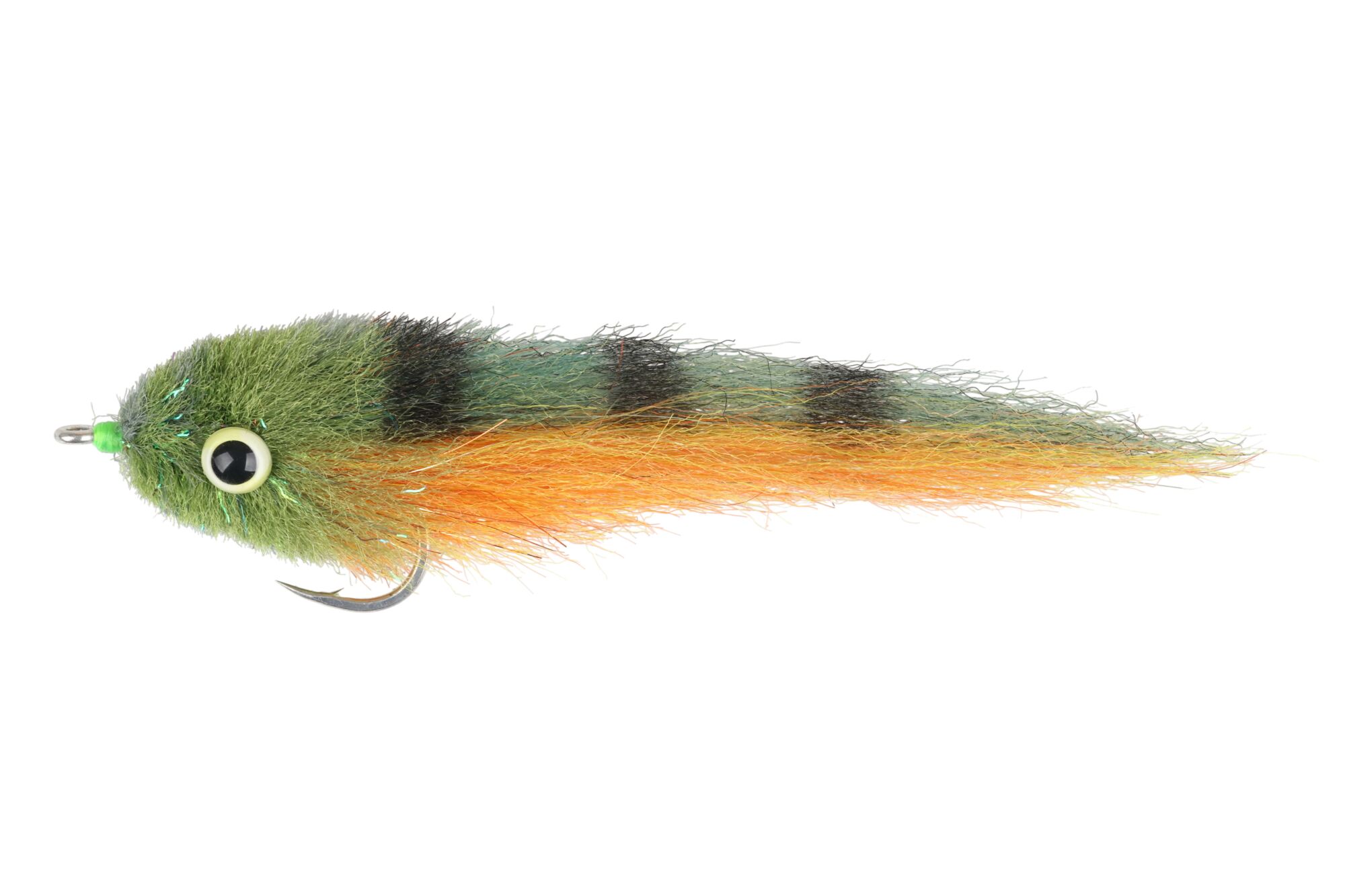
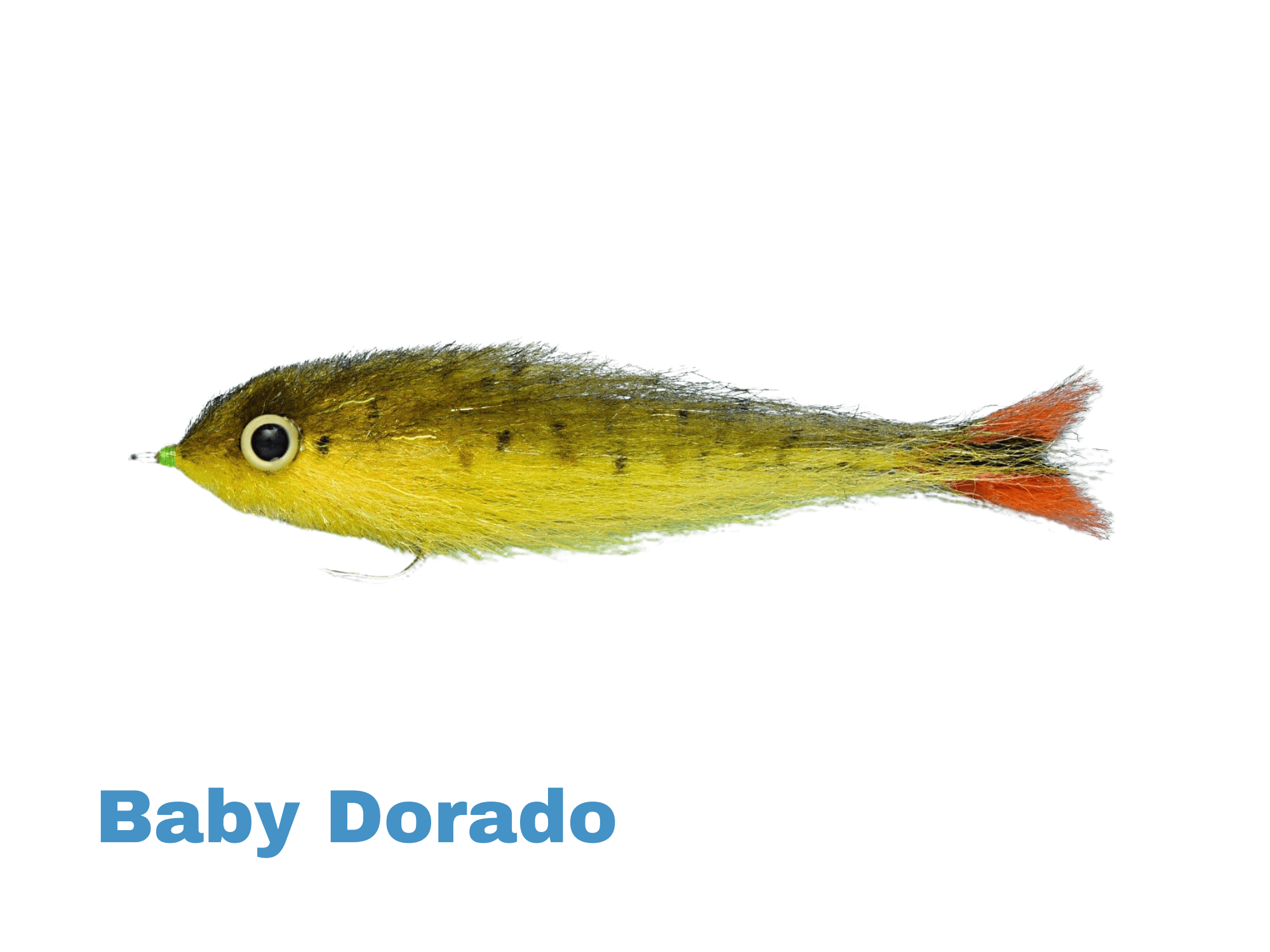
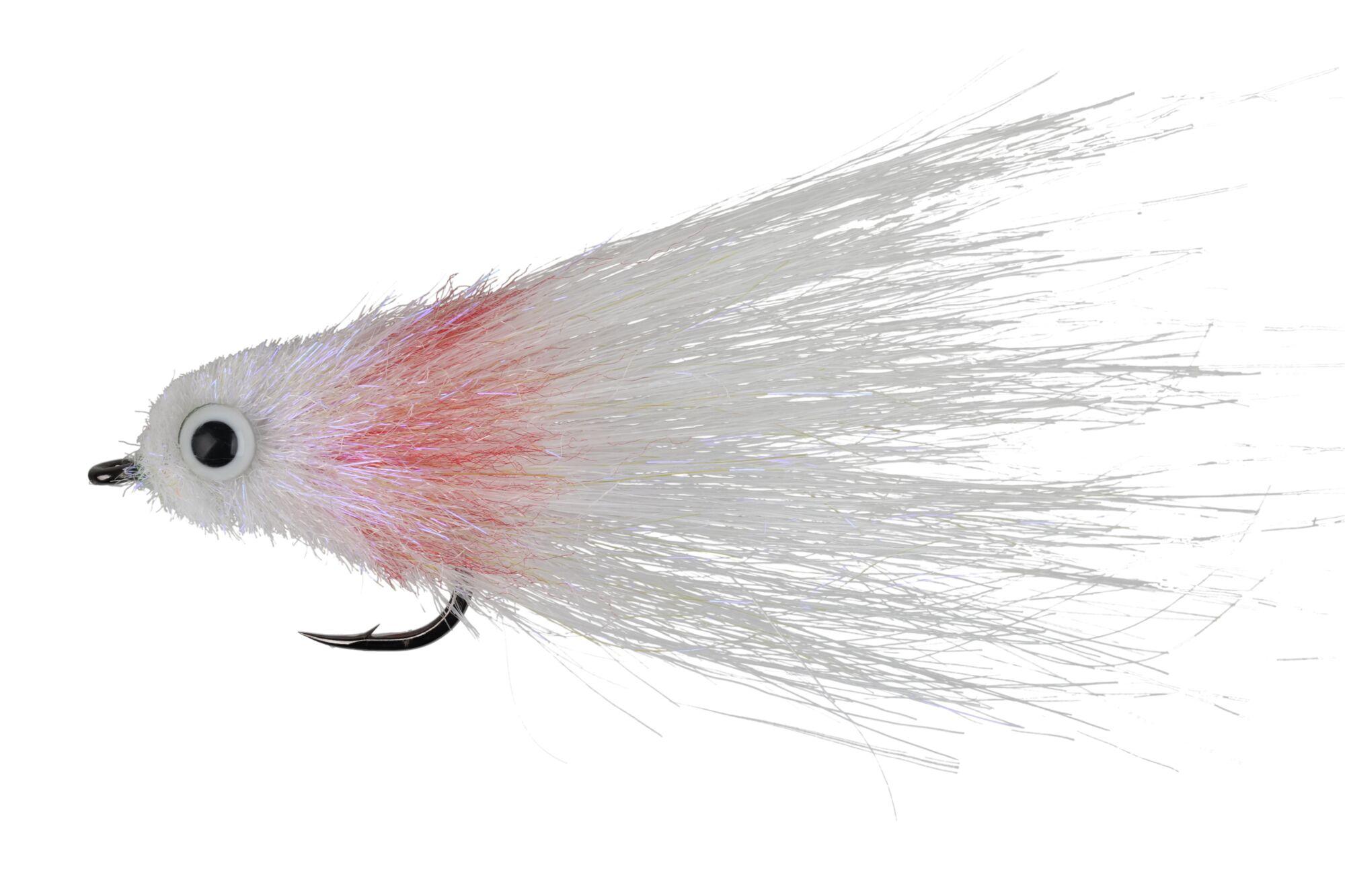
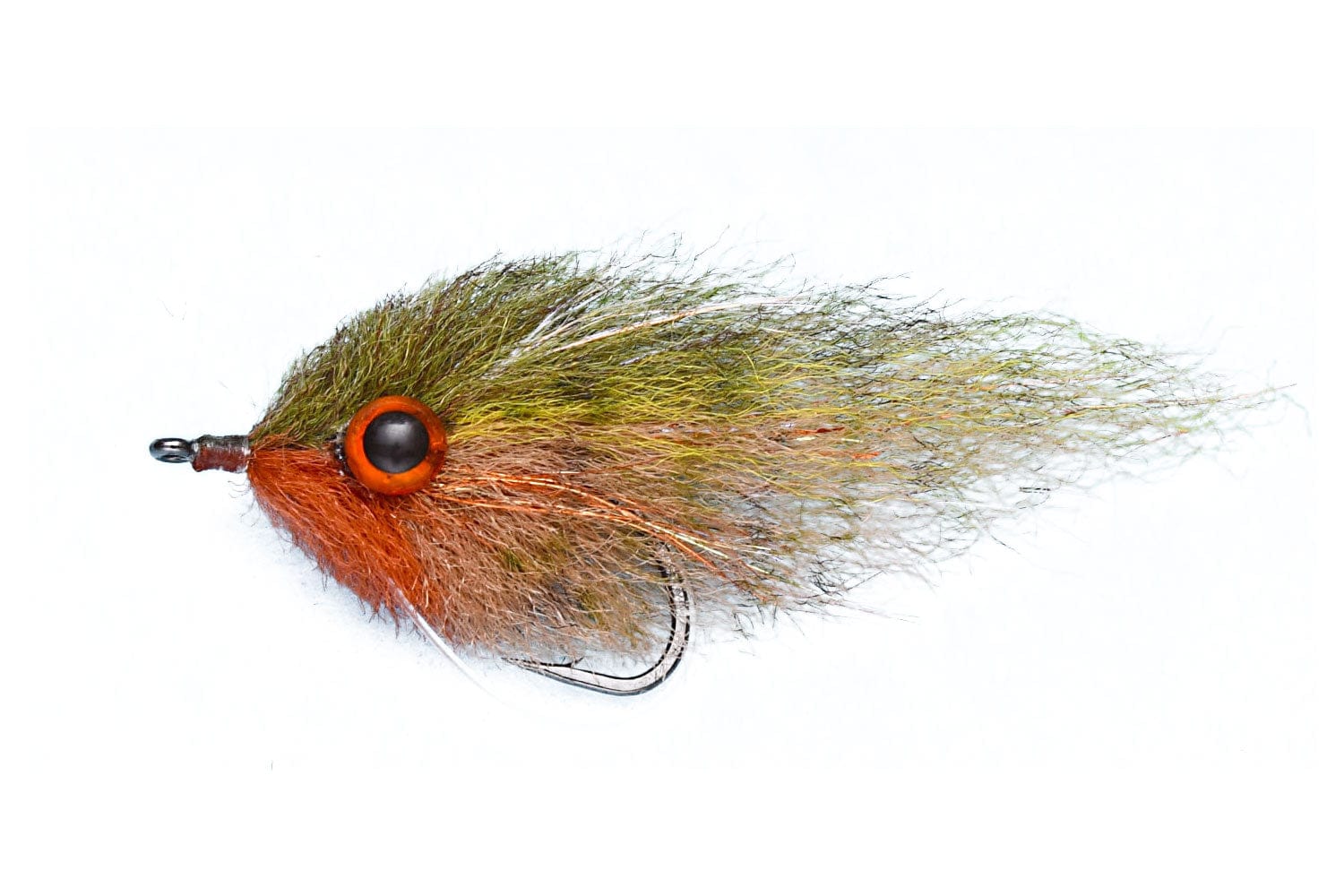
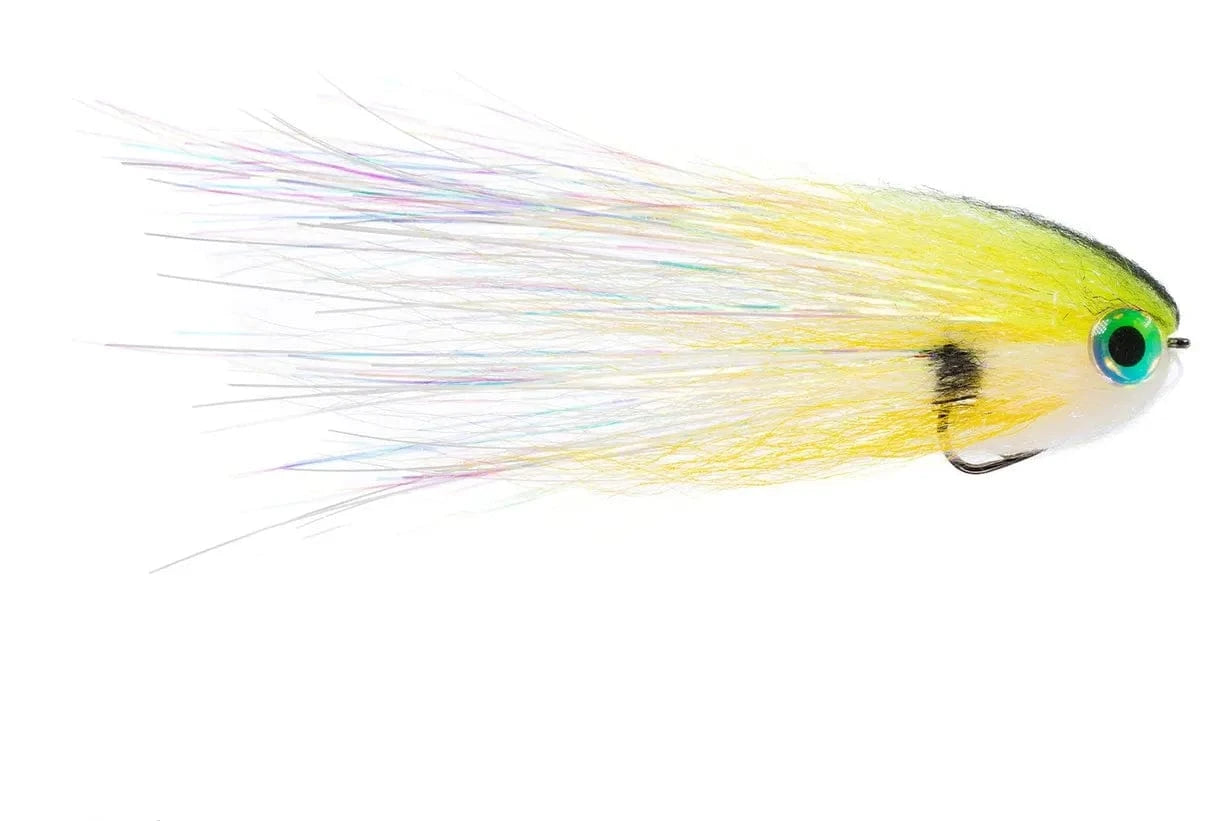
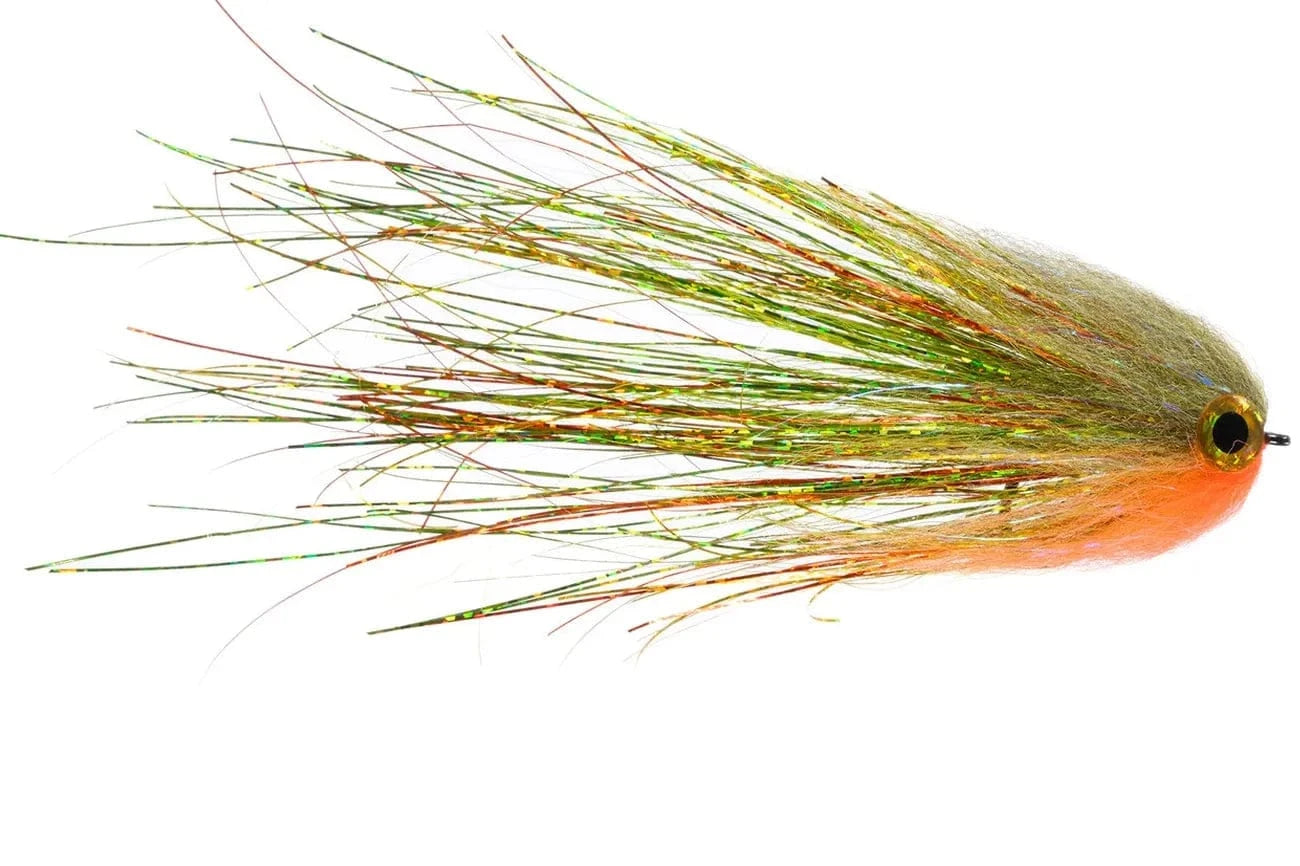
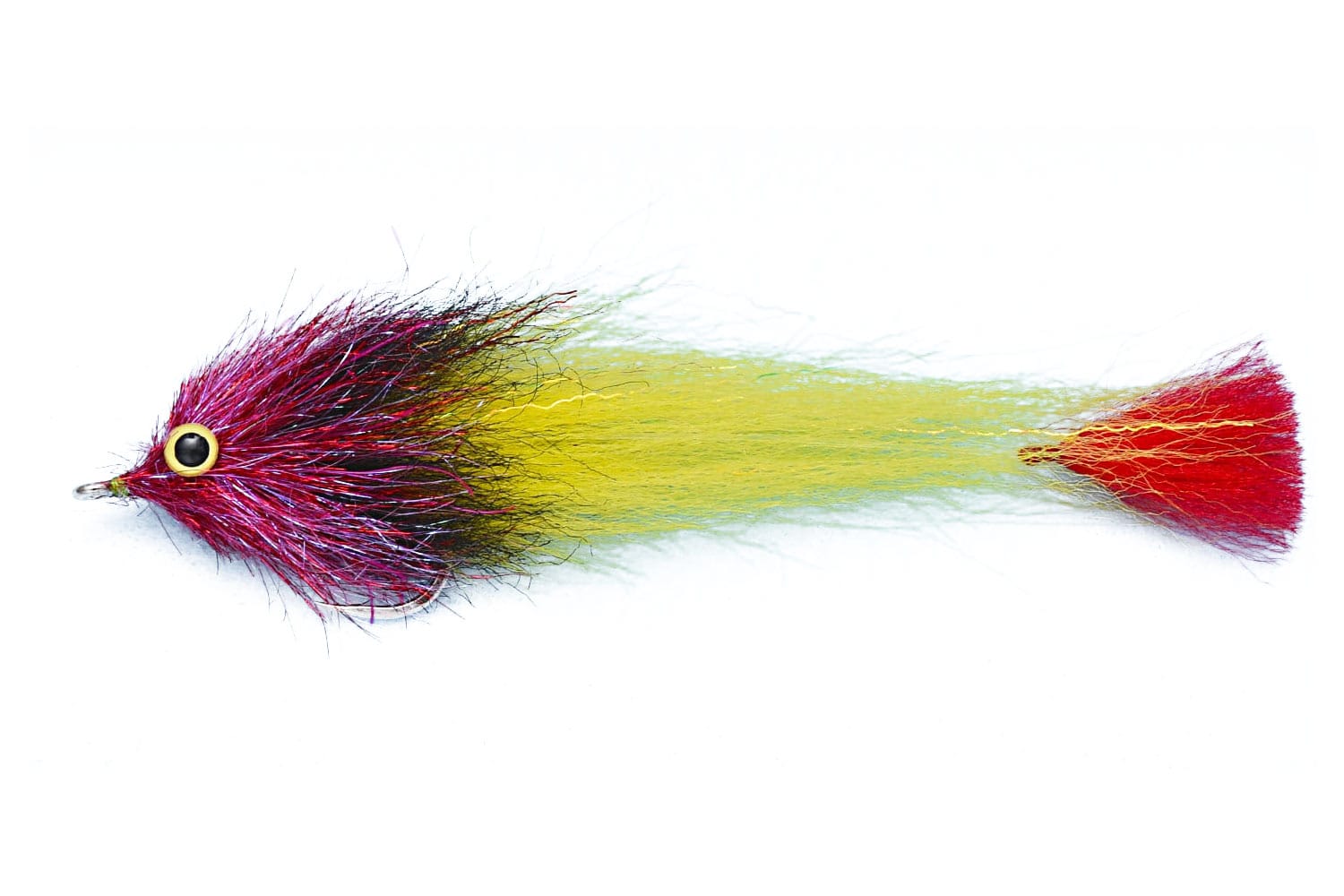
Golden Dorado Flies Quick Picks
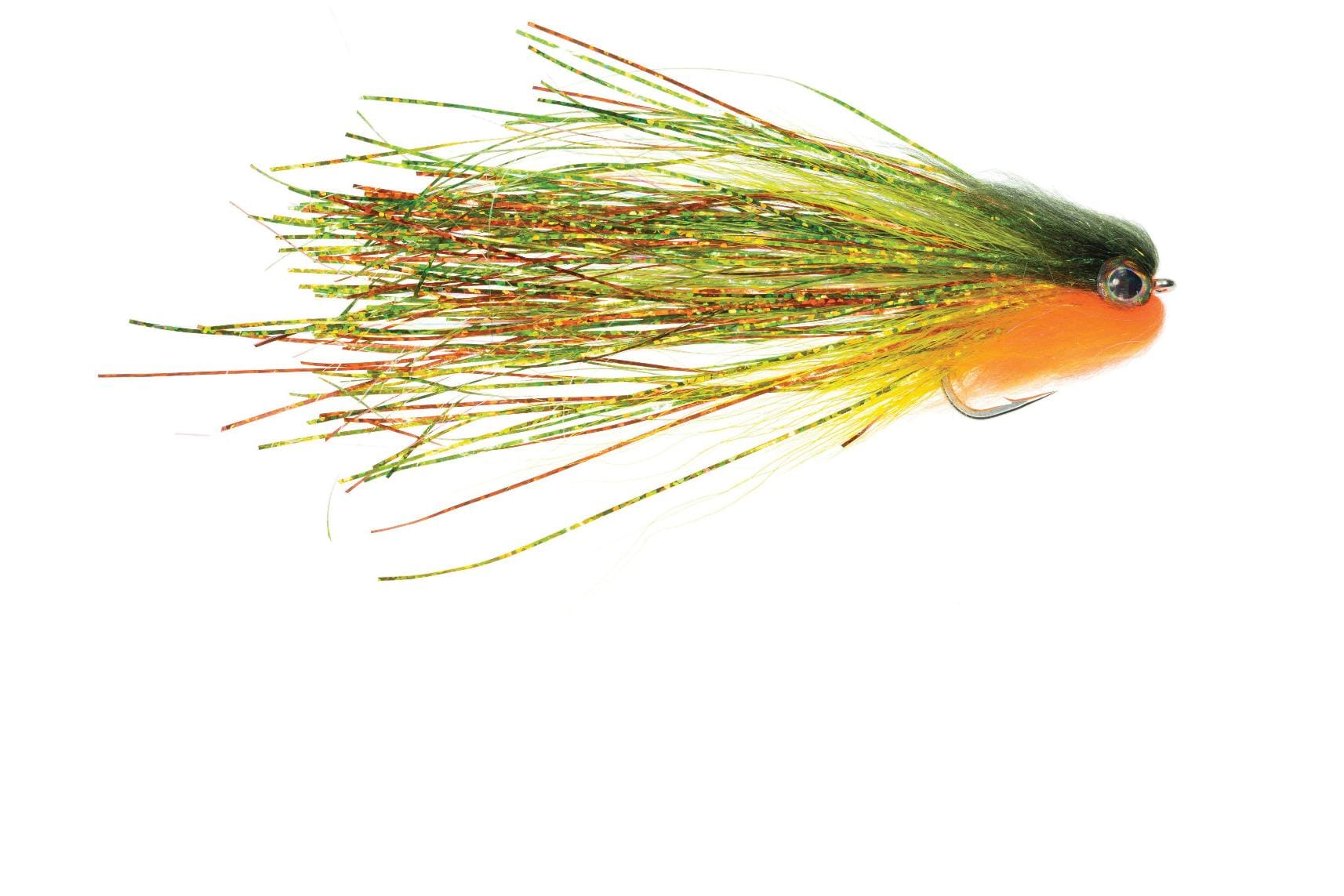
Best Topwater Pattern: Pole Dancer - Designed to walk-the-dog on the surface, this fly draws explosive surface eats from fish hunting in shallow water or near structure.
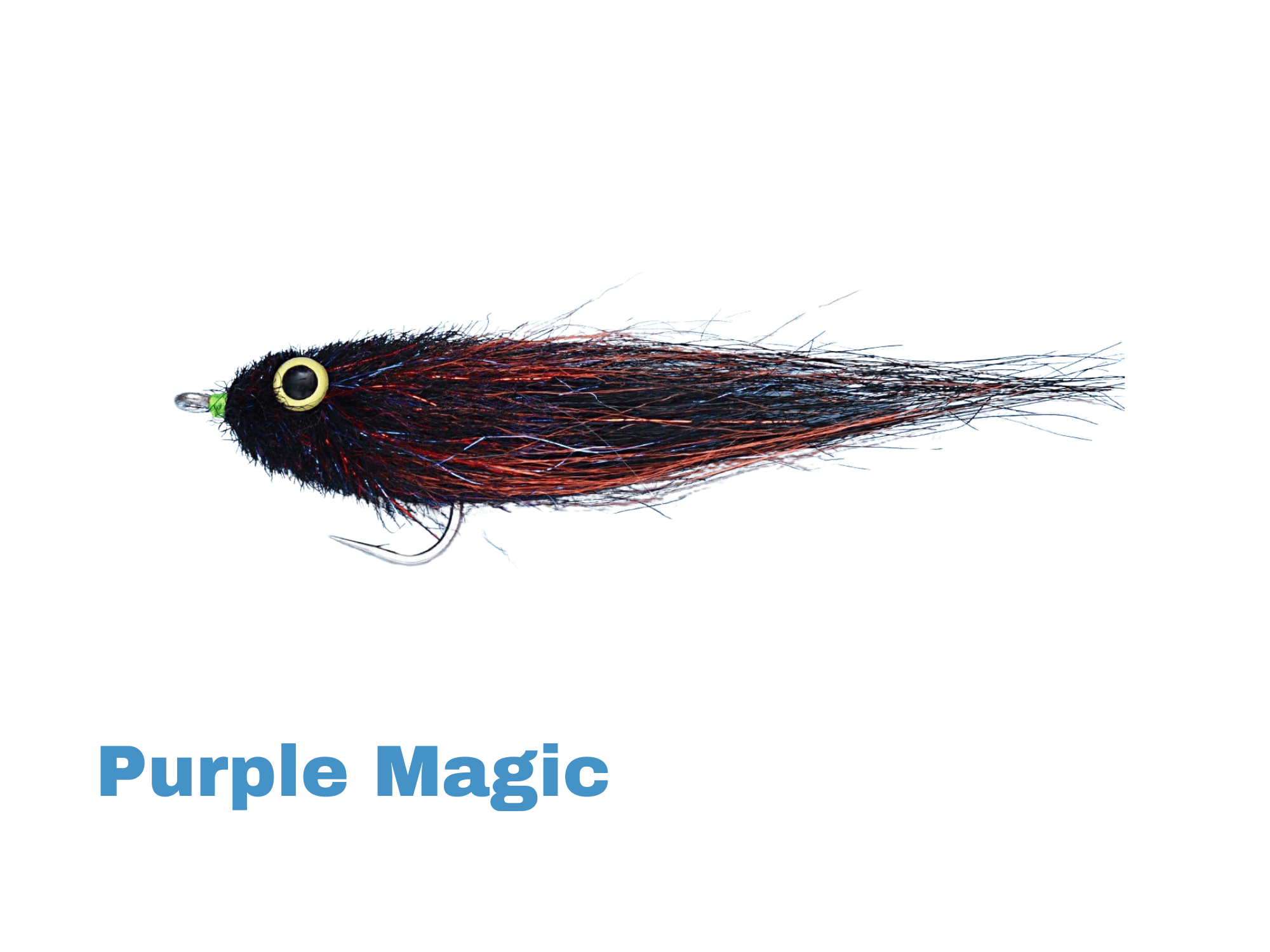
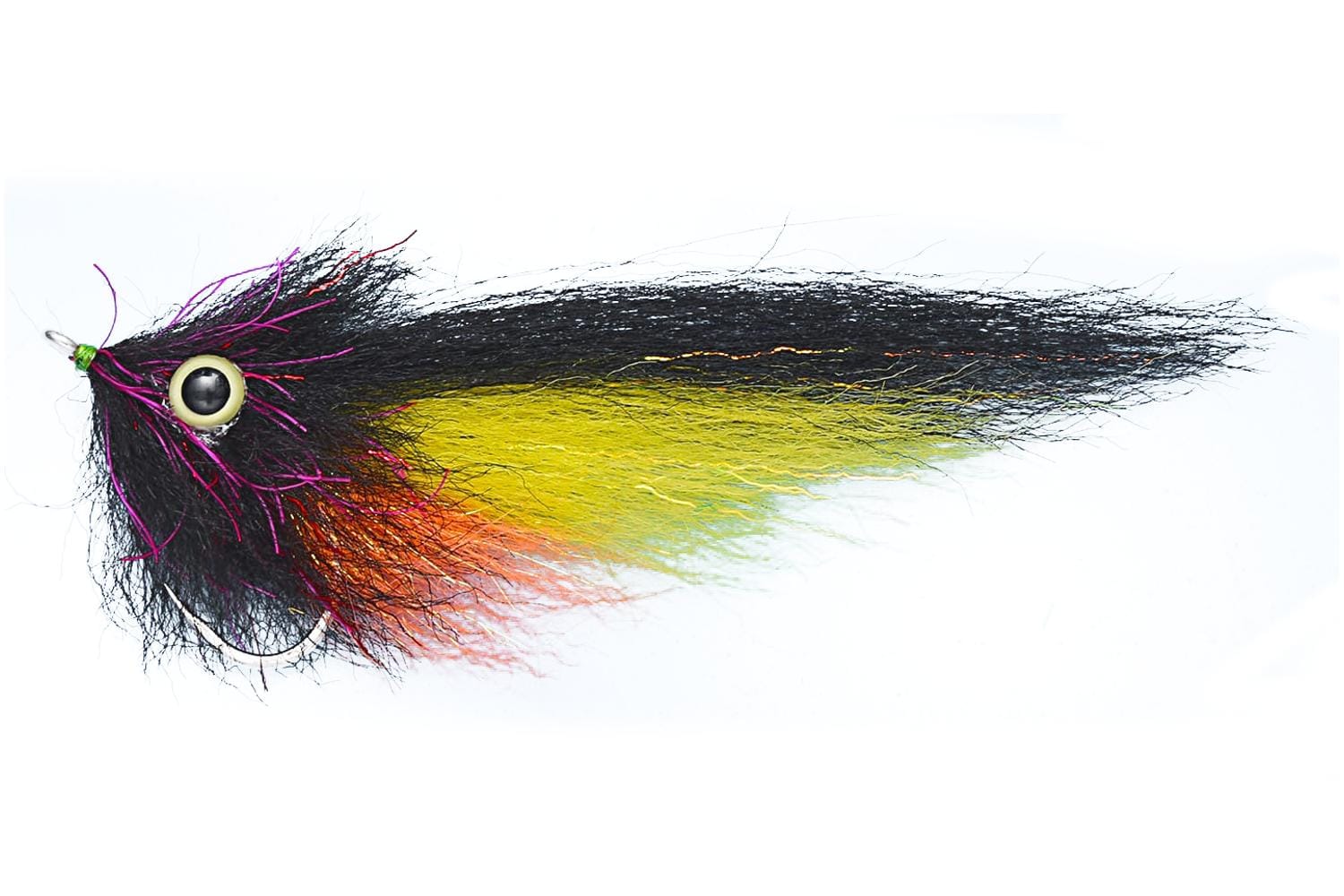
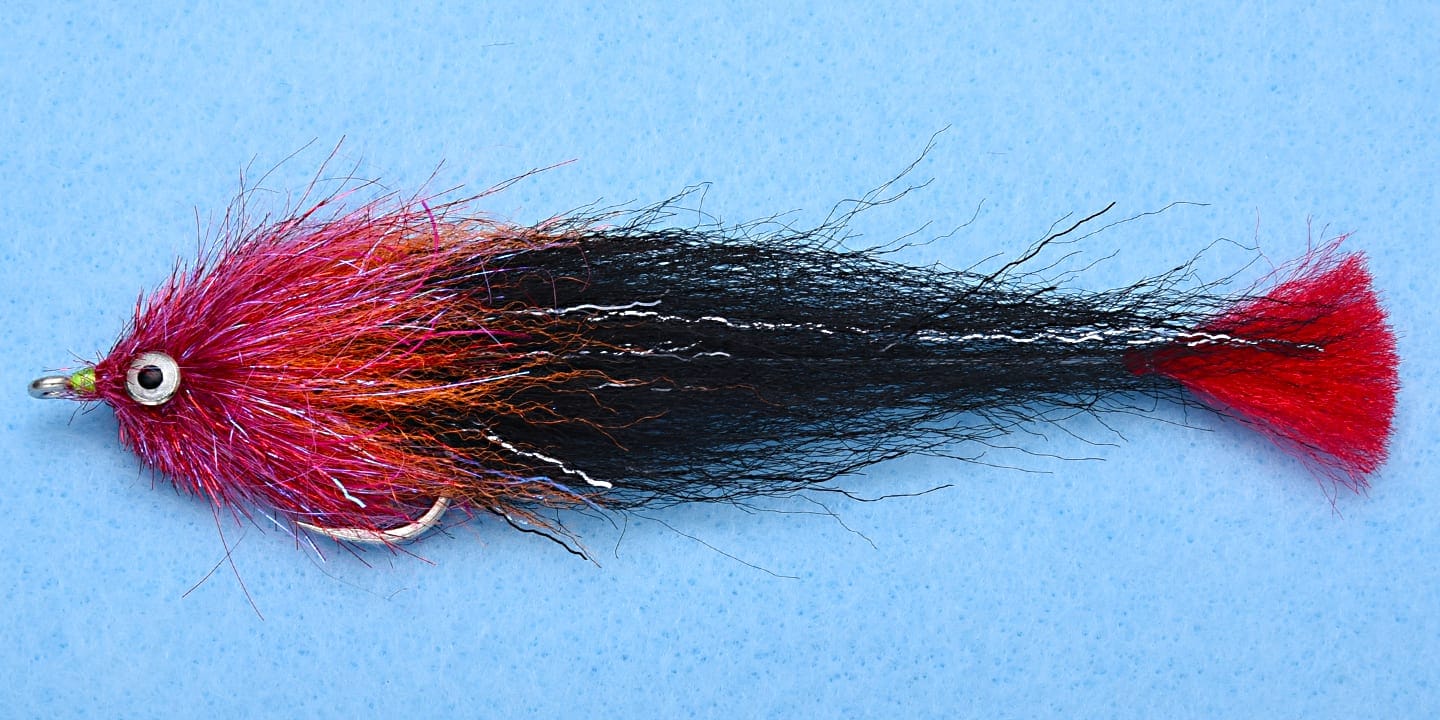
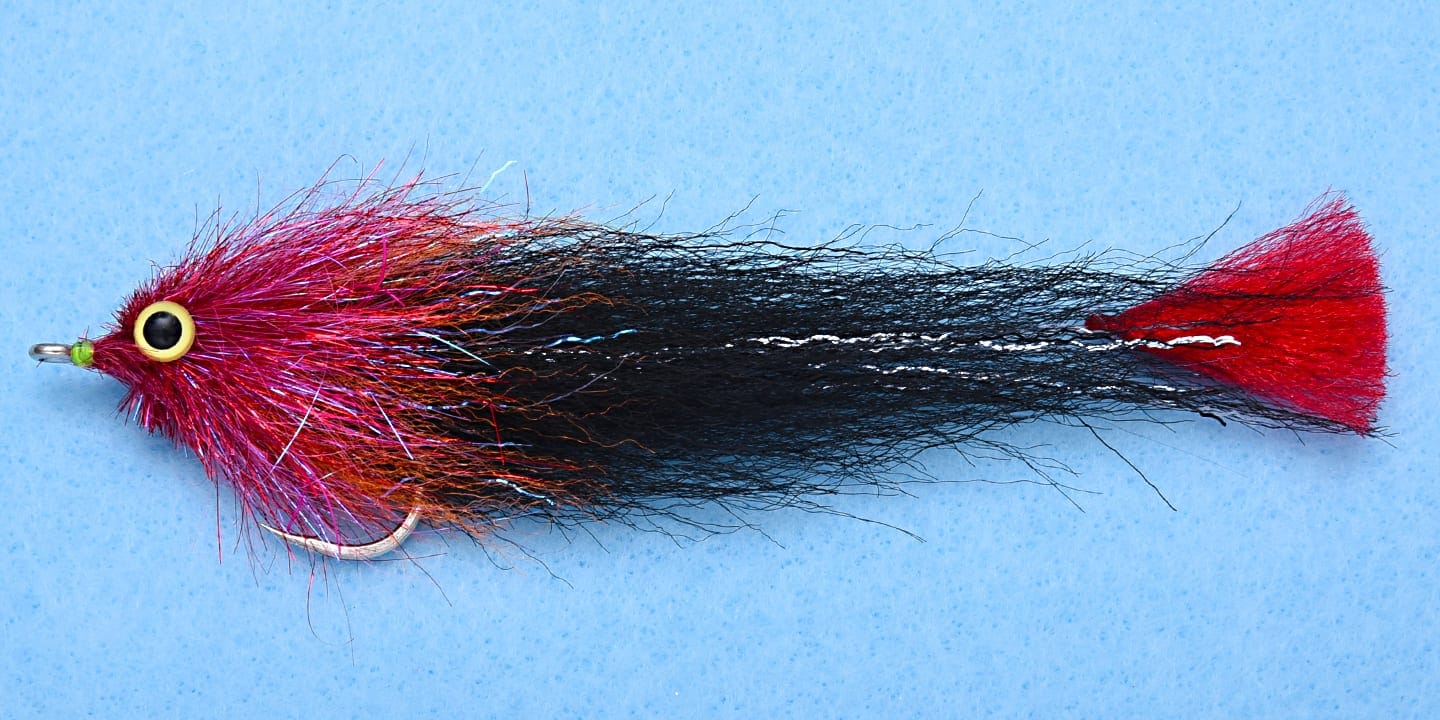
Best for Dark Water: EP Dorado Black/Purple - The high-contrast dark silhouette stands out in the tannic or muddy waters often found in jungle fisheries.
How to Choose Golden Dorado Flies
Targeting the "River Tiger" requires flies that can withstand crushing jaws, push significant water, and cast well on heavy tackle. Whether you are fishing the clear mountain streams of Bolivia or the stained waters of the Parana Delta in Argentina, your fly selection must be built on durability and presence.
Profile and Water Displacement
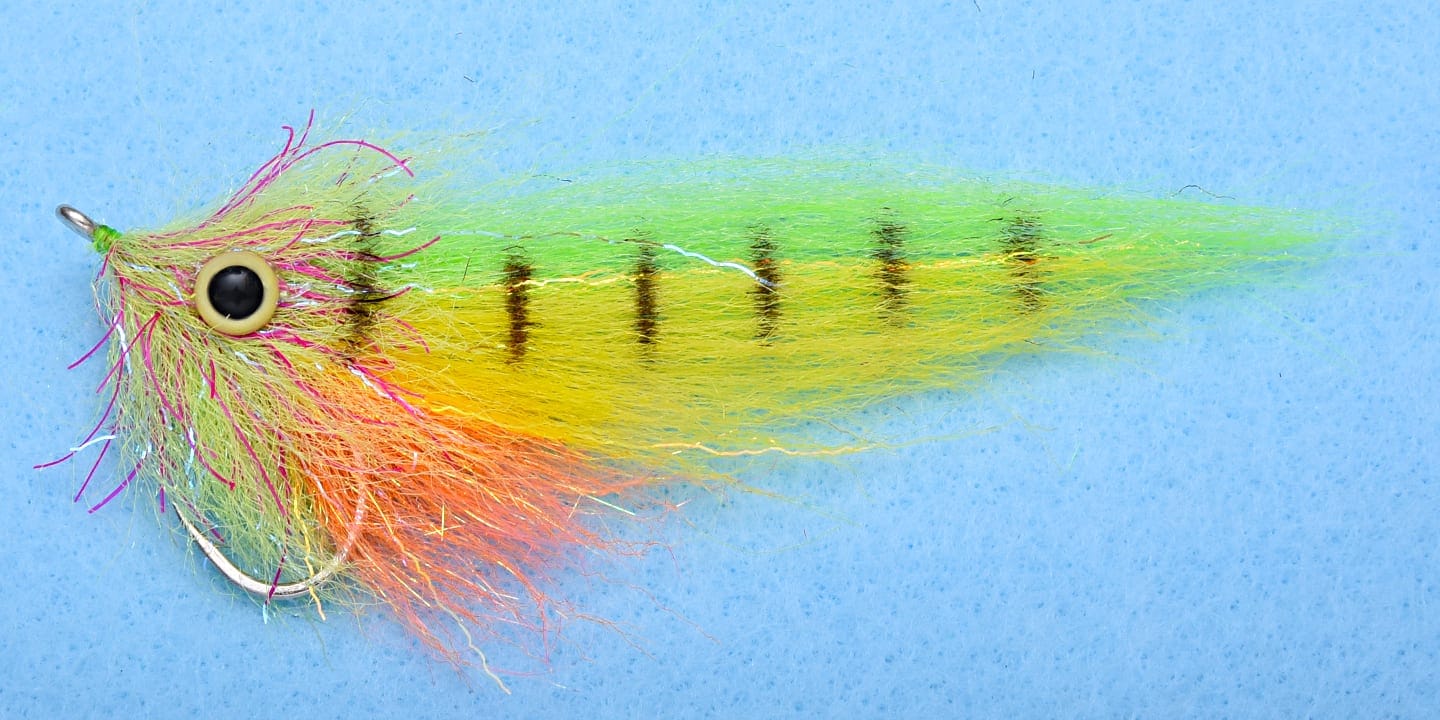
Golden Dorado hunt by sensing vibration through their lateral line, especially in murky water. Water-pushing patterns like the Andino Deceiver are critical because their bulky deer hair heads create a pressure wave that helps fish locate the fly. In clearer water, leaner profiles like the EP Sabalo or other synthetic baitfish patterns are often more effective as they rely on visual triggers rather than vibration.
Color Selection
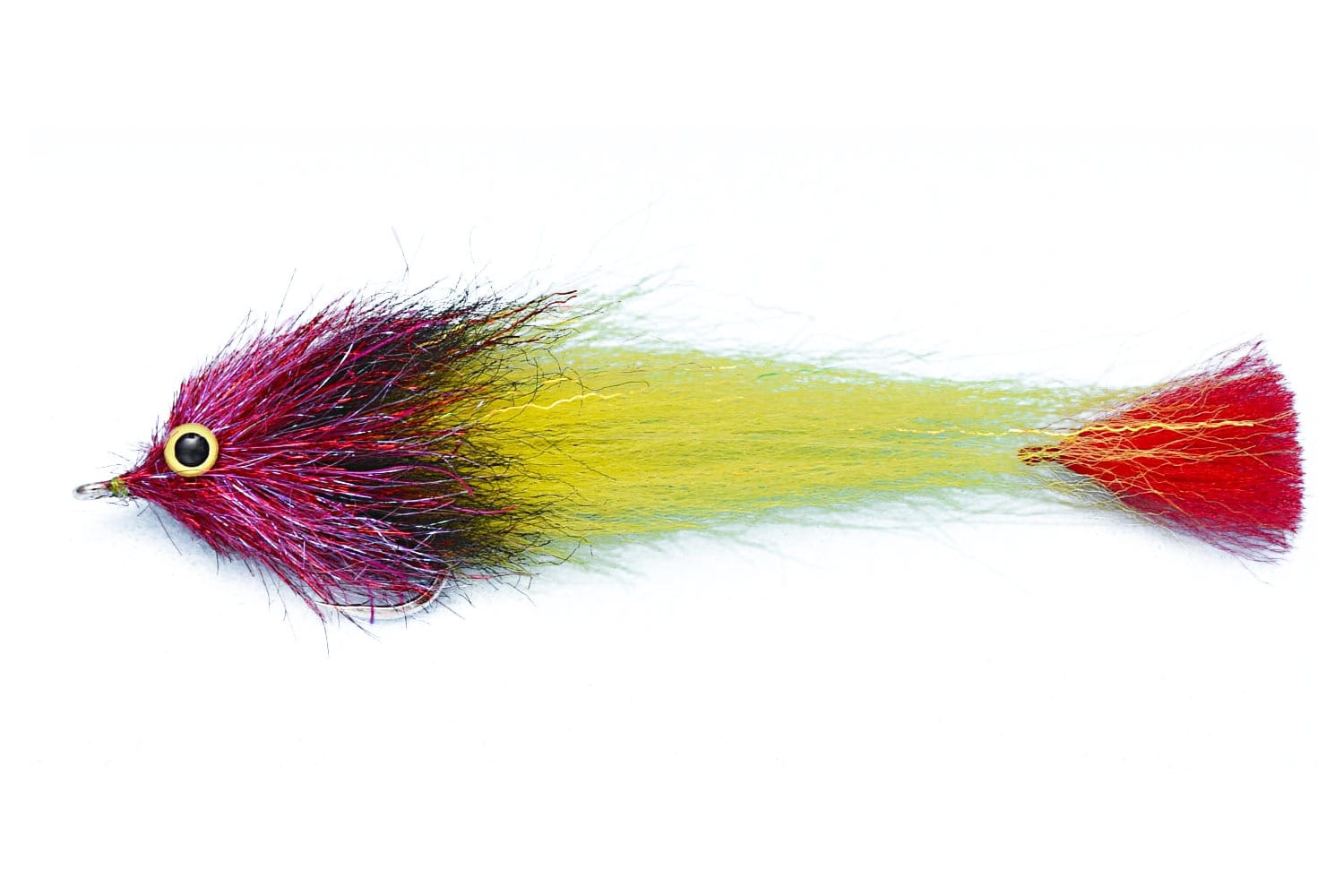
Water clarity dictates color choice. In the tannic or muddy waters of the marshlands, dark colors like black/chartreuse, black/red, and black/purple provide the strongest silhouette against the surface light. In clear jungle tributaries, natural patterns in white, tan, and silver that mimic Sabalo and other baitfish are preferred to avoid spooking wary fish.
Durability and Hooks
Dorado have incredibly powerful jaws filled with sharp teeth that can destroy lesser flies in a single strike. Flies must be tied on heavy-wire saltwater hooks (sizes 2/0 to 4/0) that will not straighten under extreme pressure. Synthetic materials like EP Fibers are often superior to natural feathers for durability, as they resist tearing and don't waterlog, making them easier to cast all day with an 8-weight or 9-weight rod.
Care & Maintenance
Rinse Thoroughly: Even in freshwater, jungle environments can be harsh; rinse flies to remove organic debris and mud.
Check Hook Points: Dorado mouths are bony and hard; check your hook point after every fish and sharpen or replace if dull to ensure a solid hookset.
Dry Synthetics: Shake out synthetic flies like EP patterns vigorously to remove water before casting to maintain their action and reduce casting fatigue.
Complete Your Setup
Related Gear
Saltwater Fly Rods - Fast-action 8wt to 10wt rods are essential for turning over large flies and fighting powerful fish.
Tropical Fly Lines - Jungle heat requires tropical-core lines that won't wilt; choose aggressive tapers to load rods quickly with heavy flies.
Wire Bite Tippet - Absolutely mandatory for Dorado; knottable wire prevents immediate bite-offs from their razor-sharp teeth.
Golden Dorado Flies FAQs
Q: What size flies do I need for Golden Dorado?
A: Most Dorado flies range from 4 to 8 inches in length. A standard box should include mostly 6-inch streamers on 3/0 hooks, with a few smaller 4-inch patterns for clear water and larger 8-inch flies for trophy hunting.
Q: Do I need wire tippet for these flies?
A: Yes, absolutely. Golden Dorado have sharp, shearing teeth that will cut monofilament or fluorocarbon instantly. Use 20-40lb knottable wire bite tippet attached directly to the fly.
Q: Can I use these flies for other species?
A: Yes, these large, durable streamers are excellent for other aggressive predators like Peacock Bass, Pike, Musky, and even large saltwater species like Tarpon or Snook.
Q: Why are black flies so popular for Dorado?
A: Black provides the highest contrast silhouette in stained or dark water, making it easier for the fish to see the fly from below or from a distance in low-visibility conditions.