

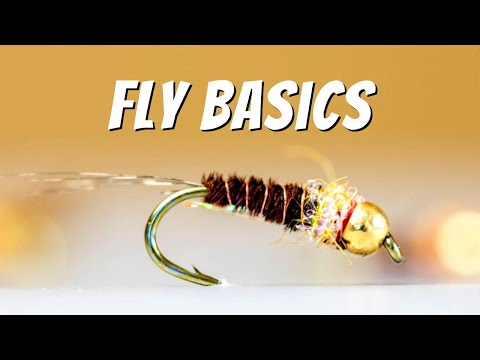
Fly Fishing Flies Explained (Streamers, Nymphs, Dry Flies & More)
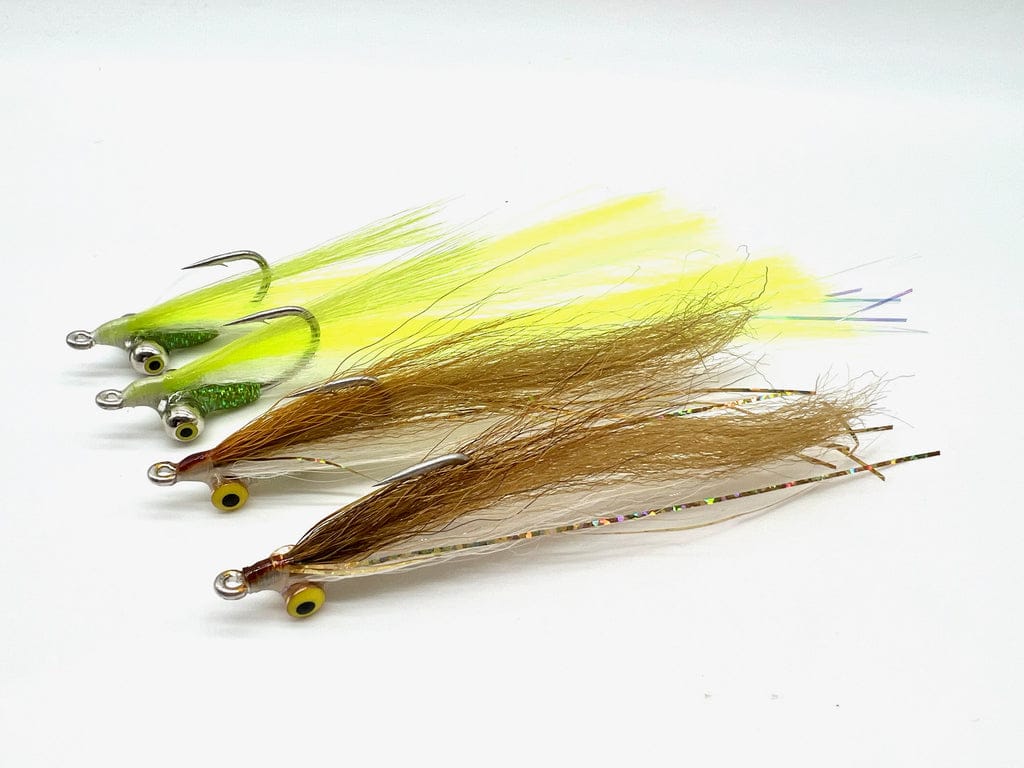
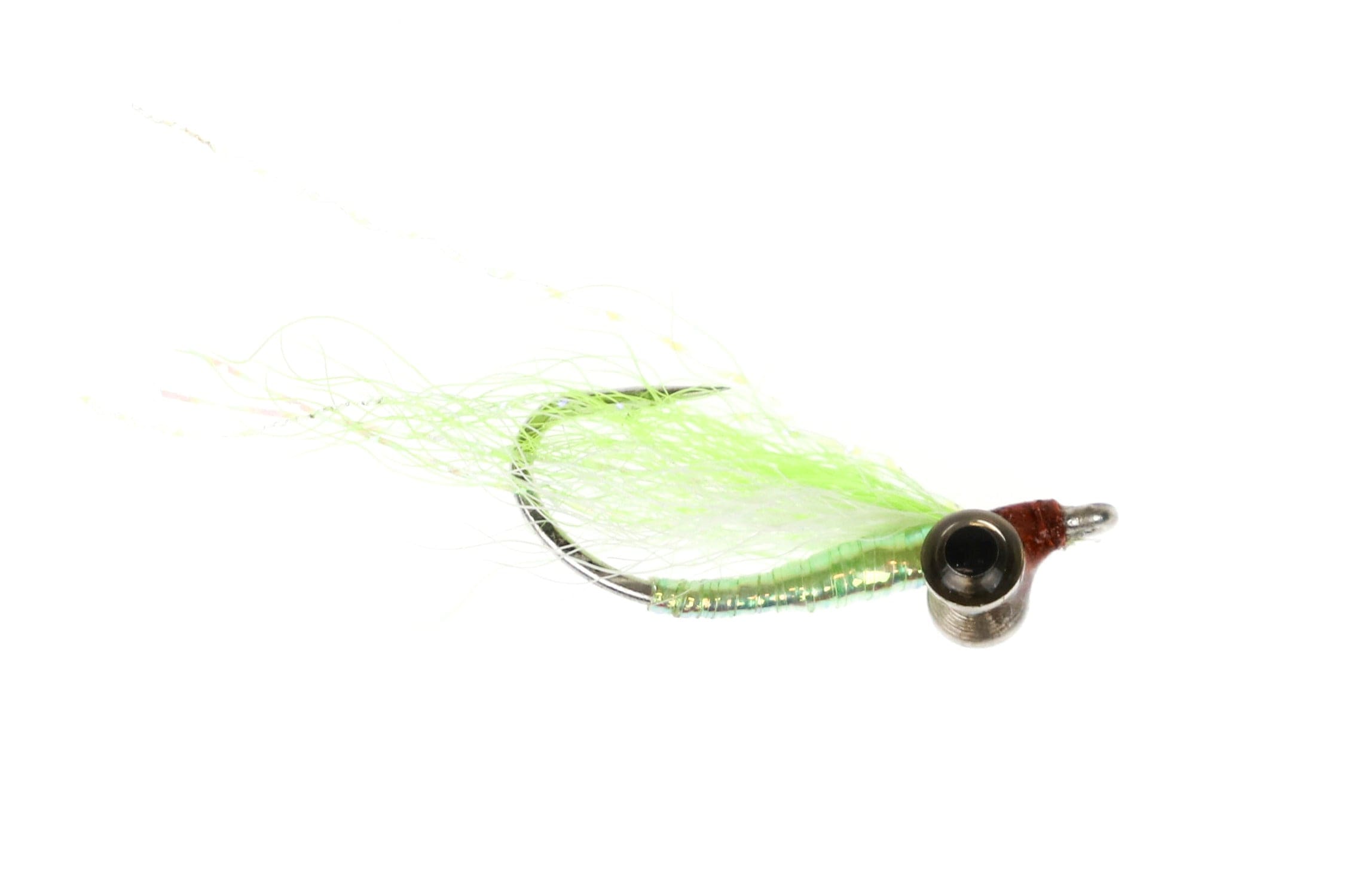
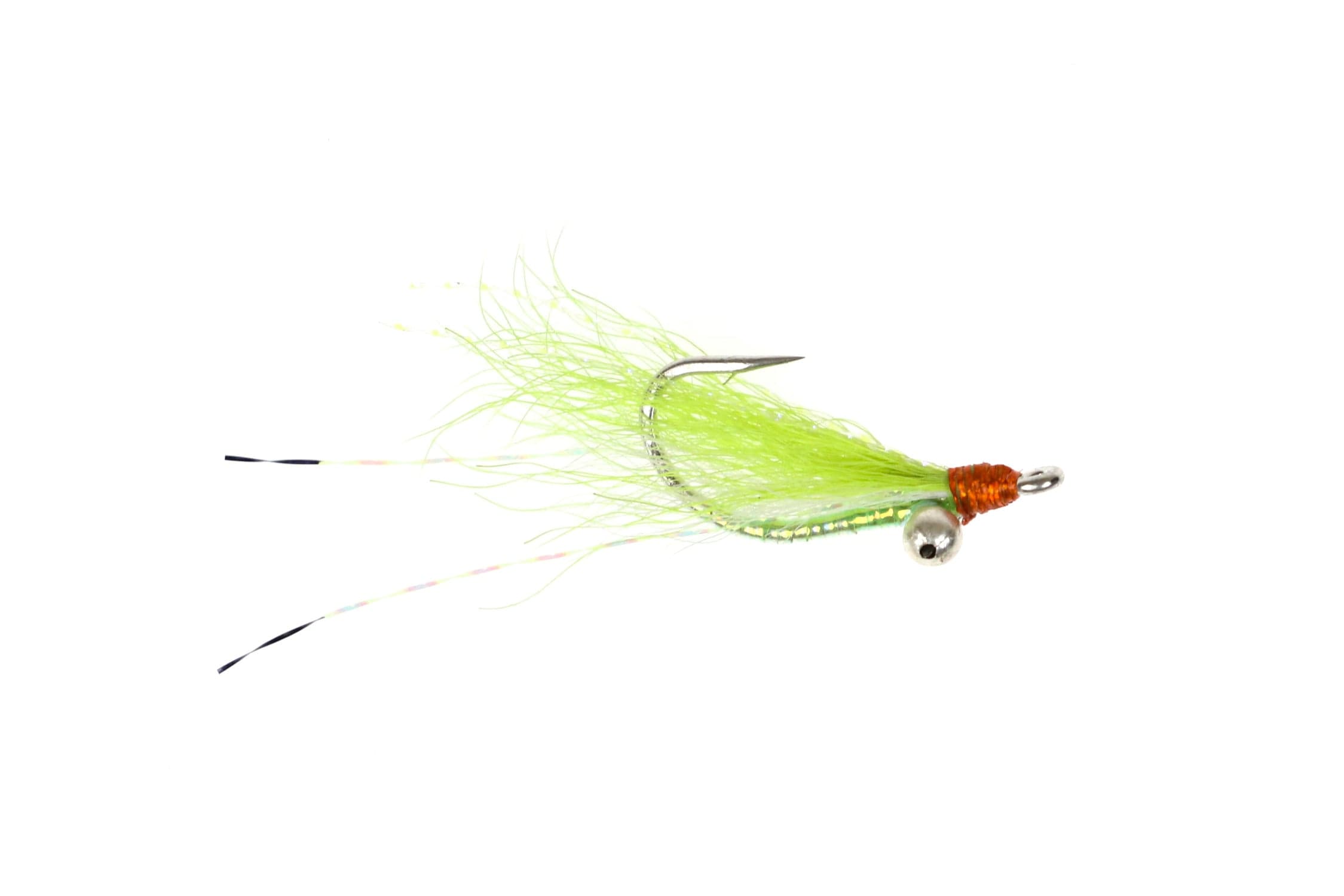
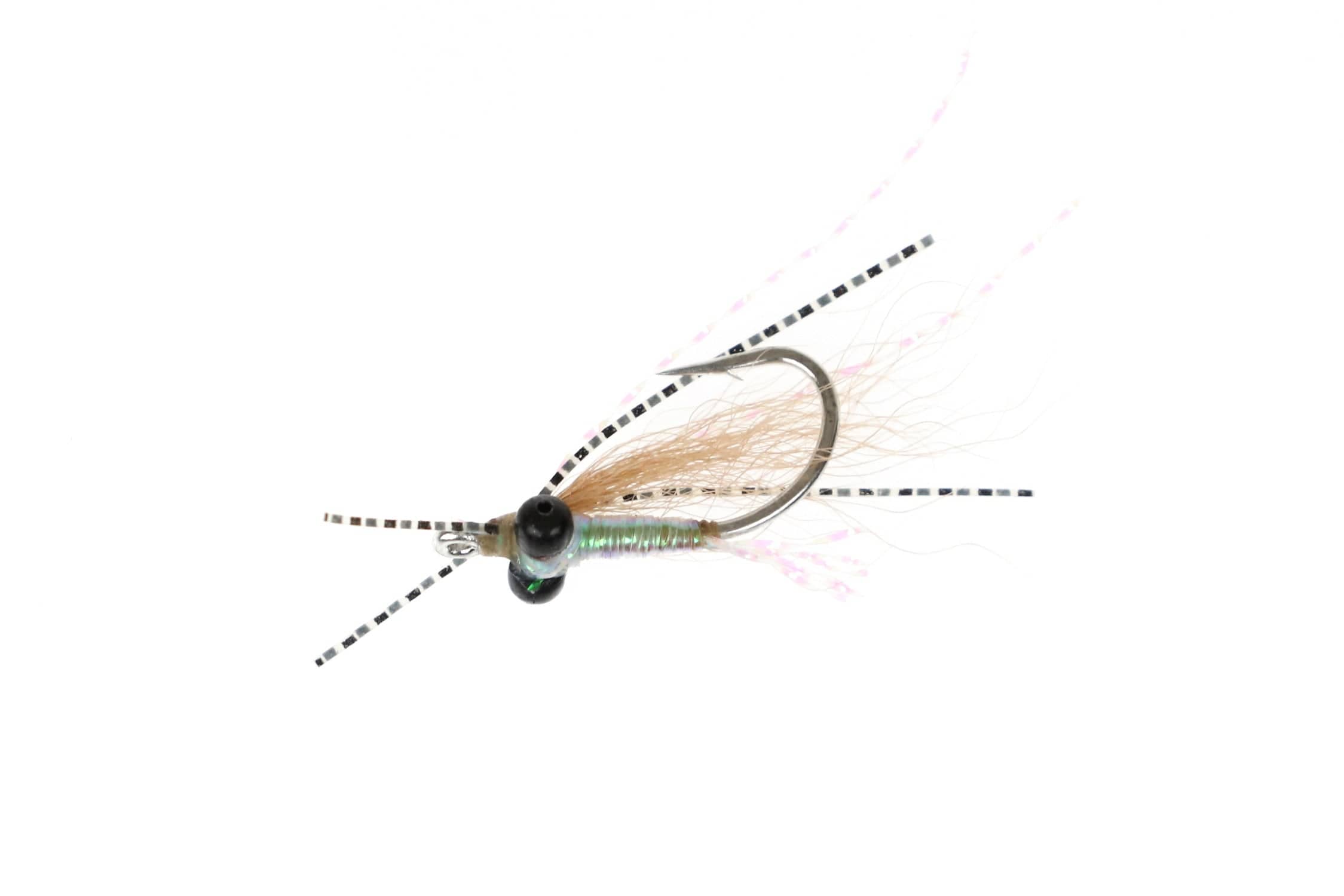
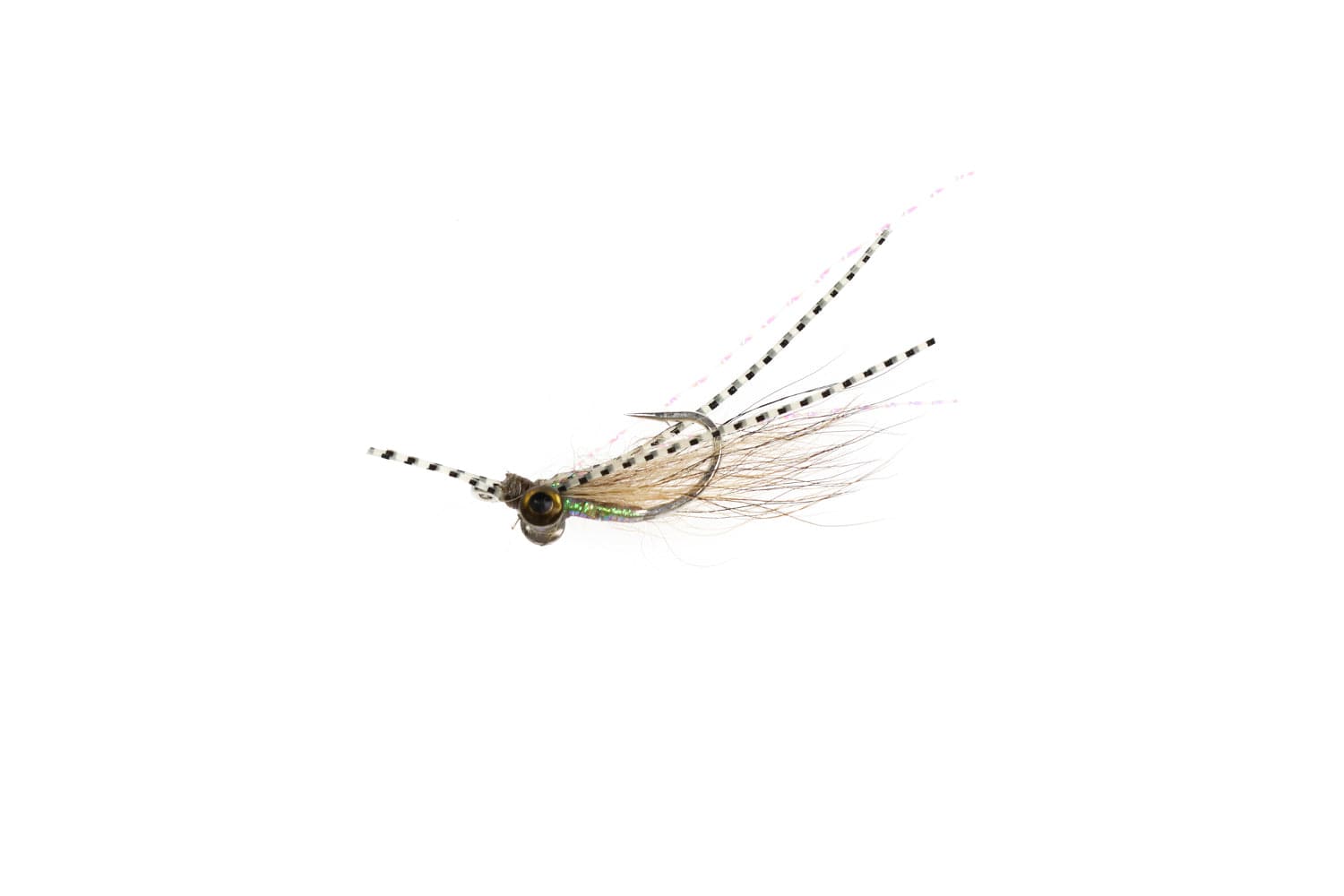
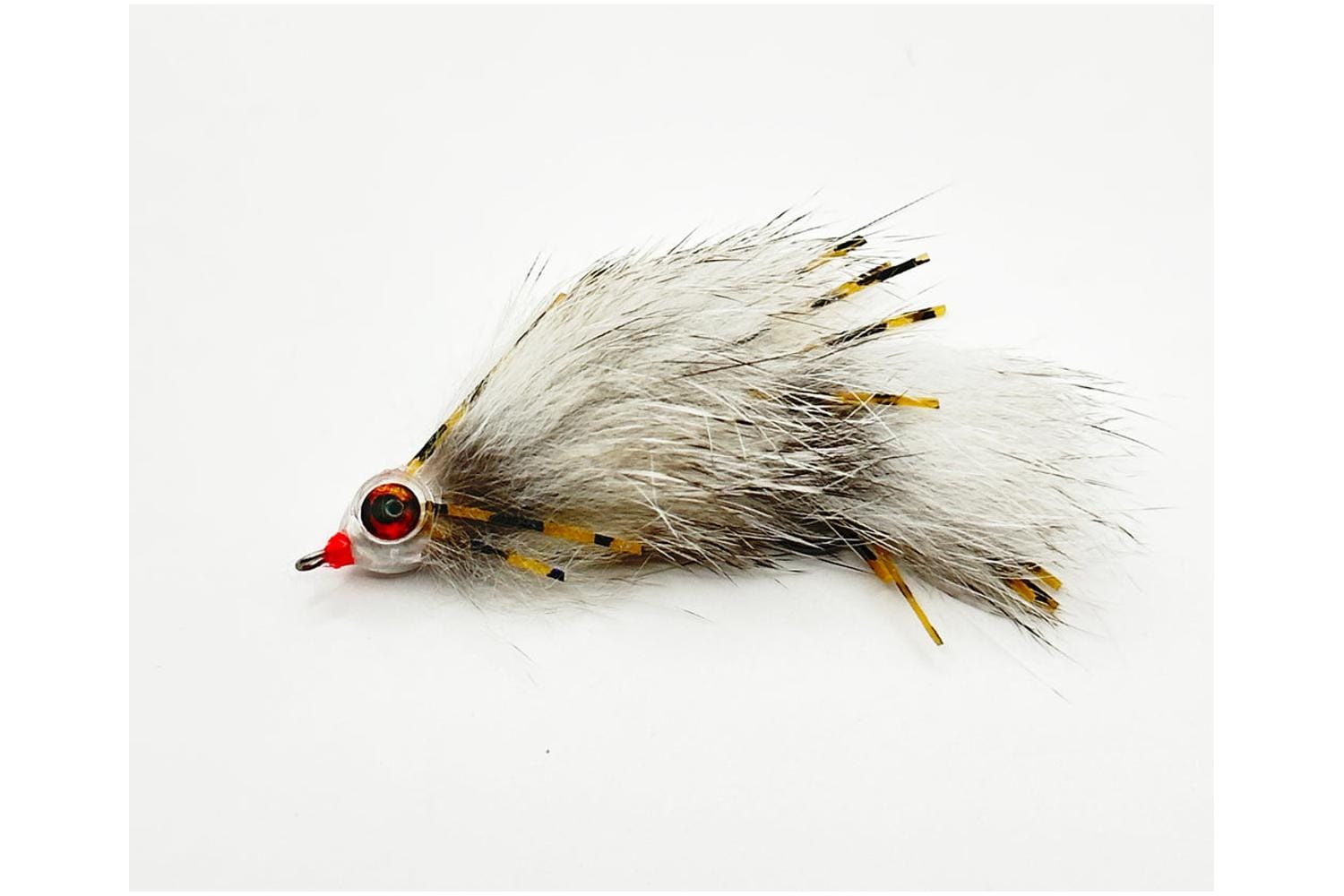
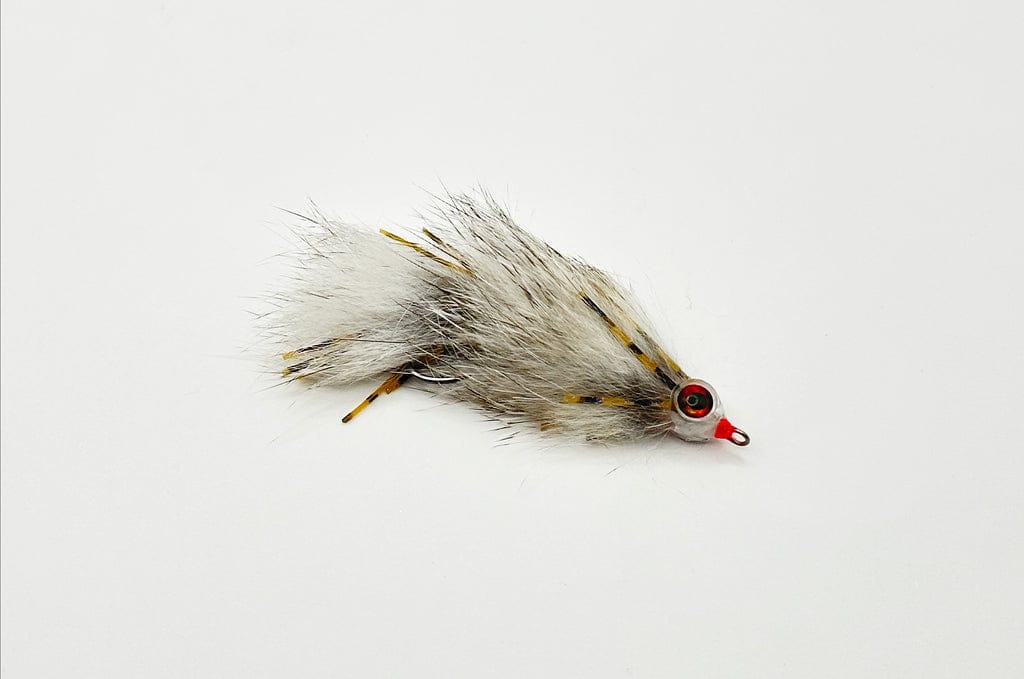
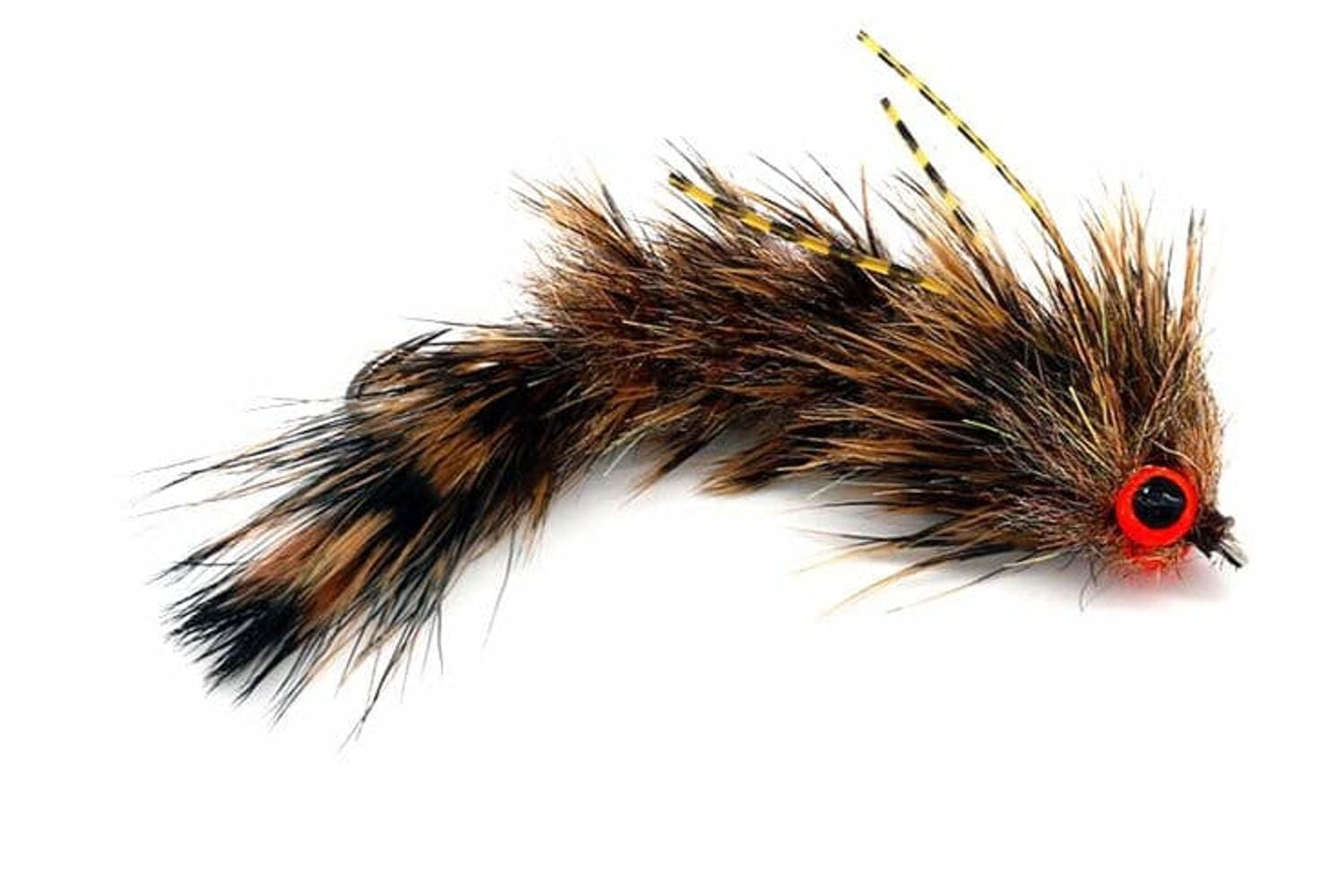
Flymen Flies Quick Picks
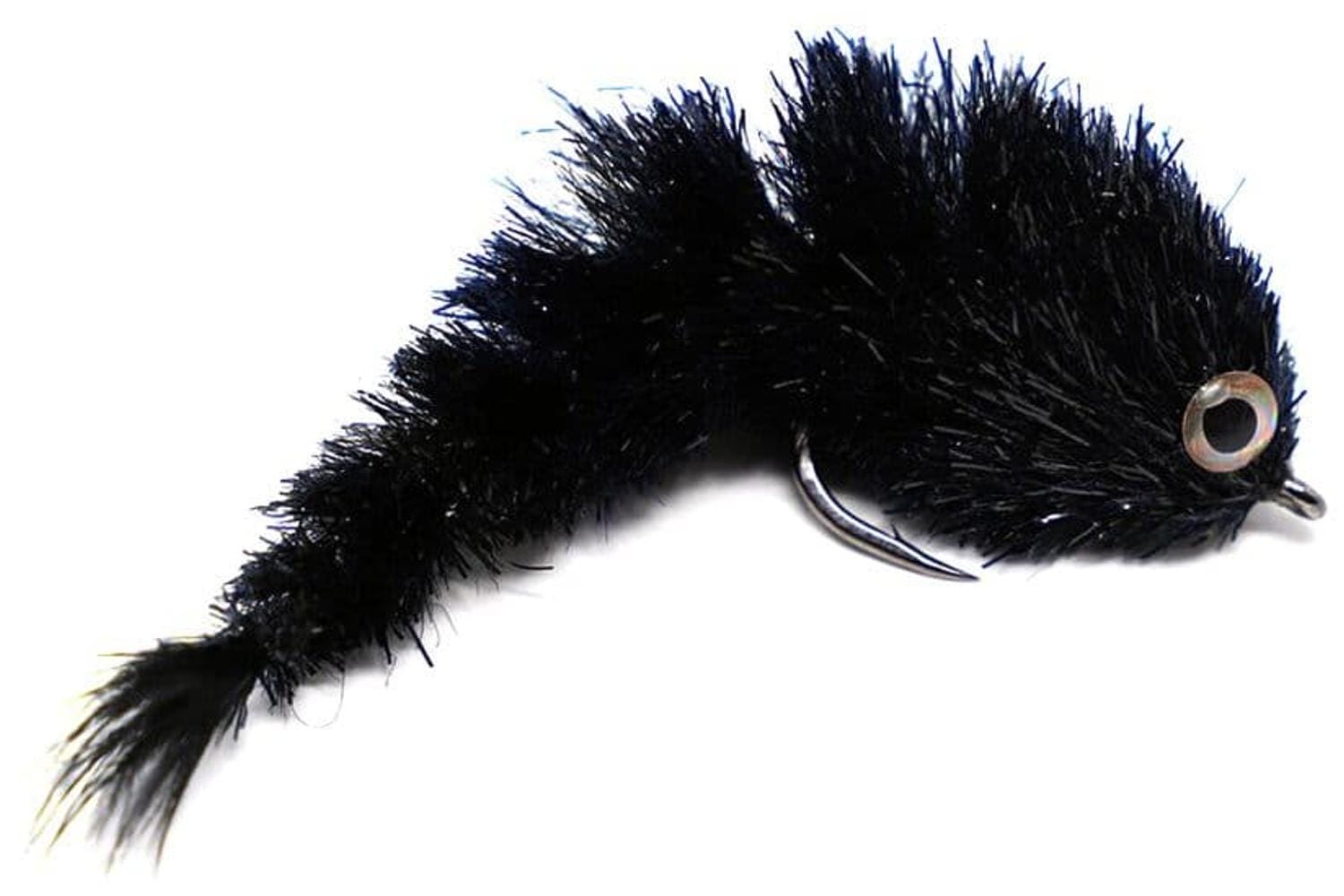
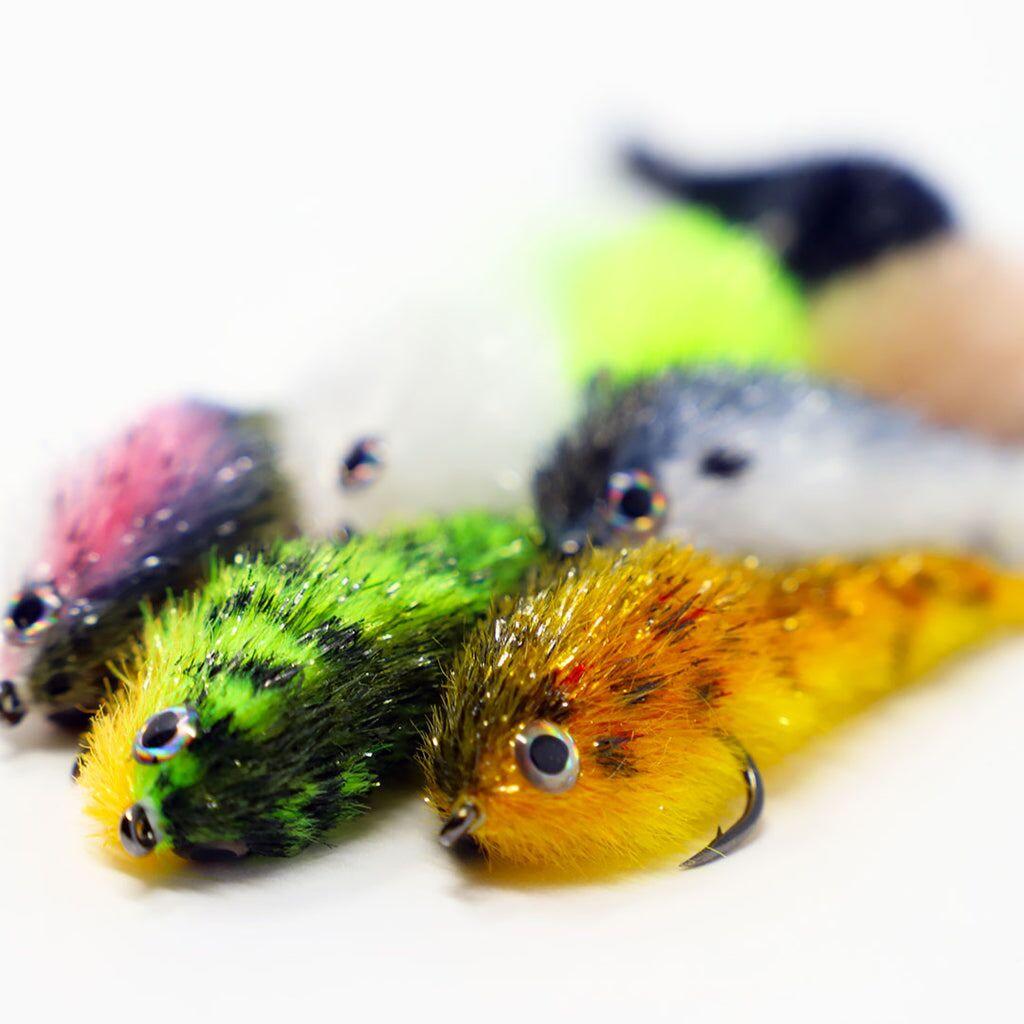
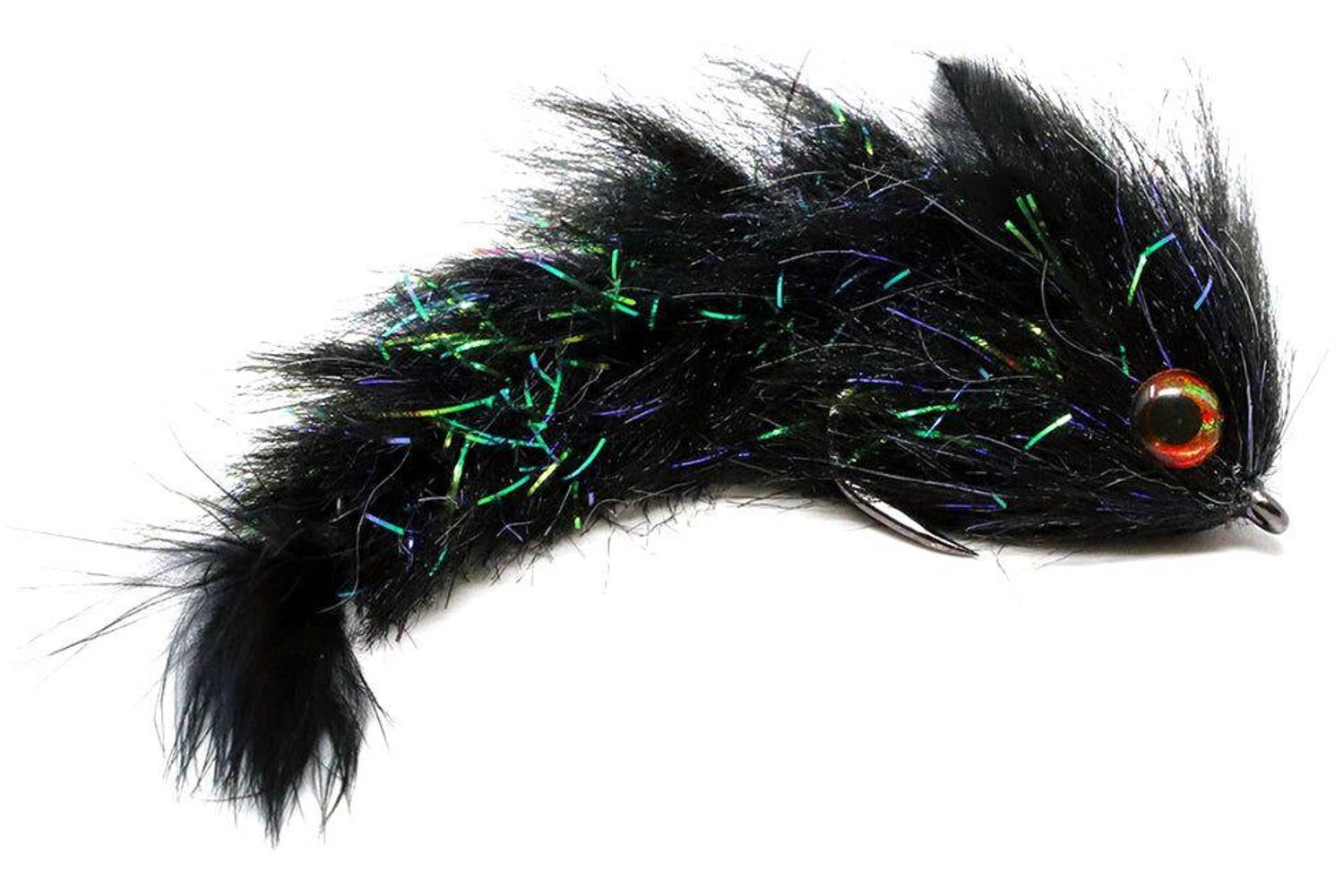
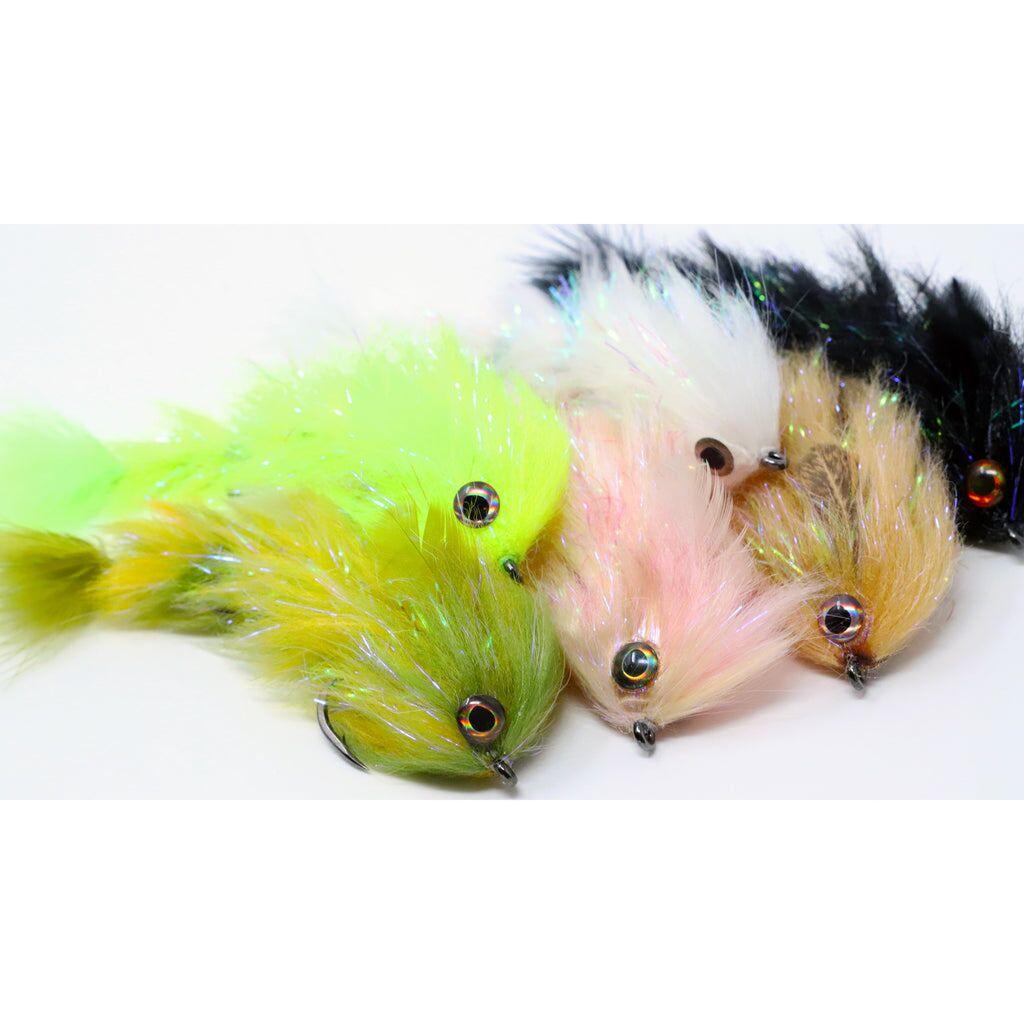
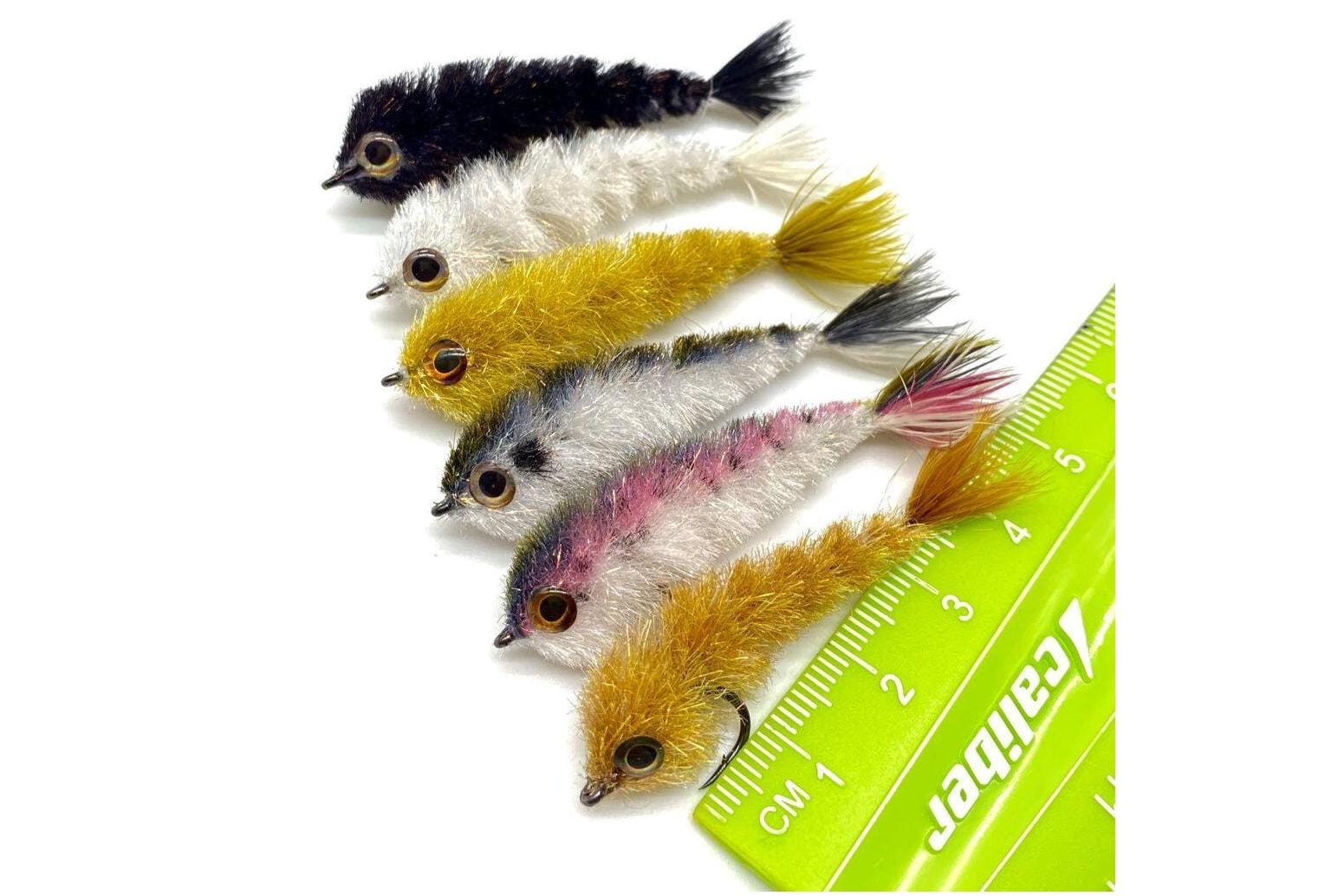
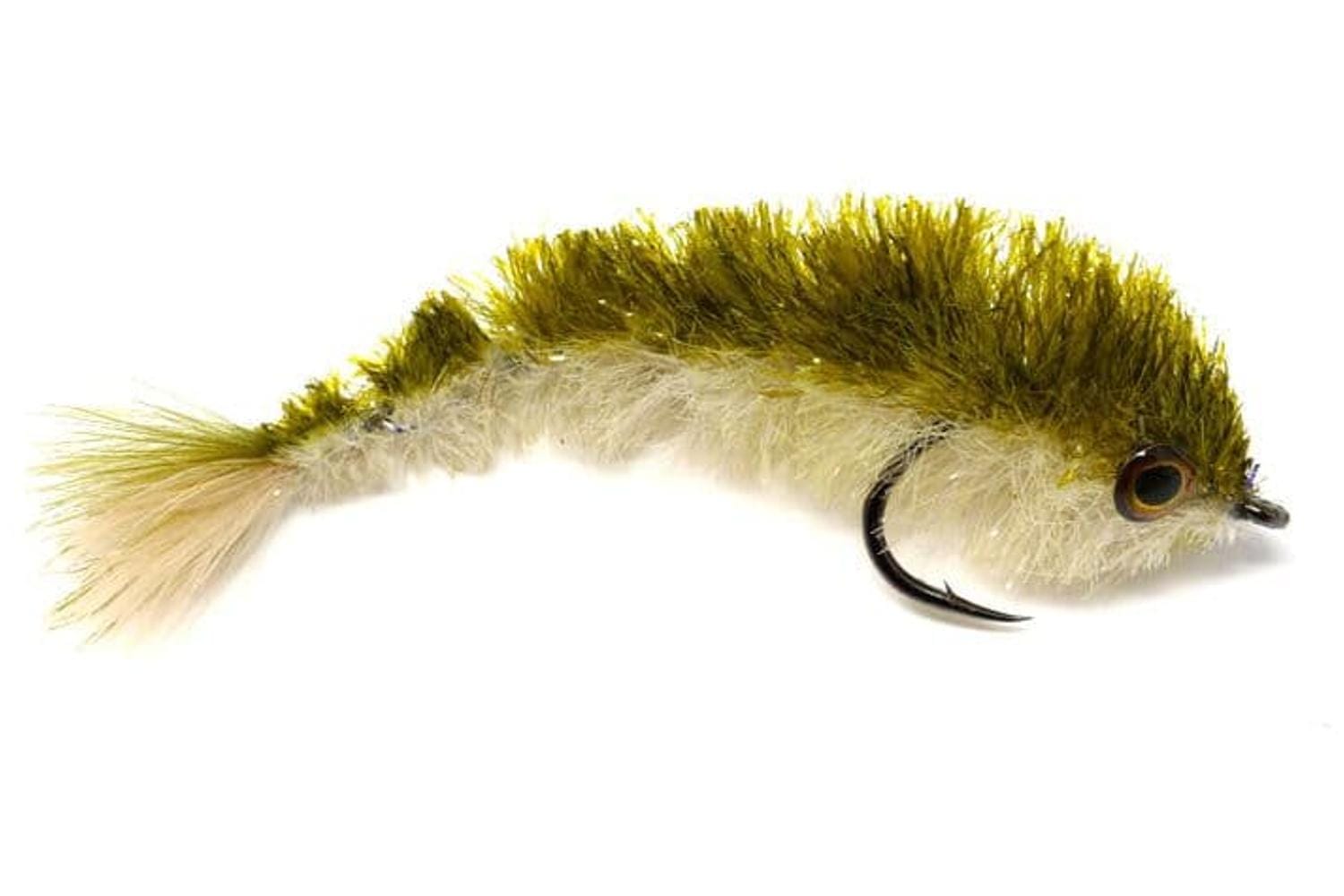
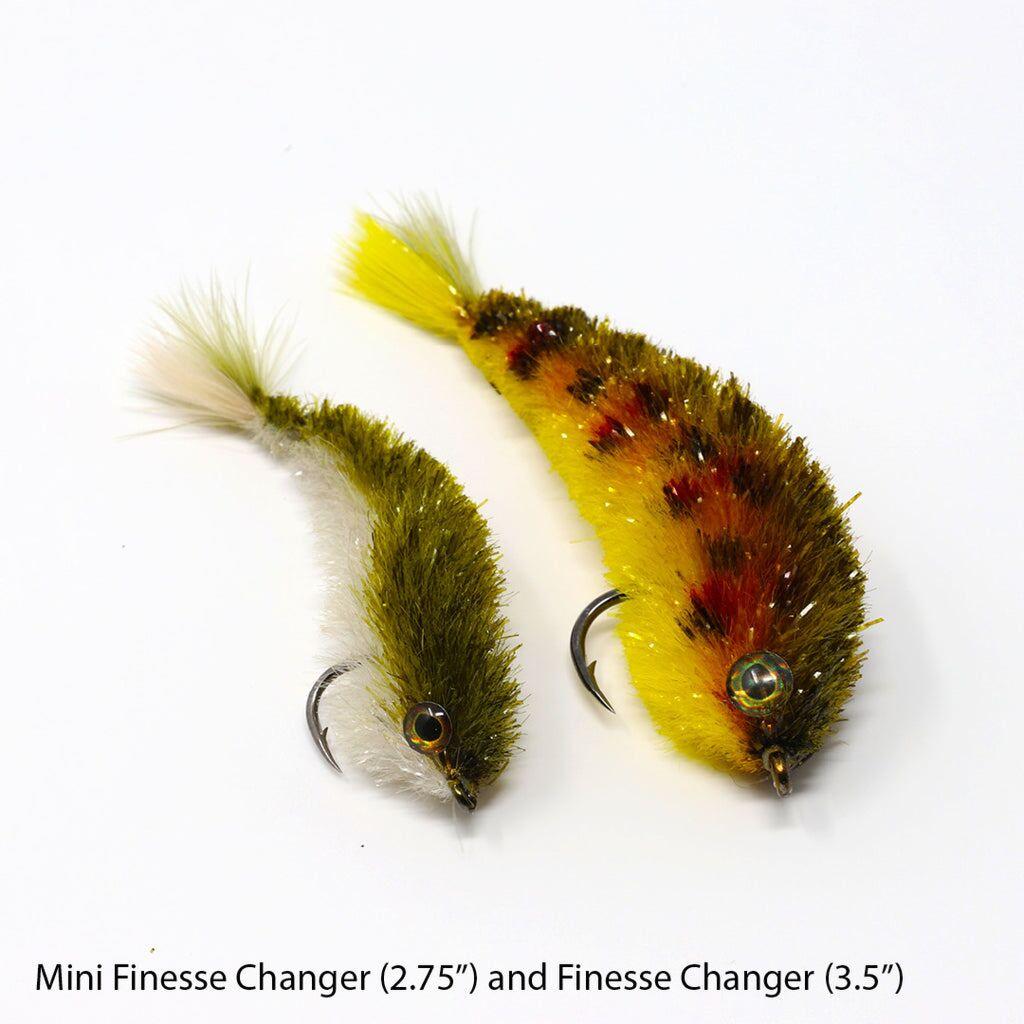
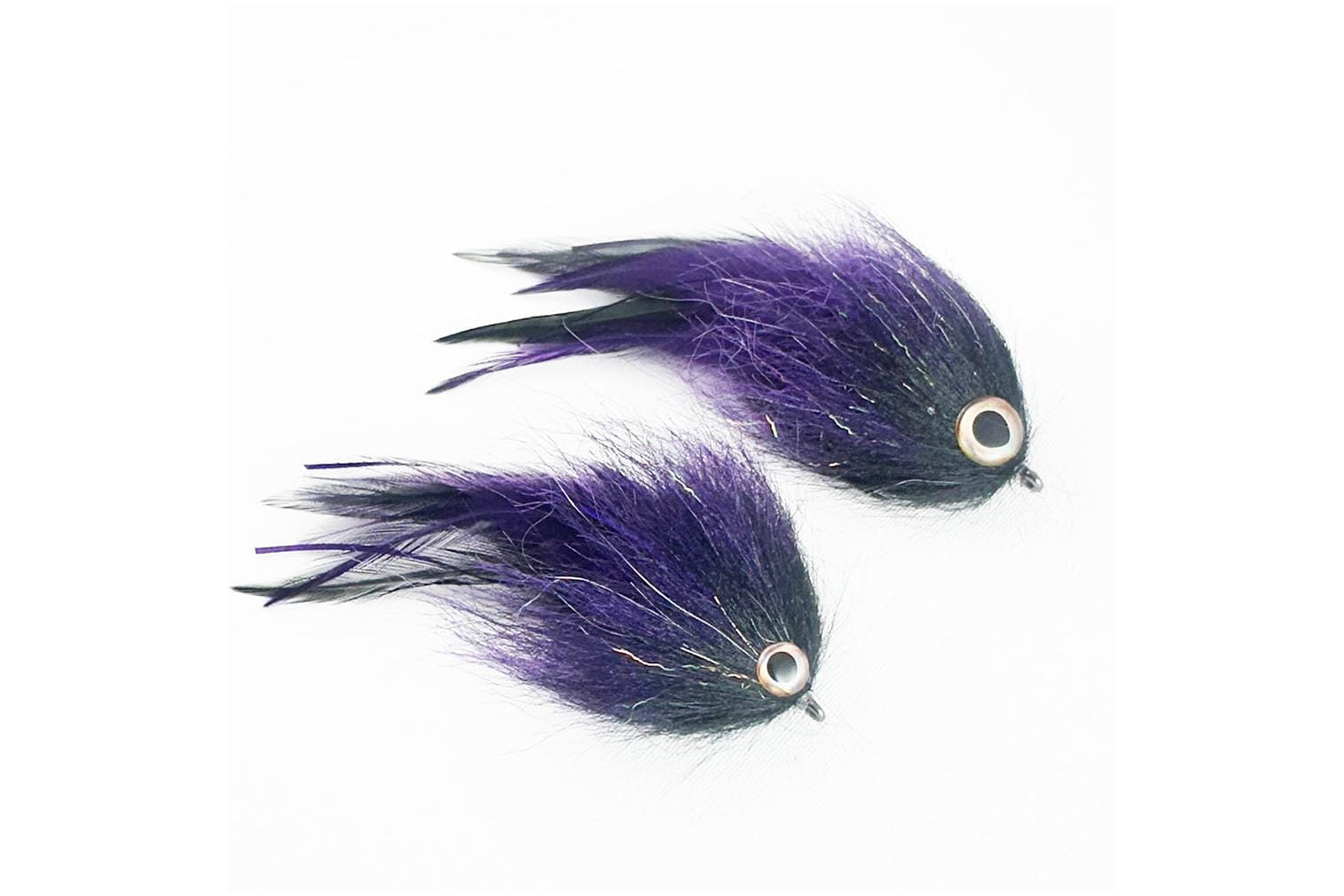
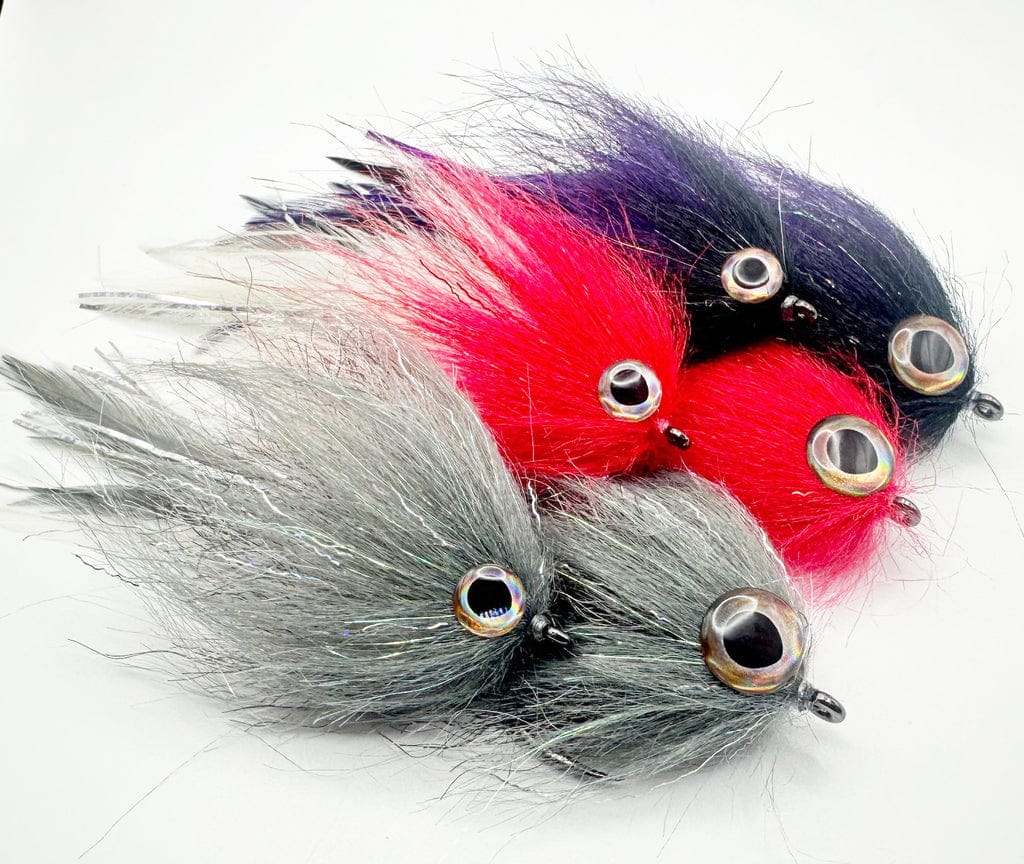
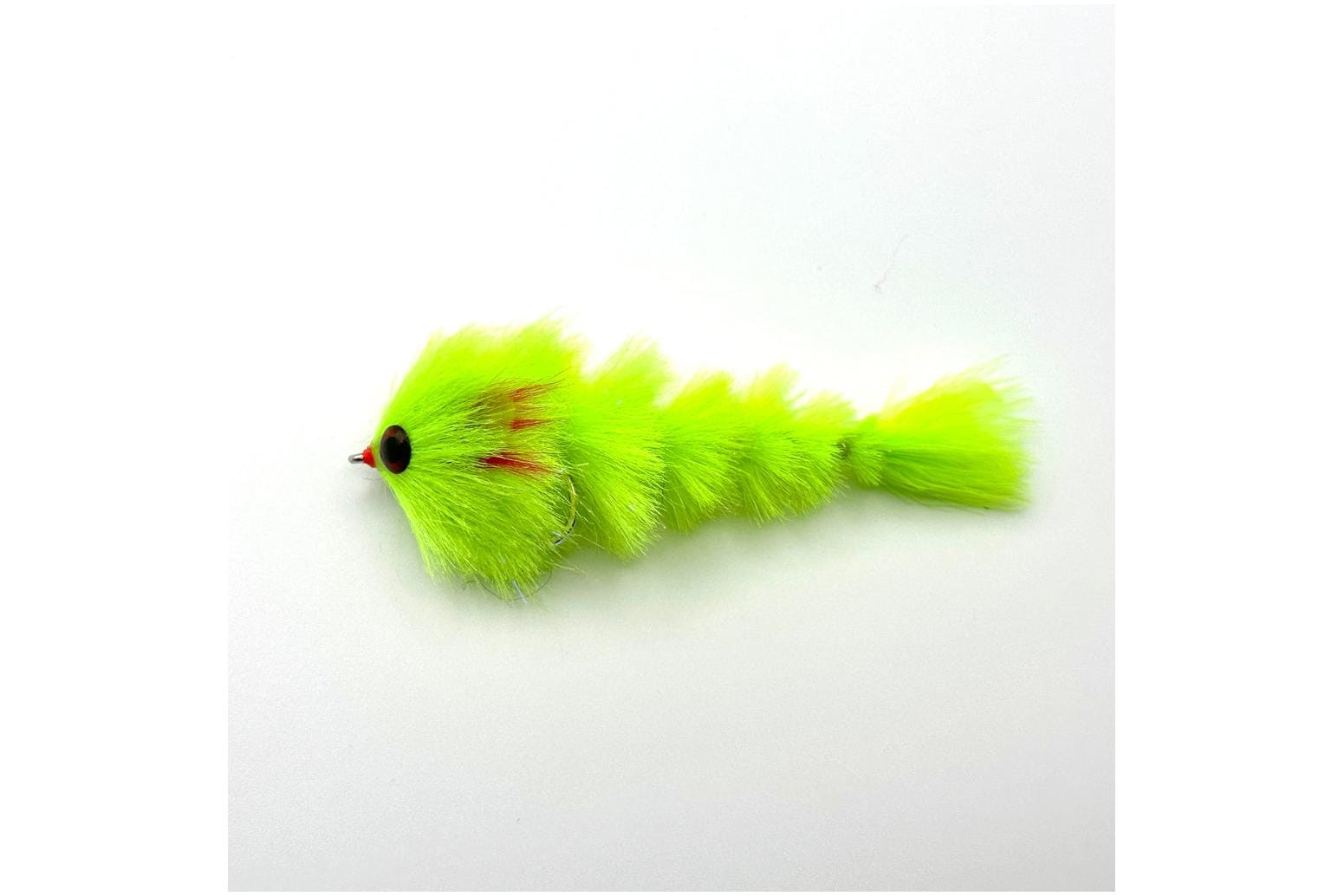
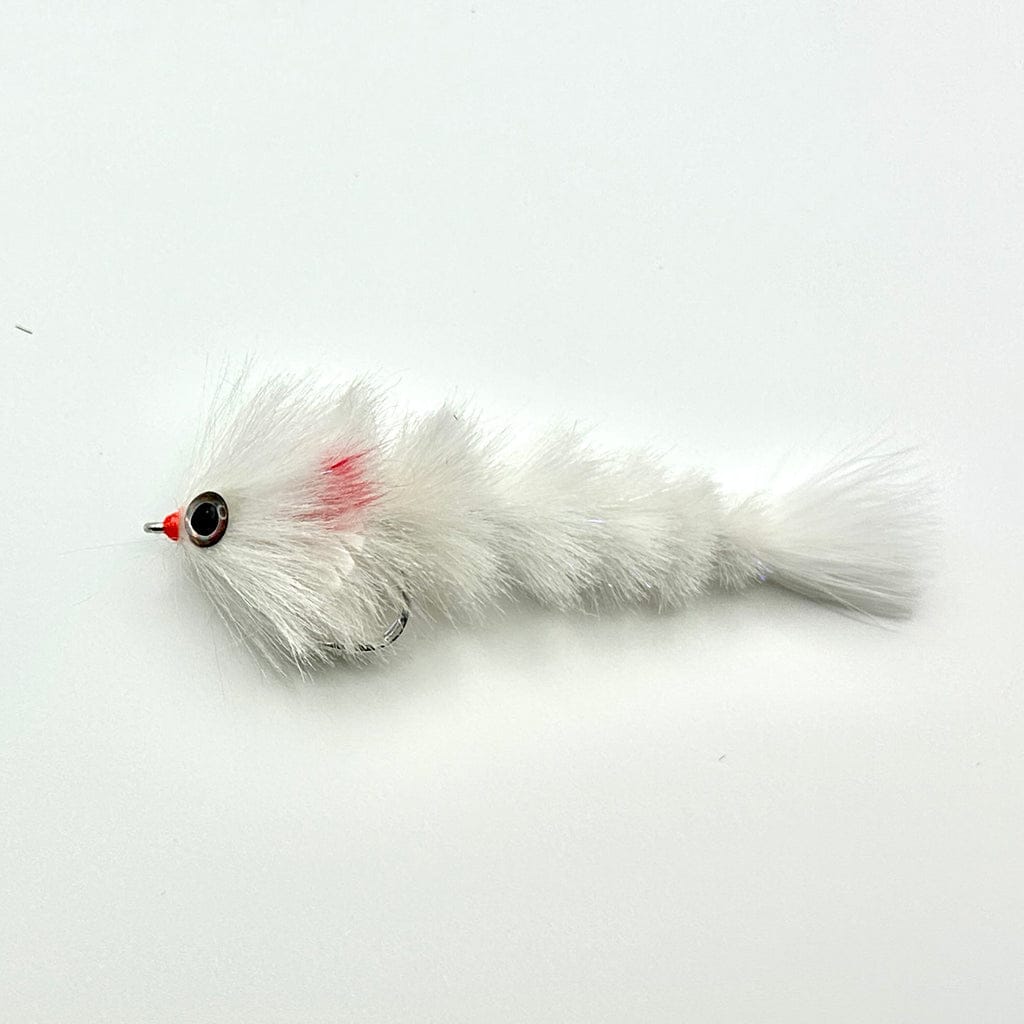
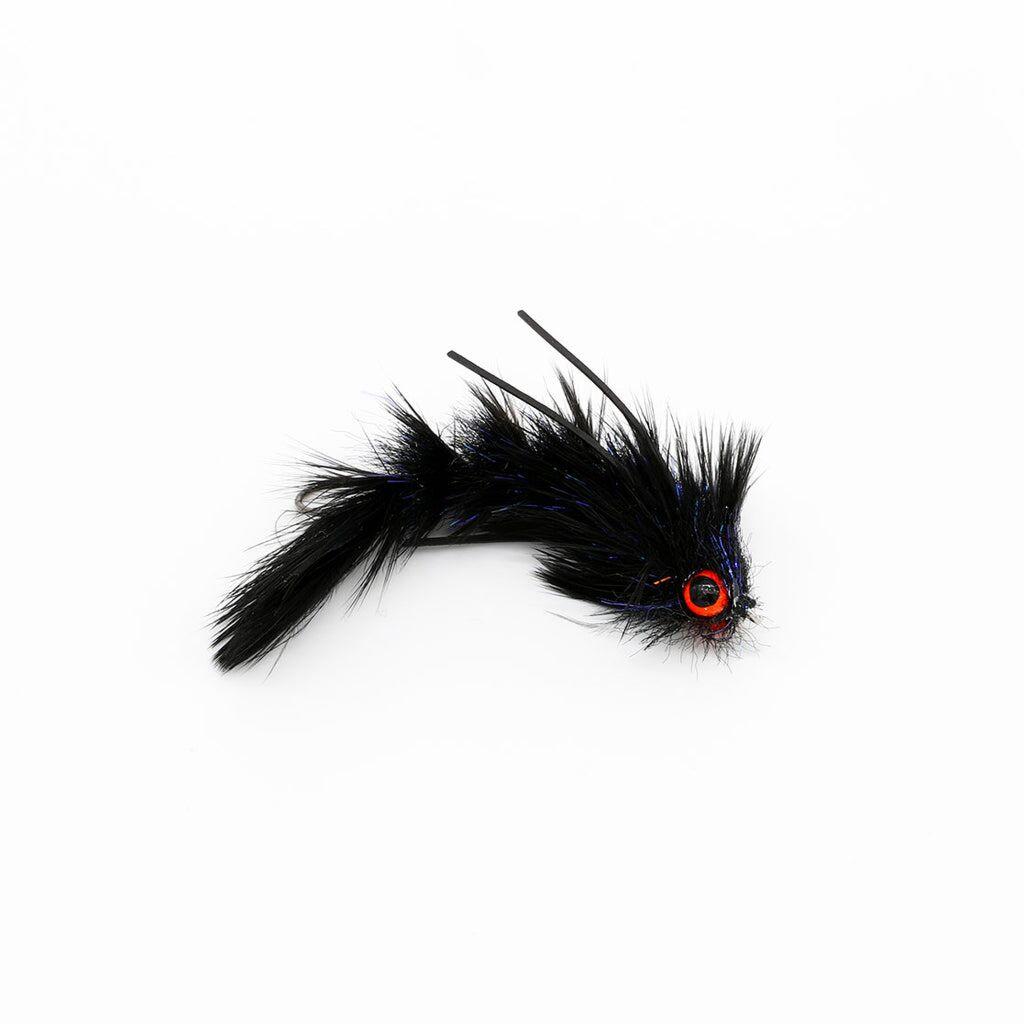
- Best All-Around: Chocklett's Finesse Changer Fly - A versatile baitfish-style changer for anglers chasing aggressive fish in fresh or salt. It’s built around the “changer” profile for lots of movement without jumping straight to a giant, wind-resistant fly.
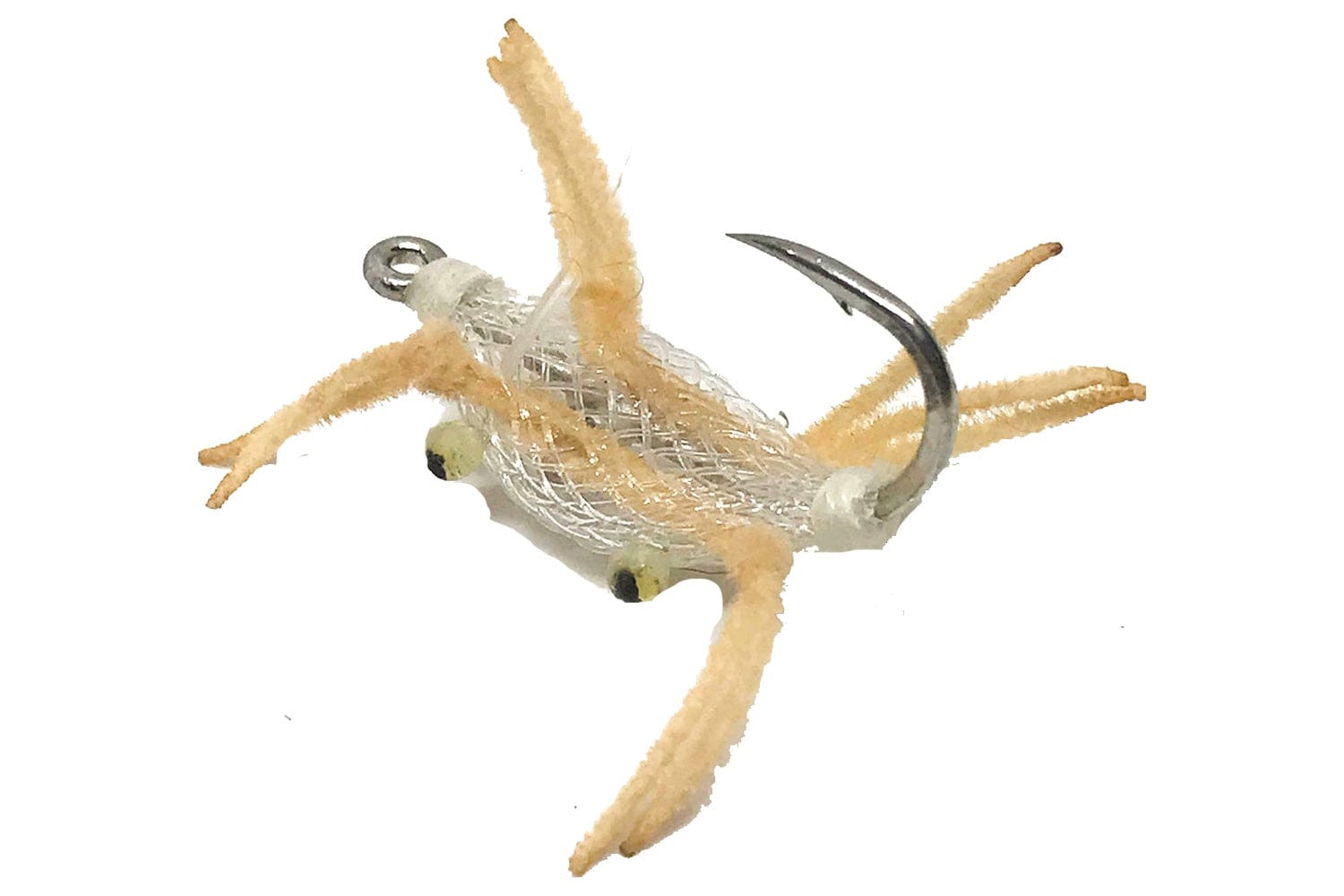
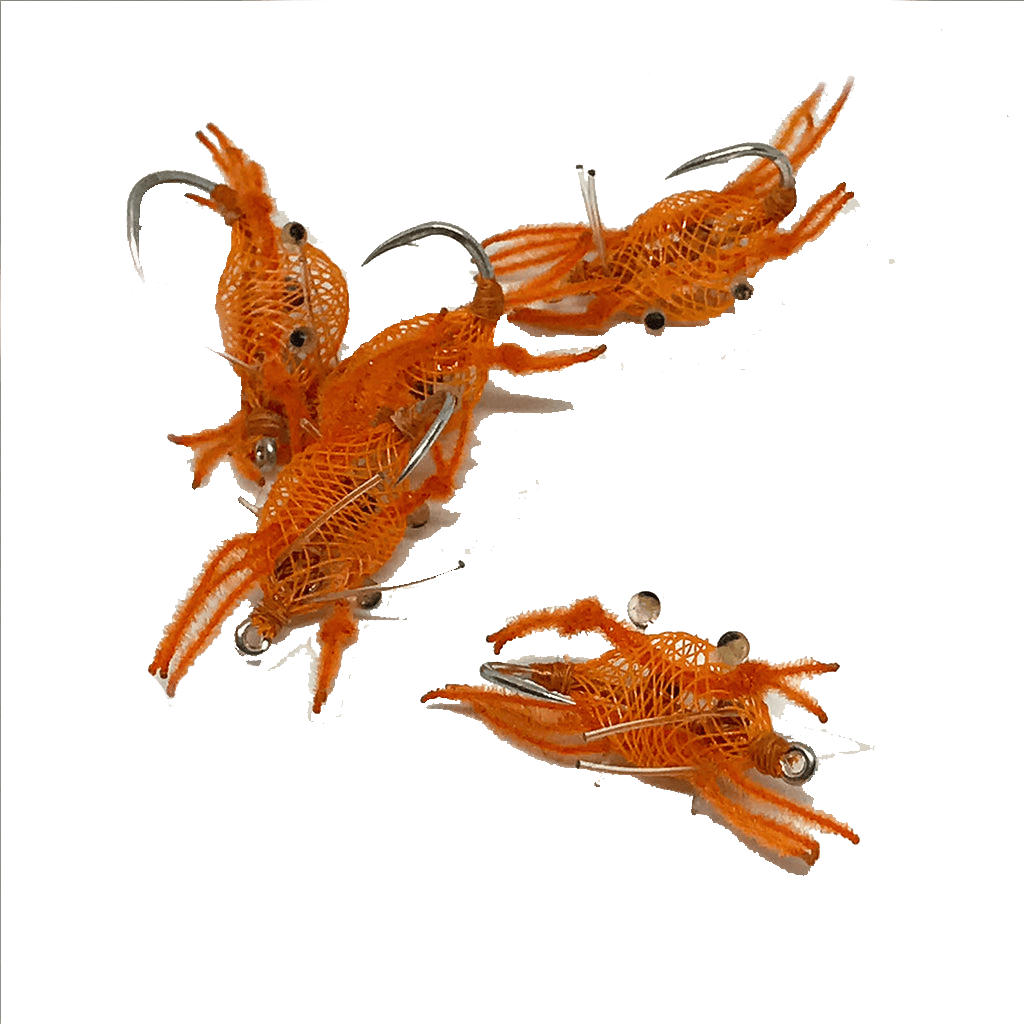
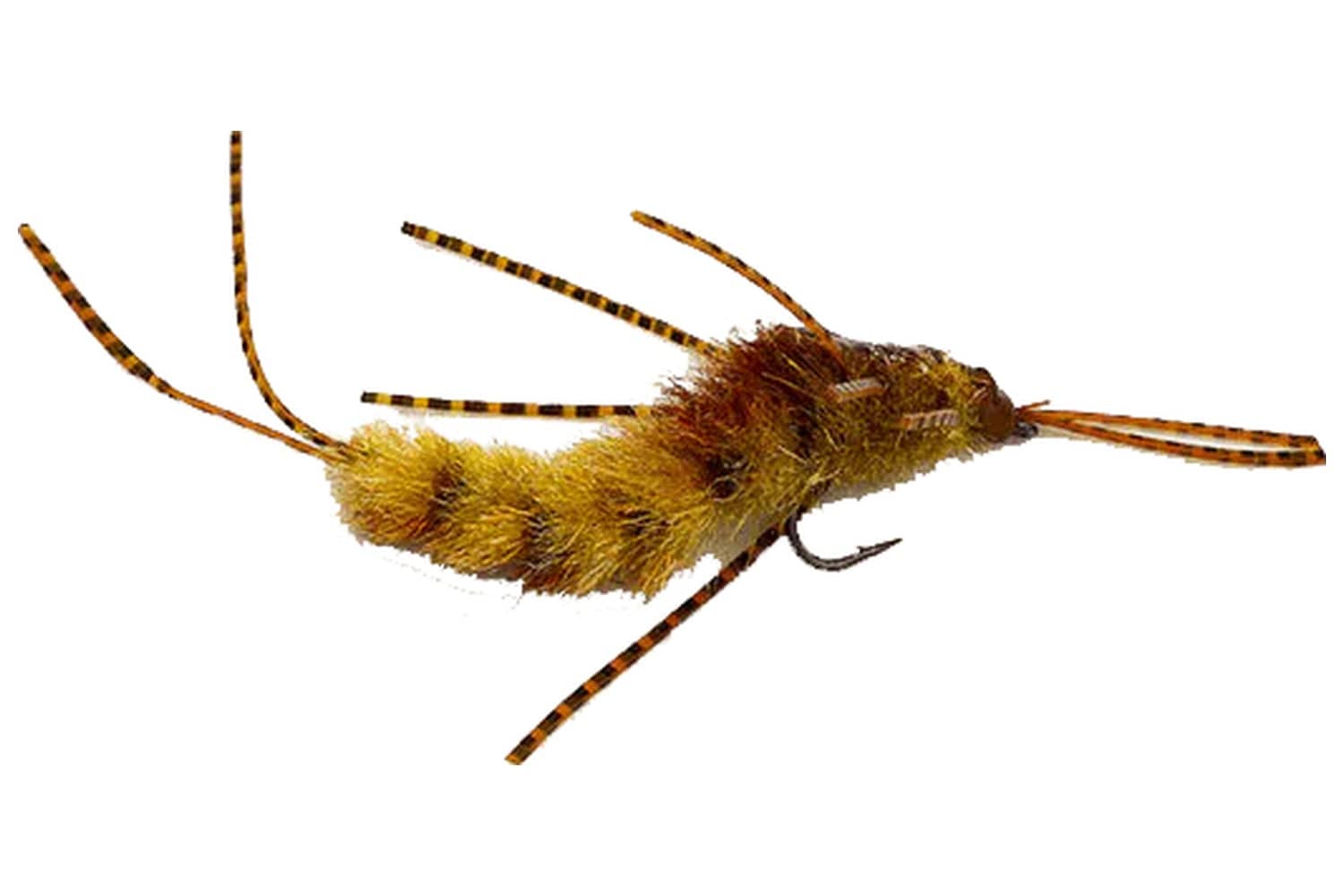
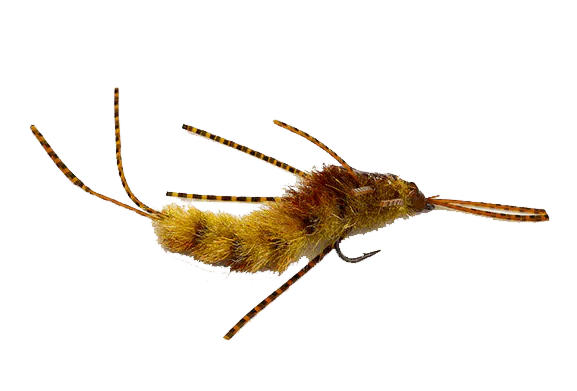
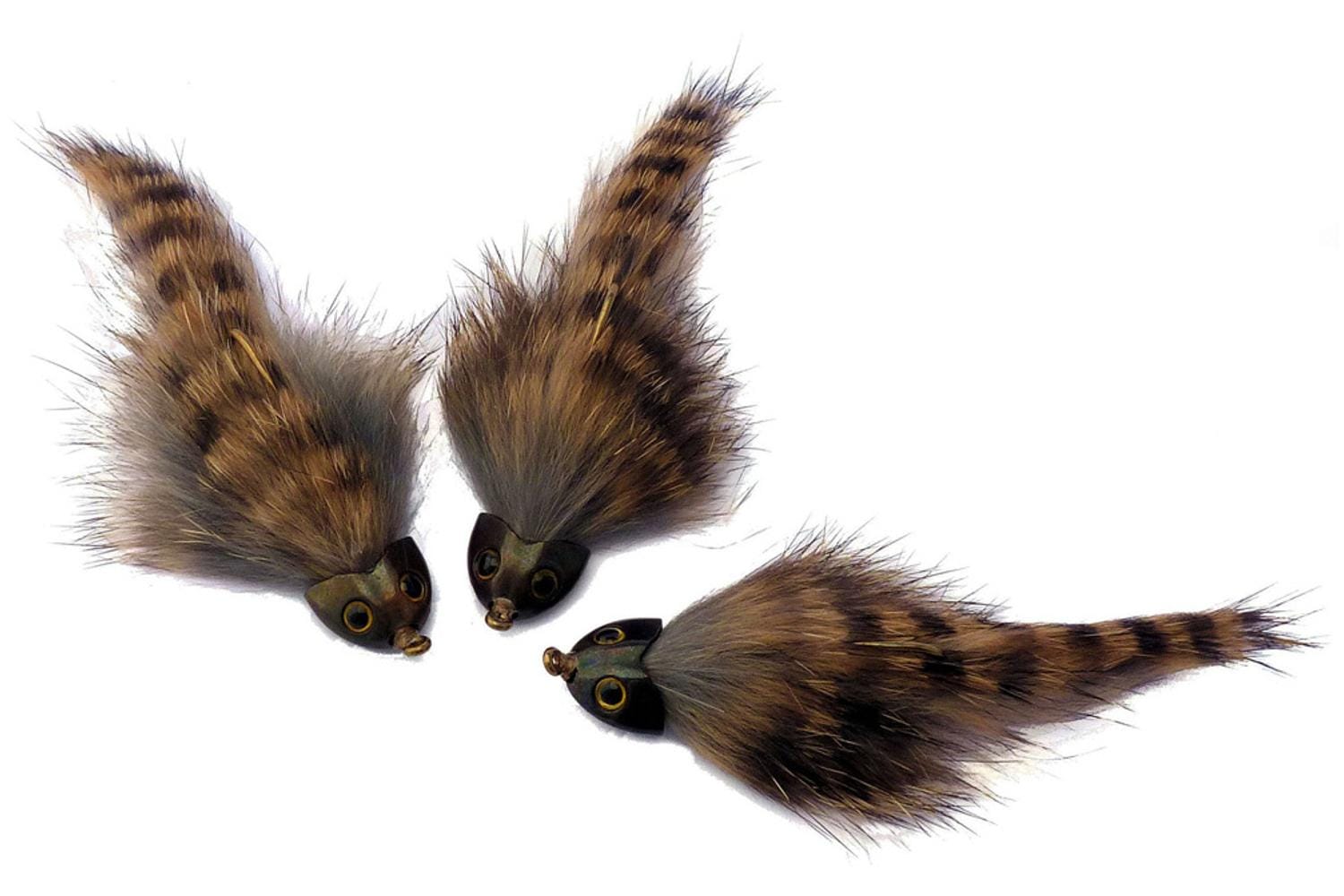
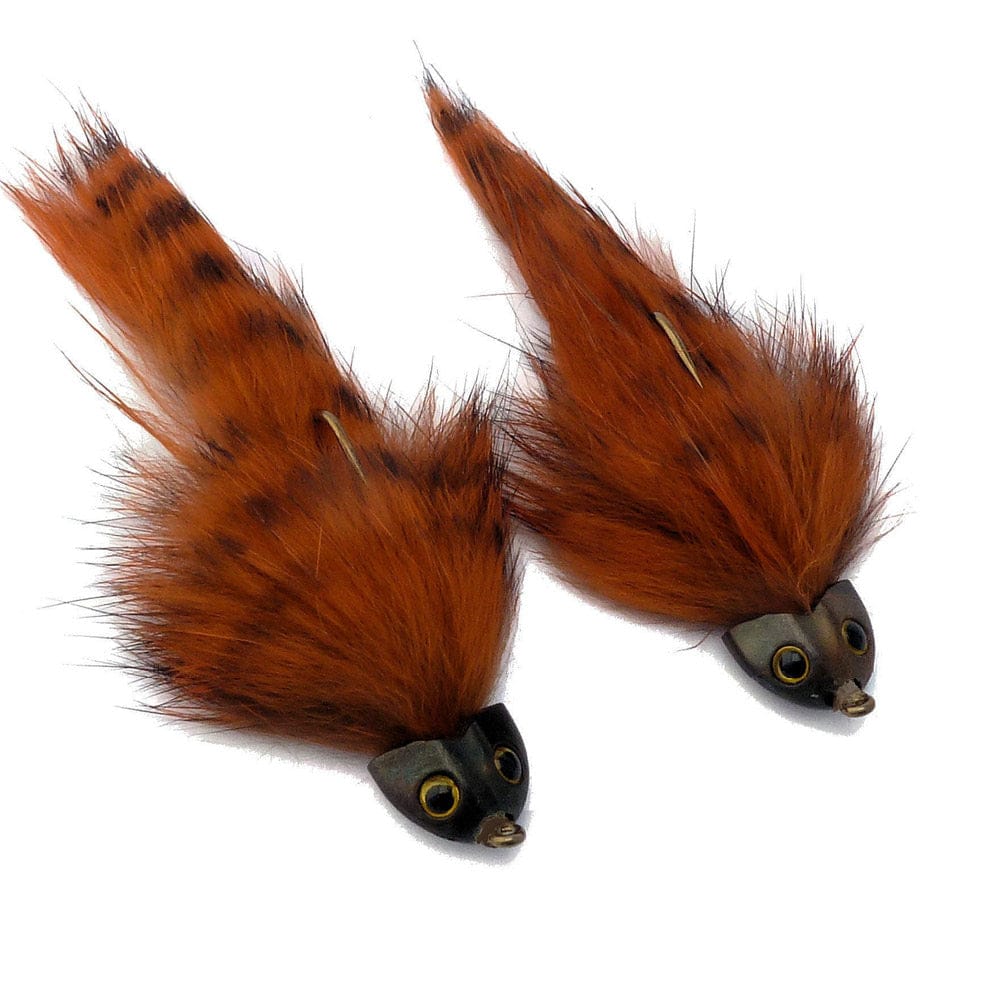
- Best for Flats: Flymen Alphlexo Crab Fly - A crab pattern for anglers targeting flats species where profile and sink behavior matter. It’s a clean, durable crab-style option with multiple colors and sizes to match bottom color and fish mood.
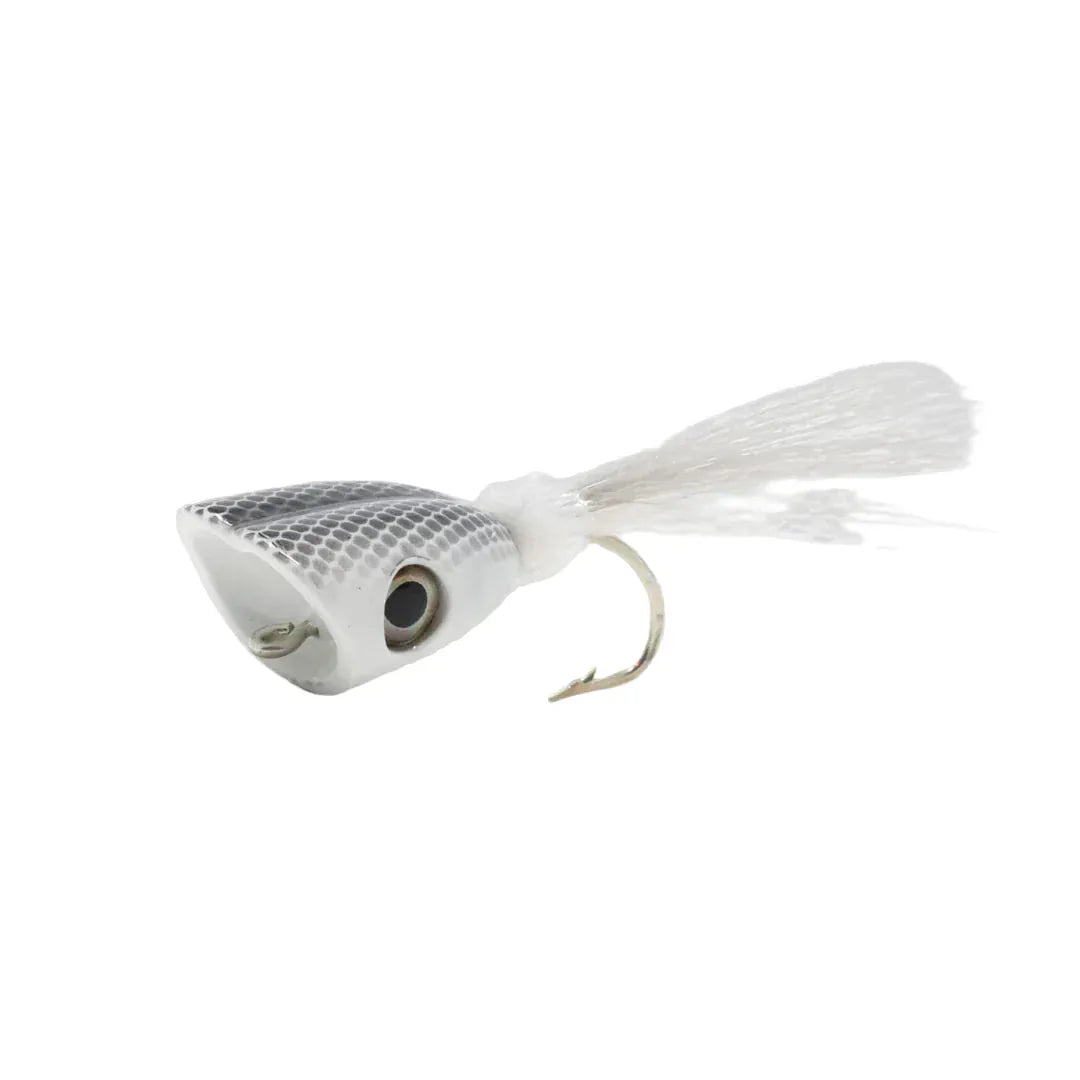
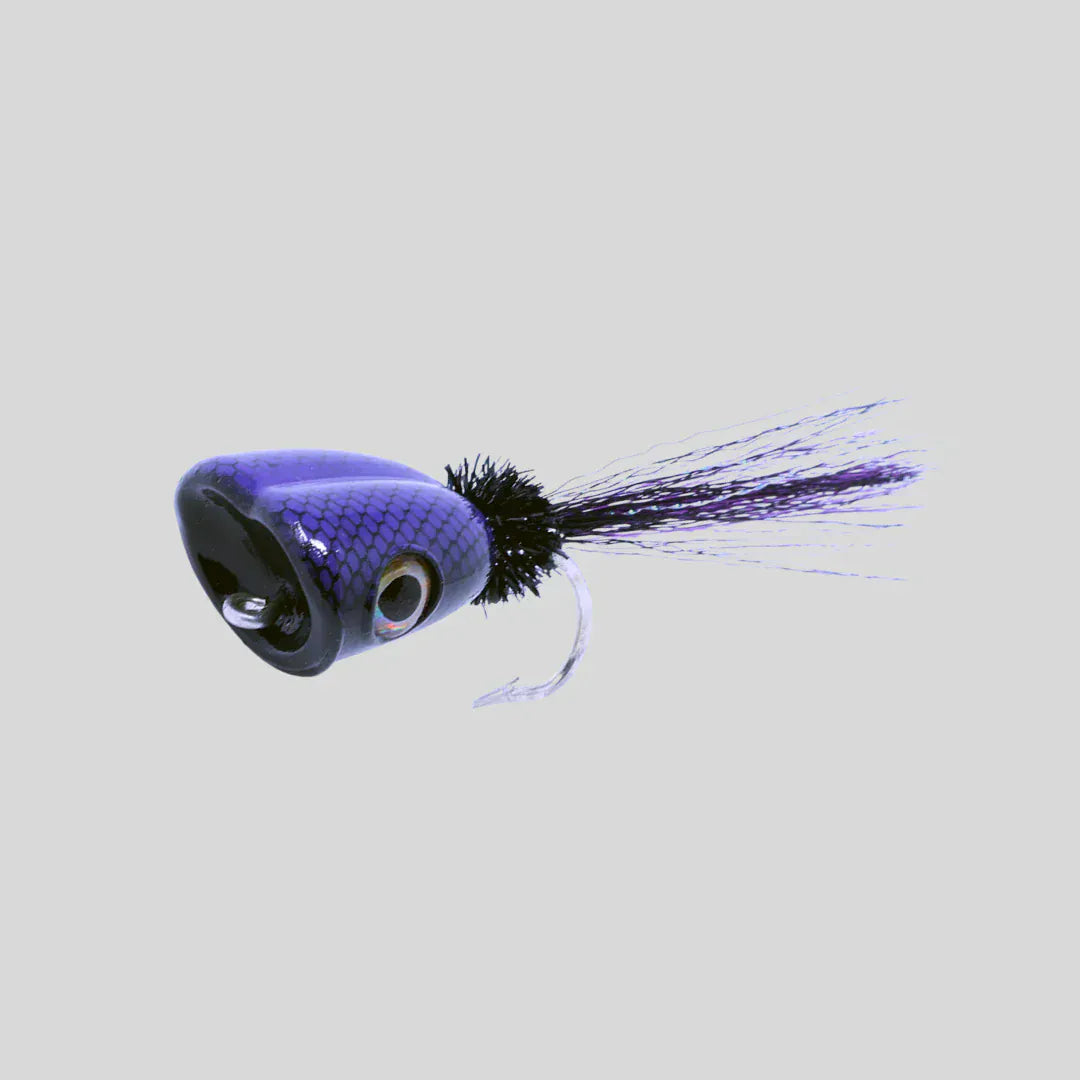
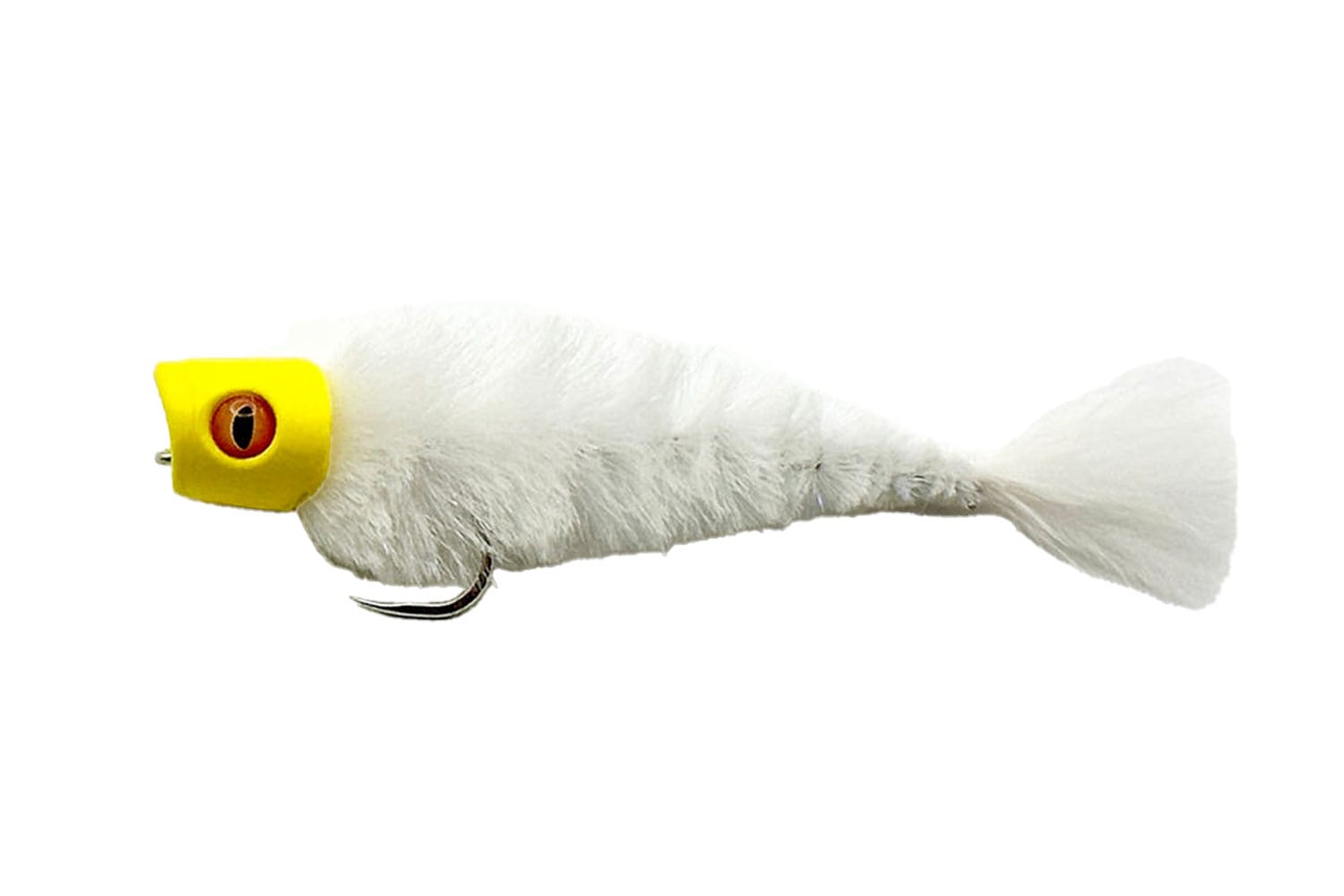
- Best Topwater: Surface Seducer Double Barrel Baitfish Popper Fly - For anglers who want loud, easy-to-work surface eats from bass to coastal predators. The Double Barrel head gives you a purpose-built popper platform with a baitfish silhouette.
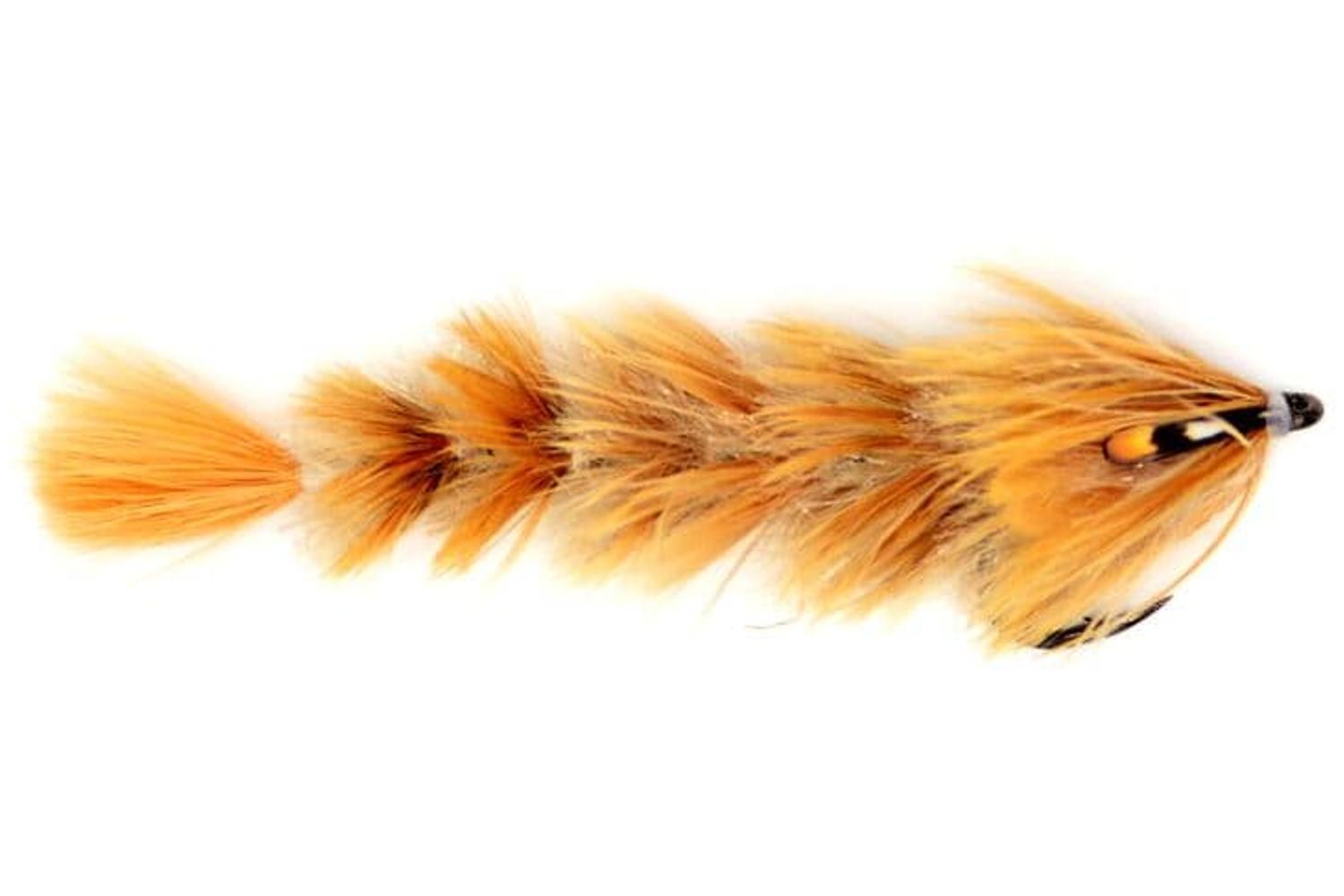
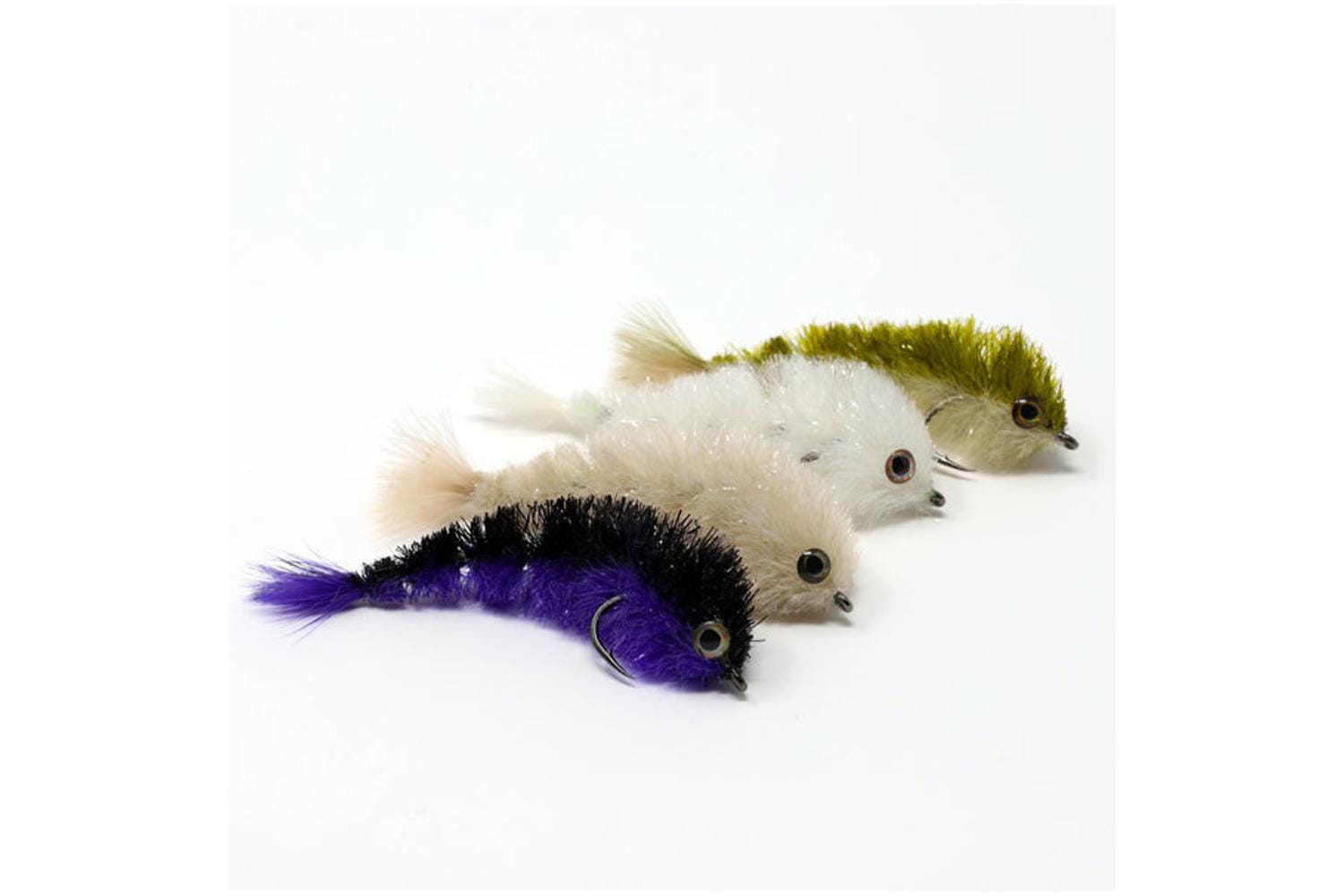
- Best for Big Saltwater: Tarpon Changer Fly - A tarpon-ready articulated option when you want more built-in movement on the strip and pause. It’s offered in proven tarpon colors and tied on heavy-duty saltwater hooks.
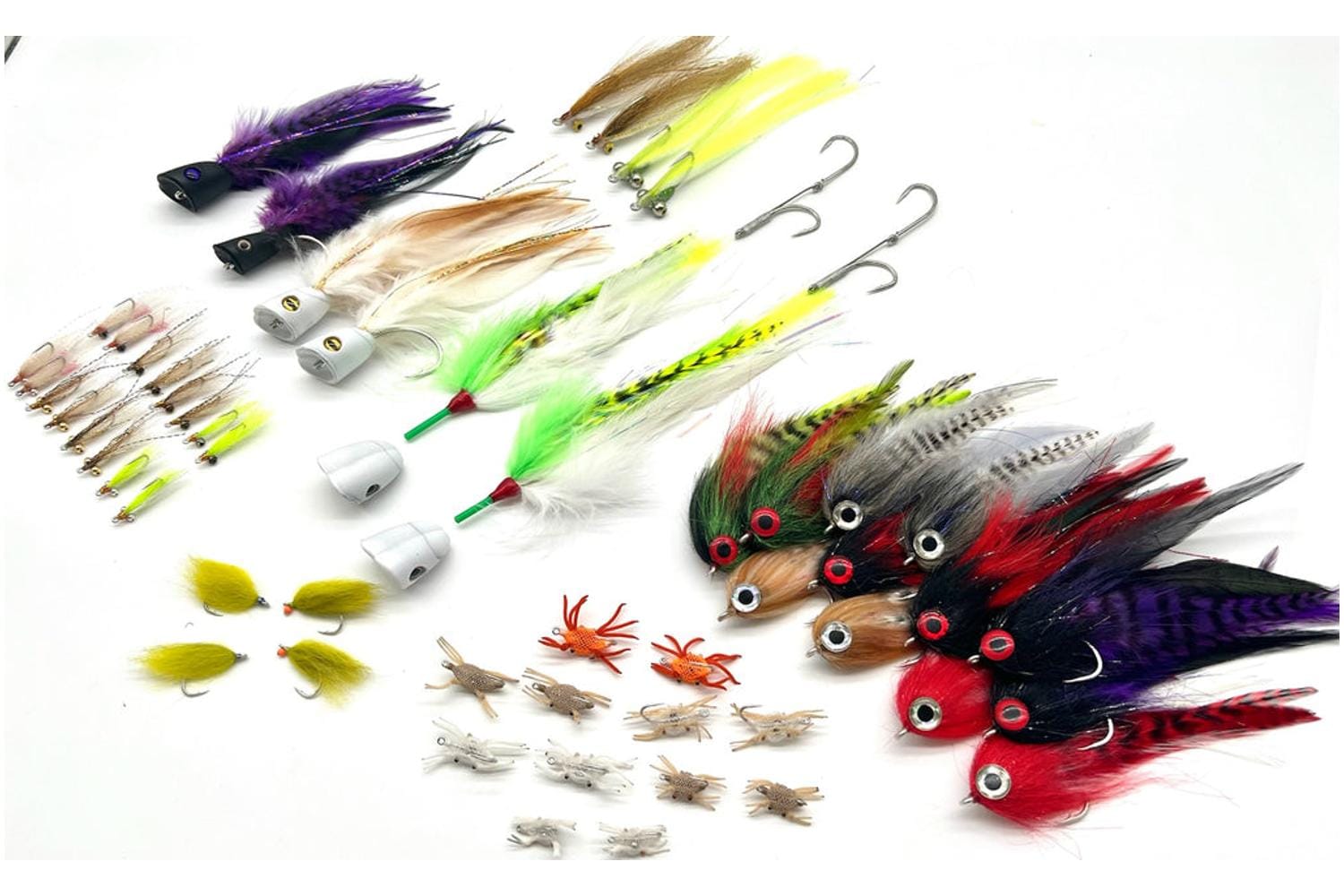
- Best Trip Pack: The Complete Flymen Seychelles Fly Assortment - For anglers traveling and trying to cover a destination efficiently without overthinking every individual fly choice. This is a full assortment approach when you want broad coverage in one purchase.
How to Choose Flymen Flies
Match the job first (surface, mid-column, or bottom)
Action: Start by deciding where you need your fly to fish. Surface flies (poppers) call fish up, articulated baitfish patterns cover mid-column, and crab patterns are a go-to when fish are rooting and hunting near the bottom.
Pick a size you can cast well
Best for: Most anglers fish these flies best when they choose the largest profile they can comfortably turn over. If you’re short-lining from a skiff or throwing tight loops with a heavy line, you can go bigger; if you’re making repeated casts all day, sizing down often keeps you accurate and consistent.
Avoid if: Don’t start your day with an oversized fly you can’t straighten in the wind. If your fly lands in a pile, it’s hard to control depth and movement.
Use color for contrast, not perfection
Action: In clear water, natural tones and subtle flash can be easier to sell. In low light, dirty water, or choppy surface conditions, higher-contrast colors help fish track your fly.
When to fish “changer” style flies
Articulated “changer” patterns shine when fish want a swimming baitfish look and you need the fly to keep moving even on the pause. They’re a strong option for covering banks, weed edges, channels, and flats when you’re hunting reaction strikes.
Materials & Durability
- Rinse after salt: If you fish these flies in saltwater, rinse them with fresh water and let them dry completely before they go back in the box.
- Dry your box: Even in freshwater, wet flies in a sealed box can rust hooks faster and mat down materials.
- Revive the profile: After a few fish, a quick brush-out (or a few shakes in the water) often brings synthetics and feathers back to shape.
- Check connection points: On articulated patterns, inspect junctions and hook points periodically, especially after pulling free from heavy cover.
Complete Your Setup
Related Gear
- Fly Fishing Flies - Helpful if you’re rounding out the box with hatch-matchers, backups, and confidence patterns.
- Fly Assortments - A practical way to stock up fast for a trip or a new technique without piecing it together one fly at a time.
- Leaders - Dial in turnover and presentation, especially when switching between surface flies and subsurface patterns.
- Tippet - Keeps you fishing when you’re changing flies often or cutting back after abrasions.
Related Guides
- Fly Fishing Flies Explained
- How to Choose the Best Trout Flies for Small Streams
- How to Tie the Feather Game Changer Streamer
- How To Tie the Low Fat Minnow Streamer
- How to Tie the Seaducer Streamer Fly
Flymen Flies FAQs
Q: What are Flymen Flies best known for?
A: Flymen patterns are commonly associated with modern, performance-driven designs, especially baitfish and surface concepts that emphasize movement and fishability. In this collection you’ll see articulated “changer” style flies, topwater poppers, and flats-oriented patterns.
Q: Are Flymen Flies good for beginners?
A: Yes, especially if you want a few “problem solver” flies that cover a lot of scenarios (topwater, baitfish, crab). The main learning curve is casting larger, more air-resistant patterns and choosing the right leader/tippet for turnover.
Q: How do I choose the right size Flymen fly?
A: Start with the size you can cast accurately for a full day, then scale up if conditions allow. If you’re fishing wind, tight banks, or quick shots, smaller sizes often keep presentations cleaner.
Q: When should I fish a crab pattern instead of a baitfish pattern?
A: Fish crab-style patterns when your target species is feeding near the bottom or cruising and rooting on flats. Baitfish patterns are a better fit when fish are tracking moving prey in the water column and responding to strips and pauses.
Q: Do I need different leaders for poppers vs. articulated streamers?
A: Often, yes. Poppers and big streamers typically fish best on shorter, stiffer leaders for turnover, while more finesse-oriented situations benefit from longer leaders for presentation and control.
Q: Can I use these flies in saltwater?
A: Many of the patterns in this collection are saltwater-relevant (including flats and tarpon options). Rinse flies after saltwater use, dry them thoroughly, and keep an eye on hook points and corrosion over time.
Q: How do Flymen “changer” flies compare to standard streamers?
A: Changer-style flies focus on multi-jointed movement that continues through pauses, which can help trigger eats from following fish. Standard streamers can be easier to cast and may fish better in very fast water or when you want a simpler, faster-sinking profile.
Q: What’s the easiest retrieve to start with?
A: For baitfish patterns: medium strips with brief pauses is a solid baseline. For poppers: pop-pause-pop, letting the fly sit long enough for fish to find it.