


The ABCs of Fly Tying Thread | Episode 5
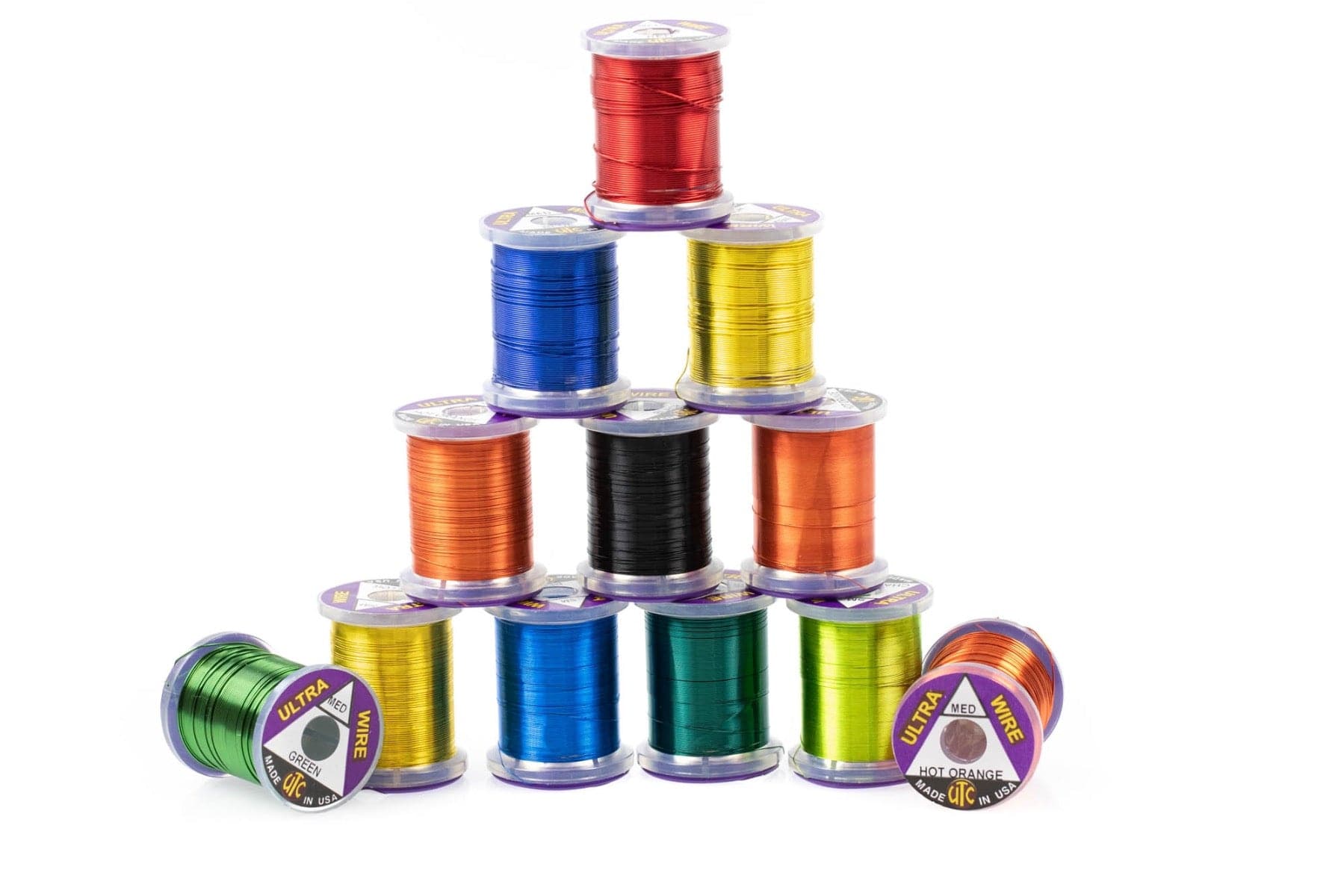

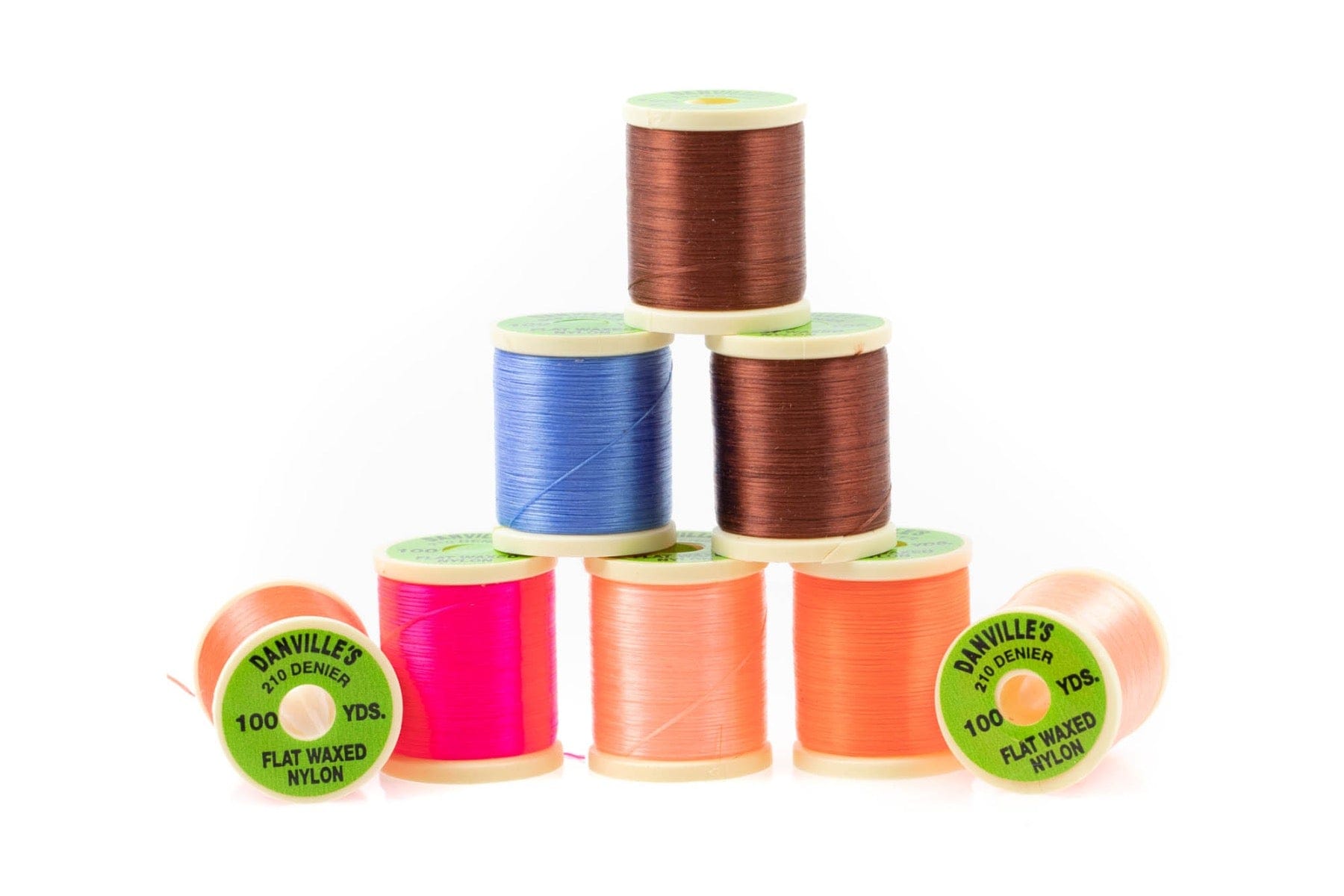
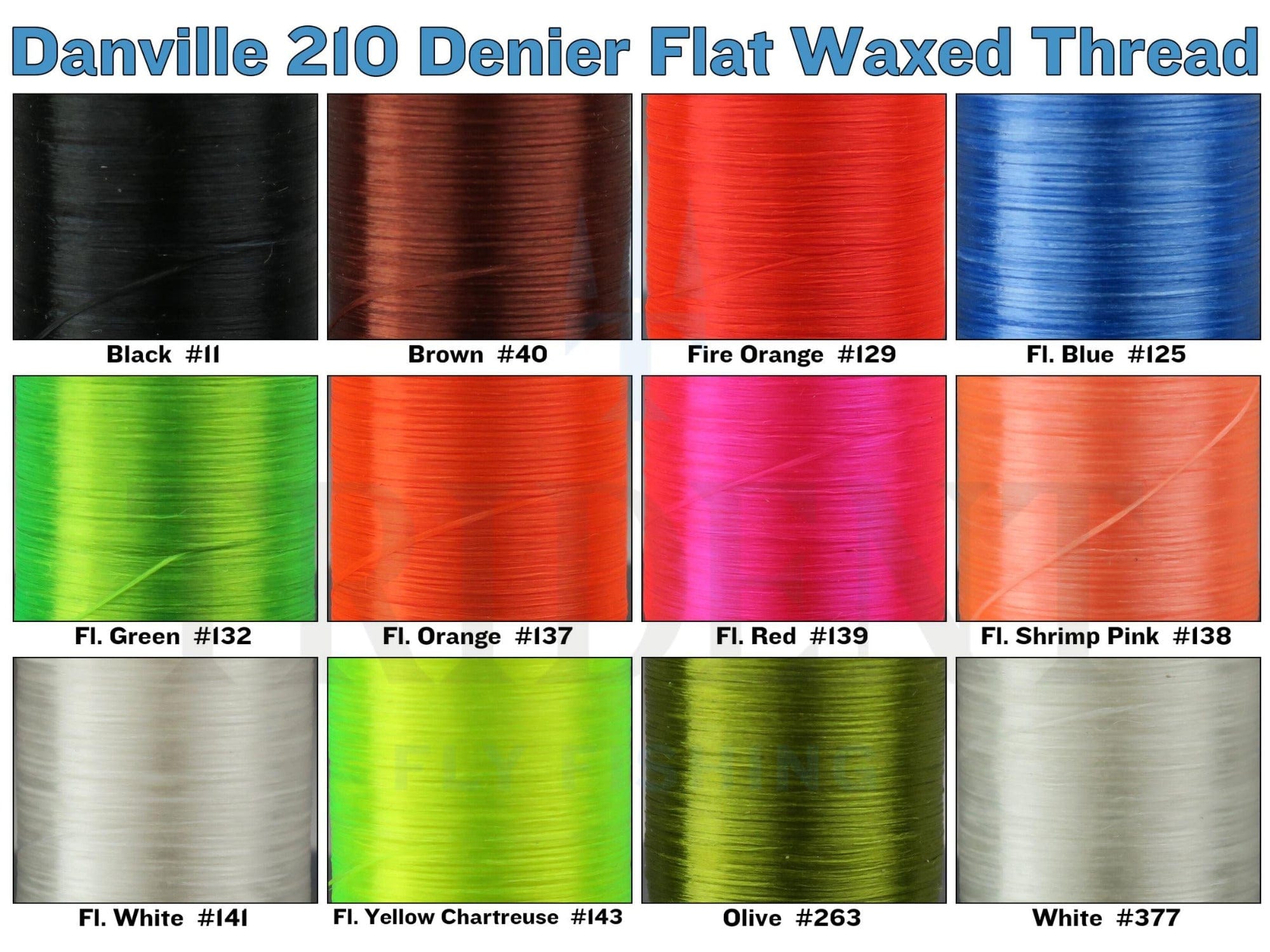

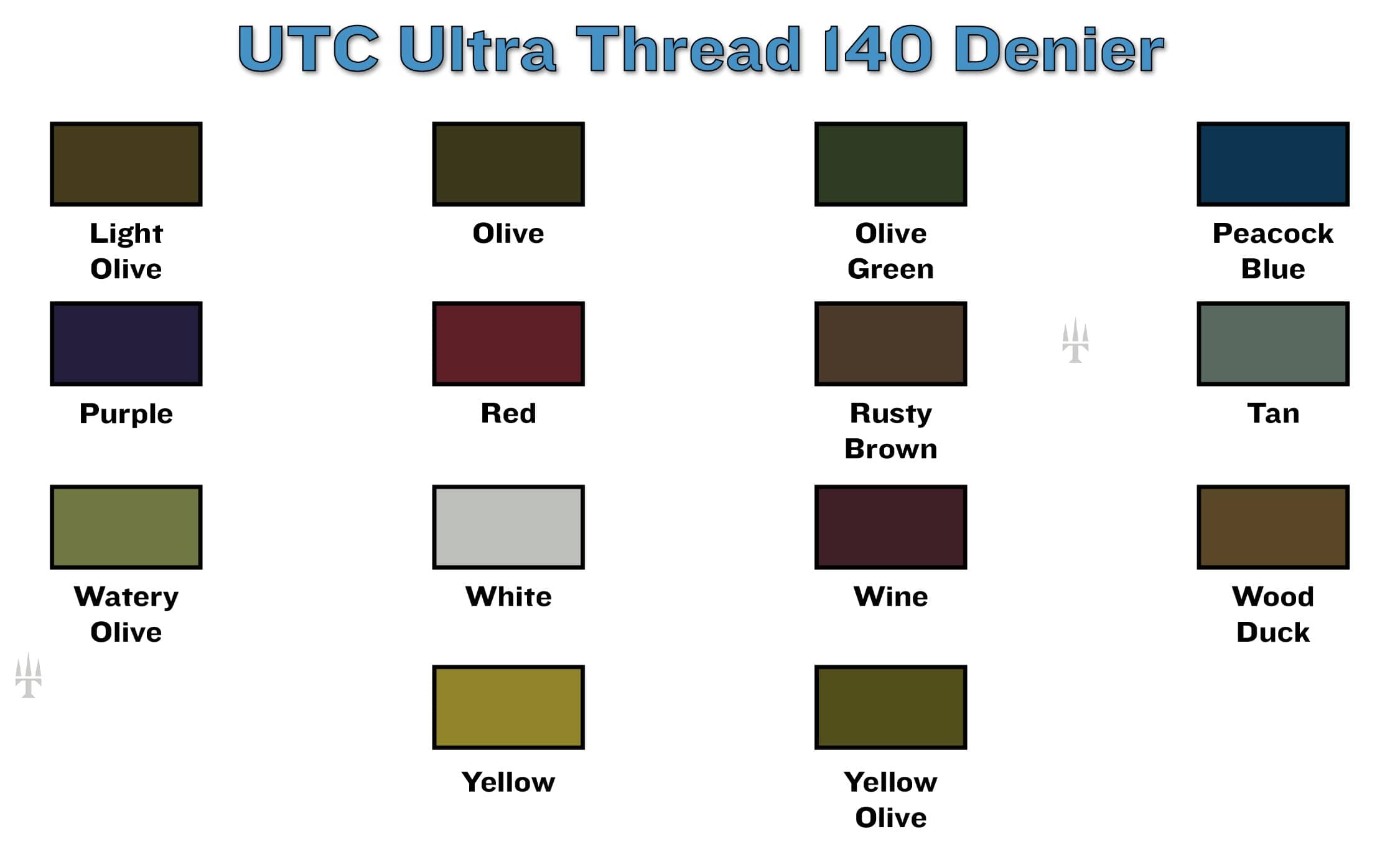




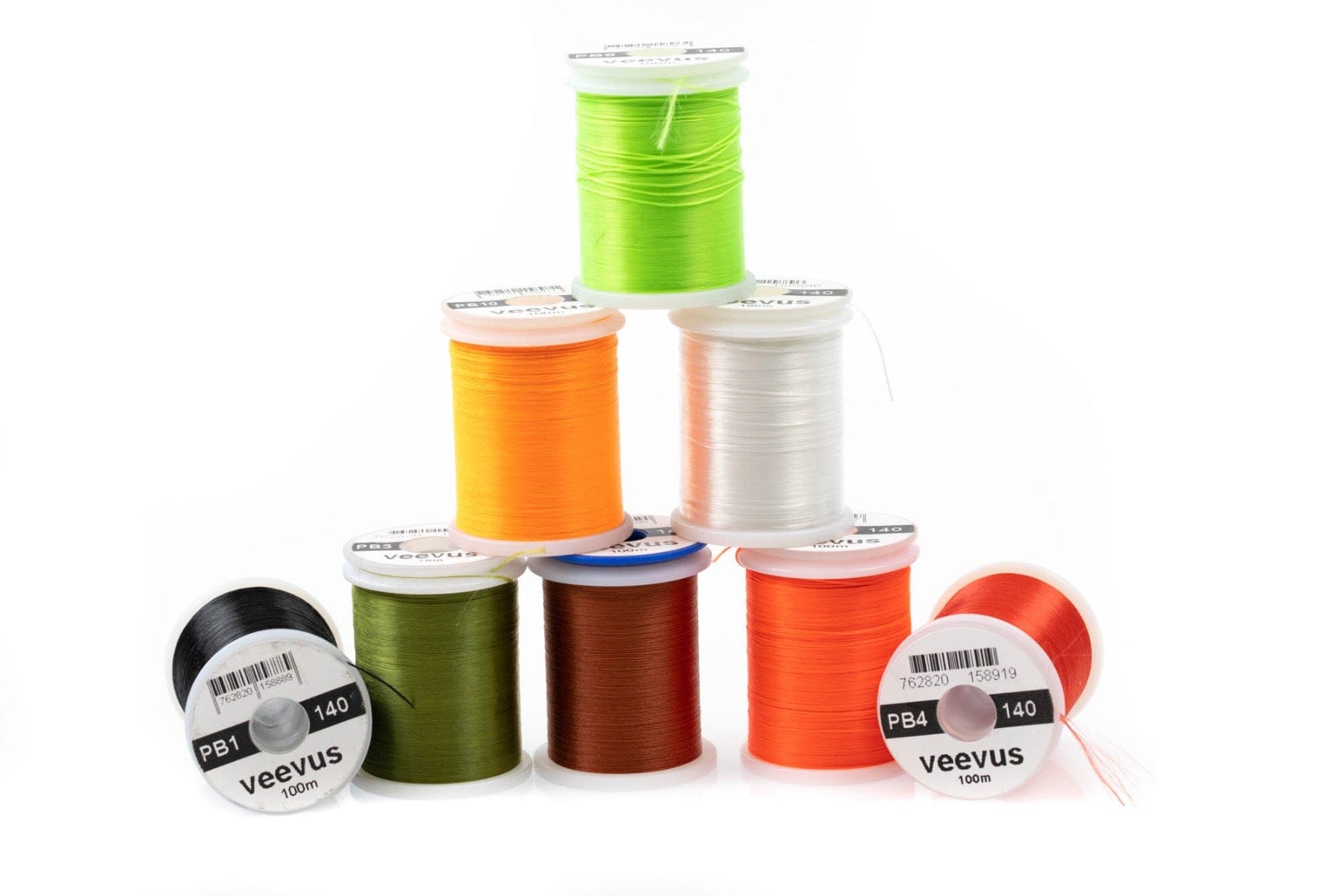
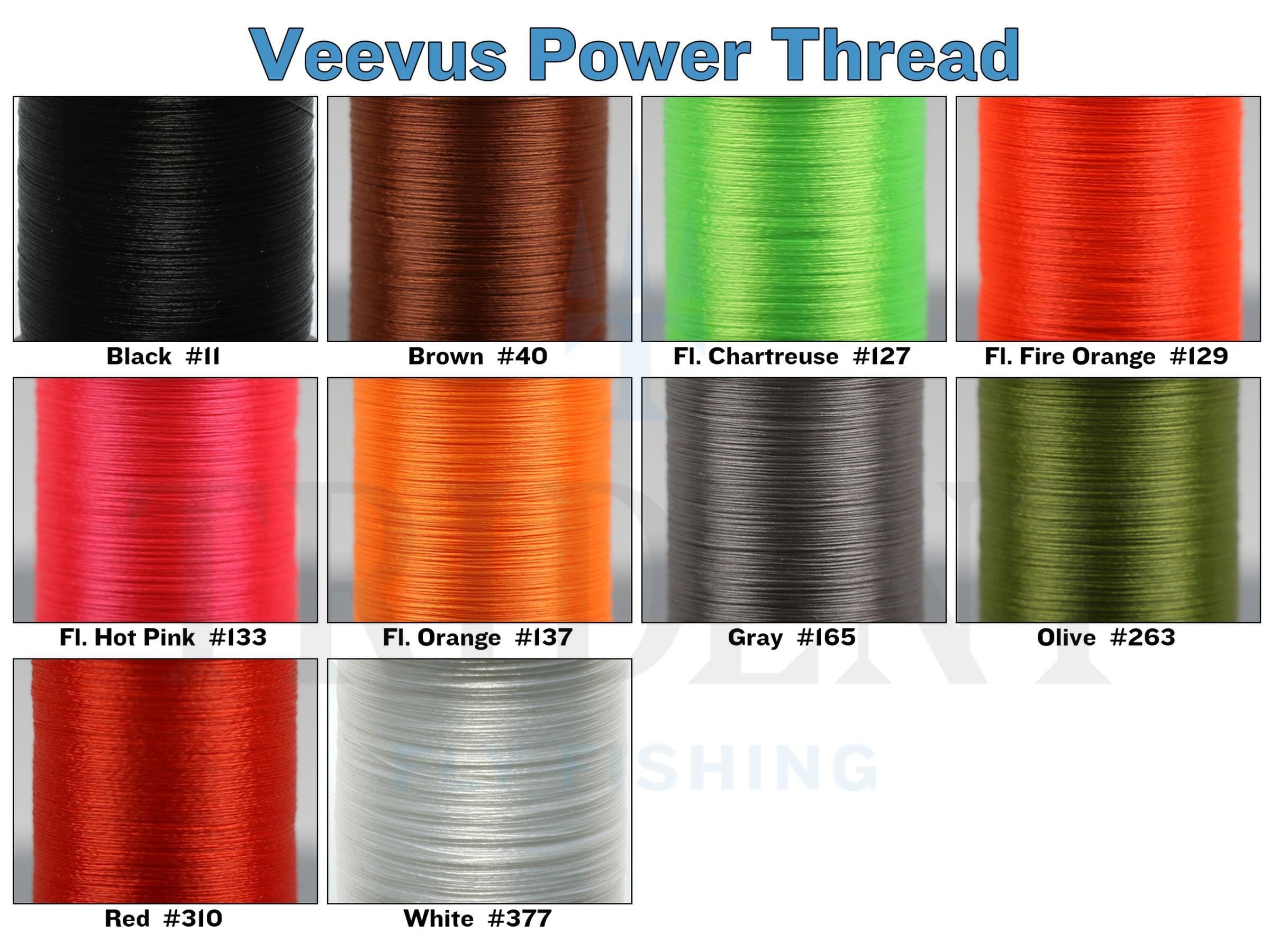
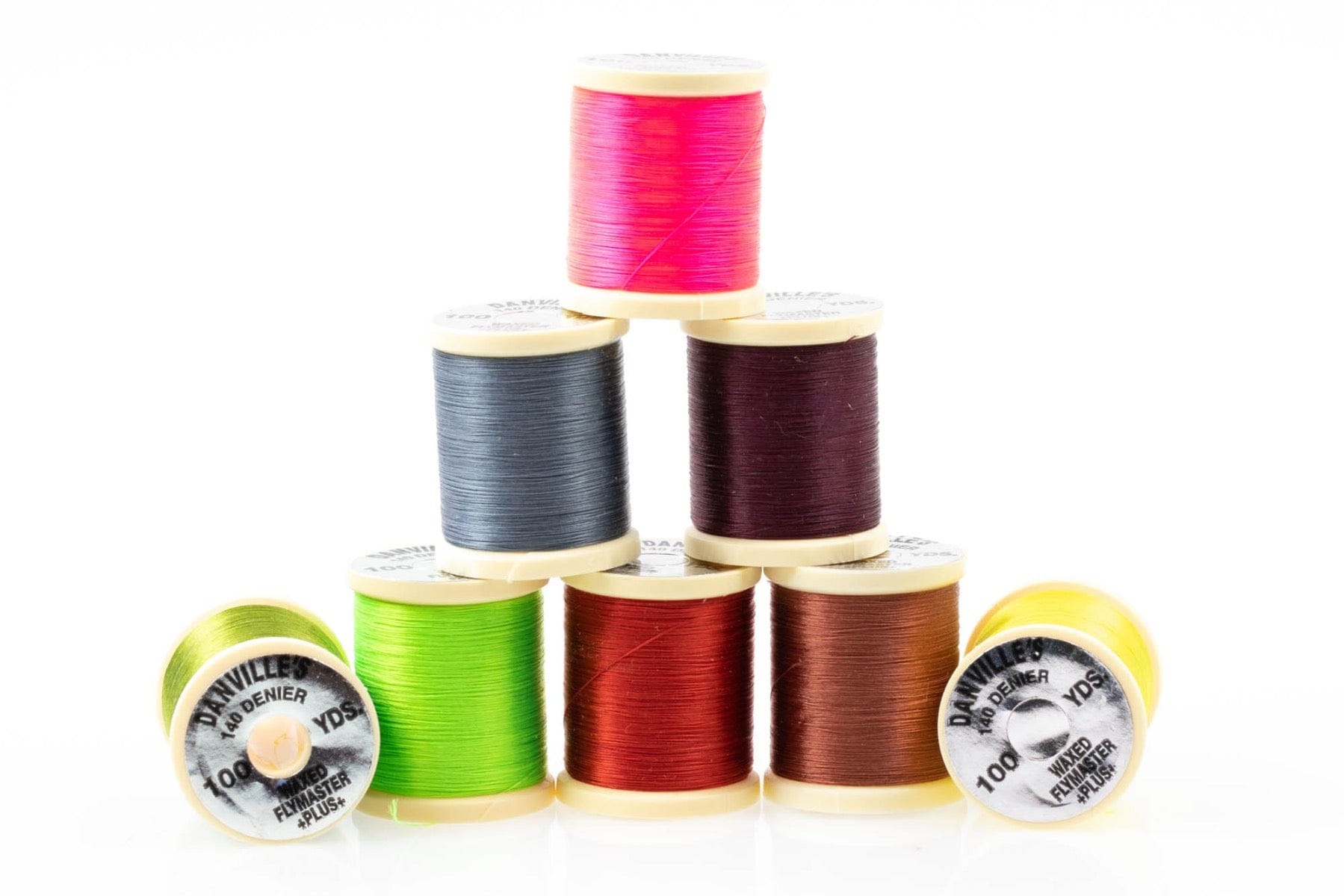
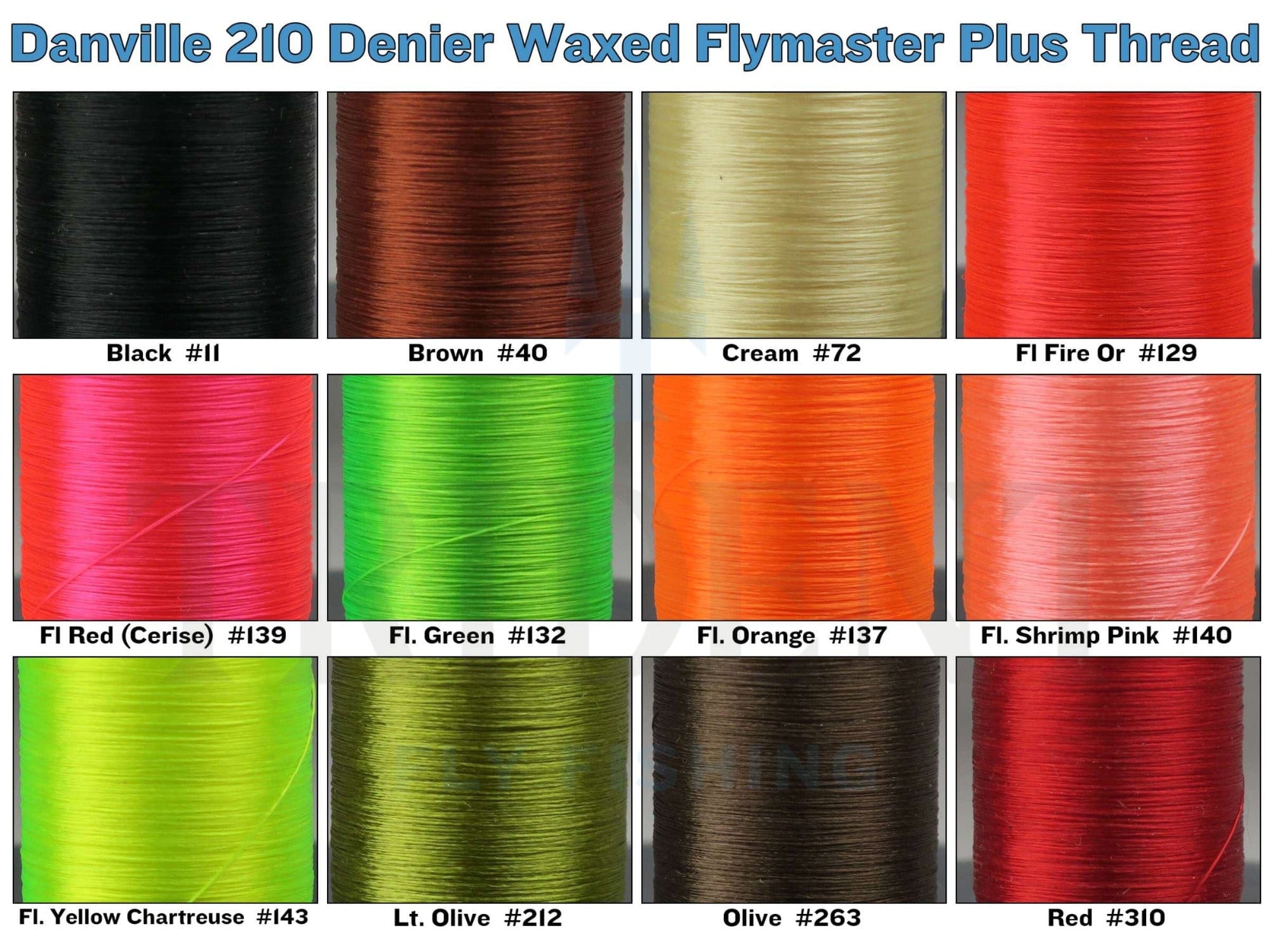


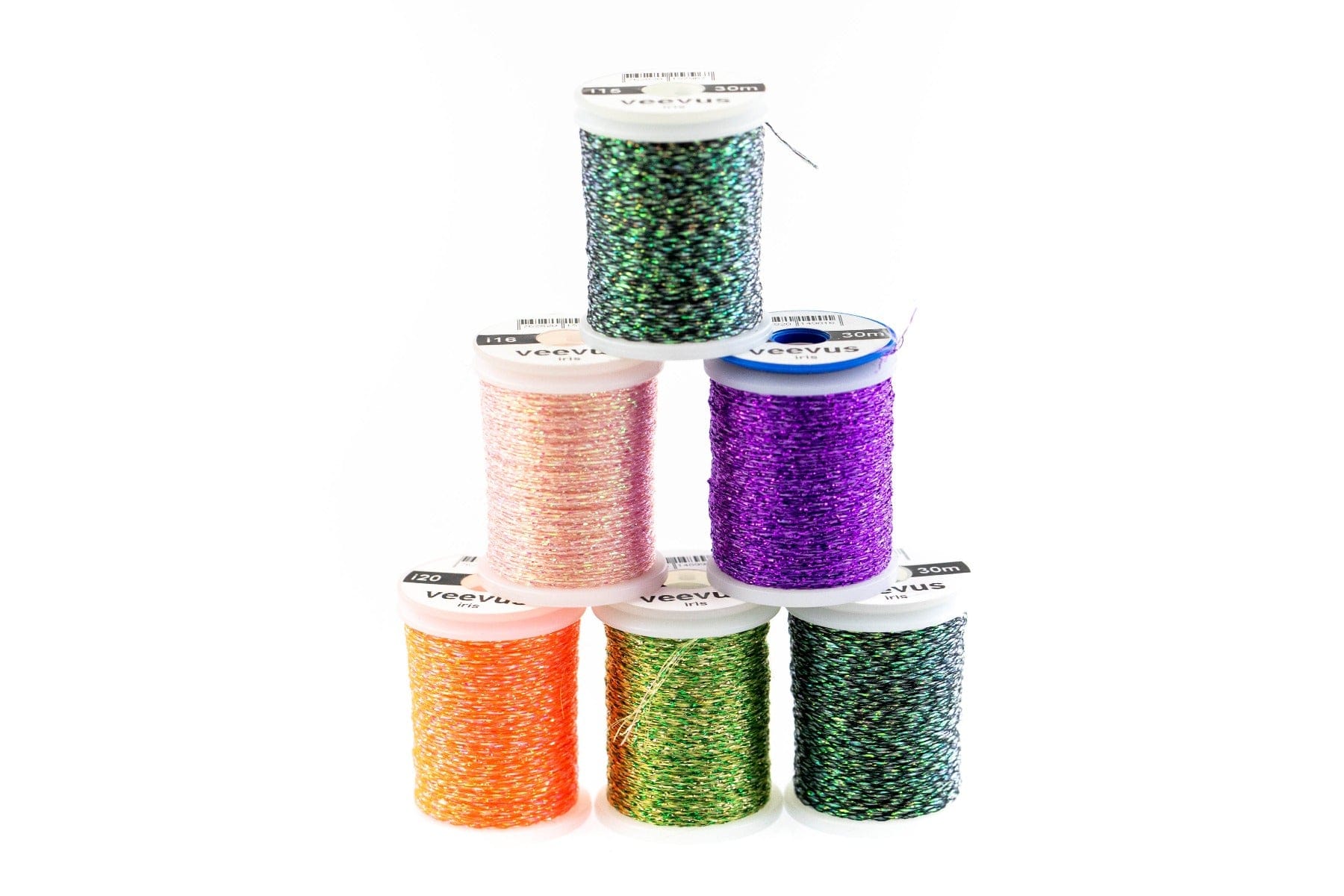
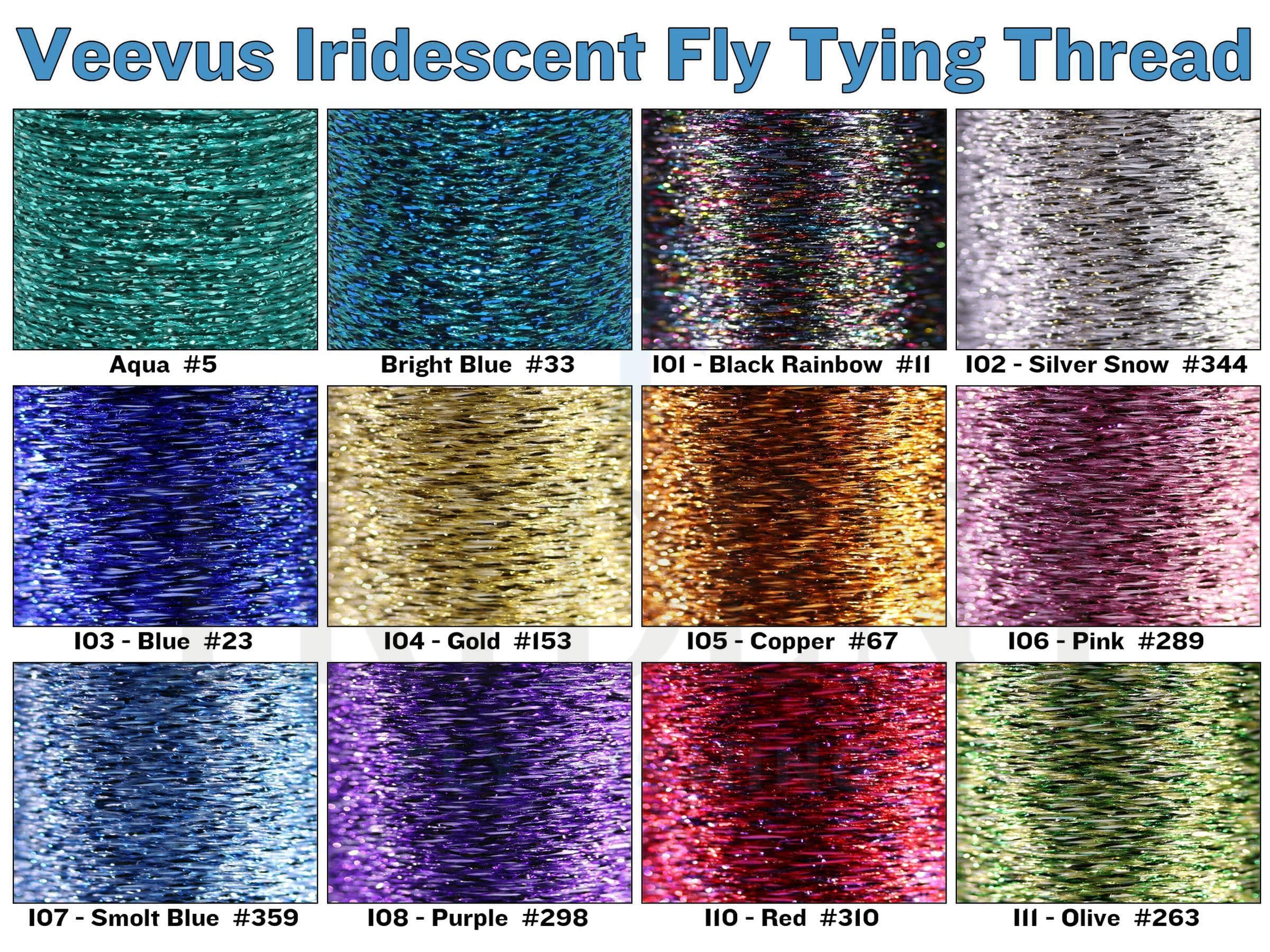


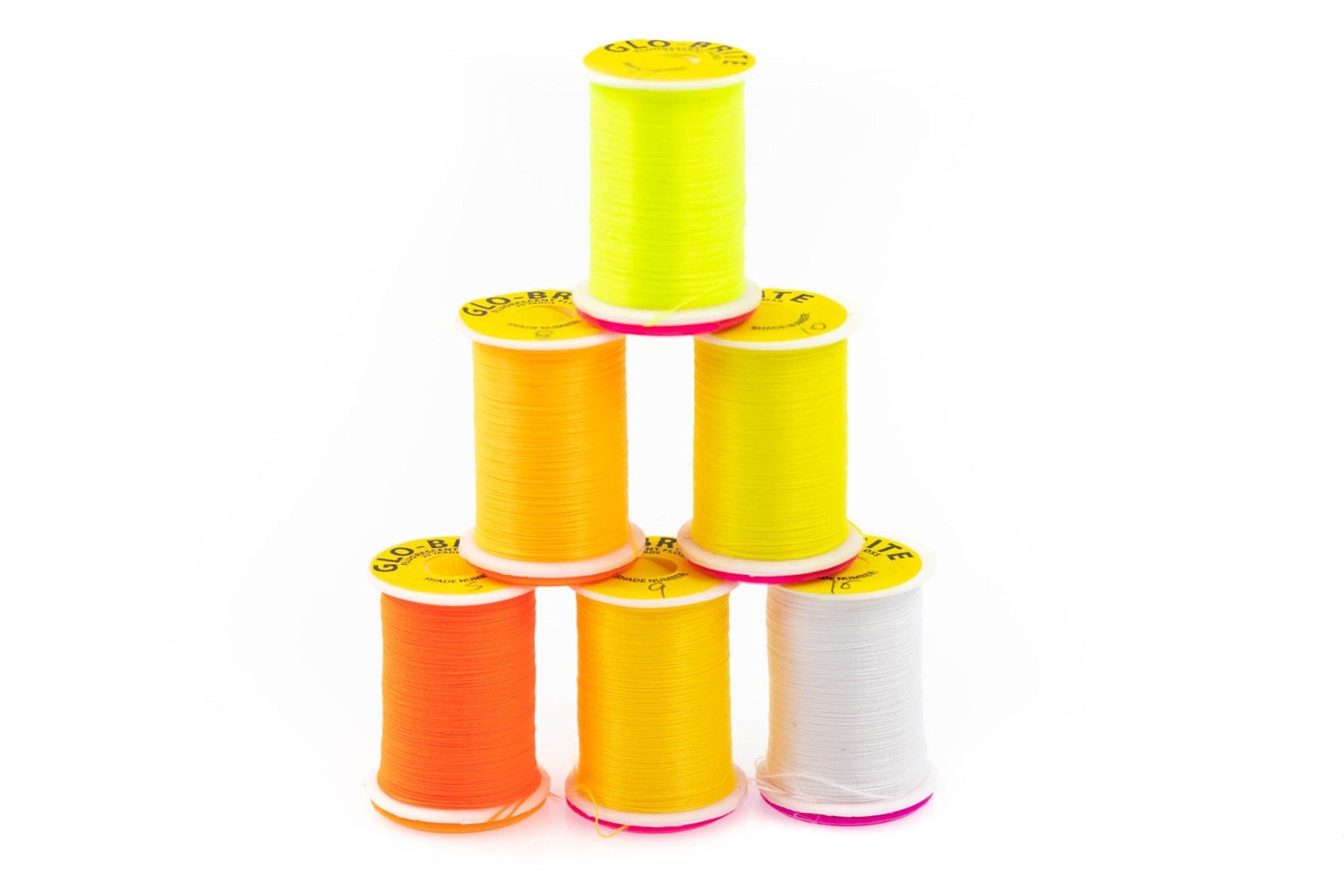

Thread/Tinsel/Wire Quick Picks
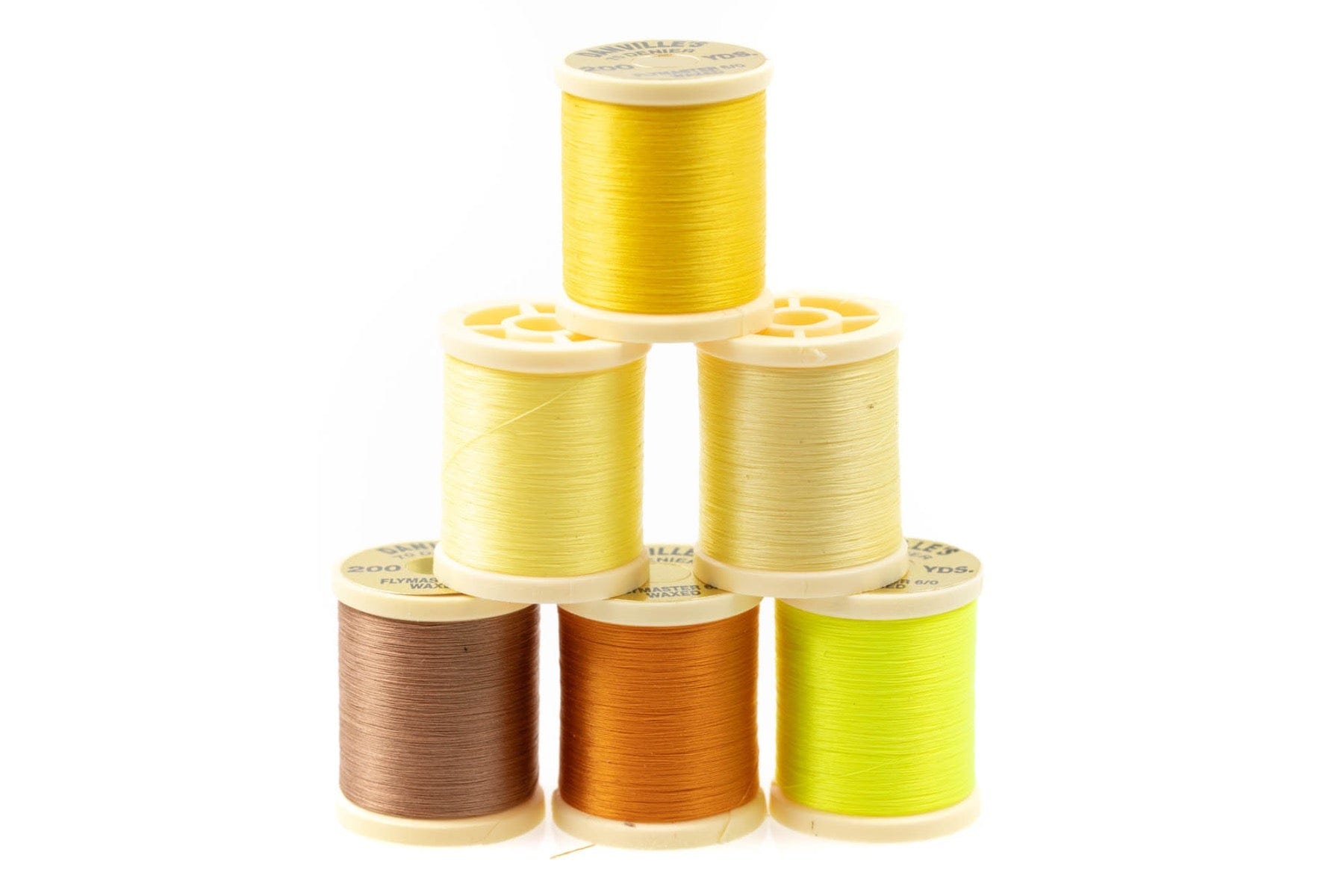
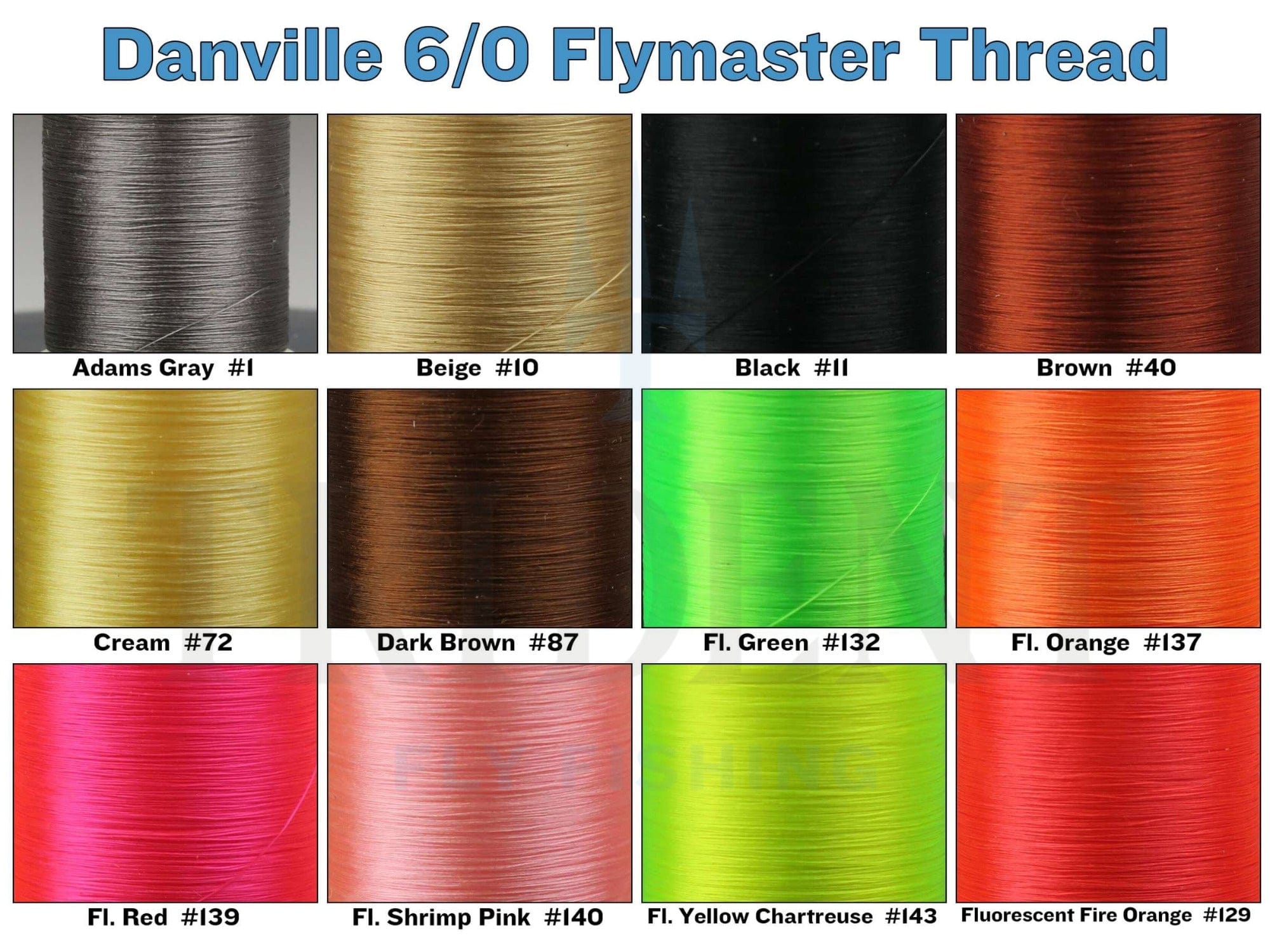
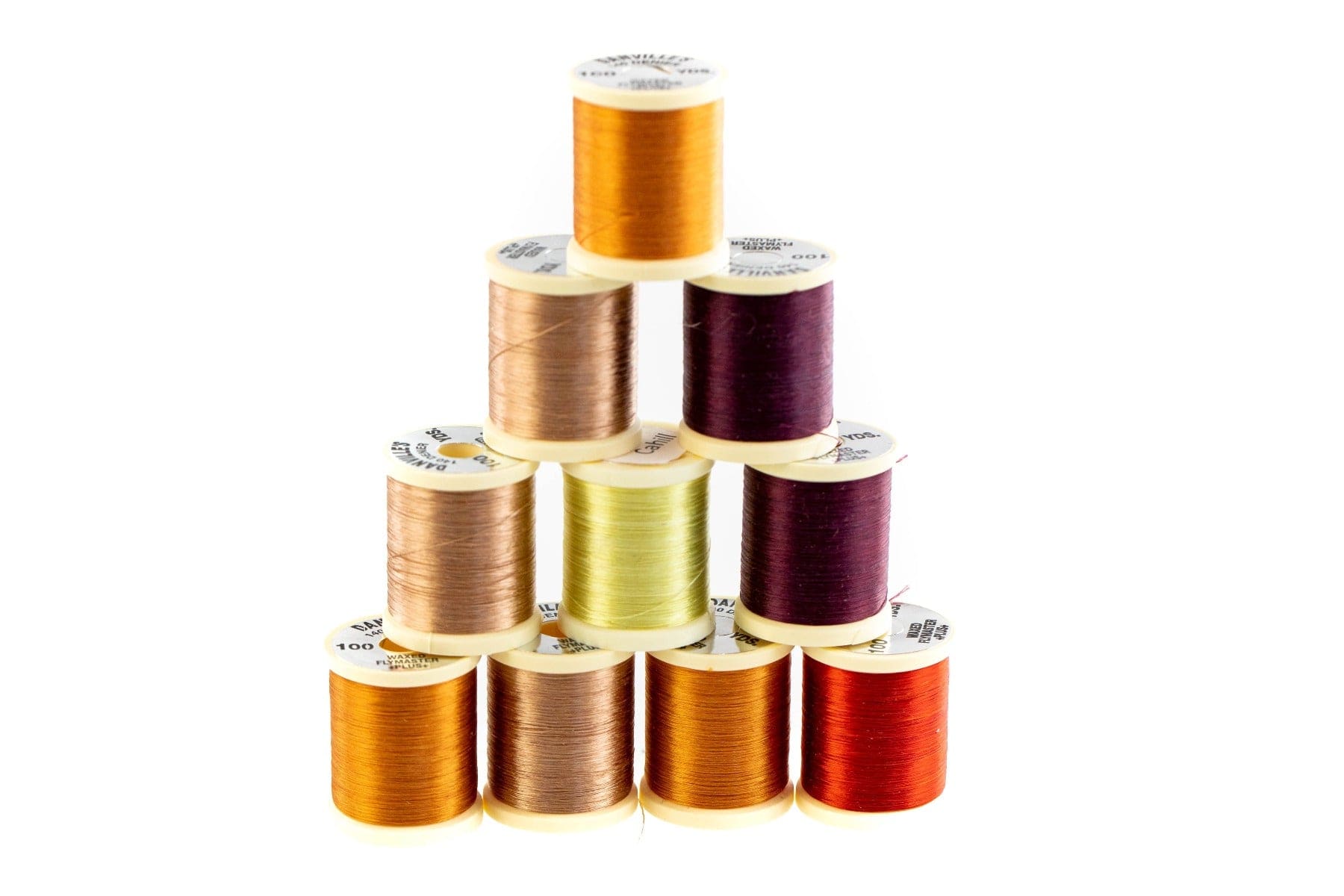
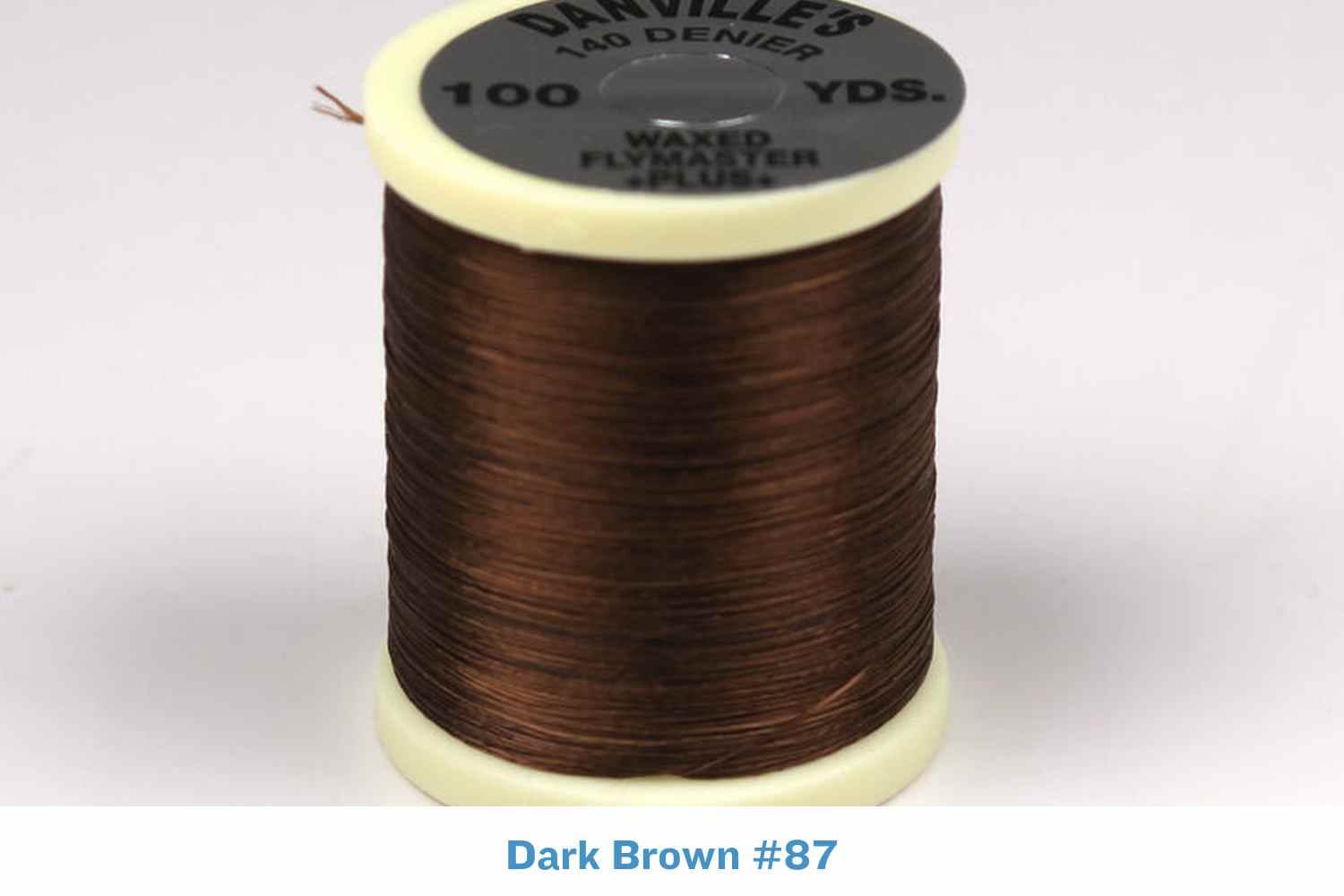
- Best for Beginners: Danville 6/0 (70 Denier) Flymaster Thread - A simple, confidence-building thread for learning clean wraps on dries and nymphs. The pre-waxed build helps materials bite and stay put while you figure out bobbin control.
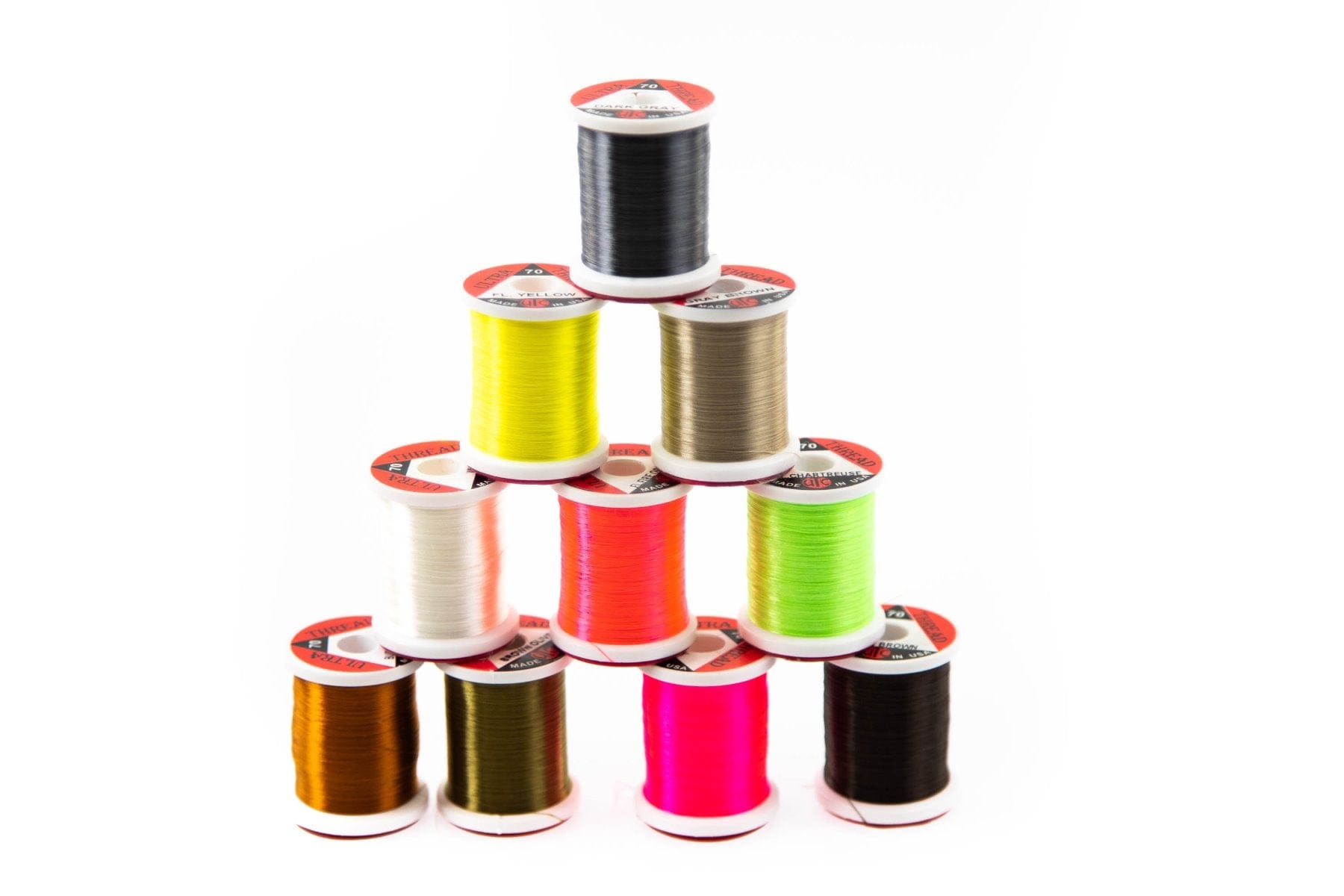
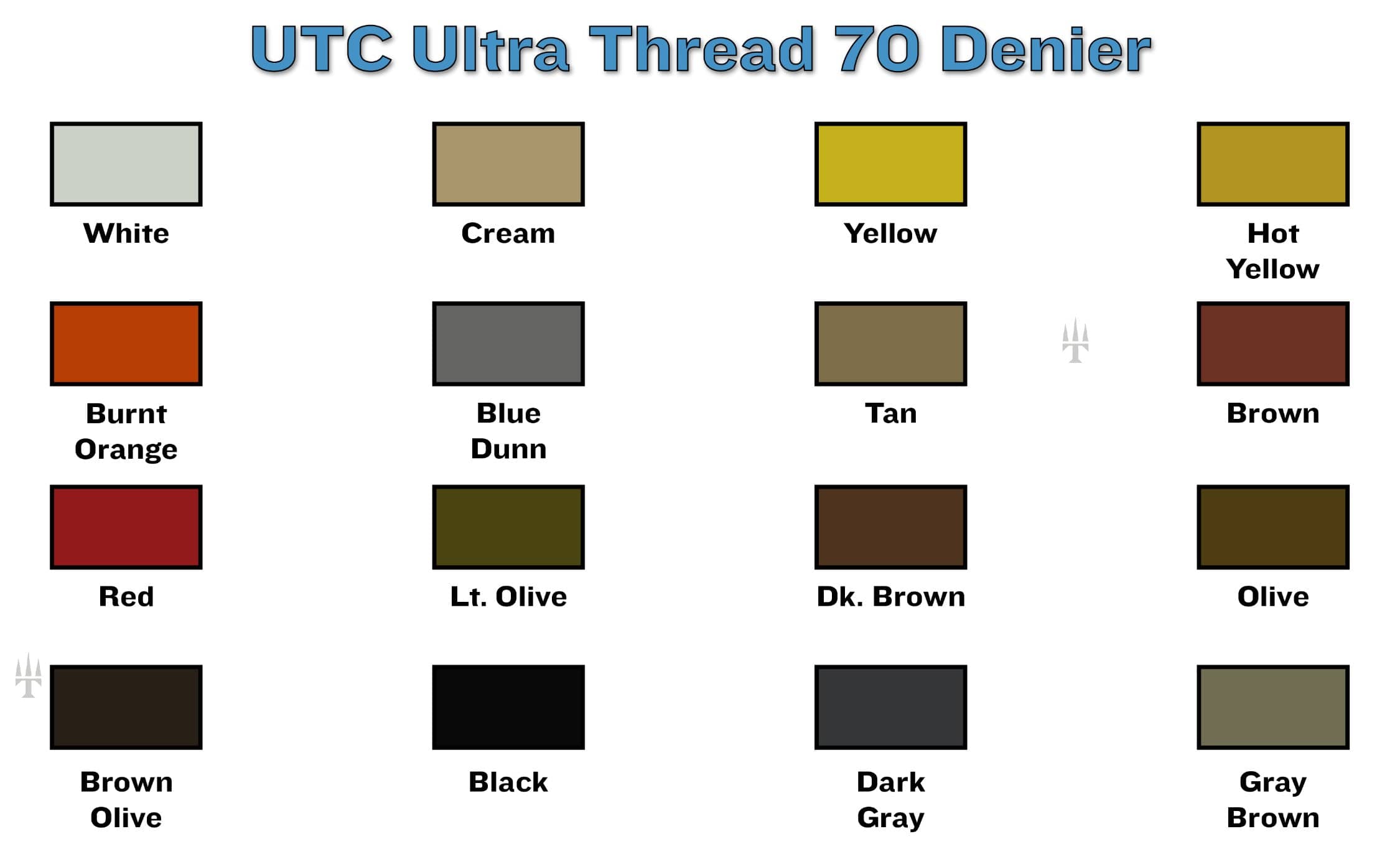
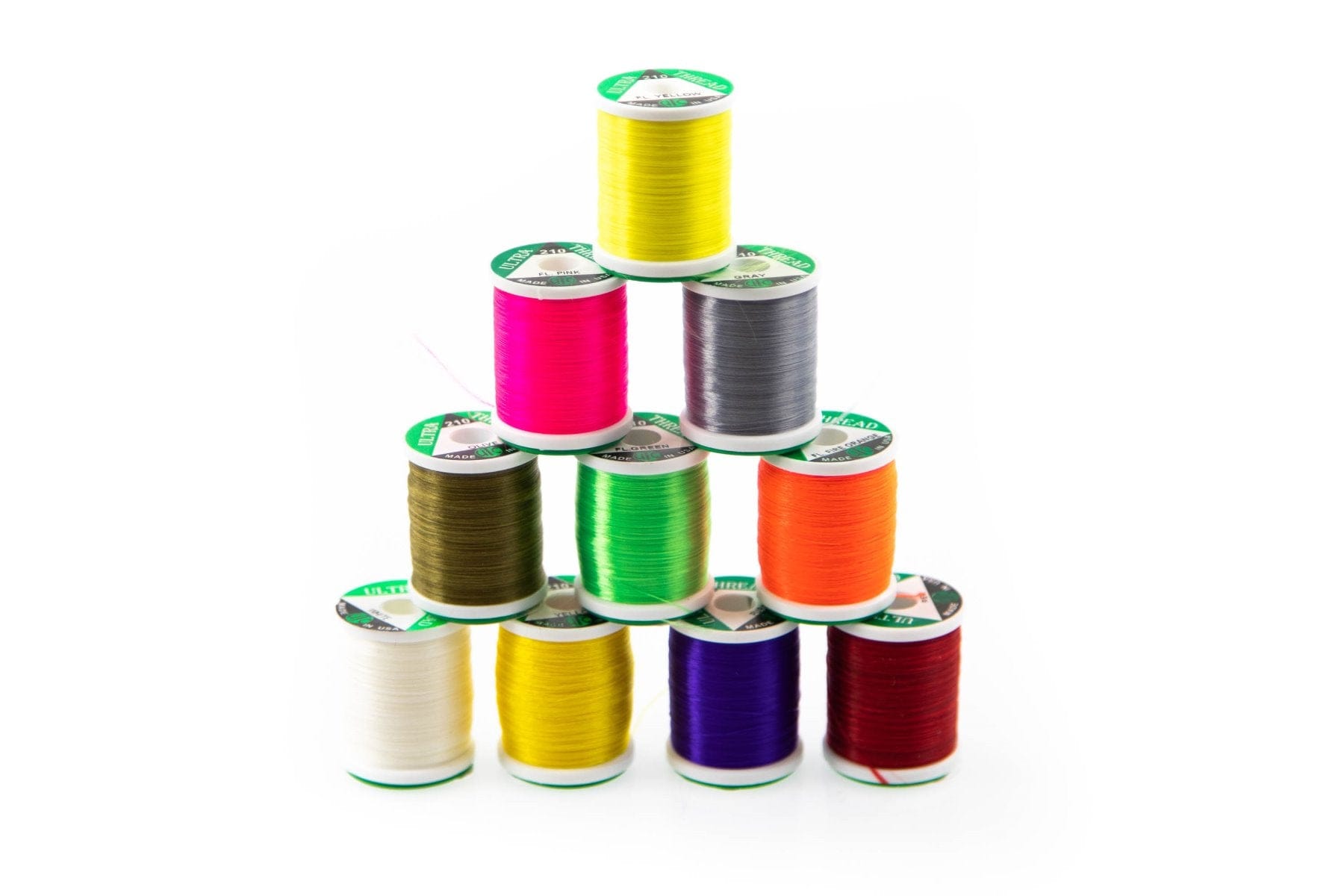
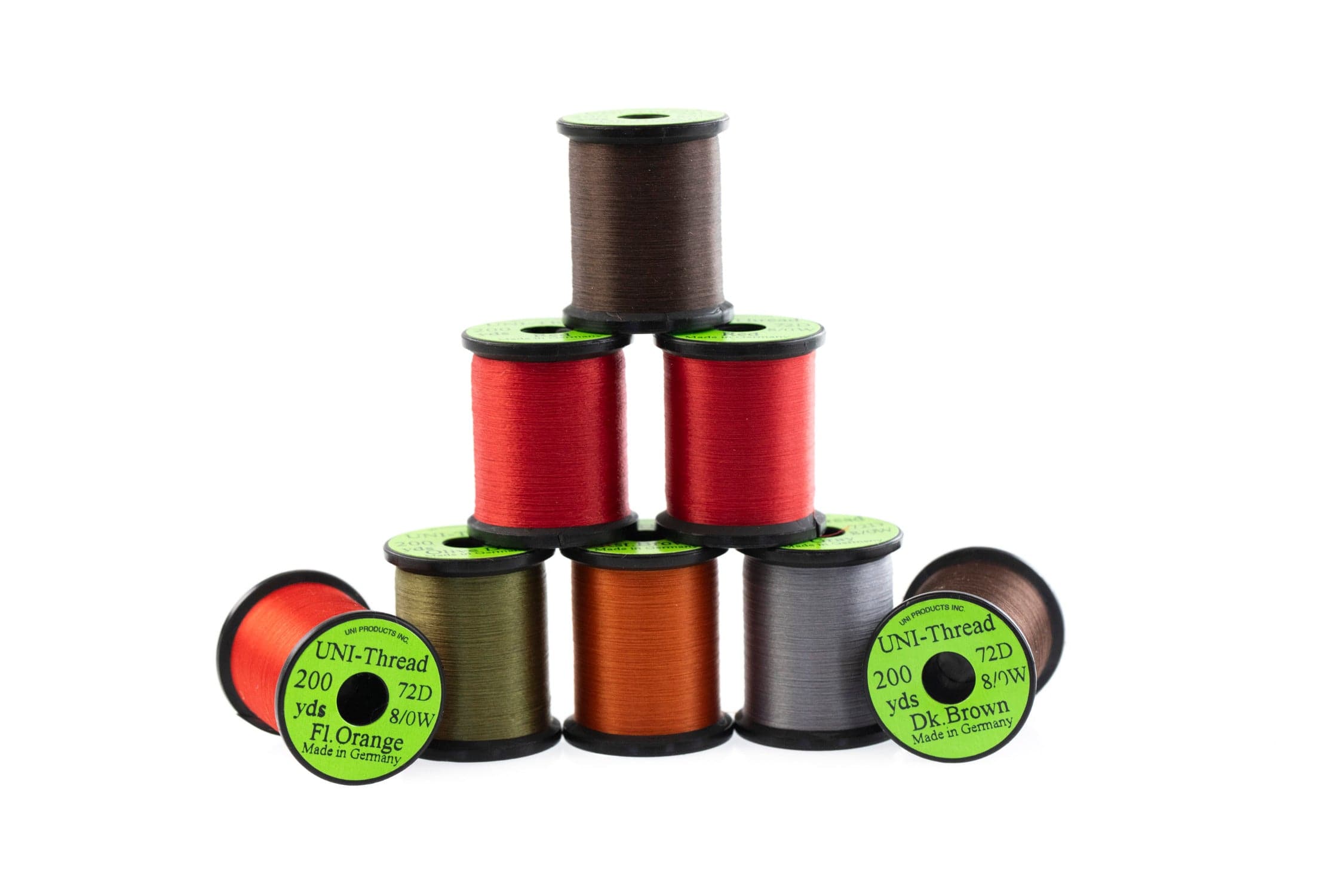
- Best for Small Flies: UTC Ultra Thread 70 Denier - A go-to for size 14, 32 work where bulk matters. It lays flat for slim bodies and tidy heads, making it easy to keep tiny patterns proportional.
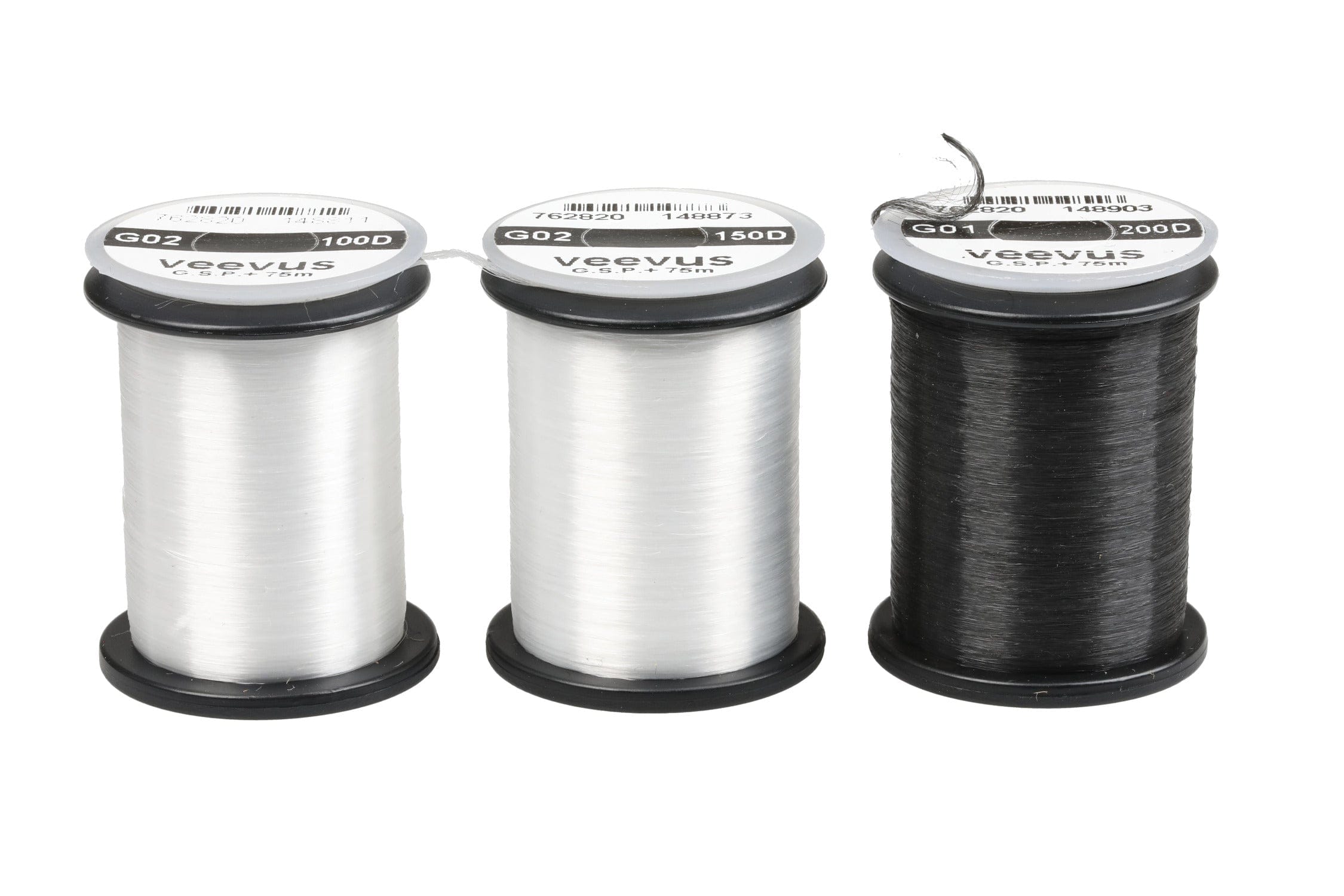
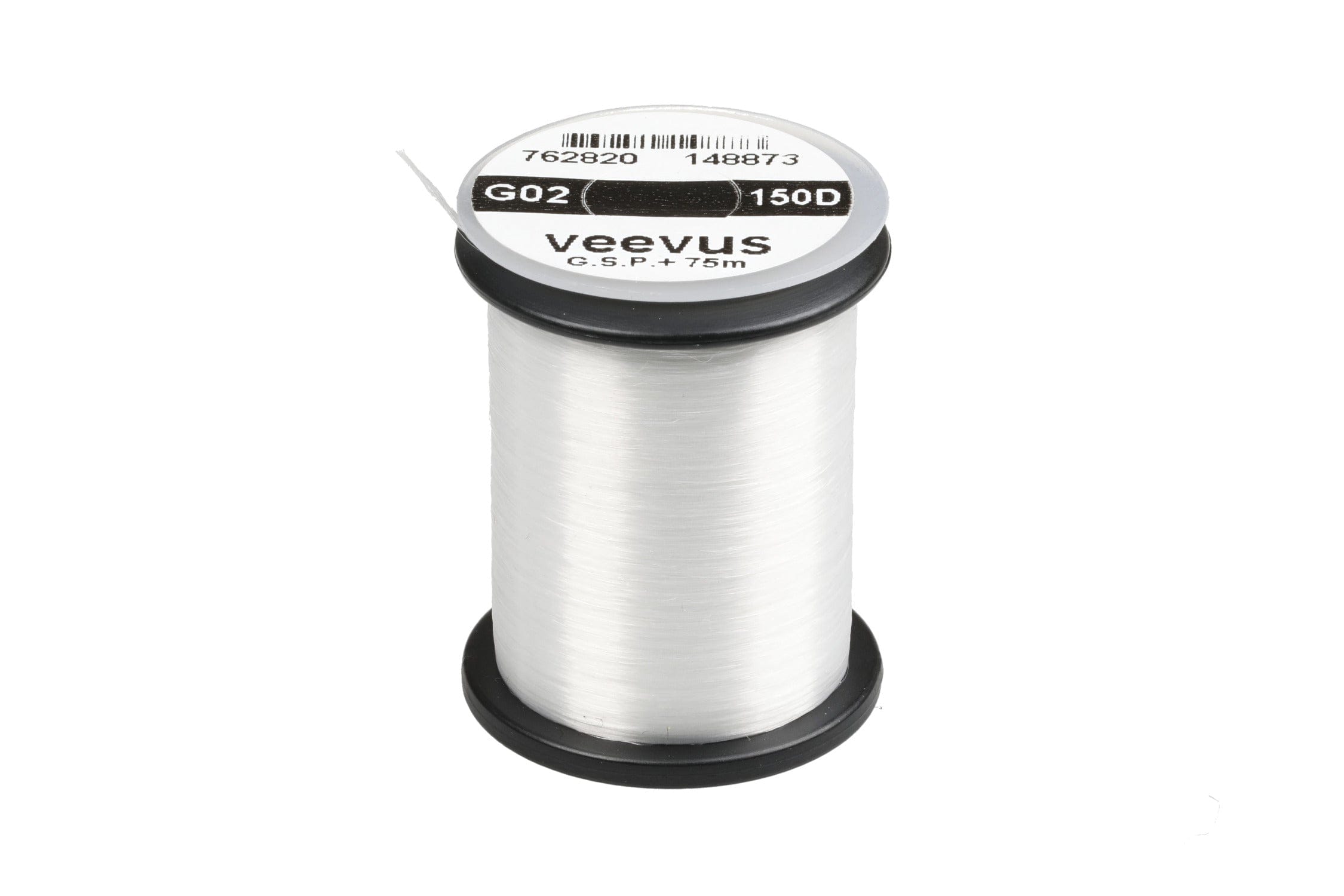
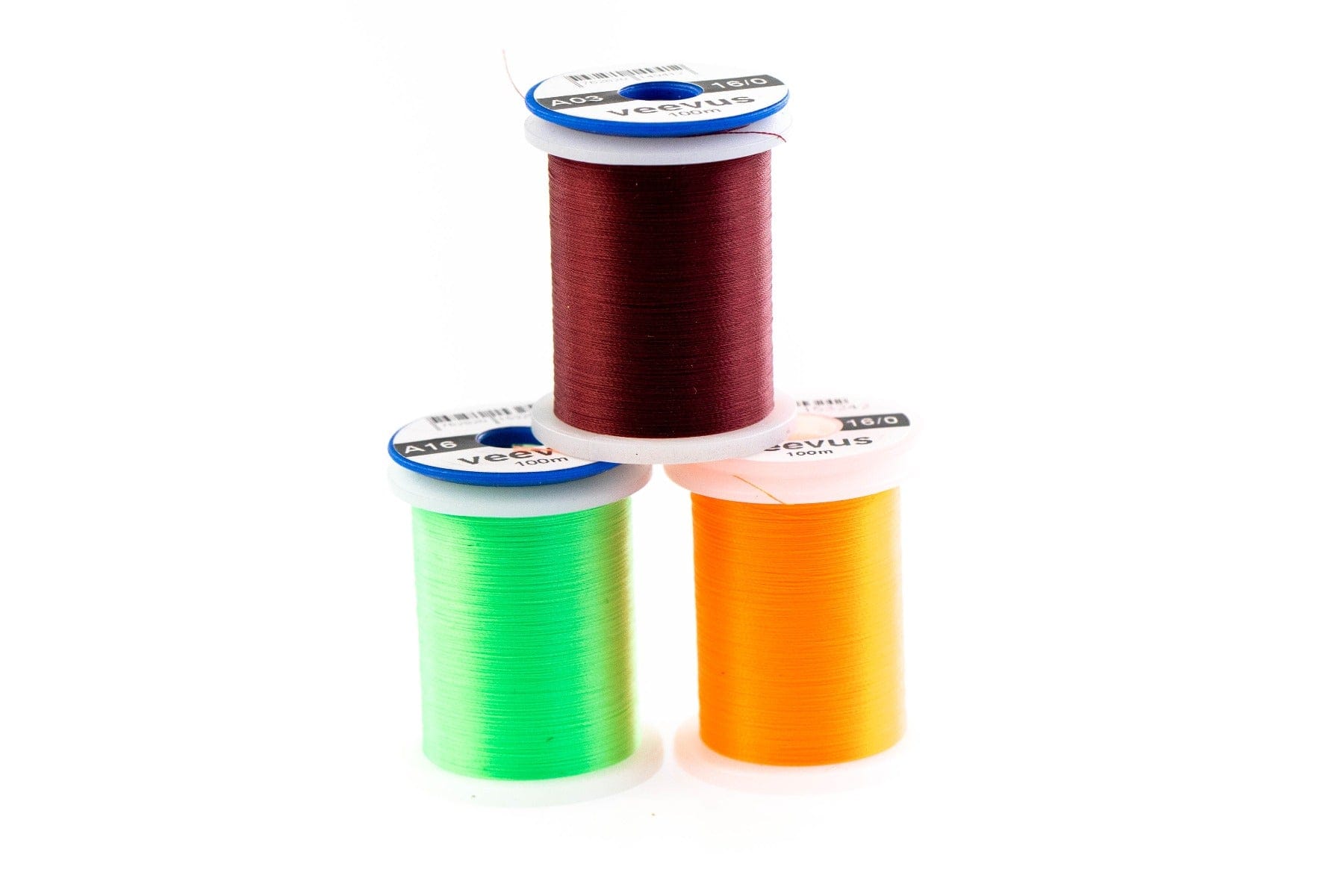
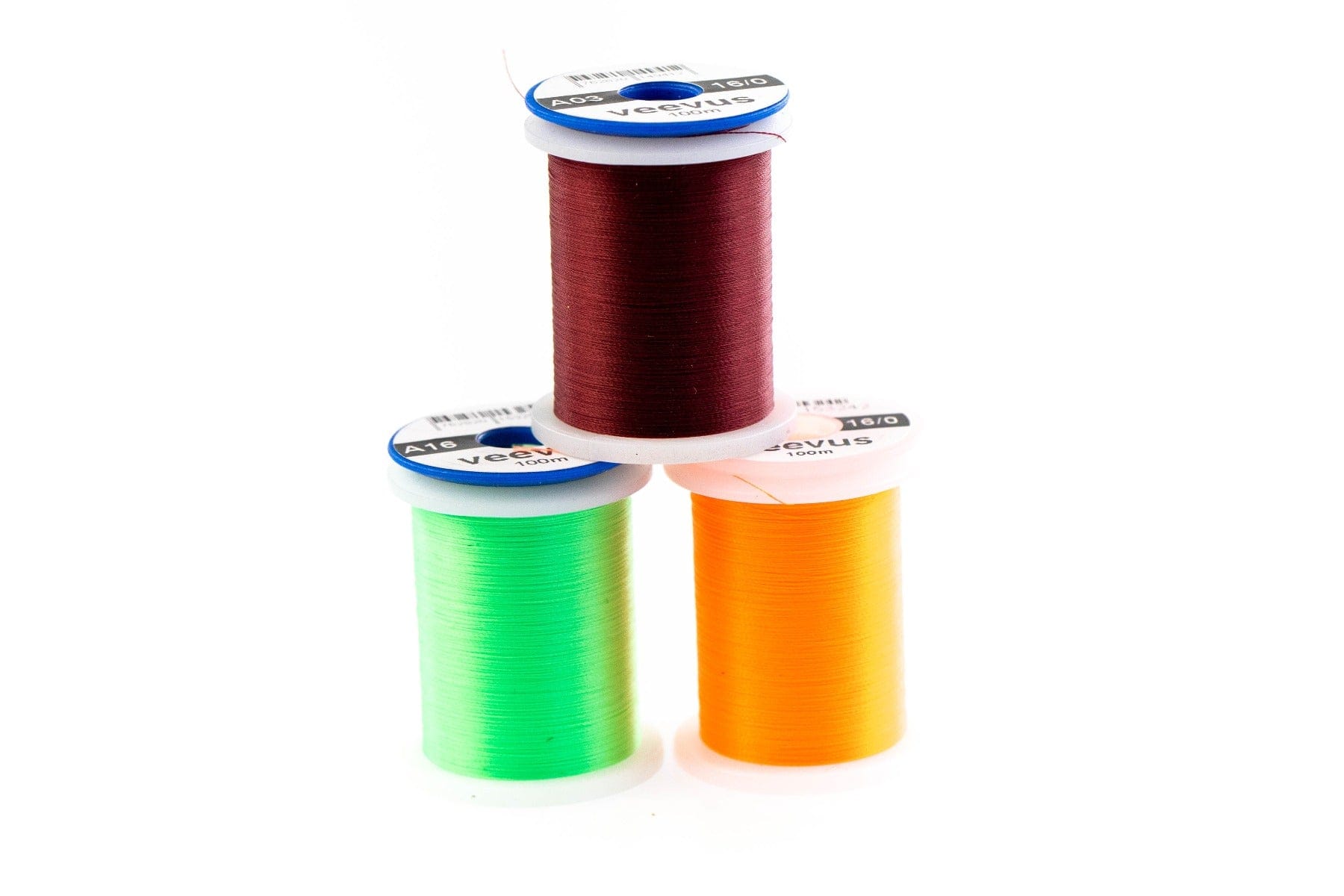
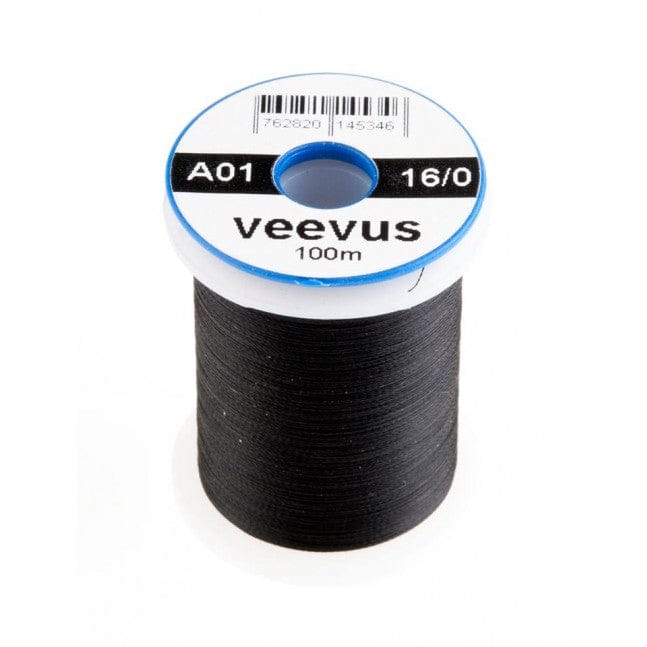
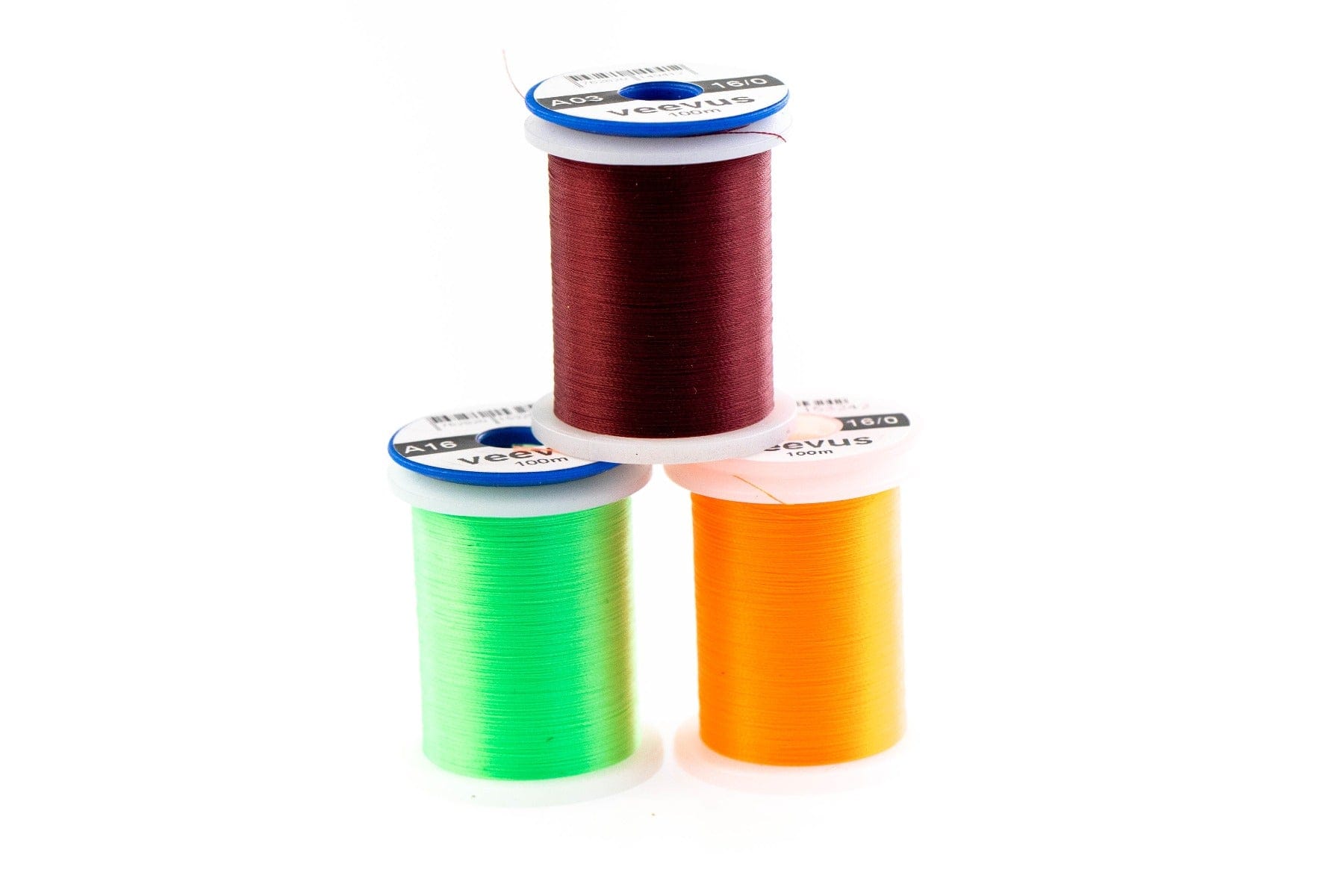
- Best Ultra-Fine: Veevus 12/0 Fly Tying Thread - Ideal when you want a very small diameter thread that still lets you pull hard without overbuilding the fly. The flat, unwaxed style also makes it easier to split for dubbing loops and fine-touch techniques.
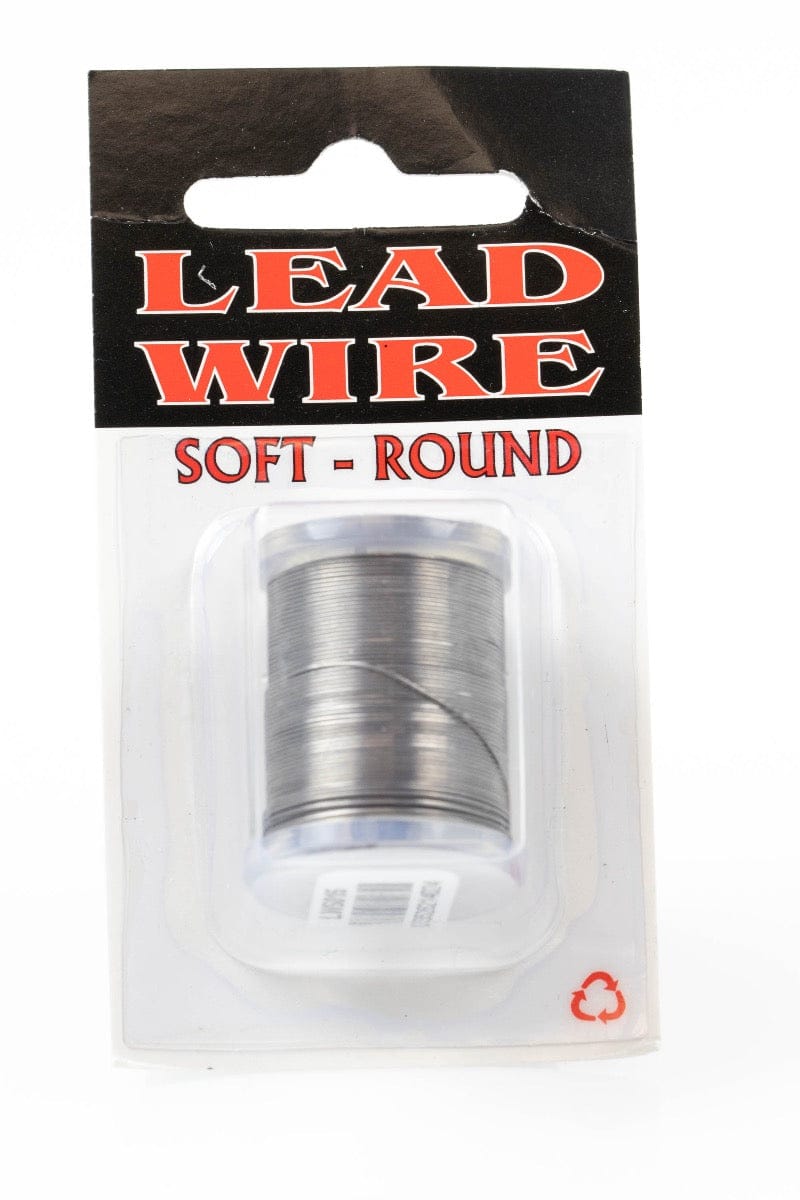
- Best for Weighting Nymphs: Danville Spooled Lead Wire - A fast way to control sink rate and balance without changing your entire pattern. Great for building underbodies, seating beads, and fine-tuning how deep your nymphs ride.
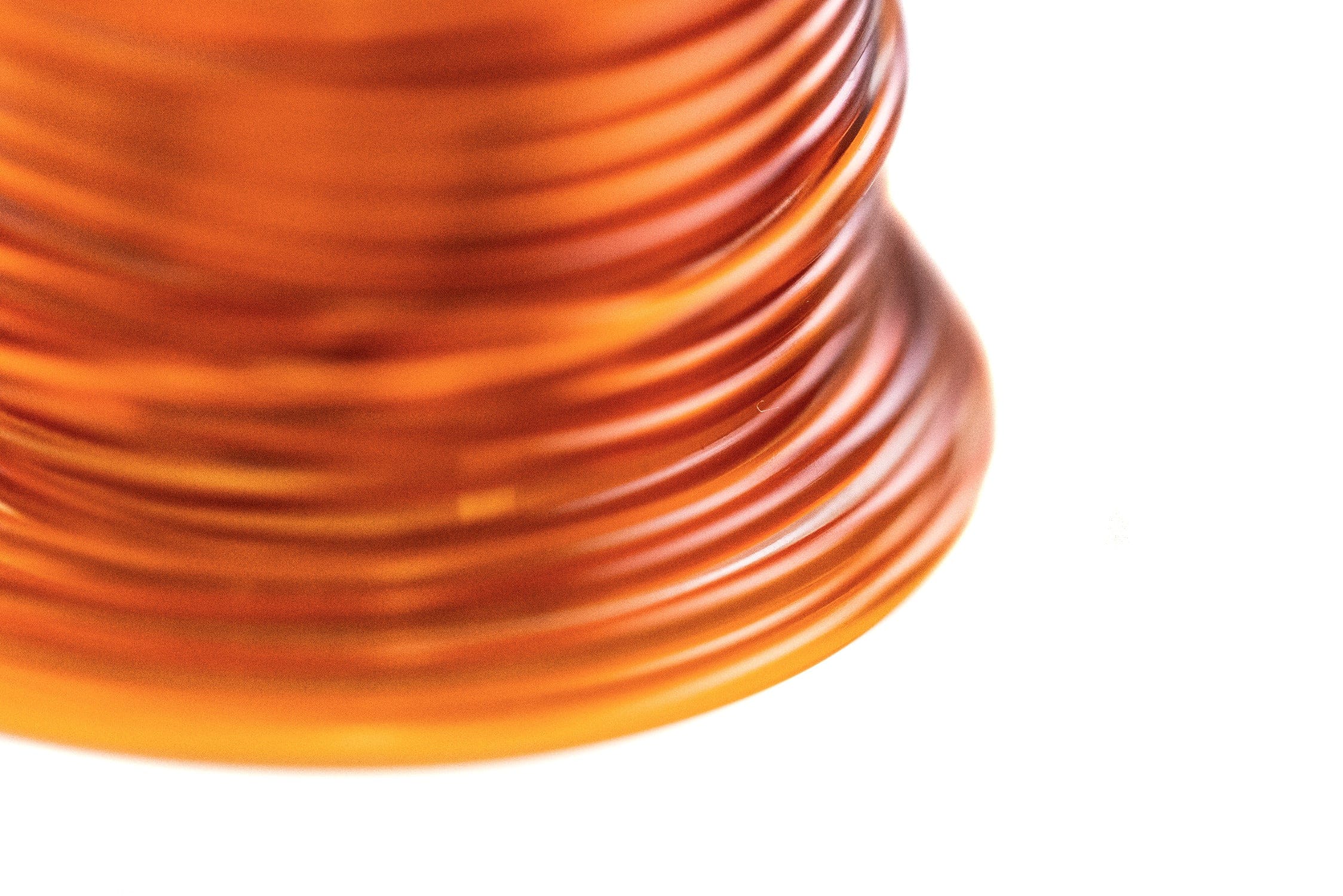
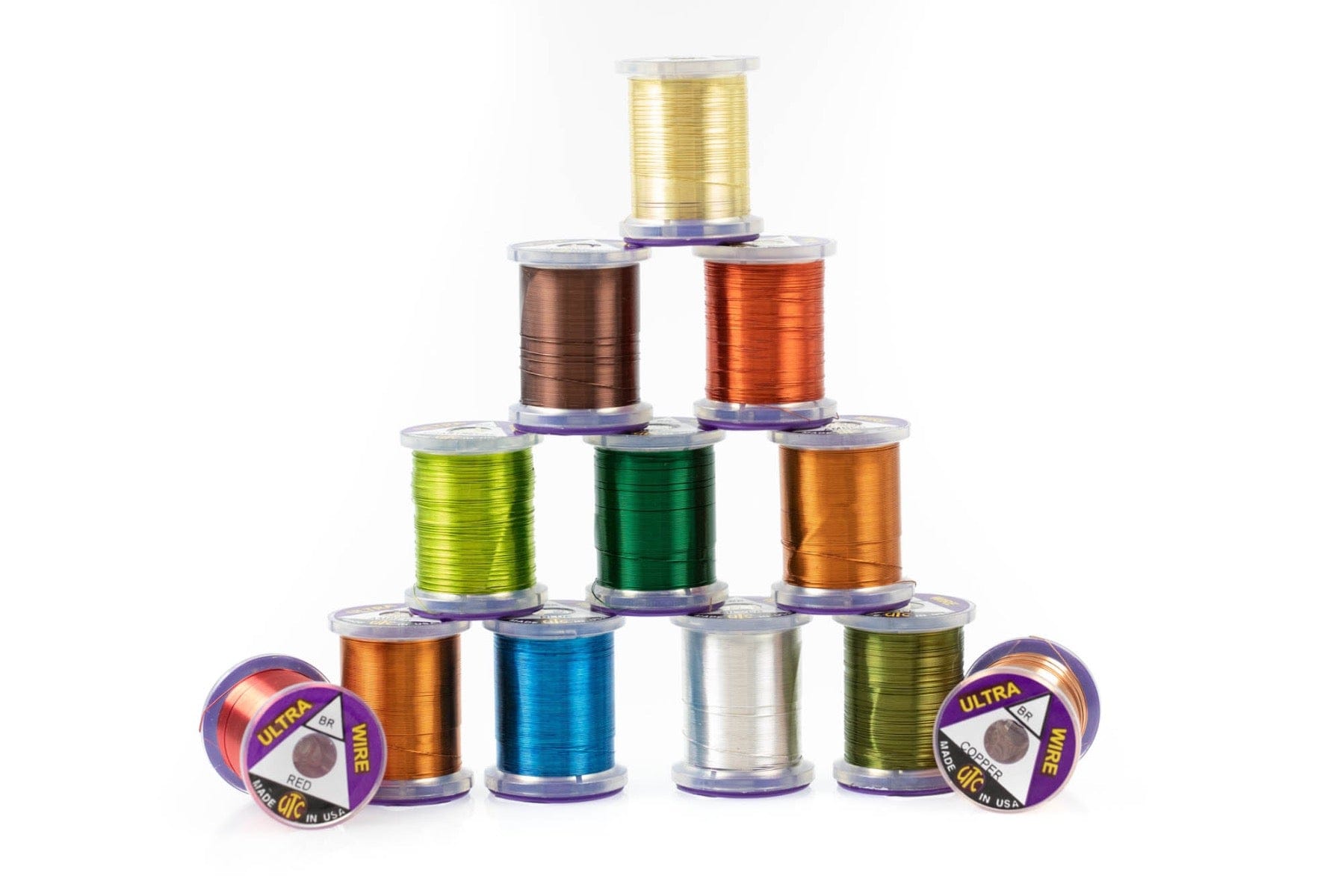
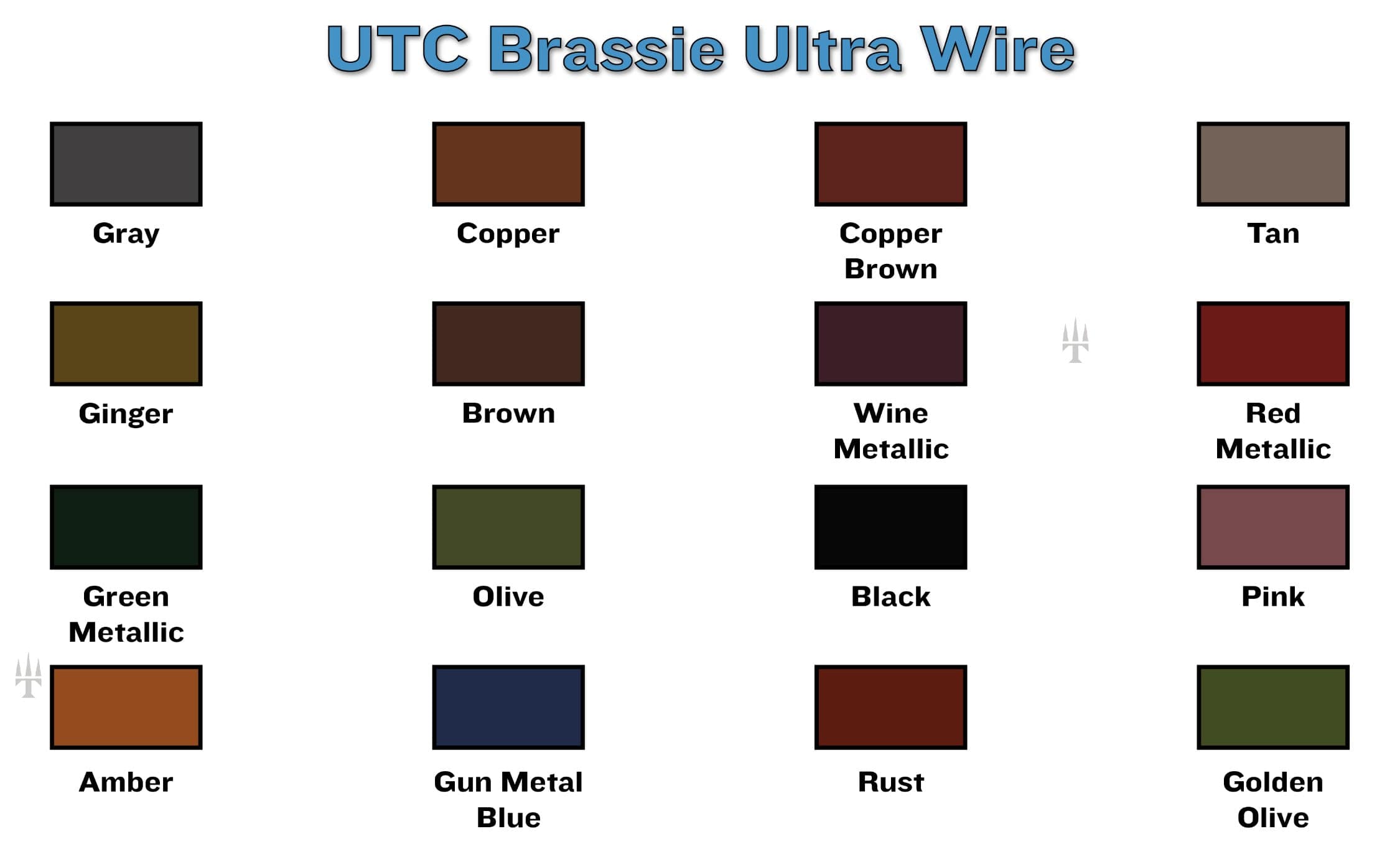
- Best for Ribbing & Durability: UNI Soft Wire - A soft, easy-to-wrap wire that adds segmentation and serious abrasion resistance. Perfect for nymph ribs, hot-spot accents, and reinforcing patterns that get chewed up on rocks or teeth.
How to Choose Thread/Tinsel/Wire
Fly tying thread: pick it by size, material, and whether it lays flat
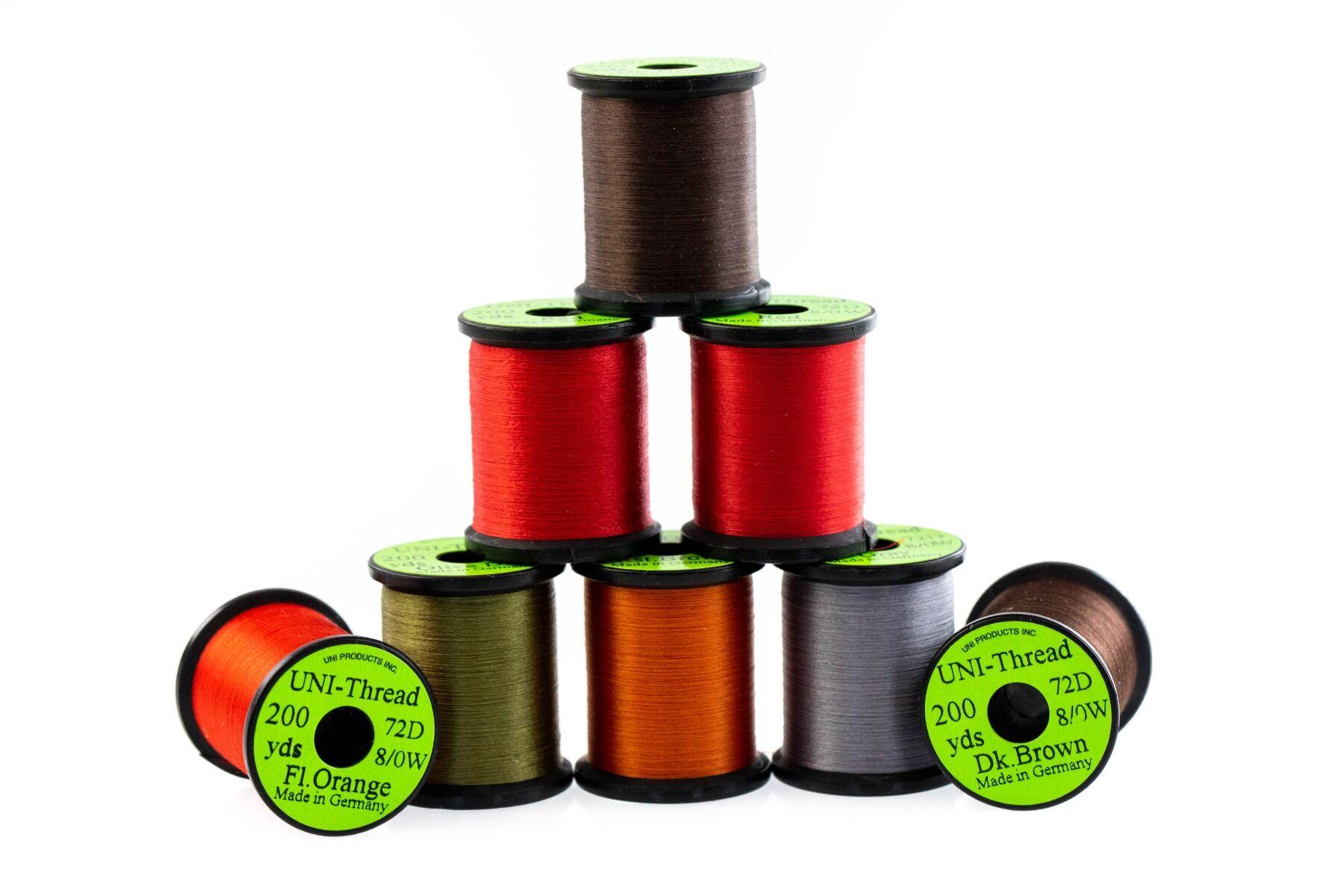
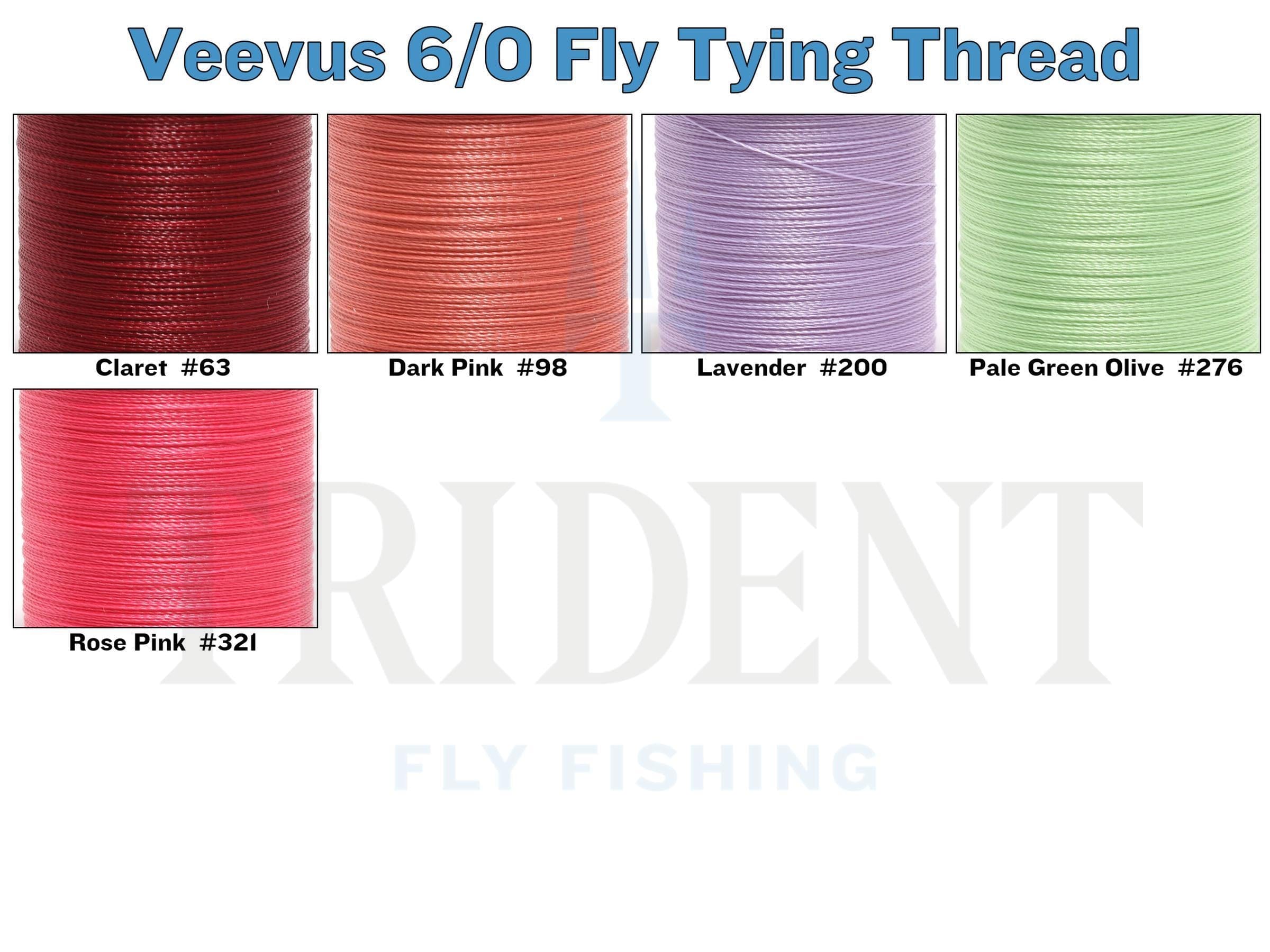
Action: Match thread thickness to hook size and how “clean” you need the body to be. Fine threads keep midges, emergers, and perdigons slim, while thicker threads speed up larger dries, hoppers, and streamers.
Flat vs. round: Many modern threads can be flattened by spinning your bobbin counter to reduce bulk, then corded up for strength. Flat-laying thread is a big advantage when you’re trying to avoid a bulky head.
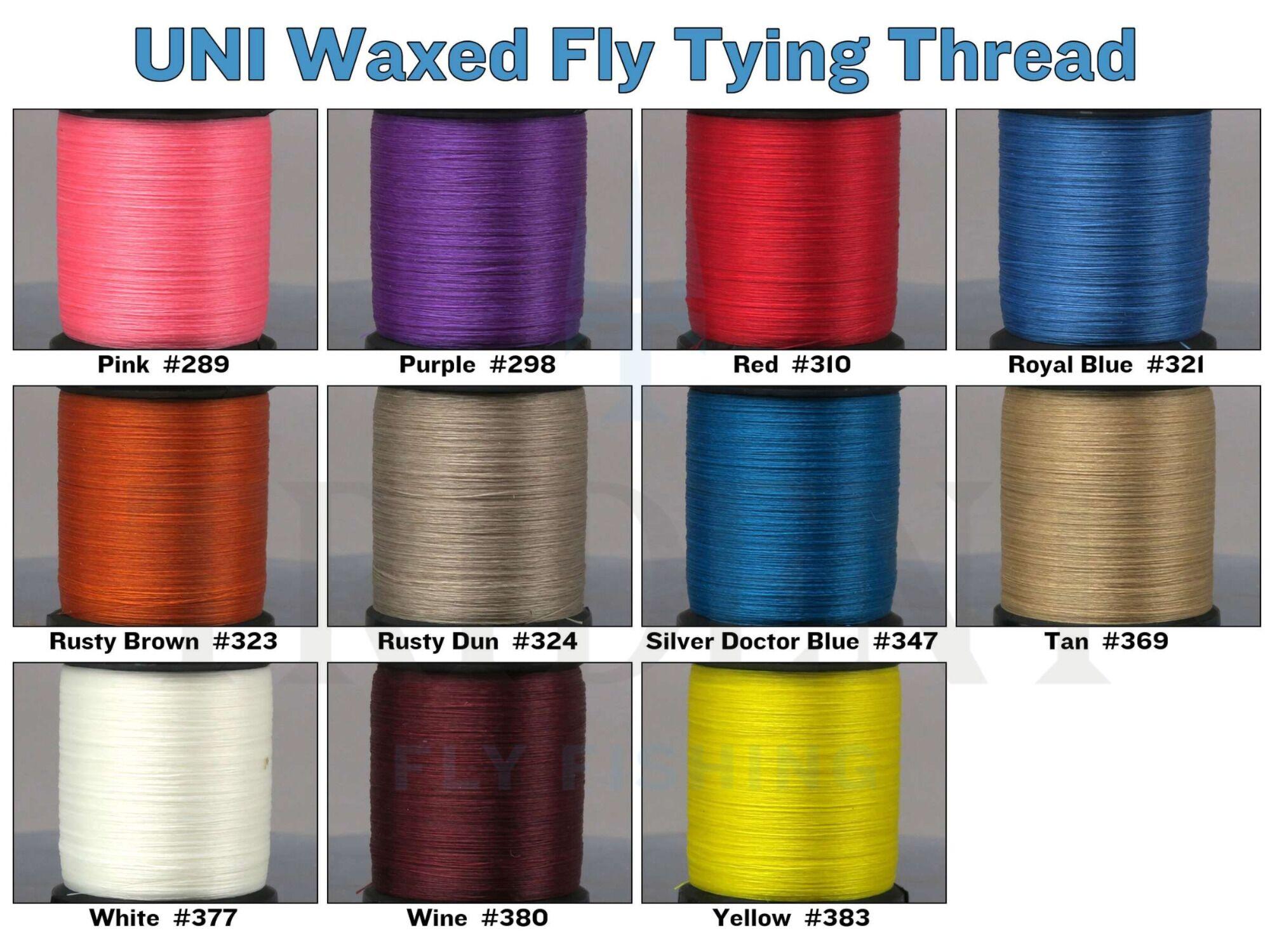
Waxed vs. unwaxed: Waxed thread can help slippery materials (hair, synthetics, some tinsels) stay put and makes dubbing easier to control. Unwaxed thread is often preferred for ultra-clean bodies and when you want to split thread for dubbing loops.
Tinsel: choose the flash level (and profile) you actually want
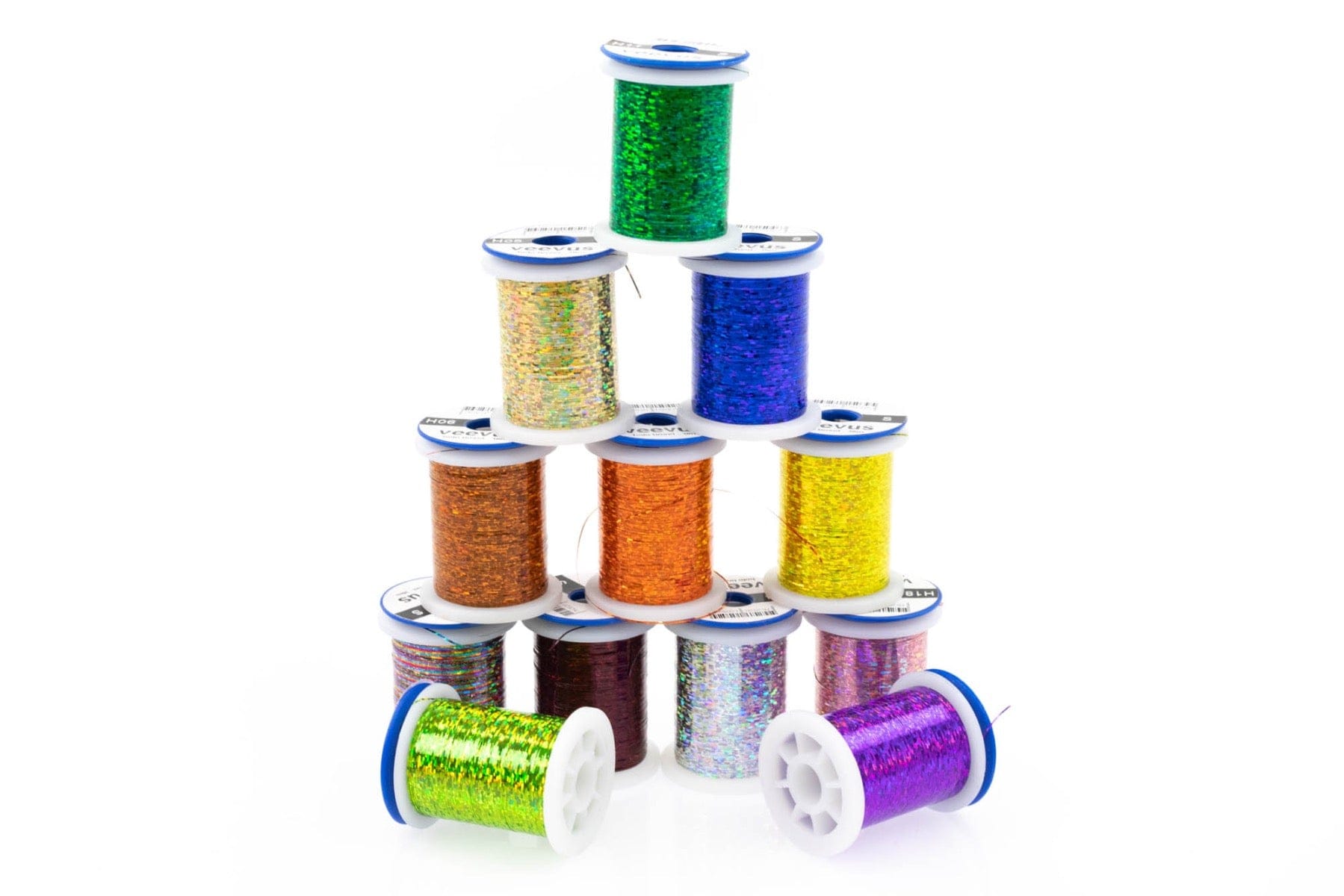
Best for: Streamer bodies, baitfish lateral lines, scud backs, and classic ribbing on wets and nymphs. Flat tinsels tend to give a smooth, even “skin,” while round/oval styles create stronger segmentation and shine.
Avoid if: You’re tying ultra-subtle, low-glare patterns for clear water. In that case, use tinsel sparingly as a hotspot or rib instead of a full body.
Wire: use it for segmentation, durability, and controlled weight
Action: Think of wire in two jobs, ribbing wire (thin, for segmentation and strength) and weighting wire (thicker, wrapped as an underbody). Ribbing wire protects pheasant tail, dubbing, and quill bodies. Weighting wire helps you get down without oversized beads.
Common mistake: Going too heavy with underbody wire and ending up with a “log” that kills profile and movement. Start lighter and add wraps slowly until you get the sink rate you want.
Materials & Durability
- Keep spools clean: Head cement, UV resin, and tacky fingers shorten spool life, wipe bobbins and hands before handling thread and tinsel.
- Prevent wire kinks: Store wire spools so they don’t unravel in a drawer. Kinked wire is harder to wrap smoothly and can snap mid-rib.
- Protect tinsel edges: Flat tinsel can cut on sharp hook points or rough jaws, tie it in with controlled pressure and avoid crushing it with too many tight locking wraps.
- Build durability where it matters: Rib fragile bodies (pheasant tail, dubbing, floss) with wire, and consider a light coating of head cement/UV resin on high-wear areas.
Complete Your Setup
Related Gear
- Fly Tying - Stock the rest of your bench with hooks, tools, and materials that match the patterns you tie most.
- Fly Tying Hooks - The right hook shape and wire gauge helps your thread and wire work look cleaner and fish better.
- Flash - Pair tinsels with flash blends for baitfish profiles, wing cases, and subtle attractor accents.
- Dubbing - Thread choice matters more when you’re dubbing bodies, fine thread helps keep things slim and controlled.
Related Guides
- Fly Tying Essentials: The Basics for First-Time Tyers
- How To Tie A Green Caddis Larva
- How to Tie a Perdigon Nymph
- How To Tie A Steelhead Nymph
Thread/Tinsel/Wire FAQs
Q: What does fly tying thread do?
A: Thread is the “glue” that secures every material to the hook. It also builds tapers, forms thread bodies, and creates hotspots and clean heads.
Q: What thread size should I use for trout flies?
A: For many trout patterns, a fine thread like 70 denier works well for small nymphs and dries, while a thicker 6/0-style thread speeds up larger dries and nymphs. Use the hook size and how slim you want the body to be as your main guide.
Q: Waxed or unwaxed thread, what’s better?
A: Waxed thread can make dubbing easier to control and helps some materials grip better. Unwaxed thread is often preferred when you want very clean wraps and minimal bulk, or when you plan to split thread.
Q: What’s the difference between wire for ribbing vs. wire for weighting?
A: Ribbing wire is usually thinner and is wrapped over the body to add segmentation and protect materials. Weighting wire is thicker and wrapped as an underbody to help the fly sink and to shape a taper.
Q: When should I use tinsel in a fly?
A: Use tinsel when you want controlled flash, streamer bodies, baitfish accents, scud backs, or a subtle rib on nymphs and wets. Flat tinsels are great for smooth bodies, while round/oval styles show stronger ribbing.
Q: Why does my thread keep breaking?
A: Most breaks come from too much bobbin tension, a rough bobbin tube, or sharp hook points cutting the thread. Try backing off tension, checking your bobbin for burrs, and starting your wraps away from the hook point.
Q: Can I use one thread color for everything?
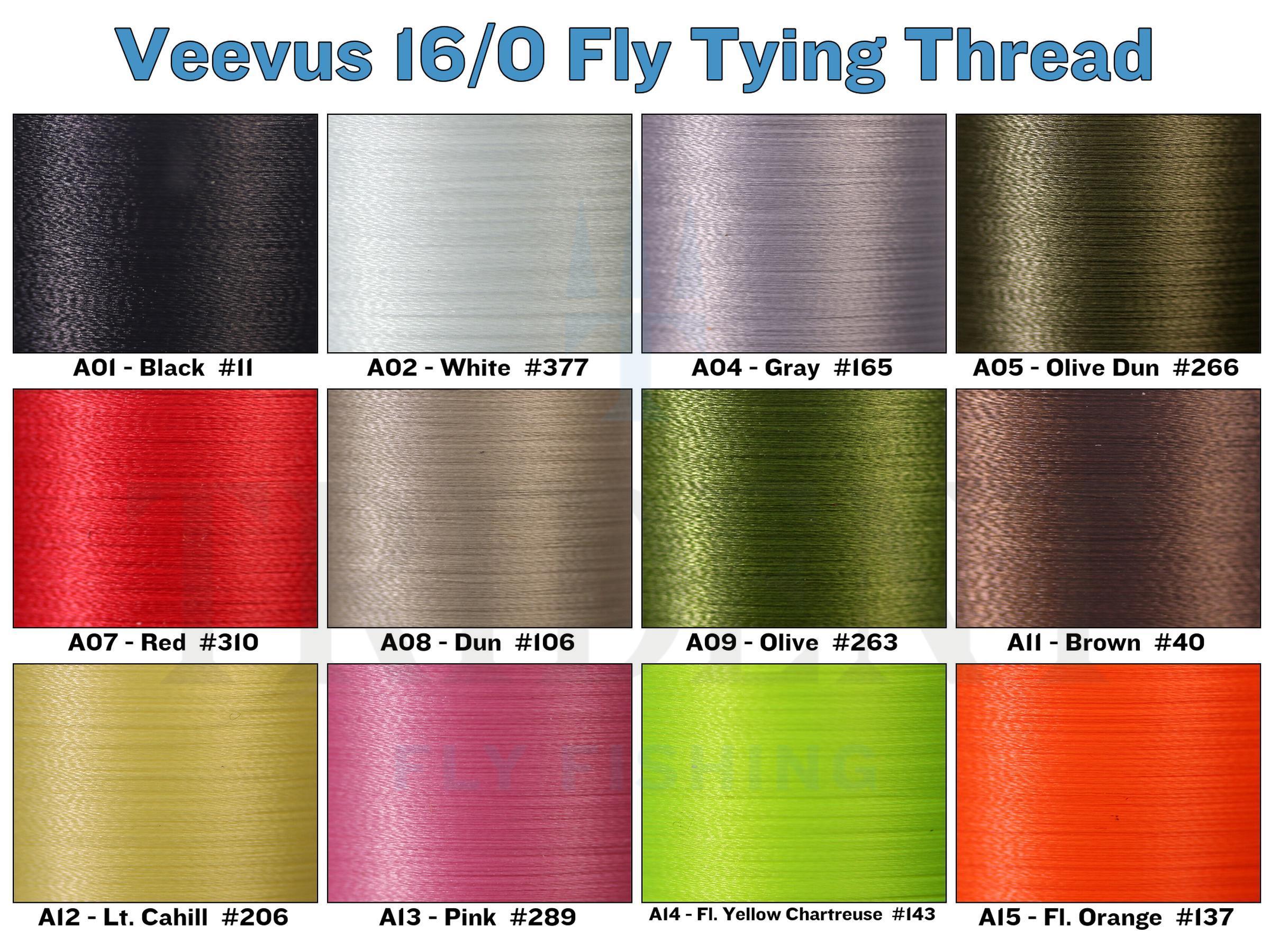
A: You can tie a lot of flies with black, white, and olive, especially if you’re covering heads with cement or using dubbed bodies. For clean thread bodies and hotspots, having a few bright options (orange/chartreuse/red) is helpful.