


Essential Fly Fishing Gear for Beginners
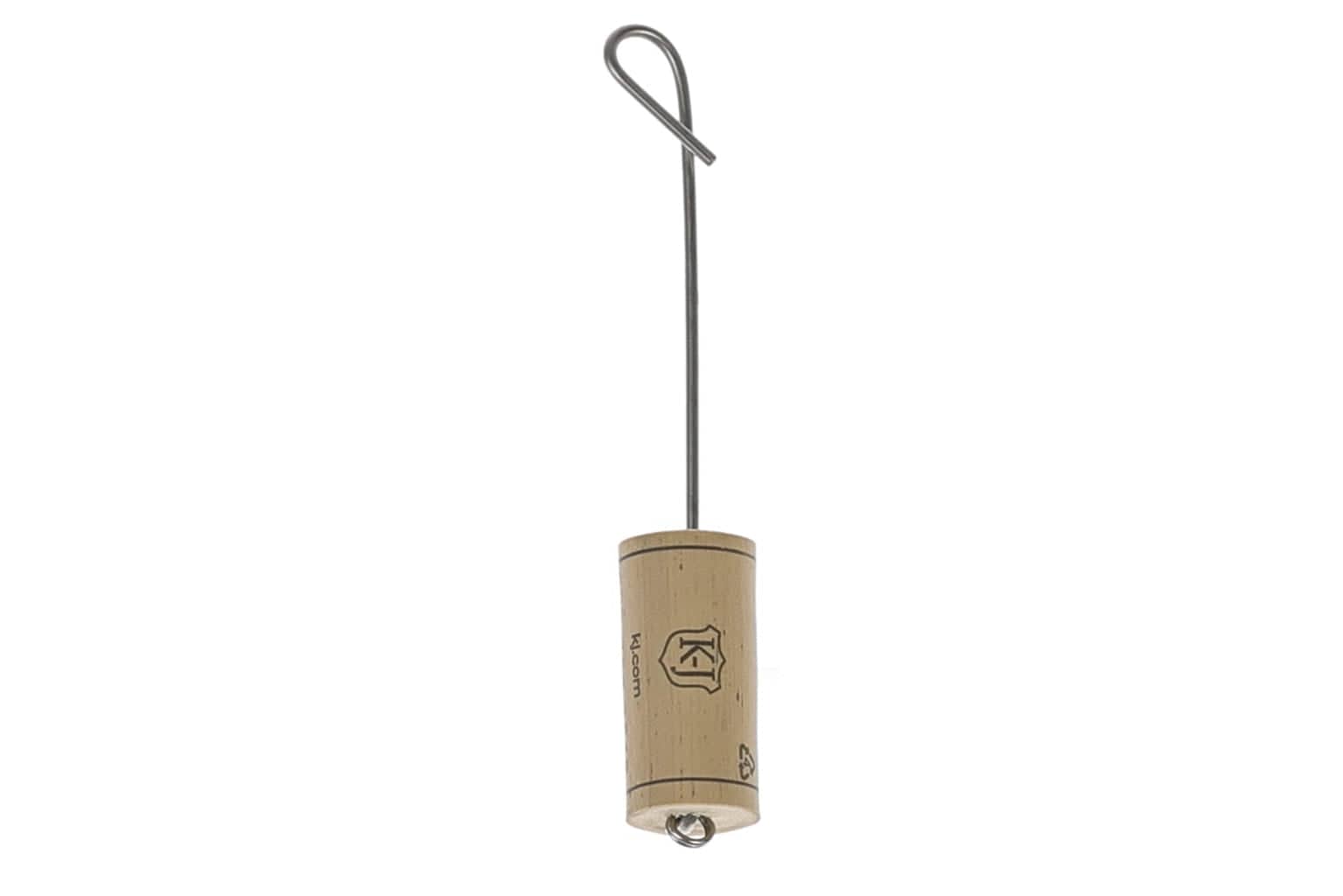
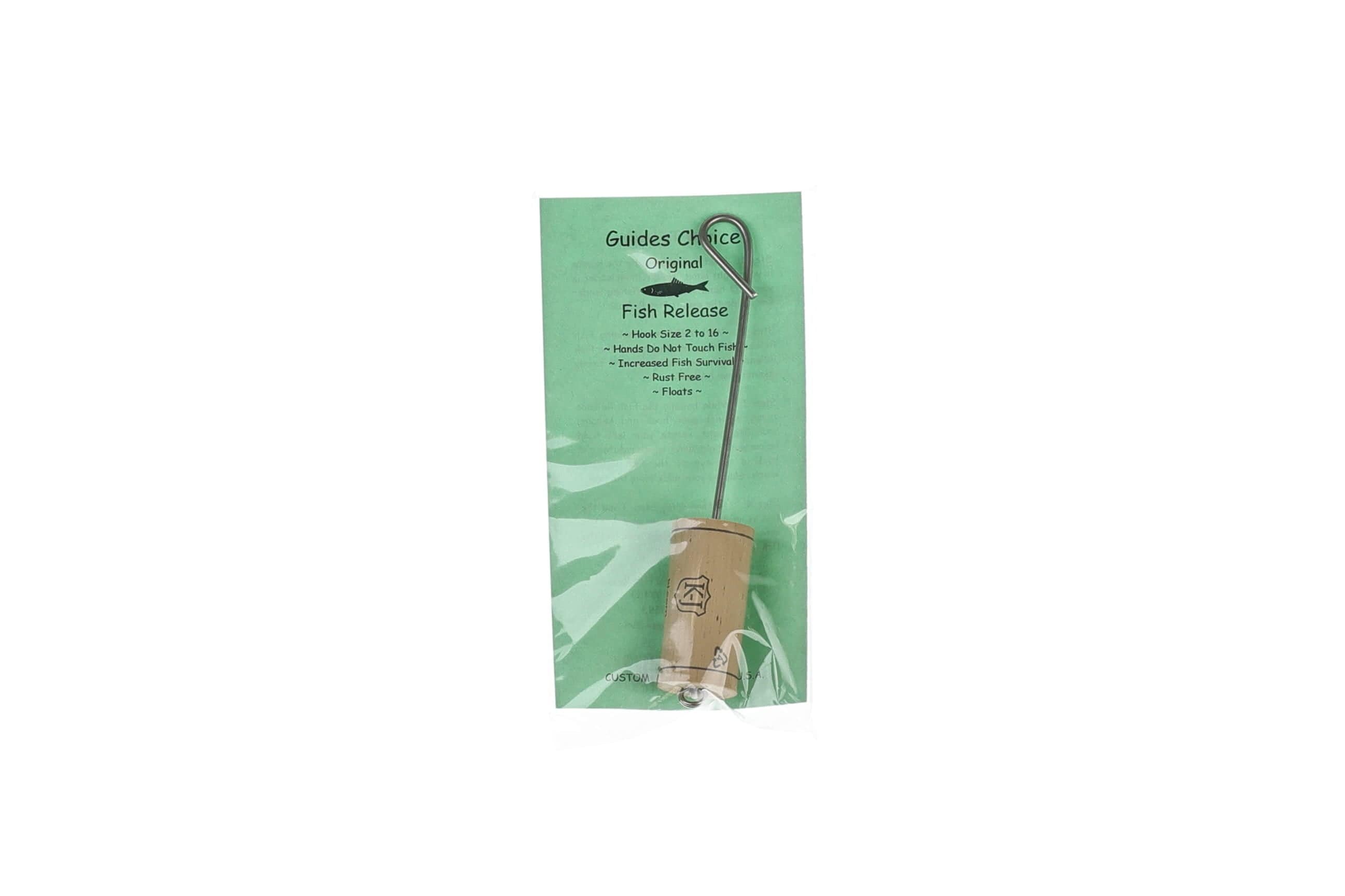
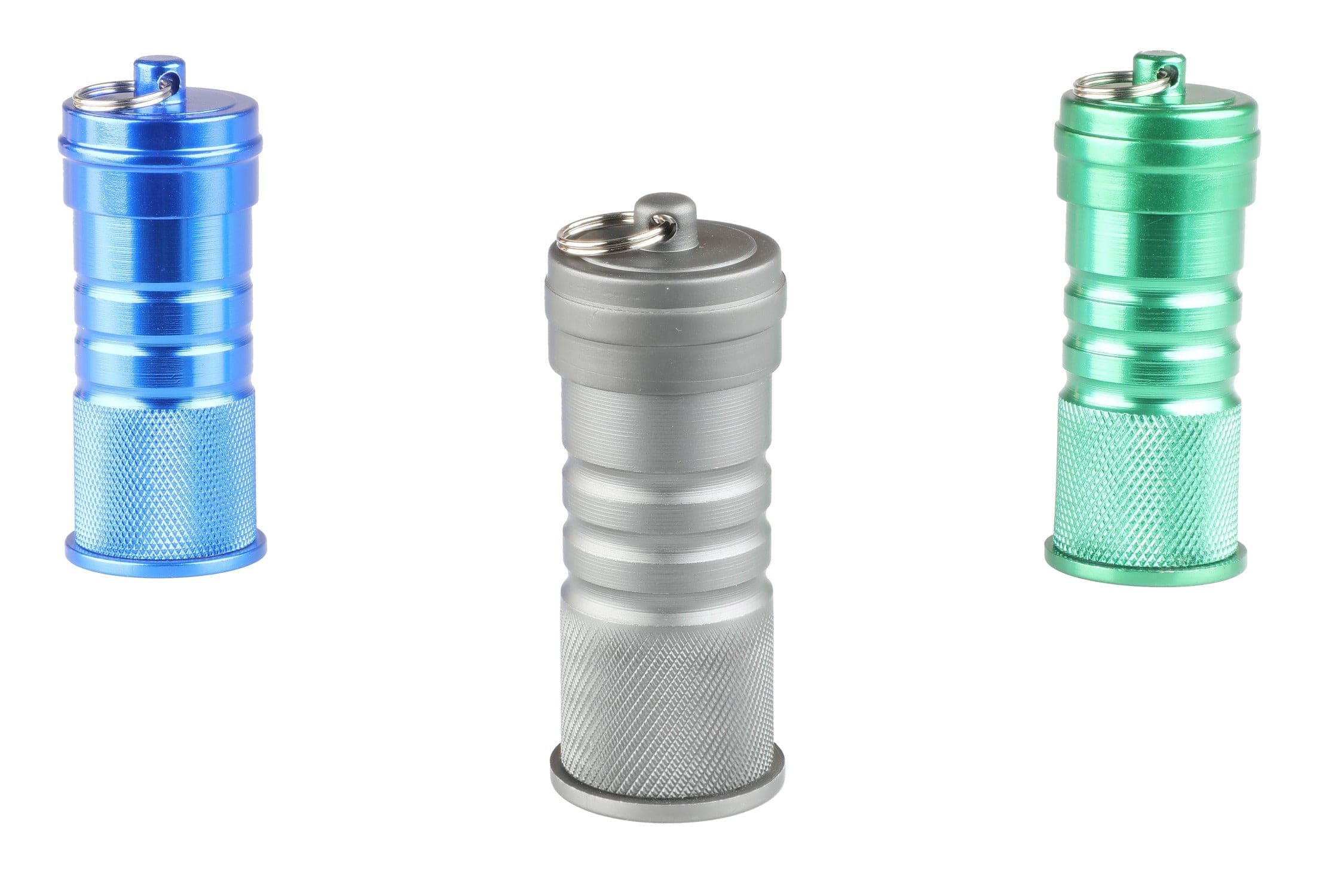
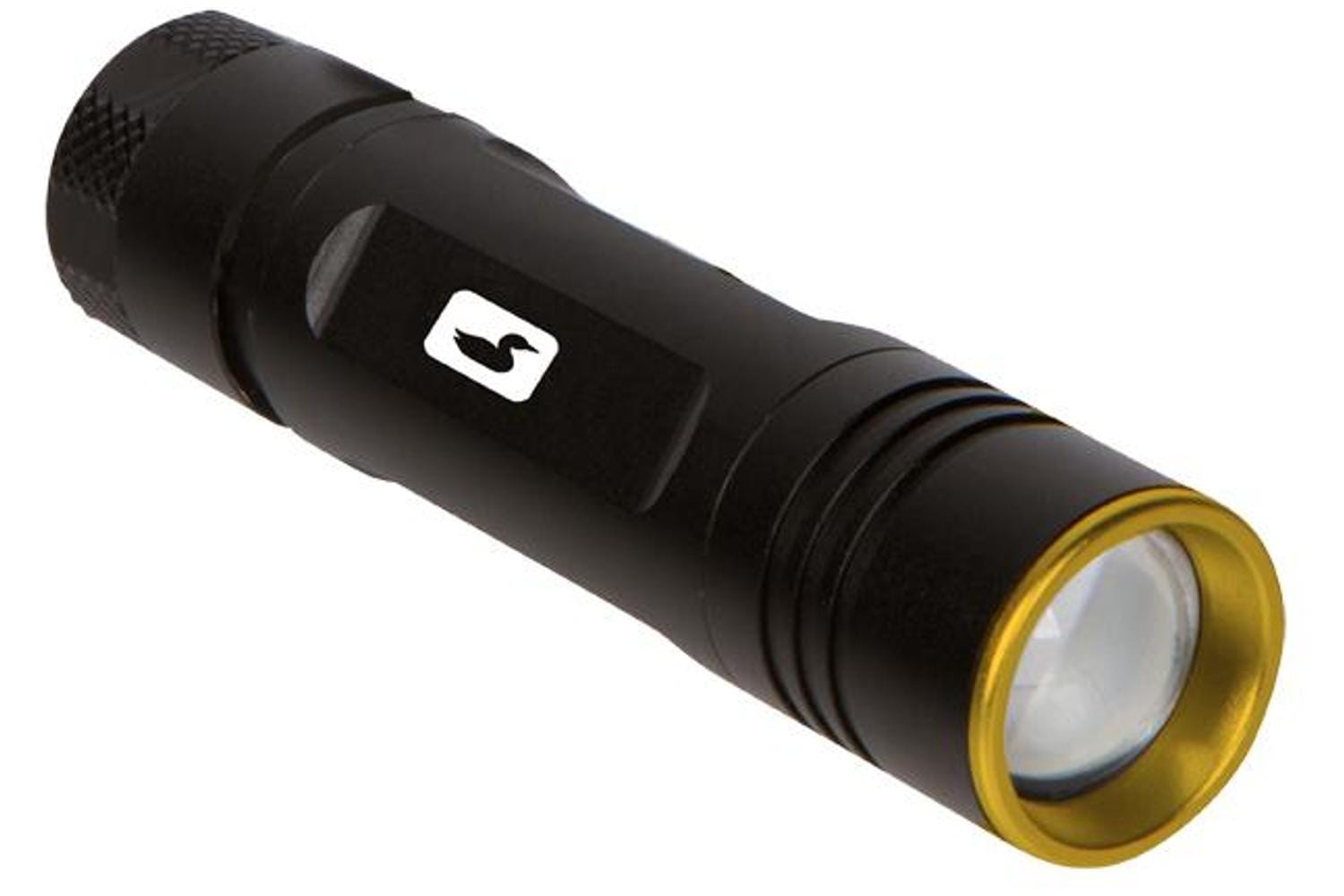
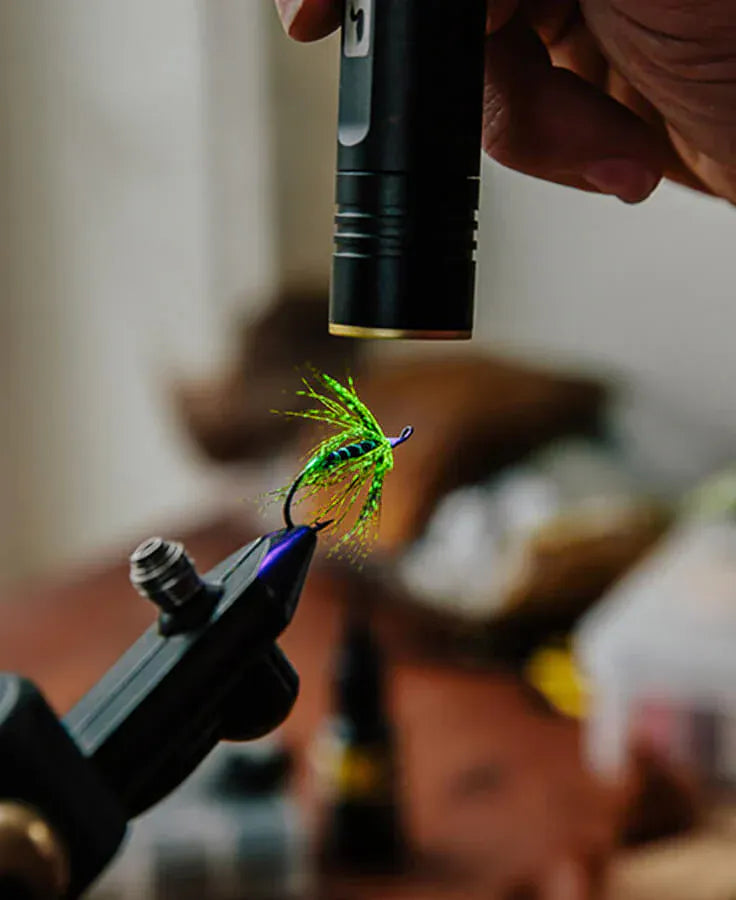


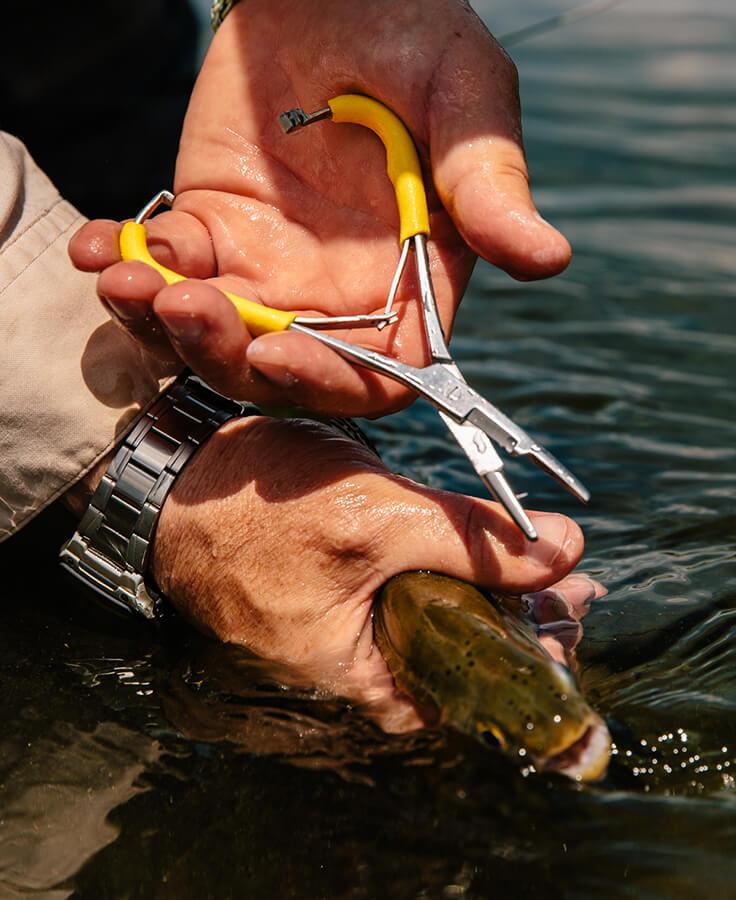
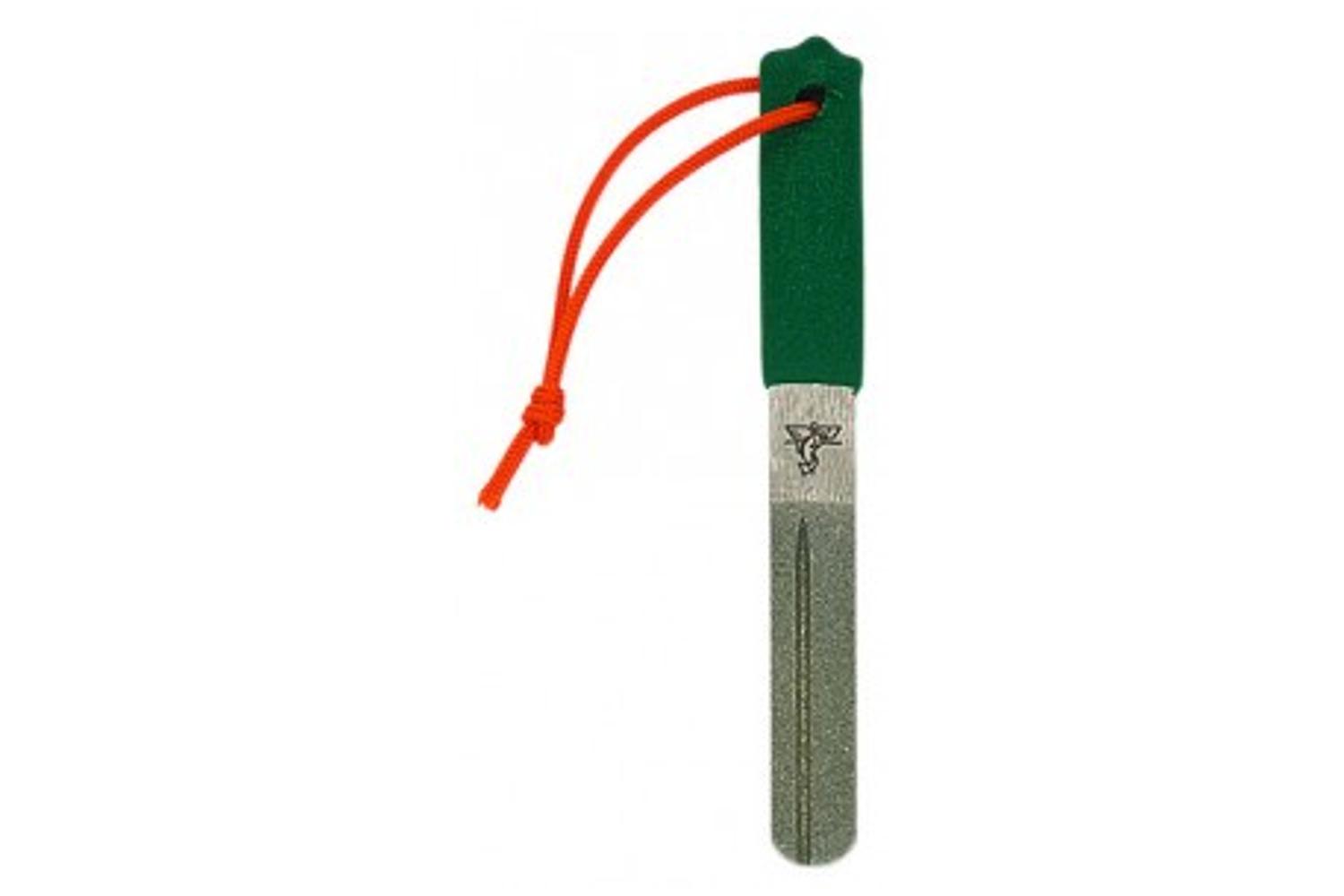
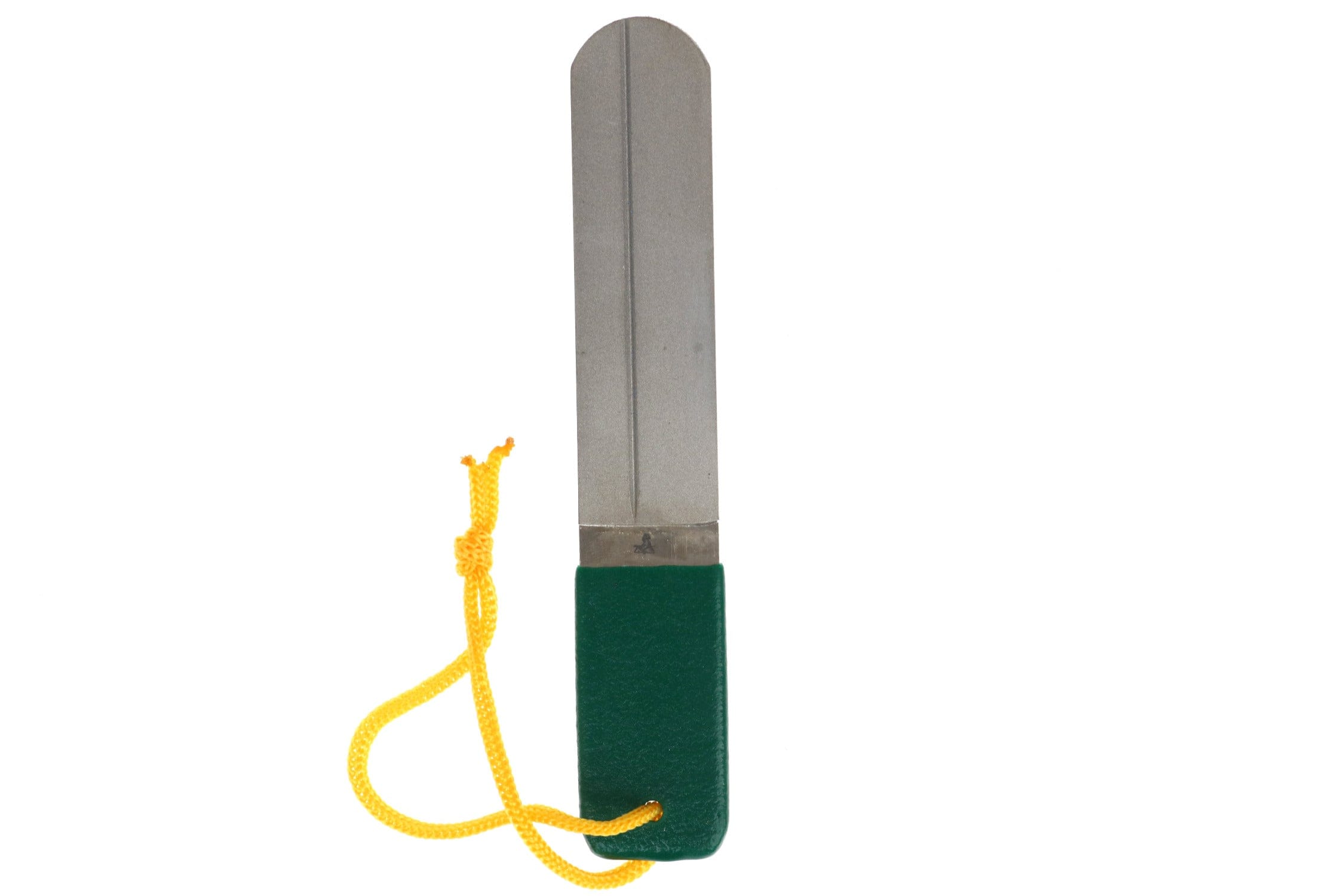
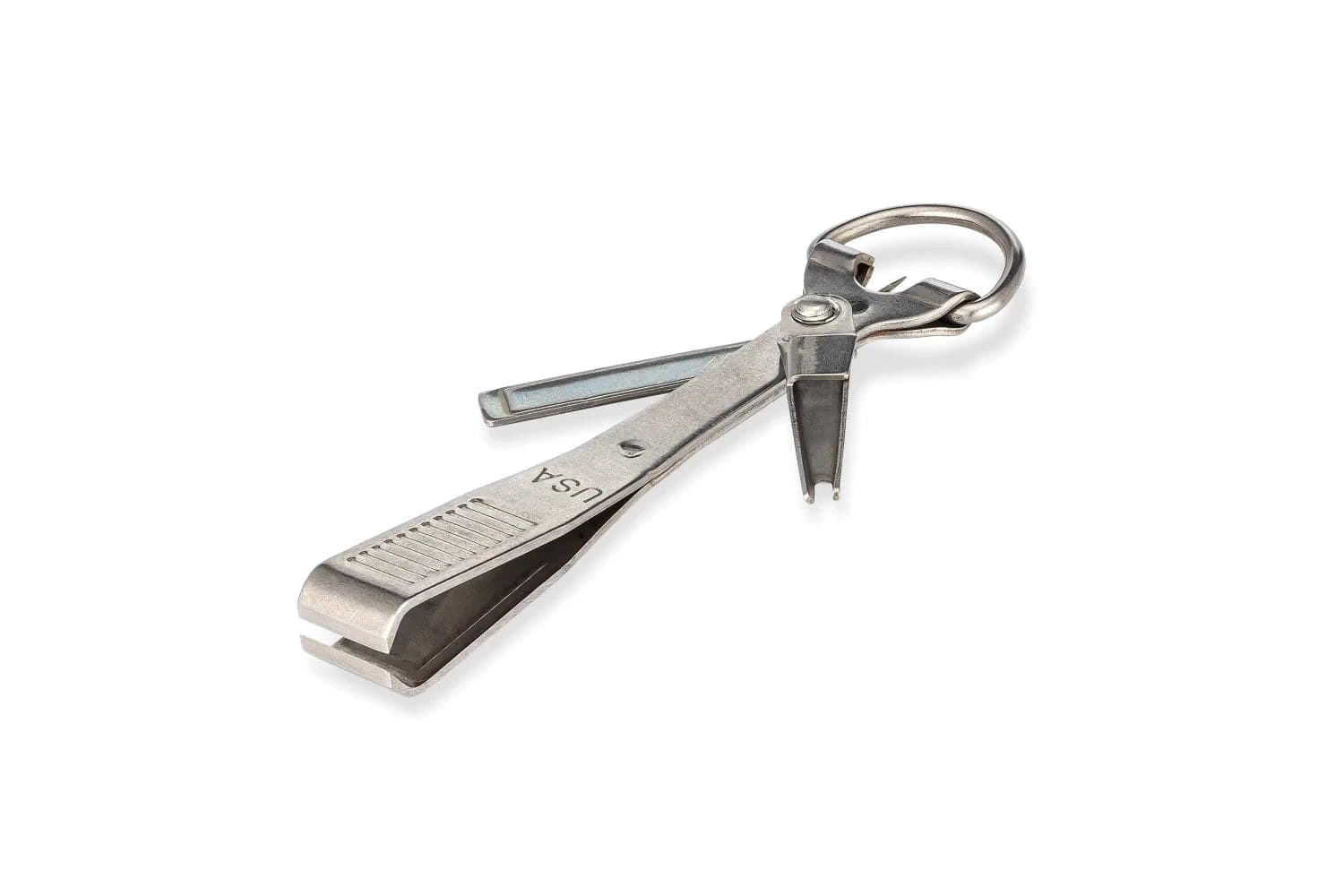
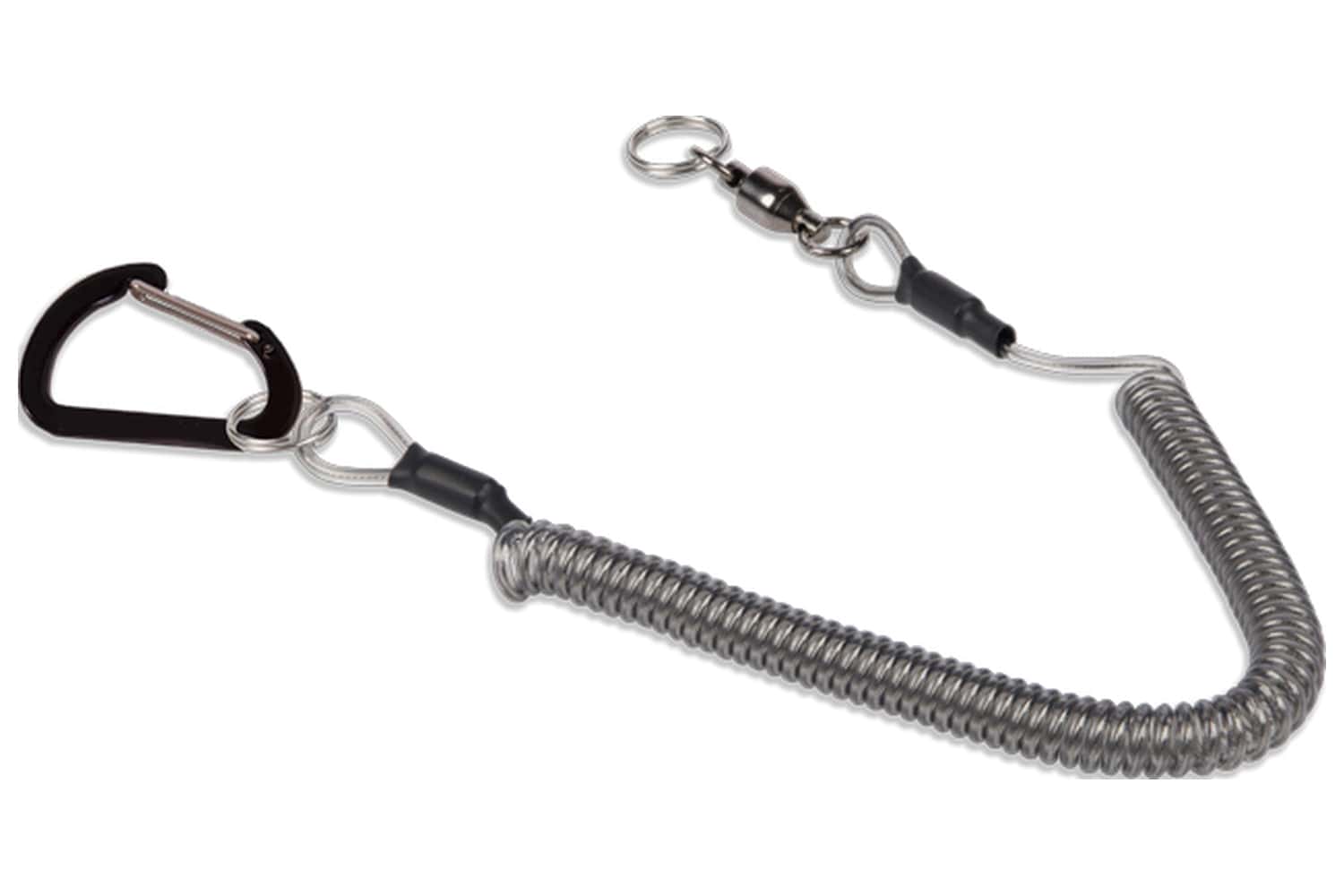
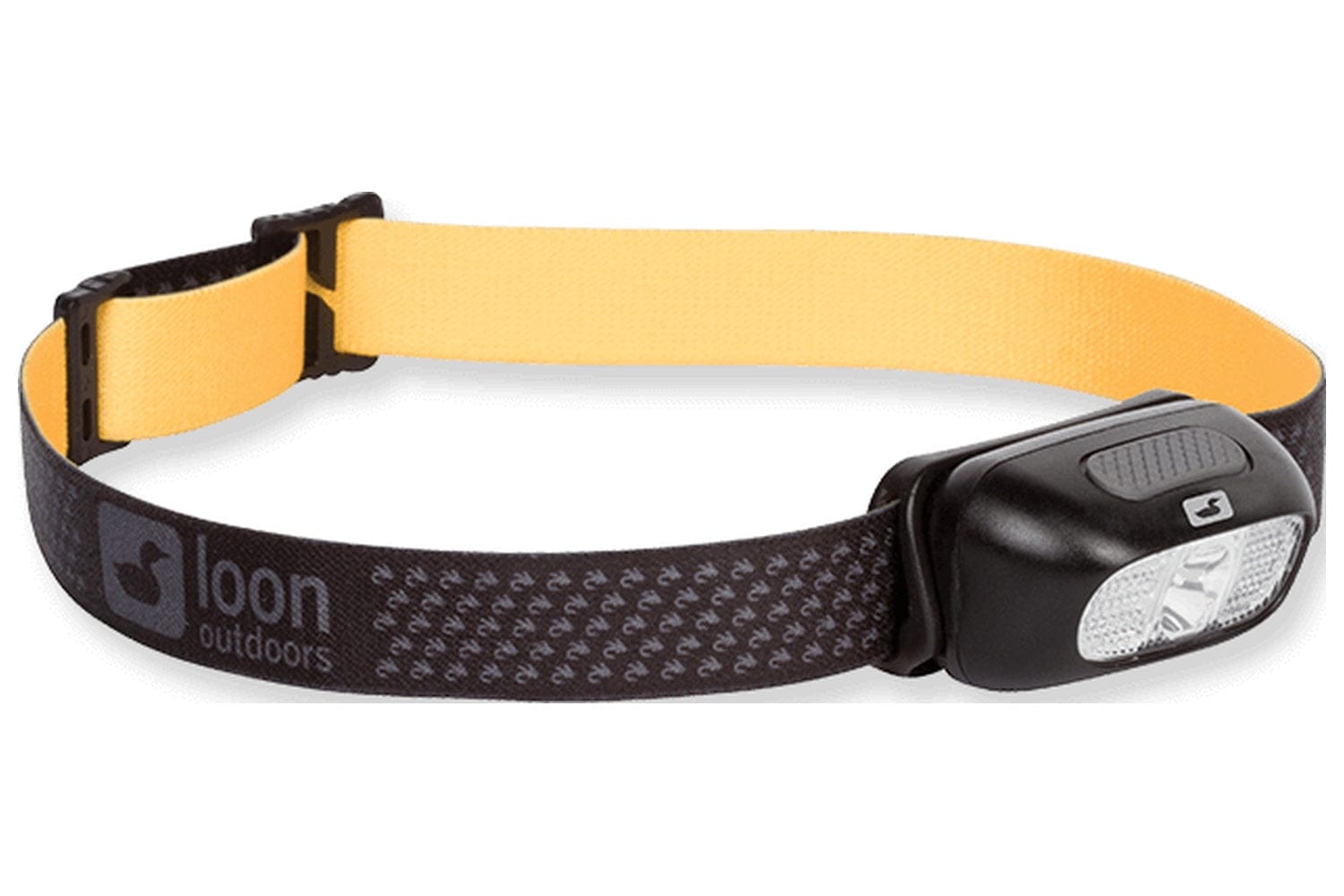
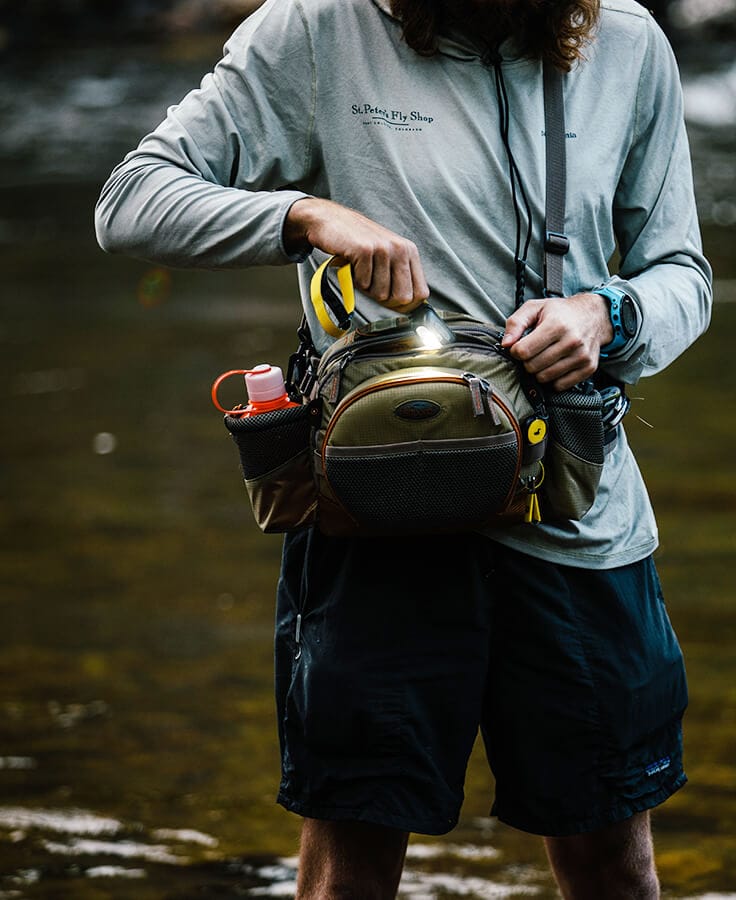
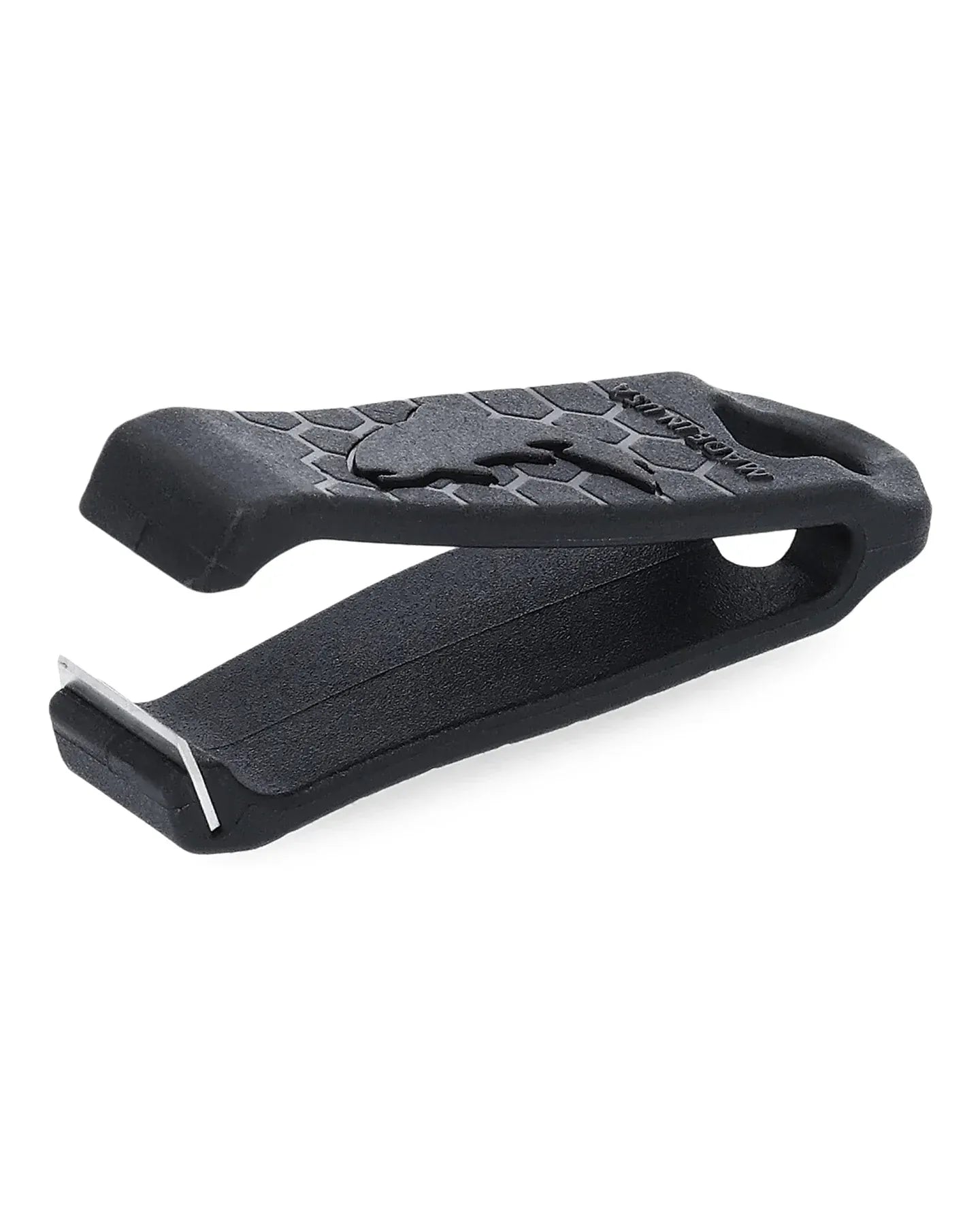
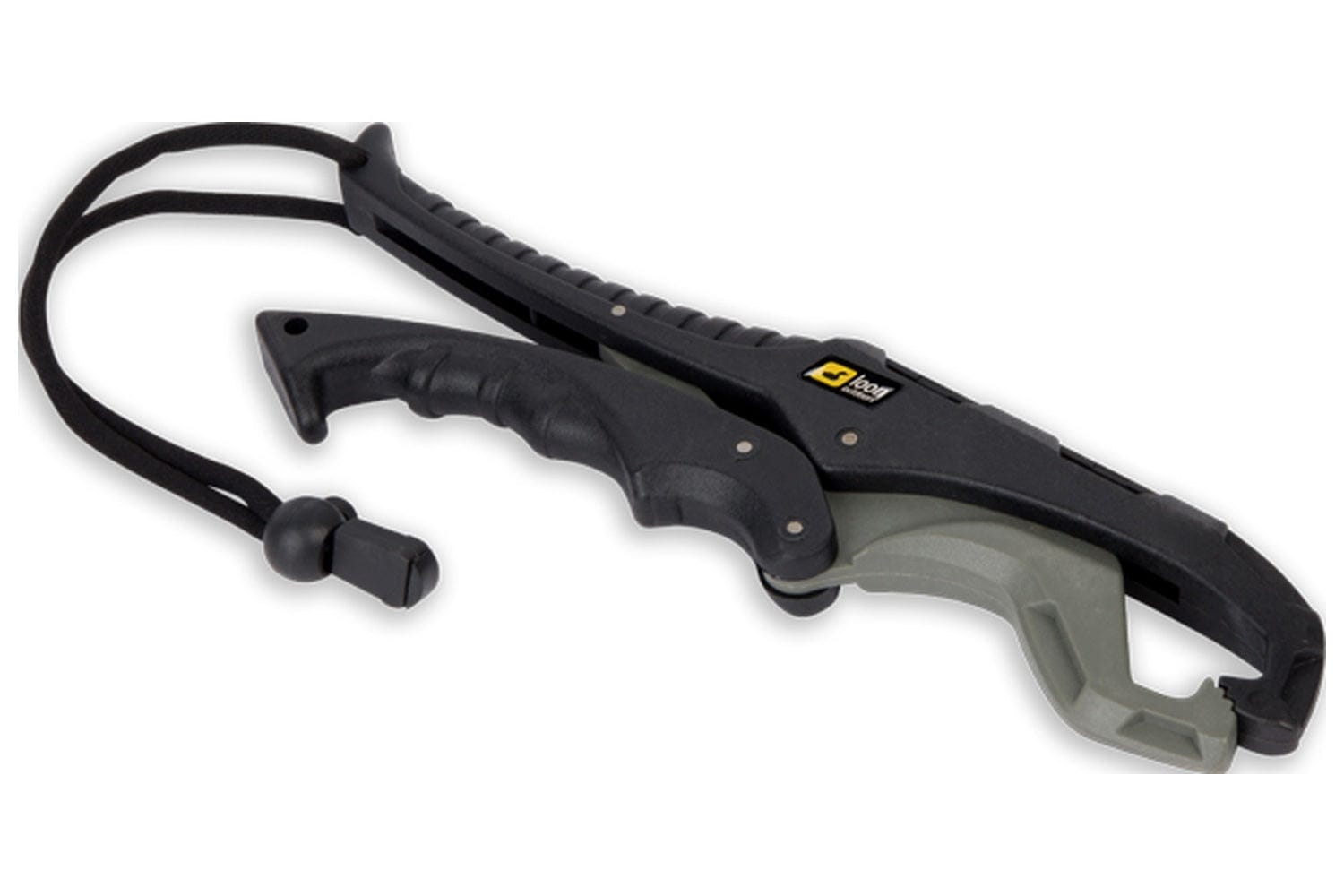
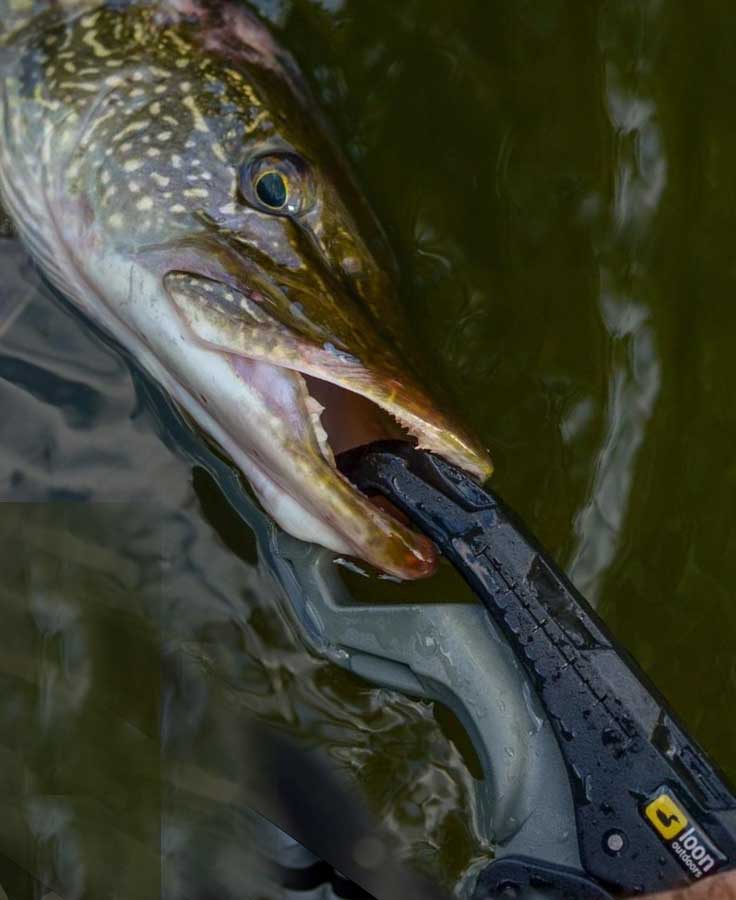
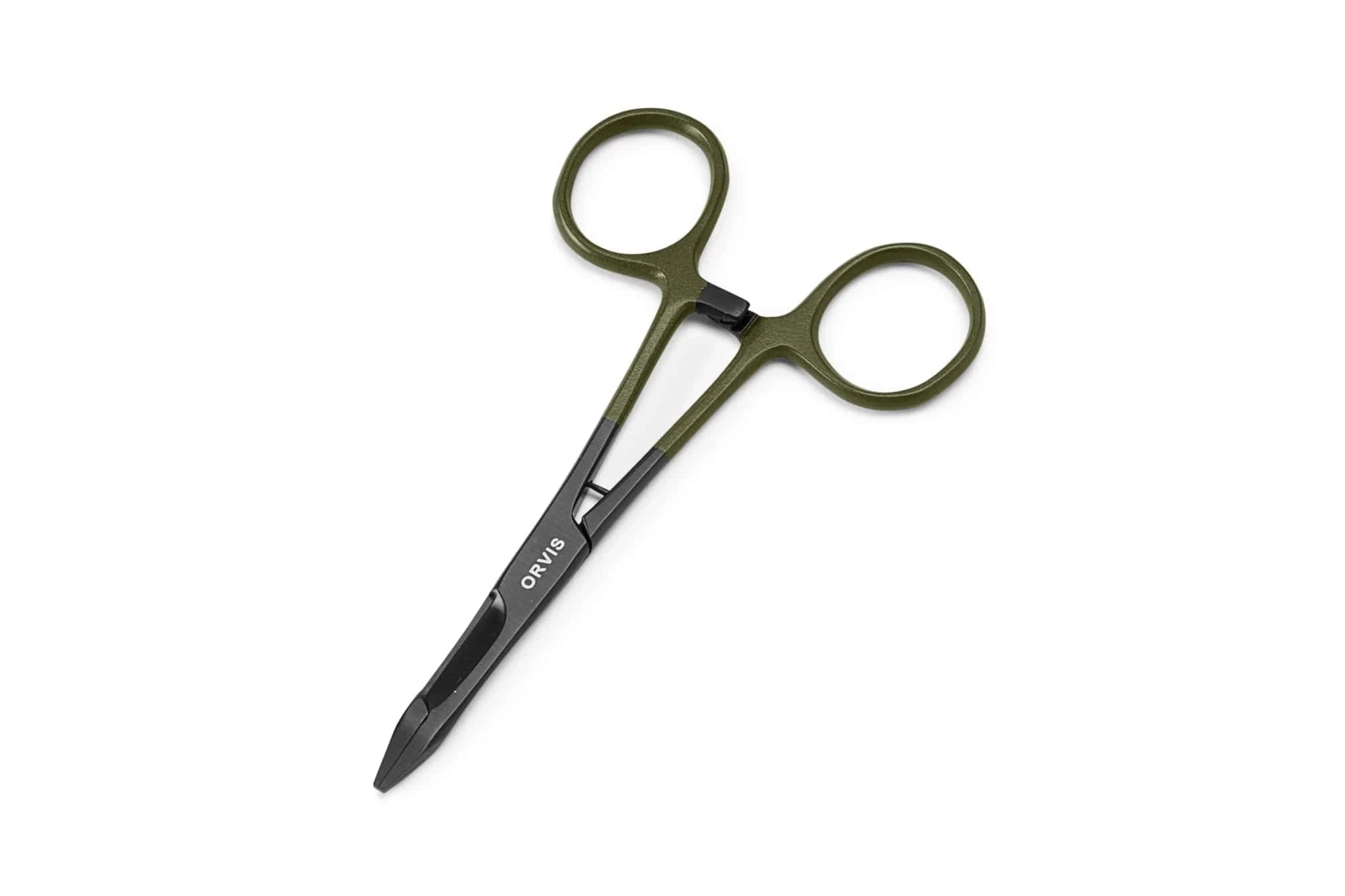
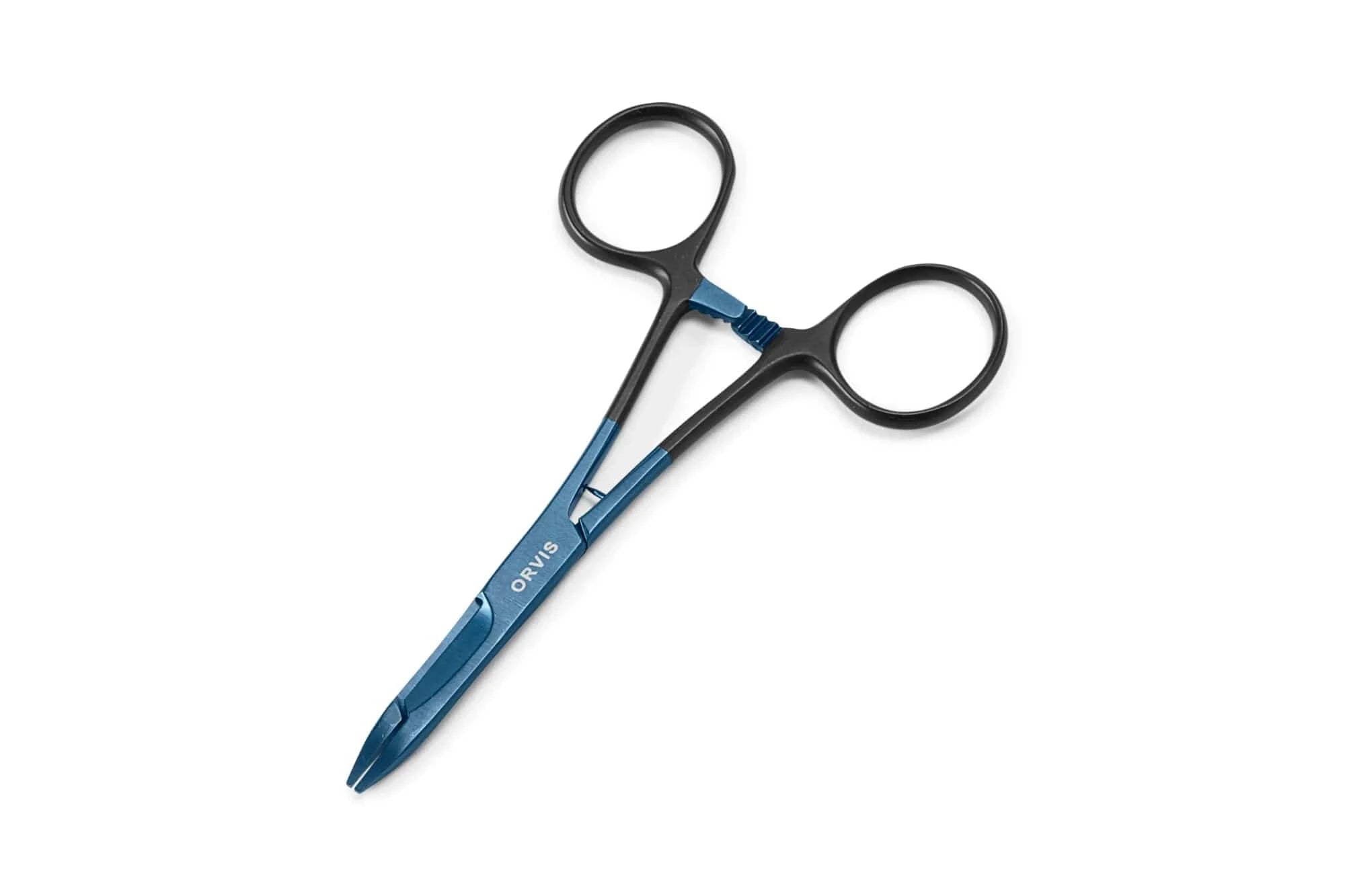
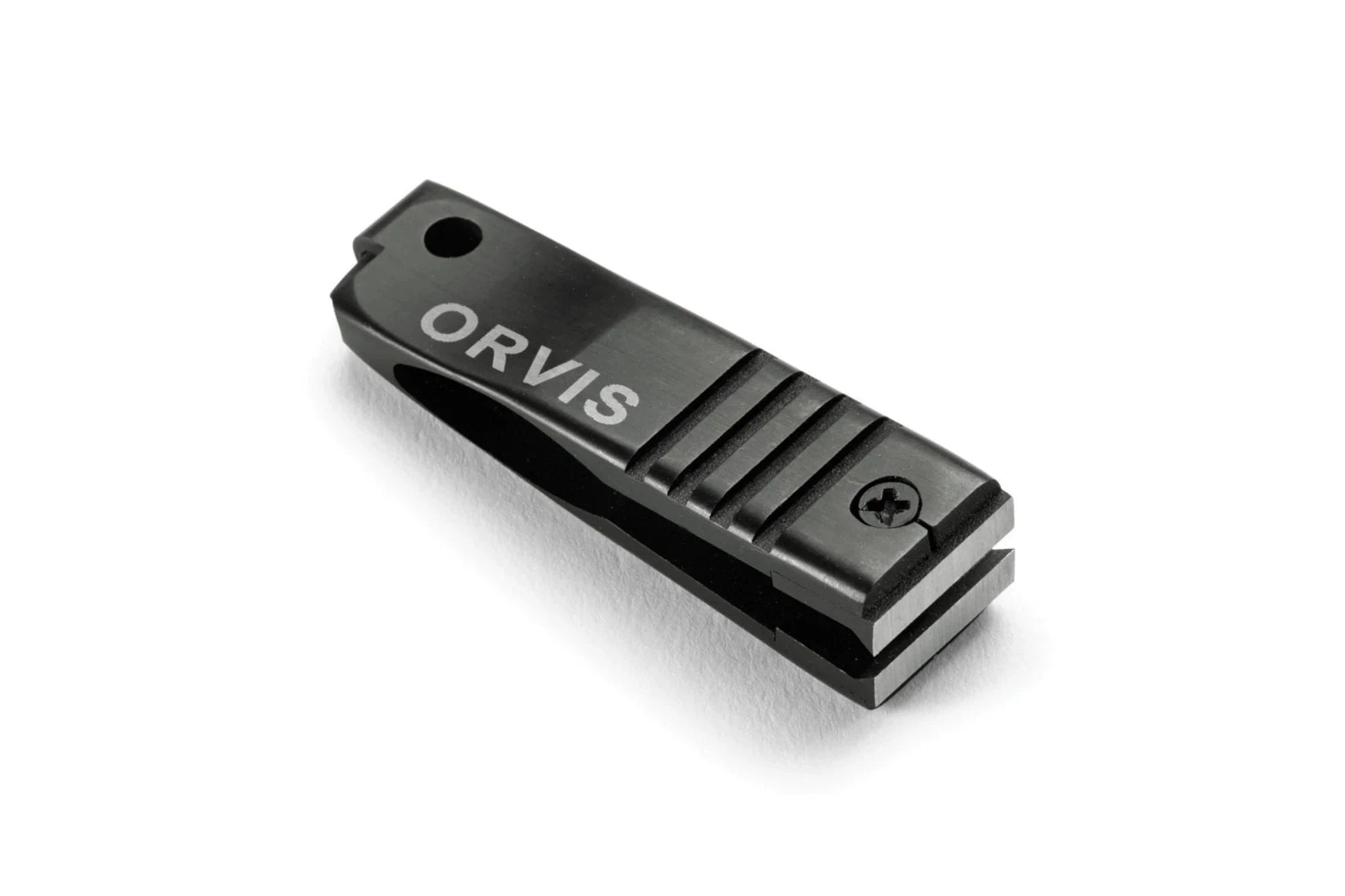
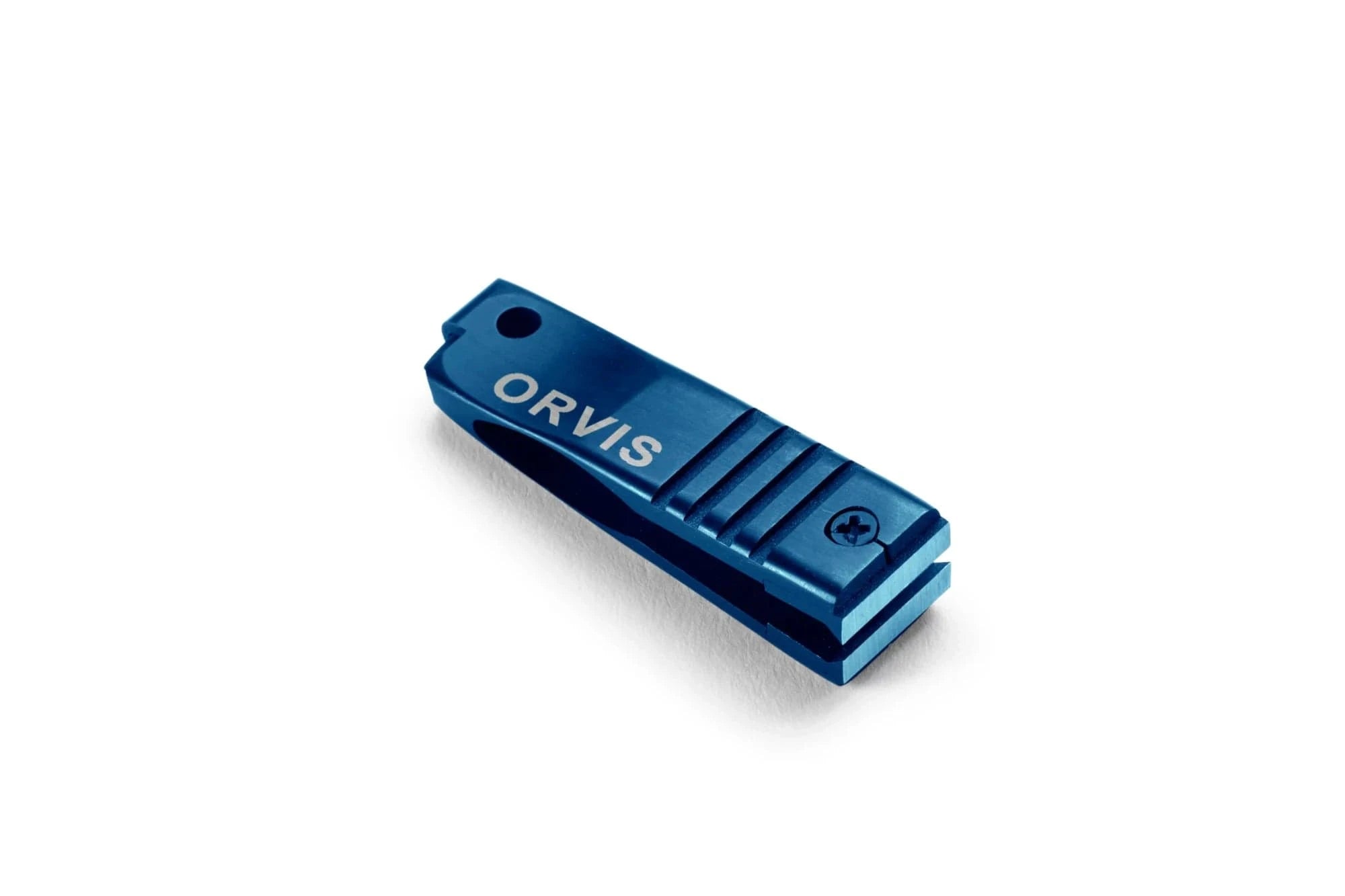
Tools & Gadgets Quick Picks
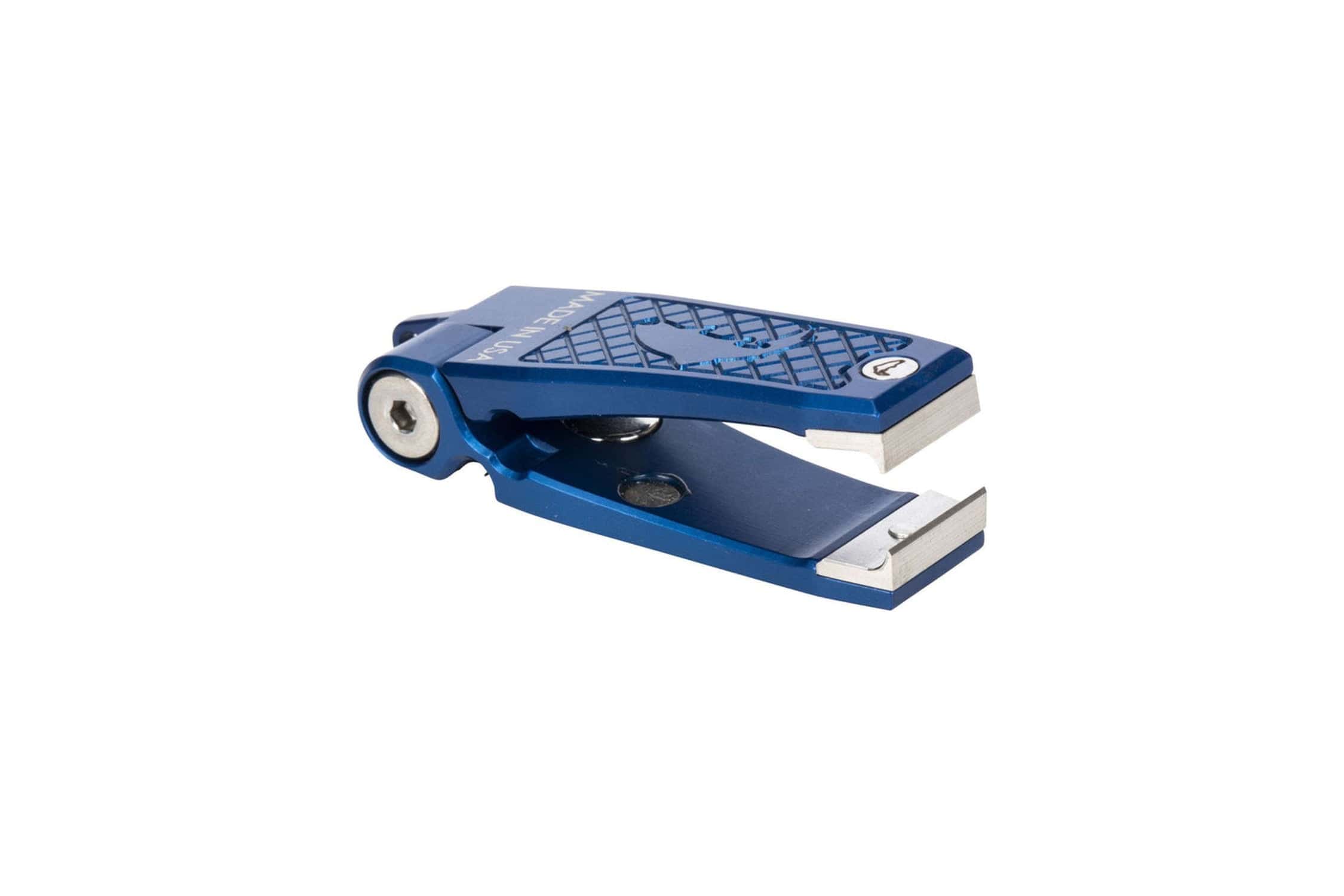
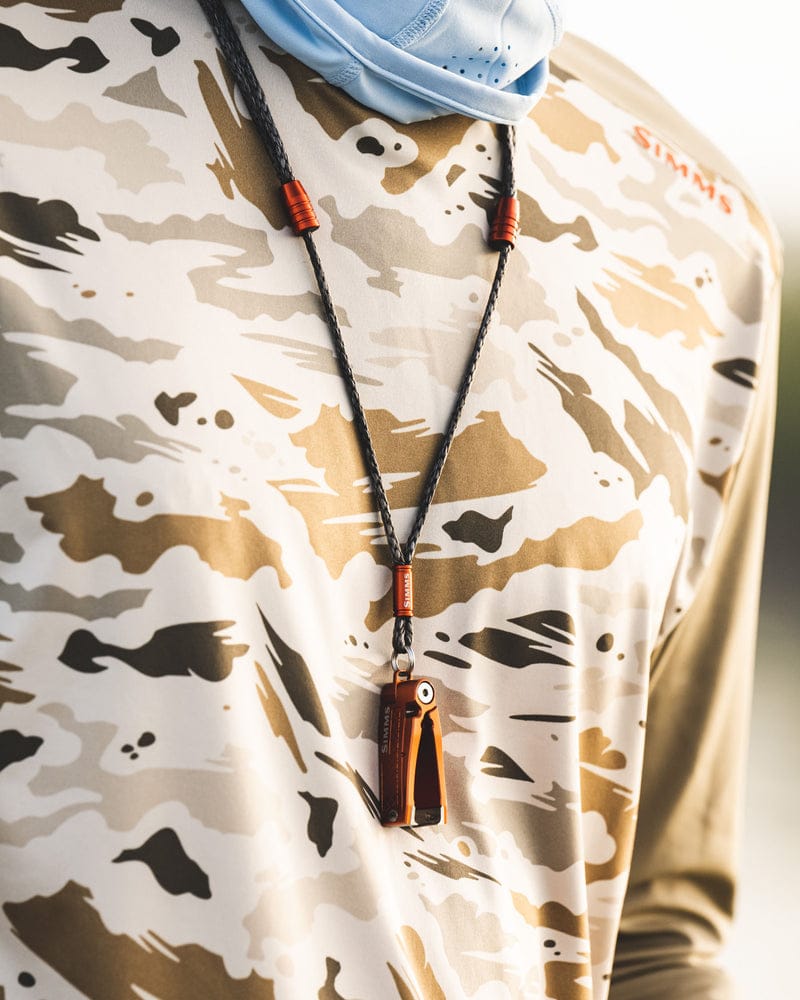
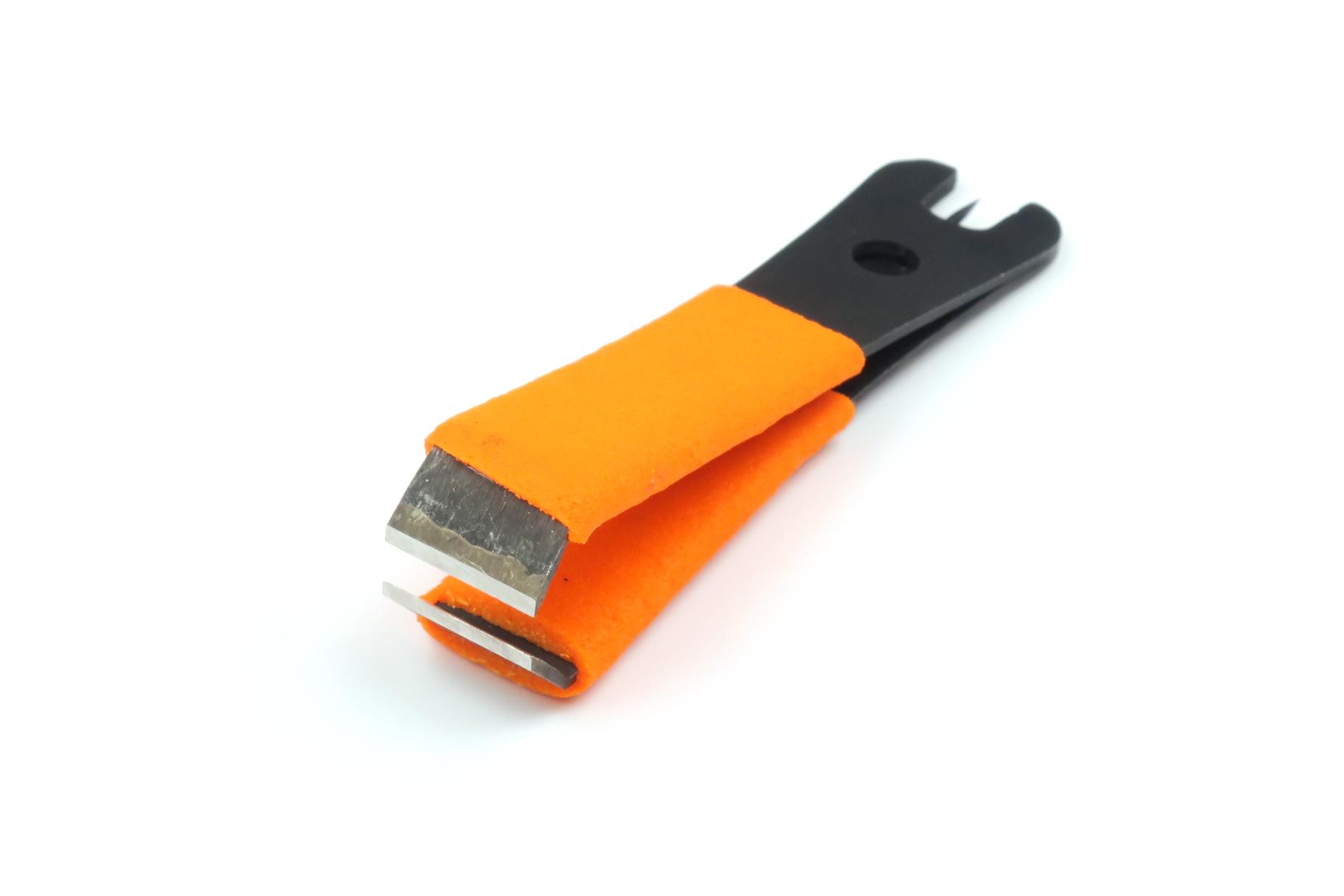
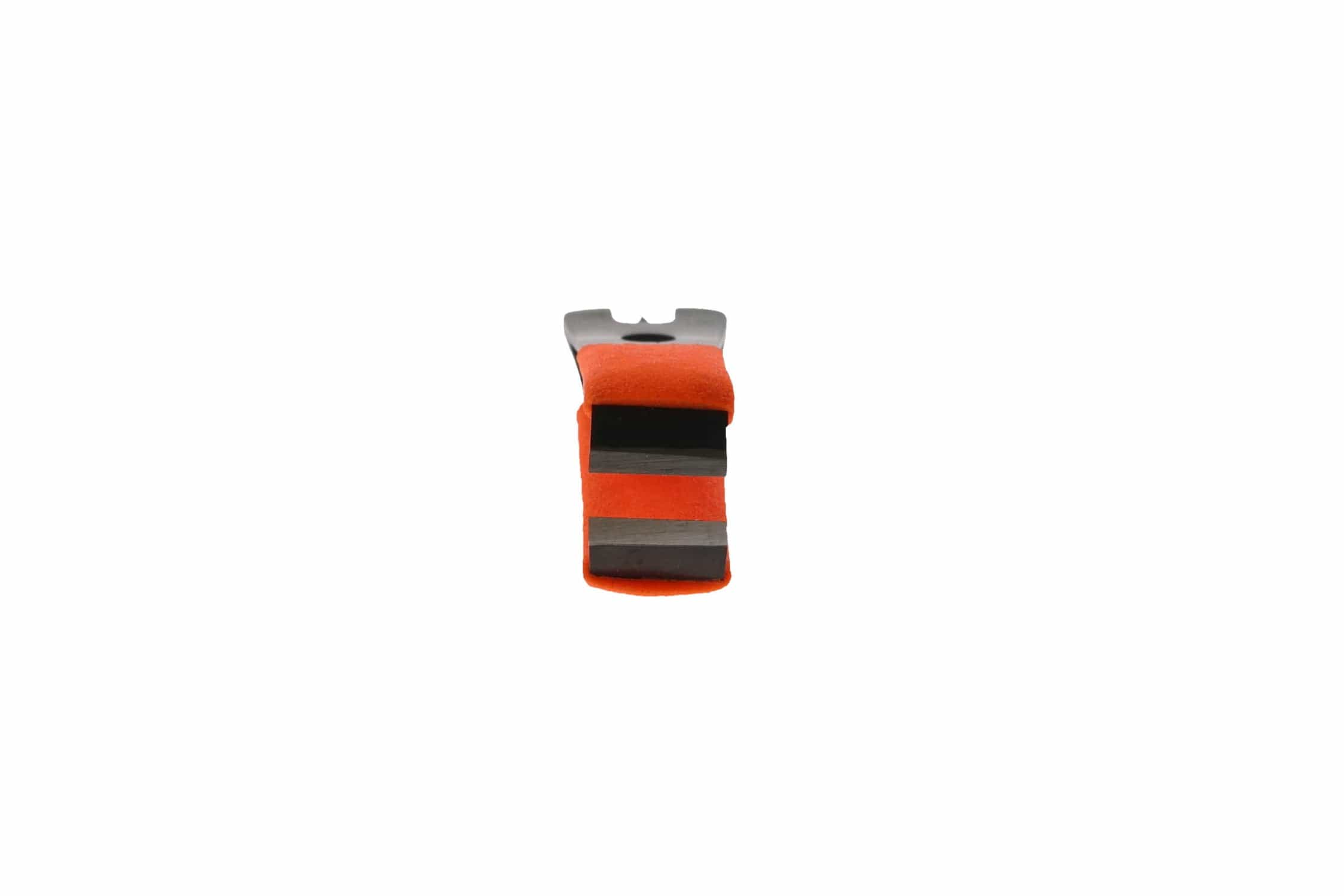
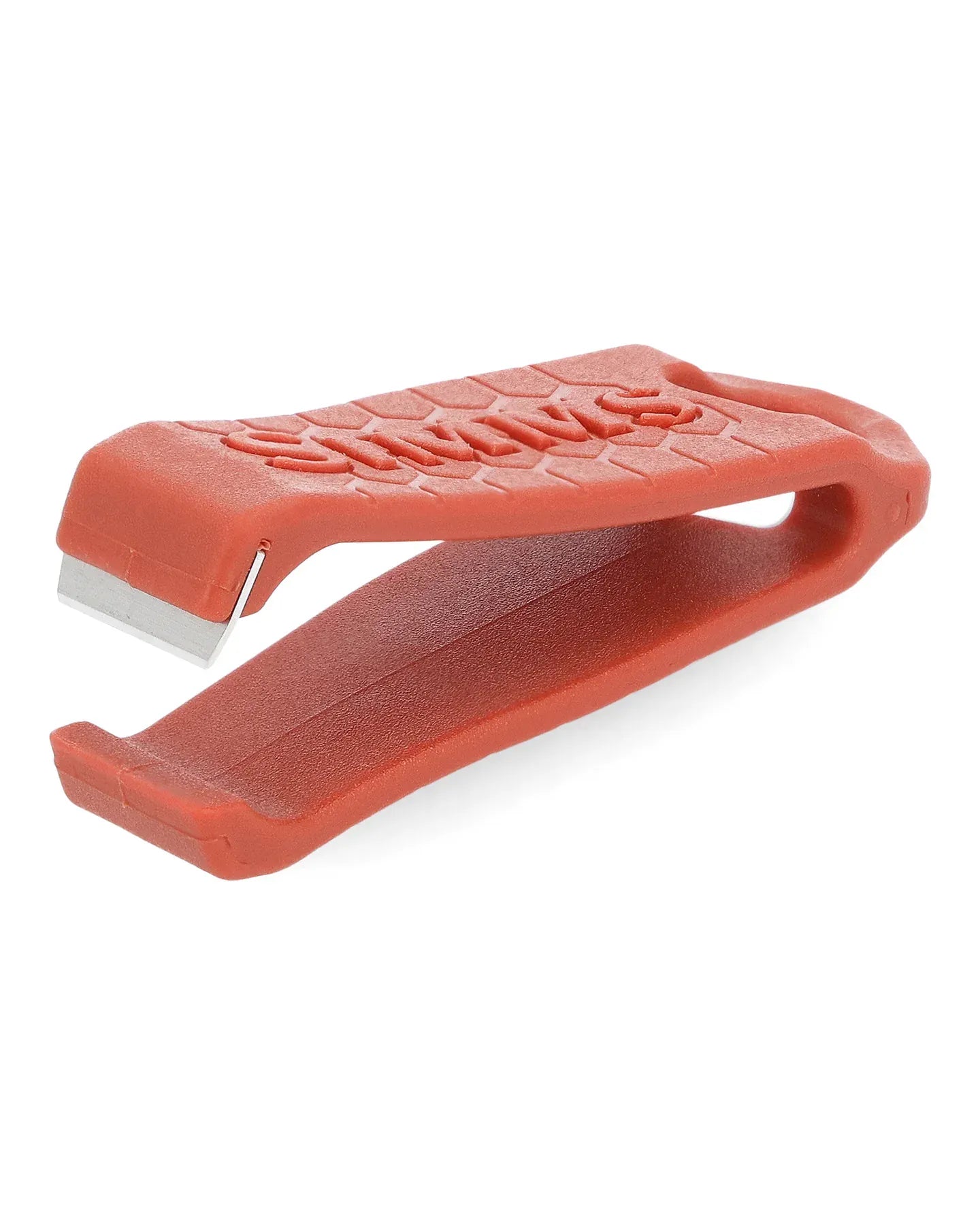
- Best Premium: Simms Pro Nipper - Best for anglers who want a guide-grade nipper that’s easy to find and use quickly on the water. Built around a multi-tool concept, it combines line-cutting with added on-stream functionality.
- Best All-Around: Hatch Nipper 3 - A strong pick for anglers who fish a lot and want a dedicated, premium nipper. The rugged build and replaceable-style cutting performance make it a long-term staple on packs and boats.
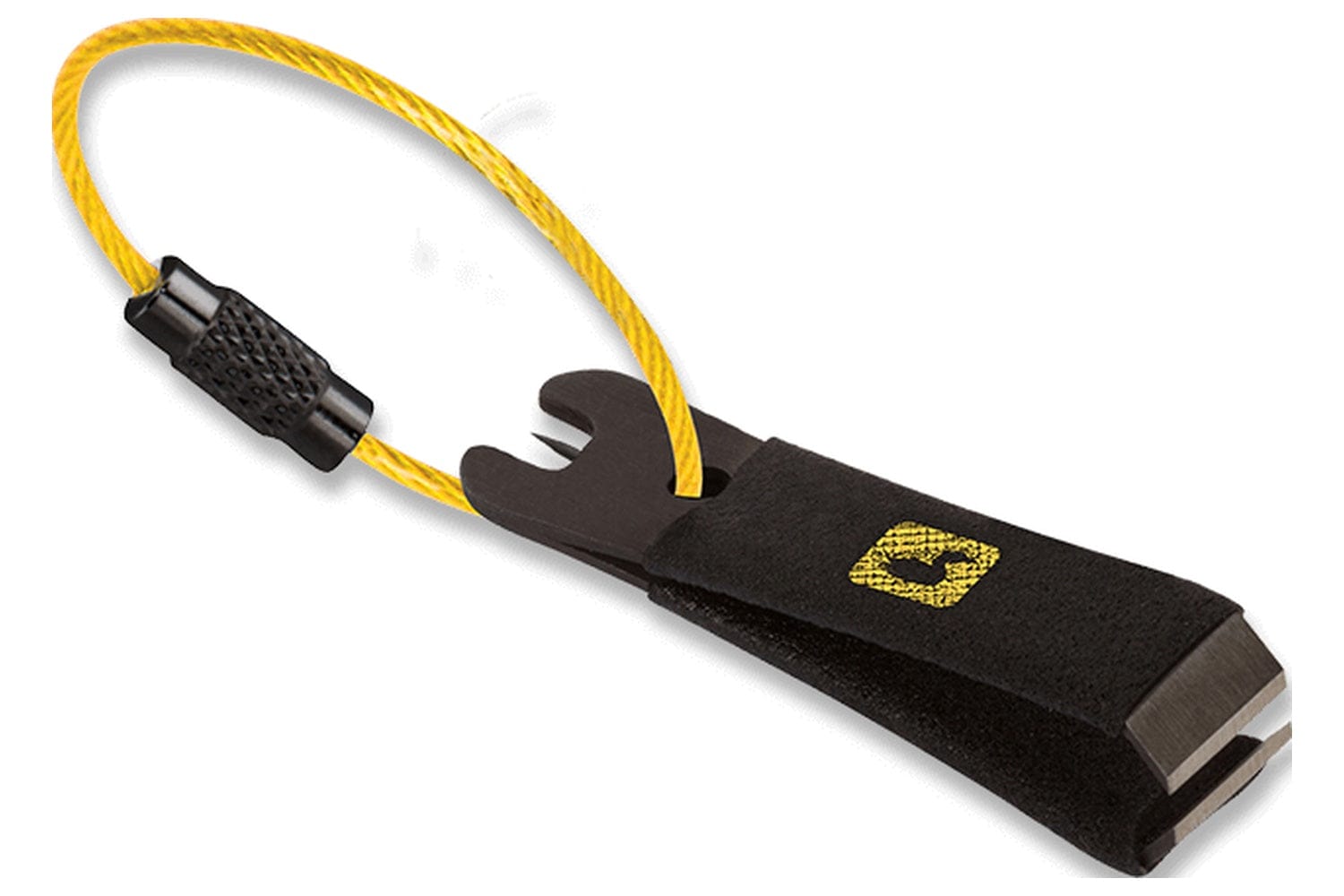
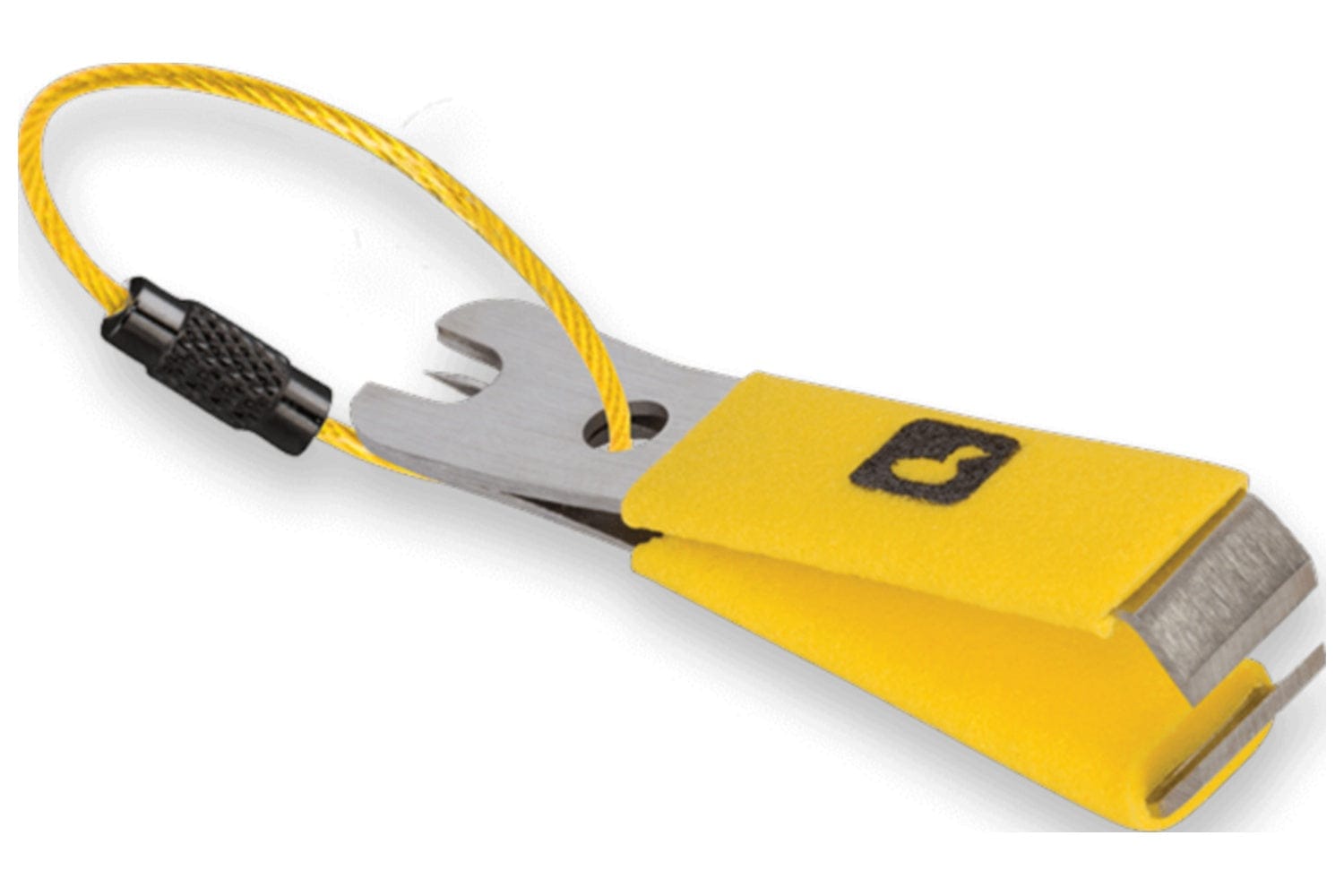
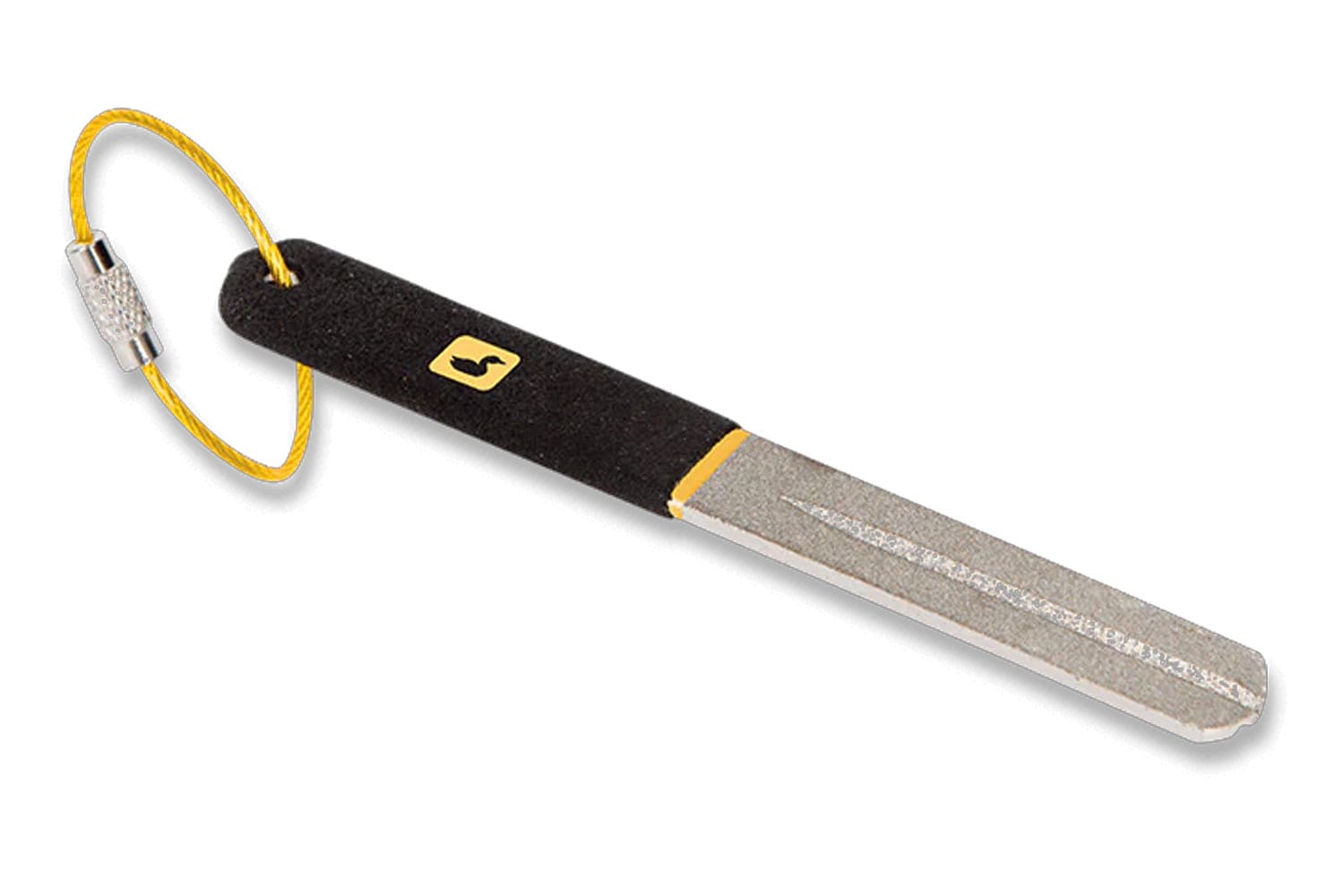
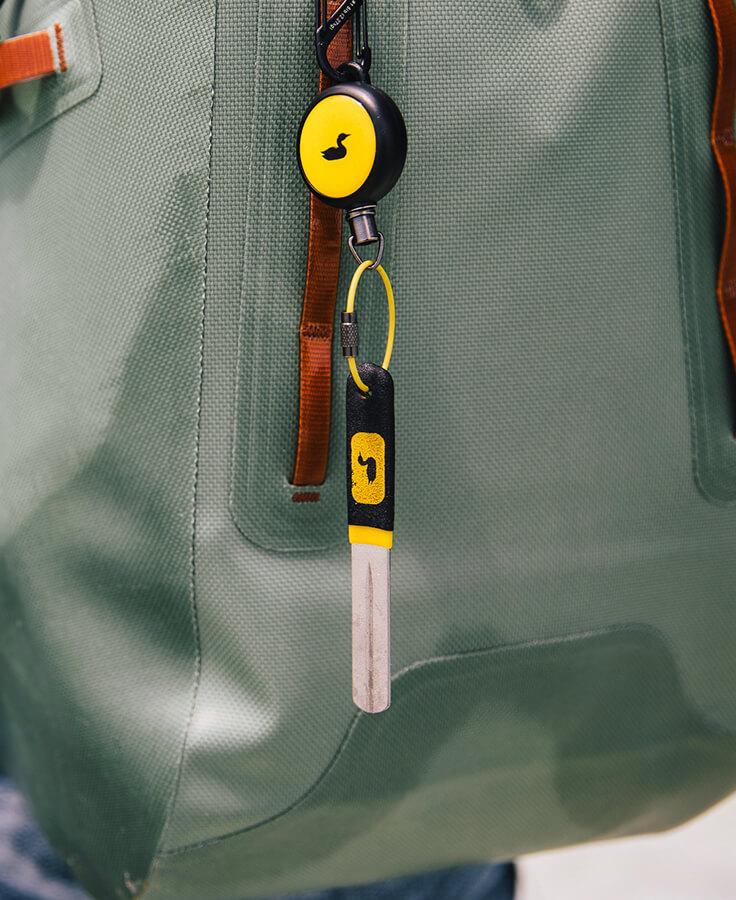
- Best Value: Loon Rogue Nippers With Knot Tool - Great for anglers who want a capable nipper without babying it. You get line-cutting plus a knot-tying tool and hook-eye needle in a simple, compact package.
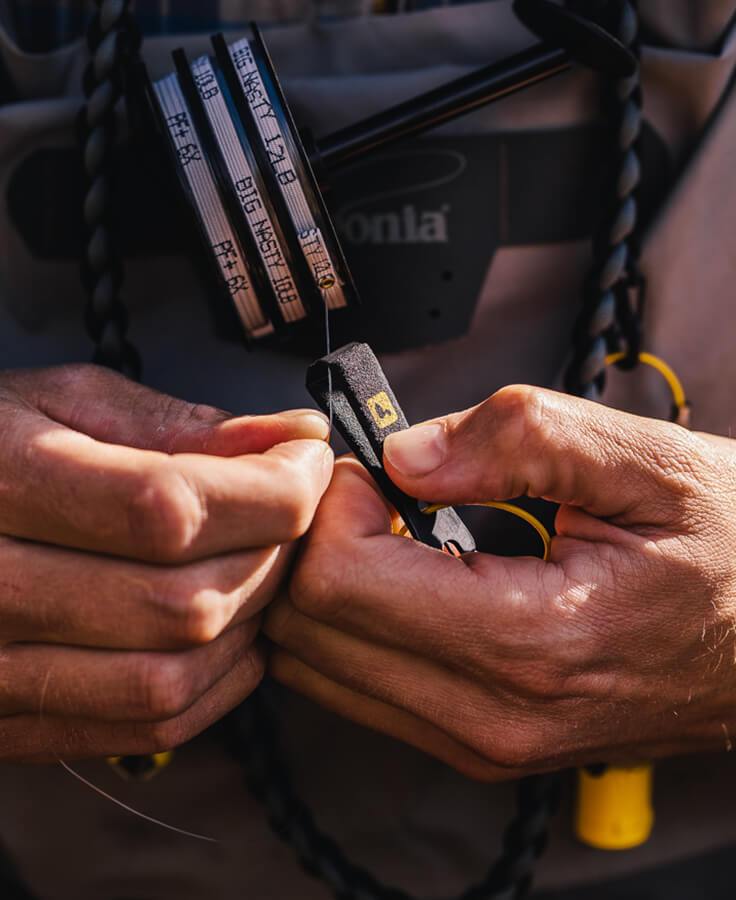
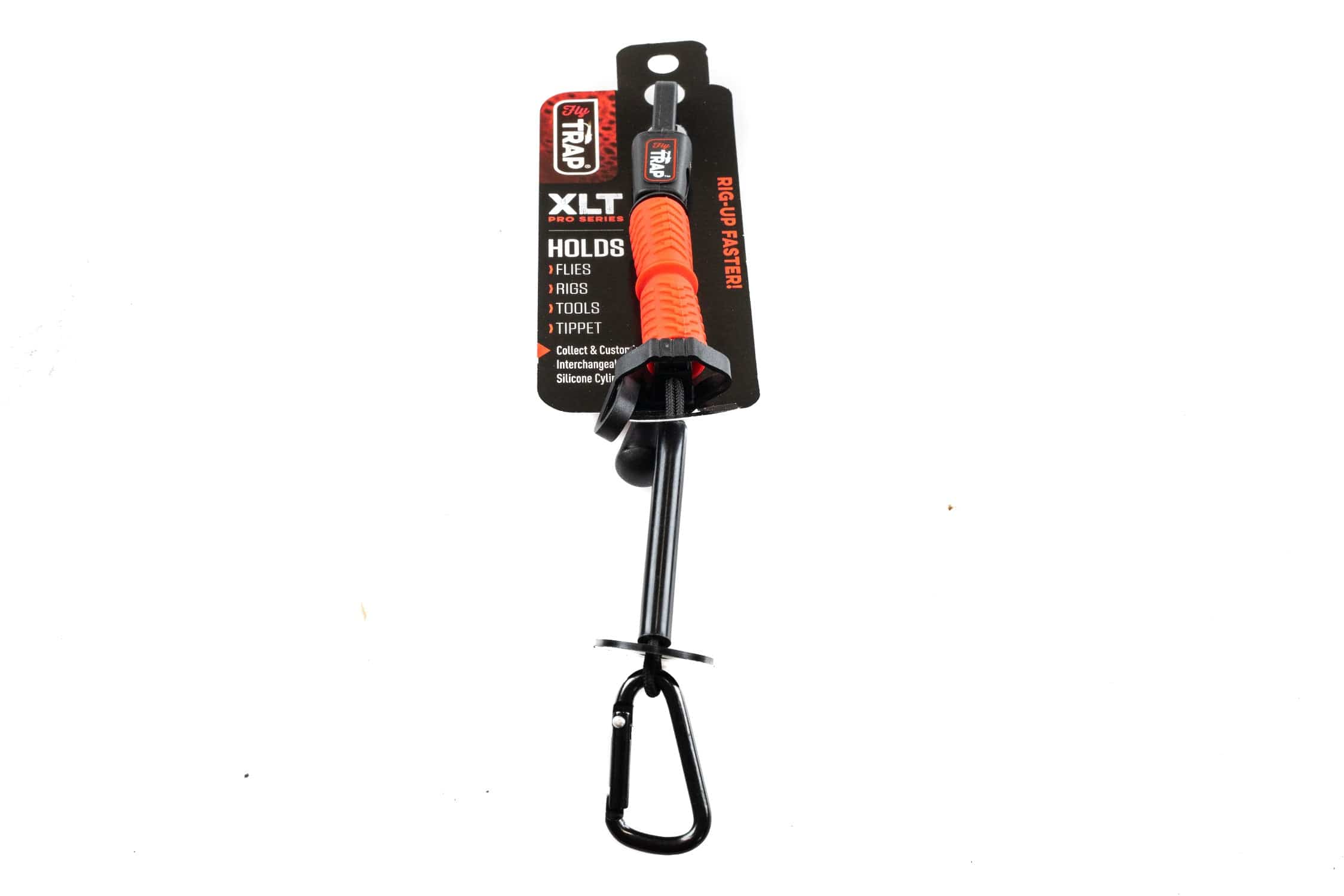
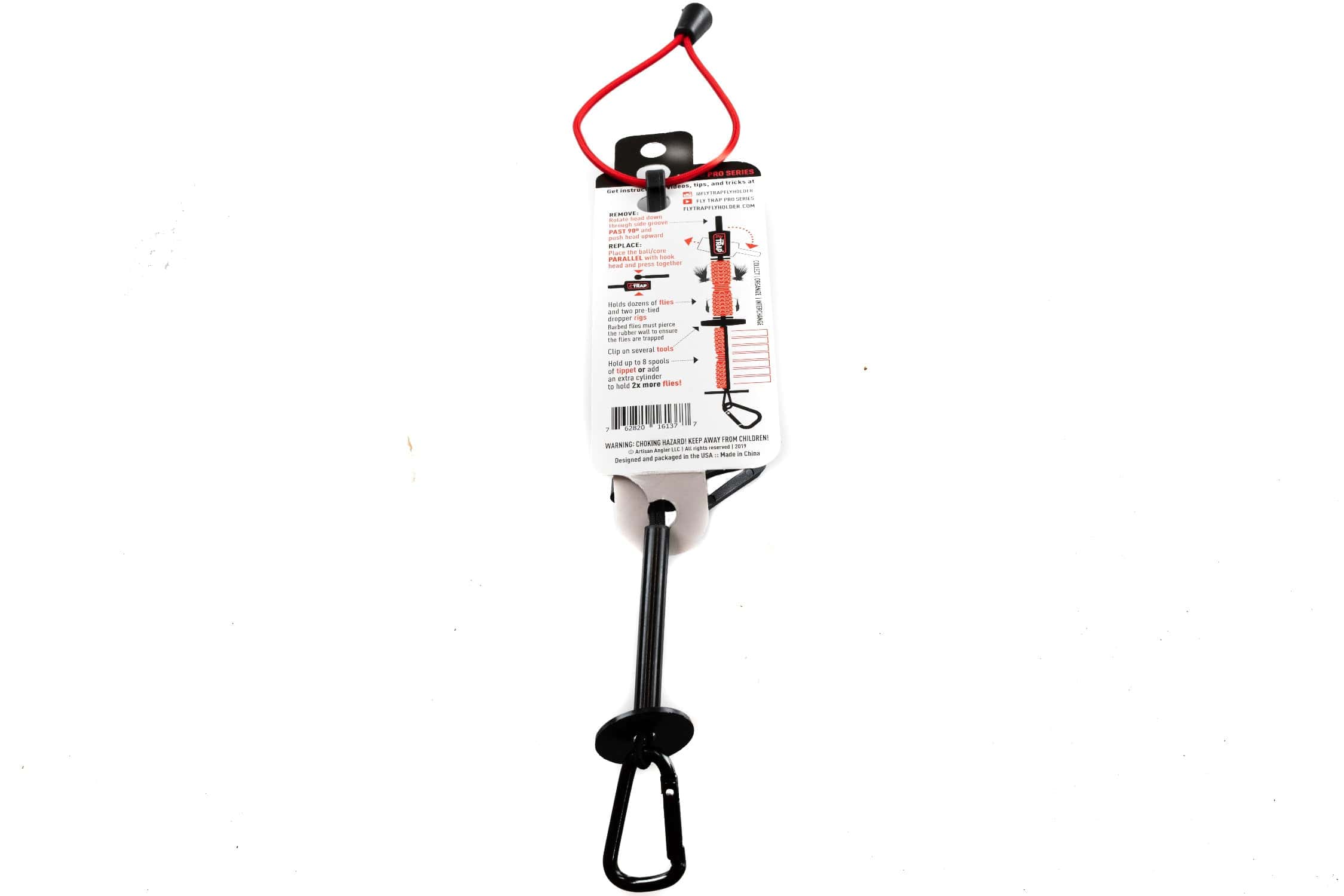
- Best for Rig Management: Trouthunter Tippet Post - Ideal for anglers who bounce between dry-dropper, indicator, and streamer setups and want faster tippet swaps. It keeps spools organized and accessible so you’re not digging through pockets mid-hatch.
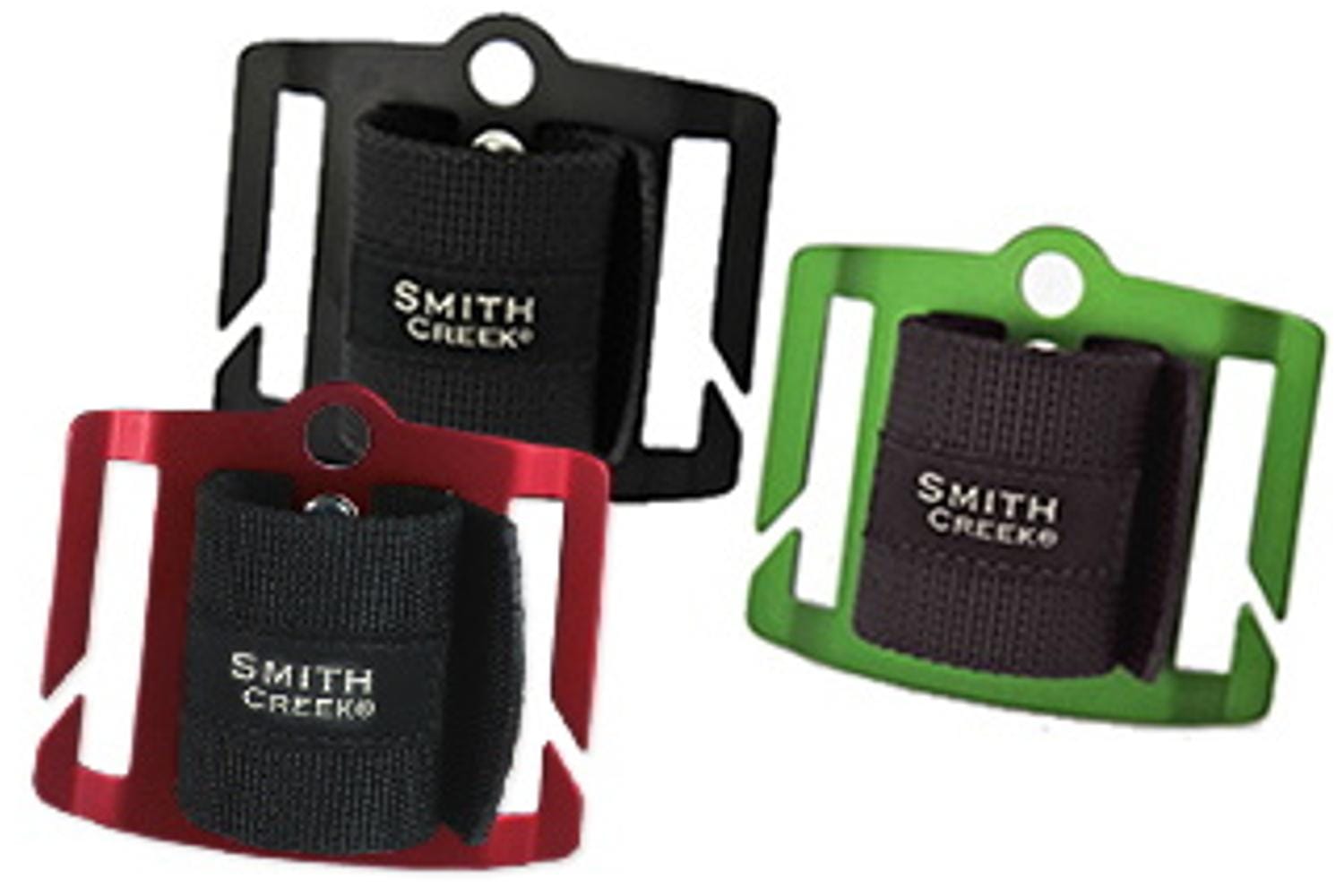
- Best for Wading & Net Handling: Smith Creek Net Holster - A smart choice if you’re tired of nets snagging on brush or getting in the way while wading. It stabilizes your net carry and keeps it ready without swinging around behind you.
How to Choose Tools & Gadgets
Start with the “every-cast” tools
Action: Prioritize tools you’ll touch constantly: nippers, hemostats/forceps, and a reliable tether/attachment. If you’re trimming tippet and changing flies all day, sharp cutters and a secure carry system matter more than niche gadgets.
Best for: Trout fishing, warmwater, and saltwater alike, anywhere you’re building leaders, tying knots, and making frequent fly changes.
Nippers: match the cutter to your typical tippet and fishing style
Action: If you mostly fish light trout tippet, small, easy-access nippers are hard to beat. If you fish heavier leaders, abrasive environments, or salt, consider a more robust nipper that’s built to handle frequent use.
Avoid if: You only carry one cutting tool and also need to cut heavier materials, consider adding a second cutter or forceps with a cutting edge.
Knot tools: great when conditions make fine motor skills tougher
Action: Knot tools shine in cold weather, wind, low light, or when you’re tying small tippet to small flies. They’re also helpful if you’re learning common connection knots and want more consistency while you build confidence.
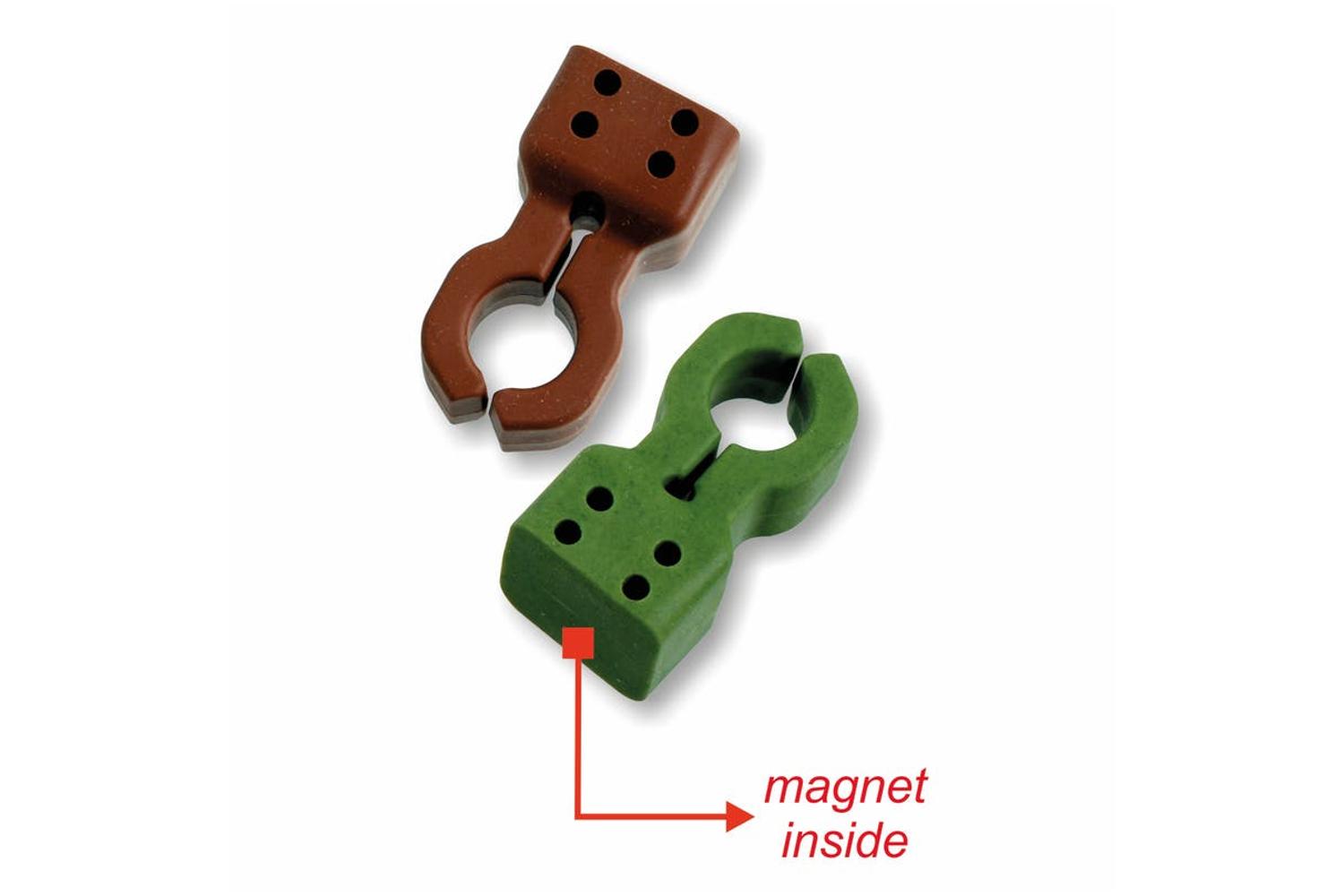
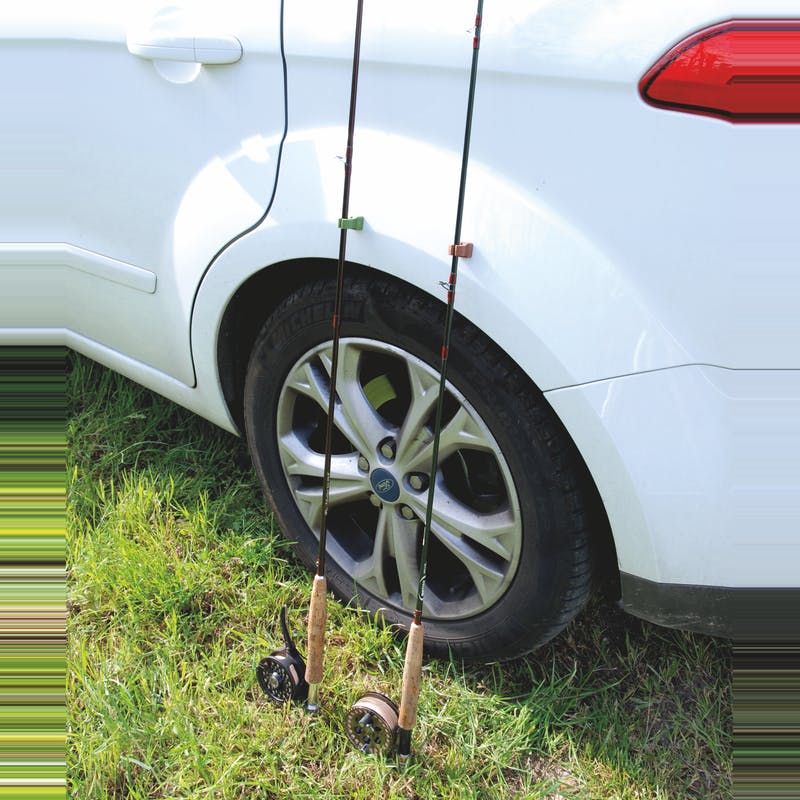
Rod holders, net holsters, and leashes: the “hands-free” upgrade
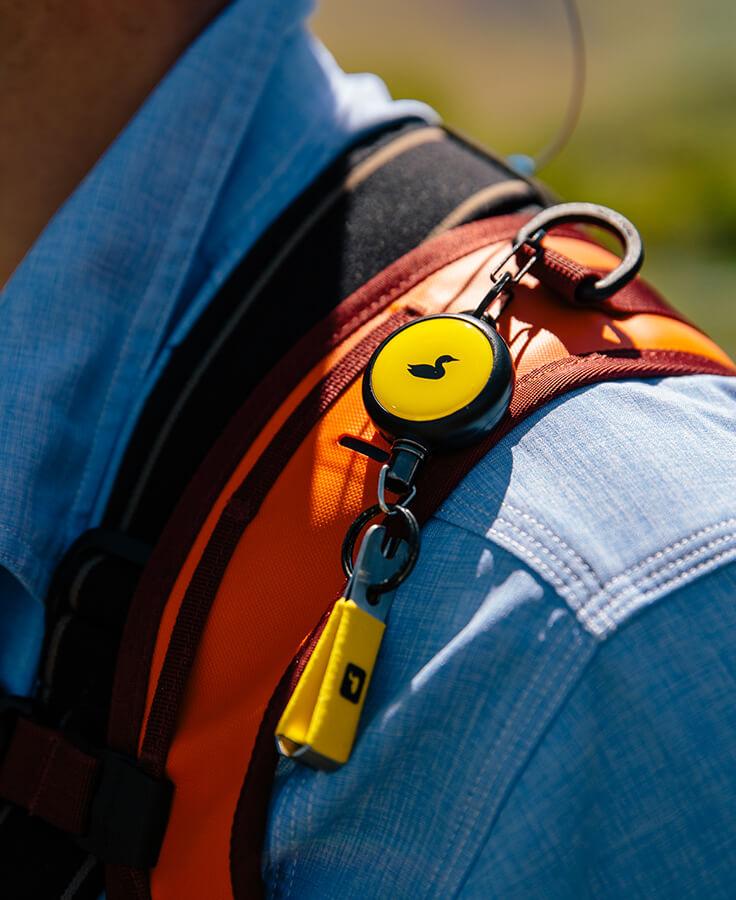
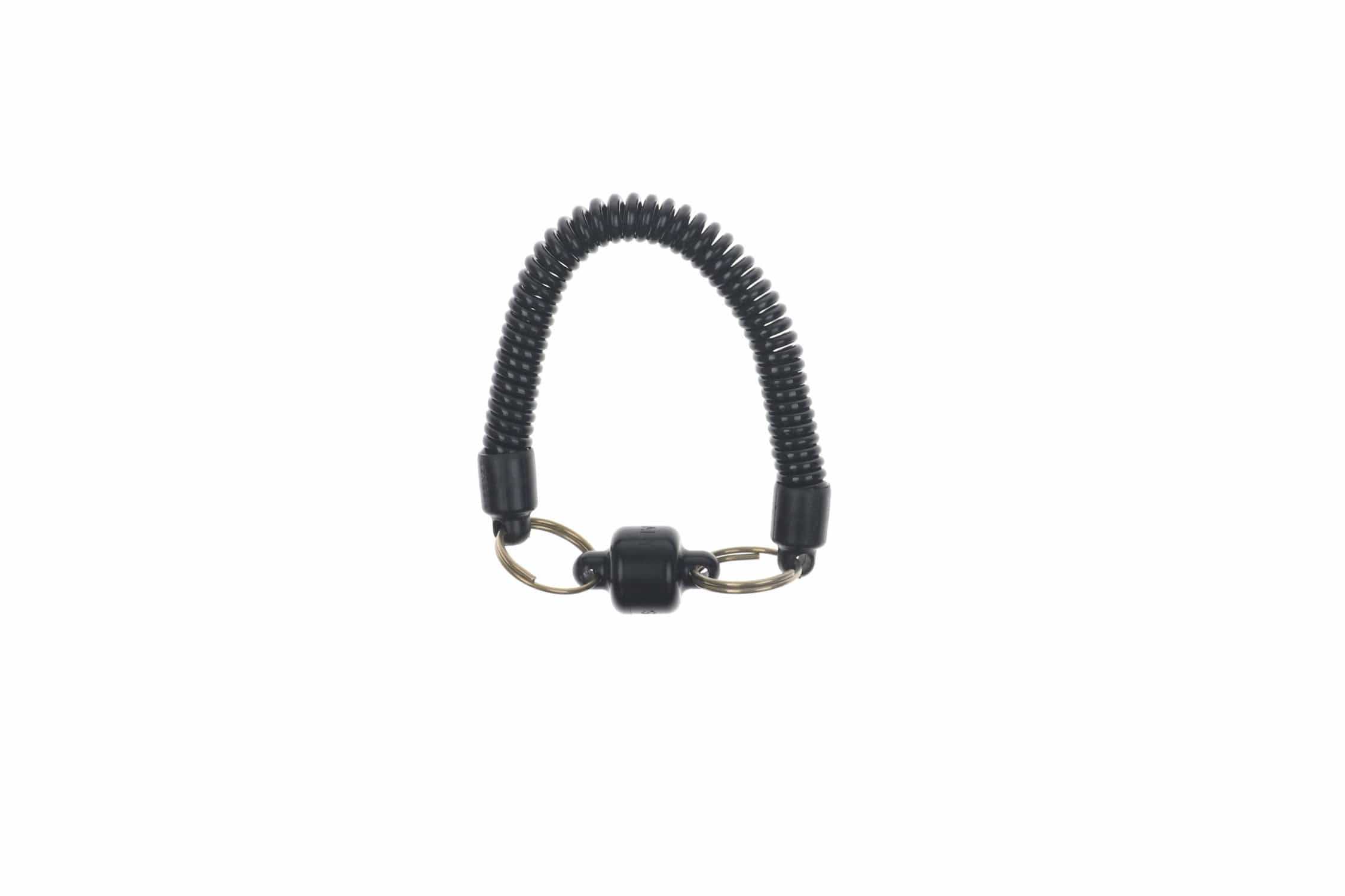
Action: If you wade a lot, land fish solo, or fish from a drift boat where gear gets stepped on, hands-free management tools are worth it. They reduce drops, tangles, and awkward moments while you’re unhooking fish or changing rigs.
Materials & Durability
- Rinse after use: If you fish saltwater (or silty rivers), rinse tools with fresh water and dry them before storage.
- Cutting edges: Keep cutters clean and avoid cutting wire or heavy braid unless the tool is built for it.
- Attachment points: Check split rings, lanyards, and clips periodically, most “lost tool” stories start with worn hardware.
- Storage: Let tools air-dry; storing damp tools in a closed pack can accelerate corrosion and dull cutting edges.
Complete Your Setup
Related Gear
- Nippers & Zingers - Build a streamlined, always-within-reach cutting setup for faster fly changes.
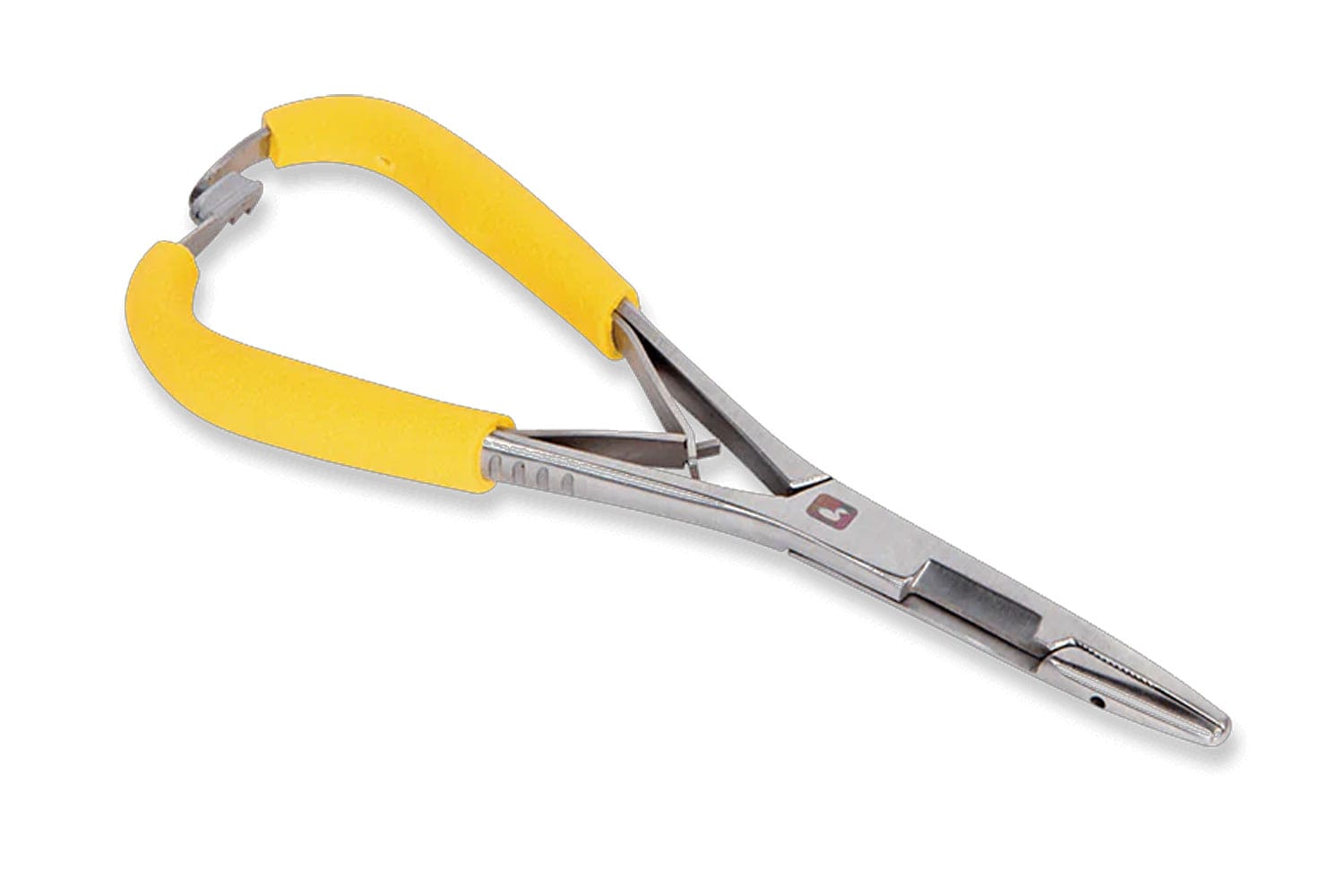
- Pliers & Forceps - Add safer hook removal, debarbing, and better fish handling to your kit.
- Landing Nets - Pair carry solutions and leashes with a net that matches your water and target species.
- Tippet Rings - Clean up your leader system and speed up tippet changes when you’re rebuilding rigs often.
Related Guides
- Fly Fishing for Beginners: A Gear List
- How To Setup A Fly Reel
- Fly Tying Essentials: The Basics for First-Time Tyers
- The Ultimate Tippet Shootout: 20lb
- The Ultimate Tippet Shootout: 5x
Tools & Gadgets FAQs
Q: What are the most important fly fishing tools to carry?
A: Start with nippers and forceps/hemostats. After that, add a reliable way to keep them attached (zinger, tether, or lanyard) so they’re always accessible.
Q: Do I need a knot tool for fly fishing?
A: Not required, but they can make knots faster and more consistent, especially with cold hands, wind, or small tippet. Many anglers like them for nail knots and quick rig changes.
Q: How do I choose the right nippers for trout fishing?
A: Look for clean cuts on light tippet and a design you can grab quickly with one hand. Also consider how you’ll carry them, easy access matters as much as the cutter.
Q: What’s the difference between forceps and pliers?
A: Forceps are typically lighter and excel at quick hook removal and debarbing for trout and smaller hooks. Pliers are usually more robust for heavier hooks, saltwater use, and tougher fish handling.
Q: Are tippet posts and tippet holders worth it?
A: They’re a convenience item, but a good one if you change tippet sizes often or run multi-fly rigs. Keeping spools organized can reduce tangles and speed up re-rigging.
Q: Why use a net holster instead of clipping a net to my pack?
A: Holsters can stabilize the net and reduce snagging while wading through brush or scrambling banks. They also make it easier to draw and re-stow the net one-handed.
Q: How should I care for fly fishing tools after saltwater trips?
A: Rinse with fresh water, dry thoroughly, and store tools somewhere they can air out. This helps reduce corrosion and keeps moving parts operating smoothly.
Q: Is this Tools & Gadgets collection just for anglers, or also for fly tyers?
A: Both. This collection includes on-stream problem solvers (nippers, rod/net management, knot tools) and some tools that overlap with tying and rigging tasks.


