

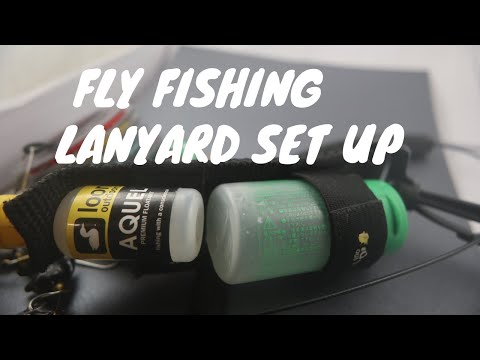
Fly fishing lanyard setup: What Gear You Need Close to Hand
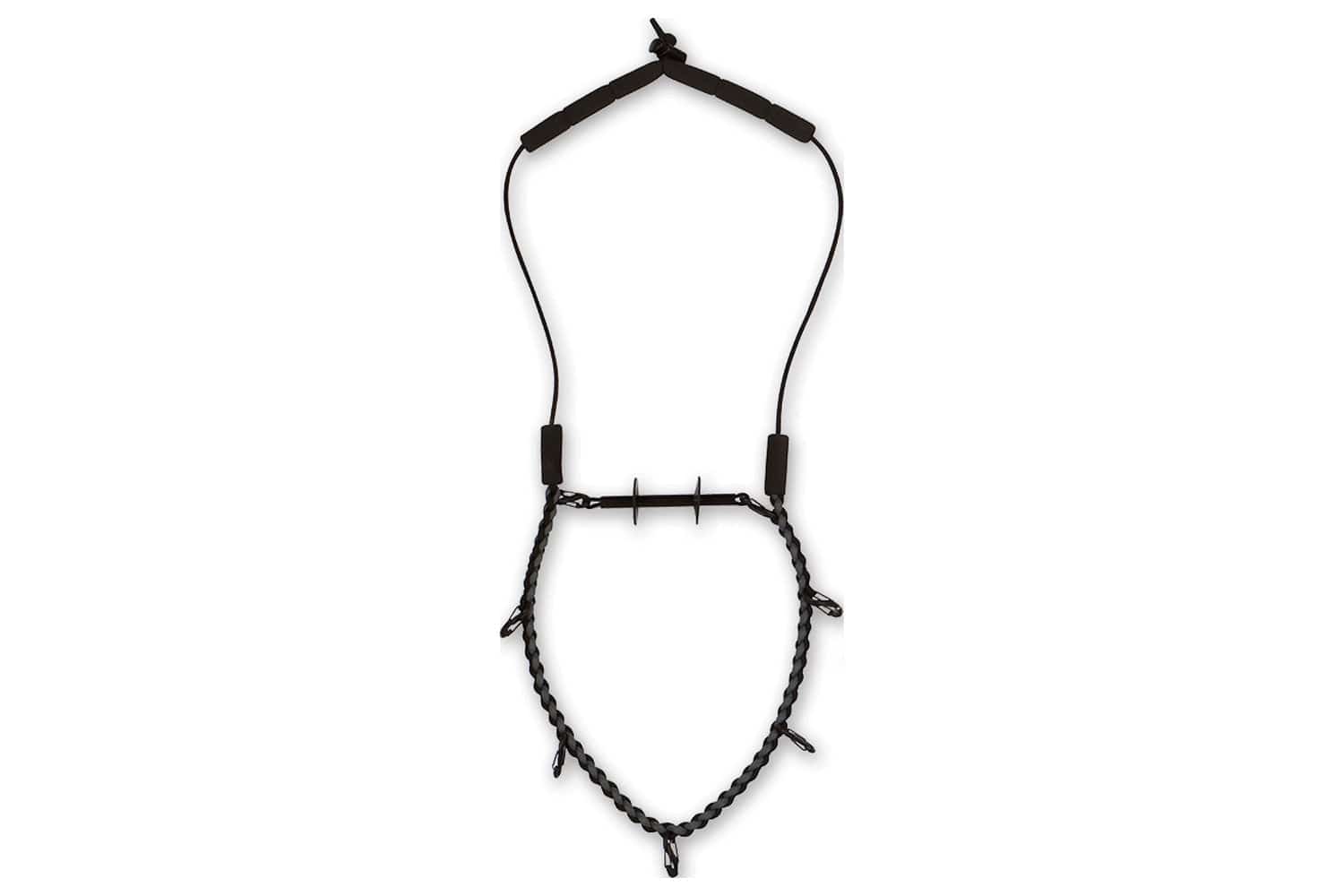
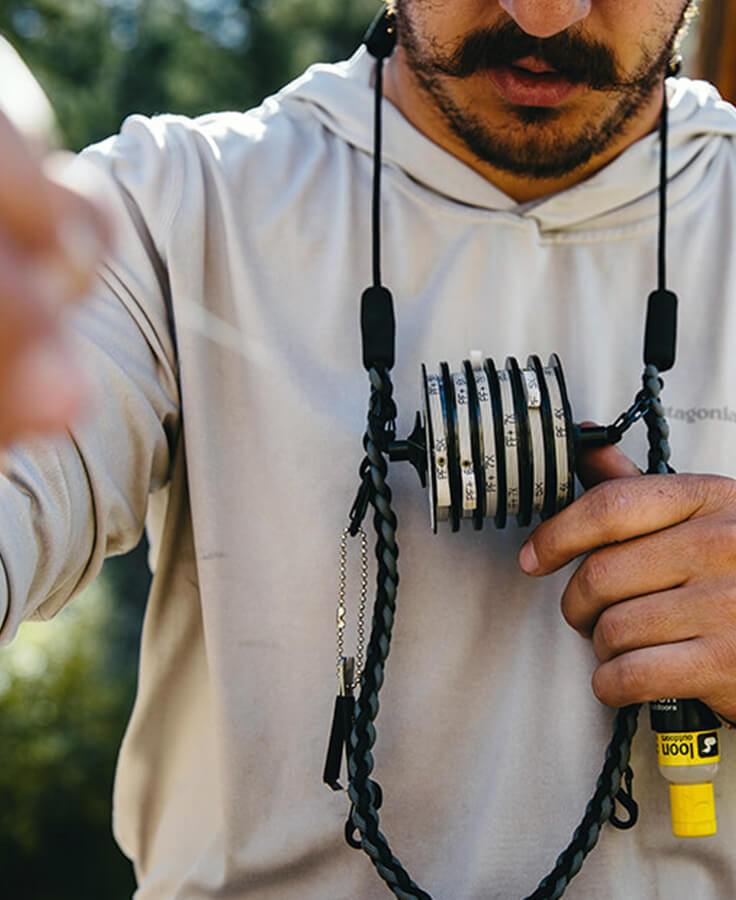
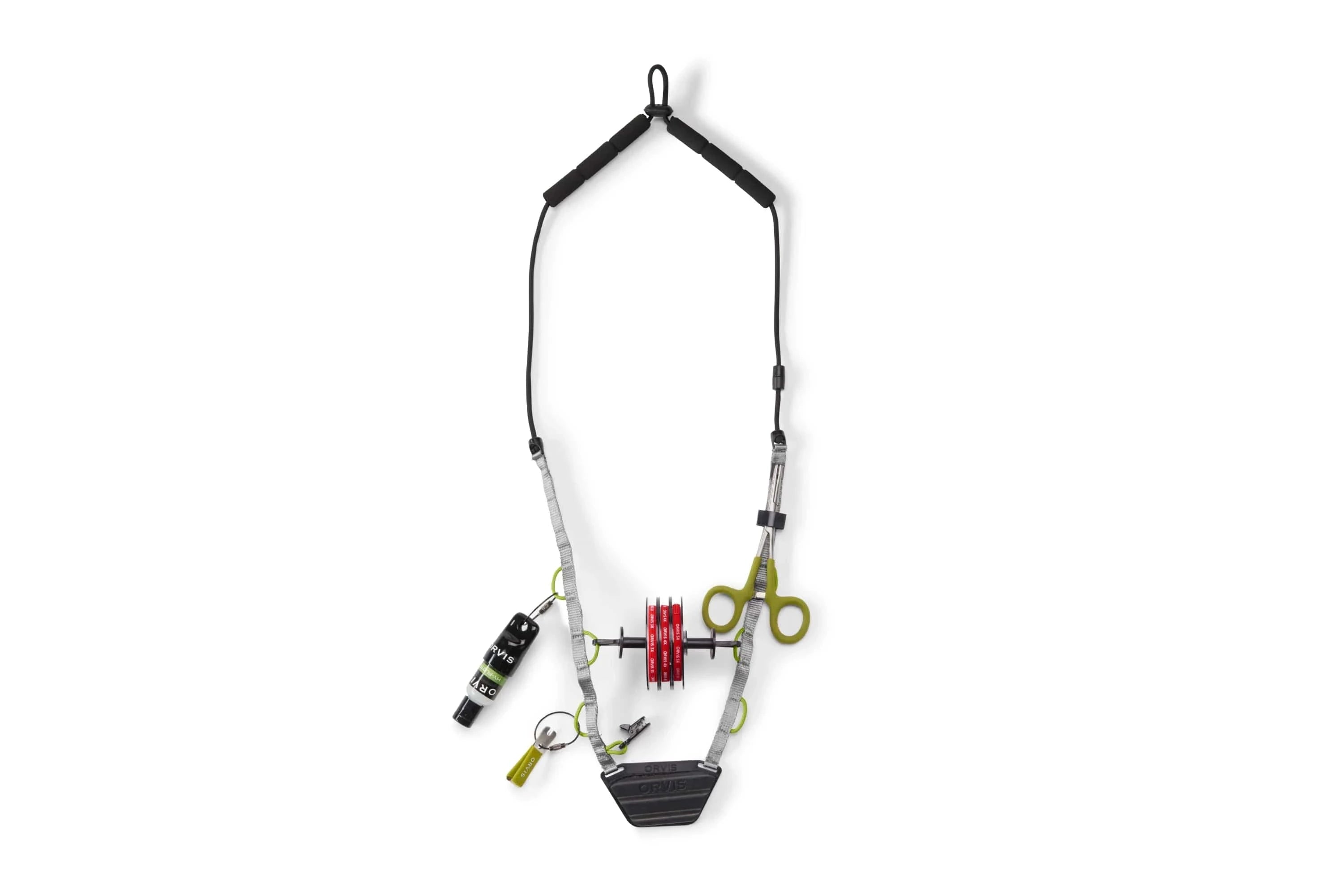
Lanyards Quick Picks
- Best All-Around: Orvis Lanyard - Built for anglers who want a clean, modular layout for everyday trout and light salt use. Flat webbing and multiple docking points help keep tools from twisting and swinging.
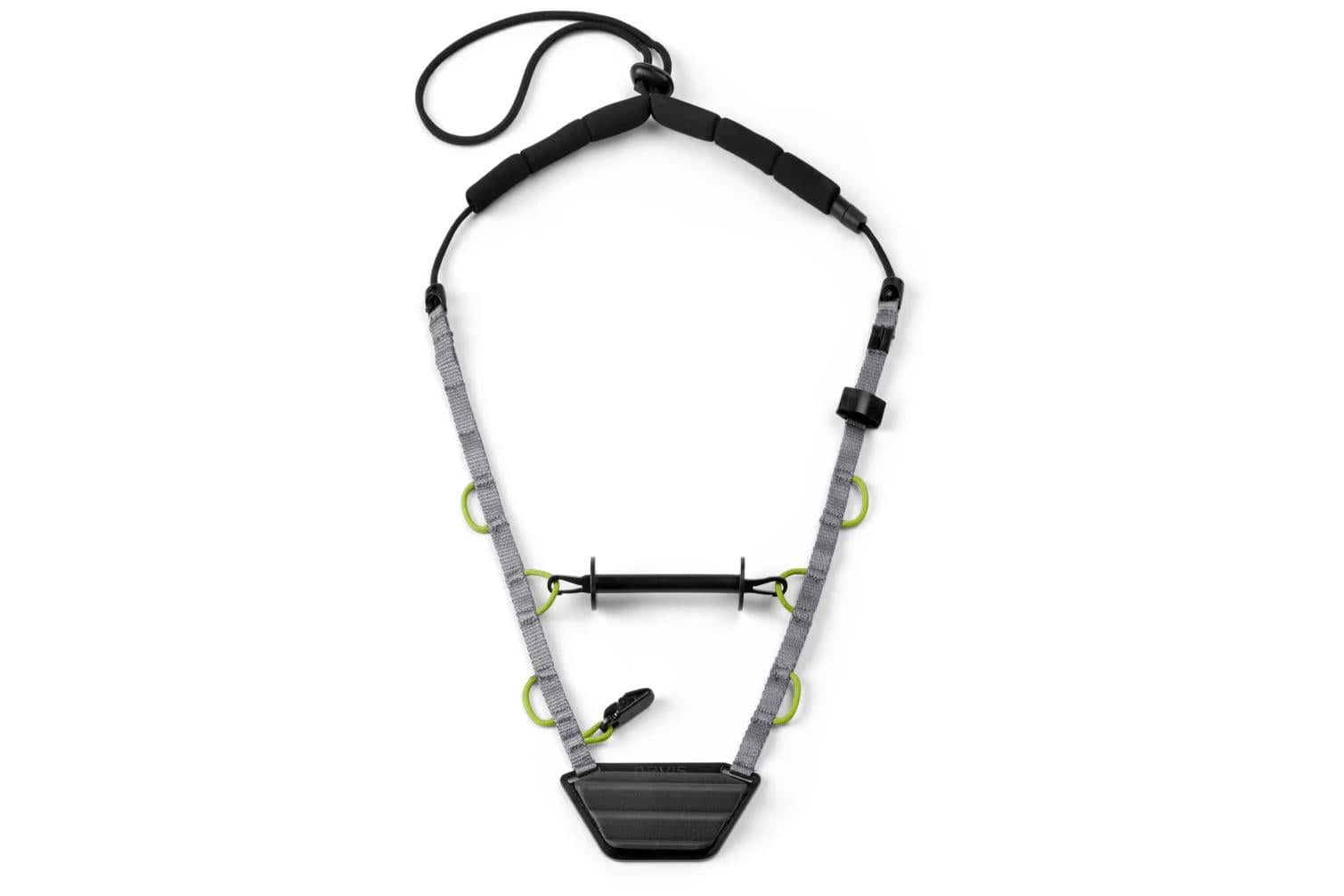
- Best Loaded Option: Orvis Loaded Lanyard - Great when you want a ready-to-fish tool system without piecing everything together. MOLLE-style webbing and multiple attachment points make it easy to add or remove tools as your day changes.
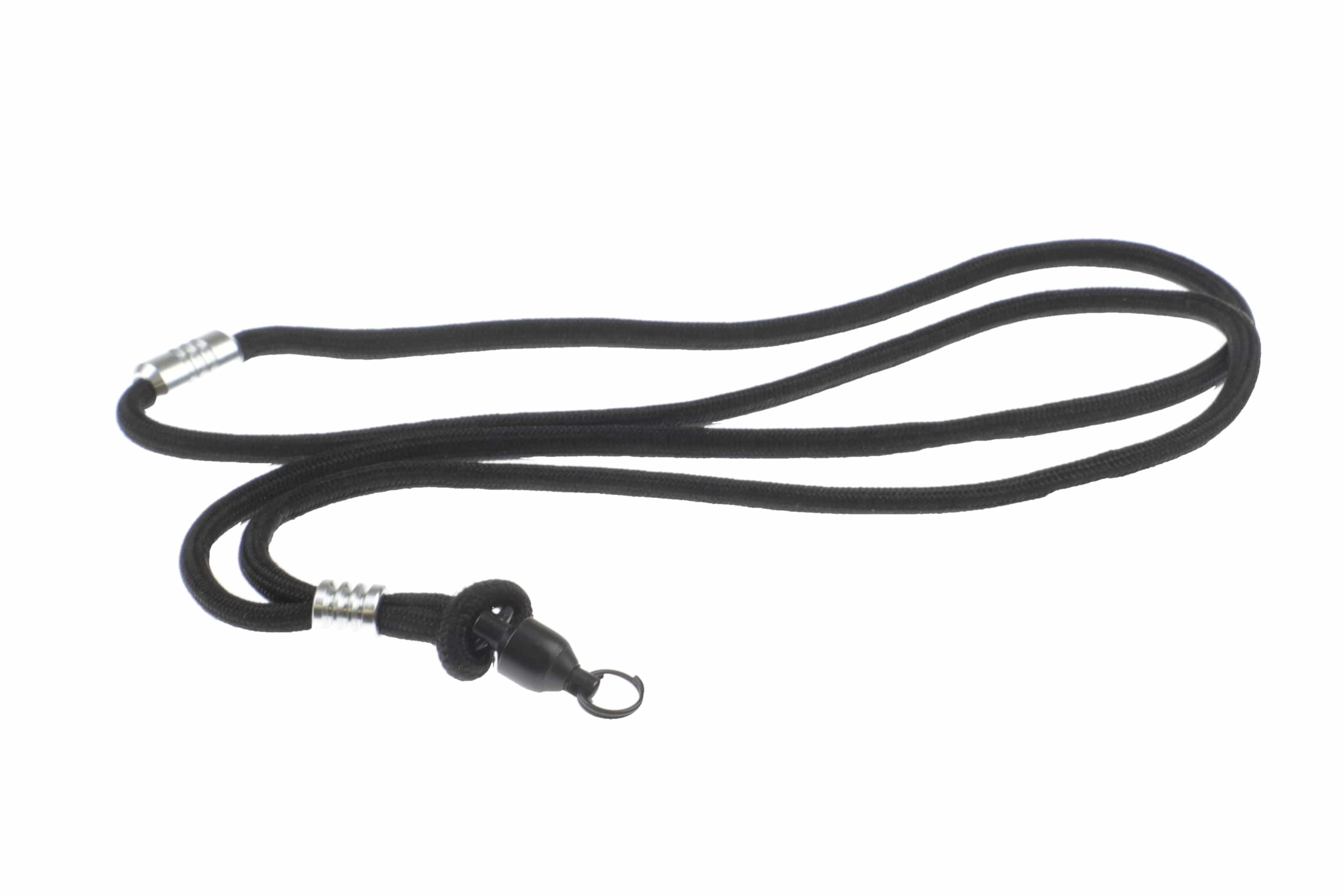
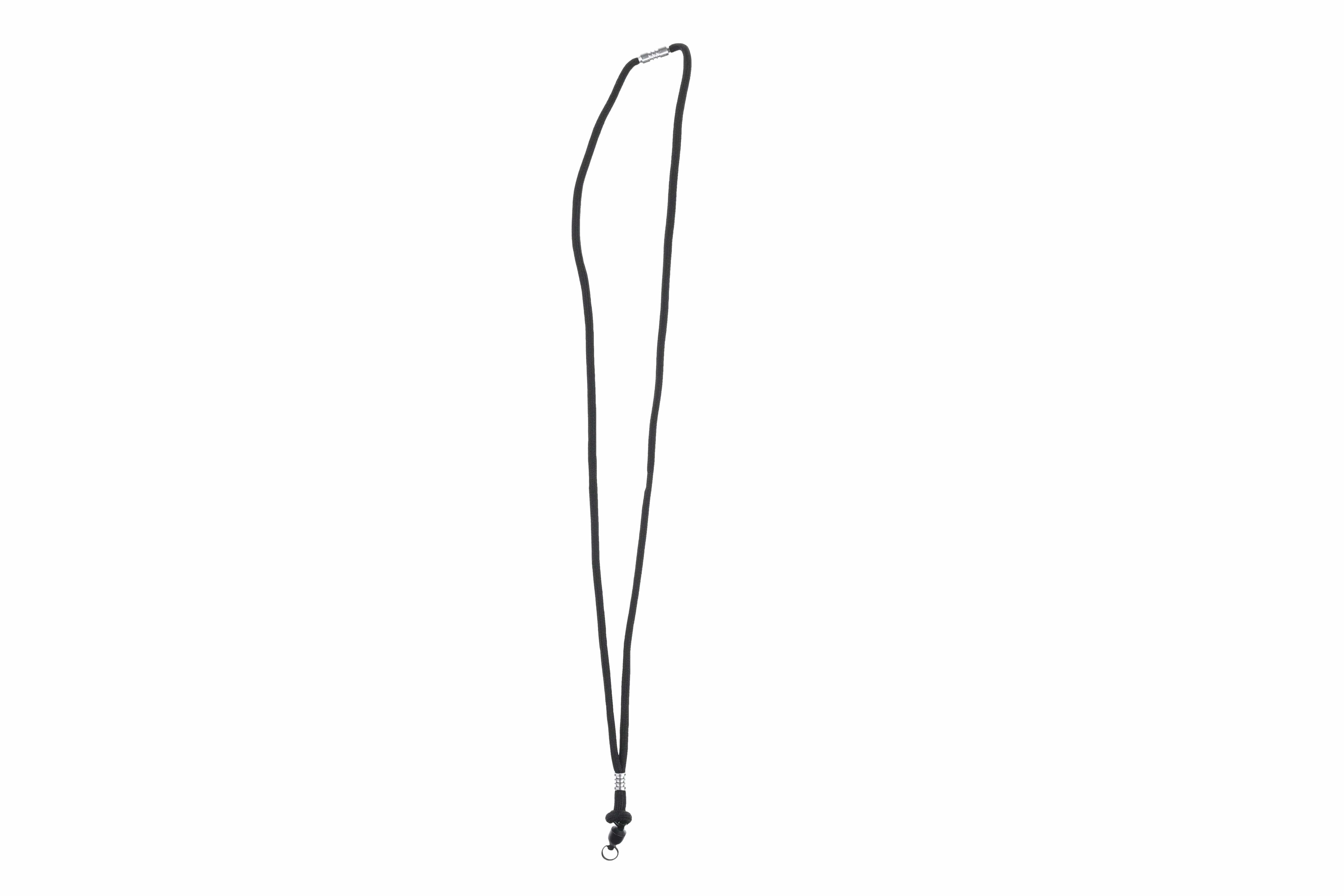
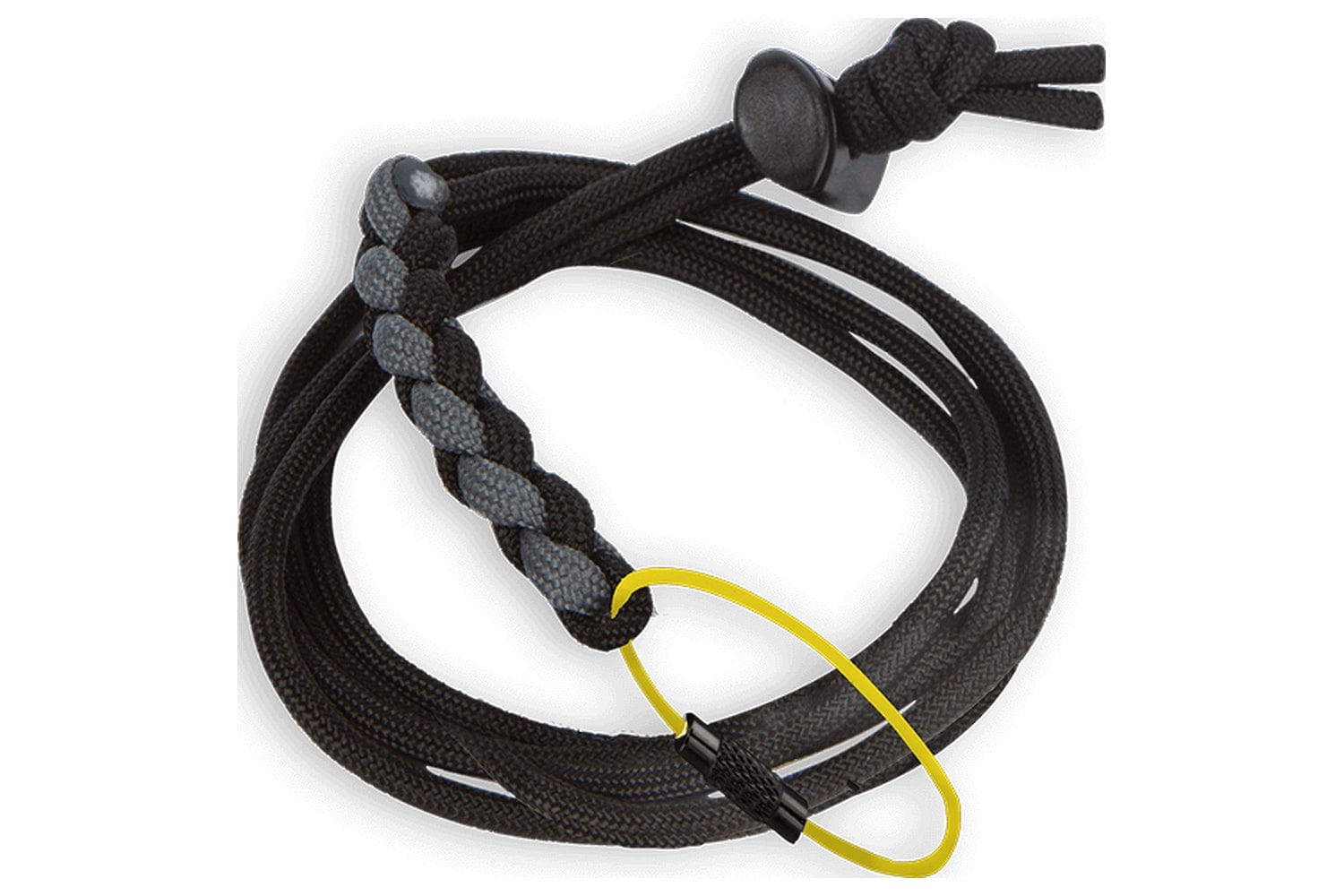
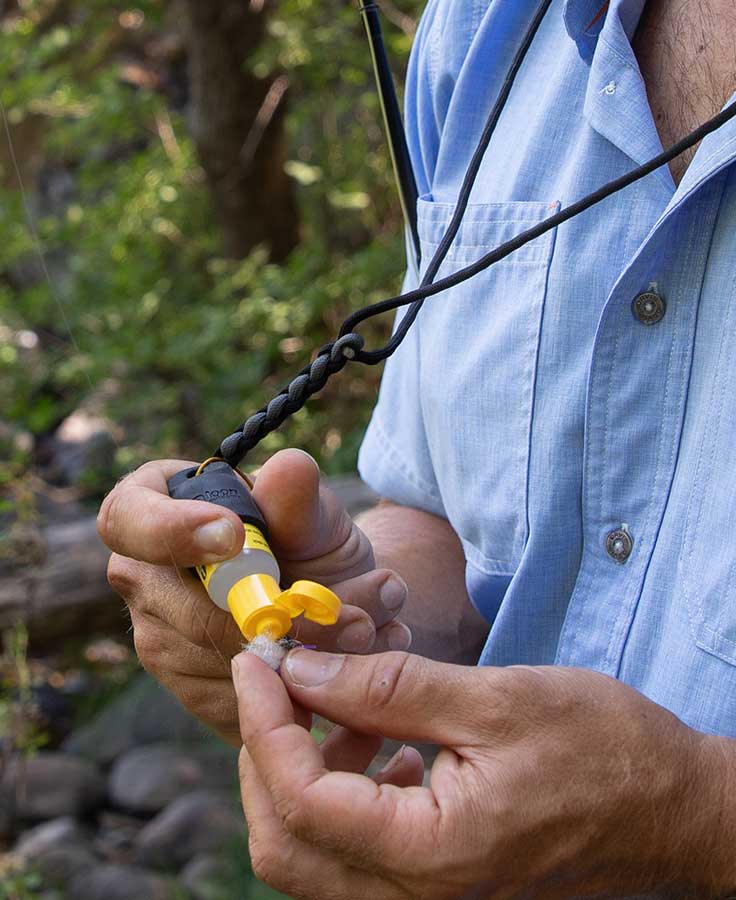
- Best Minimalist: Loon Spartan Lanyard - A good fit for anglers who only need one or two essentials close to hand (think nippers + forceps). Simple paracord construction with an adjustable barrel lock keeps it light and low bulk.
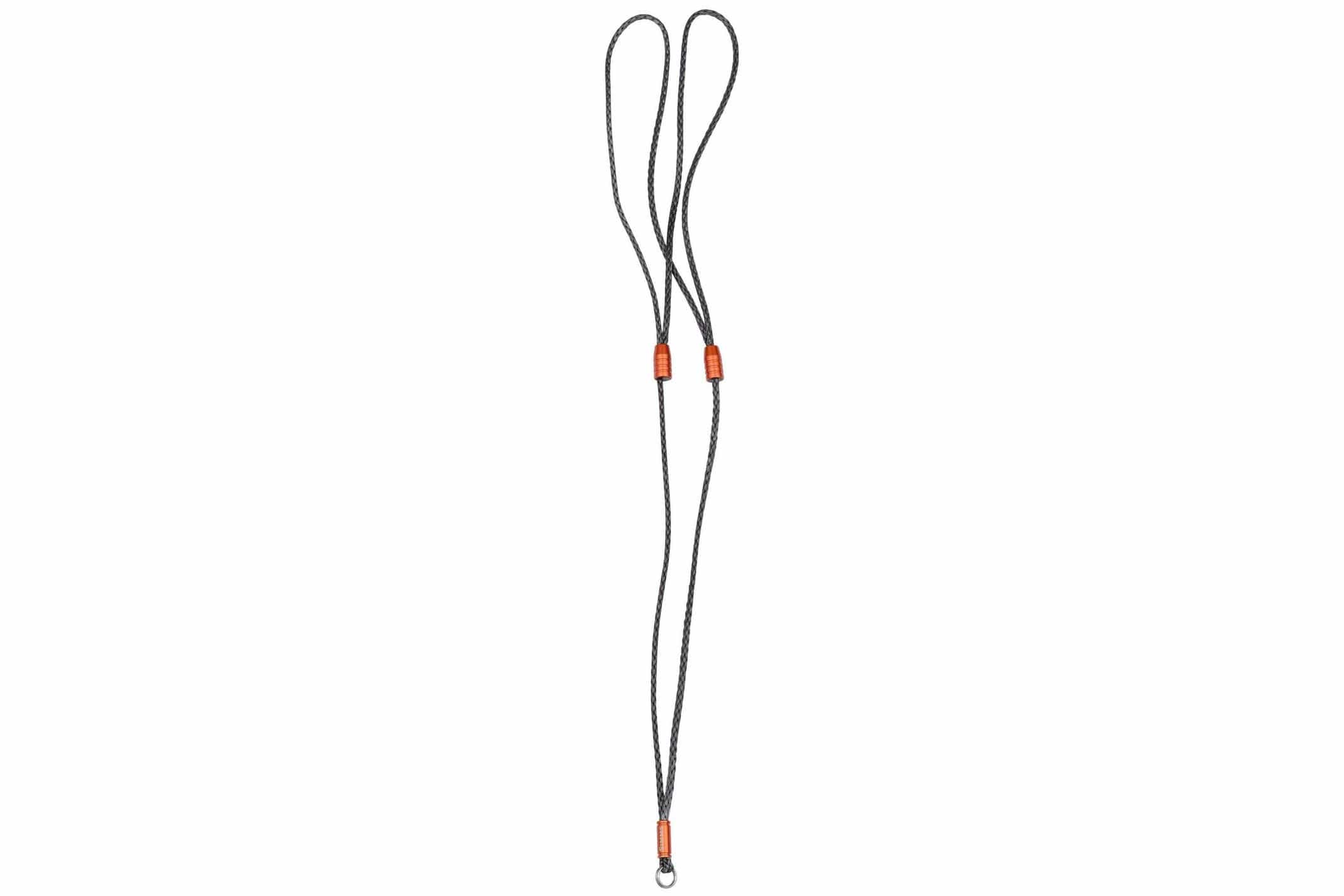
- Best Premium: Simms Guide Lanyard - Ideal if you want a streamlined, durable lanyard for a couple of high-use tools. Dyneema cord and machined hardware are built for daily wear and frequent tool access.
- Best for Tool Organization: Loon Neckvest Lanyard - A strong choice if you like multiple attachment points and want your tools to live in the same place every time. The padded neck strap and included attachment system make it easy to build a consistent “grab-and-go” setup.
How to Choose Fly Fishing Lanyards
Pick your “carry style” first (minimalist vs. modular)
Action: Decide whether you want a simple tether for one tool, or a platform for several tools.
Minimalist lanyards are best when you already wear a pack/vest and just want nippers or hemostats instantly available. Modular webbing lanyards make sense when you want a consistent layout for tippet, forceps, floatant, and a fly-drying spot.
Tool control: stop the swing and tangles
Best for: Wading deep, bending to land fish, or fishing windy banks where swinging tools get annoying fast.
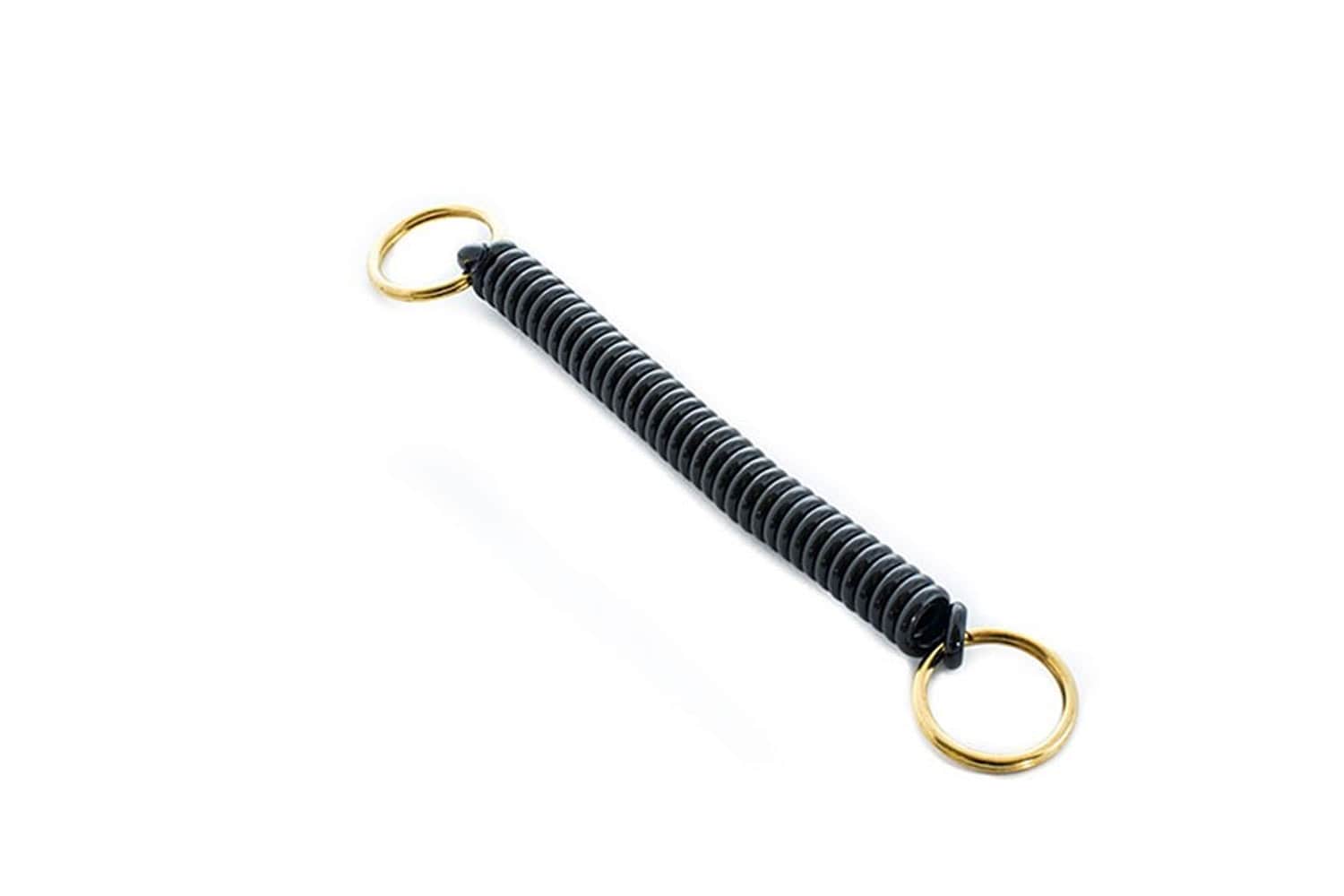
Look for features that keep tools from flopping around, flat webbing that lays against your chest, forceps docks, and secure attachment points. If you carry more than one tool, pairing a lanyard with retractors/zingers often keeps things cleaner than letting tools hang free.
Comfort matters more than you think
Avoid if: You hate anything around your neck or you fish long days in hot weather.
Heavier, “loaded” setups can feel great when organized, but they’re still weight on your neck. If you’re sensitive to that, a simpler lanyard (or moving tools onto your pack straps) can be the better call.
Freshwater vs. saltwater use
If you fish brackish or salt often, prioritize corrosion-resistant hardware and rinse everything after the trip. Even the best lanyard is only as reliable as the clips, split rings, and tool connections you hang off it.
Materials & Durability
- After each trip: Rinse your lanyard and attached tools with fresh water if they saw salt, sand, or gritty silt.
- Drying: Hang-dry fully before storing to reduce corrosion on split rings, clips, and tool pivots.
- Check connections: Inspect split rings, cord knots, and attachment points periodically, especially if you tether expensive tools.
- Keep it simple: Carry the tools you truly use; too many attachments increases tangles and reduces efficiency.
Complete Your Setup
Related Gear
- Nippers & Zingers - Add a sharp cutter and a reliable retractor so your most-used tool is always where you expect it.
- Pliers & Forceps - Hemostats/forceps are the other “always-used” tool that pairs perfectly with a lanyard.
- Weights, Indicators & Floatants - Floatant and split shot are common lanyard items for quick rig changes and fly maintenance.
- Chest Packs - If you want the accessibility of a lanyard but prefer weight off your neck, a chest pack is a great alternative.
Related Guides
Lanyards FAQs
Q: What is a fly fishing lanyard used for?
A: A fly fishing lanyard is a neck-worn organizer that keeps key tools, like nippers and forceps, easy to reach. The goal is faster rigging and fewer dropped tools when things get busy.
Q: Are lanyards better than a vest or sling pack?
A: They’re different tools. Lanyards excel at keeping 2, 6 small items immediately accessible, while packs and vests carry the rest of your kit (fly boxes, leaders, rain gear, and so on).
Q: What tools should I put on my lanyard?
A: Start with nippers and forceps/hemostats. Then add only what you use every trip, floatant, a small tippet system, or a retractor, so the setup stays clean and snag-free.
Q: How do I stop my lanyard from swinging when I bend over?
A: Look for designs with flat webbing that lays against your chest and secure docking points. Keeping the load lighter (and using retractors for frequently used tools) also reduces swing.
Q: What should I look for in a lanyard for expensive tools?
A: Prioritize strong attachment points, quality hardware, and a secure split ring or tether system. If you’re carrying premium nippers or pliers, avoid weak clips and worn rings.
Q: Can I use a fly fishing lanyard in saltwater?
A: Yes, but rinse it and your tools after every saltwater day. Corrosion usually shows up first on split rings, clips, and tool pivots.
Q: Is a “loaded” lanyard worth it?
A: It can be, especially if you want a ready-to-fish setup and like your tools in consistent positions. If you already have tools you love, an unloaded lanyard may be the better match.