


Korkers Salt Sneaker Review (Field Tested)



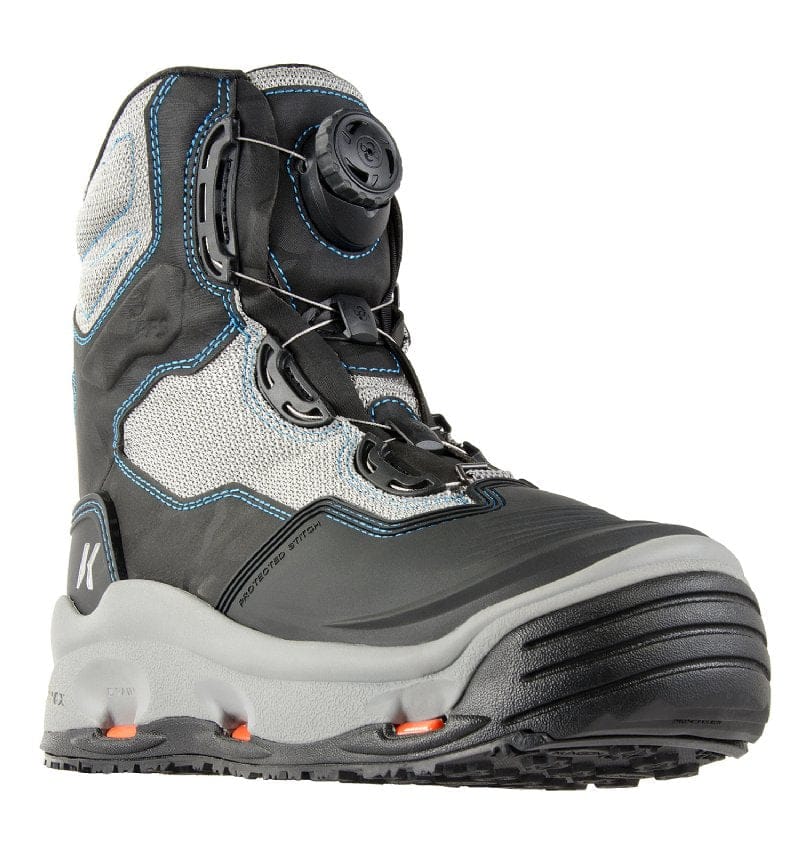
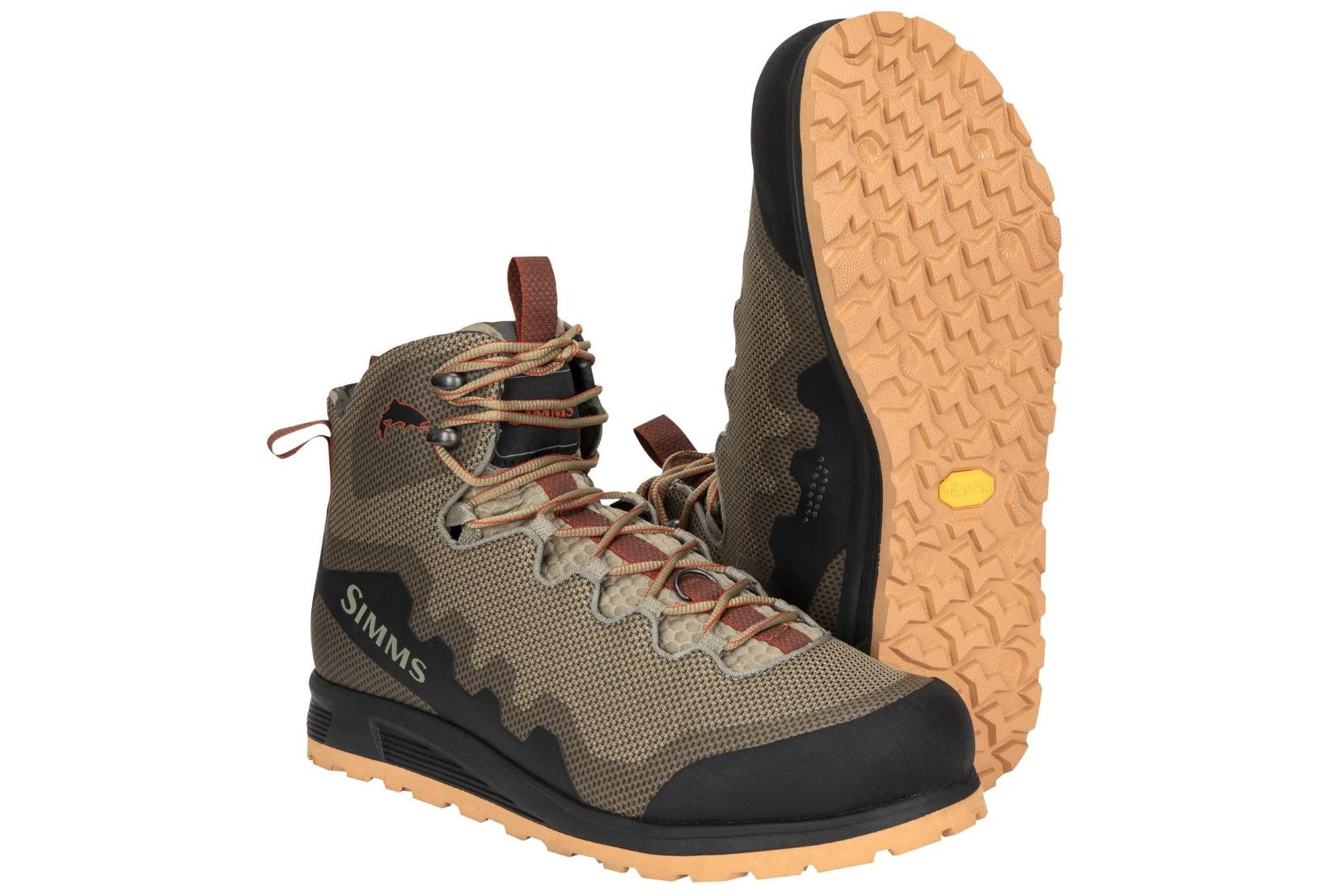
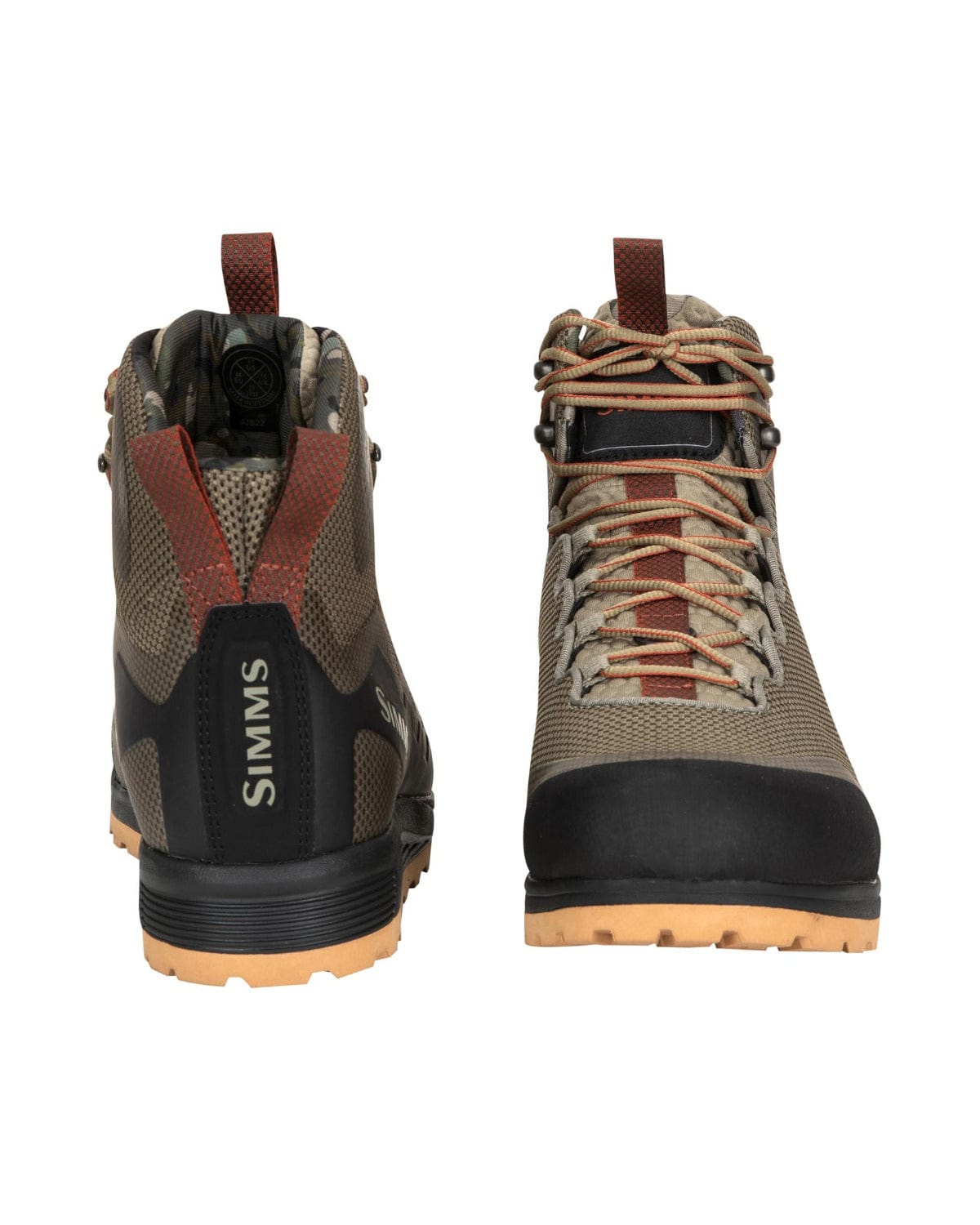
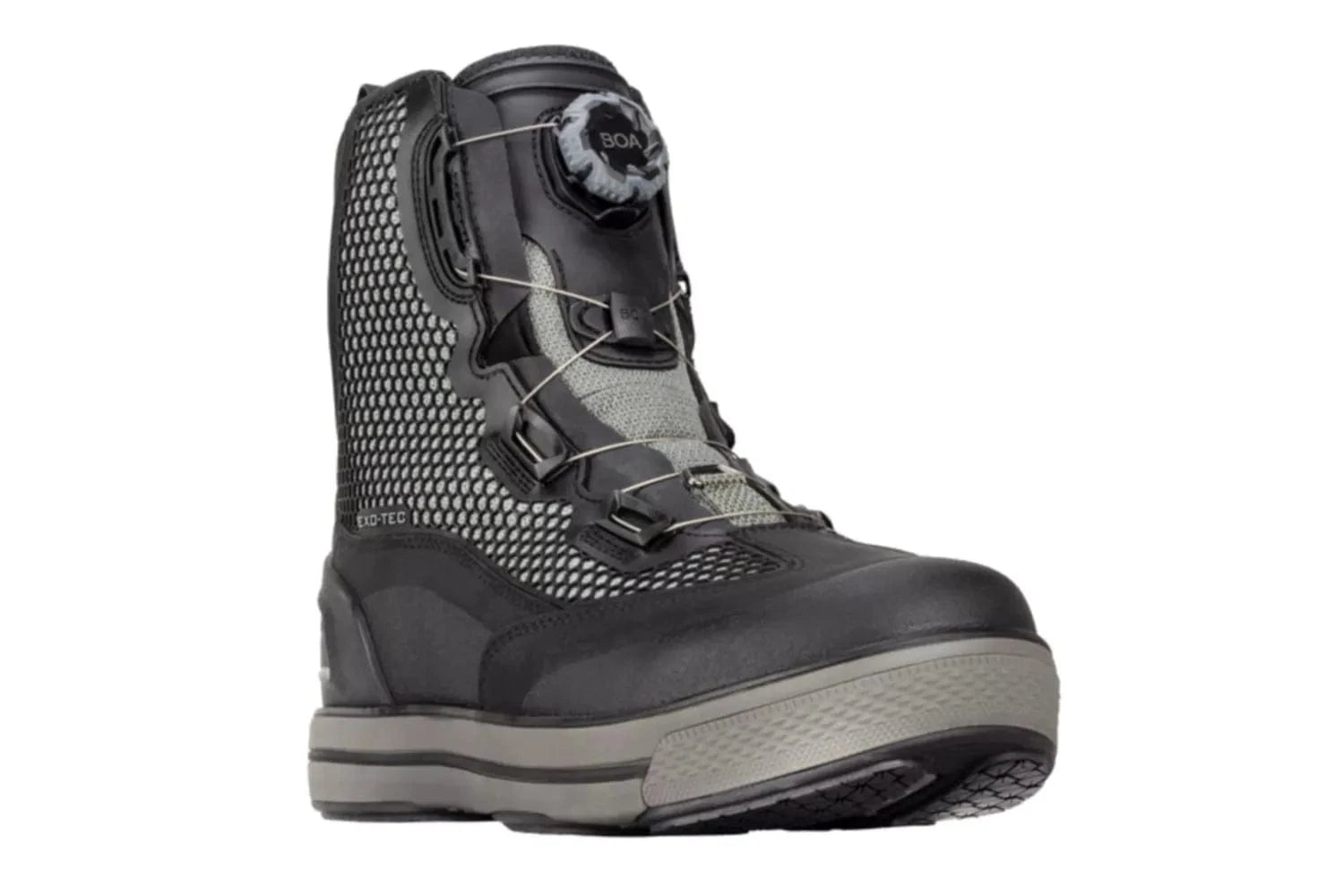
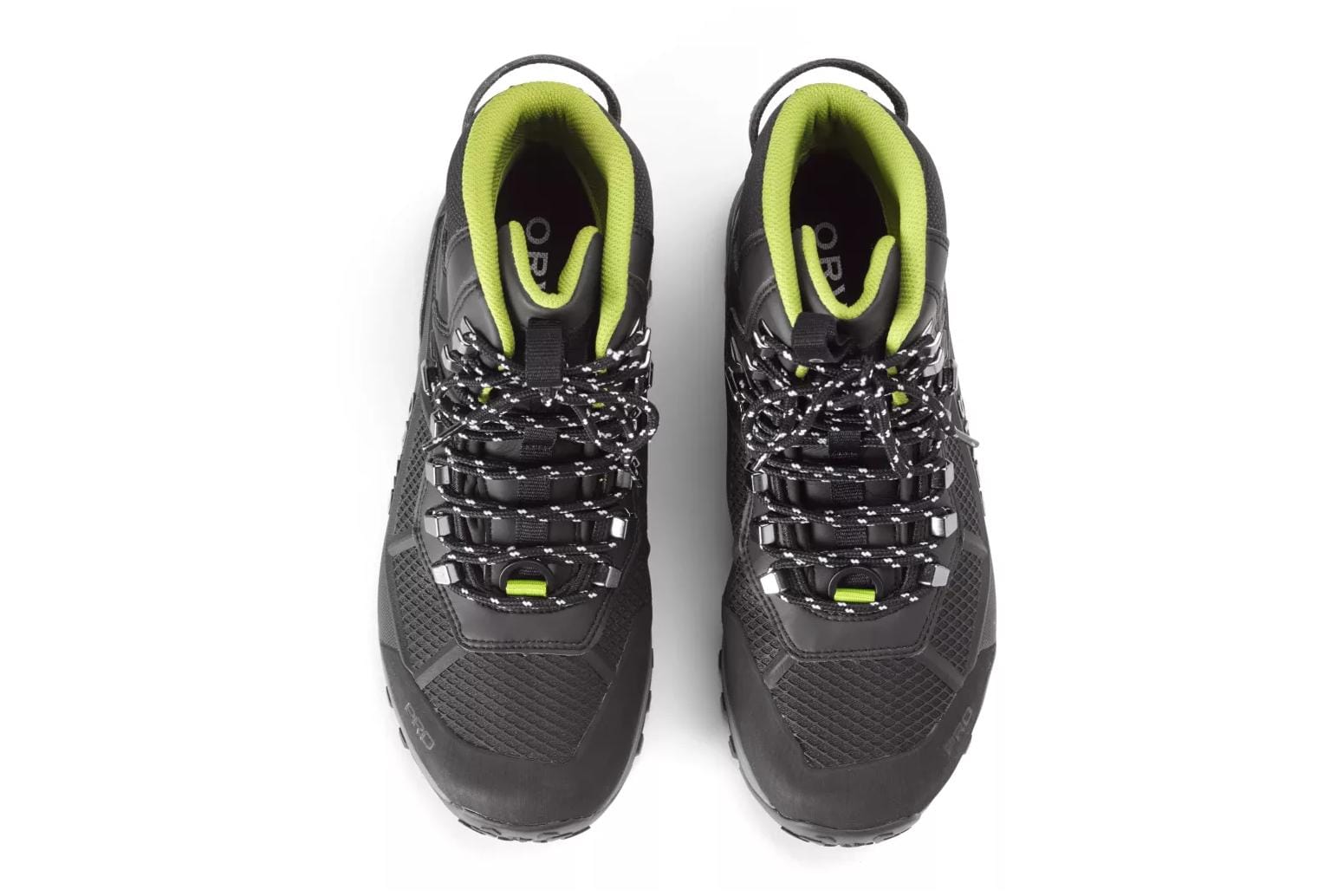


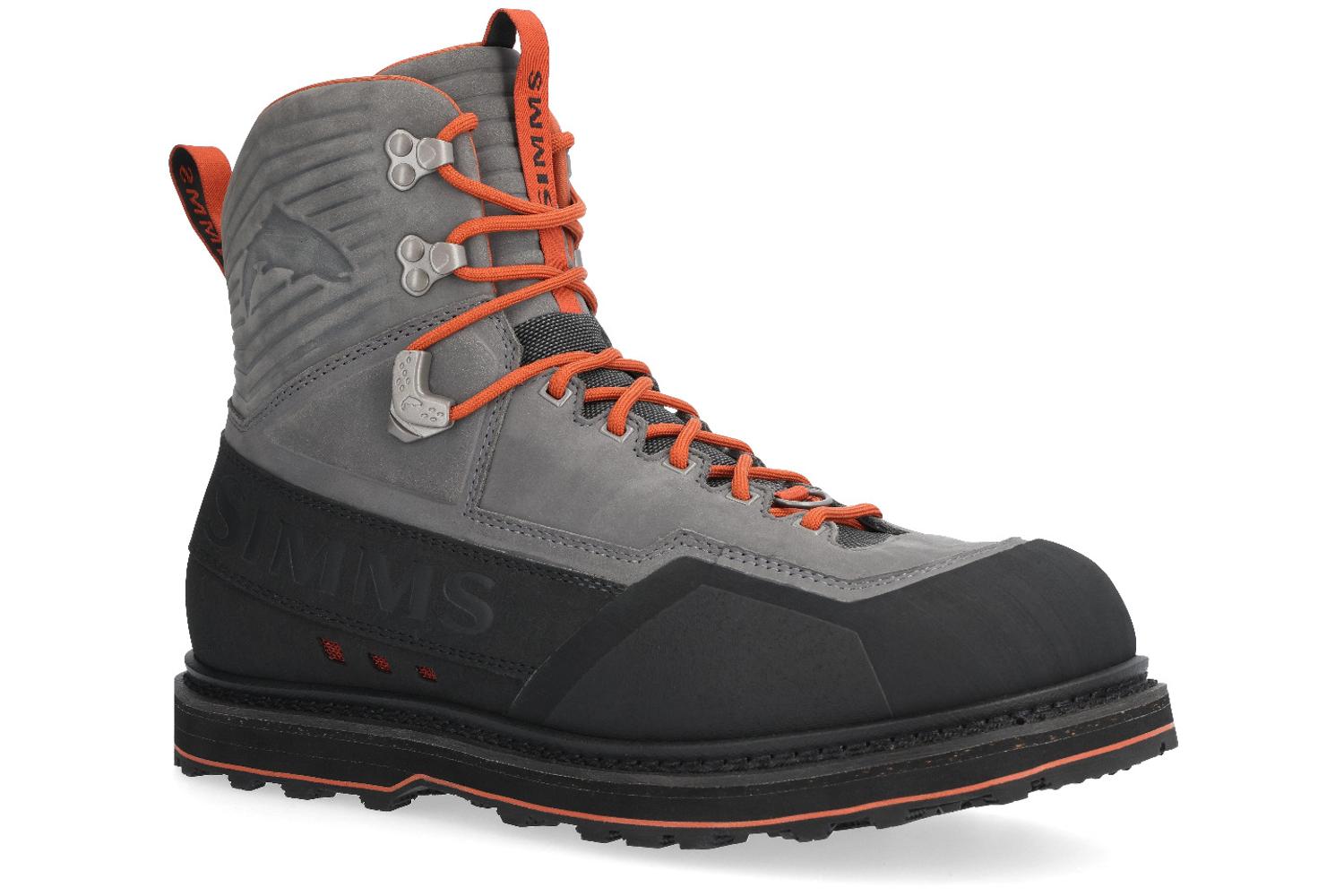
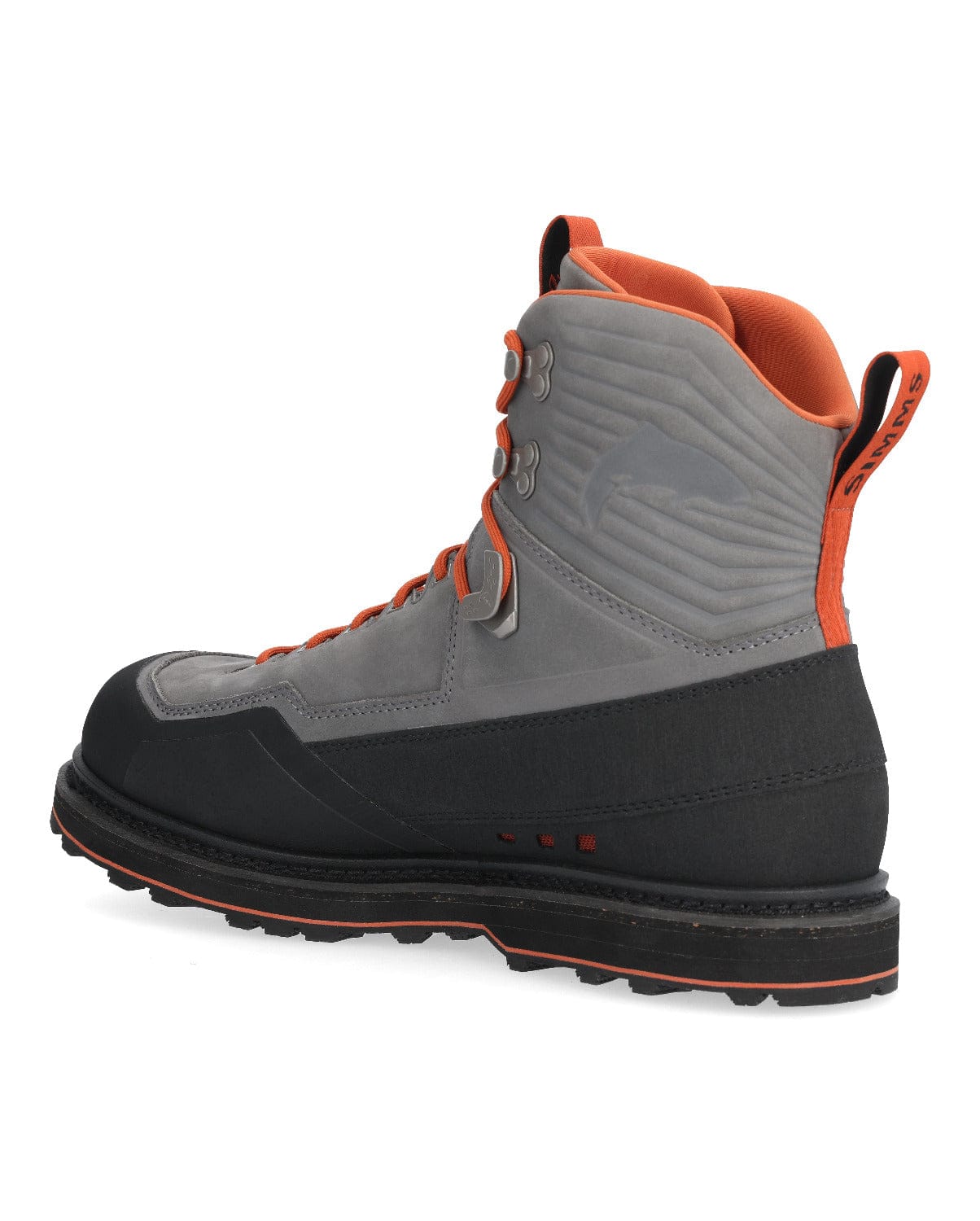


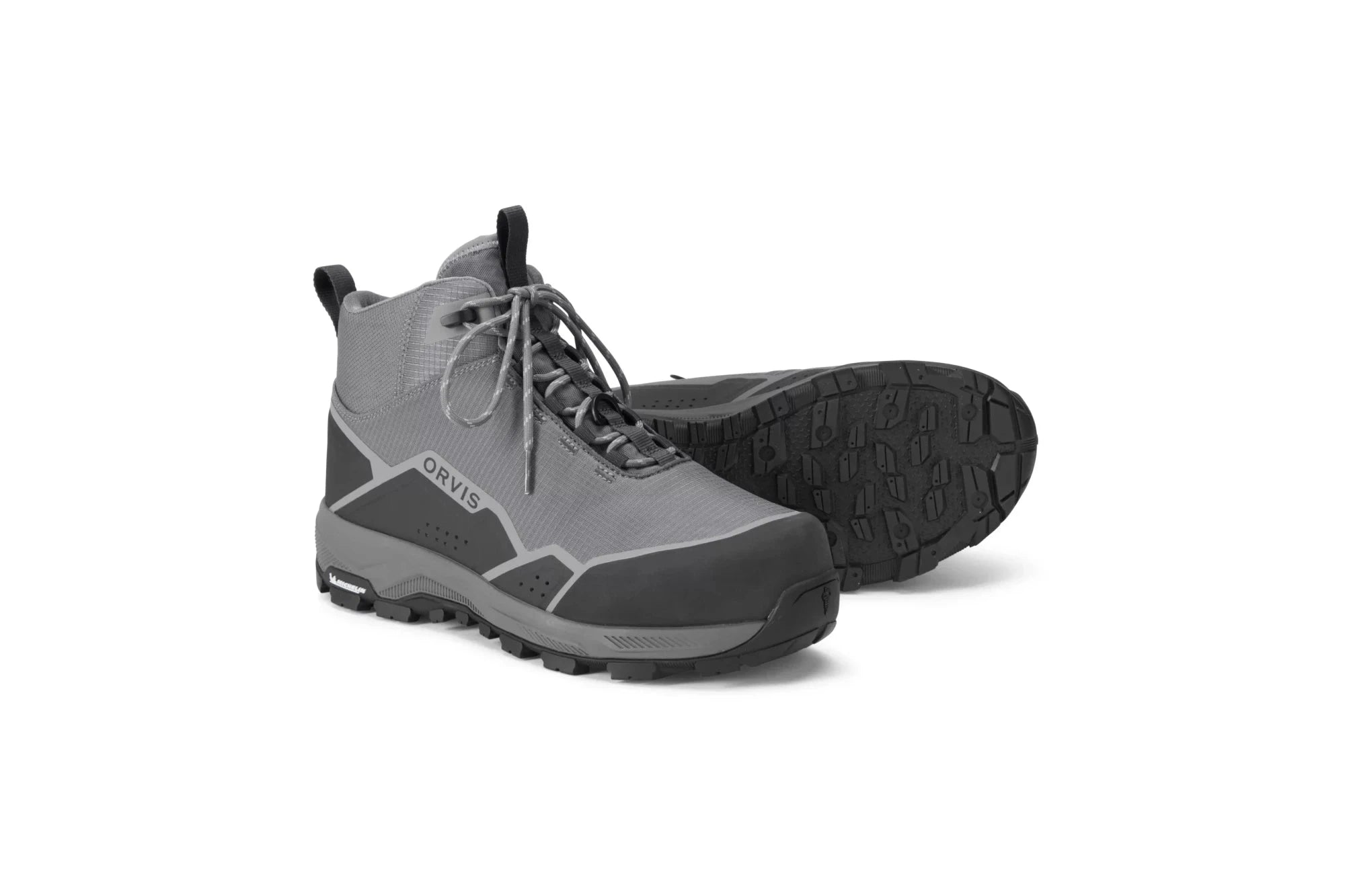



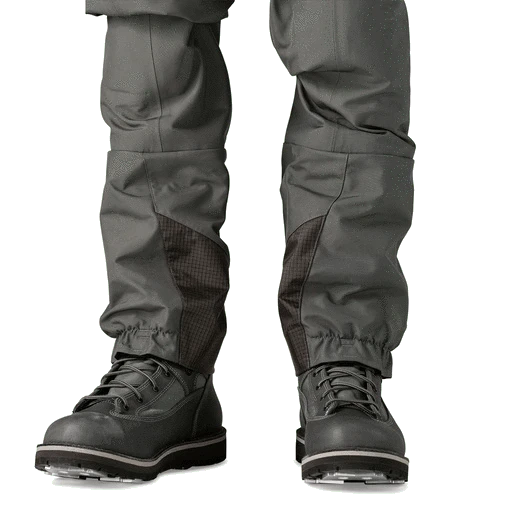


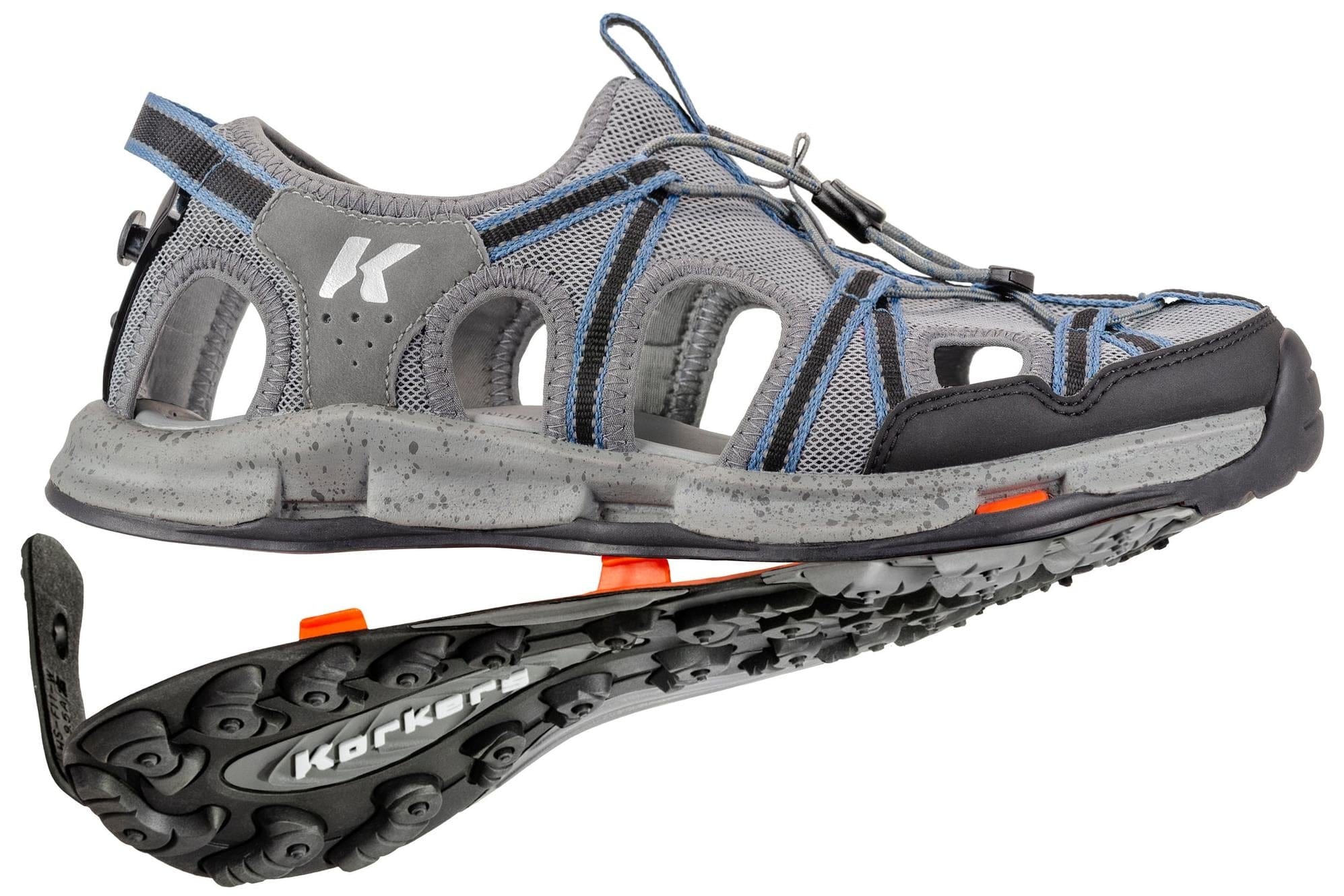
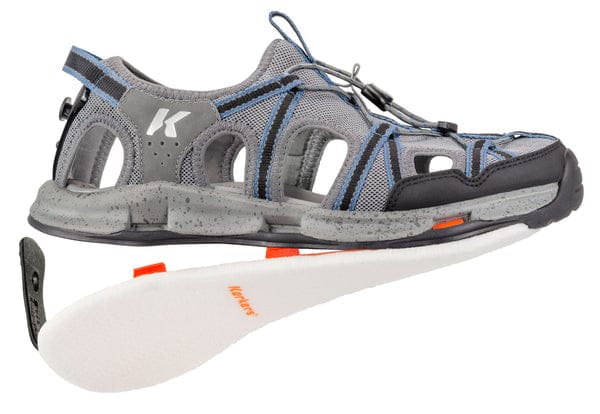


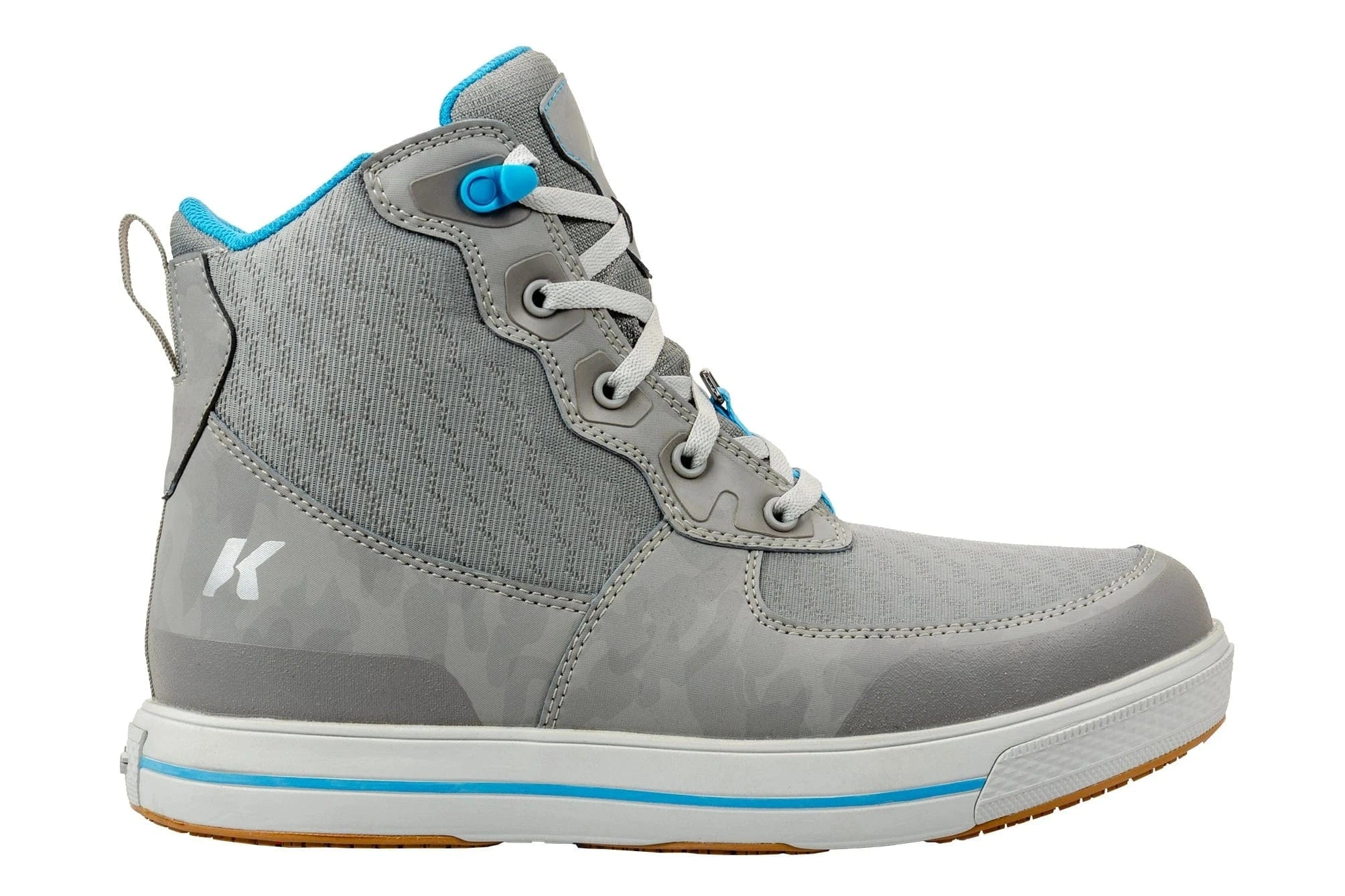
Footwear Quick Picks
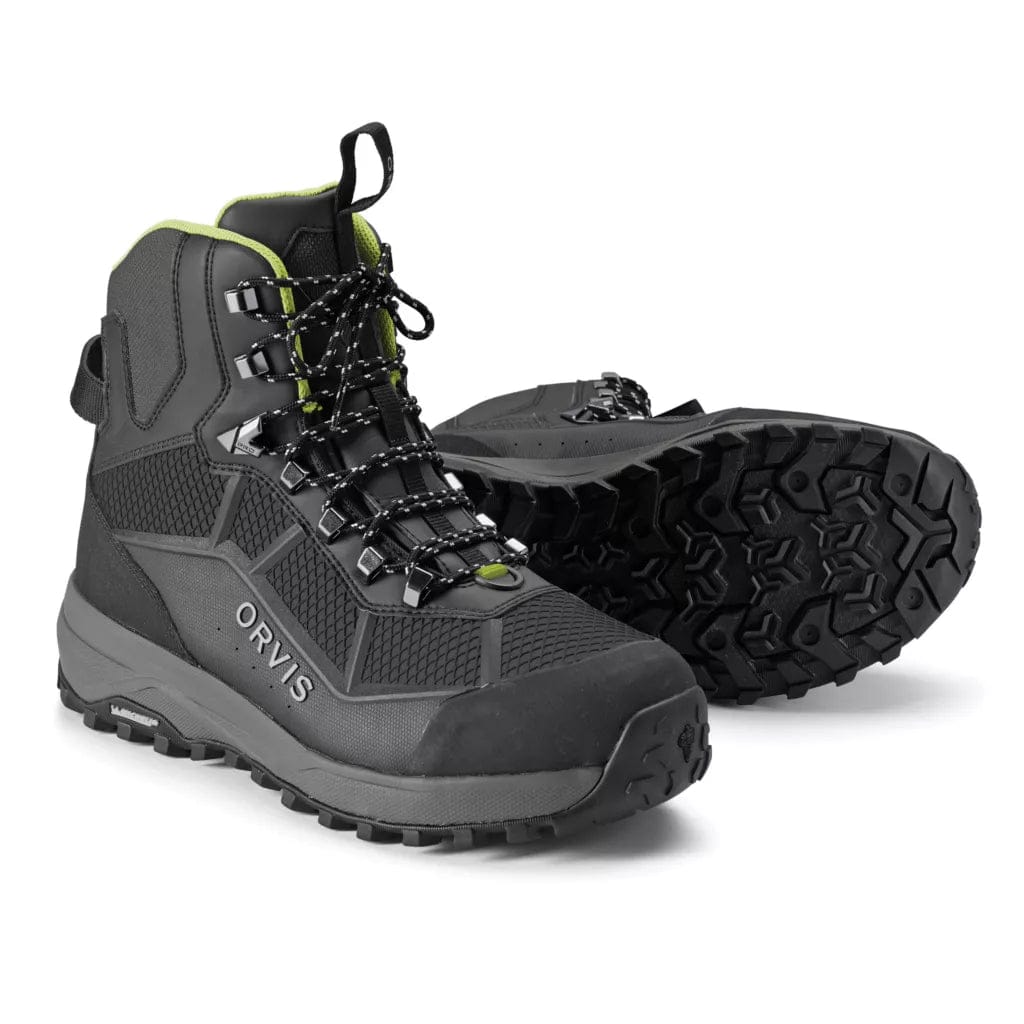
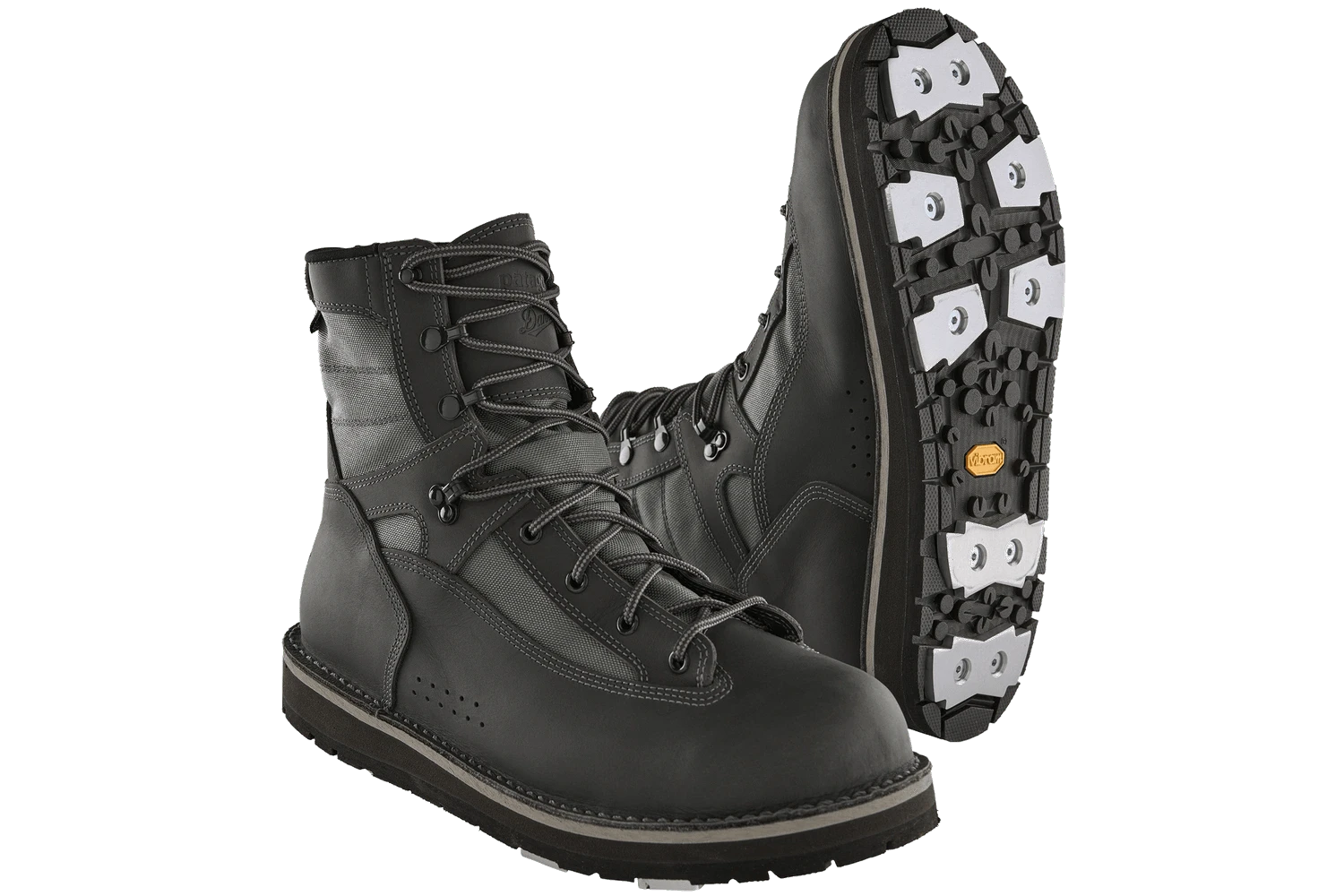
- Best All-Around: Simms Flyweight Wading Boot - For anglers who hike to water and want a lighter, lower-profile boot that still feels like a real wading boot. Vibram Idrogrip traction and a stud-compatible outsole make it a strong option for mossy, slick rocks.
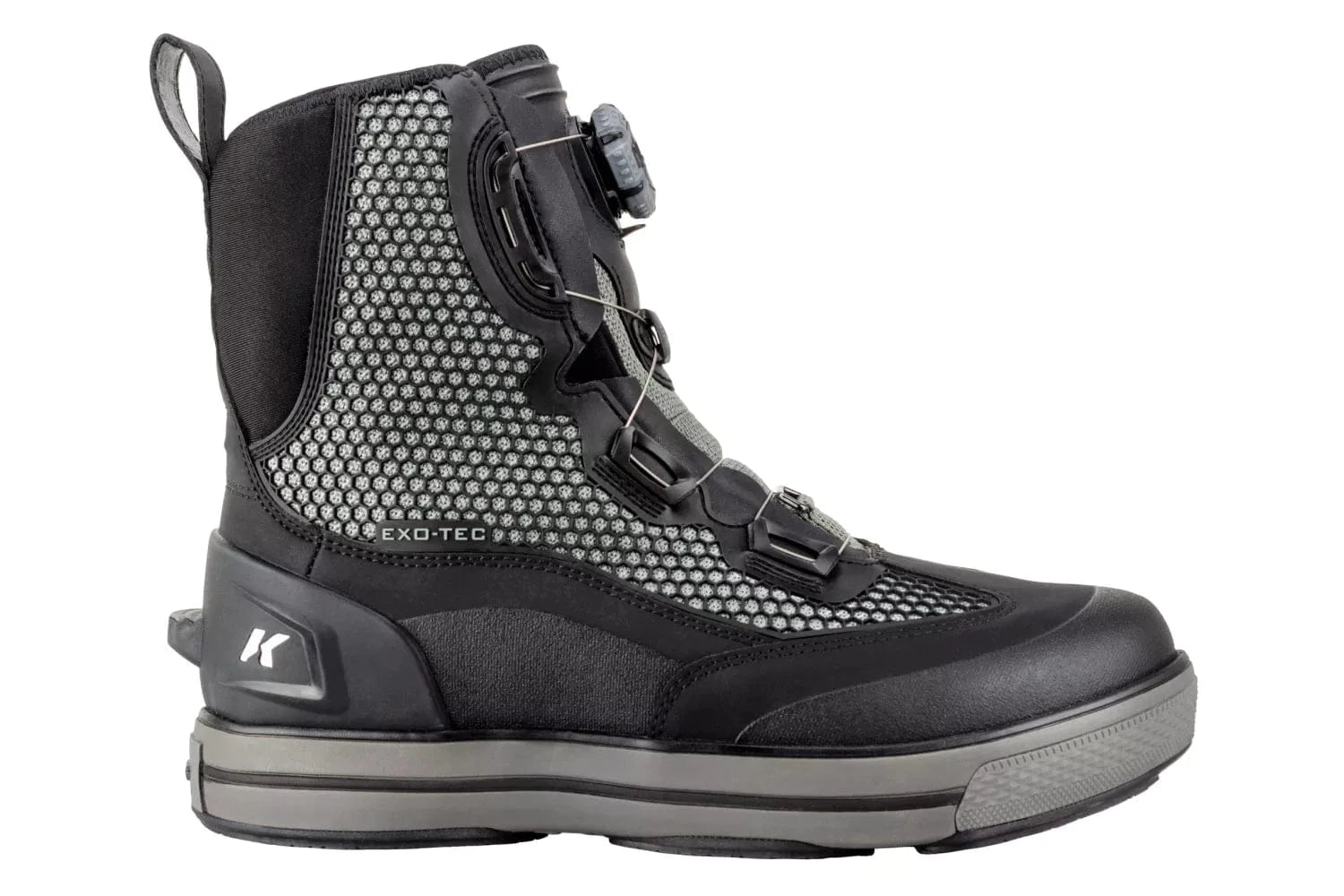
- Best Premium: Simms Guide BOA Wading Boot - For anglers who want fast, repeatable fit adjustments and solid in-river support. The BOA Fit System micro-dials tension, and the outsole is built for studs/cleats when you need extra bite.
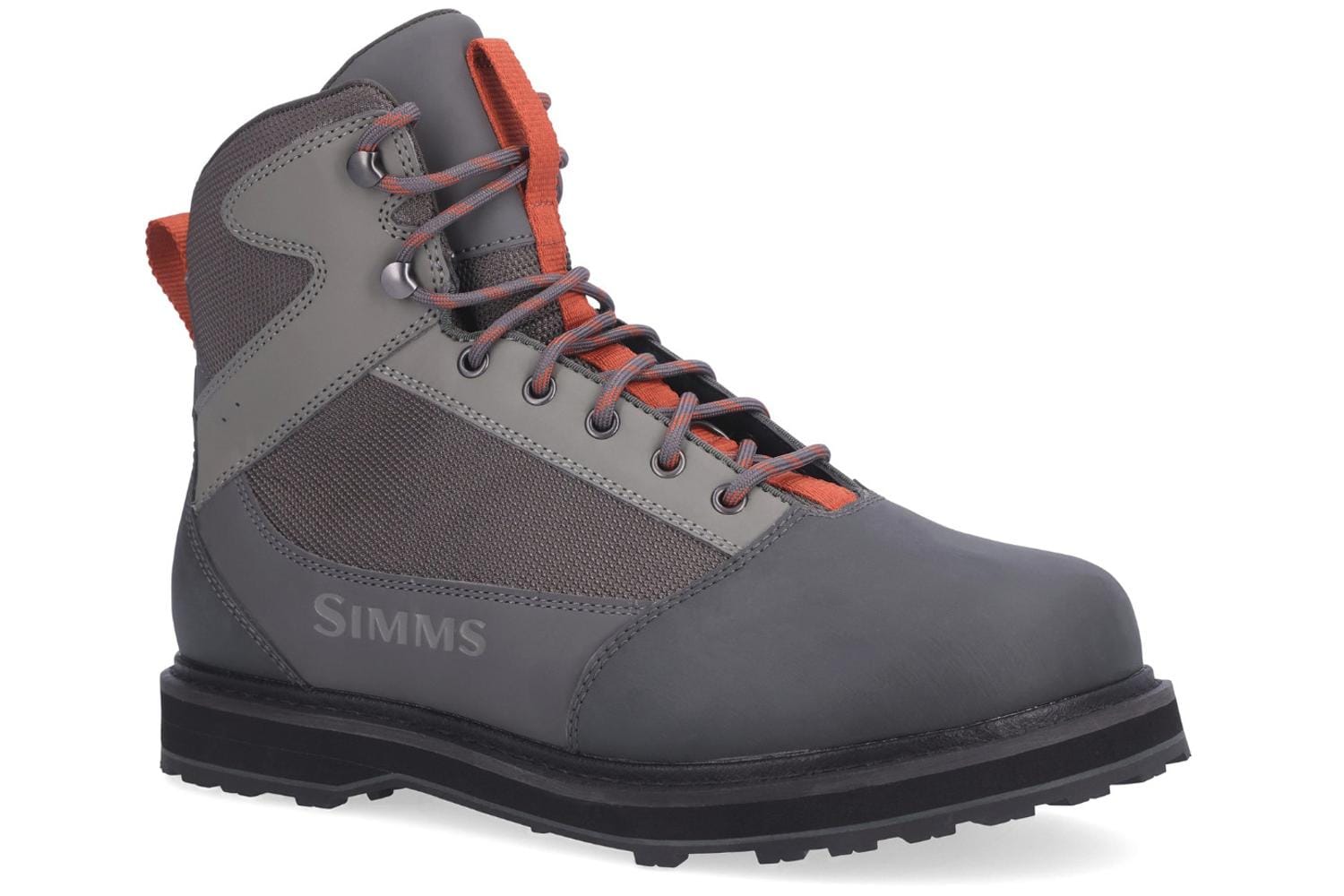
- Best Value: Simms Tributary Wading Boots - For newer anglers or anyone who needs a dependable boot without jumping to guide-grade pricing. Simple, rugged materials and proven support make it a practical “first real boot” choice.
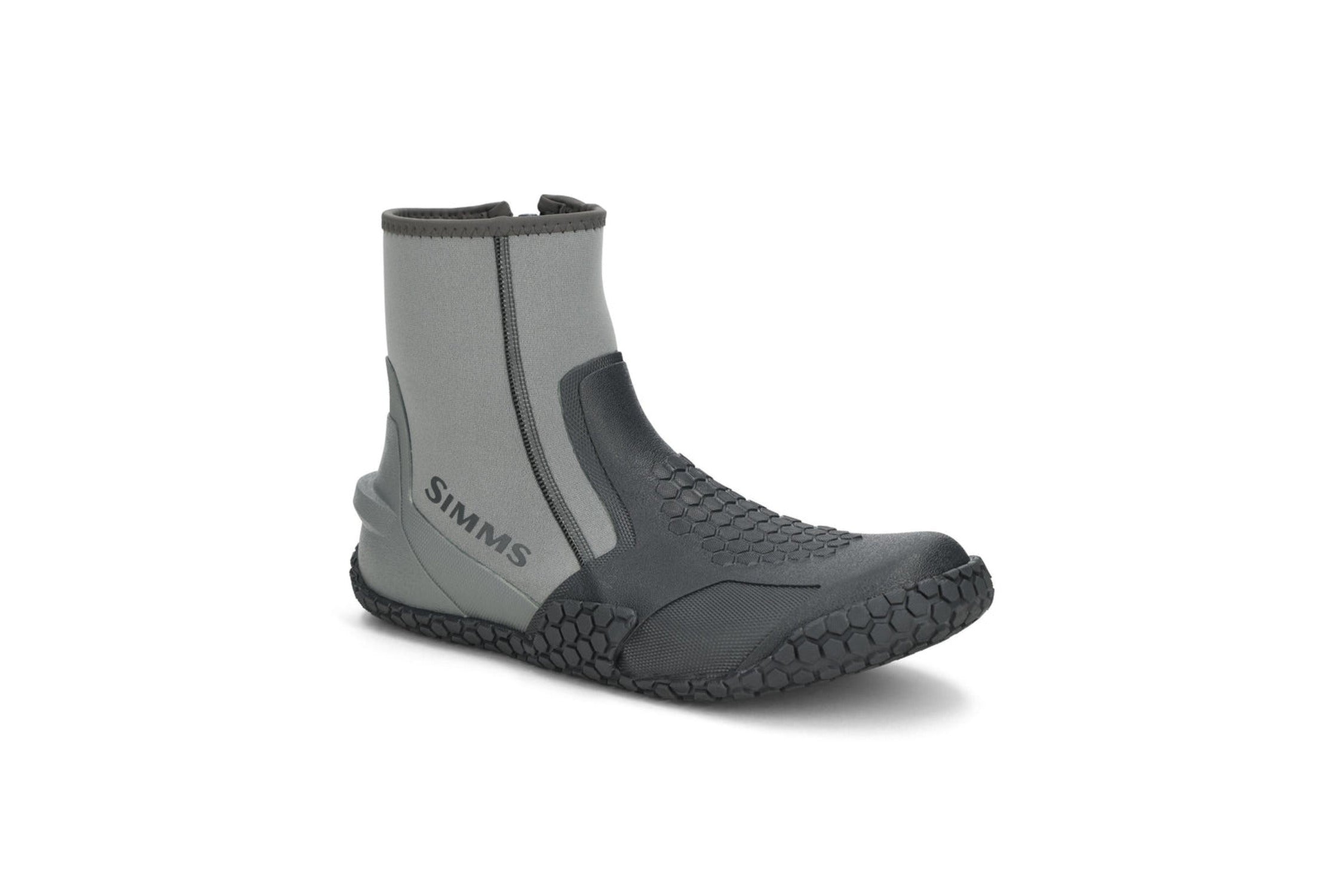
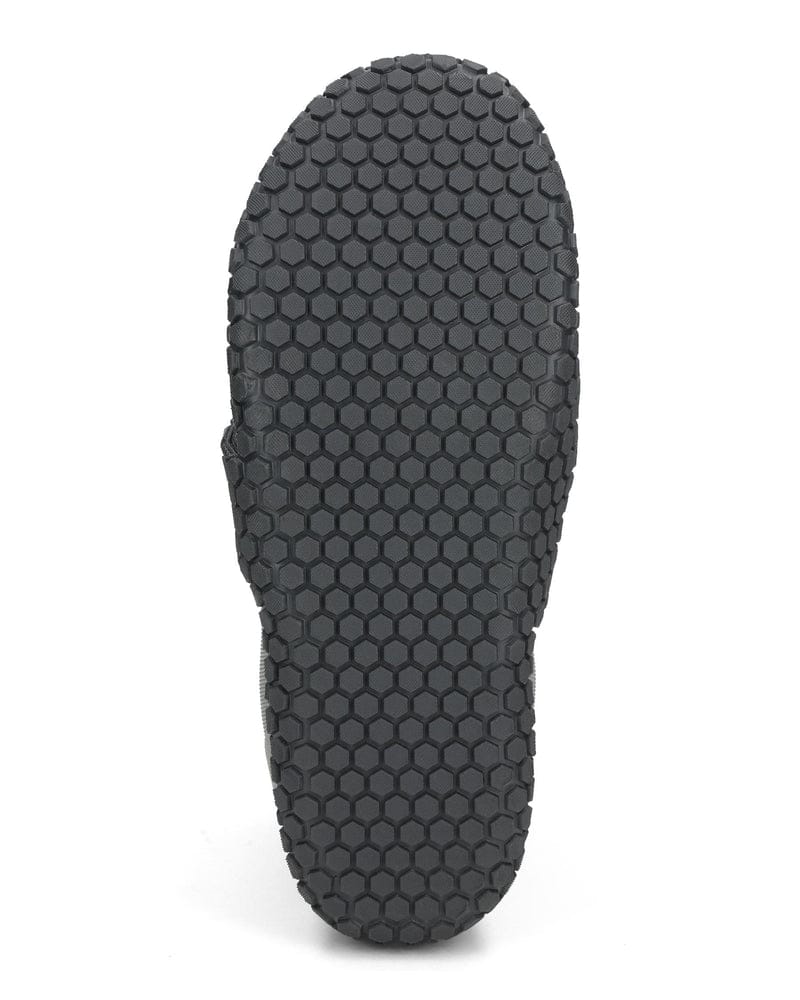
- Best for Saltwater Flats: Simms Flats Sneaker - For flats trips where you need ankle support, drainage, and boat-friendly traction. Saltwater-friendly materials and a non-marking rubber outsole help on skiffs, sand, coral, and rocky edges.
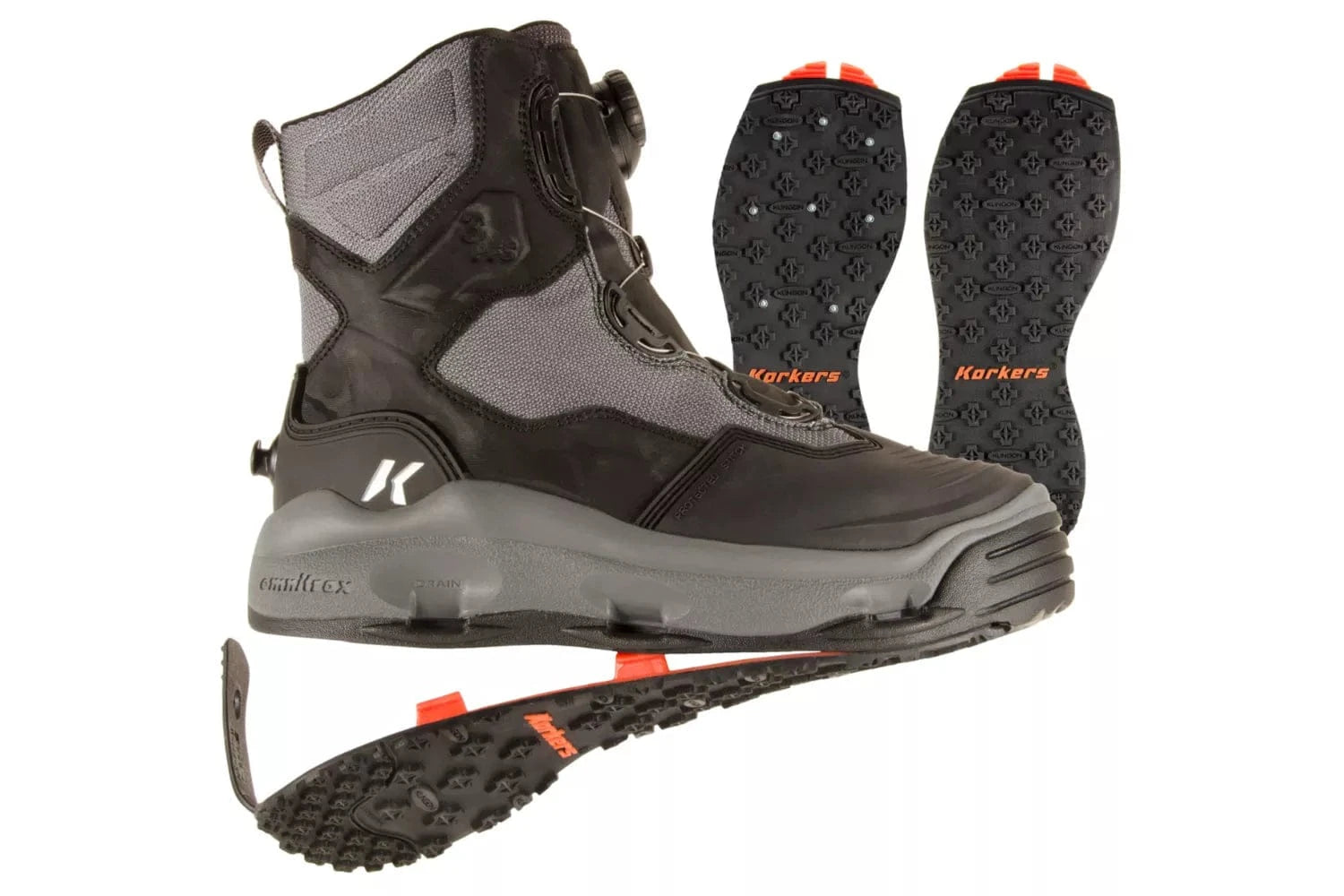
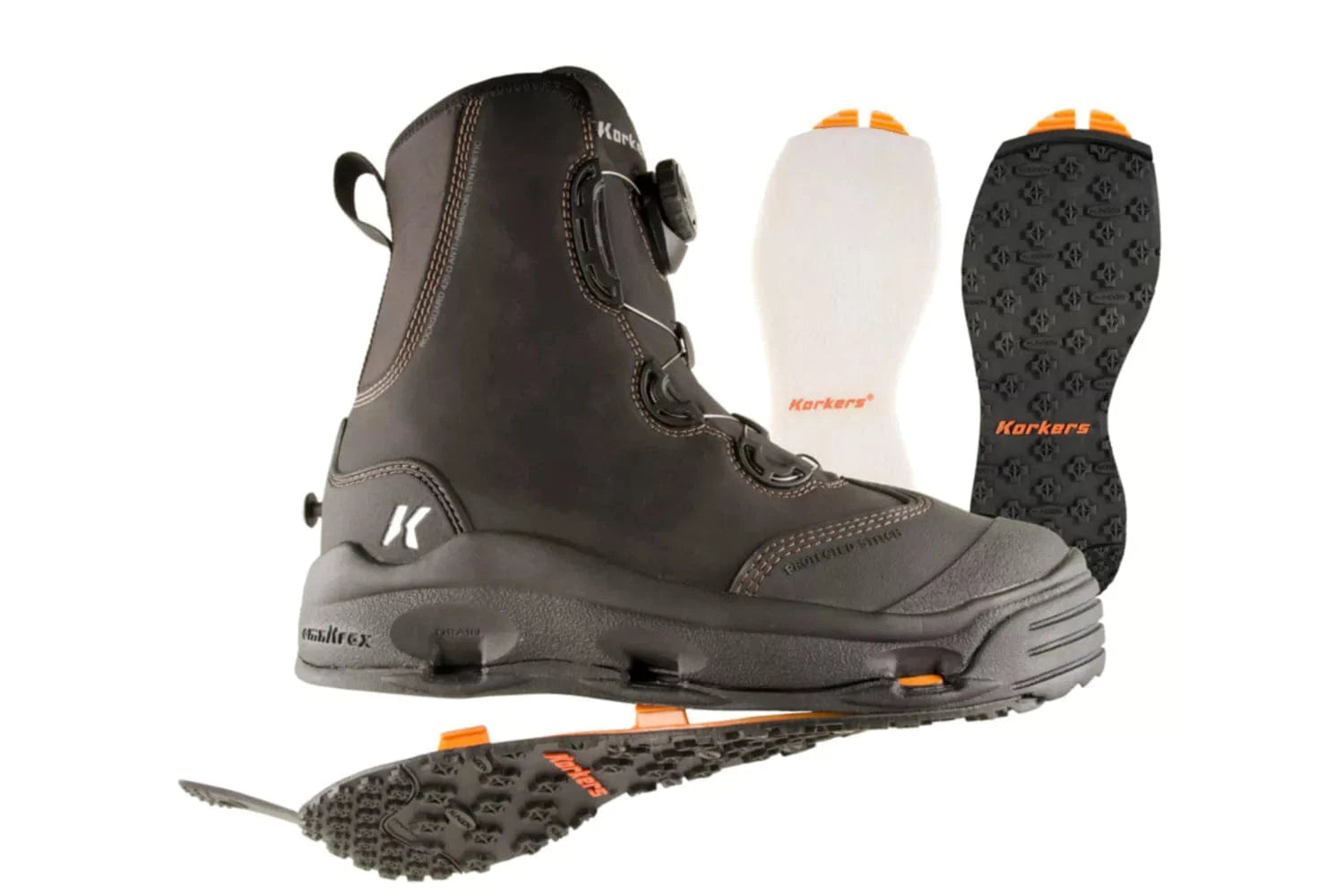
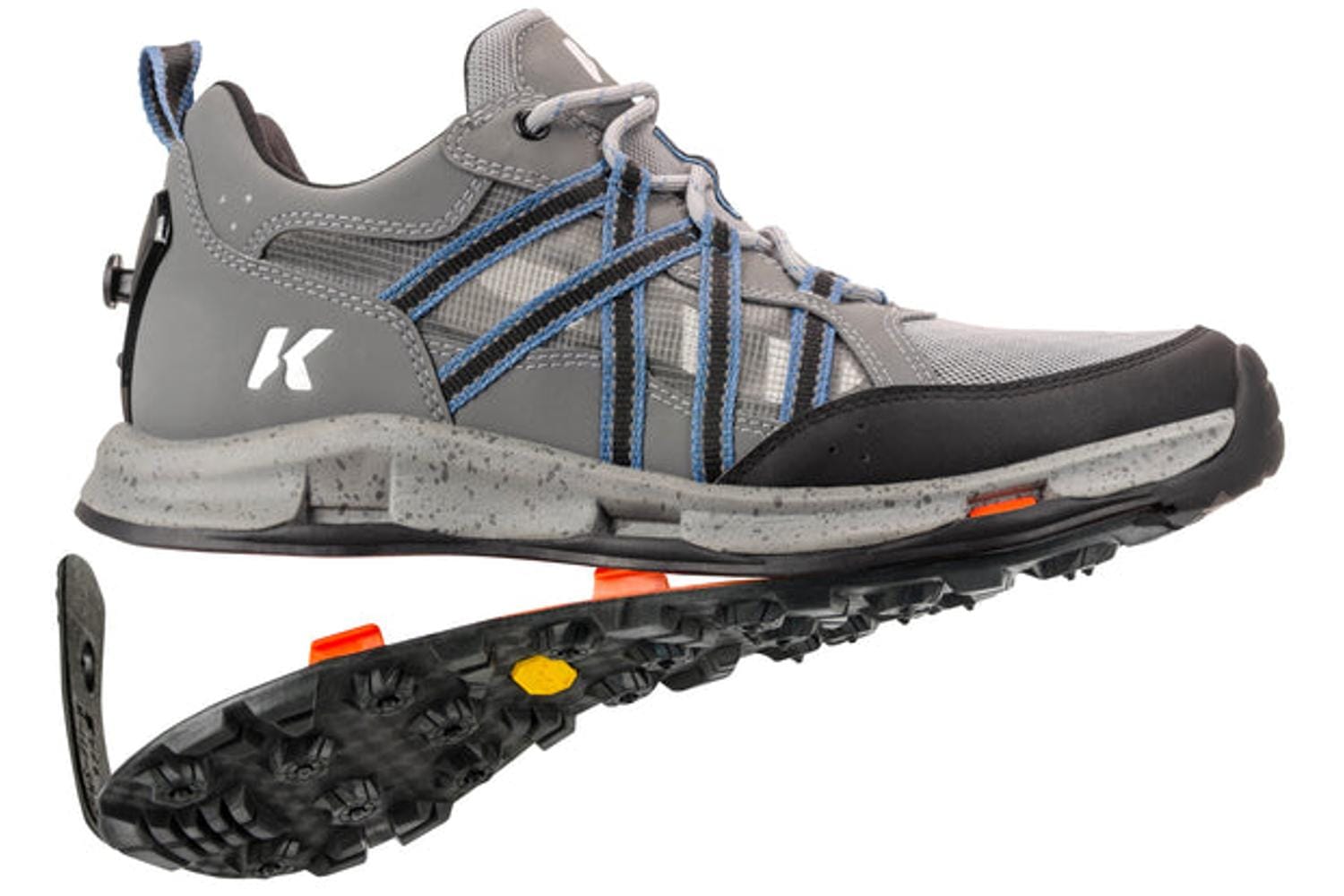
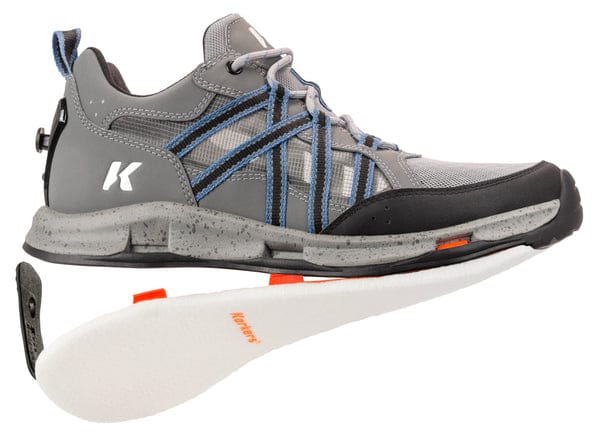
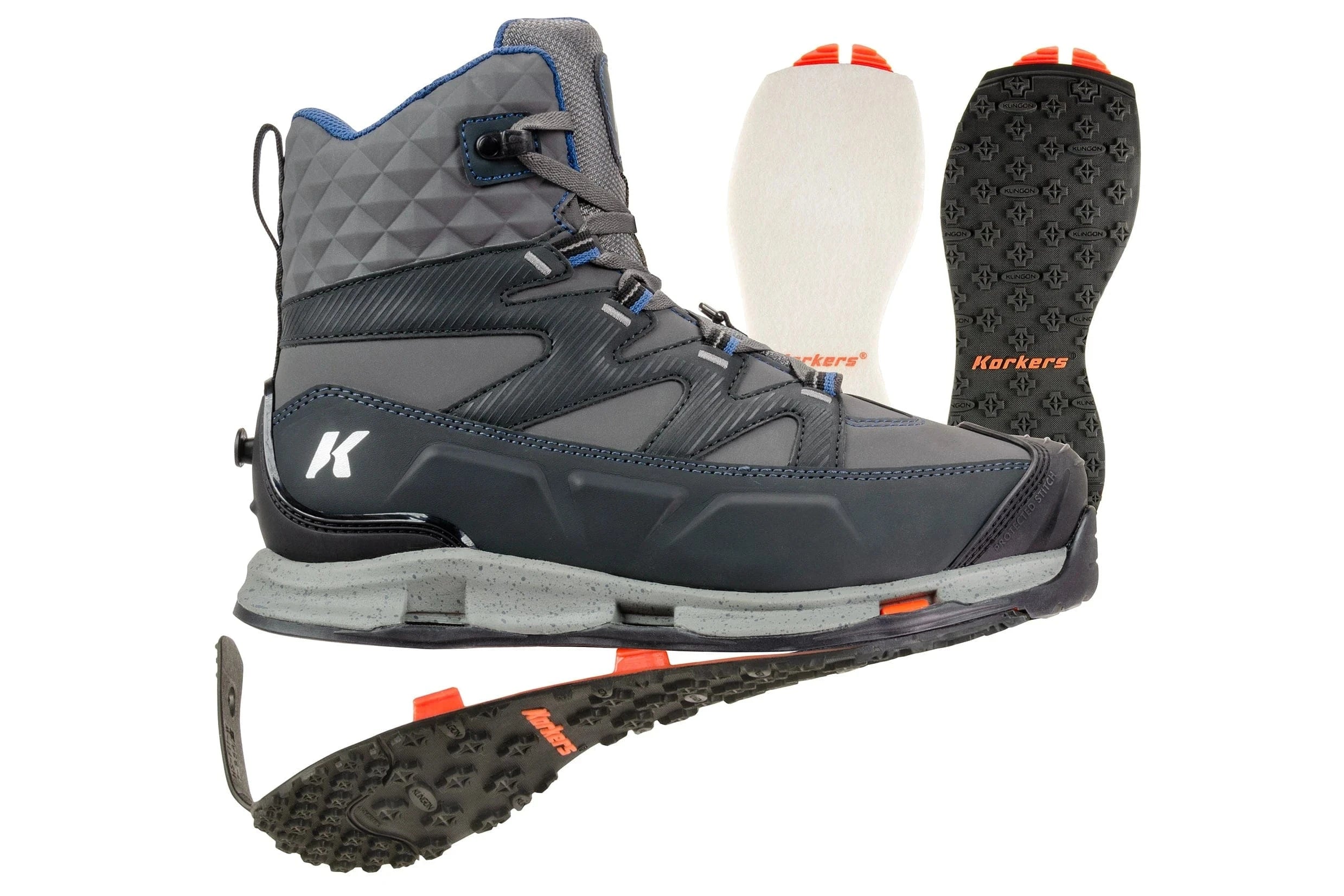
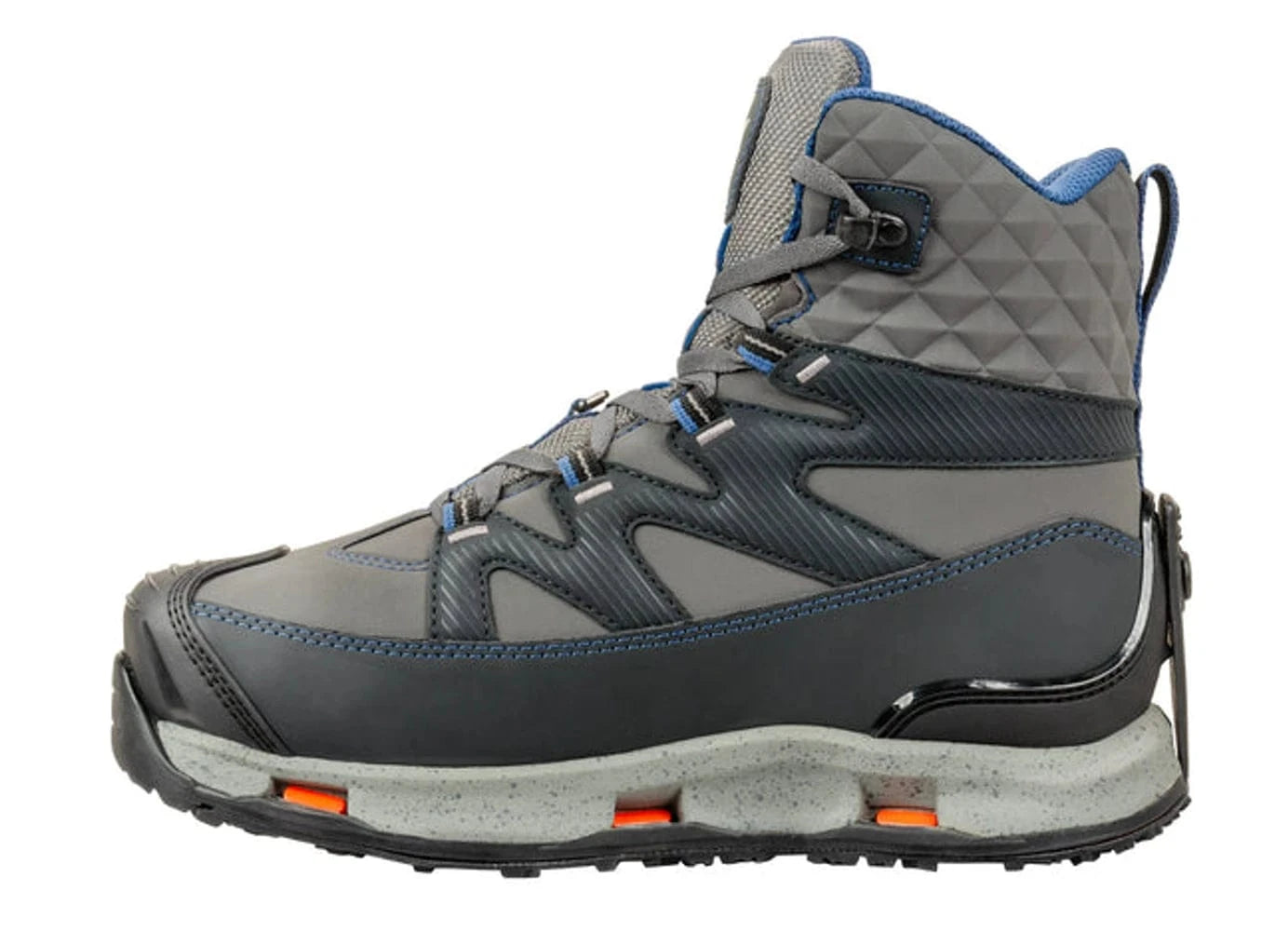
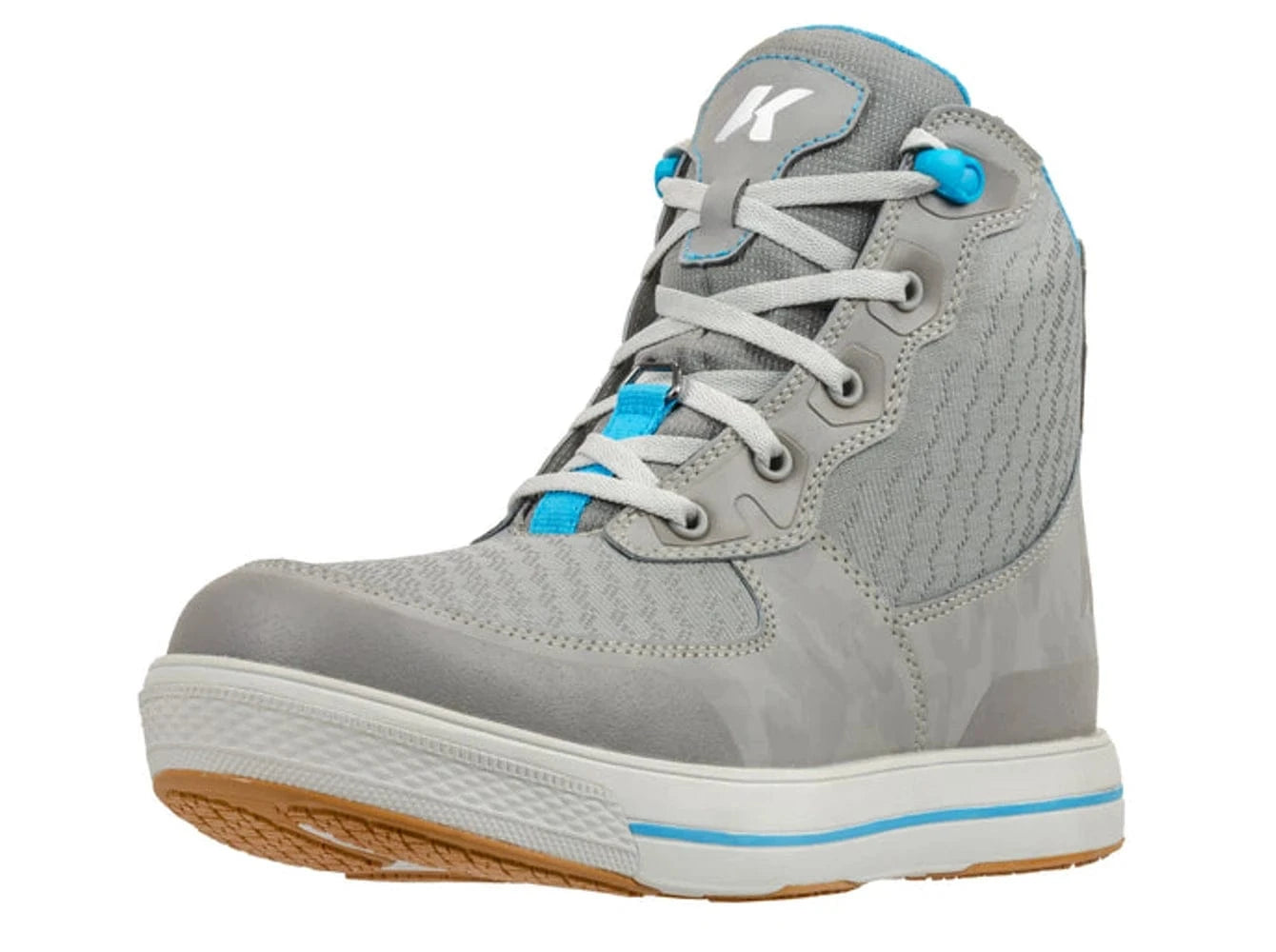
- Best Travel / Wet Wading: Korkers All Axis Wading Shoe - For warm-weather wet wading, hiking short approaches, and packing light. The sneaker-like profile drains efficiently and uses an interchangeable-sole platform for dialing traction to conditions.
Explore by Type
How to Choose Fly Fishing Footwear
Fly fishing boots start with where you'll stand (river rocks vs. flats vs. boat)
Action: Match the shoe/boot to your most common wading surface first, then worry about weight and price.
Rivers & freestones: Prioritize ankle support, toe protection, and outsole traction you can add studs to. If you’re routinely on algae-slick rocks, plan on studs/cleats or a traction-focused sole design.
Saltwater flats & skiffs: Look for fast drainage, non-marking rubber, and corrosion-resistant hardware. Flats boots also tend to fit more like a supportive sneaker/boot hybrid for walking sand, coral, and boat decks.
Wet wading / summer fishing: A true wet-wading shoe can be more comfortable than wearing wading boots over thin socks. These are built to drain quickly, stay lighter when submerged, and help keep grit out.
Rubber vs. felt vs. studs (traction is a system)
Rubber soles: A versatile choice that’s easy to rinse clean and commonly preferred where felt is restricted. Rubber can be improved a lot with compatible studs/cleats if you fish slick, rounded stone.
Felt soles: Still favored by many anglers for traction on slimy rocks where legal, but they require more attention to drying and cleaning between waters.
Studs/cleats: Think of these as a traction “upgrade” for steep banks, fast currents, and greasy boulders. If you’re slipping occasionally, studs usually fix the problem faster than changing boots entirely.
Fit with your waders (or with the socks you’ll actually wear)
Action: Try boots on with your wader booties and the socks you’ll fish, not just a thin store sock.
Fly fishing boots are essential for safe wading and confident footing— Most wading boots are designed around stockingfoot waders, so you’ll usually size up from street shoes. Wet-wading shoes vary, some are built to be worn barefoot or with thin socks, while others expect a neoprene bootie.
Weight vs. protection (be honest about your days)
Best for: If you hike in or cover miles of bank, a lighter boot can reduce fatigue. If you fish rough rivers, big rocks, and sharp ledges, a more protective upper and midsole can feel better late in the day.
Avoid if: Don’t pick the lightest option if you routinely kick rocks, scramble steep trails, or fish heavy current, support and underfoot protection matter more than ounces in those situations.
Care & Maintenance
- After each trip: Rinse boots and shoes with fresh water (especially after saltwater) and remove gravel from seams and lace hooks.
- Drying: Pull insoles and open laces fully so the boot can dry all the way through; avoid storing damp footwear in a closed vehicle or tote.
- Between fisheries: Clean and dry thoroughly to reduce the risk of transporting invasive species, especially if you fish multiple rivers in a week.
- Studs/cleats check: Inspect traction hardware for looseness and replace worn pieces before they round off.
- Long-term storage: Store in a cool, ventilated spot out of direct sun to prevent adhesives and foams from breaking down early.
Complete Your Setup
Related Gear
- Wading Gear - Build a safer, more comfortable system with the right boots, accessories, and traction options.
- Wading Boot Soles - Great if you need to replace worn tread or want a different traction style for the season.
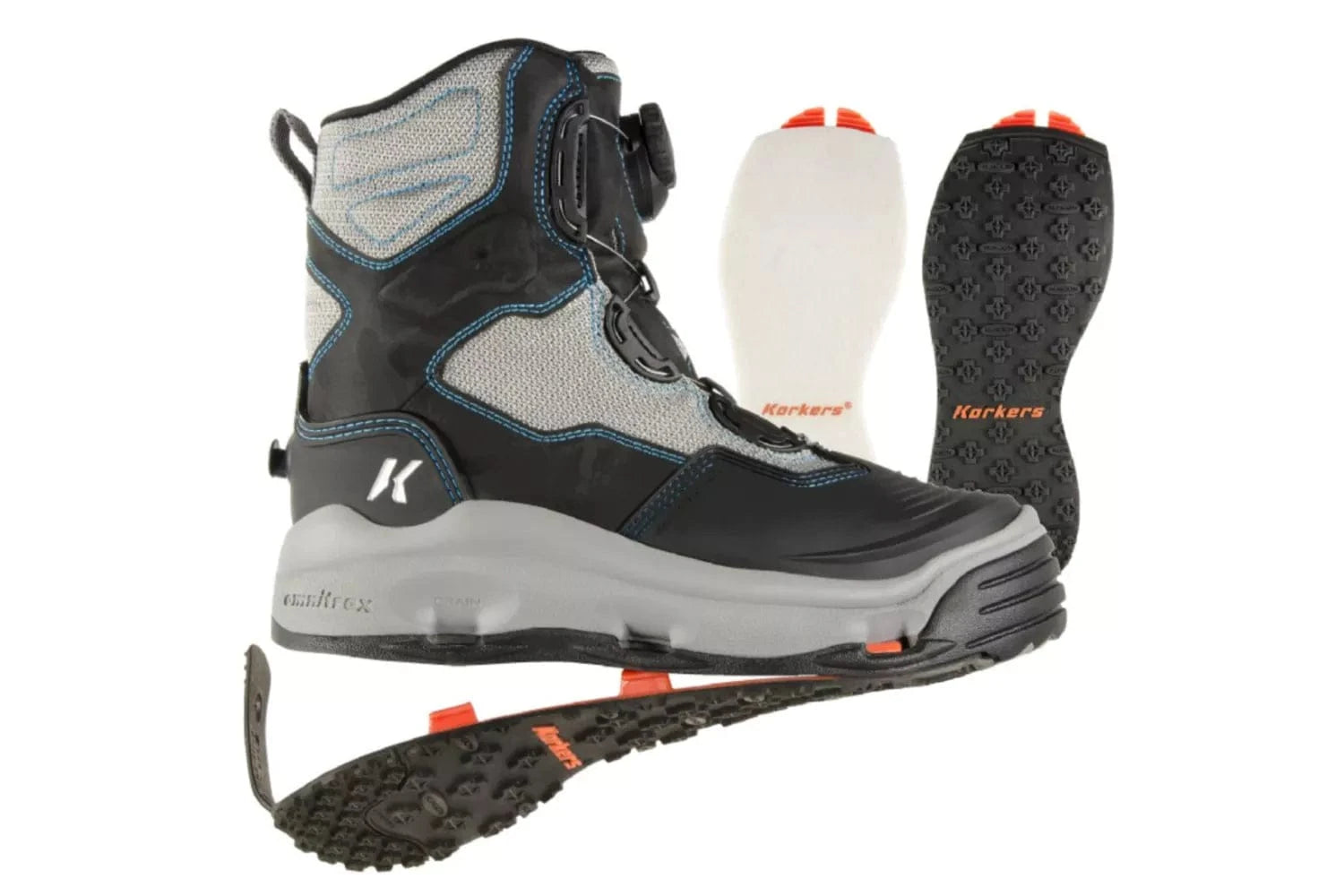
- Korkers Soles - Swap soles to match conditions when you fish varied rivers or travel to different destinations.
Related Guides
Visit our blog for guides on choosing fly fishing gear, waders, and on-the-water safety.
Footwear FAQs
Q: What is fly fishing footwear?
A: Fly fishing footwear includes wading boots, wet-wading shoes, flats boots, and deck boots designed for traction, support, and protection in wet environments.
Q: How do I choose between wading boots and wet-wading shoes?
A: Choose wading boots when you’re wearing stockingfoot waders or need maximum ankle support and protection. Choose wet-wading shoes for warm weather when you’re fishing in shorts or quick-dry pants and want faster drainage and lighter feel.
Q: Are felt soles still allowed?
A: It depends on the fishery, some states and specific waters restrict felt due to invasive species concerns. Always check local regulations before traveling.
Q: Do I really need studs or cleats?
A: If you fish algae-slick rocks, steep banks, or fast current, studs can add confidence and reduce slips. If you mostly fish gravel bars, sand, or boat decks, you may not need them.
Q: Should wading boots feel tight?
A: They should feel secure without crushing your toes or creating heel lift. Too loose causes blisters; too tight restricts circulation and makes cold-water days miserable.
Q: Can I use the same footwear for freshwater and saltwater?
A: Some models are built for both, but flats-focused footwear usually uses more salt-friendly materials and drains differently. If you’re mixing environments, rinse thoroughly after every saltwater day.
Q: How do I size footwear when wearing waders?
A: Try boots on with your wader booties and fishing socks, then follow the manufacturer’s guidance. Many anglers size up from street shoes to accommodate neoprene booties and prevent tight lace pressure.