


New Umpqua UPG Fly Boxes
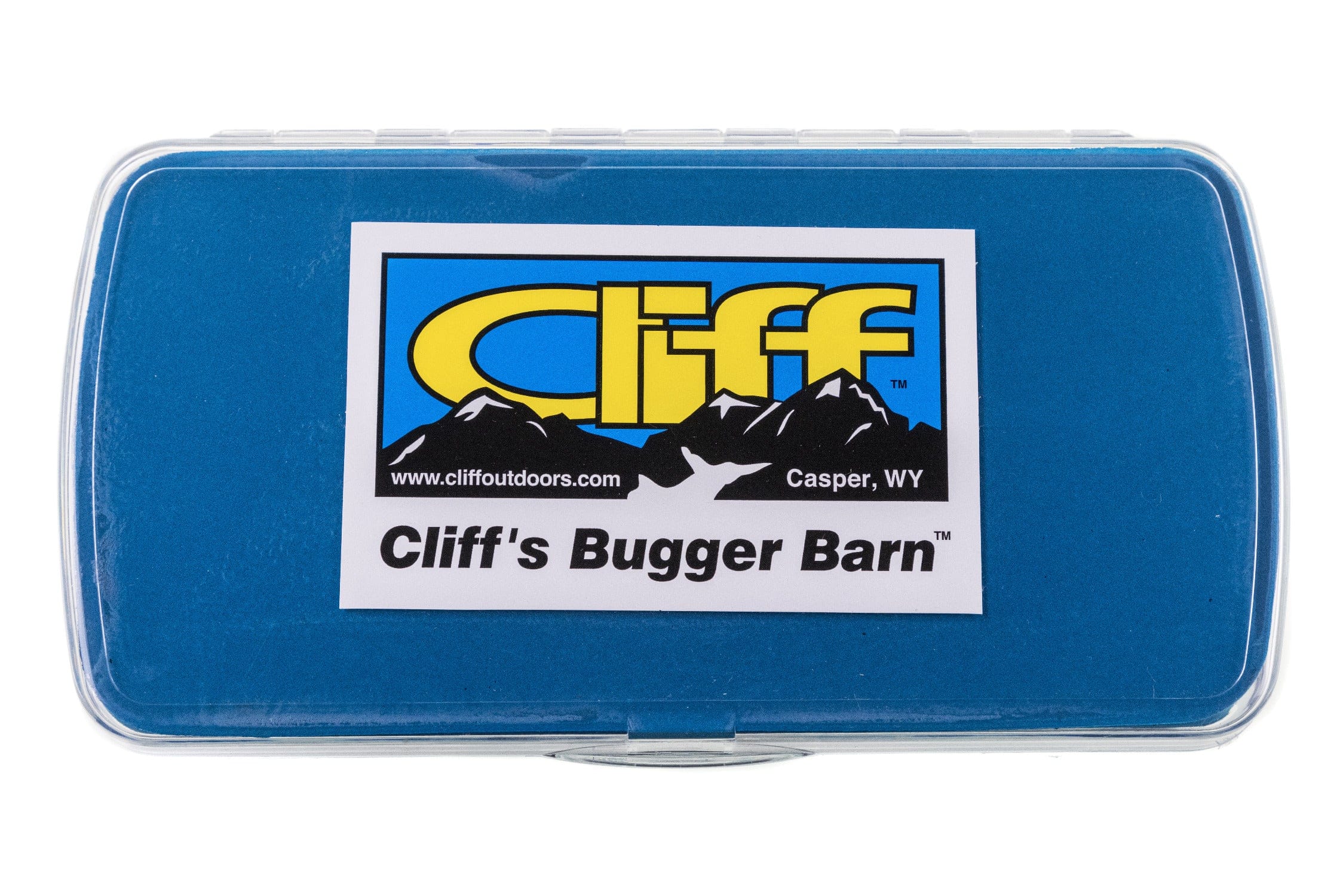
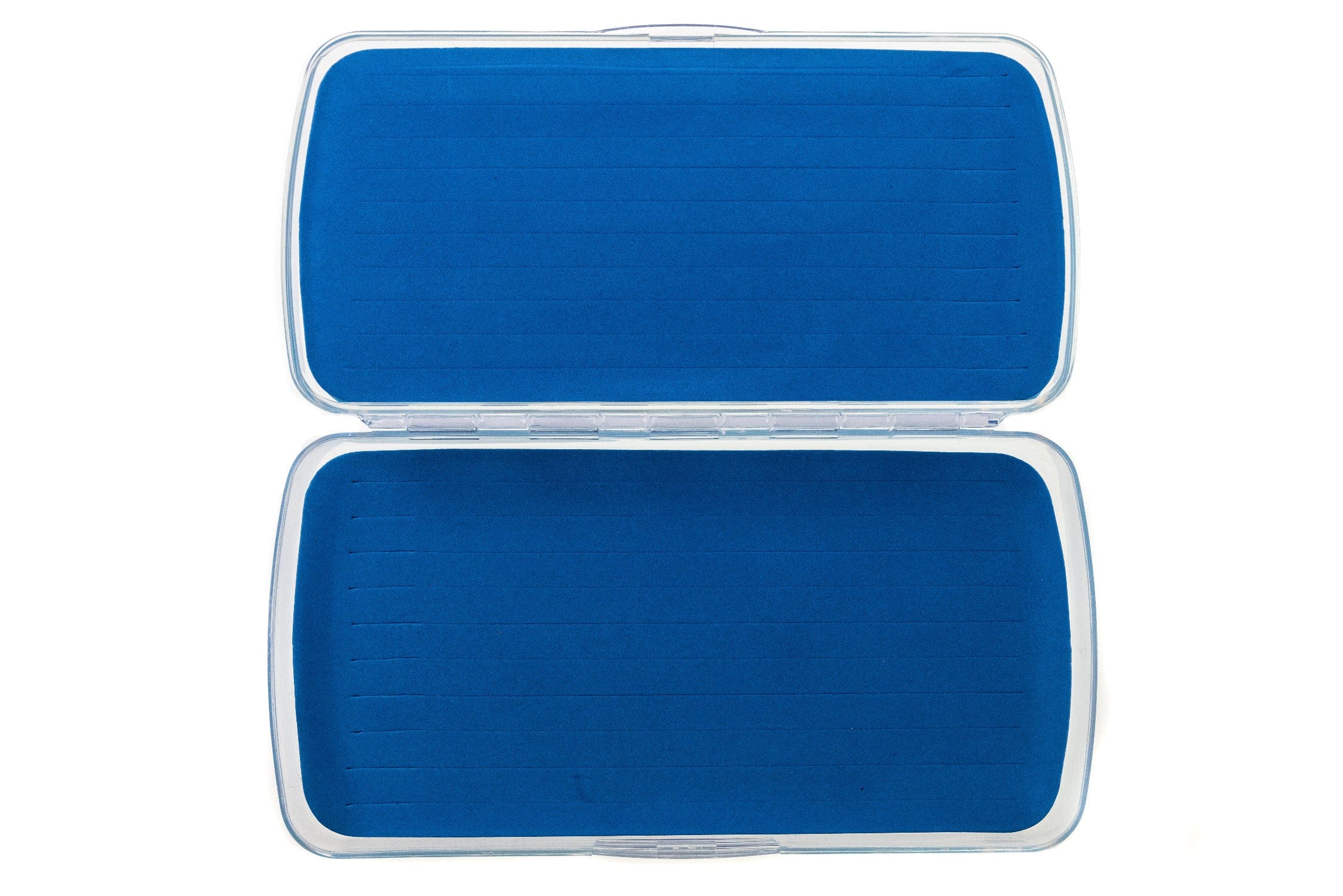
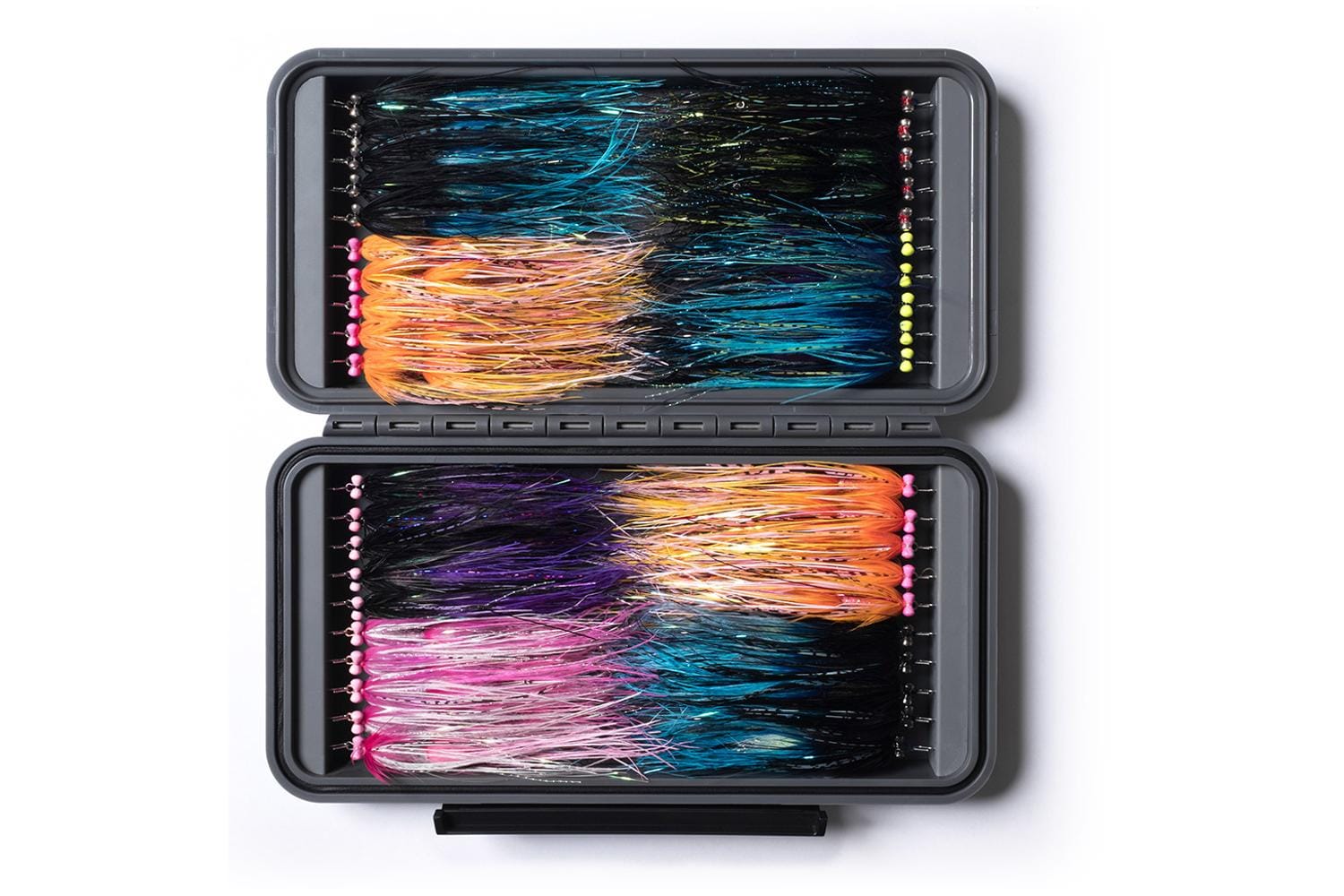
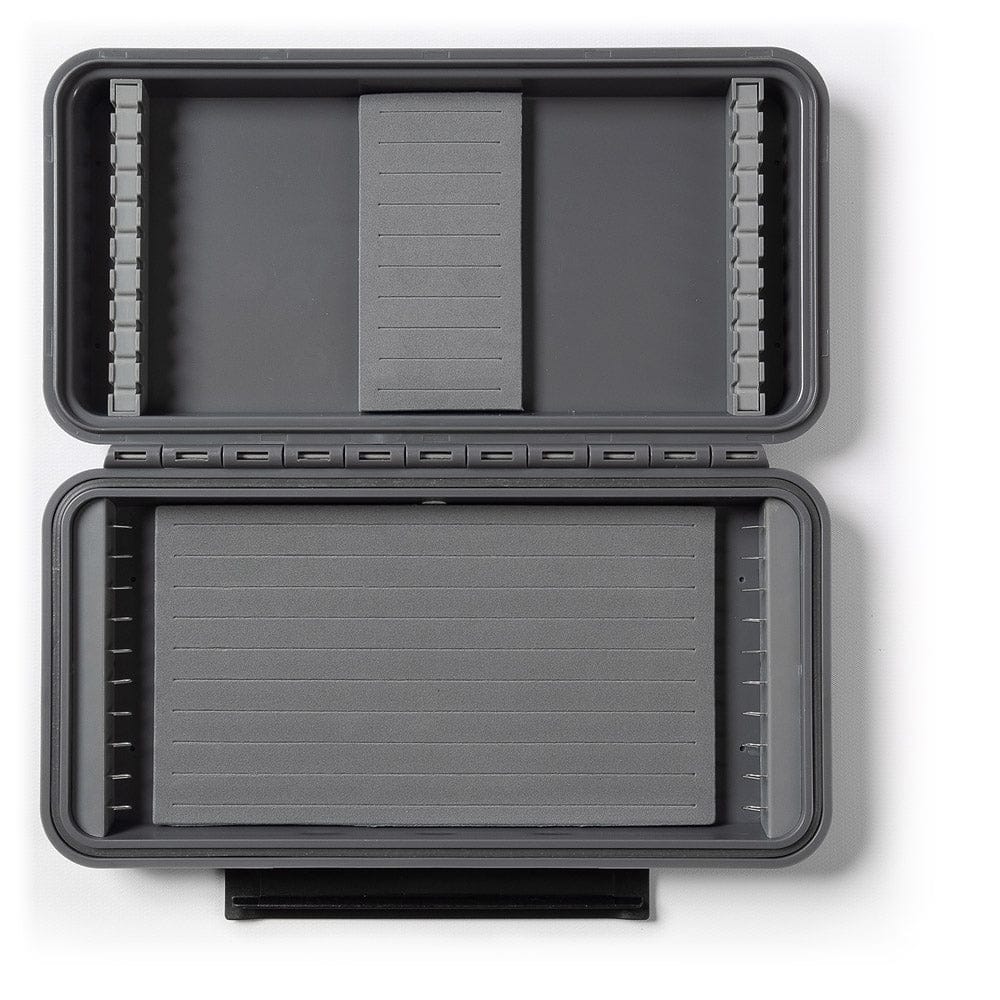
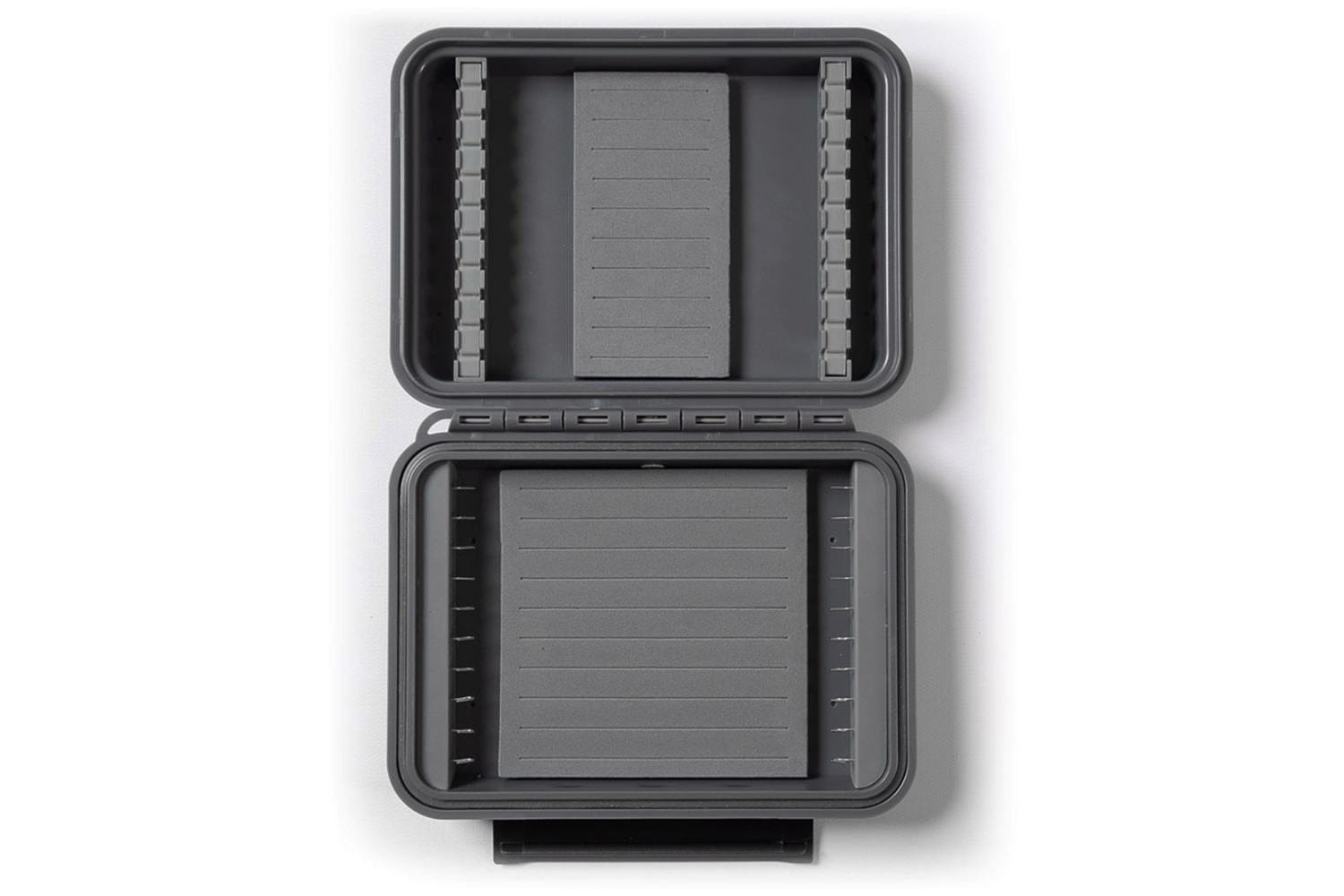
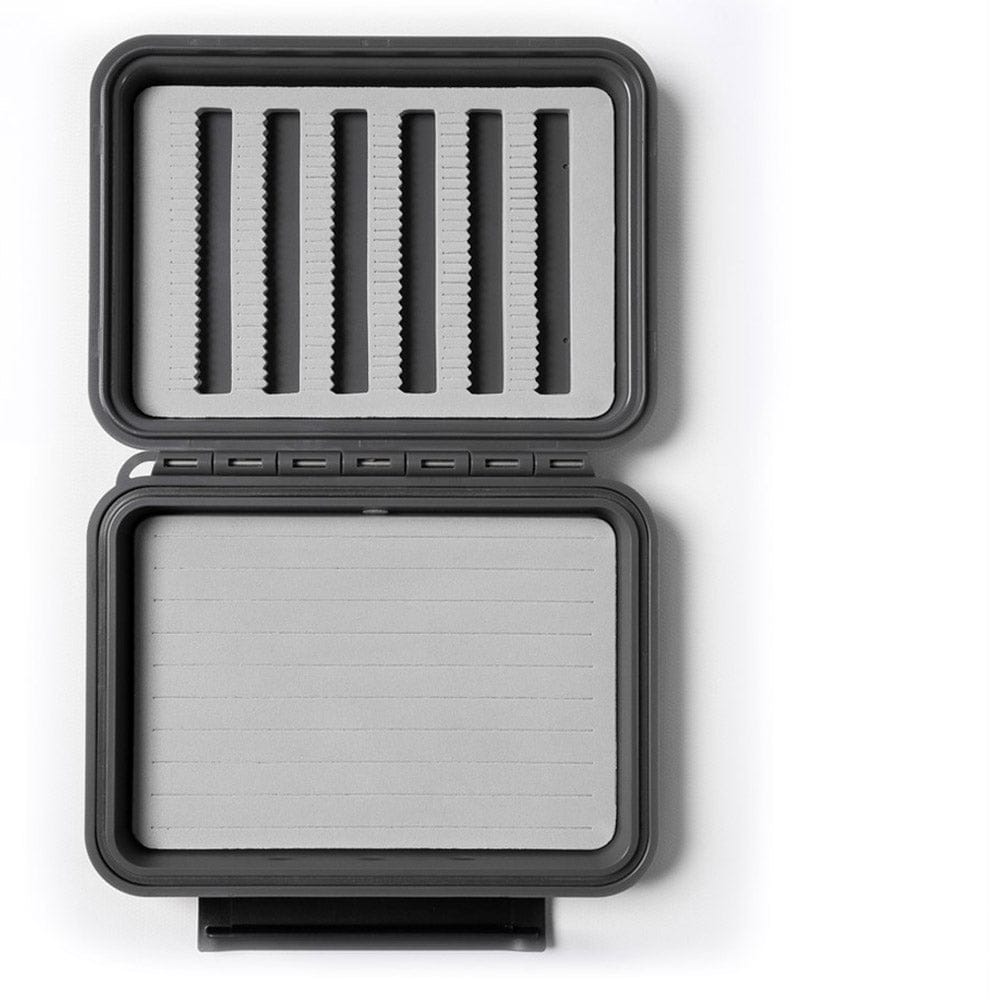
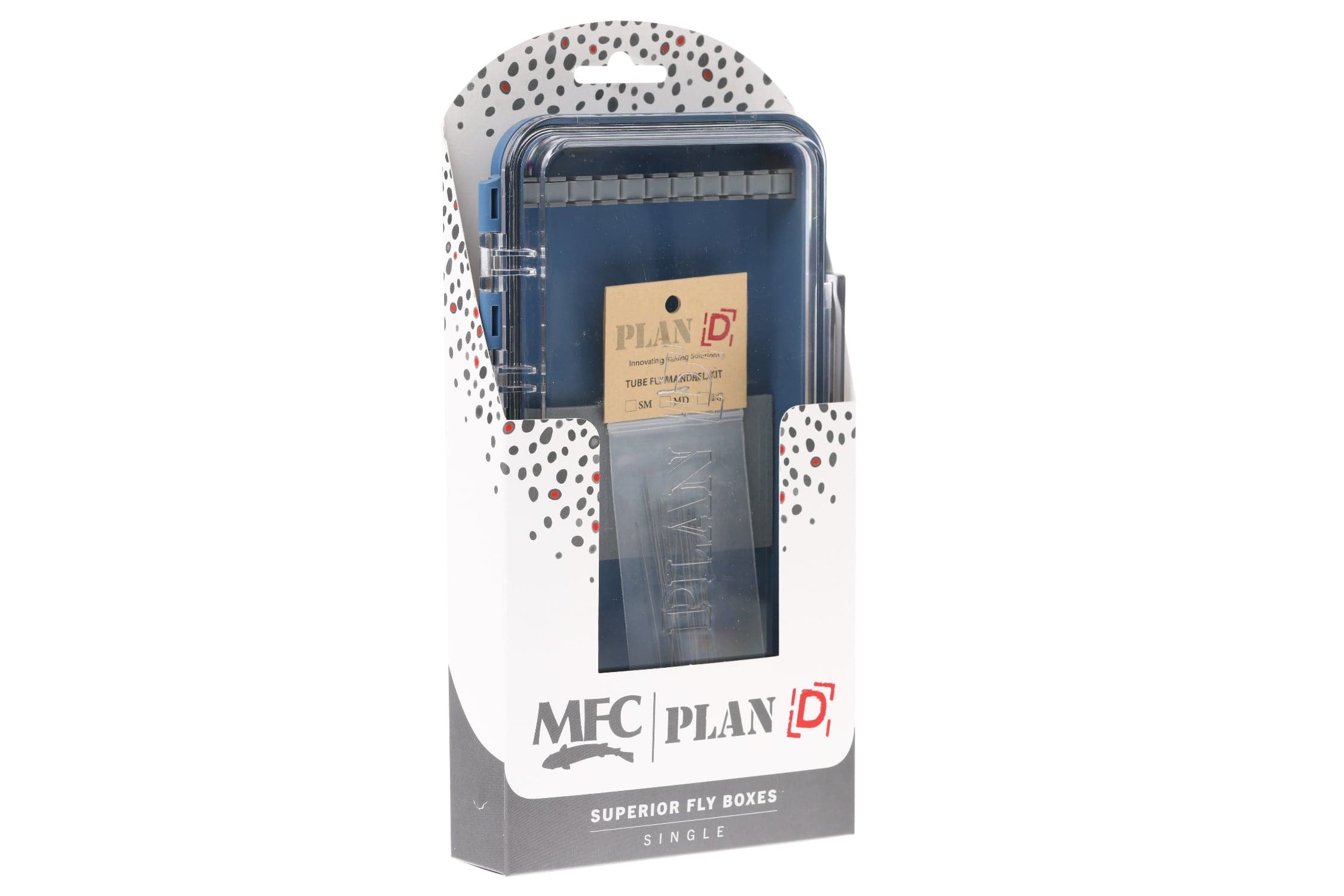
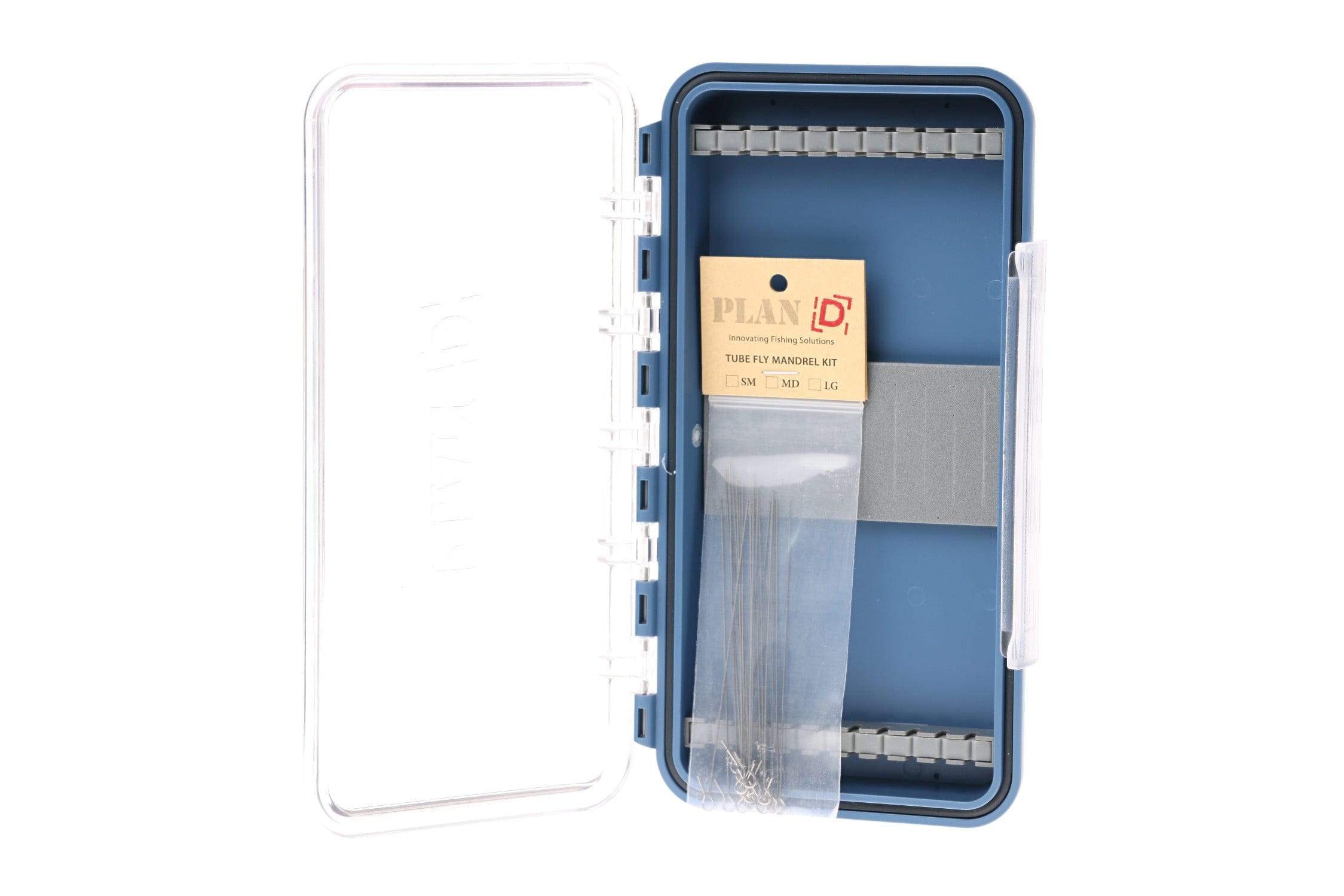
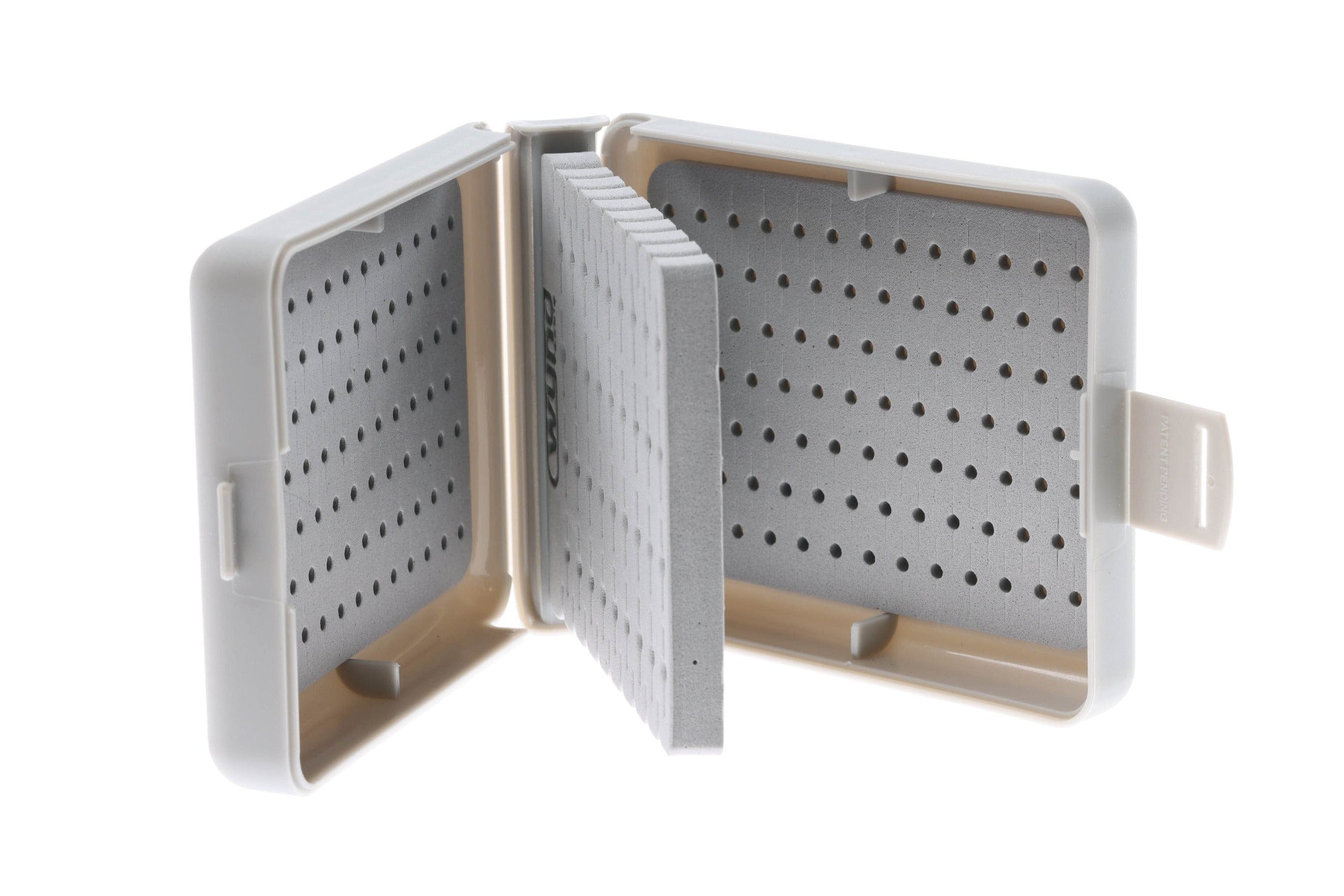
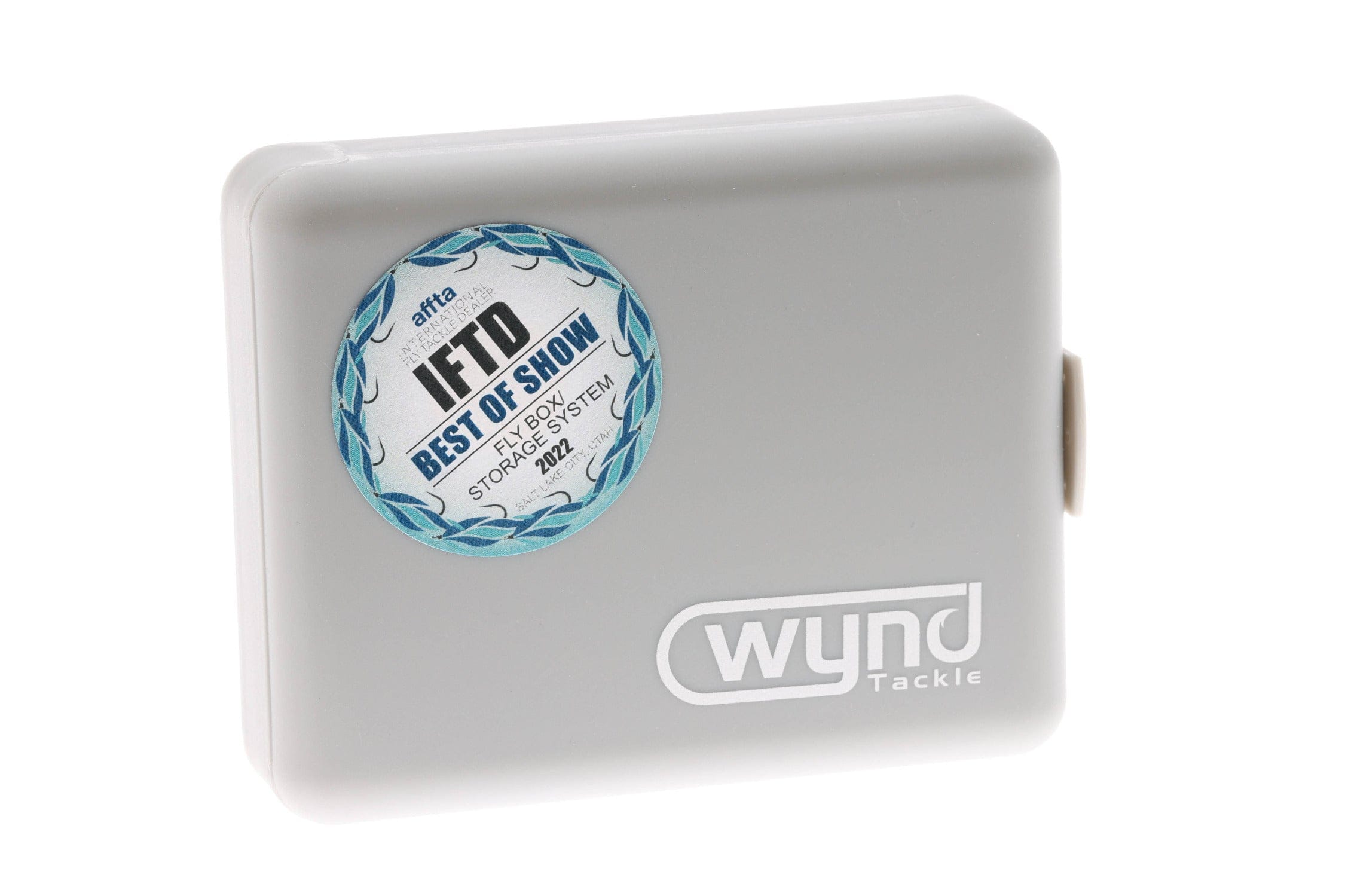


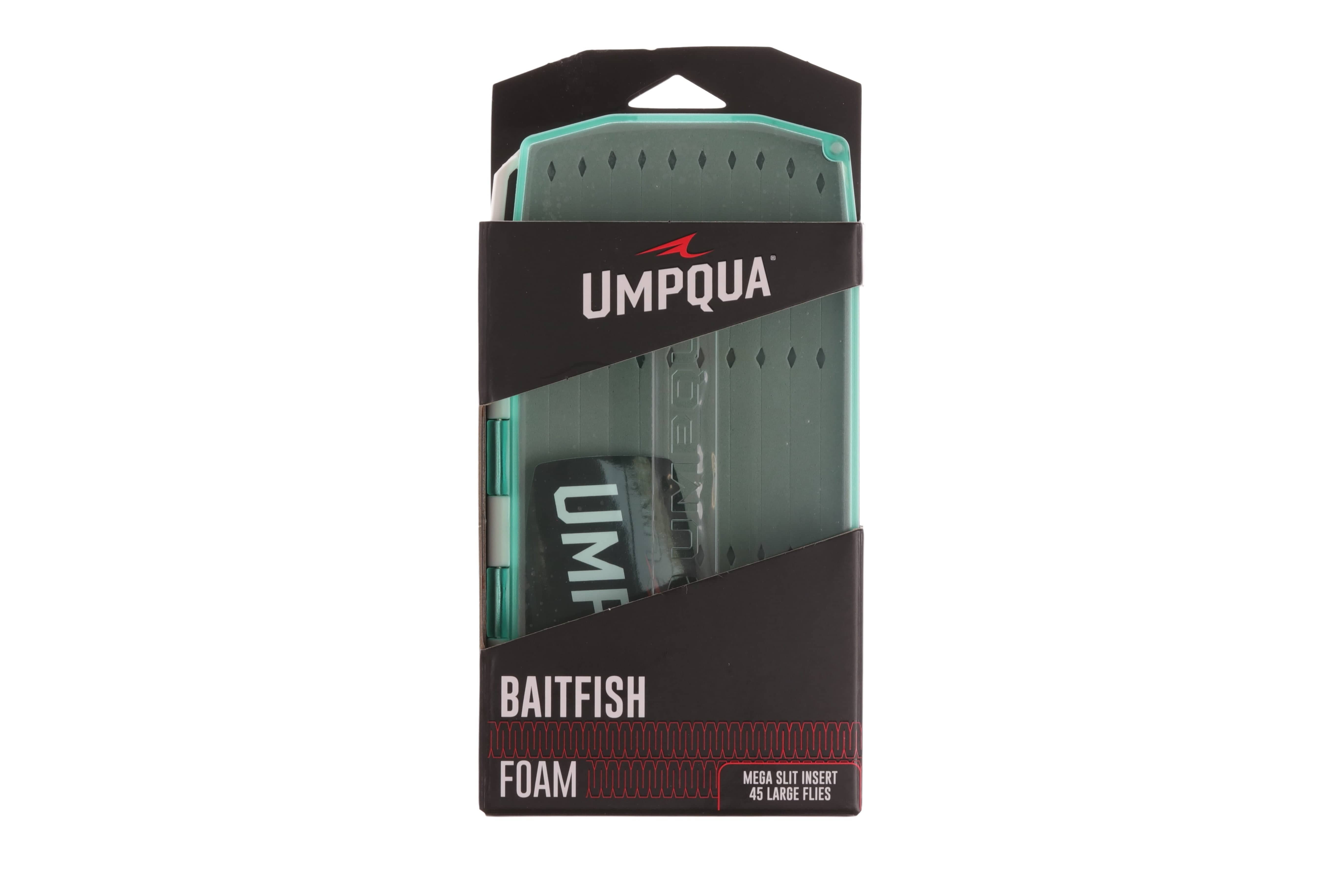
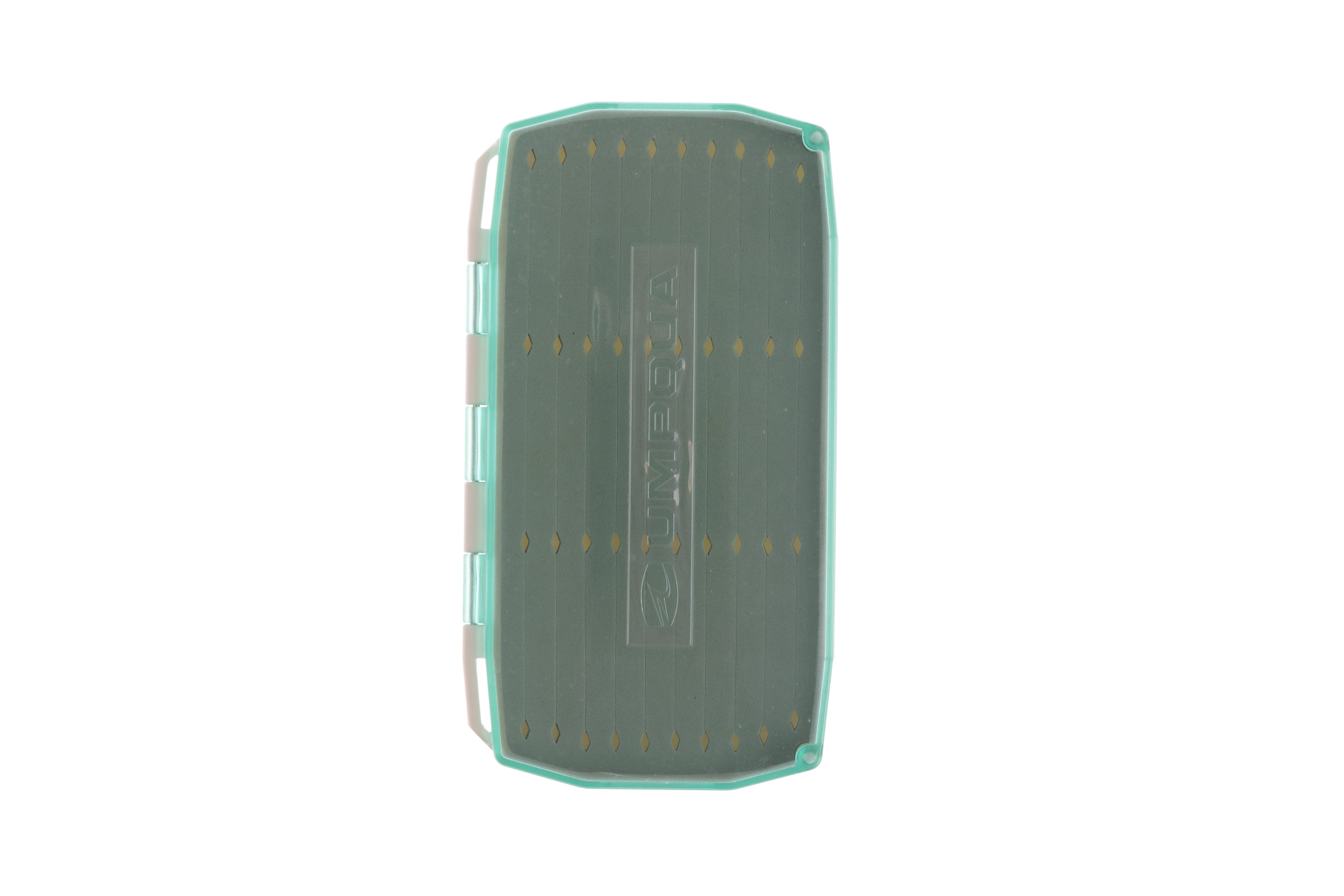
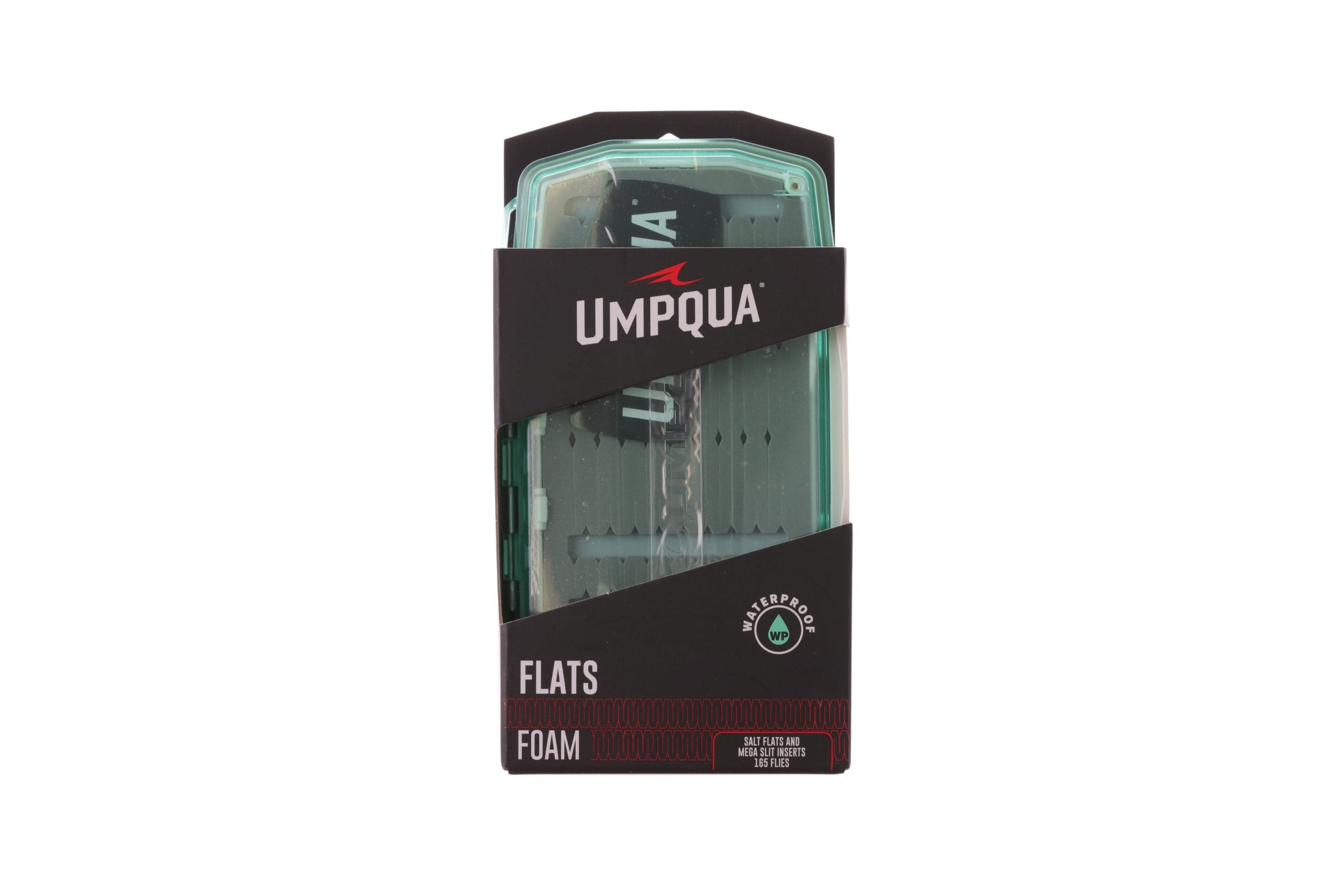
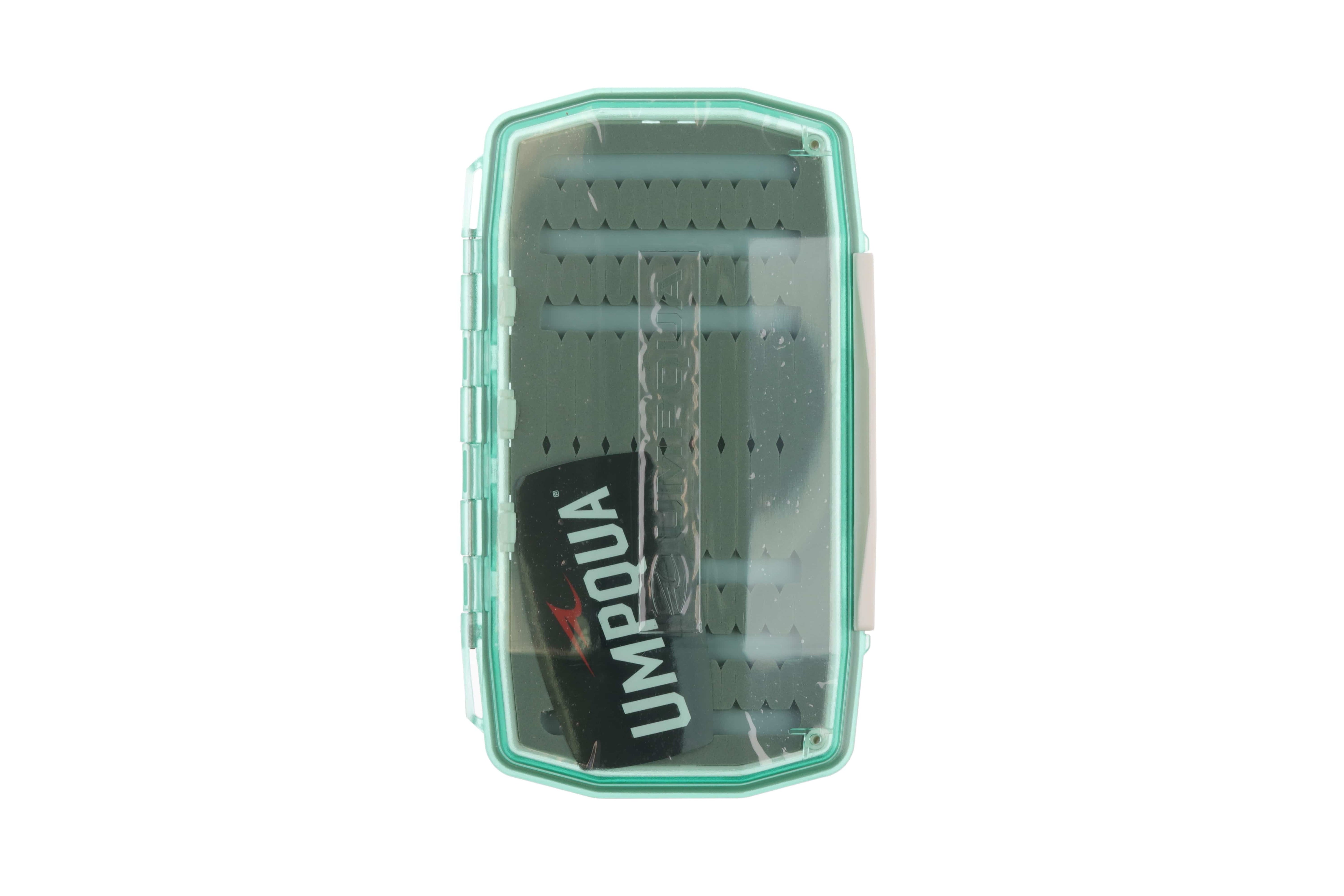


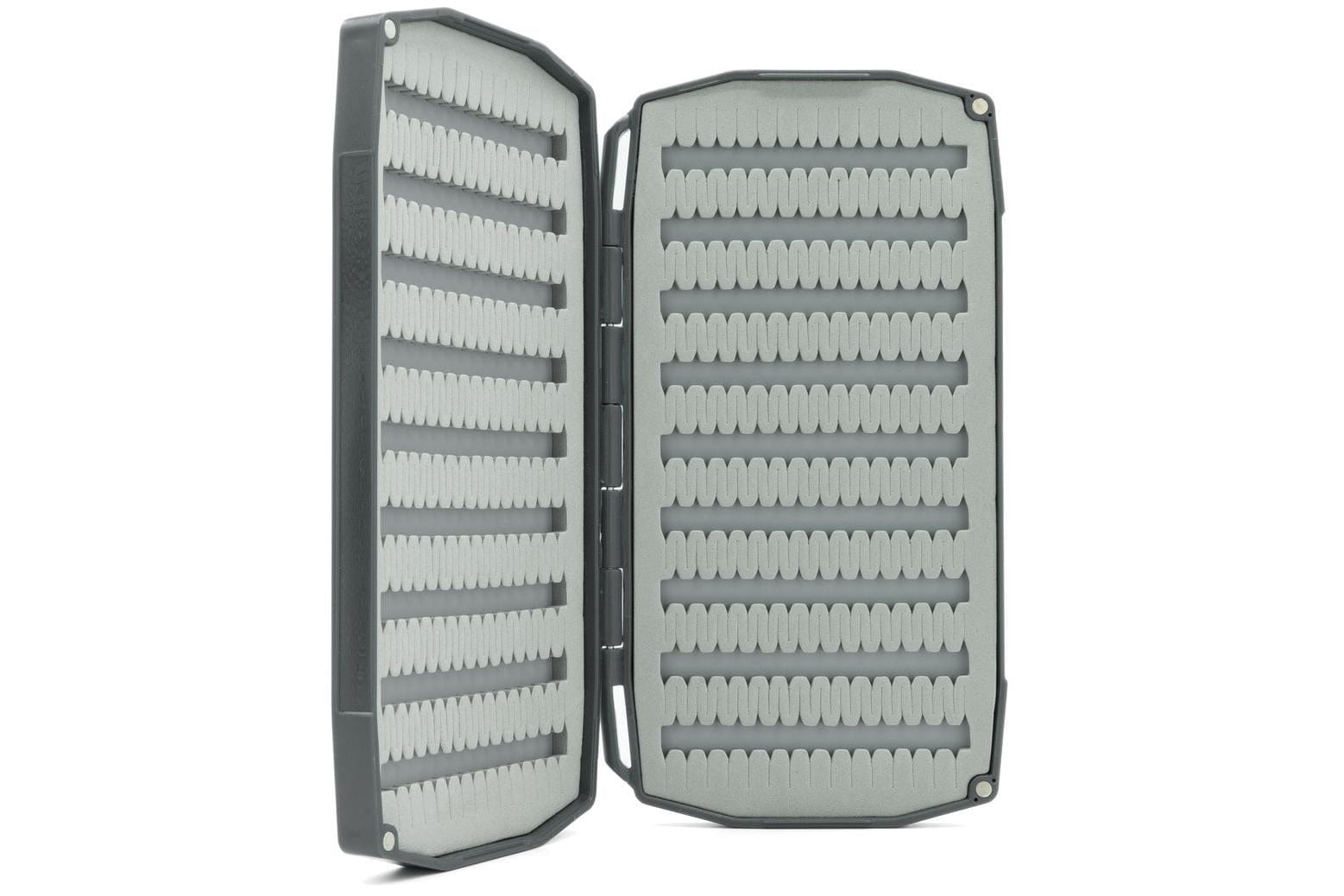
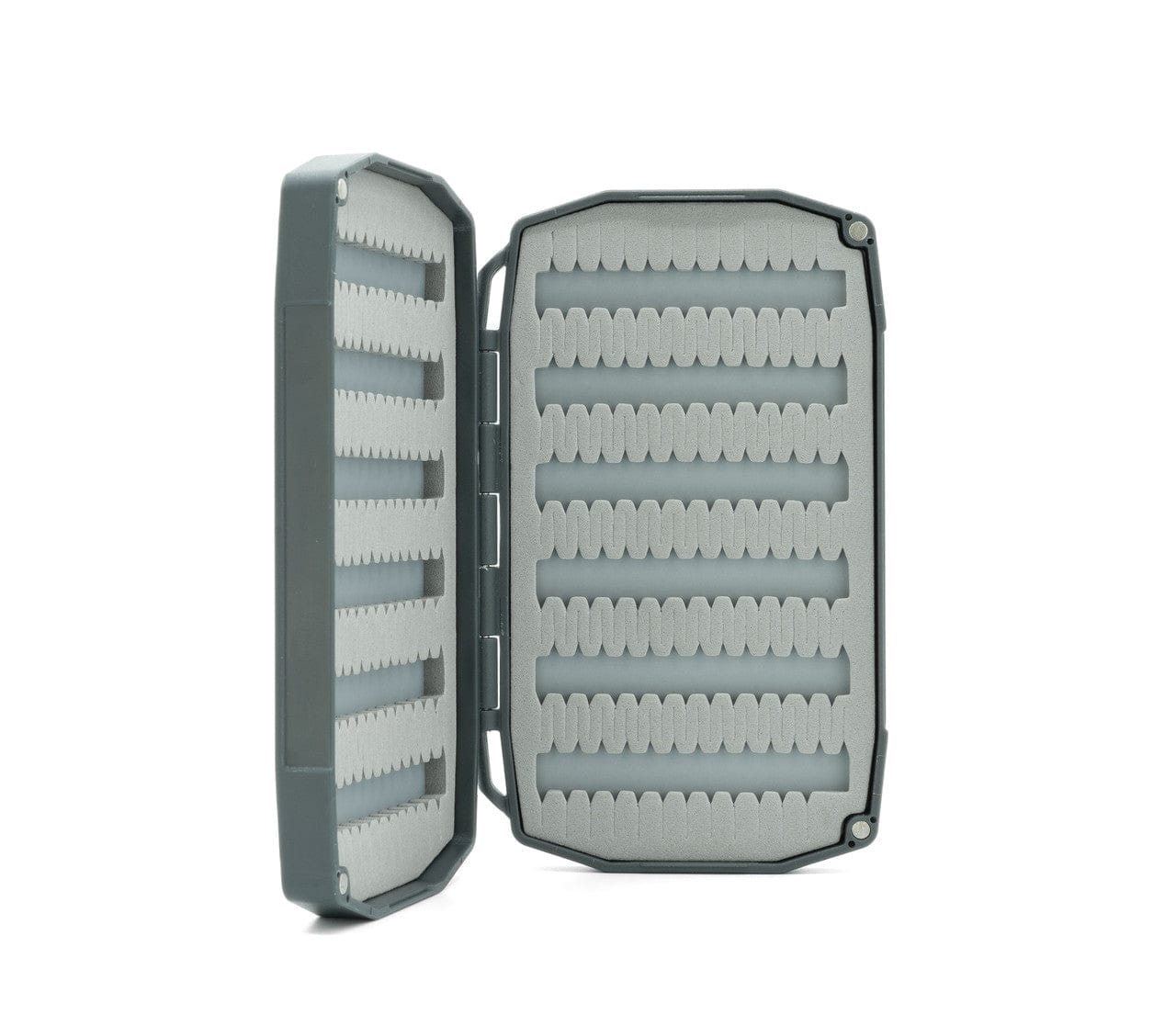
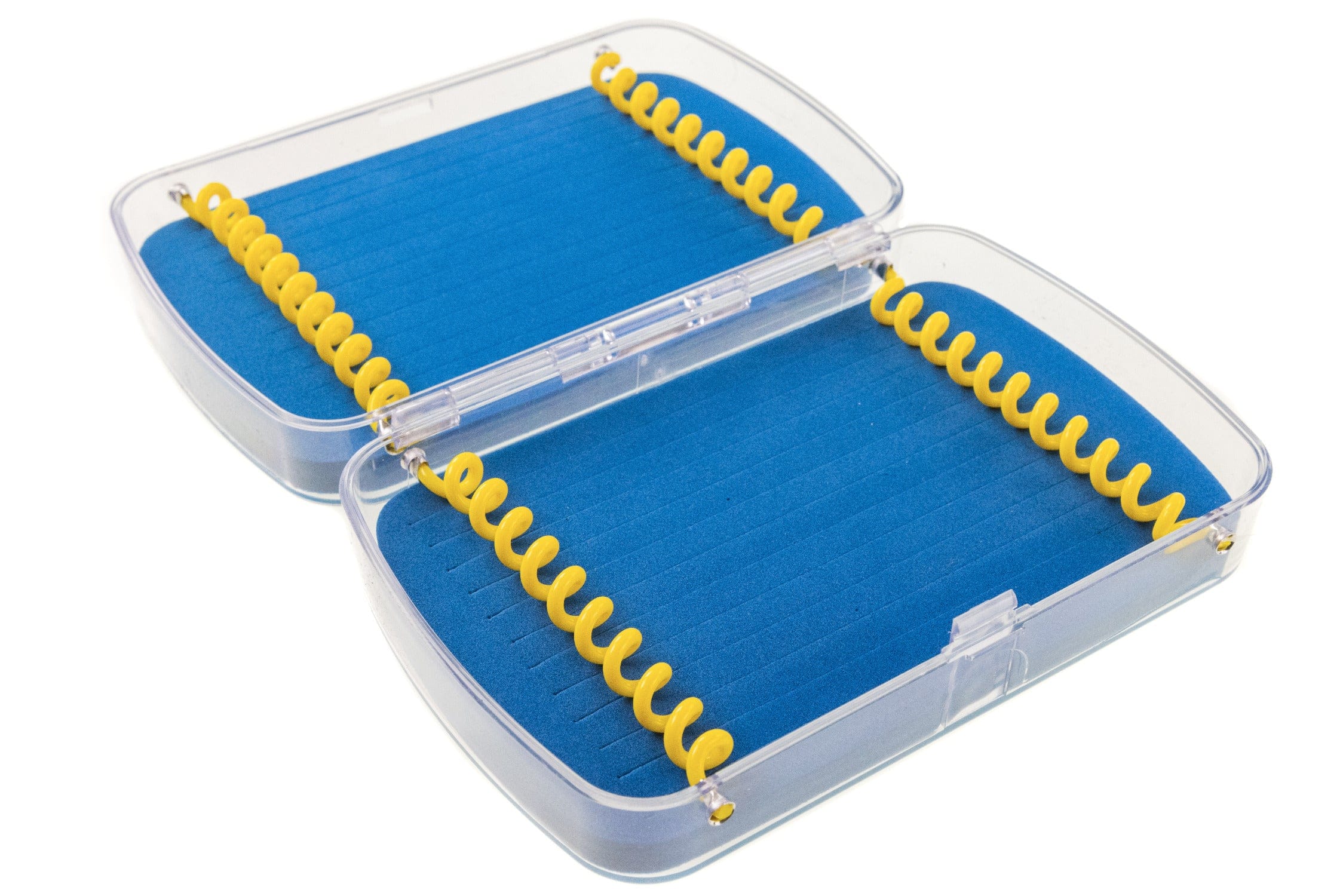


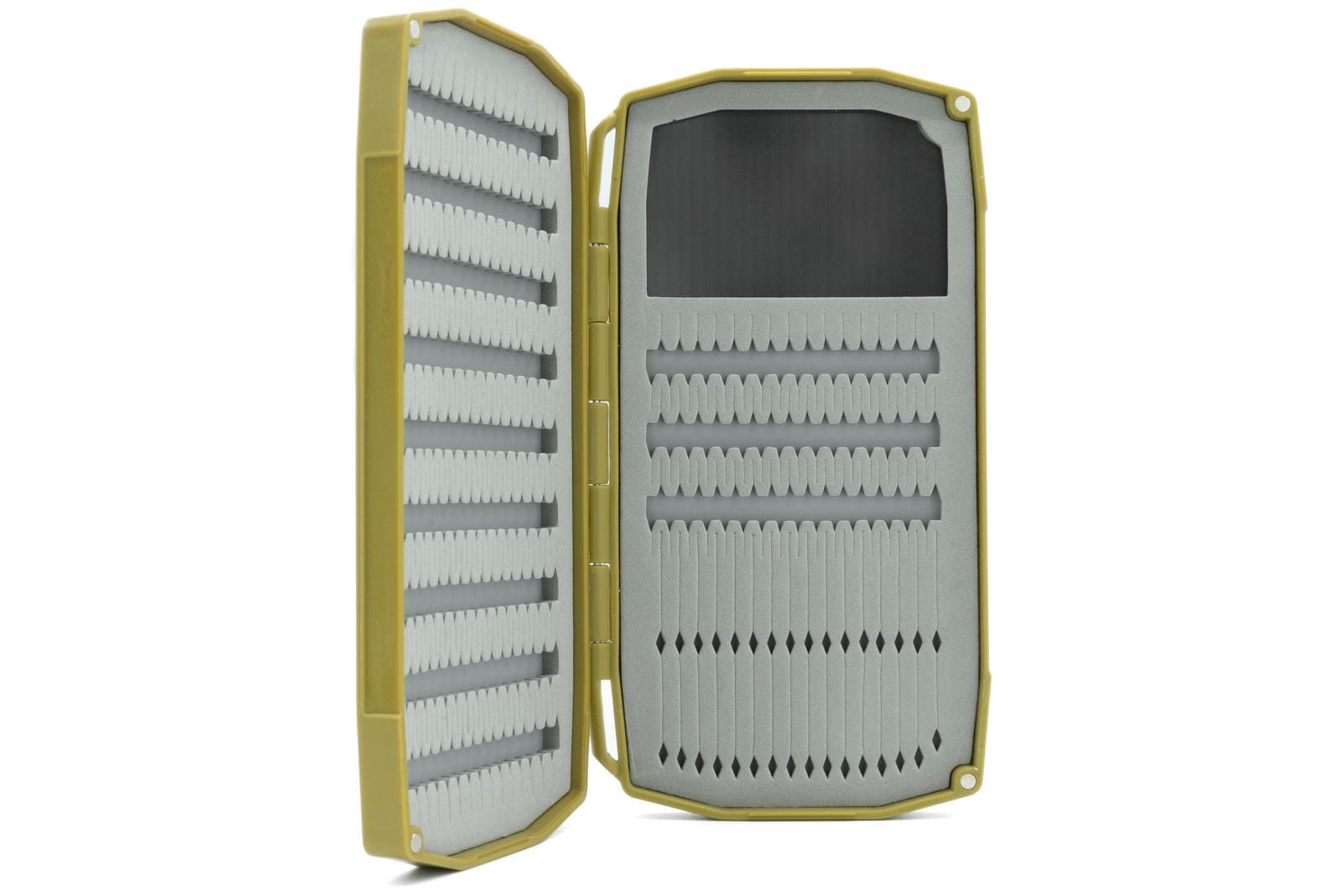
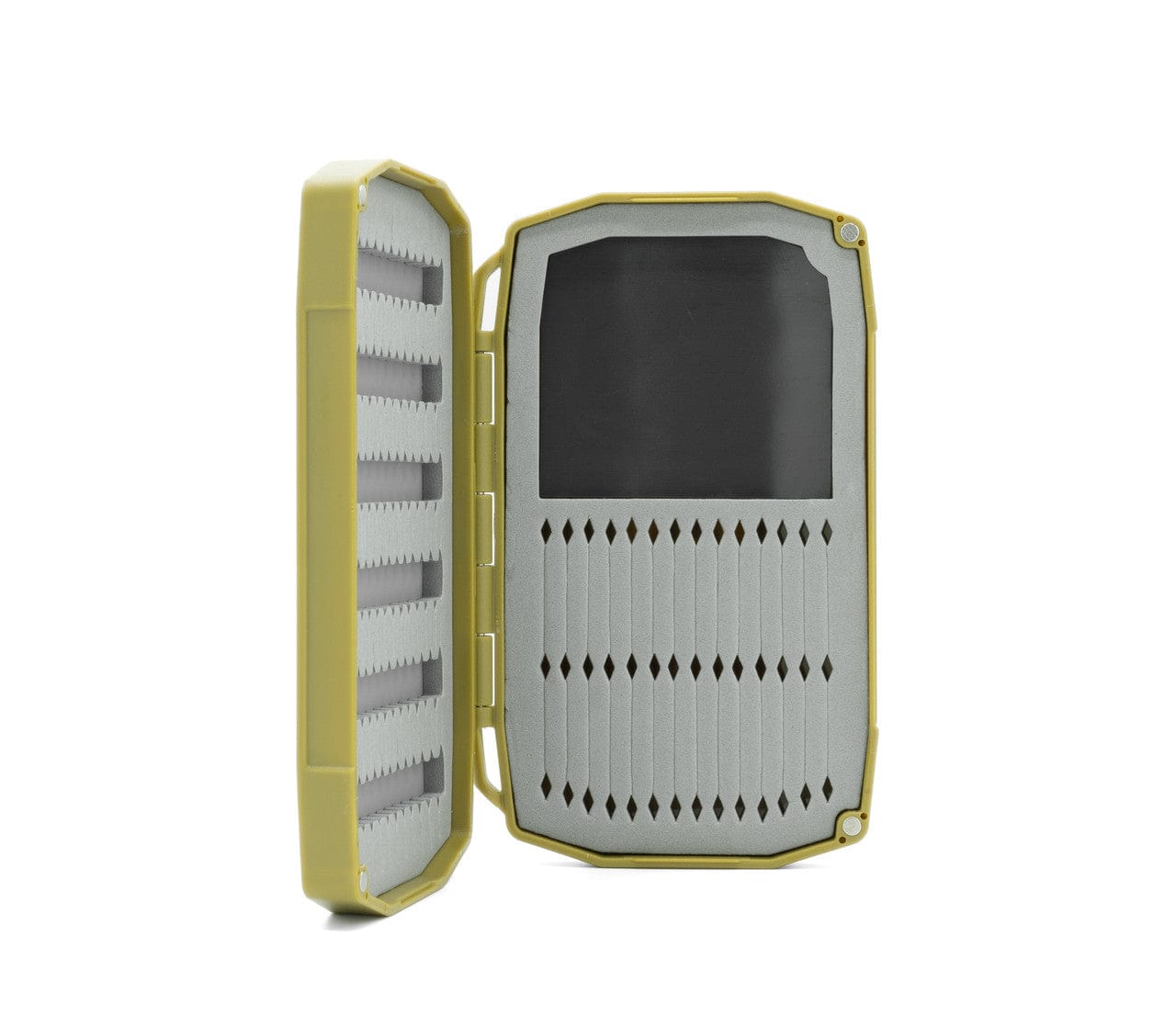


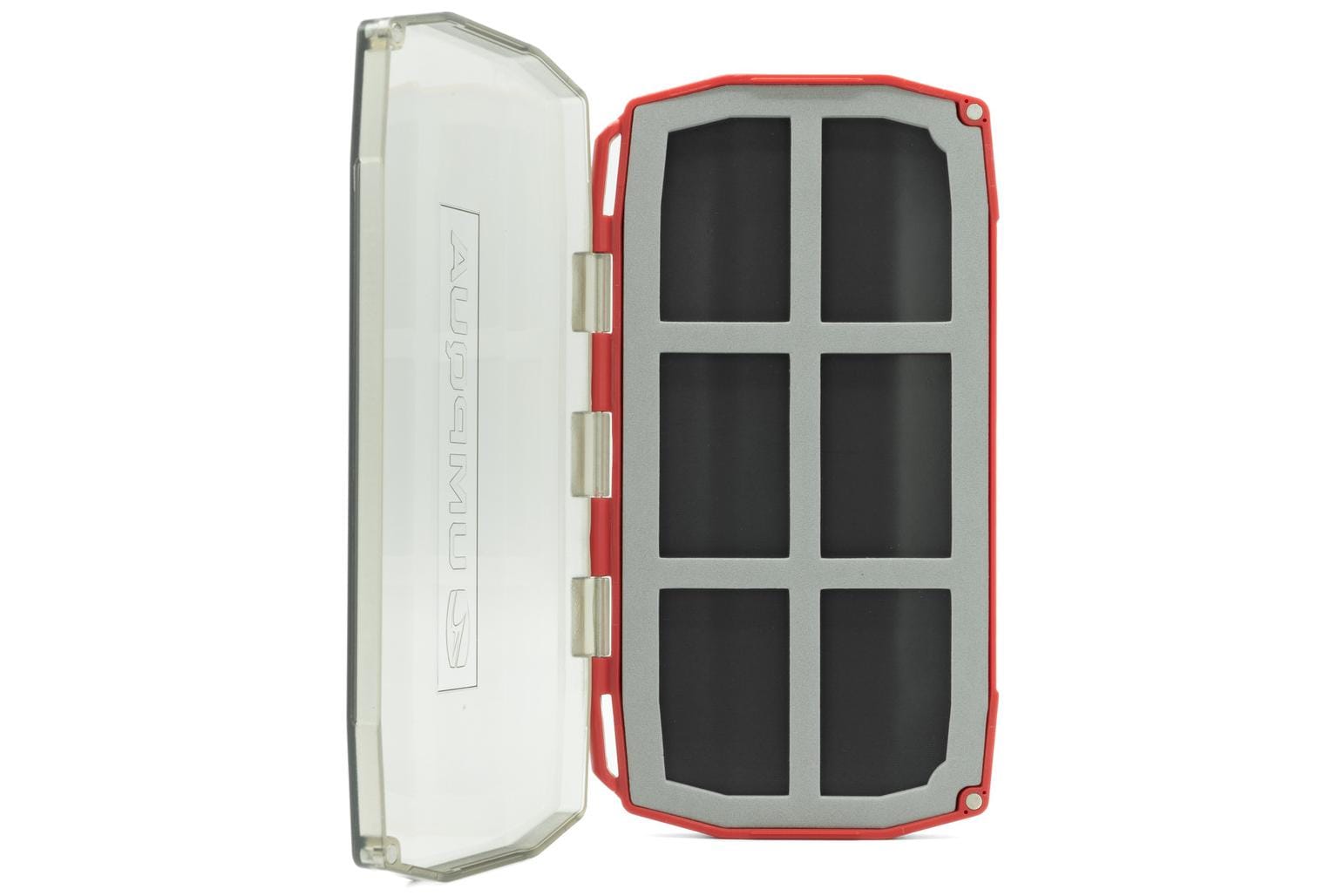
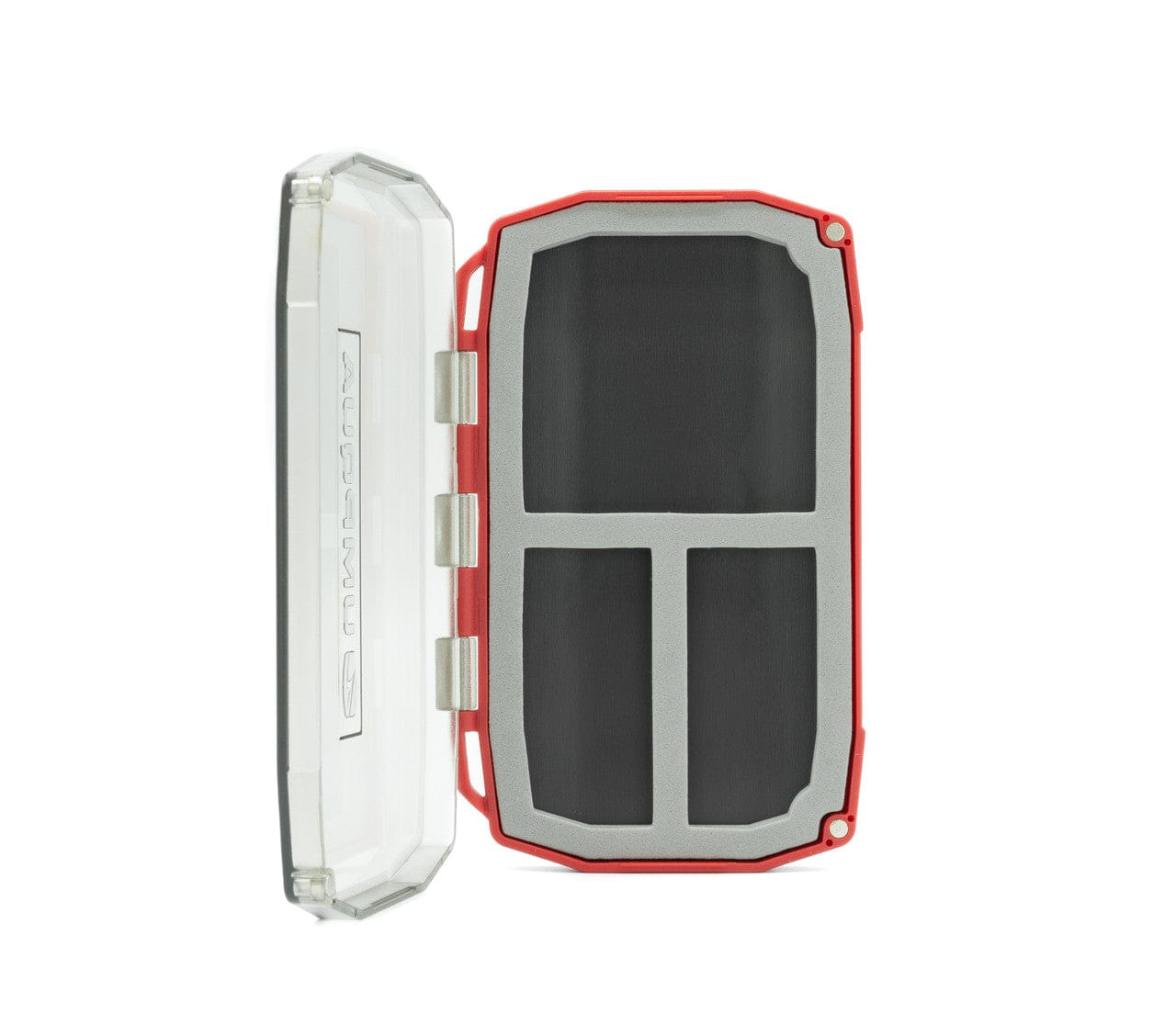
Fly Boxes Quick Picks
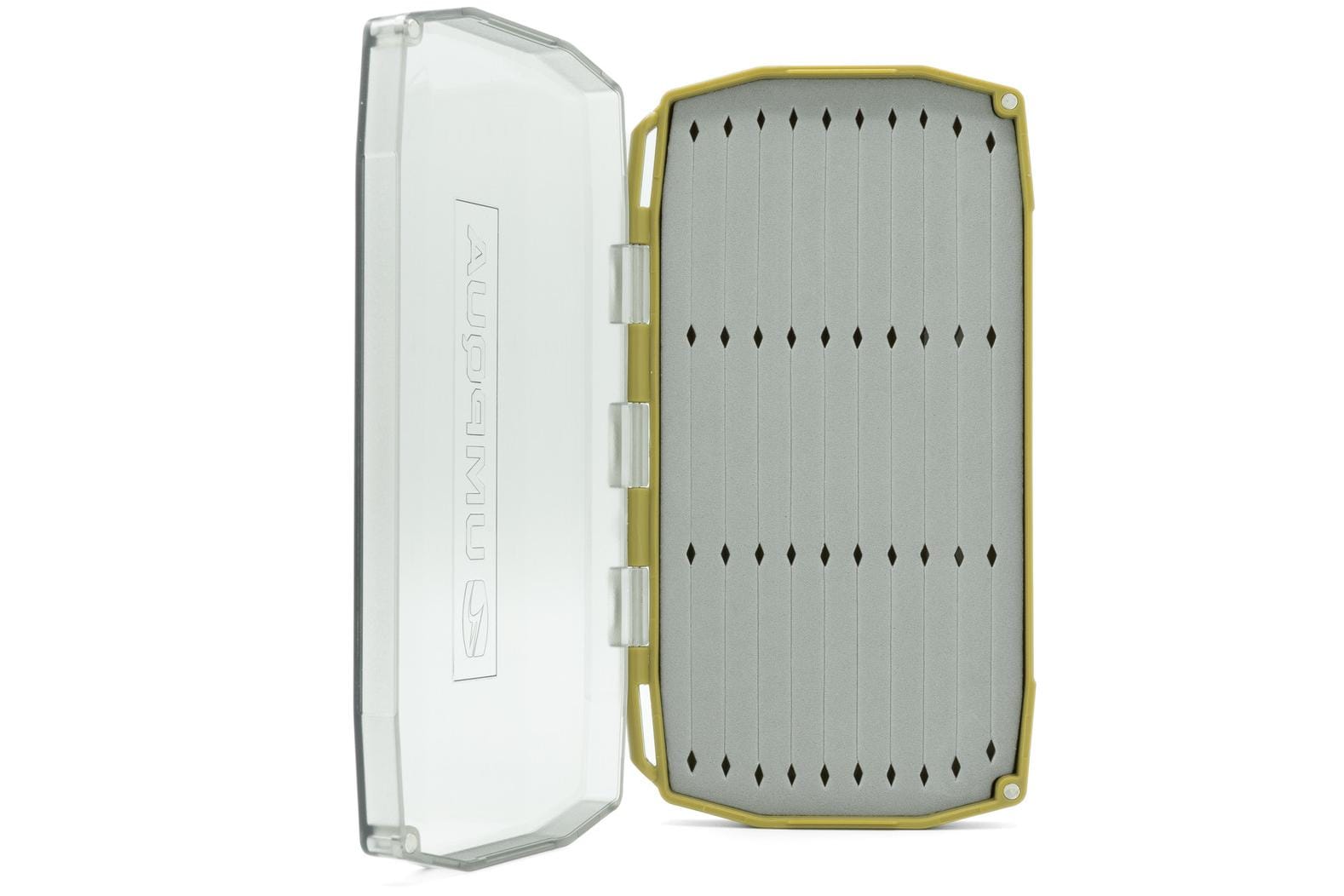
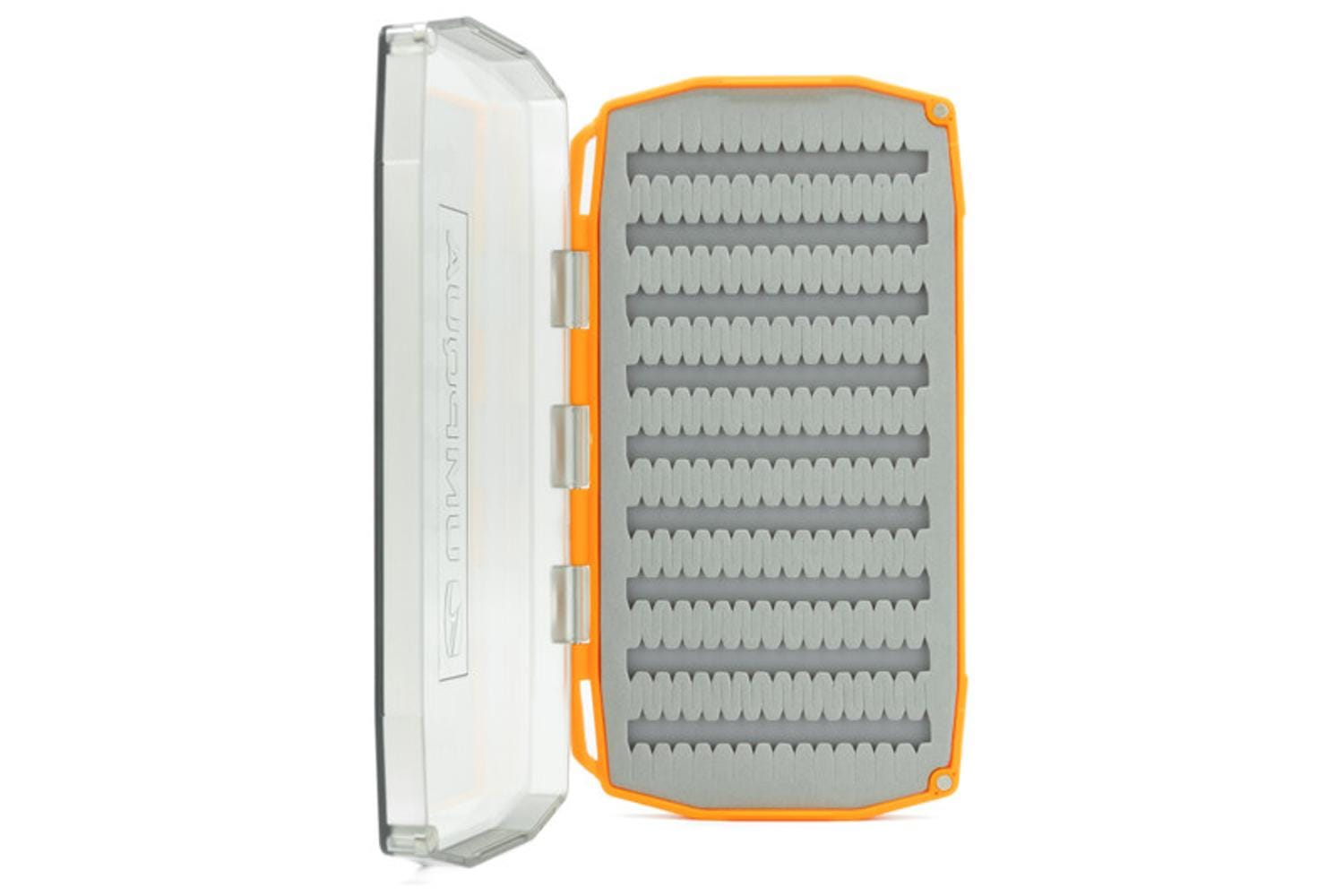
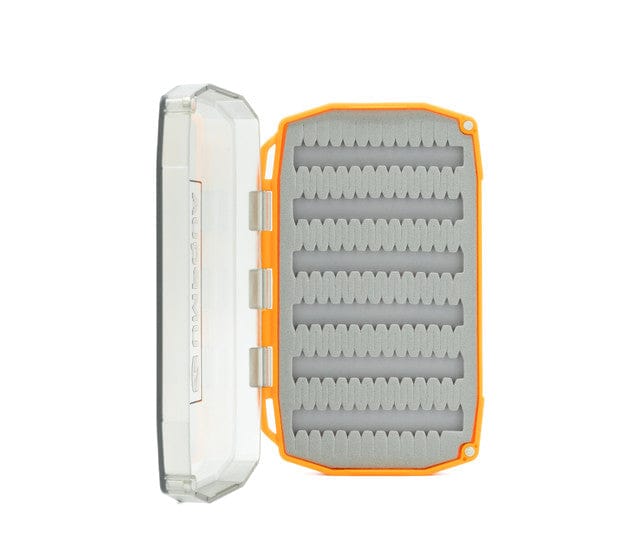
- Best All-Around: Umpqua UPG Silicone Waterproof Essential Fly Box - Great for anglers who want one box that can cover dries, nymphs, and everyday “bug” selection. Waterproof protection and a high-capacity insert make it a reliable do-it-most option.
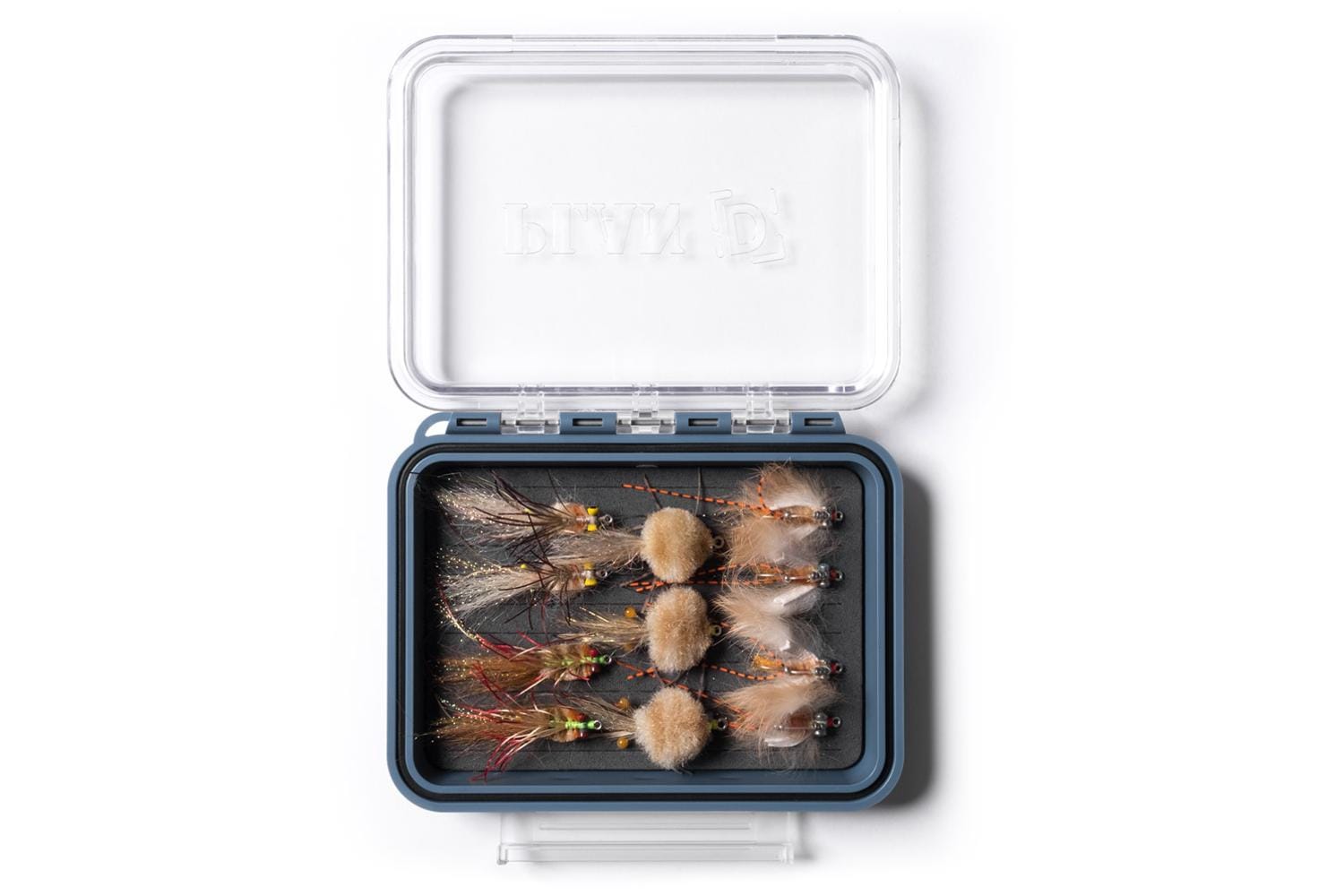
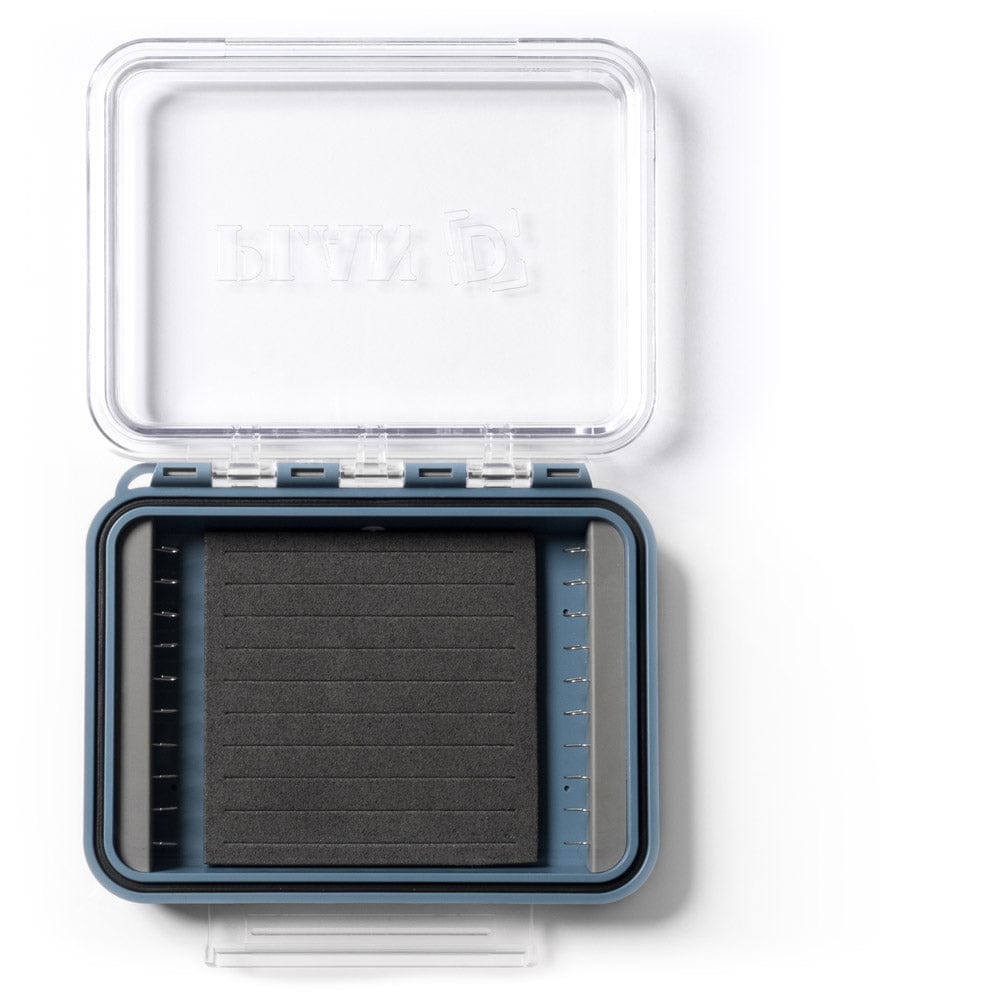
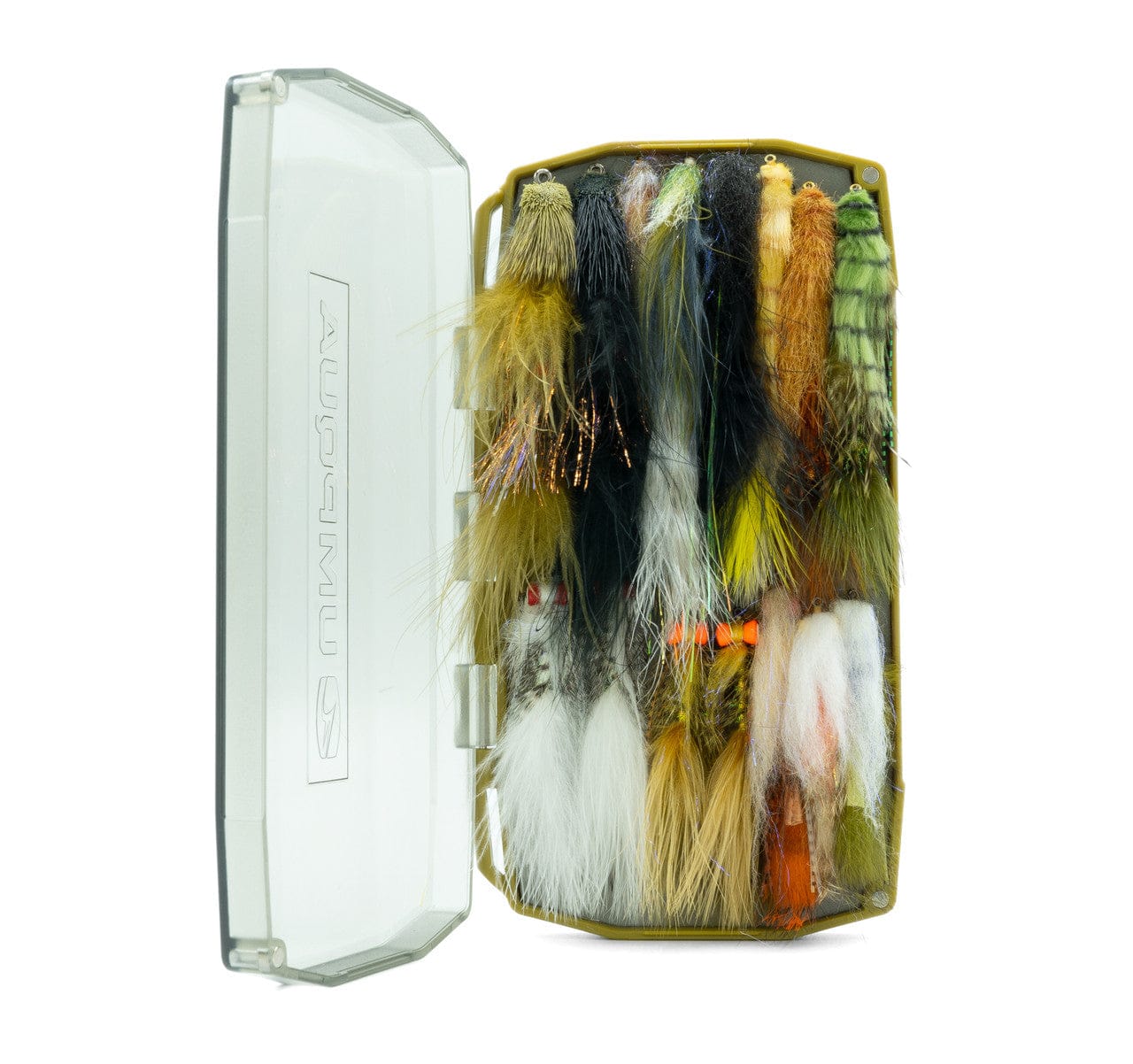
- Best Premium: Plan D Pack Max Fly Box - Built for streamer anglers who need organized storage for bigger patterns and articulated flies. It’s a purpose-built layout that helps keep large hooks and bulky profiles from turning into a tangled mess.
- Best Value: The Kennebec Fly Box - A straightforward, budget-friendly choice for stocking a working selection without overthinking it. Simple foam storage and a clean layout make it easy to grab the right fly fast.
- Best for Beginners: The Casco Bay Fly Box - Ideal for new anglers building their first “do-everything” box with room to grow. A waterproof seal helps protect your flies when the box lives in a wet pack or gets dropped riverside.
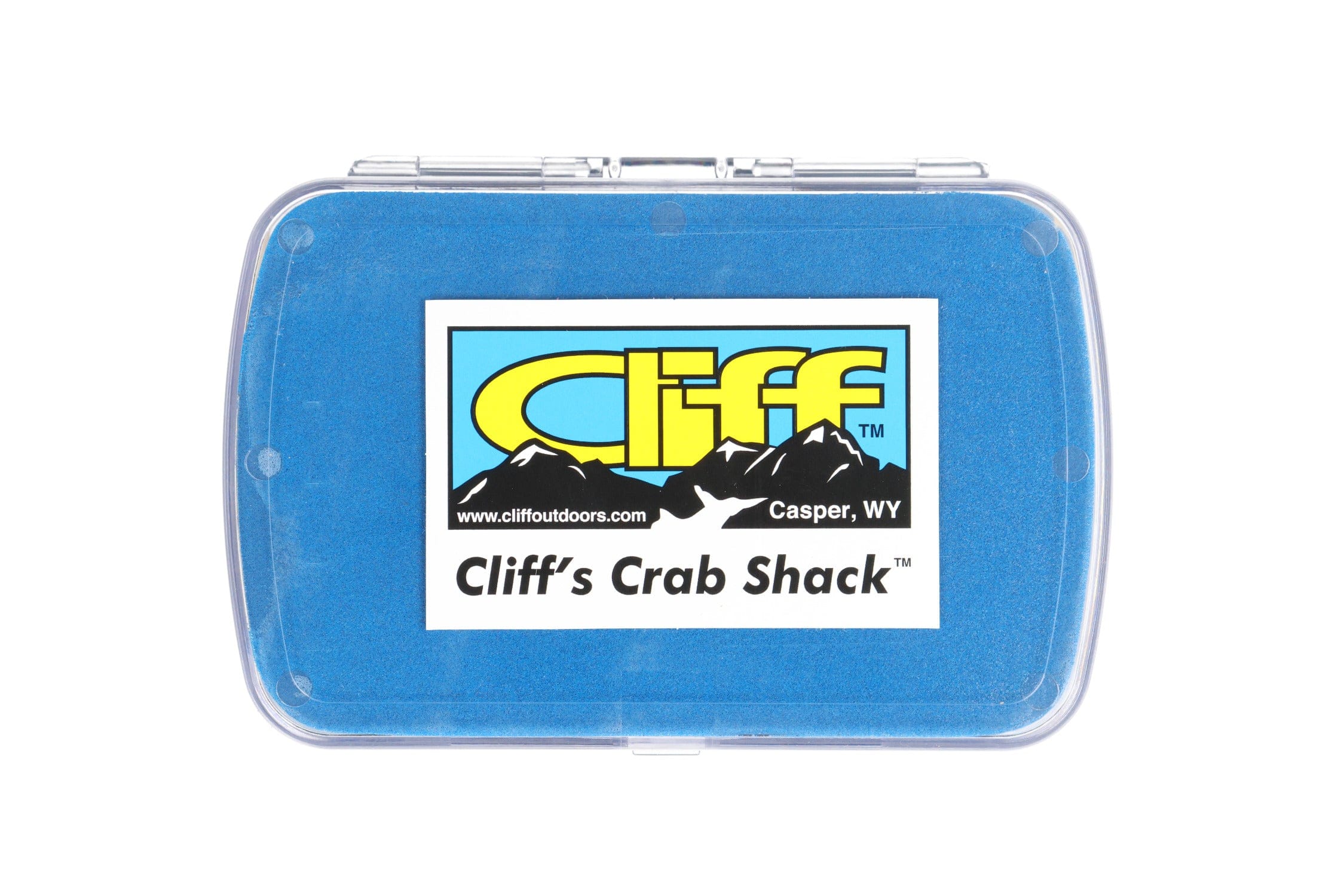
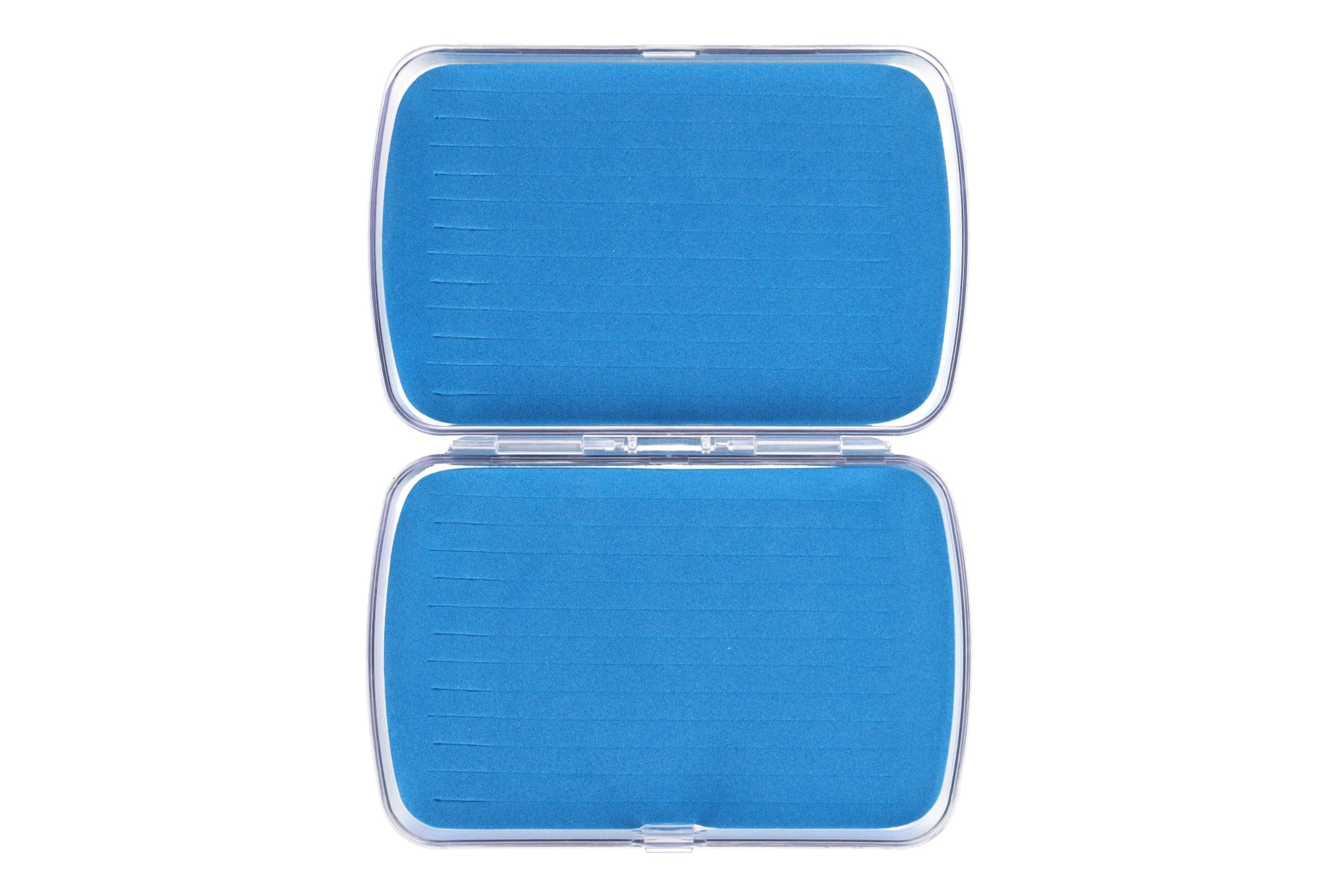
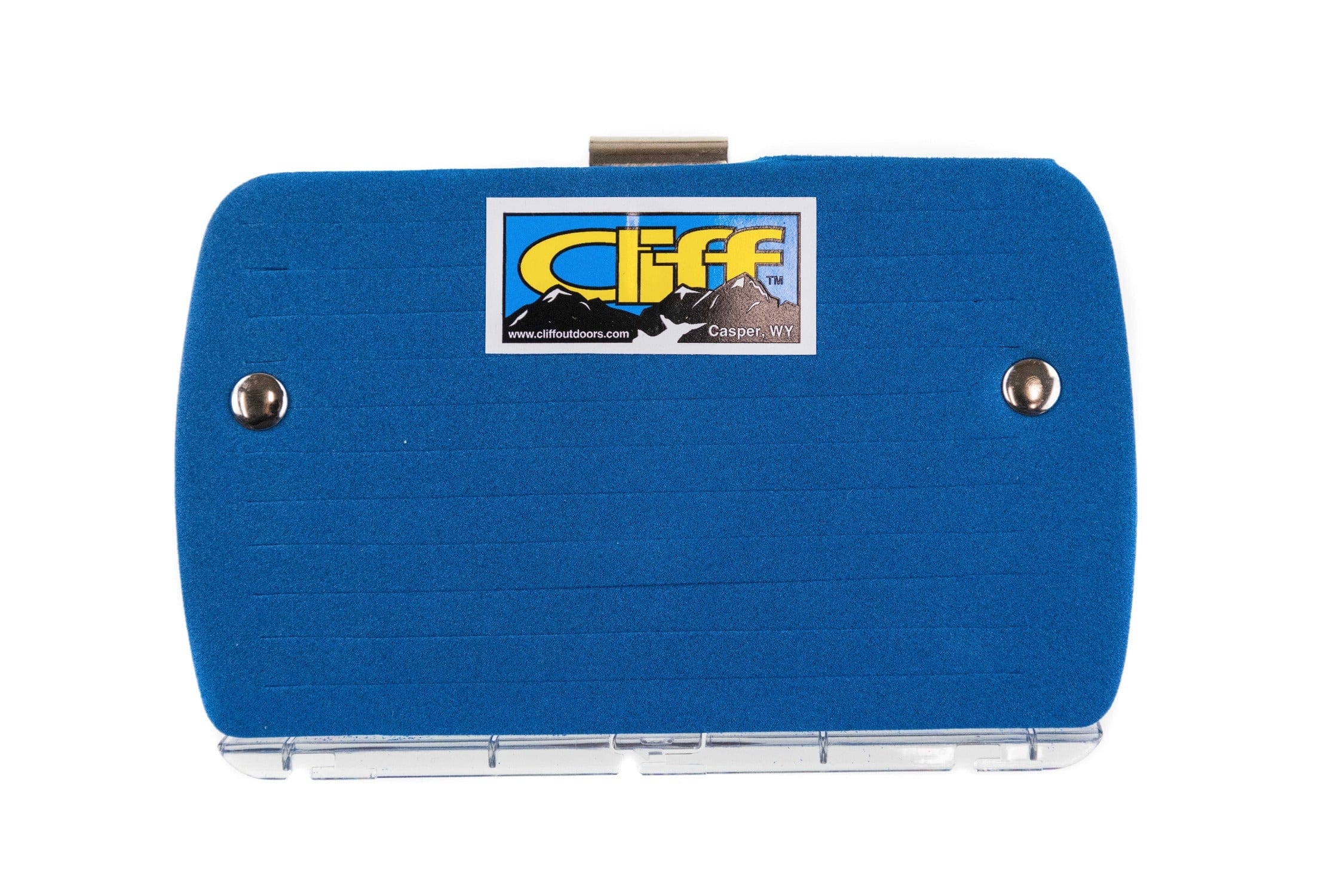
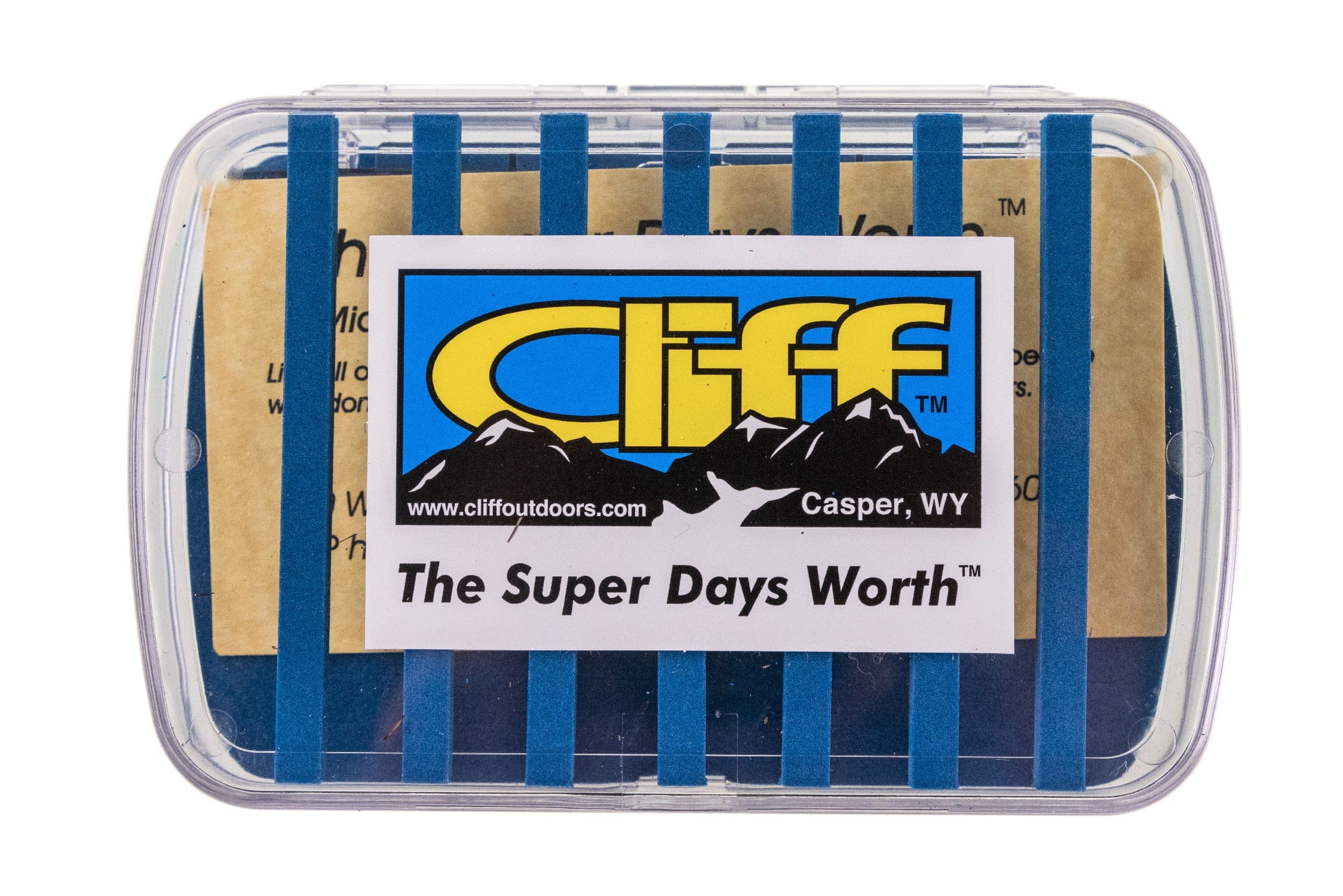
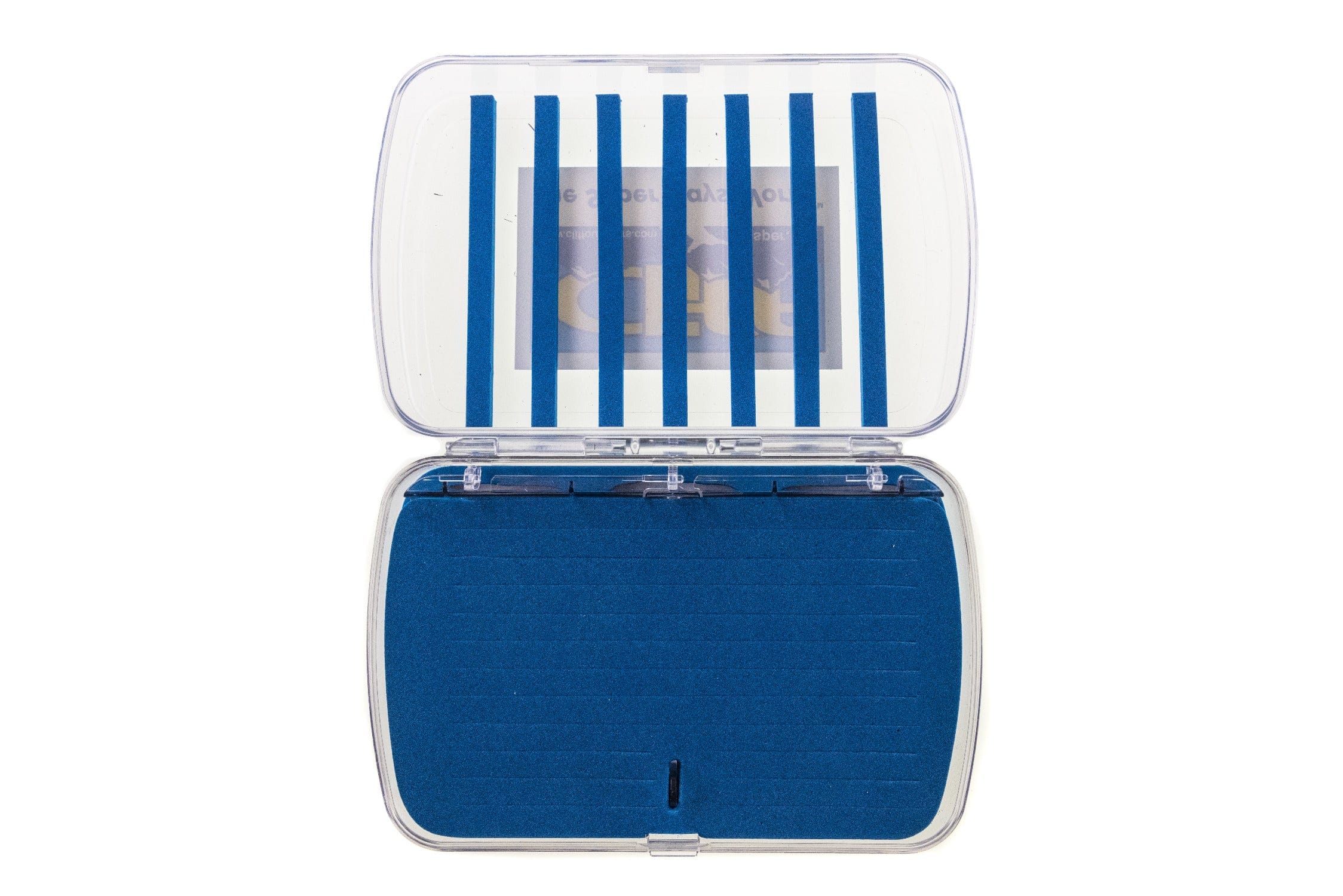
- Best for Saltwater Flats: Cliff's Crab Shack Fly Box - A strong pick for crab and shrimp patterns where organization matters and quick access counts. The compact format keeps flats flies tidy and ready when the window is short.
How to Choose Fly Boxes
Capacity vs. footprint
Action: Start with how many flies you realistically fish in a day, then choose the smallest box that holds that selection without crushing materials.
For short sessions or small-water trout, slim boxes ride better in a wader pocket. For full days, guide-style selections, or destination travel, a larger waterproof box can keep your full range of bugs in one place.
Insert type: foam, silicone, magnetic, and compartments
Best for: Silicone or high-grip inserts if you change flies often and want secure hold with quick loading. Foam is classic, cost-effective, and works well across most hook styles.
Best for: Magnetic “staging” areas when you’re rotating tiny dries or midges, or drying flies between runs. Compartment boxes are great for keeping specific patterns separated, but they can be slower when you’re swapping frequently.
Waterproof vs. water-resistant
Best for: Waterproof fly boxes if you fish from a wet pack, wade deep, fish in the rain, or travel where you can’t easily dry gear each night.
Avoid if: You prefer instant one-handed access all day and rarely get your box soaked, some waterproof latches are simply more secure by design.
Match the box to the flies you actually carry
- Trout dries: Look for enough headroom to protect hackle and wings, plus organized rows for sizes 12, 22.
- Nymphs and euro bugs: Prioritize dense storage and secure retention for small, heavy flies that can work loose in soft inserts.
- Streamers/articulated: Go for deeper slits, wider spacing, and layouts built around big hooks and multiple hook points.
- Saltwater: Choose a box that protects materials from being crushed, and consider waterproof protection when gear stays wet all day.
Materials & Durability
- Let flies dry when you can: If you put wet flies away, crack the box open back at the car/lodge to vent moisture.
- Rinse after saltwater: A quick freshwater rinse and dry helps reduce corrosion on hooks and hardware.
- Don’t overpack: Crushed hackle and bent hooks usually come from trying to force “one more row” into a box.
- Check inserts seasonally: Replace worn foam or damaged inserts before you lose flies in transit.
Complete Your Setup
Related Gear
- Fly Fishing Flies - Stock the box with proven patterns for your species and season.
- Fly Assortments - A fast way to build a well-rounded trout or saltwater selection.
- Fly Selections - Curated packs when you want destination-ready coverage without guesswork.
- Trident Basics - Practical essentials that pair well with an everyday fly box setup.
Related Guides
- Fly Fishing for Beginners: A Gear List
- How to Tie a Rainbow Warrior Nymph
- How to Tie the Top Secret Midge Fly
- How to Tie a Perdigon Nymph
- How to Tie a Surf Candy Saltwater Streamer Fly
Fly Boxes FAQs
Q: What is a fly box used for in fly fishing?
A: A fly box stores and organizes your flies so you can change patterns quickly on the water. A good box also helps protect materials from being crushed and keeps hooks from tangling.
Q: Do I need a waterproof fly box?
A: If your gear frequently gets wet, deep wading, boat spray, rain, or saltwater, waterproof boxes can help protect flies and reduce corrosion risk. If you mostly fish fair weather and keep your box in a dry pocket, a standard box is often enough.
Q: Is foam or silicone better for fly boxes?
A: Foam is simple, affordable, and works well for most hook styles. Silicone-style high-grip inserts tend to hold flies firmly and can be quick to load and unload, which many anglers like for high-rotation “everyday” boxes.
Q: What fly box is best for small flies and midges?
A: Look for micro-slit storage or a magnetic staging area that keeps small hooks from falling out. A clear lid also helps you find tiny patterns quickly without dumping flies out on the bank.
Q: What fly box is best for streamers and articulated flies?
A: Prioritize deeper, wider slits and layouts designed around larger hooks and bulkier materials. Boxes built specifically for streamer storage help keep big flies separated so they don’t crush or tangle.
Q: How many fly boxes do I need?
A: Many anglers start with one all-around box, then add a second box dedicated to a technique (nymphs vs. dries) or a species (trout vs. salt). Separating by use case keeps you from carrying too much and makes fly changes faster.
Q: How do I keep flies from rusting inside a fly box?
A: Dry wet flies whenever possible and open the box to vent moisture after the trip. If you fish saltwater, rinse flies and boxes with freshwater and let everything fully dry before storage.