



Simms Challenger 7in Fly Fishing Deck Boot | Insider Review
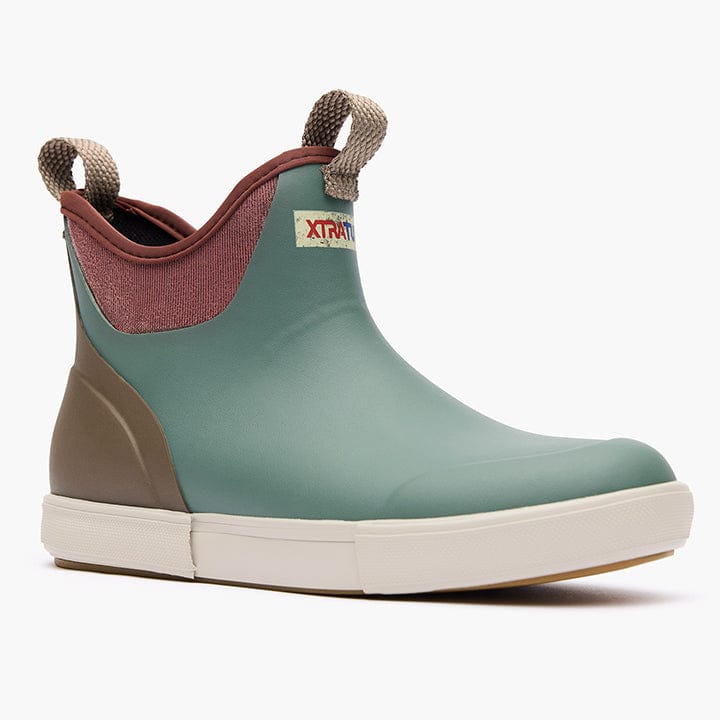
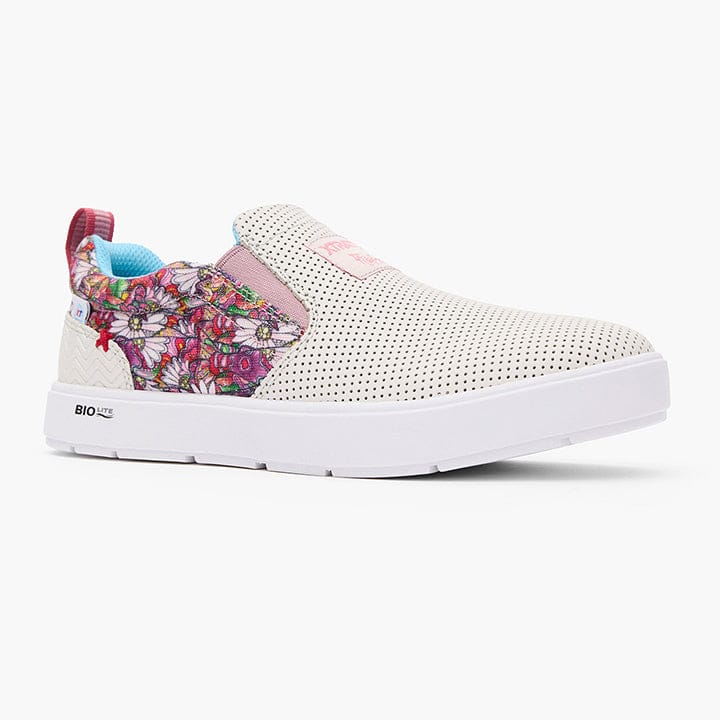
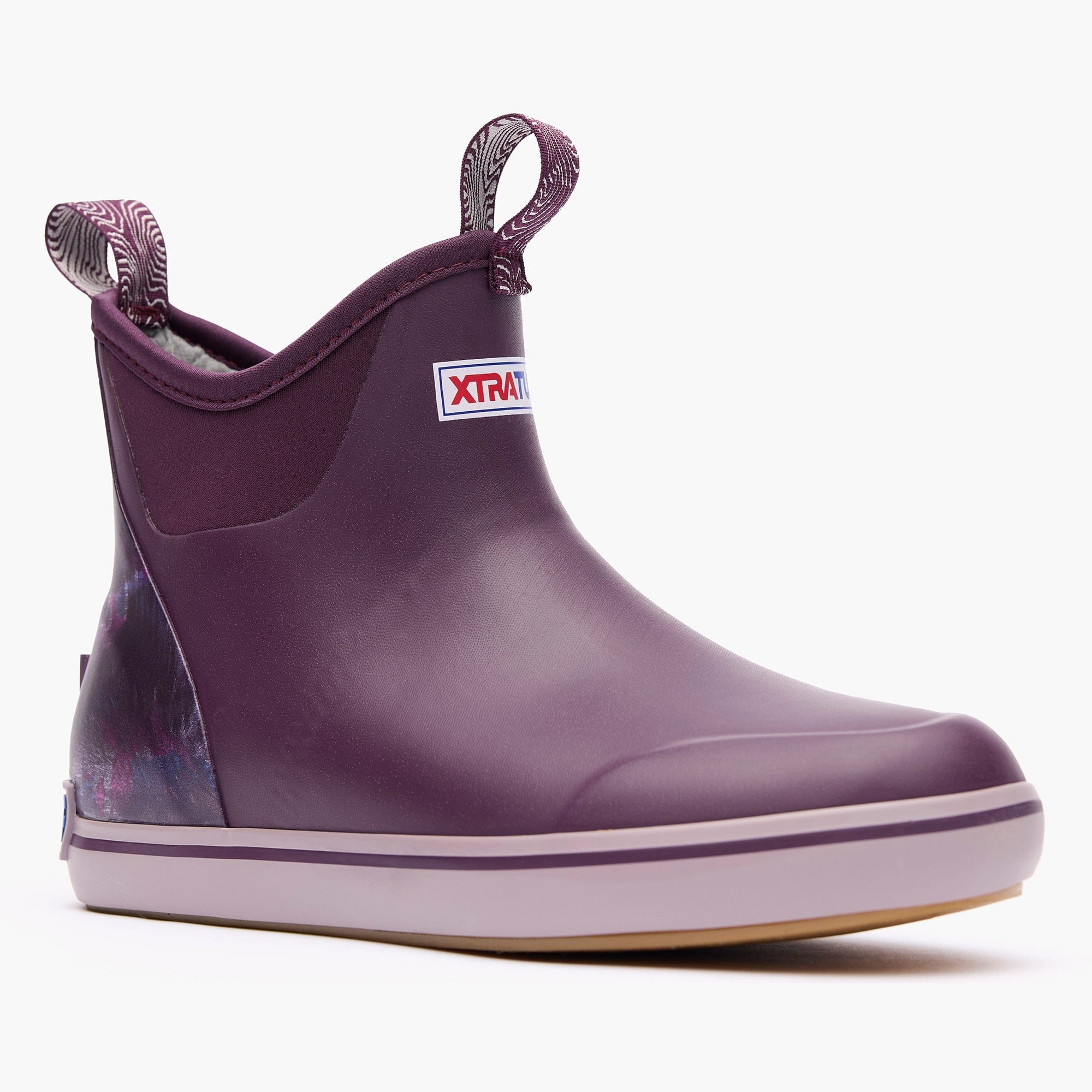
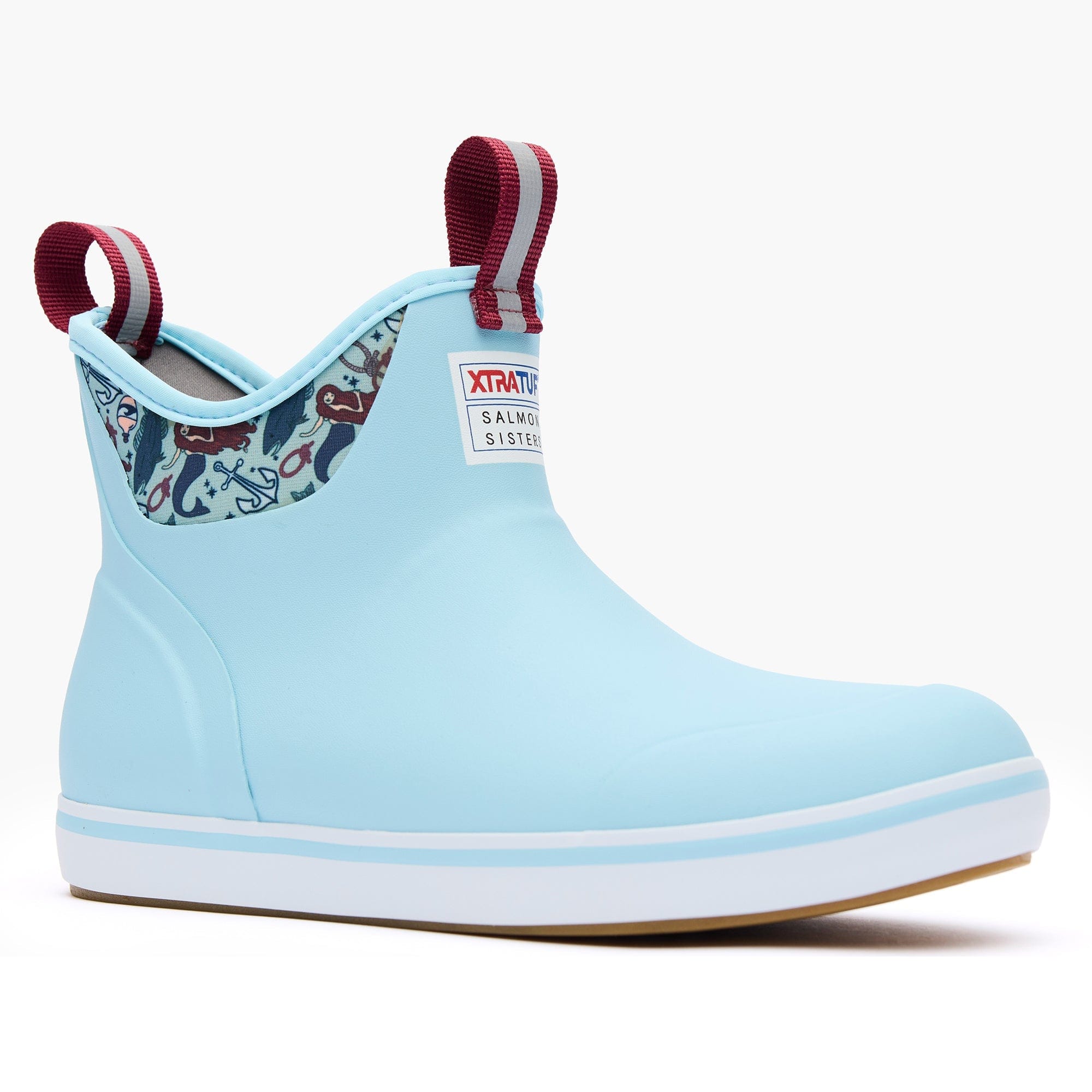
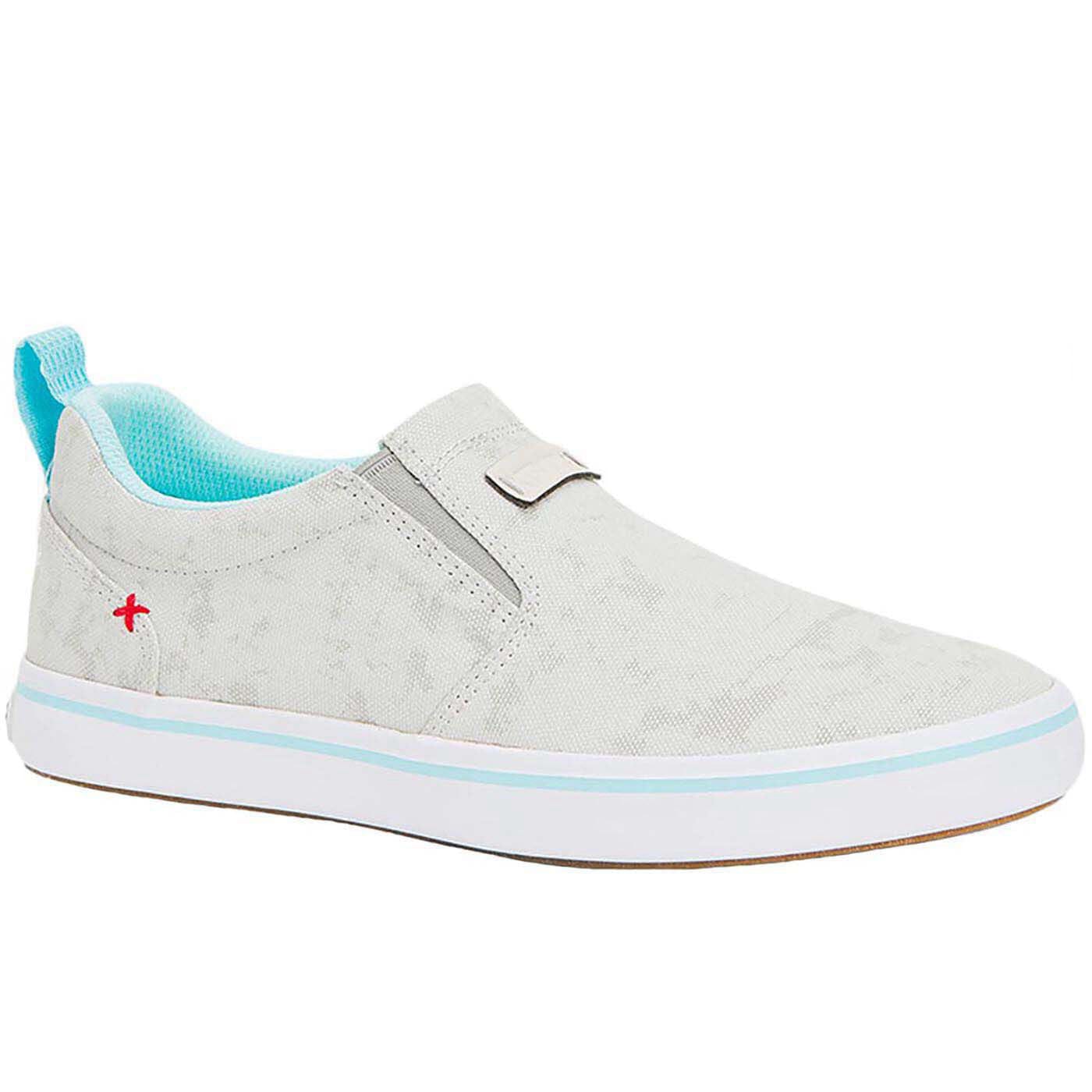
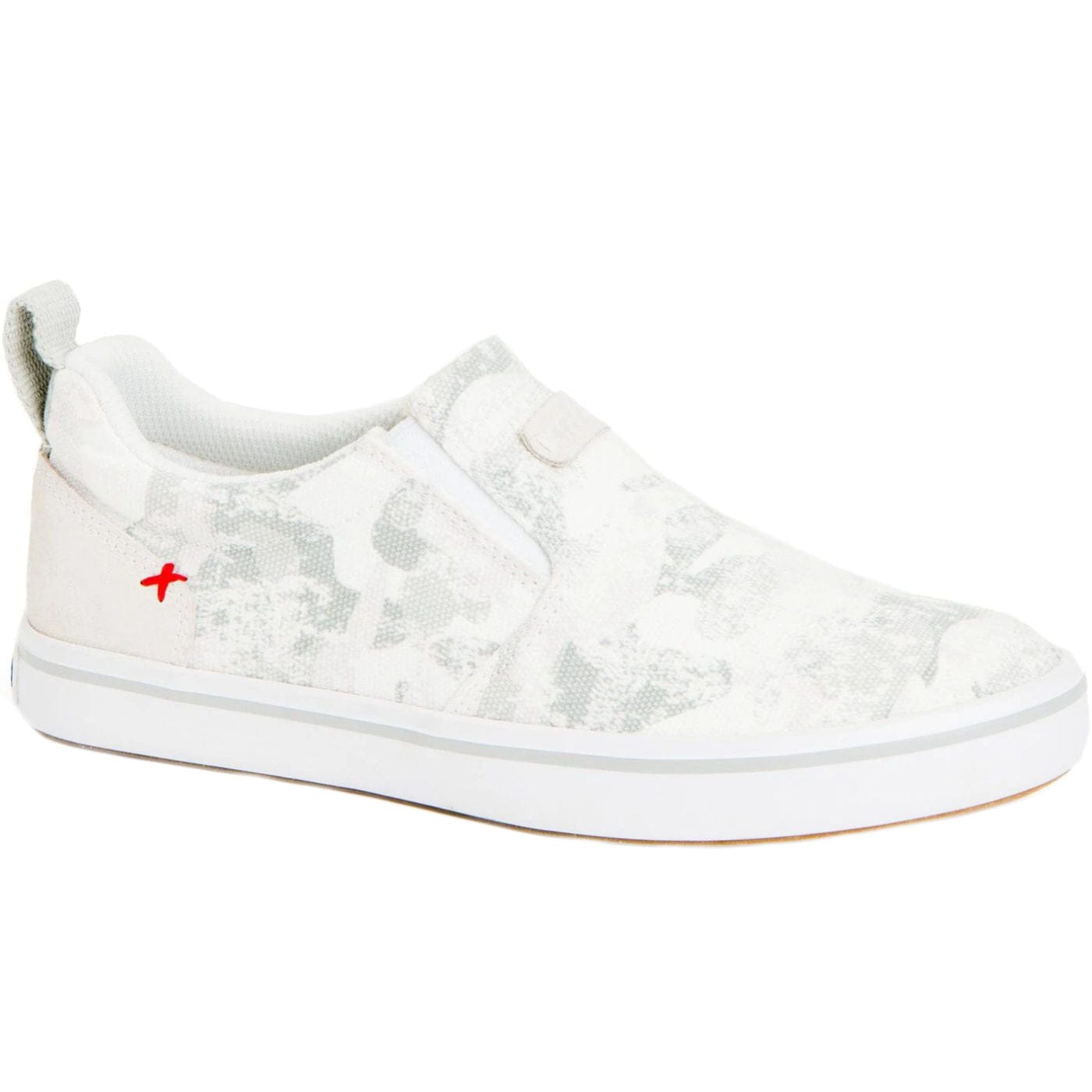
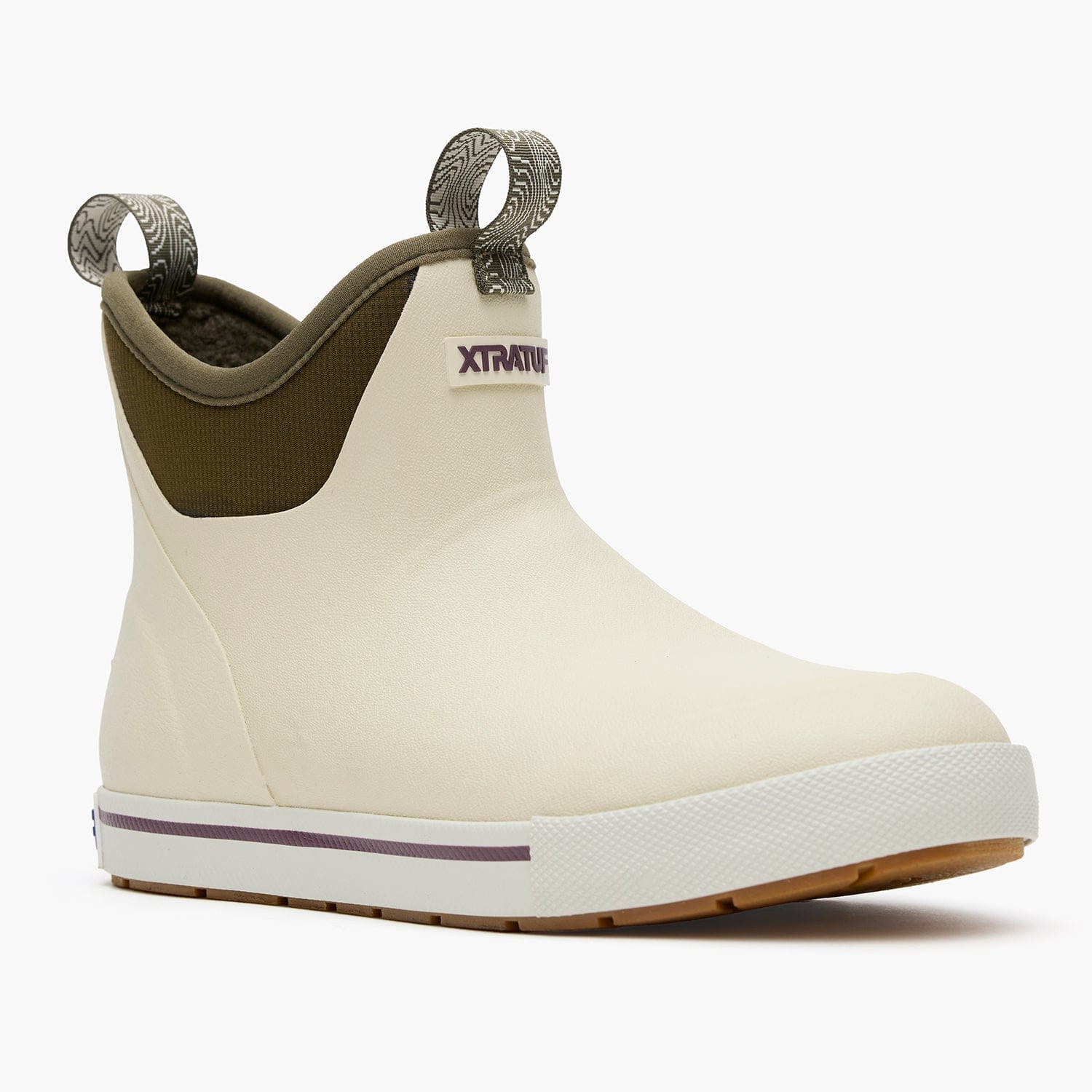
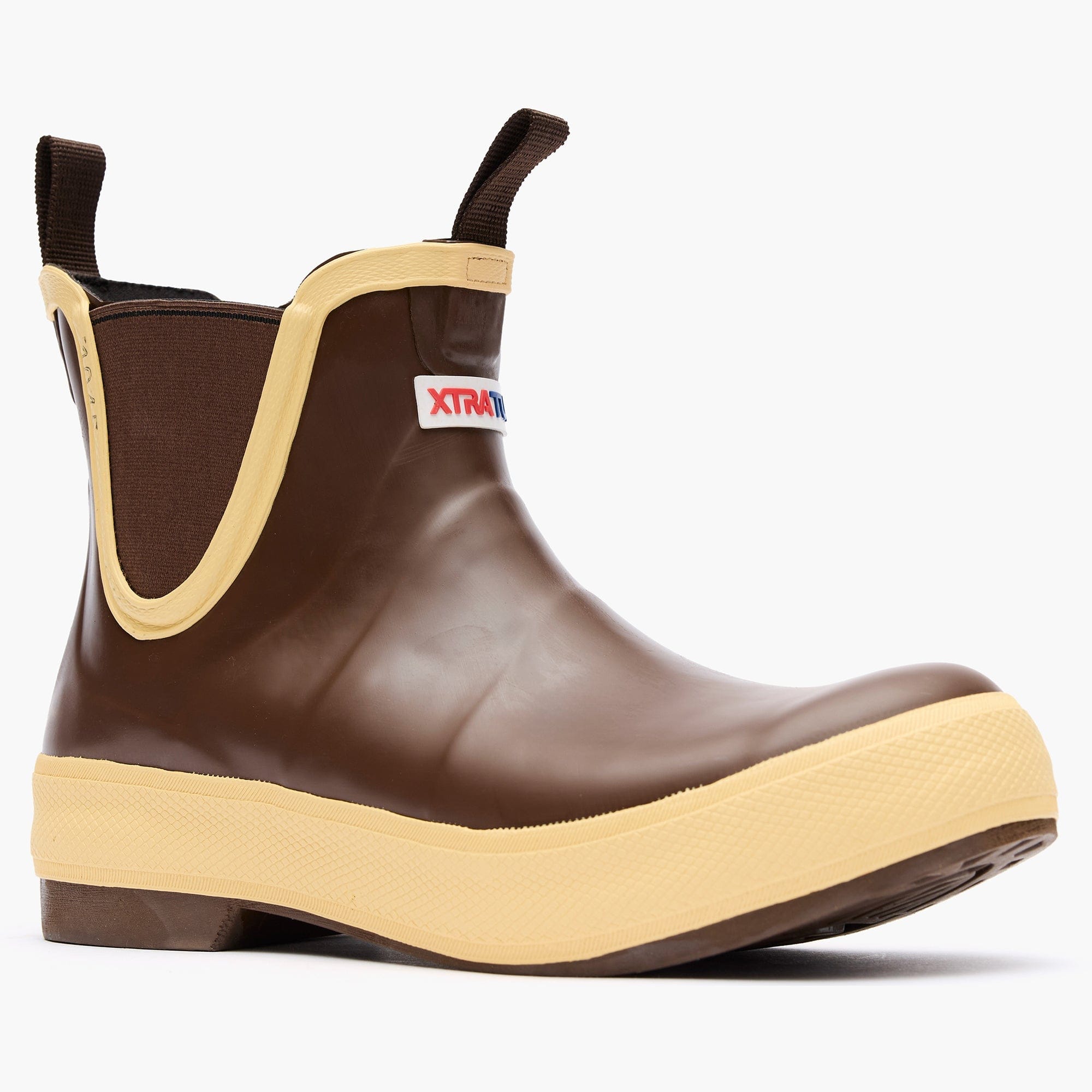
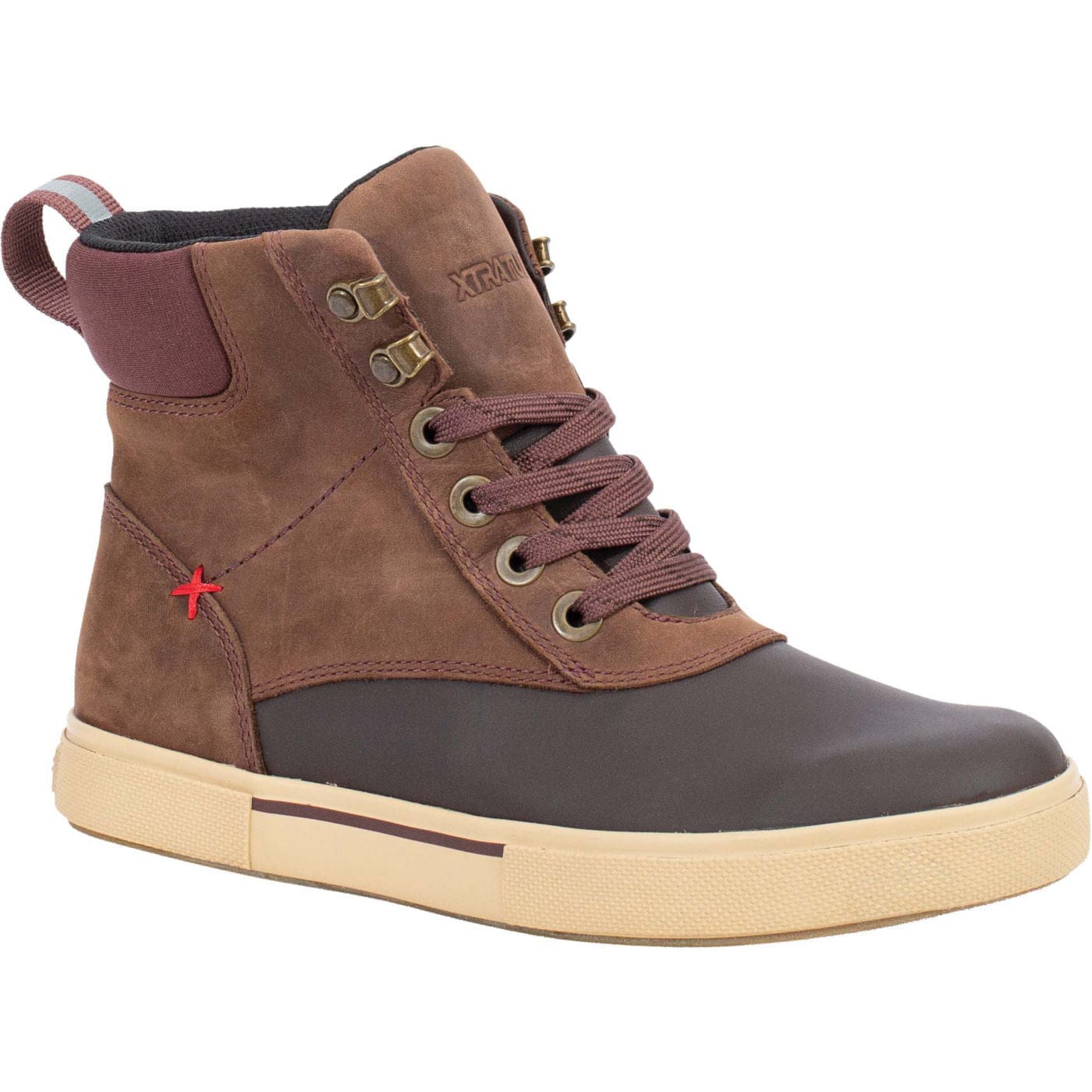
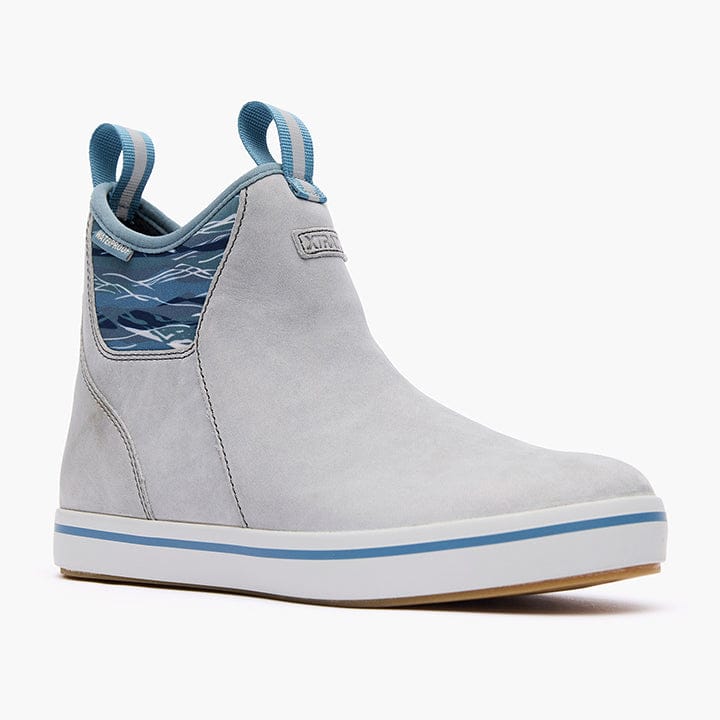
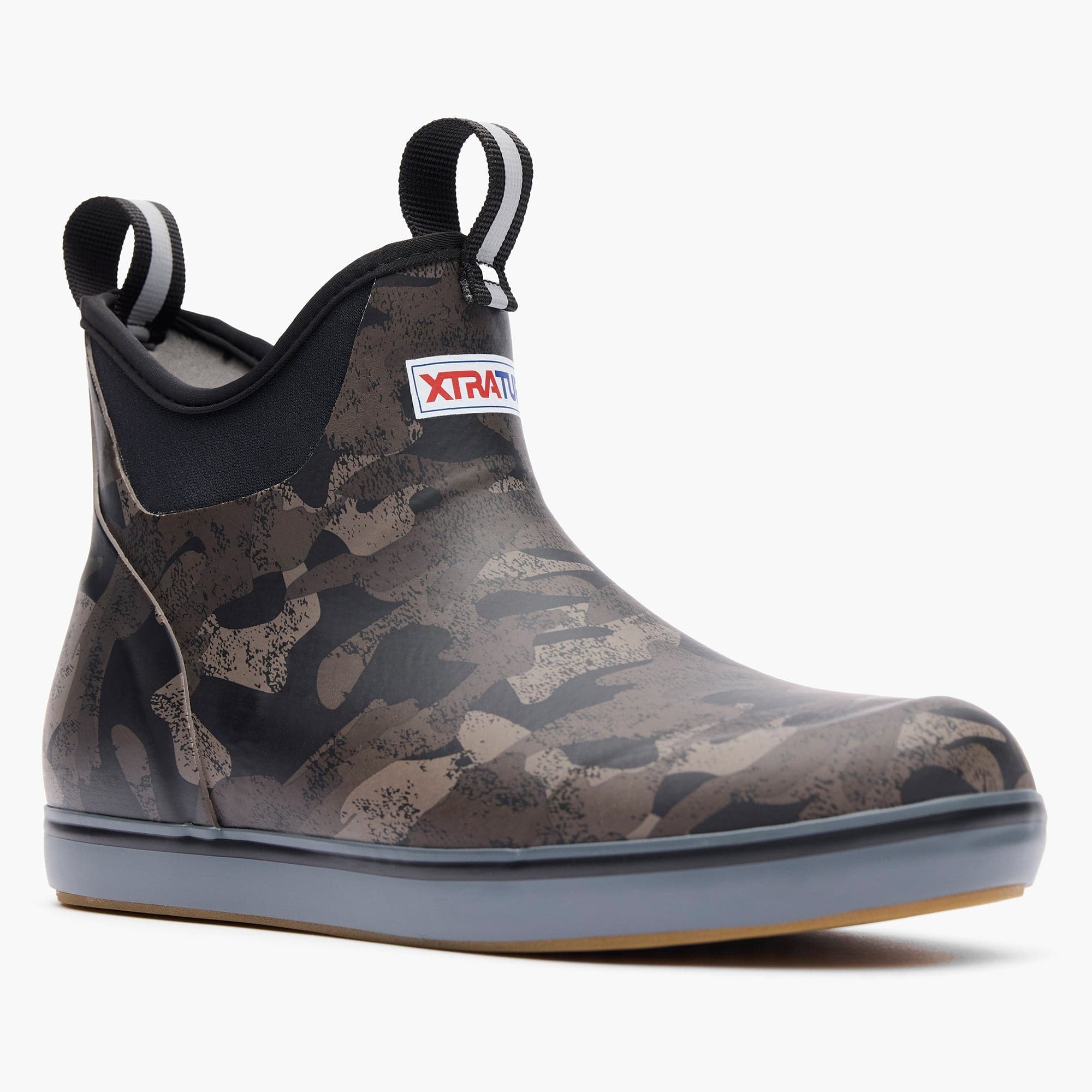
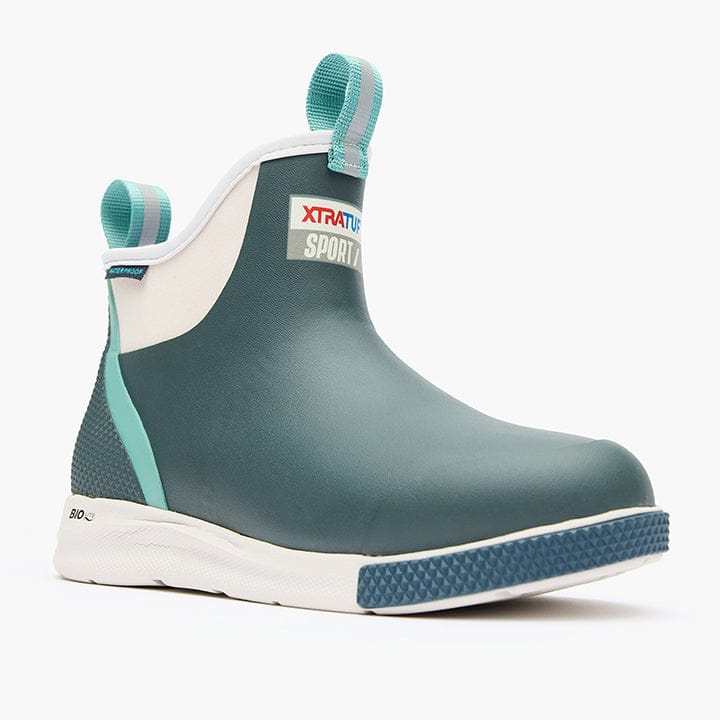
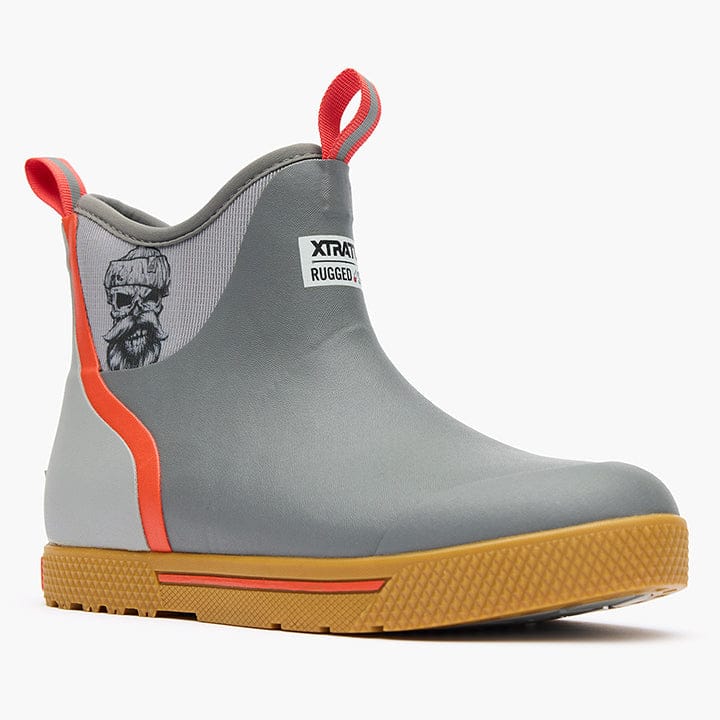
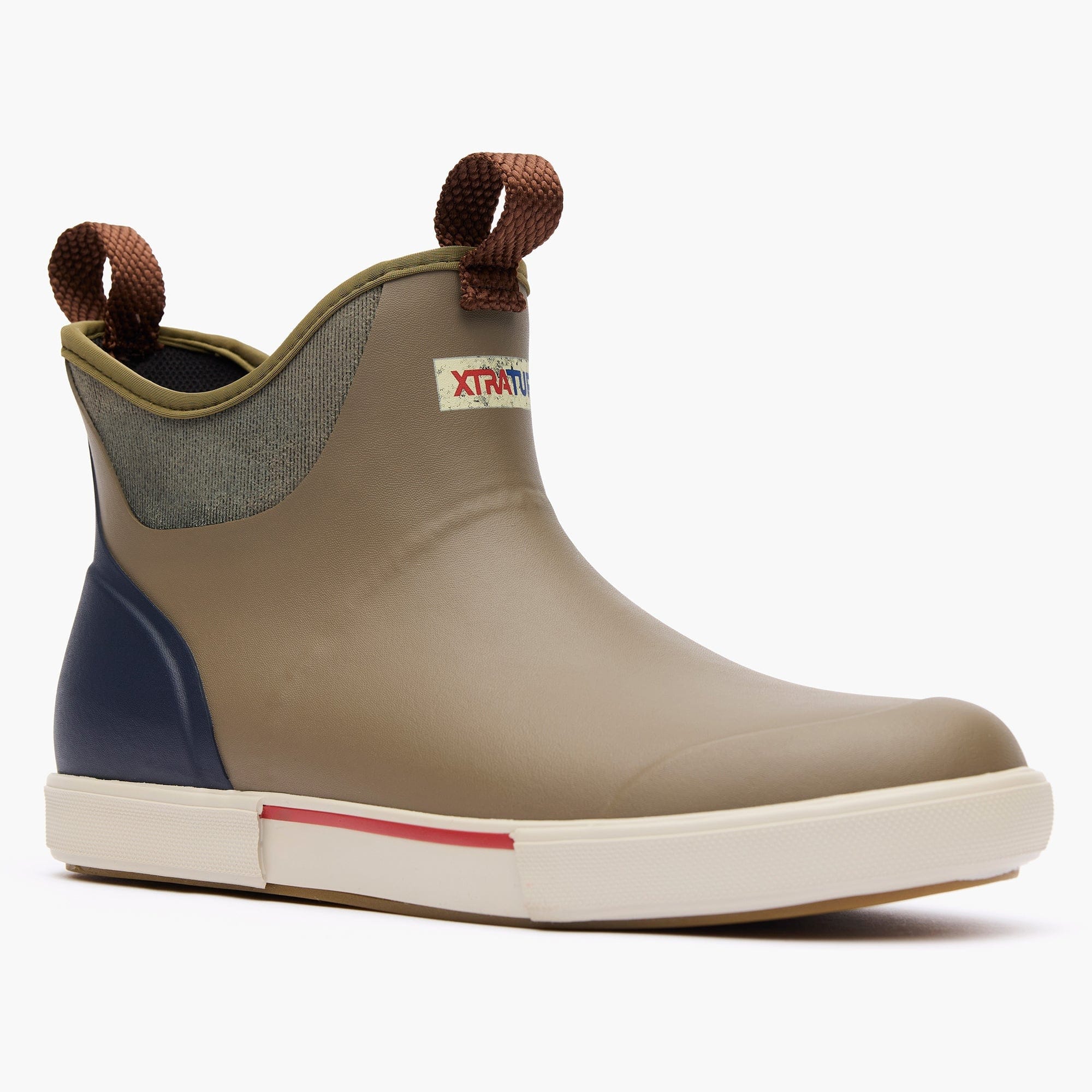
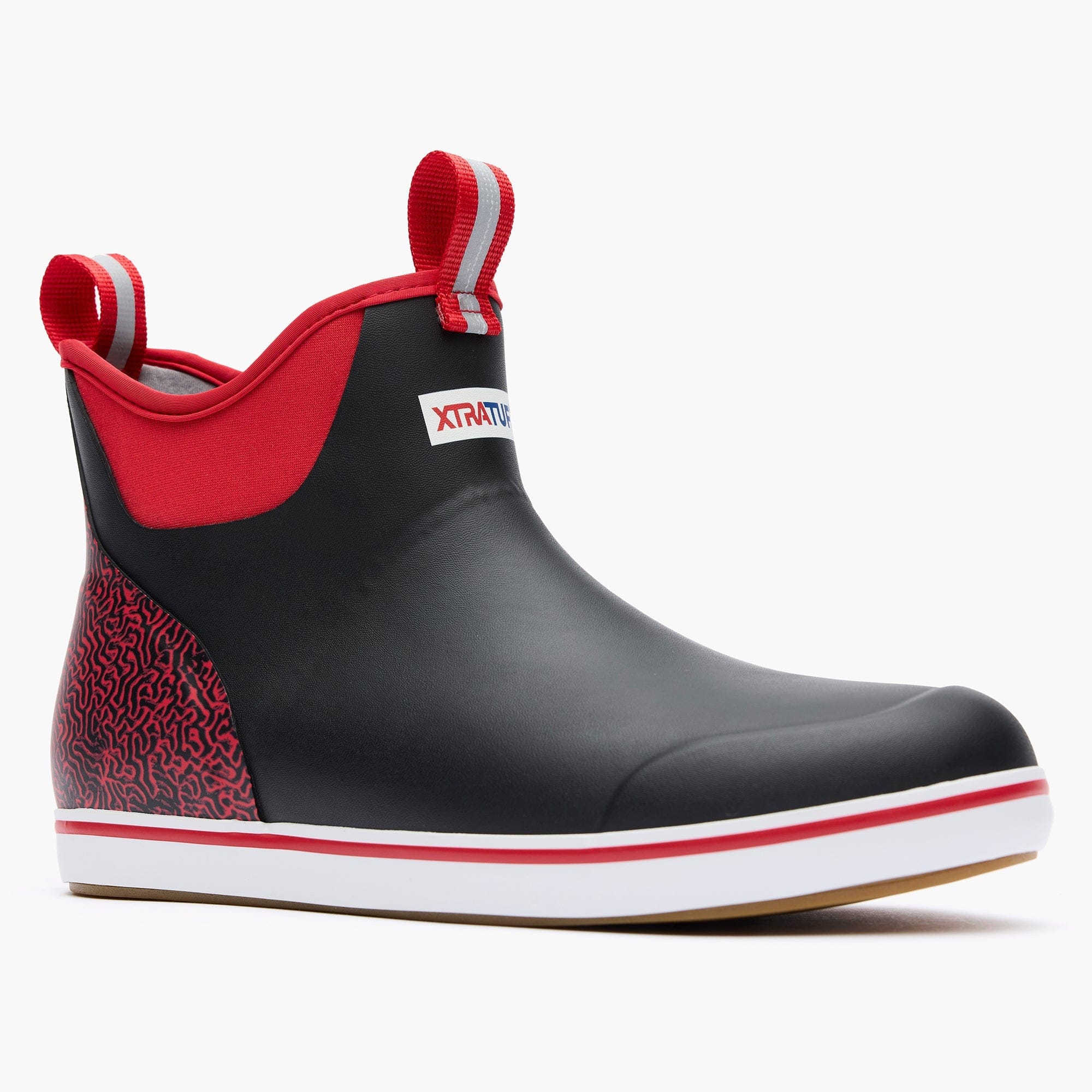
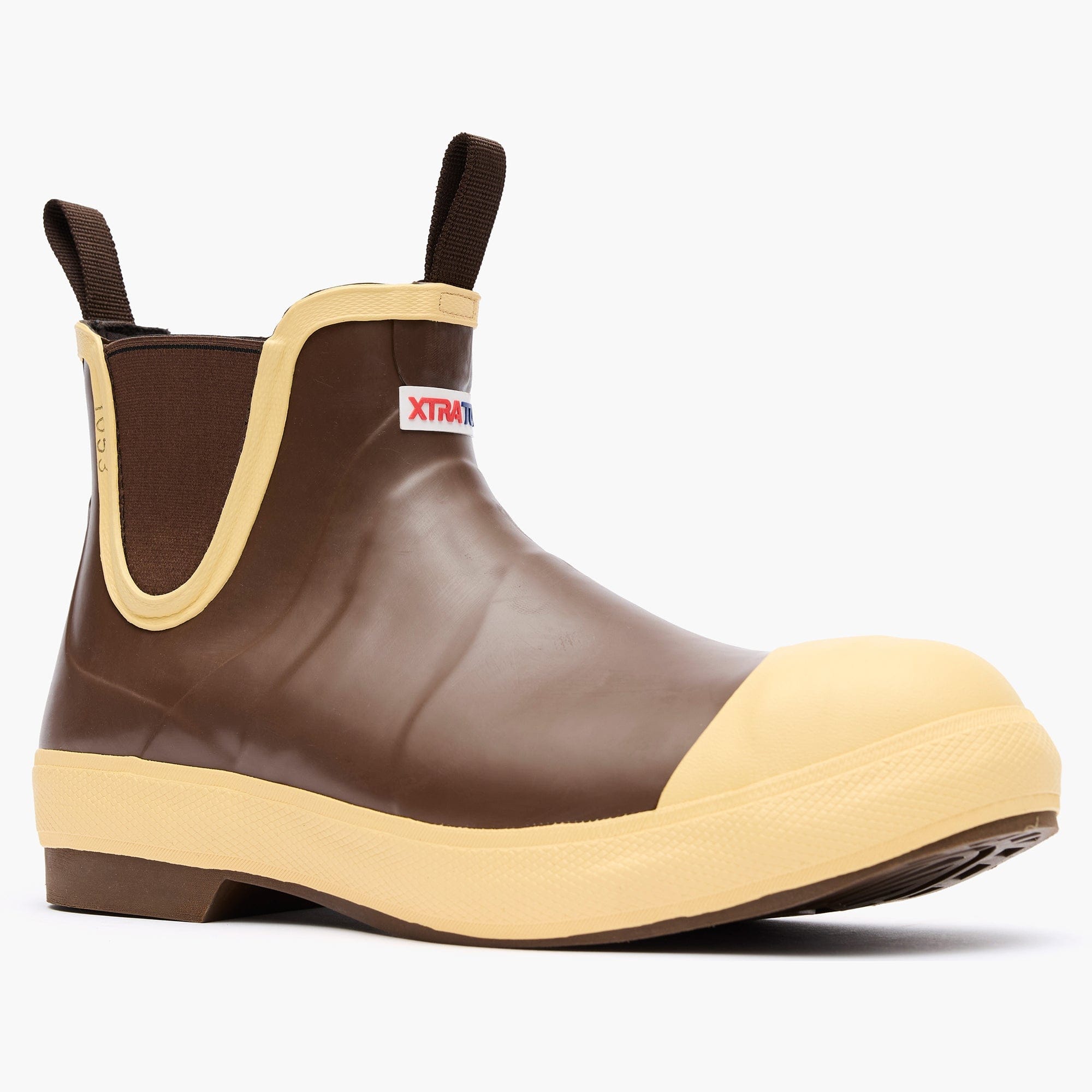
Fly Fishing Deck Boots Quick Picks
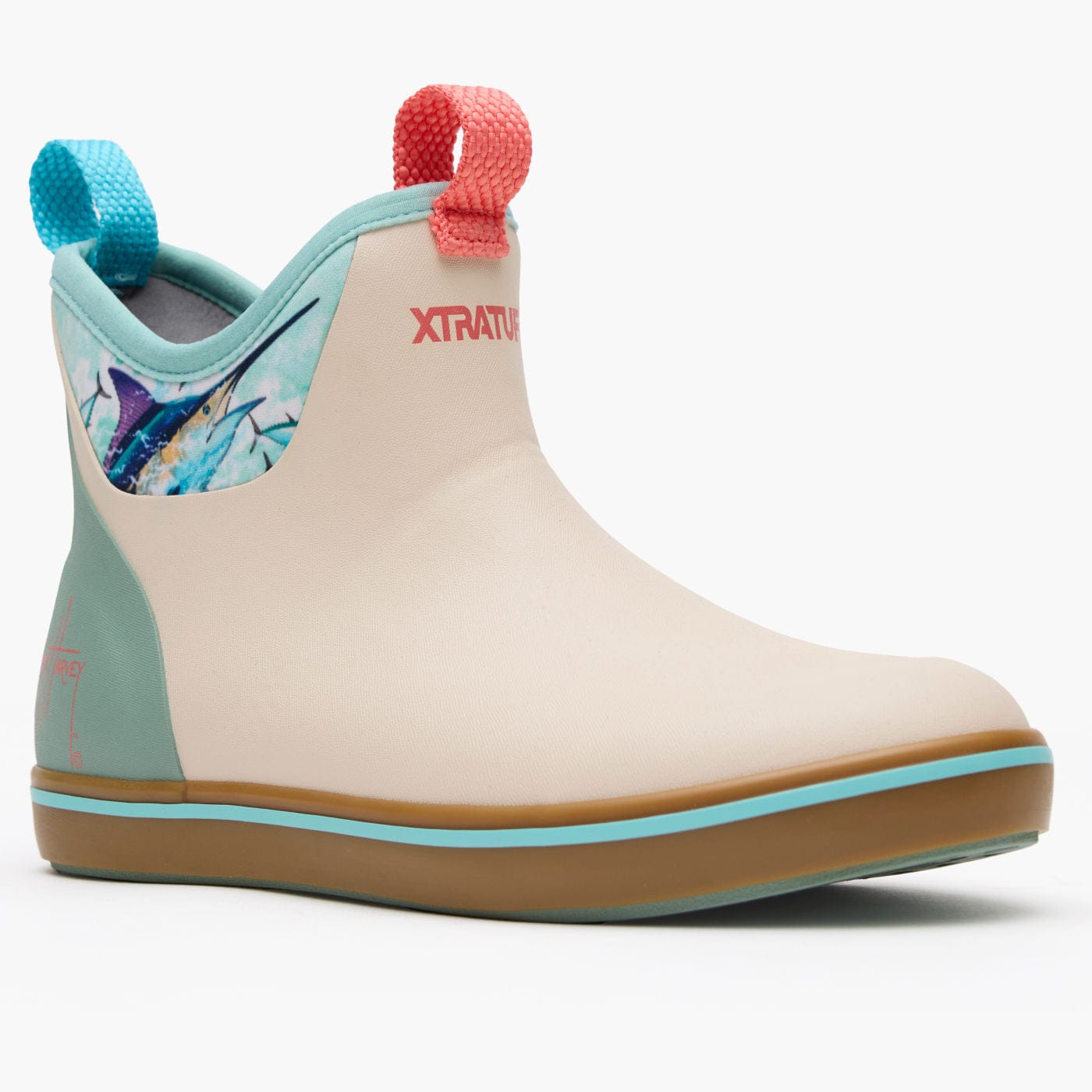
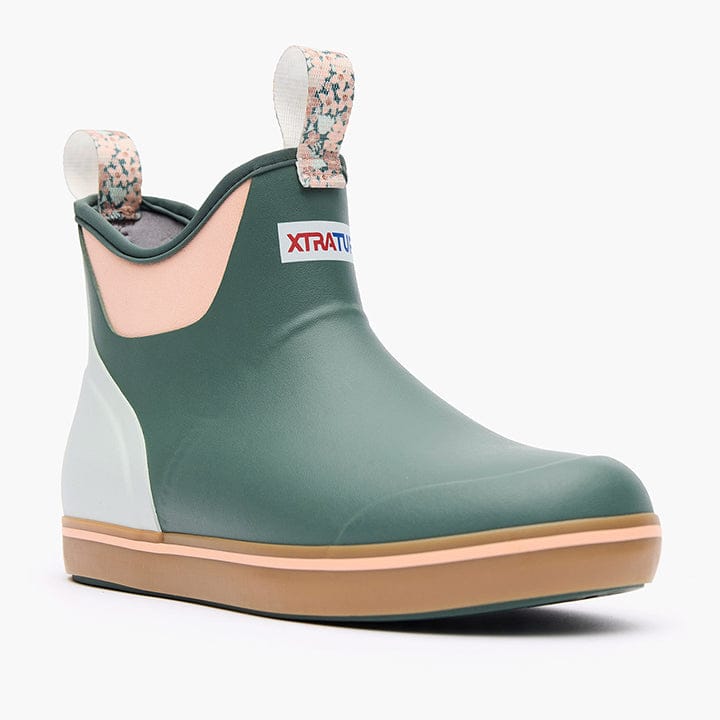
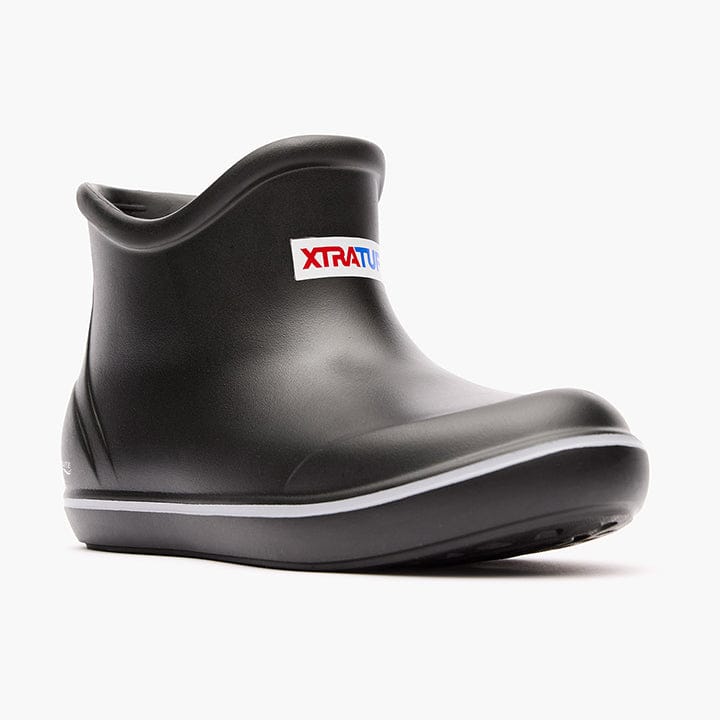
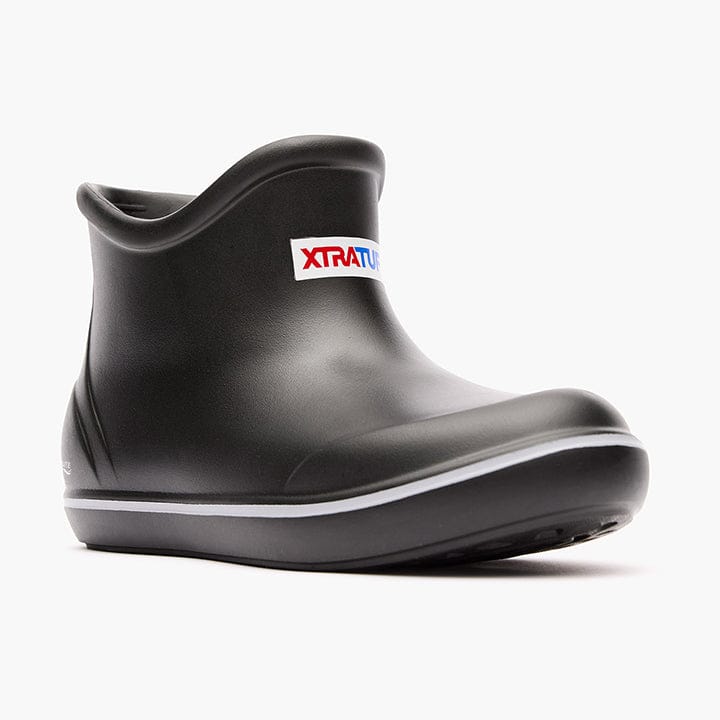
- Best All-Around: Xtratuf Men's Ankle Deck Boot - Built for anglers who need reliable traction and true waterproof protection for day-in, day-out boat fishing. The ankle-height cut stays mobile and easy to slip on, while the non-marking deck outsole is purpose-built for wet fiberglass.
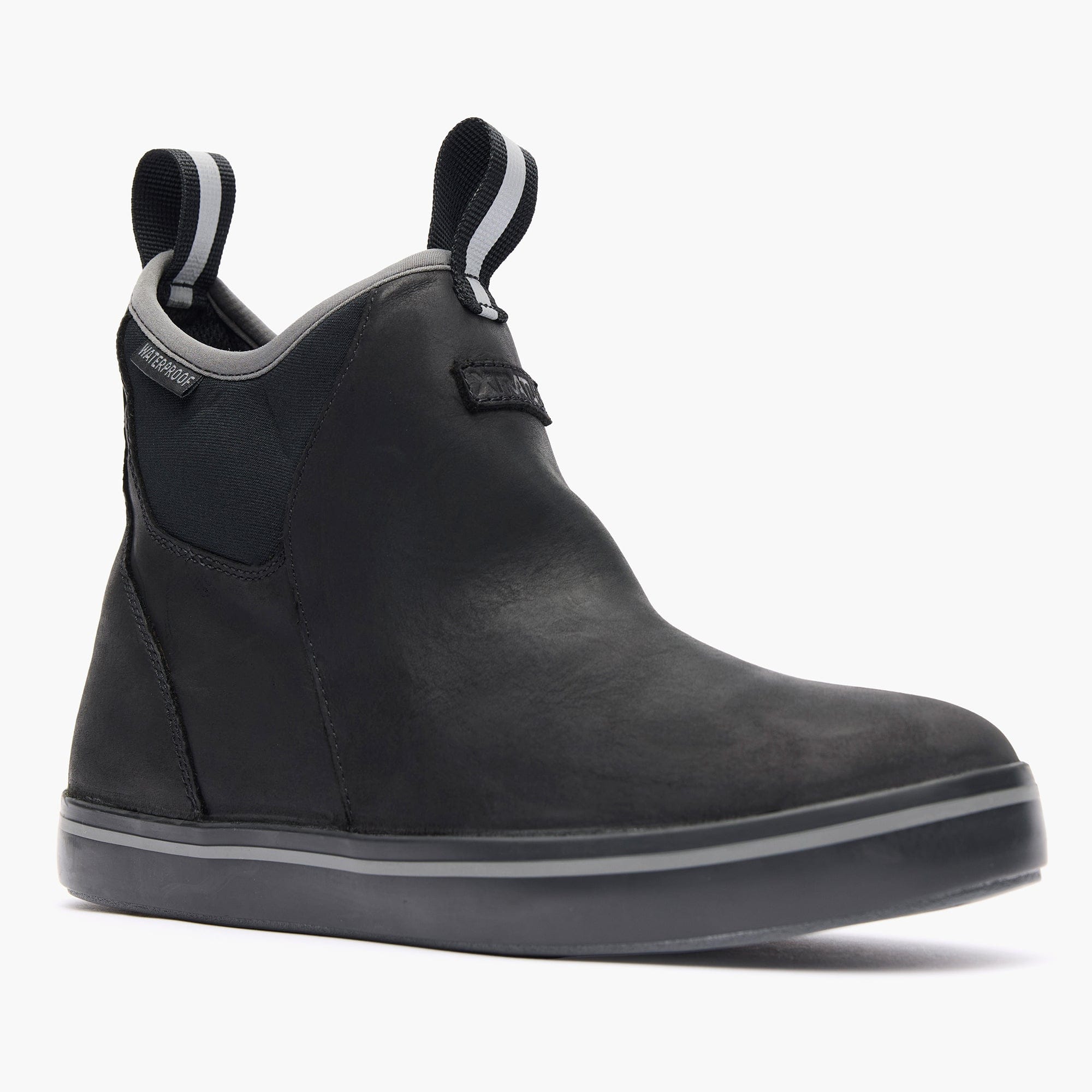
- Best Premium: Xtratuf Men's 6 in Leather Ankle Deck Boot - A great pick if you want a deck boot that looks at home off the boat but still fishes hard. The leather build adds everyday versatility while keeping the same deck-focused outsole concept for slick conditions.
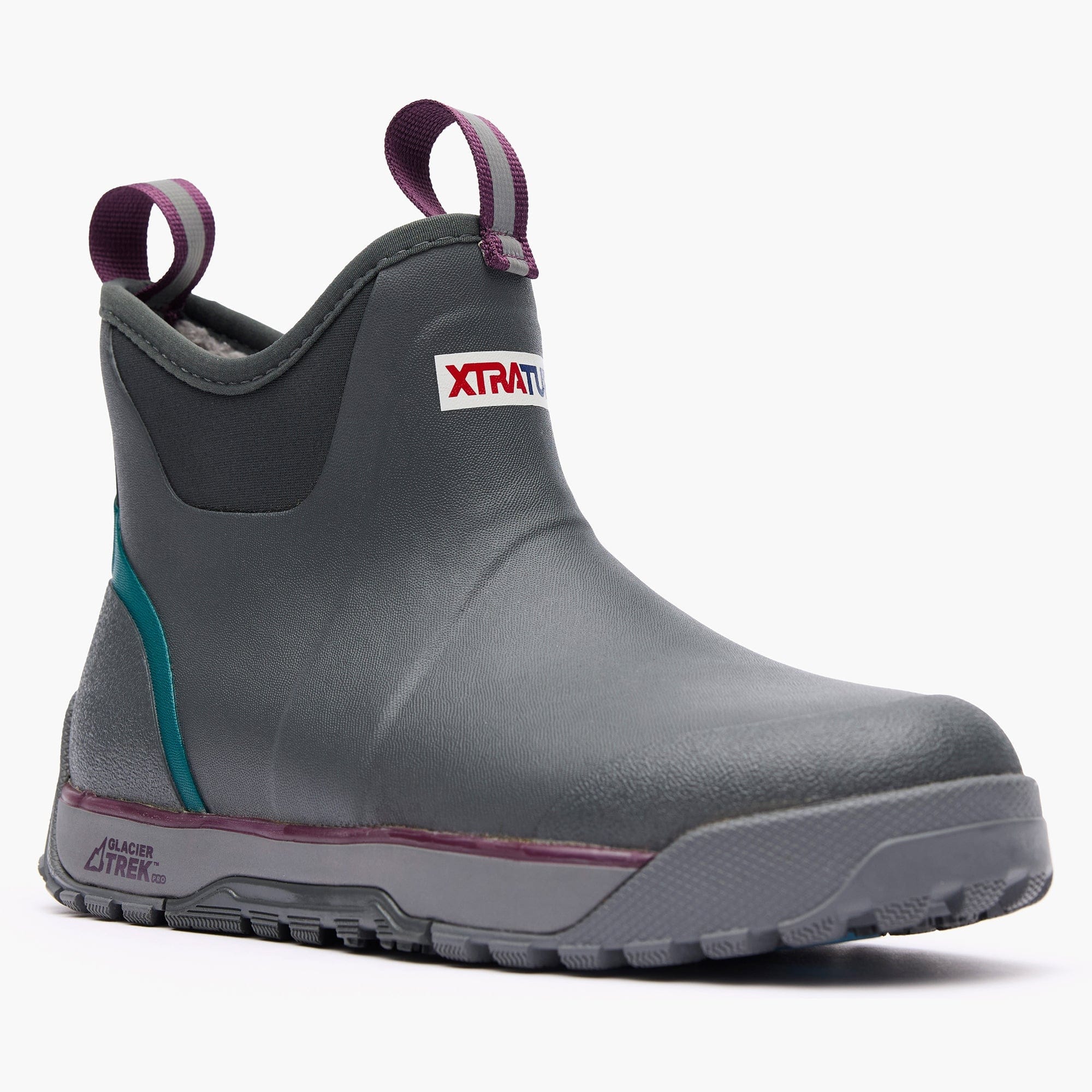
- Best for Women: Xtratuf Women's 6 in Leather Ankle Deck Boot - Ideal for anglers who want a supportive, waterproof boot that transitions well from marina to travel days. The leather upper helps with comfort and style without giving up the on-deck grip you need when everything is wet.
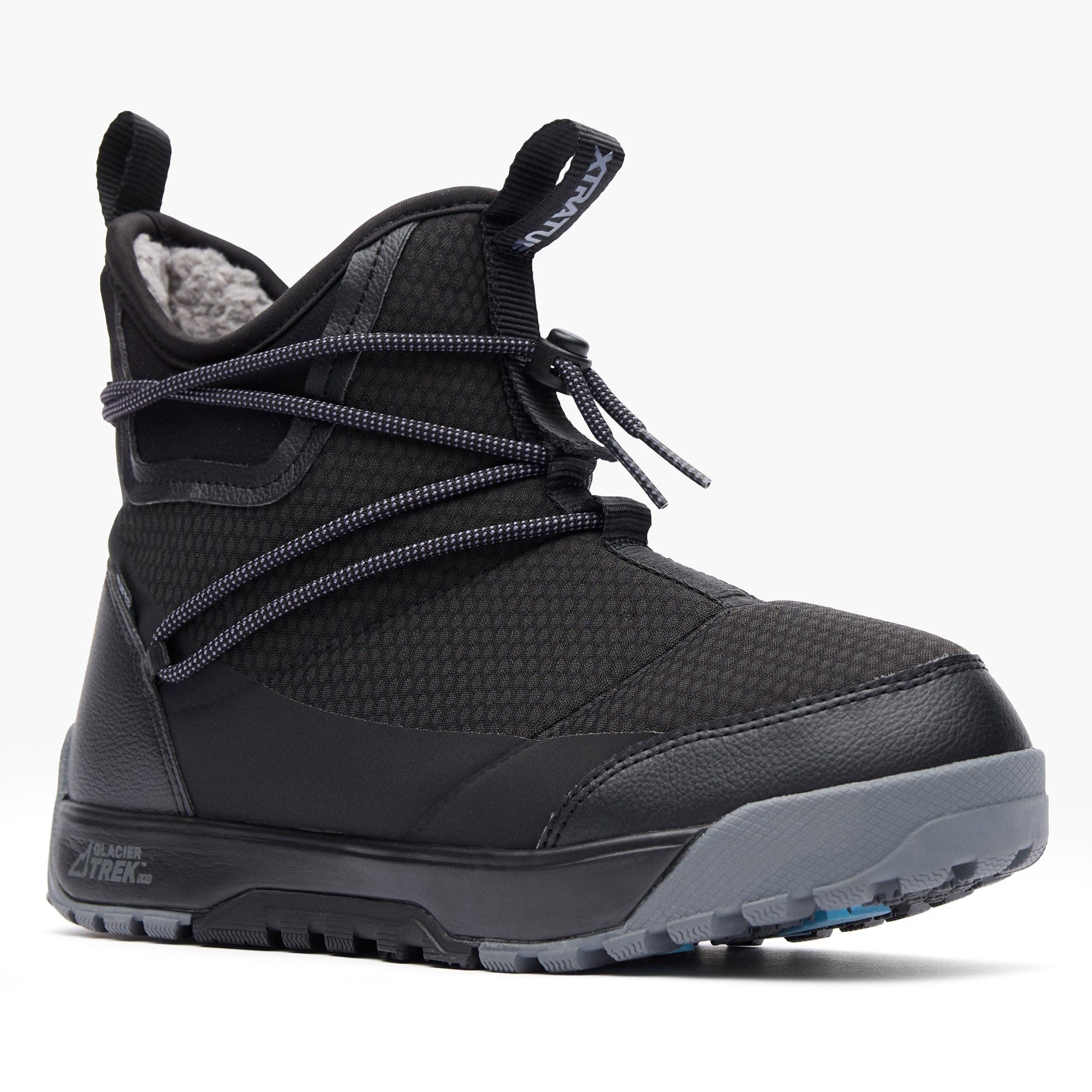
- Best Cold-Weather Option: Xtratuf Men's Ice 6 in Nylon Ankle Deck Boot - Designed for late-season skiff days, frosty launches, and cold spray when standard deck boots feel thin. The insulated lining and winter-leaning outsole make it a smart choice for icy ramps and cold decks.
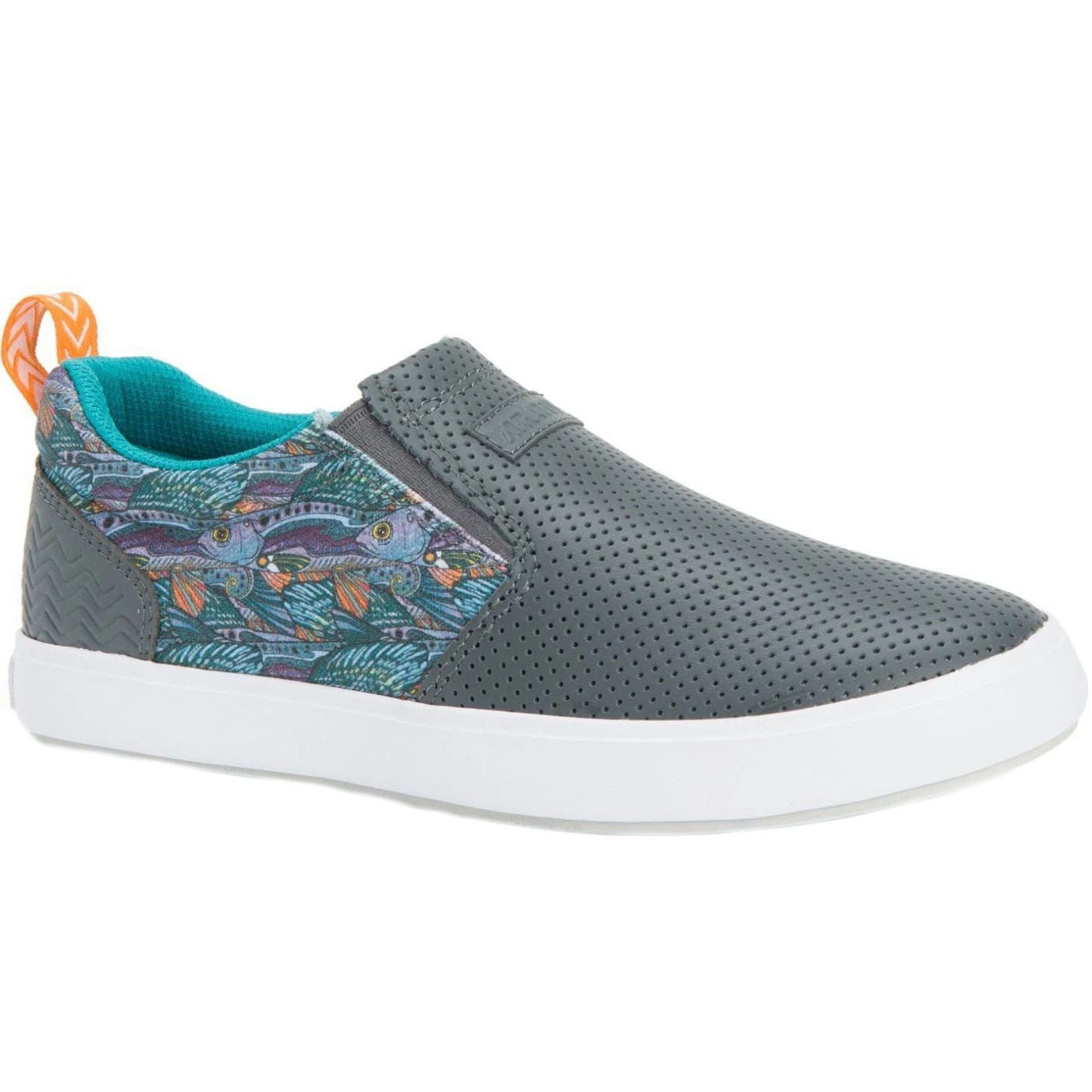
- Best for Kids: Xtratuf Kids' Ankle Deck Boot - A dependable option for younger anglers who still need real traction and waterproof coverage around docks and wet boats. Easy pull-on loops make it simple for kids to get in and out without a struggle.
How to Choose Fly Fishing Deck Boots
Pick the right height for your boat days
Action: Choose ankle-height boots for most skiff, drift boat, and flats days where you’re mostly standing and moving around the deck. Step up to taller coverage if you expect deeper slosh, heavy rain, or frequent washdowns.
Best for: Ankle boots for hot weather and quick on/off. Mid-calf or taller boots when you need more splash protection.
Outsole traction is the whole point
Deck boots are different from wading boots: you’re trying to stay planted on wet fiberglass, aluminum, and slimy docks without marking up the boat. Look for non-marking, siped or deck-specific tread that grips when the deck is greasy from spray, sunscreen, and fish slime.
Avoid if: You primarily wade rivers. For underwater rock traction and ankle support while wading, you’ll usually be better served by dedicated Wading Boots.
Choose materials based on heat, travel, and crossover use
Rubber builds: A go-to for maximum waterproofing, fast rinse-off, and true “boat boot” simplicity.
Leather builds: Nice when you want something that can fish in the morning and still look right at dinner, and they can feel less “clamy” to some anglers over a long day.
Cold-weather builds: Look for insulated liners and winter-oriented outsoles if you’re fishing shoulder seasons or launching on ice-prone ramps.
Fit & sizing tips (so you don’t hate them by noon)
Deck boots should feel secure at the heel with enough room up front for swelling and socks. If you’re between sizes, think about your warmest sock day first, then fine-tune with insoles or thinner socks on hot days.
Care & Maintenance
- After saltwater use: Rinse boots inside and out with fresh water, paying attention to seams and pull tabs.
- Drying: Air-dry fully before storing (pull footbeds if removable). Avoid leaving them in a hot, sealed vehicle for days.
- Odor control: Let liners dry completely; a boot dryer on low heat can help if you fish consecutive days.
- Outsole grip: Keep deck tread clean, fish slime and sunscreen film can make any sole feel slick.
Complete Your Setup
Related Gear
- Fly Fishing Footwear - Compare deck boots with wet-wading shoes and flats boots if your trips mix boat time and wading.
- Fly Fishing Gloves & Socks - The right socks make deck boots noticeably more comfortable across temperature swings.
- Fly Fishing Jackets & Outerwear - A lightweight shell pairs well with deck boots for spray, rain, and windy runs.
- Fly Fishing Deck Boots - Browse all ankle boots, leather options, and cold-weather models in one place.
Related Guides
- Bonefishing Gear Guide
- Korkers Sole Review and Buyer's Guide
- How to Choose the Best Fly Line for Beginners
Fly Fishing Deck Boots FAQs
Q: What are fly fishing deck boots?
A: Fly fishing deck boots are waterproof boots built for traction on wet boat decks, docks, and ramps. They focus on non-marking, slip-resistant outsoles and comfort for long days standing and casting.
Q: Do I need deck boots for a skiff or drift boat?
A: If you fish from a boat often, deck boots can be a big safety and comfort upgrade over regular sneakers. The main benefit is outsole grip on wet fiberglass and a waterproof barrier for spray, rain, and washdowns.
Q: Are deck boots good for wading rivers?
A: Usually not. Deck-boot tread is designed for flat, slick surfaces; river traction and ankle support are better handled by dedicated wading boots with appropriate soles (rubber, felt, studs where legal).
Q: What height deck boots should I buy?
A: Ankle-height boots are the most versatile for warm weather, mobility, and easy on/off. Go taller if you expect deeper water on deck, heavier rain, or frequent washdowns.
Q: What’s the difference between rubber and leather deck boots?
A: Rubber is simple: fully waterproof, easy to rinse, and very “boat-first.” Leather deck boots are often chosen for crossover wear and comfort, while still keeping a fishing-focused outsole and waterproof build.
Q: How should deck boots fit?
A: You want a secure heel (no lifting) and enough toe room for thicker socks and foot swell. If you’re between sizes, decide based on the thickest sock you’ll realistically wear, then adjust with insoles for thinner-sock days.
Q: How do I keep my deck boots from smelling?
A: Rinse them, let them dry fully between trips, and pull footbeds when possible. Odor is usually a drying problem, wet liners stored closed up will smell fast.