


Buy The Best Fly Fishing Waders: Avoid Common Mistakes
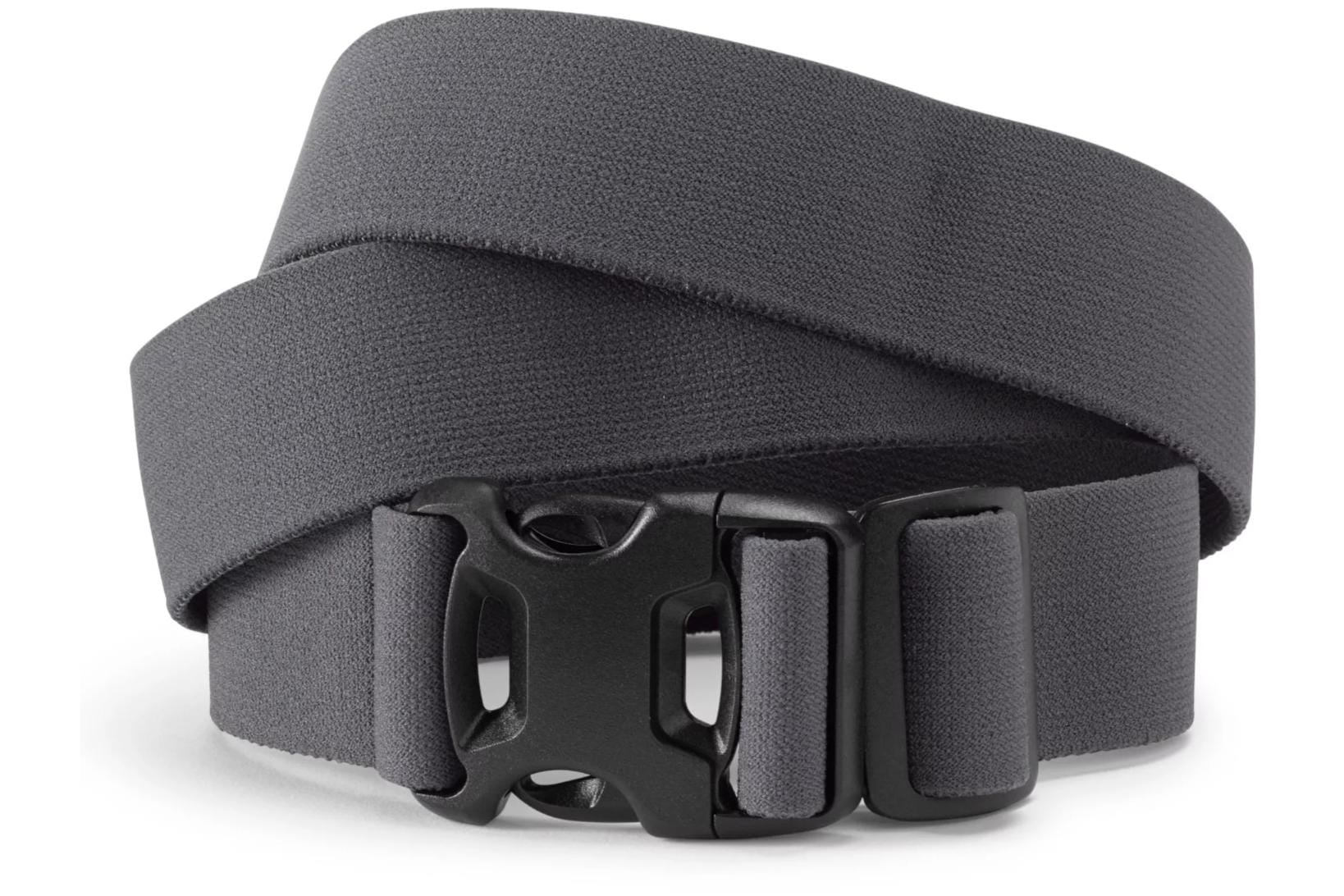
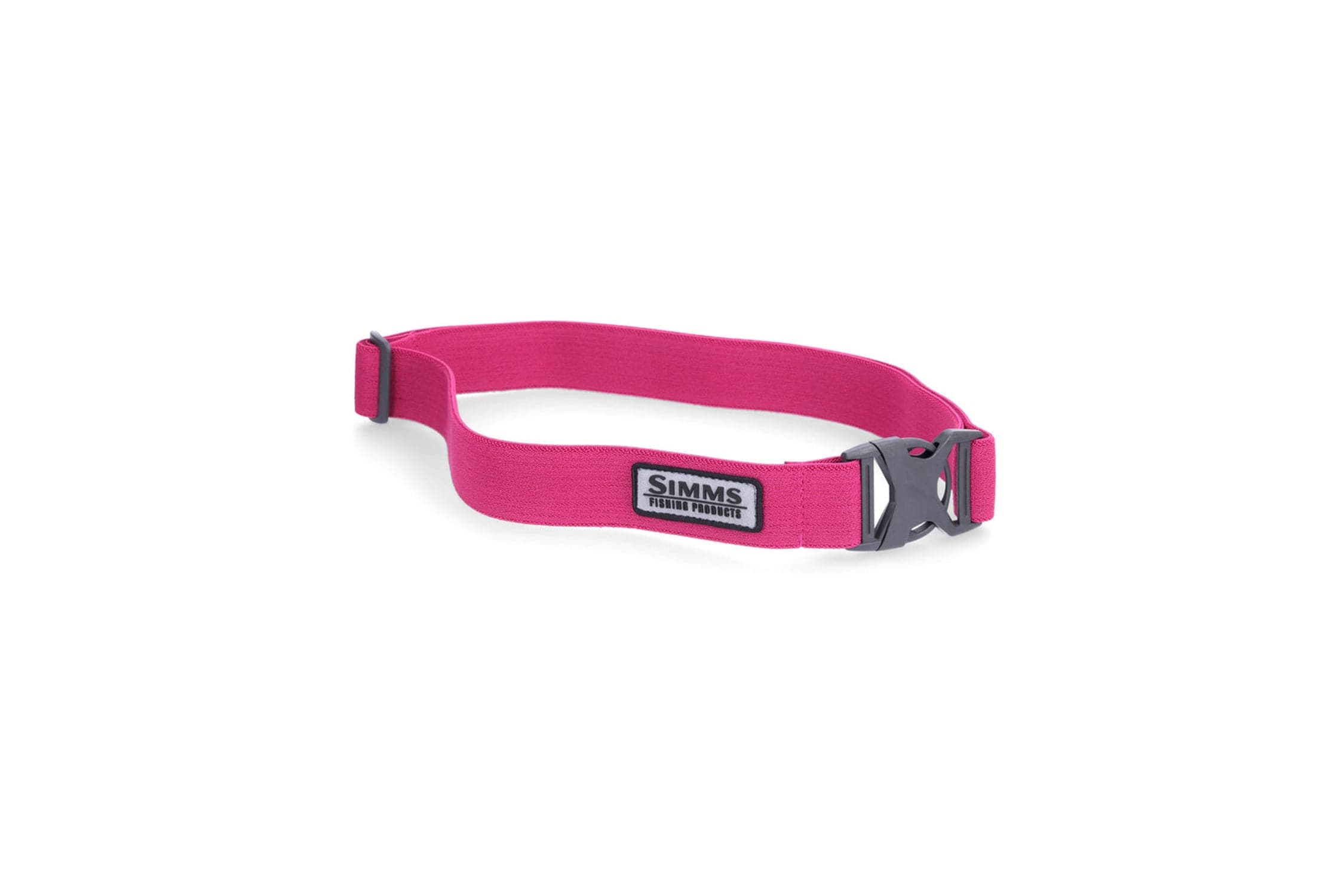
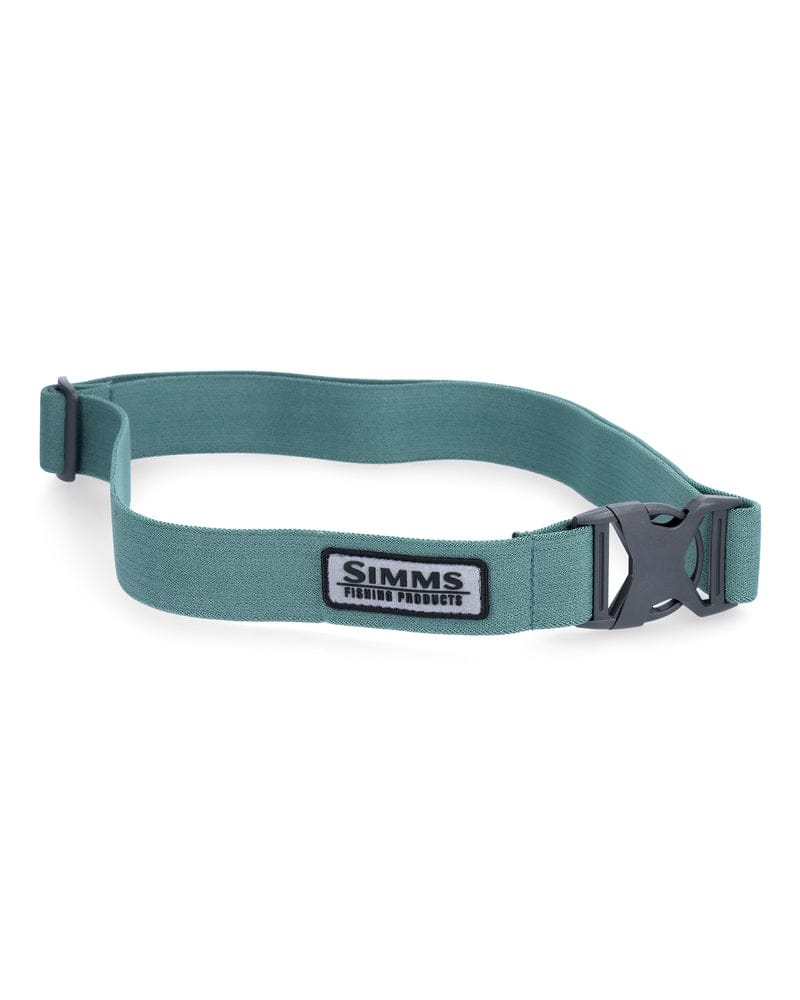
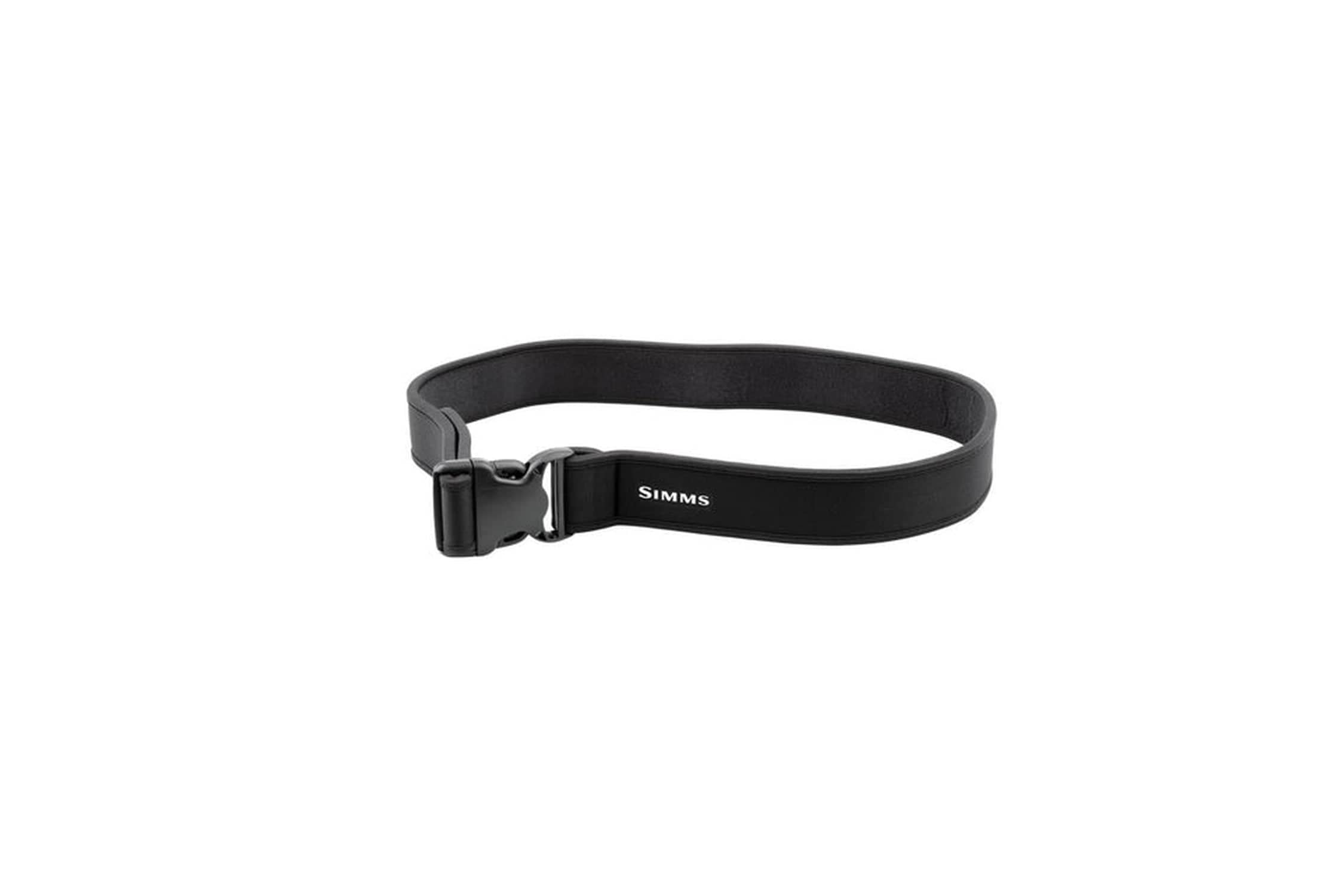
Belts Quick Picks
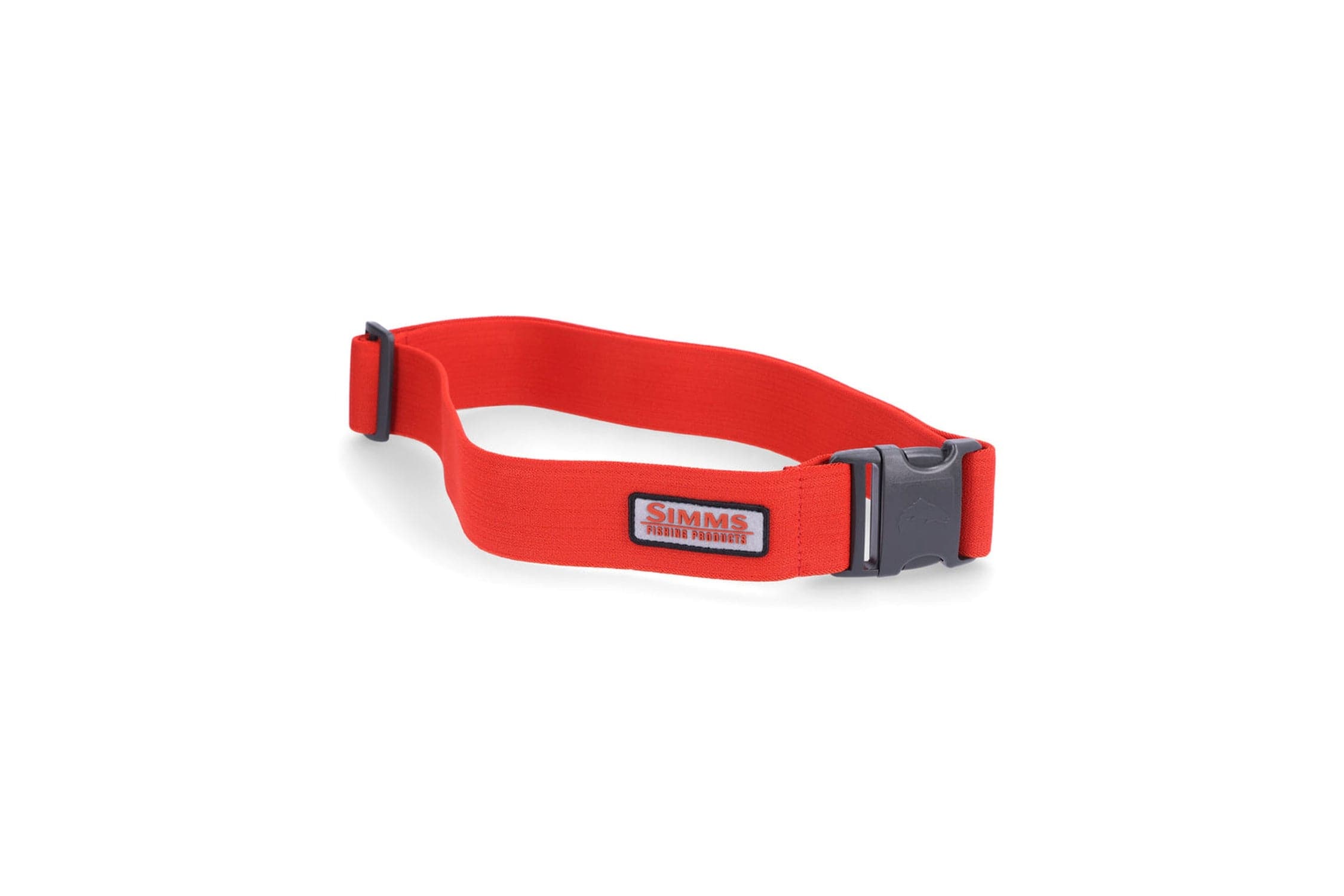
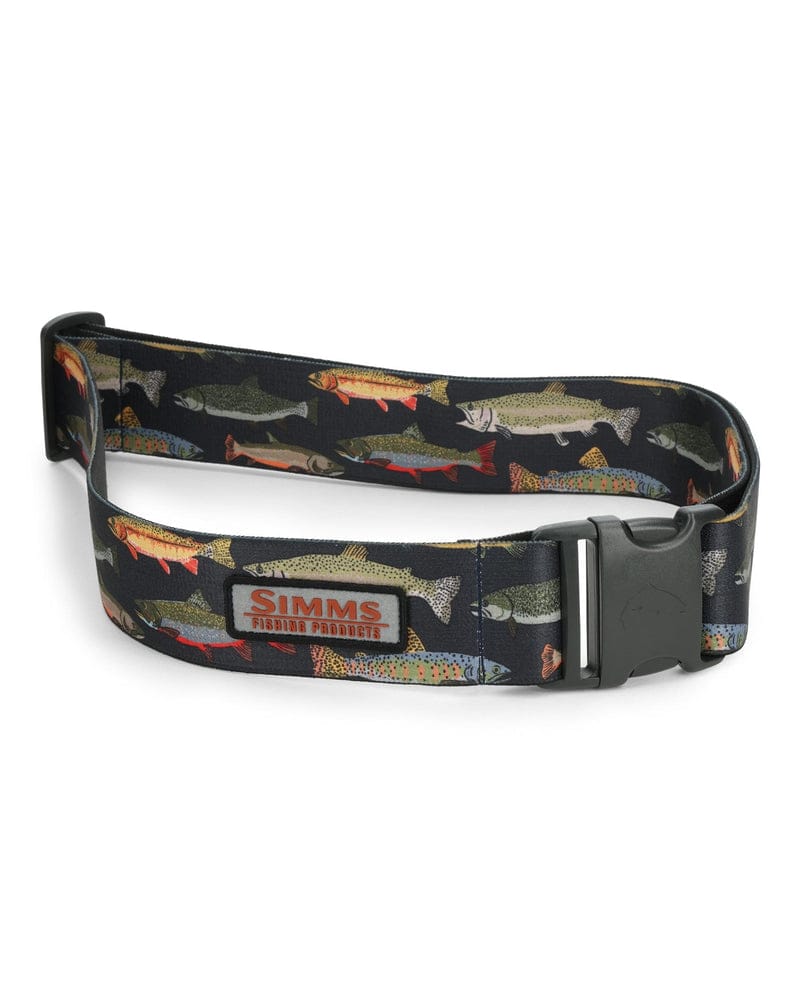
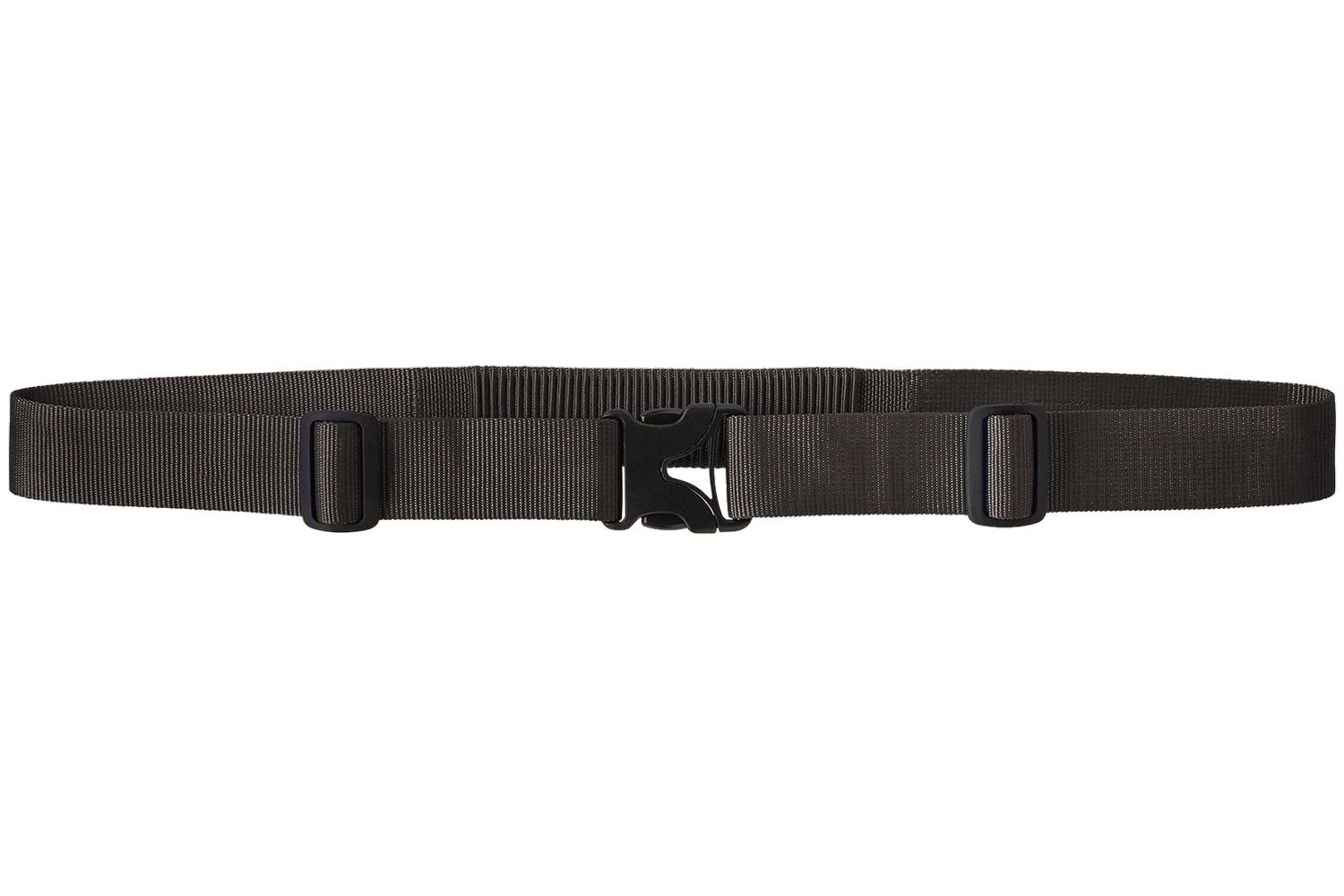
- Best All-Around: Simms 1.5 in. Wading Belt - Great for anglers who want a simple, low-profile belt that fits comfortably under waders. Elastic webbing and a side-release buckle make it easy to dial in fit without bulk.
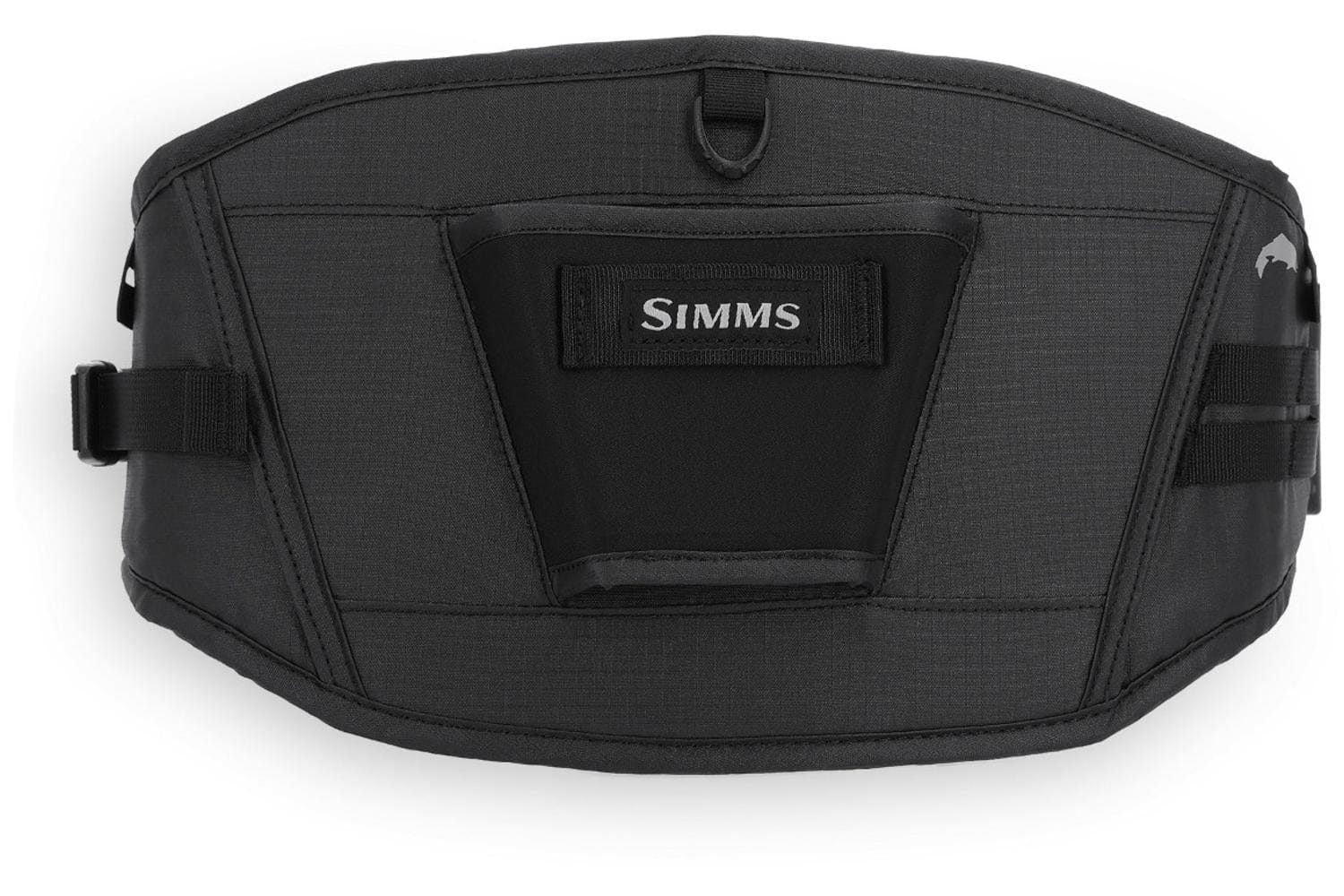
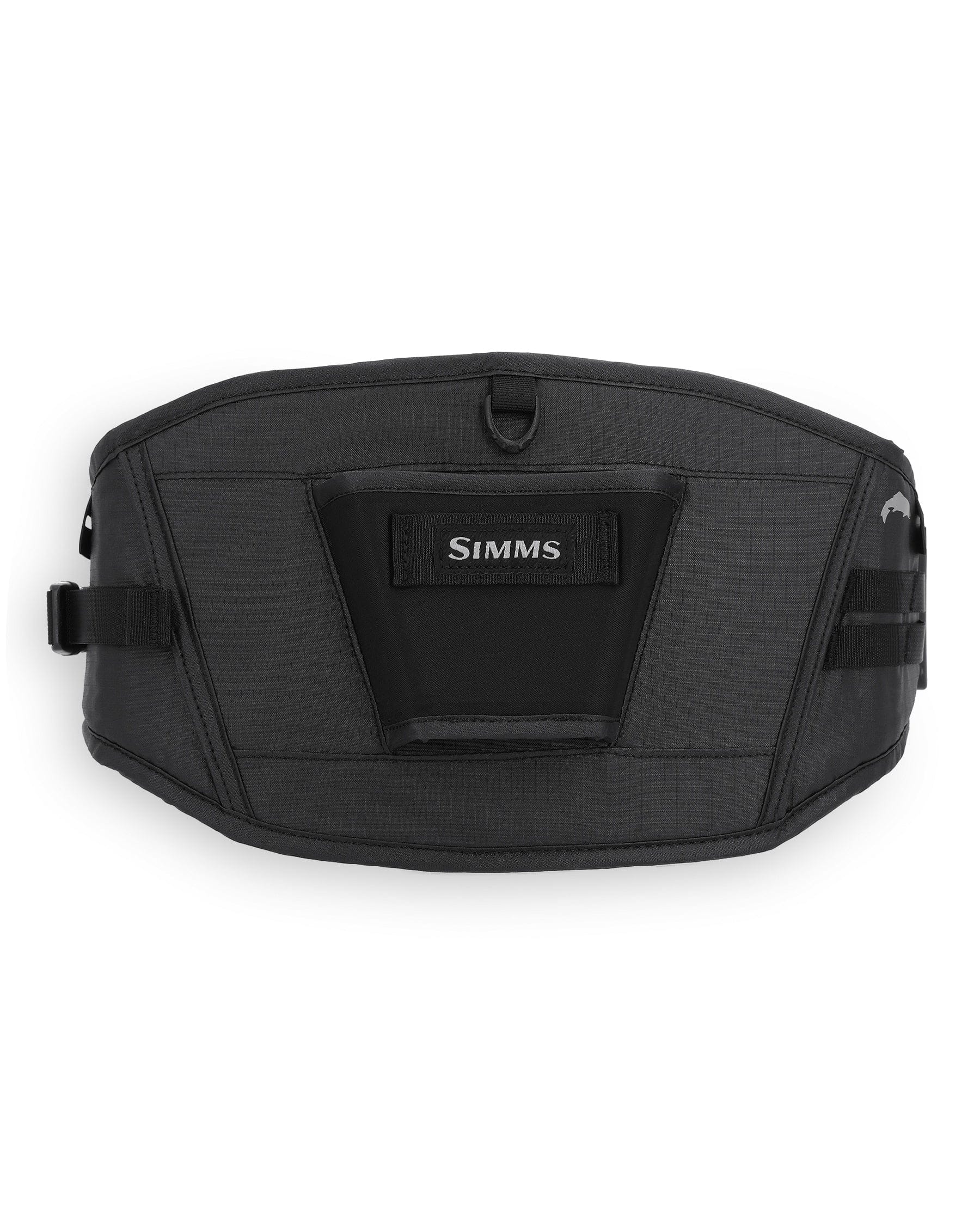
- Best Premium: Simms Access Tech Fishing Belt - Ideal for long wading days when you want lumbar support and a cleaner way to carry a net and tools. It’s built as a belt-based carry system with a net holster and attachment points for accessories.
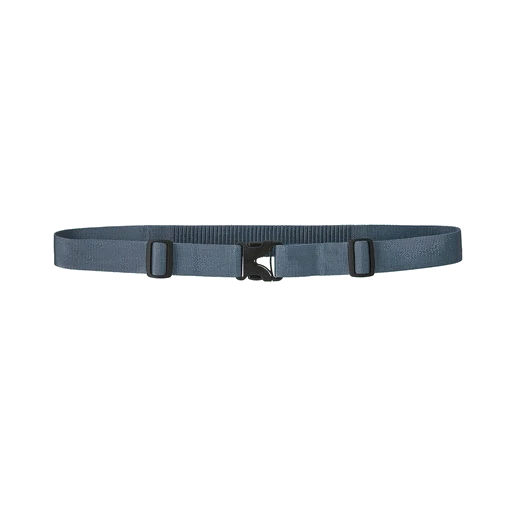
- Best for Support: Patagonia Secure Stretch Wading Belt - A strong choice if you like a belt that moves with you but still feels supportive. Stretch fit plus sturdy construction helps it carry items like a net or staff without sagging.
- Best Modular Carry: Umpqua ZS2 Wader Belt - Best for anglers who want to build a customized waist system over time. The belt is designed as the base for add-on accessories, with options ranging from belt-only to a more fully equipped setup.
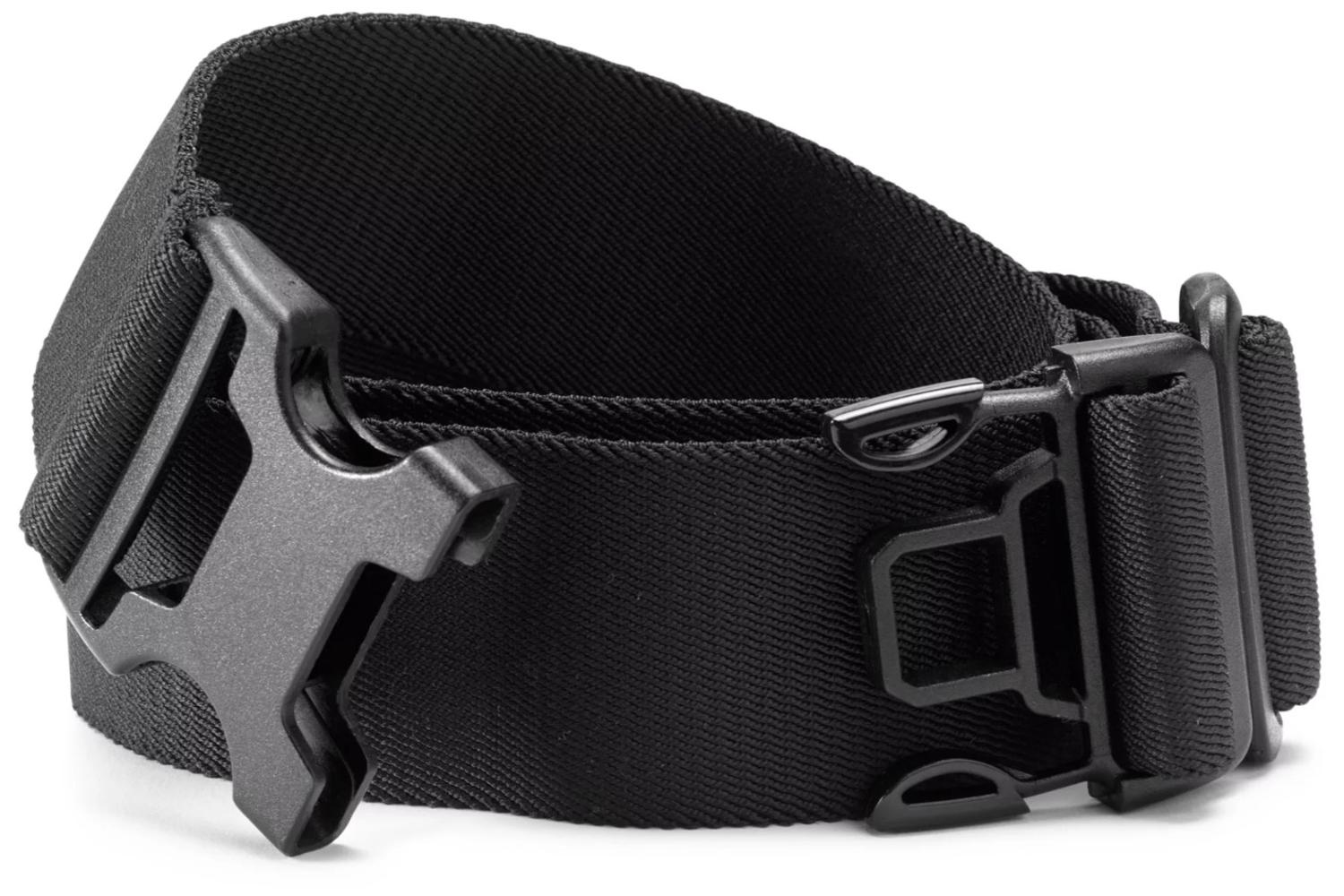
- Best Value: Scientific Anglers ECOastal Elastic Belt - Great for everyday wear, travel, and casual fishing when you want comfort and flexibility. The elastic build is easy to live in and quick to adjust.
How to Choose Belts
Wading belts vs. everyday belts
Action: Decide if your belt is primarily for safety on the water, gear carry, or everyday use.
Most fly fishing belts fall into two buckets: traditional wading belts (low-profile, quick-adjust, meant to cinch waders at the waist) and carry-system belts (more structured, built to support a net holster, tools, or accessory attachments). A casual stretch or webbing belt can be perfect for travel and daily wear, but it won’t replace a purpose-built wading belt for time in deeper or faster water.
Width, profile, and comfort under waders
Best for: A low-profile belt if you’re wearing a backpack hip strap or layering a jacket over waders.
Wider, padded designs can feel better when carrying gear and can add support, but they also take up more real estate at the waist. If you tend to fish with a sling or backpack, keep bulk in mind so straps don’t stack and create pressure points.
Buckle style and adjustability
Action: Pick a buckle you can operate with cold hands and gloves.
Side-release buckles are quick for on/off and easy micro-adjustment. Friction-style and low-profile buckles can be comfortable under layers and convenient for travel. If you’re frequently taking waders on and off at the truck, a buckle that’s fast and repeatable matters more than you’d think.
Gear-carry features (net holsters, attachment points, modular systems)
Best for: Anglers who wet wade often, hike to water, or like fishing “from the belt” with minimal packs.
Belts with net holsters and docking points can streamline your setup and reduce shoulder fatigue compared to fully loaded sling packs. Modular systems are nice if you like adding a water bottle holder, tool docks, or other accessories for long days.
Materials & Durability
- After each trip: Rinse off grit and silt, especially around buckles and hook-and-loop sections.
- Drying: Hang dry out of direct heat; avoid baking elastic belts on a heater or dashboard.
- Saltwater use: Rinse thoroughly and cycle buckles a few times while rinsing to flush salt.
- Hook-and-loop care: Keep it free of grass and dog hair to maintain holding power.
- Storage: Store belts laid flat or loosely rolled to prevent creases and buckle deformation.
Complete Your Setup
Related Gear
- Waders - Make sure your waders fit and layer well, then cinch a belt for comfort and safety.
- Wading Boots - Traction and ankle support go hand-in-hand with a solid wading setup.
- Wading Accessories - Add items like wading staffs, retractors, and tool organization that integrate well with belt carry.
- Hip Packs - A great option if you prefer storage capacity without going to a full sling pack.
Related Guides
- How To Choose The Best Fly Fishing Waders In 2024
- Fly Fishing for Beginners: A Gear List
- 2024 Simms Wader Lineup Overview
- Summer Fly Fishing Gear You Never Knew You Needed
- Fly Fishing Holiday Gift Guide 2025
Belts FAQs
Q: What does a fly fishing wading belt do?
A: A wading belt cinches your waders at the waist to help limit water entry if you slip. It also gives you a stable place to clip or carry gear like tools, zingers, and some net or staff systems.
Q: Should I wear a wading belt over or under my wader suspenders?
A: Most anglers wear it on the outside of the waders at waist level, with suspenders above. The key is getting a snug fit at your natural waist so it stays put when you move.
Q: How tight should a wading belt be?
A: Snug enough that it won’t slide down when wet, but not so tight that it restricts breathing or makes bending uncomfortable. If you’re adding a belt-based carry system, tighten it a bit more to reduce bounce.
Q: What’s the difference between an elastic wading belt and a neoprene wading belt?
A: Elastic belts flex with movement and can feel less restrictive under layers. Neoprene belts tend to feel more structured and can hold shape well under tension, which some anglers prefer for comfort and security.
Q: Can I carry a net on my belt instead of wearing a pack?
A: Yes, belts with net holsters or docking points can keep a net centered and accessible. This approach is popular for wet wading and for anglers who want less on their shoulders.
Q: Are replacement wader belts worth buying?
A: If your waders use a specific belt size or hardware, a replacement belt keeps your fit and function consistent. It’s also a simple way to refresh an older wader setup without replacing the waders.
Q: Do belt buckles matter for travel?
A: They can. Low-profile or non-metal buckles are often easier for airport security and can be more comfortable under backpacks and waist straps.
Q: Can I use the same belt for fishing and everyday wear?
A: Some stretch or webbing belts work well for both, especially for travel. Purpose-built wading belts and support belts are usually more specialized and may feel bulky for daily wear.