

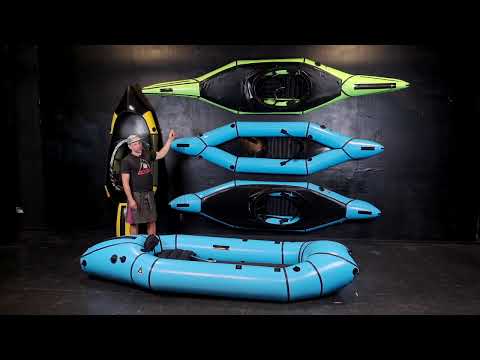
Whats New: New and Updated Packraft Models for 2026.
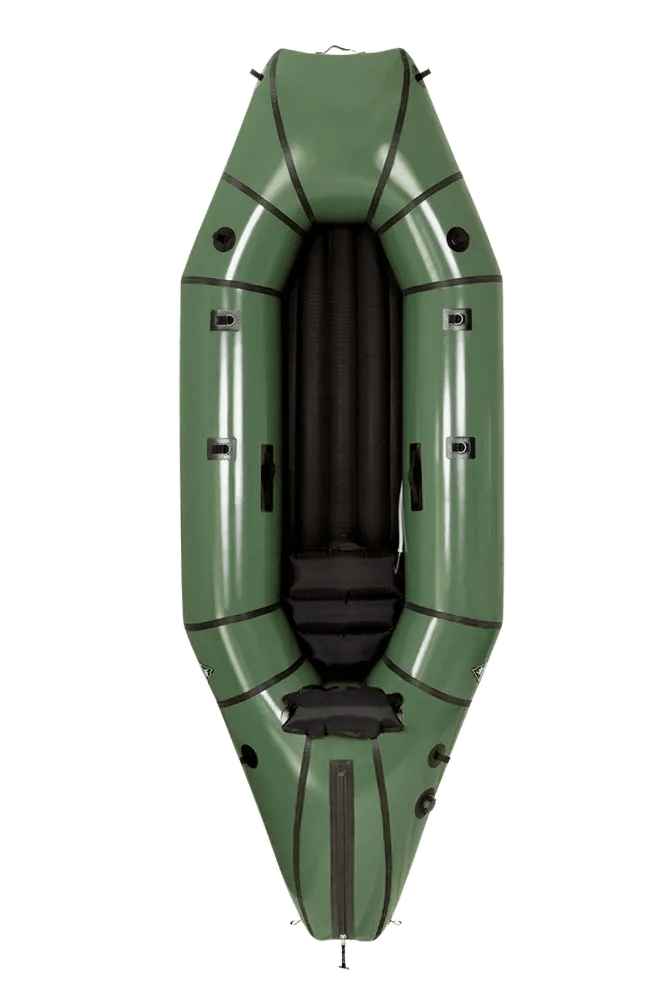
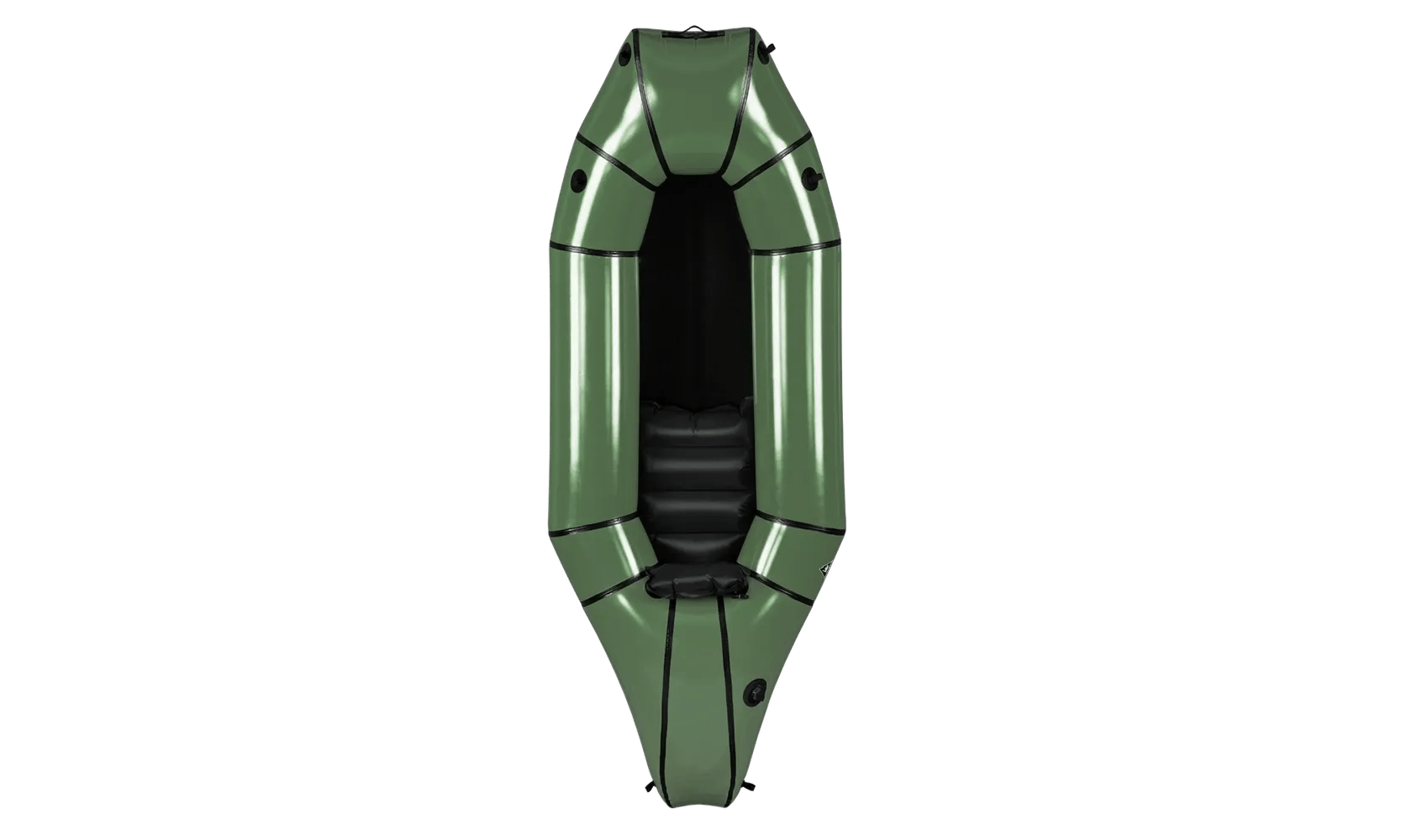
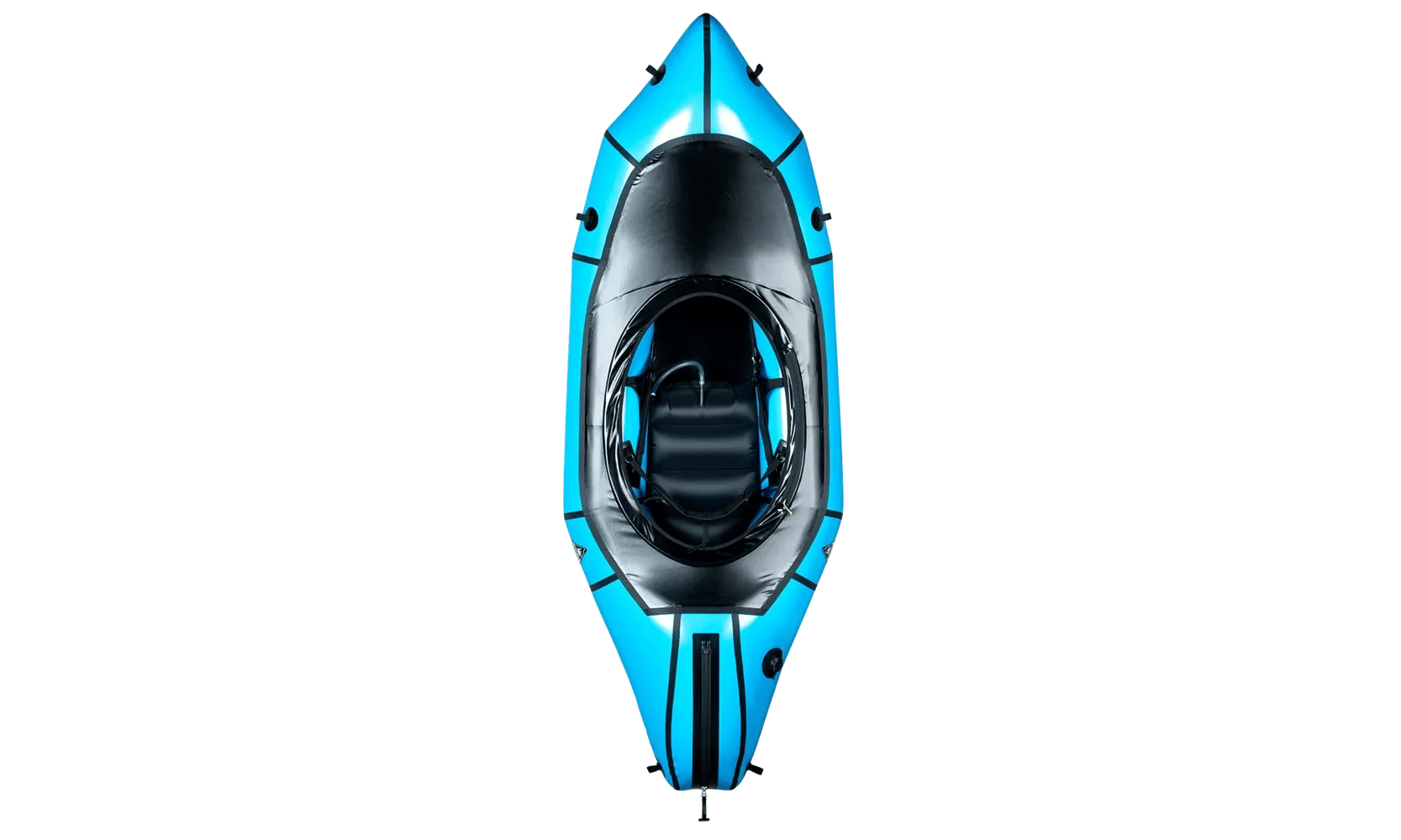
Boats & Rafts Quick Picks
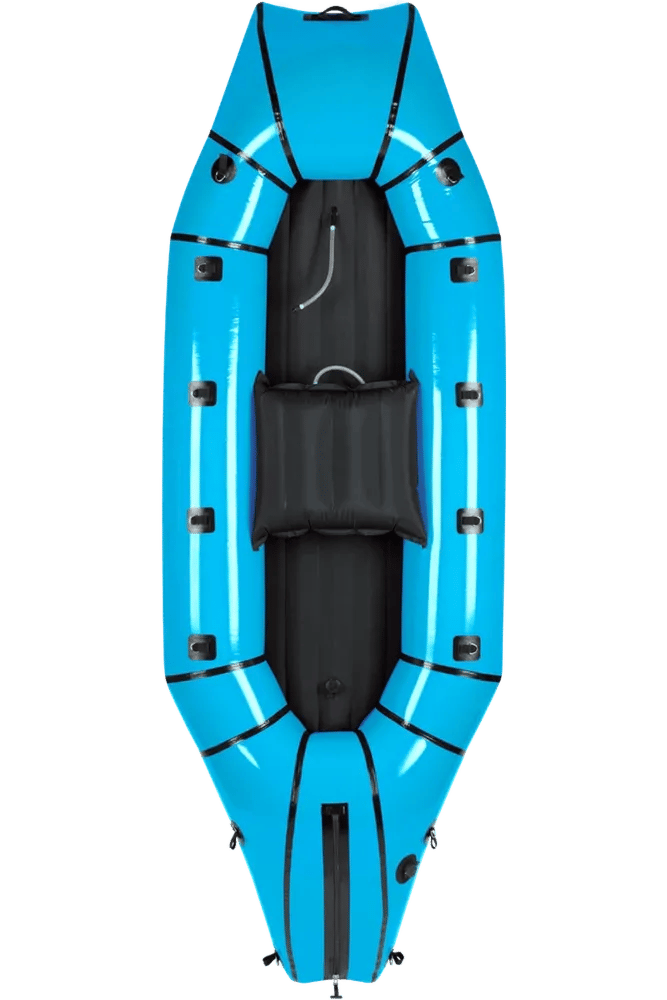
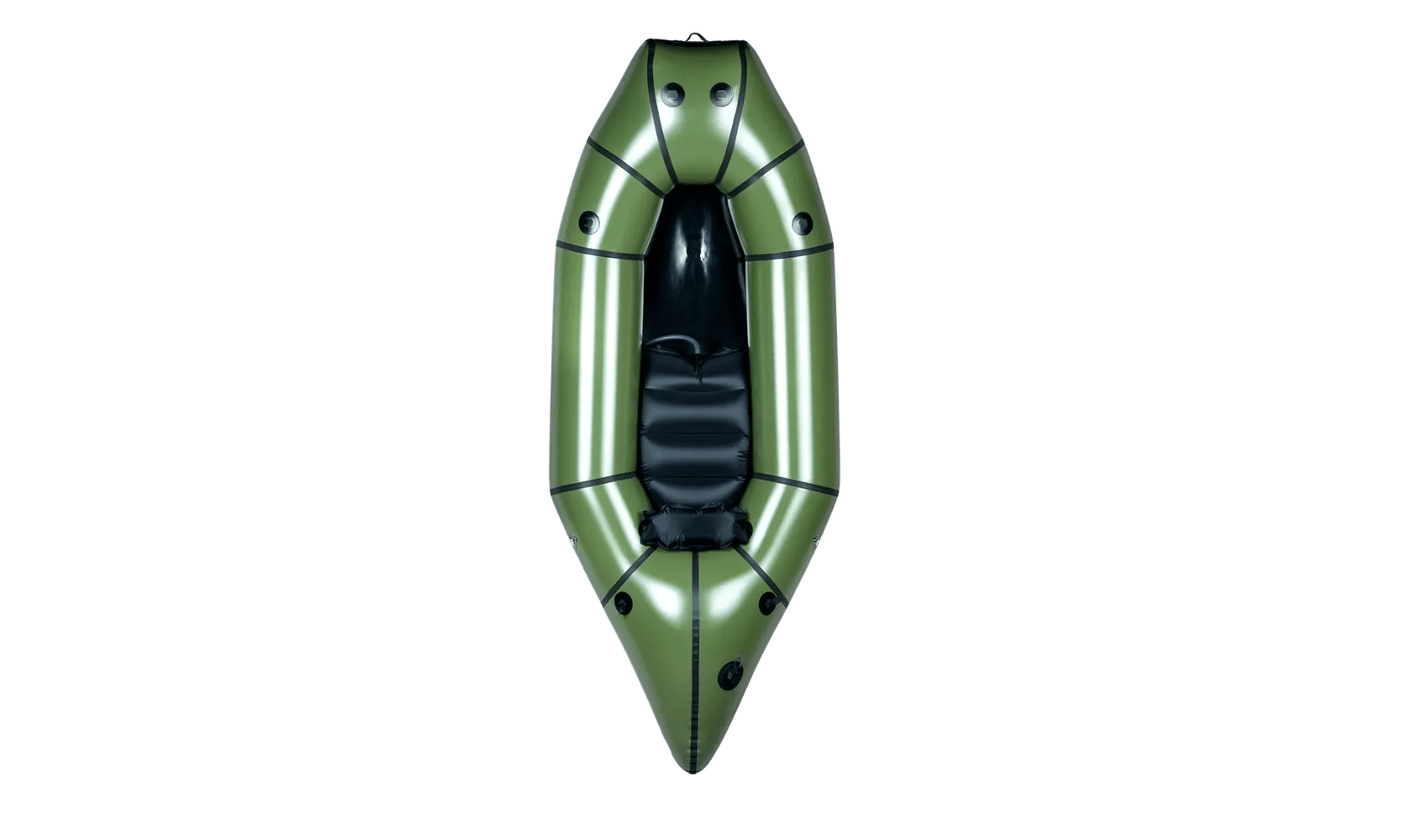
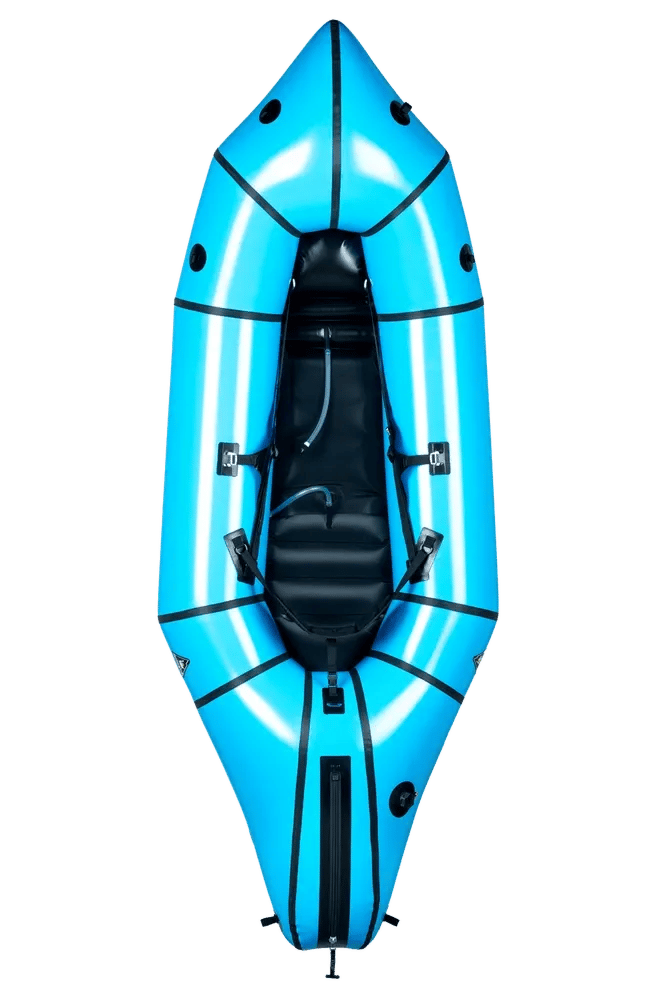
- Best for Beginners: Alpacka Raft Caribou Raft - A smart pick for anglers who want a lighter, simpler entry into packrafting for lakes, mellow rivers, and hike-in access. Its compact, backcountry-first focus helps you reach water that’s hard to fish from shore.
- Best All-Around: Alpacka Raft Expedition Raft - Built for anglers who want one packraft that can cover a wide range of trips, from local floats to bigger adventures. It balances packability with performance so you’re not choosing between “easy to carry” and “good on the water.”
- Best for Big Water / Whitewater: Alpacka Raft Gnarwhal Raft - Designed for paddlers planning to run more technical water and want a confidence-inspiring platform. The higher-performance whitewater setup options make it a strong choice when rapids and features are part of the day.
- Best for Gear Hauling: Alpacka Raft Forager Raft - Ideal when the mission includes extra cargo like overnight kits, bigger coolers/dry bags, or a second person’s worth of gear. The larger, canoe-style layout gives you more room to rig and organize for long days.
- Best Value (Capacity-to-Weight): Alpacka Raft Ranger Raft - A great fit for solo anglers who want a lightweight craft with useful capacity for fishing and multi-sport trips. It’s a practical middle ground when you want more room than an ultralight raft without jumping to a full-size hauler.
How to Choose Boats & Rafts
Where you’ll fish: lakes, mellow rivers, or whitewater
Action: Be honest about the hardest water you’ll regularly run, not the one trip you might do someday. A packraft that feels efficient on flatwater and slow current can be very different from one configured for rapids and features.
Best for: Small rivers, alpine lakes, and remote access often point toward packable inflatables that you can hike with and launch anywhere. Technical whitewater pushes you toward designs and rigging meant for control, stability, and durability.
Capacity matters more than most anglers expect
Action: Think in terms of “me + fishing kit + safety gear + layers + food + water,” then add space for a rod tube, net, and a dry bag. If you plan to bring a dog, hunt/fish combo gear, or do overnight trips, prioritize volume and a layout that stays organized when wet.
Avoid if: You’re frequently strapping gear to the outside just to make it fit, especially on moving water. That’s usually a sign you should size up.
Open vs. decked vs. self-bailing (setups and expectations)
Action: Match your configuration to how you’ll use the boat. Open setups tend to be easier for fishing, getting in and out, and stashing tackle. Decked and self-bailing options are often chosen for rougher water where staying drier and managing splash matters more than easy access.
Fishing-specific considerations: casting space, rigging, and anchoring
Action: Plan your on-water workflow: where the rod rides when you paddle, where a net lives, where a pump/repair kit goes, and how you’ll keep fly boxes dry. A clean system (one waterproof bag + one accessible tackle kit) is usually better than lots of loose items.
Materials & Durability
- Protect high-wear zones: Treat rocks, gravel bars, and boot studs like sandpaper, land gently and avoid dragging whenever you can.
- Dry and store correctly: Let your raft dry fully before long-term storage to reduce odors and material breakdown.
- Pressure checks: Re-check inflation after the raft warms in the sun or hits cold water; air temperature changes can affect firmness.
- Field repairs: Carry a basic repair kit and know where it lives so you can access it quickly when needed.
Complete Your Setup
Related Gear
- Waterproof Packs - Keeps spare layers, cameras, and fly boxes protected when spray, rain, or a swim is on the table.
- Gear Bags & Tackle Storage - Helps you build a boat-friendly organization system so essentials are easy to find fast.
- Landing Nets - Makes boat-side fish handling smoother, especially when you’re solo and managing current.
- Boats & Rafts - Browse the full packraft lineup and compare shapes and capacities side-by-side.
Related Guides
- The Best Easy-Access Fly Fishing Destinations
- Best 6wt Fly Rods of 2025
- Tropical Saltwater Fly Line Shootout & Buyer's Guide
Boats & Rafts FAQs
Q: What are fly fishing boats & rafts used for?
A: They let you access water you can’t cover effectively from shore, including long river floats, remote lakes, and backcountry sections. They also help you move quietly and reposition for better angles and drifts.
Q: Are packrafts good for fly fishing?
A: Yes, especially when portability matters. A packraft can open up hike-in lakes, shuttle floats, and remote put-ins where a drift boat or hard shell isn’t realistic.
Q: How do I choose the right size raft for fly fishing?
A: Start with total load (you + clothing + water + food + tackle + safety gear), then add capacity for how you actually fish, net, rod storage, and a dry bag. If you’re doing overnight trips or bringing bulky gear, size up.
Q: What’s the difference between an open raft and a decked raft?
A: Open boats tend to make fishing and gear access easier. Decked setups are often chosen to help manage splash and exposure in rougher conditions, but they can reduce quick access to gear.
Q: Do I need a self-bailing raft for fly fishing?
A: Not for every situation. Self-bailing designs are most relevant when you’ll be in more continuous wave trains or splashy water where clearing water quickly matters.
Q: What should I keep in a raft repair kit?
A: A patch kit appropriate for your boat material, alcohol wipes for prep, and a way to add air (pump or inflation bag system). Keep it in a consistent, easy-to-reach location.
Q: Is a raft a good choice for beginners?
A: It can be, but it’s best to start on calm water and build skills before stepping into faster current. Many anglers learn faster by practicing entries/exits, paddle strokes, and basic safety routines before adding fishing complexity.
Q: What’s the simplest way to keep fly gear dry in a boat?
A: Use one dedicated waterproof pack or dry bag for spare layers and electronics, and keep fishing essentials in a smaller, accessible kit. Reducing loose items makes it easier to stay organized and avoid dunked fly boxes.