


Dry Dropper Rigs Explained | Do It The Right Way

Euro Nymphing Fly Lines Quick Picks
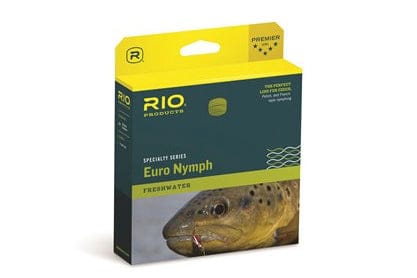
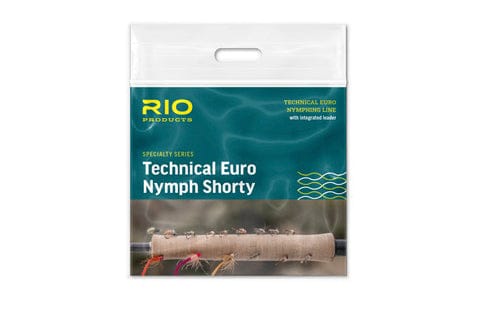
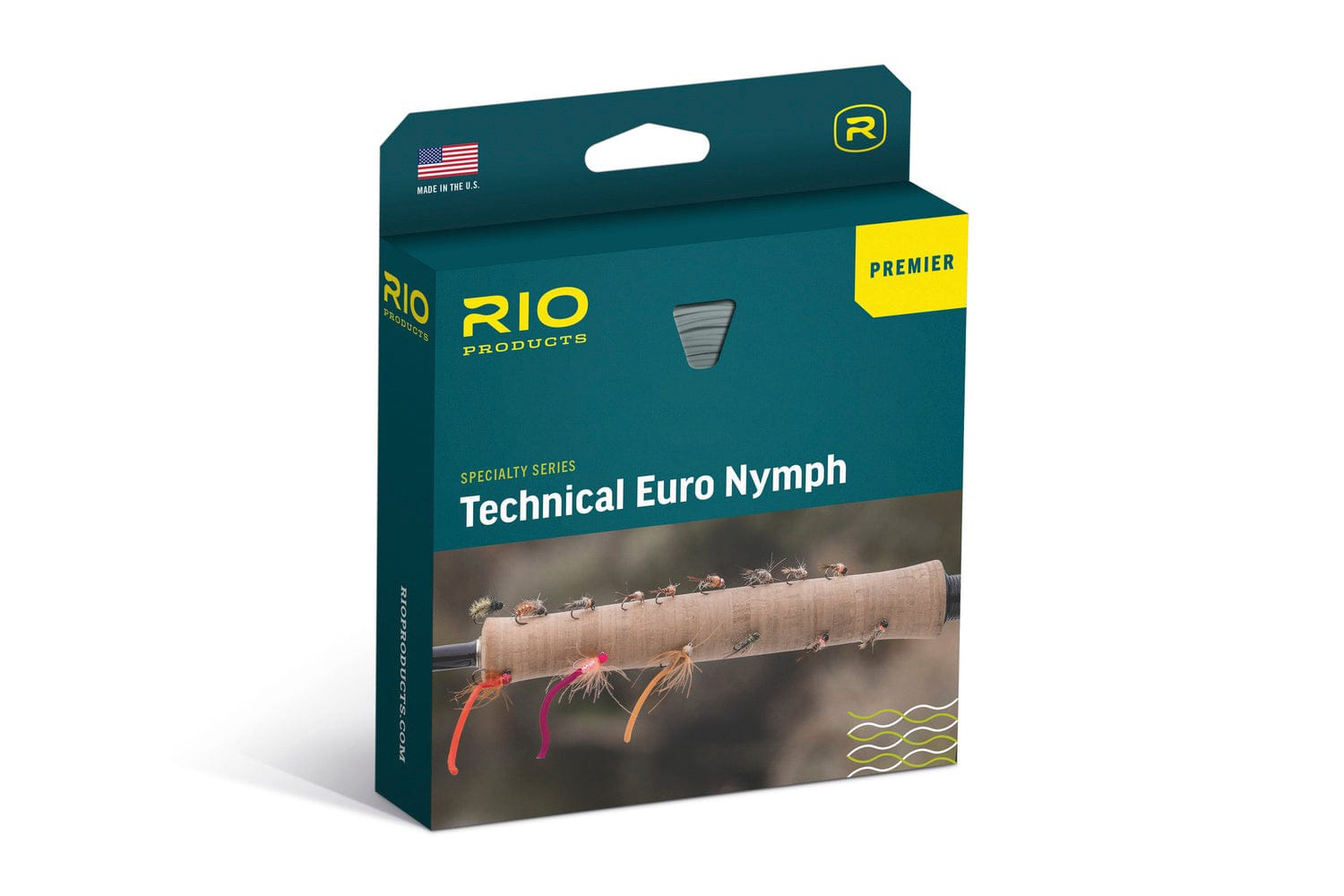
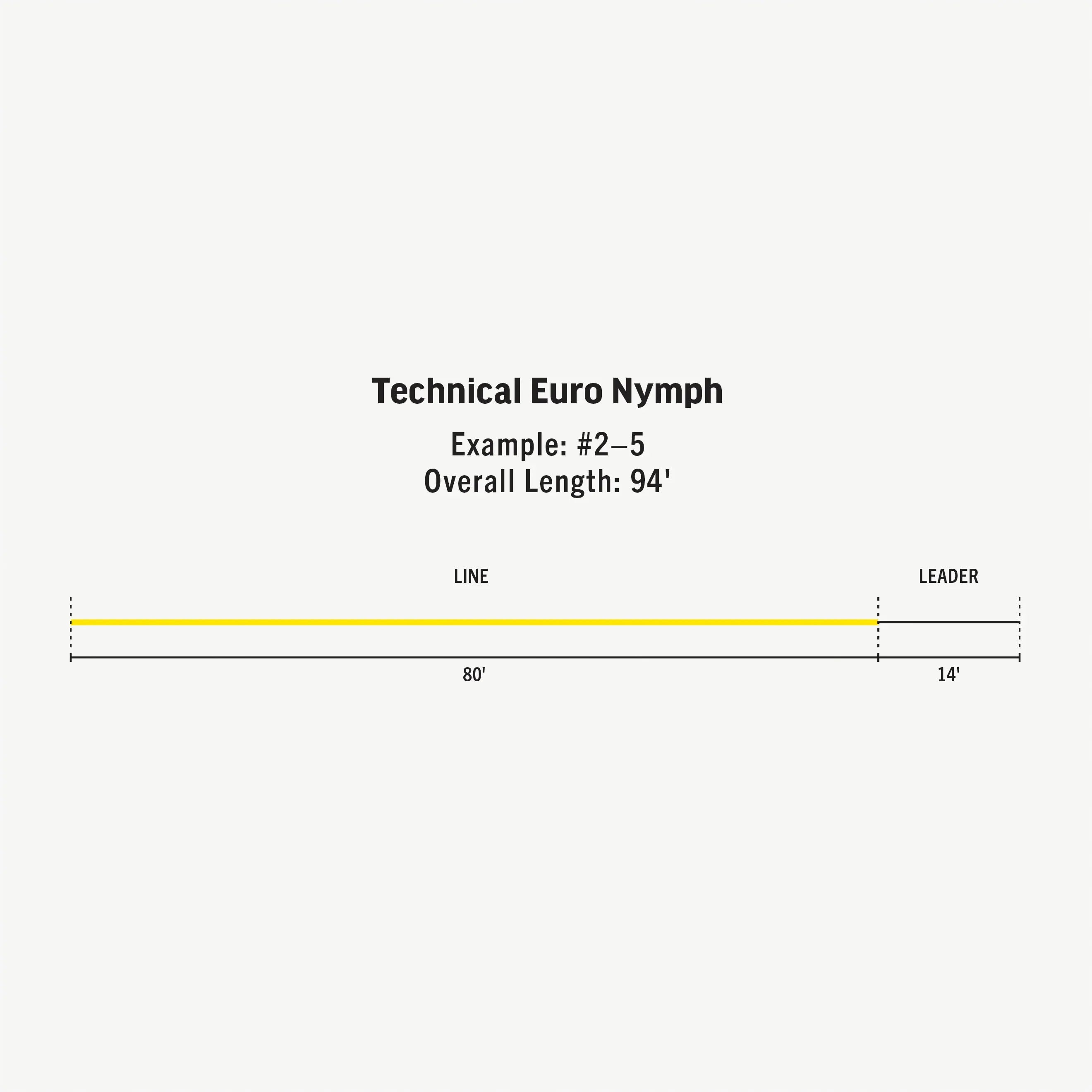
- Best Premium: Rio Technical Euro Nymph Fly Line - Designed with an integrated leader and monofilament core, this line offers the ultimate in sensitivity and smooth turnover. It eliminates the knot connection between line and leader, ensuring a seamless drift.
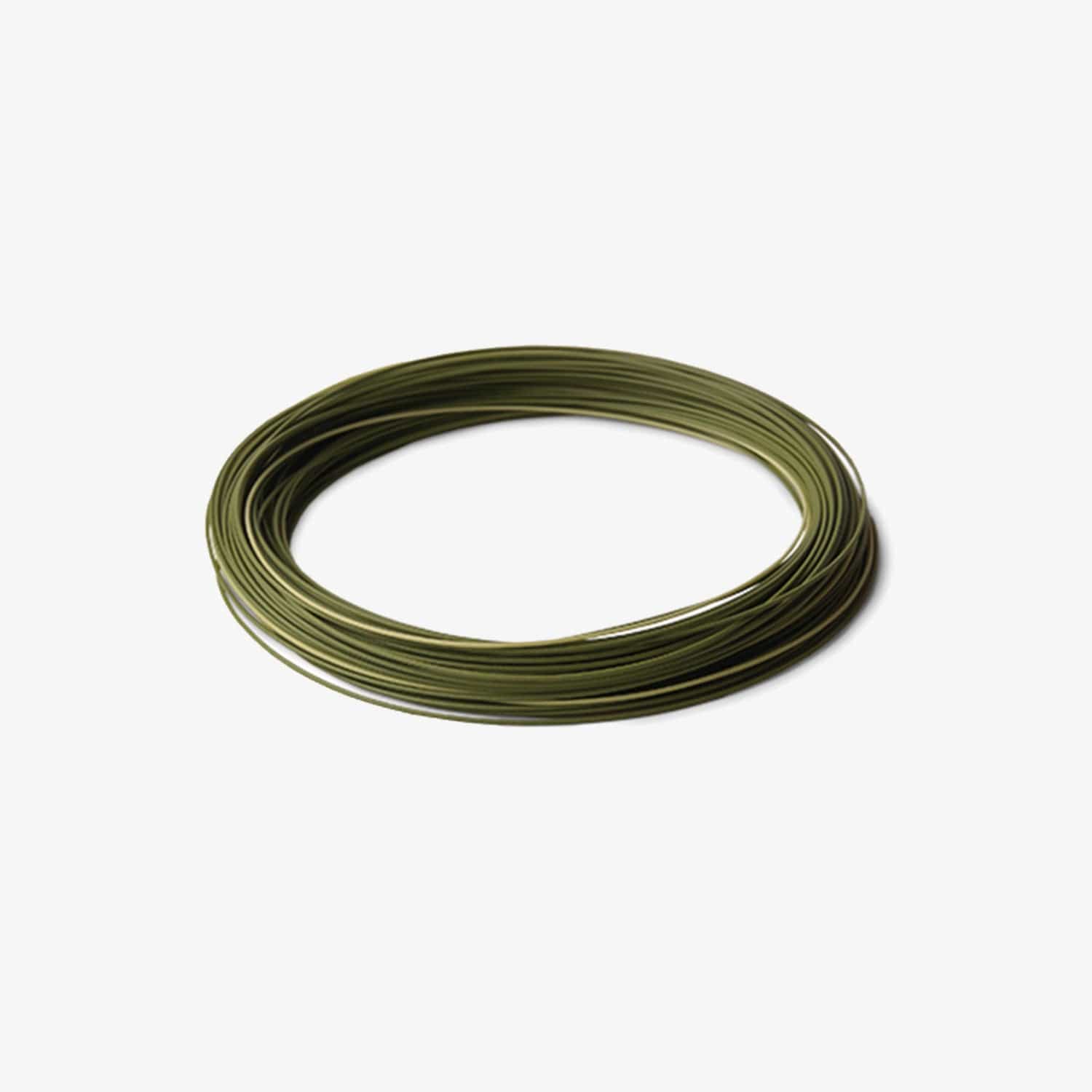
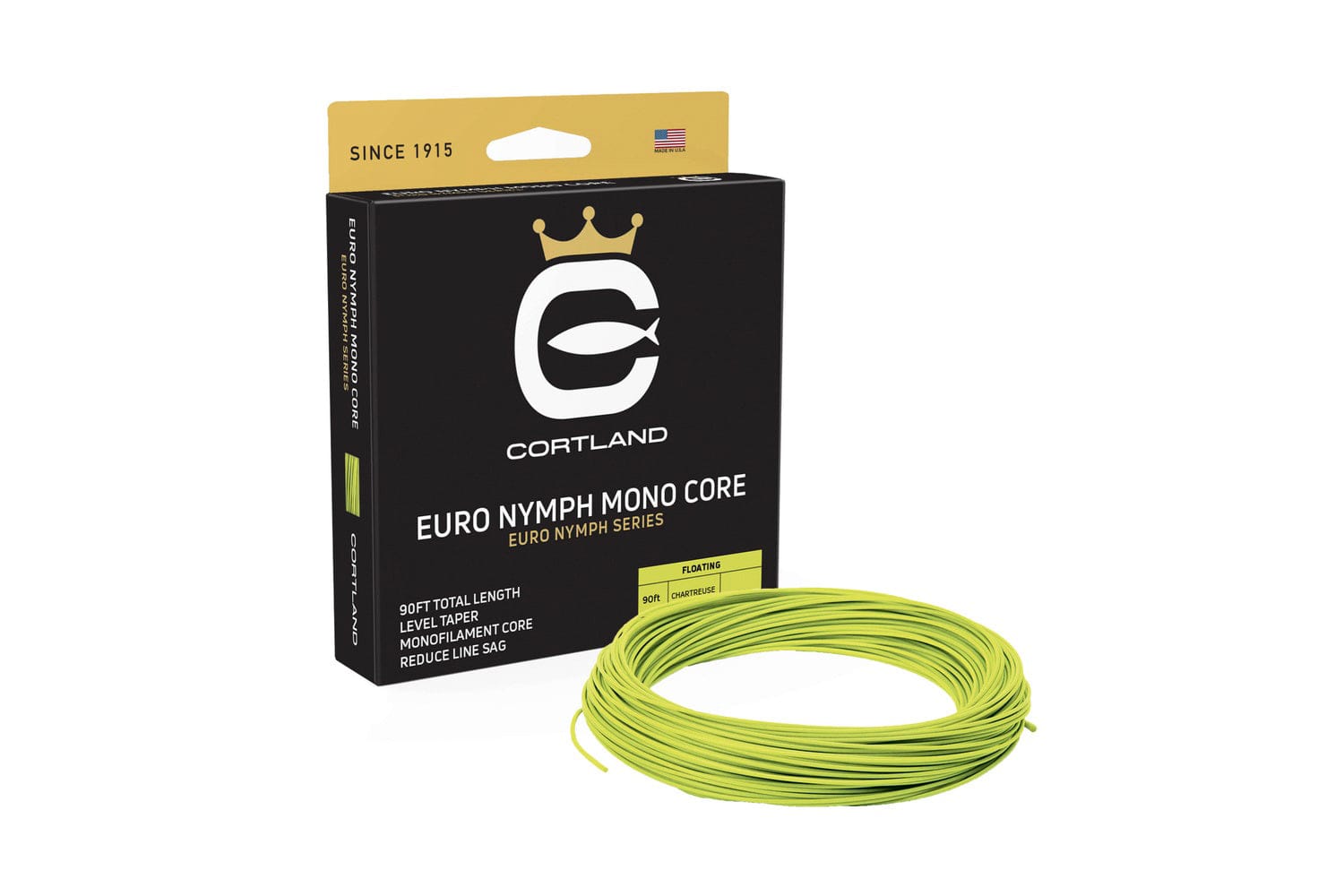
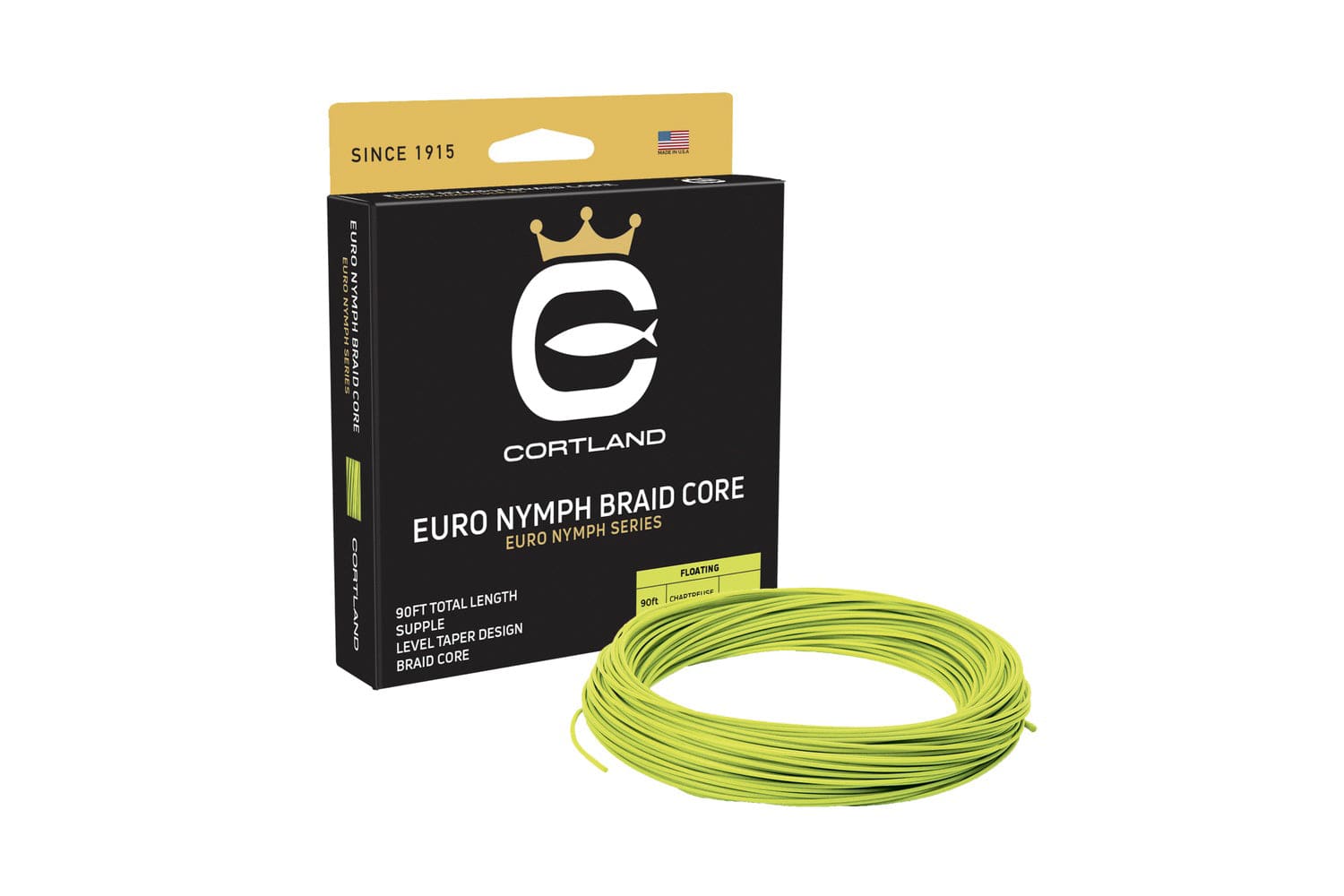
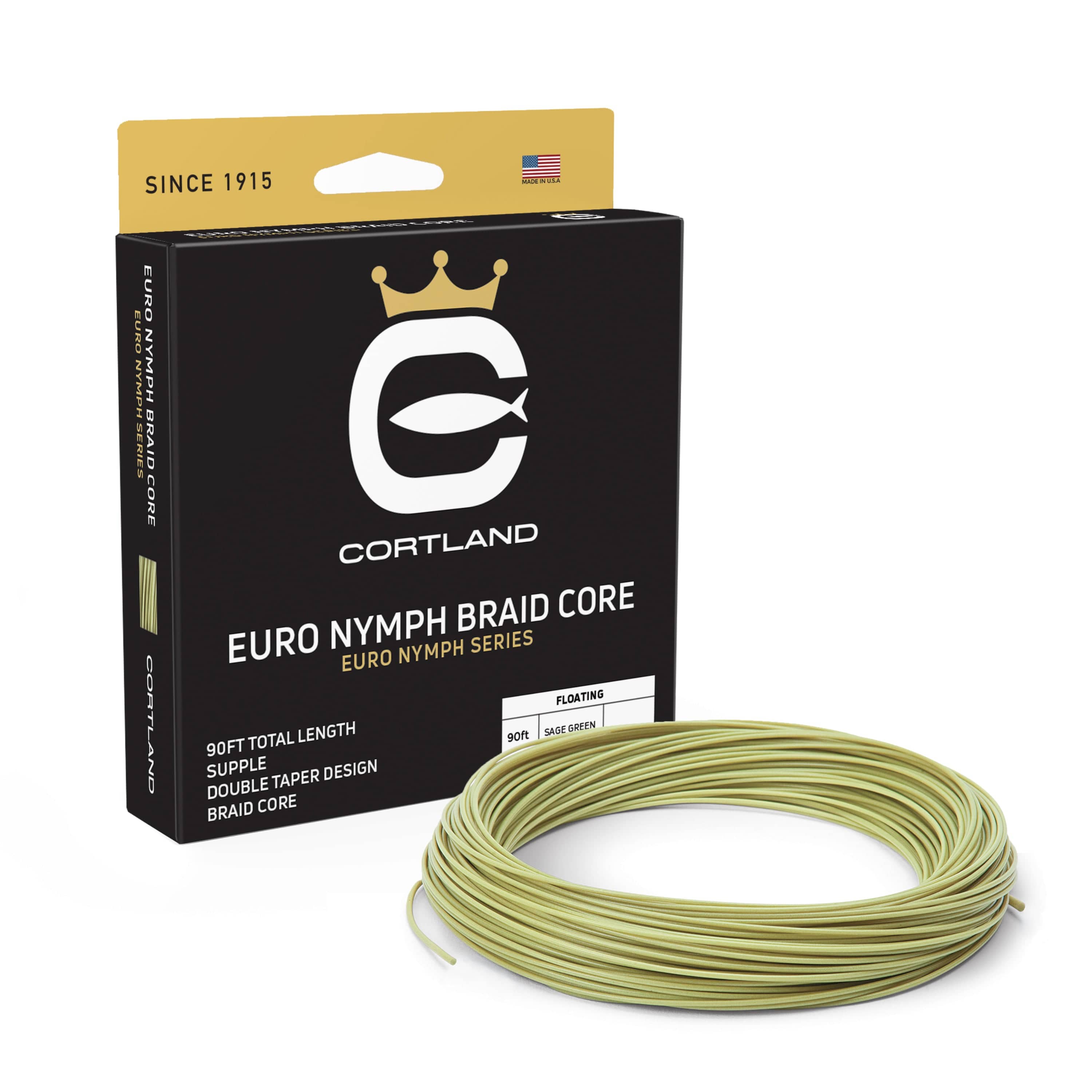
- Best for Cold Water: Cortland Euro Nymph Braid Core Fly Line - Featuring a braided core that remains supple in freezing temperatures, this line is a favorite for winter anglers. Its high-vis/low-vis color options allow for stealthy presentations while maintaining visual contact.
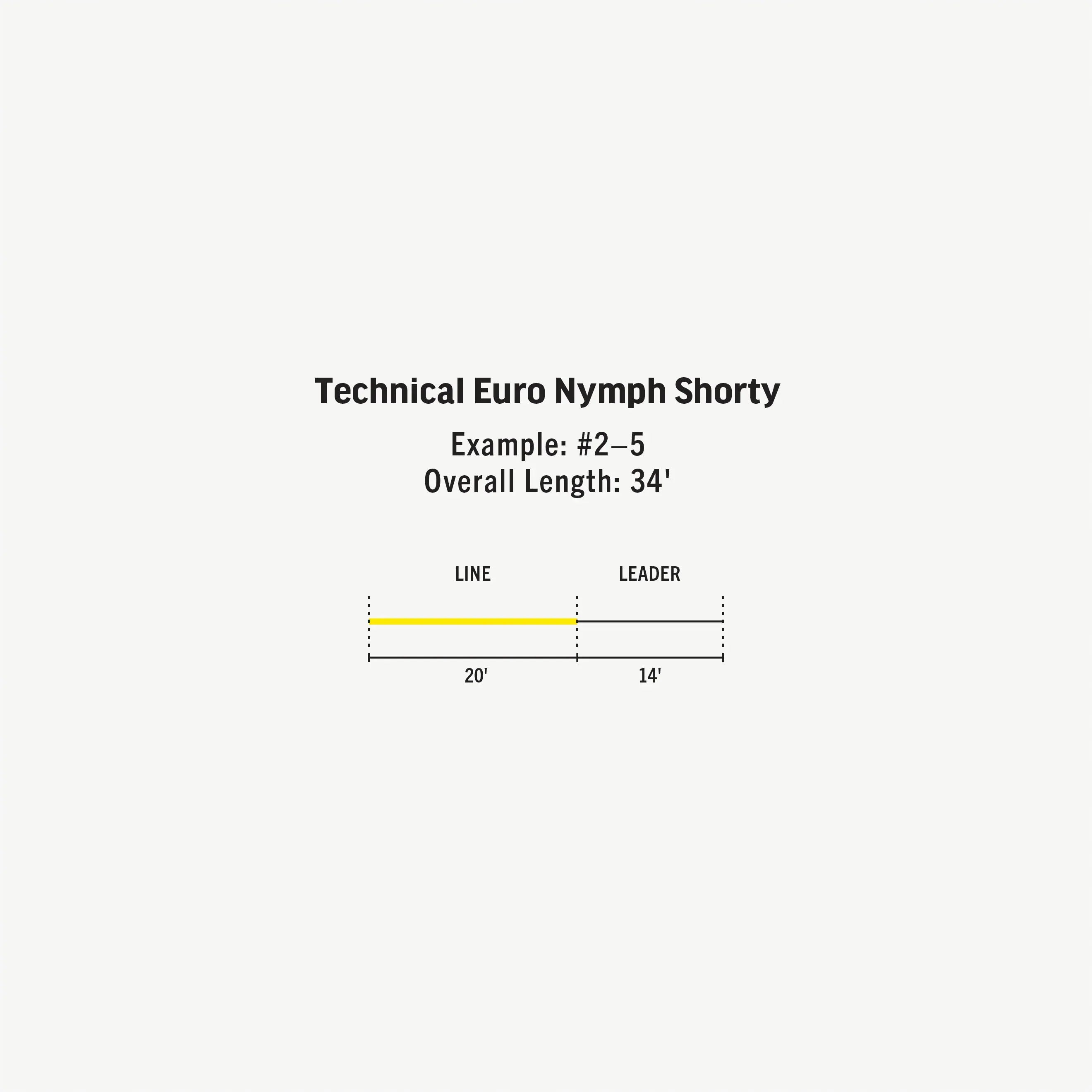
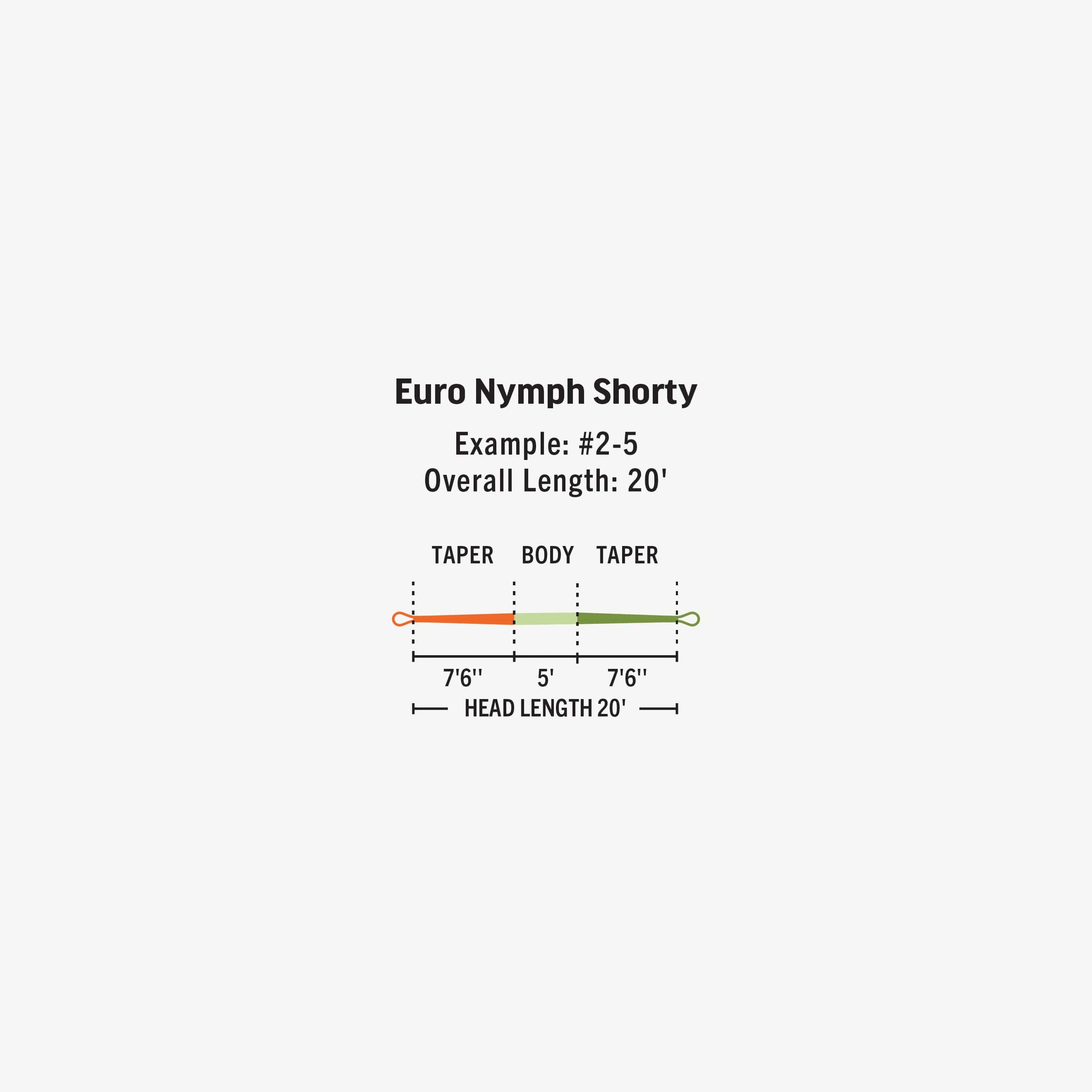
- Best Versatility: Rio Euro Nymph Shorty - A 20-foot extension that loops onto your standard fly line, instantly converting your dry fly rod into a nymphing tool. Ideal for anglers who want to switch techniques without carrying a second rod.
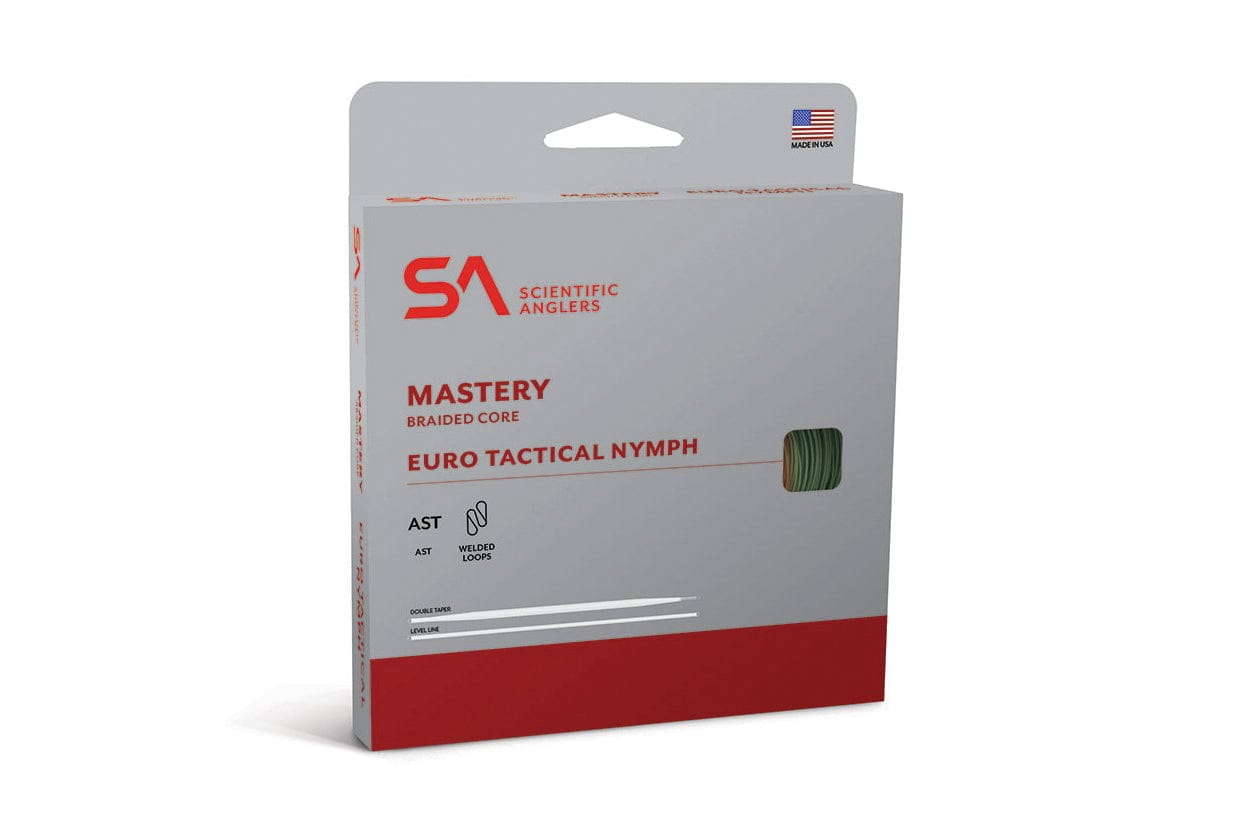
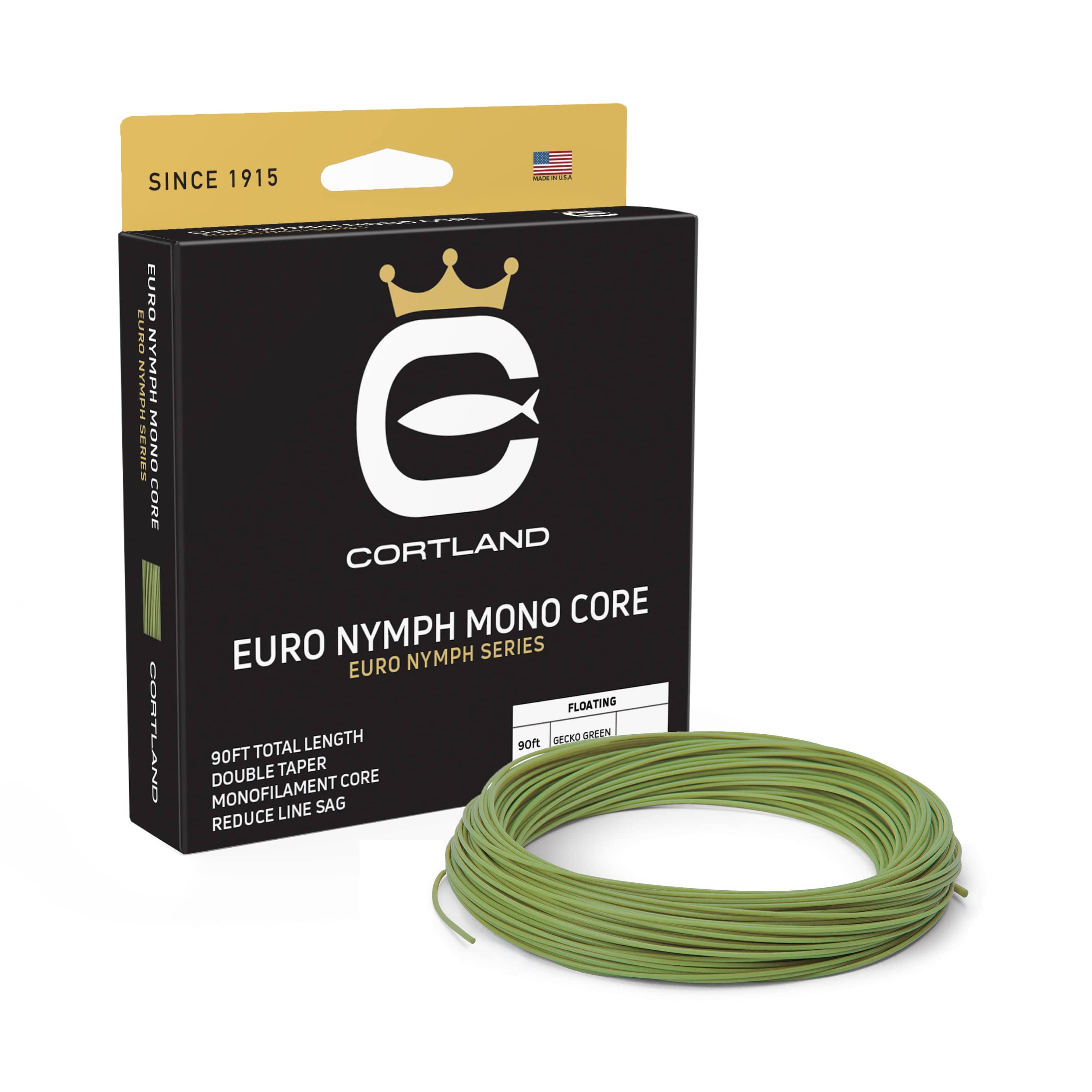
- Best Value: Scientific Anglers Mastery Euro Tactical Nymph - Available in both braid and mono cores, this FIPS-compliant line delivers excellent performance at a competitive price point. The textured tip helps float the sighter while the thin diameter cuts through wind.
How to Choose Euro Nymphing Fly Lines
Euro nymphing lines are distinct from traditional fly lines because they are designed to minimize sag and maximize sensitivity. Unlike weight-forward lines that use mass to load the rod, these ultra-thin lines (often 0.022" diameter) are built to be held off the water, creating a direct "tight line" connection to your flies. Choosing the right one depends on your specific fishing environment and preferences.
Core Material: Mono vs. Braid
Monofilament Cores: Lines like the Rio Technical Euro Nymph use a mono core, which is stiffer and provides incredible sensitivity. The stiffness helps bridge the gap between rod guides, reducing sag significantly. However, mono cores can retain memory, especially in cold weather, requiring you to stretch the line before fishing.
Braided Cores: Lines with a braided multifilament core, such as the Cortland Braid Core, are generally softer and easier to handle. They have little to no memory, making them excellent for cold-weather fishing where mono might coil. While they may sag slightly more than mono, many anglers prefer their supple feel and ease of knot tying.
Diameter and Visibility
Diameter: The standard for competition-legal (FIPS) lines is 0.022 inches. This thin diameter reduces the weight of the line, preventing it from pulling your flies back toward you (drag) and allowing for a more natural drift. Some recreational lines go even thinner (0.017") for extreme sensitivity, though they can be harder to handle.
Visibility: Visual detection is key in tight-line nymphing. Look for lines with high-visibility tips or sighter sections. However, stealth is also important; many lines feature a "camo" or olive body color to avoid spooking fish, transitioning to a bright color near the leader connection.
Versatility Options
If you aren't ready to dedicate a spool solely to Euro nymphing, consider a "Shorty" line. These 20-foot sections loop onto your existing weight-forward line. They allow you to fish dry flies with your standard line and quickly switch to a tight-line setup for specific runs, offering the best of both worlds for the all-around angler.
Why Euro Nymphing Fly Lines Matter
Using a dedicated Euro nymphing line changes the game by removing the mass of a standard fly line. Traditional lines are heavy and thick, causing them to sag in the guides and drag in the current, which disconnects you from your flies. By switching to a specialized thin-diameter line, you eliminate this slack, allowing you to feel the bottom, detect subtle takes, and guide your flies into the strike zone with unparalleled precision.
Care & Maintenance
- Cleaning: Even though these lines are thin, dirt and algae build-up can add weight and friction. Clean your line periodically with mild soap and water or a specialized line cleaner to maintain its slickness.
- Stretching: For monofilament core lines, it is essential to stretch the line before each outing. Pull sections of the line firmly between your hands to remove coils and memory, ensuring a straight connection to your flies.
- Storage: Store your reels out of direct sunlight and extreme heat. UV rays can degrade the coating over time, making the line brittle and prone to cracking.
Complete Your Setup
Related Gear
- Fly Fishing Flies - Stock up on heavy tungsten nymphs like Perdigons and Frenchies to get down fast.
- Euro Nymphing Leaders - Pair your line with a specialized long leader and sighter material for optimal strike detection.
Euro Nymphing Fly Lines FAQs
Q: Can I use a regular fly line for Euro nymphing?
A: You can, but it is much less effective. The weight and thickness of a standard line cause it to sag between the rod guides, creating slack that dampens sensitivity and creates drag on your flies.
Q: Do I need a specific reel for these lines?
A: While not strictly required, a "full frame" or "closed cage" reel is highly recommended. Because Euro lines are so thin, they can slip between the spool and frame of standard reels, causing frustrating tangles.
Q: What is the benefit of an integrated leader?
A: Lines with integrated leaders, like the Rio Technical, eliminate the loop-to-loop connection between the fly line and leader. This allows the connection to pass smoothly through the guides without catching, which is critical when landing fish on long leaders.
Q: Why are some lines FIPS compliant?
A: FIPS Mouche is the governing body for competitive fly fishing. To be legal for competitions, a line must meet specific diameter requirements (usually 0.022" minimum). If you don't compete, you can use thinner lines for even greater sensitivity.