


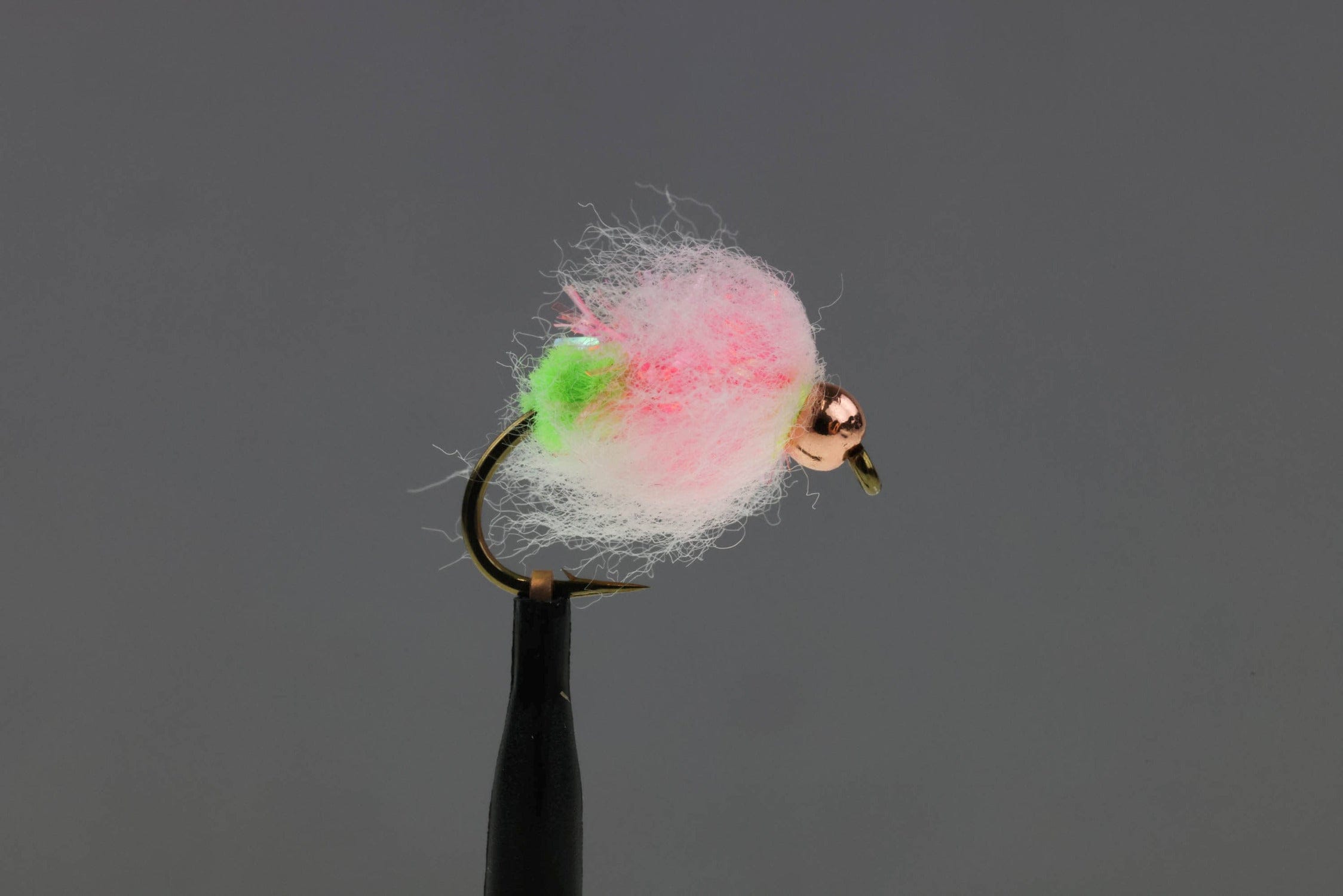
Nuke Egg Fly Pattern | Fly Tying Tutorial

Eggs Quick Picks
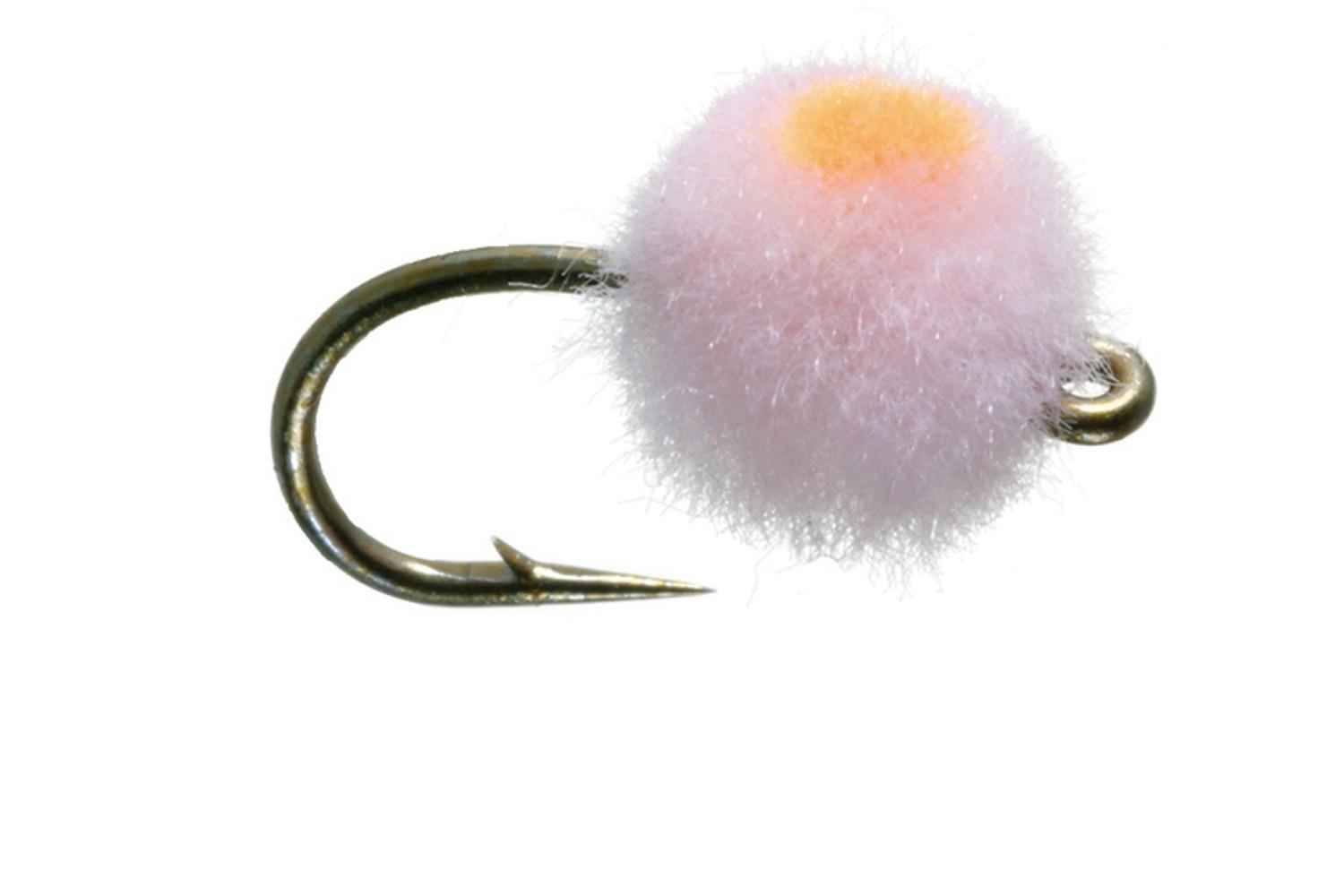
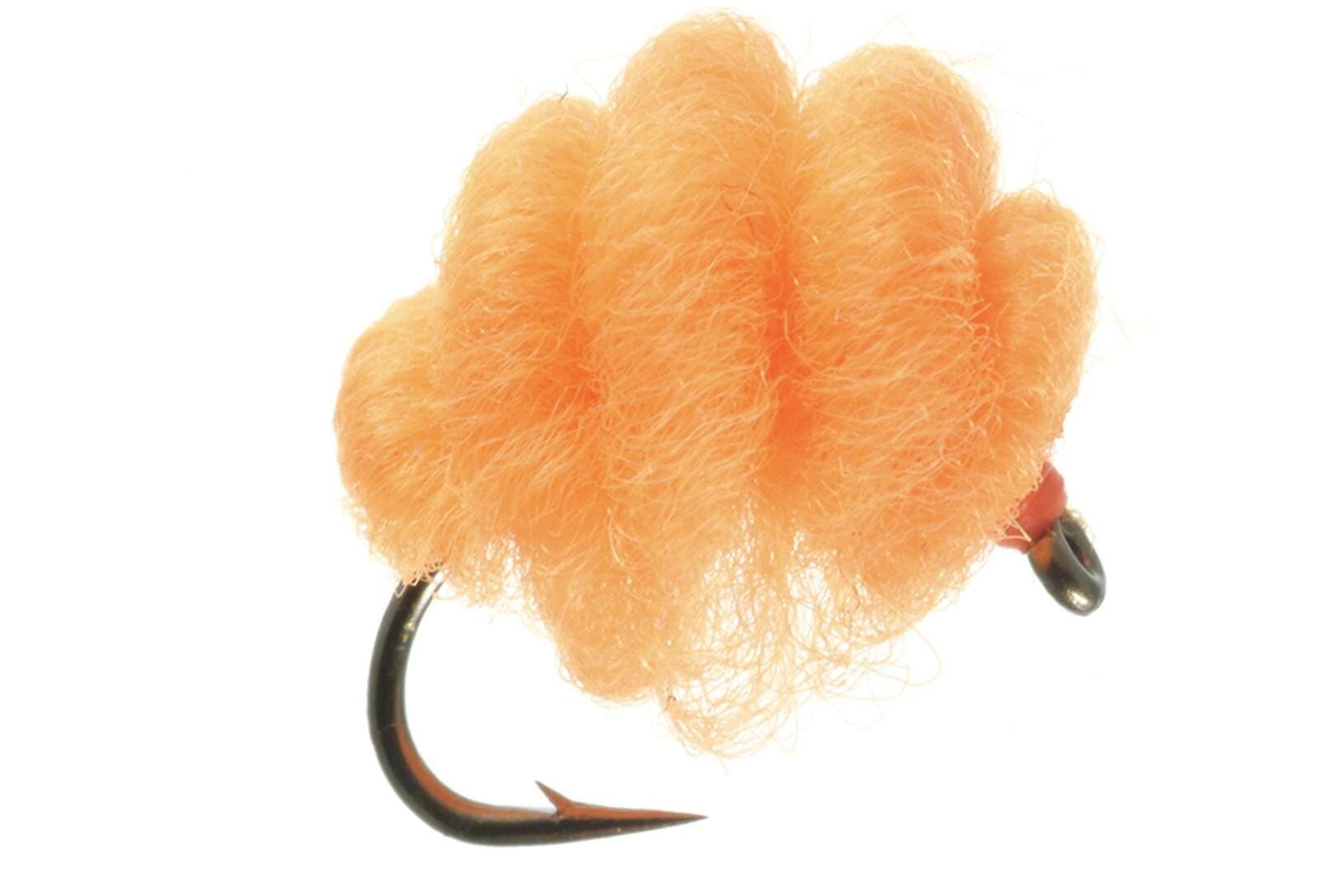
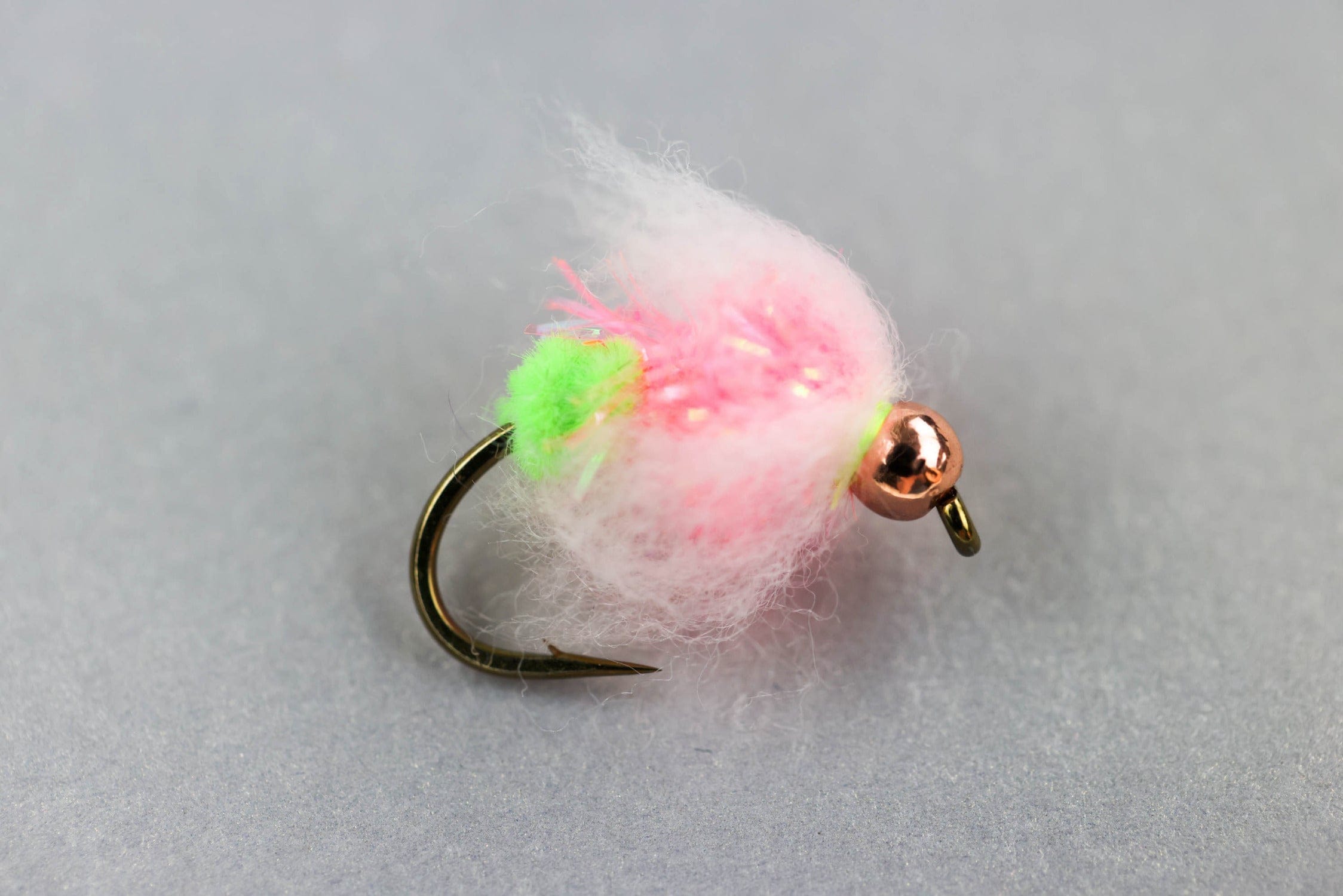
Best All-Around: Soft Egg Fly - A simple choice when you want a classic egg pattern for trout, steelhead, or salmon. It comes in multiple colors and sizes, so you can match water clarity and the egg size fish are seeing.
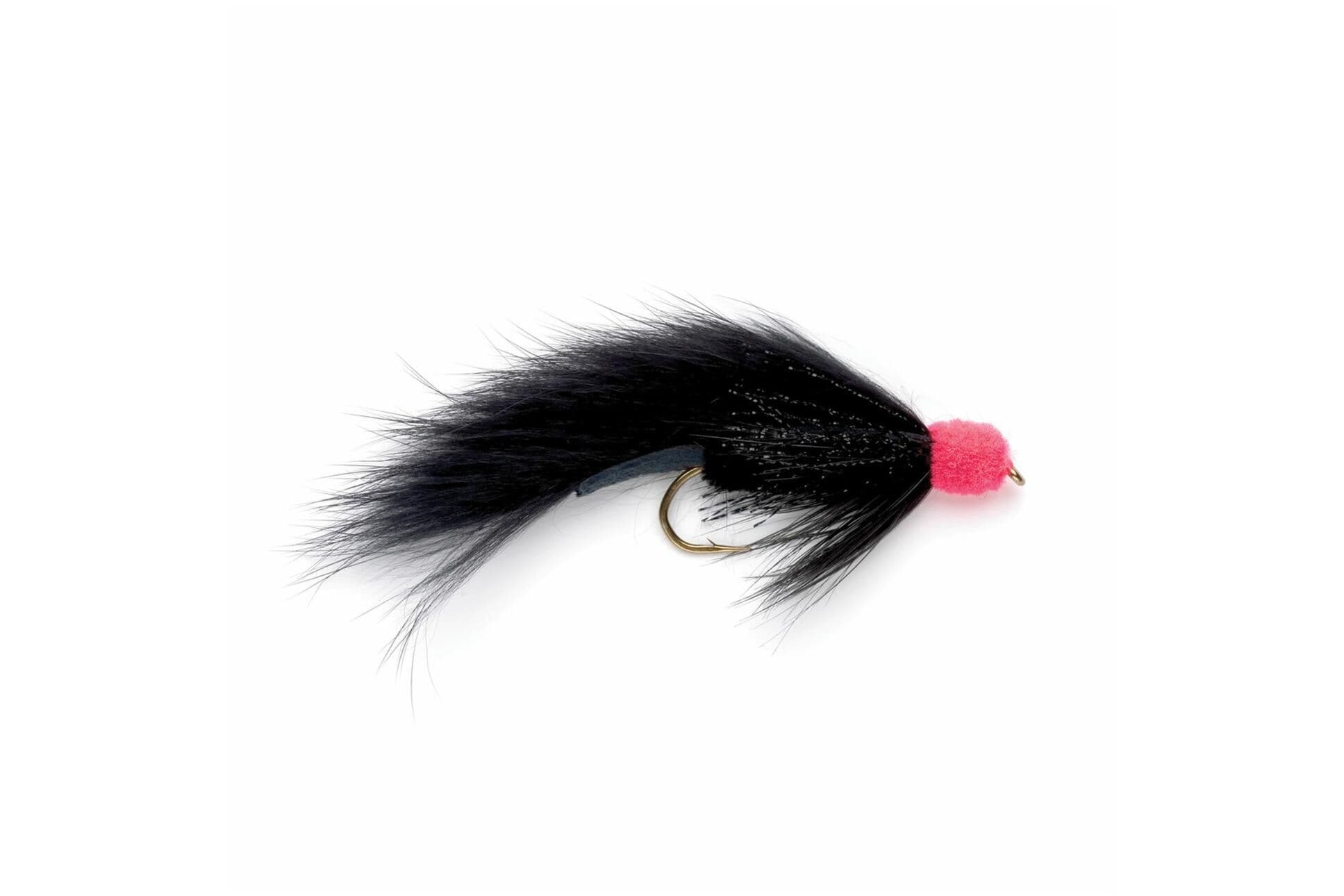
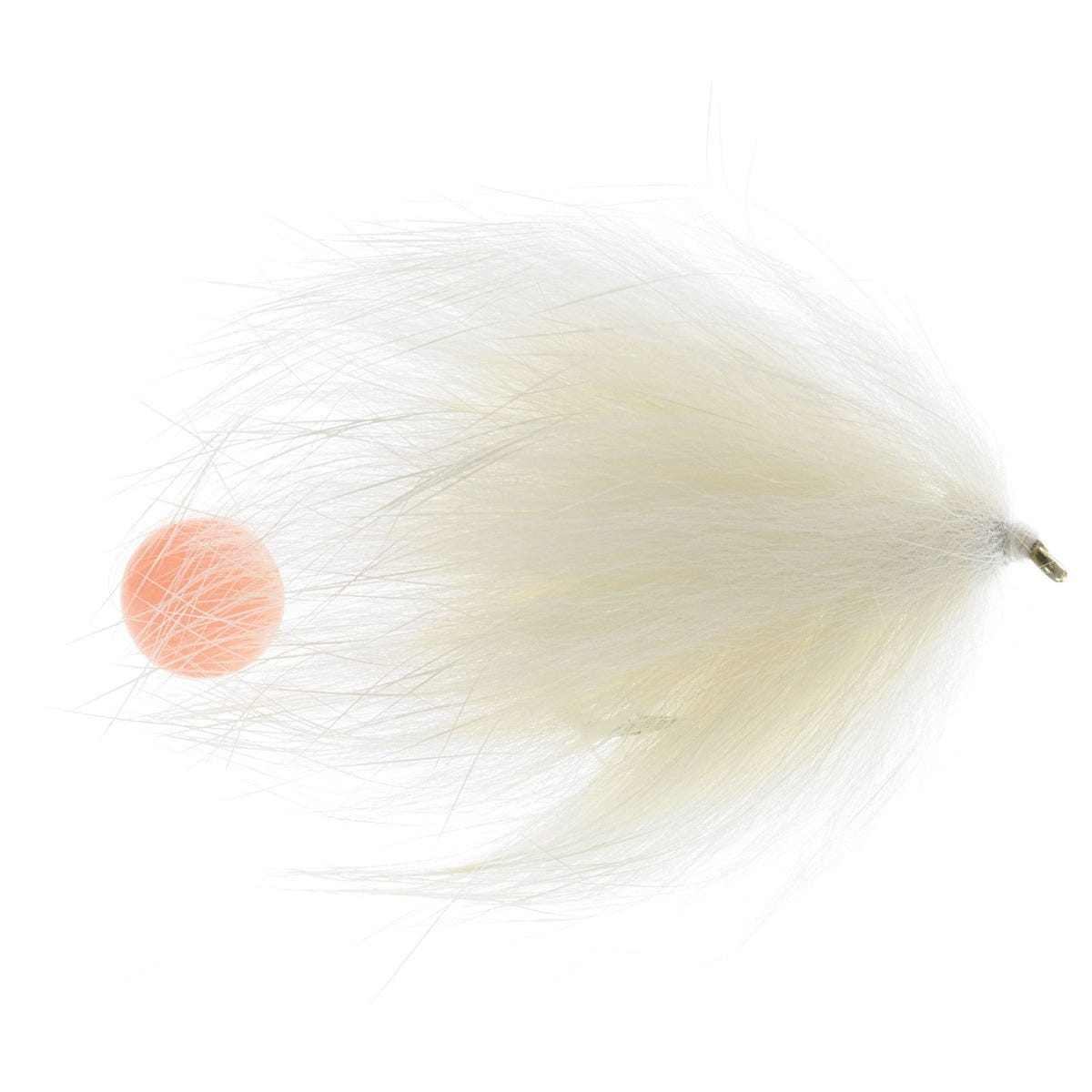
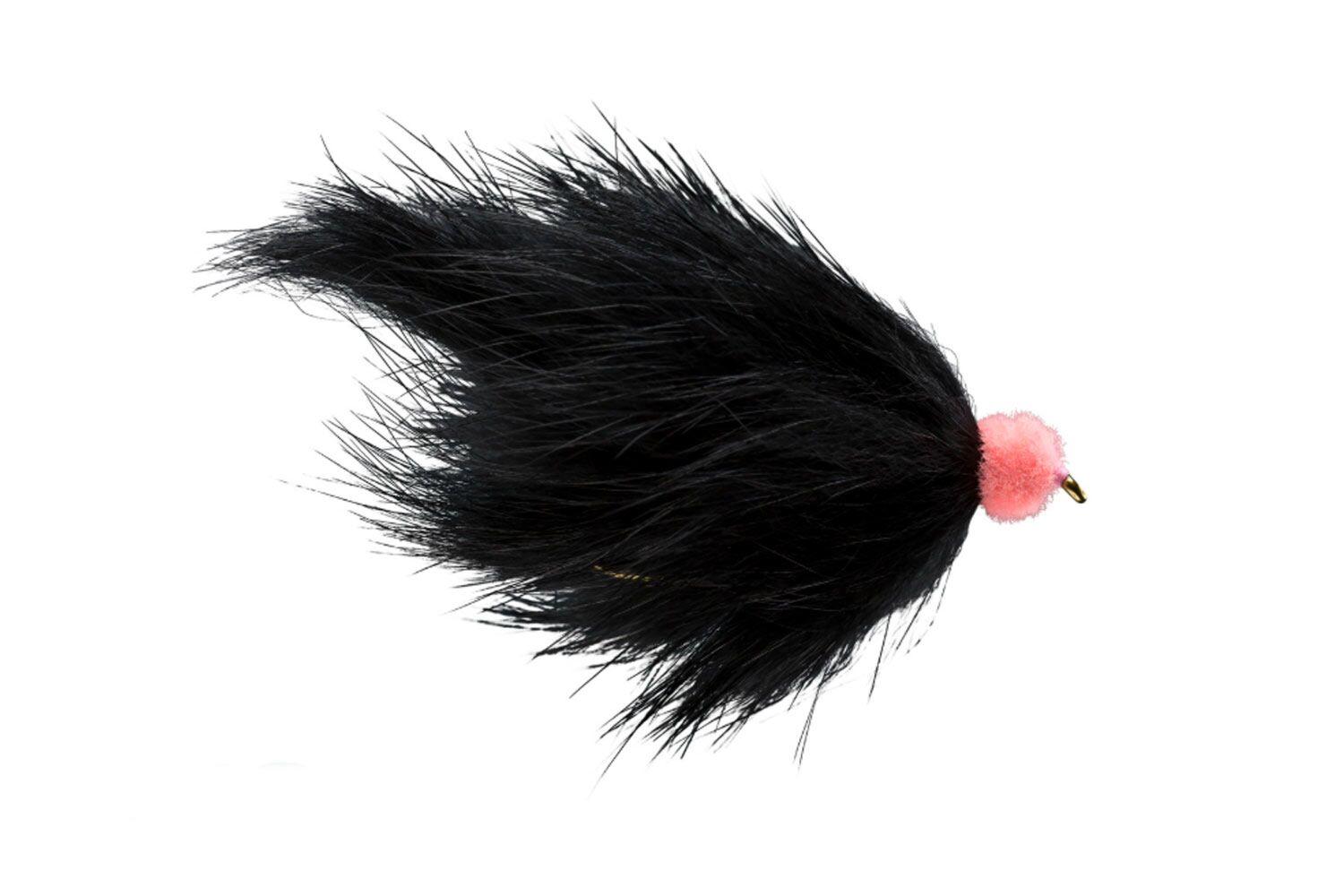
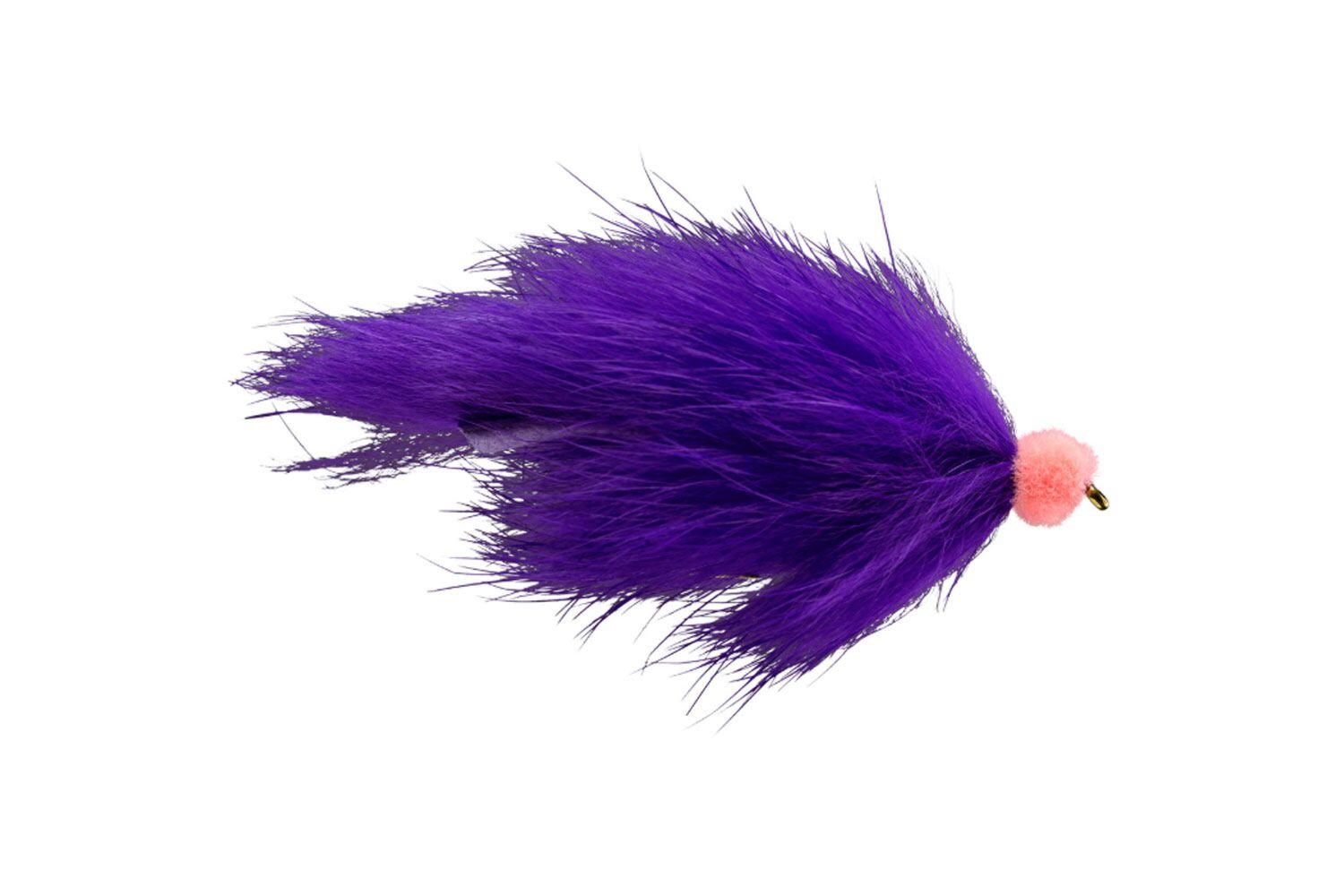
Best for Steelhead: Umpqua Egg Sucking Leech Fly - Great when you want an egg look with extra movement for migratory fish. The leech profile helps in slightly off-color water and in deeper runs where fish need more to notice.
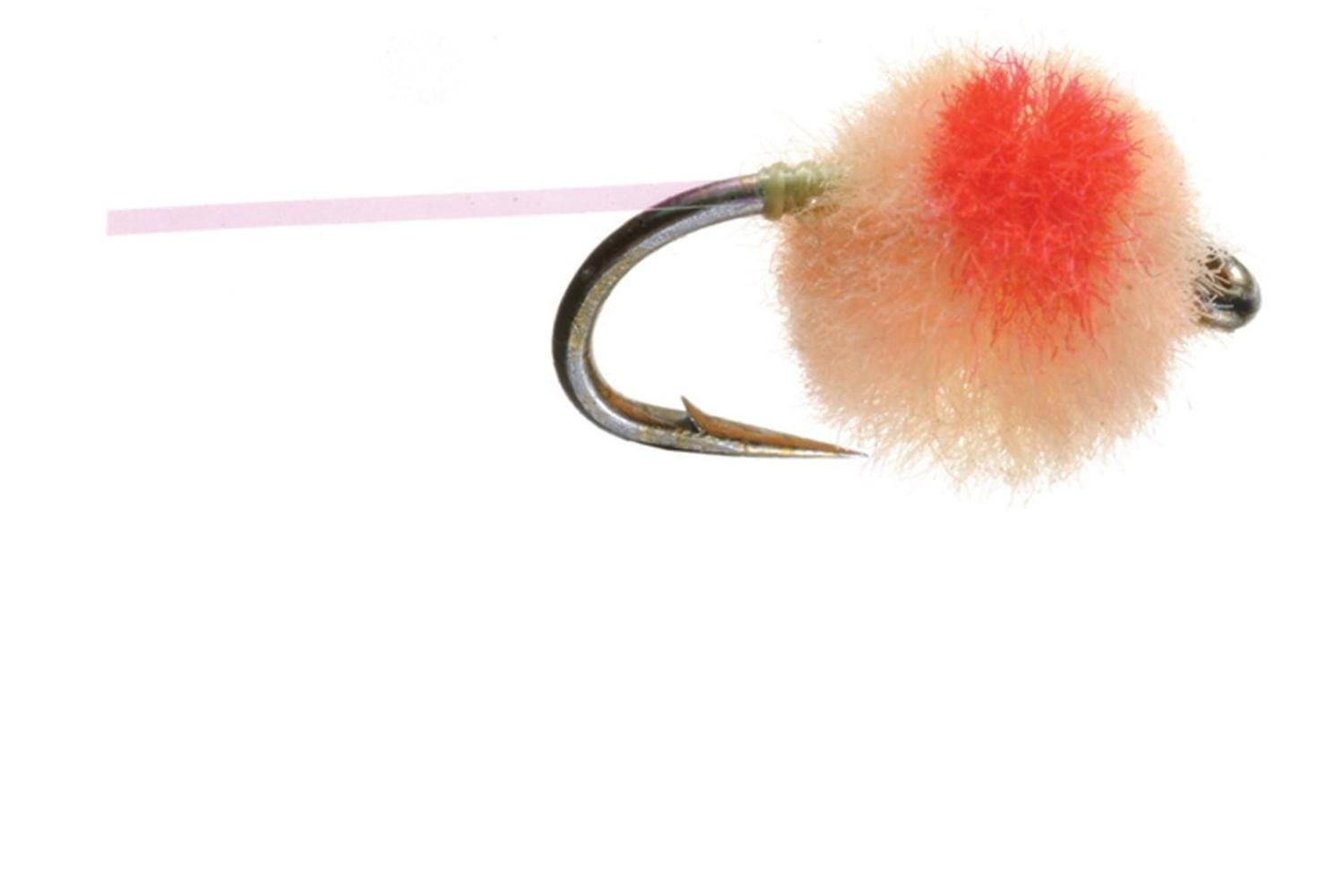
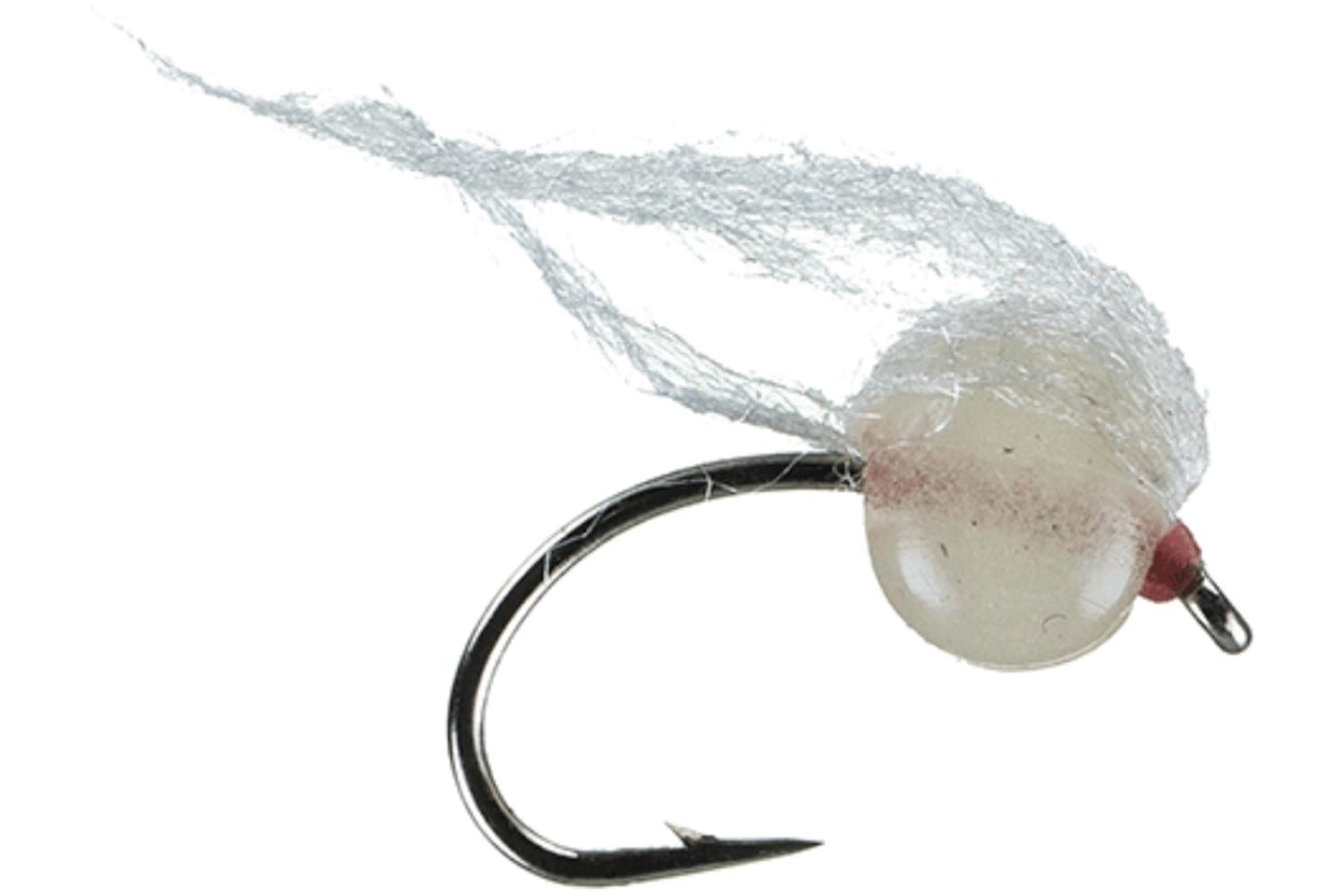
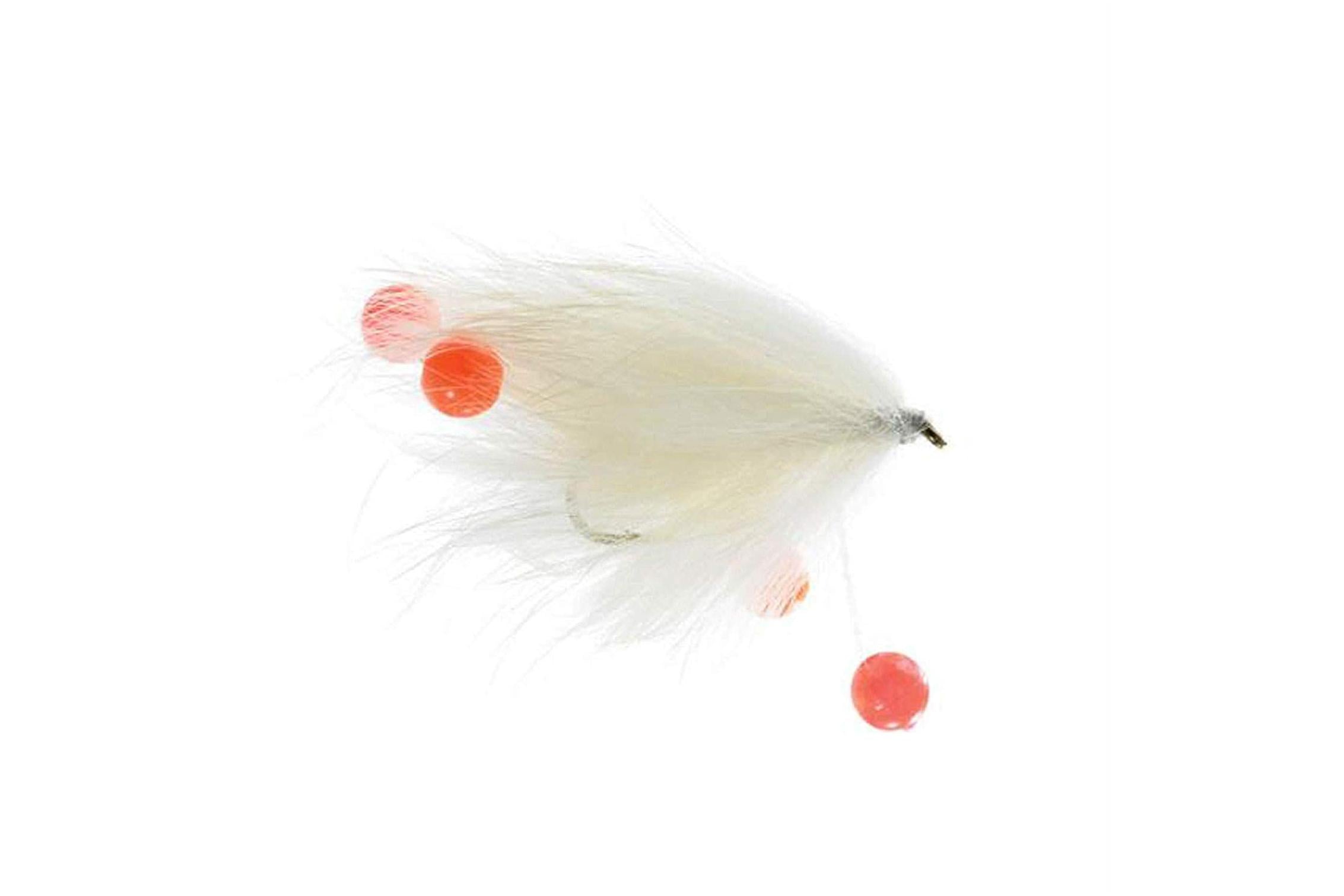
Best for Clear Water: Micro Spawn Fly - Built for times when fish are keyed on clusters and smaller drifts behind spawners. It is a strong option when a single egg looks too plain or fish are tracking groups of eggs.
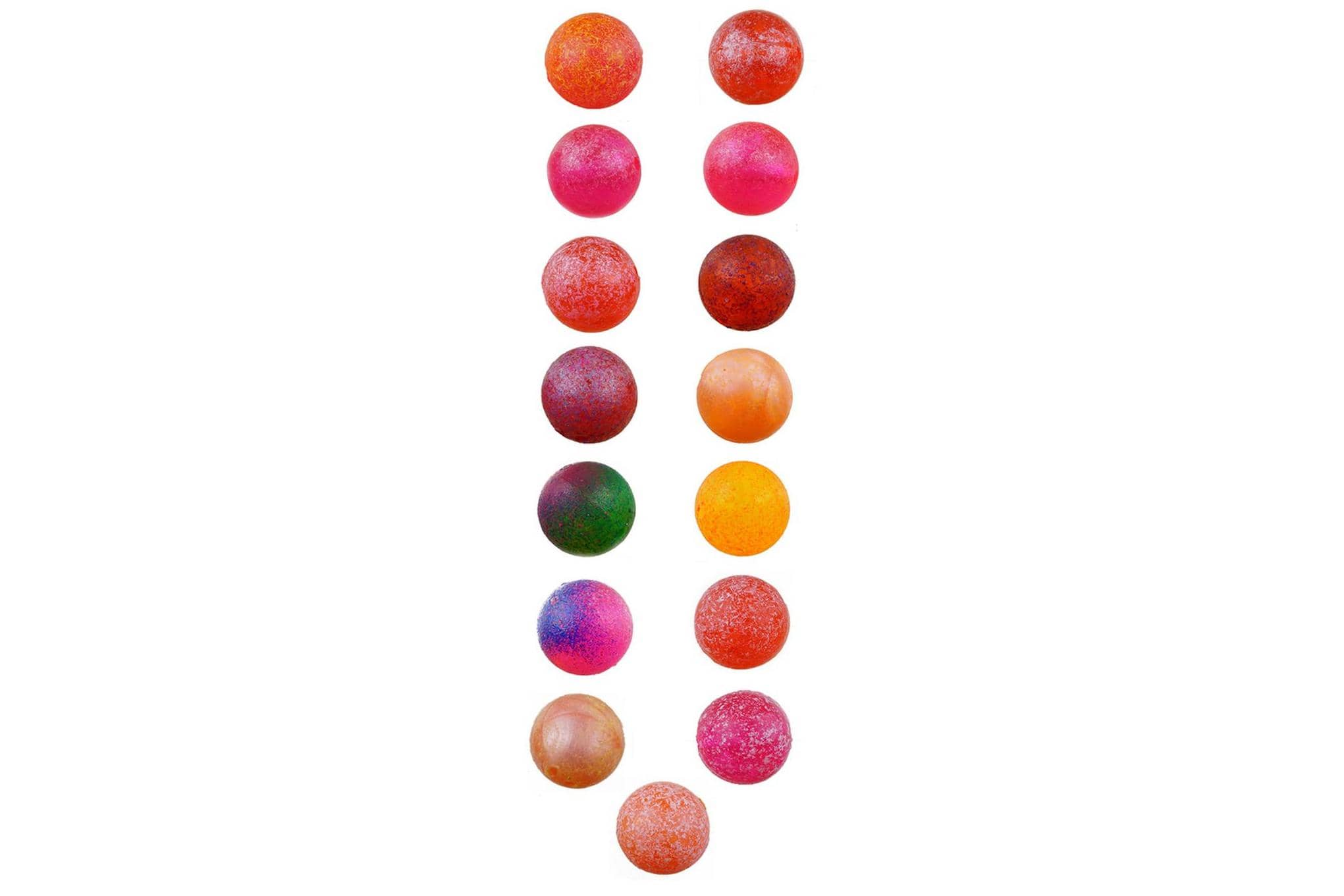
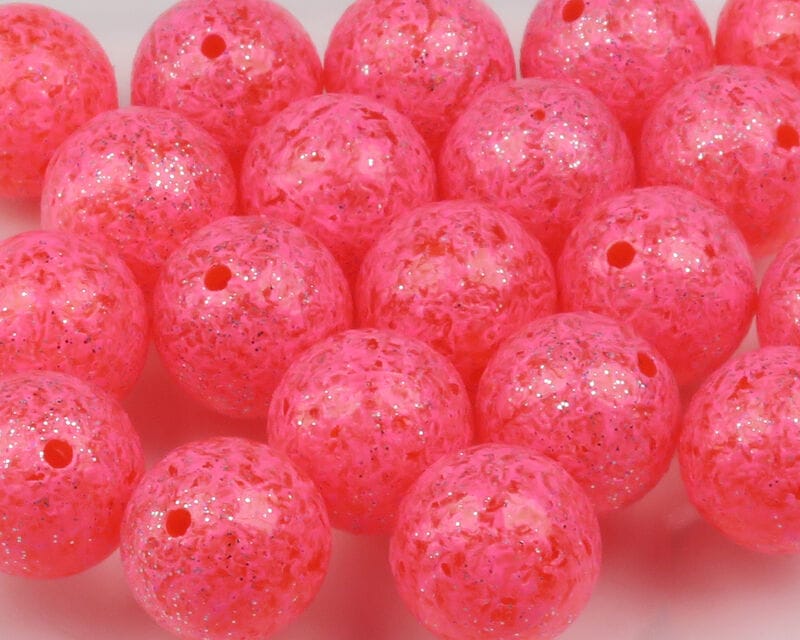
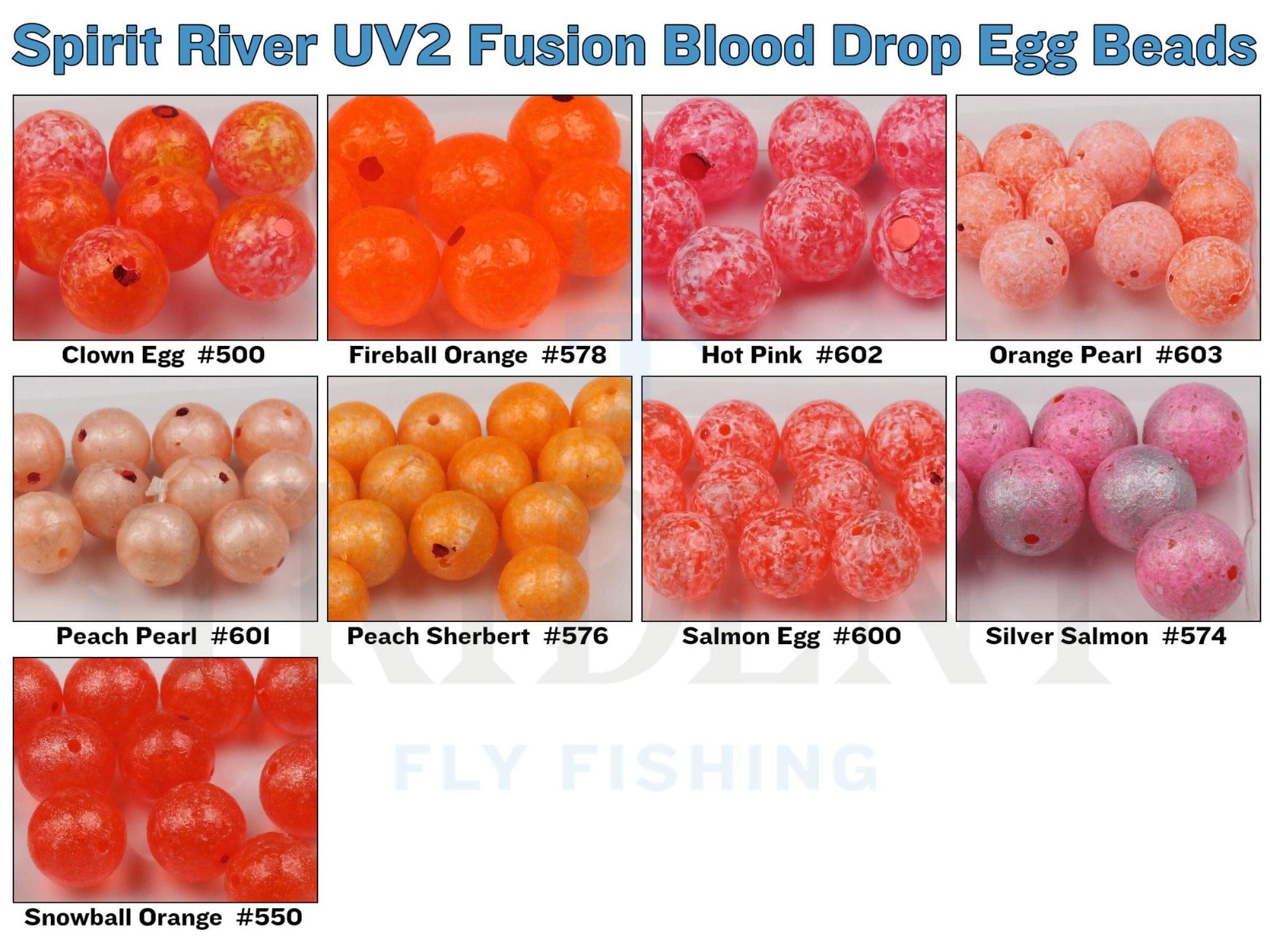
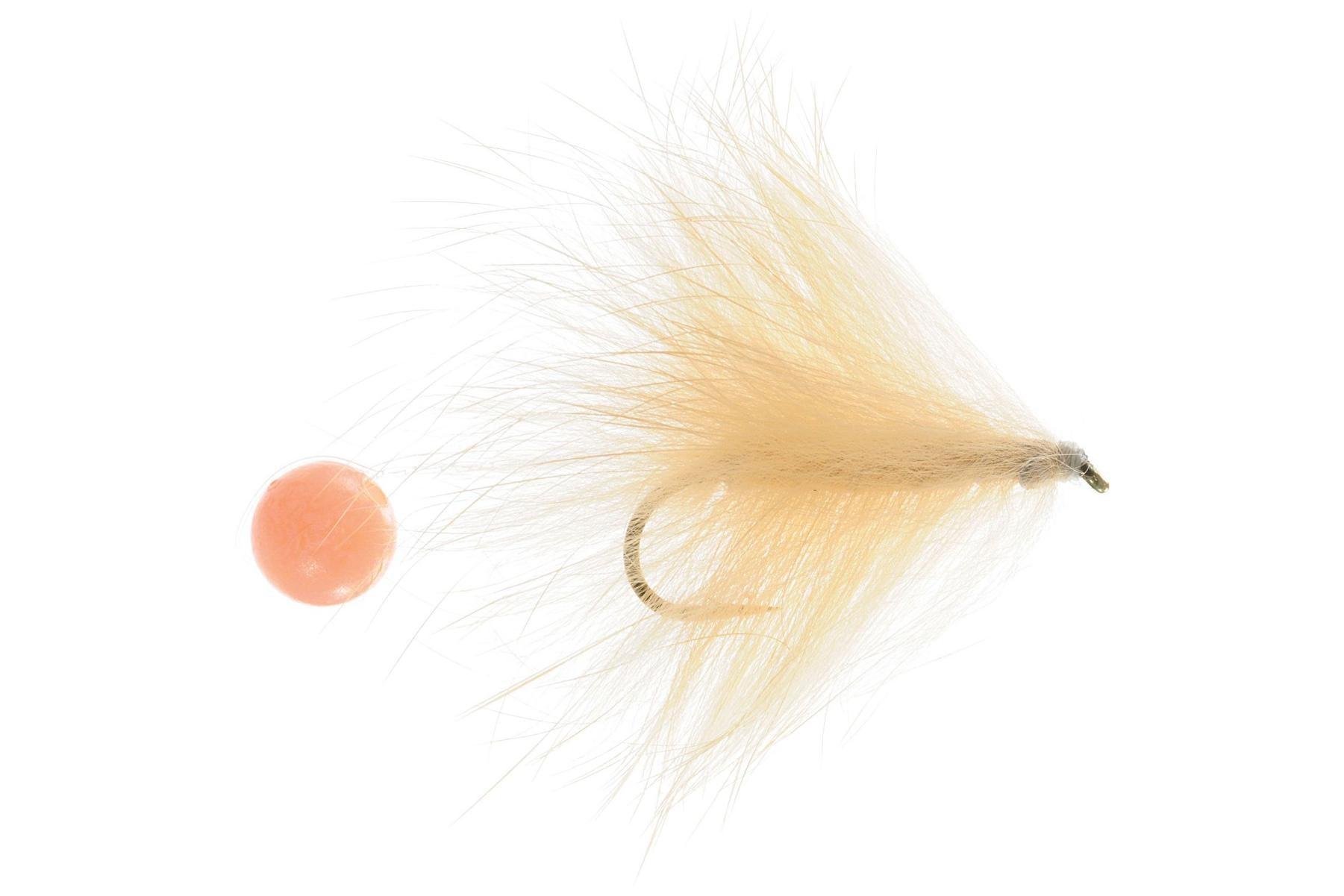
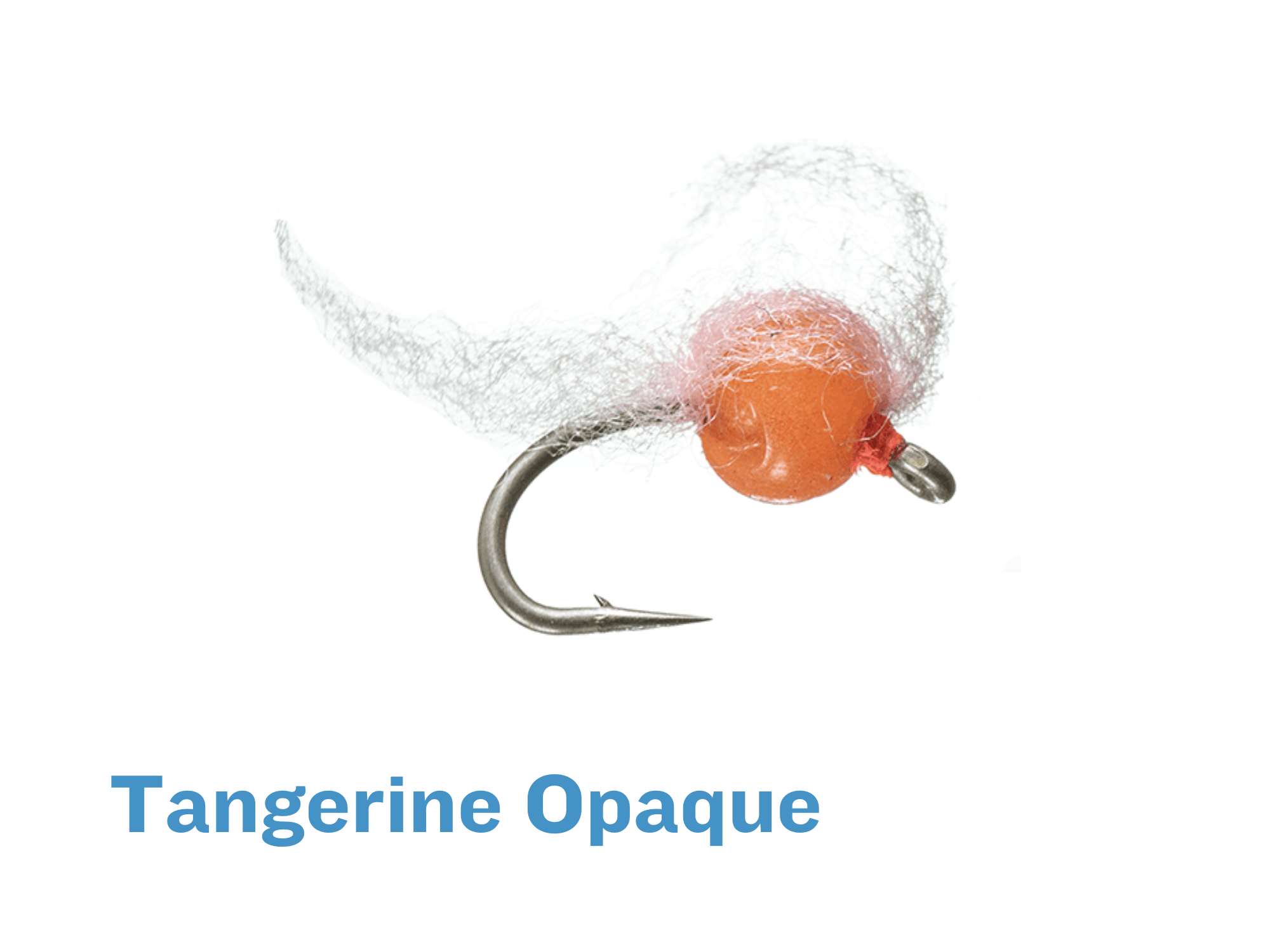
Best Bead Option: Spirit River UV2 Fusion Egg Beads - A solid pick if you prefer beads for a clean, consistent profile. Multiple sizes and colors make it easier to dial in the look of fresh eggs versus older, washed-out eggs.
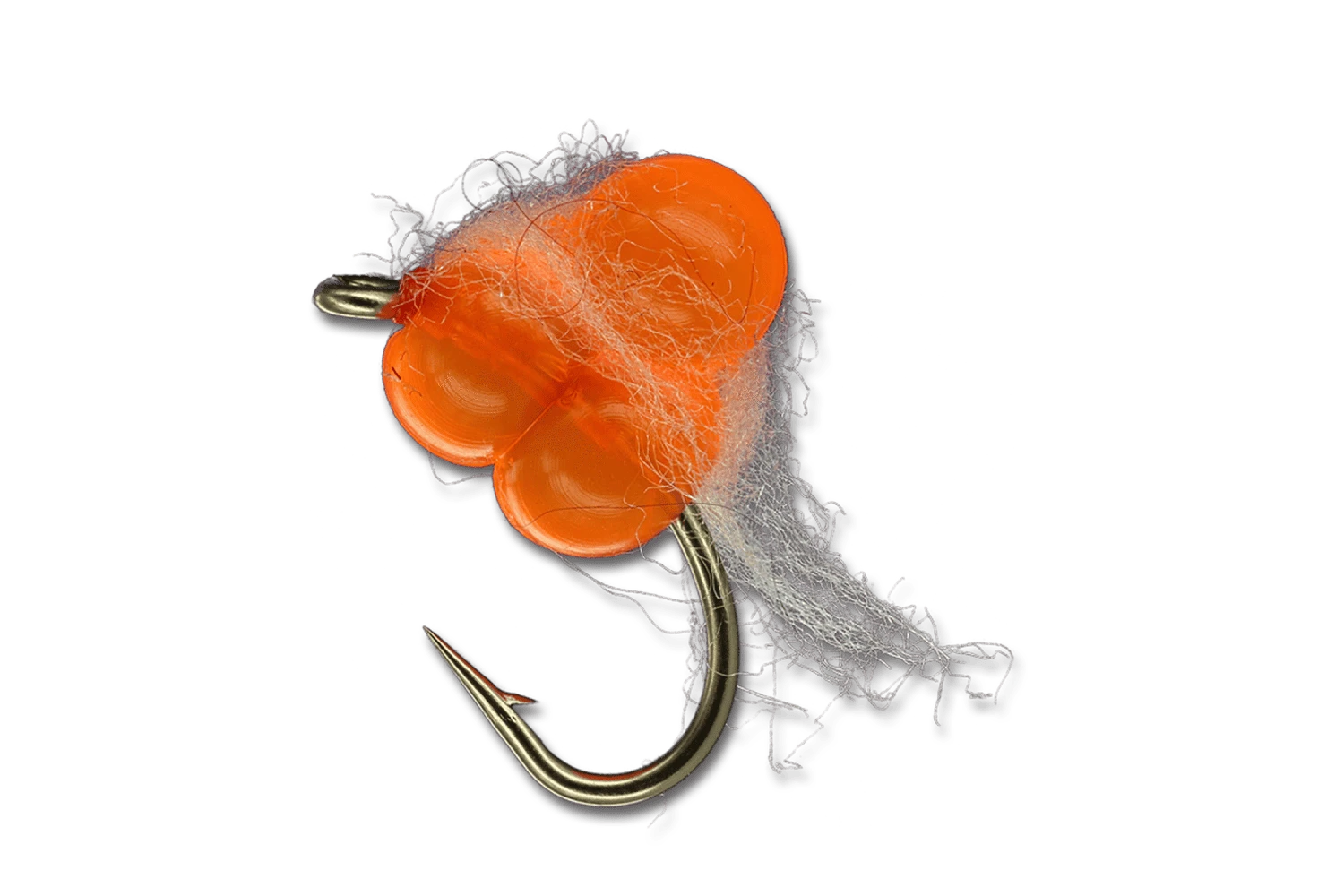
Best Egg Cluster: Otter's Soft Milking Egg Cluster Fly - A good choice when you want a bigger mouthful and a bold silhouette. It is a nice change-up for bigger fish, higher flows, or when singles are getting ignored.
How to Choose Egg Flies
When to fish egg patterns
Egg patterns shine when fish are spawning or when eggs are drifting, which often means fall and spring windows on many rivers. They are also a strong search pattern in tailwaters and big rivers where fish see steady food drifting along the bottom.
Pick the right size and color
Best for: Start with natural oranges, peaches, and light pinks in clear water, then move brighter when visibility drops. In stained flows, louder colors can help fish find your fly faster in broken current.
Avoid if: If fish are following but not eating, your egg is often too bright, too big, or drifting too high. Size down or switch to a more muted color before you change your whole rig.
Soft eggs vs beads
Soft eggs are fast, simple, and easy to swap when you are changing colors. Beads are popular when you want a perfectly round egg profile and consistent size, especially when you are trying to match a specific egg stage.
Rigging basics
Action: Dead-drift eggs like a nymph, focusing on seams, soft edges, and the slower water below spawning gravel.
Depth: Get the fly close to the bottom, then adjust up slightly if you are ticking too often.
Leader and tippet: Pair with a leader that turns over cleanly and a tippet that matches the fly size and fish size. For a starting point, browse Leaders and Tippet.
Two-fly rigs: Many anglers run an egg as the anchor fly, then add a small nymph behind it to cover more looks.
Why Egg Flies Matter
Egg patterns are a realistic food source in rivers with spawning activity, and fish often key on them because they are easy calories drifting by. If you fish for migratory species, they are also a practical way to cover water when fish are holding deep and not chasing far.
Materials & Durability
After fishing: Let wet flies dry out before closing your fly box, especially after rainy days or snow.
Hook care: Check points often, and retire flies with bent hooks or dulled points.
Keep colors clean: Store light-colored eggs away from heavily dyed streamers to avoid color transfer.
Beads: Keep beads sorted by size and color so you can match the hatch fast when the bite changes.
Complete Your Setup
Related Gear
Leaders - Helps turn over small eggs or heavier egg rigs with fewer tangles.
Tippet - Lets you fine-tune diameter and strength for clear water or bigger fish.
Steelhead Flies - Great for rounding out your box with leeches, nymphs, and swing patterns.
Pacific Salmon Flies - Helpful if you are building a full salmon box beyond eggs.
Related Guides
Eggs FAQs
Q: What are egg flies in fly fishing?
A: Egg flies imitate drifting fish eggs in rivers, especially during spawning seasons. They are usually fished dead-drifted under an indicator or as part of a nymph rig.
Q: When should I fish egg patterns for trout?
A: Fish eggs any time you see spawning activity or fish holding below redds. They can also be a smart choice in tailwaters where fish are used to steady drift food.
Q: What color egg fly should I start with?
A: In clear water, start with more natural tones like peach or light orange. In stained water, brighter colors like fluorescent orange or chartreuse are easier for fish to spot.
Q: Should I use a bead or a soft egg fly?
A: Use soft eggs when you want quick color changes and a classic look on a hook. Use beads when you want a consistent, round egg size and a clean profile.
Q: How do I rig egg flies for steelhead?
A: Most anglers drift eggs near the bottom under an indicator, often with split shot to control depth. In deeper runs, an egg plus a small nymph dropper is a common setup.
Q: Are egg flies only for trout and steelhead?
A: No, salmon will eat eggs too, and many other species will grab them when they are drifting. If a river has spawning fish, eggs can be on the menu.