


Marlin on the Fly - The Ultimate Adventure With Los Locos Fly Fishing
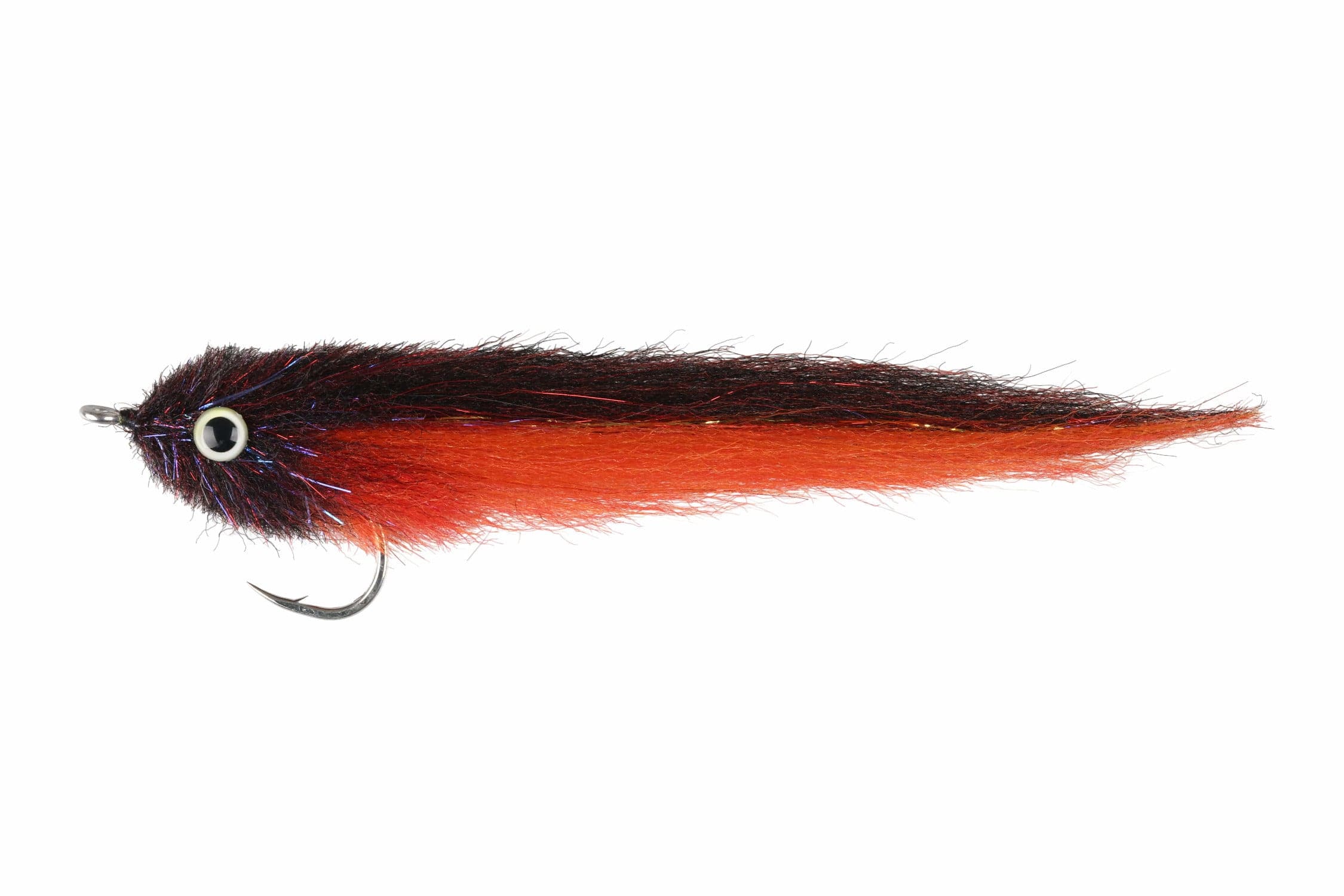
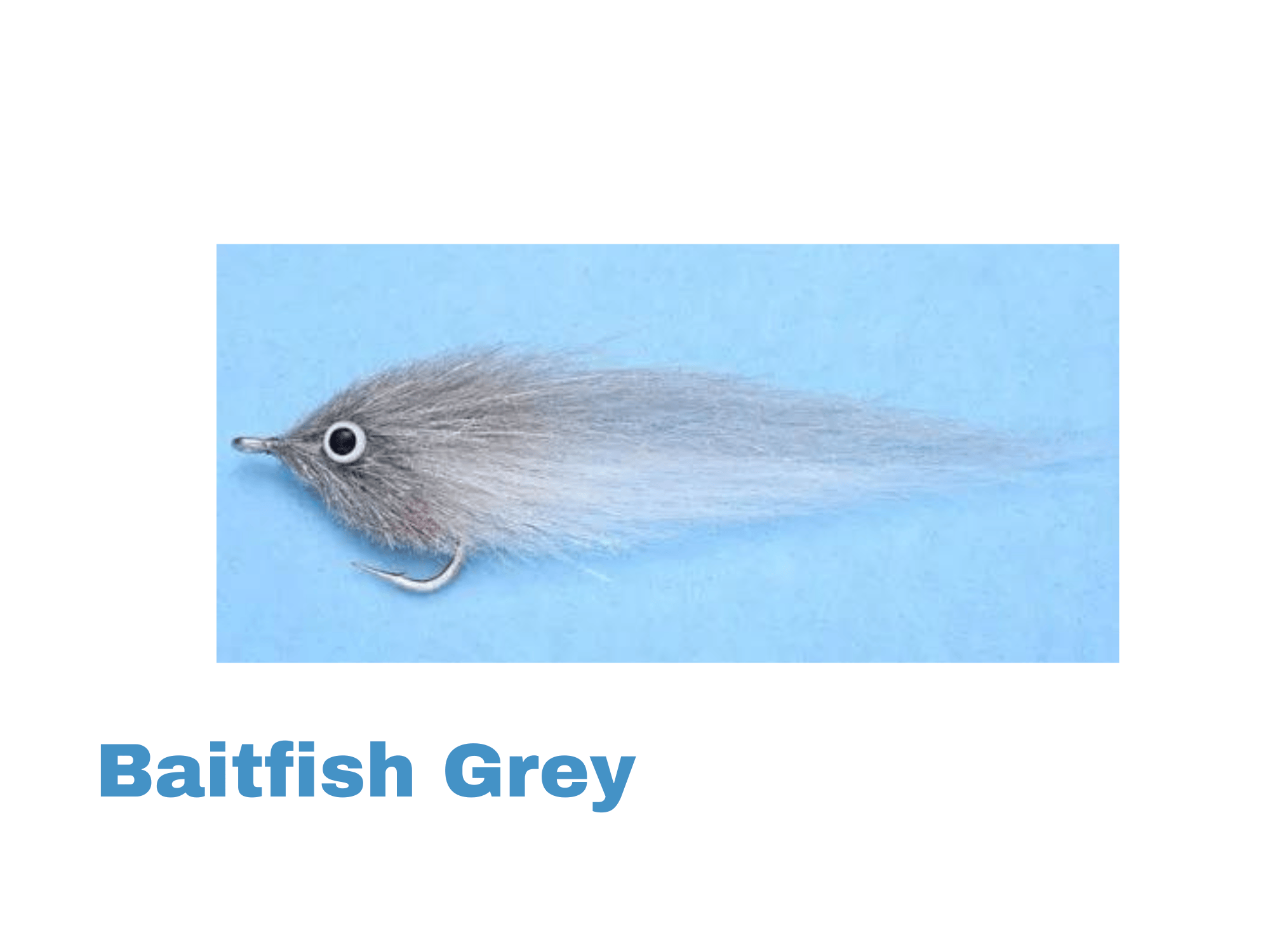
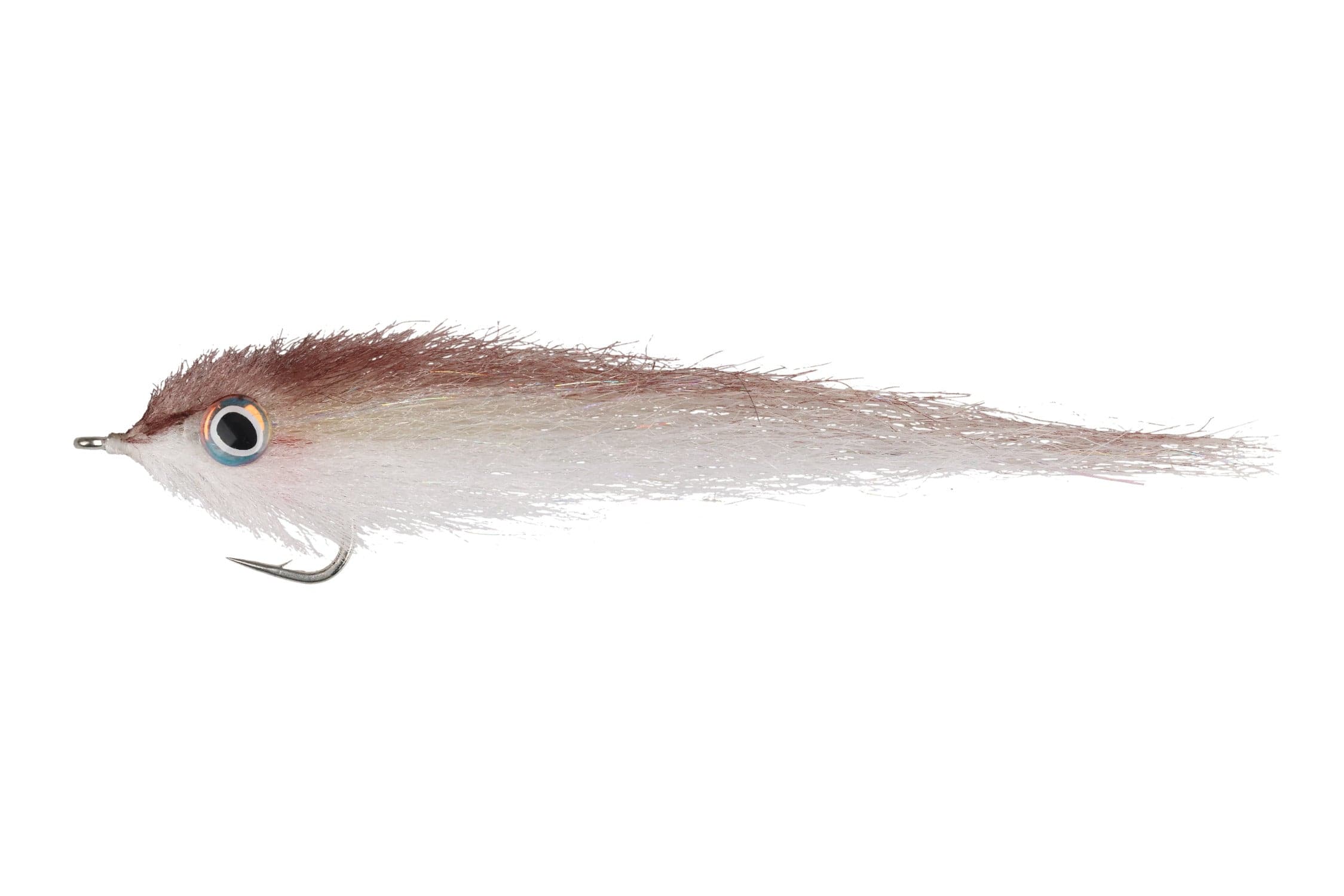
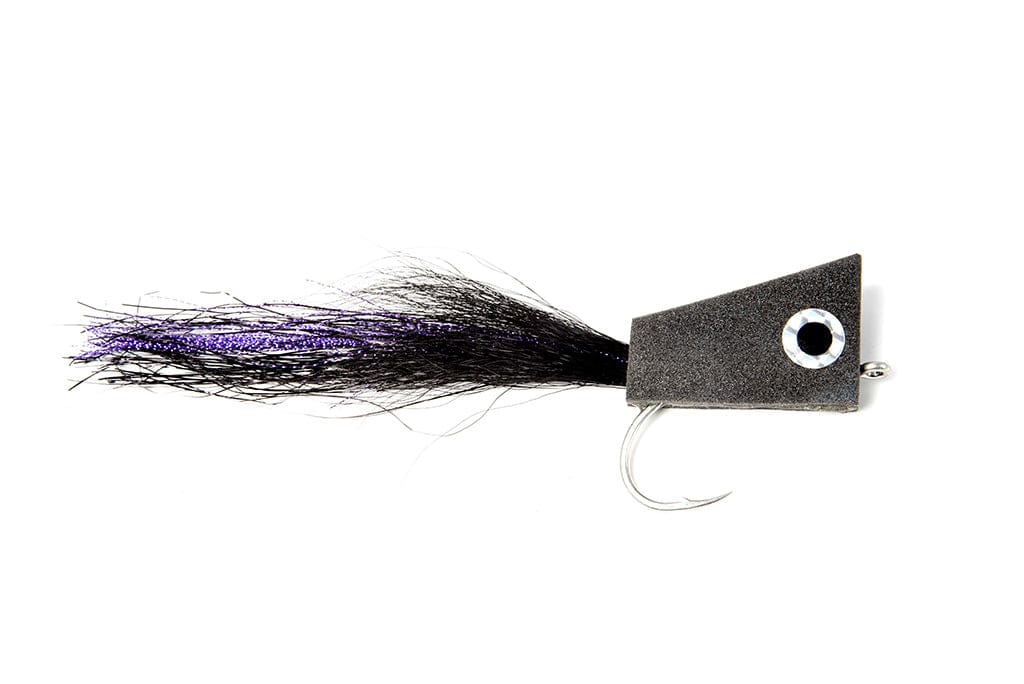

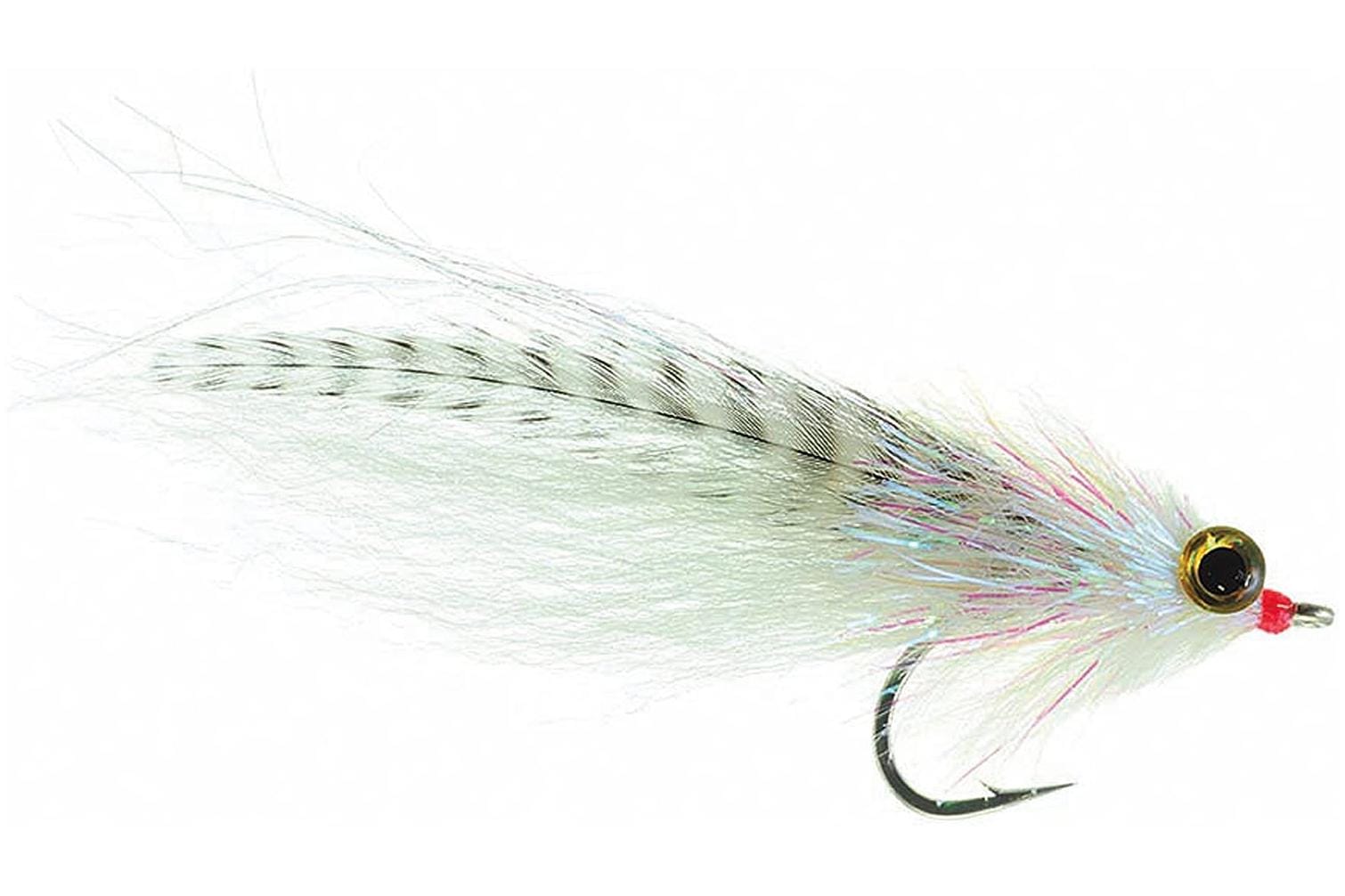
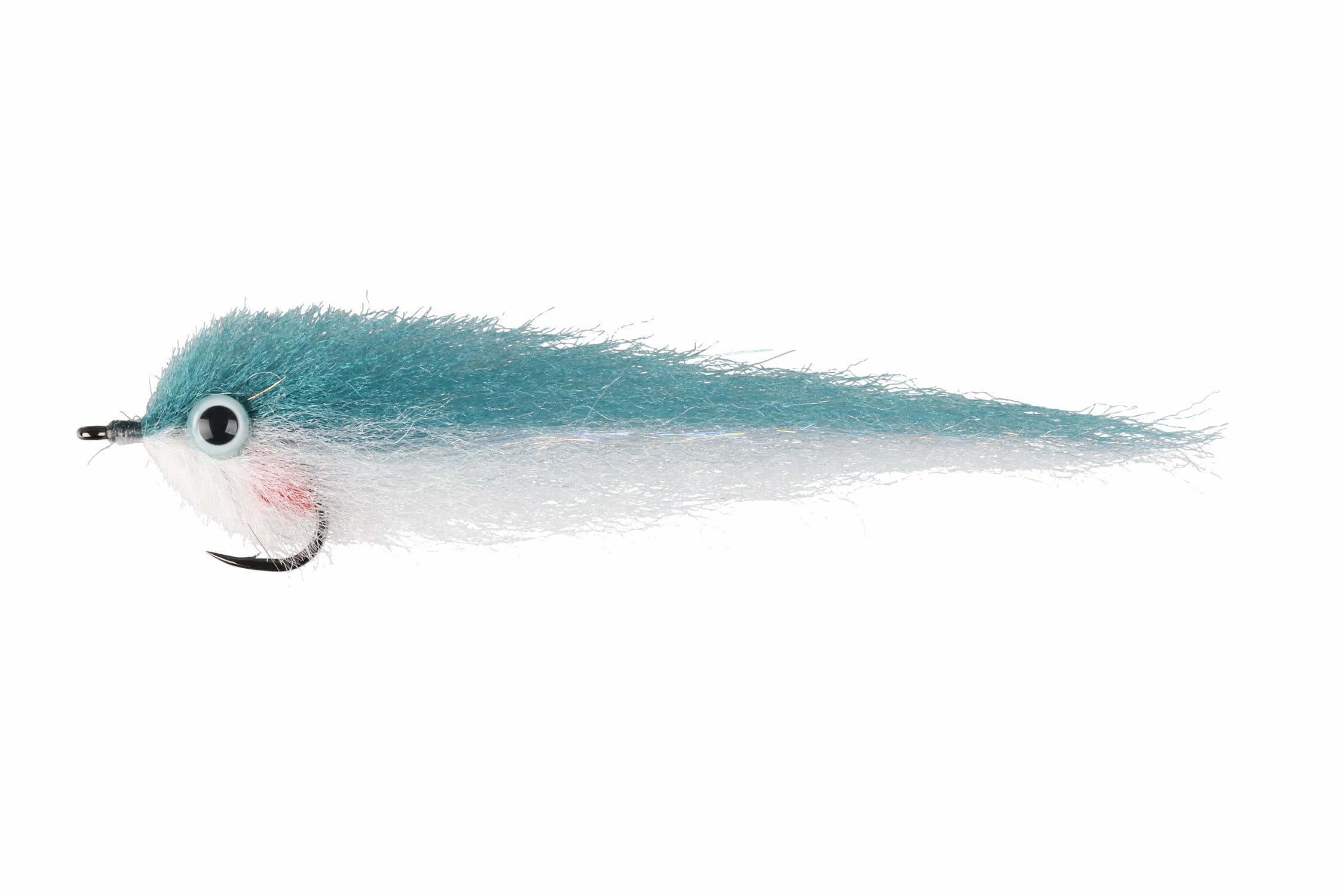
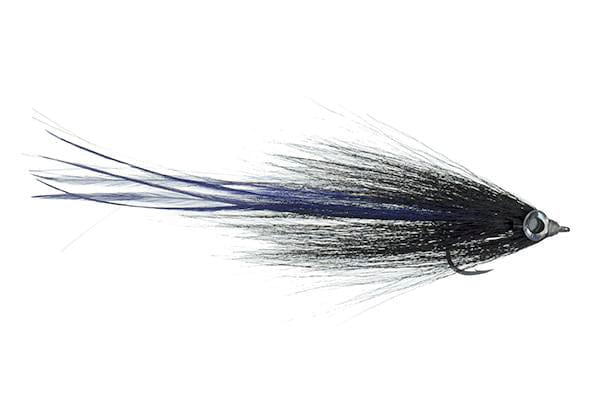
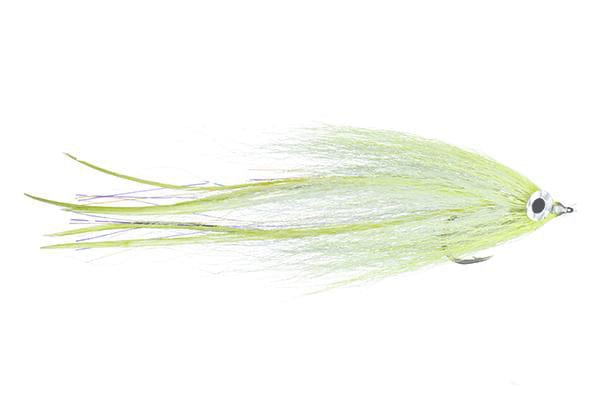
Billfish Flies Quick Picks
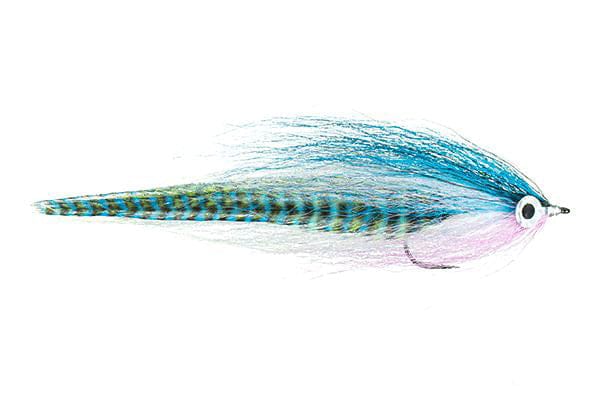
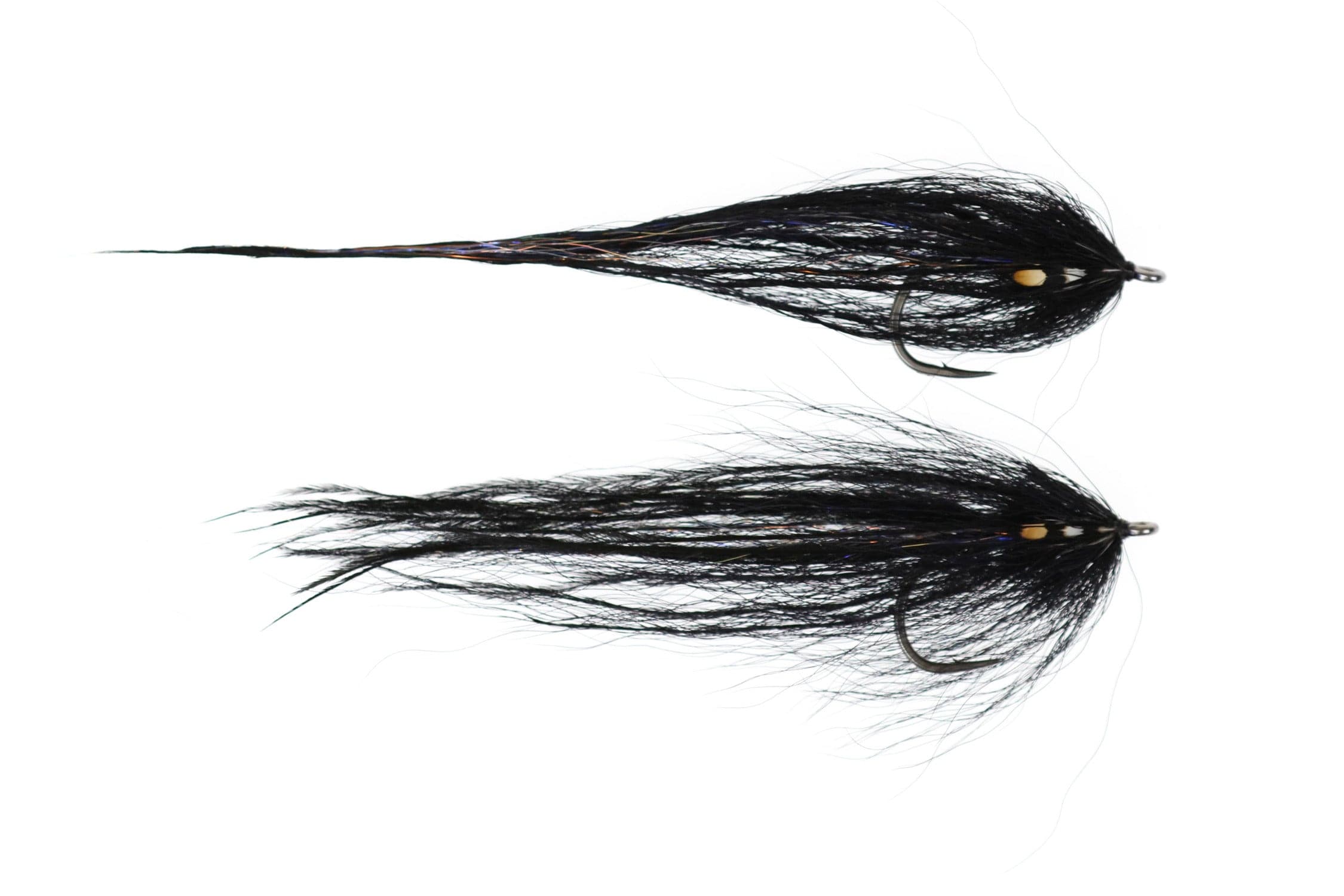
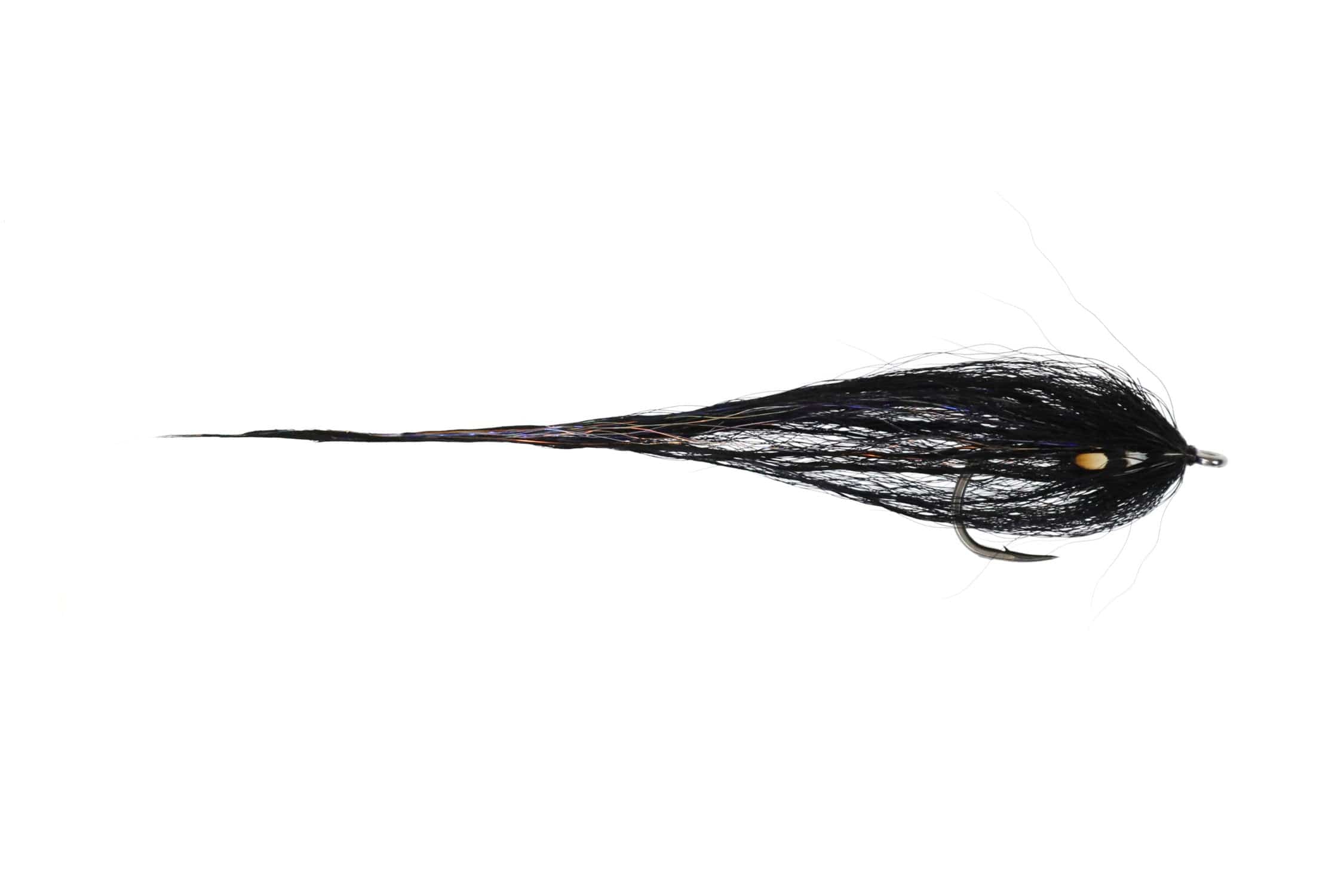
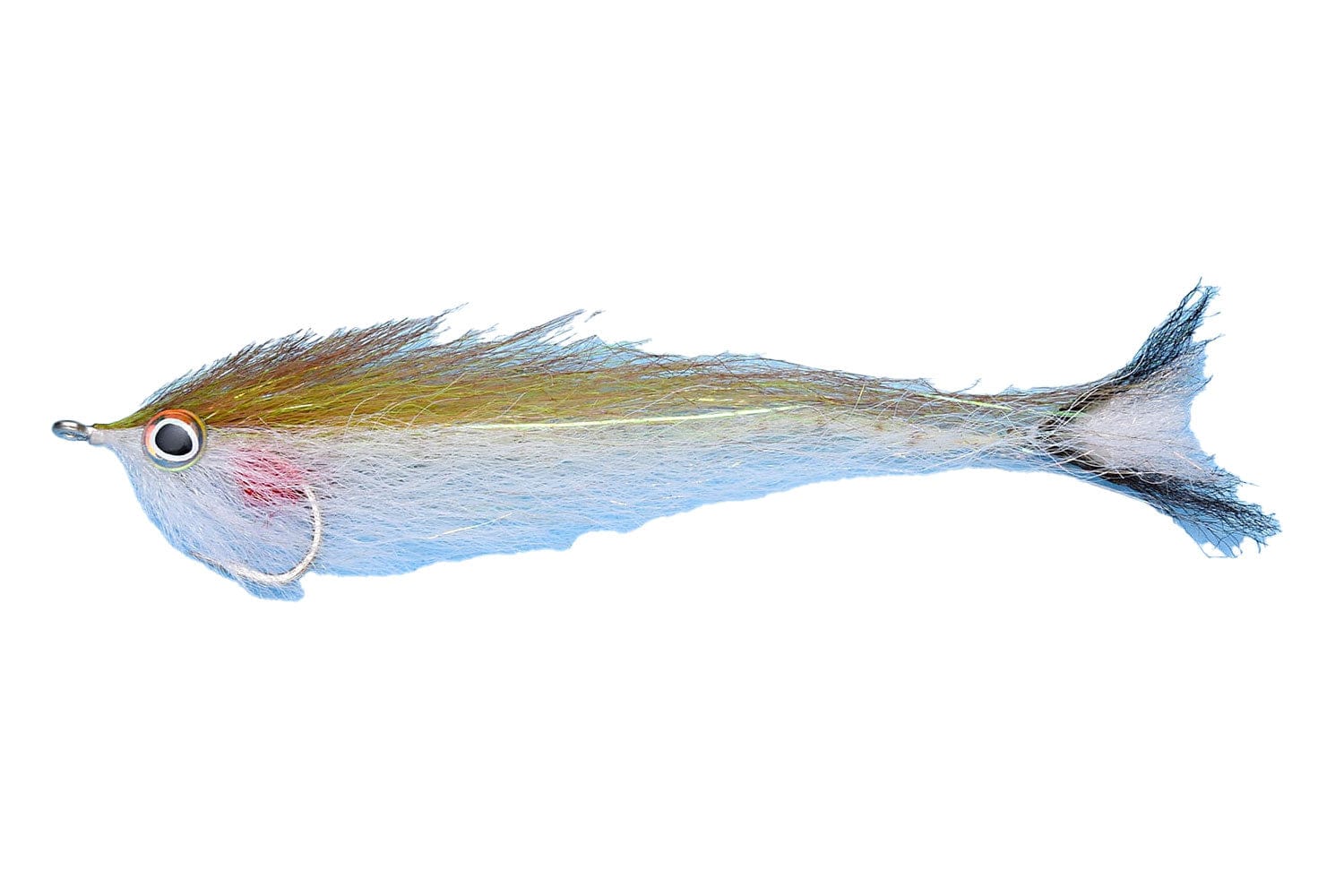
- Best Premium: Trident Beast Fleye - Best when you need a massive profile for raising fish in a true bait-and-switch scenario. It’s a purpose-built “big meal” fly with a lot of presence for getting attention quickly.
- Best All-Around: Enrico Puglisi EP GT Fly - A strong choice when you want a big, castable baitfish profile for bluewater and other heavy-duty saltwater applications. The EP-style synthetic build gives it a clean silhouette with lively movement.
- Best Value: Umpqua Midnight Mullet Fly - Great for stocking up on a proven, baitfish-style option without jumping to the highest price point. It’s a practical pick for anglers who want durable patterns they won’t baby.
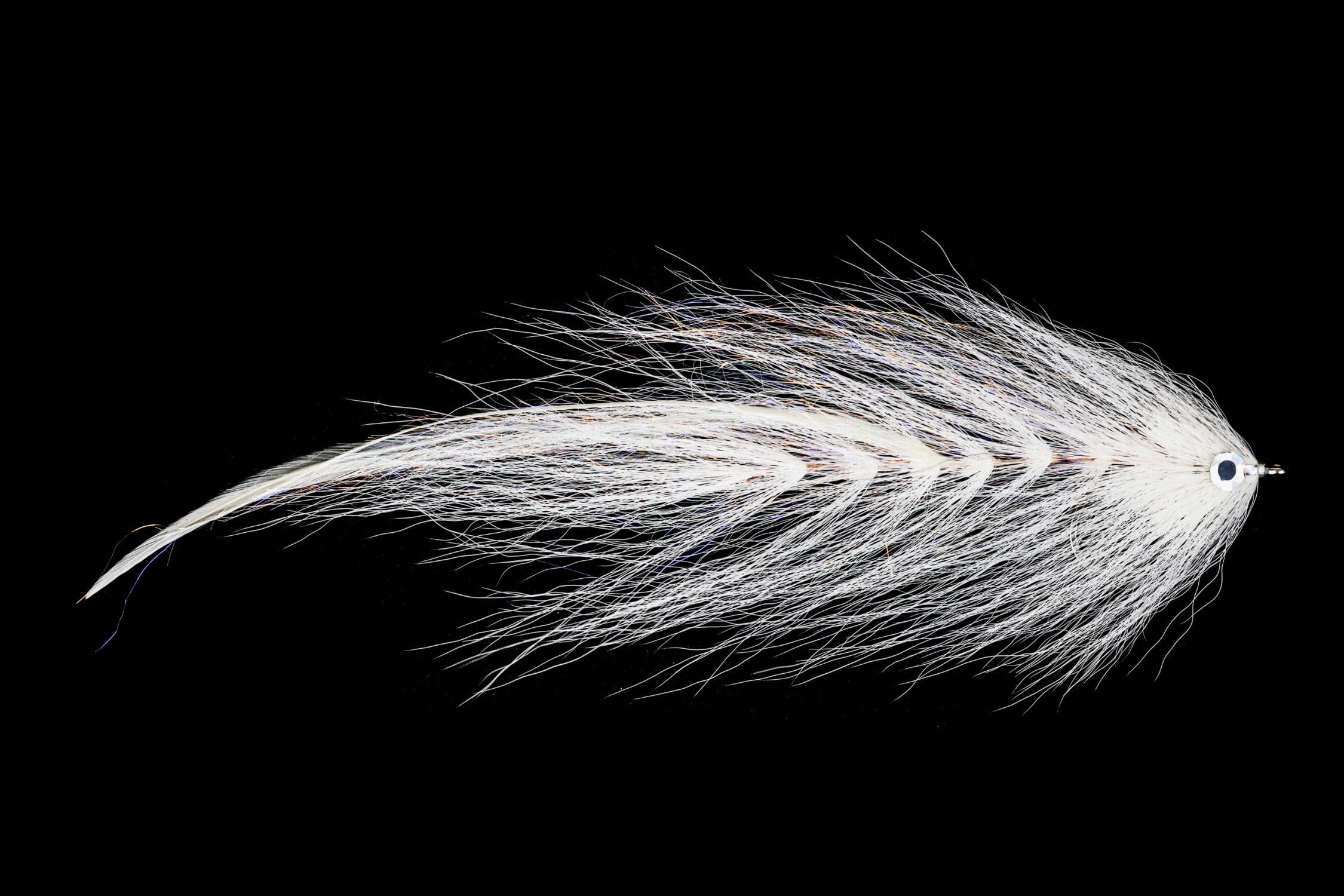
- Best Baitfish Match: Montana Fly Company MFC Hollow Mackerel Fly - Ideal when the bite is keyed on longer, slimmer bait (mackerel-type profiles) and you want a fly that tracks well in the wash. The hollow-style build helps create size without needing a brick of materials.
- Best for Durability: Fulling Mill NYAP Fly - A dependable option when you’re expecting multiple shots and want a fly that’s built to keep fishing after abuse. It’s a go-to style when durability matters as much as action.
How to Choose Billfish Flies
Pick the right “job” (switch fly vs. search fly)
Action: If you’re fishing true billfish scenarios, think in terms of roles. Many anglers lean on a bait-and-switch approach where teasers raise the fish and the fly is swapped in quickly. Choose patterns that show a big silhouette fast and stay trackable when the fish is hot and close.
Best for: Big-profile patterns that push water and stay visible in surface glare and chop. Avoid if: You need subtle, delicate presentations, this category is built for maximum presence.
Profile and color: match common offshore forage
Action: Start with baitfish shapes that imitate common offshore meals (mackerel/sardina-type looks), then add one or two higher-contrast options for low light or dirty water. On bright days, a clean baitfish profile can be easier for fish to track; in glare or foam, stronger contrast helps.
Rigging basics: build for pressure, not just hookups
Action: Billfish fly fishing puts serious stress on flies, hooks, and connections. Prioritize heavy-duty patterns and inspect hooks, knots, and leader sections often. Your goal isn’t just a bite, it’s a fly that stays together through violent eats and hard pulls.
Materials & Durability
- Rinse after saltwater use: Give flies a quick freshwater rinse and let them dry completely before closing the box.
- Restore shape: Synthetics can mat down after a fish, comb fibers with your fingers and dry them fully to bring profile back.
- Check critical points: Inspect hook points, eyes, and any head/finish areas after each fish or hard strike.
- Prevent corrosion: Store flies bone-dry and avoid leaving them in a wet boat bag or hot, sealed box for days.
Complete Your Setup
Related Gear
- Saltwater Flies - Round out your box with proven saltwater baitfish and specialty patterns for your destination.
- Leaders - Build the right taper and strength for turning over large flies and handling aggressive eats.
- Tippet - Add abrasion resistance and dial in the final connection for heavy-duty saltwater fishing.
- Fly Tying - If you want to customize colors/profiles or tie replacements after a trip, this is where to start.
Related Guides
- Fly Fishing Flies Explained
- Fly Line Temps: Tropical vs. Coldwater
- How to Choose the Best Fly Line for Beginners
- How to Choose the Best Fly Line for Streamers in 2025
Billfish Flies FAQs
Q: What are billfish flies used for?
A: Billfish flies are oversized saltwater patterns designed to be seen, tracked, and eaten in fast, high-energy situations. They’re commonly fished when targeting marlin and sailfish with surface-focused or near-surface presentations.
Q: Are billfish flies only for marlin and sailfish?
A: Not necessarily. Many patterns in this collection are large baitfish-style flies that can also be useful for other aggressive saltwater species when the forage is big and the conditions are windy.
Q: How do I choose between different billfish fly profiles?
A: Start by matching the bait you expect to see (mackerel/sardina-type shapes are common starting points). Then choose a second option with a different silhouette or contrast so you can adapt when visibility changes.
Q: Do I need special gear to cast billfish flies?
A: Most anglers pair these flies with powerful saltwater rods, aggressive tapers, and leaders built to turn over big, wind-resistant patterns. The fly is only half the system, your line and leader determine how efficiently it fishes.
Q: What’s the most common mistake when buying billfish flies?
A: Buying a single pattern in a single color. It’s usually smarter to carry a small mix of profiles and contrasts so you can match forage and maintain visibility in glare, chop, or foam.
Q: How should I store billfish flies after a trip?
A: Rinse with fresh water, dry fully, then store in a vented or fully dry box. Avoid sealing wet flies in an airtight box, corrosion and mildew happen fast in saltwater environments.
Q: What colors should I start with for billfish flies?
A: A practical starting point is one natural baitfish look and one higher-contrast option for low light or surface glare. Your destination’s common forage should guide the rest.
Q: Are these flies tied on single hooks or tubes?
A: This collection includes several large, heavy-duty patterns; the best way to confirm hook style and sizing is to open the specific product page you’re considering and match it to your leader plan.