
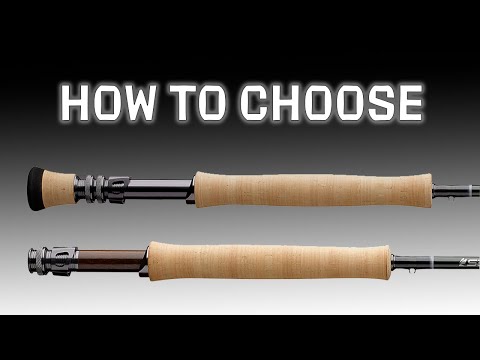
How to Choose a Fly Rod | Fly Fishing for Beginners
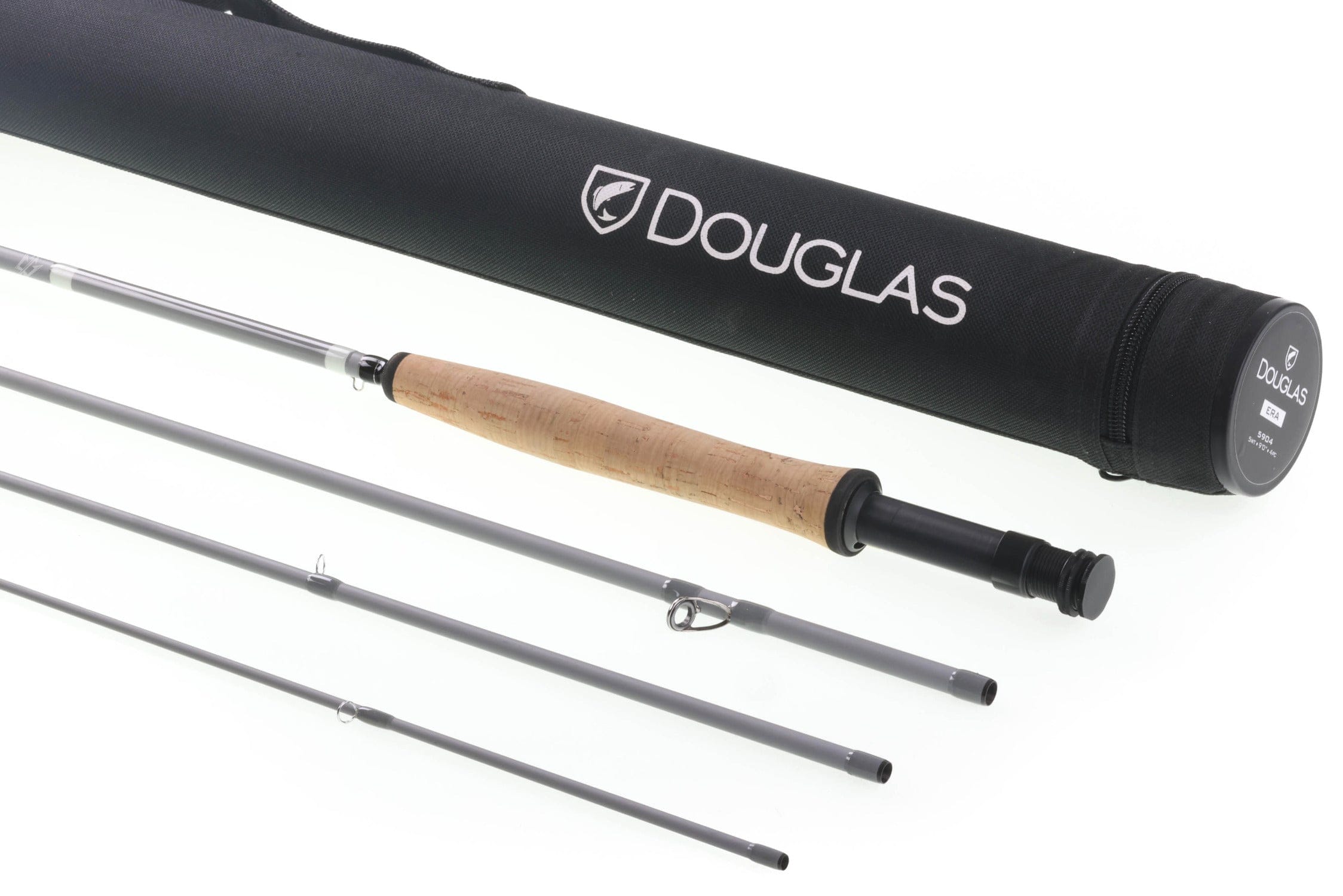
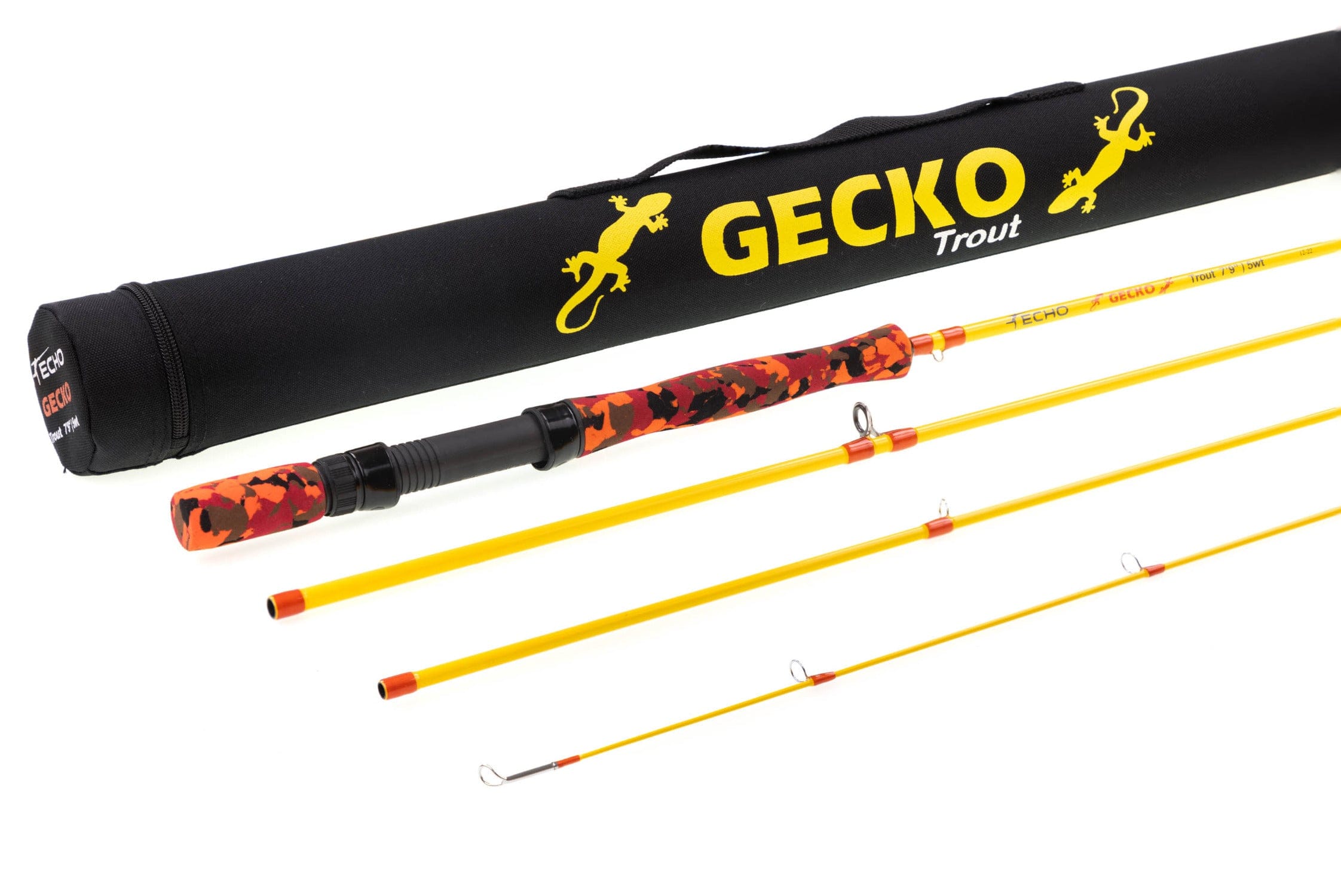
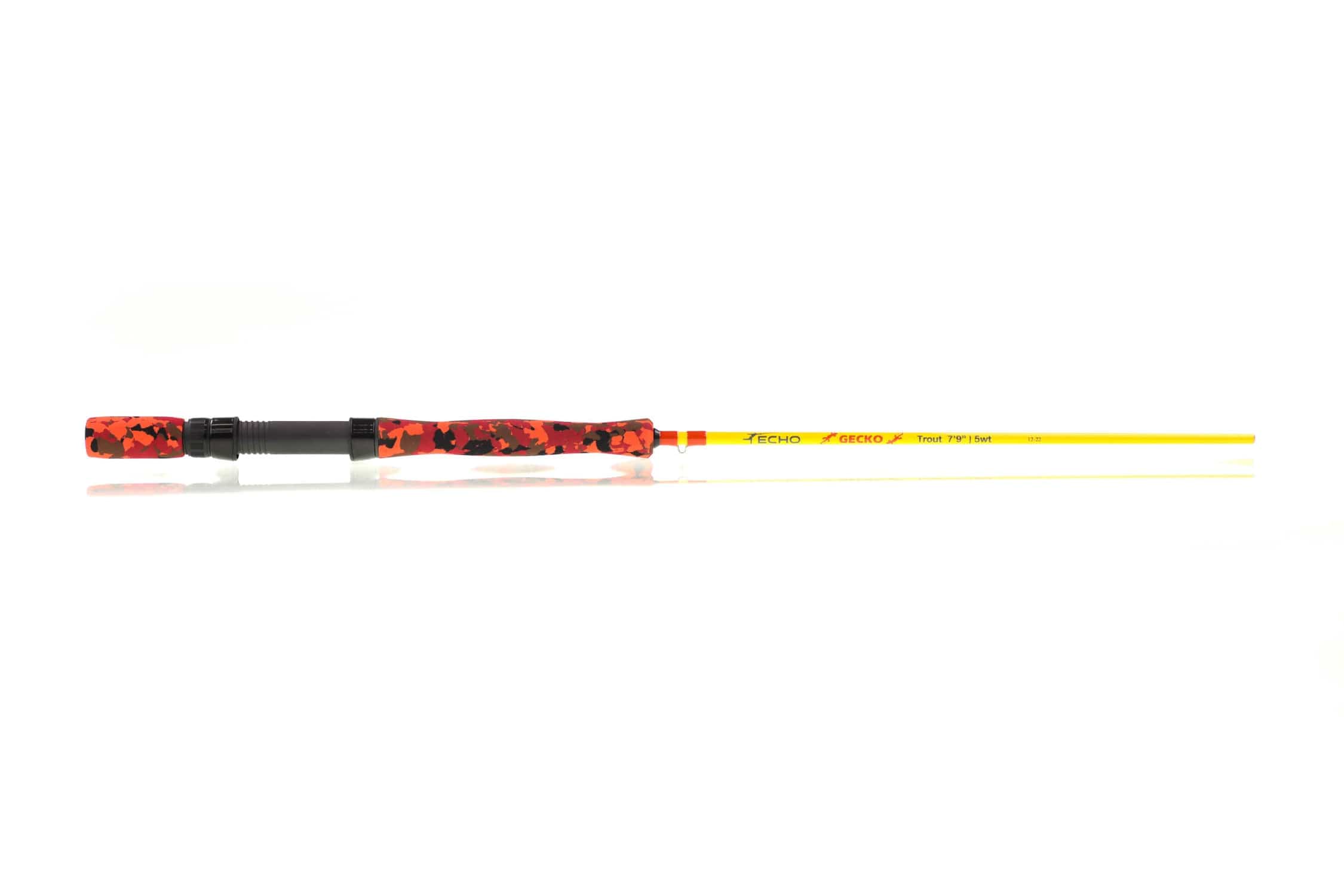
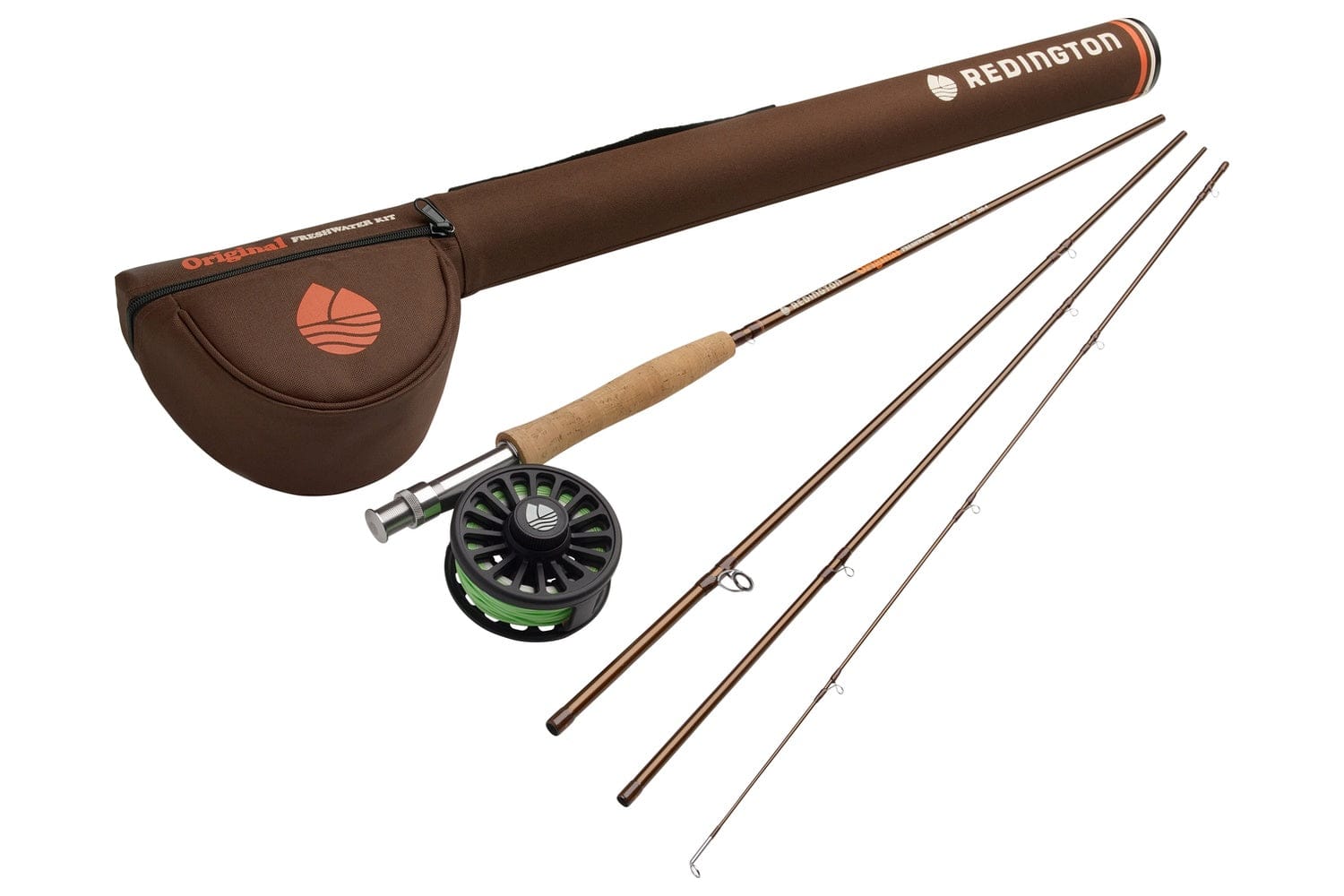
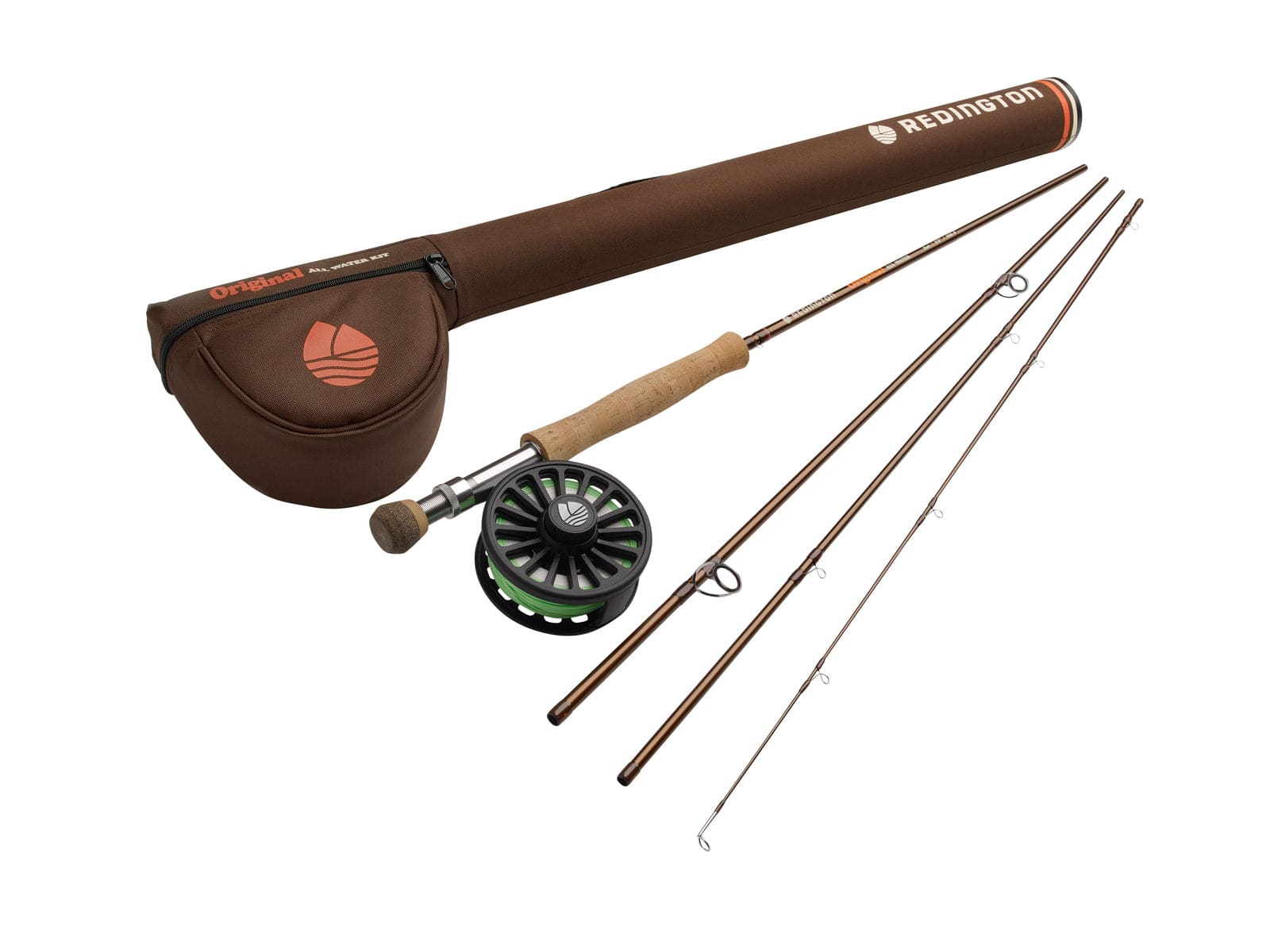
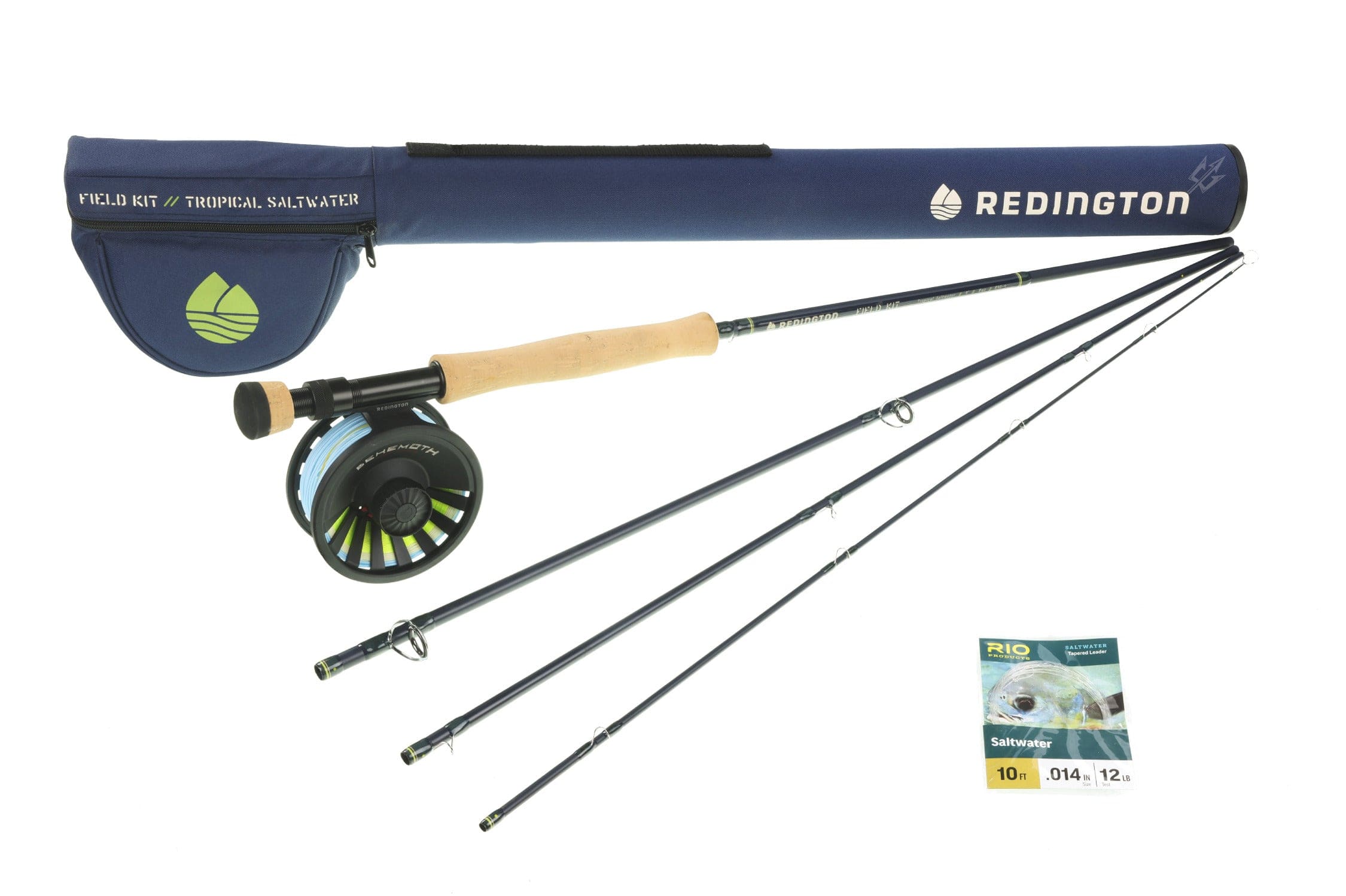
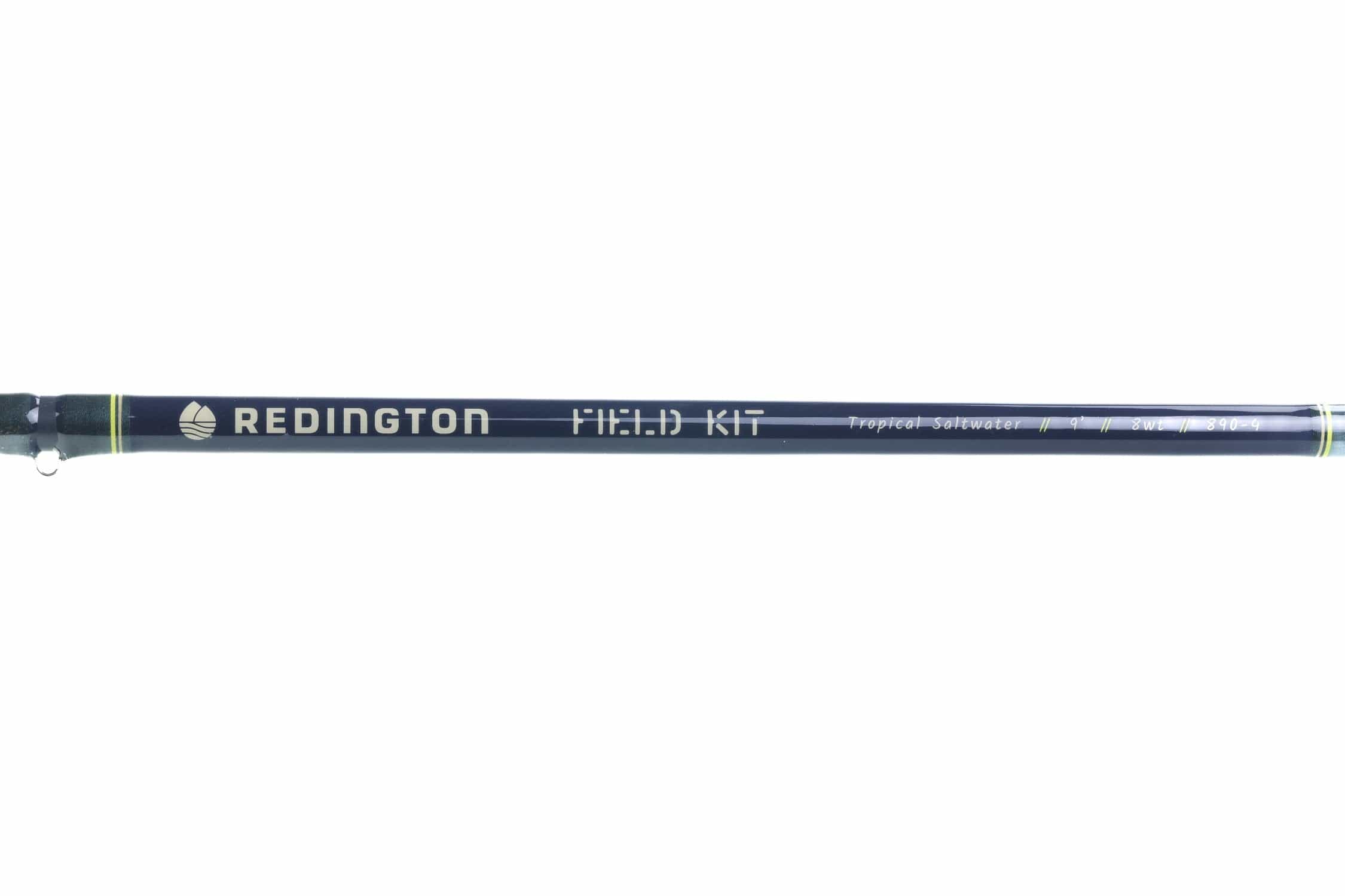

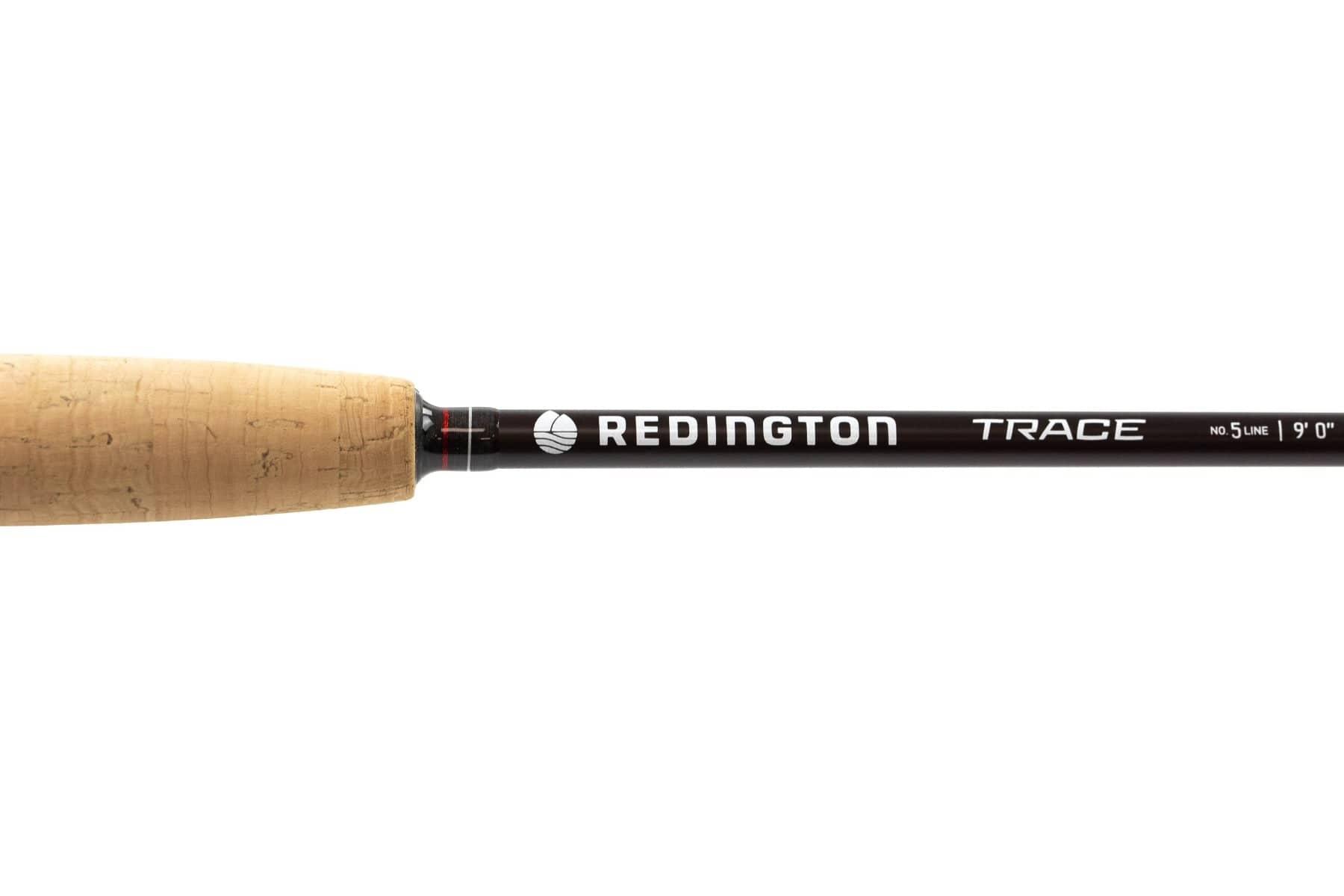
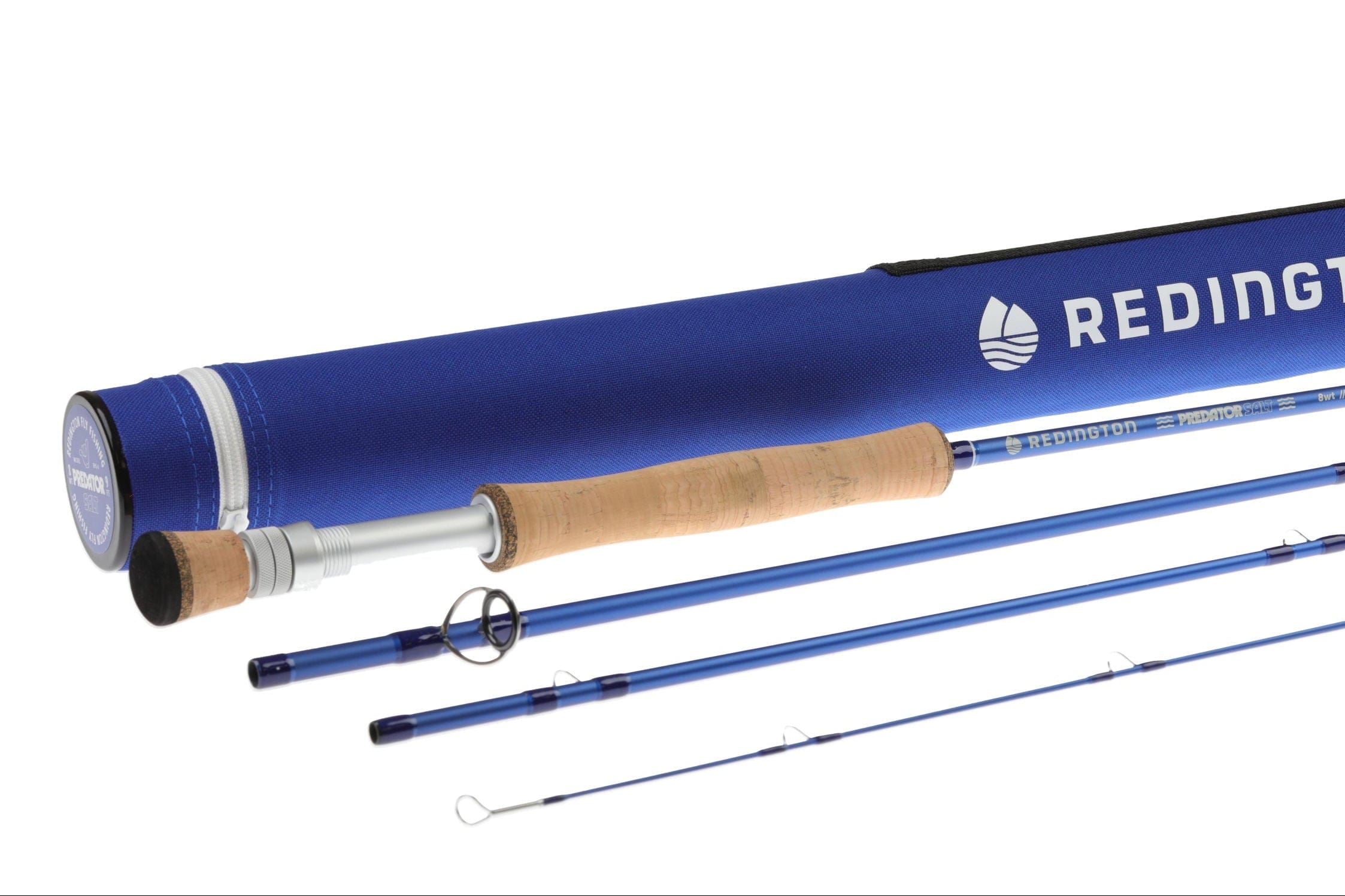
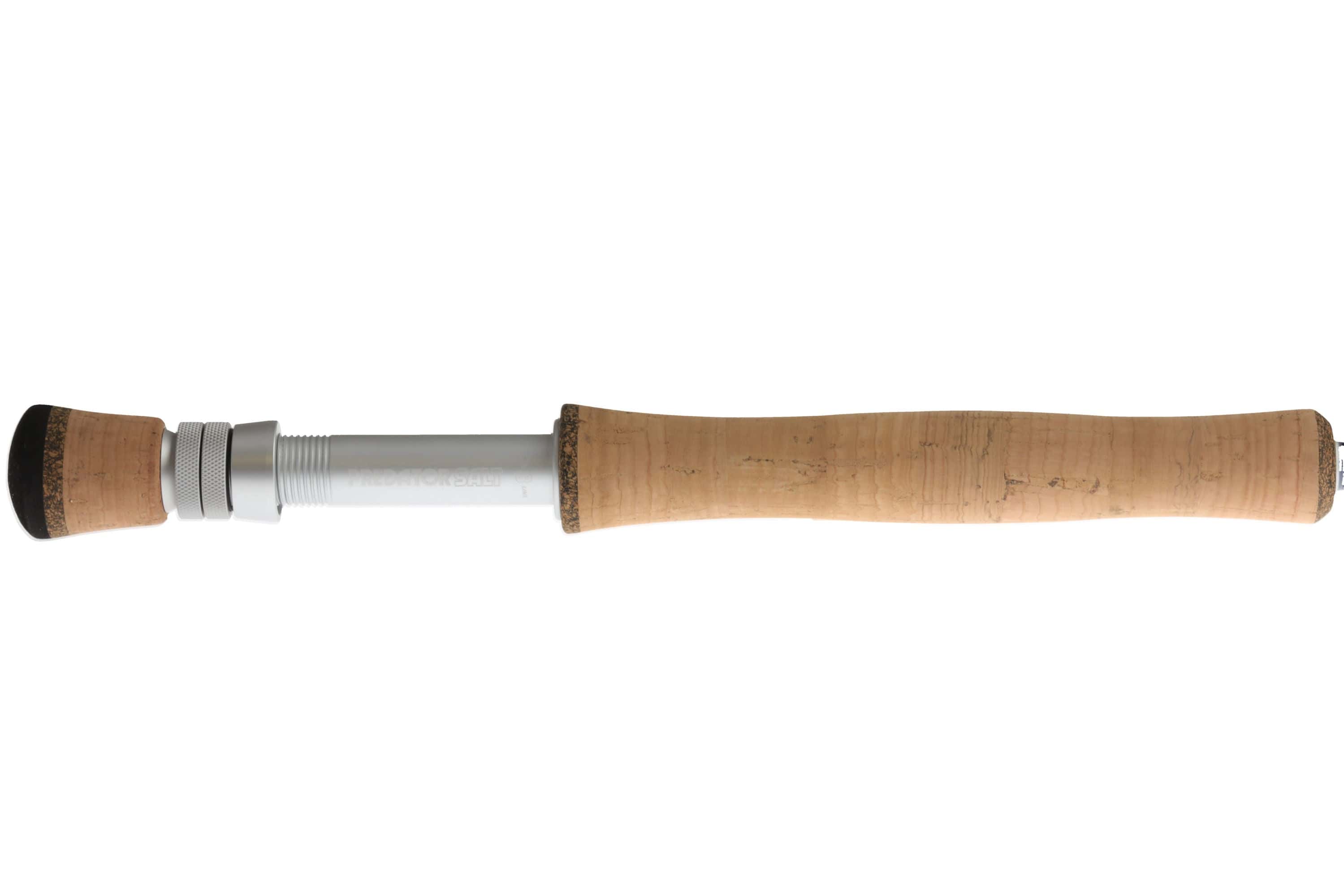
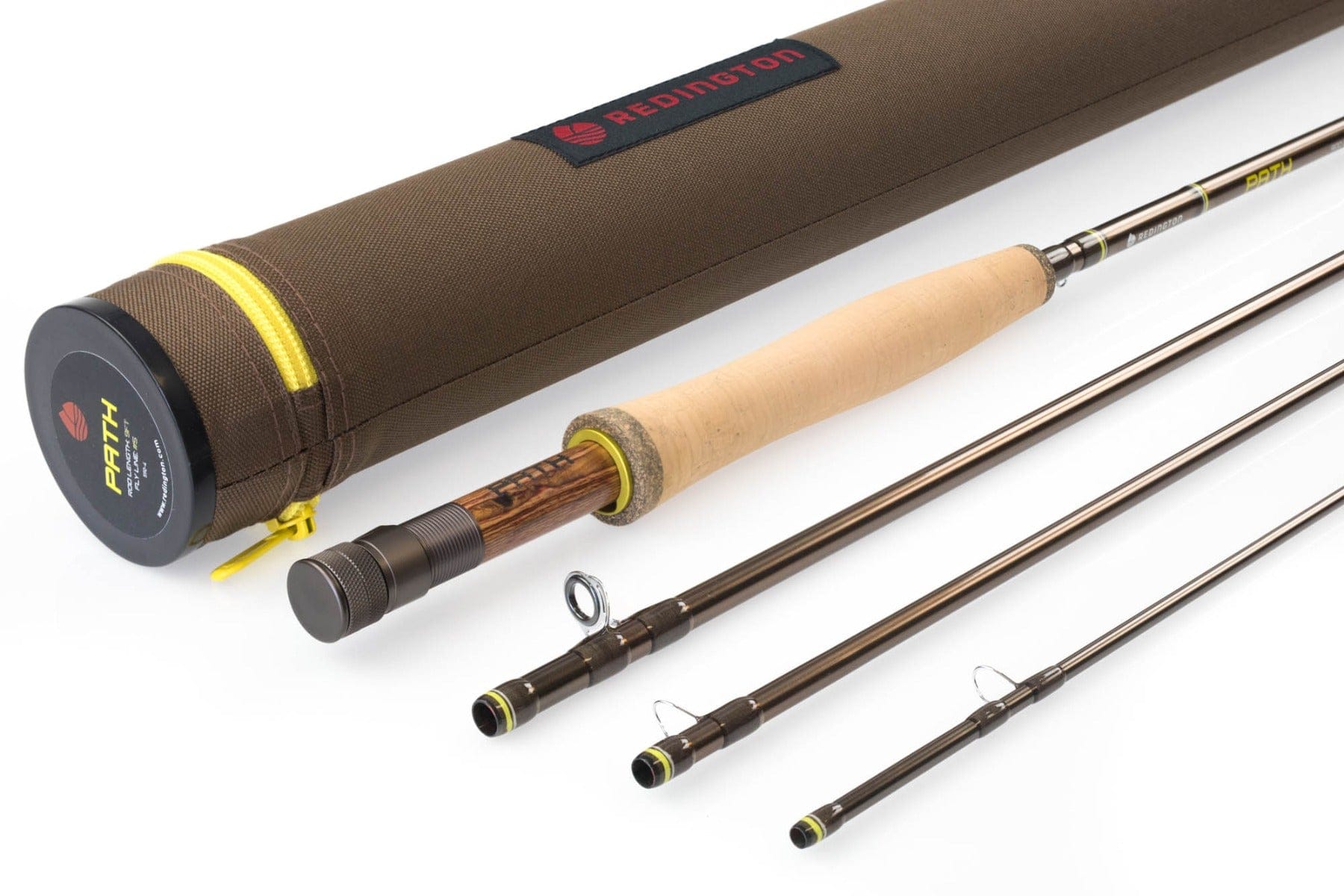
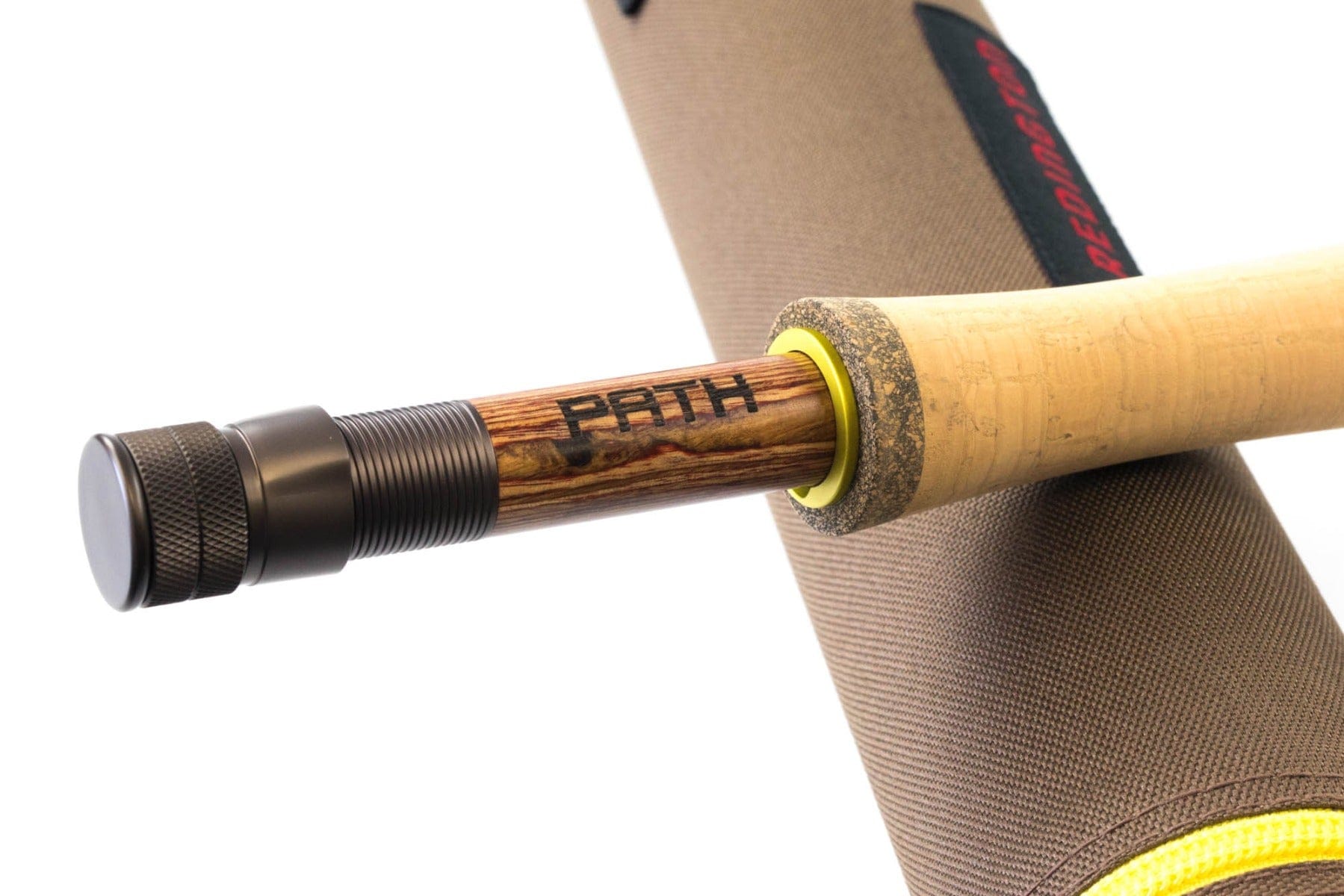
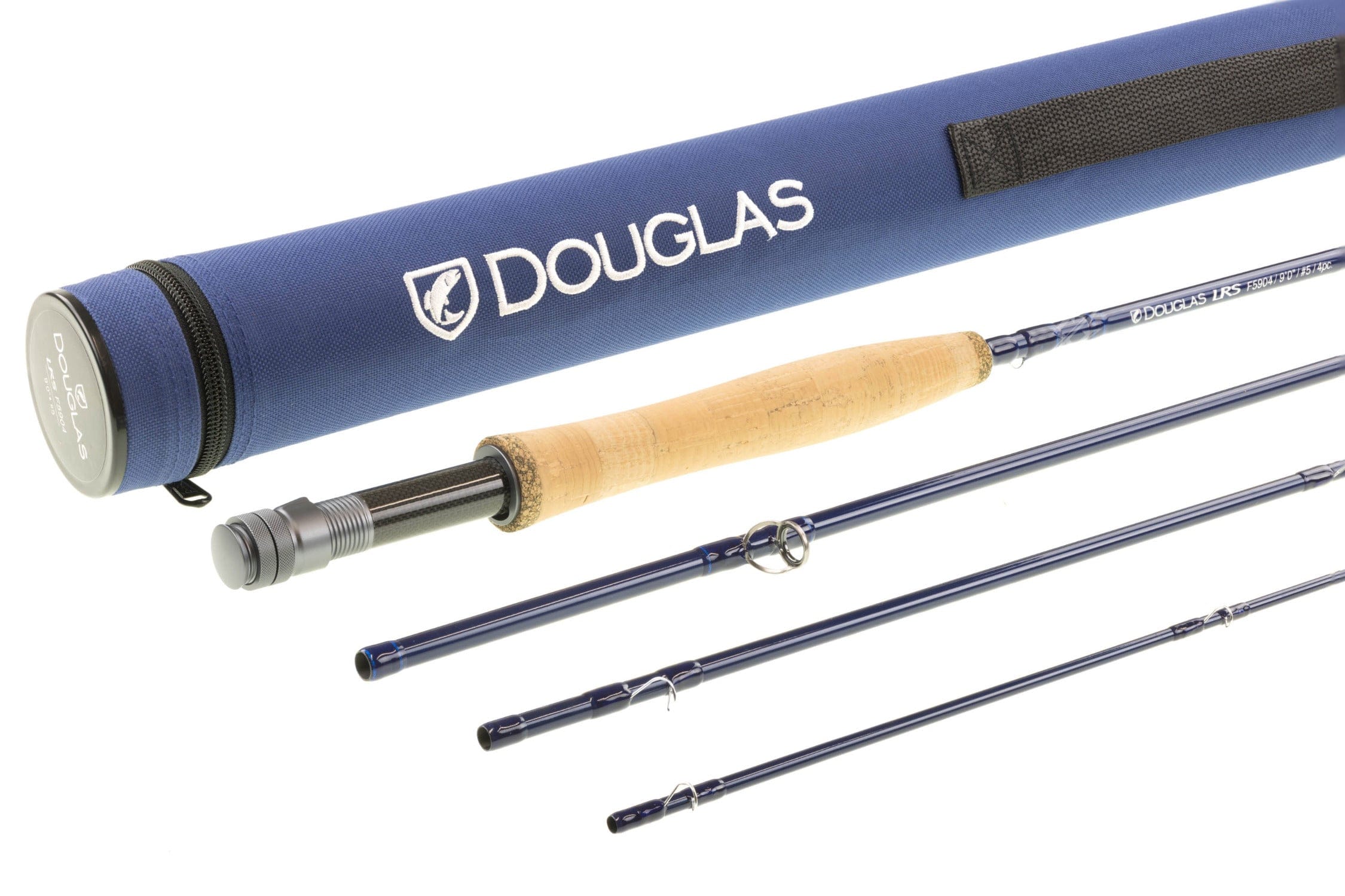
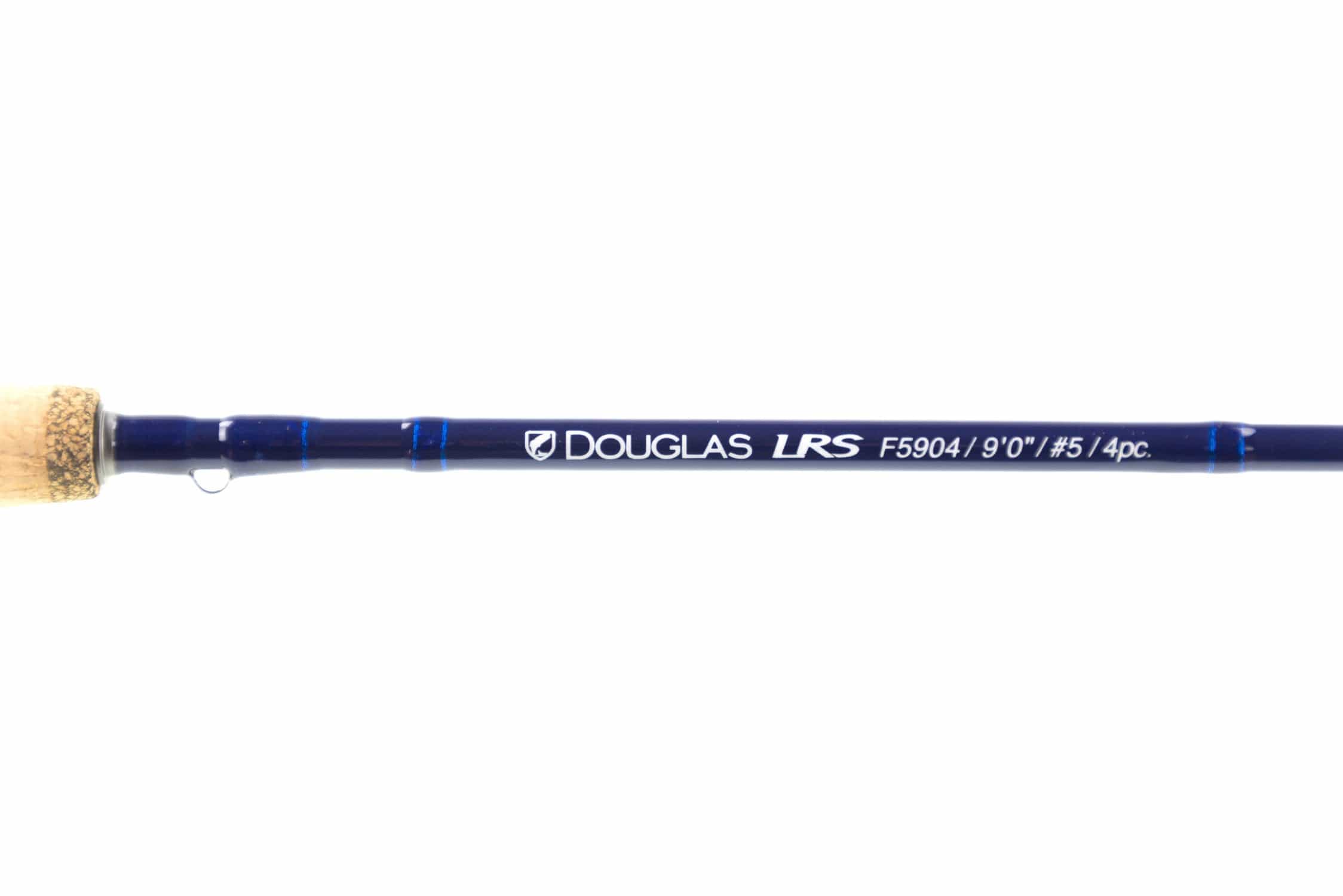
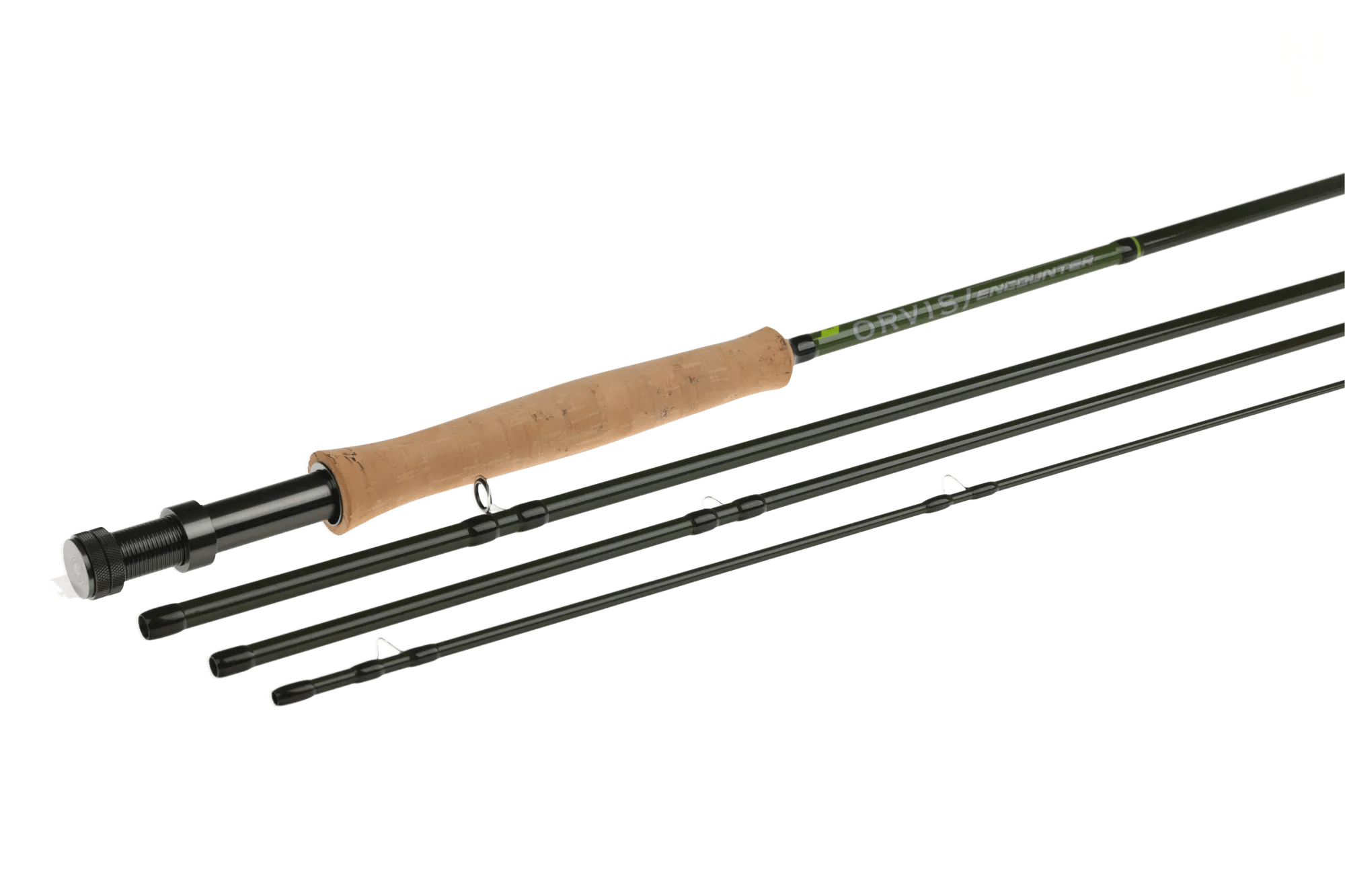
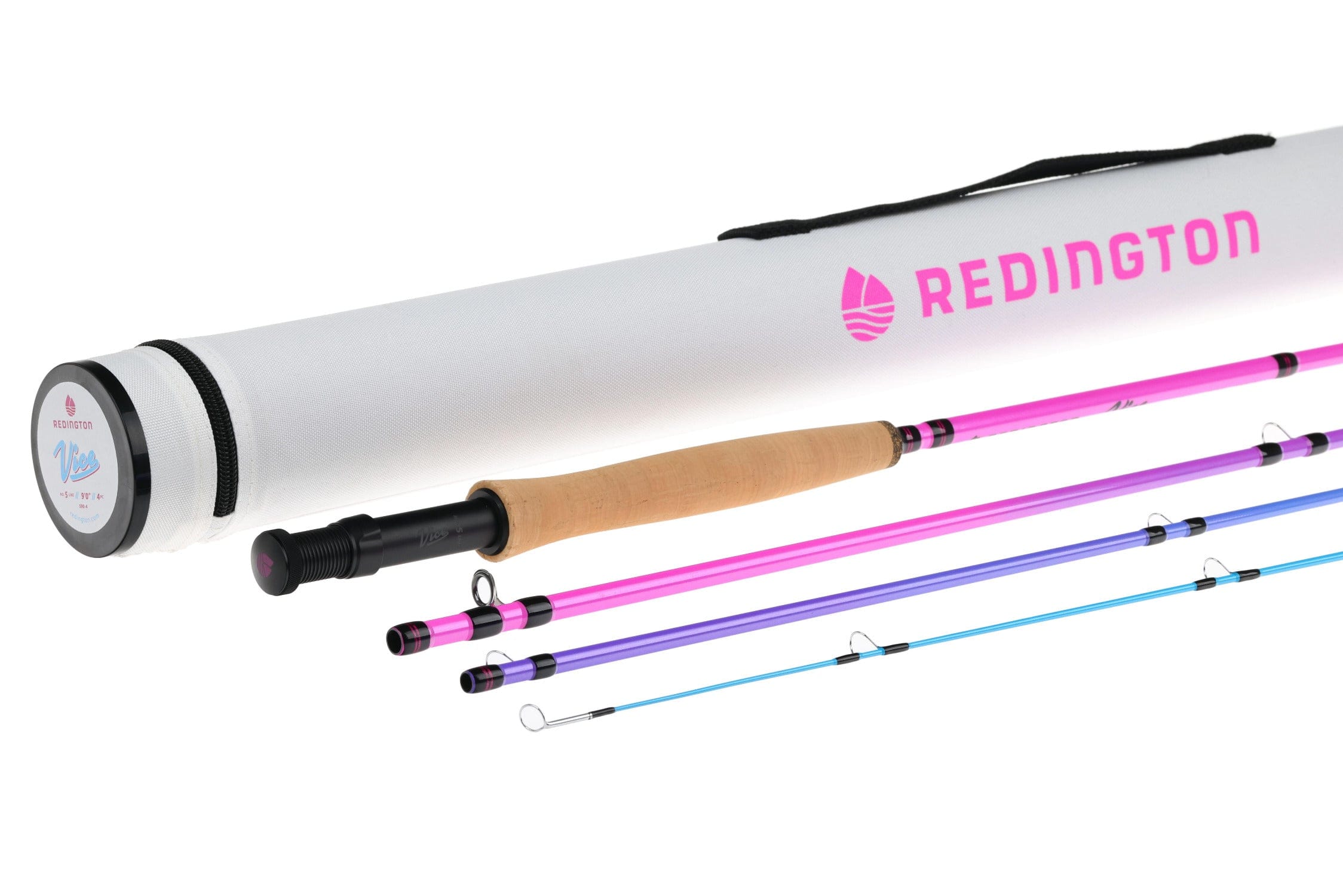

Beginner Fly Rods Quick Picks
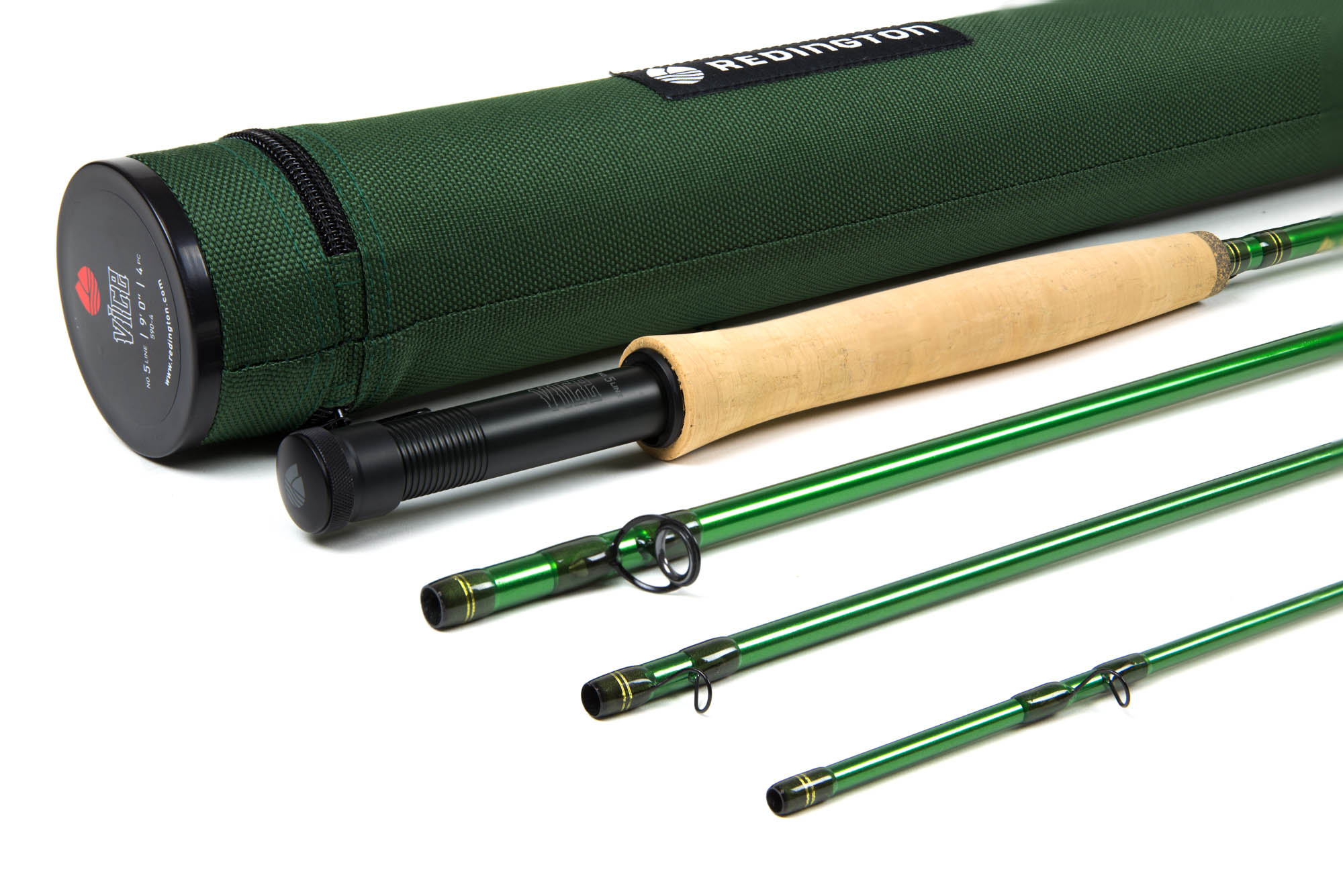
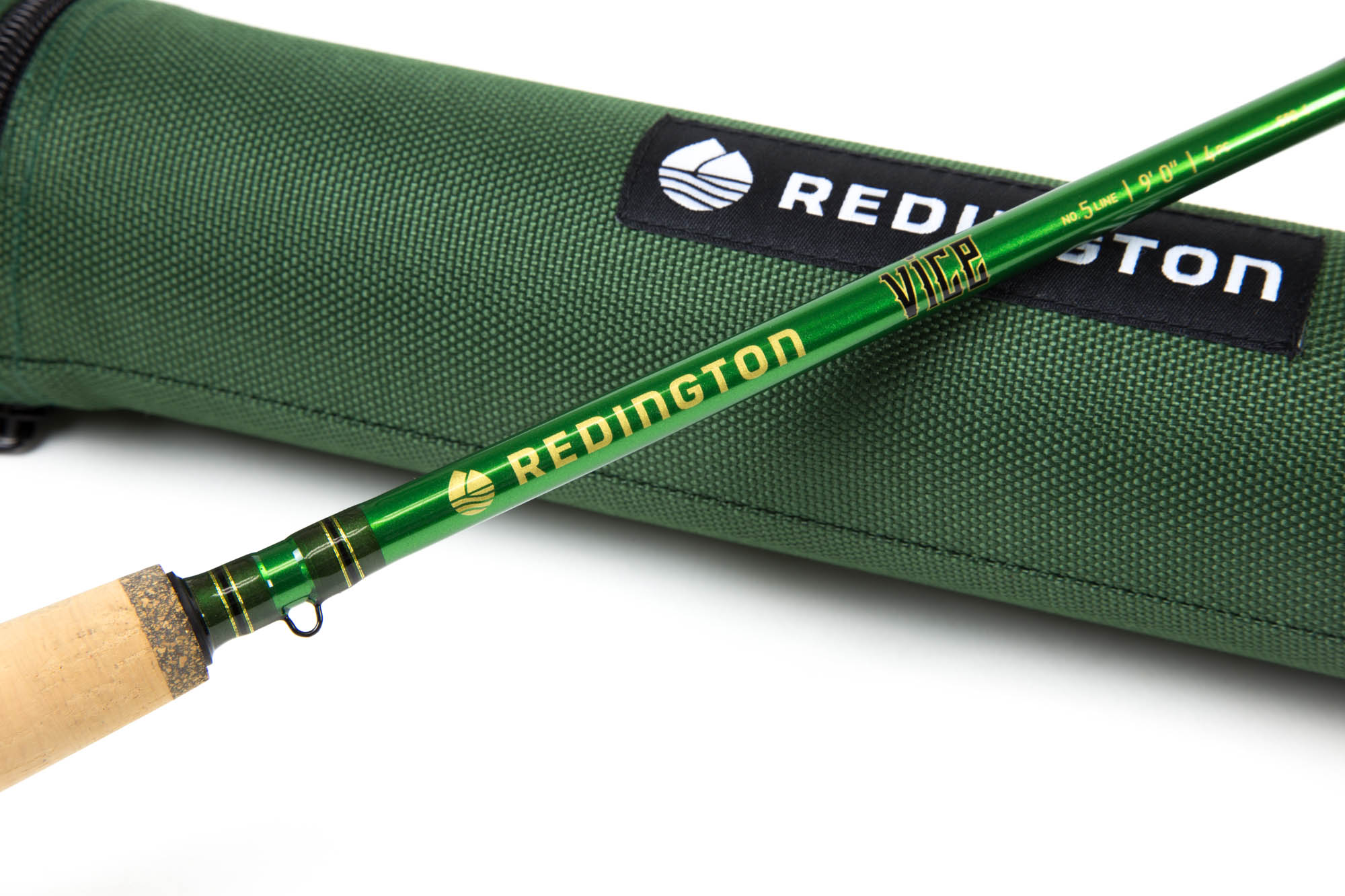
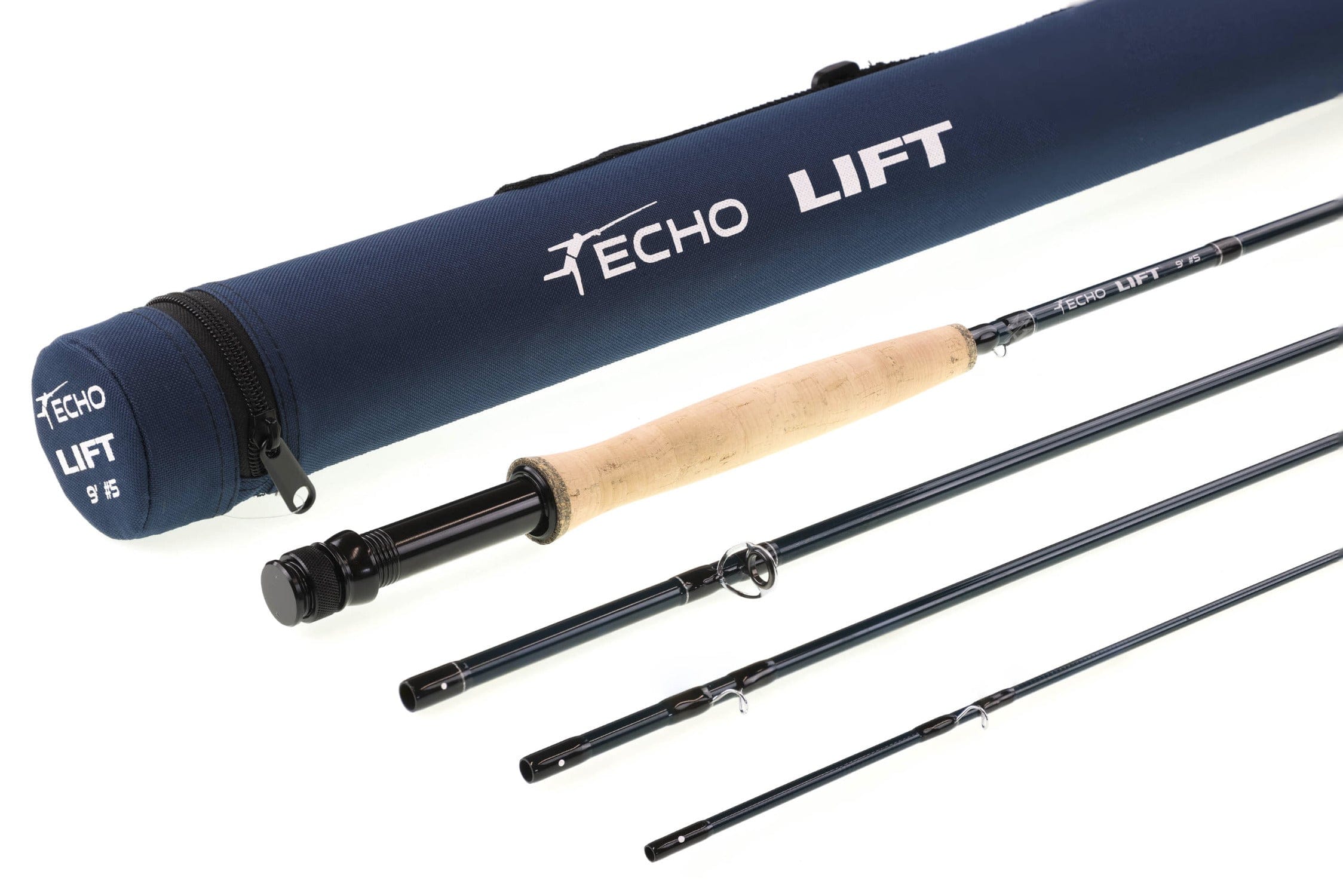
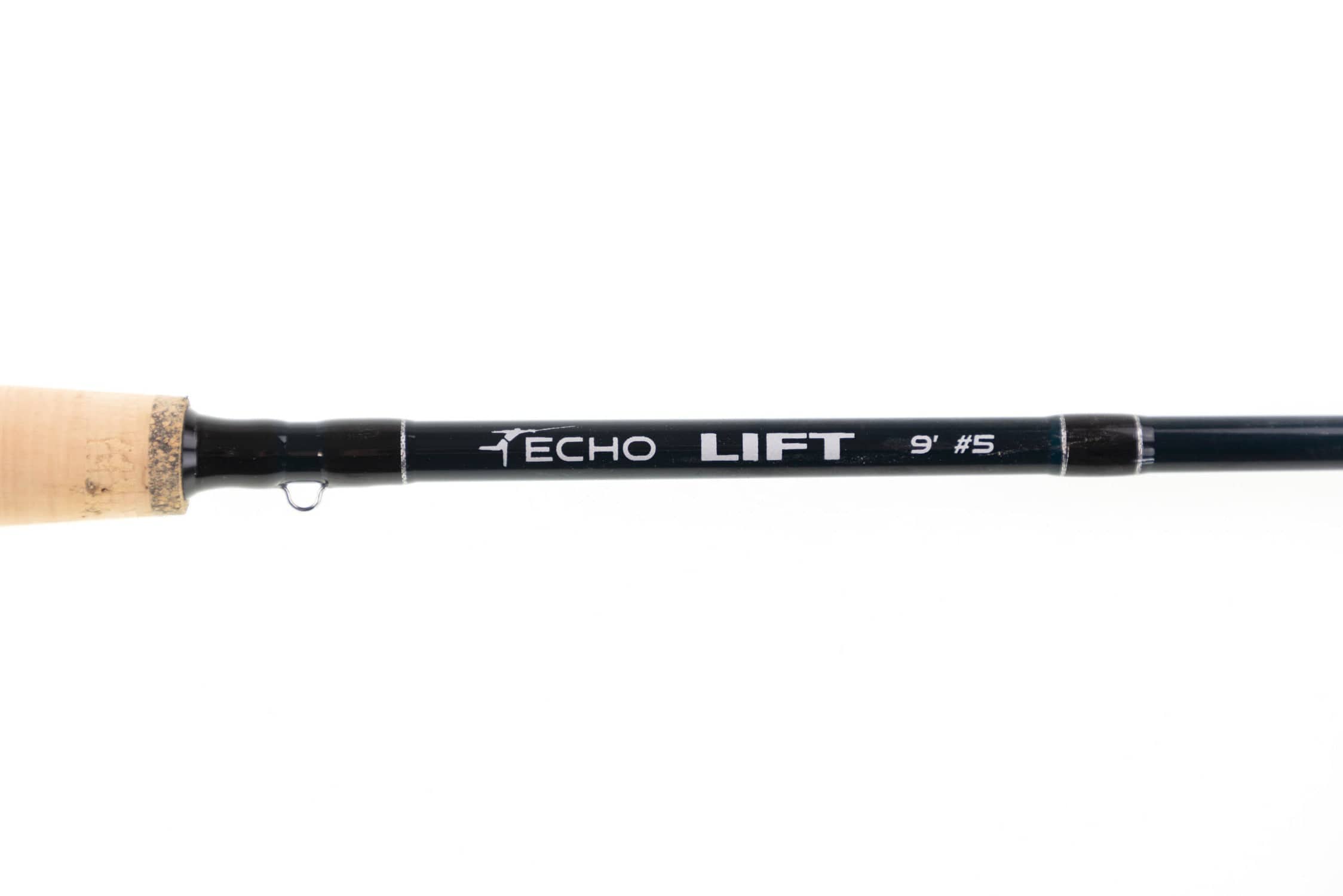
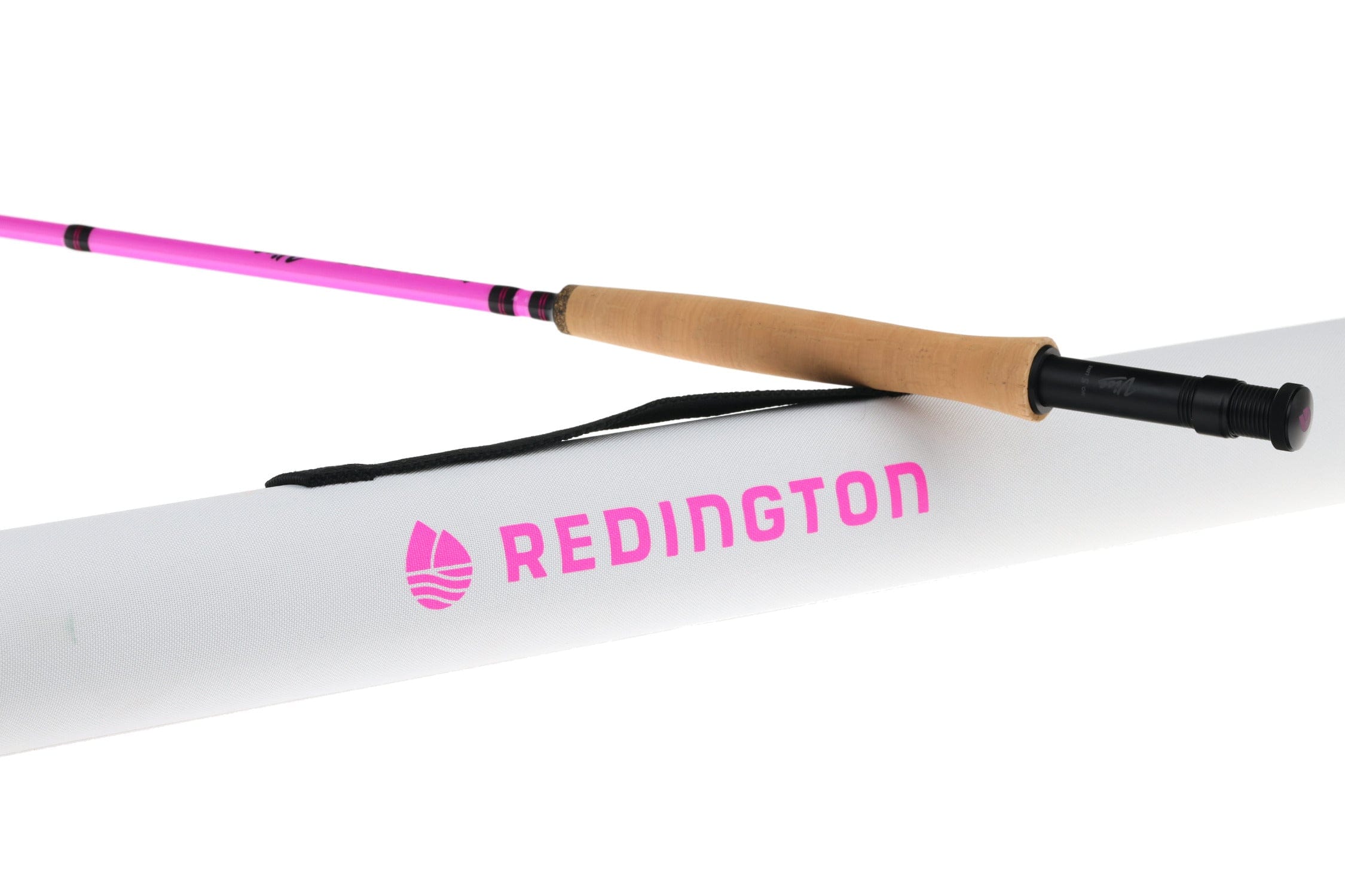
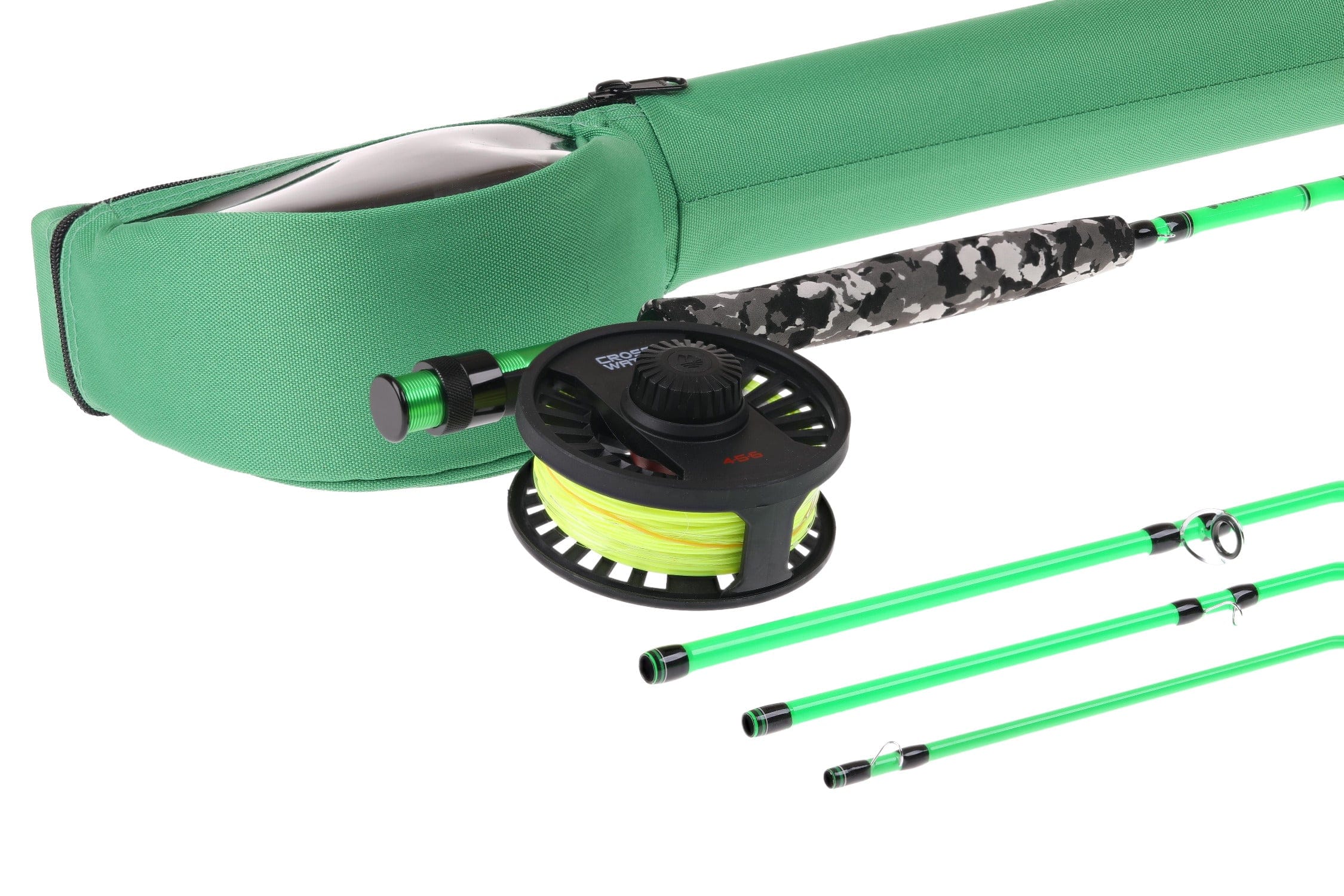
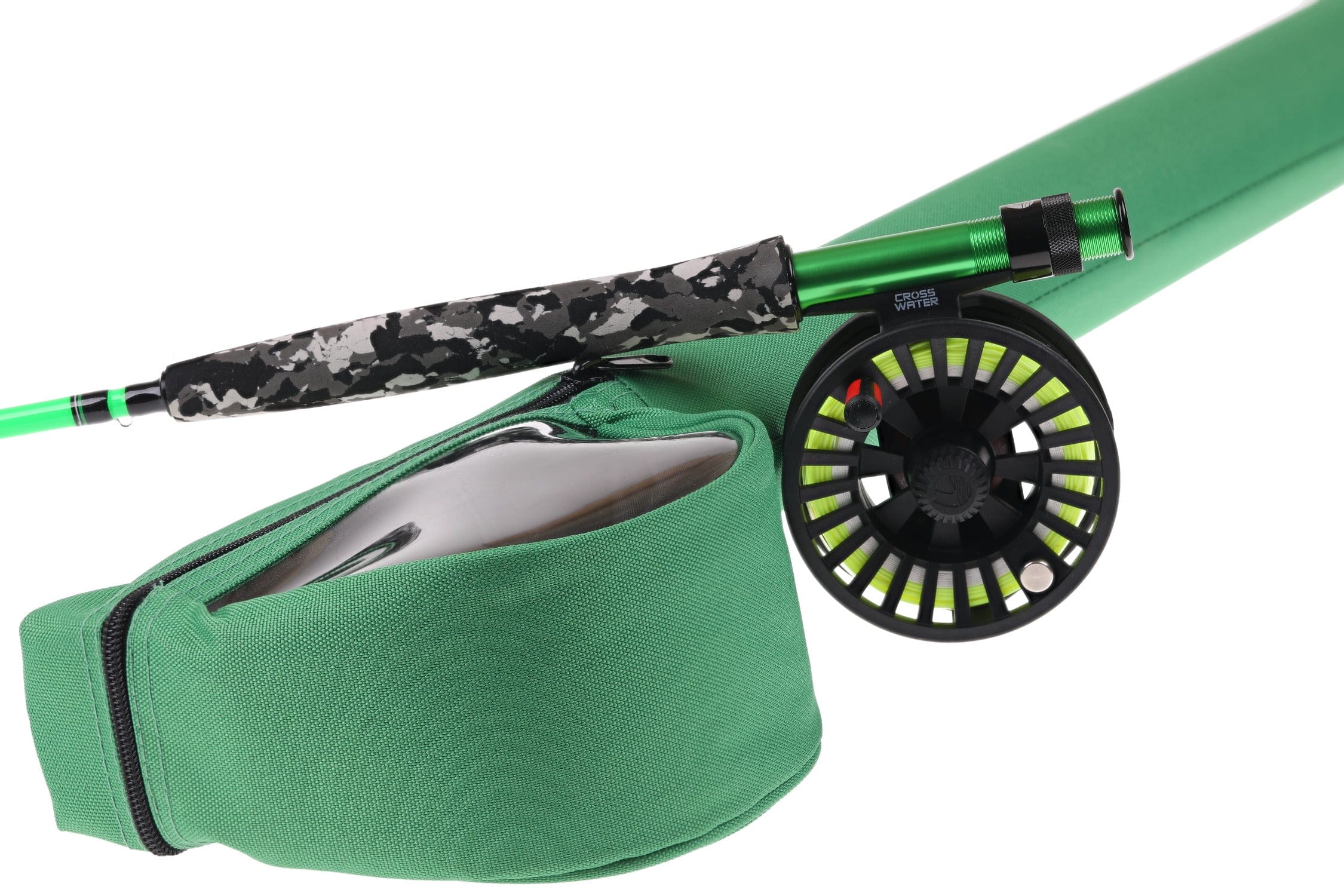
Best for Beginners: Redington Trout Field Kit Fly Rod Outfit - Best if you want a matched, ready-to-fish setup without guessing reel and line. It simplifies the learning curve and gets you on the water faster.
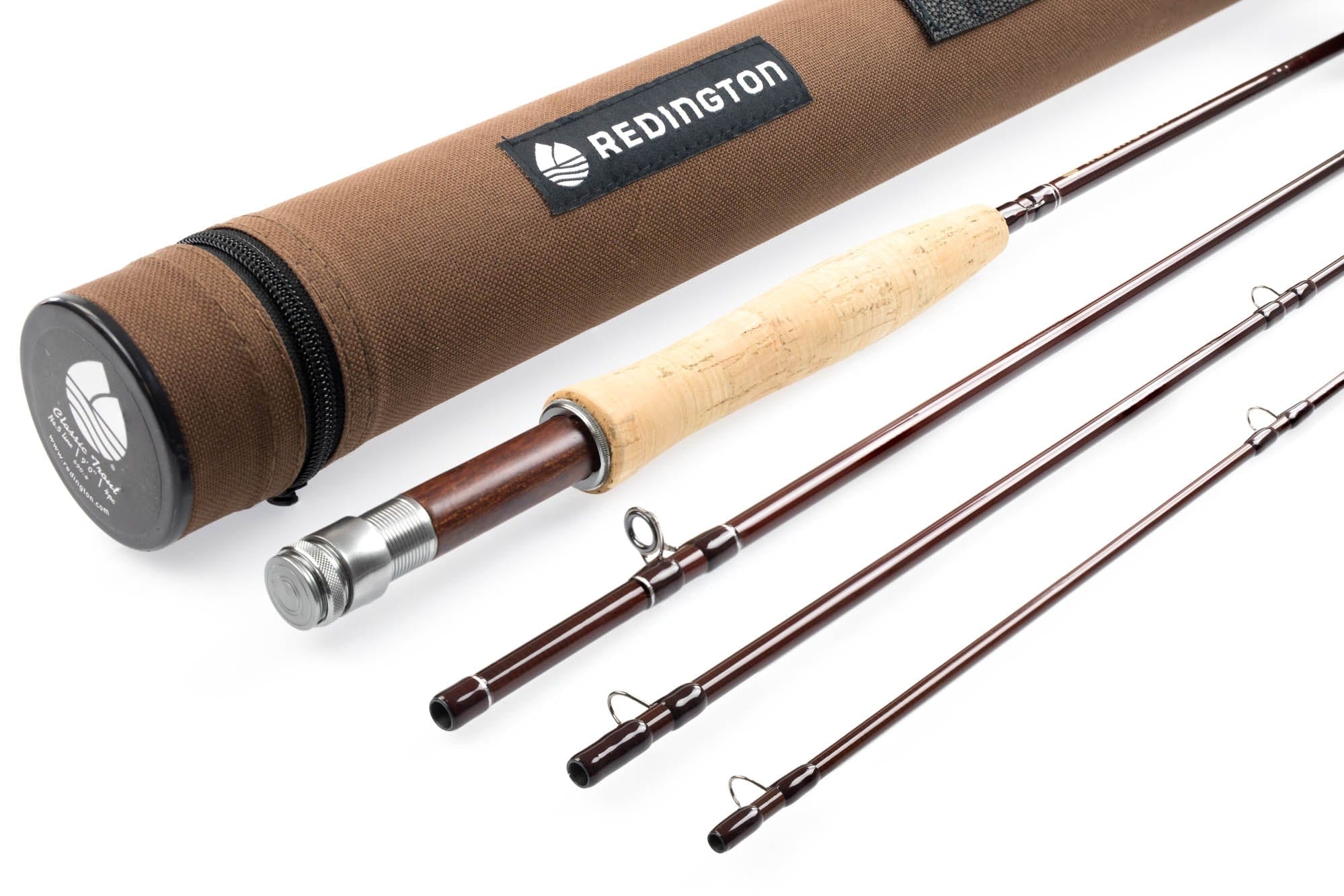
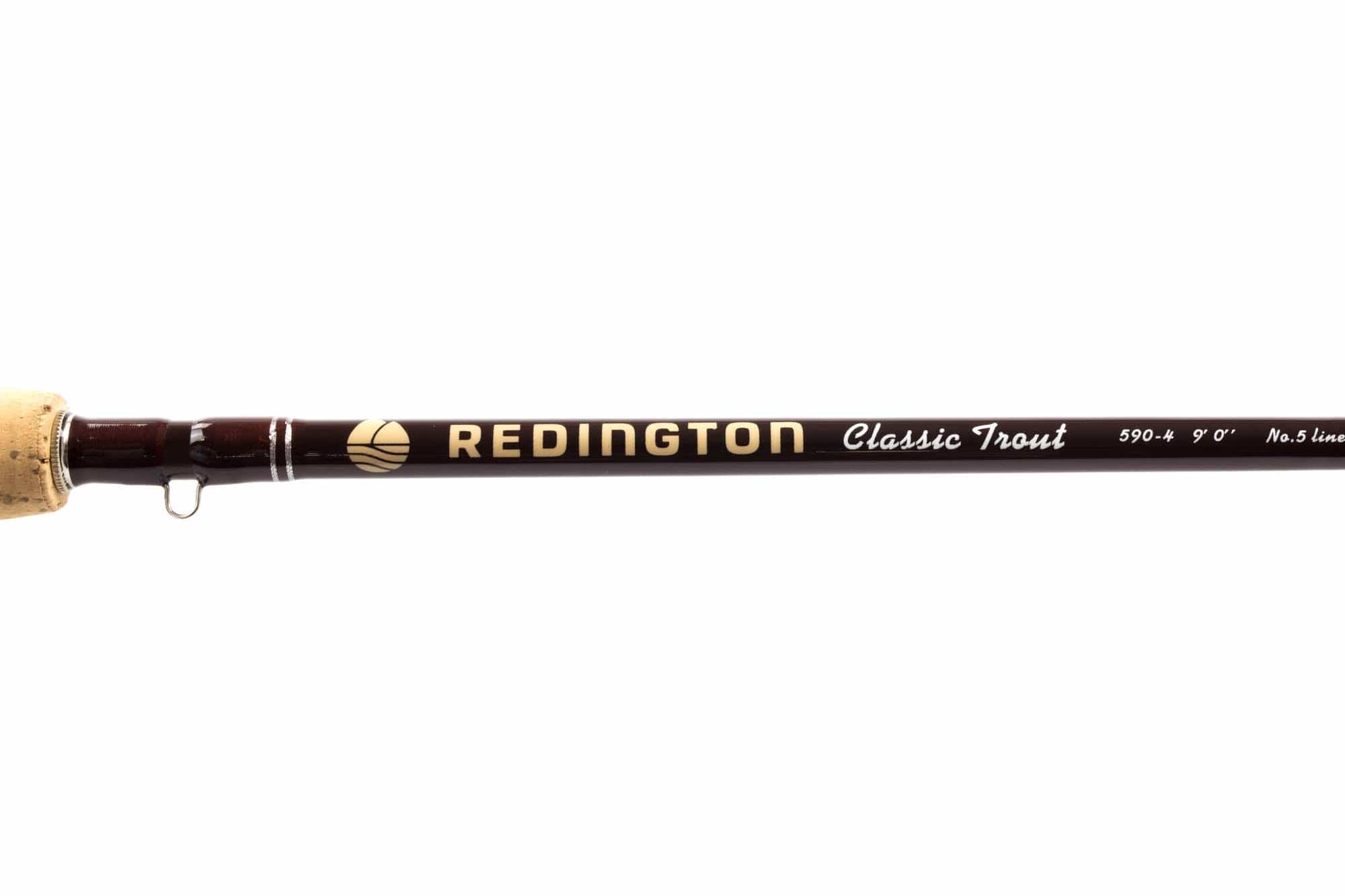
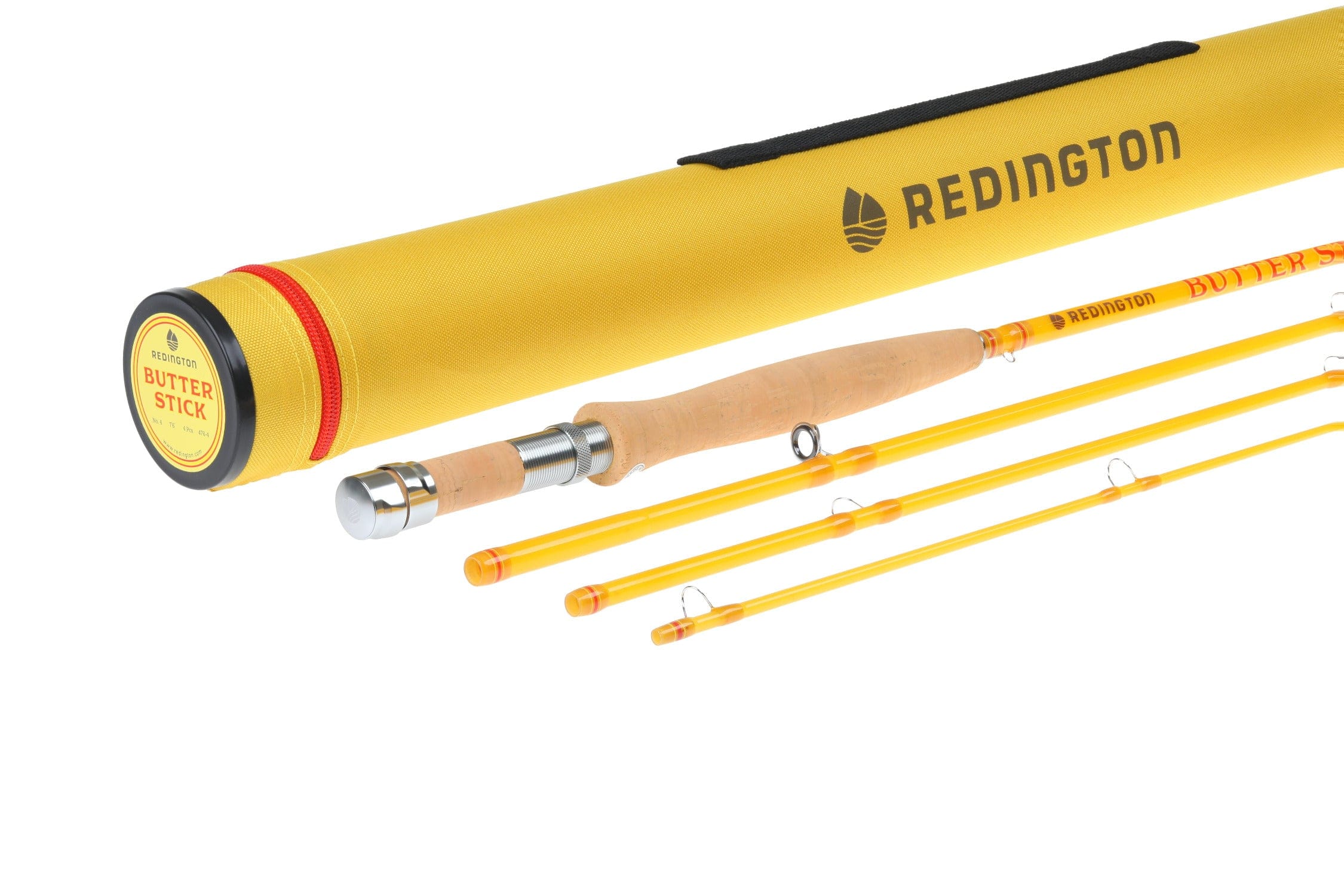
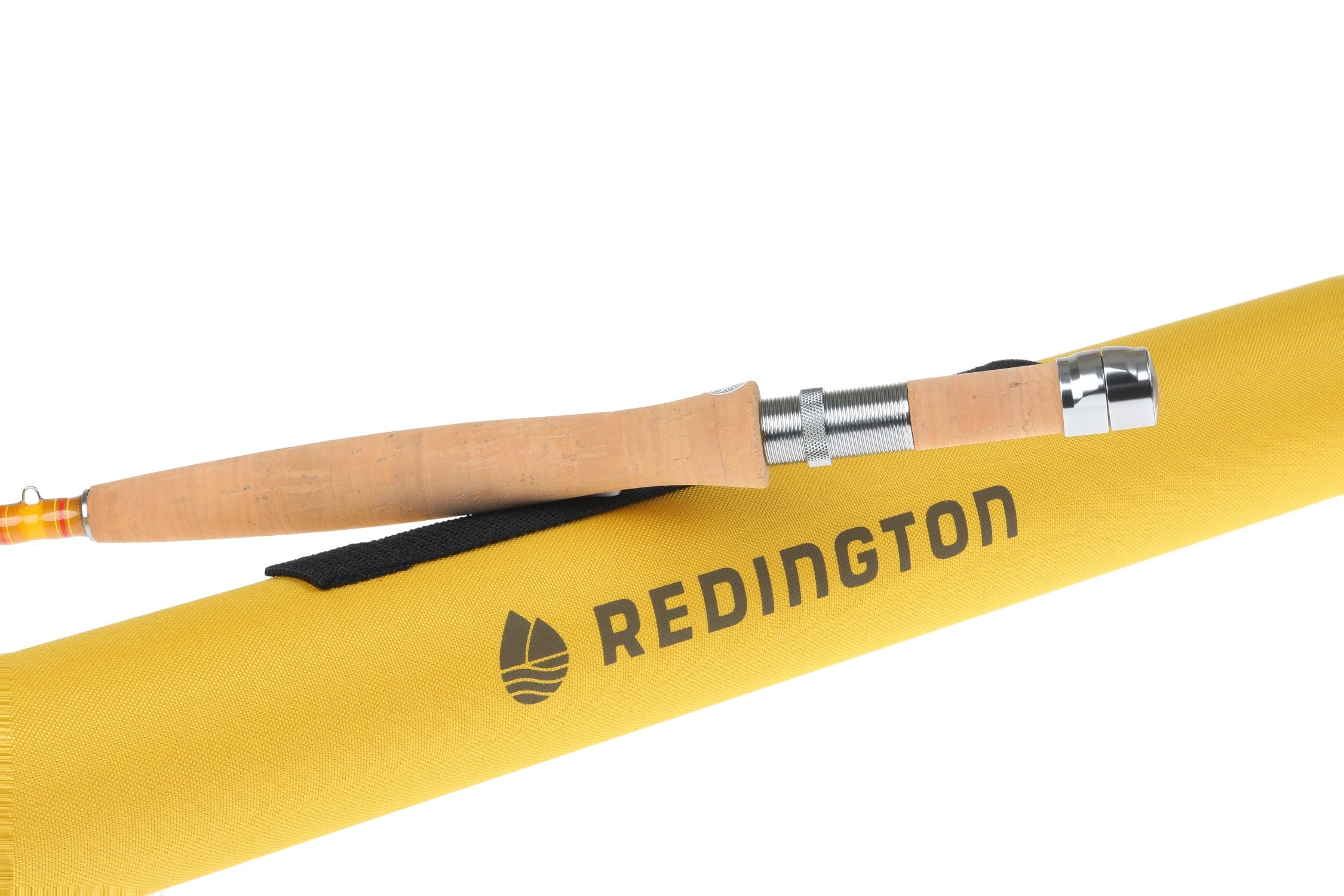
Best Value: Redington Classic Trout Fly Rod - A strong choice for new anglers focused on trout and general freshwater fishing. The smoother, more forgiving feel helps you learn timing and improve accuracy.
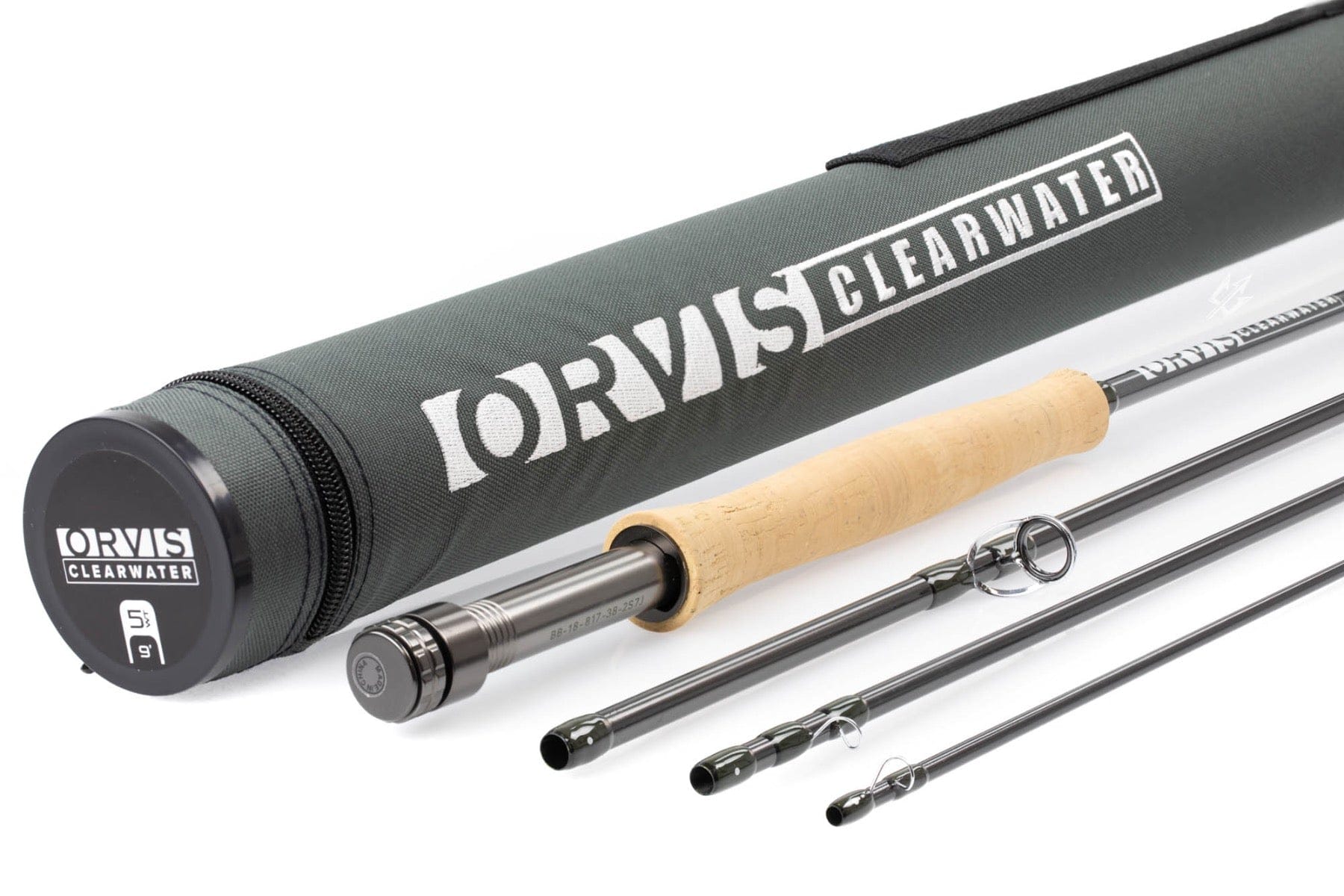
Best All-Around: Orvis Clearwater Fly Rod - Great for anglers who want one rod that can cover most trout-water scenarios. It’s a versatile platform you can grow with as your casting and fly selection expand.
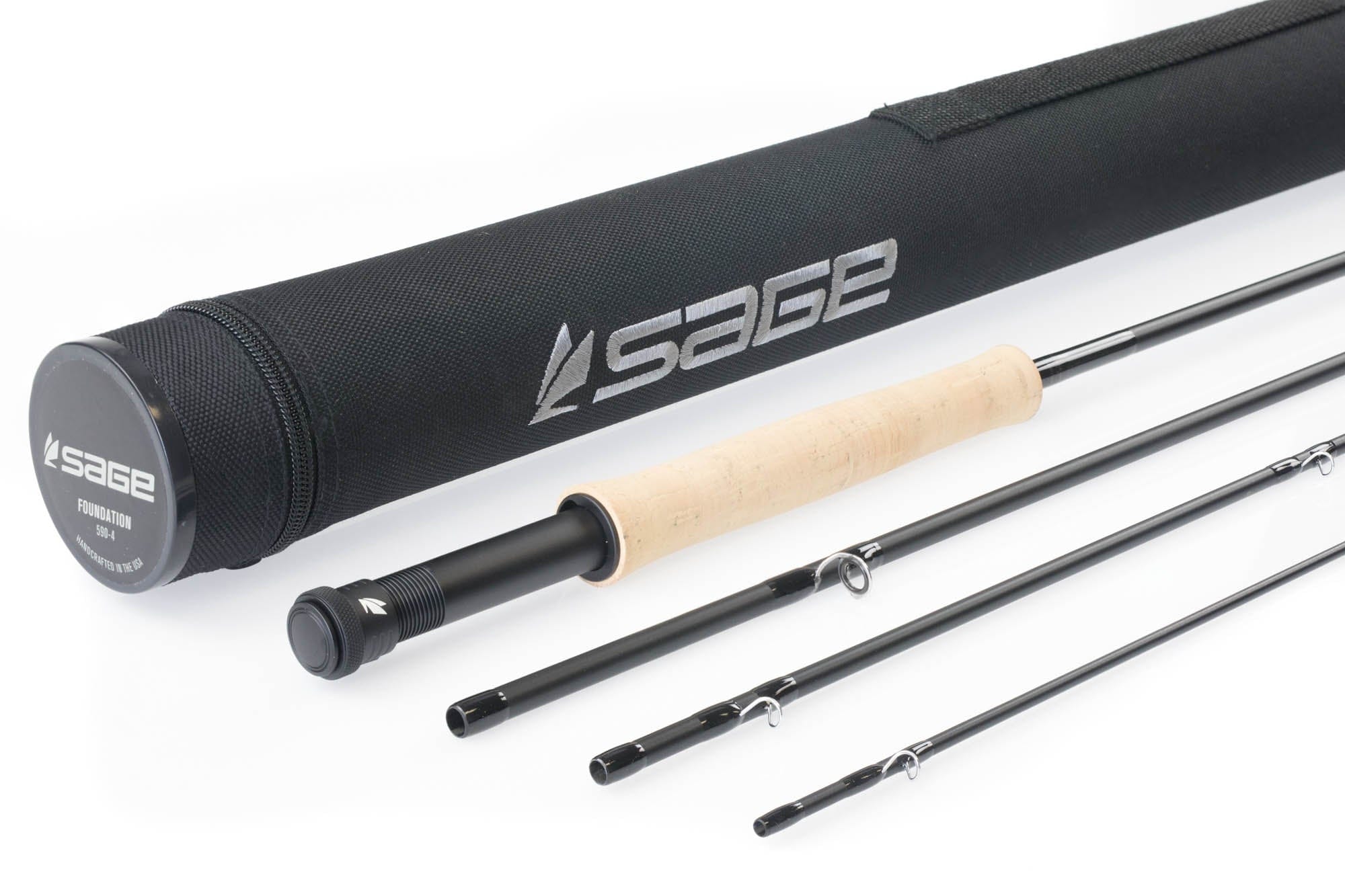
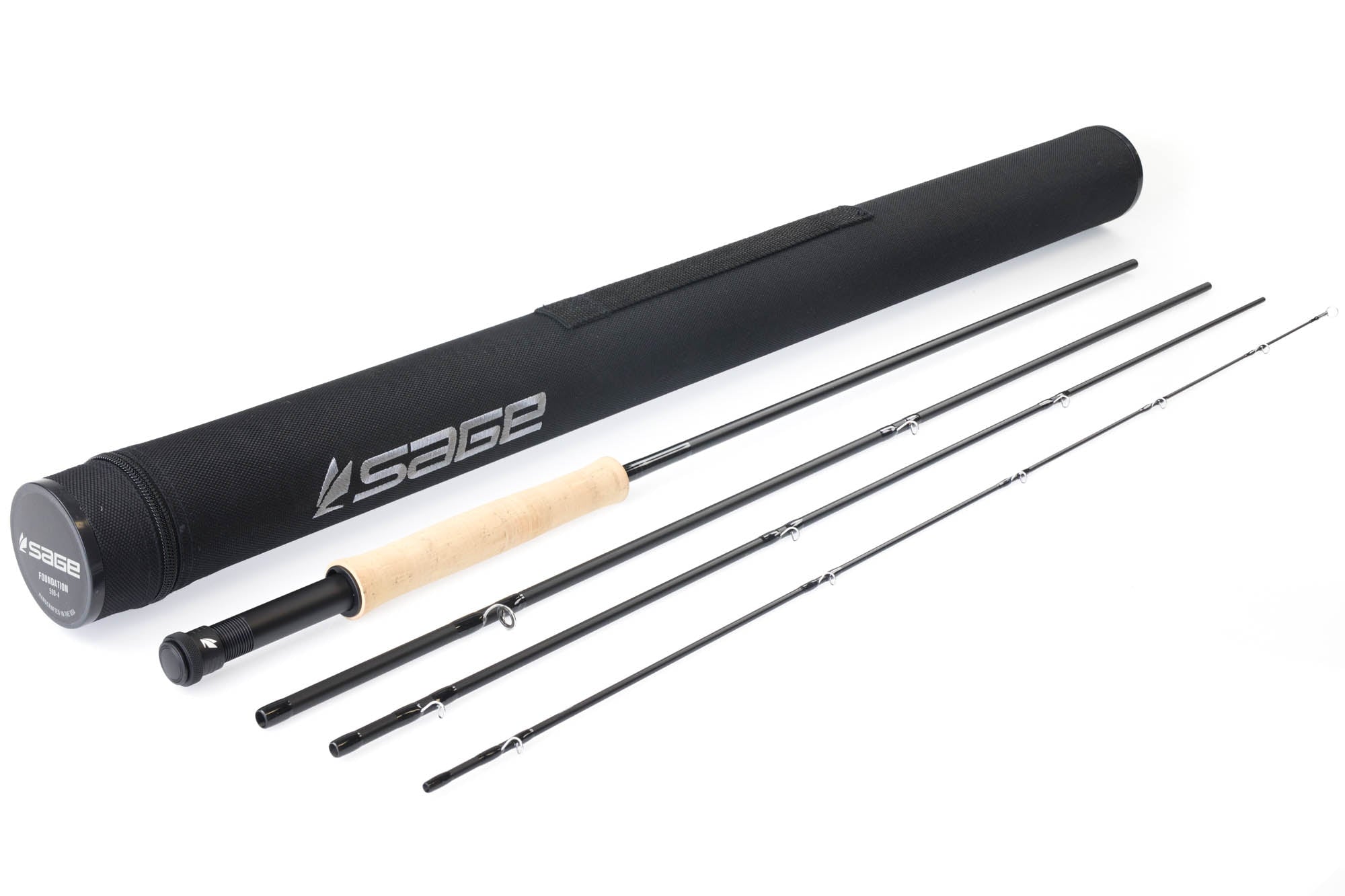
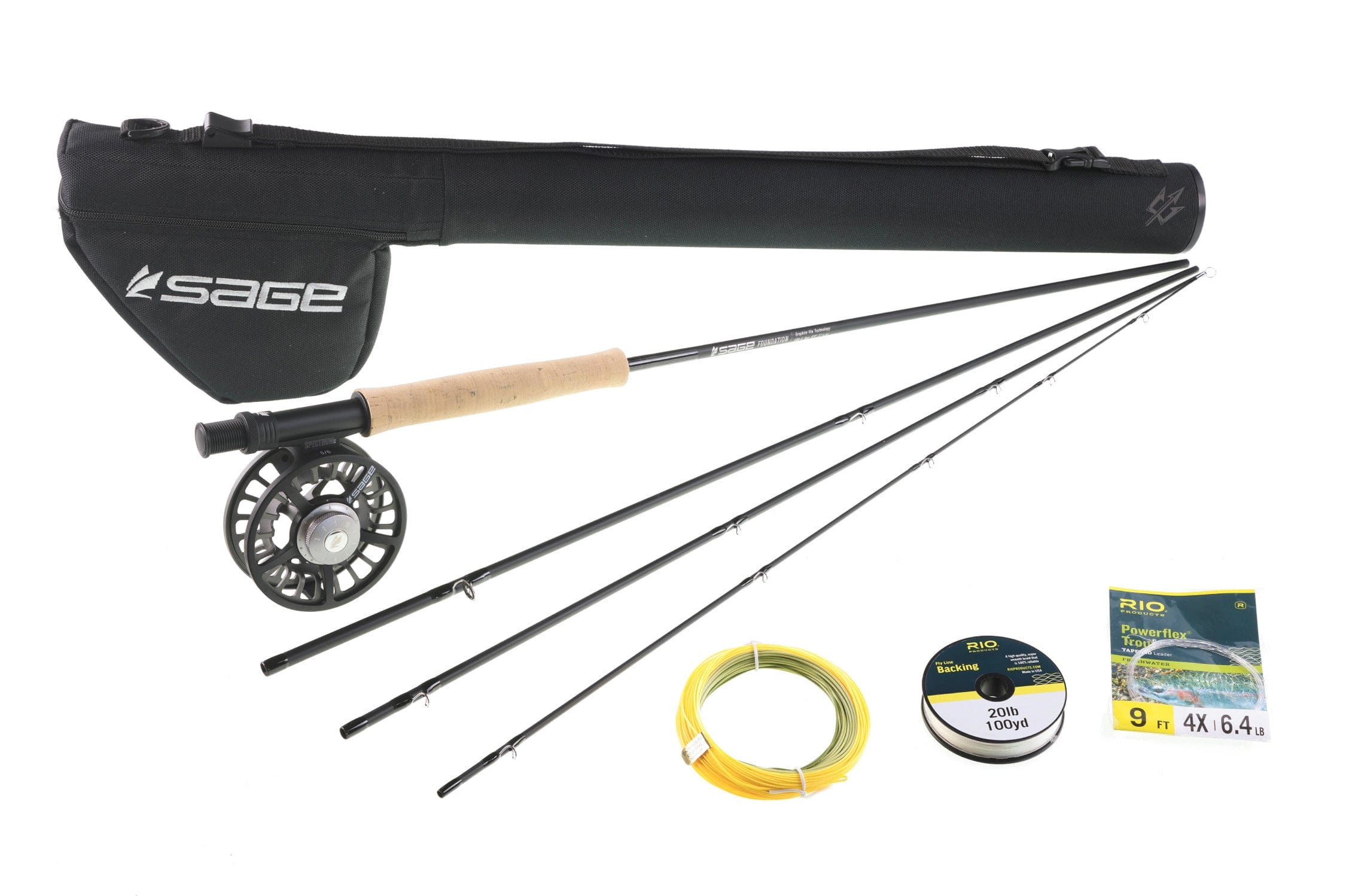
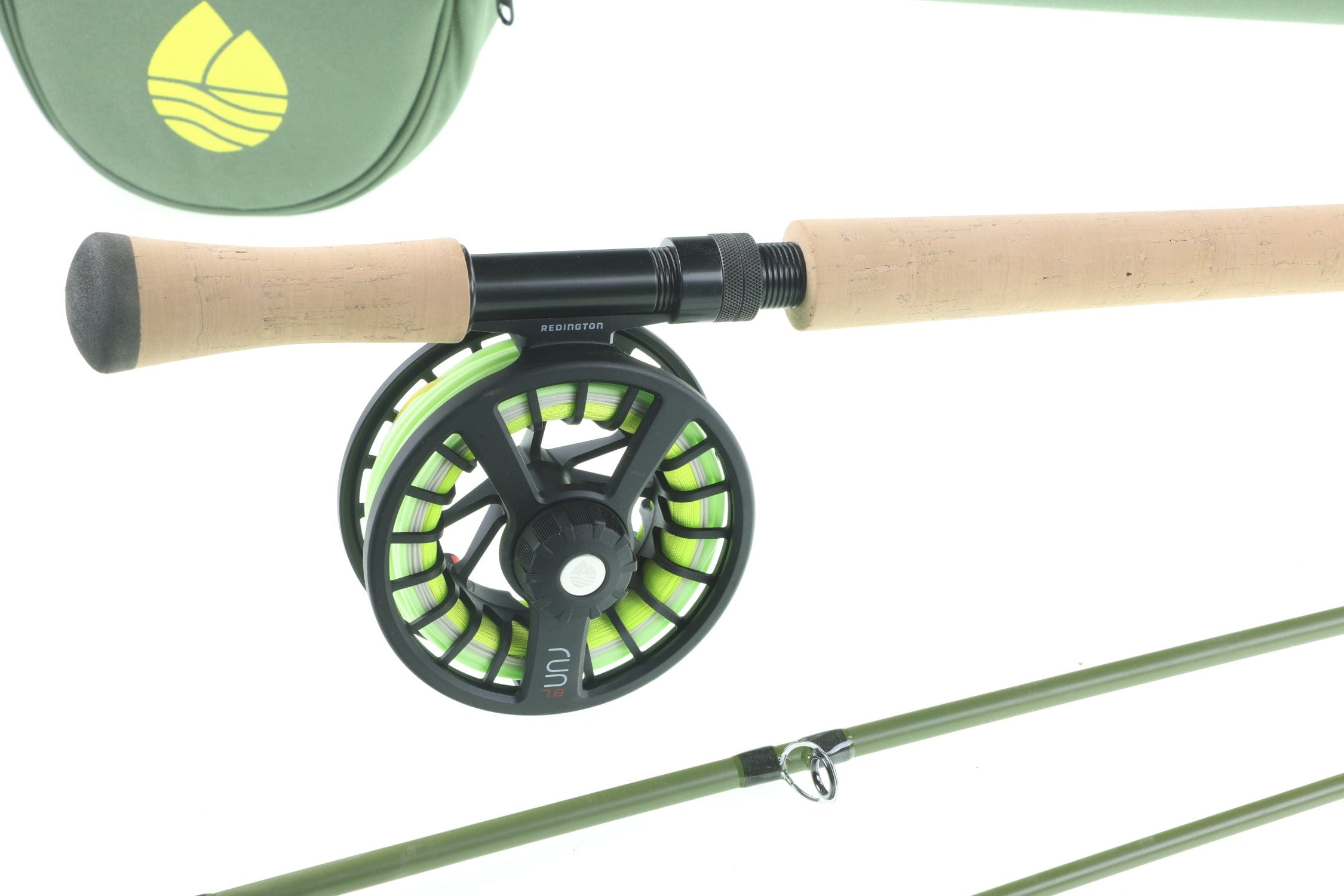
Best Premium: Sage Foundation Fly Rod Outfit - Ideal if you want a more refined feel right away, while still keeping things simple with an outfit. It’s a clean step up for anglers who plan to fish often.
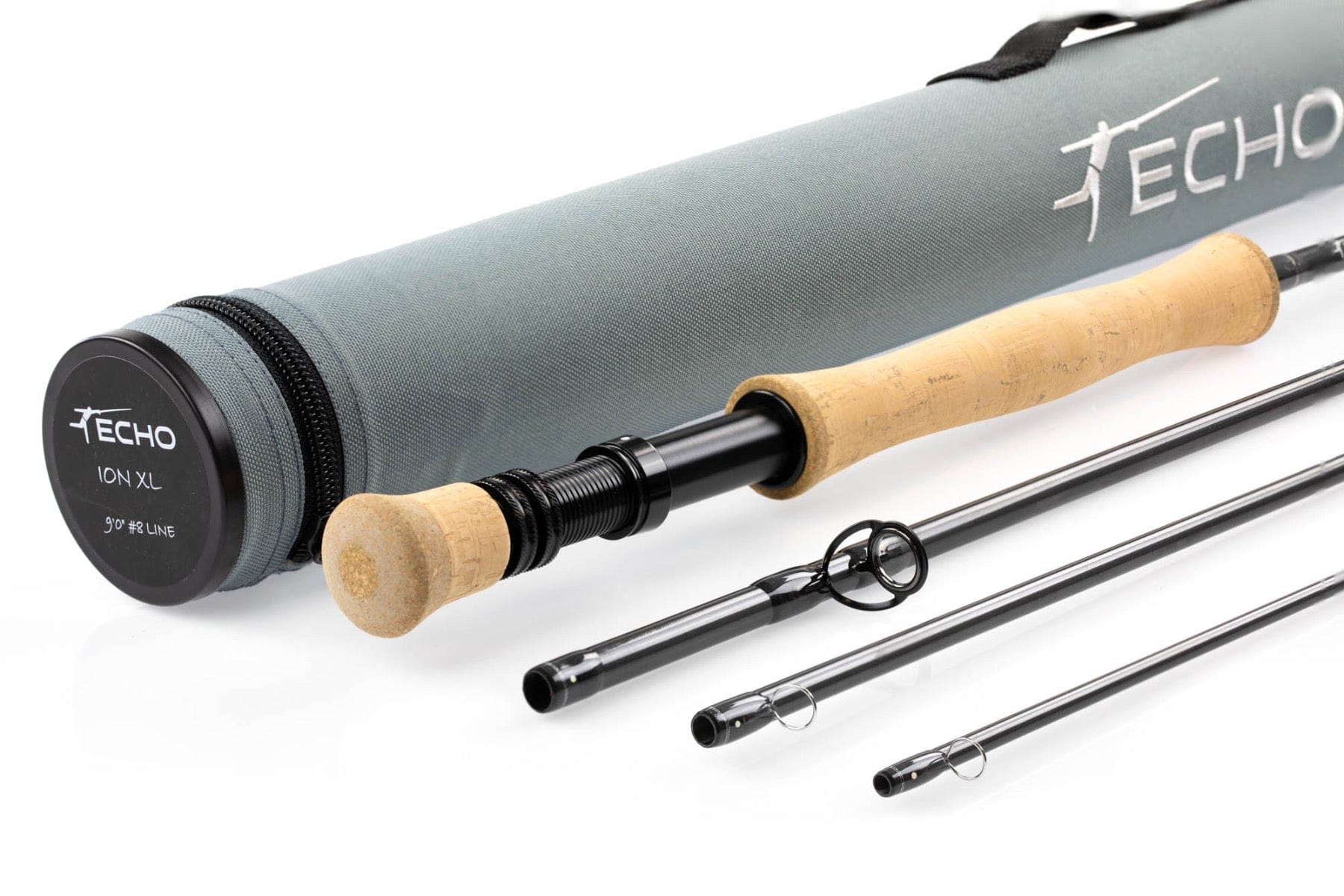
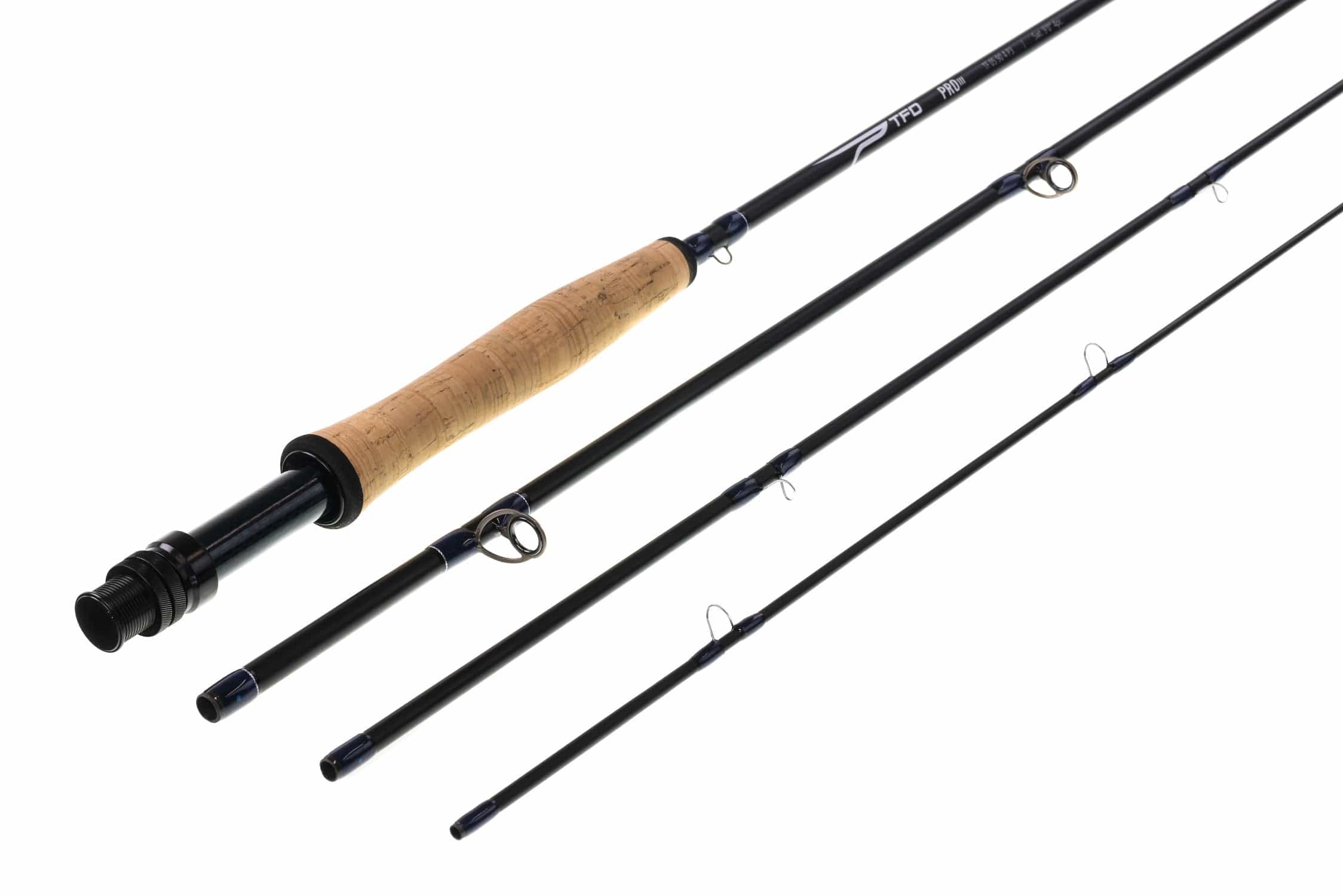
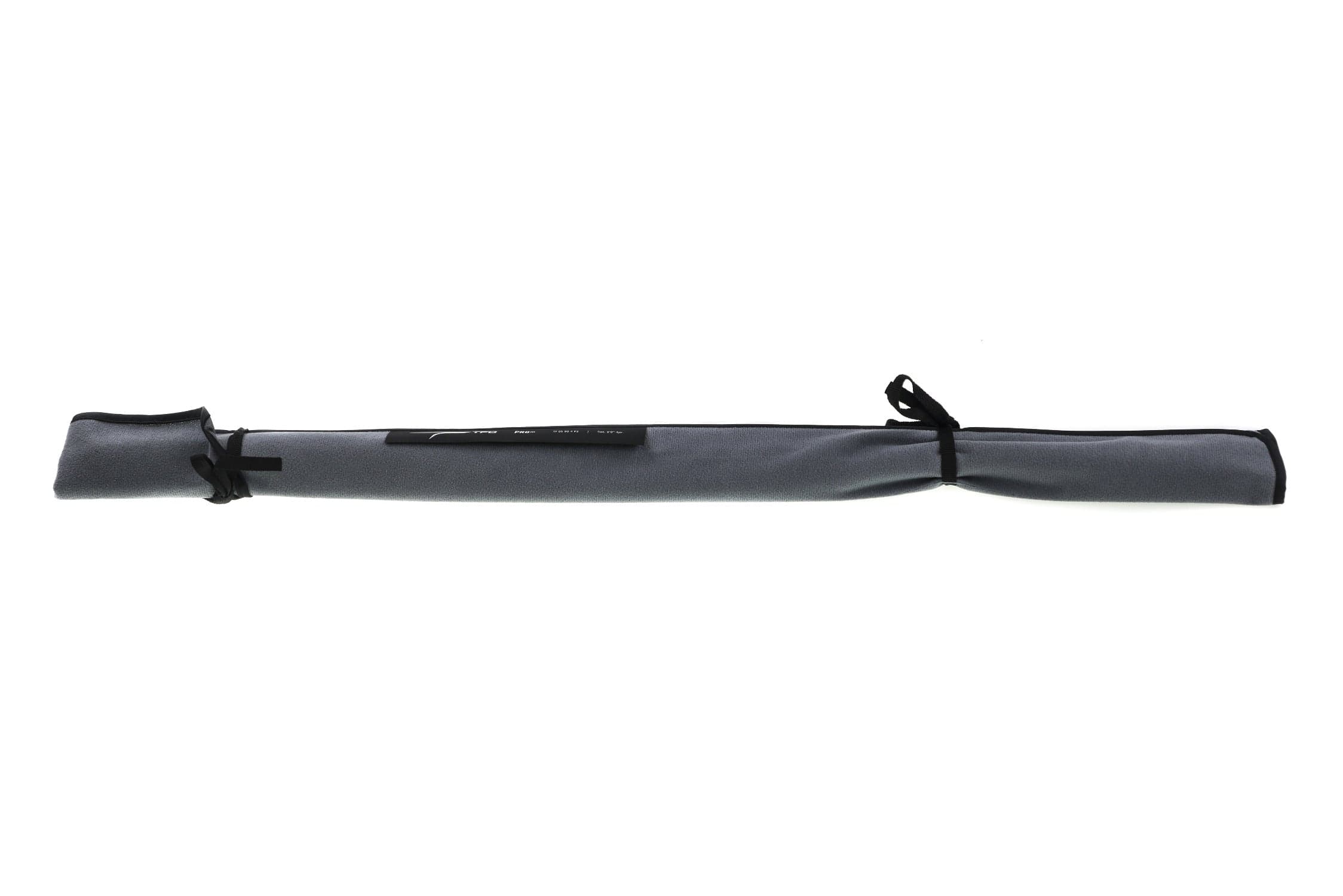
Best for Progressing Fast: TFO Pro III Fly Rod - A practical pick if you’re serious about improving and want a rod that can handle a wider range of rigs. It offers a versatile action that works for dry flies, nymphing, and lighter streamers.
How to Choose Beginner Fly Rods
Start with your target species (and typical water)
Action: Pick the species first, then match rod weight and length to it. Trout and panfish usually live in the 3, 5 weight range, bass often pushes you into 6, 8 weights, and most inshore saltwater begins around 8 weight.
Best for: Learning faster, because your line size, flies, and leader match your fishing reality instead of a generic “one-size-fits-all.”
9' 5-weight: the classic starting point (for a reason)
Best for: Trout rivers, mixed dry fly and nymph rigs, and general “one rod” versatility. A 9’ 5wt gives you enough reach for mending on moving water, but still feels manageable for new casters.
Avoid if: You mostly fish tiny brushy creeks (consider a shorter 3, 4wt) or you’re throwing big bugs/streamers for bass and pike (consider 6, 8wt).
Rod action: forgiving beats fast when you’re learning
Action: Most beginner fly rods lean moderate to medium-fast to help you feel the rod load and improve timing. Fast-action rods can be great tools, but they typically demand cleaner mechanics and can magnify bad habits early on.
Rod only vs. outfit/kit
Action: If this is your first setup, an outfit can reduce decision fatigue and compatibility issues. If you already own a reel and fly line (or you’re upgrading one piece at a time), a rod-only option makes sense.
Pieces and travel
Action: Four-piece rods are the modern standard for a reason, they pack down easily for the car, flights, and hiking. If you travel frequently, prioritize pack length and a protective rod tube.
Why Beginner Fly Rods Matter
Beginner fly rods are built to “flatten the learning curve” with caster-friendly tapers and practical components. When a rod is easier to load and track, you spend less time fighting tailing loops and more time learning good tempo, forming clean loops, and fishing effectively.
Care & Maintenance
After each use: Wipe the blank and guides with a damp cloth to remove grit and sunscreen residue.
Storage: Store dry in a rod tube or on a rack; avoid leaving a rod assembled and leaning in a corner.
Ferrules: Keep ferrules clean and seated firmly; if they start loosening during the day, check for debris and re-seat.
Transport: Use the tube for car travel and always secure rods so tips can’t bounce against hard surfaces.
Complete Your Setup
Related Gear
Rod & Reel Outfits - Great if you want a matched combo that removes guesswork on reels and lines.
Fly Reels - If you’re buying rod-only, this is where you’ll match balance, size, and drag to your rod weight.
Floating Fly Lines - The most versatile starting point for dries, nymphs under an indicator, and shallow streamers.
Leaders - Helps turn over your cast and present flies cleanly; a simple add-on that makes a big difference.
Related Guides
Beginner Fly Rods FAQs
Q: What is a beginner fly rod?
A: Beginner fly rods are designed to be easier to cast and easier to learn on, usually with more forgiving actions and durable components. They help new anglers feel the rod load and develop better timing.
Q: What fly rod weight should a beginner start with?
A: For most trout fishing, a 9' 5-weight is the most common starting point because it’s versatile and manageable. If you’re focused on bass or wind, consider a 6, 8 weight; for small creeks and panfish, a 3, 4 weight can be more fun.
Q: Is a fast-action fly rod bad for beginners?
A: Not necessarily, but fast-action rods can be less forgiving of timing errors. Many new anglers learn faster on moderate to medium-fast rods because they provide more feedback during the cast.
Q: Should I buy a fly rod outfit/kit or rod-only?
A: If it’s your first setup, an outfit is a smart way to avoid mismatched reel and line choices. If you already have a reel and fly line you like, rod-only gives you more control over the build.
Q: What length fly rod is best for beginners?
A: A 9-foot rod is the most versatile starting length for rivers and lakes, especially for learning basic mending and line control. Shorter rods can be better for tight, brushy creeks, while longer rods are often used for specialized techniques like nymphing or Spey-style fishing.
Q: Do I need an expensive fly rod to learn?
A: No, what matters most early is a rod that matches your fishing and helps you learn clean fundamentals. A balanced setup with the right line and leader will usually improve your experience more than jumping straight to a high-end rod.
Q: What fly line should I pair with a beginner fly rod?
A: A weight-forward floating line is the standard starting point for most freshwater fishing. Make sure the line matches the rod’s line weight (5wt line on a 5wt rod) unless you’re intentionally adjusting for a specific casting feel.
