


Aqua Flies in Motion

Aquaflies Flies Quick Picks
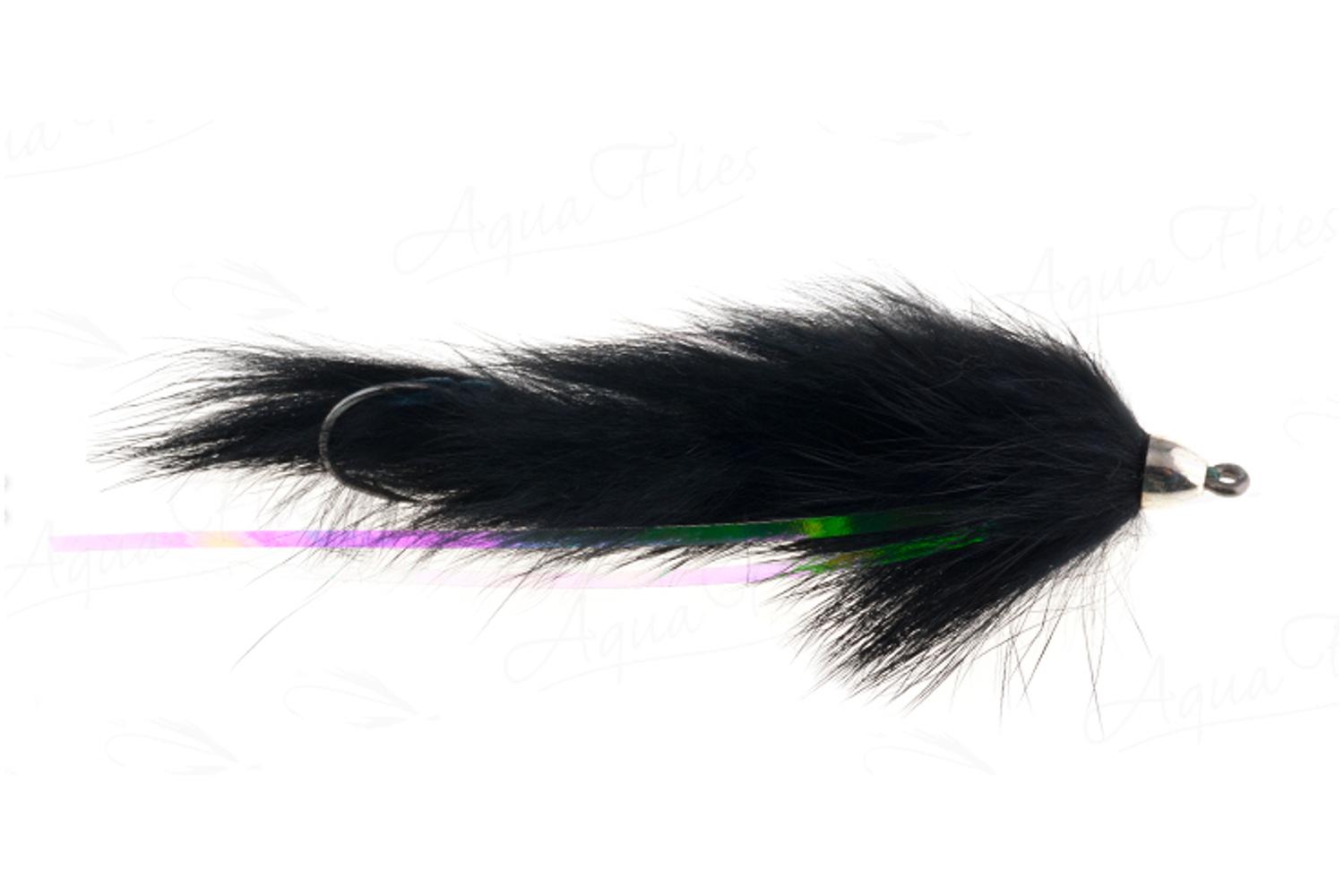
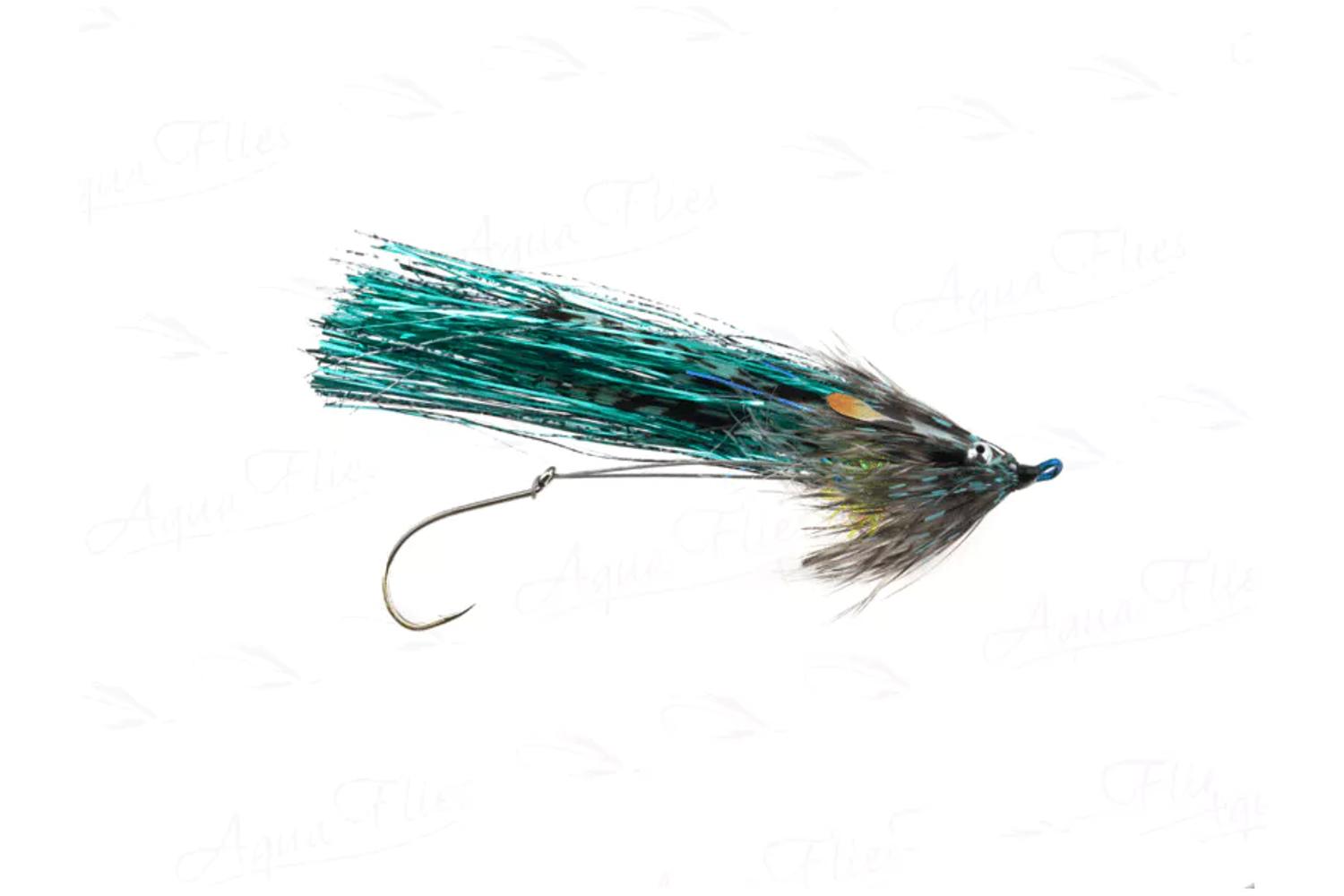
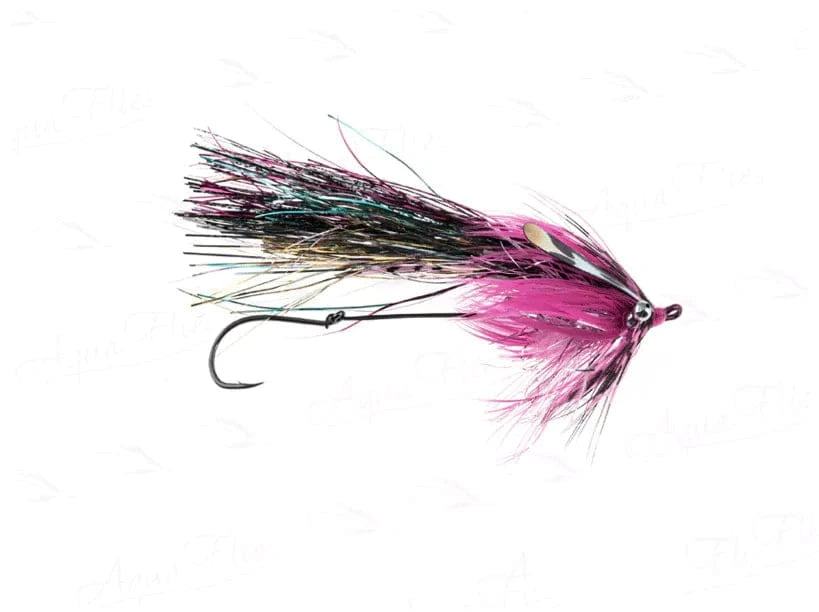
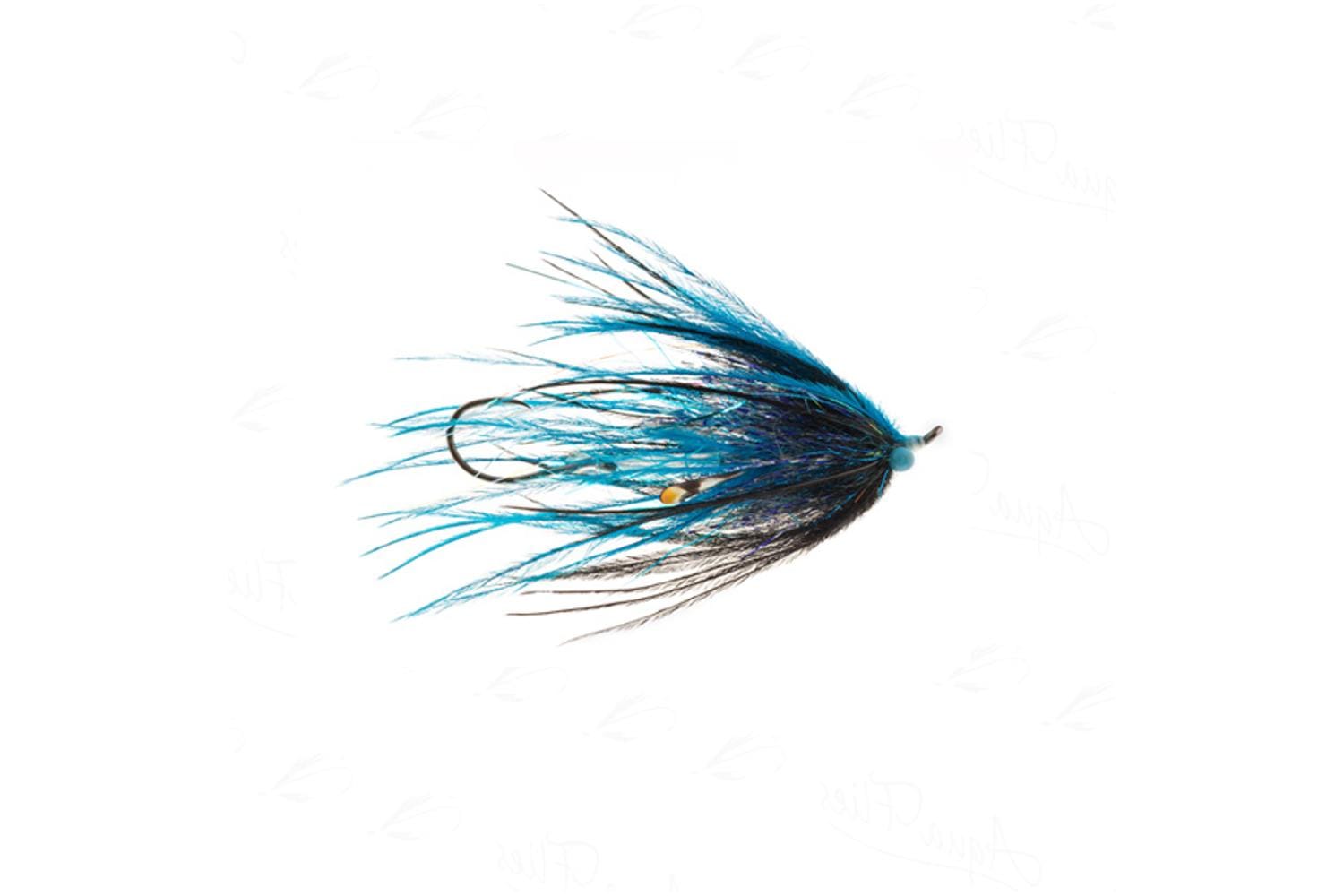
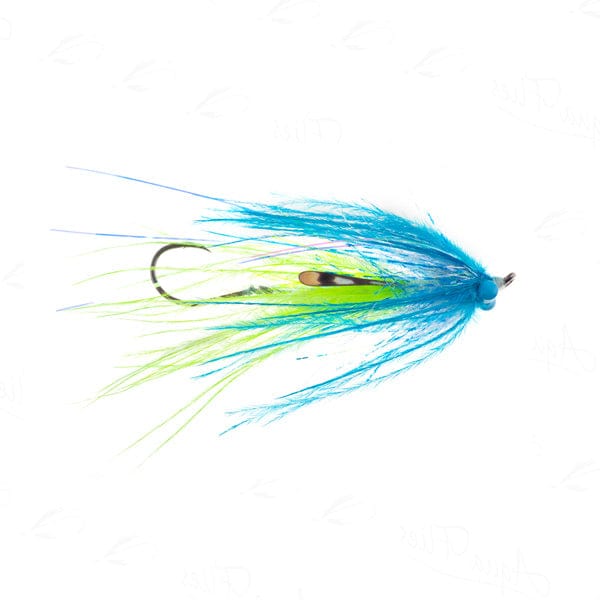
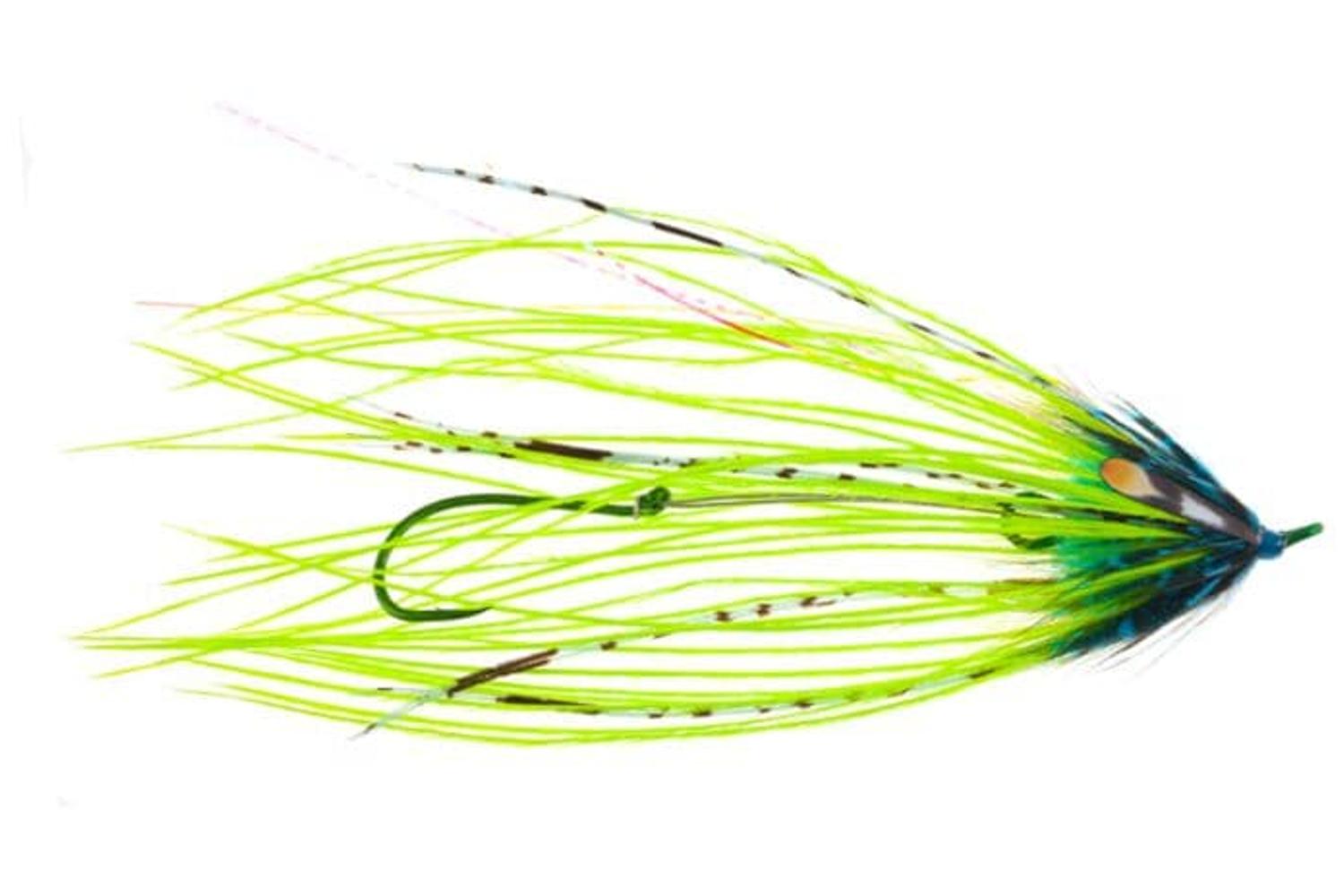
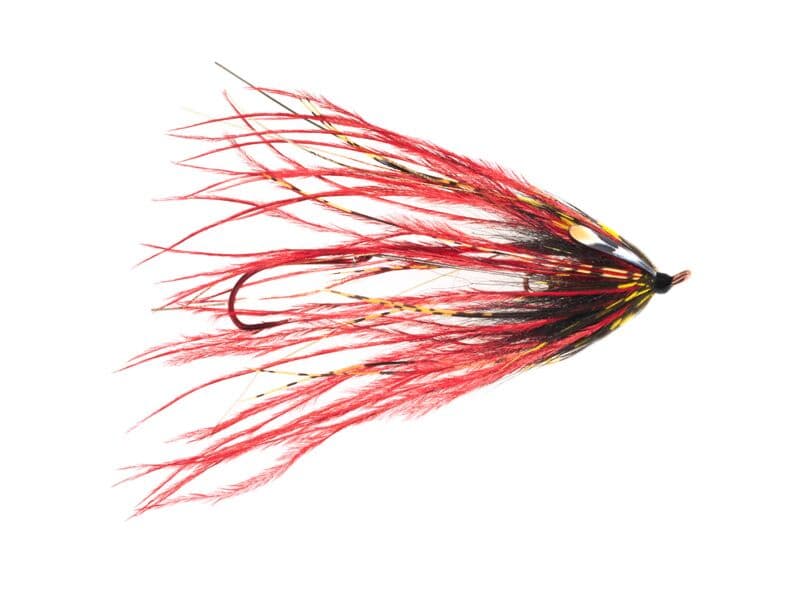
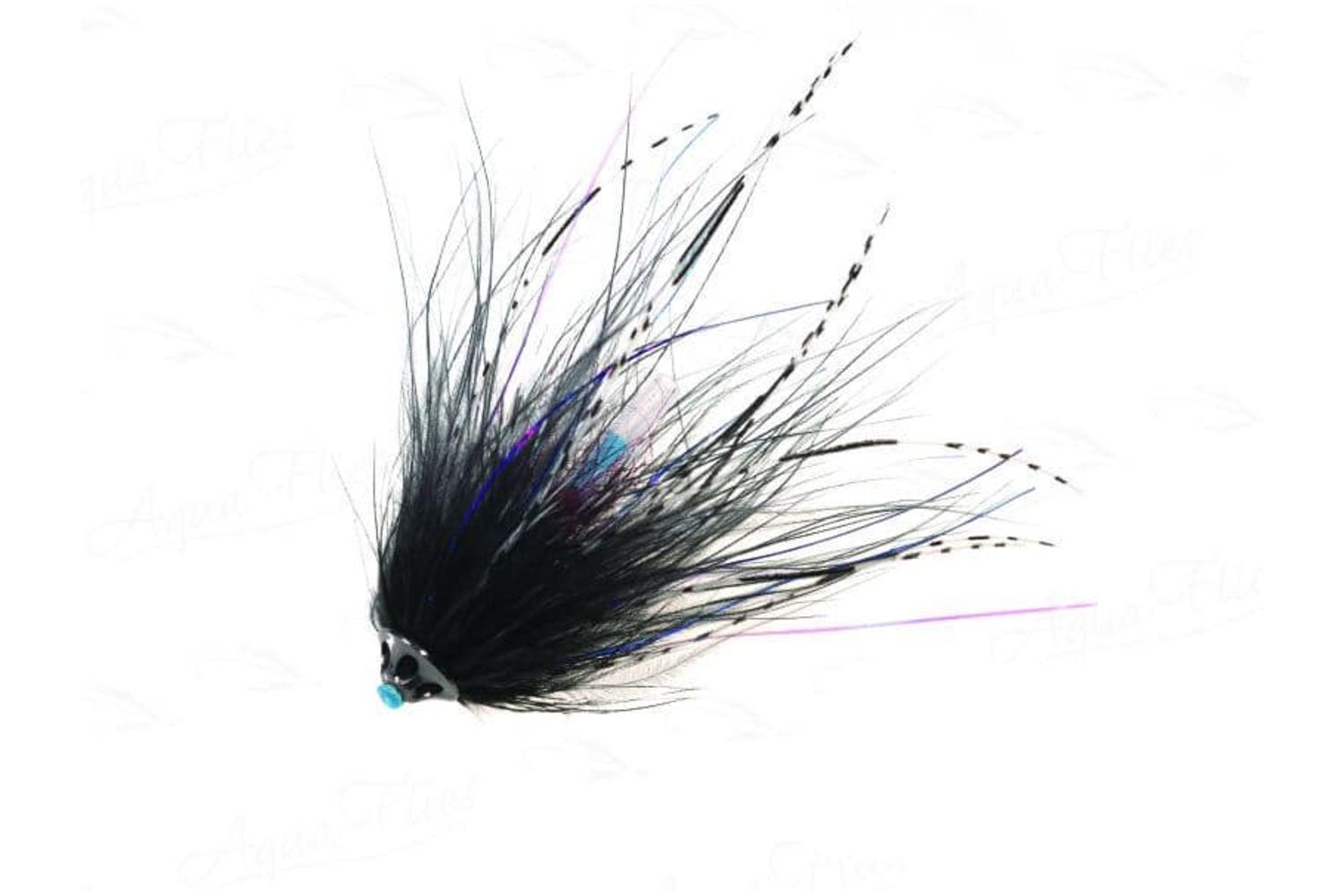
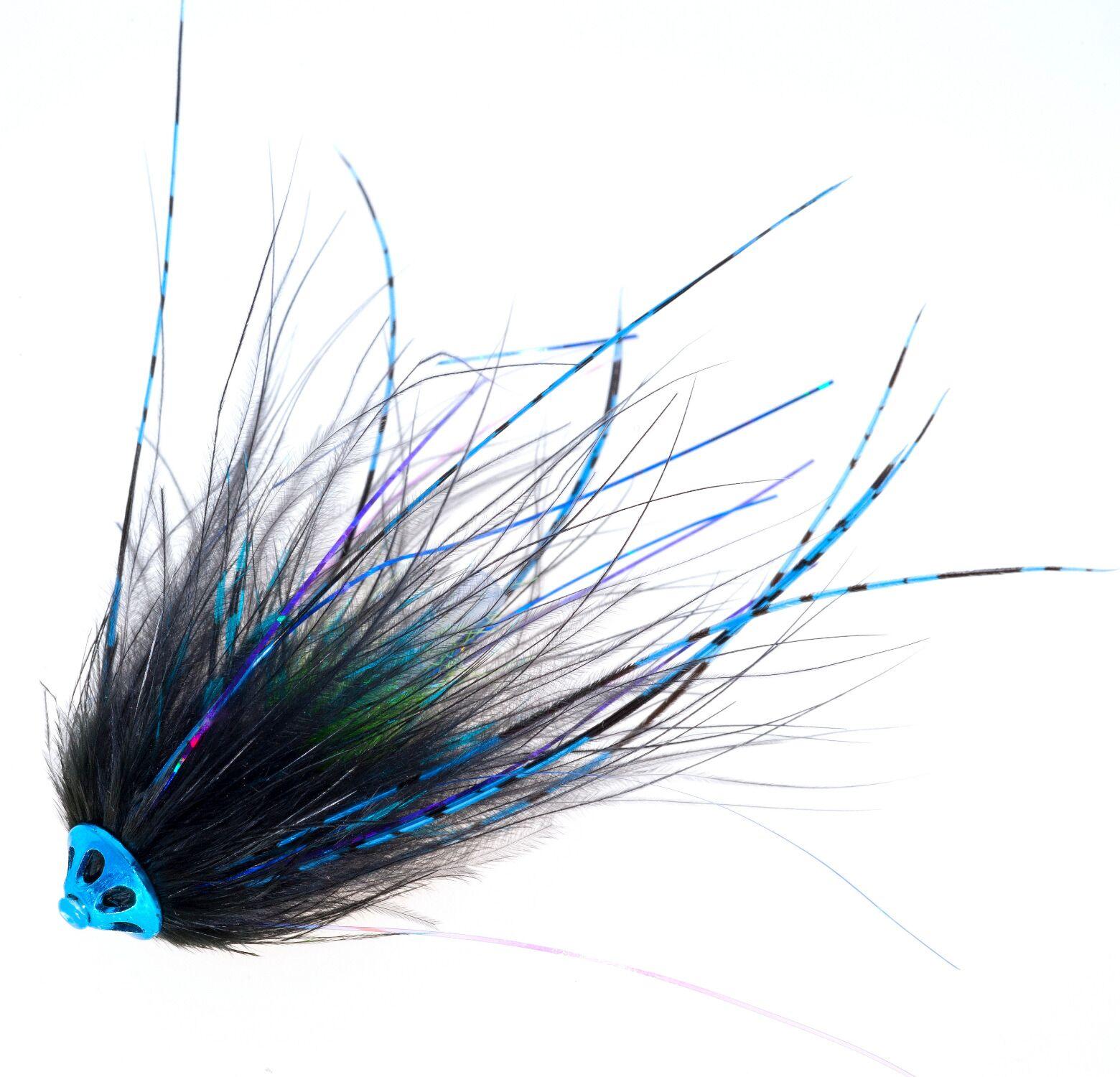
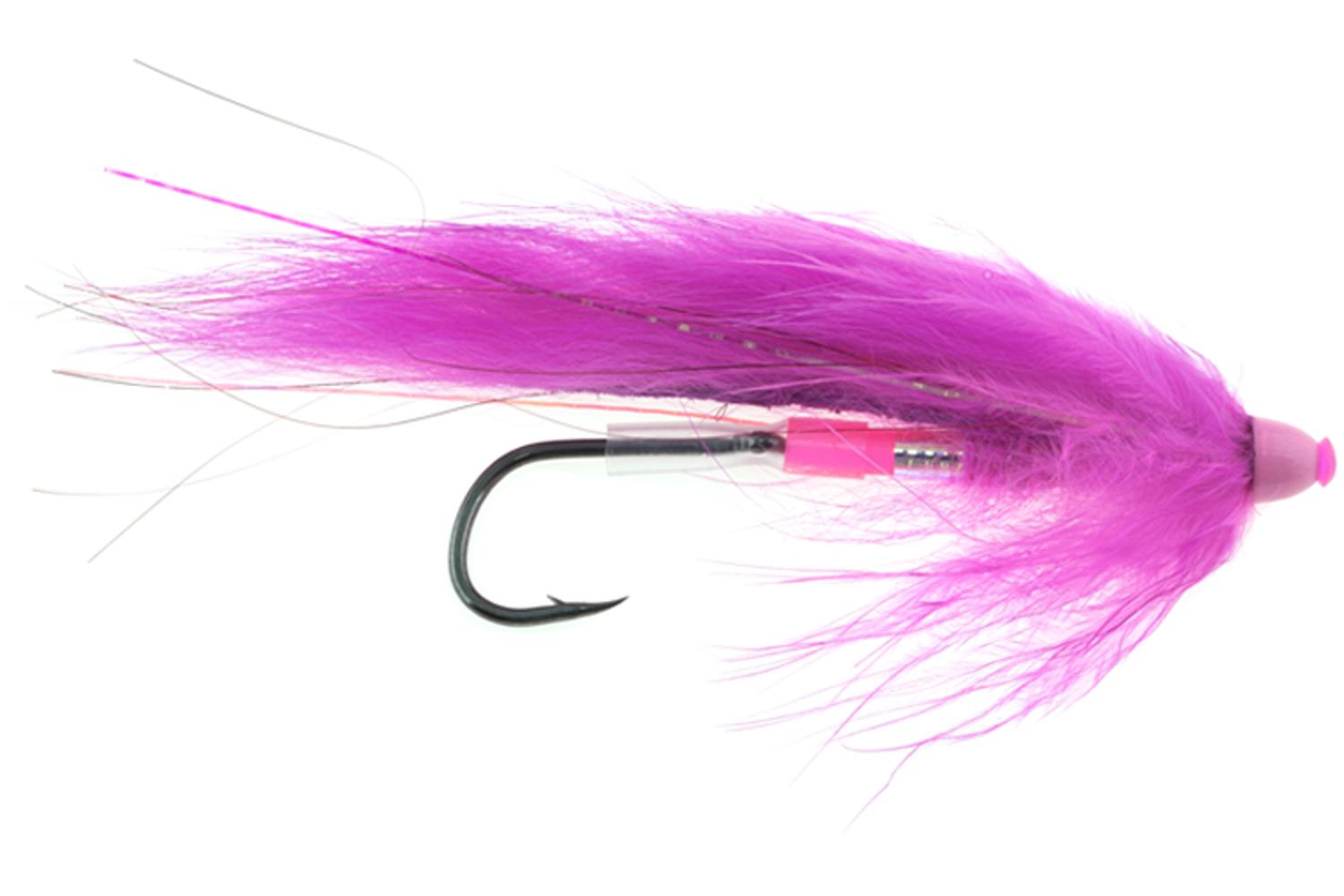
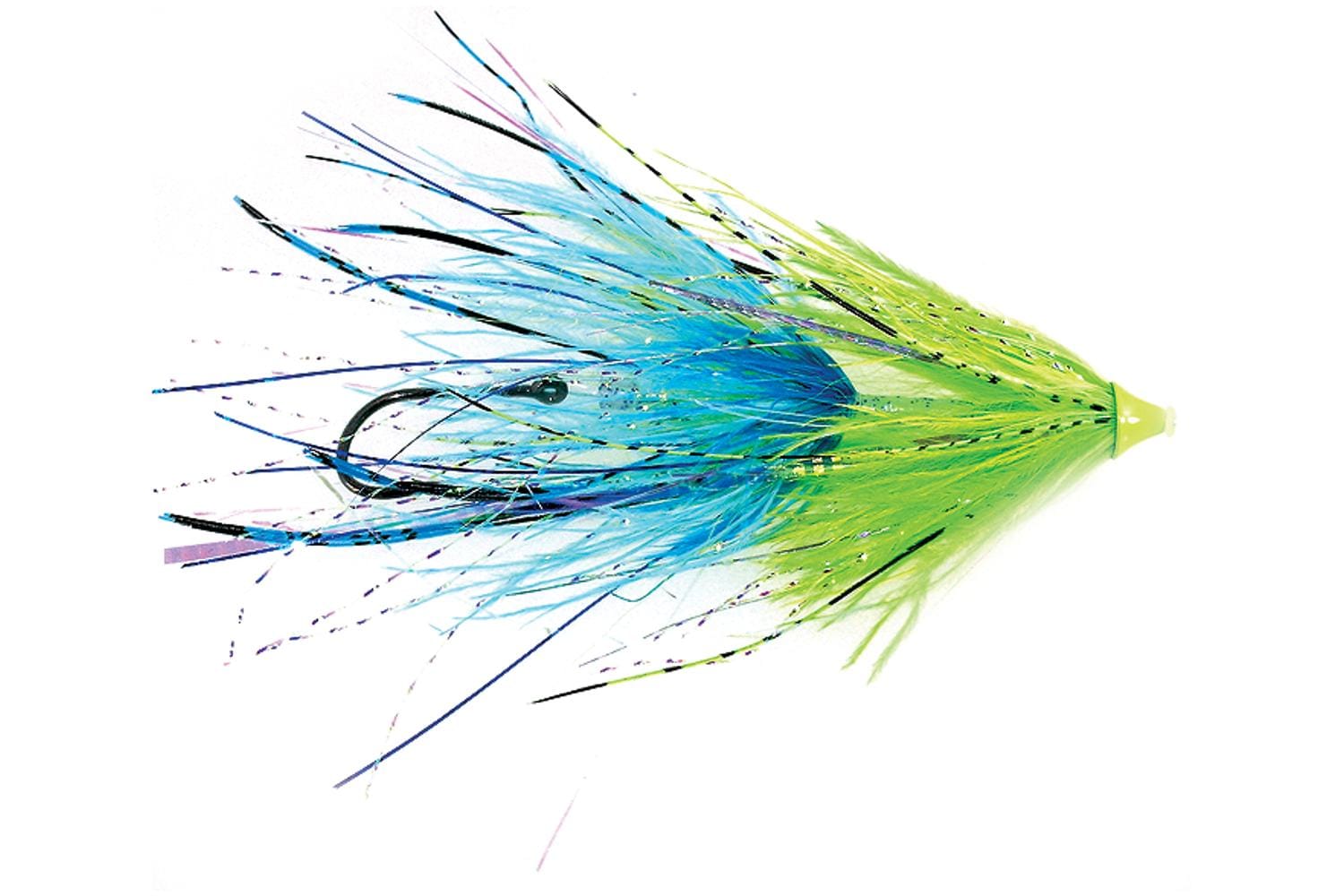
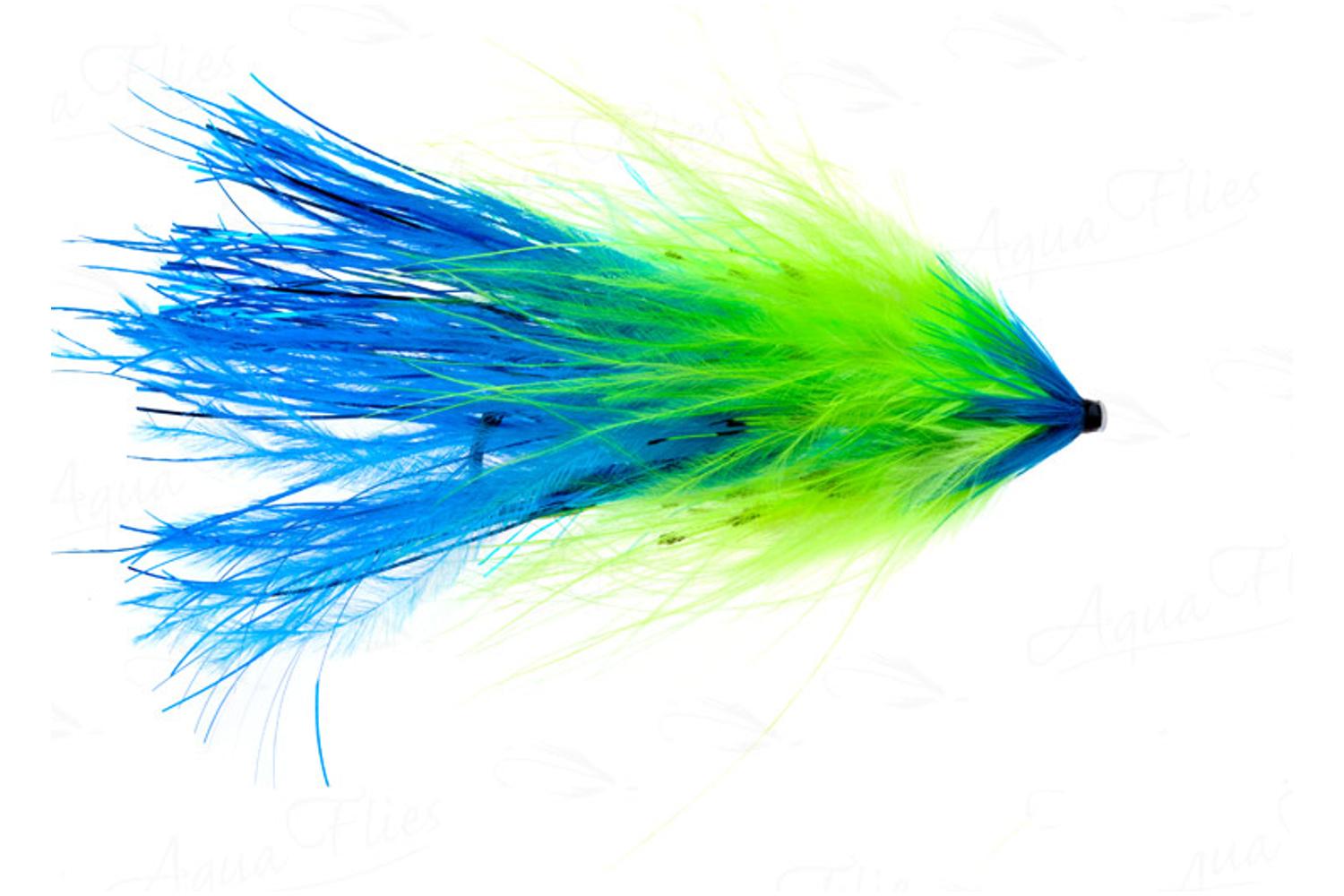
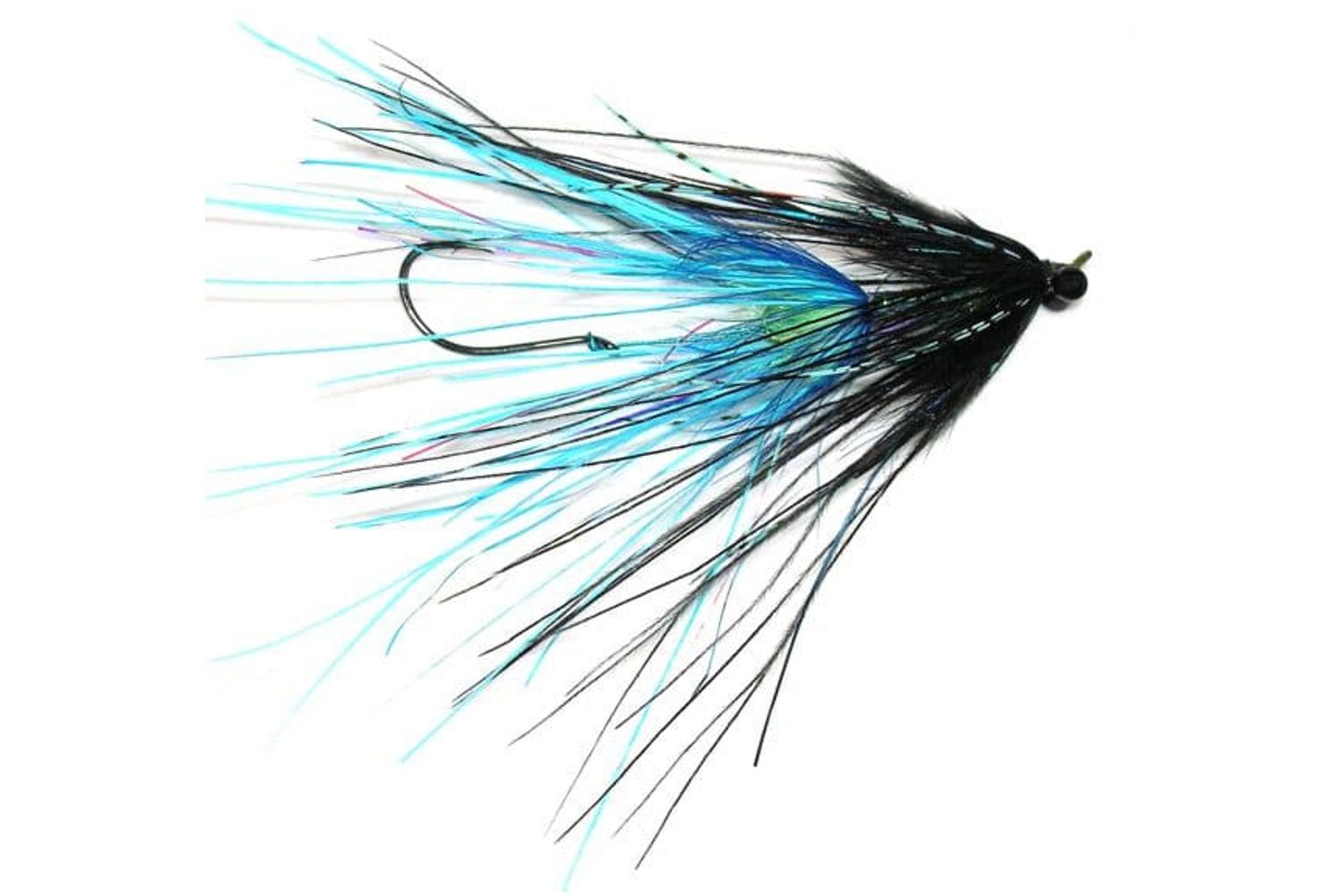
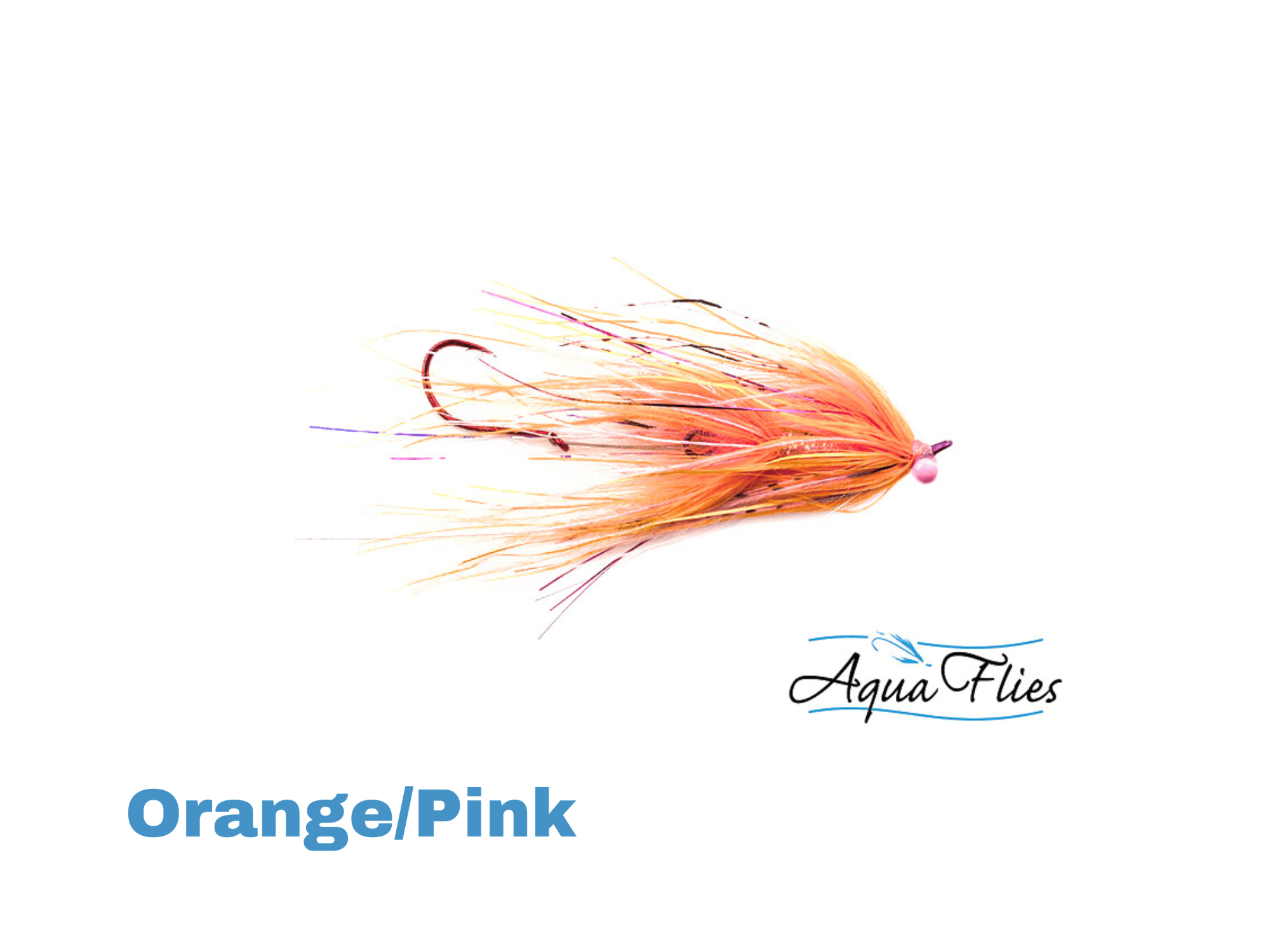
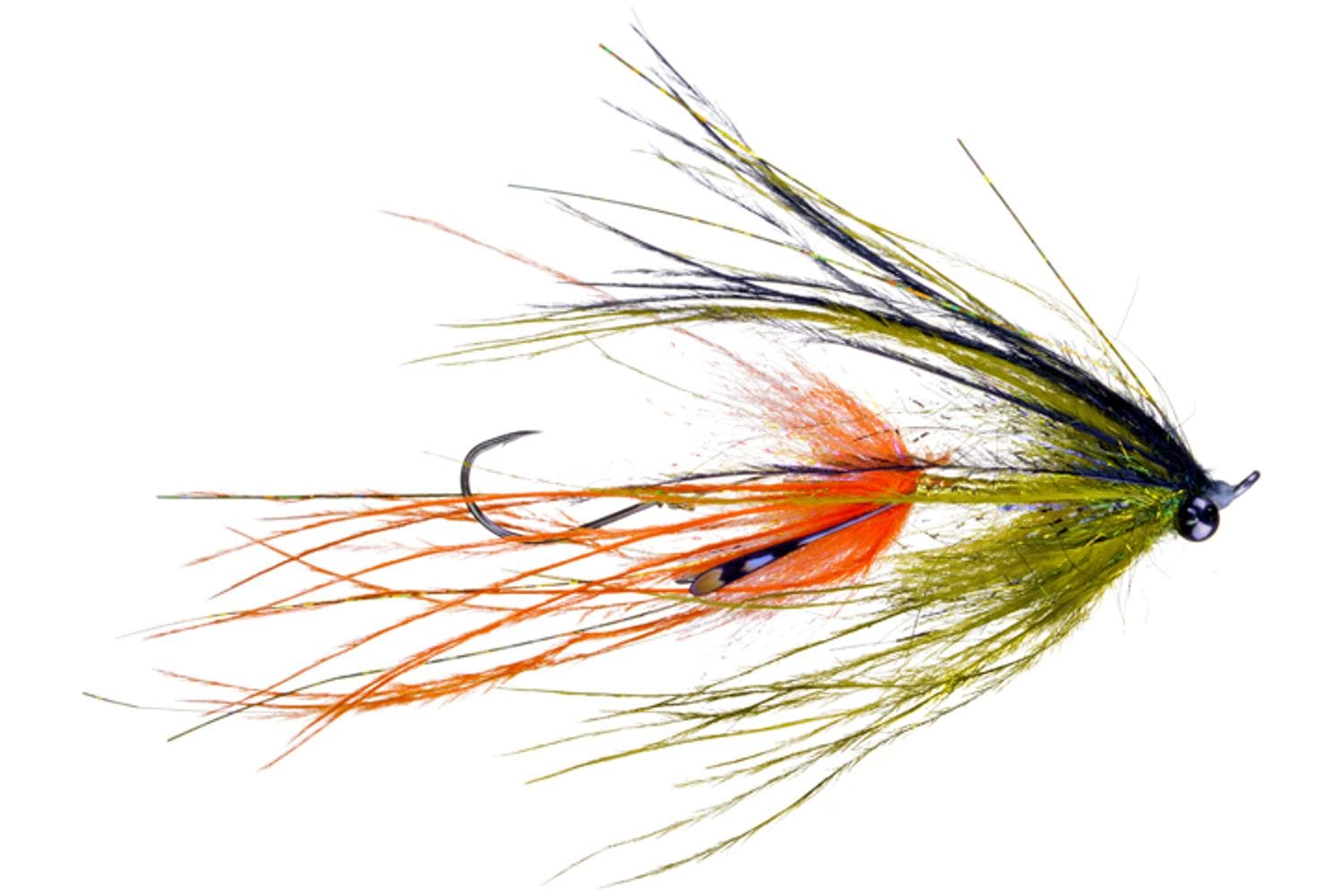
Best All-Around Swing Fly: Dirty Hoh Steelhead Fly - A strong choice for anglers swinging for winter steelhead and salmon in medium to faster runs. The shank-and-trailer layout helps the fly swim with a big silhouette while keeping the hook back where fish tend to grab.
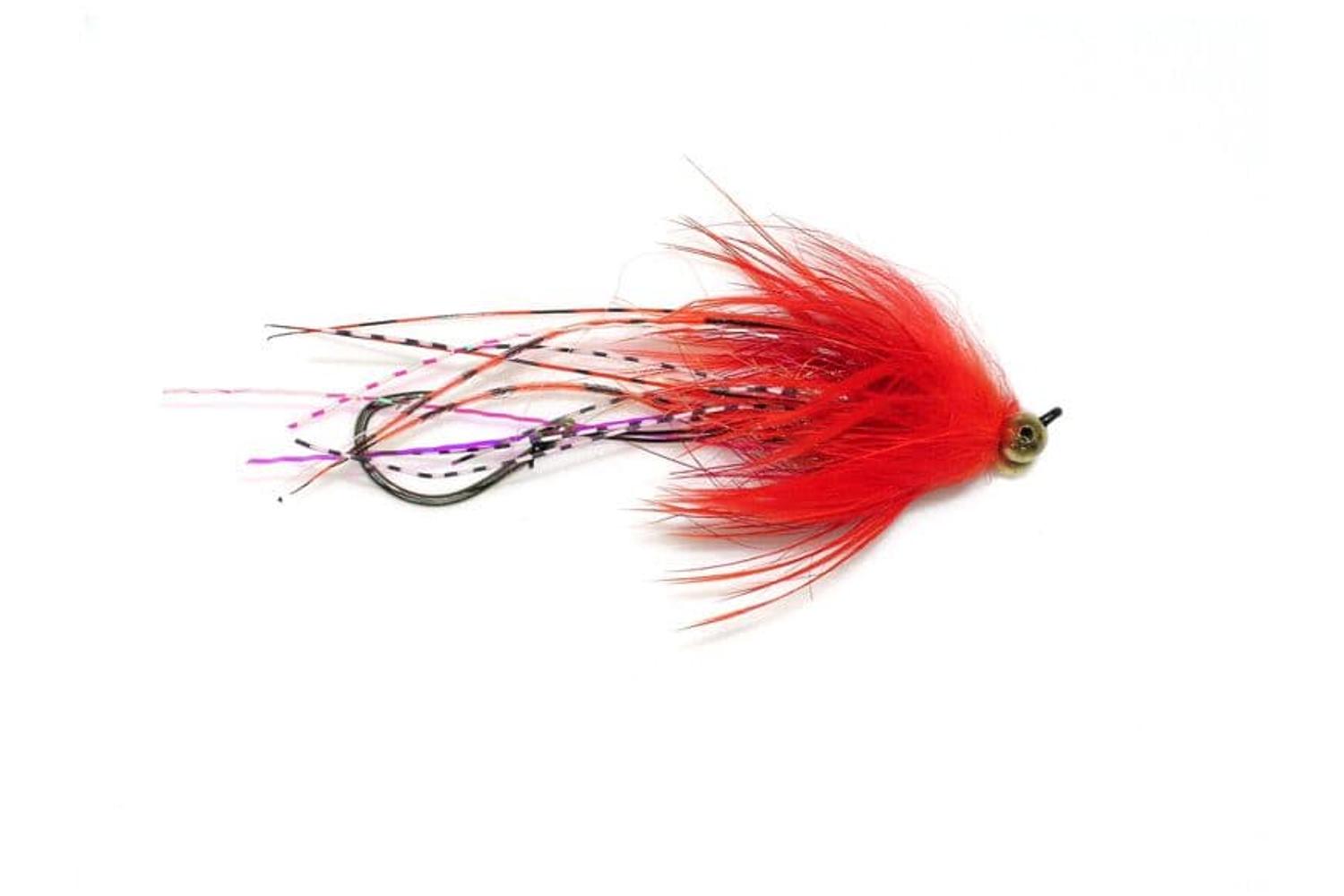
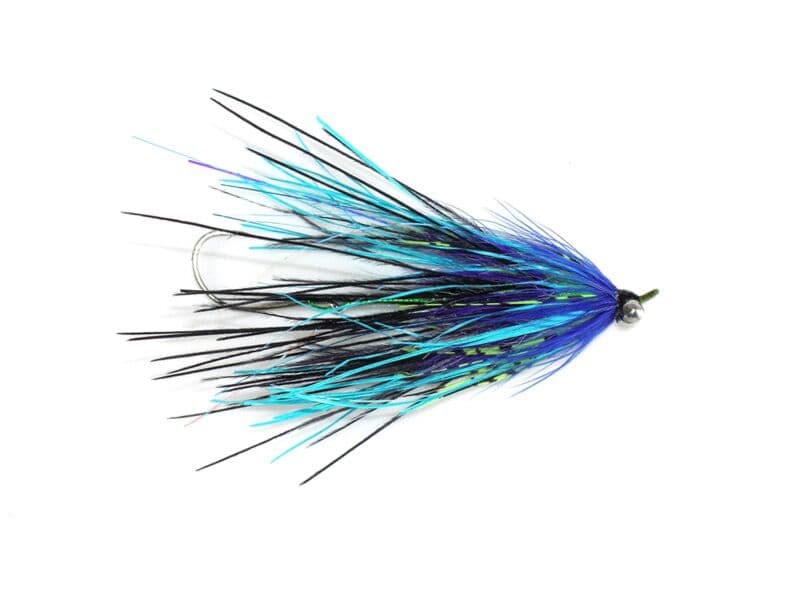
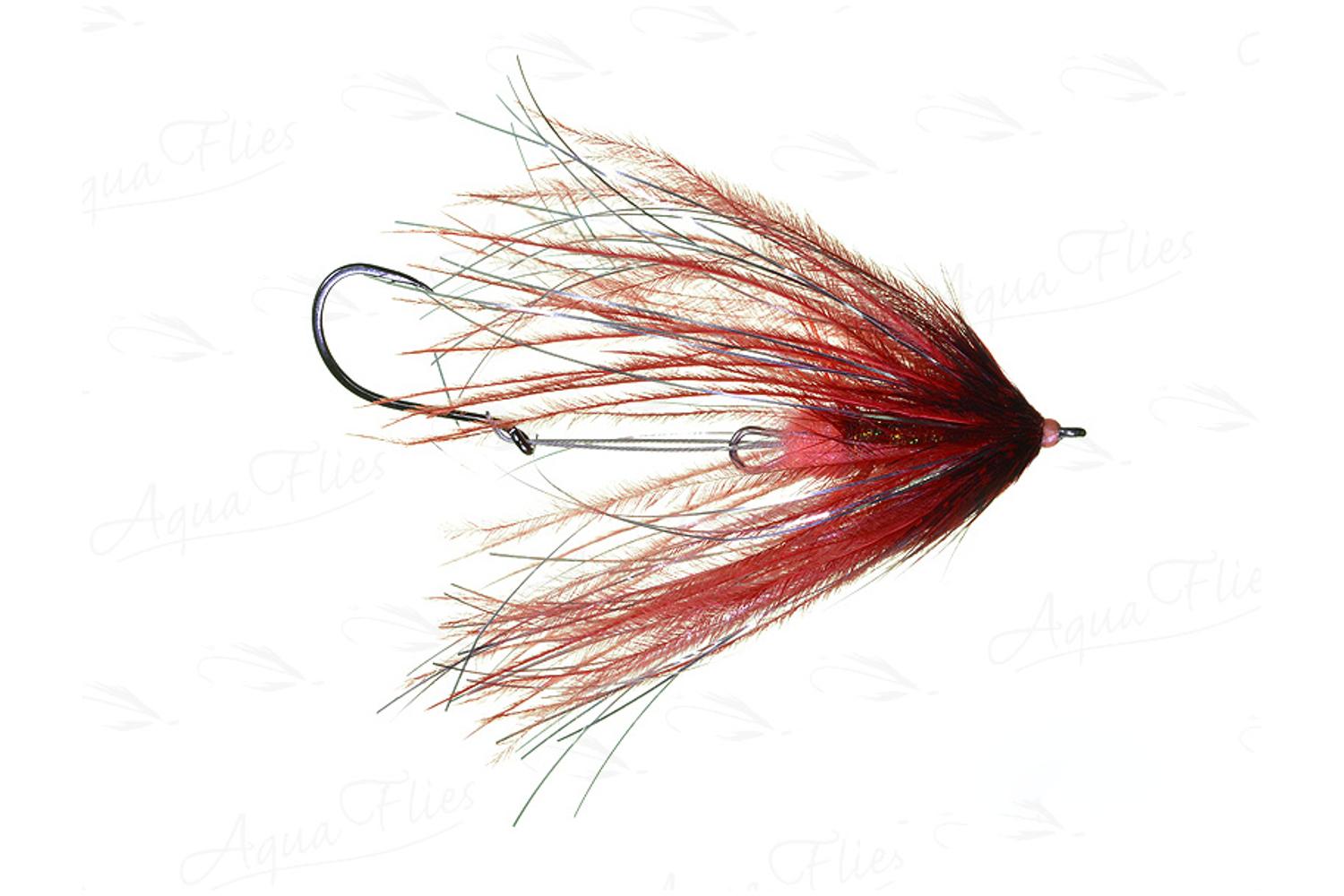
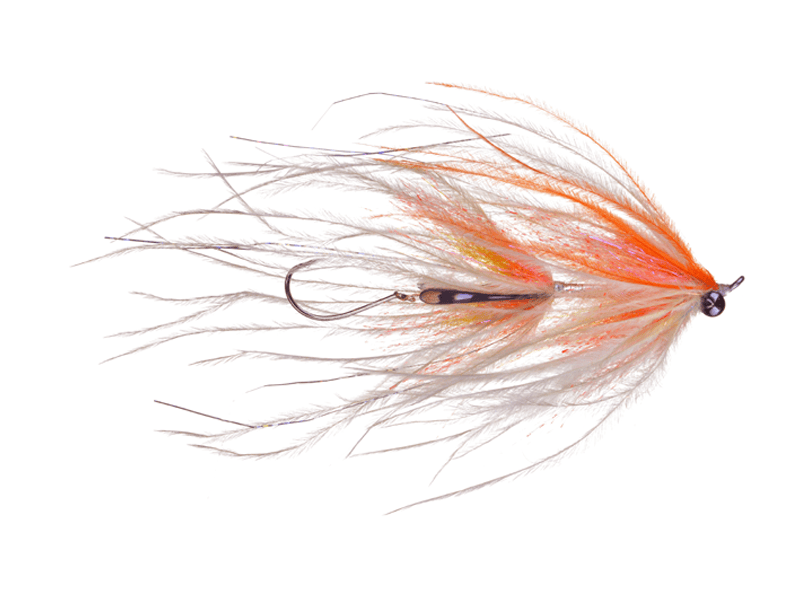
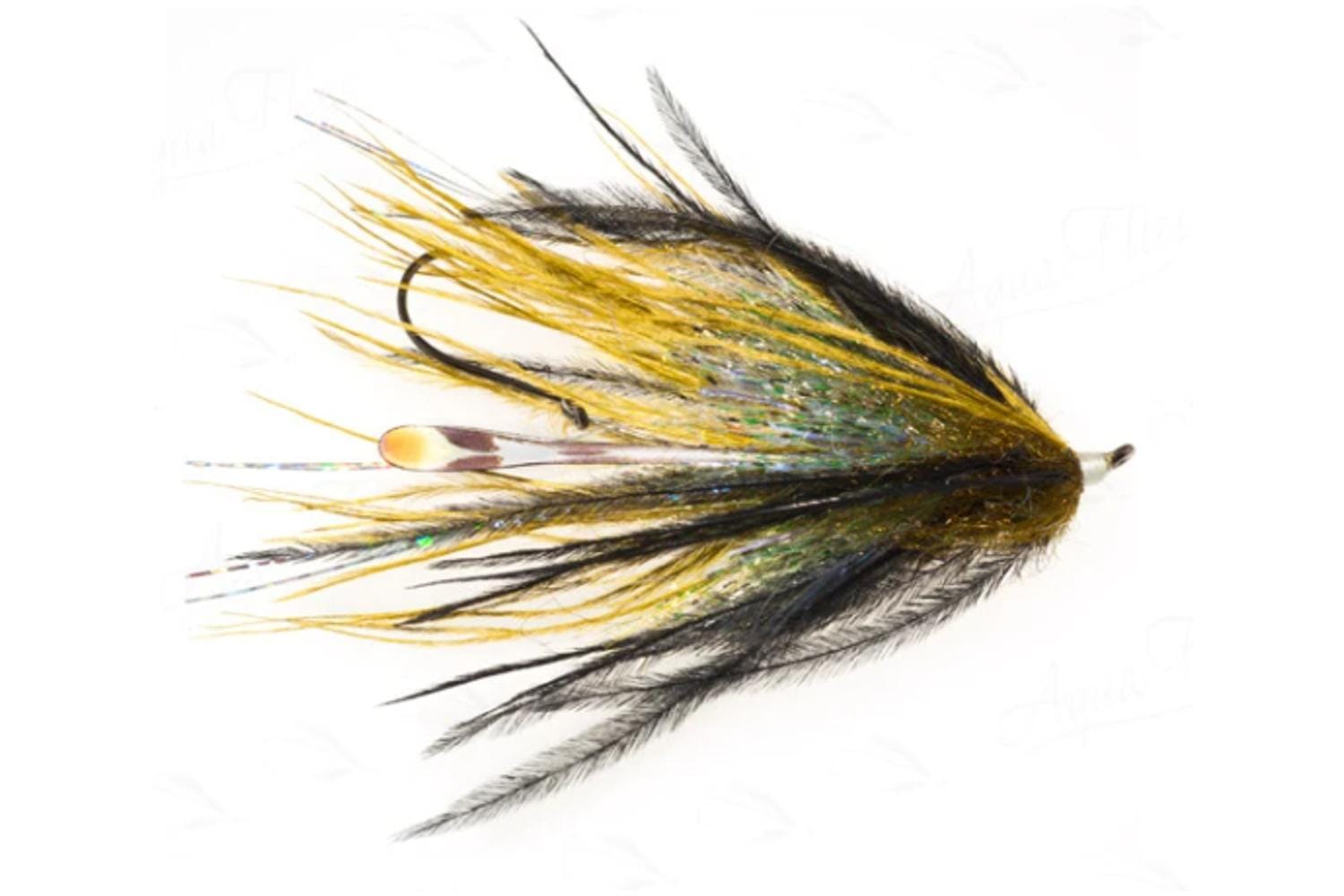
Best Classic Intruder Profile: Jerry's Intruder Fly - Built for spey, switch, and trout spey anglers who want a proven intruder style in their box. It offers a lot of movement for its size and is designed around shanks and trailing hooks for cleaner hookups.
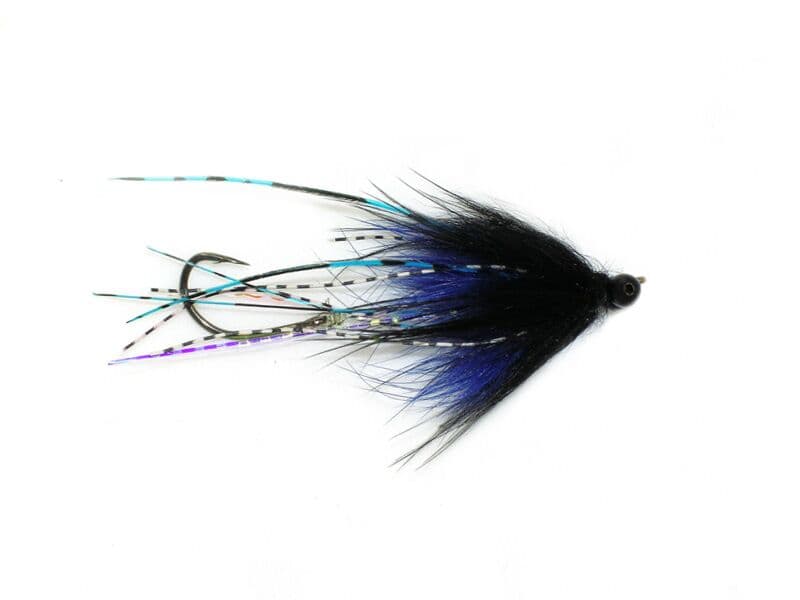
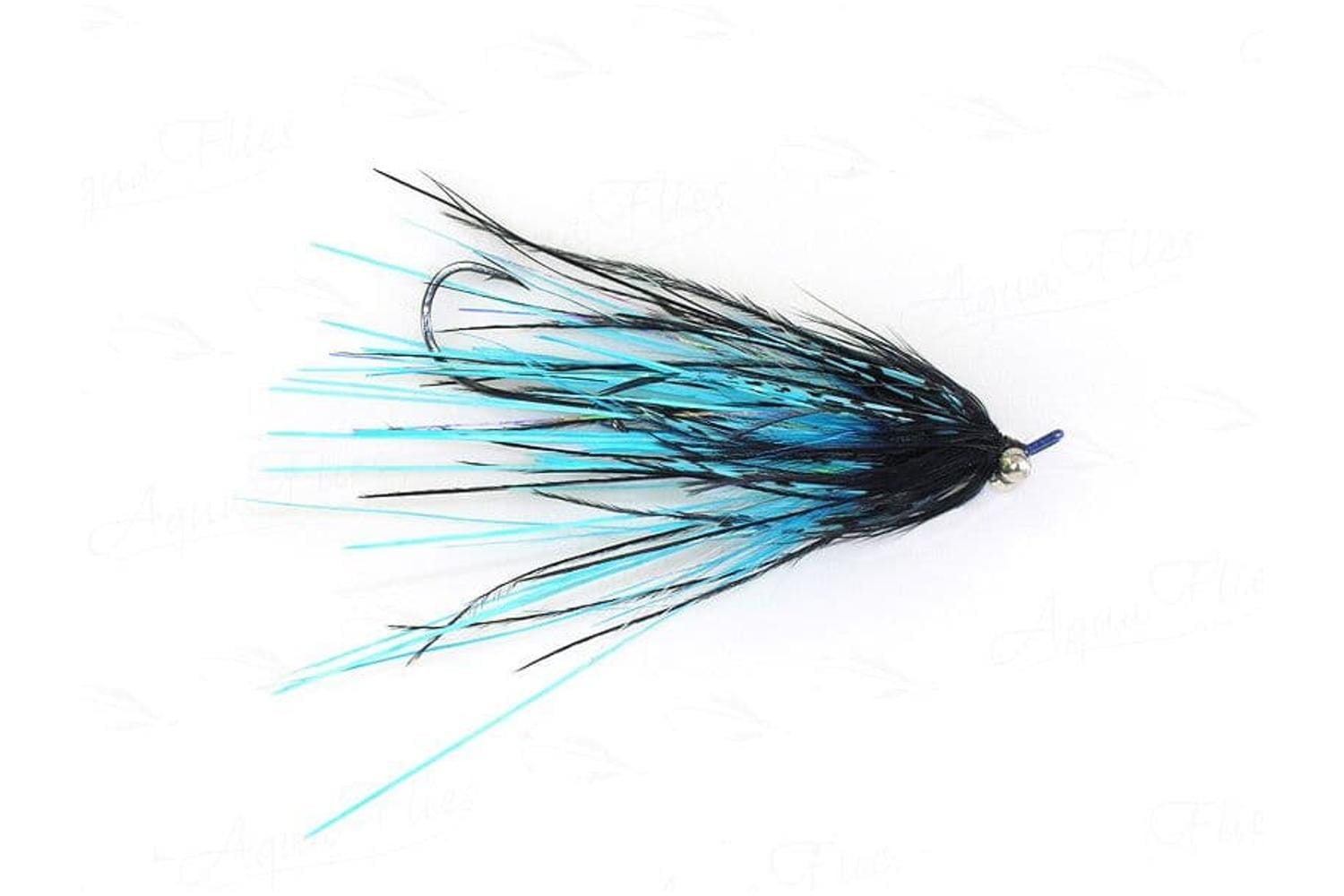
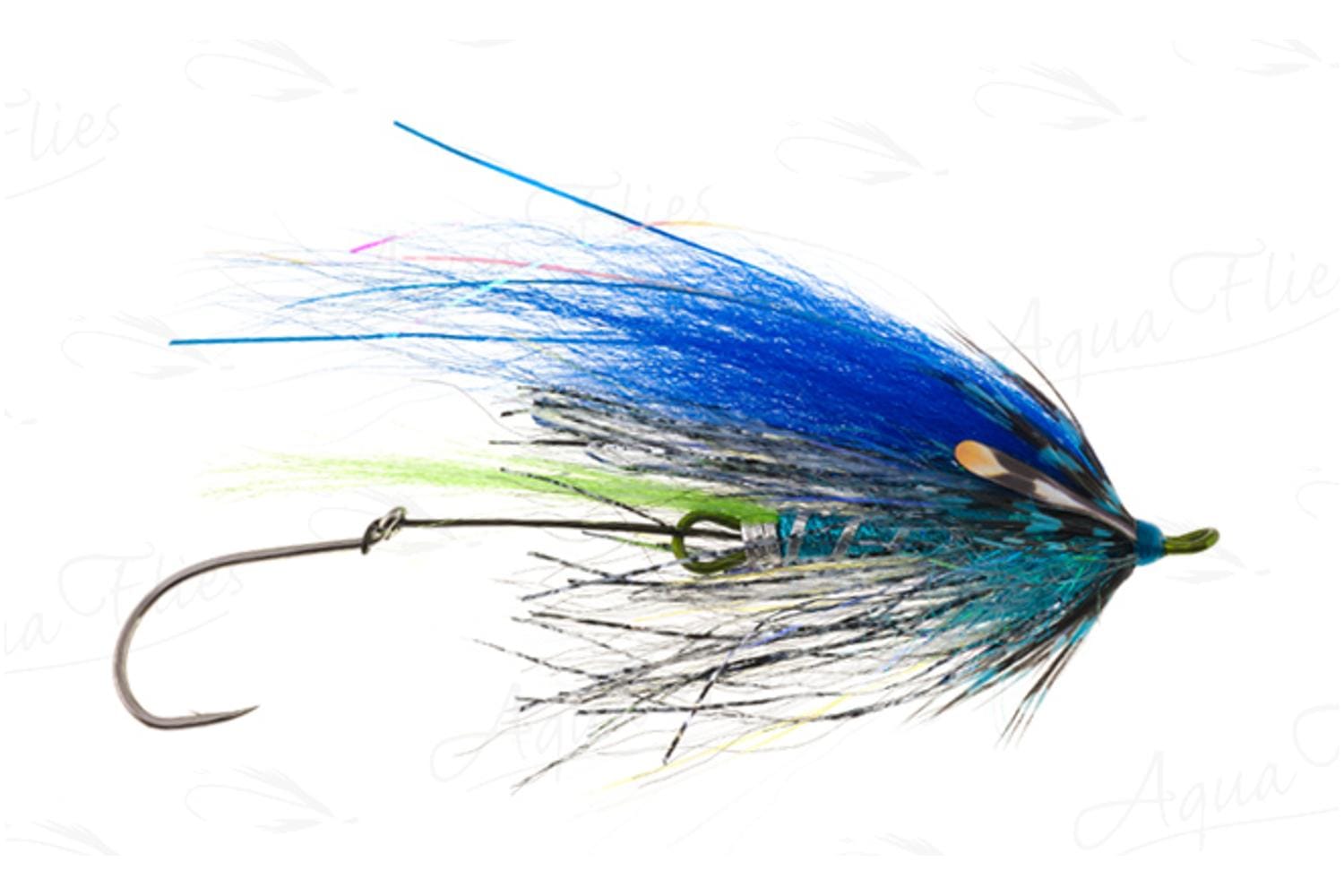
Best for Low and Clear Water: Ultra Mini-Intruder Fly - A solid option when the river drops and you need a smaller profile that still pushes water on the swing. The compact build helps it fish with less drag than bigger intruders, so you can stay in control with lighter tips.
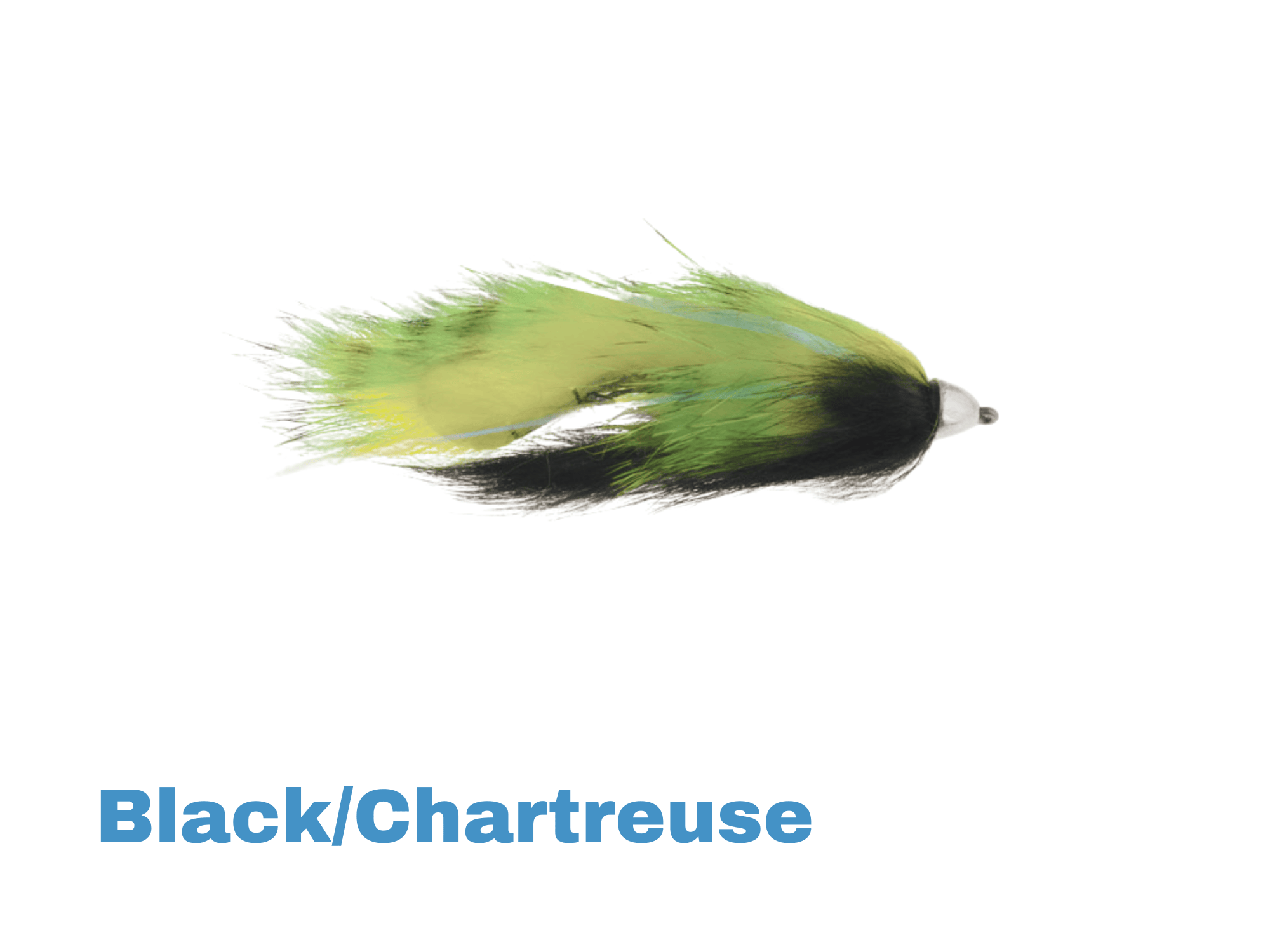
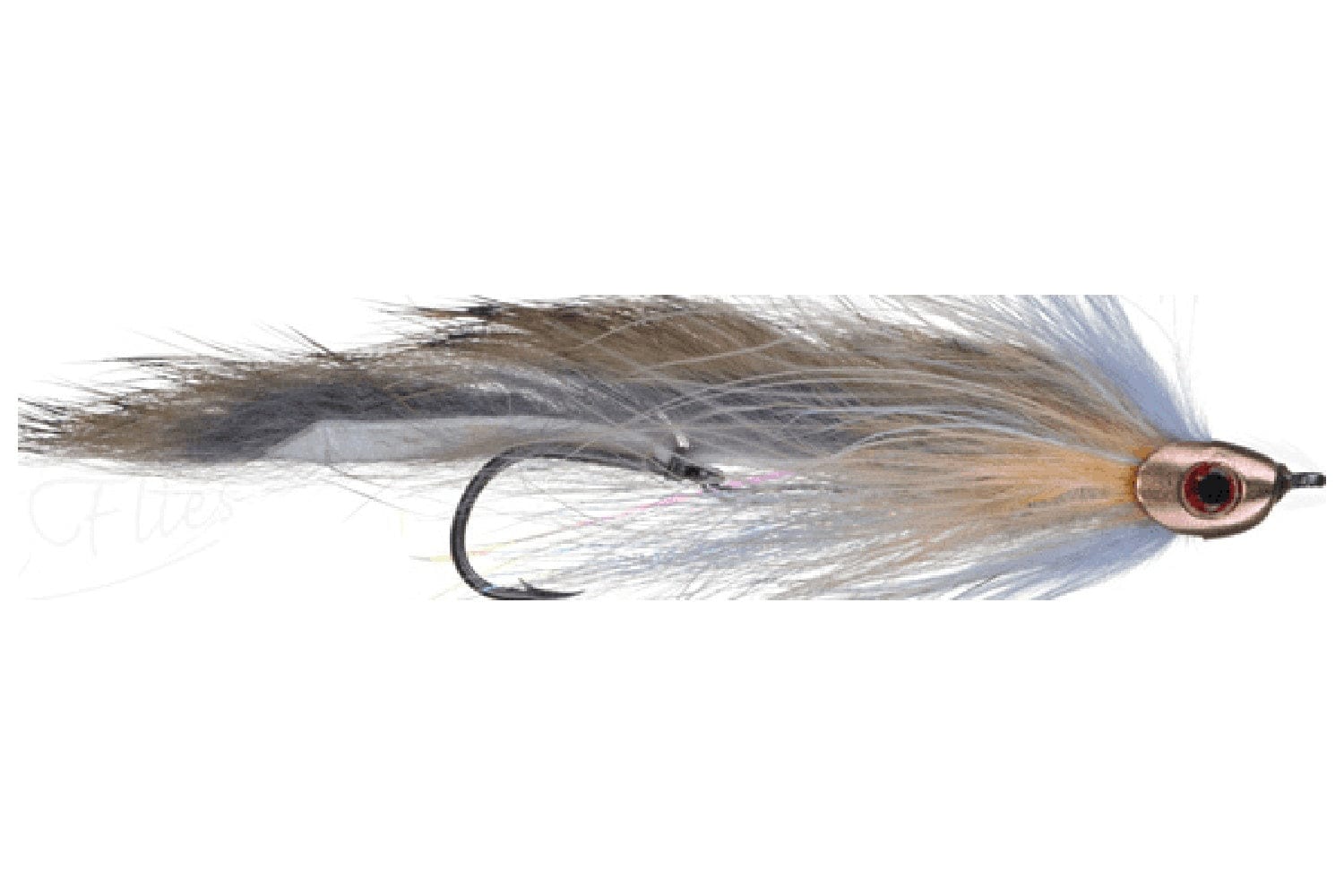
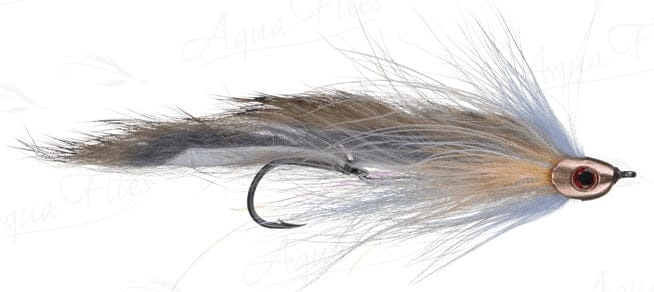
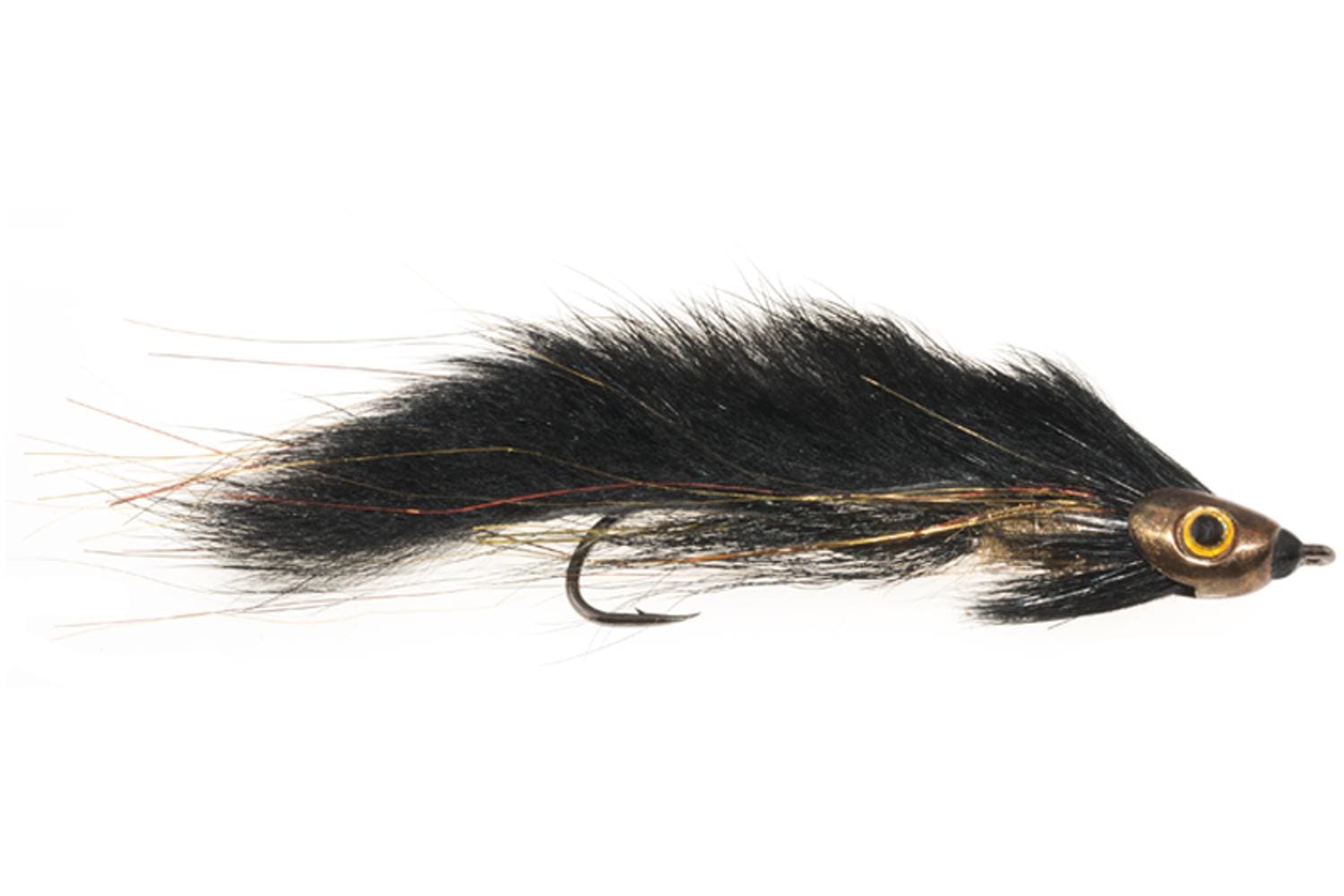
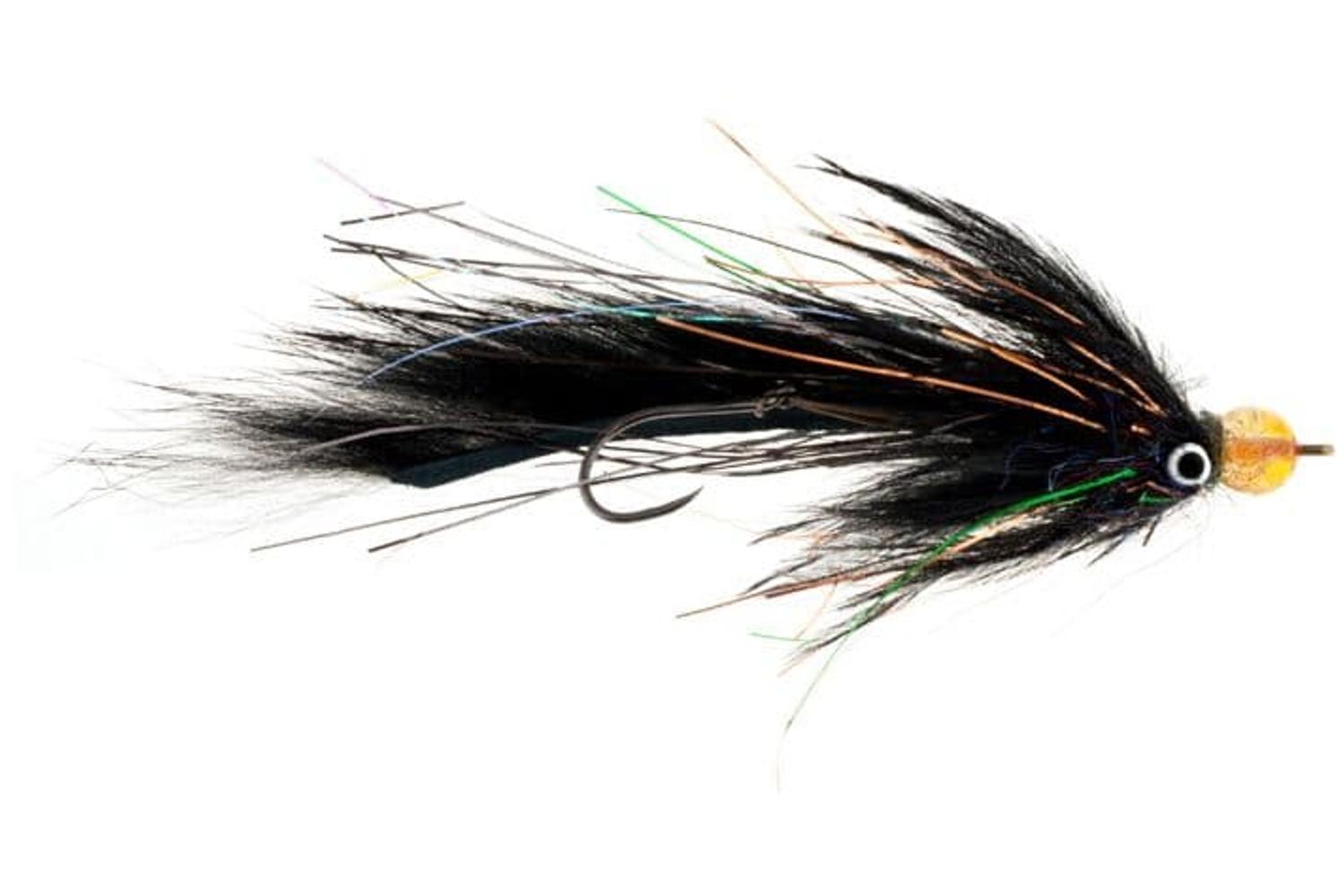
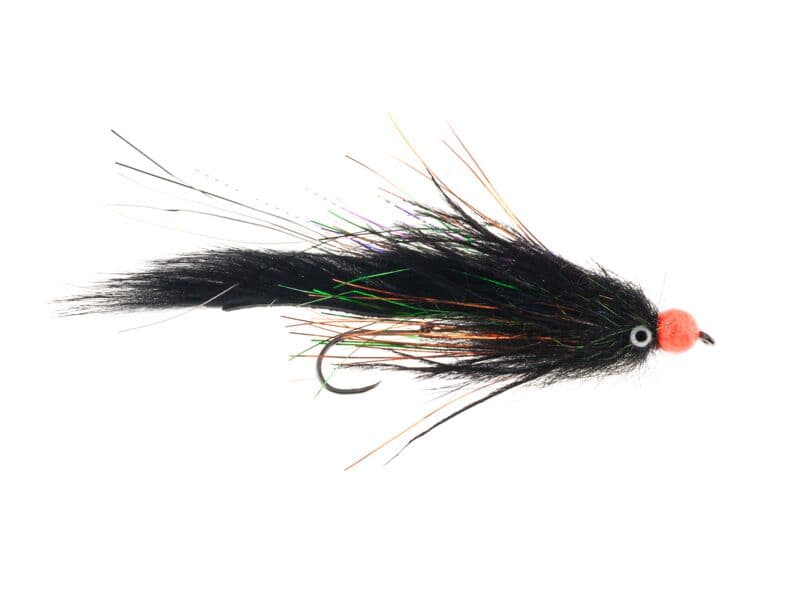
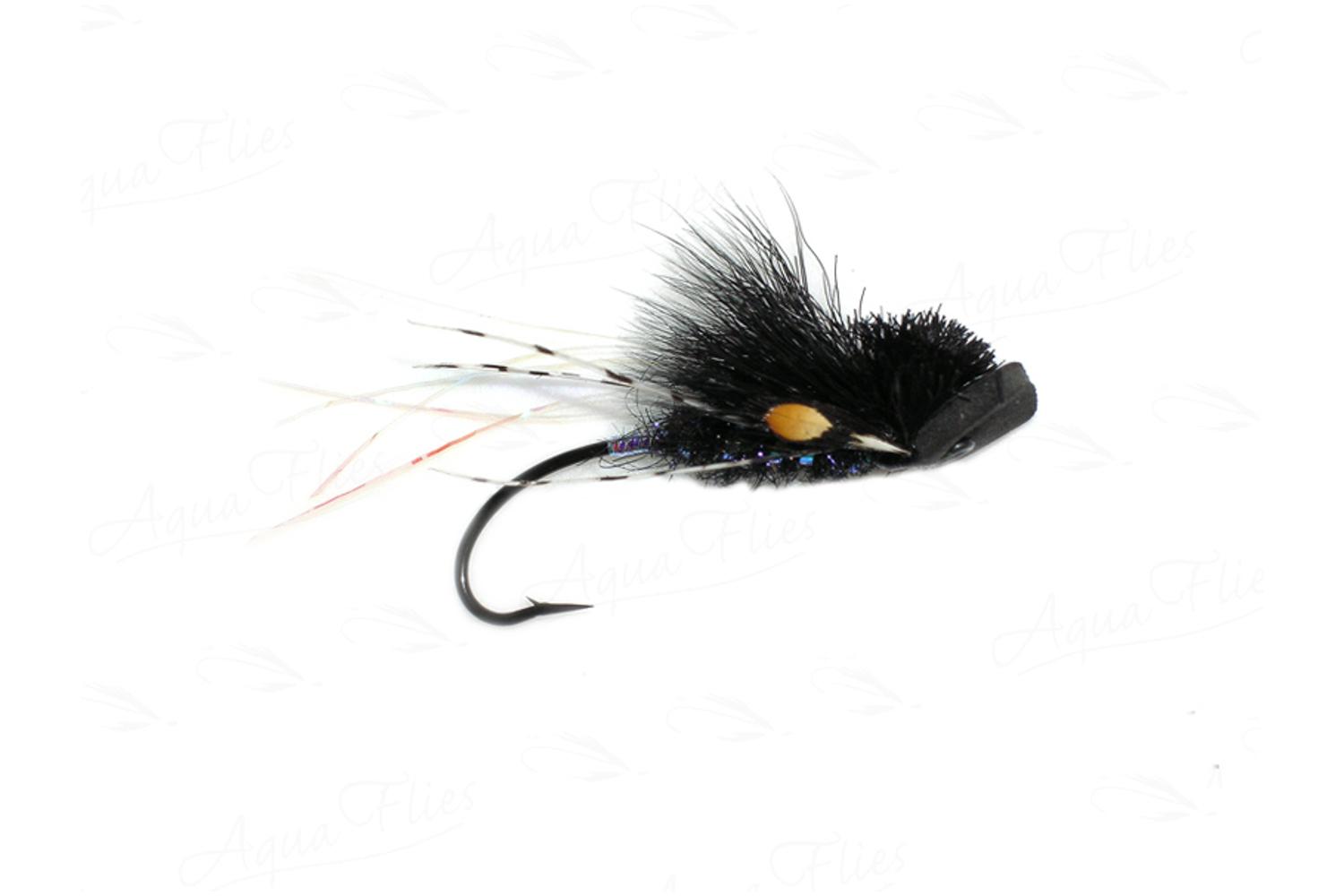
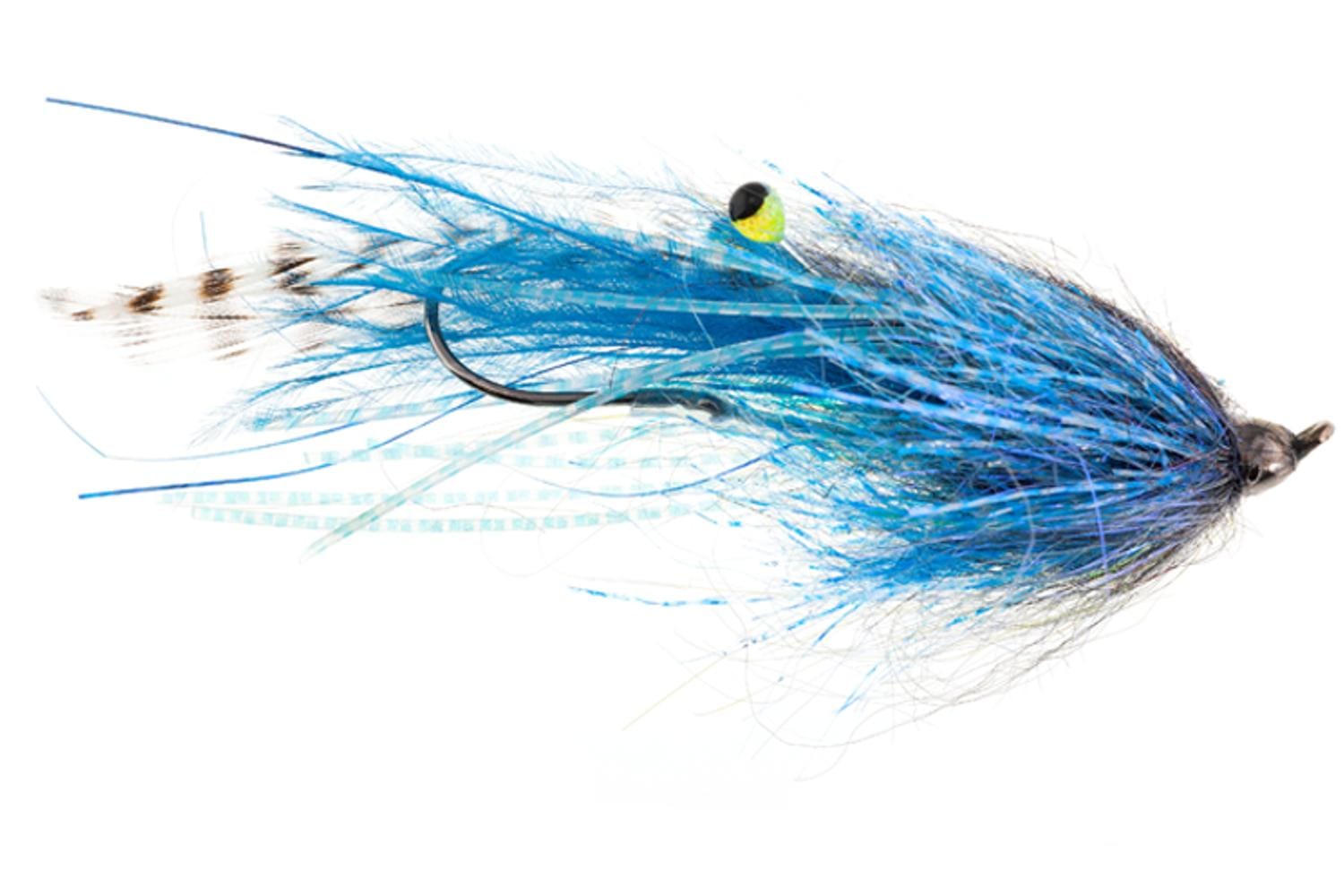
Best for Depth and Structure: Fish-Skull Zonker Fly With Trailer Hook - Great for anglers who want a baitfish look that can get down and track well around buckets, ledges, and woody banks. The Fish-Skull head adds weight and a broad profile, which can help the fly ride right on a swing or a strip.
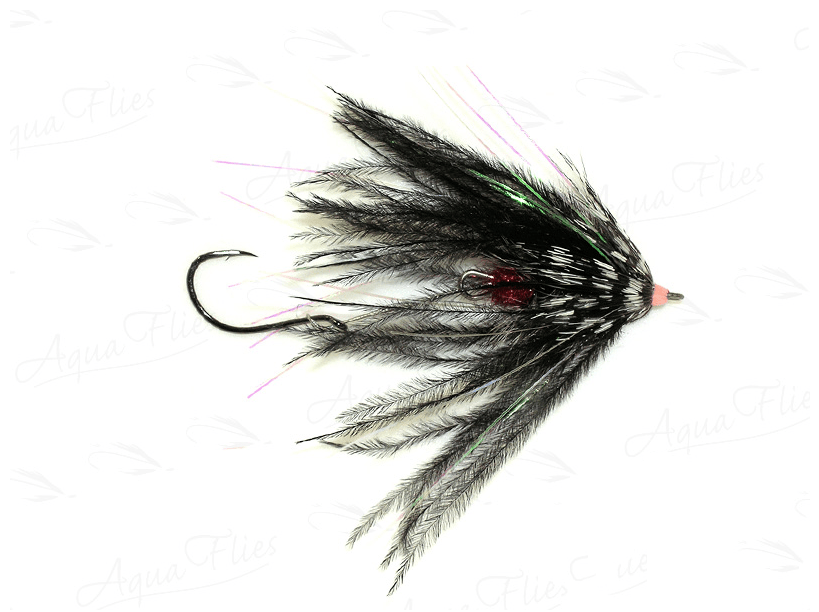
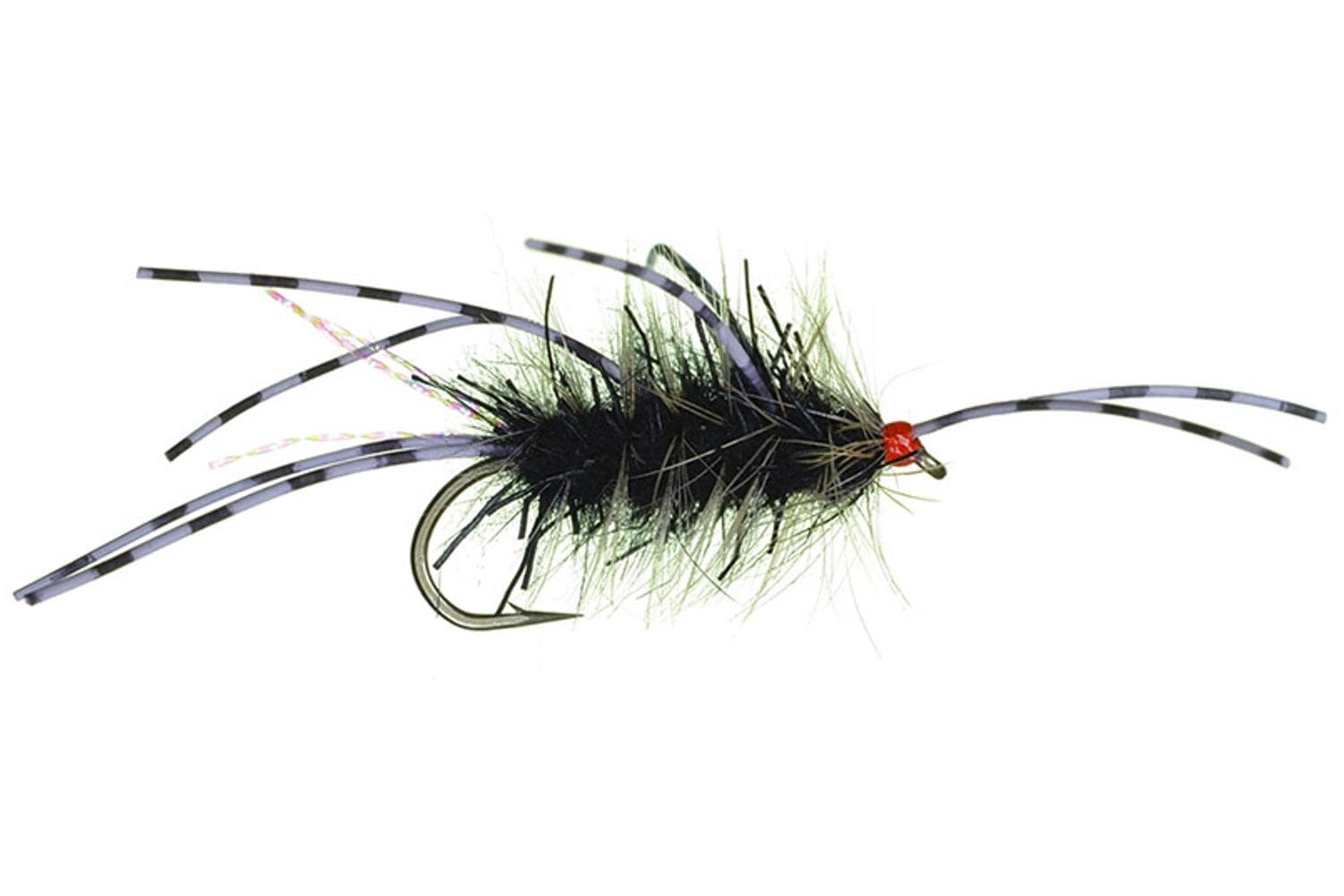
Best Egg Option: Senyo's Egg Raider Fly - Built for steelhead, salmon, and trout situations where eggs are on the menu, especially behind spawning fish. It is an easy pattern to fish under an indicator or as part of a two-fly rig when you want a simple, bold target.
How to Choose Aquaflies Flies
Match the style to the job: Intruders and other shank flies are made to be swung, with the hook riding behind the bulk of the fly for better hook placement. Tube flies fish similarly, but they make it easy to swap hooks and keep leverage down during the fight.
Pick size by water speed and visibility: In cold, pushy flows, a larger profile can help fish find the fly. In low, clear water, many anglers size down and choose sparser patterns so the presentation looks calmer and tracks straighter.
Choose color with contrast in mind: Dark colors (black, purple) show up well in many water types and light levels. Brighter accents (pink, orange, chartreuse) are common choices when you want extra visibility or a stronger trigger.
Don’t overlook rigging details: For shank flies, check that the trailing hook rides straight and does not foul around the materials. If you want more freedom of movement, a loop knot to the front eye can help the fly swim more naturally.
Why Trident Carries Aquaflies
Aquaflies is known for swing-friendly steelhead and salmon patterns built around shanks, tubes, and modern materials. We like them because the patterns cover a lot of real-world water, from winter runs to trout spey, and the lineup includes both big profiles and smaller options.
Materials & Durability
Dry after fishing: Let flies air-dry outside the box to help prevent rusty hooks and moldy materials.
Check the hook point: After a fish or a snag, run your fingernail over the point and sharpen or replace if needed.
Keep an eye on the trailer loop: On shank flies, inspect the loop and connection points for fraying, especially after hard grabs.
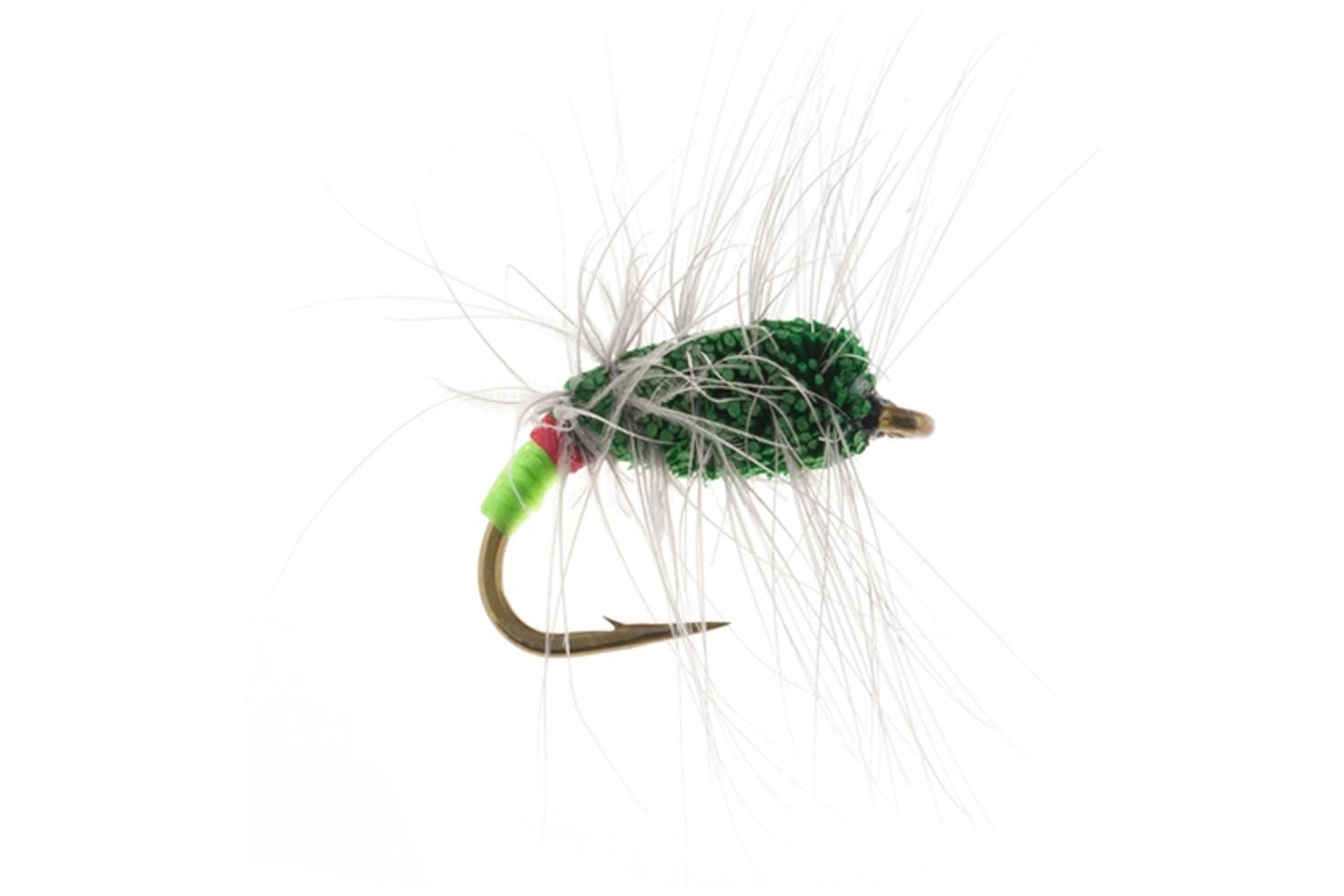
Separate wet and dry flies: If you mix wet intruders with dry skaters, keep them in different compartments so everything stays in better shape.
Complete Your Setup
Related Gear
Fly Fishing Leaders - Helps you match turnover and presentation to bigger flies, sink tips, or indicator rigs.
Fly Fishing Tippet - Lets you dial in breaking strength and abrasion resistance for winter fish and heavy structure.
Sinking Fly Lines - Useful when you need consistent depth with streamers and swung flies in deeper slots.
Spey Tips - Makes it easier to control depth and speed on the swing without changing your whole head system.
Related Guides
Aquaflies Flies FAQs
Q: What are Aquaflies flies best used for?
A: Most patterns in this lineup are built for swinging to steelhead and salmon, plus trout spey and streamer fishing. You will see a lot of intruder, shank, and tube styles that are designed to swim with profile and movement.
Q: How do I choose the right size for swinging?
A: Start with your water type and tip size. Bigger, fuller flies pair well with heavier tips and deeper runs, while smaller patterns are a common choice in low, clear water or when you want a lighter presentation.
Q: Do I need a sink tip to fish these patterns?
A: Many intruder and leech patterns are fished with sink tips because it helps control depth and speed. Some patterns can also be swung on a floating line with a polyleader or long leader when the water is warmer or shallower.
Q: How do I rig a shank fly with a trailing hook?
A: Make sure the trailing hook rides straight behind the shank and the loop is not twisted. If the hook rides sideways or too close to the materials, it can foul more often and hook fewer fish.
Q: Can I fish Aquaflies patterns on a single-hand rod?
A: Yes, especially smaller intruders, leeches, and baitfish patterns. Many anglers swing them with a single-hand sink tip setup, or strip them like a standard streamer depending on the run and the species.
Q: What colors should I carry for steelhead and salmon?
A: Dark flies like black and purple are steady producers across a wide range of light and water conditions. Adding a few brighter options can help when you want more visibility or a stronger contrast in off-color water.
Q: Do these flies come barbed?
A: Hook style varies by pattern and size. If you need barbless, pinch the barb before fishing, and always check local regulations.
Aqua Flies Warranty & Resources
Flies are consumables, and Aqua Flies does not list a traditional warranty or registration program for flies on their site. If you have an issue with an order, it is best to start with the retailer you purchased from.