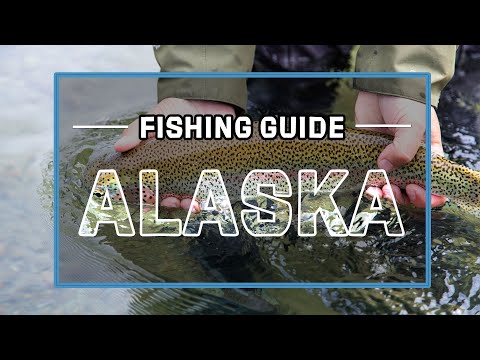
Fly Fishing Alaska: 5 Things You MUST Know Before Booking Your Trip


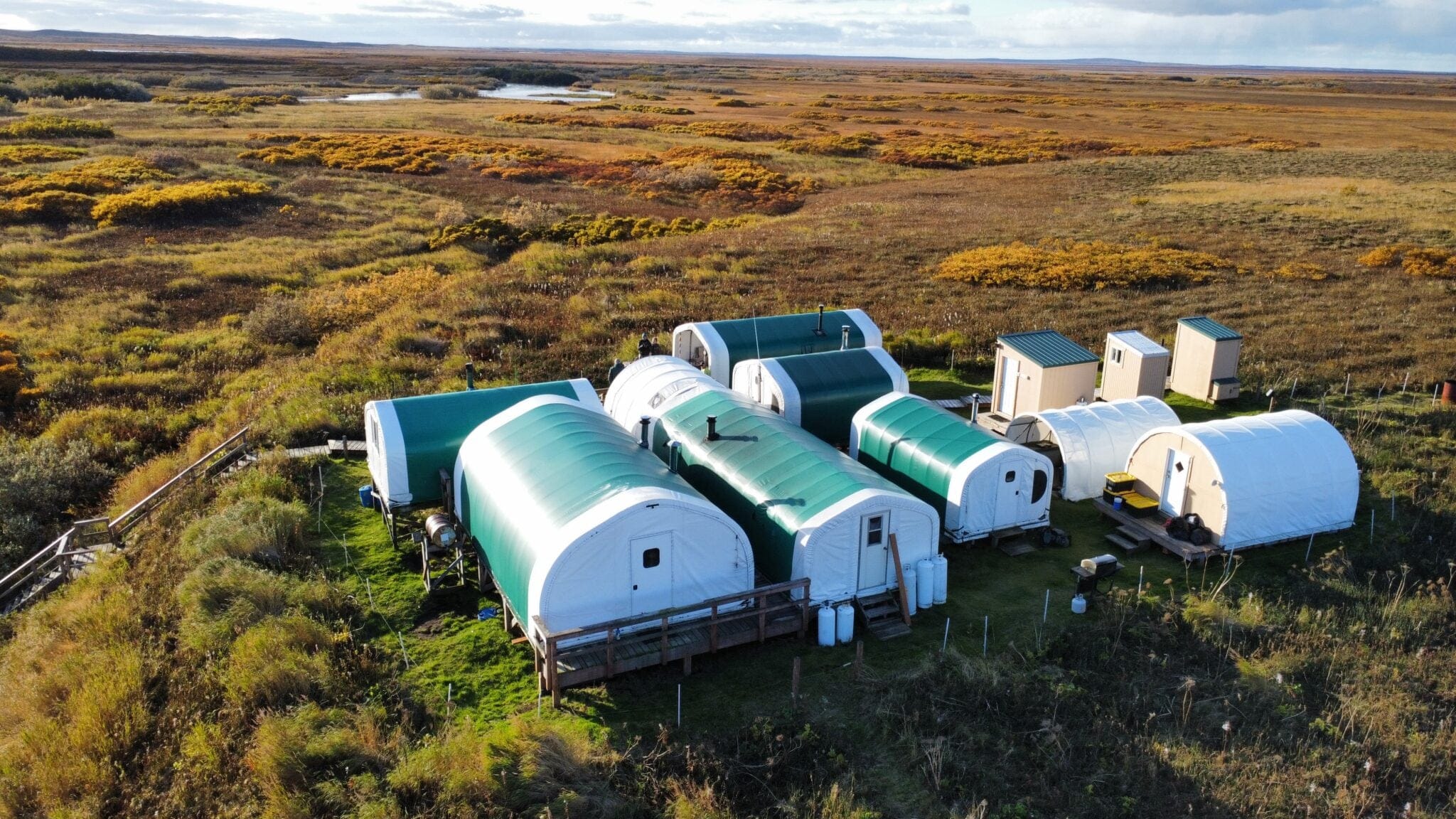
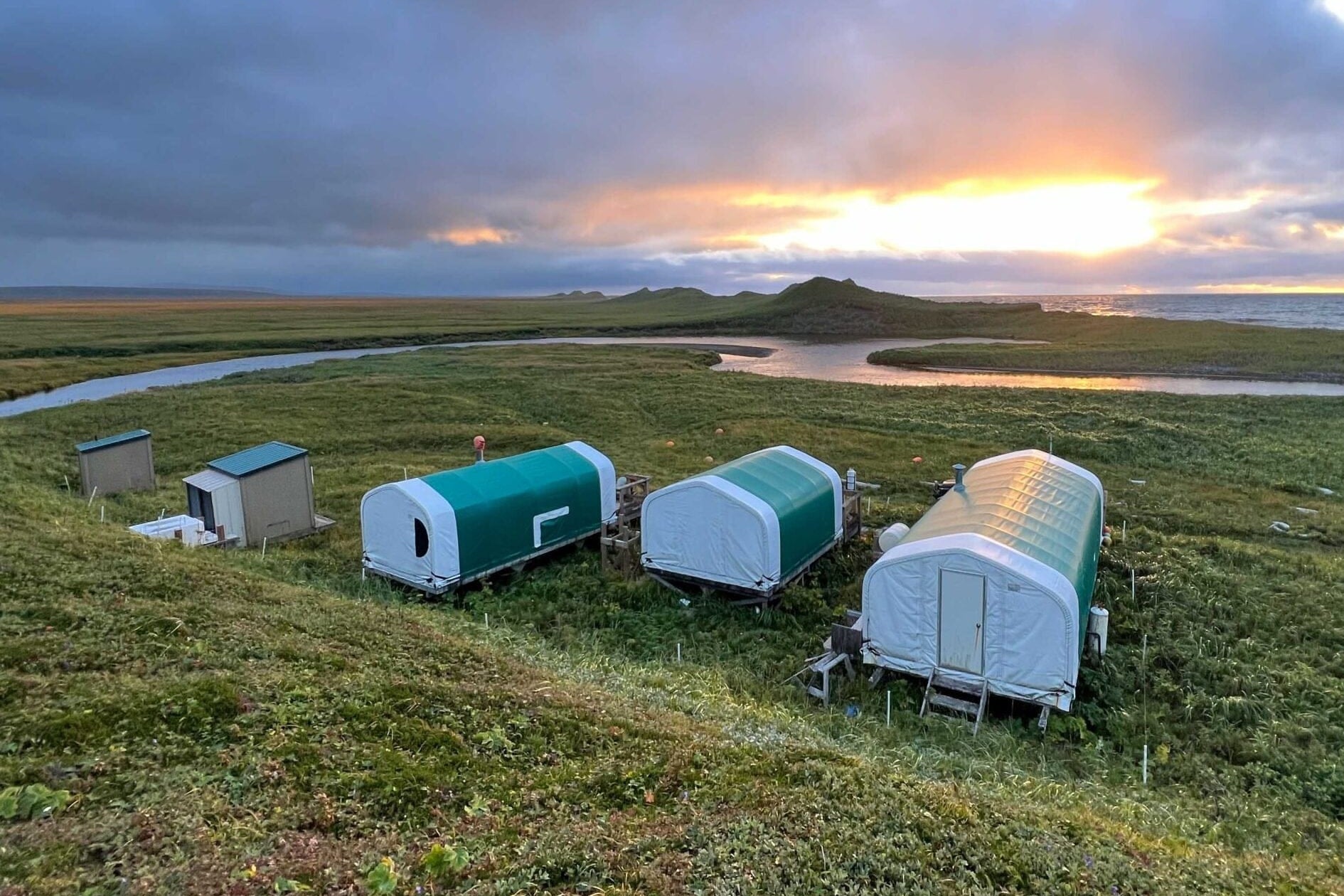
How to Choose An Alaska Lodge
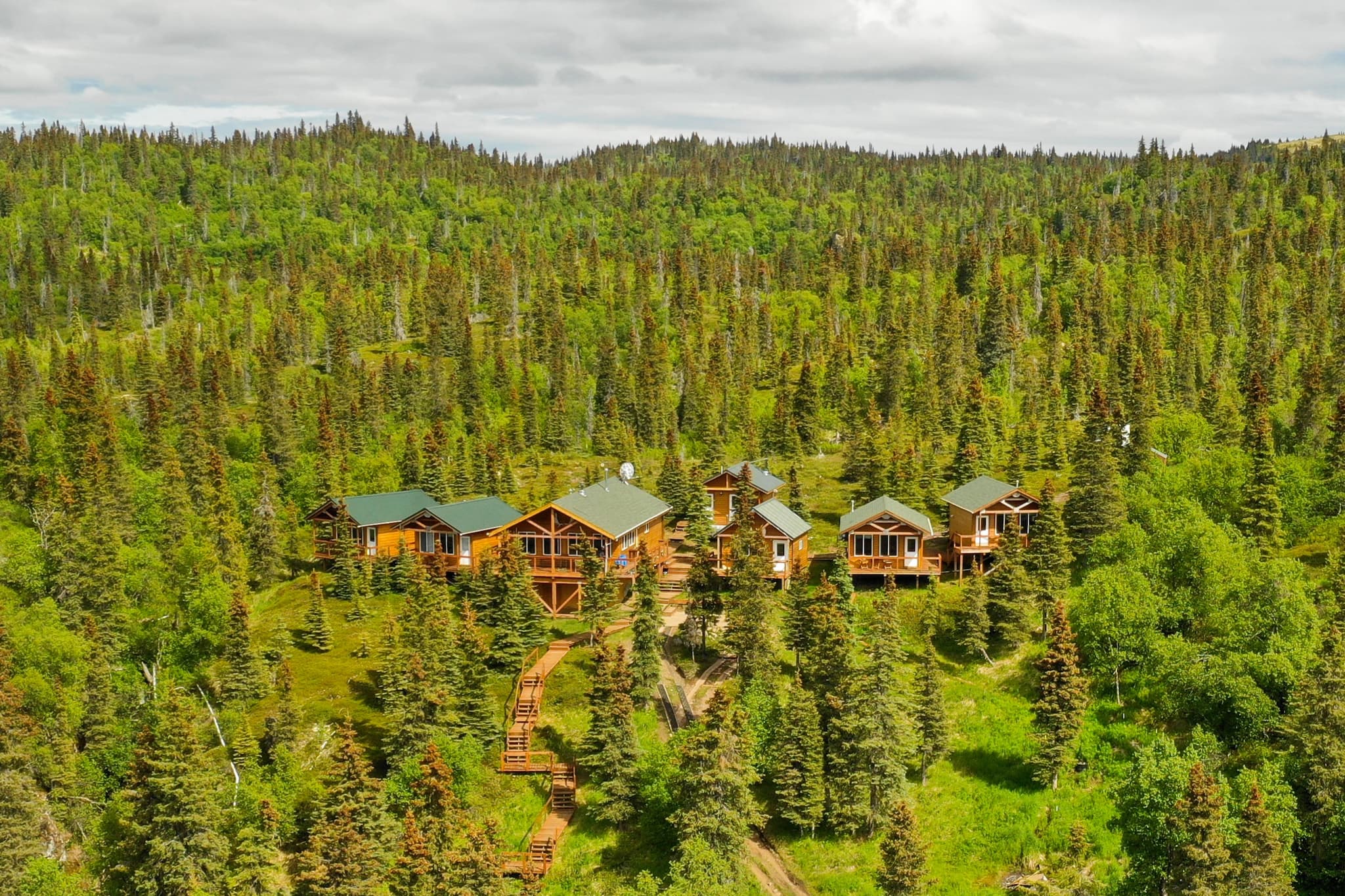
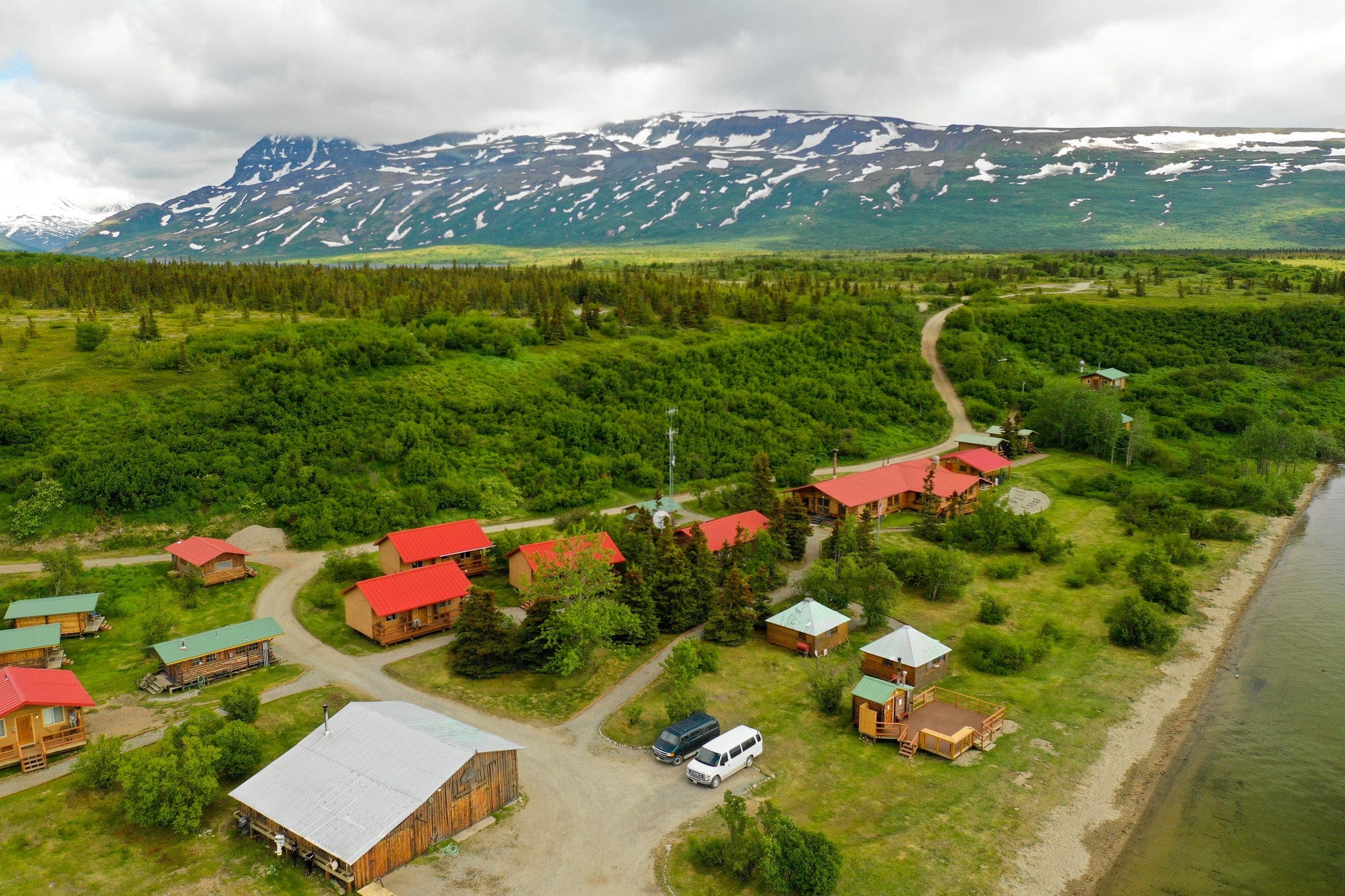
Start with the trip style: lodge vs. float vs. tent camp
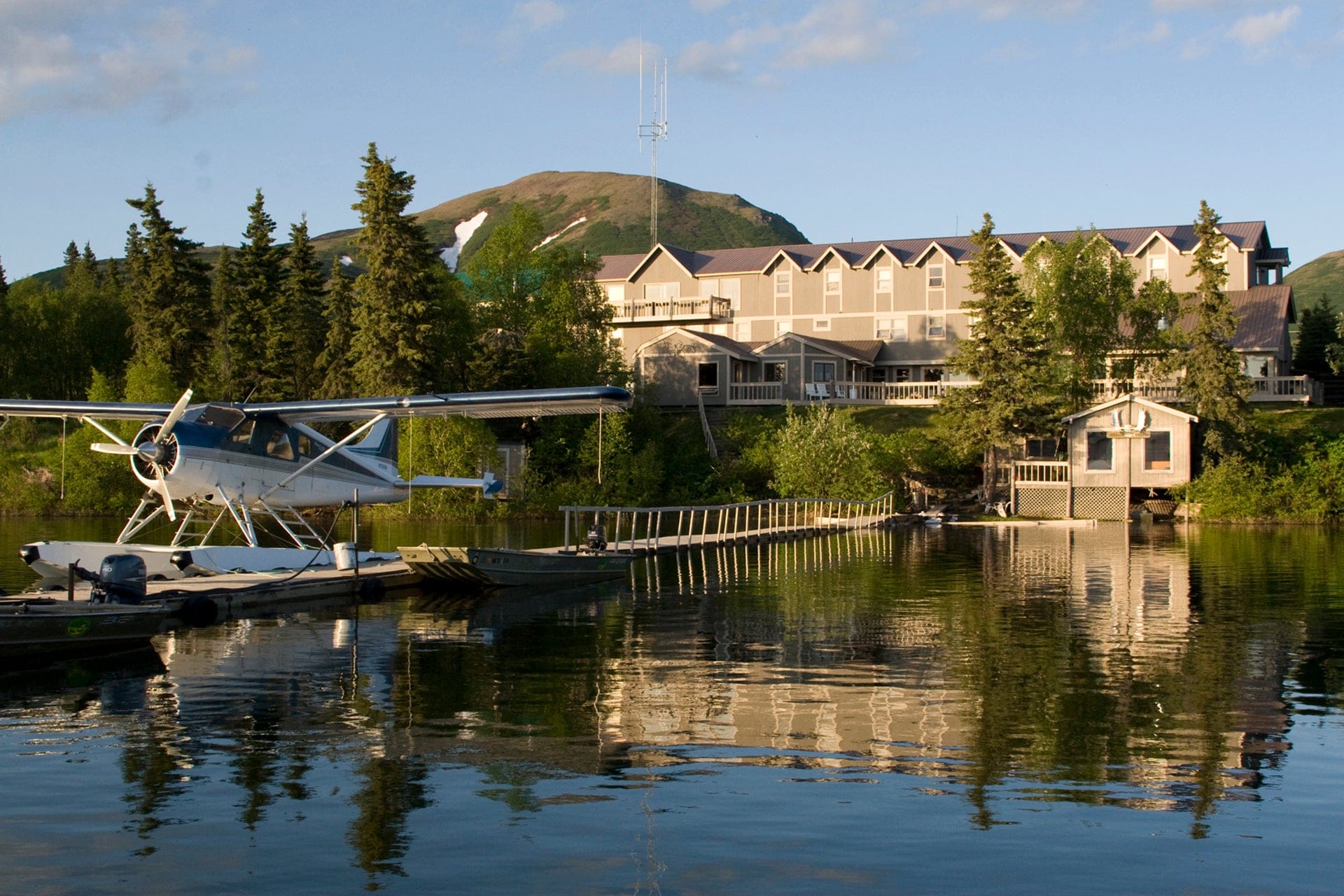
Fly-out lodge: Often the most flexible way to sample different rivers/lakes over a week. It’s a good match if you’re traveling with mixed skill levels or want more comfort after fishing.
Float trip: Best if you like covering miles, seeing new water daily, and you’re comfortable living out of a dry bag. Float trips tend to reward anglers who enjoy problem-solving changing water and daily river pace.
Tent camp: A strong fit when remoteness is the point and you’re happy with simpler accommodations in exchange for very low pressure fisheries.
Match the week to the species (and be realistic about seasons)
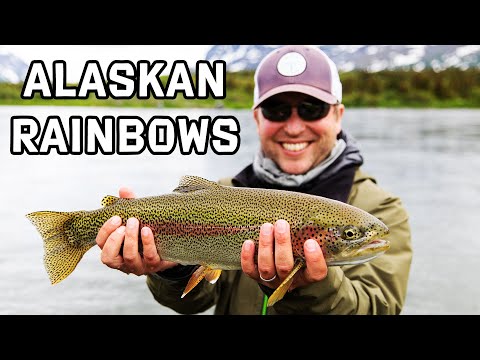
Action: Decide what you want to be the “main event” first, trophy rainbows, kings, silvers, or steelhead, then choose the trip that’s built around that timing.
Trout-focused weeks: Often prioritize river systems and programs that can mix dry flies, streamers, and (later) eggs/flesh depending on the salmon presence.
Salmon-focused weeks: Usually benefit from heavier tackle and a plan for both wading/boat positioning and fly selection that covers bright attractors and durable streamers.
Steelhead weeks: Tend to be more specialized, expect spey/swing tactics, fewer bites than salmon, and a premium on presentation and patience.
Factor in logistics that affect your fishing time
Travel days: Many Alaska programs require an overnight in Anchorage and at least one additional charter/transfer step.
Weight limits: Bush flights and float planes can mean strict baggage limits, pack with a system, not with “just in case” extras.
Weather contingencies: Ask how the program fishes when flying is grounded. The best trips have solid “Plan B” water accessed by jet boat or on foot.
Complete Your Setup
Related Gear
Alaska Flies - An easy way to stock proven Alaska patterns (streamers, eggs/beads, flesh, and attractors) before you dial in the exact rivers.
Fly Selections - Helpful if you want a curated starting point, then adjust quantities based on your lodge’s recommended list.
Pacific Salmon Flies - A good add-on when your week includes kings, silvers, chums, or sockeye and you want durable, purpose-built patterns.
Hosted Trips - Worth a look if you prefer traveling with a group and want extra planning support and on-the-water help.
Related Guides
Alaska Travel FAQs
Q: How do I choose the right Alaska fly fishing lodge or trip?
A: Start with the species you care most about, then pick the trip style that matches your comfort level (fly-out lodge vs. float vs. tent camp). Finally, confirm how the program fishes when weather limits flights so you don’t lose prime fishing days.
Q: Is an Alaska float trip a good choice for first-timers?
A: It can be, especially if you like a more adventurous format and don’t mind camping logistics. If you want the simplest learning curve and predictable comfort, a lodge-based trip is often an easier first Alaska experience.
Q: Do I need spey gear for Alaska?
A: Not always. Spey setups can be very useful for certain salmon and steelhead programs, but many trout and salmon trips are perfectly suited to single-hand rods as well, your best move is to match the trip and target species.
Q: What’s the biggest planning mistake anglers make for Alaska trips?
A: Booking dates before locking in the primary target species and preferred tactics. Alaska fishing changes a lot through the summer, so timing should follow your goals, not the other way around.
Q: How far in advance should I plan an Alaska fly fishing trip?
A: Many anglers plan well ahead to get preferred weeks and logistics lined up. Once you have a target window, it’s smart to start comparing trips early so you can match the program to your priorities.