

Fly Fishing Alaska: 5 Things You MUST Know Before Booking Your Trip
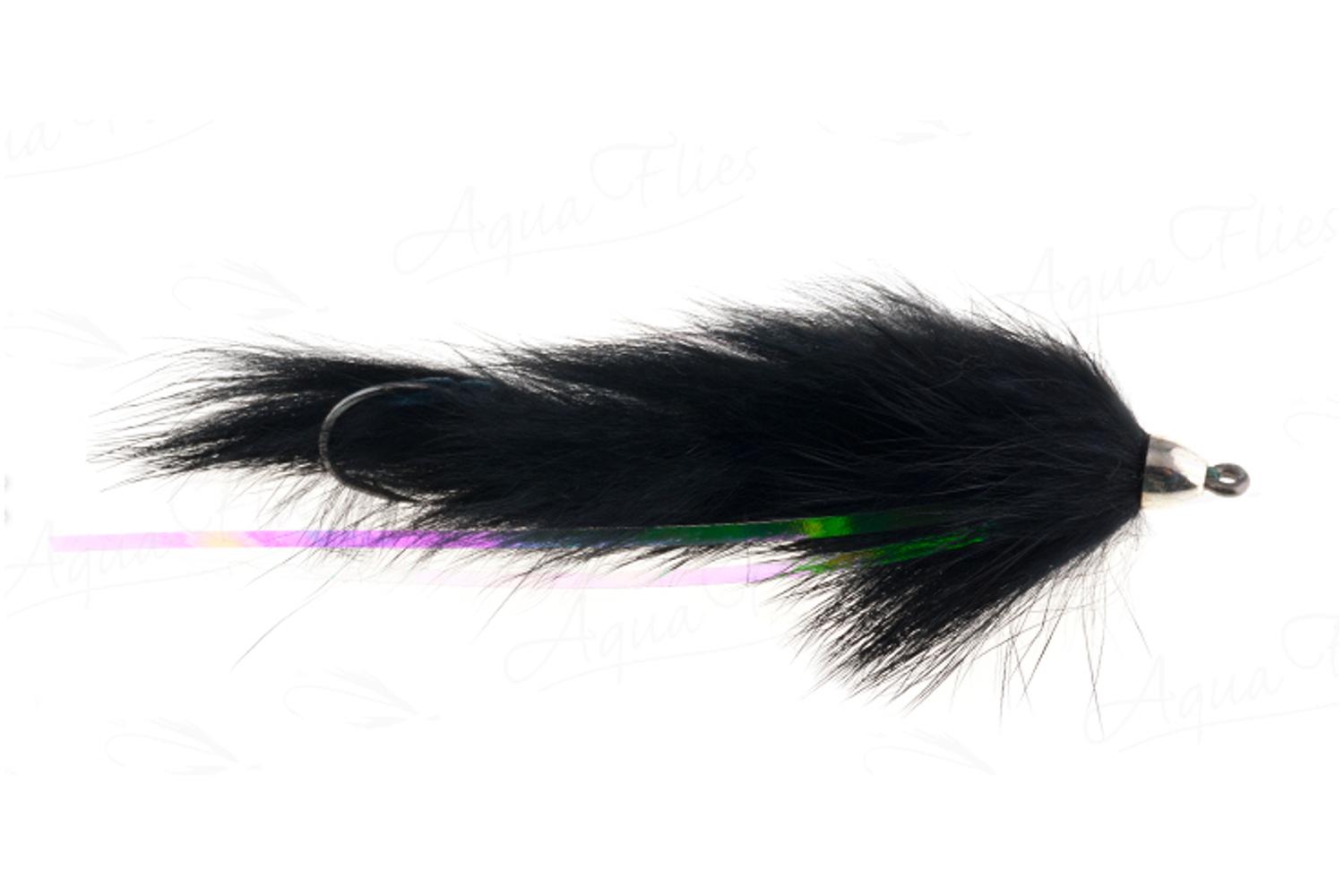
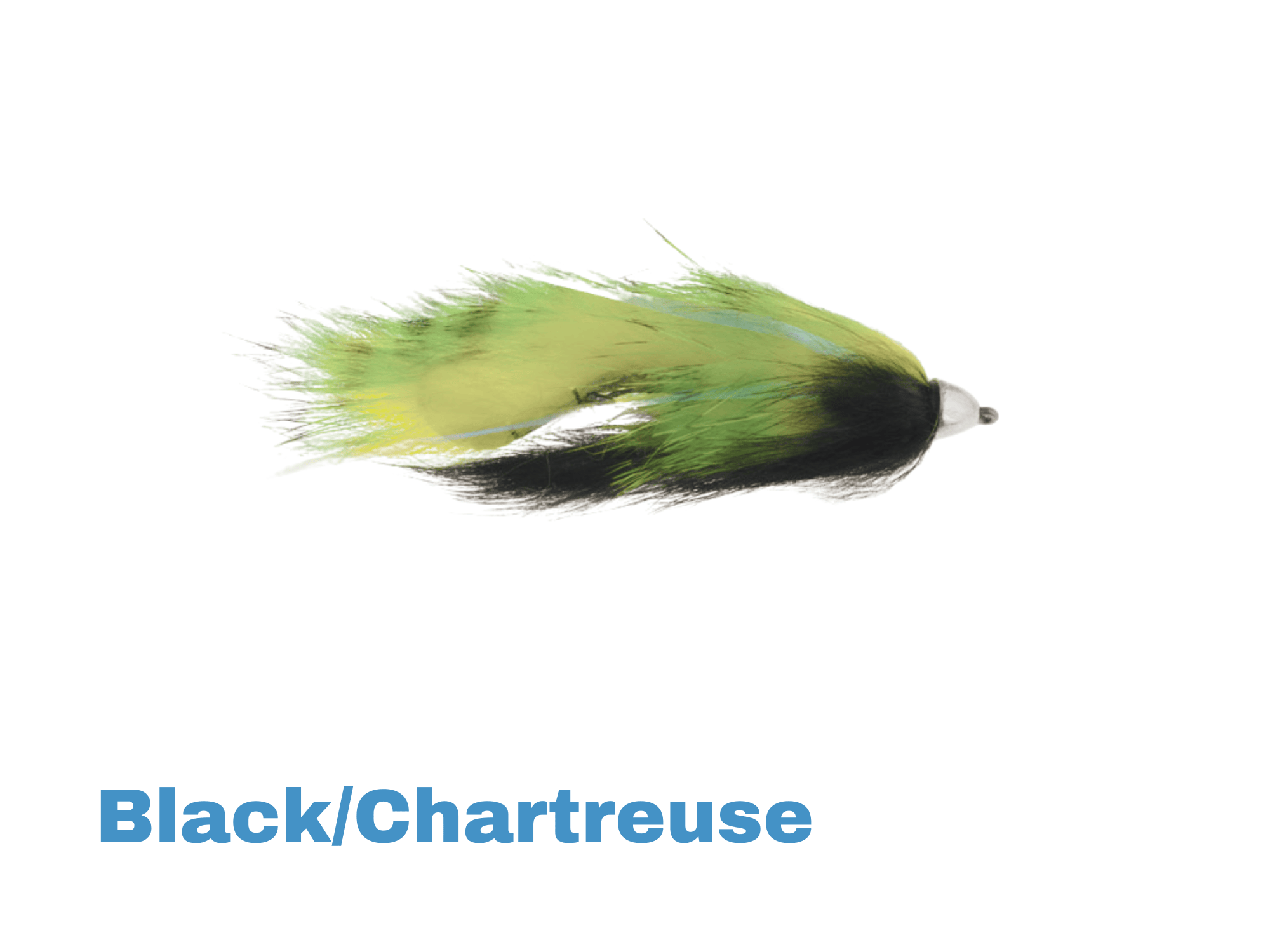
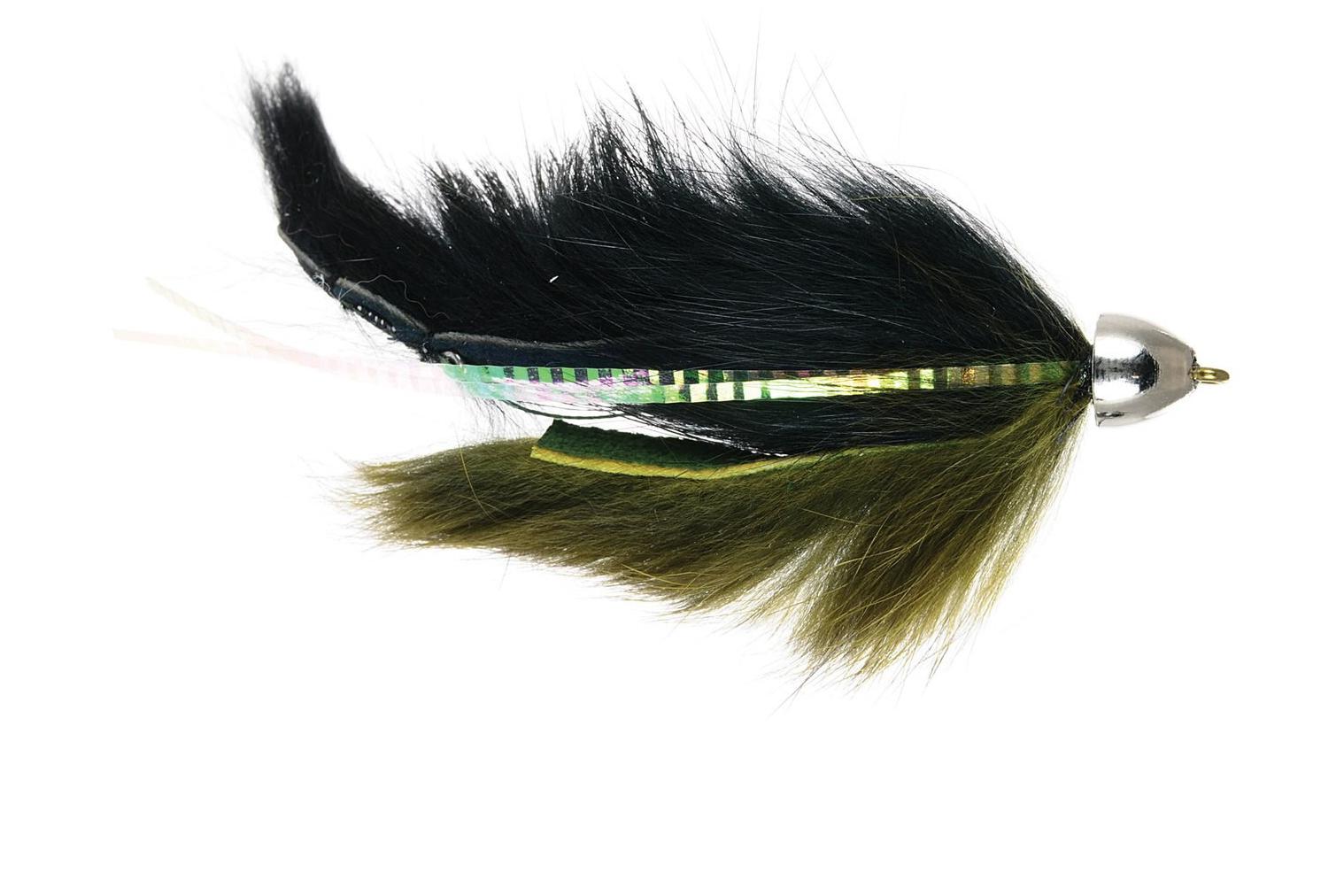
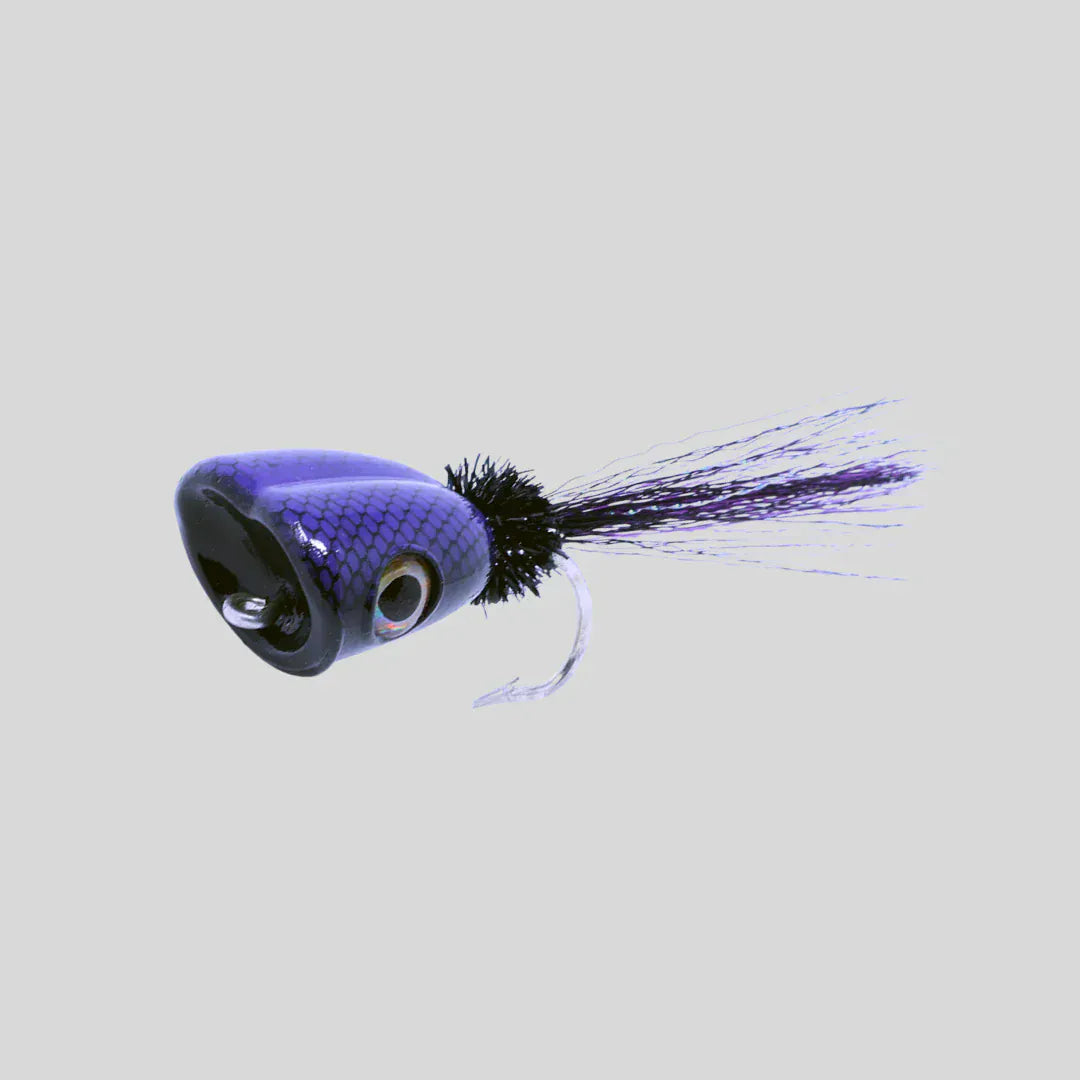
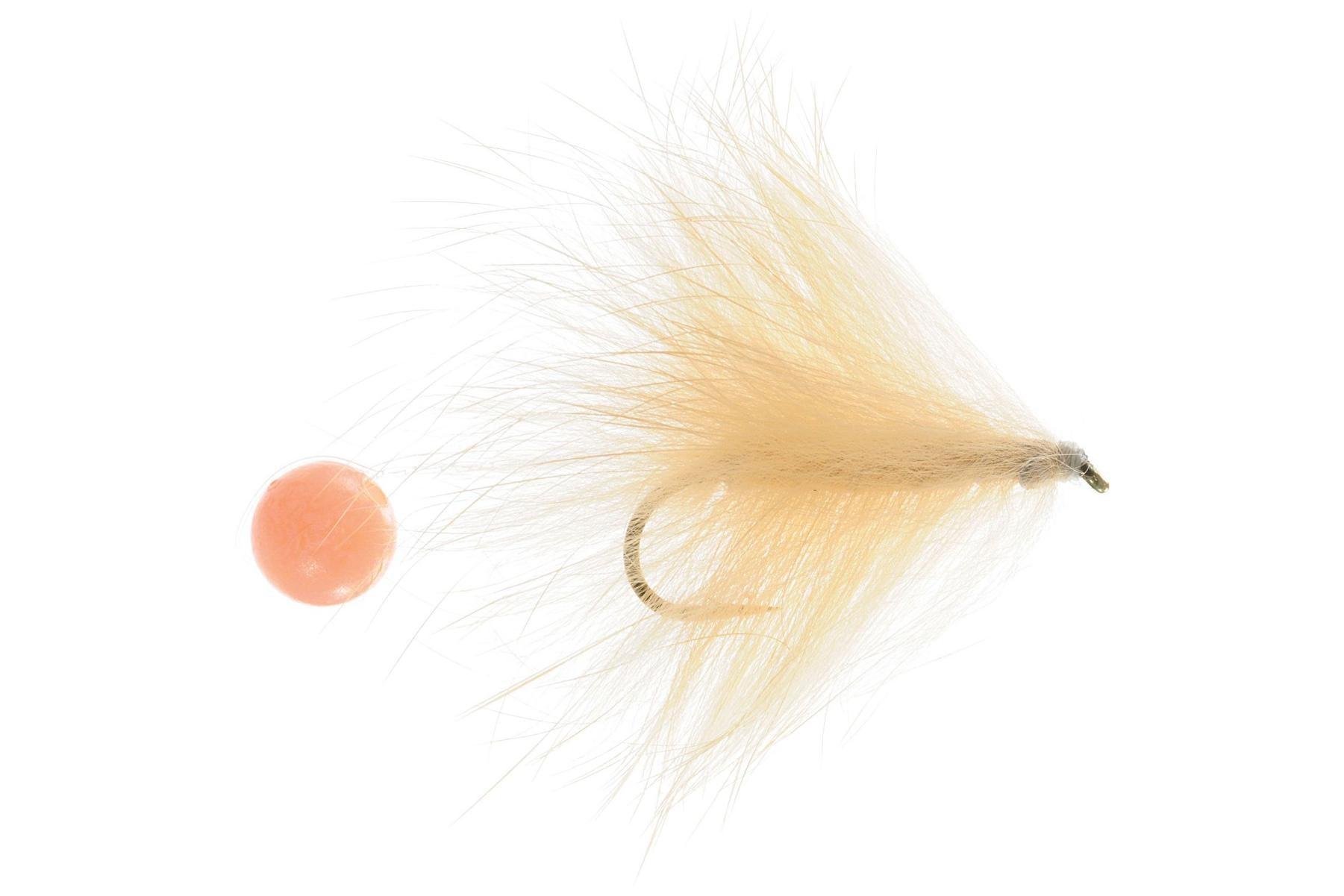
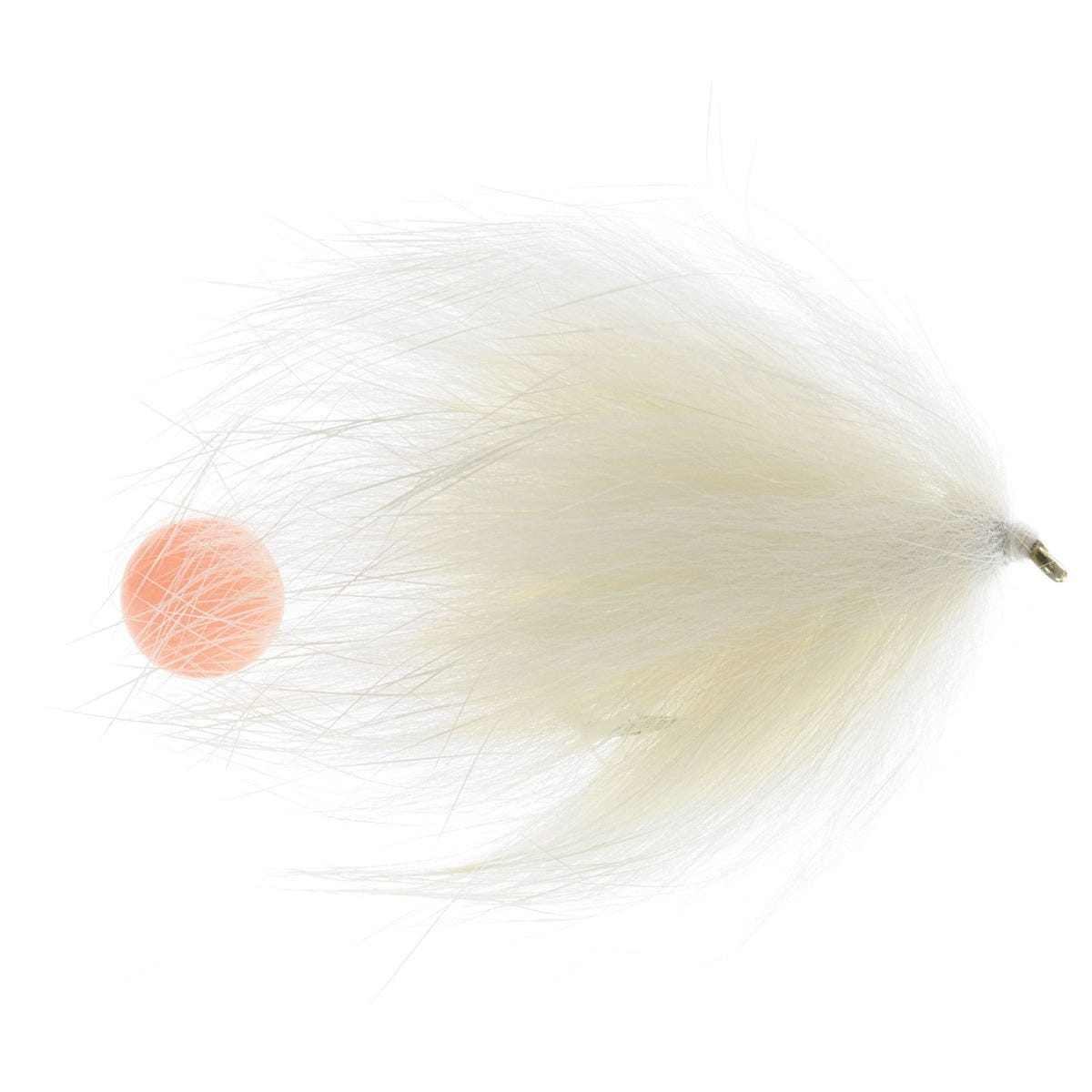
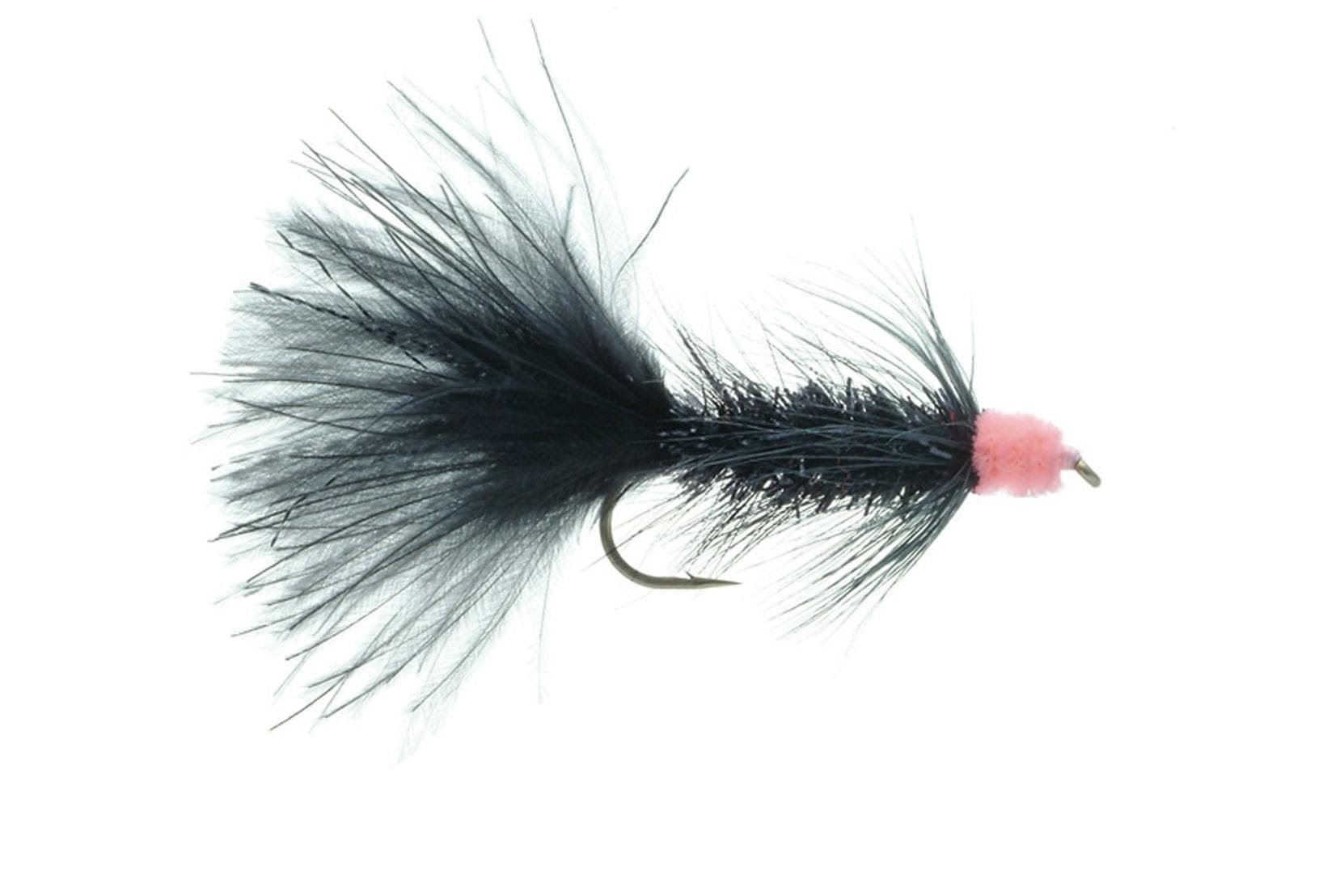
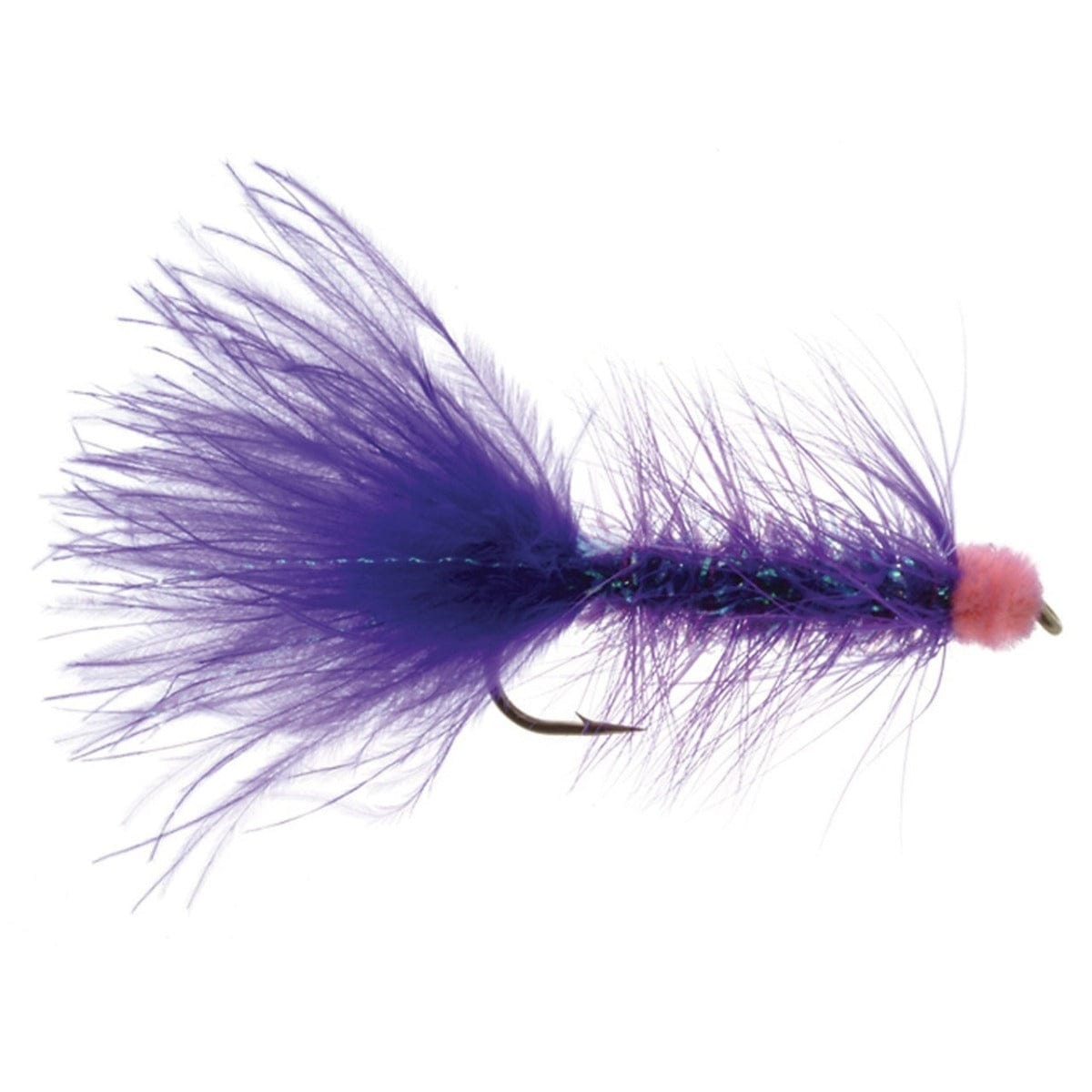
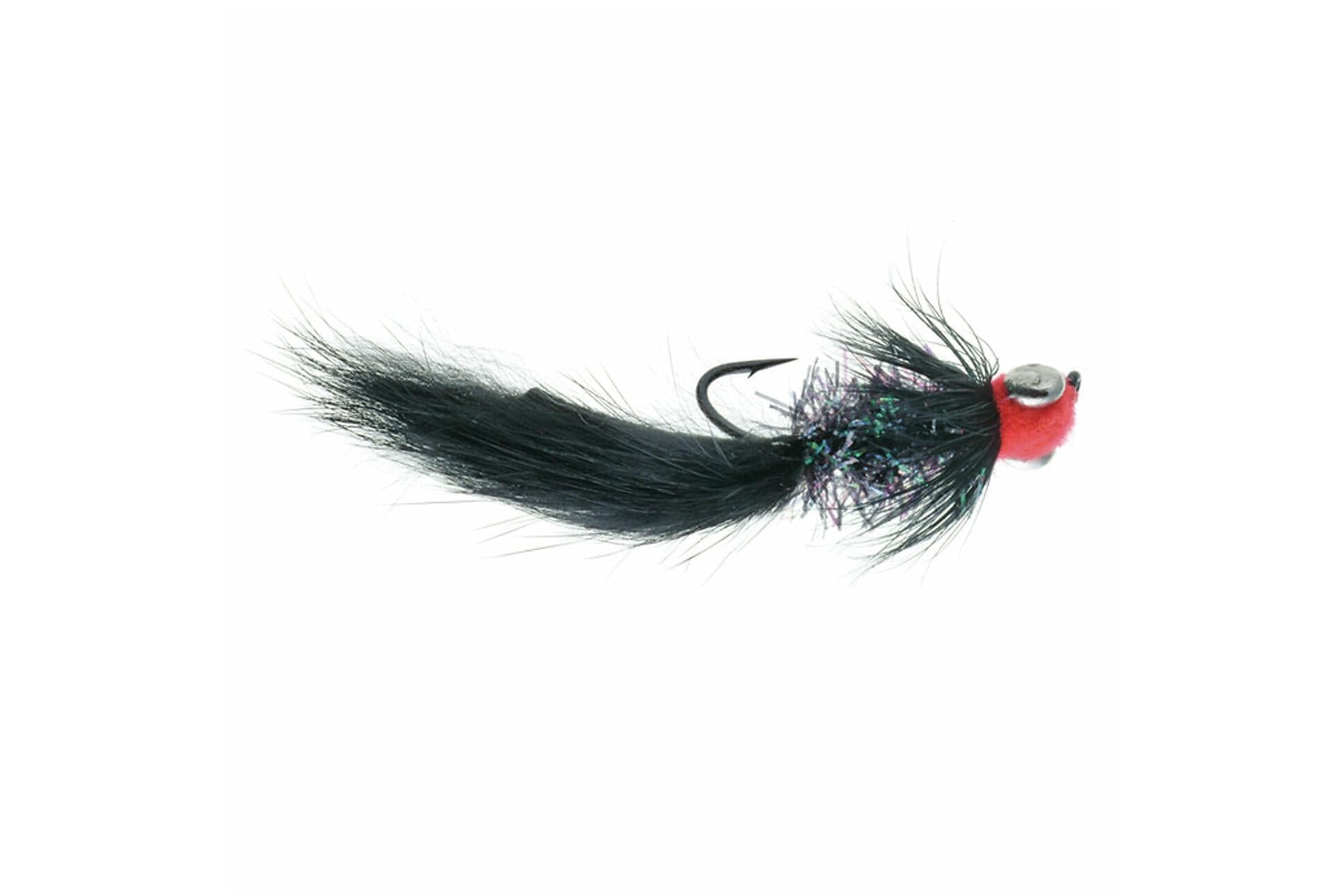
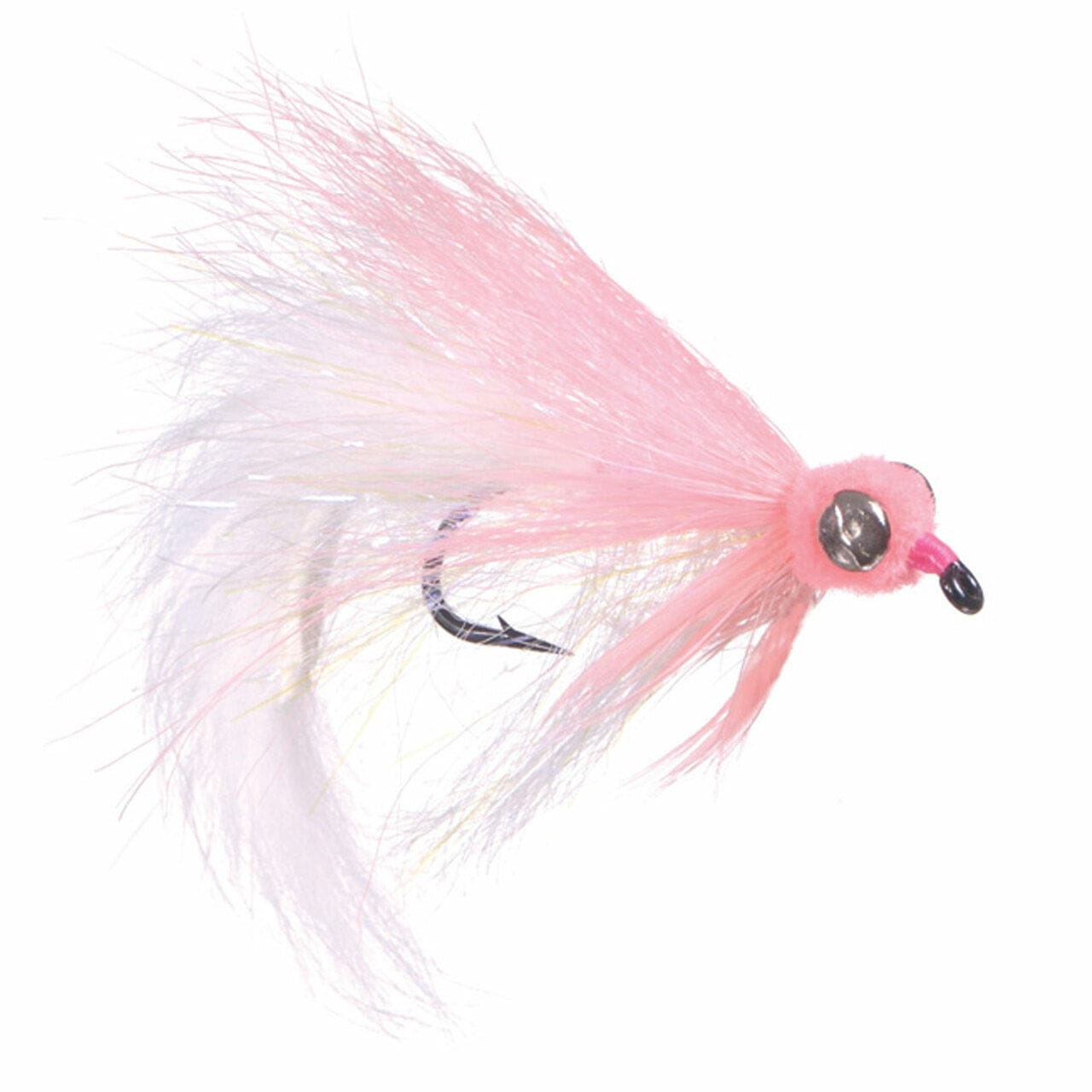
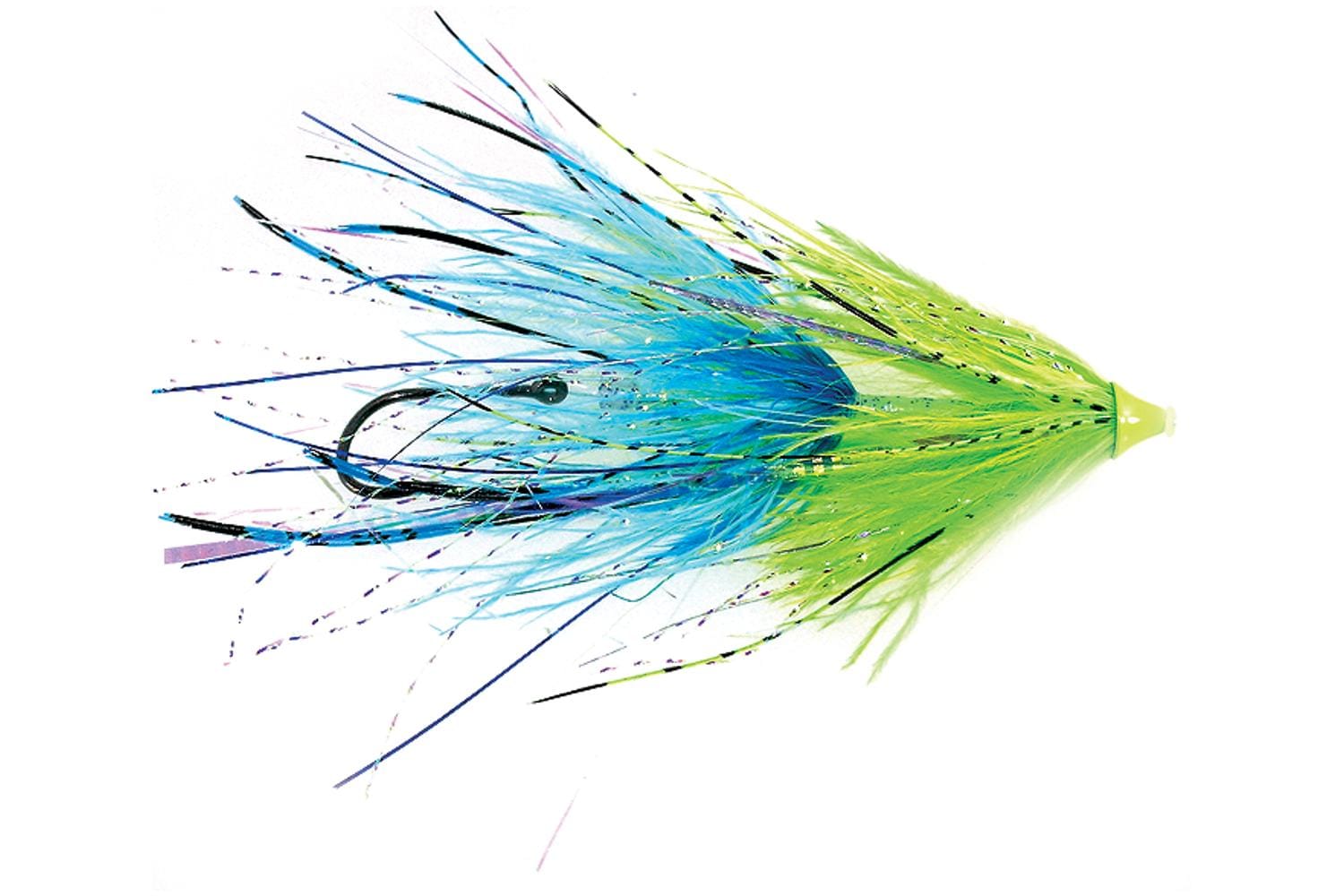
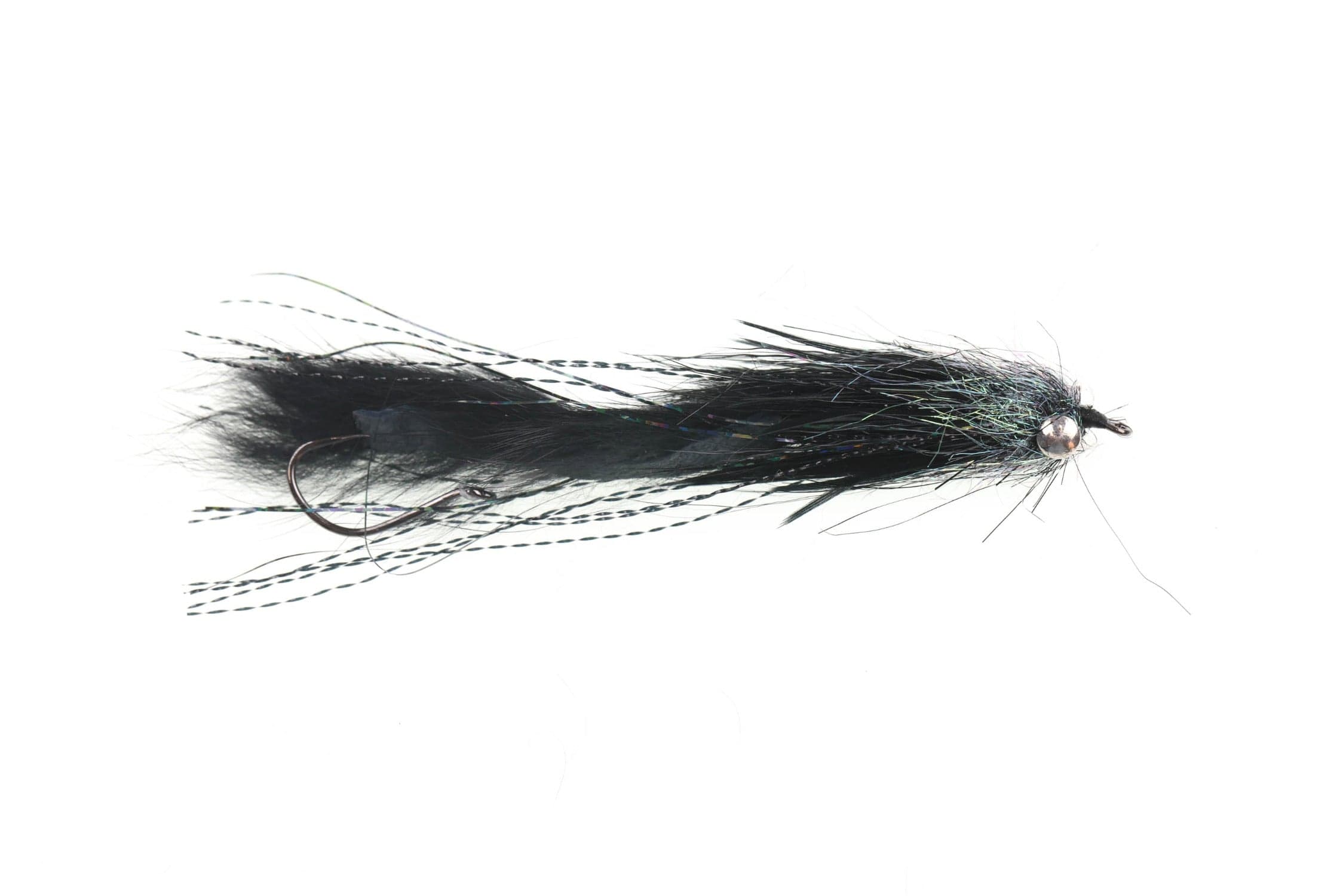
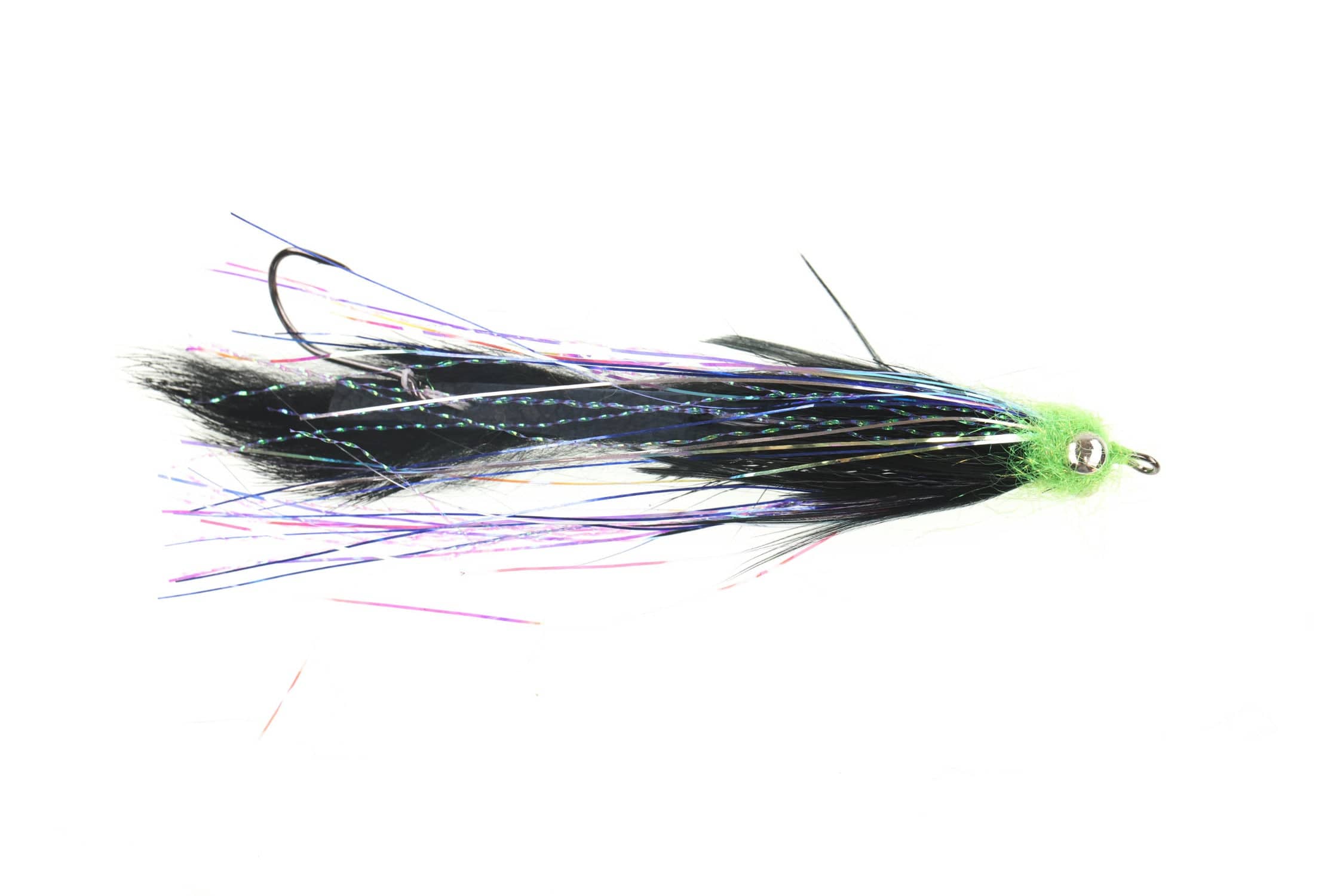
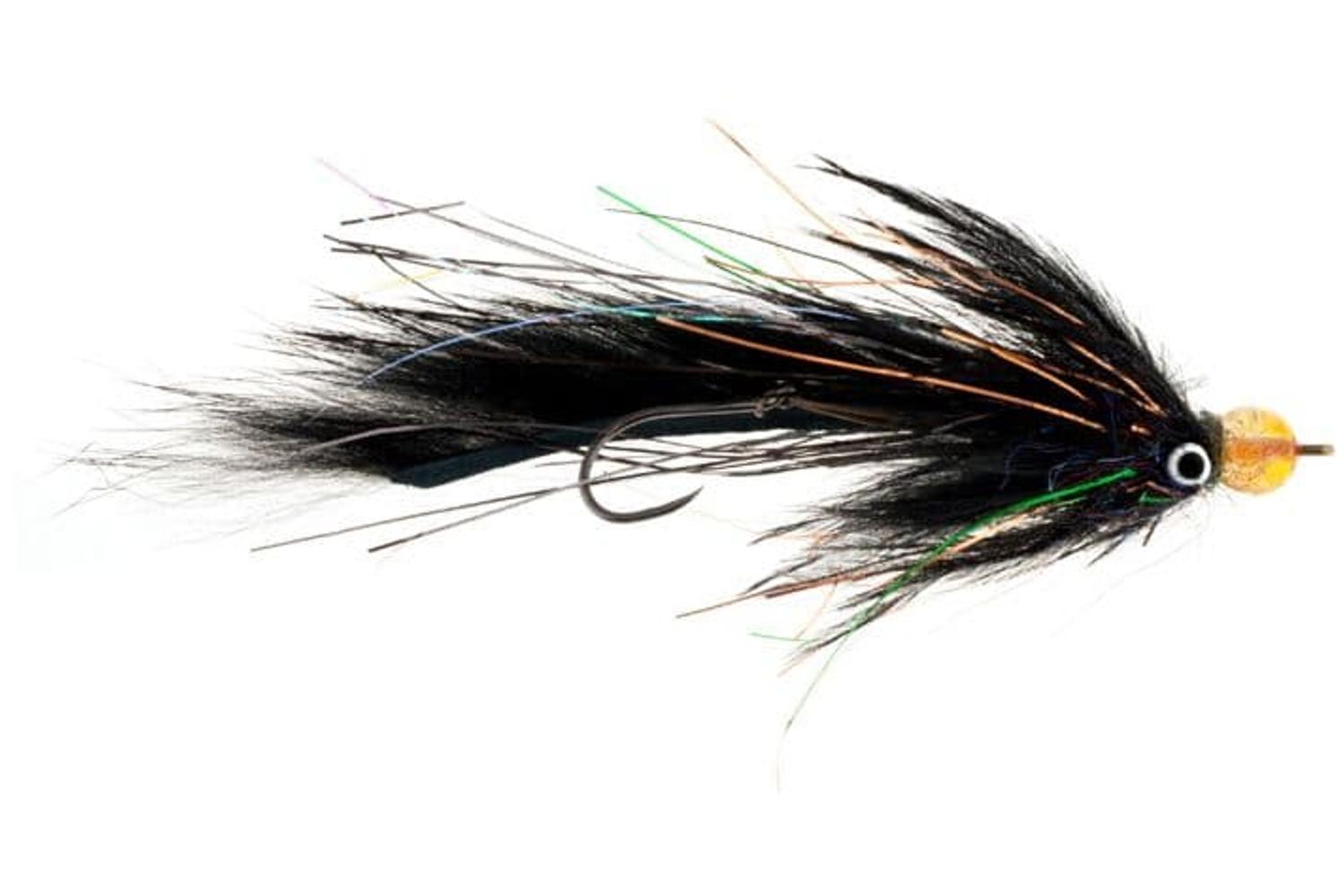
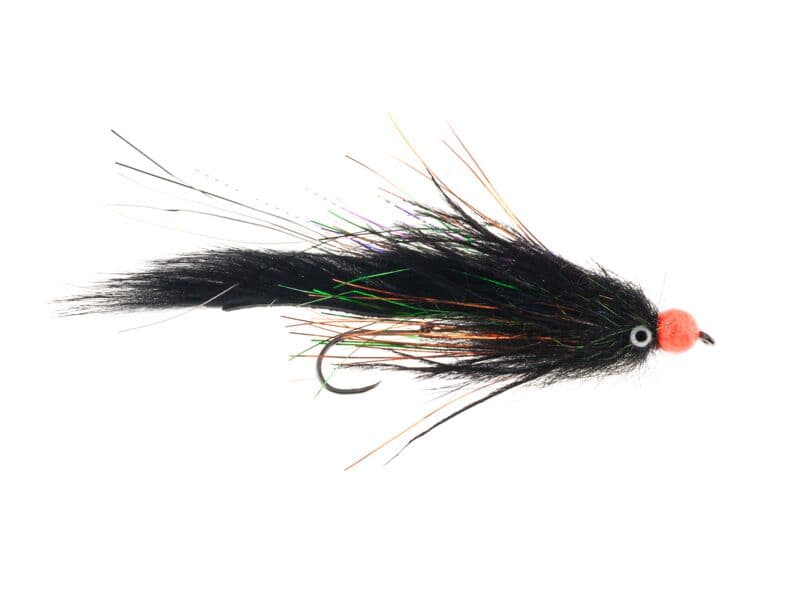
Alaska Flies Quick Picks
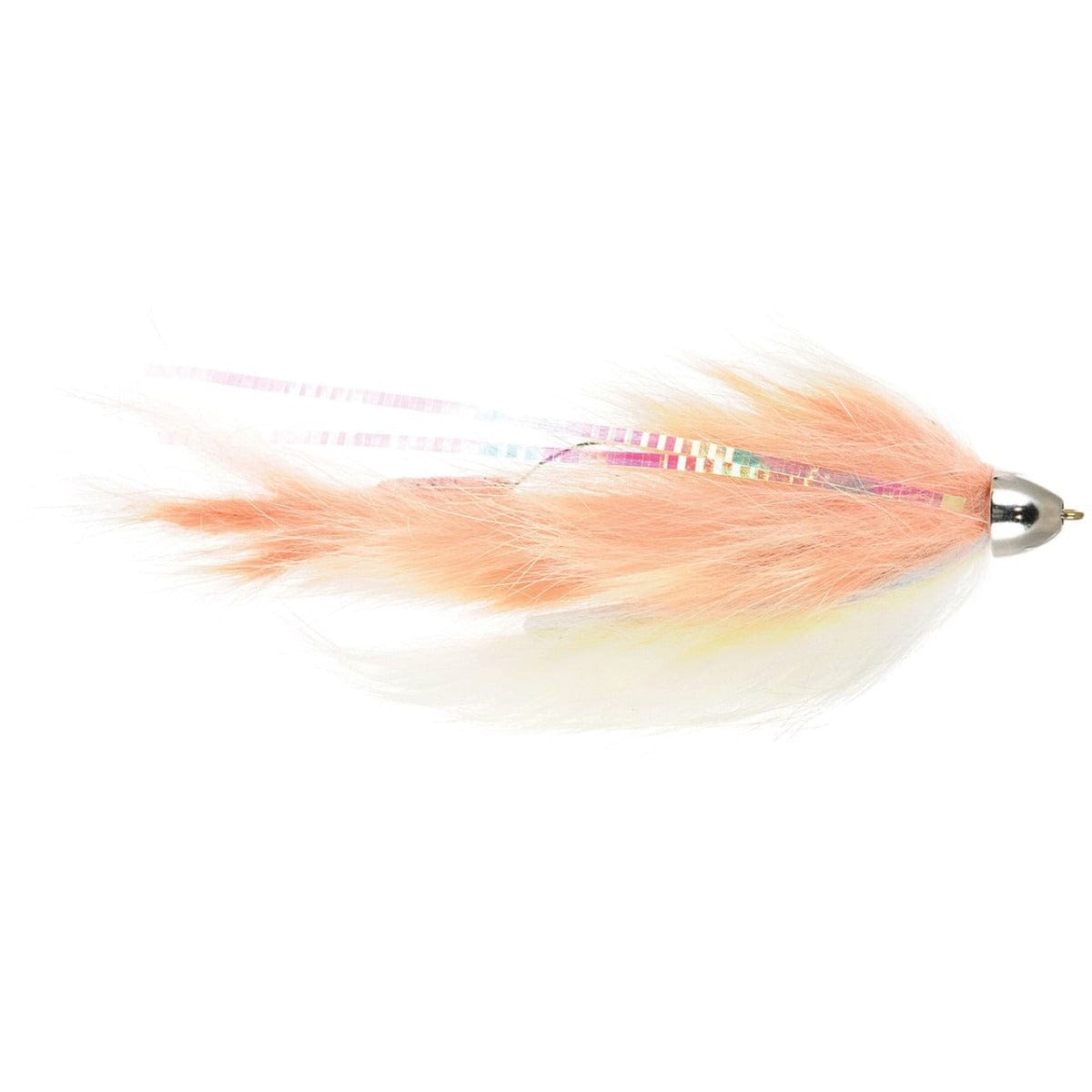
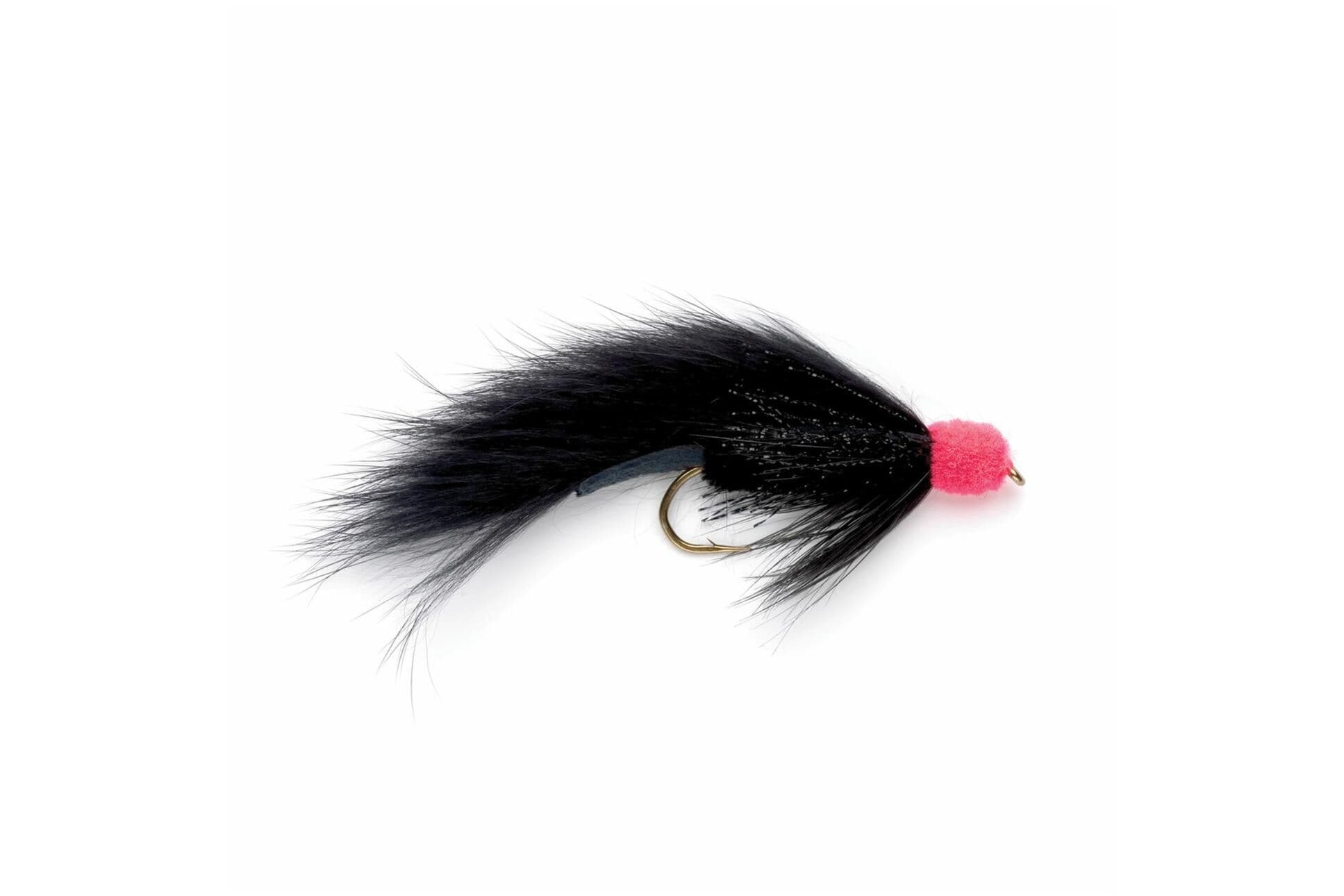
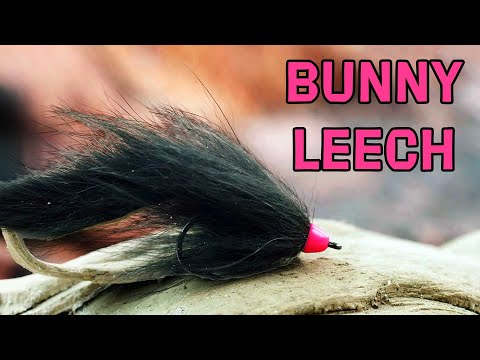
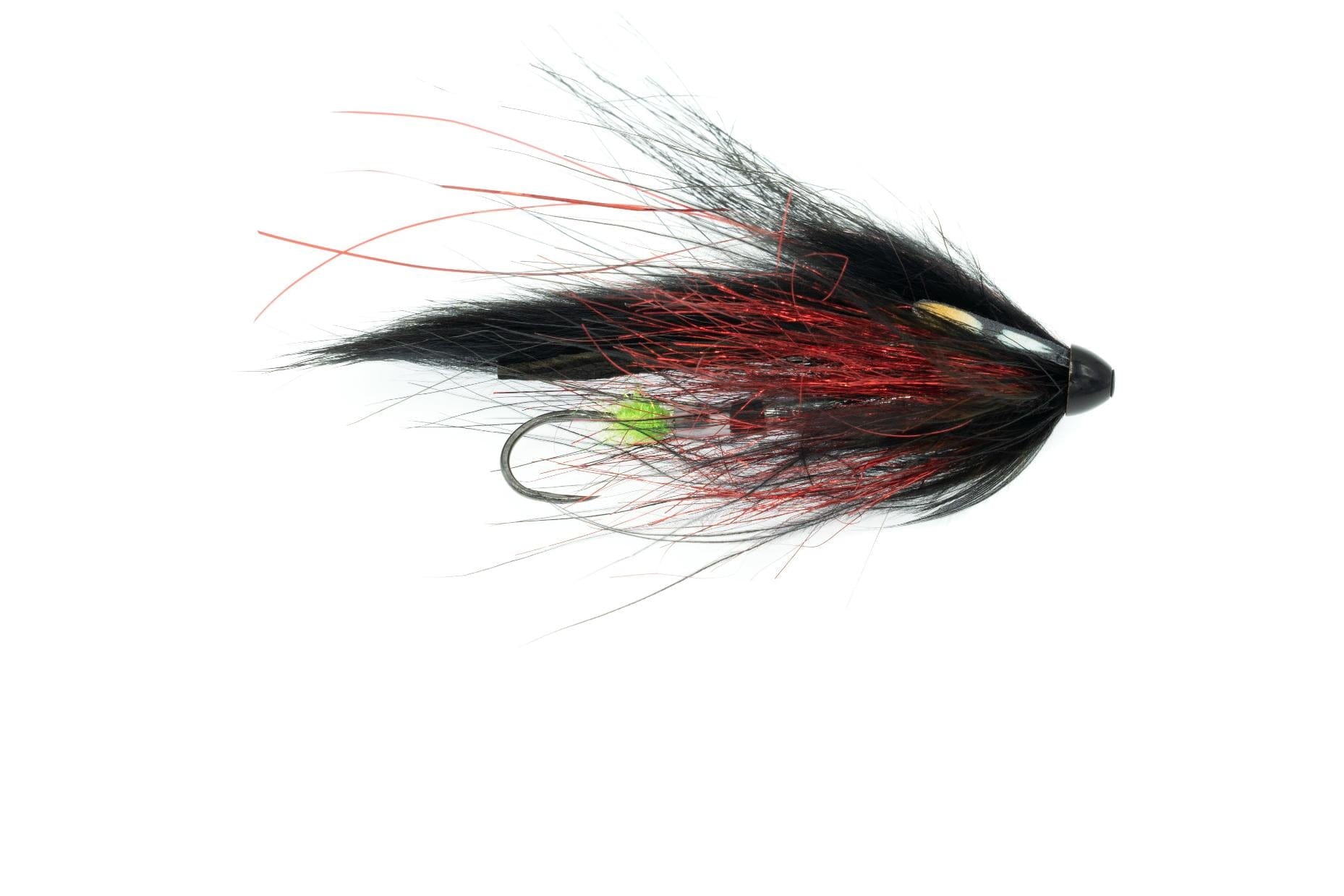
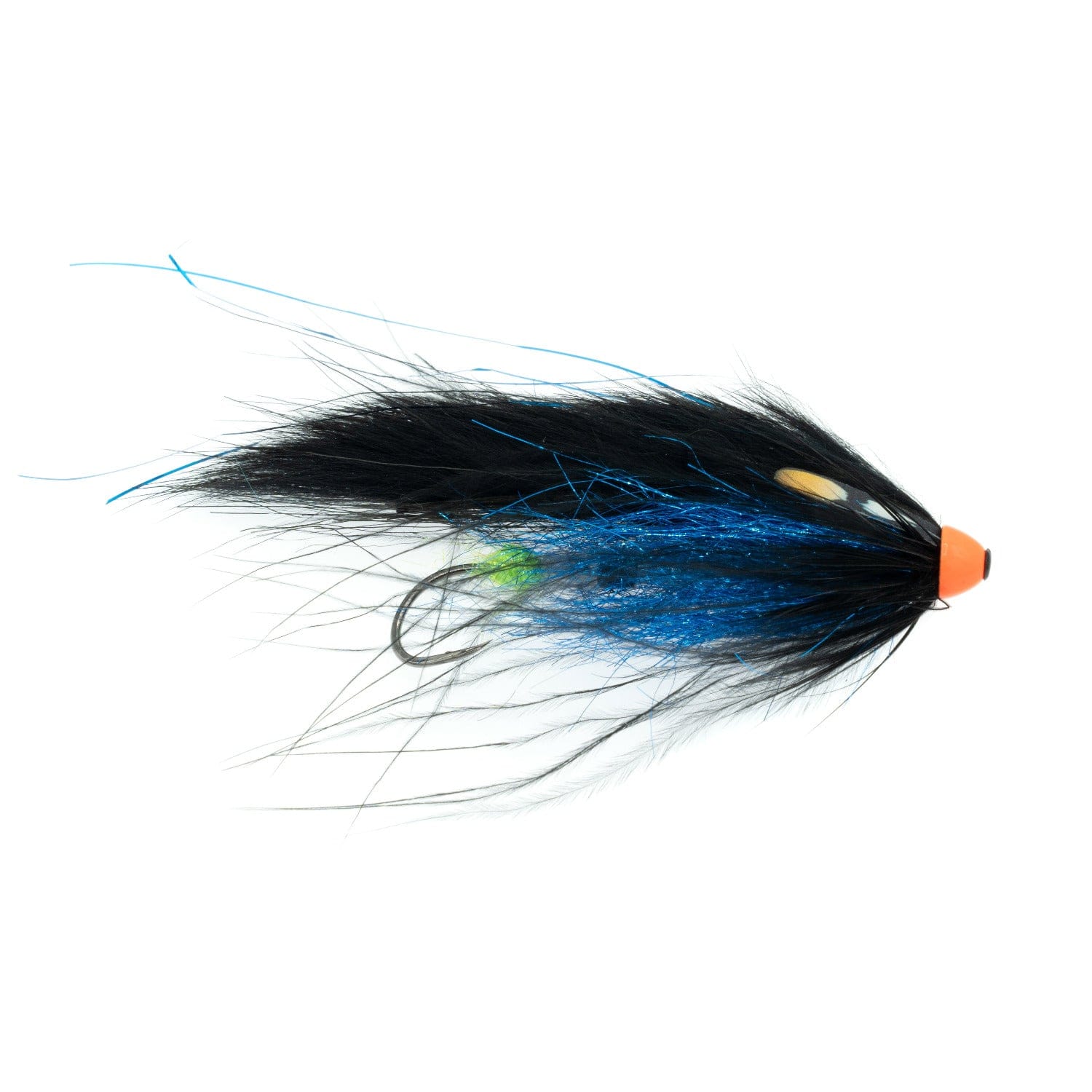
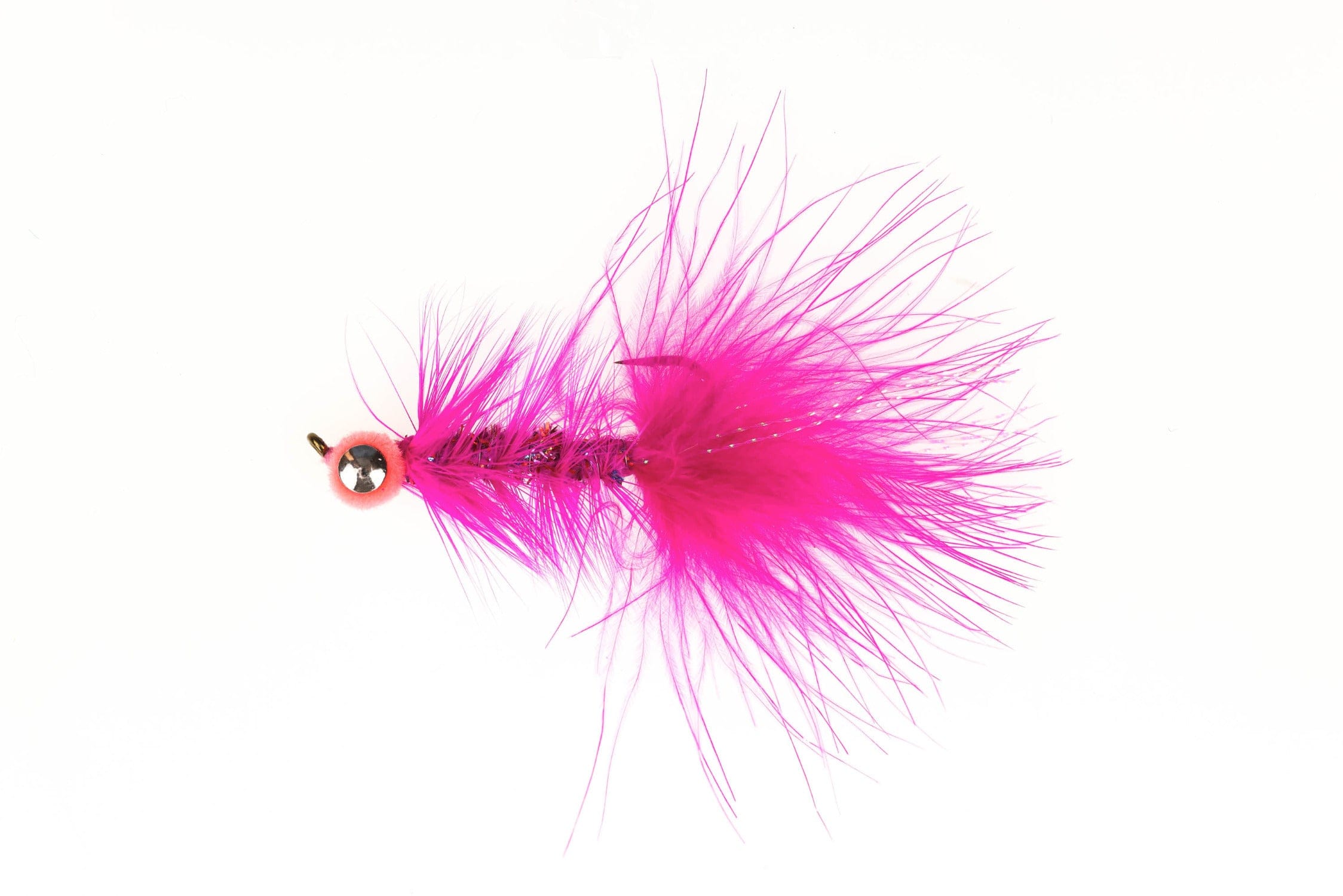
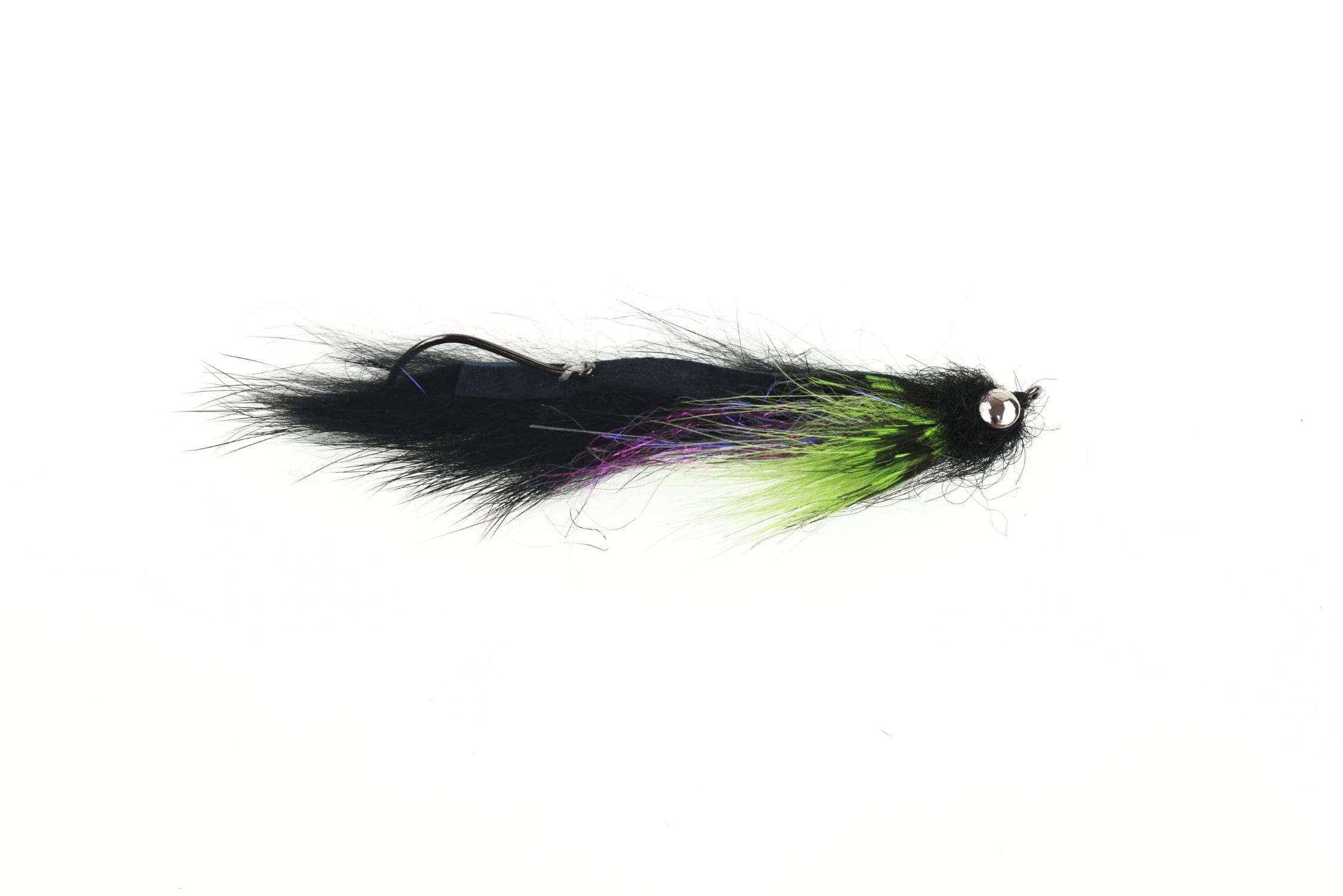
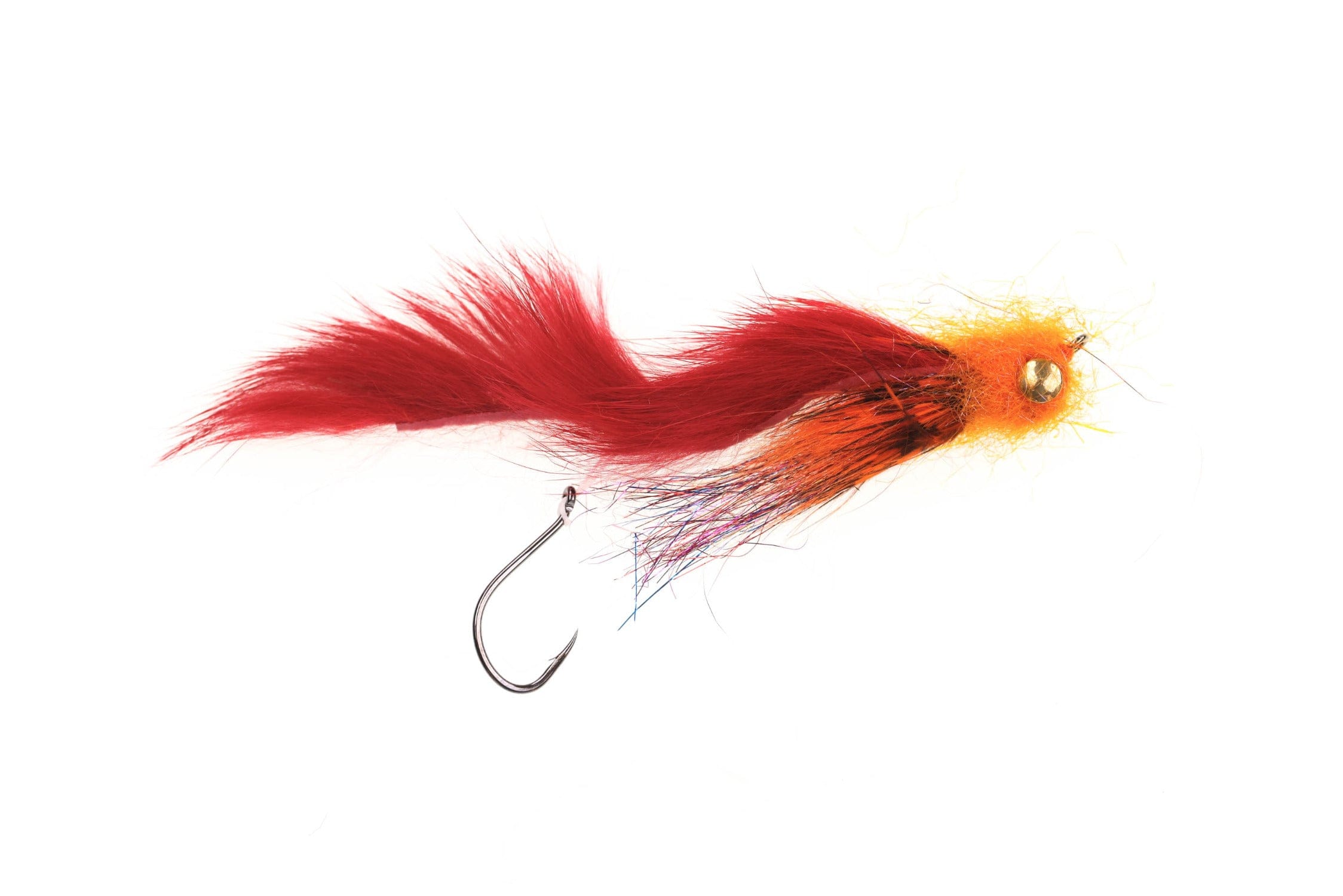
Best All-Around Streamer: Dolly Llama - A heavy, articulated streamer that gets down fast and triggers aggressive strikes from Rainbow Trout and Salmon. Its lifelike movement makes it a staple for every Alaska box.
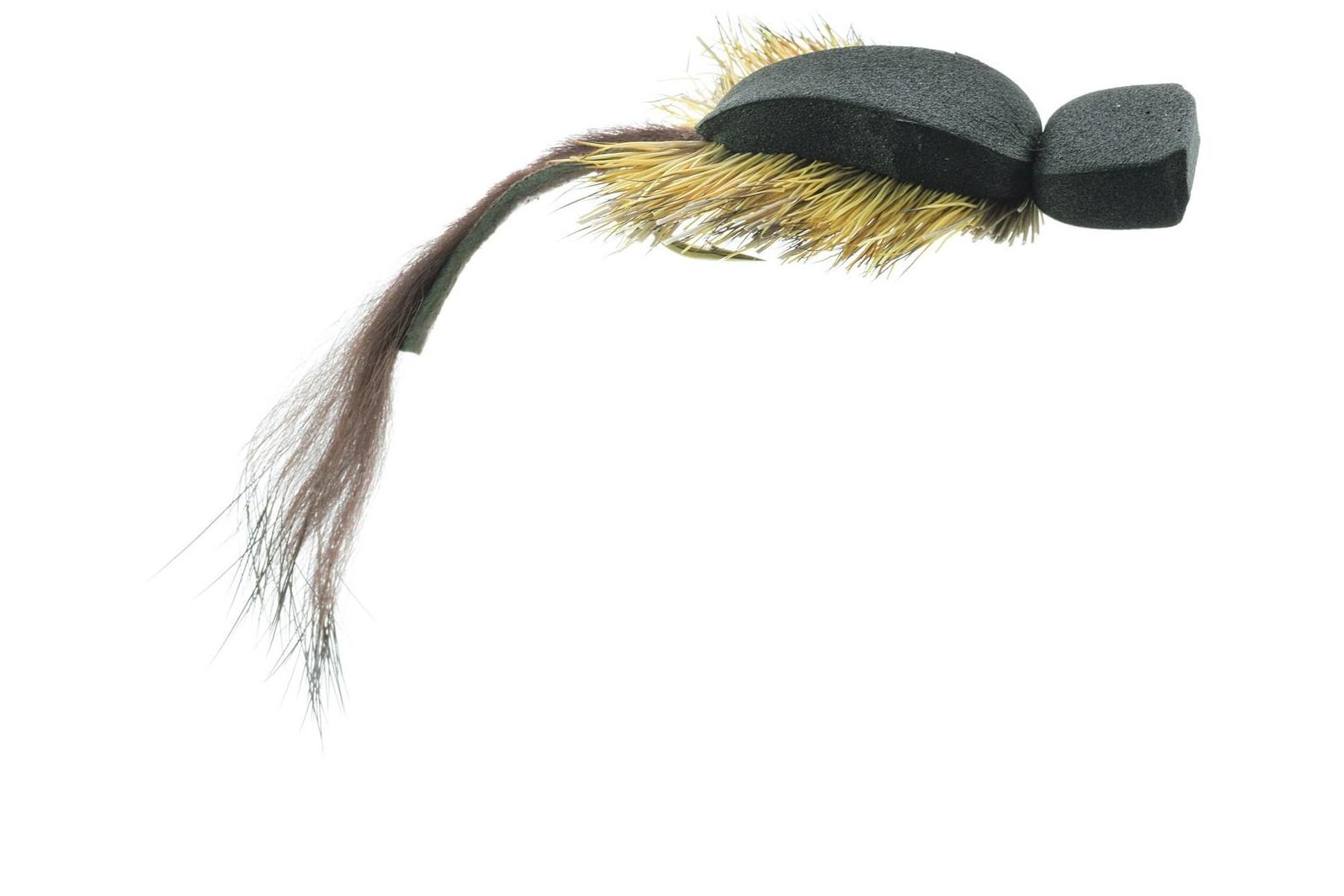
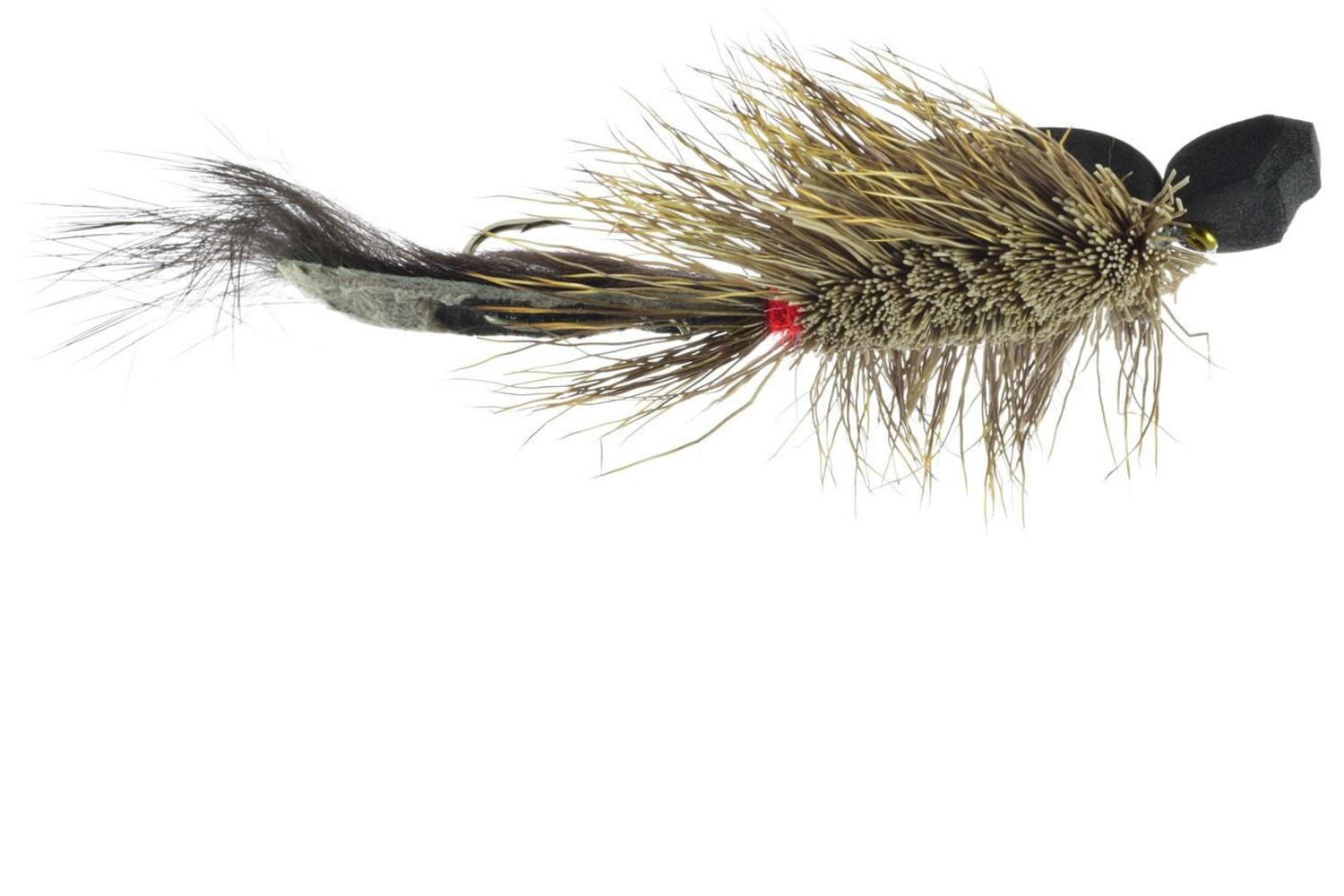
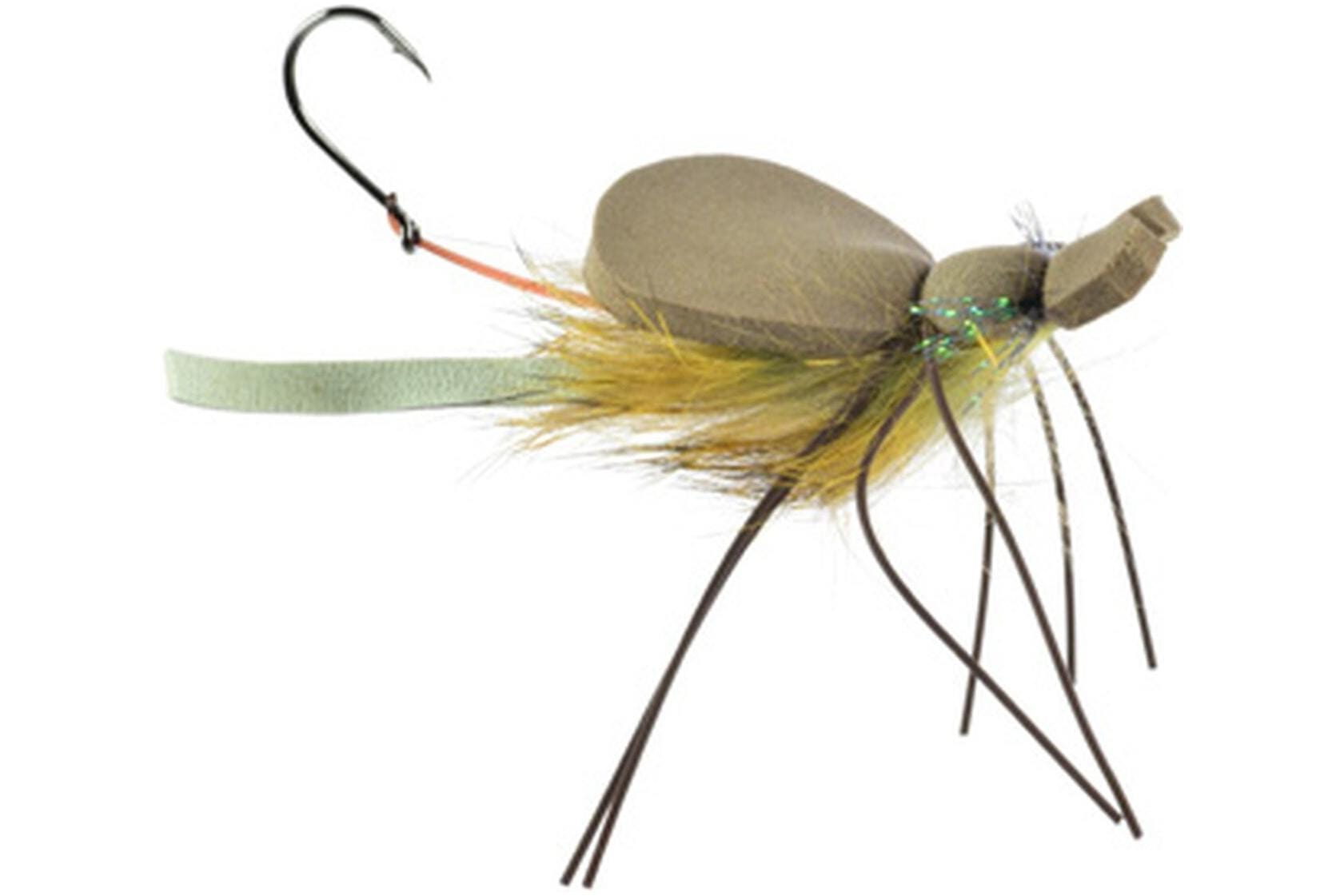
Best Topwater Mouse: Morrish Mouse - The gold standard for mousing in Alaska, designed to skate across the surface and provoke explosive eats from trophy Rainbows and Grayling. Durable foam and deer hair construction keeps it floating all day.
Best for Salmon & Steelhead: Egg Sucking Leech - A classic pattern that mimics a leech eating a salmon egg, effective for almost every species in Alaska. The contrasting head and dark body are highly visible in glacial or stained water.
Explore by Type
How to Choose Alaska Flies
Match the Species
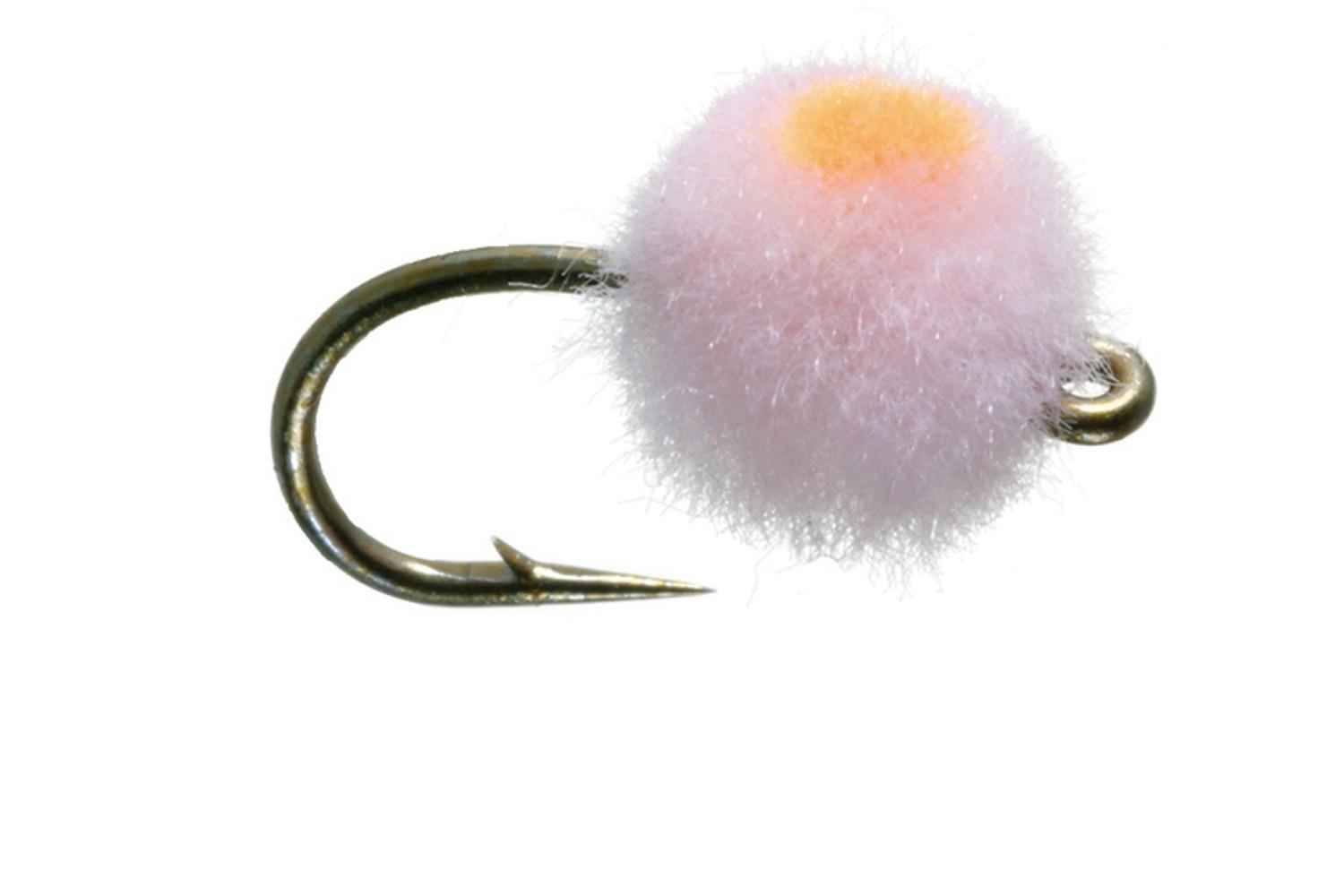
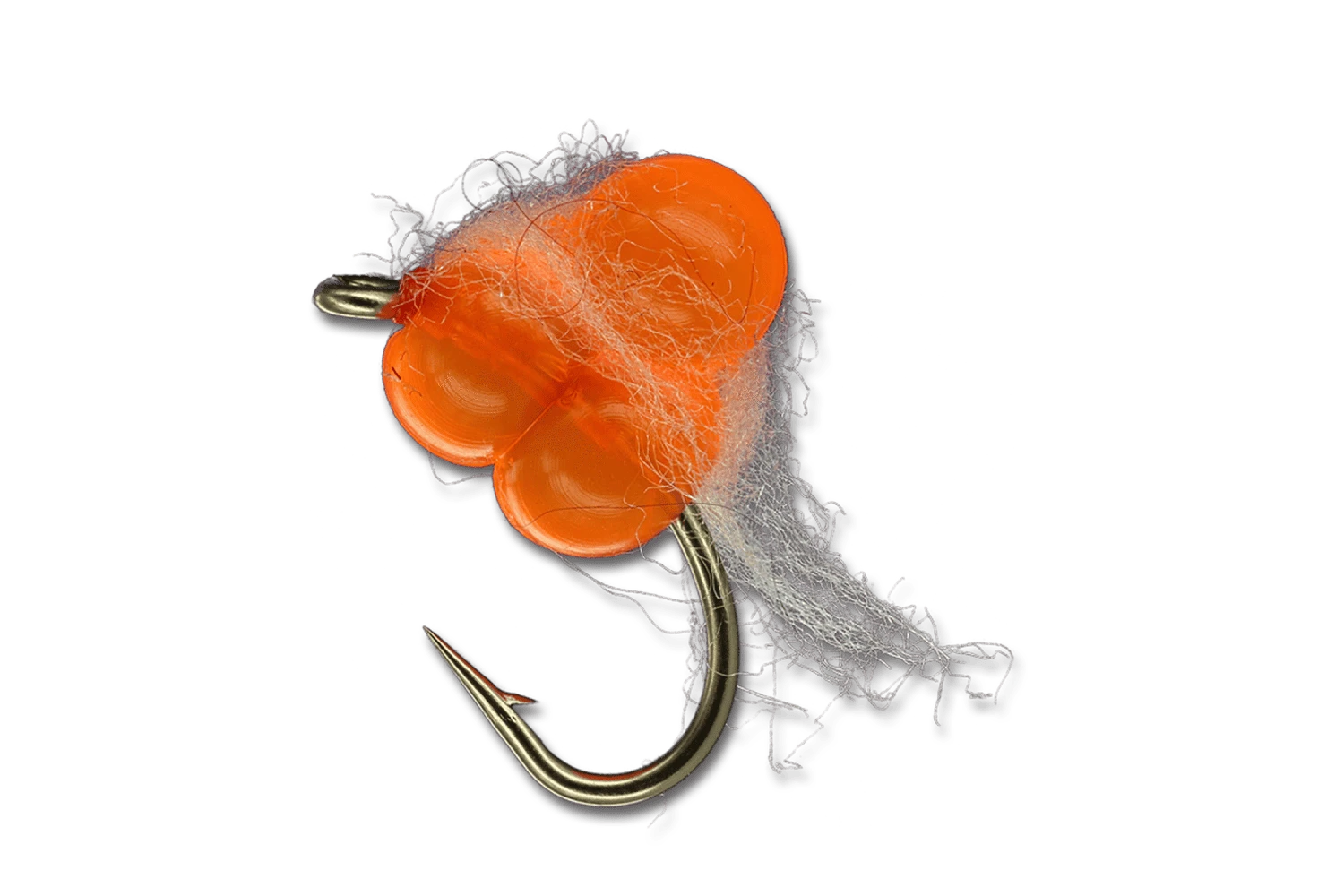
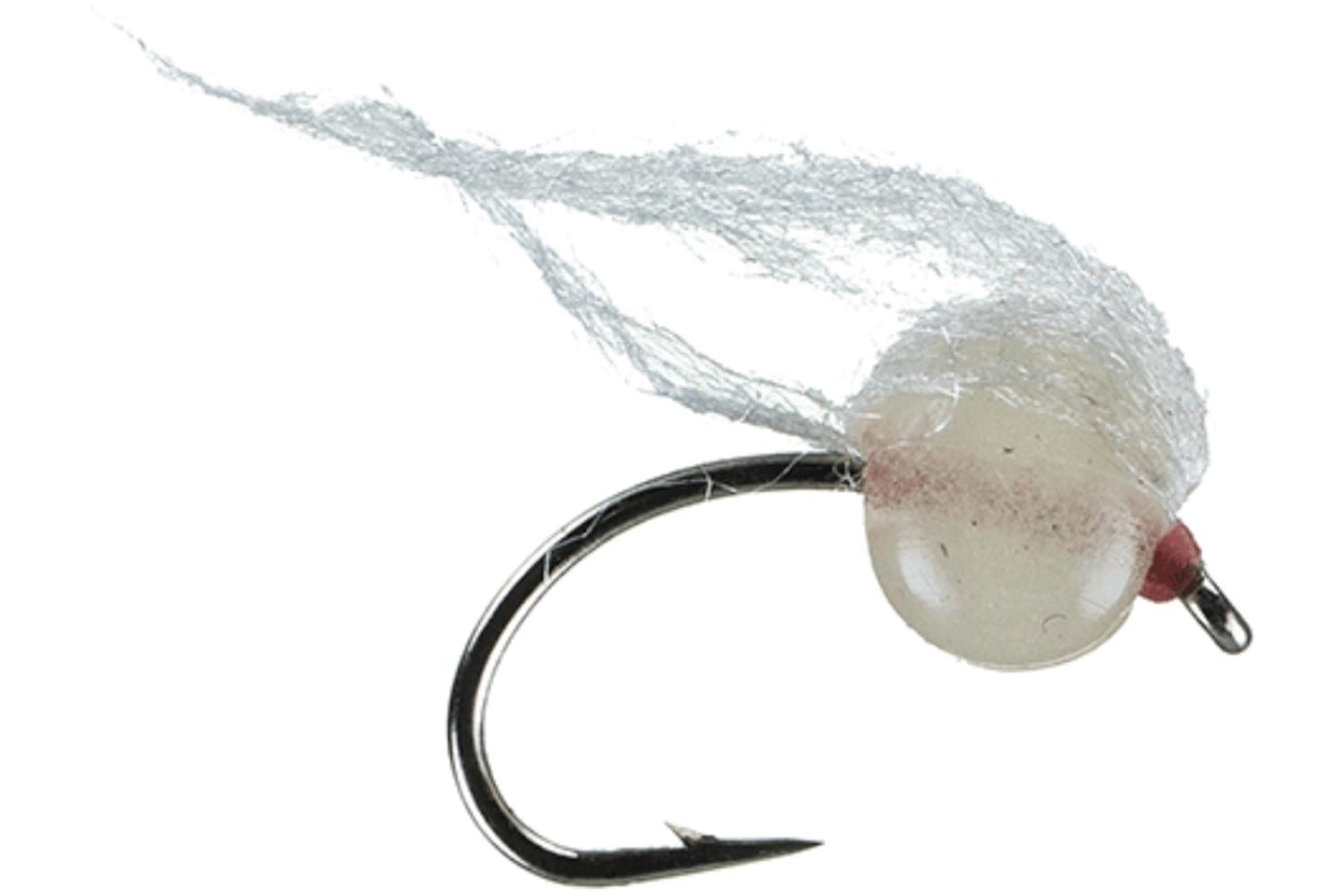
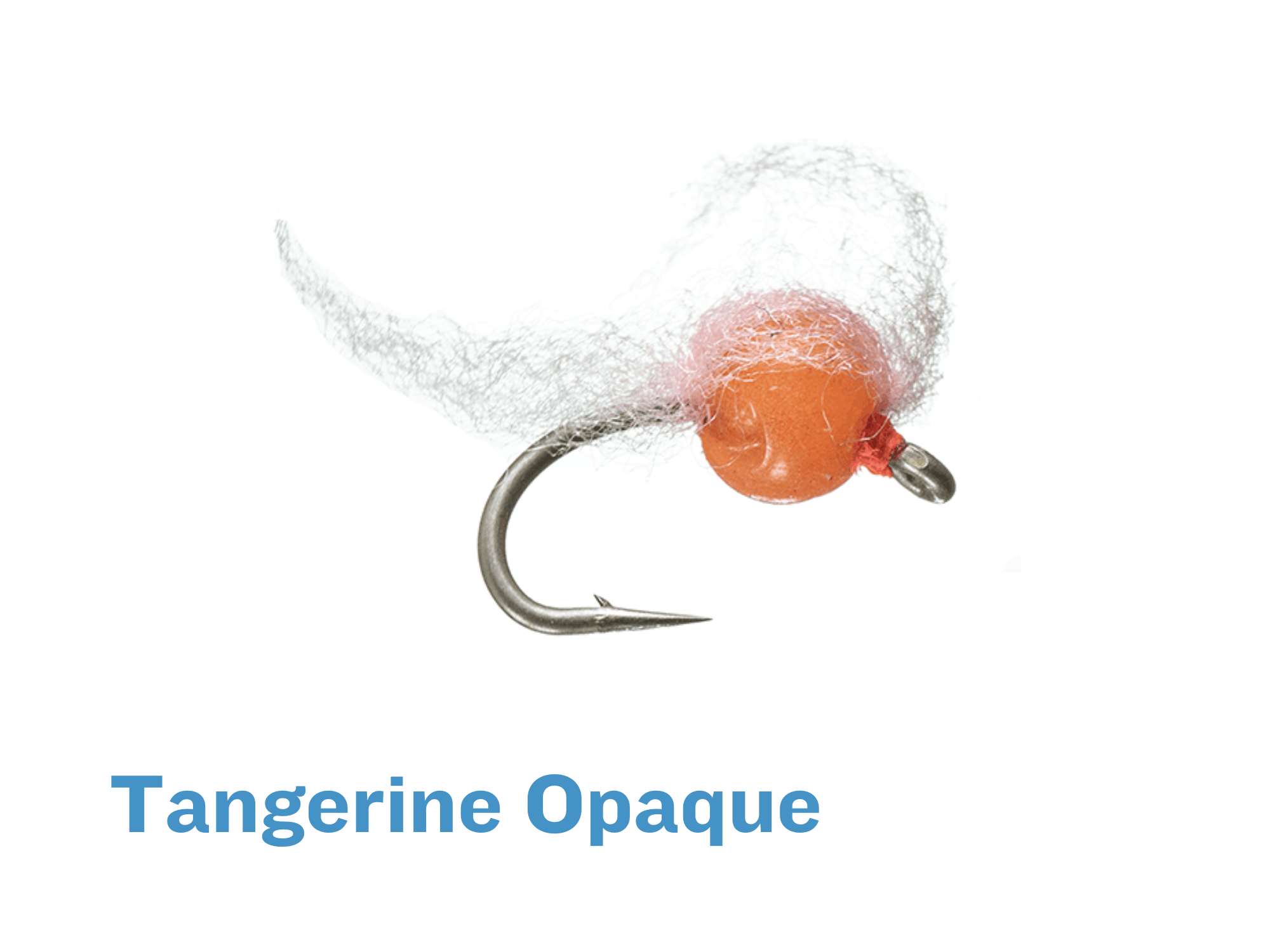
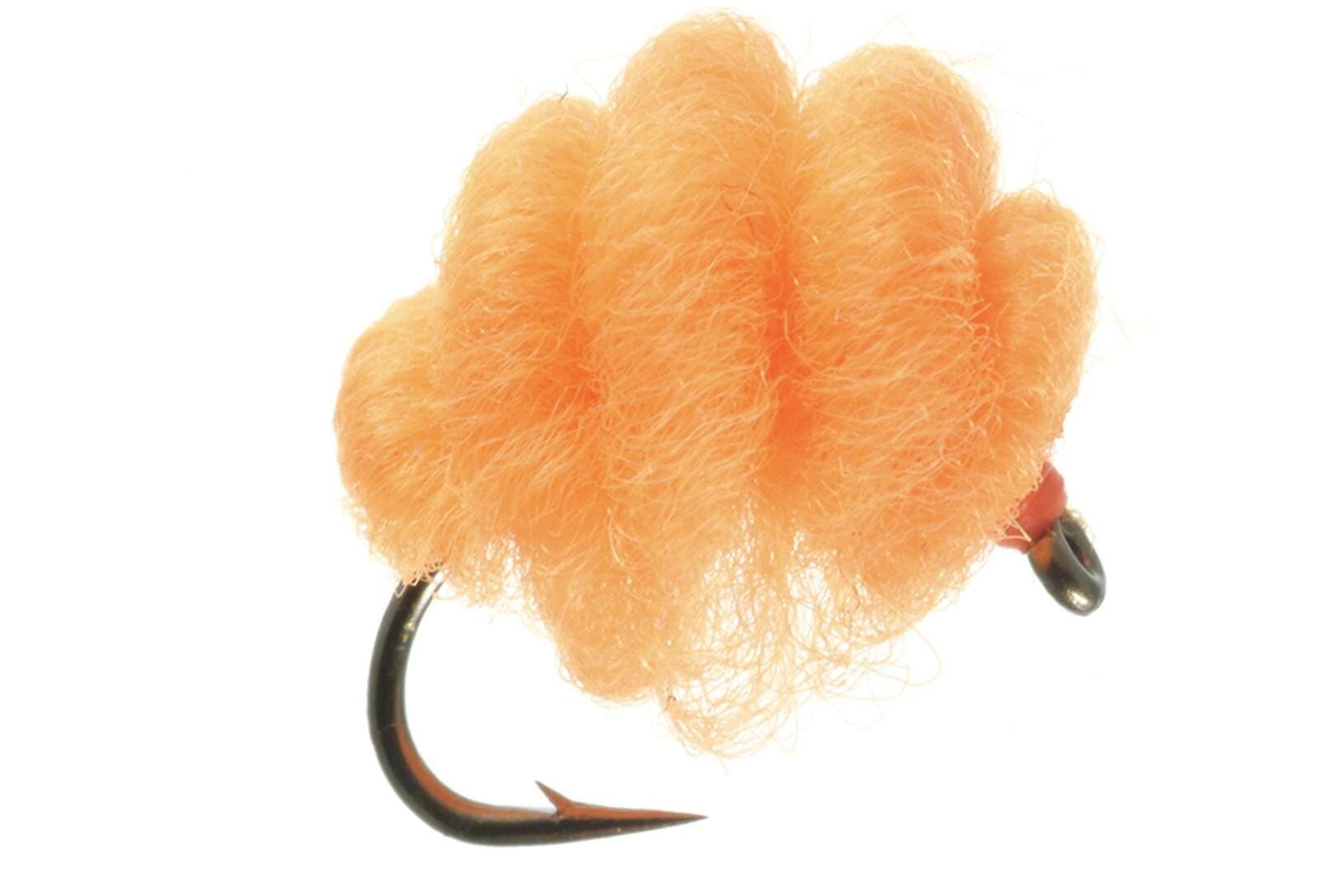
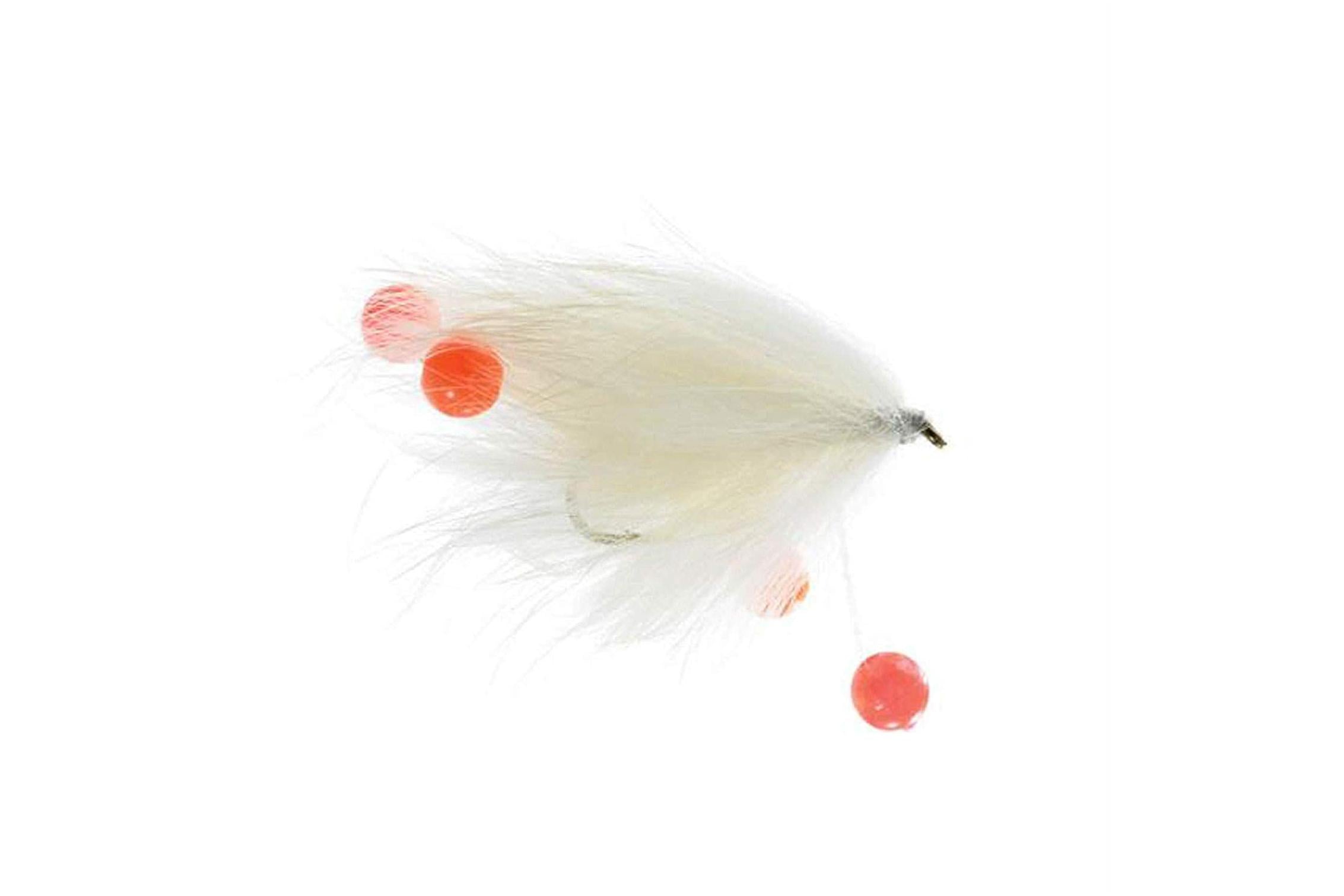
Rainbow Trout: Alaska's legendary rainbows are often targeted with three main food sources: eggs, flesh, and small mammals. Early in the season, smolt patterns work well. As salmon begin to spawn, beads (imitating eggs) and flesh flies (imitating decaying salmon) become the primary food sources. For the most exciting action, use mouse patterns skated across the surface near grassy banks.
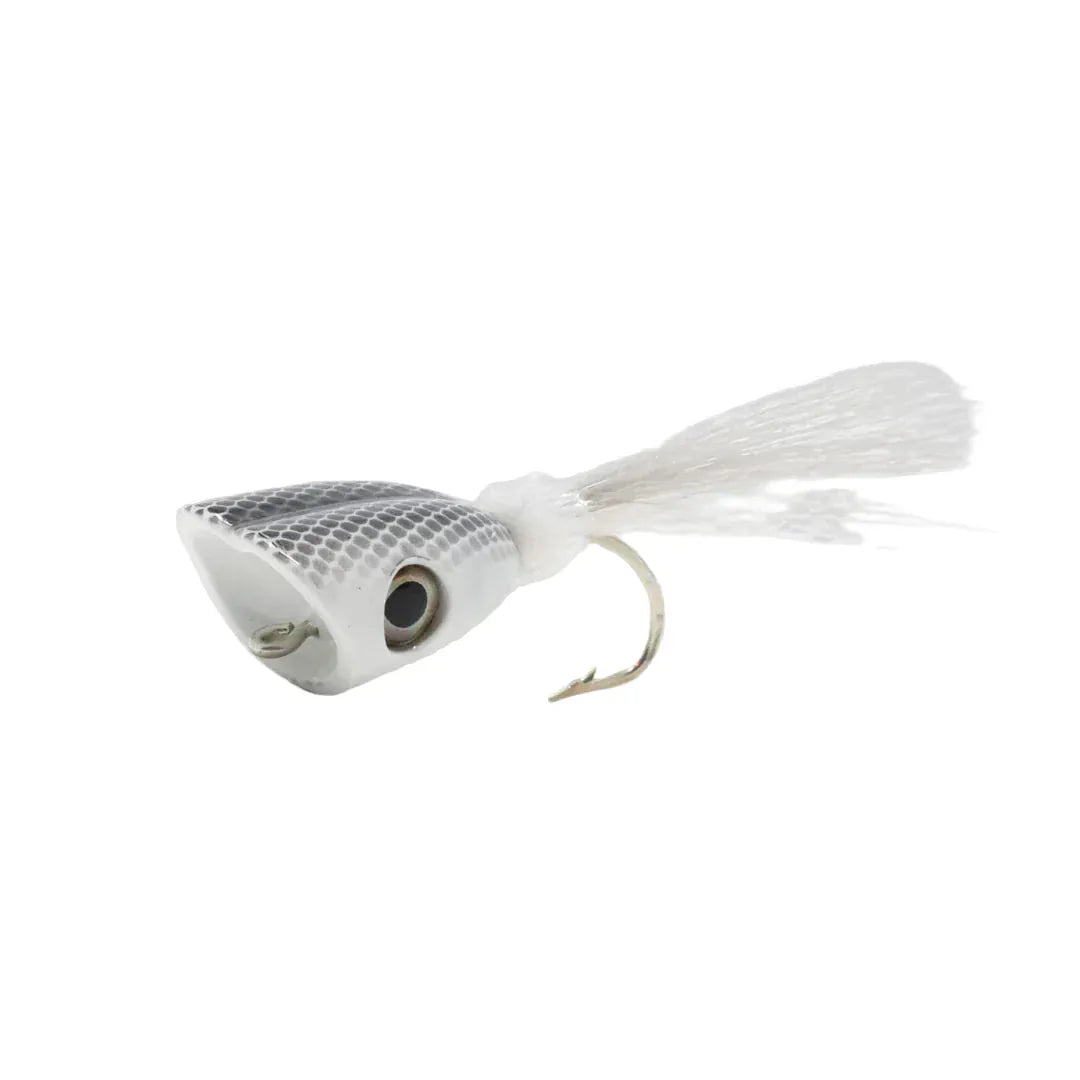
Pacific Salmon: Different species require different approaches. King Salmon (Chinook) often require large, heavy intruders in chartreuse and blue to trigger aggression. Silver Salmon (Coho) love flashy streamers in pink and purple, and will often take topwater poppers (polliwogs). Sockeye Salmon are more selective and are typically caught with sparse, small flies like the sparsely tied "Sockeye Lantern" or simple wool patterns drifting close to the bottom.
Grayling & Dolly Varden: These voracious feeders will eat many of the same patterns as trout. Grayling are particularly fond of dry flies and small nymphs, while Dolly Varden will aggressively chase egg patterns and flashy streamers behind spawning salmon.
Consider Water Conditions
Alaska's rivers range from crystal clear creeks to heavy, glacial torrents. In clear water, natural colors like olive, black, and white are effective. In glacial or high water, switch to large, articulated flies with bulkier profiles and brighter colors like fluorescent pink, purple, and chartreuse to ensure fish can see your offering. Weighted eyes or coneheads are often necessary to punch through fast currents and get the fly into the strike zone quickly.
Care & Maintenance
Check Hook Points: Alaska's rocky riverbeds can dull hooks quickly. Check your hook point frequently and sharpen or replace flies to ensure a solid set on hard-mouthed salmon.
Barbless Regulations: Many Alaska fisheries require barbless hooks. Pinch your barbs down before you get on the water to stay legal and make releasing fish easier.
Dry Thoroughly: Large articulated streamers and mouse patterns hold a lot of water. Squeeze them out before casting to improve performance and dry them completely at the end of the day to prevent rusted hooks.
Complete Your Setup
Related Gear
Fly Boxes - Large, waterproof boxes are essential for housing big articulated streamers and keeping your selection organized.
Leaders & Tippet - Alaska fish are powerful. heavy, abrasion-resistant leaders (often 12lb to 20lb test) are standard for salmon and big rainbows.
Alaska Flies FAQs
Q: What is the best fly for Alaska Rainbow Trout?
A: It depends on the timing. During the salmon spawn (late summer/fall), 6mm to 10mm beads and flesh flies are most effective. Before the spawn, sculpins, leeches (like the Dolly Llama), and mouse patterns are top choices.
Q: Do I need barbless hooks in Alaska?
A: Yes, many of Alaska's most productive fisheries are designated as catch-and-release or trophy waters that require single barbless hooks. Always check the specific regulations for the river you are fishing.
Q: What size flies should I bring for Silver Salmon?
A: For Silvers (Coho), streamers in sizes #2 to #6 are standard. Flashy patterns like the Flash Fly or Clouser Minnow in pink and purple are very effective, as are surface poppers in similar sizes.
Q: Why are mouse flies popular in Alaska?
A: Alaska's short growing season makes trout aggressive and opportunistic. Small mammals like shrews and voles frequently fall into the water, providing a high-calorie meal that large trout are instinctively programmed to attack.