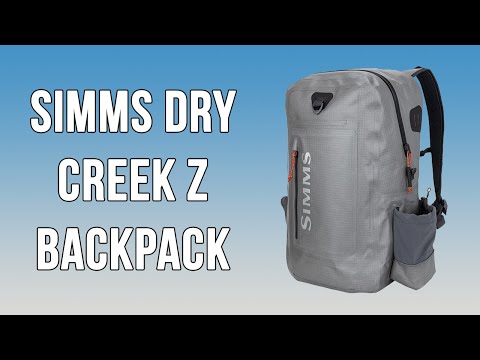
Simms G3 Guide Z Duffel Bag | Insider Review




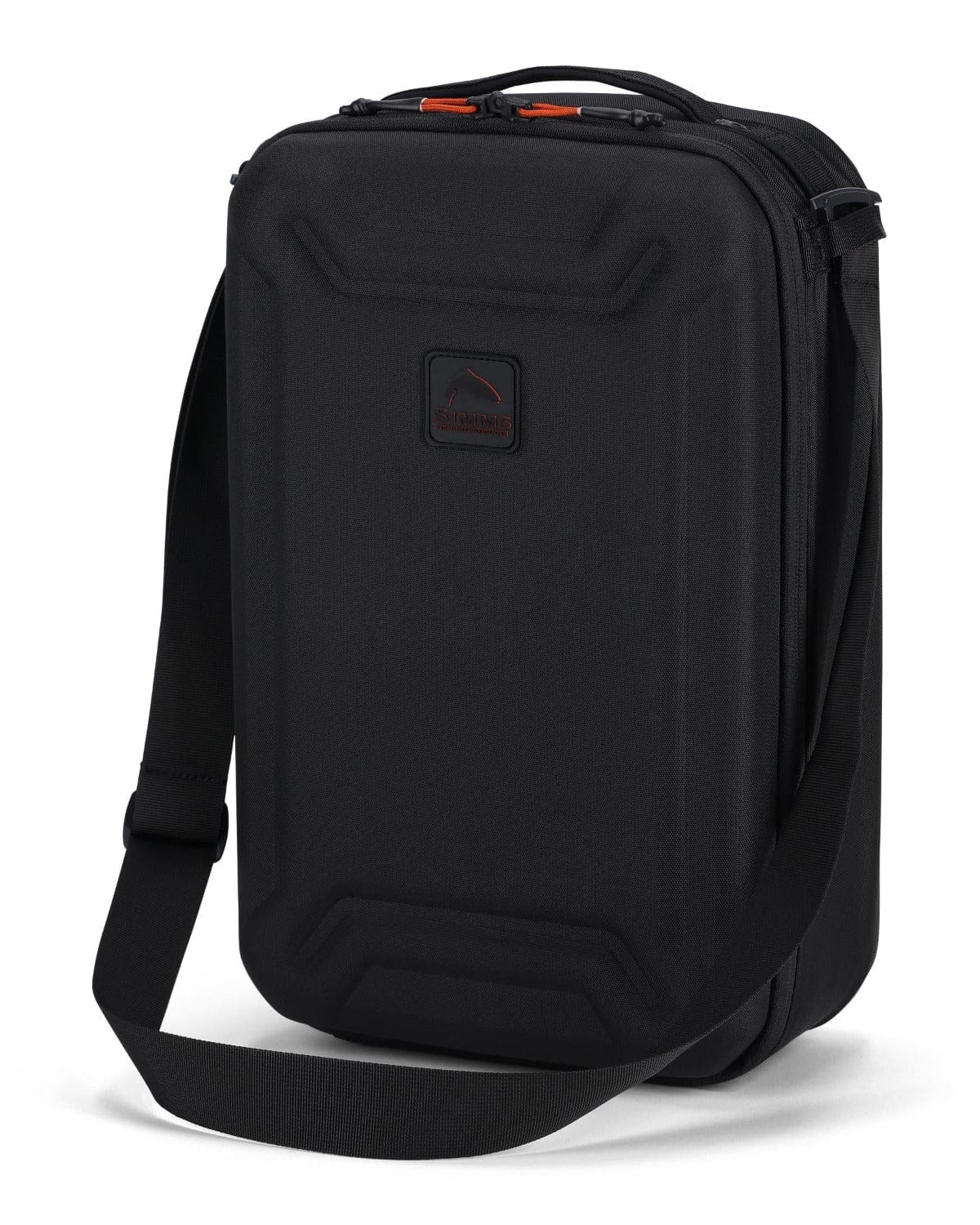
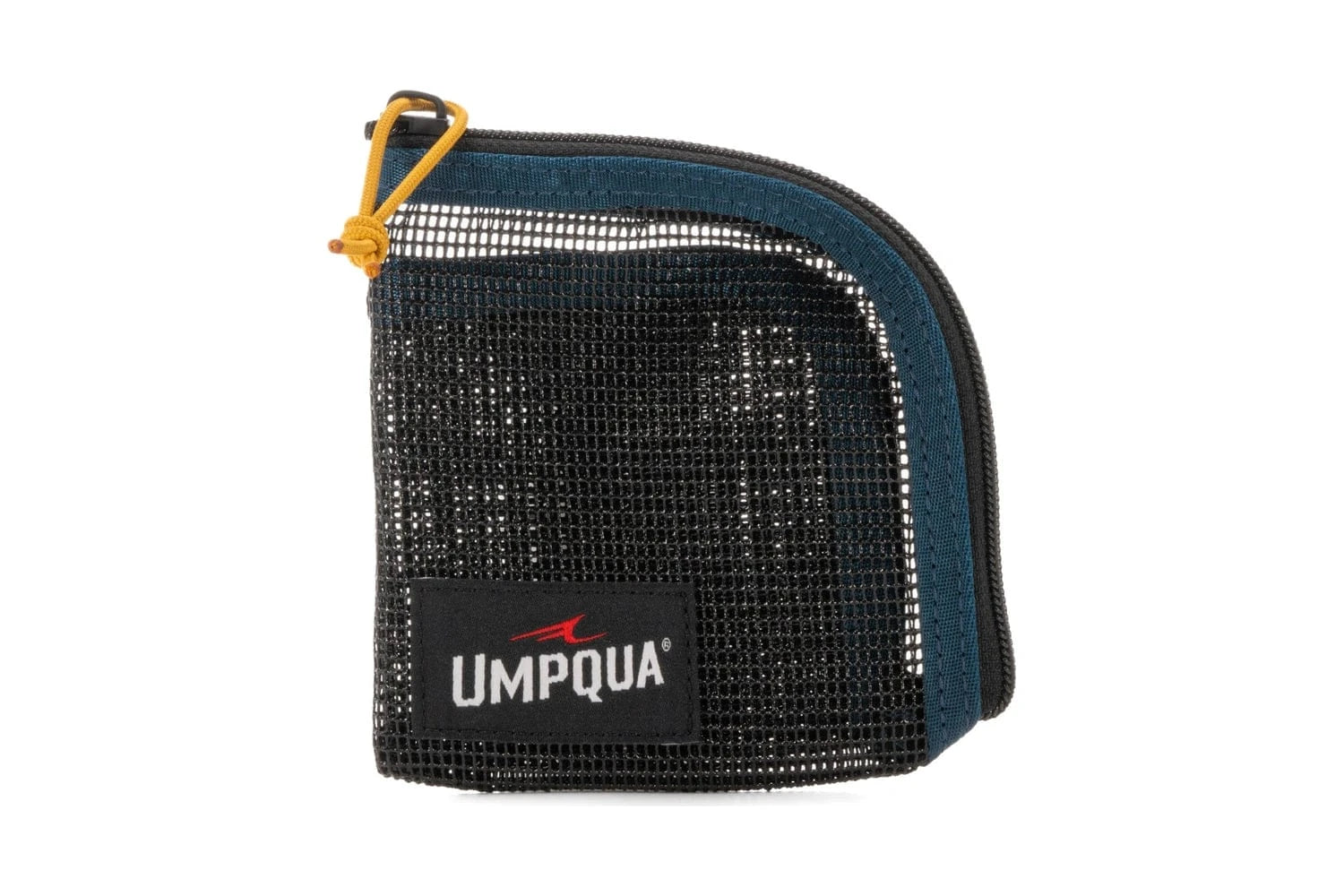
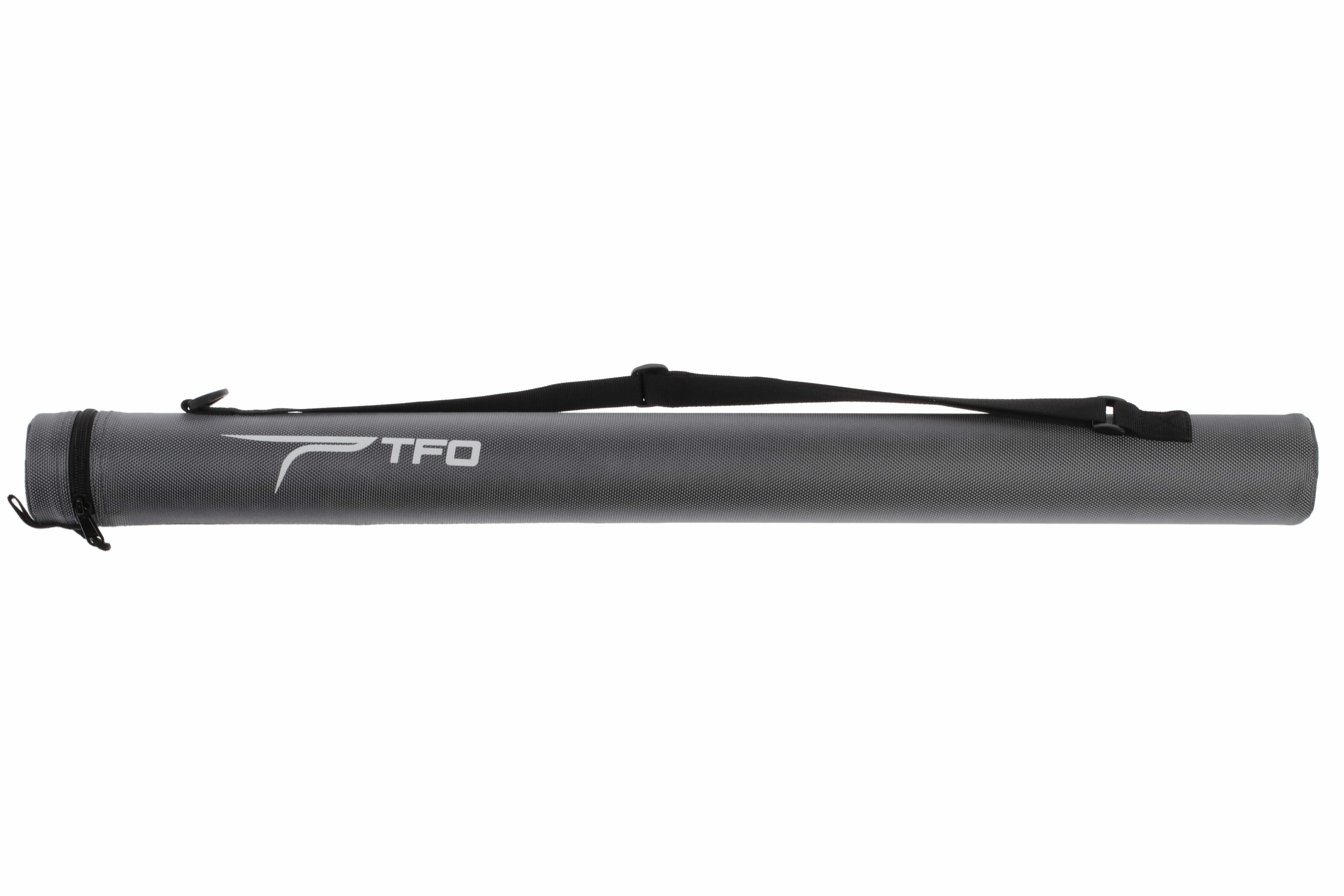
Gear Bags & Tackle Storage Quick Picks
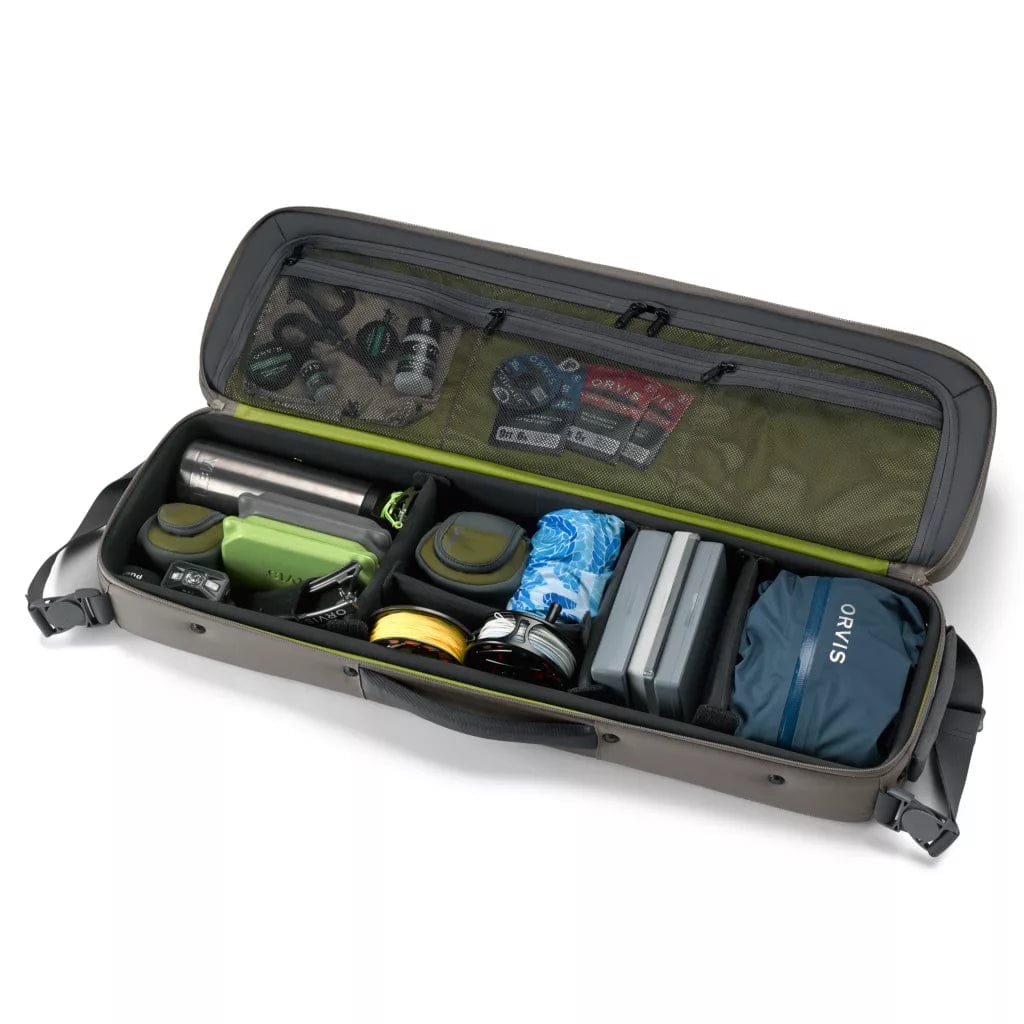
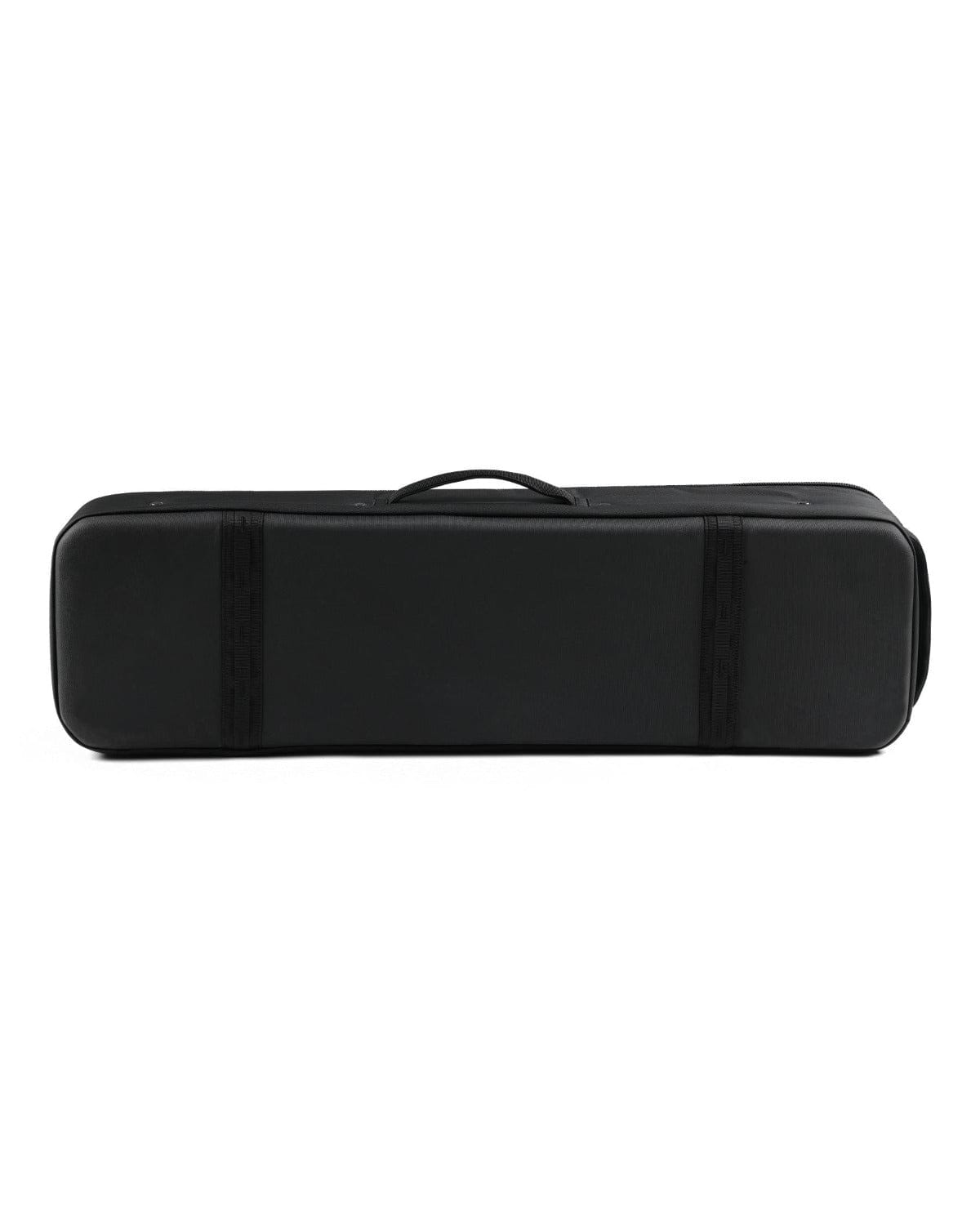
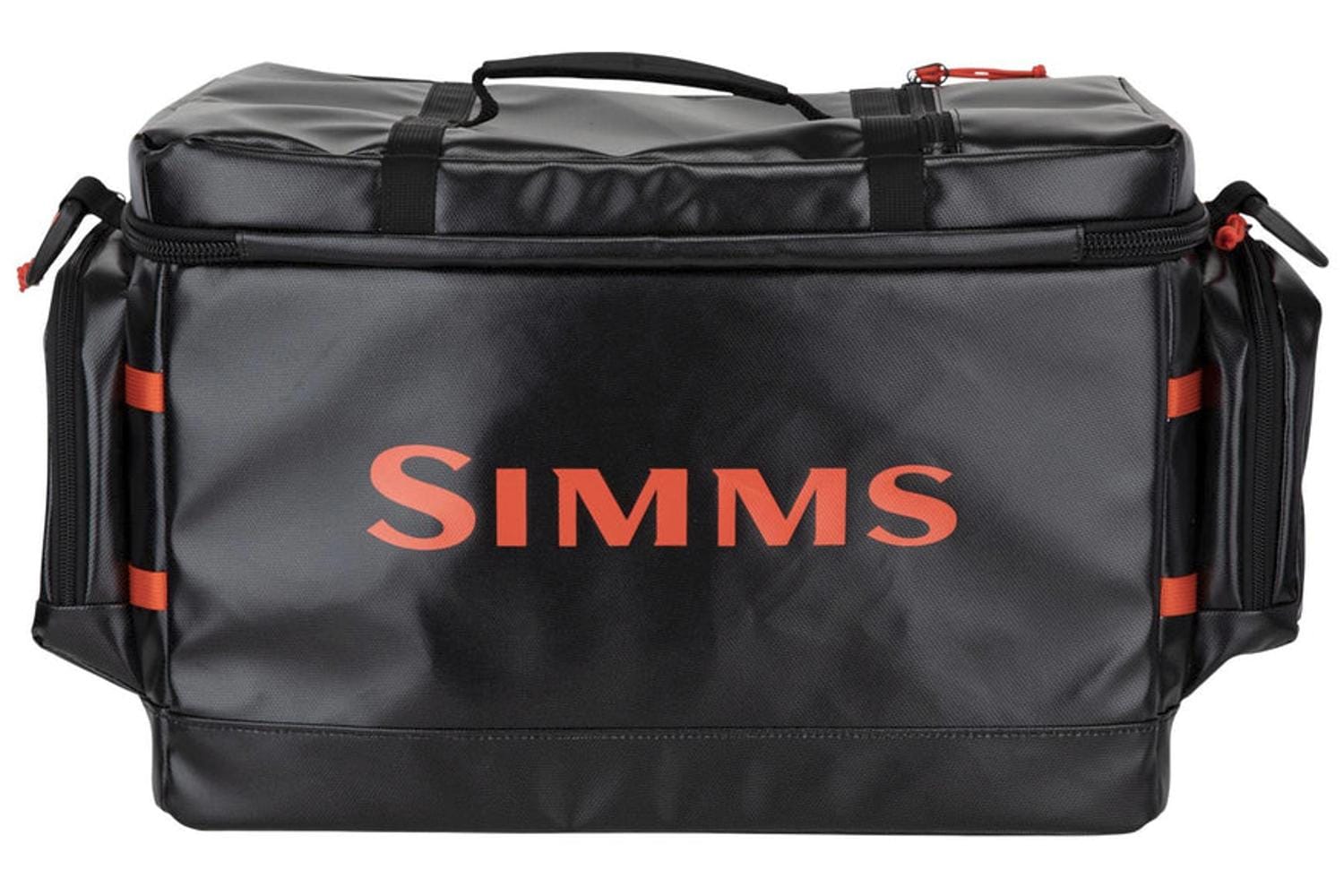
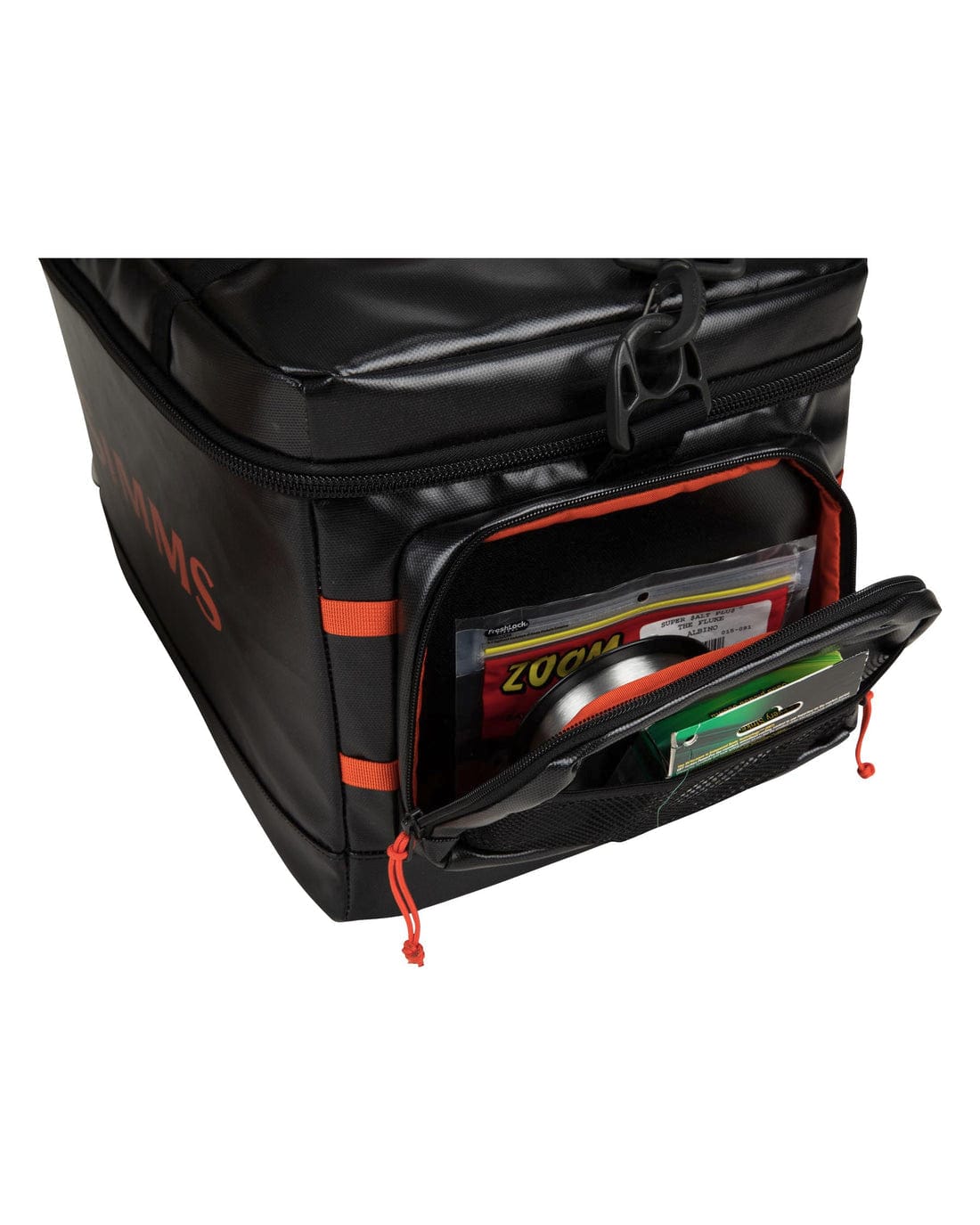
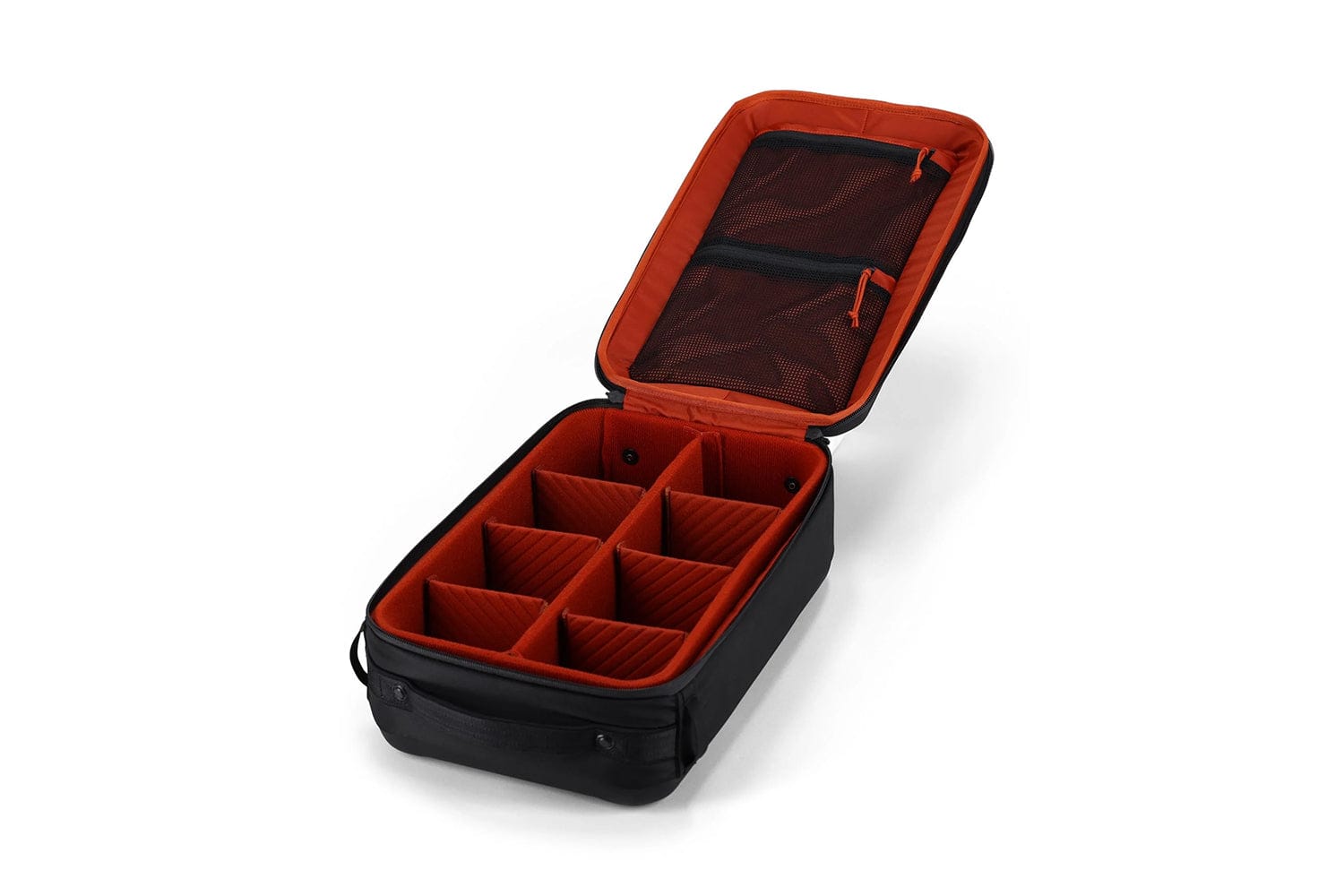
- Best All-Around: Simms Stash Bag - For anglers who want a structured “grab-and-go” boat or truck bag that organizes tackle, tools, and spools. The divider-ready interior and reinforced base help keep everything upright and easy to find.
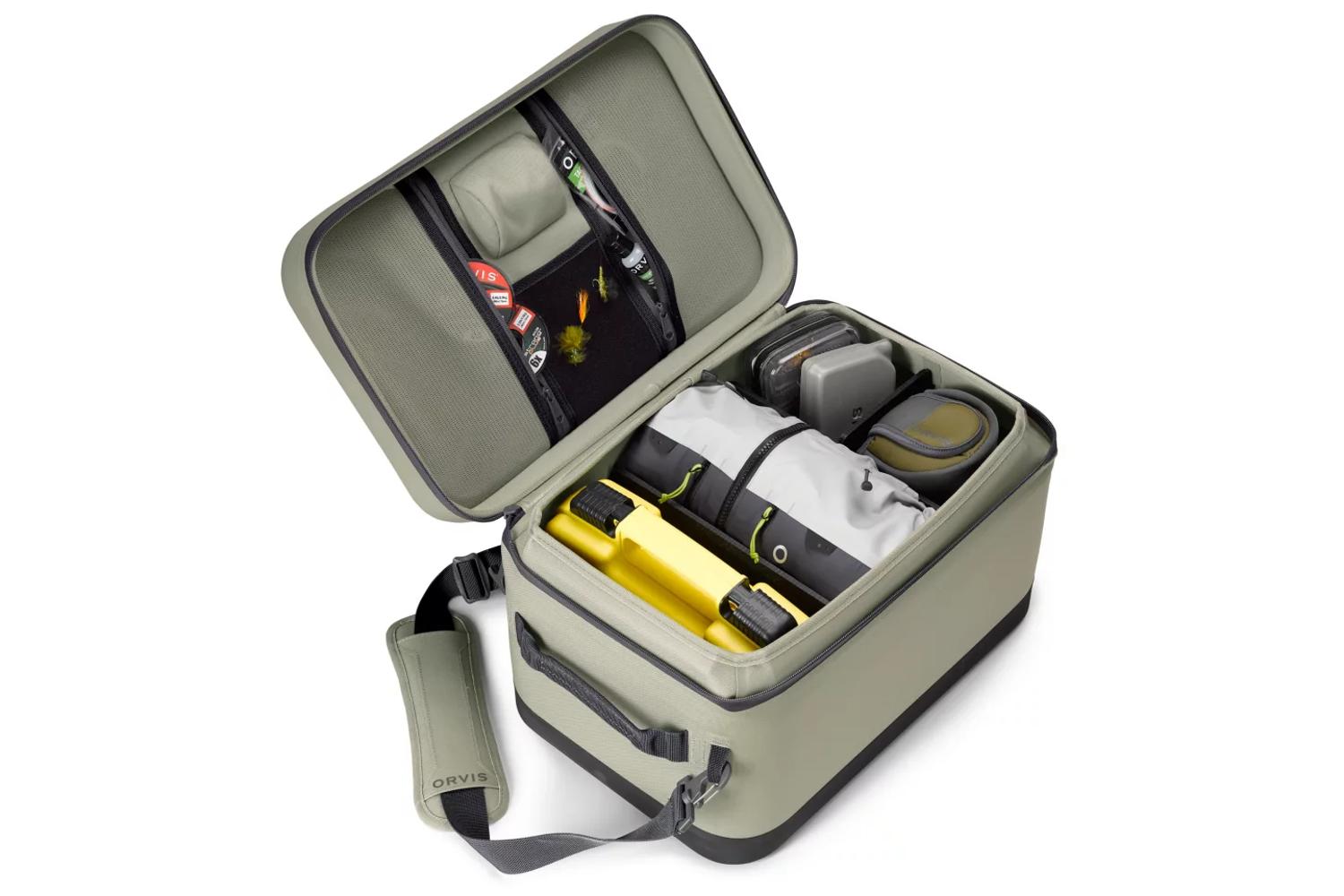
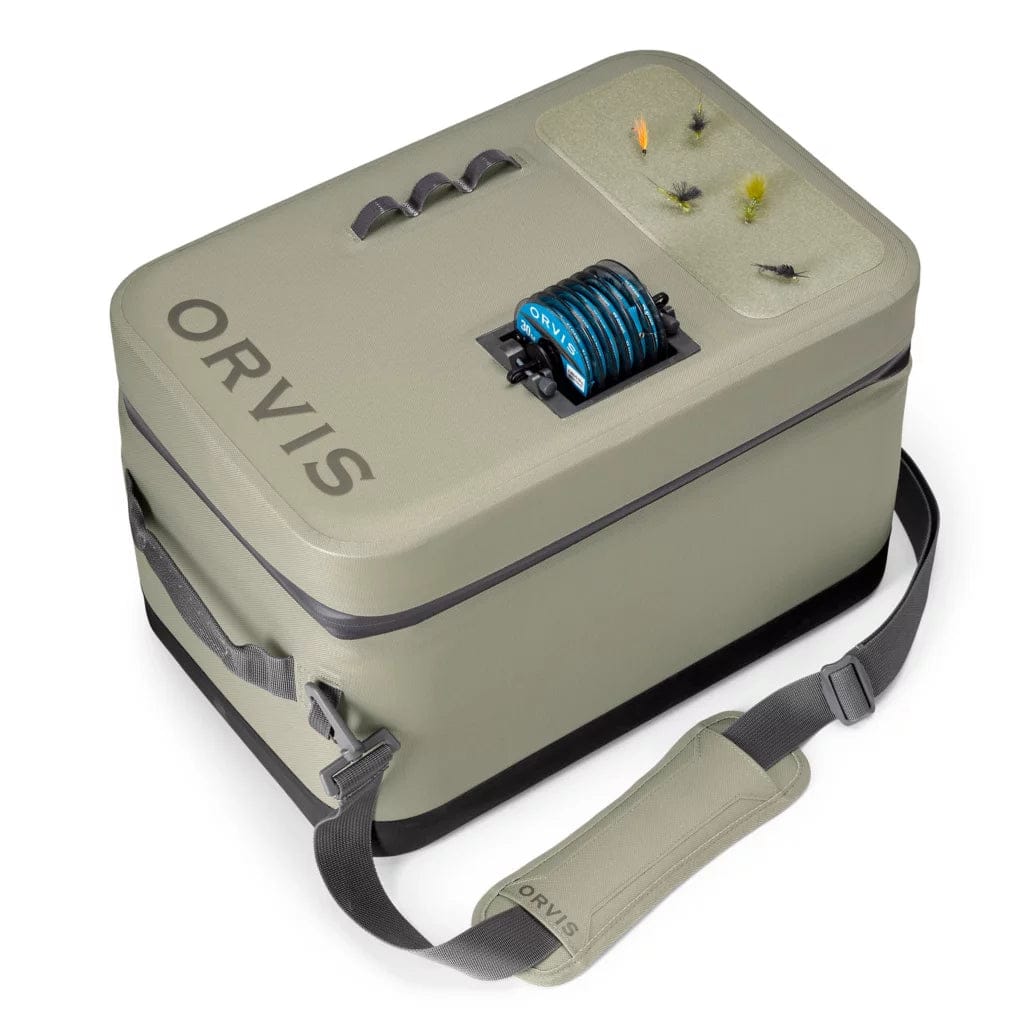
- Best for Boat Organization: Orvis Pro Waterproof Boat Bag - For drift boats, skiffs, and rafts where spray, rain, and deck chaos are part of the program. It’s built around waterproof materials and customizable dividers to keep fly boxes, layers, and accessories sorted.
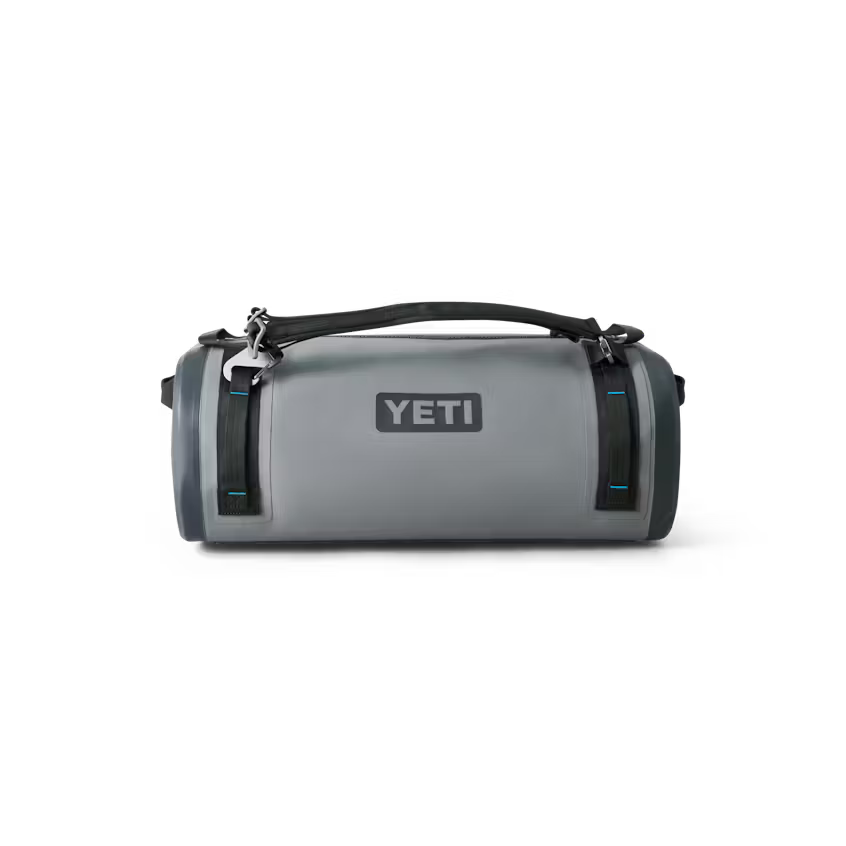
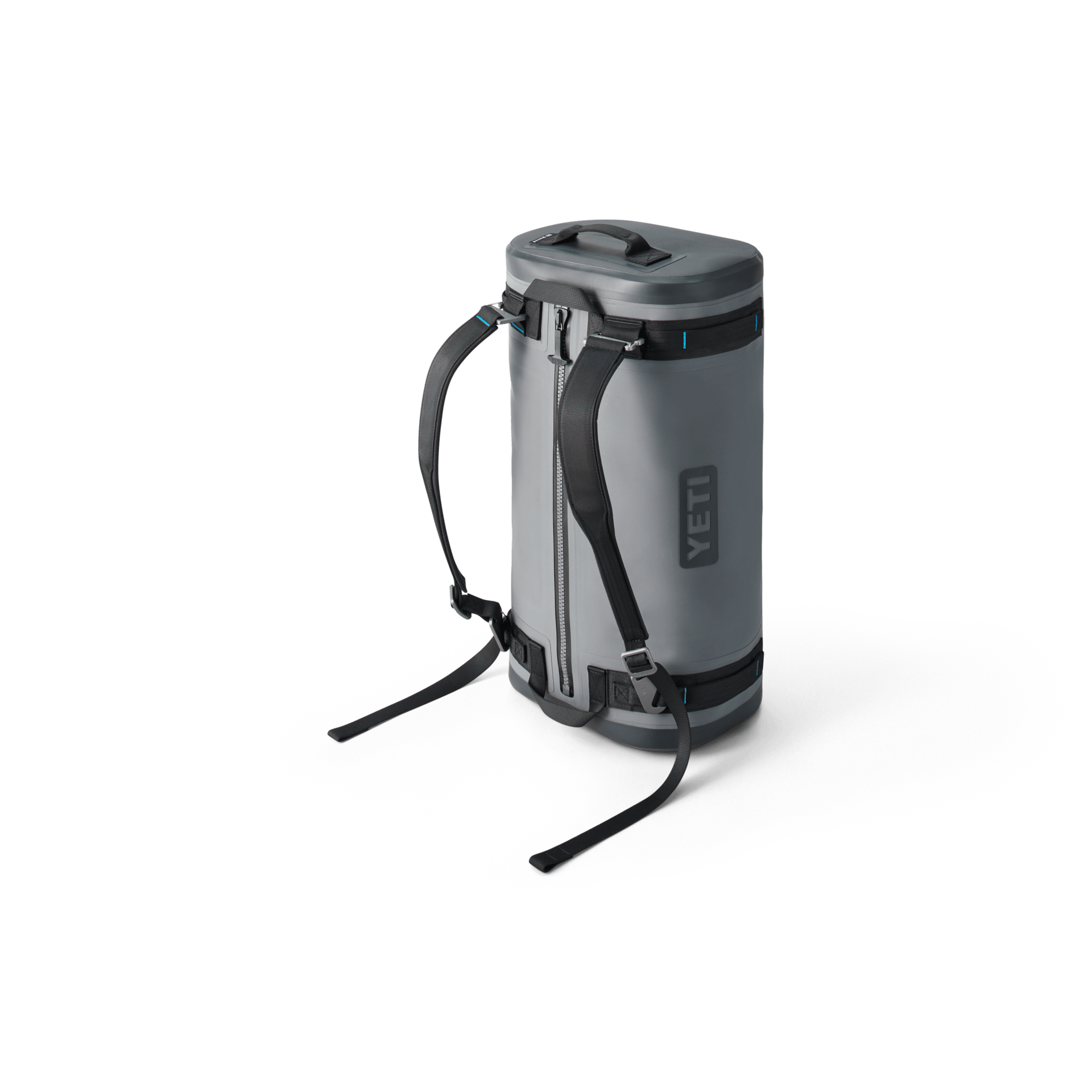
- Best Travel (Waterproof Duffel): Yeti Panga Waterproof Duffel Bag - For airline travel, boat transfers, and wet destinations where you can’t risk soaked clothes or electronics. The submersible-style build and internal organization make it a reliable “one bag” option for gear-heavy trips.
- Best for Waders & Boots: Riversmith Gear-Roll Bag - For keeping wet waders and muddy boots contained in your truck without turning your interior into a swamp. The molded waterproof bottom and integrated changing mat make cleanup and transitions simpler.
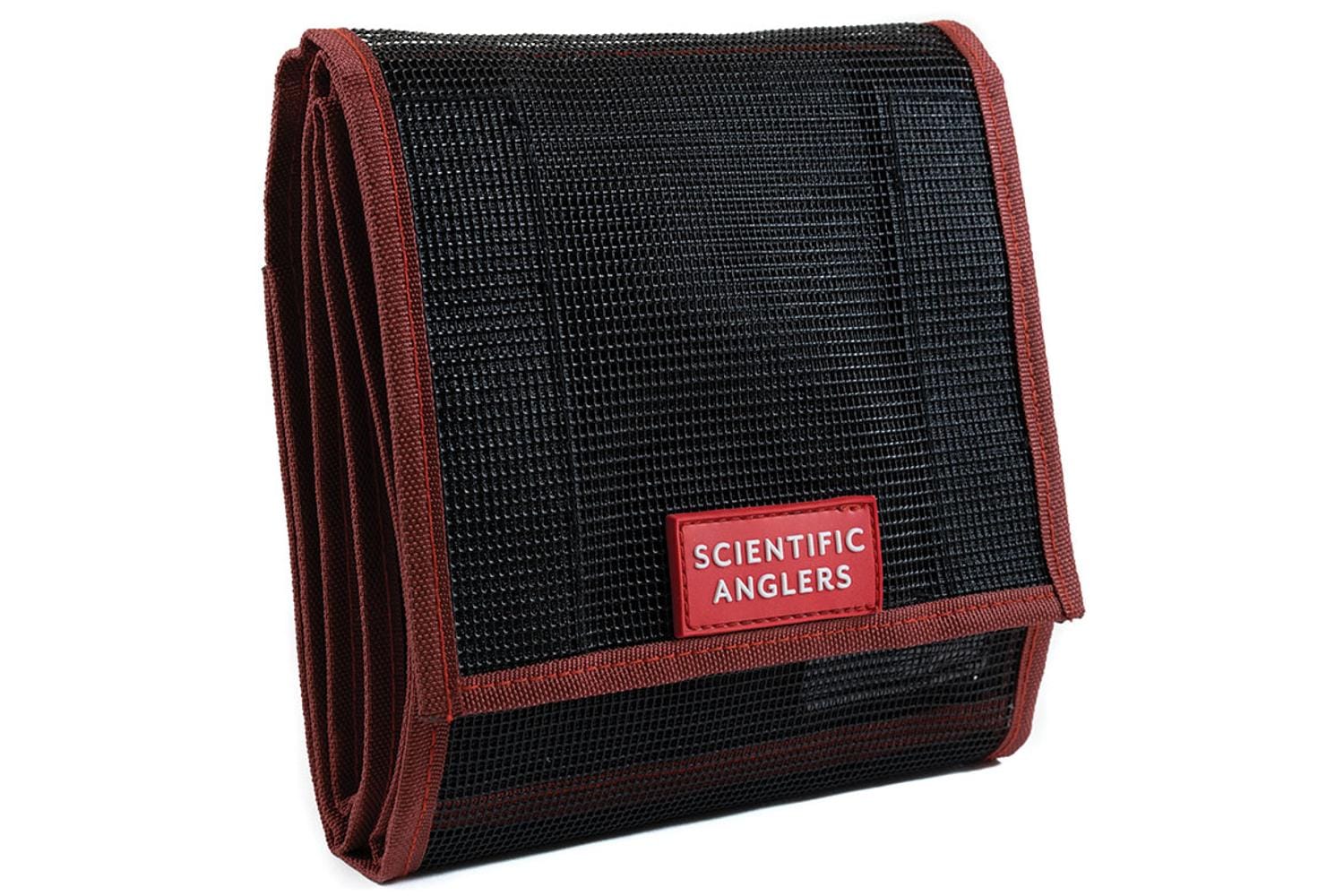
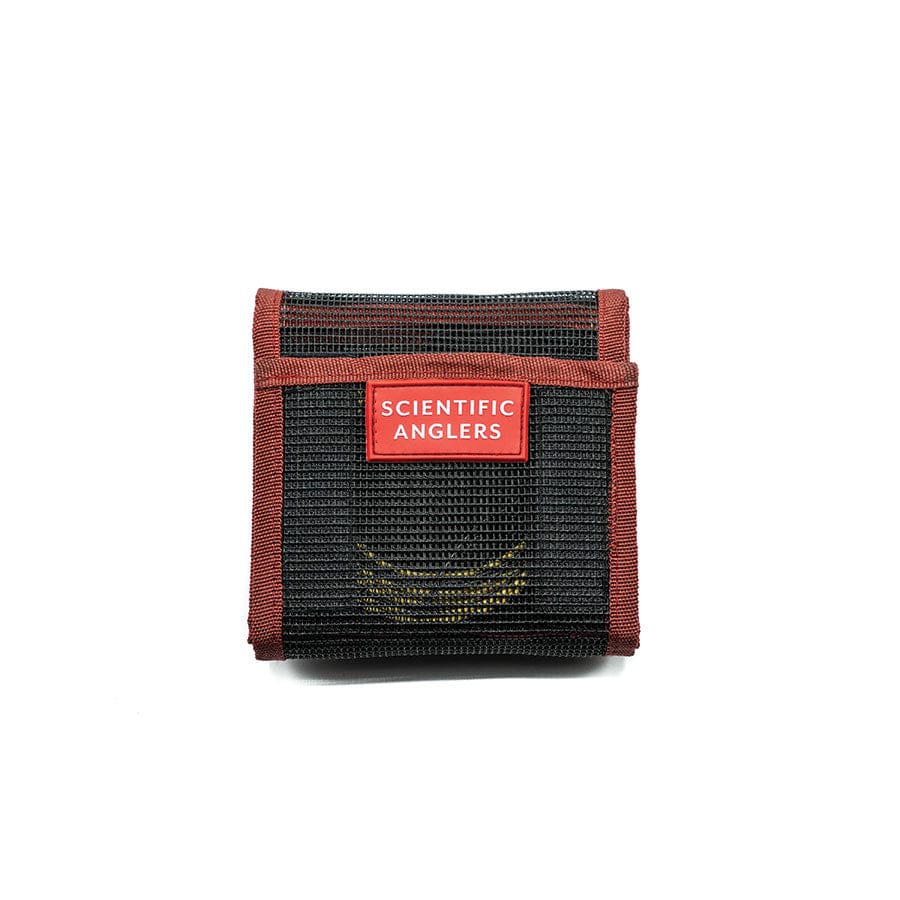
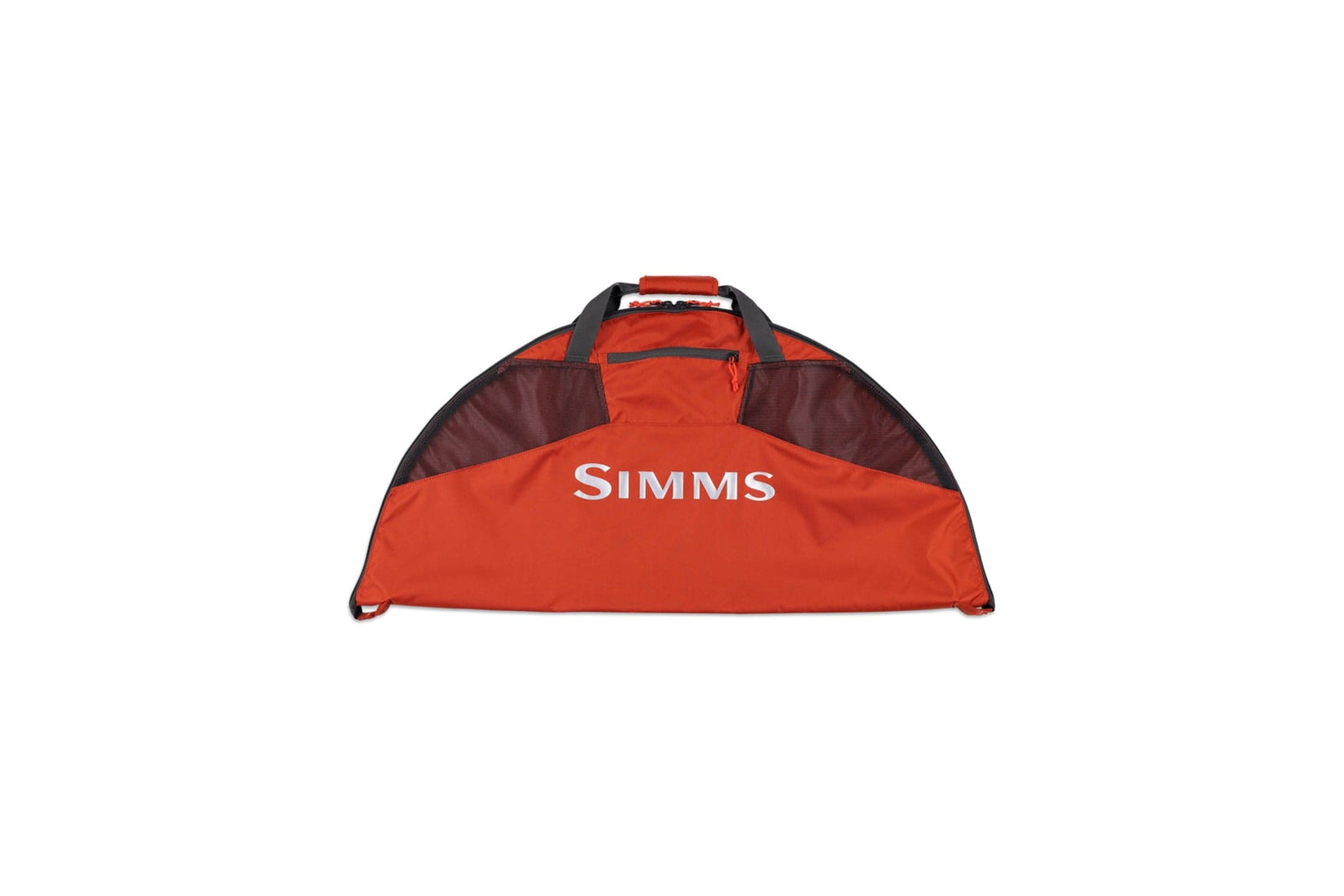
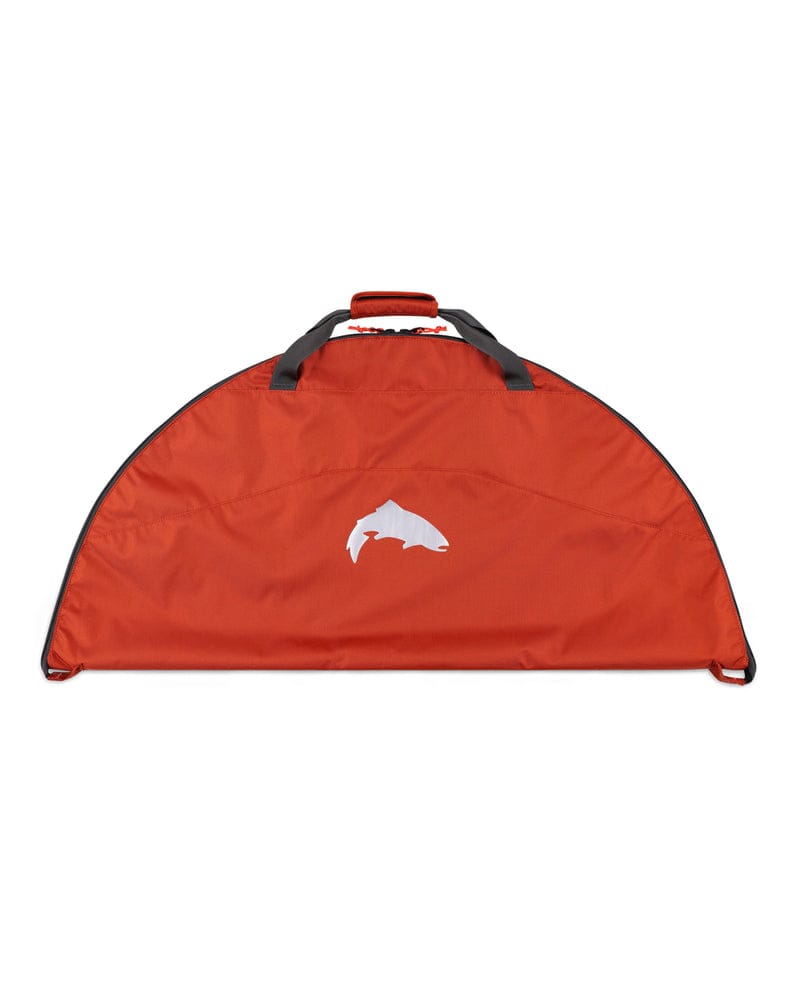
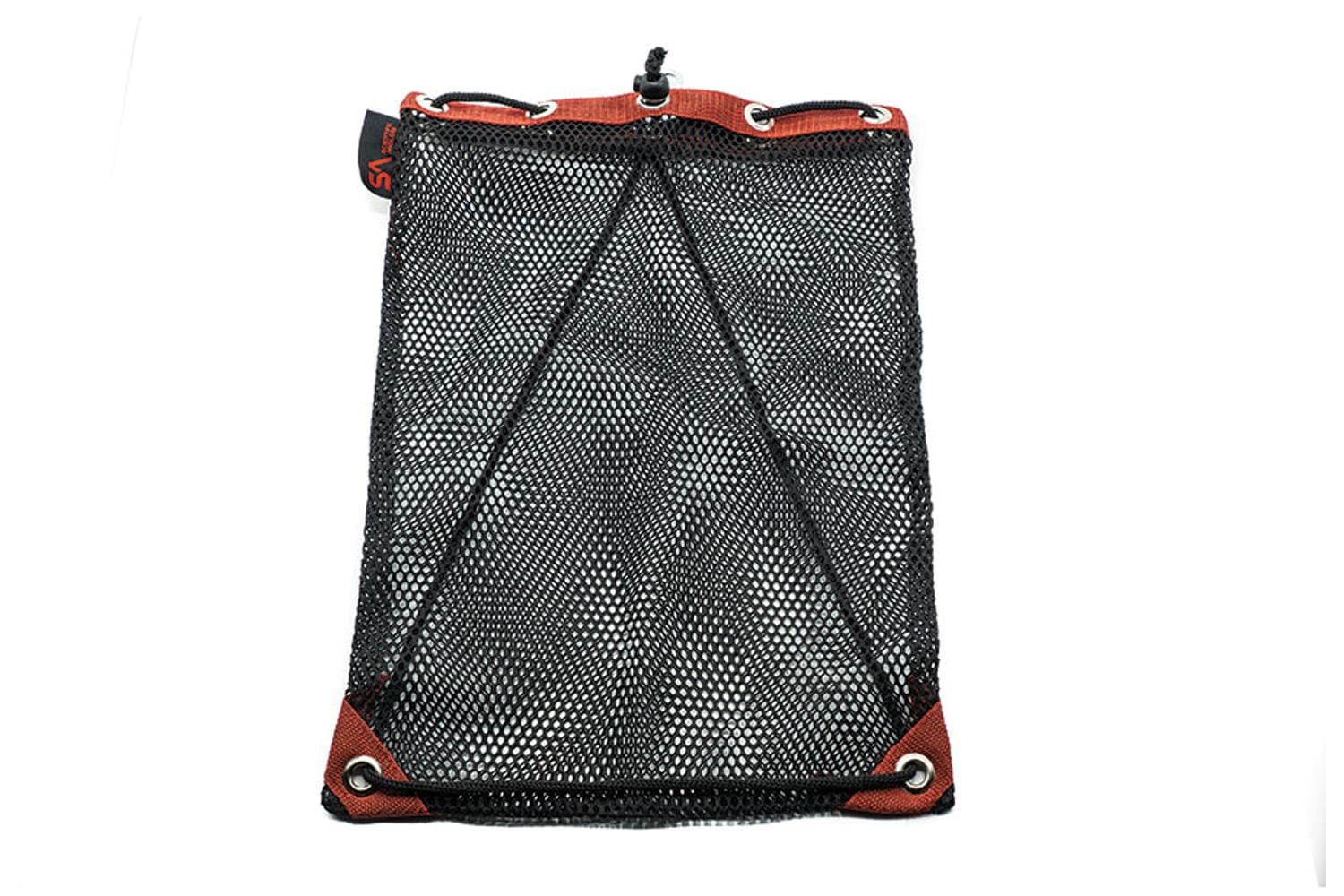
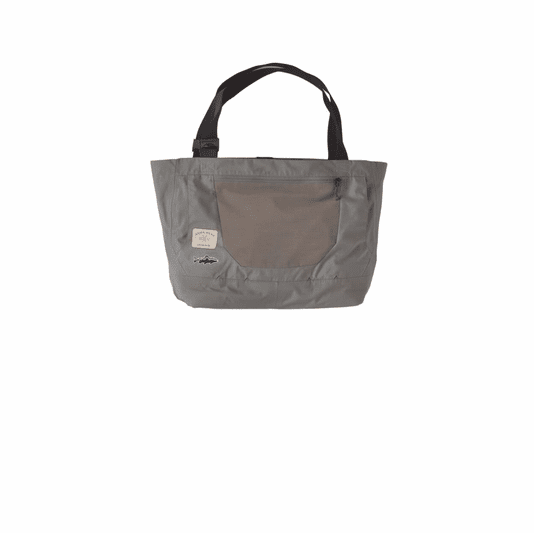
- Best Value (Wader Transport): Orvis Wader Mud Room Boot Transporter - For a simple, breathable way to haul waders and boots to and from the water. The built-in changing area and mesh storage help keep mud, sand, and water where they belong.
How to Choose Gear Bags & Tackle Storage
Pick your “home base”: boat bag vs. truck bag vs. travel duffel
Action: Start with where the bag will live most of the time, boat deck, back seat, or checked luggage, and choose around that.
- Boat bags: Prioritize water protection, structured walls, and dividers so fly boxes don’t become a pile.
- Truck/tailgate bags: Look for wide openings, easy-access pockets, and a stable base for quick rigging.
- Travel duffels: Focus on abrasion resistance, strong zippers, and a carry system you can manage through airports.
Water protection: water-resistant vs. waterproof vs. submersible
Best for: If you fish from boats, raft frames, or in consistent rain, lean toward truly waterproof designs (roll-top or waterproof zipper systems). If you mainly need splash and drizzle protection, water-resistant fabrics can be enough and often zip easier and cost less.
Avoid if: Don’t pay for submersible-level waterproofing if your bag is mostly living in a drift boat dry box or your trunk and only sees occasional spray.
Organization: dividers, pockets, and “one-hand access”
- Dividers: Great for separating fly boxes, cameras, and layers so you’re not digging every time you swap flies.
- Lid pockets/mesh pockets: Helpful for leaders, tippet, tools, sunscreen, and small parts that get lost in the bottom.
- Big opening vs. lots of compartments: Big openings load faster; more pockets reduce clutter. Pick the style you’ll actually maintain.
Capacity: don’t overbuy
Action: Lay out what you carry on a normal day (fly boxes, rain shell, lunch, first aid, spare spool, tools) and choose the smallest bag that fits it comfortably. Smaller bags stay organized longer and are easier to move around a boat or truck.
Materials & Durability
- Rinse after salt use: If your bag sees saltwater, rinse zippers, buckles, and hardware with fresh water and let it dry fully.
- Dry before storage: Open the bag at home and let it air out, especially if it carried wet boots, rain gear, or a damp wader jacket.
- Keep waterproof zippers clean: Grit is the enemy. Brush off sand and dirt before you force a zipper closed.
- Use internal pouches: Even in larger bags, small zip pouches prevent tippet spools and tools from migrating to the bottom.
- Avoid long-term UV baking: Don’t store bags (and especially waders/boots inside them) in a hot truck bed for extended periods.
Complete Your Setup
Related Gear
- Packs & Bags - If you want a wearable system (sling/hip/backpack) to complement a boat or truck bag.
- Luggage & Duffel Bags - For bigger trips where you’re packing waders, boots, and multiple setups.
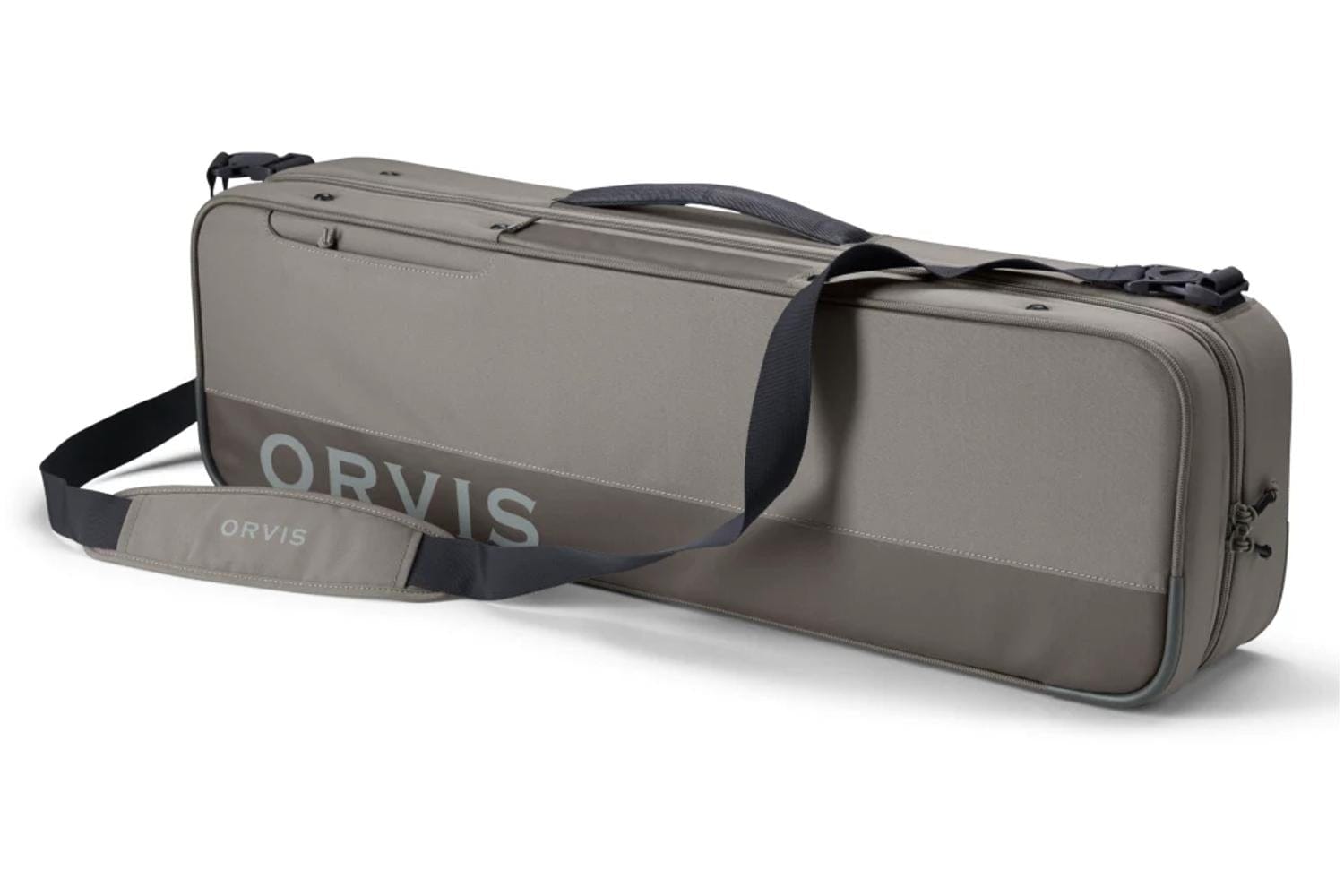
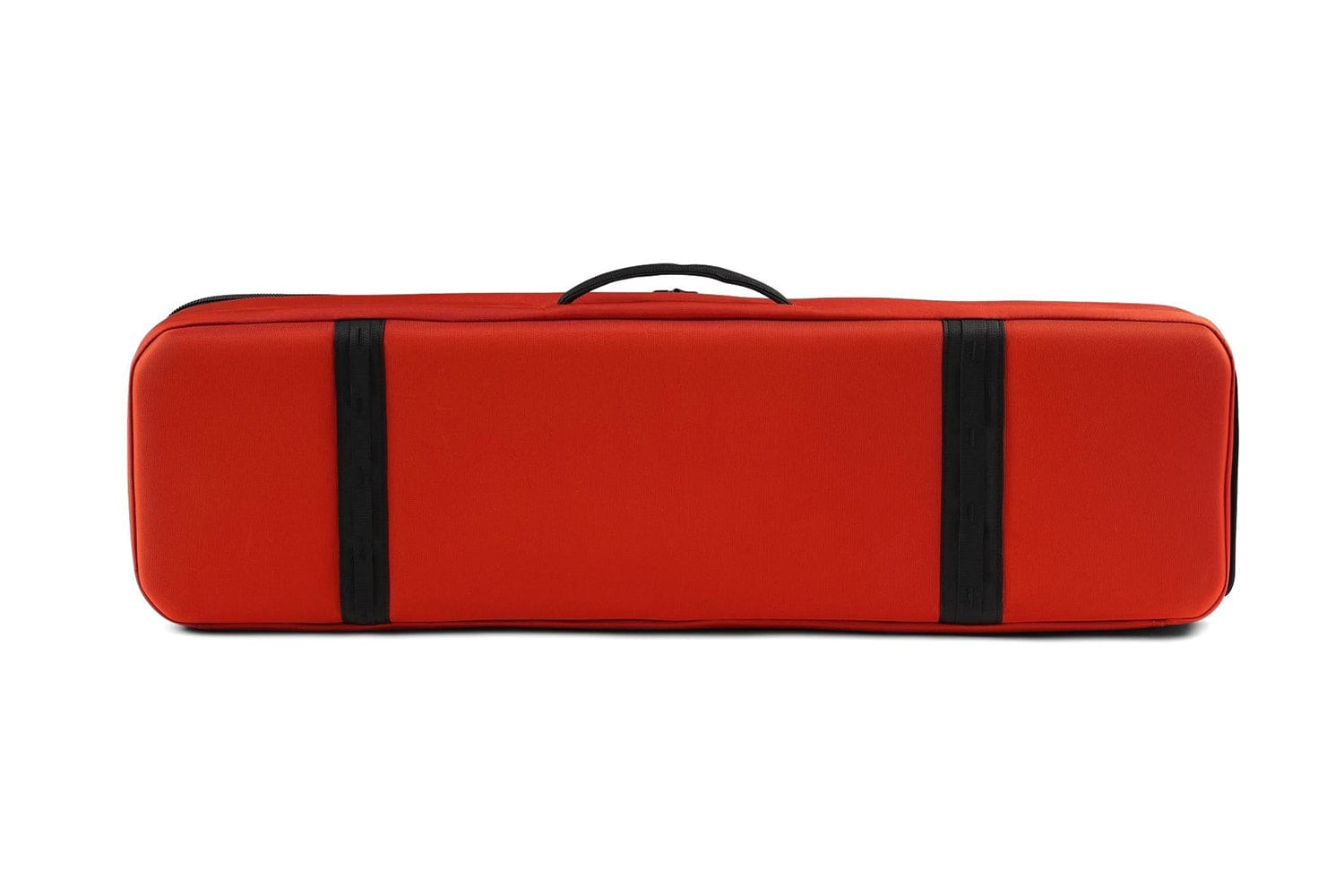
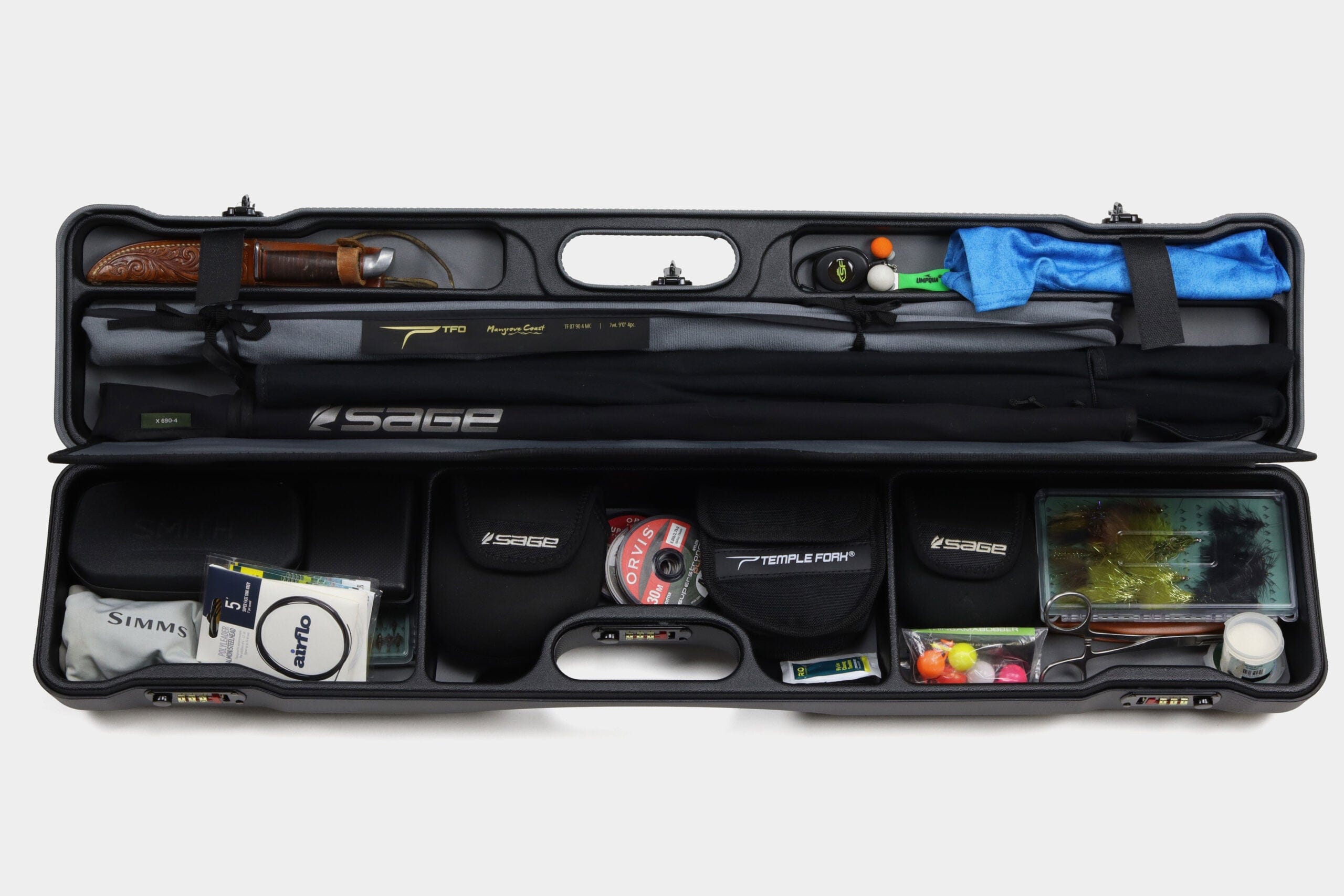
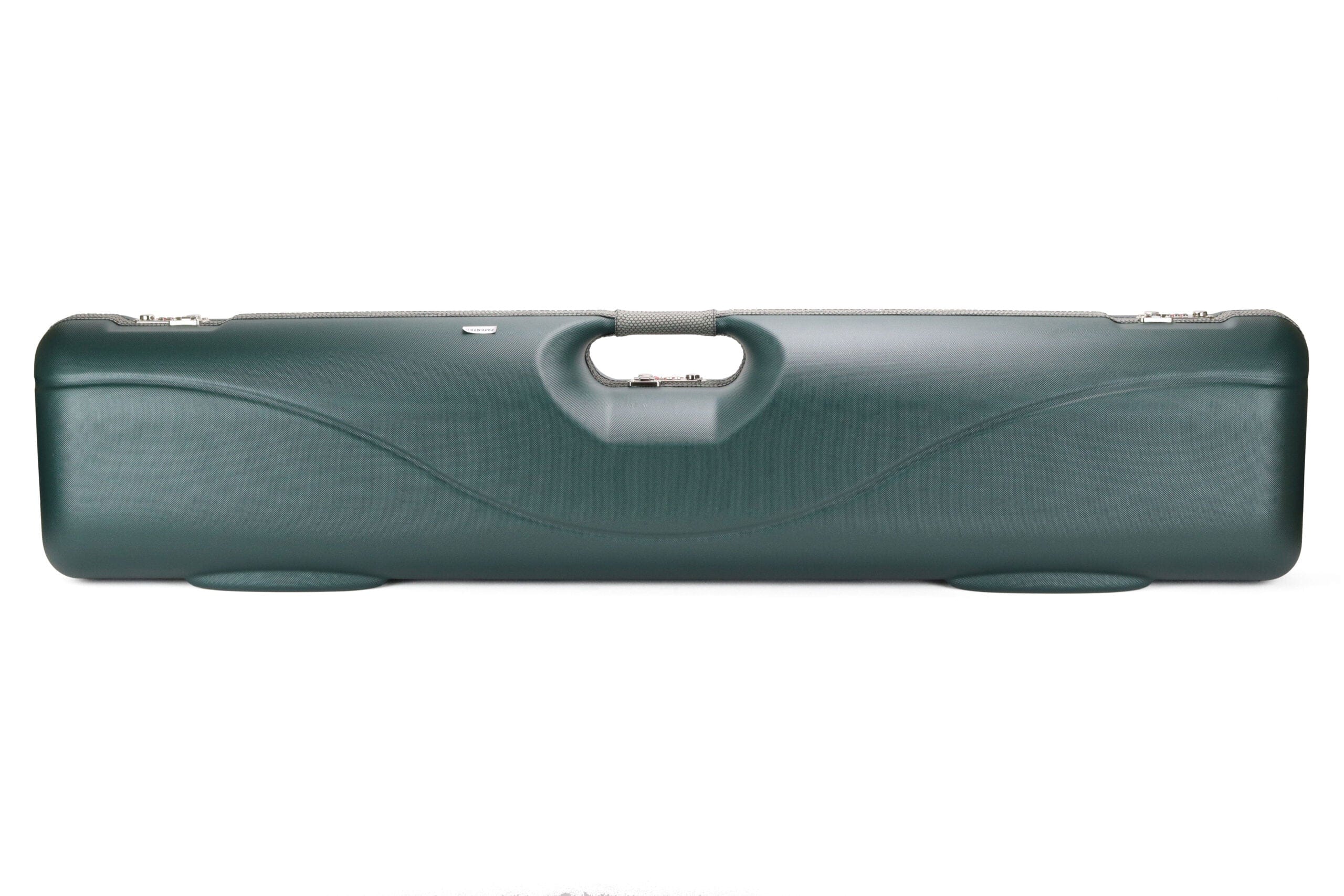
- Rod & Reel Cases - Keeps rods and reels protected when they’re not rigged and on deck.
- Waterproof Packs - When your “tackle storage” needs to survive real rain, spray, and dunks.
Related Guides
- Fly Fishing Holiday Gift Guide 2025
- Fly Fishing Holiday Gift Guide 2024
- The Best Easy-Access Fly Fishing Destinations
Gear Bags & Tackle Storage FAQs
Q: What counts as “gear bags & tackle storage” for fly fishing?
A: It’s the off-water and on-boat organization category: boat bags, tackle/gear totes, wader/boot transport bags, travel duffels, and small storage pouches. The goal is keeping gear protected, separated, and easy to access.
Q: Do I need a boat bag if I already have a sling or hip pack?
A: A wearable pack is great for what you need while wading. A boat bag is more of a “home base” for extra fly boxes, rain gear, camera, lunch, and spares that you don’t want on your body all day.
Q: What should I look for in a fly fishing boat bag?
A: Prioritize water protection, a stable base, and internal dividers so fly boxes don’t pile up. Lid pockets for keys/phone and easy-grab tool storage are also worth having.
Q: What’s the difference between a roll-top dry bag and a zipper waterproof bag?
A: Roll-tops are simple and reliable for keeping things dry, but access is slower and organization is usually minimal. Waterproof zipper bags are faster to open and often more structured, but they can be more sensitive to grit and need a bit more care.
Q: What’s the best way to carry wet waders and muddy boots?
A: Use a dedicated wader/boot bag or organizer that contains moisture and grime and gives you a clean spot to change. Breathable panels help for transport, but you’ll still want to fully dry waders and boots at home.
Q: Are gear bags and tackle storage good for beginners?
A: Yes, good storage makes it easier to stay organized and protects expensive items like waders, reels, and fly lines. Beginners often benefit most from a simple wader/boot transporter and a structured gear tote for tools and fly boxes.
Q: How do I keep fly boxes and accessories from getting lost in a big duffel?
A: Use internal pouches or packing cubes, and keep “small stuff” in zippered mesh pockets when possible. A bag with divider panels or a structured interior also helps a lot.
Q: Do all bags in this collection work for saltwater?
A: Not necessarily. For saltwater, look for higher water protection and hardware/zip systems that can handle spray, then rinse everything with fresh water after each day.