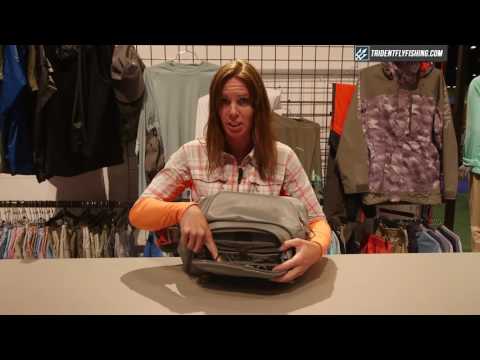
Simms Headwaters Sling Pack | Insider Review
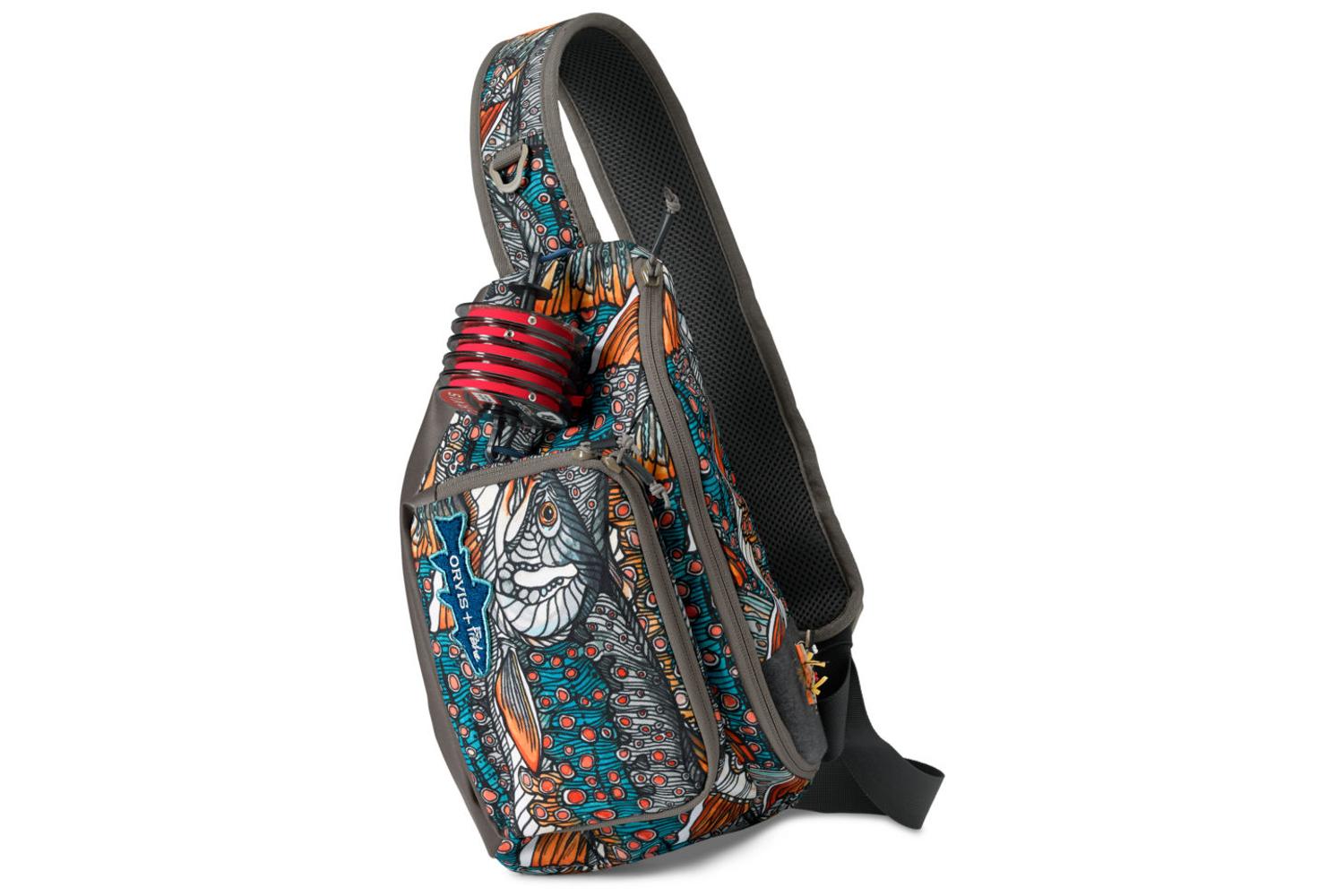
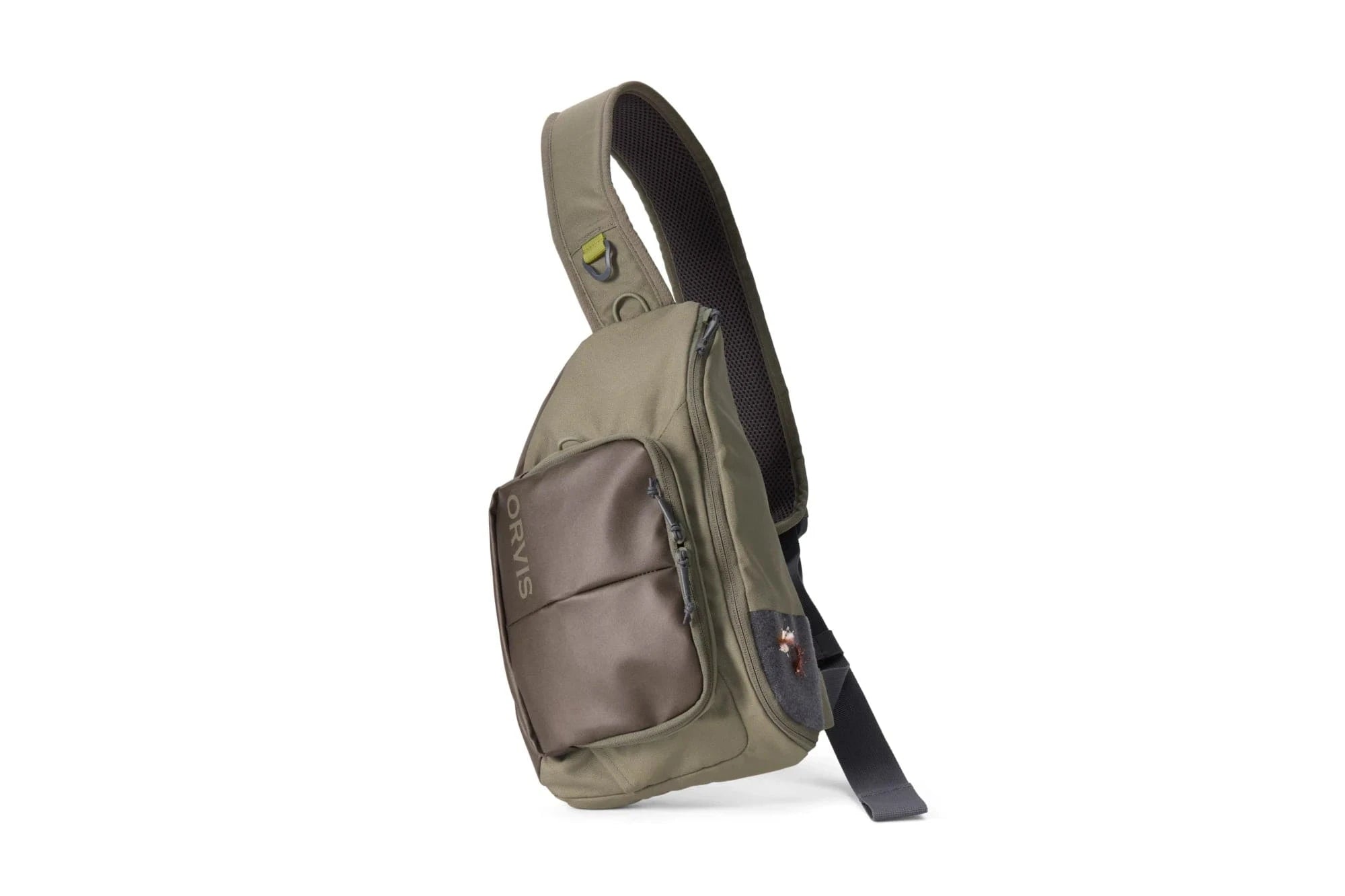
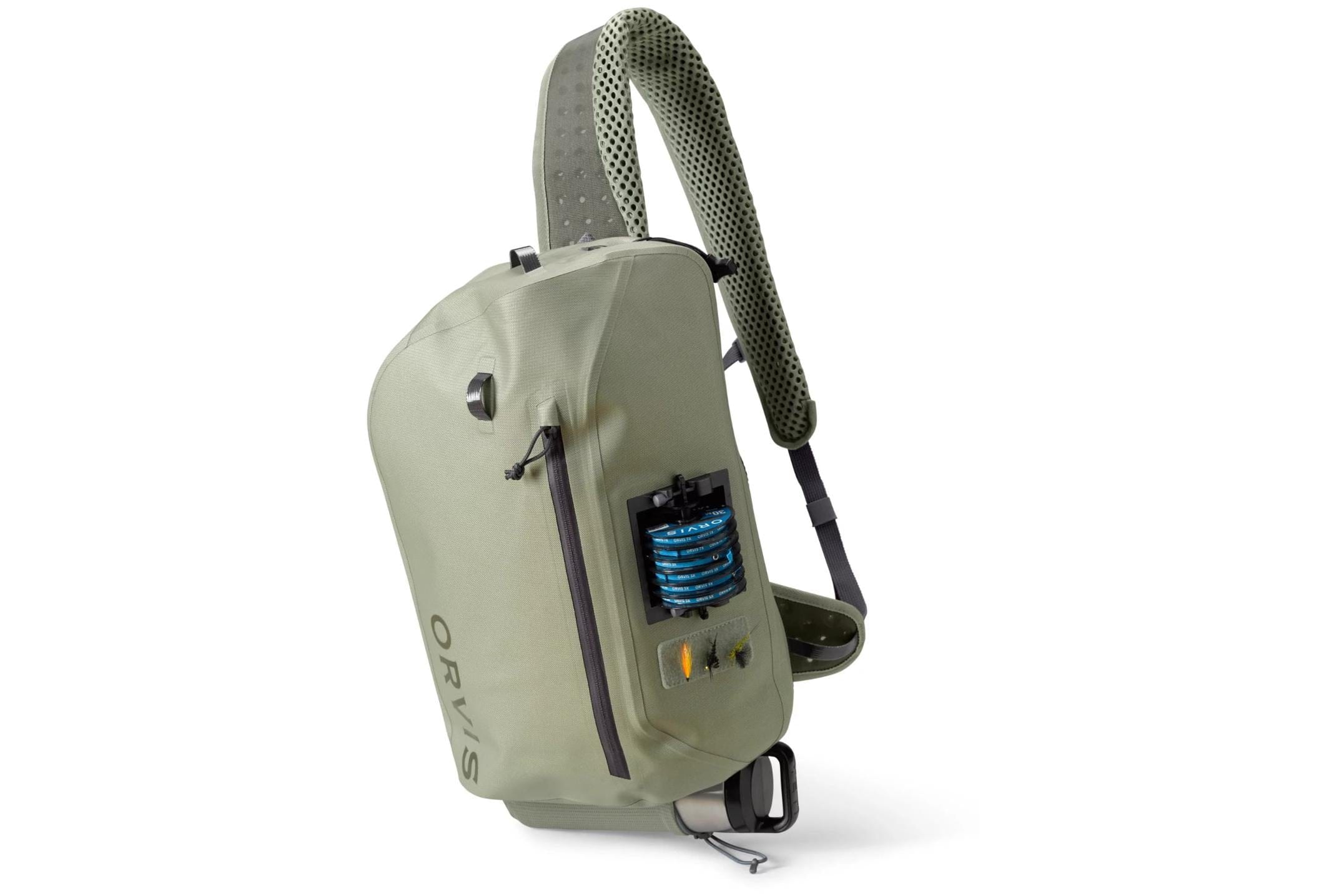
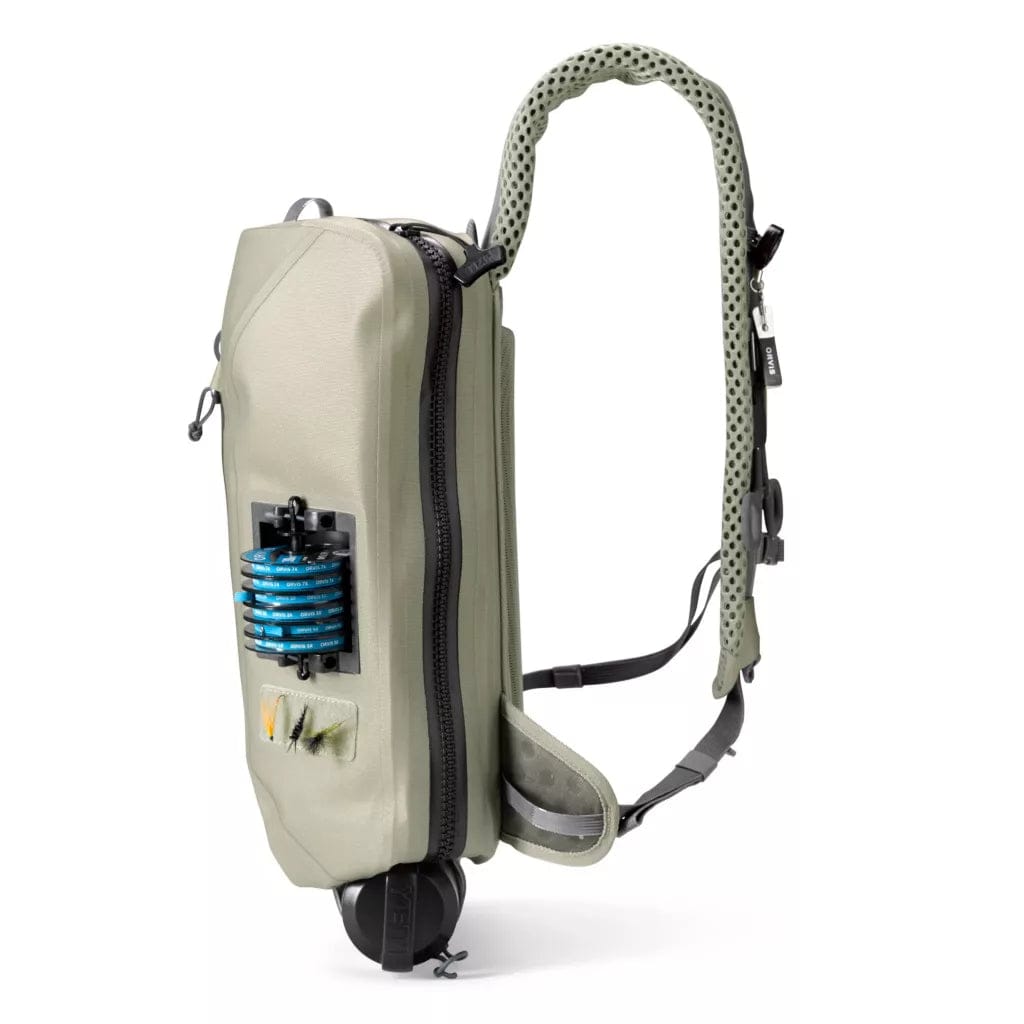
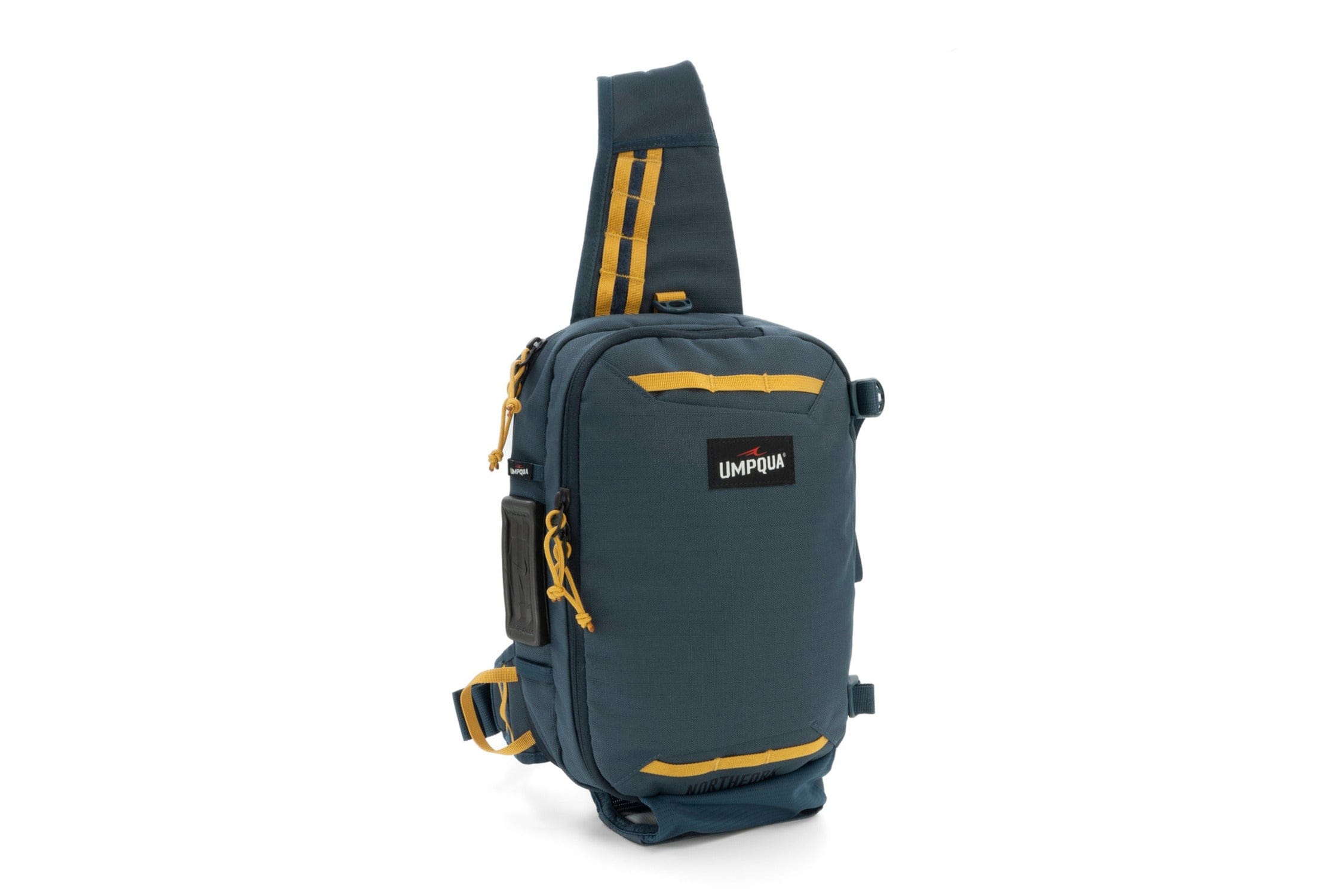
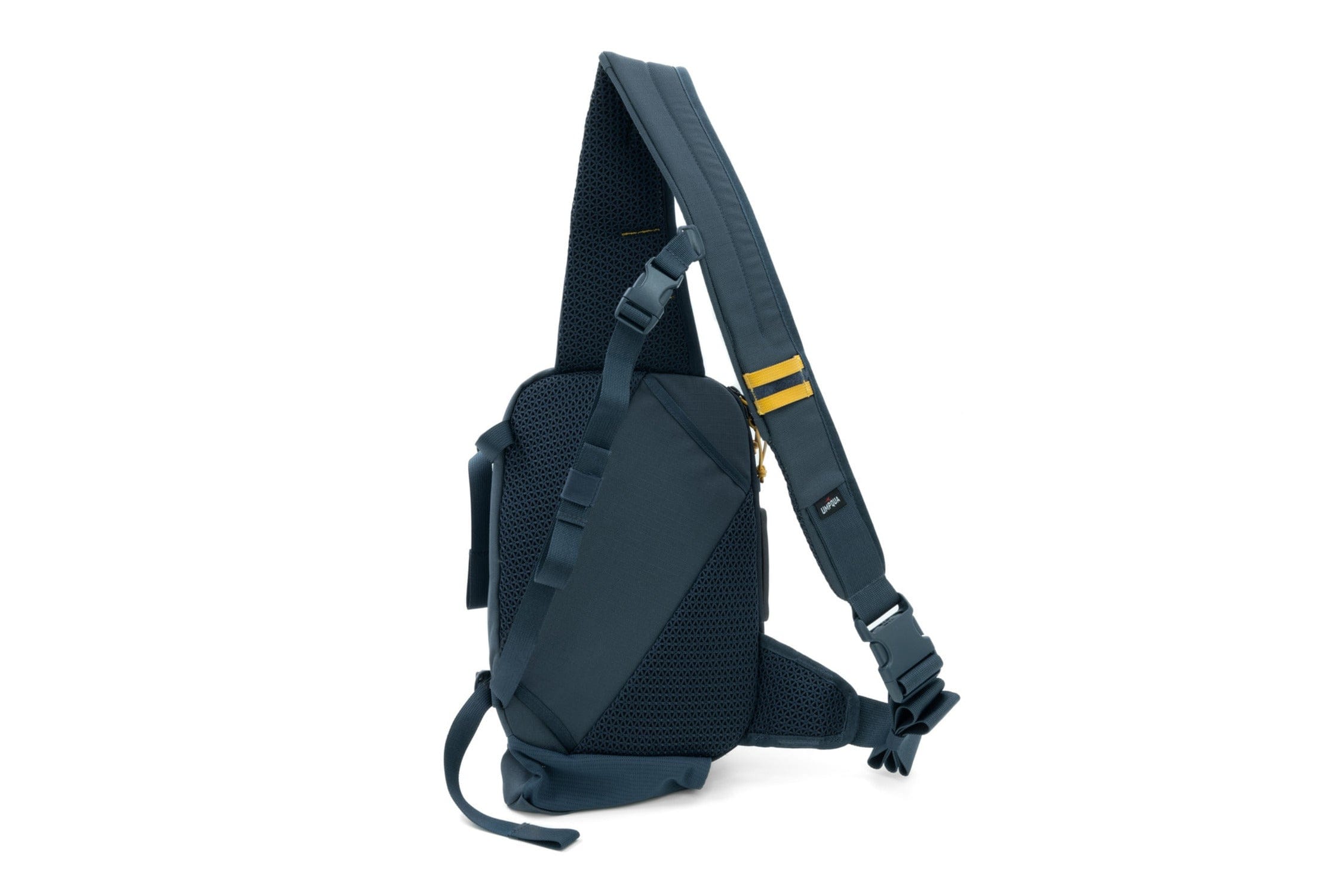
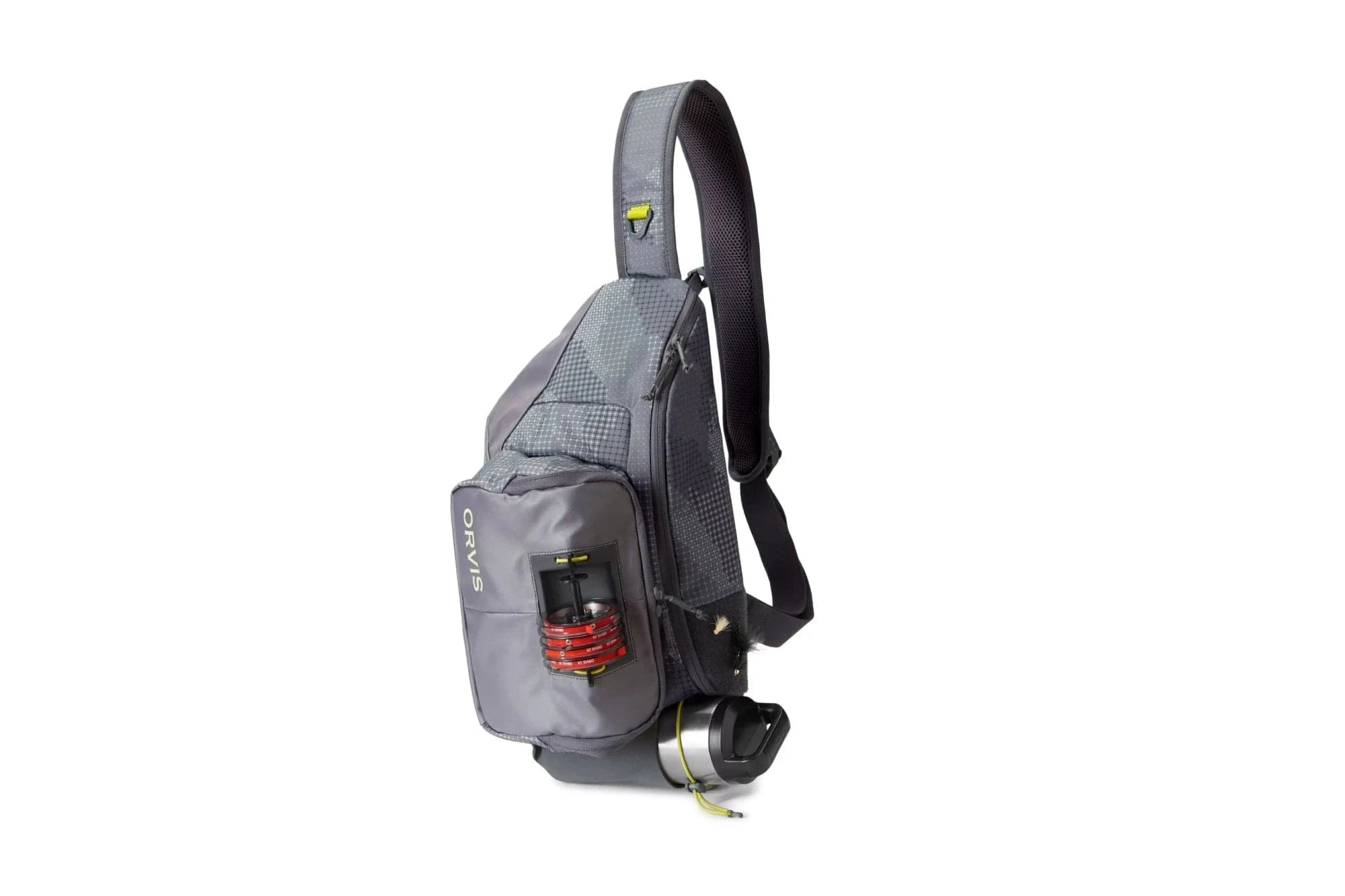
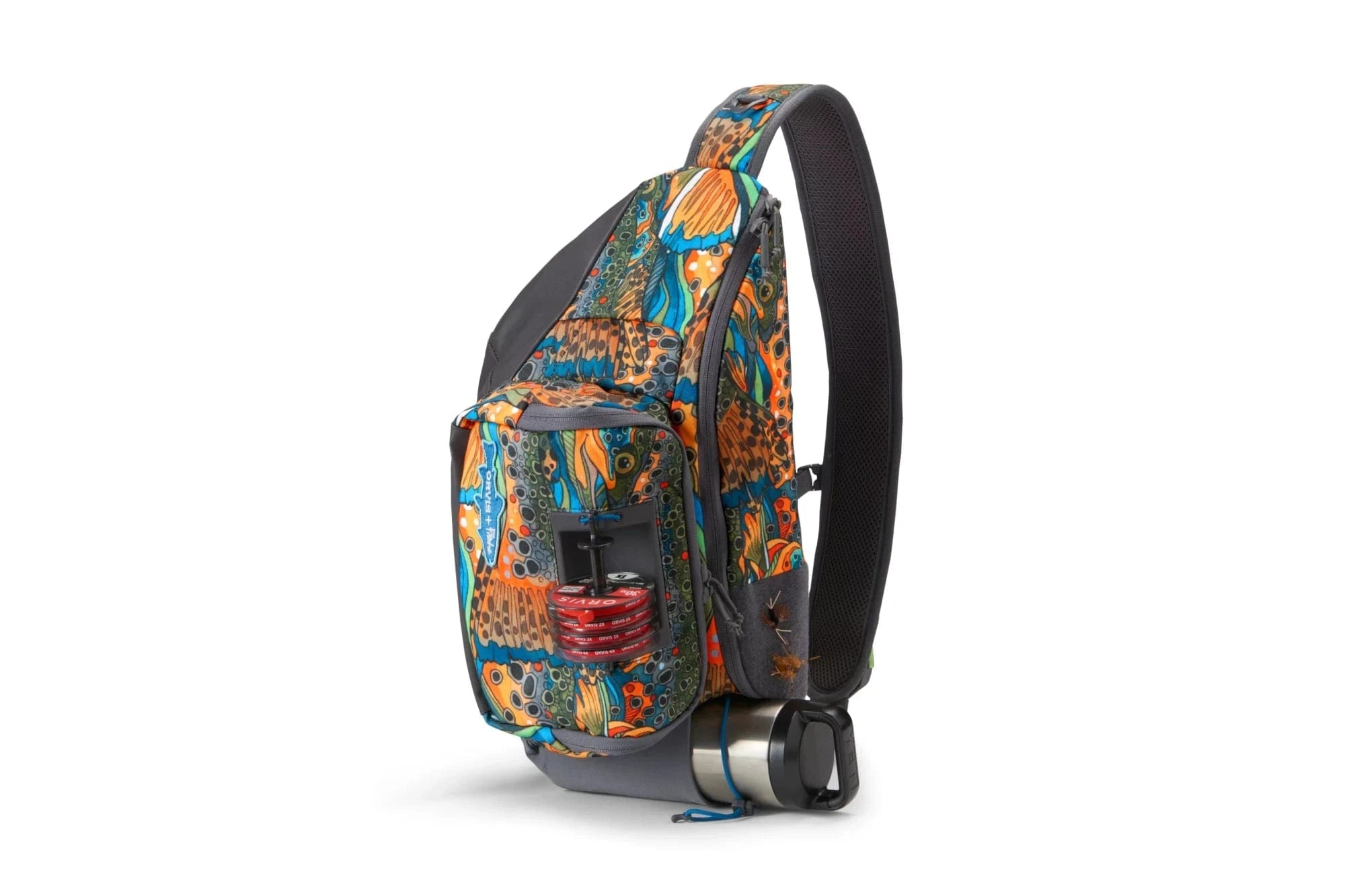
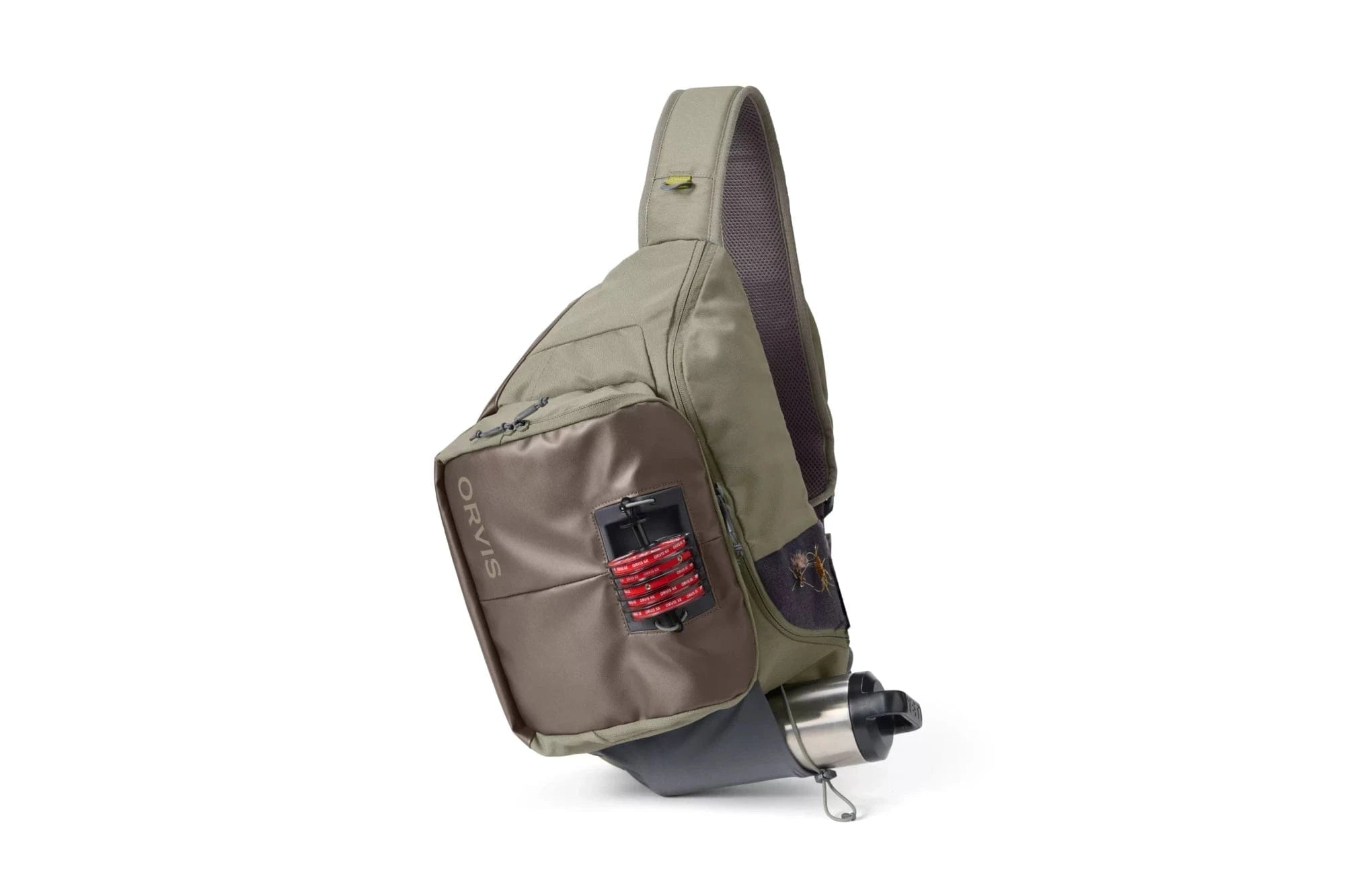
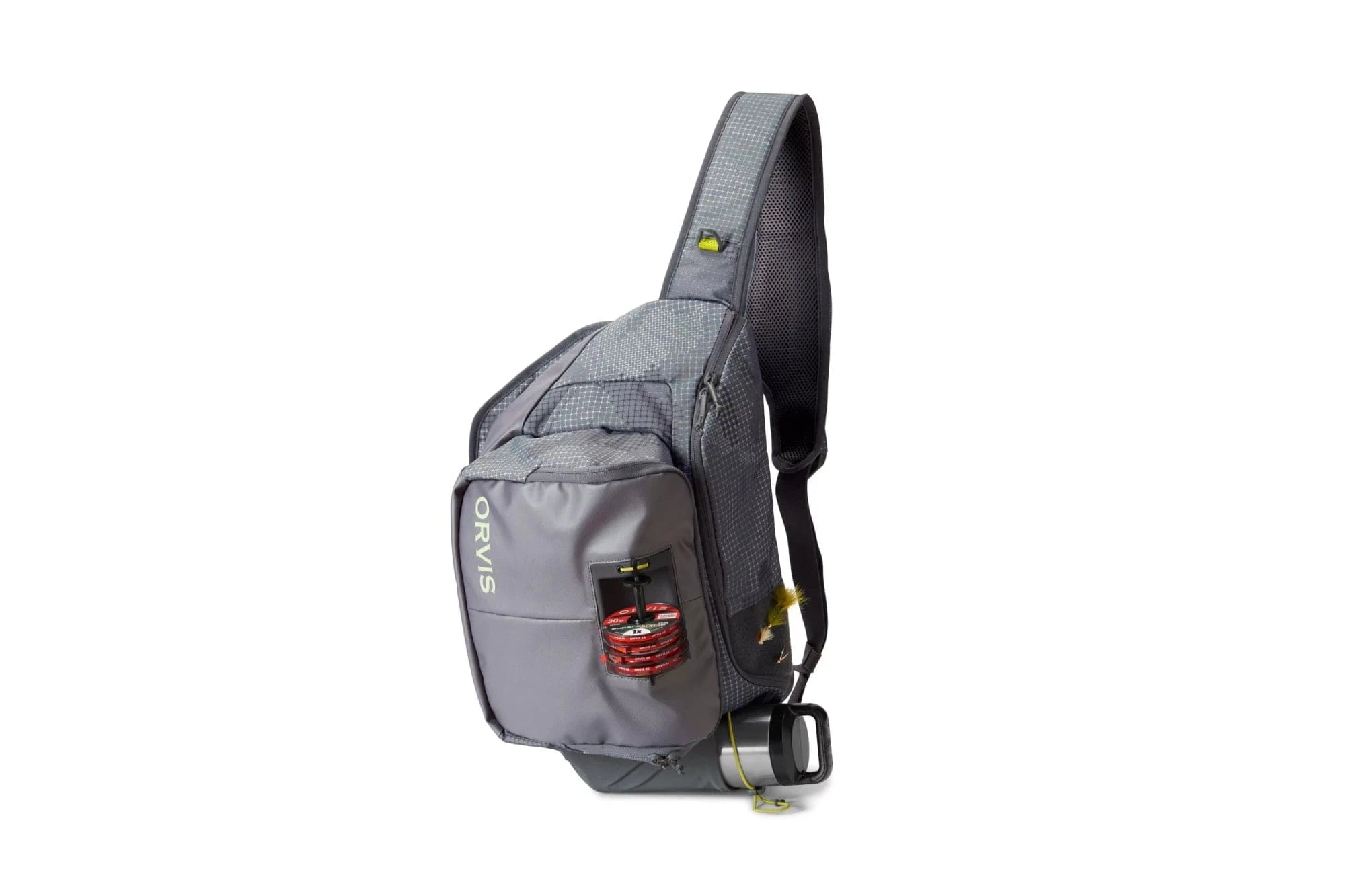
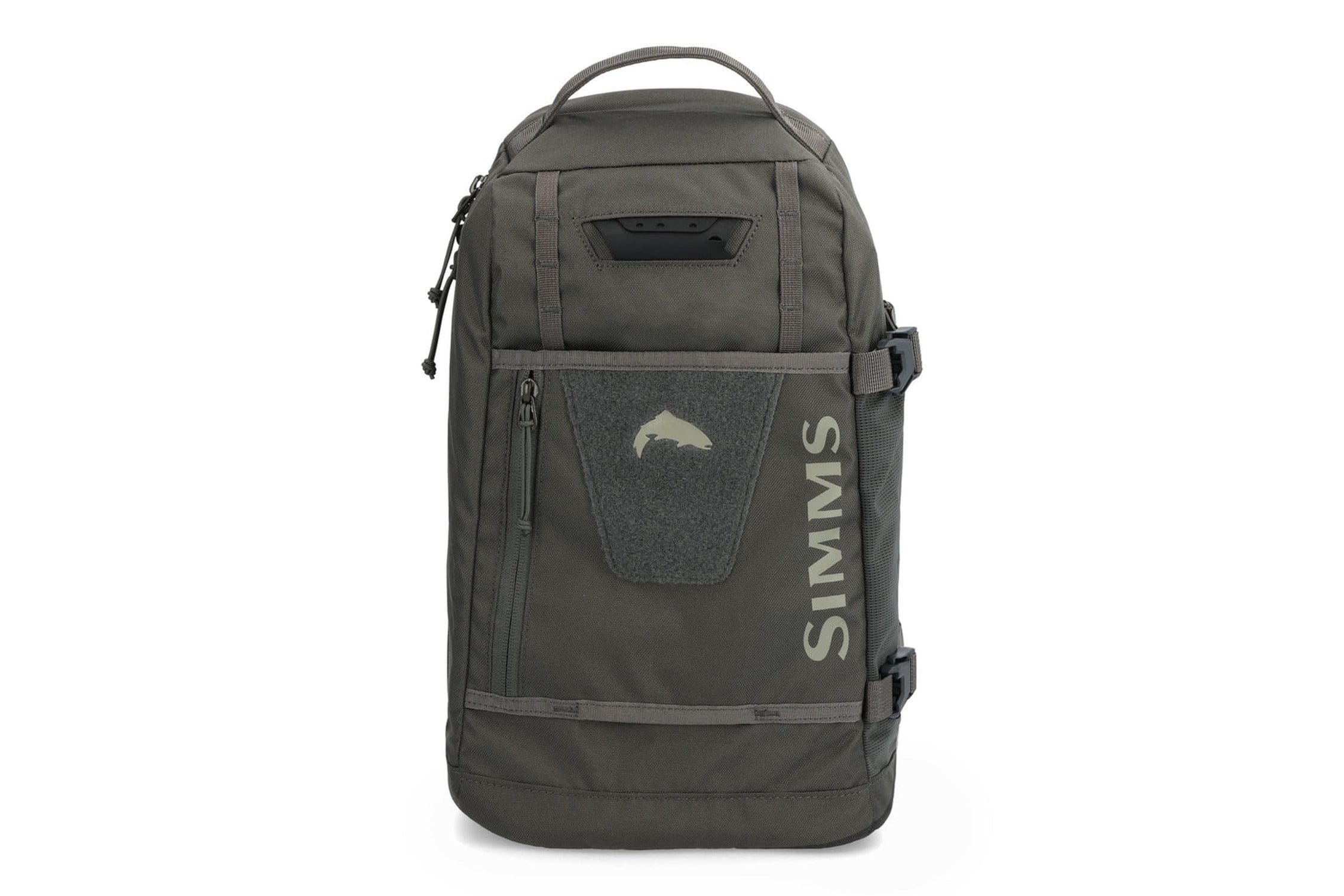
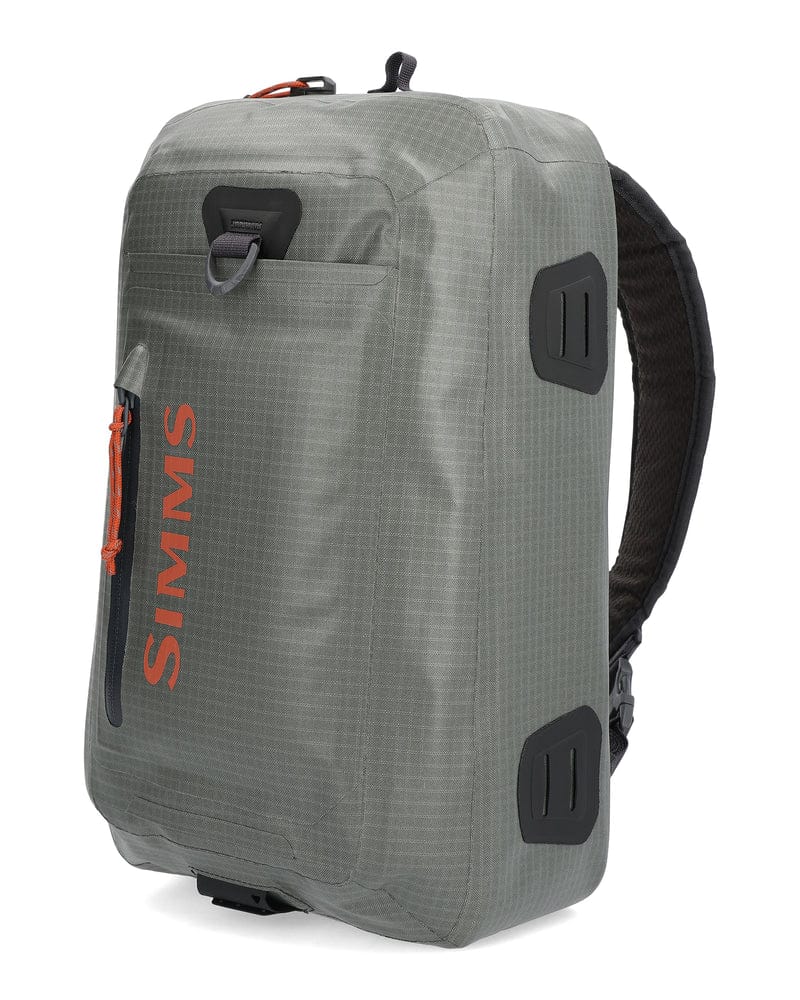
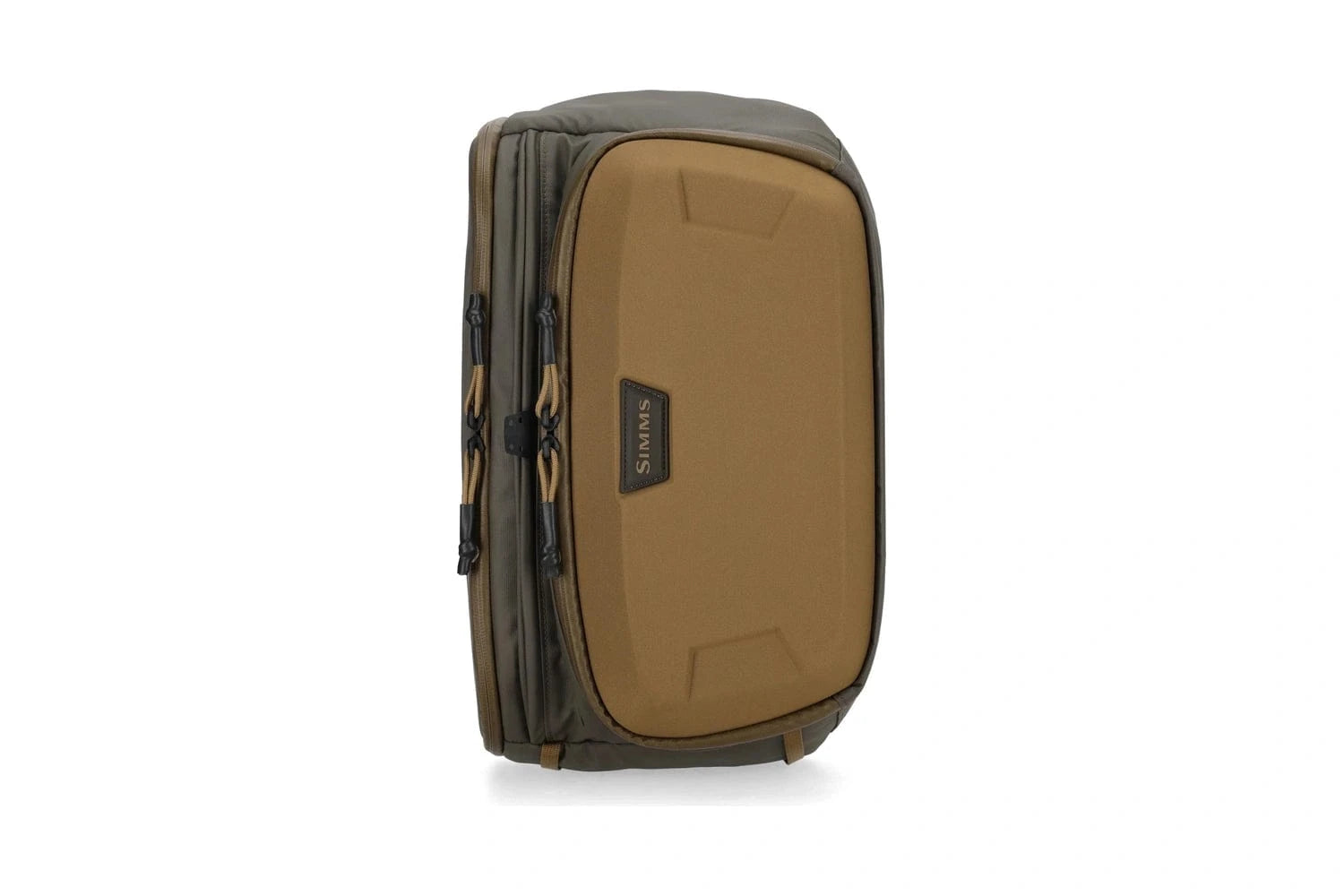
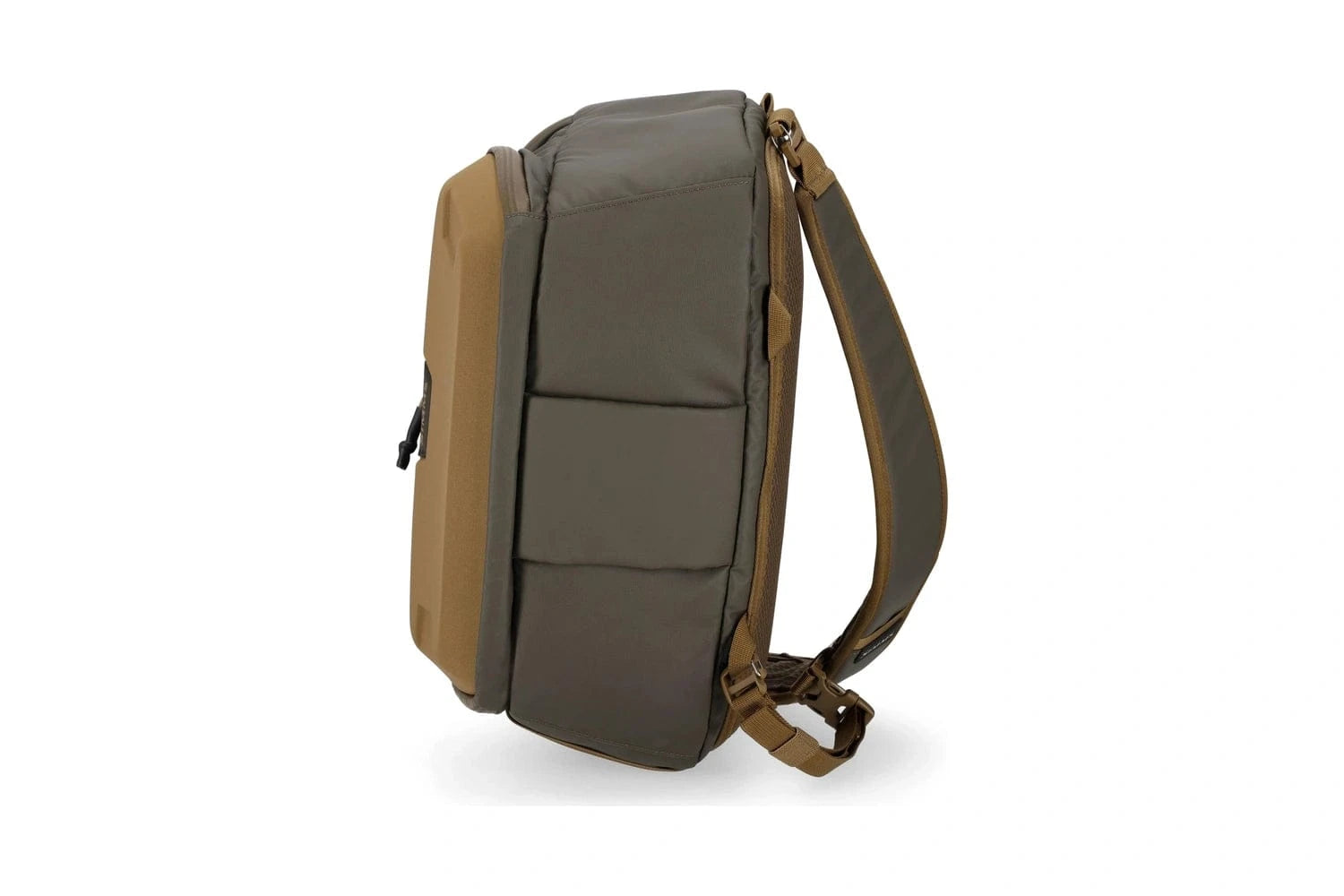
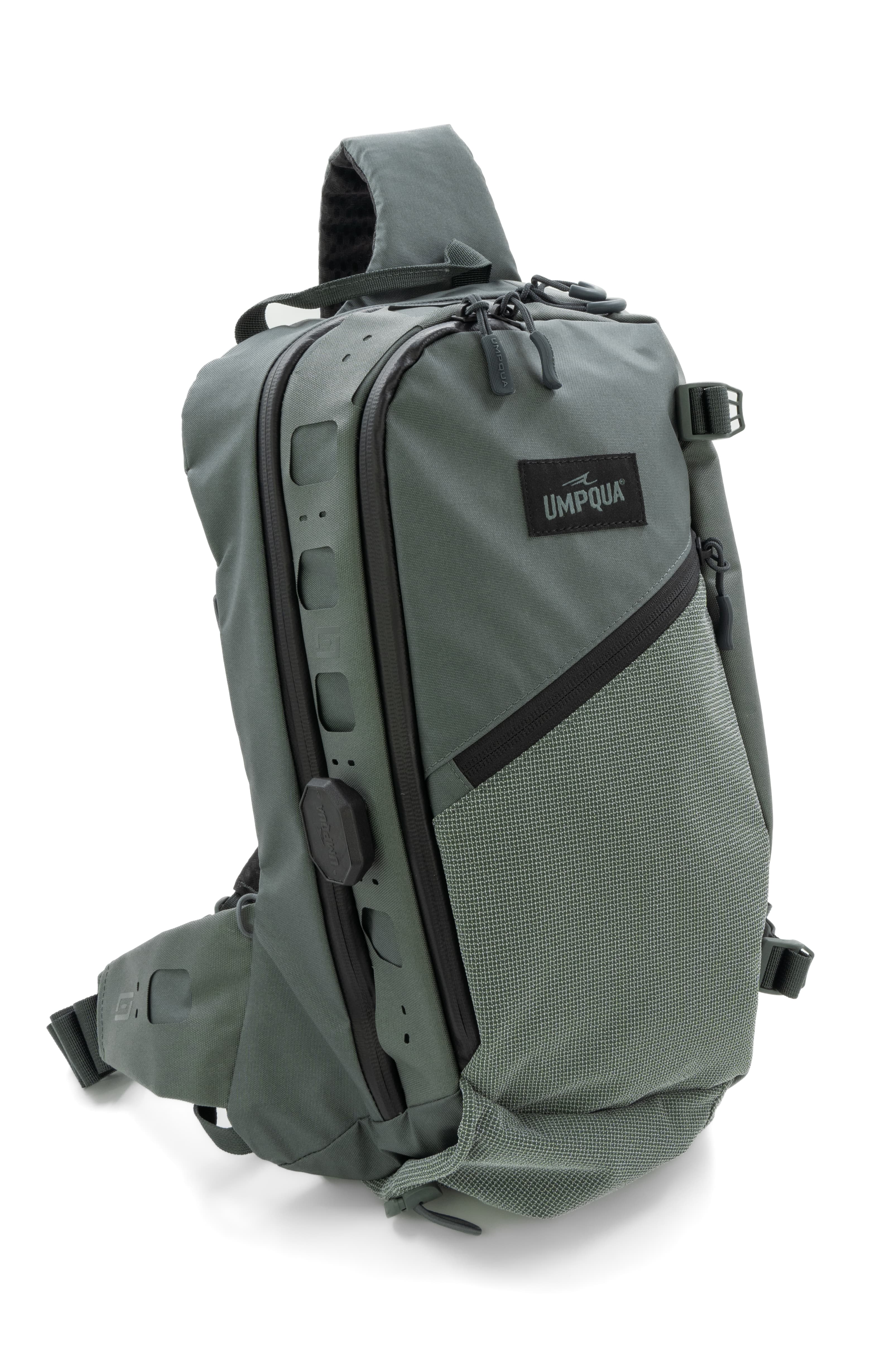
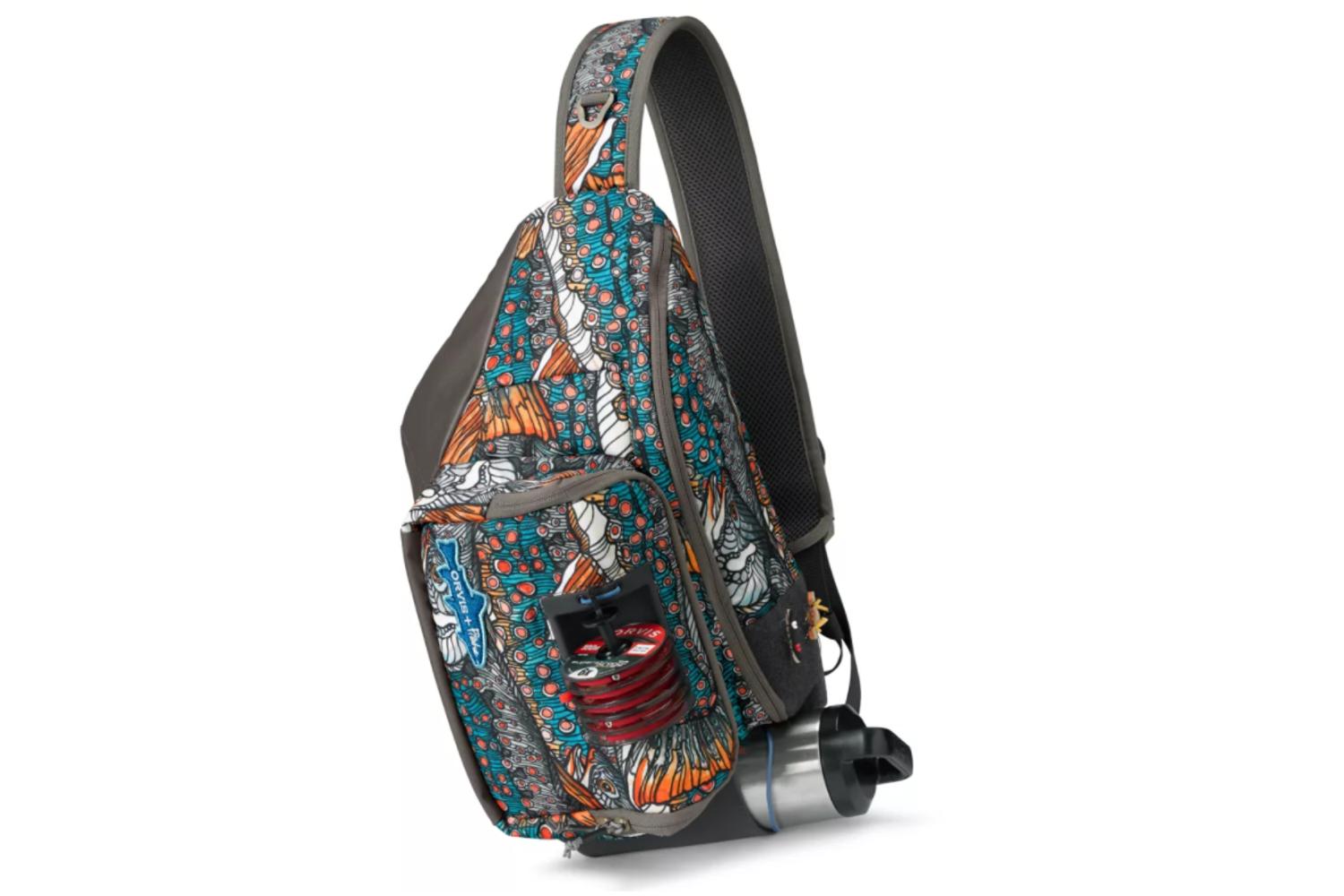
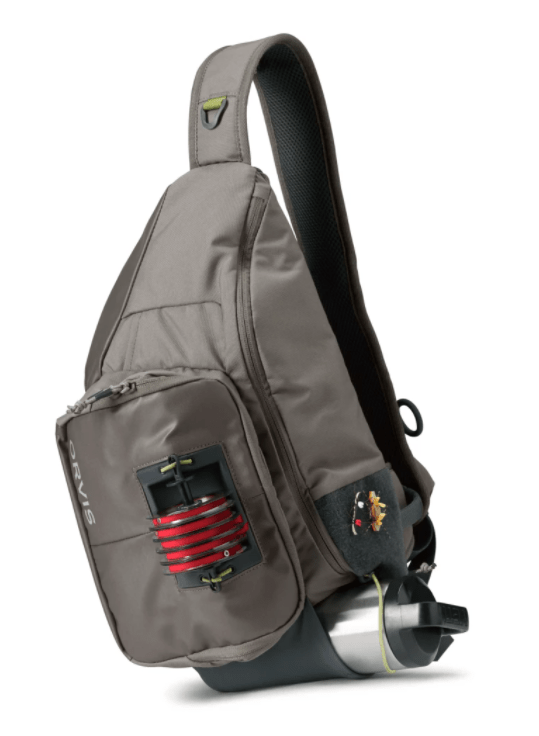
Sling Packs Quick Picks
Best Premium: Orvis Pro Waterproof Sling Pack - Best for anglers who wade deep, fish in heavy rain, or want serious protection for phones, keys, and fly boxes. A coated ballistic-nylon build and submersible zipper make it a strong option when “water-resistant” isn’t enough.
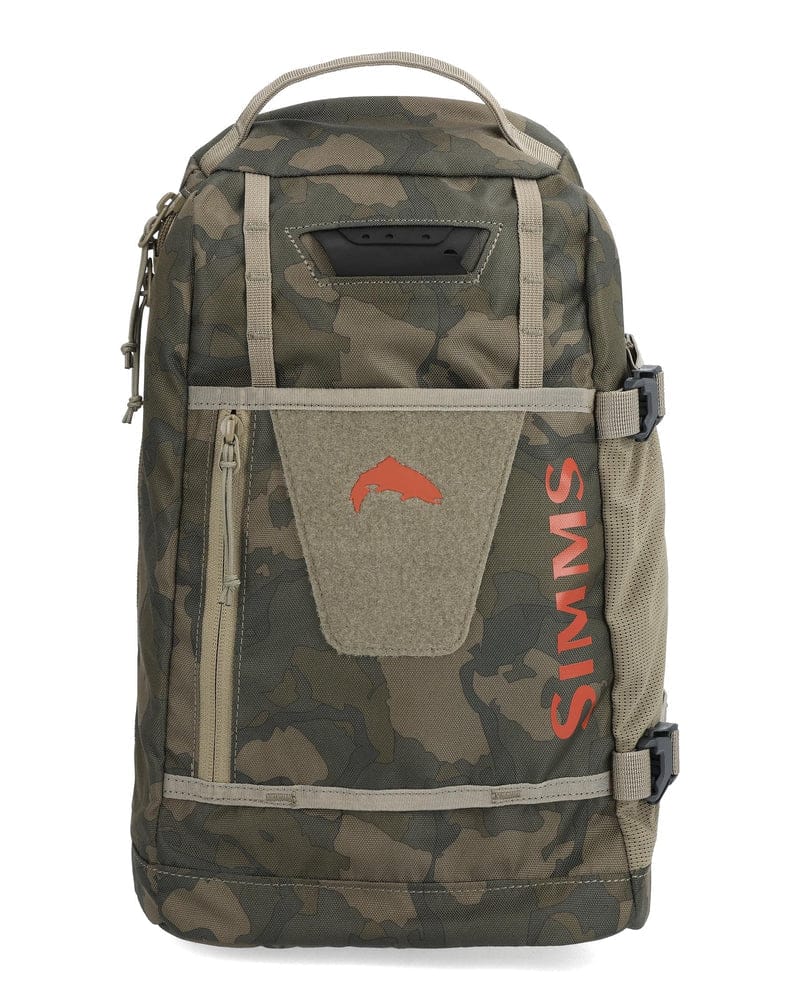
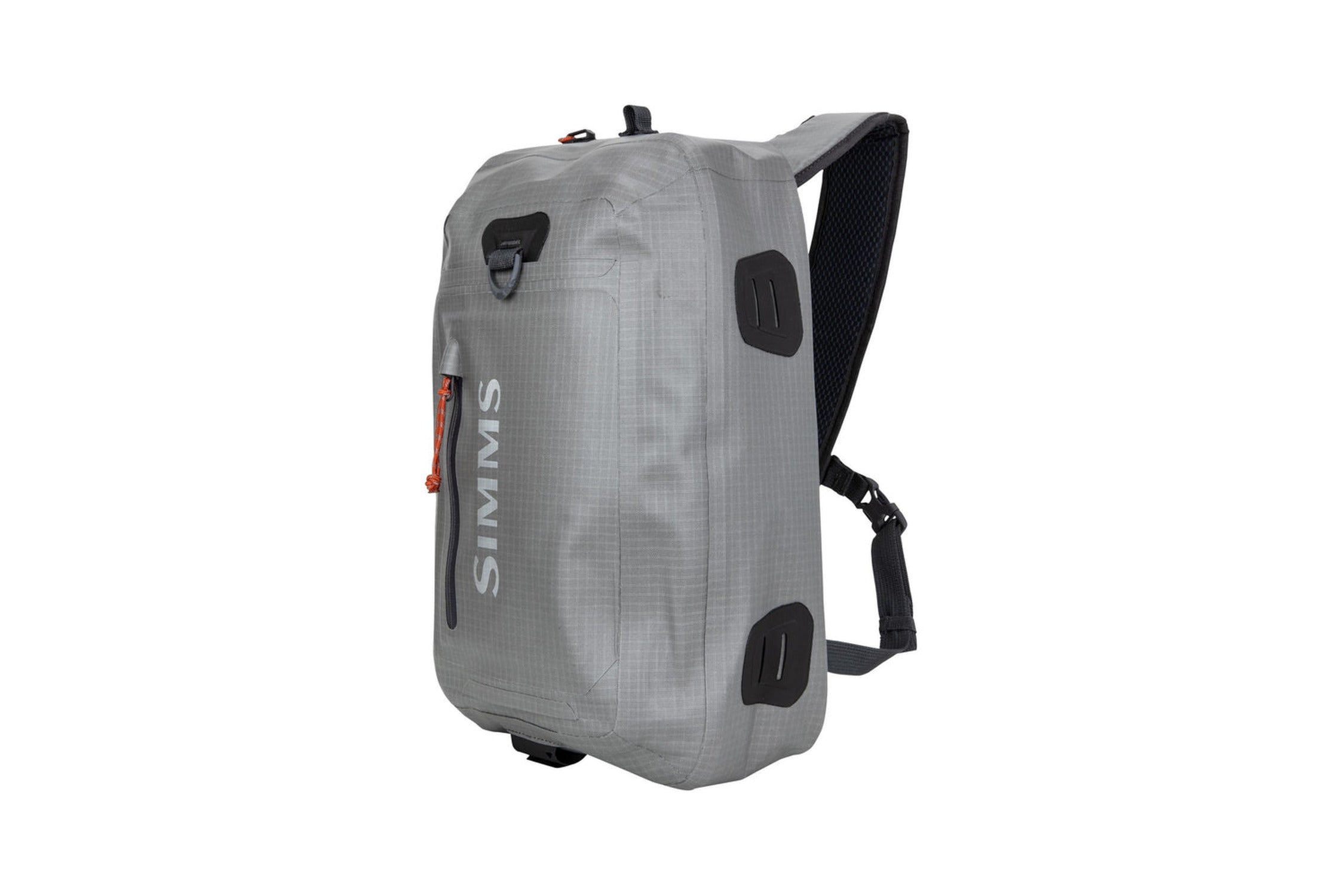
Best All-Around: Simms Headwaters Sling Pack - Best for day trips when you want quick access and a stable sling that won’t feel bulky while casting. The ambidextrous carry and built-in workstation keep fly changes, tools, and on-river organization simple.
Best Value: Simms Tributary Sling Pack - Best for anglers who want a straightforward sling for local rivers without paying for premium materials. A smooth exterior and simple layout keep it clean, light, and easy to fish out of.
Best for Minimalists: Orvis Mini Sling Pack - Best for short sessions when you only need one fly box, a few spools, and core tools. The compact size helps you stay disciplined and keeps the pack out of your way in tight brush or small streams.
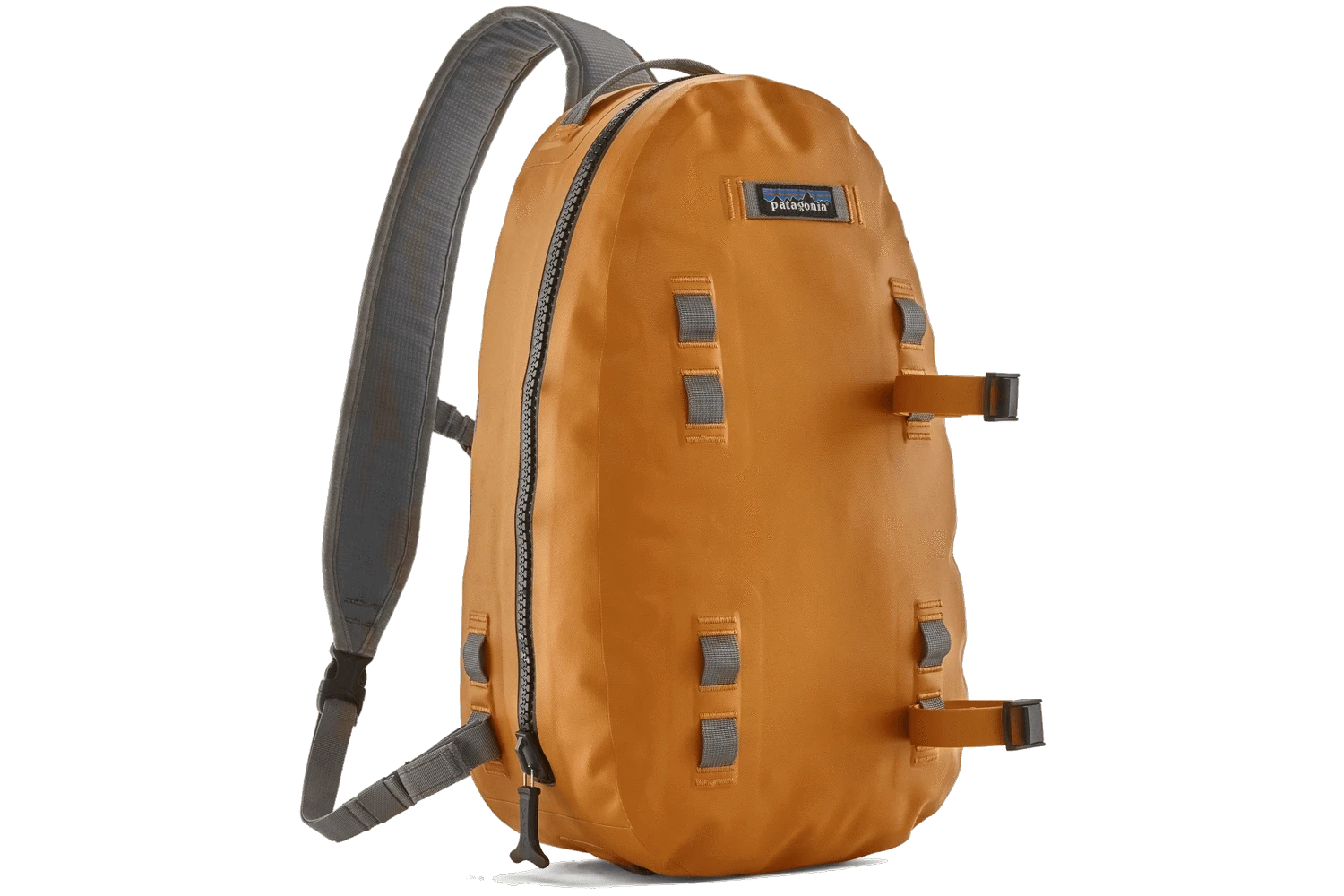
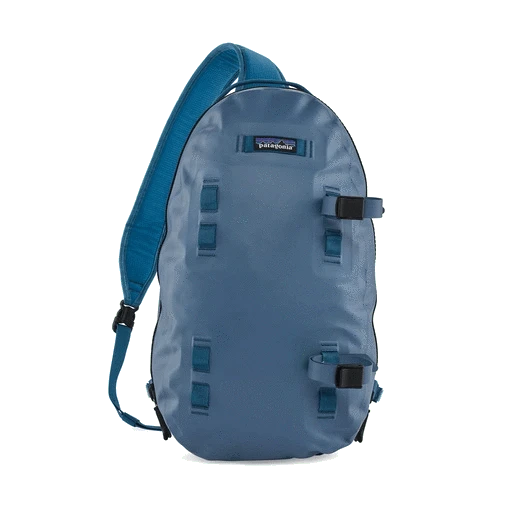
Best Waterproof Alternative: Patagonia Guidewater Sling Pack - Best for anglers who want a fully submersible sling with flexible shoulder carry (left or right). The waterproof build and net scabbard make it a solid choice for wet climates, boat spray, and aggressive wading.
How to Choose Sling Packs
Capacity: what actually fits your day
Action: Start by counting fly boxes, not liters. If you typically carry 1, 2 boxes and a light layer, a smaller sling keeps the load from riding heavy on one shoulder. If you carry multiple large boxes, water, and rain gear, choose a larger sling with a supportive strap and smart internal organization.
Avoid if: You routinely bring “everything.” Sling packs can feel great until they’re overloaded, if you’re packing lunch, extra layers, and multiple fly boxes every trip, consider a backpack or a fly fishing hip pack instead.
Water protection: water-resistant vs. waterproof vs. submersible
Best for: Most trout anglers are fine with water-resistant fabrics for splash and light rain. If you fish from a boat, wade deep, or regularly get caught in downpours, a waterproof/submersible sling is worth it for protecting keys, phones, and cameras.
Action: Decide what must stay dry (electronics, licenses, car key fobs), then match the pack to that risk level. For more options, browse Waterproof Packs.
Carry style: left-shoulder, right-shoulder, or ambidextrous
Action: Pay attention to which shoulder you want the main strap on, especially if you have a preferred casting side or shoulder issues. Ambidextrous slings are great if you share gear or want the option to switch sides during long days.
On-water workflow: the little features that matter
Look for: A place for nippers/forceps, a fly patch/work surface, and a net attachment that doesn’t swing into your legs. If you change rigs often, quick-access tippet storage and a “swing-forward” handle make a noticeable difference while wading.
Materials & Durability
Rinse after use: If the pack sees saltwater or silty rivers, rinse zippers and buckles with fresh water and let it air dry fully.
Dry before storage: Open compartments and dry the interior to reduce mildew and odor, especially after rain or boat spray.
Don’t store wet tools inside: Forceps and nippers can rust and stain pack liners; give them a quick wipe-down first.
Protect waterproof zippers: Keep zipper tracks clean and close them gently, grit is the enemy of smooth sealing.
Complete Your Setup
Related Gear
Fly Boxes - Dial in your carry system so your main compartment isn’t a loose pile of boxes.
Tippet - Sling packs shine when you can swap spools quickly without taking the pack off.
Tools & Gadgets - Add the essentials (nippers, forceps, floatant) and keep them docked where you can grab them fast.
Packs - Compare sling packs to backpacks and chest/hip options if you’re building a full kit.
Related Guides
Sling Packs FAQs
Q: What is a fly fishing sling pack?
A: A sling pack is a one-strap, cross-body pack that rides on your back and swings to your front for access. It’s a popular alternative to vests and backpacks for wading and walk-and-wade fishing.
Q: Are sling packs good for beginners?
A: Yes, especially if you want a simple way to carry one or two fly boxes plus tools. The key is choosing a size you won’t overfill and setting the straps so the pack stays stable while casting.
Q: How big of a sling pack do I need?
A: If you fish short sessions, a smaller pack is usually enough for a box, tippet, leaders, and tools. For all-day trips, look for room for extra boxes, a light layer, and a water bottle, but try not to load it like a backpack.
Q: What’s the difference between water-resistant and waterproof sling packs?
A: Water-resistant packs handle splashes and light rain, but they can still wet out in heavy rain or a dunking. Waterproof/submersible packs use coated fabrics and sealing systems intended to keep contents dry in much harsher conditions.
Q: Do sling packs work with waders?
A: Yes. Sling packs are popular with waders because you can access gear without taking the pack off, even while standing in current. If you wade deep often, consider a waterproof sling or keep electronics in a dry pouch.
Q: Sling pack vs. hip pack, what should I choose?
A: Sling packs excel at quick access and staying clear of your waistline while wading. Hip packs spread weight more evenly and can feel better for heavier loads, but they can get wet sooner when wading deep.
Q: How do I keep a sling pack from shifting while wading?
A: Use the stabilizer/secondary strap if your pack has one and snug the main strap so the pack rides high and tight. Keeping the load compact (and not overstuffed) also helps a lot.
Q: Can I use a sling pack for saltwater fly fishing?
A: You can, but prioritize water protection and hardware that handles wet, salty conditions. Rinse the pack after each day, especially zippers and buckles, to prevent corrosion and zipper grit.