

Hatch Nippers & Pliers | Insider Review





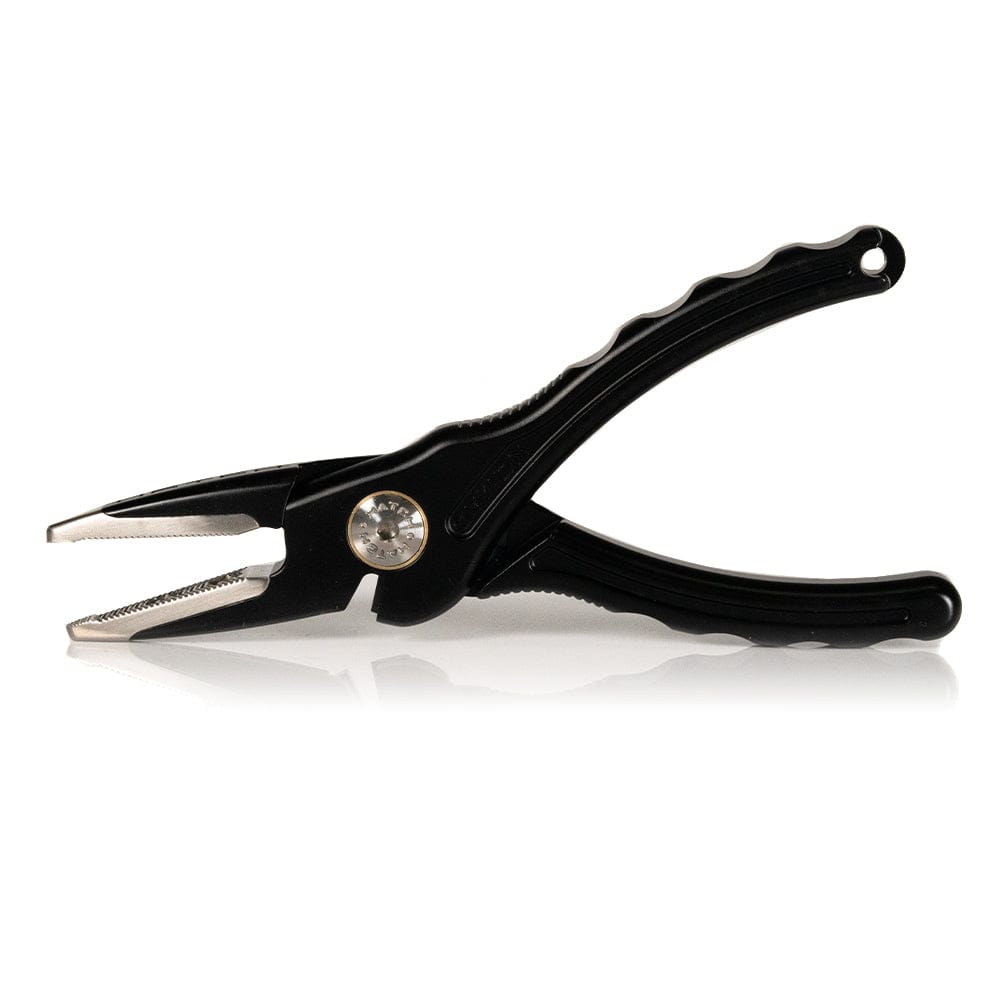
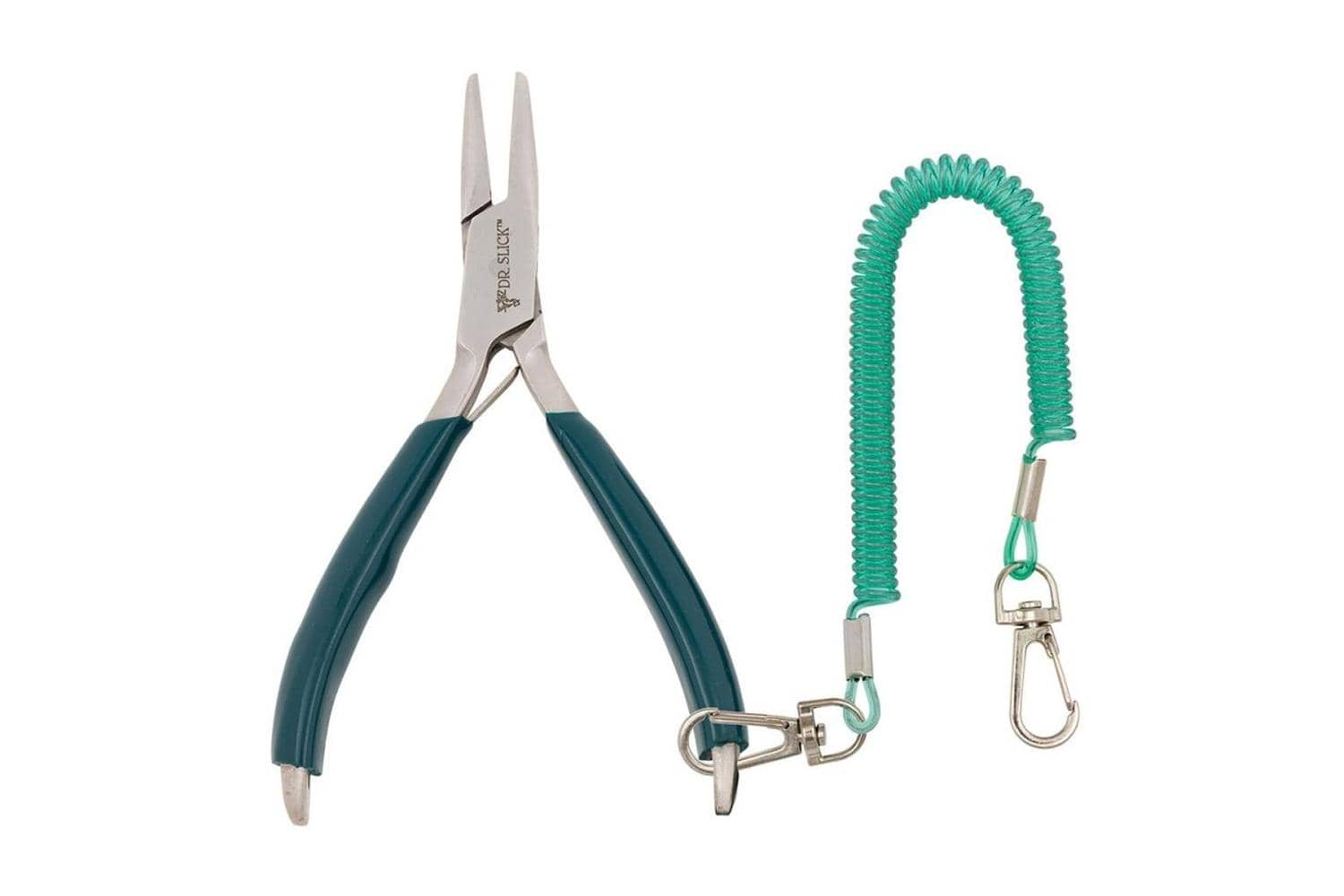


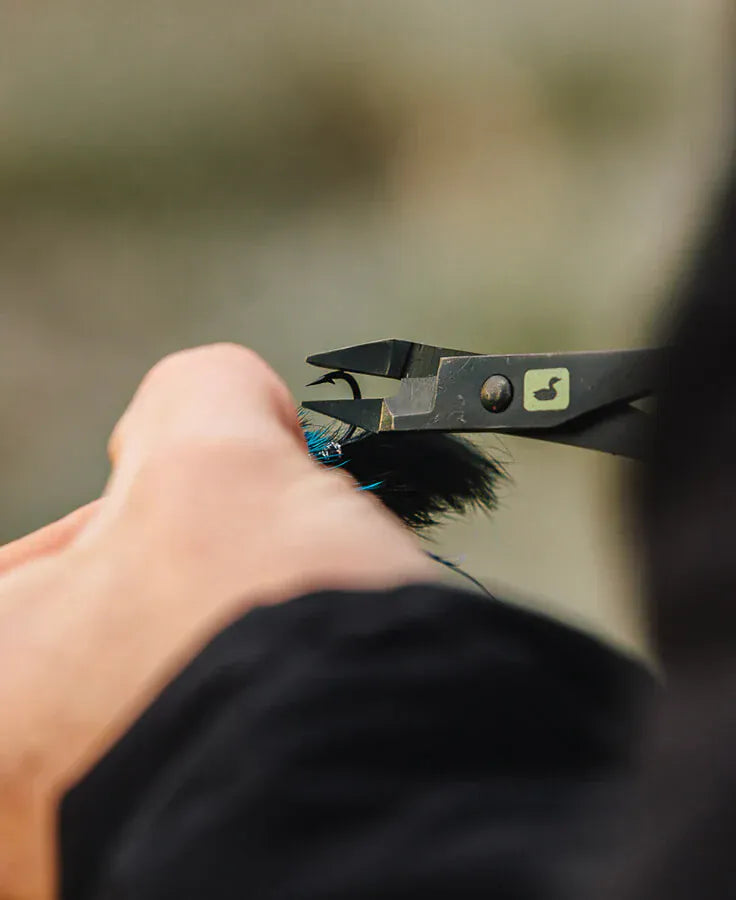


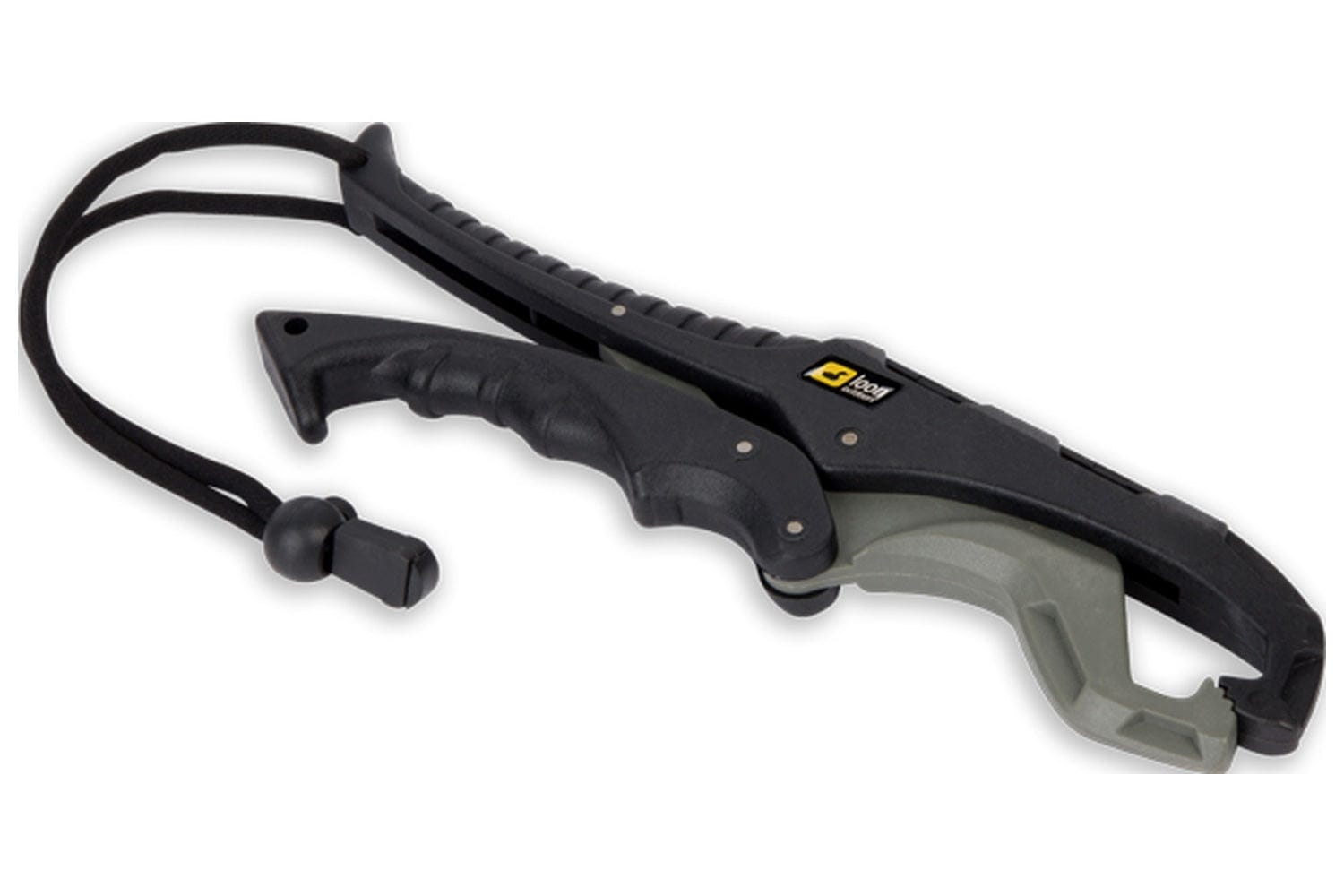

Pliers & Forceps Quick Picks
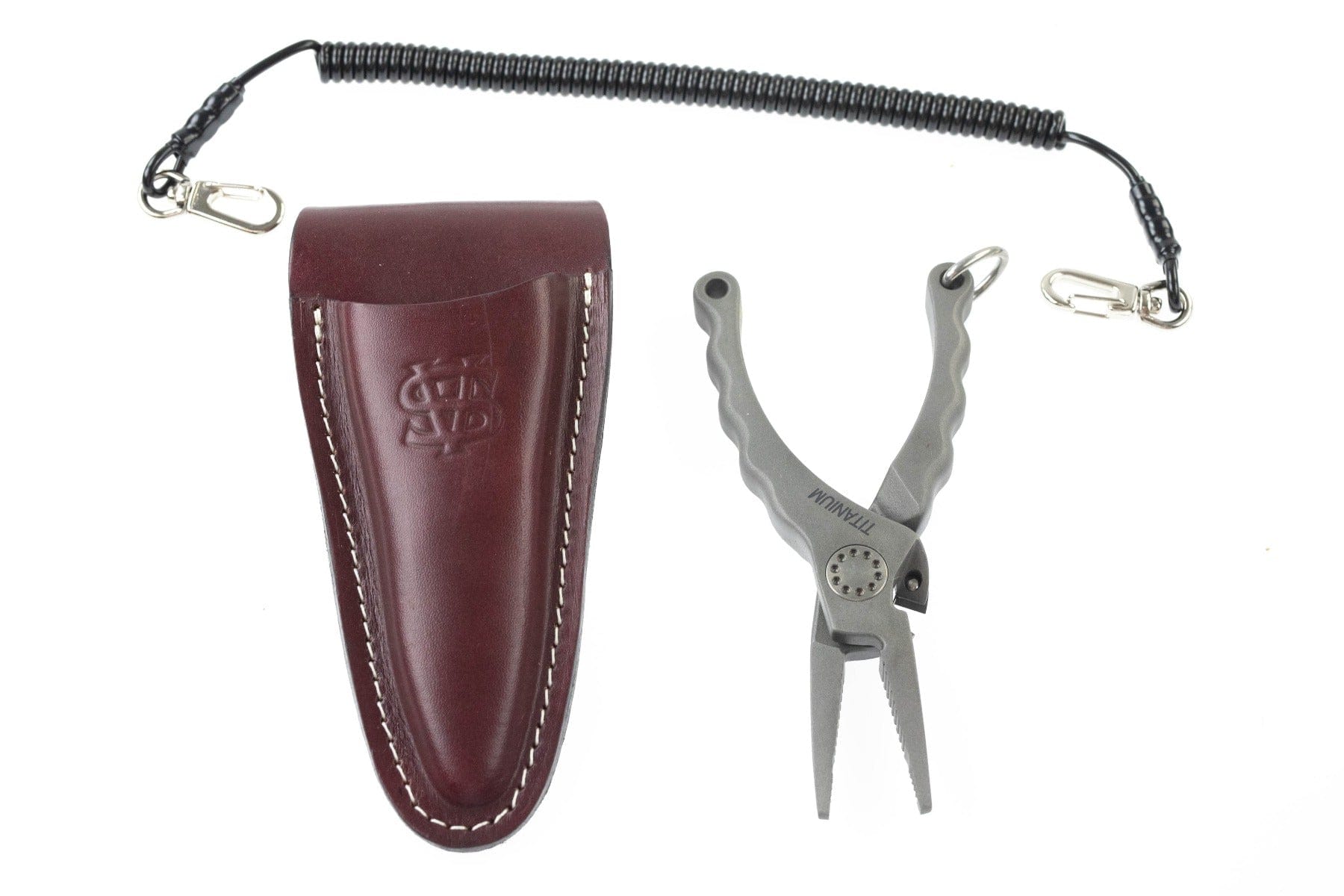
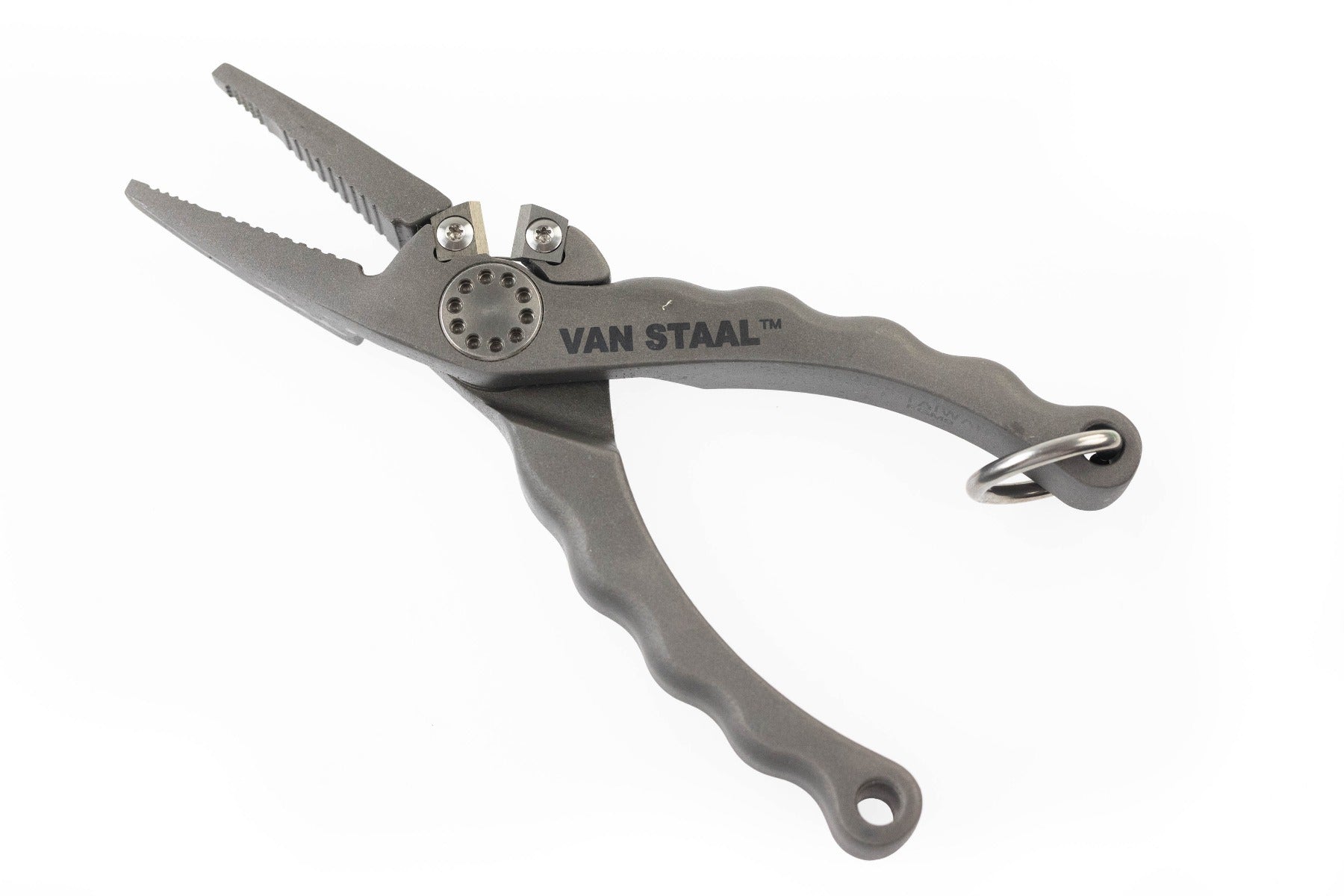
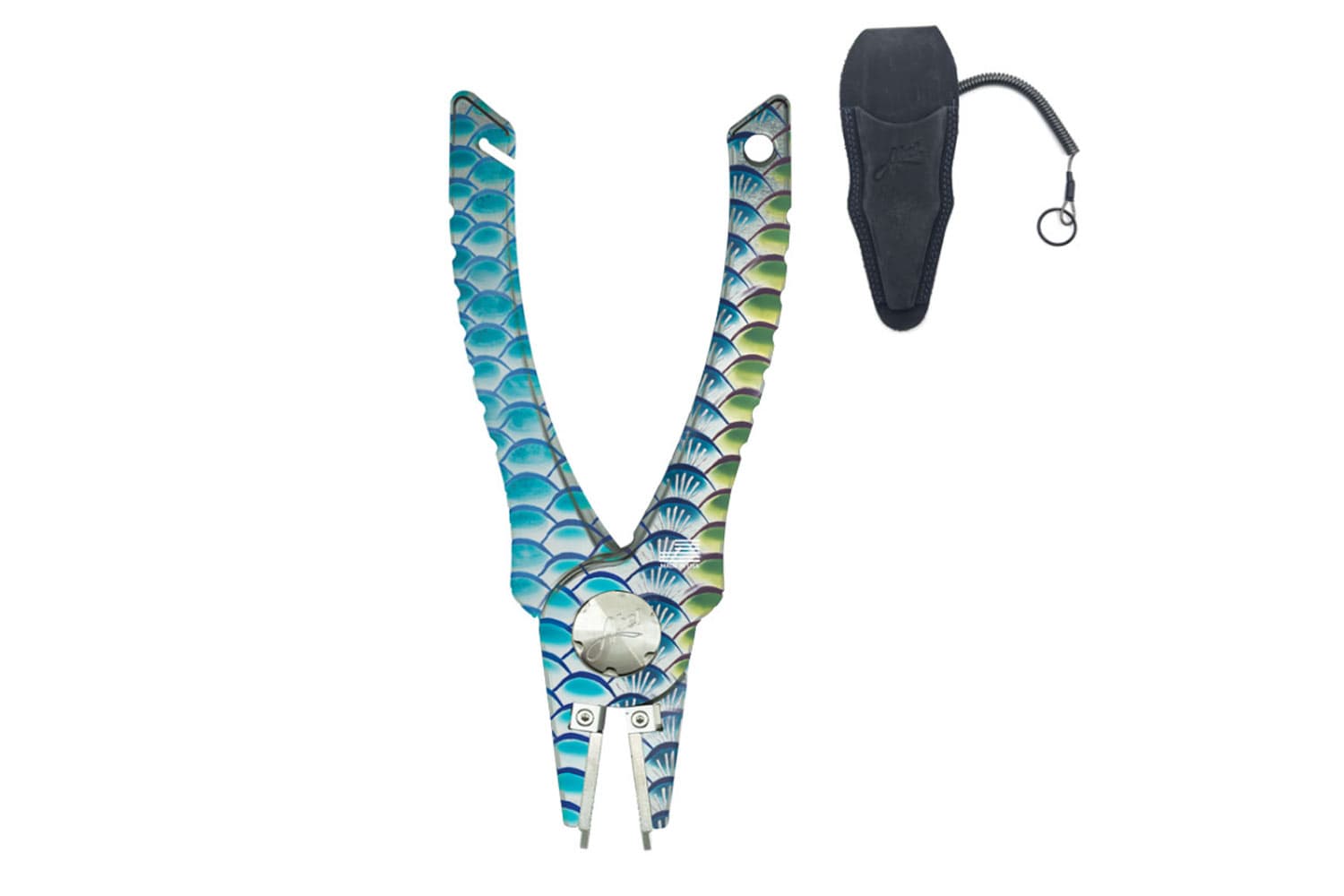
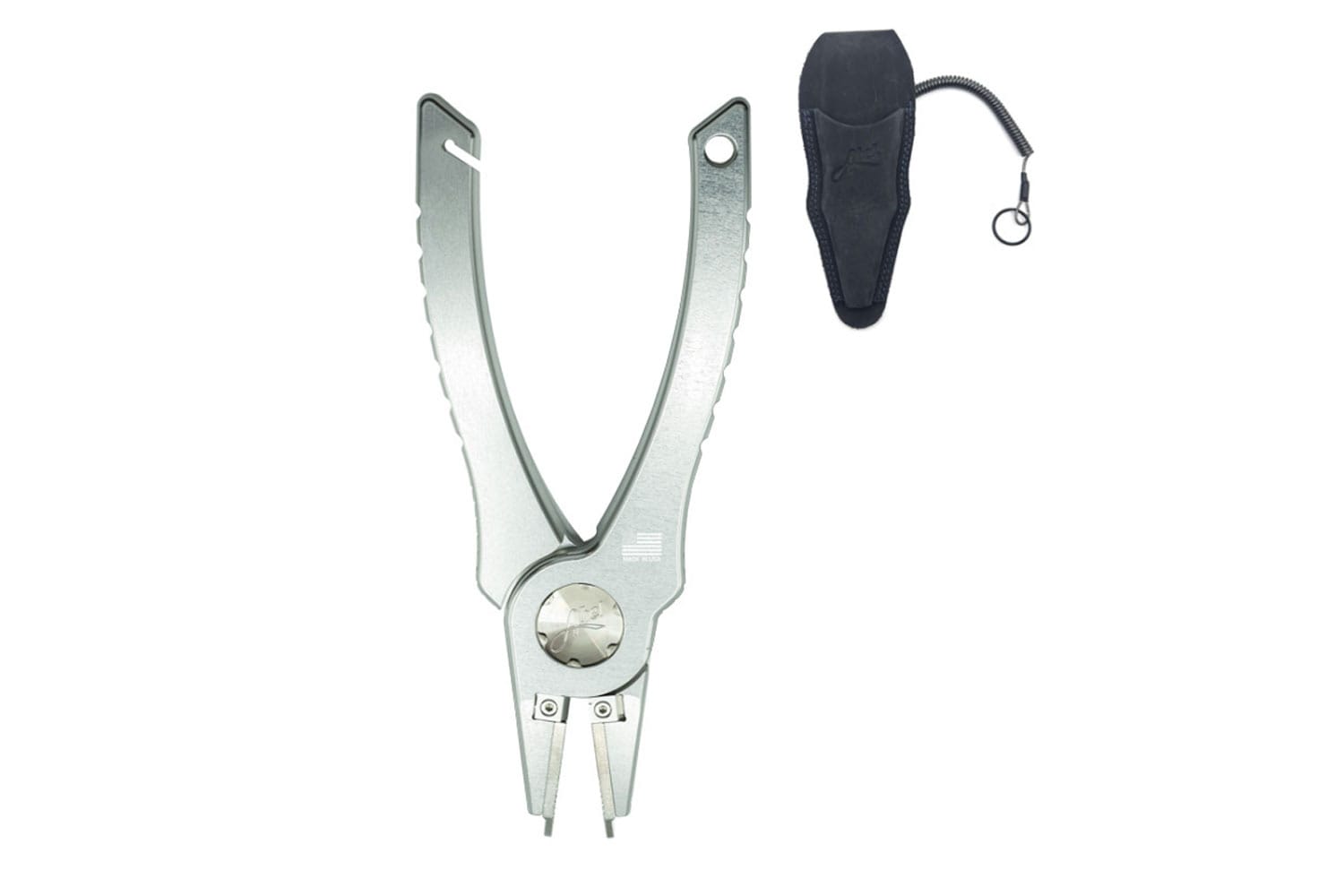
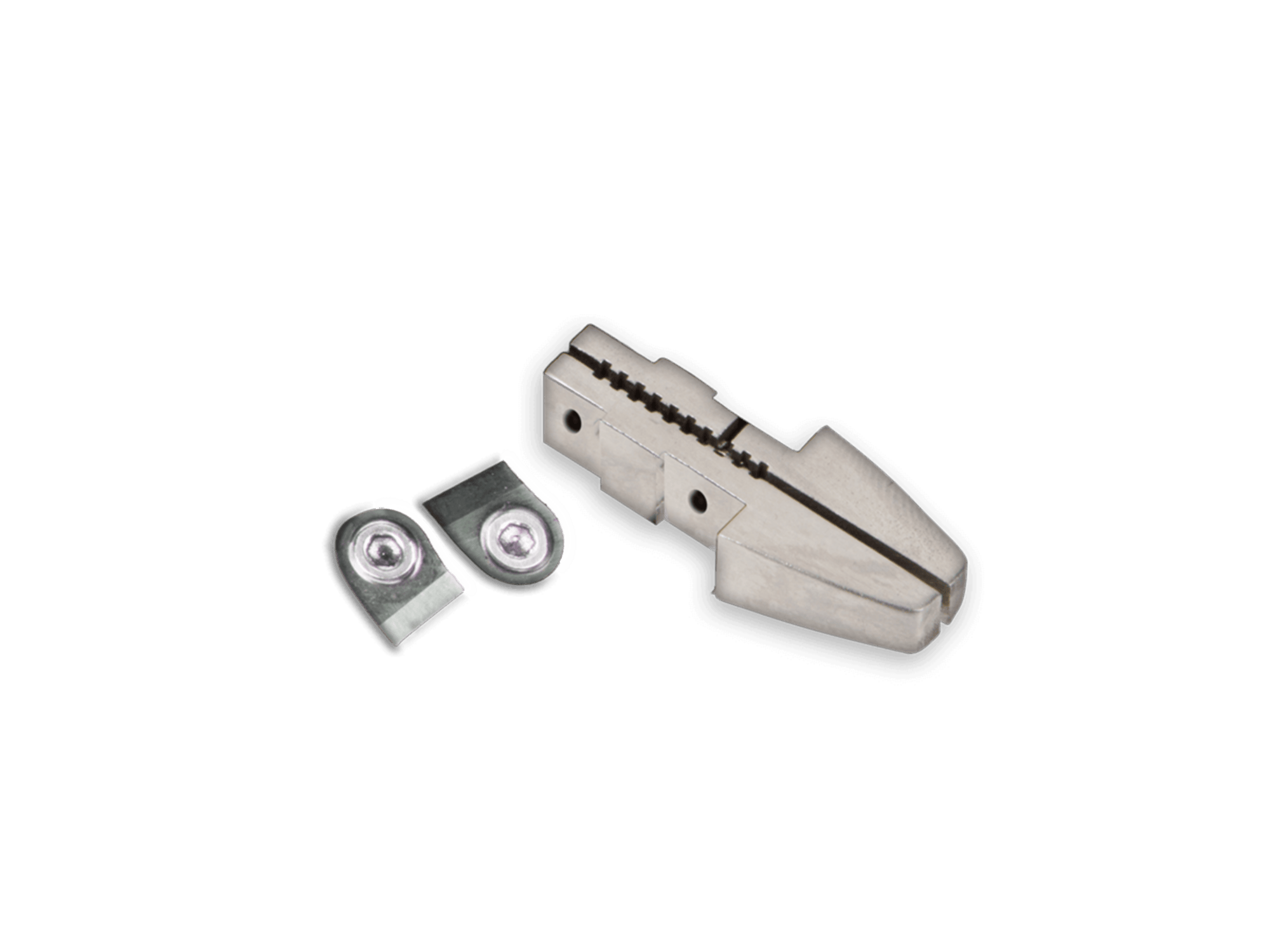
- Best Premium: Van Staal Titanium Pliers With Lanyard & Sheath - Built for anglers who live in the salt and want a corrosion-proof, long-haul tool. The titanium build and replaceable cutter system are aimed at serious, repetitive use.
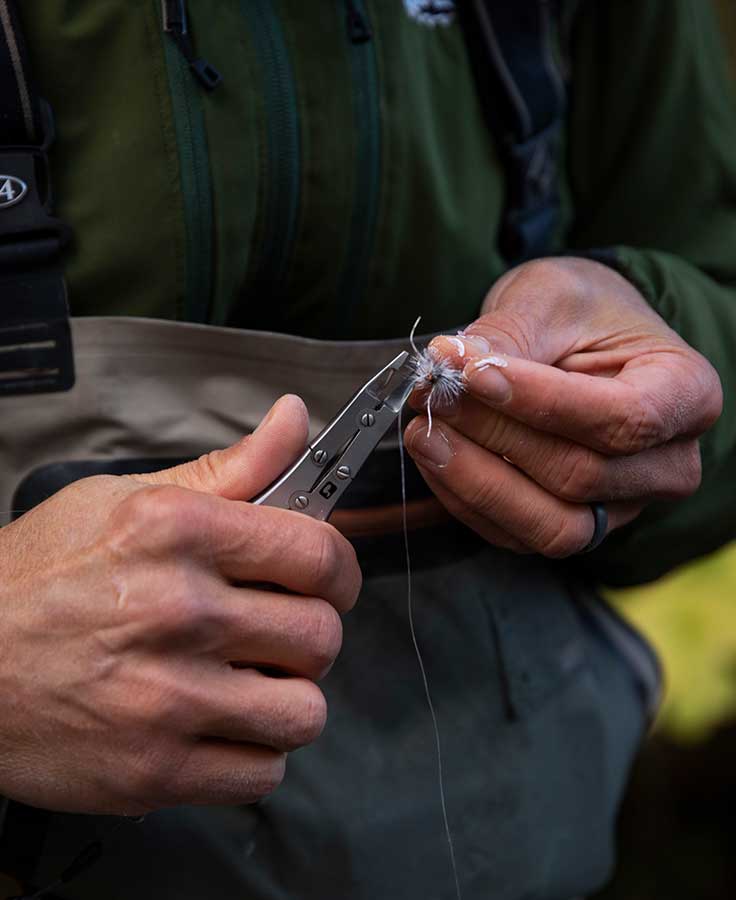
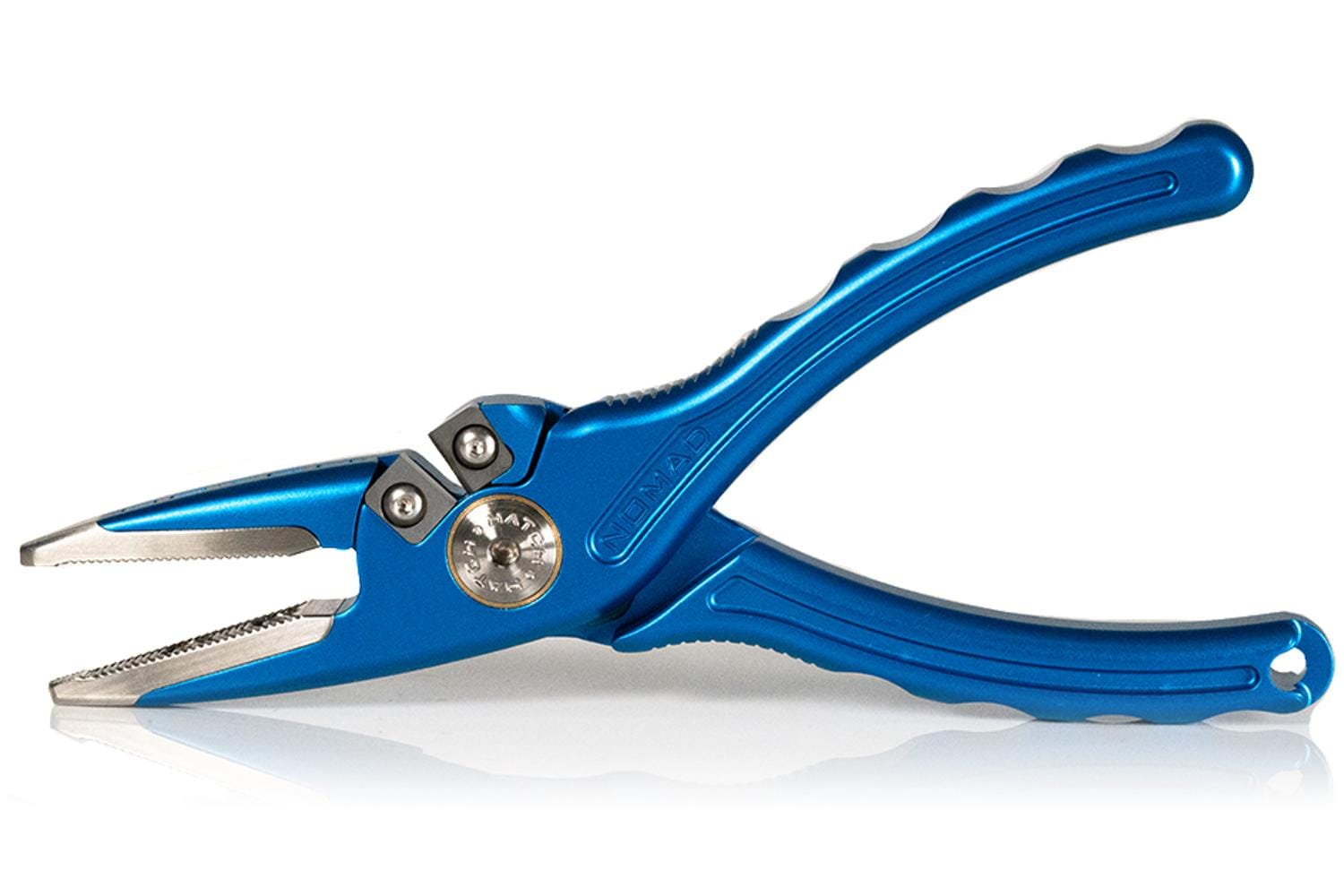
- Best All-Around: Hatch Nomad Pliers - A strong choice if you want one plier that can handle both freshwater and saltwater rigs. Tungsten carbide cutters and a carry system (lanyard + sheath) make it feel purpose-built for everyday fishing.
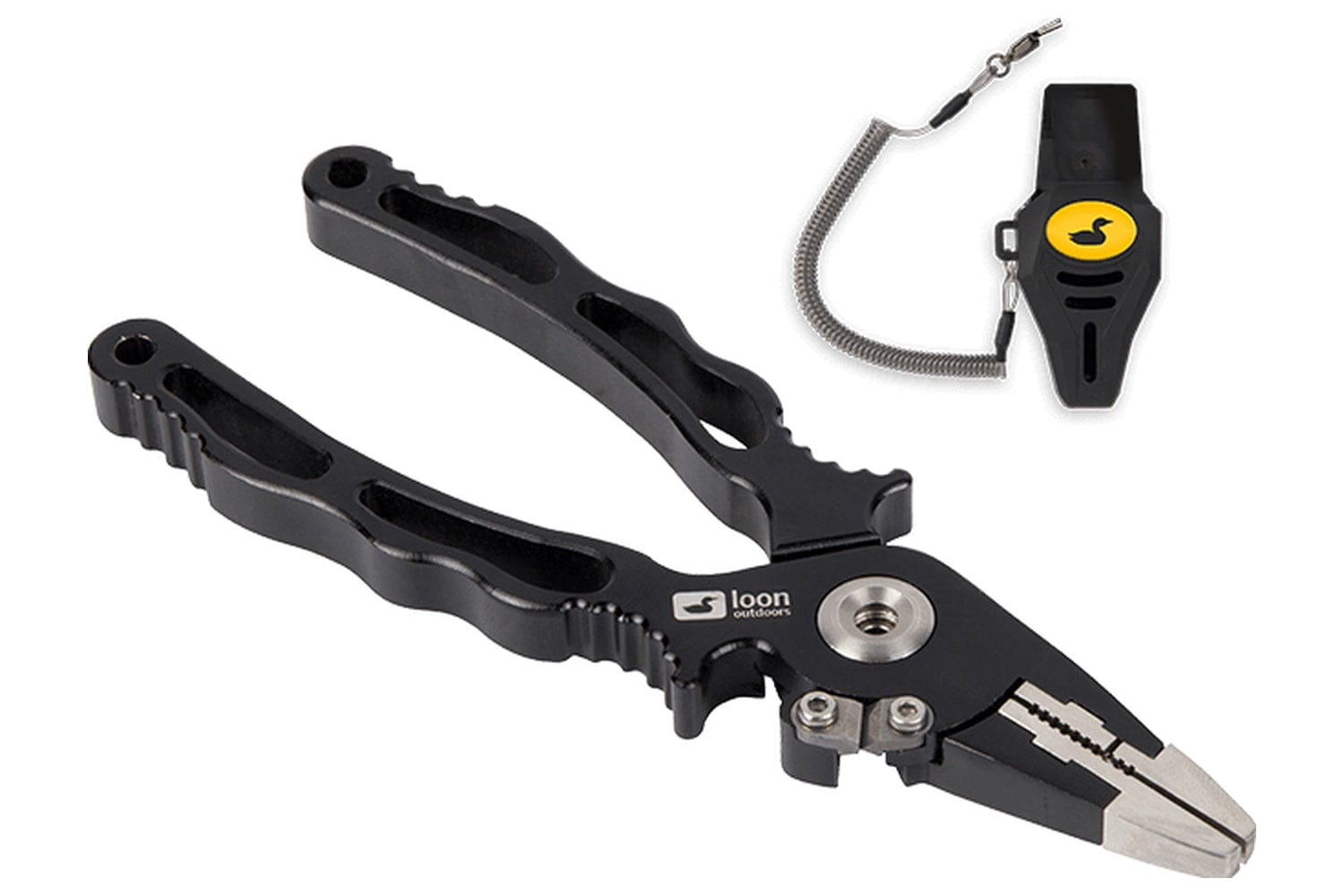
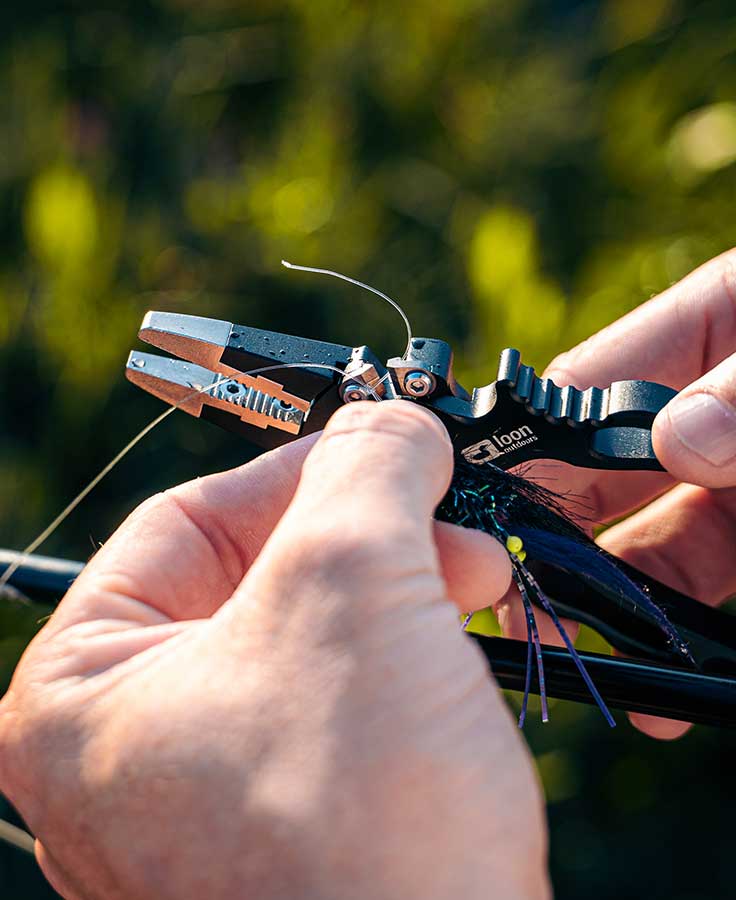
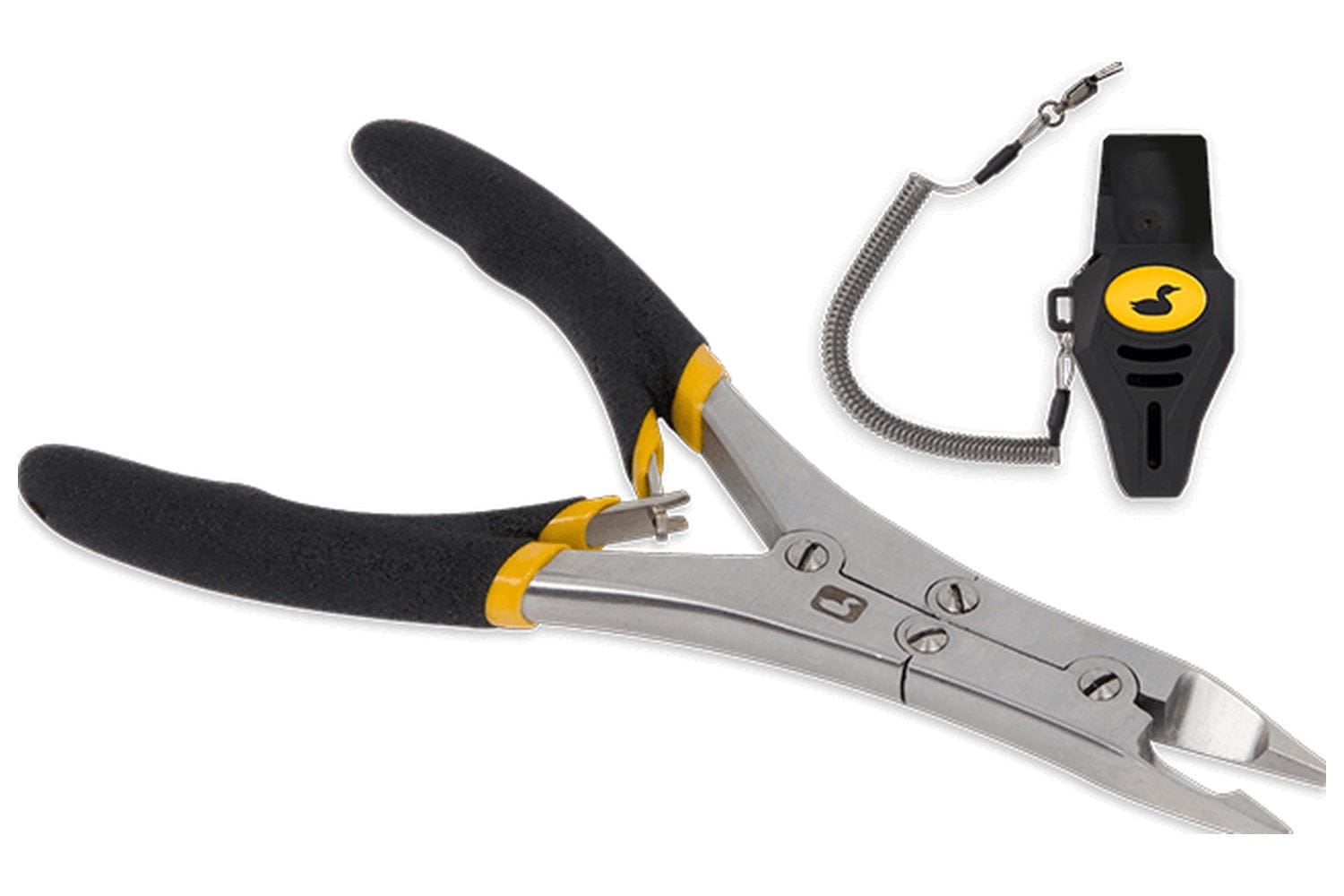
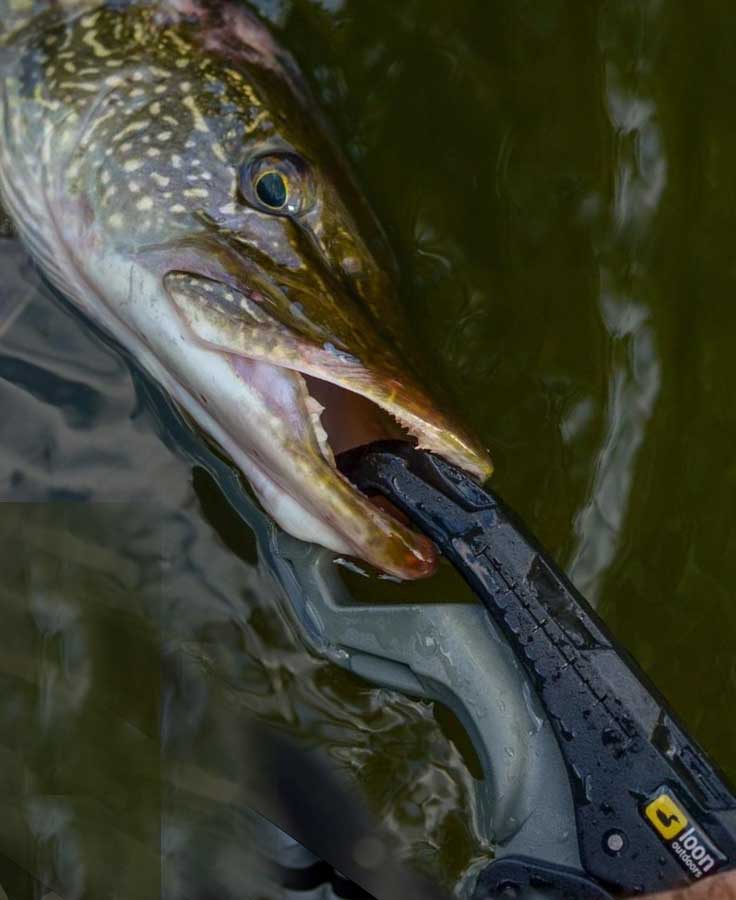
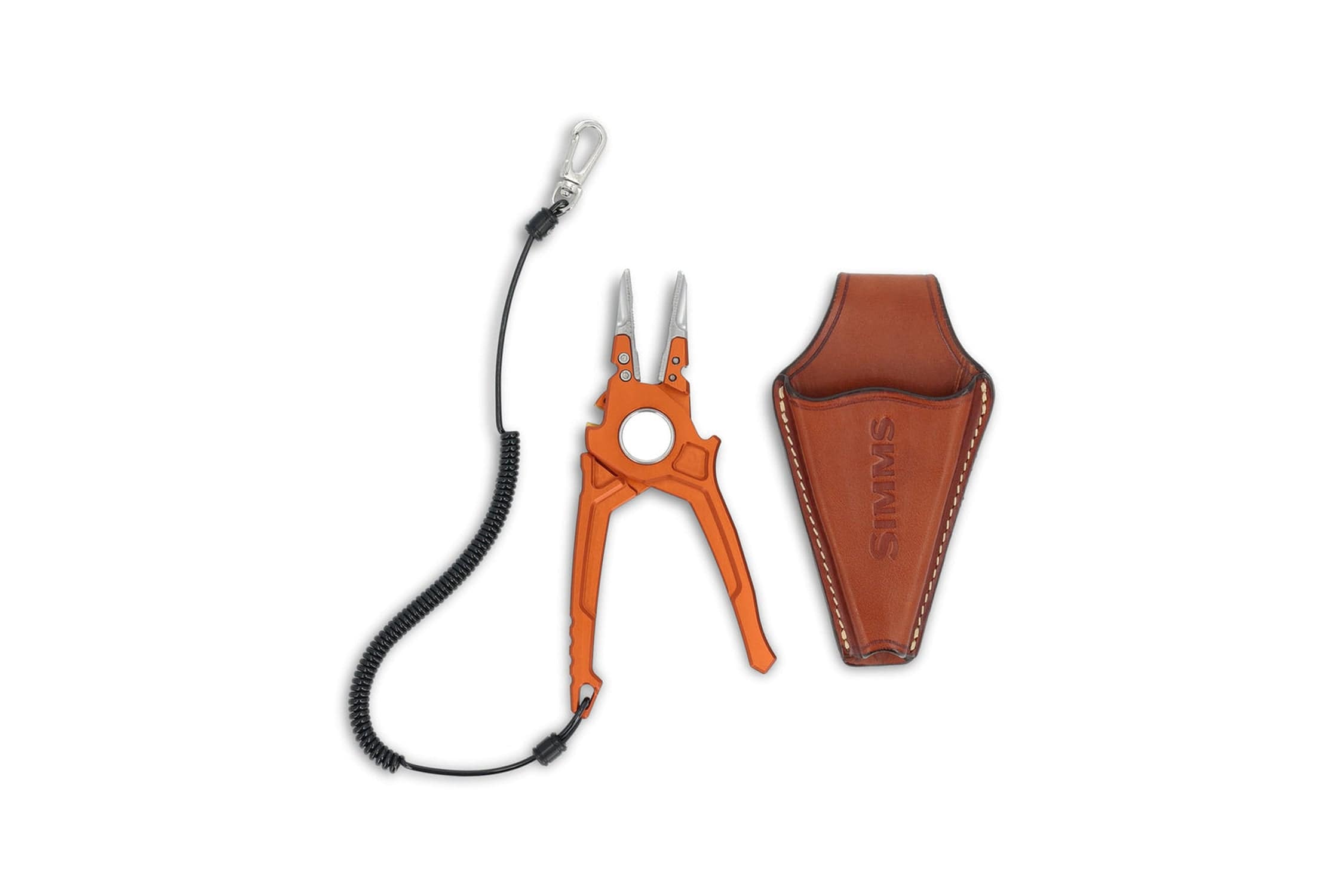
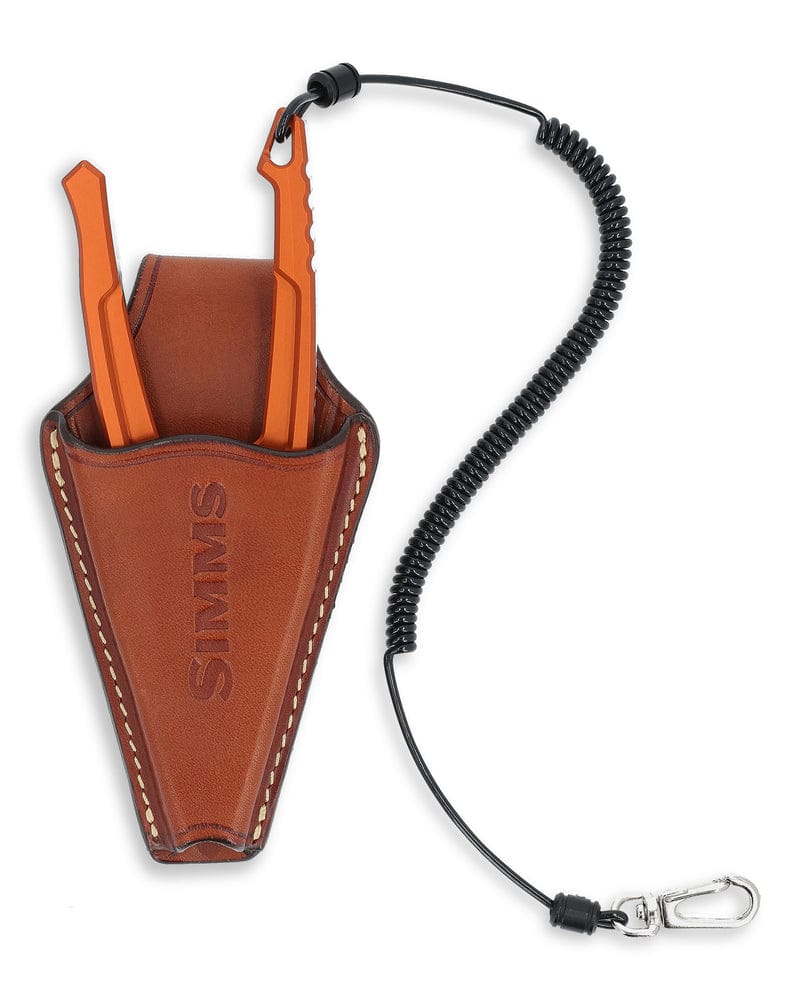
- Best for Big Fish: Loon Apex HD Plier - Ideal when you’re dealing with larger hooks, heavier leaders, and quick boat-side releases. The included sheath/tether system keeps the plier accessible and harder to lose when things get hectic.
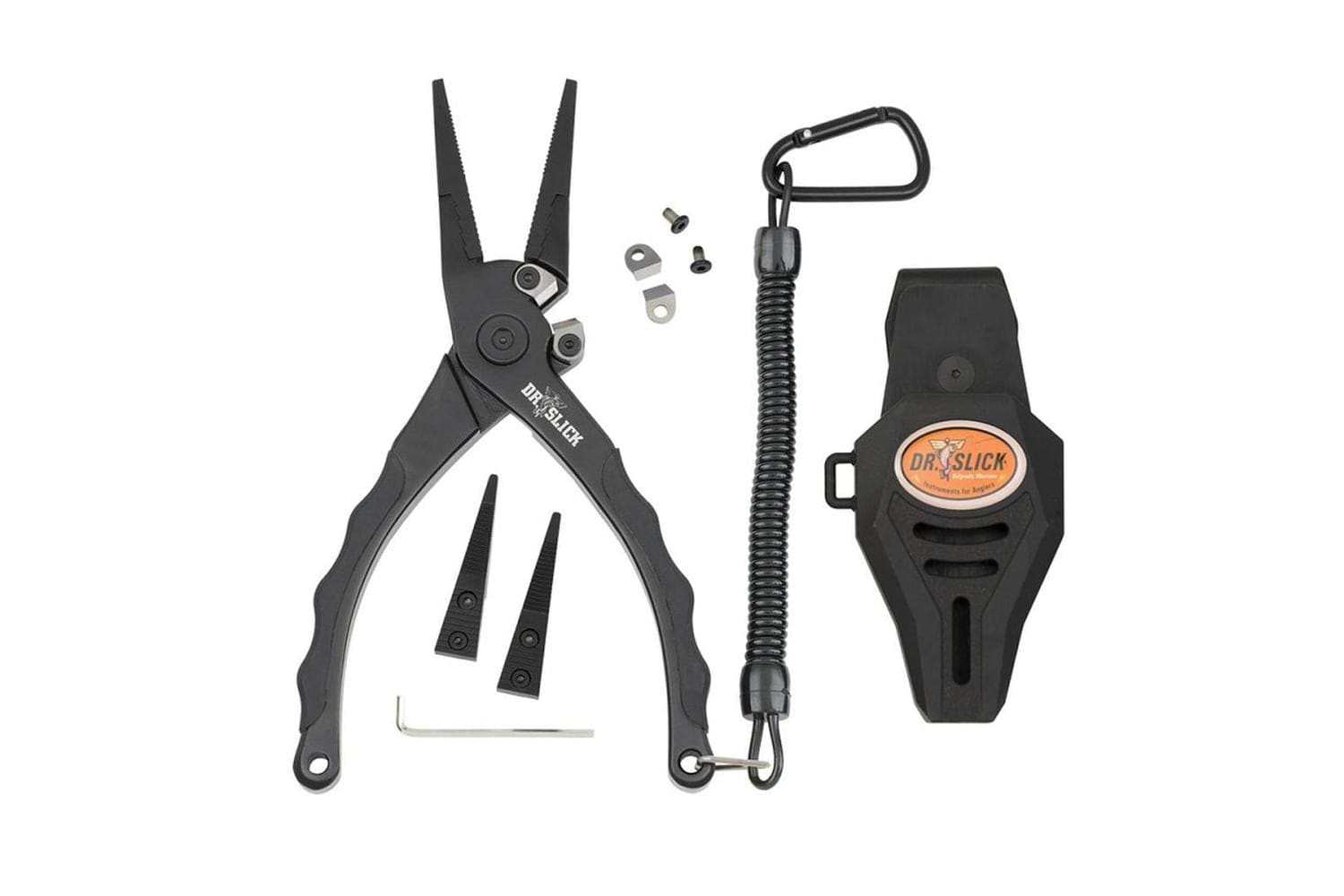
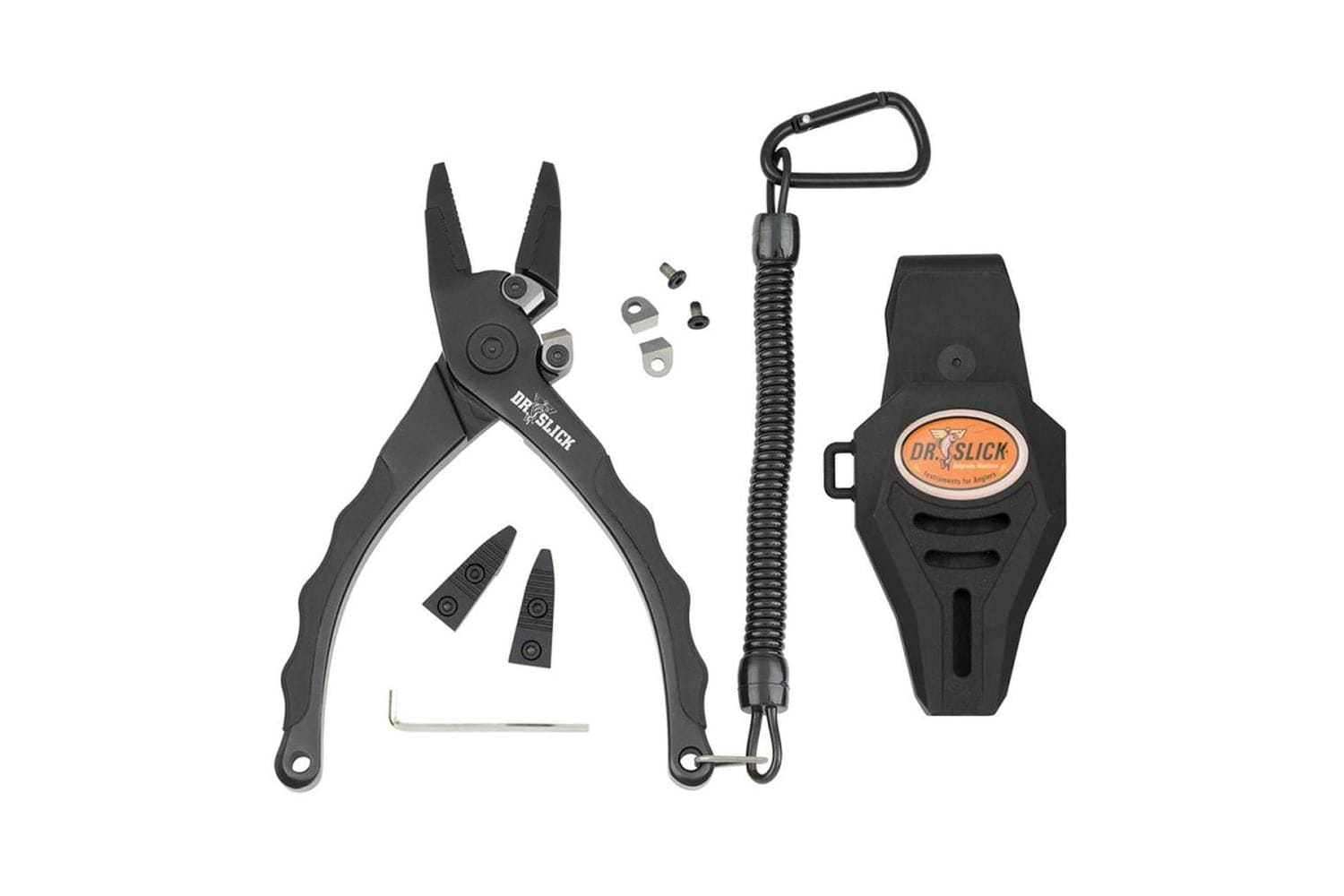
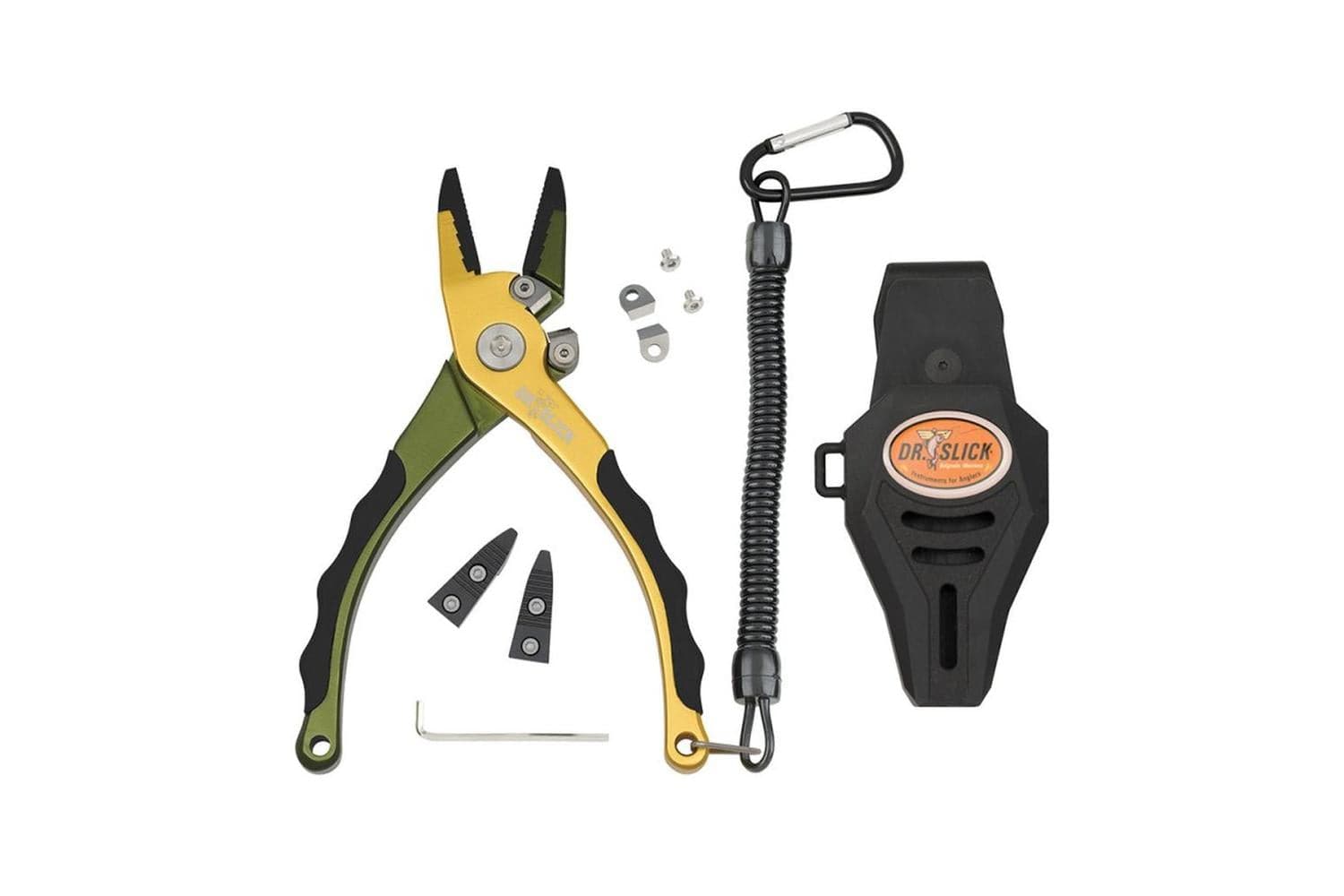
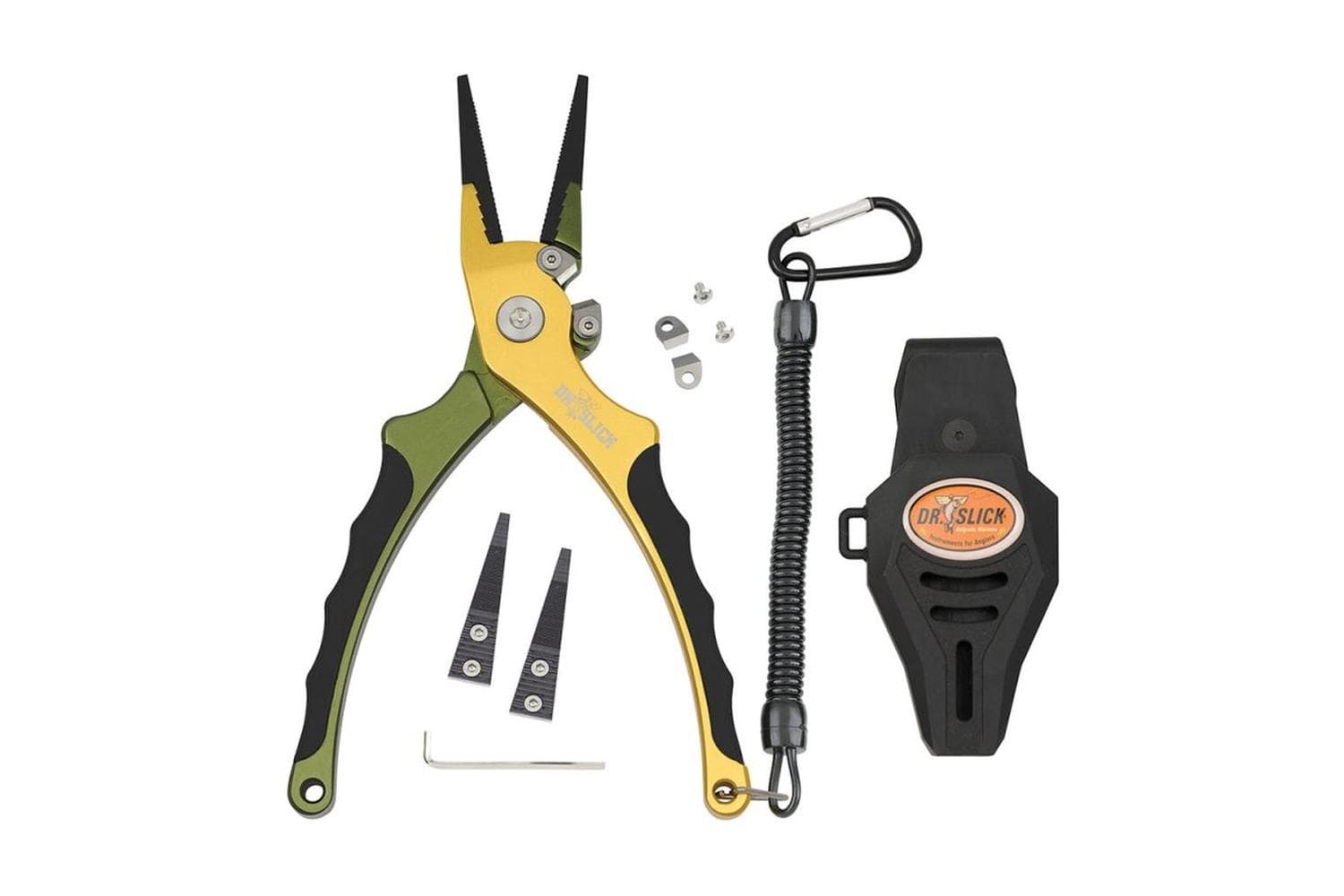
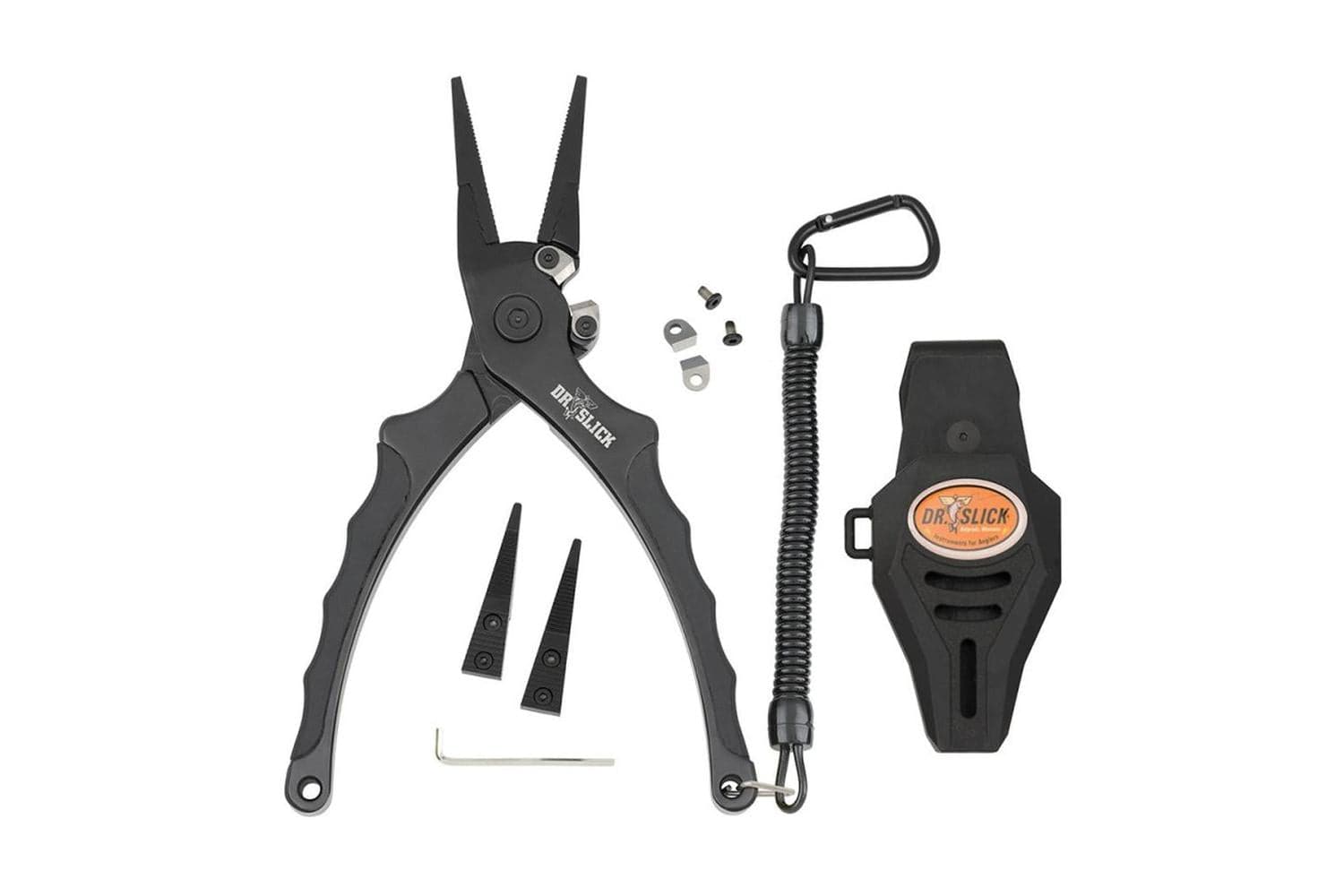
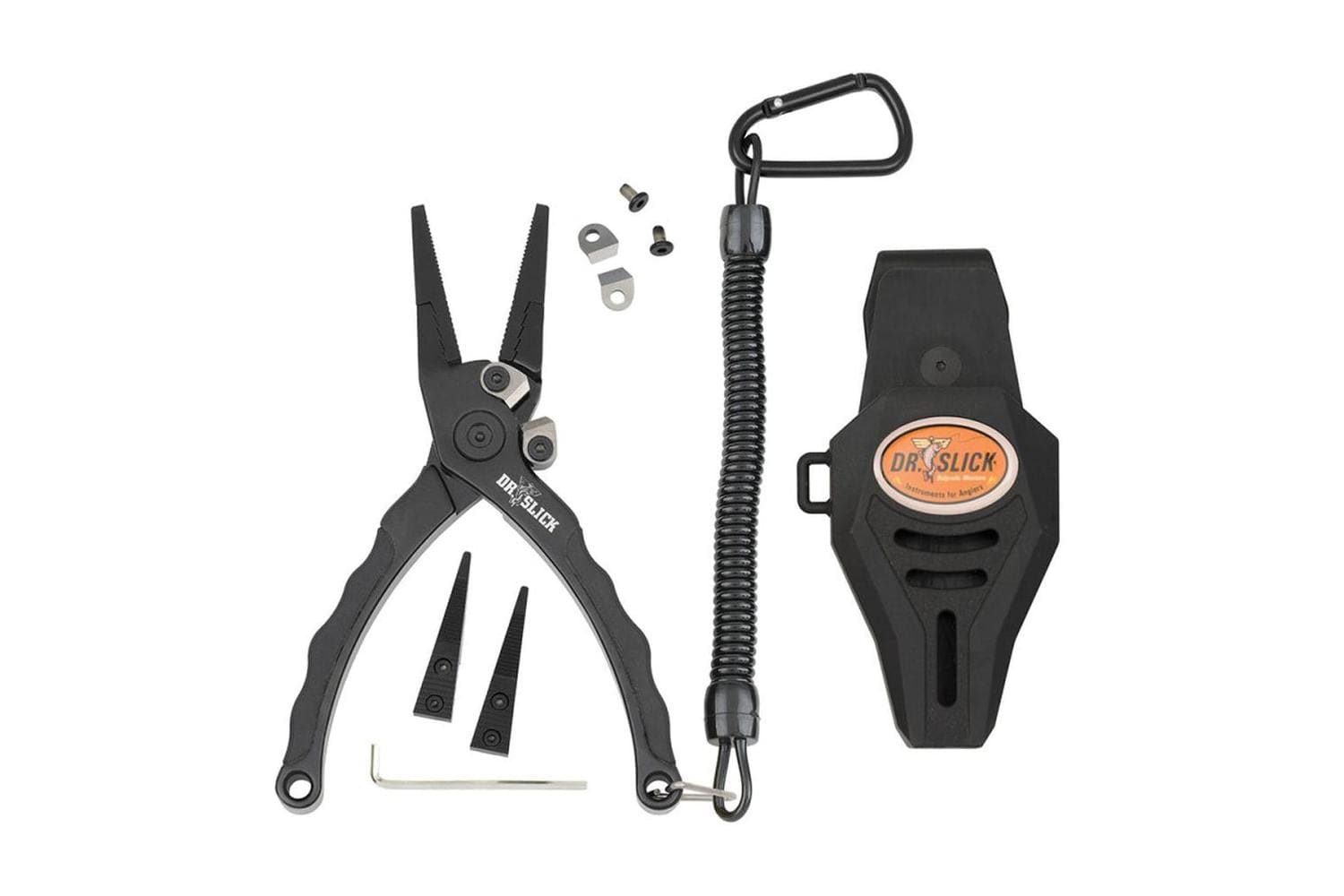
- Best Value: Dr. Slick Squall Plier - Great for anglers who want a capable plier without jumping to premium price tiers. It’s a straightforward, practical option that covers cutting and general on-water handling.
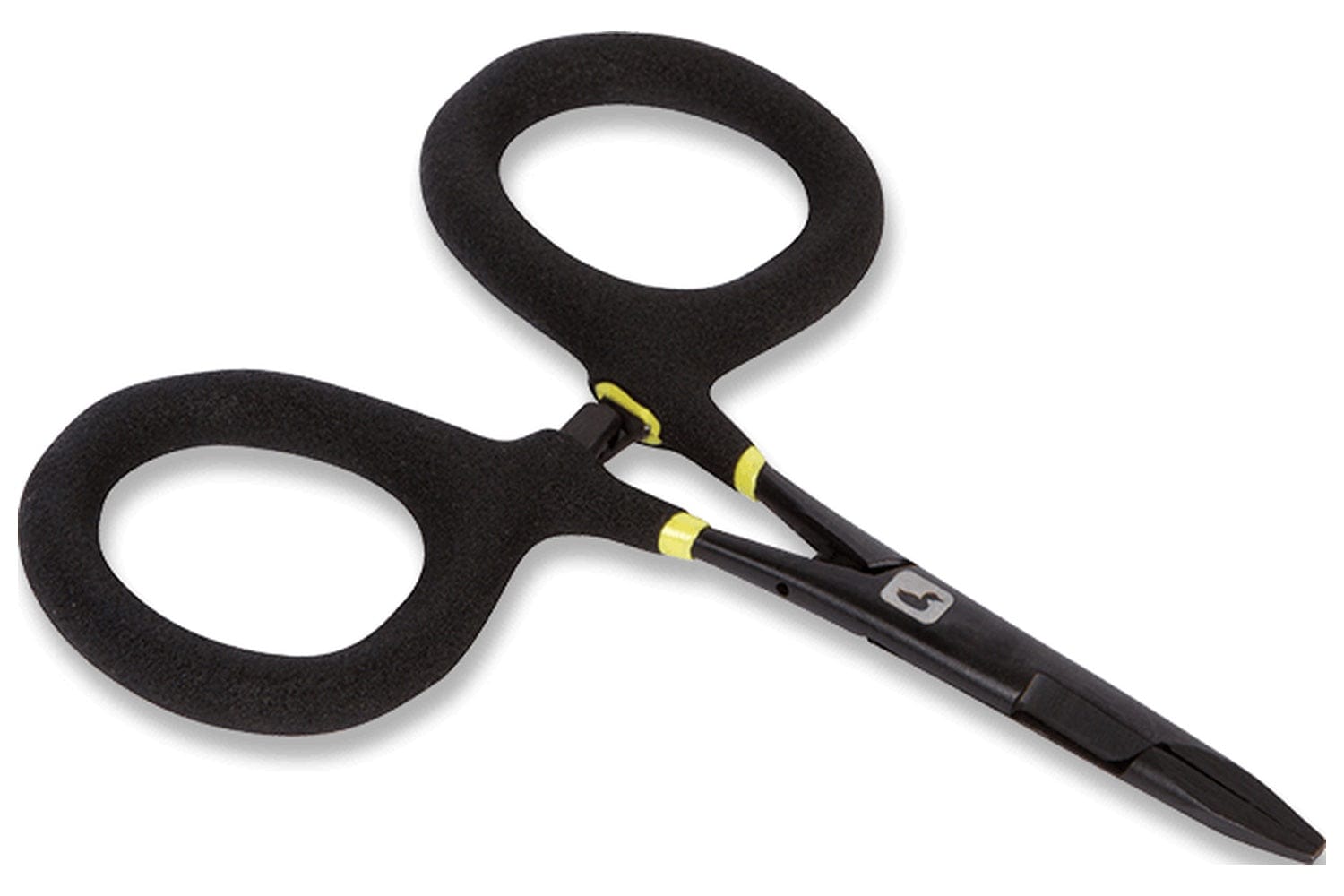
- Best for Gloves: Dr. Slick XBC Mitten Scissor Clamp - A smart pick for winter, early-season, or anyone who fishes with cold hands. The mitten-style squeeze operation and scissor + clamp functionality keep you moving fast between fish.
How to Choose Pliers & Forceps
Pliers vs. forceps vs. mitten clamps
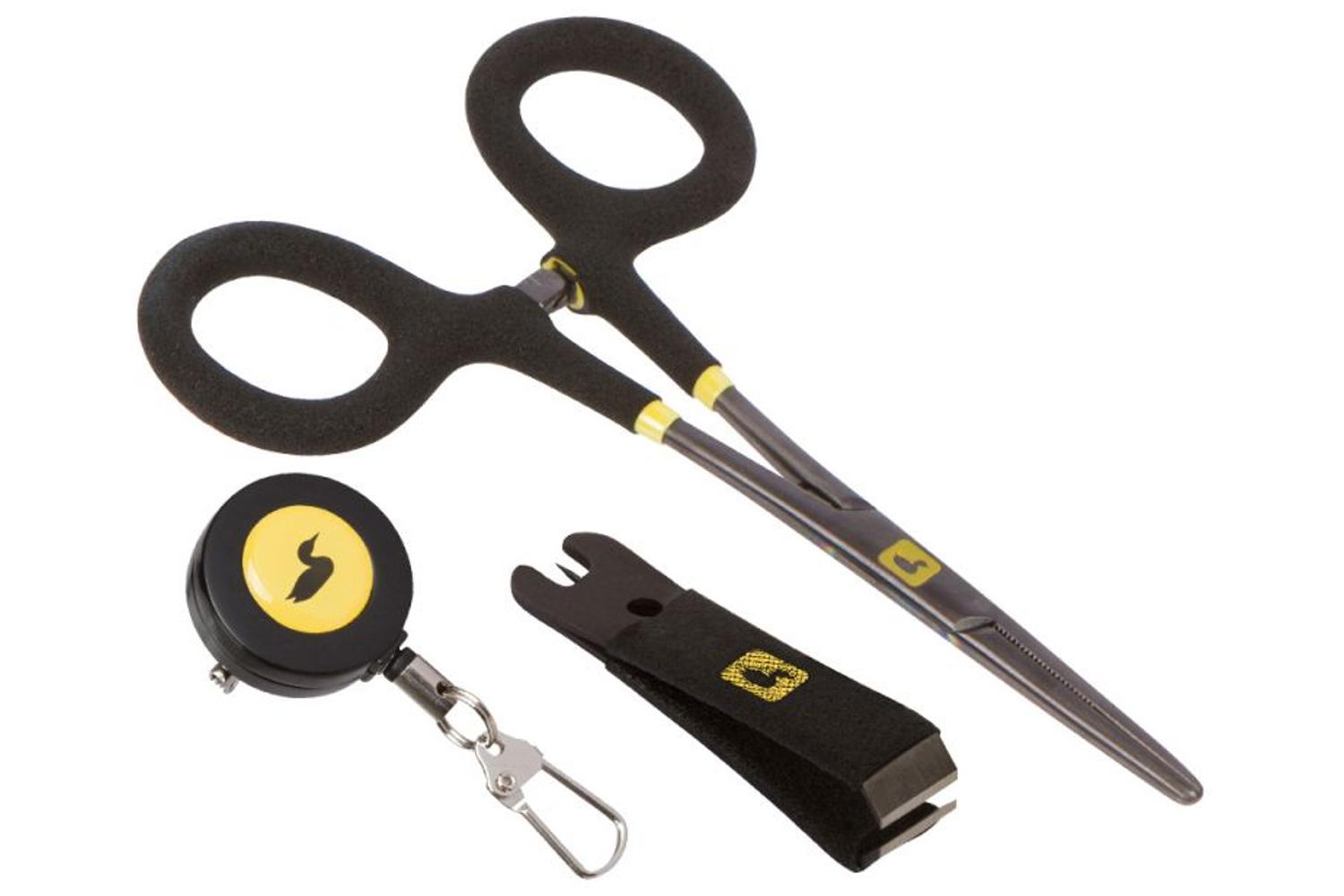
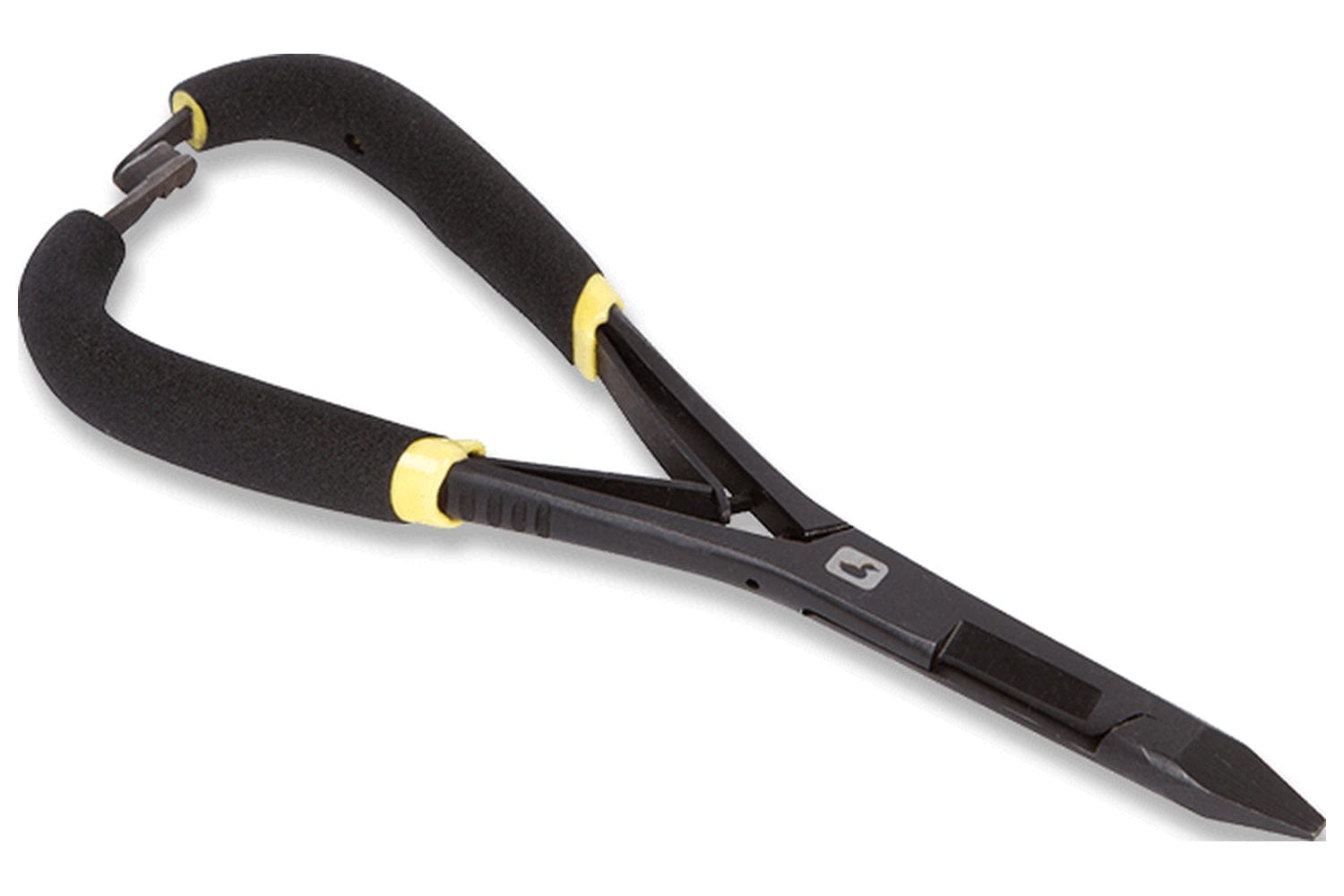
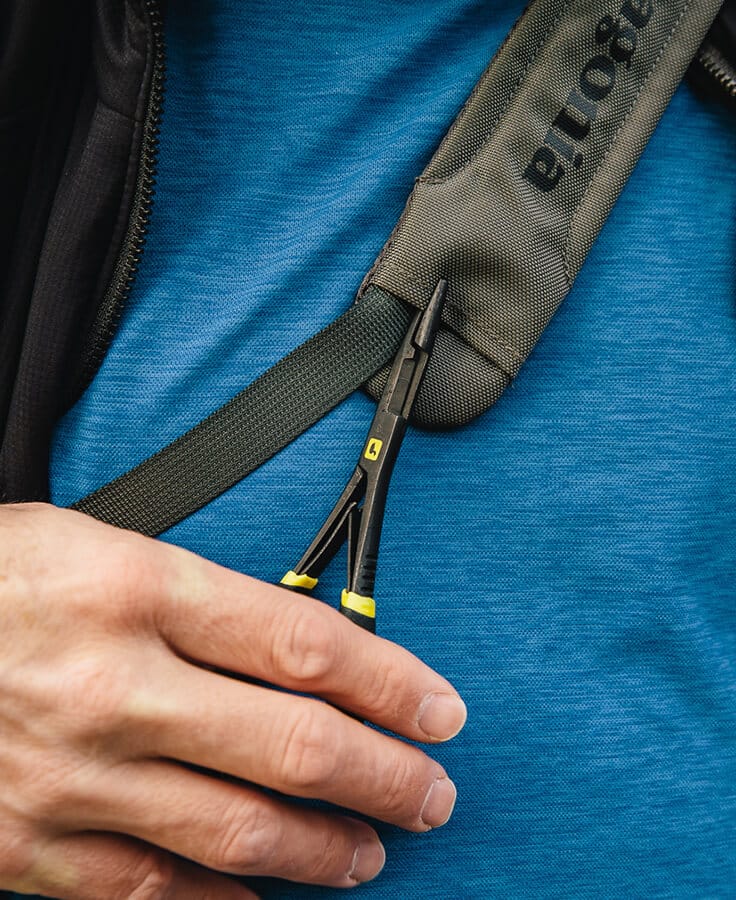
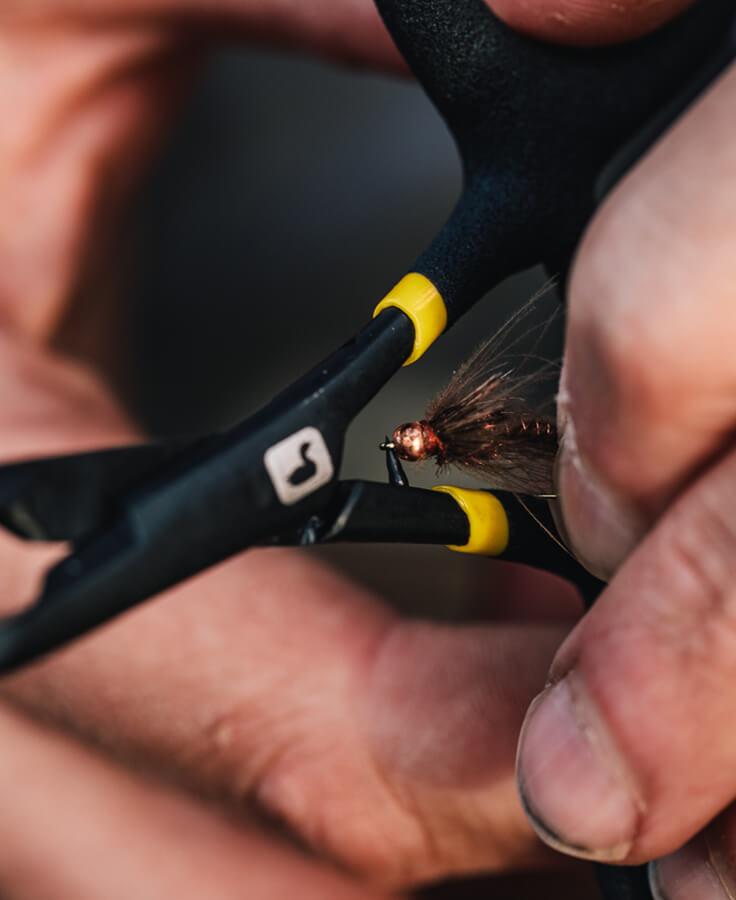
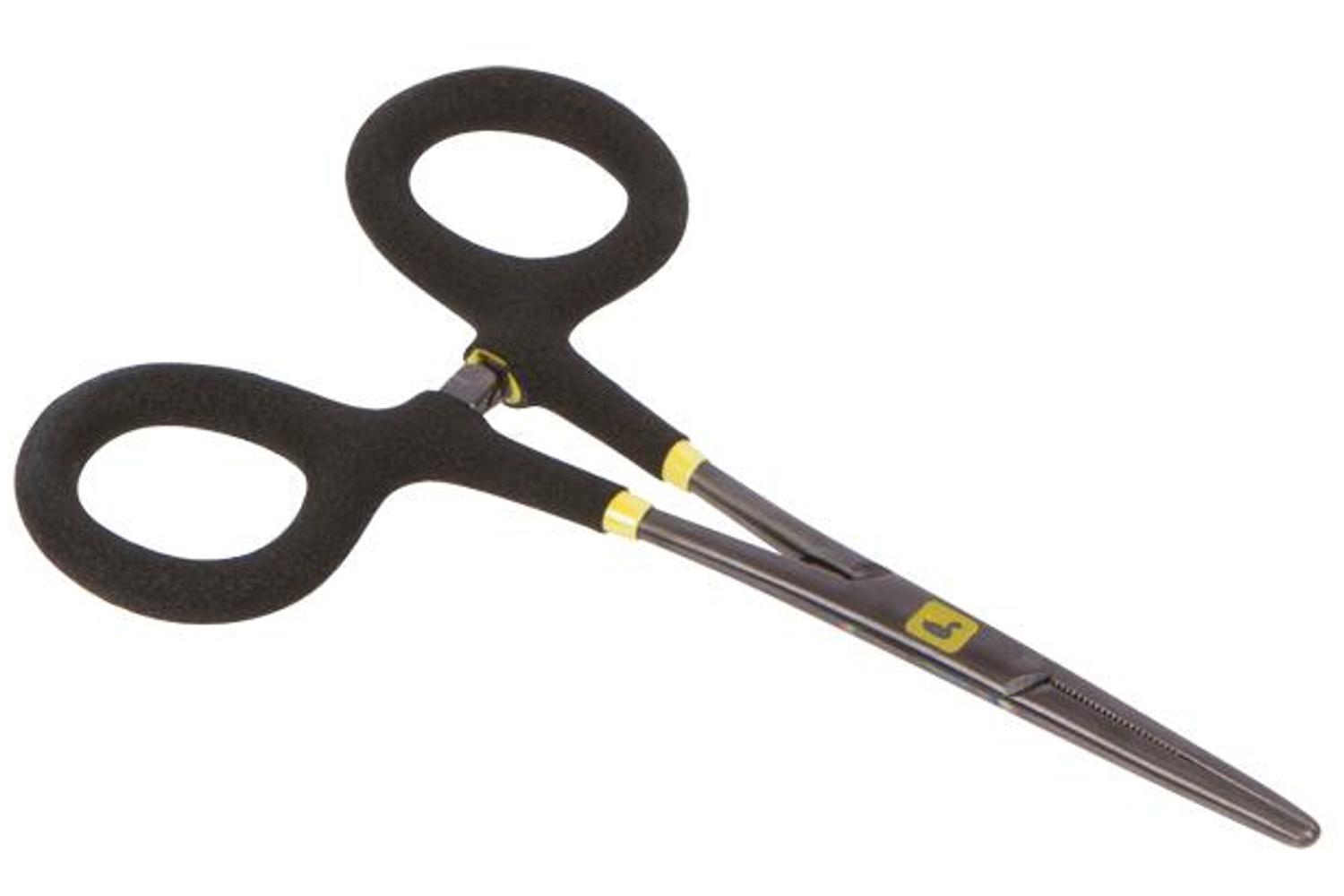
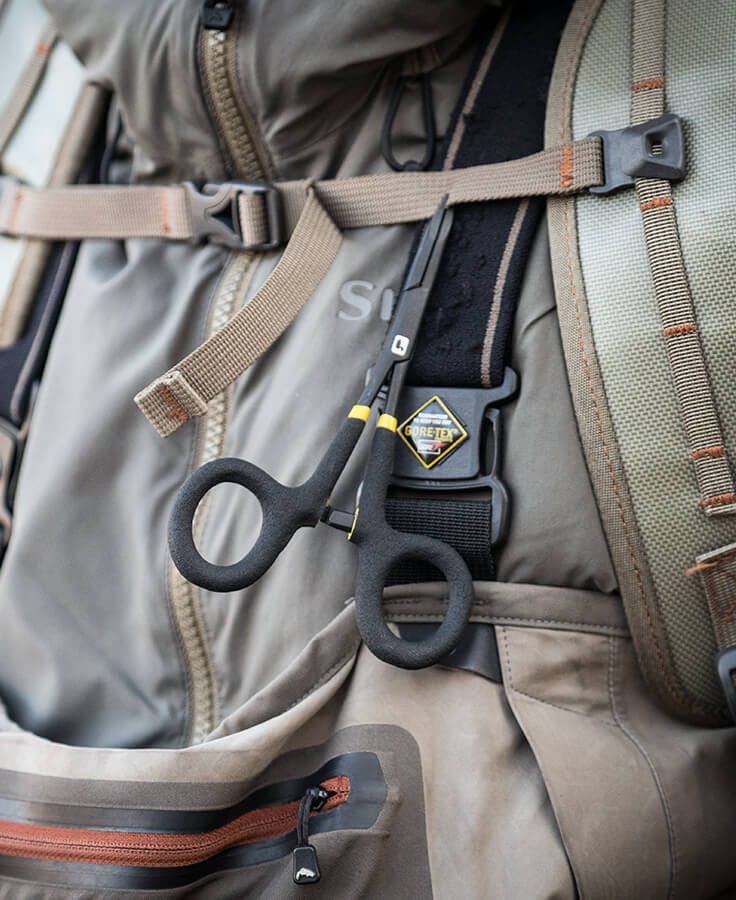
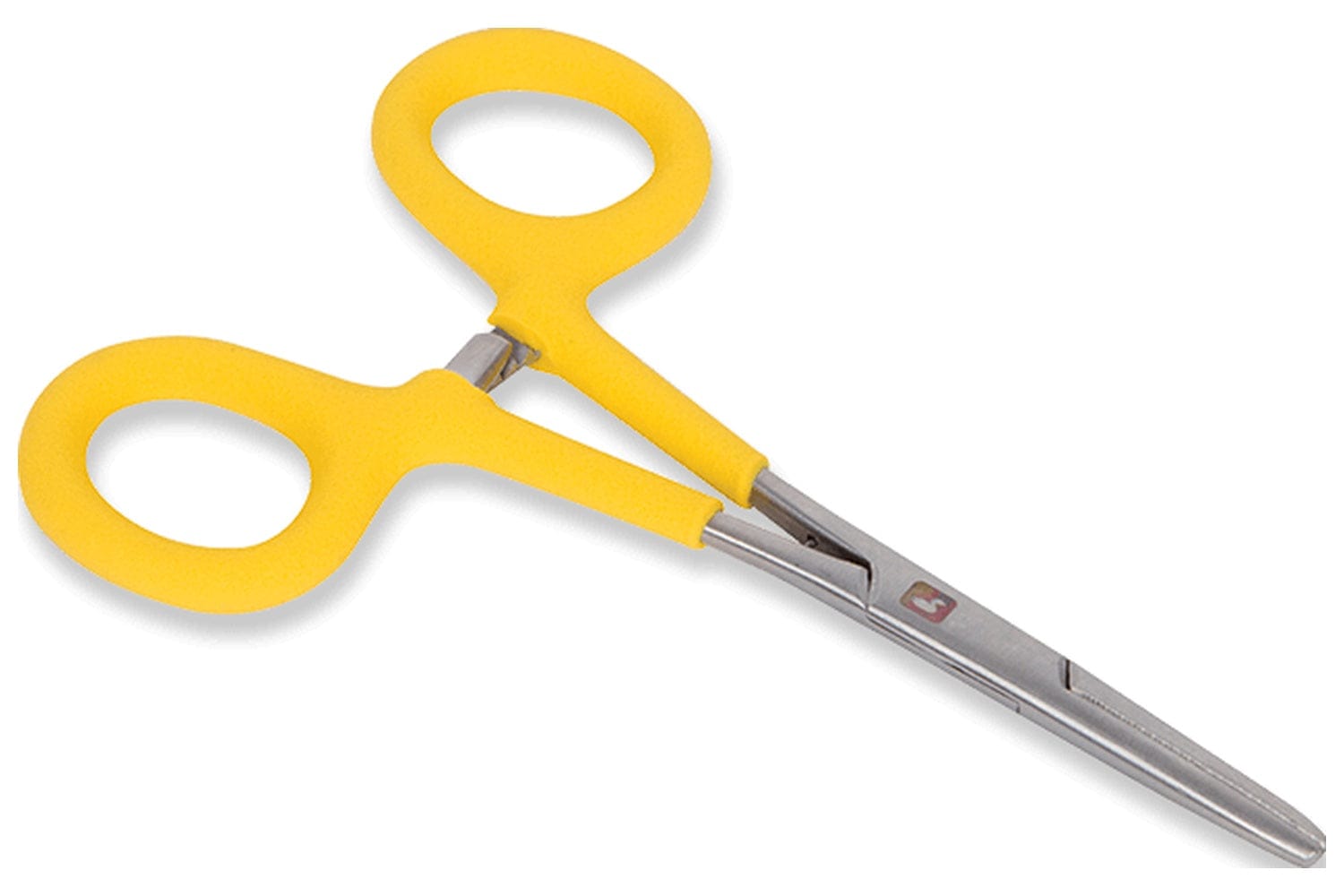
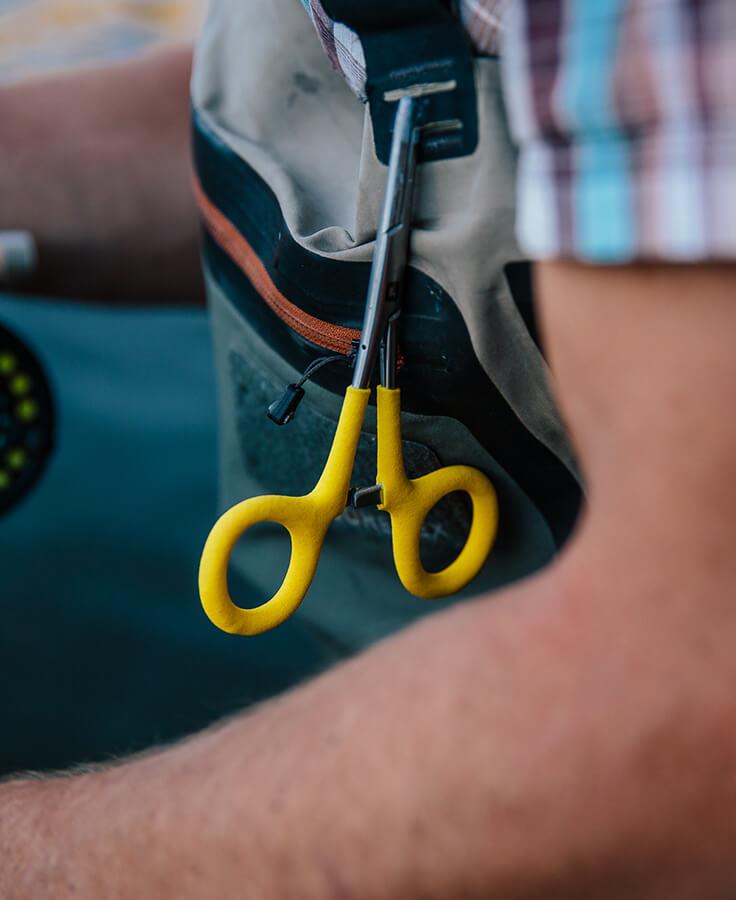
Forceps (hemostats): Best for trout fishing, smaller hooks, and quick, precise hook removal. Most anglers like a 5, 6" size that clips easily to a pack or vest.
Pliers: Better mechanical advantage for bigger hooks, heavier mono/fluoro, and saltwater hardware. If you routinely fish braid, wire, or thick shock tippet, pliers are the easier answer.
Mitten clamps: Designed for one-handed, glove-friendly operation. They’re a great fit for cold weather, stillwater, or anytime you want fewer moving parts to fumble.
Cutters: what matters most
Action: If you primarily cut light tippet (4X, 7X), any sharp cutter will work, but alignment and leverage matter for clean cuts.
Saltwater / braid / wire: Look for pliers built around tougher cutter materials and replaceable cutter systems. If you fish the flats or throw big streamers with heavy leaders, this is the upgrade you’ll feel every trip.
Jaw style and real-world use
Best for trout: Narrower jaws help you grab a small hook bend without crowding the fish’s mouth. Straight jaws are the most versatile; curved jaws can help reach awkward angles.
Best for toothy fish: Longer reach and stronger jaws reduce hand-to-teeth proximity and give you better control at boatside.
Carry system: don’t skip this
Best for: Anyone who fishes from a boat, wades deep, or changes flies often.
Avoid if: You hate clutter, just keep it simple with one attachment point and one tool.
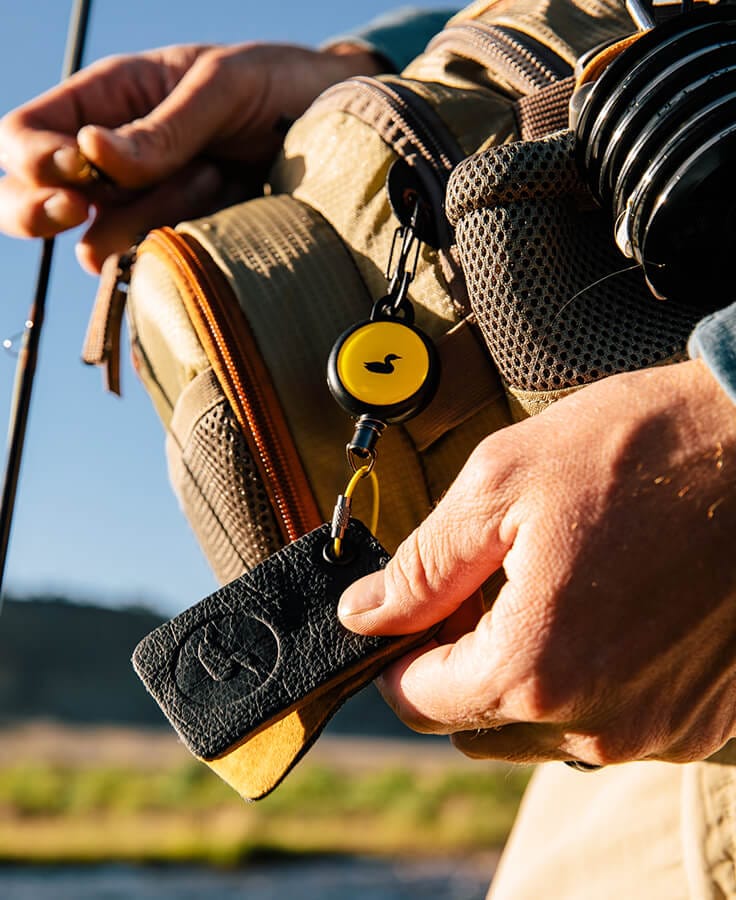
Sheaths and tethers help prevent the classic “dropped tool in the river” moment. If you want a clean way to keep tools accessible, browse Fly Fishing Lanyards.
Materials & Durability
- Freshwater rinse: A quick rinse and dry keeps spring mechanisms smooth and reduces surface corrosion over time.
- Saltwater rinse: After any salt exposure, rinse thoroughly, dry fully, and store out of a wet sheath to reduce corrosion and grit buildup.
- Cutters: Don’t cut split shot, hook shanks, or heavy wire unless the tool is designed for it, this is the fastest way to chip or misalign cutters.
- Hinges & locks: If a lock starts to feel gritty, rinse and dry first; a tiny drop of light oil at the pivot can help (wipe off excess).
Complete Your Setup
Related Gear
- Nippers & Zingers - Keep a dedicated line cutter and retractor handy so you’re not forcing pliers to do every job.
- Tools & Gadgets - Great add-ons for rigging efficiency, fish handling, and small streamside fixes.
- Tippet - The tool-and-tippet combo matters: clean cuts and fast re-ties keep your presentations consistent.
Related Guides
- Fly Fishing for Beginners: A Gear List
- The Ultimate Tippet Shootout: 5x
- The Ultimate Tippet Shootout: 20lb
Pliers & Forceps FAQs
Q: What are fly fishing forceps used for?
A: Forceps (hemostats) are primarily for quick hook removal, pinching barbs, and grabbing small materials when tying knots or adjusting rigs. They’re especially handy for trout fishing where hooks and tippet are small.
Q: Do I need pliers or forceps for fly fishing?
A: For most trout anglers, forceps cover the basics. If you regularly fish saltwater, heavy leaders, big streamers, or braid/wire, pliers are usually the better match.
Q: What length forceps should I buy?
A: 5, 6 inches is a practical size for most freshwater fishing because it’s compact and easy to carry. Go longer if you want extra reach for toothy fish or deep hook removals.
Q: Are mitten clamps worth it?
A: If you fish in gloves, cold weather, or want a simpler one-handed open/close action, mitten clamps make a noticeable difference. They’re also convenient for quick releases when you don’t want to mess with finger loops.
Q: What should I look for in cutters?
A: Match cutters to what you actually cut: light tippet needs clean alignment, while braid/wire demands tougher cutter materials and better leverage. If you’re hard on tools, replaceable cutter systems can extend the life of the pliers.
Q: How do I keep pliers from rusting?
A: Rinse and dry after each trip, especially after saltwater. Store tools dry (not sealed wet in a sheath), and keep the pivot area free of grit.
Q: Can I use pliers to crimp split shot and barbs?
A: Many models can, but it depends on jaw shape and leverage. If you crimp barbs frequently, choose a tool with a comfortable grip and enough mechanical advantage to do it without slipping.
Q: What’s the difference between saltwater pliers and freshwater pliers?
A: Saltwater pliers are typically built around corrosion-resistant materials and hardware, and they’re designed for heavier-duty cutting and gripping. Freshwater-focused tools usually prioritize lighter weight and fine control.

