

What To Wear Under Fishing Waders (Summer & Winter)


Layering Quick Picks
Best All-Around: Simms Lightweight Baselayer Top - For anglers who want a reliable next-to-skin top that works from cool mornings to full winter layering. Lightweight, moisture-wicking performance makes it an easy foundation under fleece, insulation, and shells.
Best for Cold Weather: Simms Heavyweight Baselayer Hoody - For late-season wading and wind-chilled boat days when you want extra warmth without going bulky. The micro-grid fleece build and face/neck coverage style add warmth and protection while still layering cleanly.
Best Under-Wader Option: Simms Fleece Midlayer Bib - For cold river days when standard baselayer bottoms aren’t enough under waders. Bib coverage adds core warmth, and the under-wader fit keeps bulk and bunching down.
Best for Boat & Storm Days: Simms Vapor Elite Bib - For anglers who spend time on cold, wet decks or in driving weather and want more protection than standard pants. Bib coverage helps seal out wind and spray, making it a strong outer-layer piece over your baselayers.
How to Choose Layering
Start with the job each layer does
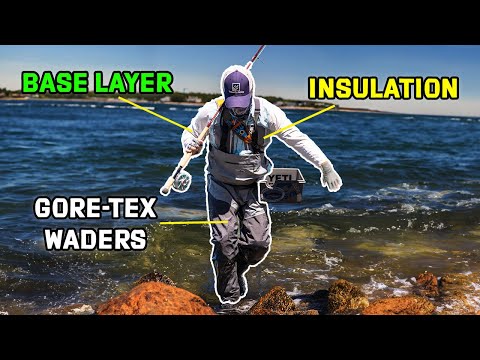
Base layer: Wicks sweat off your skin so you don’t get chilled when you slow down. This is the piece you’ll wear most often under waders.
Midlayer: Adds insulation by trapping warm air. Fleece and grid-fleece are common because they breathe well and keep working when damp.
Outer layer: Blocks wind and precipitation. On the water, this might be a wading jacket, rain shell, or a more protective bib system on a boat.
Pick warmth by adjusting thickness, not by “doubling cotton”
Action: Stay away from cotton next to skin, once it’s wet, it stays wet and you’ll feel colder fast. Use synthetics or wool-blend baselayers, then build warmth with fleece/insulation as needed.
Best for: Anglers who fish all seasons will usually end up with a lightweight baselayer set plus a warmer “winter” option.
Under-wader comfort comes down to fit and bulk
Action: Under waders, prioritize tapered legs, smooth outer faces, and low-bulk seams. Bulky cuffs and thick pockets can bunch behind knees and ankles, which is a quick way to ruin a long day.
Avoid if: If a layer feels restrictive when you squat, step up on rocks, or sit in a drift boat, size or pattern choice is off, mobility matters as much as warmth.
Match your layering to your fishing scenario
Cold wading: Baselayer + fleece midlayer + warm under-wader bottoms/bib, then a shell when weather turns.
Shoulder seasons: Lighter baselayer + breathable fleece/quarter zip gives warmth without overheating.
Boat / wind exposure: Consider a bib-style outer layer over your insulation to keep wind and spray from robbing heat.
Materials & Durability
Wash smart: Use a gentle cycle and avoid fabric softeners, softeners can reduce wicking performance over time.
Dry thoroughly: Air-dry when possible; if you tumble dry, keep it low heat to protect stretch fibers and finishes.
Layer-friendly surfaces: Smooth-face fleeces and low-profile seams slide under waders and shells better than bulky knits.
Rotate pieces: If you fish multiple days in a row, rotating baselayers helps reduce odor and extends garment life.
Complete Your Setup
Related Gear
Fly Fishing Outerwear - Add a windproof/waterproof shell to protect your insulating layers when the weather shifts.
Fly Fishing Clothing - Build a full apparel kit, from sun protection to true cold-weather systems.
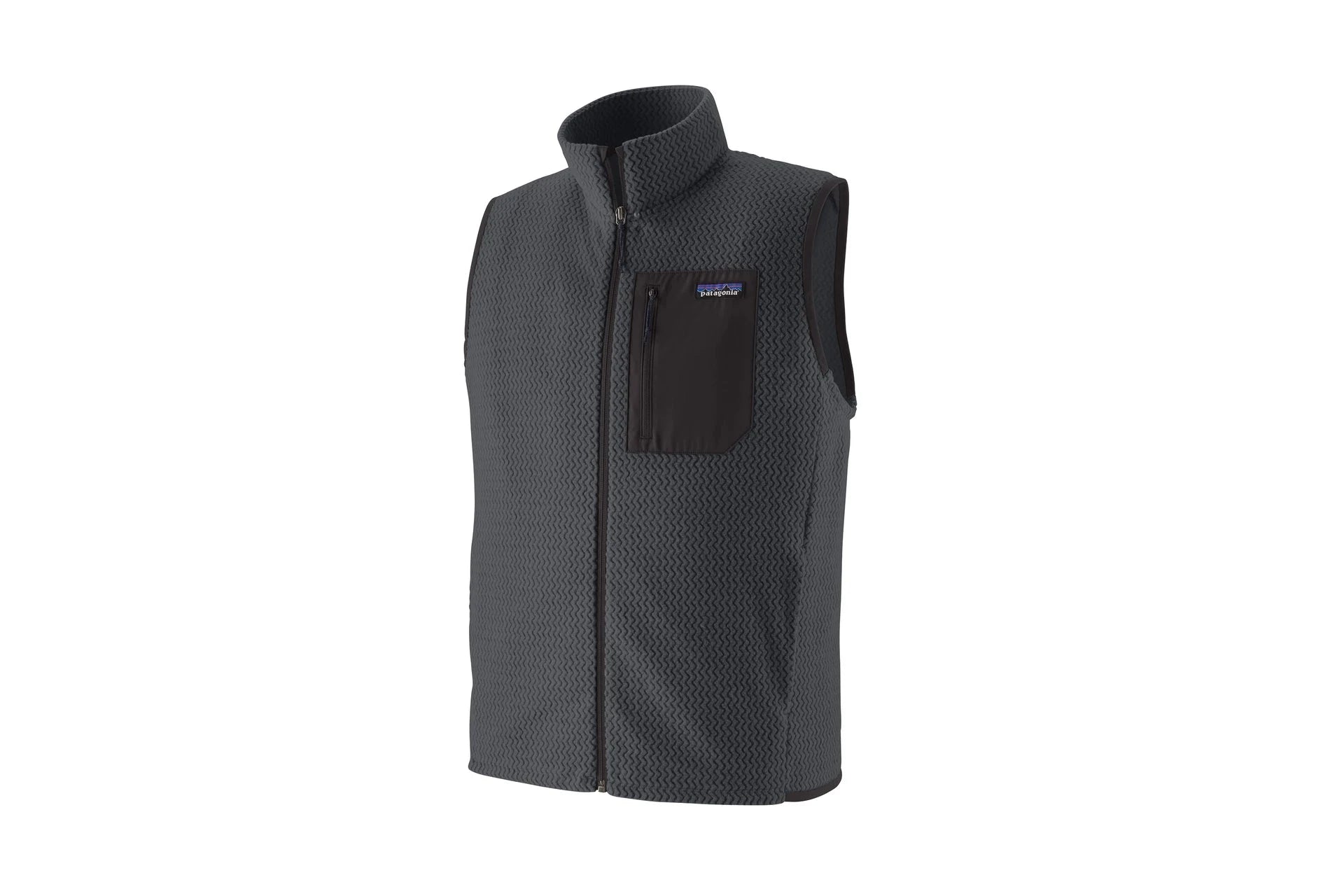
Insulation - When temperatures drop, insulated layers add warmth without needing multiple bulky fleeces.
Vests - A simple way to add core warmth while keeping full casting mobility.
Related Guides
Layering FAQs
Q: What does a fly fishing layering system actually do?
A: It manages moisture (sweat), traps heat, and blocks wind/rain so you stay comfortable longer. The goal is staying dry inside your layers, not just staying “warm.”
Q: What should I wear under waders in cold weather?
A: Start with a wicking baselayer, then add a fleece or insulated midlayer based on temperature and effort level. Avoid bulky pieces that restrict movement or bunch at the knees and ankles.
Q: Do I need heavyweight baselayers, or can I just add more layers?
A: You can do it either way, but adding one purpose-built warmer baselayer is often less bulky than stacking multiple casual layers. Many anglers keep a lightweight set and a cold-weather set to cover most conditions.
Q: Is fleece a good midlayer for fly fishing?
A: Yes, fleece breathes well and keeps working when damp, which matters on wet days. Grid-fleece styles are popular because they trap heat while still venting during activity.
Q: What’s the biggest layering mistake under waders?
A: Wearing cotton or overly bulky pants that hold moisture and restrict movement. Another common issue is thick seams/cuffs that bunch inside boots and cause hot spots.
Q: Should my layers fit tight or loose?
A: Baselayers should be close to skin so they wick effectively, while midlayers need enough room to trap warm air without restricting movement. Your outer shell should have space for your midlayer without feeling tight in the shoulders when casting.
Q: Are bibs useful for fly fishing layering?
A: Bibs are especially helpful on cold, windy, wet boat days because they protect more of your core and help seal out drafts. They can also simplify your system by combining weather protection and coverage in one piece.