


Simms Challenger Insulated Hat


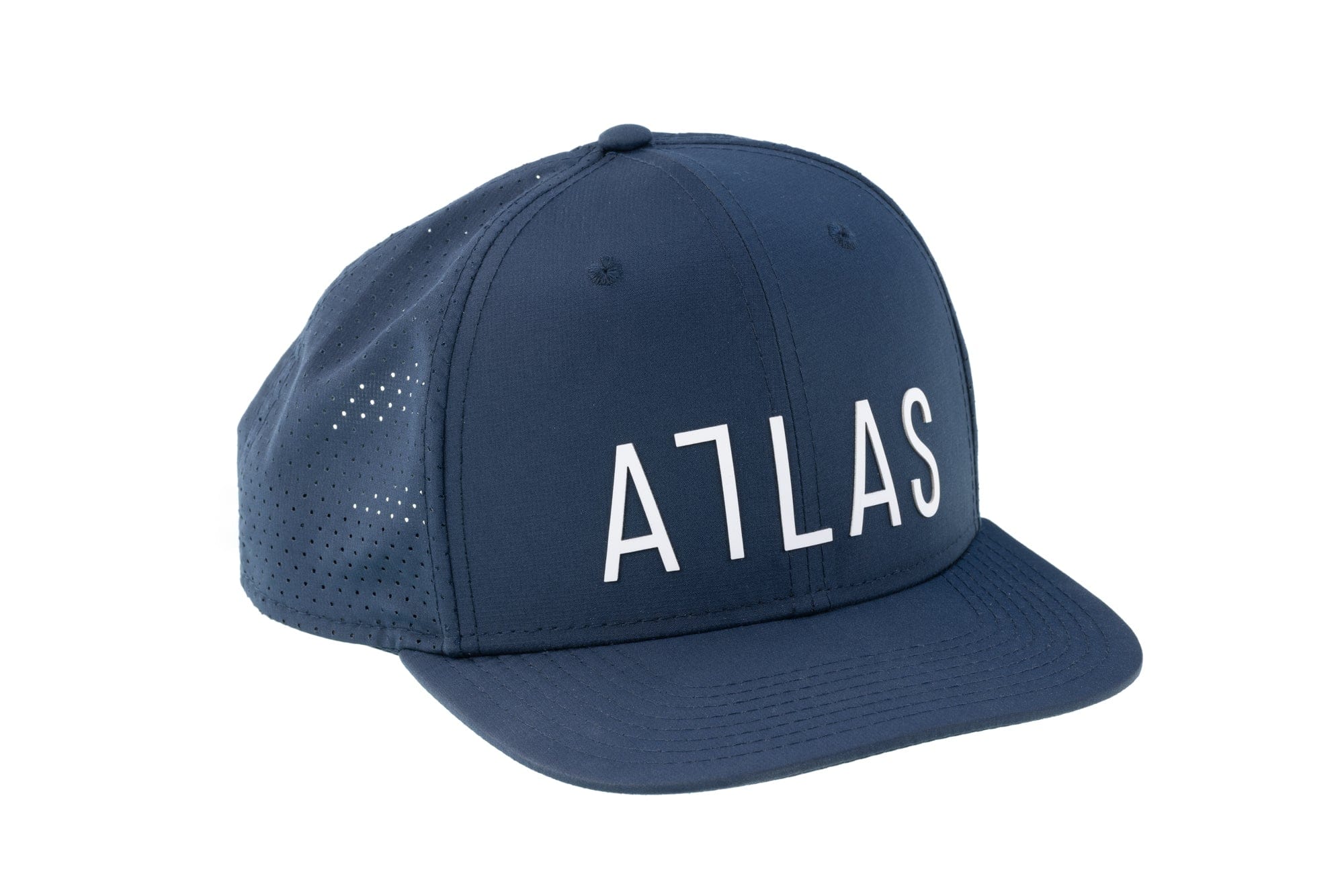
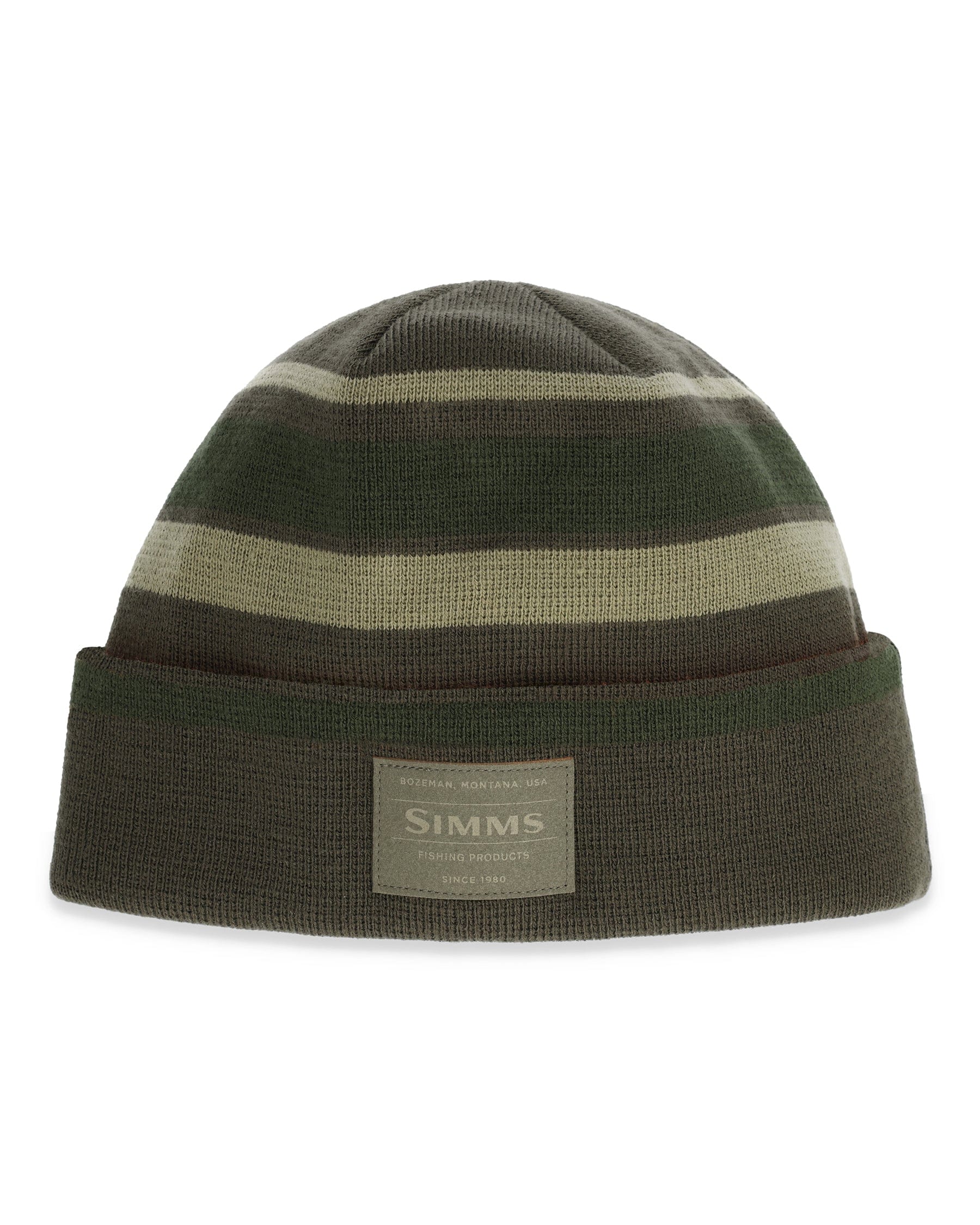


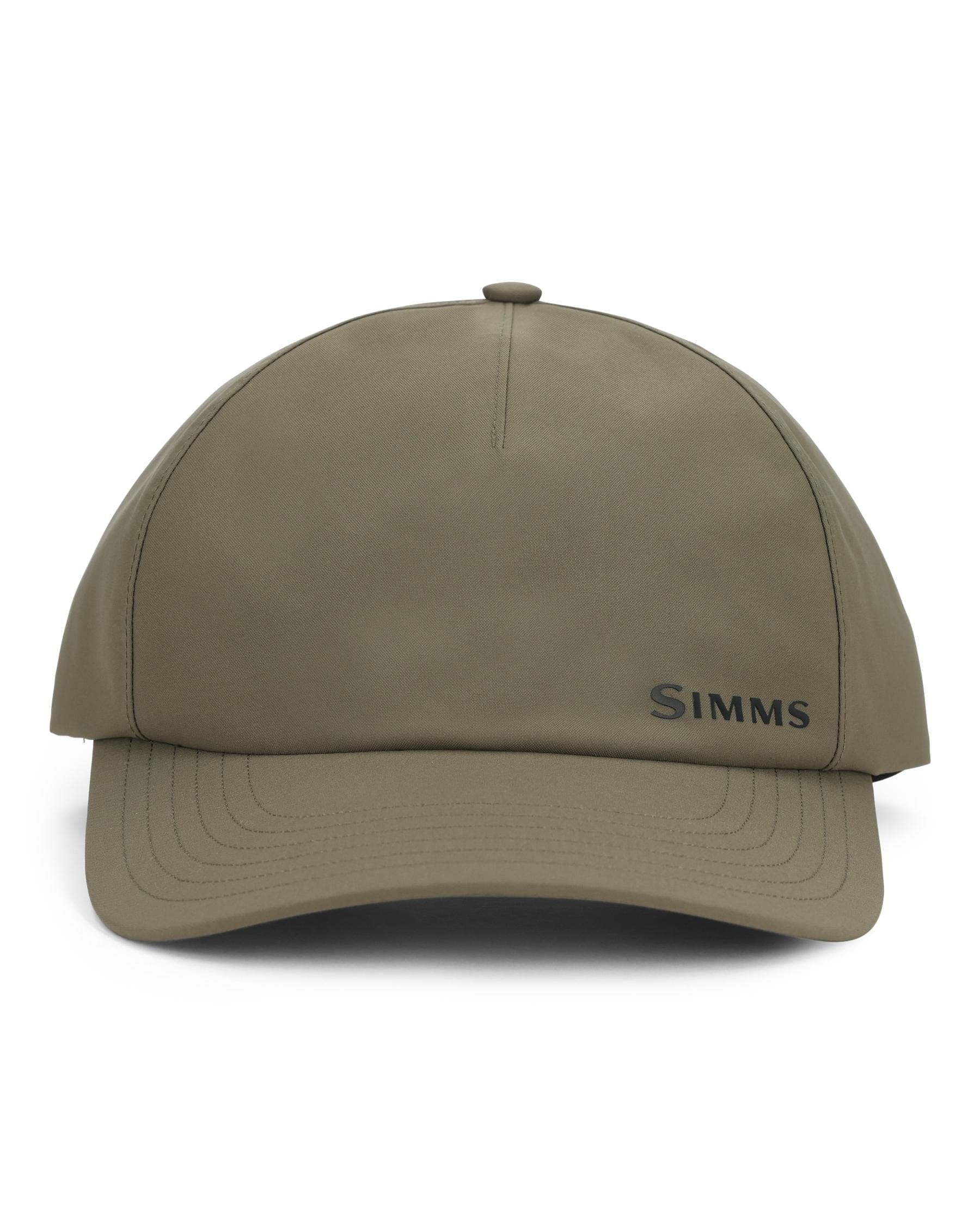
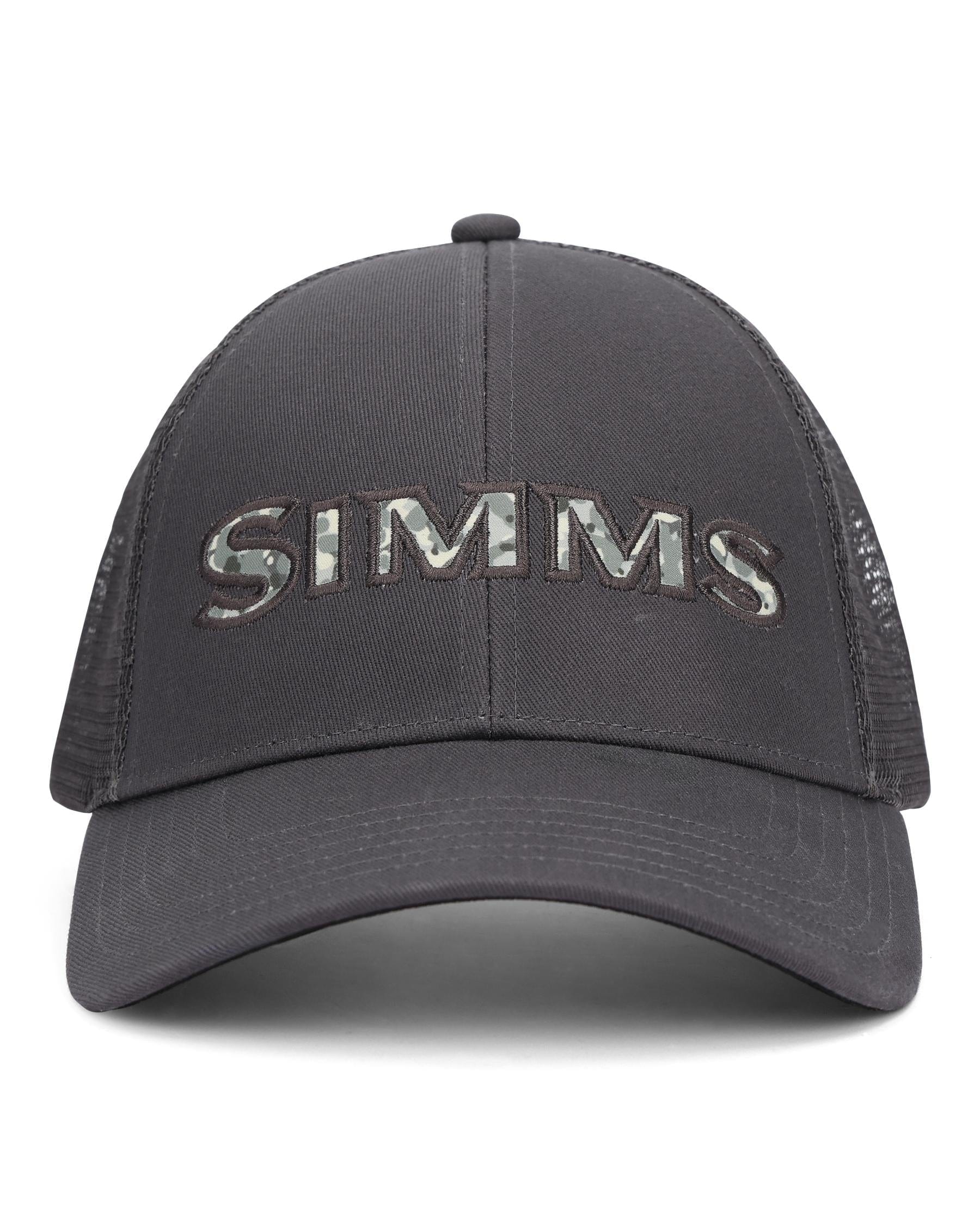
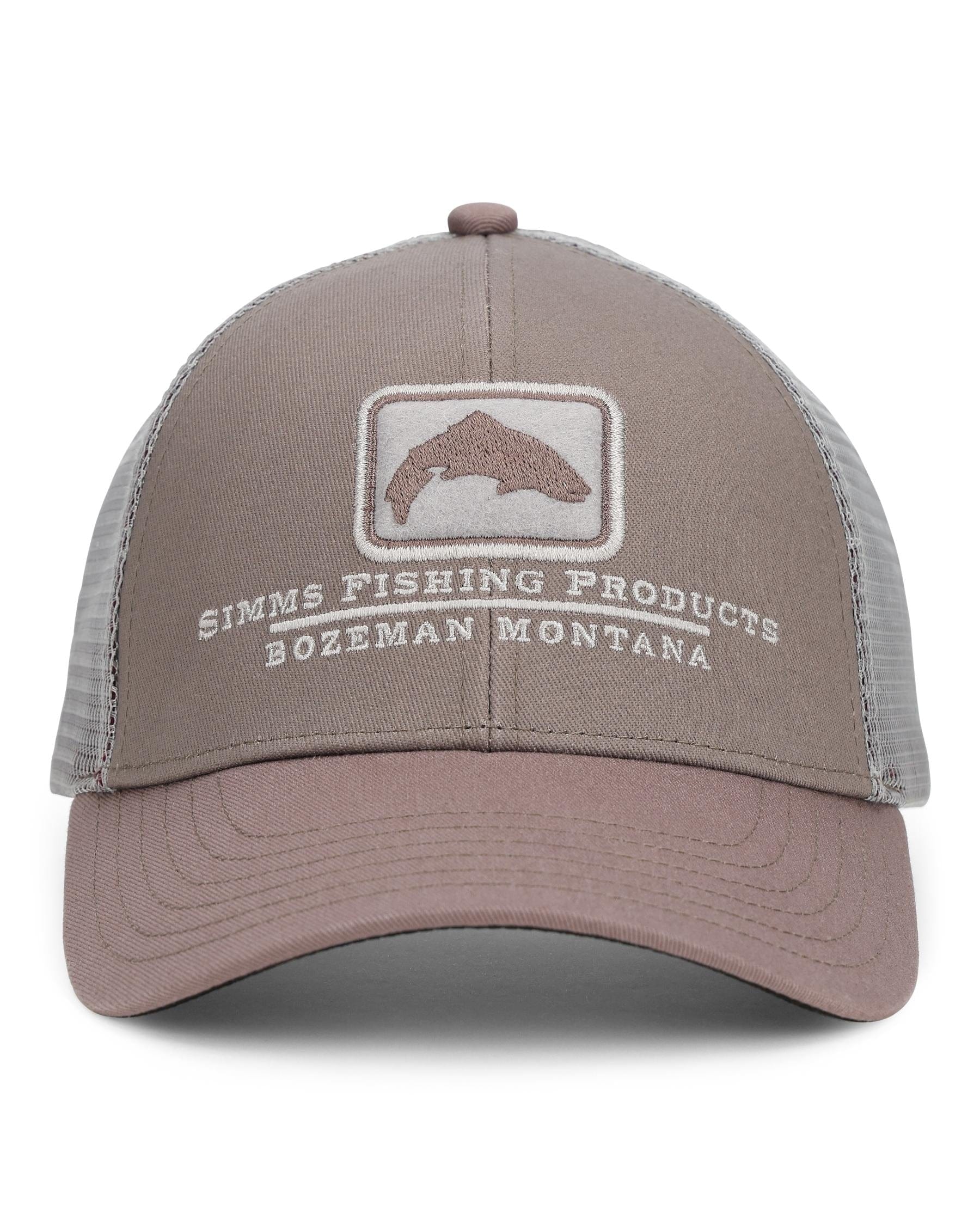
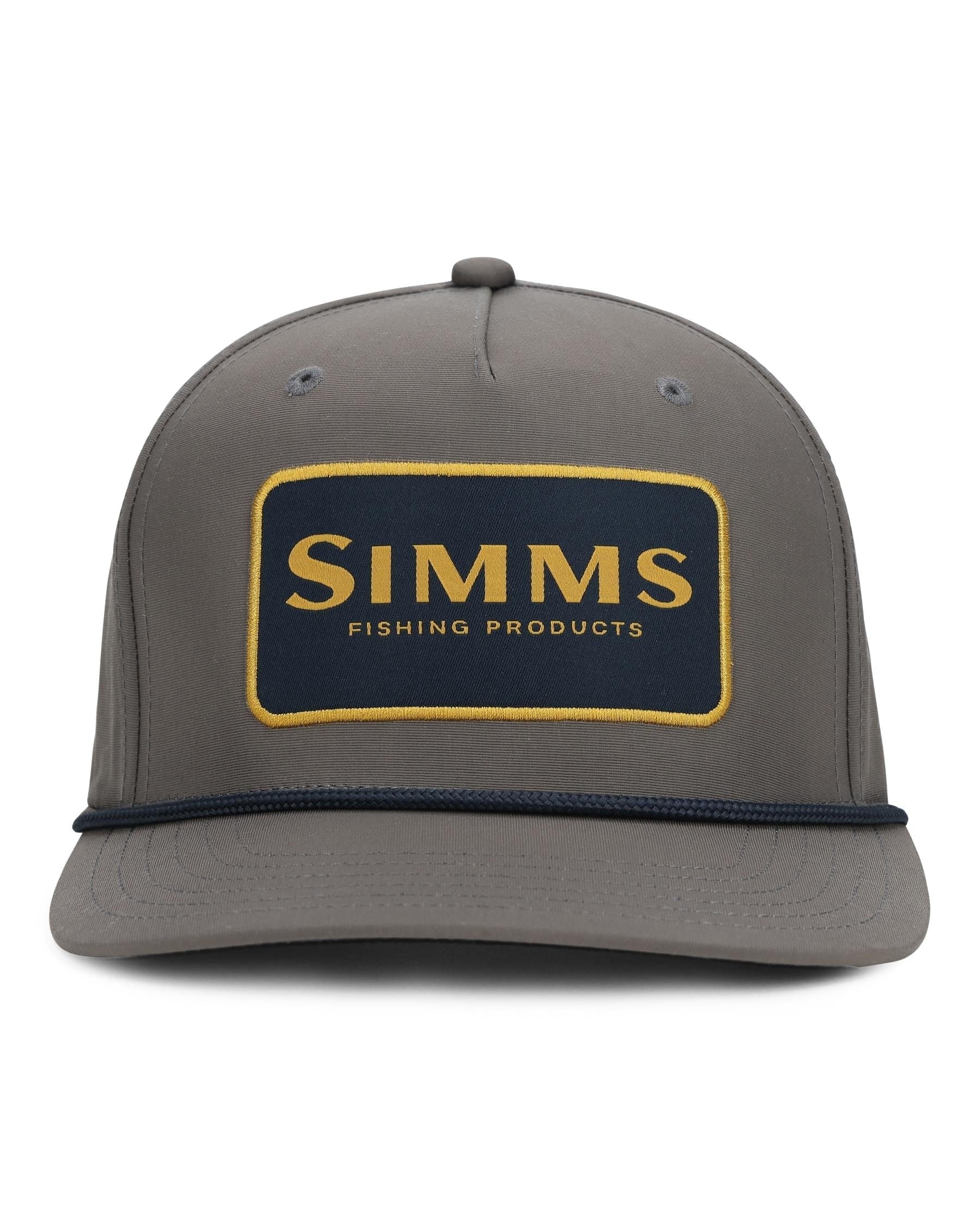
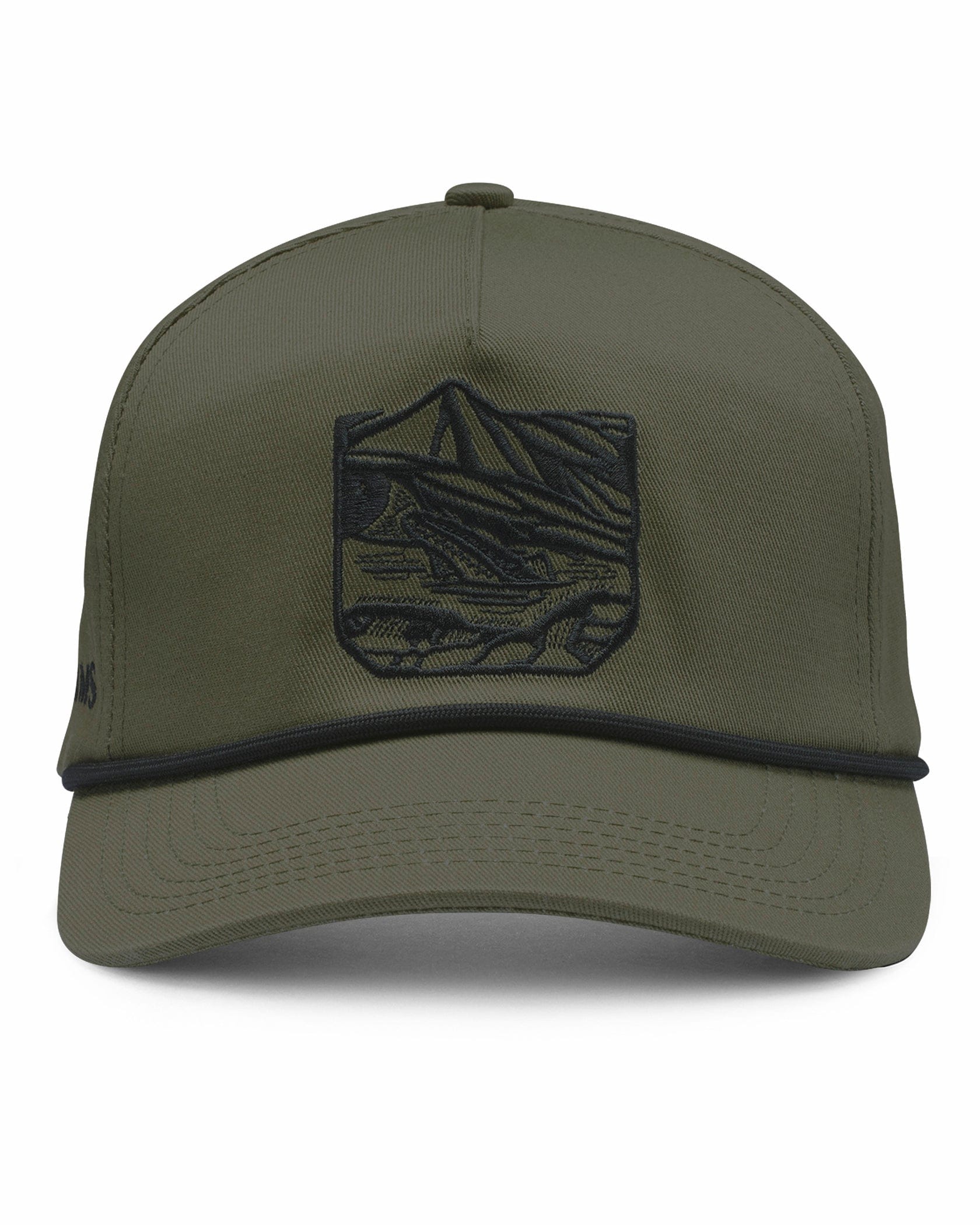

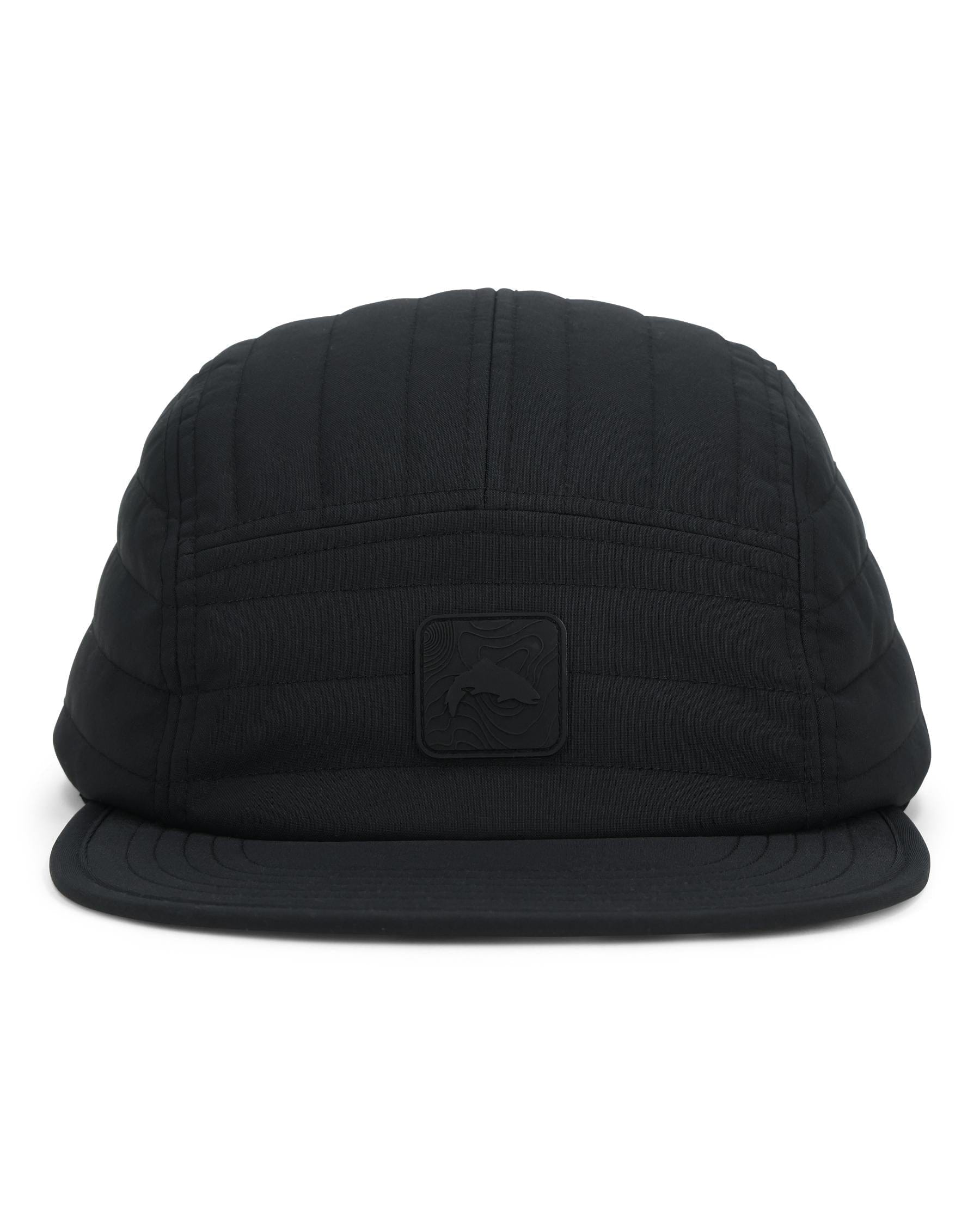


Hats Quick Picks
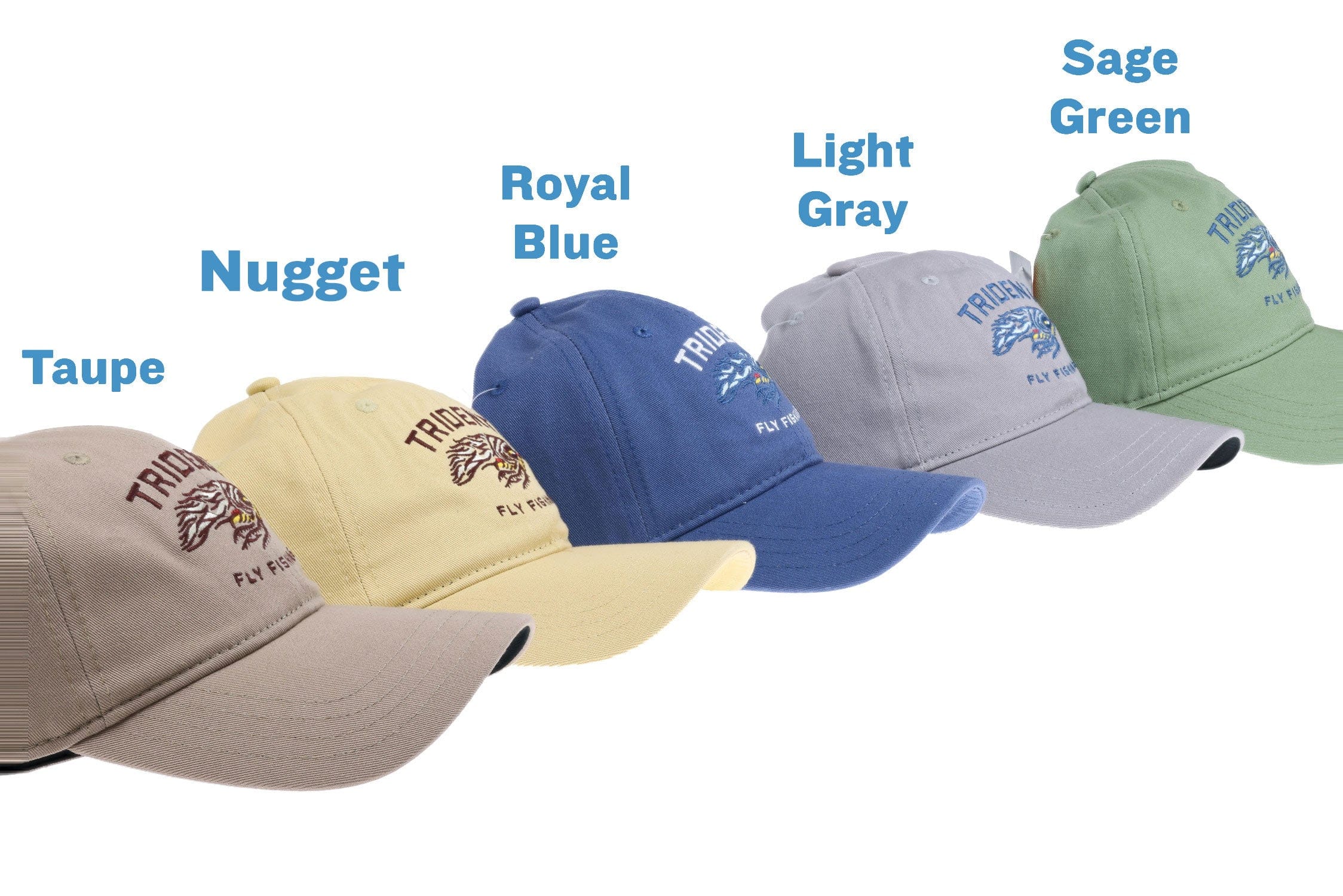
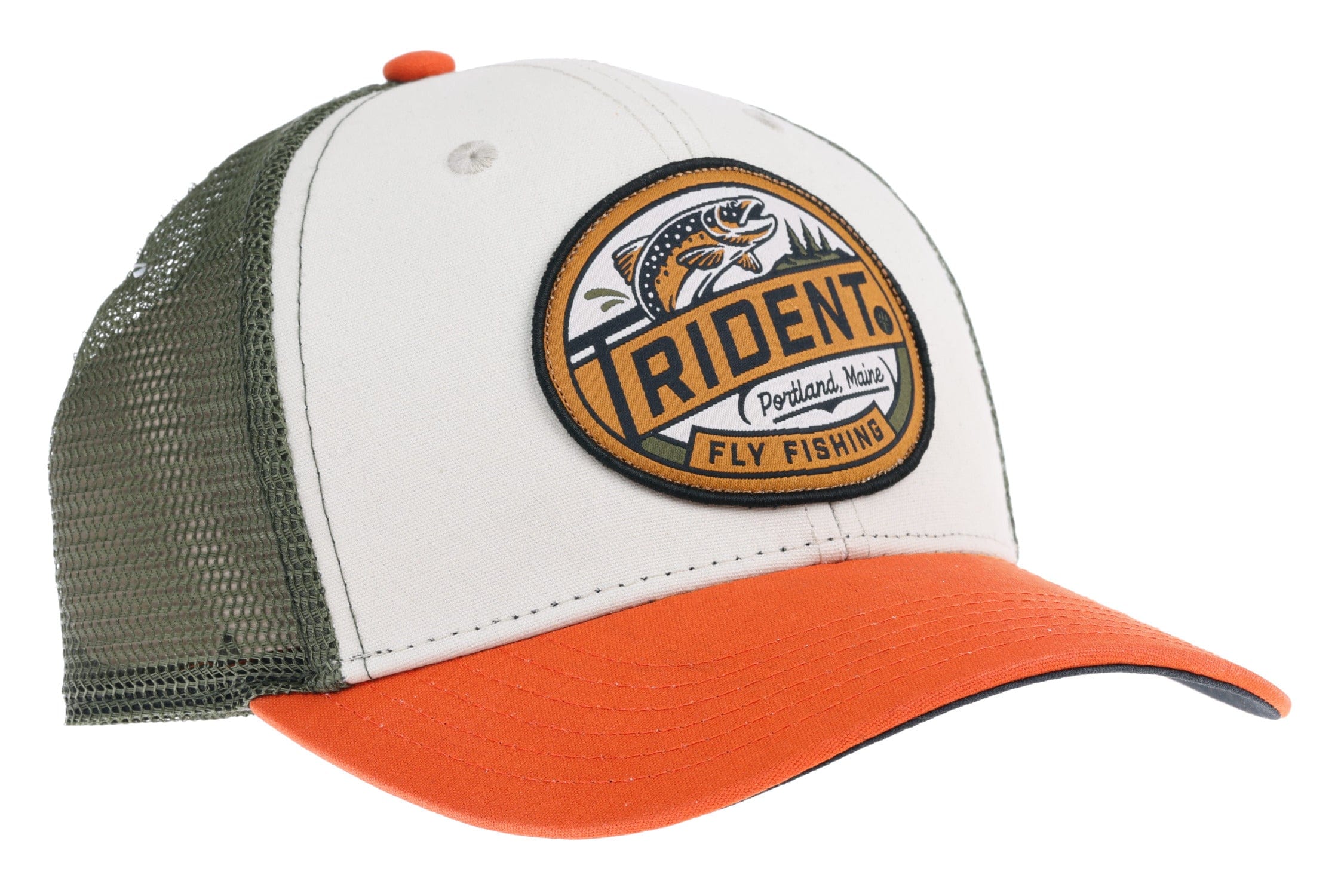
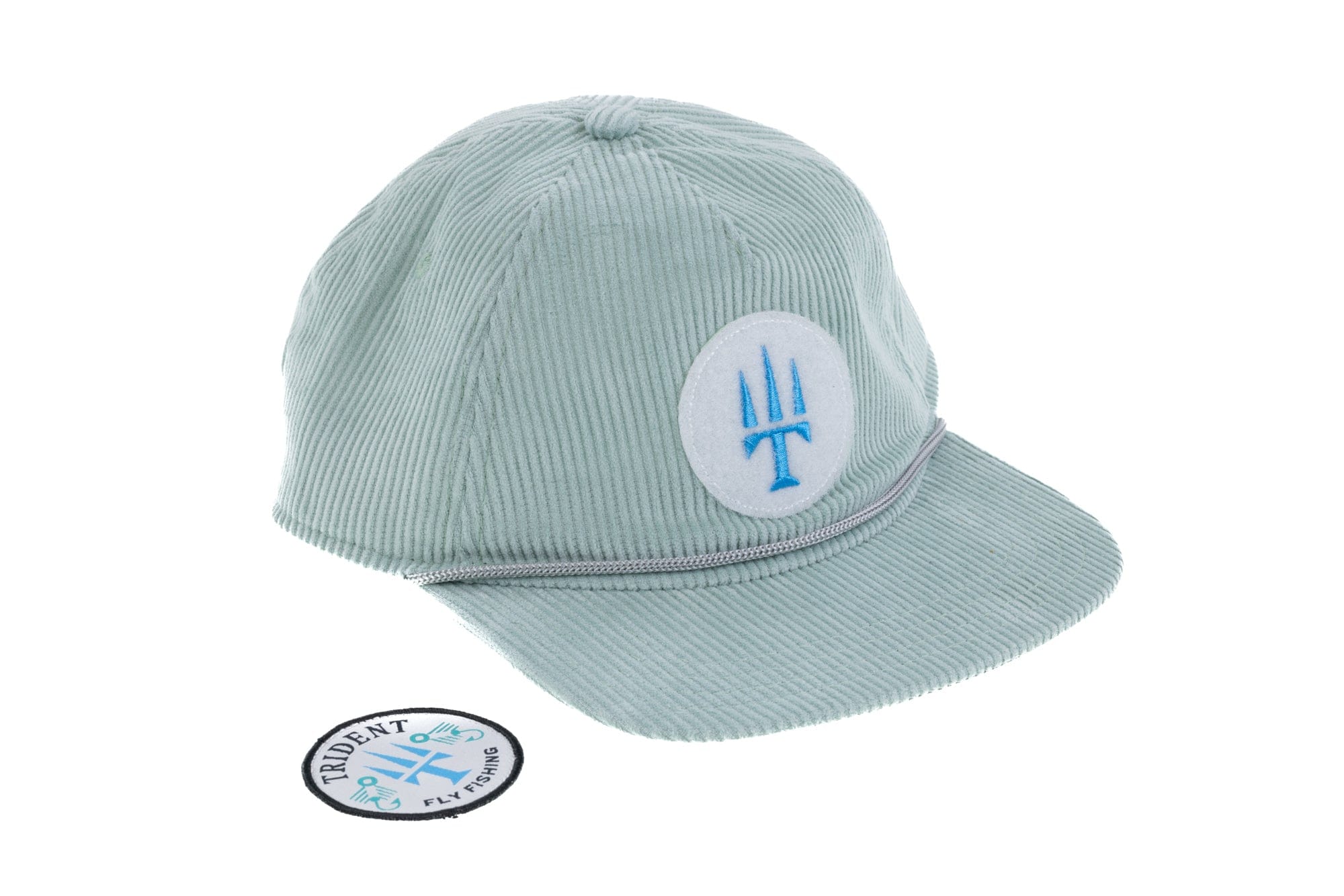
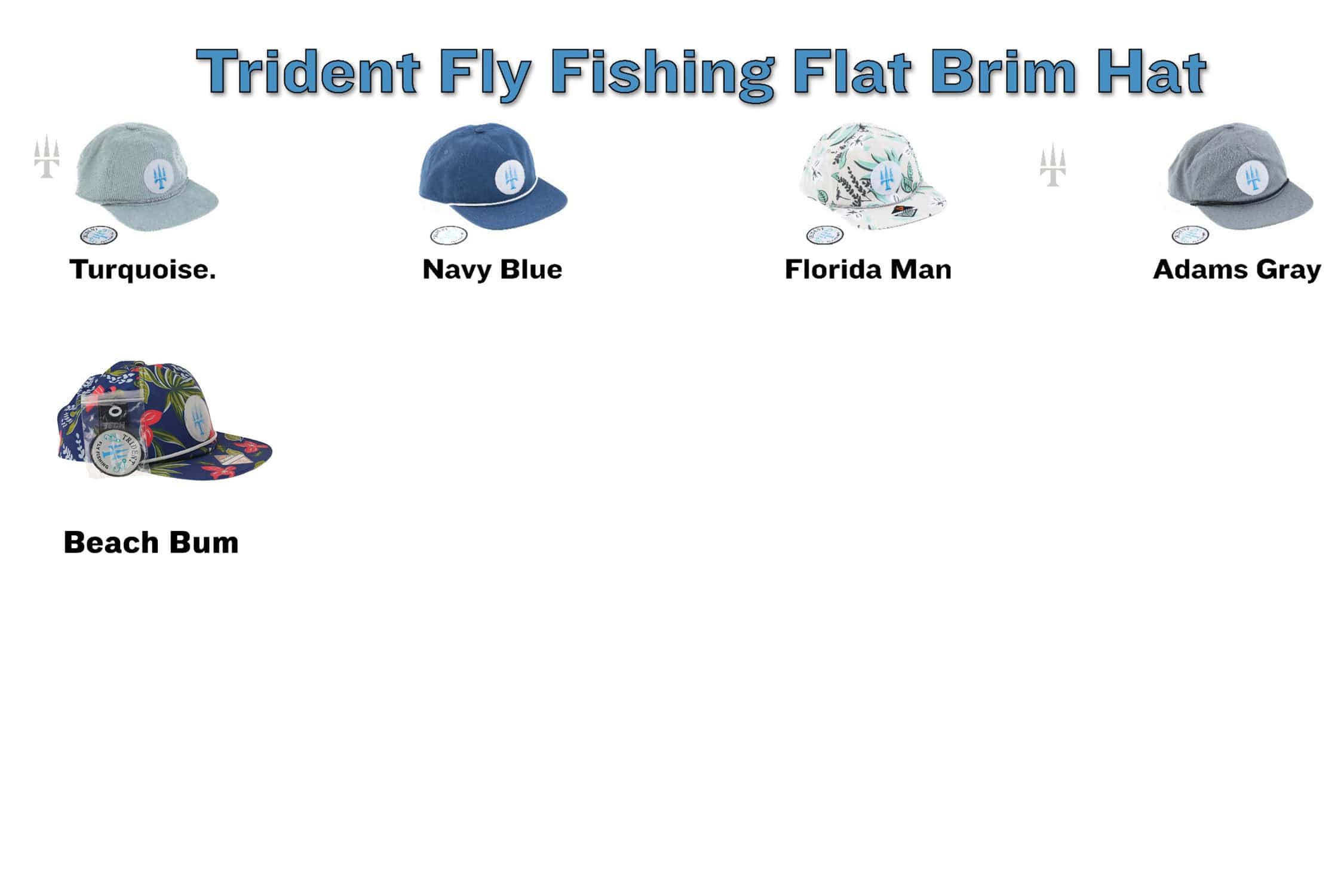
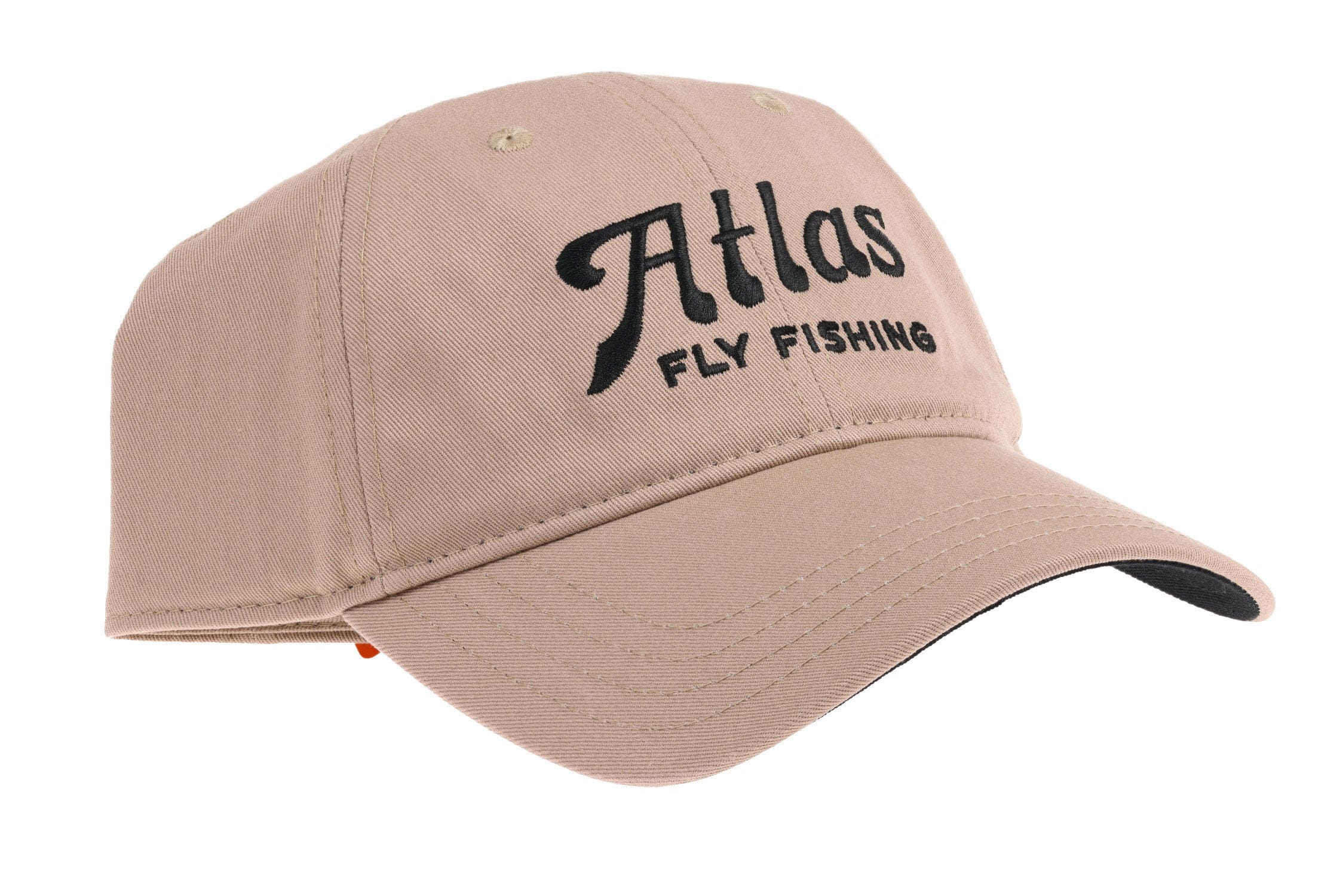
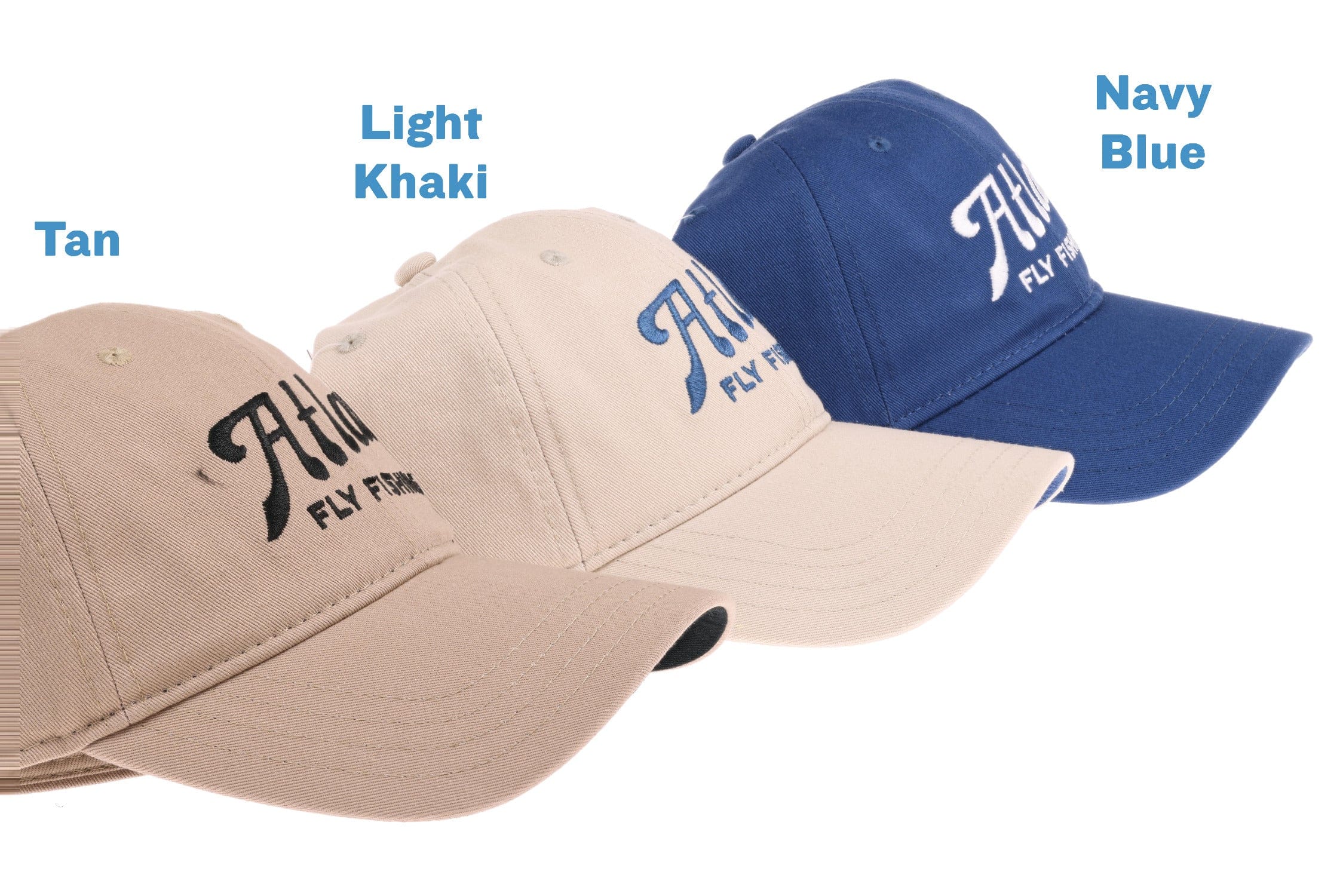
- Best All-Around: Trident Fly Fishing Performance Hat - For anglers who want one cap that fishes hard and still looks clean off the water. UPF-rated, breathable fabric and a pliable brim make it comfortable from boat rides to bank missions.
- Best Sun Protection: Simms Sunshield Cap - For long, high-angle sun days when your neck gets cooked before your hands do. The integrated cape adds coverage without committing to a full wide-brim hat.
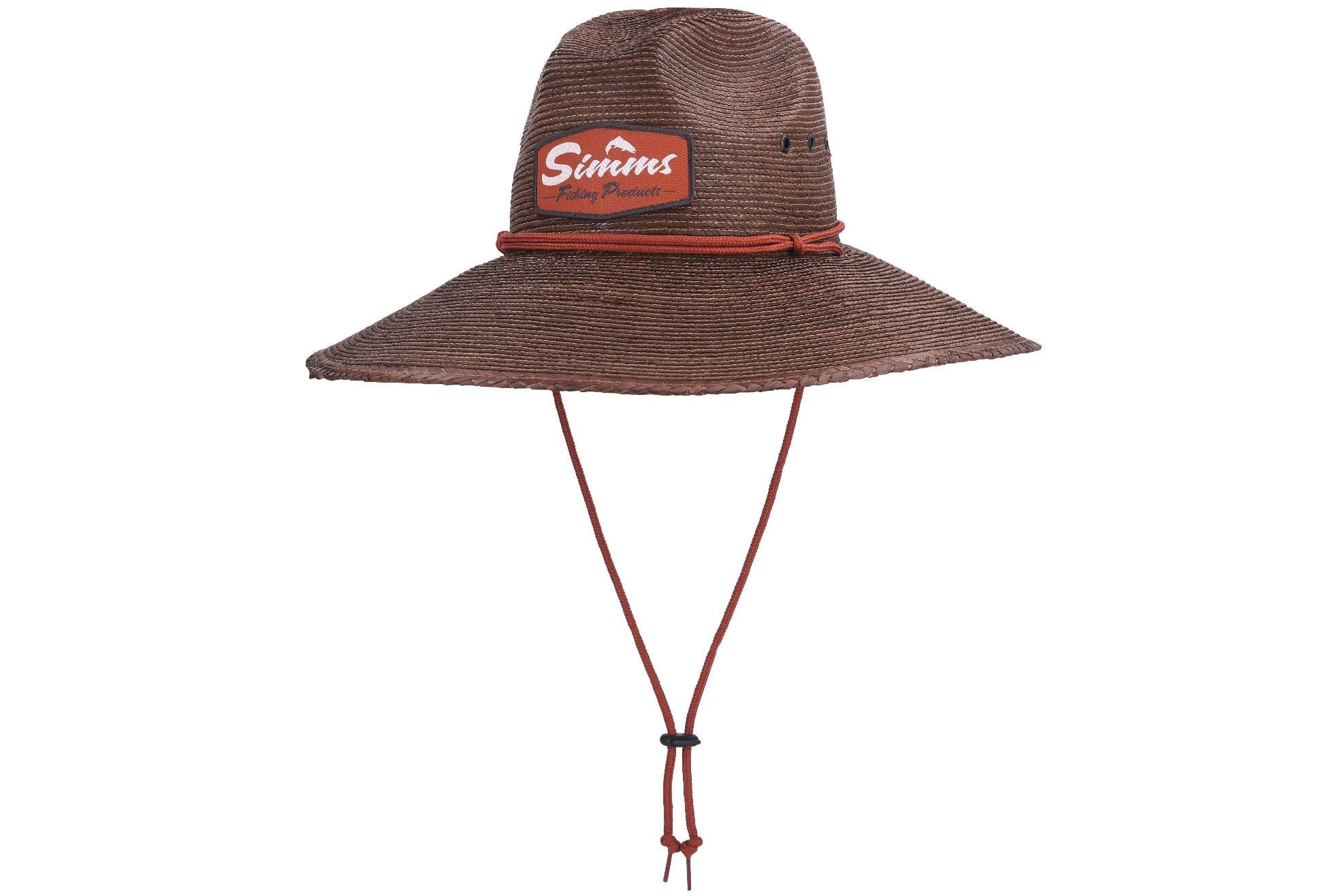
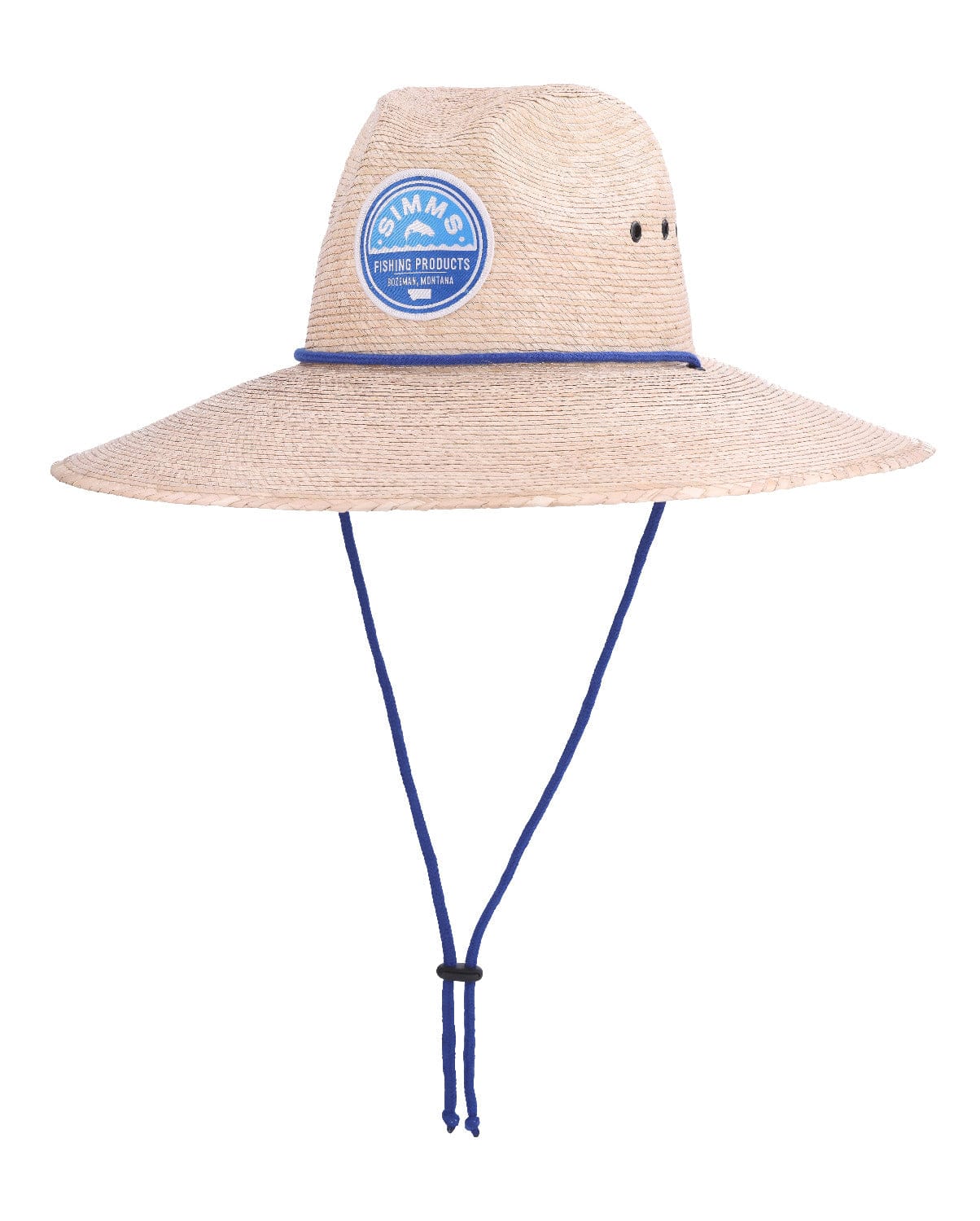
- Best for the Flats: Simms Cutbank Sun Hat - For skiff and beach days when shade matters more than style points. A wide brim and chin strap help keep coverage in wind and boat speed.
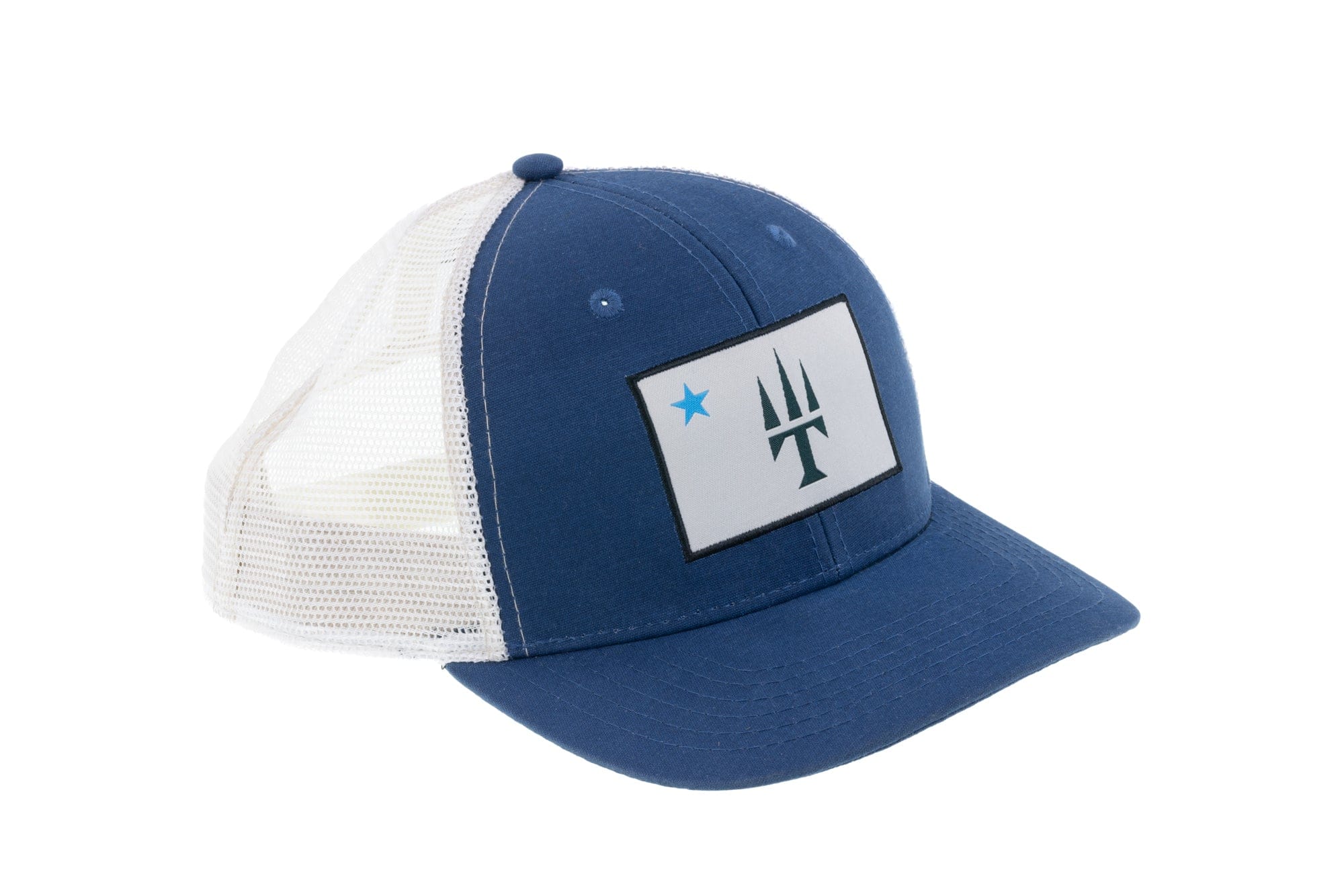
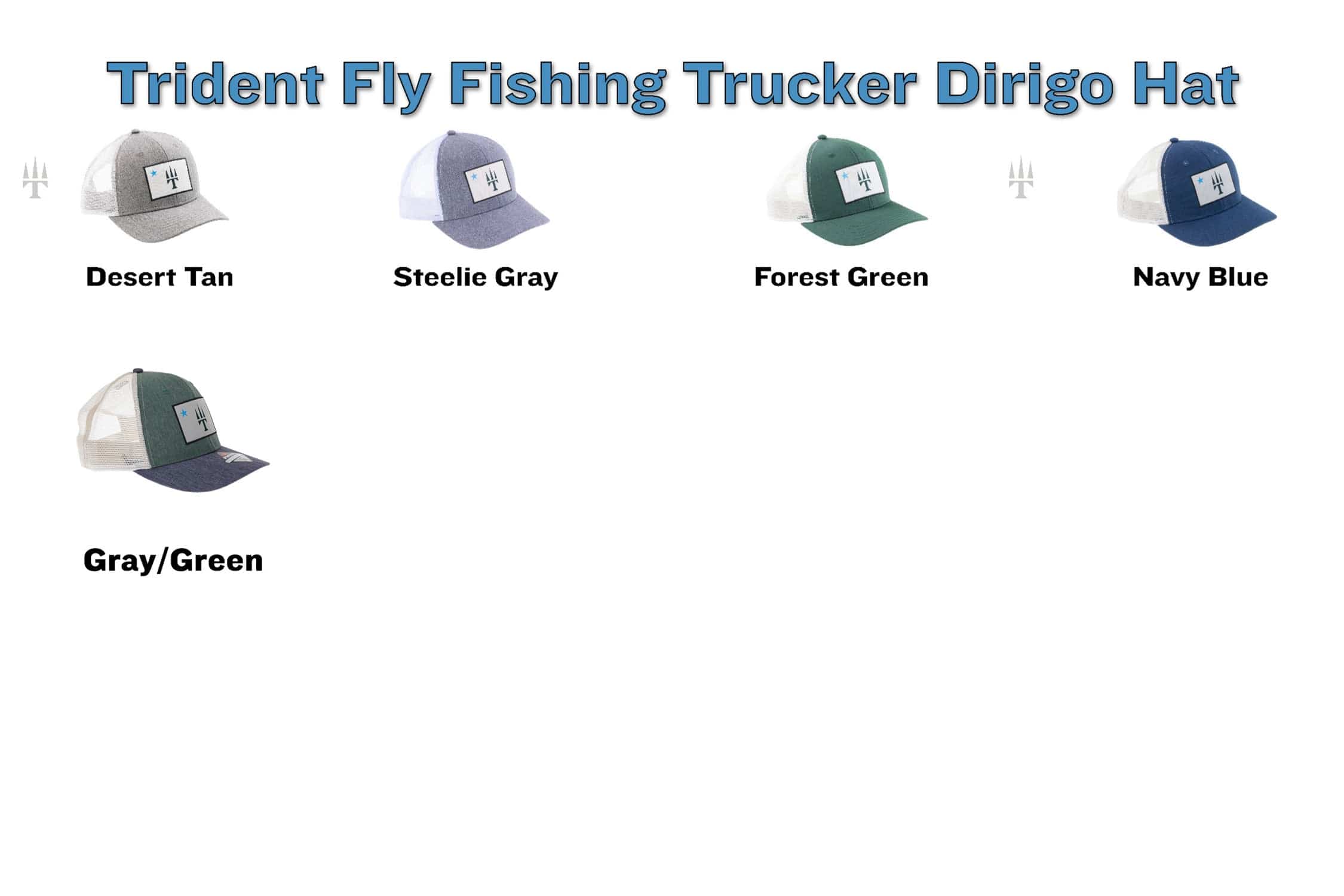
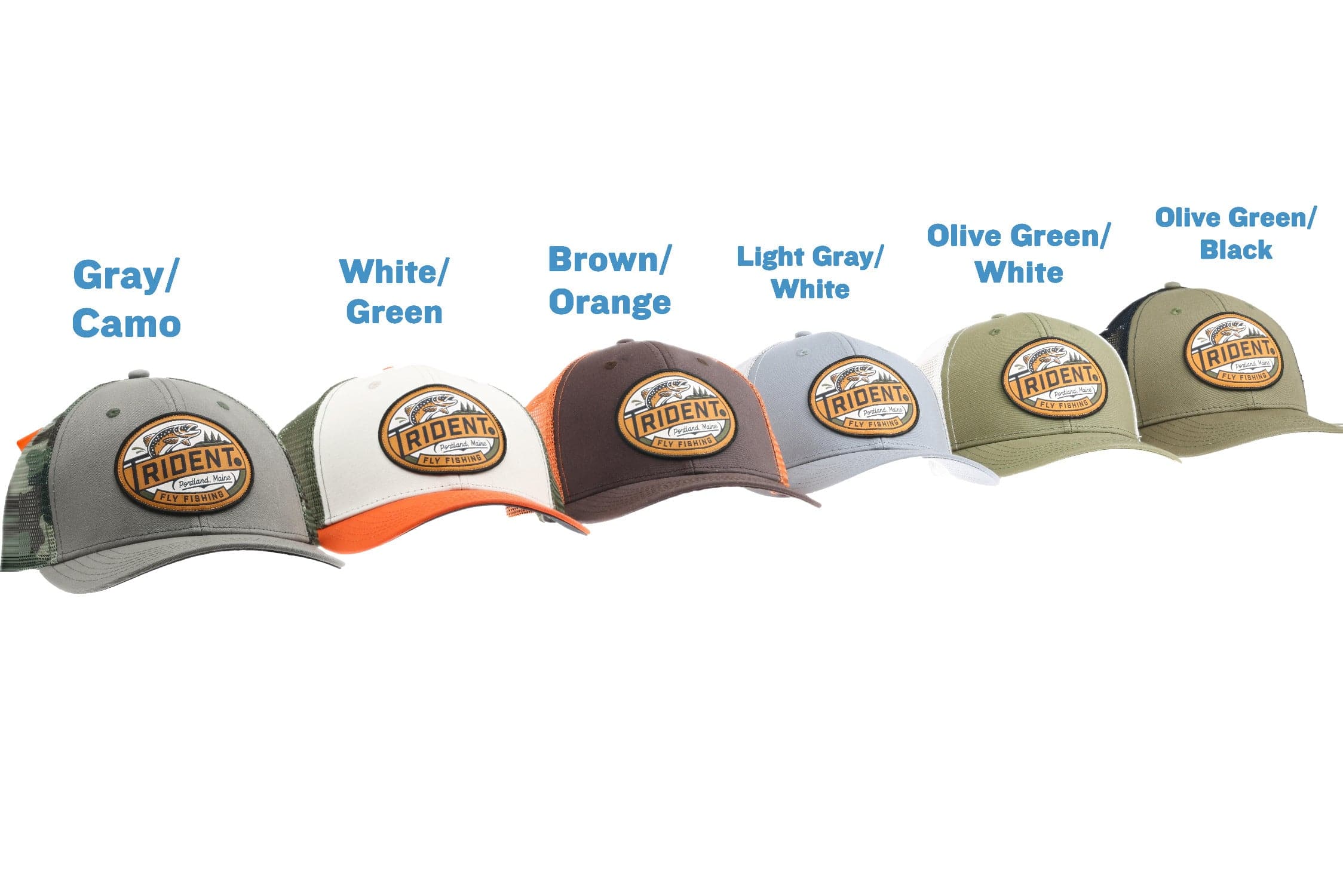
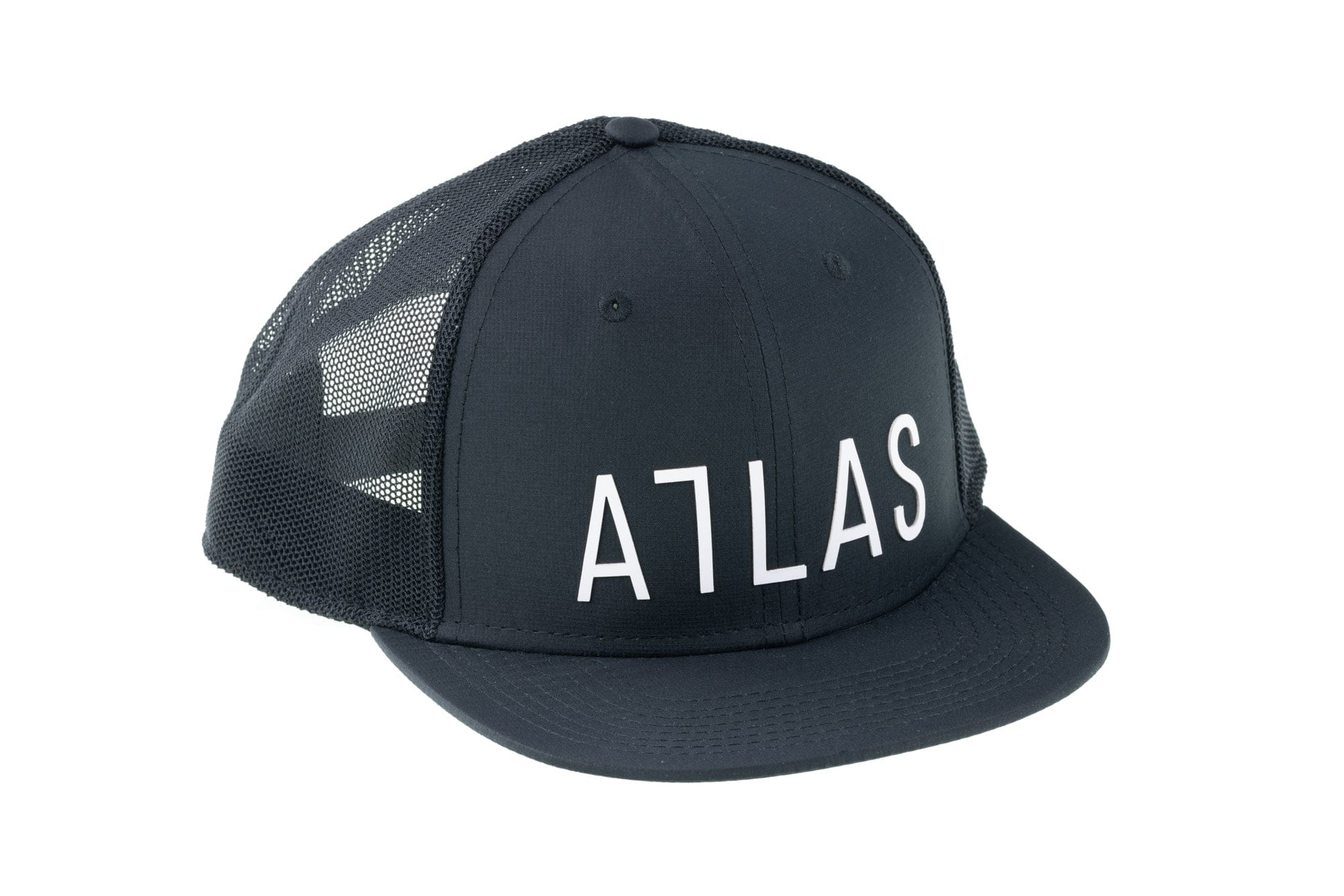
- Best Everyday Trucker: Trident Trucker Hat - For warm-weather anglers who want max airflow and a classic look. The mesh back vents well while the structured front holds its shape.
- Best Cold-Weather Option: Trident Fly Fishing Beanie - For late-season trout, winter steelhead mornings, and any day the wind wins. A simple, warm beanie that fits easily under a hood.
How to Choose Hats
Ball cap vs. wide-brim sun hat
Action: Start with a ball cap for most trout fishing and everyday use, then add a wide-brim when you’re exposed for hours.
Best for: Ball caps pair well with sunglasses and help cut glare; wide-brims are better for open water, beaches, and flats where overhead sun is relentless.
Avoid if: If you’re constantly looking down to tie knots in wind, an oversized brim can feel in the way, choose a cape-style cap instead.
Sun protection features that actually matter
Look for: UPF-rated fabrics, dark underbrims to reduce glare, and ventilation panels for hot weather. For wind (boats, beaches, ridgelines), a chin strap or secure closure is a big quality-of-life upgrade.
Fit and closure (why it affects your fishing)
Best for: Snapbacks are easy to adjust and work well for most head shapes; hook-and-loop closures fine-tune fit but can wear faster if constantly soaked and sun-baked.
Tip: If you wear a hooded sun shirt, pick a lower-profile cap so the hood sits comfortably and doesn’t push the hat forward.
When a beanie beats a cap
Best for: Cold starts, shoulder seasons, and windy days where ears matter. A beanie also plays nicely under rain shells and wading jackets.
Materials & Durability
- After each trip: Air-dry your hat fully (especially sweatbands) to reduce odor and keep the shape stable.
- Cleaning: Spot clean first; if you wash, use cold water and mild detergent, then reshape and air-dry.
- Sun + sweat reality: Salt, sunscreen, and sweat break fabrics down over time, rinsing after hot days extends life.
- Packability: If you travel, pick a hat with a pliable brim or crush-friendly build so it survives duffels and boat bags.
Complete Your Setup
Related Gear
- Polarized Fishing Sunglasses - Cuts glare and helps you track fish, structure, and currents.
- Gloves & Socks - Add sun gloves for summer line-stripping, or warmth for cold-weather days.
- Fly Fishing Shirts - Pair a good hat with UPF coverage when you’re exposed all day.
- Packs & Bags - Keeps spare layers, sunscreen, and accessories organized for full-day missions.
Related Guides
- Fly Fishing for Beginners: A Gear List
- Summer Fly Fishing Gear You Never Knew You Needed
- Bonefishing Gear Guide
Hats FAQs
Q: What’s the best type of fly fishing hat for all-day sun?
A: For full exposure (flats, lakes, beaches), a wide-brim sun hat or a cape-style sun cap gives the most coverage. A standard ball cap is great for daily use but won’t protect your ears and neck as well.
Q: Do fly fishing hats really help with glare?
A: Yes, brims shade your eyes and reduce overhead glare, especially when paired with polarized sunglasses. Some hats also use darker underbrims to cut reflected light.
Q: Should I choose a trucker hat or a solid-back cap?
A: Trucker hats vent best in hot weather thanks to mesh panels. Solid-back caps can feel warmer but often block wind a bit better and may feel less “drafty” on cool mornings.
Q: What features matter most for saltwater fly fishing hats?
A: Secure fit (strap), good ventilation, and materials that handle sweat and salt are key. On skiffs and beaches, more brim coverage usually means less fatigue from sun exposure.
Q: How should a fly fishing hat fit?
A: Snug enough that it won’t blow off when you look down to tie knots, but not so tight that it gives you a headache after a few hours. If you wear a hooded sun shirt, avoid overly tall crowns that get pushed forward by the hood.
Q: How do I clean a fly fishing hat without ruining it?
A: Spot clean first and air-dry. If it needs more, hand wash in cool water with mild soap, rinse well, then reshape the brim and crown before drying.
Q: Is a beanie useful for fly fishing?
A: Absolutely, when temps drop, keeping your head and ears warm makes a bigger difference than most anglers expect. A beanie also layers easily under a rain jacket hood.
Q: Do I need a chin strap?
A: If you fish boats, beaches, or windy rivers, it’s worth it. A strap keeps a wide-brim or sun hat functional instead of something you’re constantly chasing downstream.