


Top 8 BEST Bonefish Flies You CANNOT Leave at Home


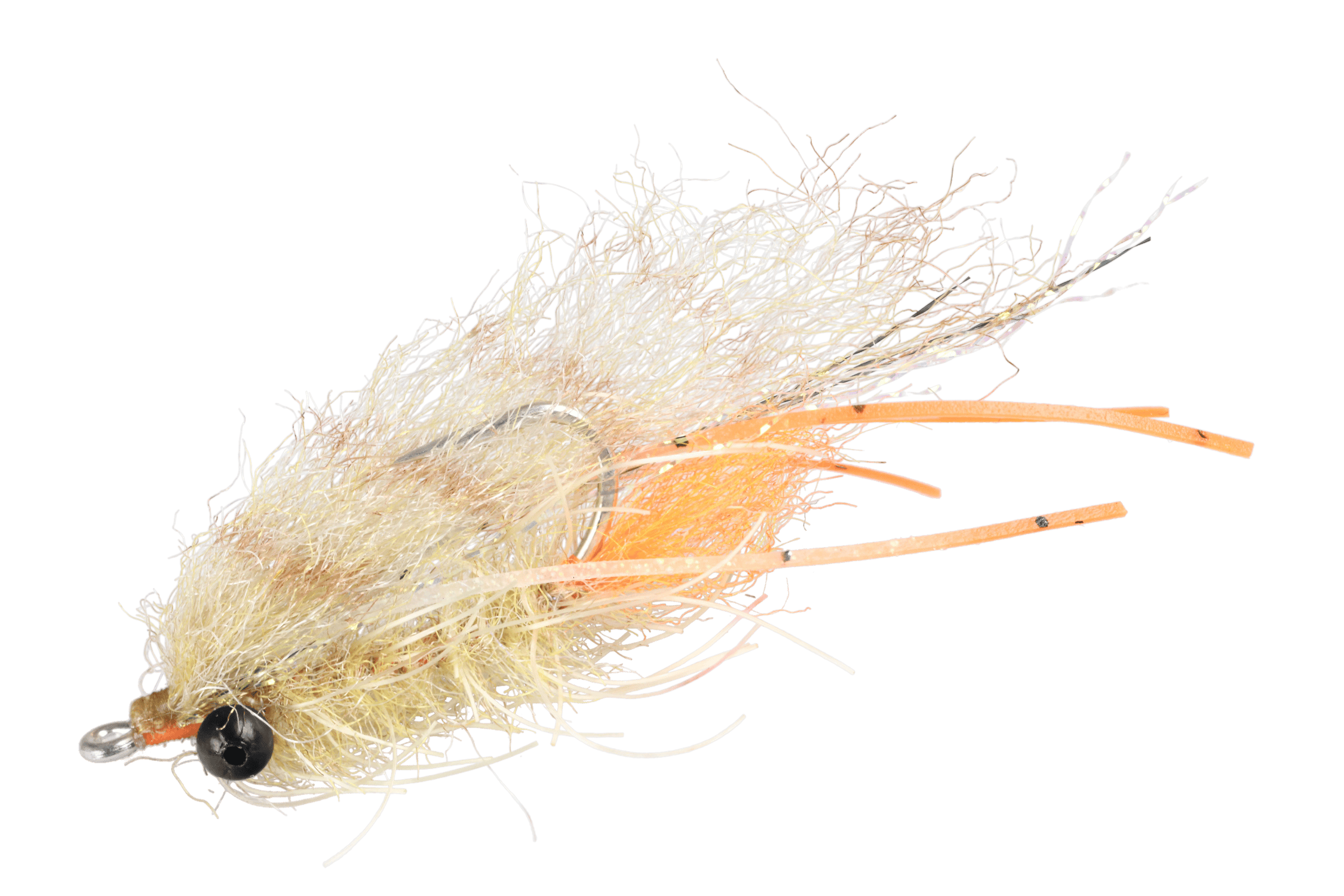
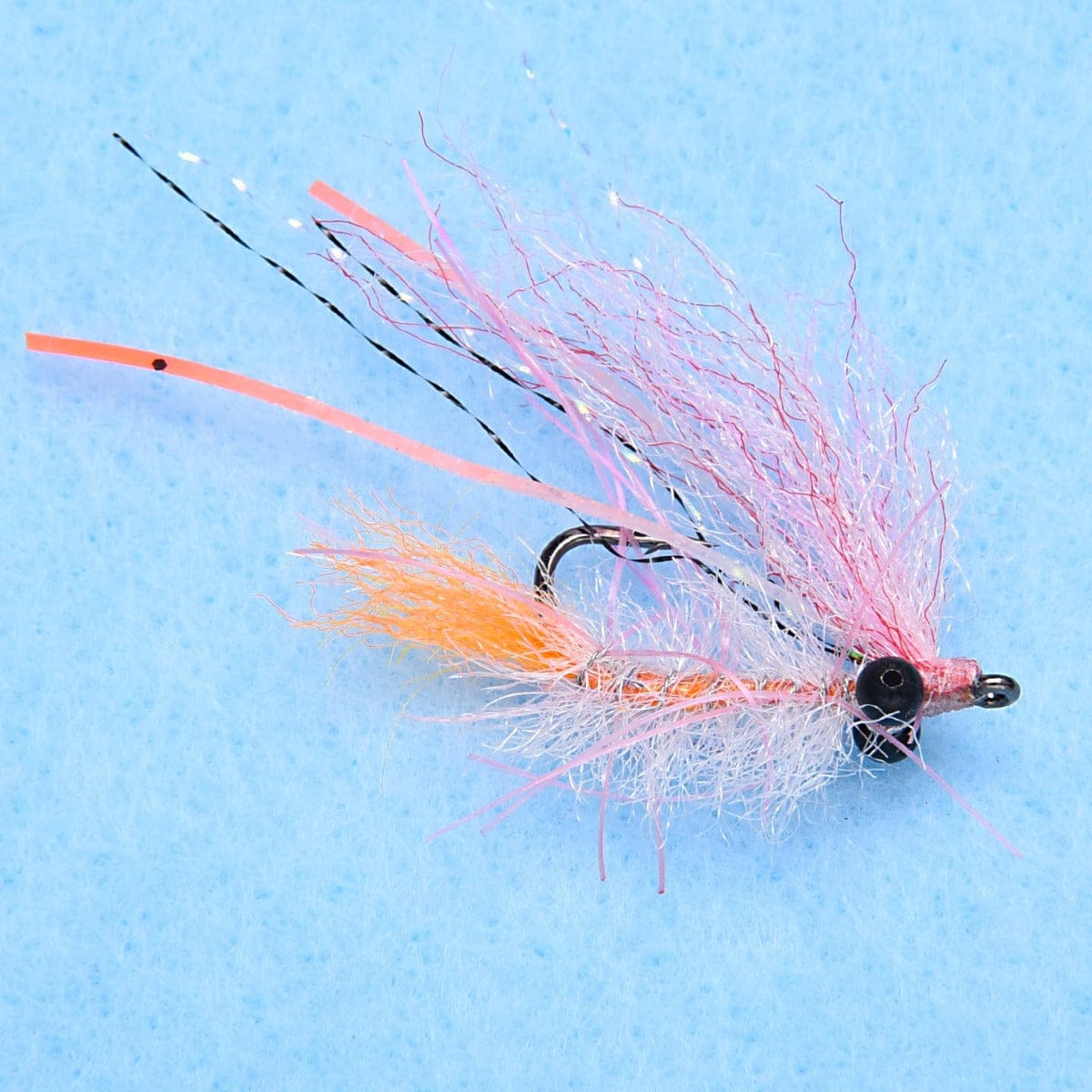
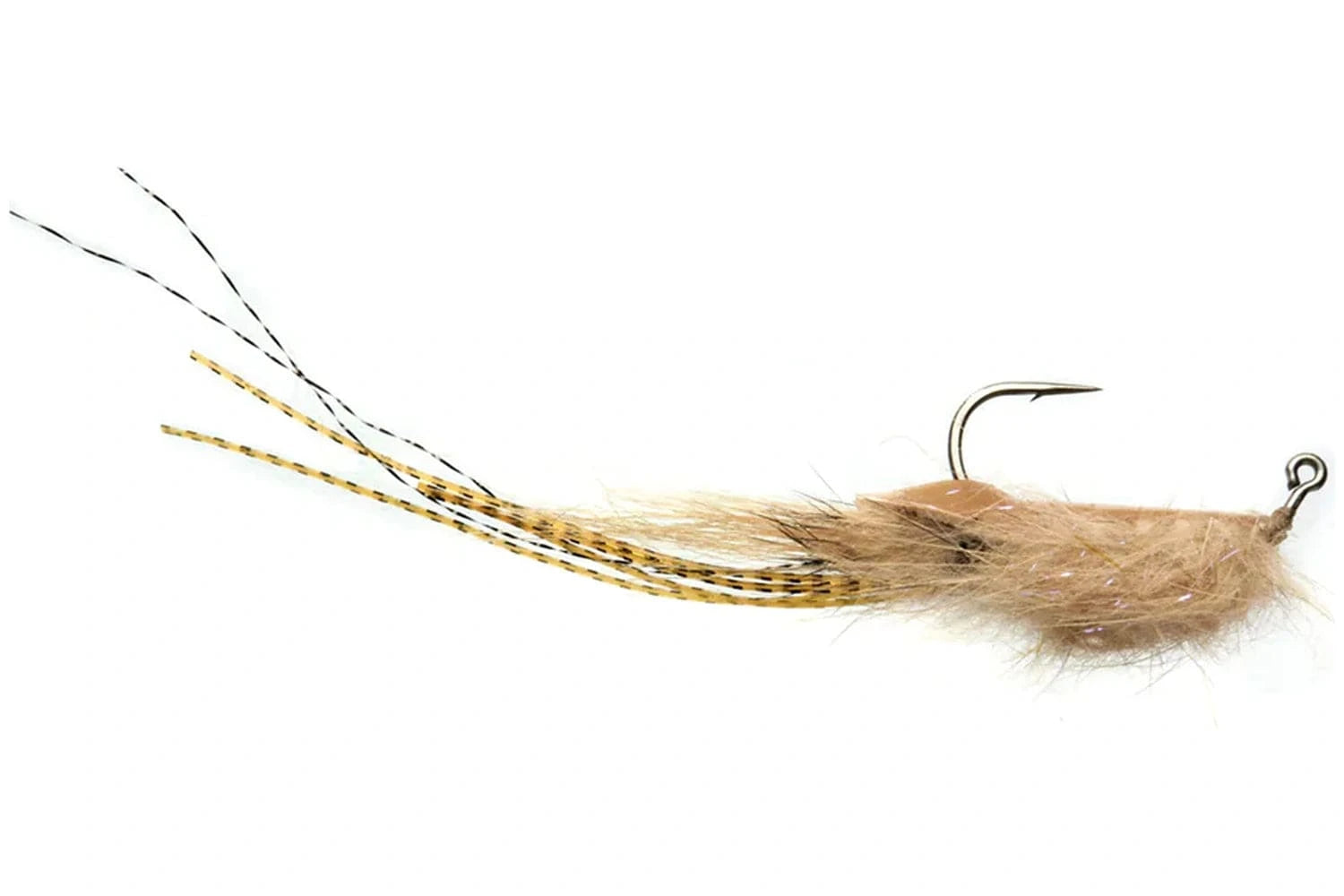
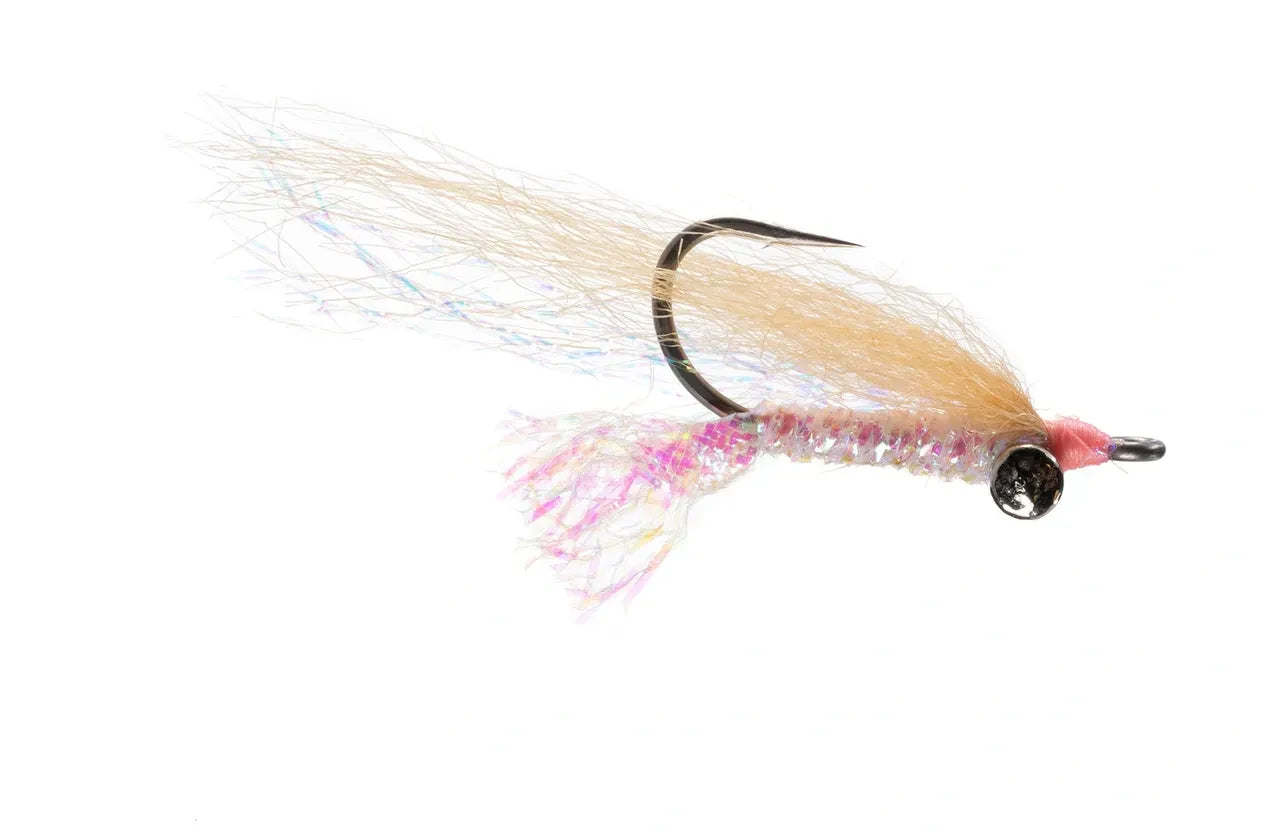
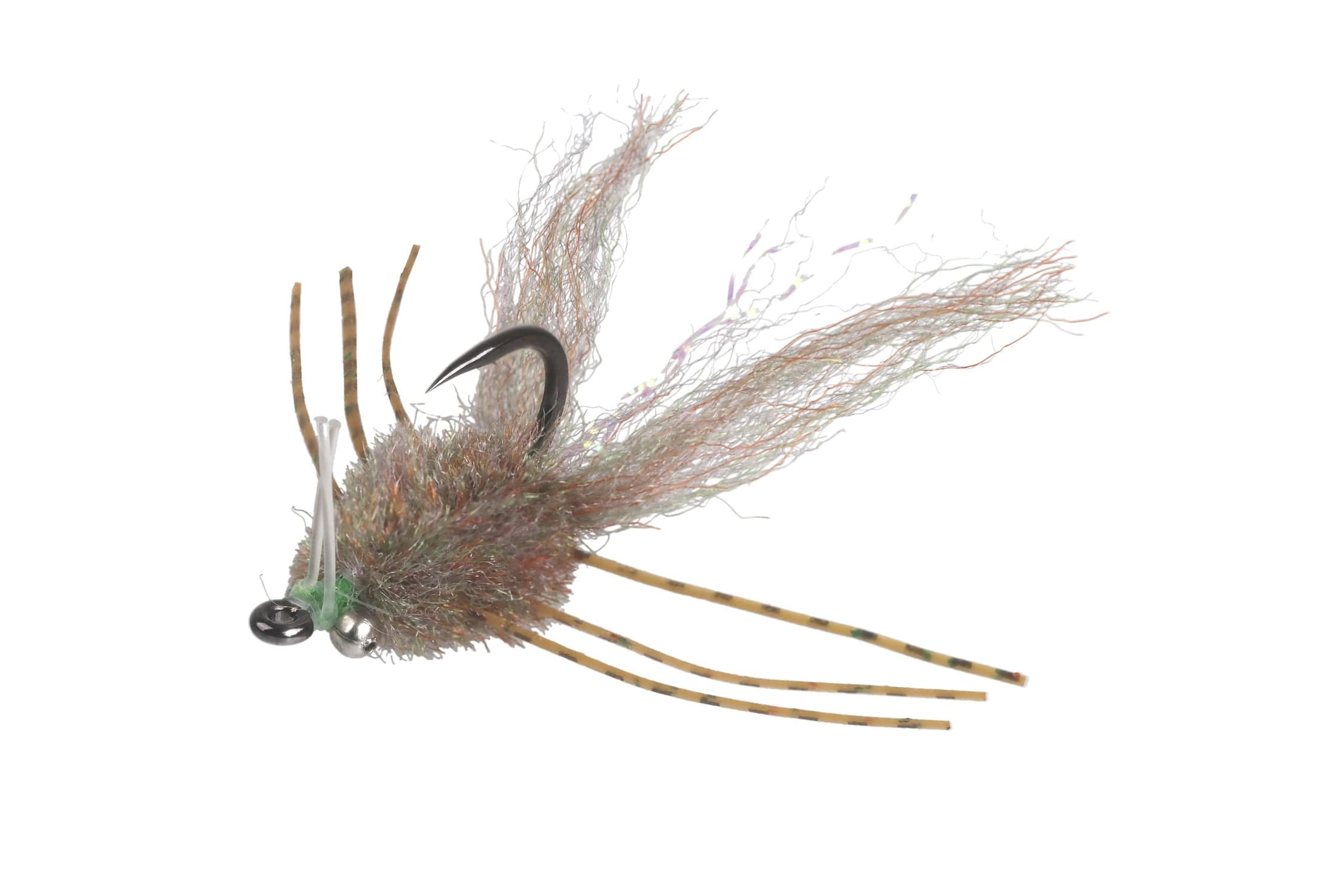
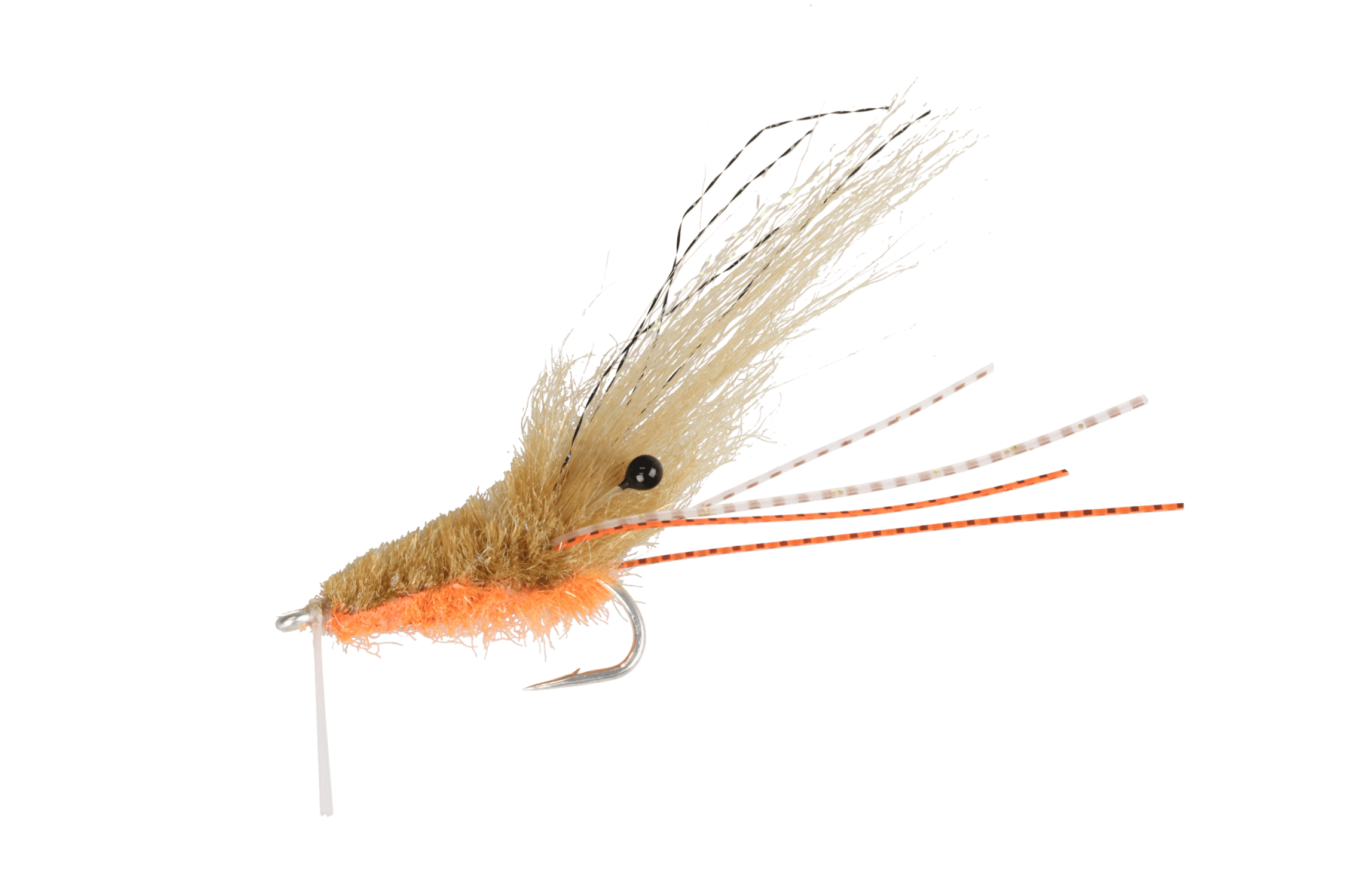
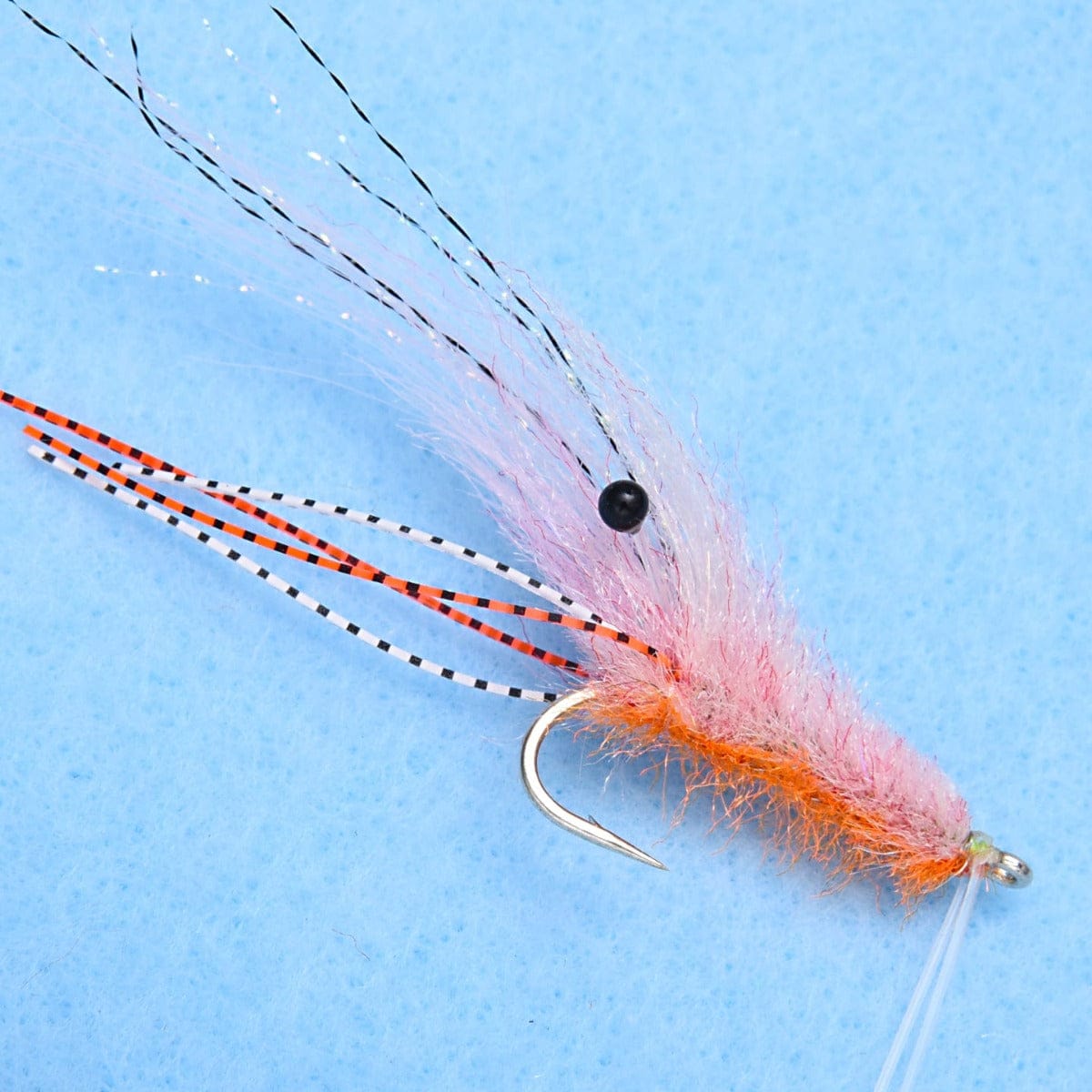
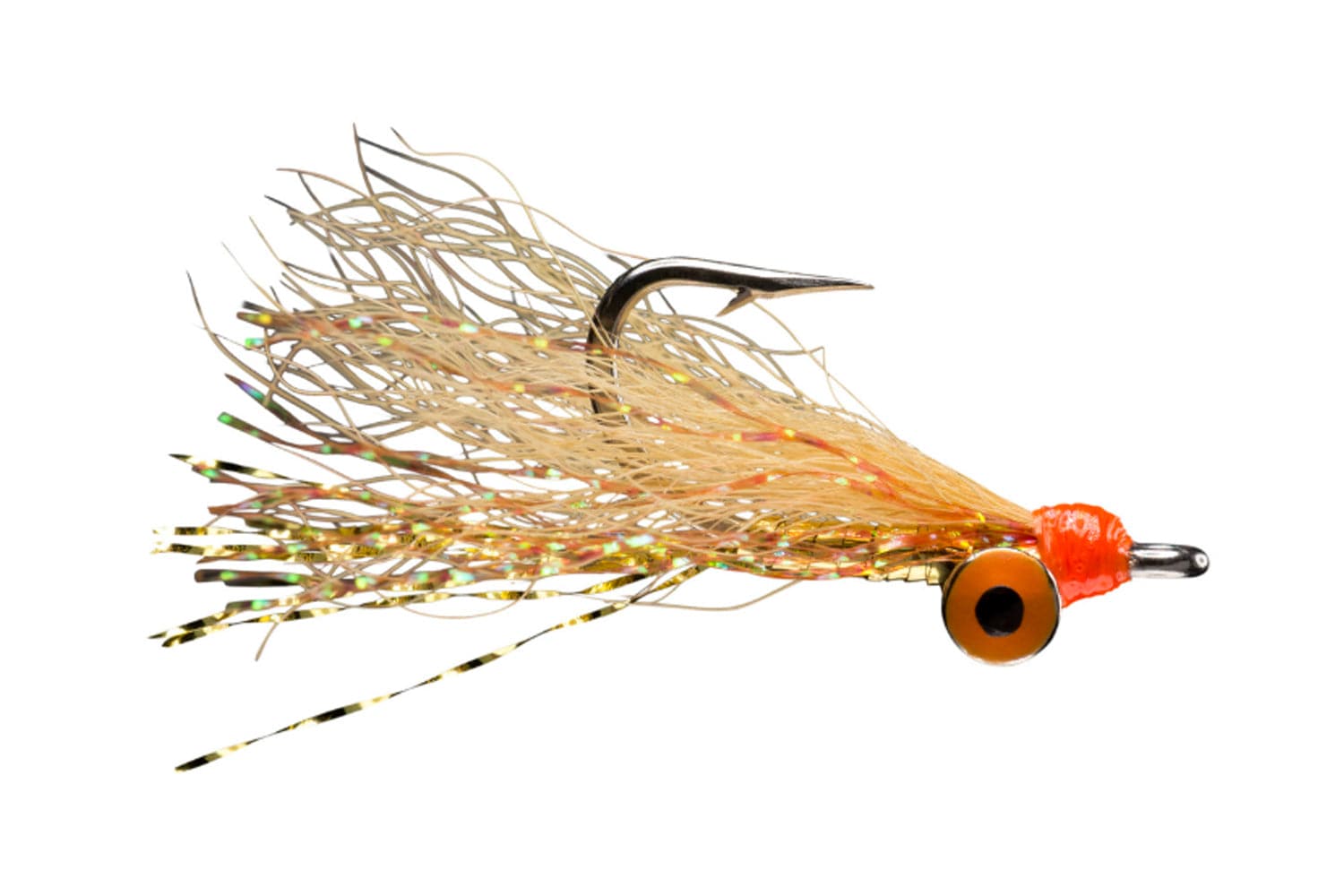
Bonefish Flies Quick Picks
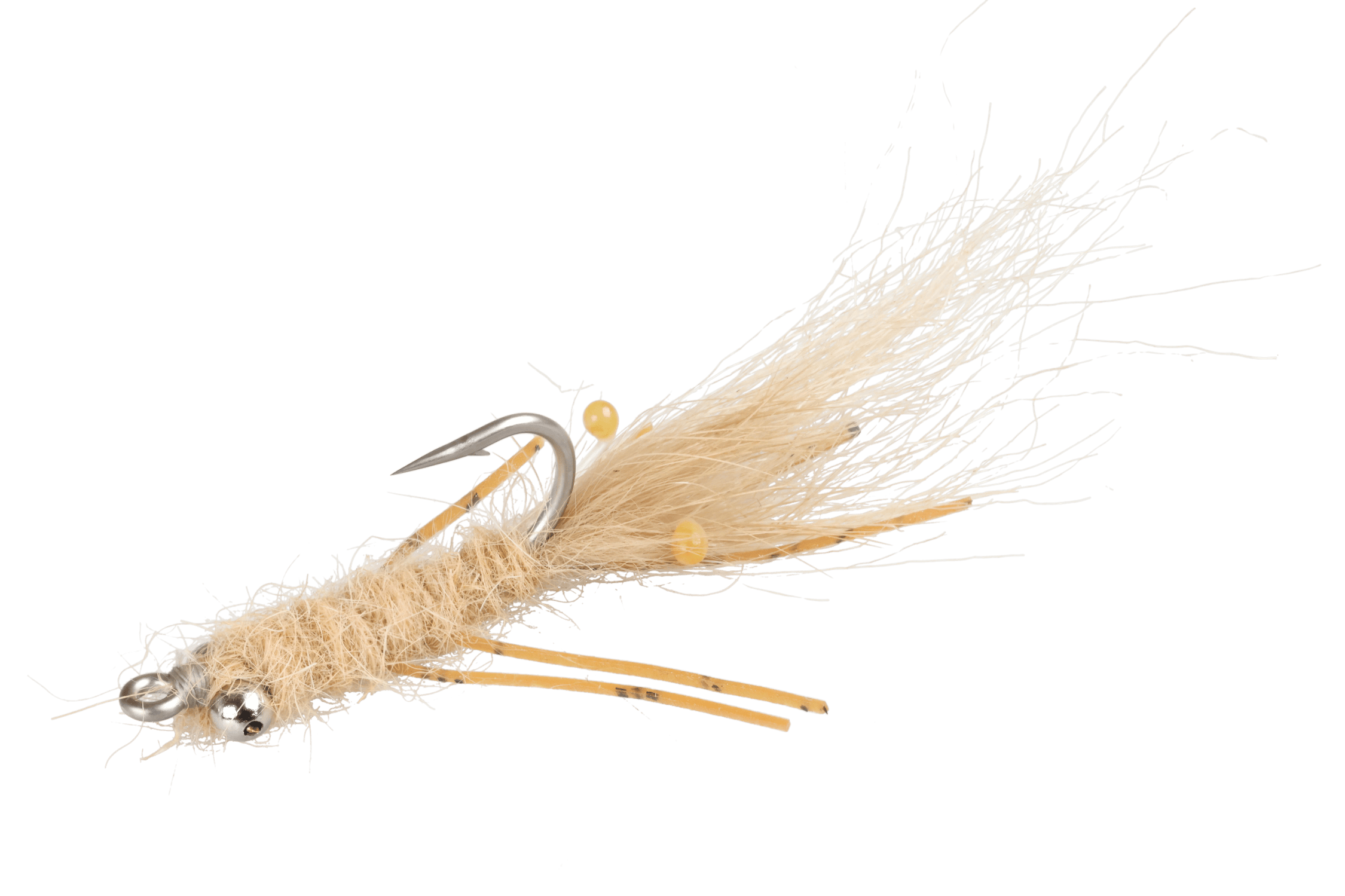
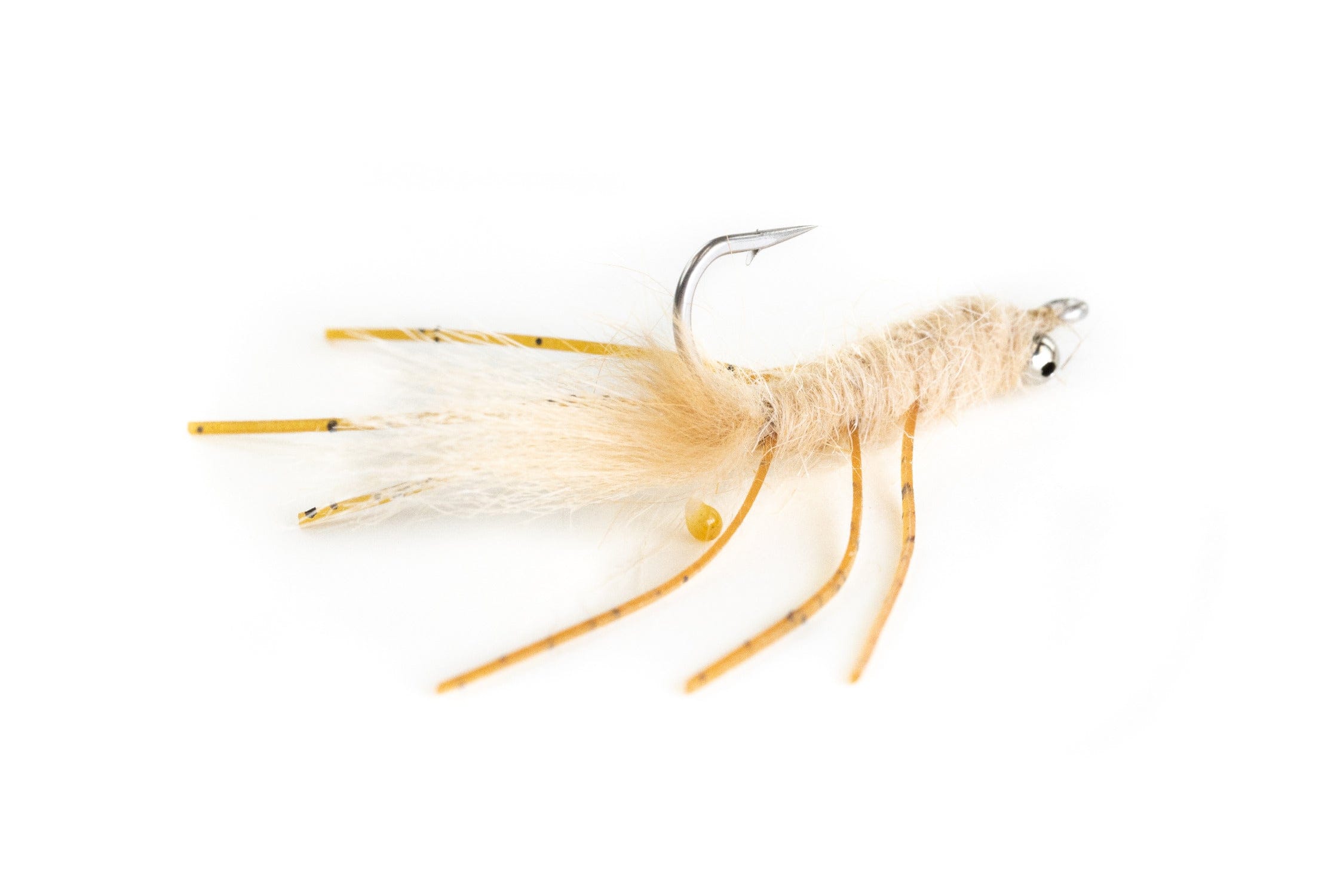
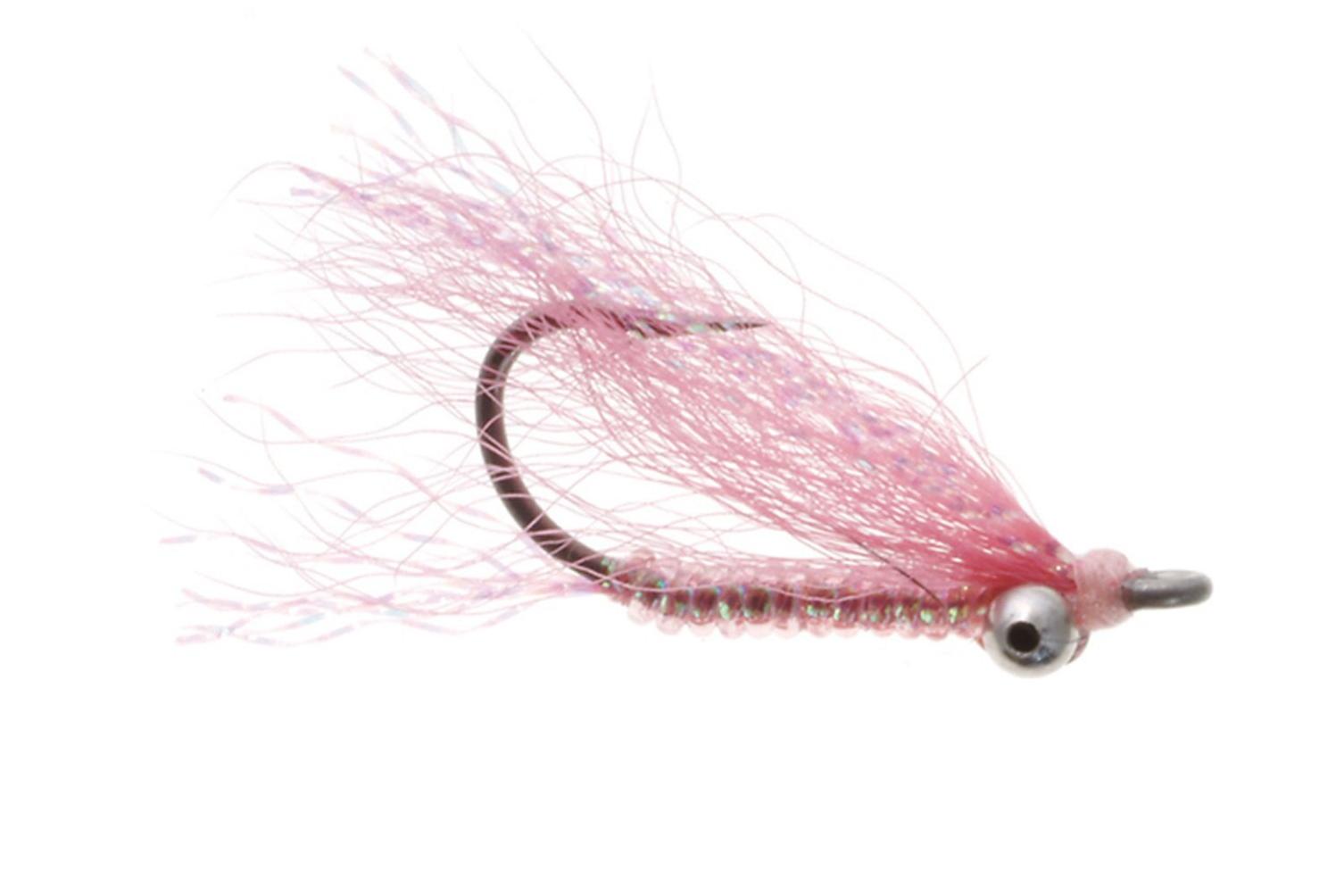
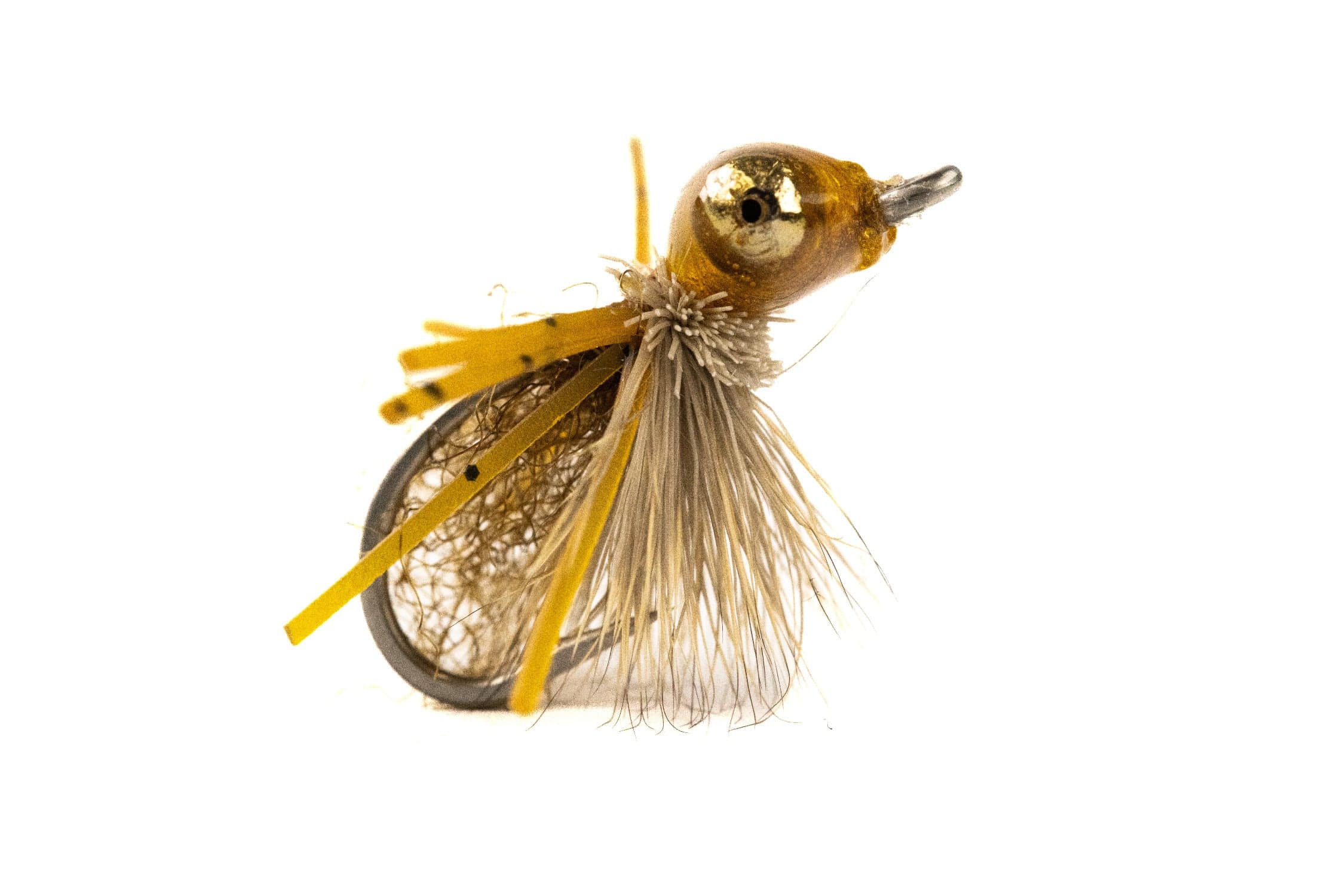
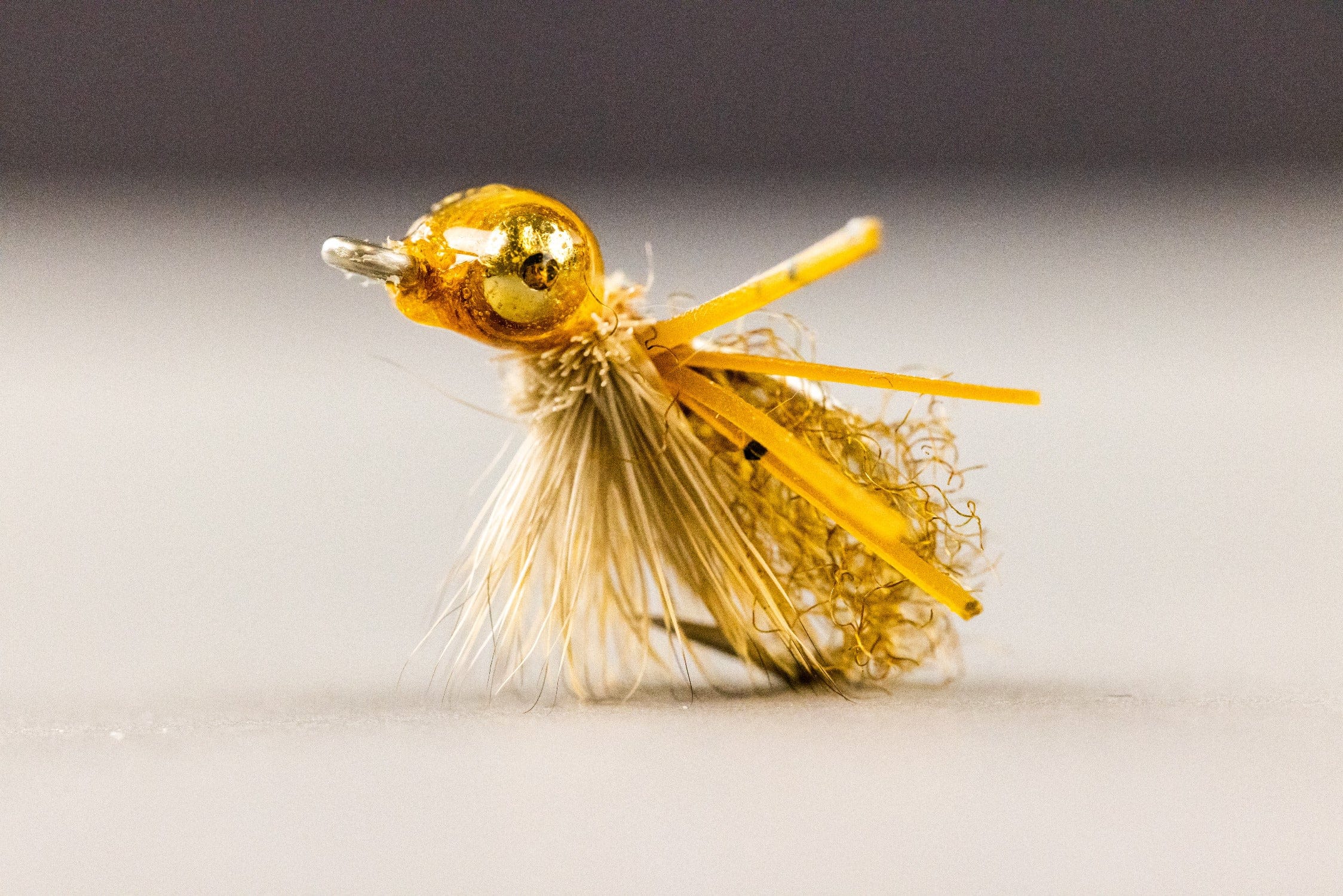
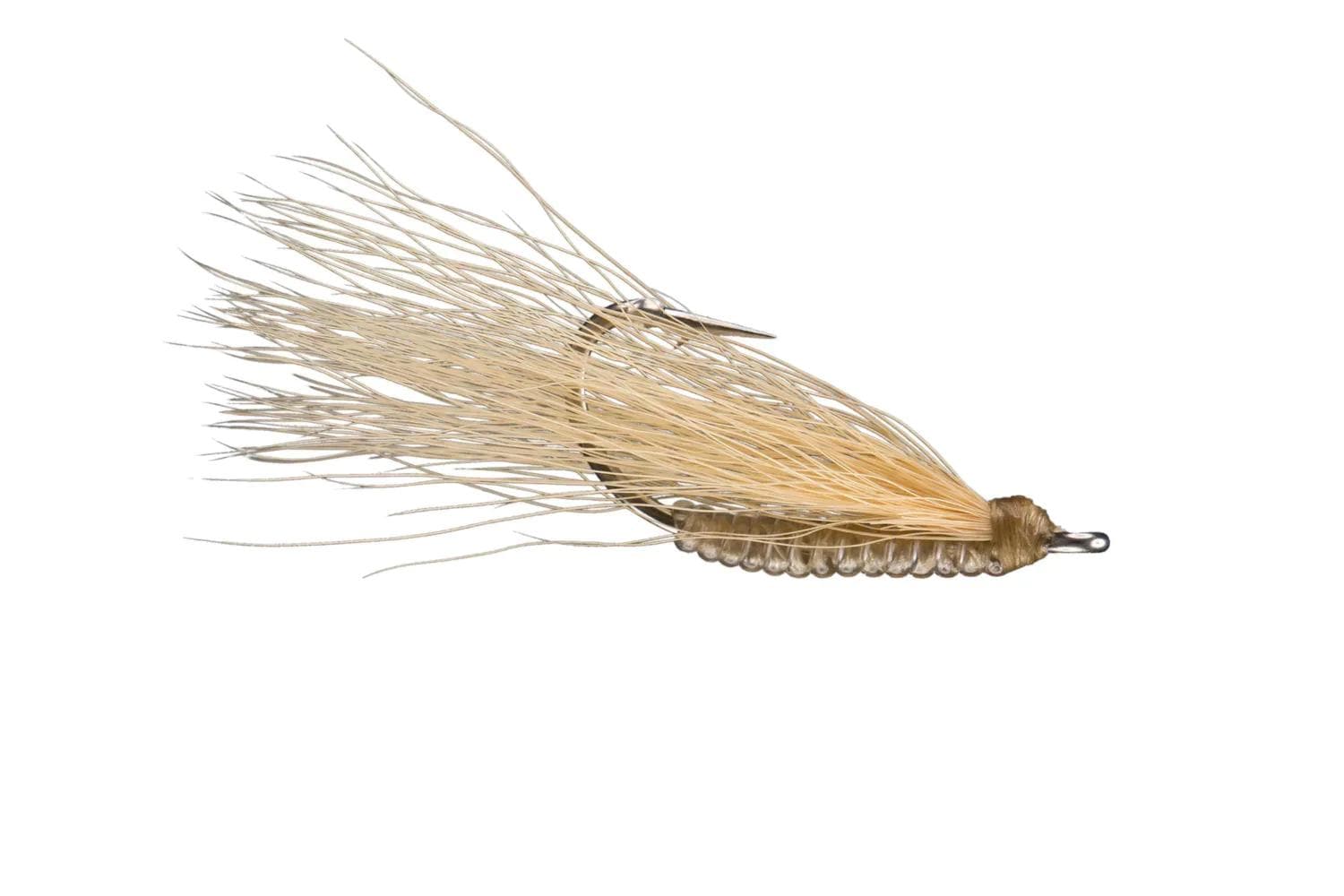
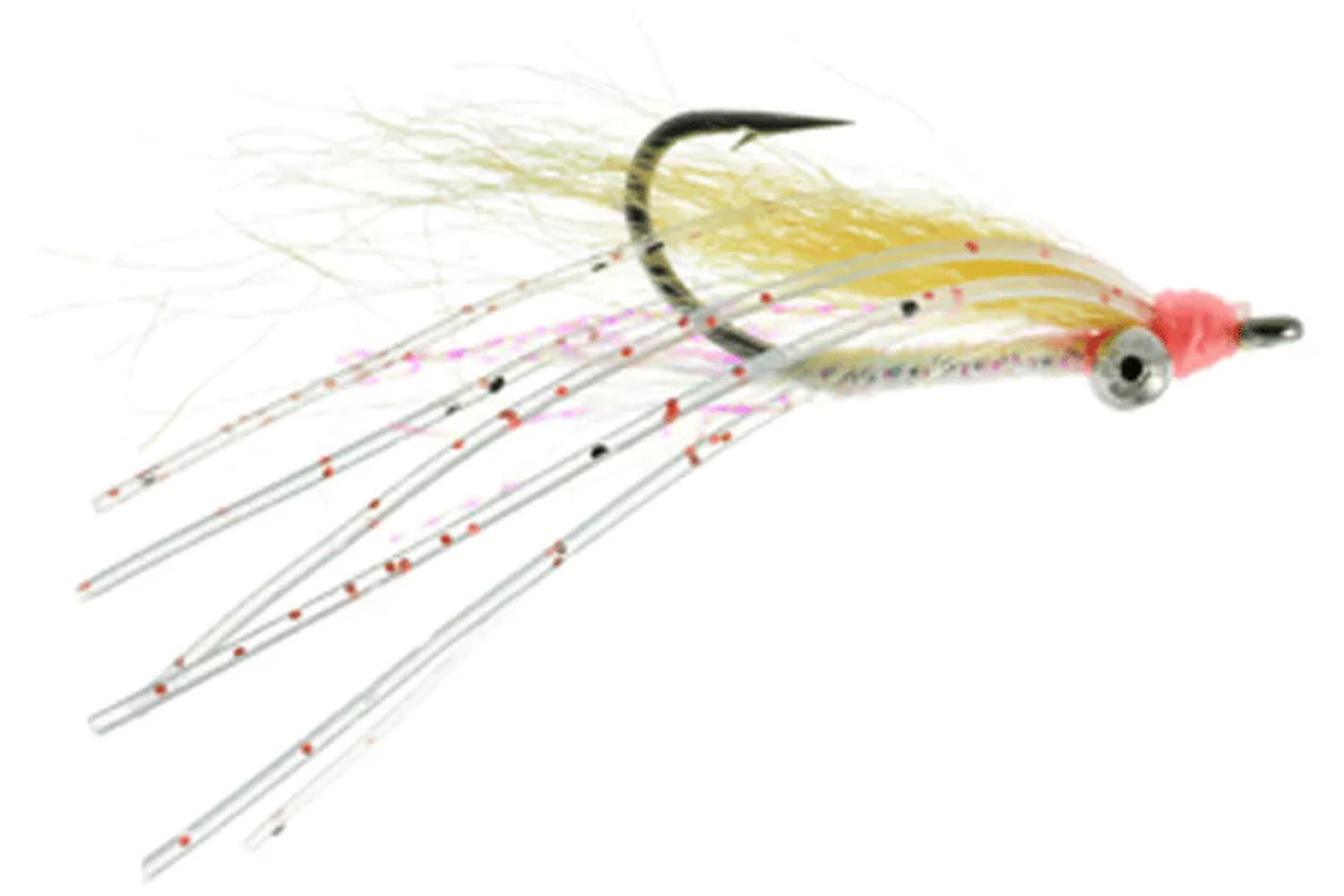
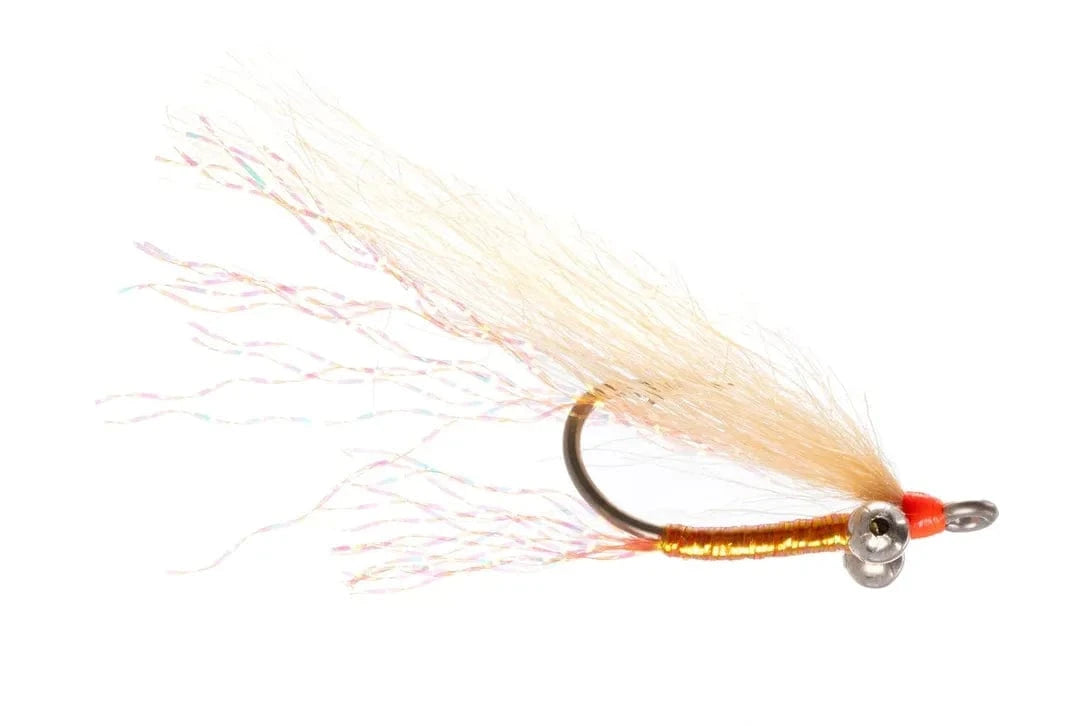
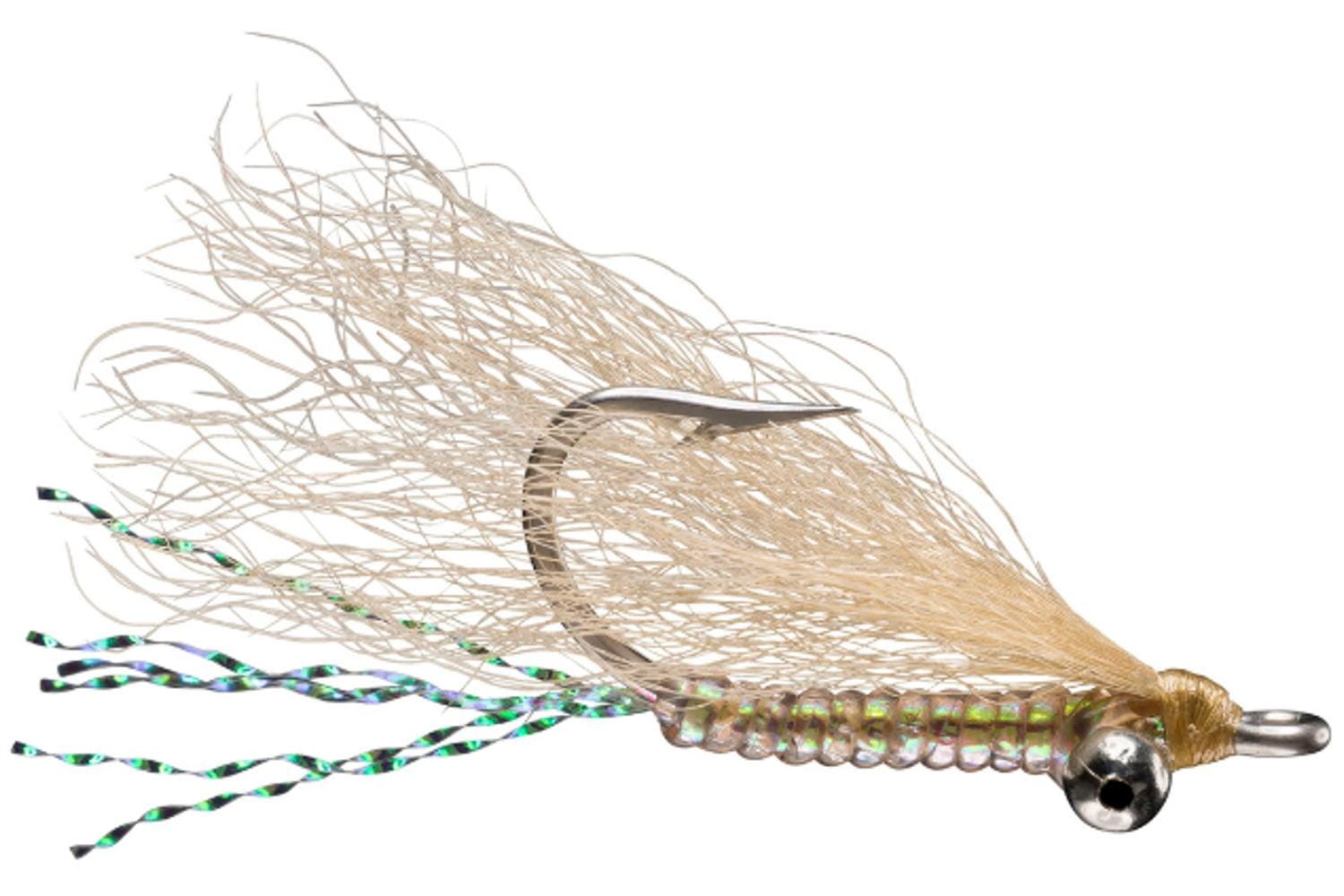
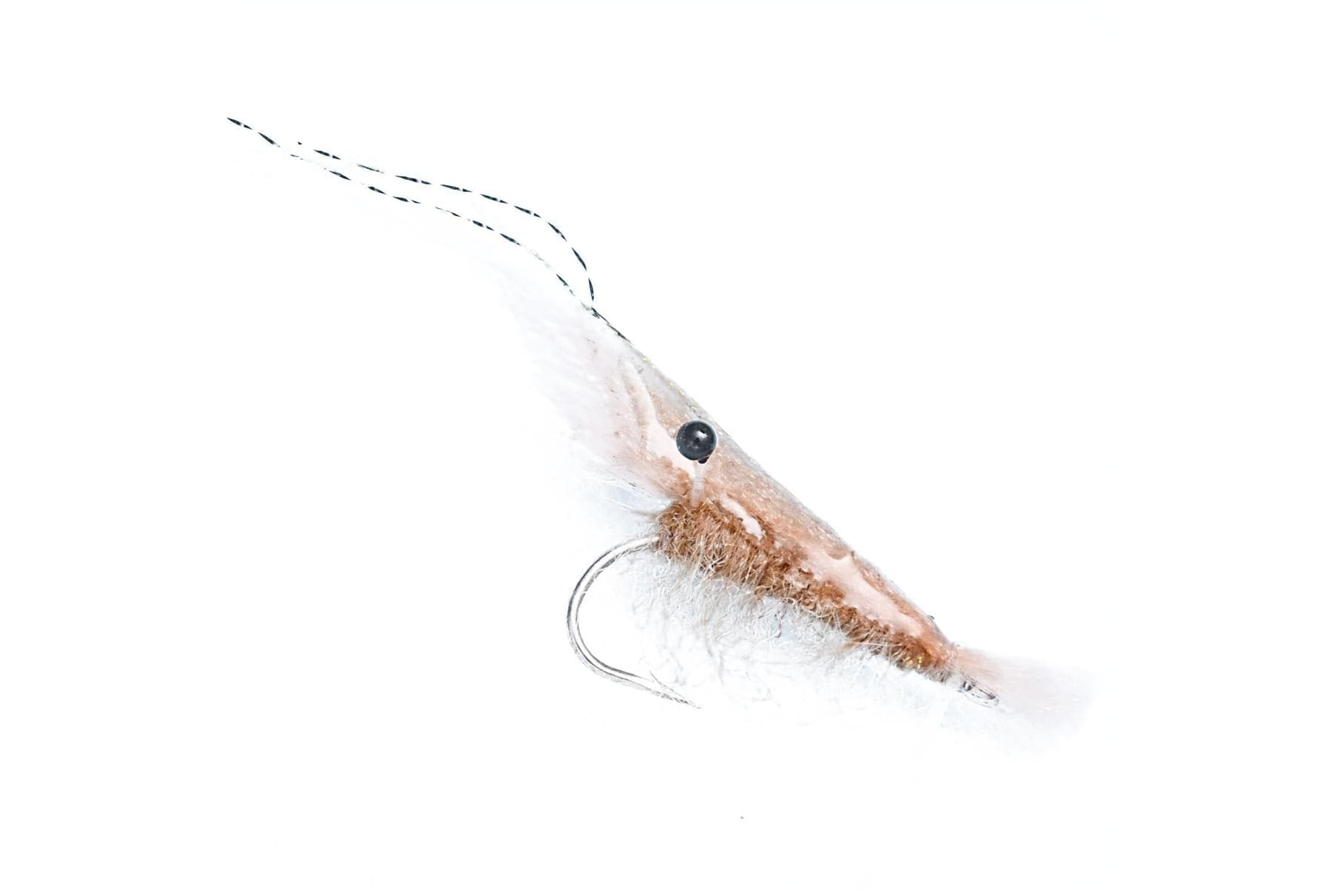
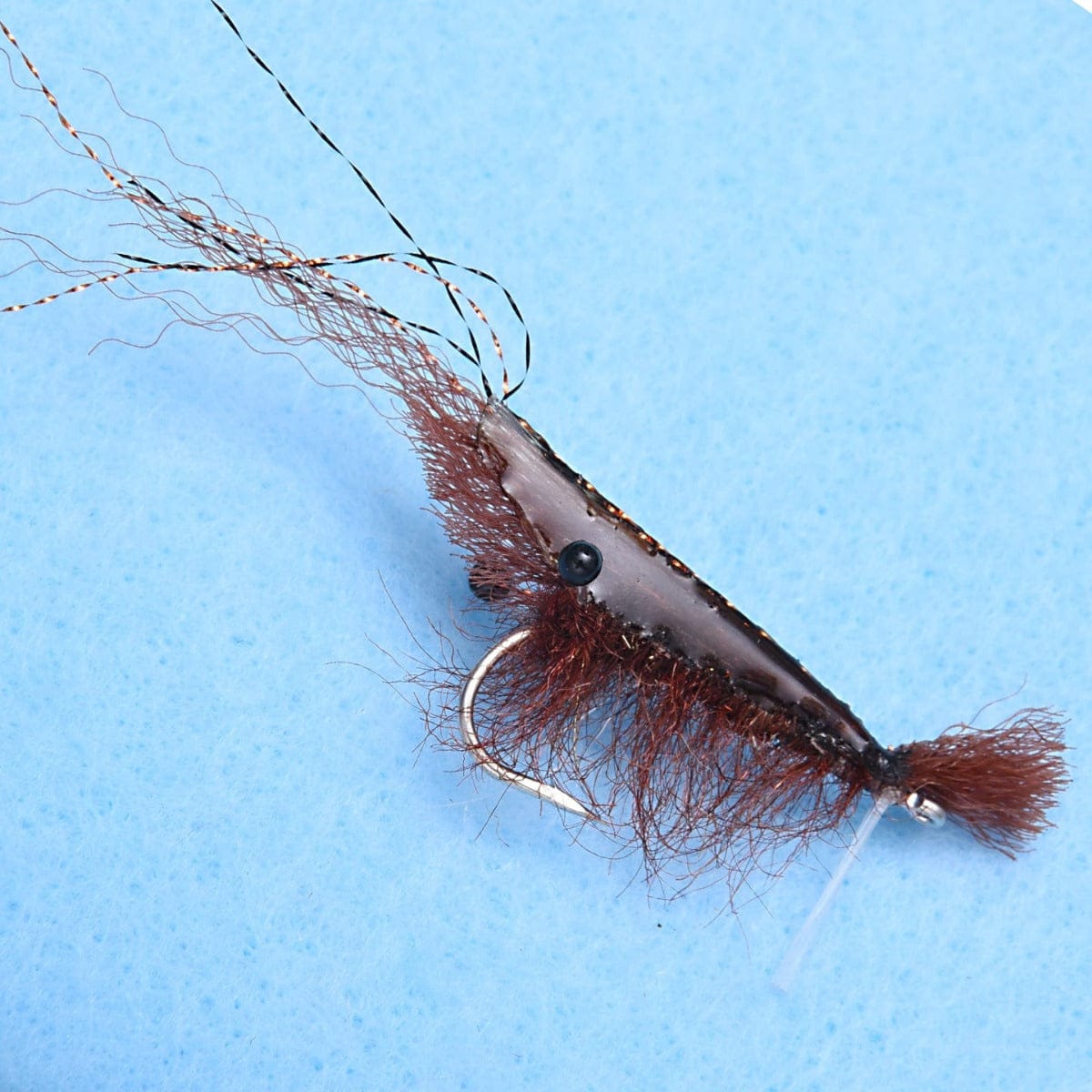
- Best All-Around: Crazy Charlie Fly - Great when you want one proven shrimp-style pattern that works across a lot of flats destinations. Bead chain eyes and a sparse profile help it land and fish naturally in shallow water.
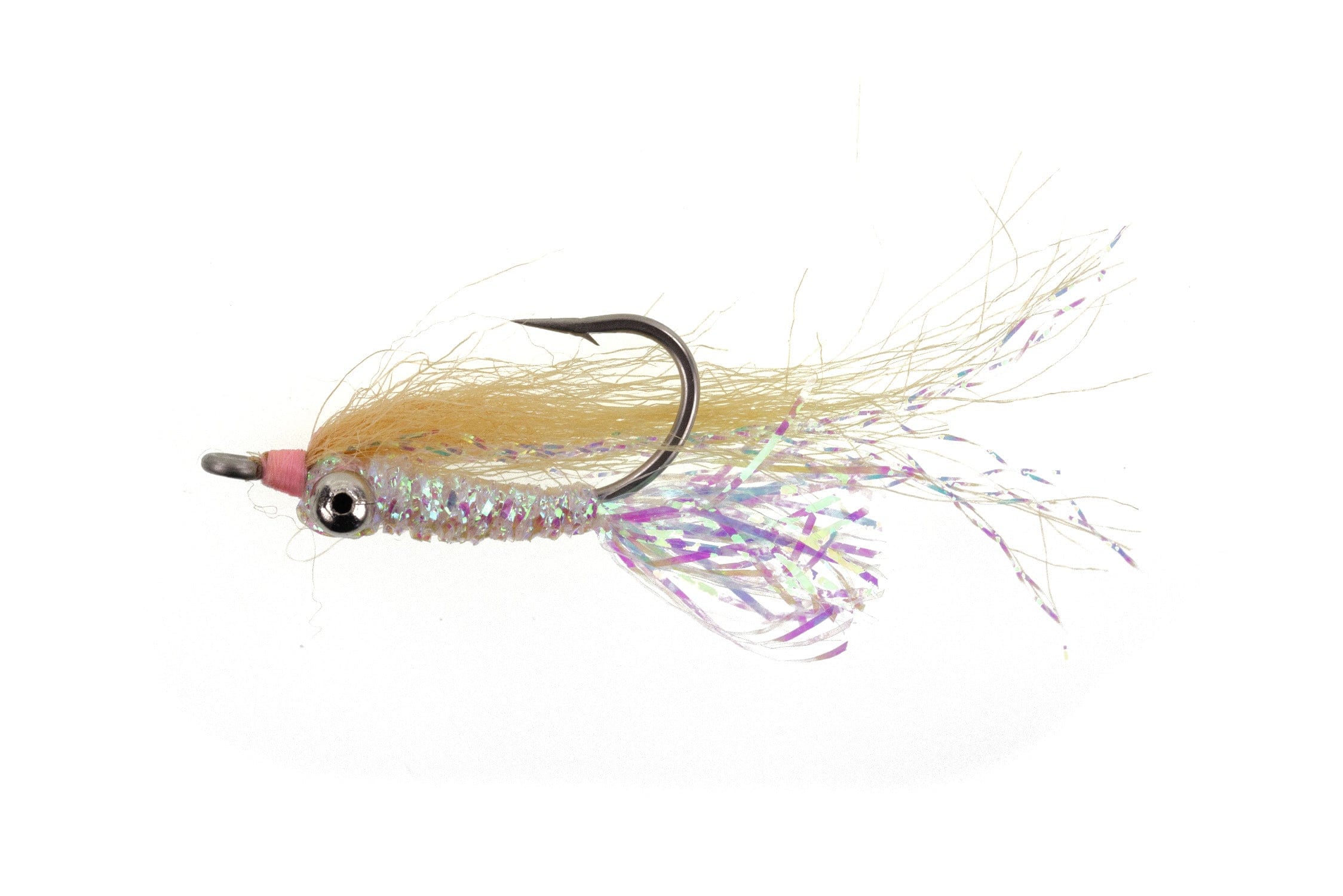
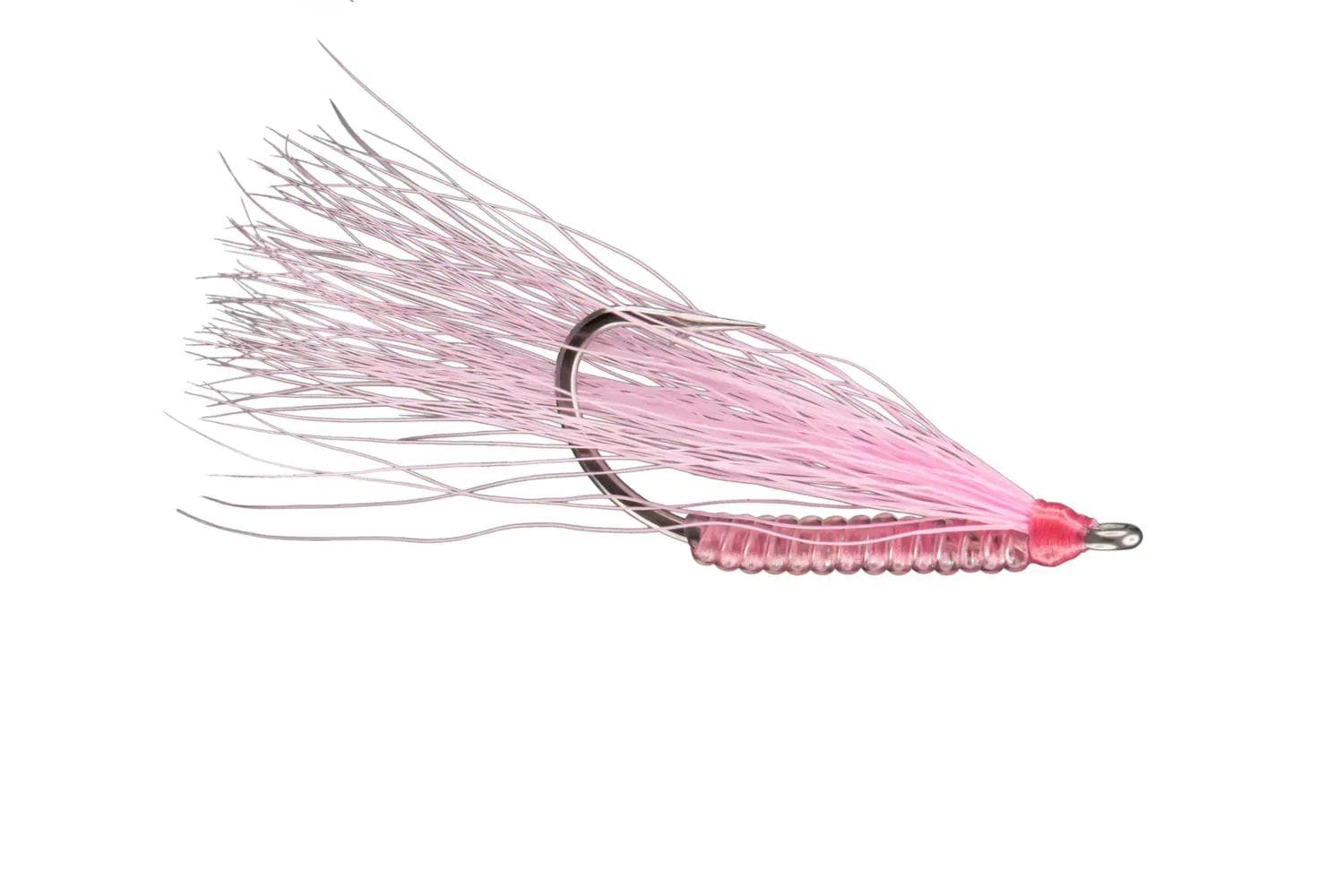
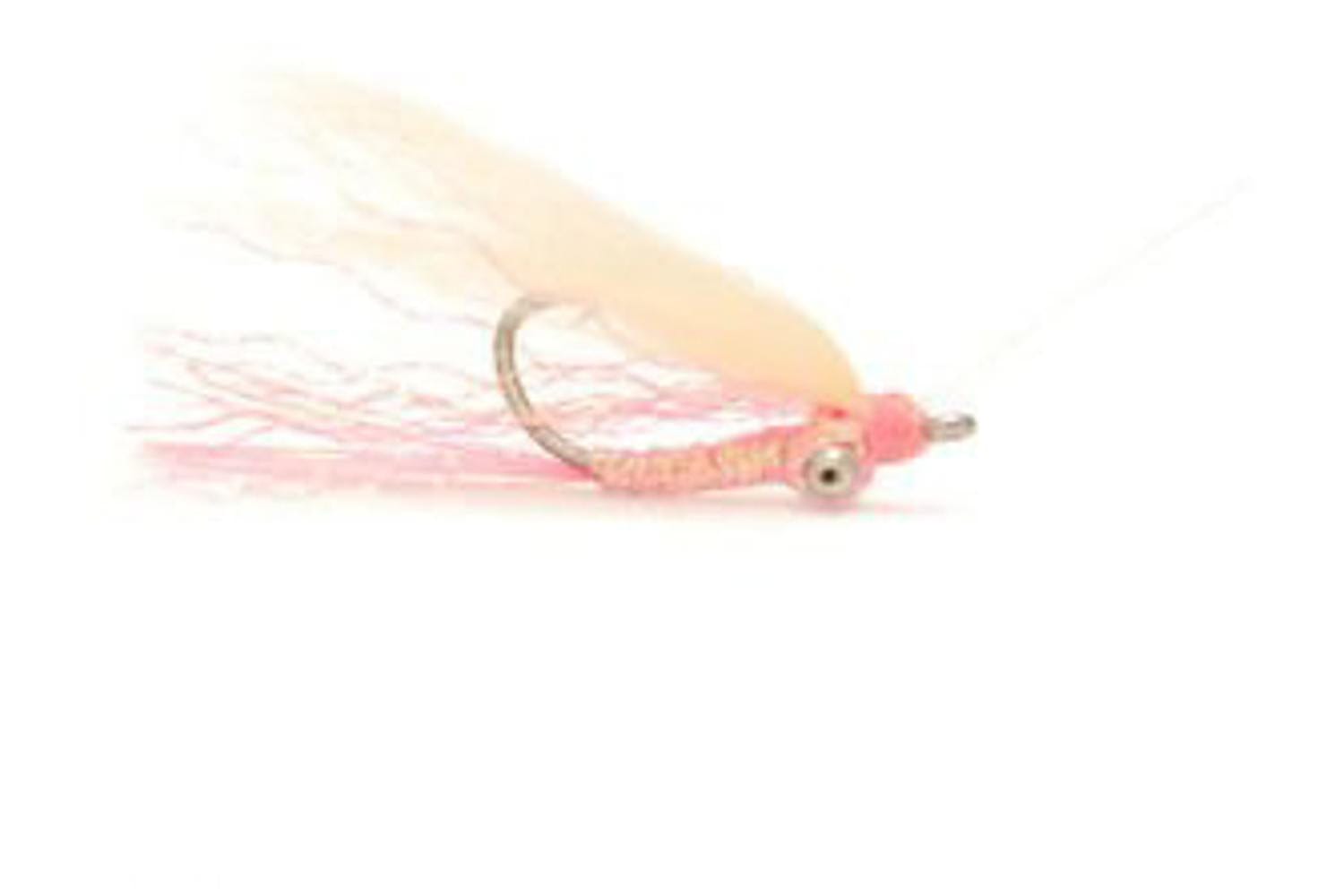
- Best for Beginners: Gotcha Fly - A straightforward, confidence-building choice when you’re learning how to lead fish, get to the bottom, and manage your retrieve. It’s a classic searching profile that can pass for shrimp or small baitfish depending on how you fish it.
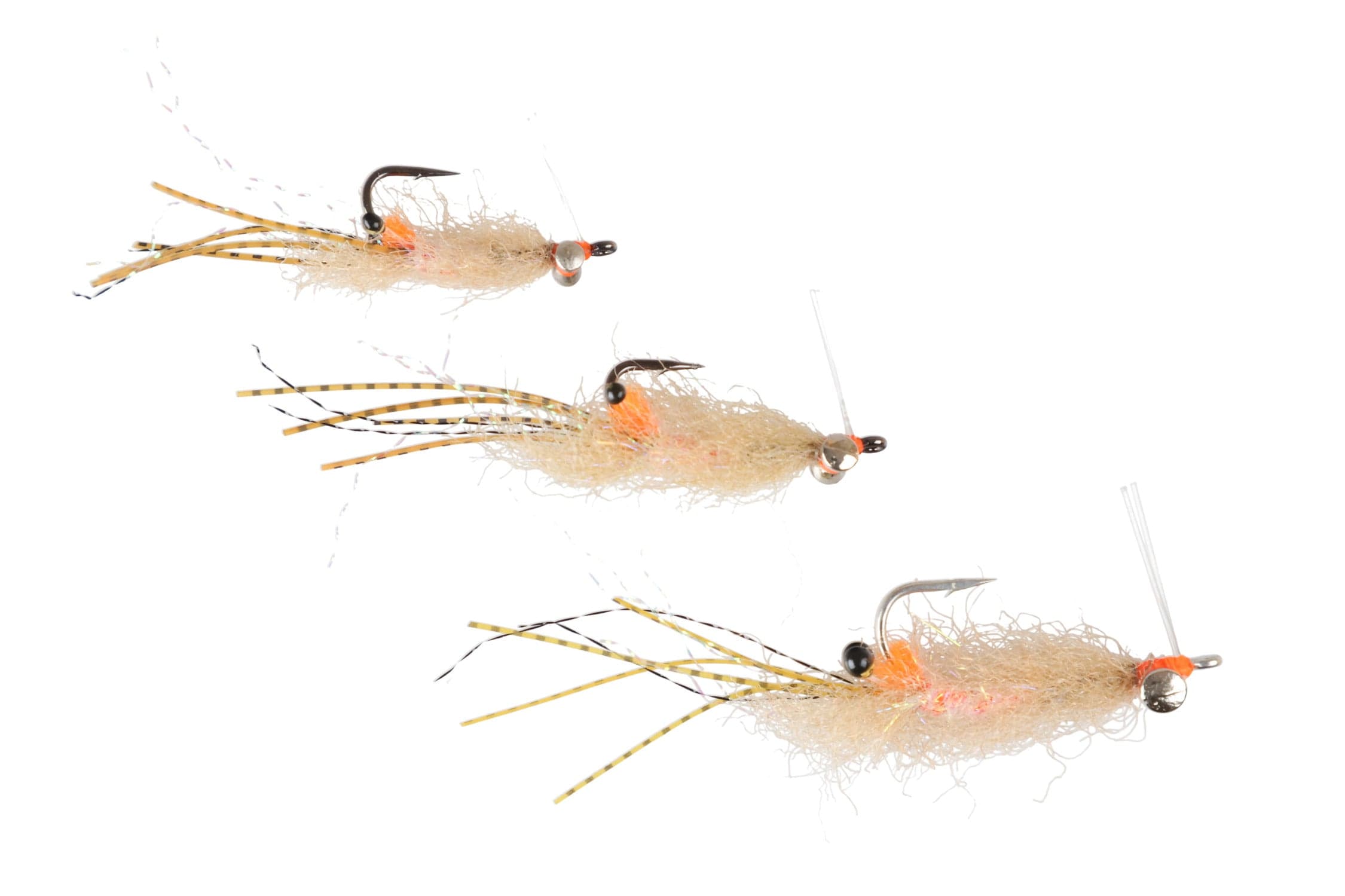
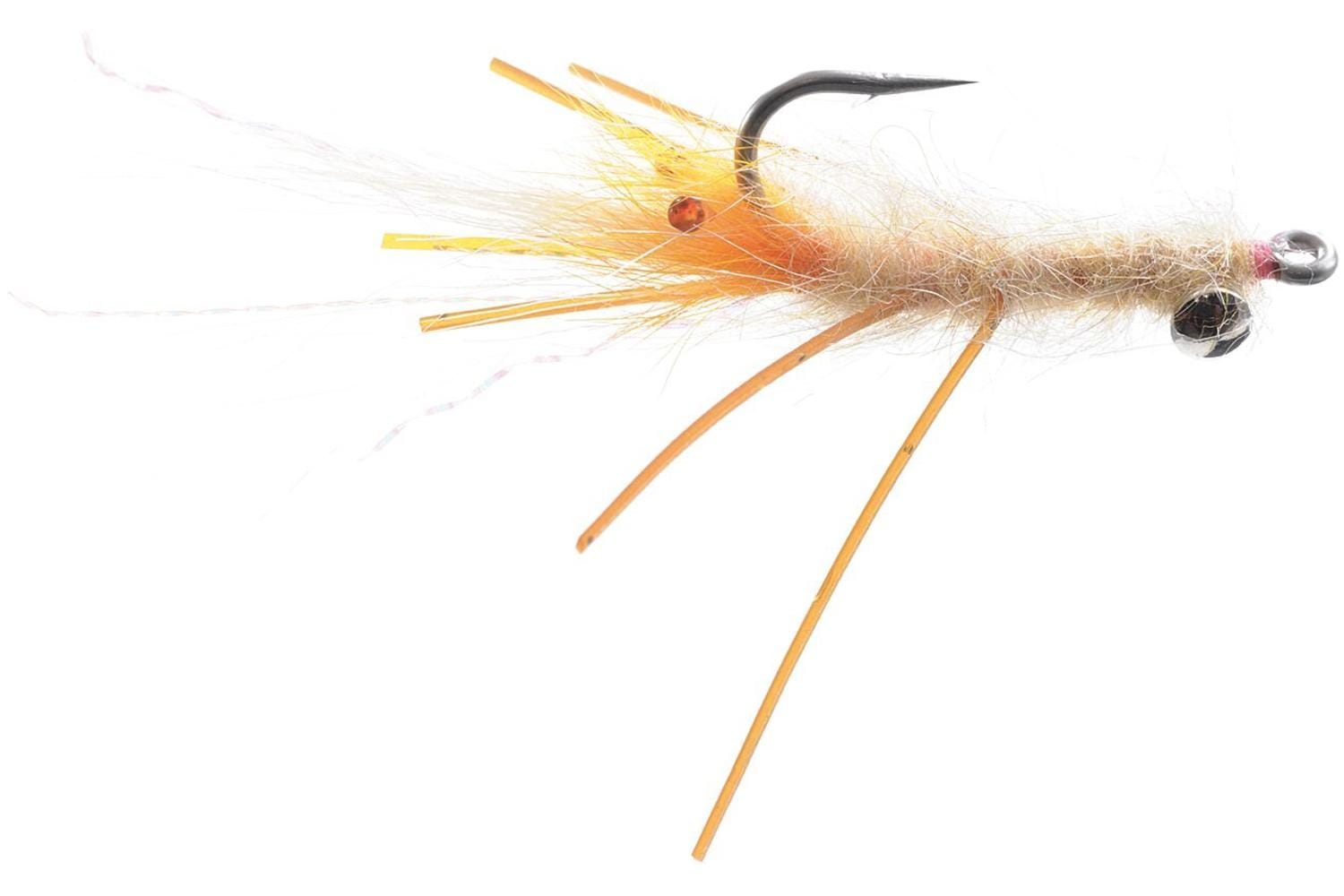
- Best for Skinny Water: EP Turneffe Micro Shrimp Fly - Built for picky fish and calm, shallow flats where a small footprint matters. The smaller, lighter profile is designed to imitate tiny shrimp without making a heavy splash.
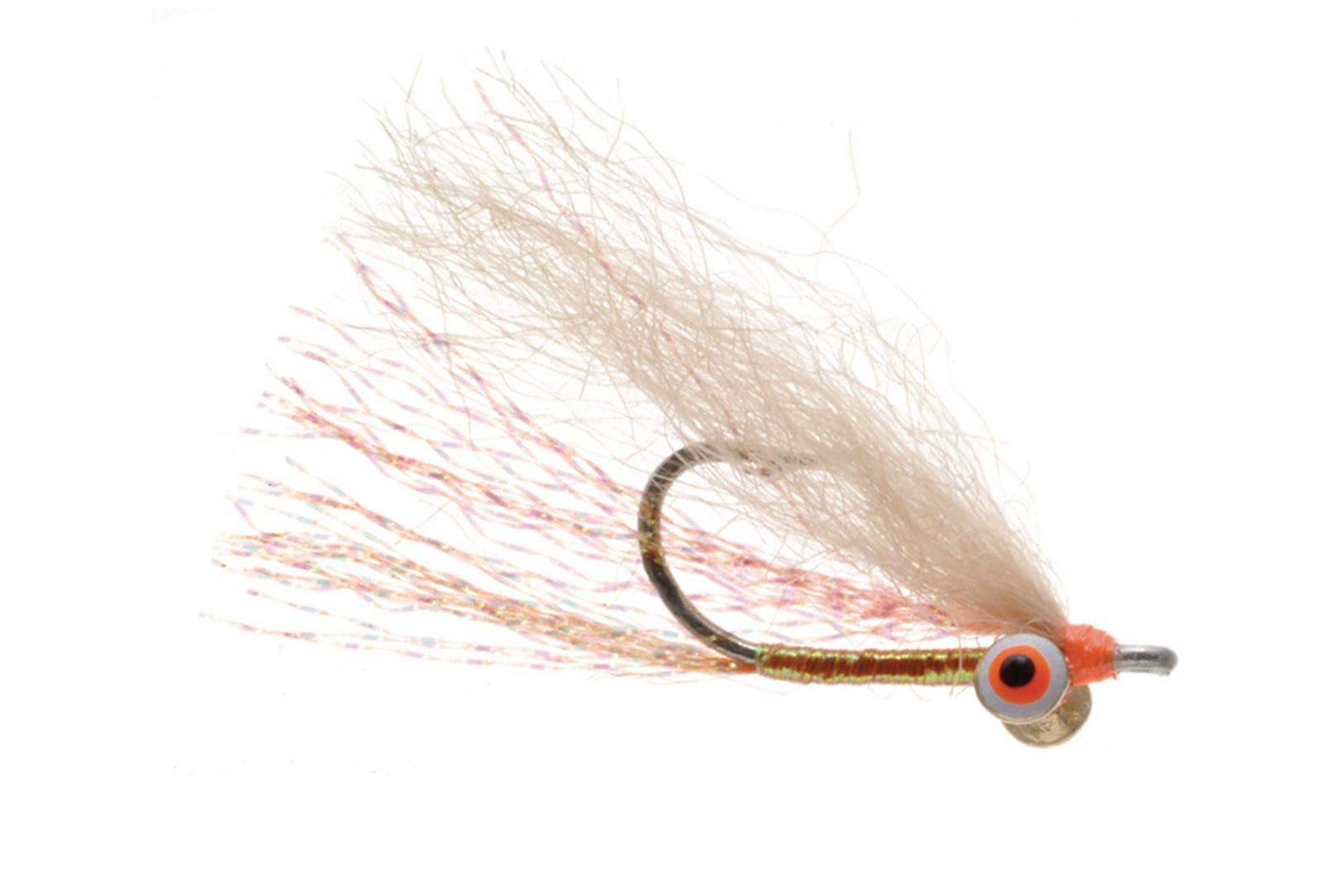
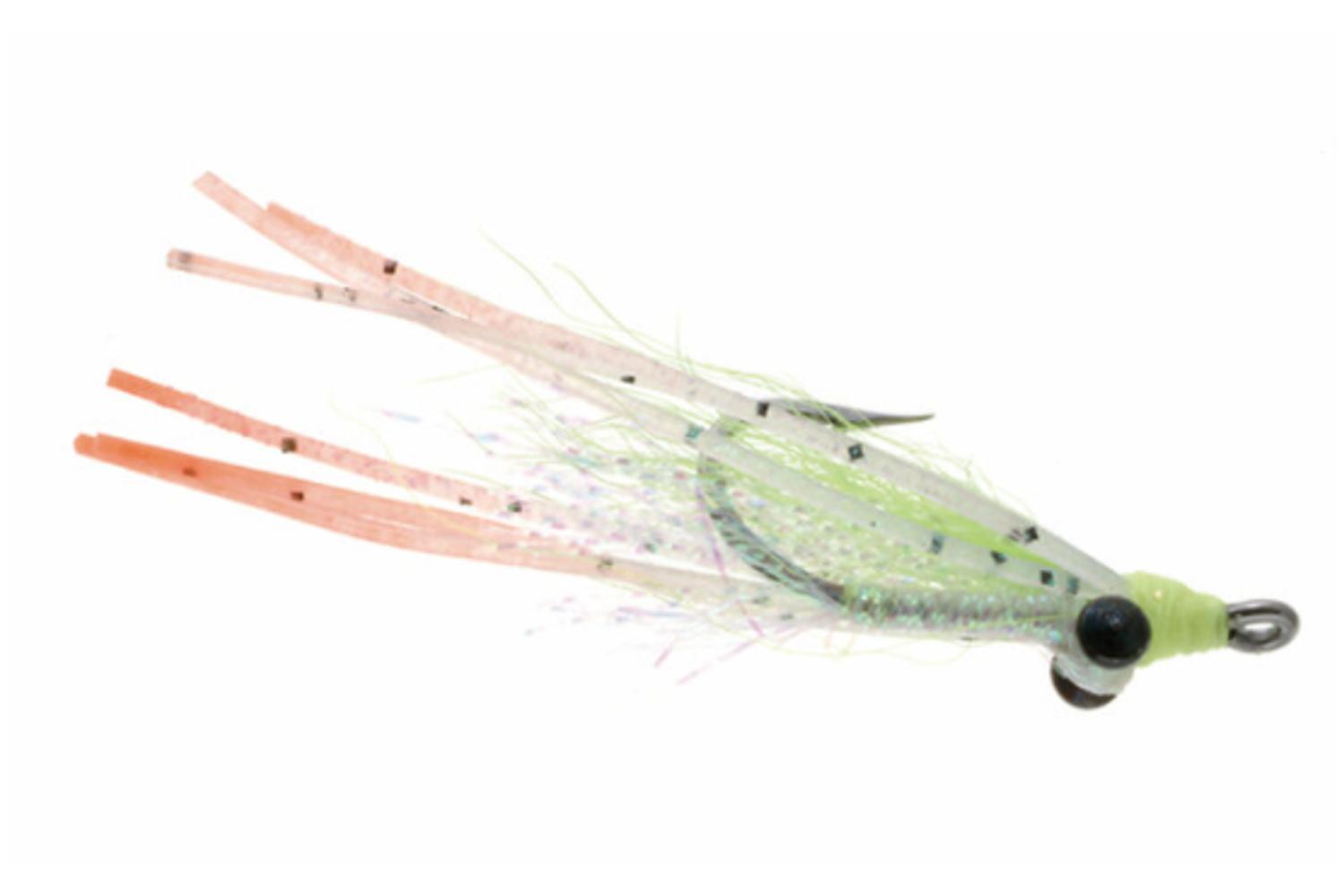
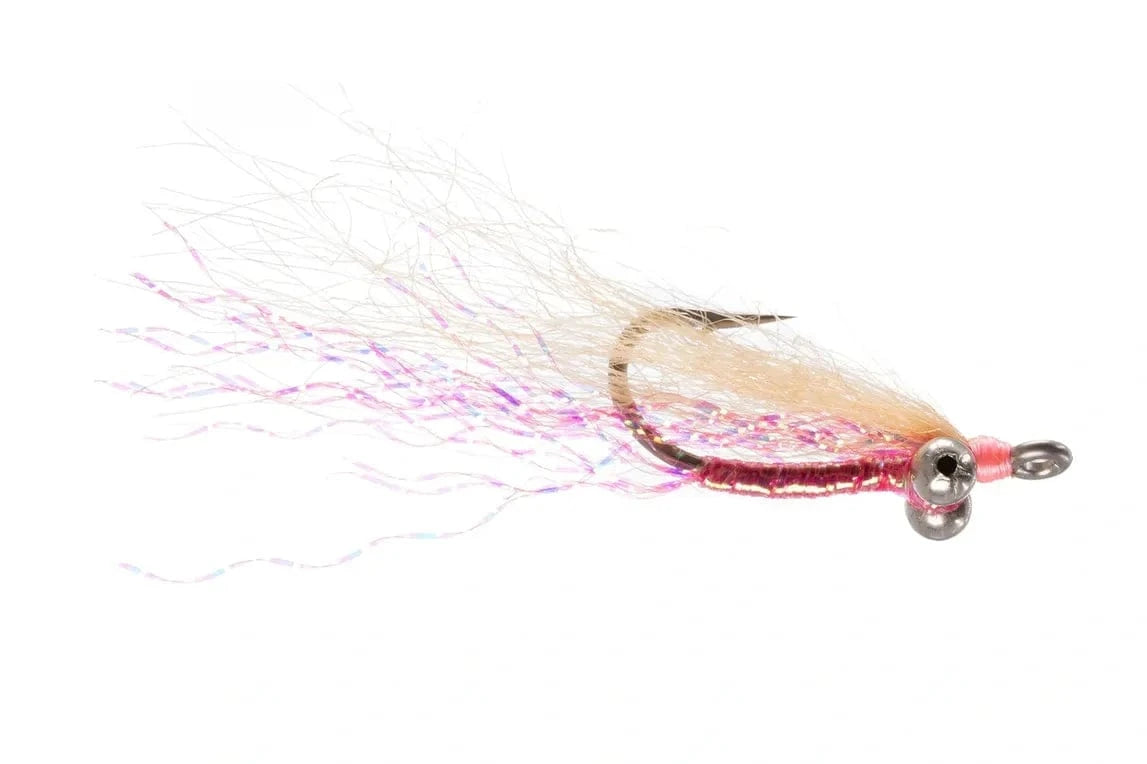
- Best for Deeper Flats & Current: Christmas Island Special Bonefish Fly - A smart pick when you need your fly to get down faster on edges, drop-offs, or stronger tidal flow. Heavier eyes help you hit the bottom and stay in the feeding lane.
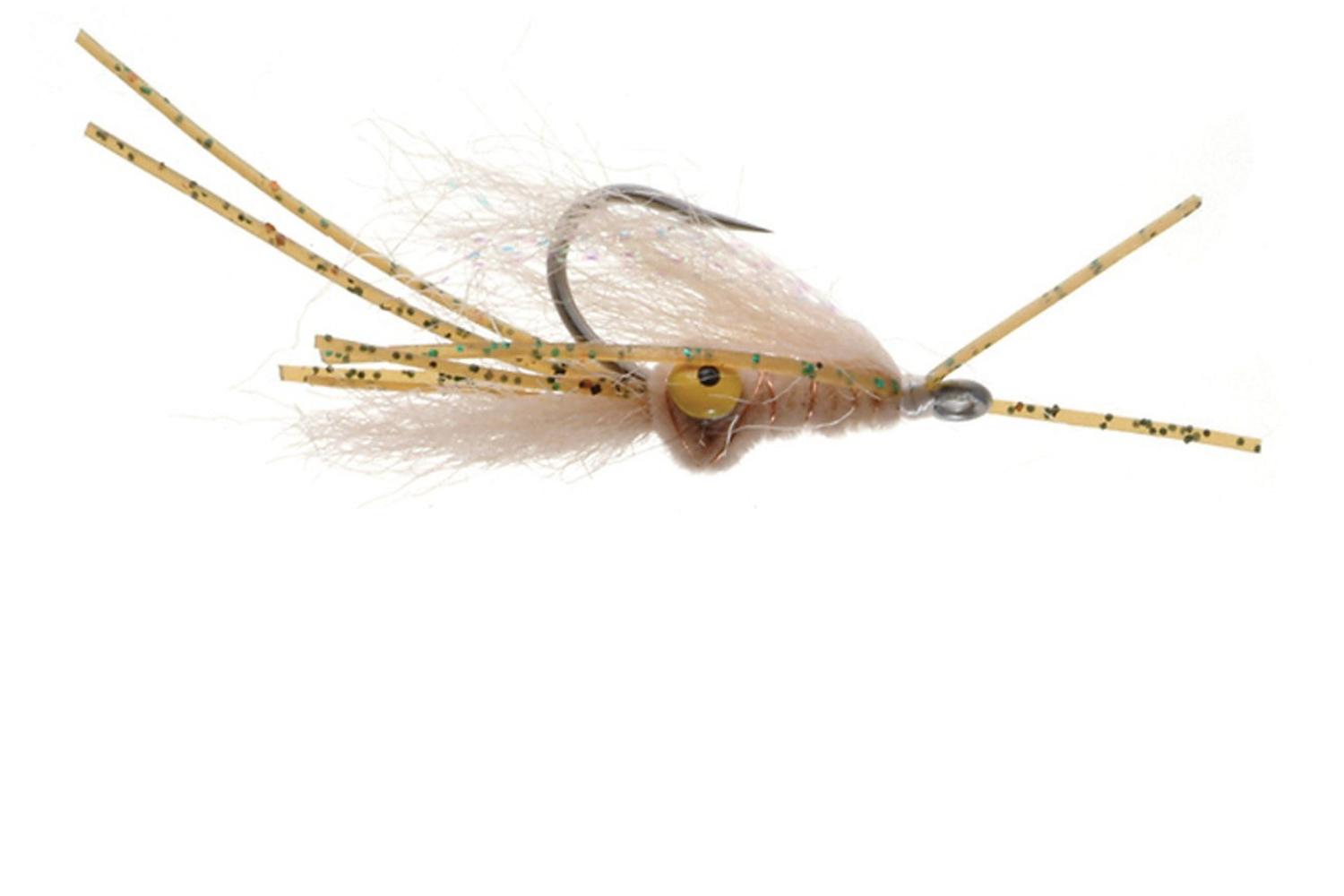
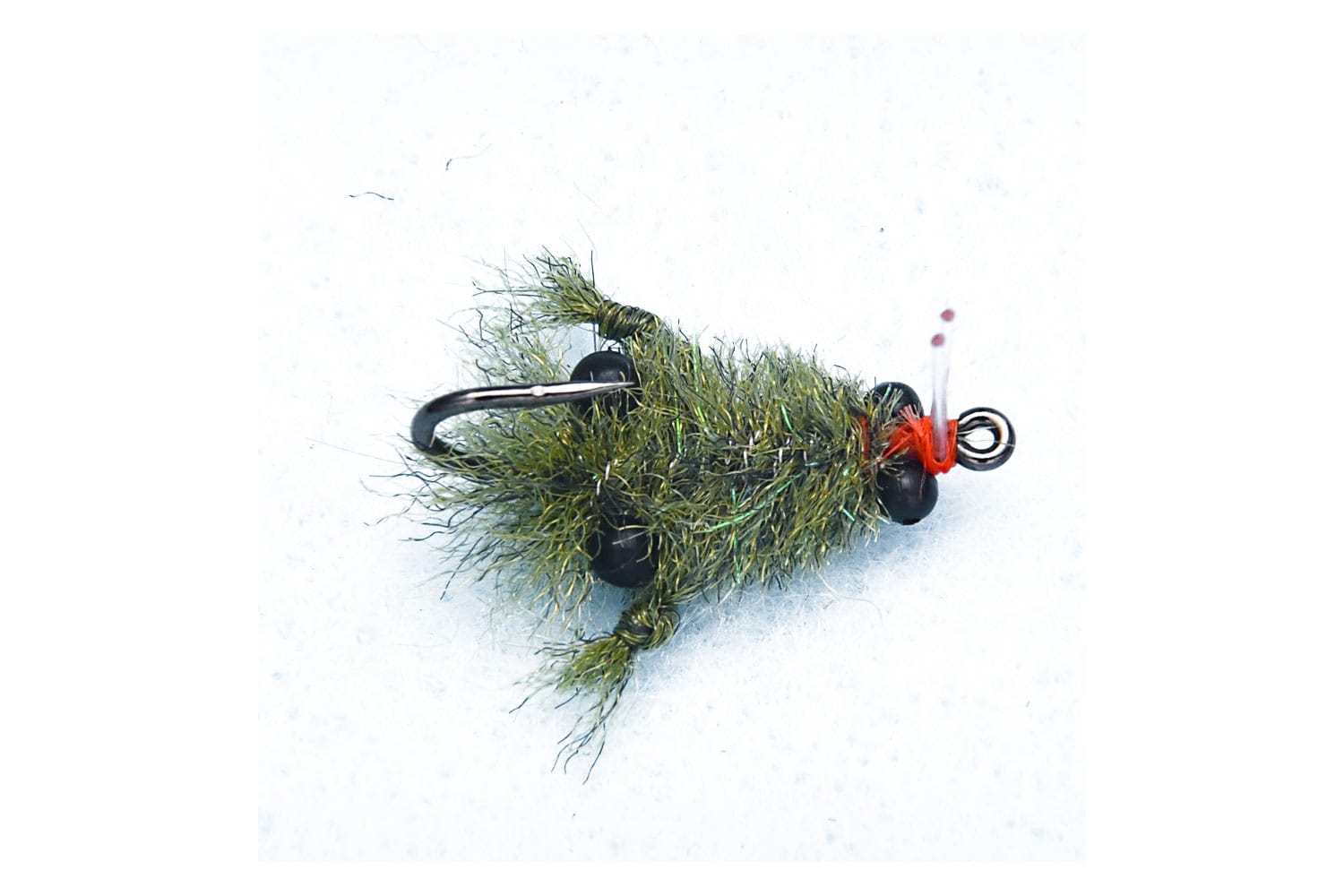
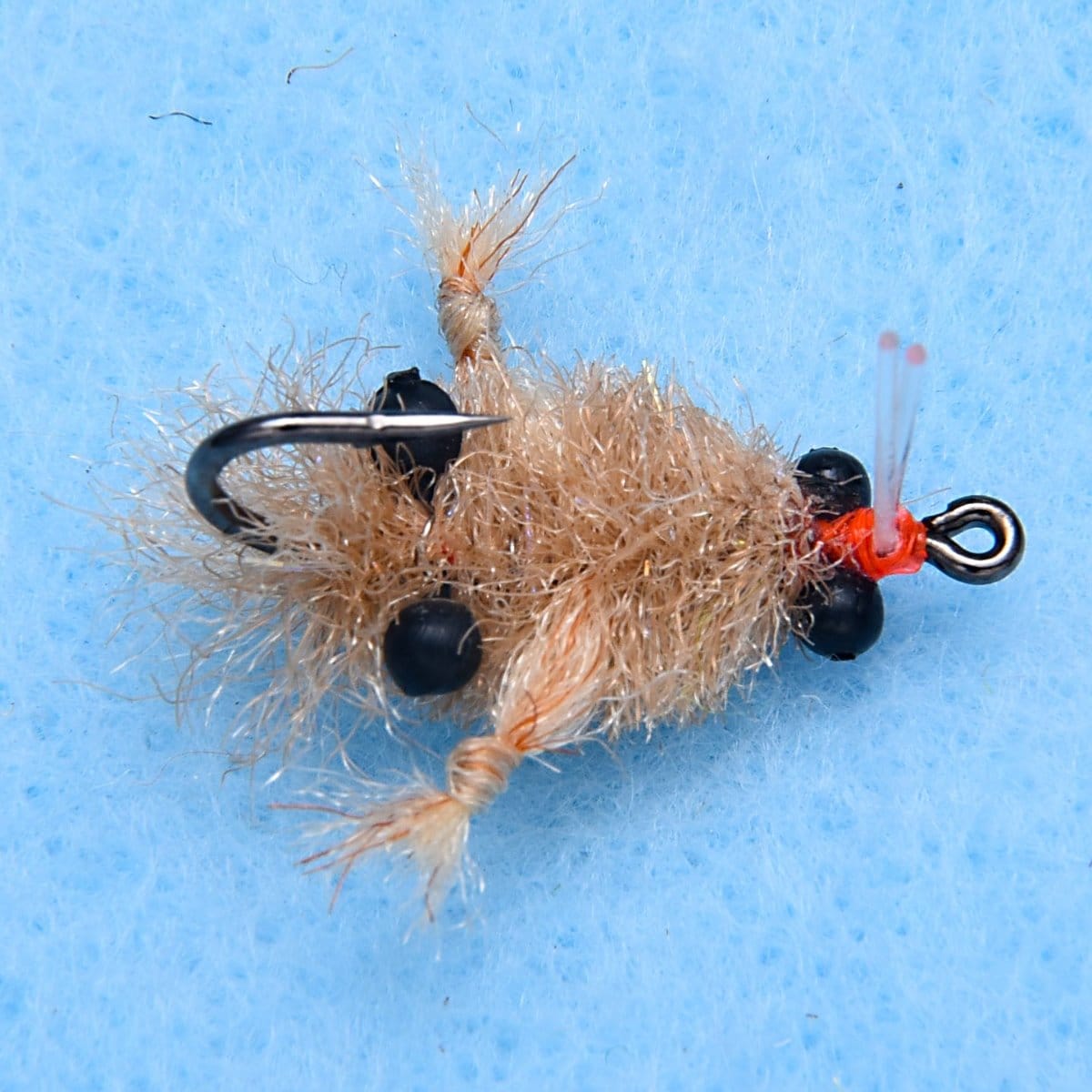
- Best Crab Option: EP Turneffe Micro Crab Fly - Ideal when bonefish are nosing for crabs or you want a crabby look that still fishes clean in turtle grass. Bead chain eyes and a weed guard help it ride hook-point-up and avoid snags.
How to Choose Bonefish Flies
Shrimp vs. crab vs. “searching” patterns
Action: Start with shrimp/attractor-style patterns when fish are cruising and you need a quick, believable eat. Switch to crab patterns when fish are tailing hard or moving slow with their heads down.
Best for: Shrimp patterns for covering water and mixed bottom types; crab patterns for ultra-visual, bottom-oriented feeding.
Weighting: bead chain vs. heavier eyes
Action: Match fly weight to depth, wind, and how spooky the fish are. Lighter (often bead chain) lands softer for ankle-to-knee-deep flats, while heavier eyes help you reach bottom quickly in channels or current.
Avoid if: Don’t throw an overly heavy fly at close, calm-water shots, hard landings can cost you the whole opportunity.
Color: match the bottom first
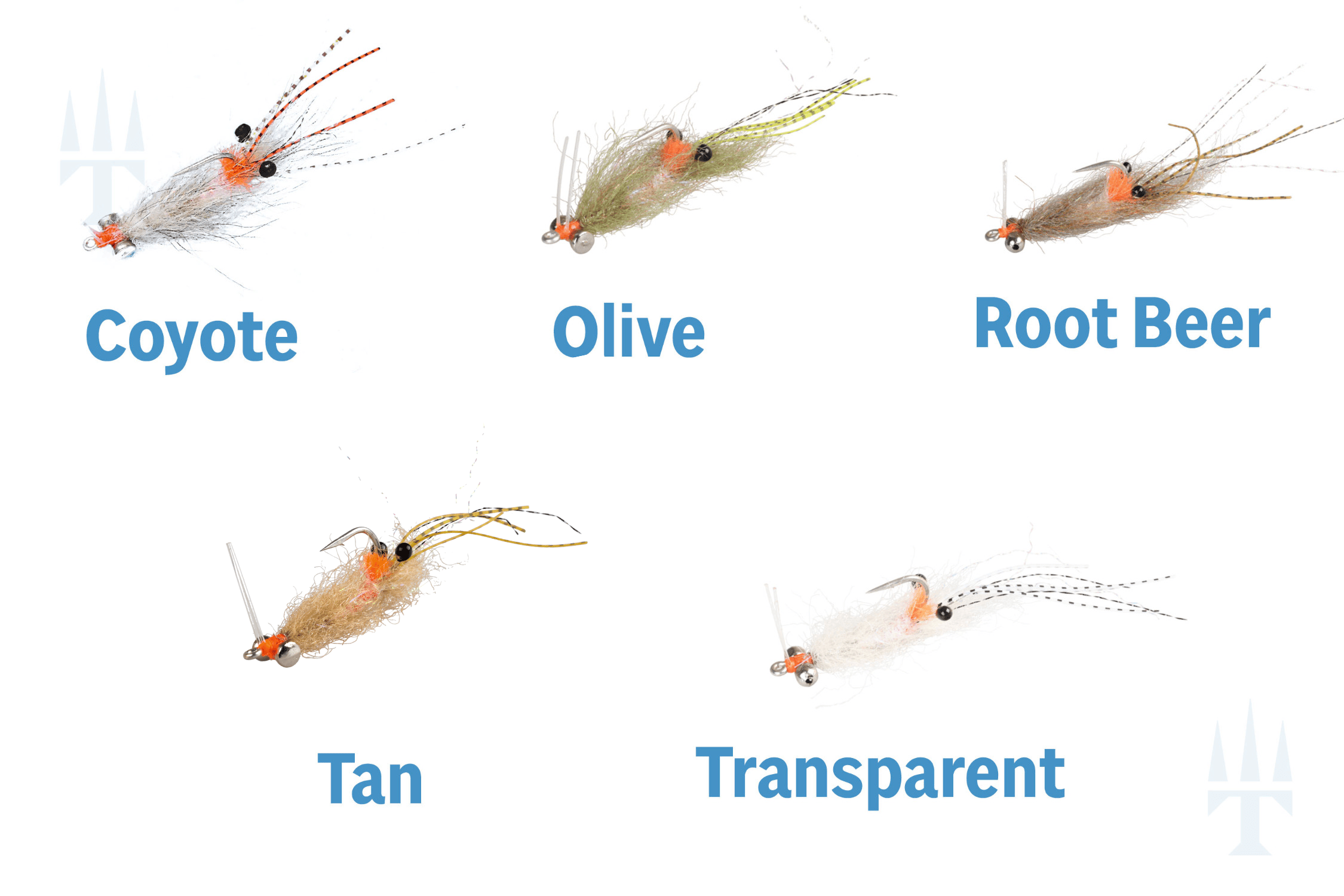
Action: Pick colors that blend with the flat (sand, turtle grass, or darker mud) before you worry about exact forage. Tan, white, pink, and olive cover most situations, and small changes often matter more than “perfect” realism.
Size & profile: smaller is often safer
Action: When fish are pressured or water is ultra-clear, a smaller, sparser fly can help you get more committed eats. If you’re seeing follows without eats, downsize and reduce splash/weight before you change your entire pattern style.
Materials & Durability
- Rinse after salt: Give flies a quick freshwater rinse and let them dry fully to reduce corrosion and extend hook life.
- Dry your box: Open your fly box after fishing so hooks and materials don’t stay damp in transit.
- Check points & barbs: Bonefish mouths are tough, touch up or swap flies when points dull.
- Inspect weed guards: If a weed guard gets bent out of shape, straighten it so it still deflects grass without blocking hookups.
Complete Your Setup
Related Gear
- Saltwater Flies - Helpful if you’re building a broader flats box for mixed species and conditions.
- Permit Flies - Great add-on if your trip has real permit shots or crab-heavy flats.
- Fly Selections - A simple way to stock up for a destination with less guesswork.
- Tippet - Clear-water flats can demand abrasion resistance and clean turnover.
Related Guides
- The 8 Best Bonefish Flies
- Bonefishing Gear Guide
- How to Choose the Best Fly Line for Bonefish
- How to Choose the Best Fly Rod for Bonefish
- How to Choose the Best Fly Reel for Bonefish
Bonefish Flies FAQs
Q: What are bonefish flies designed to imitate?
A: Most bonefish flies imitate shrimp, small crabs, and other small crustaceans bonefish hunt on shallow flats. Many patterns are also “searching” profiles that suggest several forage types at once.
Q: What size bonefish fly should I start with?
A: Start with a few mid-size options that match your destination’s average forage and your typical water depth. If fish are following but not eating, downsize and/or choose a sparser pattern before changing colors.
Q: When should I fish a crab pattern instead of a shrimp pattern?
A: Crab patterns are a strong choice when fish are tailing, feeding slowly, or clearly digging on the bottom. Shrimp patterns tend to excel when fish are cruising and you need a quick, clean eat.
Q: How do I choose the right fly weight for bonefish?
A: Use lighter flies for calm, shallow water and close shots where a soft landing matters. Step up in weight for deeper flats, stronger current, or when you need the fly to reach bottom quickly.
Q: Do I need weed guards for bonefish flies?
A: Weed guards can help a lot on turtle grass, rubble, and mangrove edges by reducing snags and keeping the fly fishing correctly. In super clean sand, they’re less critical, but still useful on windy days when accuracy suffers.
Q: What colors should I carry for bonefish flies?
A: A small mix of tan, white, pink, and olive covers most flats bottoms and light conditions. Matching the bottom color and controlling sink rate usually matters more than chasing niche color changes.
Q: Can I use bonefish flies for other species?
A: Many shrimp and crab patterns also take permit and other flats species, and some will cross over to inshore fish in tidal water. Just adjust hook size, strength, and leader/tippet for the species you’re targeting.
Q: Do bonefish flies come pre-packaged, and can I return them?
A: Many flies are hand-tied and may vary slightly from photos. Trident notes that flies that are not individually packaged are not returnable, check the individual product page details before ordering multiples.