


Top 10 Striper Flies That Catch Fish in 2025

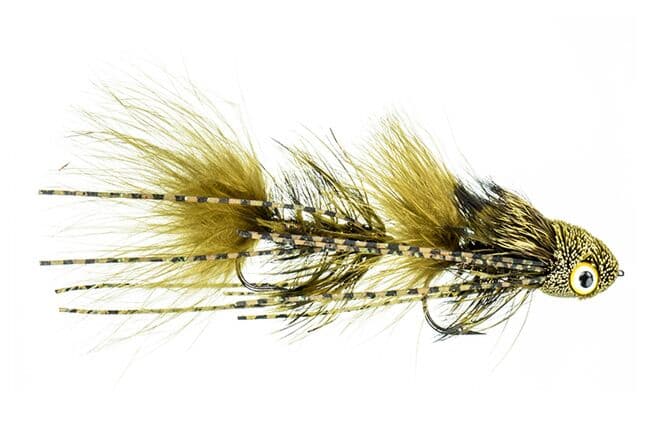
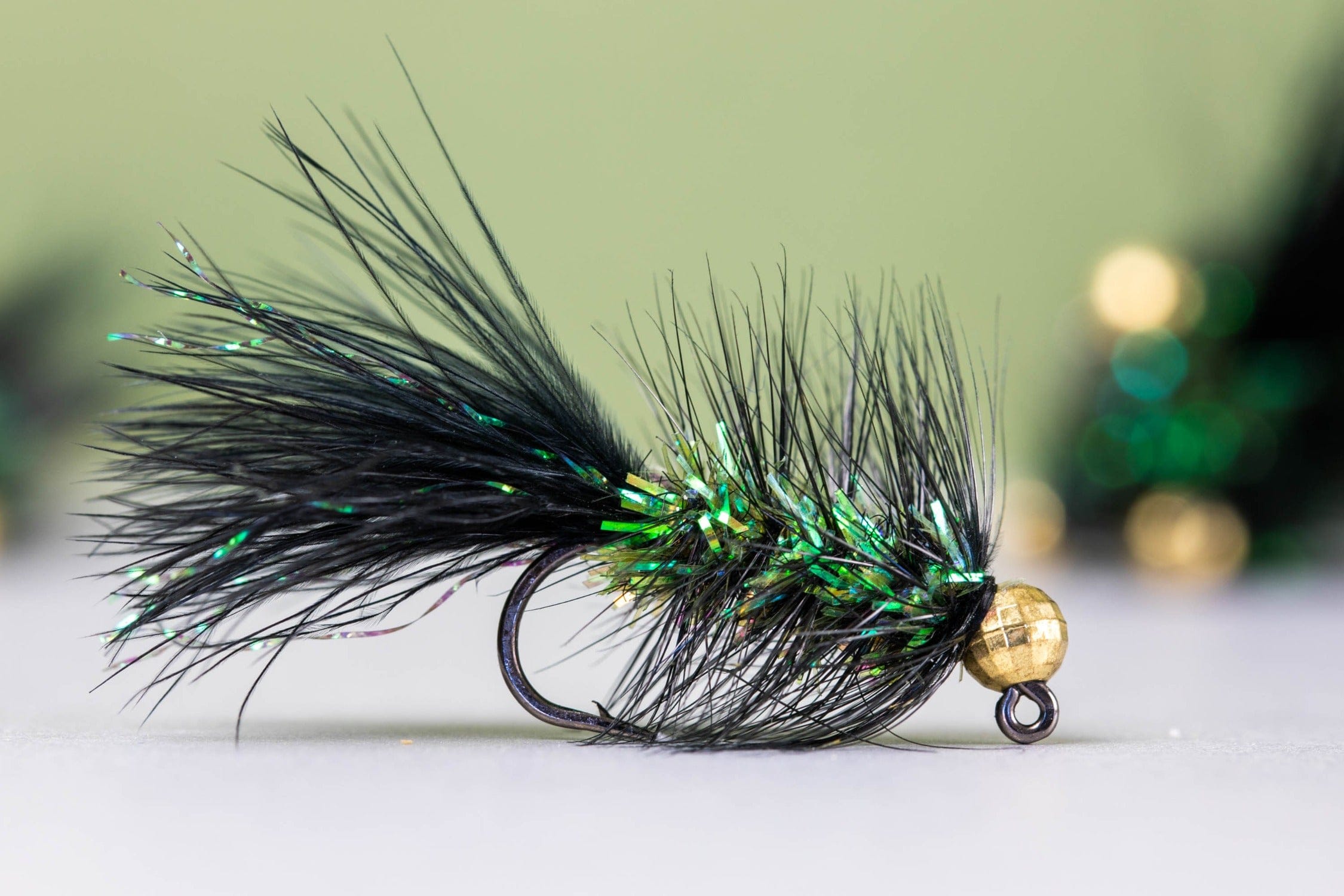
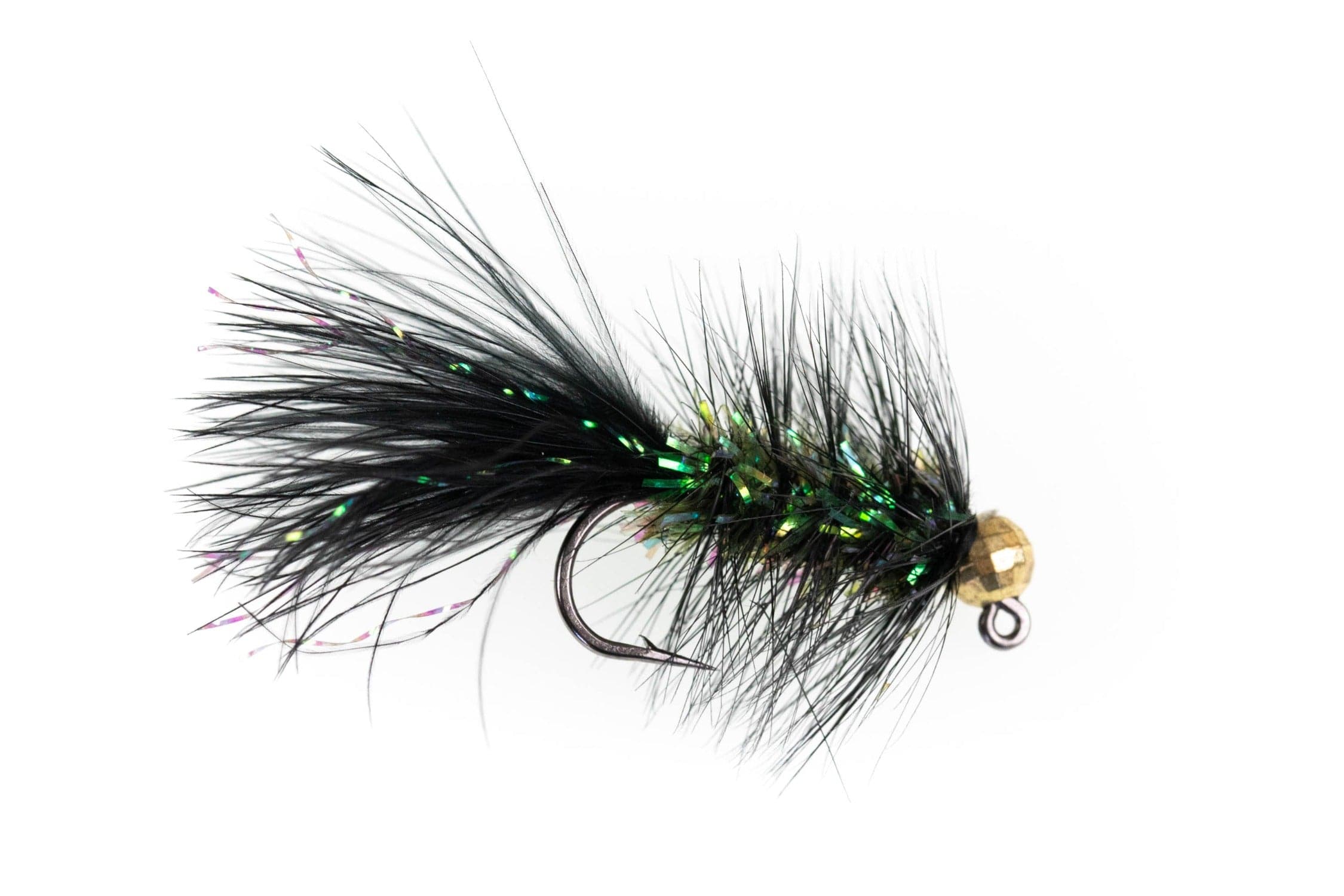
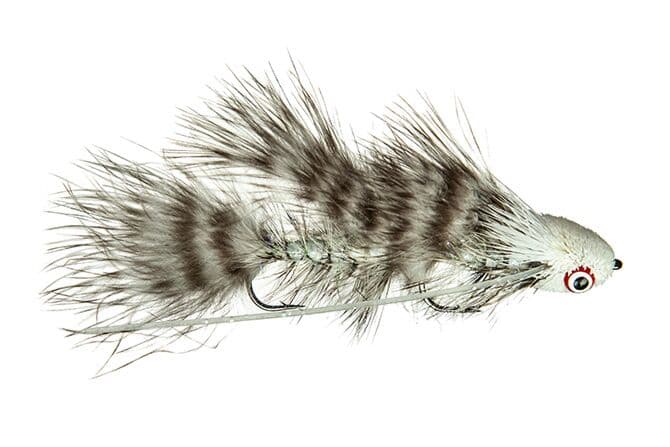


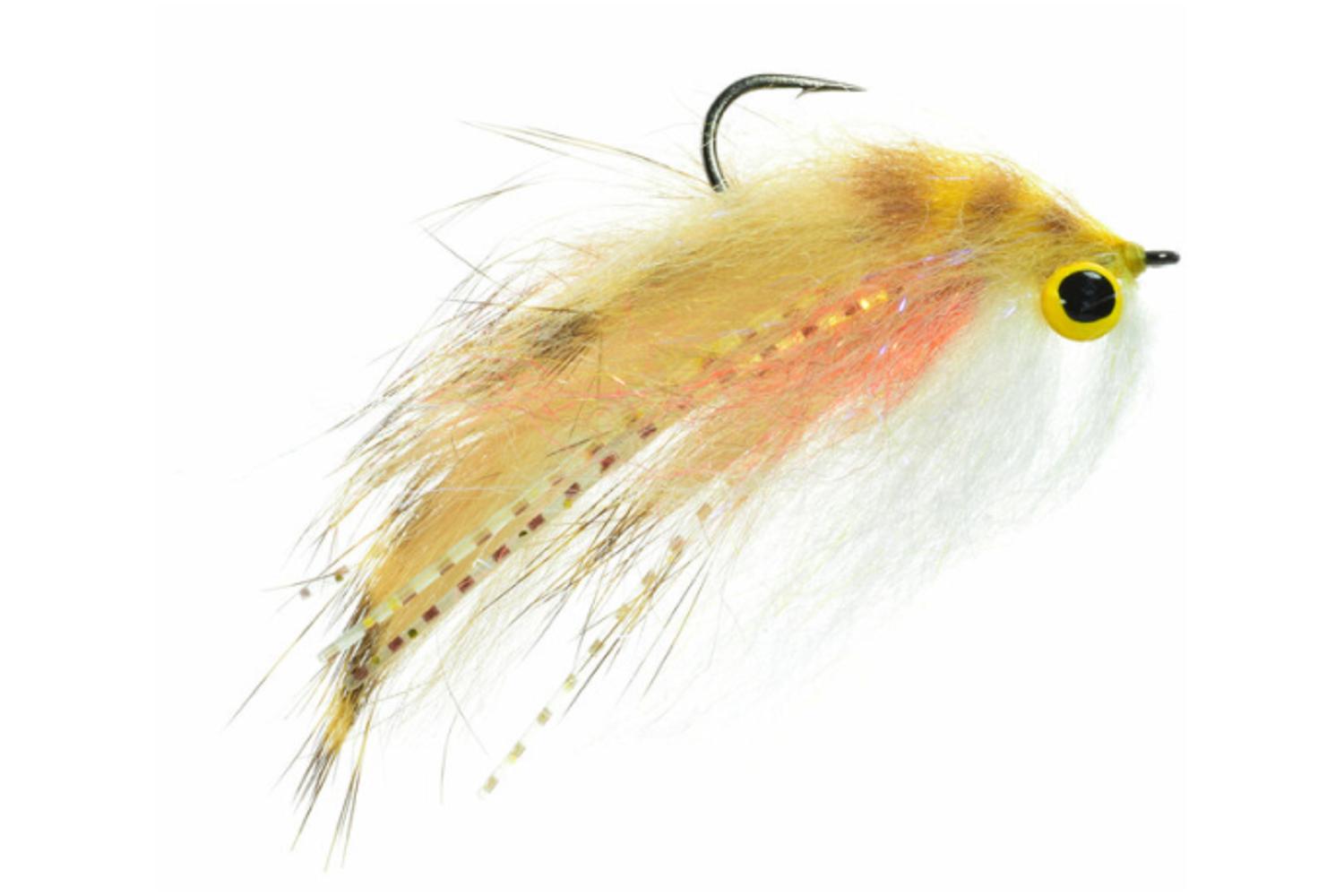
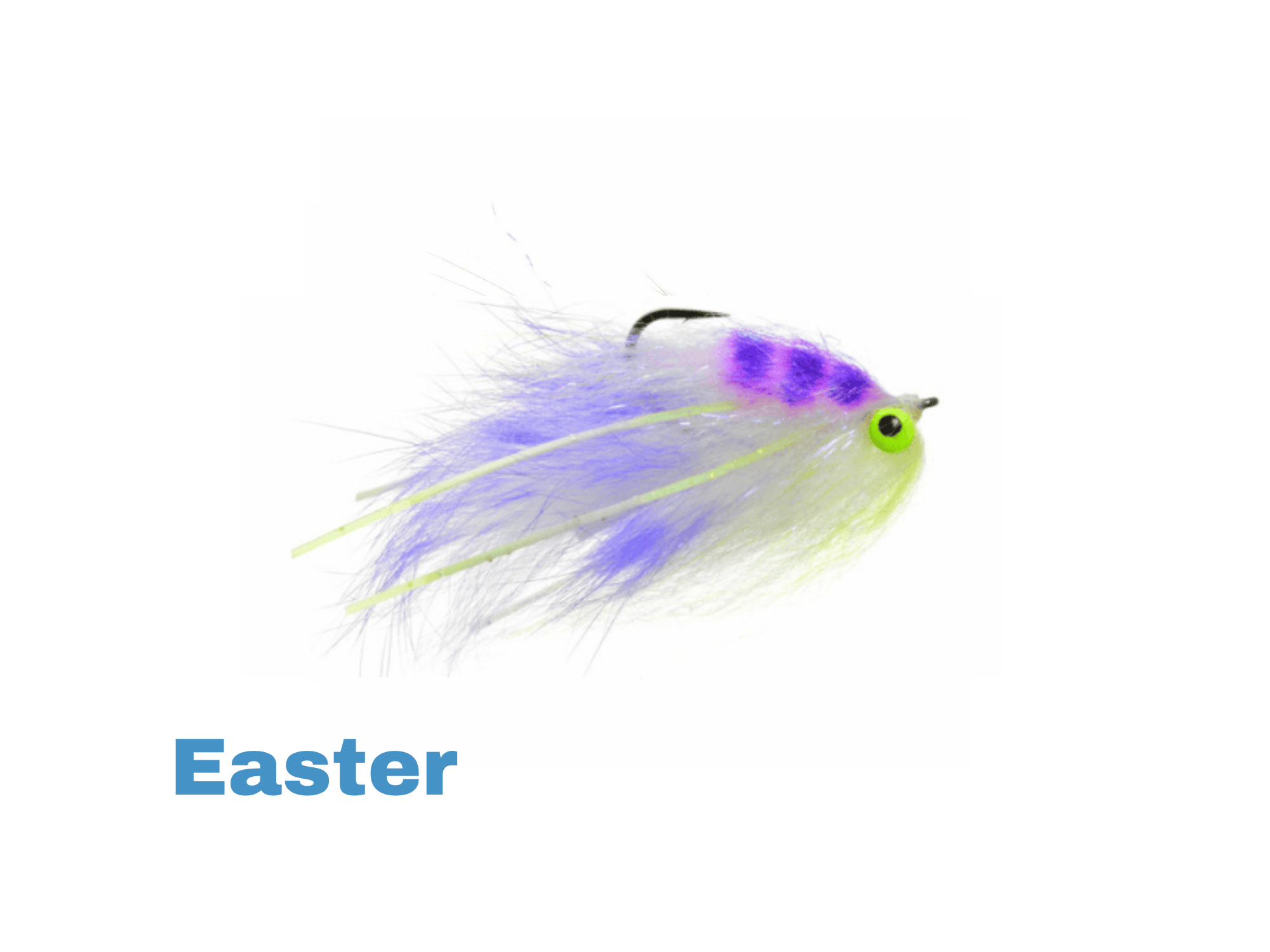


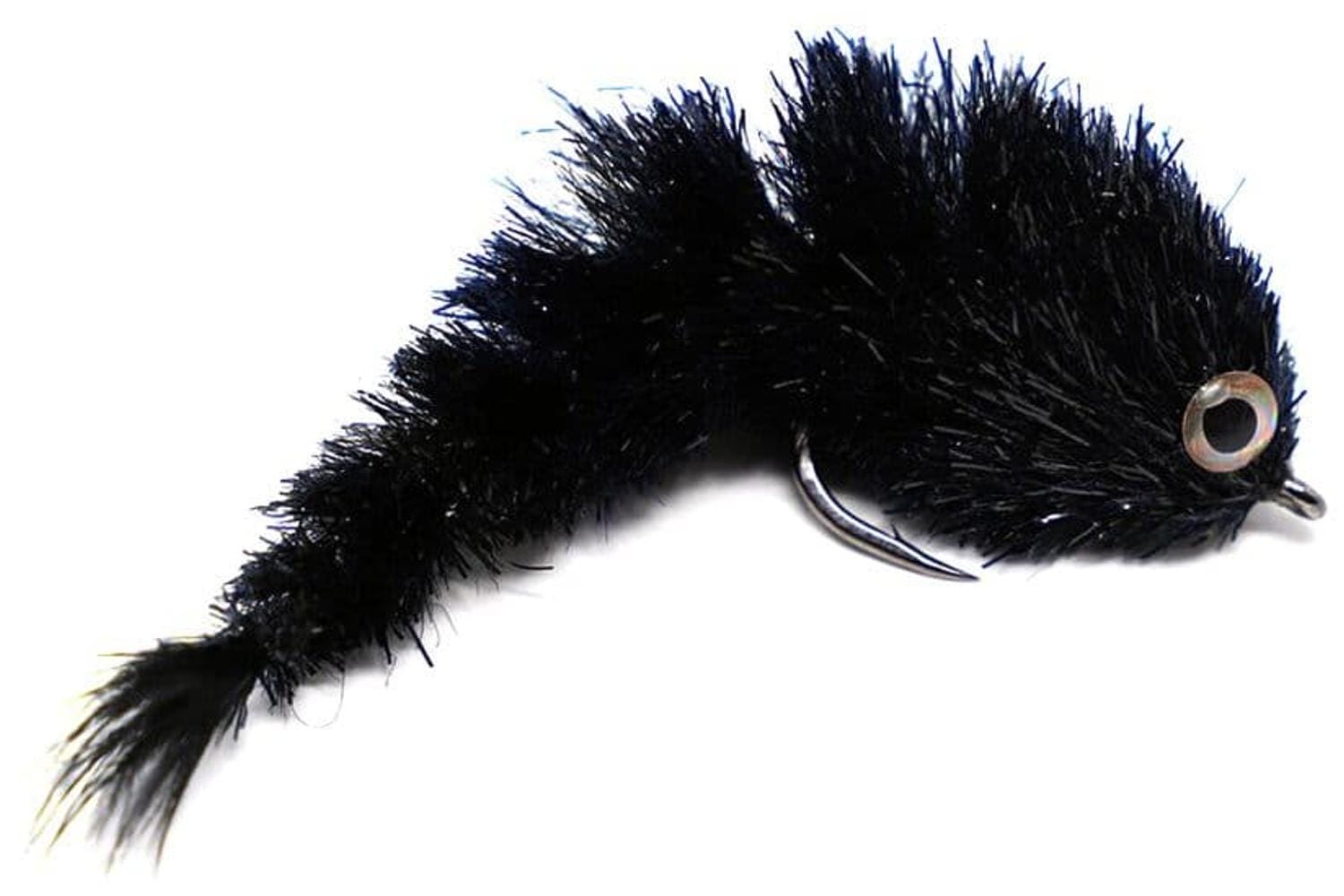
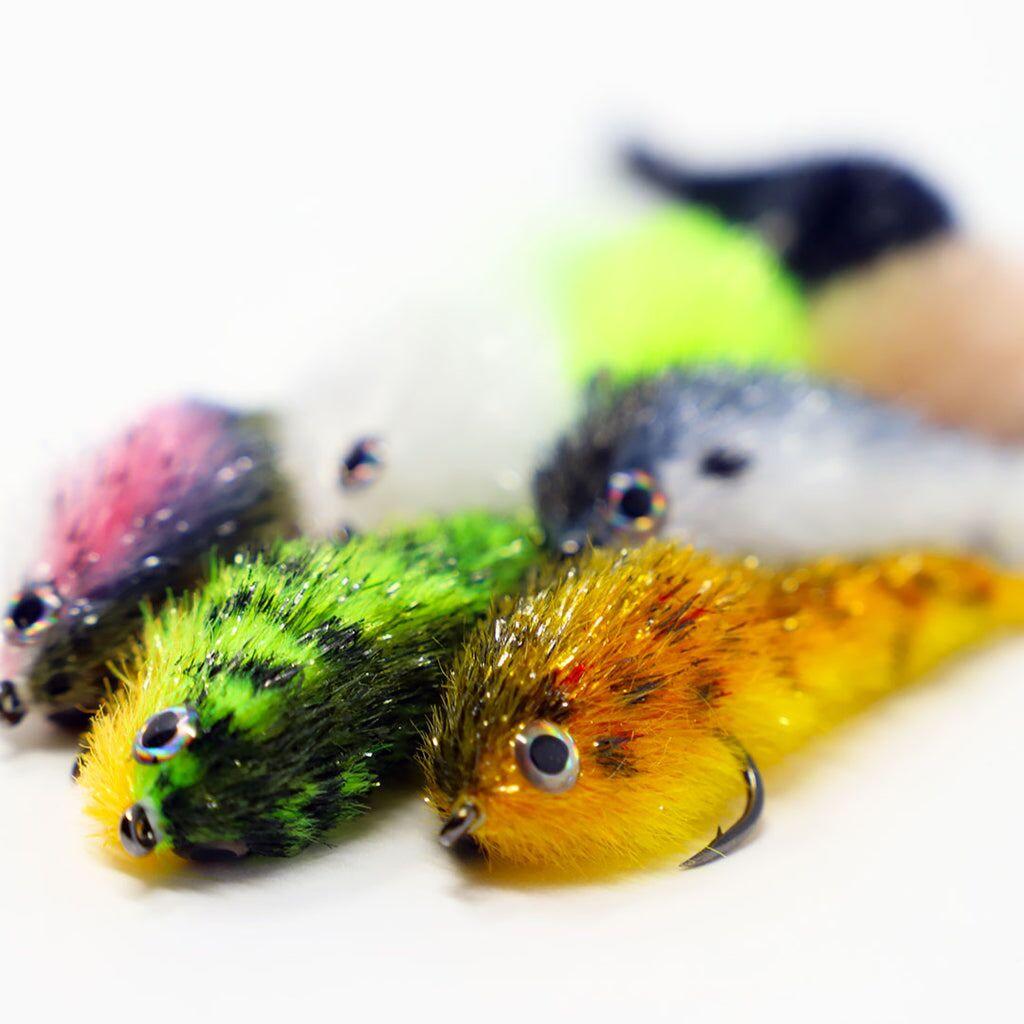


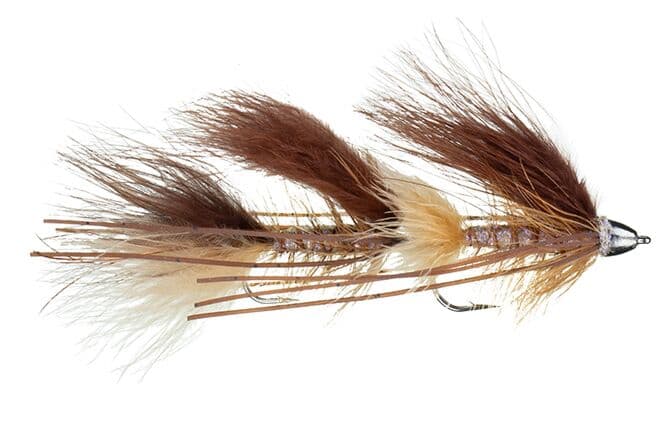
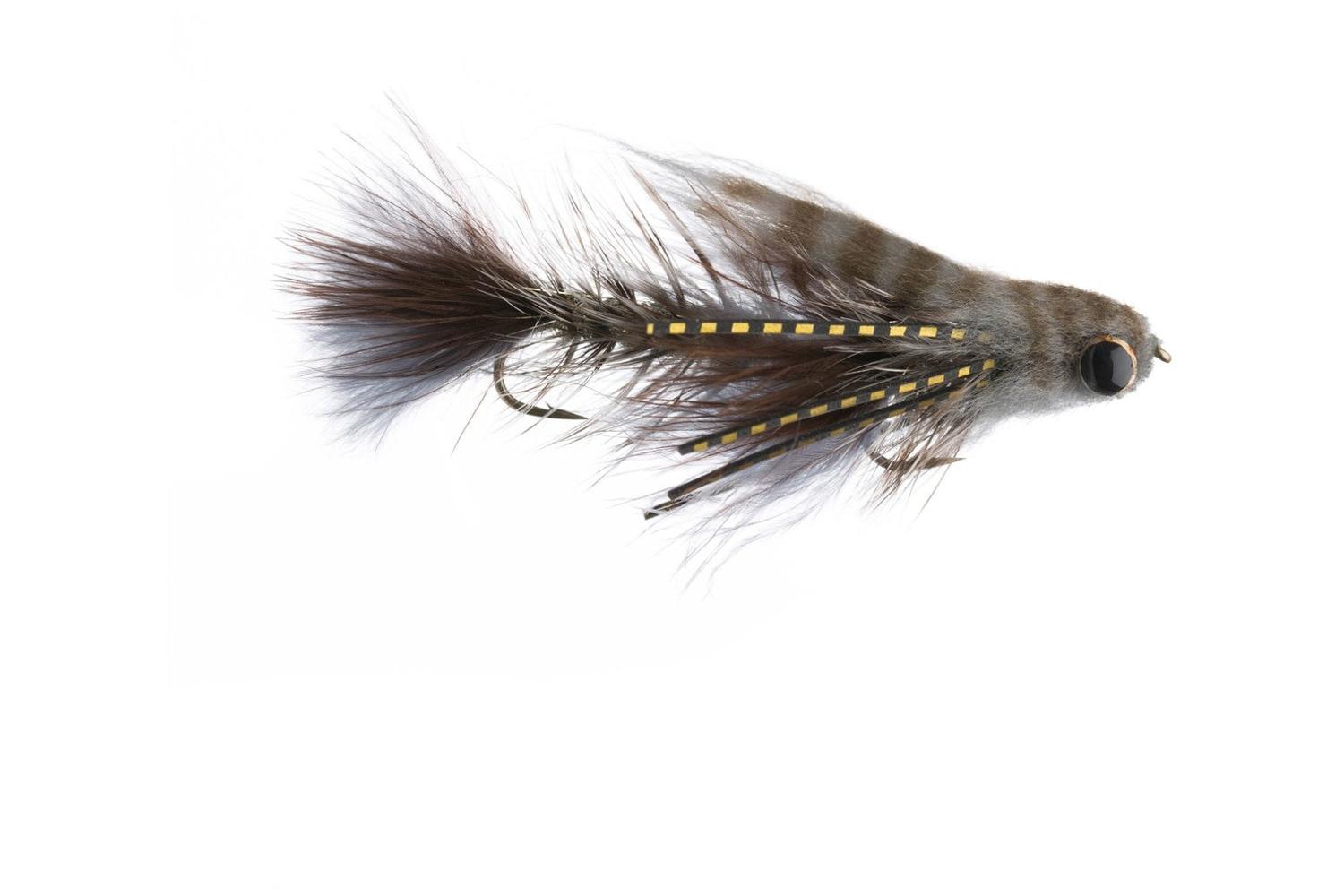
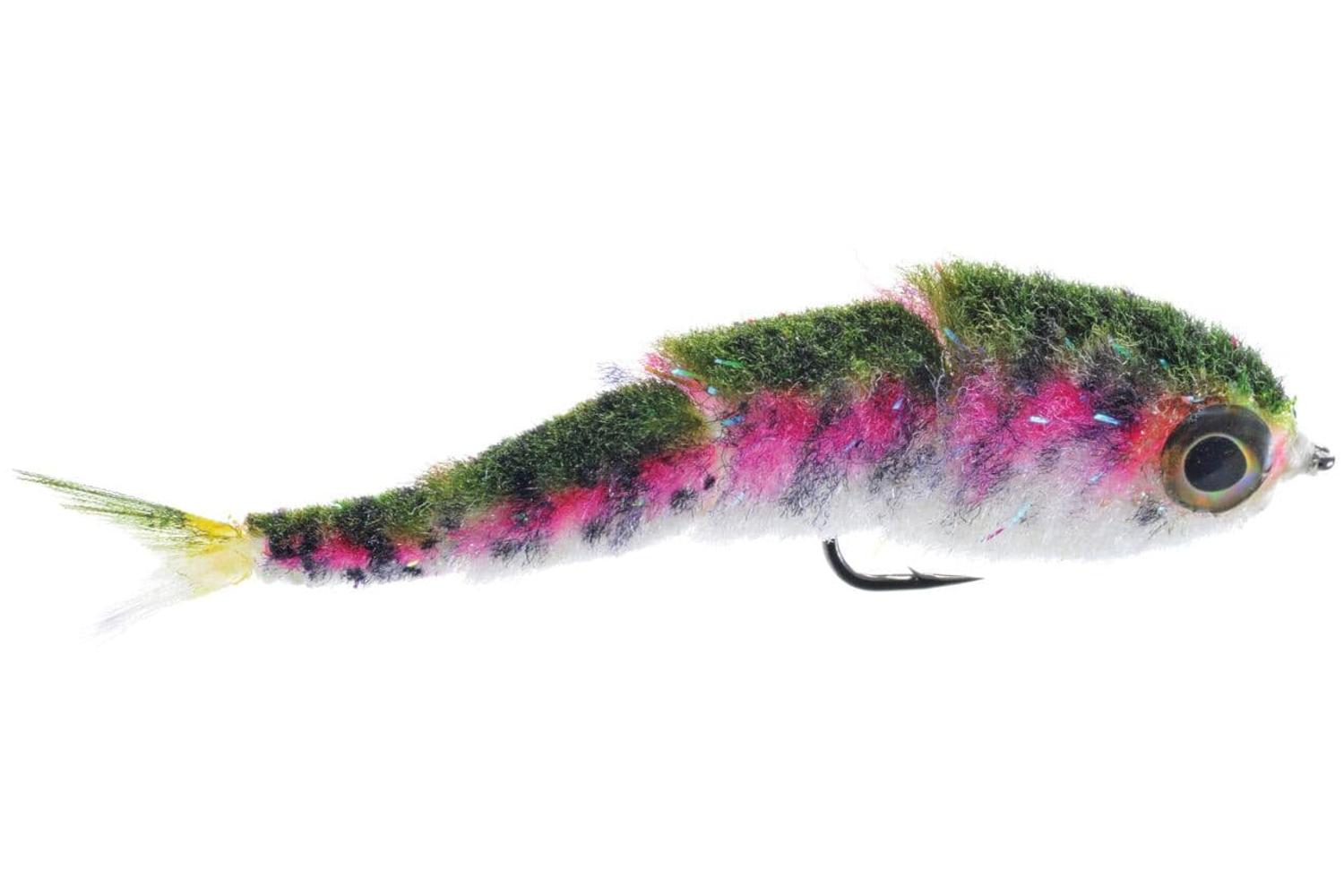
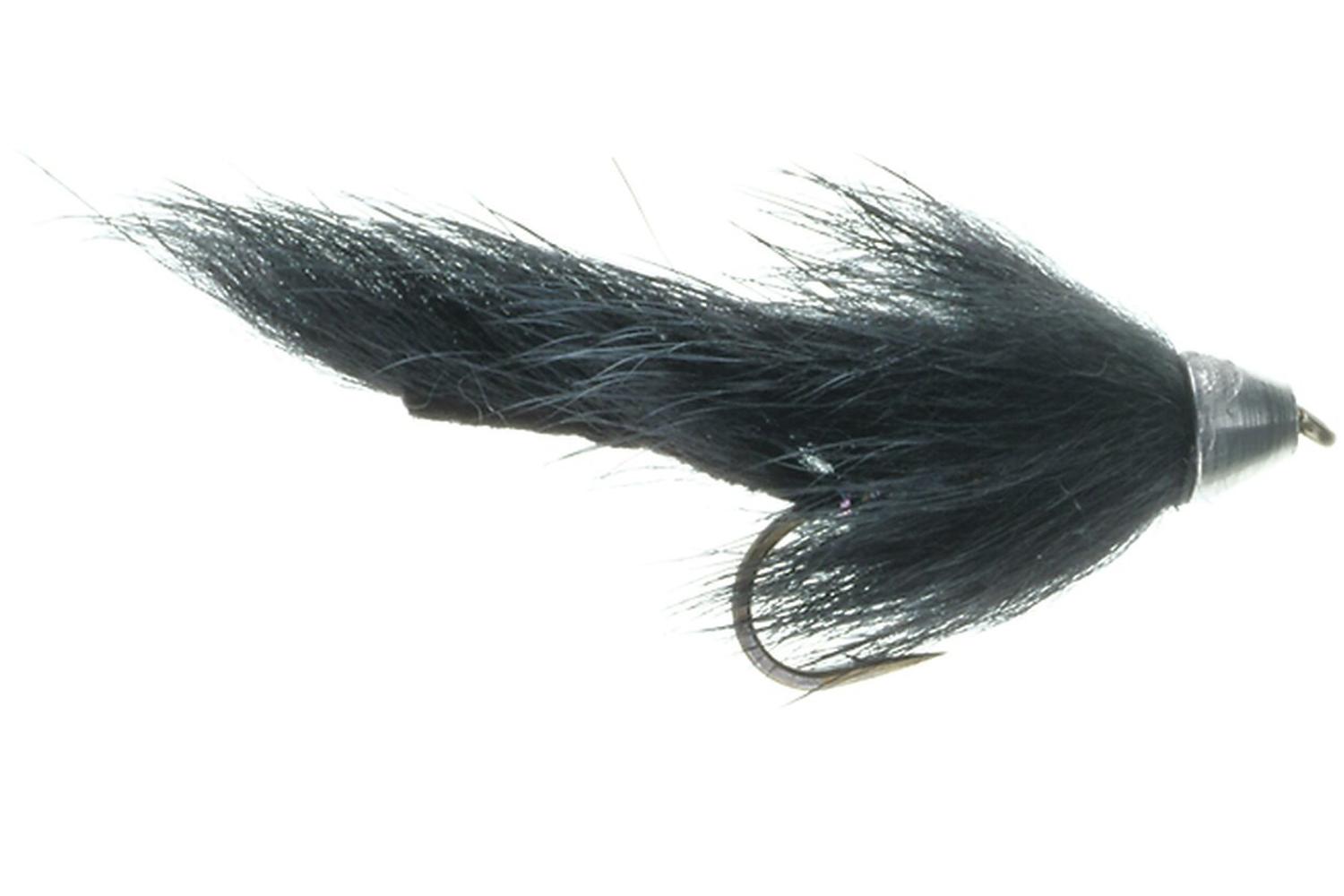
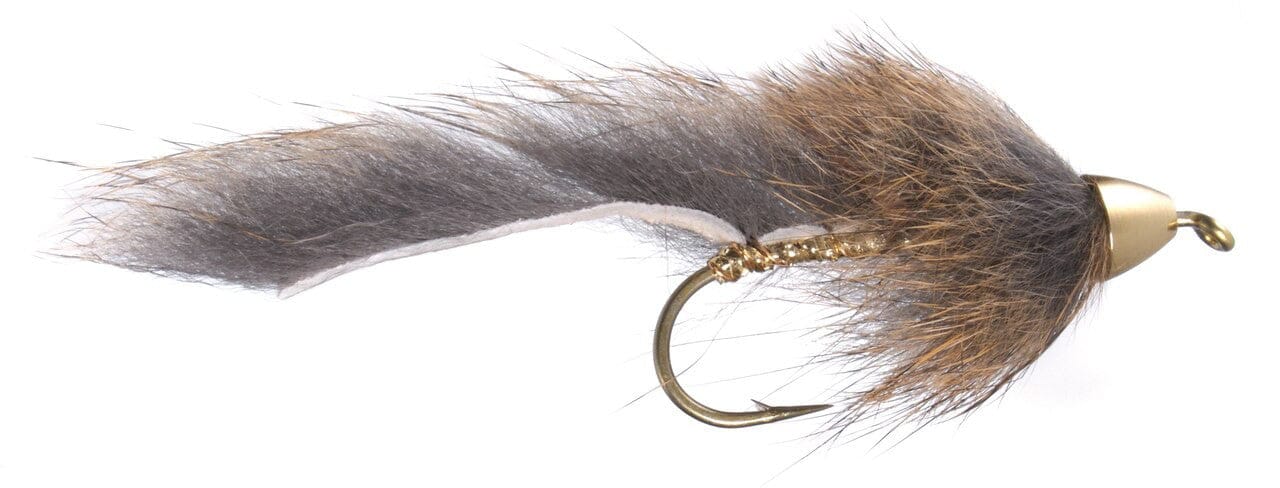
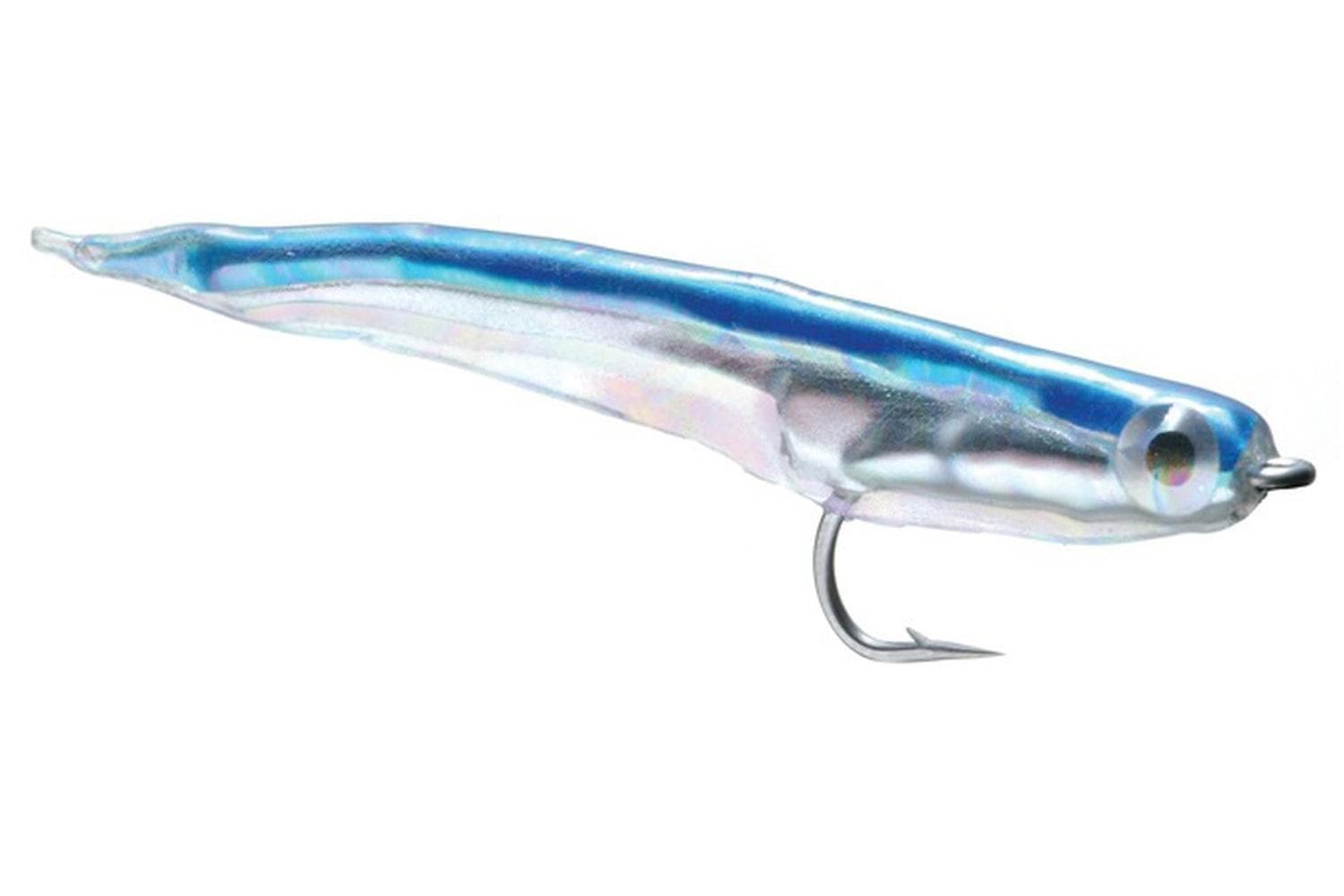

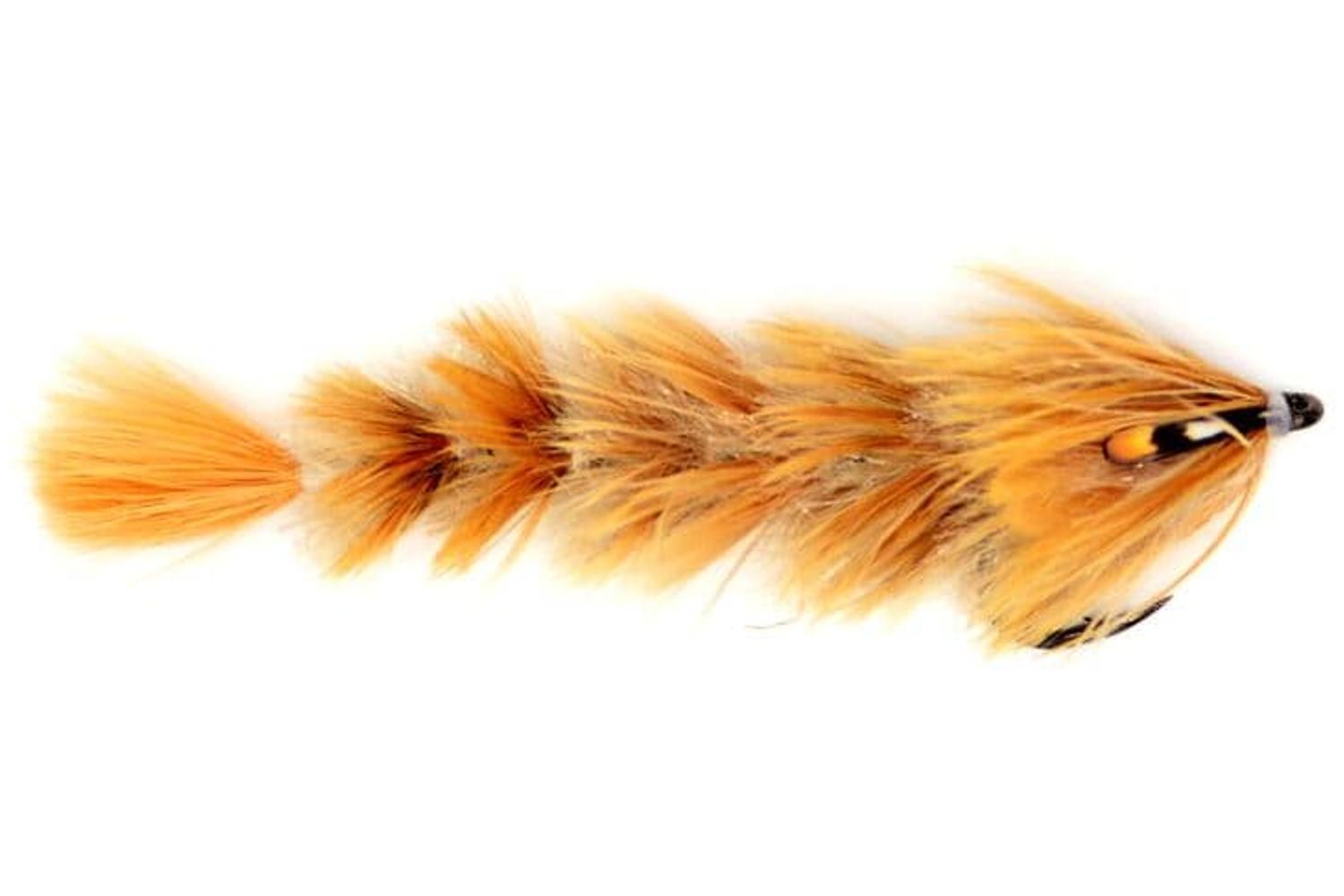
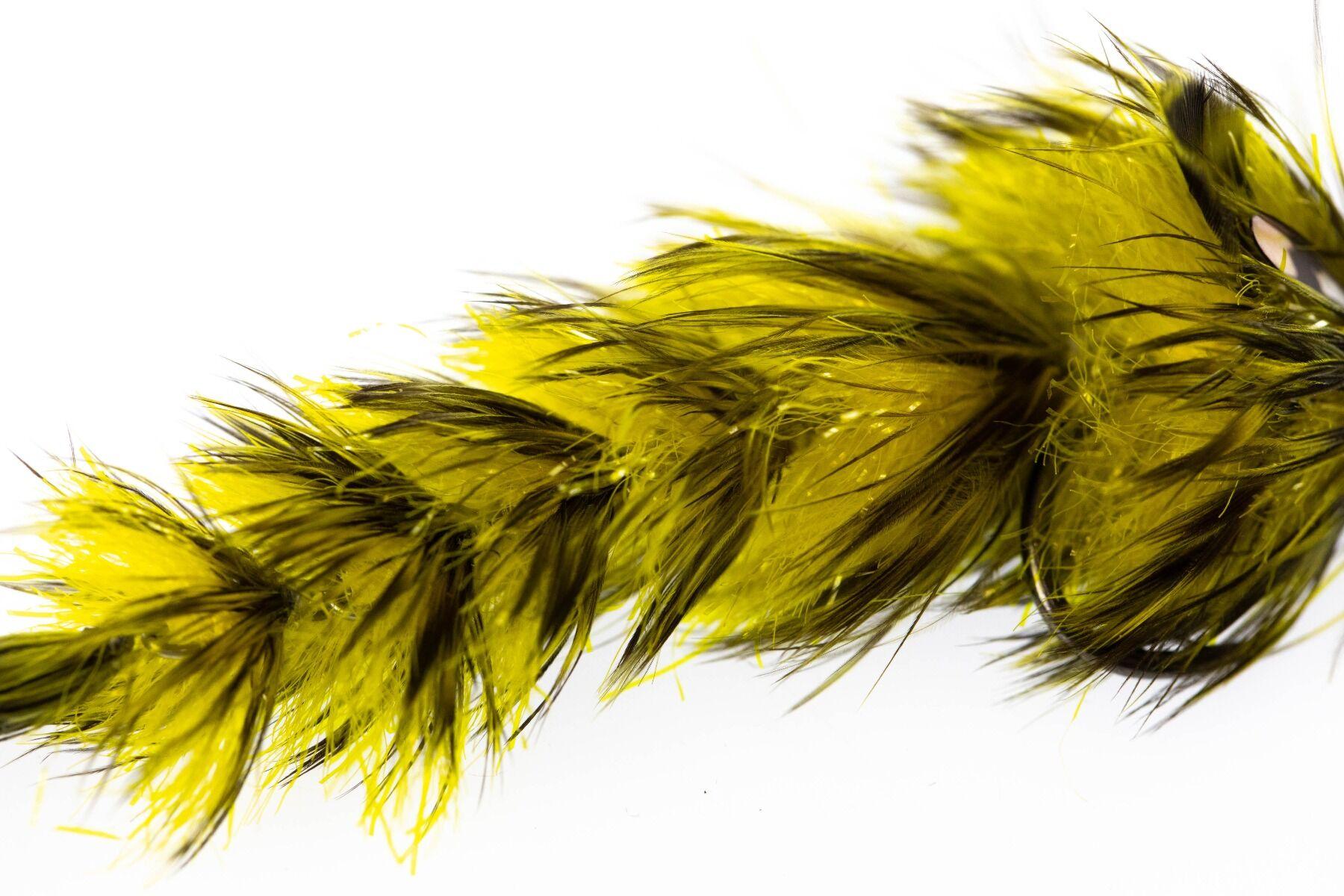
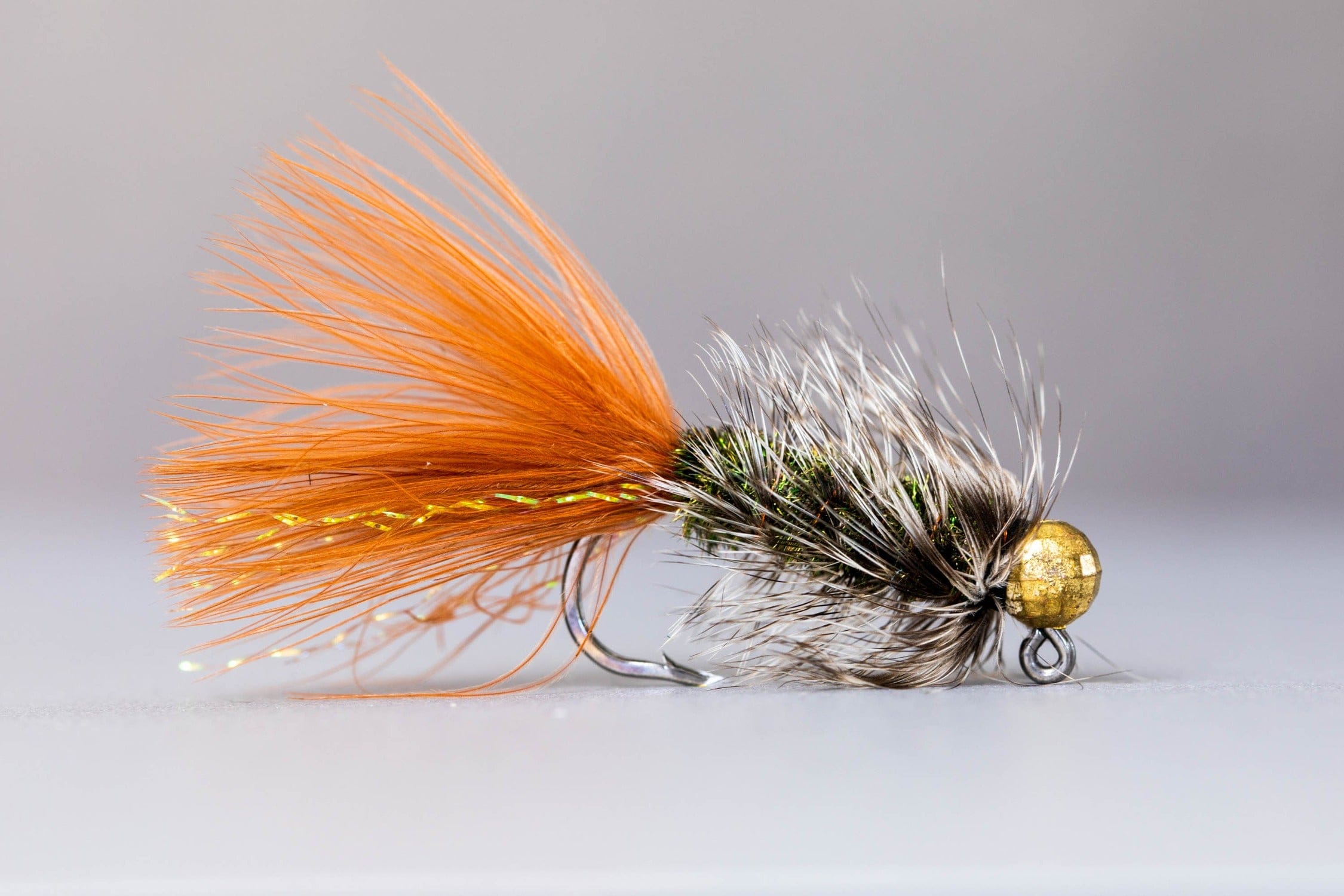
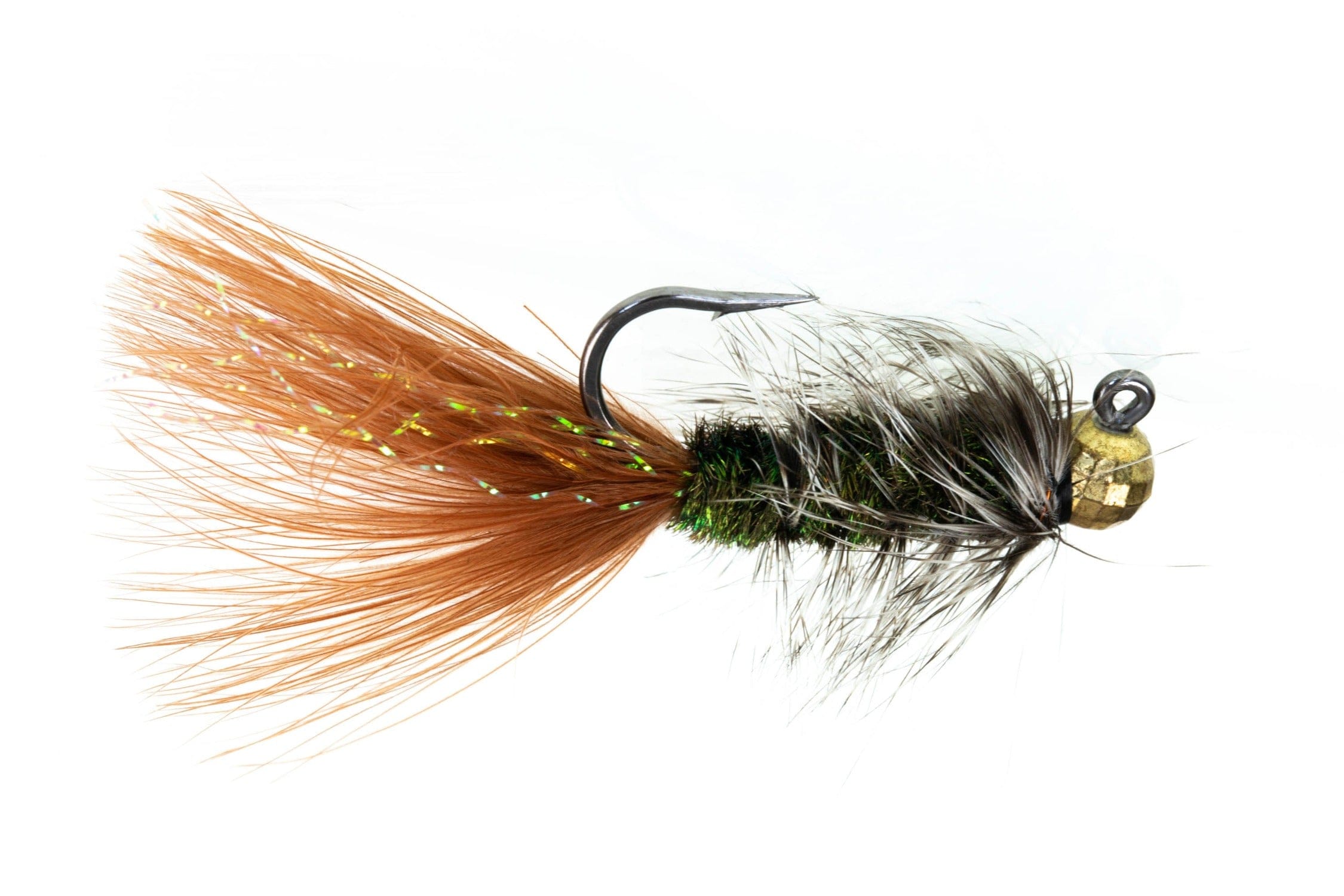
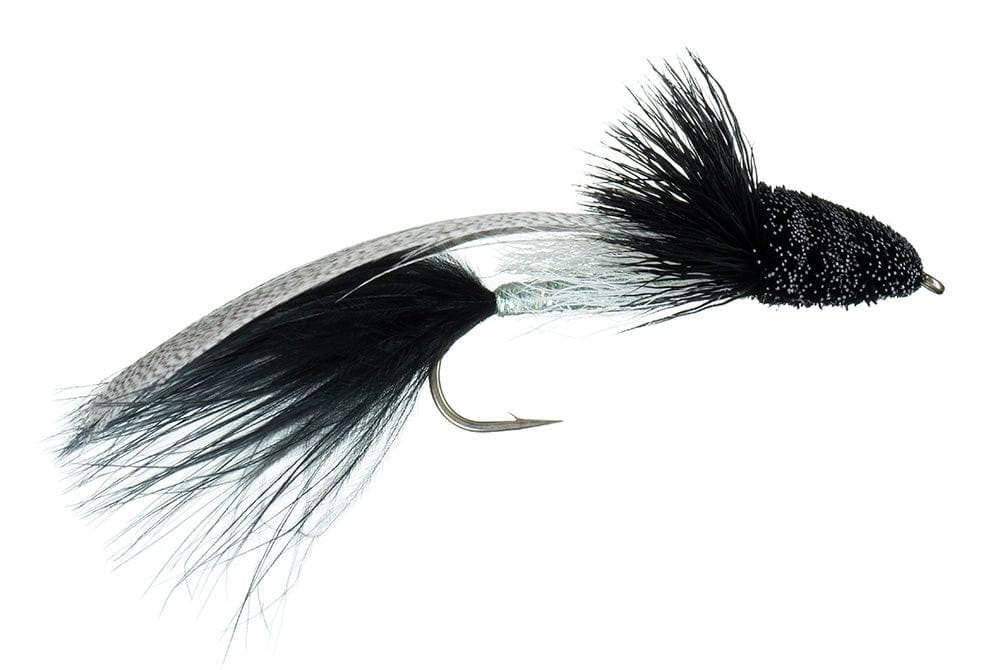
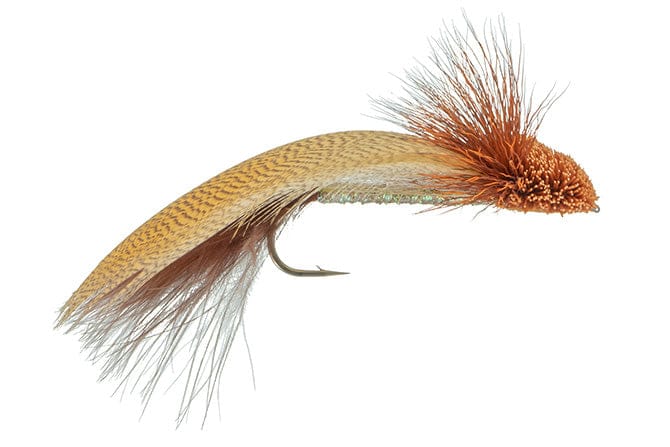
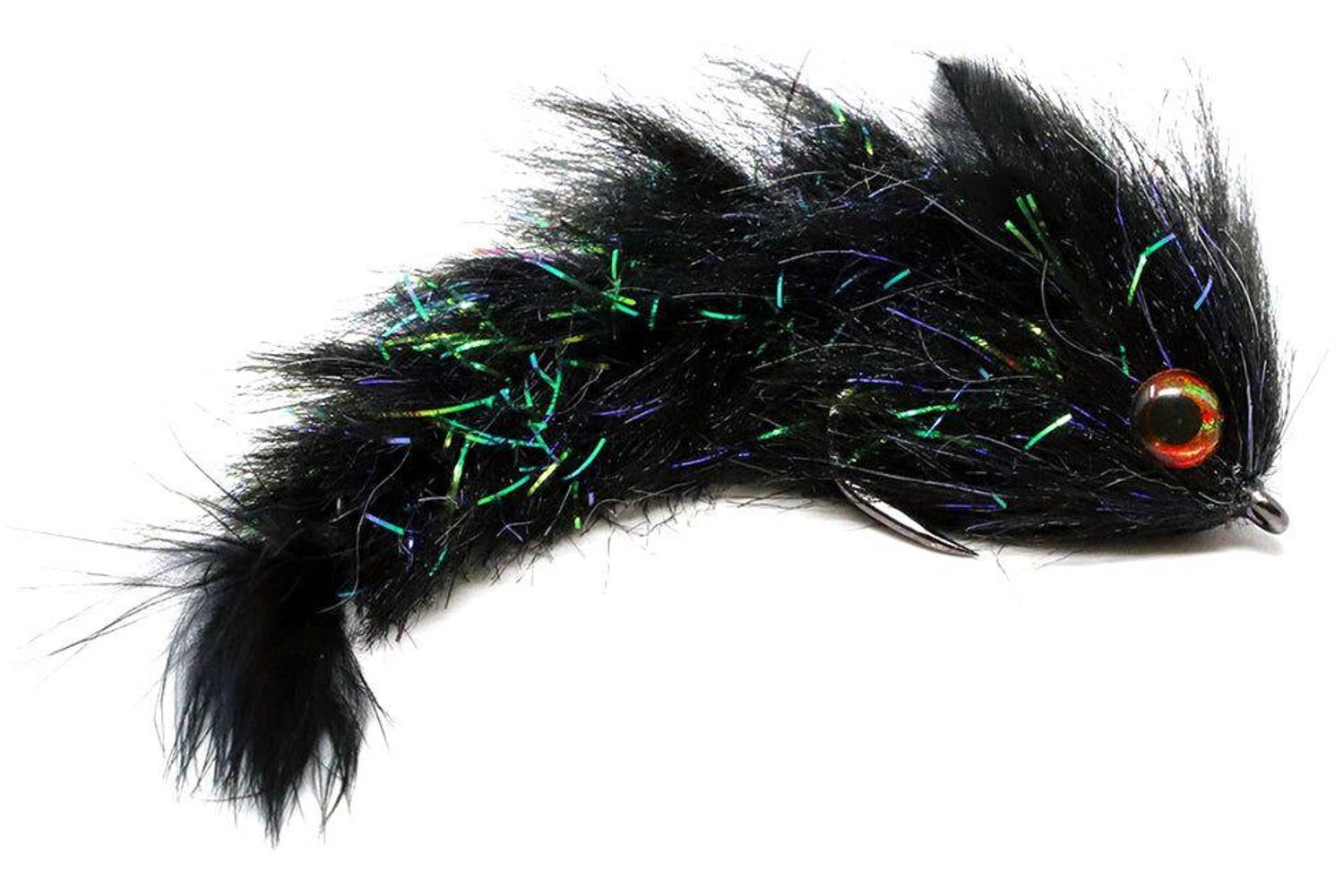
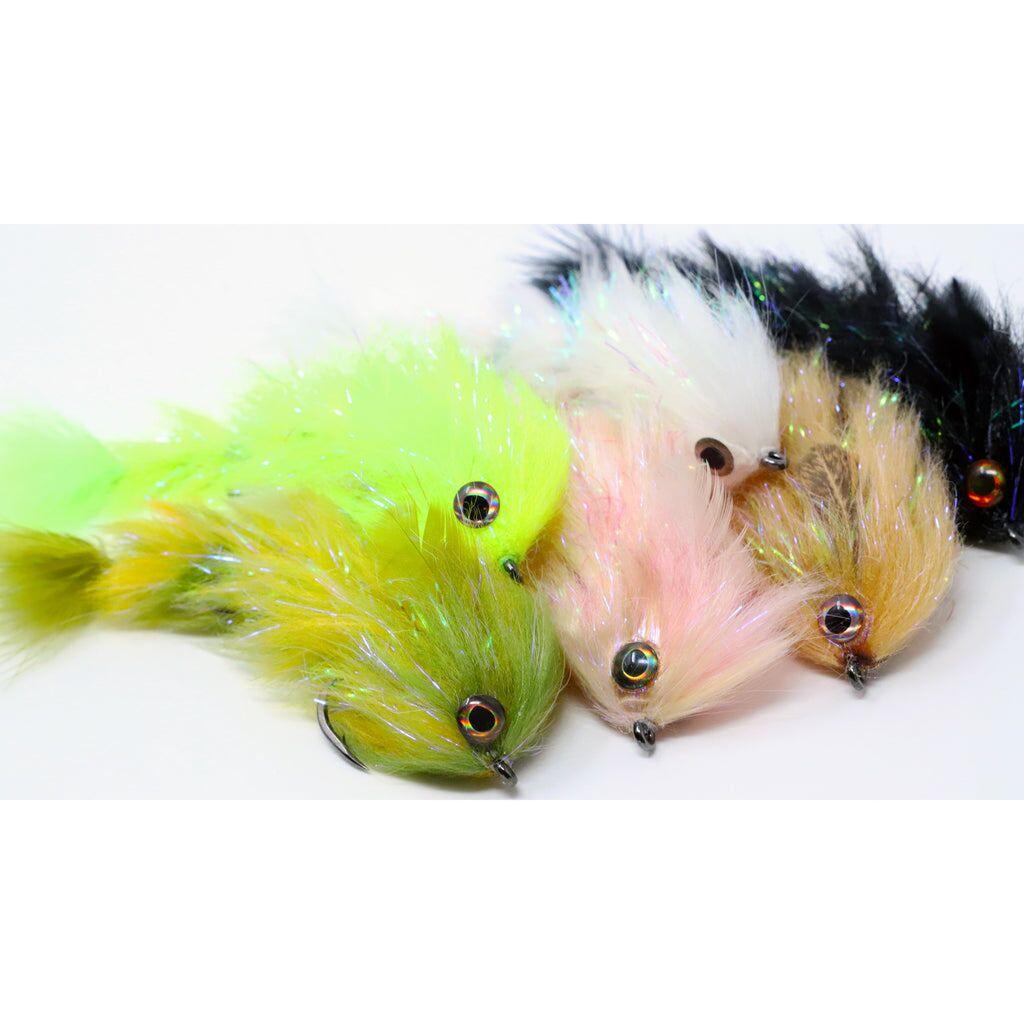
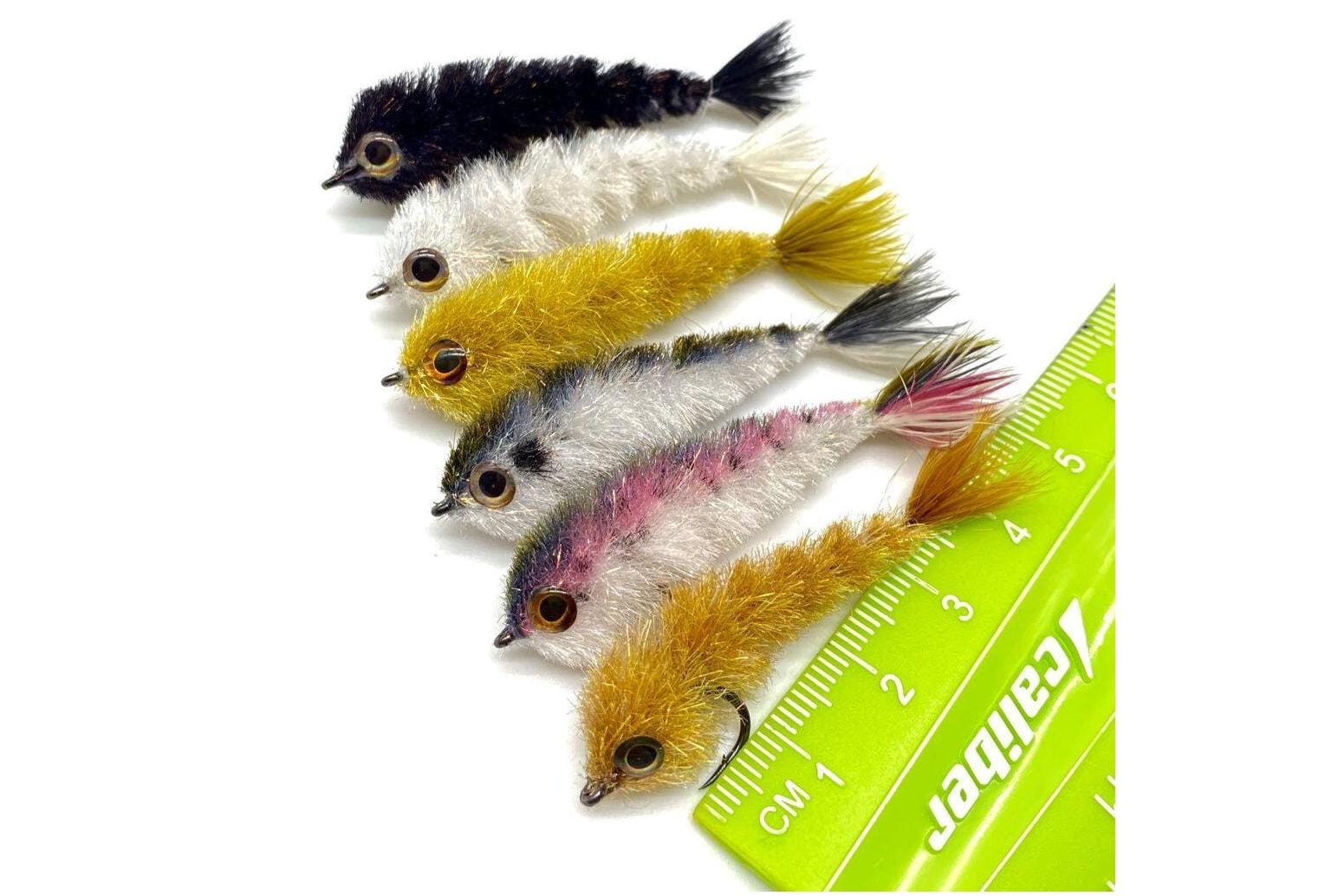
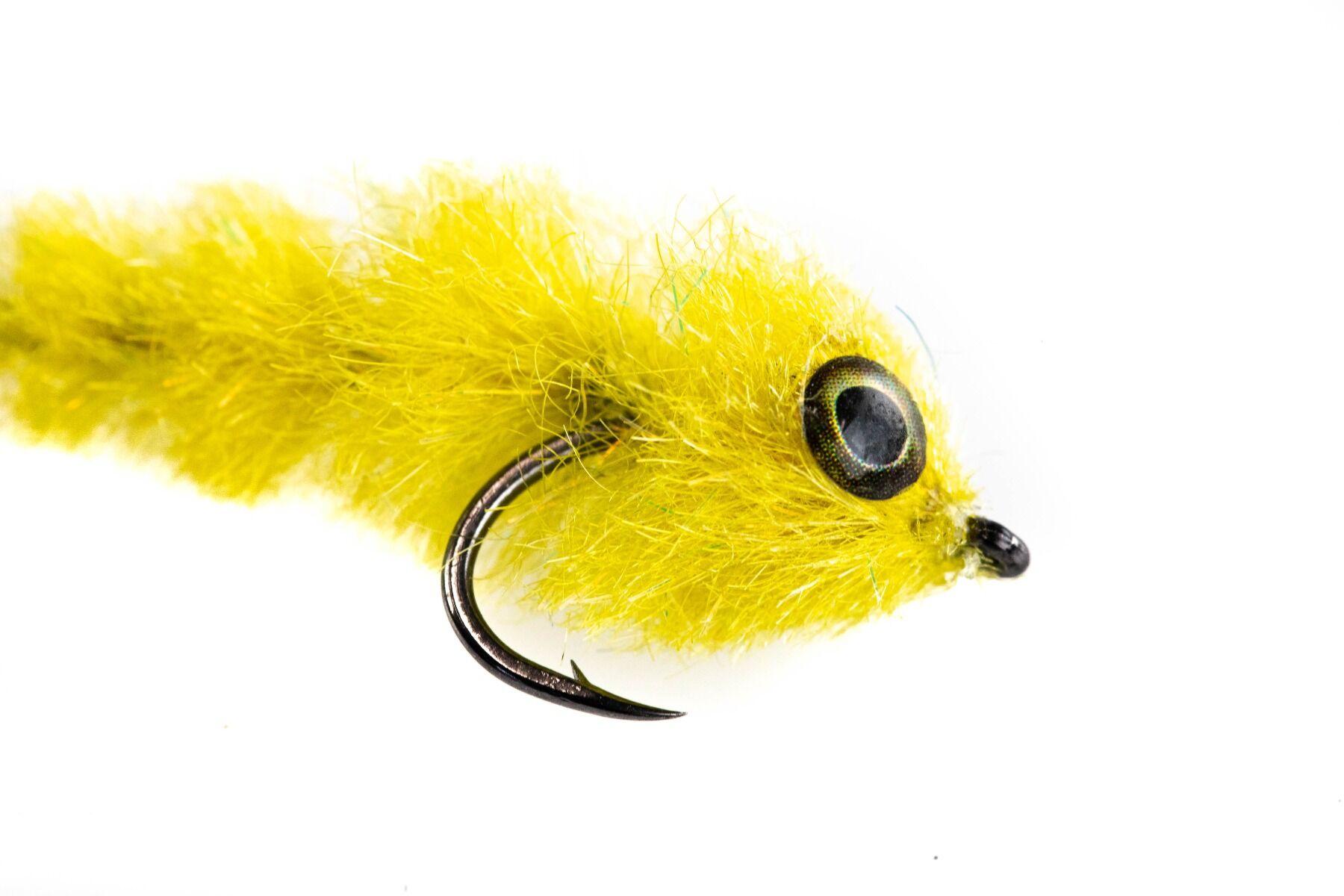
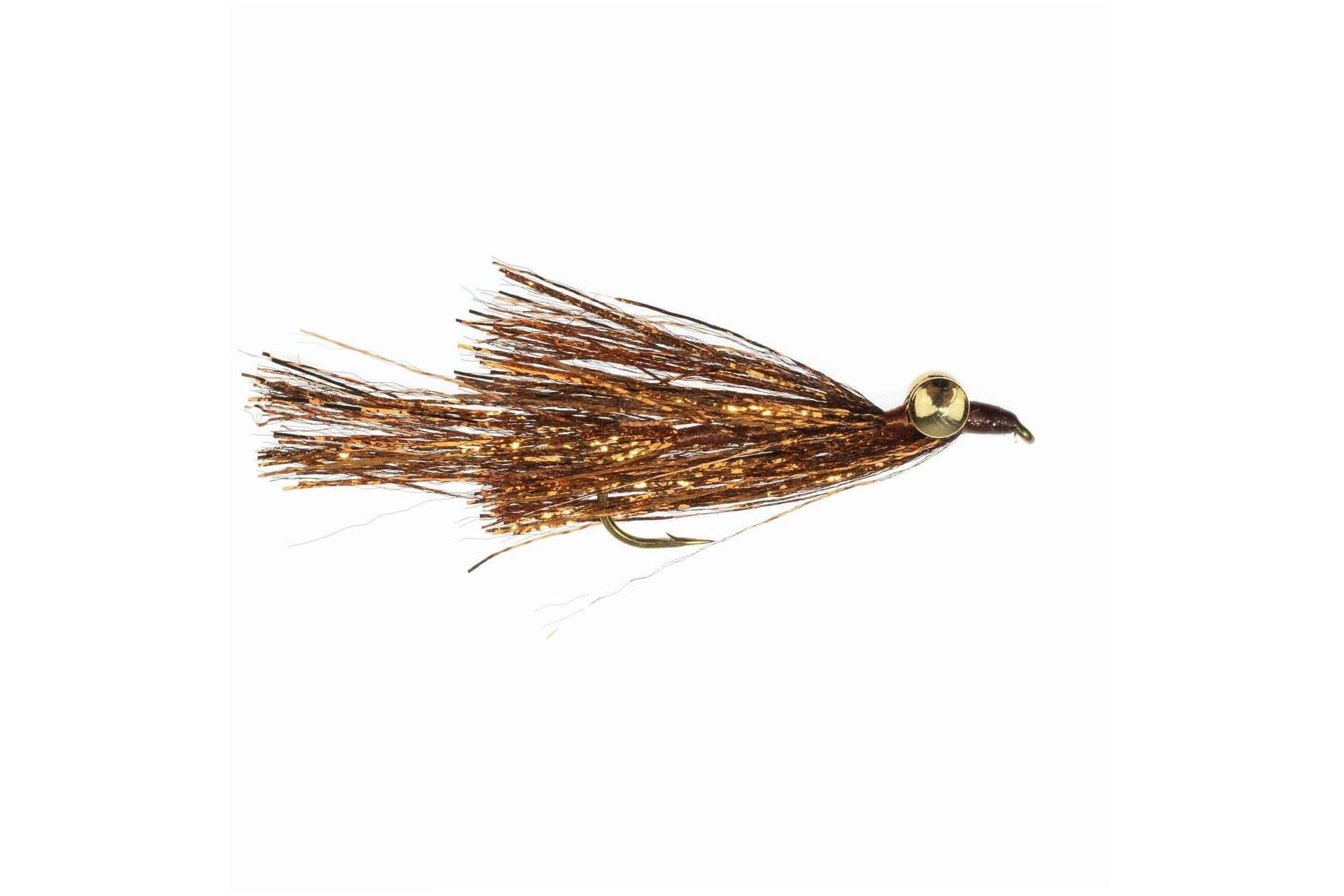
Bass Flies Quick Picks
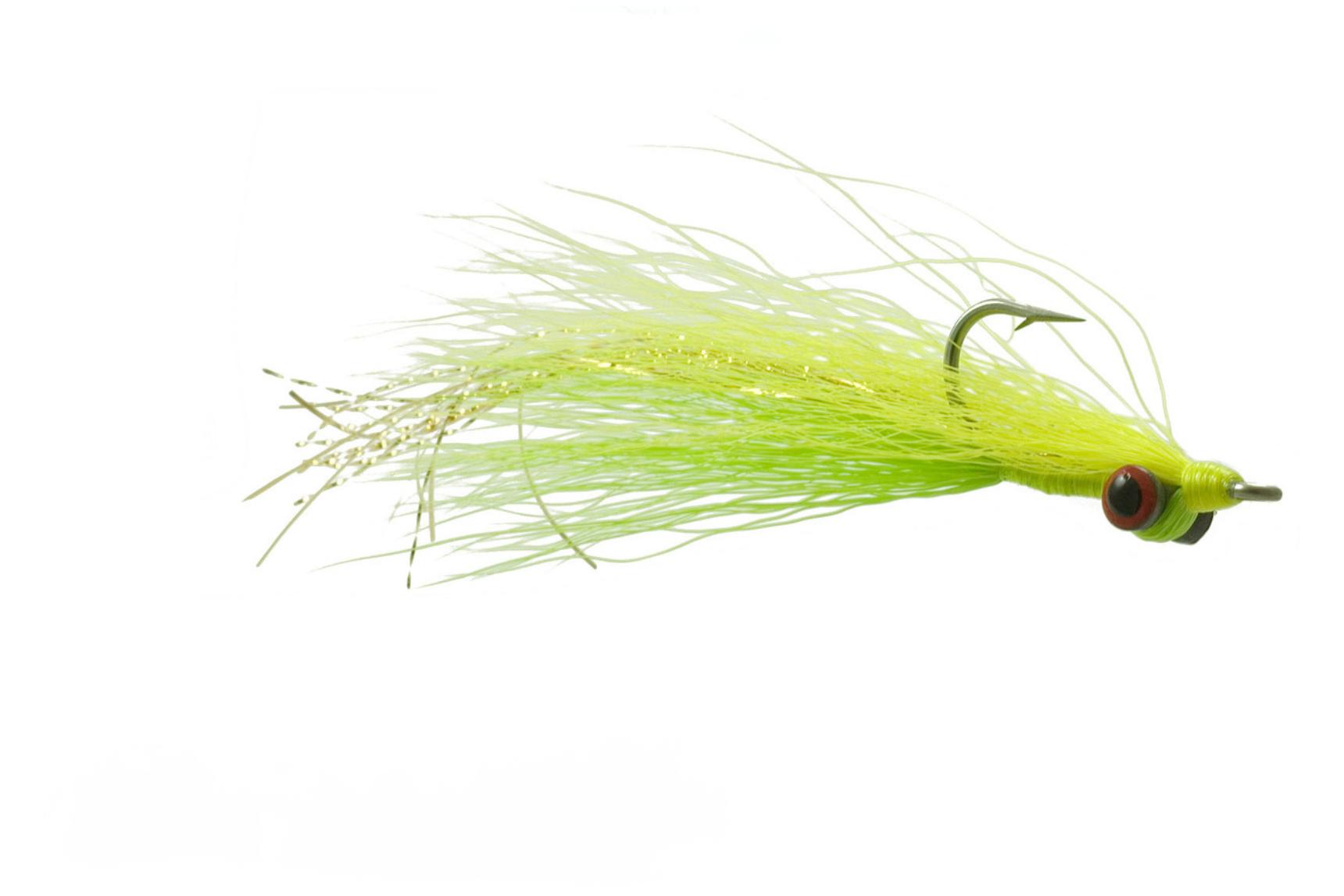
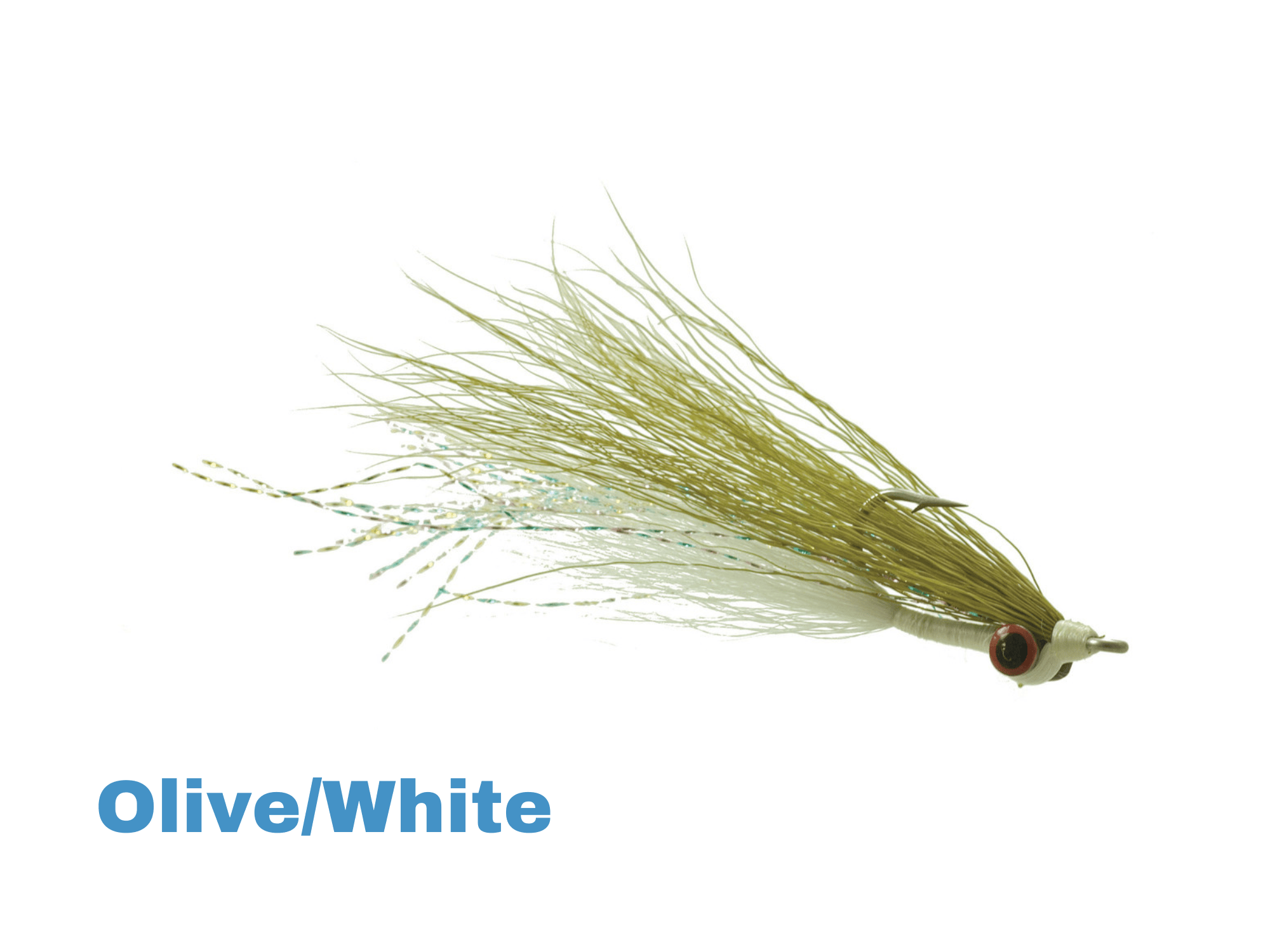
Best All-Around: Clouser Minnow Fly - A go-to when you want one baitfish pattern that works in rivers, ponds, and lakes. Dumbbell eyes help it track and jig through the water column, which is ideal around weed edges and current seams.
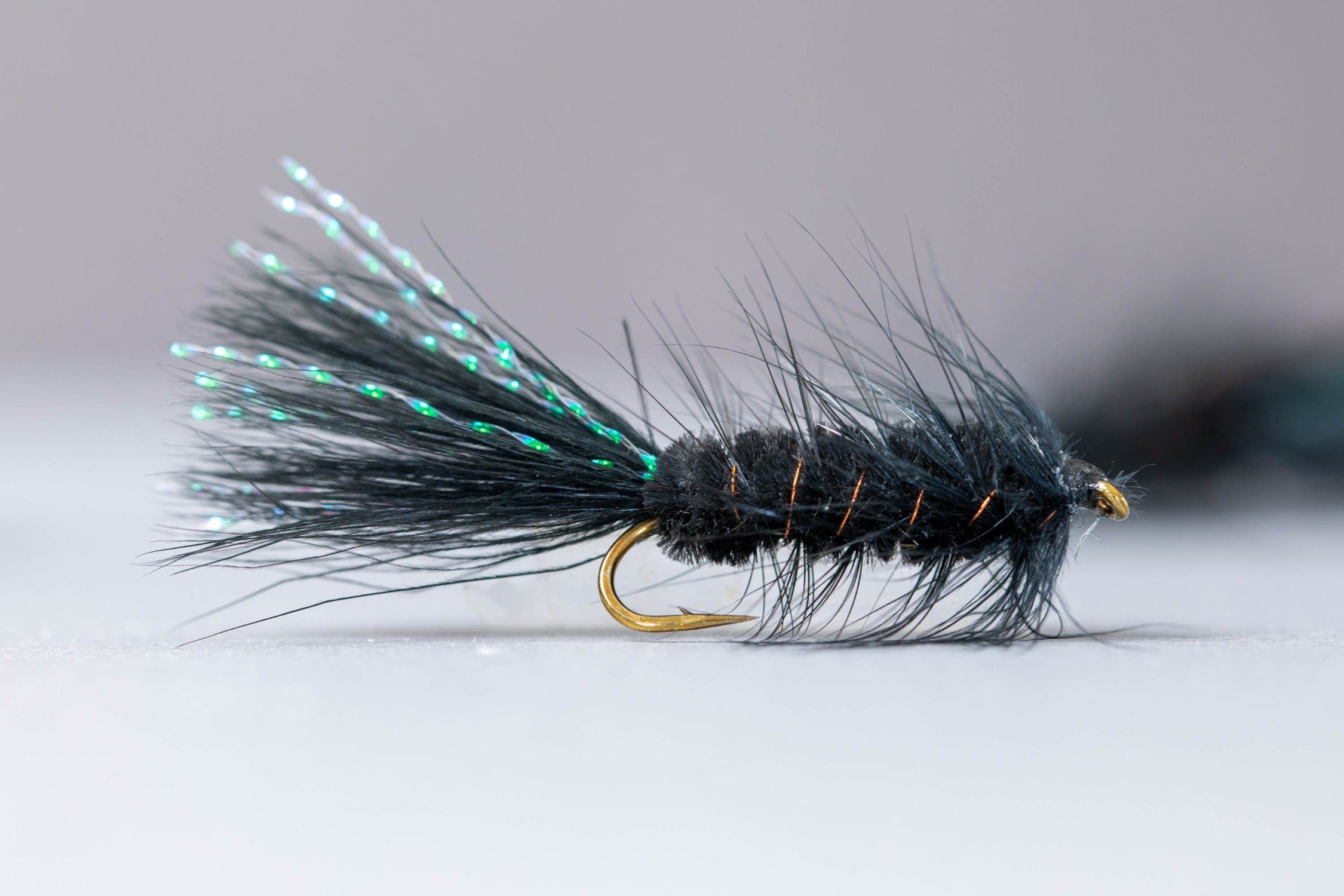
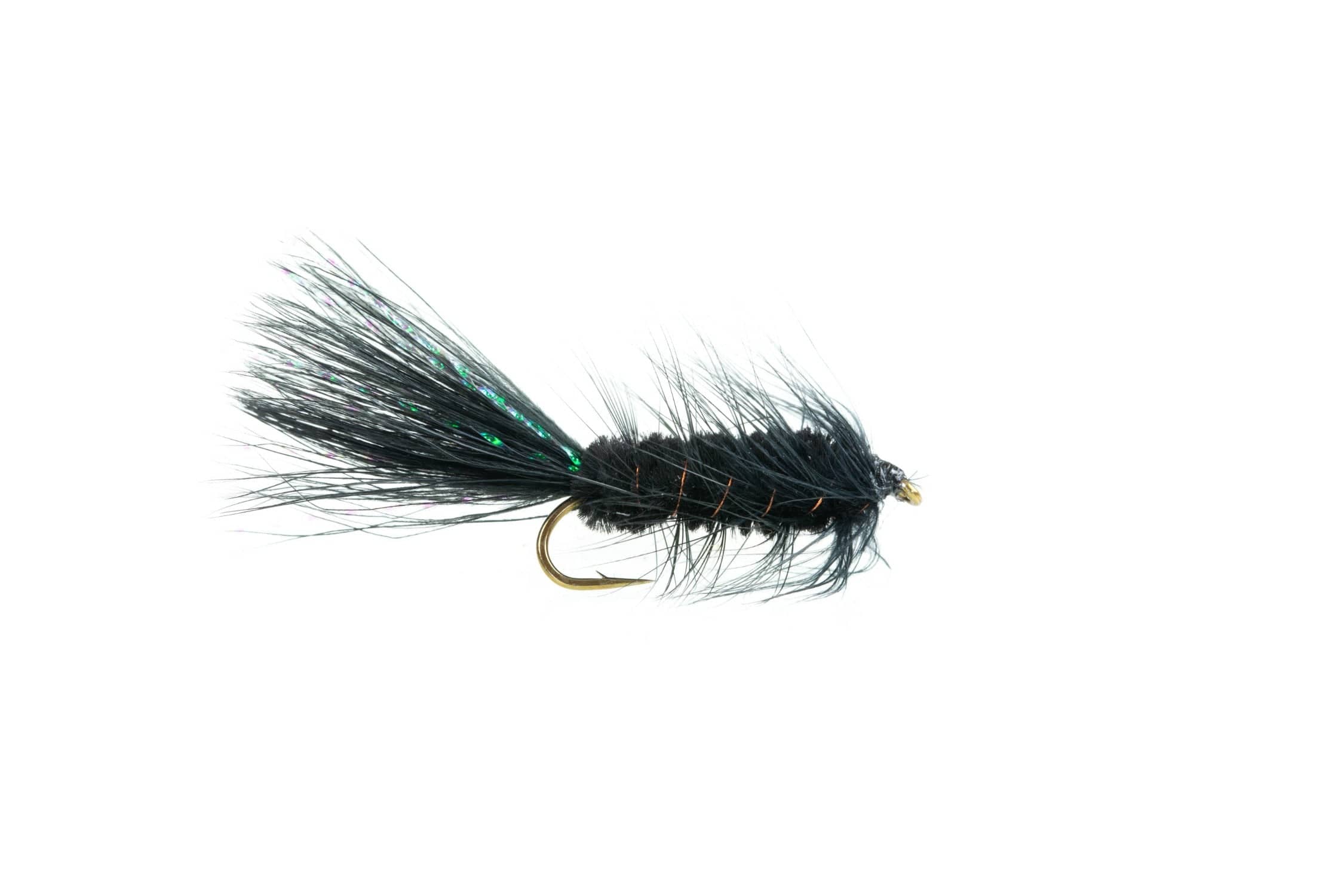
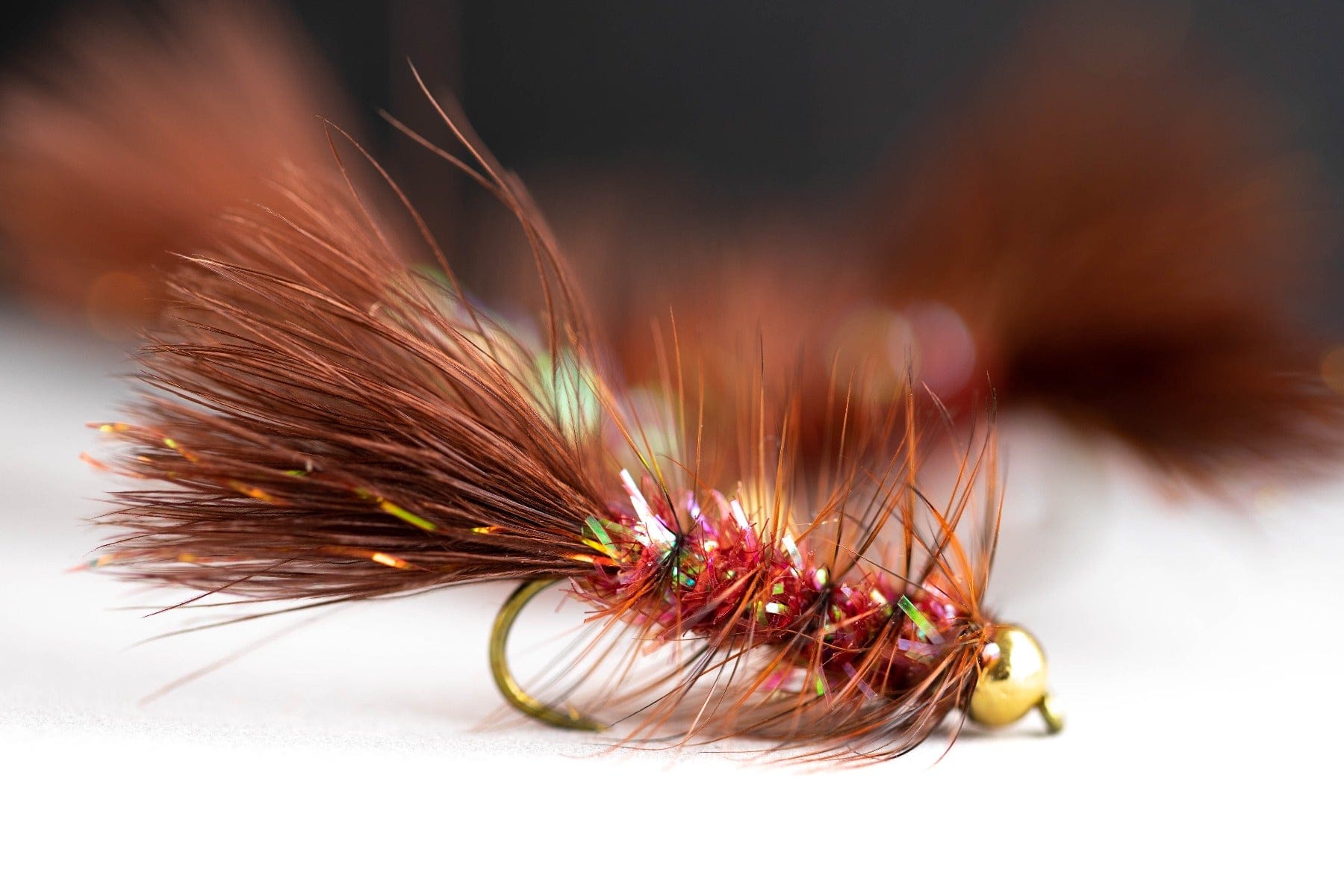
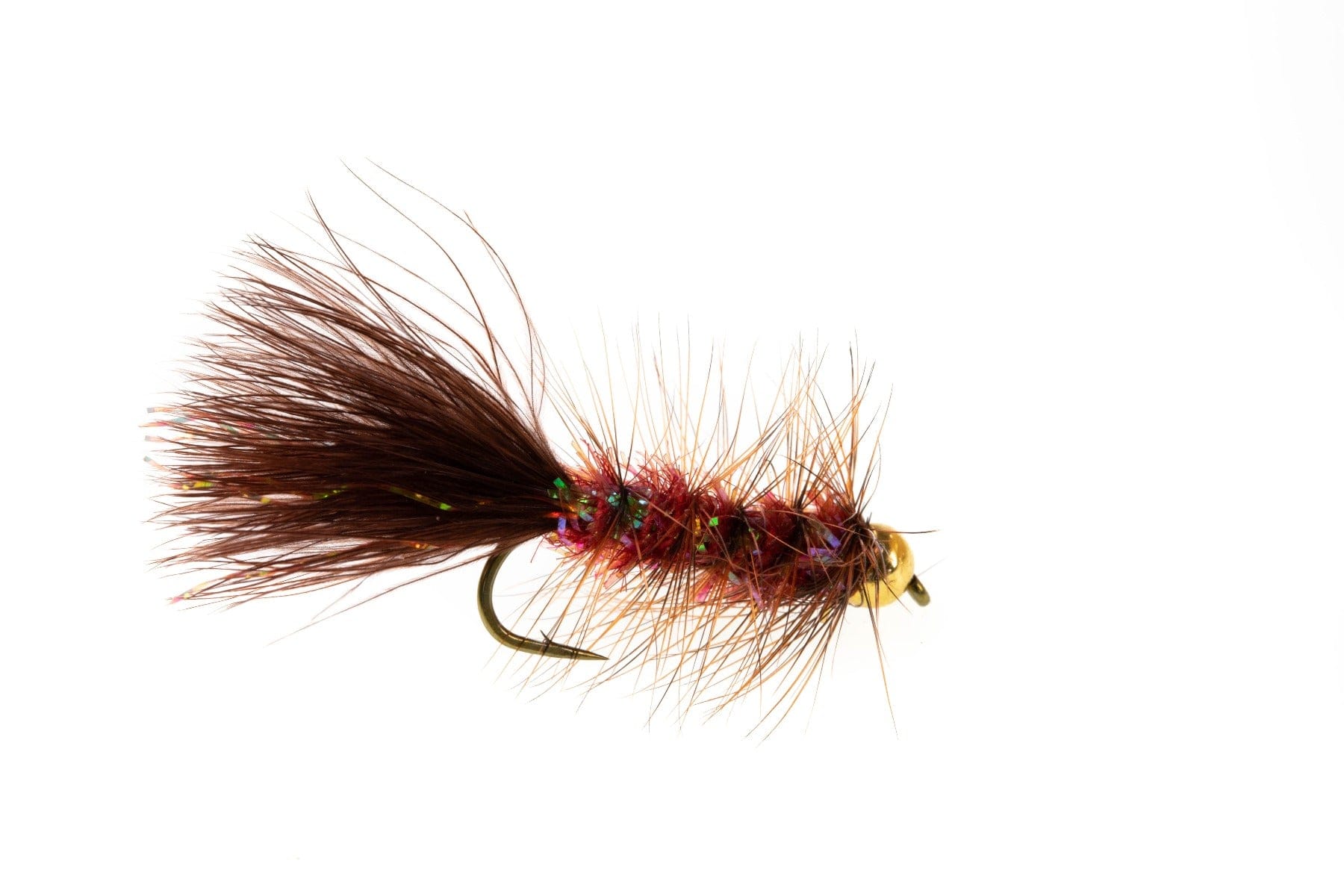
Best for Beginners: Woolly Bugger Streamer Fly - The easiest “cover water” streamer to fish when you’re still dialing in retrieves and depth. It’s versatile enough to suggest leeches, minnows, and general forage without overthinking fly selection.
Best Topwater: Bass Popper Fly - Built for explosive eats when bass are hunting shallow and tight to cover. Fish it with a pop-and-pause cadence around pads, docks, and laydowns to call fish up.
Best Premium: Surface Seducer Double Barrel Bass Bug Popper Fly - A more “purpose-built” topwater option when you want loud pops and strong surface commotion. The head design helps move water and stay buoyant through repeated strikes.
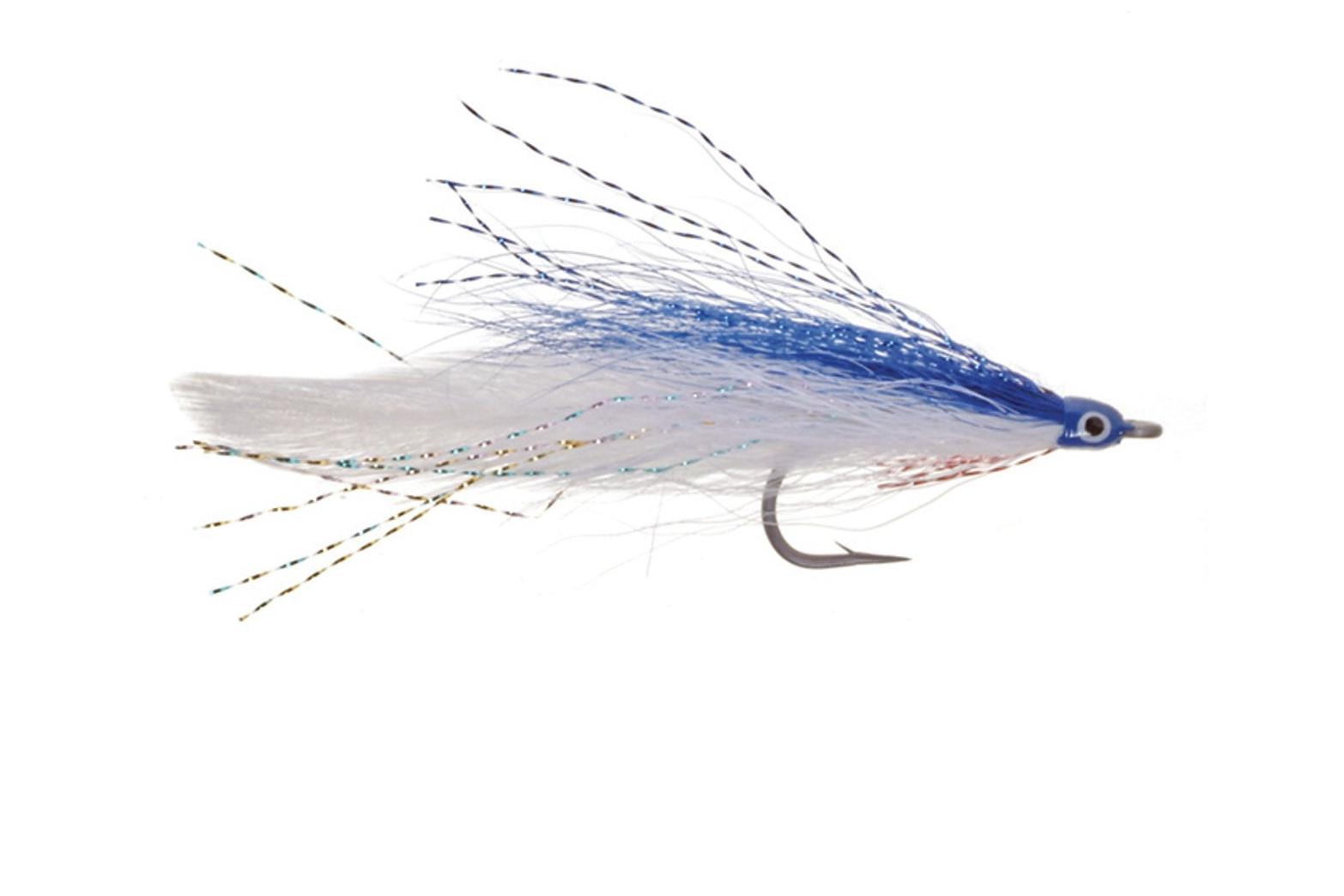
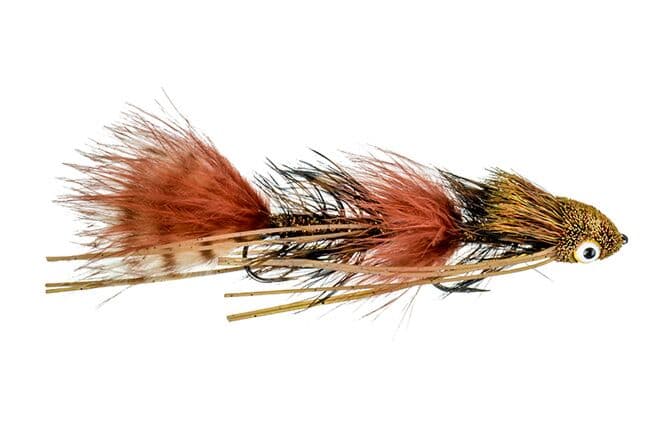
Best for Bigger Profile Streamers: Deceiver Fly - A classic big-meal silhouette for largemouth, smallmouth, and even stripers when baitfish are the main forage. It’s a strong choice when you need a longer profile without going overly bulky.
Explore by Type
Fly Fishing Flies - Browse the full flies department when you want to cross-shop patterns outside bass-specific filters.
Fly Assortments - Quick way to stock a box with a ready-made mix of proven patterns.
Fly Selections - Curated packs by species/destination when you’d rather not build a box one fly at a time.
How to Choose Bass Flies
Start with forage, not hype
Best for: anglers who want confidence picks that match what bass actually eat locally.
Action: pick flies that match the main food source, baitfish, crayfish, frogs, and big aquatic insects. In most bass fisheries, a small set of baitfish streamers plus one topwater bug covers a lot of situations.
Pick your “lane”: topwater vs subsurface
Topwater (poppers/divers): Best when bass are shallow, aggressive, or tucked into obvious cover. Work a popper with a deliberate pause, many eats happen when the fly is sitting still.
Subsurface (streamers/jigging baitfish): Better when fish won’t commit to the surface, water temps are cooler, or you need to probe edges and depth changes. Streamers can be crawled, stripped, or swung depending on current and mood.
Size and weight: solve the casting problem first
Action: choose fly size that you can comfortably turn over with your rod/line combo. Big wind-resistant bugs may push you toward a more aggressive taper, shorter leader, and a slightly heavier rod weight (especially for largemouth and heavy cover).
Color: keep it simple
Best for: anglers who want a small, effective color palette.
Carry a few naturals (olive, brown), a dark option (black), and one high-vis attractor (chartreuse/white). Then adjust based on water clarity and light, darker silhouettes often show up better in stained water and low light.
Materials & Durability
Dry thoroughly: After fishing, open your fly box and let flies air-dry to reduce rust and keep materials from matting down.
Check hooks: Bass flies take abuse around wood, rock, and weeds, touch up points and replace flies that get badly bent out.
Rinse after dirty water: If you fished muddy water or heavy vegetation, a quick rinse helps keep fibers and feathers from getting slimy or clumped.
Rotate high-use patterns: Keep two or three of your confidence flies so you can swap out as one gets chewed up.
Complete Your Setup
Related Gear
Floating Fly Lines - The usual starting point for poppers, divers, and most shallow streamer work.
Leaders - Shorter, stouter leaders help turn over wind-resistant bass bugs and bigger streamers.
Tippet - Step up in diameter for abrasion resistance around pads, wood, and rocks.
Trident Basics - Handy place to grab practical fly boxes and other essentials without overcomplicating the purchase.
Related Guides
Bass Flies FAQs
Q: What are bass flies in fly fishing?
A: Bass flies are patterns designed to imitate larger forage like baitfish, frogs, crayfish, and big insects. They’re usually bulkier and more durable than trout flies, and many are built to push water or make surface commotion.
Q: What are the best bass flies to start with?
A: Start with one baitfish streamer (like a Clouser-style fly), one general-purpose streamer (like a Woolly Bugger), and one topwater option (like a popper). That small set covers most water types and bass moods.
Q: When should I fish a popper vs a streamer for bass?
A: Fish poppers when bass are shallow and willing to rise, often early/late in the day or around visible cover. Switch to streamers when fish won’t commit to the surface, when water is cooler, or when you need to control depth more precisely.
Q: What leader setup works best for bass flies?
A: Many anglers use shorter, stouter leaders to help turn over wind-resistant bass bugs and bigger streamers. If you’re fishing heavy cover, a thicker tippet helps with abrasion resistance and pulling fish out of structure.
Q: Do I need weighted flies for bass?
A: Not always, bass often feed shallow, so unweighted or lightly weighted patterns can be perfect. Weighted streamers are helpful when you need to get down along drop-offs, probe deeper pools, or cut through wind-driven chop.
Q: What colors should I carry for bass flies?
A: Keep a simple spread: olive/brown for natural looks, black for strong silhouette, and a brighter option like chartreuse/white for stained water or reaction strikes. Then fine-tune based on local forage and water clarity.
Q: Are bass flies good for beginners?
A: Yes, bass are often aggressive, and many flies are designed to fish well with straightforward retrieves. Patterns like a Woolly Bugger or a simple popper are easy to learn and effective quickly.