

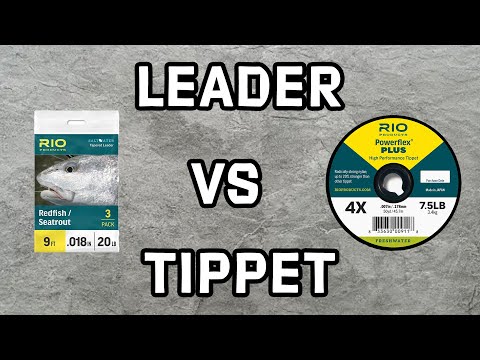
Fly Fishing Tippet vs Leader | Avoid This Rookie Mistake! (Material, Length, Uses)
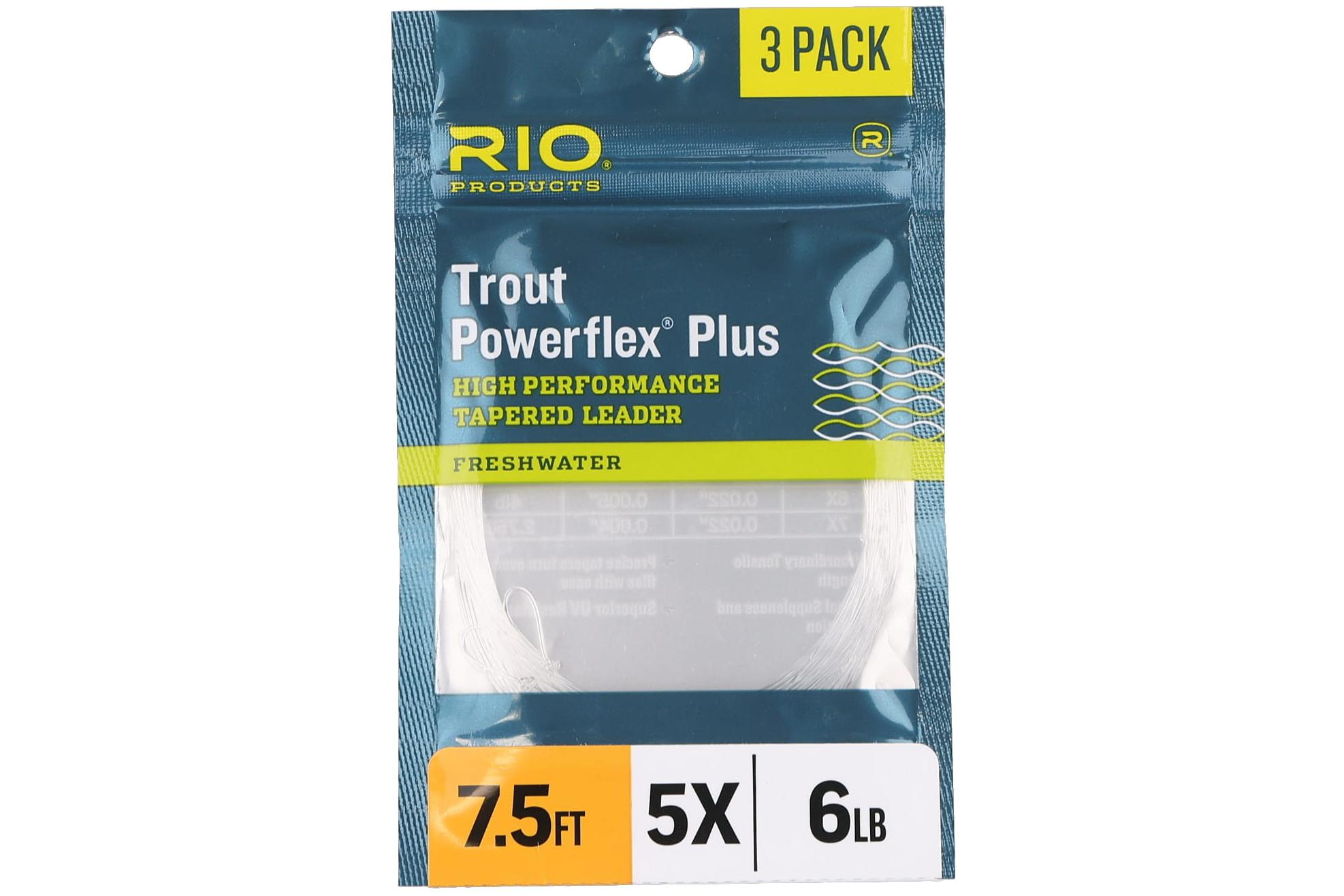
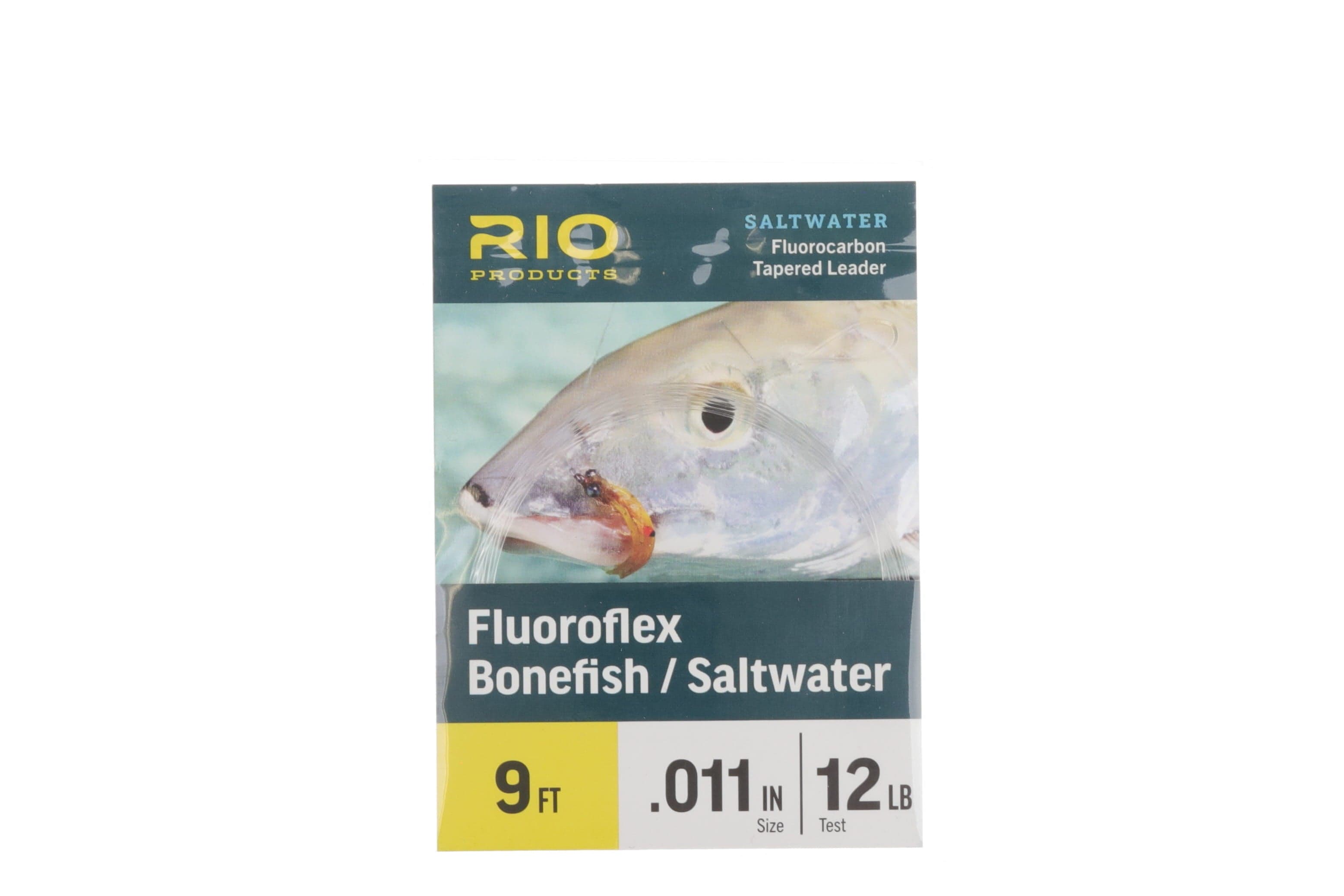
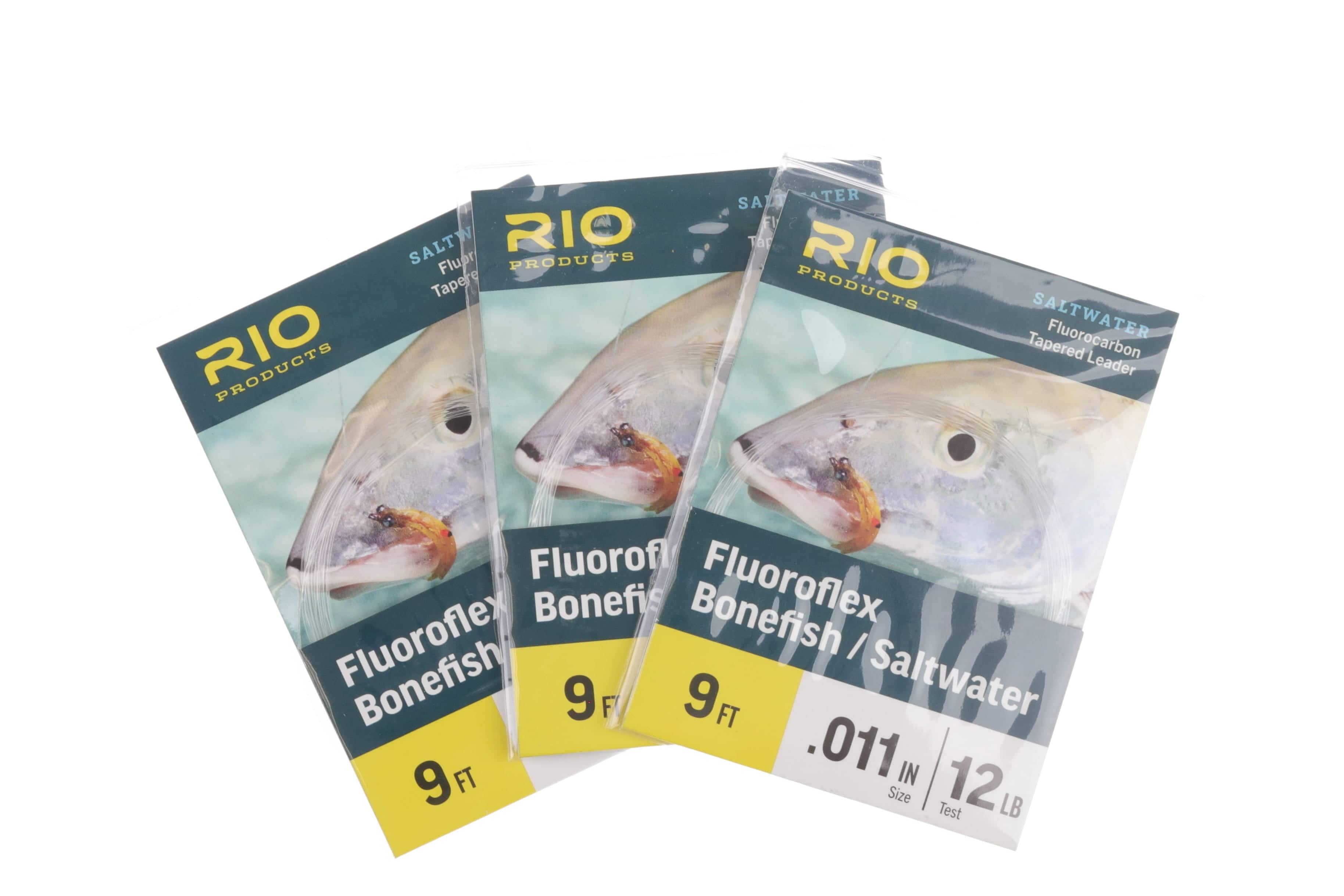
















Leaders Quick Picks
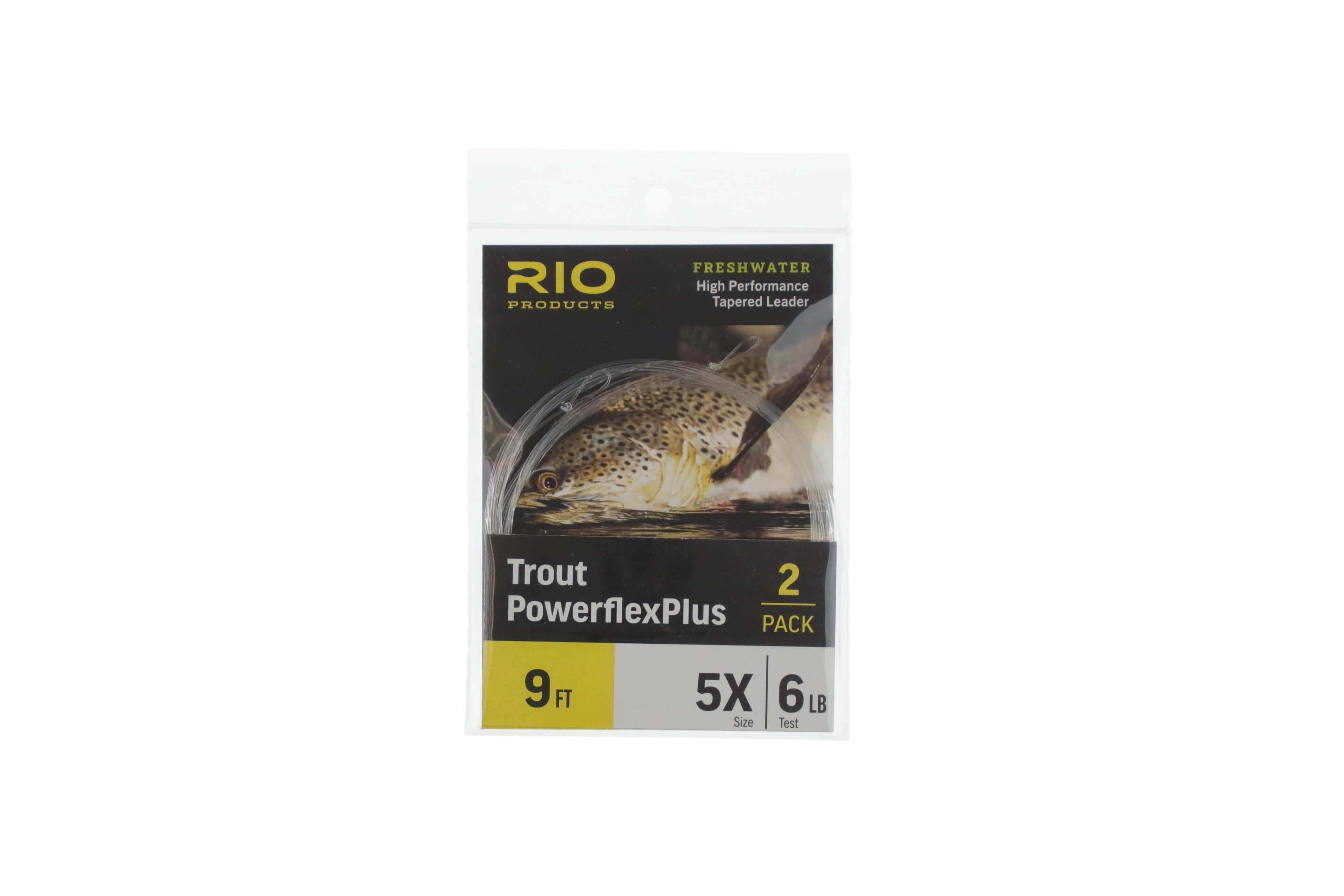
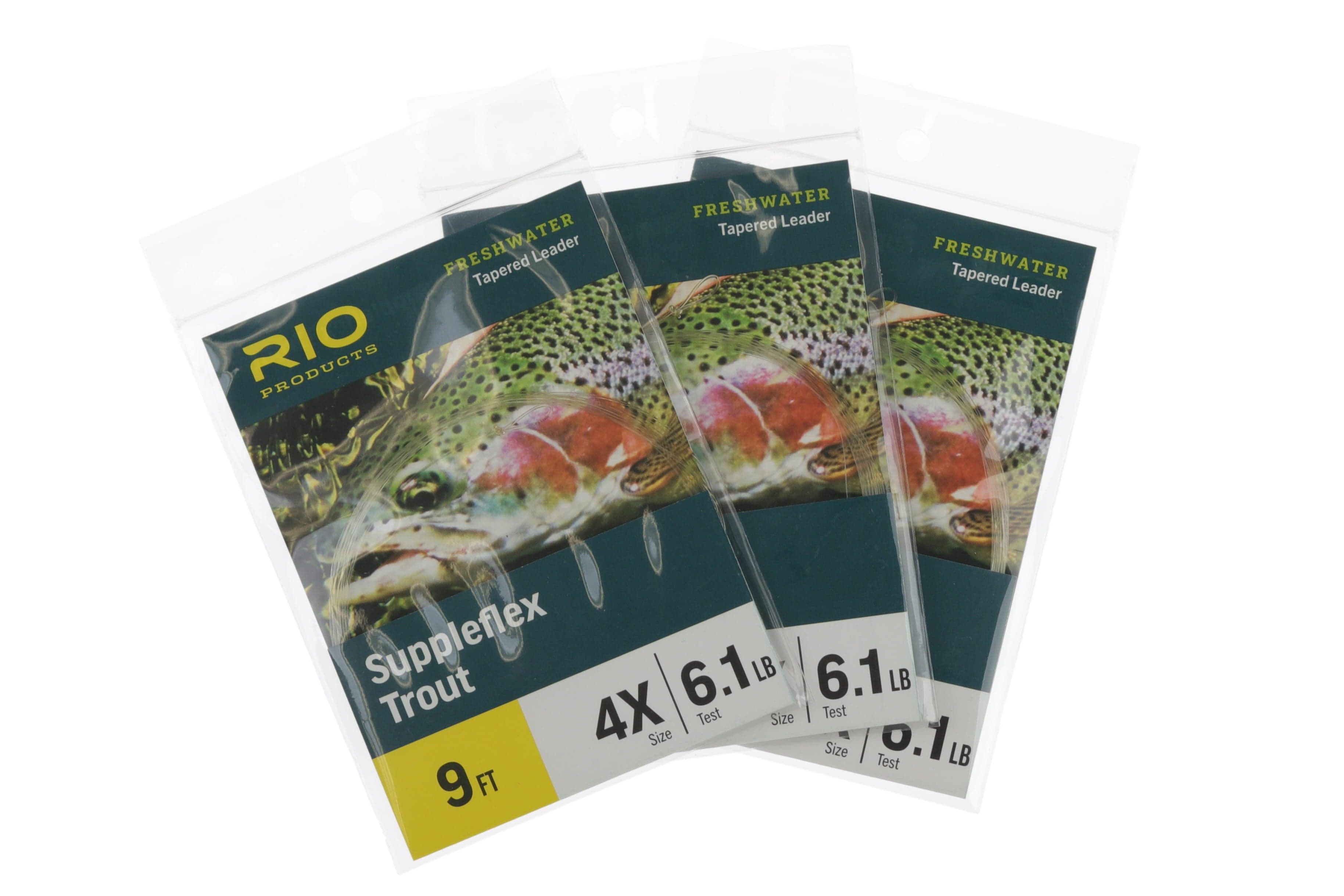
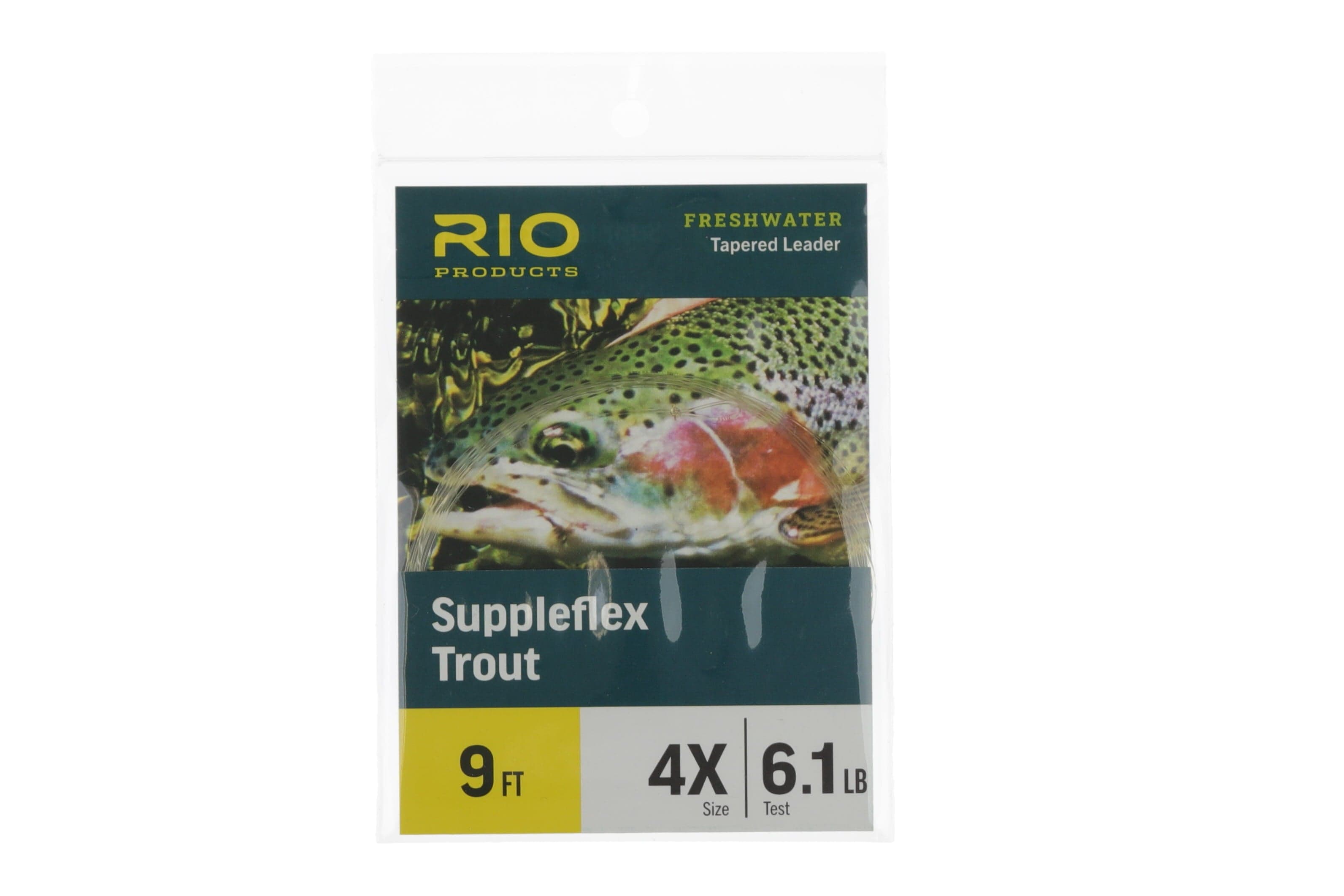
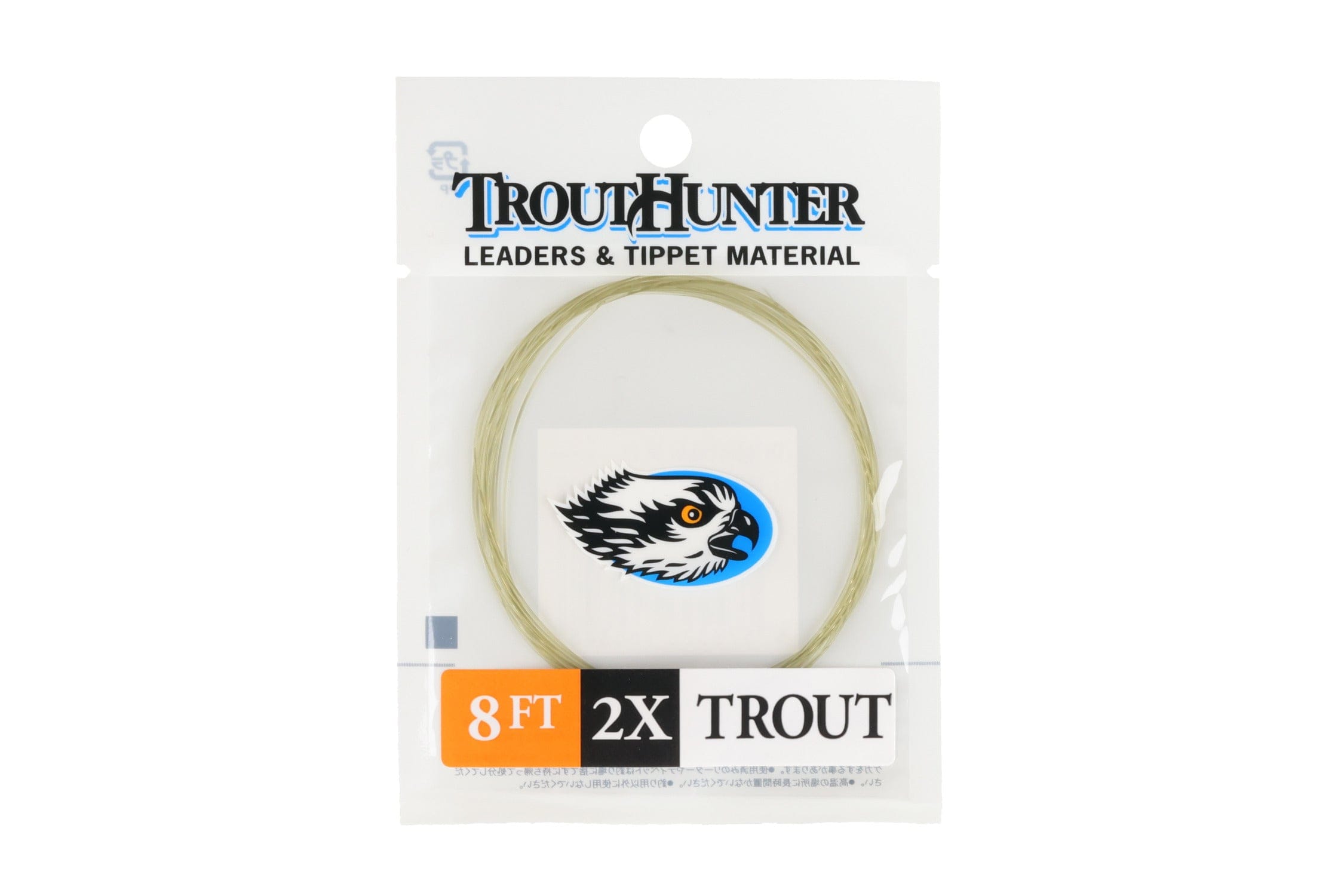
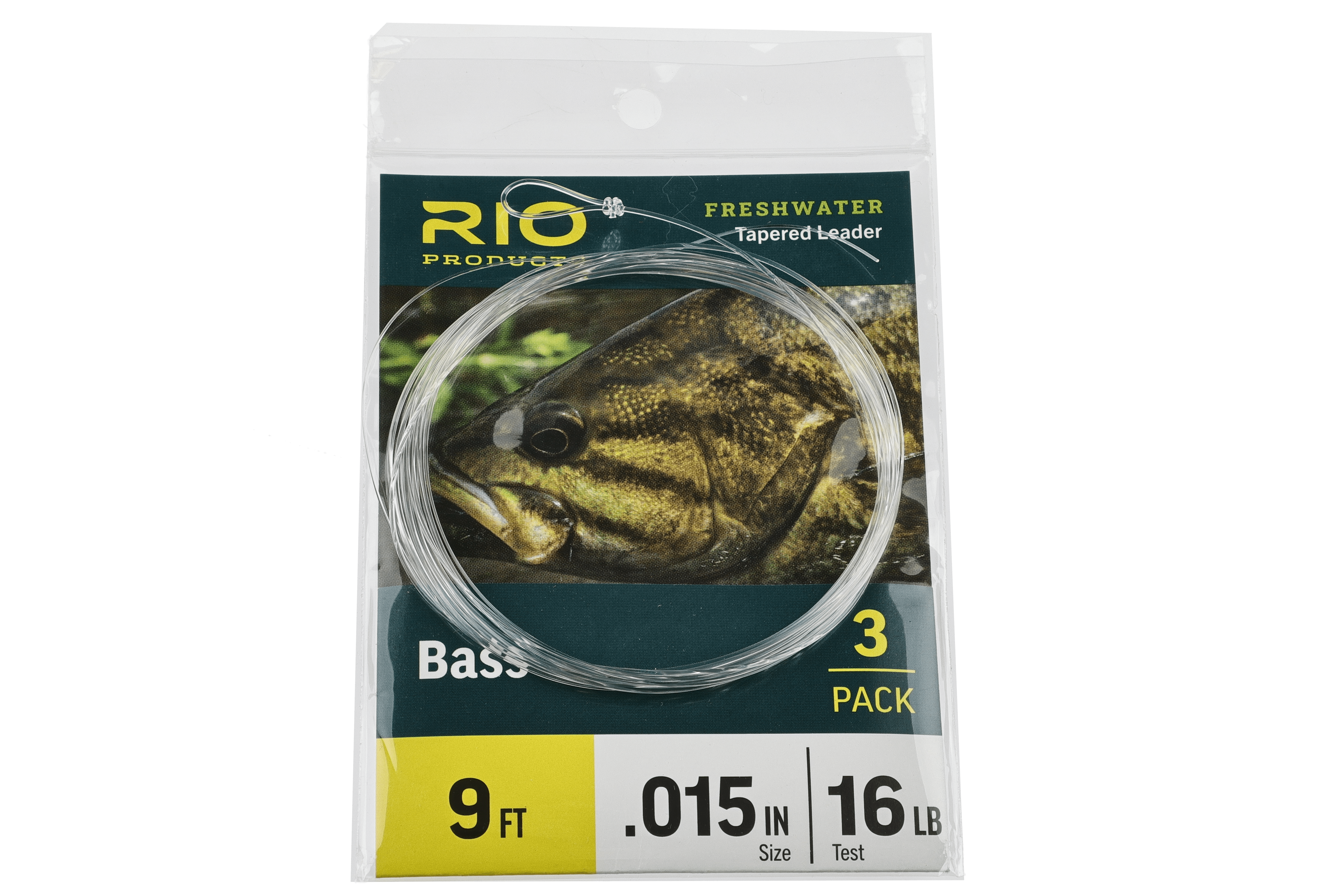
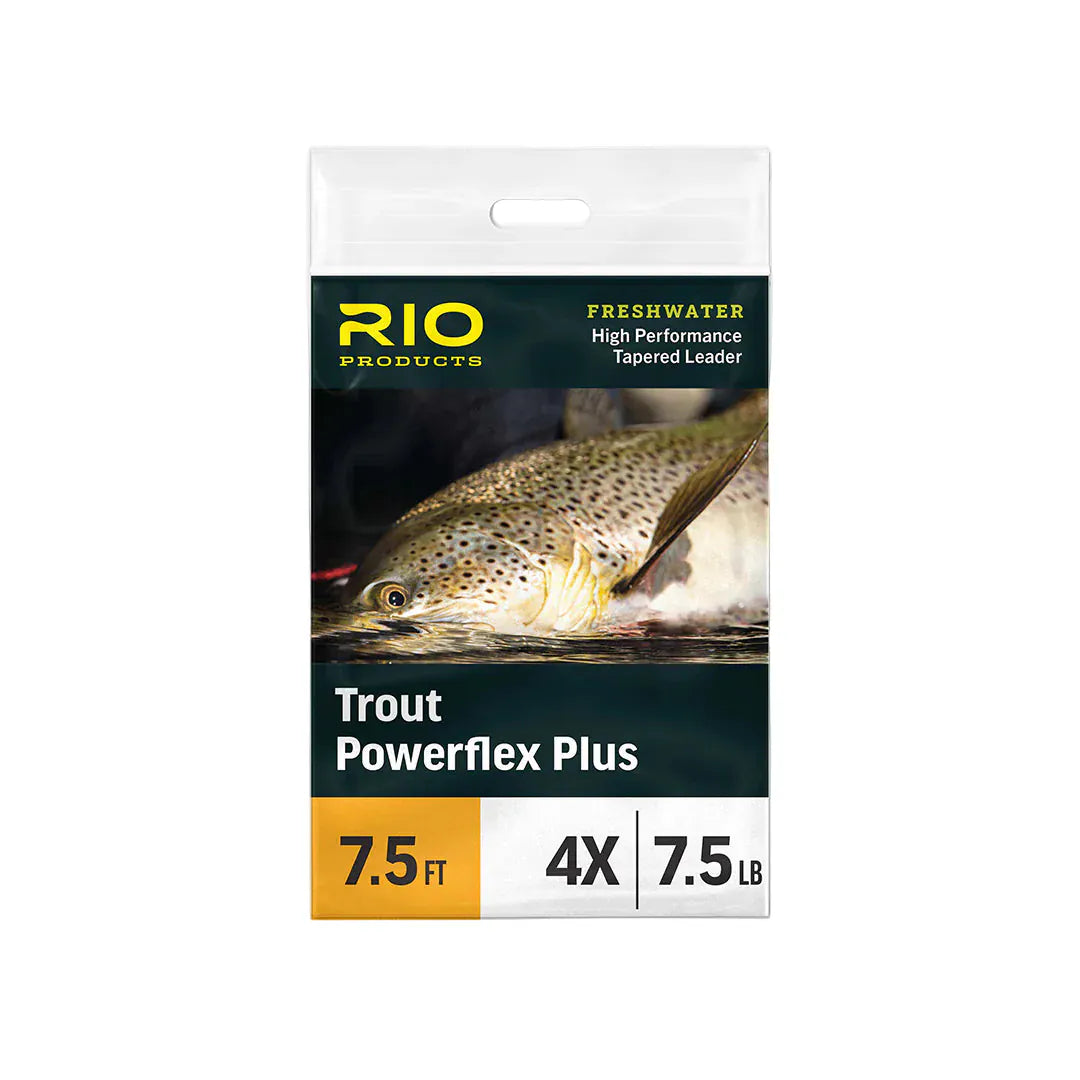
Best for Trout: Rio Powerflex Trout Leader Selection - A versatile choice featuring a powerful butt section for turnover and a supple tippet for delicate dry fly presentations. This multi-pack ensures you have the right size for changing conditions.
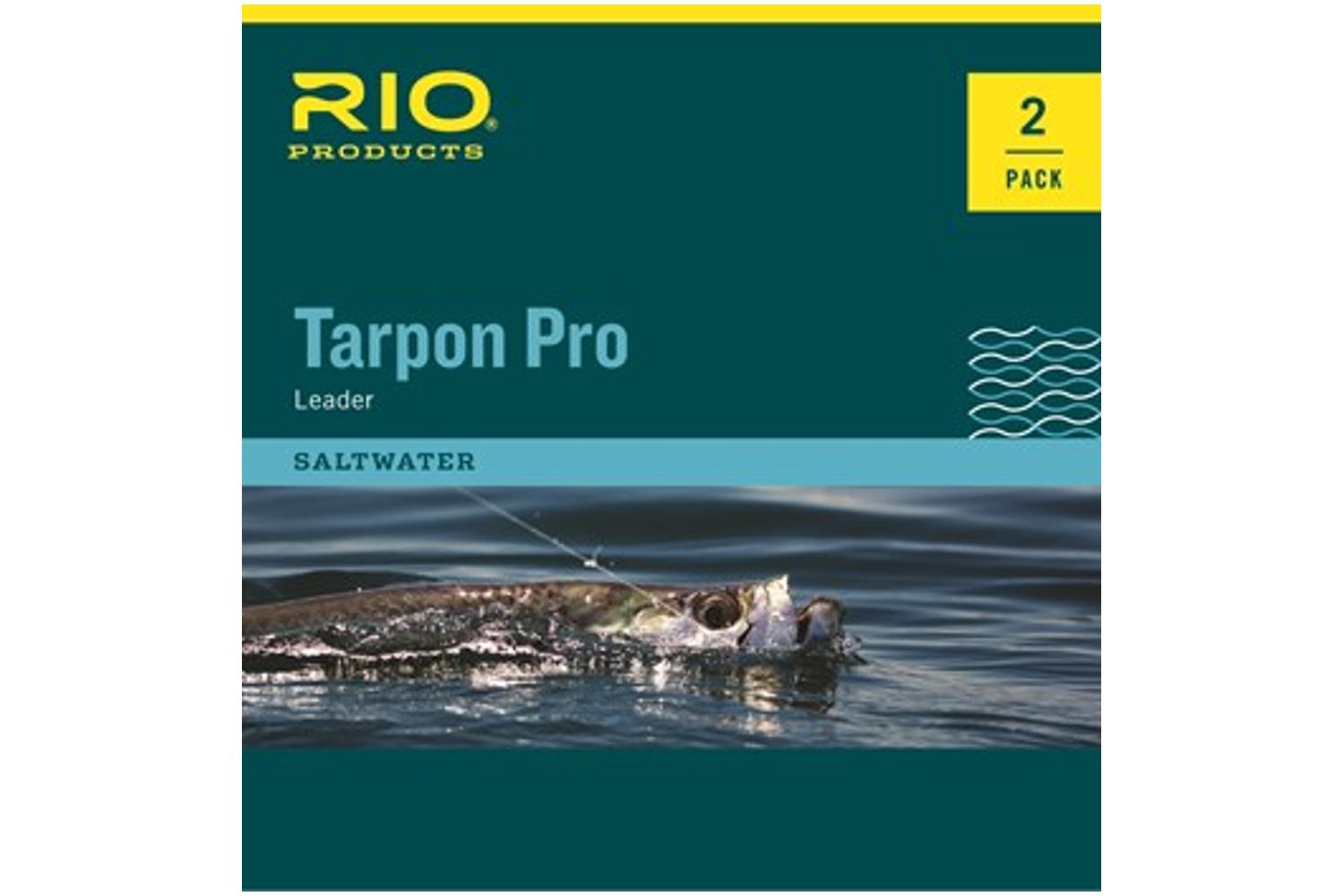
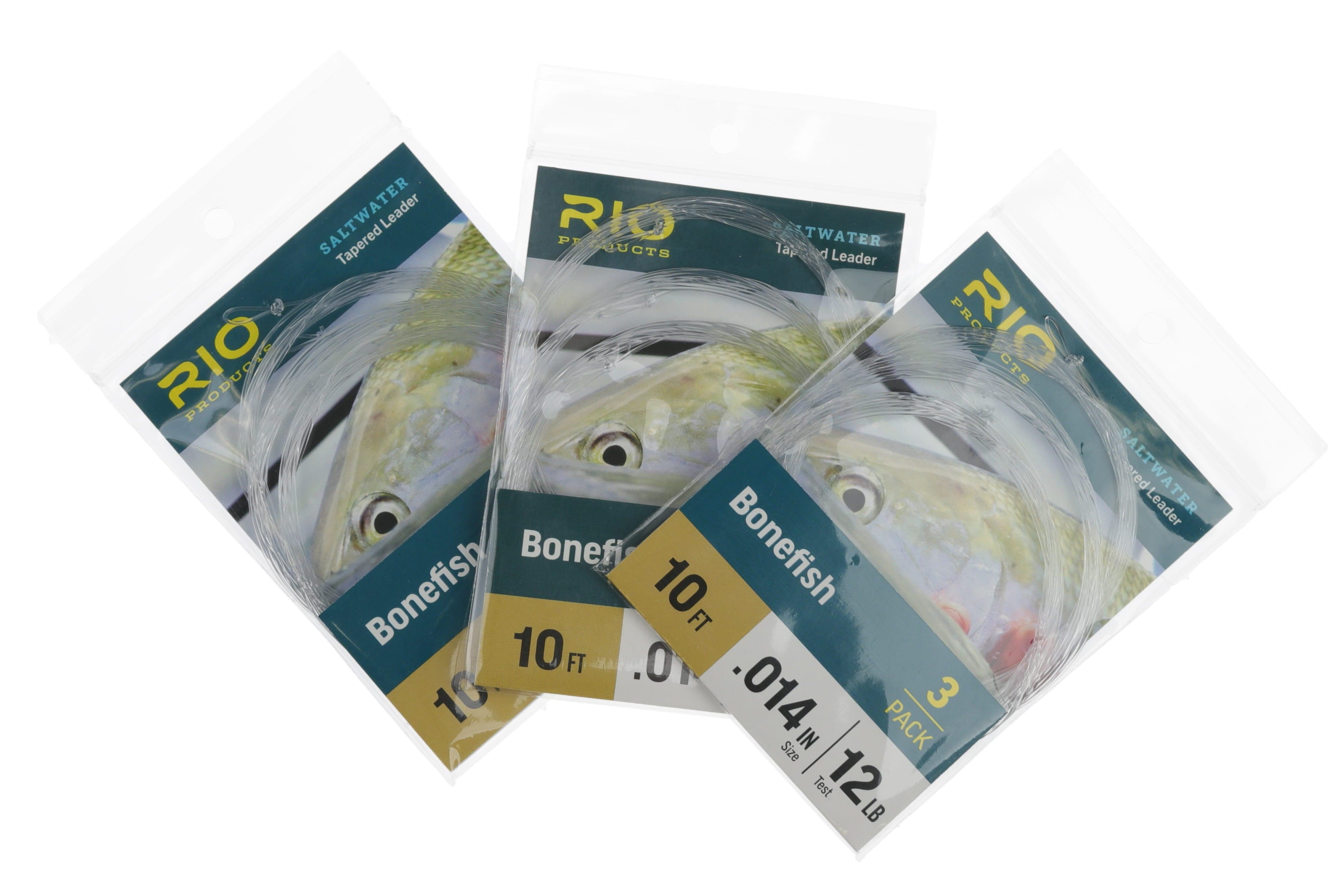
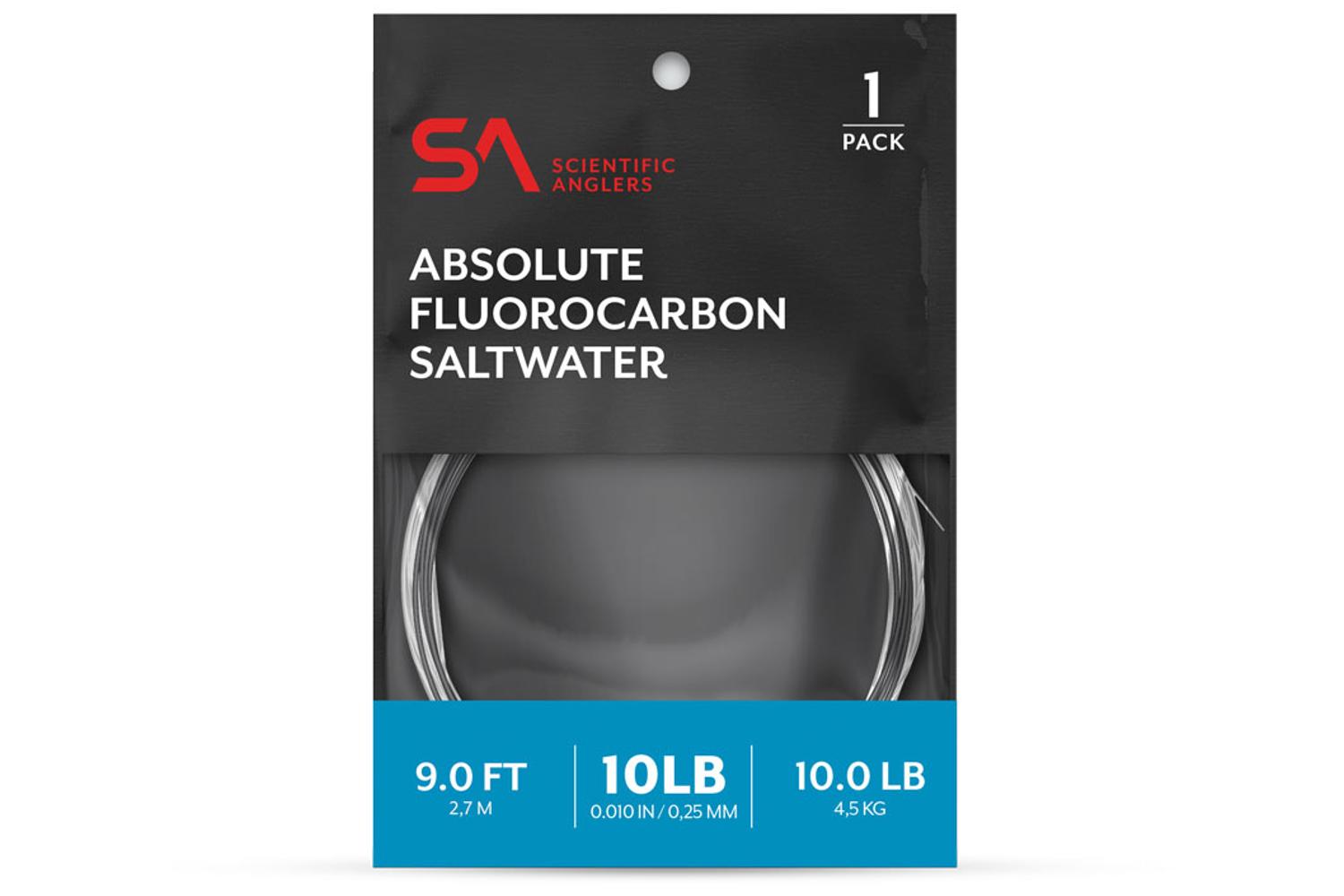
Best for Saltwater: Rio Saltwater Leaders - Designed with a stiff nylon core to punch large flies through coastal winds. These abrasion-resistant leaders are essential for targeting bonefish, permit, and tarpon.
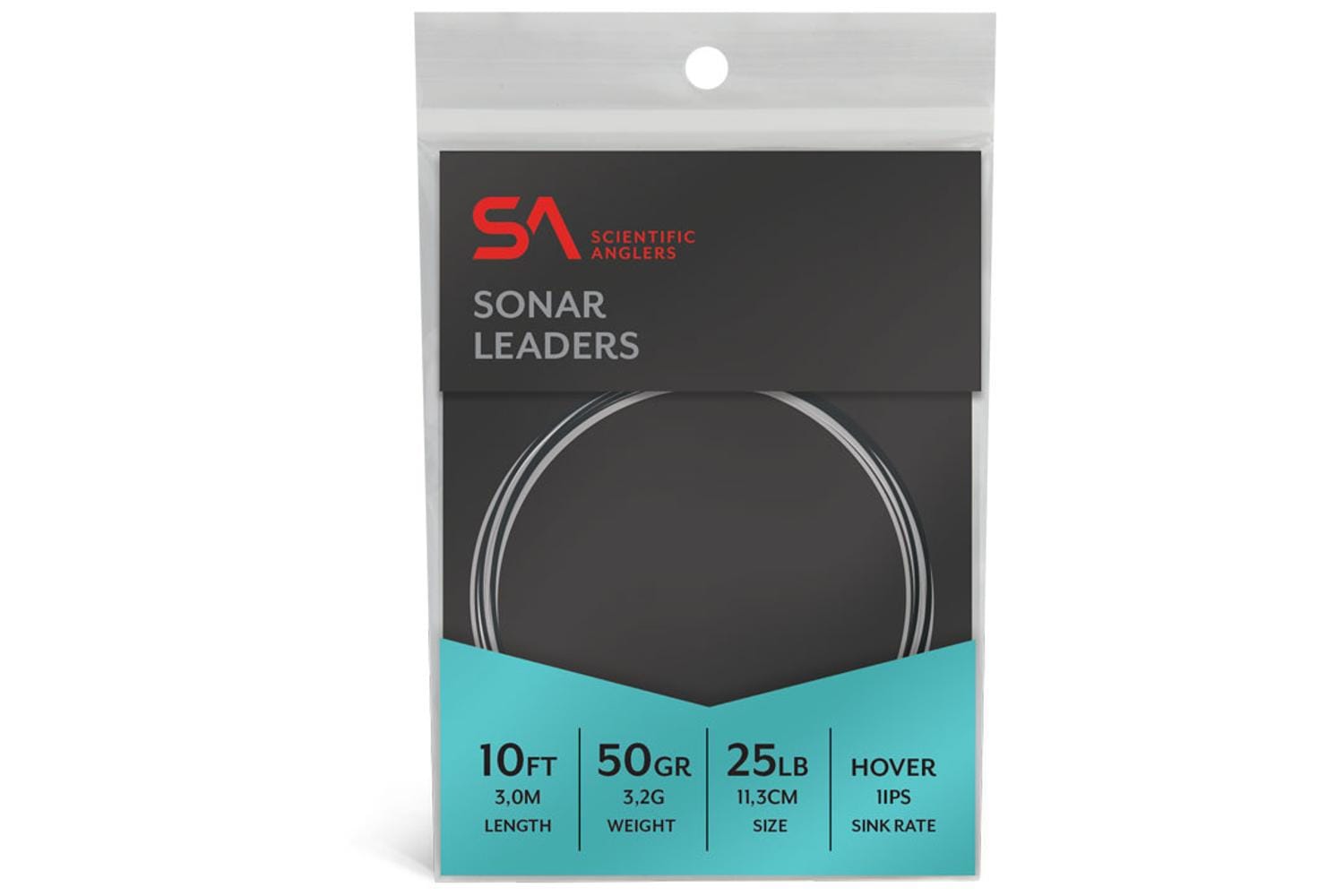
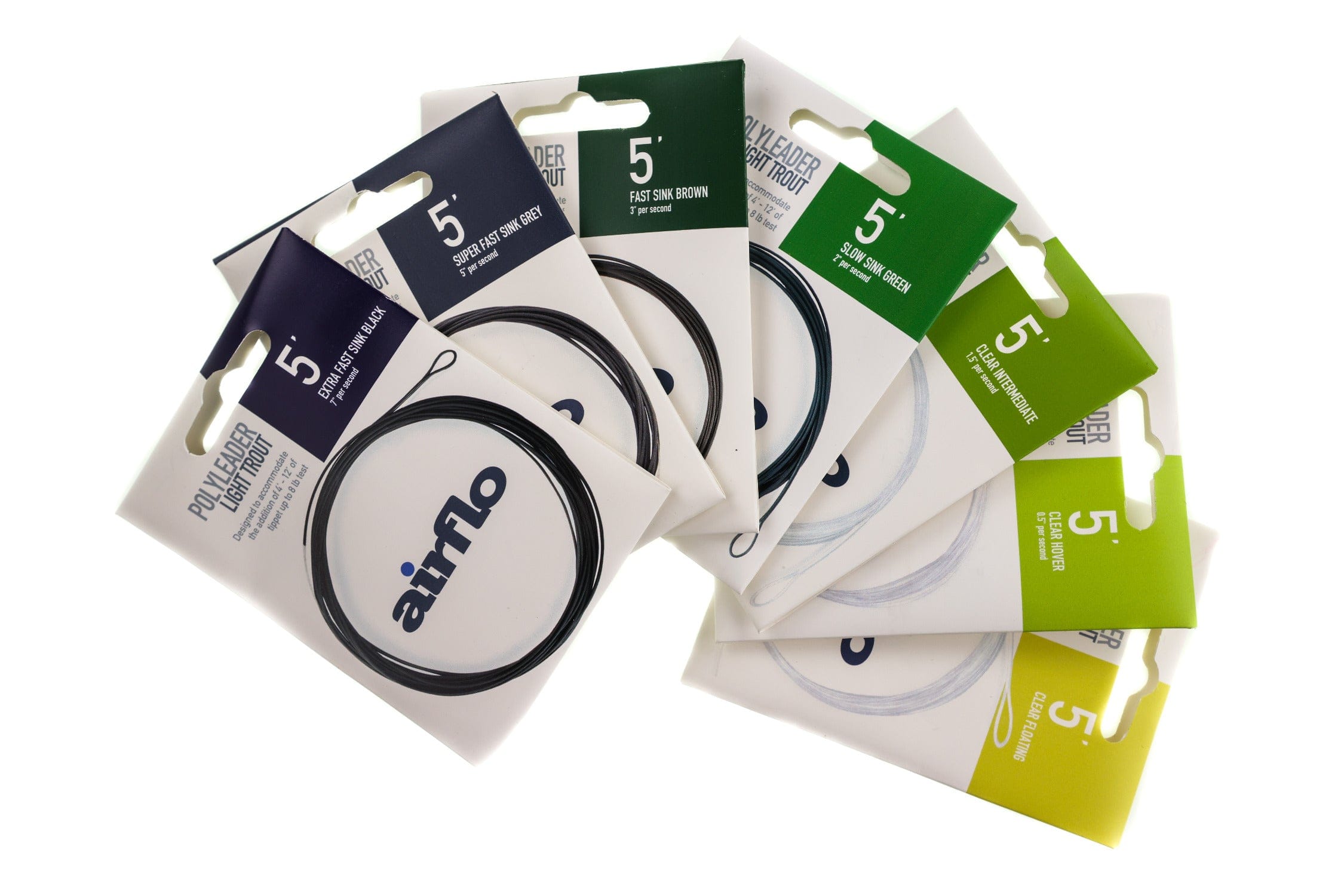
Best Sinking Option: Airflo Polyleaders - These polymer-coated leaders turn your floating line into a sink-tip system. Ideal for getting streamers down deep to feeding fish without changing spools.
How to Choose Leaders
Fly fishing leaders are the critical connection between your line and fly— Fly fishing leaders are just as important as choosing the right fly. The leader transfers energy from your fly line to the fly, determining how it lands and behaves on the water. Here is what to consider when building your rig.
Material: Nylon vs. Fluorocarbon
Nylon (Monofilament): This is the standard choice for dry fly fishing because it is neutral in density and floats well when treated. It is supple, knots easily, and is generally more affordable. Choose nylon for surface presentations where drag-free drifts are critical.
Fluorocarbon: Denser than water, fluorocarbon sinks, making it the superior choice for nymphing and saltwater fishing. It is nearly invisible underwater and offers higher abrasion resistance against rocks and coral. While stiffer than nylon, it is essential for targeting wary fish subsurface.
Length and Taper
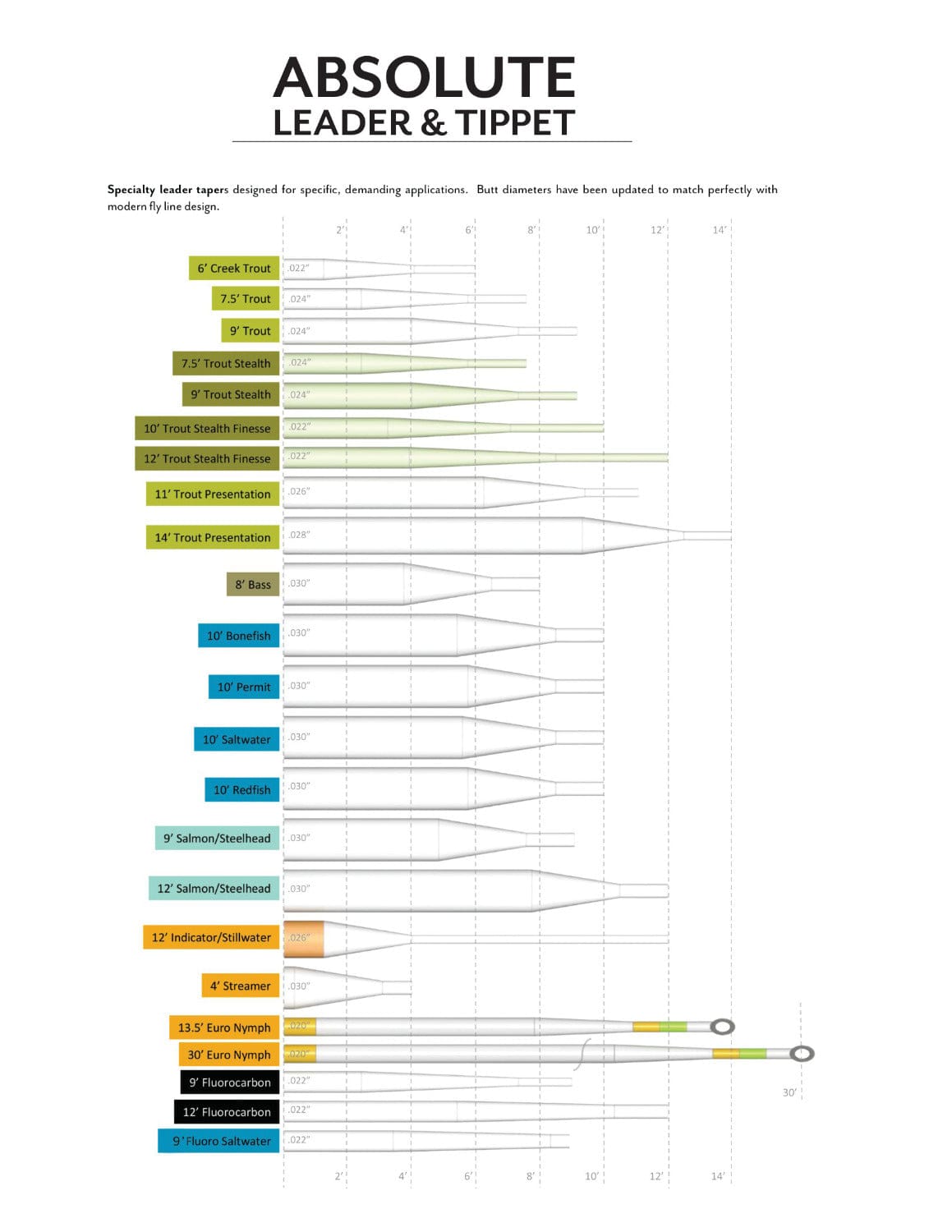
Standard Lengths: A 9-foot leader is the go-to standard for most trout fishing scenarios. It provides enough distance from the fly line to avoid spooking fish while remaining manageable to cast.
Short Leaders (7.5ft): Use shorter leaders for small streams, heavy winds, or when casting large, wind-resistant flies like bass poppers. The shorter length transfers energy more efficiently to turn over heavy bugs.
Long Leaders (12ft+): For highly pressured fish in clear spring creeks or stillwaters, a longer leader helps dissipate the line splash and keeps the fly line further from your target.
Butt Section and Turnover
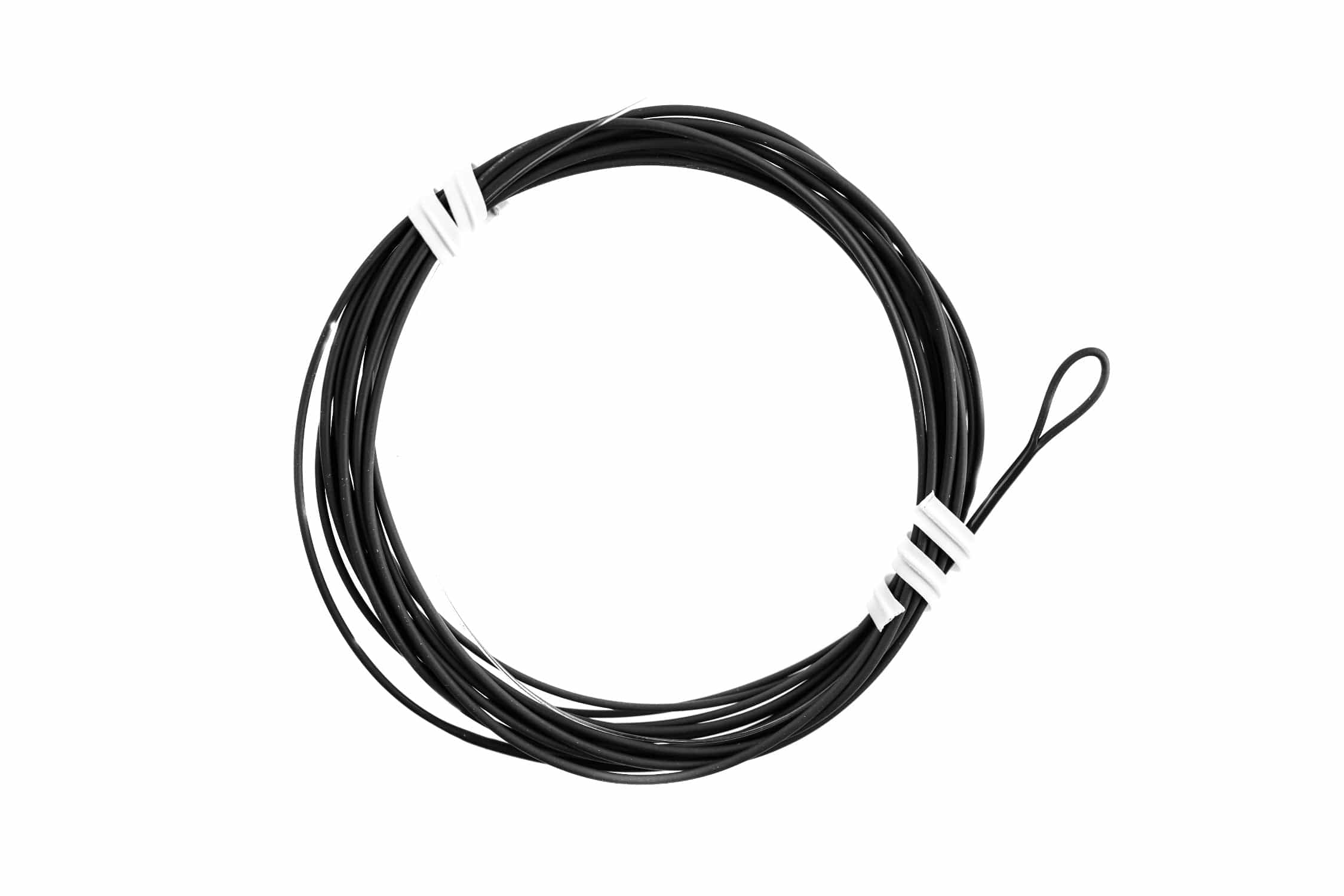
The thick "butt" section of the leader attaches to your fly line and must be stiff enough to transfer the casting energy. A leader with a proper taper graduates smoothly from this thick butt down to the thin tippet. Without this taper, the fly will not "turn over" or straighten out at the end of the cast, resulting in piles of line and poor presentation.
Care & Compatibility
Straightening: New nylon leaders often have memory coils from the package. Generate friction by pulling the leader through your rubber-gloved hand or a leader straightener to remove coils before fishing.
Storage: Monofilament can degrade over time when exposed to heat and UV light. Store extra leaders in a cool, dark place like a vest pocket or gear bag, rather than on a dashboard.
Connections: Most modern leaders come with a pre-tied perfection loop. Ensure you use a loop-to-loop connection with your fly line's welded loop for a smooth transition that won't snag in the guides.
Complete Your Setup
Related Gear
Fly Fishing Tippet - Extend the life of your leader and adjust for specific flies.
Fly Lines - Match your leader to the right line weight for optimal casting performance.
Fly Fishing Flies - From dry flies to streamers, find the patterns that match your leader choice.
Leaders FAQs
Q: What is the difference between a leader and tippet?
A: The leader is the tapered line that connects to your fly line, starting thick and getting thinner. Tippet is the level, thin material you tie to the end of the leader to extend its life and attach the fly.
Q: What does the "X" size mean?
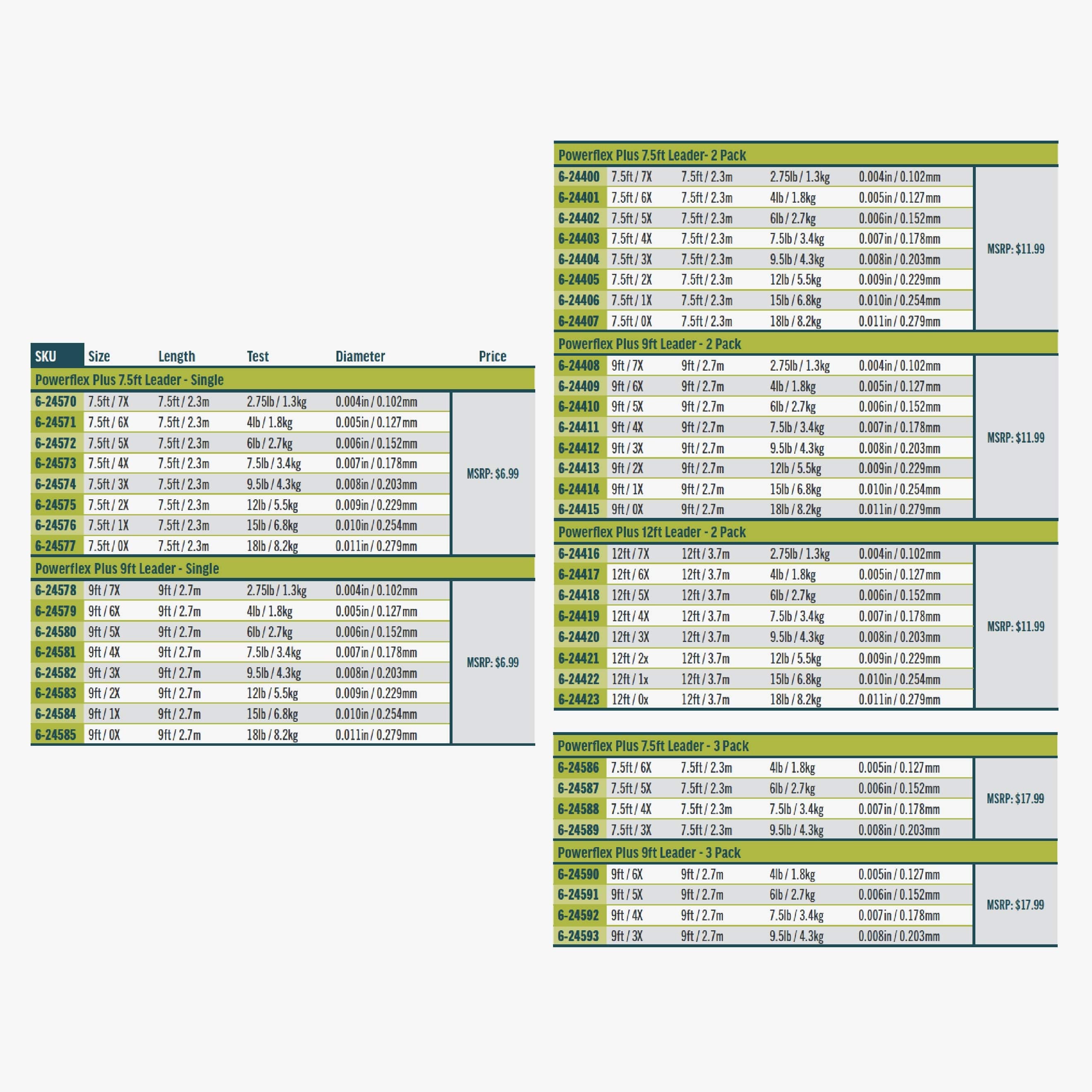
A: The "X" system denotes the diameter of the leader's tip. The higher the number (e.g., 6X), the thinner the line. Use 3X-4X for larger flies and 5X-6X for small dry flies.
Q: When should I replace my leader?
A: Replace your leader when the tapered section becomes too short from changing flies, or if it becomes wind-knotted and abraded. Attaching a tippet ring can help extend the lifespan of the main leader section.
Q: Can I use a trout leader for saltwater fishing?
A: It is not recommended. Saltwater leaders are made from harder, stiffer material designed to turn over heavy flies in wind and resist abrasion from rough mouths and coral, whereas trout leaders are too soft for these conditions.

